19-20 June 2026


19-20 June 2026
Kindly supported by Eriadne & George Mackintosh and Claire & Anthony Tait
Friday 19 June, 7.30pm Greyfriars Kirk, Edinburgh
Saturday 20 June, 7.30pm Holy Trinity Church, St Andrews
The St Andrews concert is in association with

PHILIP GLASS Three Songs for mixed a capella choir
TAVENER Thrinos
JAMES MACMILLAN Miserere
Interval of 20 minutes
DURUFLÉ Requiem
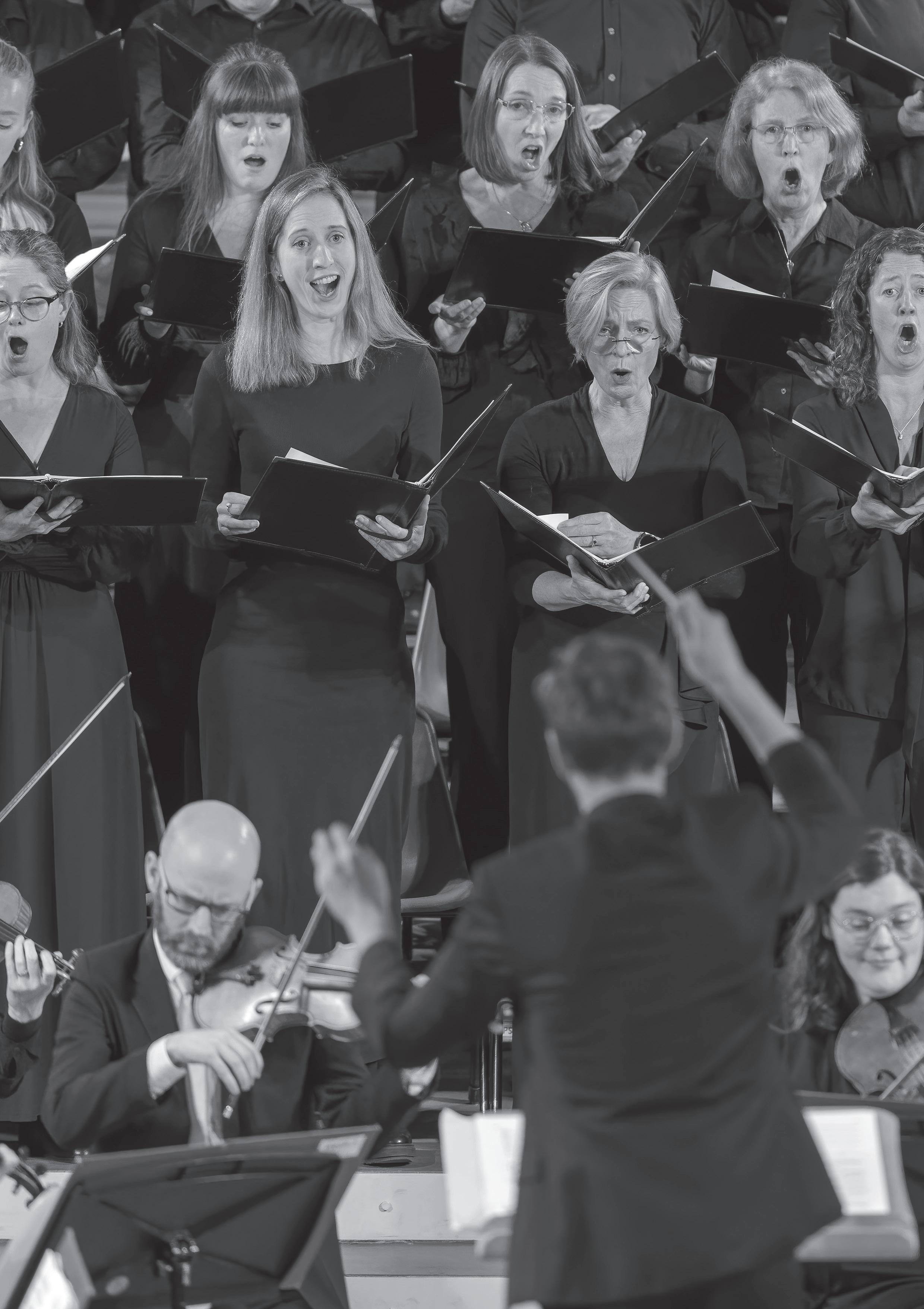
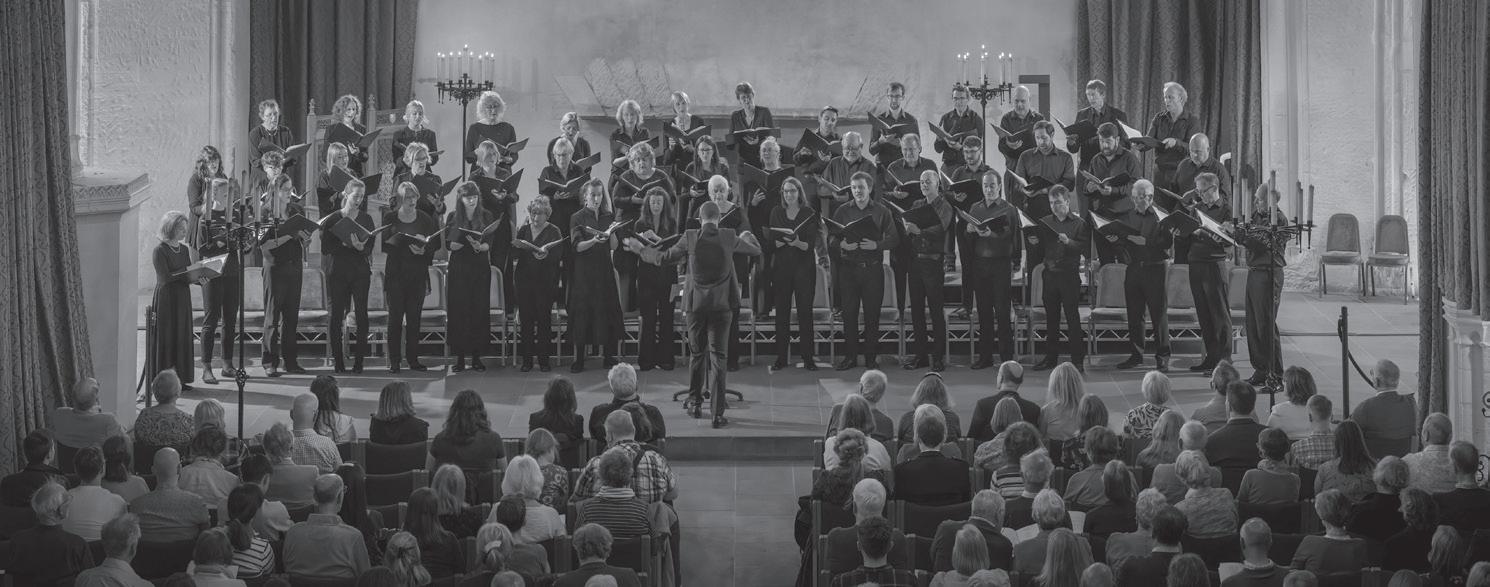
SCO Chorus
Gregory Batsleer conductor
Bethany Horak-Hallett mezzo soprano
Paul Grant baritone
Philip Higham cello
Michael Bawtree organ
SCO Chorus with Gregory Batsleer
4 Royal Terrace, Edinburgh EH7 5AB
+44 (0)131 557 6800 | info@sco.org.uk | sco.org.uk
The Scottish Chamber Orchestra is a charity registered in Scotland No. SC015039. Company registration No. SC075079.
THANK YOU
Our Principal Conductor’s Circle are a special part of our musical family. Their commitment and generosity benefit us all – musicians, audiences and creative learning participants alike.
Annual Fund
James and Patricia Cook
Visiting Artists Fund
Harry and Carol Nimmo
Anne and Matthew Richards
International Touring Fund
Gavin and Kate Gemmell
Learning and Participation Fund
Jo and Alison Elliot
Sabine and Brian Thomson
Productions Fund
Geoff and Mary Ball
Bill and Celia Carman
Anne, Tom and Natalie Usher
Scottish Touring Fund
Eriadne and George Mackintosh
Claire and Anthony Tait
New Music Fund
Ken Barker and Martha Vail Barker
Colin and Sue Buchan
David Caldwell
Nick and Kate Thomas
The Donald and Louise MacDonald Principal Conductor's Chair Maxim Emelyanychev
Chorus Director Gregory Batsleer
Anne McFarlane
Principal Viola Max Mandel
Ken Barker and Martha Vail Barker
Sub-Principal Viola Francesca Gilbert
Christine Lessels
Viola Steve King
Sir Ewan and Lady Brown
Principal Cello Philip Higham
Nick and Kate Thomas
Sub-Principal Cello Su-a Lee
Ronald and Stella Bowie
Cello Donald Gillan
Professor Sue Lightman
Cello Eric de Wit
Jasmine Macquaker Charitable Fund
Principal Double Bass Jamie Kenny
Erik Lars Hansen and Vanessa C L Chang
Principal Flute André Cebrián
Claire and Mark Urquhart
Sub-Principal Flute Marta Gómez
Judith and David Halkerston
Principal Oboe
The Hedley Gordon Wright Charitable Trust
Sub-Principal Oboe Katherine Bryer
Ulrike and Mark Wilson
Principal Clarinet Maximiliano Martín
Stuart and Alison Paul
Principal Bassoon Cerys Ambrose-Evans
Claire and Anthony Tait
Sub-Principal Bassoon Alison Green
George Rubienski
Principal Horn Kenneth Henderson
Caroline Hahn and Richard Neville-Towle
Timpani / Percussion Louise Lewis Goodwin
Silvia and Andrew Brown






“The SCO Chorus proved that it is in a class of its own”
HM The King Patron
Donald MacDonald CBE
Life President
Joanna Baker CBE Chair
Gavin Reid LVO FRSE Chief Executive
Maxim Emelyanychev
Principal Conductor
Andrew Manze
Principal Guest Conductor
Joseph Swensen
Conductor Emeritus
Gregory Batsleer
Chorus Director
Jay Capperauld
Associate Composer
Information correct at the time of going to print
Alison Williams
Anna Morris*
Annike Petin
Elizabeth McColl
Emily Gifford
Emily Kemp*
Emma Aitken
Joanne Dunwell
Ben Evans*
Colin French
Keith Main
Magnus Bushby*
Matthew Andrews
Michael Scanlon
Paul Vaughan
Theodore Hill
Gregory Batsleer
Chorus Director
Stuart Hope
Associate Chorusmaster
Emma Morwood
Voice Coach
Susan White
Chorus Manager
* Young Singers' Programme
Bold = soloist
Morven Chisholm
Nancy Burns
Naomi Black
Nicola Henderson
ALTO
Anne Gallacher
Anne Grindley
Claire Goodenough
Elaine McAdam
Fiona Haldane
Gill Cloke
Hilde McKenna
Jennie Gardner
Linda Ruxton
Melissa Humphreys
Olivia Smith*
Rachel Kemp
Sarah Campbell
BASS
David Paterson
Douglas Nicholson
Fraser Riddell
Gavin Easton
Hugh Hillyard-Parker
Kenneth Murray
Peter Silver
Richard Murphy
Robin Hiley
Roderick Wylie
Sandy Matheson
Stephen Todd
PHILIP GLASS (b. 1937)
Three Songs for mixed a capella choir (1984, rev. 1986)
I. There are some men
II. Quand les hommes vivront d'amour
III. Pierre de Soleil
TAVENER (1944-2013)
Thrinos (1990)
JAMES MACMILLAN (b. 1959)
Miserere (2009)
DURUFLÉ (1902-1986)
Requiem, Op. 9 (1947, rev. 1961)
Introit (Requiem aeternam)
Kyrie eleison
Offertory (Domine Jesu Christe)
Sanctus and Benedictus
Pie Jesu
Agnus Dei
Communion (Lux aeterna)
Libera me
In paradisum
Life and death, war and peace, judgement and mercy. It’s probably no coincidence that composers down the ages have used the collected human voices that comprise a choir to explore some of our profoundest, most spiritual questions. The voice is, after all, our simplest, most authentic and least mediated musical instrument. Bringing several together can inevitably represent the warmth of community or the urgency of shared need and supplication – and in some cases, both at once.
The four pieces in tonight’s concert don’t shy away from some of our most fundamental human questions. But they address those issues in music of contemplation, understanding and often striking beauty.
Baltimore-born, long-time New Yorkbased Philip Glass is considered one of the founding fathers of minimalism, the hugely influential musical style that often takes music back to its most fundamental ingredients, drawing meaning and power from repetition, gradual change and sometimes almost hypnotic development. That said, the Three Songs that Glass wrote in 1984 are hardly examples of his purest, austerest musical style: instead, there’s a lot of variety and change within their richly conceived music.
The Three Songs were commissioned by the Québec 1534-1984 Festival, celebrating 450 years since French explorer Jacques Cartier first landed in what we now call Canada. Accordingly, Glass chose texts by three American writers, but omitted entirely his own nation, instead selecting verse by Leonard Cohen and Raymond Lévesque (both born in Québec, though Cohen was anglophone
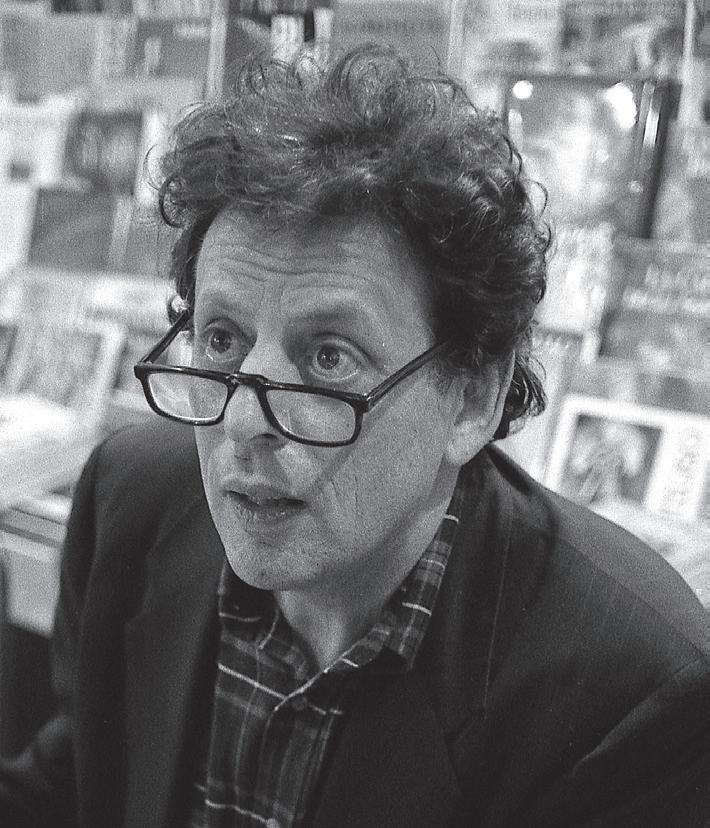
and Lévesque francophone), and by Mexican writer Octavio Paz.
‘There are some men’ by Cohen – known equally as a poet, songwriter and singer – is a quiet tribute to an unnamed friend. Like Cohen, Lévesque was a singer-songwriter as well as a poet, and his ‘Quand les hommes vivront d’amour’ already exists in song form, though Glass’s setting of the text is entirely his own. Lévesque wrote the words while living in Paris in the 1950s, and its longing for peace is a response to the Algerian War of Independence. ‘Pierre de soleil’ is considered one of the greatest creations by Nobel laureate Paz, its structure as well as its words inspired by the circularity of time as embodied in the ancient Aztec calendar.
There’s a certain amount of repetition embedded within Glass’s three brief settings, but his Three Songs sit a long way from musical minimalism in its
There’s a certain amount of repetition embedded within Glass’s three brief settings, but his Three Songs sit a long way from musical minimalism in its strictest sense
strictest sense. Instead, more evident are Glass’s musical responses to the texts themselves, in terms of varied choral textures and harmonic richness. After the gentle melancholy of ‘There are some men’, ‘Quand les hommes vivront d’amour’ shows greater urgency in its insistent rhythms, though the subtly shifting harmonies of ‘Pierre de soleil’ map out a sophisticated emotional territory.
American minimalism made a profound impact on the music of British composer John Tavener, though he took a characteristically spiritual approach to its ideas in his deeply felt, sometimes even ritualistic music that often peers deeply into questions of faith and belief. He was a fascinating, deeply idiosyncractic figure in recent British music (he died in 2013, after gaining huge popularity in the final decades of his life). He was a close friend of the now King Charles III, and a
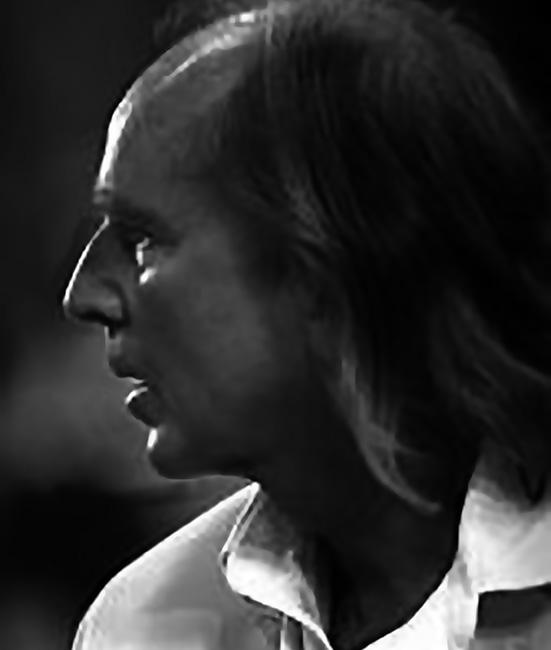
profoundly spiritual figure immersed in the rites of the Eastern Orthodox Church and other mystical faiths, while also maintaining a passion for classic cars –he reputedly owned a vintage Rolls Royce, a Jaguar and a Bentley during his lifetime.
Tavener wrote Thrinos in 1990 for British cellist Steven Isserlis, a long-time collaborator and close colleague. It’s a slow-moving song of lament for cello alone, drawing on Orthodox chants often heard at funerals or burial services. Tavener’s Thrinos manages to be austere yet also emotionally rich, revealing music of such simplicity that even a move from one note to another can feel like a change of emotion. It concludes, appropriately, in the darkest part of the cello’s range.
Sir James MacMillan is Scotland’s most
Tavener’s Thrinos manages to be austere yet also emotionally rich, revealing music of such simplicity that even a move from one note to another can feel like a change of emotion.
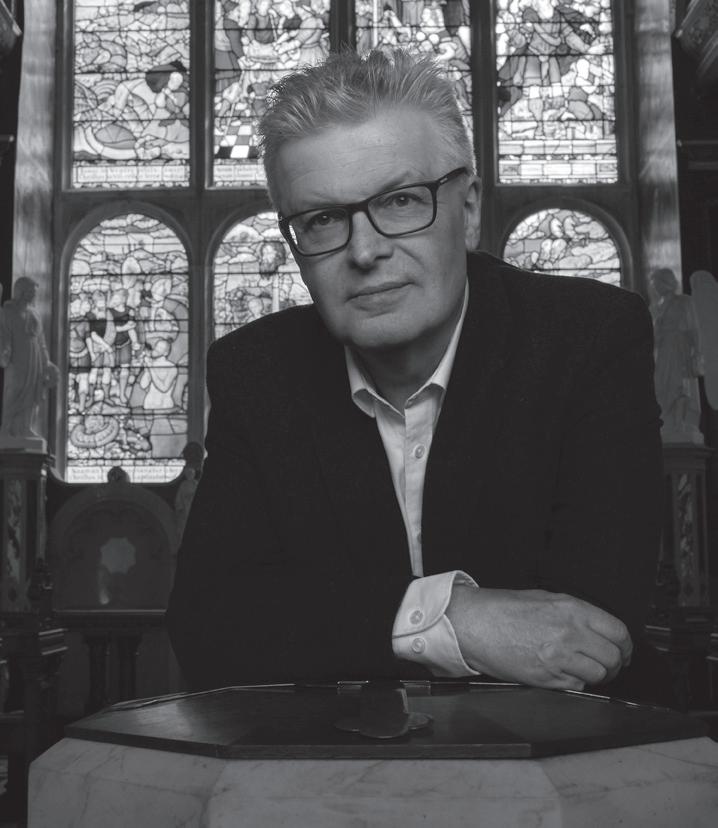
internationally prominent composer, with a huge output of operas, orchestral music and chamber works that often combine hard-edged energy with contemplative spirituality to profoundly dramatic effect. Music for voices, too, has long played a central role in his output: he has written for choirs of all levels, and one of his most recent pieces – the oratorio Angels Unawares – made history as the first piece to be premiered in the Vatican’s Sistine Chapel.
MacMillan wrote his Miserere in 2009 for the Flanders Festival in Antwerp. Its text, taken from Psalm 51, is a prayer for forgiveness, mercy and understanding that’s been set by many composers down the centuries – most famously, perhaps, by Gregorio Allegri in the 1630s. Indeed, MacMillan explicitly references Allegri’s setting in his own version, as he explains in his own description of the piece:
‘It is through-composed but structured in a series of interlocking sections, and bound together by a number of recurring motifs. I have nodded towards Allegri’s masterful setting by referencing the psalm chant found in his setting. However, my version of the chant is harmonised, once in a relatively traditional manner, and then later, ethereally and with floating drones. The opening melody, based upon a minor mode, eventually recurs at the very end in its major, with a sense of resignation and hope.’
From comradeship, commemoration and contrition, for tonight’s final piece we turn to the biggest question of them all: mortality. Though the setting of the Requiem Mass that Maurice Duruflé finished composing in 1947 considers the inevitability of death not with terror or resistance, but with quiet acceptance, and a deeply consoling sense of compassion.
MacMillan wrote his Miserere in 2009 for the Flanders Festival in Antwerp. Its text, taken from Psalm
51,
is
a prayer for forgiveness, mercy and understanding that’s been set by many composers down the centuries
Duruflé came from a long and illustrious line of French organist/composers. He studied as a young man with arch-mystic Charles Tournemire, then later with the somewhat more pragmatic Louis Vierne, observing: ‘To the same extent that Tournemire made one feel one was sitting upon a volcano about to erupt, Vierne gave one a sense of complete ease. He was always the same from one day to the next.’ He assisted Vierne in his role as organist at Paris’s Notre-Dame Cathedral, and held the position of organist at the city’s Saint-Étienne-du-Mont Church from 1929 until 1975.
In terms of his compositions, however, Duruflé was a notorious perfectionist, unable to stop himself tampering with and making final edits to music even after it had been published, and destroying many pieces before they even got to that stage. As a result, he has a mere 14 published
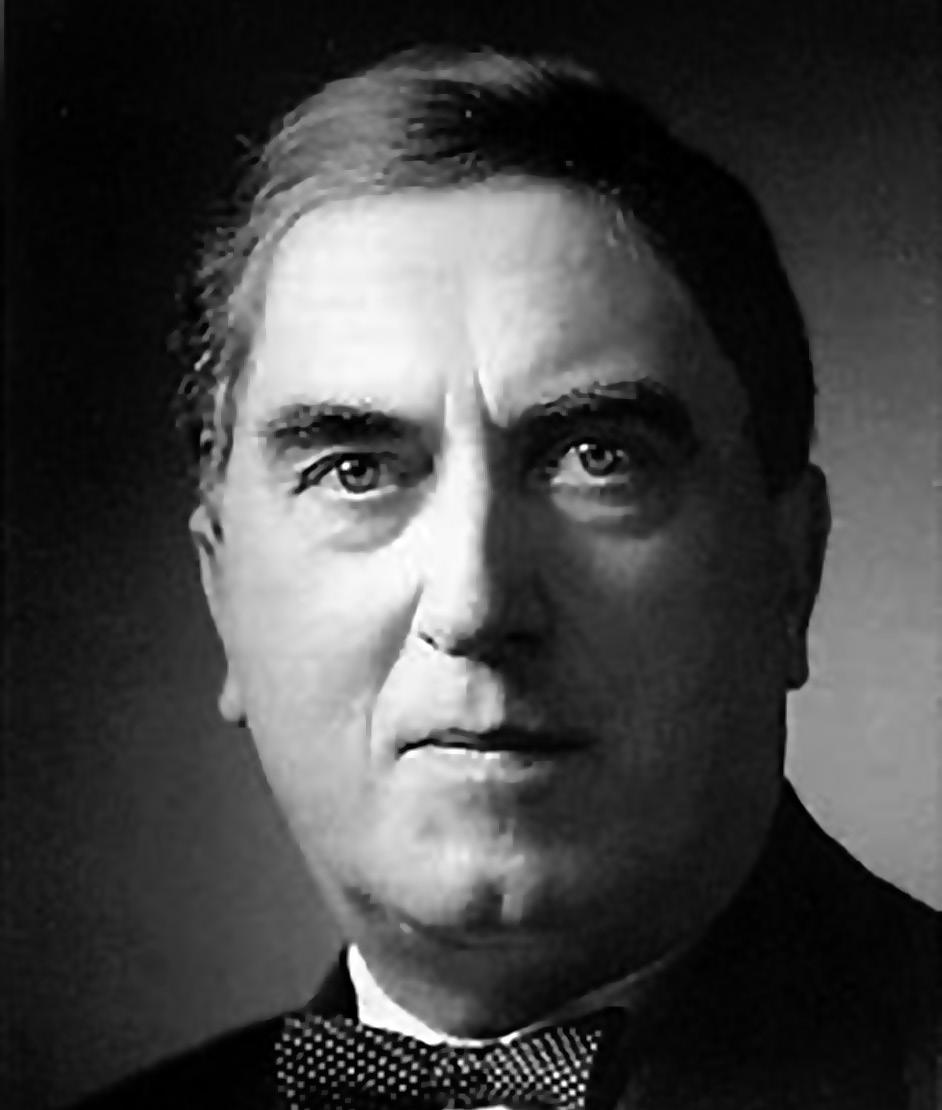
opus numbers to his name – among which today’s Requiem is by far his best-known and most loved work.
Given its contemplative, serenely peaceful tone, the Requiem’s origins are perhaps a little unexpected. It was commissioned at the height of the Second World War by the Nazi-collaborationist Vichy regime, one of several pieces that the puppet government requested from prominent figures in French music to emphasise its own legitimacy. Duruflé originally agreed to produce a symphonic poem, though he later got the authorities to agree to a setting of the Requiem Mass instead. He was still working on the Requiem when the Vichy regime fell in 1944, and it wouldn’t receive its premiere until three years later.
It’s often compared with – and, on CD recordings, often directly paired with – the more famous Requiem setting by
Given its contemplative, serenely peaceful tone, the Requiem’s origins are perhaps a little unexpected.
Gabriel Fauré. It’s understandable: the two pieces are similarly serene, luminous and introspective, and both focus on peace and mercy rather than divine judgement or dread of what might come after death. Duruflé himself, however, got more than a little annoyed by the comparison, later explicitly stating: ‘I do not think I was influenced by Fauré, contrary to the opinion of certain music critics who, anyway, have never given any explanation for their point of view. I have simply tried to surround myself with the style suitable to the Gregorian chants as well as the rhythmic interpretation of the Benedictines of Solesmes.’
Ancient Gregorian plainchant is indeed central to Duruflé’s setting of the Mass text, and he uses numerous traditional chant themes across the work, often subtly adapting or expanding them within his luminous, gently perfumed musical world.
Ancient Gregorian plainchant is indeed central to Duruflé’s setting of the Mass text, and he uses numerous traditional chant themes across the work, often subtly adapting or expanding them within his luminous, gently perfumed musical world. As a result, vocal lines often feel as if they float free of rhythmic restrictions, instead unfolding gracefully in their own time and according to their own rules.
As a result, vocal lines often feel as if they float free of rhythmic restrictions, instead unfolding gracefully in their own time and according to their own rules.
Several versions of the Requiem exist, using organ or orchestra (or both). Tonight we’ll hear Duruflé’s version for mezzosoprano and baritone soloists, choir, organ and solo cello, which is structured across nine movements. The choral tenors and basses introduce the main, chant-like theme against a gently rippling accompaniment in the opening ‘Requiem aeternam’, before the choir’s sopranos and altos add harmonic richness. The ‘Kyrie eleison’ runs straight on from the opening movement, its similarly chant-like lines rising gently through the choral voices.
After a somewhat sombre organ introduction, the ‘Domine Jesu Christe’ begins quietly with the choral altos before
building to an imposing, even desperate plea for mercy from the full chorus, later joined by the solo baritone in a more hushed ‘Hostias’ section. Rippling accompaniment figures return for the light-filled, quietly celebratory ‘Sanctus’ and very brief ‘Benedictus’, while the poised serenity of the ‘Pie Jesu’ comes courtesy of a duet between the solo mezzo and solo cello. The ‘Agnus Dei’ moves more fluidly than earlier movements, and the ‘Lux aeterna’ is gently luminous, full of ever-changing rhythms that allow its chant-like melody to flow naturally. The ‘Libera me’ is the Requiem’s most dramatic and unsettled movement, building to an impassioned climax as the text considers the Day of Judgement, though Duruflé contrasts it with a feeling of otherworldly delicacy in the quietly radiant vision of heaven, ‘In paradisum’.
© David Kettle
PHILIP GLASS (b. 1937)
Three Songs for mixed a capella choir (1984, rev. 1986)
I. There are some men
There are some men who should have mountains to bear their names to time.
Grave markers are not high enough or green, and sons go far away to lose the fist their father's hand will always seem.
I had a friend: he lived and died in mighty silence and in dignity, left no book, son or lover to mourn.
Nor is this a mourning song but only a naming of this mountain on which I walk, fragrant, dark and softly white under the pale of mist. I name this mountain after him.
Text: Leonard Cohen
II. Quand les hommes vivront d’amour
Quand les hommes vivront d'amour
Il n'y aura plus de misère
Et commenceront les beaux jours
Mais nous, nous serons morts, mon frère.
Quand les hommes vivront d'amour
Ce sera la paix sur la terre
Les soldats seront troubadours
Mais nous, nous serons morts, mon frère.
When men live in brotherly love
There will be no more misery
And the good days will begin
But as for us, we shall be long gone, my brother.
When men live in brotherly love
There will be peace on Earth Soldiers will be troubadours
But as for us, we shall be long gone, my brother.
Dans la grande chaîne de la vie
Où il fallait que nous passions
Où il fallait que nous soyons
Nous aurons eu la mauvaise partie.
Mais quand les hommes vivront d'amour
Qu'il n'y aura plus de misère
Peut-être songeront-ils un jour
À nous qui serons morts, mon frère.
Nous qui aurons aux mauvais jours
Dans la haine et puis dans la guerre
Cherché la paix, cherché l'amour
Qu'ils connaîtront alors, mon frère.
Dans la grande chaîne de la vie
Pour qu'il y ait un meilleur temps
Il faut toujours quelques perdants
Sagesse ici-bas, c'est le prix.
Text: Raymond Lévesque
La vie, quand fut-elle vraiment notre ?
Quand sommes-nous vraiment ce que nous sommes ? En vérité, seuls, nous ne sommes pas, nous ne sommes jamais sinon vertige et vide, jamais la vie n'est nôtre, elle est aux autres, la vie n'est à personne, nous sommes tous la vie, pain de soleil pour les autres, tous les autres que nous sommes, sortir de moi, me chercher parmi les autres, les autres qui ne sont pas si je n'existe pas, les autres qui nous donnent existence, Il n'y a pas de moi, toujours nous sommes nous autres, la vie est autres, toujours là-bas plus loin, hors de toi, de moi, toujours horizon.
Text: Octavio Paz (translated by Benjamin Peret)
Through the course of this life
Which we had to experience
In which we had to play a part
We were dealt a bad hand.
But when men live in brotherly love
And there is no more misery
Perhaps they will think one day
Of us who are no longer, my brother.
We in bad times
In hatred and then in war
Looked for peace, looked for love
Which they will know, my brother.
Through the course of this life
To have a better time
There always have to be some losers
That's the price you payfor wisdom.
When was life really ours?
When are we really what we are?
In truth, as individuals we do not exist, we never exist except as dizziness and emptiness, life is never ours, it belongs to others, life doesn't belong to any one individual, we are all life, we nurture one another, all the others whom we are, let me come out of myself, look for me amongst the others, the others who are not if I don't exist, the others who give me existence, There is no me, it is always us, life is others, always over there, further away, beyond you, beyond me, always on the horizon.
Miserere (2009)
Miserere mei, Deus, secundum magnam misericordiam tuam.
Et secundum multitudinem miserationum tuarum, dele iniquitatem meam.
Amplius lava me ab iniquitate mea: et a peccato meo munda me.
Quoniam iniquitatem meam ego cognosco: et peccatum meum contra me est semper.
Tibi soli peccavi, et malum coram te feci: ut justificeris in sermonibus tuis, et vincas cum judicaris.
Ecce enim in iniquitatibus conceptus sum: et in peccatis concepit me mater mea.
Ecce enim veritatem dilexisti: incerta et occulta sapientiae tuae manifestasti mihi.
Asperges me hyssopo, et mundabor: lavabis me, et super nivem dealbabor.
Auditui meo dabis gaudium et laetitiam: et exsultabunt ossa humiliata.
Averte faciem tuam a peccatis meis: et omnes iniquitates meas dele.
Have mercy on me, O God, according to thy great mercy.
And according to the multitude of thy tender mercies blot out my iniquity.
Wash me yet more from my iniquity, and cleanse me from my sin.
For I know my iniquity, and my sin is always before me.
To thee only have I sinned, and have done evil before thee: that thou mayst be justified in thy words, and mayst overcome when thou art judged.
For behold I was conceived in iniquities; and in sins did my mother conceive me.
For behold thou hast loved truth: the uncertain and hidden things of thy wisdom thou hast made manifest to me.
Thou shalt sprinkle me with hyssop, and I shall be cleansed: thou shalt wash me, and I shall be made whiter than snow.
To my hearing thou shalt give joy and gladness: and the bones that have been humbled shall rejoice.
Turn away thy face from my sins, and blot out all my iniquities.
Cor mundum crea in me, Deus: et spiritum rectum innova in visceribus meis.
Ne projicias me a facie tua: et spiritum sanctum tuum ne auferas a me.
Redde mihi laetitiam salutaris tui: et spiritu principali confirma me.
Docebo iniquos vias tuas: et impii ad te convertentur.
Libera me de sanguinibus, Deus, Deus salutis meae: et exsultabit lingua mea justitiam tuam.
Domine, labia mea aperies: et os meum annuntiabit laudem tuam.
Quoniam si voluisses sacrificium, dedissem utique: holocaustis non delectaberis.
Sacrificium Deo spiritus contribulatus: cor contritum et humiliatum, Deus, non despicies.
Benigne fac, Domine, in bona voluntate tua Sion: ut aedificentur muri Ierusalem.
Tunc acceptabis sacrificium iustitiae, oblationes et holocausta: tunc imponent super altare tuum vitulos.
Psalm 51 (50): 3-21
Douay-Rheims translation
Create a clean heart in me, O God: and renew a right spirit within my bowels.
Cast me not away from thy face; and take not thy holy spirit from me.
Restore unto me the joy of thy salvation, and strengthen me with a perfect spirit.
I will teach the unjust thy ways: and the wicked shall be converted to thee.
Deliver me from blood, O God, thou God of my salvation: and my tongue shall extol thy justice.
O Lord, thou wilt open my lips: and my mouth shall declare thy praise.
For if thou hadst desired sacrifice, I would indeed have given it: with burnt offerings thou wilt not be delighted.
A sacrifice to God is an afflicted spirit: a contrite and humbled heart, O God, thou wilt not despise.
Deal favourably, O Lord, in thy good will with Sion; that the walls of Jerusalem may be built up.
Then shalt thou accept the sacrifice of justice, oblations and whole burnt offerings: then shall they lay calves upon thy altar.
DURUFLÉ (1902-1986)
Requiem, Op. 9 (1947, rev. 1961)
Introit
Requiem aeternam dona eis, Domine, et lux perpetua luceat eis. Te decet hymnus, Deus in Sion, et tibi reddetur votum in Jerusalem; exaudi orationem meam, ad te omnis caro veniet.
Requiem aeternam dona eis, Domine, et lux perpetua luceat eis.
Kyrie
Kyrie eleison. Christe eleison. Kyrie eleison.
Introit
Eternal rest grant them, O Lord, and let eternal light shine upon them. A hymn to you is fitting, O God in Zion, and a vow made to you in Jerusalem; hear my prayer, all flesh comes to you. Eternal rest grant them, O Lord, and let eternal light shine upon them.
Kyrie
Lord, have mercy on us. Christ, have mercy on us. Lord, have mercy on us.
Domine Jesu Christe
Domine Jesu Christe, rex gloriae, libera animas omnium fidelium defunctorum de poenis inferni et de profundo lacu. Libera eas de ore leonis, ne absorbeat eas tartarus, ne cadant in obscurum.
Sed signifer sanctus Michael repraesentet eas in lucem sanctam, quam olim Abrahae promisisti et semini ejus. Hostias et preces tibi, Domine, laudis offerimus.
Tu suscipe pro animabus illis, quarum hodie memoriam facimus, fac eas, Domine, de morte transire ad vitam quam olim Abrahae promisisti et semini ejus.
Sanctus
Sanctus Dominus Deus Sabaoth, pleni sunt coeli et terra gloria tua. Hosanna in excelsis! Benedictus, qui venit in nomine Domini. Hosanna in excelsis!
Pie Jesu
Pie Jesu Domine, dona eis requiem sempiternam.
Agnus Dei
Agnus Dei, qui tollis peccata mundi, dona eis requiem sempiternam.
Domine Jesu Christe
Lord Jesus Christ, King of glory, free the souls of all the faithful departed from the punishments of hell and from the deep abyss. Deliver them from the lion’s mouth so that Tartarus does not swallow them, and that they do not fall into darkness.
But holy Michael, describes them as being in the holy light, which long ago to Abraham and his offspring you promised. Offerings and prayers to you, Lord, praise we offer. Hear them for the sake of those souls which today we remember, grant, Lord, that they may pass from death to life, which long ago to Abraham and his offspring you promised.
Sanctus
Holy, holy, holy, Lord God of Hosts. Heaven and earth are full of your glory, Hosannah in the highest. Blessed is he who comes in the name of the Lord, Hosannah in the highest.
Pie Jesu
Gracious Lord Jesus, grant them eternal rest.
Agnus Dei
Lamb of God, who takes away the sin of the world, grant them eternal rest.
Lux aeterna
Lux aeterna luceat eis, Domine, cum sanctis tuis in aeternum, quia pius es.
Requiem aeternam dona eis, Domine, et lux perpetua luceat eis.
Libera me
Libera me, Domine, de morte aeterna, in die illa tremenda, quando coeli movendi sunt et terra, dum veneris judicare saeculum per ignem.
Tremens factus sum ego et timeo dum discussio venerit atque ventura ira, quando coeli movendi sunt et terra. Dies illa, dies irae, calamitatis et miseriae, dies magna et amara valde. Requiem aeternam dona eis, Domine, et lux perpetua luceat eis.
In Paradisum
In Paradisum deducant Angeli, in tuo adventu suscipiant te Martyres et perducant te in civitatem sanctam Jerusalem.
Chorus Angelorum te suscipit et cum Lazaro quondam paupere aeternam habeas requiem.
© Pamela Dellal
Lux aeterna
May eternal light shine on them, Lord, with your saints forever, because you are gracious. Eternal rest grant them, O Lord, and let eternal light shine upon them.
Libera me
Deliver me, Lord, from eternal death on that tremendous day when the heavens and the earth are disturbed, when you will come to judge the world through fire. I am forced to tremble and I fear, when the distruction comes and the impending wrath, when the heavens and the earth are disturbed. That day, the day of wrath, of calamity, of misery, day immense and most bitter. Eternal rest grant them, O Lord, and let eternal light shine upon them.
In Paradisum
Into Paradise may the angels lead you, may the martyrs welcome you in your coming and guide you into the holy city Jerusalem.
A chorus of angels will greet you, and with Lazarus, once a beggar, may you have eternal rest.
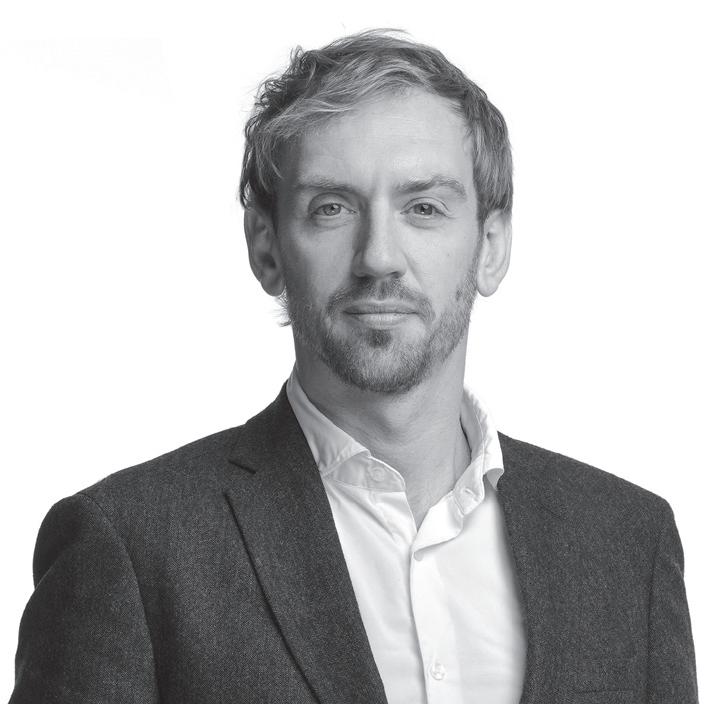
Gregory Batsleer is acknowledged as one of the leading choral conductors of his generation, winning widespread recognition for his creativity and vision. Since taking on the role of SCO Chorus Director in 2009, he has led the development of the Chorus, overseeing vocal coaching, the SCO Young Singers’ Programme and the emergence of regular a capella concerts. As well as preparing the Chorus for regular performances with the Orchestra, he has directed their successful appearances at Edinburgh Jazz, East Neuk, Glasgow Cathedral and St Andrews Voices Festivals, at Greyfriars Kirk at Christmas and Easter, and on the SCO Summer Tour.
In 2021 Gregory took up the position of Festival Director for the London Handel Festival. He leads the programming and development of the Festival, fulfilling its mission to bring Handel’s music to the widest possible audiences.
As guest conductor, Gregory has worked with many of the UK’s leading orchestras and ensembles. Recent highlights include performances with the Royal Northern Sinfonia, RSNO, Hallé Orchestra, Black Dyke Band, National Youth Choir of Great Britain, Orchestra of Opera North, Manchester Camerata, SCO and Royal Liverpool Philharmonic.
From 2012 to 2017, he was Artistic Director of the National Portrait Gallery’s Choir in Residence programme, the first ever in-house music programme of any gallery or museum in the world. He has been Artistic Director of Huddersfield Choral Society since 2017 and was Chorus Director with the Royal Scottish National Orchestra from 2015 - 2021. Gregory has curated and devised performances for the Southbank Centre, Wilderness Festival and Latitude and collaborated with leading cultural figures across a variety of different art forms. He is the co-founder and conductor of Festival Voices, a versatile ensemble dedicated to cross-art collaboration.
Gregory sits on the board of Manchester Camerata as a non-executive director. His outstanding work as a choral director was recognised with the 2015 Arts Foundation’s first-ever Fellowship in Choral Conducting. His contract with the SCO Chorus was recently extended until summer 2028.
Gregory’s Chair is kindly supported by Anne McFarlane
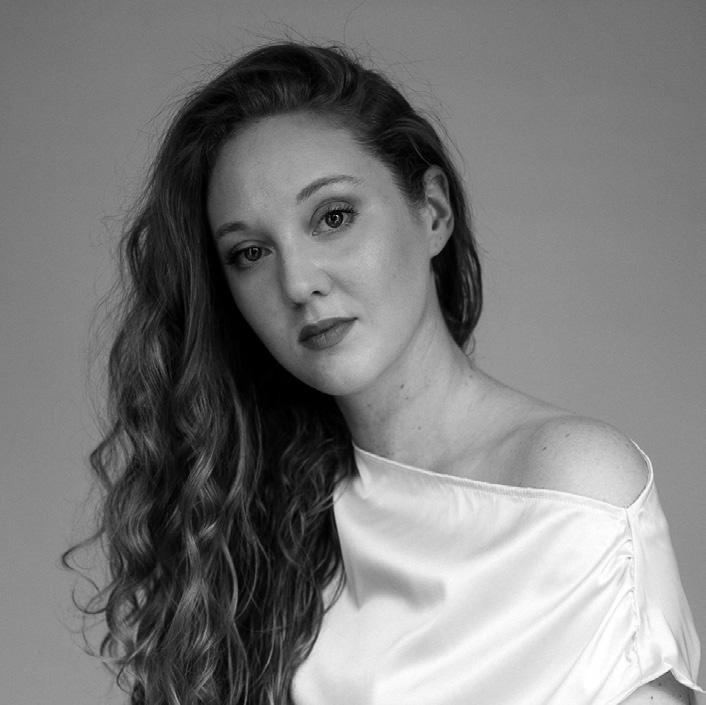
British mezzo-soprano Bethany Horak-Hallett is recognised as a compelling interpreter of Handel, Mozart and their contemporaries across opera and concert platforms. She recently made her Royal Swedish Opera début as Cherubino (Le nozze di Figaro), a role she has also sung for Garsington Opera, where she appeared as Dorabella (Così fan tutte). Her engagements in Handel include Virtue (The Choice of Hercules) for the London Handel Festival and Tirinto (Imeneo) for Cambridge Handel Opera Company. She made her English National Opera début in Mozart’s Women: A Musical Journey and created the role of Yolanda in Mark-Anthony Turnage’s The Railway Children at Glyndebourne.
Her versatility spans repertoire from Lady Psyche (Princess Ida) with the Orchestra of the Age of Enlightenment to Prince Orlofsky (Die Fledermaus) for IF Opera, alongside contemporary works including Thomas Adès’ The Exterminating Angel, conducted by the composer, at Opéra de Paris.
In concert, she has performed Bach, Handel and Haydn with leading ensembles including the Orchestra of the Age of Enlightenment, Academy of Ancient Music and Dunedin Consort, and made her BBC Proms début with the Monteverdi Choir under Sir John Eliot Gardiner.
A graduate of Leeds University and Trinity Laban Conservatoire, she is a Samling Artist and prizewinner at the 2021 International Handel Singing Competition.
For full biography please visit sco.org.uk
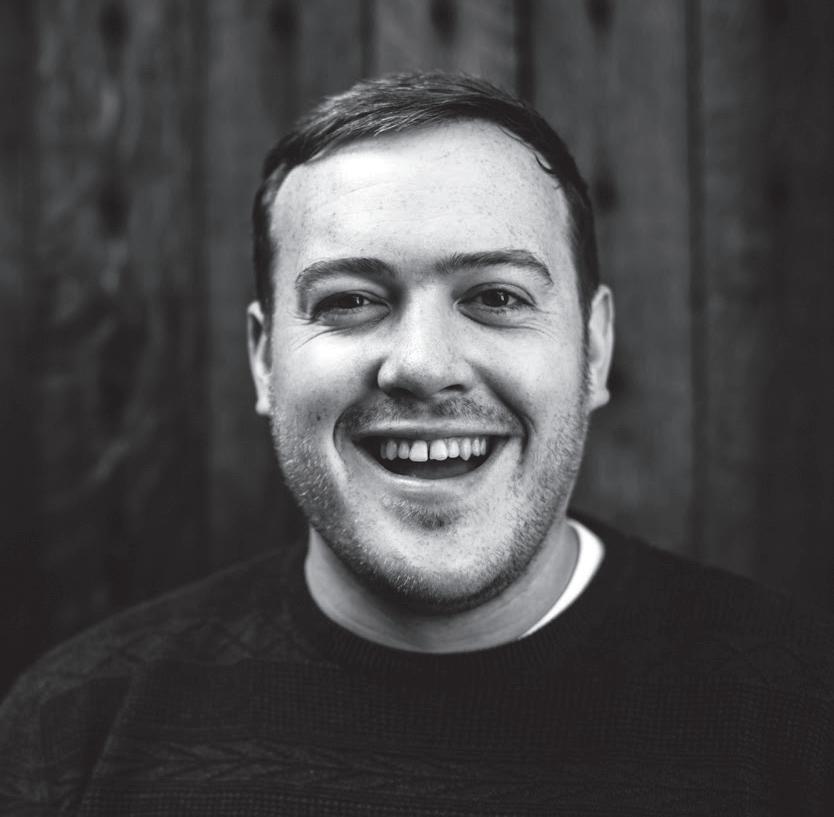
British baritone Paul Grant is a recent graduate of the Accademia Teatro alla Scala in Milan, the programme’s second British singer. During his time in the Accademia, he performed as Grégorio Roméo et Juliette, Ein Kappadozier Salome, and Dandini for their children’s performances of La Cenerentola. He has since returned to La Scala for performances of Guillaume Tell, Ariadne auf Naxos, Adès The Tempest, and as Figaro Il barbiere di Siviglia
Recent performance highlights include celebrating the 20th Anniversary of the Georg Solti Accademia at the Hungarian State Opera, Duruflé Requiem at the Edinburgh International Festival, Brahms Ein deutches Requiem with the RTVE Symphony Orchestra, a recital for Teatro La Fenice, as well as appearances at Bolzano Festival and Lausitz Festival.
Operatic performances include Figaro Il barbiere di Siviglia at Opera Holland Park, Il Conte d’Almaviva Le nozze di Figaro at ROH Muscat, Claudio Béatrice et Bénédict with Irish National Opera, Smirnov in Walton’s The Bear at the Lerici Music Festival and Teatro dell’Opera Giocosa, and, with Royal Academy Opera, Robert in Tchaikovsky’s Iolanta, and Minsk Man in Jonathan Dove’s Flight
Grant was born in Edinburgh and studied with Glenville Hargreaves and Jonathan Papp at the Royal Academy of Music where he was a member of the Academy Song Circle and was a soloist for the RAM/Kohn Foundation Bach Cantata Series. He was a Britten Pears Young Artist, a Samling Artist and is an alumnus of the Georg Solti Accademia di Bel Canto. He won the 2018 Richard Lewis/Jean Shanks Award and in the 2018/19 season was an Alvarez Young Artist at Garsington Opera.
For full biography please visit sco.org.uk
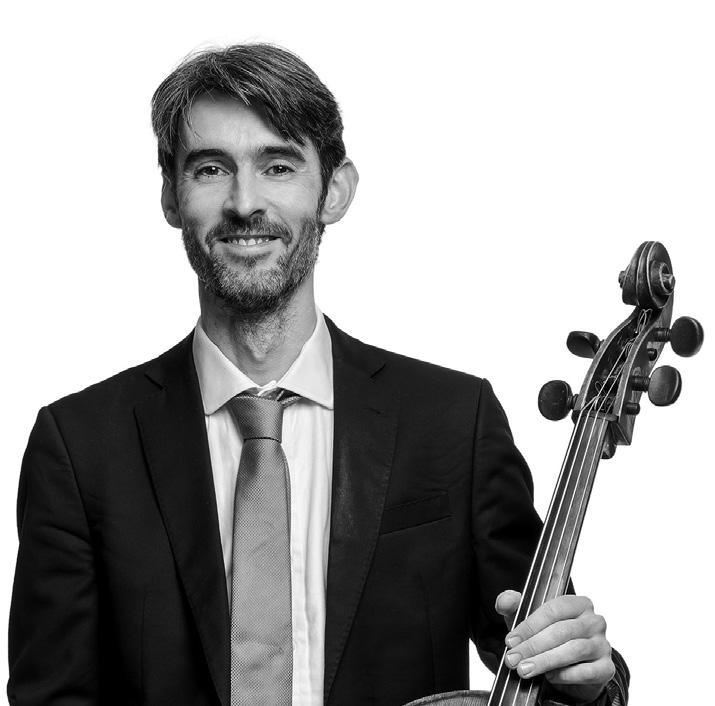
Born in Edinburgh, Philip studied with Ruth Beauchamp at St Mary's Music School and subsequently at the RNCM with Emma Ferrand and Ralph Kirshbaum. He also enjoyed mentoring from Steven Isserlis. In 2008 he became the first UK cellist to win 1st Prize in the Bach Leipzig competition, and followed it with major prizes in 2009 Lutoslawski Competition, and the 2010 Grand Prix Emmanuel Feuermann in Berlin. He was selected for representation by Young Classical Artist Trust between 2009 and 2014.
He has appeared as soloist with the Philharmonia Orchestra, the Hallé Orchestra (broadcast by BBC Radio 3), the Royal Northern Sinfonia and Bournemouth Symphony Orchestra. He has given recitals at the Wigmore Hall, Brighton Festival and Lichfield Festival, and further afield in Germany, Istanbul and Washington DC. In 2014 he performed the complete Bach Suites in Tokyo at the Musashino Cultural Foundation, and again at Wigmore Hall in 2017.
Philip has been described as ‘possessing that rare combination of refined technique with subtle and expressive musicianship… all the qualities of a world-class artist’ (The Strad), and has been praised for his ‘expansive but tender playing’ (Gramophone). His debut recording of the Britten Solo Suites (Delphian, 2013) was named instrumental disc of the month in both Gramophone and BBC Music magazines. He has also released the complete Bach Suites, to critical acclaim.
Philip was appointed Principal Cello of the Scottish Chamber Orchestra in 2016. He plays a fine Milanese cello by Carlo Giuseppe Testore, made in 1697, and is grateful for continued support from Harriet's Trust.
Philip's Chair is kindly supported by The Thomas Family.
For full biography please visit sco.org.uk
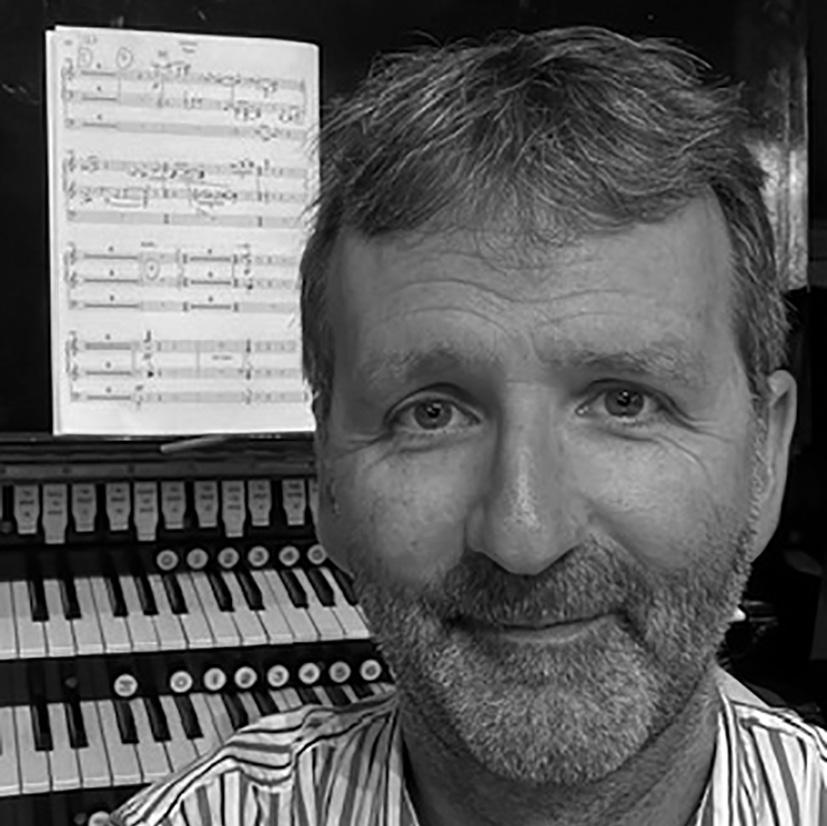
A musician with a wide-ranging international career, British conductor and organist Michael Bawtree regularly conducts the Royal Scottish National Orchestra, and has directed the Scottish Chamber Orchestra, London Mozart Players, Red Note Ensemble, the Orchestra of Scottish Opera, Orchestra North East and many performances for Scottish Ballet across the British Isles. For seven years he was Assistant Music Director of the Lyrique-en-Mer summer opera festival in Brittany, returning there last summer to lead performances of Menotti’s The Telephone. He joined the music staff at Glyndebourne for their 2018 production of Debussy's Pelléas et Mélisande, and has worked as guest chorus master for the BBC Singers, Danish National Opera and St Endellion Festival.
Since 2005, Michael Bawtree has been Chorus Director of the Edinburgh Royal Choral Union and Music Director of Glasgow Chamber Choir. He conducted a specially-formed ensemble at His Majesty King Charles III’s “Scottish Coronation” in Edinburgh in July 2023, repeating the same concert for His Majesty at Balmoral Castle this summer. A keen advocate of contemporary music, Bawtree has conducted world premieres of works by Judith Bingham, Paul Mealor, Cecilia McDowall, Richard Peat and Rory Boyle.
An avid traveller, Bawtree has been lucky to visit all corners of the globe whilst making music: he spent the summer of 2014 living in Mumbai, directing a choral project with 250 children from all walks of life; last autumn, he headed to an island in northwest Greenland to lead a fortnight of workshops and performances with young musicians from across Scandinavia; in February 2024, he returned to Mumbai to perform Saint-Saëns’ Organ Symphony with the Symphony Orchestra of India; and last year, he returned to Australia to lead a youth choir project in Brisbane.
As organist and continuo player, he performs regularly with all the Scottish orchestras and the London Symphony, Swedish Radio, Bergen Philharmonic and BBC Symphony orchestras. Organ recital invitations have taken Bawtree to all the major British cathedrals, Notre-Dame de Paris, Washington National Cathedral, Auckland Town Hall and to Bermuda, New England, California and across Scandinavia. Bawtree studied at Christ’s College, Cambridge University, and at the Royal Conservatoire of Scotland, where he is now Lecturer in Conducting.
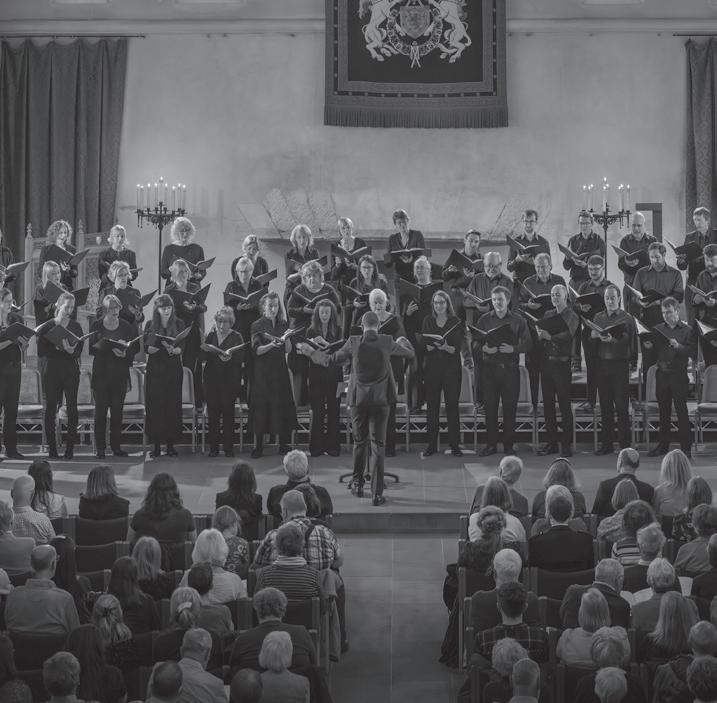
The Scottish Chamber Orchestra Chorus, under the direction of Gregory Batsleer since 2009, has built a reputation as one of Scotland’s most vibrant and versatile choirs. Widely regarded as one of the finest orchestral choruses in the UK, it celebrates its 35th anniversary in 2026.
Members enjoy the unique opportunity of performing with one of the world’s leading chamber orchestras, working with international conductors including Maxim Emelyanychev, Andrew Manze, Riccardo Minasi, Richard Egarr, Václav Luks and Sir James MacMillan.
The Chorus appears regularly with the Orchestra in Scotland’s major cities. Recent concerts have covered a wide range of music including Bach Mass in B minor and Christmas Oratorio, Berlioz L’Enfance du Christ, Brahms Requiem, Haydn Creation, MacMillan Seven Last Words, Poulenc Gloria, a rare performance of Vaughan Williams Flos Campi and premiere performances of works by Anna Clyne, Sir James MacMillan and SCO Associate Composer Jay Capperauld..
The SCO Chorus also performs a capella, both digital and live, in music ranging from Thomas Tallis to newly-composed work. Its annual Christmas concerts have established themselves as a Season highlight; the Chorus also enjoys appearing on the SCO’s Summer Tour.
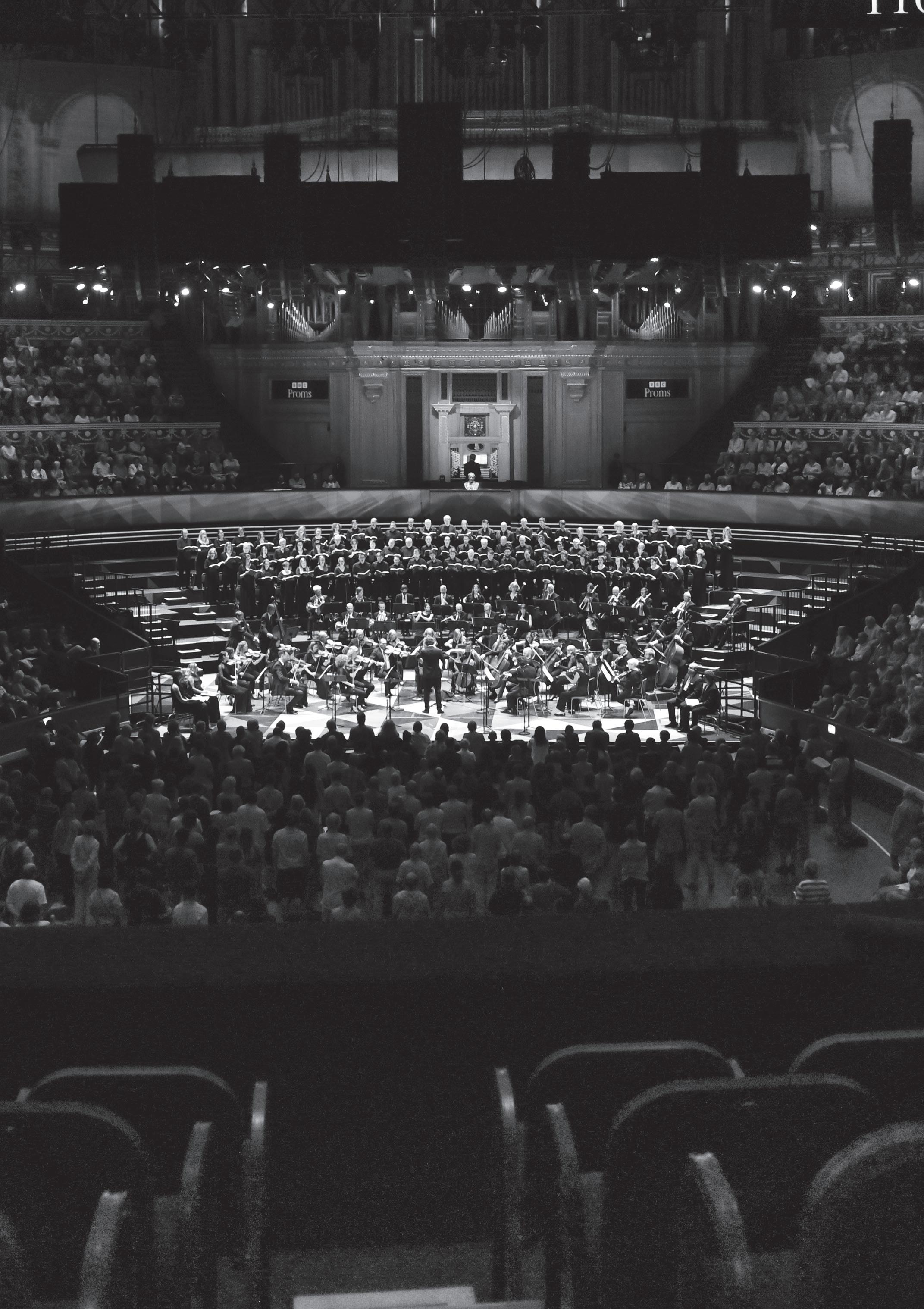
Other notable out-of-Season appearances have included critically-acclaimed performances with the SCO at the BBC Proms in Handel’s Jephtha in 2019 and in Mendelssohn's Elijah in 2023, and at the 2023, 2024 and 2025 Edinburgh International Festivals in semi-staged performances of Mozart’s Die Zauberflöte, Così fan tutte and La Clemenza di Tito
The SCO Chorus Young Singers' Programme was established in 2015 to nurture and develop aspiring young singers. It is designed for young people with a high level of choral experience and ambitions to further their singing with a world-class ensemble.
Further information at sco.org.uk
The SCO Chorus Young Singers' Programme is kindly supported by the Baird Educational Trust.
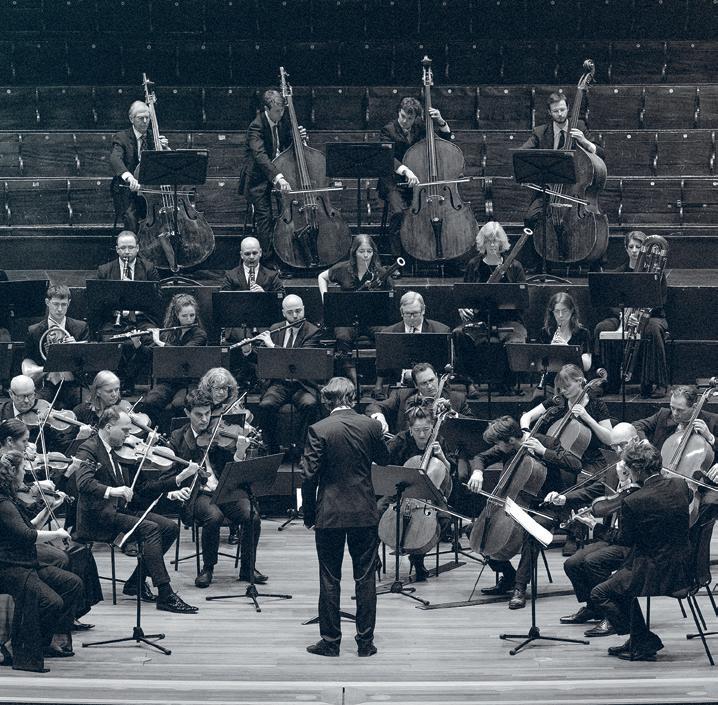
The Scottish Chamber Orchestra (SCO) is one of Scotland’s five National Performing Companies and has been a galvanizing force in Scotland’s music scene since its inception in 1974. The SCO believes that access to world-class music is not a luxury but something that everyone should have the opportunity to participate in, helping individuals and communities everywhere to thrive. Funded by the Scottish Government, City of Edinburgh Council and a community of philanthropic supporters, the SCO has an international reputation for exceptional, idiomatic performances: from mainstream classical music to newly commissioned works, each year its wide-ranging programme of work is presented across the length and breadth of Scotland, overseas and increasingly online.
Equally at home on and off the concert stage, each one of the SCO’s highly talented and creative musicians and staff is passionate about transforming and enhancing lives through the power of music. The SCO’s Creative Learning programme engages people of all ages and backgrounds with a diverse range of projects, concerts, participatory workshops and resources. The SCO’s current five-year Residency in Edinburgh’s Craigmillar builds on the area’s extraordinary history of Community Arts, connecting the local community with a national cultural resource.
An exciting new chapter for the SCO began in September 2019 with the arrival of dynamic young conductor Maxim Emelyanychev as the Orchestra’s Principal Conductor. His tenure has recently been extended until at least 2031. The SCO and Emelyanychev released their first album together (Linn Records) in 2019 to widespread critical acclaim. Their second recording together, of Mendelssohn symphonies, was released in 2023, with Schubert Symphonies Nos 5 and 8 following in 2024.
The SCO also has long-standing associations with many eminent guest conductors and directors including Principal Guest Conductor Andrew Manze, Pekka Kuusisto, François Leleux, Nicola Benedetti, Isabelle van Keulen, Anthony Marwood, Richard Egarr, Mark Wigglesworth, Lorenza Borrani and Conductor Emeritus Joseph Swensen.
The Orchestra’s current Associate Composer is Jay Capperauld. The SCO enjoys close relationships with numerous leading composers and has commissioned around 200 new works, including pieces by Sir James MacMillan, Anna Clyne, Sally Beamish, Martin Suckling, Einojuhani Rautavaara, Karin Rehnqvist, Mark-Anthony Turnage, Nico Muhly and the late Peter Maxwell Davies.
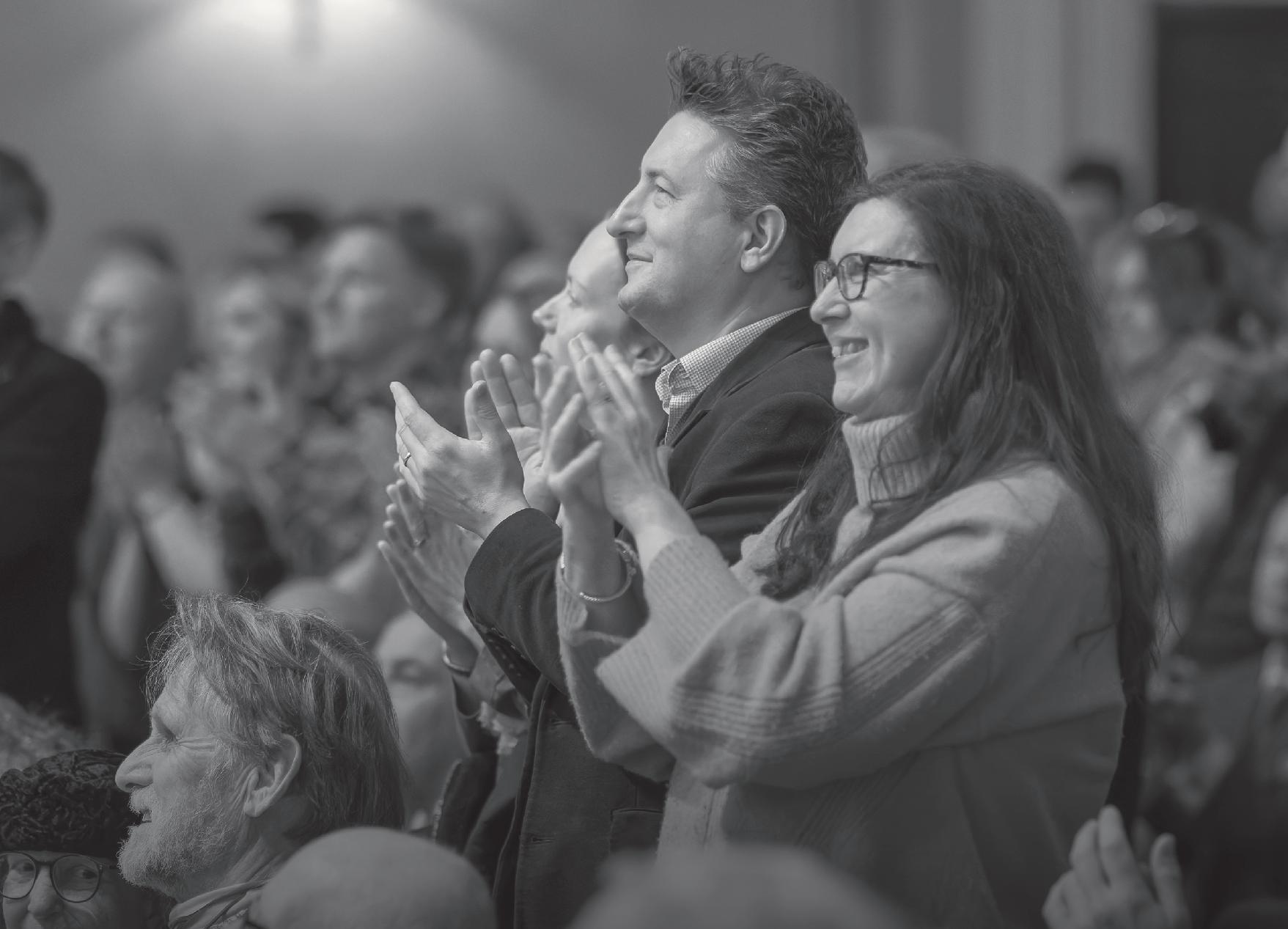
This summer, we are bringing world-class music to 26 towns and cities across Scotland, stretching from Fraserburgh in the northeast to Kirkcudbright in the southwest! The programmes take in everything from firm favourites to a host of lesser-known gems, with several SCO Principals among the soloists.
Your donation will help deepen our connections with local communities, showcase our exceptional musicians, and bring world-class performances to audiences who rarely have the opportunity to experience live orchestral music in their area. For more information on how you can become a regular donor, please get in touch with Hannah on 0131 478 8364 or hannah.wilkinson@sco.org.uk.

The SCO is a charity registered in Scotland No SC015039.
Photo: Christopher Bowen