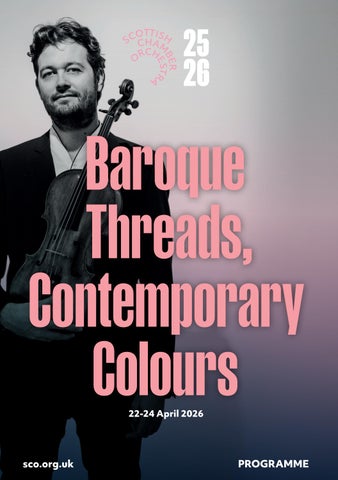
Baroque Threads, Contemporary Colours
22-24 April 2026
Baroque Threads, Contemporary Colours with Lawrence Power
Wednesday 22 April, 7.30pm Holy Trinity Church, St Andrews
Thursday 23 April, 7.30pm The Queen's Hall, Edinburgh
Friday 24 April, 7.30pm City Halls, Glasgow
COUPERIN (arr. ADÈS) Les barricades mystérieuses
VAUGHAN WILLIAMS Suite for Viola and Small Orchestra (Selection)
TIPPETT Fantasia Concertante on a Theme of Corelli
Interval of 20 minutes
RAMEAU Les Sauvages
MAGNUS LINDBERG Viola Concerto (Scottish Premiere)
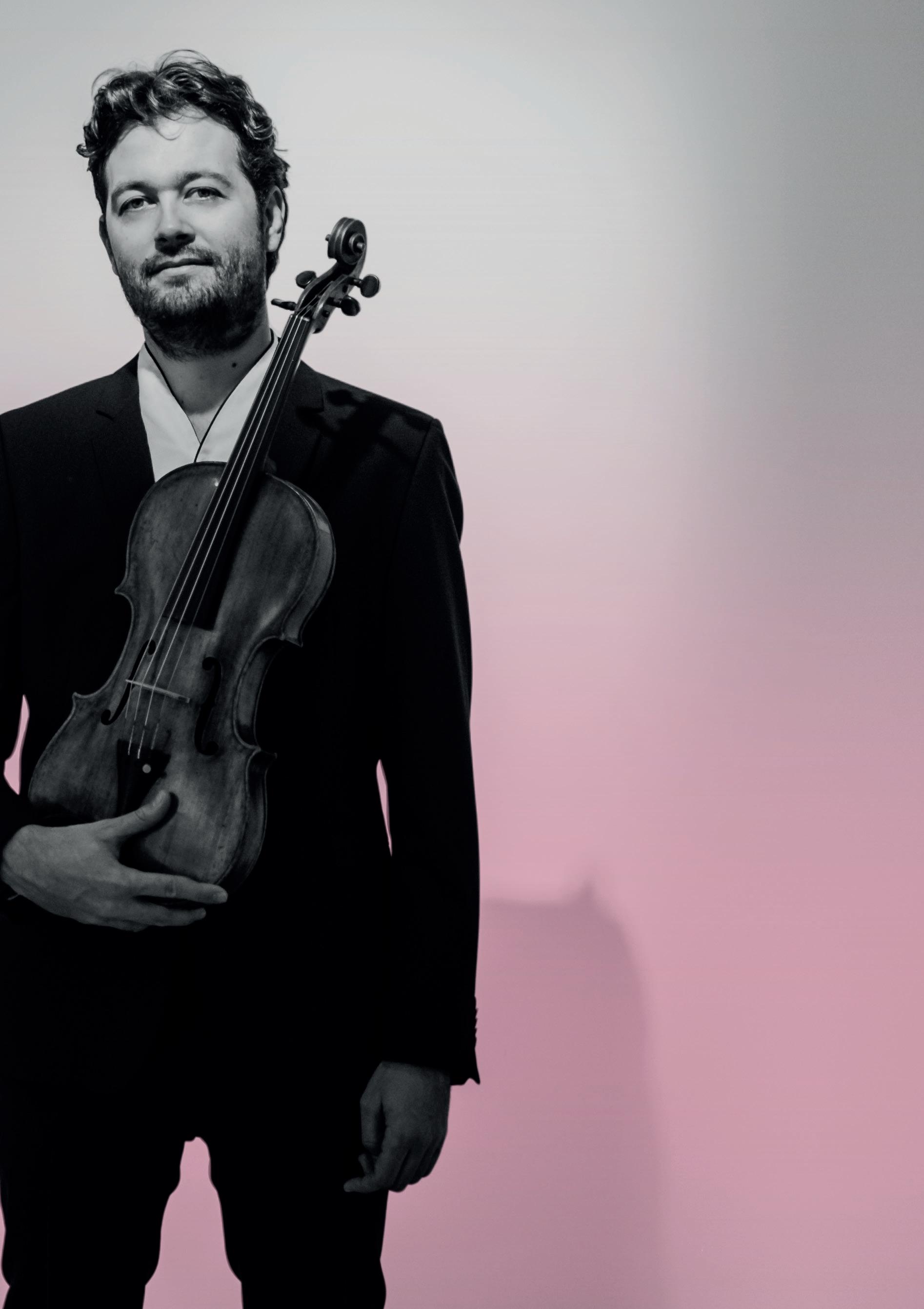
Lawrence Power director/viola
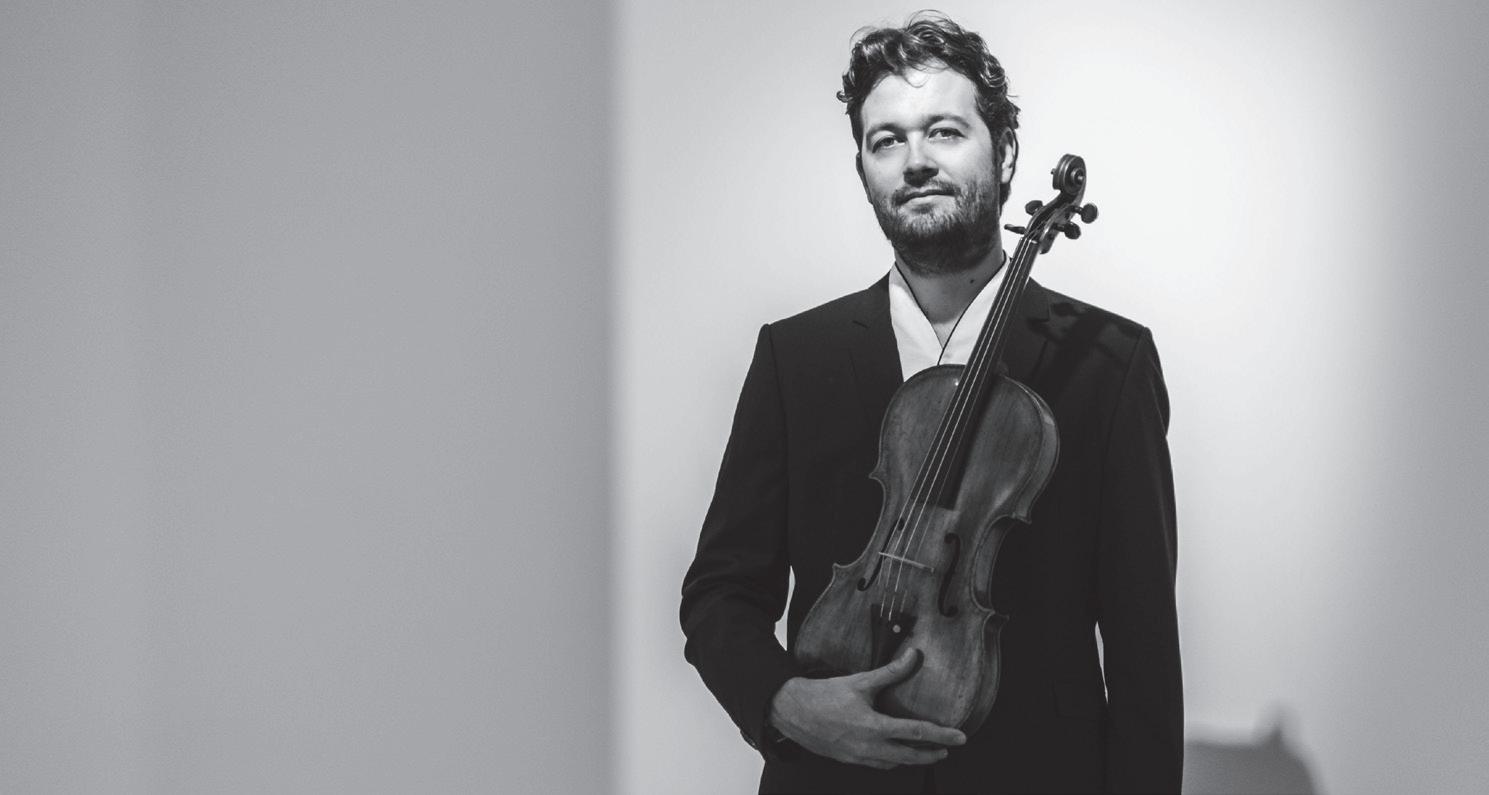
Lawrence Power
4 Royal Terrace, Edinburgh EH7 5AB
+44 (0)131 557 6800 | info@sco.org.uk | sco.org.uk
The Scottish Chamber Orchestra is a charity registered in Scotland No. SC015039. Company registration No. SC075079.
© Jack Liebeck
THANK YOU
Principal Conductor's Circle
Our Principal Conductor’s Circle are a special part of our musical family. Their commitment and generosity benefit us all – musicians, audiences and creative learning participants alike.
Annual Fund
James and Patricia Cook
Visiting Artists Fund
Harry and Carol Nimmo
Anne and Matthew Richards
International Touring Fund
Gavin and Kate Gemmell
Learning and Participation Fund
Jo and Alison Elliot
Sabine and Brian Thomson
American Development Fund
Erik Lars Hansen and Vanessa C L Chang
Productions Fund
Geoff and Mary Ball
Bill and Celia Carman
Anne, Tom and Natalie Usher
Scottish Touring Fund
Eriadne and George Mackintosh
Claire and Anthony Tait
New Music Fund
Ken Barker and Martha Vail Barker
Colin and Sue Buchan
David Caldwell
The Thomas Family
CHAIR SPONSORS
Conductor Emeritus Joseph Swensen
Donald and Louise MacDonald
Chorus Director Gregory Batsleer
Anne McFarlane
Second Violin Rachel Smith in Memory of J Douglas Home
Principal Viola Max Mandel
Ken Barker and Martha Vail Barker
Viola Brian Schiele
Christine Lessels
Viola Steve King
Sir Ewan and Lady Brown
Principal Cello Philip Higham
The Thomas Family
Sub-Principal Cello Su-a Lee
Ronald and Stella Bowie
Cello Donald Gillan
Professor Sue Lightman
Cello Eric de Wit
Jasmine Macquaker Charitable Fund
Principal Flute André Cebrián
Claire and Mark Urquhart
Sub-Principal Flute Marta Gómez
Judith and David Halkerston
Principal Oboe
The Hedley Gordon Wright Charitable Trust
Sub-Principal Oboe Katherine Bryer
Ulrike and Mark Wilson
Principal Clarinet Maximiliano Martín
Stuart and Alison Paul
Principal Bassoon Cerys Ambrose-Evans
Claire and Anthony Tait
Sub-Principal Bassoon Alison Green
George Rubienski
Principal Horn Kenneth Henderson
Caroline Hahn and Richard Neville-Towle
Funding Partners





SCO Donors
Diamond
The Cockaigne Fund
Malcolm and Avril Gourlay
John and Jane Griffiths
James and Felicity Ivory
George Ritchie
Tom and Natalie Usher
Platinum
E.C. Benton
Michael and Simone Bird
Silvia and Andrew Brown
David Caldwell in memory of Ann
Dr Peter Williamson and Ms Margaret Duffy
David and Elizabeth Hudson
Helen B Jackson
Dr and Mrs Peter Jackson
Dr Daniel Lamont
Graham and Elma Leisk
Professor and Mrs Ludlam
Chris and Gill Masters
Duncan and Una McGhie
Anne-Marie McQueen
James F Muirhead
Robin and Catherine Parbrook
Jane Peacock in memory of Douglas Peacock
Charles Platt and Jennifer Bidwell
Patrick and Susan Prenter
Mr and Mrs J Reid
The Walter and Janet Reid Charitable Trust
Martin and Mairi Ritchie
Hilary E Ross
Elaine Ross
Sir Muir and Lady Russell
Jill and Brian Sandford
Michael and Elizabeth Sudlow
Robert and Elizabeth Turcan
Alan and Sue Warner
Bill Welsh
Anny and Bobby White
Robert Mackay and Philip Whitley
Finlay and Lynn Williamson
Ruth Woodburn
Gold
Peter Armit
Adam Gaines and Joanna Baker
John and Maggie Bolton
Elizabeth Brittin
Kate Calder
James Wastle and Glenn Craig
Jo and Christine Danbolt
James and Caroline Denison-Pender
Andrew and Kirsty Desson
David and Sheila Ferrier
Chris and Claire Fletcher
James Friend
Iain Gow
Margaret Green
Christopher and Kathleen Haddow
Catherine Johnstone
Julie and Julian Keanie
Gordon Kirk
Janey and Barrie Lambie
Mike and Karen Mair
Roy and Svend McEwan-Brown
John and Liz Murphy
Tom Pate
Maggie Peatfield
Sarah and Spiro Phanos
Alison and Stephen Rawles
Andrew Robinson
Olivia Robinson
Anne McAlister and Philip Sawyer
Irene Smith
Dr Jonathan Smithers
Ian S Swanson
Ian and Janet Szymanski
John-Paul and Joanna Temperley
Douglas and Sandra Tweddle
Catherine Wilson
Neil and Philippa Woodcock
Georgina Wright
Silver
Roy Alexander
Fiona and Neil Ballantyne
The Batsleer Family
Jack Bogle
Jane Borland
Alan Borthwick
Dinah Bourne
Michael and Jane Boyle
Mary Brady
Paula and Colin Brown
John Brownlie
Laura Buist
Robert Burns
Sheila Colvin
Lorn and Camilla Cowie
Adam and Lesley Cumming
Dr Wilma Dickson
Seona Reid and Cordelia Ditton
Sylvia Dow
Colin Duncan in memory of Norma Duncan
Richard and Cath Dyer
Raymond Ellis
Dr and Mrs Alan Falconer
Sheila Ferguson
Dr William Irvine Fortescue
Dr David Grant
Anne Grindley
Andrew Hadden
J Martin Haldane
Ronnie and Ann Hanna
Roderick Hart
Norman Hazelton
Alistair Hector
Ron and Evelynne Hill
Philip Holman
Clephane Hume
Tim and Anna Ingold
David and Pamela Jenkins
Margaret Mortimer and Ken Jobling
Ross D. Johnstone
James Kelly, in memory of Mairi Kelly
Professor Christopher and Mrs Alison Kelnar
Dr Ian Laing
Geoff Lewis
Dorothy A Lunt
Vincent Macaulay
James McClure in memory of Robert Duncan
Ben McCorkell
Lucy McCorkell
Gavin McCrone
Michael McGarvie
Brian Miller
Alistair Montgomerie
Norma Moore
Andrew Murchison
Pamela Andrews and Alan Norton
Gilly Ogilvy-Wedderburn
Mairi & Ken Paterson
John Peutherer in memory of Audrey Peutherer
James S Potter
Timothy Barnes and Janet Sidaway
Catherine Steel
John and Angela Swales
Takashi and Mikako Taji
C S Weir
Susannah Johnston and Jamie Weir
David and Lucy Wren
Roderick Wylie
We are indebted to everyone acknowledged here who gives philanthropic gifts to the SCO of £300 or greater each year, as well as those who prefer to remain anonymous.
We are also incredibly thankful to the many individuals not listed who are kind enough to support the Orchestra financially on a regular or ad hoc basis. Every single donation makes a difference.
Become a regular donor, from as little as £5 a month, by contacting Hannah Wilkinson on 0131 478 8364 or hannah.wilkinson@sco.org.uk.
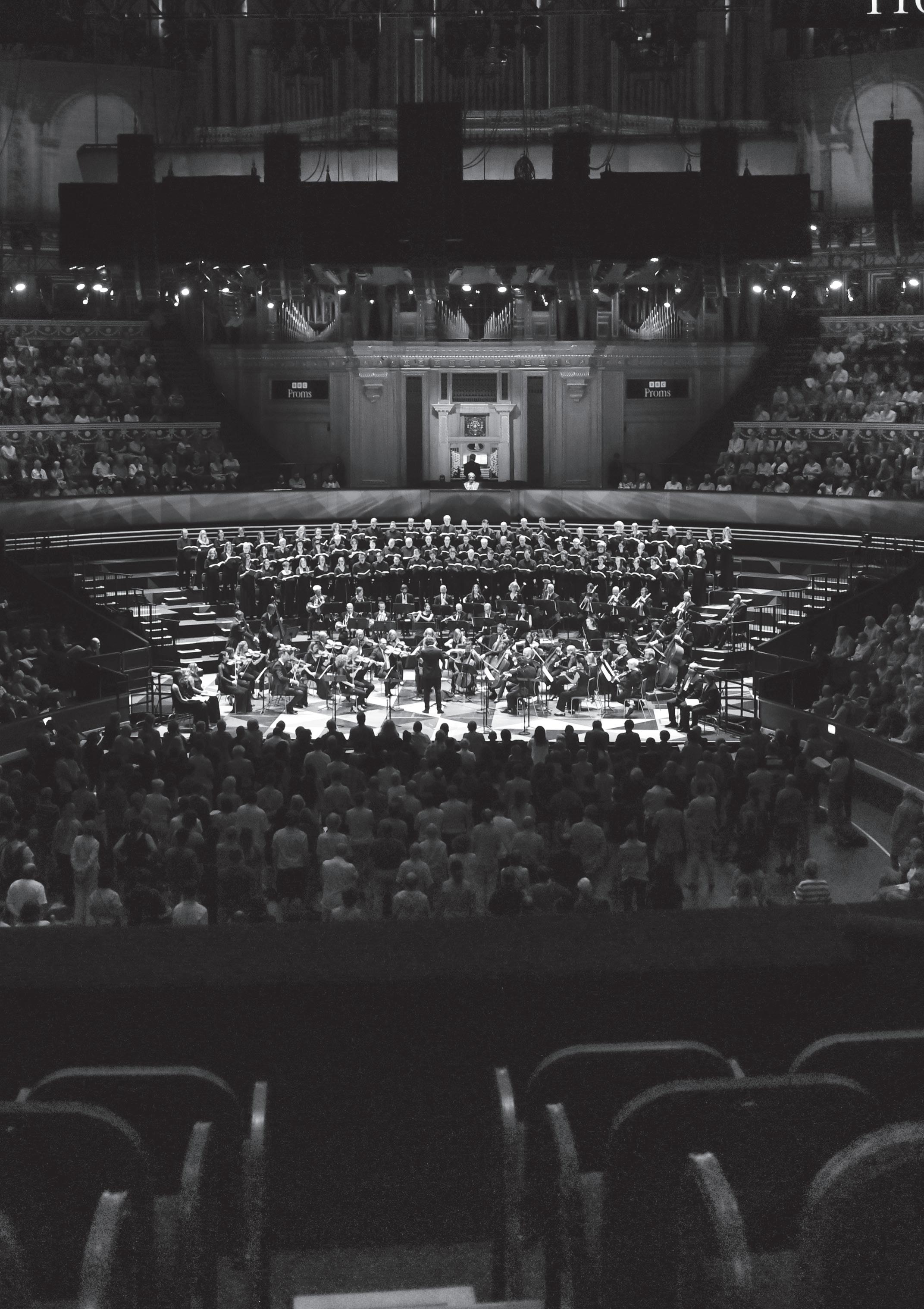
“…an orchestral sound that seemed to gleam from within.”
THE SCOTSMAN
HM The King Patron
Donald MacDonald CBE
Life President
Joanna Baker CBE Chair
Gavin Reid LVO
Chief Executive
Maxim Emelyanychev
Principal Conductor
Andrew Manze
Principal Guest Conductor
Joseph Swensen
Conductor Emeritus
Gregory Batsleer
Chorus Director
Jay Capperauld
Associate Composer
© Chris Christodoulou
Your Orchestra Tonight
First Violin
Stephanie Gonley
Afonso Fesch
Emma Baird
Aisling O’Dea
Amira Bedrush-McDonald
Huw Daniel
Kristin Deeken
Sarah Bevan-Baker
Second Violin
Mark Derudder
Gordon Bragg
Hatty Haynes
Michelle Dierx
Joana Rodrigues
Kirsty Main
Viola
Elitsa Bogdanova
Francesa Gilbert
Elaine Koene
Steve King
Cello
Philip Higham
Hugh Mackay
Donald Gillan
Eric de Wit
Bass
Jamie Kenny
Ben Havinden-Williams
Flute
Marta Gómez
Adam Richardson
Oboe
María Victoria Muñoz
Zaragozá
Mary James
Clarinet
Maximiliano Martín
Calum Robertson
Bass Clarinet
Calum Robertson
Information correct at the time of going to print
Bassoon
Cerys Ambrose-Evans
Alison Green
Horn
Jože Rošer
Andy Saunders
Trumpet
Peter Franks
Shaun Harrold
Timpani/Percussion
Louise Lewis Goodwin
Harp
Eleanor Hudson
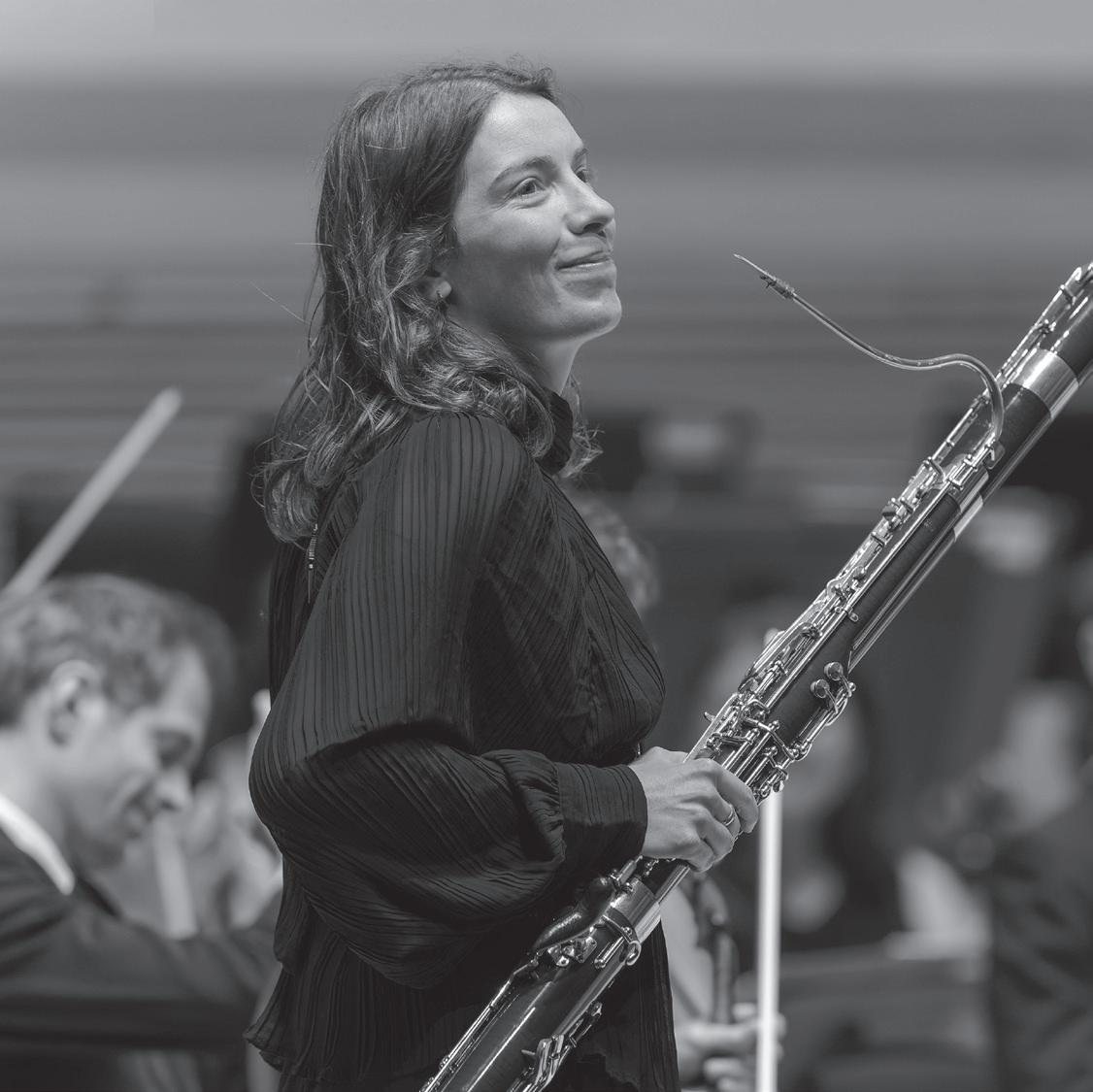
Cerys Ambrose-Evans
Principal Bassoon
What You Are About To Hear
COUPERIN (1668-1733)
Les barricades mystérieuses (1717) arr. ADÈS (1994)
VAUGHAN WILLIAMS (1872-1958)
Suite for Viola and Small Orchestra (Selection) (1934)
Group 1: Prelude Carol Christmas Dance
Group 2: Ballad Moto Perpetuo
TIPPETT (1905-1998)
Fantasia Concertante on a Theme of Corelli (1953)
The performance of Tippett's Fantasia Concertante on a Theme of Corelli is supported by the Michael Tippett Musical Foundation.
RAMEAU (1683-1764)
Les Sauvages (1735)
MAGNUS LINDBERG (b. 1958)
Viola Concerto (2023-24) (Scottish Premiere)
1st Movement
2nd Movement
3rd Movement
Composers have, of course, long been fascinated and inspired by the music that was created before them – perhaps inevitably, and even if they chose to reject it and move in another direction entirely. But the Baroque threads being woven with more modern colours in tonight’s programme were originally spun by composers perhaps less immediately familiar than the iconic figures of Bach, Handel or Vivaldi – and as a result, they shine a bright light on some lesser-known but nonetheless fascinating areas of that period’s music. It’s surely no coincidence that more recent composers have felt inspired to reimagine their distinctive voices in their own music.
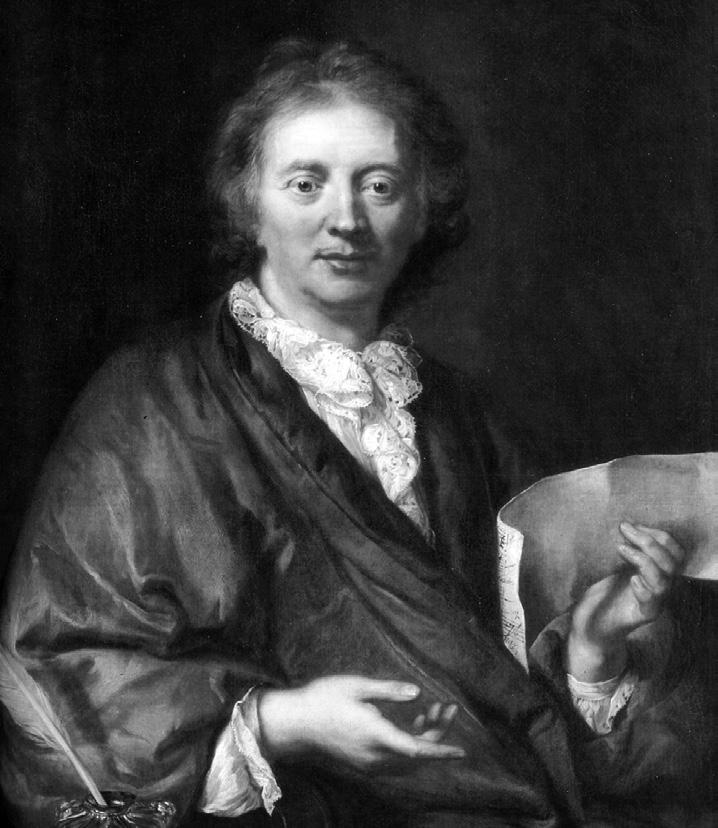
In the case of our opening piece, contemporary British composer Thomas Adès was no doubt inspired by both the musical emotions and the elegant construction of François Couperin’s 1717 harpsichord piece to make his richly coloured transformation in 1994. Couperin was a hugely influential figure in 17thand 18th-century France, revered as a composer, organist and harpsichordist, and with serious royal connections too: he was granted special permission by Louis XIV to publish his own music, later becoming harpsichord teacher to the King’s children, and harpsichordist to Louis himself. He produced a huge number of harpsichord pieces, plus an influential playing treatise (L’art de toucher le clavecin, or ‘The Art of Playing the Harpsichord’), and tonight’s opening work comes from his second volume of Pièces de clavecin.
You don’t exactly need a degree in French to understand what ‘Les barricades mystérieuses’ means, but you might still be left scratching your head as to what Couperin’s ‘mysterious barricades’ actually
It’s safe to say that a definitive meaning (if there even is one) has yet to be pinned down – and yet the mysteries of the piece’s title feel somehow connected with the riddles of the piece itself.
are. If so, you won’t be alone: since the early 18th century, this enigmatic title has been variously interpreted as a reference to French wine making, early salon culture, women’s fashion, ghostly communication between the living and the dead, or even the barlines that divide written music up into smaller sections. It’s safe to say that a definitive meaning (if there even is one) has yet to be pinned down – and yet the mysteries of the piece’s title feel somehow connected with the riddles of the piece itself.
It’s a tiny creation, but it contains a recurring tune that may well become an earworm that’s hard to dislodge. But there's a further conundrum in its unusual construction. Couperin conjures his music from four independent parts, and it’s their incessant though regular movement that creates
the piece’s shifting harmonies, as well as melodies that strictly speaking aren’t really there at all. It’s a bit of a musical optical (aural?) illusion, and it’s even been described as minimalism three centuries ahead of its time. Claude Debussy adored the piece, writing in 1903: ‘Nothing could ever make us forget the subtly voluptuous perfume, so delicately perverse, that so innocently hovers over “Les barricades mystérieuses”.’ Thomas Adès created tonight’s version in 1994, writing it to celebrate the 80th birthday of eminent musicologist Wilfrid Mellers. He left Couperin’s original material unchanged, but assigned the piece’s four separate lines to an unusual quintet of double bass, bass clarinet, clarinet, viola and cello, teasing apart and providing subtly contrasting colours to draw gentle attention to how the music actually works.
François Couperin
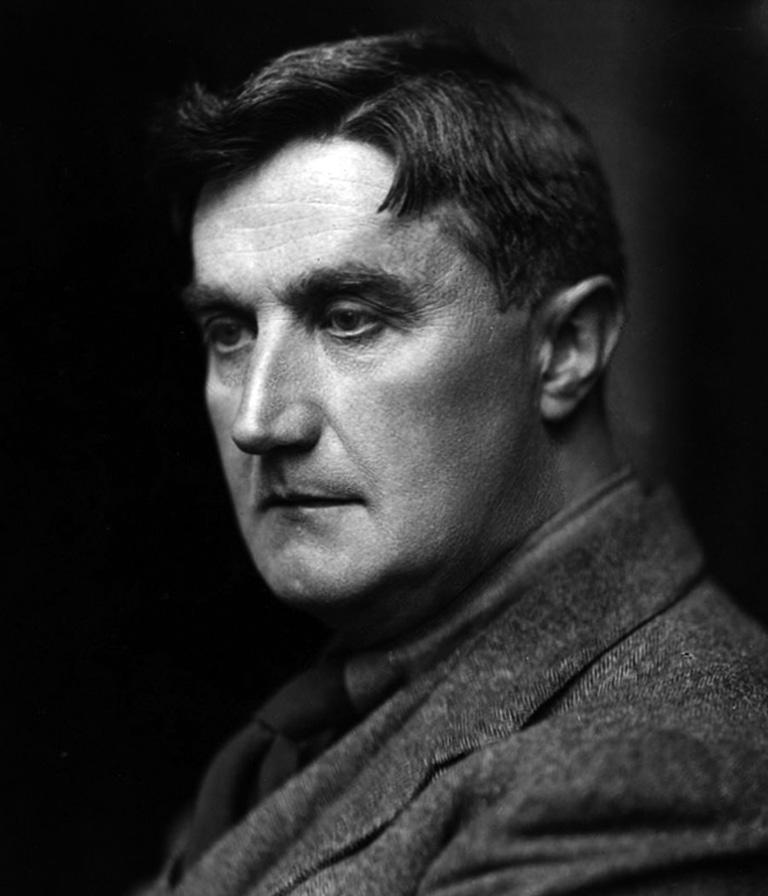
Vaughan Williams began playing the viola while he was a student at Charterhouse school in the 1880s, and the instrument remained with him throughout his life.
Sixty years before Adès was reimagining Couperin’s enigmatic harpsichord piece, Ralph Vaughan Williams was putting the finishing touches to tonight’s second piece. Rather than taking inspiration from an earlier composer’s work, however, in his Suite for Viola and Small Orchestra he was inspired by a particularly influential performer. Lionel Tertis was a major figure in British music in the early 20th century, and it’s probably no exaggeration to say he played a central role in establishing the viola as a soloistic instrument capable of all the virtuosity, drama and beauty already adored from the violin and cello. He initially studied the violin at London’s Royal Academy of Music, but switched to the viola at the age of 17, fascinated by its richer, darker sound, and went on to become a prominent soloist on the
instrument. More importantly for future generations, and aware of his instrument’s rather limited repertoire, he used his fame and the enormous respect he garnered to persuade many composers to write for the viola (as tonight’s soloist has also done with numerous figures of our own time). In Tertis’s time, the results were new works by Bax, Bridge, Holst, Walton and several others.
It’s perhaps surprising, in fact, just how many composers were themselves also viola players – among them Mozart, Dvořák, Hindemith and Britten. Perhaps it’s got something to do with sitting in the middle of musical textures, neither soaring on top nor supplying the bassline at the bottom, and observing all the complexities of what’s happening around you. Vaughan Williams began playing the viola while he
Ralph Vaughan Williams
was a student at Charterhouse school in the 1880s, and the instrument remained with him throughout his life, in compositions including the unusual 1925 Flos campi for solo viola, wordless chorus and chamber orchestra.
It was nine years later that Vaughan Williams returned to the viola in tonight’s Suite for Viola and Small Orchestra, essentially a collection of brief character pieces that he wrote specifically for Tertis, who gave the piece’s premiere on 12 November 1934 in London’s Queen’s Hall, with the London Philharmonic Orchestra conducted by Malcolm Sargent.
The Suite is unusually arranged into three ‘Groups’, comprising three, two and three pieces respectively. We’ll hear the first two Groups this evening, bringing together five short pieces that exploit the viola’s richness of sound, singing tone and nimble energy.
You might be forgiven for thinking of Bach’s cello suites at the very opening of the initial ‘Prelude’, though the solo viola soon breaks into a soaring melody. Vaughan Williams shifts between those two ideas – alongside more lilting, dance-like music – for the rest of the piece. Clarinets and flutes provide organ-like support for the viola’s gently flowing melody in the ‘Carol’, before the viola rises higher in freer, more rhapsodic lines. The ‘Christmas Dance’ that concludes Group 1 is all about exuberant festivity: sometimes the viola is called upon to play three, even four notes at once, and there’s a definite sense of joy and freedom in its music.
A slow-moving, heartfelt ‘Ballad’ opens Group 2, with a poignant viola song held above gently rocking accompaniment
from the orchestra’s strings. A solo oboe introduces a quicker, brighter section, but the mood soon becomes more serious again. After a passionate climax that sees the viola playing multiple melodic lines, the piece dies away. Today’s selection closes with the ‘Moto perpetuo’, which couldn’t be more different in mood from the ‘Ballad’: quick, skittish and fiery, it shows off the viola’s agility and apparently unstoppable rhythmic energy, racing towards a brusque conclusion.
From music celebrating one somewhat unsung instrument, tonight’s next piece puts three soloists in the spotlight, and in doing so looks back from Edinburgh in the 1950s to Rome in the late 17th century. The 1953 Edinburgh International Festival was looking to celebrate the tercentenary of the birth of influential Italian Baroque composer and violinist Arcangelo Corelli, the musician who’d essentially established the sonata and concerto as musical forms. Michael Tippett was a fast-emerging British composer at the time, who’d established a strong reputation for deeply lyrical if distinctively individual music – in the energising Concerto for Double String Orchestra, for example – and for sometimes striking political or philosophical themes, not least in the harrowing wartime oratorio A Child of Our Time.
When the Festival approached him to suggest a new, Corelli-inspired work, however, Tippett knew next to nothing about the earlier composer’s music. He’d long been fascinated by Baroque music more widely, though, and took pleasure in immersing himself in Corelli’s orchestral music in search of material that would inspire him.
Tippett quickly dismissed many of Corelli’s better-known or more prominent works,
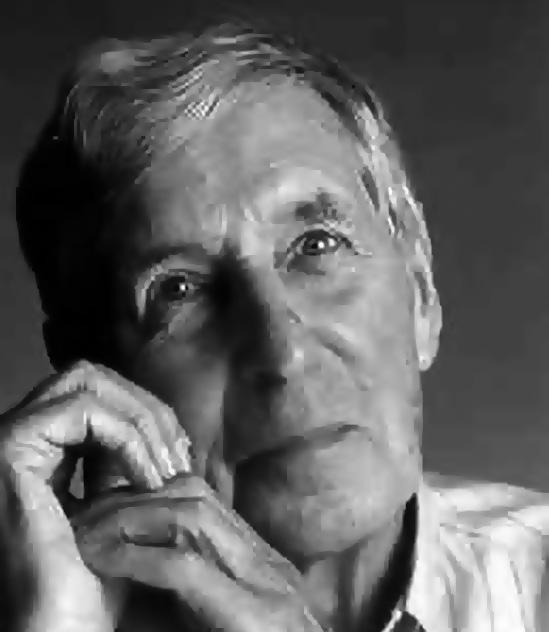
Michael Tippett was a fastemerging British composer at the time, who’d established a strong reputation for deeply lyrical if distinctively individual music
focusing instead on two surprisingly modest sections from the earlier composer’s Concerto grosso in F, Op.6 No.2. The first is a slow, tearful, ‘dragging’ melody – essentially a chain of dissonances that never seem to properly resolve – that comes from partway through the Concerto’s first movement, and which Tippett described as ‘dark, passionate’. The second is a quicker, brighter flourish for two violins that comes from the very start of that movement. Tippett felt that it ‘explores the brilliance of the violin’.
This contrast between darkness and light had a very particular significance for Tippett at that time. He’d immersed himself in Jungian psychology, and its theories of confronting and transcending the darkness of violence, fear and destructive
impulses to reach the light of compassion, reconciliation and renewal. The contrast between the ‘dark’ and ‘light’ musical themes he discovered in Corelli’s Concerto grosso formed the impetus behind what became his own Fantasia Concertante on a Theme of Corelli – in which he also retained the earlier composer’s format of three soloists (two violinists and a cellist) against a larger group of strings.
The Fantasia Concertante has been called Tippett’s most perfect work, combining his love of radiant string sonorities with an intricate web of intertwining melodic lines. It’s hard to disagree: few of his works are quite as lyrical, luxurious and gently luminous – and, significantly, he’d quickly move towards a far harder-edged, more dissonant style after creating it. Critics at
Michael Tippett
its premiere – in Edinburgh’s Usher Hall on 29 August 1953, with the BBC Symphony Orchestra conducted by Tippett himself – complained about the density and complexity of its writing, but it’s since been warmly welcomed into the string orchestra repertoire as a masterpiece of richly decorated melodies and unusual emotional intensity.
Tippett opens by contrasting the two Corelli musical ideas – first dark, then light – and then returns to them again and again in variations that drip with increasingly ornate decoration. After a brisker section that seems to cast a glance towards English folksong, the orchestral violas quietly begin a rather disconsolate, inward-looking fugue. It’s out of this mass of intertwining melodic lines that grows what Tippett describes as ‘a long, slow ascent from darkness into light’, which takes the piece to its still, calm, radiant climax, with the two violin soloists spinning ecstatically arching lines over slow-moving harmonies. Tippett called it ‘overtly erotic’, though you might hear it more as serene, contemplative, blissful, even euphoric. Though time seems almost to have stopped entirely, Tippett breaks the spell with a sudden return from both of Corelli’s themes, and a brilliant, light-filled conclusion.
From Tippett’s transformation of Baroque themes into a vehicle for spiritual renewal, we leap back in time to a second giant of the French Baroque, and to another harpsichord piece – at least, that’s how ‘Les sauvages’ began life. And before we go any further, a gentle reminder that terminology and attitudes towards overseas cultures have progressed substantially between the early 18th century and the present day.
In November 1725, Chief Agapit Chicagou of the Mitchigamea people and five other Native American leaders visited Paris, where they met King Louis XV and pledged allegiance to the French crown. They also performed a set of dances in the French capital’s Théâtre-Italien, in a performance attended by composer Jean-Philippe Rameau. Inspired by what he saw, Rameau attempted to capture the dances’ rhythms and movements in a new harpsichord piece, which he called ‘Les sauvages’. It’s a term we might wince at today – especially in its literal modern English translation as ‘The Savages’ – but it was widely used by early French colonists to refer to the Indigenous peoples of what are now the USA and Canada, and it carries the slightly more nuanced meaning of peoples of the forests or wildernesses, coming ultimately from the Latin ‘silvaticus’ or ‘from the woods’.
But back to Rameau. A decade after his inspirational encounter with Native American culture, Rameau scored a huge hit with his first opera Hippolyte et Aricie, and was keen to capitalise on its enormous success. He’d just turned 50 and was already widely respected as a music theorist – but few expected him to write such vivid, colourful, dramatic music for opera. He’d go on to provide even more colour and drama in his second opera, Les Indes galantes, which specifically sets out to evoke music from regions of the world that in 1735 were exotic and barely understood (even if we might find their depictions somewhat more problematic today).
Les Indes galantes essentially comprises four separate love stories set in four farflung locations: Turkey, Peru (with the Incas), Persia and North America. For the last of these – in a section Rameau entitled ‘Les
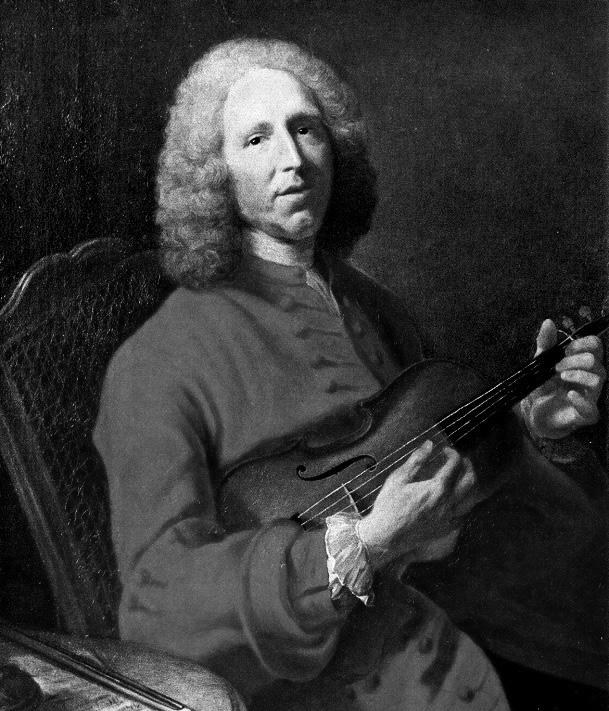
Though utterly different in style and construction to Couperin’s ‘Les barricades mystérieuses’, ‘Les sauvages’ shares that piece’s rhythmic clarity and energy
sauvages’ – the composer returned to the harpsichord piece he’d created in response to encountering real North Americans, reusing it in a tale of the daughter of a village chief who’s pursued by Spanish and French colonists, but who ultimately chooses the love of a man of her own people.
Though utterly different in style and construction to Couperin’s ‘Les barricades mystérieuses’, ‘Les sauvages’ shares that piece’s rhythmic clarity and energy – and has another infernally catchy tune, which we get to hear several times during its brief duration.
Tonight’s concert closes back in (almost) the present day, and back with the viola. Magnus Lindberg is one of today’s most respected composers, and he’s achieved
widespread popularity with a vibrantly colourful, richly rhythmic musical language that channels uncompromising modernism into music that’s immediate and accessible. He wrote his Viola Concerto in 2024 for tonight’s soloist, Lawrence Power, who premiered it in Helsinki in February that year, with the Finnish Radio Symphony Orchestra conducted by Nicholas Collon. It’s another work that looks back to earlier music for inspiration. Lindberg writes about the Concerto:
After having written two cello concertos (1999 and 2013) and two violin concertos (2006 and 2015), I thought for many years about composing a Viola Concerto. The instrument has played an important role in classical music, defining to a large extent the mid-register textures of different
Jean-Philippe Rameau
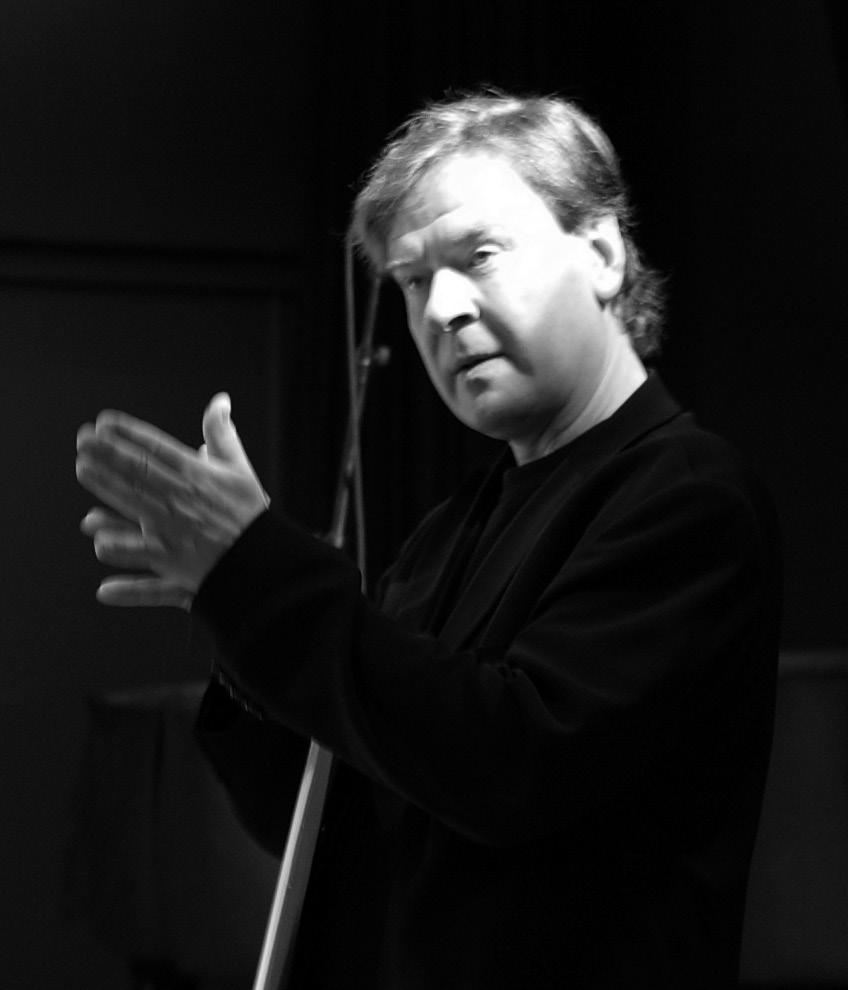
Magnus Lindberg is one of today’s most respected composers, and he’s achieved widespread popularity with a vibrantly colourful, richly rhythmic musical language that channels uncompromising modernism into music that’s immediate and accessible.
characters from ‘allegro’, ‘andante’, ‘adagio’, ‘presto’ etc, but it has enjoyed less prominence as a solo instrument. Yet the instrument is enormously rich, thanks to its different expressive modes, possessing a huge variety of possibilities.
I wanted to write a big concerto for the instrument, but decided to use a Classical orchestra with double wind instruments and strings only. In this work, even the timpani doesn’t become part of the sound palette. Nor is there any other percussion, harps or keyboard instruments. In this way the Concerto follows the line of my Violin Concerto No. 1, which I scored for a ‘Mozartsized’ orchestra.
The piece is divided into three movements which are played without pauses in between,
thus sharing all the material. I work with a large number of different characters, all identified by different harmonies, tempos and textures, drawing parallels with the course of my Piano Concerto No. 3.
This pair of concertos also shares an important harmonic feature – the incorporation of pentatonic harmonies within my language. The majority of my works, ever since the early 1990s, have been based on a hybrid model combining ‘combinatorial’ pitch material with ‘spectral’ harmonies. Spectral harmonies, in my case, have mainly been based on chords respecting the natural overtones, thus creating a clear distinction between the bass line and the high register. SATB (soprano, alto, tenor, bass), the universal basis of the different voices, roles assumed
Magnus Lindberg
The piece is divided into three movements which are played without pauses in between, thus sharing all the material. I work with a large number of different characters, all identified by different harmonies, tempos and textures, drawing parallels with the course of my Piano Concerto No. 3.
by the different instruments in a classical orchestra, very much mark out the territory of how my harmonies behave. For me, the bass has so often provided the sense of gravity in my music. With pentatonic harmonies my fascination has been the ‘anti-gravity’ sensation that is created. The music of Mussorgsky and, to an even larger extent, the music of Debussy and Ravel clearly opened up ways to move forwards from traditional tonal language, leading to Alban Berg and beyond.
I have often spoken about my way of working with musical material as an ‘extended sonata form’. Rather than working with the contrasting difference between a main theme and a secondary theme, I typically have a collection of characters, with various degrees of contrast
between them. These characters follow each other in a whirlpool-like rapid manner, often giving the music a kaleidoscopic nature. This then undergoes a process of clarification towards more uniform expressions, employing a multitude of different techniques: filtering, diluting, variations, metamorphoses, developments, etc.
The Concerto is dedicated to Lawrence Power. He is a musician I truly admire.
I am immensely grateful to the Finnish Radio Symphony Orchestra with whom I’ve been working for more than 40 years, and to Karolina Blåberg for having made this project a reality.
© David Kettle
30 Apr-1 May, 7.30pm
Edinburgh | Glasgow sco.org.uk
Riccardo Minasi conductor
Louise Alder soprano
Hanna Hipp mezzo soprano
Julien Henric tenor
Daniel Okulitch bass baritone
SCO Chorus
Gregory Batsleer chorus director
Mozart Requiem
Plus Haydn’s Paukenmesse (Mass in Time of War).
Lawrence Power
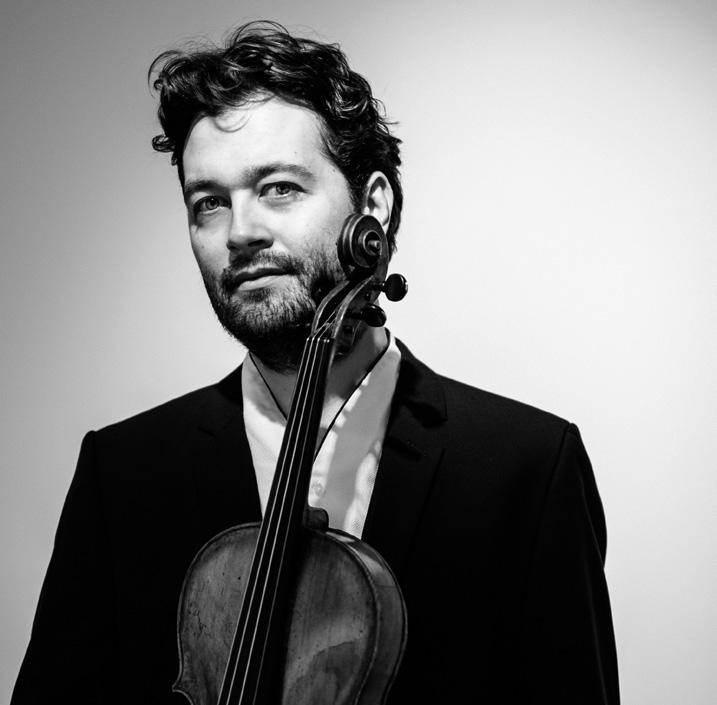
Internationally-acclaimed viola player Lawrence Power is widely praised for his richness of sound, technical mastery and his passionate advocacy for new music. Heralded by the New York Times as ‘a musician on a mission to make us pay attention to the viola’, Lawrence has advanced the cause of the viola both through the excellence of his performances, whether in recitals, chamber music or concertos and the creation of the Viola Commissioning Circle (VCC), which has led to a substantial body of fresh repertoire for the instrument by today’s finest composers. Lawrence has premiered concertos by leading composers such as James MacMillan, Mark-Anthony Turnage, Julian Anderson, Alexander Goer, and through the VCC has commissioned works by Anders Hillborg, Thomas Adès, Gerald Barry, Cassandra Miller and Magnus Lindberg.
Lawrence opens the 2025/26 season with Finnish Radio Symphony Orchestra (Nicholas Collon) performing Berlioz Harold in Italy and appears again under the baton of Collon alongside violinist Vilde Frang for the Britten Double Concerto with the City of Birmingham Symphony Orchestra. Concerto highlights include performances of the critically acclaimed Magnus Lindberg Viola Concerto with Orquestra Simfònica de Barcelona (Matthias Pintscher), Royal Stockholm Philharmonic (Ryan Bancroft), Trondheim Symphony (Adam Hickox), and play directing the concerto with the Scottish Chamber Orchestra.
Further engagements include performances of Cassandra Miller I cannot love without trembling with NDR Elbphilharmonie Orchester (James Gaffigan), the BBC Philharmonic (Ludovic Morlot) and the Montréal Symphony Orchestra (Elim Chan)and a three-week play direct tour with the Australian Chamber Orchestra to include the world premiere of Garth Knox’s Viola Concerto.
As a chamber musician he is in much demand and regularly performs at Verbier, Salzburg, Aspen, Oslo and other festivals with artists such as Steven Isserlis, Nicholas Alstaedt, Simon Crawford-Phillips, Vilde Frang, Maxim Vengerov and Joshua Bell. Lawrence was announced in 2021 as an Associate Artist at the Wigmore Hall, a position lasting for five years, with artists performing at least once each season.
For full biography please visit sco.org.uk
© Jack Liebeck
Scottish Chamber Orchestra
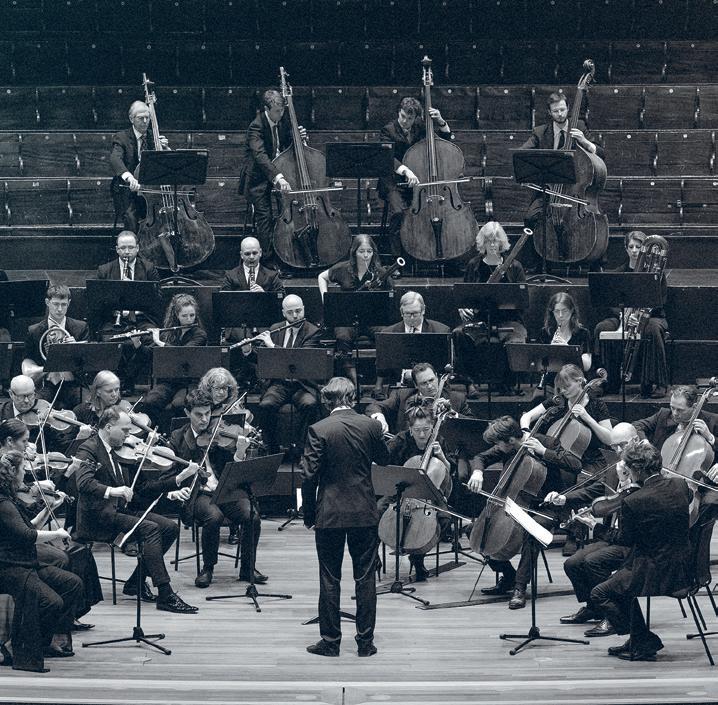
The Scottish Chamber Orchestra (SCO) is one of Scotland’s five National Performing Companies and has been a galvanizing force in Scotland’s music scene since its inception in 1974. The SCO believes that access to world-class music is not a luxury but something that everyone should have the opportunity to participate in, helping individuals and communities everywhere to thrive. Funded by the Scottish Government, City of Edinburgh Council and a community of philanthropic supporters, the SCO has an international reputation for exceptional, idiomatic performances: from mainstream classical music to newly commissioned works, each year its wide-ranging programme of work is presented across the length and breadth of Scotland, overseas and increasingly online.
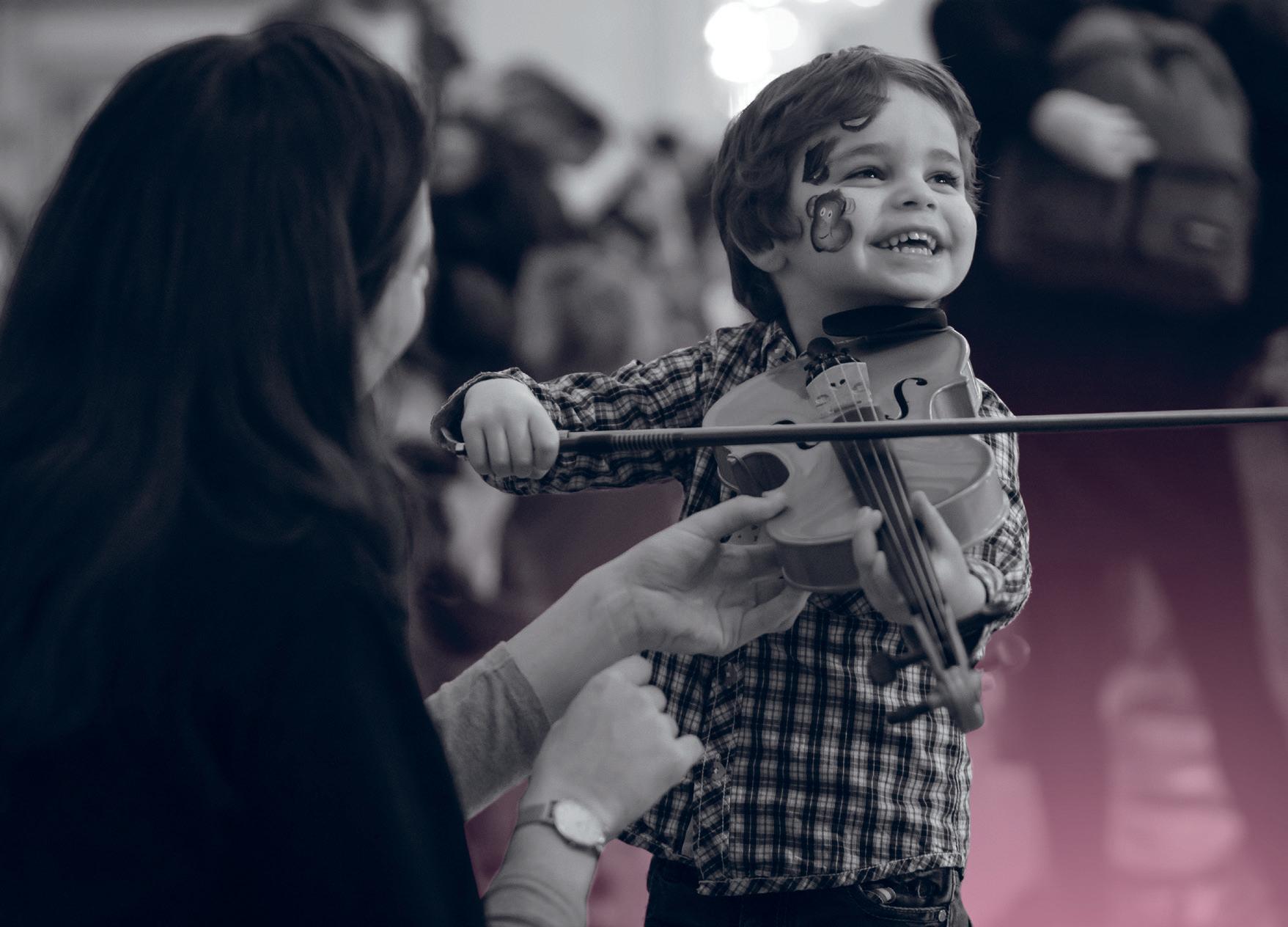
Equally at home on and off the concert stage, each one of the SCO’s highly talented and creative musicians and staff is passionate about transforming and enhancing lives through the power of music. The SCO’s Creative Learning programme engages people of all ages and backgrounds with a diverse range of projects, concerts, participatory workshops and resources. The SCO’s current five-year Residency in Edinburgh’s Craigmillar builds on the area’s extraordinary history of Community Arts, connecting the local community with a national cultural resource.
An exciting new chapter for the SCO began in September 2019 with the arrival of dynamic young conductor Maxim Emelyanychev as the Orchestra’s Principal Conductor. His tenure has recently been extended until 2028. The SCO and Emelyanychev released their first album together (Linn Records) in 2019 to widespread critical acclaim. Their second recording together, of Mendelssohn symphonies, was released in 2023, with Schubert Symphonies Nos 5 and 8 following in 2024.
The SCO also has long-standing associations with many eminent guest conductors and directors including Principal Guest Conductor Andrew Manze, Pekka Kuusisto, François Leleux, Nicola Benedetti, Isabelle van Keulen, Anthony Marwood, Richard Egarr, Mark Wigglesworth, Lorenza Borrani and Conductor Emeritus Joseph Swensen.
The Orchestra’s current Associate Composer is Jay Capperauld. The SCO enjoys close relationships with numerous leading composers and has commissioned around 200 new works, including pieces by Sir James MacMillan, Anna Clyne, Sally Beamish, Martin Suckling, Einojuhani Rautavaara, Karin Rehnqvist, Mark-Anthony Turnage, Nico Muhly and the late Peter Maxwell Davies.
© Christopher Bowen
7-9 May, 7.30pm
Edinburgh | Glasgow | Aberdeen
Schumann Cello Concerto
Maxim Emelyanychev conductor
Philip Higham cello
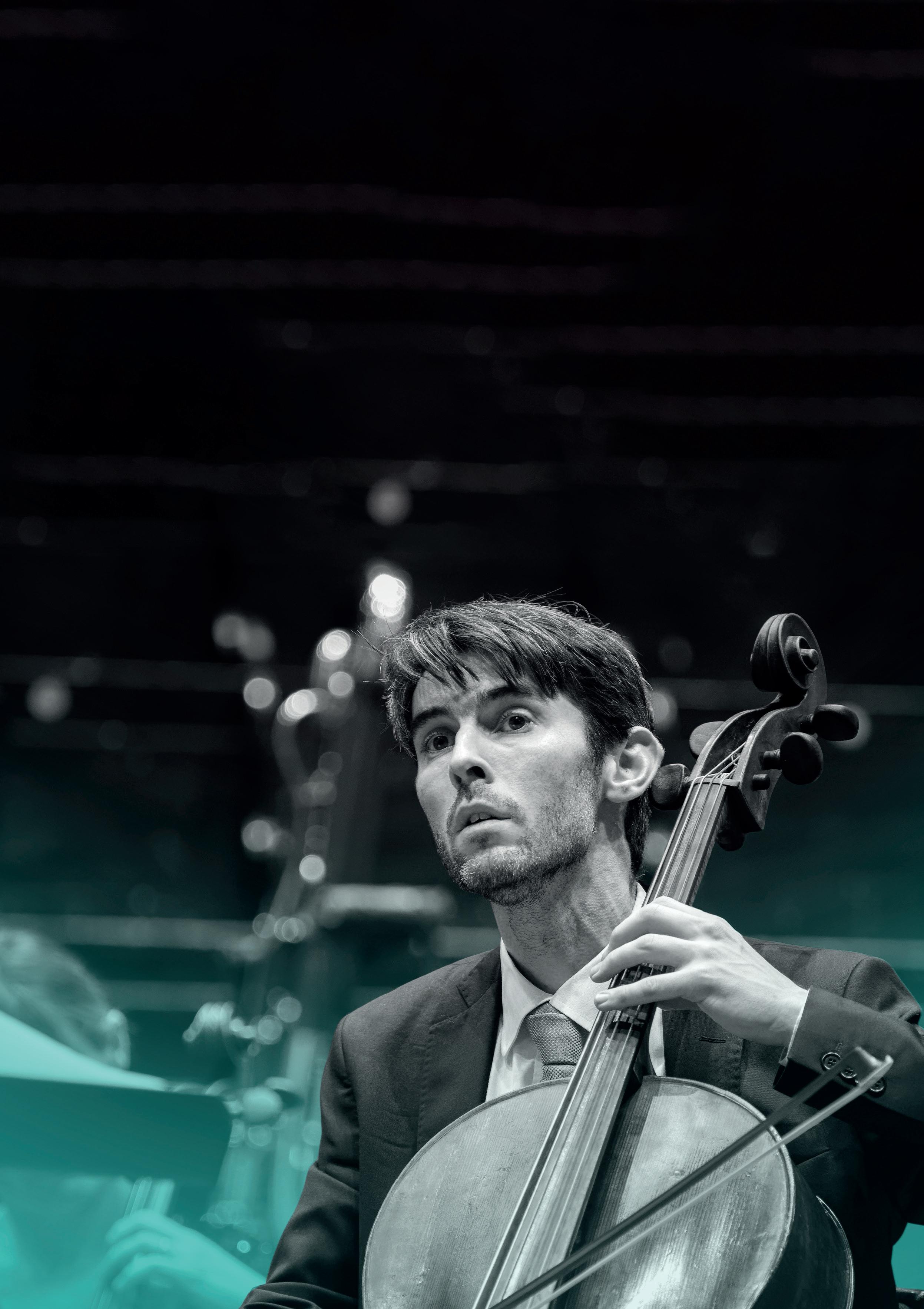
Including music by Mendelssohn, Widmann and Debussy
LEARN MORE
Support Us
Each year, the SCO must fundraise around £1.2 million to bring extraordinary musical performances to the stage and support groundbreaking education and community initiatives beyond it.
If you share our passion for transforming lives through the power of music and want to be part of our ongoing success, we invite you to join our community of regular donors. Your support, no matter the size, has a profound impact on our work – and as a donor, you’ll enjoy an even closer connection to the Orchestra.
To learn more and support the SCO from as little as £5 per month, please contact Hannah at hannah.wilkinson@sco.org.uk or call 0131 478 8364.
SCO is a charity registered in Scotland No SC015039.
Photo: Stuart Armitt
The