

This work is licensed under a CC BY-NC-ND 4.0 International License. This license enables reusers to copy and distribute the material in any medium or format in unadapted form only, for noncommercial purposes only, and only if attribution is given to the creator.
Published by Science Gallery, Bengaluru, a not-for-profit public insitution.
All the photos used in this resource are attributed to respective individuals and insitutions, unless stated otherwise.
For a digital version of this copy, please visit: https://bengaluru.sciencegallery.com
Welcome to the beautiful and bizarre world of plants!
You encounter them every day, often without noticing. The fibres in your clothes trace back to plant chemistry. The air you are breathing has been shaped over millions of years by photosynthetic organisms. The medicines in your cabinet, the colours in your food, the perfume you wear… much of it, in one way or another, comes from plants. These organisms have been sustaining life on Earth for over 450 million years. They were here long before us, and they have shaped the world we live in in ways we are only beginning to understand.
This handbook explores how people and plants have interacted across centuries; how we have studied them, used them, been inspired by them and how urgently we now need to protect them. Through activities, experiments and puzzles, you will explore these connections yourself.
You don’t need a laboratory. Most of what you need is already around you. Dive in. Get your hands a little dirty. And when you are done, we hope you see the plants around you just a little differently.
Warmly, The Science Gallery Bengaluru Team.
PHYTOPIA was an exhibition by Science Gallery Bengaluru. You can explore the digital version of the exhibition at: https://bengaluru.sciencegallery.com/phytopia-archived
This handbook works as a companion to explore the themes of the exhibition but is also complete on its own.
You probably tried to identify a plant at some point, and realised how easy it is to get it wrong.
Imagine it is the 1600s. You are foraging. You find something that looks like garlic. The leaves are similar, but not quite. You eat it anyway. It turns out to be lily of the valley, a poisonous plant that makes you sick! Next time, you pay closer attention to the shape of the leaves, their smell and how they grow. Maybe you write it down. That impulse, to notice, compare and remember, is where herbaria begin.
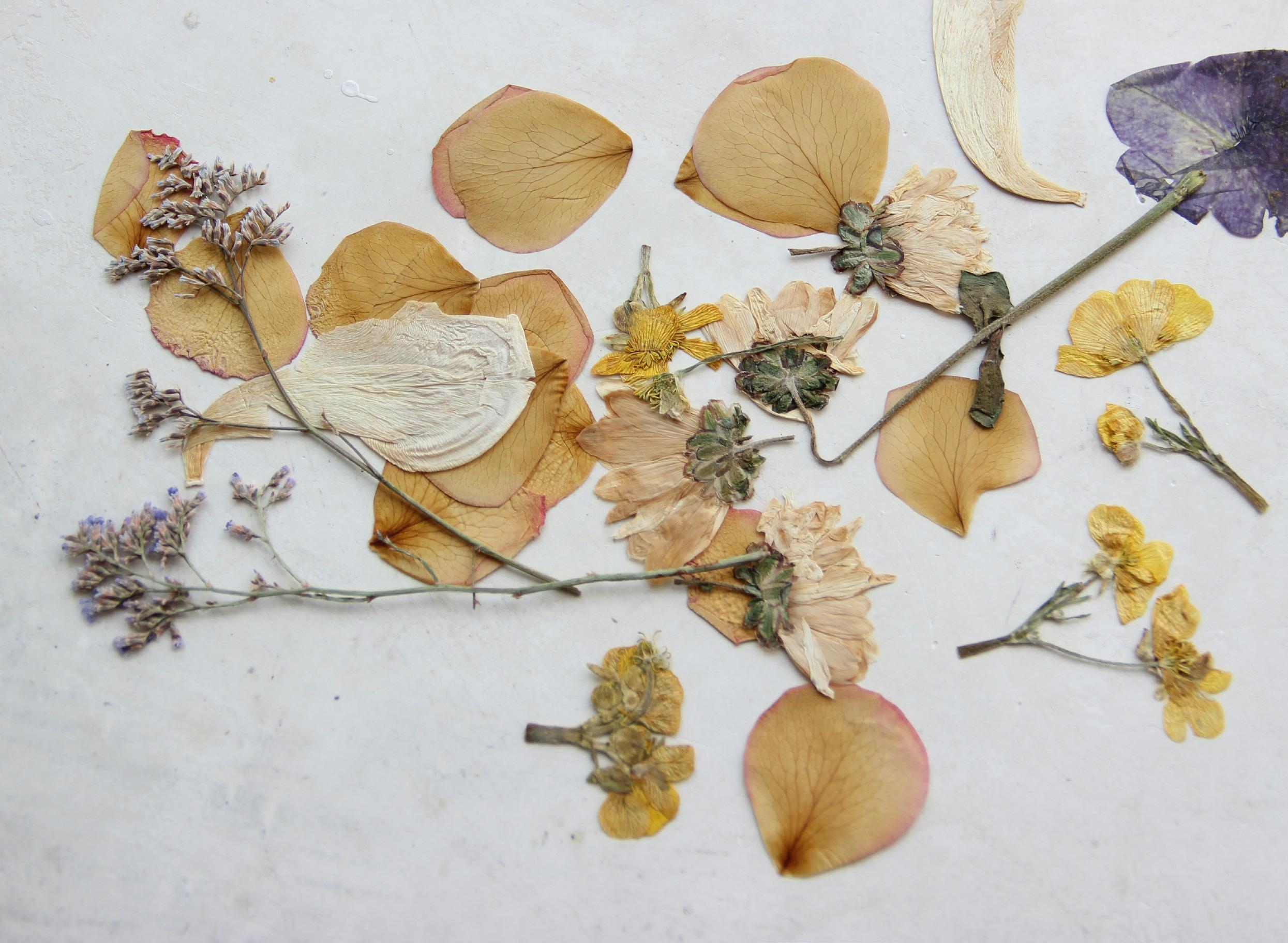
By the 15th and 16th centuries, European botanists were encountering plants they had never seen before. Exploration brought new species from different parts of the world, but there was a problem: how do you study and share something that wilts and rots in days? You press and dry it!
A herbarium is a collection of preserved plant specimens. Each specimen is mounted on a sheet of paper and labelled with its scientific name, the location and date of collection and the name of the collector. Think of it as a library of plant life where information is stored in biological form.

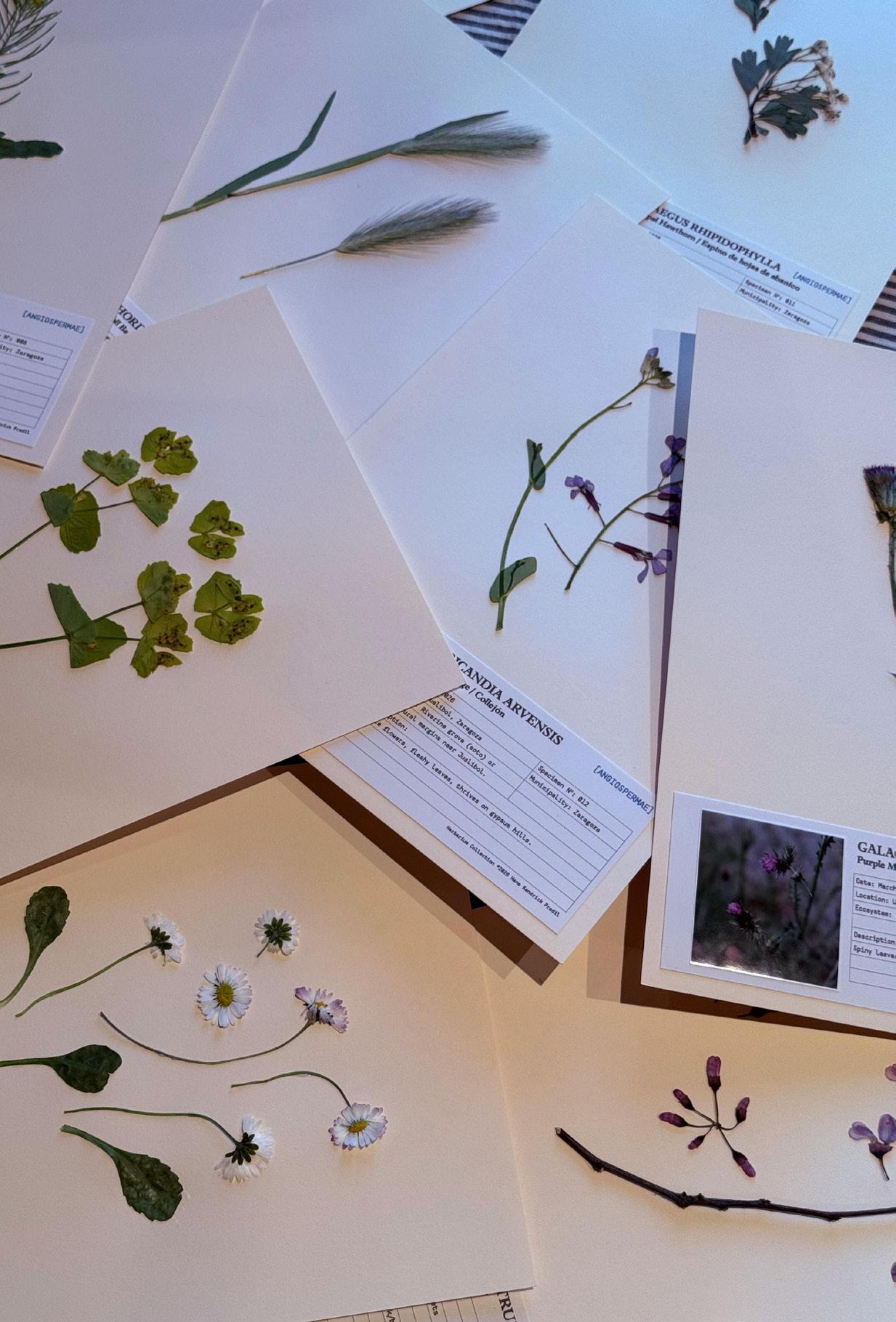
The way specimens are mounted matters. Leaves are arranged to show both sides, flowers and seeds are included where possible and key features are kept visible. The goal is to make it recognisable, again and again, across time.
Herbaria record where and when a species existed. So when a plant disappears from a landscape because of deforestation, climate change, or urban expansion, a herbarium specimen may be the only proof that it ever existed there at all.
Today, herbaria hold even more information than their collectors imagined. Scientists can extract DNA from specimens that are centuries old. With over 4,000 herbaria worldwide, many now digitised, they form a vast, distributed archive of plant life.
The Charaka Samhita (~100 BCE - 200 CE) is a foundational Ayurvedic text that describes over 340 plants. Each entry notes what a plant looks like, where it grows, when to collect it and how it affects the human body. While it is an encyclopedic text and not preserved plant specimens, it reflects a systematic effort to document and preserve botanical knowledge for generations to come.
Related habits of observation and classification were taking shape in different parts of the world.
Centuries later, Swedish botanist, zoologist and physician Carl Linnaeus (1707 - 1778) formalised a system of naming and classifying species that we still use today. He introduced binomial nomenclature, a method of naming species with two parts (Homo sapiens or Rosa indica, and so on). His approach was based on close observation of plant form, particularly their reproductive structures, such as stamens and pistils. His herbarium, which contains over 4000 species, is held at the Linnean Society in London.
Check it out here:
In the twentieth century, Janaki Ammal (1897–1984), one of India’s most celebrated botanists, carried this work into a new scientific context. Alongside collecting and documenting plant species, she studied plant chromosomes, asking questions that could not be answered by appearance alone.

Around the same time, a very different kind of herbarium was taking shape in the United States.
Before she became known for her poetry, Emily Dickinson (1830 - 1886) began collecting and pressing plants at the age of thirteen. She wrote to a friend, “Have you made a herbarium yet? I hope you will, if you have not, it would be such a treasure to you.” By the time she was done, she had assembled 424 specimens, most of them labelled with their scientific names.
I hide myself within my flower, That wearing on your breast, You, unsuspecting, wear me too —
And angels know the rest.
I hide myself within my flower, That, fading from your vase, You, unsuspecting, feel for me
Almost a loneliness.
— Emily Dickinson
Dickinson’s herbarium has been digitised and is held at Harvard University’s Houghton Library.
Check it out here:
1. The Charaka Samhita organised plants by their effects on the human body. Linnaeus organised them by their physical structures, like stamens and pistils. What does each approach reveal about their cultures? Are there other ways one might classify plants?
2. Janaki Ammal worked with both collected specimens and plant chromosomes. How do different ways of studying plants (field, herbarium or lab) change what we know about them?
3. Emily Dickinson’s herbarium and her poetry came from the same habit: paying close attention to the natural world and finding ways to hold on to what fades. Can you think of other examples where scientific attention and artistic expression overlap?
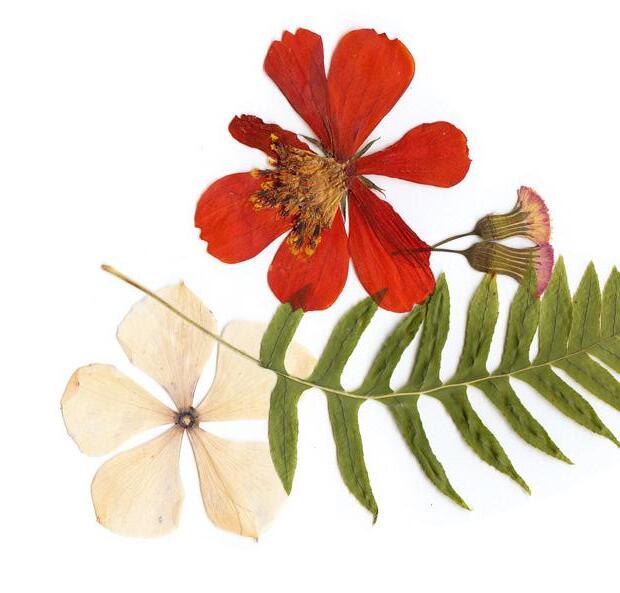
What does it take to make a plant last? In this activity, you will create your own herbarium specimen by collecting, pressing, and mounting a plant so it can be studied long after it was picked.
WHAT YOU NEED:
Heavy books Newspaper
Thick paper or card
Acid-free glue
Any pen or pencil
If that’s not available:
Any heavy flat objects stacked together
Any old pages or plain sheets
Inside of a cereal box, any stiff card
Fevicol or white glue

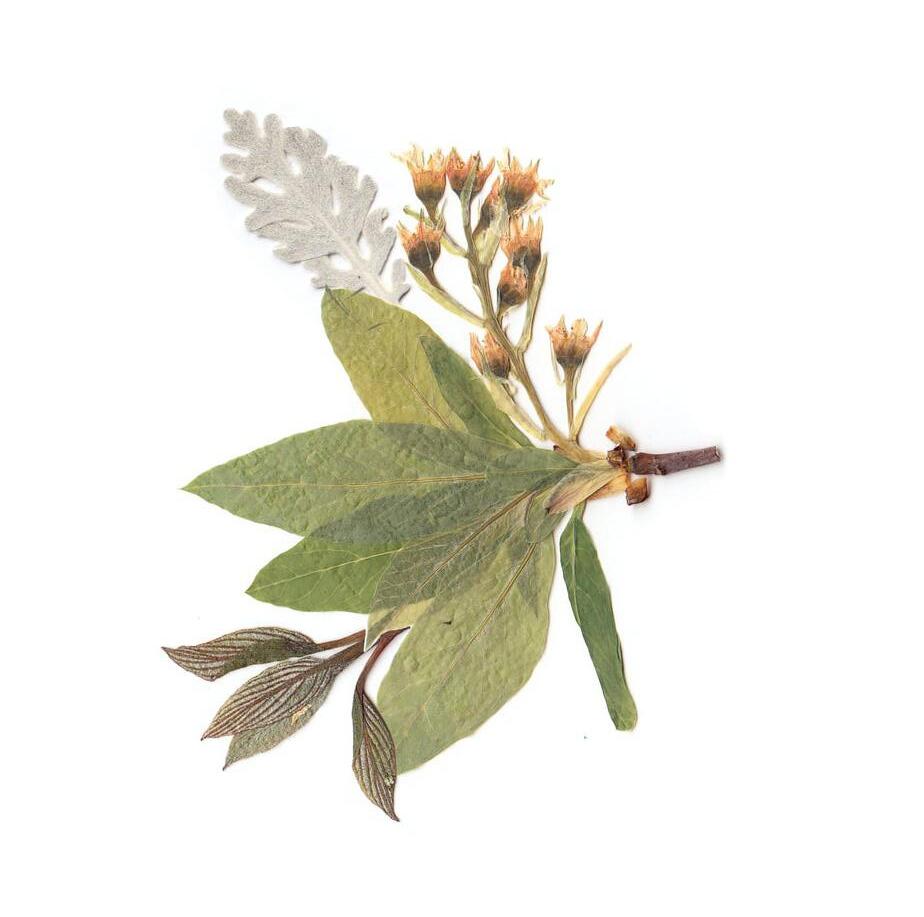
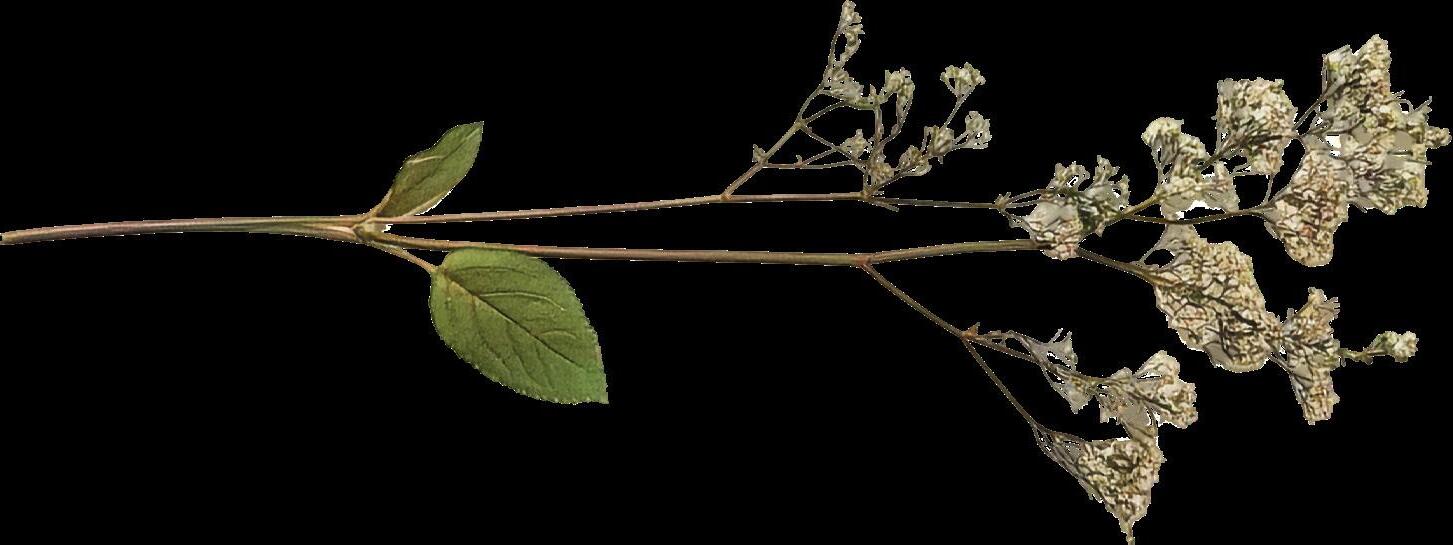
Collect
In your own garden, or a spot where you have permission, pick a small selection of plants.
Be gentle and only take what you need. Choose a dry day to collect specimens, as wet plants grow mould when pressed. Try to collect two leaves from the same plant so that you can show both sides. Avoid plants with thorns, milky sap, or strong smells you don’t recognise. If in doubt, do not pick up that plant. Wash your hands after handling soil and plant material.
Pro tip: Some plants are harder than others. For example, orchids lose moisture slowly and often go mouldy. Start with flat flowers, simple leaves, and ferns.
It is not only flowering plants that can be pressed; ferns, mosses, seaweed and lichens all make excellent herbarium specimens.
Press
Open a heavy book and line a page with newspaper.
Arrange your specimen on the newspaper, spreading it out so the features are visible. Close the book carefully and stack more heavy books or objects on top.
Store in a warm, dry place.
Check on your specimens every few days. Most specimens take 1-3 weeks to dry completely, depending on the thickness of the plant and the humidity of the air. Replace the newspaper if it feels damp.
Mount
Once dry, carefully transfer your specimen to thick paper or card.
Use a small amount of glue to keep it in place. Do not use tape as it discolours specimens over time and eventually falls off. Handle dried specimens gently as they become brittle and break easily.
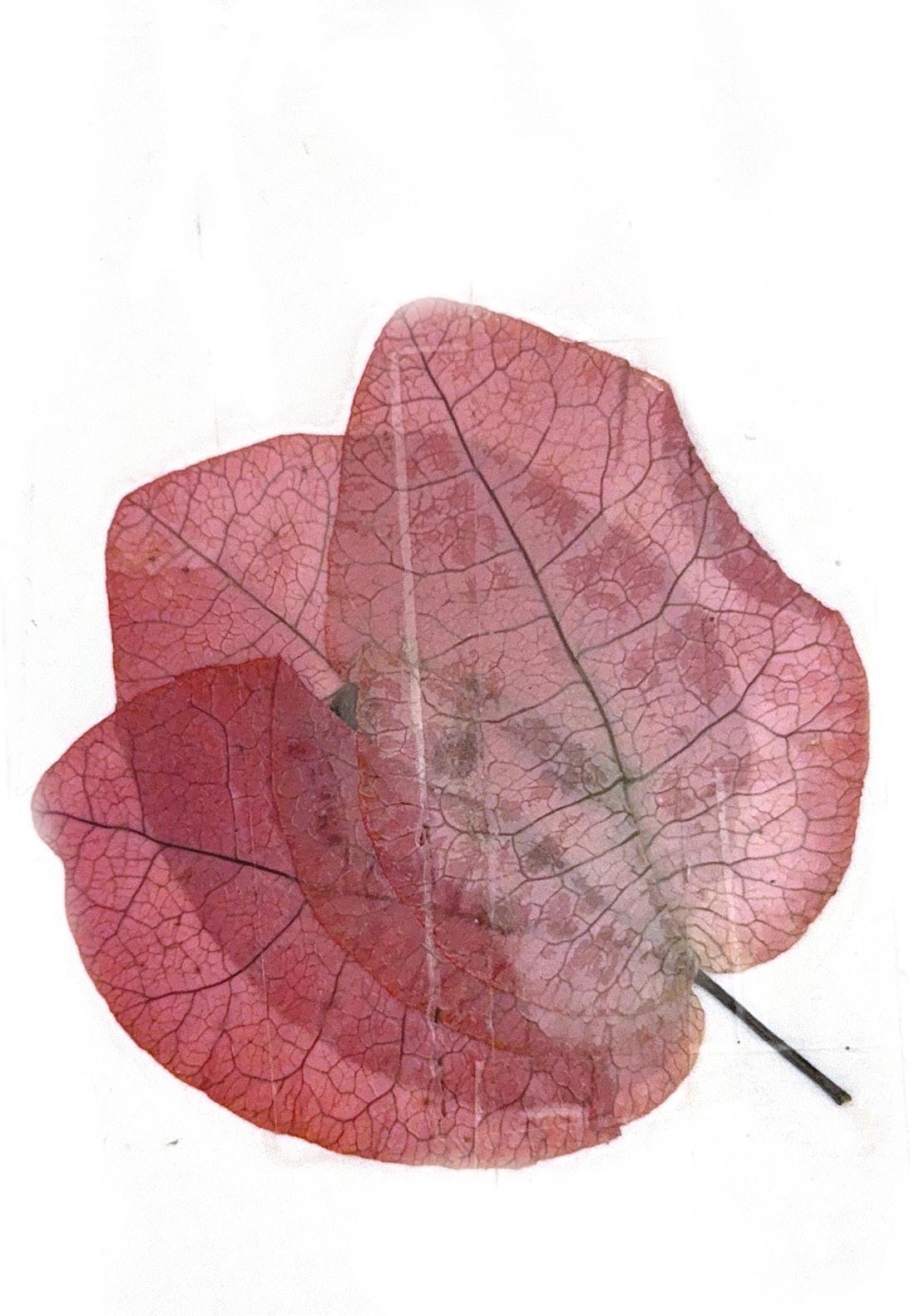


A pressed specimen becomes a herbarium sheet when it is labelled.
Your label should include:
• Common name and scientific name (if you know it)
• Location of collection: neighbourhood, locality, habitat type (garden, roadside, forest edge, etc.)
• Date of collection
• Your name as the collector
The more information you record, the more valuable the specimen becomes. Beyond looking beautiful, it becomes a data point in the larger story of where plants grow and, over time, how landscapes change.
With proper care, pressed specimens can survive for hundreds of years.
After your specimen has dried and is mounted, spend a few minutes with these questions:
1. Look at the two sides of a pressed leaf from the same plant. Do they look identical? What differences do you notice? Why might those differences matter to a researcher?
2. If you pressed more than one specimen of the same plant, compare them. Can you see any variation in size, colour or shape?
3. If you were to build a herbarium of the plants in your neighbourhood, which ones would you choose? What would that collection say about the place where you live?
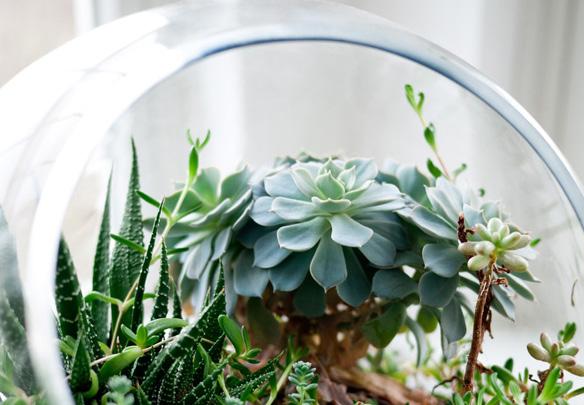
A terrarium is a miniature world sealed in glass. It is a small, self-contained ecosystem where water, air, soil, light and living organisms interact in a continuous cycle. Terrariums exist at the beautiful intersection of art and science.
Plants are living organisms. They are deeply connected to the environments they grow in. Some grow in marshy wetlands, with roots adapted to sit in waterlogged soil. Others grow in dense forests where sunlight barely reaches the ground. Some survive in dry, arid regions by storing water in their thick leaves or stems. Each habitat creates a particular way of life, and each plant is shaped by it. So a plant is always part of a larger system of relationships where living organisms and non-living factors work together.
That system is called an ecosystem. The living components are called biotic (plants, animals, fungi, bacteria). The non-living components are called abiotic (water, light, temperature, soil minerals). A change in temperature affects which plants can survive in an area. A change in plant cover affects which insects can feed. A change in insect populations affects pollination, which affects plant reproduction, and so on.
Ecosystems can be as small as a tide pool or as large as an ocean, organised into larger units called biomes: forests, deserts, grasslands, wetlands, coral reefs. And biomes are not fixed. Hundreds of millions of years ago, Antarctica was blanketed with forest. Ten thousand years ago, parts of North Africa were green landscapes cut through by rivers. Today, those patterns are shifting again, driven by human activity, at a pace that ecosystems struggle to keep pace with.
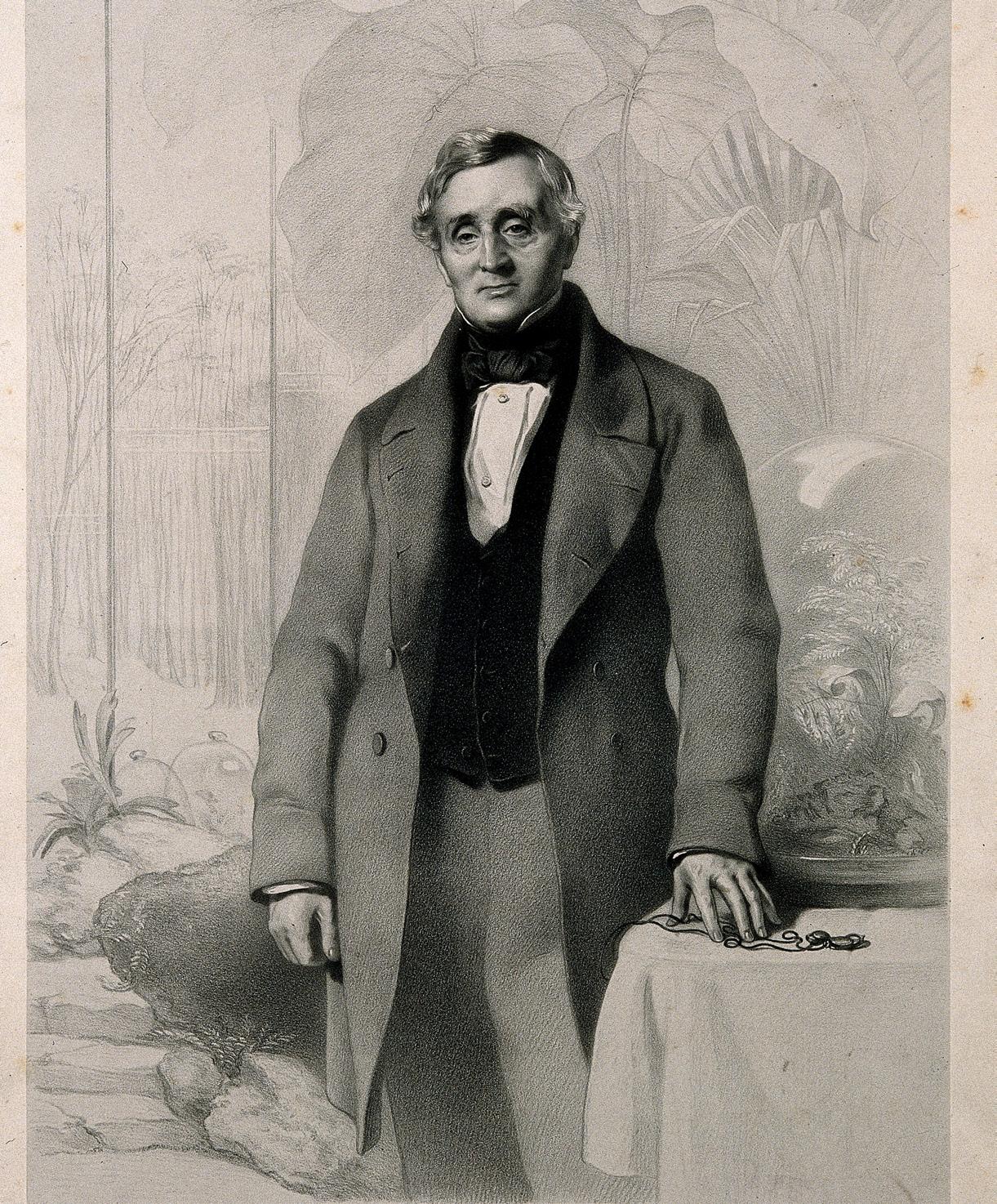
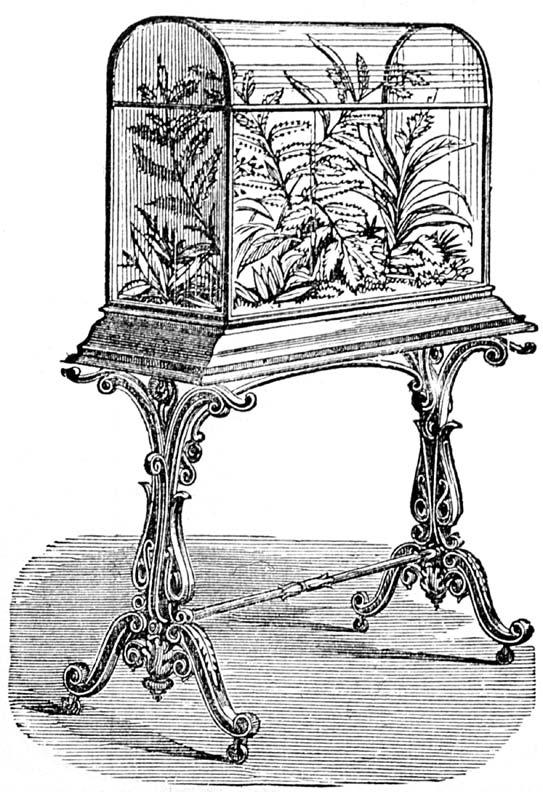
In the late 1820s, a British physician and naturalist named Nathaniel Bagshaw Ward made a discovery, completely by accident.
Ward had sealed a moth cocoon in a glass bottle with some fern fronds and a little soil. He wanted to observe the moth as it came out. Weeks passed, and he noticed something unexpected. The fern had begun to grow. And kept growing. Condensation formed on the inside of the glass each night and trickled back down to the soil each morning. Sunlight passed through the glass and powered photosynthesis. The water cycled, the plant fed itself, and the whole system turned. The fern survived, untouched, for three years. Ward understood what had happened. A closed glass container could maintain the conditions for plant life indefinitely, as long as it received light. He developed a glass-andwood enclosure, later called the Wardian case, that made it possible for the first time to transport live plants reliably across long ocean voyages. Before his invention, most plants brought from distant parts of the world died en route from salt spray and fluctuating conditions. After it, the global movement of plants, for botany, agriculture, and horticulture, transformed.
Ward’s sealed bottle revealed that with the right balance, life sustains itself.
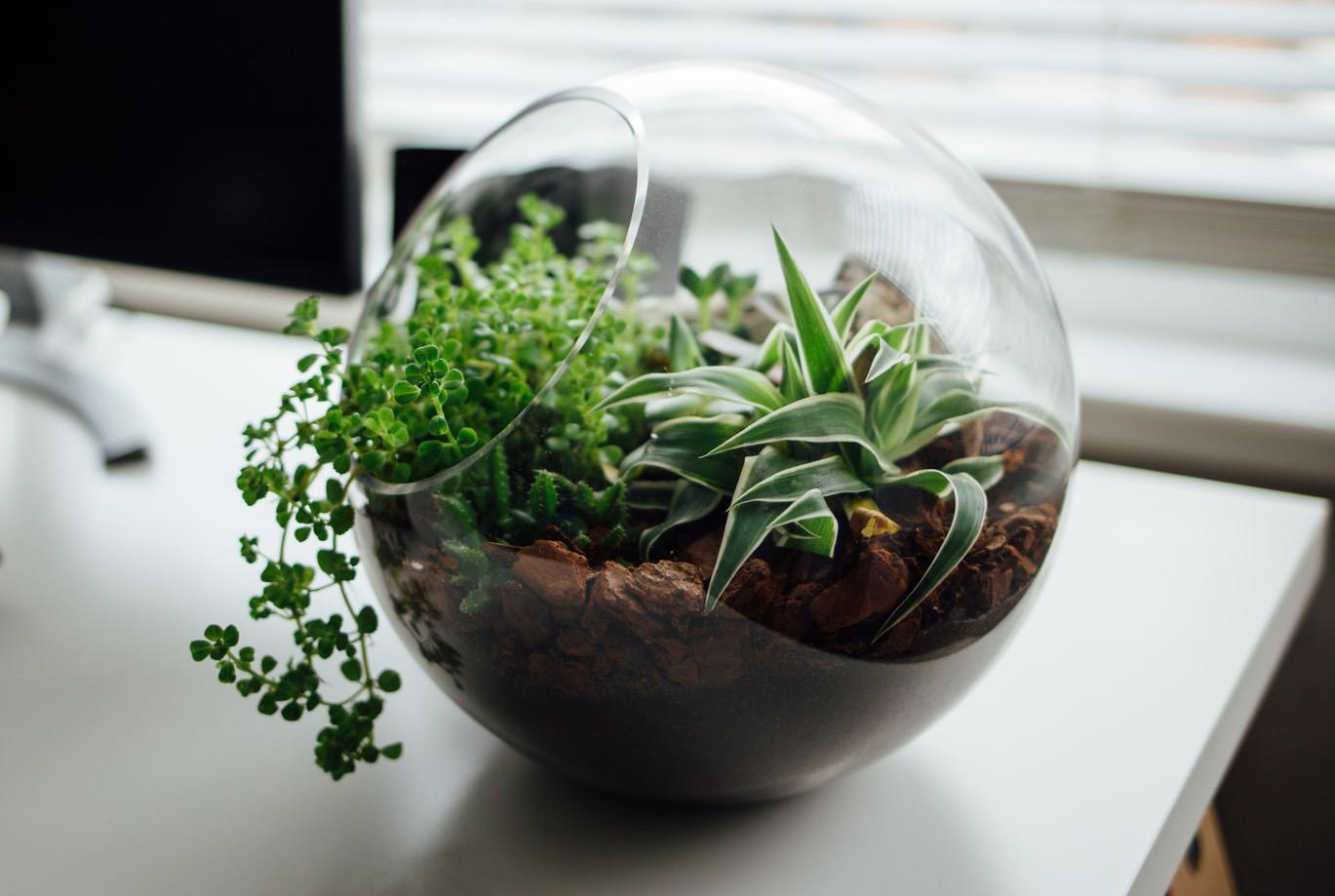
Building a terrarium requires a basic understanding of how living and non-living factors work together, and a lot of patience. Once the balance is right, it needs almost no intervention from you.
WHAT YOU NEED:
Glass container with a lid
Small pebbles
Charcoal
Potting soil
Small plants
If that’s not available:
Any clean glass jar or bottle with a cork or stopper
Gravel, coarse grit, or broken pieces of terracotta
Wood charcoal from a cooking fire (not compressed briquettes)
Natural garden or field soil
Moss, small ferns, any small leafy plant from a shaded spot

1. Start with a clean glass container. Do not clean it with chemical cleaners or bleach, as the residues can harm the plants.
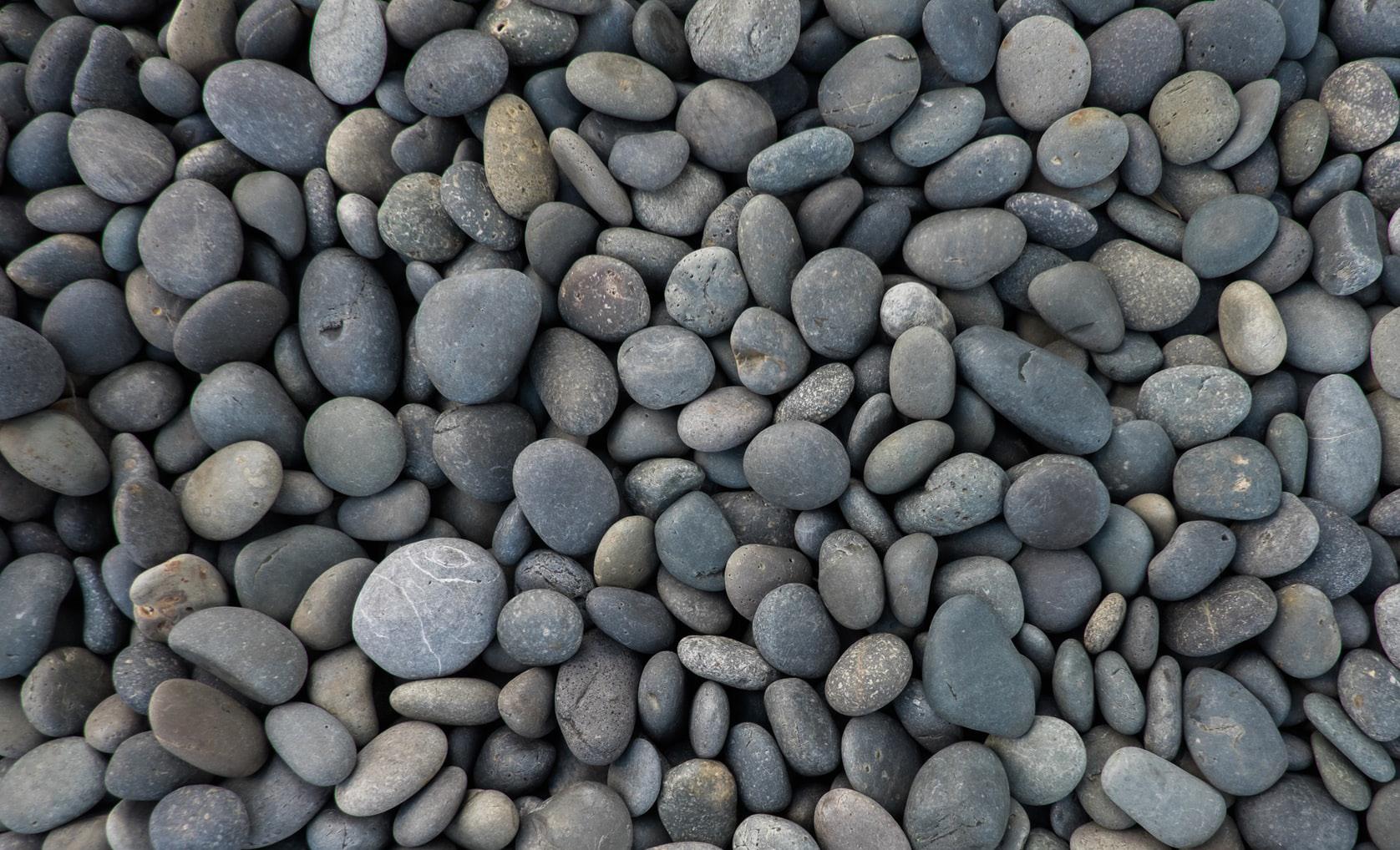
2. Add a layer of pebbles or gravel at the bottom. This creates a drainage zone so water can collect below the roots without waterlogging them.
3. Add a thin layer of charcoal on top of the pebbles. Charcoal filters impurities and keeps the water clean.
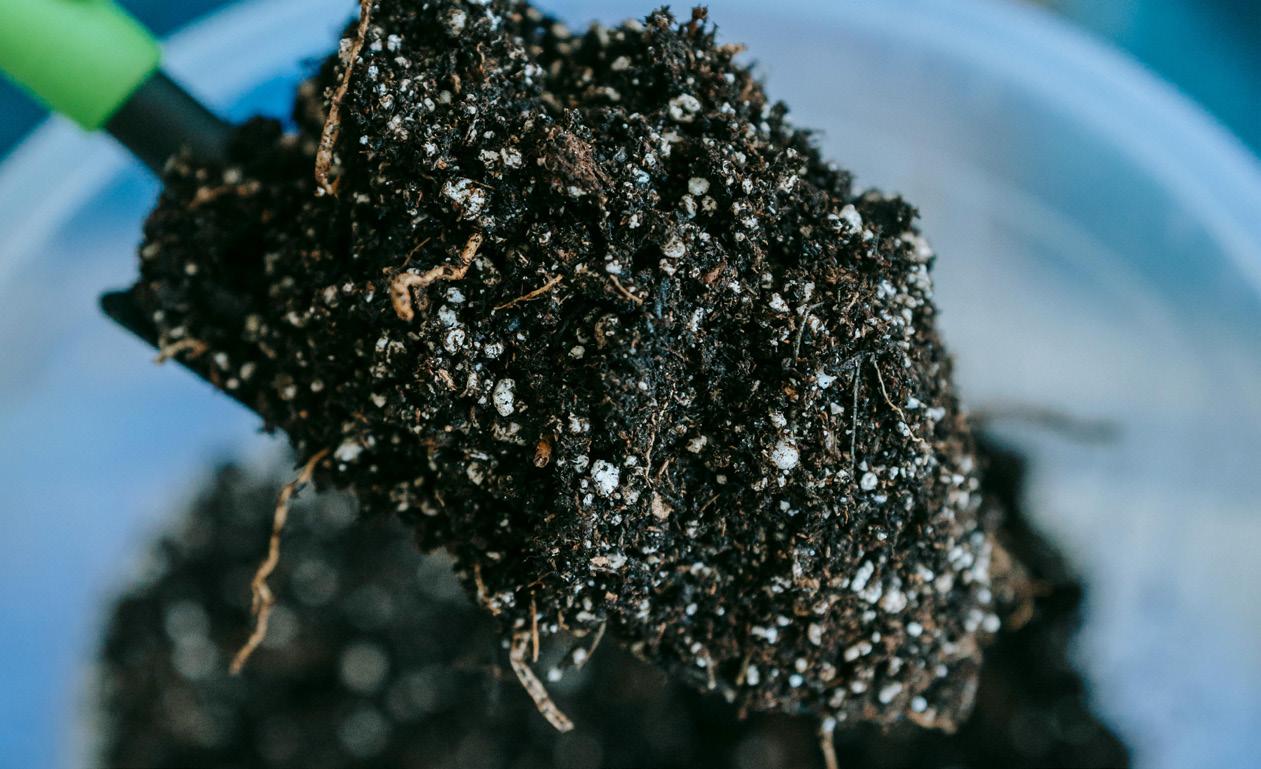
4. Add a layer of soil deep enough for your plants’ roots, at least 5 to 7 centimetres.
5. Dig small holes and plant your specimens, packing the soil firmly around the roots. If plants are newly bought, trim any very long roots before planting.
6. Add a small amount of water, just enough to lightly moisten the soil.
7. Seal the container with its lid.
8. Place it where it will receive indirect sunlight. Avoid direct midday sun as it can overheat a sealed container.
9. Keep checking on the terrarium.
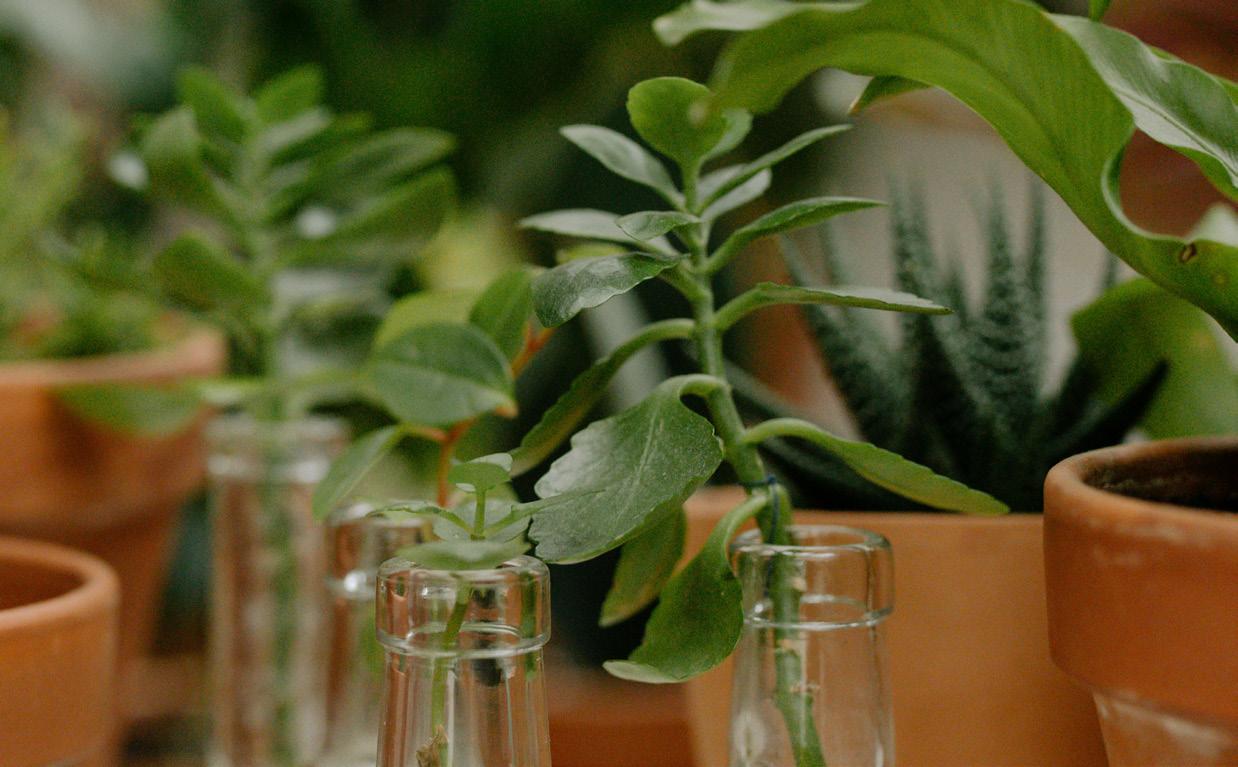
Plants release moisture through their leaves, a process called transpiration, which condenses on the cooler glass, trickles back to the soil, and is absorbed again. This self-regulating cycle is what keeps a sealed terrarium alive. If the glass is constantly fogged and water is pooling visibly, the terrarium has too much moisture. Lift the lid briefly to let some evaporate. If the plants look dry and there is no condensation on the glass, add a small amount of water and reseal.
• Do not overcrowd the container. Plants in a confined space compete for the same nutrients and light. If there are too many of them, most will weaken and die. If you want to use many different varieties, give each group its own container.
• Though succulents and cacti make for incredible-looking and low-maintenance terrariums, they need a different type of soil to grow. They need much less water since they’ve adapted to grow in arid regions. The soil you place them in must have excellent drainage. Adding coarse sand to the soil will help it drain well, preventing the roots of your succulent from rotting.
You can experiment to see how abiotic factors such as water and sunlight influence plants by creating multiple identical terrariums and growing them under different conditions.
Ask a question. Does the amount of water affect how well a closed terrarium supports plant life?
Form a hypothesis. A hypothesis is a prediction you can test. Before you set anything up, write yours:
“I predict that the terrarium with ____________ amount of water will support plants best, because ____________.”
Set up. Build three terrariums that are as identical as possible: same container, same soil, same plants, same position and amount of sunlight. Change only one variable: the amount of water added before sealing.
Terrarium A - very little water (lightly mist the soil surface)
Terrarium B - a moderate amount (soil is moist but not wet)
Terrarium C - a lot of water (soil is visibly wet)
Observe. Over two weeks, check each terrarium every two or three days and record what you see.
Is there condensation on the glass?
Are the plants upright and green, or yellowing, wilting, or growing mould?
Has the water level at the bottom changed?
Conclude. Which terrarium did best? Was your prediction correct? What would you change if you ran the experiment again?
Take a walk through a garden and notice how immediately the colours and scents reach you. Now imagine perceiving the same garden through the compound eyes of a bee. Bees see differently from us. Their visual system is sensitive to ultraviolet, blue and green light, but not to red. Under ultraviolet light, many flowers that look plain yellow or white to us reveal hidden patterns: lines and patches that direct the bee straight to the flower’s centre. Botanists call these nectar guides. What looks simple to us is, for the bee, structured and directional.
Scent works differently. Unlike colour, which requires light and line-of-sight, scent disperses through the air in every direction and can be detected from a considerable distance. Flowers release mixtures of volatile compounds (small, light-weight molecules that evaporate easily into the air) and these mixtures are astonishingly varied. Some are composed of over a hundred different chemical compounds, each contributing something to the overall signal. Some plants are generalists, broadcasting a wide range of scents to attract many kinds of pollinators. Others are so specific that a single compound attracts a single species of insect, nothing else.
Plants use scent for more than attracting pollinators. When a plant is attacked by insects, it can release chemical signals detectable by neighbouring plants, which respond by producing more of their own defensive compounds. This is slow and chemical, and quite different from the way we usually imagine communication. But it is real, and it works.
The humbling conclusion to all of this is that the brilliant colours and enticing scents of flowers were not made for us. They evolved for bees, birds, bats, and moths over millions of years. We are simply lucky to share the same aesthetic sensibilities as some of those pollinators, and curious enough to have started using these properties for ourselves.
The Persian polymath Ibn Sina (980–1037 CE) is often credited in Western accounts with refining the technique of steam distillation for perfumes. However, traditions of extracting and blending fragrances were already well developed across India, Arabia, and East Asia.
In the city of Kannauj in Uttar Pradesh, the perfume capital of India, the art of making ittar (also written attar), or natural perfume, has been practised for centuries. The technique uses a traditional copper distillation apparatus: the deg (a still) and the bhapka (a receiving vessel). Fragrant petals or plant material are placed in the deg with water and gently heated. The steam, carrying the aromatic compounds, travels through a bamboo pipe into the bhapka, which holds a base oil. The process is slow, labour-intensive and precise. Skilled perfumers can distinguish an extraordinary range of scent notes by nose alone.
Sandalwood (Santalum album), Karnataka’s state tree, produces a heartwood oil that is one of the most prized fragrance materials in the world. Mysuru has for centuries been a centre of sandalwood carving and oil production. The sandalwood tree is also central to religious traditions across South and Southeast Asia, burned as incense and offered at temples.
The history of perfume is not a single invention, but a long, interconnected story of experimentation, carried forward across centuries by exchange and craft.
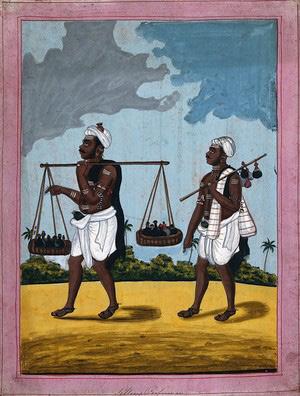
For most of human history, all colour in textiles came from plants, insects and minerals.
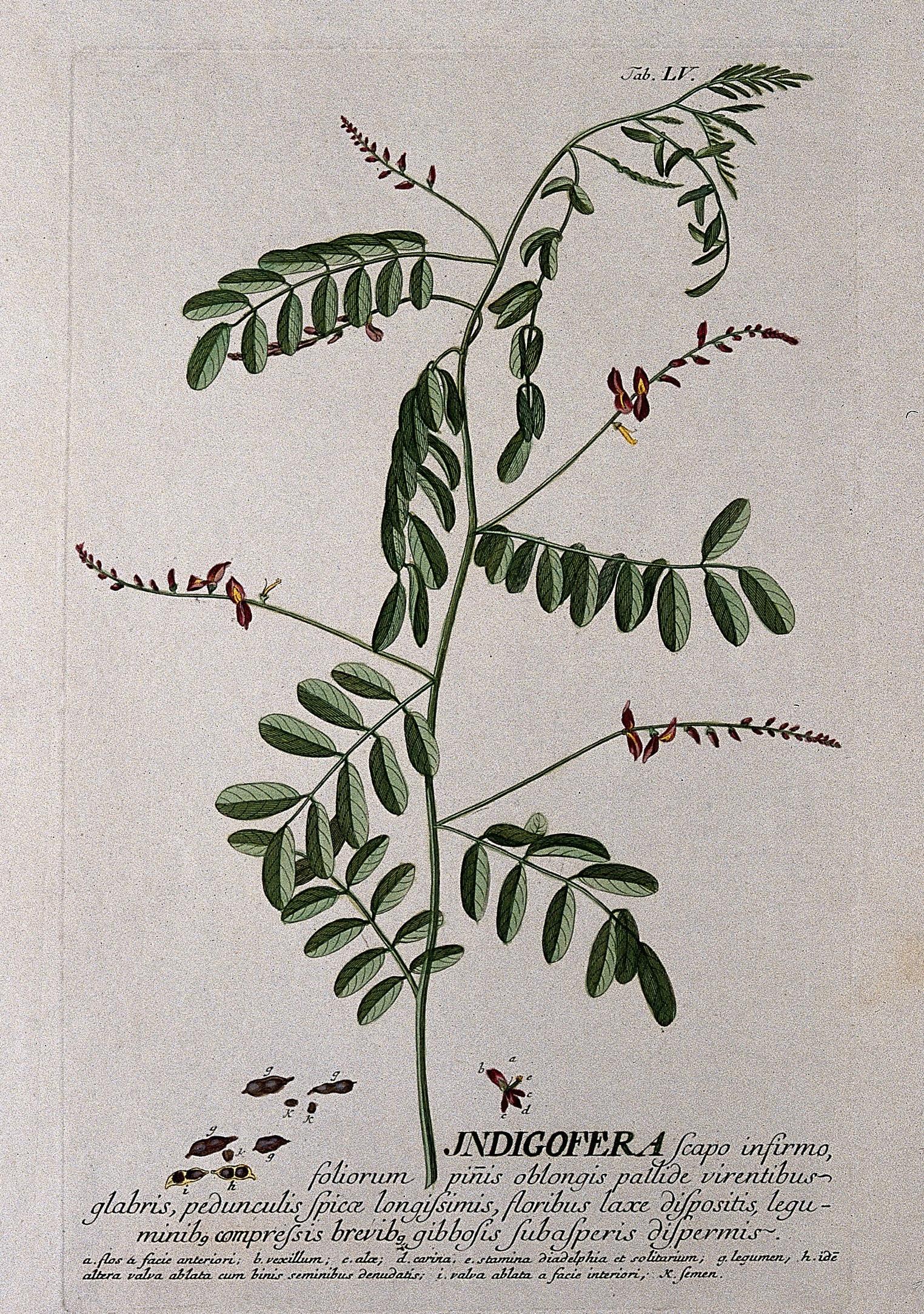
Indigo is perhaps the most famous natural dye from India. The deep blue pigment comes from plants of the genus Indigofera, cultivated most abundantly in India and parts of South America. The very word “indigo” derives from the Latin for “India,” reflecting just how central India was to the global supply. For centuries, it was one of India’s most valuable exports.
But the indigo trade also has a darker history. Under British colonial rule, Indian farmers in Bengal and Bihar were forced to grow indigo instead of food crops, under exploitative contracts that left them in perpetual debt. The Indigo Revolt of 1859, in which farmers rose up against these conditions, is one of the earliest organised resistance movements of the colonial era, and a direct precursor to the independence movement that followed.
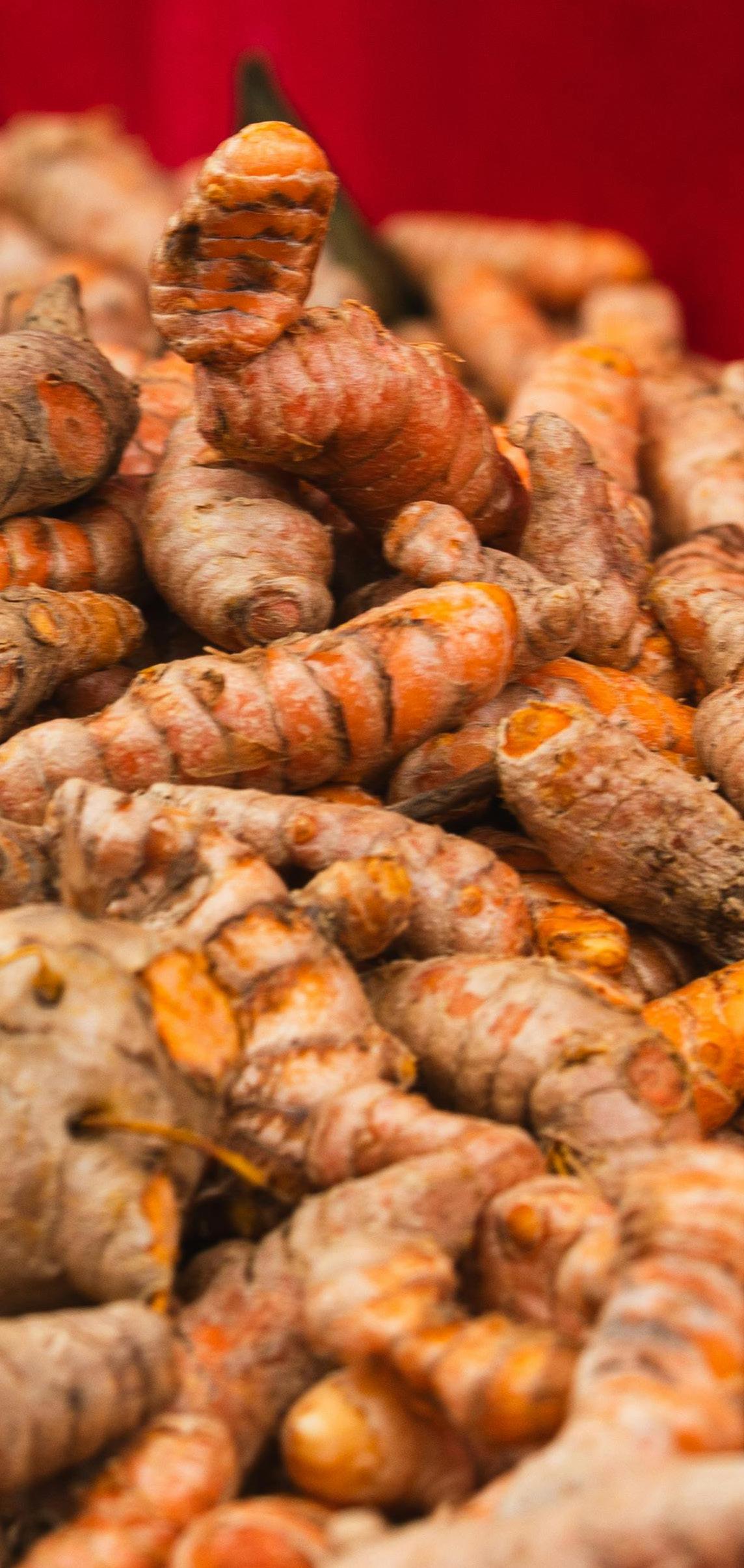
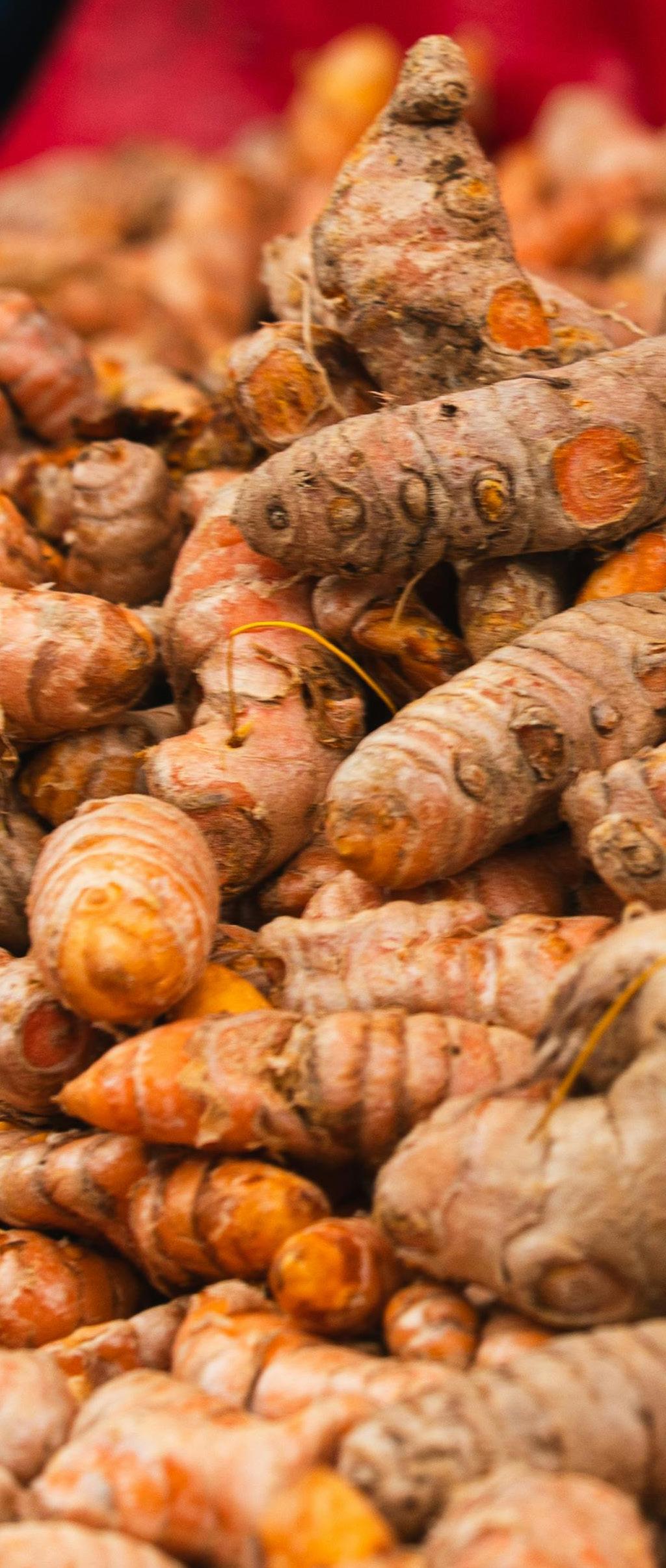
Turmeric (haldi or arisina) produces a vivid yellow dye used in India for millennia, in textiles, food, ritual and medicine. Pomegranate rind, madder root and henna are among dozens of other Indian plants with rich dyeing histories.
In 1856, an 18-year-old British chemistry student named William Perkin accidentally created the world’s first synthetic dye, mauveine, while attempting to synthesise quinine for malaria treatment. This single accident set in motion the industrialisation of colour. By 1882, synthetic indigo had been manufactured in Germany, and the Indian indigo farming industry, which had sustained generations of rural communities, was devastated within decades. The jeans you are wearing today almost certainly use synthetic indigo: a direct chemical descendant of the plant that once made India’s fortune and broke Indian farmers’ livelihoods.
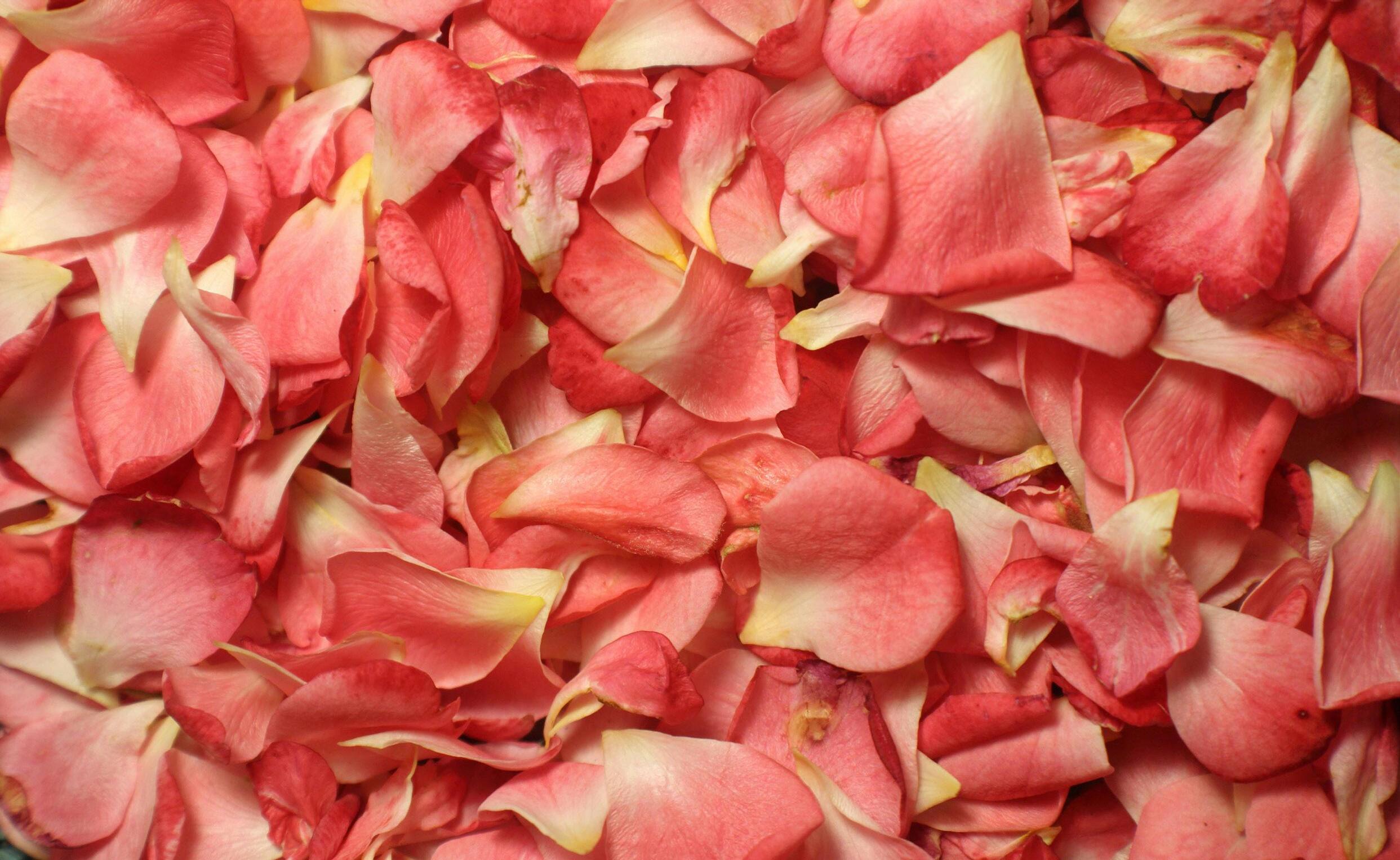
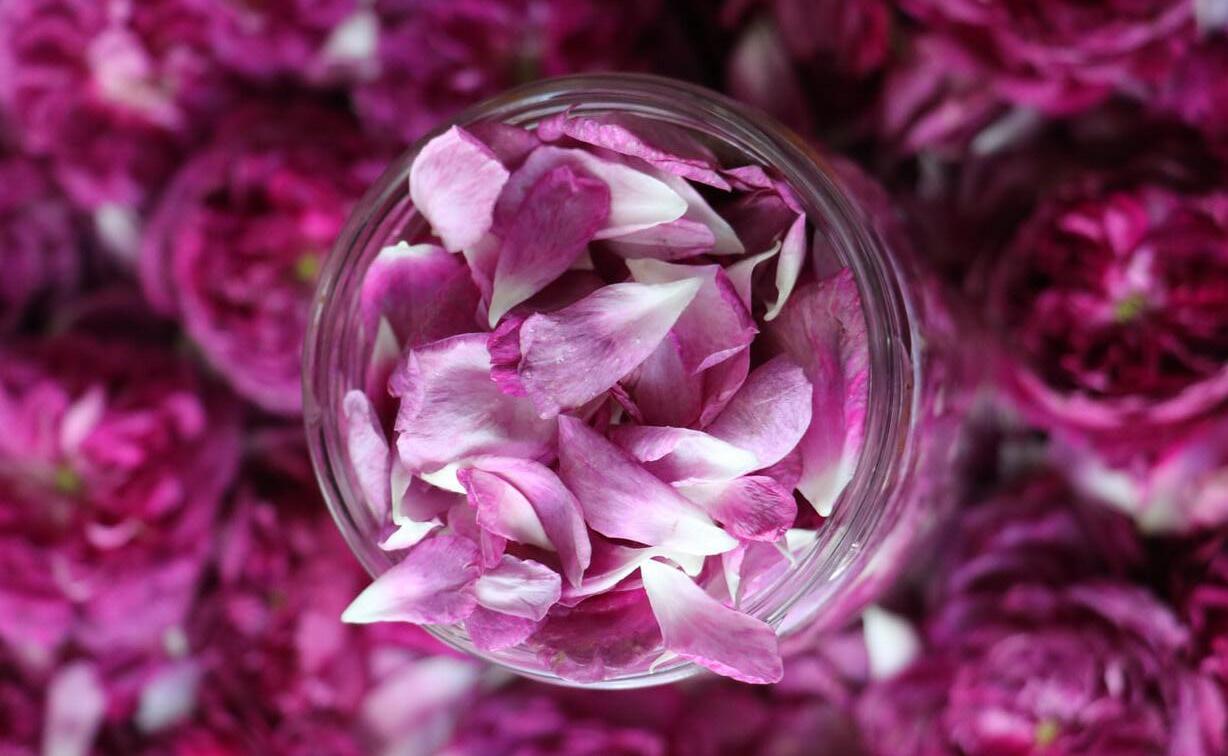
Essential oils carry the concentrated scent of a plant; the same compounds that the plant uses to attract pollinators or deter pests. Here is how to make a simple infused oil at home. This method uses rose petals, but you can use any fragrant flower or herb, like jasmine, marigold, tulsi, lavender, or any other strongly scented plant you have available.
Jojoba oil
1 cup of fresh fragrant petals
Mortar and pestle
Dark glass jar with lid
Mesh sieve or muslin cloth
Coconut oil or sesame oil - both work well and are widely available
Jasmine, marigold, tulsi, or any fragrant local flower
Two smooth stones, or crush petals in a clean cloth
Any clean glass jar, covered with dark paper or cloth to keep out light
Any fine cloth or dupatta for straining
Safety note: Step 3 involves warm water. Be careful, and ask for help if needed.
1. Crush one cup of petals until they are bruised and slightly wet. Crushing breaks open the cells that hold the aromatic compounds.
2. Place the crushed petals in a jar and pour enough oil over them to cover completely.
3. To help the oil absorb the scent, set the closed jar in a pan of warm (not boiling) water for about an hour; the warmth accelerates extraction. Then remove and let it cool.
4. Seal the jar and store in a cool, dark place for at least 24 hours. For a stronger scent, leave for up to 7 days.
5. Strain the oil through fine cloth into a clean jar, pressing the petals firmly to extract as much scented oil as possible. Discard the spent petals.
6. Repeat the entire process with a fresh batch of petals and the same oil for a more intense fragrance.
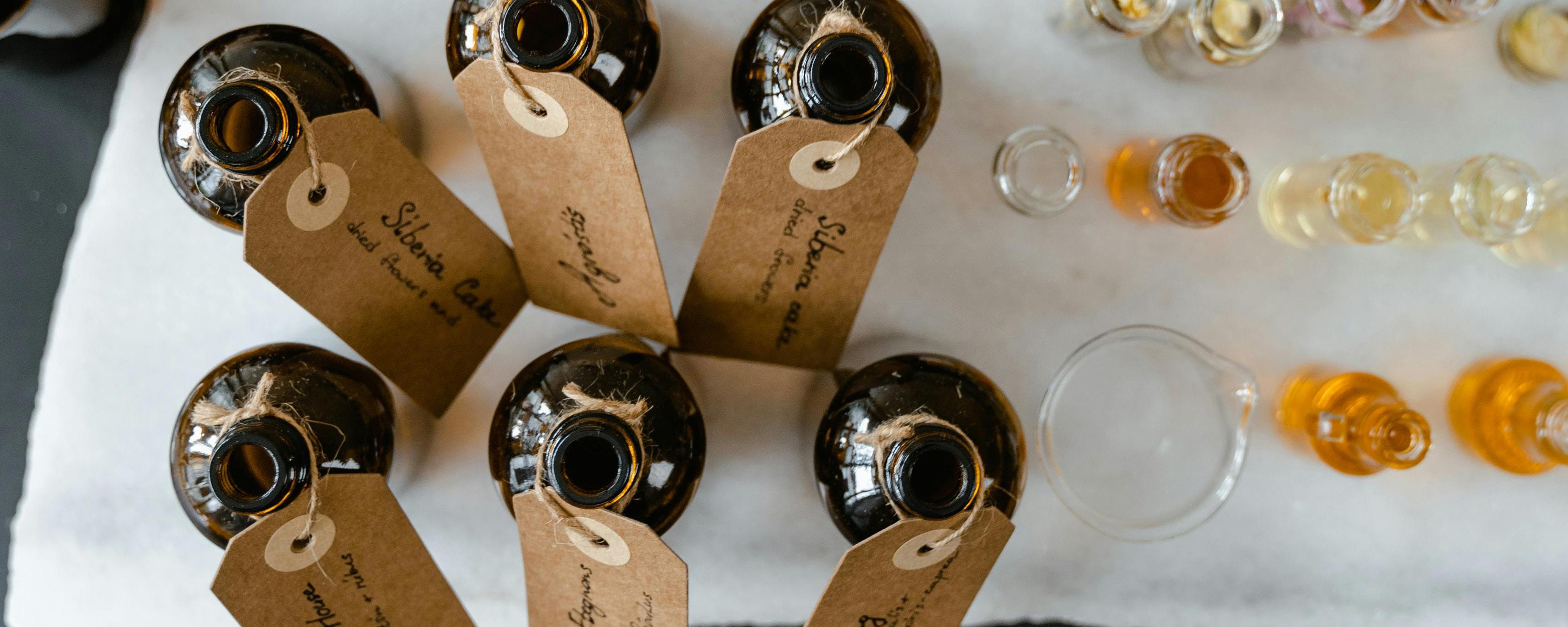
Name of the perfume
Flower / plant used
Base oil used
Soak time
Colour of the oil
How would you describe the scent?
Perfume 1 Perfume 2 Perfume 3
1. Bees cannot see red light, which is why very few bee-pollinated flowers are red (most red flowers are pollinated by birds). Look around you at the flowering plants in your area. What colours are most common? What does this tell you about the pollinators most active near you?
2. William Perkin was 18 when he accidentally changed the global textile industry. Within decades, synthetic indigo had devastated Indian farming communities. What does this tell you about the relationship between scientific discovery, trade, and power?
3. You have just made a perfume from a local flower. How does its scent compare to one from a bottle in a shop? What feels different, in how it smells, and in how it was made?
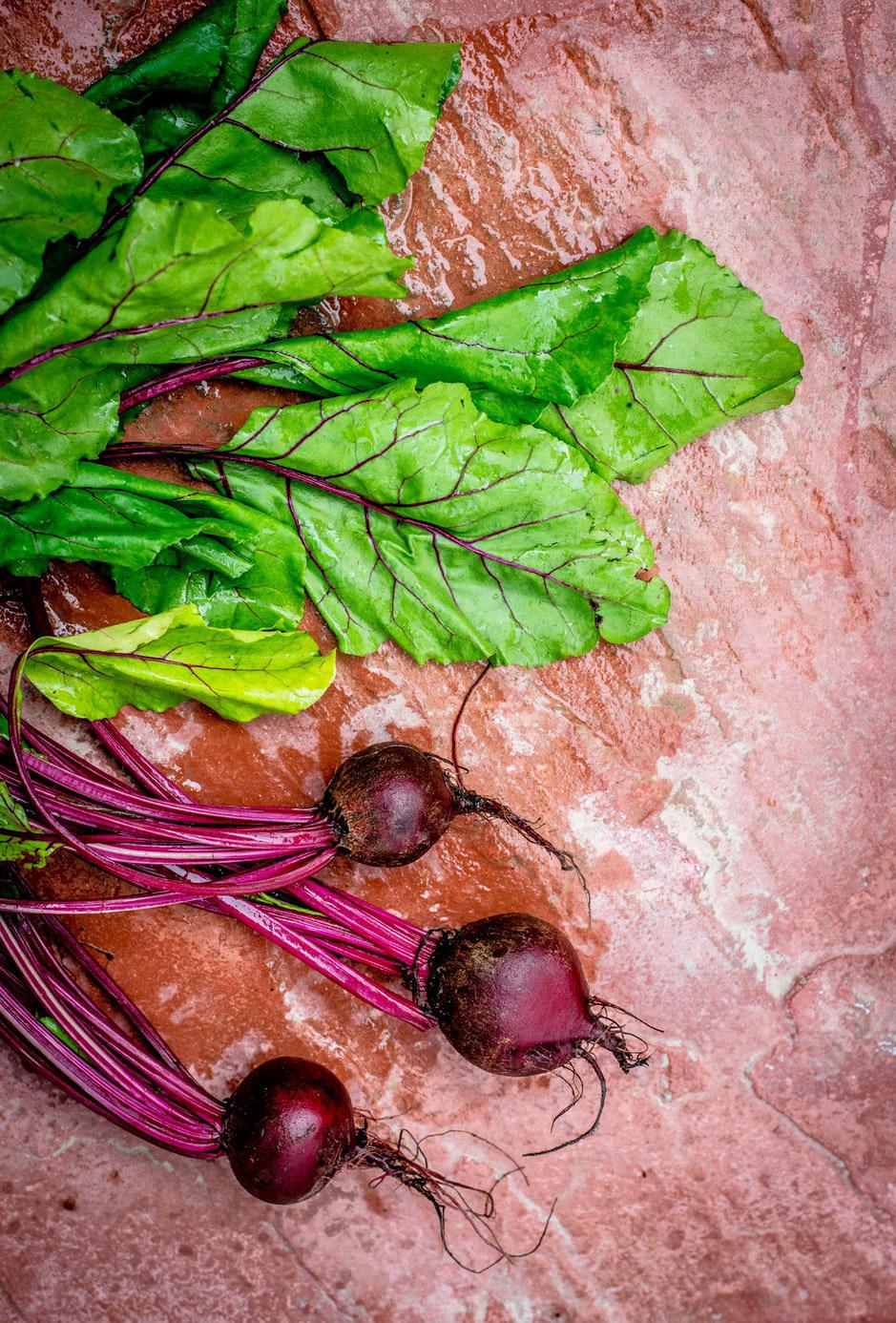
Fruit or vegetable scraps from the kitchen
Small saucepan or cooking pot
Glass or ceramic container
Salt (for fruit dyes) or vinegar (for vegetable dyes)
A small piece of cotton fabric; avoid synthetic fabrics
Safety note: This activity involves simmering on a stove. Adult supervision is recommended.
1. Collect about one cup of chopped plant material from the list below.
2. Add to a saucepan with twice as much water. Simmer over medium heat for at least one hour.
3. Let the water cool, then strain it into a container. This is your dye.
4. To fix the colour so it does not wash out immediately, you need a mordant: a fixative that helps the dye bond to the fabric. For fruit dyes, simmer the fabric in 4 cups of water with ¼ cup of salt for one hour. For vegetable dyes, use 4 cups of water with 1 cup of vinegar.
5. Rinse the fabric in cold water.
6. Place the mordanted fabric in the dye bath. Let it soak until it reaches the colour depth you want.
7. Remove, rinse gently, and let it dry away from direct sunlight.
Your Colour Palette:
Colours:
/
Plant Sources:
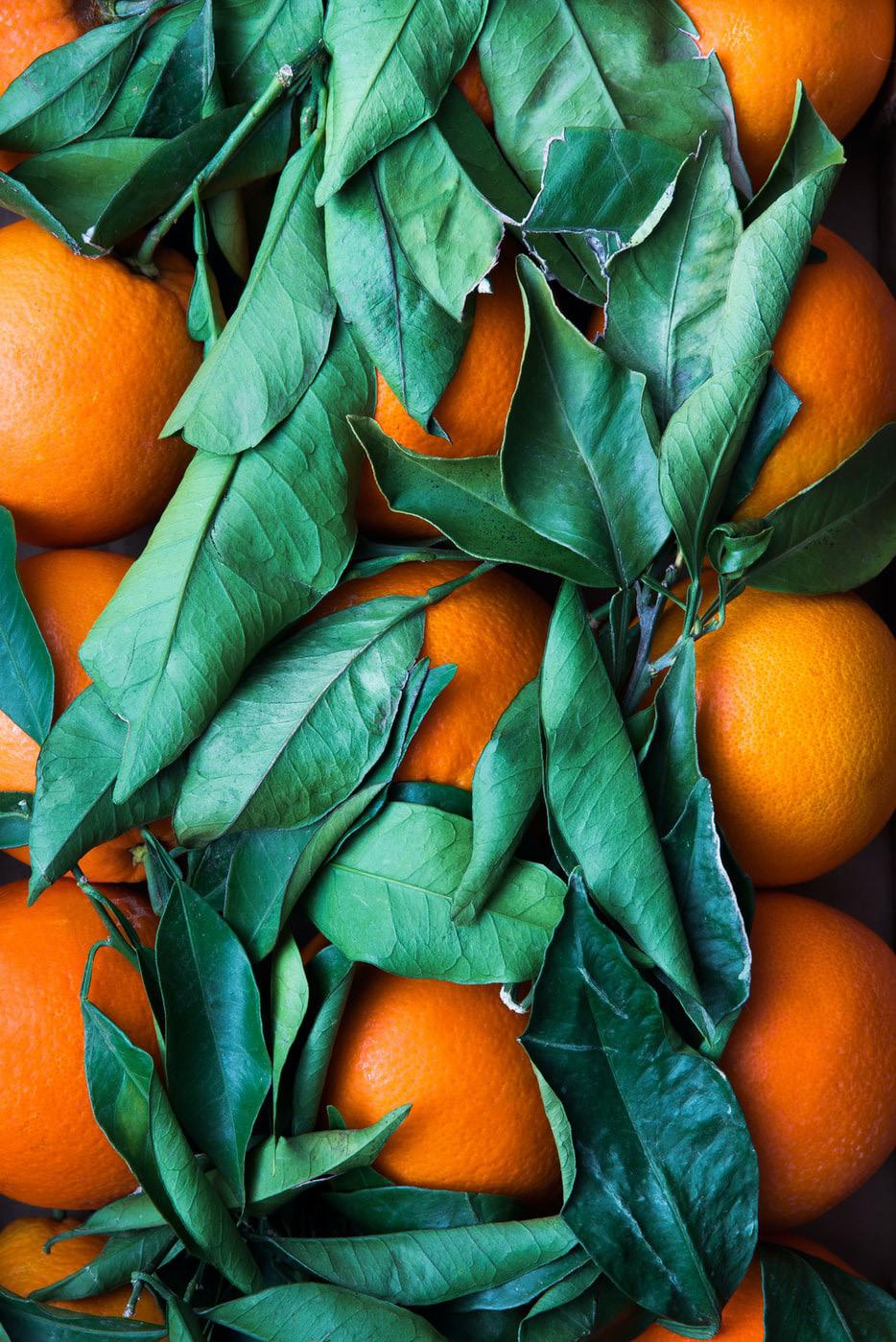
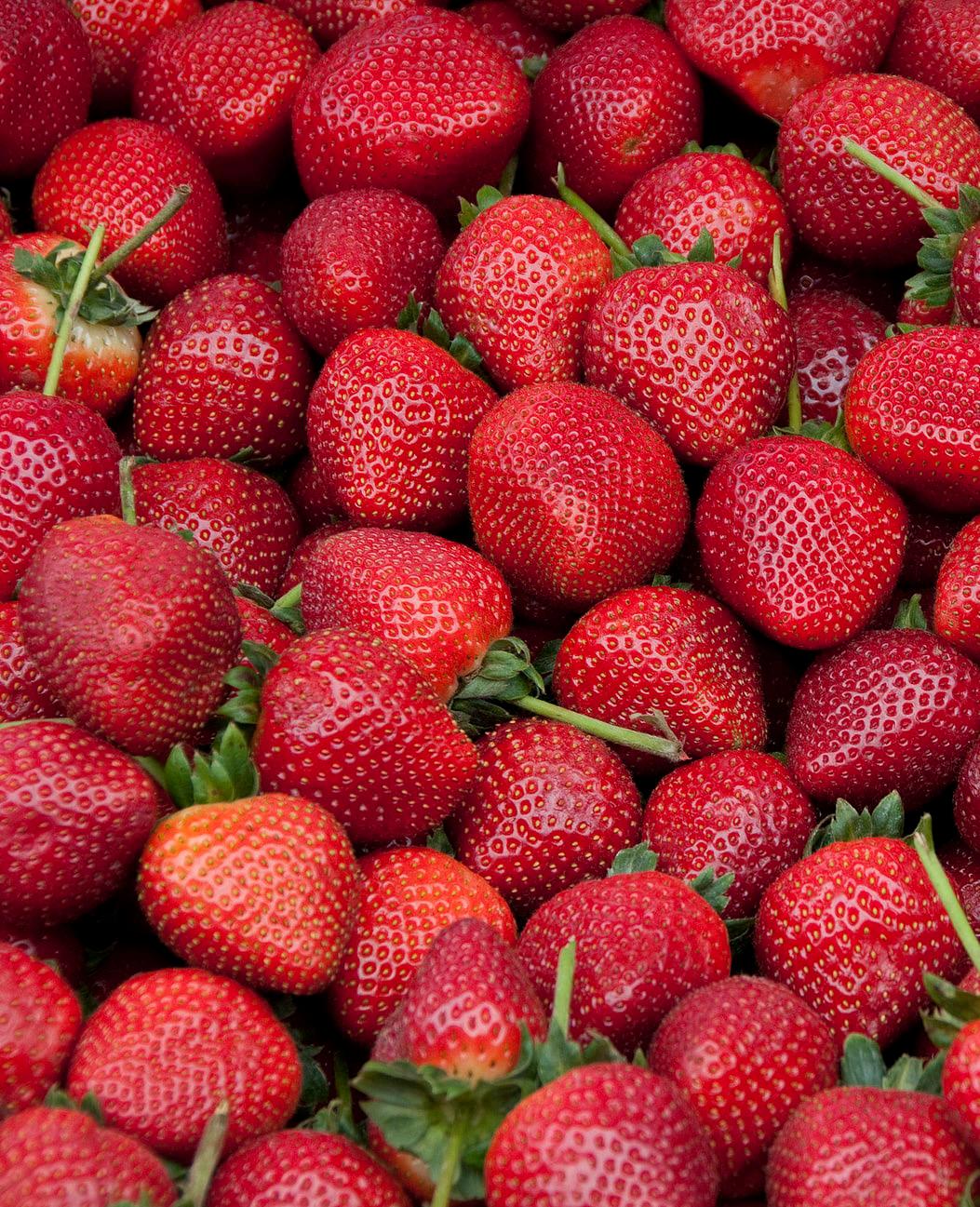
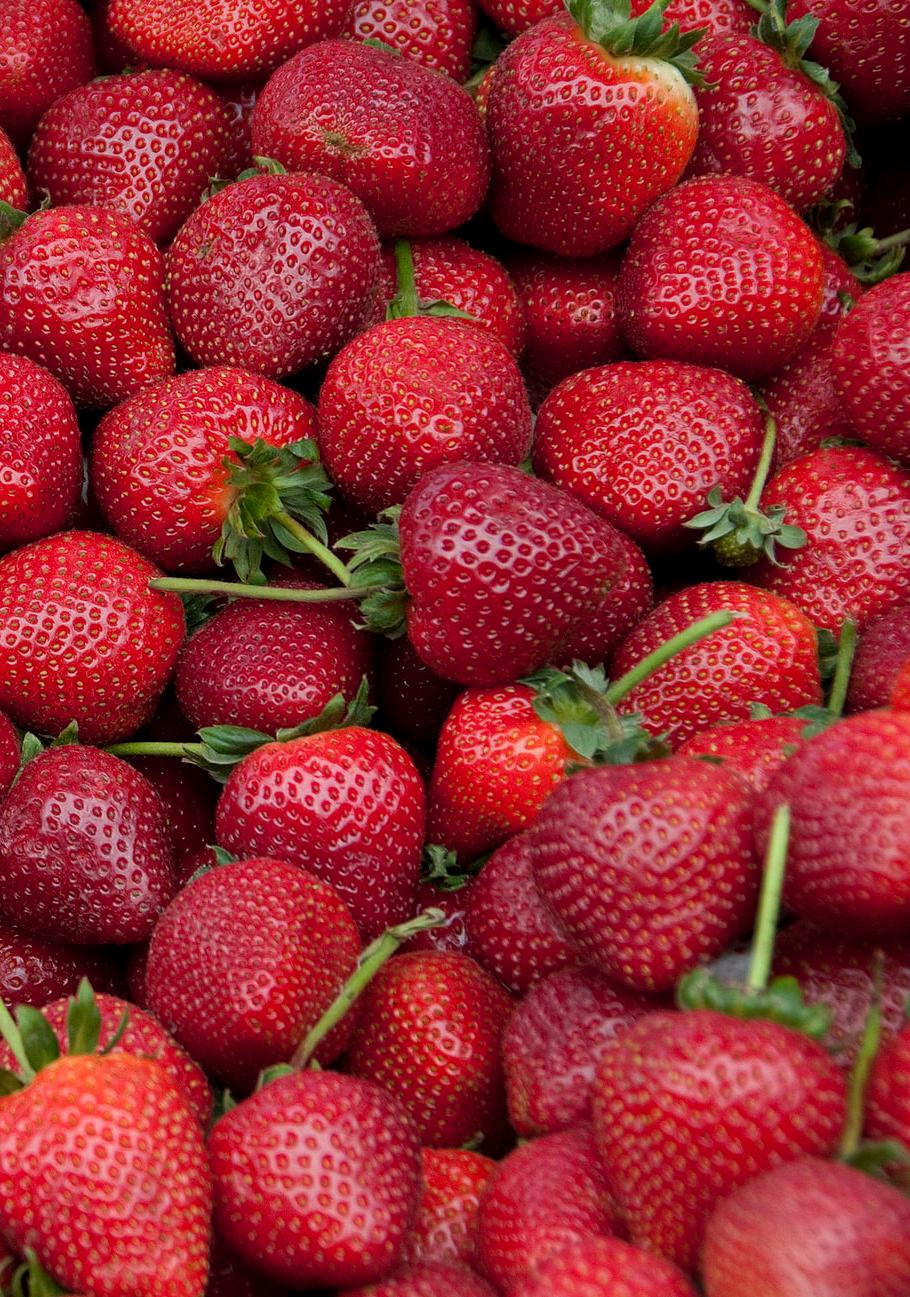
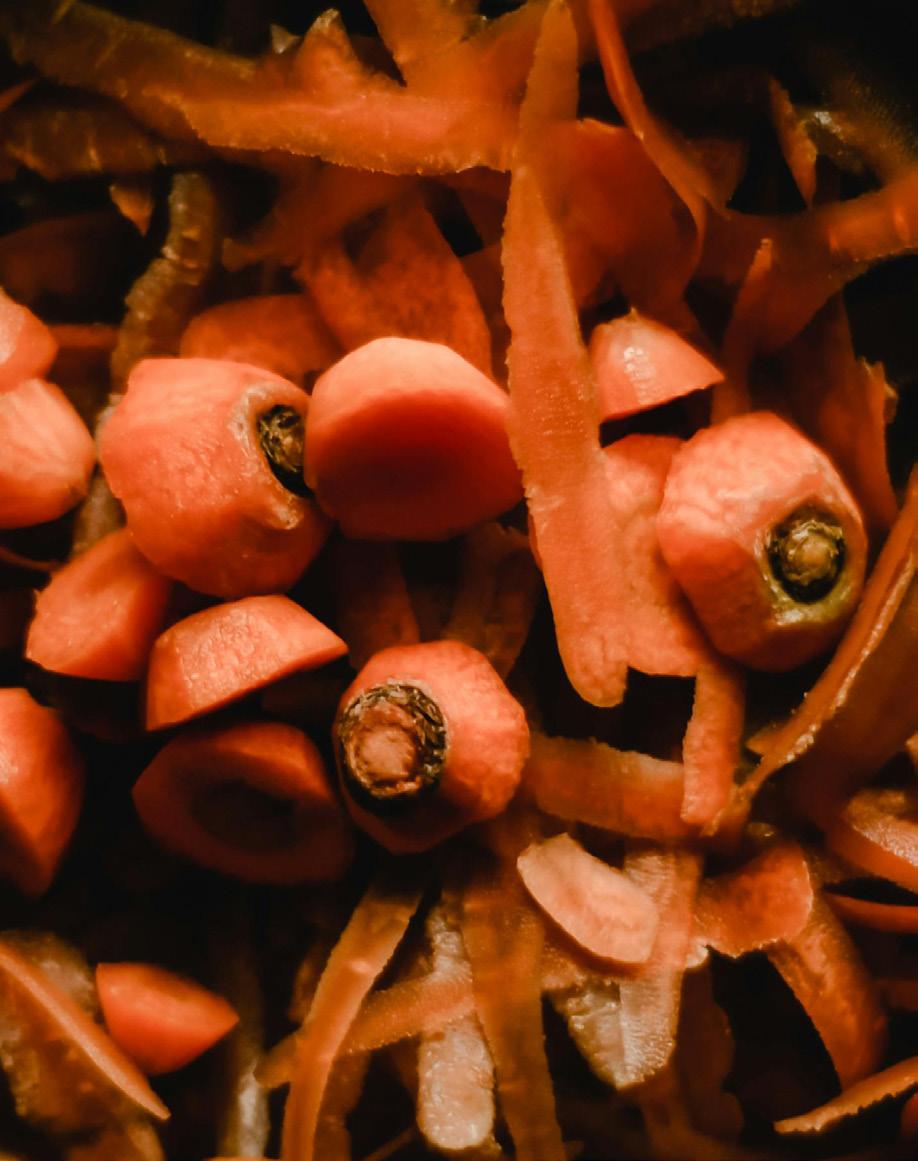
Beetroot, raspberries, strawberries, red onion skins
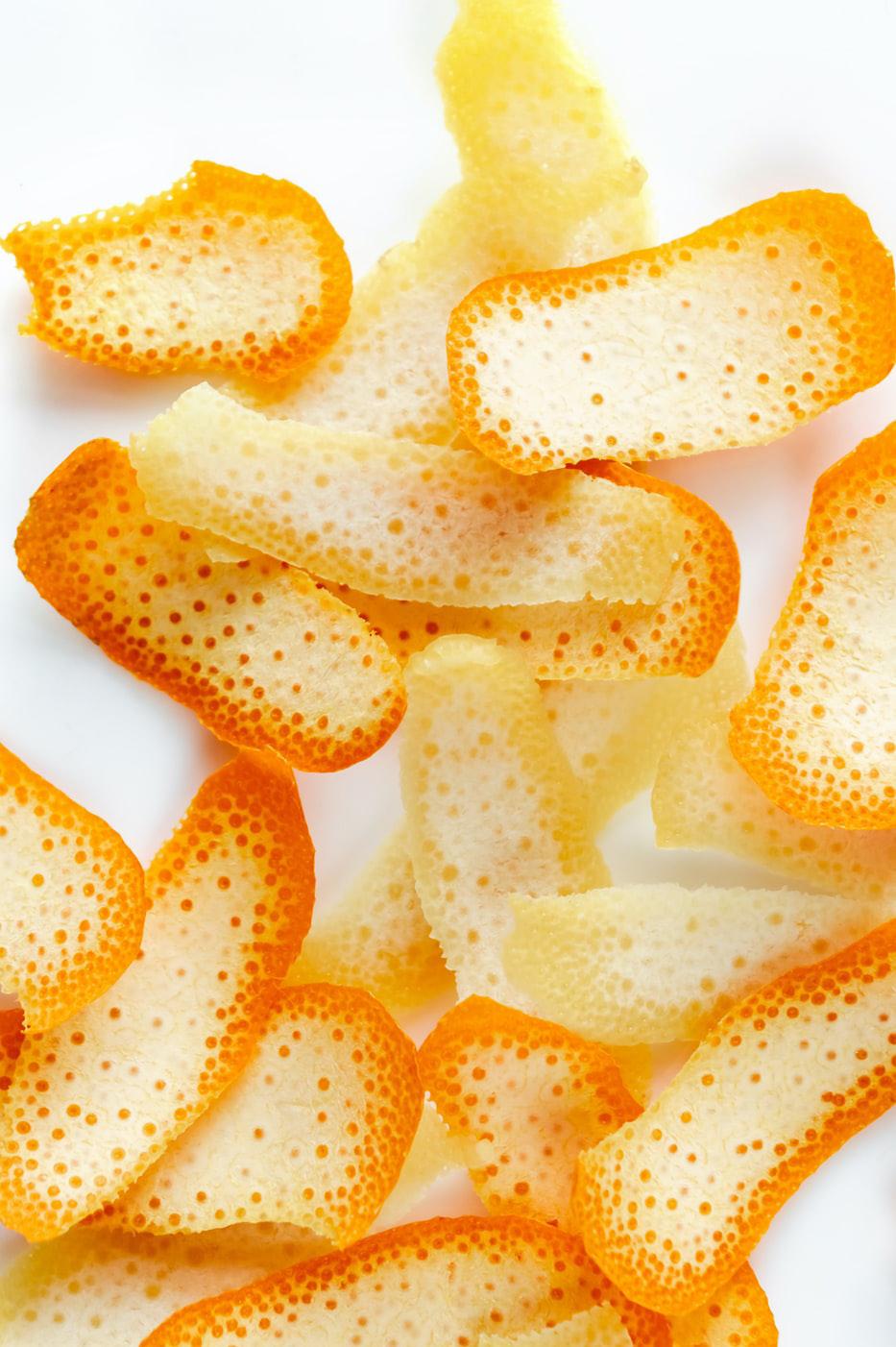
Carrots, orange peels, onions
Lemon peels, turmeric (haldi), yellow apple peels
Spinach, green apple peels
Red cabbage, blueberries, blackberries
Strong tea, coffee grounds, walnut shells
Combine any plant dye with water that has had rusty iron objects soaking in it for a week
Every plant is, among other things, a small chemical factory.
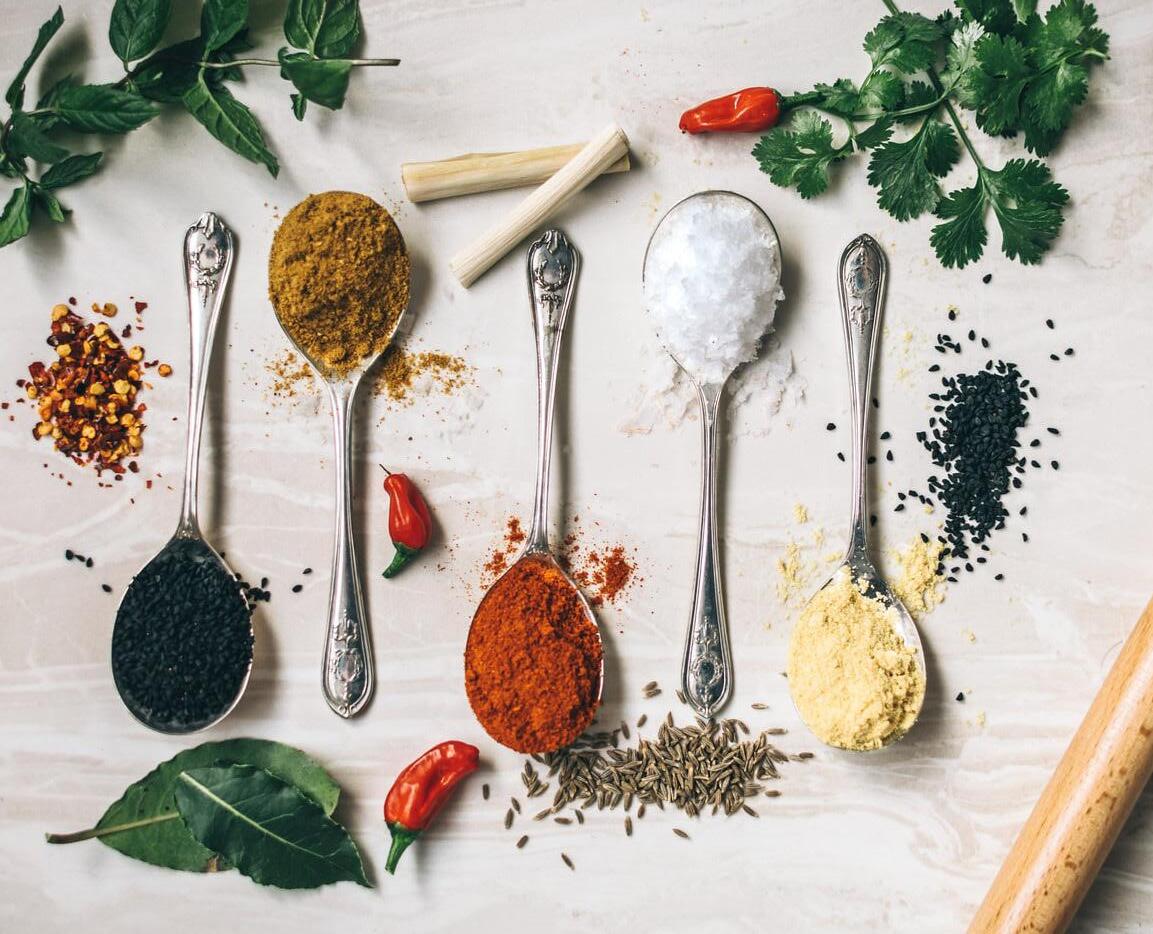
Plants cannot run from predators, so they evolved a different strategy. They make compounds. Some of these repel insects. Some attract pollinators. Some protect against fungi or bacteria. Some disrupt the hormones of animals that try to eat them. These compounds are stored in different parts of the plant, like roots, leaves, bark, flowers, seeds, and are produced at different stages of growth, for different purposes.
Humans have been learning to use these compounds for as long as we have records of human activity. Today, more than a hundred active pharmaceutical ingredients, including aspirin (from willow bark), quinine (from the cinchona tree), and paclitaxel (from the Pacific yew tree), a key treatment for cancer, are either directly extracted from plants or developed by studying plant chemistry.
Become a Kitchen Pharmacist
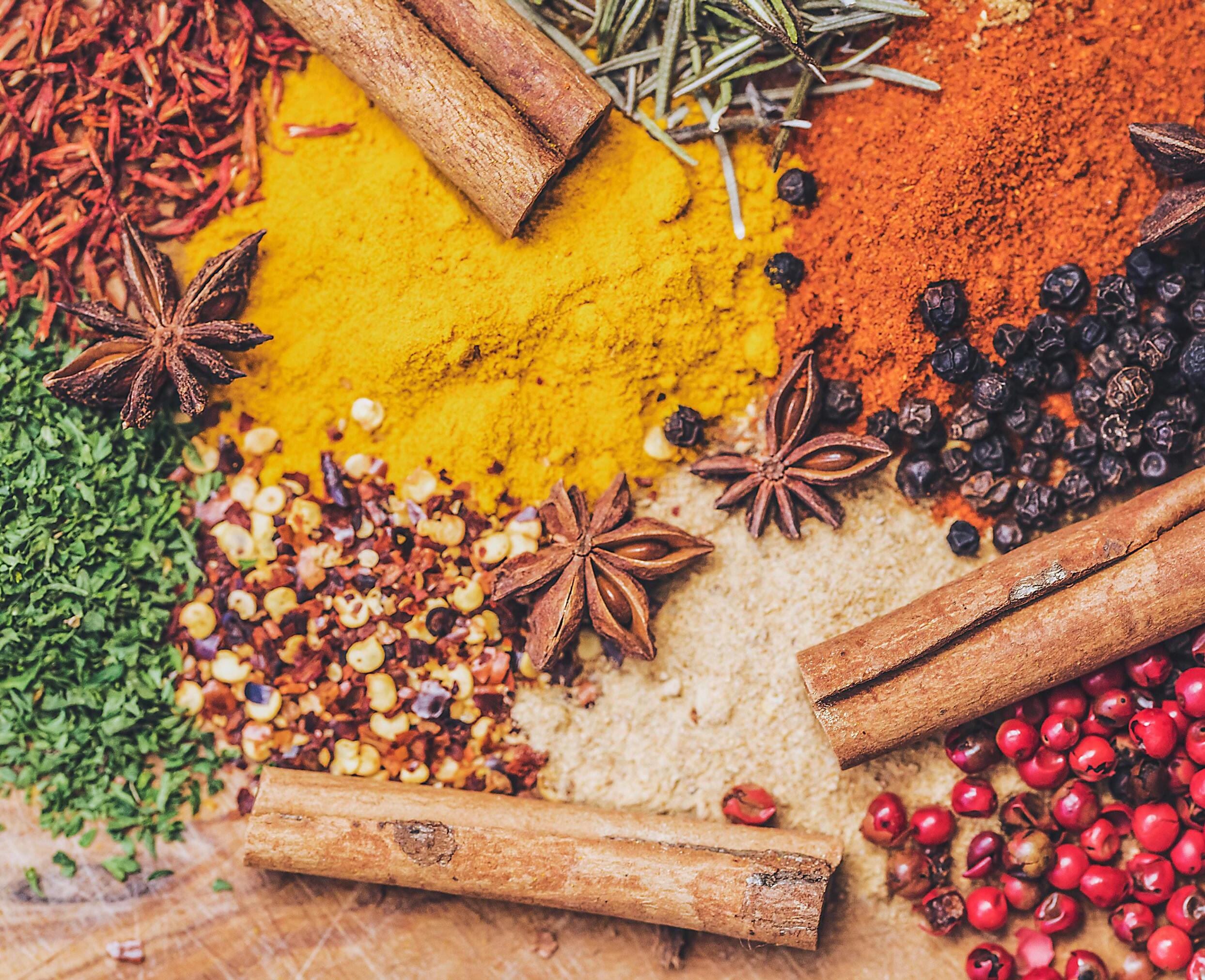
The table on the next page lists common kitchen herbs along with their active compounds and known uses. Some entries are filled in as examples. Others are left blank for you to research and complete.
You can print the labels and stick them on your jars as handy reminders in the kitchen.
How to complete the blank cells:
• Start by tasting or smelling the herb. What do you notice?
• Ask an elder in your family or community. They may know more than any website.
• Search: [herb name] + active ingredient + use
• Refer to a good, reliable resource online
An active ingredient is the specific chemical compound in a plant that produces a measurable effect on the body. A plant may contain dozens of active compounds. The ones listed are among the best studied.
Herb Scientific Name Active Ingredients(s) Traditional and modern use(s)
Turmeric (Curcumin)
Curcuma longa
Curcumin
Ginger (Shogaol, Gingerol)
Neem (Azadirachtin, Nimbin)
Zingiber officinale
Shogaol, Gingerol
Anti-inflammatory, antiseptic; used in wound care; currently studied extensively for anticancer properties
Relieves nausea and indigestion; anti-inflammatory; used across Asia for digestive complaints since ancient times
Azadirachta indica
Azadirachtin, Nimbin
Ocimum tenuiflorum
Tulsi (Holy basil)
Fennel (Saunf)
Clove (Laung, Lavanga)
Foeniculum vulgare
Eugenol, Ursolic acid
Antibacterial, antifungal; used as natural pesticide in agriculture; historically used in oral hygiene (neem twig toothbrushes) and skin conditions
Adaptogenic (helps the body manage stress); antimicrobial; used across Indian traditions for respiratory conditions and as a general tonic
Syzygium aromaticum
Green tea
Camellia sinensis
Catechins, Theanine, Proanthocyanidins
Cinnamon Dalchini, Chakke)
Cinnamomum cassia
Cinnamaldehyde, Eugenol
Ashwagandha (Indian ginseng,)
Withania somnifera
Pick one herb that you use at home regularly.
1. In what form is it used in your kitchen: fresh, dried, powdered, as an oil or extract?
2. What does it smell and taste like? Write down a precise description.
3. Does anyone in your family use it for something beyond cooking: as a remedy, a repellent, for skin or hair? Ask them. Record what they say.
4. Can you find one scientific article or study that tests this traditional use? Does the research confirm it, challenge it, or find something more complicated?
1. Turmeric has been used in households for centuries to treat wounds and inflammation long before its active compound was identified. What does this tell you about the relationship between traditional and scientific knowledge?
Some of these plants may already be familiar to you, though perhaps not in this light:
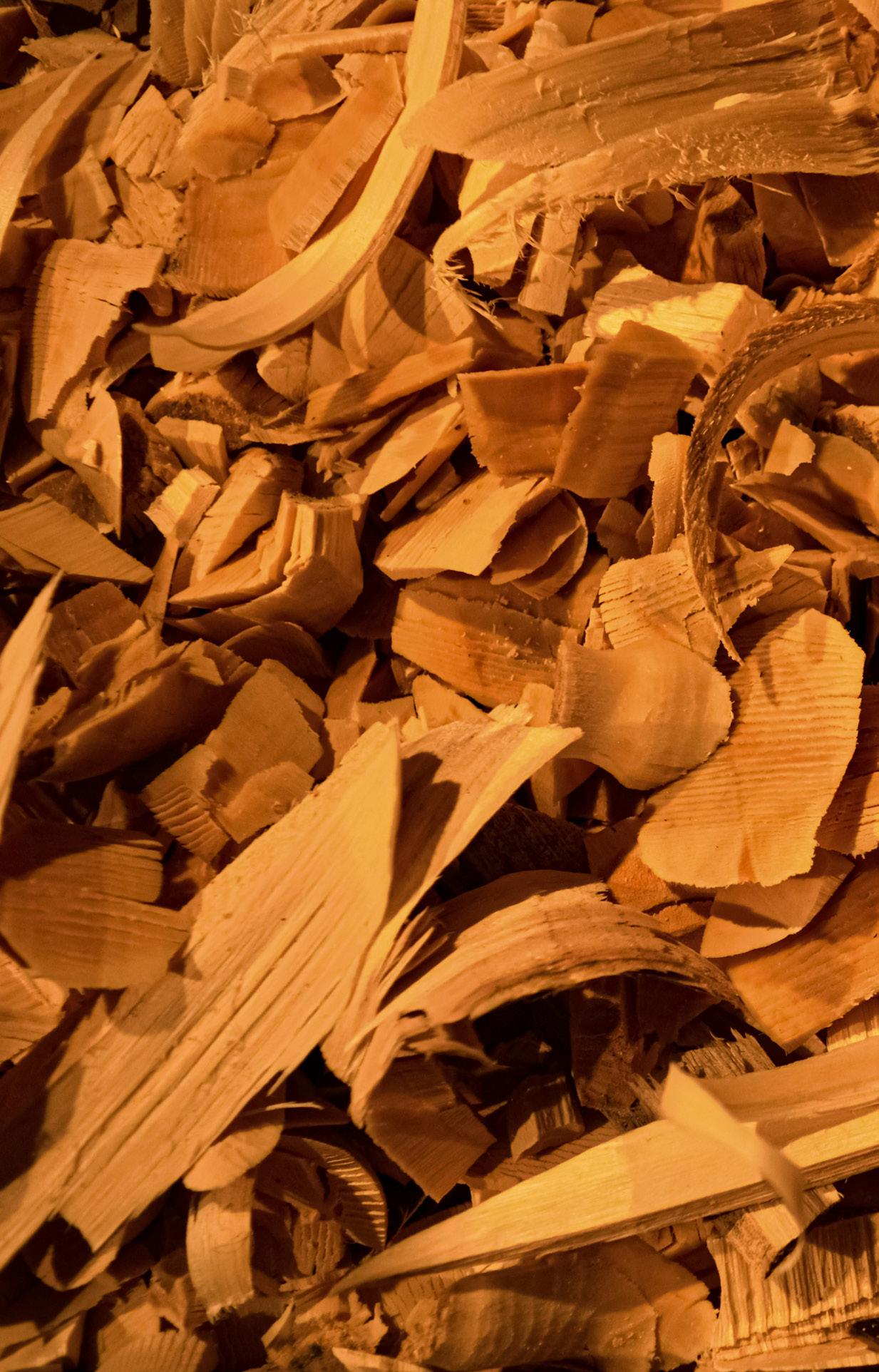
Sandalwood (Santalum album) produces a heartwood oil among the most prized fragrance materials in the world, traded across Asia and the Middle East for centuries. The old-growth sandalwood forests of Karnataka were so valuable that they were brought under state control during colonial rule; a system that continues to this day.
Mallige (Jasminum sambac), the jasmine threaded into garlands, is a cornerstone of the global perfume industry. Its oil, jasmine absolute, requires vast quantities of hand-picked flowers and is among the most expensive natural fragrance materials. Much of the world’s supply comes from Tamil Nadu and Karnataka
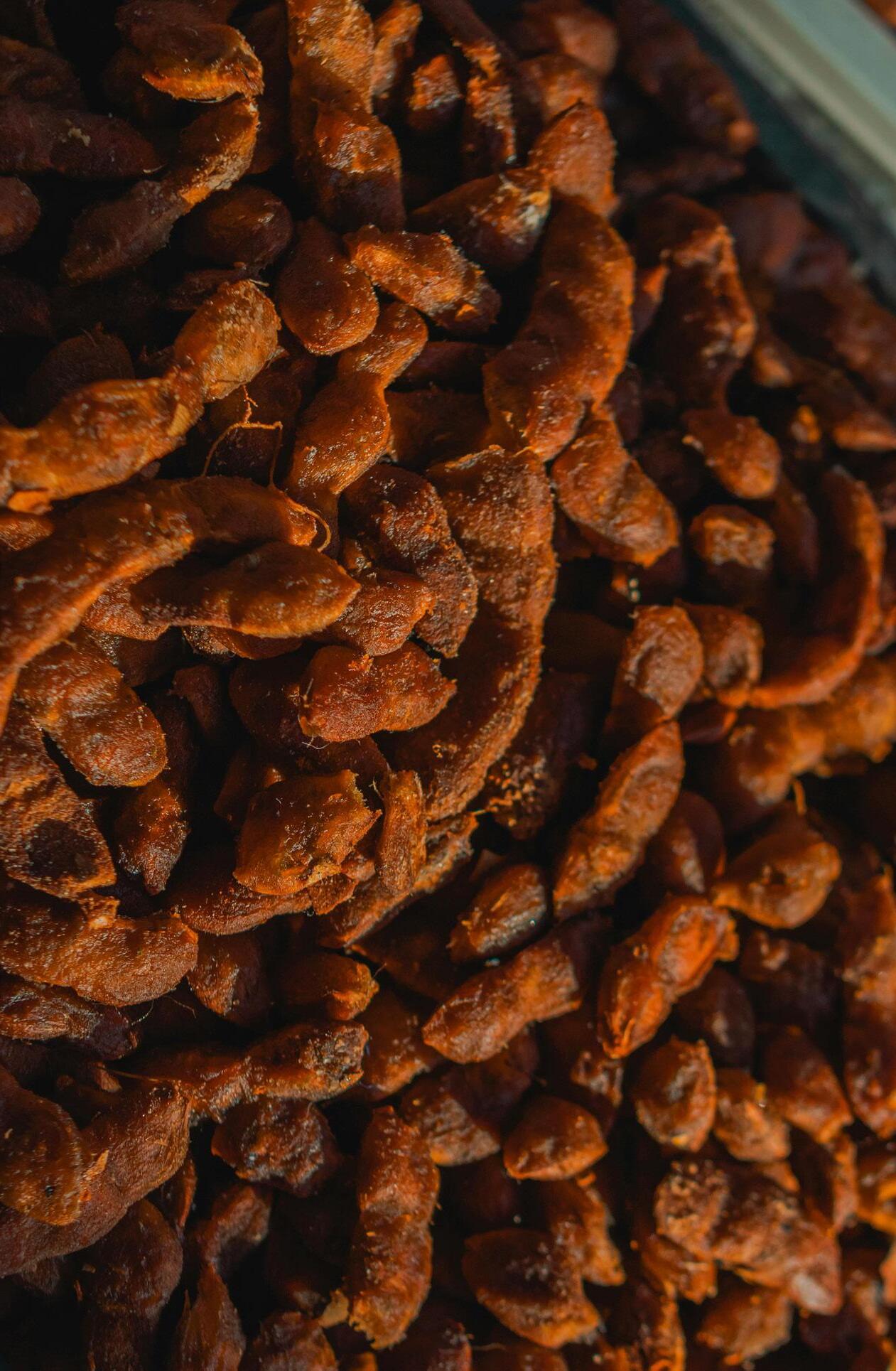
Tamarind (Tamarindus indica), though native to Africa, has been part of Indian landscapes and cuisines for so long that it feels entirely at home. It is foundational to cooking in much of South India. Remove it, and the cuisine shifts fundamentally.
Mango (Mangifera indica) is native to South Asia and has been cultivated on the subcontinent for over four thousand years. India grows more mangoes than any other country, with hundreds of regional varieties that carry distinct identities, loyalties, and price points. The fruit’s shape gave rise to the paisley motif, carried across continents through trade.
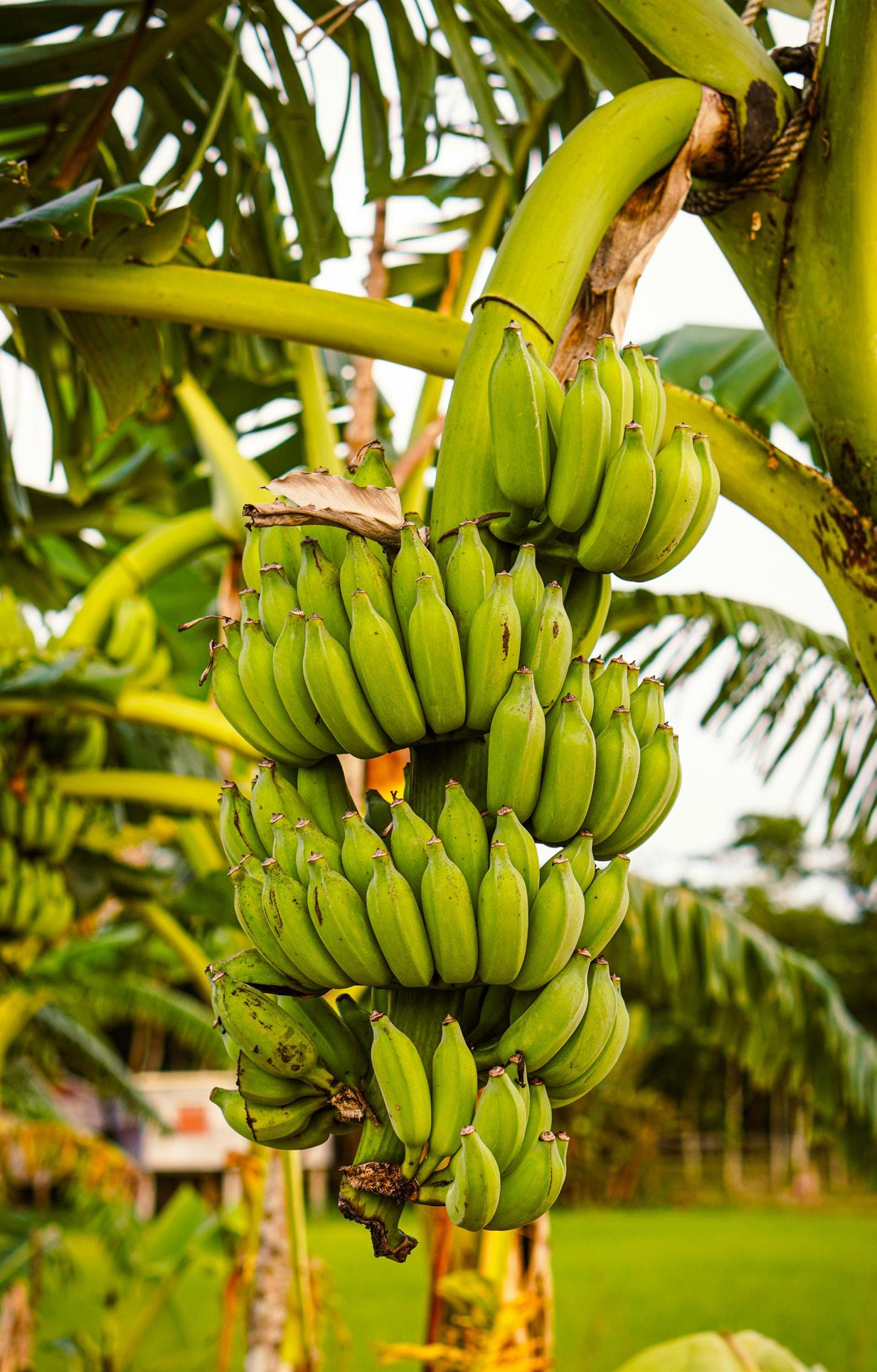
Banana (Musa spp.) is the most produced fruit in India. It looks like a tree, but it is actually a giant herb. The leaf is a plate, the flower a vegetable, the stem a source of fibre, and the fruit an offering before it is a snack. Almost no part of the plant goes unused.
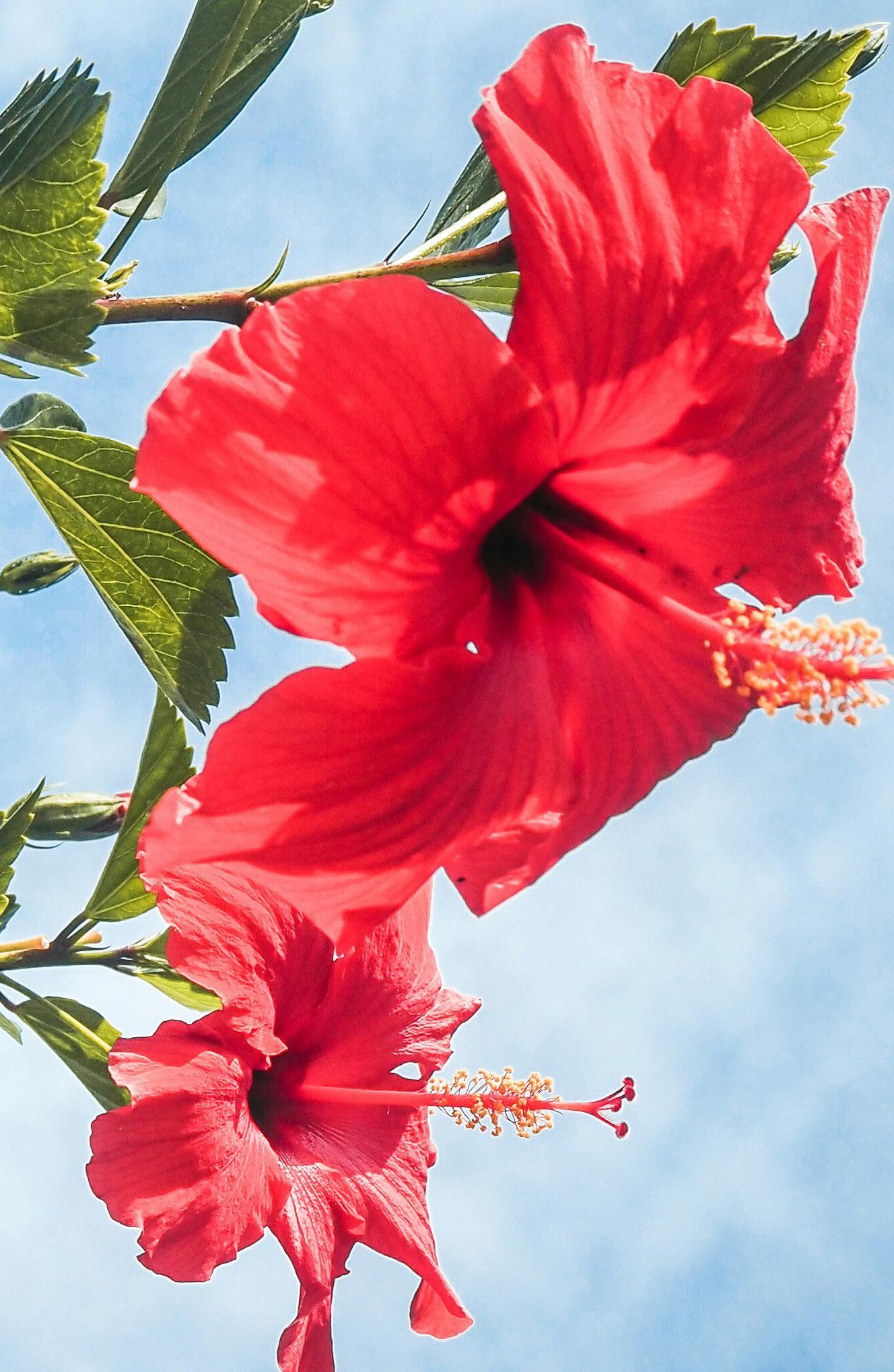
Hibiscus (Hibiscus rosa-sinensis), despite its Latin name meaning “rose of China,” is deeply woven into South Asian life. Its flowers are pressed into hair oils, offered at temples, and brewed into teas with documented antihypertensive properties. The same flower can be ornamental, medicinal, and ritual.
Banyan (Ficus benghalensis), India’s national tree, grows outward as much as upward, sending down aerial roots that thicken into new trunks until a single tree becomes a canopy large enough to shelter a village gathering. The word itself comes from bania, the traders who conducted business in its shade, passed into English through Portuguese.

The Western Ghats are one of the most botanically extraordinary places on Earth.
They are among the world’s eight recognised biodiversity hotspots, regions marked by both an exceptionally high concentration of unique species and a significant threat to those species. The Ghats contain more than 7,000 species of flowering plants, of which about 2,000 are found nowhere else on Earth. They feed most of peninsular India’s major rivers, shape the region’s climate, and are home to people, including some of South Asia’s oldest continuously inhabiting communities.
For those who live near it, the Western Ghats rarely feel extraordinary. They are familiar, everyday. Perhaps that is what is most remarkable: the extraordinary is ordinary here. Many people pass plants daily that scientists elsewhere would travel far to study. Several plant species documented in early-twentieth-century herbarium collections from the Western Ghats have not been observed in the wild since.
The Soliga people of the Western Ghats, one of the oldest indigenous communities in South India, hold botanical knowledge accumulated over generations of living in close relationship with the forest. Their understanding of the properties of hundreds of local plants; which ones treat fever, which ones repel insects, which ones are toxic to certain animals represents a living, oral herbarium. Ethnobotanists (researchers who study how traditional plant knowledge connects to modern medicine) increasingly collaborate with communities like the Soliga to document this knowledge before it is lost.
1. The Soliga people’s botanical knowledge is an oral tradition. It is not written down and not held in institutions. What are the risks of that? What, if anything, might be lost if it were transcribed and filed in a database?
A fact about how much space plants occupy on the earth and in our lives. For something so frequent, we often forget the importance. Think you know what you see? Test your knowledge with this word search!
Take the help of the prompts below:
1. A plant that yields a wonderful deep blue dye.
2. A plant that can physically interact with us humans.
3. Tulips are a member of the ___________ family.
4. The only fruit that bears its seeds on the outside.
5. What is the study of plant anatomy called?
6. What is the fastest growing plant (grows as high as 4cm per hour)?
7. India exports less than 1% of this fruit, despite being the world’s largest producer of it.
8. Which tree has the largest fruit in the world?
9. This material is made from plant derivations.
10. The leaf of this tree, when pressed, leaves behind only the ‘skeleton’ of the leaf.
11. These coastal trees provide habitat for 341 threatened species across the world.
12. What is the most expensive spice in the world?
13. What is the oldest living tree species?
14. This part of a fungus can help transfer nutrients from a tree to a sapling.
X X T T T T T T T S S O O O O O O Y H M M M M M M M M M I A I X N N N N N N N N P P J P P P P D E E E E E E I G G G G G G G I I I I I A A A A C C C A A A A A X Y Y Y Y Y L L L L I L L B B B B B B W W W W R R R V V R R U U U R R R K K K K F F F O O O O O S S S Y Y
Abiotic
Non-living components of an ecosystem, such as water, sunlight, temperature and soil minerals.
Active ingredient
A specific chemical compound in a plant (or medicine) that produces a measurable biological effect.
Biome
A large geographic region defined by its characteristic climate, vegetation and wildlife. For example, a tropical rainforest, a desert, or a grassland.
Biotic
Living components of an ecosystem: plants, animals, fungi, bacteria and other organisms.
Ecosystem
A system formed by the interactions of living organisms with each other and with their non-living environment in a particular area.
Ethnobotany
The scientific study of the relationship between human cultures and plants, including traditional uses, knowledge and beliefs.
Herbarium (plural: Herbaria)
A collection of dried, pressed plant specimens mounted on paper and labelled with scientific and collection data.
Mordant
A substance (such as salt or vinegar) used to fix a dye to fabric so that the colour does not wash out easily.
Nectar guide
A pattern on a flower, often visible only in ultraviolet light, that directs pollinators towards the flower’s nectar. Photosynthesis The process by which plants use sunlight, water and carbon dioxide to produce sugar (food) and release oxygen.
Pollination
The transfer of pollen from the male parts of a flower to the female parts, enabling fertilisation and seed production. Pollinators include bees, butterflies, birds and bats.
Transpiration
The process by which water moves through a plant and evaporates from its leaves into the atmosphere. A key part of the water cycle.
Volatile compound
A chemical molecule that evaporates easily at room temperature, allowing it to spread through the air. Floral scents are made of volatile compounds.
Wardian case
A sealed glass-and-wood container developed by Nathaniel Bagshaw Ward in the early nineteenth century for transporting live plants; the precursor of the modern terrarium.
Word Search Answers
1. Indigo
2. Mimosa
3. Lily
4. Strawberry
5. Phytotomy
6. Bamboo
7. Mango
8. Jackfruit
9. Bioplastic
10. Peepal
11. Mangrove
12. Saffron
13. Ginkgo
14. Mycelium
Images from Pexels, Magnific, Unsplash and Wikipedia Commons