TO EUXTON PRIMROSE HILL
ABOUT US
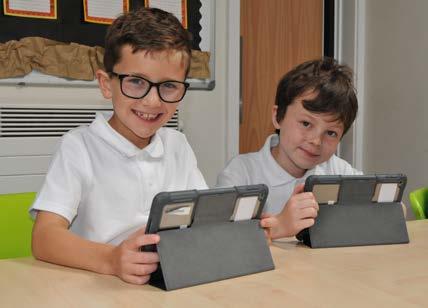
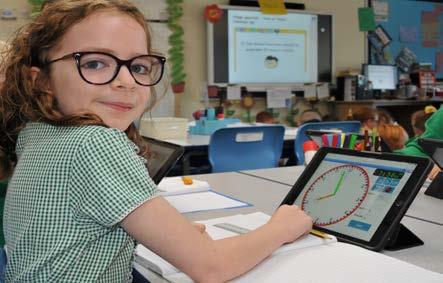
We live in an increasingly competitive world where pupils compete on a global stage to gain employment. At Euxton Primrose Hill we endeavour to deliver a curriculum that equips pupils for the world of 21st century work. We believe in delivering Quality First Teaching to provide pupils with the very best education. We have invested heavily in ICT, equipping pupils with the skills to become proficient in the digital world in which we live.
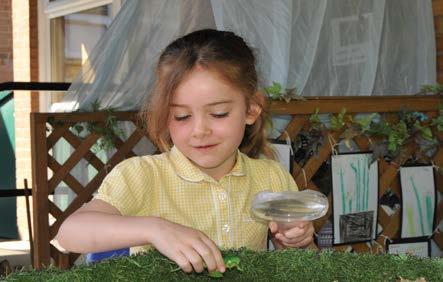
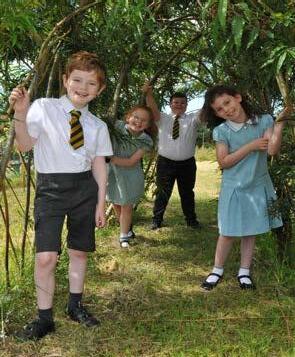
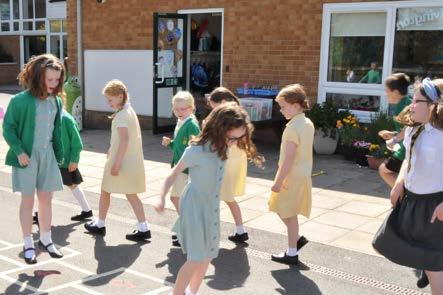
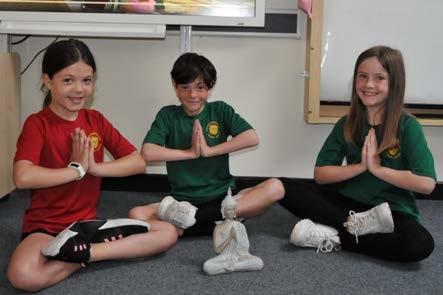
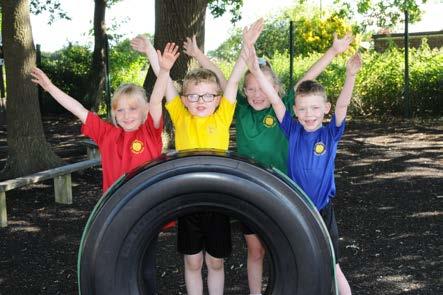
We also believe in educating pupils to lead a healthy lifestyle and want our pupils to be as fit and healthy as possible, after all a healthy body equals a healthy mind. In addition, we want pupils to understand that the world around us is not an infinite resource and we aim to develop an awareness of sustainable living wherever possible. We utilise outdoor learning opportunities to raise pupils’ awareness of our environment and are very proud of our ‘eco school’ status.
Finally, we believe that pupils achieve best when they are supported by parents and carers. We passionately believe in the importance of ‘working together to make a difference’ and we try and involve families in school life wherever possible. Our PTFA deliver a plethora of social events for families to engage in school life. This helps to create a wonderful sense of community at Primrose Hill and makes it a very special place for everyone connected with our school.
We are passionate about our vision and firmly believe it will allow pupils to develop a confidence
and enthusiasm for learning and indeed life – an outlook that will help them to succeed in whatever they choose to do in the future.
At Euxton Primrose Hill we will work hard to create:
• a strong sense of community where all people work well together and respect differences in our community
• an environment in which we all have the opportunity to learn and develop and achieve
• a culture of improvement in which we all have high expectations so that our school will make a difference
We will work hard within school and the wider community to develop the whole child, socially, emotionally, intellectually, physically, spiritually and morally in a safe, caring and supportive environment.
We will strive to ensure that each child performs to the best of their ability. We intend that they will grow to be confident and willing, caring and concerned, committed to their own development yet aware of their responsibilities to others.
OUR VISION
To every pupil:
• OUR AMBITION FOR YOU HAS NO LIMITS. WE CARE FOR YOU AND WILL NOT GIVE-UP ON YOU.
• WE RECOGNISE YOUR STRENGTHS AND WILL ADAPT TO THESE.
• YOUR INDIVIDUAL QUALITIES WILL BE SPOTTED EARLY AND WE WILL HELP YOU TO THRIVE.
• WE WILL TEACH YOU THE VALUES OF RESPECT AND EQUALITY SO THAT YOUR SKILLS, KNOWLEDGE AND BEHAVIOURS WILL BRING YOU SUCCESS.
• LANGUAGE IS A SKILL THAT IS FUNDAMENTAL AND THIS WILL BE THE FOUNDATION UPON WHICH ALL LEARNING IS BUILT.
• WE WILL PROVIDE AN EXPERIENCE THAT IS RICH, ENGAGING AND STIMULATES
LEARNING WITHIN AND BEYOND THE CLASSROOM.
• YOUR VOICE IS IMPORTANT AND WE WILL LISTEN.
• YOUR SAFETY AND WELLBEING UNDERPIN EVERYTHING WE DO.
• ABOVE ALL, AT PRIMROSE HILL, WE WILL CHALLENGE YOU CONSTANTLY TO REALISE THE POTENTIAL WE SEE.
Together we will provide an ever evolving, exceptional offer that inspires you to be the very best you can be.
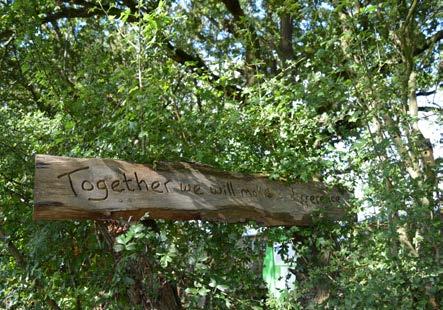
“Together we will make a difference”
THE SCHOOL
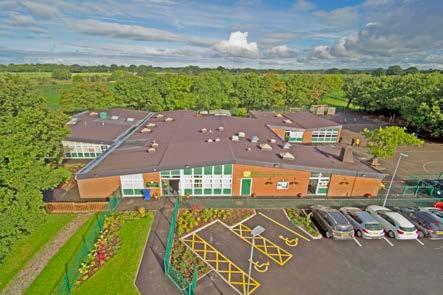
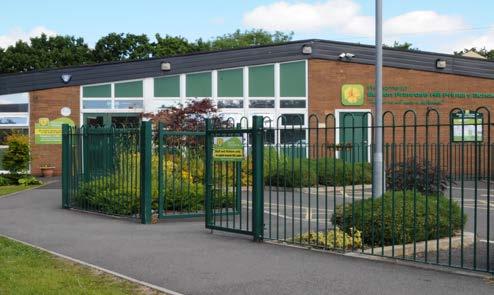
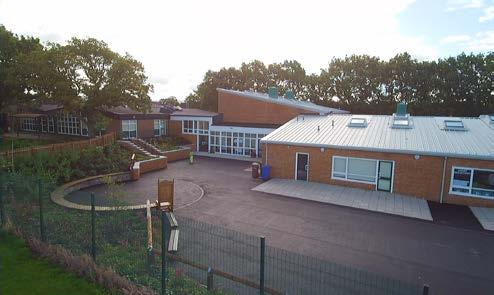
The school was built in 1970 to meet the growing population in Euxton and recently underwent a £4 million expansion project to double the size of the building.
The fourteen classrooms are well furnished, all with Internet linked interactive whiteboards and adjoining resource bases providing access to extensive ICT facilities and additional accommodation for group and creative work.
There is a well-stocked library with a computerised database which holds a comprehensive collection of books and audio-visual materials and two large halls that are used throughout the day for PE, extracurricular sports, dancing and music lessons as well as for dining.
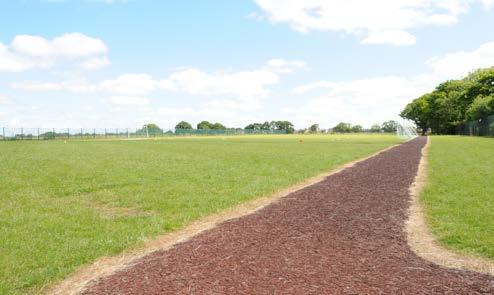
The school is fortunate in having extensive grounds including playing fields, a football pitch, a hardsurface playground, wildlife areas (including an ecopond), outdoor learning areas and car parks.
Visitors are always welcome and you are invited to look around the school, meet the staff and the children and discover the warm, friendly atmosphere of our school.
THE STAFF
The staff, both teaching and non-teaching, are the most important resource in our school. They work closely as a team which secures the school’s highly supportive and caring ethos.
All staff are committed to the children. They work in close partnership with parents, governors and the community. They have high expectations of what can be achieved and believe in a culture of improvement so that our school will make a difference.
" Pupils flourish at this warm and welcoming school. They easily live up to the school’s values of courage, ambition for all, respect and excellence. ”
“Te ach ers have benefited from high - quality training which has enhanced their delive ry of the curriculum. They explain concepts clearly and they skilfully make connections between subjects to strengthen pupils’ understanding. ”
THE GOVERNING BODY
The Governing Body of Primrose Hill School consists of 11 people. All have been appointed in accordance with the relevant Acts of Parliament.
The Governing Body are like a board of directors. They work in partnership with the Headteacher to make decisions about how the school is run in order to improve the quality of education and ensure pupil progress.
Governors are responsible for:
• setting school improvement targets and ensuring that the National Curriculum is taught
• deciding how the school budget should be spent
• ensuring that the buildings and furnishings are kept in good order
• interviewing and selecting teaching staff
The Euxton Primrose Hill Governing Body meets twice each term to discuss matters relating to the Buildings and Finance, Staffing, Marketing and the Curriculum. The Governors ratify decisions, review progress and discuss the Headteacher's report, which covers all aspects of the school's activities.
Governors endeavour to visit the school regularly to discuss matters with staff and parents and to meet the children. They can be contacted at any time.
PARENTAL PARTNERSHIP
We aim to develop a close partnership with parents and involve and support them in their child's development.
Parents are valued at Euxton Primrose Hill. They are invited to play an active part in the education of their child and in the life of the school. The following comments have been written by parents themselves for inclusion in our brochure:
What our parents say:
"The atmosphere at Primrose Hill is very SPECIAL; all staff are very caring and friendly."
"I feel my child's educational needs are being met even though academic work is difficult for him. I feel he is given the support and encouragement to achieve . "
"I like the way that issues are dealt with face on (for example bullying) rather than pretending that these proble ms don't exist, as it seems to happen in some other primary schools."
"Your child's welfare is always a priority with staff at school and the children are made to feel important "
"The Breakfast and After School Club is a great help for working parents and my child sees it as a treat to attend . "
WHAT OFSTED SAYS
The school is currently judged to be “outstanding” in all areas based on the last inspection which was carried out in June 2024 Whilst we are rightly proud of this achievement, we are always striving to improve in all areas of school life.
" Pupils are happy at school. They participate in a wealth of additional opportunities to broaden their experiences and talents. "
" The school treasures the achievements and positive actions of all pupils.”
“ Pupils’ behaviour is exemplary. Pupils are polite, caring and thoughtful.” OFSTED
OUR PARENTS AND TEACHERS’ ASSOCIATION (PTFA)
Parents are automatically members of our successful and active PTFA and all parents and friends are very much welcomed at our regular informal meetings. We are particularly pleased to see a new face! You can influence the success of Euxton Primrose Hill by contributing your talents and energy; the children will benefit all round from your efforts. The PTFA is one of your opportunities to help build and maintain a lively school for your children. We have many family events to enjoy, as well as raising finances for school activities.
There are many ways for parents/carers to get involved and support the PTFA by attending regular meetings, offering to help at events, offering new ideas, or simply by attending events.
SCHOOL ORGAN I SATION
TIMES OF DAY
• EYFS/KS1 - School starts 8:40 a.m. (Registration closes at 8.50 a m ) and school finishes at 3:10 p m
• KS2 - School starts 8:45 a m (Registration closes at 8.55 a.m.) and school finishes at 3:15 p.m.
SUPERVISION
KS1 and KS2 pupils should promptly enter their classrooms by the designated route. EYFS pupils should report to class with their parent/carer. To ensure safety please ensure that children do not arrive at school before 8.30am unless they are attending Morning Club. For reasons of safety, we kindly request that children do not play on the play equipment and tyre park in the morning before school.
At the end of afternoon school all children who are not involved in pre-arranged after-school activities or attending the After School Club, should have left the premises, or have been met by a parent by 3.25 p.m.
However, should the odd occasion arise when you are going to be unavoidably delayed in meeting your child, please inform the school office as soon as possible.
ATTENDANCE
Good attendance in school is essential in enabling pupils to achieve well. At Euxton Primrose Hill pupils are rewarded for excellent attendance. Parents are asked to call in, ring or write if a child is absent from school for any reason. Not doing so will result in an unauthorised absence. It is also important that children arrive in school on time, in order to avoid a late mark.
Holidays should preferably be taken during the school holiday periods. We strongly advise that you avoid taking your child out of school during term time as this will undoubtedly interrupt your child from making expected levels of progress. When this
is not possible, permission should be sought beforehand from the Headteacher in writing, requesting dates of absence within an Application for Leave of Absence Form, available from the school office or downloaded from the school website.
Please note: applications for leave of absence during term time will only be authorised in exceptional circumstances The school operates a fixed penalty notice policy if leave is not deemed exceptional. See school website for further details – ‘Policies’ section.
CLASS STRUCTURES
The children are organised into mixed ability classes, each with their own class teacher. There may be occasions when a supply teacher is brought in to cover for staff sickness or staff training courses.
ADMISSI ONS
Children may start school at the beginning of the school year in which they turn five years old. The Admission Policy is laid down by the local authority and a copy can be obtained from the Education Office. Children joining the school at stages other than Reception will start in the class appropriate to their age.
The school’s standard number (admissions) is 60 and a limit of 30 children in each class has been set by the governing body.
For more information about school admissions please visit the website.
INDUCTION
To help make the transition from home to school as smooth as possible we implement an induction programme.
This begins in the summer term prior to the children starting school with a welcome meeting for new parents where you can meet staff, ask questions and receive practical information. The class teacher also visits your child at playgroup, nursery or at home to establish relationships
All new reception children are given a gradual introduction to school life in September by following a part time routine over the first week. This helps them to gradually adapt to the busy hustle and bustle of school life.
COMMUNICATION
Euxton Primrose Hill is an ‘open’ school that gives high priority to communicating effectively with its community.
Since success depends on close co-operation between home and school, parents are warmly invited to get in touch whenever advice is needed or problems arise, however small. For children, sorting out little problems makes a big difference. We too will be in touch with you whenever the need arises.
The school currently operates a texting and emailing service, via ParentMail, to communicate with all or groups of parents. Please check this regularly for information regarding trips, extra-curricular activities, parents’ evenings, nasal flu vaccinations etc.
Every Wednesday our weekly newsletter will be emailed to you and published on the school website We recommend you check this in order to keep upto-date with school news. Should the school need to contact you in an emergency please ensure that we always have your correct telephone numbers.
D ISCIPLINE
High standards of behaviour are an expectation of all children at all times. Care, courtesy and consideration are important for us all, beginning with the Headteacher and staff, and encouraged in the children.
Respect for each other and property is expected from everyone.
Our aim is for children to gradually take responsibility for their own behaviour and for their self-discipline to grow. Praise and encouragement are used extensively by all staff to reinforce these standards and this is backed up by a structured system of written comments, stamps and stickers, with certificates and rewards being presented in our weekly "Celebration Assemblies".
If children disregard or disobey instructions then, after due warning, sanctions, usually in the form of progressive withdrawal of privileges, are introduced. Whenever behaviour becomes a problem, parents are always informed and their support requested.
ANTI - BULLYING POLICY
The school takes bullying very seriously.
We deal with bullying in partnership with the children and parents in order to eliminate the problems of both the bullied and the bully.
Our Anti-Bullying Policy has been drawn up with the children and in consultation with parents. It provides guidance for children on how to deal with bullies and encourages a consistent approach by all staff.
Copies of our Behaviour and Anti-Bullying Policies are available upon request and to download from the school website
THE WHOLE CURRICULUM
‘Curriculum’ is a word describing all that goes on in school, formal and informal, which children experience.
At Euxton Primrose Hill, children follow the subjects of the National Curriculum, with the addition of Religious Education, cross-curricular elements and optional extra-curricular activities. The spirit and ethos of the school, together with the management of the planned curriculum, the organisation of the school and the classroom, all contribute to the whole curriculum.
NATIONAL CURRICULUM
CORE SUBJECTS :
• English
• Maths
• Science
FOUNDATION SUBJECTS :
• History
• Geography
• Music
• Physical Education (PE)
• Design Technology
• Computing
• Art and Design
• Religious Education (RE)
• Modern Foreign Languages (MFL)
CROSS - CURRICULAR THEMES:
• Health Education
• Environmental Education
• Religions across the World
CROSS - CURRICULAR SKILLS:
• Economic & Industrial Study skills
• Understanding Problem-Solving skills
• Citizenship Information Technology skills
• Careers Education & Communication skills
• Guidance in Numeracy skills
• European Awareness Personal & Social skills
CROSS - CURRICULAR DIMENSIONS :
• Multi-Cultural Education
• Gender Equality
• Equal Opportunities
• Disability Equality
It is our aim that our curriculum should be both supportive and progressively challenging, so that each child may develop to his/her full potential. We encourage children to take an active part in their own learning, to become independent learners and to achieve high standards.
Underlying our entire curriculum is the belief that children learn better when enjoyment enables understanding.
EXTRA – CURRICULAR ACTIVITIES
Extra-curricular activities are recognised as important aspects of school life giving children the opportunity to extend their experience in new areas and develop skills and particular talents.
All staff are involved in activities and this gives them the opportunity to work with children from other classes. This extends the relationship that exists between children and staff and contributes towards the family ethos of the school.
THE NATIONAL CURRICULUM CORE SUBJECTS
At Euxton Primrose Hill special emphasis is given to the core subjects.
ENGLISH
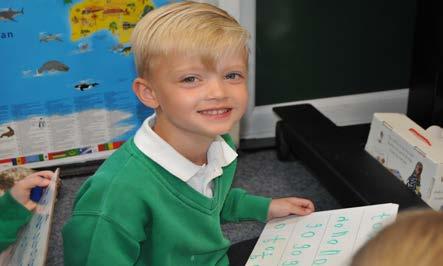
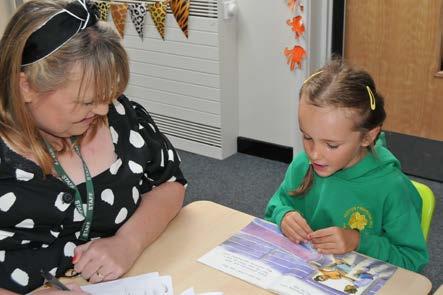
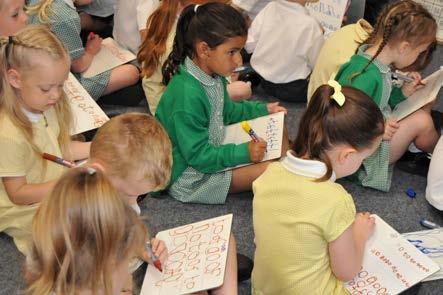
We believe reading and writing are the key to successful learning. Generous time is given to the teaching of English, both as a separate subject and across other curriculum areas.
All children participate in a daily lesson where skills are developed and improved through a combination of shared, guided and independent work.
MATHEMATICS
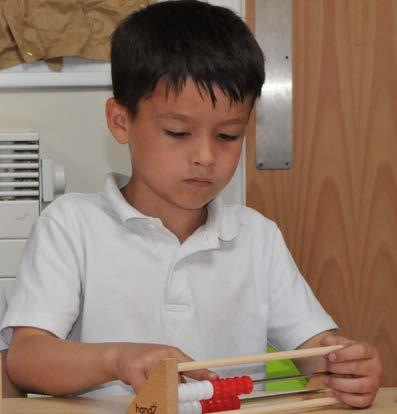
We see Mathematics as an essential life skill and a practical tool with which children can make sense of the world around them. We offer children a comprehensive foundation in all areas of Mathematics through a varied experience of the subject.
All children participate in a daily lesson and skills are consolidated and extended through other curriculum areas.
Emphasis is placed on the understanding of number. Mental arithmetic is used effectively to develop children’s mathematical abilities and independent thinking and to create a positive attitude to Maths.
SCIENCE
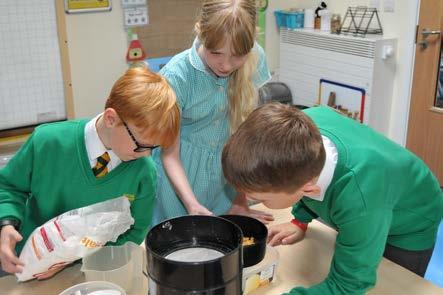
The world of Science is a magical one for children. In following the National Curriculum, we provide a broad-based experience of Science and, in particular, encourage enquiring minds. Emphasis is placed on scientific investigation with hands on activities to consolidate knowledge and develop understanding of the world around them, to enable every child to experience success in this area of the curriculum
THE NATIONAL CURRICULUM – THE FOUND ATION SUBJECTS
HISTORY
We aim to arouse an interest in the past and develop an understanding of other times. We encourage children to develop the ability to acquire evidence from historical sources and understand interpretations of history.
GEOGRAPHY
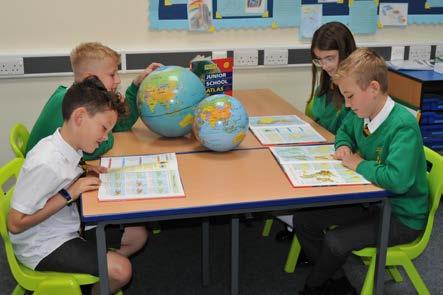
Children learn about different places, the human and physical processes that shape them and the people who live in them. This helps children to make sense of their surroundings and the wider world. Geographical skills are developed throughout the school and environmental issues explored.
MUSIC
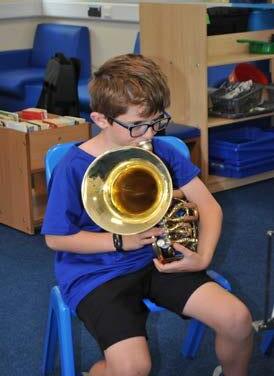
Children are given opportunities to perform and compose music, from simple sound making to reading from simple notation. They are encouraged to develop concentrated listening skills and to appraise the music of others. We enjoy close links with the Lancashire Music Service with whom many of our children take up the opportunity of learning a musical instrument.
PHYSICAL EDUCATION (PE)
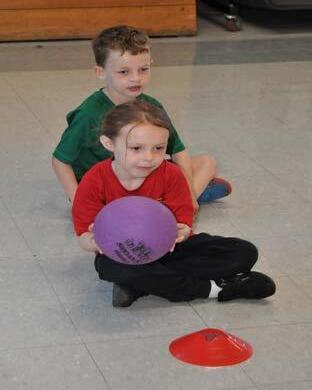
Children enjoy indoor and outdoor facilities and the emphasis is on dance, games and gymnastics.
Pupils start swimming lessons in the summer term of Year 2 and the lessons continue for one academic year at a local swimming pool Presently Year 5 and 6 children have the opportunity to experience outdoor pursuits during two activity holidays.
Through the year groups, children are also able to take part in a wide range of extra-curricular sporting activities and to compete throughout the year in district Football, Netball (High Fives), Tag Rugby,
Rounders, Cricket, Athletics, Cross-Country Running and Swimming.
DESIGN TECHNOLOGY
Technology is a subject that requires children to apply knowledge and skills to solve practical problems.
Children begin by exploring with practical materials, gradually developing their ability to plan, design, criticise and refine their own work.
COMPUTING
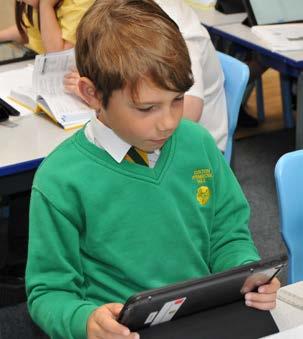
In addition to discrete subject teaching including programming and networking, ipads, laptops and computers are an essential curriculum tool and all children are given opportunities to develop their skills. Skill based work focuses around areas such as word processing, data handling and graphic design. Children are actively encouraged to apply their skills to other curriculum areas to support their learning.
ART AND DESIGN
Children are encouraged to become visually perceptive and are given a wide range of experiences and materials to develop their artistic skills. An interest and understanding of art, craft and design from other times and places is also developed.
RELIGIOUS EDUCATION (RE)
In R.E. the Lancashire syllabus is followed. The focus of this is exploring:
a) Shared human experiences
b) Religious traditions
c) Beliefs and values
d) Personal meaning
Parents may withdraw children from these lessons if they wish.
MODERN FOREIGN LANGUAGES (MFL)
French is taught from Year 1 to Year 6 once per week. Our curriculum is arranged to engage and excite all of our learners – ensuring children are taught the specific linguistic skills as stipulated in The National Curriculum 2014. In Key Stage One, teachers follow the Early Start French scheme before progressing to Rigolo in Key Stage 2. Both of these tools are used for planning and as an interactive computer resource to cover the necessary skills. Topics are thematic and build up grammatical, audial and linguistic skills as well as vocabulary. The buildup of these skills has been ensured through the creation of a vocabulary progression document for the entire school. The focus is placed upon speaking and listening over writing to begin with, which is then introduced further through the school. Each term has a cultural unit to accompany language learning, in order to promote children’s cultural capital and encourage further speaking, listening and vocabulary gathering. Outside of lesson time, children still have access to the LanguageNut online learning resource to continue their learning in a fun
way with instant feedback in French and any other languages they are interested in.
In EYFS, French is brought in through our European Day of Languages as well as through rhymes, stories and counting.
PERSONAL & SOCIAL DEVELOPMENT
At Euxton Primrose Hill, personal and social development is seen as central to the education of our children, and permeates the whole curriculum.
Personal and social development is concerned with acquiring attitudes and values, knowledge and understanding, abilities and skills necessary for the development of the self, the self in relation to others, social responsibility and morality.
The cross-curricular elements contribute to personal and social development as do pastoral care, the organisation of the school and the quality of relationships between all members of the school community.
Our philosophy of emphasising the talents and positive achievements of children does much to develop self-confidence and a positive self-image essential to learning and to personal growth.
COLLECTIVE WORSHIP
Times are set aside daily for worship when things the school holds as important will be celebrated or reflected upon. Assemblies are an opportunity for our children to explore a variety of festivals across the year from a breadth of different religions.
Parents may withdraw children from Collective Worship if they wish.
SPIRITUAL DEVELOPMENT
There are many aspects of spiritual development open to everyone and not confined to those from religious backgrounds. Children are encouraged to explore their reactions to deep or challenging experiences in order to develop personal views, meaning in life and values in which to live.
MORAL DEVELOPMENT
Because of the quality of relationships and guidance given in our school, children are encouraged to value truth and honesty; to know what is right and wrong, and to develop a sense of responsibility towards their community.
HEALTH & SEX EDUCATION
Health Education is provided for all children in a manner appropriate to their age and development as part of a wider teaching programme. We also currently use the KIDSAFE programme to deliver additional structured programmes in this area.
SPECIAL EDUCATIONAL NEEDS
The school aims refer to “each child” and this is a key value, particularly when considering children’s special needs. We aim to provide for all children whatever their needs.
When monitoring progress, we identify children who have special educational needs. Many children have
special educational needs during their school careers including able and talented children and, therefore, may require more individual help at times or additional opportunities to meet their needs and allow them to progress to meet their full potential. This may occasionally involve being taught in an area other than their usual class base. All children are taught in their own classes but may be withdrawn for extra help by their class teacher or teaching assistant to an area other than their usual class base.
Pupils may also receive additional help from specialist staff e.g. Educational Psychologist, Children’s Mental Health Service (CAMHS), Individual Disability Support Service, Hearing Impaired Service and Visually Impaired Service.
We always strive to work closely with parents of children who are experiencing problems. You will be informed if your child is placed on the SEN register. Parents who are concerned about their child’s progress should speak to the class teacher, Mrs Swinburn SEN Co-ordinator (SENCo) or the Headteacher.
Should you require further details about our Special Educational Needs Policy or if you would like advice on the subject, please do not hesitate to contact school or you can download a copy of the policy from the school website.
" Pupils with SEND are identified quickly and accurately. Staff are furnished with the information that they need to make effec tive adaptations to the delivery of the curriculum. This ensures that pupils with SEND learn extremely well alongside their peers. Equally, staff are passionate about supporting pupils with SEND to build their social skills and wider interests. These pupil s benefit fully from all that the school has to offer. "
OFSTED
PUPILS WITH A DISABILITY
Although the site is on one level access to the building is via a small step at each door. A lift is provided internally between the upper and lower building and externally there is a ramp.
Facilities are provided for particular needs e.g. disabled toilets, shower, special sized furniture, footrests, handrails in toilets, desk rests etc.
The school will regularly review its Disability Equality Scheme and Access Plan to ensure full inclusion to all members of its school community. For more information, please see our Local Offer on the school website.
ASSESSMENT
Assessment is an integral part of teaching and learning and is a continuous process that is part of daily life in school. Each child is a special unique individual. Through assessment teachers get to know the children in their class very well, identifying their strengths and weaknesses, their particular learning style and the next step appropriate for each child.
Teachers continually assess children in a variety of ways. This may be informally by questioning, observing or the marking of work. Children are also encouraged to assess themselves and set targets for their own development.
More formal assessments take place as part of National Curriculum requirements. Children are formally tested in the core subjects of English and Maths at the ages of 7 and 11. The results of these tests are given as levels and are published with comparisons made with both local and national schools. Pupils are also assessed in Phonics in Year 1.
Children are assessed individually on entry into EYFS and at the end of EYFS in English, Maths and all other areas of the Early Years curriculum. This helps us monitor progress, identify strengths and weaknesses, to set realistic targets for learning and to monitor our own curriculum and teaching.
INFORMING YOU OF YOUR CHILD ’ S PROGRESS
We will invite you to two Parents’ Evening over the year to discuss your child’s education and development with their class teacher. In the summer term each child is given a comprehensive annual report to give you details about your child’s progress. In addition, you are warmly welcomed and
encouraged to discuss any issues about your child with the class teacher or the Headteacher throughout the school year.
HOMEWORK
Homework follows a timetable found in our Homework Policy and children are particularly encouraged to read regularly at home and our home-school reading pack helps with this. Older children will be expected to learn things at home on a regular basis: - spellings, number bonds, tables and may be asked to research for projects.
Children may also be asked to complete work from the day’s lessons if necessary.
Children in Years 3, 4, 5 and 6 are given homework to be completed over a given period of time.
MAKING A COMPLAINT
We pride ourselves at Euxton Primrose Hill for being open and willing to speak to parents concerning their child’s education and/or welfare. Members of staff can be approached directly to make an appointment convenient to you both. Should you have any complaints about the provision made for your child you should in the first instance discuss the matter with their class teacher or Mrs Swinburn, SENCo. In addition, the Headteacher may be contacted at any time to arrange a meeting.
Should you wish to make a complaint about our school or the curriculum provided, please bring the matter to the attention of the Deputy Headteacher or Headteacher in the first instance. However, if this procedure does not resolve the matter to your satisfaction you are able to make a formal referral
firstly to the Governing Body. In these cases, the concern should be put in writing to Chair of Governors, Mr Andy Oddy.
IN THE CLASSROOM
When children first come to school, the foundation laid down by parents forms the starting point for developments in the Reception Class.
Early Years Foundation Stage - Often referred to as Reception or EYFS.
Our Early Years Curriculum offers a broad and balanced learning experience for every child based on the seven areas of learning: communication and language, literacy, mathematics, understanding the world, expressive arts and design, physical, development and personal, social and emotional development. Children come to school with very different levels of confidence and competence and our organised, planned approach gives these young children the chance to acquire and develop a range of skills, knowledge and concepts through activitybased learning experiences. Language development is enhanced by adult interaction and guidance and the pupil/staff ratio is kept as favourable as possible to facilitate this, with additional help from experienced teaching assistants
After the Reception year, children progress through Years 1 to 6 before transferring to Year 7 at high school.
Key Stage 1 - Previously referred to as “Infants”. Year 1 to 2.
Key Stage 2 - Previously referred to as “Juniors”. Years 3 to 6.
As children progress through school, knowledge, skills and concepts are introduced at appropriate levels for each child, with staff having high expectations of all children in their work.
A blend of class, group and individual teaching provides appropriate and effective learning situations involving children in a wide range of activities - discussing, experimenting, listening and thinking, problem-solving or engaged in quiet study. Practical work, written work, interactive computer work is just part of a busy and stimulating classroom. Children are encouraged to work with increasing self-discipline, independence and personal organisation.
Some lessons encompass several different areas of the curriculum, often called cross-curricular work. The links between subjects are important for young children, recognising the way in which they view the world.
LEAVERS
During their last year children enjoy privileges and are given extra responsibilities within school to help prepare them for high school. They have the opportunity to be prefects and go on an Outdoor Pursuits weekend at Boreatton Park, Shropshire. All Y6 children have the opportunity to participate in a Leavers’ Play.
In general, we expect to see children in Year 6 taking a leading role in the school setting an excellent example for young children to emulate, in their attitude to work and their general conduct. Year 6 play a vital role and can assist the school in its aim of producing responsible and self-disciplined young people.
Children in Year 6 will receive the necessary information at the appropriate time to make decisions about the choice of high school. Children from Euxton Primrose Hill are close to both Leyland and Chorley where a wide choice of high schools are available.
FOOD & DRINK
SCHOOL DINNERS
Meals are prepared at school offering a choice of menus including hot and cold options on a daily basis. Alternatively, children may bring a packed lunch, preferably in one small container.
Drinks are provided with school dinners and water is available for children with packed lunches.
Teachers are generally off-duty at lunch time but the Headteacher (or his representative) is always on site supervising the lunch hour. Children are also supervised throughout lunch time by our welfare assistants both in the hall, on the playgrounds or on the school field.
All children eat in the hall where they are encouraged to be polite and to display good table manners.
Payment for school dinners should be made weekly or monthly, in advance, using our online cashless payment system, ParentPay.
All pupils in EYFS and KS1 are entitled to a free school meal regardless of income. However, at this stage and beyond you may also be entitled to ‘FSM status’ because of a low income, enabling your child to receive many other educational welfare benefits in addition to a free school meal.
Please check your eligibility by clicking the link https://www.lancashire.gov.uk/children-educationfamilies/schools/free-school-meals/.
Please contact the school office if you require any further information.
DRINKS IN SCHOOL
For a nominal annual amount, refrigerated milk is available mid-morning for EYFS and KS1 children. Alternatively, pupils may bring a drink from home in a plastic container (no glass bottles are allowed in school). Water from our drinking fountains is available for all children throughout the day. Pupils may only drink water in class and juice is not permitted other than at lunchtime.
PLAYTIME SNACKS
All children are strongly encouraged to bring a piece of fruit as a healthy snack for break times only and are not permitted to bring chocolate, crisps or sweets to eat on the playground during breaks. Please clearly label any snacks to avoid any confusion.
Toast is available for a nominal fee from the school cook. In addition, children in EYFS and KS1 receive a piece of fruit each day as part of our commitment to being a healthy school with Healthy School Status.
HEALTH & WELFARE
MEDICAL SUPPORT
The medical service provides a range of services for children in school.
The School Nurse Team is a regular visitor to school and is always willing to offer advice as well as their routine health work: -
• Reception: Vision check. Medicals with the Clinical Medical Officer (CMO) to which parents are invited.
• Year 6: Routine health surveillance (height, weight and vision)
Parents will be informed as necessary of these routine checks and will be notified of any problems e.g. suggest a further eye test with an optician.
ILLNESS/INJURY
If a child is absent from school, he or she should not return until fit to take on the full range of activities, including playtimes.
If a child is unwell or injured in school, every attempt will be made to contact you or your emergency contact. Should your child require emergency treatment, we will act quickly on your behalf to ensure that every reasonable action is taken until you can be contacted.
School has numerous qualified First Aiders and Paediatric First Aiders on site at all times.
MEDICINES IN SCHOOLS
It is always preferable for parents to administer prescribed medication to their child, but in certain circumstances it may be necessary to ask our Designated Authorised Person to carry this out. Every effort will be made to do this if we have clear written instructions, although the school cannot guarantee any such requests. A form is available from school or can be downloaded from the school website. The form must be completed and signed by parents before medicines may be administered. Special arrangements are made for particular needs e.g. Asthma.
Please see our Asthma Policy and Medication Policy located on the school website.
SAFETY AND SECURITY
The safety of children in and around school is of paramount importance.
We take many measures in school to ensure a safe and secure environment from the rule of no running in school to regular fire drills. We have a fob access system at the front door. Together with our practice of securing doors once children are inside the building, this ensures that no one can enter school uninvited.
Outside school, parents can do much to ensure the safety of children coming to and from school. Please do not park on the zigzag lines outside school or drive into the staff car park to collect children at any time of the day.
We appeal to motorists who park on Primrose Hill Road to consider residents and not block their driveways. We ask all parents to follow a one-way system turning into Primrose Hill Road from Runshaw Lane in order to minimise congestion and keep a steady flow of traffic.
There are footpaths on each side of school for pedestrians. Children, and parents, should not walk on the driveway.
PASTORAL CARE
A strong emphasis lies on the pastoral care and support of our children. The class teacher has a special relationship with and has the responsibility for the well-being of each child in his or her class. However, Euxton Primrose Hill is very much a family and all staff share in the care of every child. Children are encouraged to discuss their concerns with the Headteacher or any other member of staff. Children may also ‘post’ concerns in our Problem Pod located in the entrance hall and staff will always respond promptly and sympathetically to any issues raised.
SAFEGUARDING/ CHILD PRO TECTION
Our Safeguarding and Child Protection Policy has been drawn up in line with current advice and our own commitment to the welfare of the children in our care. The school is most vigilant to ensure that its pupils remain free from harm and that no child should be subject to abuse or neglect. Our children’s safeguarding and protection is considered a real priority.
Because of day-to-day contact with children, staff are particularly well placed to observe outward signs of abuse, changes in behaviour, or failure to develop. Parents should be aware, therefore, that where it appears to a member of school staff that a child may have been abused, the school is required as part of the local Child Protection Procedures, to report their concerns to the Social Services Department immediately.
" The arrangements for safeguarding are effective.”
OFSTED
The school’s Designated Senior Leader and Designated Deputy Senior Leaders are:
Mrs E. Swinburn (Deputy Headteacher /SENCo)
KS2 Designated Senior Leader
Miss S. Collison (OSC Manager)
OSC Designated Senior Leader
Mrs C. Jones (Headteacher) Whole School Designated Senior Leader
Mrs S. Goodyear (Assistant Headteacher)
EYFS/KS1 Designated Senior Leader
All children are very much encouraged to wear our school uniform which is bright, comfortable and easy to obtain. Only the sweatshirt, jumper, cardigan and PE shirt with the school logo need to be specially purchased from either “NU UNIFORMS” – Market Street, Chorley, PR7 2SF or “IMPRESSIONS UNIFORM” – Leyland Lane, Leyland, PR25 1XL.
SCHOOL UNIFORM & PERSONAL PROPERTY
The Headteacher reserves the right to contact parents to take their children home in order to comply with the school’s uniform policy outlined below.
WINTER
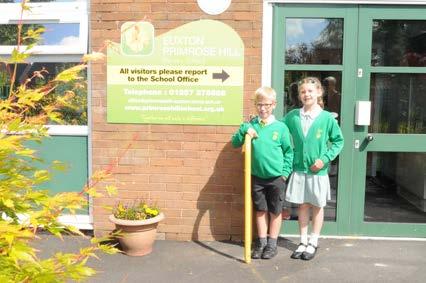
SWEATSHIRT/V-NECK JUMPER/CARDIGAN - A good quality sweatshirt (EYFS&KS1 only)/v-neck jumper (KS2 only)/cardigan printed with the school logo available in emerald green with a yellow logo.
SKIRT/PINAFORE - Many styles are available locally but must be grey.
TROUSERS - Grey (no jeans).
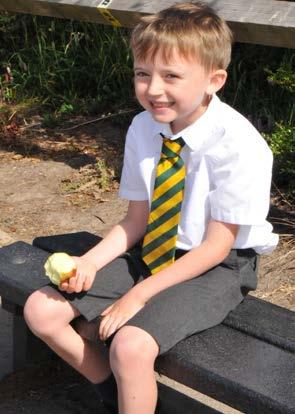
TIE – KS2 pupils only (subsidised by PTFA and provided to pupils at end of Y2)
POLO SHIRT/SHIRT - Easily obtainable, comfortable to wear white and can be also worn in summer.
SOCKS/TIGHTS - Should be plain grey or black only.
SHOES - Should be black only (no boots or demiboots).
SUMMER
SHORTS/SKIRT – Grey shorts or skirts can be worn with white polo shirts/shirts.
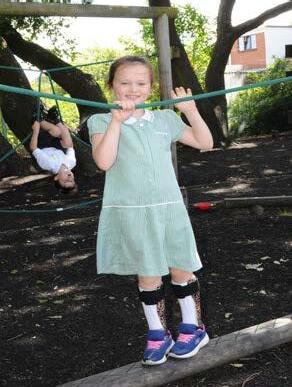
DRESSES - Checked dress, can be yellow/white or green/white and can be bought locally.
SOCKS - Should be plain grey, black or white only
FOOTBALL JERSEYS ARE NOT ACCEPTABLE AS PART OF SCHOOL UNIFORM AND SHOULD NOT BE WORN.
CHILDREN SHOULD WEAR APPROPRIATE BLACK SCHOOL SHOES, NOT TRAINERS.
THE SCHOOL FOLLOWS A STRICT NO JEWELLERY CODE AND PUPILS MAY NOT WEAR NAIL VARNISH OR TATTOOS. DESIGNS AND COLOUR IN HAIR ARE NOT PERMITTED.
PE KIT
All pupils in KS1 & KS2 should wear a coloured Tshirt with the school logo that denotes the colour of their house team. This may be green, red, yellow or blue. Pupils in EYFS should wear a plain white T-shirt.
Pupils in Reception require black pumps. All other pupils require white-soled trainers for indoor PE (alternatively bare feet) and inexpensive trainers for outdoor PE and Run a Mile.
Long hair should always be tied back.
IT IS ESSENTIAL THAT ALL UNIFORM, INCLUDING COATS, HATS, SCARVES, GLOVES AND SHOES, AND P.E. KIT IS CLEARLY LABELLED. FOOTBALL KITS ARE NOT PERMITTED.
LOST PROPERTY
This can become a problem and an eyesore in school. Current practice is to find the owner immediately rather than to collect lost items. We therefore, have no official lost-property box.
VALUABLES AND JEWELLERY
Children should not bring valuable items or toys to school, as we cannot guarantee their safety.
Jewellery is not necessary for school and school operates a strict “NO JEWELLERY” policy in the
interests of health and safety; for the avoidance of doubt this prohibition includes EARRINGS.
The Headteacher reserves the right to contact parents to take their children home in order to comply with the school’s uniform policy outlined above.
CHARGING POLICY – VISITS AND VISITORS
Out of school visits are regular and organised periodically, usually in connection with a class topic. Visitors of interest are also regularly invited into school to enhance children’s learning experiences.
When expenses are incurred for such events, parents are invited to meet such costs by making voluntary contributions. If the cost causes any difficulty parents are encouraged to contact Mrs Vost, School Business Manager in confidence.
The school always seeks written parental consent before children are taken out of school whether on trips or to local sporting events and competitions.
Our Charging and Remissions Policy is available to view on the school website
FINAL WORD
We hope that you have found this brochure both interesting and informative. However, if you have any further queries or wish to talk to a member of staff regarding any aspect of school life please contact the school office.