Supporting Your Child in English
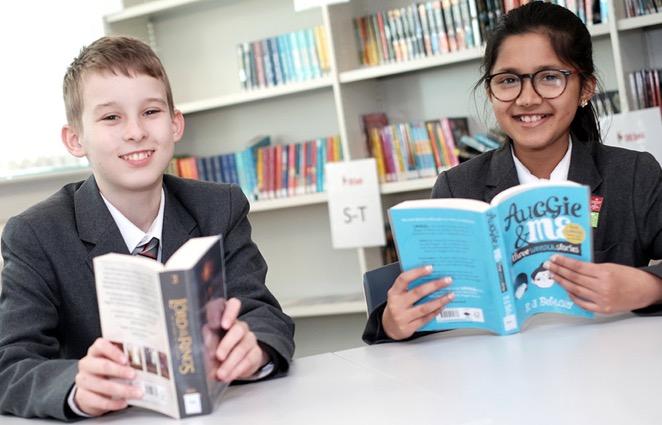
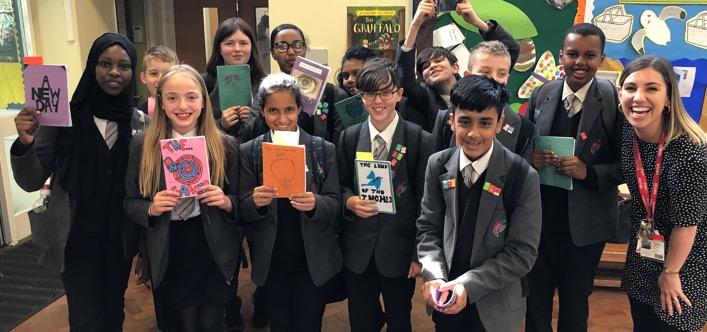
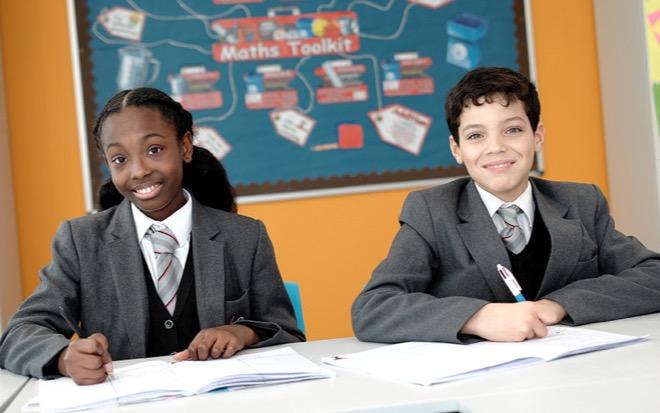

Students spend the first 7 weeks at Chorlton working on both their reading and writing skills by reading classic tales such as Alice in Wonderland, Robinson Crusoe and Grimms’ Tales. They spend the first week being exposed to our reading strategies before then applying these techniques to a variety of fictional extracts. Students will then put into practise their writing skills and imagination when it will be their turn to write and showcase their own adventure story.


To help students to develop the habit of reading widely and often, they will then move onto study one a variety of non fiction articles, speeches, report on unsolved mysteries. Students will explore how to present their own points of view, arguments and showcase information on specific mysteries past and present in a thought provoking and creative way.

Students spend this six weeks studying one of the following novels: Animal Farm, Parvana’s Journey, or The Fastest Boy In The World. This scheme of work will improve students’ approach to analysing a text and exploring the contextual background. This scheme of work will also give them the opportunity to read in depth, critically and evaluatively, so that they are able to discuss and explain their understanding and ideas

Students then spend 8 weeks studying Poetry and Me, a collection of poems all linking to the theme of identity. This topic allows students to develop their reading and analysis skills as well as exposing them to some poetic techniques and a variety of different poets and eras. It also gives them the chance to have ownership of an anthology and explore their own voice where they can showcase their own personal piece of spoken word.
Students will then go onto study one of the following Shakespeare plays: Twelfth Night, The Tempest or Macbeth. This will give them exposure to the play format as well as the Shakespearean language that they will need to understand for the rest of their English journey.

The first four weeks of this half term will be spent finishing their Shakespearean play. They will then have the opportunity to consolidate all of the skills that they have spent the year working on, including their reading skills and ability to include textual detail in their responses. The year will end with a showcase of Ignite speeches where students present their own speech on their own passion.
Over the course of the year, students will be introduced to a variety of different topics which will allow them to explore new and old, thought provoking texts both in fiction and non fiction and will be encouraged to showcase their own viewpoints and creative writing skills.
Students will develop their reading and writing skills by exploring extracts of classic and contemporary fiction relating to the topic title. Students will further develop their own writing voice and write creatively under this topic title.
Autumn 2 – Novel
This half term will primarily focus on developing students’ reading through the study of a class novel. Pupils will develop their understanding of how to analyse characters and themes and build their reading stamina with a whole text. The choice of novel will be differentiated appropriately based upon ability sets.
Students will study Frankenstein: The play, a Phillip Pullman adaptation of Mary Shelley’s Gothic classic. The drama unit allows students to develop their ability to analyse and perform key extracts and explore the key characters, plot and themes which underpin this story. This topic will also explore related contextual issues such as religion vs. Science, the development of medicine and whether power can corrupt.
This half term, students will develop their love of reading and forming opinions. Students will have the opportunity to compare 19th, 20th and 21st century non fiction. Students and staff will be expected to provide contextual background to help explore how the world has changed (especially from Victorian England) and how texts reflect these changes.
This unit gives students an opportunity to study a Shakespearean tragedy. It will develop their resiliency at tackling challenging language and the reading strategies required to deal with unfamiliar words. Students will gain an understanding of the plot as a whole but will be more analytical when zooming in on character and theme based extracts.
Students will work through set poems linked to the theme of Poetry and My Surroundings. Student will explore the power of nature and will hone their skills of interpreting and analysing the poetic form.
Over the course of Year 8, students will continue to strengthen their analytical skills by exploring a wide range of literature but with more emphasis on building an appreciation of their own perspective through more exploratory talk.
skills.
KS3 students develop their reading, writing and
•
skills that we focus on during KS3 are:
and
styles of writing e.g. letters/speeches/ articles/ stories
a variety of texts and
both in fiction and non fiction
the writer’s purpose and intention
and
• Develop their voice through
a week in Year
talk in dedicated Oracy
or in Year 8 through a cluster of Oracy sessions perhalf term.
• Every half term, students will have the opportunity to have 3 pieces of work marked for them by their classroom teacher
• These are a more formal examination and take place once a term, normally taken place in the Sports Hall. The test will be on a topic studied that term.
• Nationally run reading age test used by a majority of schools around the country
• Students complete a reading test every term, via an online assessment platform, during a core lesson
• Students also complete a Spelling and Progress test at the beginning of the year and at the end also through the online platform – this gives staff a broader understanding of your child’s progress and their GCSE indicators
• They are reactive tests and therefore adapt to how well the student is doing.
• A student’s attitude (positive or negative) towards the test can have a significant impact on the final reading age result
• We want our students to be at their chronological age or above to ensure they can access the wide-ranging texts throughout their curriculum
• If you would like to know more about your child’s reading age please ask any further questions at the end.

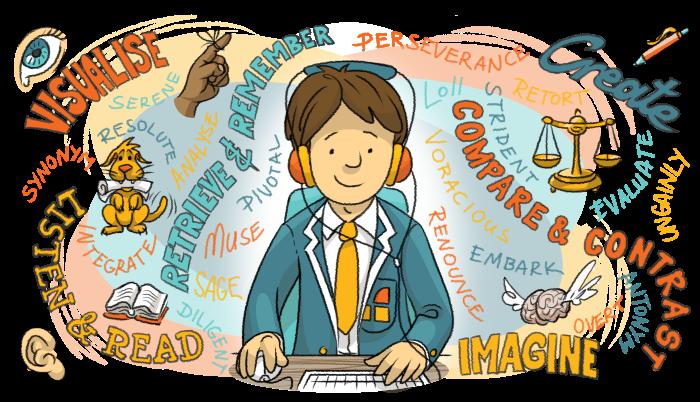
In class, teachers across all subjects at CHS South use different reading strategies to help students access different texts. These are often done without us realising as adults but are vital for students to grasp, to ensure they are fully understanding what they are reading.
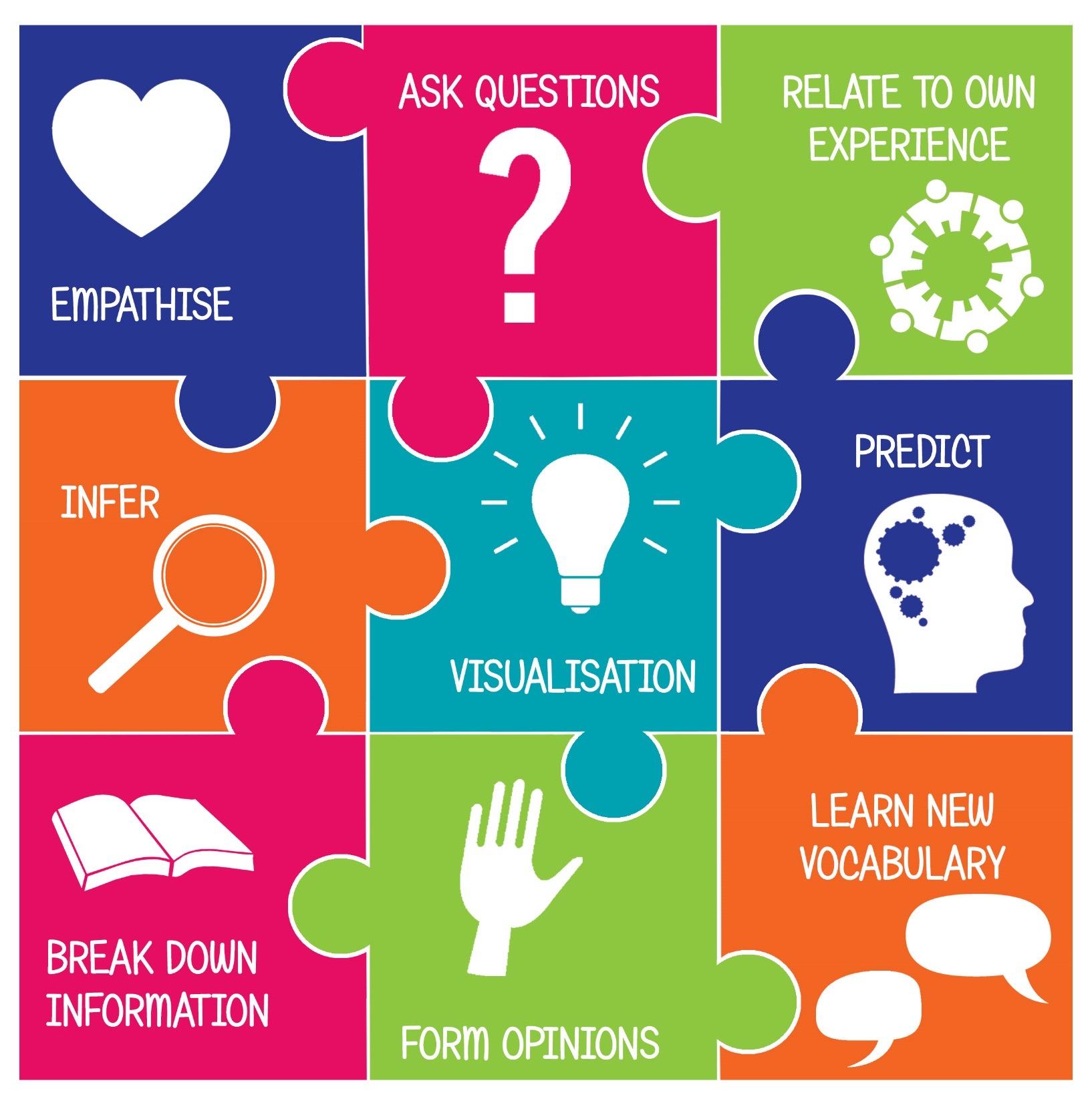
When engaging with your child at home – try ask students to PREDICT and explore any VISUALS prior to reading anything including novels or even homework.





the Teams
the
Use the link
We will send this to you in the chat now
feel free to browse our library!

South Library

Research tells us quite convincingly that how frequently students read also correlates strongly with attainment. However, it is also important as it helps them to:
• Deal with their increasingly complex world and understand some of the adult issues they will have to grapple with
• See how others have found solutions to problems
• Improve their mental health
• Develop their vocabulary
• Broaden their imaginations
• Improve their writing
• Gain confidence when speaking
• Deal with the increasing demands of school work and the curriculum in all subjects
How do I engage…
The facts are that boys often read for pleasure less than girls. Here are some ways to encourage boys to read:
• Talk to your son about the kind of books they like.
• Introduce them to a series . This way they are more likely to become invested in the character and their journey.
• Recommend graphic novels and other illustrated books.
• Show them a wide variety of materials, books of jokes, poems and ‘fun facts’. Boys usually prefer comedy or humour.
• Identify fiction and non fiction genres that are popular, e.g. fantasy, science fiction, autobiographies and sports stories.

• Identify male role models, including peers and celebrities, to promote reading e.g. Marcus Rashford
• Use online materials and non fiction articles to encourage boys to read. If they love football encourage them to read the sports reports.
Reading helps to …
• Projecting one's self into the role of the hero when reading fiction is part of the process of developing empathy. Readers are forced to live a life that's not their own.
• Studies have found that reading for pleasure enhances empathy, understanding of the self, and the ability to understand one's own and others' identities.
• For example, reading Harry Potter has been shown to improve children's attitudes toward stigmatised groups such as immigrants, refugees, and members of the LGBT community.
helps to …
• An online poll of over four thousand people from a sample in the UK revealed that regular readers for pleasure reported fewer feelings of stress and depression than non-readers, and stronger feelings of relaxation from reading than from watching television or engaging with technology intensive activities.
• Studies have shown that those who read for
also have higher levels of self-esteem and a greater ability
with difficult
• To make a significant improvement in reading your child needs to read, little and often. The more they do it – the better they become.
• Spending time at the end of reading, reading up on words misunderstood would also help.
• Talking is a really important aspect of improving reading. It aids understanding.
• Make connections between what your child is reading and a shared experience.
• Ask questions about the kind of texts they are reading.
• ROUTINE! Designated reading time everyday as part of a routine.
• Giving them a choice about what they read and how they read it. Genre, book or tech, text type.
• Have reading material in different places. Different rooms. The car. Audiobooks in the car for long journeys.
• Reading together – model it.
• Engage with your child about what they are reading. (Tell me questions). Praise children about their reading whenever you ca n. ‘Well done, you’ve finished the whole chapter’ is much better than ‘You’re not going out to play until you’ve finished that chapter ’.
• Local libraries are great places to go to give your children the opportunity to pick up something they will like
• Local librarians and English staff have an incredible knowledge of teenage fiction and can point students in the right direction after a short conversation
• Have some family reading time each week – time for you ALL to read and get lost in a piece of literature or non-fiction.









Animal Farm
1984, by George Orwell
The Family Romanov: Murder, Rebellion, and the Fall of Imperial Russia, by Candace Fleming.
Boy 87
On the move: poems about migration, by Michael Rosen
Looking at the Stars, by Jo Cotterill
The Boy At the Back of the Class, by Onjali Q. Raúf
A Little Piece of Ground, by Elizabeth Laird
In The Sea There Are Crocodiles, by Fabio Geda
The Fastest Boy in The World
The Girl Who Stole an Elephant, by Nizrana Farook
Armistice Runner, by Tom Palmer
A Good Day For Climbing Trees, by Jaco Jacobs
To Kill a Mockingbird
Go set a watchman, by Harper Lee
Of Mice and Men, John Steinbeck
The Secret Life of Bees by Sue Monk Kidd
The hunger games, by Suzanne Collins Gathering blue, by Lois Lowry Uglies, by Scott Westerfield Dust Road, by Tom Huddleston Divergent, by Veronica Roth
Once
Anne Frank’s diary, by Anne Frank
The boy in the striped pyjamas, by John Boyne Then, Now, After, Soon, Maybe, by Morris Gleitzman
Beyond Belief, by Dee White
The Missing: The True Story of My Family in World War II, by Michael Rosen
These will be sent to you in the chat
Romeo and Juliet (adaptation)
Endgame, by Malorie Blackman
Matched, by Allie Condie
Love Hurts, by various authors but edited by Malorie Blackman
Grapes of Wrath, by John Steinbeck
To Kill a Mockingbird, by Harper Lee
Frankenstein, by Mary Shelley
Dracula, by Bram Stoker
The woman in white, by Wilkie Collins
The Private Memoirs and Confessions of a Justified Sinner, by James Hogg