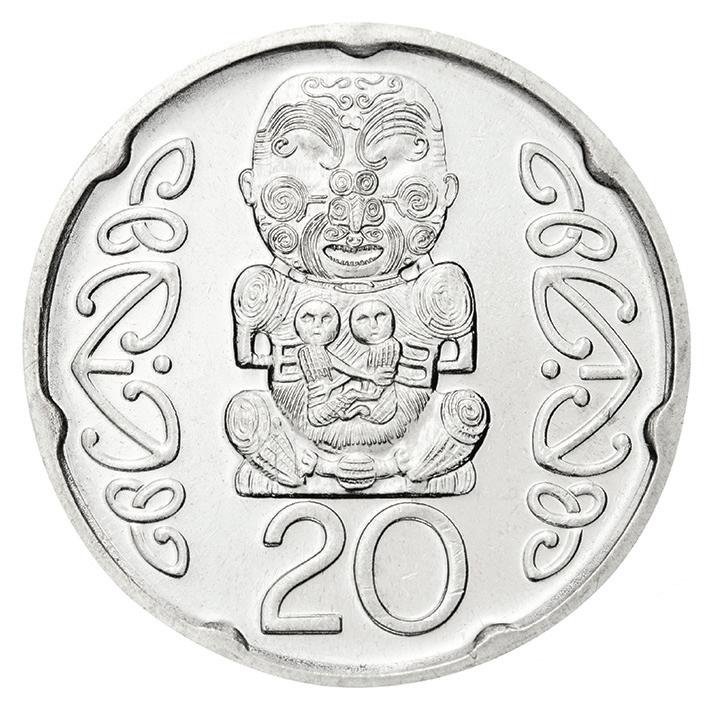
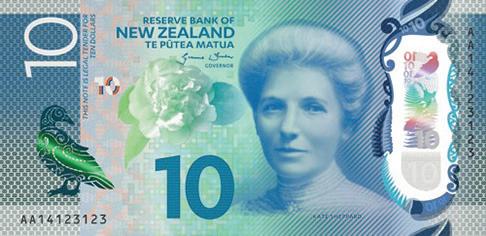
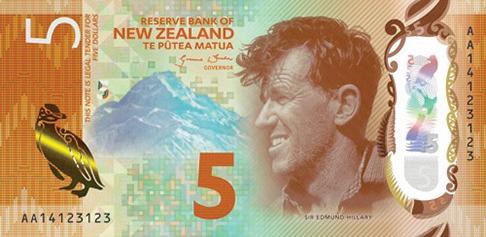
100% coverage of New Zealand Mathematics and Statistics Curriculum for Phases 1-3
Proven results in Aotearoa New Zealand schools for over a decade Clear, step-by-step lessons for consistent, explicit teaching
Structured problem solving and reasoning for deep understanding
Let's Remember Let's Remember
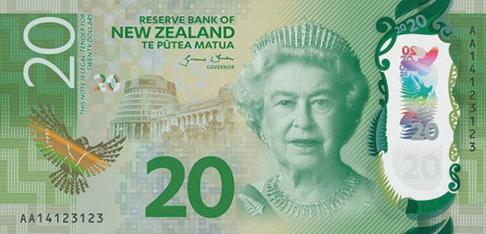
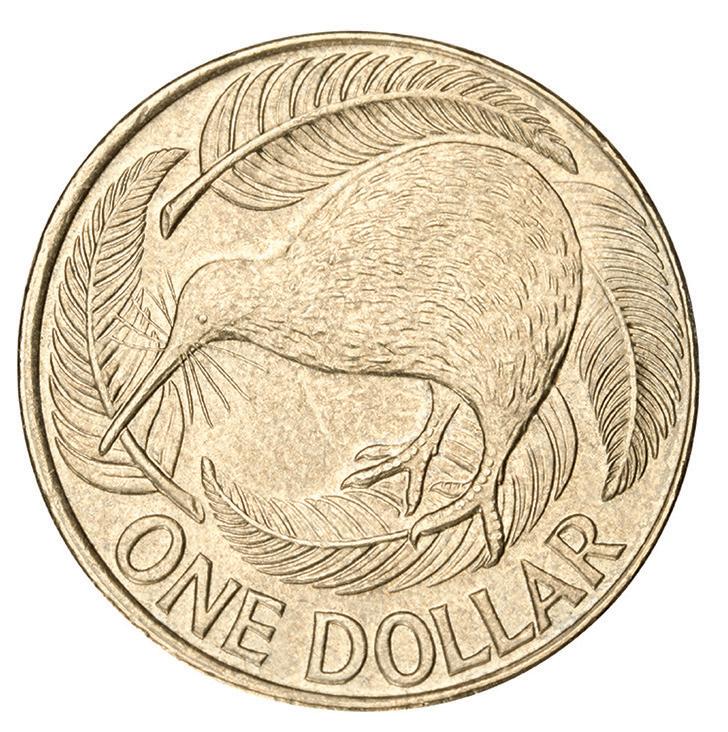
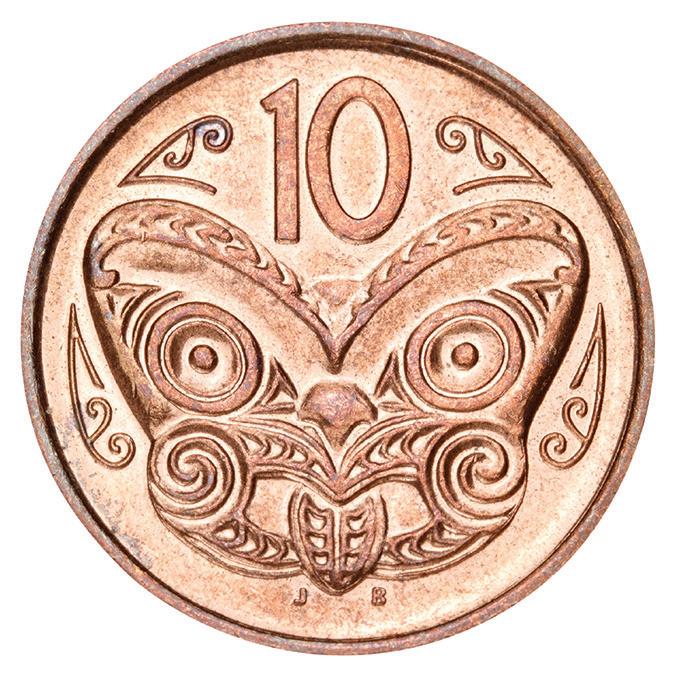
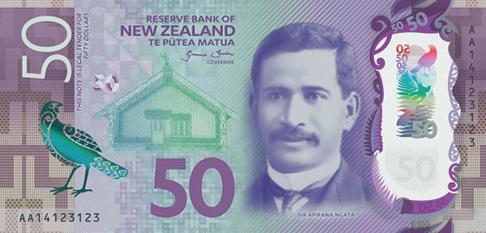
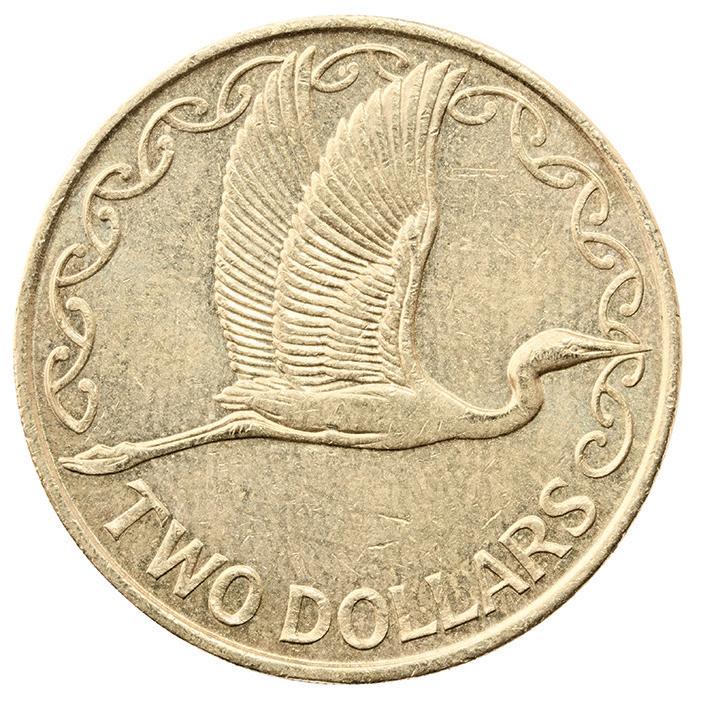
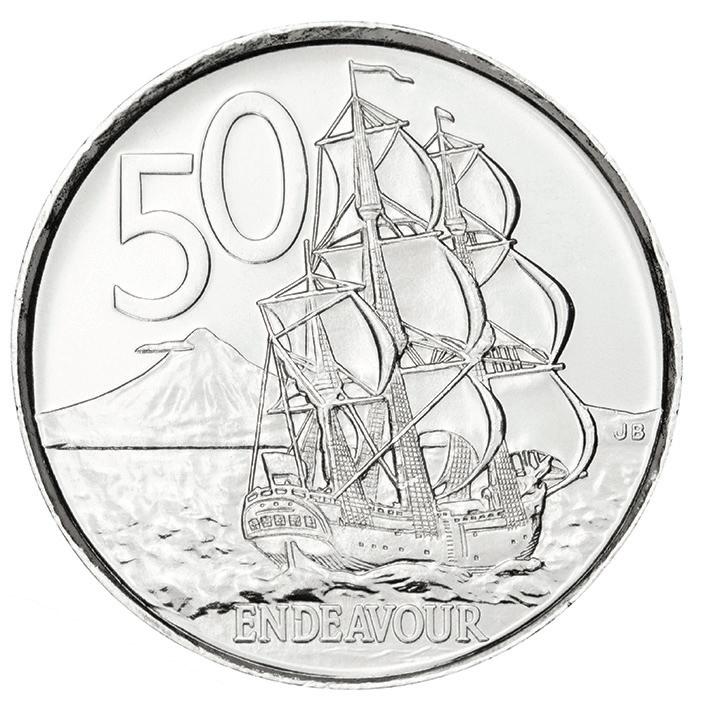
1. Match each amount of money to the correct coin or note. Then, match the coin or note to the correct value.
2. Count and write the amounts of money.
3. Add or subtract.
a) 25 +65 60 –45 b)
EXPLORE
Hoani has $12. He spends $4 on reusable shopping bags. How much money does Hoani have left?
How can we solve this problem?
Discuss in your group and fill in columns 1 and 2.
1. What I already know that will help me solve the problem
Subtract 2-digit numbers.
2. What I need to find out and learn 3. What I have learnt
Subtract dollars. Solve word problems involving money. Answer varies. $8
Unit 1 Dollars and Cents
You will learn to...
• count and tell amounts of money
• make up amounts of money using coins and notes
1.1 Counting dollars and cents
Let's Learn Let's Learn
There is a ten-dollar note, 2 fifty-cent coins, a twenty-cent coin and 2 ten-cent coins.
$1 = 100c
We read this as eleven dollars and forty cents.
Let's Do Let's Do
$10, $10 and 50 cents, $11, $11 and 20 cents, $11 and 30 cents, $11 and 40 cents
Countries around the world use different types of money. For example, the United Kingdom uses the British pound, India uses the Indian rupee and Thailand uses the Thai baht.
1. Count and write the amounts of money.
a) There is $ and cents. $5, $6, $6 and cents, $ and cents
b) There is $ and cents. $20, $30, , and cents
and 70 cents
and 50 cents $60 and 10 cents
and 20 cents
and 10 cents
1. Count and match. P B Chapter 8: Exercise 1.1, pages 132–133
1.2 Making up an amount of money
Let's Learn Let's Learn
Kiri wants to buy a book for $28. She has some money in her wallet. What notes and coins could she use to pay for the book?
Let's Do Let's Do
1. Circle the exact amount of money needed to buy each item. a) b) She could use to pay for the book.
Let's Practise
1. Circle the exact amount of money needed to buy each item.
P B Chapter 8: Exercise 1.2, pages 134–135 $125
I have learnt to... count and tell amounts of money make up amounts of money using coins and notes
>> Look at EXPLORE on page 182 again. Can you solve the problem now? What else do you need to know?
Unit 2 Shopping
You will learn to...
• read the price of an object and pay for it
• add and subtract money
• count change like a cashier
2.1 Adding amounts of money
Let's Learn Let's Learn
a) Kalanei buys an apple and an orange.
Add the prices of the two fruits to find out how much Kalanei has to pay.
40c + 50c = 90c
Kalanei has to pay 90c.
We add money like how we add whole numbers.
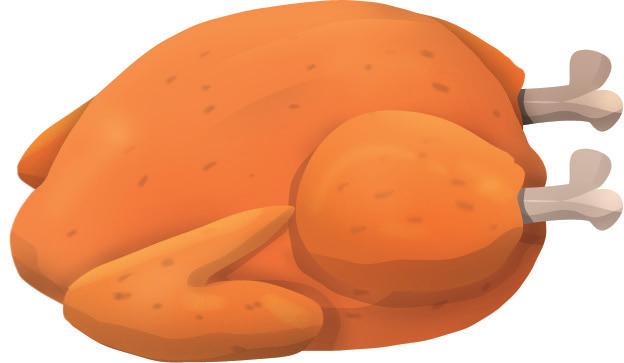
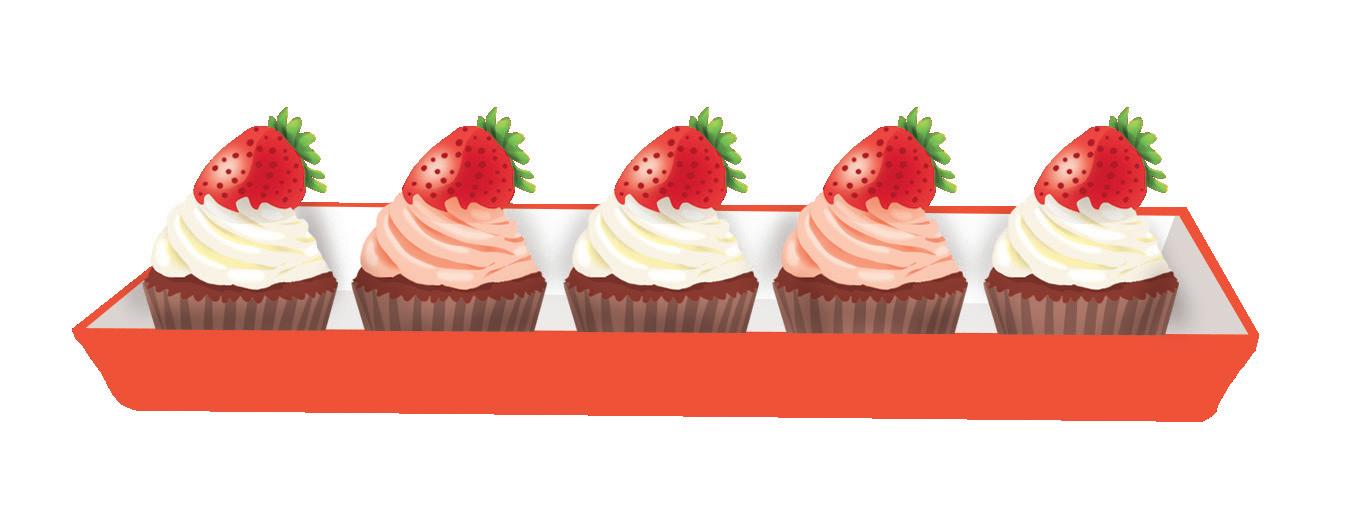
b) Mrs Walker buys a roast chicken and a box of cupcakes. How much does she have to pay?
$14 + $8 = $
Mrs Walker has to pay $ .
1. What is the total amount of money you have to pay for the items?
1. A grocer has the following items for sale.
a) Mr Wonker buys 2 . He spends altogether.
+ 20c =
b) Mrs Brown buys a bunch of and a . She spends altogether.
+ $2 + $9 = $13
c) Mr Turner buys 2 and a bag of . He spends altogether.
2.2 Subtracting amounts of money
Let's Learn Let's Learn
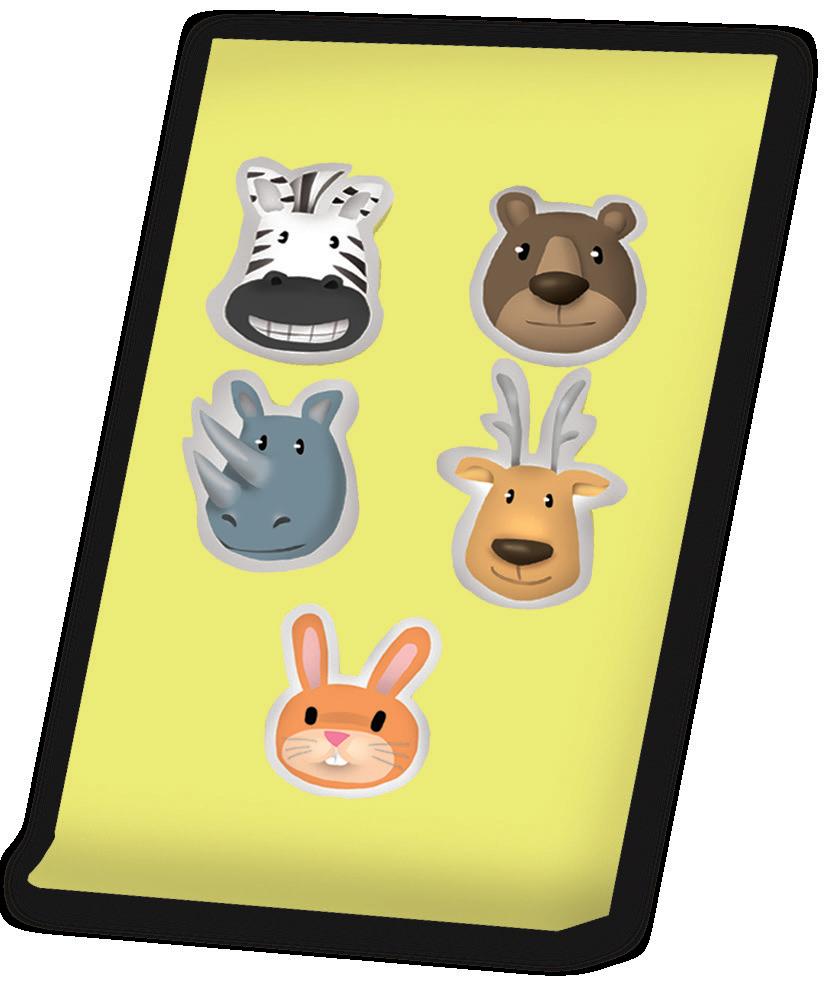
a) Anna has 50c. She does not have enough money to buy the eraser.
Subtract 50c from the price of the eraser to find out how much more money Anna needs.
70c – 50c = 20c
Anna needs 20c more to buy the eraser.
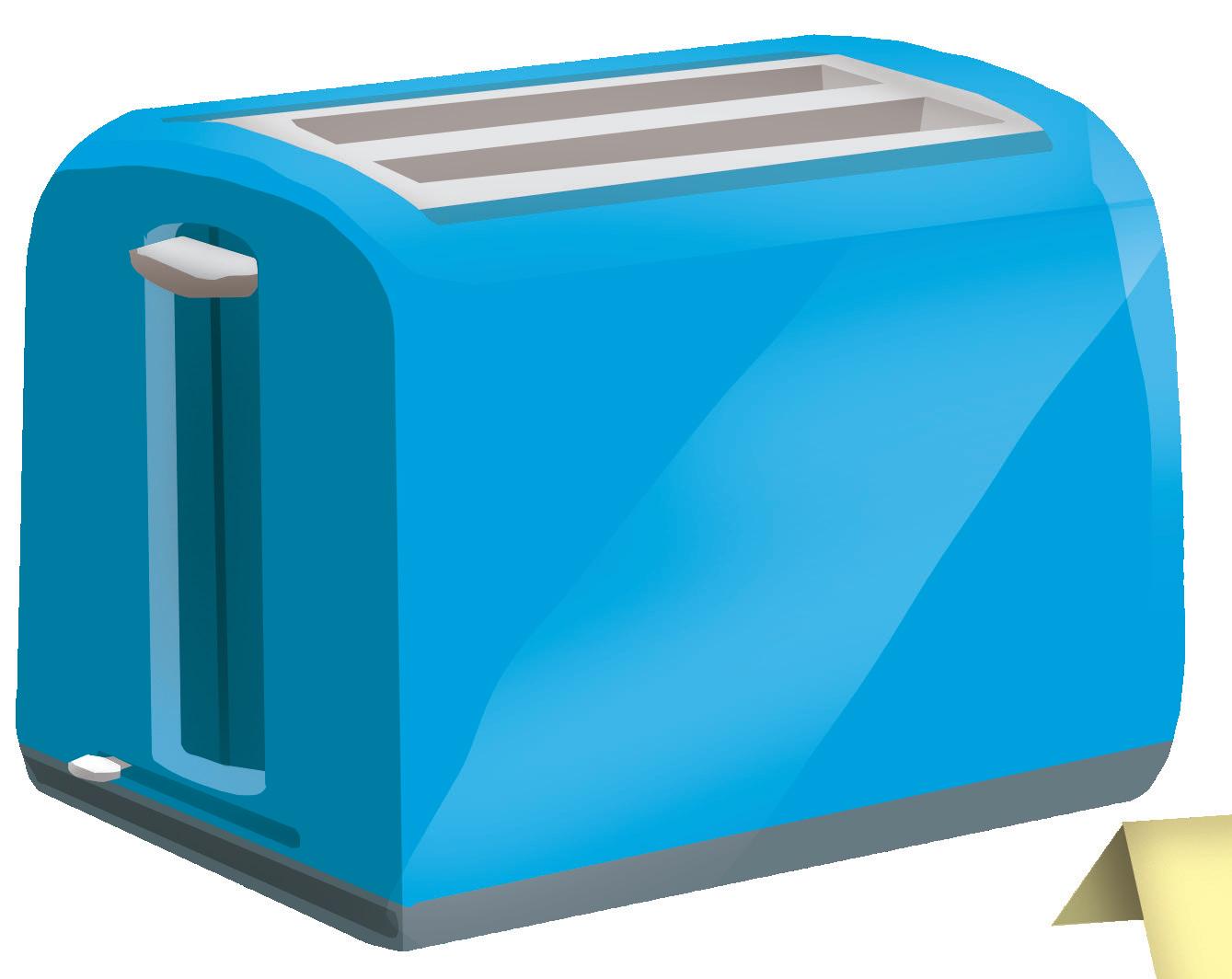
b) Mr Evans buys a toaster. He gives the cashier $50.
Subtract the price of the toaster from $50.
$50 – $37 = $13
Mr Evans gets $13 in change.
We can also count forwards from the price of the toaster to the amount given to the cashier.
+ 1 + 1 + 1 + 10
We count forwards 13 so the change is $13.
Count forwards in ones. Then, count forwards 10.
Let's Do Let's Do
1. Ella wants to buy the packet of juice. She gives the cashier $1. She gets c in change.
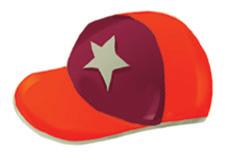
2. Daniel wants to buy the cap. He has $18. He needs $ more.
– $18 = $7
1. Ava and Leo are at the toy store.
Let's Practise I have learnt to... read the price of an object and pay for it add and subtract money count change like a cashier
a) Ava wants to buy the whistle. She has 40c. She needs more.
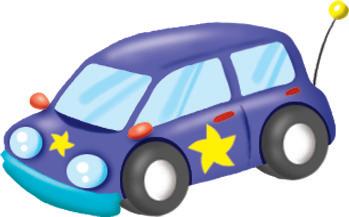
b) Leo wants to buy the toy car. He gives the cashier $50. He gets in change.
c) The marble costs less than the whistle.
d) The toy robot costs more than the toy car. P B Chapter 8: Exercise 2.2, pages 138–139
Unit 3 Problem Solving
You will learn to...
• solve 1-step word problems involving money
• solve non-routine problems involving money
3.1 Word problems
Let's Learn Let's Learn
1. Devi saved $29 in June. She saved $15 more in July. How much money did Devi save in July? $29 + $15 = $44 Devi saved $44 in July.
How much did Devi save in June? Did she save more or less in July? How much more or less? What do I have to find?
I can draw a bar model to show the amounts of money Devi saved.
If 29 + 15 = 44, then 44 – 29 should equal 15. 44 – 29 = 15
Devi saved $15 more in July than in June. My answer is correct.
5
+ Plus Solve the problem in another way.
To add 15, count forwards 10 and then count forwards in ones using a number line.
$29 + $15 = $44 Devi saved $44 in July.
Compare the methods in steps 3 and 5. Which method do you prefer? Why?
2. A plate costs $2. Mrs Jones buys 4 such plates. How much money does she spend?
What is the cost of one plate? How many plates does Mrs Jones buy? What do I have to find?
1. Understand 2. Plan 3. Answer 4. Check 5. Plus
5
4 + Plus Solve the problem in another way.
Check if your answer is correct.
$8 – $2 – $2 – $2 – $2 = $0
My answer is correct.
$2 + $2 + $2 + $2 = $8 She spends $8.
Compare the methods in steps 3 and 5. Which method do you prefer? Why? 1. Understand 2. Plan 3. Answer
Let's Do Let's Do
Solve the word problems. Use or draw bar models to help you. Show your work clearly.
Next, try solving each problem in a different way. Which method do you prefer? Why?
1. Understand 2. Plan 3. Answer
1. Andy buys some pies for $21. Each pie costs $3. How many pies does he buy?
2. Isla has 90c. She spends 60c on a lolly. How much money does Isla have left? $21 $3
Solve the word problems. Show your work clearly.
1. A cake costs $9. Mr Davis buys 2 such cakes. How much money does he spend?
2. Paul spends $42. He spends $16 more than Joe. How much money does Joe spend?
3. Mrs Lee buys 5 notebooks for $20. The cost of each notebook is the same. How much does each notebook cost?
4. Vicky bought a hair clip for 60c. She got 10c in change. How much money did she give the cashier?
5. Aaron spends $12 on some mangoes. Each mango costs $2. How many mangoes does he buy?
CREATE YOUR OWN
$16 + $24 = $40
Read the addition sentence above. Write a word problem for the addition sentence. How did you come up with the word problem? What did you learn?
Answer varies. Sample: Emily buys a cap and a bag. The cap costs $16 and the bag costs $24. How much does she spend altogether?
3.2 Mind stretcher
Rachel has 6 notes.
The notes are $5 and $10 notes only. She has $50 altogether.
How many $5 notes and how many $10 notes does Rachel have?
4 Let's Learn Let's Learn
1 Plan what to do.
2 Work out the Answer
I can make a supposition Understand the problem.
How many notes does Rachel have?
How much money does she have altogether?
What do I have to find?
3 Check if your answer is correct.
Suppose all of Rachel’s notes are $10 notes.
6 × $10 = $60
If all her notes are $10 notes, Rachel will have $60.
$60 – $50 = $10
If Rachel has six $10 notes, she will have $10 more.
$10 – $5 = $5
For every $10 note that is replaced with one $5 note, she will have $5 less.
$10 ÷ $5 = 2
For Rachel to have $50, two $10 notes should be replaced with two $5 notes.
6 – 2 = 4
So, Rachel has two $5 notes and four $10 notes.
2 + 4 = 6
2 × $5 = $10
4 × $10 = $40
$10 + $40 = $50
My answer is correct.
+ Plus Solve the problem in another way.
Guess and check the number of $5 notes and $10 notes that Rachel has.
Guess 1: Rachel has three $5 notes and three $10 notes.
3 × $5 = $15
3 × $10 = $30
$15 + $30 = $45
$45 is less than $50. Guess 1 is not correct. There should be more $10 notes.
Guess 2: Rachel has two $5 notes and four $10 notes.
2 × $5 = $10
4 × $10 = $40
$10 + $40 = $50
Guess 2 is correct. So, Rachel has two $5 notes and four $10 notes.
Compare the methods in steps 3 and 5. Which method do you prefer? Why?
Let's Do Let's Do
A hotdog costs $2 and a burger costs $3.
Violet buys the same number of hotdogs and burgers. She gives the cashier $50 and receives $15 in change. How many hotdogs and burgers does she buy altogether?
Strategy: Draw a bar model.
$2 + $3 = $5
The total cost of a hotdog and a burger is $5.
$50 – $15 = $35
Violet spends $35 on the hotdogs and burgers.
$35
$5
$35 ÷ $5 = 7
She buys 7 groups of a hotdog and a burger.
7 + 7 = 14
Violet buys 14 hotdogs and burgers altogether.
I have learnt to... solve 1-step word problems involving money solve non-routine problems involving money
>> Look at EXPLORE on page 182 again. Fill in column 3. Can you solve the problem now?