The mom behind PiccoliNY on family, culture, and traditions
• AFTERSCHOOL PROGRAMS • ESSENTIAL SCHOOL RESOURCES • BACK-TO-SCHOOL READINESS
FEATURES
12 | Education
Back to school readiness checklist
26 | Self Care
How to calm your nervous system
30 | After-school
Best after-school programs
32 | Expert Roundtable
Honoring differences in learning styles, abilities, and personality this school year
34 | Cover
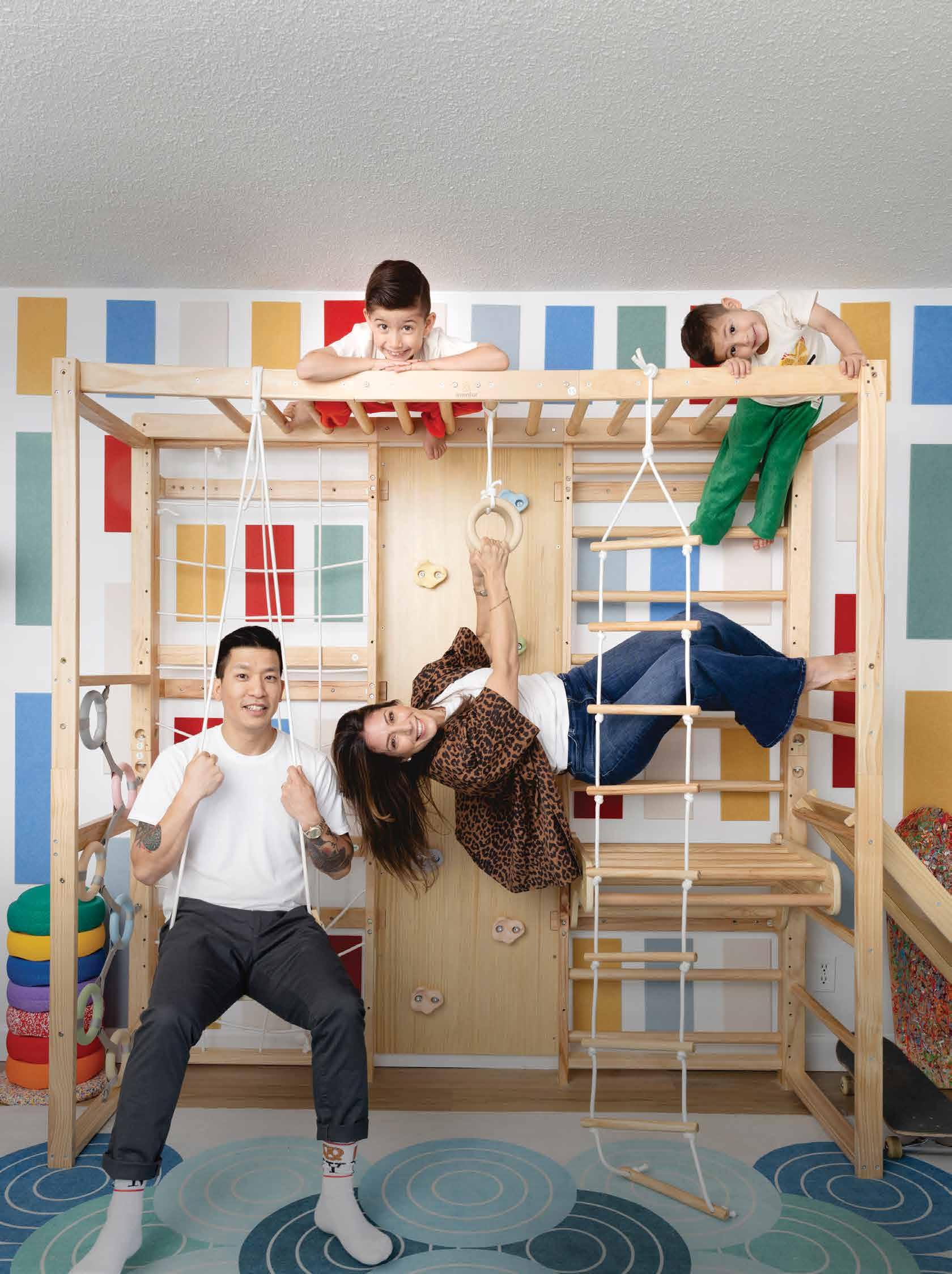
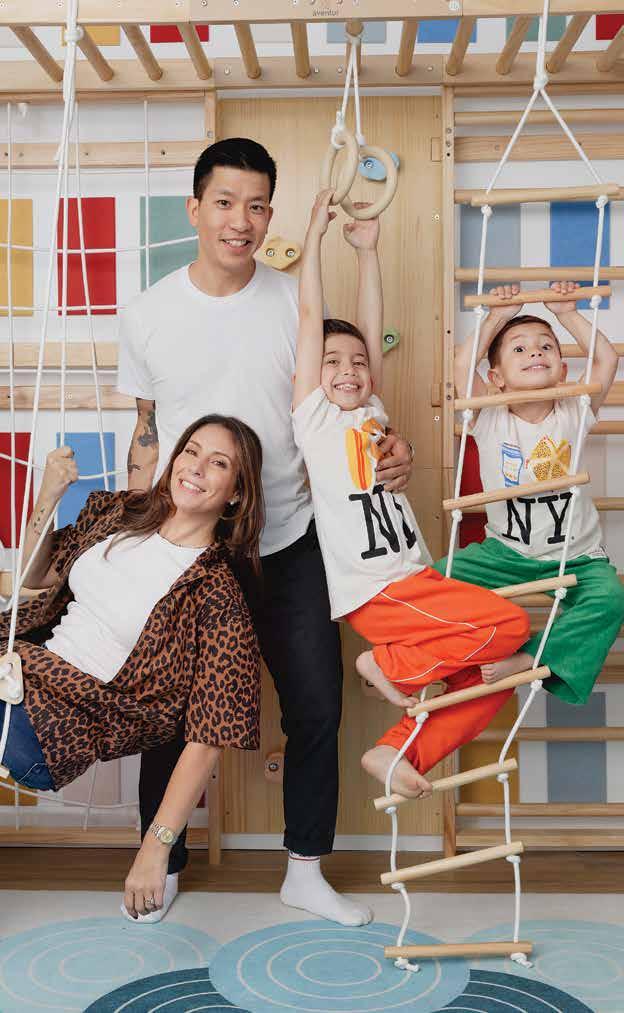
Meet Alex Zagami NG, the mom behind PiccoliNY
STORIES & COLUMNS
6 | Editor’s Letter
18 | Health
The checkups moms keep putting off (and why you shouldn’t)
24 | Education
New York just made CUNY and SUNY colleges more affordable
28 | Family Fun
The Moomins take over the New York Botanical Garden this summer
38 | Mom Stories
Closing out summer
FAMILY FUN
22 | Family Fun
Lazy rivers, big Splashes & 12 tubing trips to end summer right
36 | Calendar
The best family-friendly events happening this month
ON THE COVER
Photo: Yoko Haraoka | @yocoland | yokoharaoka.com
Hair & Makeup: Buffy Hernandez | @buffyhernandez | buffysaintmarie.com
On Alex: Mother Denim
Kids’ outfits: PiccoliNY, Mini Rodin
Summer Shift
August always feels like New York’s inbetween month.
We’re still chasing summer adventures, squeezing in more ways to enjoy NYC, to cool off, enjoy adventures, soak up more sunshine, spend time with family, just MORE before back-to-school brings us back to a routine.
That’s exactly what this issue is built around, starting with:
This month’s cover mom, Alex Zagami Ng (page 34), shares how her beloved brand, PiccoliNY, is a love letter to its neighborhoods, family traditions, and the community that makes this city unlike anywhere else.
And with back-to-school on the horizon, we have you covered. Check out our Back-to-School Readiness List (page 12), amazing after-school programs (page 30), and education resources throughout this issue to guide you through the upcoming school year.
And because summer isn’t over just yet, check out fun tubing trips and lazy rivers (page 22). And since many of us are staying close to home, and the whimsical Moomins exhibit (page 28)at the New York Botanical Garden. There’s still plenty of time to make memories before the first school bell rings.
Here’s to soaking up a little more summer before the backpacks come out. In the meantime, we hope this issue helps your family step into the new school year feeling inspired, prepared, and ready for whatever comes next.
New York Family
PUBLISHER: Clifford Luster
EDITORIAL DIRECTOR: Donna Duarte-Ladd
ASSOCIATE PUBLISHER: Erin Brof
ADVERTISING DIRECTOR: Stacie Goldberg
EDITORIAL LEAD: Jeannine Cintron
DEPUTY EDITOR: Danielle Ramos
EVENTS EDITOR: Shara Levine
ASSOCIATE DIGITAL EDITOR: Soe Kabbabe
EDITORIAL ASSISTANT: Alexa Lutter
PARTNERSHIP MANAGERS: Lauren Alperin, Lauren Anchin, Mary Cassidy, Chris Cunnington, Lori Falco, Shelli Goldberg-Peck, LynnMarie Hanley, Lisa Herlihy, Janine Mulé, Nina Spiegelman, Gwen Tomaselli
MARKETING & STRATEGY DIRECTOR: Rosalia Bobé
MARKETING & EVENTS
COORDINATOR: Ashley Rivera
MARKETING ASSISTANT: Lorens Morris
MEDIA SALES ASSISTANT: Ruston Ropac
ART DIRECTOR: Leah Mitch
WEB DEVELOPER: Sylvan Migdal
GRAPHIC DESIGNERS: Arthur Arutyunov, Connie Sulsenti
EDITORIAL CONTRIBUTOR: Soe Kabbabe
CONTACT INFORMATION
ADVERTISING: (718) 260-4554
Advertising@NewYorkFamily.com
CIRCULATION: (718) 260-8336
Tina@NewYorkFamily.com
ADDRESS:
New York Family Media/Schneps Media 15 MetroTech Center, Seventh Floor Brooklyn, NY 11201
PRESIDENT: Victoria Schneps-Yunis
CEO: Joshua Schneps
COO: Clifford Luster
New York Family is the recipient of 7 Parenting Media Awards for 2025, including Gold awards for both Design and Editorial for our monthly print publication.
GET IN TOUCH
Share your feedback and ideas about family life in New York! Email us at editorial@newyorkfamily.com and tag us at #newyorkfamily
Friends Academy: Where Integrity Inspires Excellence
A thoroughly modern education deeply rooted in timeless Quaker values
At Friends Academy, students are challenged to reach their full potential and cultivate a lifelong love of learning by rigorous academic programs that balance intellectual depth and real-world relevance. Now in its 150th year, the school prepares students to step confidently into college and ultimately make the world a better place as ethical leaders.
Located on the North Shore of Long Island, Friends Academy is an independent, coeducational, college-preparatory Quaker day school that serves students from Early Childhood through Grade 12. The school is located on a stunning 65-acre wooded campus with dedicated Lower, Middle, and Upper School spaces, a performing arts center, athletic facilities, and nature trails.
Grounded in its Quaker heritage, Friends Academy boasts a vibrant community built on respect, empathy, and inclusion that fosters lifelong friendships and empowers students to discover who they are. Each week, students attend a Quaker Meeting to reflect silently on their lives, listen to wisdom shared by peers, share their own thoughts in a contemplative space, and grow their capacity for critical thinking and authentic self-expression.
This maturation is a hallmark of the Friends Academy experience. Traditionally, most high school students go to college to find themselves. Friends Academy students leave home knowing who they are and what they love to explore. This growth happens with the support of caring, engaged, and passionate teachers — more than 75% of the faculty at Friends Academy hold advanced degrees — and with the support of the school’s prestigious College Office, which helps students design individualized pathways for discovery and success.
To be sure, each student’s journey at Friends Academy ends the same way. Every spring, the Upper School sends 100% of its graduates to many of the top colleges and
universities across the nation and around the world. For some, that journey begins in the Lower School, where dedicated teachers give students the tools to become lifelong learners while nurturing their social and emotional growth. For others, it begins in either the Middle or Upper School, where students learn how to engage with big, complex questions and consider diverse perspectives. They learn to not simply seek answers but how to ask bigger, better, deeper questions.
In addition to academic rigor and moral purpose, Friends Academy offers lifechanging opportunities in both athletics and the arts.
Student-athletes have garnered
numerous state and local championships throughout the school’s history, and Friends Academy is the only private school that participates in the extremely competitive Long Island public school league — a bonus that requires less travel to away games and more time to balance academics. On the theater stage and in creative studios, students develop their talents as actors, musicians, artists, dancers, and well-rounded performers.
Enrollment spots for the upcoming school year are extremely limited. Prospective families looking to enroll students for the 2027-28 school year are invited to discover more by attending one of Friends Academy’s Open Houses in the fall.
Please save the date for the Open House that aligns with your corresponding grade level: Lower School (Age 3 through Grade 4) on October 20; Middle School (Grades 5 through 8) on October 21; and Upper School (Grades 9 through 12) on October 22. All Open Houses begin at 9:30 a.m. and are RSVP only. Please call 516-393-4244 to RSVP or for more details.
More than a school, Friends Academy feels like a second home where students are taught how to think critically, act ethically, lead with purpose, carry themselves with confidence, impact their community, and make the world a better place..
Congratulations, Friends Academy Class of 2026
CLASS OF 2026 MATRICULATION
Berklee College of Music
Barnard College
Boston College
Brown University
Bucknell University
Buffalo State University-SUNY
Carnegie Mellon University
Coastal Carolina University
Colgate University
Cornell University
Duke University
Elon University
Emory University
Fairfield University
Fashion Institute of Technology
Hartwick College
Harvard University
Haverford College
Interlochen Center for the Arts
Lehigh University
Middlebury College
New York University
Northeastern University
Penn State University Park
Pitzer College
Savannah College of Art and Design
Schreyer Honors College at Penn State University
Skidmore College
Southern Methodist University
Syracuse University
Temple University-Japan
The George Washington University
Trinity College
Trinity College Dublin
Tulane University
Union College
University at Albany-SUNY
University of California-Los Angeles
University of Chicago
University of Florida
University of Maryland
University of Miami
University of Michigan
University of Notre Dame
University of Southern California
University of Texas at Austin
University of Wisconsin-Madison
Vanderbilt University
Wake Forest University
Washington University in St. Louis
Wesleyan University
Williams College
The Knox School: Where Compassion Ignites Ambition
At The Knox School, education begins with a simple but powerful belief: students thrive when they feel seen, valued, and understood.
Located on a beautiful waterfront campus on the North Shore of Long Island, The Knox School is a co-educational boarding and day school serving students in grades 6–12. Since 1904, Knox has provided a close-knit, globally inclusive learning environment where students are known as individuals and supported as they grow into confident, capable, and purpose-driven young adults.
What distinguishes Knox from other independent schools is not simply the opportunities available to students, but the philosophy that guides them. This School’s mission is to deliver a globally inclusive and student-centered education, guided by compassion and enriched with arts and athletics to cultivate academic excellence, leadership, and self-confidence in every learner. At Knox, the core values— Excellence, Purpose, Integrity, and Compassion (EPIC)—provide the ethical compass that brings the School’s mission to life and shapes the experience of every member of the community.
Guided by administrators, educators and staff who genuinely care about the well-being and success of every student, Knox students learn that Excellence is not about perfection but about striving to do their personal best and continuing to improve - every single day. They gain a sense of Purpose by learning the value of asking deep questions, exploring new ideas, and having the courage to discover new things. They practice Integrity by being honest, taking responsibility for their choices, keeping their word, and staying committed. And throughout the Knox community, Compassion is demonstrated through kindness, empathy, respect, and a genuine commitment to supporting one another.
Every Knox student follows an educational pathway shaped by their strengths, interests, and goals. With small class sizes, individualized academic planning, and dedicated faculty, students
receive the guidance they need to challenge themselves while discovering who they are becoming. Rigorous coursework, including Advanced Placement and dual enrollment opportunities, prepares students for the expectations of college while helping them build the confidence to succeed beyond the classroom.
Beyond academics, students are encouraged to explore the arts, athletics, leadership, and service. Whether performing on stage, competing as a Falcon athlete, creating in the studio, joining a club, or taking on a leadership role, Knox students are given many unique opportunities to discover new strengths and develop a greater sense of self.
College preparation is an essential part of the Knox experience. With personalized college counseling beginning in ninth grade, students and families are guided through each step of the admissions process with clarity and care. Knox graduates earn admission to a wide range of respected colleges and
universities, including top institutions across the United States and abroad. Just as importantly, they leave Knox prepared not only for acceptance, but for success.
At its heart, The Knox School is a community built on connection, trust, and belonging. It is a place where students are known, challenged, and supported— where ambition is nurtured through compassion, meaningful relationships, and opportunities that allow every student to grow with confidence and purpose.
For families seeking more than a school, Knox offers a true community— one where students are encouraged to dream boldly, work hard, care deeply, and discover the strength of their own potential. At Knox, students do more than prepare for the future. They begin to shape it, guided by Excellence, Purpose, Integrity, and Compassion. Because when students feel seen, valued, and understood, they gain the confidence to discover who they are—and the courage to become who they are meant to be.
BACK TO SCHOOL Readiness Checklist
BY JEANNINE CINTRON
PREPARE
Your child likely needs more than a new backpack and lunchbox for the first day. Purchase bento boxes, reusable water bottles, small ice packs, thermoses, pocket tissues, etc.
Stock up on breakfast and lunch supplies. If possible, plan your menus in advance to save time during the week.
Review schoolwork from the previous year. If it seems like your child needs to brush up on any subjects, and after two months off school, he or she surely might, put in some extra study time before the first day.
Prepare homework space. Buy new home supplies and organize the area where your child will be spending time completing assignments after school.
MEDICAL
Make sure all medical checkups are up-todate, including pediatrician, dentist, and optometrist.
ROUTINES
Practice the new bedtime routine and morning routine a week or so before school starts.
Mary Miele, learning and education specialist and CEO of Evolved Education Company, suggests creating pictures of tasks to do in the morning and night.
“Print them out and put them on the table. As your child completes them, turn the picture over,” she explained. “Older students can write tasks on note cards and do the same thing.”
Christine Hernandez, certified doula, early childhood and parenting expert, and founder of Allo Saratoga, recommends adjusting your child’s sleep schedule long before the night before the first day of school.
“We all know that summertime can bring a lot of fun and late nights catching fireflies, but as we gradually head back to the routine of fall, it’s really important to slowly–that’s the key–adjust your child’s sleep schedule back to the school-year time and routine,”
she said. “By gradually adjusting their sleep schedule back to a regular routine before school starts, you help them ease into the new academic year with less stress and fatigue. This transition allows them to be well-rested, alert, and ready to engage in school activities from the very beginning. Simply adjust their bedtime by a few minutes every night, starting a few weeks before school begins, and it won’t be such a fight the night before school begins.”
Set up a family calendar. This is a great way to prepare for what’s coming up and get everyone excited about the school year ahead.
“I recommend setting up a family calendar to organize everyone’s schedules, including school activities, extracurriculars, and important dates,” Hernandez explained. “Having a visual representation of the weekly routine helps everyone stay on track and manage time effectively. We all know those first few weeks back to school are chaotic, so set everyone up for success with a family calendar.”
Diana Ross
As the first day approaches, limit time spent on electronic devices and increase daily reading time.
Also, Miele said that for students who have phones, text them a note with their morning, evening, and weekly afterschool activity routines for easy reference. Be sure to include daily and weekly chores, as doing chores is an excellent way to prepare children for adult life and build executive functioning.
Brainstorm some new ways to ask “how was your day” when kids get home from school. Asking more specific questions will help you understand how well your child is doing in a new class, new school, with new teachers, etc.
Re-establish meal times that match school hours. This includes breakfast, lunch and dinner times.
“Having regular meal times helps regulate energy levels and prepares the body for the school day,” Hernandez said. “It will help prepare everyone for the upcoming year, so start establishing these meal times a few weeks before school begins to gradually get back into the routine.”
SAFETY
Review safety procedures for walking to school or getting on and off the school bus.
If your child is attending a new school, do a practice run to familiarize him or her with the new surroundings.
FIRST DAY
Prepare the night before. Set the breakfast table, pack lunches, lay out clothes, organize supplies and fill book bags.
Make a list. Memorize new class numbers and teachers’ names.
Double, triple, and quadruple check your supply list. Make sure you have everything your child will need for the first day.
Summer homework check-in. Make sure all summer homework assignments have been completed.
For younger children or those with firstday jitters, read a book together the night before about starting school.
Popular titles include Wemberly Worried by Kevin Henkes, The Kissing Hand by Audrey Penn, We Don’t Eat Our Classmates by Ryan T. Higgins, and Llama Llama Misses
COUNTRYSIDE MONTESSORI SCHOOL
Mama
by Anna Dewdney.
ACADEMICS
Stock up on books. Once the school year starts, provide access to books and make time for reading, Miele said.
“Even 20 minutes on weekend days will help,” she said.
Talk about news articles with your children. Miele recommends Newsela as a great resource. Also, preview math courses and skills.
For older students, meet with your child and create an approach to studying, homework, and scheduling that everyone agrees on.
“Be sure that when you create a system, you all follow it with fidelity. Keep in mind that many middle and high school students need time on the weekends to do homework and study,” Miele said. “Create a family plan for this before school begins, with clearly outlined expectations that everyone can agree upon. Discuss and clarify phone and video game time limitations and discuss any concerns.”
MAKEYOUR HISTORY
450 yearsunparalleled education in New York of has arrived
The Green Vale School: Where Every Child is Known
The Green Vale School is Long Island’s preeminent independent school for Pre-Nursery (age 2) through 8th Grade. Founded in 1923, Green Vale has built a century-long tradition of educational excellence, nurturing students across three divisions: Early Childhood (PreNursery through Kindergarten), Lower School (1st-5th Grade), and Upper School (6th-8th Grade). With an expansive 40acre campus as their backdrop, students are encouraged to explore, discover, and flourish at every stage of their journey.
Guided by the motto Optima Durant, meaning “the best endures,” Green Vale is committed to elevating learning through an environment where every child is known, and where academic excellence, strength of character, and a sense of fun are actively cultivated. This guiding philosophy shapes every aspect of school life, from the classroom to the playing field, ensuring that students are not only prepared
academically but equipped with the values and skills they need to thrive throughout their lives.
At the heart of Green Vale’s approach is a clear and powerful mission: to inspire and challenge Pre-Nursery through 8th Grade students to be their best, cultivating intellect, character, and confidence as a foundation for success. Green Vale is, above all, a joyful school community where every child is known.
Green Vale’s vision extends beyond the classroom. The School aspires to be a model for Pre-Nursery through 8th Grade educational excellence, inspiring graduates to put ideas into action for the greater good. This is achieved through a culture of continuous learning, led by a dedicated faculty and marked by a commitment to research, learning design, and diverse perspectives.
Central to the Green Vale experience are five core values that guide students and educators alike: Community, Character,
Respect, Reflection, and Resourcefulness. These values are not simply words on a page; they are actively woven into the daily life of the School. Students learn that belonging to something larger than oneself is an enduring source of strength, that character is defined by kindness, integrity, and inclusivity, and that respect for diverse backgrounds and perspectives makes the entire community stronger. Through reflection, they develop the critical thinking skills essential for personal and academic growth, and through resourcefulness, they build the perseverance needed to seize opportunities and meet challenges head-on.
The result is a graduate who is curious, confident, and compassionate, ready to make a meaningful impact on the world.
To learn more about The Green Vale School, visit greenvaleschool.org or attend their Fall Open House on Saturday, October 3, 2026.
The Checkups Moms Keep Putting Off
and why you shouldn’t!
BY DANIELLE RAMOS
Between all the annoying tasks moms have to do day in and day out, adding another to our calendar, like a regular checkup, isn’t always high on our priority list, but it should be.
The truth is that skipping your own checkups isn’t just bad for you; it’s also bad for everyone who depends on you. And the frustrating truth about a lot of serious health conditions is that they don’t always announce themselves. That’s exactly why routine physicals and screenings exist – to catch something before it goes south.
We talked to Dr. Meleen Chuang, Medical Director of Women’s Health at the Family Health Centers at NYU Langone, to get her straight-talking advice on what checkups moms actually need, when to get them, and how to stop putting yourself last.
To help us understand why these checkup appointments are so important (and how to make the most of them), we spoke with Dr. Meleen Chuang, Medical Director of Women’s Health at the Family Health Centers at NYU Langone. Dr. Chuang shares what to expect at different ages, why prevention is powerful, and how parents can model healthy habits for the whole family.
Why are annual physicals so important, especially for busy moms?
Busy moms often put their family’s needs before their own. Annual checkups are often overlooked because you may feel perfectly fine. However, annual checkups are important for early detection and prevention of health issues.
Annual physicals are important because they allow for early detection of health conditions with no symptoms, such as certain cancers or illnesses. Preventative care gives you the opportunity to keep your health in top shape, such as getting updated vaccines, monitoring and treating chronic conditions,
and improving your lifestyle (eating, exercise, mental health).
Building a good relationship with your health care provider is also a part of your annual physical. The more your doctor knows about you, the easier it is for your doctor to give you personalized and comprehensive health advice.
What are the most important screenings and checkups women should be getting at
different life stages?
While specific recommendations can vary based on individual health history and risk factors, there are general guidelines. Regular basic checkups typically include monitoring your blood pressure to detect hypertension, checking cholesterol levels to assess heart disease risk, and screening for diabetes to keep blood sugar levels in check.
Staying up-to-date on recommended vaccinations is key to maintaining immunity,
while mental health screenings can help identify and address issues like anxiety, depression, and stress. Lifestyle counseling is also valuable for discussions on smoking cessation, weight management, and nutrition. Finally, don’t forget about dental health—seeing a dentist once or twice a year for an exam and cleaning can help catch potential problems early.
Well Woman Exams:
Starting at Age 21
From age 21 and beyond, it’s important to keep up with your annual well-woman exam. This typically includes a review of your medical history, checks on vital signs, a physical exam, and assessments like a breast exam, skin exam, and eye and hearing tests. Your doctor will also monitor for signs of pre-diabetes, pre-hypertension, and track your weight and thyroid function. They’ll discuss your eating habits, lifestyle choices (like smoking, alcohol, and drug use), and the importance of staying active.
In addition, these tests should be performed:
– Pap Smear: Done during a pelvic exam to detect early signs of cervical cancer
– Infectious/STI Screening:
Recommended if sexually active or with new partners
– Chlamydia and Gonorrhea: For women 25 and older, screening is recommended if at high risk.
– Hepatitis C: One-time screening for all adults aged 18 to 79.
– HIV: One-time screening for all adults aged 15 to 65.
– Cervical Cancer Screening: Starts at age 21
– Pap test every 3 years for women ages 21-29
– Pap test every 3 years, HPV test every 5 years, or both every 5 years (“co-testing”) for women ages 30-65
– Continue Pap tests for 20 years after treatment for cervical dysplasia or until age 65, whichever is longer
Midlife and Beyond:
Additional
Health Considerations
In addition to the exams and screenings mentioned earlier, women in midlife and beyond should pay attention to the following health check-ups:
Cancer Prevention Screenings:
– Mammogram: Regular breast cancer screenings (typically every 1–2 years for women 40 and older).
– Colorectal Cancer Screening: Starting
"Many people skip checkups because they feel healthy, but this can be a risky approach. Prevention and early detection are important because catching and treating diseases early significantly improve health outcomes and can lead to less invasive treatment options."
at age 45, or earlier if you have a family history or other risk factors.
– Lung Cancer Screening: For those at high risk, usually smokers or former smokers.
Menopause Management: Annual exams are crucial for managing symptoms related to menopause (hot flashes, mood changes, etc.), as well as for addressing associated health risks (like osteoporosis and heart disease). This is also the time to discuss options such as hormone replacement therapy (HRT).
Cholesterol Screening: Begins around age 45 for women with no known risk factors for coronary heart disease. More frequent screening may be needed depending on health status.
Dental Exam: Visit the dentist once or twice a year for an exam and cleaning to maintain oral health.
Prediabetes and Type 2 Diabetes Screening: Begin screening at age 35. If you are overweight or have obesity, screenings should be repeated every three years.
Eye Exam: Have an eye exam every 5 to 10 years before age 40. After 40, you may need them more frequently depending on your eye health.
How can moms make the most of their annual checkup?
Gather relevant information: Be ready to discuss any changes in your medical history, including new diagnoses, recent vaccinations, or surgeries.
Bring a list of medications: Include all prescription medications, over-the-counter drugs, supplements, and vitamins you are currently taking.
Share family medical history: Inform your doctor about any new health issues diagnosed in your close family members, as this can indicate a genetic predisposition.
Discuss lifestyle habits: Be honest about your exercise, smoking, and drinking habits, as these are important for your doctor.
Bring any health data: If you track your blood pressure, keep a food log, or use a symptom tracker, bring this information to share with your doctor.
Schedule related appointments in
advance: If you know you need bloodwork or other screenings (like a mammogram), try to have them done before your physical and bring the results with you for review.
Be honest: Your doctor is there to help, not to judge. Be open and honest about your health and lifestyle.
Advocate for yourself: Don’t hesitate to ask for clarification, discuss options, or seek referrals to specialists if needed.
A lot of people skip checkups because they feel fine. What would you say to those folks about why prevention and catching things early matter?
Many people skip checkups because they feel healthy, but this can be a risky approach. Prevention and early detection are important because catching and treating diseases early significantly improve health outcomes and can lead to less invasive treatment options. Regular checkups allow for the early identification and management of chronic conditions like hypertension and diabetes, preventing them from getting worse.
Annual exams are a proactive step towards maintaining long-term health. Rather than waiting for an illness to force you to seek care, regular visits create a record of your health over time.
If you could give moms one simple but powerful piece of advice to take care of their health, what would it be?
Taking care of your own health isn’t selfish – it’s essential for you to continue being there for your family. If you don’t look after yourself, you won’t be able to look after others.
Dr. Meleen Chuang is the Medical Director of Women’s Health at the Family Health Centers at NYU Langone, where she provides compassionate care to women of all ages. With a deep passion for women’s health, Dr. Chuang specializes in managing conditions like polycystic ovary syndrome and abnormal cervical dysplasia, offering proactive and patient-centered care that ensures her patients are well-informed and actively engaged in their health decisions.
The YMCA of Long Island's Early Childhood/Preschool Programs provide a safe, supportive learning environment for young children to develop social skills. Our engaging curriculum encourages exploration, experimentation, and learning through various activities.
YMCA of Long Island's Before and After School Programs excel in unlocking children's full potential through a positive environment, empowering them with academic support, various activities, homework help, and more.
Cool River Tubing & Rafting Trips
BY MAYA LAIDLER AND ALEXA LUTTER
As we go into the last weeks of summer, there’s still time to plan one more family adventure before school begins. River tubing is one of the best ways to soak up the remaining warm-weather days, whether you are looking for a relaxing float through nature or an exciting whitewater ride. From the Hudson Valley and Catskills to Pennsylvania, Connecticut, and beyond, these scenic tubing destinations make easy day trips or weekend escapes from Westchester, Long Island, Staten Island, and the greater New York area.
Ready to paddle, splash, and float? Here are 12 family-friendly river-tubing and lazy-river adventures perfect for making the most of summer before fall arrives. Be sure to check each location’s website for updated hours, age requirements, and weather conditions before visiting.
Delaware River Tubing Adventures
Edge of the Woods Outfitters watergapadventure.com/river-trips
Explore the scenic Delaware Water Gap on a self-guided tubing adventure with beautiful mountain views, swimming spots, and wildlife sightings along the way. Choose from 4-mile, 6-mile, or full-day 10- to 16-mile trips, with options suitable for families and adventurous floaters alike. Ages 3 and up.
Twin Rivers Tubing twinriverstubing.com
This family-owned tubing outfitter launches from historic Easton, Pennsylvania, for a relaxing three-hour float along the Delaware and Lehigh Rivers. Enjoy calm waters, waterfalls, and picturesque scenery that make it a favorite summer day trip.
Bucks County River Country rivercountry.net
Float peacefully down the Delaware River with a variety of tube options, including singles and doubles for families and friends. This laid-back tubing experience is perfect for those looking for a relaxing day outdoors.
Lander’s River Trips
landersrivertrips.com
Spend the day floating from Skinners Falls to Narrowsburg on a five-mile tubing route known for its gentle rapids and scenic riverbanks. Guests can also stop to relax along the shore and repeat sections of the rapids throughout the day.
Silver Canoe & Whitewater Rafting silvercanoe.com
Located between the Catskills and Poconos, this leisurely three-mile float combines calm drifting with fun splashes through light rapids. Tubers will pass under bridges and take in beautiful mountain scenery along the way. Ages 12 and up.
Indian Head Canoes
indianheadcanoes.com
For those looking for more excitement, Indian Head Canoes offers thrilling whitewater tubing on the Delaware River. Guests can even bring a cooler along for the ride. Participants must weigh at least 65 pounds.
Lehigh River Adventures
Whitewater Rafting Adventures
adventurerafting.com
This three- to four-hour rafting experience on Pennsylvania’s Lehigh River includes several beginner-friendly rapids, making it a great option for adventurous families. Expect exciting splashes while paddling through scenic Pocono landscapes.
Jim Thorpe River Adventures jtraft.com
Choose from Easywater, Intro to Whitewater, or Big Time Whitewater experiences depending on your comfort level. The Easywater option is especially ideal for younger children and first-time rafters looking for a gentler ride.
Connecticut River Tubing Farmington River Tubing farmingtonrivertubing.com
Located near Hartford, Connecticut, this tubing destination features a 2.5-mile float complete with three sets of whitewater rapids. Riders use specially designed river tubes for an exciting but family-friendly adventure.
Bonus Tubing Trips Worth the Drive Wild Waters wildwaters.net
Located on the Sacandaga River, this rafting trip begins near Stewarts Dam and immediately launches guests into exciting waves and splashes. The two-hour experience is ideal for families seeking a more thrilling day on the water.
Sacandaga Outdoor Center 4soc.com
Adventure seekers can tackle Class II and Class III whitewater rapids on this exciting tubing route. Expect fast-moving water, rolling waves, and narrow passages that require a bit more maneuvering and confidence.
Helen Keller Services Brings Children’s Learning Center to Long Island
The Helen Keller Services Children’s Learning Center is opening two new locations on Long Island in 2026, in Islandia (Suffolk County) and Plainview (Nassau County). The specialized preschool program serves children ages 3 to 5 with complex developmental needs, including visual impairments, autism, Down syndrome, multiple disabilities, and other conditions that affect learning, communication, and development.
The program is distinguished by Helen Keller Services’ decades of expertise supporting children who are blind, have low vision, or are DeafBlind, a depth of specialization that enhances the learning environment for every child enrolled. Every classroom is supported by a full multidisciplinary team, including Special Education Teachers, Speech-Language Pathologists, Occupational Therapists, Physical Therapists, Teachers of
the Visually Impaired, behavioral support staff, a full-time nurse, and social workers and family support staff.
The expansion arrives as a New York State Comptroller audit found that 83% of surveyed school districts maintain waitlists for preschool special education services due to a shortage of providers.
Each child’s program is built around their Individualized Education Program (IEP) in purpose-built classrooms featuring high-contrast visual environments,
specialized lighting, and acoustic design that supports language development. Full-day programming runs September through June, with Extended School Year summer programming available.
Once a child is approved by the Committee on Preschool Special Education (CPSE) in their local district, services are provided at no cost to families through New York State’s Section 4410 Preschool Special Education Program. Enrollment begins by contacting the family’s local school district to request an evaluation.
The CLC is now accepting referrals for its Islandia location, and information sessions for families will be announced in the coming months. Families with questions are encouraged to reach out.
This past May Governor Hochul signed a major education package as part of New York’s FY27 budget with several big and impactful changes for families with collegeage students, and maybe even themselves, too. Here’s what’s in it.
Tuition at SUNY and CUNY Is Frozen Tuition is staying flat for resident undergraduate students at SUNY stateoperated campuses and CUNY senior colleges, meaning families won’t see a tuition hike this year.
The state is also giving schools additional funding to help cover costs while keeping prices steady.
Free Community College Is Expanding
The SUNY and CUNY Reconnect program allows adult learners to attend community college for free when pursuing degrees in high-demand fields. It launched in 2025 and enrolled more than 12,000 students in its first year. In the past, students could attend community college for free if they pursued a degree in a high-demand field, like healthcare, cybersecurity, or advanced manufacturing. Now, the program is adding new eligible fields, including logistics, transportation, air traffic control, and emergency management. In big news for those who want to get into healthcare, adults who want to earn a nursing degree can now qualify even if they already hold a college degree in another field. This is a significant change for career changers
entering healthcare, especially for parents who want to re-enter the workforce.
Students Will Graduate with Work Experience
Under a new statewide initiative called New York Career Connect, SUNY and CUNY schools will be required to make sure every student graduates with real-world work experience by 2030. That could include internships, paid work placements, public service roles, and career advising that’s tied directly to a student’s major.
Emergency Aid Funds at Every Campus
Every SUNY and CUNY campus will now be required to have an emergency aid fund for students dealing with unexpected financial stress, like medical bills, housing issues, or family emergencies. The goal is to help students get support quickly so a sudden crisis doesn’t force them to leave school.
For more on SUNY and CUNY programs, visit suny.edu or cuny.edu.
How to Calm Your Nervous System
Sensory techniques & reset tips
BY SOE KABBABE
If you’ve felt more reactive than usual lately—quicker to snap, harder to settle at night, more exhausted but somehow still wired—you are not alone. And more importantly, you are not failing.Summer while in many ways replenishes us, it can also be a lot while the kids are on break, many moms are not simply “tired.” We are overstimulated at a nervous system level.
There’s a difference between being busy and being dysregulated. Stress can live in the mind. Dysregulation lives in the body. It shows up as tight shoulders you didn’t notice until bedtime. A shorter fuse during homework. Waking at 3 am with your mind racing through logistics. Feeling “touched out” by the end of the day but still unable to fully relax once the house is quiet.
Calming your nervous system isn’t indulgent. It’s maintenance. And it’s especially necessary right now. Moms need a reset. The good news? You don’t need a weekend away or a silent retreat. You need consistent sensory techniques and soothing approaches that tell your body it is safe.
Sometimes Being ‘Just Busy’ Can Take a Toll
Even if nothing dramatic has happened, your body may still feel like it’s been sprinting. That feeling of being “on” all day, making decisions, answering questions, solving micro-problems, accumulates. The nervous system doesn’t differentiate between a true emergency and chronic low-level overload. It simply registers activation—in other words, we get fed up!
Sensory Techniques That Gently Calm Your Nervous System
The nervous system responds to what it feels
more than what it thinks. That’s why pep talks or affirmations rarely work when you’re dysregulated, a.k.a. going crazy. Instead, focus on sensory cues—temperature, light, scent, touch, breath—to shift the body first and hopefully, the mind will follow.
The Low-Light Night Shower Reset
One of the simplest, most powerful resets happens at the end of the day. After bedtime, step into the shower and turn off the overhead lights. Leave the room dim, maybe illuminated only by a hallway lamp, flameless candles, or a small nightlight. The darkness softens visual stimulation immediately. Your body begins to register that the day is winding down.
Warm water hitting your shoulders helps release muscular tension you may not even realize you’re carrying. As you stand there, try inhaling slowly through your nose for a count of four, then exhaling for a count of six or seven. The longer exhale is key; it activates the parasympathetic nervous system, the part responsible for rest and restoration.
If you use a body wash with lavender, sandalwood, or eucalyptus, let the scent become your guide. Over time, your brain begins to associate that specific smell with exhale; softening and giving closure to any nervous thoughts and feelings.
This isn’t about creating a spa moment.
It’s about telling your body that the day is complete.
Gentle Cold Exposure to Recalibrate
If anxiety has been buzzing under your skin, try ending your shower with a brief cool rinse on your arms or legs. You don’t need an ice bath. Thirty to sixty seconds is enough. Cold exposure stimulates the vagus nerve, which plays a central role in regulating stress response.
Many women describe stepping out of that rinse feeling clearer, steadier, and more present. It’s not about toughness. It’s about signaling reset.
Scent as a Daily Anchor
Our sense of smell connects directly to the limbic system—the emotional center of the brain. That’s why certain scents can instantly shift mood or transport you to a memory.
Choose one calming scent and make it your daily anchor. A lavender roller applied to your wrists before school pickup. A subtle rose hand cream at your desk. A eucalyptus shower steamer you use only at night. A soft perfume worn just for yourself, even if you’re not leaving the house. Heck, even your children’s clothes when they were newborns or babies!
Each time you catch the scent, pause
for one intentional breath. You are creating a neural shortcut between that smell and regulation. It becomes a portable Pavlova effect every time you go back to it.
Five-Minute Nervous System Resets for Real Life
You don’t need an uninterrupted hour. You need small, repeatable moments.
Slow Touch Through Skincare
Instead of rushing through your nighttime routine, turn it into sensory regulation. Notice the temperature of the water when you cleanse. Feel the texture of serum as you press it into your skin rather than rubbing quickly. Massage your temples with moisturizer using slow, circular motions.
Touch—especially slow, intentional touch—lowers cortisol levels. The goal isn’t anti-aging or perfection. It’s communication. You are quite literally telling your body it is cared for.
Hair Brushing Before Bed
There is something surprisingly regulating
about brushing your hair slowly before sleep. The repetitive motion, the gentle scalp stimulation (and Heavens know we need it for hair growth!), the rhythm of it, all of it grounds the body in the present moment. It is a small ritual, but rituals build safety.
The Floor Reset
Lie flat on your back on the floor with your feet elevated on the couch. Place one hand on your chest and one on your belly. Close your eyes and stay there for three to five minutes. This position gently counteracts the subtle forward-leaning posture of stress. It allows your diaphragm to expand more fully. It signals to your brain that you are not under threat.
Many of us move through the day in a mild state of bracing. The floor reset interrupts that pattern. Sometimes, I’d go as far as stretching myself as if I were a butterfly. While I’m not a yoga expert, this type of movement helps me “reset” my heart and my soul, from an emotional perspective, and instantly relax.
Resetting before the new School Year
Since summer is winding down you may have noticed shorter patience, difficulty sleeping, feeling touched out or burned out, or craving silence in a way that feels almost urgent. These are not character flaws; they are physiological signals. When the external world has been loud and chaotic, the internal world needs quiet.
Maybe that means dimming the lights an hour earlier tonight. Maybe it means stepping outside alone for two minutes of cold winter air before dinner. Maybe it’s drinking tea from a real mug instead of finishing your child’s leftovers over the sink. These are not frivolous gestures. It’s about giving yourself what you deserve.
Calming your nervous system as a mom is not about escaping your family or adding another item to your to-do list. It’s about integrating moments of safety into your existing life. It’s about remembering that your body is not meant to live in constant vigilance. And when your body feels safe, everything else—patience, clarity, steadiness—becomes more accessible. The result? Happy mom, happy life!
Catch the Moomins!
at the New York Botanical Garden before their gone
BY DANIELLE RAMOS
There’s a difference between loving the Moomins and living them. Whether you grew up with Moominvalley or your kids have recently fallen down that rabbit hole, this brand new outing makes the leap from screen to real life.
The New York Botanical Garden is running its Summer of Moomin, and most of it is centered in the Everett Children’s Adventure Garden, which is already the part of the garden kids actually want to be in.
There are oversized Moomin characters set up around the space, a simple clue-based quest that gives kids something to focus on, and hands-on nature crafts they can sit and do. It’s structured enough to keep things
moving so you don’t get stuck in any one place, but also allows downtime so you don’t feel rushed either.
The stories have always been about exploring, being outside, and figuring things out along the way, which makes NYBG a pretty natural fit. The activation also runs alongside NYBG’s existing Flower Power exhibition, so you’re getting two things in one visit.
Why They Stick
Tove Jansson created the Moomins in 1945, and if you’ve kept up with the stories, you know they’ve lasted for a reason. It’s not really about the look as much as it is the warmth, slow pace, and the way nature runs through everything Jansson wrote. That’s partly
why they have held up in a way that a lot of franchise characters simply haven’t.
This installation is also a bit of a milestone and is one of the biggest Moomin moments the U.S. has seen. Also, NYBG and Moomin Characters have collaborated on exclusive merchandise, so there’s something to bring home, too.
Plan your Visit
The adventure runs May 23 through September 13 at the New York Botanical Garden in the Bronx. Keep in mind that the exhibits are a series of paths (if bringing a stroller or wheelchair) and nooks where the kids can explore, learn, and even visit a “Nature Theater” stand and a cottage. It truly is a beautiful experience.
The Everett Children’s Adventure Garden is included with garden admission. Mornings on weekdays are your best bet for smaller crowds. Check NYBG’s website closer to the time you plsn on visiting full programming details, craft schedules, and any ticketed events tied to the activation.
The school day may end in the afternoon, but some of the most meaningful learning happens long after the final bell rings. Afterschool programs give kids the chance to explore new interests, build confidence, develop friendships, and discover talents they may never have known they had. Whether it’s dance, music, theater, sports, STEM, or art, these activities help children grow in ways that go beyond the classroom. With the new school year just around the corner, now is the perfect time to find an activity that matches your child’s personality and interests. Fortunately, New York offers no shortage of incredible options. We’ve rounded up some of the area’s top afterschool programs, where experienced instructors create fun, engaging environments that encourage kids to learn, grow, and thrive both on and off the field, stage, or studio.
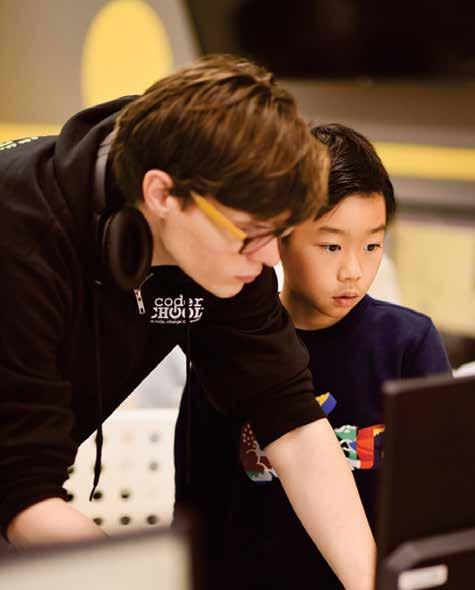
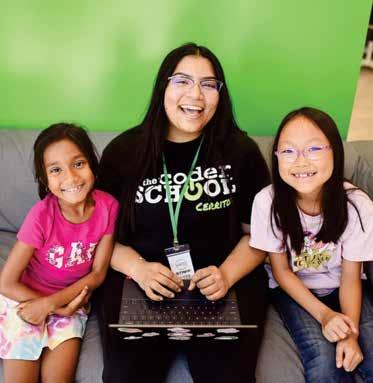
Since 2017, theCoderSchool has been empowering tech-savvy kids across Long Island through engaging, personalized coding instruction. With four convenient locations, students ages 6–18 learn to code in a fun, low-pressure environment, guided by expert Code Coaches®. Whether building games in Scratch, apps in Python and JavaScript, designing Roblox and Minecraft worlds, or creating with AI, kids gain real-world tech skills and confidence. And rather than just using AI, students learn to build with it—the skill that will define their generation. the CoderSchool offers year-round programs and exciting summer camps focused on creativity and problemsolving. Join the thousands of families who trust us to help their children thrive in a digital world. Ready to get started? Contact your nearest Long Island location today to schedule a free trial class!
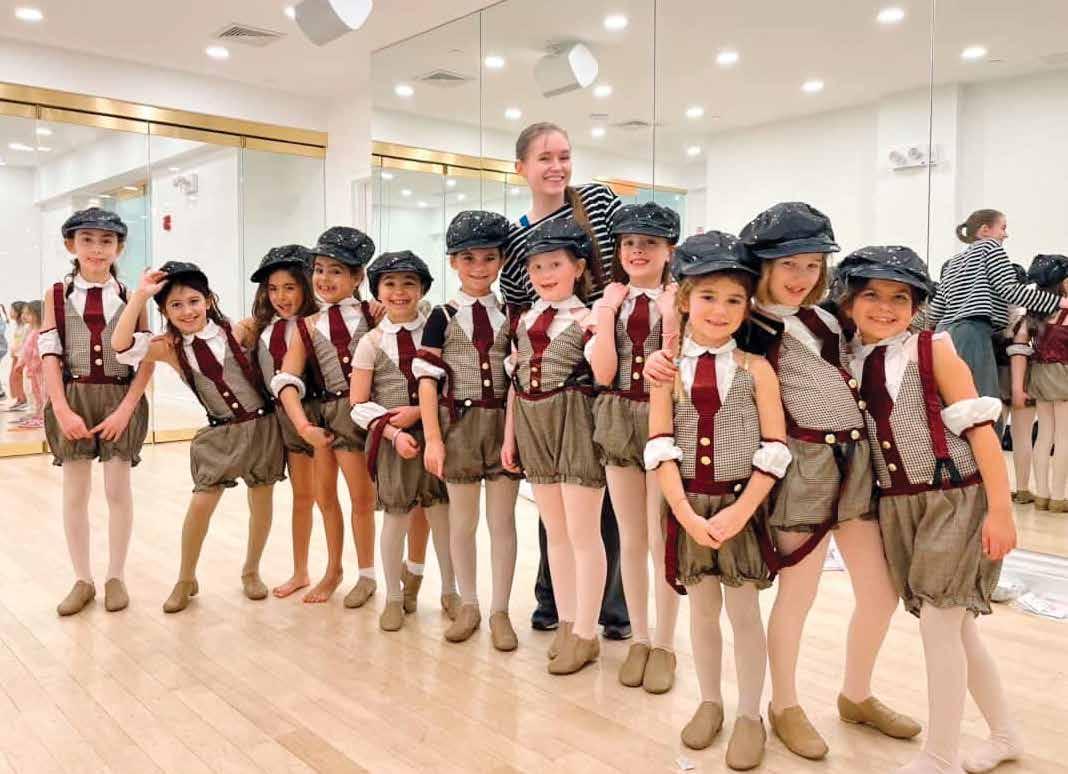
Dance Workshop offers everything from Mommy+Me classes to a competitive performance Company; Dance Workshop has something for everyone! Delivering world-class opportunities to train, learn, and perform with the best at the highest level. Classes for children to adults in Tap, Jazz, Ballet, Hip Hop, Lyrical, Musical Theatre & Acro! Company dancers are exposed to community events, top New York City Competitions & Conventions, Jumbotron moments on the fields of MLB, courts of the NBA, and halls of the NHL!
German Language School of Greater New York
Long Island classes held in Garden City and Franklin Square 212-787-7543, kidslearngerman@aol.com german-american-school.org
The German Language School of Greater New York* has taught German to children since 1892. The school welcomes children of all backgrounds. Lower grades receive bilingual instruction; upper grades are taught in German. Accredited by NY State Regents since 1911, the school’s students complete the FLAC exam. College-bound students take AP training, and pupils are encouraged to take A1/A2 exams. *dba German-American School Association
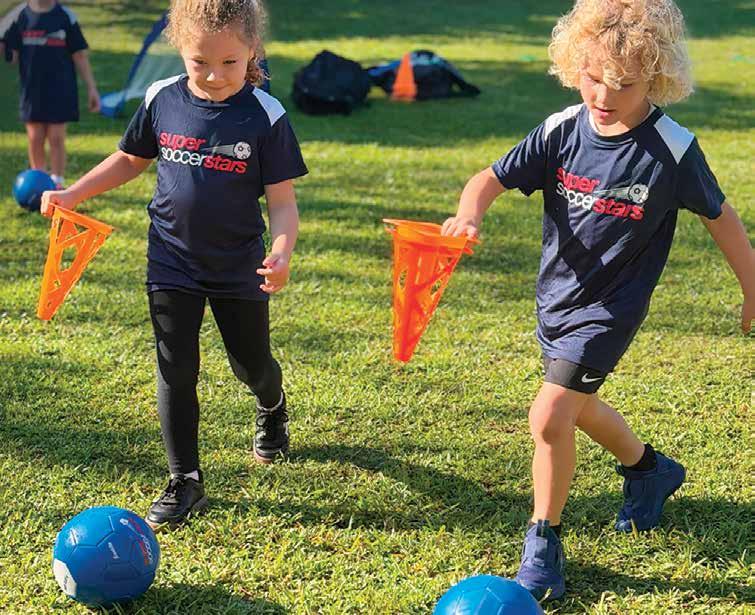
Soccer Stars of Long Island & Eastern Queens 20+ Locations across Long Island & Eastern Queens 516-766-5437, longisland@soccerstars.com soccerstars.com/longisland
Soccer Stars is a nationally recognized youth soccer program for children ages 1 through 12, designed to build confidence, coordination, and a love of the game. Trained coaches lead engaging, non-competitive classes that use age-appropriate curriculum to support development at every stage. Find a class near you and join the fun today!
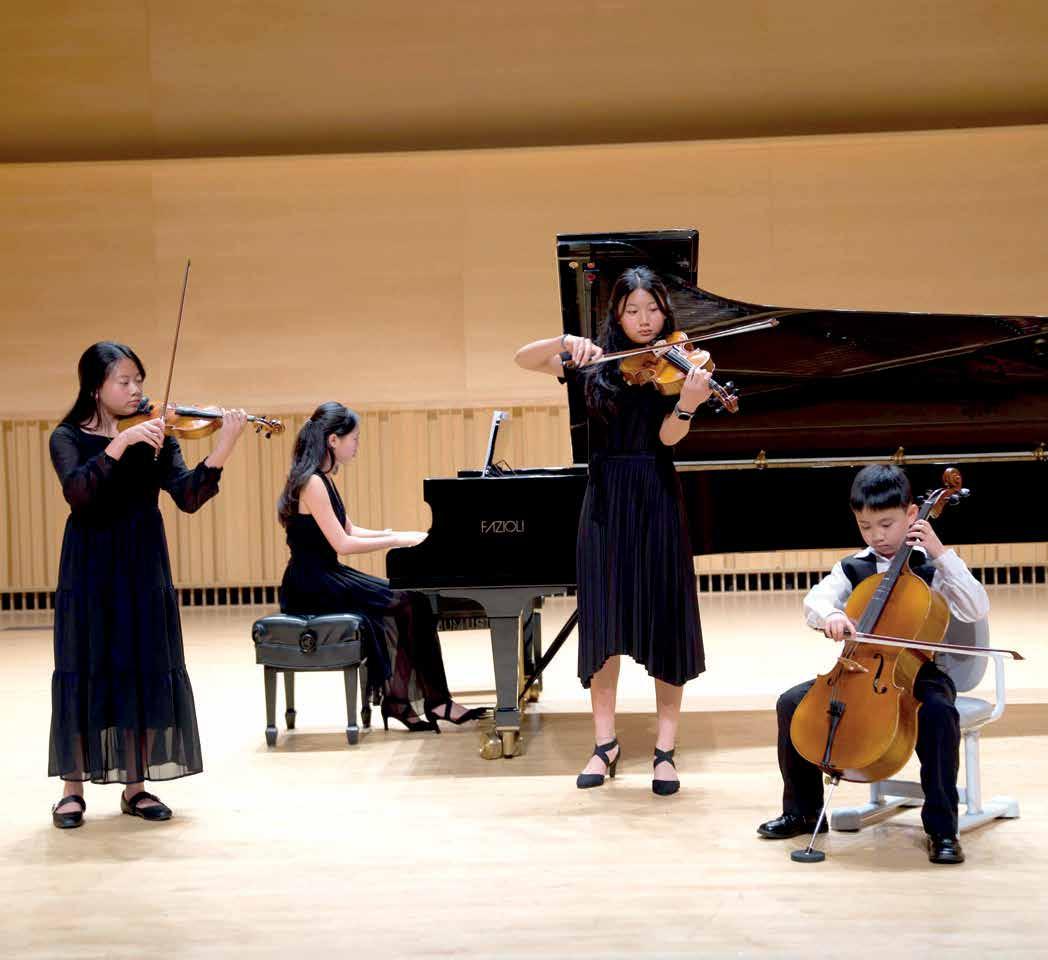
Music Institute of Long Island 90 Plandome Road, Manhasset 516-627-7052, miligirls@gmail.com milimusic.com
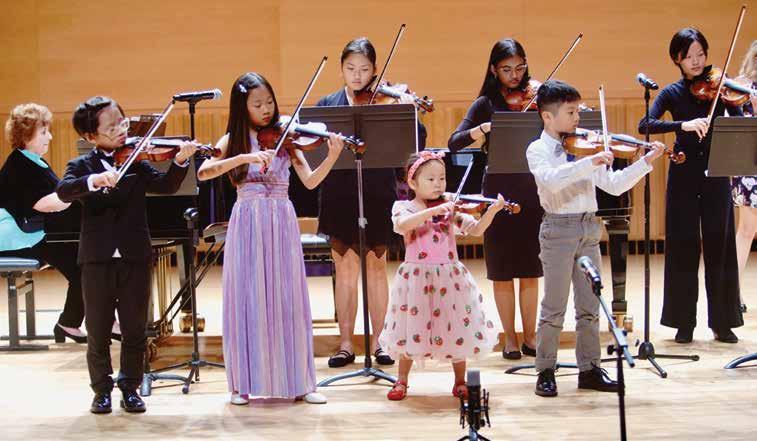
MILI is Long Island’s premier music school, consistently voted #1. Instrumental programs starting at age 3 and up include violin, viola, cello, piano, flute, clarinet, saxophone & voice. They teach the Traditional, Suzuki, and ABRSM methods. Students participate in All-National, All-Eastern, All-State, youth orchestras, and score highly in NYSSMA and Royal Academy Music Festivals. First prize winners of competitions earn solos at Carnegie Hall and with orchestras. Graduates attend the top colleges, universities, and music schools. MILI offers Fall/Spring semesters plus Summer Sessions. Semesters include 15-17 weeks of private lessons, solo recitals with a final GALA Concert featuring chamber music.
The YMCA of Long Island’s before- and after-school programs support children in reaching their full potential by providing academic support and enrichment experiences in a safe and structured environment for children in kindergarten through 5th or 6th Grade. Partnering with school districts in Nassau and Suffolk counties to support student learning, their experienced staff design engaging enrichment activities to help support your child’s learning in all areas. The program is designed to offer your child daily homework help, STEM activities, arts & crafts, healthy eating and nutrition education, youth movement, conflict resolution strategies, and developing social skills. Just be sure to check your local branch, as ages vary by school district.
Expert Tips for Setting the Right Goals for Your Child This School Year
As a new school year nears, many of us think of fresh starts and new goals for our kids. But every child learns differently, and what helps one kid thrive may not work for another. Yes, grades and achievements are important, but goals should have some layers to them- the ones that build confidence, encourage growth, and support unique learning styles.
We asked educators and educational experts to share their best advice for families for this new school year.
William Benson, PsyD Training Coordinator, ADHD & Behavior Disorders Center
Director, Tourette’s and Trichotillomania Program
Child Mind Institute
When considering your child’s goals, it’s important to meet them where they are, rather than trying to set goals based on some universal standard. What is a reasonable change that we can expect from them with hard work? This may not mean getting caught up to grade level or having as many close friends as their sibling did at their age. Instead, it may look more like starting out reading a preferred book for only 15 minutes without distraction but then reading for 30-minute increments by the end of the year. It may mean making just one or two new friends. Additionally, in order to achieve your goals, you have to have the bandwidth to focus on them. Therefore, it is necessary to prioritize. Think of the top 3-4 areas that you think have the most impact on your child’s life, and then try to create one specific, reasonable, and time-limited goal for each domain.
The start of a school year comes with a mix of emotions, and new backpacksfresh school supplies offer the promise of a new, fresh start. At the same time, if your child struggles in school, parents probably have a lot of anxiety anticipating what new or recurring issues your child may face. There will inevitably be a transition while your child adjusts to a new teacher and a mix of other students. Teachers also need time to get to know your child and their unique needs, along with the other students in their classrooms. In my role as an advocate for students in special education, I consistently advise parents to allow this transition to play out naturally. I recommend setting up a time to speak with teachers a few weeks into the school year. This should be a collaborative meeting in which parents share additional information about their child, focused on their goals, but also can request information from the teacher to address any concerns parents may have. If an informal meeting cannot address issues with services or supports first, parents may request a formal meeting to resolve those issues at any time.
Jacqui Byrne Founder, FlexSchool Flexschool.net
As a mom of four and a longtime educator, I’ve learned from experience that the most meaningful goals aren’t the ones adults choose for the child. Here are the strategies I’ve found most helpful:
Start with curiosity. No matter how much you’d secretly love to see your child improve a skill or behavior you’ve been worried about, resist the urge to focus on deficits. Start instead by asking what they’d be excited to do or learn. An authentic goal that your child cares about can unlock intrinsic motivation to develop the skills they’ll need to reach it.
Model goal-setting. Commit to a goal of your own and let your child see you working toward it. Talk openly about setbacks, adjustments, and small wins. When kids see adults embracing imperfection, it can ease the fear of mistakes and give them the confidence to take a risk and try something new.
Make it a family affair. Show your child that personal growth is not a one-child assignment but a shared family value. If everyone chooses their own goal, then establishing a morning reminder reminds everyone that each day is a new opportunity to change. An example that springs to mind is a recurring scene from the series Ted Lasso. There’s a sign on the locker room wall that says “Believe.” Every team member taps that sign on their way out the door to a game. It’s a small gesture, but through simple repetition, it becomes a powerful motivator and bonding ritual over time. Consider designing a family crest or motto together and creating a similar daily practice.
Parents want the world for their kids and often are driven and distracted by clocks and comparisons. The fear of how many milestones may have not been reached yet and that there is no time ahead to still make progress can be debili tating, but that is fear not fact. There is no end to neuroplasticity and developmental progress when high engagement, innovation, and relentless love are constantly at hand and the ability to celebrate every win, no matter how small they may feel. Kids are processing and digesting knowledge all the time while managing a world of intense input, which can make expressing their knowledge difficult. Make your child’s world feel physically safe, sensory safe, and emotionally safe, then gauge academic and independence goals. When looking at the goals for the new year ahead, look at moving the needle one or two steps, not the infinite future. We make more progress in the immediacy of independence and needs in front of us than in the abyss of what might be 10 years from now. Make this year’s goals exactly that, for this year, and make them success-driven using skills your kids have already started to show! Include a focus on their happiness and community, for that is what carries us all through...
David DeJong Principal, Helen Keller Services Children’s Learning CenterIslandia
Parents know their child better than anyone else, and that knowledge is one of the most important tools when setting goals. Developmental milestones can be a helpful guide, but children do not all reach them at the same time or in the same way. Focus on understanding where your child is now and build from there.
When a larger skill seems out of reach, break it down into the smaller skills needed to get there, and keep working backward until you find a challenge that is achievable but still promotes growth. Nobody wants to spend their time on something they can never succeed at, and nobody grows by practicing what they have already mastered. The most effective goals strike a balance between support and challenge.
Every child learns differently. Some learn best through hands-on experiences, others through listening, seeing, moving, or repetition. Pay attention to how your child learns and adjust as they grow. Most importantly, work closely with your child’s teachers and service providers. By combining your knowledge of your child with their professional expertise, you can create opportunities for success across home, school, and the community.
Diane Taranto, PhD. Executive Director, Seton Foundation For Learning
As parents, it is natural to want to see your child make as much progress as possible, but the most meaningful goals are the ones that are centered on your individual child—not on comparisons with others. Every child has their own learning style, strengths, interests, and pace of development. The best goals build on their unique strengths while encouraging growth in areas that are more challenging.
Start by choosing just a few realistic, measurable goals that can be celebrated throughout the year. For one child, success may be improving communication skills or increasing independence with daily routines. For another, it may be developing friendships, building confidence, or mastering an academic concept. Remember that growth is not always measured by grades or test scores. Small, consistent steps forward often lead to the greatest long-term success.
Most importantly, maintain open communication with your child’s teachers and therapists. Working together ensures that goals are consistent between home and school, creating the support and encouragement your child needs to thrive.
Meet Alex Zagami Ng
The mom behind PiccoliNY shares on family, city, and traditions
BY DONNA DUARTE-LADD
Ihave been a die-hard fan of our cover mom, Alex Zagami Ng, and her brand, PiccoliNY (@piccoliny). Their Hot Dog Pretzel NY tee and LemmeGetABaconEggAndCheese teether are just a few of my go-to gifts that pack that New York energy and are worthy of gifting.
Then I met Alex, and it all made sense.
At the heart of this iconic New York–inspired global brand are its generational roots in this city, where PiccoliNY is more than product; it’s a love letter to its neighborhoods, culture, food, and community, built from the ground up.
As big as this city is, you have definitely spotted one of their socks popping off some fashionista’s fit on the subway, a busy mom carrying her life in one of their roomy totes, at the playground, or while grabbing coffee.
Running a label, married life, city kids looks like this: Alex and her husband, Tyler, both born-and-raised New Yorkers, are raising their two kids, Sonny, 9, and Cameron, 4, in Chinatown, balancing work, extended family, and the nonstop pace of New York life. Like many parents, they navigate school drop-offs, PTA, family traditions, and all the business-y things.
And for Alex, as the founder and creative director of her brand, ya know… she’s just out there building an empire (!), along with the everyday chaos that somehow becomes the good stuff, a reality she candidly chronicles on @momswhogetshitdone.
I checked in with Alex to chat about motherhood, crafting a business with intention, raising kids in the city she grew up in, why New York and family have always been, and always will be, at the heart of what she creates.
NYF: Your brand has become such a favorite for so many families. What do you think it is about what you’ve created that resonates so deeply with people?
AZN: Fifteen years ago, we had a kids’ shop in Nolita with sparsely filled shelves. The candle
Alex's Favorites
Favorite Parks
We’re always chasing green space and water views, especially the kind with room to run.
• West Thames Park
• Columbus Park
• Gotham Park
• The Yard (Governors Island)
Favorite Museums
Rainy days, curious questions, and a little bit of wonder.
• MoMA
• New York Hall of Science
• American Museum of Natural History
• Brooklyn Children’s Museum
Favorite Treats
The spots that make a regular Tuesday feel like a celebration.
• DeFonte’s Sandwich Shop, Nicky Special
• Russ & Daughters, Black and White Cookie
• Veniero’s Italian Cheesecake
• Dominique Ansel, Cronut
Everyday City Adventures
The unplanned days are usually the best ones.
• Catch a show at Forest Hills Stadium, then grab a slice at Masani afterward. It’s one of our favorite things to do
.• Wandering through Chinatown (food, claw machines, and boba)
• Riis Park (beach and ceviche)
was being burnt on both ends, rent was due, but I wasn’t going to put the dream on hold. I started creating things inspired by the city I was born and raised in — I had to hustle and figure it out. PiccoliNY, and our original design,
‘Hotdog Pretzel New York,’ came from that very sight and smell that greeted me every morning as I exited the subway on my commute.
I think that’s what people connect with. Everything we make comes from somewhere real — little pieces of New York, the sights, the scents, the tastes that make moments we cherish and remember.
NYF: New York City is woven into so much of your story. What does it mean to represent NYC through your brand?
AZN: Both Tyler’s and my families built businesses in Chinatown and Little Italy. That’s where we learned hard work, community, and showing up for your neighbors. To me, repping New York means celebrating the people, the neighborhoods, and the small businesses that make this city what it is.
My grandfather owned a bakery in Little Italy for over 60 years. We later learned that Tyler’s parents used to go there after school, and years later, that same bakery made their wedding cake. The mixing of cultures, the kismet of it all.
That’s a story that could only happen in New York. We don’t take that for granted.
NYF: You’re raising two kids while growing a successful company. How has becoming a parent shaped the way you lead and make decisions as a founder?
AZN: Motherhood changed how I think as a founder, full stop. It’s also made me faster and more decisive. Most days, no one’s coming to save you — not as a founder, not as a mom — so you make the call, you move on, you fix it later if you need to. You take a breath. You give yourself a break. Neither business nor family runs perfectly day in and day out. Some days it’s mismatched socks and a tantrum in the car. Other days, it’s a launch that doesn’t go as planned. It’s being comfortable in controlled chaos.
NYF: You’ve often spoken about the importance of family. What role has your
support system played throughout your entrepreneurial journey?
AZN: I couldn’t have done this alone. Building a business is lonely, and there were plenty of long nights where self-doubt would creep up. But my mom never doubted me. Fifteen years ago, she co-signed my small business loan without telling my dad, and today she’s still there to help whenever I need her. She jokes that it was like strapping me onto the Brooklyn Cyclone — once that bar comes down, there’s no getting off.
She taught me that success isn’t just what you build — it’s how you treat people, how you show up, leaving things a little better than you found them. That’s the foundation PiccoliNY was built on.
NYF: What are some of the little things your kids do or say that inspire you the most?
AZN: My kids draw constantly. Give them a piece of paper, and they’re gone, fully absorbed. It’s funny, because drawing was never my strength. I can design, I can build
a brand, but put a pencil in my hand, and I’ll freeze. Watching them do so freely what I never could is humbling.
I see a lot of myself in how my kids experience the world. I understand the things that are harder for them, because they were harder for me too, and that’s made me more intentional about nurturing who they actually are. Their curiosity, their drawings, the questions that never stop — that’s what inspires me most. I just want to keep fueling it, one color marker at a time.
Photo by Yoko Haraoka
calendar
BY SHARA LEVINE
NASSAU
Long Island Retro Gaming Expo
WHEN: Aug. 7 – 9, Friday, 3 – 9 pm; Saturday, 10 am – 9 pm; Sunday, 10 am – 5 pm.
WHERE: Cradle of Aviation Museum, Charles Lindbergh Blvd., Garden City
AGES: All
WHAT: Gamers will experience the joy and history of videogames with over three levels of arcades, hundreds gaming events, engaging panels, live performances, and more.
WANT TO GO?: Tickets start at $15 child and $30 adult. (516) 572–4066, liretro.com
Tiny Tot Rave
WHEN: Saturday, Aug. 8, 9:30 – 11:30 am
WHERE: United Skates of America, 1276 Hicksville Road, Seaford
AGES: 6 and younger
WHAT: It’s time for the littlest skaters to shine on the rink with fun music, colorful lights, and roller skating fun!
WANT TO GO?: $10; first adult free, $5 additional adult; $5 add on lunch. (516) 795–5474, unitedskates.com
Old
Time Baseball
WHEN: Sundays, 11 am through Oct. 25
WHERE: Old Bethpage Restoration Village, 1303 Round Swamp Road, Old Bethpage
AGES: All
WHAT: Enjoy the great American pastime as it was originally played with authentic 1860s-era bats, balls, uniforms, and rules.
WANT TO GO?: $12-$15; free for children 4 and younger. oldbethpagevillagerestoration. org
Traveling Summer Luau
WHEN: Sunday, Aug. 9, 1 – 5 pm
WHERE: Azalea Road Park, 100 Periwinkle Road, Levittown
AGES: All
WHAT: Grab your lei and bring your best hula moves for a day of music, inflatables, and more.
WANT TO GO?: Free. townofhempsteadevents.com
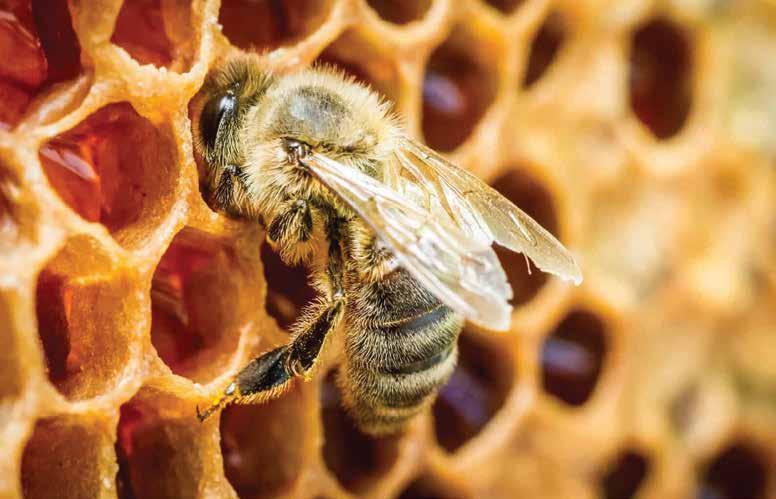
National Honey Bee Day
WHEN: Saturday, Aug. 15, 11 am – 2 pm
WHERE: Long Island Children’s Museum, 11 Davis Ave., Garden City
AGES: 3 – 8
WHAT: Celebrate National Honey Bee Day with a lineup of activities! Enjoy honey tastings, create a themed craft, chat with a beekeeper, and get an up-close look at a real beehive.
WANT TO GO?: $20. (516) 224–5800, licm.org
Family Night: Take Flight
WHEN: Saturday, Aug. 15, 5 – 8
pm
WHERE: Old Westbury Gardens, 71 Old Westbury Road, Old Westbury
AGES: All
WHAT: Discover the fascinating world of birds and bats during this special after-hours experience in the gardens..
WANT TO GO?: $34; $24 child. oldwestburygardens.org
WHERE: Panaghia of Island Park, 83 Newport Road, Island Park
AGES: All
WHAT: Enjoy rides, games, live music, along with traditional Loukoumades, pastries, Greek food, and more.
WANT TO GO?: Free admission. (516) 432–4086, panaghiaip.org
Cars for a Cause
WHEN: Saturday, Aug. 22, 10 am – 3 pm
WHERE: Cradle of Aviation Museum, Charles Lindbergh Blvd., Garden City
AGES: All
WHAT: CP Nassau is holding their first annual Cars for a Cause Car Show featuring cars of all types from all eras and will feature food, fun, and faffles.
WANT TO GO?: Free. (516) 572–4066, cpnassau.org
The Rock and Roll Playhouse plays Music of Billy Joel + more for Kids
WHEN: Sunday, Aug. 30, 11 am – noon
WHERE: Belmont Park Village, 2601 Hempstead Tnpk., Elmont AGES: 10 and younger
WHAT: Come out for an unforgettable experience where kids can rock out to songs by Billy
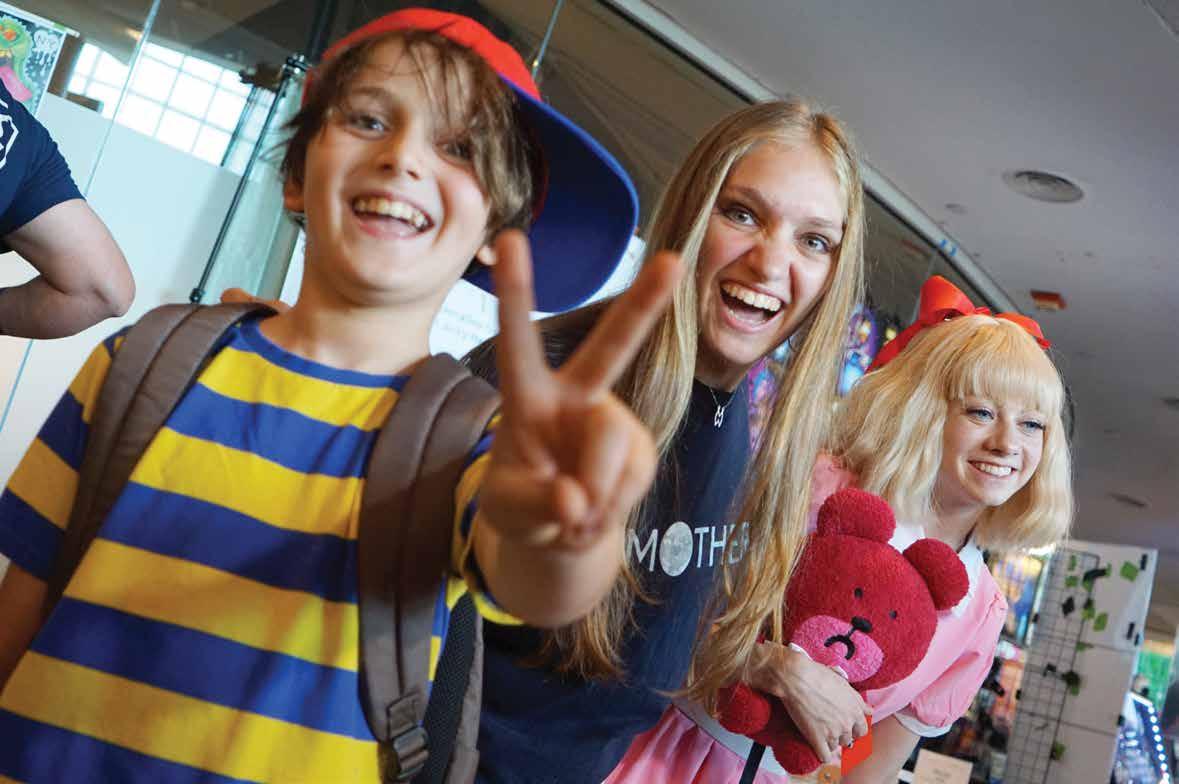
Long Island Retro Gaming Expo at the Cradle of Aviation Museum
Joel along with games, movement, and storytelling.
WANT TO GO?: Free. (516) 421–4900, belmontparkvillage. com
2026 Great Nature Play Day Festival
WHEN: Sunday, Aug. 30, 1 – 4 pm
WHERE: Planting Fields, 1395 Planting Fields Road, Oyster Bay
AGES: All
WHAT: Curiosity, creativity, and the great outdoors come together at this hands-on event where kids will dive explore nature through exciting activities, crafts, and endless fun in the sun.
WANT TO GO?: $15 ages 3 – 12; free for parents and guardians to attend. (516) 922–9210, plantingfields.org
SUFFOLK
National Night Out
WHEN: Tuesday, Aug. 4, 5 – 8 pm
WHERE: Smith Haven Mall, 313 Smith Haven Mall, Lake Grove
AGES: All
WHAT: Explore emergency vehicles, watch live demonstrations, enjoy refreshments and snacks, and learn more about the agencies that help keep our community safe.
WANT TO GO?: Free. simon. com
Spy Tech from Then to Now
WHEN: Wednesdays –Sundays, 1 – 5 pm, through Aug. 31.
WHERE: Long Island Explorium, 101 East Broadway, Port Jefferson
AGES: All
WHAT: Step into the world of secret messages, hidden codes, and the STEM behind keeping information safe with hands-on activities including interactive puzzles and code cracking.
WANT TO GO?: $8; $6 child. (631) 331–3277, longislandexplorium.org
Sleeping Beauty
WHEN: Fridays, 11 am; Saturdays, 11 am and 2 pm through Aug. 8.
WHERE: Theatre Three, 412 Main St., Port Jefferson AGES: All
WHAT: Enjoy a gentle and enchanting stage adaptation of this beloved fairy tale, featuring memorable characters and magical moments.
WANT TO GO?: $20. (631) 473–5220, theatrethree.com
2026 Children’s Summer Entertainment: Magic Show
WHEN: Saturday, Aug. 8, 2 – 3 pm
WHERE: Heckscher State Park, 1 Heckscher State Pkwy., East Islip
AGES: All
WHAT: Magic of Amore will amaze and astound families with colorful handkerchiefs that turn into magic canes and objects that materialize out of thin air.
WANT TO GO?: Free. (631) 581–2100, parks.ny.gov
Fearless: The Taylor Swift Experience
WHEN: Sunday, Aug. 9, 3 pm
WHERE: The Suffolk, 118 E Main St., Riverhead
AGES: All
WHAT: This fun and energetic show gets the audience involved and has everyone singing along and “Shaking It Off.”
WANT TO GO?: $29 – $49. (631) 727–4343, thesuffolk.org
KidFEST: Sonia De Los Santos
WHEN: Wednesday, Aug. 12, 4:30 – 5:30 pm
WHERE: Guild Hall, 158 Main St., East Hampton
AGES: 5 – 8
WHAT: Join Sonia De Los Santos for a joyful, high-energy family concert filled with music, storytelling, and audience participation.
WANT TO GO?: (631) 324–0806, guildhall.org
Back to School Bash + Backpack Giveaway
WHEN: Saturday, Aug. 15, noon – 2 pm
WHERE: Tanger Outlets Deer Park, 152 The Arches Cir., Deer Park
AGES: 5 – 13
WHAT: Bring the kids for an afternoon of family fun with carnival games, character appearances, a DJ, free Backpacks and Backpack Charms for the new school year, and more.
WANT TO GO?: Free. tanger. com
Hallockville Hootenanny
WHEN: Saturday, Aug. 15, noon – 7 pm
WHERE: Hallockville Museum Farm, 6038 Sound Ave., Riverhead
AGES: All
WHAT: Dance to the sounds of five live bands, check out food trucks, shop local vendors and more.
WANT TO GO?: Free. (631) 298–5292, hallockville.org
Draw Out! Community Arts Festival
WHEN: Saturday, Aug. 22, noon – 5 pm
WHERE: Heckscher Museum of Art, 2 Prime Ave., Huntington AGES: All
WHAT: The whole family can enjoy a wide variety of activities, including watercolor painting, live music, and more.
WANT TO GO?: Free. heckscher.org
Disney & Pixar’s Finding Nemo
WHEN: Aug. 23 – Sept. 19; see website for schedule
WHERE: CM Performing Arts Center, 931 Montauk Hwy., Oakdale
AGES: All
WHAT: This new stage adaptation of the beloved 2003 Pixar film is designed especially for young audiences and features favorite characters and memorable songs.
WANT TO GO?: Tickets start at $24. (631) 218–2810, cmpac. com
Fearless: The Taylor Swift Experience at The Suffolk
National Honey Bee Day at Long Island Children’s Museum
Closing Out SUMMER
Heavy, beautiful, and true
BY DONNA DUARTE-LADD
Idon’t hate summer, and I’ll get to the good stuff in a sec, but to be real: it kicks my a** every. single. year. Parenting a neurodivergent kid when camp is done, and school hasn’t started yet? Not exactly relaxing. Those long, unstructured days everyone else seems to love (at least on Insta) are brutal for a kid who needs routine, and for the mom who’s with him 24/7. Right now, we’re in some rough patches, and I’m counting the days until we are back on a schedule.
That said, I have been trying to approach this summer differently. I’ve been peeling back some of those “ugh” layers and letting myself enjoy the moments that do feel light. Part of that is perspective: I only have two more summers at home with my oldest before he heads to college. That reality makes me pause, breathe, and soften on the hard days.
And while the lack of routine with my youngest can stretch me thin, I’ve been planting seeds for the summers ahead, for him and for us as a family. After years of paperwork, he was finally approved for an OPWDD program (you can learn all about OPWDD on Newyorkfamily.com), which means extra support as he grows. And this fall, he will start horseback riding, some ninja gym time, all things we’d been holding off on until he was ready. And now, he is.
Let’s pivot for a breath and share for parents just starting on this neurodivergent journey, a few lessons I’ve learned the hard way:
It’s all about location. Sometimes that means leaving Disneyworld early if it is too loud and overwhelming or adjusting plans last-minute that just aren’t working.
Don’t force the fit. The situation has to work for your kid, not the other way around.
Pick your battles. There’s a difference between teaching resilience and pushing a child through something they truly can’t process.
Those in-between-school-break stretches test many of us
Just last week (okay, it was yesterday, ha ha), I found myself crying into my pillow from the weight of it all. So circling back to summer: I don’t hate it. It’s just…harder than I’d like. Summer is supposed to be carefree, but for some of us (let’s say parents of a severely neurodivergent kid), it can be a lot. And it’s okay to be honest about that. Some days, it’s just A LOT.
Then you’ll have a day where a sunset is so good, or your kid has one of those unstoppable giggle fits (the best) because
his big brother tripped and he finds his discomfort funny, thanks, big bro, for unintentionally taking one for the team. Don’t get it twisted, I’m team summer. Golden State born and raised, I’m making this season work. That’s exactly why I’m dedicating an essay to this topic, because I know I’m not alone. Seasonal breaks bring tough days, a mix of “WTFs” and sunshine, and sometimes both in the same week. And yes, this is summer, unpredictable, exhausting, and unforgettable.
Known. Challenged. Inspired.
STILL LOOKING FOR THE RIGHT SCHOOL?
There’s still time to find the right fit.
At Buckley, education is a thoughtfully designed journey—from a child’s earliest experiences through eighth-grade graduation. In a warm, nurturing environment, students are known, supported, and challenged through rigorous, joyful learning that builds curiosity, character, confidence, and a lifelong love of learning.
SCHEDULE A VISIT
Come see what a Buckley education can mean for your child.
Early Childhood through Grade 8 • Rolling admission through Grade 7