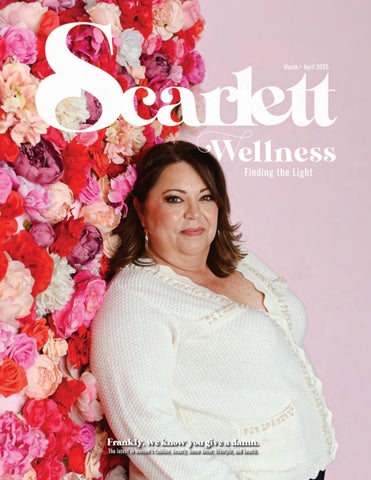
March + April 2026

![]()
March + April 2026


...and join us at HarborWalk Village for Wellness at the Water on Saturday, May 9th at 2PM! This event invites women to reconnect and celebrate the beauty of self-care along the Destin Harbor. This uplifting experience features curated wellness zones throughout the village including movement classes, empowerment sessions, spa moments with Emerald Grande Spa, mindful activities, mocktails, lite bites, and boutique wellness vendors.
Guests will gather for a calming welcome stretch before exploring the afternoon’s experiences designed to inspire strength, confidence, and connection. The celebration concludes with a peaceful sunset yoga session overlooking the harbor.
It’s an afternoon created for women to breathe deeply, feel supported, and leave renewed!


mattie kelly arts foundation
10 CONCERTS
THURSDAY NIGHTS | APRIL 9 - JUNE 11 | 7 PM
Annual Thursday evening concert live music series featuring family-friendly premier musicians and bands performing everything from classic rock, reggae and disco to modern pop.
April 9
April 16
April 23
April 30
May 7
May 14
May 21
May 28
June 4
June 11
| Opening Night featuring: Smash Mouth
| Black Jacket Symphony: The Music of Van Halen
| Yacht Rock Schooner
| Rumours ATL: A Fleetwood Mac Tribute
| Brass Transit: The Musical Legacy of Chicago
| Turnstiles: The Music of Billy Joel
| Boogie Wonder Band
| The Molly Ringwalds
| The Return: A Beatles Tribute
| A1A: Jimmy Buffet Tribute


TURNSTILES: THE


Receive one season pass to Concerts in the Village. Enjoy early admission access to Concerts in the Village.
Receive discounts on Festival of the Arts merchandise.
Receive membership rates on select MKAF events.
BECOME A MEMBER - JOIN TODAY!
Annual MKAF Memberships from just $75* per person. *Art Nouveau (35 and under) Memberships are valid for one year from date you join!


Darra Flanagan
“These entries were written exactly when they say they were. No hindsight. No polish. Just me trying to figure out what the hell was happening to my nervous system. Sharing them feels… exposing. But if grief is this strange for me, I can’t be the only one.”

Dr. Angela Fiorita
For many people, therapy can feel like an endless search for the right words. And sometimes, those words just don’t come. But incorporating visual art, music, and movement into sessions, clients can often engage more fully and authentically in the therapeutic process.
The freshest, most exciting fashion trends you’ll want to try this season!
Like what you see? Here’s how to match our style.
Five simple mood boosters beyond just a bubble bath.
Red Light Therapy: when science meets glow, everybody wins.
Wellness is showing up as better decisions before the plate ever reaches the table — here’s how!
Practical tips for your Spring
The wellness treatment that’s going


Six years ago, we launched Scarlett with a simple belief — that women deserved a space where their whole selves were welcomed. This year, we also held our 5 th Anniversary of the WOTYs , and it’s felt like the most honest reflection of that mission yet. Because this Wellness issue isn’t about bubble baths and green juice. It’s about the full, complicated, beautiful spectrum of what it means to feel.
Joy. Grief. Gratitude. Relief. This issue holds all of it.
We follow Darra on one of the most intimate journeys a person can take — navigating life as a widow. She opens her personal journal and invites us in, sharing thoughts and feelings most of us would keep locked away. It is raw, it is real, and it is one of the most powerful things we’ve ever published. I am so grateful to her for her courage and her trust in us. Read the full story, Surviving the After on (pg 13) .
In our other feature article Express Yourself on ( pg 21), Dr. Angela Fiorita explores the transformative world of Expressive Arts Therapy — a practice that creates new pathways for patients to connect with themselves and process what words sometimes can’t reach. It’s a reminder that healing doesn’t always look the way we expect it to.
We also dive into the therapies making waves in the wellness space — Red Light Therapy and IV Therapy — and explore how they may offer new ways to support our health from the inside out.
But, if I’m being honest, this issue hit close to home for me long before it ever went to print.
What feels both like yesterday and a lifetime ago all at once, I found myself in a season of life that felt largely out of my control. I couldn’t change what others were bringing to the table — and there were tables I simply had to show up to. What I could control was how I showed up. How I responded. What I chose to bring.
I found my mantra in the quietest way: Be kind.

Not as a weakness. Not as permission for others to overstep. But as a choice I made for myself — to respond with grace instead of matching energy that didn’t serve me. It wasn’t always easy. There were moments it felt like the harder path. But when I laid my head down at night, I had no regrets. I knew I had done all I could, and I had brought my very best.
Wellness, I’ve come to believe, isn’t just what we put into our bodies or how we move through the world physically. It’s the internal decisions we make — the ones no one else sees — that shape who we are and how we heal.
This issue is for every woman navigating something hard right now. You are not alone in it.
With love and gratitude — and five incredible Woman of the Year awards behind us, thank you!
At Scarlett , we love bringing you the latest in women’s fashion, beauty, home decor, lifestyle, and health. Thank you all so much for the support as we start our sixth year of Scarlett. Enjoy this issue and connect with us on social media on Facebook: Scarlett Magazine and Instagram: @scarlett.magazine.
Because frankly, we know you give a damn.
Jessica Graña Editor/Creative Director

Steve Barber
Publisher steve@scarlettmag.com

Whether

or

Editor/Creative Director
Darra Flanagan
Advertising Executive Jessica Graña
Kristin Frazier
Copy Editor
Shanna Perret
Lead Photographer/Collaborator
Hudson Aho, Distribution
Joanna Davis, Writer
Colleen Gillespie, Writer
Emily Jones, Writer
Molly Rivers, Writer
Mary Aho, Founding Editor
Scarlett Aho, Namesake
Embrace wellness as a way of life with Spa Lilliana and discover the new Lilliana Luxe Membership—your monthly ritual of rest, rejuvenation, and pure indulgence.

Discover Your Ritual


We were loud. We laughed hard. We danced in the kitchen. We had inside jokes that made zero sense to anyone else. He was steady in a way I didn’t even realize I depended on until the steadiness disappeared. I used to say he was my support system. Turns out he was also my armor.
We met in a way that felt ordinary at the time — and now feels fated. The kind of story where you think, “Oh. That was it. That was the hinge point.” We built a life that we loved. It was both predictable and unpredictable in the best ways. A rhythm that was ours.
Then came the diagnosis.
Ninety-nine days from “You have cancer” to goodbye. Ninety-nine days of medical terms I didn’t ask to learn and watching the strongest man I know shrink in ways that felt impossible. When he took his last breath he was in my arms. Just like we planned. It was beautiful and peaceful and my soul broke into pieces all at once.
After he died, time got weird. I started writing because my body felt like it was buzzing and I didn’t know where to put it. I chose roughly 30, 60, and 90 days because those are
numbers people recognize. Benchmarks. Like maybe grief would shift on schedule.
Spoiler: it does not.
These entries were written exactly when they say they were. No hindsight. No polish. Just me trying to figure out what the hell was happening to my nervous system. Sharing them feels… exposing. But if grief is this strange for me, I can’t be the only one.
It’s been 28 days since Leo died.
I remember the 99 days from diagnosis to goodbye in high definition. Every word. Every hallway. Every machine. But the last few days? Static. Like my brain hit record and erase at the same time. I was there. I know I was. But it feels like I was hovering a few feet above myself, watching it happen to someone else.
Time makes no sense. It feels like years have passed. It also feels like I should be able to text him.
No one talks about how much admin work death requires. Calls. Forms. “We’re so sorry for your loss” followed immediately by “We’ll need a certified copy.”


Changing names. Canceling accounts. Proving I exist. Proving he doesn’t. The world wants paperwork before it allows collapse. It’s exhausting.
If I sit still too long, panic rises in my chest like it might split me open. So I stay busy. Productive. Efficient. Goldstar widow.
Cleaning out his clothes didn’t wreck me like I thought it would. I boxed them up and donated them like I was organizing a closet, not dismantling a life.
But picking up his ashes? I sat in the parking lot gripping the steering wheel because I couldn’t make my body move.
Mail with his name still feels normal.
Mail without it feels wrong.
He hasn’t visited me in dreams. Apparently, he’s made appearances for others. That feels mildly offensive. Or maybe I’m just not ready.
Even the dog seems fine. Which somehow feels like betrayal.
Grief is layered. Petty. Loud. Silent. I’m learning to let it be what it is.
Fifty-seven days without him.
The self-soothing voice is loud. “Have a drink.” “Buy the thing.” “Eat the cake.” Especially around Christmas. Grief loves twinkle lights and nostalgia. I hear it now. I pause. I don’t always win, but I notice. That feels like progress.
The car has become my grief room. Not gentle tears — I’m talking full-body, can’t-breathe, mascara-is-a-lie sobbing. If you’ve ever pulled up next to me mid-meltdown, I promise I’m not in danger. The Hyundai is just holding space.
And yes. The toothbrush incident.
For 24 hours I was convinced Leo was sending me a message through blinking lights that only appeared when I looked at it. A sign. A signal. Proof of beyond-the-grave Wi-Fi.
It was on the charger backwards.
I was devastated. The toothbrush was thriving.
I stare into nothing a lot now. Mid-sentence. Mid-email. Just gone. Grief is physical in a way no one explains. For weeks, even thinking the words “he died” made my blood run cold, like someone opened a freezer in my chest.
It’s awful. It’s disorienting. It’s occasionally absurd.
Still here though.
Still standing.
Zero out of ten.

Day 90.
I didn’t know my body could cry like this. Four hours straight once. I checked.
I didn’t know I would feel him everywhere — in the kitchen, in the quiet, in the split second before I fall asleep.
I didn’t know his face would flash into my mind while I’m making decisions, like he still gets a vote.
I didn’t know songs could ambush me in the cereal aisle.
I didn’t know I would trace his face in photos with my fingers like muscle memory could bridge the distance.
I didn’t know grief could get worse before it gets… different.
I also didn’t know I would still laugh. Big, unmistakable Darra laughs. Grief didn’t replace joy. It just moved in beside it. They coexist. It’s uncomfortable.
Mostly, I didn’t know love this deep would leave an absence this vast.
Day 90.
Still missing him.
Still loving him.
Still figuring out how to live in the after.
And yes — It still sucks.
I didn’t decide to “be a grief writer.” I started writing because I was vibrating.
Because my chest felt like it held a burning sun and a nest of thorns at the same time. Because I was functioning and furious about it. Because I needed somewhere to say, “This is insane,” without someone trying to fix it.
Writing has helped me see that nothing about this is linear. I can sob in a parking lot and laugh at a dumb joke in the same afternoon. I can feel strong and completely untethered in the same hour. Getting it on paper keeps me from gaslighting myself about what this actually feels like.
Sharing it is harder.
Part of me wants to clutch this grief close because it feels like the last thing that is only mine and Leo’s. But every time someone says, “I thought I was crazy for feeling that,” I feel less alone. And if there’s one thing grief does well, it’s isolation.
Will I keep writing? Yes. Not because I think it will wrap this up neatly. Not because I’m chasing healing in a performative way.
I’ll keep writing because this is how I’m surviving the after.
Grief still sucks.
But writing it down makes it suck slightly less alone.


SATURDAY, MAY 15 | 7:30 PM
Just when you thought it was safe to go back in the concert hall … experience Academy Award-winning director Steven Spielberg’s classic 1970s adventure thriller like never before. Jaws in Concert will keep you on the edge of your seat as Sinfonia Gulf Coast performs composer John Williams’ iconic Academy Award–winning score live, perfectly synced to the film projected in HD on the big screen. Relive the suspense, the terror, and the unforgettable music that forever changed the way we view the ocean.
PRESENTED BY:


For many people, therapy can feel like an endless search for the right words. And sometimes, those words just don’t come. That realization is exactly what inspired Angela Fiorita, Psy.D., HSP, of Westside Psychological Health, LLC, to introduce Expressive Arts (EA) Therapy into her clinical work. After witnessing how difficult it can be for some clients to verbally unpack complex or painful experiences, she began exploring alternative ways to support communication and healing. By incorporating visual art, music, and movement into sessions, an entirely new layer of expression opened up — one that allows clients to engage more fully and authentically in the therapeutic process.
At first glance, an Expressive Arts Therapy session with Dr. Angela may feel familiar. She explains, “It often begins much like a traditional talk-therapy appointment, with structured conversation focused on thoughts, concerns, and lived experiences. Once rapport is established and therapeutic goals are identified, the session naturally shifts. Creativity takes the lead, transforming the space into a more exploratory environment where art forms become
tools for insight and connection.” The pace and depth of these creative elements vary from person to person, always guided by each client’s comfort level and any prior artistic experience.
Choosing which expressive medium to use is refreshingly simple. Dr. Angela starts by asking clients what genuinely interests them. Some feel deeply connected to music, others to creating or observing artwork, while some find clarity through movement. The most important aspect is that clients remain in their own element, feeling free to explore whatever surfaces as they move through their personal creative journey. While experience with a particular art form can be helpful, it’s never required — openness and curiosity matter far more.
Once clients begin engaging creatively, emotions and topics often surface more naturally. Expressive arts can reduce the pressure to explain or intellectualize feelings, allowing thoughts and emotions to emerge without needing to be carefully worded. Sometimes, even subtle moments can carry powerful meaning when expressed through art, music, or movement.

Creative expression is an undeniably beneficial alternative approach to emotional processing and mental health. On a biological level, it stimulates neuroplasticity (brain rewiring and growth); improves focus, memory, and problem solving; supports post-traumatic recovery; and supports the release of feel-good neurotransmitters like serotonin and dopamine that activate the brain’s reward pathways; and regulates stress hormones.
EA Therapy also includes numerous physical health benefits, especially interventions involving music and/ or dance, including, but not limited to: improved coordination, muscle relaxation, and cardiovascular fitness; chronic pain reduction, and nervous system regulation via rhythm and movement supporting vagal tone, release of muscle tension, and body awareness and grounding. As Dr. Angela puts it, “The connection between our bodies and brains is fascinating and the benefits of dance/movement therapy are undeniably profound.
In addition to the physiological improvements, EA Therapy involves many social and relational benefits, as well as behavioral and lifestyle benefits — all of which are key elements in traditional psychotherapy — including: improved communication, enhanced connection and interpersonal skills, reduced isolation, increased mindfulness, and healthy coping skills, often including alternatives to harmful behaviors such as substance abuse or self-harm.
Expressive Arts Therapy is especially helpful for individuals who find traditional therapy uncomfortable or who struggle to discuss deeply personal topics. It can also be transformative for clients who have been in therapy for an extended period, yet feel stuck in familiar patterns. Dr. Angela often uses EA Therapy as an adjunct approach, seamlessly integrating it into both individual and group treatment settings.
As with any nontraditional method, misconceptions do exist. Some people initially assume expressive therapies are less professional or less effective. Dr. Angela encourages curiosity instead of judgment, pointing to the extensive and growing body of research that supports Expressive Arts Therapy as a valid and evidence-based approach with countless health benefits across multiple domains.
Professional boundaries and confidentiality remain just as firm as in any other therapeutic modality. Clear expectations and guidelines are discussed before introducing expressive interventions. For example, in movement-based sessions, this includes avoiding physical touch, respecting personal space, and setting firm boundaries to ensure physical safety by steering clear of harmful or extreme movements.

Although specific client stories can’t be shared, the outcomes speak volumes. Dr. Angela has observed clients who spent years in traditional therapy resolve longstanding issues in just a few Expressive Arts Therapy sessions. It’s through this observation that she believes “engaging in creative expression seems to unlock pathways of thinking and feeling that may have not felt safe or were too overwhelming to face in a traditional way.”
For anyone who feels intimidated by traditional therapy, this approach offers reassurance and possibility. Expressive Arts Therapy is especially supportive for those who struggle to find the right words or to connect language with emotion. By allowing a more creative and abstract way to explore feelings and patterns, these interventions can spark insights and problem-solving that may not otherwise emerge.
Having facilitated Expressive Arts Therapy groups across a wide range of populations in California, Dr. Angela has consistently been in awe of their effectiveness. She looks forward to bringing this dynamic and deeply human approach to even more clients through her work at Westside Psychological Health, LLC.


photography by: Shanna Star Shannon Evans CEO/Founder, S&K Boutique Pace, FL
Shannon Evans is a local award-winning entrepreneur who has served her community for more than 10 years. Previously serving in the United States Marine Corps as a Military Police Officer and later a Federal Law Enforcement Training Instructor, her service to others has always been a core foundation. Following her military and government service, Shannon relocated from San Diego, California, to Pensacola, Florida, where she served as a Civics Teacher at Bailey Middle School and a World History Teacher at Pine Forest High School and later founded S&K Boutique.
Shannon has built a distinguished career spanning over 25 years, serving others and demonstrating exceptional leadership in both private and public sectors. Her military service earned her multiple distinctions and awards, but none more important to her than the Purple Heart and Combat Action Ribbon that benchmarked her and her unit’s commitment and service to their country.
Her professional life is marked by a deep-seated belief in operational excellence and transformative collaboration. Her tireless commitment to relationships and social empowerment has earned trust and been key for building and fostering community connections rooted in growth and service.


Shannon thrives on building a strong foundation that serves both her professional career and her community.
Beyond her military and career achievements, Shannon’s impact is felt through her philanthropic and advocacy work. Her dedication to her community and others underscores her philosophy that true success is measured by the positive change one ignites in the lives of others. Shannon’s endeavors include serving Habitat for Humanity, Pensacola Opera, Covenant Care, Gulf Coast Sexual Assault Program, Impact 100 and the ever important Grandgiving and Brentwood Christmas Extravaganza with her Krewe of SWAT.
A proud mother and wife, Shannon’s integrity, determination, fierce commitment to her community and ability to balance demanding professional roles with impactful volunteerism exemplify the spirit of a true leader; dedicated to service and a future that promises continued powerful advocacy.


Director, Bob Hope Village Shalimar, FL
photography submitted by: Bobbi Jo O’Marra
Bobbi Jo O’Marra serves as the Director of Bob Hope Village, the dynamic independent living community at the Air Force Enlisted Village in Shalimar, Florida. An Air Force veteran and former firefighter, Bobbi Jo brings strength, discipline, and compassion to her leadership, inspiring those around her to serve with purpose and integrity.
Under her direction, Bob Hope Village has earned recognition as one of the Finest Places to Live and Work on the Emerald Coast. Bobbi Jo leads with heart, fostering a culture where more than 600 residents enjoy vibrant, meaningful lives supported by a caring and professional team. Her vision has driven innovative programs that enhance safety, engagement, and quality of life for residents, while also strengthening the community’s connection to its proud military heritage.
A passionate advocate for women in leadership, Bobbi Jo serves as Co-Chair of the Women Leadership Network for LeadingAge Southeast, where she co-created and launched a successful Mentorship Program that continues to develop and empower emerging leaders across the organization. Her collaborative spirit, commitment to professional growth, and focus on inclusivity have made her a respected mentor and role model.
Bobbi Jo’s unwavering dedication to service from firefighting to community building reflects her belief that leadership is about lifting others up. Her authenticity, innovation, and compassion make her a true example of leadership in action, a woman who not only inspires change but creates lasting impact.
Administrative Director, RDCY
Pensacola, FL

TaxieLambert holds a Bachelor’s degree in education from the University of West Florida. Having more than 20 years’ experience at a law firm, Taxie is charting a new chapter in her legal career as she helps open a law firm in Pensacola alongside Troy Rafferty of Rafferty Domnick Cunningham & Yaffa, stepping into the role of Administrative Director. With a career built on precision, advocacy, and leadership, Taxie has managed complex cases, case management software, guided teams through highstakes litigation, and developed a deep understanding of firm infrastructure and client care.
Her transition from Litigation Paralegal to Administrative Director represents more than a title change, it’s the evolution of a woman who has
dedicated her life to building systems of justice, compassion, and impact. Balancing her demanding legal career, Taxie is also a devoted mother, wife, and the founder of the 4EVR DEZ Foundation, a nonprofit created in memory of her daughter, Desirea, whose life was tragically lost to an act of domestic violence. Through her foundation, she empowers teenage girls to recognize red and green flags in relationships, build self-worth, gain confidence that leads to healthy choices and promotes healthy boundaries through her two movements Project Formal and Project Period.
To date, her foundation has dressed more than 600 high school and middle school girls for formals and provided more than 30,000 free feminine products inside schools since the fall of 2021.
Taxie is the 2024 Living the Dream Recipient, 2022 WEAR Angels in Our Midst Designee, a member of Pensacola Bay Area Impact 100, the Pensacola Women’s Alliance, and a board member of FavorHouse and Baptist Hospital Foundation.
Navigating the challenges of motherhood, nonprofit and community leader, and a new executive role, Taxie continues to redefine what strength and purpose look like. She believes in creating legacies, not just in the courtroom, but in the community, by standing up for others and transforming pain into purpose. Her story is one of resilience, reinvention, and an unwavering commitment to helping others rise above their circumstances to find their voice and power. | THE TOP 3


Dance back in time to the American wild west with Oklahoma!–a classic, feel-good musical that follows the blossoming love story between farm girl Laurey and charming cowboy Curly as they navigate rival suitors and the challenges of frontier life. With unforgetable songs like “Oh, What a Beautiful Mornin’,” “People Will Say We’re in Love,” the lively “Kansas City,” and of course “Oklahoma!”, this Rodgers & Hammerstein classic captures the heartwarming spirit of a community on the brink of change.
$31


For Jocelyn Daniel, wellness is more than relaxation—it is restoration, resilience, and community connection. As the founder and owner of Absolute Zenergy Massage & Bodywork, LLC in Navarre, Florida, she has built her practice around individualized, results-driven care. A licensed massage therapist dedicated to staying at the forefront of medical massage and advanced bodywork techniques, Jocelyn combines therapeutic precision with intuitive insight, helping clients achieve lasting improvement—not just temporary relief.
Her dedication recently took her to Central Florida as part of the FSMTA Sports Massage Therapist Team, where she worked with elite collegiate football seniors at the 2026 Altrua HealthShare Hula Bowl, a premier postseason showcase for NFL prospects. There, she assisted athletes in recovery from intense training, helping them perform at their best as they prepared for the next step in their professional careers.
Beyond her clinical work, Jocelyn is a passionate community leader. As President of the Kiwanis Club of Navarre and a member of Impact100 Pensacola Bay, she champions initiatives that uplift youth and strengthen families across Northwest Florida. Most recently, she contributed significant resources to Children in Crisis, Inc., providing essential items for at-risk children in foster care.
Jocelyn doesn’t just promote wellness—she embodies it through service, leadership, and lasting impact.

written by: Emily Jones
Say goodbye to your chunky knits and oversized puffers — spring 2026 is officially here, and it brought all the looks. The runways this season were a gloriously maximalist love letter to boldness, nostalgia, and unapologetic color. Quiet luxury? She has left the building. Here’s what the fashion world is actually talking about right now.

If the spring 2026 runways had a single dominant mood, it was a full-throated embrace of ‘80s glamour. From Saint Laurent’s Rive Gauche-inspired archive pull to Versace’s bourgeois-meets-Miami-Beach maximalism, the decade’s signatures were everywhere: sculpted shoulders, nipped-in waists, silk blouses, and leather pencil skirts. Chloé shifted away from its signature ‘70s boho to ‘80s L.A. glam, while Balenciaga revived the puffball skirt with zero apology. The easiest entry point? A blazer with strong, structured shoulders — modern, powerful, and genuinely exciting to wear.
Butter yellow had a good run — a really good run — but spring 2026 is turning up the brightness dial. Lemon yellow is the shade taking over, showing up at Balenciaga, Miu Miu, and Loewe in everything from sharp trench coats to slouchy tunics. It’s sharper, cooler, and somehow even more energizing than its warmer predecessor. Pair it with white or inky-blue denim for a look that’s pure spring sunshine. And if you’re not quite ready to commit? Dusty blue is another standout color this season — considered a neutral, it works as a sophisticated workhorse shade in dresses, leather jackets, and handbags.
This season’s runways made one thing crystal clear: the days of safe, tonal dressing are officially over. Color clashing — pairing bold, contrasting hues that shouldn’t work together but absolutely do — was a through line at Loewe, Fendi, Prada, and Proenza Schouler. Versace served up lilac, cherry red, and cobalt all in a single look. The trick is to lean in with confidence: try bubblegum pink with chestnut, sage green with lemon yellow, or red with ballet pink. If it makes you smile, it’s the right call.

After seasons of slim, streamlined silhouettes, volume is back with a vengeance — and it’s looking elegant, not costumey. Fit-and-flare shapes were all over the spring 2026 runways, with designers like Dior sending out full skirts in white and cool grey, and Prada going strong A-line. The drop-waist dress also made a major comeback, with designers reworking the torso-lengthening silhouette in everything from cotton day dresses to occasion wear. An A-line midi in a structured fabric is the most accessible way in: all the drama, none of the logistical challenges.
Gold is having a major moment in spring 2026, and trend forecasters say it connects directly to the season’s broader ‘80s revival. Yellow gold accessories and metallic garments appeared across collections from Elie Saab to Stella McCartney to Valentino, styled in ways that felt opulent but thoroughly modern. Even sneakers are getting the shiny treatment, with silver metallic kicks spotted at Private Policy and highlighted
by shoe insiders as one of the freshest footwear directions of the season. The message: there is no wrong time of day for a little gleam.
The through line of spring 2026? It’s a season that actively rewards boldness. The runways were cinematic, disruptive, and — most importantly — fun. Whether you go all-in on a color-clashing look straight from the Versace playbook or ease in with a single lemon-yellow accessory, just remember: the best outfit is the one that makes you feel like you’re living in your own fashion moment. And this spring, that moment is very, very good.


www.ScarlettMag.com


Men — can’t live with them, can’t live without them. But luckily we’ve found a few good men! Leaders, mentors, partners, gentlemen. There are approximately 161.6 million men in the United States. That’s a big number, but all we need is a few good men to make a difference. We are lucky that the Gulf Coast has as many good men as they do palm trees. Our area is booming with strong male role models helping to lead the way and to guide the younger generations down the right path. These men are out there in our community making a real difference. They are running businesses, they are volunteering, they are working at the local nonprofits, they are fathers, and they are husbands. These men are juggling all of these jobs and are doing it with style and grace. Being a good man is more than just following the rules, it’s being the individual who goes above and beyond. It’s being the man who isn’t afraid to stand up for what is right. A truly good man is one whose traits perfectly balance out. He is both strong and sensitive, a leader but can also take direction. A good man is someone you can look up to.
Market Vice President, Cox Communications Pensacola, FL
photography provided by: David Deliman
David Deliman grew up in Haines City, a small town in Central Florida, but for nearly 30 years now, Pensacola — and the greater Northwest Florida region — has been home. And not just home in the mailing-address sense. Home in the roll-up-yoursleeves, get-involved, leave-it-better-than-you-foundit way.
As Market Vice President for Cox Communications, David oversees operations, teams, and community commitment across Northwest Florida, spanning Escambia to Walton County. It’s a role that blends leadership, strategy, and connection — and one he approaches with intention. Beyond the business side, his position includes serving on key business and philanthropic boards throughout the region, reinforcing Cox’s longstanding philosophy that strong communities and strong companies go hand in hand.
Cox Communications’ commitment to giving back goes well beyond writing checks. The company emphasizes volunteerism, board service, and handson support, values that have deeply influenced David’s own approach to leadership and service. “That commitment inspired me to dedicate my time to making Northwest Florida an even better place to live, work, and play,” he says. And his track record reflects exactly that.
One of David’s proudest accomplishments isn’t a title or a milestone; it’s the impact he’s seen nonprofit organizations make with the support of Cox and its community partners. From helping small, emerging charities get their footing to contributing to major capital campaigns, he’s had a front-row seat to what happens when resources meet purpose. “I’ve been fortunate to witness how these efforts can make a meaningful difference in our community,” he shares. It’s the kind of pride rooted not in personal recognition, but in collective progress.
That sense of service didn’t appear out of thin air. David credits his biggest female influence, his mom, for shaping who he is today. A nurse by profession, she spent her life caring for others and helping people live better lives, all while being his biggest champion. Her example laid the foundation for the way he leads now: with empathy, encouragement, and a genuine

desire to see others thrive.
Over the years, David has served on numerous boards, including the Fort Walton Beach Chamber, Greater Pensacola Chamber, Escambia Public Schools Foundation, and Ronald McDonald House. Each role has offered a different perspective on community needs and opportunities, but the lesson has remained the same: real impact happens when people show up consistently and with purpose. And he’s not done yet — continuing that impact in the years ahead is something he’s deeply committed to.
Leadership, for David, isn’t about being the loudest voice in the room. He’s led high-performing teams throughout his career and believes their success comes from knowing when to step in and when to step back.
“I learned how to support them as a leader but stay out of the way and let them shine,” he says, a philosophy that builds trust, confidence, and results.
If he could go back and offer advice to his 20-yearold self? It would be simple but powerful: trust your gut. “Not every decision should be made on instinct alone,” he admits, “but it’s a good place to start.”
From small-town roots to regional leadership, David Deliman’s story is one of connection — connecting people, organizations, and purpose. And in Northwest Florida, those connections continue to make a lasting difference.
written by: Colleen Gillespie
Whether you’re hosting a chic garden party, relaxing after a busy day, or gathering with friends, a drink that can be enjoyed by everyone adds the perfect touch. Sometimes, you want something refreshing without the alcohol, and other times, you want to kick it up a notch. Here are three versatile drinks that can be enjoyed as mocktails or cocktails, perfect for every occasion.
Non-Alcoholic: Mix cherry juice with cola and a squeeze of lime for a nostalgic, soda-shop vibe. Add maraschino cherries for flair.
Cocktail: Swap in a shot of spiced rum or whiskey for a grown-up take on this fizzy favorite.
Non-Alcoholic: Combine pineapple juice, coconut water, and a squeeze of lime. Shake well, then pour over ice and garnish with a pineapple wedge.
Cocktail: Add a shot of white rum to the tropical base for a light, fruity drink that’s perfect for a sunny day.
Non-Alcoholic: Muddle fresh berries with a little lime juice and a splash of simple syrup. Fill with ice, top with sparkling water, and garnish with more berries.
Cocktail: Add rum or vodka to the muddled berry mix, and shake it over ice before topping with soda for a fizzy finish.

Non-Alcoholic: Combine fresh lemon, lime, and orange juice with soda water. Add a splash of honey or agave for sweetness, and garnish with a fresh mint sprig.
Cocktail: Add a shot of gin or vodka to the citrus blend and top with sparkling water for a zesty twist.
Non-Alcoholic: Blend fresh peach slices with a splash of lemon juice and top with ginger ale. Serve over ice with a thyme sprig for a fragrant twist.
Cocktail: Add bourbon or peach schnapps to deepen the flavor and make it party-ready.


written by: Emily Jones

When life feels a little heavy, it’s easy to think the only way to lift your mood is with a bubble bath or a fancy treat. While those indulgences can be great, there are other simple, everyday ways to boost your spirits and feel better without relying on a one-time pick-meup. Here are five mood boosters that don’t involve bubble baths, but can be just as effective.
You don’t have to be a fitness fanatic to experience the mood-boosting power of movement. Physical activity, even in small doses, can have a major impact on how you feel. Whether it’s a brisk walk around the block, a few minutes of stretching, or even a spontaneous dance party in your living room, moving your body helps release endorphins — your brain’s natural happiness boosters. These endorphins reduce stress, anxiety, and even improve sleep, leaving you feeling calmer and more centered. The best part? It doesn’t take a lot of time or effort to start feeling the benefits.
Laughter really is the best medicine. It’s not just a feel-good moment; it’s a physical reaction that boosts your mood by releasing dopamine, the “feel-good” hormone. If you’re feeling down, try watching a comedy, listening to a funny podcast, or just reminiscing about a hilarious moment with friends. Even if you start out pretending to laugh, your body will catch on, and before you know it, you’ll be genuinely laughing. The more you laugh, the more your mood will improve, and it can help reduce feelings of stress or tension.
There’s something about a warm cup of coffee or tea that feels comforting, especially when you’re in need of a little mood boost. While the caffeine in coffee can give you a quick energy lift, it’s the act of preparing and savoring that drink that can provide a sense of calm and well-being. Whether it’s the ritual of brewing your favorite tea or enjoying a quiet moment with a cup of coffee, this simple act allows you to slow down, clear your mind, and focus on something positive. Take a break, sip slowly, and give yourself a moment of peace.
Gratitude is one of the simplest yet most effective ways to shift your mindset and improve your mood. Taking a moment to reflect on what you’re thankful for can reframe your perspective and help you focus on the positives in your life. It doesn’t have to be a grand list, just a few small things can make a huge difference. Whether it’s jotting them down in a gratitude journal or mentally noting them at the end of your day, practicing gratitude helps to combat negativity and increase happiness. Over time, it can help you develop a more resilient and positive outlook on life.
Human connection is a powerful mood booster. It’s easy to isolate yourself when you’re feeling low, but reaching out to friends, family, or even a colleague can make a world of difference. Socializing triggers the release of oxytocin, also known as the “cuddle hormone,” which promotes feelings of trust and happiness. Whether it’s a text, a quick phone call, or a coffee date with a friend, taking the time to connect with someone else can lift your spirits and help you (and them!) feel supported. Even small interactions like exchanging a smile with a stranger can leave you feeling more positive and energized.
Next time you’re feeling down, remember that a bubble bath is just one of many ways to improve your mood. From moving your body to connecting with others, these five simple strategies can help you feel better in no time. Give them a try and see how easy it is to boost your mood, one small step at a time.


written by: Molly Rivers
If you’ve spent any time scrolling wellness TikTok, browsing spa menus, or wandering the aisles of highend beauty stores, you’ve probably noticed a certain glowing trend: red light therapy. Once reserved for medical clinics and professional athletes, this futuristicsounding treatment has gone mainstream — and for good reason. From clearer skin to faster muscle recovery, red light therapy is quickly becoming a favorite in the modern self-care toolbox.
So what exactly is red light therapy, and why is everyone obsessed?
Red light therapy (also called photobiomodulation or low-level light therapy) uses specific wavelengths of red and near-infrared light to penetrate the skin and stimulate cellular activity. Unlike UV light, which can damage the skin, red light is gentle, safe, and noninvasive. Think of it as giving your cells a little energy boost — like coffee for your mitochondria (aka your body’s tiny power plants).

During a session, you stand, sit, or lie in front of a specialized light panel or wear a targeted device that delivers therapeutic wavelengths directly to your skin. The process is painless, relaxing, and — bonus — requires no downtime. You can literally glow up on your lunch break and head right back to your day.
Before you grab the first red-glowing gadget you see online, it’s important to know that not all red light therapy devices are created equal. The real magic happens at very specific wavelengths that have been studied and proven effective. For true red light therapy benefits, look for devices that operate in the 630–660 nanometer (nm) range for red light and 810–880 nm for near-infrared light. These frequencies are the sweet spot for stimulating collagen production, reducing inflammation, easing pain, and supporting cellular repair.
Many inexpensive or novelty devices may emit light that looks red but doesn’t reach therapeutic wavelengths — meaning you won’t get the same results. Whether you’re booking a med spa session or investing in an at-home device, checking the wavelength specs can help ensure you’re getting treatments that actually deliver on the glow, healing, and recovery promises.
One of the reasons red light therapy has exploded in popularity is its versatility. It’s used across skincare, fitness, wellness, and even medical fields. Some of the most common benefits include improved skin tone and texture, reduced fine lines and wrinkles, calmer acneprone skin, faster muscle recovery, decreased joint pain, and reduced inflammation. Many people also report better sleep, improved mood, and higher energy levels after consistent use.
Many athletes swear by it for speeding recovery after intense workouts, while skincare enthusiasts love its collagen-boosting, glow-enhancing effects. People managing chronic pain, arthritis, or inflammatory conditions often find relief, and anyone dealing with stress, burnout, or fatigue may benefit from its gentle, restorative properties.
At the cellular level, red and near-infrared light stimulate mitochondria to produce more ATP (adenosine triphosphate), which is basically your body’s energy currency. When cells have more energy, they repair themselves more efficiently, reduce inflammation, and function better overall. Translation: healthier cells equal healthier skin, muscles, joints, and tissues.
vs. Med Spa: Which Is Right for You?
Red light therapy is now more accessible than ever, thanks to both professional treatments and a booming at-home market.
Med Spa & Clinical Treatments: Professional red light therapy sessions typically use large, high-powered panels or full-body beds that deliver consistent, clinical-grade wavelengths. These treatments are ideal for those seeking faster results, targeted pain relief, or professional guidance. Sessions often range from $25 to $75 or more each, depending on location and treatment area. Many med spas also combine red light therapy with facials, body sculpting, or athletic recovery treatments for a full wellness experience.
At-Home Devices: From handheld wands and face masks to full-body panels, at-home devices come in a wide range of price points. Smaller tools may start around $50, while professional-grade panels can reach into the thousands. The benefit is convenience and long-term savings, but most home devices deliver lower power output, meaning results take longer and require consistent use.
If you’re new to red light therapy, starting with professional sessions can help you experience its benefits before committing to a home device. For skincare maintenance, muscle recovery, or daily wellness routines, at-home tools can be incredibly effective when used regularly.
While it may sound like another trendy wellness buzzword, red light therapy is backed by decades of research. It’s safe, non-invasive, and offers a wide range of benefits with virtually no side effects. Whether you’re chasing glowing skin, faster recovery, or simply a calming moment of self-care, stepping into the red might just become your favorite wellness ritual.


written by: Colleen Gillespie


Spring is officially here — and you know what that means. The birds are singing, the flowers are blooming, and somewhere beneath that mountain of takeout menus and mystery cables in your kitchen drawer, your home is desperately trying to breathe. It’s time, ladies. Time to roll up your sleeves, blast your favorite playlist, and give your space the glow-up it (and you!) truly deserve.
We know, we know — “spring cleaning” doesn’t exactly sound like a wild Friday night. But here’s the thing: a good declutter is basically a reset button for your entire life. And once you’re done? The sense of satisfaction is chef’s kiss. So let’s talk about why spring cleaning is actually one of the best things you can do for yourself this season — and how to make it feel less like a chore and more like a total transformation.
First, let’s talk about your mental health. Studies consistently show that cluttered spaces contribute to elevated stress levels and anxiety. When your environment feels chaotic, your brain often mirrors that chaos. Clearing out the mess sends a signal to your nervous system that says: we’re in control here. The result? You feel calmer, more focused, and surprisingly more energized.
There’s also the productivity boost to consider. Ever notice how hard it is to concentrate when there’s a pile of laundry judging you from the corner? A tidy space means fewer distractions and more mental bandwidth for the things that actually matter — whether that’s a passion project, quality time with loved ones, or finally finishing that book on your nightstand.
And let’s not forget the simple joy of it. Rediscovering things you forgot you owned, letting go of items that no longer serve you, and creating a home that genuinely reflects who you are right now — not who you were three years ago — is genuinely uplifting. It’s a little act of self-care that pays dividends every single day. Here are some tips to get started!
www.ScarlettMag.com
Start small and be strategic.
Don’t attempt to clean the entire house in one heroic, exhausting sweep. Pick one room, one drawer, or even one shelf to start. Completing a small task gives you a dopamine hit that makes you want to keep going. Before you know it, you’ll be reorganizing your wardrobe at 11 p.m. with the enthusiasm of someone who has discovered a new hobby.
Use the “one year rule.”
If you haven’t used it, worn it, or thought about it in the past year, it’s time to let it go. Donate it, sell it, or responsibly dispose of it. Someone else will love that blender you swore you’d use to make smoothies every morning.
Tackle one category at a time.
Go through all your clothes before moving to books, then paperwork, then miscellaneous items. Grouping like with like makes it easier to see exactly how much you have — and helps you make smarter decisions about what stays.

Make it fun.
Put on a podcast you’ve been saving, pour yourself something delicious, and invite a friend over if it helps. Everything is more enjoyable with good company and a soundtrack.
Set up systems as you go.
The goal isn’t just to clean — it’s to create an organized space that’s easy to maintain. Invest in a few simple storage solutions and assign everything a proper home.
Spring cleaning isn’t just about a tidy house. It’s about creating a space where you can truly thrive — a space that energizes you, calms you, and reflects the incredible woman you are. So go on, get started!


written by: Emily Jones
You’ve probably seen it pop up in your social media feed, at a sleek downtown wellness clinic, or even in a luxury hotel suite — a comfortable lounge chair, a clear bag of liquid, and a thin needle delivering a cocktail of vitamins directly into the bloodstream. IV therapy has moved well beyond hospital wards and into the world of everyday wellness, and it’s showing no signs of slowing down. But what exactly is it, and could it be right for you?
IV therapy — short for intravenous therapy — involves delivering fluids, vitamins, minerals, and other nutrients directly into the bloodstream through a small needle inserted into a vein, typically in the arm. By bypassing the digestive system entirely, the body can absorb nearly 100% of what’s delivered, compared to the roughly 20–50% absorption rate you get from oral supplements. The result? Faster, more efficient delivery of exactly what your body needs.
Sessions typically last between 30 and 60 minutes. You sit back, relax — many people read, scroll their phones, or simply rest — while the drip does its thing. It’s administered by a licensed medical professional, and reputable clinics always conduct a brief health intake before your first session.

IV therapy was originally used in clinical settings to treat dehydration, nutrient deficiencies, and conditions that affect nutrient absorption, like Crohn’s disease. Today, its appeal has broadened considerably and applications can be great for many types of people. Busy professionals and frequent travelers who feel perpetually run-down often turn to IV drips as a way to quickly replenish what long hours and jet lag deplete. Athletes use targeted formulas to speed up muscle recovery after intense training. People managing chronic fatigue, migraines, or fibromyalgia sometimes report meaningful relief. And during cold and flu season, those looking to give their immune system a boost may opt for a vitamin-heavy drip as a proactive measure.
That said, IV therapy isn’t a cure-all, and it’s always wise to consult your doctor before starting, especially if you have existing health conditions or are pregnant. Think of it as a complement to a healthy lifestyle — not a replacement for good nutrition, sleep, and exercise.
Walk into any IV wellness clinic and you’ll find a menu that looks more like a spa treatment list than a medical form. Here are some of the most popular options:

The Myers’ Cocktail: The original and still one of the most popular formulas, this classic blend includes magnesium, calcium, B vitamins, and vitamin C. It’s often used to address fatigue, fibromyalgia, and general feelings of being run-down.
Immune Boost: Packed with high-dose vitamin C, zinc, and B12, this drip is designed to strengthen your body’s defenses — popular heading into winter or after periods of stress.
Hydration Drip: A simple but powerful blend of saline and electrolytes that rehydrates your body far faster than drinking water alone. A favorite for postworkout recovery or after a late night out.
Beauty Drip: Formulated with biotin, glutathione (a powerful antioxidant), and vitamin C, this option targets skin radiance, hair strength, and nail health from the inside out.
NAD+ Therapy: One of the newer offerings generating buzz in anti-aging circles, NAD+ (nicotinamide adenine dinucleotide) is a coenzyme involved in cellular energy production and DNA repair. Fans say it improves mental clarity, energy levels, and even mood.
IV therapy is, at its core, about giving your body exactly what it needs — efficiently, effectively, and in the time it takes to finish a good podcast episode. Whether you’re chasing peak performance, better skin, or simply trying to feel more like yourself again, it’s worth exploring whether a drip might be your new wellness ally.


Hello! I’m Joanna Davis, resident Foodie expert — a lifelong lover of delicious bites and local gems. Born into a Filipino family where food was a cherished love language, meals were more than just nourishment — they were connection, celebration, and culture. From becoming a Yelp Elite to launching a successful foodfocused Instagram page, I now have over 50,000 followers and have judged food festivals, dined across the Emerald Coast, and supported countless small businesses from Pensacola to Destin.


People ask me all the time how I’m able to eat out as often as I do. It’s a fair question. These days my life seems to revolve around restaurant tables, shared plates, and spontaneous dinners that often turn into stories worth telling. But what people assume is that enjoying restaurants requires either overindulgence or restriction. And lately, I’m noticing something interesting happening locally. Wellness isn’t showing up on menus as calorie counts or “diet food.” It’s showing up as better decisions before the plate ever reaches the table.
They’re the ones made with intention. Whether it’s prepared from scratch, sourced thoughtfully, or built through technique instead of shortcuts. Wellness, increasingly, isn’t about eating less. It’s about eating food that’s made better. Across the Emerald Coast, a growing number of restaurants are quietly embracing this philosophy, proving that everything from charcuterie boards to pasta dishes, and even fried chicken can feel energizing when craftsmanship comes first.
At Cutie Patootie Charcuterie, food begins with a question many customers never think to ask: How did these delicious handcrafted sandwiches come to be?
Owner Jesse Hollett approaches their food truck menu with a smart approach: source high-quality ingredients like bread, cheeses, and specialty items from trusted bakeries and purveyors, while making their own sauces, pestos, lemonades, and even fresh burrata in-house. It’s a blend of convenience and craftsmanship that lets them focus on flavor without reinventing the wheel. Jesse explains: “We live in a weird time where so much of what we eat has been homogenized into central kitchens white-labeled by 100s of restaurants. We differentiate ourselves by extending the same care we use in understanding and sourcing our cheeses to our entire menu. We know where the rosemary in our focaccia comes from. We know the family that cures our meats. We know the diets and even names sometimes of the cows whose milk is used in our cheeses. We’re careful in the balancing of acidity, fat,

salt, and aromatics in our food. When you take care in every step of your food, the community can taste it. When you’ve got no sugar, no fillers, no nitrates, no dyes in your food — the community can feel it. When the food you’re eating has a story, you’re more connected to the world. When that food is locally made with local ingredients and freshly baked bread, you’re tasting the story of where you live. And what happens when a deli is able to do that? You’re not just eating a sandwich anymore. You’re tasting the story of your community.”
At Ivy & Ale, owner Clint Hill approaches wellness not as a trend but as a cooking philosophy rooted in scratch preparation and thoughtful sourcing.
Clint describes the intention this way: “At Ivy & Ale, our approach to wellness starts with cooking everything from scratch and sourcing thoughtfully. We focus on clean ingredients, balanced flavors, and preparation techniques that let the food speak for itself — whether that’s slow-roasting, grilling, fermenting, or building sauces without unnecessary fillers. Our menu is designed to feel satisfying but not heavy, with bright herbs, seasonal produce, quality proteins, and house-made pastas that give guests energy rather than weighing them down. Even indulgent dishes are crafted with intention, so flavor is layered and bold without relying on excess. For us, a “feel-good” dining experience means leaving the table nourished, inspired, and genuinely cared for.”
Even fast-casual restaurants are joining the movement. At Waldo’s Chicken & Beer, comfort food is built through old-school technique rather than convenience.
Chicken is brined overnight, pickle brine for fried chicken and a brown-sugar brine for rotisserie, while sides and sauces are prepared fresh daily. The focus on process allows bold, familiar flavors to feel lighter than expected, challenging the idea that fried chicken and wellness can’t exist in the same conversation.
It’s proof that when restaurants cook from scratch, even indulgent dishes can leave diners feeling surprisingly balanced.
So when people ask how I eat out so often and still feel good, the answer isn’t discipline or restraint. It’s choosing restaurants that care about how food is made. Because when chefs know their ingredients, respect their process, and cook with intention, you don’t just taste the difference, you feel it long after you leave the table.