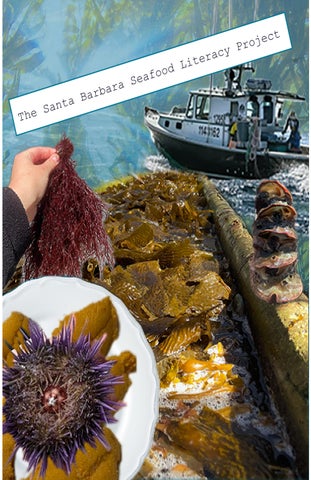

Purpose Purpose
This zine introduces young adults in Santa Barbara to the basics of local seafood,what it is, why it matters, and how to incorporate it into everyday choices.
Many residents care about sustainability but feel unsure about which seafood is local, how to choose it, or why it’s worth supporting. SBSLP gives you a simple, friendly entry point.
The zine highlights local species, seasonal availability, and practical tips on buying and preparing local seafood without needing advanced cooking skills.
It aims to reduce confusion, increase confidence, and encourage readers to support the regional seafood economy through informed, lowbarrier actions.
Urchin
Urchins are a mystery purple blobs covered in spikes and tentacles filled with fluid
What does an urchin think about? They don’t have eyes like us, brain like us, toes, ears, or tongue like us. What does an urchin know?
Don’t they know we love the kelp they eat? Don’t they know they don’t belong in such great numbers? Don’t they know there is nothing left for them to eat?
Why can’t they just do what they're supposed to do? Hide in their holes, eat what floats into their mouth, clean up the bottom. Do they know how the ocean has changed? Do they know they aren’t supposed to be scouring the reef? Eating what they aren’t supposed to eat?
Will they ever stop eating? Reproducing? What motivates them to keep going when so many things hunt them? Otters, sunflower stars, lobsters, shee p head, humans. Their sharp spiny exterior hiding golden roe sustaining all matter of life on land and at sea Do they know how important they are?
Human
Humans are a mystery Smooth blobs covered in hair and bodies filled with fluids
What does a human think about? They don’t have eyes like us, brain like us, spikes, tentacles, or mouth like us. What does a human know?
Don’t they know we love the kelp they pollute? Don’t they know they don’t belong in such great numbers? Don’t they know there will be nothing left for them to eat?
Why can’ t they just do what they're supposed to do? Stay within their means, eat foods that are healthy for them, clean up after themselves. Do they know how the ocean has changed? Do they know they aren’t supposed to scour the reef? Taking more than they are supposed to take?
Will they ever stop polluting? Reproducing? What motivates them to keep going when they have taken so much? Mammoths, dodos, sea cows, vaquita, rhinos. Their machines and fertilizers stimulate growth, sustaining more life than thought possible for such large animals Do they know how important they are?
Management
Purple and Red Urchin are echinoderm (Spiny Skin) invertebrates related to sea stars and sea cucumbers. They live on rocky reef habitats, typically in cracks and crevices They feed predominantly on drift algae, like brown kelp, that has fallen from a larger kelp. They are an important food species for other invertebrates, fish, and marine mammals.
Commercial Urchin harvesting began i n 1971 by the National Marine Fisheries Service to develop fisheries for underutilized marine species The fishery rapidly expanded in the early 1980’s after many commercial fisherfolk in Southern California made the transition to urchin diving as Southern California abalone fishery declined The fishery generally declines during periods of warmer waters like the El Nino in 1984-85 and the warm wa ter “blob” in 2014 but is frequently one of the more valuable fisheries in California due to high Japanese demand and other asian countries. According to a 2015 paper Japan consumes 90% of the global demand for uni.
Today, Santa Barbara is the epicenter for the California fishery and is managed by the California Department of Fish and Wildlife (CDFW) along with the California Department of Food and Agriculture, and the California Sea Urchin Commission. CDFW manages urchins through:
1. Minimum size restrictions
2. restricting access to the fishery with capacity reduction.
3. limiting open fishing days throughout the year.
4. Urchin divers must fill out a logbook and submit it to CDFW at the end of every month
Permitted commercial divers use rakes, airlifts, or other hand-held appliance s to take sea urchins. Divers search for locations with higher quality uni by tasting it underwater. They are looking for Grade A (California Gold), Grade B (Premium California), or Grade C (Select California) by judging texture, freshness, color, and taste
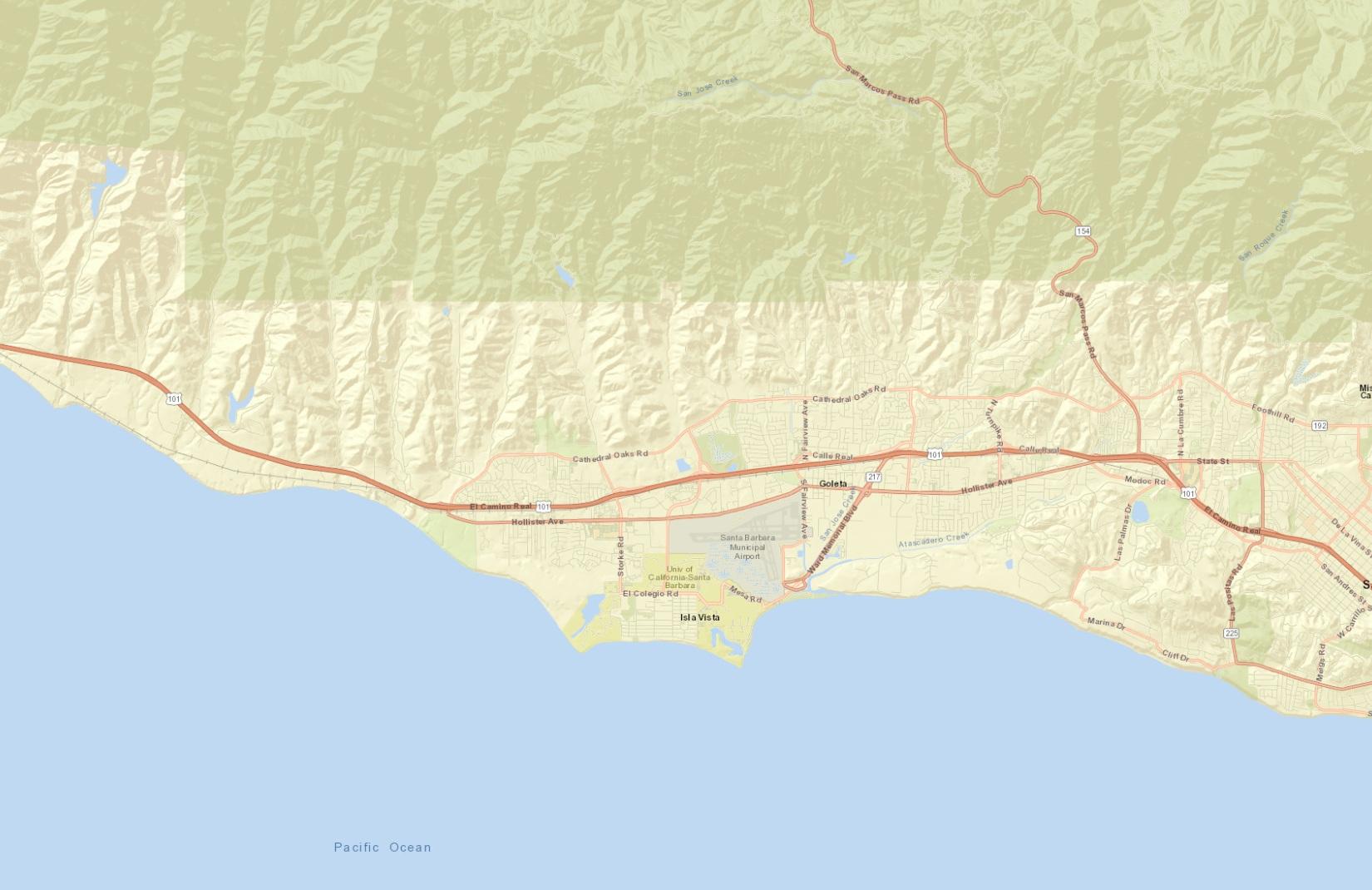
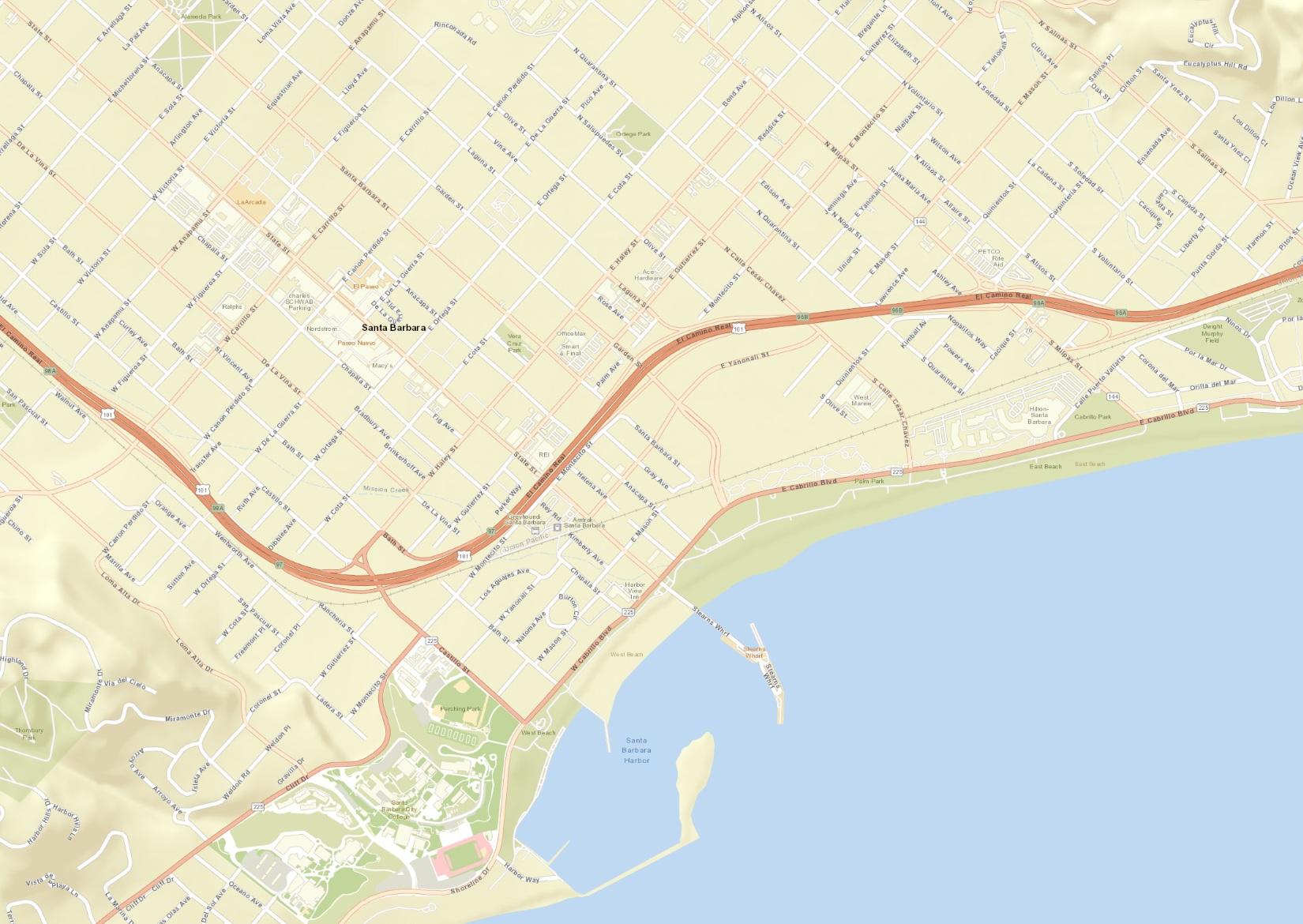
In 2024, 34.55% of harvested urchin in both value and weight is landed in Santa Barbara Harbor, with around 51% landed in the Santa Barbara Port Area (Mostly Santa Barbara and Oxnard Ports). 780,311 pounds of red and purple urchin were caught in 2024 in Santa Barbara Harbor, worth 2,867,533 USD
Saturday Fishermen’s Market
City Pier (opposite Brophy's)
6 Harbor Way
Santa Barbara, CA 93109
Every Saturday 6am-11am
Santa Barbara Harbor Parade of Lights
Stearns Wharf
December 14th, 2025
Starts at 5:30pm
UCSB Sustainable Seafood Day
DLG Dining Commons
January 22nd, 2026 1:00pm - 3:00pm
The Cultured Abalone Farm
9580 S Dos Pueblos Canyon Rd Goleta, CA 93117
Walking Tours: Every Saturday 10am-11:30am Farm Shop: Every Saturday 12pm-2pm
Buy tour tickets at culturedabalone.com/visit-us
We would love to hear your thoughts & share your submissions!