



Sayon Sur Academic + Professional 2010-25


LOW-INCOME HOUSING I 2016
Academic Studio 601 | 004
PAWMUM THARAKLA I 2022
Voluntary
Consultancy service | 048
PORTFOLIO CONTENT
UNSOCIAL SOCIETY I 2016
Academic Studio 502 | 014
ORPHAN SCHOOL I 2020
Voluntary Consultancy service | 056
RURAL HOUSING
Academic Studio 402

I 2022
Professional Consultancy service | 064
HOUSING I 2015
Academic 402 | 024
INSTITUTE COMPLEX I 2014
Academic Studio 401 | 032
SPIRITUAL LANDMARK I 2021
Competition
Recognized Entry | 066
HEALTH CLUB I 2013
Academic Studio 302 | 040
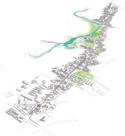
RESILIENT STREET I 2016 Competition Winning Entry | 072

FOLLOWING THE SOUL I 2016 Poster | Sculpture | Illustration Personal Interest | 072
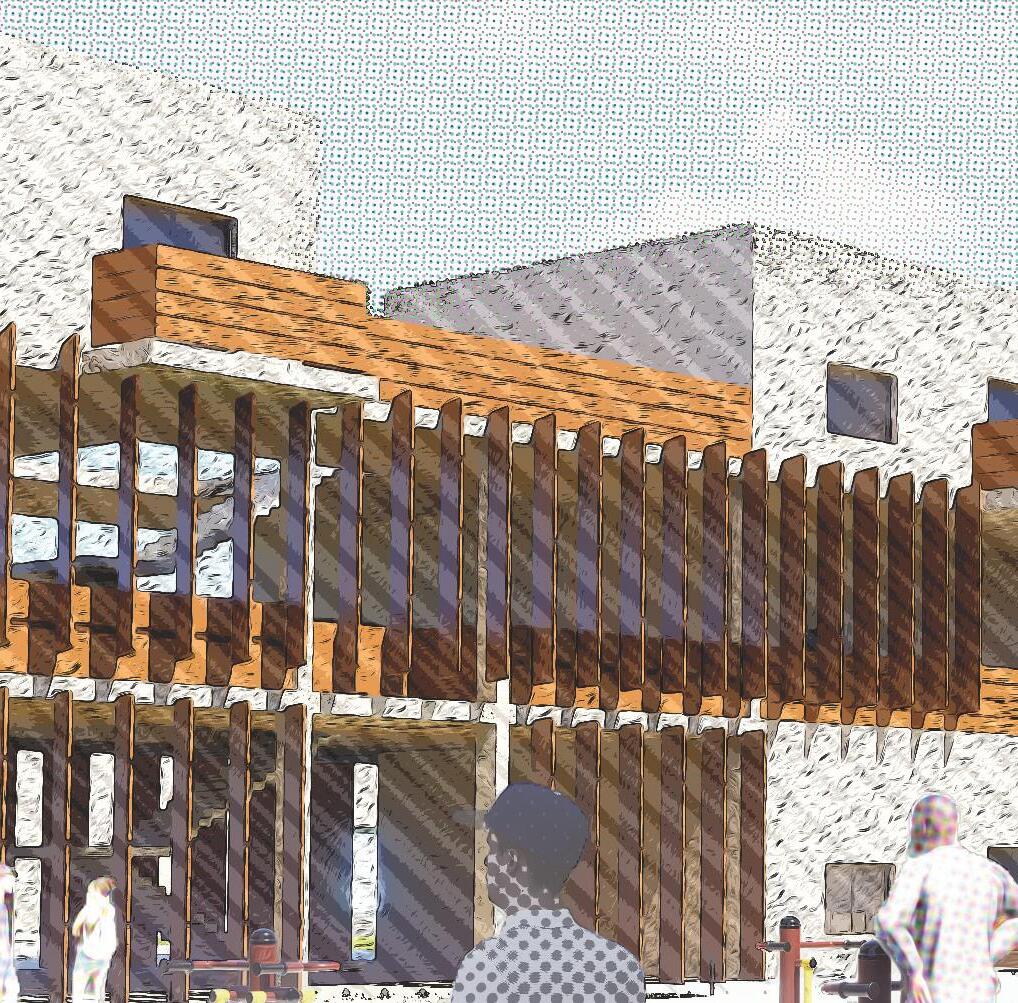




Studio 601 I 2025
Group project
Responsibility: Site and context analysis, formulation of cluster and unit design, masterplan formulation etc
Supervisor : Dr. Stathis G. Yeros
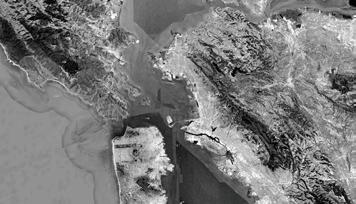
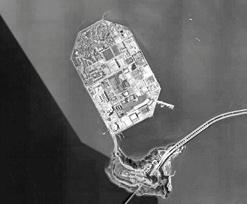
Site : Treasure Island, San Francisco, USA
Site Area : XX Acres


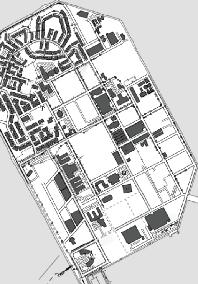
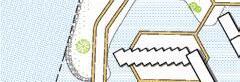
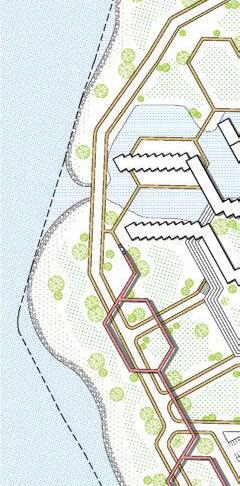
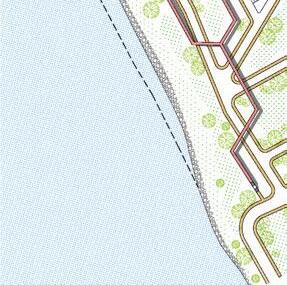
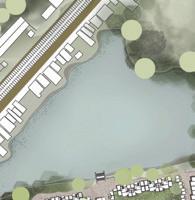
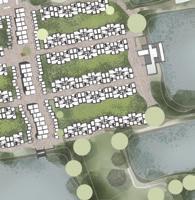
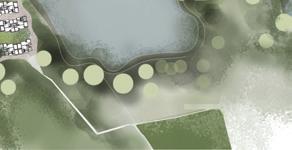
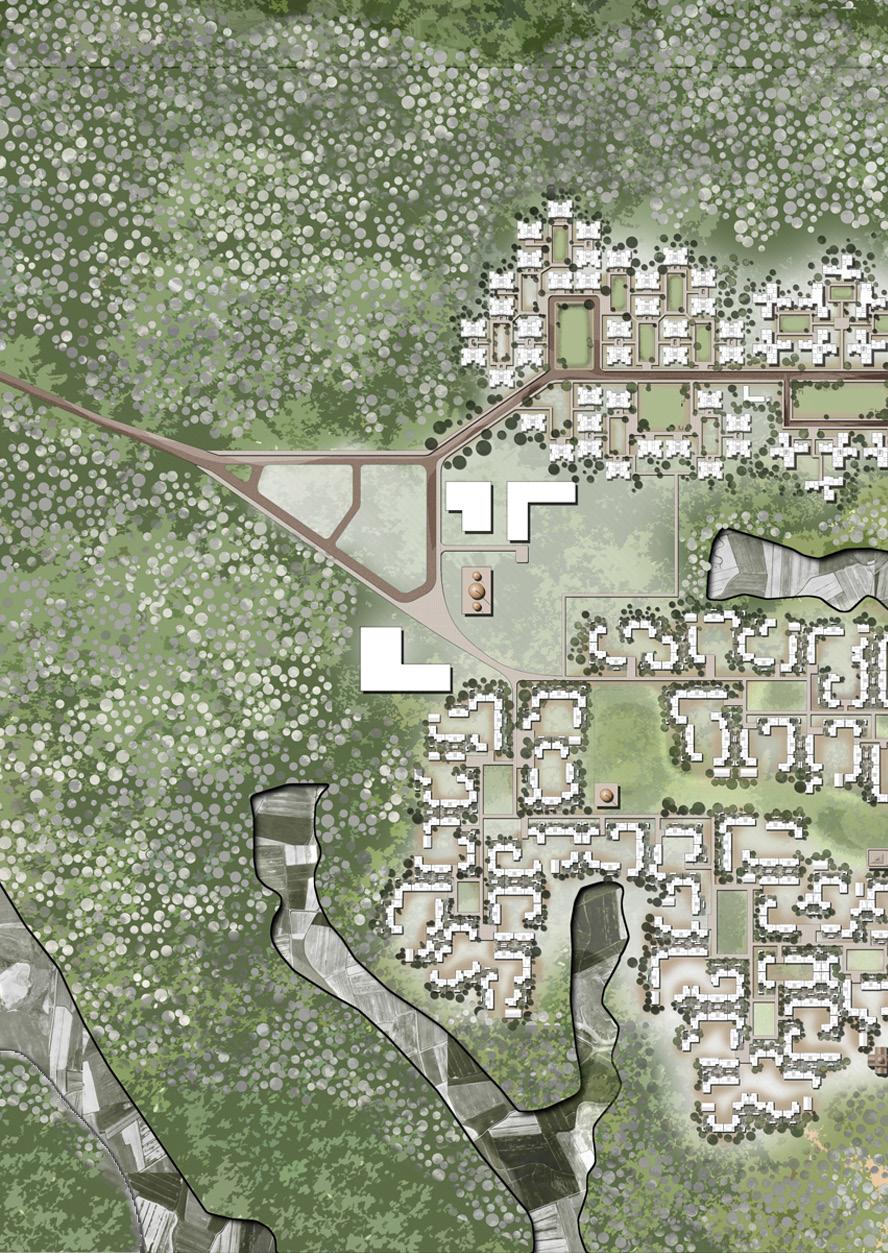
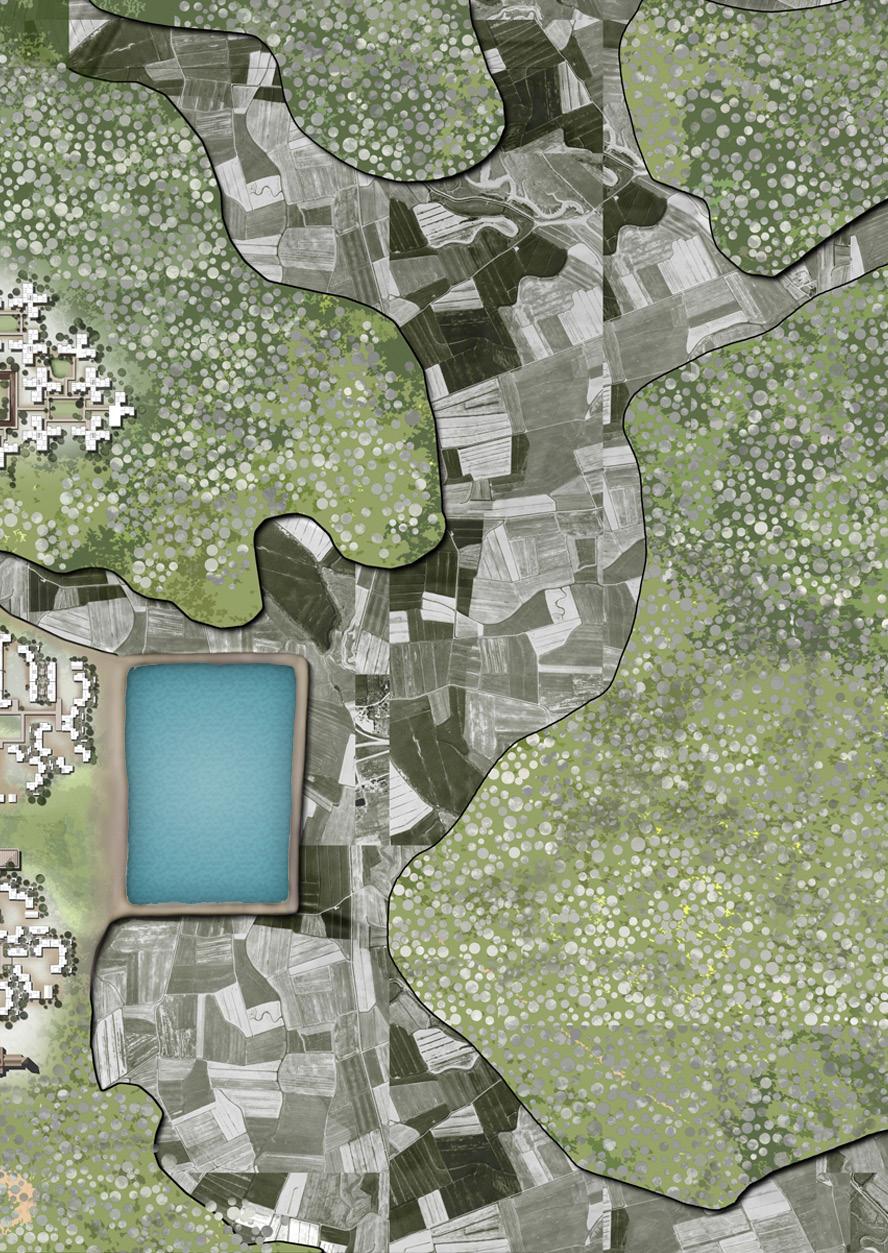
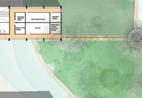
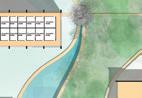
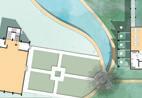
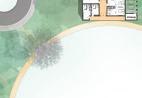
Around 3,000 residents live on the island, yet its history and geography present significant environmental and social challenges. The research highlights multiple risks that must be addressed in any future development. Three strategies that were used to address the concerns: reforming the entire shoreline; bringing it in, placing new structures on an elevated concrete platform, and introducing a lake around the elevated landscape with channels leading into it.
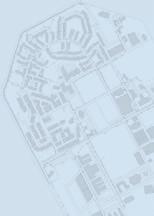
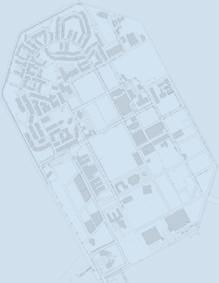
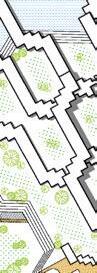
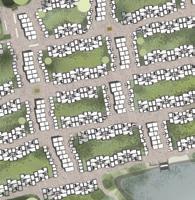
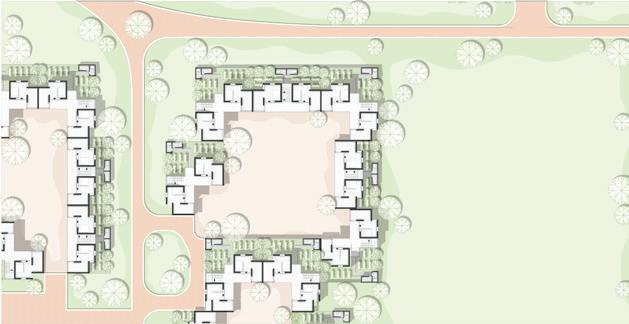
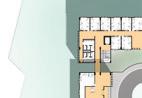
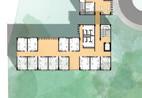
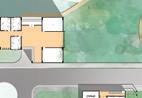
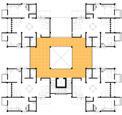
To foster a more integrated community environment, the building adopts a hexagonal form, creating interconnected residential spaces. The design features large courtyards spaces placed between units that encourage interaction and connectivity among residents. A medical facility are incorporated directly into our housing building with its own designated parking landscape. Additionally, space were allocated on the site designated to provide certain amenities to the island. This space includes retail and social amenities. By incorporating these fa-























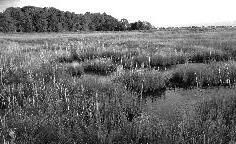
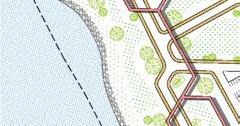
to retain shoreline, acts as natural barriers to waves


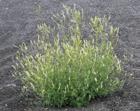
Types of Vegetation to address Contamination


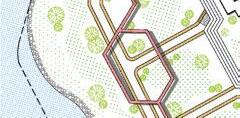












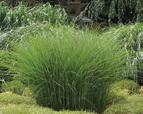
Miscanthus Hybrids for accumulating 238U and 226Ra





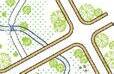
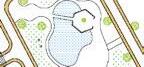
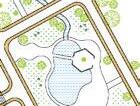




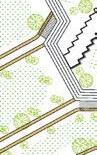
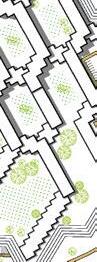

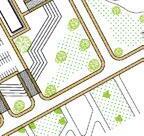




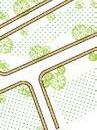
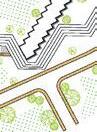

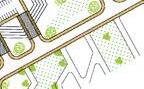



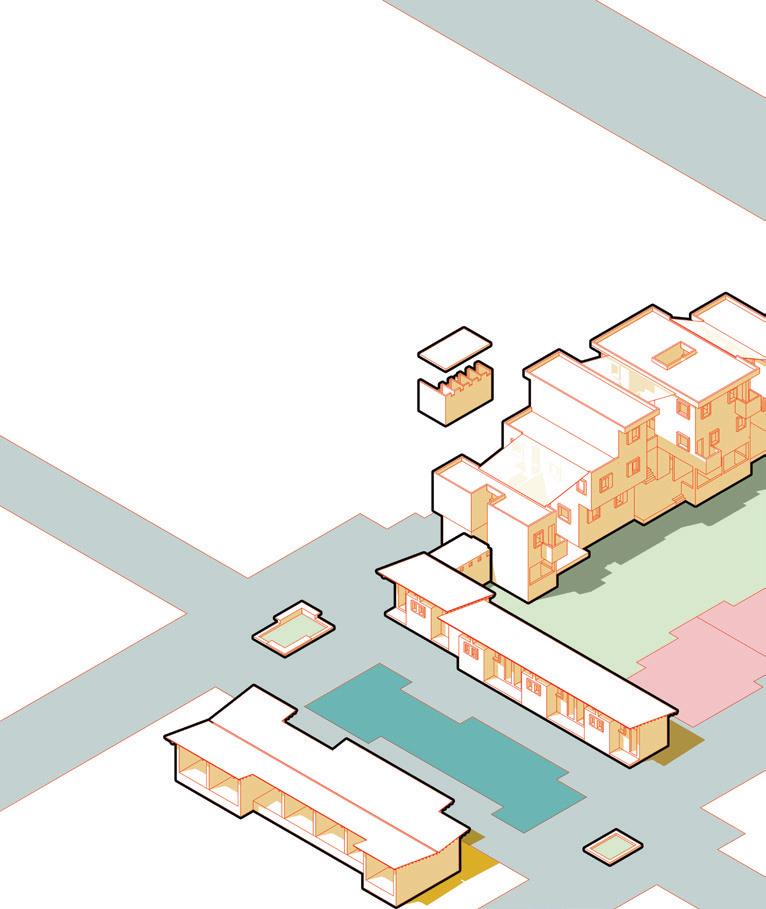
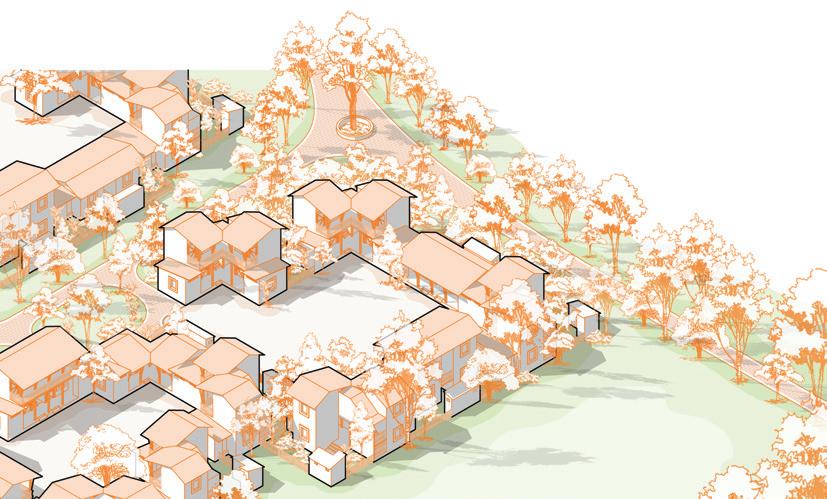
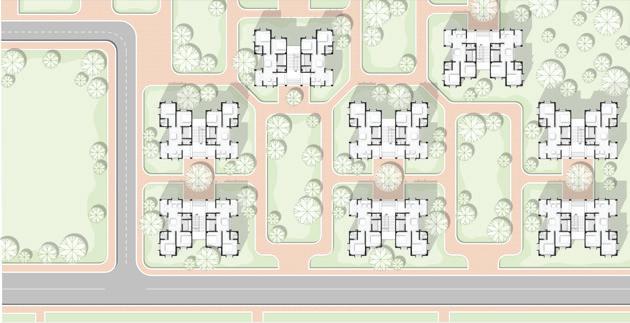
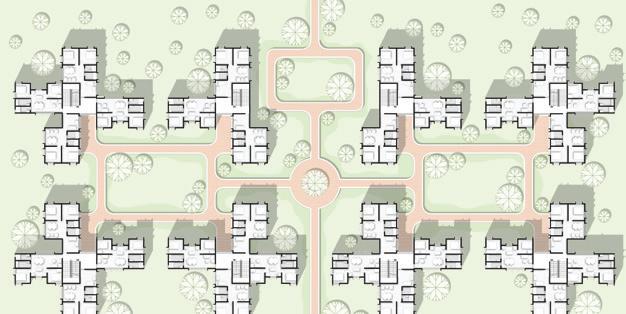
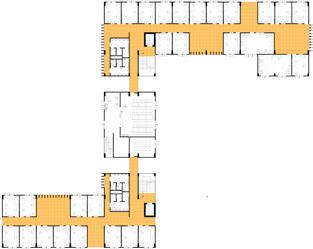
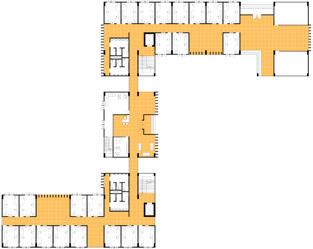
A regular column grid has used in this structure to facilitate easy expansion in the future. Also, flip units on both side to accommodate units accordingly.
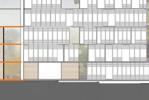
Introduction of color in the elevation as shown in the exploded diagram of the ground to identify the cluster (which includes common amenities) and also provide direction within the structure
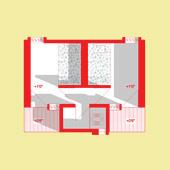
Unit Type A
Unit Type B
Unit Type C
Unit Type D
Unit Type E
Unit Type F
Gymnesium
Games Room Laundry
Clinic
Maintanance Office
Pocket Park
Stairs
Elevator
Three adjacents hexagonal clusterns are forming neighbourhood which sharess some common utilities and amenities within the neighbourhood. The color on the ground represents the neighbourhood cluster formation which will reflect in the building elevation plaster color. Thus a colorful neighbourhood will form as well as it will also guide the users to navigate among the housing mass. Color of the Unit represesents either the unit type or the amenities for the neighbourhood.


Phase 01


Demolition of Existing Housing Unit to Clear up the Site for Development


Phase 02











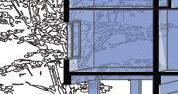









Development of Elevated Platform to address uncoming Sea-levle Height






Phase Integration of Lake around form to hold water coming


Phase 03
around the Elevated Platcoming from the Sea


Phase 04
Construction of Housing Clusters on the South of the Site and the additional amenities


Phase 05


Completetion of construction of Rest of the Housing Clusters

























Studio 502 I 2016
Supervisor : Dr. Zebun Nasreen Ahmed, Patrick D’ Rozario, Ar. Jalal Ahemd
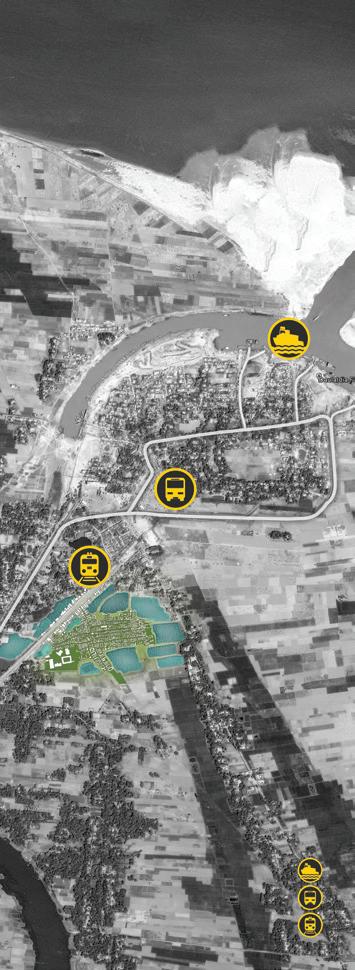
Site : Brothel Village, Daulatdia, Rajbari, Bangladesh
Site Area : 25 Acres
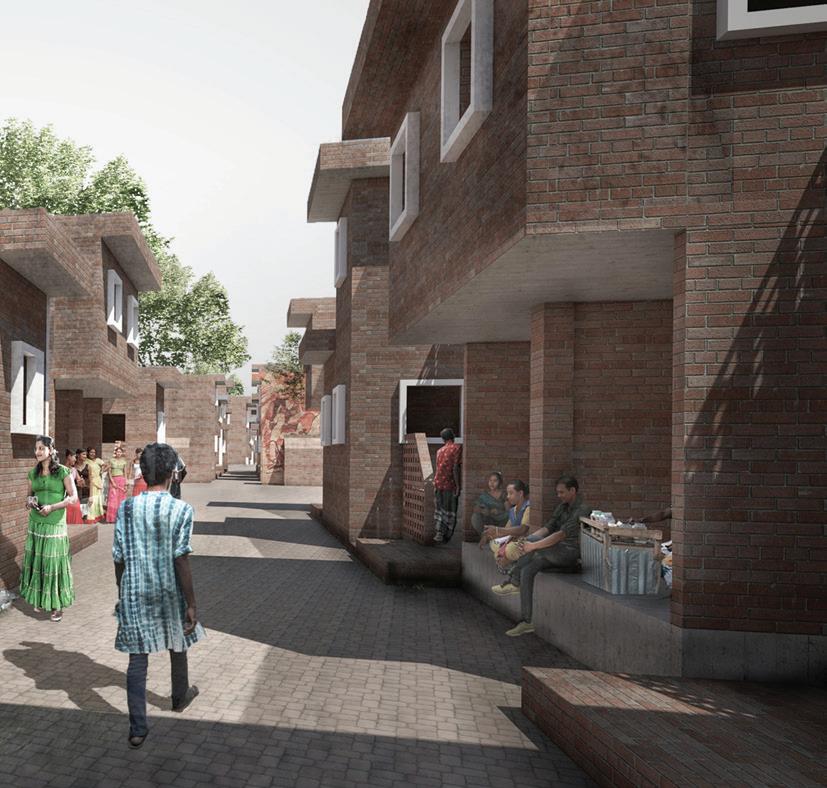







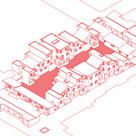
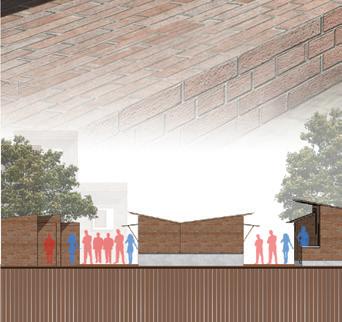
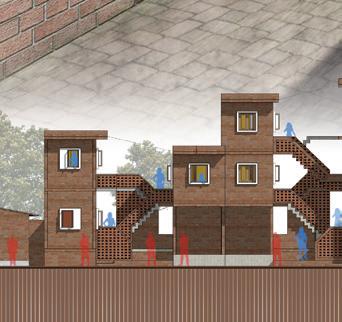
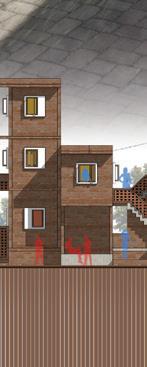
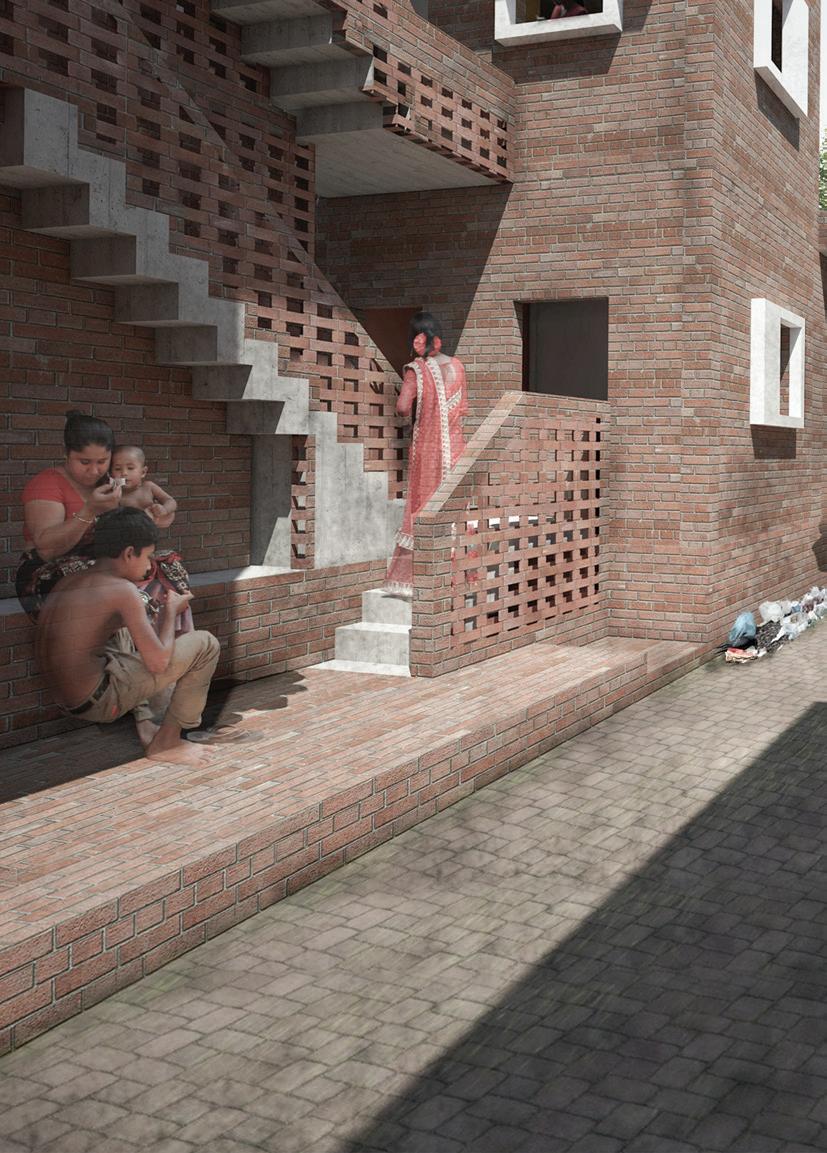
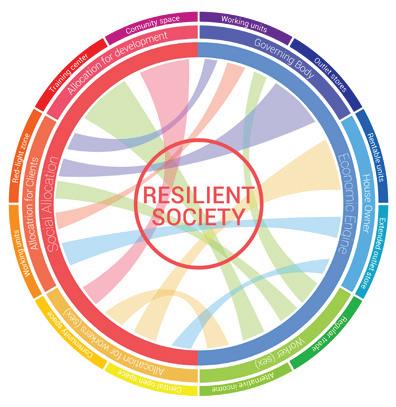
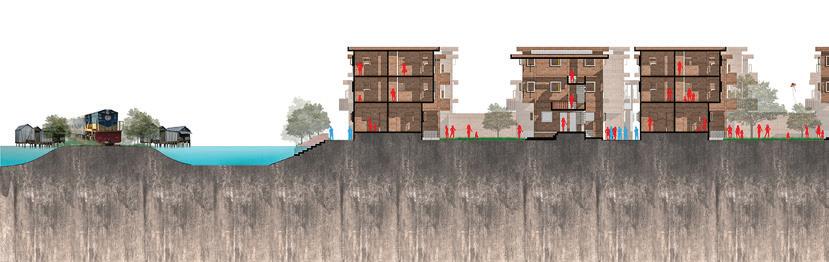
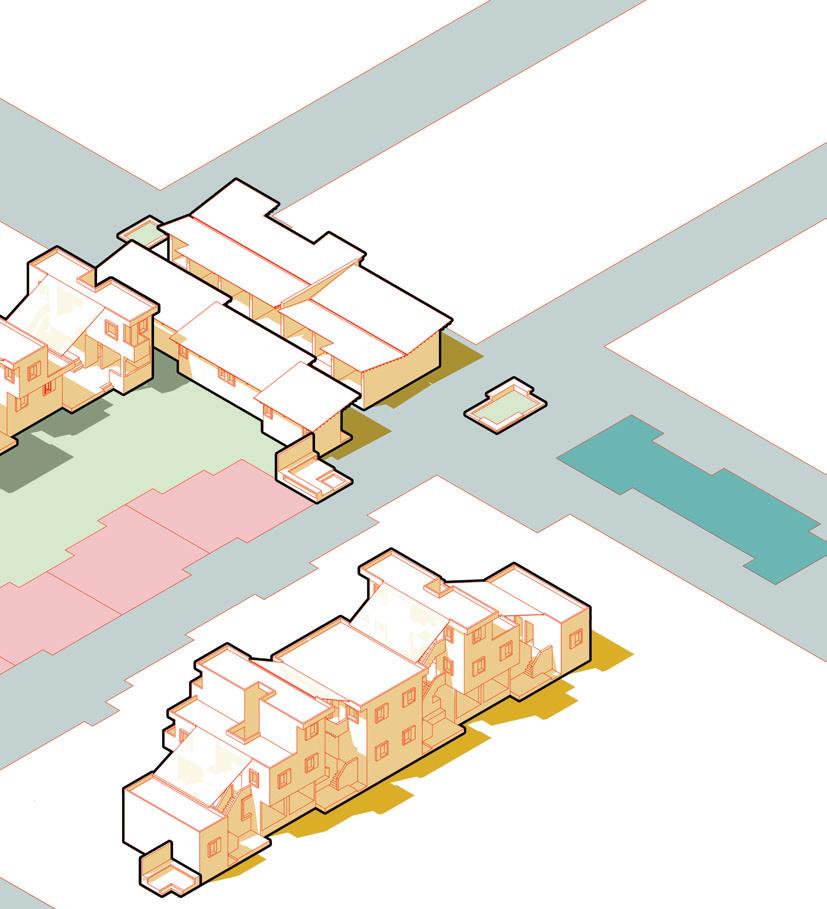
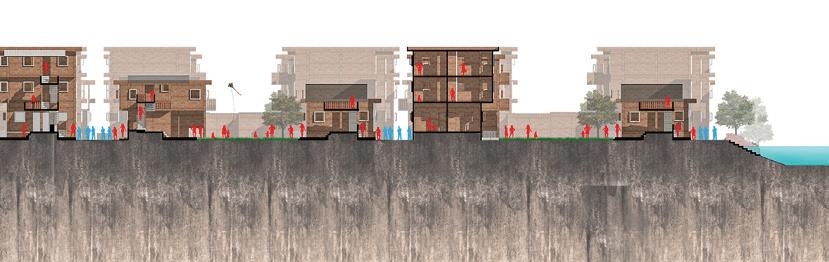
Marginalization is a process whereby something or someone is pushed to the edge of a group accorded lesser importance. This is predominantly a social phenomenon by which a minority or a sub-group is excluded, and their needs or desires are ignored. Such a group is denied involvement in mainstream economic, political, cultural and social activities.
Even if sex work is not illegal in Bangladesh according to the High Court which has declared about it’s legal status based on Constitution of Bangladesh (in 2000 and 2014), these groups are socially detached and living in enclosed boundaries for decades. Social ignorance as well as unacceptability has pushed them to the corner, having an unplanned, unorganized as well unhygeenic living condition. The Thesis mainly focuses on detailed study of existing physical and non-physical structure of the system runs in Bangladesh. Daulatdia is the largest brothel village of the country opening around 1988 (unofficially for decades prior) where 1300 sex workers reside and serve more than 600 clients on a daily basis.






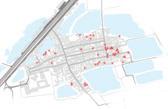
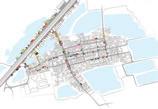
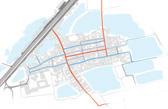
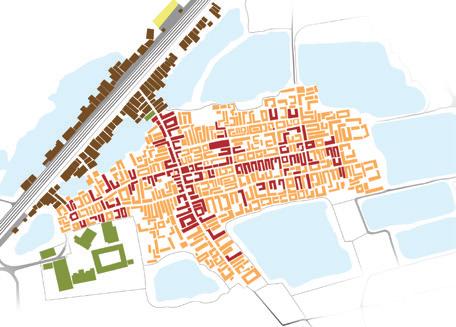
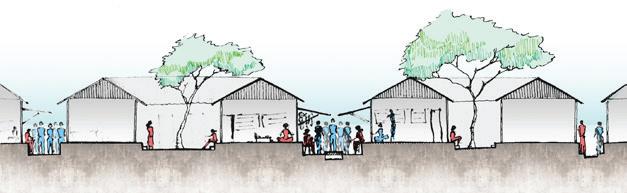
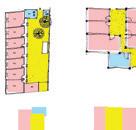
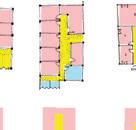
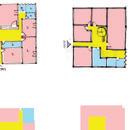




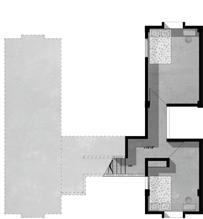
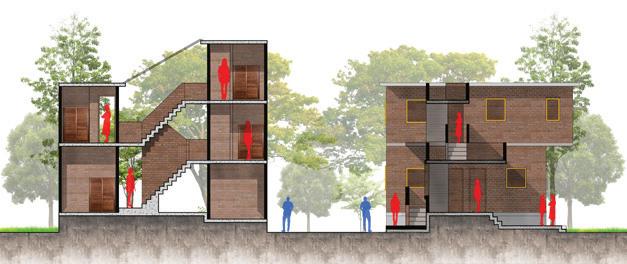
to owner’s affordibility









These arbitary development will generate a wave in the overall streetscape, that eventually break the spacial and visual mononoty of the entire area.




















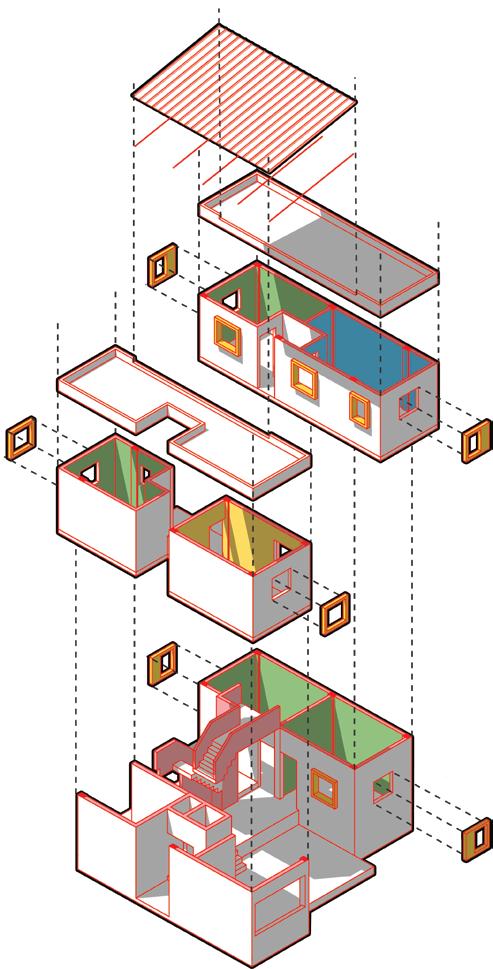
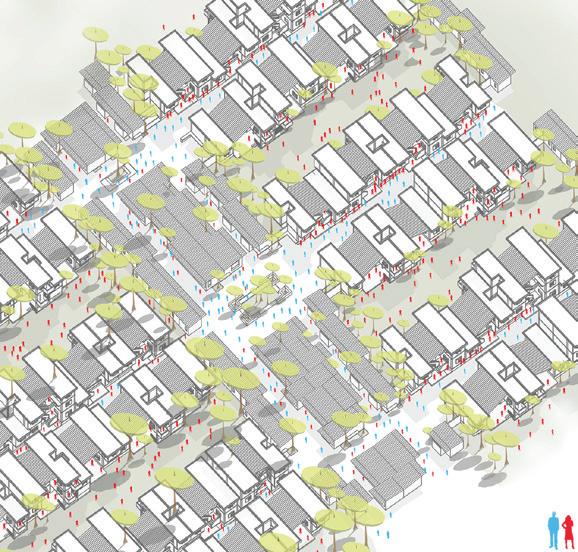


Human Movement Through Space Layering of Living zone & Working zone Client Sex



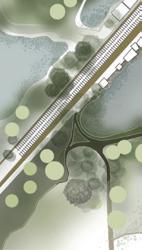


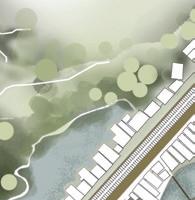
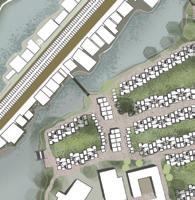















Sustainable village resolution, creating harmony between man & nature.

Studio 402 I 2015
Group project
Responsibility: Site survey, formulation of design and preparation of drawing, model making etc
Supervisor : Dr. Shayer Gofur, Asst. Prof. Mohammad Tahajibul Hossain, Lec. Nusrat Ishtiaque Jahan
Site : Hobuarchala, Gosaibari, Gazipur
Site Area : 43 Acres
Sal forest is a forest type dominated by a single plant species, commonly known as Sal tree (Shorea robusta). It belongs to the category ‘Tropical Moist Decidious Forest’.
Continuous unplanned deforestation for human need, as well as spread of scattered settlement through the area has been detrimental to the forest ecology just within last 100 years. Where the forest occupies most of the land is now squeezing drastically.
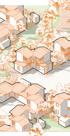
The Prime objective of the project was to save the forest land, proposing a compact rural settlement which will coexist with the forest and maintain harmony and bio-diversity. The another objective was to study the common rural settlement pattern of Bangladesh, and see how ideas of ‘Compact township’ can provide better opportunities and create a more sustainable future for a agricultural economy oriented country which is suffering to accommodate its huge population.
Design decissions were made with precision to ensure that the proposing settlement pattern do not compromise with the essence of rural life, but promotes opportunity for future development.



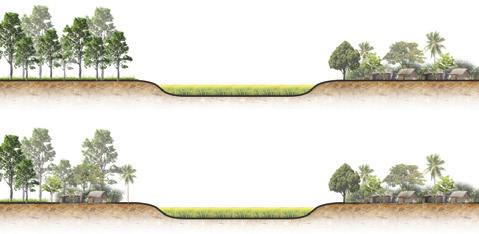
‘Compact Township’ is a highly notable idea from Economist Professor Salim Rashid. The idea is basically a futuristic planning approach of rural settlements, where a number of ‘settlement units’ will be formed with basic facilities along with housing. They will replace the existing scattered rural homestead, and preserve valuable cultivable land and will be flood resilient.
The design idea is highly inspired from the compact township theory, applying the concept in ethnic rural village, Hobuarchala, Gosaibari to preseve the cultivable land along with Sal forest land around.
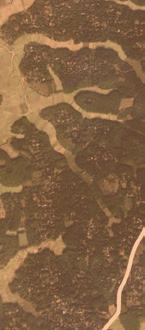

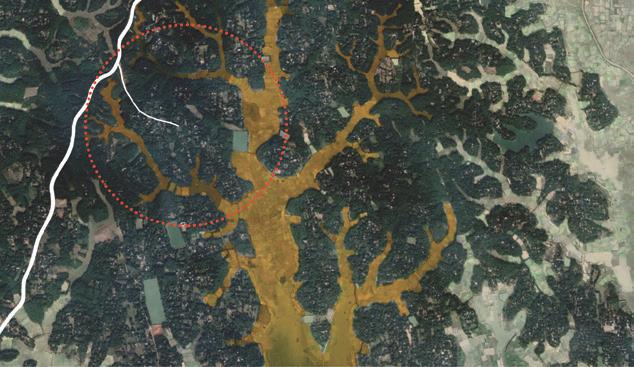
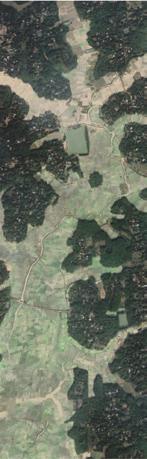
The site is part of the famous Madhupur tract. This valuable Sal forest is getting captured by unscattered settlements and illegal encroachments. Now only 600 sq km of the forest is left alone, whereas it was double in size just 100 years before spreading from northern bengal to comilla. This continuous deforestation has serious enviromental threats. The under ground water level and bio-diversity is decreasing day by day.

The enormous expansion of Dhaka City is the most conspious features of Madhupur Track/ Sal forest. The growth of the city has given birth to numerous small urban areas, in nearest future which will be absorbed into the expanding city.
Scattered settlements causing severe harm to the forest. One of them is excessive road infrustructure demand between built structures to connect those villages that set apart from each other.
Individual identity
providing each family with an separate homestead unit and yard, to uphold their age-old culture and social identity. Thus preserving their traditional rural living pattern.
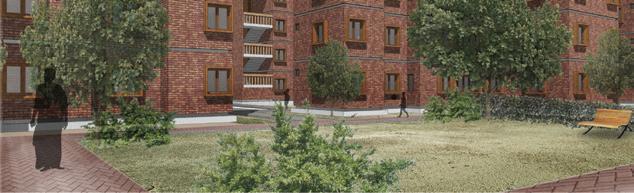
The village deep into the forest is designed with careful use of local materials, to inspire local/community construction.
Inspiring community activity and courtyards

Court-yards are a typical characteristic of rural houses in Bengal, for their micro-climatic benefit. Also these shared yards inspire community gathering and community activities
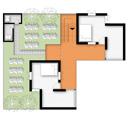
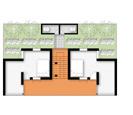
Dwelling Type 01
user group: farmer
economic class: agriculture dependent economy
area: 1800 sqft (for two family unit)
facilities: 1 nos living room
store room
kitchen
kitchen garden (back yard)
toilet
shared yard (front yard)
scale: 2 storey mass
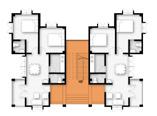

Dwelling Type 02
user group: non agricultural farm
economic class: higher economic capability
area: 650 sq ft
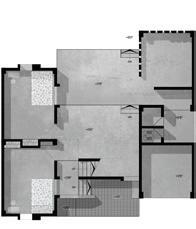
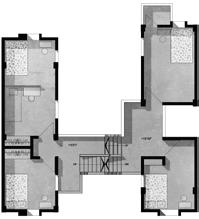
facility: 2 nos bed room
dinning space
living room
kitchen
toilet
veranda
scale: 2 storey mass
The invaluable forest
The scattered housing pattern is replaced with more compact and sustainable form of settlement, preserving forest land and in a way people can live alongside the forest bio-diversity , even with future extension
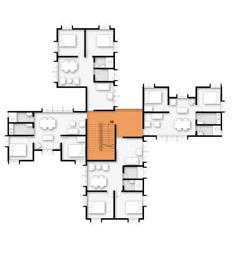
Dwelling Type 03
user group: non agricultural farmily economic class: lower economic capability
area: 540 sq ft/ 580 sq ft
facility: 2 nos bed room
dinning space
living room
kitchen
toilet
scale: 4 storey mass
Dwelling type 02 user
Dwelling type 03
High school
Community hall
Mosque
Community bazar
Central pond
Mondir
Dwelling type 01









A low cost sustainable solution for families (farmer), using local materials inspiring local construction tecnique. These expandable dwelling unit has carefully designed to serve future expansion providing direct ground level contact for individual.



Cluster for dwelling type 02
Cluster for dwelling type 03









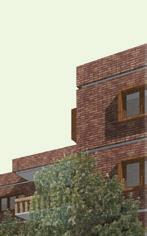
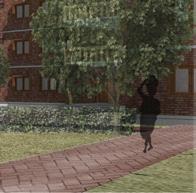
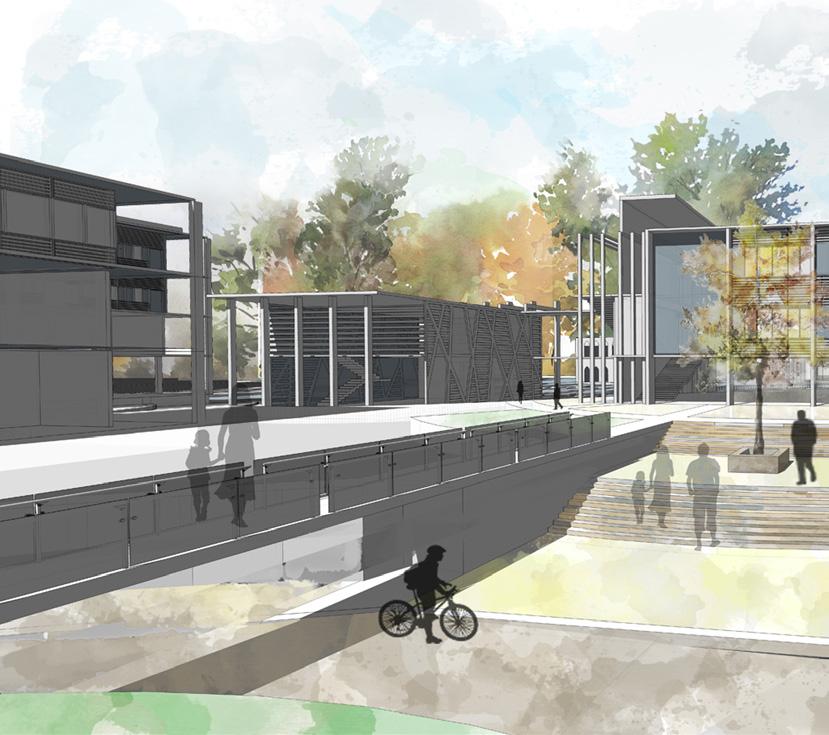
Visual of Main Entry
Studio 401 I 2014
Group project
Responsibility: Site survey, formulation of design and preparation of drawing
Supervisor : Dr. Shahidul Amin, Dr. Nasreen Hossain, Asst. Prof. Mohaimeen Islam Badhon
Site : Gazipur, Dhaka
Site Area : 3.48 Acres
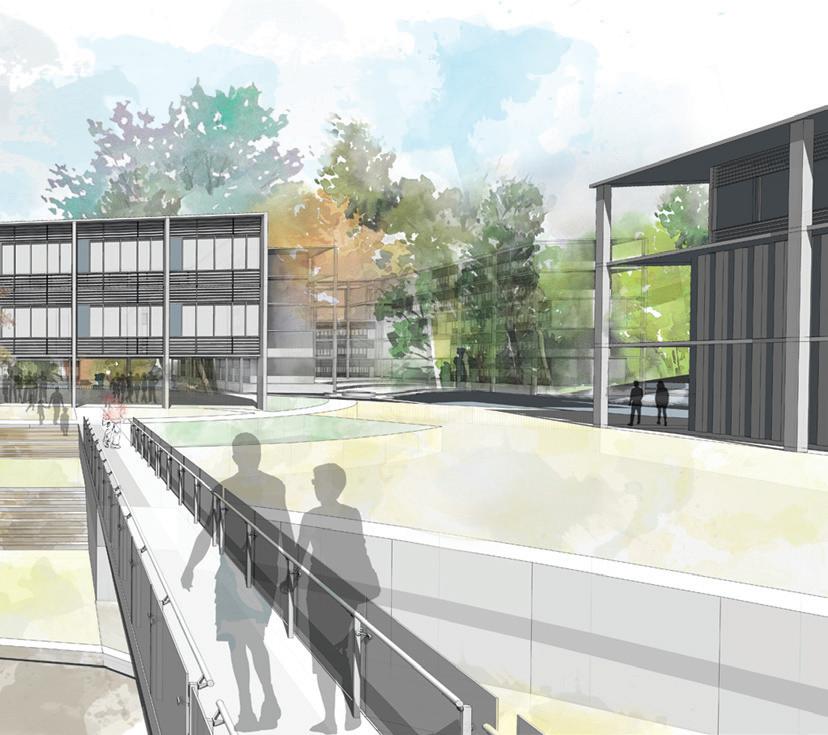
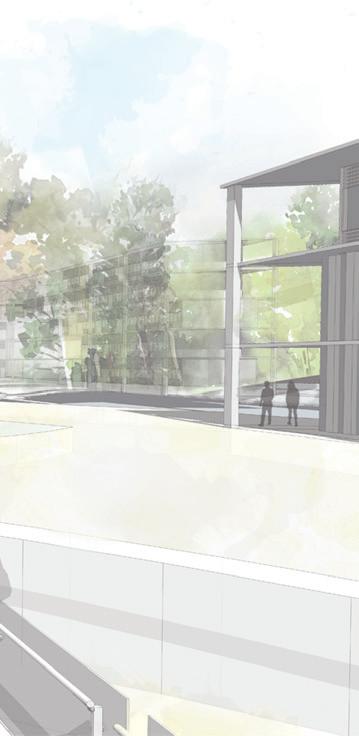
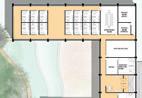
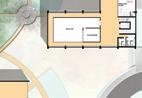
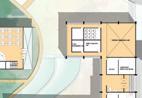
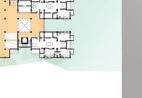
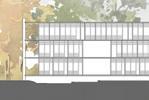
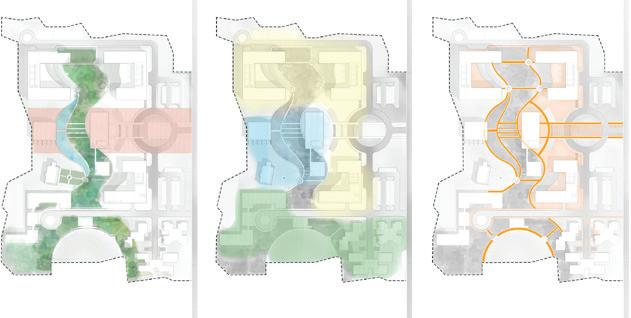
Bangladesh University of Engineering and Technology, commonly known by the acronym BUET, is a public technological research university in Dhaka, Bangladesh. Founded in 1876 as the Dacca Survey School, it is the oldest institution for the study of engineering, architecture and urban planning in Bangladesh, BUET has an urban campus located in the Palashi area of Dhaka. The campus houses academic and administrative buildings, resarch institutions, Accomodation facilities and other amenities. As the university is expanding its student capacity to serve country’s need, it has planned to relocate its research institutes, who mainly focuses on to conduct scientific ressearch as well offers postgraduate diploma, master’s and doctoral degree to the outscart of Dhaka. These four institutes are Institute of Appropriate Technology (IAT), Institute of Information and Communication Technology (IICT), Accident Research Institute (ARI), BUET-Japan Institute of Disaster Prevention and Urban Safety (BUET-JIDPUS). The core purpose of the project is to generate a master plan concidering urban issues and its infrustructural and environmental impact.











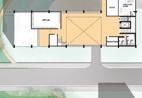
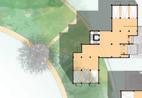









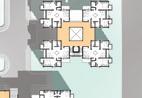








Sonneratia apetala
Sonneratia caseolaris
Cocos nucifera


Luffa aegyptiaca 01 Terminalia arjuna
Prunus domestica (ssp. italica var. claudiana)
Syzygium jambos
Kashgar tamarisk
Justicia adhatoda
Abroma augusta
Saraca asoca
Polyalthia longifolia
Bombax ceiba
Ficus rumphii
Acacia auriculiformis
Butea monosperma
Neolamarckia cadamba
Mimusops elengi
Magnolia champaca
Cassia fistula
Dillenia indica 01 Barringtonia acutangula
Citrus maxima
Syzygium samarangense


Albizia chinensis


These arbitary development will generate a wave in the overall streetscape, that eventually break the spacial and visual mononoty of the entire area.




Conceptual


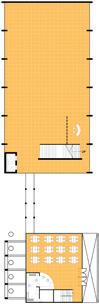


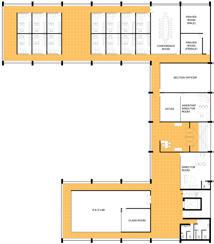
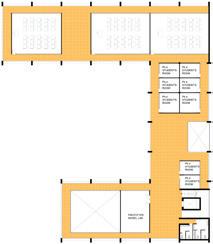
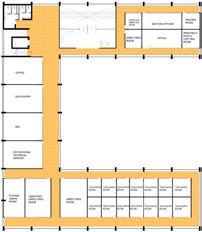
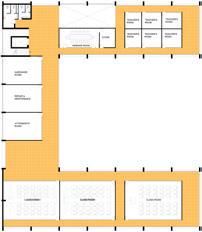
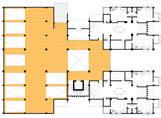
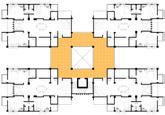

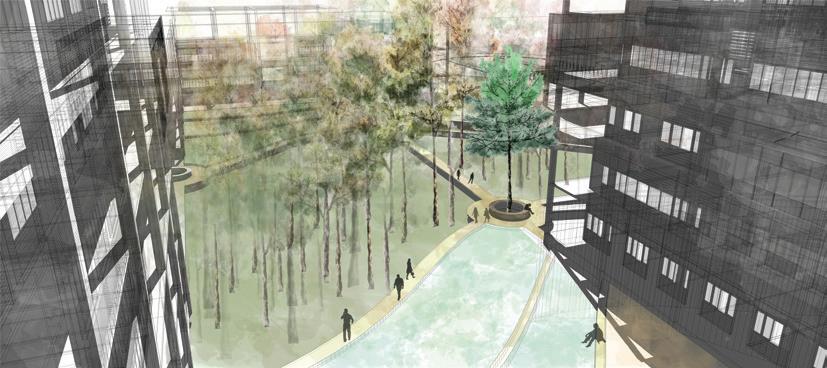
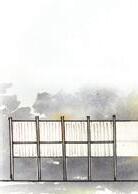
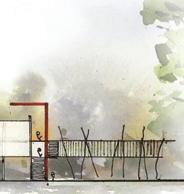
Accidental Reaseach Institute (ARI) & BUET-JIDPUS Library
Student’s Accommodation

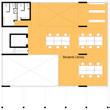
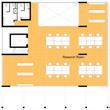

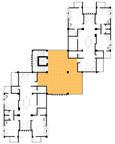
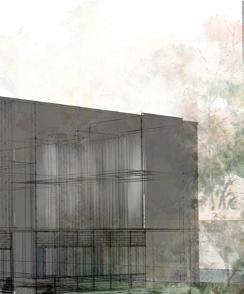


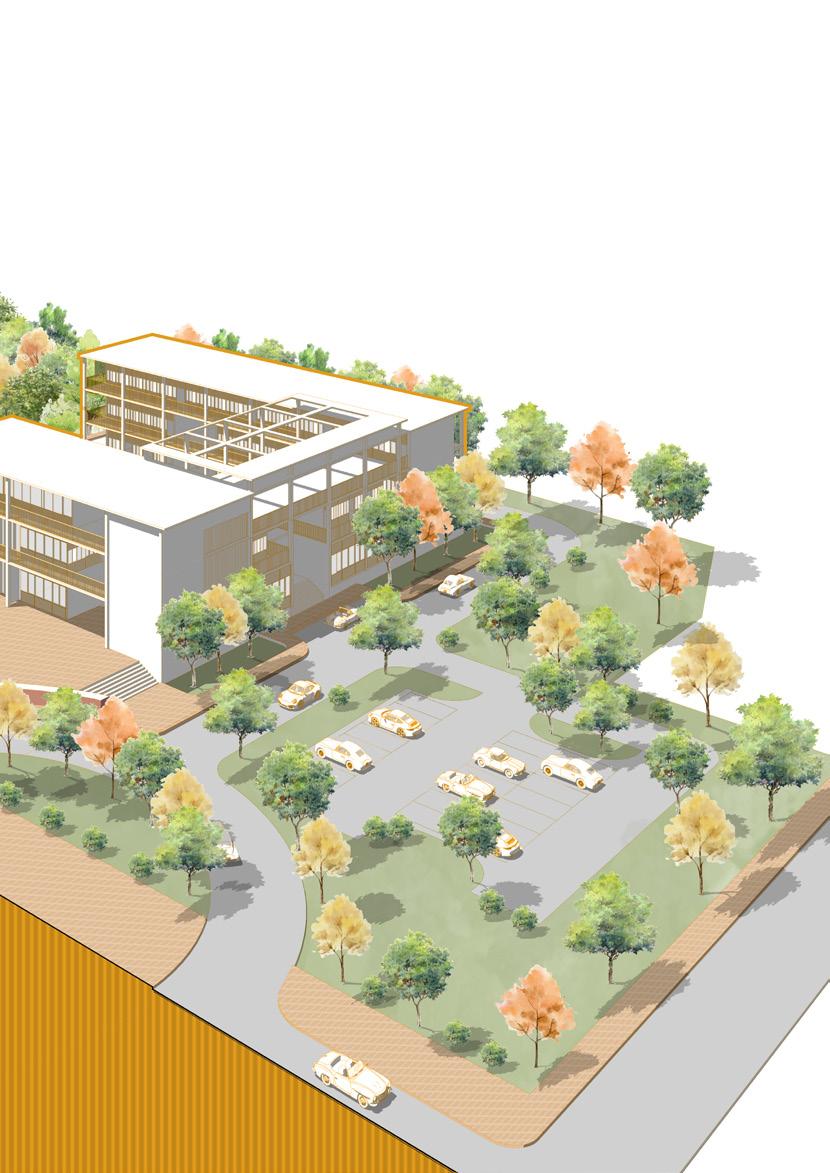
Library Building
Water reservoir
Adiministration Block
Vehicle drop off point
IICT Building
Ecological Buffer
Student plaza
IAT Building
Parking Zone
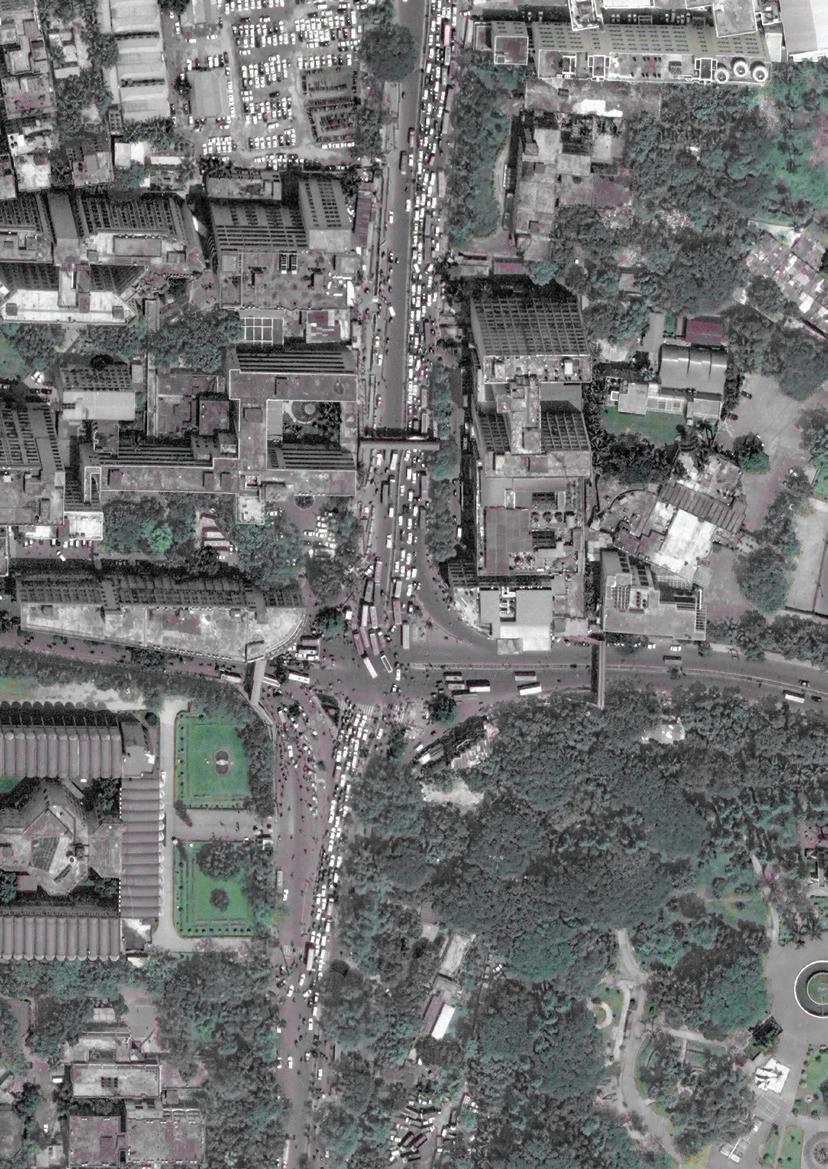
Bangladesh National Museum
Shahbagh Node

Bangladesh Tenis Federation Health Club

Shahid Zia Shishu Park
Ramna Lake

SITE MAP
ACADEMIC I STUDIO 302 I HEALTH CLUB


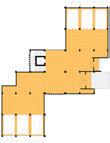
Design of a fitness center under training federation for public use
Studio 302 I 2013 Supervisor : Dr. Nasreen Hossain,Dr. S M Najmul Imam, Asst. Prof. Tasneem Tariq, Site : Shahbagh, Dhaka
Site Area : 3.5 Acres

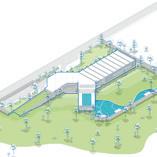
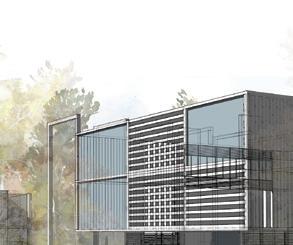
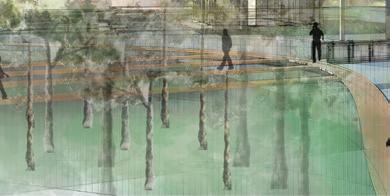
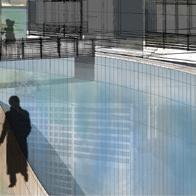
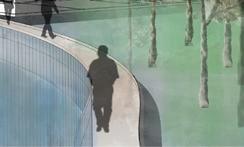
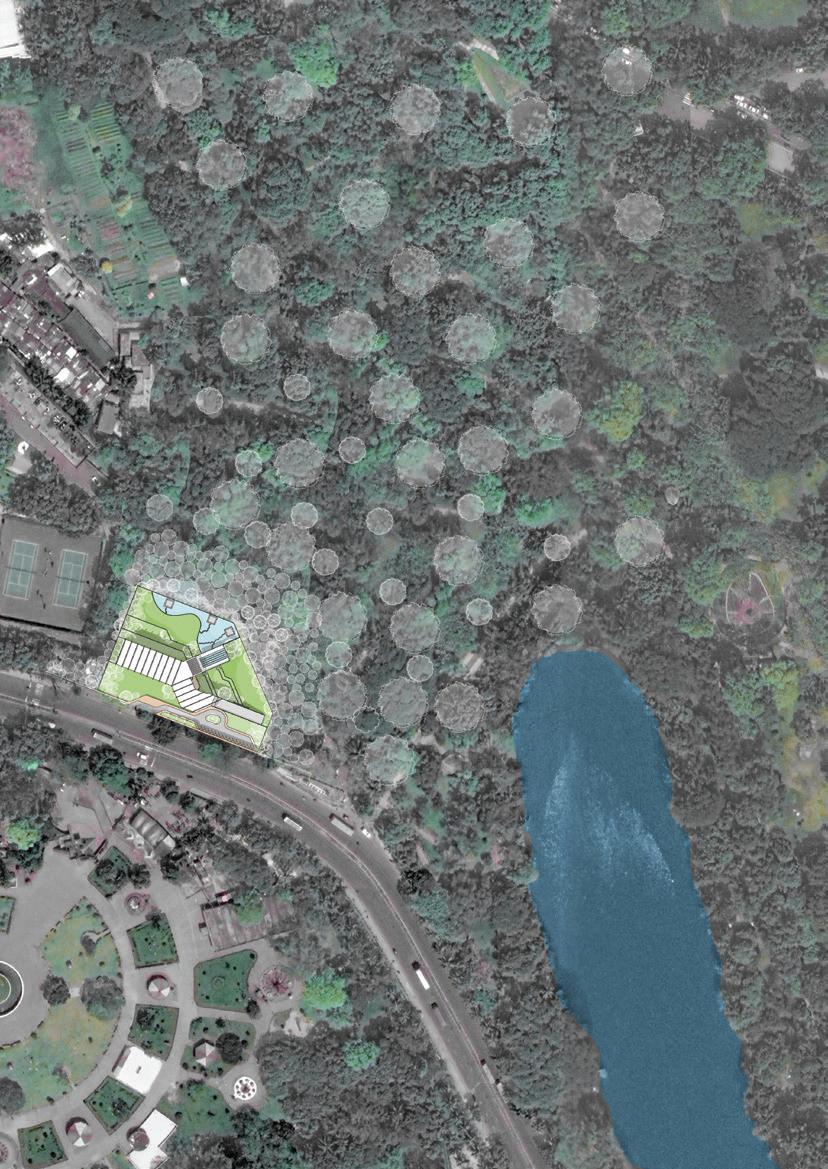
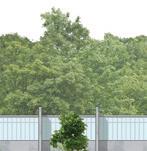
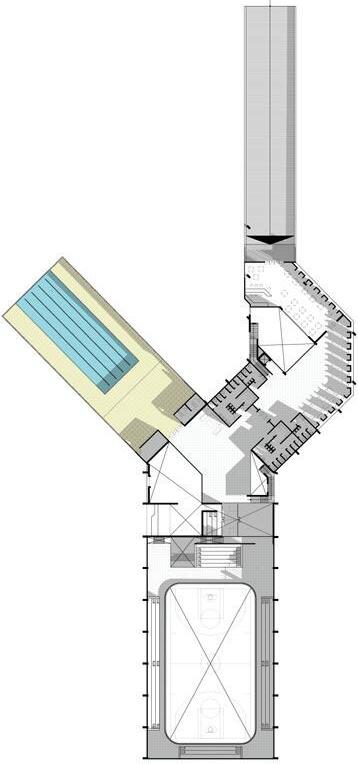
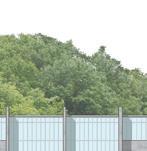
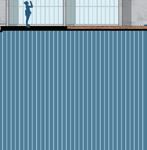
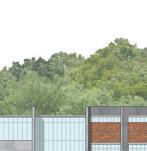
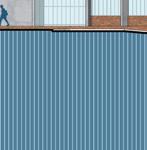
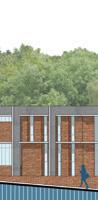
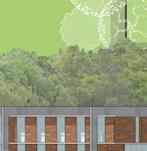
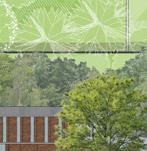
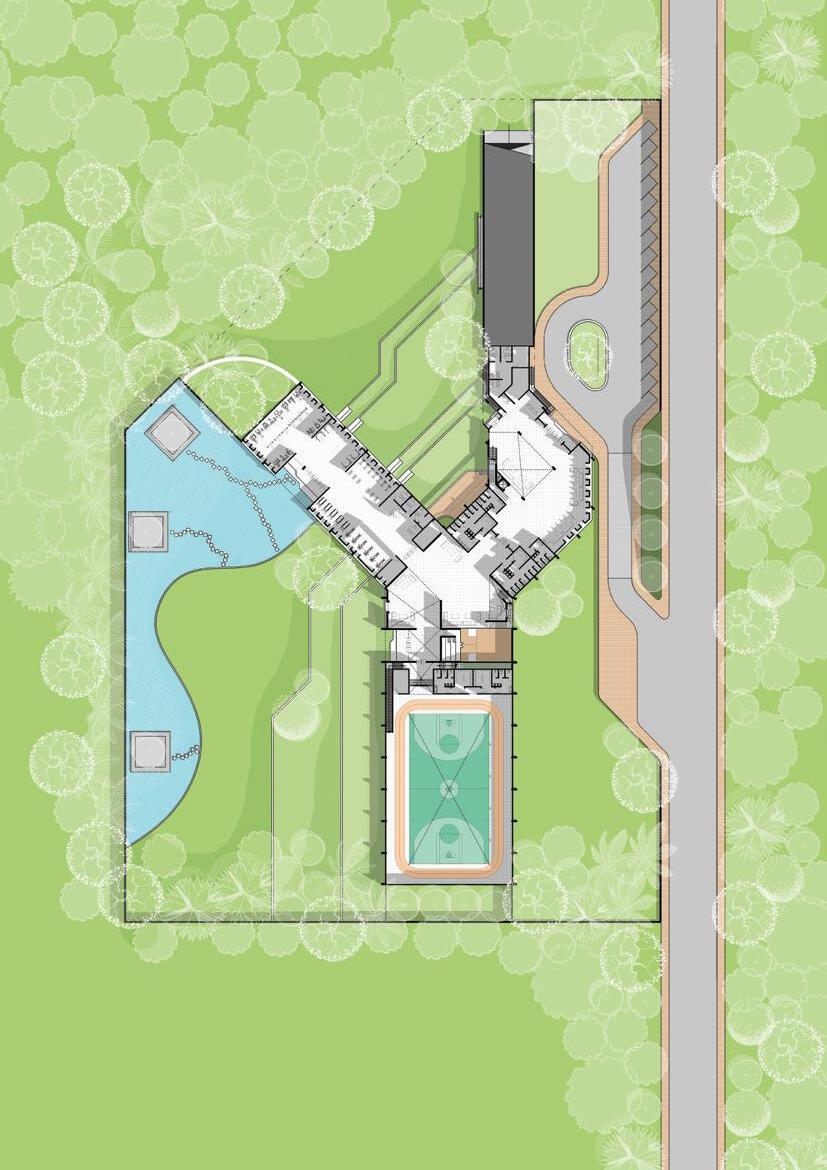
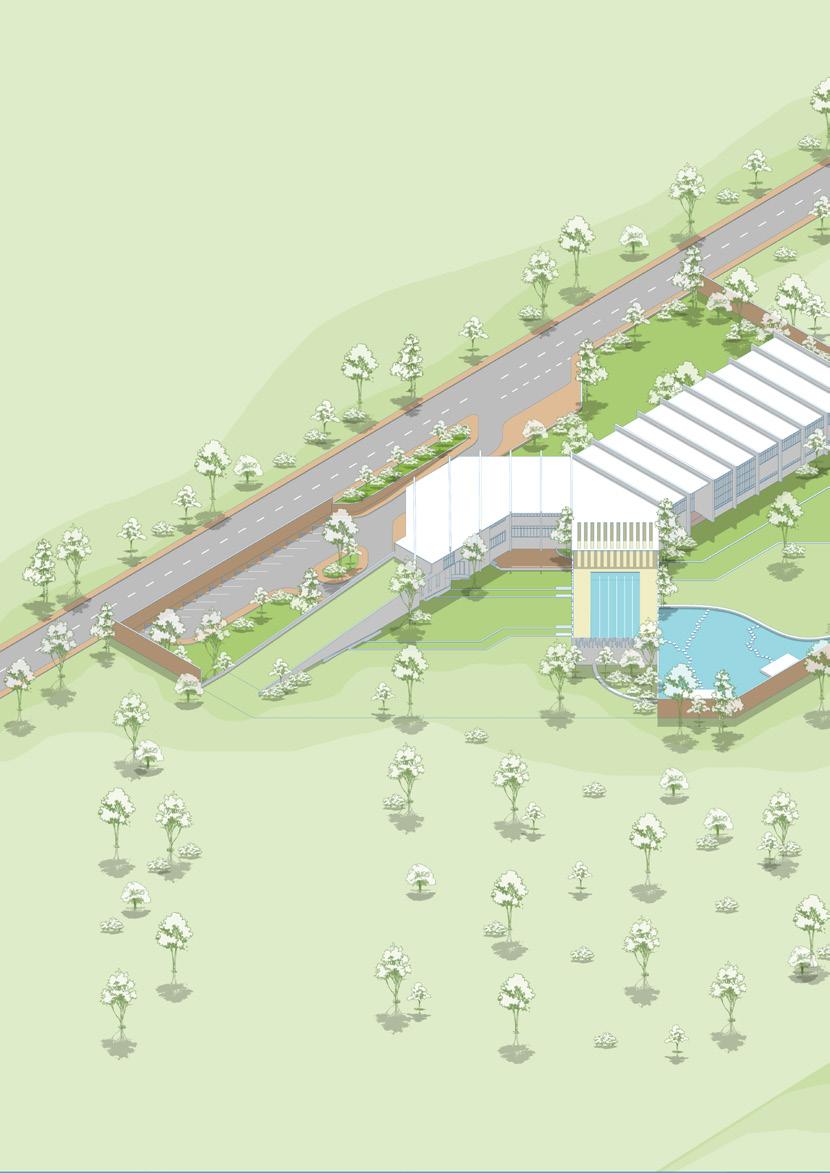
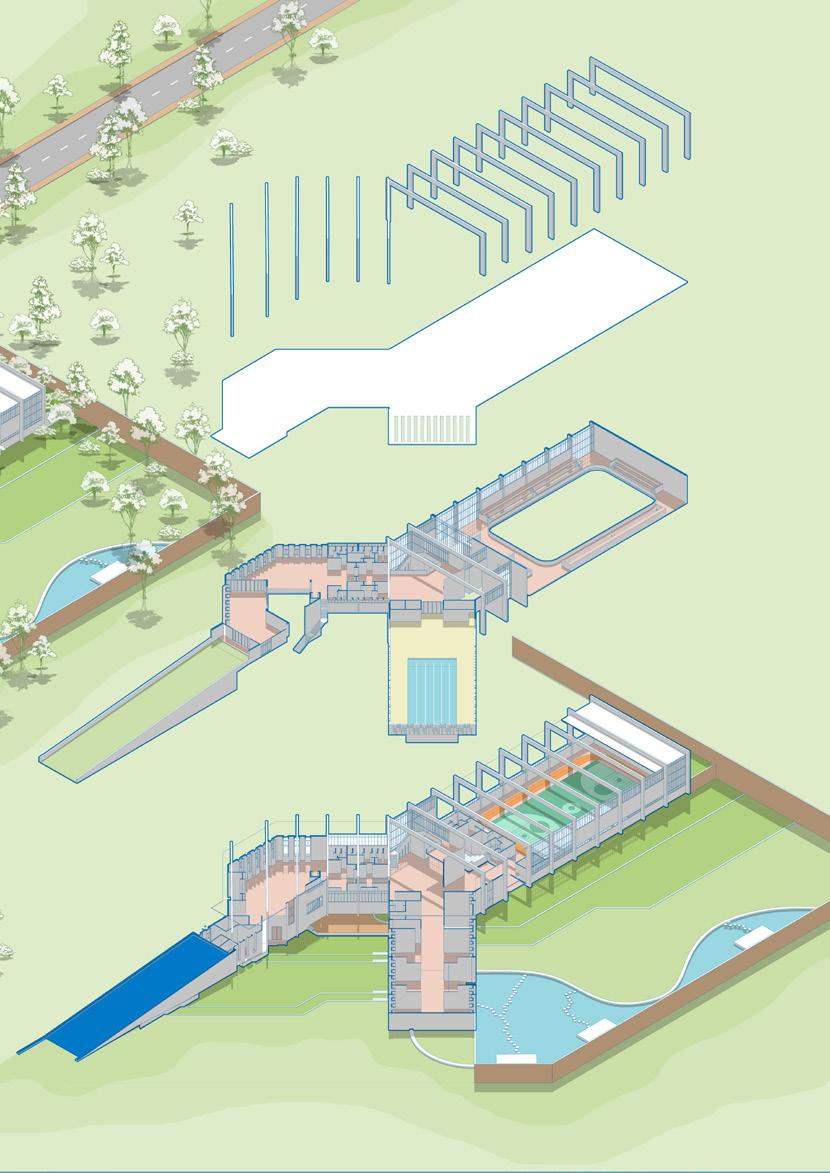
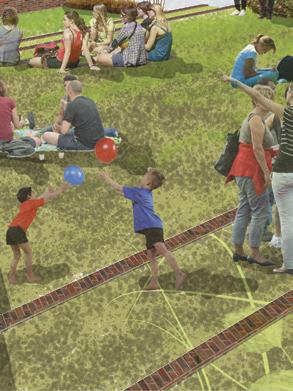
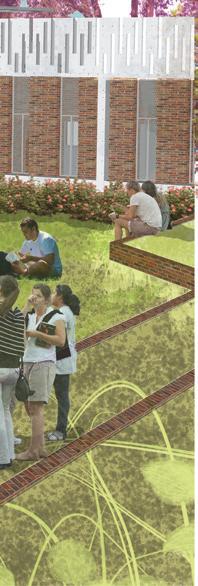
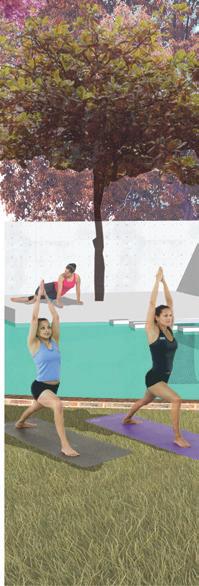
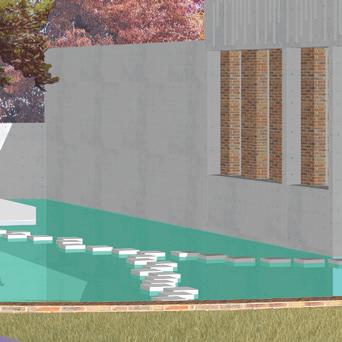
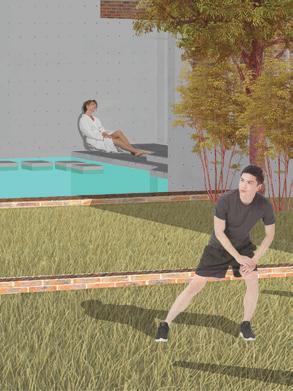
Shahbag is one of the prime node of Dhaka. The propsed site for the project is only 250 m away from the node and sorrounded by Ramna park on three sides of it. The initial idea behind the project was to propose a form creates a barrier between the noisy road on the south and the park on the north. So, the linear mass is introduced throughout the site and a portion of it is burried under ground to blend it with natural canopy level. A series of exposed column is used to regain its verticality and resemble with the sorrounding vertical lines of trees. The swimming pool is placed to devide the north side of the linear mass into two courts. A entry court was designed towards the park to create a inviting entry for the park users on one side. while the other court is reserved as meditation court which has a restricted entry from the building itself.
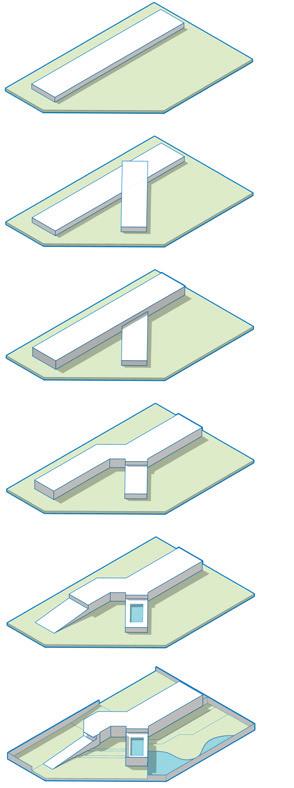
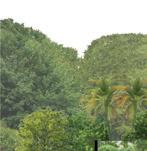
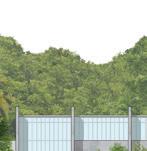
Placing a mass (north-south oriented) parralal to the road to create separation from busy chaos outside
Adding another mass 45 deg to the previous to create a warm court, entrace from the park.
Thus a interior court is formed as well.
Deforming the mass by pushing back and forth to make the court (entry from park) more open for visitors.
Introducing a green ramp to the first floor (canteen) to generate a dialogue between the build and natural environment


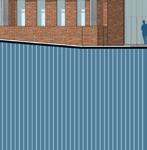
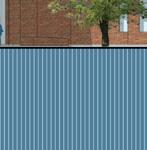
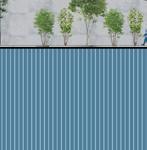
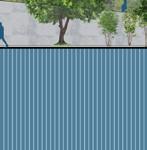

Entry (from park) court
Meditation court
Cafeteria
Green ramp towards cafe
Locker room (for swimmer)
Visitor’s Seating
Swimming zone
Basketball court
Squash court
Locker room (for gym)
Admin zone
Performance platform
Gymnesium
Yoga space


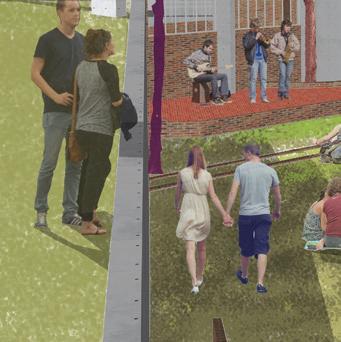
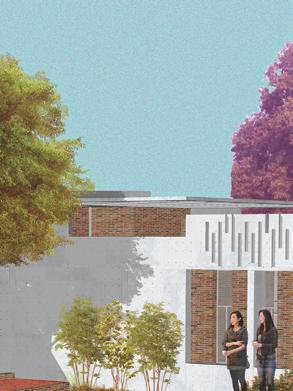
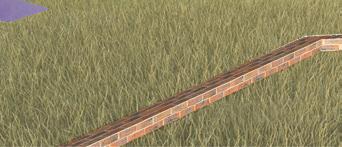
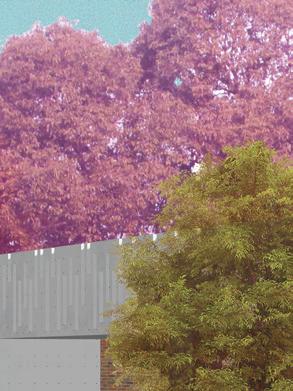
Visual of Entry (from park) Court Visual






Community School for Indigenous people, Mro Community
Consultancy service I 2022
Team : Ar. Sayon Sur, Ar. Kwoshik Kumer Majumder
Site : Bomu river zone, Bandarban
Site Area : 0.6 Acres

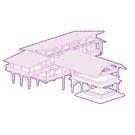
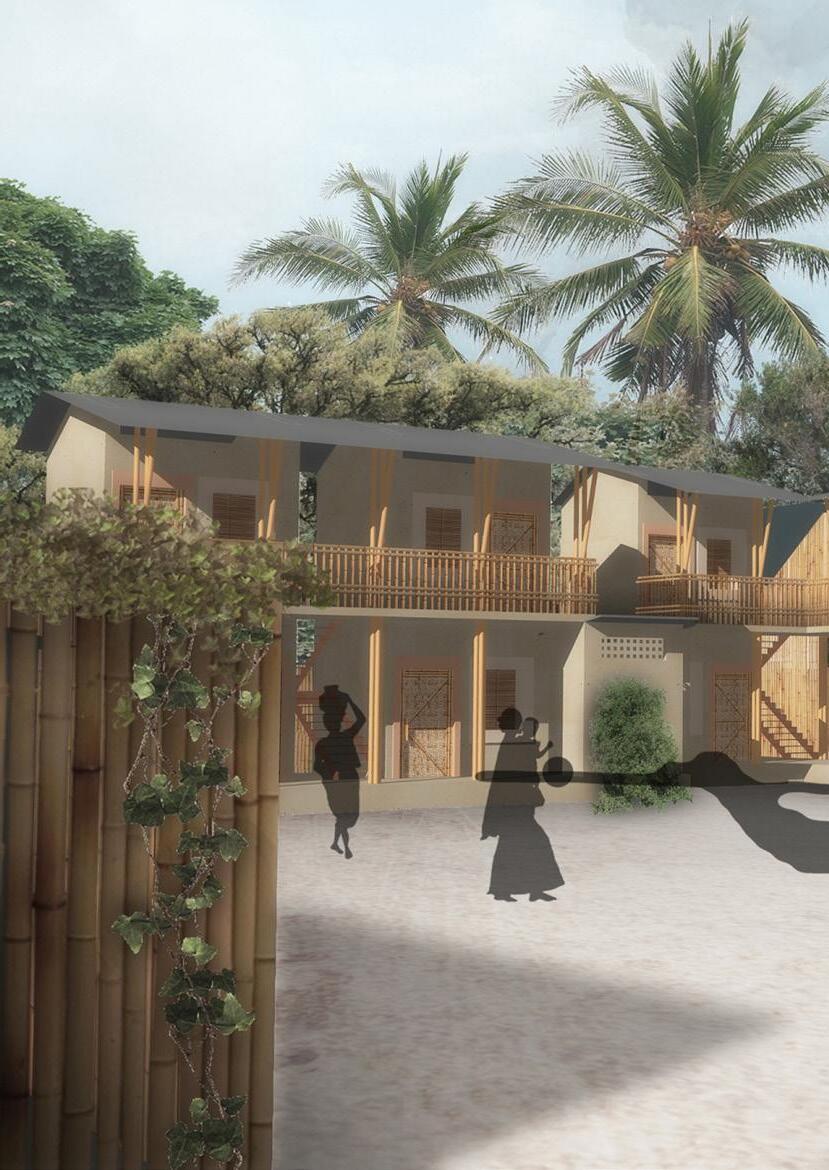
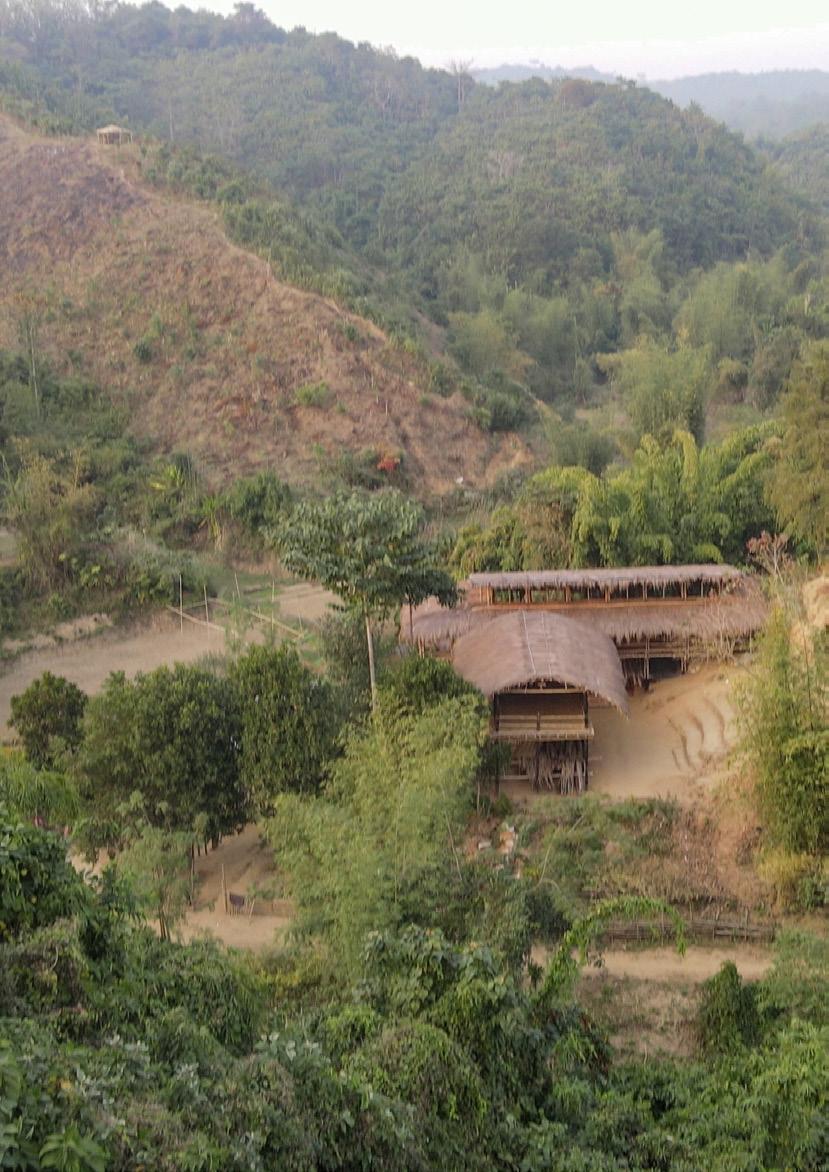
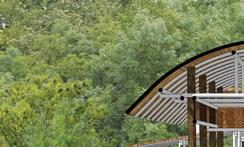
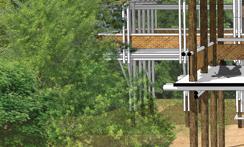
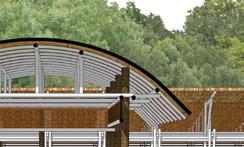
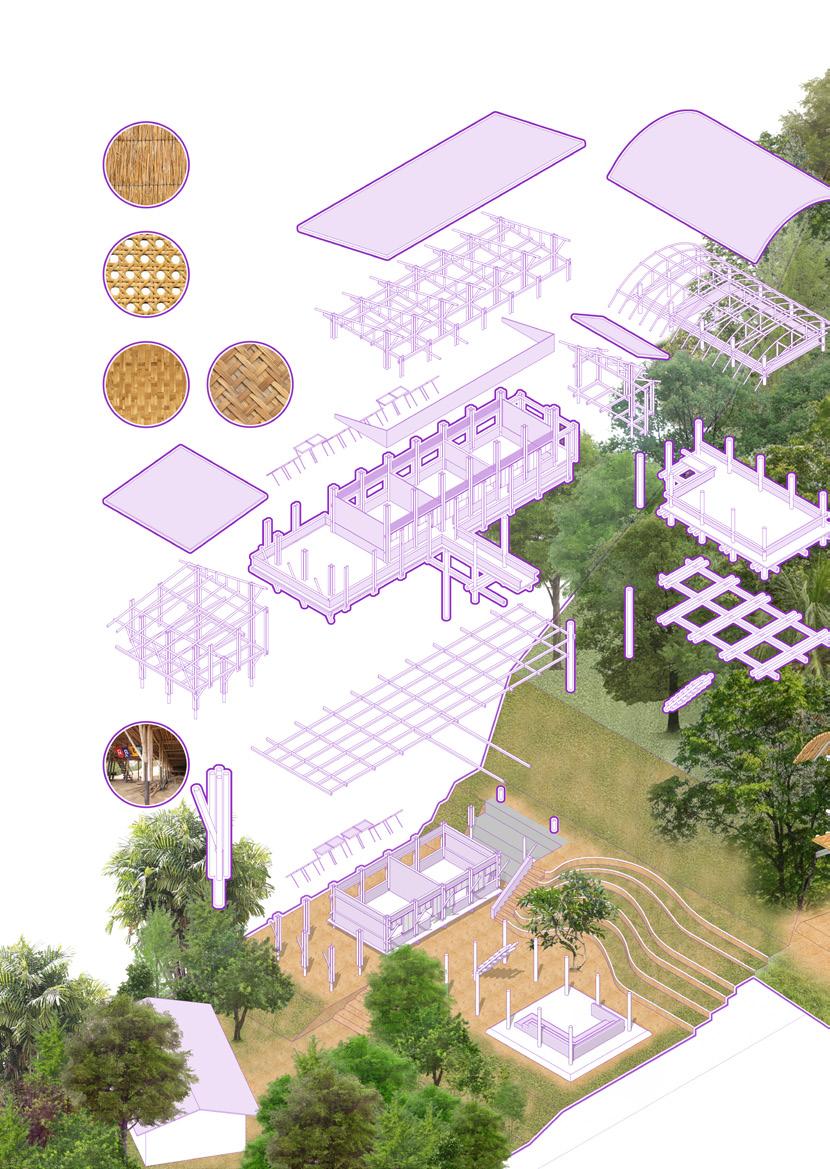
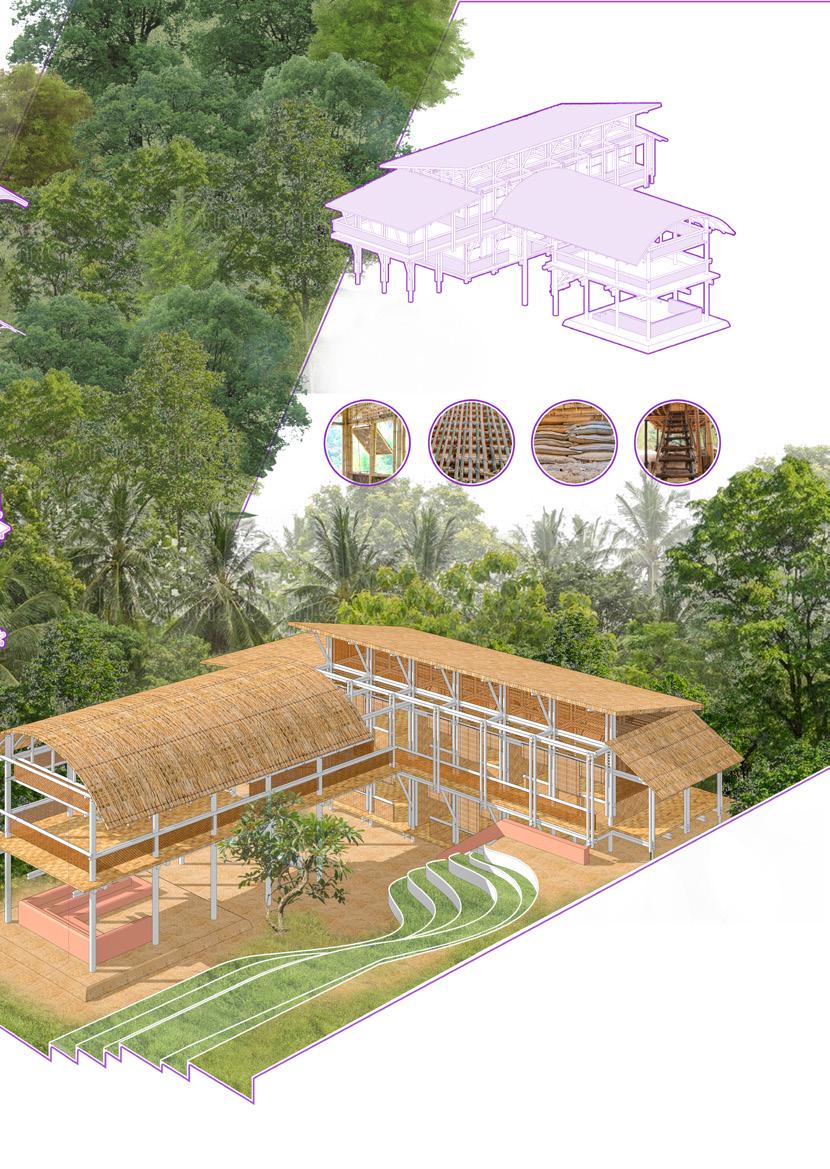
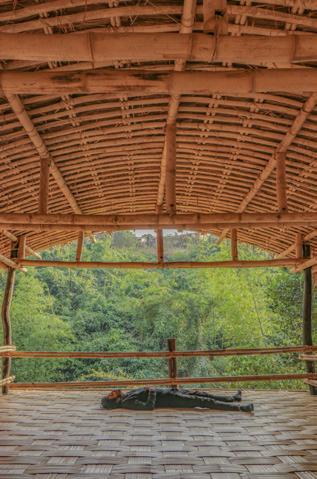
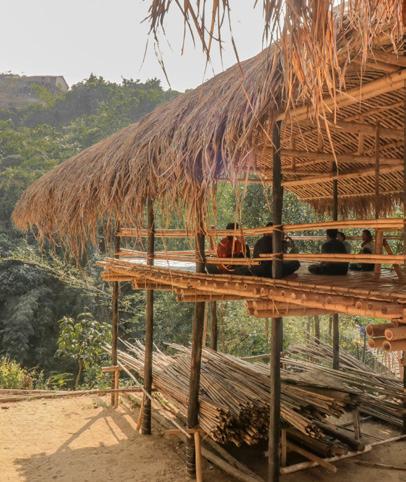
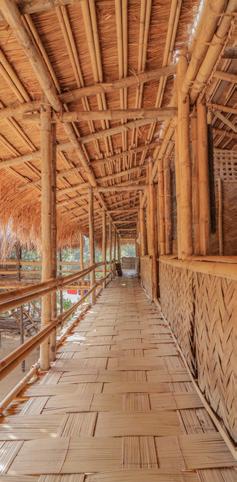
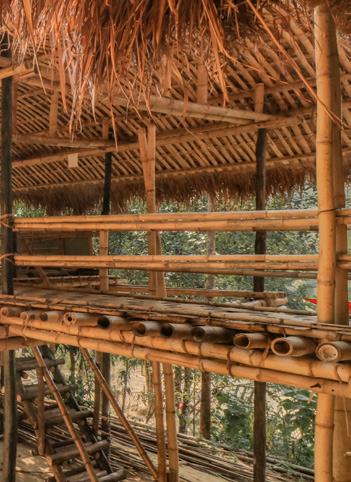
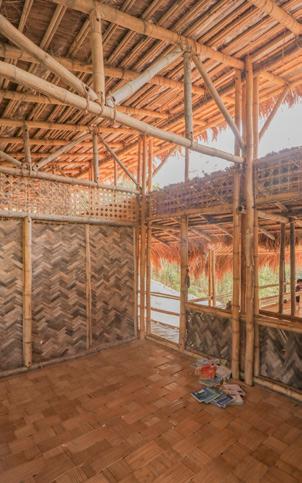
The Mru are primarily located in the region where the bo rders of India, Bangladesh, and Myanmar intersect. There are more than 300 thousand Mro/Murong/Mru Tribal people in Chittagong Hill Tracts (CHT), mostly in Banda rban, Bomu River zone, Bangladesh. Pawmum Tharkla aspires to develop a self-sustainable, eco-friendly education system in remote hill tract areas for Mro tribe, where the indigenous heredity is preserved and promoted with modern resources. The concept shows respect for their ethnicity and aspires to educate tribal children with lessons and facilities to sustain and prosper with good health. This primary school promotes a unique concept of eco-friendly school compound construction with local/ indigeneous materials and zero concrete based structure. Along with regualr classroom for class iii-v which can be transformed into exhibition space or workshop by positioning partition walls, two open classroom is introduced for class i & ii which will also serve the community requirement for medical campaign, movie projection space etc. The structure aims to blend with the terrain and the sorrounding landscape and reflects the purity and ethnicity of the Mro community with fushion of modern technology.









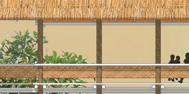



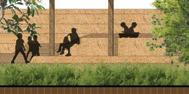






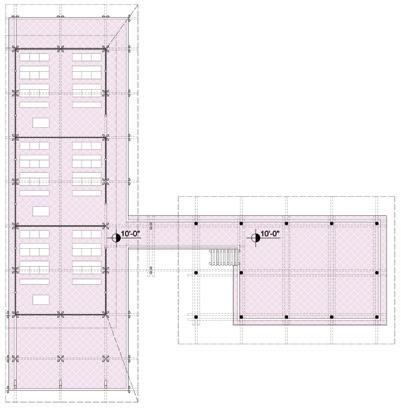


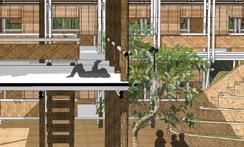
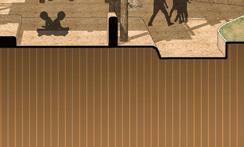
Multi-purpose Use of the classrooms to arranage multiple occasions using moduler partition wall


















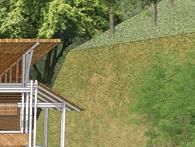



Treating bamboo can increase material service life radically, to the extent that there is no distinguishable life limit when bamboo is well treated and used in a well-protected manner.During the treatment process, material is soaked in a mixture of Borax and Boric acid that are dissolved in water. Borates are extremely fine, dissolving easily and dissipating throughout the cellular structure of the poles. The chemical solution, which is toxic to bamboo but is relatively harmless to humans. is then filtered and reused to ensure an efficient. The rest of the chemical then moved to the nearest town to ensure environment safety.
All the bamboo used in the project was picked from nearest bamboo farm that comforted required standards -including bamboo species, size, age and general condition. Approved specimens were then cut into a general size of 25’-30’ and transported to the project site.
After recieving at site, bamboo’s with required quality were being sorted and transfered to the cleaning station. The outer portion of the nodes and branches were removed using sharp machete with the blades flat against the bamboo, away from the body.
After cleaning each one to expose its vascular tissue, bamboos were moved to the final stage prior to soaking -drilling. Labors, using drills fitted with custom drill bits made of an 13’ section od rebar with a sharp age crafted on the tip, applies steady pressure to drill a hole through teh full length.
A treatment tank was made on the groung by digging mud. The tank was 40’ long, 5’ deep and 8’ wide. The size of the tank allow approximately 150 pcs of bamboo at a time. A temporary shade was built with bamboo & thatch to protect it from sun and rain
Solution, a mixture of Borax ,Boric acid and water with appropriate proportion in presence of experts were made into the tank and then bamboo bundles, 15-20 peice bound by rope were transfered to the tank with properly weight down. Each cycle of soaking was done for 7-10 days before trafering them to prior drying.
Bamboo bundles, checked by experts were then tranfered to the nearest open ground for drying. Soaked bamboo’s were kept vertically with support to dry in sun so that the extra chemicals can easilty drained out and the dischared chemicals can be used efficiently.



Volantary I Consultancy service I 2019-20
Team : Ar. Sayon Sur, Ar. Kanak Saha, Ar. A. K. M. Saleh Ahmed Anik
Responsibility: Site survey, formulation of design and preparation of drawing, site supervision, etc
Site : Baidyapara, Ramu, Cox’s Bazar
Site Area : 0.81 Acres
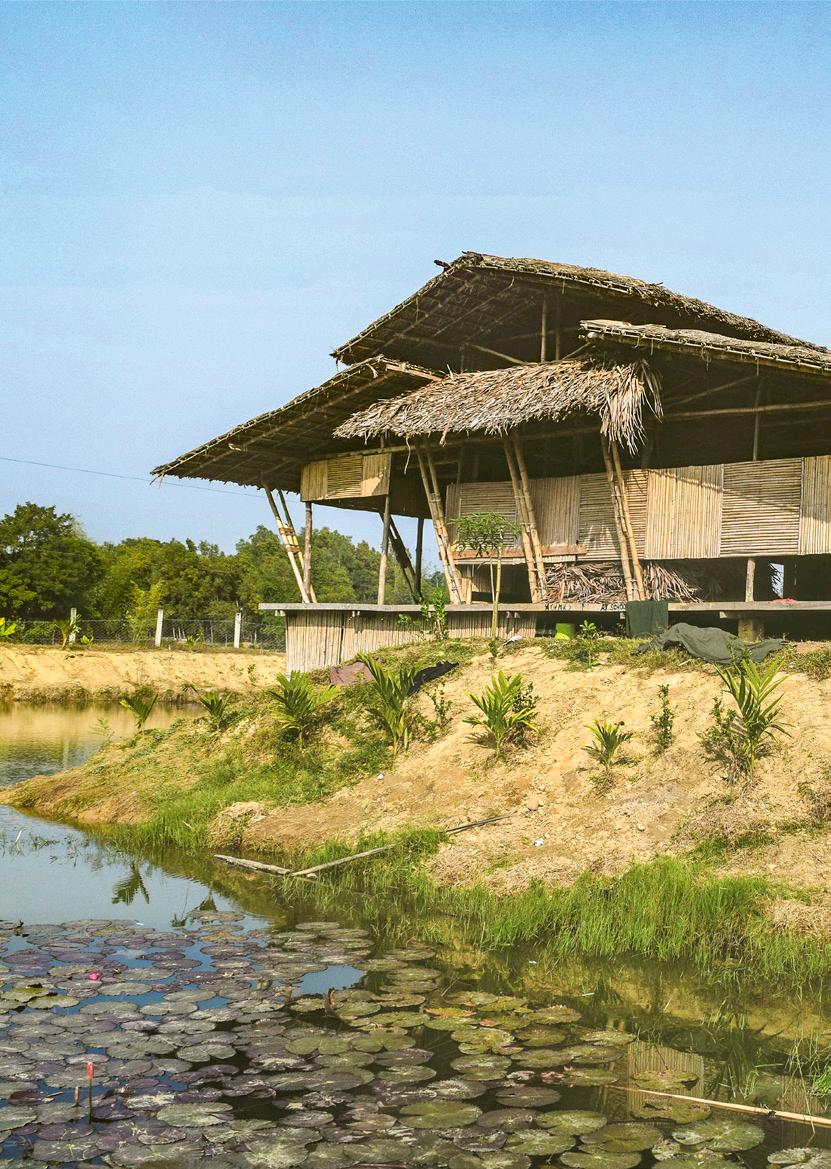
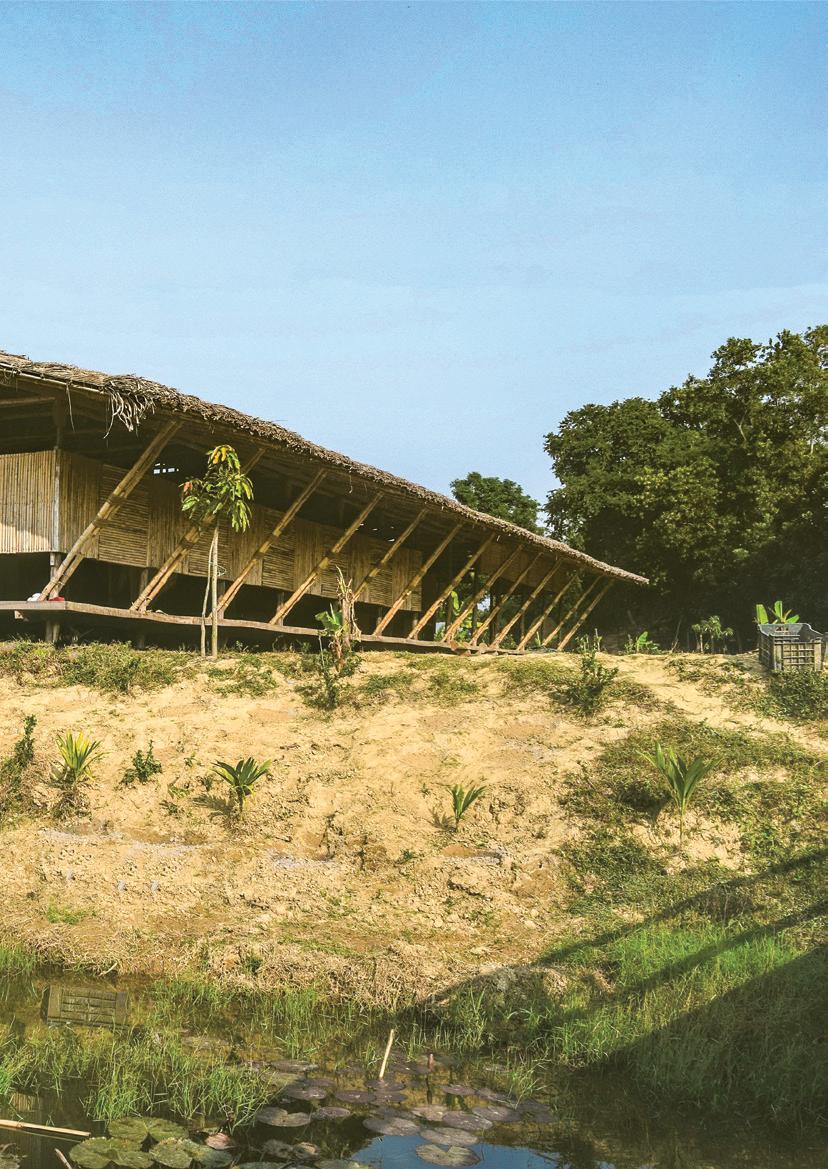
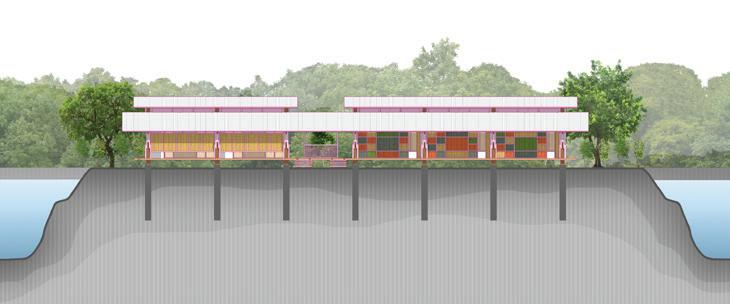
The site chosen for the project is surrounded by farmlands. To the south is the village road connecting to the Bazar (Marketplace) and the localities. The flat landscapes also transform into small hillocks on the south, where there are indigenous settlements.The regional architecture of the southern part of Bangladesh and in the hill tracts are identical in the use of a series of open, semi-open and interior closed spaces; particularly for the hot-humid climatic features. The raised platform is a major architectural element in hill tracts, which helps here to let flow the rainwater on the ground coming down from the hills. The ponds surrounding the built form is introduced to create a buffer from sorrounding are well protected and used for fish and water lily farming, adding to the sustainability and versatility of the school. The school here, not only imagined as a typical one, consists of classrooms and fields. But as a utopian idea where children learn not only from books, but also from the nature surrounding it and practical knowledge like fishing or farming inside the school territory. Hence, openness and connection to the agricultural landscape was a key consideration. The foyer has a metaphorical hearth at the center which is meant to grow a tree inside the built form, to celebrate the local spirit of living close to nature.
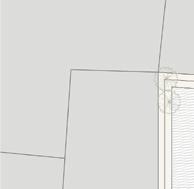
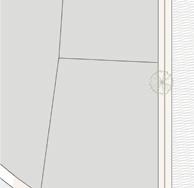
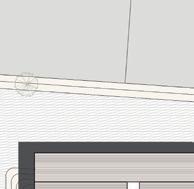
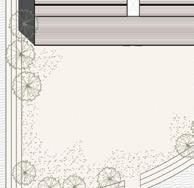
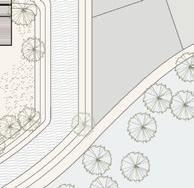

The site chosen for the project is surrounded by farmlands. To the south is the village road connecting to the Bazar (Marketplace) and the localities. The flat landscapes also transform into small hillocks on the south, where there are indigenous settlements.
The regional architecture of the southern part of Bangladesh and in the hill tracts are identical in the use of a series of open, semi-open and interior closed spaces; particularly for the hot-humid climatic features. The raised platform is a major architectural element in hill tracts, which helps here to let flow the rainwater on the ground coming down from the hills and to protect the timber.

The ponds surrounding the built form is introduced to create a buffer from sorrounding are well protected and used for fish and water lily farming, adding to the sustainability and versatility of the school. The school here, not only imagined as a typical one, consists of classrooms and fields. But as a utopian idea where children learn not only from books, but also from the nature surrounding it and practical knowledge like fishing or farming inside the school territory. Hence, openness and connection to the agricultural landscape was a key consideration. The foyer has a metaphorical hearth at the center which is meant to grow a tree inside the built form, to celebrate the local spirit of living close to nature.








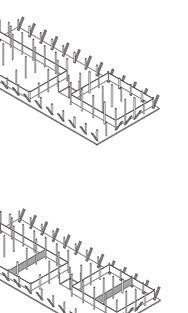

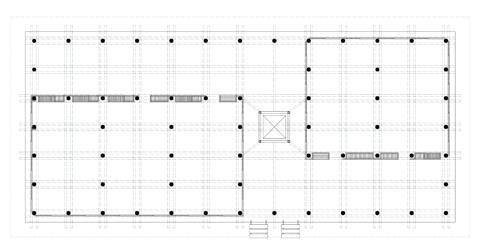
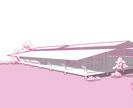
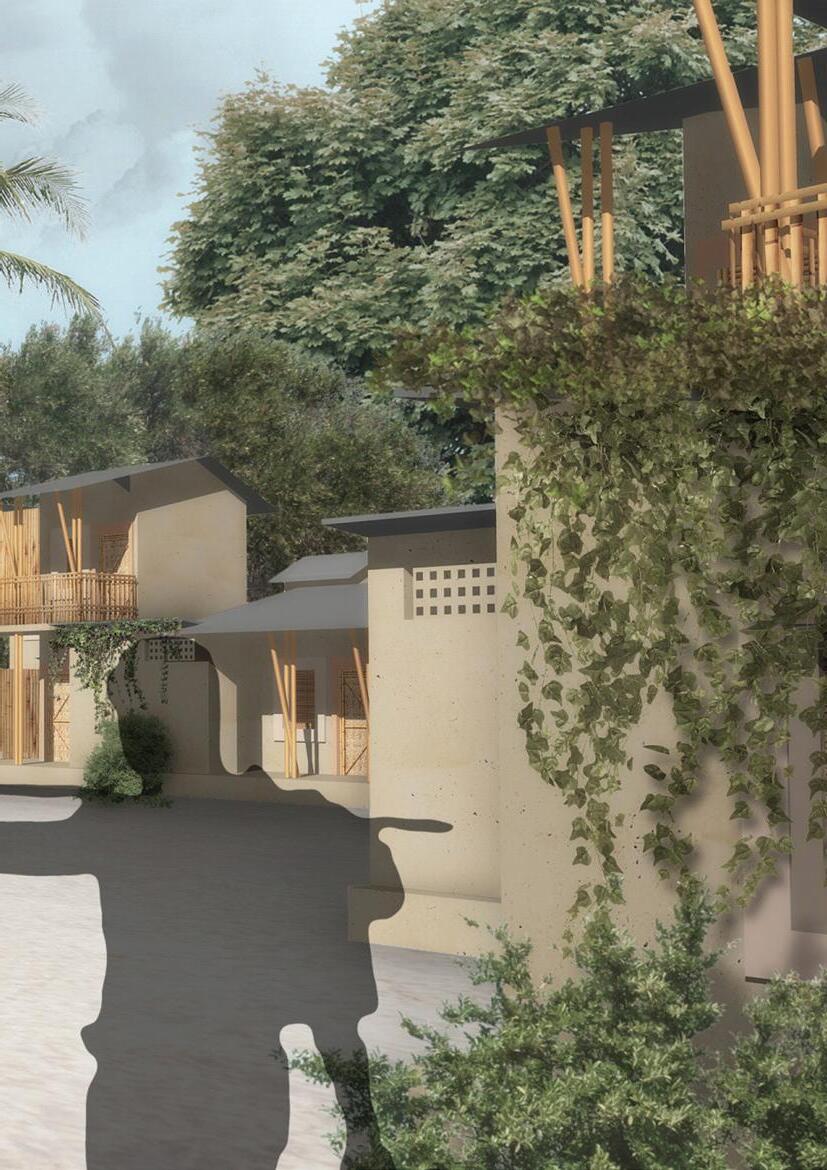
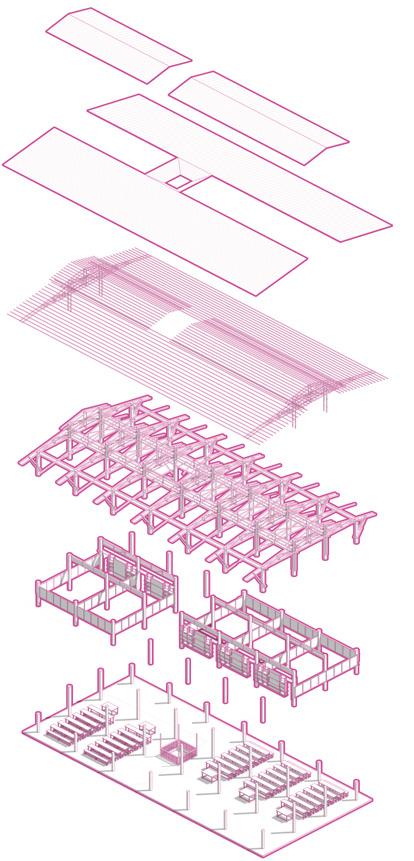
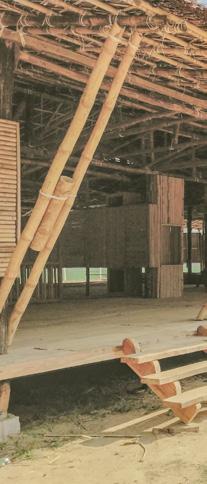
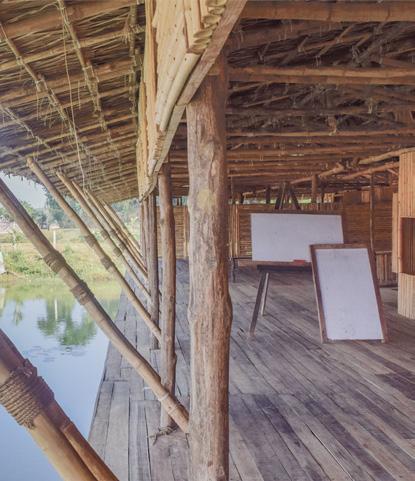
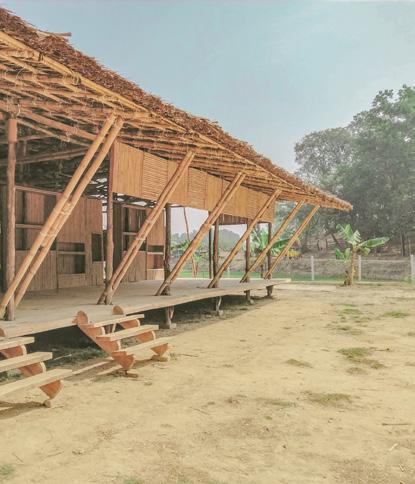
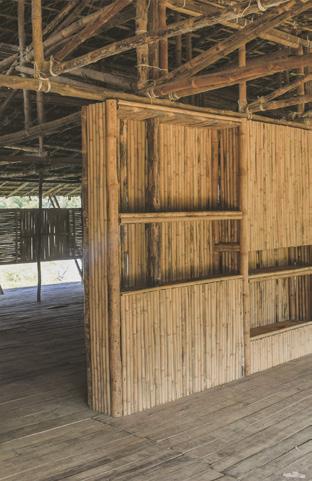
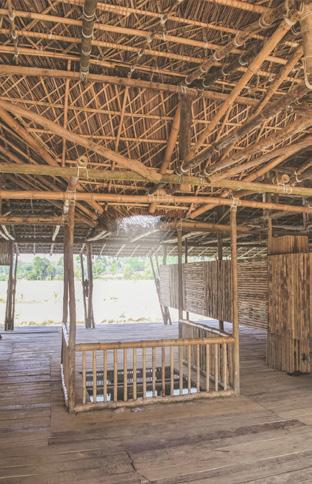
To design and build for children, especially for those who have been brought up together in an orphanage is a very challenging and sensitive task. . It was needed to promote a regional language of architecture and inspire people living in the most remote places of the country to celebrate the beauty of local materials. The architectural quality we wanted to achieve is indigenous in both spatial and formal sense. Scope of sensible use of local material with new tecnics, ensured exchange and sharing of local knowledge and tecnics of construction.
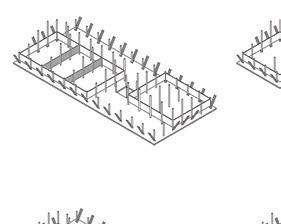
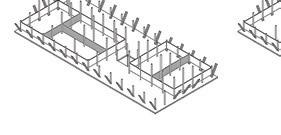
The school building is a bamboo-built structure on a raised timber platform, measuring roughly 28 m x 13 m. The pavilion-like school is placed carefully along the waterbody in a way that it can have enough space for assembly and playing space on the front yard, and also have a visual connection with the surrounding water and farmlands. The classrooms are arranged in a staggered manner to open up two semi-outdoor study/ recreation areas on the front and back.


Professional I Consultancy service I 2020-22
Team : Ar. Khairuzzaman Biplob, Ar. Kanak Saha, Ar. Sayon Sur
Responsibility: Preparation of working drawing & construction supervision, etc.
Site : Chittagang Cantonment, Chittagang
Site Area : 1.25 Acres



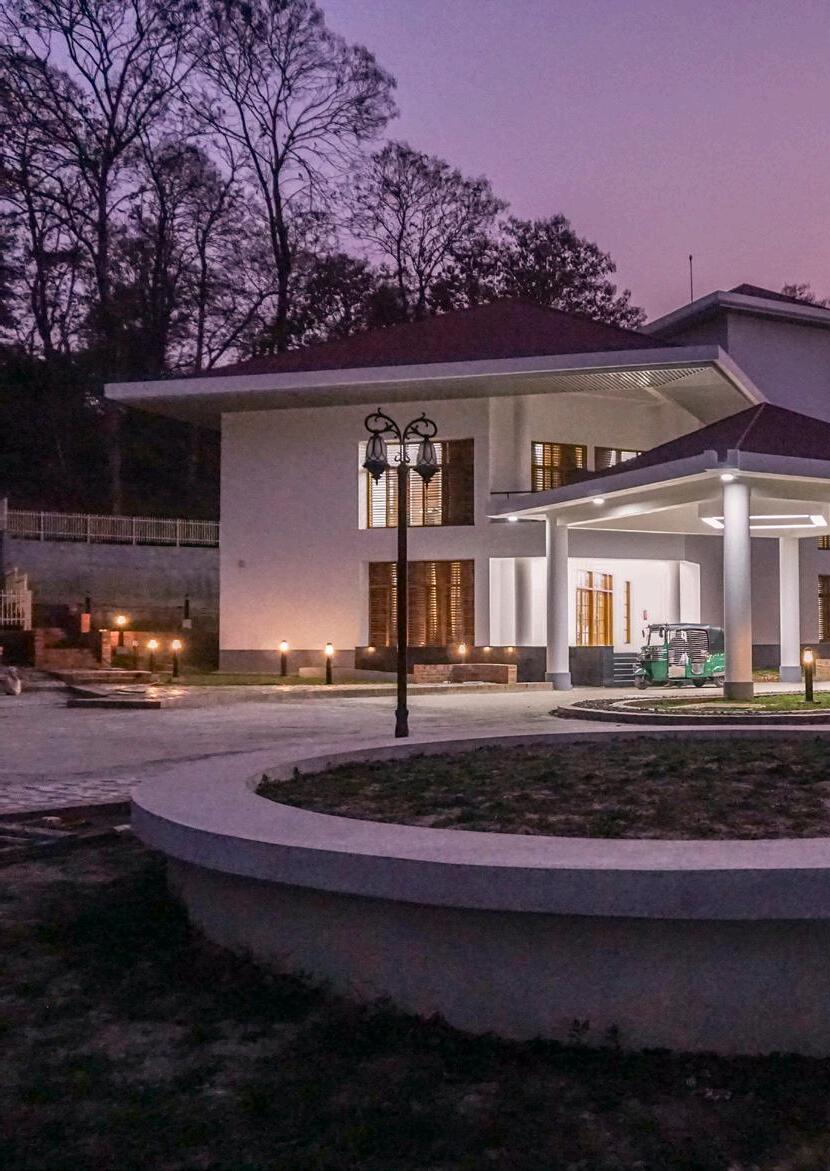
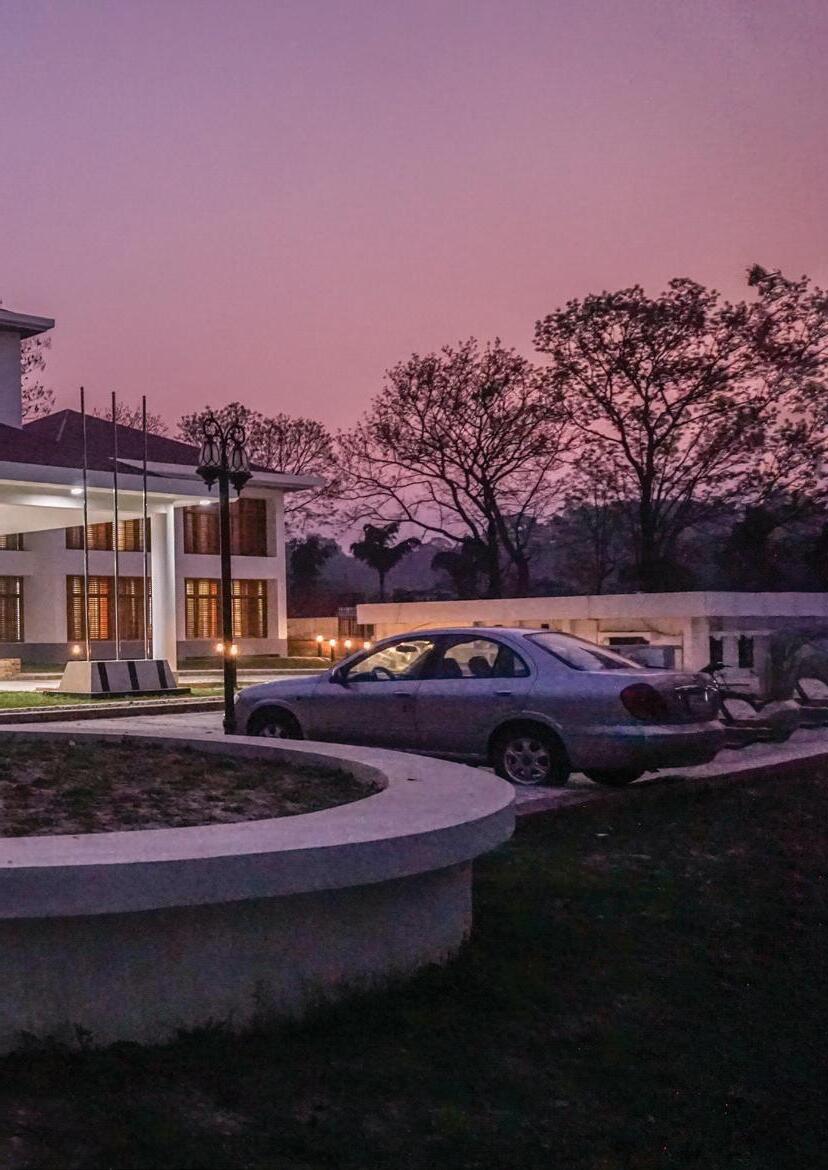
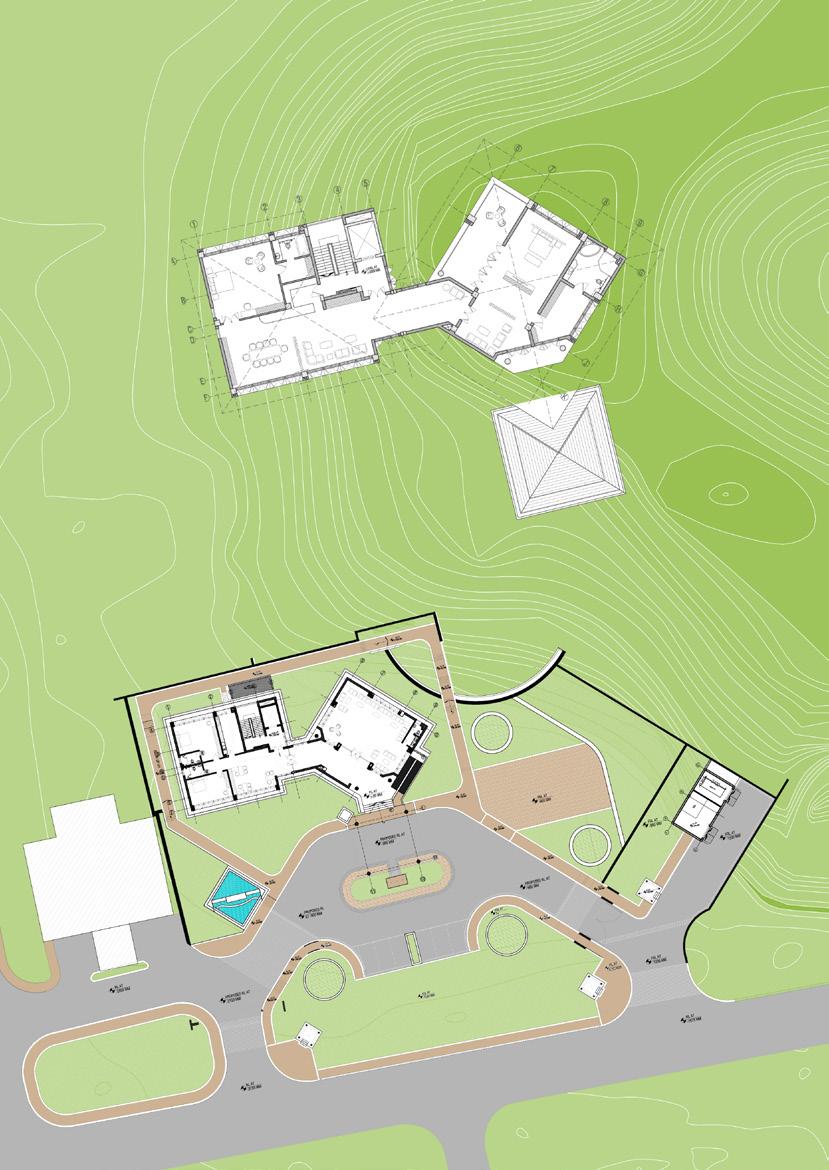
Chittagong is the economic capital of Bangladesh. Chittagong Cantonment plays a vital role as it shared boundary with bandarban and Cox’s bazar, two most unstable potical areas of the country. So top officials of Bangladesh Army and Govt. officials as well as prime minister regualrly visits the city. So, a modern and well faciliated accomodation was needed by Bangladesh Army within the contoment area, which is just at the boarder line of the city. The project came to Mason Consultants as a most valuable project and I was in chage of the construction of the structure. As the cantonment was in the hilly region, natural terrain line has a greate influence to decide the site as well on the design.











Competition I 2021
Group menber : Ar. Sayon Sur, Ar. Jhalak Ranjan Das, Ar. Kanak Saha, Ar. Kwoshik Kumar
Responsibility: Site survey, formulation of design and preparation of drawing
Site : Golpahar mor, Chittagong
Site Area : 0.33 Acres

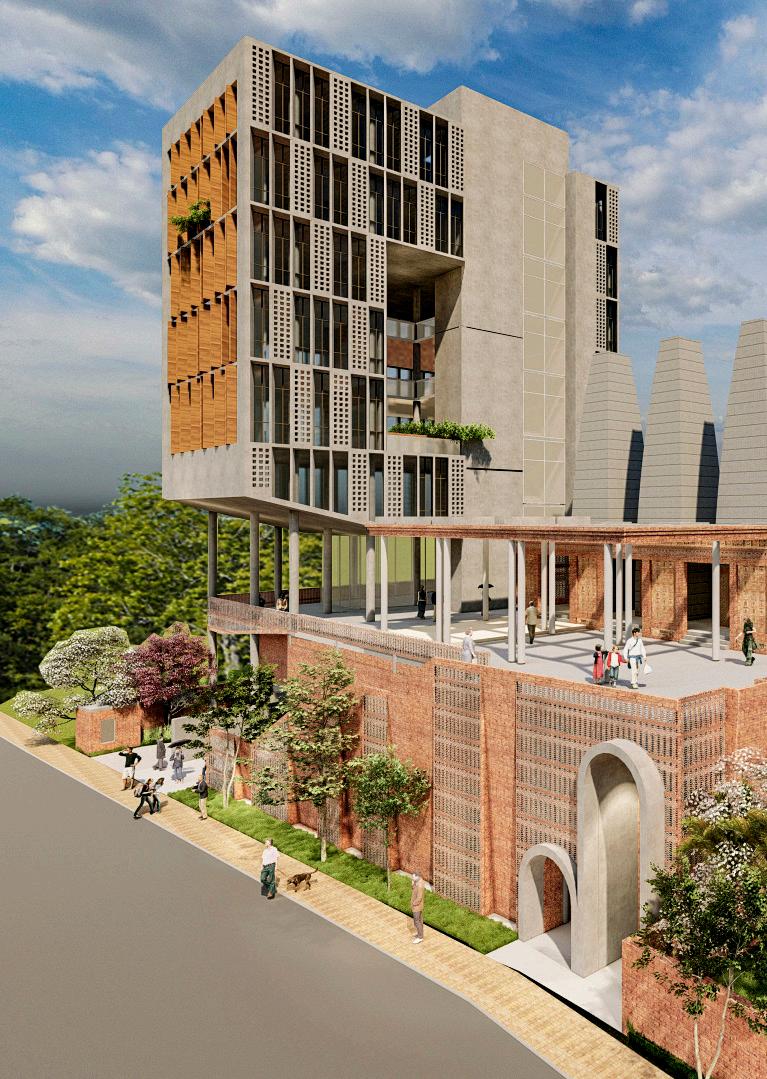
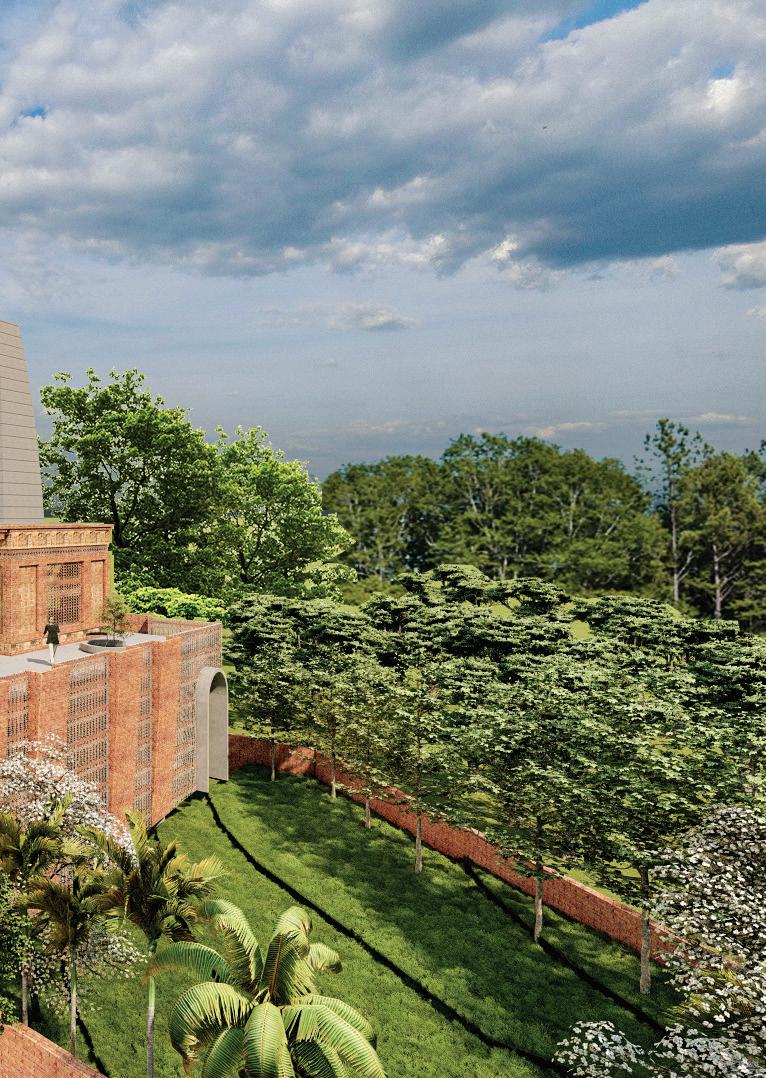
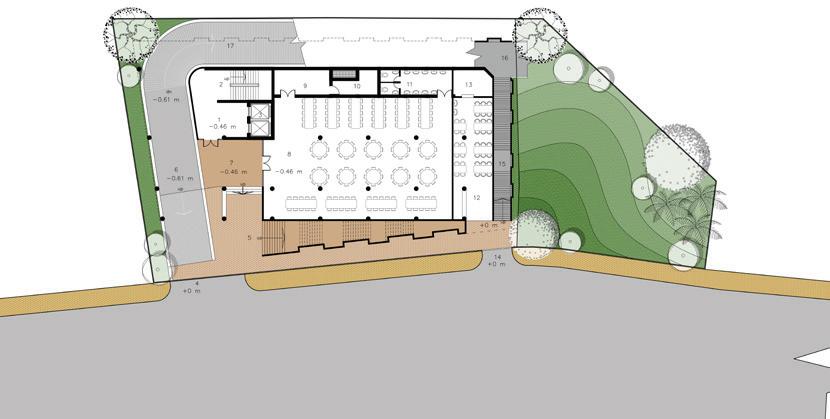
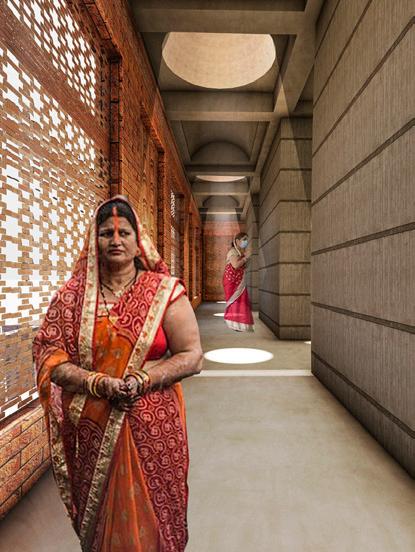
To connect to people with their spiritual side, we arranged the temple plaza with respect to both Hindu & Bengal Culture. Opposed to the practice of following the South Indian stone-based temple architecture, our design was more influenced by brick terracotta-based Bengal Temple Architecture. To guide people via religious & cultural harmony, the architectural features helped developing some unique functions more relatable to our people but somehow losing its righteous place in recent religious spirit.
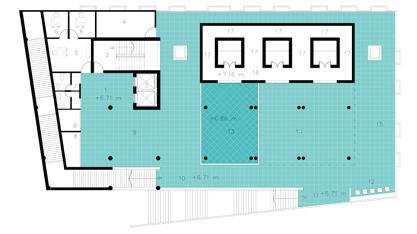
The temple plaza is designed in such a way that it not only encourages an individual to attend a religious ritual but also helps to be engaged in social interaction. The open 2nd floor or the temple plaza is kept as an unobstructed open space, welcoming urban residents of the densely built city to enjoy a breathing space well above road level. Inspired from massive public plazas (like the Jama Mosque public plazain Delhi) the idea is to let people come and connect to reduce the religious hatred and polarization. Also the plaza along with large multipurpose hall, allows arranging festivals and gatherings.





Rooftype - Dochala , Chouchala
Small Garbhagriho surrounded by open Pradkkhin path

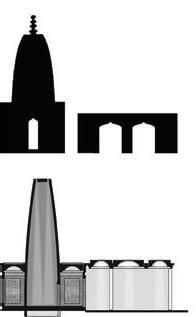
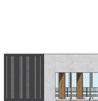
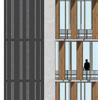
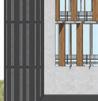
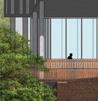
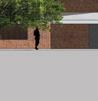
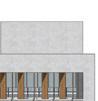
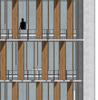
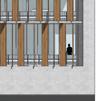

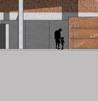

In contrast of traditional dark & gloomy approach, the Gorbhogriho of the temple provides a well-lit shaft channeling the light through a more simplified version on Bengal Temple Shikhara indicative of clear and open attitude of the architectural intervention. The Pradakshina path and Parikrama path is well decorated with Teracotta work, which exhibits deity statue as well Hindu mythologiacl stories and cultural values of the community
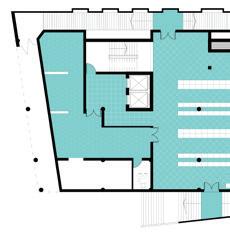
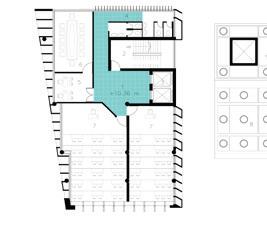

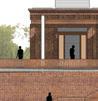
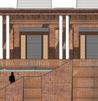
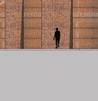

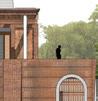
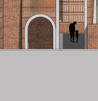
As one of the most prominent & old temple complexes of Chattogram, Golpahar Mohashawshan Temple has a duty to strengthen the bond among people of different culture. We believe, the more we explore our visions & ideas, be open to each other, the more we become helpful & understanding towards other people.




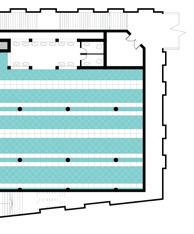
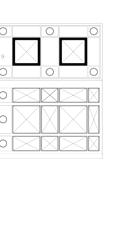



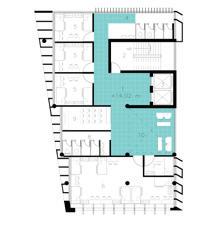
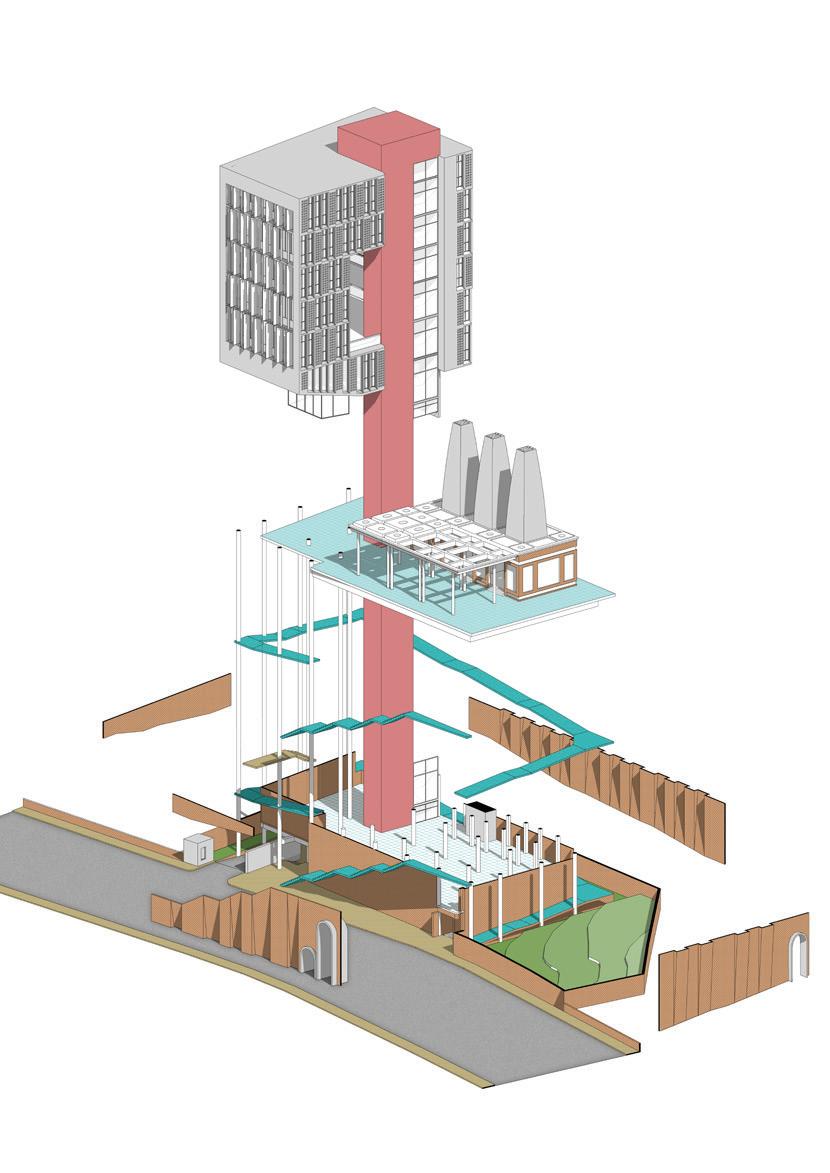
Resembling a Porikroma Path, a ramp corridor that goes around the temple complex. The journey will allow people to really devote themselves to a spiritual goal. To help this cause, the Porikroma Path was designed with contemporary brick jail work on one side while options to explore the Hindu mythological stories on Kaali, Shiv & Radha Govinda in the medium of relief worked brick tiles or terracotta. This journey will help the younger & more religiously detached generation to understand & practice the motif of Hinduism.


1st prize winning entry


Competition I 2017
Team : Ar. S. F. M. Cyrus, Ar. Mohiuddin Zilanee , Ar. Sami Al Hasan, Ar. Md. F. B. Mostafiz, Ar.Reesham Shahab, Ar. Sayon Sur

Responsibility: Site survey, formulation of design and preparation of drawing, model making, etc
Site : Dhaka City, Dhaka
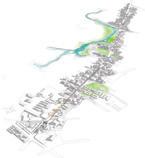


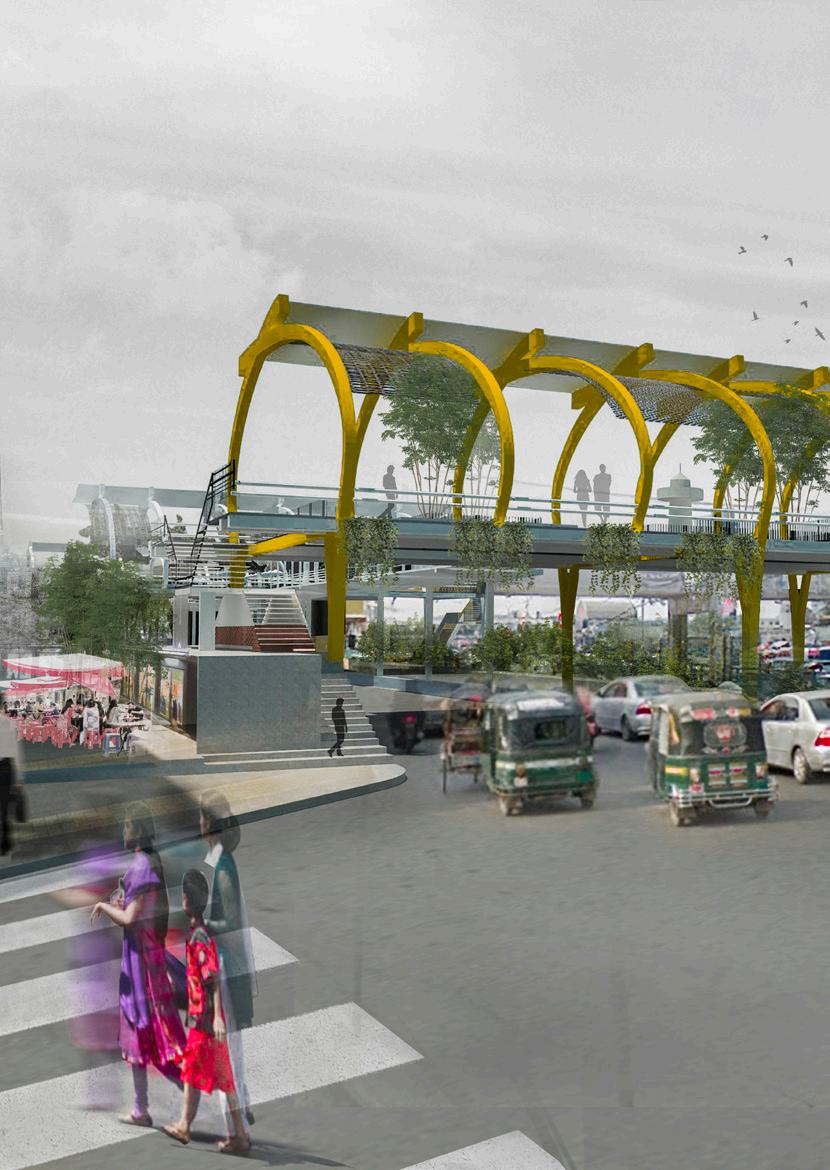
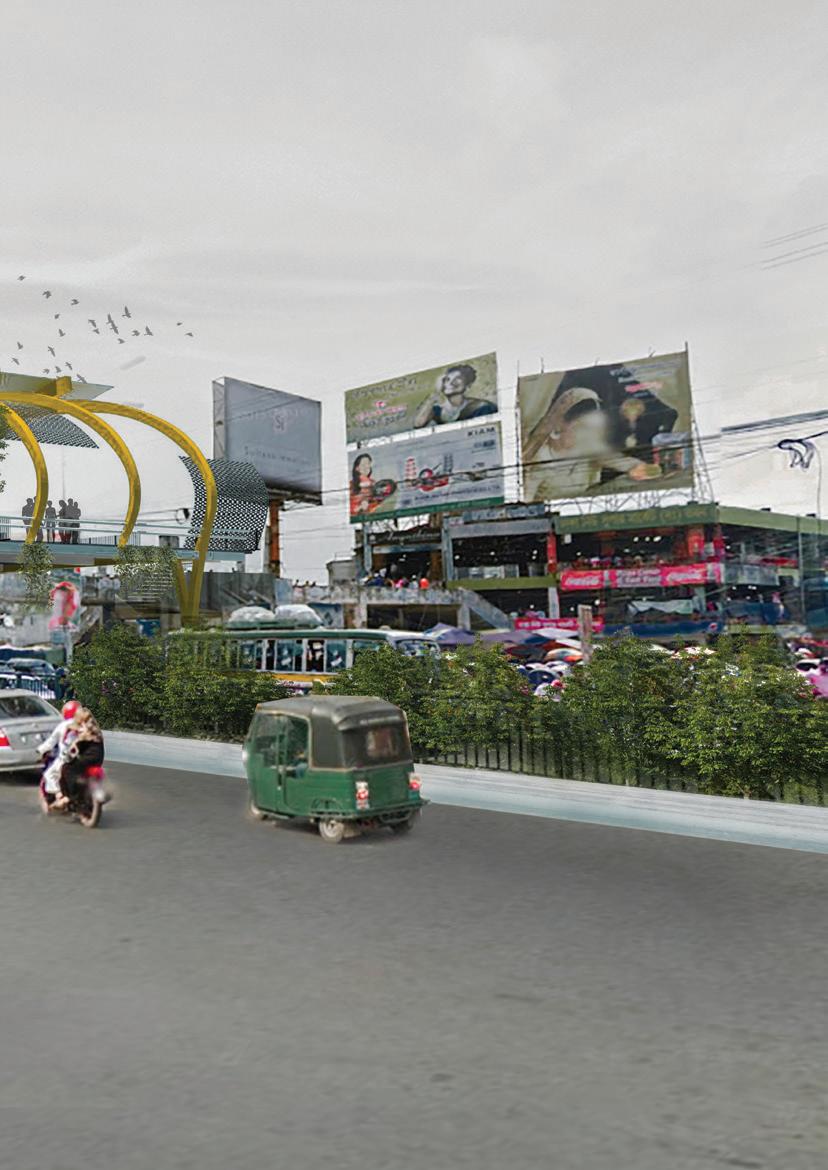
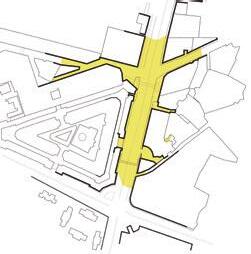
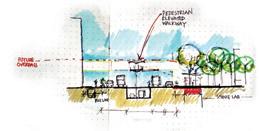
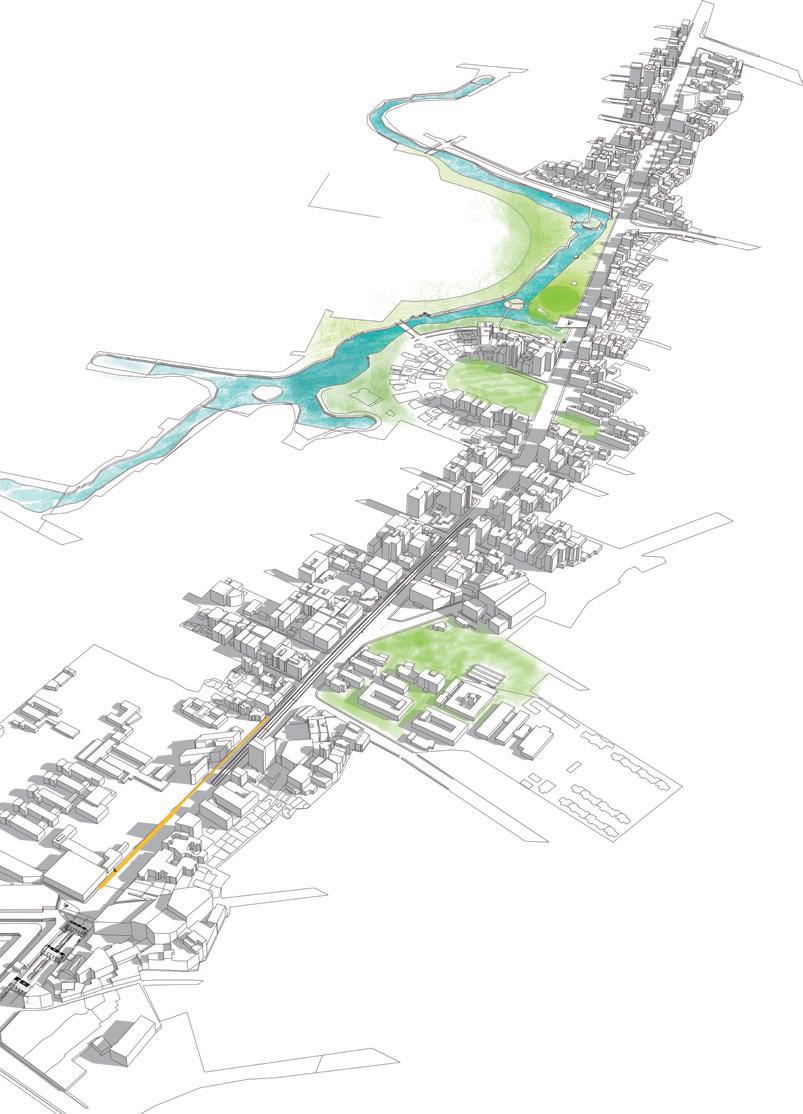
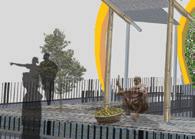
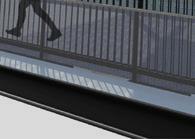
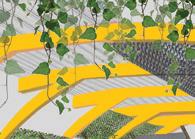
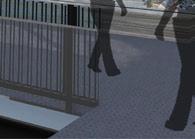
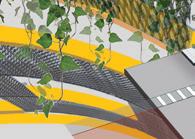
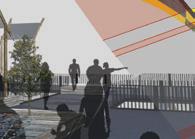
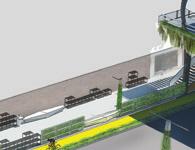
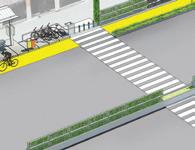
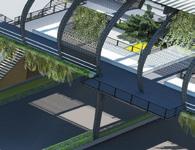
The Streetscape project was thrown by Dhaka South City Corporation with the motive to make liveable city ensuring better walking environment with smoth traffic flow in the city heart without disturbing its urban fabric and urban heritage, as well rebuilding the ecological coridor within it. Designing street, instead of looking at CITYSCAPE first, we started to explore its HUMANSCAPE. People are the grain and the soul of the city. Collectively caried range of communities with different shared interest, joys & concerns build up for this city. TO be a resilient city, community is the most primary unit to reinforce. ACTIVE, AWARE & RAPPORT communities can be a resourceful partner for the city-authority to drive for being an ideal urban-scape. Street will be the interface in this partnership between Authority, Community and Nature. That will be the Model Resilient Adaptive Dhaka for the coming decades.

Main Design Princeple
• Street based community ecology & Active Living
• Framework to allow self-growth
• Local community based programme
• Integrating Nature & Community
• Partnership of City-Govt.and Community












































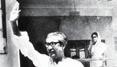

Any community should be well aware of its past. Dhanmondi 32 is such an historic name which ends up in the site’s Russel Square. Located here Bangabandhu Residence is metaphoric in many terms: The inception-place of many ideas of our nation-building and workstation of the great leader. House of Bangabandhu family: a picture of our family and social bonding. Bears the marks of both rejoices (nation-building) and mourns (assassination of nation’s leader and his family) of our history.


(Dhanmondi 32) in

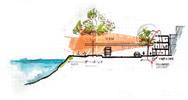
Facilitating existing exercise and other groups based on the lake, with space ease & manage programme. Engaging residents with the lake more actively with different age-specific community programme. Both online and offline engagements to be programmed. Case study: Friends of Chicago River


Extends the Bangabandhu museum plaza to Russel square’s vantage point. Include a historic park to engage community and future generation in knowling history and birth of motherland, Bangladesh.


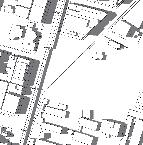













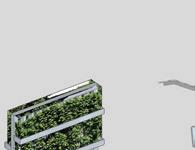
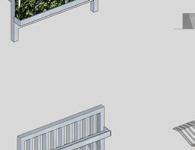









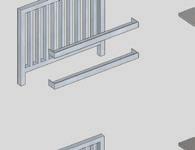





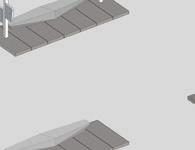



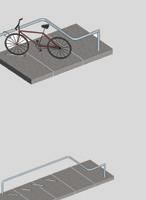















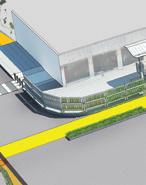













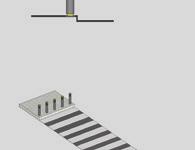





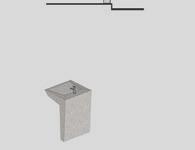









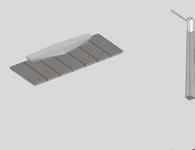











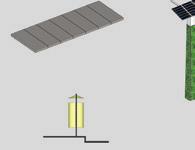


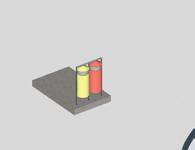







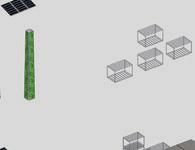




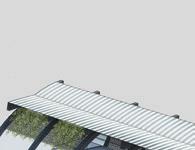
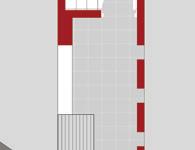
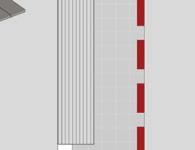
Service Center Information centre, First Aid Centre, Advertisement or Promotoinal Product or other activities.

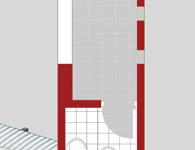










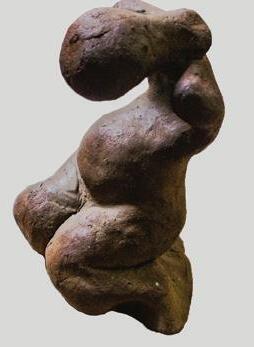
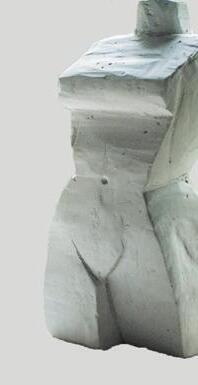


Experiment with Sclupture form and material
Experiment or commision work done accoring to personal interest to feed the soul, outside architectural practise
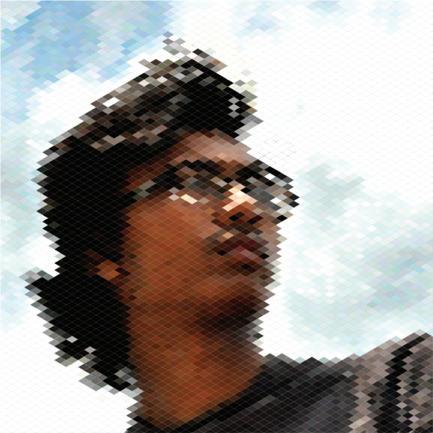
Experiment with DIGITAL Illustration


The badge design was a commision work for Bangladesh Police, was given as a recognition for their dedicated service in COVID pandemic.
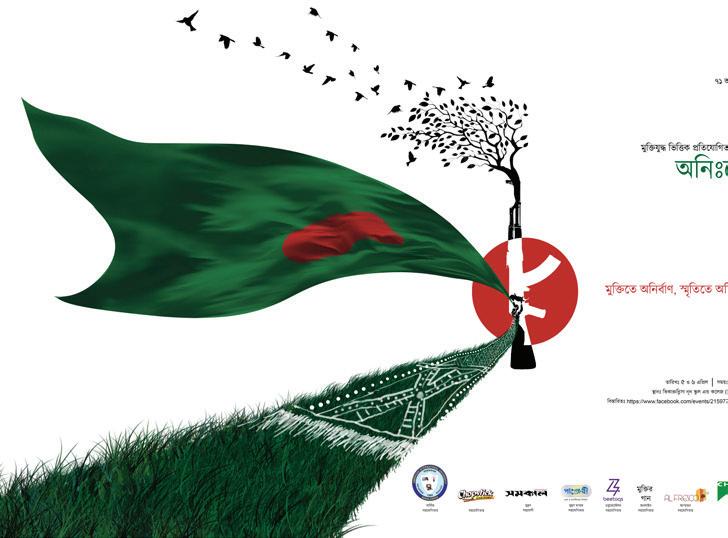
Poster for Anishesh’ 71
A school oriented program that focuses on the tragic history of independence of a new nation, my motherland, Bangladesh Digital Media

© Sayon Sur Albuquerque, New Mexico sayon.nobody@gmail.com


