Tessa’s Tale

An activity book for environmental science students
An activity book for environmental science students
Tessa’s Tale
© 2026 Chenille Williams
All rights reserved
Principal Author
Chenille Williams
Contributor
Jessica Foster
Illustrators
Alyssa Castelluccio
Samantha Velder
Editor Todd Money
Layout
Magnolia Salas
Richland County Stormwater Management would like to thank the following reviewers for their time and efforts to review Tessa’s Tale:
Jamison Browder, Ph.D.
Sarah Burnham, Ph.D.
Christine Lotter, Ph.D.
Lynn Pilewski, Ph.D.
Macroinvertebrate images produced by Georgia Adopt-a-Stream
Published in collaboration with Columbia (S.C.) Water
Chenille Williams, Principal Author
Published by Richland County Stormwater Management in collaboration with Columbia (S.C.) Water
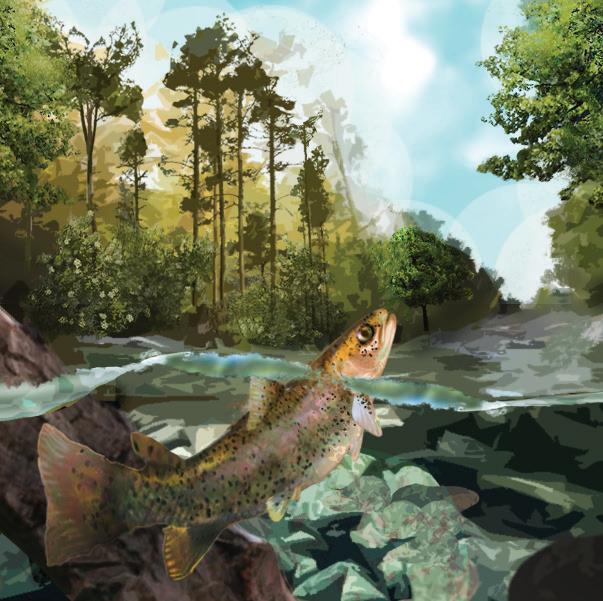
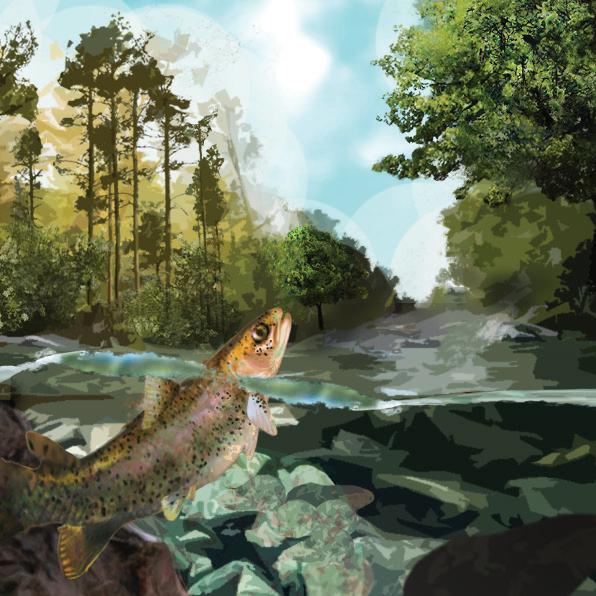
Meet Tessa, a rainbow trout.
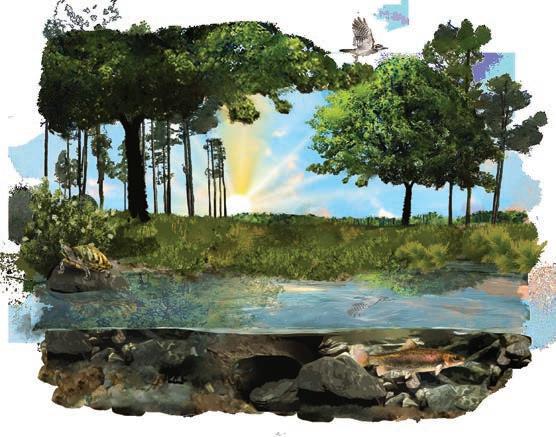
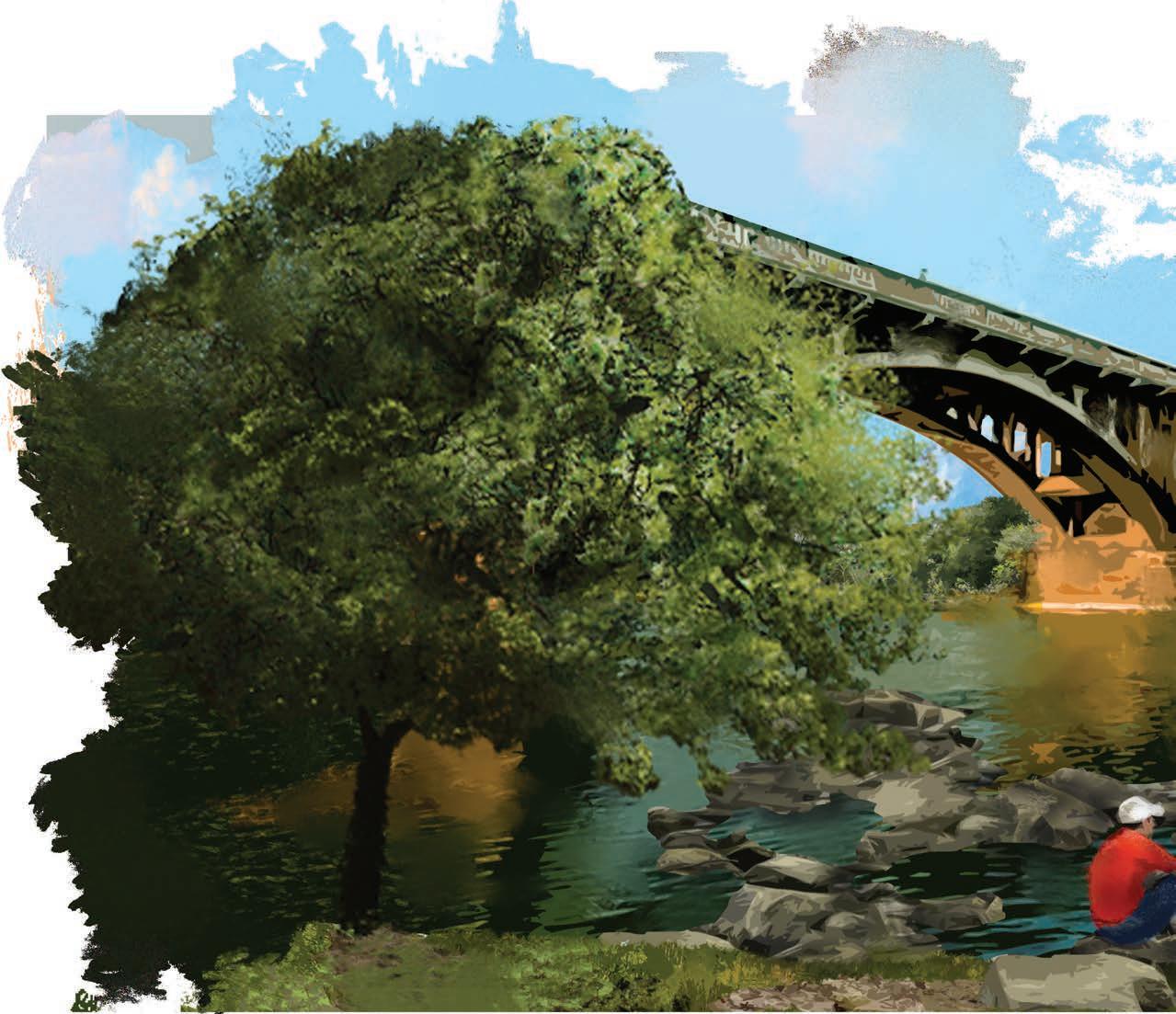
The stream where Tessa lives has lots of trees along its banks that provide shade and help keep the stream’s water cool. Tessa benefits from the shelter and food provided by the plants and fallen leaves nearby.
Rainbow trout like Tessa live in streams with fast-moving, cold water. These fish are sensitive to pollution. They also serve as bioindicators, giving water scientists and ecologists information about the health of a stream.
TESSA SAYS: Look for definitions of words in red on page 25!
A food web combines all of the food chains in an ecosystem. Arrows in a food web point from prey to predator, showing how energy flows from one to the other. As a trout, Tessa is part of the food web in her aquatic habitat..
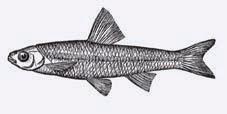
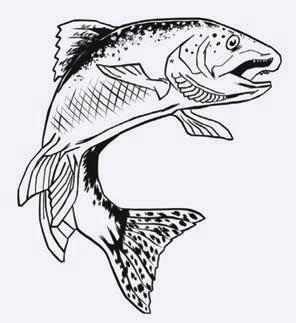
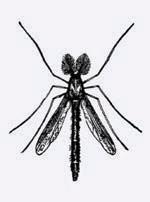
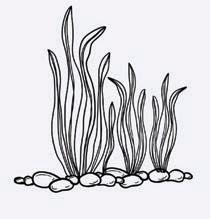
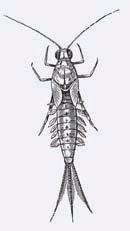
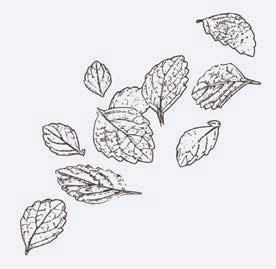
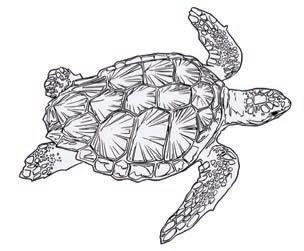
Note: Images are not drawn to scale.
Primary consumers eat plants as part of their dietor sometimes as their entire diet! Secondary consumers, on the other hand, include both carnivores (meat eaters) AND omnivores (animals that eat plants or animals).
Can you match each organism with its role in the food web?
The Kelly family owns the land around Tessa’s stream. William and Jasper, the Kellys’ children, love to play near the stream.
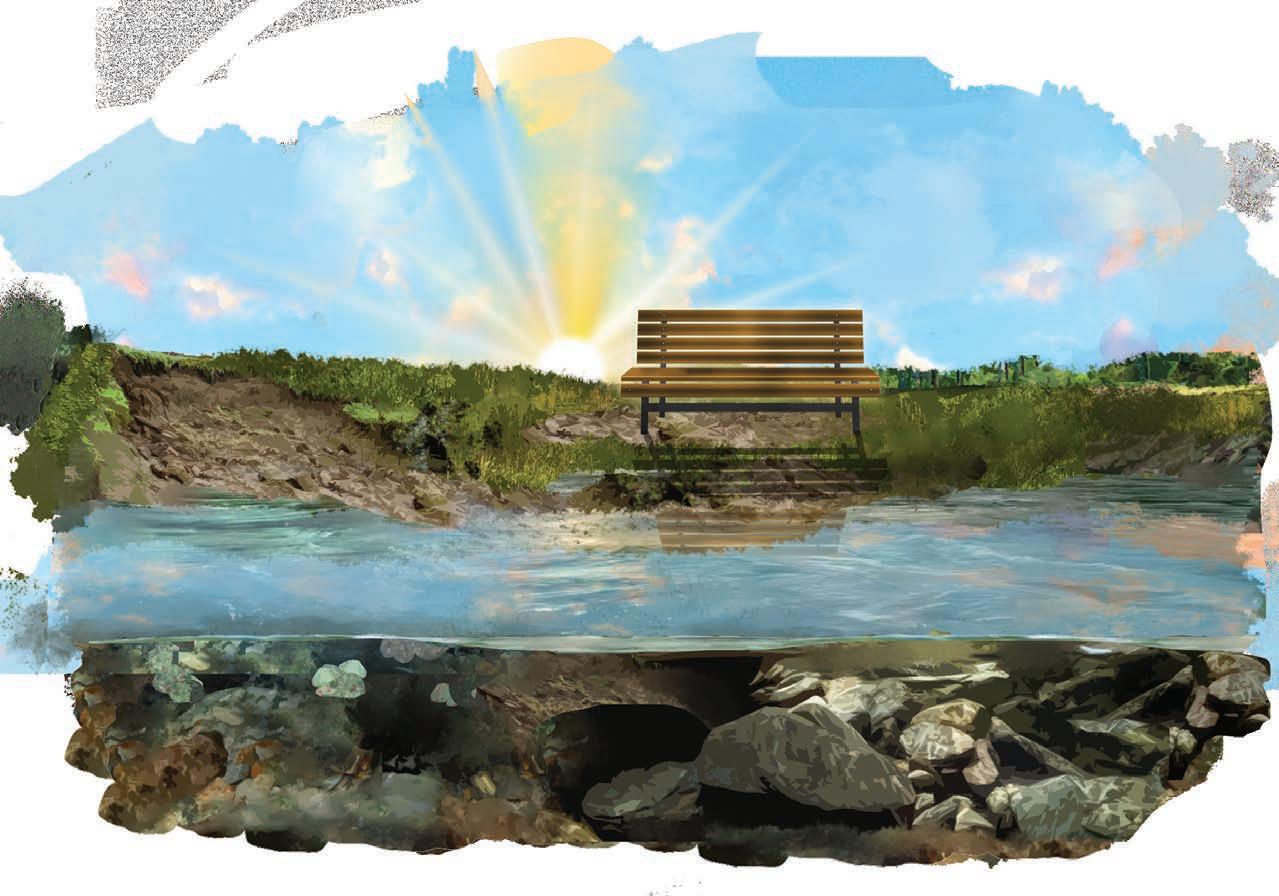
One day, William and Jasper’s parents decide the stream looks shaggy and neglected. To make it cleaner and more eye-pleasing, the family works to dig up the trees and plants along the bank.
Do you think the family’s work around the stream will help or harm Tessa’s habitat?
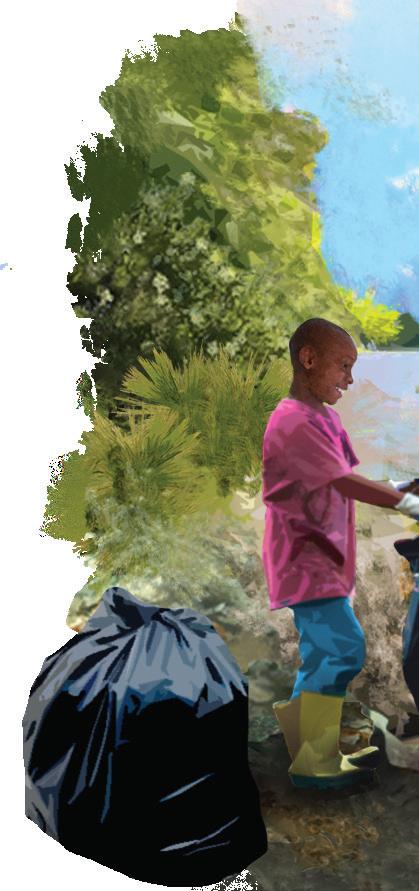
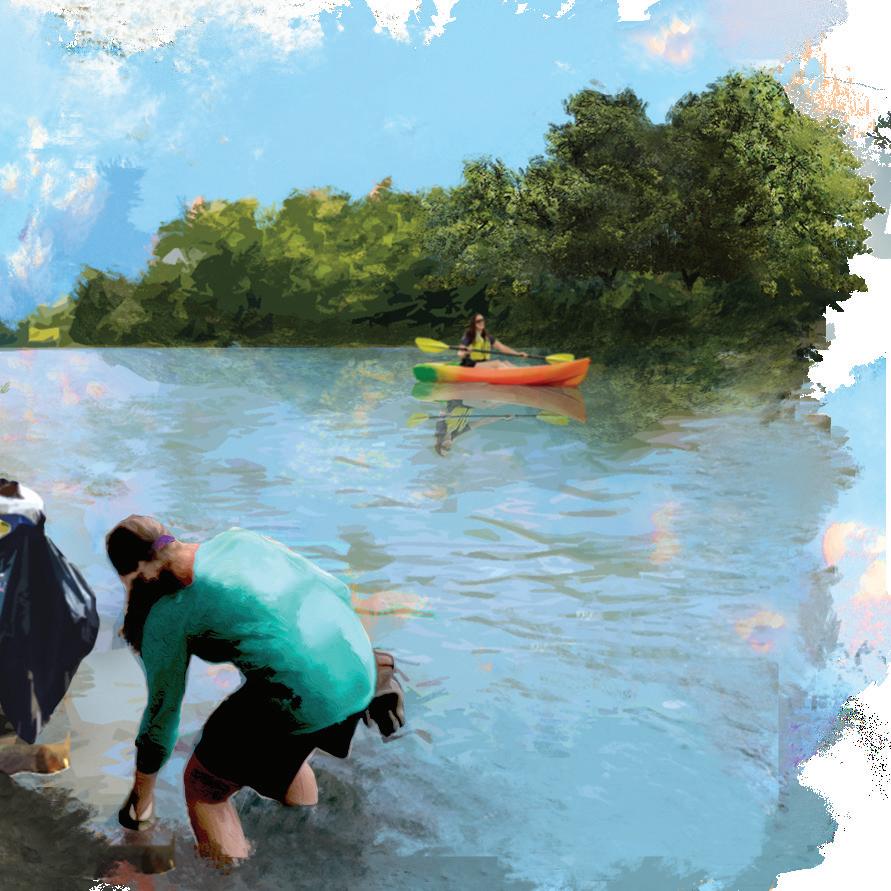
Tessa’s habitat is about to change!
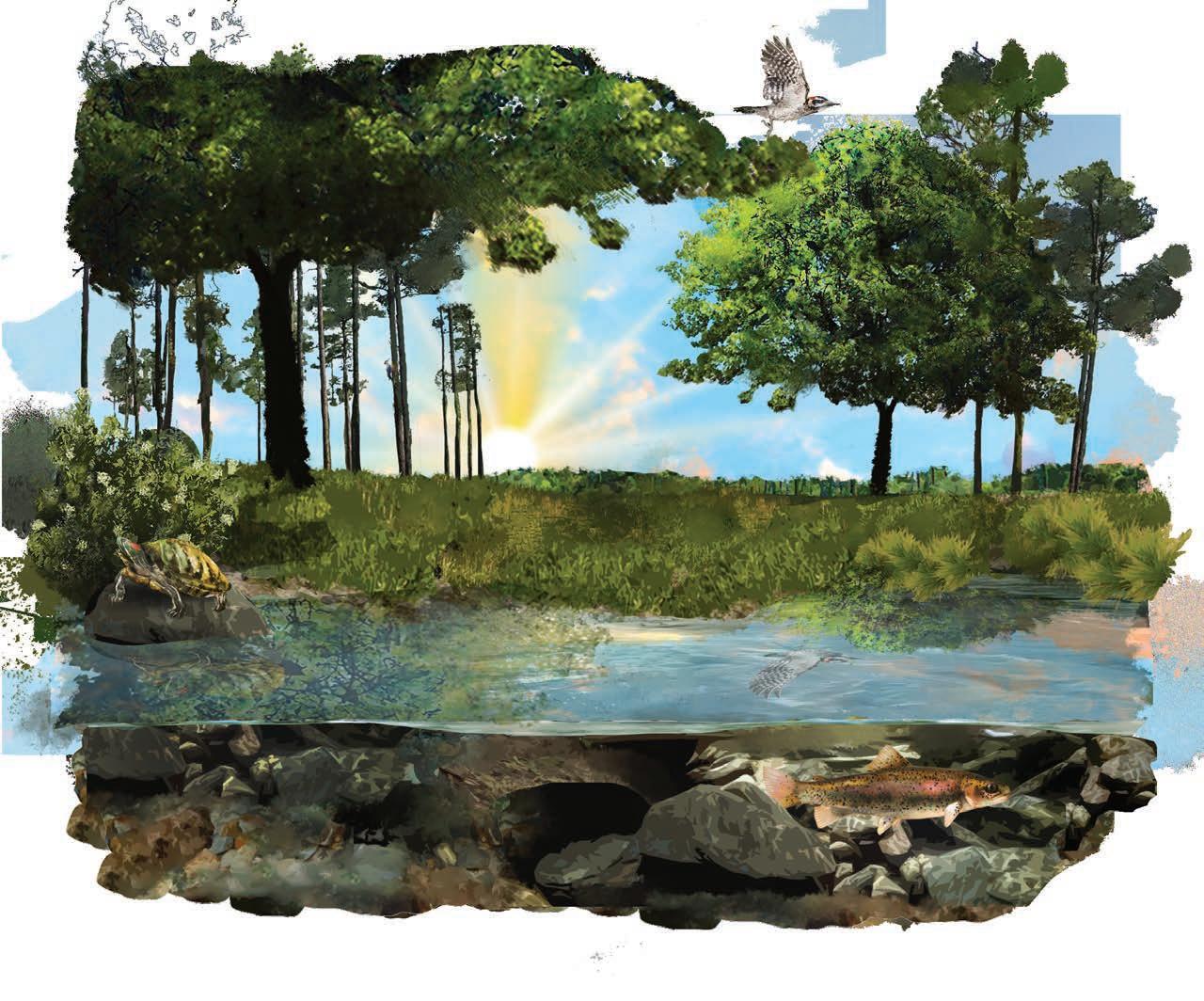
Look closely at the two pictures. What differences do you notice in the surrounding area following the changes around the stream?
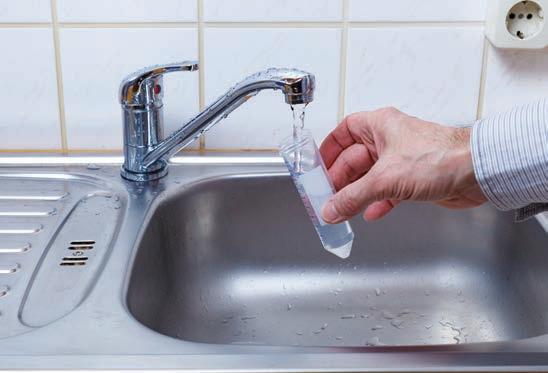
When we measure water chemistry, we study particles of matter (physical substances) in the water. We can’t see the particles, but we can use a number of tests to show evidence of them. Each type of chemical information we measure is a parameter. The parameters measured in Tessa’s stream are temperature, dissolved oxygen, pH, and turbidity.
Temperature — how hot or cold the water is
Dissolved oxygen — the amount of oxygen in water that makes aquatic life possible
pH — a measure of the water’s chemical balance
Turbidity — a measure of the water’s cloudiness
Temperature (measured in degrees Celsius, so (0°C x 9/5) + 32 = 32°F)
TEMPERATURE: INCREASED
When trees were removed from around the stream, the stream’s shade was depleted, and the water absorbed more heat from the sun during the day. Rainbow trout like Tessa need clean, cold water to live.
OXYGEN: DECREASED
Warmer water contains less dissolved oxygen than cold water, making it harder for Tessa to breathe.
TURBIDITY: INCREASED
When stream banks lack plants along their edges, soil washes away more easily, releasing sediment into the stream and increasing the water’s turbidity, or cloudiness. Tessa has difficulty seeing her prey in cloudy water. The sediment also clogs Tessa’s gills.
The changes in water chemistry after changes were made around Tessa’s stream are one example of what can happen to bodies of water when the nearby environment changes.
After nearby plants were removed, how did the health of Tessa’s habitat change?
How have the changes in her environment affected Tessa?
Many different organisms live in an aquatic environment, or one centered in water. On the next page, name three different types of organisms that live in rivers, ponds, lakes, and streams.
Aquatic macroinvertebrates are some of the many organisms found in water. Some are sensitive to pollution. By studying macroinvertebrates and measuring their presence in a stream, water scientists can tell how clean the water is. What does macro- mean?
What is an invertebrate?
Let’s look at macroinvertebrates more closely.
Living under plants and logs in the water, these organisms break down decaying leaves and are food for fish like Tessa. Changes to the environment affect these organisms as well as fish - and fish need them to live.
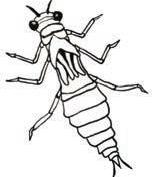
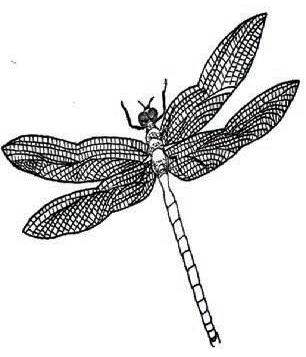
Macroinvertebrates like these start out as nymphs, or larvae, and live in water before they metamorphose into adults. As adults, they look like the flying insects we see every day. Some macroinvertebrates are sensitive to pollution, while others are not, as the next page shows.
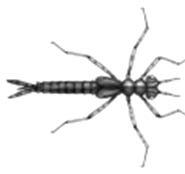
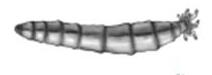
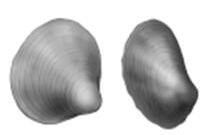
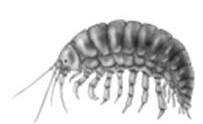
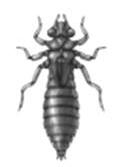
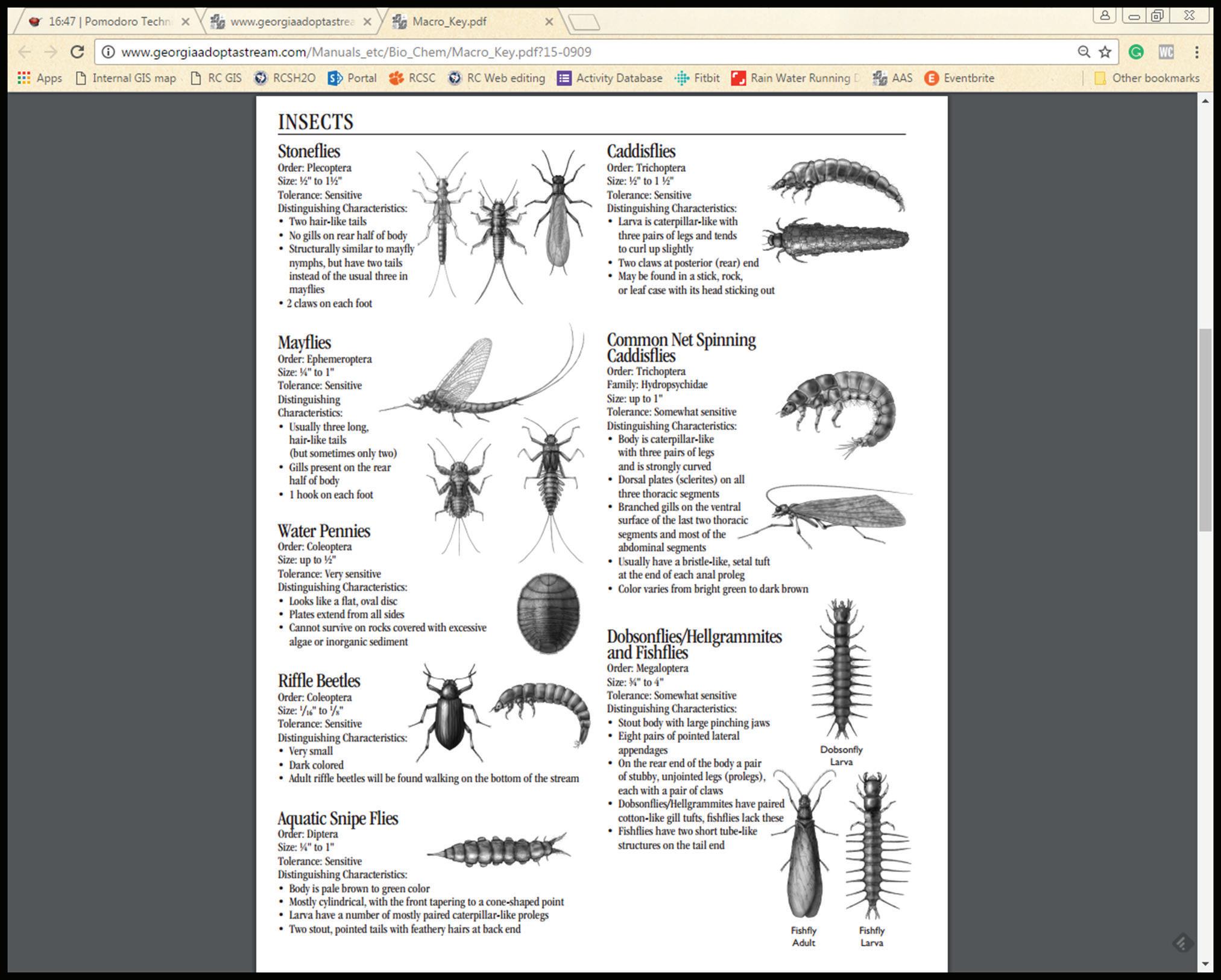
Midge Fly
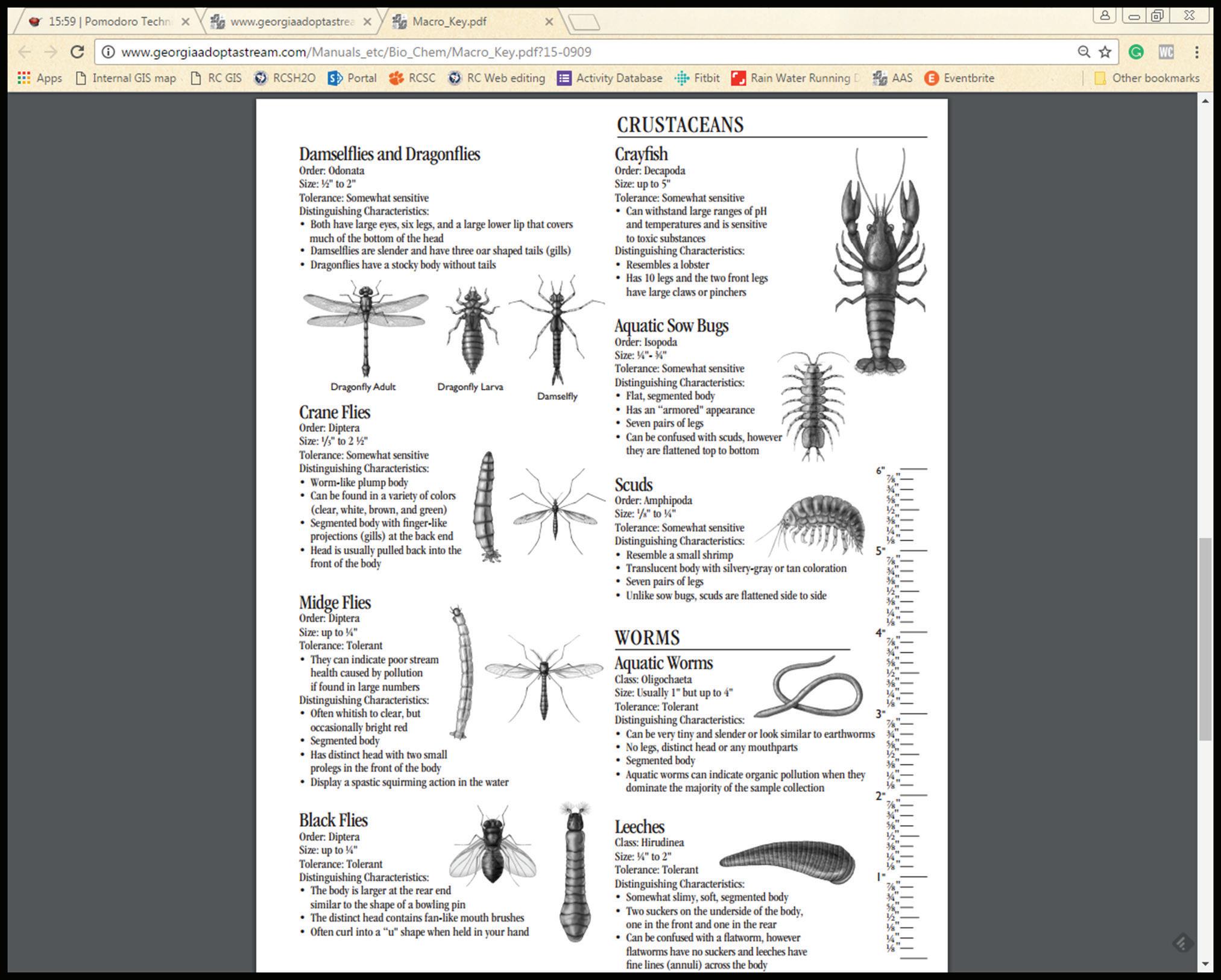
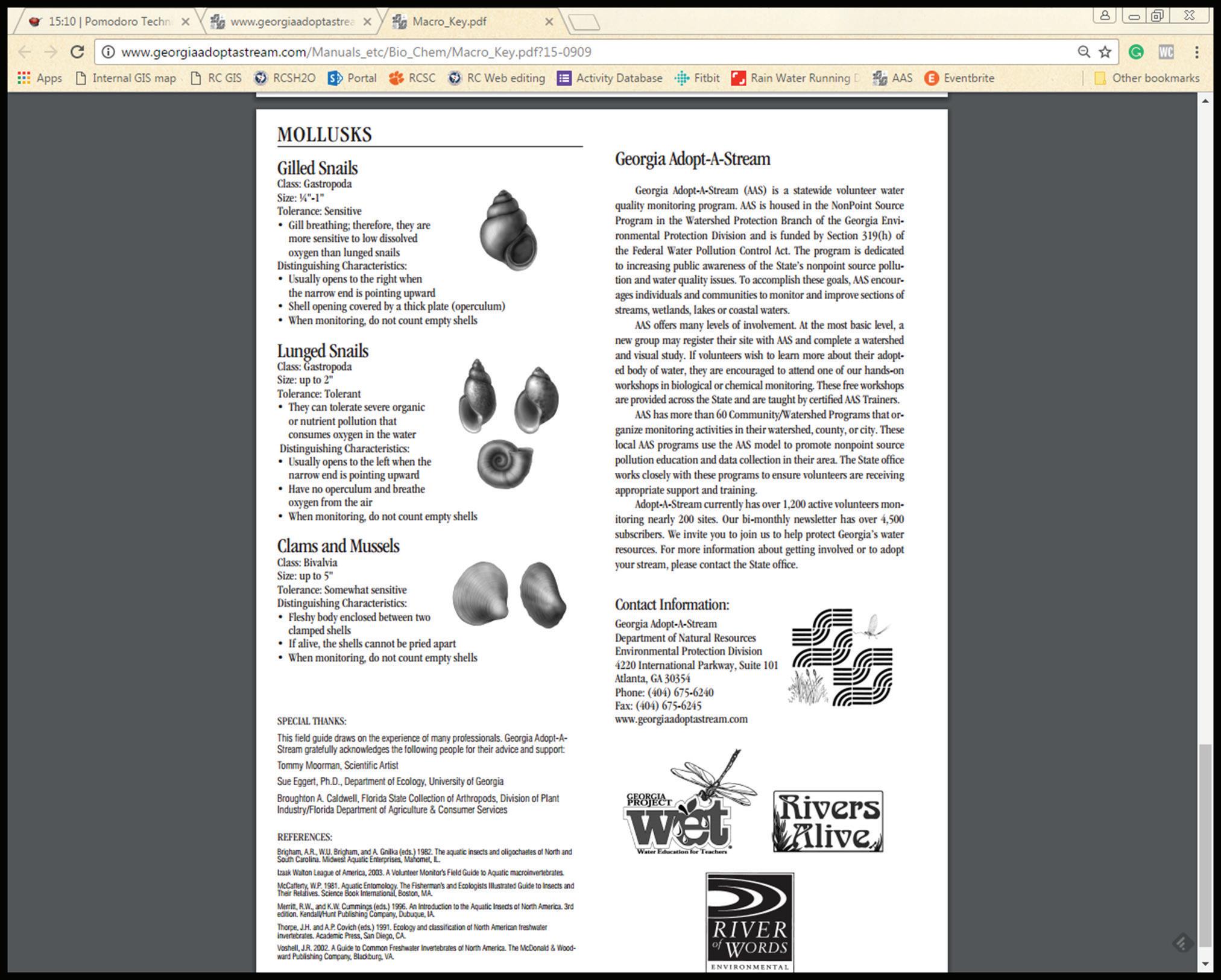
To learn how macroinvertebrates relate to other organisms in water, turn back to the food web on page 6 to see how the midge fly and mayflies connect to other creatures.
As Tessa’s habitat changed, so did the number of macroinvertebrates in the stream. Compare how many organisms were found before and after the land around Tessa’s stream was cleared.
Before the debris removal:
Number of sensitive organisms: 4
Number of semi-sensitive organisms: 5
Number of non-sensitive organisms: 3
Add the three numbers to get a water quality score.
After the debris removal:
Number of sensitive organisms: 2
Number of semi-sensitive organisms: 4
Number of non-sensitive organisms: 2
Add these three numbers to get the new water quality score. +
Good: > 11Fair: 5-10Poor: < 5
Good water quality is essential for Tessa to live in the stream. A higher water quality score means there is enough food for fish to eat.
Here’s a message from Tessa! --->
I hope you learned many things about my habitat and about the water where you live. Sometimes even when people have good intentions, their actions can damage healthy ecosystems. Polluting or disturbing the land around water affects the quality of life in the water.
But through simple activities - for example, picking up litter, throwing away pet waste, and adding plants along a stream or pond - people can also improve water quality and prevent pollution in the future!
Based on your observations and tests, how did the changes to the surrounding area affect Tessa’s habitat?
Do you think Tessa would still be able to live in the stream? Can you explain why?
What are some ways the Kelly family can help keep Tessa’s environment healthy?
Find these scientific terms highlighted in red throughout the story!
Bioindicator — organism that scientists can analyze to get an indication of the health of an ecosystem (a community of interacting organisms and their environment)
Carnivore — animal that eats other animals
Consumer — organism that depends on producers or other consumers for food, nutrition, and energy
Decomposer — organism that breaks down dead organic material
Food web — all the food chains that make up a single ecosystem
Habitat — the natural home of an animal, plant or other organism
Herbivore — organism that eats mostly plants
Invertebrate — animal without a backbone (a mollusk, for example)
Macroinvertebrate — small organisms that do not have skeletal systems
Omnivore — animal that eats both plants and animals
Pollution — when a resource contains harmful chemicals or other substances
Producer — organism that can produce its own energy and nutrients
Water quality — condition of a body of water based on chemical, physical, and biological characteristics
Tessa’s Tale © 2026 Chenille Williams
All rights reserved