SoundBites
• A Forest Worth the Wait • Championing Policy that Works • Addressing Sewer Overflows • Kinneytown Dam Update
• A Forest Worth the Wait • Championing Policy that Works • Addressing Sewer Overflows • Kinneytown Dam Update
The force behind every policy win, every restored habitat, and every community choosing a healthier future is people power. Across our region, that impact takes shape in many ways. Through the Connecticut Coalition for Climate Action, environmental, labor, faith, health, and community partners representing more than 300,000 people are advancing equitable solutions that cut pollution, lower energy costs, and build a resilient clean energy economy. When people align around shared priorities and act on them, their collective voice carries weight in Hartford, Albany, and Washington.
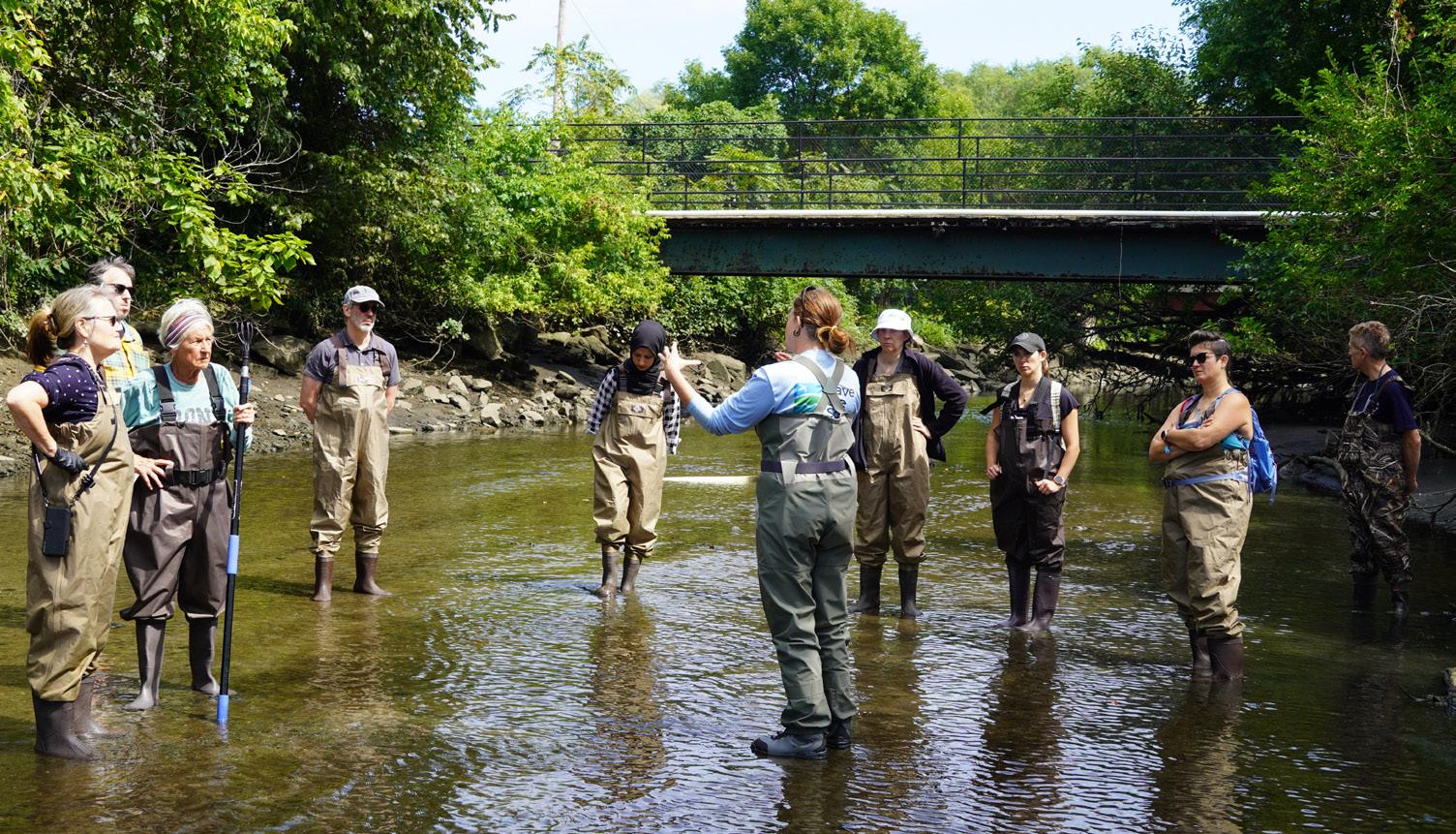
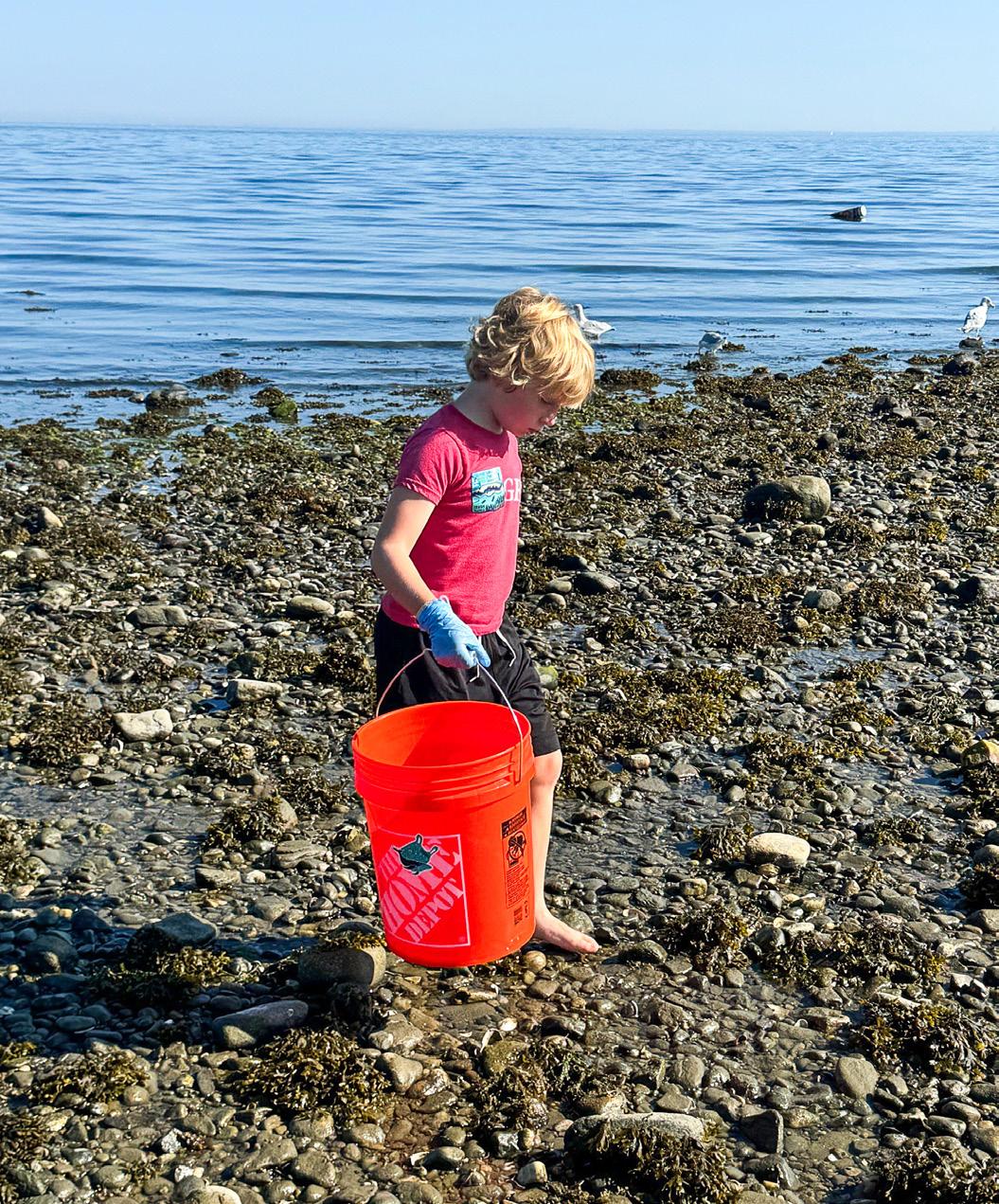
That same momentum is visible on the ground. In Port Chester, New York, students are working with our Clean Water team to study the Byram River, using hands-on science to assess water quality. This builds shared learning while generating data that the community can use to protect their natural resources. And every year, thousands of volunteers show up at nearly 100 cleanup sites, removing more than 11,500 pounds of trash at parks, beaches, and waterways across the region. From cigarette butts to plastic fragments, each piece collected reflects both the scale of the challenge and the commitment of the community stepping up to meet it.
The united effort to protect the places we love doesn’t end when the legislators go home or the cleanup is over. It continues in the
individual choices we all make each day. Reducing fertilizer use, planting rain gardens and protecting river buffers, and picking up after pets all prevent pollution from reaching our local waterways and help wildlife to thrive. Repeated across neighborhoods, these actions lead to measurable improvements. And it’s people like you who shape where our work goes next. Community scientists, volunteers, advocates, and members inspire us to do more, sharpening our approach and ensuring our work reflects the communities we serve.
As climate change warms the Sound and intensifies storms, the stakes are clear. So is the path ahead. When people come together—elevating their voices, values, and commitment in unison—they don’t just support change. They make it possible.
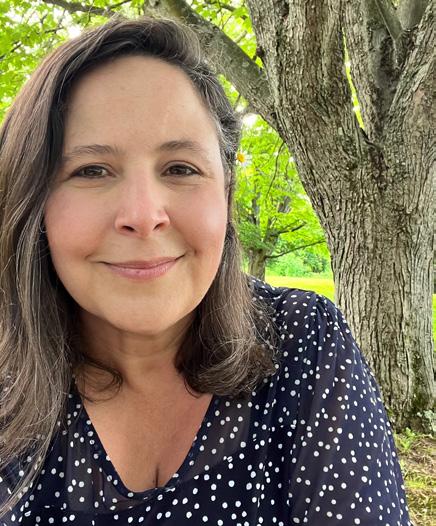

Leah Lopez President
Advocates and conservation partners continue the effort to protect the Oswegatchie Hills Nature Preserve
The key ingredient to land conservation is not always money to buy the land, or scientific knowledge to protect key species, but time and patience. The Oswegatchie Hills is a rare undeveloped coastal forest along the Niantic River in southeastern Connecticut. Two-thirds of the site is protected as the Oswegatchie Hills Nature Preserve, but the rest is at risk of being lost forever to high-density development that would ruin sensitive habitat and threaten water quality.
Local advocates have been working to conserve these hills for over two decades, and 11 years ago, Save the Sound helped form the Save Oswegatchie Hills Coalition
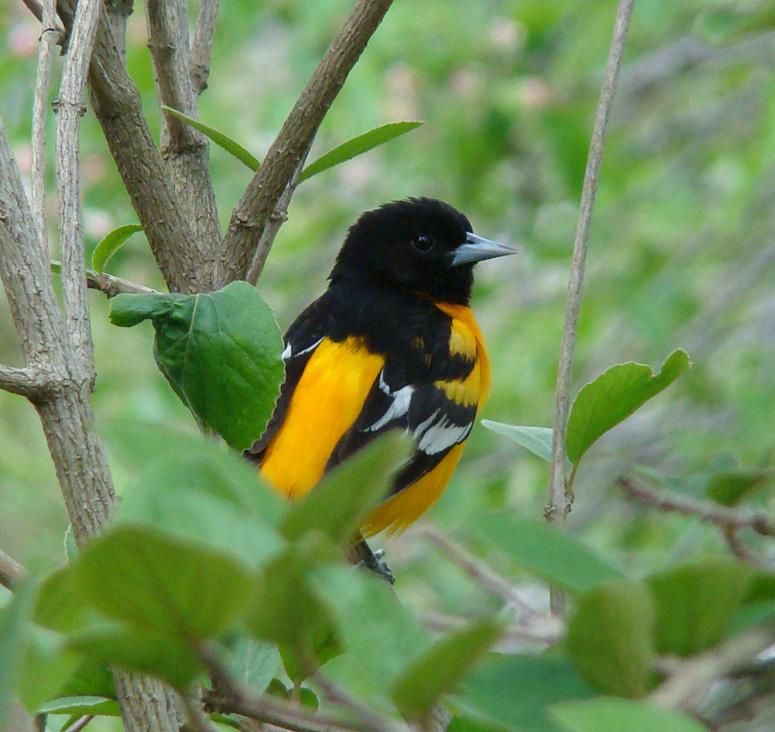
to ramp up that fight. Since then, we have blocked numerous destructive proposals. Thanks to the tireless work of passionate neighbors, land conservationists, and Save the Sound’s legal team, the developer that owns the unprotected third of the Oswegatchie Hills does not have permits, his applications have been denied, and as of now no building can occur.
We will continue to use our robust toolbox of legal expertise and coalitionbuilding skills, along with a healthy dose of persistence to fight for the clean water, forested habitat, and open space that Connecticut deserves.
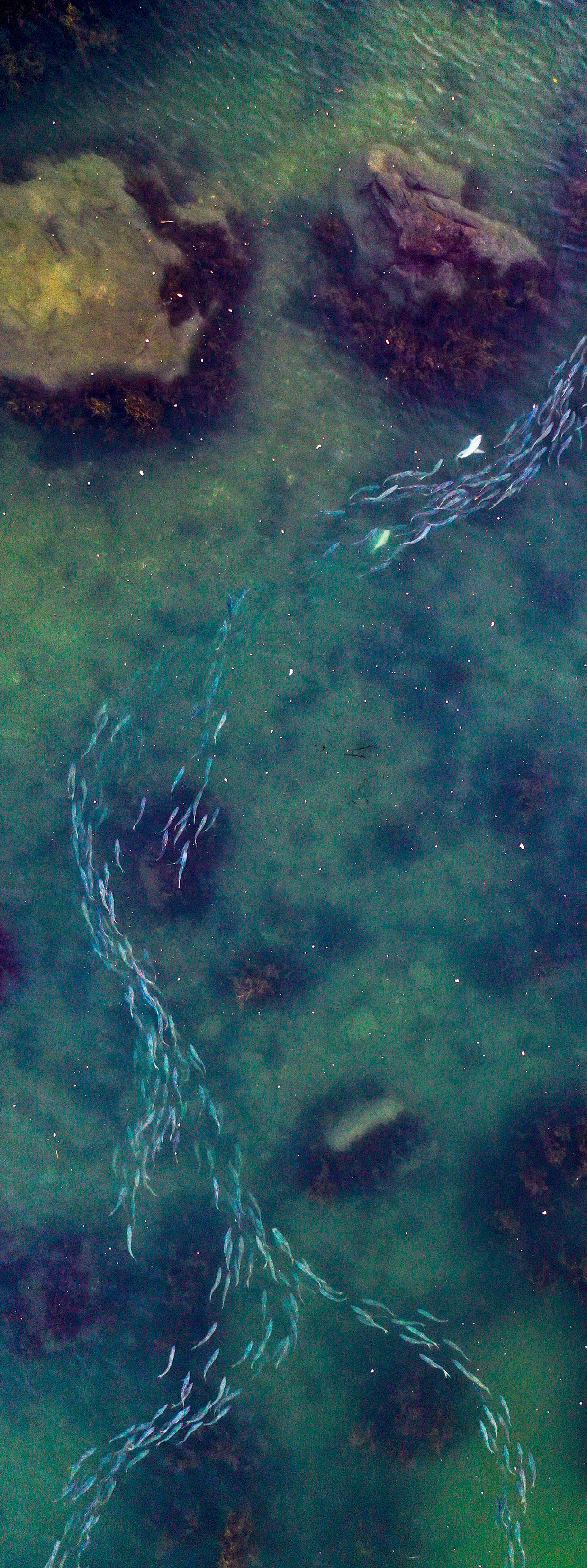
Bill Lucey remembers how easy it was to reel in flounder or flip over a rock and find a small lobster when he went fishing in Long Island Sound as a kid in Connecticut. These days, as our Long Island Soundkeeper, he finds both increasingly scarce and hard to find.
“There are fewer winter flounder now, and lobster fishing is down 90 percent, but people are catching plenty of sea bass,” says Bill. “We rarely saw black sea bass back in the day, except a few little ones around the jetties. Just another sign waters are warming.”
One of the subtler impacts of climate change is the altered composition of species in the Sound. Some thrive in colder water (cod, lobster, winter flounder), others in warm water (black sea bass, scup, blue crab).
Slowly and steadily, Long Island Sound is warming. Between 1991 and 2025, annual surface water temperatures have increased 0.65 degrees Fahrenheit (1.1 percent). Since 1960, annual surface water temperatures are up 4.4 degrees (8.6 percent). This is especially apparent in the fall when heat is retained for longer periods.
With those warming trends, we’re seeing species composition skewing toward warm-water fish. According to the Connecticut Department of Energy and Environmental Protection Long Island Sound Trawl Survey, the number of warm-water species has grown since 1984, in both the spring and fall sampling periods. Conversely, the number of cold-water species has declined, in both spring and fall surveys over the same 40-year period.
The good news is the Sound has been getting cleaner. So, we have a healthy diversity of species in many areas, it’s just that the species that make up that diversity are changing.
Not only does that affect the ecosystem, but the ways fisheries are managed and the fishing community makes its living also must change.
“As warming waters reshape what lives here, fisheries management has to respond,” says Bill. “That means revising quotas, rethinking seasons, and making sure harvesters can adapt to target species that are increasing, not declining.”
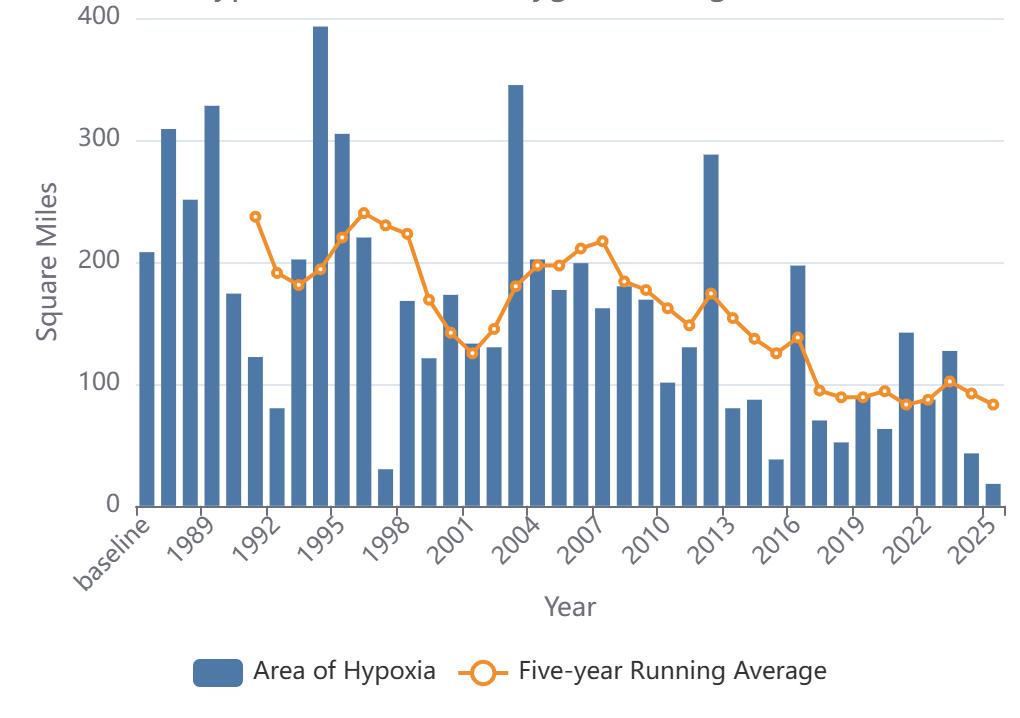
Thirty years ago, 394 square miles of Long Island Sound—almost a third—suffered widespread late summer hypoxia, a condition that occurs when levels of dissolved oxygen in the water drop too low to sustain aquatic life. Last summer, the affected area was down to 18 square miles or a little more than one percent, the lowest since cleanup efforts began.
We know what causes the problem—excess nitrogen entering the Sound through insufficient wastewater infrastructure and stormwater runoff. We also know the solution: Investment.
Since 2017, New York State has spent almost $6 billion in clean water infrastructure. Much of that has gone to replace septic systems, repair sewer lines, and upgrade wastewater treatment plants, local projects that otherwise would have been too expensive for municipalities to undertake on their own. Alongside New York, Connecticut has invested $4.5 billion since 1987, around the time the first Soundkeeper, Terry Backer, began enforcing Clean Water Act violations through the Connecticut Coastal Fisherman’s Association.
The Connecticut Department of Energy and Environmental Protection has done an excellent job assisting the state’s Water Pollution Control Authorities through upgrades and continues to reduce untreated sewage from reaching the Sound.
Over the years, we have established what works: by investing in improving our wastewater infrastructure and reducing impervious surfaces that deliver stormwater runoff into our waterways, we can make progress in resolving our nitrogen problem.
In Connecticut, our priorities for this legislative session include advancing affordable, renewable, and efficient energy, protecting healthy waters, and supporting environmental justice while defending your rights.
Our New York policy team entered the 2026 session with legislative priorities ranging from maximizing clean water infrastructure funding to strengthening protections to keep plastics and microplastics, toxic forever chemicals like PFAS, and other harmful substances out of everyday consumer products, our waterways, and our bodies.
Scan to read our Connecticut (above) and New York State (below) legislative agenda press releases.
“We must stop contaminants at the source,” says David Ansel, vice president of our Center for Water Protection. “Delaying action will result in significantly higher costs for New York taxpayers in the future, and the pollution problems and climate consequences will only worsen the longer we wait.”
We continue pushing for the full and swift implementation of New York’s Climate Leadership and Community Protection Act, against the weakening of regulations requiring developers to assess the environmental impact of proposed projects, and for policy that improves stormwater management and prioritizes nature-based solutions in building resilient coastlines and communities.
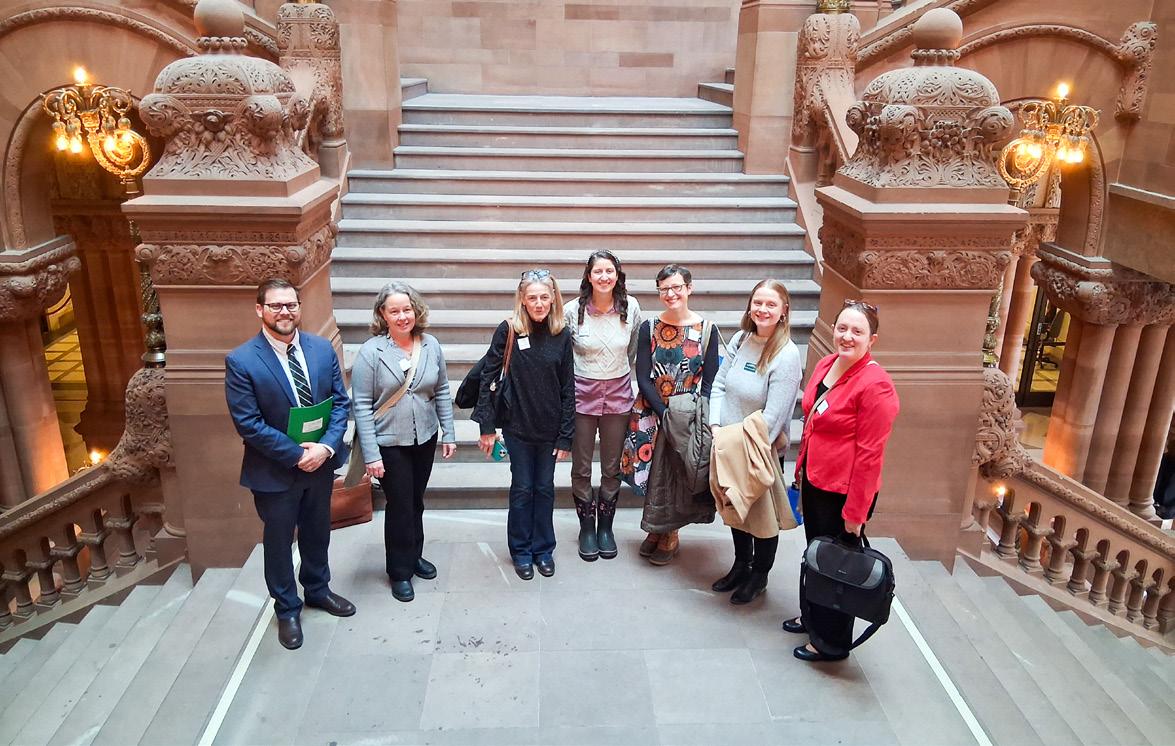
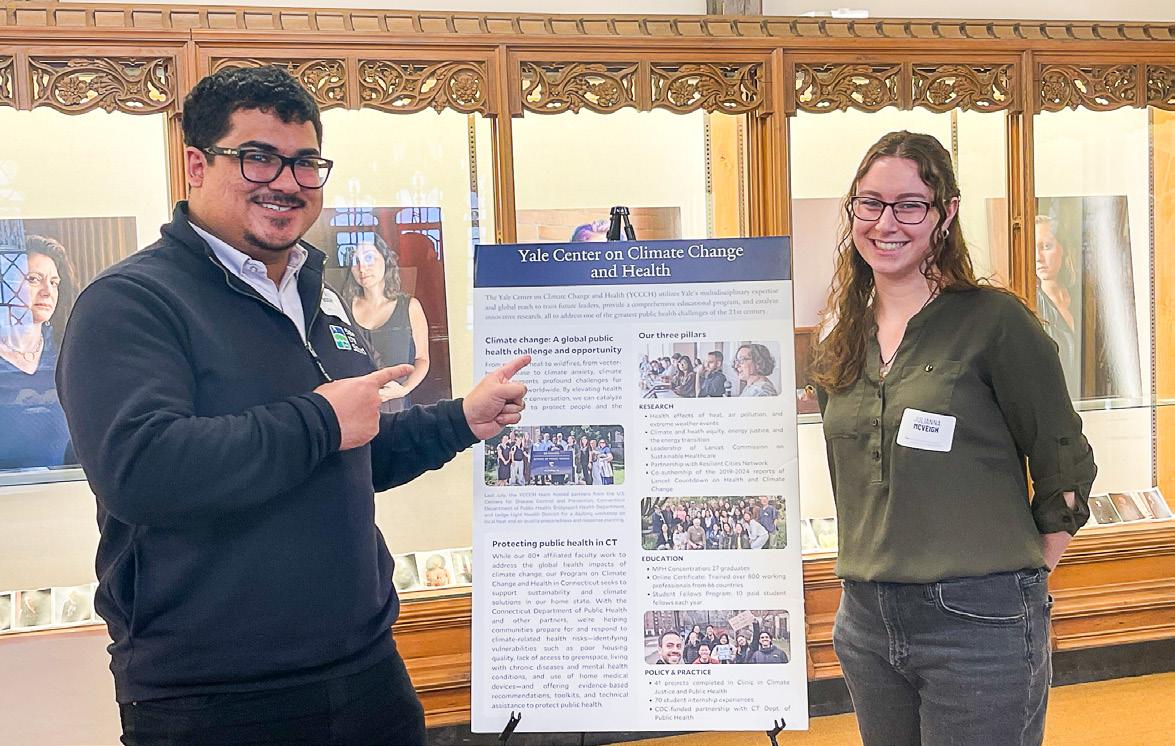
Keep an eye out for action alerts and our bi-weekly legislative newsletter in your inbox, which help guide when and how your input can make the most difference. At public hearings, legislators use your testimony to decide whether a bill moves forward, and what the details of that bill look like. Once bills are written, your calls and emails to legislators help shape state-level policy and funding decisions. The cumulative power of people speaking up is the engine that drives policy forward, and we couldn’t do this work without you.
To learn more about our priorities and how to get involved, check out the recordings of our New York and Connecticut policy webinars at savethesound.org/virtualarchive
Every dollar invested in the environment by New York State returns at least $7 in benefits. But that ratio doesn’t begin to account for the real value of quality of life improvements enabled
by programs like the Environmental Protection Fund, created in 1993 as a permanent, dedicated source of funding for New York’s conservation needs.
Environmental investment protects clean water, clean air, and open spaces. It allows for the expansion and maintenance of parks and hiking trails, the revitalization of waterfronts, the preservation of forests, and the reduction of pollution. It creates Climate-Smart Communities, expands investment in green infrastructure, and protects habitat.
Decisions made in recent years by the U.S. Supreme Court and the federal government have shifted the responsibility for protecting and investing in our natural resources to the states. It remains our priority to ensure that New York and Connecticut governments make protecting the environment their priority.
A lifetime on the Sound and a commitment to protect it
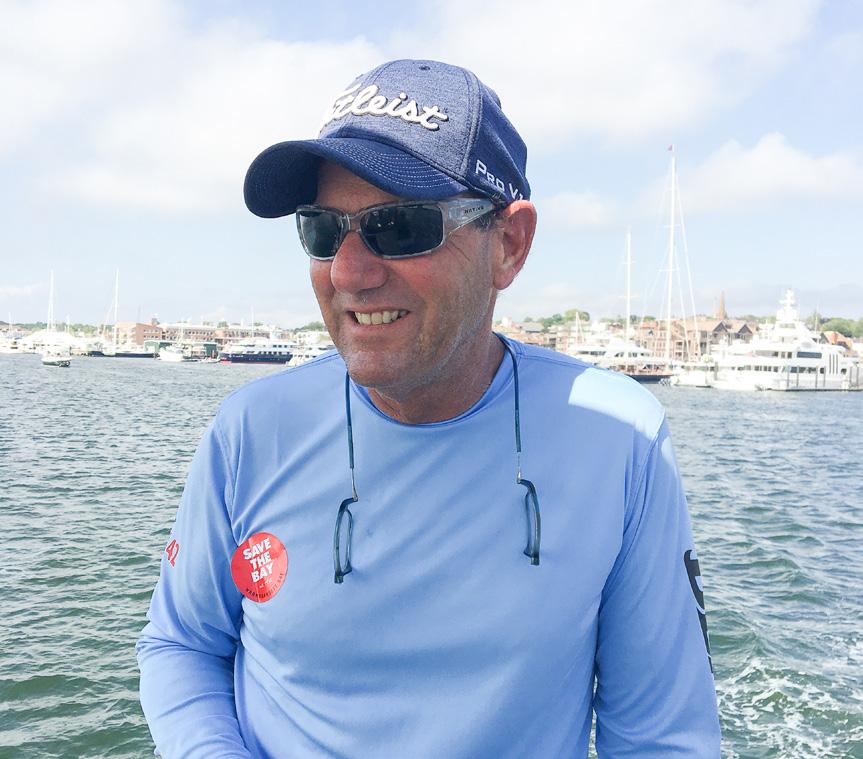
Ben’s story with Long Island Sound begins with summer days chasing the wind. He grew up in Stamford and Norwalk, where sailing was a family ritual. But he also remembers the darker side of the 1970s, when fish die-offs were common and a dome of yellow haze hung over New York City and stretched along the shoreline. Even as a child, he understood that pollution was shaping the Sound he loved.
In 2015, he attended an event hosted by a friend on Save the Sound’s Board. What drew him in was simple. “There are many organizations that do education and advocacy,” Ben says, “but far fewer take on the actual physical work of testing, identifying, and remediating problems.” As the publisher of sailing-focused WindCheck Magazine, he made sure those results had a platform, giving Save the Sound a monthly column to share water quality science, innovations in restoration, and more.
When asked what small step people can take, his answer is immediate. “Stop using fertilizer,” he says. He understands the pride of a beautiful shoreline lawn, but urges neighbors to consider what washes into the water and alters the Sound’s chemistry. Small behavior changes, he insists, can add up to meaningful impact.
If you care about the Sound, follow Ben’s lead. Support the work. Share the stories. Make one change today, then another tomorrow.
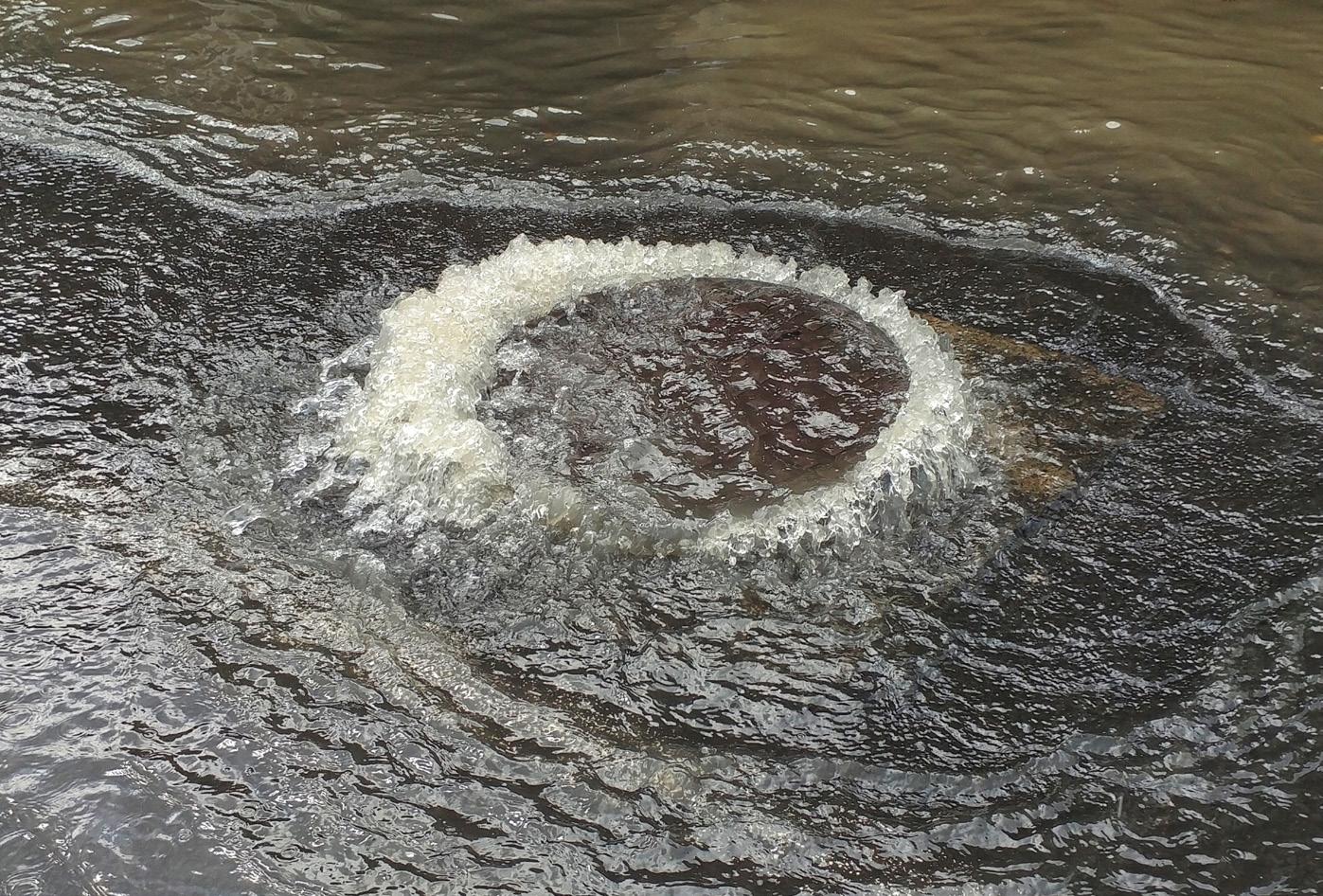
When New York City’s wastewater treatment plants are overwhelmed by the mixture of stormwater and sewage entering the City’s combined sewer system, untreated sewage discharges into rivers, harbors, and creeks. This is known as “combined sewer overflow” (CSO). In New York City, an average of 18 billion gallons of CSO enter waterways each year throughout the five boroughs. Raw sewage containing disease-causing pathogens, nitrogen, and solids enter the water, sometimes with toxins and heavy metals that render the waters of NYC unsafe for boating, swimming, and other recreational uses. The City is aware of these dangers, but many of its actual actions and plans fall short of much-needed clean water goals.
Save the Sound is partnering in three lawsuits to protect NYC waterways from these harmful CSOs: We have filed a federal suit against the U.S. Environmental Protection Agency to require NYC to make quicker progress toward swimmable waters and a state suit against the NYC Department of Environmental Protection (DEP) requiring it to more accurately disclose CSOs.
Most recently, in February 2026, we filed a state suit to require DEP to complete a full Environmental Impact Statement (EIS) for its proposal to chlorinate CSOs entering Flushing Creek.
A comprehensive EIS would give due consideration to the potential harms of relying on chlorination to disinfect CSO discharges instead of reducing CSO volume, as is required to comply with the law and protect public health. An EIS would also require DEP to evaluate alternatives for addressing this pollution, which could include expanding green infrastructure and building a new wastewater treatment facility on Rikers Island once the jail currently operating there is closed.
A large-scale river connectivity project that will restore habitat, remove hazards, and connect communities to outdoor recreation
Kinneytown Dam stands between migratory fish and about 30 miles of former spawning habitat on the Naugatuck River in western Connecticut. Save the Sound, in collaboration with Naugatuck Valley Council of Governments (NVCOG), is working to change that by removing the 413-foot-across and 20-foot-high dam. Recent accomplishments are helping move this effort forward:
• An engineering design firm was selected and is currently analyzing the data as the first step in the design process.
• The Connecticut Brownfield Land Bank, which is closely tied to NVCOG, has acquired the Kinneytown Dam property from the hydropower company.
• The U.S. Environmental Protection Agency completed sediment sampling, with lab analysis completed and data reporting close to completion.
• Save the Sound and NVCOG host bimonthly meetings near the site, issue a monthly newsletter, visit neighbors door-to-door, and have begun outreach to downstream businesses to proactively engage with the community about the project.
• A documentary team is interviewing residents, researching historical archives, and documenting the science and engineering behind the dam’s removal to preserve local history and share the evolving story of the Naugatuck River and Kinneytown Dam while highlighting a more inclusive, community-focused future.

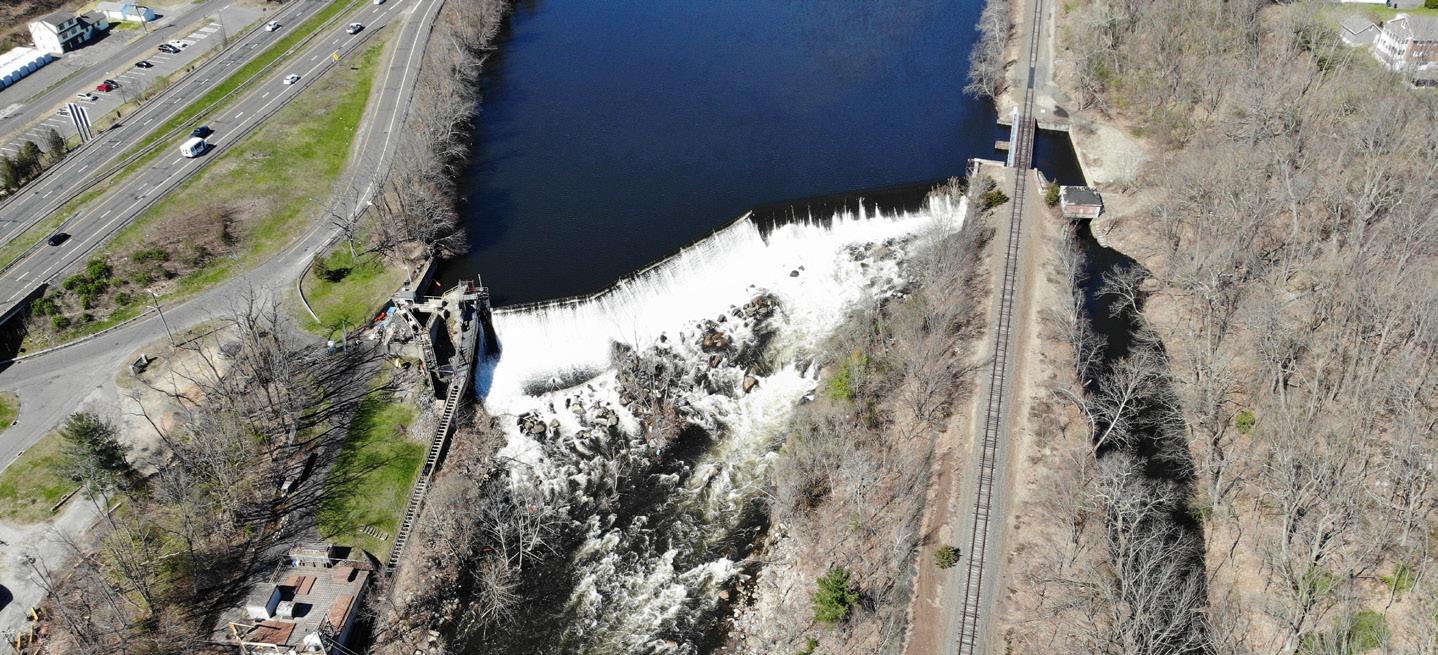
Habitat: Dam removal will revitalize the Naugatuck River corridor in Seymour and Ansonia, allowing the return of “forage fish”—migratory fish that feed larger fish and predatory birds.
Community: For nearly 200 years, this part of the river was closed to the public. Trash and debris have built up, particularly along North 4th Street in Ansonia. Sampling has revealed contamination in the sediment under the water as well. The work will clean up the river, making it safe and beautiful again.
Recreation: The scope also includes constructing another section of the Naugatuck Valley Greenway Trail that will eventually link Ansonia to Seymour, opening recreation areas that connect communities and improve public health.
Hazard Removal: Removal will protect the adjacent MetroNorth rail line and downstream residents from the risk of catastrophic dam failure from this deteriorating, poorly maintained dam.
To learn more, visit NVCOG’s project page: nvcogct.gov/project/current-projects/ kinneytown-dam-fish-passage/
“It’s hard to overstate the potential ecological uplift of this project—about 30 miles of mainstem habitat for five migratory fish species, plus another 30 miles of tributary habitat for some of those species. These are numbers that previous dam removals in Connecticut have not approached.”
Paul Woodworth Senior Director of Ecological Restoration
127 Church St, 2nd Floor
New Haven, CT 06510
savethesound.org
203-787-0646

Join Save the Sound for year-round volunteer opportunities and events, including cleanups, water quality monitoring, restoration projects, and advocacy. Every action helps protect our region and its ecosystem. Visit savethesound.org/volunteer to learn more.
New to Save the Sound? Join for $25 and your first-time membership will be matched to $50 for a limited time. Your support helps protect Long Island Sound, local rivers, beaches, and wildlife. You can also share the impact with a gift of membership for friends and family. Learn more at savethesound.org/match.