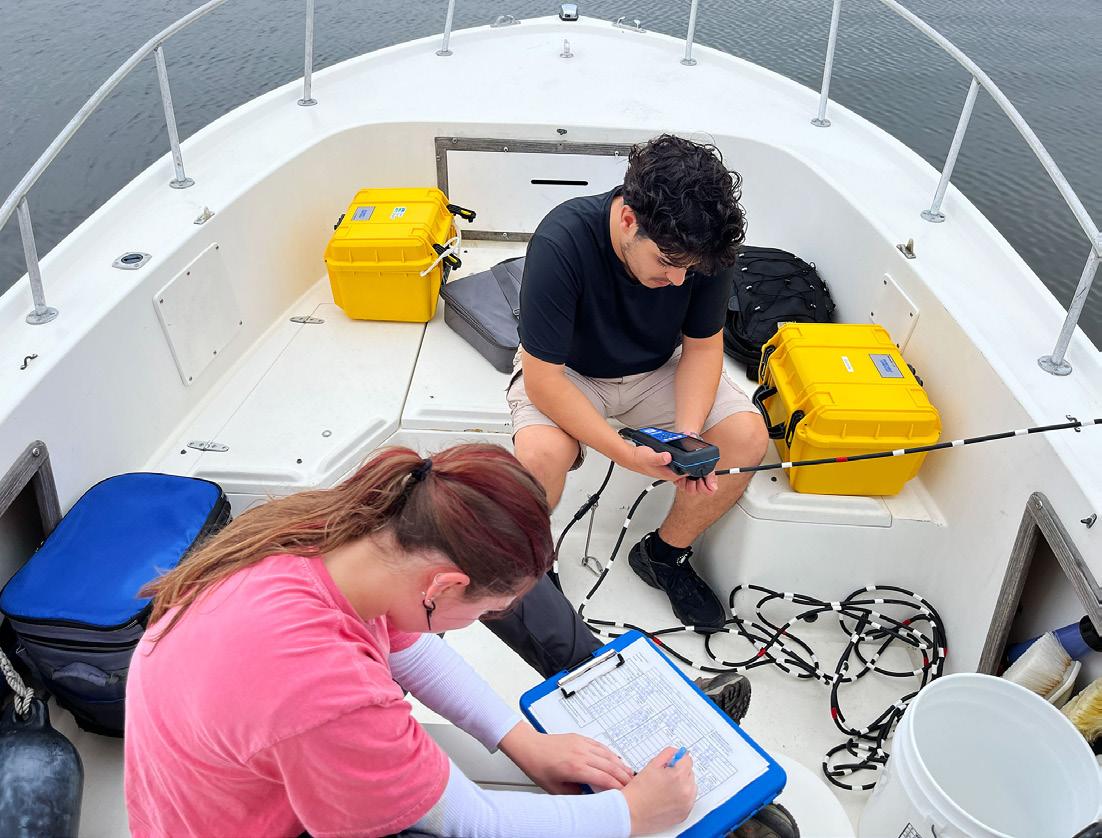
The samples are no longer hand-delivered via parking-lot rendezvous, then driven to commercial labs for processing. Instead, they are shipped overnight to the John and Daria Barry Foundation Water Quality Lab in our Larchmont office, where processing and analysis are overseen by Elena.
Save the Sound uses that data to grade the ecological health of those embayments. Bay and harbor grades based on water quality data collected during the 2025 UWS season will be released in the 2026 Long Island Sound Report Card, coming this September.
“Now that we’re approaching 10 years of collected data, we can really understand the impacts of climate change, development, and restoration projects, or the implementation of ordinances and laws,” says Elena. “Decades from now, the data we’re collecting are still going to be used. I feel like I’m a part of history.”
2026 Unified Water Study Partner Groups
Ash Creek Conservation Association
Avalon Nature Preserve
Bridgeport Regional Aquaculture Science and Technology Education Center
Bronx River Alliance
Citizen Science Learning Center
Clean Up Sound and Harbors
Coalition To Save Hempstead Harbor
Connecticut River Conservancy
Cornell Cooperative Extension of Suffolk
County Marine Program
East Basin Enterprises LLC
Fishers Island Seagrass Management Coalition
Friends of the Bay
Friends of the Farm
River Estuary
Guardians of Flushing Bay
Harbor Watch
Interstate Environmental Commission
New England Science & Sailing
Project Oceanology
Remote Ecologist
River Advocates of South Central Connecticut
Roger Tory Peterson Estuary Center
Salonga Wetlands Advocate Network
Save the River — Save the Hills
Save the Sound
Setauket Harbor Task Force
SoundWaters
SUNY Maritime
The Maritime Aquarium at Norwalk
Town of Darien
Town of Fairfield
Conservation Department
Town of Stratford
Conservation Department
The Beach Grades Are Out!
Explore the latest water quality data on Sound Health Explorer
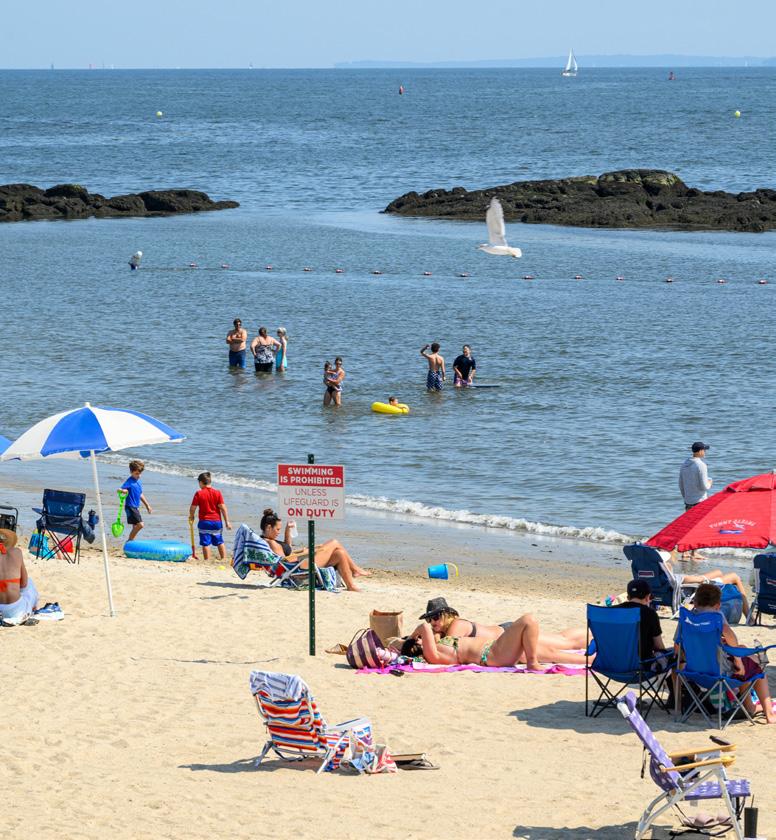
Our Beach Grades delivered good news for more than three-quarters of 192 public and private beaches around Long Island Sound. Seventy-seven percent of Sound beaches received As or Bs, based on water quality data collected by local health departments during the 2025 swimming season.
For the other 23 percent, the Beach Grades provided a reminder of the water quality challenges across our region—polluted stormwater runoff, inadequate wastewater infrastructure, and profuse pet and wildlife waste. Especially in the western Sound: 11 of the 16 beaches to receive Ds or Fs were in either New York City or Westchester County.
Watch our
See the latest grades for beaches near you at SoundHealthExplorer.org.
Advancing Fish Passage and River Restoration
Research, regulation, and advocacy converge at Rainbow Dam
Rainbow Dam stands 59 feet high and 500 feet wide on the Farmington River in Windsor, Connecticut.
The century-old hydropower dam blocks fish passage to more than 95 percent of the watershed, cutting off spawning habitat for migratory fish including American shad, blueback herring, alewife, sea lamprey, and American eel. Stagnant water behind the dam also contributes to harmful algal blooms that threaten fish, wildlife, and river health.
"Nobody's alive today that really witnessed how full of fish our rivers used to be," says Senior Director of Ecological Restoration Paul Woodworth. "We're trying to bring back the abundant landscape that none of us have seen before. And these migratory fish are foundational to the food web; they are forage for so many other species of fish and wildlife."
Save the Sound is working behind the scenes to make removal of this dam a reality, and we have made important progress over the past year. A National Oceanic and Atmospheric Administration-
funded study is evaluating the feasibility of dam removal, while Save the Sound attorneys, working alongside partner organizations, have successfully pushed for a federal review of the dam's regulatory status.
That effort included gathering data that the Farmington River is navigable and should fall under federal oversight. In response to this evidence, the Federal Energy Regulatory Commission has
opened an inquiry into whether Rainbow Dam is subject to federal authority, an important step toward securing fish passage requirements.
At the same time, Connecticut recently strengthened state law to give the public another pathway to seek fish passage improvements at dams. After decades of blocked migration, new opportunities might be emerging to help fish return to the upper reaches of the Farmington River.
Save the Sound staff and partners conduct a float test in May 2025 to show the Farmington River's navigability.
Beach Grades webinar on our YouTube channel.
Oakland Beach in Rye, NY. Photo credit: Mark Liflander
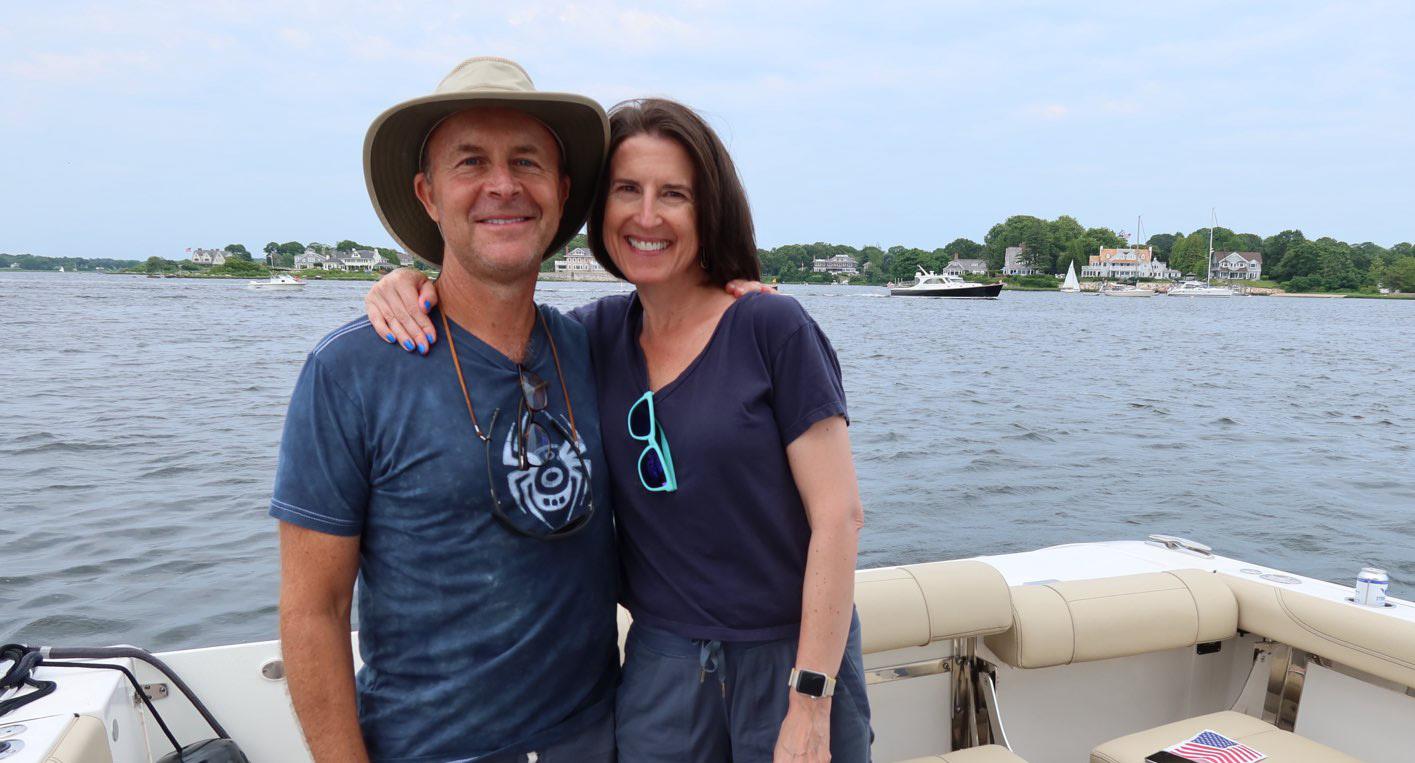
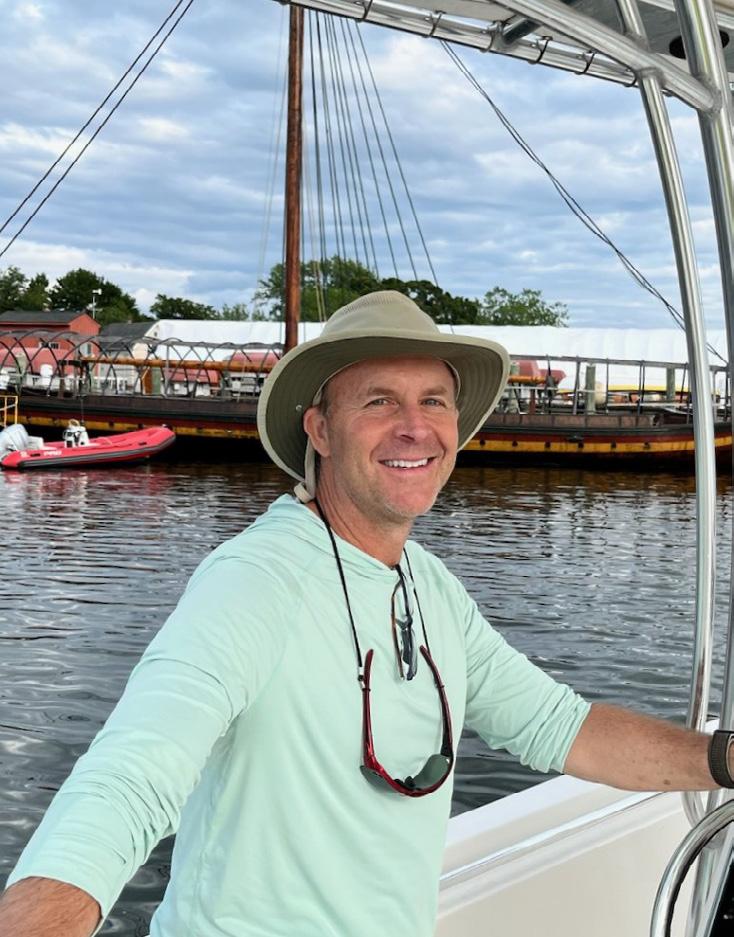
Donor Spotlight: Tim Hopkins
Supporting a healthier Sound future
Tim Hopkins grew up sailing, fishing, and searching for shore critters along Lake Erie’s Canadian shoreline—and experienced polluted waters firsthand. It was the late 1960s, when the lake suffered from large dead zones caused by nutrient pollution, and the Cuyahoga River caught fire after a spark landed on an oil slick. These events unfolded at the start of the environmental movement, when people united to take action through the passage of the Clean Water Act in 1972 and the first Earth Day.
Combined with a passion for sailing, Tim’s strong ethic for water pollution prevention resulted in a lifelong commitment to environmental stewardship. After learning to sail on Lake Erie, he spent many summers sailing throughout the East, including Chesapeake Bay, Buzzards Bay, and Long Island Sound. For nearly a decade in the 1990s, Tim lived in Darien, Connecticut, where he sailed the Sound when it was far more polluted than it is today.
“I believe in the power of connecting people to address a common challenge,” says Tim. “When I was given the opportunity to direct a significant gift on behalf of the Barrett Family Foundation to a charity of my choice, Save the Sound was easy to choose.”
Tim’s donation, part of our Sound Future Campaign, will help ensure our Soundkeeper patrols can easily reach all 600 miles of coastline around Long Island Sound to improve the estuary and fishery.
“Focusing on what’s most meaningful to oneself is a guiding principle in my life,” reflects Tim. “My wife, Aliina, and I are planning our future in Mystic by the water, and I’m glad to contribute to protecting the Long Island Sound estuary we love through Save the Sound.”
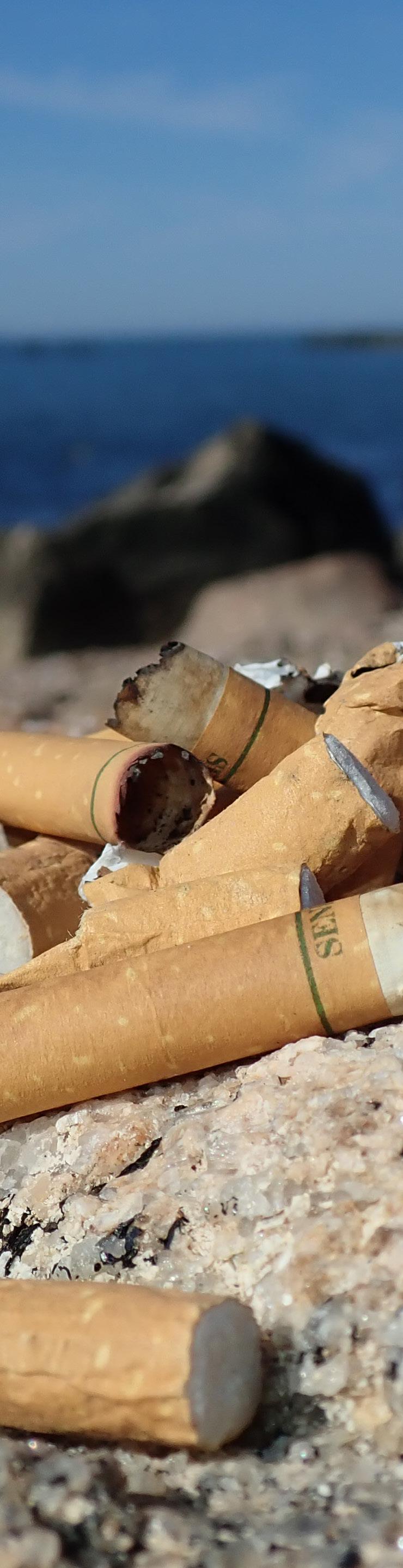
Cigarette butts are the most commonly littered item in the world
Their filters are made of plastic that do not fully break down—but even the paper and tobacco, as they decompose, release toxic chemicals into soil and water that harm wildlife and habitats. Marine animals often mistake cigarette butts for food, leading to poisoning and malnutrition. Help us keep these pollutants out of Long Island Sound by joining a cleanup near you at savethesound.org/cleanups.
127 Church St, 2nd Floor
New Haven, CT 06510
savethesound.org
203-787-0646
July 31 – August 9
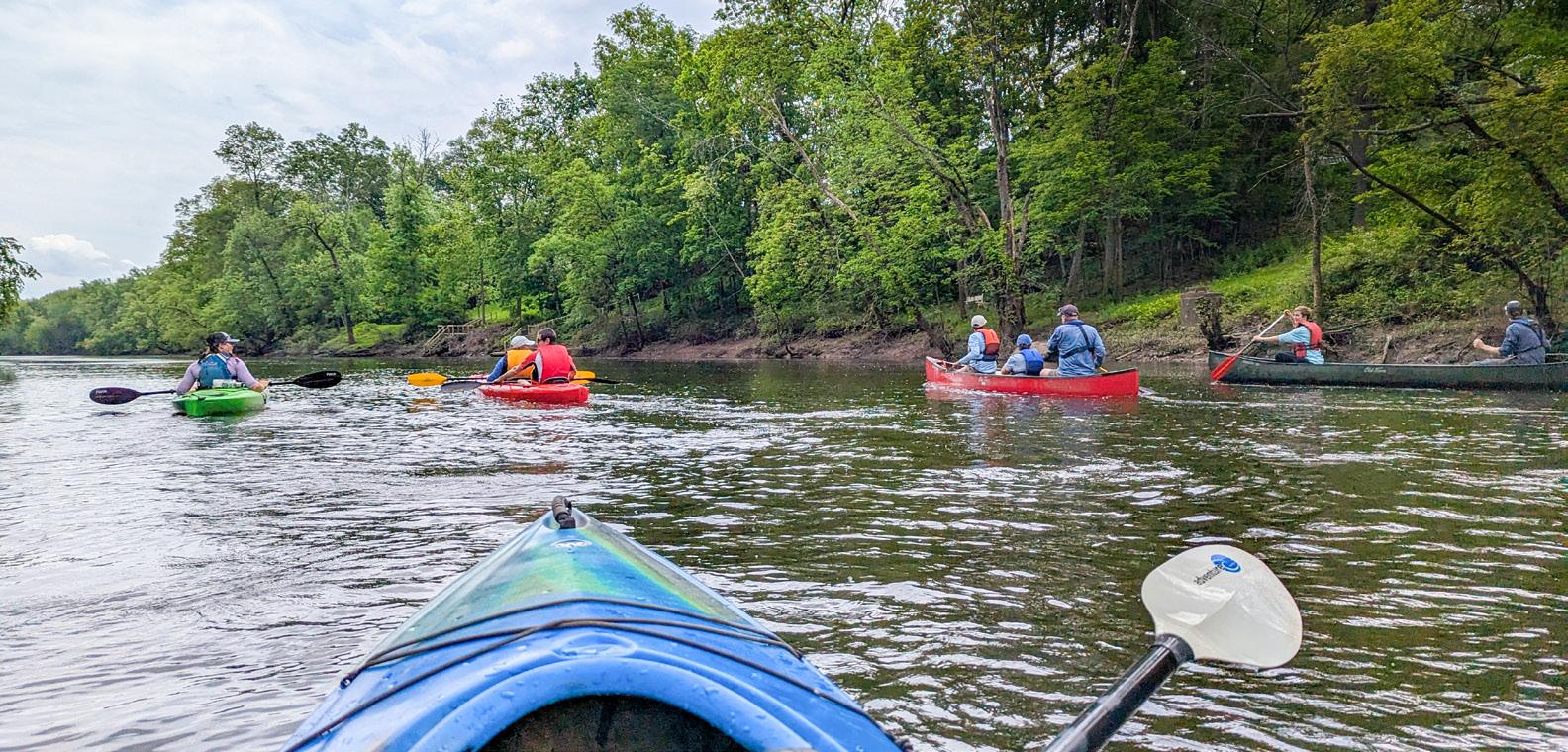
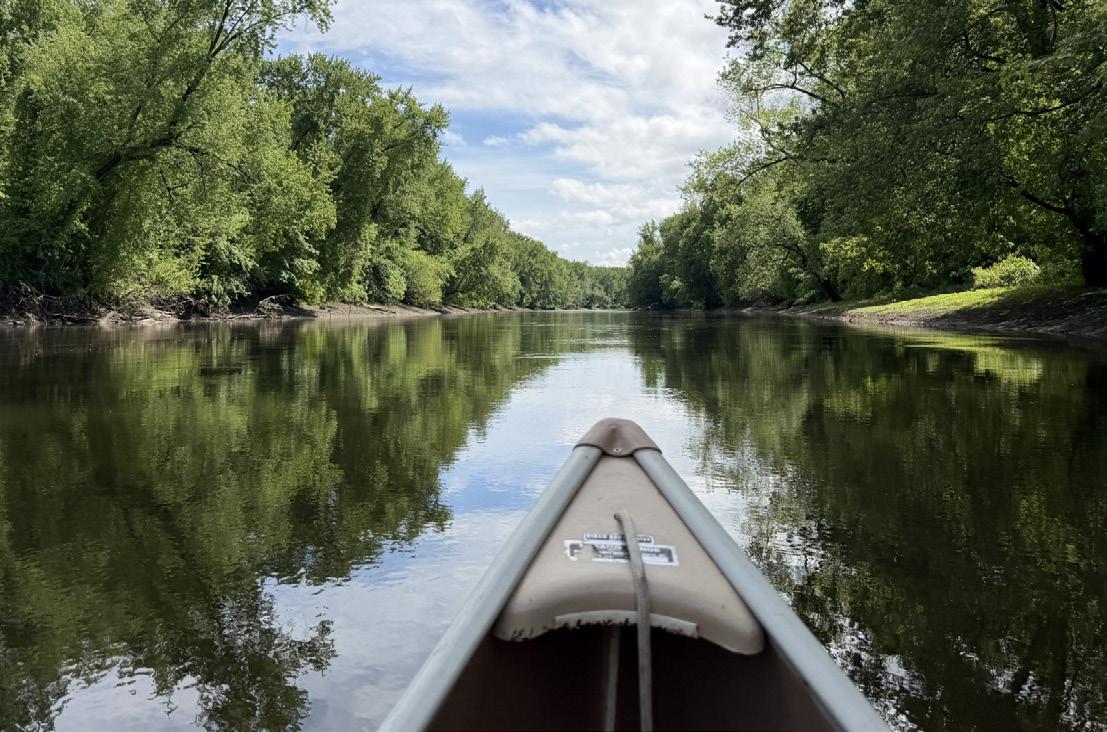
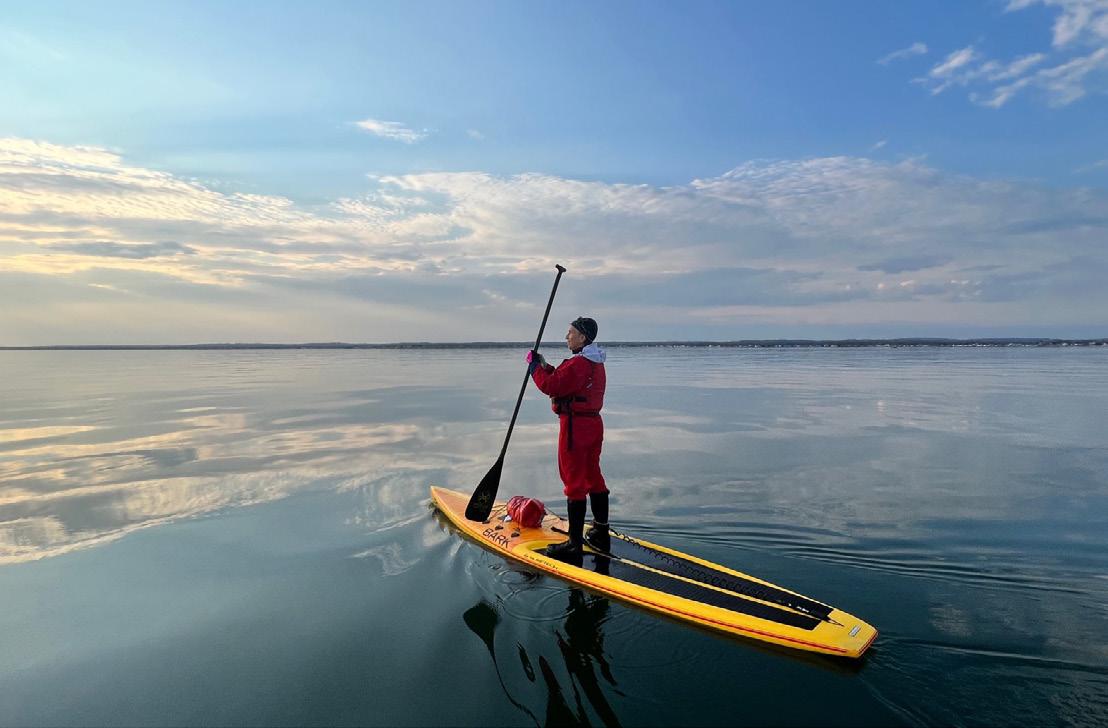
Join our kayak, stand-up paddleboard, and canoe fundraiser supporting clean water across the Long Island Sound region.
• Register at savethesound.org/paddle and set up your personal or team fundraising page.
• Paddle solo or with friends and family from any location as many times as you can during the 10-day event window.
• Fundraising teams of five or more will receive Save the Sound bucket hats.
• The top three paddlers by total distance will win prize packages—and bragging rights!