CROP CHOICE & KITCHEN GARDEN PRACTICES IF YOU LIVE ALONGSIDE ELEPHANTS
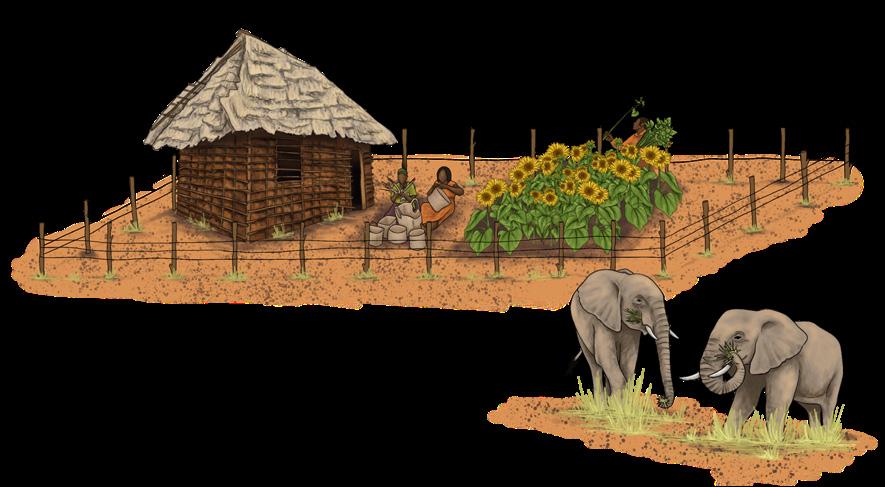
Elephants needs large amounts of food to survive; up to 450kg a day. With prolonged drought periods, food for elephants become limited and they can be forced to search for food in farms.
TIP
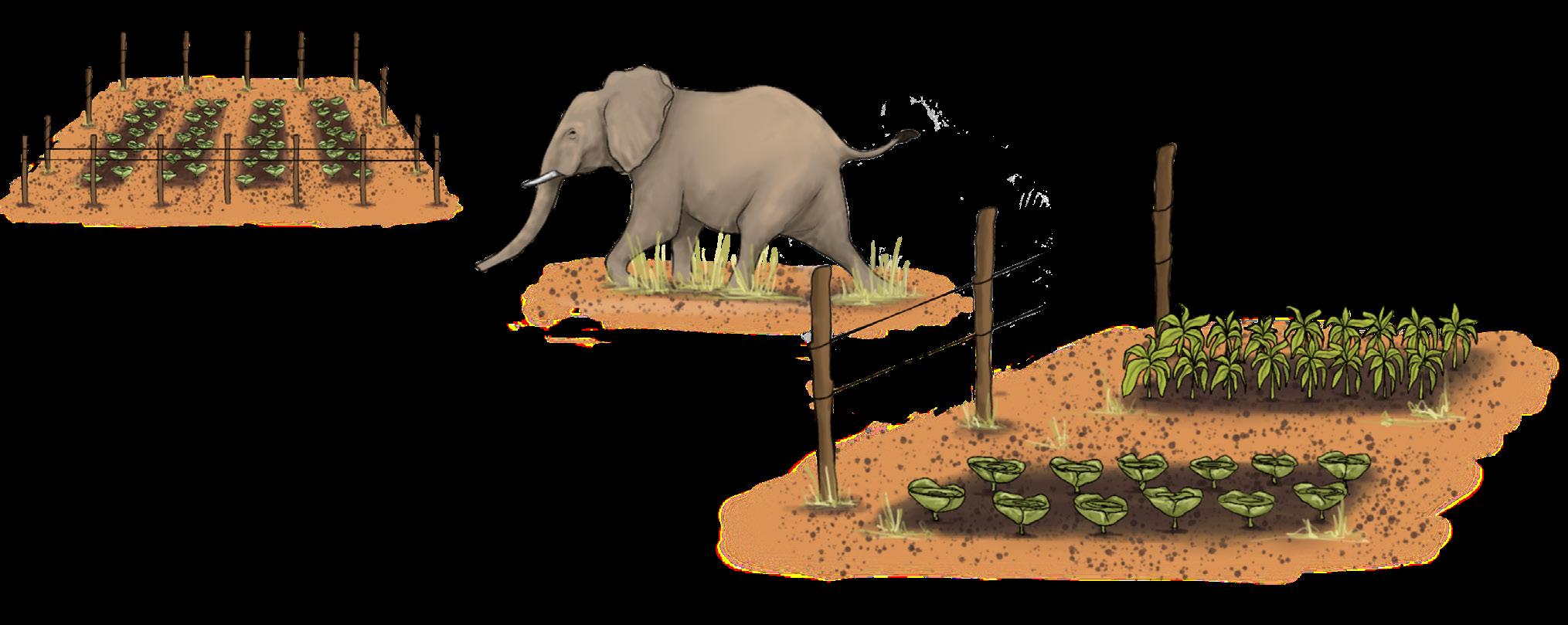
It is advisable to plant crops in smaller farmlands, especially in areas around elephants, as it is cheaper and more efficient to protect small crops fields against elephants using different boundary protection methods.
Small farms generally require less water.

Soils can degrade fast if you plant the same crops every season (monoculture).
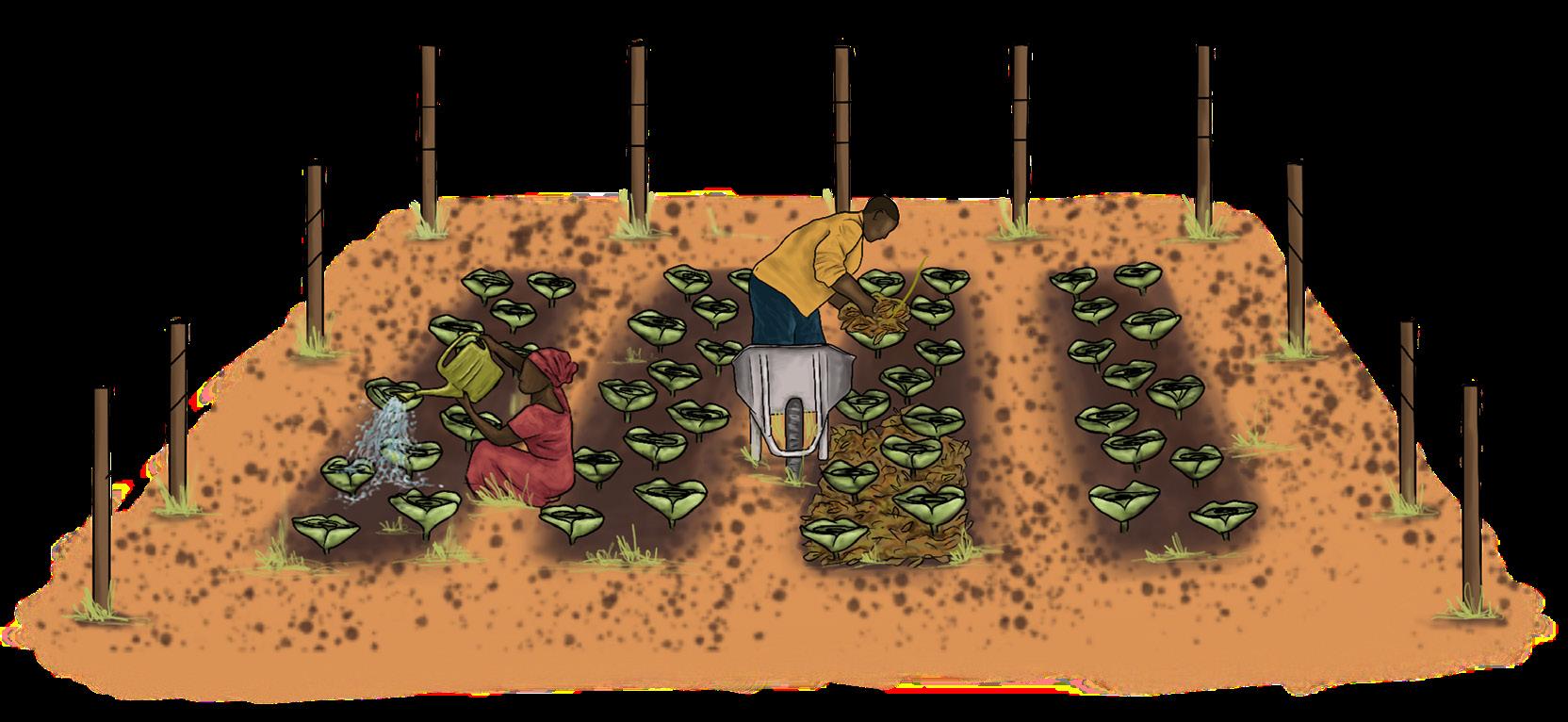
In order to farm successfully in a small 1-3 acre farmland, try to practice Conservation Agriculture techniques to preserve soil health and water retention.

If you live near a national park/ reserve, plant crops that elephants do not eat to ensure they are not attracted your farm.
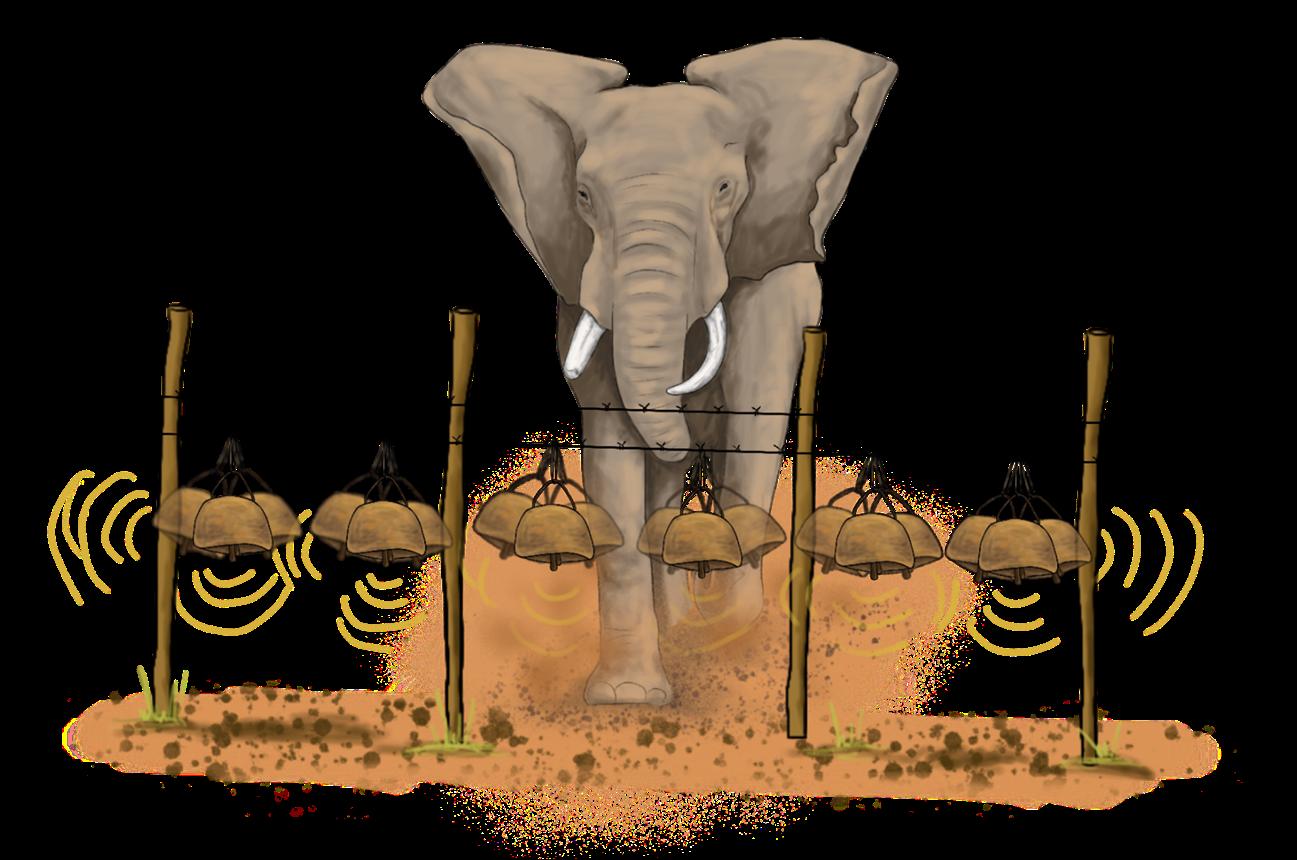
These are called non palatable crops.

Such crops may be cash crops and can provide an alternative income when processed. With added income you can buy food items like maize and beans from farmers who have had a good harvest.
Use additional farm deterrent methods to protect crops.

TIP
Avoid planting the same crop in the same field for more than one cropping season. Rotate non-palatable crops each season and intercrop with nitrogen fixing plants like beans/legumes to keep soils healthy.

1.
Non - Palatable crops
Non-palatable crops are those that elephants do not eat.

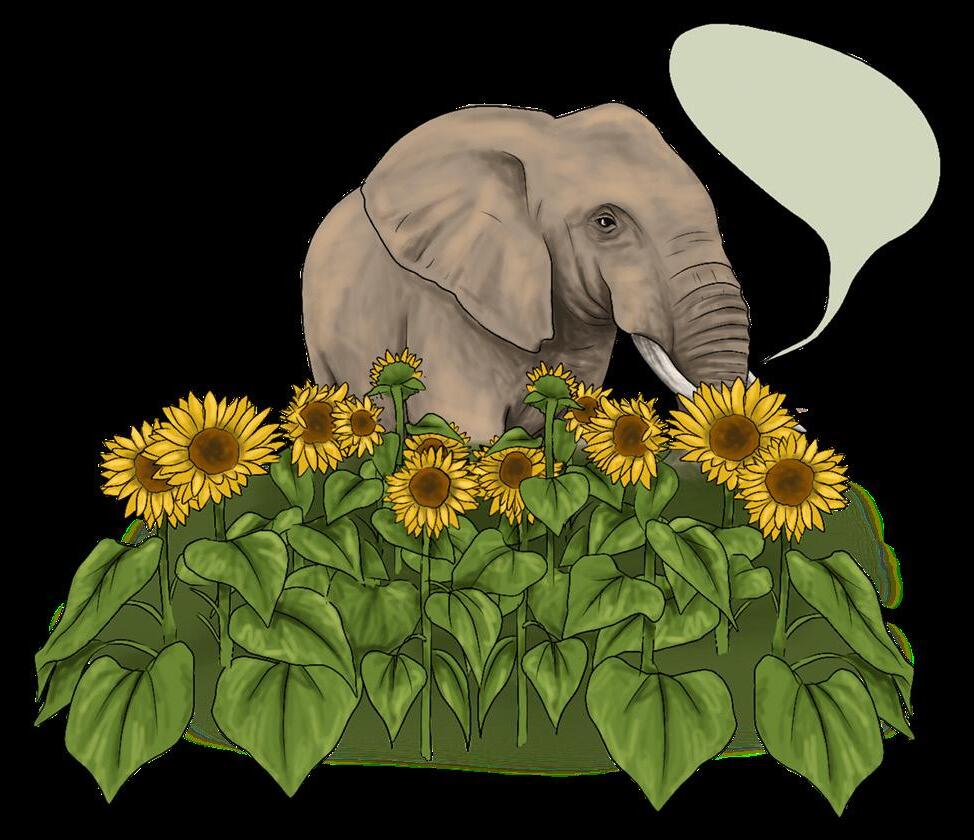
Planting these can decrease elephant visits to your farm.
It is a safe way to generate an income without needing as much crop or farm boundary protection against elephants.
Growing such crops reduces the stress to constantly guard your crops. You only need a small farming space to grow many non-palatable crops.
Make sure you establish a market to sell your crops to before you change to non-palatable crops.
Examples of non-palatable crops you can harvest on your farm
Crop rotation
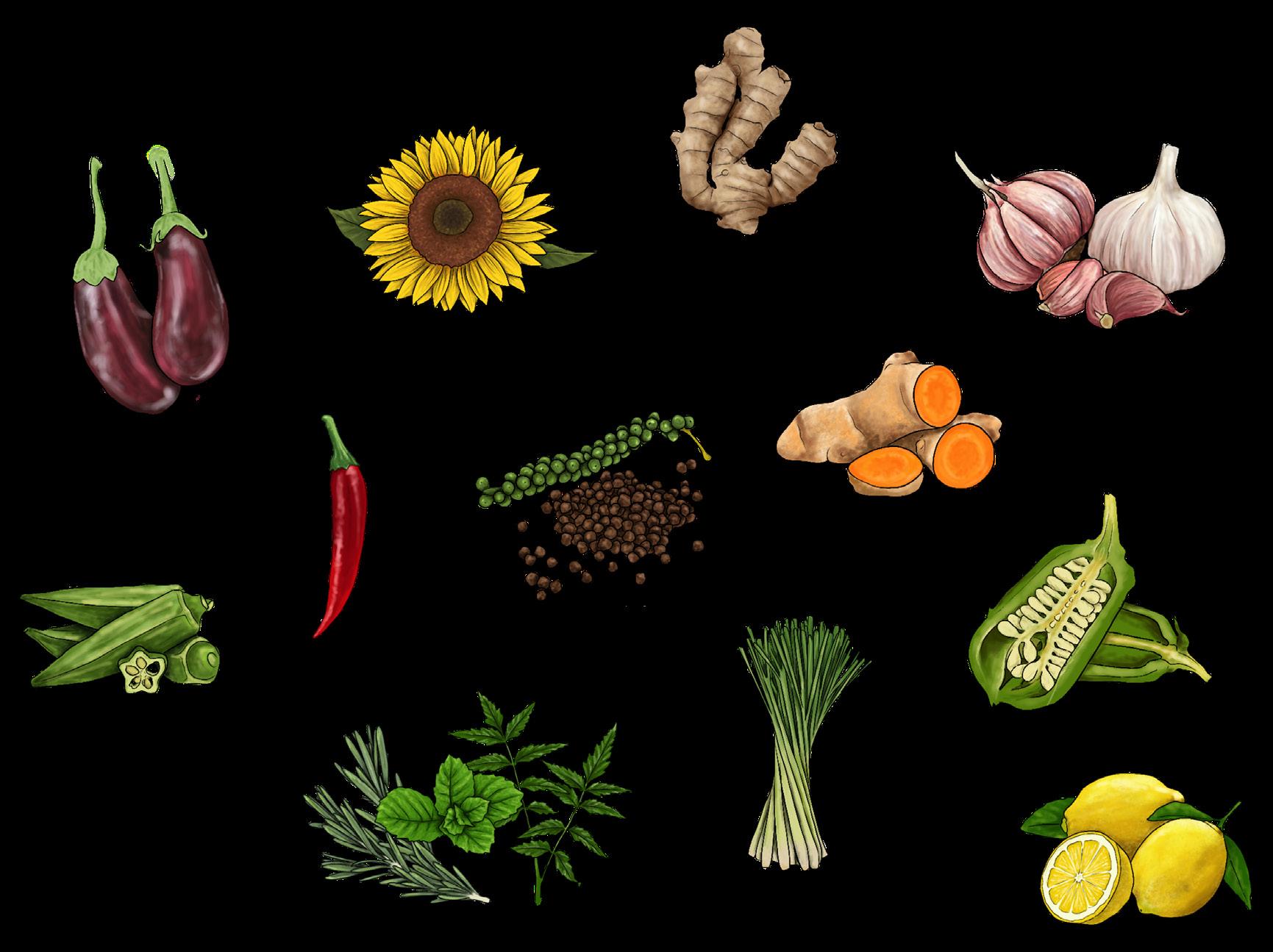
Black pepper
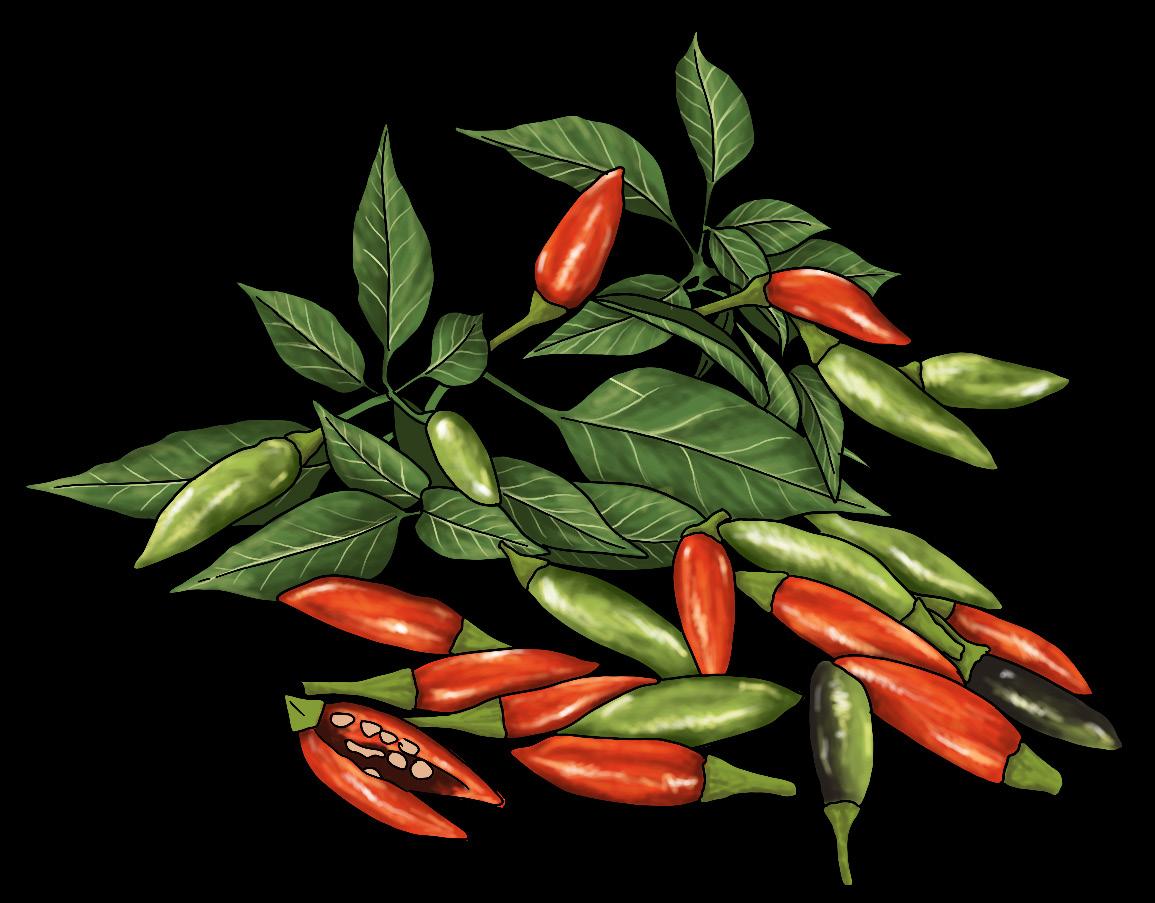
Red chillies
Lemongrass
Deep-rooted crops such as sunflowers help to use nutrients and water that are buried deeper in the soil.
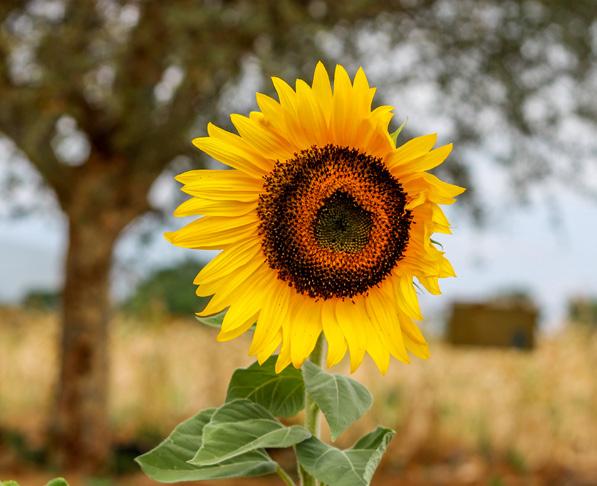
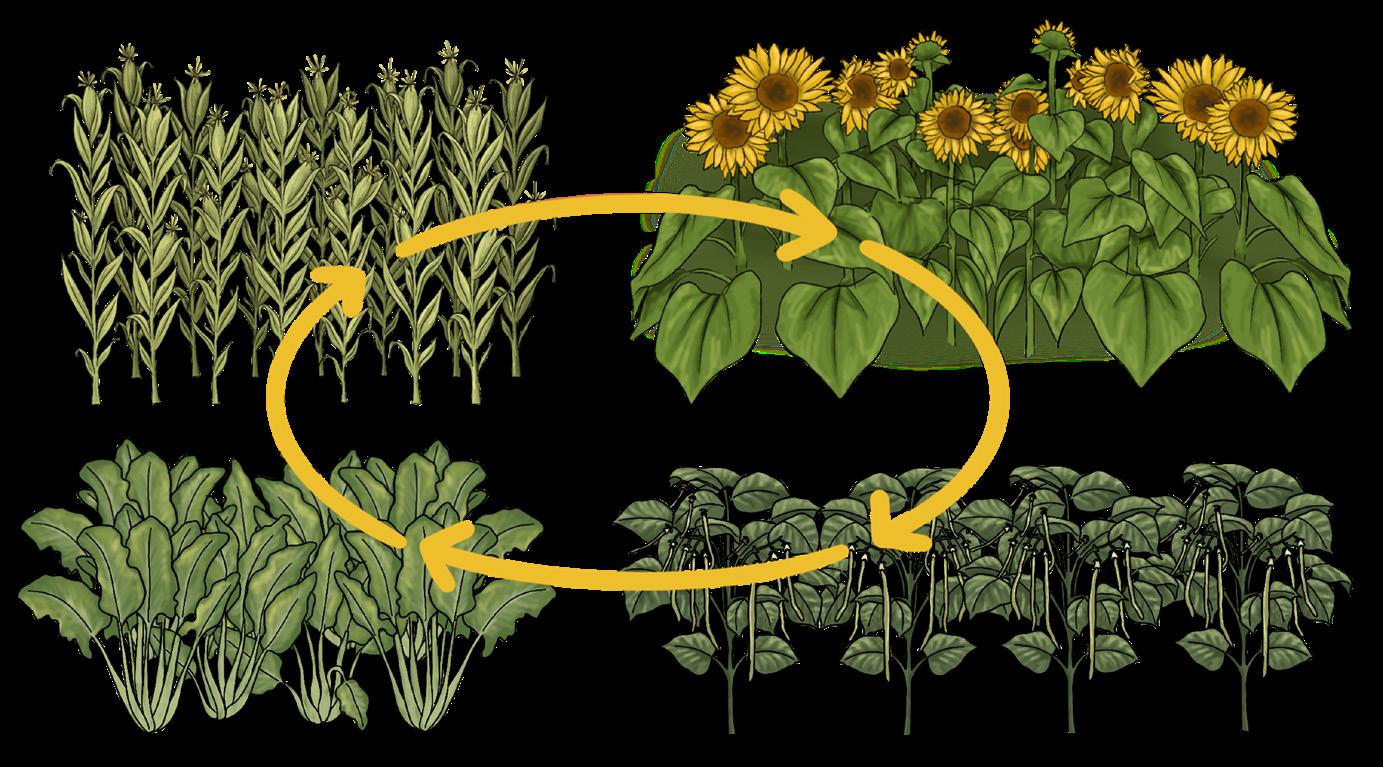
Rotating non-palatable crops can help with sustaining fertile soil for future harvests.
Avoid planting crops from the same family, e.g. cowpeas and green grams, on the same field to avoid the spread of diseases.
Watch more on the benefits of crop rotation.
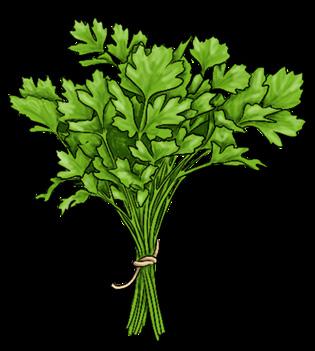
Herbs
Gross, E. M., McRobb, R., & Gross, J. (2015). Cultivating alternative crops reduces crop losses due to African elephants.
Eggplant
Sunflower
Okra
Ginger
Garlic
Maize
Sesame
Citrus fruits such as lemons
2.
e.g. mint, rosemary and neem
these,“Icannoteat theyarenottasty”
Sunflower
Spinach Green grams
Sunflower is non-palatable to elephants © Tess Morrison
Turmeric
non-palatable crops - Commercial crops



IMPORTANT TIPS
Some non-palatable crops will not completely keep elephants off your farm.
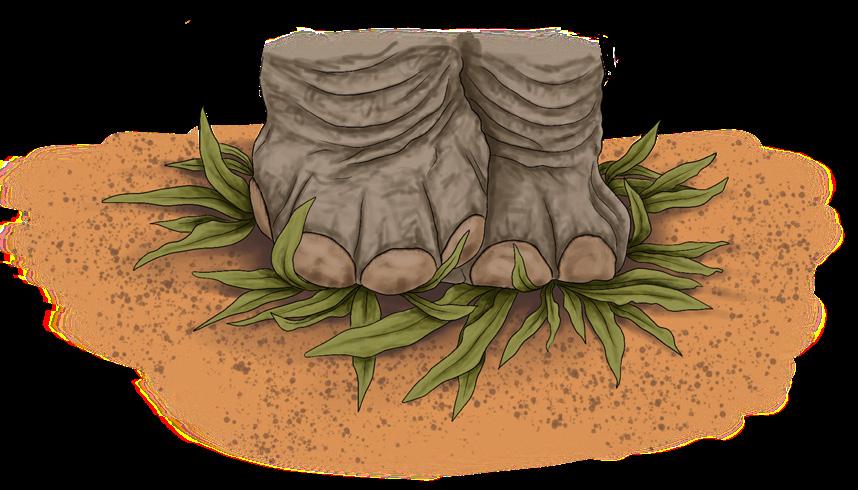
Elephants can still trample crops even if they don’t eat them.
Combined farm deterrent & protection methods will help to provide more protection against elephants entering your crop field.
Cotton Tobacco Rubber
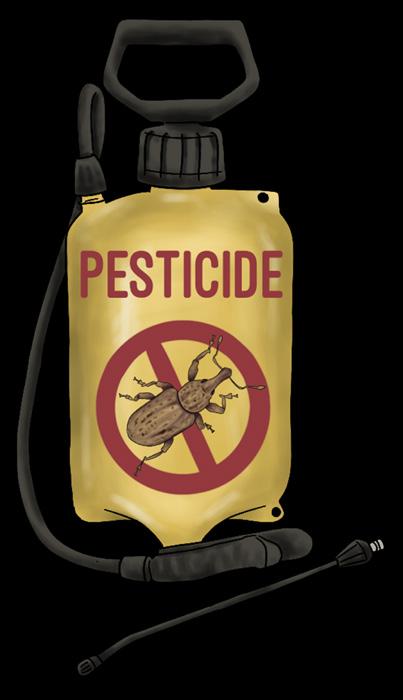
Most commercially grown crops require pesticides. Choose crops with caution and assess your environment for the best choices.
Most non-palatable crops listed above are drought resistant, and will grow well with a sufficient amount of water.
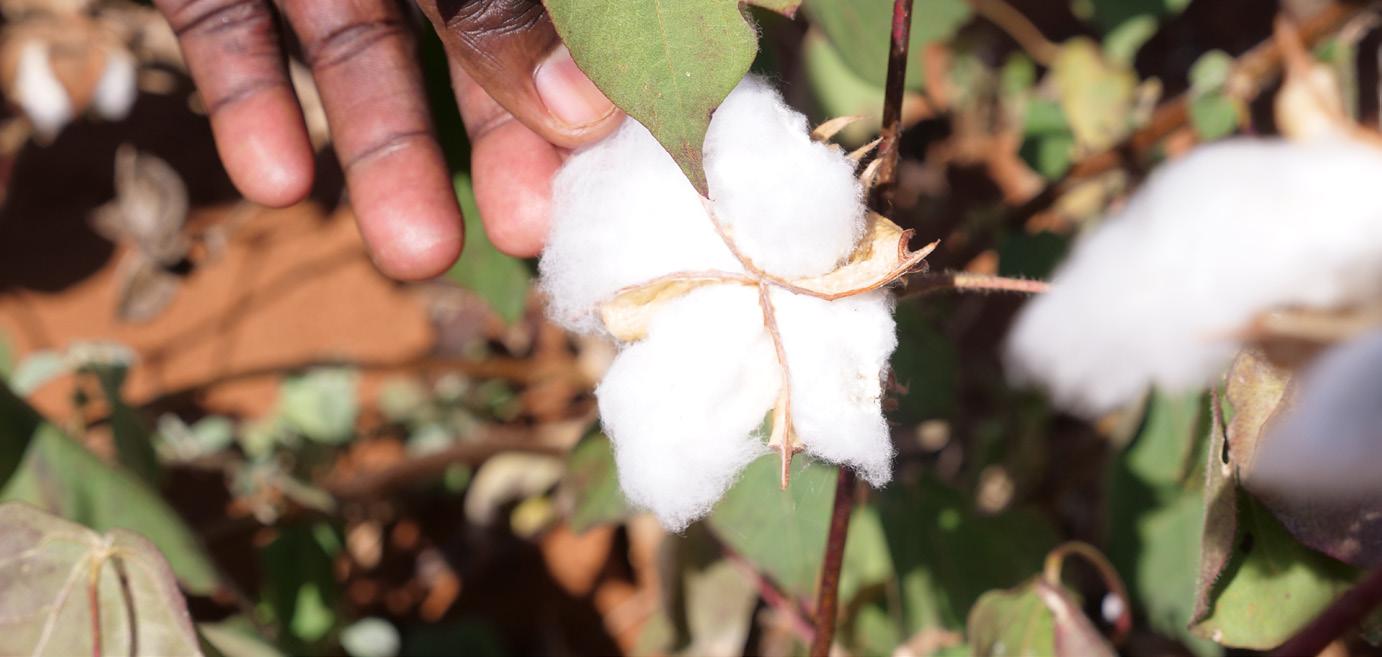
Cotton can be an ideal intercrop with other non-palatable crops, if pesticides are not used (Sagalla, Kenya) © Meha Kumar/Save the Elephants
Excessive use of pesticides is harmful to people and the environment.
Several non-palatable crops can be grown in vertical flour sacks, tubs by the house or in small kitchen gardens. These techniques require small farming space, making it cost effective and require less water.


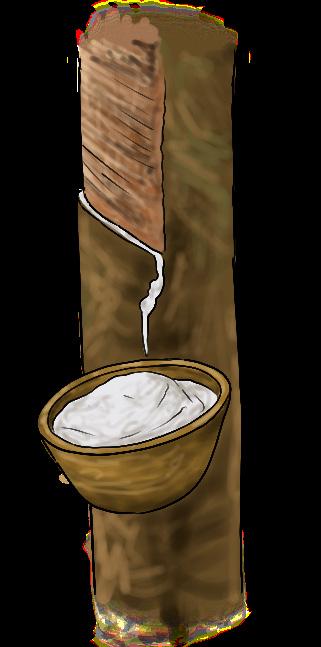
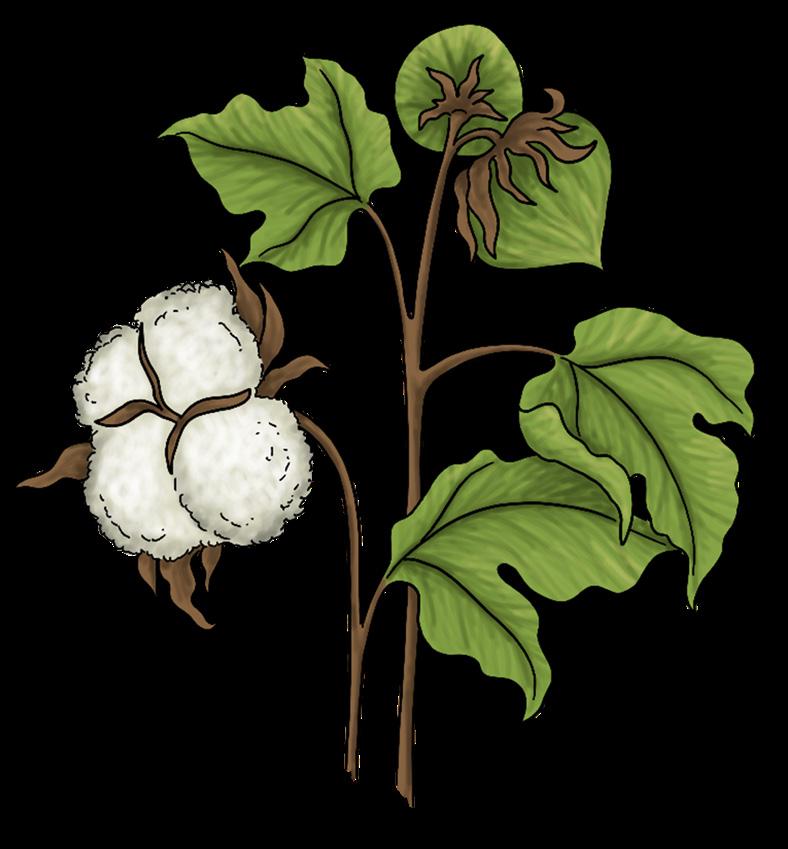
It is advisable to grow cash crops in a large group of farmers. For instance 200 acres of chillies, such that the markets can collect stock at once and everyone is benefitted.
Seek expert advice before investing in new crops.
3.
Case studies
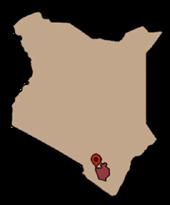
Location: Sagalla, Tsavo, Kenya
It was observed that elephants avoided eating sunflowers that had been planted to provide fodder/food for the bees in the beehive fences. Elephants occasionally walked over the sunflowers but the heads could still be harvested and dried, and the seeds sold/pressed into sunflower oil.
Sunflowers grow quickly in the iron-rich soils of Tsavo and their stalks can be fed to livestock or used as simple thatching materials to make roofs for beehives.
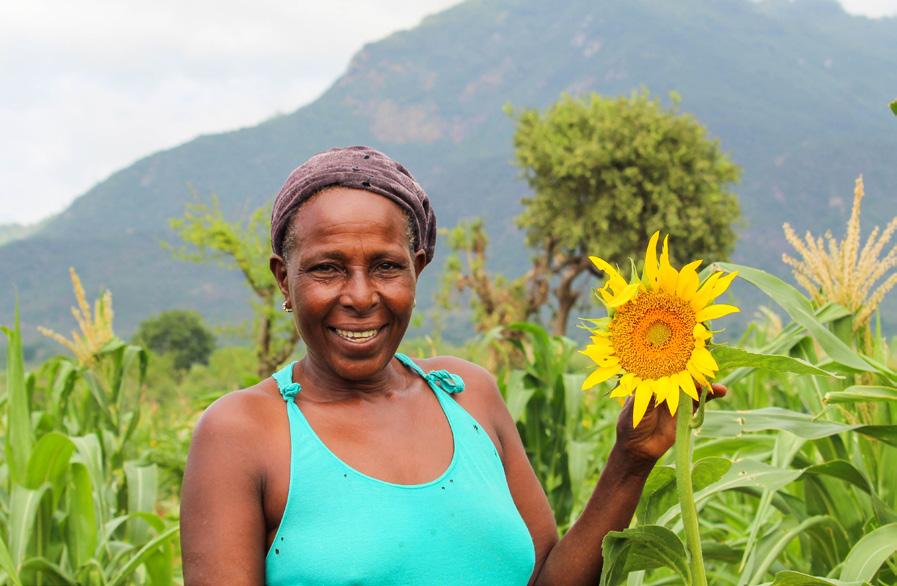
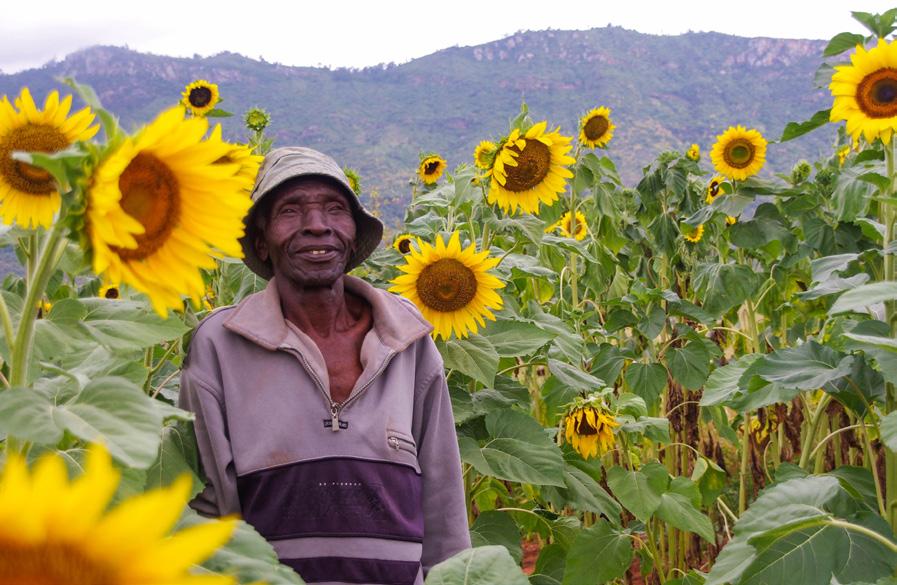

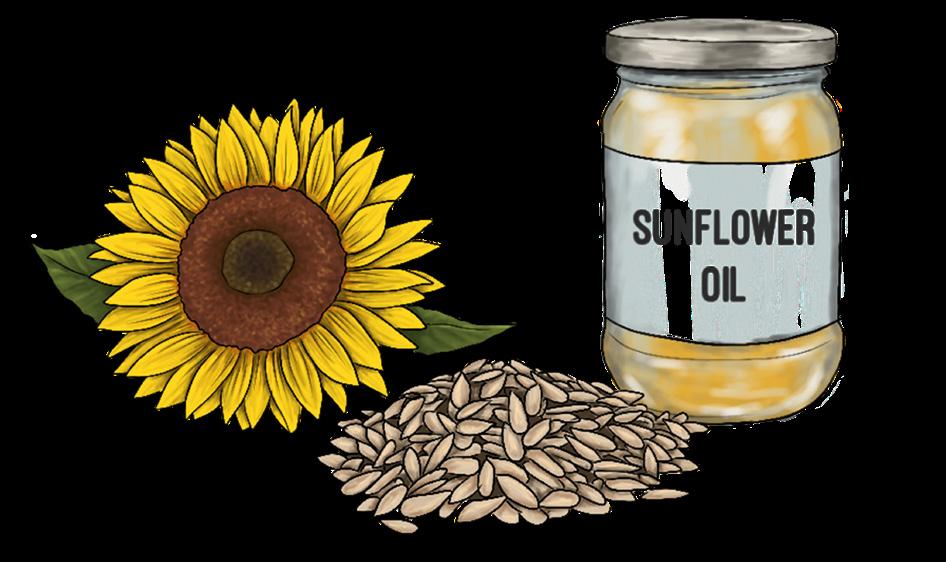
Sunflowers seeds/oil is high in Vitamin C & E and sells well in most local markets.
Location: Zambia
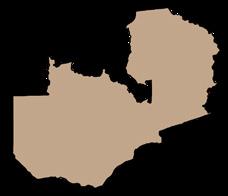
They tested plots of maize, ginger, garlic, and lemongrass.
The findings were that maize, when left unprotected was completely destroyed by elephants.
Lemon grass was trampled (walked over) as well as some trampling on garlic and ginger.
2 methods helping with living in harmony with elephants, Elephants & Bees Project. https://elephantsandbees.com/2-methods-to-help-with-living-in-harmony-with-elephants/ Read more on: https://www.kenyanews.go.ke/farmers-opt-for-sunflowers-to-keep-jumbos-away/
Evidence suggested that elephants tasted the lemongrass and ginger plants but did not eat them suggesting that they were not interested in the two crops.
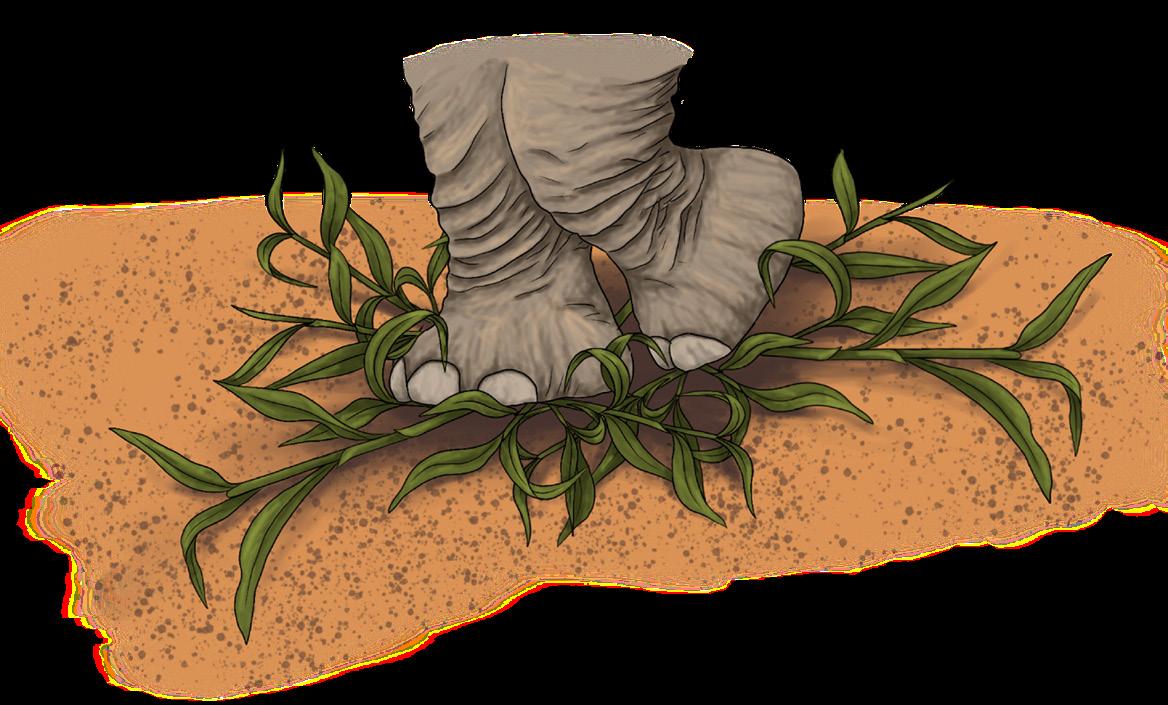
They discovered that the ginger grew very well, even if trampled on it was able to be harvested and sold, as it grows underground.
Farmers in Sagalla benefit from gaining high crop yields by planting sunflower. Left © George Troup, right © Sarah Kunkel
4.
Gross, E. M., McRobb, R., & Gross, J. (2015). Cultivating alternative crops reduces crop losses due to African elephants.
Location: Sri Lanka

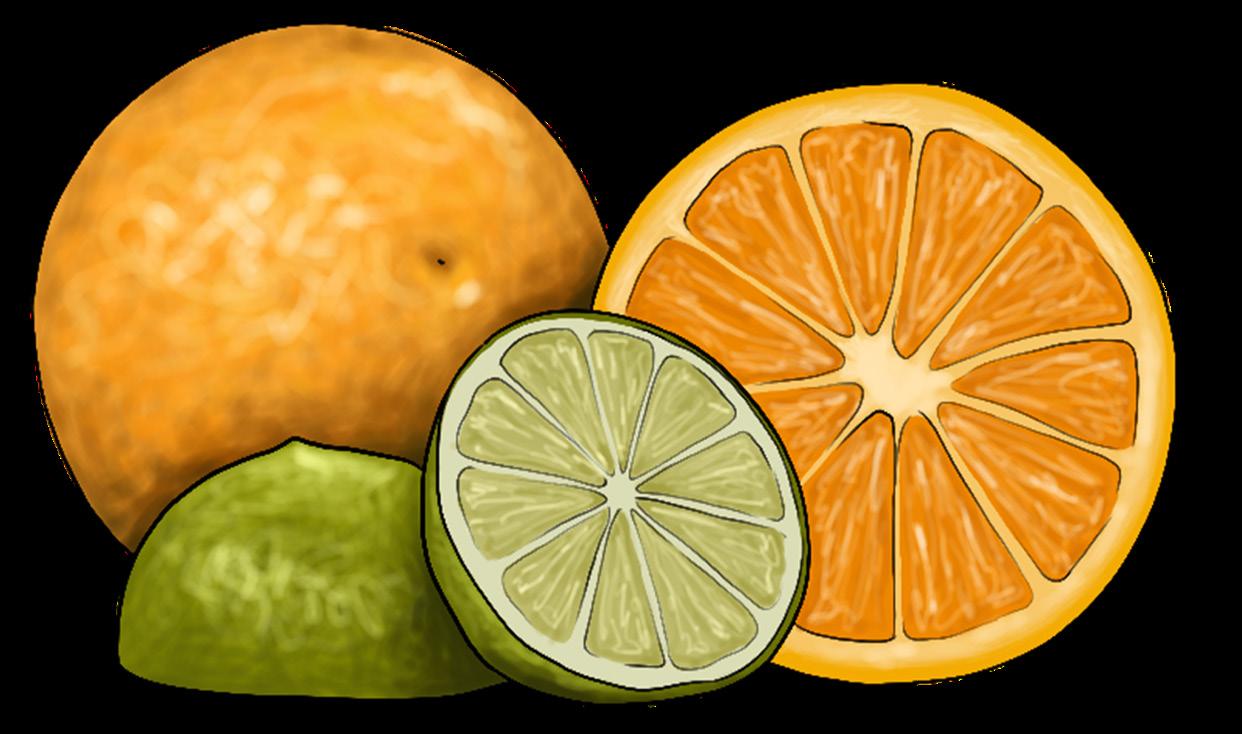
Asian Elephants in Sri Lanka do not eat oranges.
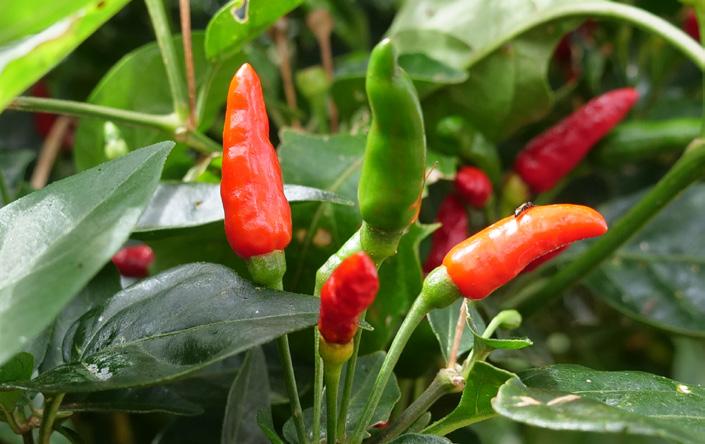
African bird eye chillies
Location: Sagalla, Kenya
To test this observation an experiment was conducted with six Asian elephants at the Sri Lanka National Zoological Gardens.
This type of chilli is one of the most hottest and pungent chillies in the world. This is why elephants severely dislike the smell of them, making them a suitable non-palatable crop to grow. Grown by most farmers in Lower Sagalla (Tsavo), chillies are used to deter elephants when burnt and also sold as a cash crop.
Project Orange Elephant: By growing a barrier of citrus trees around rice crops, rural Sri Lankan families can create a safe and sustainable elephant deterrent. Elephants do not tend to “raid” citrus trees and they are tall enough that the elephants are unable to trample them. (Vallery, A. 2015)
POINT TO NOTE:
Even though citrus crops are less attractive to African elephants, they may not be completely unpalatable or even repellent to them. (Goss et al. 2016)
cons -
Market availability needs to be present for alternate crops.
Switching from traditional farming methods to new practices may take time.

Farmers need training on how to properly grow new crops.

The chilli buds can be harvested without uprooting the shrubs for 2 to 3 years.
Read more on African bird eye chillies.
https://harvestseason.co.ke/ resource/african-birds-eyechilli-farmingcomprehensive-guide/


Switching to cultivating new crops requires specific and new skills that could take time as well as costs in trial and error.
Cost of transport to potential markets may be high for remote farms.
Dharmarathne, C., Fernando, C., Weerasinghe, C., & Corea, R. (2020). Project orange elephant is a conflict specific holistic approach to mitigating human-elephant conflict in Sri Lanka. Communications Biology, 3(1).
Vallery, A. (2015, February 26). This Incredible Organization is Using Oranges to Save Asian Elephants. One Green Planet.
Farmers in Sagalla benefit from growing African Bird Eye chillies, Kenya © Meha Kumar/Save the Elephants
5.
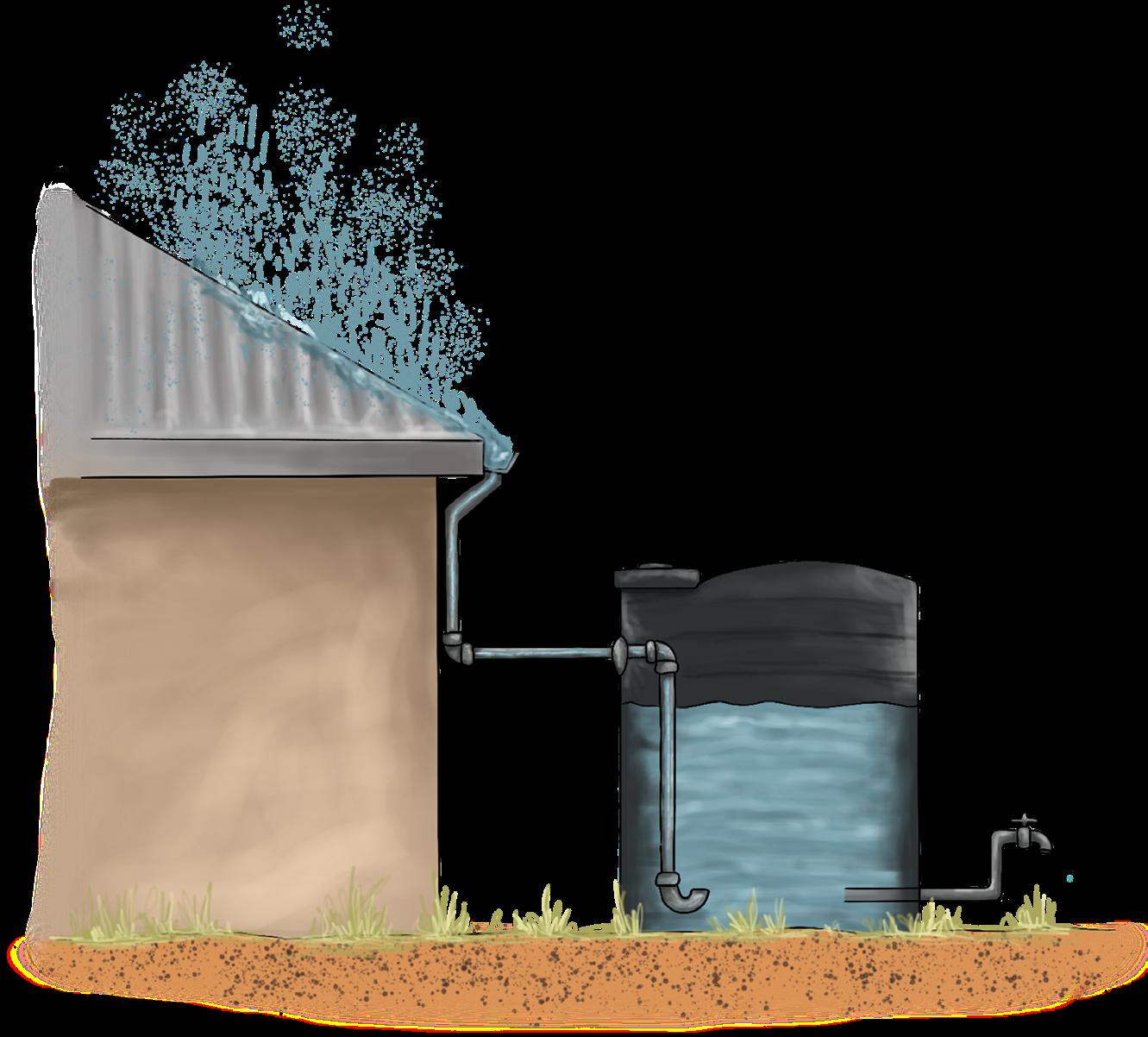
Rainwater from the roof of your house can be collected to drip feed into these sacks and provide year-round vegetable production.
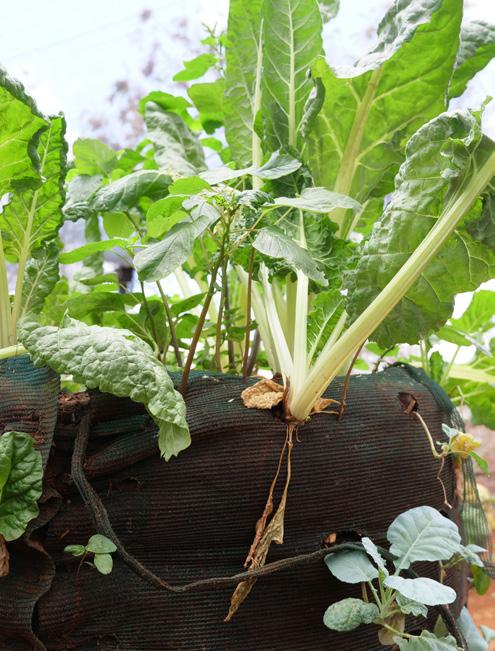
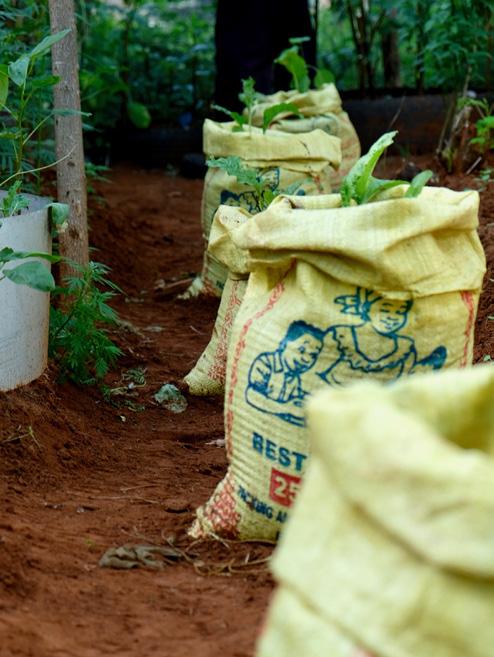
Vertical bag farming
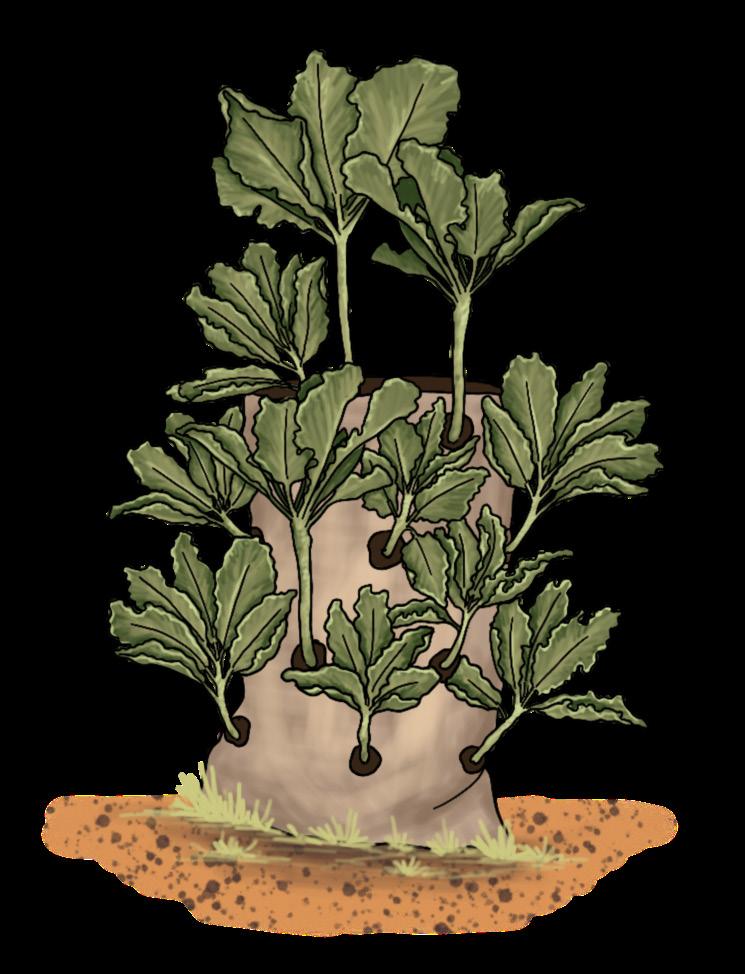
This involves growing plants vertically in sacks (gunias) that have holes on them.
The bags allow people to grow a lot of nutrient rich, high yield vegetables in places with limited land and water.
High crop yields are harvested in just a small area of land.
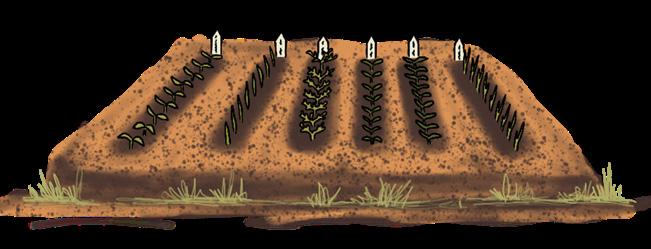
Multiple sacks can be grown in very small kitchen gardens close to the house that are easier to protect against elephants.
Materials needed to set up a vertical bag farming
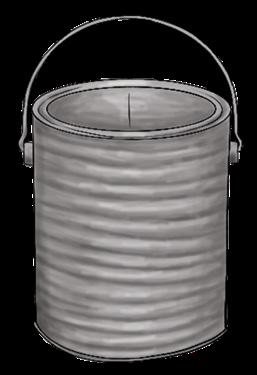
A sack (e.g. flour bag) or net sacks Treated animal manure Soil A tin (empty paint tin or any other strong 4kg tin)


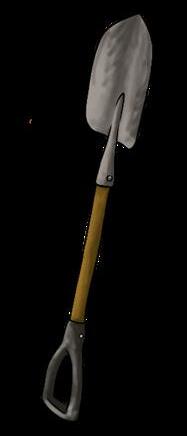
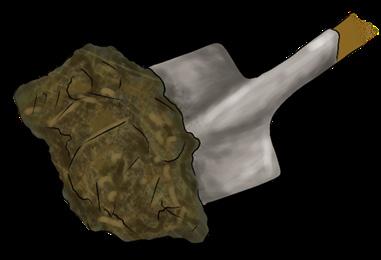
Scissors/knife/small sharp tool to make holes in the bag Shovel


Small piece of cloth


Rocks or pebbles

Small nursery area to grow seedlings
 Greens grown in vertical sacks at Save the Elephants Research Centre, Sagalla, Kenya
6.
How to set up your vertical bag farm
Place your sack on the ground and fill it with 15-20cm of soil to form the base.
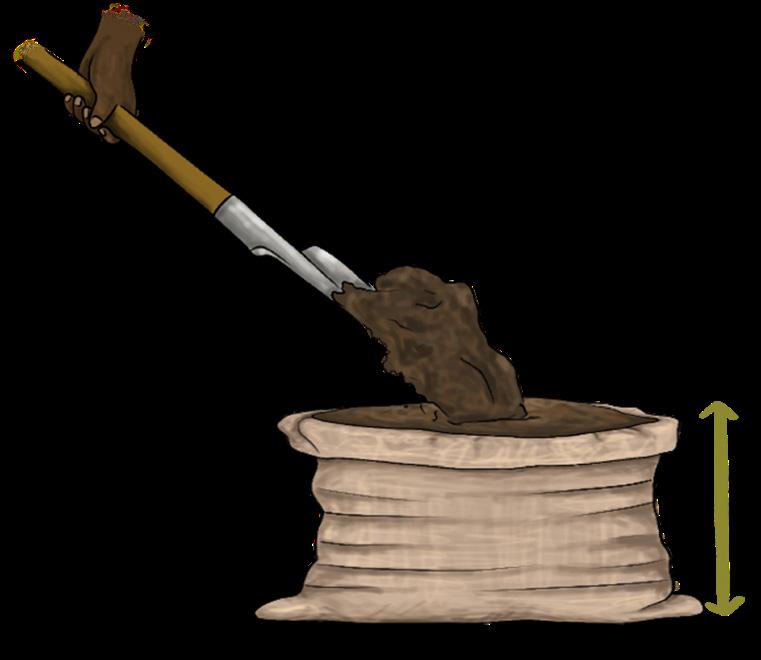
Choose a location with good sunlight

Make sure there is no disturbance from livestock.
You can place the sacks close to each other, but leaving enough space to allow growth of plants from the sides.
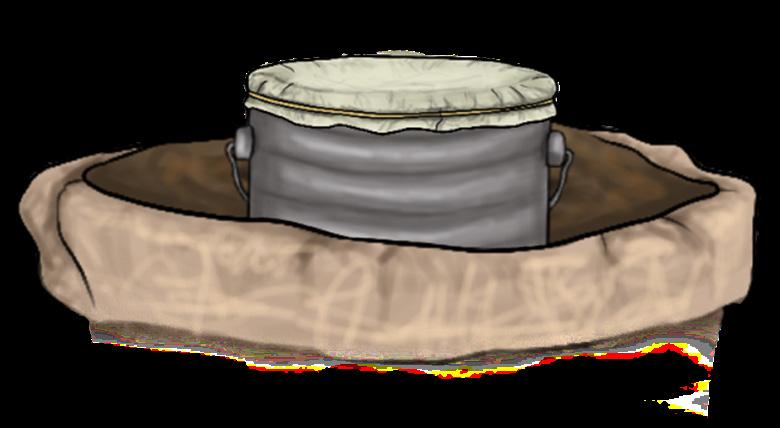
Remove the lid of the tin. Using a knife/sharp tool, carefully cut the bottom of the tin to make a hollow pipe.

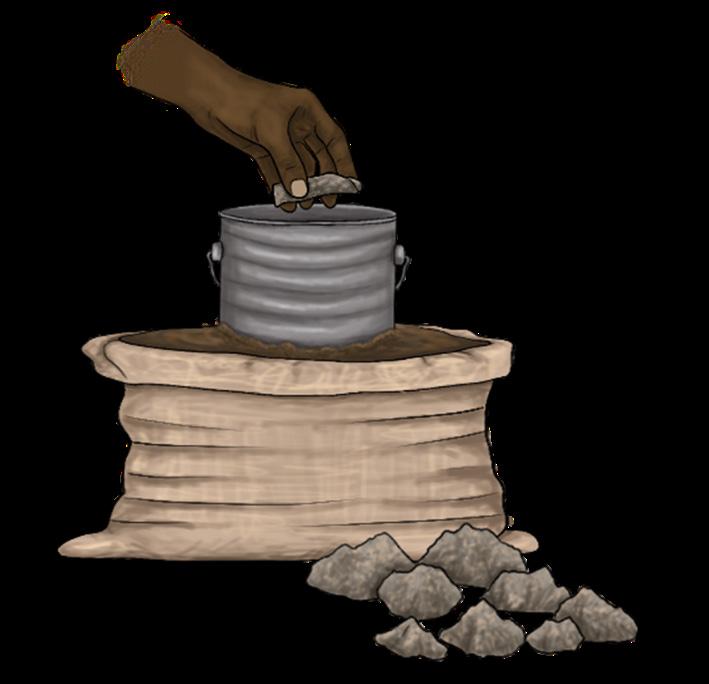
Place the hollow tin in the centre, on the surface of the soil and start filling the tin with rocks/pebbles until the top of the tin.
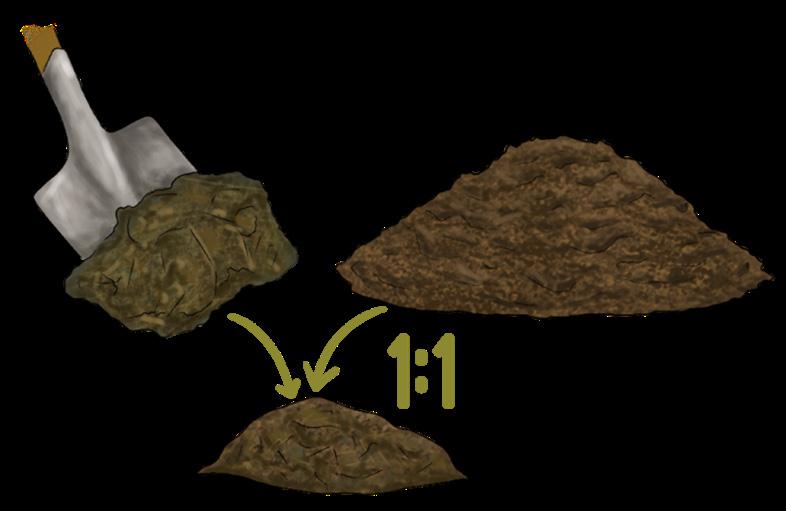
Mix manure and soil in the ratio of 1:1 to form a mixture.
Leave the tin in place and cover the opening of the tin with a cloth to prevent soil from falling into the rocks. Tie the cloth or secure with a rubber band.
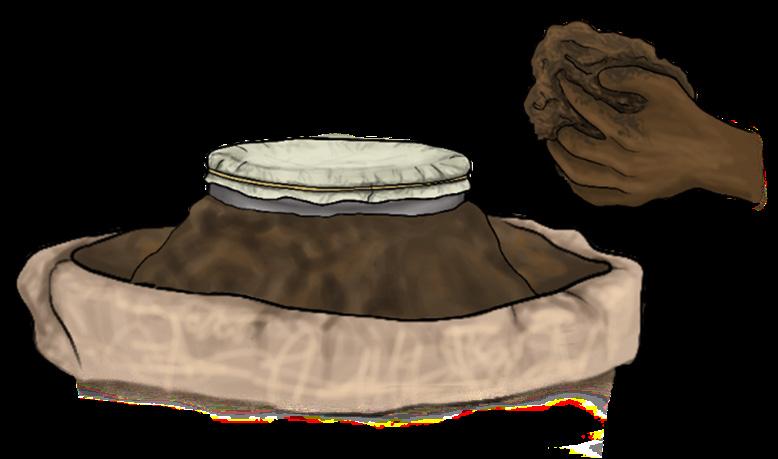
Add the mixture of manure and soil outside the tin until you reach the top edge of the tin.
Evenly spread the soil with hand and sprinkle some water over it to make it moist. Do not pour too much water as it will cause the sack to bend sideways.
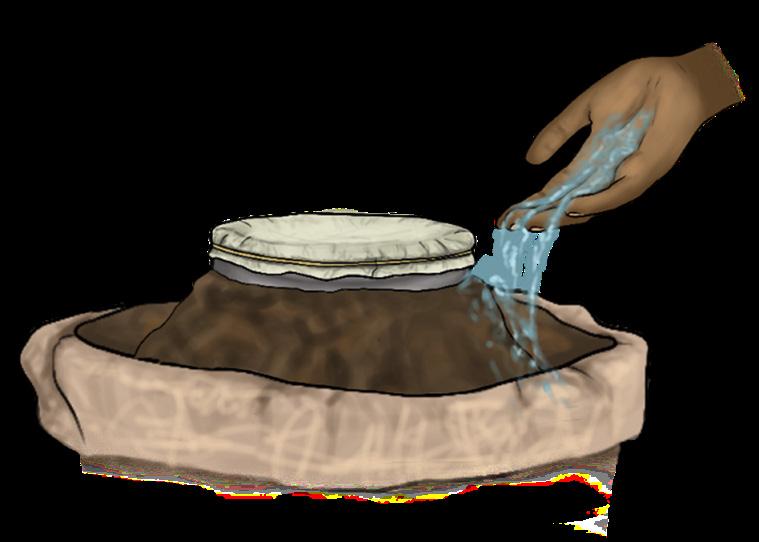
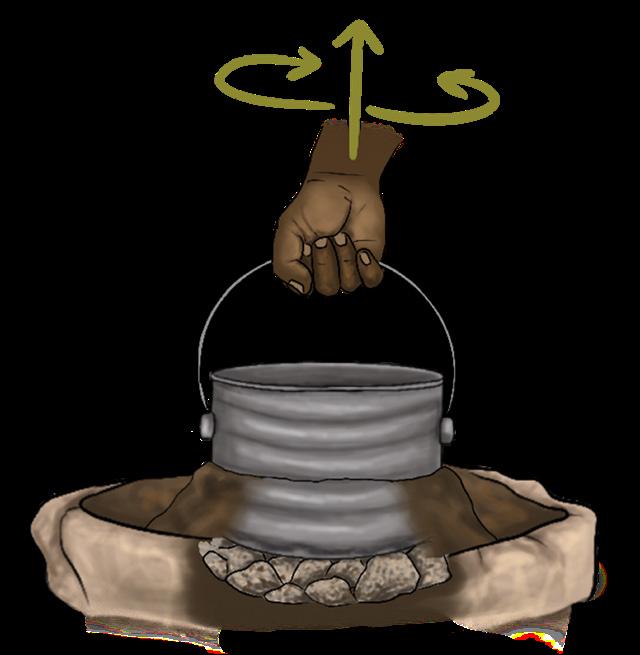
Remove the cloth. Twist and slowly pull the tin upwards until the base of the tin reaches the surface of the soil layer. The tin will leave behind a trail of rocks in the centre of the soil. Do not pull out the whole tin out from the soil.
7.
1. 2. 3. 4. 5. 6. 7. 8.
TIP
Refill the tin with more rocks and repeat the process until the sack is filled with soil.
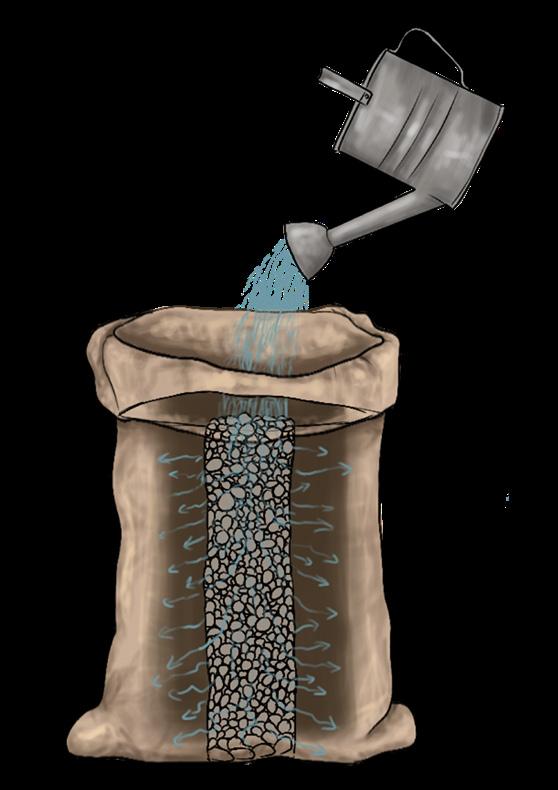
The tin helps to create a column of rocks in the centre of the sack. This is where you will be pouring water into

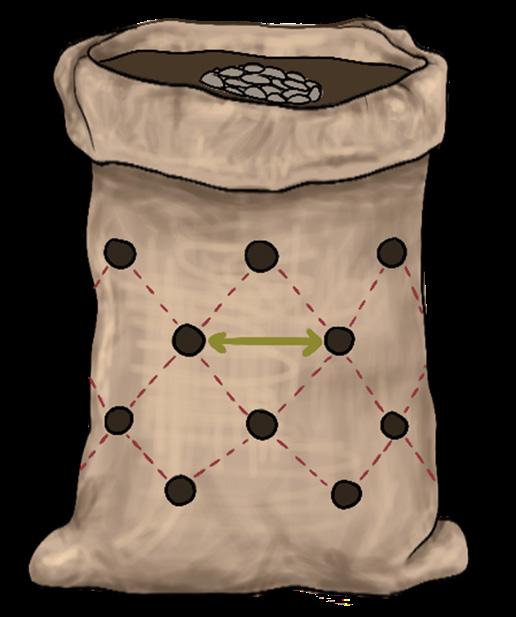
Once the sack is filled with soil and rocks, using a stick/sharp object, make holes in a zigzag manner on the sack.

TIP
Do not fill soil until the very top of the sack. Leave 5cm of sack without soil.

Holes are to allow crops to grow through them. Make sure the holes are not in a straight line on the bag. This is to prevent crops from blocking lower crops from the sun.
The rocks evenly distribute the water, preventing water logging the base of the sack.
Once your seedlings are ready in the nursery, place them from the top of the sack and in the holes.
TIP

For net sacks, make small coin sized holes all around with a distance of 15cm between each hole. For other sacks, the size of the holes should be 0.5cm wide.
Only provide a moderate amount of water. Too much water will get drained out of the holes and it will clog at the base of the sack.

You can plant up to 50 seedlings in a normal sized sack, and upto 100 in a large sack.
PROS + cons -
A smaller farm space is easier to protect against elephants.
It takes up very little farm space. All you need is a sack. Maintenance is very low Cost efficient.
Weeds rarely grow on bags, and if they do, they can be uprooted by hand
You can recycle laundry water to grow your crops. Sacks are water effective. Requires less water Larger produce of crops in a limited space.

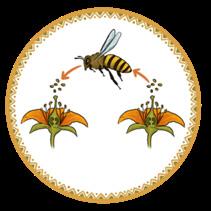
Less pollination: if you place your sacks in an enclosed, shaded net area, it will keep away pollinating insects, including bees.
Solution: grow flowering plants outside to attract bees, especially if you have a beehive fence protecting your farm.
Cement bags typically can only be used for one harvest season.
Net sacks can last upto 5 years, but are more costly than other sacks.

 Making a sack garden | Shamba Chef
9. 10. 11.
8.
Crop choices for Vertical Bag Farming
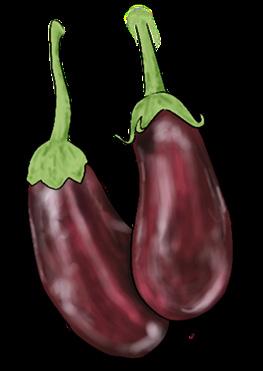
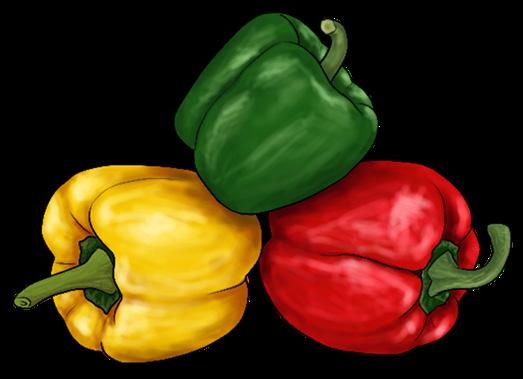
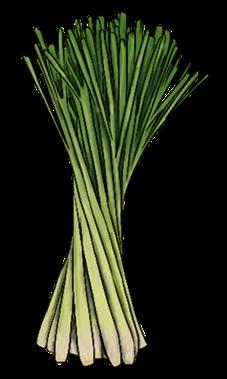
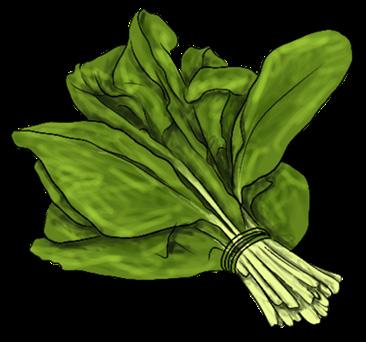
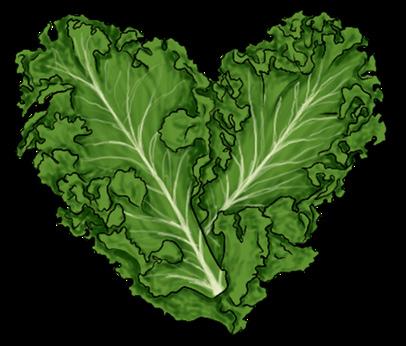
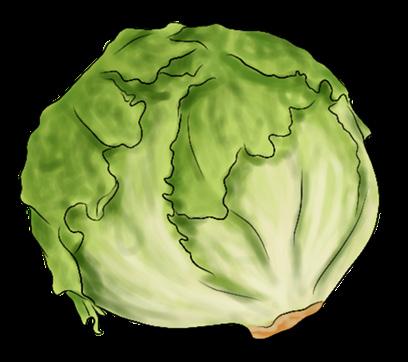
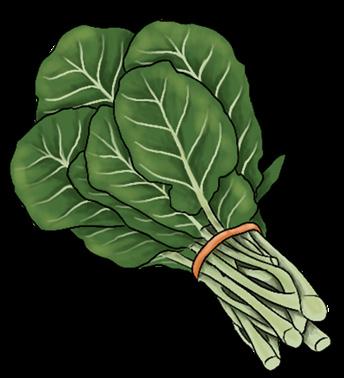
Ensure the bags are well protected from elephants. Install farm & boundary protection methods around your area.
Nursery establishment for seedlings
Nurseries are important in helping seeds grow healthier in the first stages, before they are planted in the field or in your vertical sack garden.
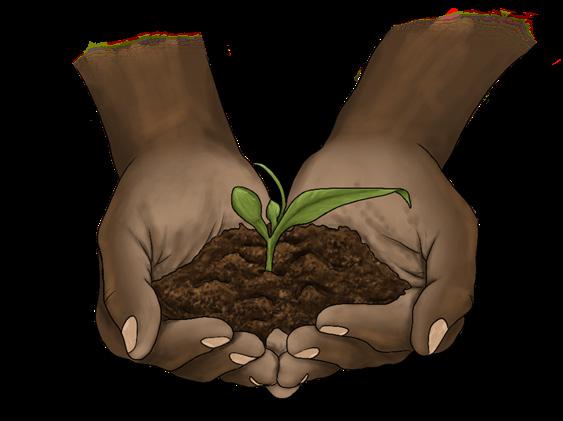

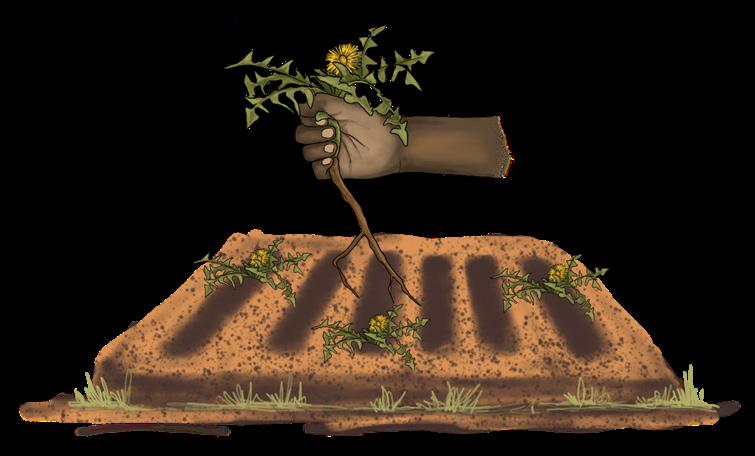
Some seeds germinate slowly and if planted directly in the field, they would die due to weed growth.

Method
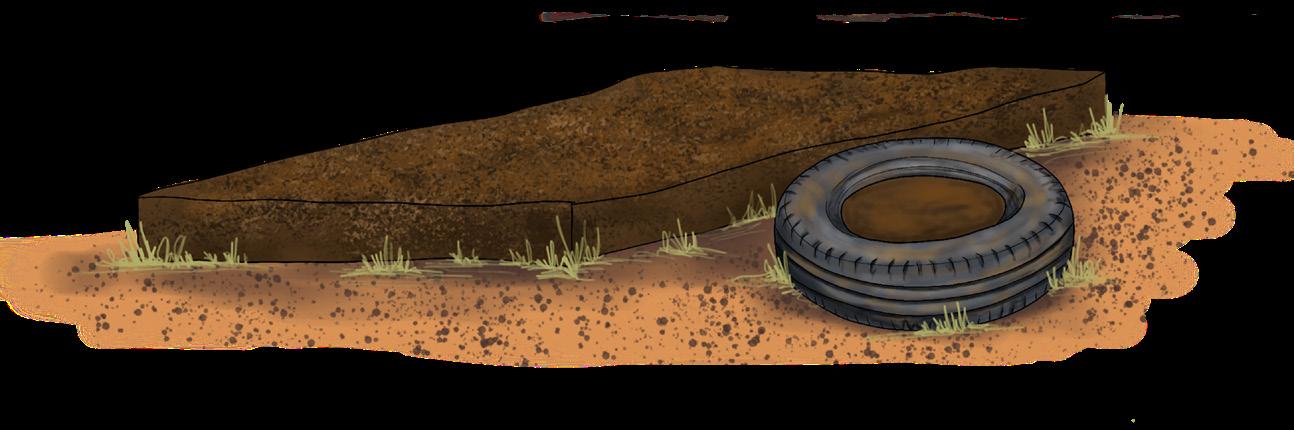
Select a shady location to set up your nursery. You can also use old car tires as the nursery.
These can be placed right next to your vertical sack garden for easy watering. Old tyres retain water, making your nursery more waterefficient

Clear all weeds and grass by hand.
Dig the soil well so that there are no lumps. Do not dig too deep.
TIP
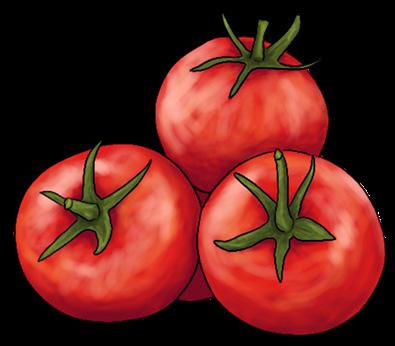
Sukuma (collard green plant) Lettuce Kale Coriander Tomatoes
Eggplant Capsicum Lemon grass Ginger Spinach
1.
2.
9.
3.
1 week before planting the seeds, add a layer of prepared compost or treated/rotten animal manure
Most nurseries do not require manure to germinate. Manure can be added directly to the field.
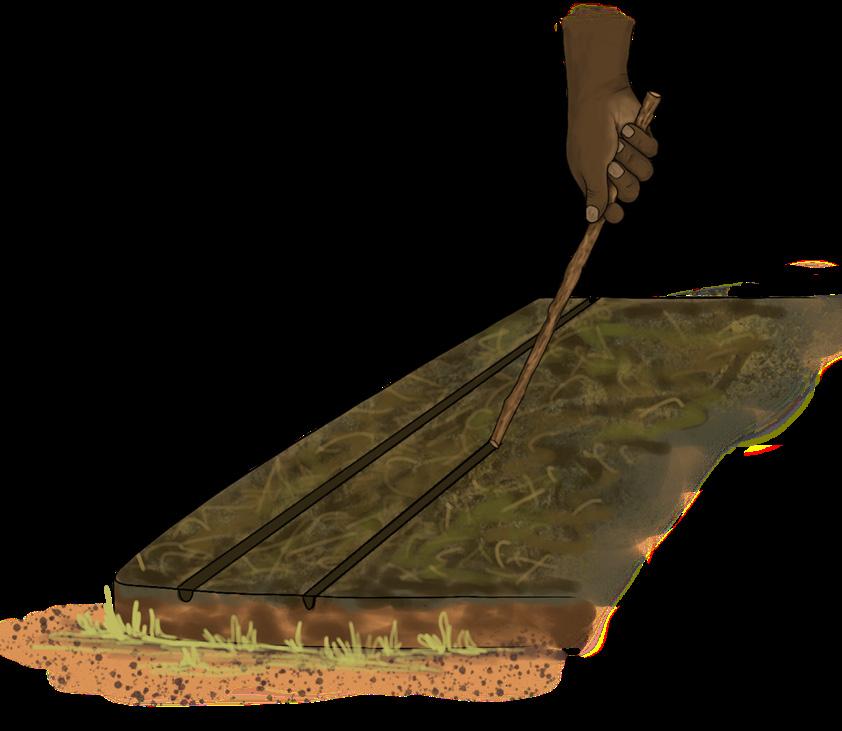
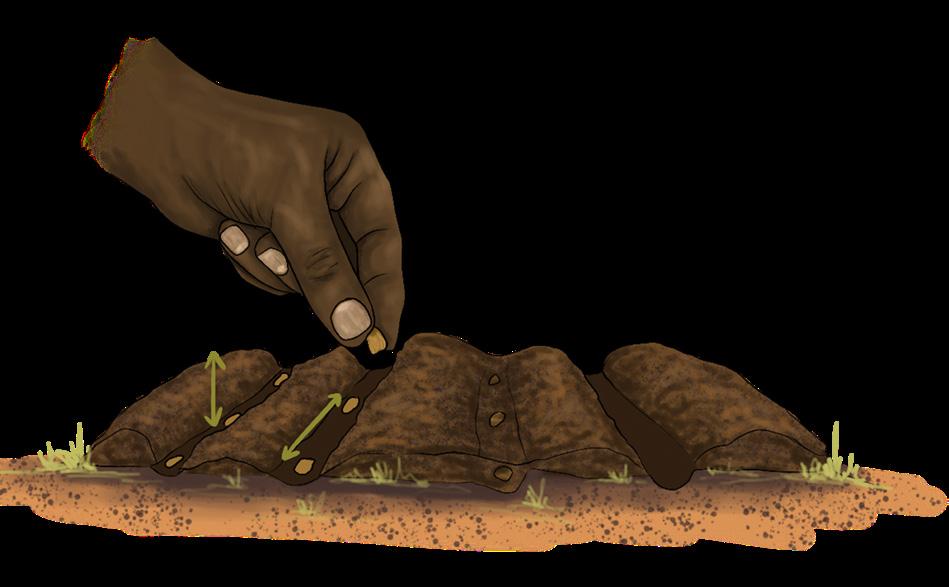
Using a thin stick, make shallow furrows in rows across the nursery.
For underground crops (e.g. potatoes, onions), plant seeds 8cm deep. For crops that grow above ground (e.g. kale), plant the seeds 2cm deep in rows that are 15cm apart.
Soak the seeds in warm water for 30 minutes before planting them. This will help the seeds germinate faster.

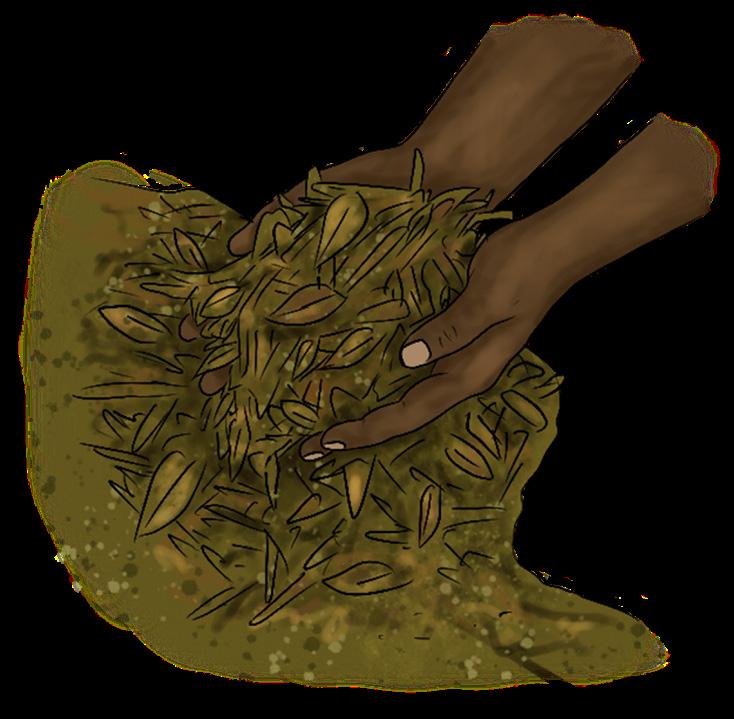
Cover the seeds with a thin layer of soil and add a layer of mulch
The mulch layer helps soil to retain moisture.
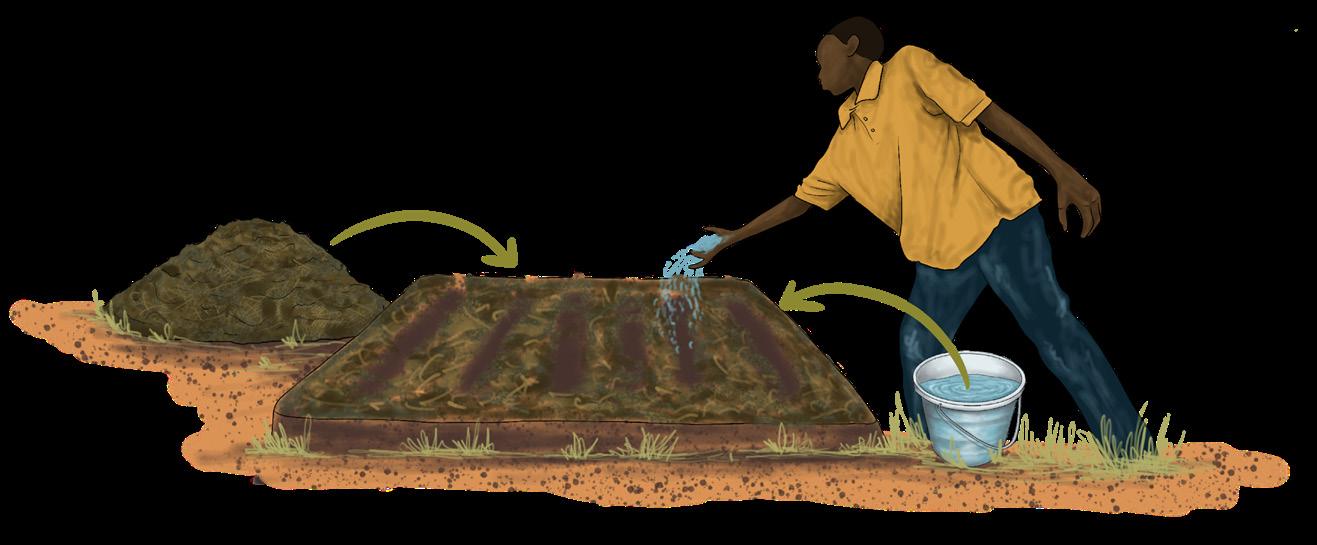
Water the bed with a sufficient amount of water. Do not add too much water.
TIP
Seeds will start to germinate after 5-7 days.
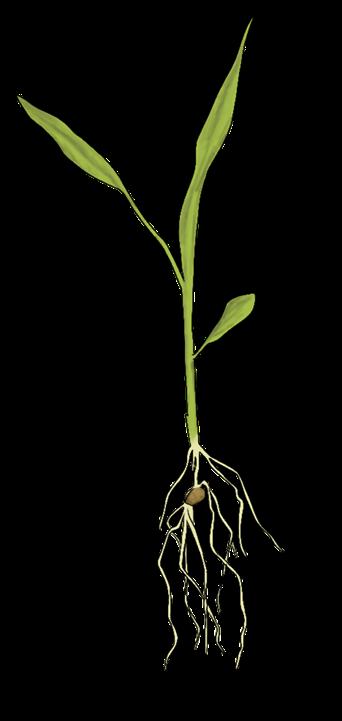
Carefully remove any weak seedlings and plant them in another bed to care for them separately.
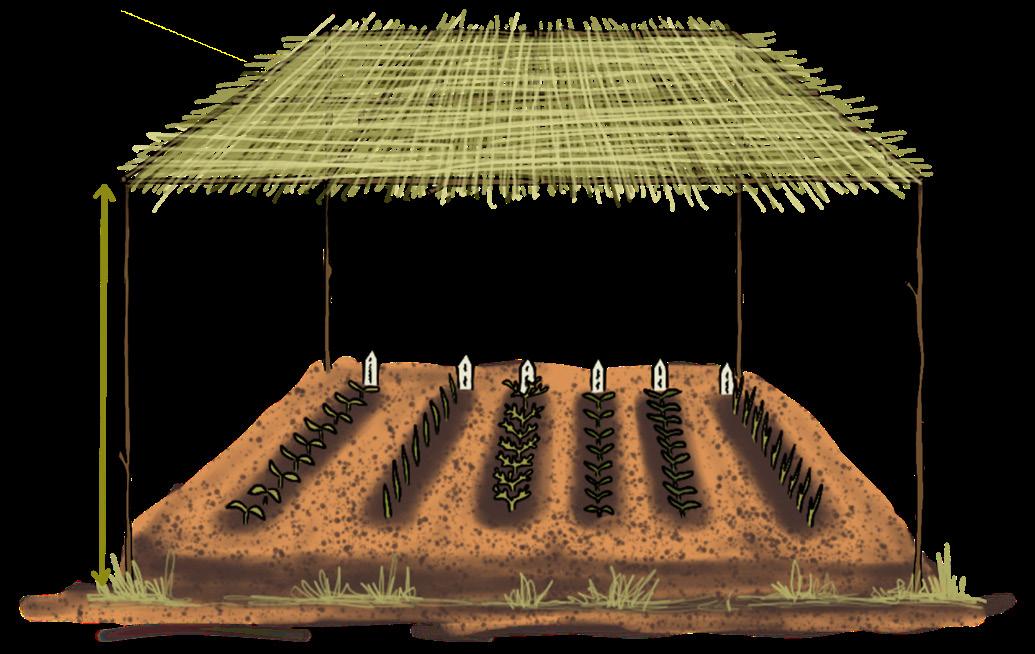
As they start to germinate, remove the mulch layer and put a 1m high shade over the nursery bed. Keep the soil damp but not wet. Too much or too little water will kill the seedlings.
Use a thatched roof (with dried grass and straw) to ensure some sunlight passes through.
When transplanting your seedlings from the nursery to your farm/sack, carefully pick the seedling with its roots still intact, and place it gently into its new soil.
top TIP
Nurseries require sufficient attention, care and some adequate skills.
Not all seeds require a nursery. These include cereals, carrots, coriander, etc.
2. How to prick out seedlings
1. Setting up a nursery
4. 5. 6. 7. 8. 9.
10.
TIP 10.
Kitchen Gardens
Kitchen gardens are set up close to homes and allows farmers to grow a large variety of crops in a small area.
An ideal kitchen garden size for one family is 12m by 10m and iscovered by black net to allow sufficient sunlight through, and also keep pests out.
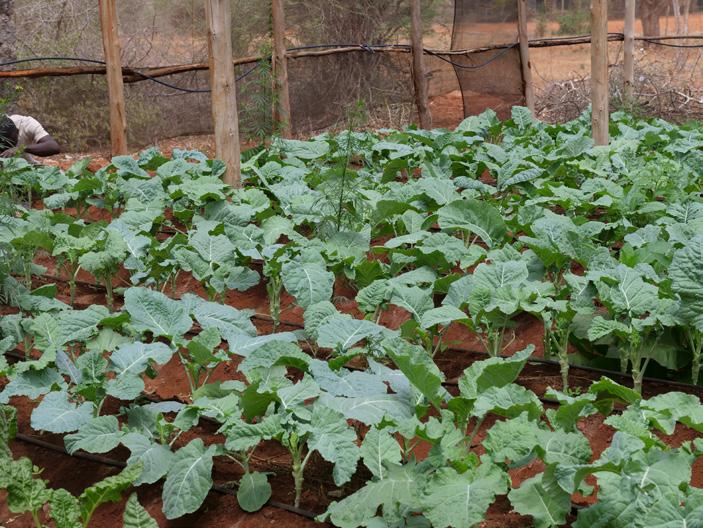
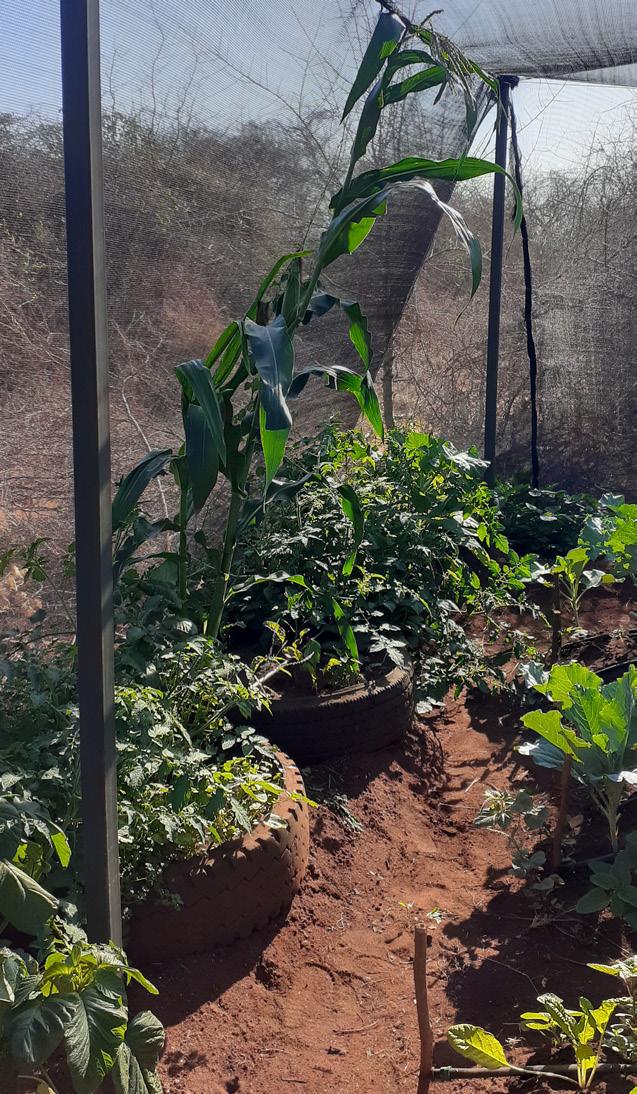
Simple drip irrigation can be installed in the kitchen garden.
You can also include vertical bag farming to ensure high crop yield in a small farming space.
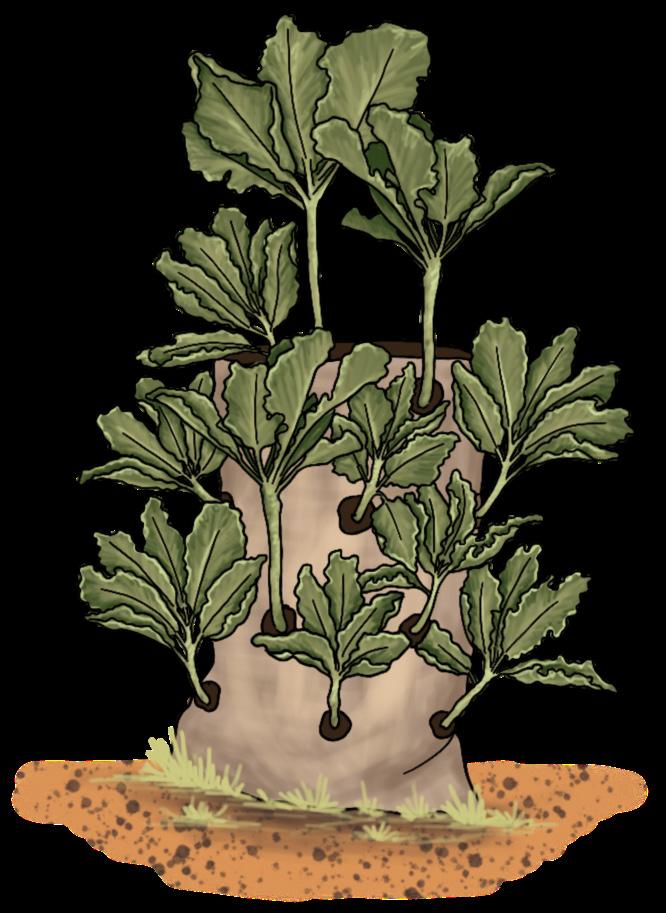
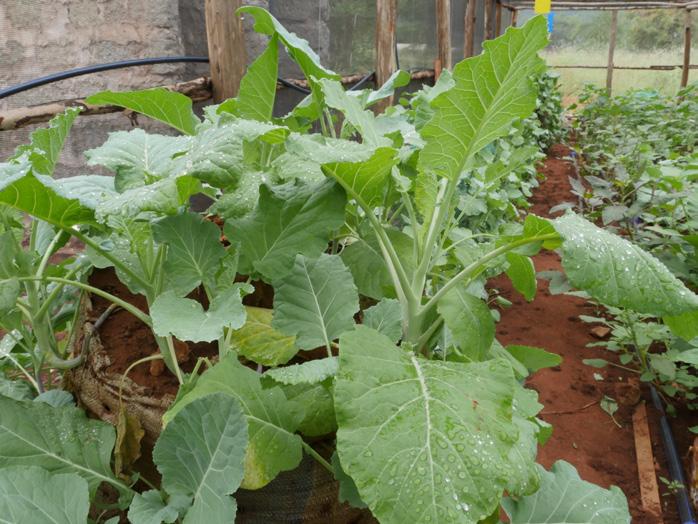
https://elephantsandbees.com/permaculture-garden/
Kitchen garden at Women’s’ Enterprise Centre (WEC) at Save the Elephants Research Camp, Sagalla, Tsavo, Kenya
Drip irrigation
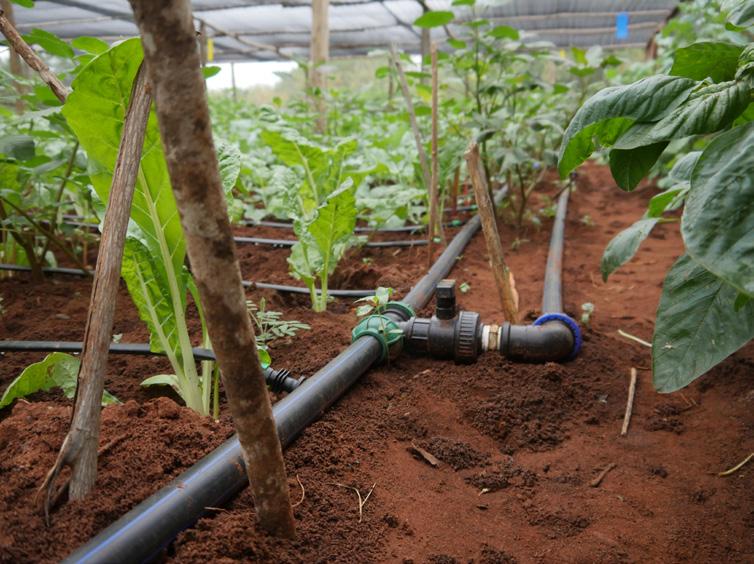
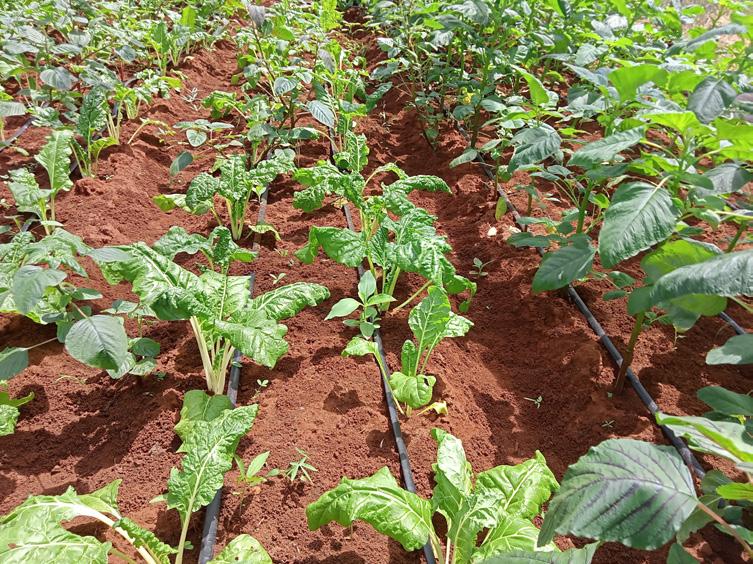
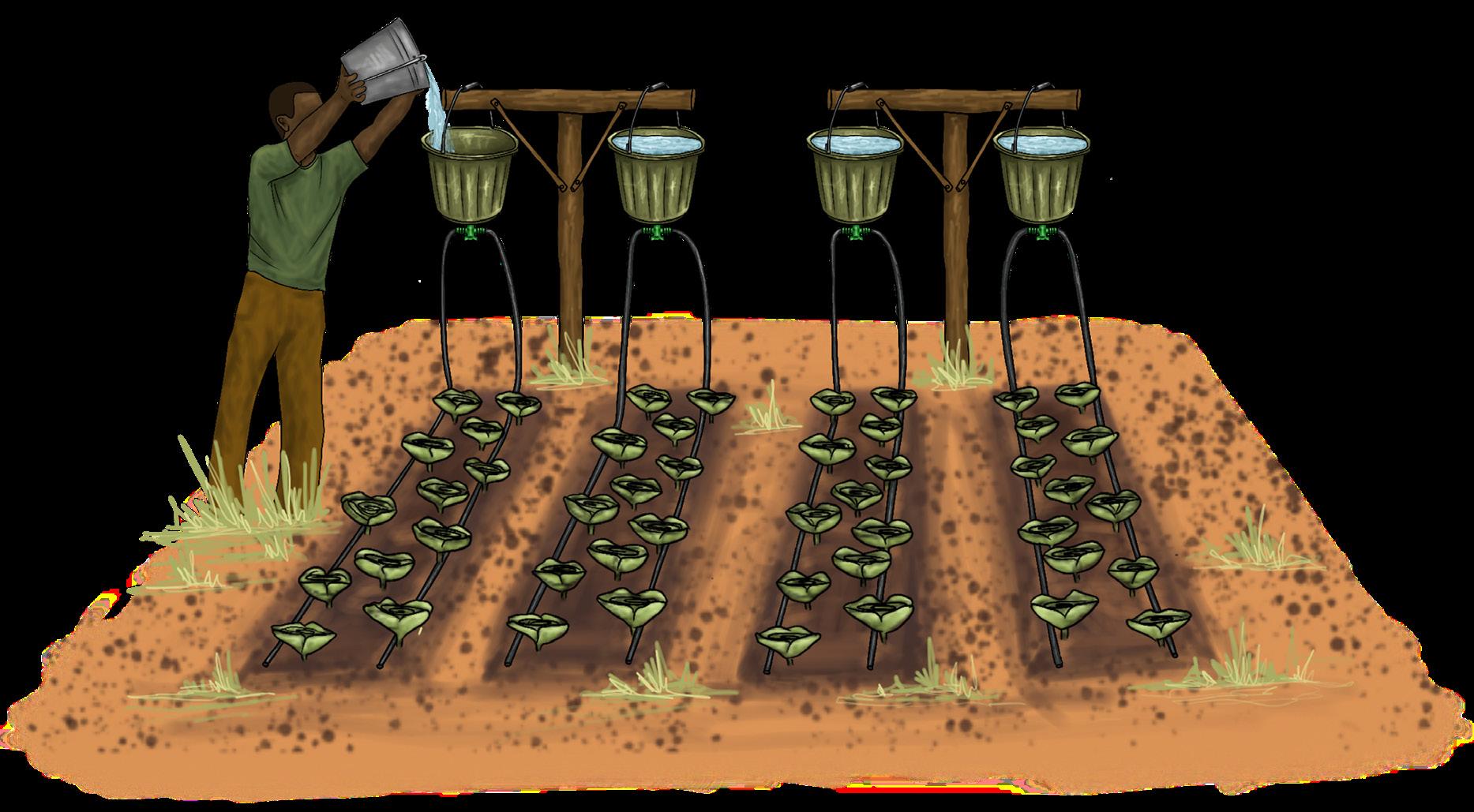
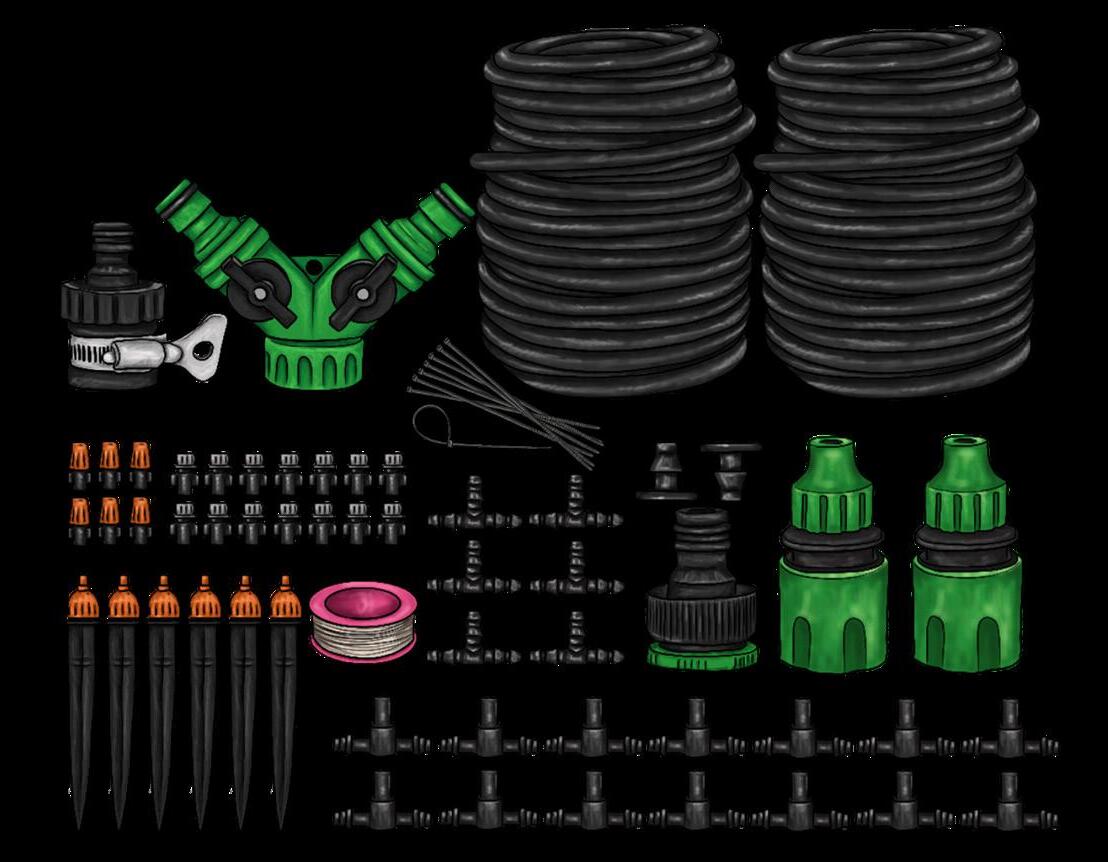
These are ideal as it minimizes the drainage problems associated with other water application methods.
11.
Drip irrigation system installed in the kitchen garden in Save the Elephants Research Centre, Sagalla, Tsavo, Kenya
Always ensure you use farm protection/deterrent methods to protect your garden from elephants.
The drip irrigation kit is normally installed, with drip lines being around 2m apart.
Drip kits may be installed with buckets, if tanks are unavailable.
A tap/valve are usually attached to the base of buckets/tanks to control the flow of water.
Rain water can be collected and put in the buckets.
Plastic irrigation system with bottles
An easily available drip irrigation consists of a plastic bottle inserted upside down and directed to the roots of the crop.

2 holes are poked into the bottle top with the bottom cut off. During the rainy seasons, water naturally fills into these bottles and slowly feeds water directly to the roots. This system supports growth of the crop and not weeds, as the water is dripping directly to the plant.
Plastic bottles can serve your field for a long time.
Use combined methods to increase deterrent effectiveness.


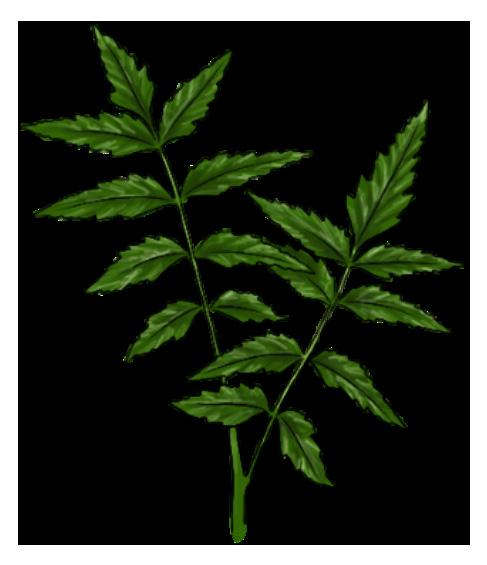
Grow natural pest repelling plants such as neem and marigolds to keep insects away.


TIPS cons -




Expert help is required to install the drip kit. The cost for buying the drip kit is high.
Farmers must acquire skills and knowledge on how the system works. If not installed well, water is wasted and soil can get clogged.
Credits and Disclaimer:
We have collected the information above from multiple sources including Save the Elephants Food Security officer, Victor Ndombi. To learn more about Farm Practices, see References. Some original words commonly used have been simplified for easy understanding. Further research may be required before each site-specific implementation.
*Save the Elephants advises caution with all the information collected and presented in this toolbox.


12.
Produced by Save the Elephants www.savetheelephants.org
in Kenya 2023
Illustrations by Nicola Heath
Made
