
Savannah Country Day School
Reise Moran, “Untitled” - 7-8
Emily Kiser, “Ode to the Sun that Always Rises” - 10
Anna Kate Prescott, “Ode to Sunset” - 12
Mary Daniel Carson, “An Ode to Summer”- 15
Keating Taylor, “Ode to Sea Glass” - 17
Margaret Macfadyen, “Dandelion Haiku”- 19
Ryan Lin, “Amanuensis Sonnet”- 21
Grace Smith, “My Complicated Relationship with Recurring Dreams” - 26-27
Anonymous, “Ode to Chocolate” - 31
Mathieu Garrett, “Diary of a Buddhist Monk 2026” - 33-34
Jordyn Moran, “A Great Rain, ” - 36
Lucy Morrison, “My Farm” - 38
Jad Danawi, “Ode To Elephant” - 48
Hajin Lee, “Curved Line” - 54
Josefina Chiozza, “Ode to Strawberries” - 56
Greta Stubbs, “Blood Among the Moss” - 66-71
Charlie Williams, “Ceiling Tiles” - 74-79
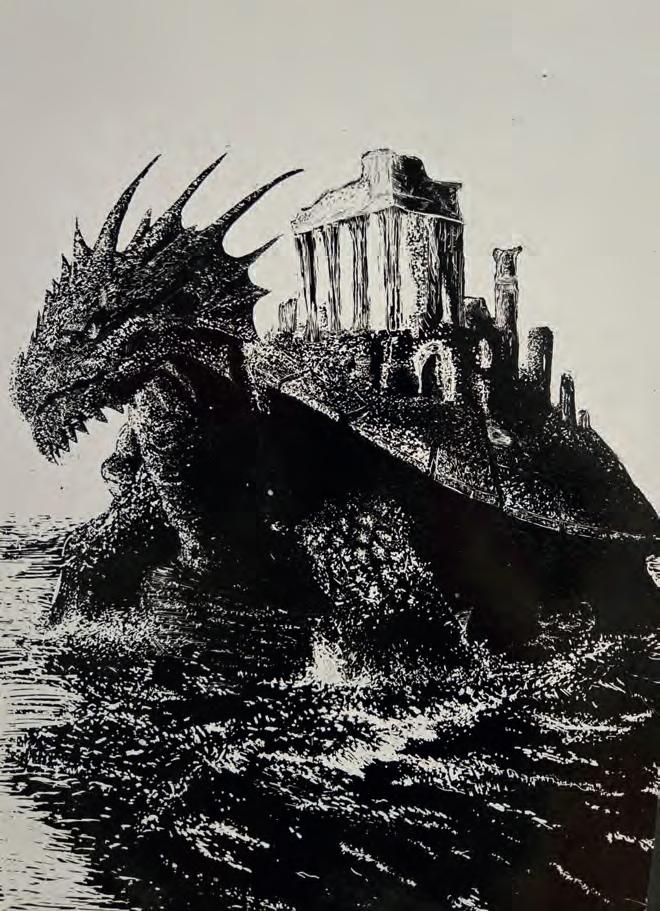
Greta Stubbs, “The Wrath of the Lightkeeper” - 82
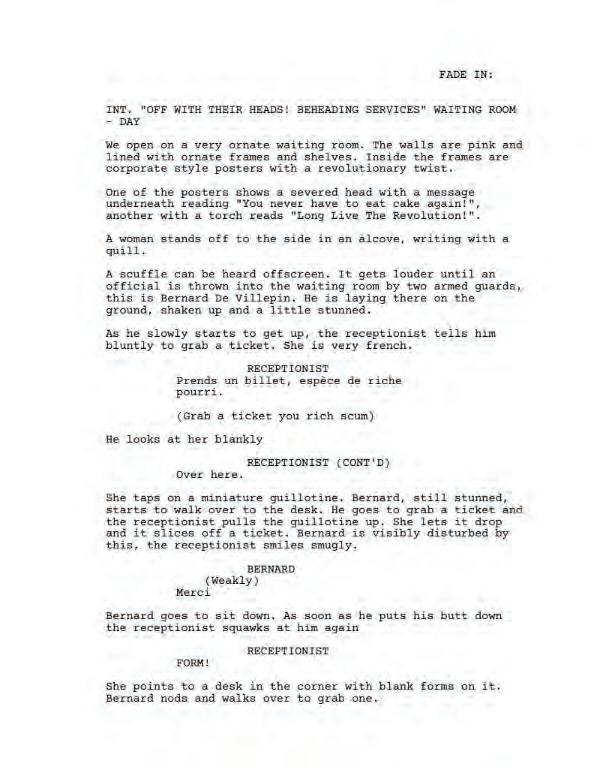
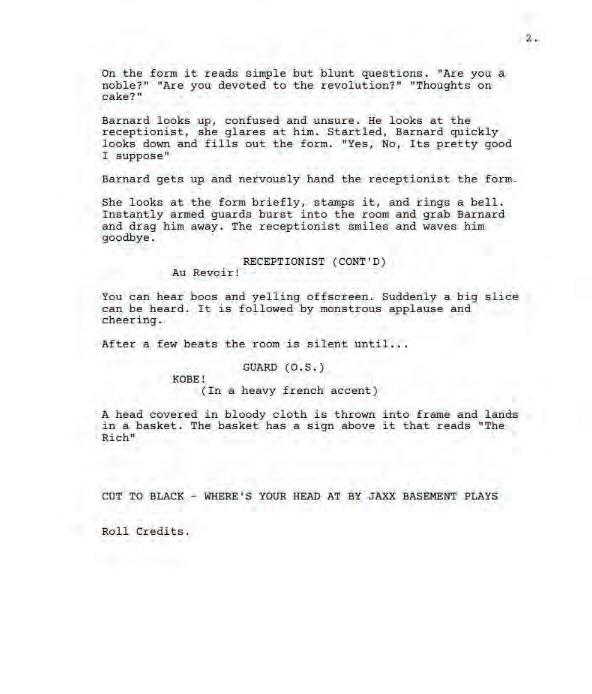
Eli Forbes Young, “Office? More Like Off With His Head” - 86-87
Hajin Lee, In the Making - 6
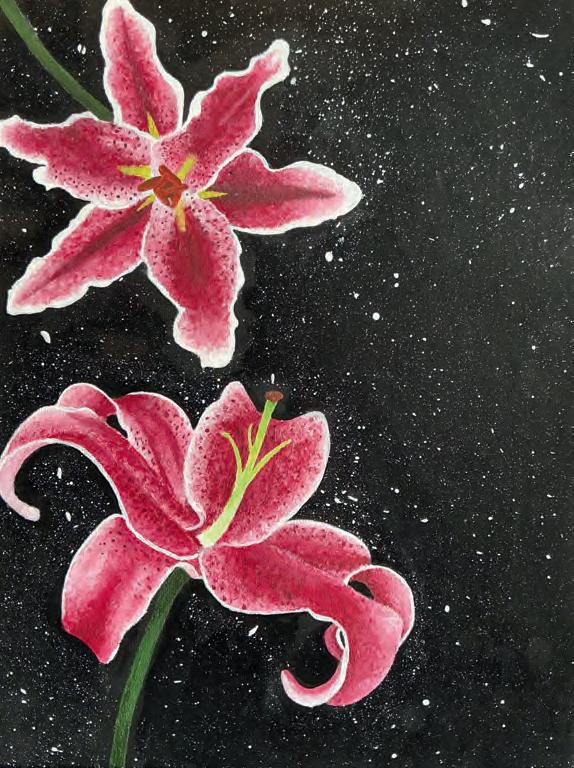
Amelia Moret, The Stargazers - 8
Ivan Lin, Sapphire Skies - 9
Frances Brock, Tybee Sunrise - 11
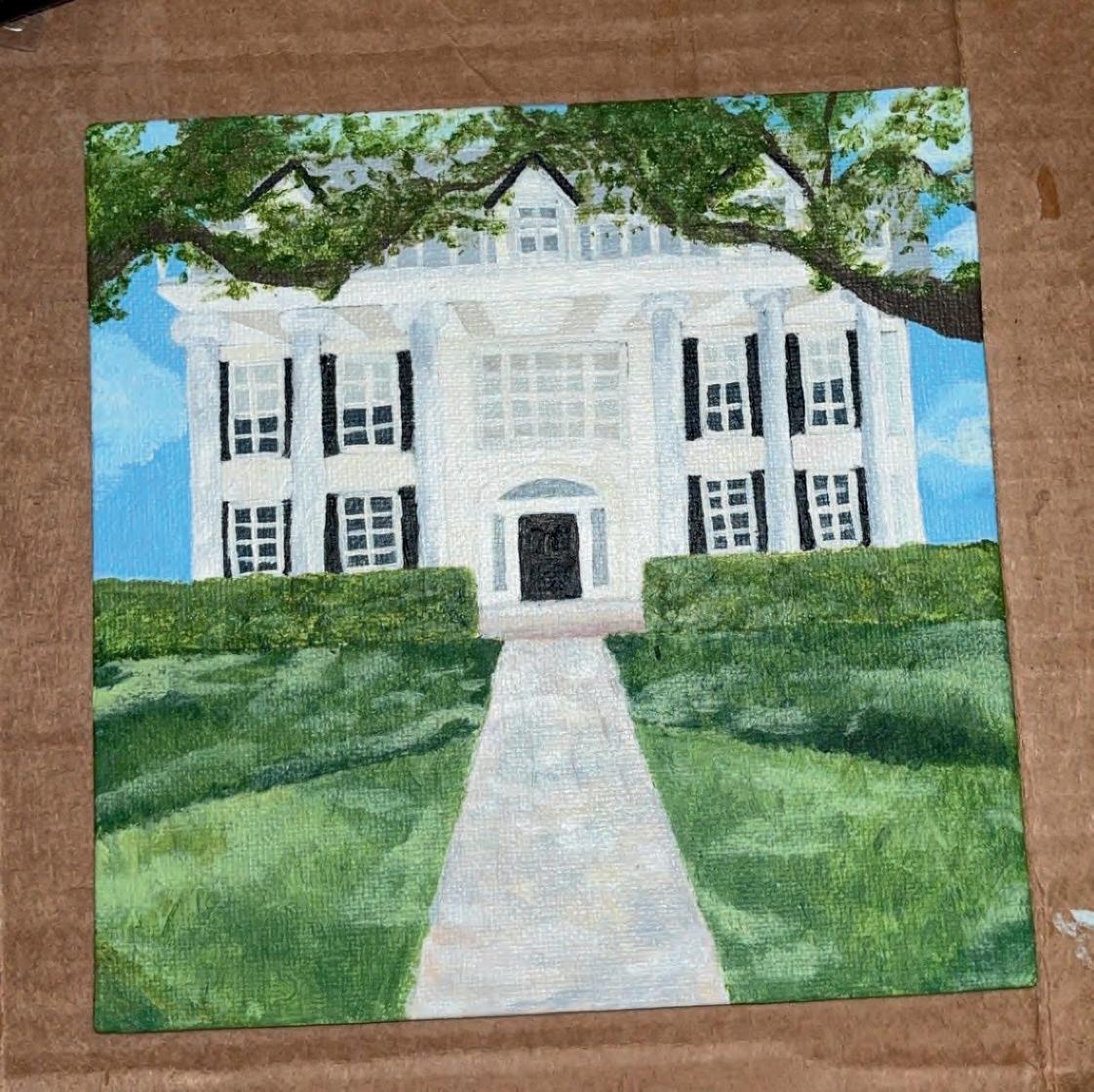
Grace Smith, Summer House - 13
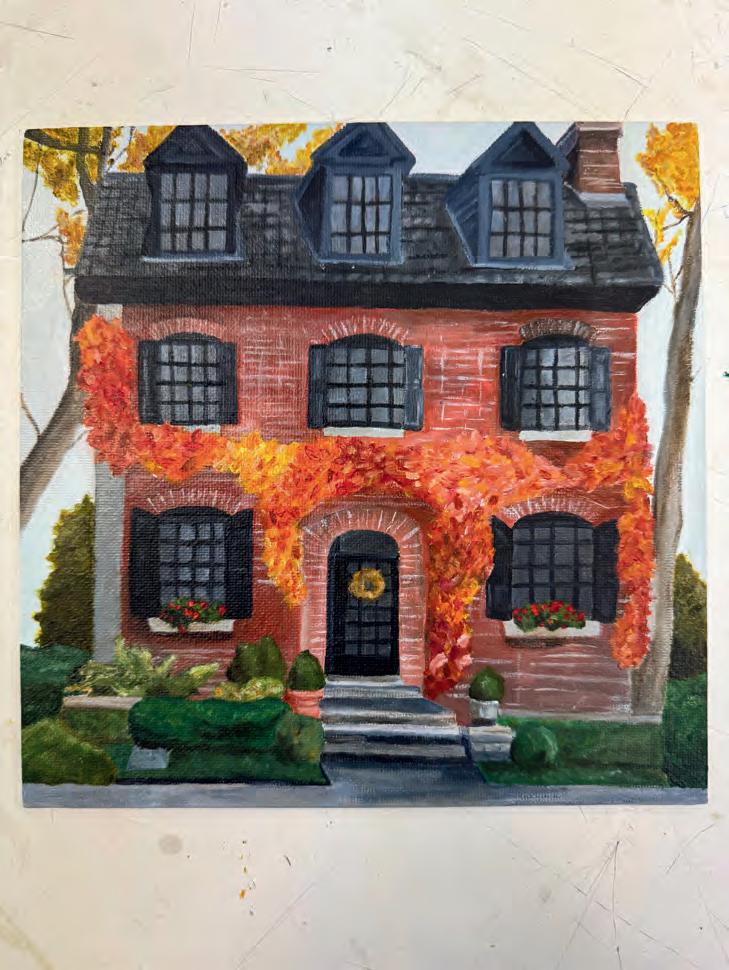
Grace Smith, Fall Scene - 14
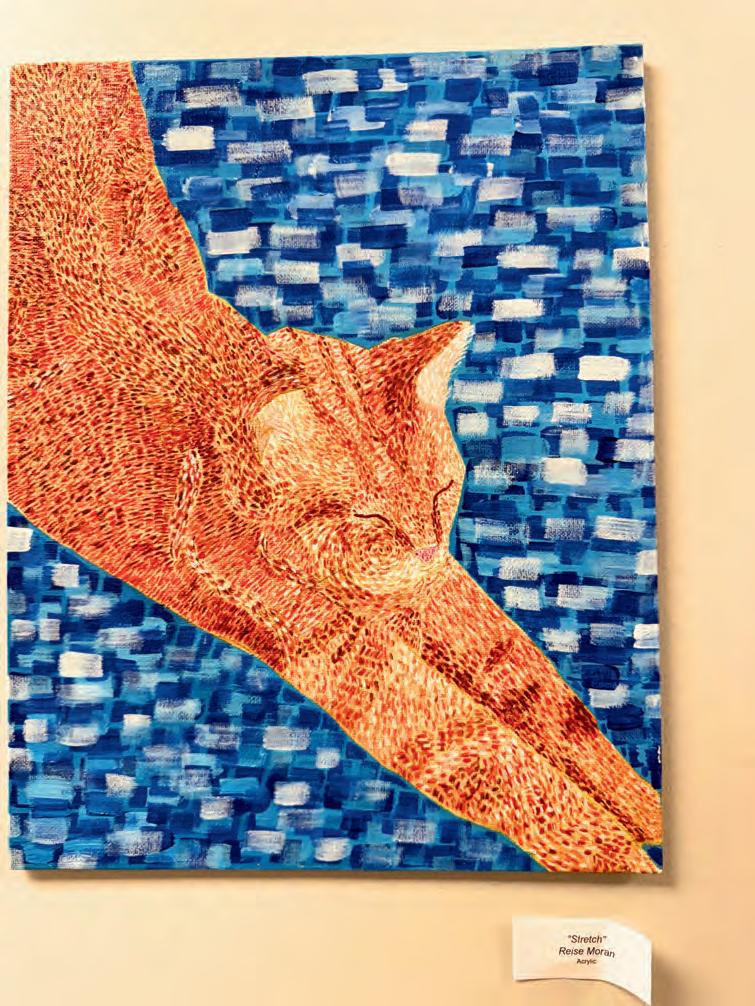
Reise Moran, Stretch - 16
Matilde Robbe, Ripples - 18
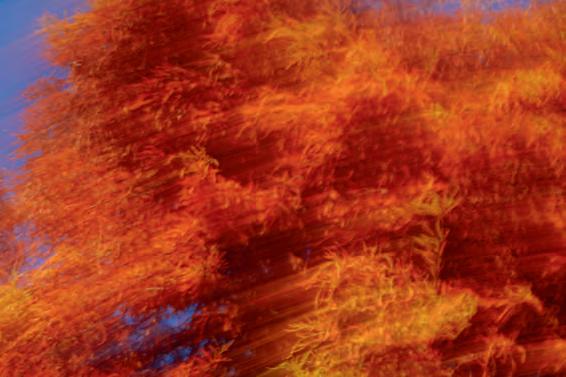
Matilde Robbe, Thread of Autumn - 18
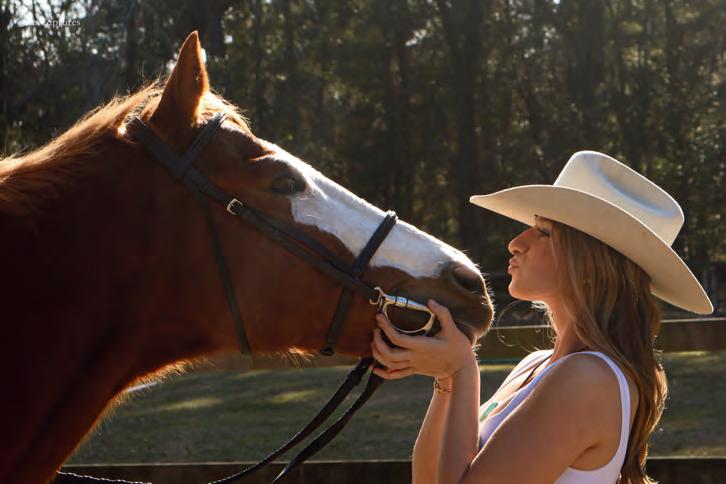
Sofia Padro Wiggins, Girl & Horse -19
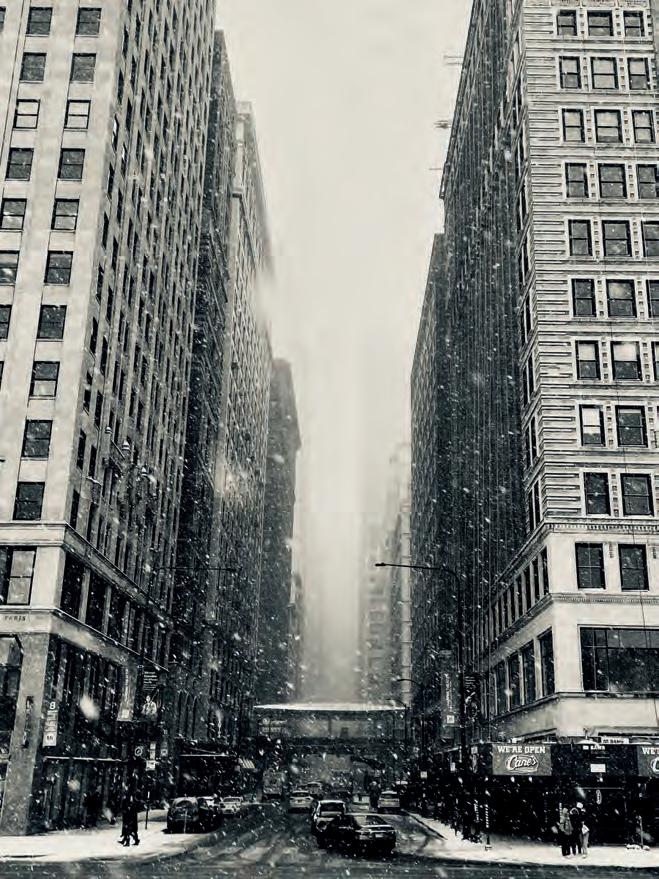
Hajin Lee, Winter Corridor - 20
Charles Kraeuter, Untitled - 22
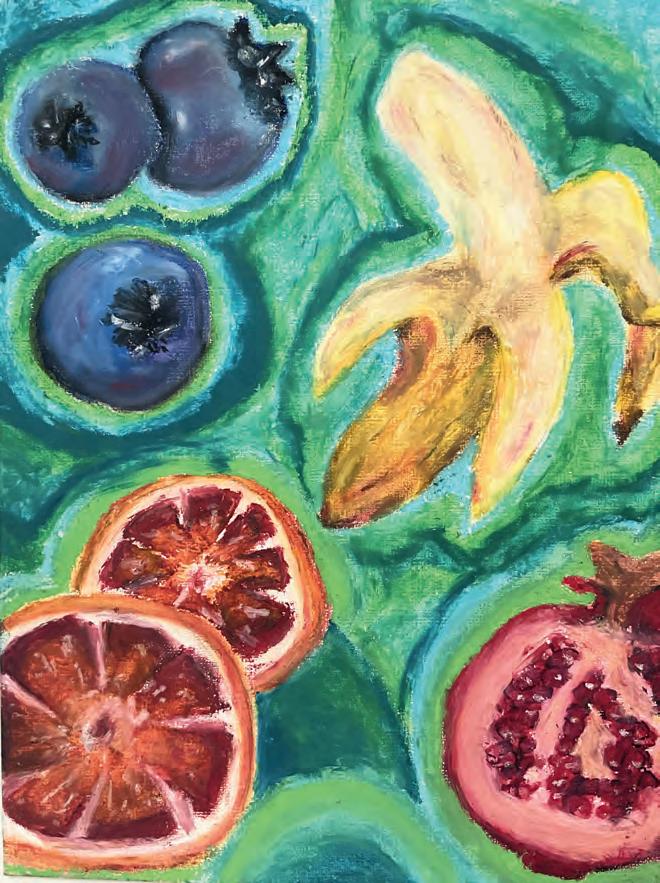
Madison McCray, Fruit - 23
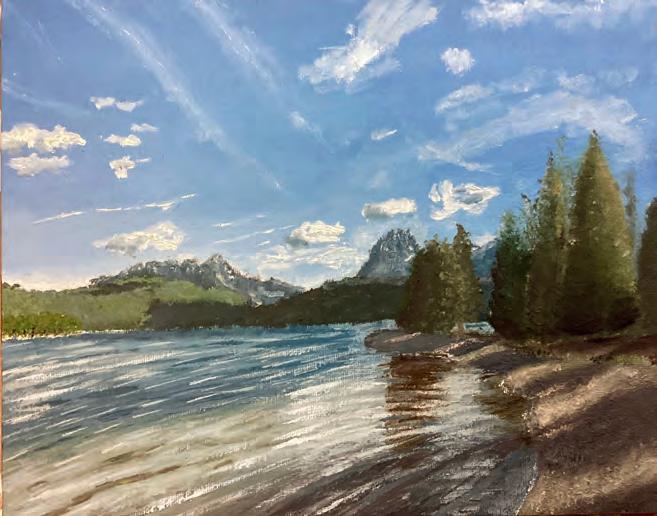
Ryder Nguyen, Canadian Landscape - 24
Najee Young, Self-Portrait - 25
Ivan Lin, Musk Therapy - 28
Matilde Robbe, Whispers - 29
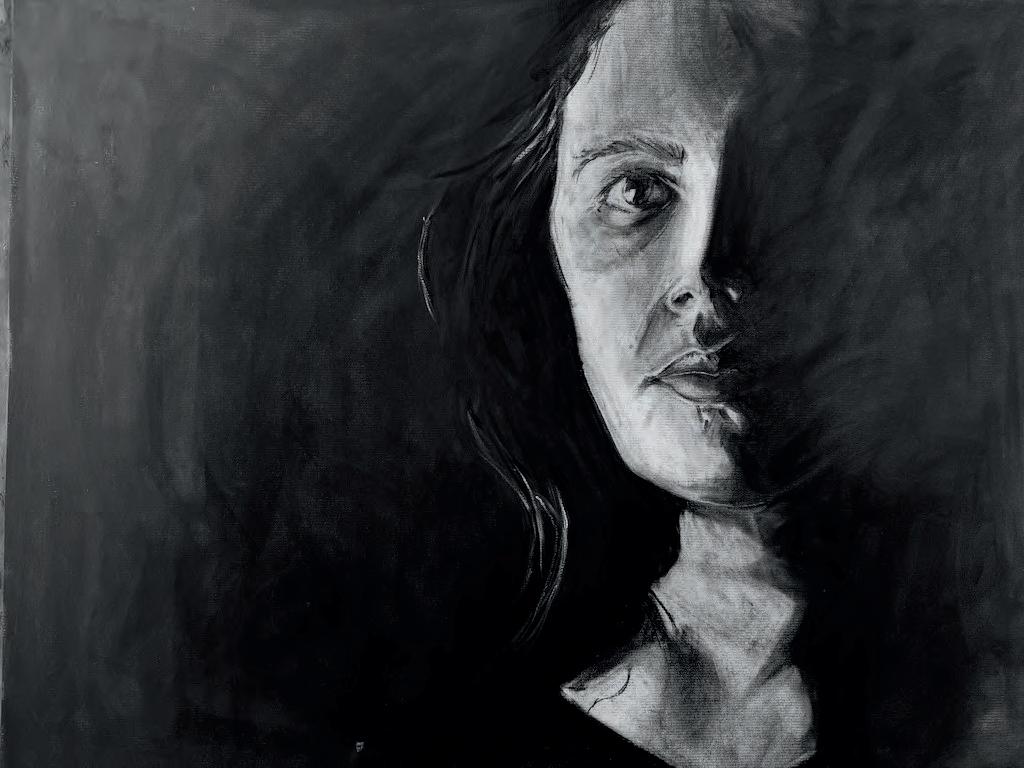
Harlan Lerch, In Shadow - 30
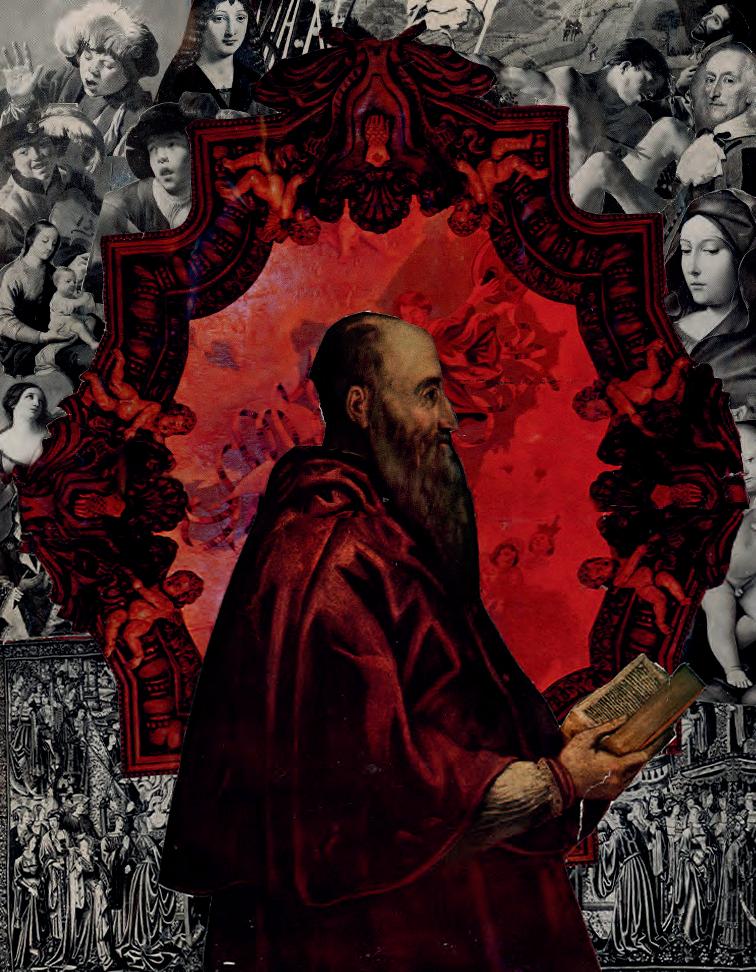
Eli Forbes Young, Catholic Crimson - 32
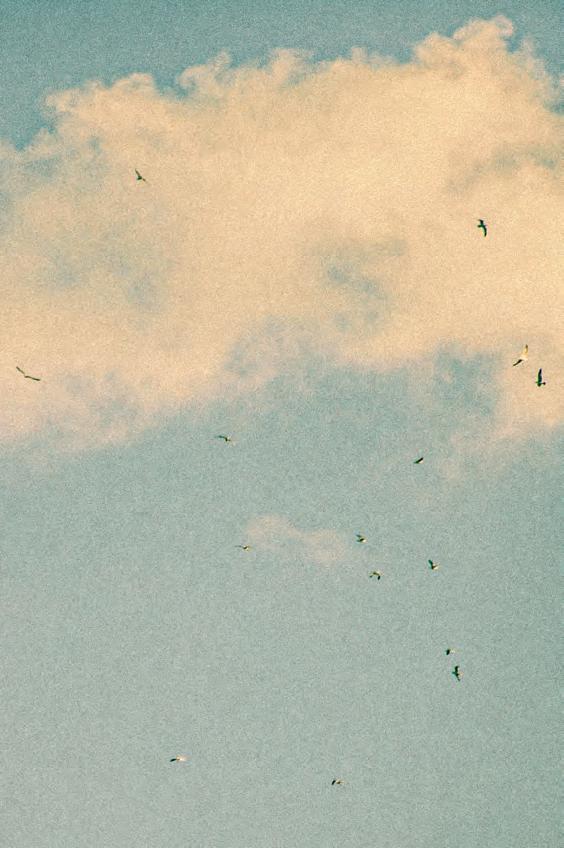
Matilde Robbe, In Flight - 34
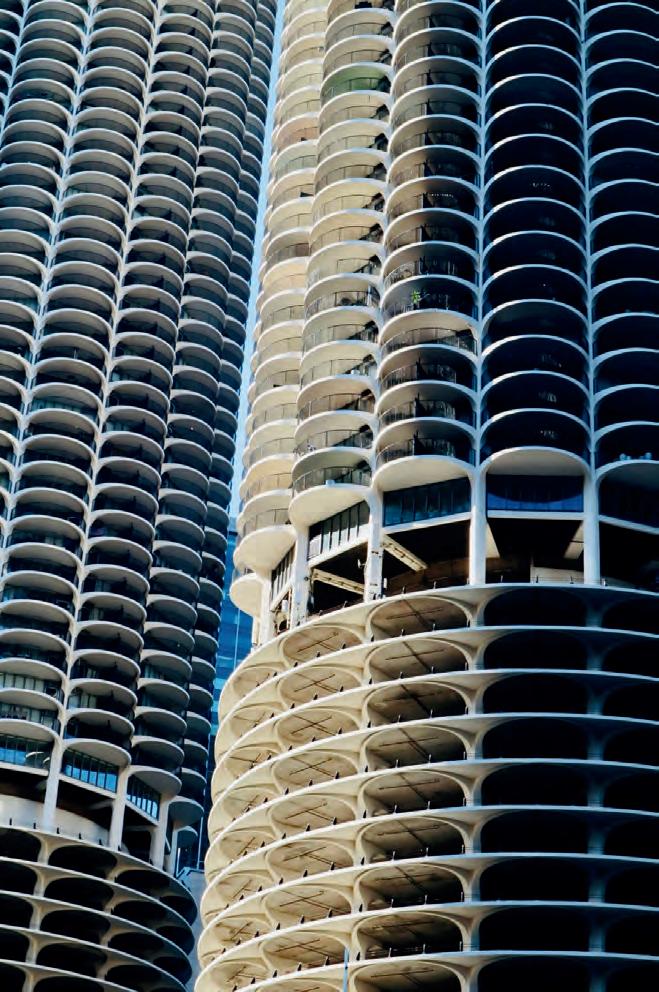
Hajin Lee, Urban Honeycomb - 35
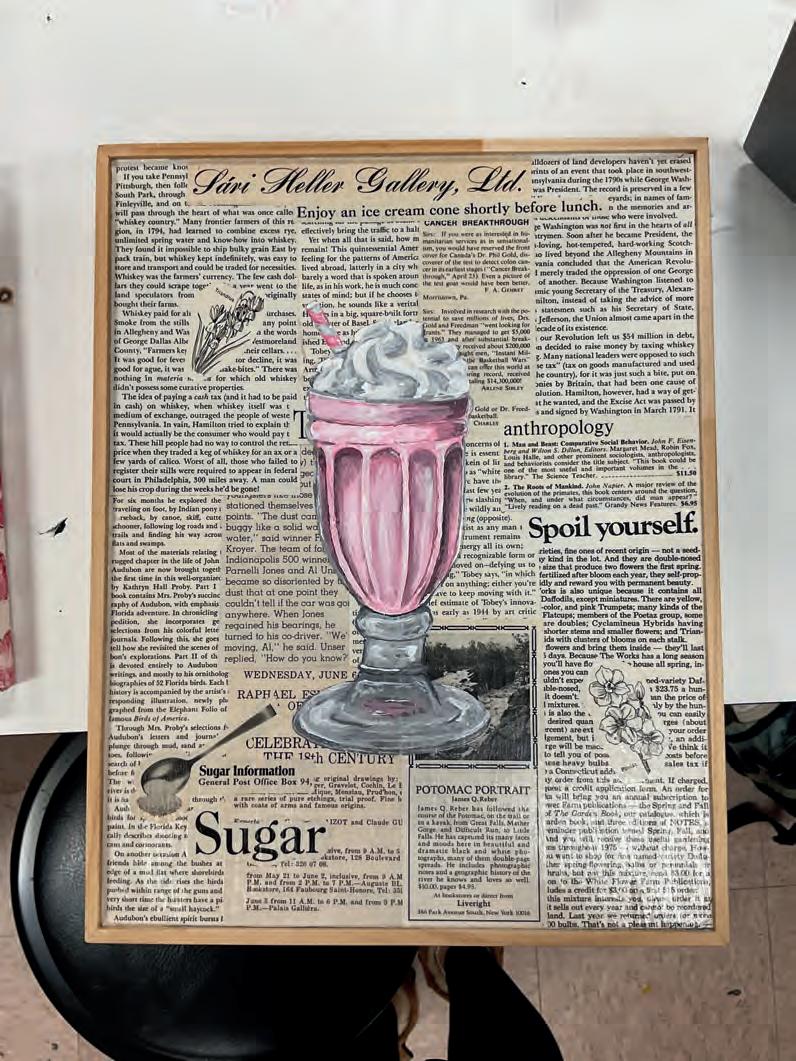
Lauren Lewis, Sugar - 37
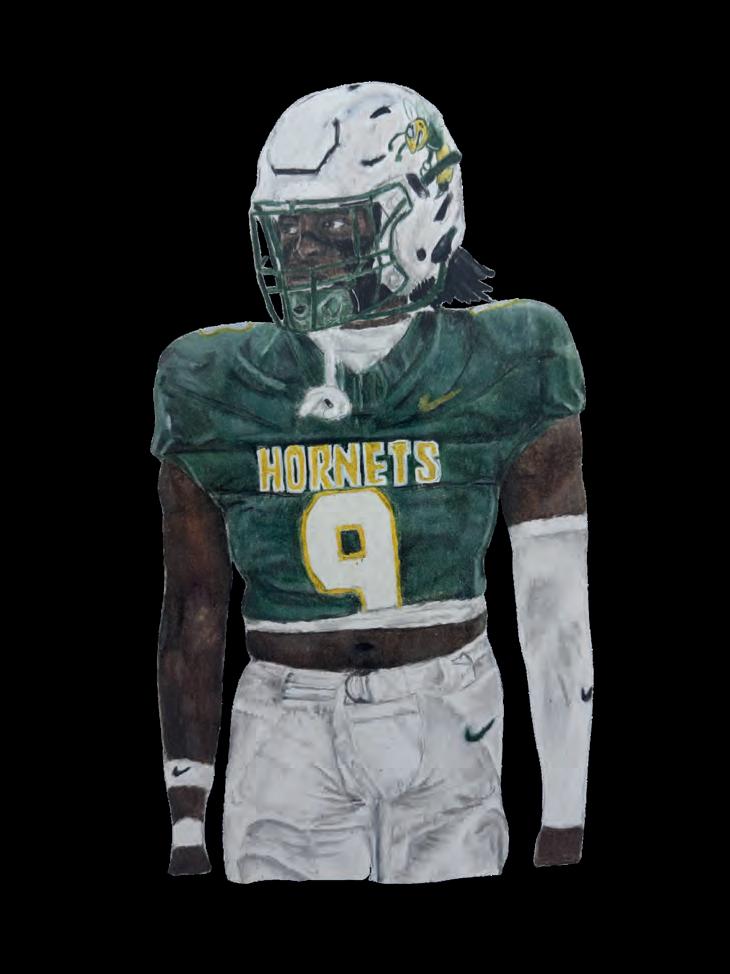
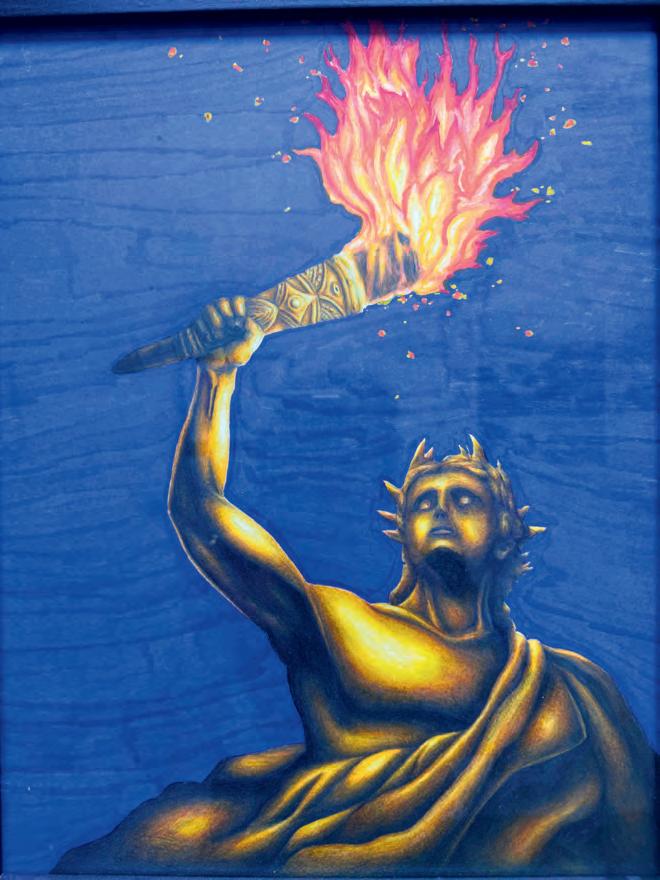
Nolan Watson, Victory - 39
Haley Bird, Aaron Costume Design - 40
Jarin Park, Untitled - 41
Eli F. Young, Going Through Paces - 42
Charlie Williams, Look For The Light - 43
Reise Moran, Reflections - 43
Ivan Lin, Homesick - 44
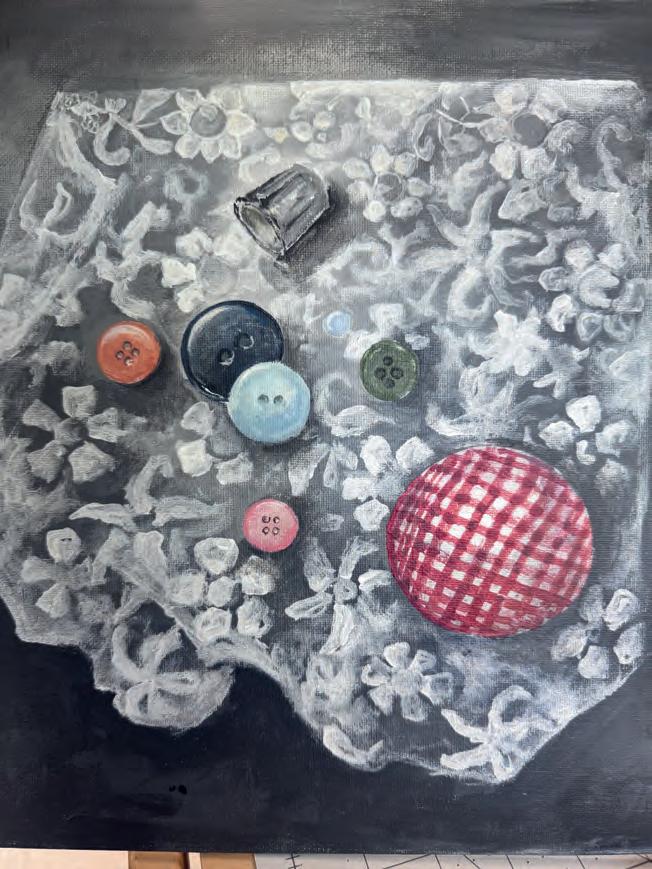
Grace Smith, Florals - 46
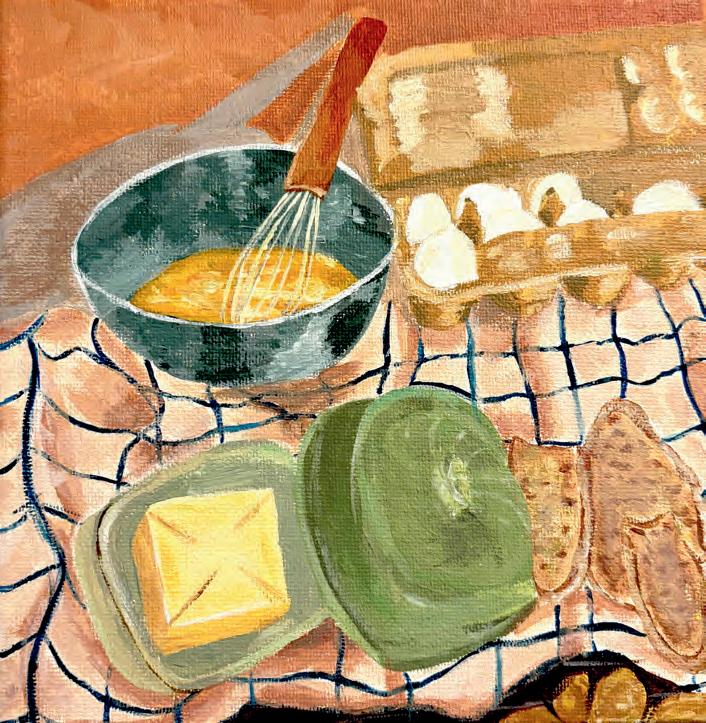
Grace Smith, Kitchen Scene - 47
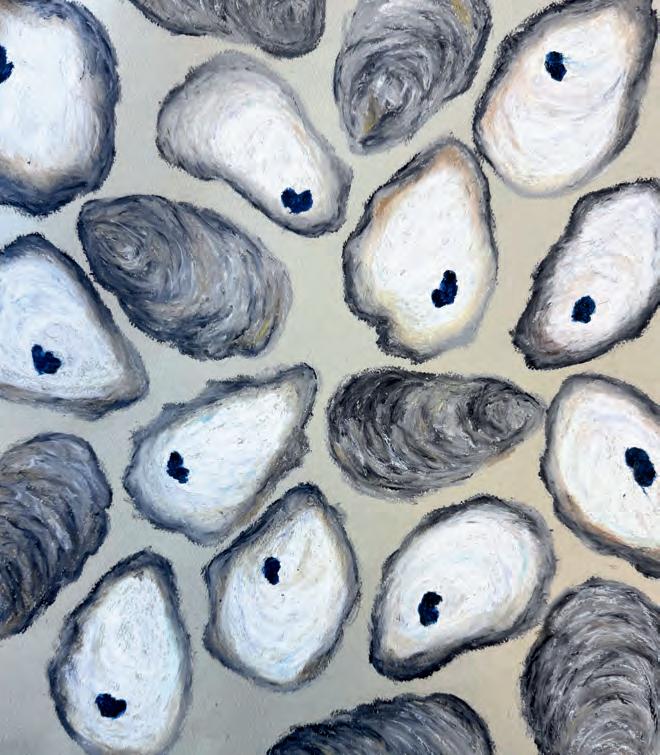
Maeve Hecht, Oysters - 49
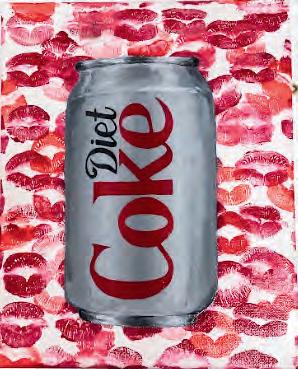
Lauren Lewis, Diet Coke - 50
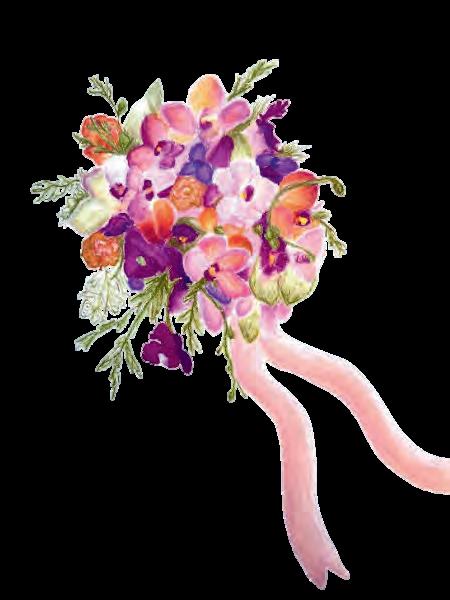
Maeve Hecht, Bouquet - 51
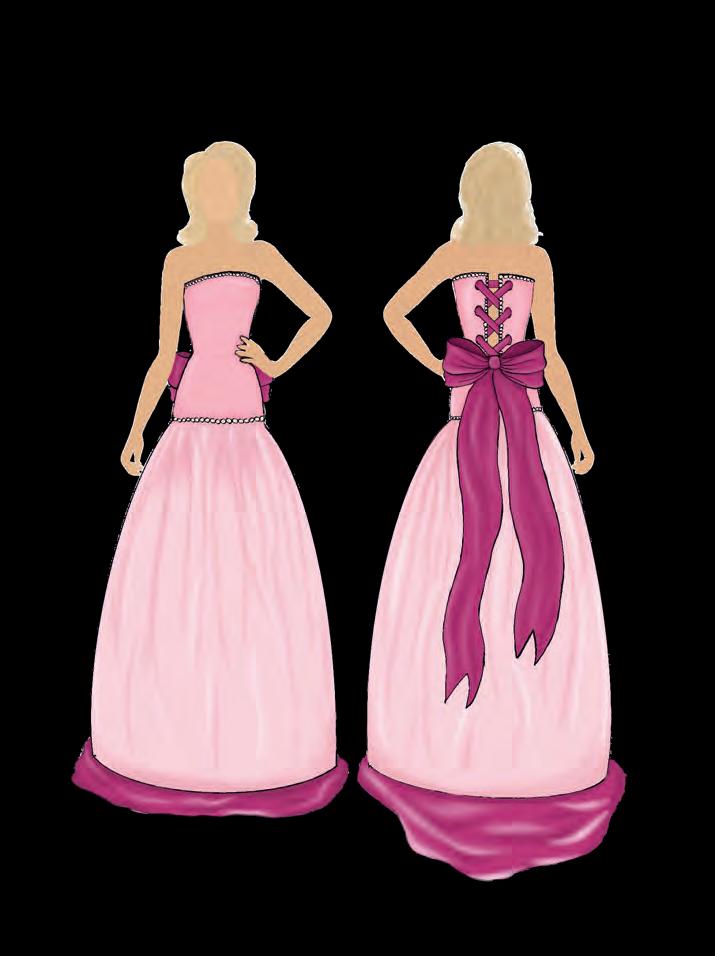
Lily McAtee, Fashion Sketch - 52
Theodore McGuirk, Westward - 53
Matilde Robbe, Drunk on Sky - 55
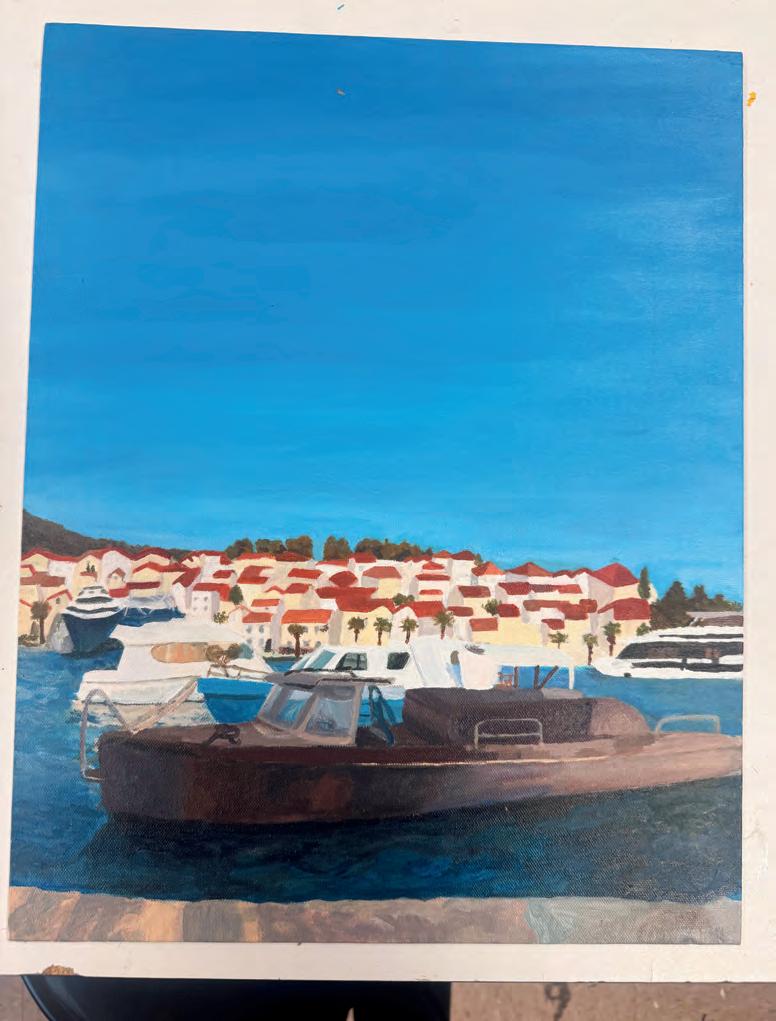
Frances Brock, Croatian Shores - 57
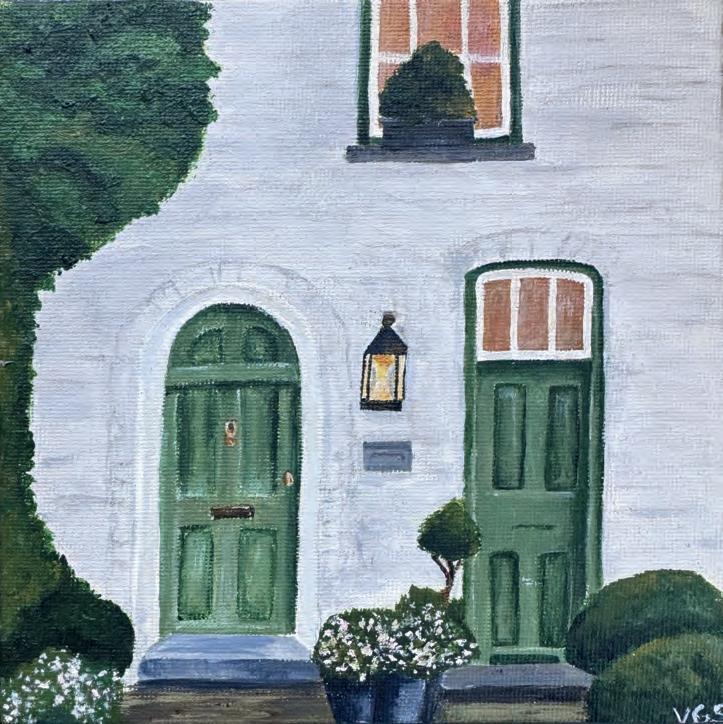
Grace Smith, Green Door - 58
Tennyson Fitzgerald, Nostalgia - 59
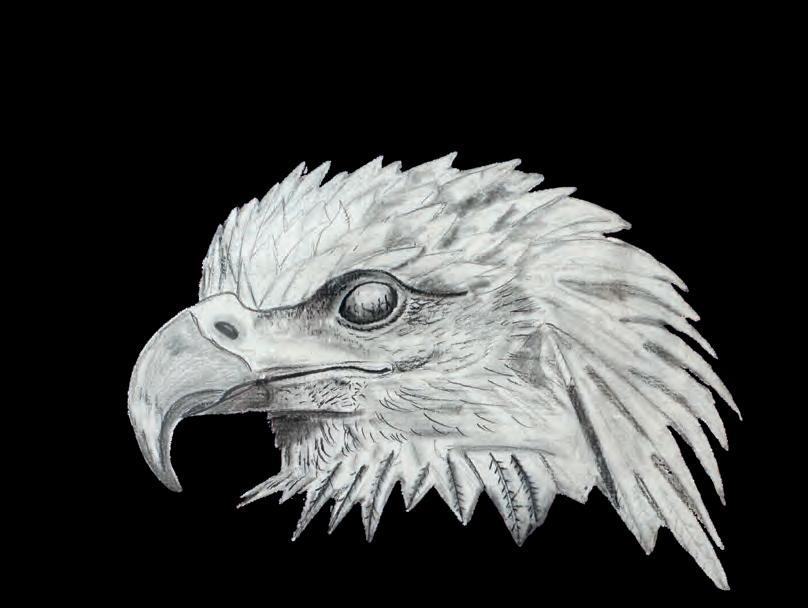
Arthur Batista, Eagle - 60
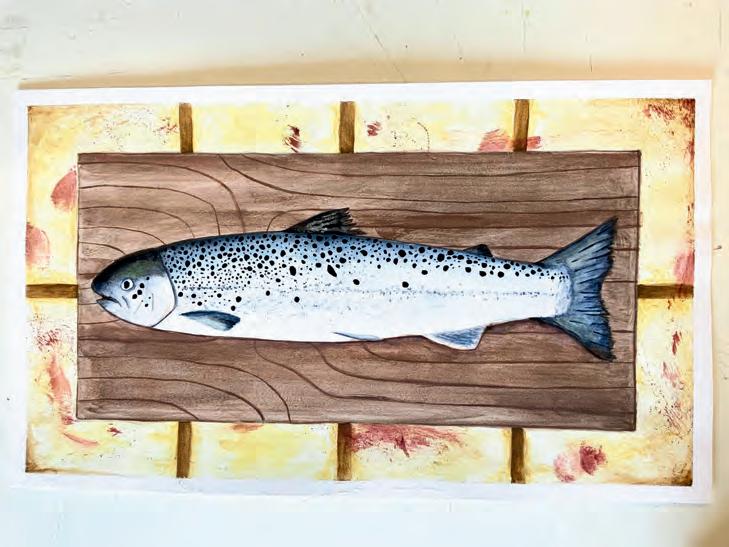
Daniel Engle, Salmon - 60
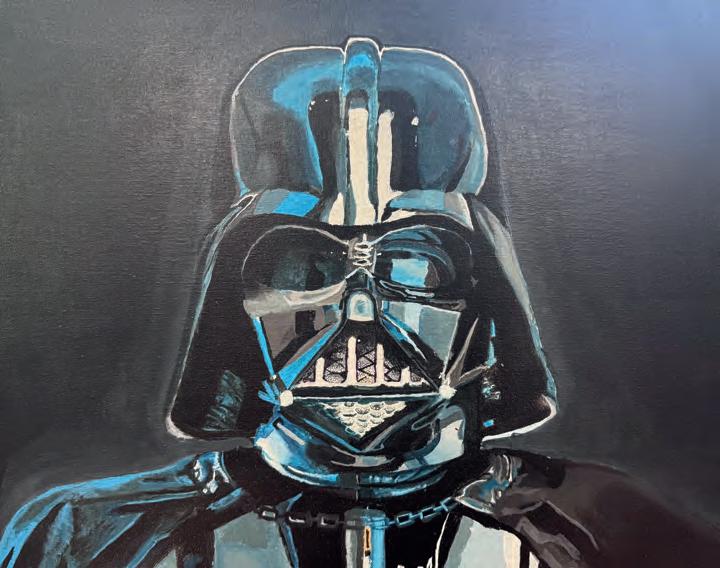
Najee Young, Darth Vader - 61
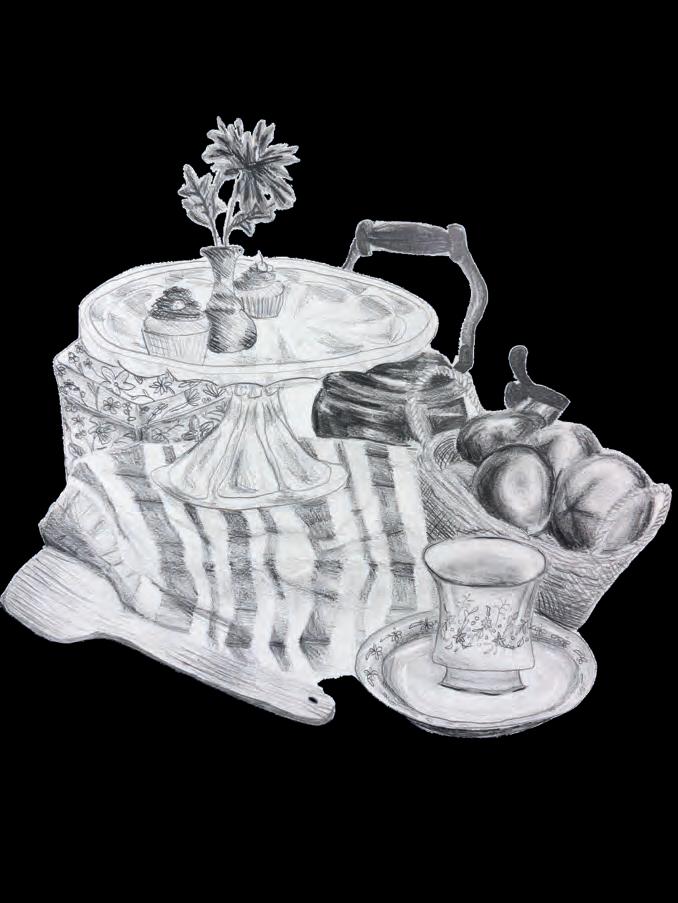
Jane Sparks, Kitchen Counter - 62
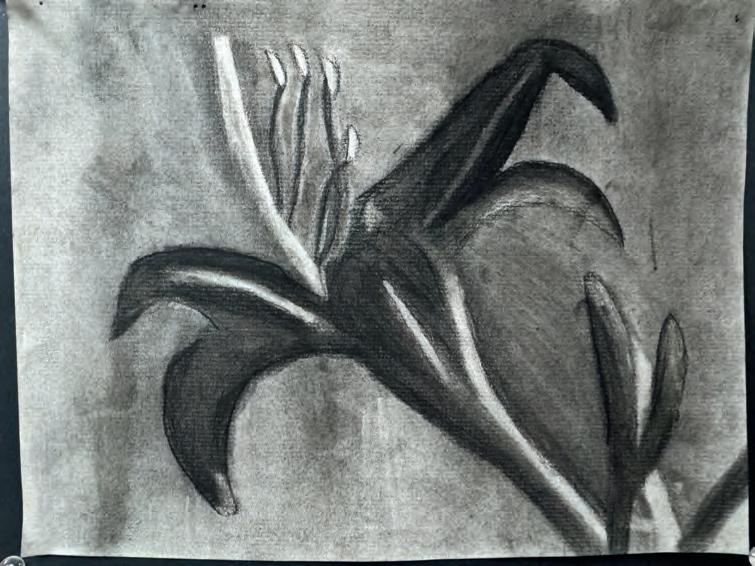
Lucy Morrison, In Bloom - 63
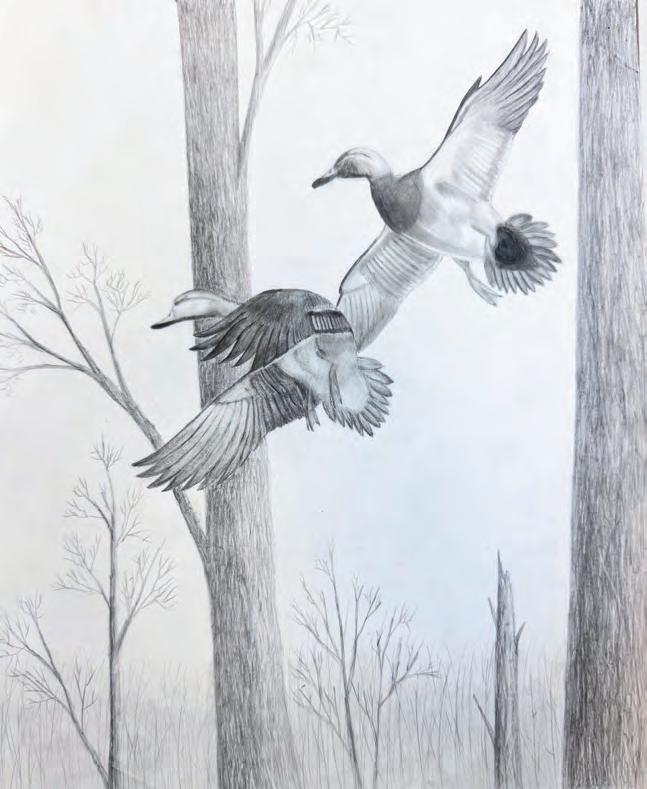
Wyatt Donovan, Two Birds One Stone - 72
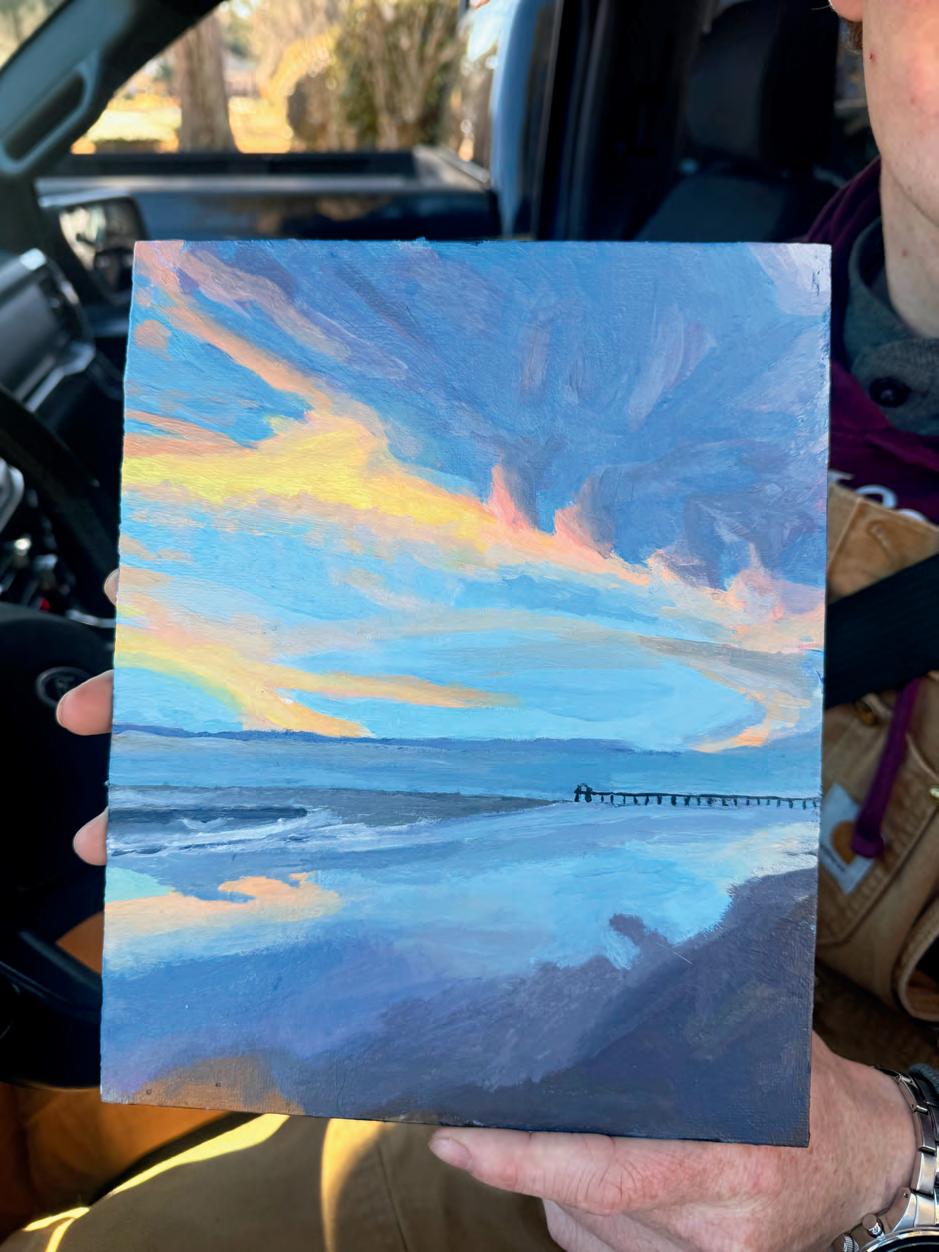
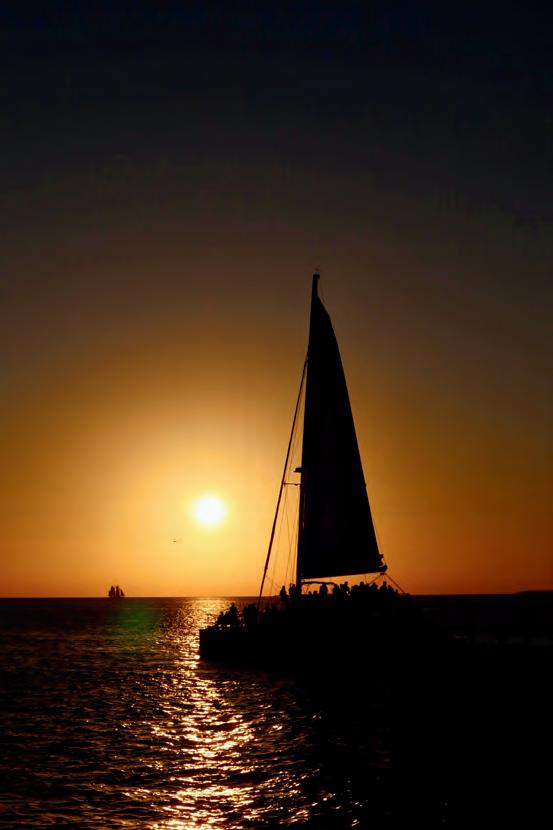
Hajin Lee, Before Night Takes the Sea - 73
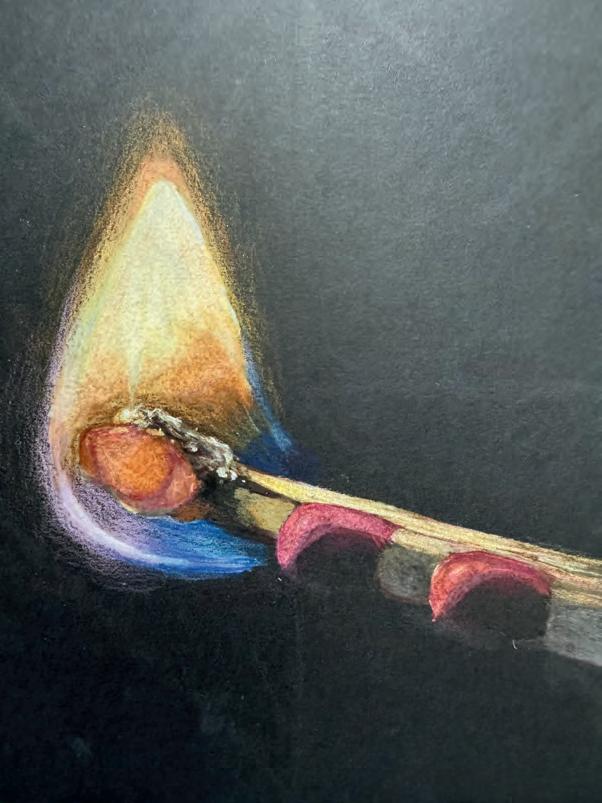
Jane Sparks, Matchstick - 80
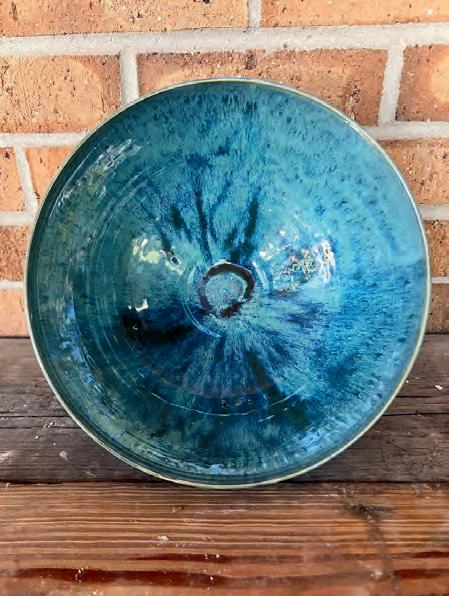
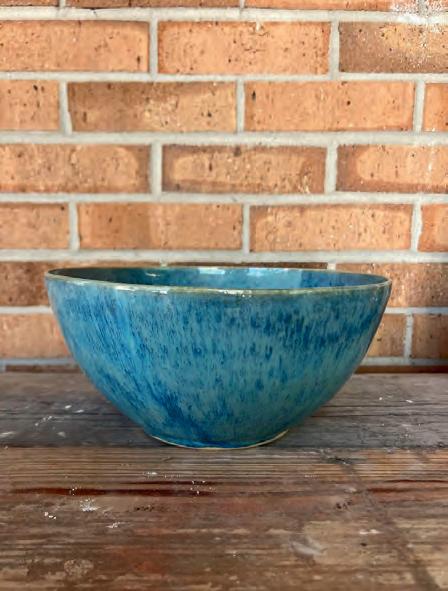
Caroline Semones, Blue Bowl - 81
Aniston Gerlach, Untitled - 83
Lucy Morrison, Roar - 84
Daniel Engle, Fashion Sketch - 85
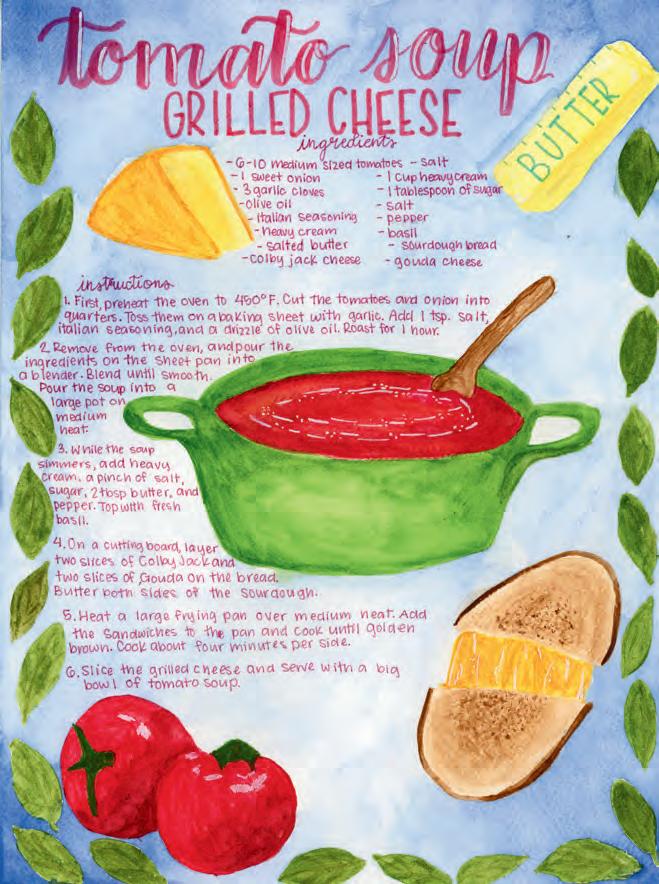
Virginia Carroll, Illustrated Recipe - 88

Artist Spotlight
Grace Smith
Class of 2027
Page 45
Author Spotlight
Greta Stubbs
Class of 2026
Page 64
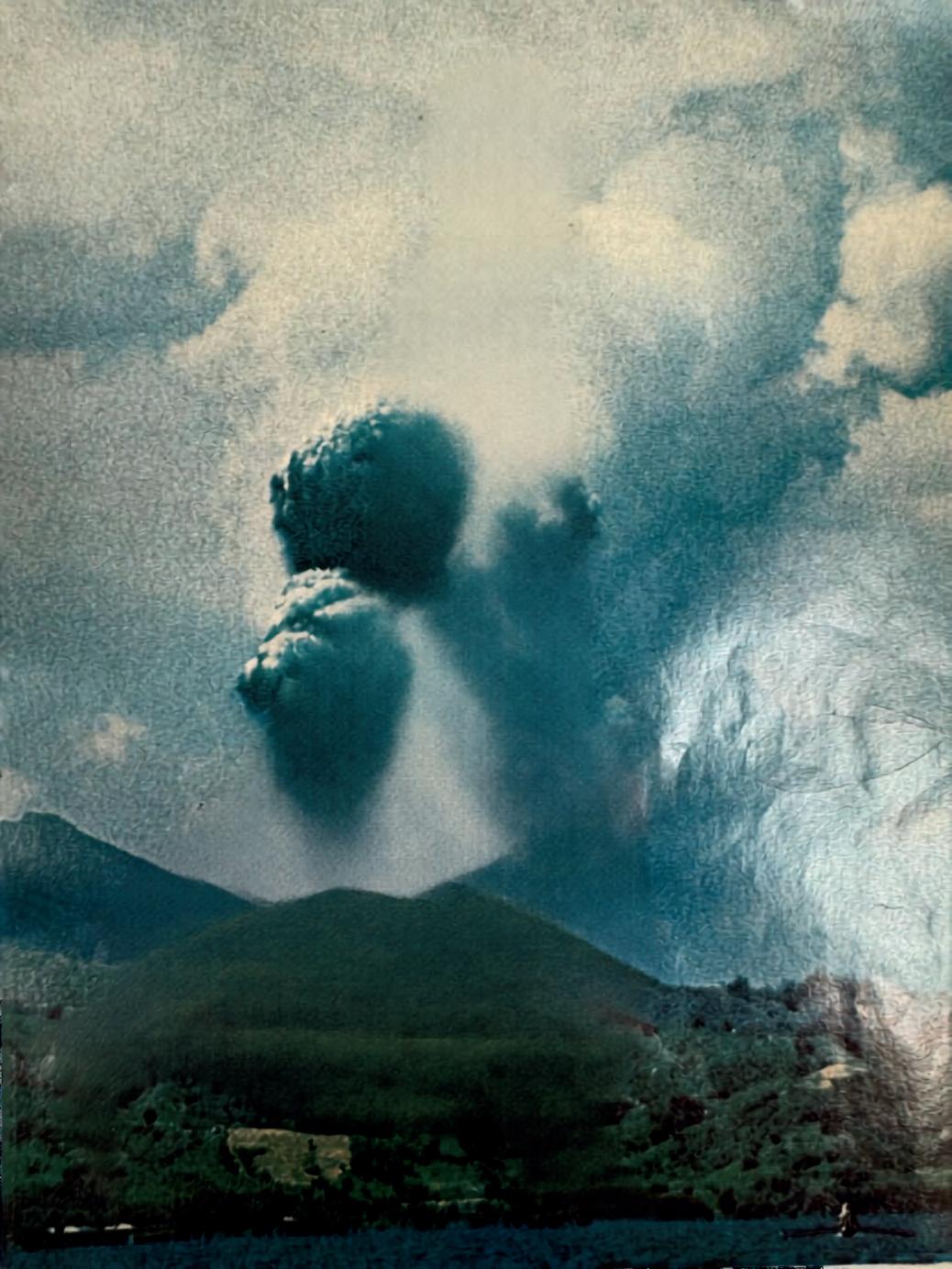
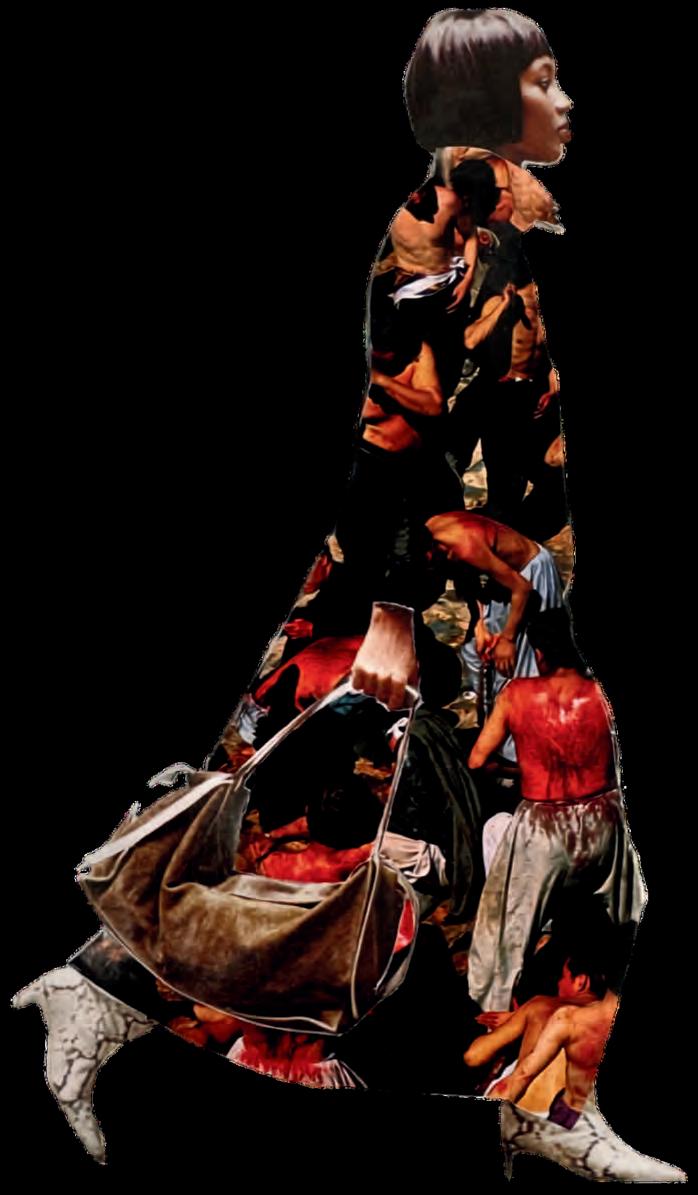
Cover Art: Finlay Taylor, Collage
Finlay Taylor
Ryder Nguyen
Eli Forbes Young
Charlie Williams
Hillary Bunger
Bella Grace Baker
Presley Kimball
Emily Grace James
Jordyn Moran
Sofia Padro Wiggins
Elijah Nguyenn
Keating Taylor
Sophia Penn
Daniel Engle
Frances Brock
Kensie Glass
Olivia Oliver-Floyd
Jessica Duthu

Reise Moran, Untitled, Short Story
I was nine years old the first time I truly found myself. The applause sounded like gentle rain atop a metal roof, easing the swift beating of my heart. We stood frozen in our final pose, the heat of the stage lights separating the film of hairspray from our hair. We were one body, not a single limb shifting out of place. Stillness. I felt like I had done something amazing, yet I wanted no reward. In that moment, I wasn’t looking for noisy validation. I was searching for something within myself, where doubt used to echo. And for the first time, that echo was silenced. Dance has always been my language. Before I dared to raise my hand in class, I was on stage, moving my body fearlessly. The studio became the first place where fear didn’t engulf my existence. Among others who understood me without words, I discovered a deeper connection within myself. Rehearsals unlocked an undeniable trust I couldn't have found elsewhere. We survived pushups after mistakes, leaned on each other through exhaustion, and laughed when we collided center stage. Vulnerability was our superpower, souls tied together as we gave everything to the audience.
Beyond the studio, our differences stretched across neighborhoods, schools, and religions. Inside, however, the music had us sewn together. It never asked where we came from, or what we believed; it only asked that we move as one – sometimes tired, or sore, but always whole.
Looking back, my pride never came from the trophies or rhinestoned costumes. It came from the adrenaline walking out, the sweat-soaked smiles after seven-hour practices, tight embraces of the entire team after stepping offstage, knowing we gave everything. Dance gave me a place where uncertainty faded. Movement told the story I couldn’t, revealing me to myself.
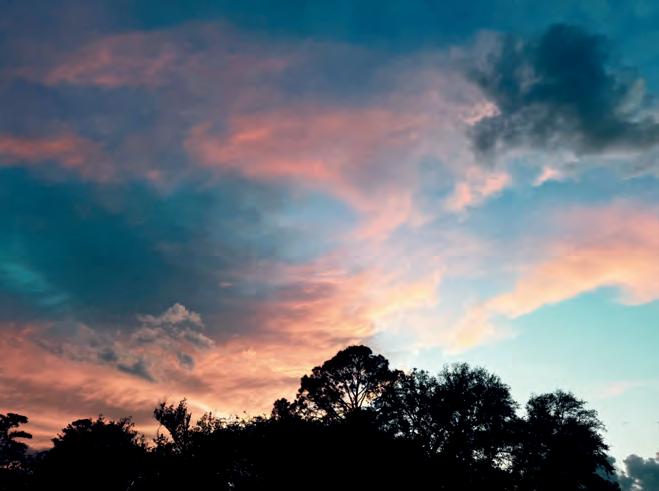
Every morning before I wake, The sun has already made its break
The glowing pastels, Light the day, A never-ending relay
Your warmth meets my skin
A new day is about to begin,
You're like a painting that never gets old, Something that can not be controlled From yellow to orange to pink I almost don’t want to blink
Your consistency keeps me here
Knowing that every morning, You will appear
You're like the light that never goes dark, The one thing that keeps my spark
As you reach the top of the sky
I look up and wave goodbye, I know I will see you soon, When you outshine the moon
Anna Kate Prescott, Ode to sunset, Ode
“Sunset, Your beauty and eternal grace
Light up the sky in a multitude of colors
Fiery oranges and vivid pinks
You shine so bright
I’ve never met a sunset I didn't like Your existence, A natural wonder
Can make the heavens shake And the people watching below, They sing As beautiful as a song, O sunset
You are a lyrical Masterpiece
Your delicacy and endless charm
Made even Monet
Need to capture You, in his arms O sunset
Please never go away For all of us will sway with Dismay O sunset
You have the sun sinking like a dying ember
And make the sky feel as if it's a whispered secret Of timeless beauty
Mary Daniel Carson, An Ode to Summer, Poetry
Your warmth like a hug, Envelopes my body.
You breathe life into my days, Even in my nights. You are like a drug: Addictive.
And when left without you
The constant movie of memories floods my brain Oh how I hate the cold! Oh how I hate you Winter! But Summer…
It is you who re-lights my spark. Your beaming sun feeding me energy Not just me, but all of us. And if it weren’t for you, Who would I be?
For there is not a time you aren’t referenced Or thought of Or missed.
I need you Summer. I need you now.
Ode to Sea Glass, Keating Taylor
O crystalline sea glass, Clear as the seas you passed. Frozen tears of times past, Smooth as the stones Who sanded you low. Created from the bottles
That met their götterdämmerung— Thunk
Down upon those same stones. Your depths contain all of your travels; Your histories reflected into the present— Your impact unbeknownst to those who hold you. Your bittersweet beauty like that of the diamond, Your past like that of its mines. So clear at first glance, Your morality is rendered opaque at a second.
O sea glass, Most delightful of treasures, You are the greatest acquaintance To bring back from any adventure. If only the breadth of your radiance Matched your repentance.

Dandelions, with the face of a shining star til it’s blown away
Ryan Lin, Amanuensis Sonnet, Poetry
Should I compare you to a winter’s day?
Through a cold summer or a hot winter, No matter the day, I’ll always hit play
From laughs, or bitter, to sharp as splinter
Your sound takes form, from raw feelings, the heart
To affect, compel, actions that inspire Or to comfort, protect, feelings too tart
The lyrics in music, the notes create fire
A fire so bright, or fire so low
A fire that lives, burns, aids or desires
A fire that’s aged so slow to show Music is compassion, no deniers!
So take to heart, the notes that are played so Music emerges through all that you know!
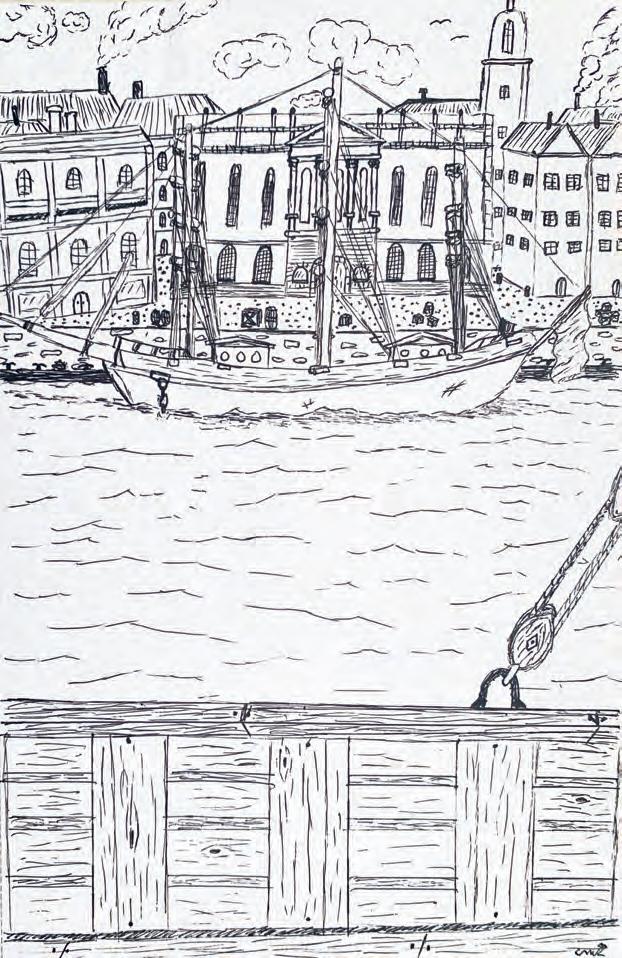
Charles Kraeuter, Untitled, Ink
Grace Smith, My Complicated Relationship with Recurring Dreams
I have always been a wild sleeper, someone who sleeps “well” but wakes up with my bed looking like it was on the losing side of a fight. I kick, toss, and turn, all night long, but I had never noticed because I was happily asleep. However, within the last year I have been met with an opponent almost every night, one of my three recurring nightmares.
The first of my recurring dreams starts with me driving a car, the type varies, but two things are concrete, I am always driving and in a rush. Then all of the sudden I crash. Depending on the night, I may: fall off a bridge, drive into the garage, or back into another car. No matter how horrific the accident is, the dream always ends the same. I walk home ashamed and I have to tell my parents what has happened. This dream is scary, but easy to escape once I wake up, and I realize it's truly over and I was not driving.
Another dream I experience quite often is the “running late” dream. This dream typically finds me before big events or tests. I run through my house stressed to make it to whatever event or test I have, but I end up arriving too late. My friends or teacher shame me, and I leave feeling completely defeated. These particular dreams typically come in multiples; I have one, I wake up (relieved that it wasn’t real), and go back to sleep just to be met with another variation of the same situation, leaving me mentally and physically exhausted.
Lastly, my most horrific dream, the dystopian nightmare. This nightmare plagues my sleep with the most intensity. These dreams vary in location and situation, but one thing is always concrete: I am in a terrible situation faced with two options, death or escape. Set in some sort of arena, jungle, school shooting, or hotel with endless floors, I find myself scared to death, with a group of people trapped in the same situation. Often I am the only person who seems to understand the urgency of this situation, which is we have to get out now or we will die. Though on occasion I am met with someone who understands the exigence of escape. These dreams consist of running through halls, hiding in corners, lying to my enemies, and occasionally being shot. I have never died in these dreams, and sometimes I even escape, but I am never fully out of the woods as someone is always hunting me down as I run away.
I don’t know what started these dreams, but now that they have started I haven’t found the end. I go to sleep confident every night that I will sleep peacefully, not met with car wrecks, missed tests, or the threat of certain death. But, often I’m wrong. I don’t know what these dreams mean or how to get rid of them, I have tried everything I know but I have yet to cure them. I hope that even if they won’t go away, one night I can at least drive the car safely, make it to the test, or escape from whatever hellscape currently plagues dreams.
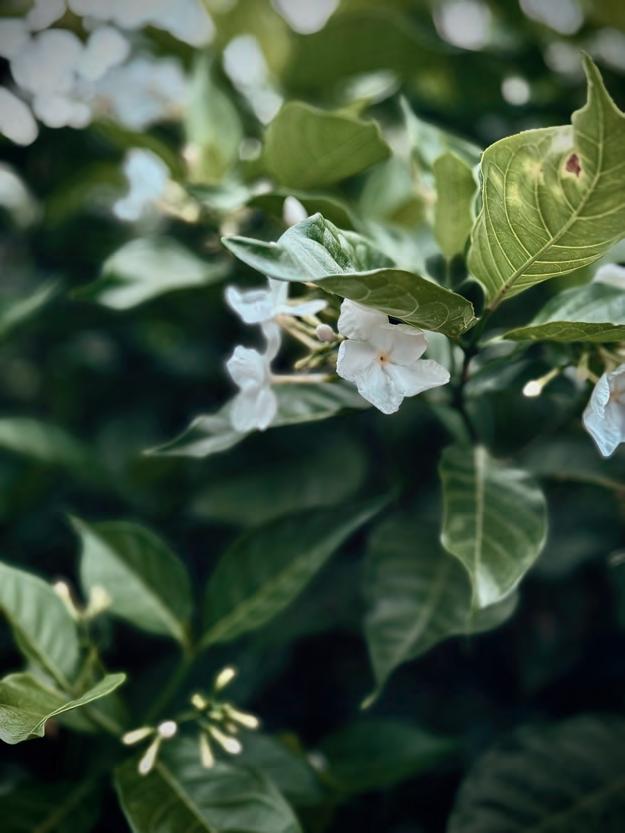
Ivan Lin, Musk Therapy, Photography
O’ Chocolate, you beautiful soul, Coming in so many forms to make me whole–White, dark, and milky sweet, You’re the comfort I always need to eat
Melted over strawberries and cake, Baked into brownies I love to make, Swirled in Moose Tracks to my delight, Or a Reese’s cup on a lonely night.
When I’m in need, I know there's more, I merely reach to my right and open the drawer. If it’s gone, I don’t need proof Crouched in the pantry, guarding the truth. My brother found my stash I hid once more Can’t tell my parents, I’ve been lectured before.
You were there when cramps made me cry, A warm mug of cocoa, my sweet lullaby. When my boyfriend said we were through, I found solace in every bite of you. Through every season, every fall, Chocolate, you’re my remedy through it all.
Mathieu Garrett, Diary of a Buddhist Monk 2026, Narrative
I spent the morning cleaning the meditation hall, but my mind was not as clear as the floor. I felt a small, persistent digital itch in my mind that needed scratching. I finally caved and reached for the small black rectangle, which I had been gifted by a tourist. I keep it in my kitchen in a spot not easily accessible to help avoid the temptations. It is a tool, not a master, but even a tool can become a heavy burden if too important to oneself.
I checked the news for ten minutes. This is my limit. In the modern era, some teachers suggest that while a monk can use technology to spread the Dharma, they must be careful not to become a slave of technology like most people today. With only ten minutes, I see the risk. The screen is like a portal that transports you to the world’s suffering. If I took too long, I started to believe the portal was the only reality.
The headlines are full of the conflict between Iran and America. My heart sank as I read about the movements of ships and the threats of escalation—the worst of it being the death of innocent school children. As a monk, my first vow is non-harming, a commitment to peace that rejects violence in all forms, so this is deeply troubling to me.
I felt a surge of sorrow for the people in both lands. From a Buddhist perspective, peace is not just the absence of war; it is a peace that requires a transformation of daily living and the reduction of greed and hatred in the human heart. I whispered a prayer for the leaders, that they might find the Metta or loving-kindness needed to see their enemies as human beings who also fear death and value life.
I put the phone back on the shelf. I had to consciously resist the urge to refresh the page, even for a monk of my level of spirituality. The anxiousness to see if anything had changed in the last sixty seconds was irresistible, but I had to decline it. This obsessive mind is what keeps us trapped in Samsara. Instead of feeding the anxiety, I went to the garden to pull weeds, which eased the anxiousness in my mind.
I am not ignoring the world. I am simply refusing to let its charos become my chaos. As one teacher said, we must learn to consume the news mindfully, using the information to enlarge our compassion rather than our anger. If I am at peace, I can offer a stable heart to the world. If I am filled with the same rage as the headlines, I have nothing to give other than more anger.
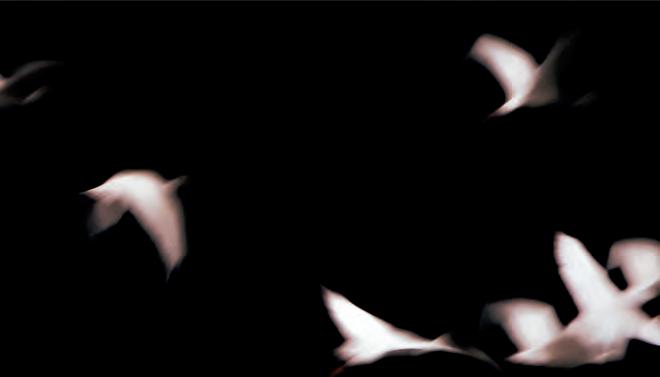
Matilde Robbe, In Flight , Photography
Jordyn Moran, A Great Rain, Poetry
All the windows rattled with harsh, great rain
The sky’s clouds paint a canvas of dark despair
With cicadas humming their joyous refrain
These dark storms yell their beauty seems only fair
The rain washes the smothering heat away
And I, too, leave my sorrows behind Oh, how I dream all year of such a day
If only these were common, I would not mind
The sunrises with beams that shine so bright
I gaze upon this night, it soon will pass
Moon, you arrive late, leave so soon, I feel no fright
These feelings, treasured like sacred glass
How just you, dark storm, makes my summers shine
When in doubt, I think of you, and I’m fine
Lucy Morrison, My Farm, Poetry
Peach Sunset in the distance
Warm, july night
Rye grass sways with the wind
Dogs prance and twirl like fairies
Driving on tractors
Planting many seeds of corn and beans
periwinkle, violet, and bright kelly green
Hydrangeas bloom and stand proud
Soaking up the summer rain showers
Bonfires at dusk
Friends surround the flame
Mushy smores fill our mouths
There’s nowhere else i’d rather be
Mallard Ducks quack and fly
Around the herons looking shy
Fireflies illuminate and buzz
Drinking lemonade on my grandparents porch
Night blooming jasmine fills my nose
Stories shared and laughing
Horses tails swaying in the field
I want to keep this moment forever
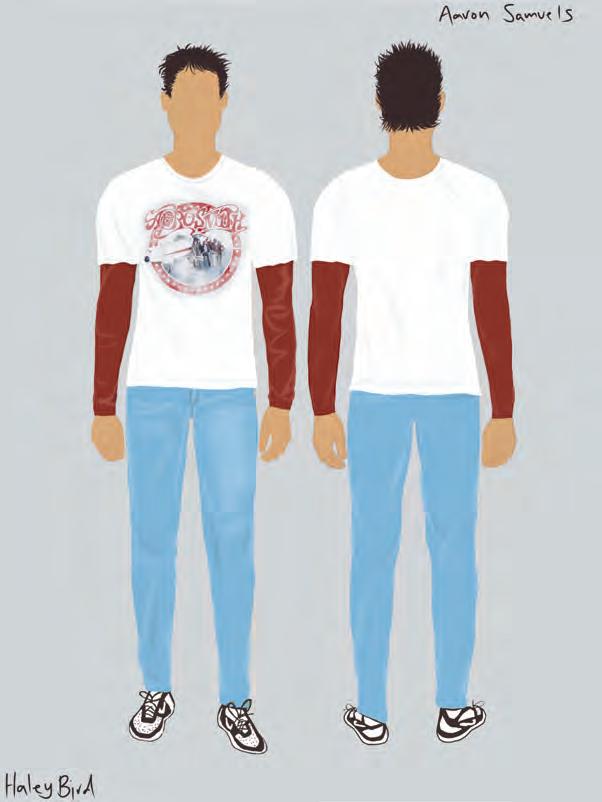
Haley Bird, Aaron Costume Design, Digital Drawing
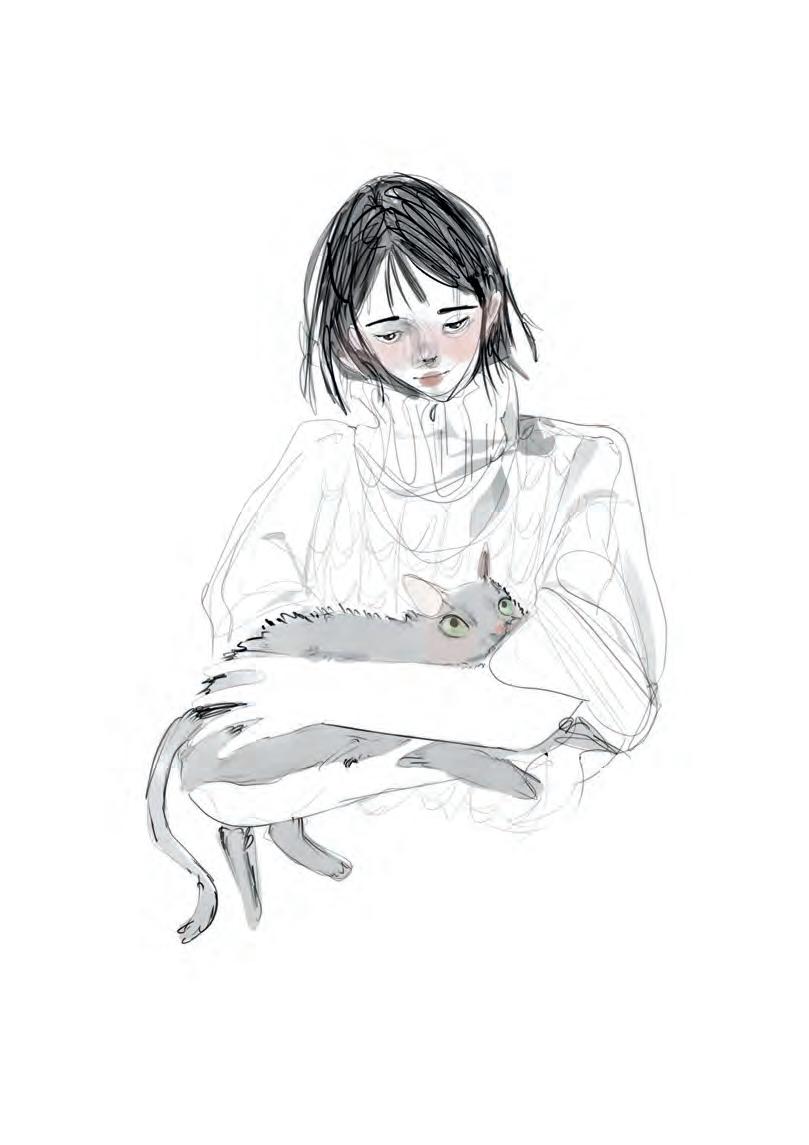
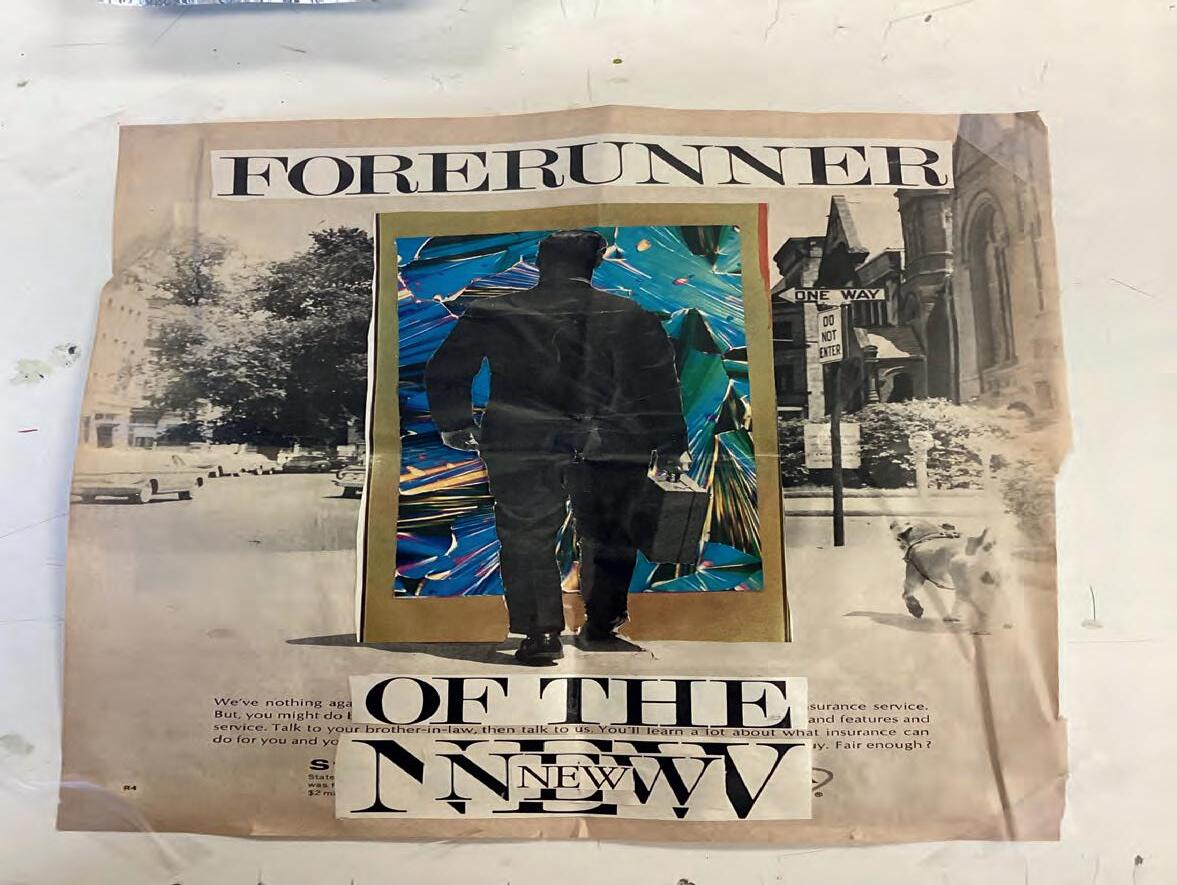
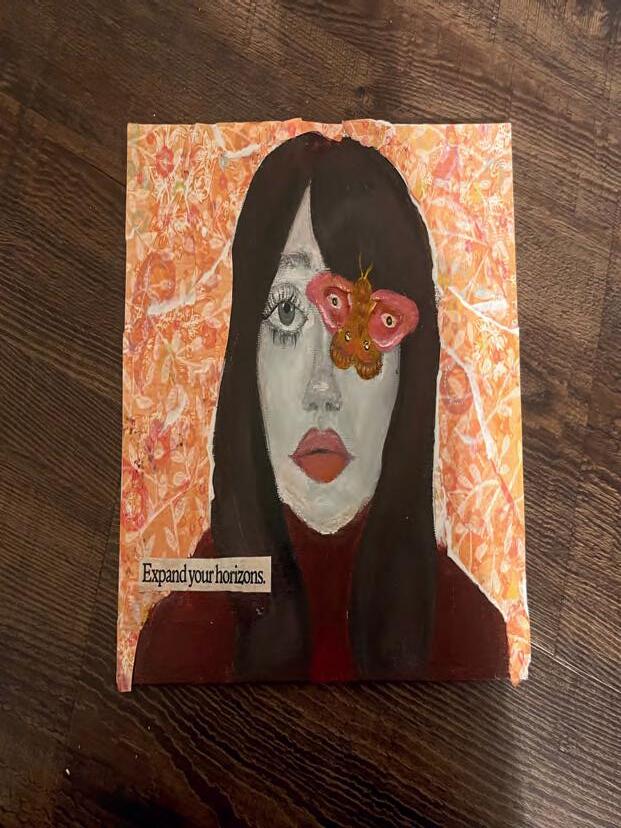
Charlie Williams, Look For The Light, Mixed Media
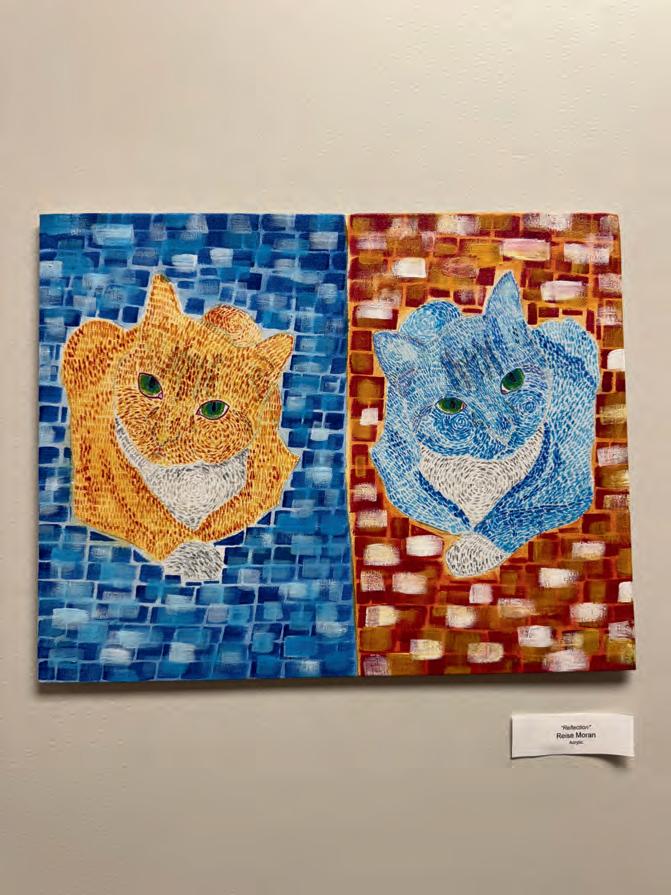
Where do you find inspiration?
I find some of my biggest inspiration through the people in my life. Though they aren't directly translated onto a canvas I often create art that is for them, reminds me of them, or to make them proud. I have been so supported in pursuing art that my friends and family continue to inspire me through numerous ways.
Who are your biggest artistic influences?
My biggest artistic influences are my classmates and my teacher. I love seeing their creativity and oftentimes they help me with my own pieces. The art room is one of my favorite places to work as I am surrounded by people with the same intentions of creating something with a purpose.

Why do you think art is important to society?
I think art creates beauty in society. It provides a space to escape the anxiety and problems of today and put effort into making something intentionally special and pleasing to you. Everyone's idea of "beauty" may be different, but that's part of the beauty of art as the diversity in opinion creates works for all kinds of people.
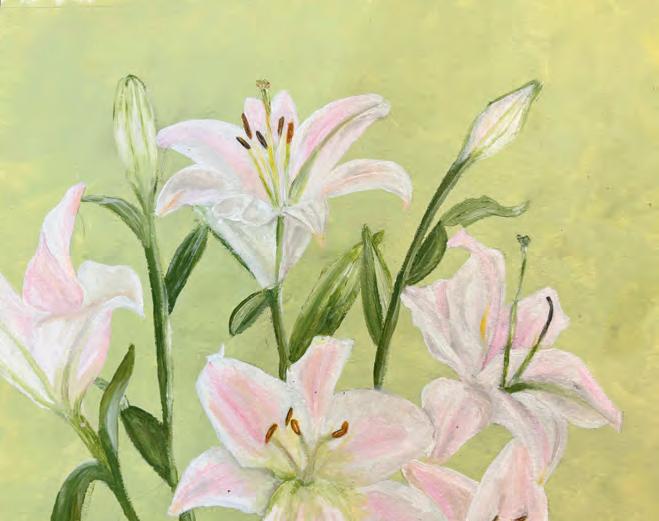
Grace Smith, Florals, Acrylic Painting
Jad Danawi, Ode To Elephant, Poetry
O! Mighty creature, King of lands! The Earth rumbles in your presence, And the animals gather around you.
O! Giant traveller, you move like spirit in the wind, Though you are a giant soul passing through, And your vast shadow moves through the night.
O! Beautiful beast, your skin is as tough as steel, But your heart is warm as the sand. Verily, you are the King of the animals.
O! Great hearer, your ears are giant machines, Carefully listening to the lands, and keeping yourself cool. Your existence is powerful, King of the animals.
O! Fearsome warrior, your tusks that whisper ancient caliber, But sharp and fearsome as they are, tusks useful for your sustenance. The King of animals is one who is sufficient.
O! Peaceful mammoth, the birds take refuge on your back As you wade through the great watering holes. The King is one who is amicable with the animals.
O! Great creature, King of lands! You are the mightiest placement of God on this Earth. O, eternal wanderer of the land, your presence humbles all.
I was not made of rigid angles, nor meant to look straight ahead I begin already bending, shaped by curves of my own desire. The shortest path waits across the page, like an unguarded gate It does not hesitate. It does not designate. It waits, and waits, I measure the space between us. I align myself with its edge. I try to follow it. But I tumble, to the right, to the left, I stumble. I want to follow it. But the closer I get, the more I arc away to the left, to the right, I stumble.
There are words I meant to reach you with, points I ache to say. Unmarked, they remain. or so I think. or so I hope.
Josefina Chiozza, Ode to Strawberries, Poetry
Strawberries, Your perfect ruby skin, Freckled with yellow dots gifted by the sun, And so yummy, within.
Your colors are so vibrant, so fun, Strawberries are so perfect, they always have been. The stem is as vibrant as an emerald gem, and so perfectly curated, So elegantly swifting in the wind, And the scarlet skin is so perfectly embeded.
If only you could see your beauty, if only you weren’t blind. Your elegant crimson outline, Which is too perfect to eat, Gleems and glows in the sunshine, Taking in the heat.
If only you could see your beauty, if only you weren’t blind.
Why is it that you can’t see your beauty, Why is it that you are color-blind?
If you had eyes, You could see your beauty, And then maybe you could realize, That this world is not full of agony I wish you could see your true colors, I wish you could see yourself for who you truly are, Before it’s too late, and you are made into marmalade, And be put into a jar.
Maybe something has been mean to you, Maybe it’s mankind, But I hope this feeling doesn’t last forever, And I hope you can eventually forgive those who have been unkind.
Where do you find inspiration?
Specifically, this year, I have found a lot of inspiration from my Literary Savannah Teacher, Mrs Floyd.
Who are your biggest literary influences?
For this specific short story, I would say Flannery O'Connor. In general, I'd probably say either K. L. Walther, or F. Scott Fitzgerald, specifically for his writing for "The Great Gatsby."

Why do you think literature is important to society?
I think that literature, reading, and writing are important because they help people grasp different perspectives and build empathy. They provide the world with an alternative way to communicate ideas clearly, whether through education, creativity, everyday interactions, etc. They also help to preserve history and culture while encouraging people to carefully learn about, and see the world through different perspectives.
The first time Clara Whitmore saw the plantation, it was veiled in mist. Spanish moss hung like funeral veils from the oaks lining the road, the air heavy with the perfume of rot and magnolia. The iron gates creaked open at her touch, reluctant as if disturbed from a long slumber, revealing the house that had waited for a century to be seen again. She stepped from her car, boots crunching on gravel that disappeared into moss and shadow. The sign by the drive was unreadable, letters eaten away by time. She whispered the name she’d given in her proposal: The Whitmore Estate, though the locals had another name for it; something older, whispered with a chill: The Blackwood Plantation. It was supposed to be her saving.
After her mother’s death, Clara had lost her job at the museum in Atlanta, her focus unraveling beneath the grief. Restoring the plantation was her attempt at purpose, a way to reconnect with her mother’s Southern roots to rebuild something instead of burying it.
But as she stood there, staring at the cracked columns and sagging roof, she couldn’t shake the feeling that the house was watching her back. Inside, the air was cool and damp, laced with mildew and something metallic. The grand hall was lined with portraits, their painted eyes following her as she passed; ladies in ivory gowns, men in coats with bloodred ascots, all with the same unsettling beauty. She brushed dust from a brass nameplate beneath one: Evangeline Blackwood, 1857.
The woman in the portrait could have been Clara’s twin. The same delicate jaw, the same dark eyes. Even the slight upward tilt of her smile was identical, familiar in a way that made Clara’s stomach churn.
***
“Must’ve been the inbreeding,” Marcus had joked when she showed him the photo later that night over dinner in Savannah. Marcus Grier, historian and local folklore expert, had agreed to help her research the Blackwoods for the exhibit she planned to build. “The Blackwoods were notorious,” he’d said. “Richest family in Savannah until the war. But there were rumors; parties that went on for days, strange rituals out in the chapel by the marsh after sundown. When the slaves revolted, the house went up in flames. They said Evangeline and her husband never made it out alive.”
“Yet the house still stands,” Clara said. Marcus Shrugged. “Maybe some things don’t know how to die.”
***
By the third week, the restoration crew had quit. “Tools gone missing,” they said. “Cold spots. Voices.” Clara didn’t believe in ghosts. But she did believe in memory, and she knew old houses remembered things. So she worked alone, cataloging what was left behind. That was when she found the old cellar. Beneath the warped dining hall floorboards lay a narrow stairwell that descended into darkness. She followed with a flashlight, dust motes swirling like ash in the beam. At the bottom, behind a pile of broken furniture, was a trunk; oak, banded in rusted iron, and bound with a heavy chain that had long since snapped.
Inside was a leather journal. The pages were warped, stained, and faintly sticky. The writing shimmered under the light. A deep brown-red that looked disturbingly like dried blood.
“July 3rd, 1864,” the first entry read in a script. “The war steals everything from us: beauty, time, youth. But we have found a way to survive. He promised us eternity, and I have drank from his vein as he from mine. The blood sings beneath the moss.” Clara slammed the book shut. The cellar seemed to sign, a soft exhaling moan that rose from earth itself. When she turned to leave, she could’ve sworn the air grew colder.
That night, she woke to the sound of a woman weeping through the walls. The sobs were soft, rhythmic, like breathing. When she stumbled to the mirror, heart pounding, she saw her reflection smiling back–though her own lips had not moved.
Moss crept over the windowpanes from the outside, tendrils pressing like fingers against the glass. The portraits on the wall seemed to shift when she looked away. Evangeline’s painted eyes growing darker, her smile widening ever so slightly. Clara found handprints on the banister, small and blood-dark, and once, a whisper in her ear as she passed a mirror: “Welcome home.”
She told Marcus. He came the next morning, skeptical but intrigued, and brought his laptop. “You said you found a journal?” he asked, setting up in the parlor. “Maybe we can cross-reference some names.” They spent hours reading the entries aloud. Each was worse than the last. Evangeline’s words grew hot, obsessive; “the thirst that never ends, the feast beneath the storm, our blood eternal in the roots.”
A silence fell over them. Marcus looked pale. “That chapel she mentioned, it’s still standing. Out by the marsh. Locals say no one goes near it.” Clara nodded slowly. “Then that’s where it ends.” ***
The storm came that night, it was sudden and violent. Thunder rolled across the marsh, and the house shuddered with every gust of wind. The rain fell like static against the windows. Marcus has insisted on staying, refusing to leave her alone. “Whatever this is, we’ll face it together,” he’d said.
But sometime past midnight, Clara woke to silence. She called his name. No answer. Then, a sound from the hall. A slow, dragging stumble, like wet feet on wood. She followed it, her flashlight trembling in her hand.
Marcus stood at the end of the corridor. His skin was gray, his eyes blank and glassy. “Marcus…” Clara shuddered. No answer, just a lifeless 1000 yard-stare. When he turned, she saw the twin puncture wounds on his neck, glistening with blood. He opened his mouth to speak, but no sound came out. Only blood. Behind him, figures emerged; pale, elegant, dressed in decaying adornment. The Blackwoods. Their faces were masks of beauty and ruin, their eyes glowing faintly gold in the stormlight.
Evangeline stepped forward. She was more “solid” than the others, her gown trailing moss and ash. Her voice was soft, almost tender.
“My blood remembers you, child. You carry it still.”
Clara stumbled back. “I’m not one of you.” Evangeline smiled, that same smile from the portrait. “You are of the Whitmores. Your great-grandmother was mine. The servant girl who took our ashes to hide. You’ve brought us home.”
The walls began to bleed. The portraits dripped red tears, the air thick with the scent of iron and decay. Clara felt dizzy, her vision swimming.
She looked to the closest mirror and turned her gaze toward her neck, faint red crescents bloomed along her neck. Bite marks. Evangeline reached out a hand. “We can make you whole again. You’ve tasted the past. Now, let it consume you.” Lightning split the sky. Clara ran.
The chapel lay half-buried in the marsh, its steeple broken, its doors chained shut. Clara broke the lock with an old iron crowbar, rain lashing her face. Inside, the pews were rotted to spongy pulp, and the altar was covered in mold. But beneath it, beneath the boards, was a stone slab carved with names: Evangeline. Nathaniel. Lucien. The Blackwoods.
She dug with her hands, mud and water soaking through her clothes. The storm outside howled like the dead were screaming. At last she found it; a small iron coffin, rusted and sealed with red wax. Inside was a gray heap of ash, streaked with red.
Behind her, a voice whispered, “Don’t.” Evangeline stood in the doorway, rain glistening on her skin. Her eyes were black mirrors. “You think fire will free you? It only binds tighter. Blood calls to blood, Clara. You are already ours.” The other Blackwoods appeared around her, faces flickering in and out of the dark candle flames. Clara struck the match. Evangeline smiled sadly, stepping closer. “We could have given you forever.”
“Forever looks like hell,” Clara said, and dropped the match. The coffin ignited instantly, the Blackwoods wailed, reaching out for Clara, while they burned out of existence. The chapel burned from inside. Clara stumbled into the storm, coughing, as the roof caved in behind her. The fire painted the march in red and gold–a sunrise of ruin.
When morning came, the plantation was gone. All that remained were the oaks and the moss, blackened and smoking. Clara wandered through the ruins, her clothes soaked, her body trembling.
At the edge of the pond, she bent to drink, her reflection wavering in the water. It was her face; tired, soot-streaked, alive. The reflection smiled. She didn’t. The smile widened, teeth sharp as glass. The water rippled crimson. Clara stumbled back, choking on a sob. Behind her, the wind carried a whisper–soft and melodious, almost amused.
“Welcome home, Evangeline.”
The stage erupted in a cascade of lights, pulsing vibrant pinks and electric blues that danced across the glittering floor. She stepped out from behind the satin curtains, the spotlight illuminating her glittery fishnets. The world seemed to hold its breath as her elegant sequins caught the dazzling stage lights like liquid fire, and layers of tulle swirled around her slender legs. The room erupted in awe as every glimmer of light refracted off her into a million tiny rainbows. Music pulsated through the air to the beat of her happy heart. The audience's applause rushed over her in waves, leaving her weightless, unstoppable, a sorceress of her own gleaming kingdom. Backstage, the air smelled of perfume, hairspray, and the sweet scent of showbiz. Here she was infinite.
And then–with a harsh jolt, the applause disappeared, replaced by the low rumble of a Chatham Area Transit bus. The holographic glow of sequins dulled into a lifeless, matte gossamer of hand-stitched fabric that sagged beside her. She pressed her forehead against the chilly window as Savannah streetlamps flickered past, the neon traffic signs mocking her with reminders of the muted claps from the bar that barely noticed her tonight. Her hands still carried the faint scent of cheap makeup wipes, the harsh chemicals clinging to her sensitive skin. Stubborn glittery eye shadow clung to her sunken eyes, but there was no sparkling ambiance, only the tired sway of the bus, the hum of the engine, and the hollow ache of a life on stage.
She closed her eyes and tried to summon the warmth of applause, but it slipped through her fingers like the fog of a smoke machine. But tonight, like so many before, she was just an aspiring queen in borrowed heels.
The bus finally hissed to a stop, and she slipped into the humid night air, heavy with the stench of marsh and the musk of pollen. The mossy oak-lined streets were nearly empty, and the gas lamps created thick shadows across the damp asphalt. She darted toward her house, a rigid, pale structure identical to all the others on the block.
With ease, she squeezed through a narrow gap in the bushes and slipped through an unlocked window. Inside, the house smelled of frankincense and disappointment, the ghostly echo of hymns lingering in the hallways. She slipped off her shiny heels, each rhinestone hand-glued, and tiptoed across the hardwood floor into her childhood bedroom. She winced as the sharp click of the lock echoed through the space, hoping not to wake her sleeping relatives. She tucked her sequin costume into the space above a loose ceiling tile in her closet, a secret trove of glitter glue and ambition. Hairpins, wigs, and ribbon were stashed meticulously, and soon she lay uncomfortably beneath an old quilt. The room was dim and silent except for the faint calls of an owl and distant traffic. As the clock struck midnight, she was officially twenty-one and tethered to her parents’ home, working in the familiar rhythm of her father’s church while her heart pranced in secret.
Morning came sharp and bright, slicing through the muggy June air. Her father's stern voice boomed down the hall: “Trent!” She groaned and reached for a stiff, pastel buttonup wrinkled on her bedroom floor. The fabric was boxy and unflattering against her frame, making her feel she'd just tugged on an ascetic, divinely approved uniform. In it, she looked dull and obedient, like Simon Peter himself could’ve designed it if he were allergic to individuality.
As she walked out the door, she caught her reflection in the mirror, examining her short, flat hair and tired eyes. The vibrant queen she had been hours before had dissipated and reduced to the bitter shadows of conformity. Savannah’s sunlight filtered through the blinds, illuminating her intangible dream of drag beyond the confines of church, expectations, and quiet judgment.
The temple smelled of polished prayer benches and devotion. Trent moved through the pews in silence, straightening hymns and dusting off kneelers with rehearsed precision. Her father, Pastor Grey, hovered sternly nearby, offering nods of approval to passing members of his small church on Waters. The congregation filled the room quietly, repeatedly folding their hands for prayer. But Trent’s itched for bright lights and lipstick– anything other than the beige life of a pastor’s son on Sunday service. Months had passed in this suffocating routine. She forwarded every paycheck, tip, and loose change she gathered from the floor around the church donation box towards freedom, towards New York.
After every service, she secretly prayed for the brilliance of the big city that made the marketable, occult graveyards of Savannah seem like a distant memory. She longed for a life where Spanish moss didn't curl around her like Devil’s Snare, torturing her with her father's religious babblings. But one afternoon, the scrutiny of discovery pounded her like a hammer. Her father’s serious tone echoed through the halls, his eyes locked on the loose ceiling tile. Colorful wigs, eyeshadow pallets, and coins were scattered across the marker-stained carpet, sprawled out like a confession spelled out in mascara. His voice cracked like a whip on an ox, each word saturated in disbelief. “Why don’t you understand the devotion we owe? The responsibility to live for God, not to idolize frivolity?”
The words ricocheted around the room, Trent’s enraged heart fractured under the unbearable weight of honesty. Without thinking, she seized the only world that ever felt like theirs and began to destroy it. Palettes were shattered into dust, sending clouds of colorful pigment into the air that settled in the matted carpet. She started hacking off long, beautiful locks from the colorful synthetic hair that had carried her through so many nights of rejection. Brushes splintered in her hands, snapping with the brittle sound of broken dreams. Foundation bottles burst under her grip as she sobbed, spilling oily peach across her plain church uniform like a bloodied battlefield. The wreckage wasn’t just destruction; it was the violent dismantling of the one truth she knew: she would always be a disappointment in drug store makeup.
Her bedroom trash can transformed into a glittery grave, sequins glimmering weakly at the bottom. Trent’s hands shook as she threw in the last of her lashes, tiny lifelines to a dream under city lights. She collapsed to the color-packed floor, eyes stinging with tears and specks of holographic glitter that mocked her with cruelly lost ambition. The only light she’d clung to had burnt out, leaving nothing but a life unfulfilled.
Days passed in a dull haze, and Trent moved through her father's church like a ghost, polishing pews and reciting hymns with a hollow mouth. But one sticky summer night, she roamed through the sweltering streets of downtown, hoping to drown her sorrows in a bottle under the draping moss. The colorful flashing lights of Club One caught her eye, brightening the dim street as a performer serenaded the crowd with the sweet melody of a Whitney Houston classic. The pungency of jasmine and booze masked the rot of the marsh all along Jefferson Street, luring her in.
Inside, she met them– the five men stitched from the starlight itself. Vantoni Palowski, with his kind smile and charming laugh, draped an arm around Trent like they’d known each other forever. Stan Lance, who quickly reminded her to fashionably tuck in the front of her shirt for an effortlessly chic effect. Quaramo Black radiated the wisdom of a preacher with the gentleness of a friend, reminding her of her sparkle. Dobby Derk’s kindness filled the room, encouraging her to build a life where she was accepted.
And finally, the vibrant attitude and perfectly groomed facial hair of Johnavan Tan Fess could illuminate a disco ball in complete darkness. Together, they were living proof that being different could be fabulous. It was Johnavan who pressed a tube of lipstick into her palm, “This is your color, honey,” he exclaimed over the applause of the crowd. “Big Apple Red,” the color bled deeply bold and unapologetic, the exact shade of a dream. The fierce fire of the gloss was more than makeup; it was a torch. She twisted open the cap, and the scent of wax and cherry flavoring rose sharply out of the tube as she smeared it across her pale lips. It was as if Savannah instantly lit up, the streetlights became spotlights, and the shimmer of the Savannah River transformed into a holographic glow, announcing her rebirth. And on that humid night, surrounded by five fabulous men and that one other guy, Jeremiah Brent, Trent booked the one-way flight to New York she’d yearned for.
The satin curtain parted, and Celestia Starling emerged radiantly from the shadows. Sequins dripped down her body with the vibrance of molten lava, her long curly hair swaying as she twirled. The vibrance of her lips attracted the eyes of the audience, and the room filled with applause like the roar of subway trains surging beneath the streets. The glow of Times Square only echoed her dazzling finale, finally free from a life lived in loose ceiling tiles.
On stormy nights off the coast of Tybee Island, locals whisper of the Wraith of the Lightkeeper, a ghostly apparition said to haunt the ole lighthouse. Long ago, Elias Grange, the devout keeper of the lighthouse, vanished during a superstorm after refusing to abandon his post. When the storm cleared, the lighthouse stood firm, but Elias was gone. Fishermen soon reported seeing a towering figure with barnacle-covered skin and a lantern glowing within its chest, skulking the shoreline. His mournful wails echo through the fog, guiding the lost sailors to safety, or luring the greedy to their ruin. When lightning flashes, his silhouette appears at the top of the lighthouse, turning its beam toward ships that should never have seen the light. Some say his lantern burns with the souls of those he could not save, its eerie glow pounding like a heartbeat in the mist. Others claim they’ve seen his shadow wandering the beach at dawn, searching endlessly for peace he’ll never find beneath the waves that claimed him. To this day, islanders leave a lit candle by the shore whenever storms roll in, hoping to subdue the restless Elias Grange and keep his lantern from shining upon them.


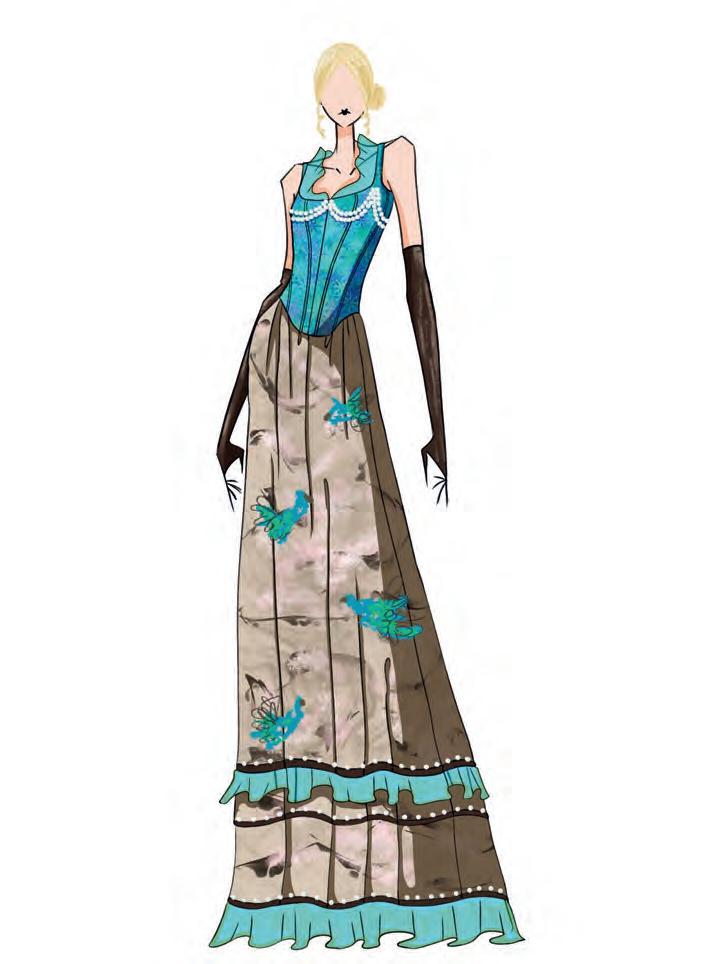
Daniel Engle, Fashion Sketch, Digital Drawing
Everyone's idea of "beauty" may be different, but that's part of the beauty of art, as the diversity in opinion creates works for all kinds of people.
-Grace
Smith, Class of 2027