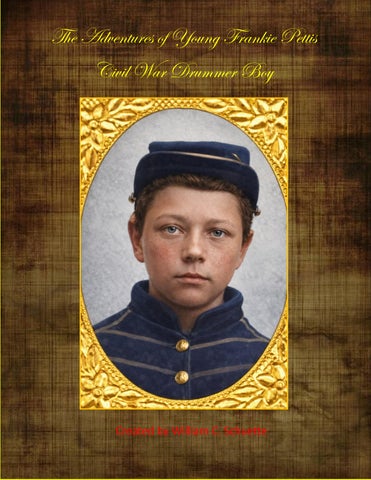

The Adventures of Young Frankie Pettis Civil War Drummer Boy
Created by William C. Schuette
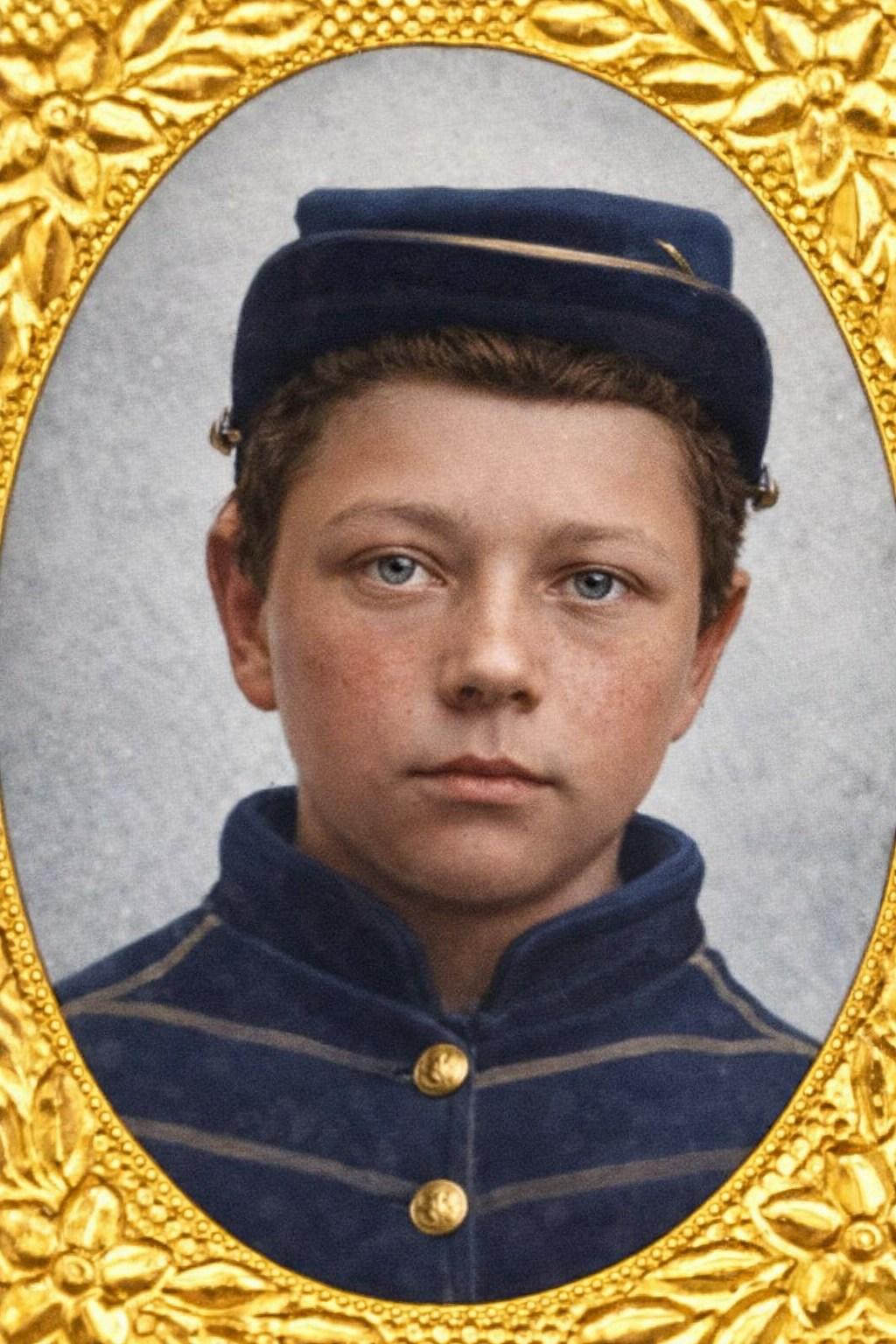
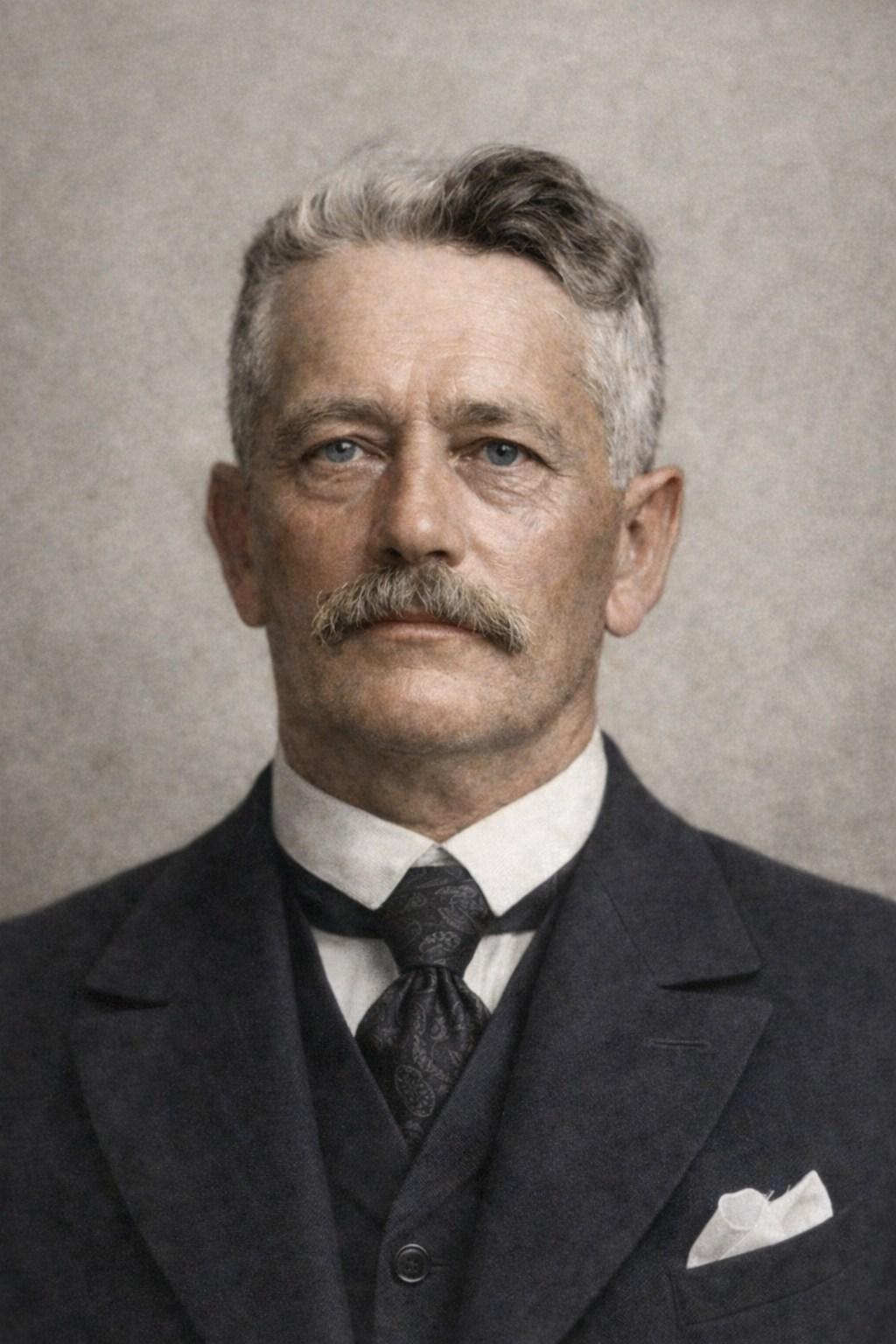
The original images on the next page have been colorized to help modern viewers connect more easily with the past. Adding realistic color can make historical scenes feel more immediate and relatable, highlight details that are harder to see in black-and-white, and support education, research, and storytelling while preserving the original image as a historical record.
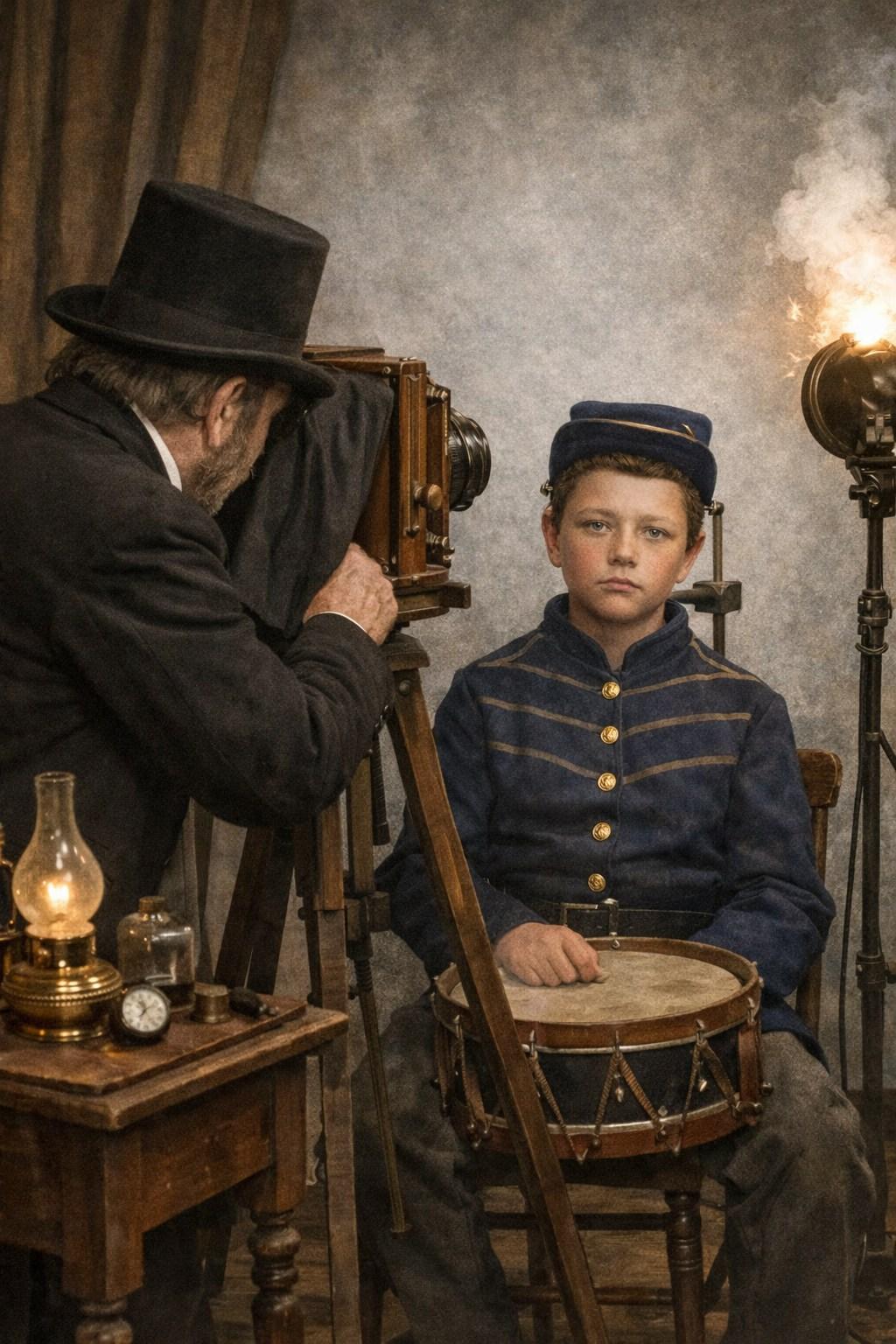
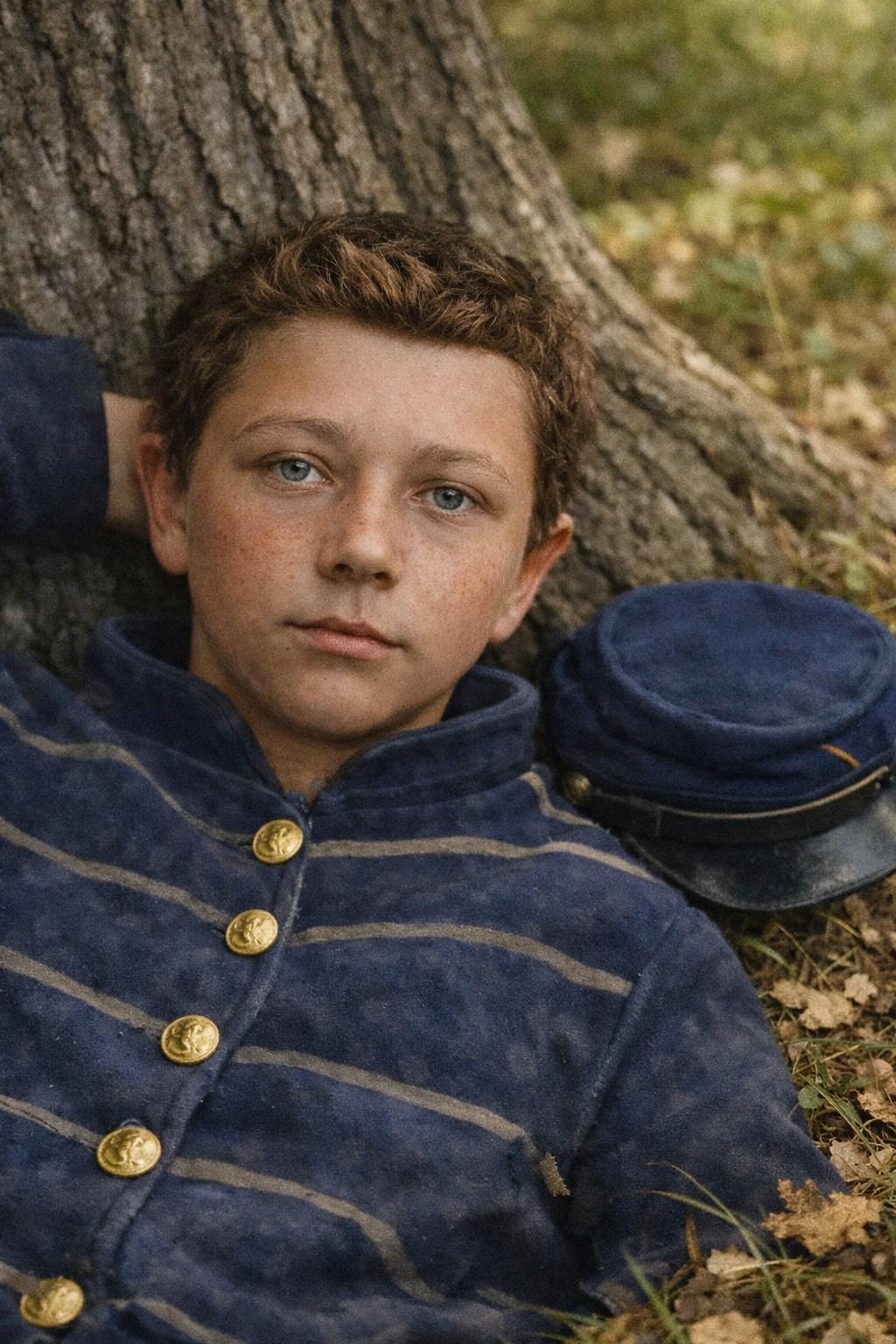
All the additional images in this publication are theoretical reconstructions of original images, based upon what a young drummer boy’s day might have been like. Images processed through Chat GPT.
Copyright 2026 All rights reserved
William C. Schuette
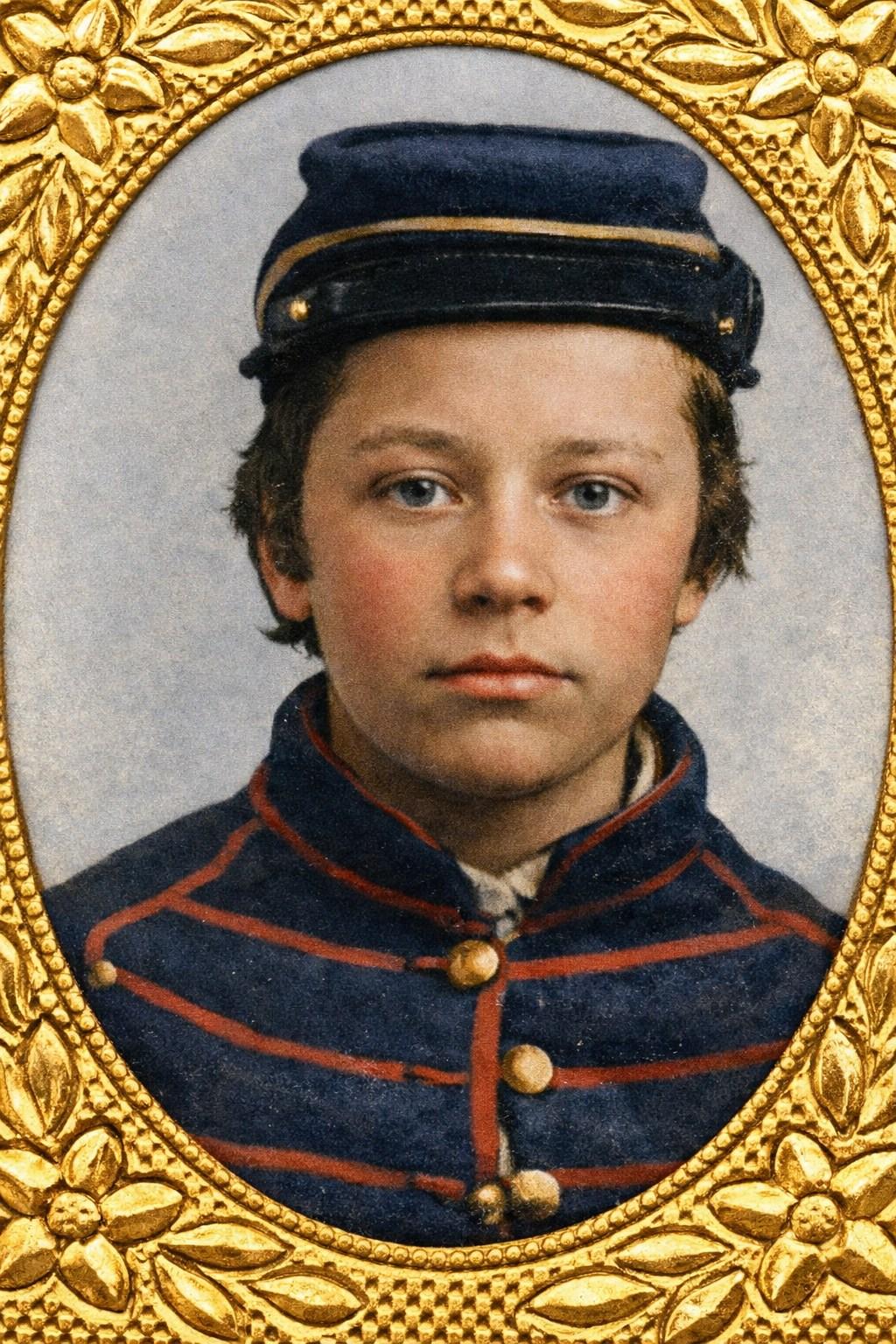
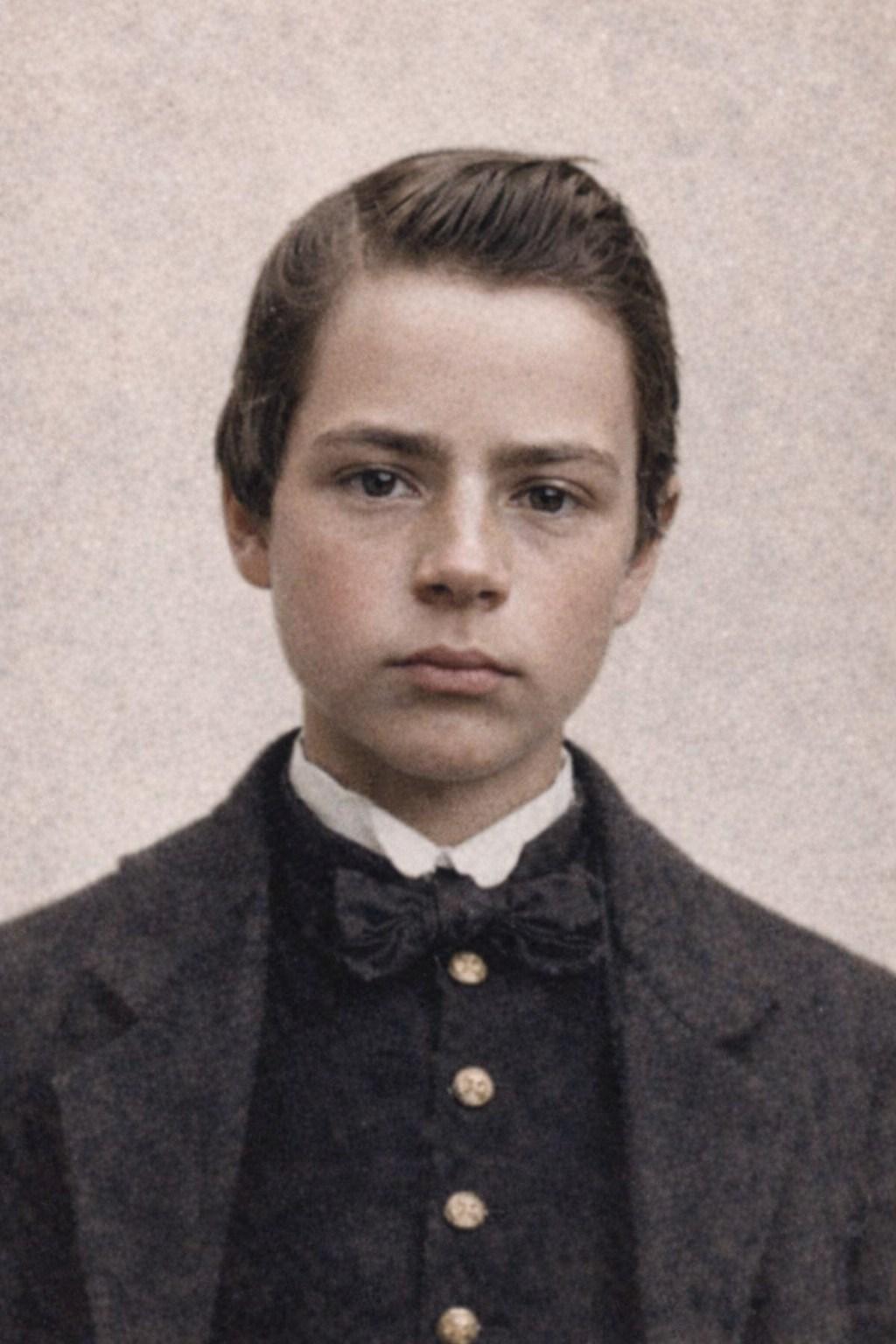
Frank Pettis 12 years old
Frank Pettis 14 years old
Frank Pettis 16 years old
Frank Pettis 65 years old
This publication is a historically grounded theoretical reconstruction based on what is known about Union drummer boys, Civil War camps, and typical soldier routines in 1861–1865.
Theoretical Daily Life of 13-Year-Old Union Drummer Boy Frank Pettis
At thirteen, Frank Pettis would have been one of the younger members of a Union regiment, but not unusually so. Drummer boys were often between about 12 and 16 years old. While they were not front-line fighters, they were fully part of army life and experienced many of the same hardships as adult soldiers.
Morning: Reveille and Camp Chores
Frank’s day likely began before sunrise. The drummer boys were responsible for signaling Reveille, the drum call that woke the entire camp. He would have:
• Slept in a canvas tent (possibly a Sibley or wedge tent)
• Woken cold, especially in winter months
• Played drum signals on command from officers
• Helped with small chores like:
Carrying water
Gathering wood
Cleaning camp areas
Helping cooks or quartermasters
Breakfast was usually simple:
• Hardtack
• Salt pork or bacon
• Coffee (often very strong)
Midday: Drill, Messages, and Camp Life
During the day, Frank’s main duty was communication. Drums were the regiment’s “PA system.”
He would have played signals for:
• Assembly (gathering soldiers)
• Drill calls
• Meal times
• Fatigue duty (work assignments)
• Lights out at night
When not drumming, he might:
• Run messages between officers
• Carry small supplies
Help medical staff during or after battles (some drummer boys assisted surgeons)
Afternoon / Downtime: Games and Recreation
Despite the harsh conditions, soldiers and boys still found ways to relax.
Frank might have played:
1. Card Games
Very common in camp:
• Euchre
• Poker
• Brag
2. Dice Games
Often simple gambling games using bone or wood dice.
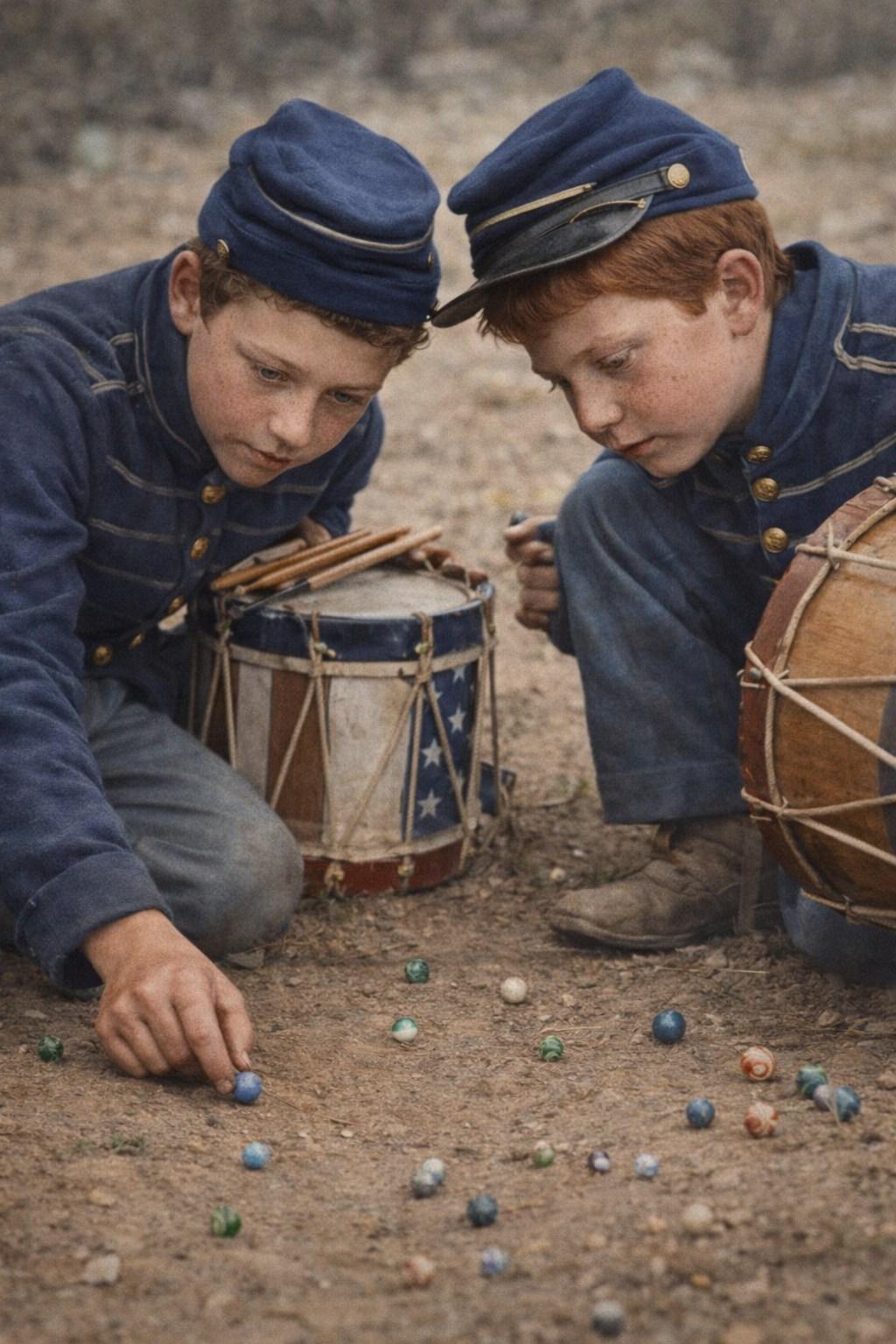
3. Marbles
Younger soldiers and musicians sometimes played marbles if they had them from home.
4. Ball Games (Early Baseball Forms)
By the Civil War, baseball was spreading quickly. Soldiers played:
• “Town ball”
• Early baseball rules (New York or Massachusetts rules)
5. Music and Singing
Drummer boys often:
• Practiced rudiments
• Played for entertainment
• Sang camp songs with soldiers
Evening: Letters, Stories, and Homesickness
Evenings were quieter but emotional.
Frank likely would have:
• Written letters home by lantern or candlelight
• Listened to older soldiers tell stories
• Read if he had books or newspapers
• Thought about family and home life
Homesickness was extremely common, especially for boys his age.
Hardships He Would Have Experienced
Physical Hardships
• Marching long distances
• Poor weather (mud, rain, snow, heat)
• Limited bathing
• Lice and illness in camps
Emotional Hardships
• Seeing wounded soldiers
• Hearing battle sounds even if not fighting
• Losing friends to disease (the biggest killer in camps)
Food and Treats (If He Was Lucky)
Occasionally Frank might have gotten:
• Fresh bread from locals
• Apples or fruit
• Pie from civilians near camp
• Extra rations when supply was good
How Soldiers Likely Treated Him
Many soldiers were protective of drummer boys. They often became:
• Mascots for the regiment
• “Little brothers” to older soldiers
• Helpers to sergeants and officers
But he still would have been expected to work and behave like part of the unit.
A battle day for a drummer boy was one of the most intense and frightening experiences he could face. While he usually did not fight with a rifle, he was still very close to danger and chaos. A 13-year-old like Frank Pettis would have experienced a mix of military duty, fear, noise, confusion, and moments of waiting.
Before Dawn The Tension Before Battle
If battle was expected, camp would wake early often before sunrise.
Frank likely would have:
• Eaten quickly (hardtack, coffee, maybe pork)
• Checked drum cords and drum head tension
• Stayed close to the regiment musicians and drum major
• Heard officers giving serious, quiet orders
Many soldiers became very quiet before battle. Some prayed. Some wrote last letters home.
Frank would have sensed fear even if no one said it out loud.
March to the Battlefield
Drummers often played marching rhythms as regiments moved into position.
He might have:
• Marched near the front or center of the regiment
• Played cadence to keep soldiers stepping together
• Seen artillery being moved forward
• Heard distant cannon fire getting louder
At this stage, excitement and fear mixed together.
When Battle Started Noise and Confusion
Once shooting began, drums became harder to hear. Smoke from black powder could make it hard to see more than a short distance.
At this point, Frank might have been ordered to:
1. Stay With the Regiment Musicians
Often moved slightly behind the main firing line.
2. Carry Orders or Messages
Fast boys were sometimes used as runners.
3. Move to Aid Stations
Many drummer boys helped:
• Carry water
• Help stretcher teams
• Assist surgeons by holding lamps or bringing bandages
Some drummer boys still played signals early in battle, but once fighting got intense, communication was mostly by officers shouting or bugles
What He Would Have Seen and Heard
This was often the most traumatic part.
Sounds
• Muskets firing in volleys
• Cannon blasts shaking the ground
• Men shouting and screaming
• Officers yelling commands
• Bullets hitting wood, metal, or earth
• Sights
• Thick white smoke clouds
• Men falling wounded
• Horses injured or panicking
• Flags moving forward or falling
For a 13-year-old, this could be overwhelming.
Mid-Battle Helping the Wounded
This is where many drummer boys became extremely important.
Frank might have:
• Carried water to wounded soldiers
• Helped move wounded to field hospitals
• Held lanterns in dark or smoky conditions
• Helped calm frightened or dying soldiers
Some drummer boys later became famous for bravery doing exactly this.
After the Fighting Stopped
The battlefield did not become peaceful just quieter.
Frank might have:
• Helped search for wounded men
• Helped bury the dead
• Helped gather dropped equipment
• Sat in shock, exhaustion, or relief
Many soldiers cried after battle from grief, stress, or pure exhaustion.
Night After Battle
That night was often:
• Very quiet
• Emotionally heavy
• Full of whispered conversations
• Full of letter writing
Frank might have:
• Cleaned blood or mud off his drum
• Written home (if he could)
• Slept very deeply or not at all
Emotional Reality for a Boy His Age
Even if protected by soldiers, he still would have:
• Felt fear of death
• Seen things no child normally should
• Formed very strong bonds with soldiers
• Matured very quickly emotionally
Many Civil War drummer boys said later that battle days felt like weeks packed into hours.
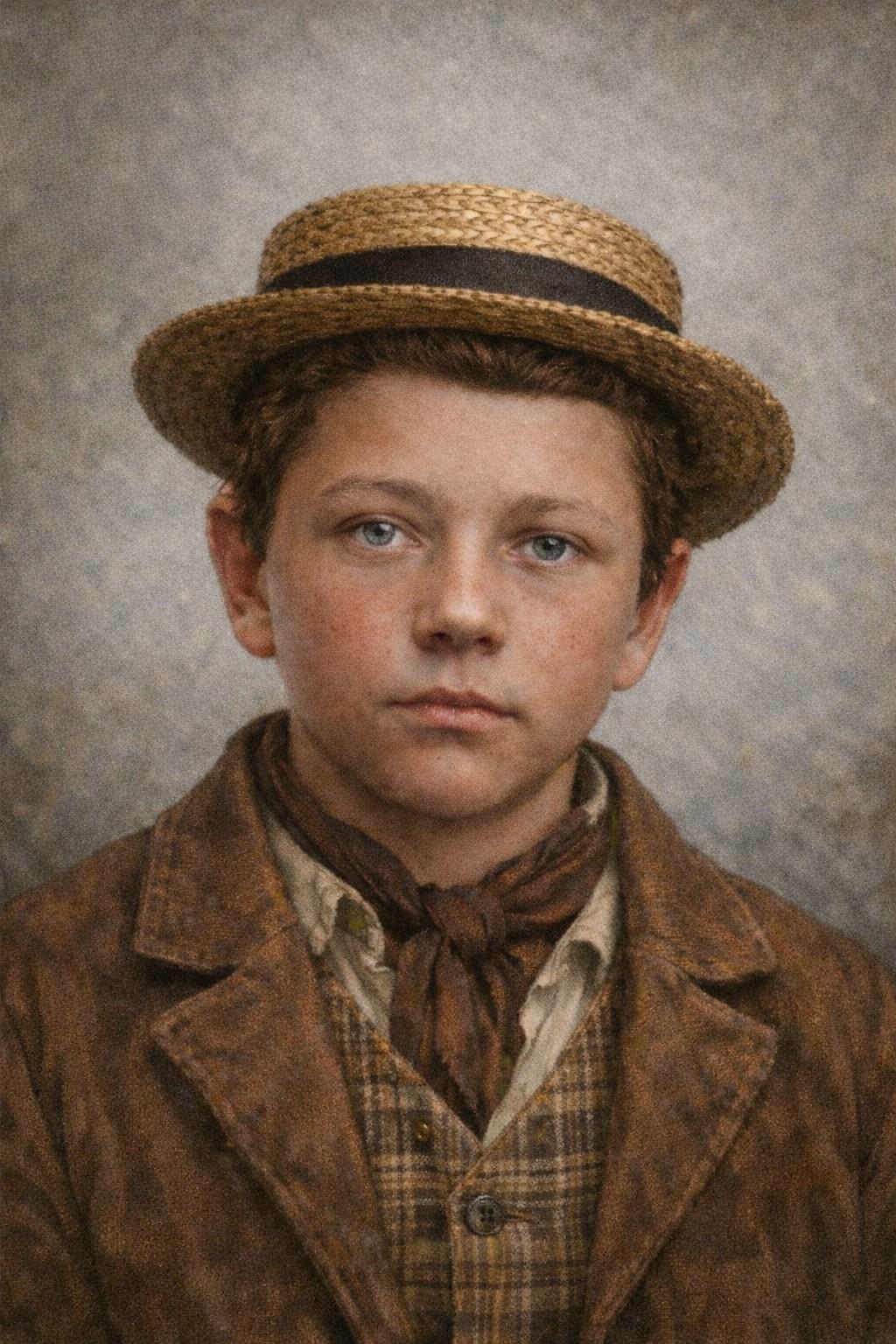
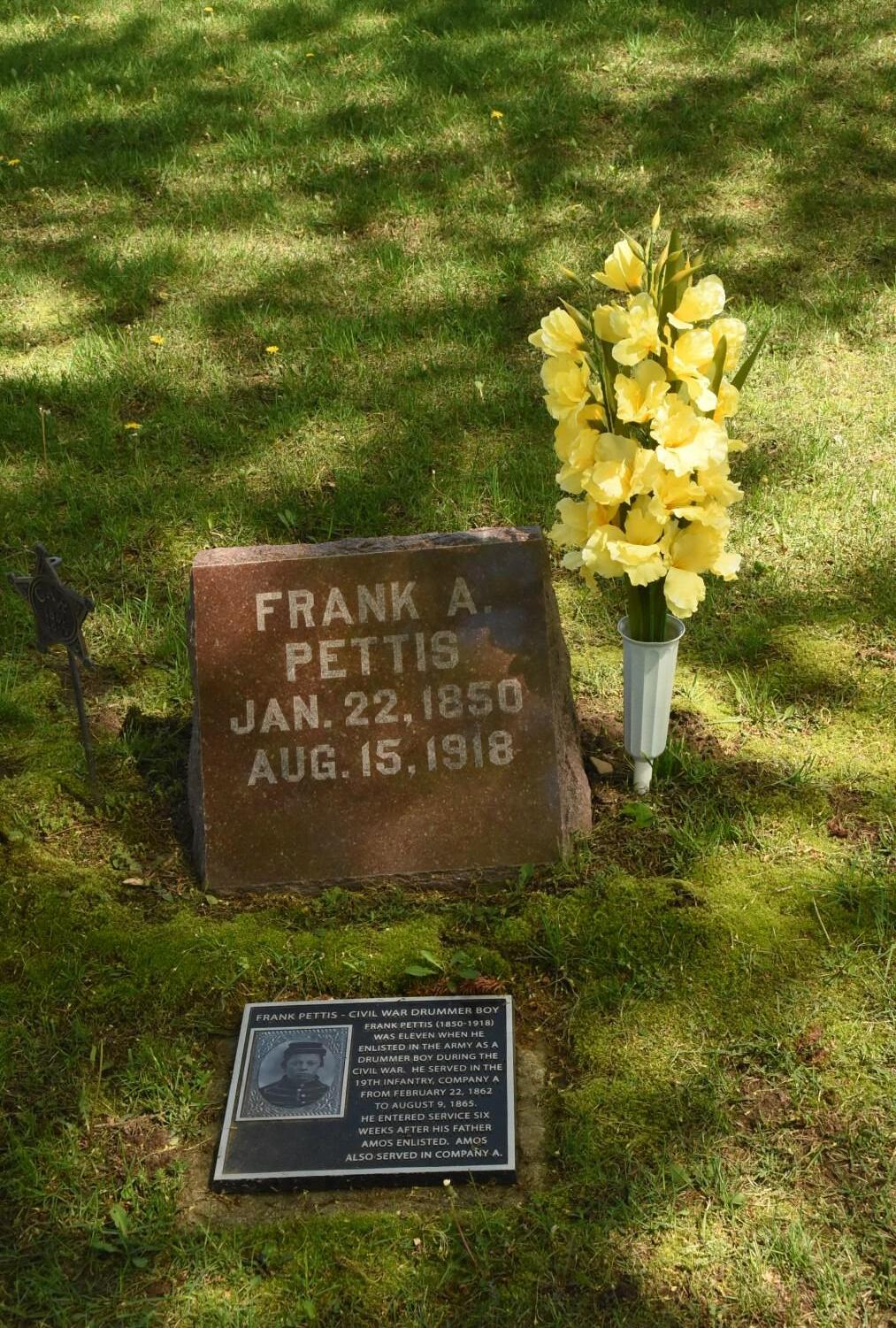
I was 11 years old here just before I left for the Army.
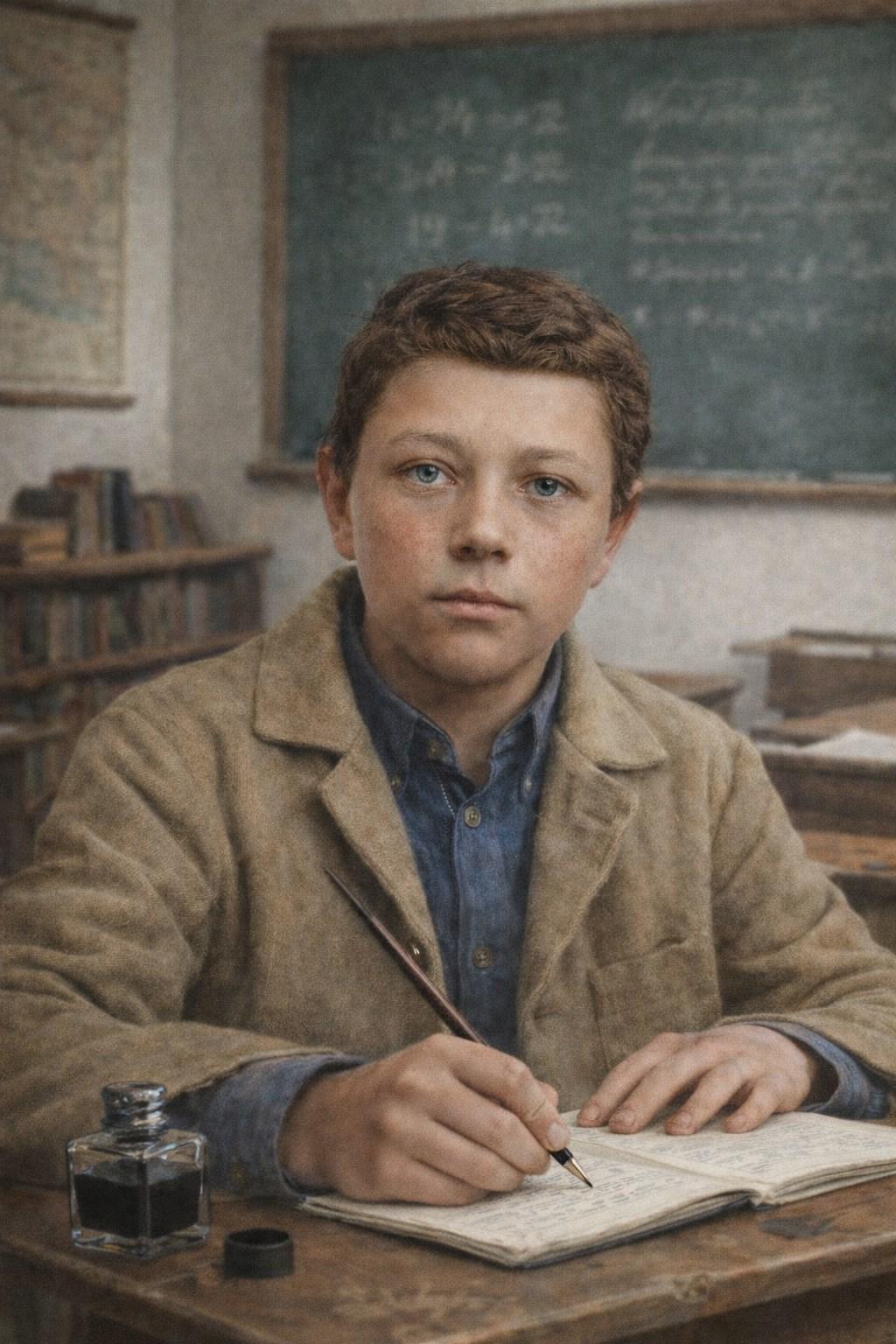
Here I am in Mr. Ellenwood’s classroom in Reedsburg.
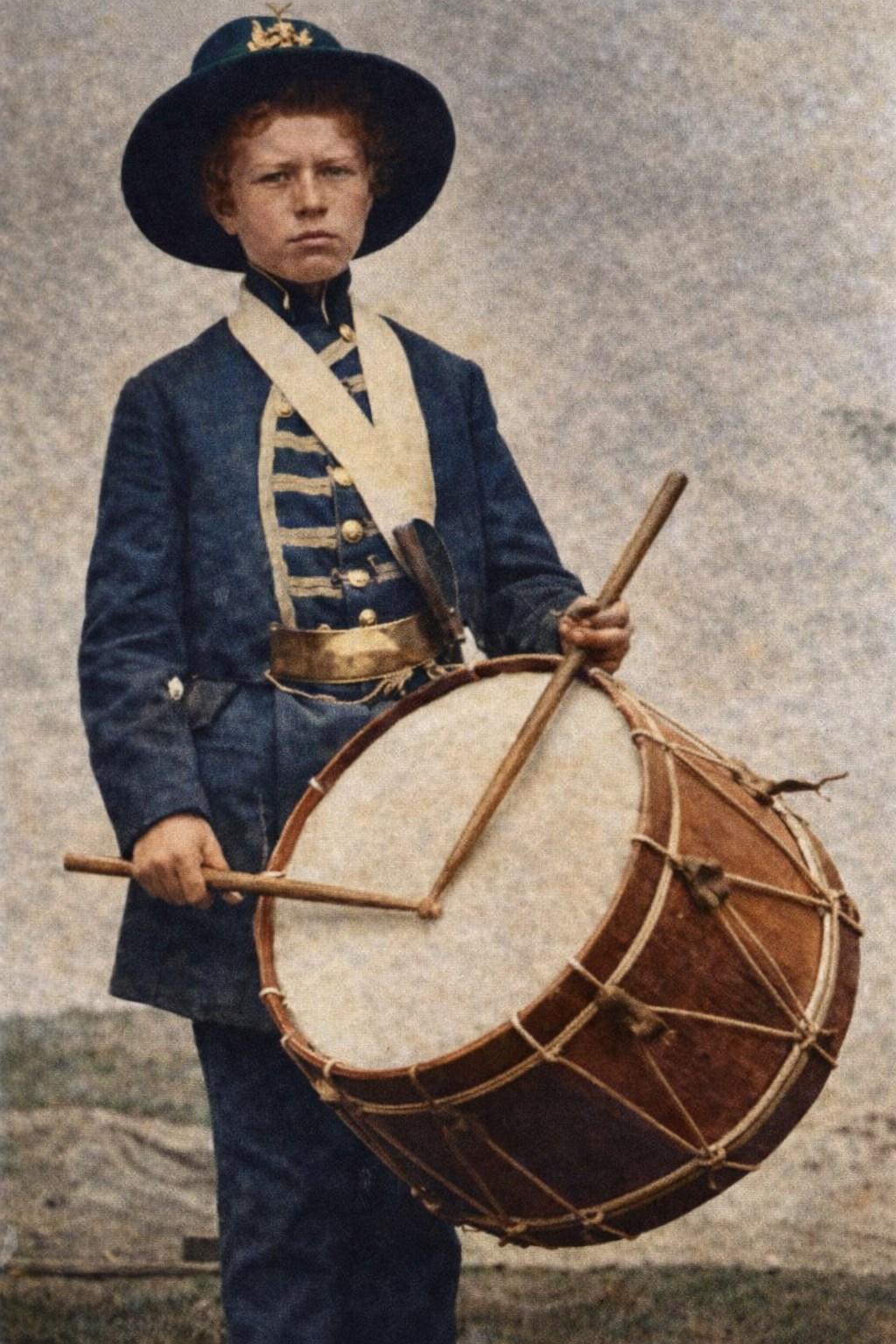
This photo uncolored appeared in Frank Pettis’ Obituary in the newspaper.
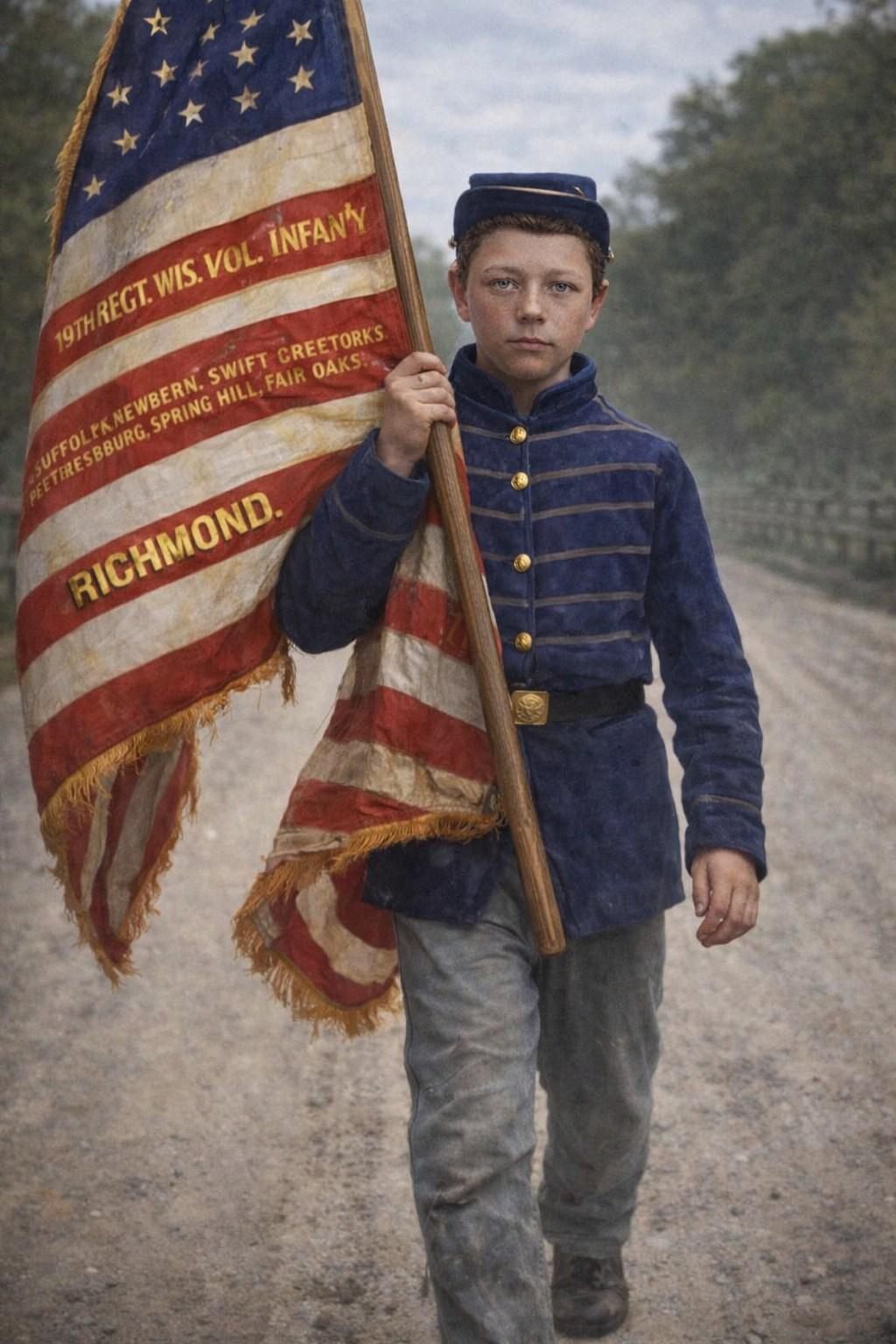
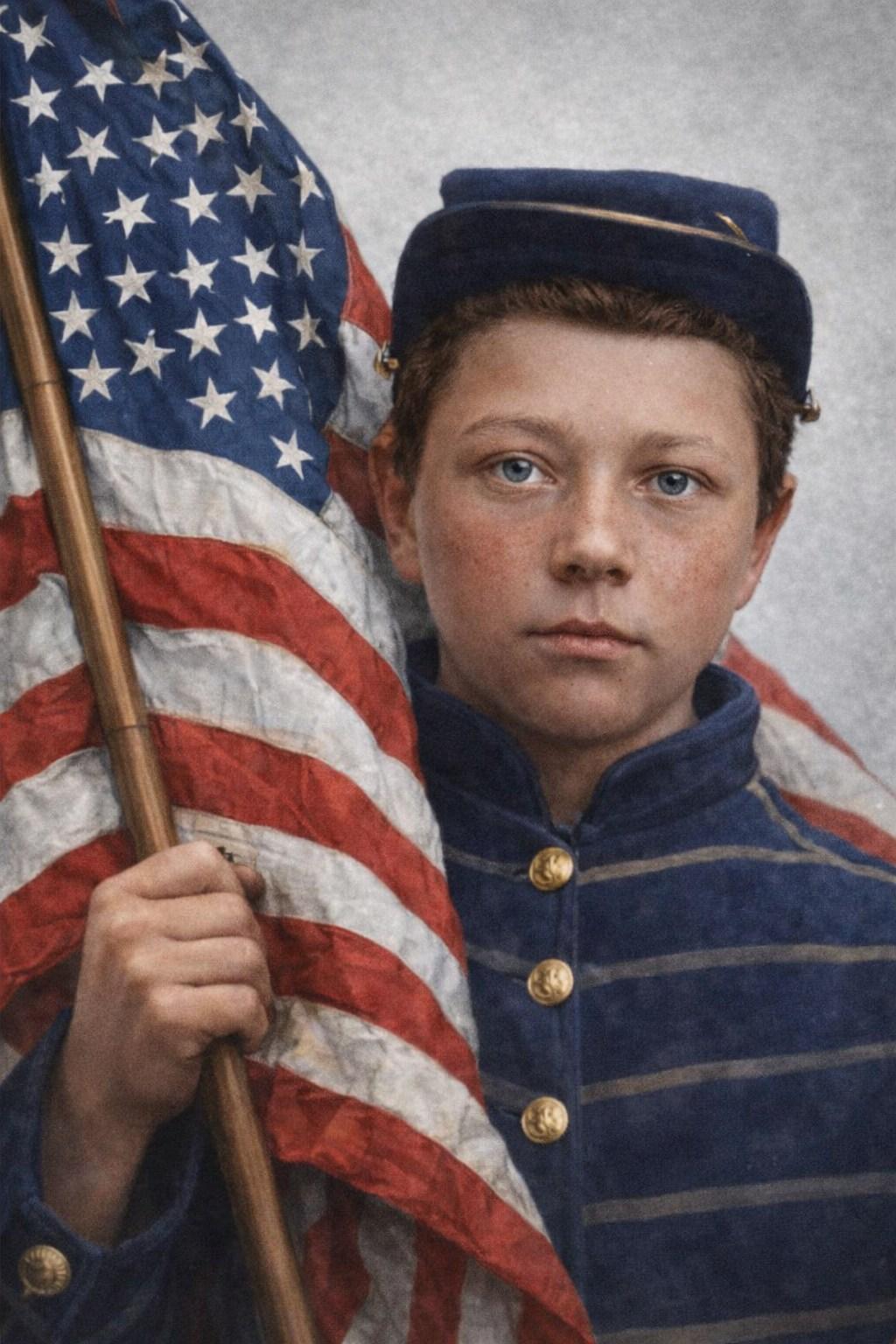
I’m really proud to be carrying our 19th Regimental Flag.
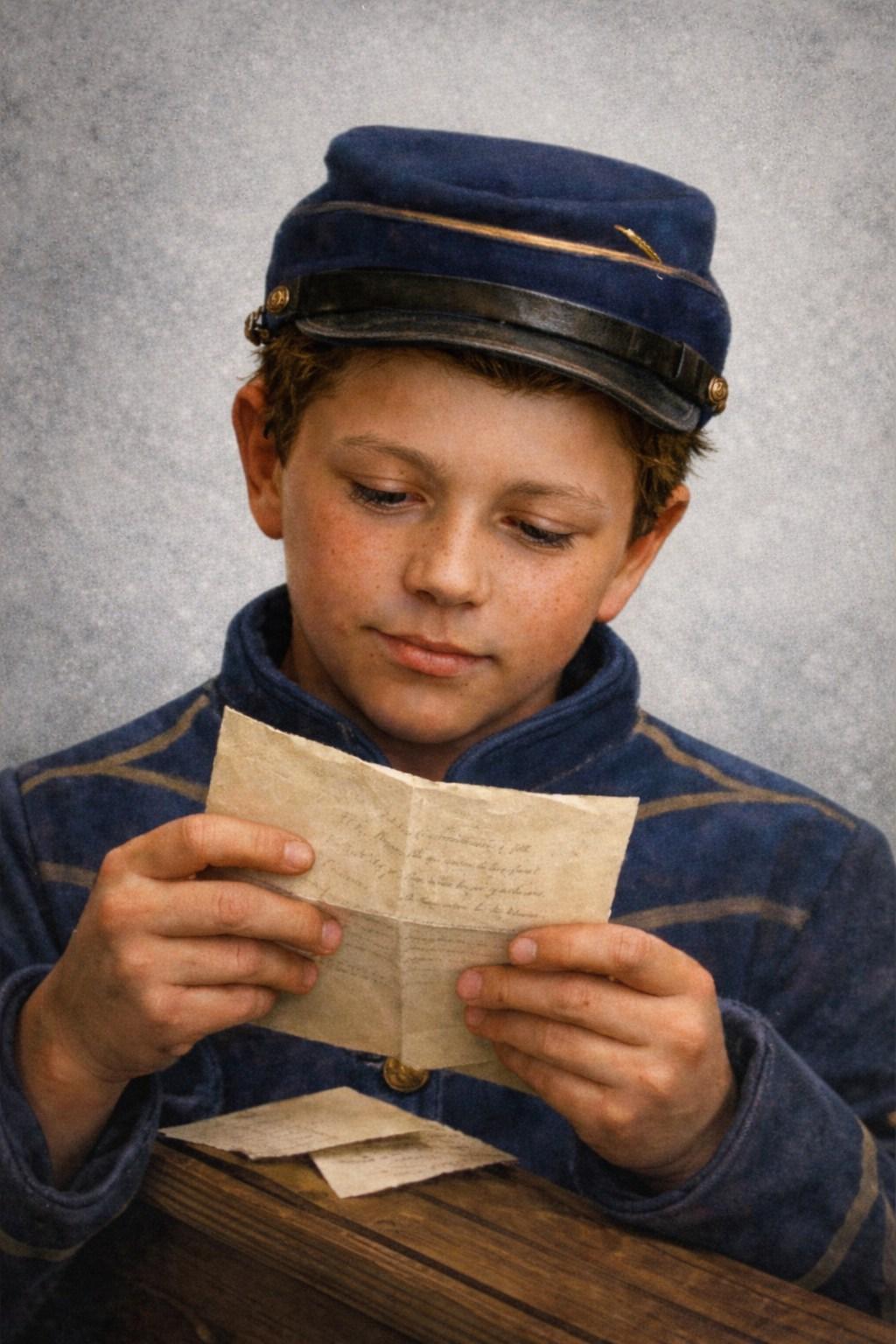
I always anxiously anticipate receiving a letter from home.
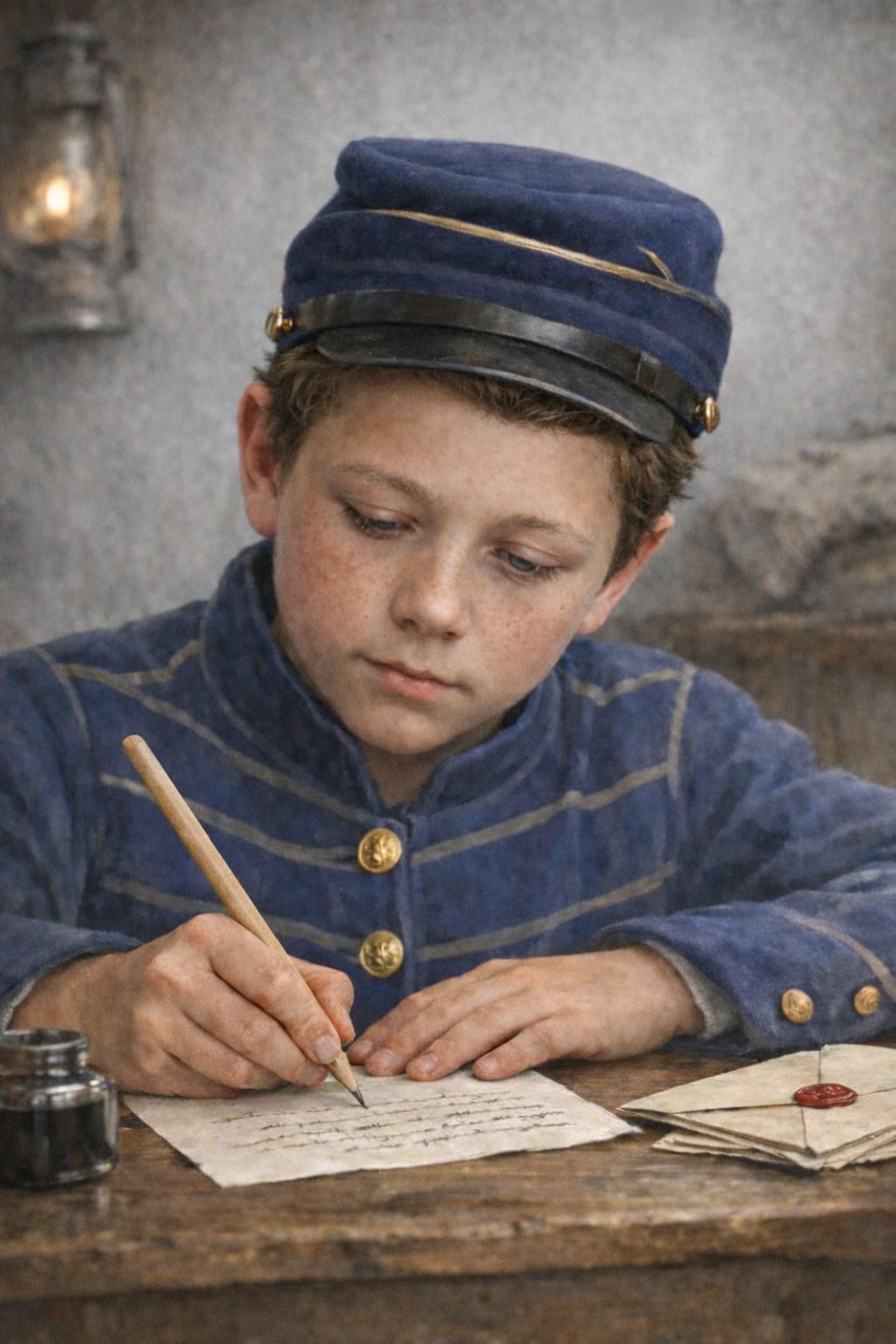
I try to write a letter home at least once a week.
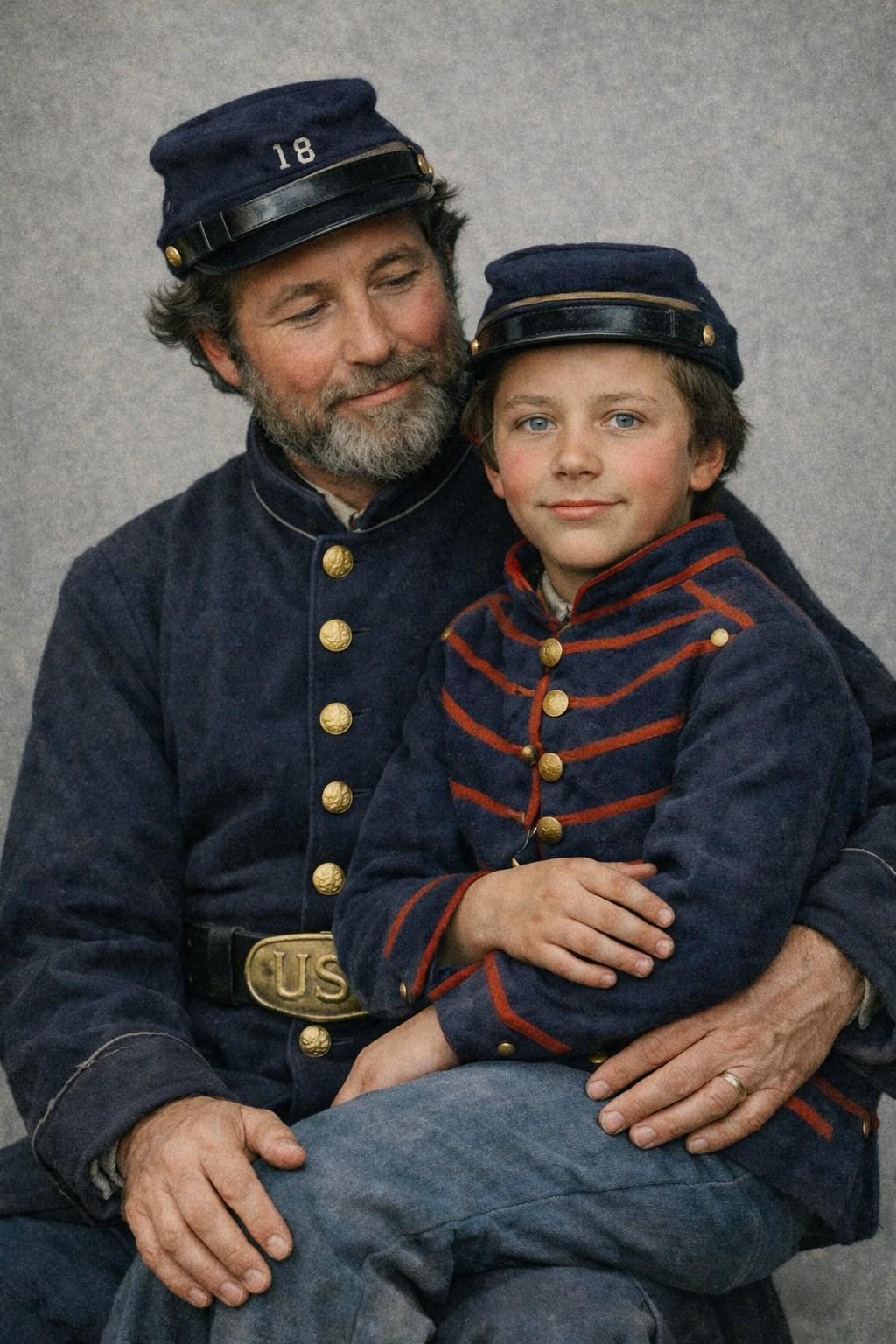
It’s great that my father is also in my regiment.
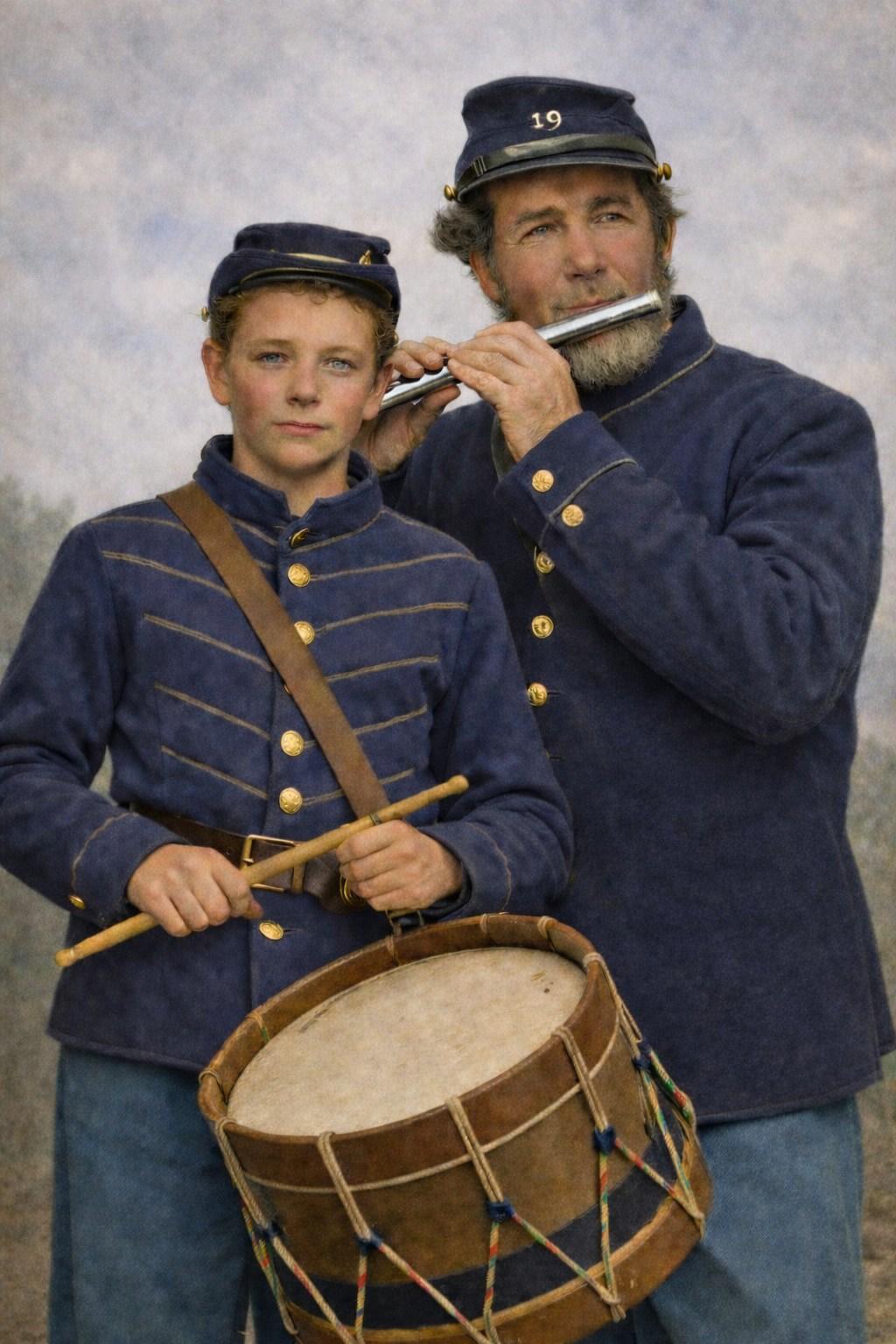
Me and my father, Amos, like playing our instruments together.
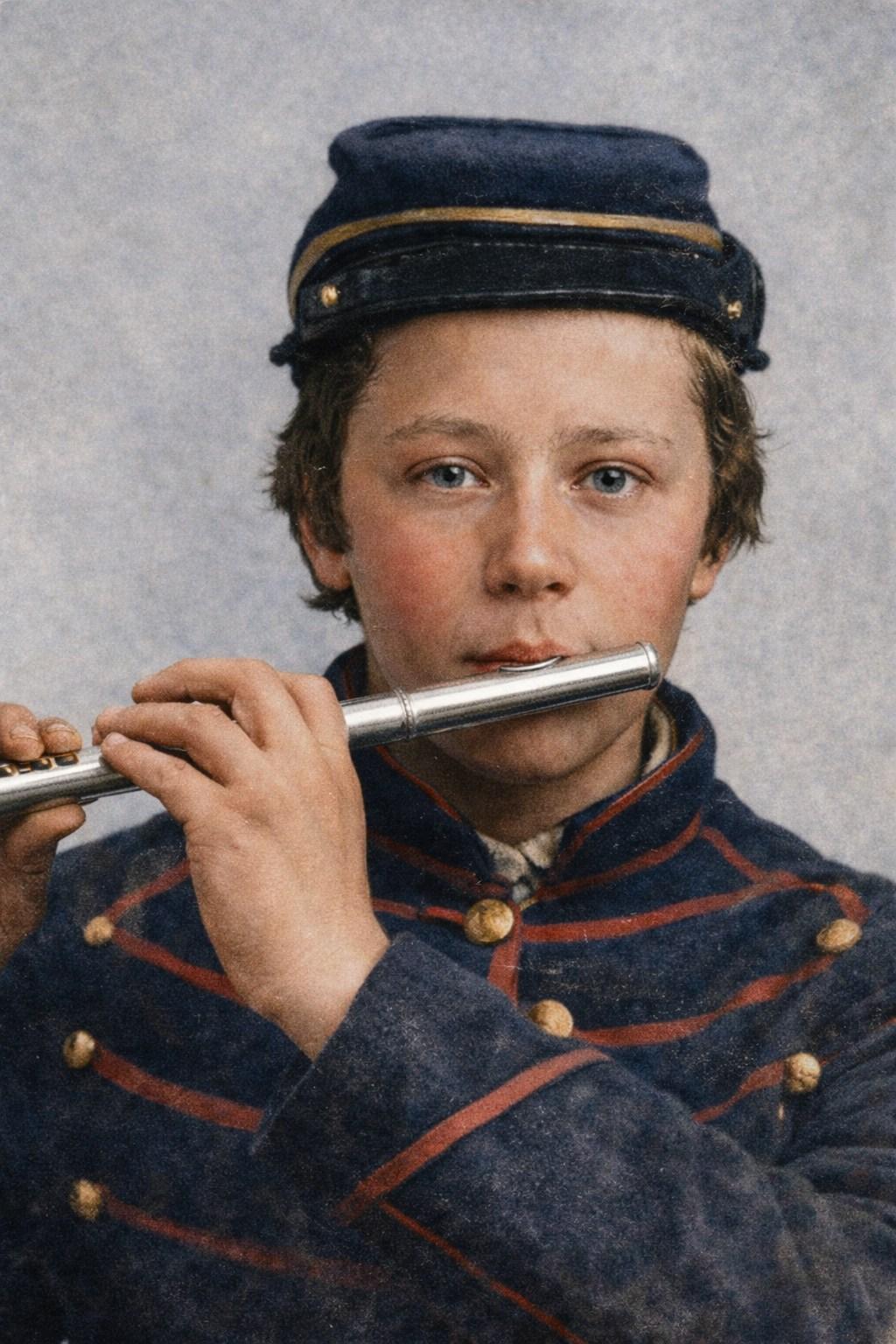
My father lets me play his fife, but I’m not very good at it.
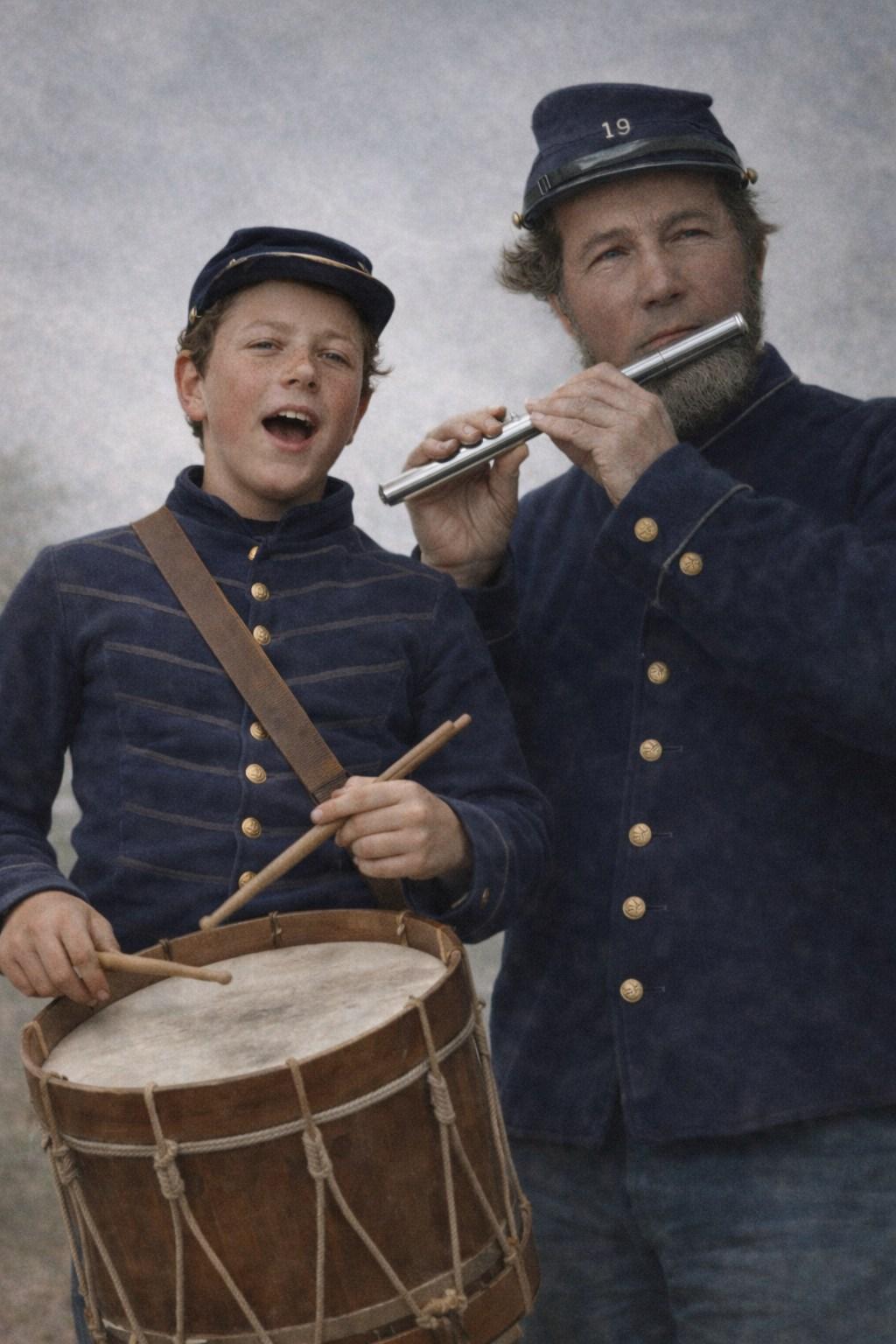
Sometimes we have singalongs with the troops. I like to sing, but I’m not very good at it.
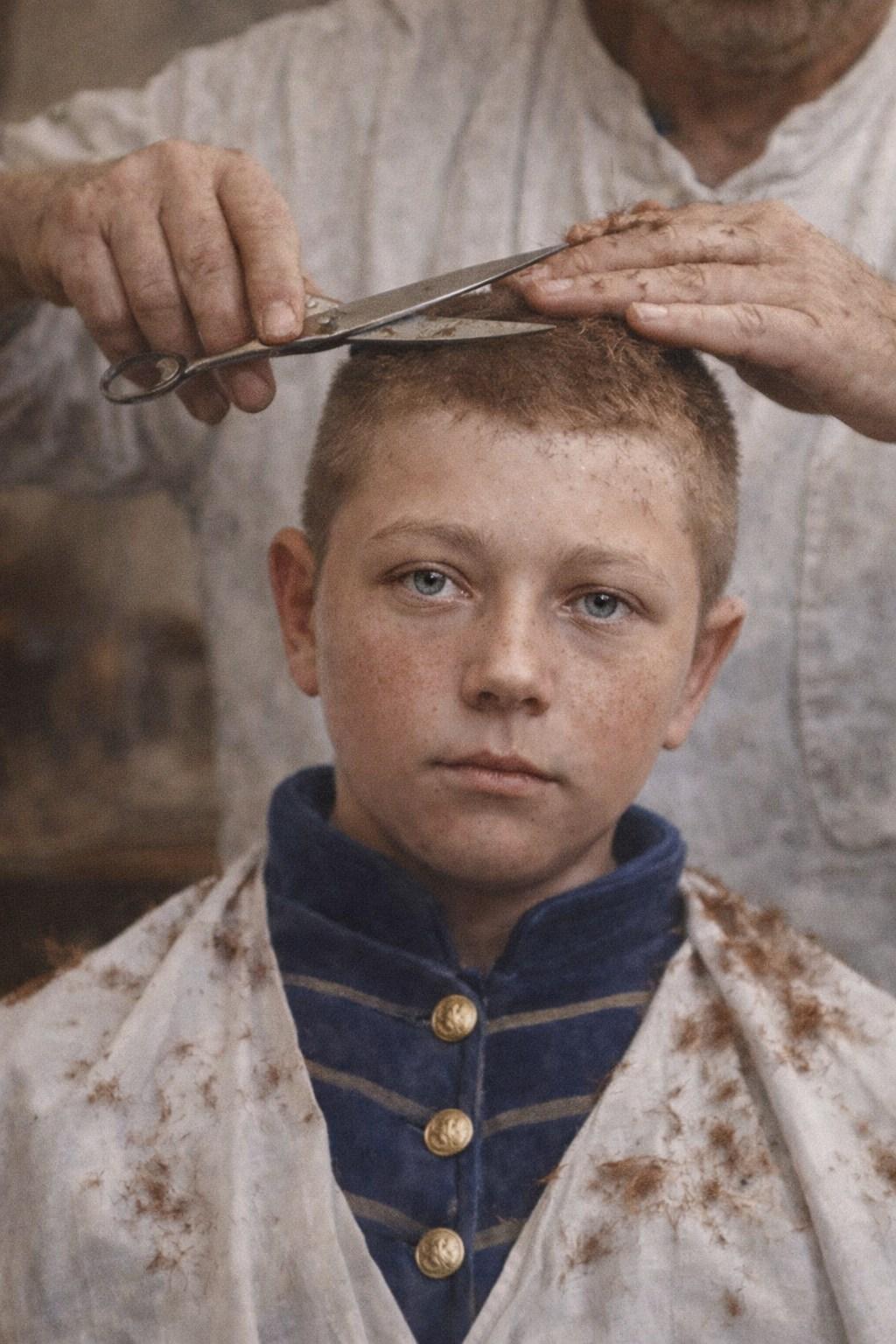
We don’t get a haircut very often when on the march.
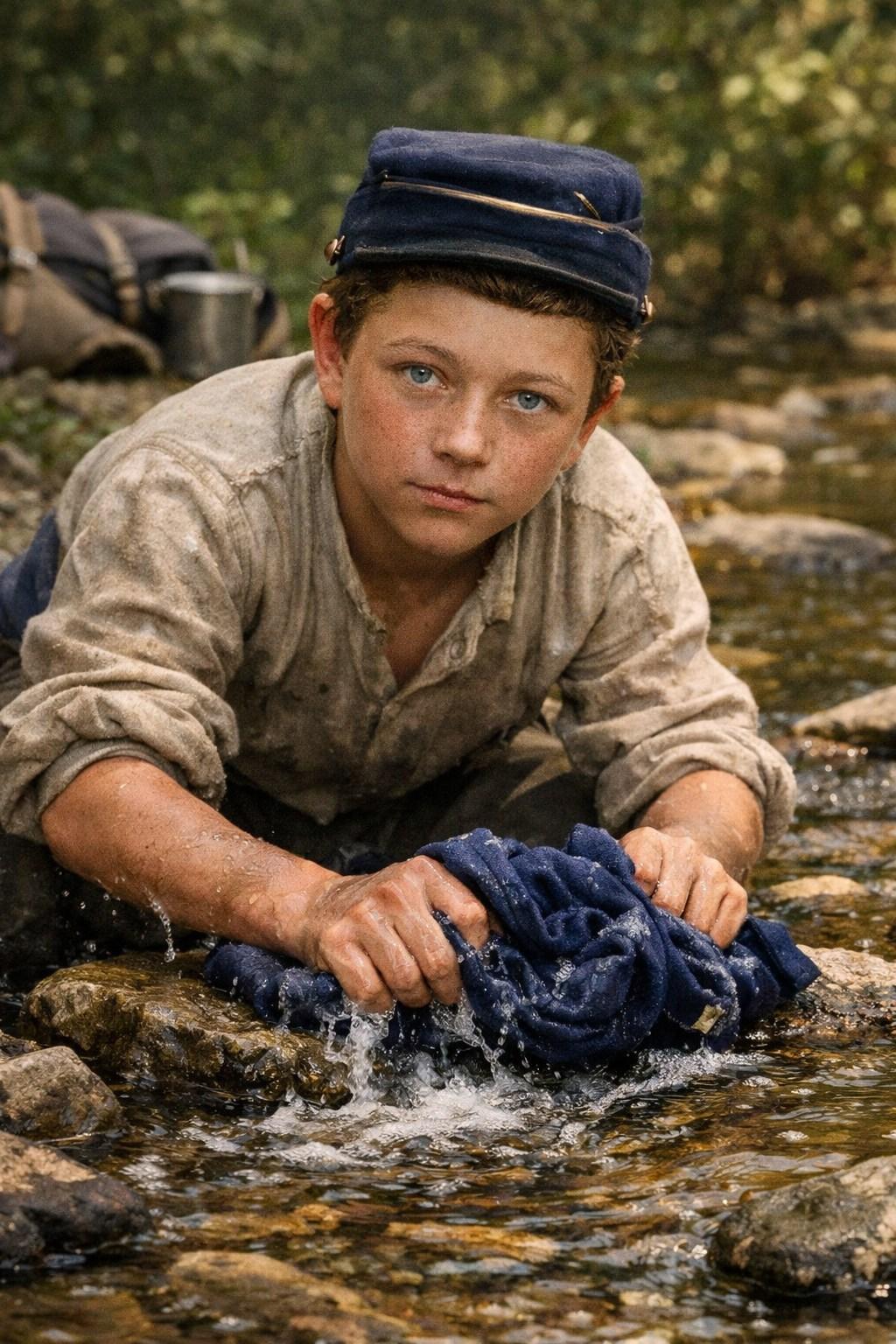
I’m washing my uniform in a nearby creek. It gets dirty a lot during our long marches.
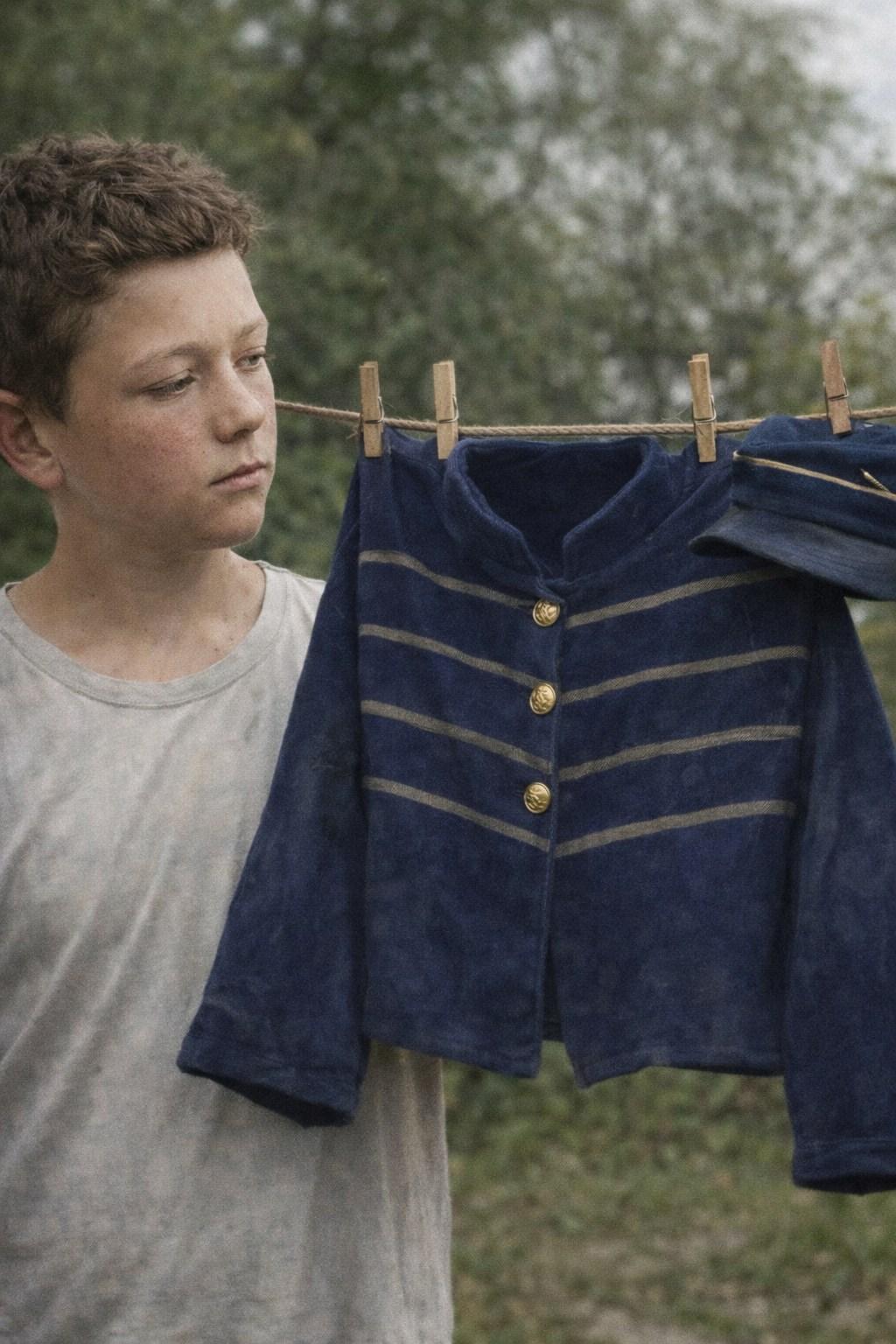
It’s hung up to dry in the breeze.
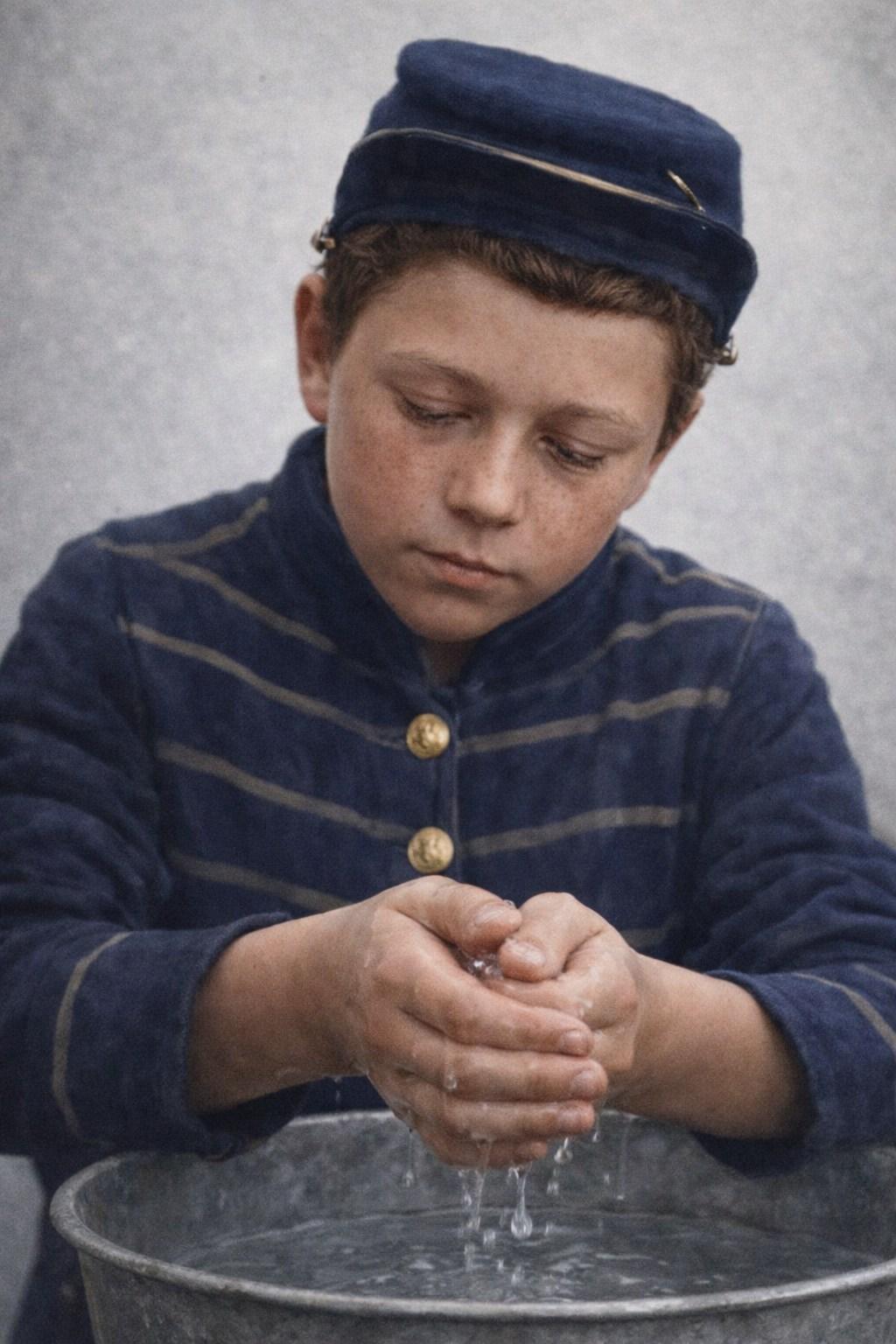
Cleanliness' is next to Godliness.
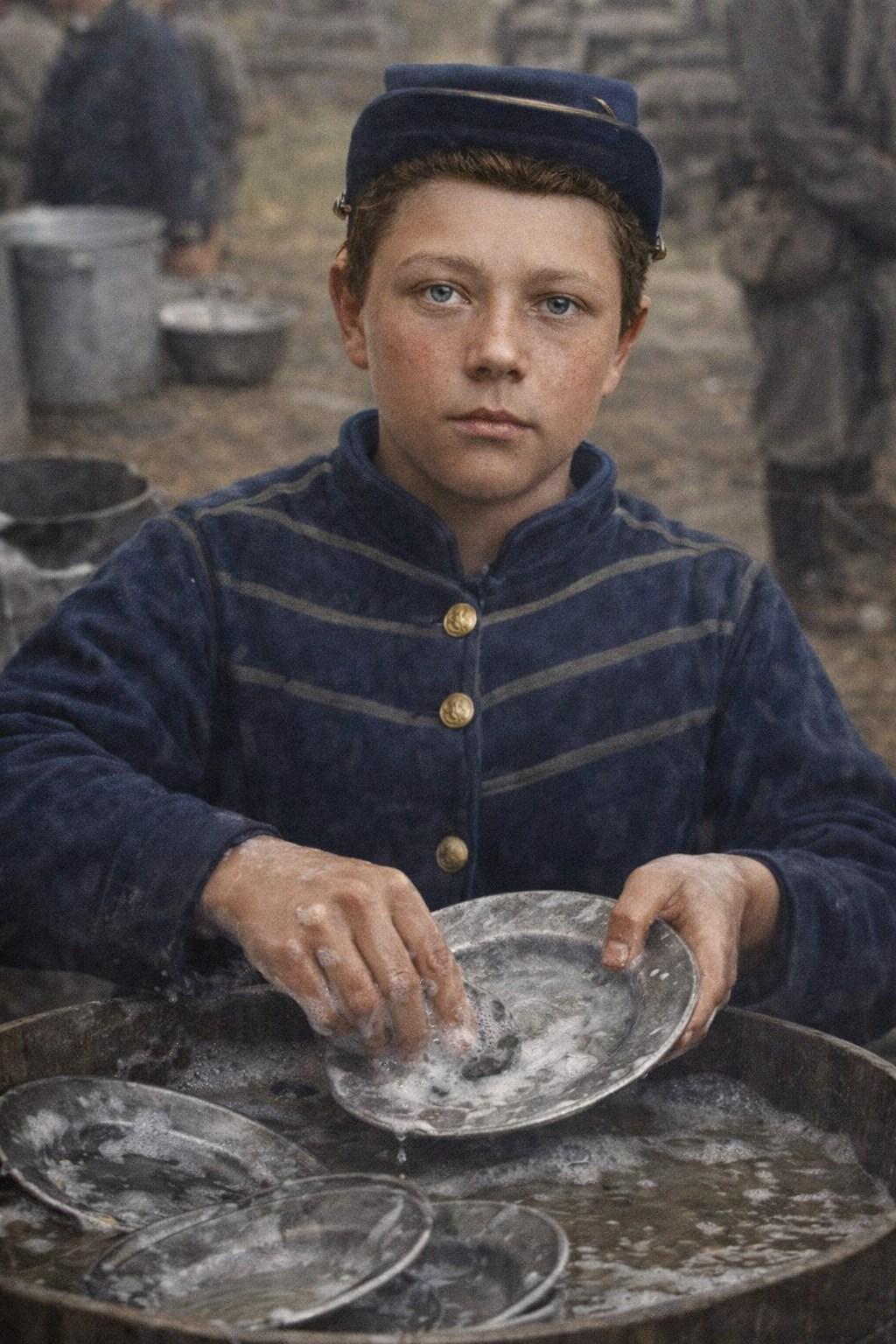
I hate KP duty!

When it rains it pours. A muddy camp is not pretty.
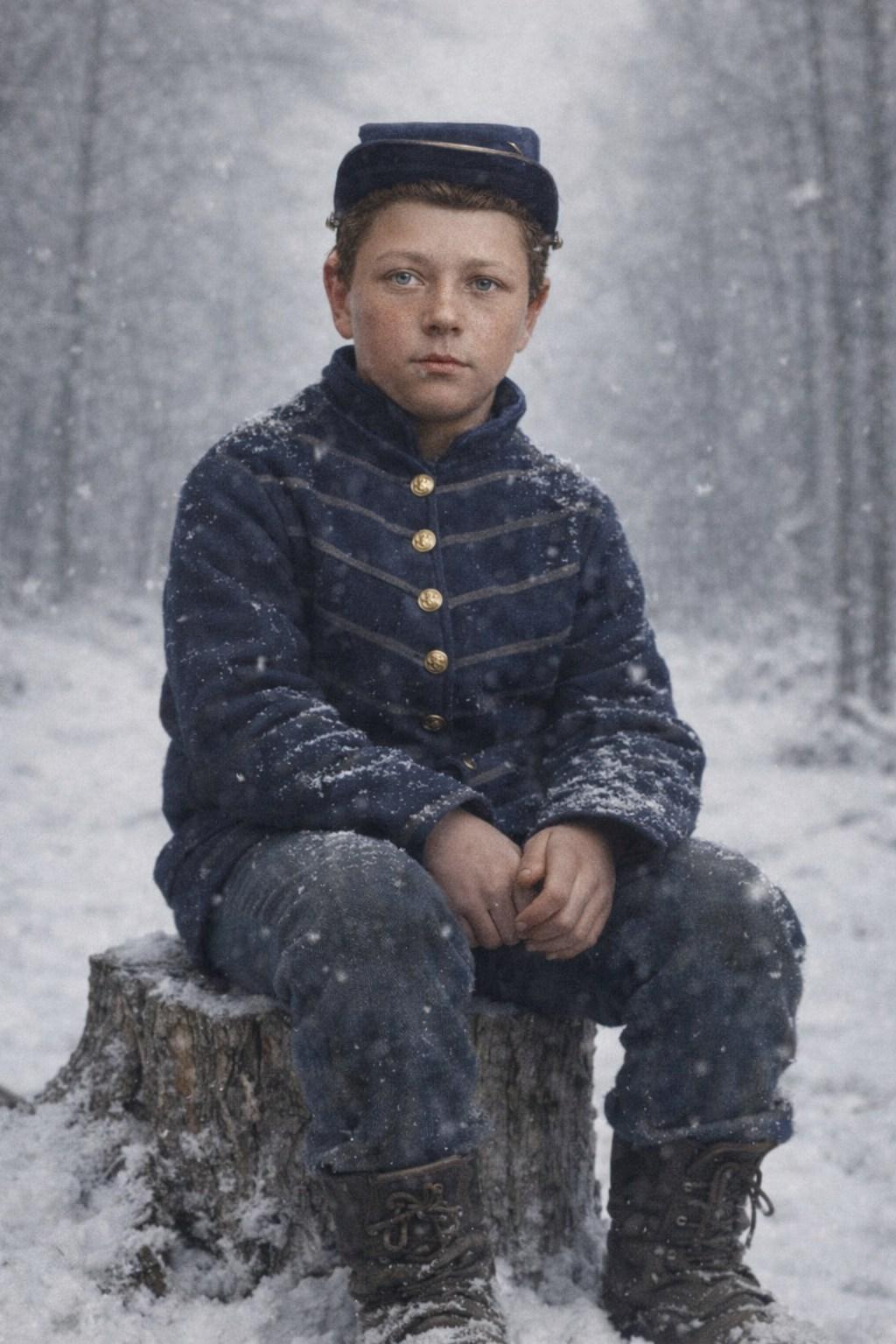
I didn't’ t sign up for this!
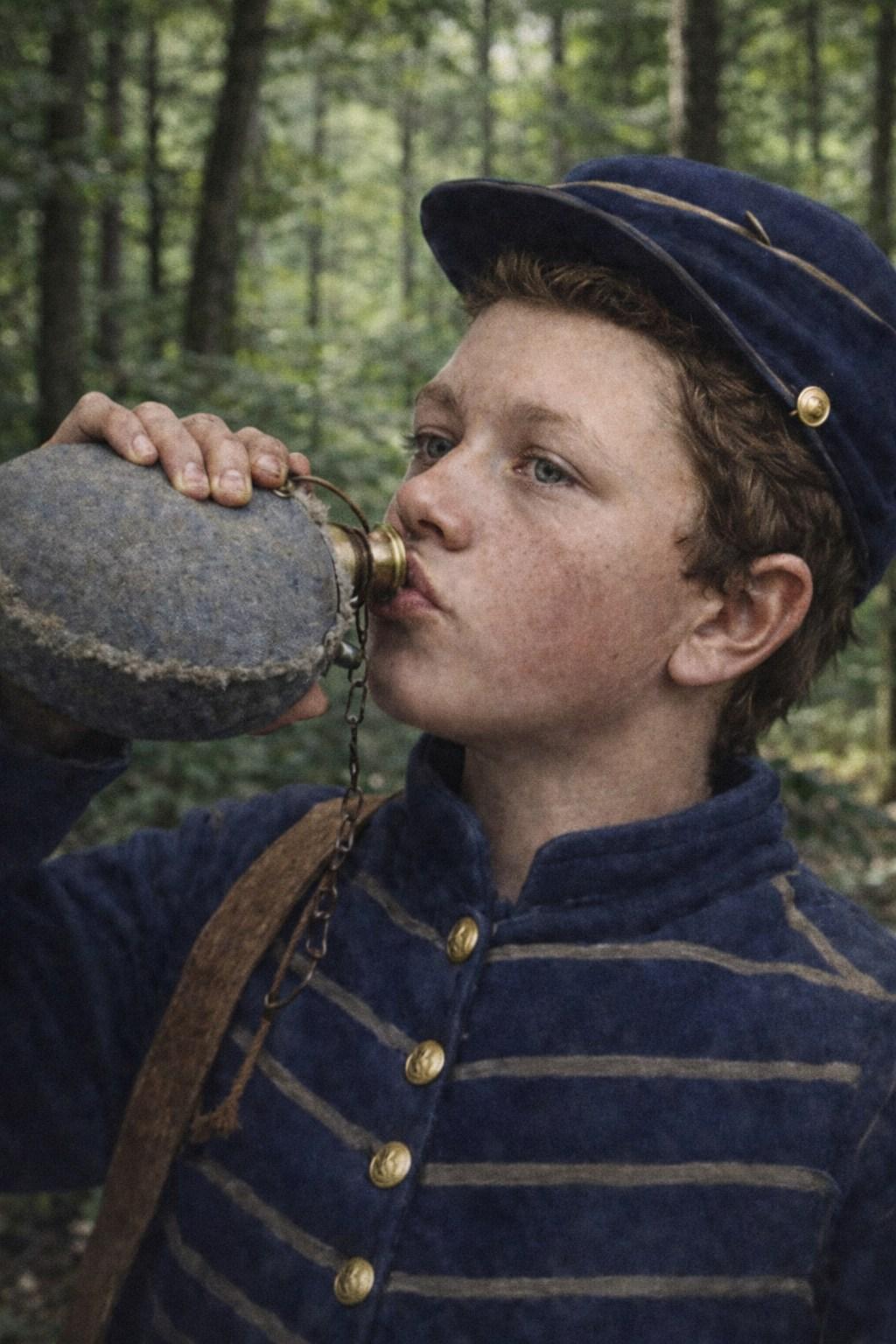
Cool, clear water is really great. We don’t get much clean water when on a march, and we sometimes have to rely on water from mud puddles!
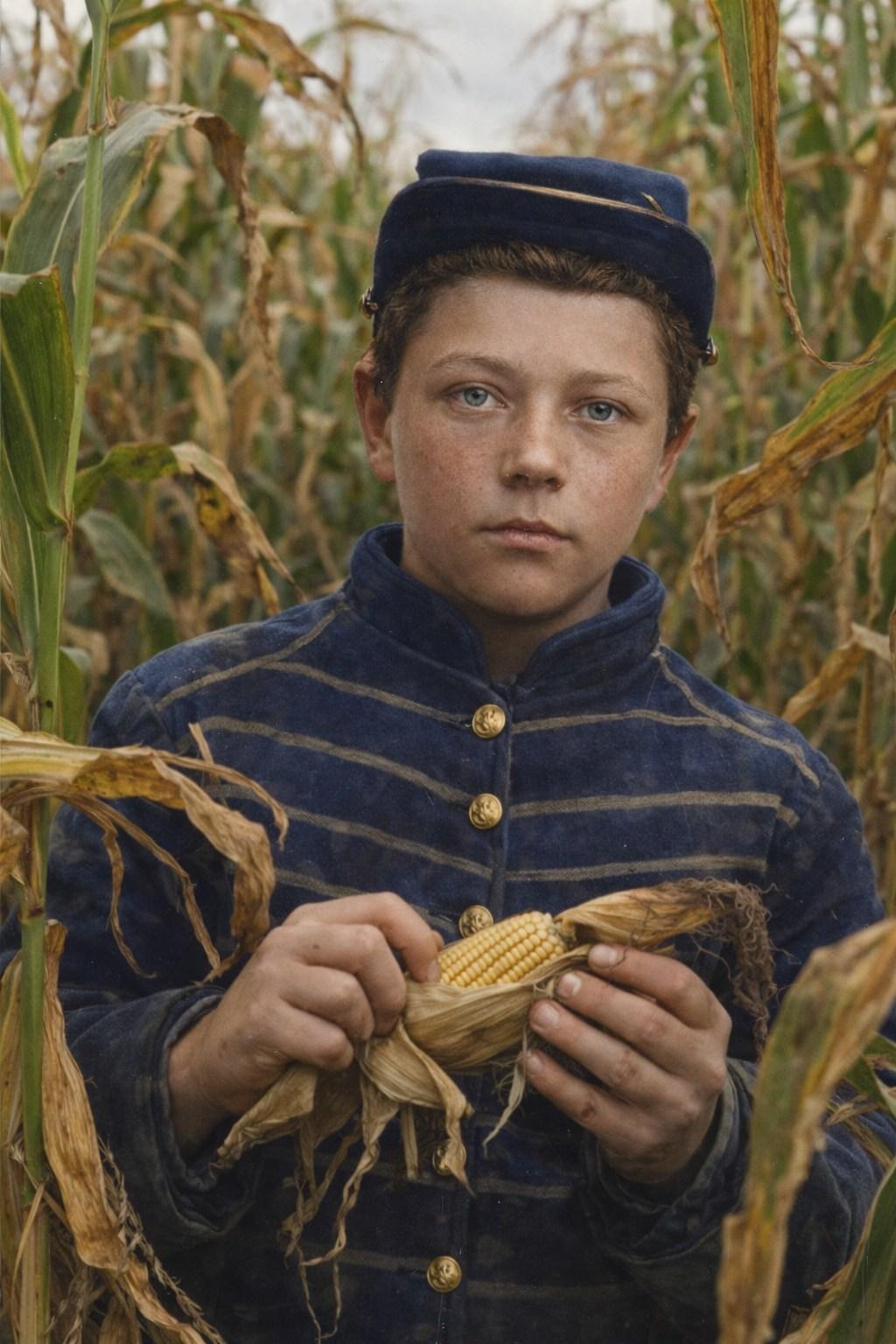
Foraging in fields we march past is a lot of fun and it helps supplement our meals.
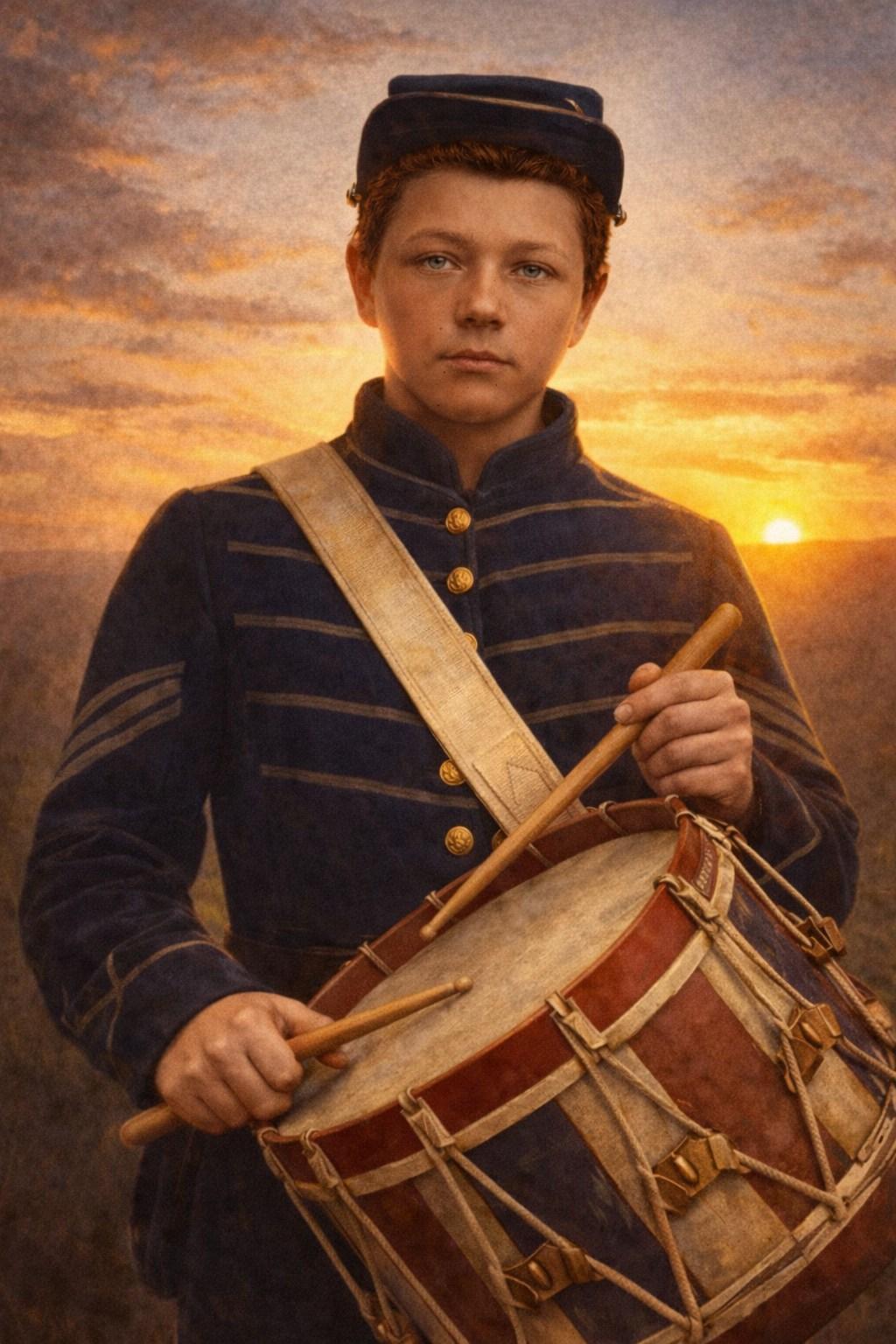
I have to get up at 5 AM so that I can sound my drum to wake the rest of the soldiers.
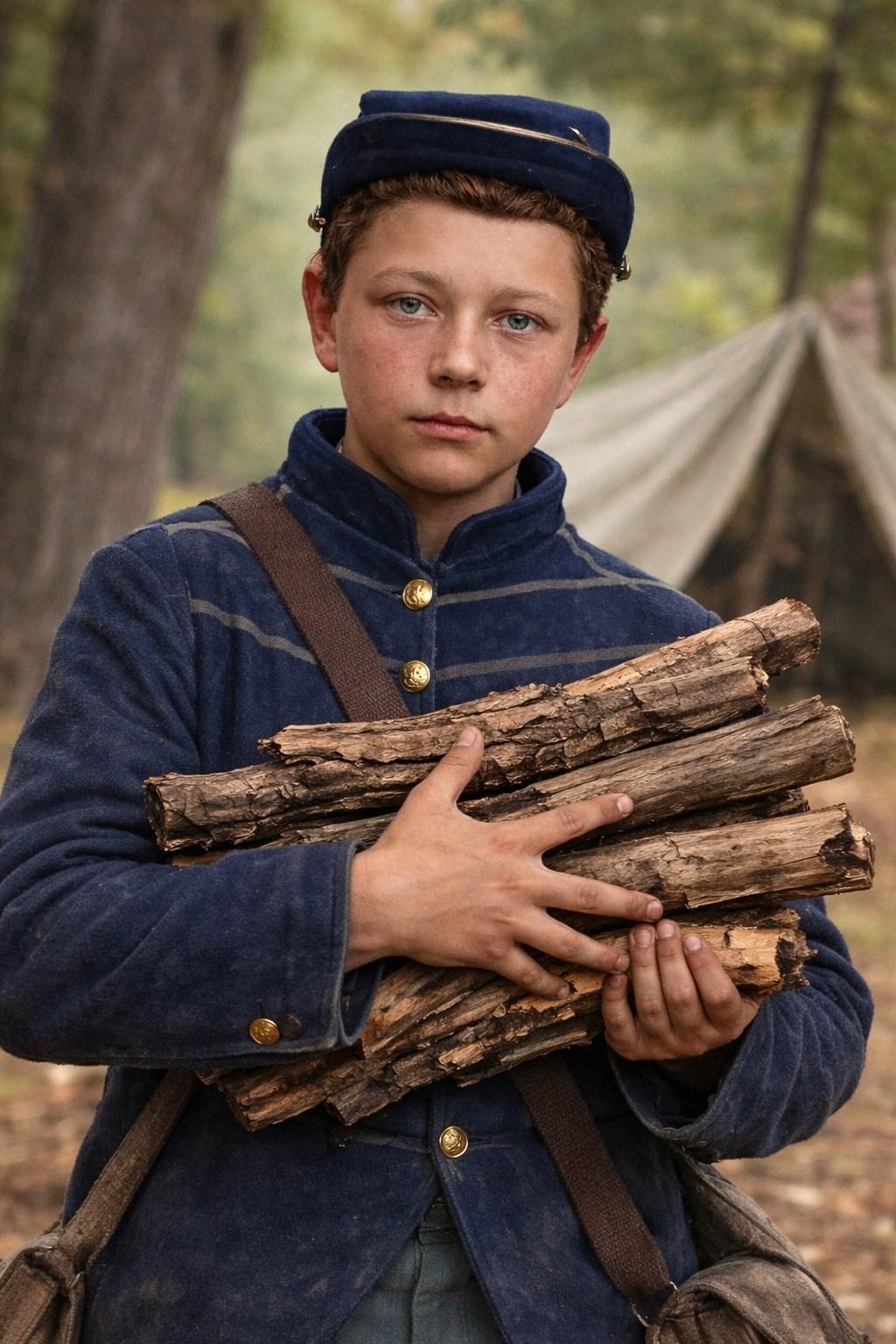
Gathering wood helps keep the camp and cook fires burning.
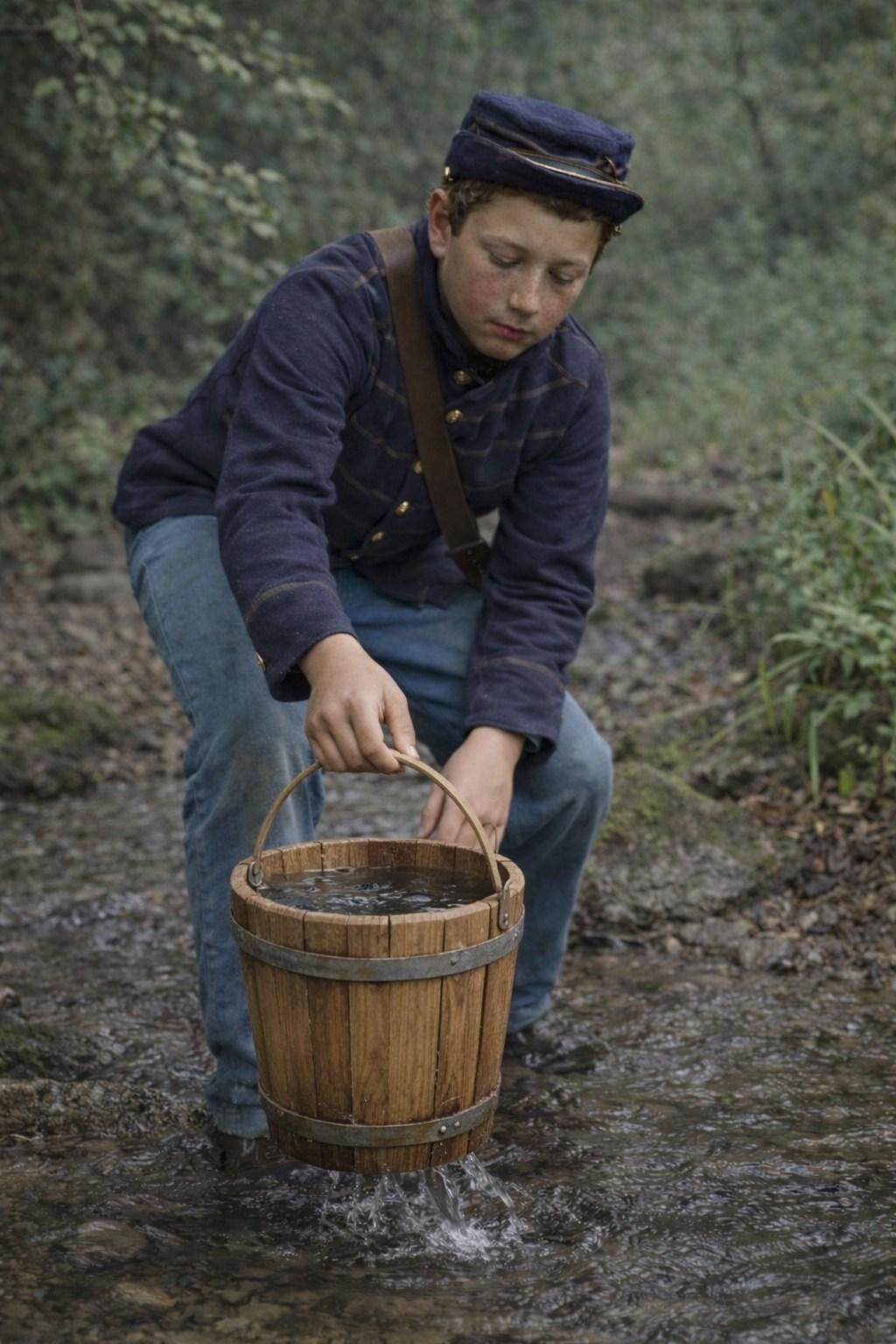
Another of my duties is to get water from the creek for the camp.
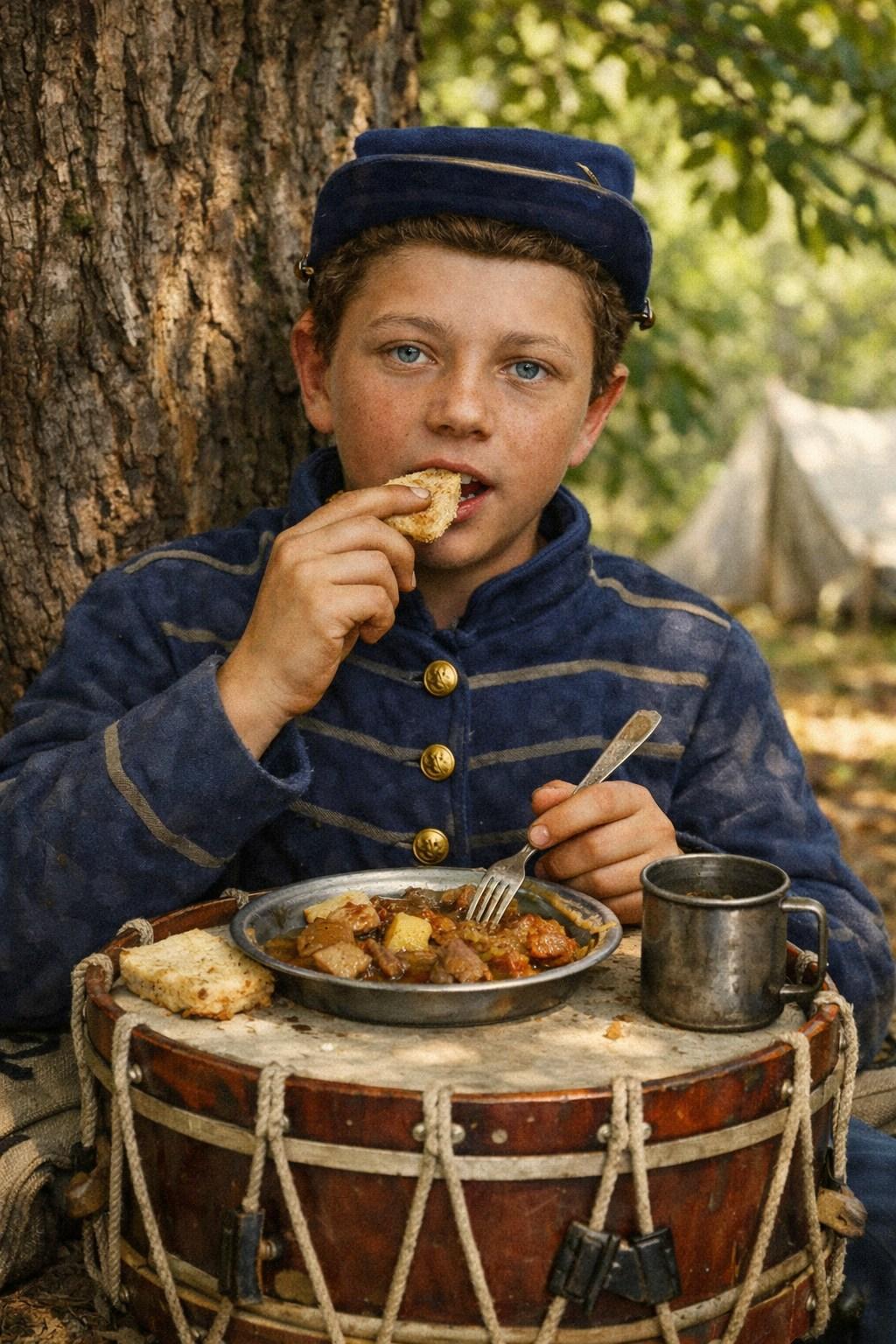
A well rounded meal is rare. Sometimes the local residents will provide us with A good meal.
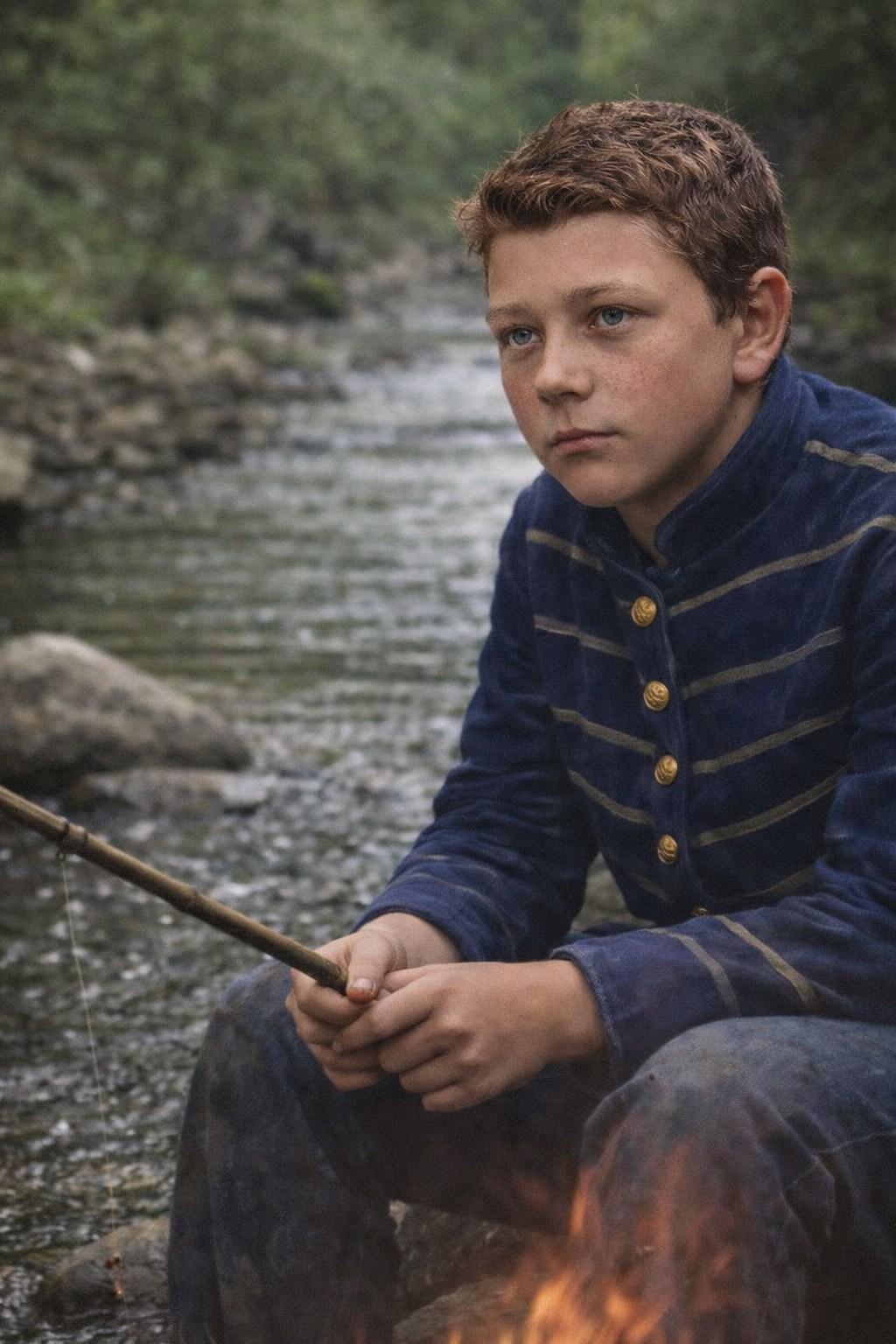
Been sittin’ here all day, and not a single bite.
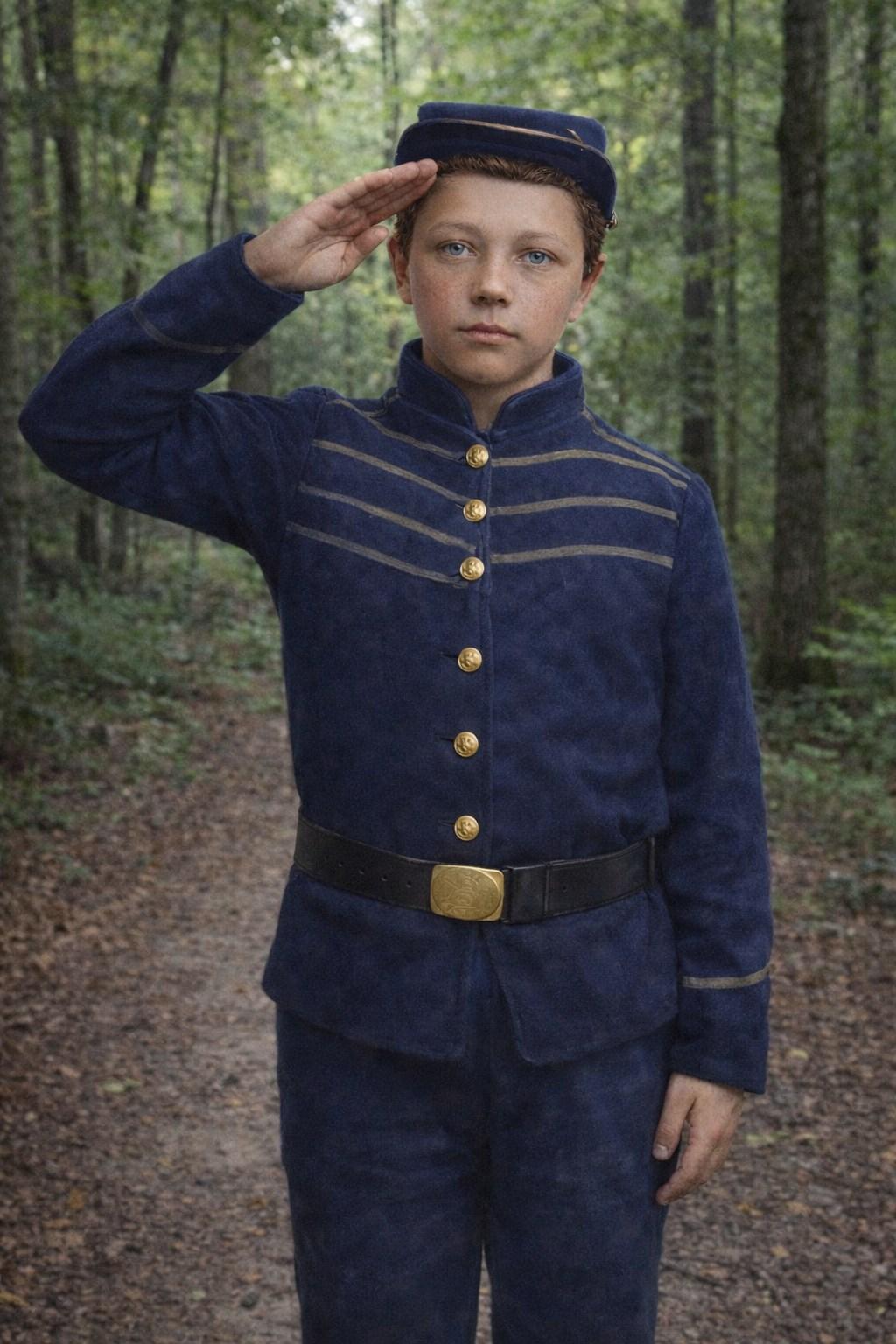
When an officer comes by, all enlisted men—and boys must offer up a salute.
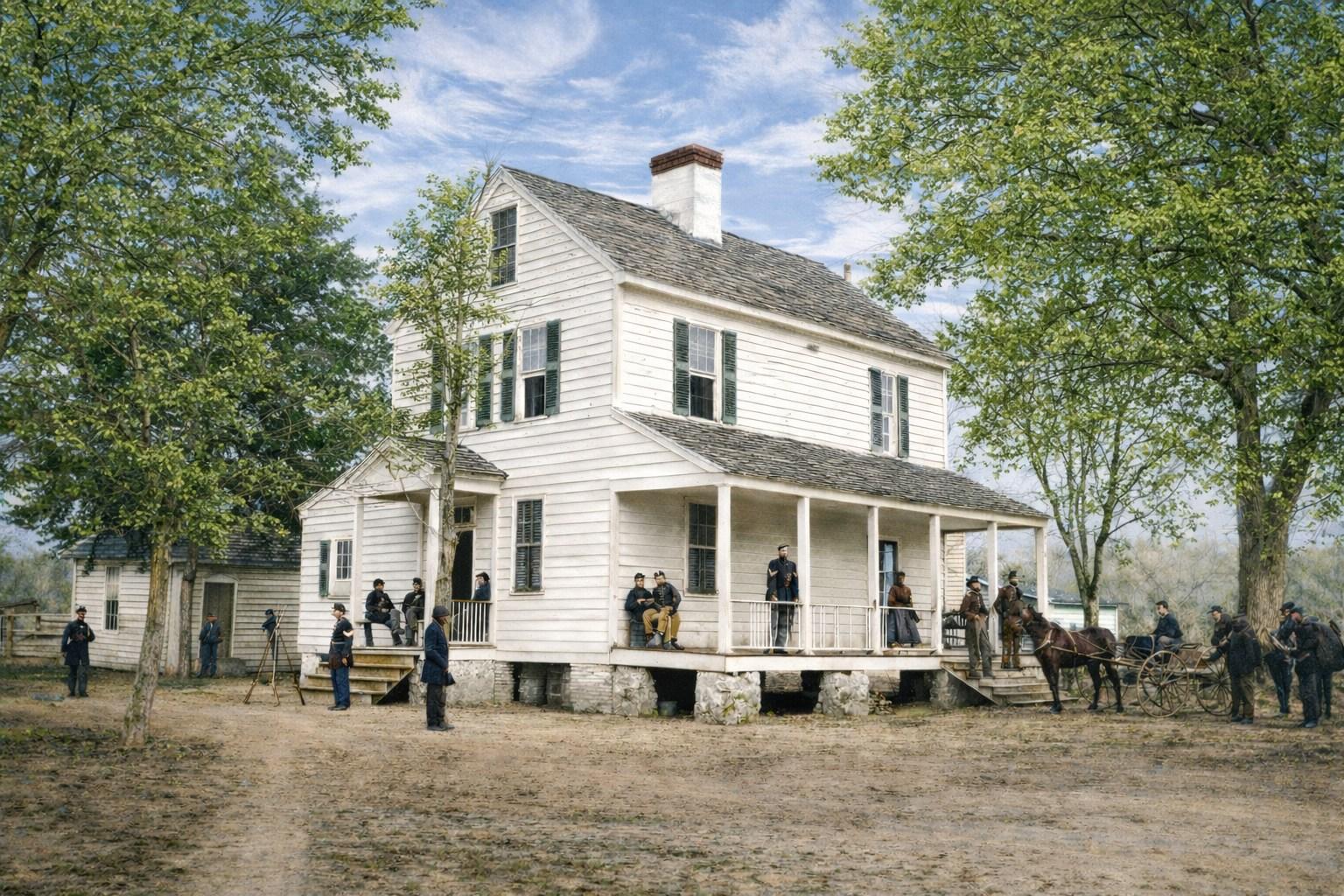
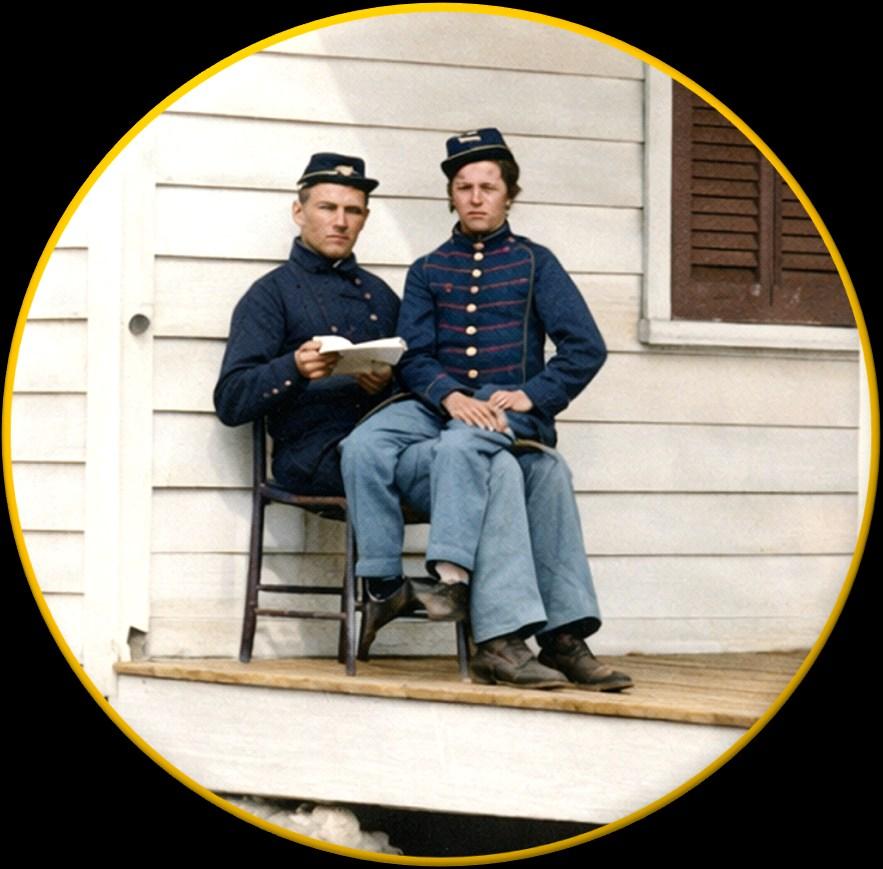

s me seated on my friend’s lap on the porch. We are in New Bern, NC.
Actual, colorized enhanced background photo.
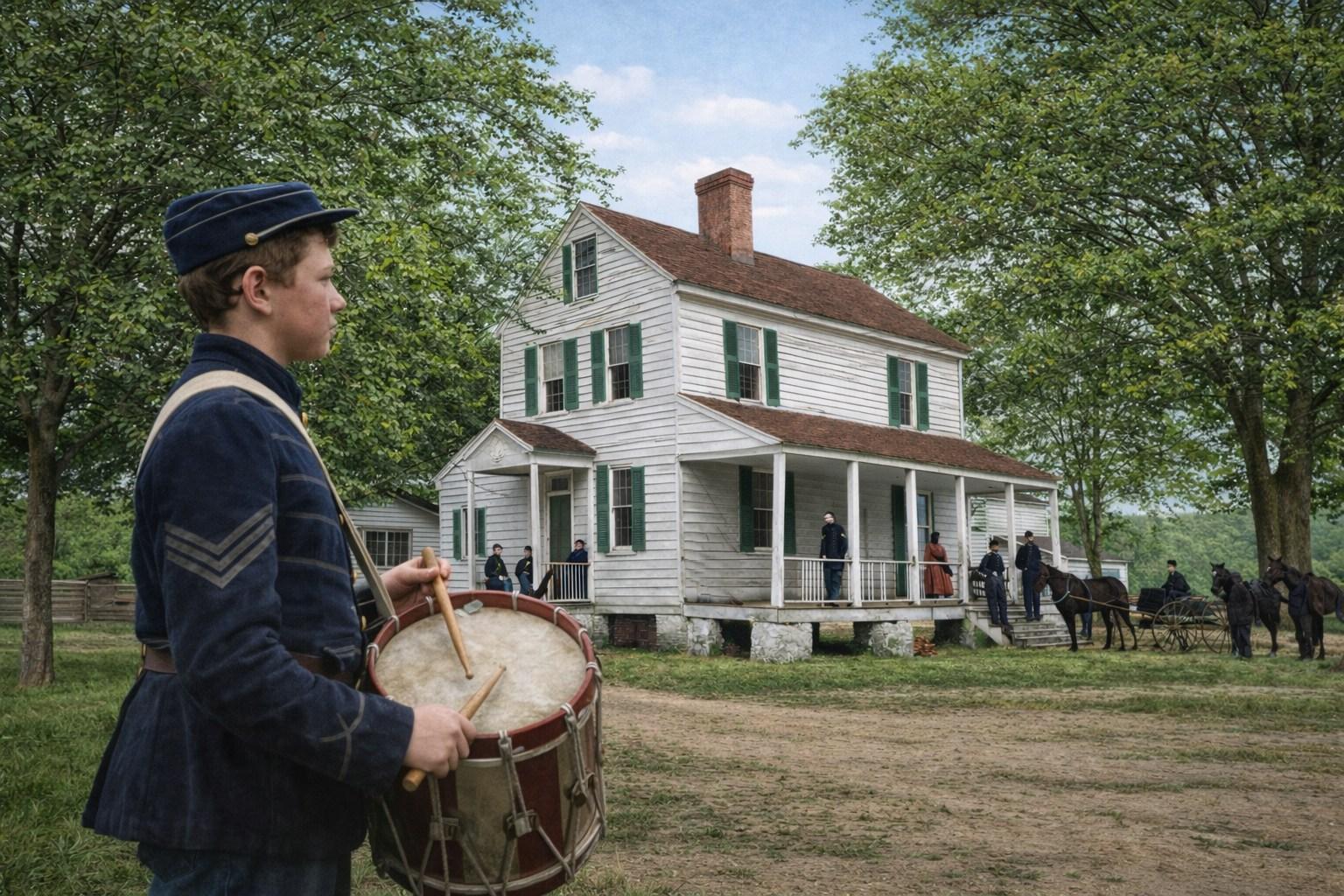
That’s me practicing my drum while we are stationed in New Bern, NC.
Actual colorized background image.
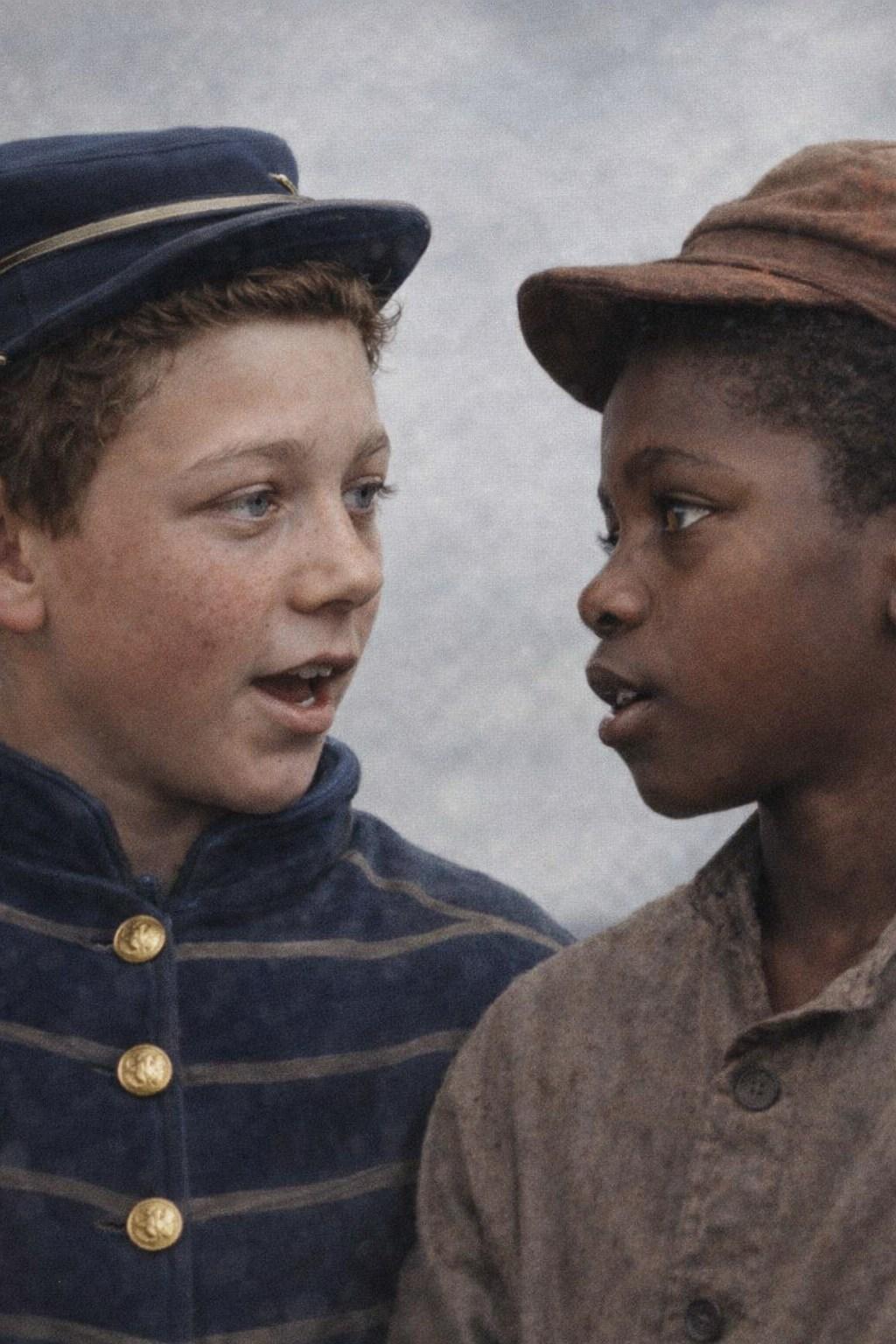
I made a new friend while we were stationed at the plantation in New Bern, NC.
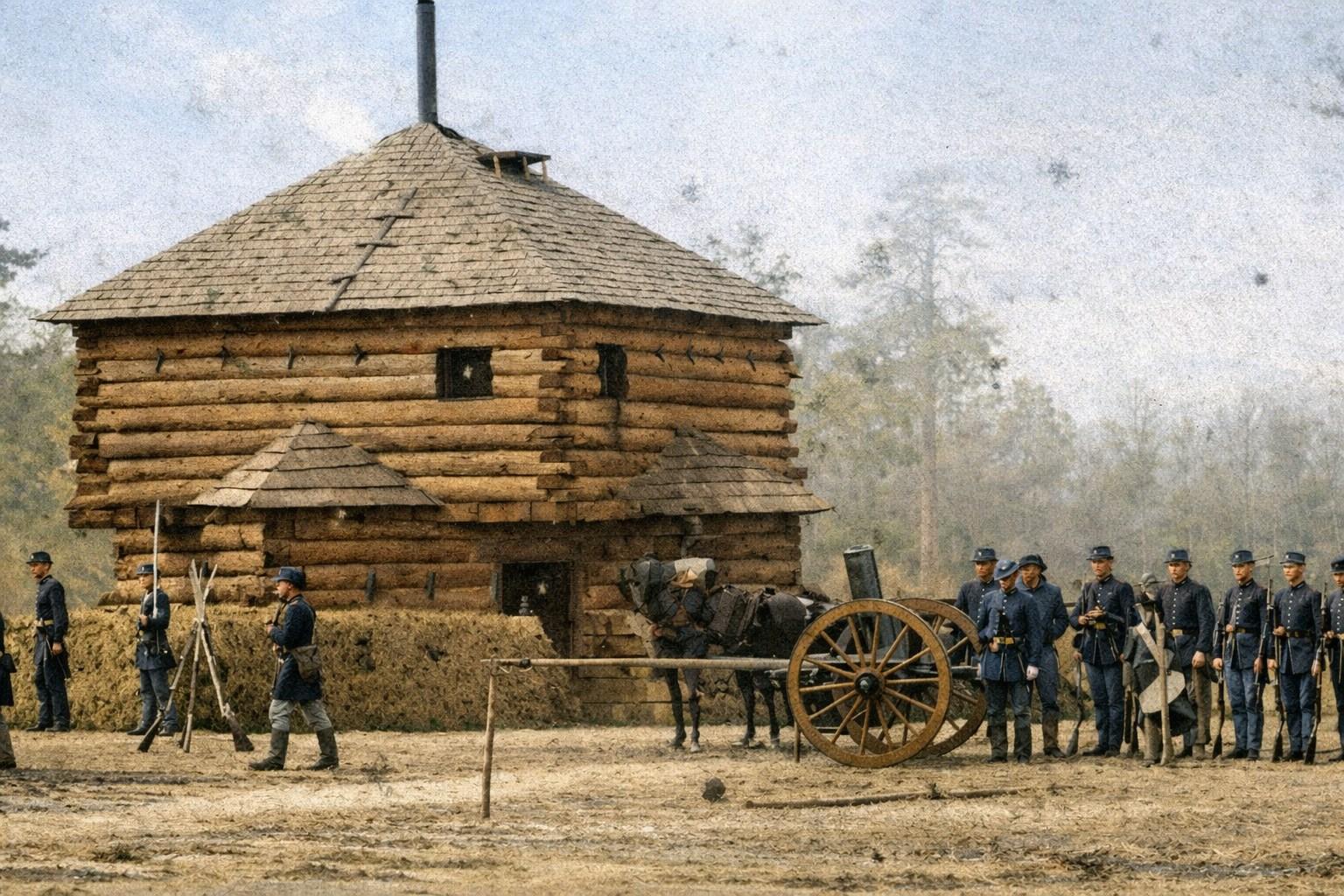
Here I am with my drum on the right side of the photo. We are in front of the blockhouse in New Bern, NC. Actual, enhanced colorized photo.
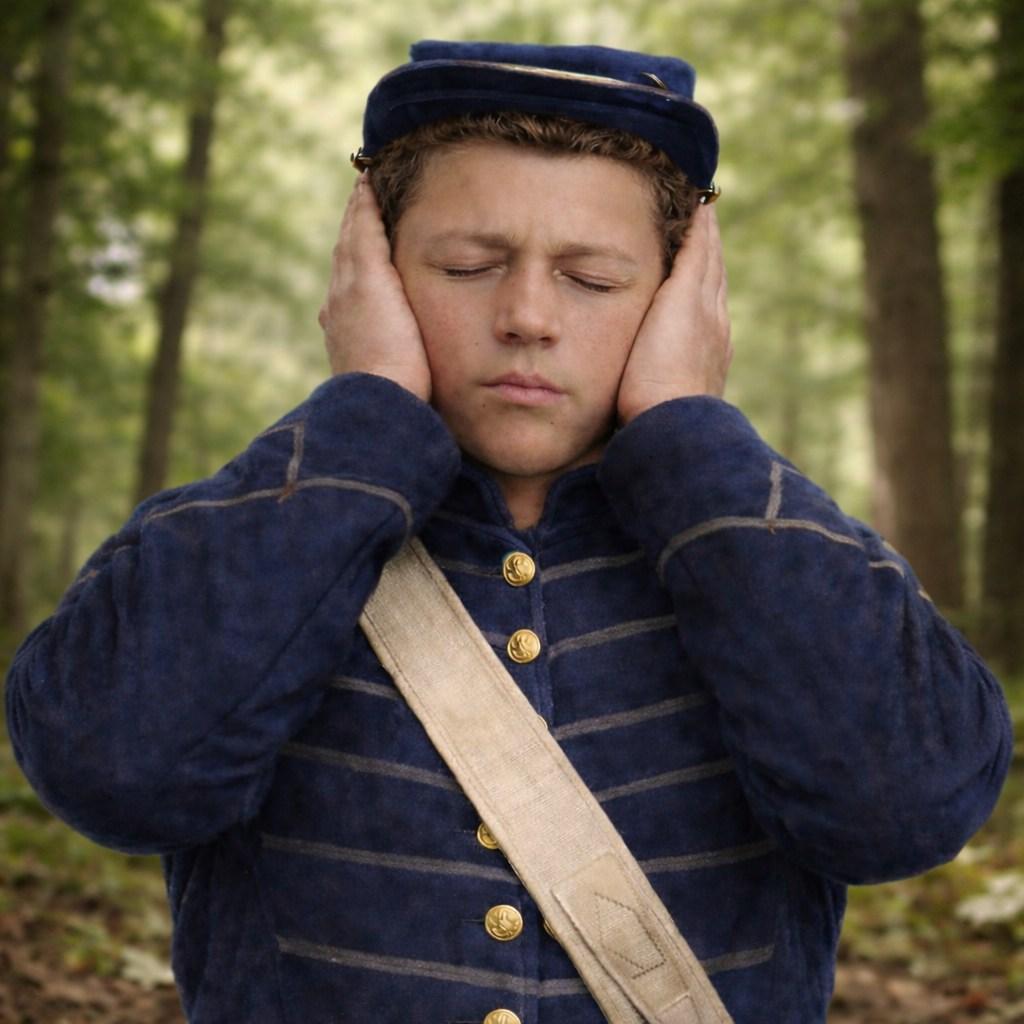
I really hate it when those big cannons start firing.
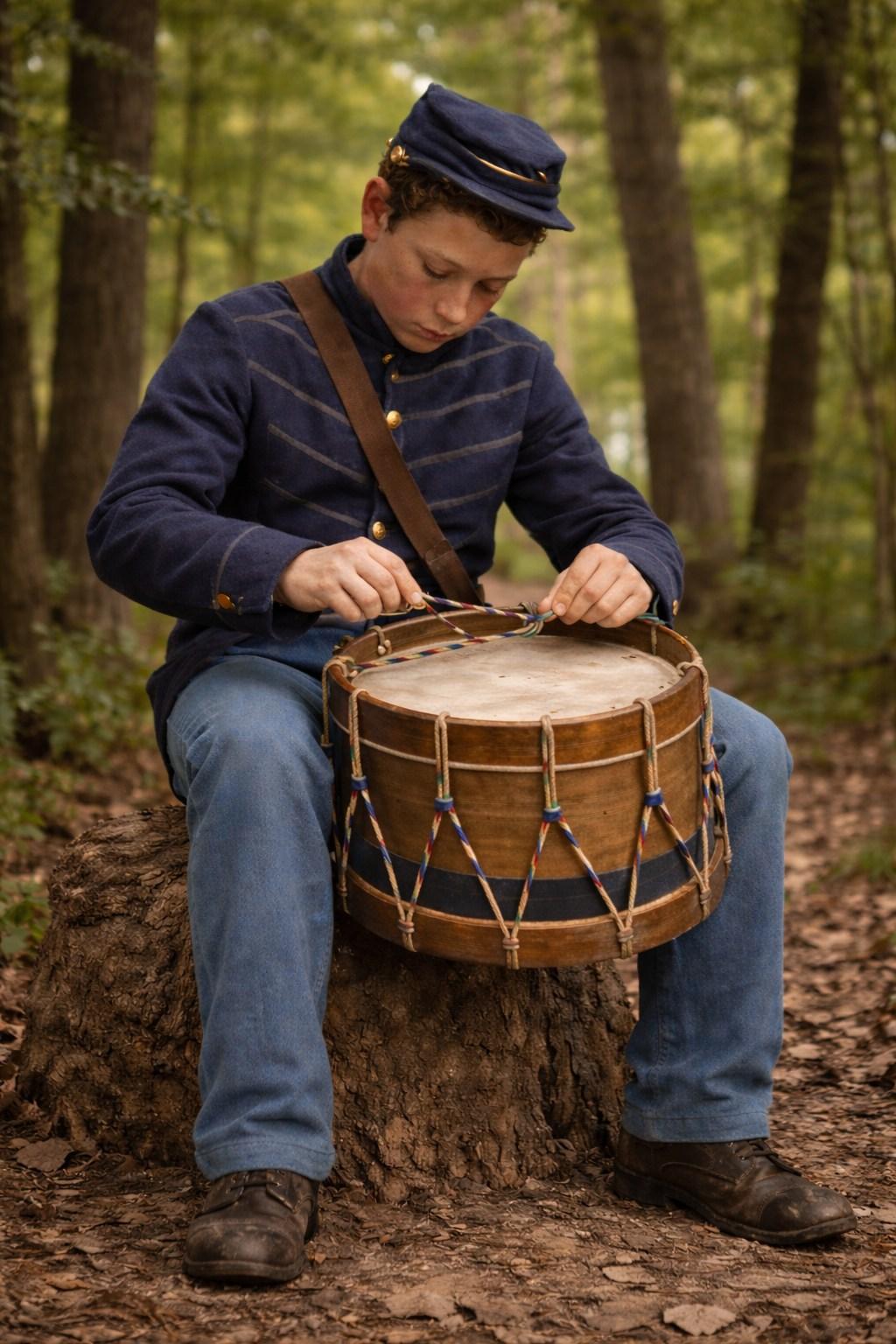
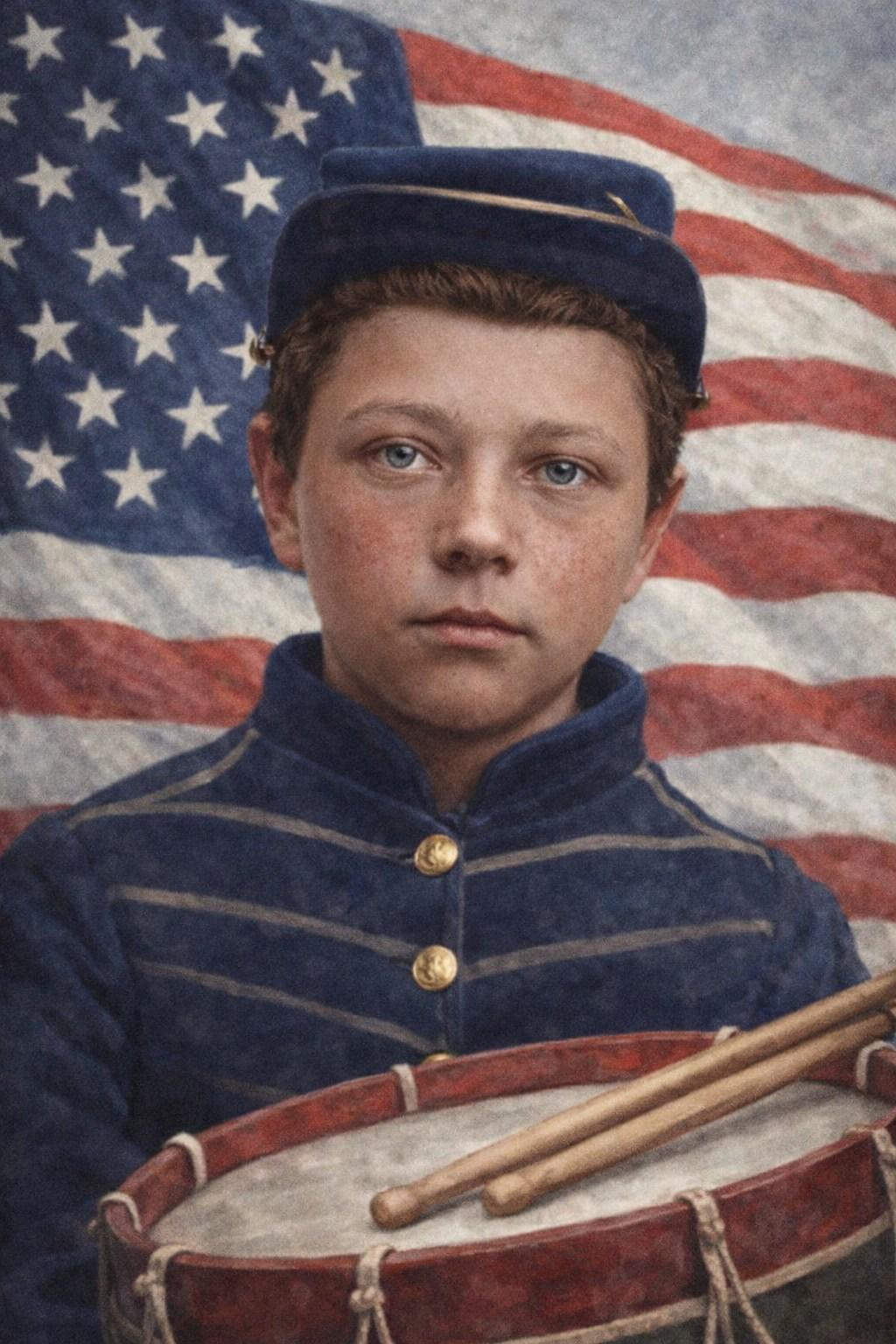
Before a battle, I make sure the cords on my drum are nice and tight.
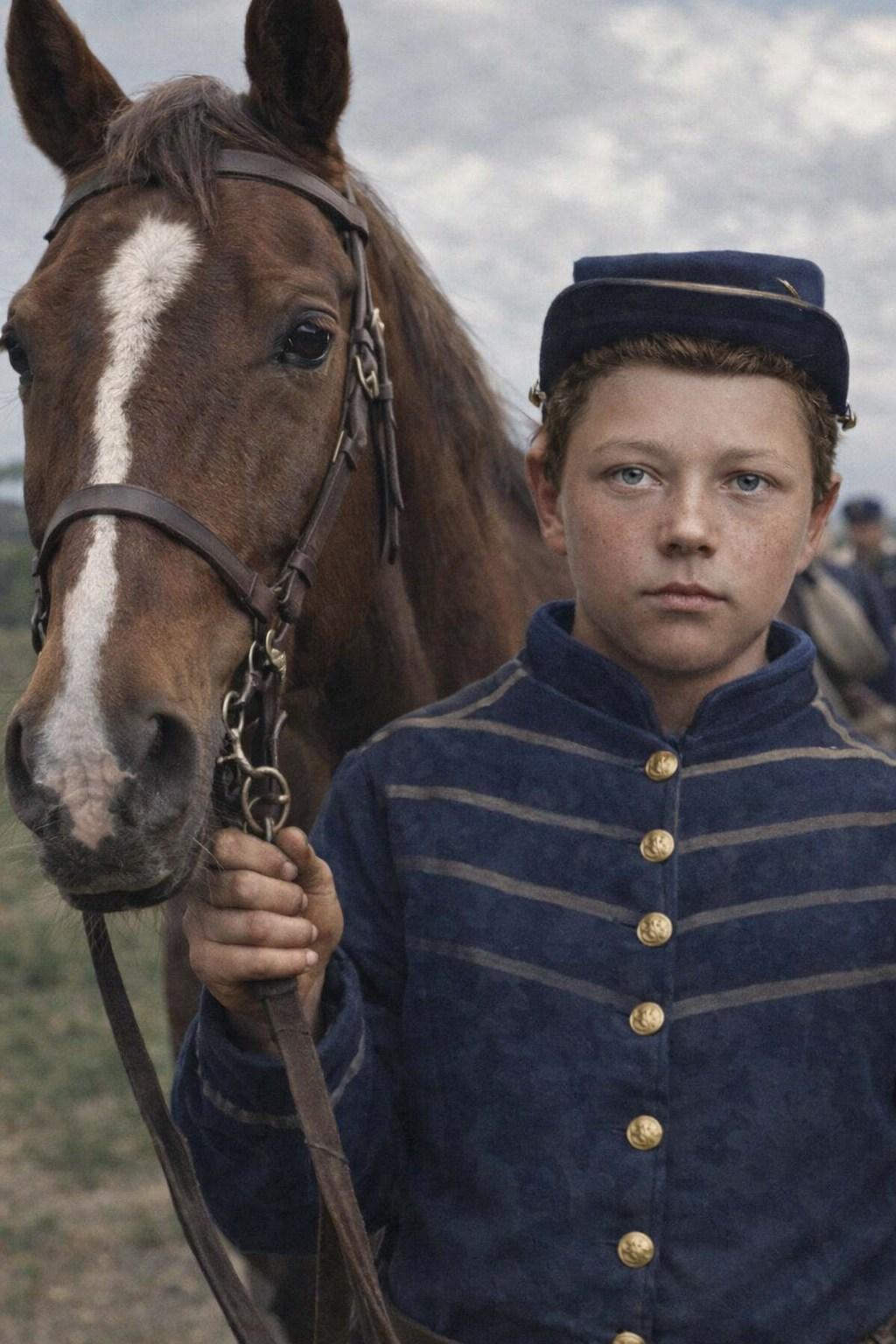
They sometimes let me water the cavalry horse.
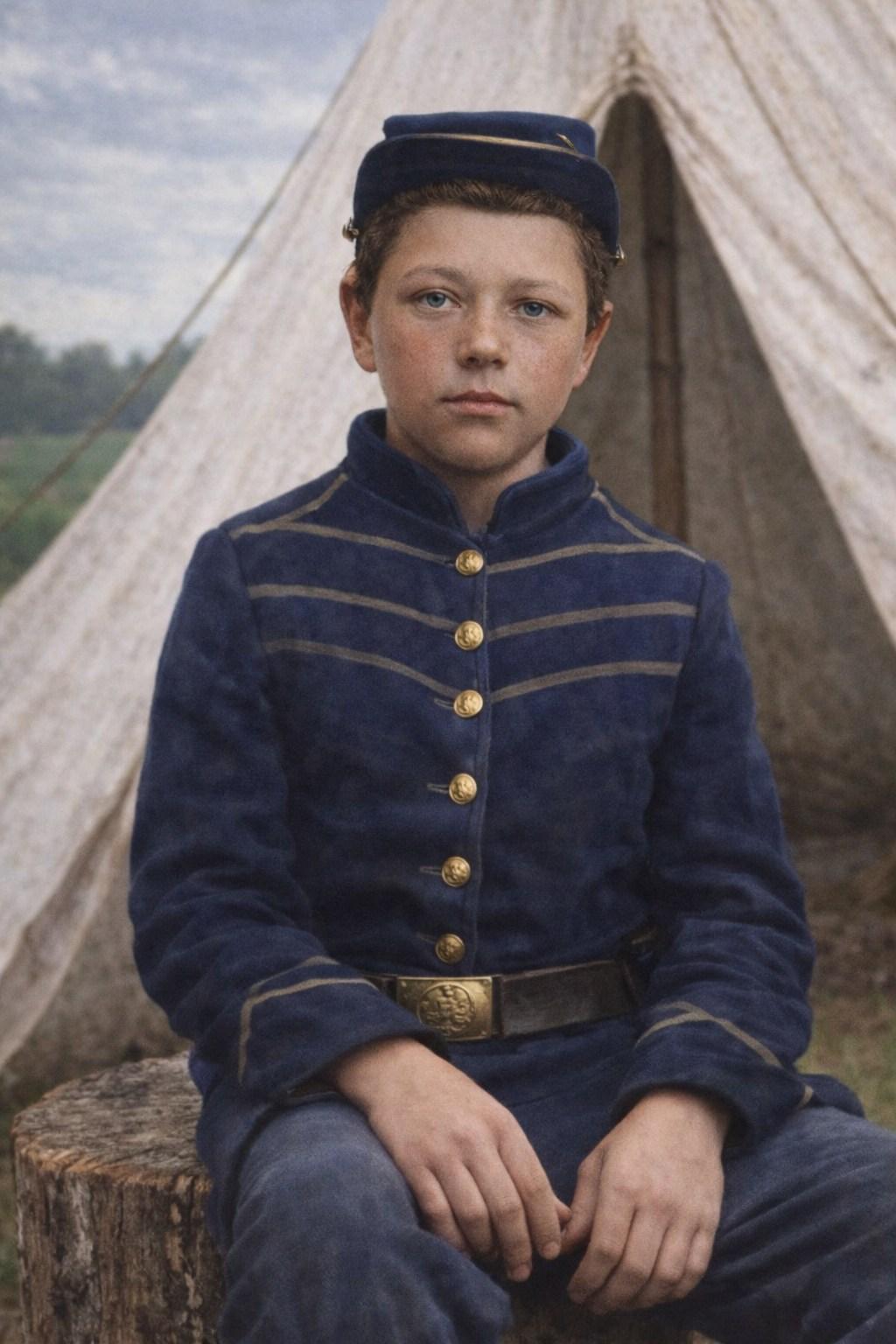
Just sitin’ and thinkin’ in front of my tent. This is where I call home when in camp.
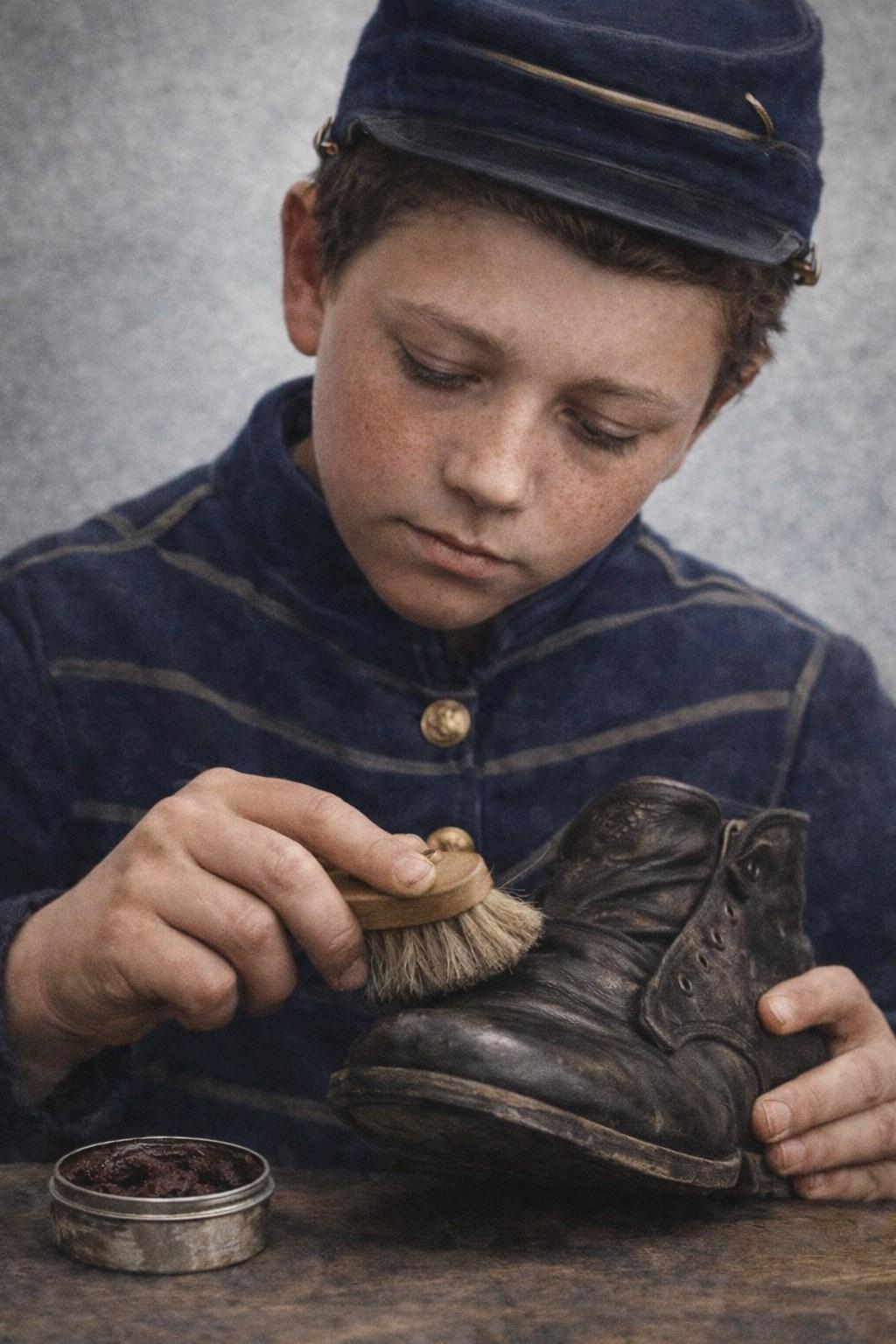
It’s got to be shined to keep out the mud and water.
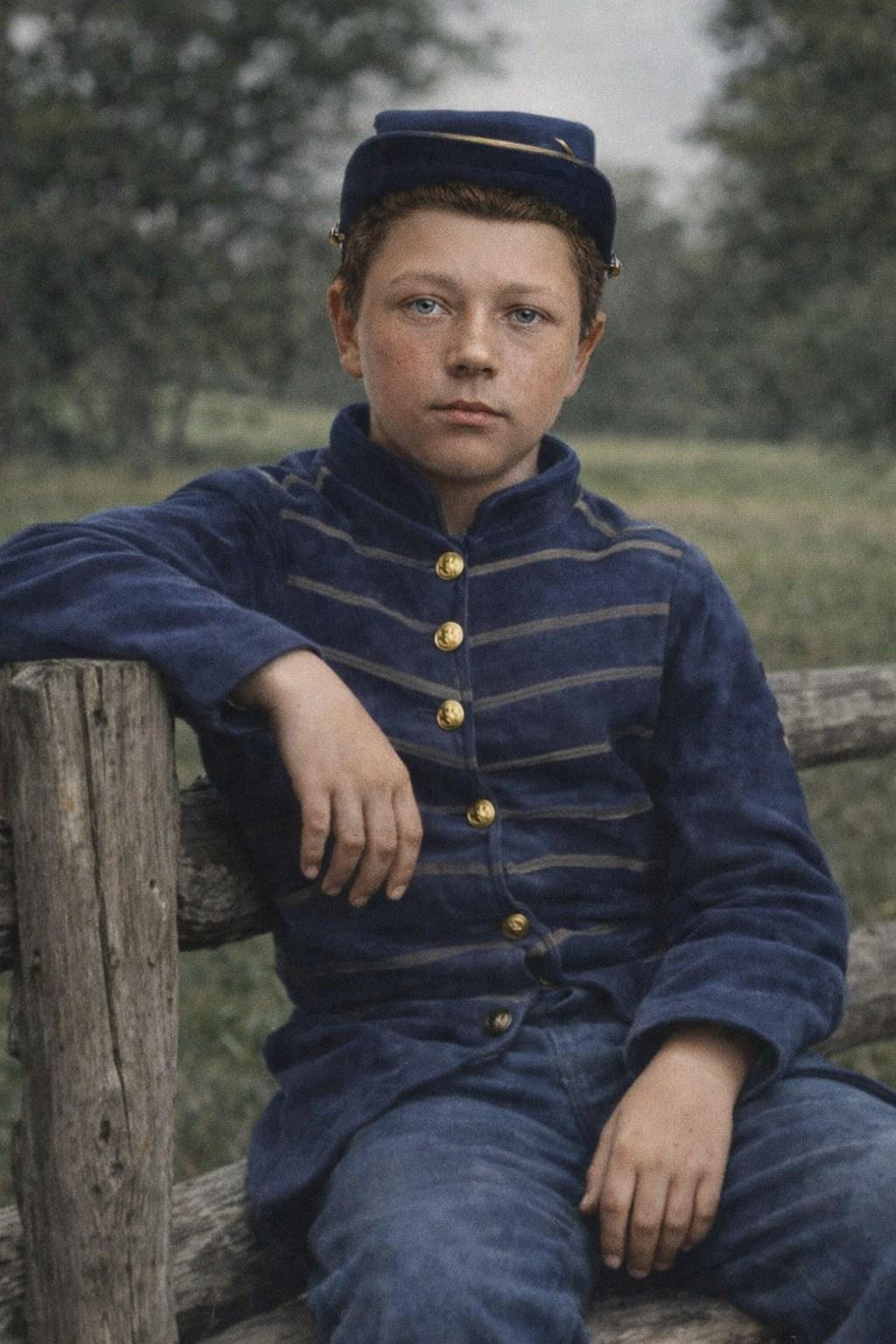
Sure is nice to sit and rest for a while after a long march.
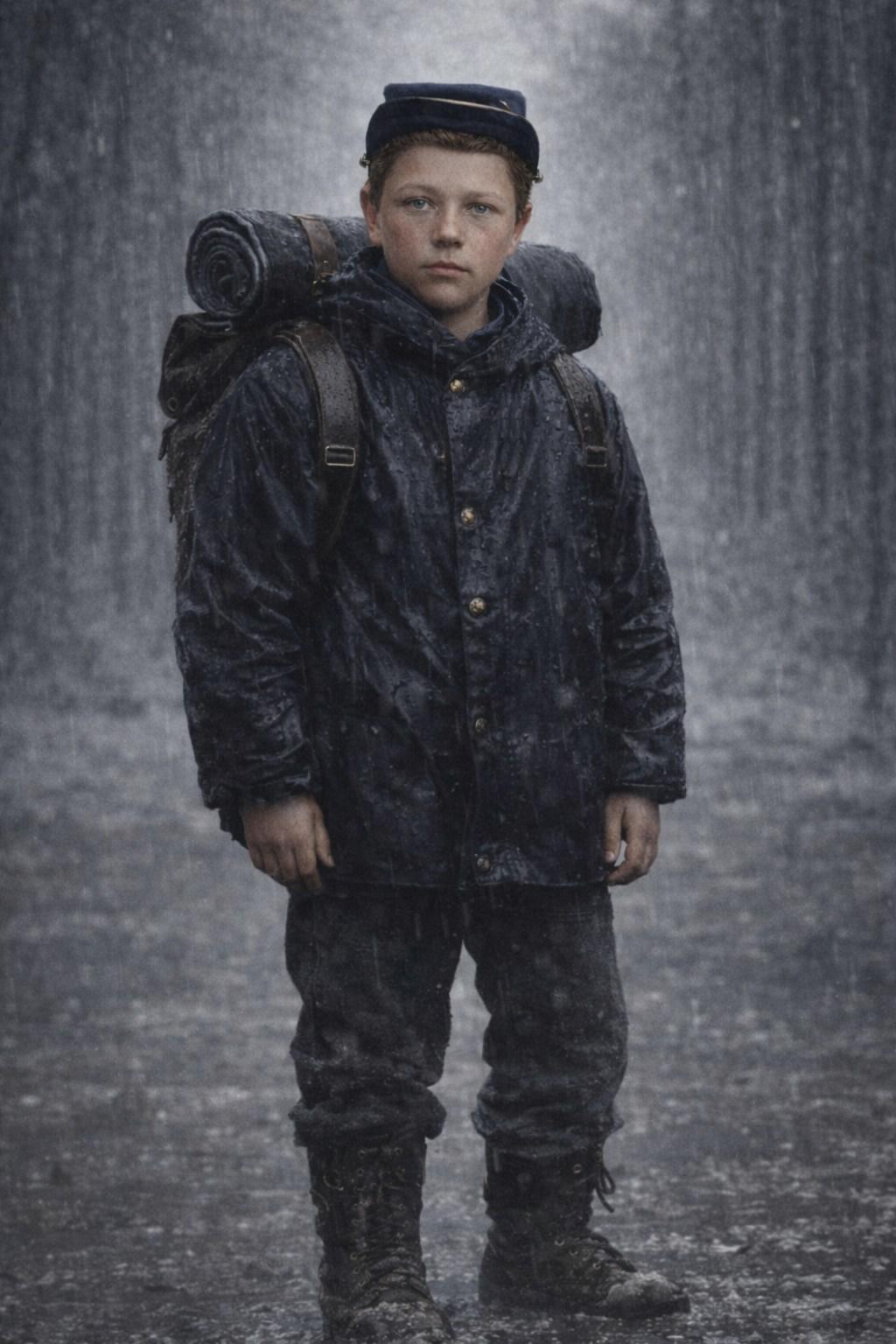
A backpack can seem mighty heavy after a long march.
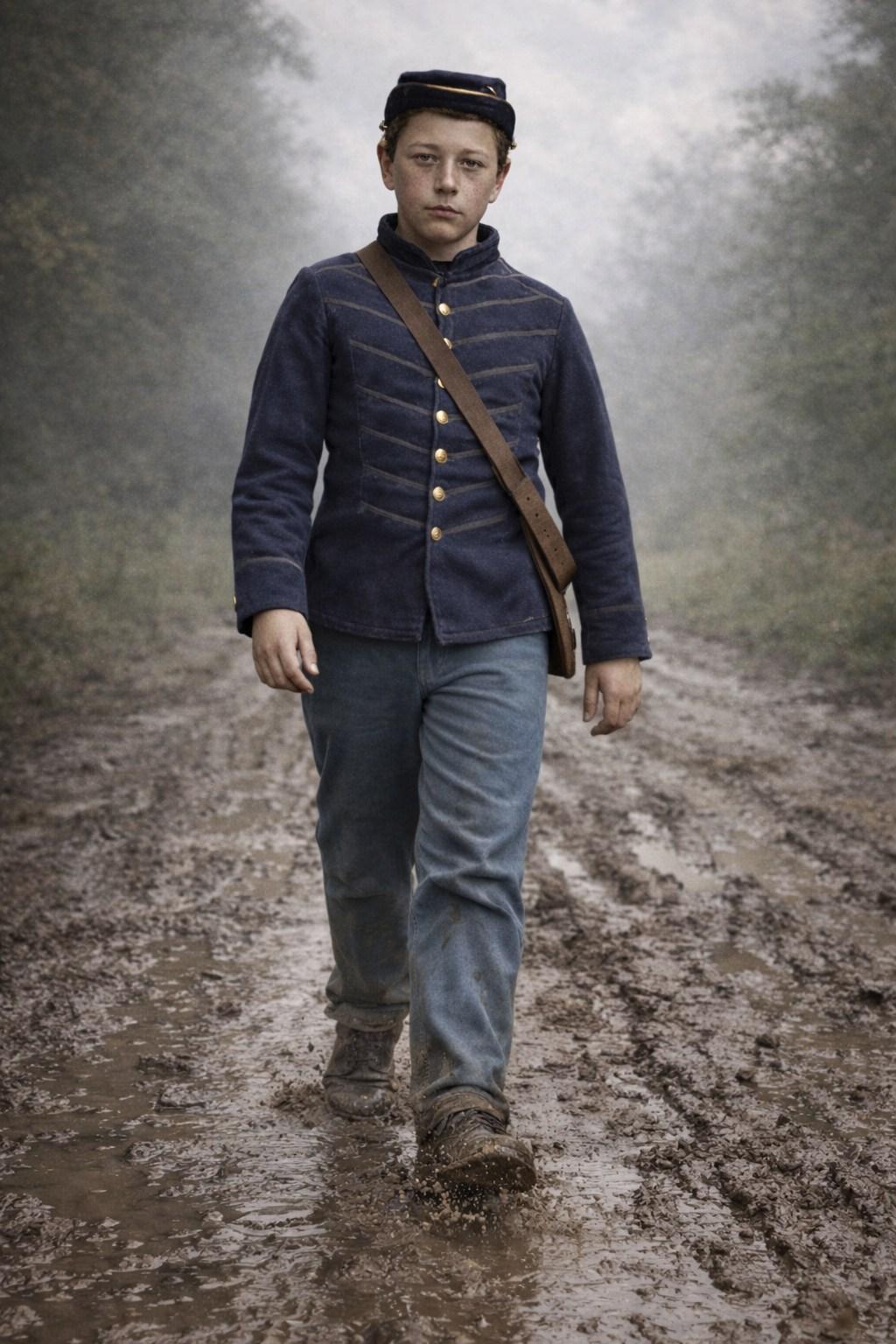
In the spring it seems to rain a lot out here. It makes for some very soggy and dirty marching.
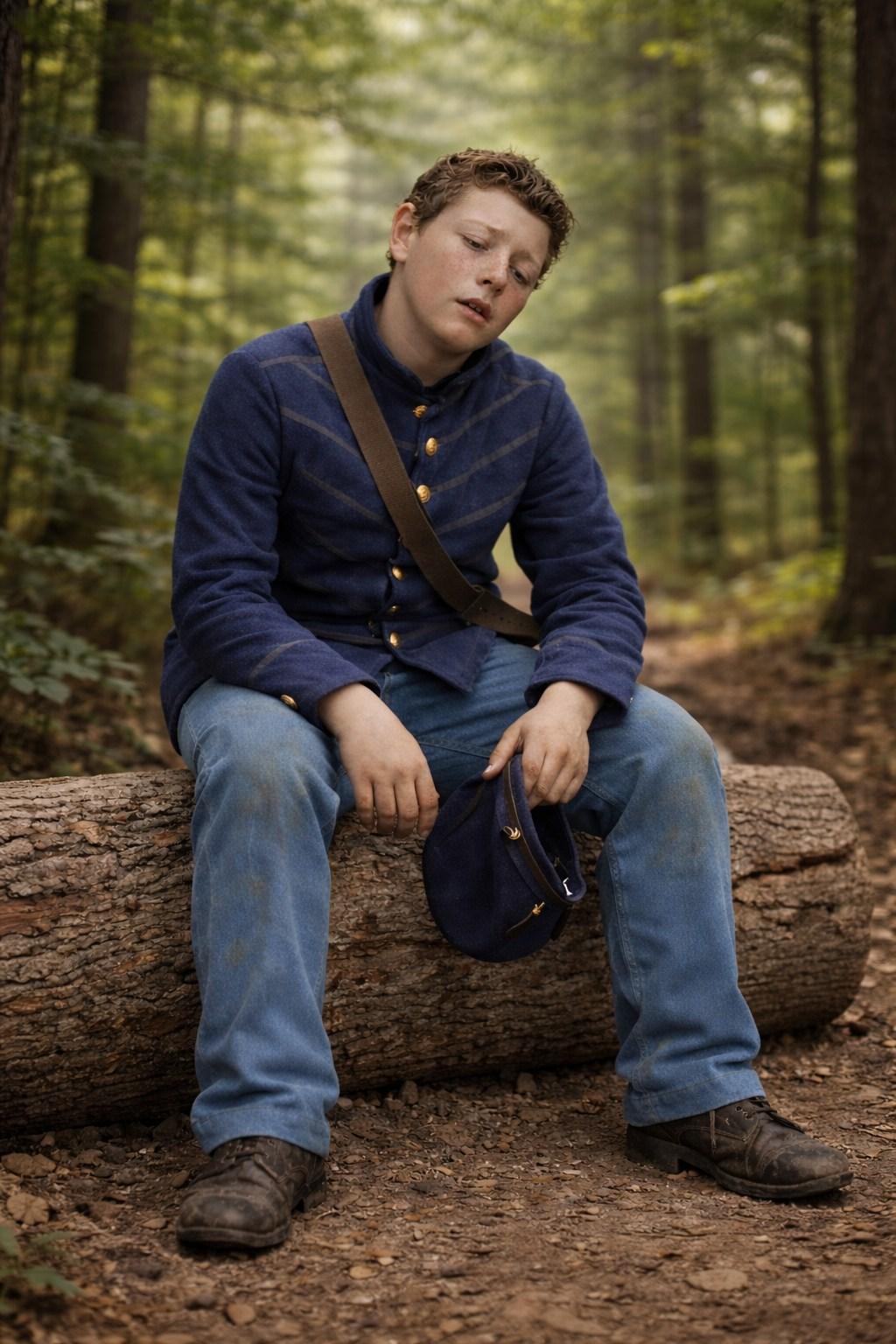
The worst part of this war, is loosing a good friend in battle, and knowing that I’ll never see them again.
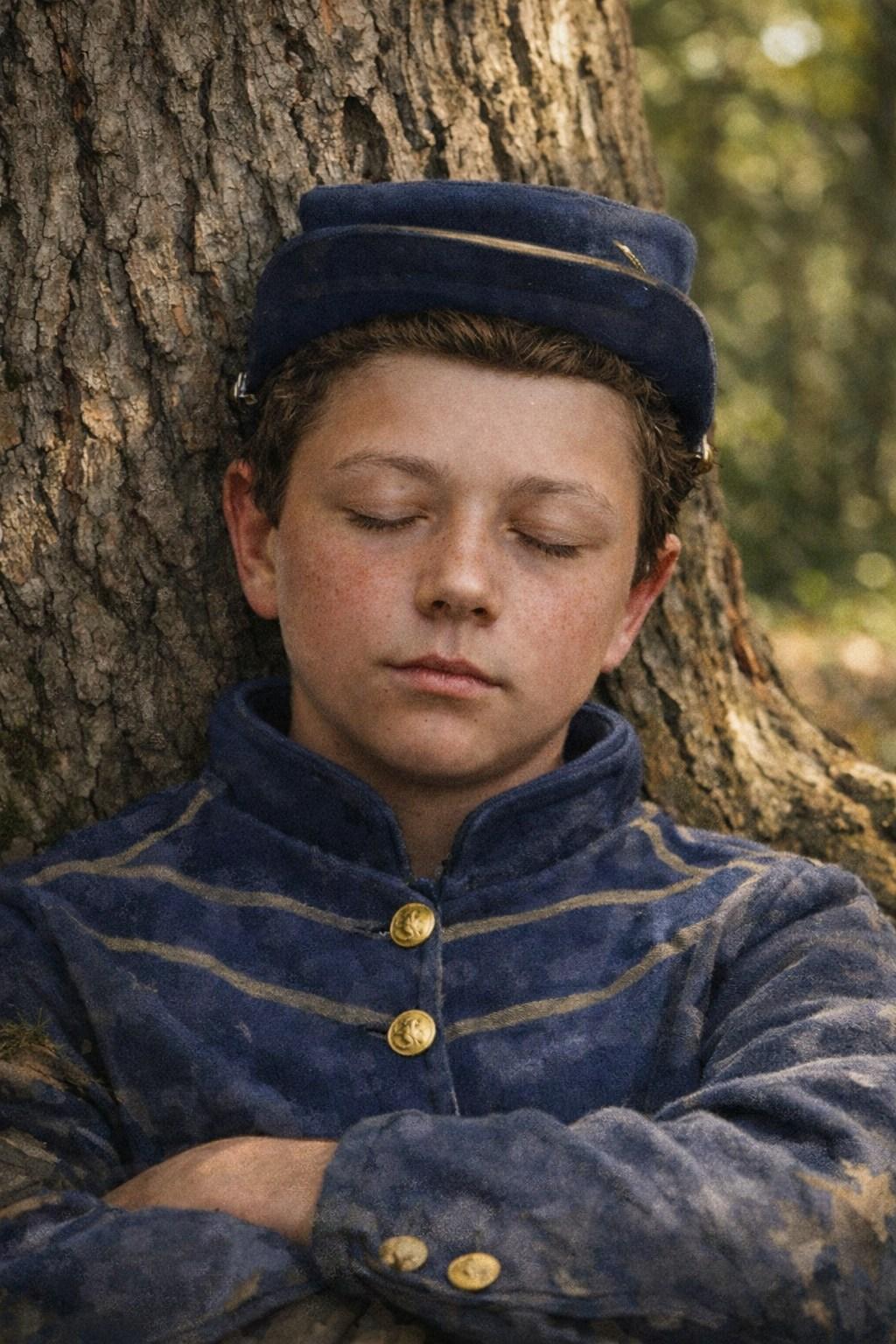
Sometimes after a meal, we get a few minutes of rest.
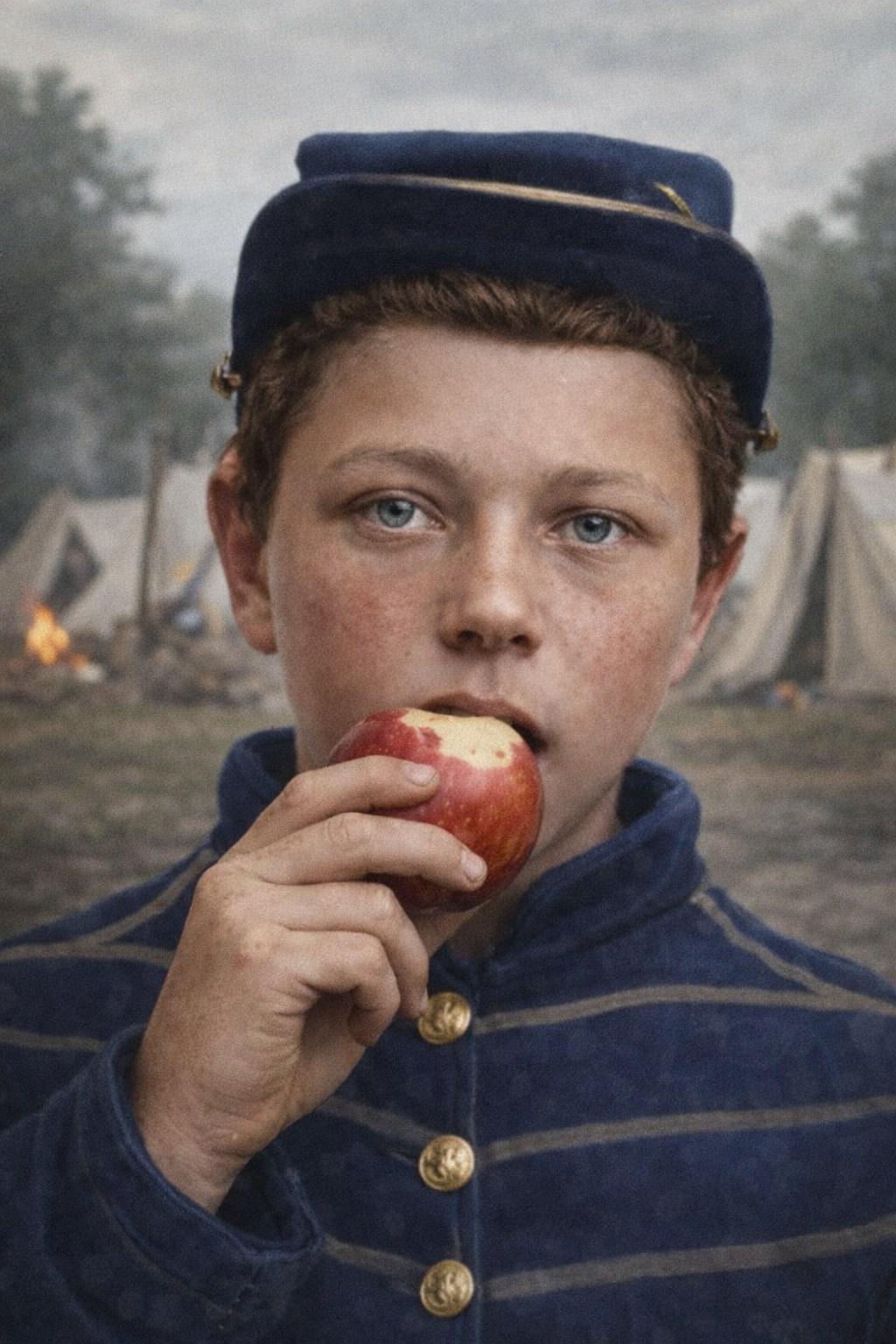
Once in a while we march past some nice apple trees.
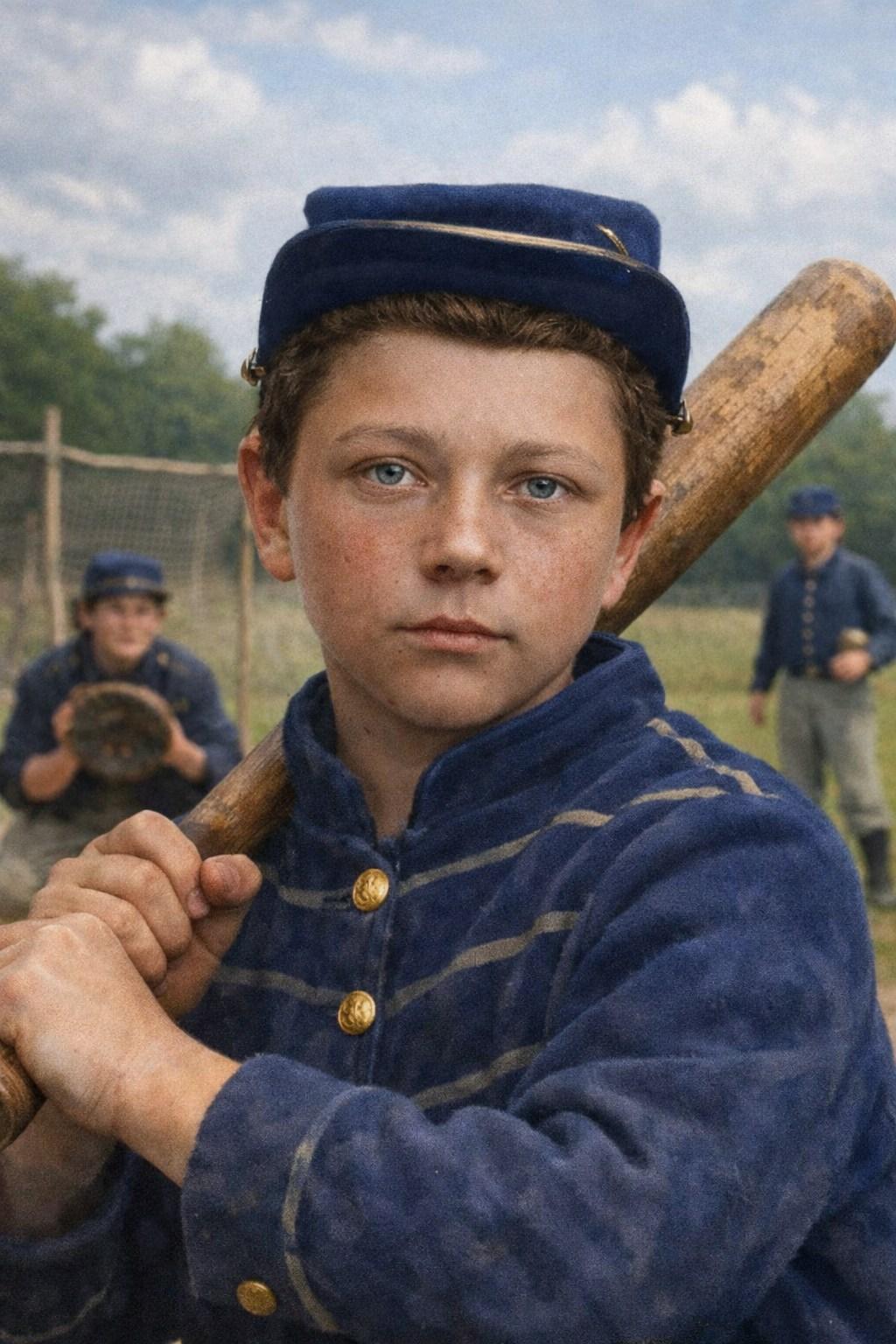
The boys taught me to play a new game, it’s called base ball.
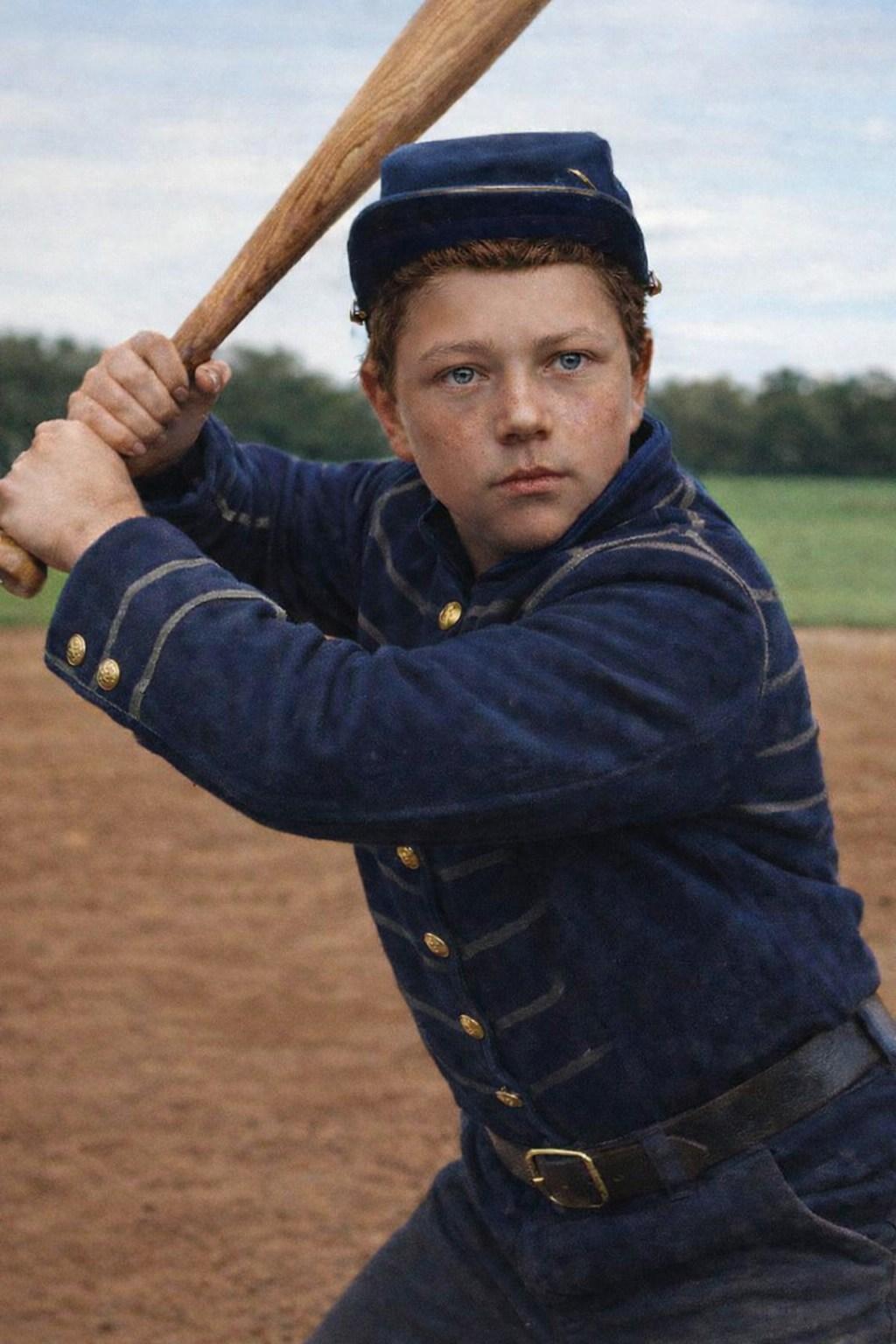
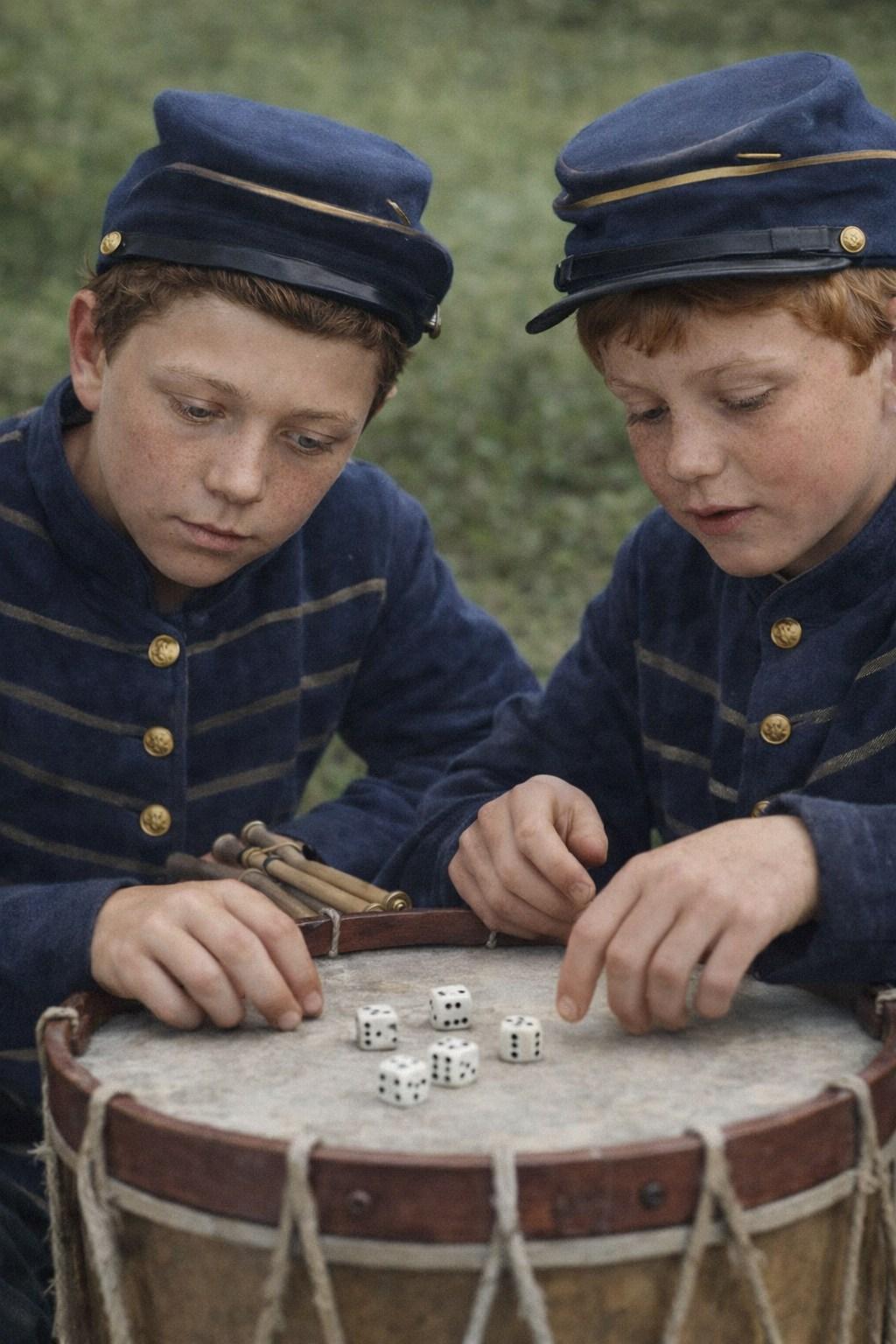
Relaxing between marches with my friend, Rusty.
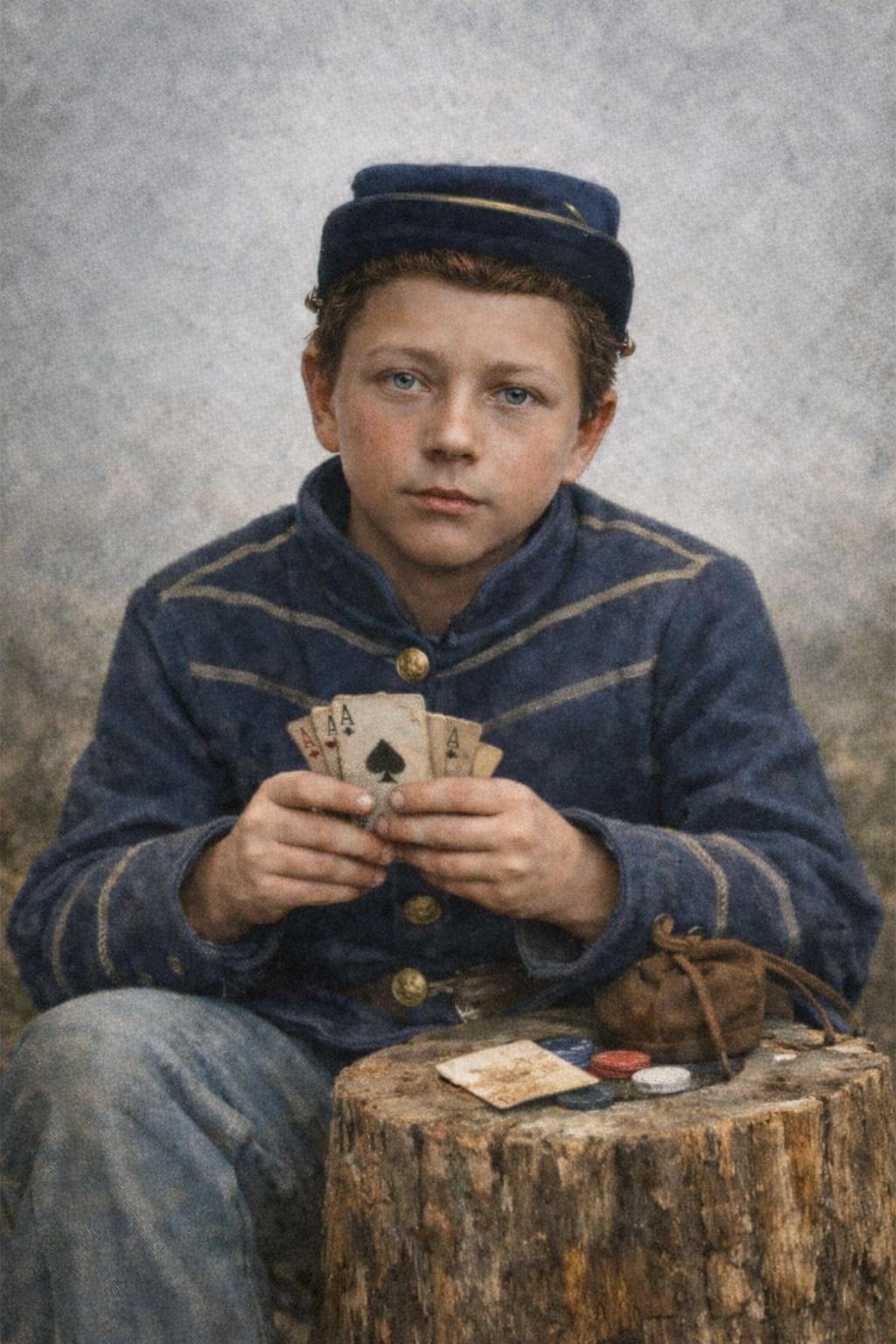
I think I got this one!
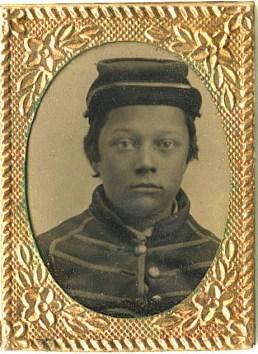
Actual size of the photo.
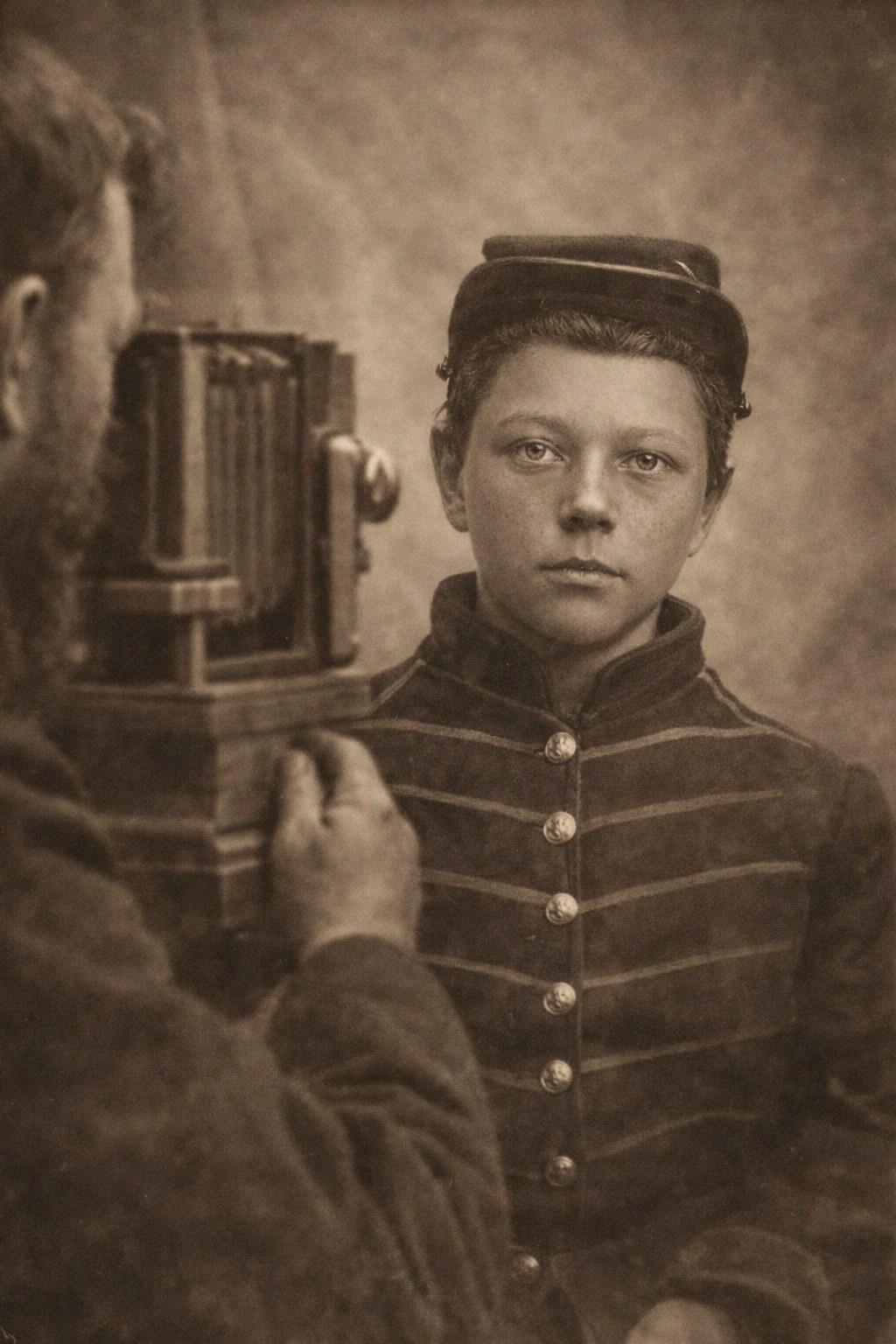
We all have our photo taken to send home to our families.
The photos can help identify us if something bad should happen.
We don’t get much time to relax, but when we do, we make the most of it.
This is the only shootin’ I enjoy doin.’
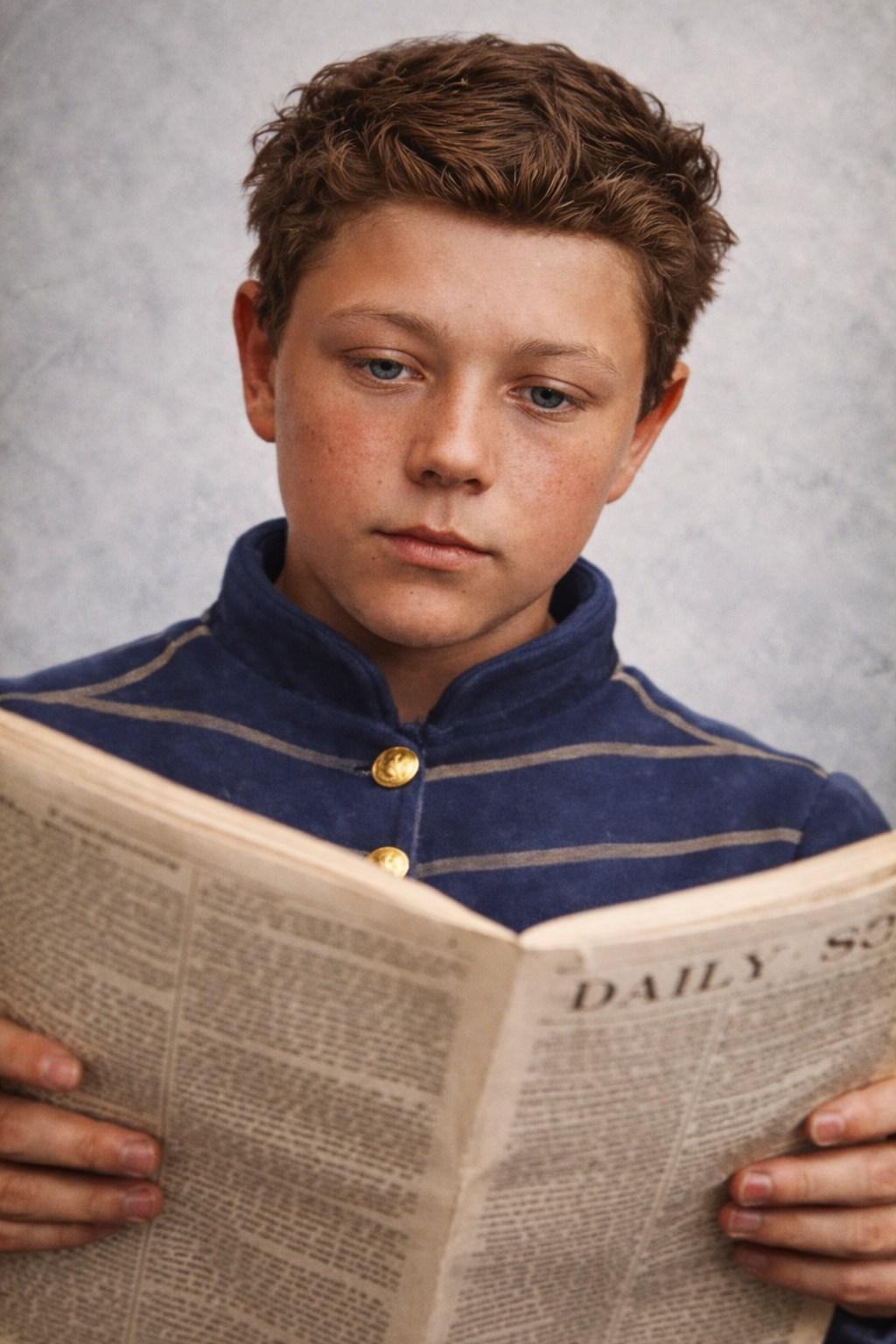
We get most of our war news from the papers just like you do.
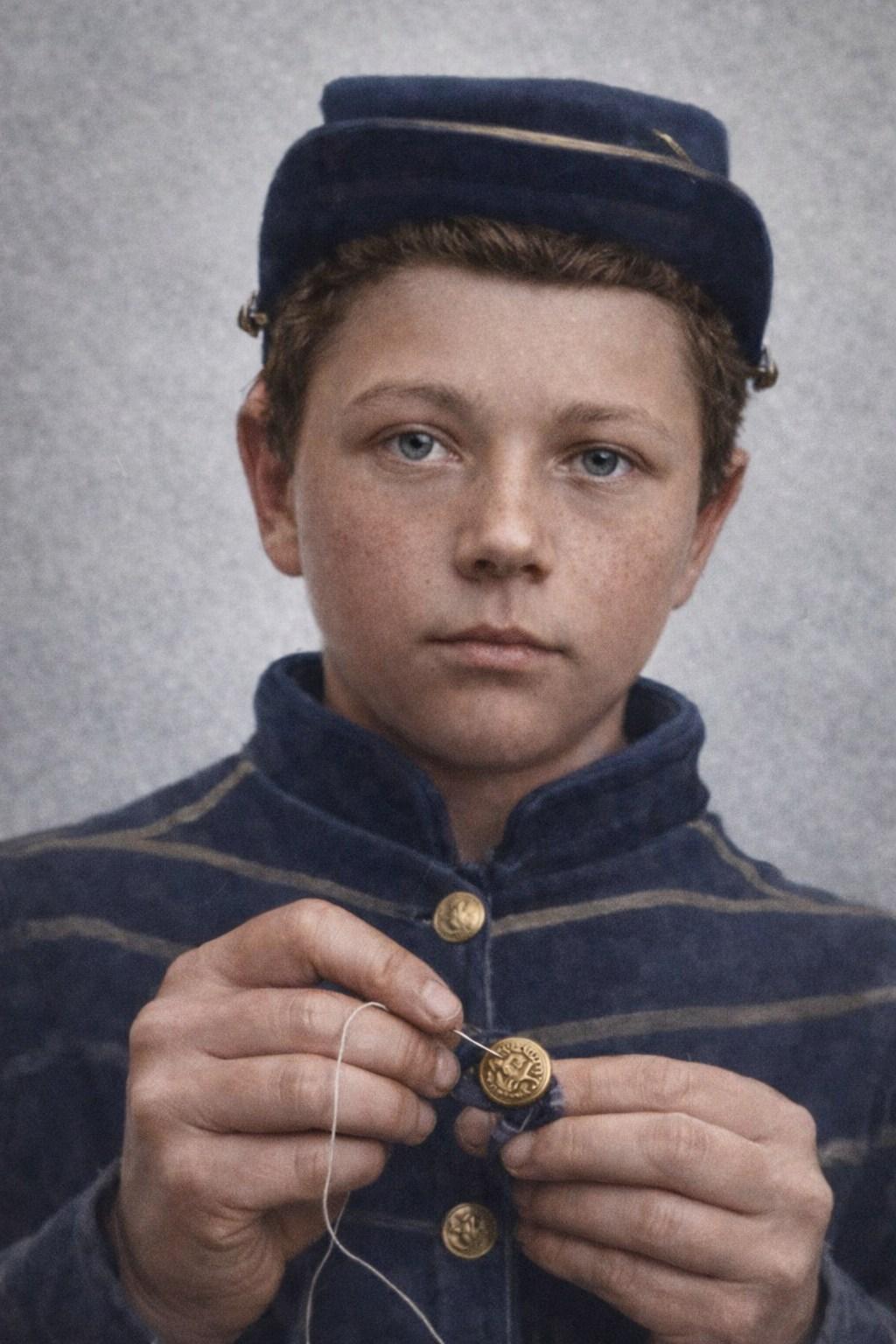
I pricked my finger twice today.
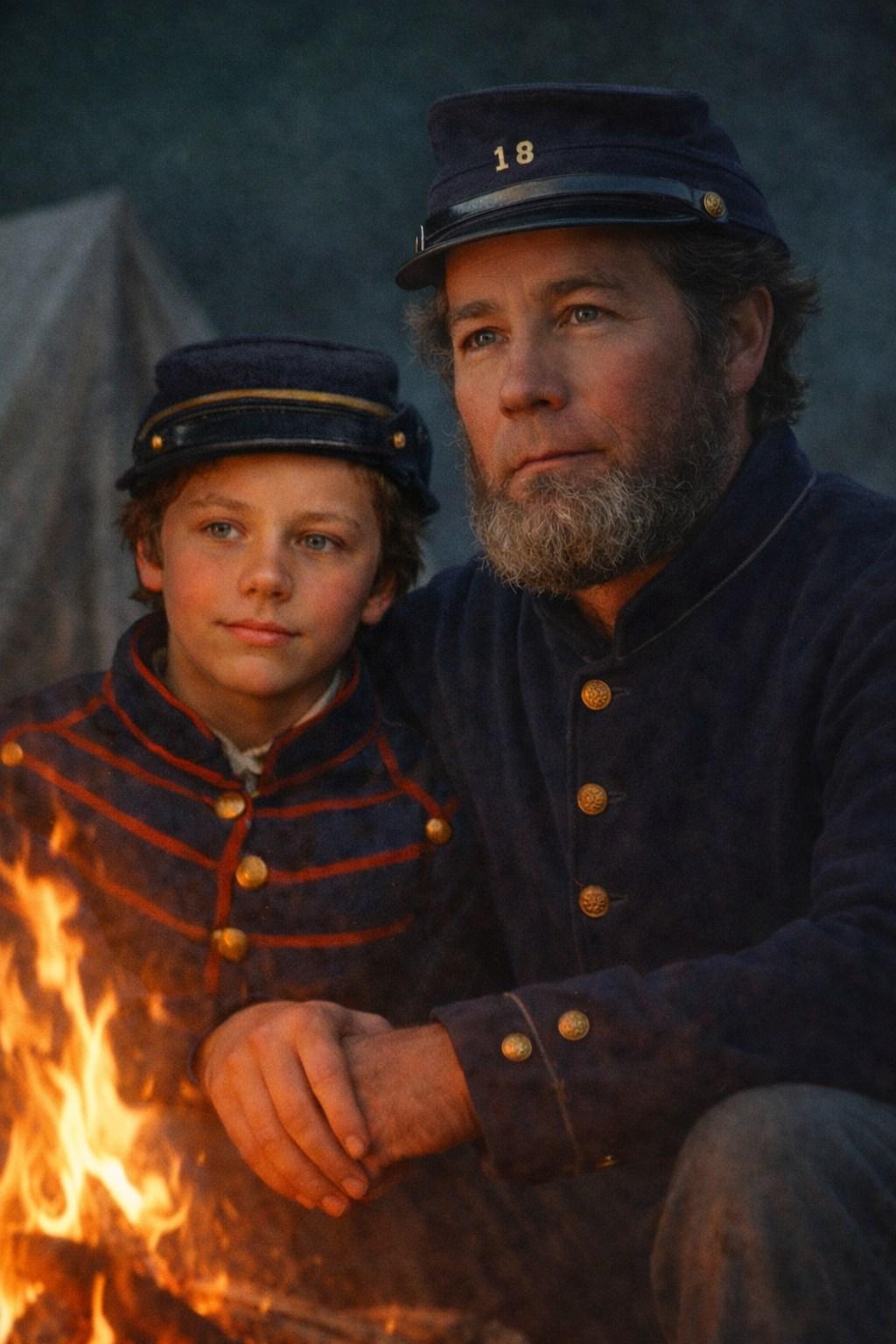
Sitting by the fire with my father on a chilly evening.
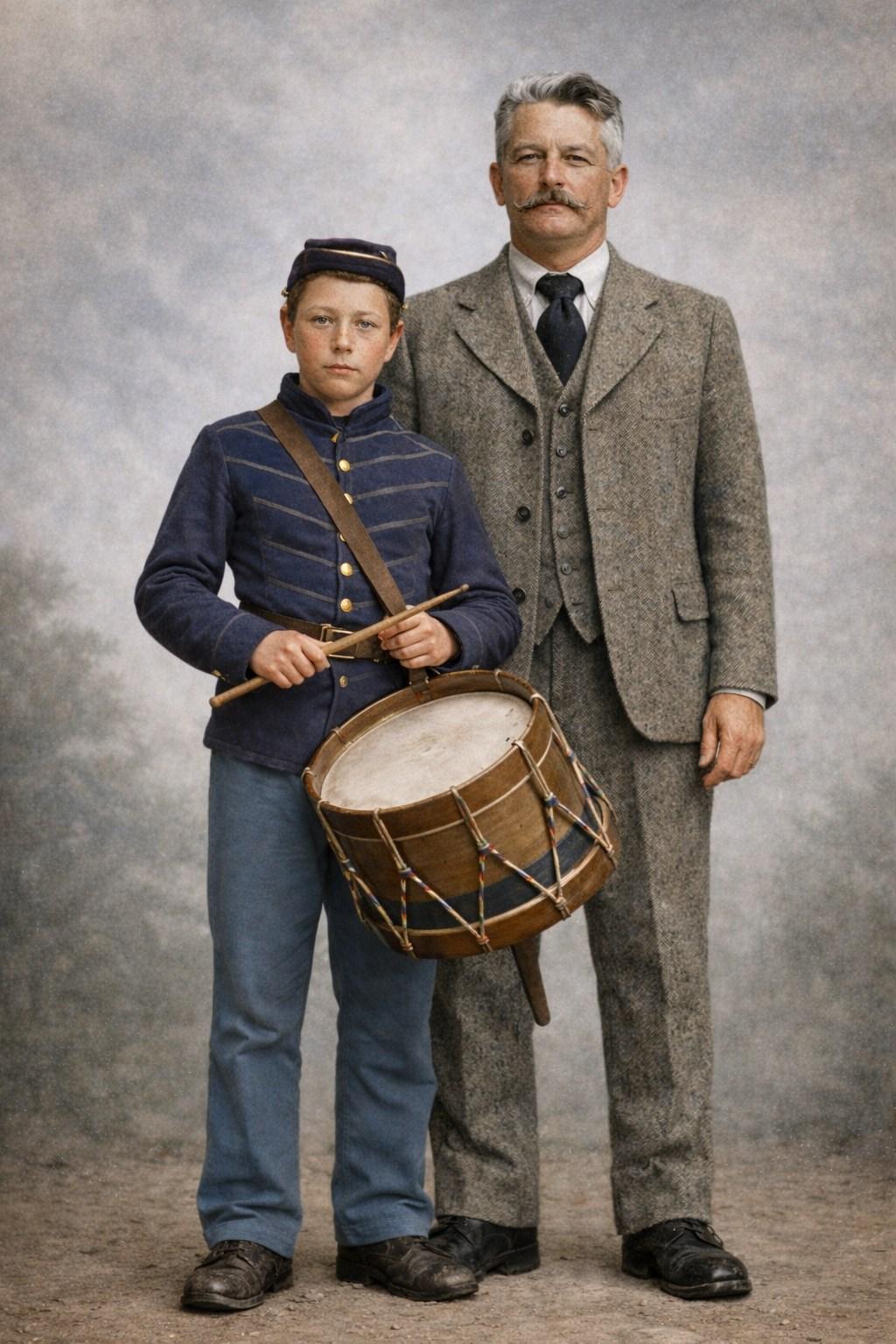
Young Frank Pettis beside himself as an old man.
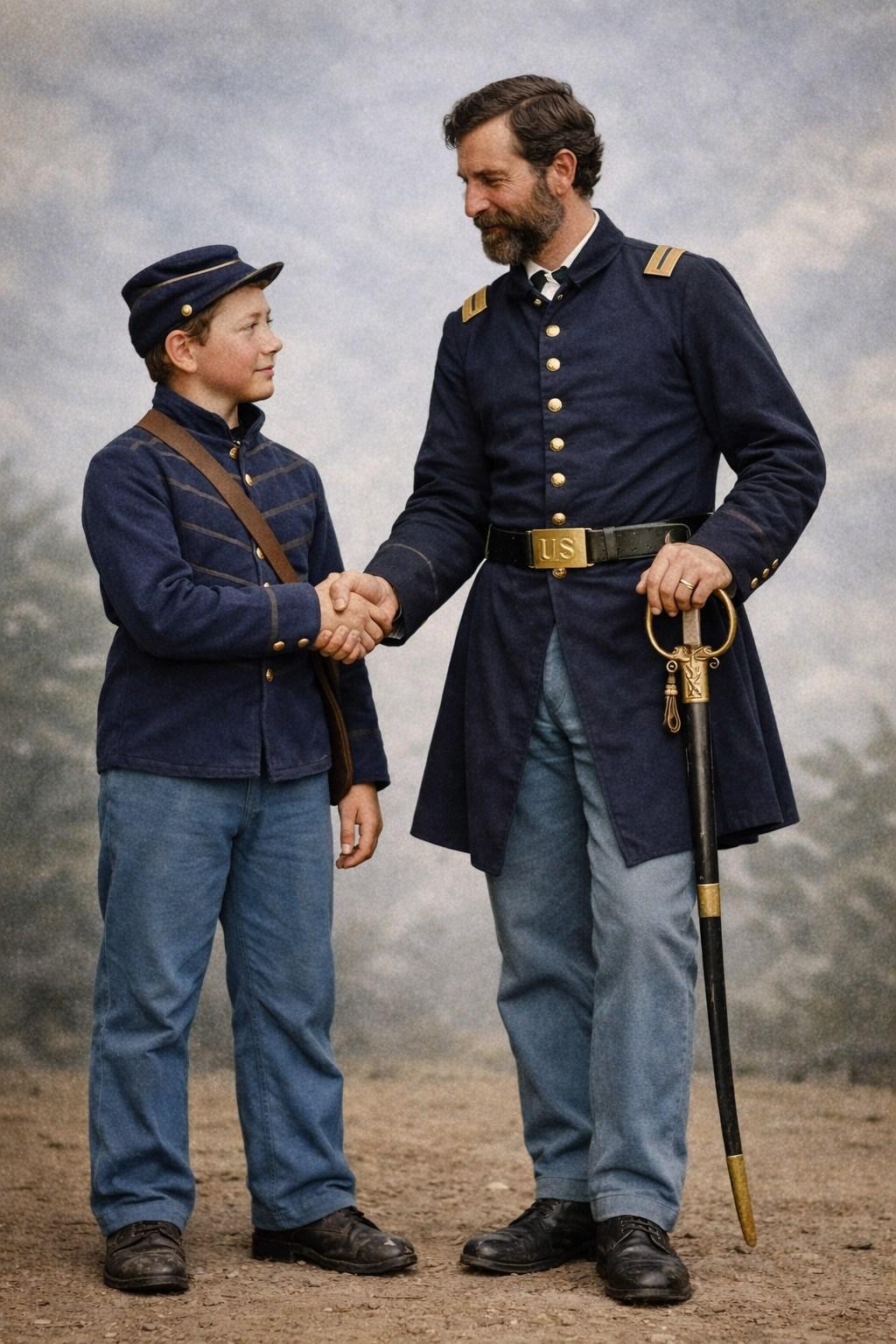
I joined the army with my teacher, A.P. Ellenwood.
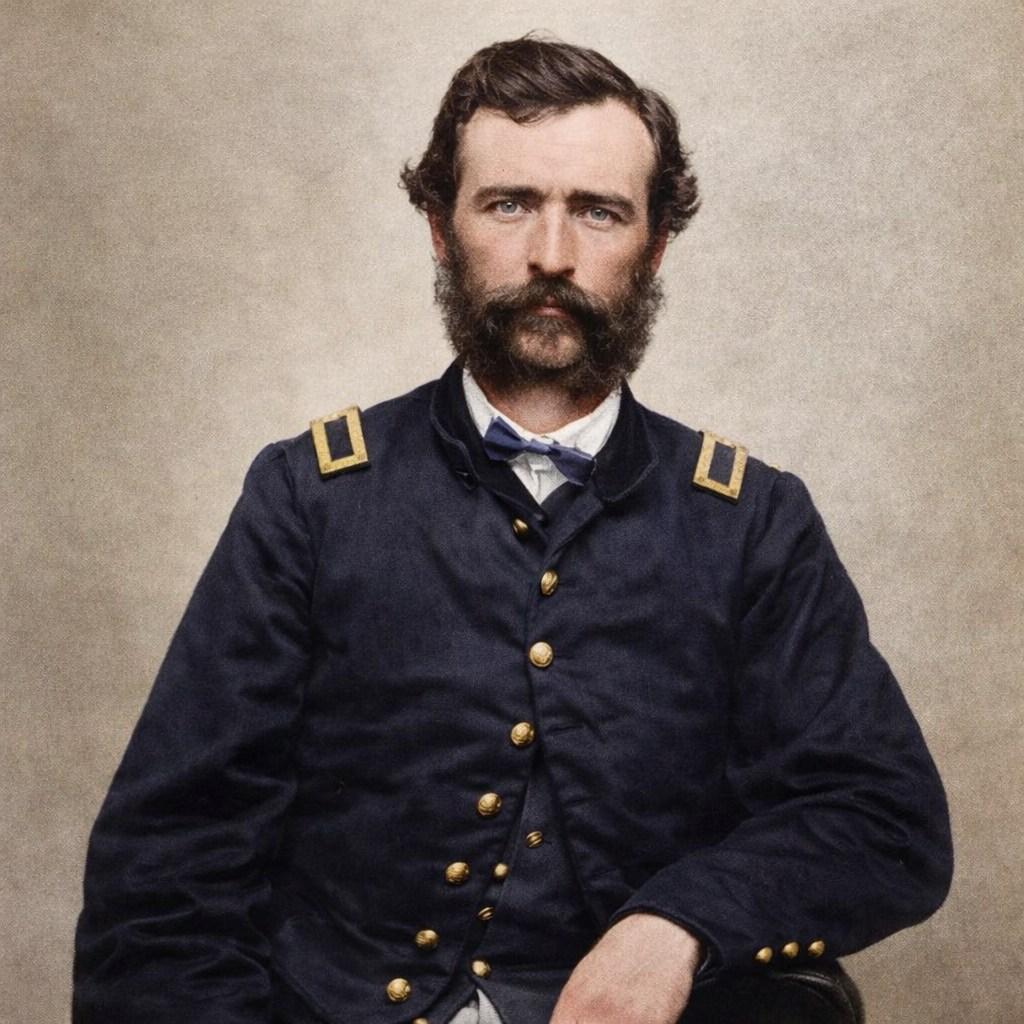
My teacher, Alexander P.
Ellenwood
He became a Captain during the war.
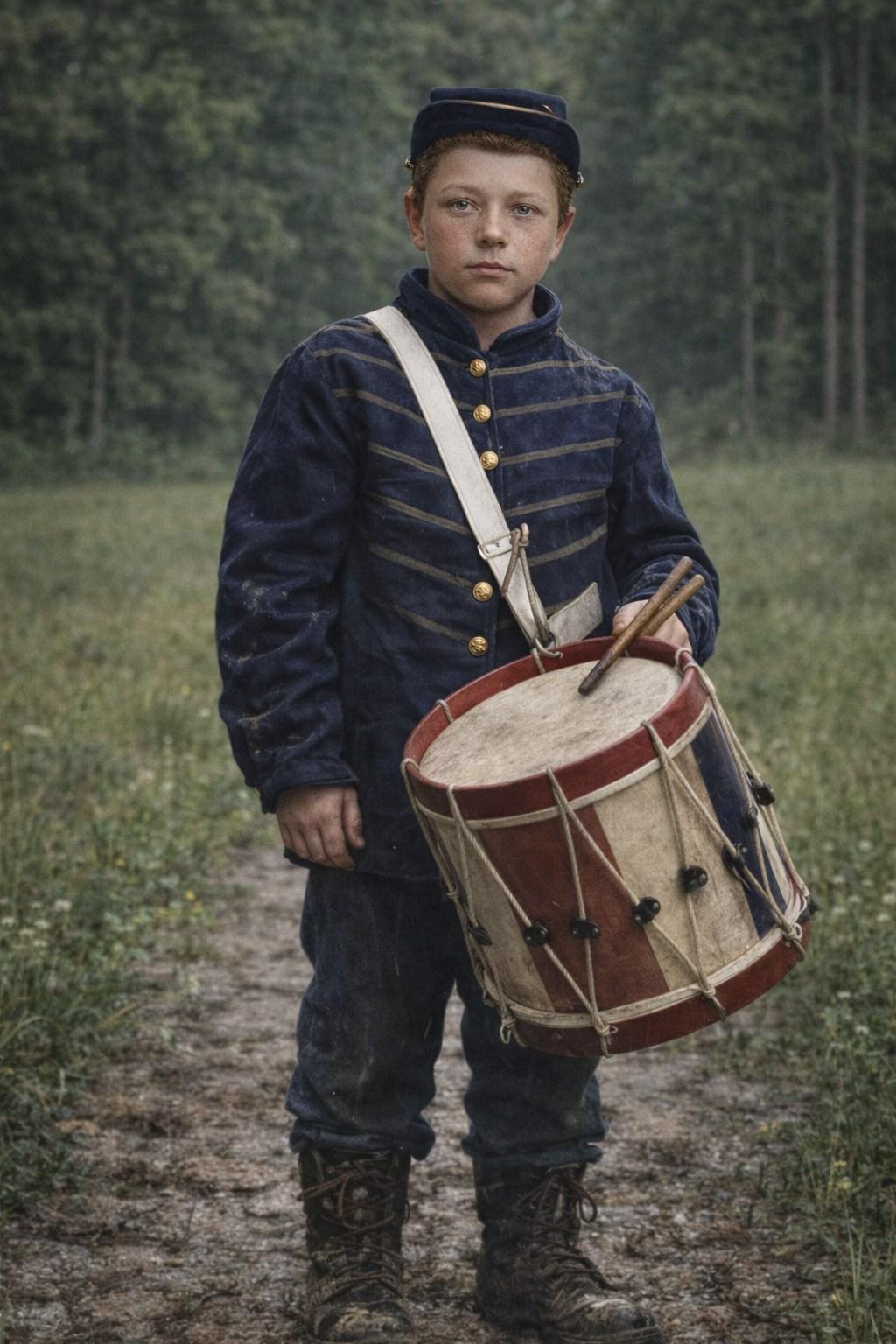
Just out here in the woods where’s it’s quiet, practicing with my drum.
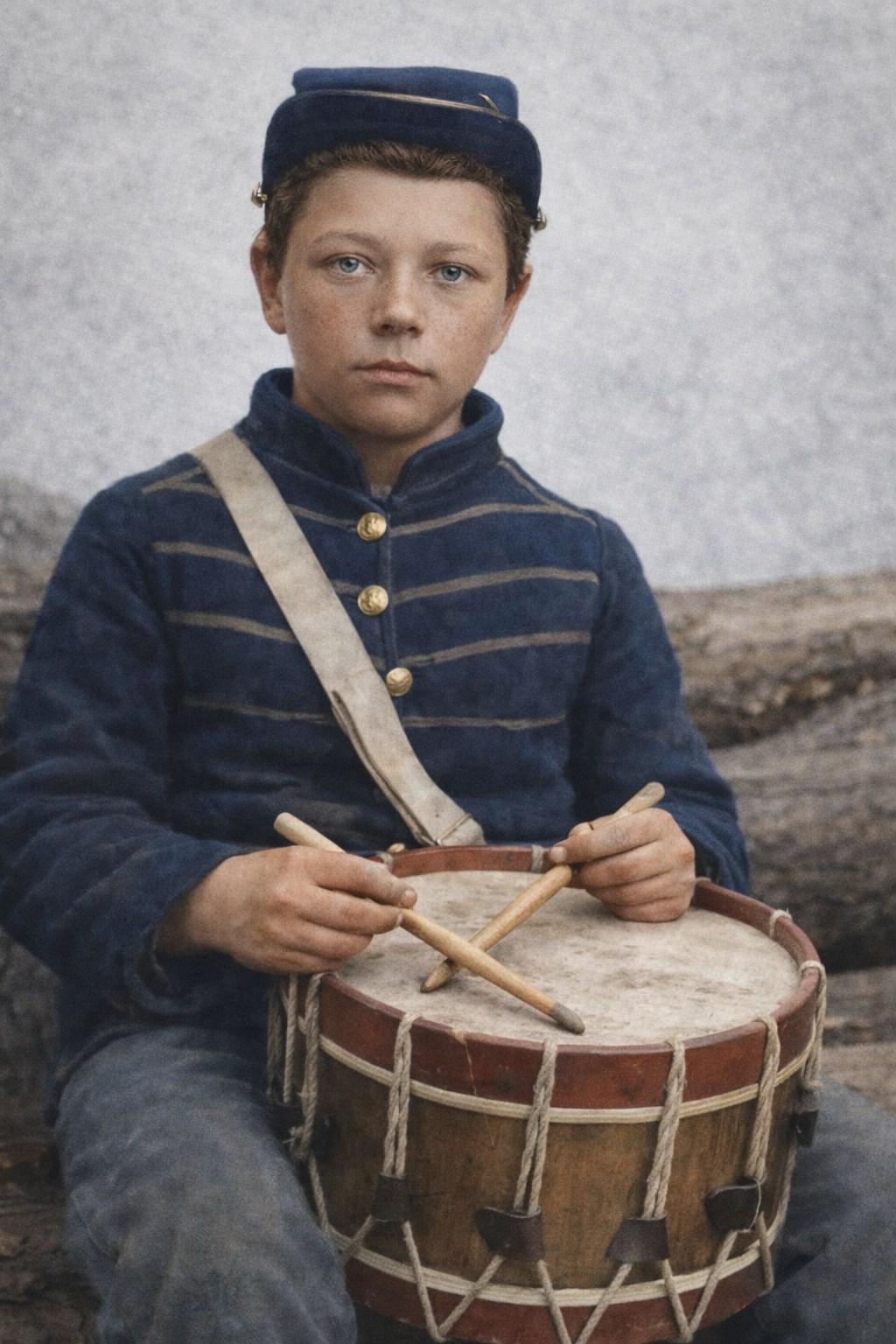
Before I joined the Army, I didn’t know anything about playing a drum.
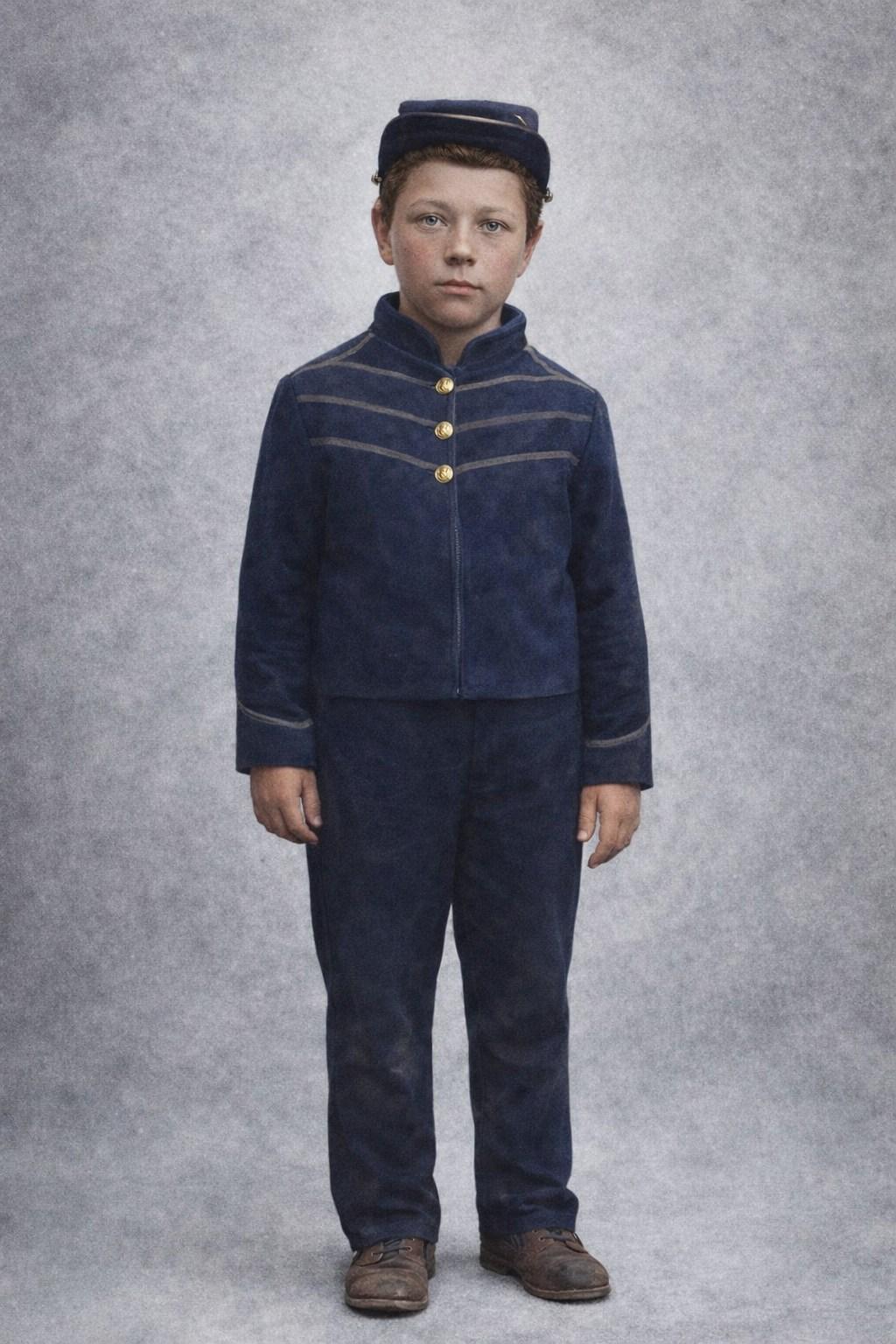
How do you like my uniform?
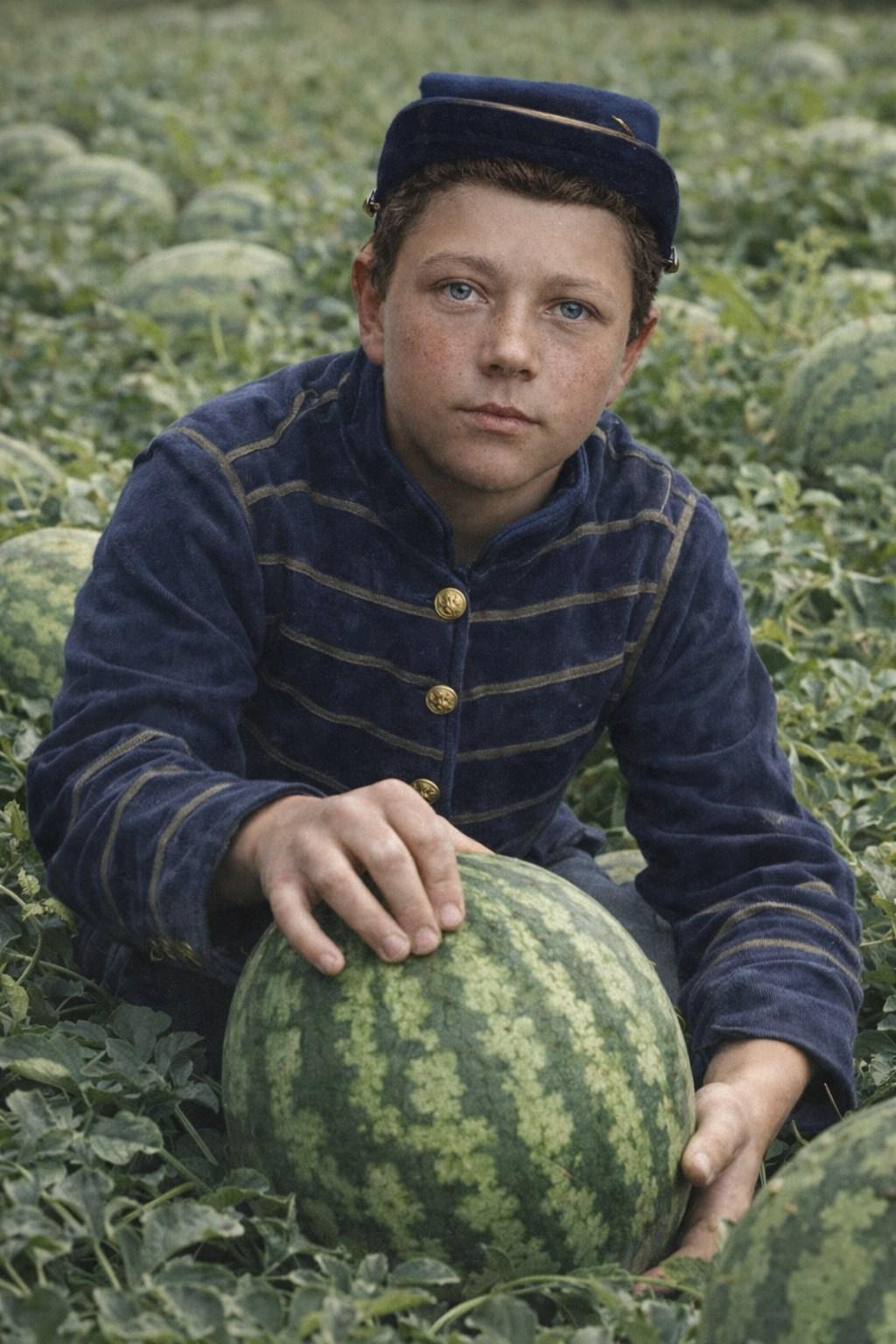
Foraging for watermelons while on a march. They sure taste good.
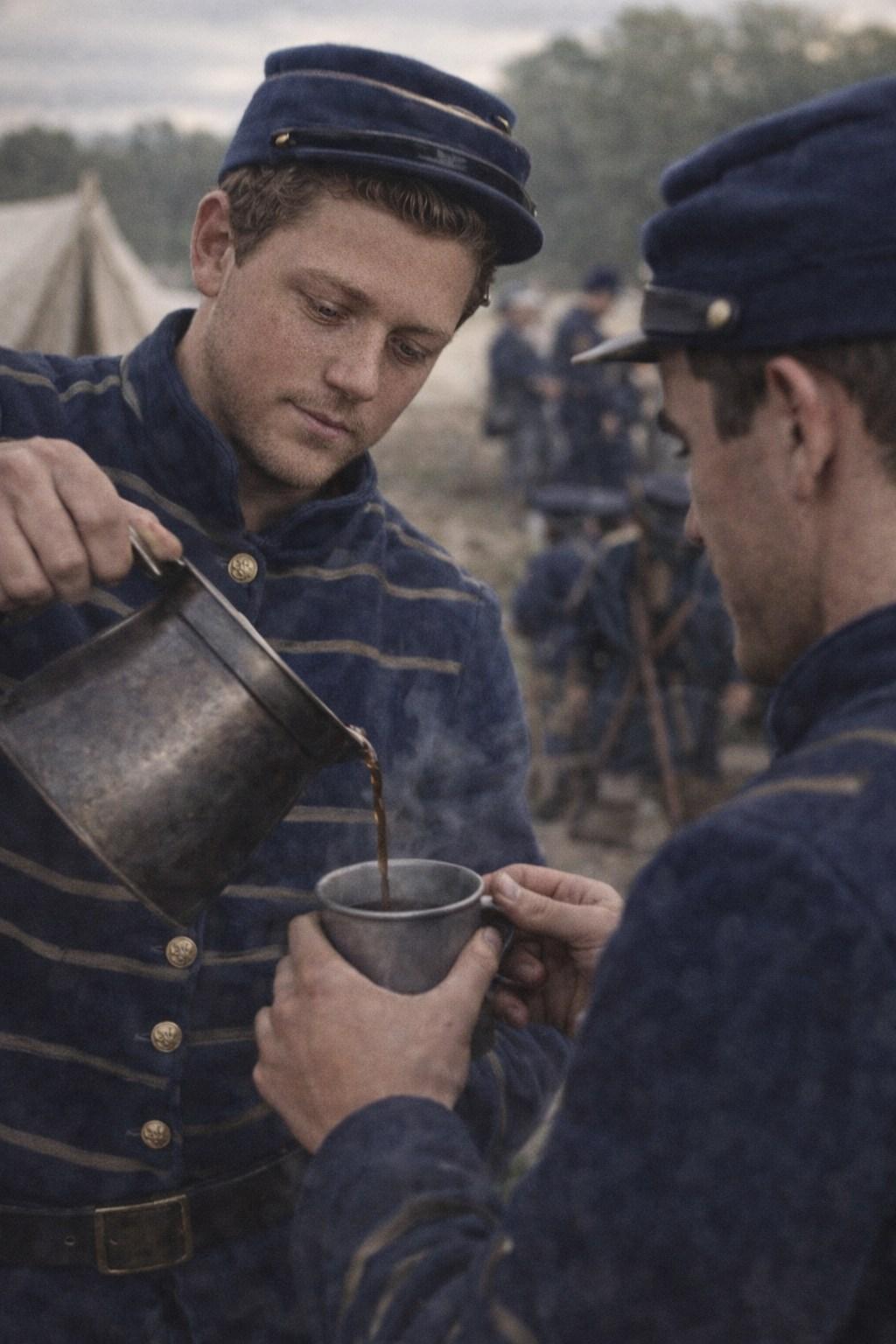
We do get coffee with our meals, however it is made from anything that can be found around the camp such as acorns, chicory, dandelions, rye or peanuts.
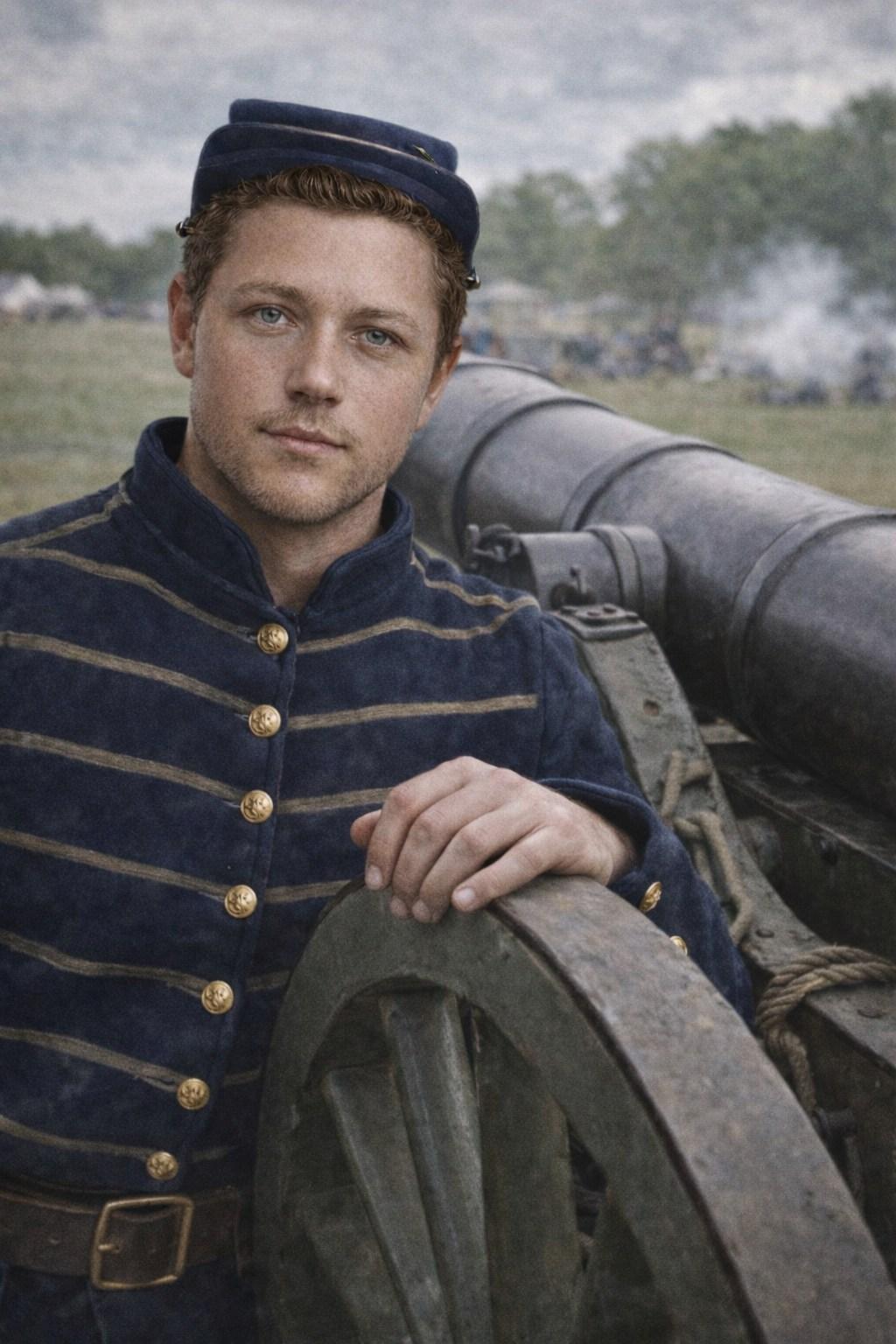
At the age of 15, I was finally allowed to join the army as a regular soldier.
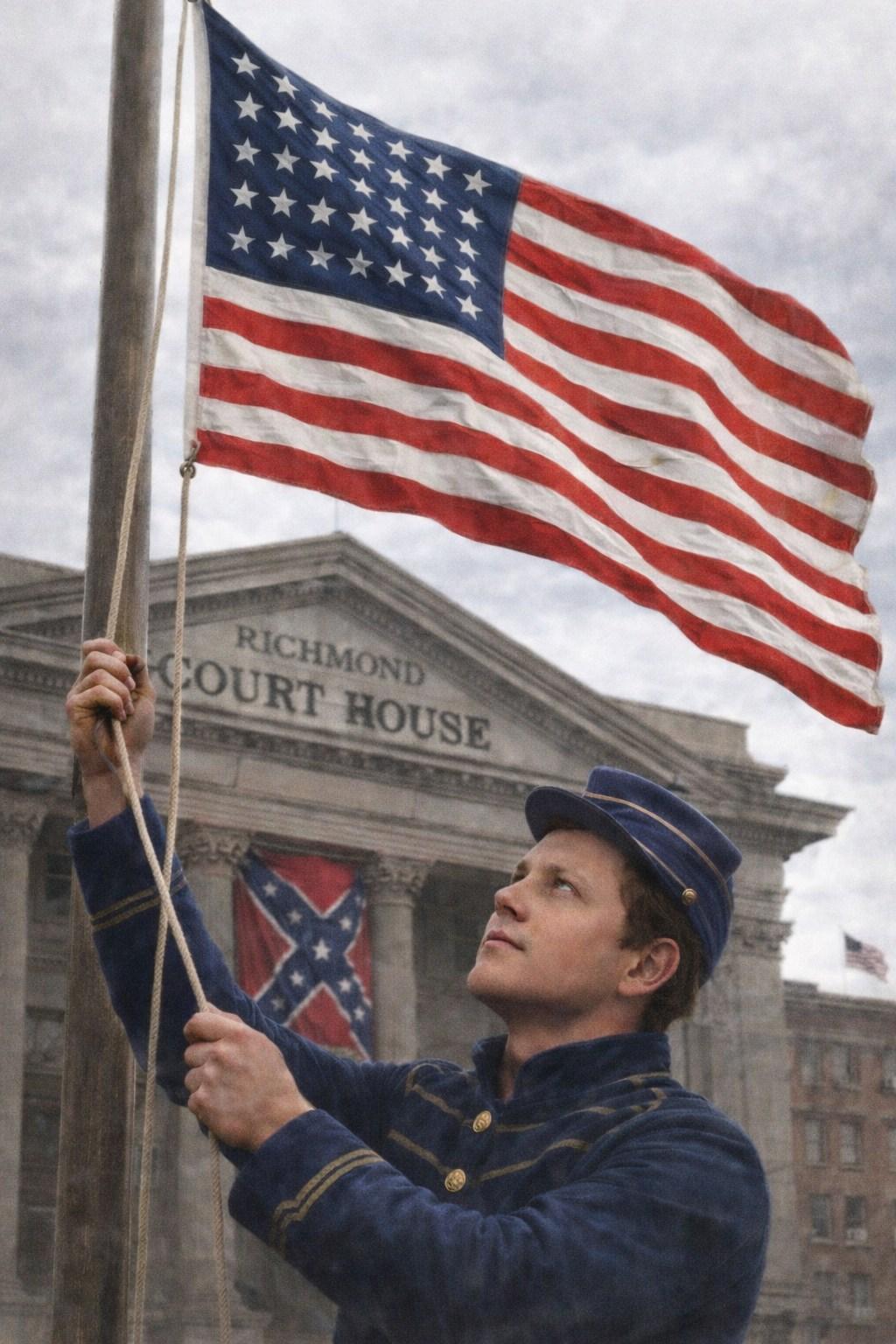
The 19th Wisconsin Regiment is purported to have been the first regiment to raise the American flag over the Rebel City Hall in Richmond, VA, on April 23, 1864.
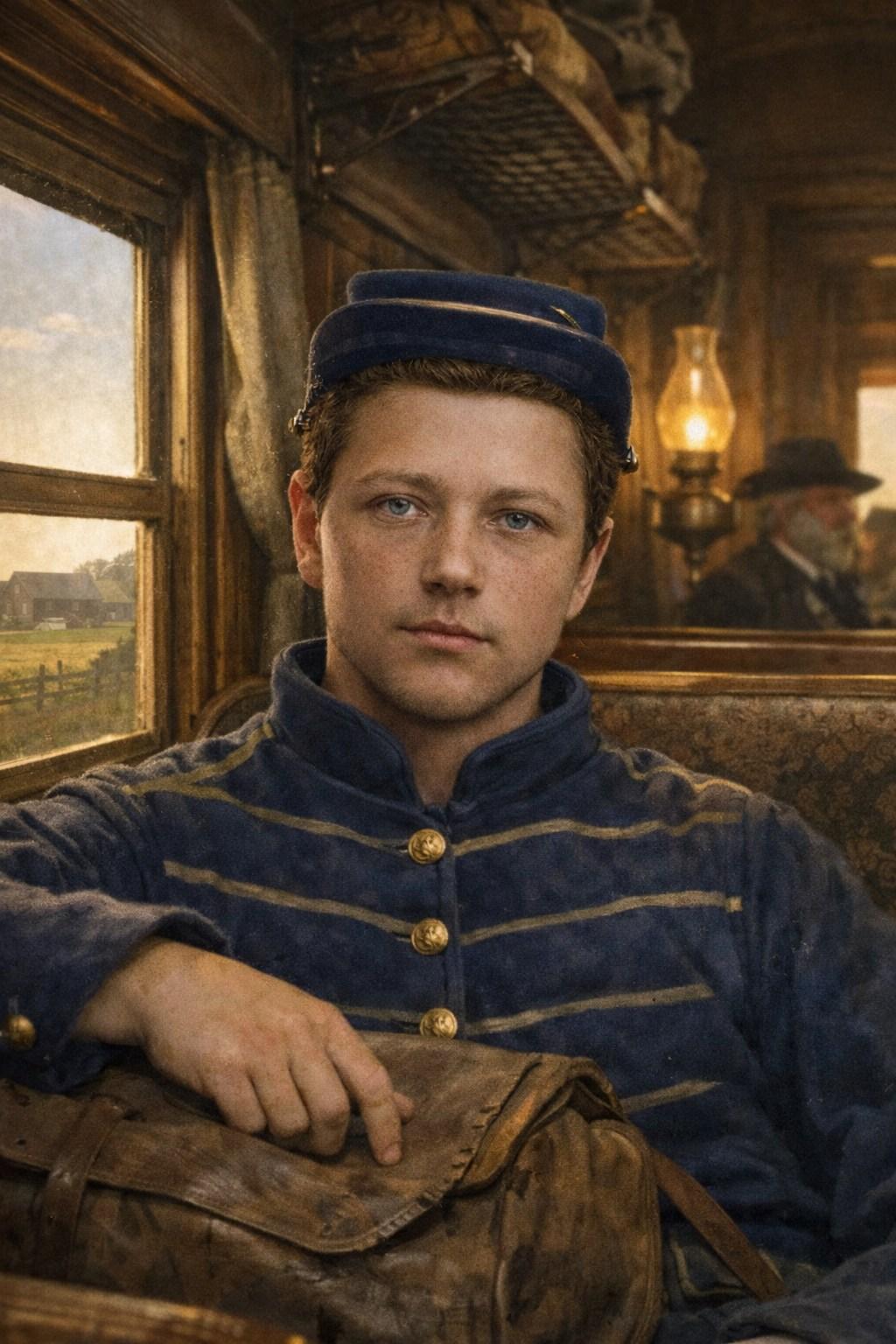
Finally, on my way home after 5 years in the army.
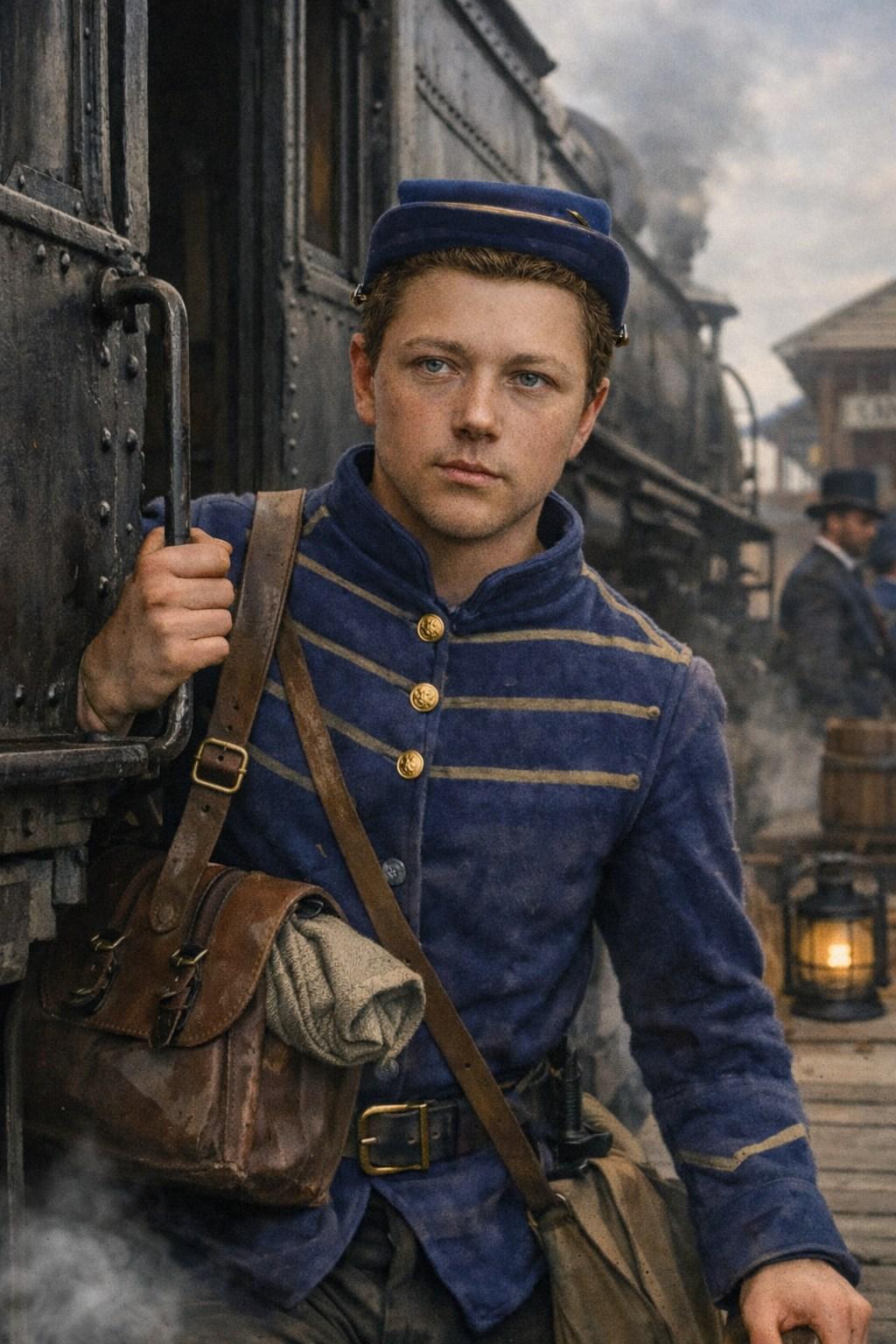
It’s great to be back in Wisconsin again and headed to Reedsburg.
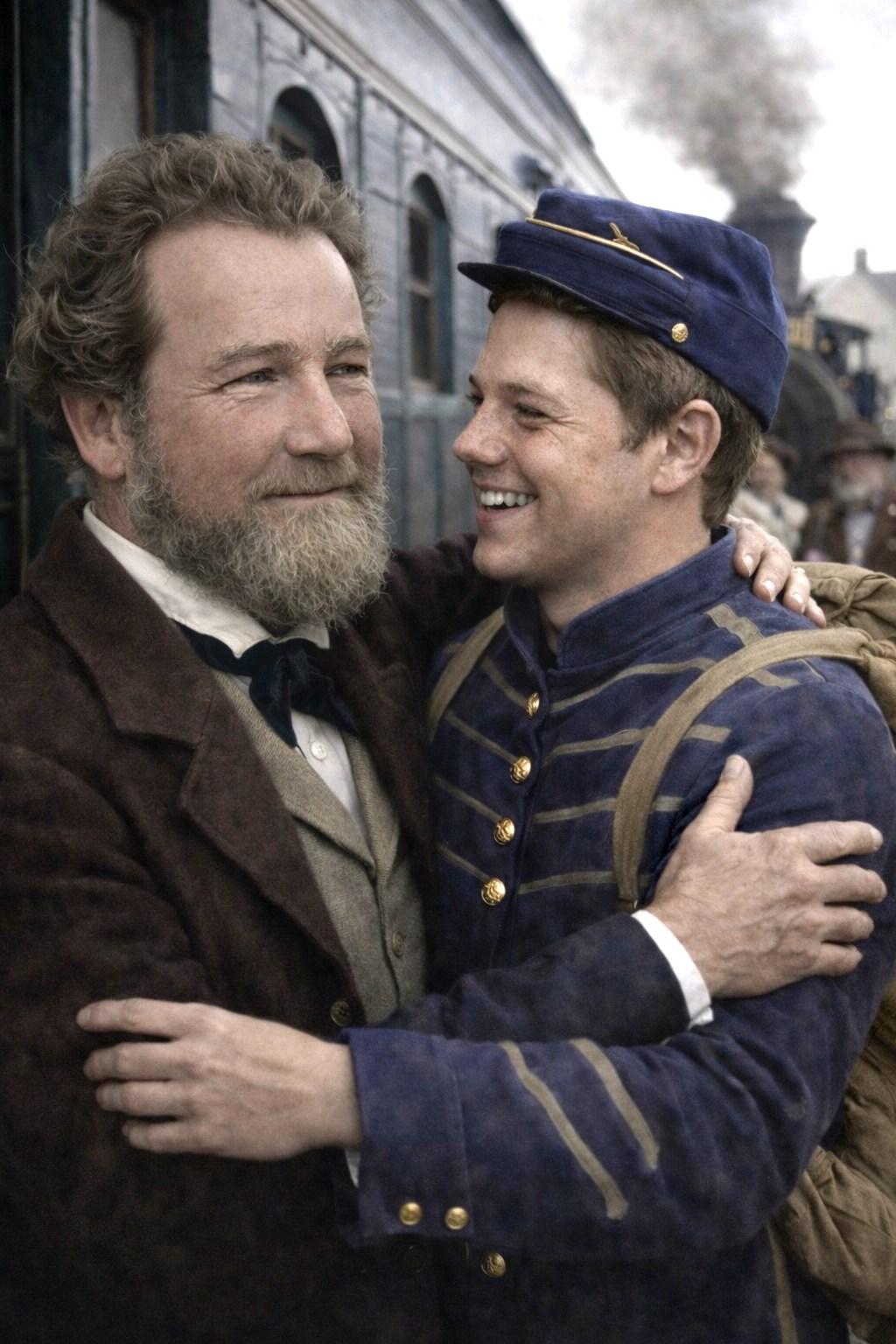
My father came to meet me at the train.
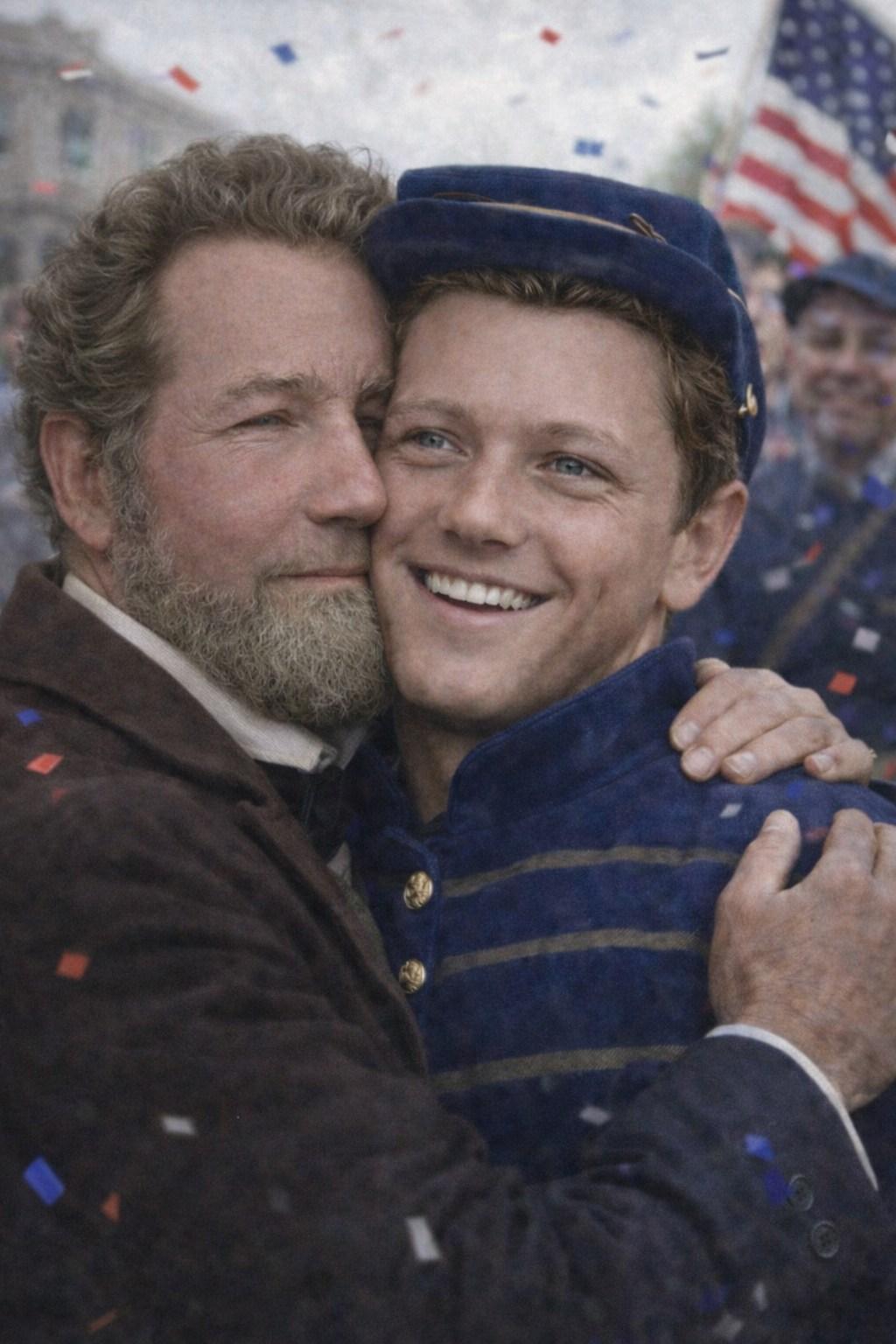
It’s great to see him again.
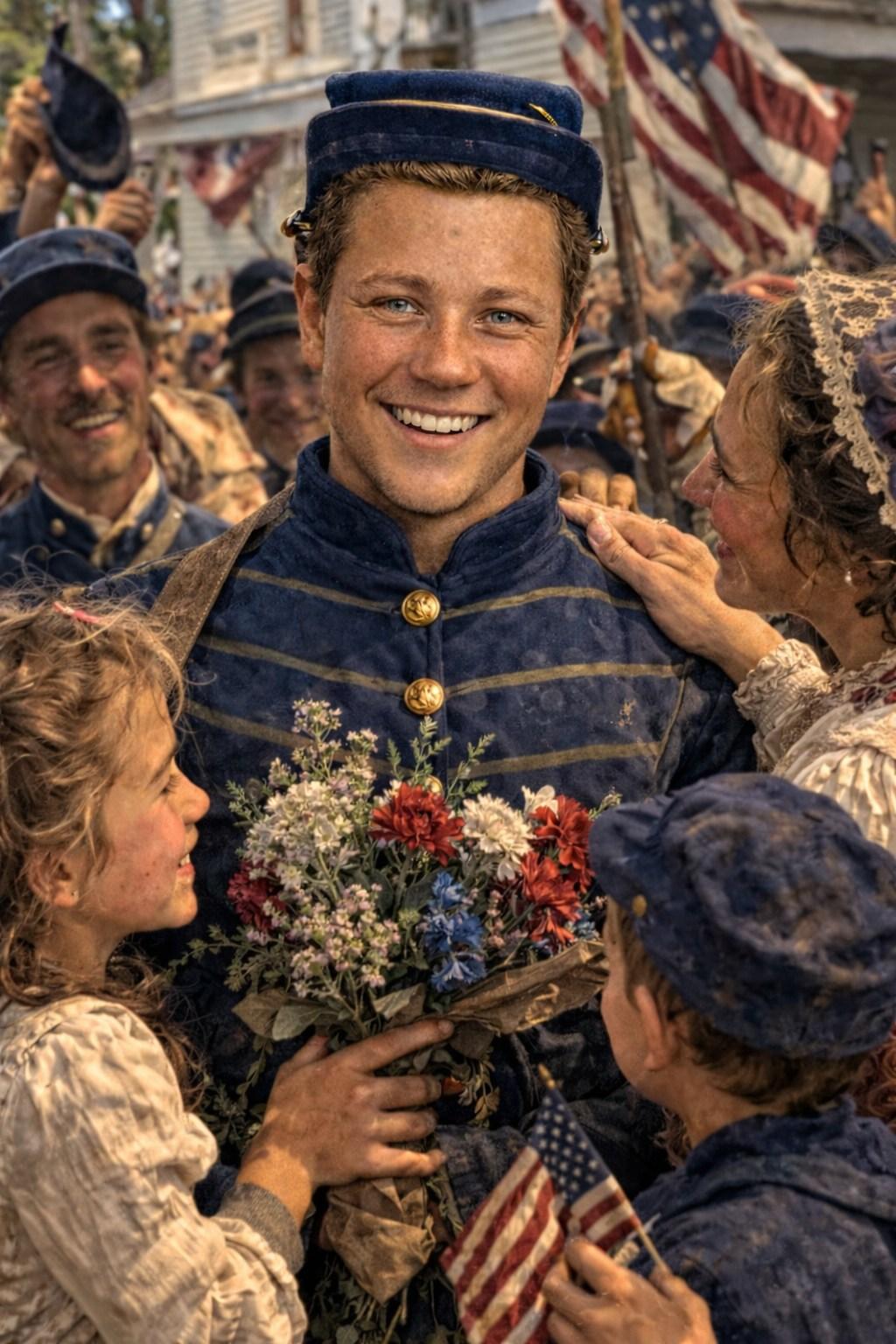
And it’s great to be welcomed by the folks back home too.
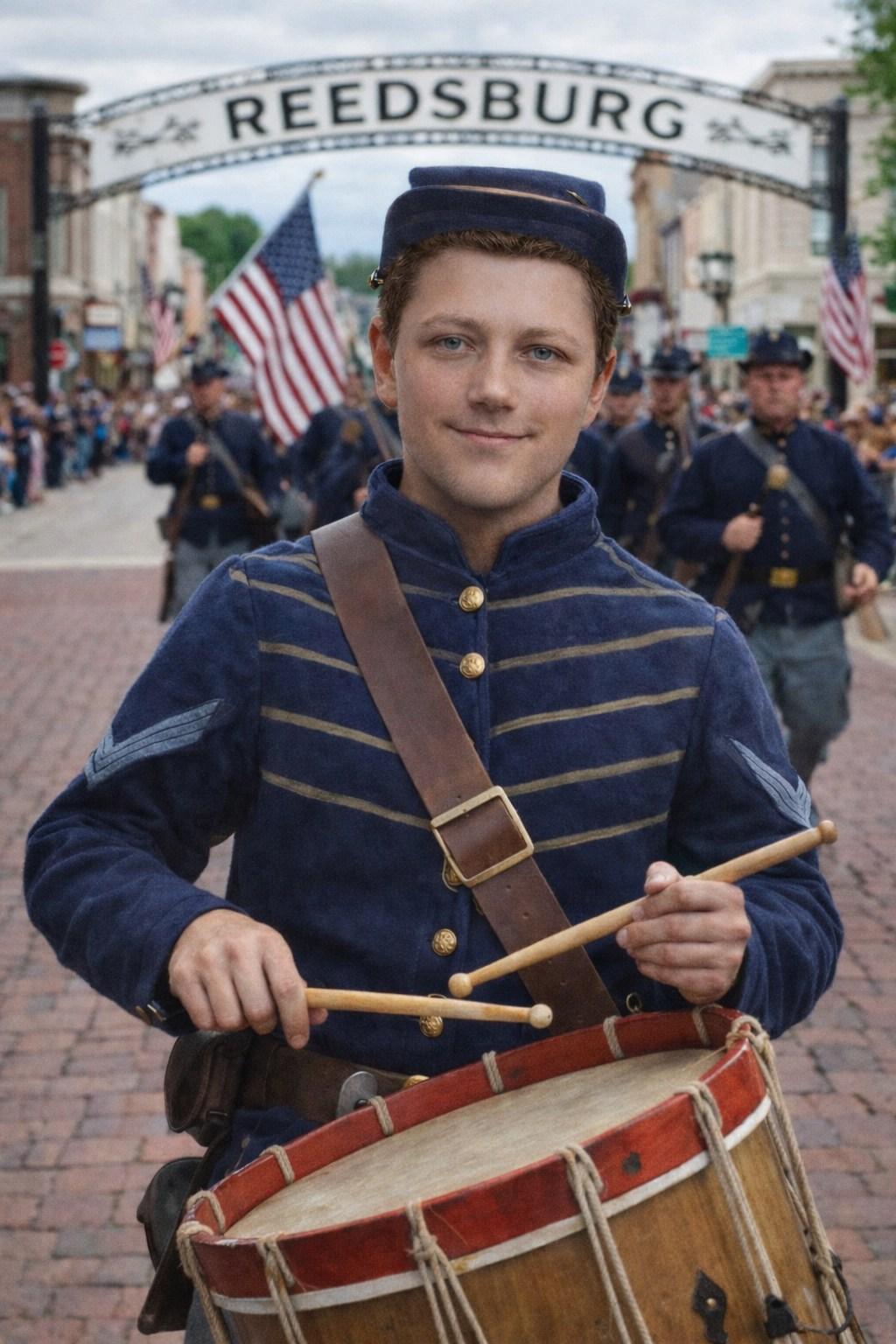
The folks in Reedsburg got up a parade for us returning soldiers.
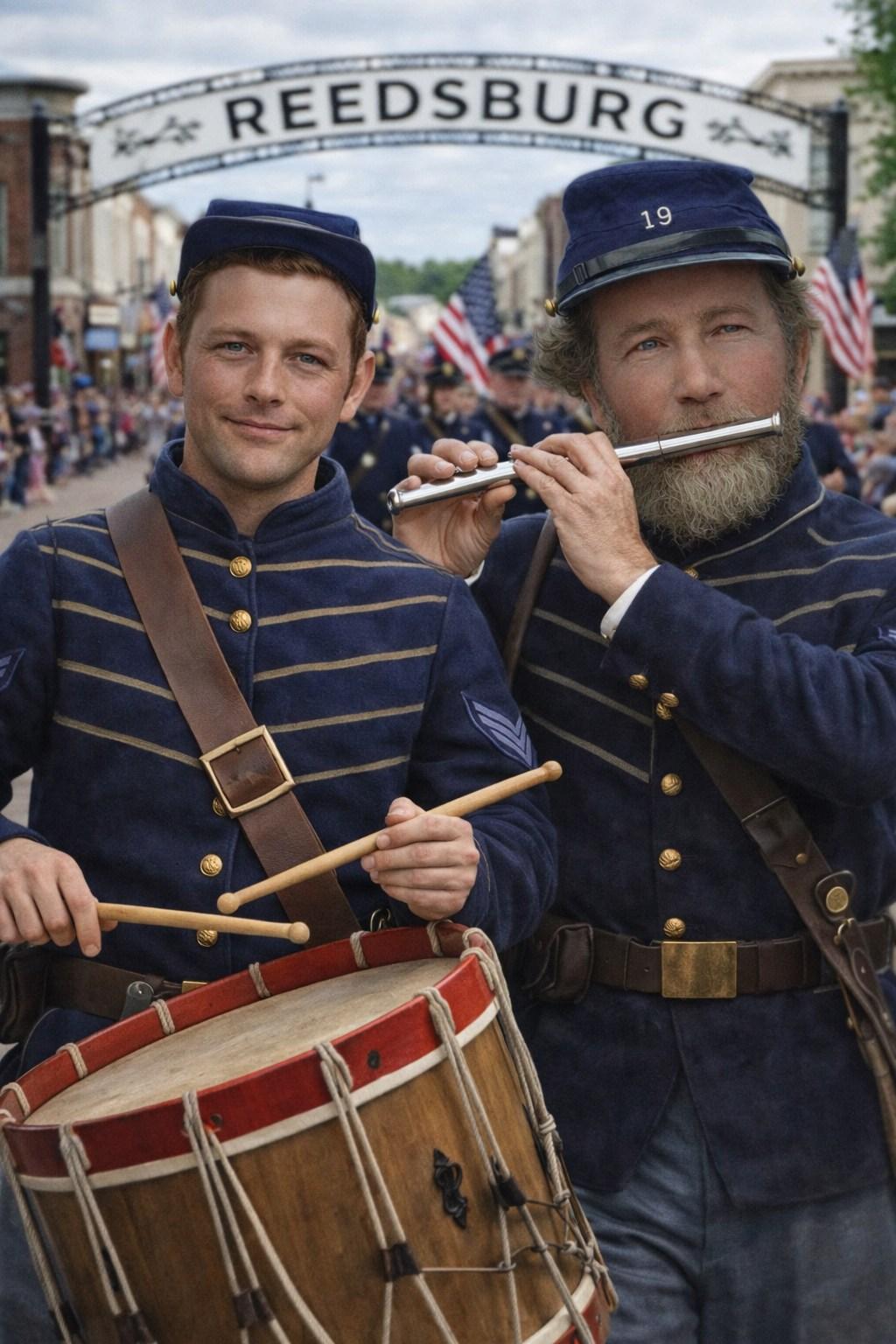
Me and my father make a great team leading this parade.
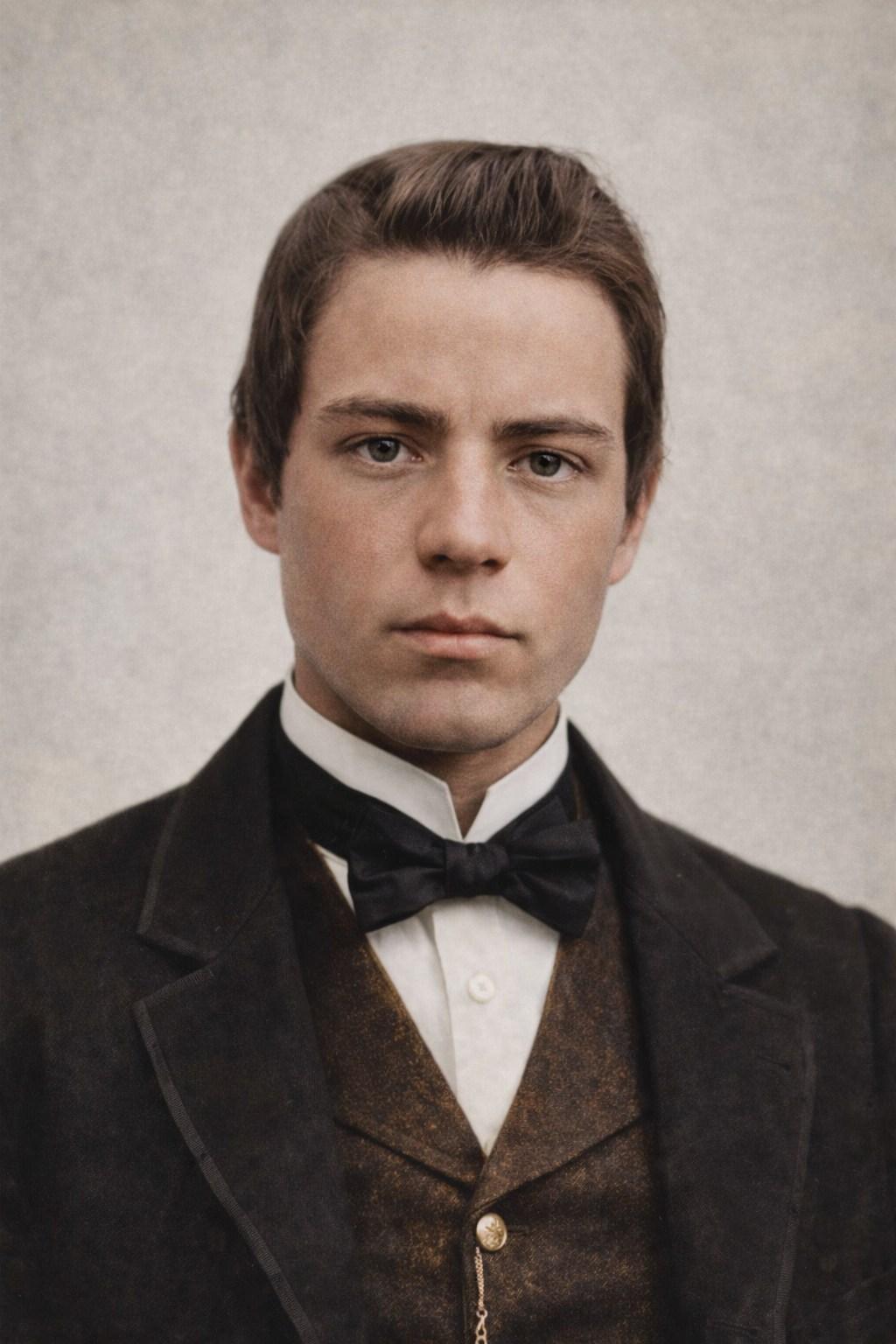
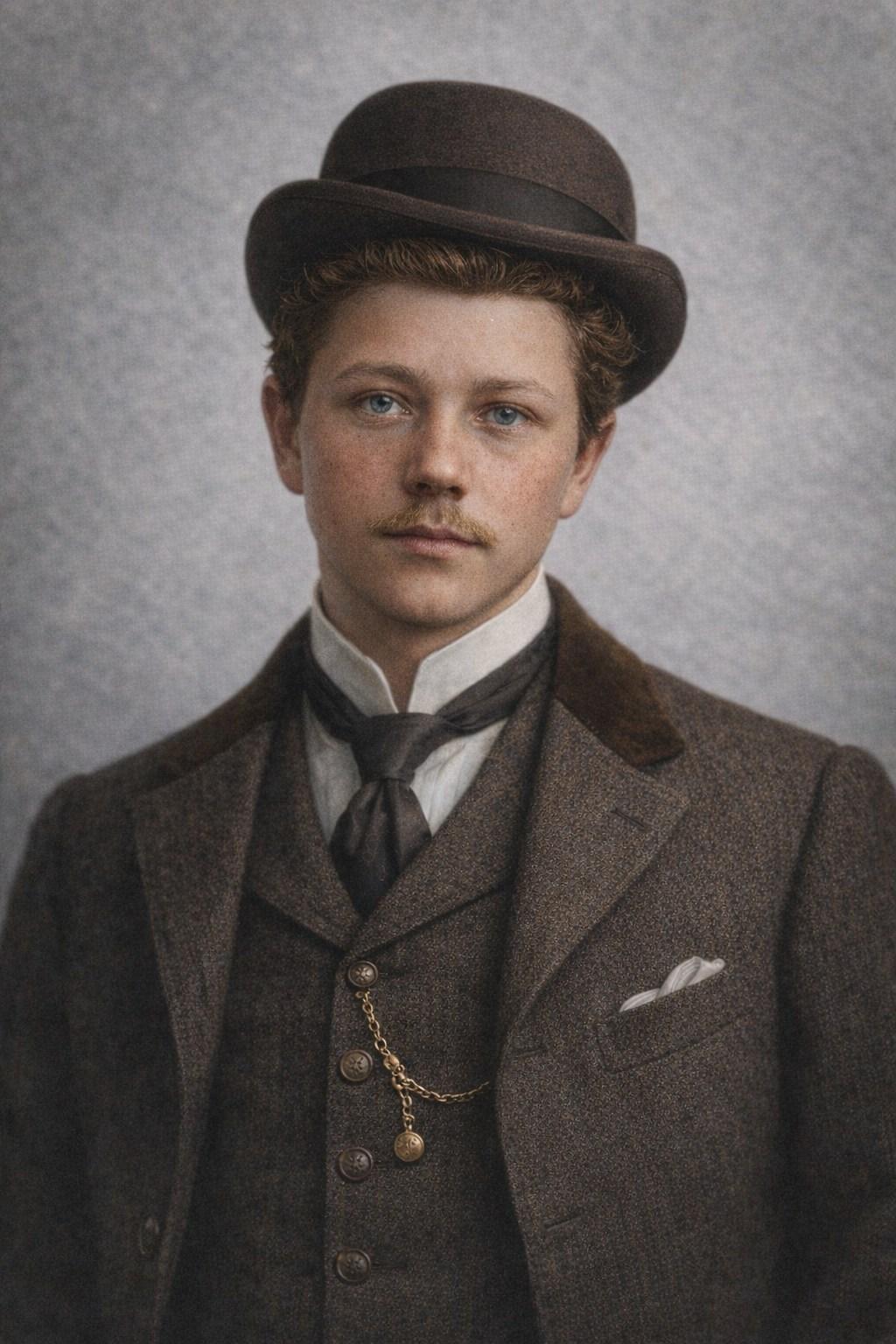
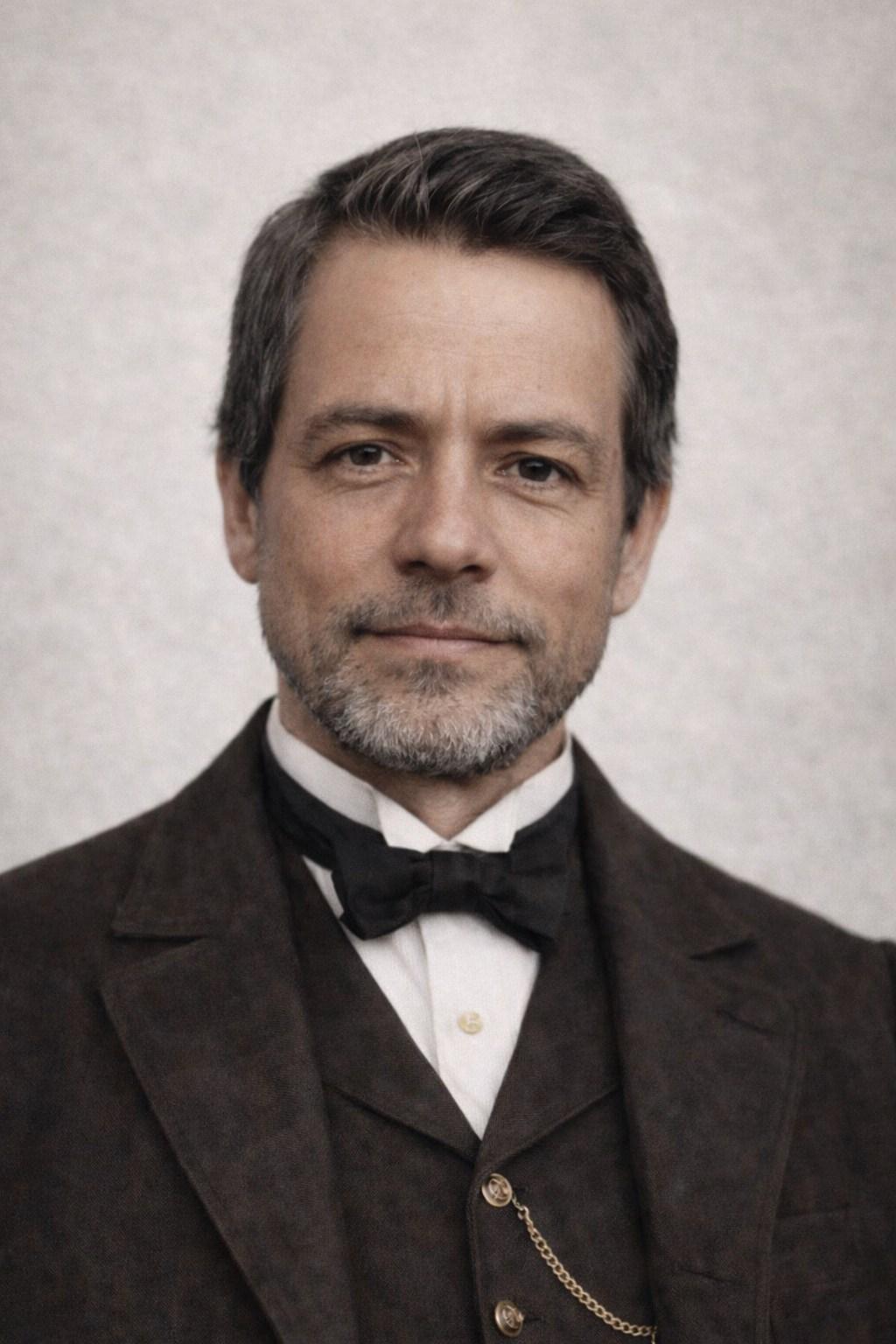
The images on this page and the next 2, have been artificially aged using AI.
Frank Pettis at 25 in 1875
Frank Pettis at 25 in 1875

Frank Pettis at 35 in 1885
Frank Pettis at 45 in 1895
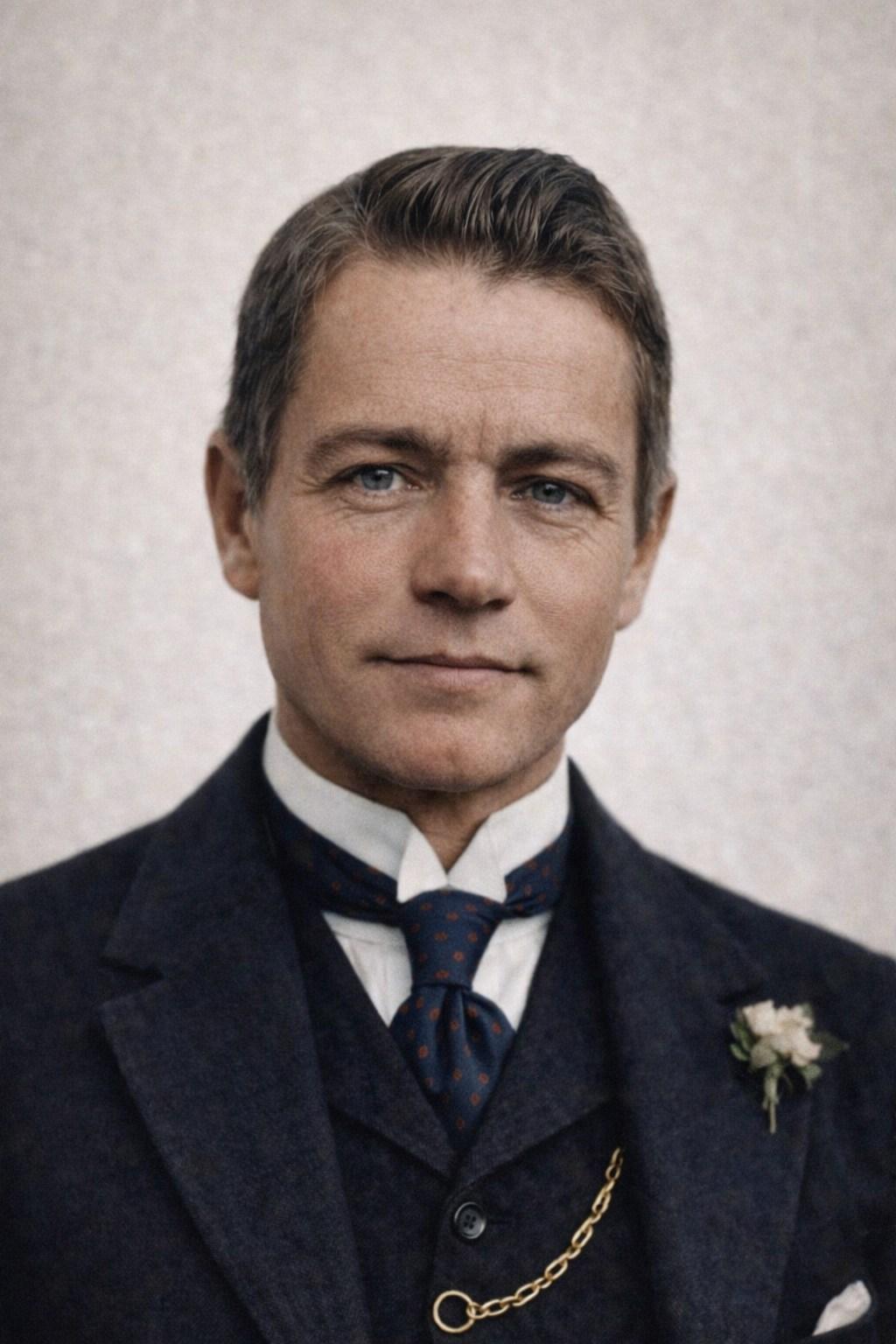
Frank Pettis at 55 in 1905
Frank Pettis at 65 in 1915
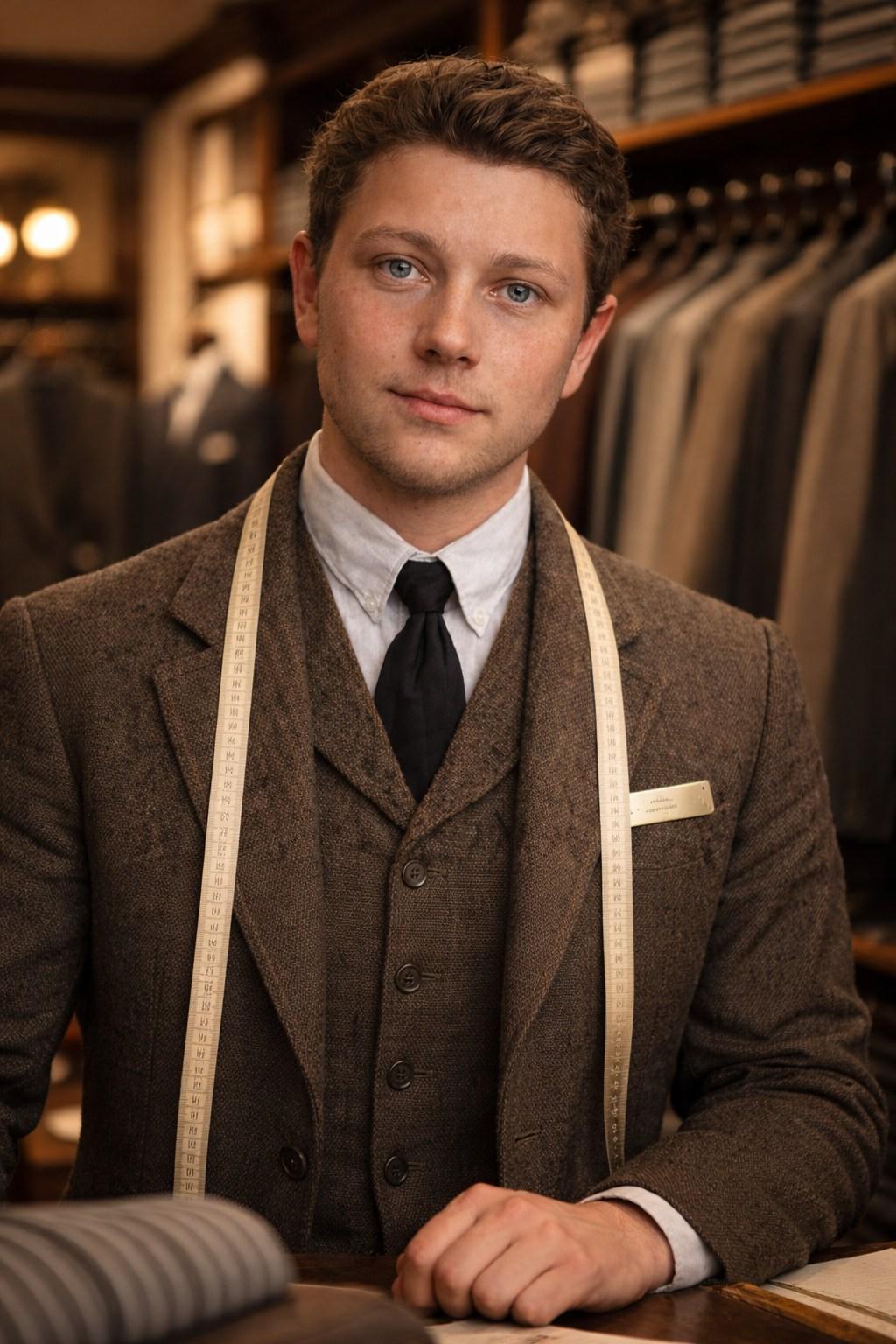
After I got out of the army, I went to work in my father’s clothing store.
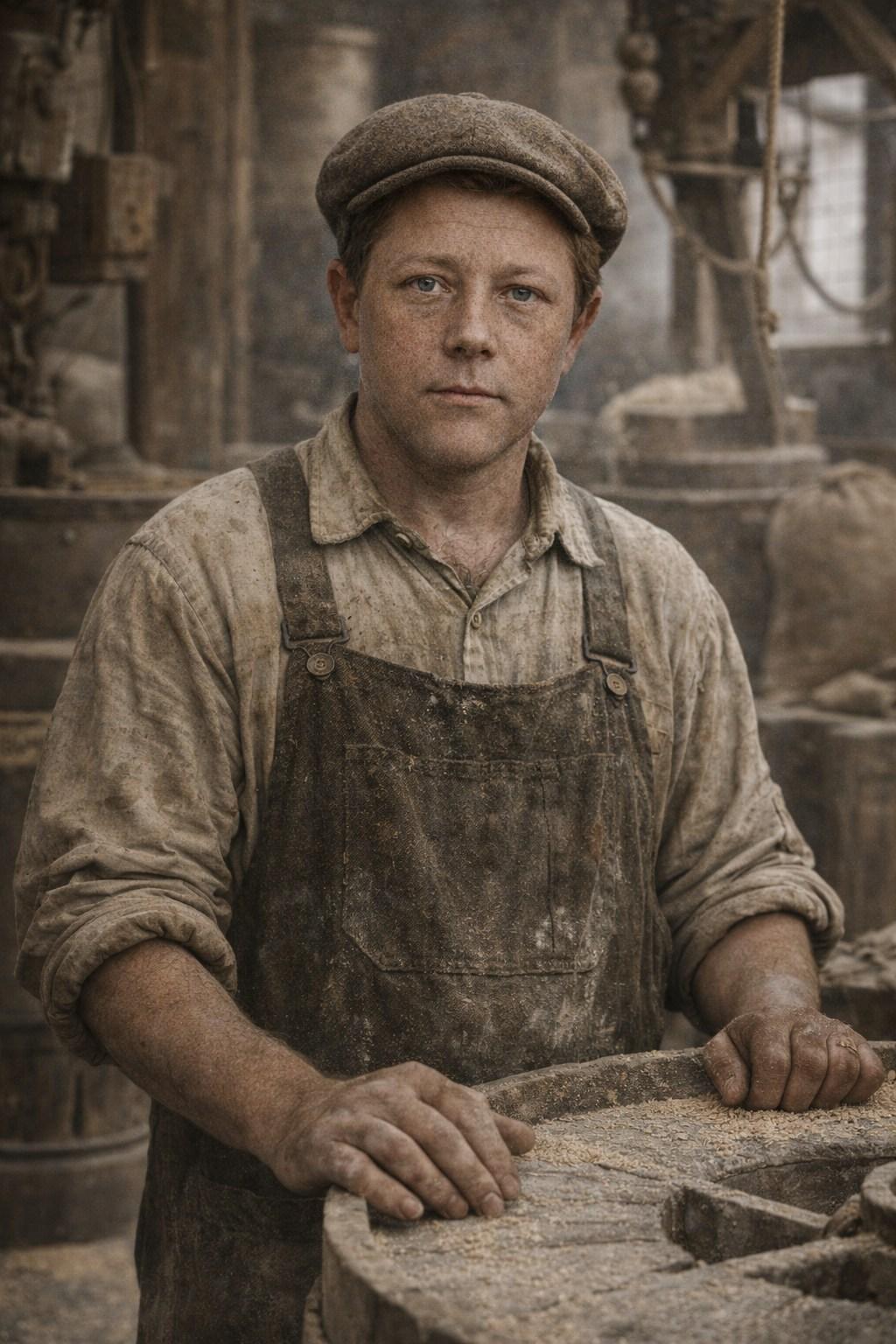
I also worked in a flour mill for most of the rest of my life.
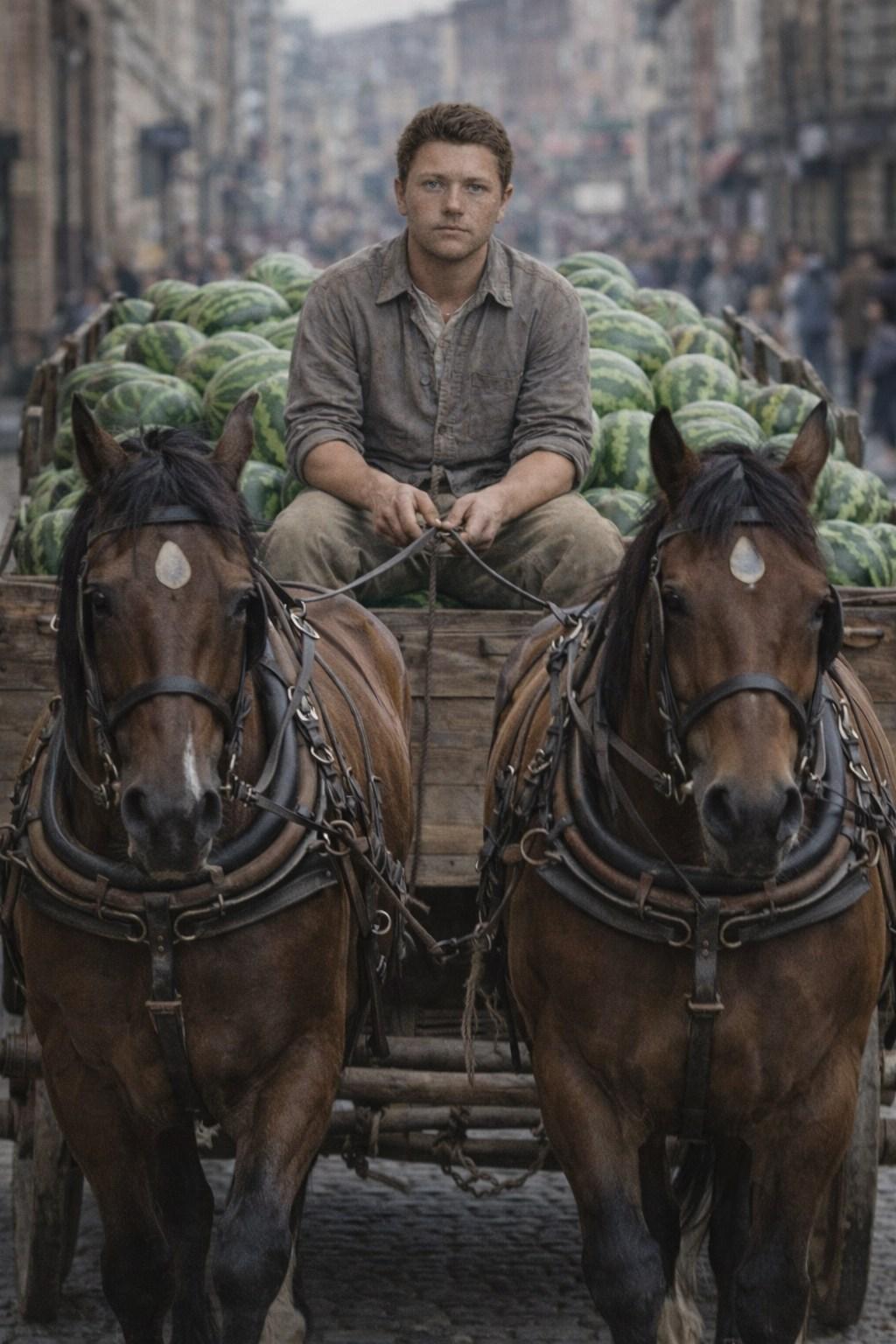
I raised melons and was happy to share them with the people in Reedsburg.
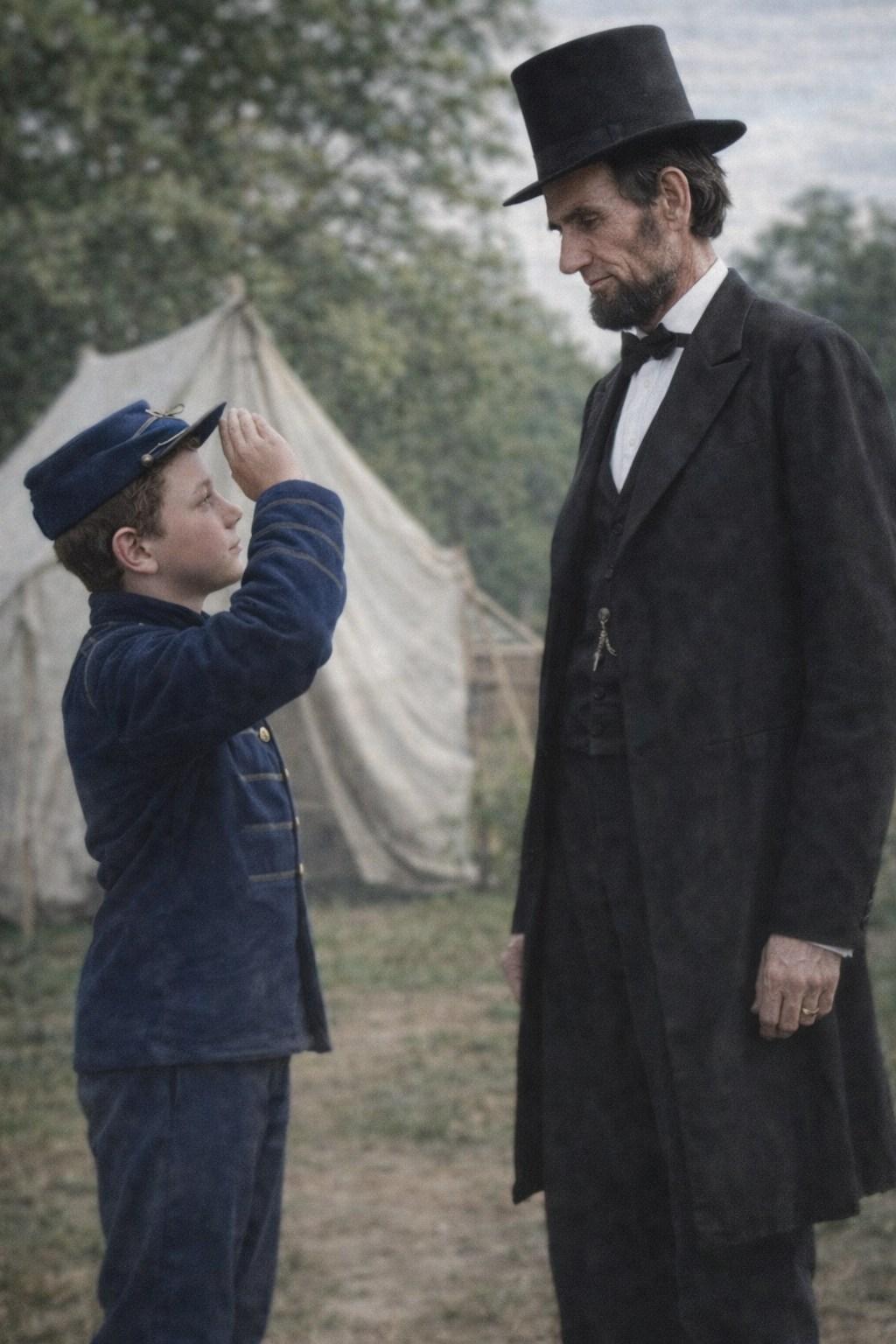
“Hello, Mr. President. Nice to meet you!”
A whimsical photo which few soldiers would have ever experienced.
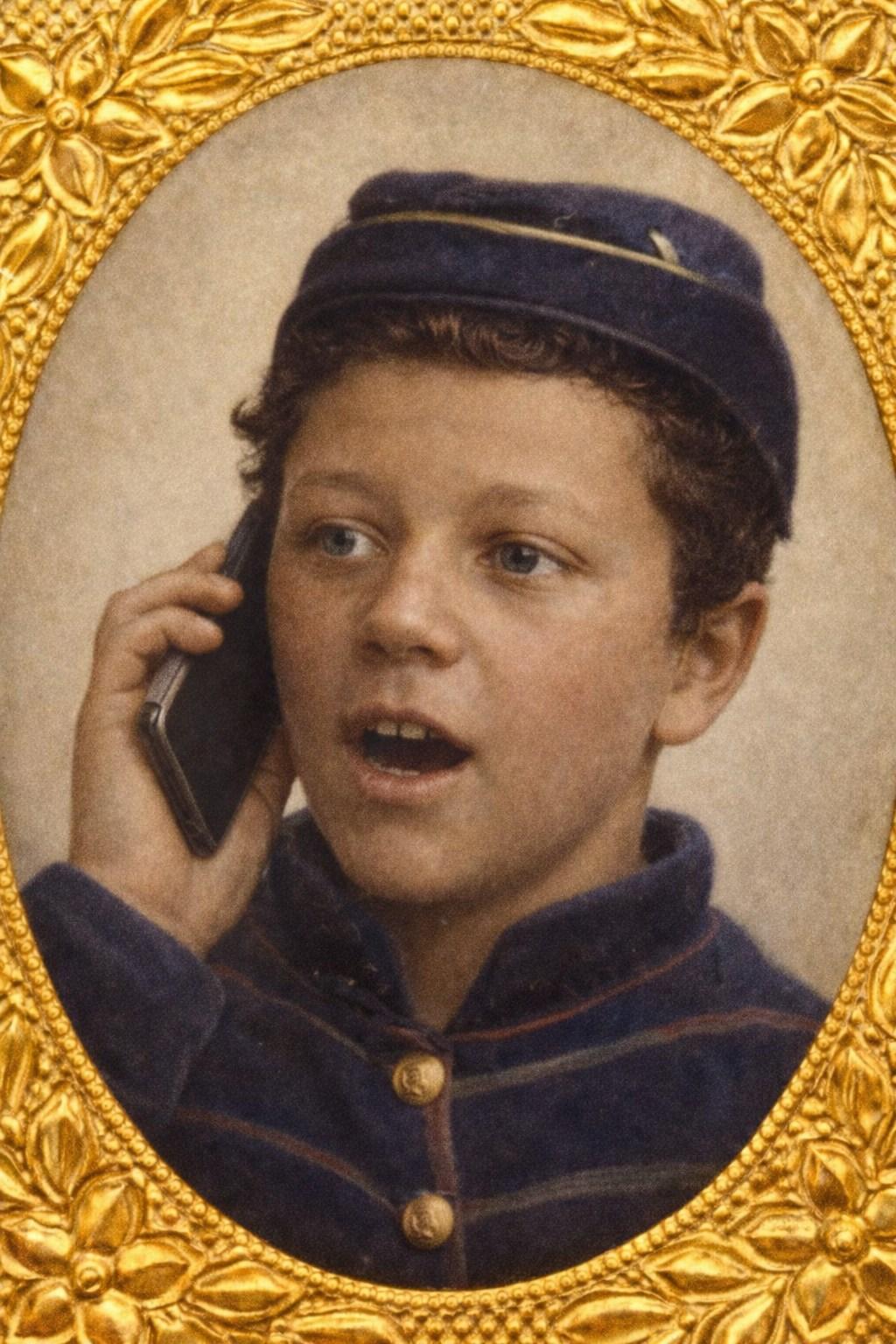
“Can you hear me now?”
Just a fun photo.
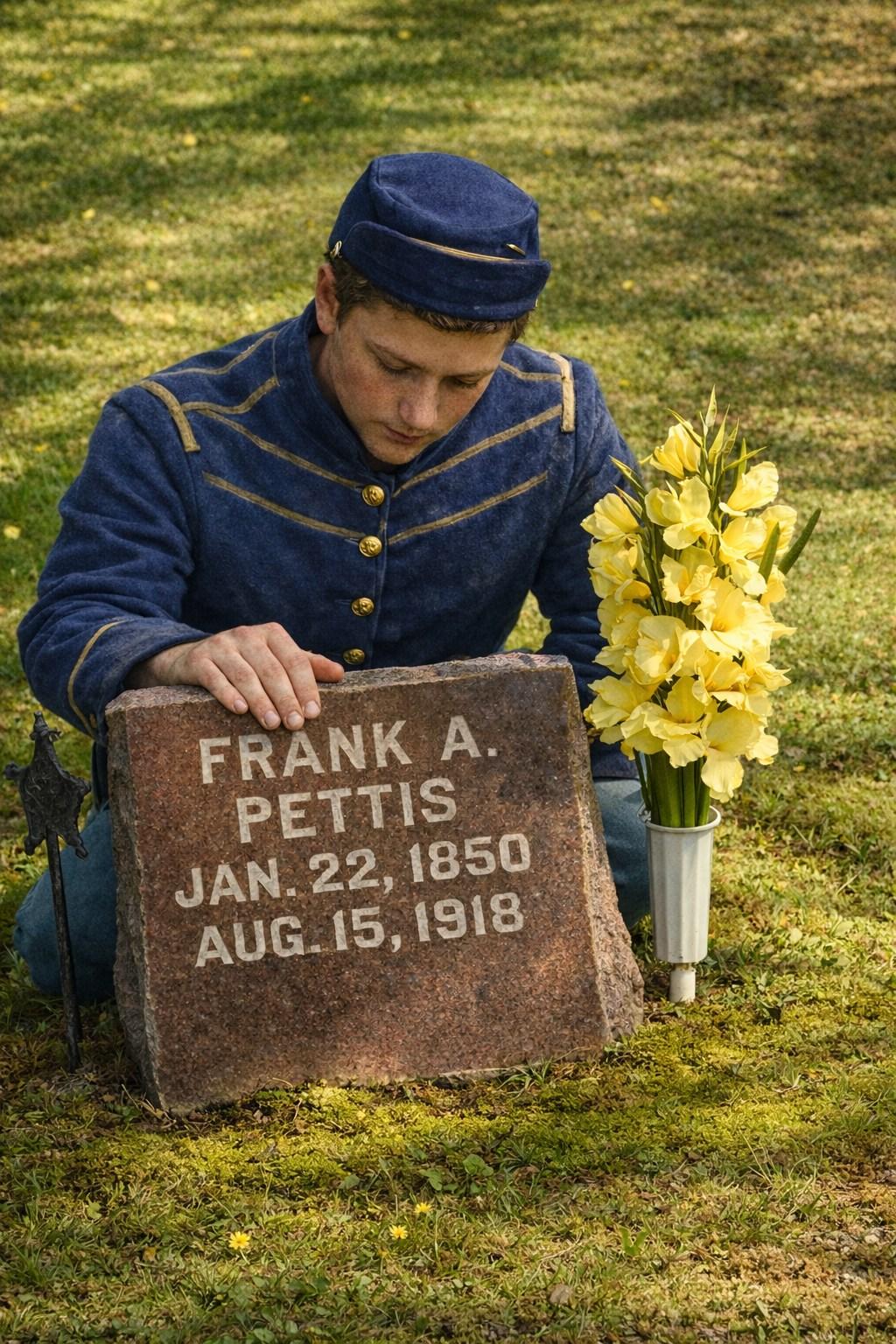
My drum once called the soldiers near, Through smoke and thunder, loud and clear. Now soft I kneel where heroes lie, The drum is still… the wind replies.
Both my father, Amos, and I made it safely back to Reedsburg after the war in 1865. I got married to Jane Pomeroy in 1870 and we had five children— one son and four daughters.
My mother died in 1916, my father passed away in 1880. I died August 15, 1918 at the age of 68 and rest in Green Wood Cemetery in Reedsburg.