
Today, The Salvation Army is at the forefront of positive social and environmental impact. Salvation Army Trading Company Ltd (SATCoL) was established in 1991 and has evolved from our parent charity’s interests in reuse and recycling, charity shops and other community-based initiatives.
A large part of SATCoL’s work is in textile reuse and recycling. In the past year, we have collected 67,000 tonnes of clothing and 18,000 tonnes of other items – this has positively contributed to 453,000 of avoided greenhouse gas emissions.
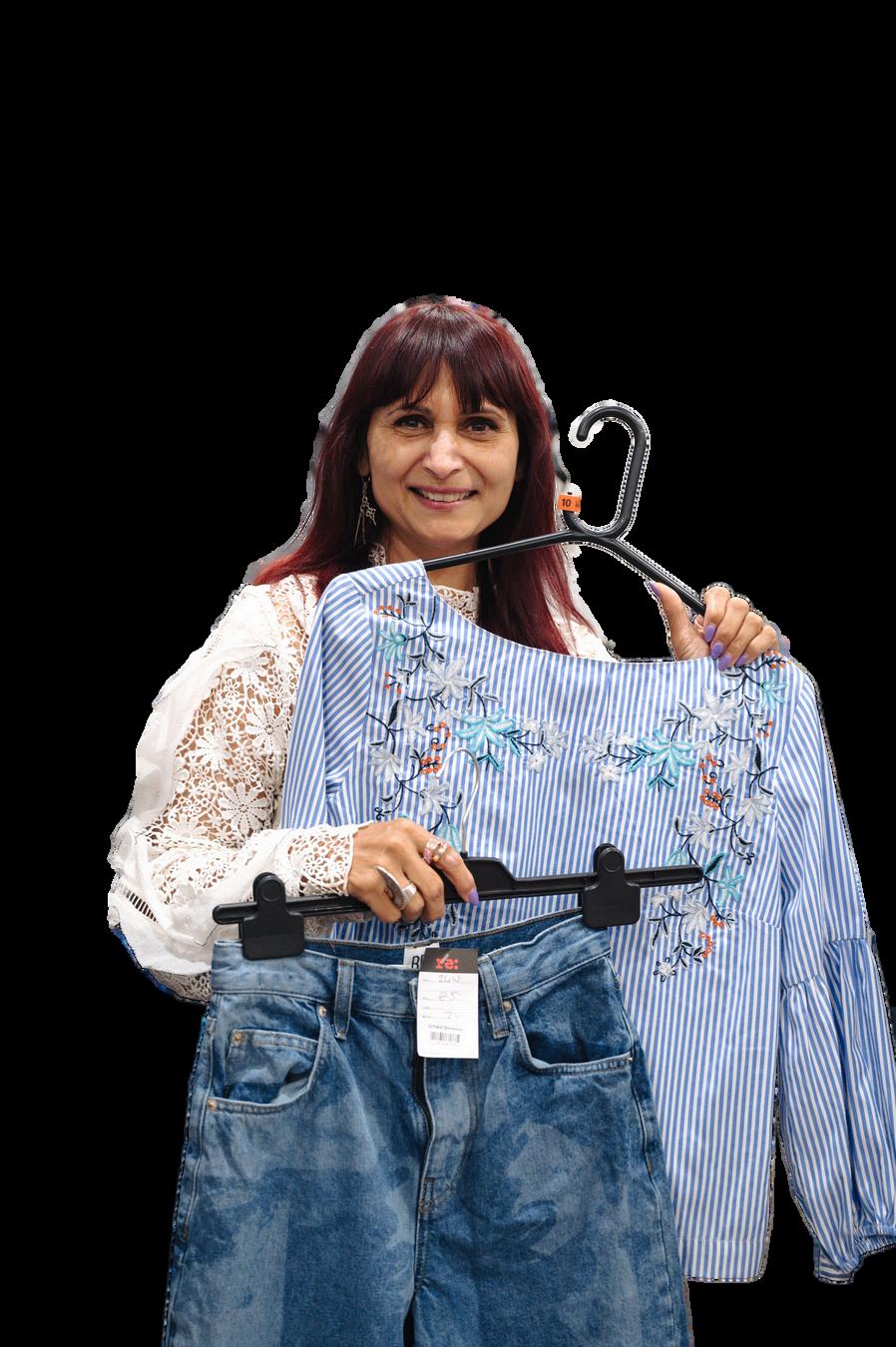
Some of our top priorities are to encourage and enable more people to donate and shop through our conveniently located clothing banks and stores. We want people to feel good about their outfits from both a fashion angle, and an environmental perspective. That is why we are delighted to be collaborating with Rebekah Roy as part of Sustainable Fashion Week 2024 to find out how to shop second-hand like a pro!
Buying second-hand, and reusing items, is one of the most important things we can do.
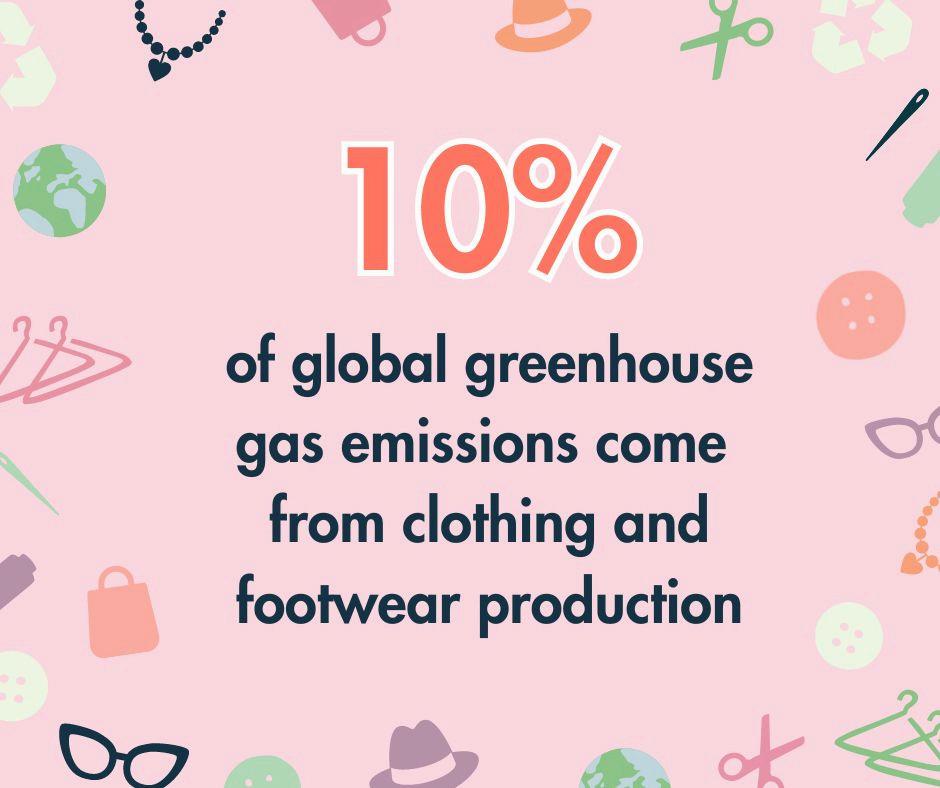
For many of us, interest in second-hand fashion is at an all-time high and research shows that reusing textiles is 70 times better for the environment compared to buying new . But there is still so much for us to do.
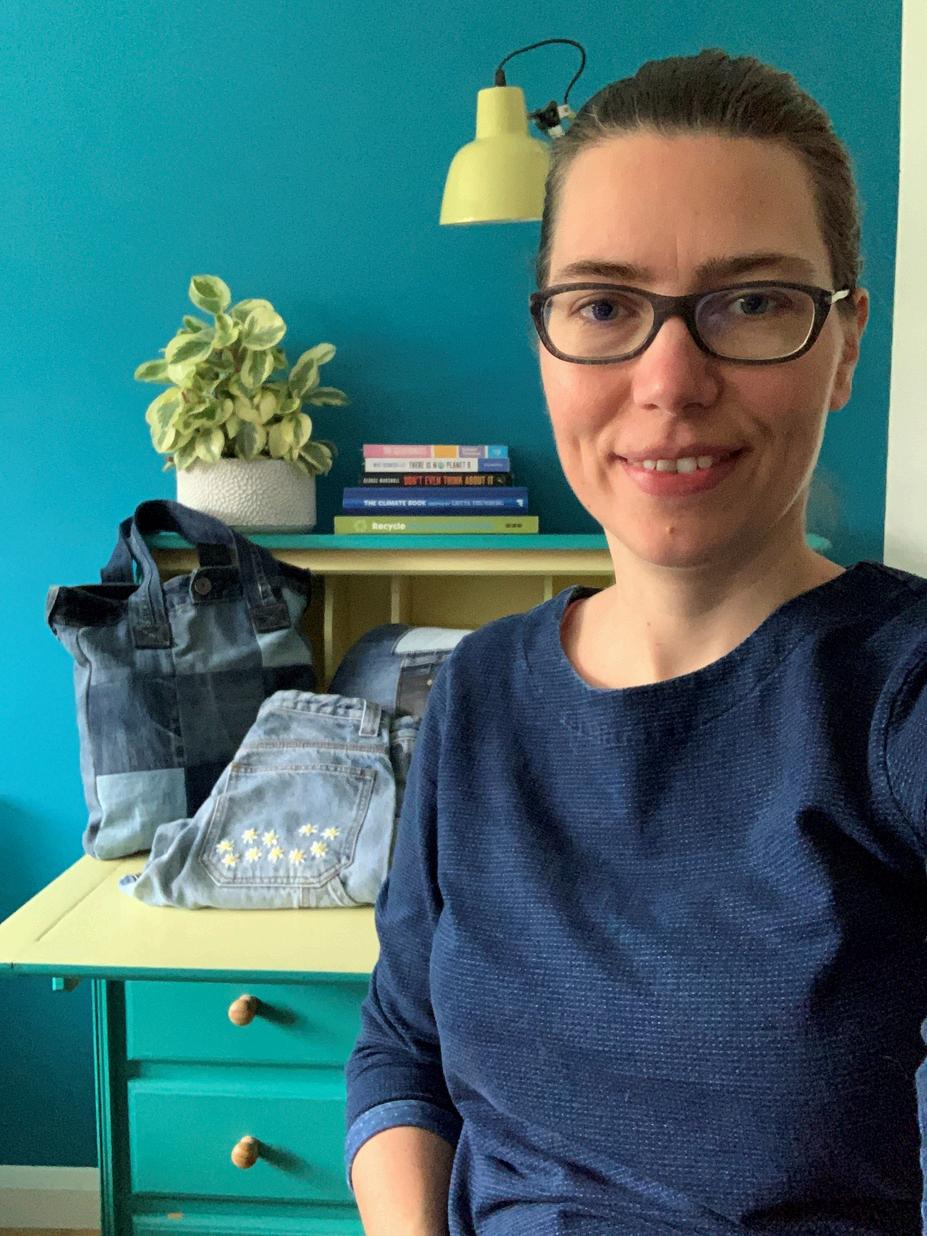
Rebekah’s energy and enthusiasm for sustainable, second-hand fashion is infectious! We love the ideas she has brought to life in this exclusive guide as part of The Salvation Army x Rebekah Roy collaboration for Sustainable Fashion Week. Enjoy!

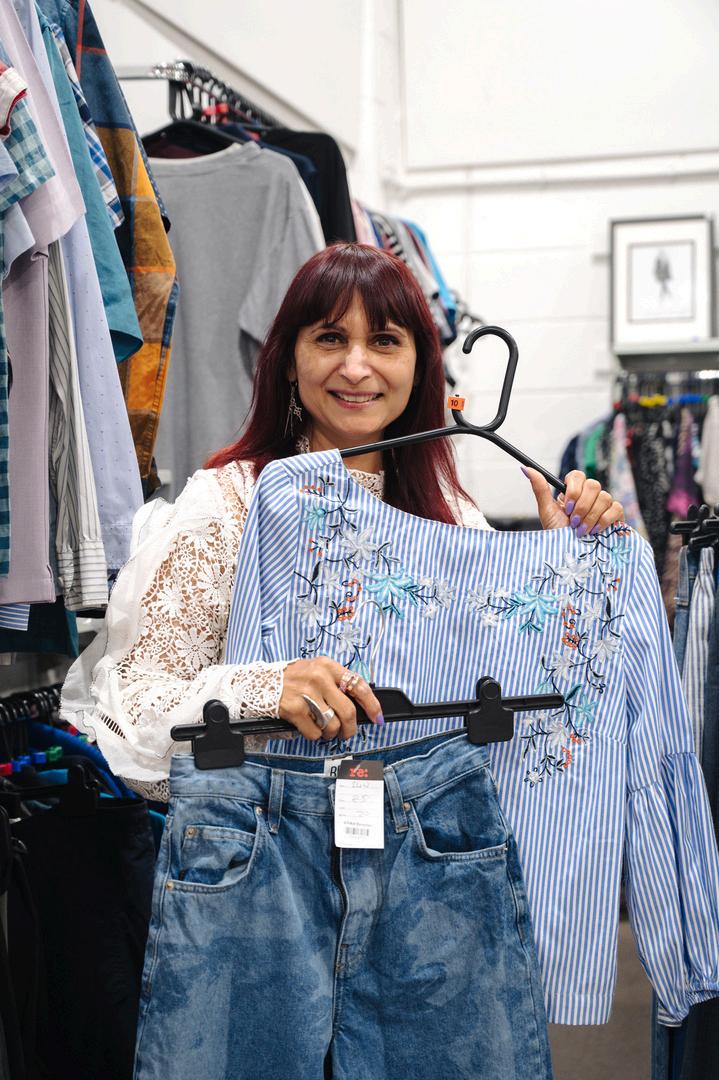
When I first started working in fashion, I never imagined that my personal ethos - my deeply held values - would become the very qualities that my clients seek when they choose to work with me. About a decade ago, I remember being told by a fashion PR “don't tell people you’re vegan it will just complicate the lunch order, and you won't get hired again”.
I love fashion. My name is Rebekah Roy and I'm a fashion stylist. I've worked in the industry for over 20 years. I’ve styled over 75 shows, collaborated with iconic musicians and artists including Duran Duran, Billy Idol, Enya, Kate Nash, London Hughes and Anita Rani. I styled the UK’s first vegan fashion show, and I curate the sustainable fashion show Source Fashion at London Olympia, I style the annual fashion show for Breast Cancer Now and have recently styled a campaign championing women of size inclusivity.
It's amazing how your personal ethos and values have become a central part of what clients seek in you. This alignment between my personal beliefs and professional work, shows that authenticity resonated deeply in the fashion industry. It reflects that our commitment to sustainability, kindness and creativity isn't just a personal choice but also a professional asset that attracts like-minded clients and friends.
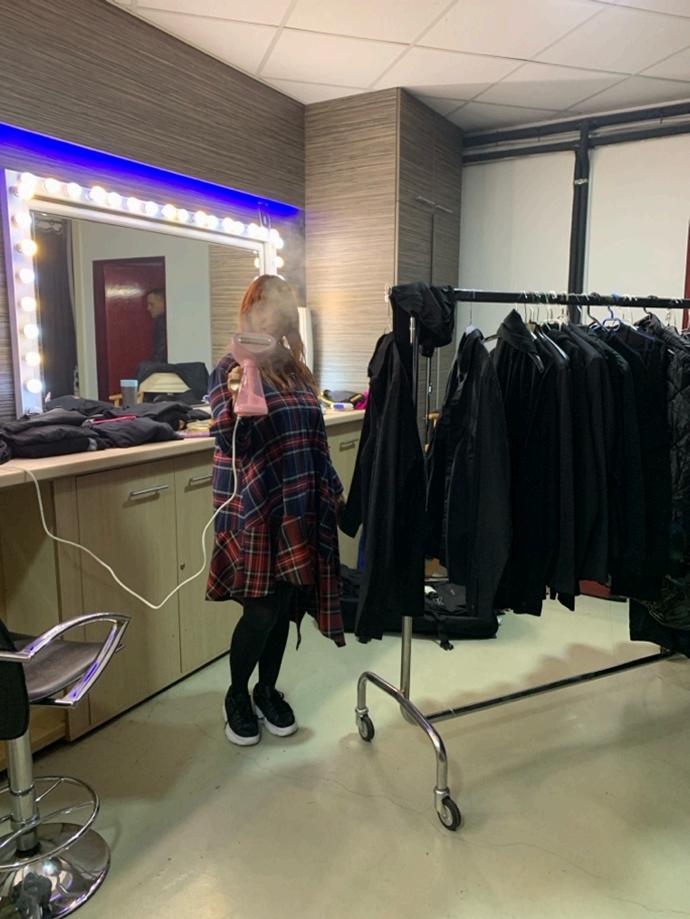
I was styling a band for a music video, and I was told the band liked a 70s vibe but they didn't wear any vintage or second-hand clothes.
As a fashion stylist, I knew that there were so many second-hand 70s clothes that would be perfect for this band. I followed the brief and bought all the items I was required to, but then I also brought several second-hand key piece items. I hung everything up on the rails and then I let the band look over the selection and they choose the second-hand items. They felt that they were more authentic of course they were right. I told them they were second-hand/vintage pieces and they thought that was cool!
I love seeing people expressing their personality. While in cafés in Soho, Shoreditch or anywhere in the world, I like watching people pass by and assessing what they're wearing. I often wonder about those first seven seconds when we form our opinion about someone - what did they express about who they are? What message were they trying to share with the world?
Clothing is not just a necessity; it's a powerful form of self-expression. We all have a deep need to be seen and understood by others, and the way we dress plays a crucial role in communicating who we are.
We make a very quick assumption about someone at first sight. We are quick to judge. We make an assessment of someone in 7 seconds* (Forbes). That judgement is a form of self-protection, it comes from our ancestral instincts, am I safe or unsafe - this skill might not be so relevant in its form today, but it does serve a purpose. Within those 7 seconds we decide - do we like somebody? Can we trust them? Are we safe? It’s valuable assessment, so take the time to explore your style and express yourself.
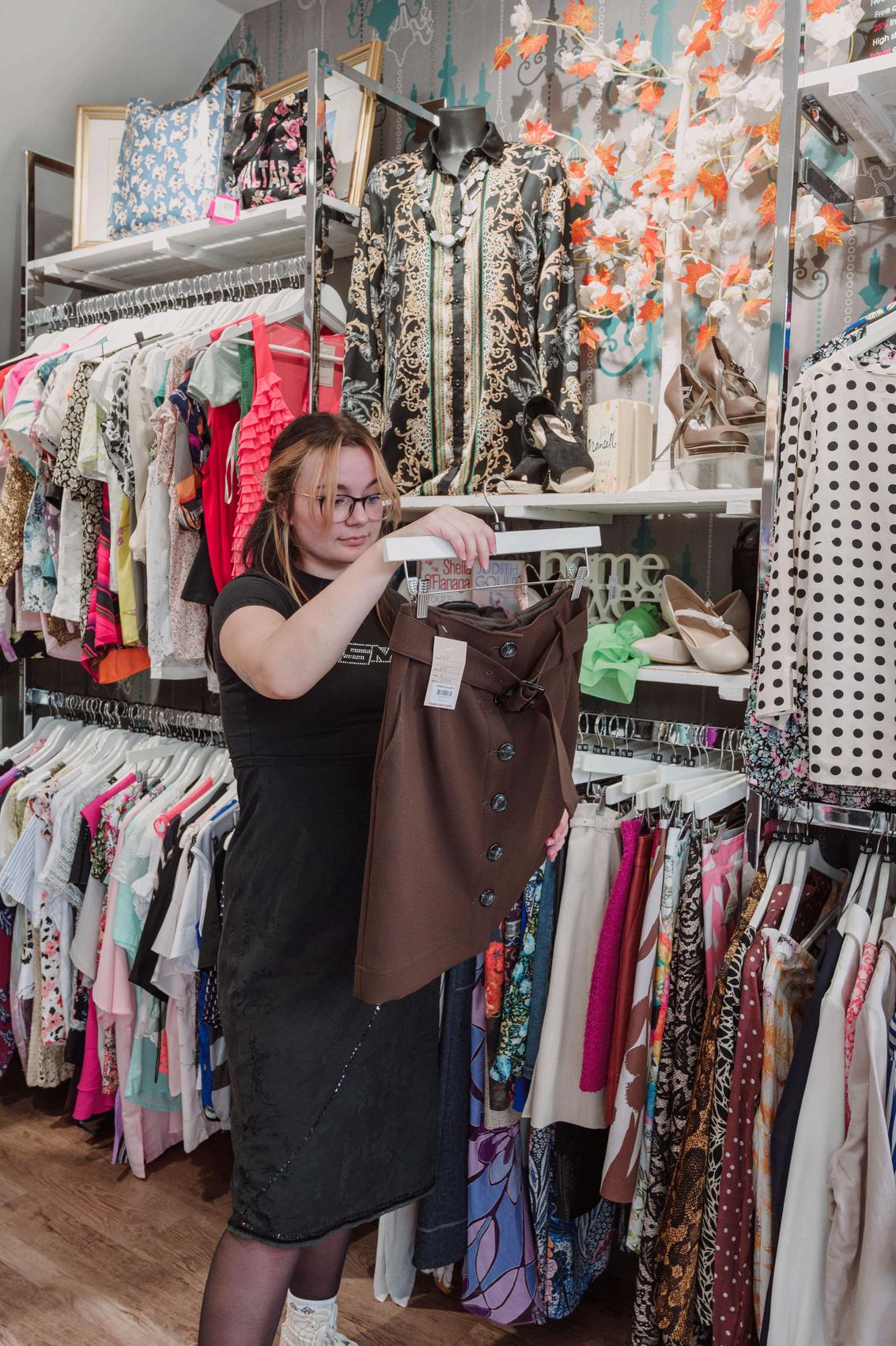
If you're anything like me, and you enjoy getting a bargain, it feels like a little win, especially when it’s a unique and stylish item that reflects your personality and values.
One of the best ways to shop your values is to shop second-hand. Not only is it a treasure hunt for one-of-a-kind items, but it's also a sustainable and eco-friendly way to build your wardrobe. So, let's dive into the world of second-hand shopping and discover how to make the most of it!
Many of us have worn second hand items from hand me down clothes to raiding our parents’ closet. I often wore dresses that belong to my mother from the 70s/80s. I styled them up creating my own unique looks sometime to my mother’s dismay. Second-hand and vintage shopping is more accessible now. When I was growing up and in high school it wasn’t an option that we thought about.
30% of clothing in wardrobes has not been worn for at least a year .
Every year, we throw out a staggering 300,000 tonnes of old clothes into our household rubbish bins . It’s estimated that £140 million worth of clothing goes to landfill in the UK annually .
Through The Salvation Army charity shops, and the various reuse and recycling schemes managed by the trading company, SATCoL, around 67,000 tonnes of textiles are reused, resold and repurposed each year.
This greatly reduces the burden on the environment. You can read more in SATCoL’s Social and Environmental Impact Report. Download your copy here: https://salvationarmytrading.org.uk/how-we-help/impact/
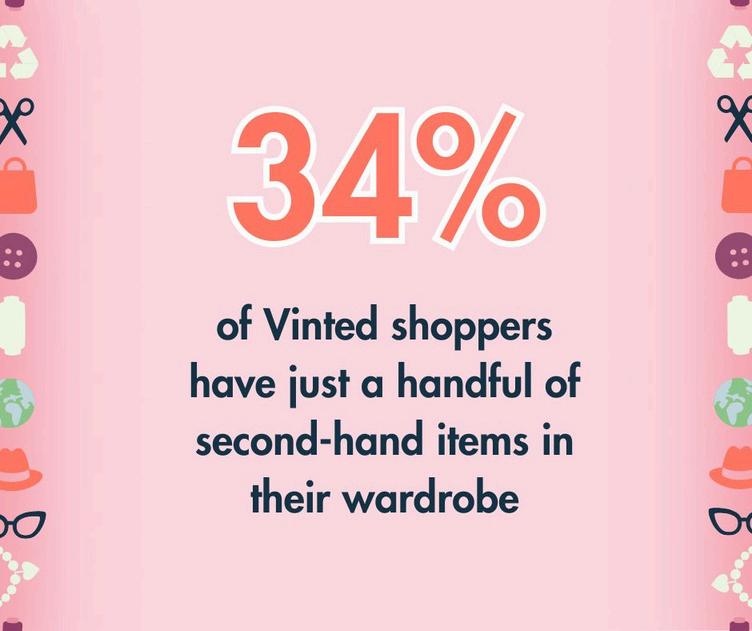
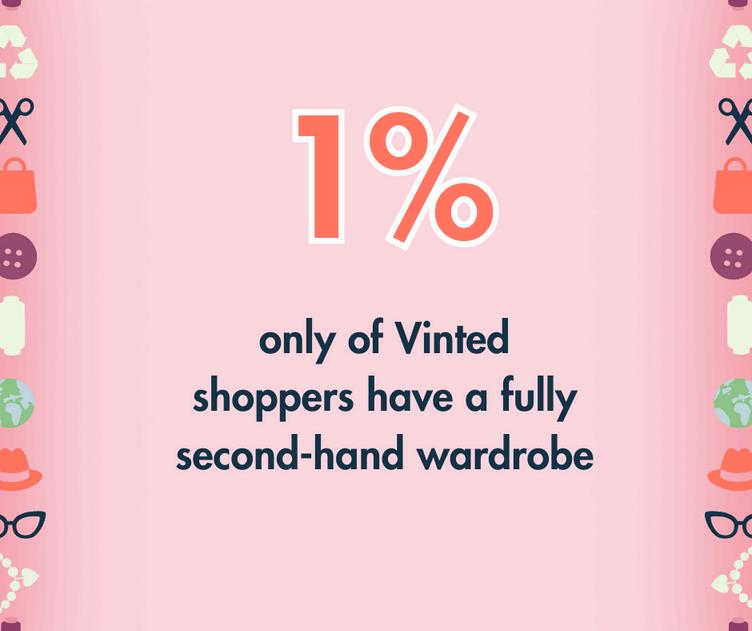
It’s really only in the past decade that I became aware of the true cost of fashion. Today I’m very conscious of how
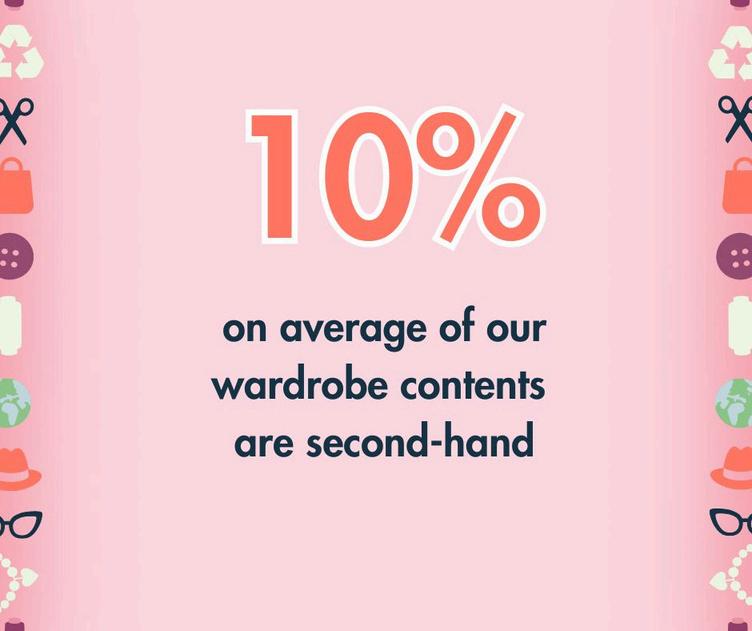
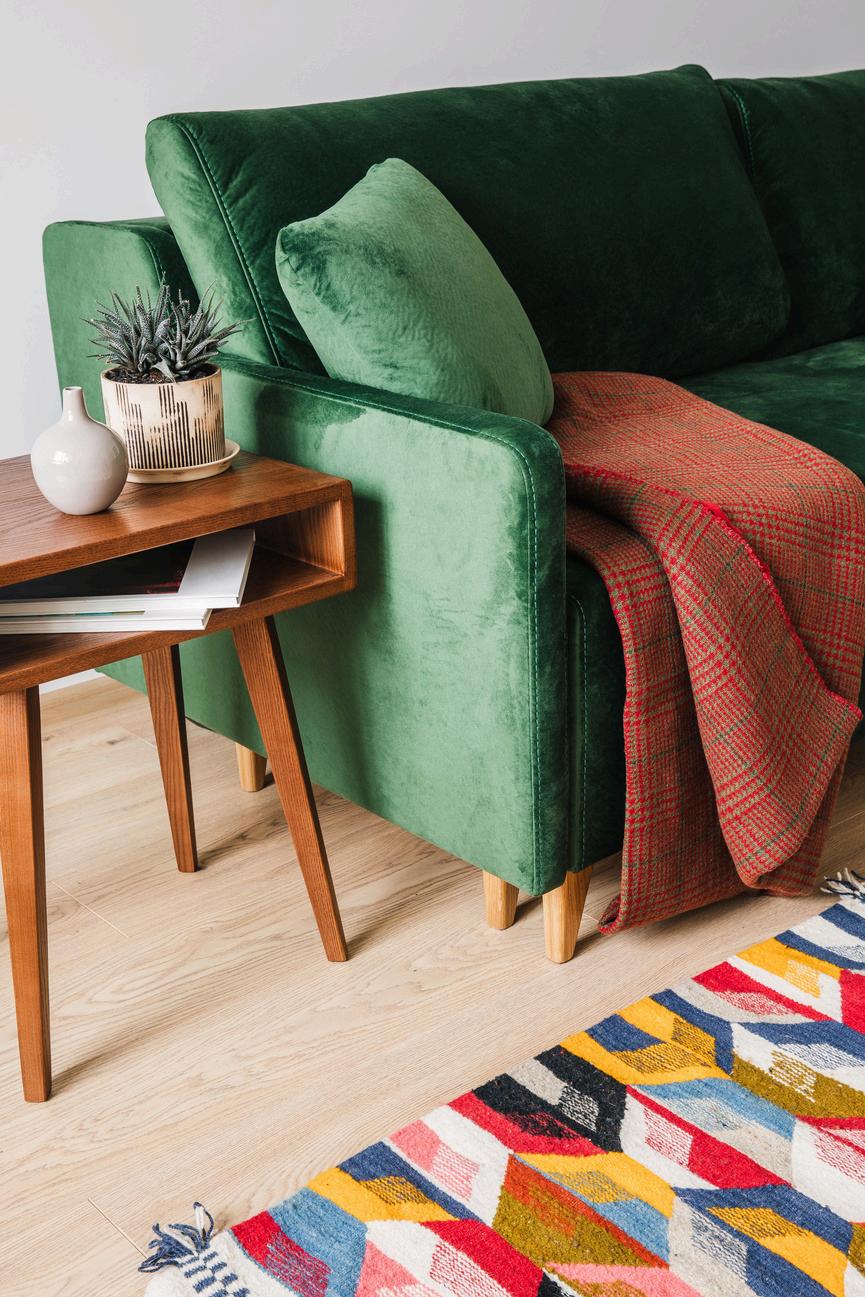
I shop and what I bring into my home. About 50% of my wardrobe is all second-hand and about 80% of the soft furnishings, tables to teacups in my home, second hand. (Even my dog Sophie Bear is second hand – I rehomed her about 9 years ago).
In about 2006, before I moved to the UK, I bought a beautiful couch. It was my first (and only) major purchase that was custom made. I spent hours looking at swatches of fabric, hemming and hawing about which style I liked the most. Did I want it with a built-in sofa bed, a two-seater or even a four-seater? There was so much pleasure and anticipation in thinking about all the details. I love that sofa and I thought I would have that sofa forever.
I had the opportunity to move to the UK taking only two suitcases with me so I knew I would have to give my beloved sofa away. Fortunately, I had a friend who also loved my sofa, so I gave it to him, and he was very, very happy. I felt good that it had a new home, but I knew after that whole experience that I would never buy new furniture again.
It just wasn't worth the heart break and then later I learned, buying something second-hand was worth so much more.
(I still dream of that sofa).
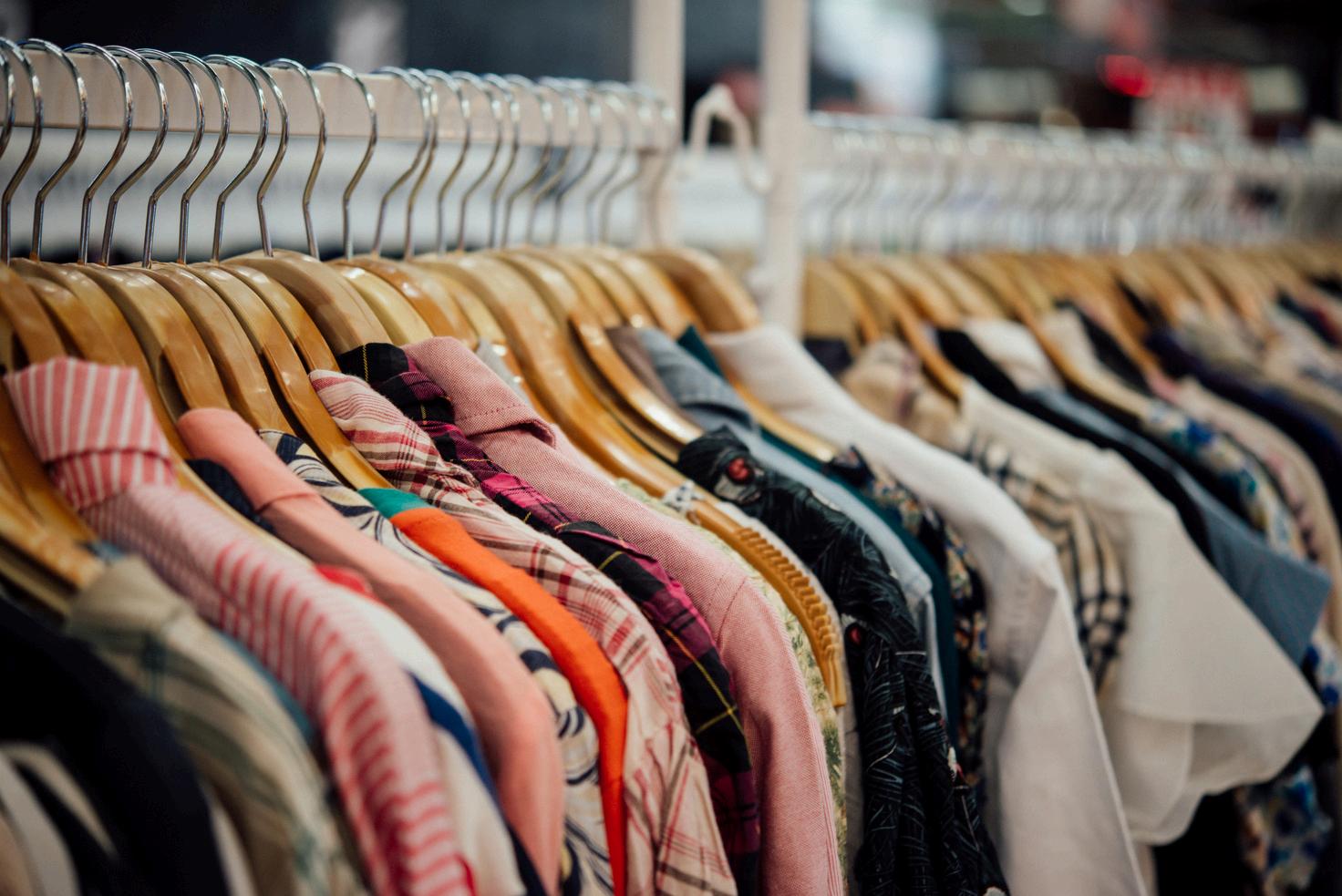
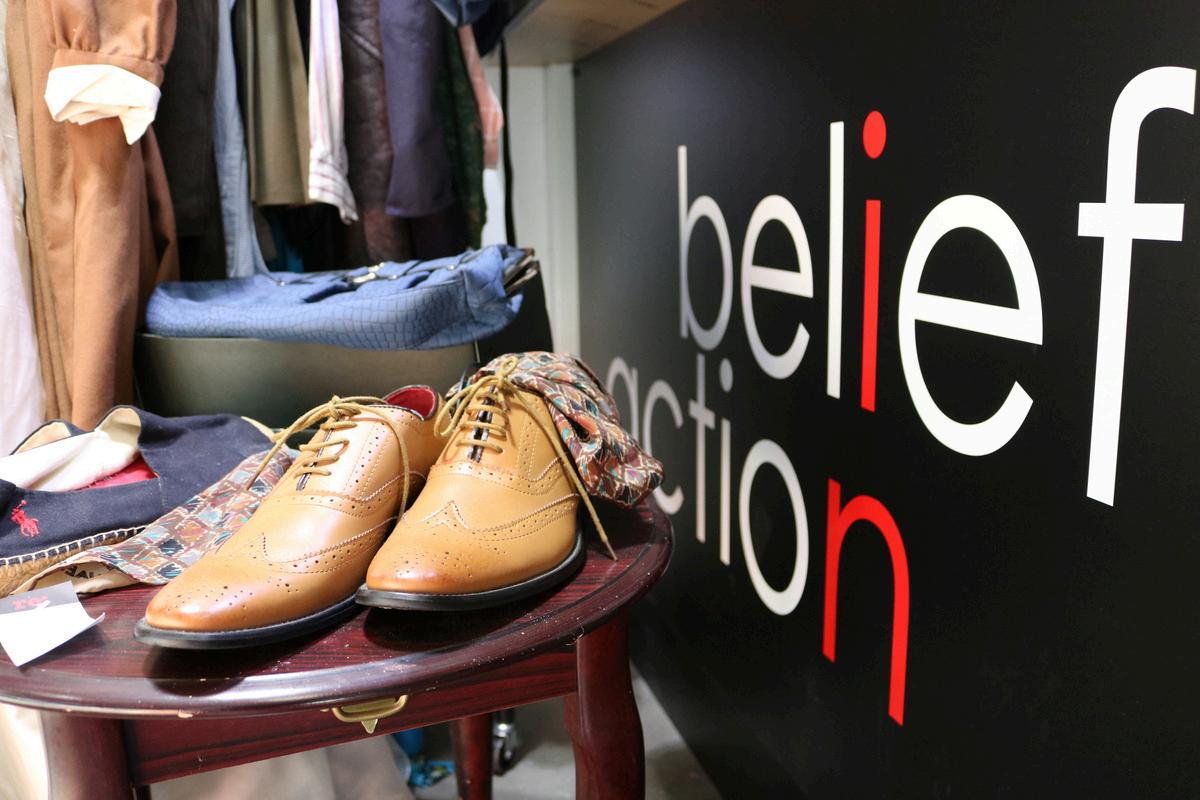

When you purchase preloved items, you're reducing waste and the demand for new resources.
You can find unique, vintage, and designer pieces that are no longer available in stores.
When we shop second-hand at a charity shop we can be sure that what we buy will cost far less than it did when it was new.
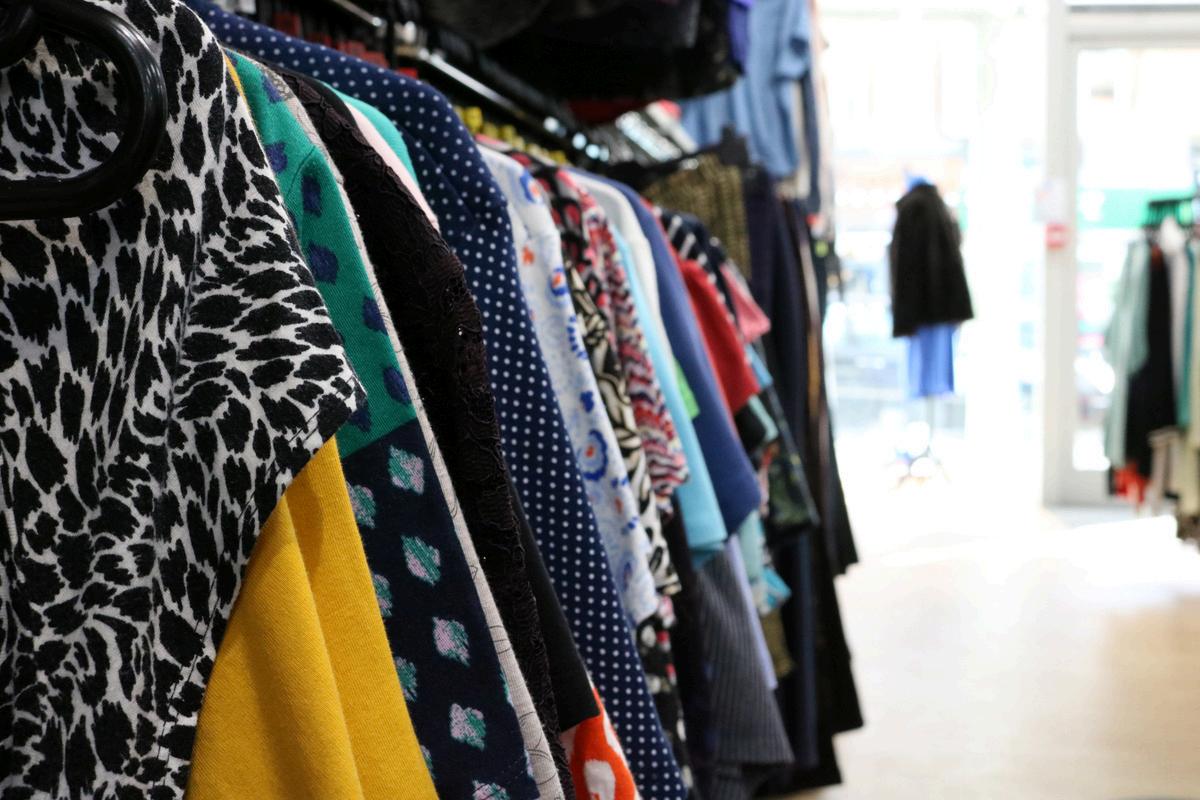
Buying from a charity shop means you help someone in doing something that then helps someone else which is the best way for us to feel good about ourselves.
Walking into a second-hand store can be overwhelming if you don't have a plan.
Let's dive into this question: what’s in your wardrobe? Make a list. Think about what you need or what gaps you have in your wardrobe. Are you looking for a vintage dress, a pair of jeans, or some funky accessories? Do you have a pair of trousers in your wardrobe that you love but you don't have the perfect top to go with it? Do you need a belt? You need to have a plan because second-hand shopping can be overwhelming.
Ask yourself: Do you have a capsule wardrobe to build on, or are you missing some essential items?
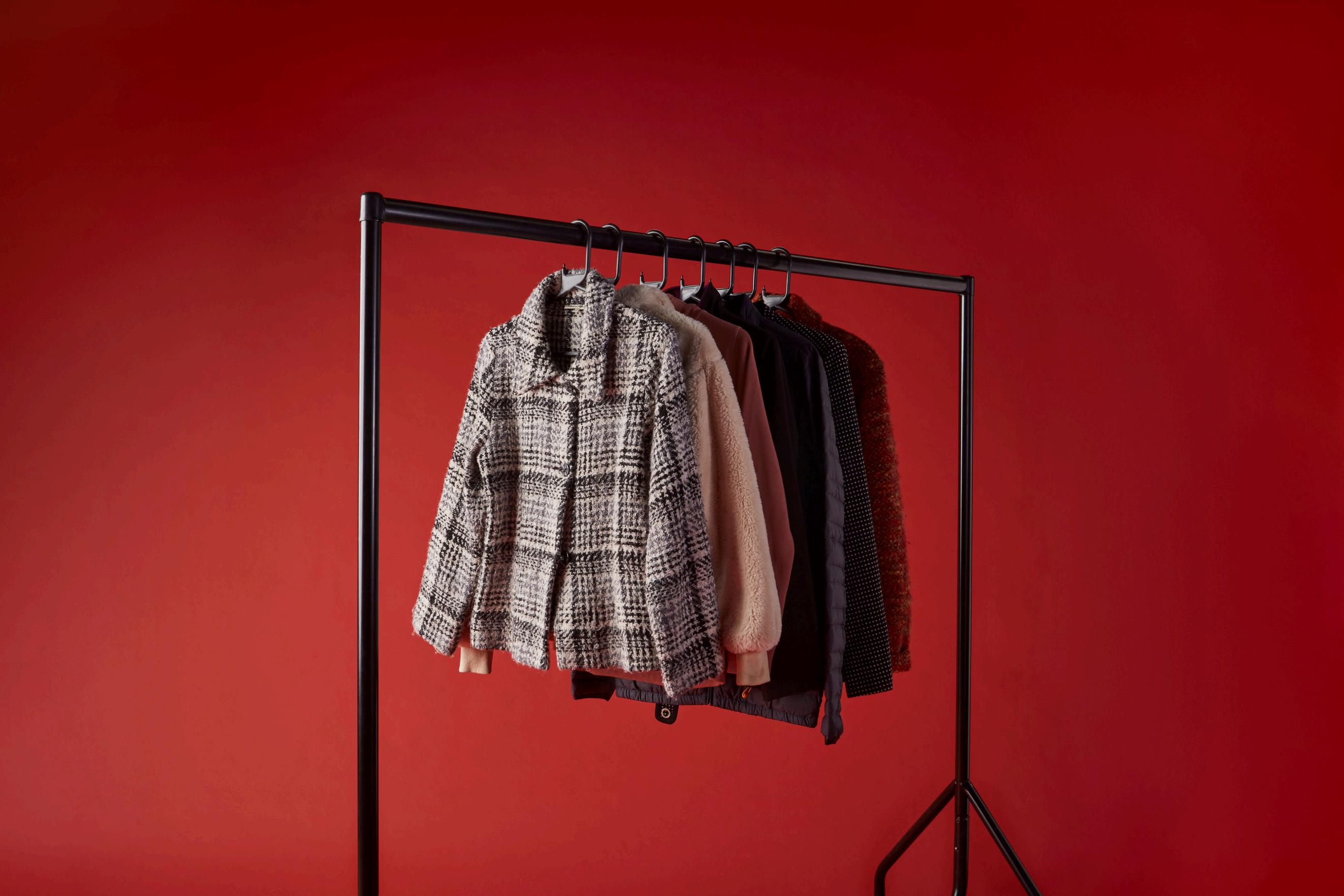
The key to a successful capsule wardrobe is your colour palette. Most people opt for neutral colours because they simplify coordination. This makes it easier to mix and match all your looks.
There's no reason you can’t have a colourful capsule wardrobe. When I went on holiday recently, I chose a palette of green and navy, with some black-and-white pieces. Having pops of colour made me feel more like myself and kept me feeling chic and organized on my trip. If you select two feature colours, ensure they are the same tone and compliment each other.
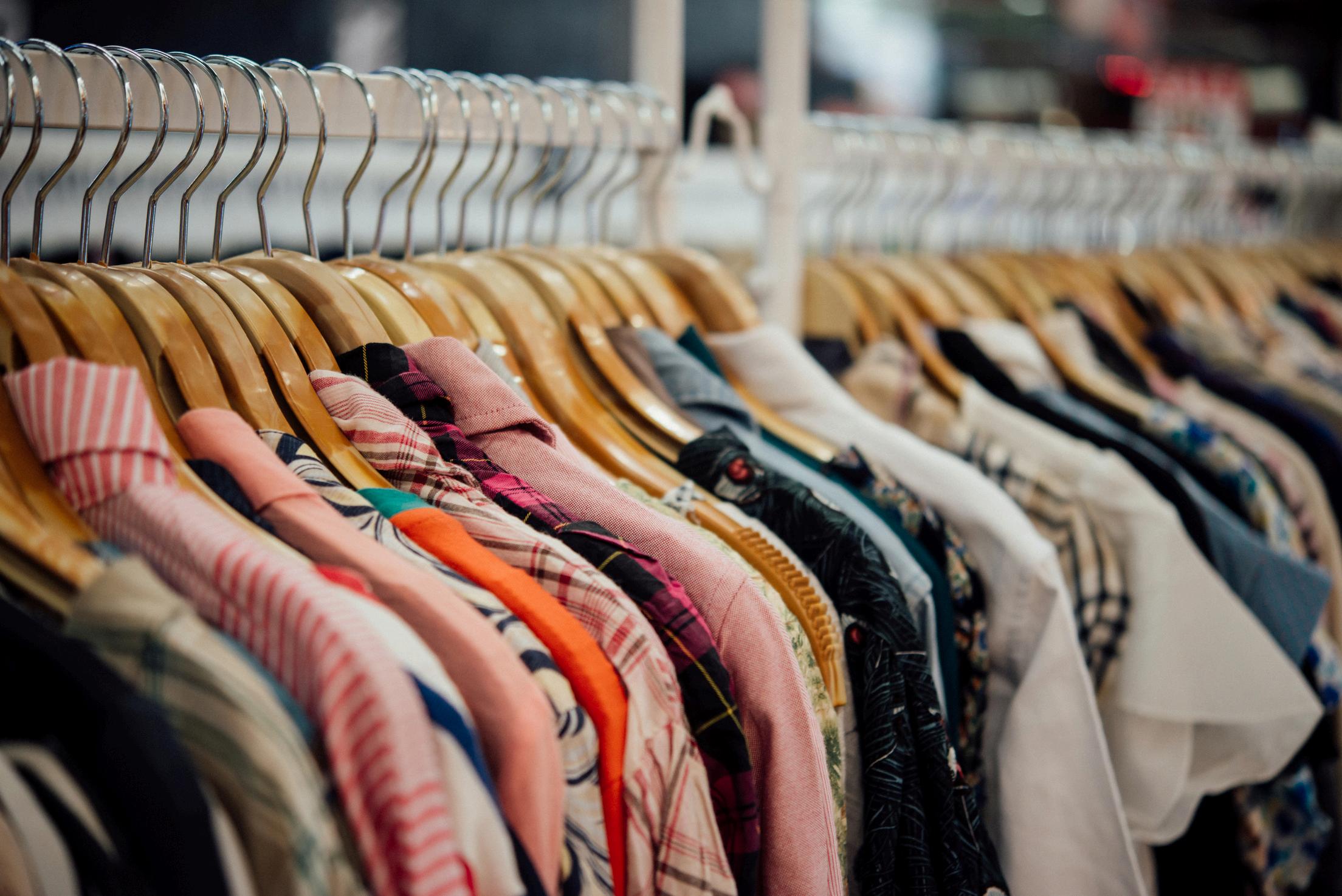
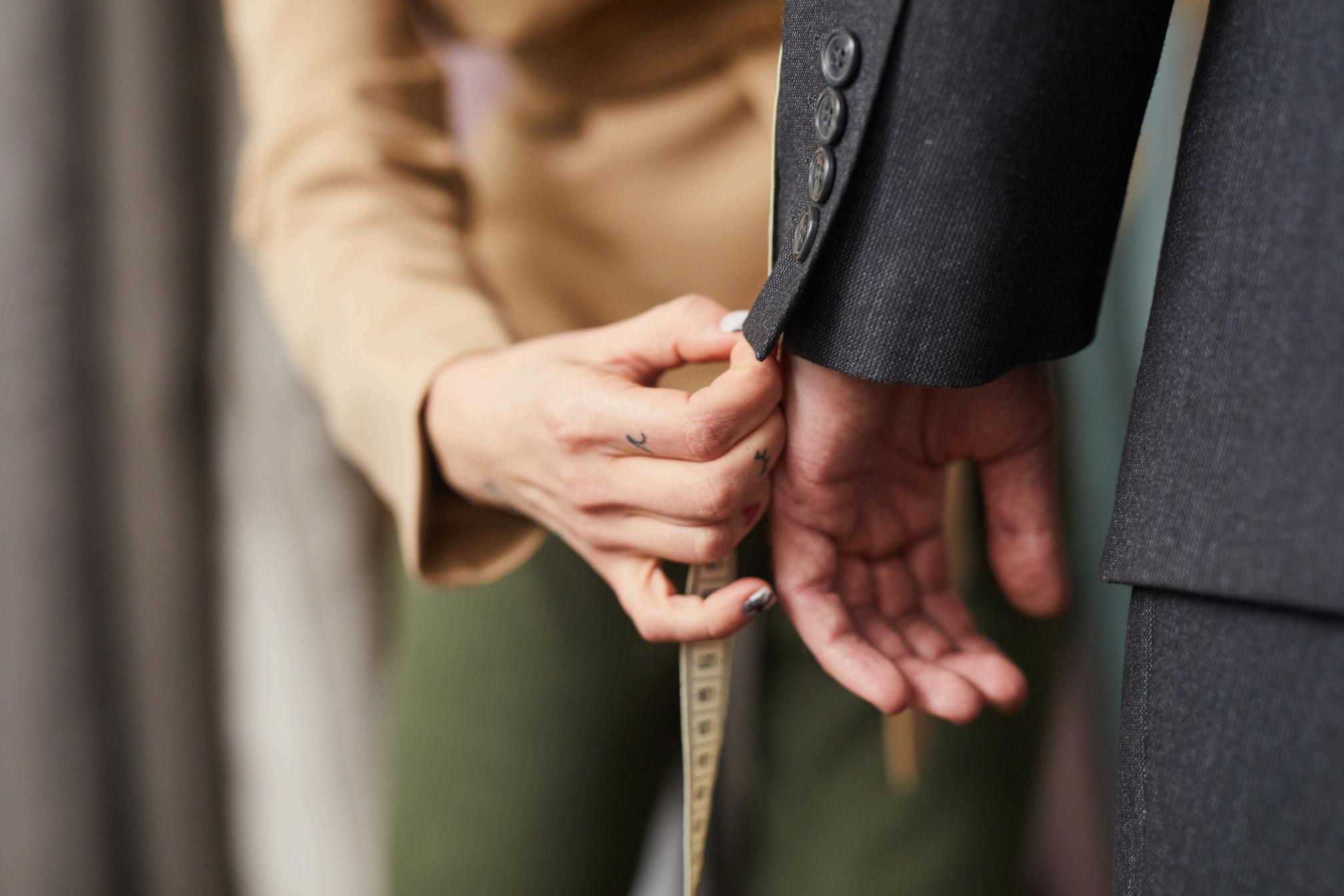
Everything in your capsule wardrobe needs to fit you perfectly. You should feel great in every piece. If an item doesn’t fit well, it shouldn’t be part of your wardrobe. For instance, if your trousers are a bit too tight, you won’t wear them, and you’ll lose a valuable piece of your capsule wardrobe!
Embrace versatility, focus on fit, and have fun with colours and your personal style. To create a capsule wardrobe that stands the test of time, consider the following key pieces on the next page.
Jacket or Blazer: A classic blazer is exquisitely chic when done right. Focus on the cut and fit to ensure it flatters your body.
The Leather Jacket: Choose a style that fits your personal taste, whether it’s oversized, biker, rugged, or fitted. A leather jacket pairs with all your bottoms or a dress, adding a cool or chic touch.
The Trench Coat: A forever piece, the trench coat is easy to wear and instantly pulls a look together. It's seasonless - perfect with a skirt and vest top on a rainy summer evening, or with jeans and a jumper on a cosy autumn day.
The Dress: Think simple, like a little black dress. It doesn’t have to be black, but solid colours work best. This versatile piece can be dressed up or down, with trainers and a leather jacket or kitten heels and a blazer.
Trousers: Classic tailored trousers are an office essential and work perfectly with trainers or heels.
Jeans: A great pair of straight jeans is a true investment. Choose the shade of blue you prefer, but ensure they fit well.
Leggings: A good pair of leggings can be styled with a blazer and shirt for daytime or with heels in the evening.
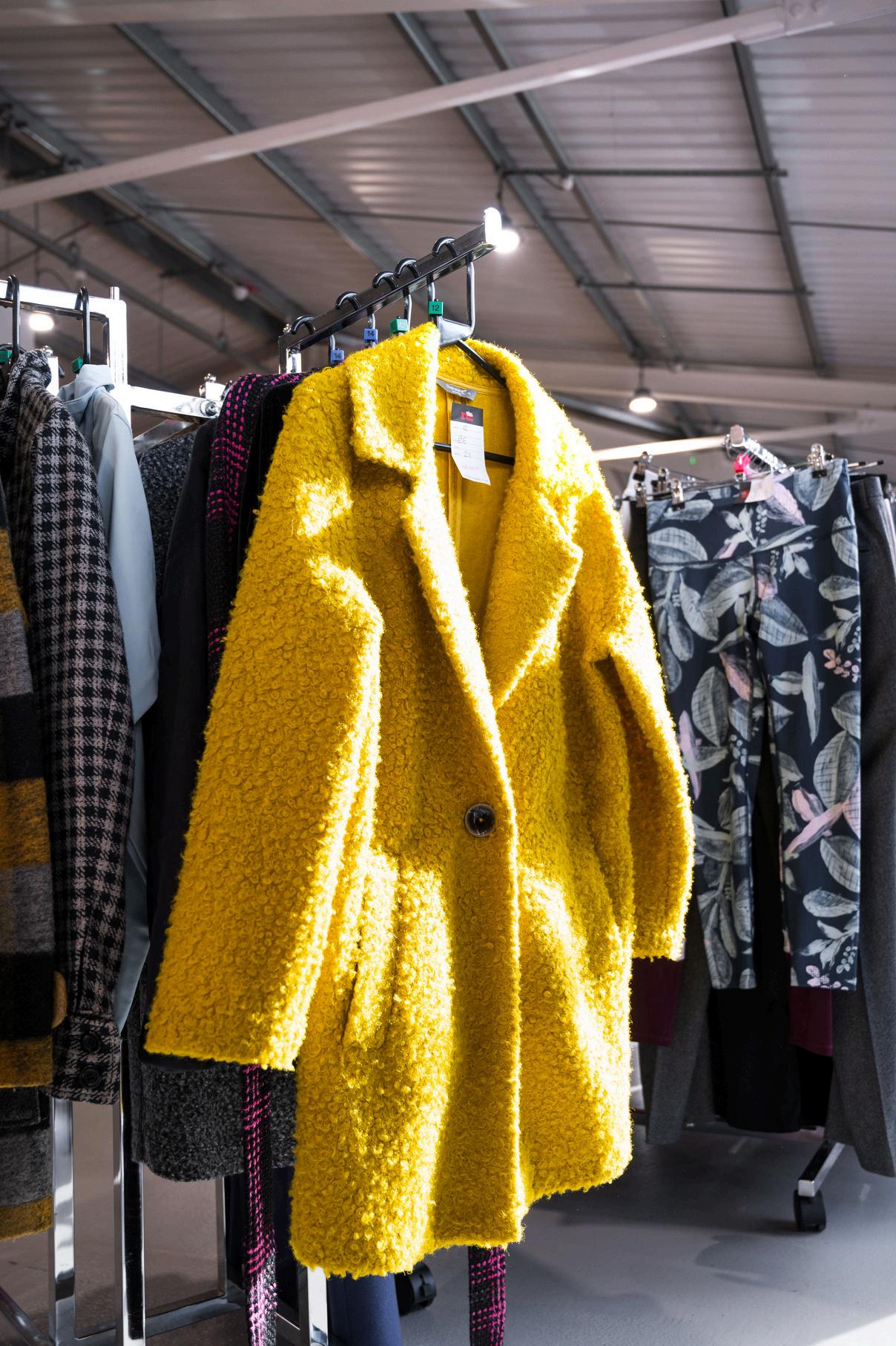
Skirt: Select a skirt length and style that flatters your body shape. If your trousers are black, consider a grey skirt or your colour option.
Sweater and Sweatshirt: Layering is essential in a capsule wardrobe. A simple crewneck or small V-neck in a bright colour adds versatility.
Short Sleeve T-shirt and Vest Top: Invest in high-quality T-shirts as they are versatile and long-lasting, just ensure they don't show any bra lines.
Blouse or Shirt: A good shirt, whether crisp and clean, or soft and silky, should fit loosely over the midsection, skimming just over the hips. It offers numerous styling options, from layering over a T-shirt to wearing under a jumper or sweatshirt.
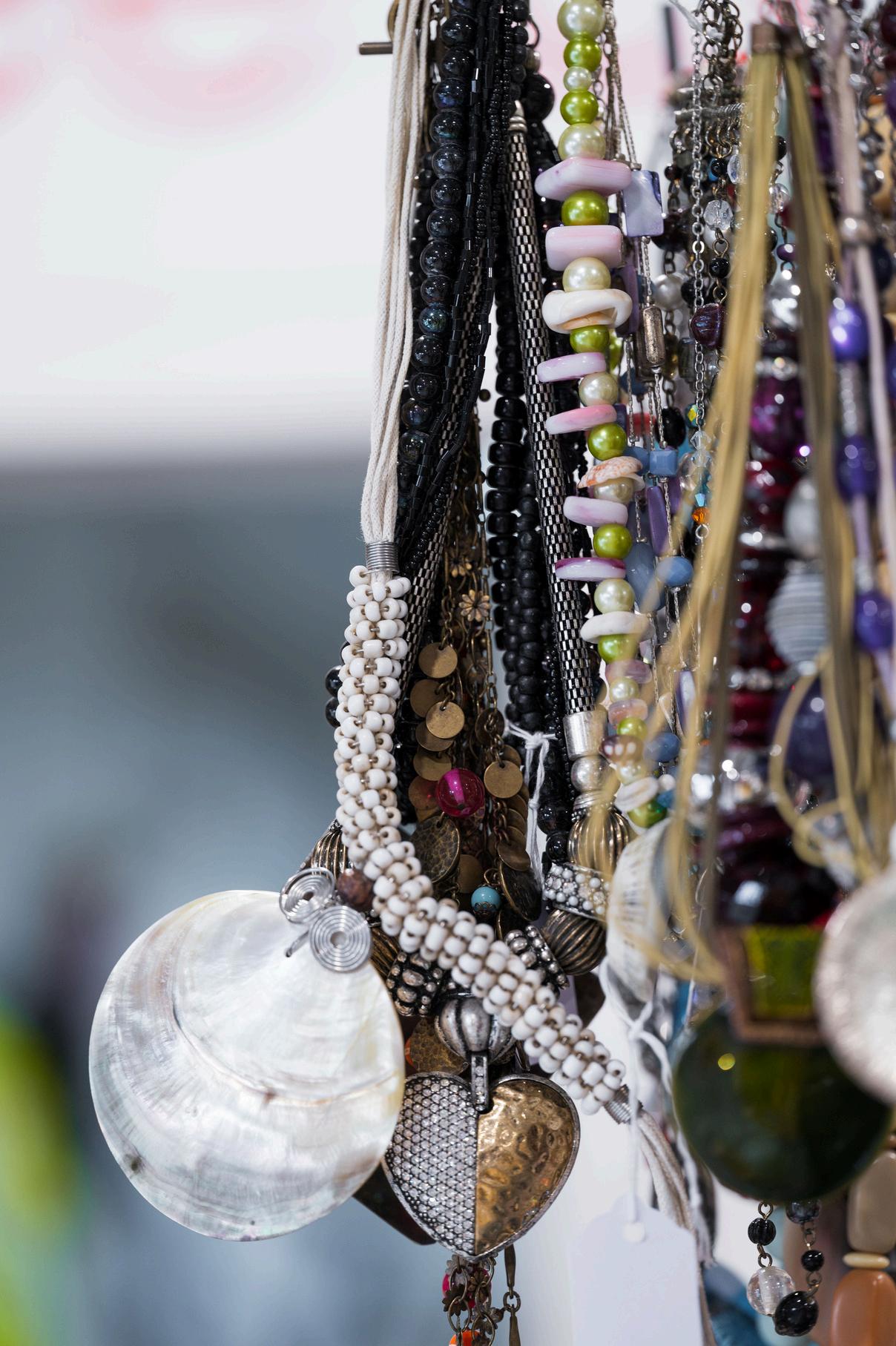
Jewellery and Accessories: Are the perfect way to express your style into your capsule wardrobe. Buy well, think quality as you want to keep these pieces forever. Creating a capsule wardrobe tailored to your style will simplify your life and ensure you always feel chic and put-together. You'll always have something to wear.
You will have at least 50% more tops than bottoms in your capsule wardrobe.
This allows for greater variety and layering options, giving you more flexibility to mix and match your outfits.
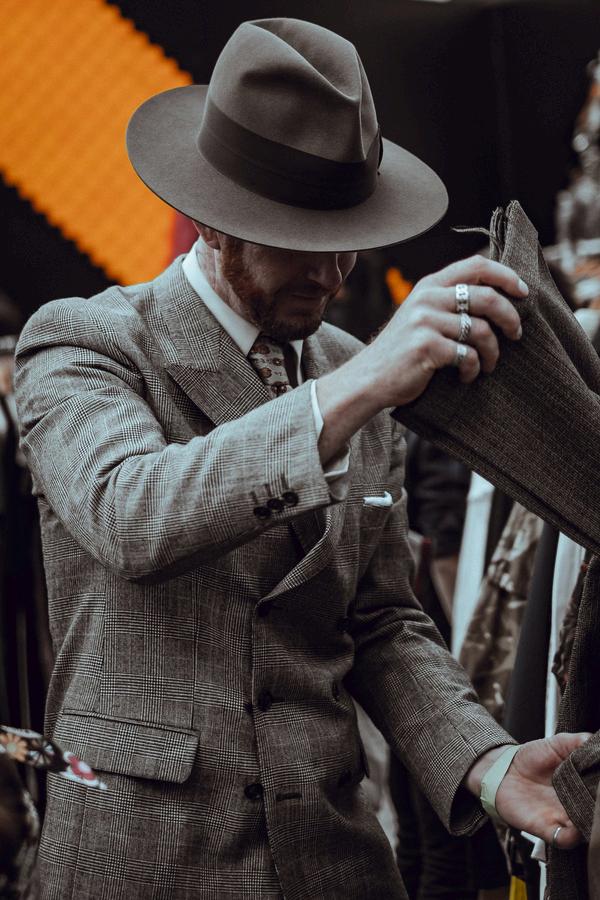
Building a capsule wardrobe has so many perks for men – it simplifies getting dressed, keeps your wardrobe organised, and guarantees you'll always have something stylish to wear. Just follow the tips in this guide, and soon you'll have a versatile wardrobe that’s ready for every season and occasion, effortlessly.
T-shirts: Simple, high-quality cotton tees are the foundation of casual looks. You might need anywhere from 4-6 T-shirts.
Button-down Shirt: A classic white or light blue shirt works for both formal and casual occasions. You might need anywhere from 3-6 shirts.
Jeans: Two pair of well-fitting jeans in different wash is a versatile piece that can be dressed up or down.
Chinos: Neutral-coloured chinos (like beige or navy) are easy to wear any time they can be very casual, but also very good for the office.
Tailored Blazer: A structured, neutral blazer adds instant sophistication for formal settings.
Knit Sweater or Cardigan: A lightweight, solid-coloured sweater is great for layering.
Casual Jacket: A bomber, leather or denim jacket is perfect for laid-back, casual looks.
Classic Coat: A neutral-coloured trench or wool coat for colder seasons.
Suit: A smart well fit suit can last years and be worn again and again for weddings and formal events.
Casual Shoes: A clean, minimalist sneakers that go with everything, or pair of casual shoes, loafers, or slip ons
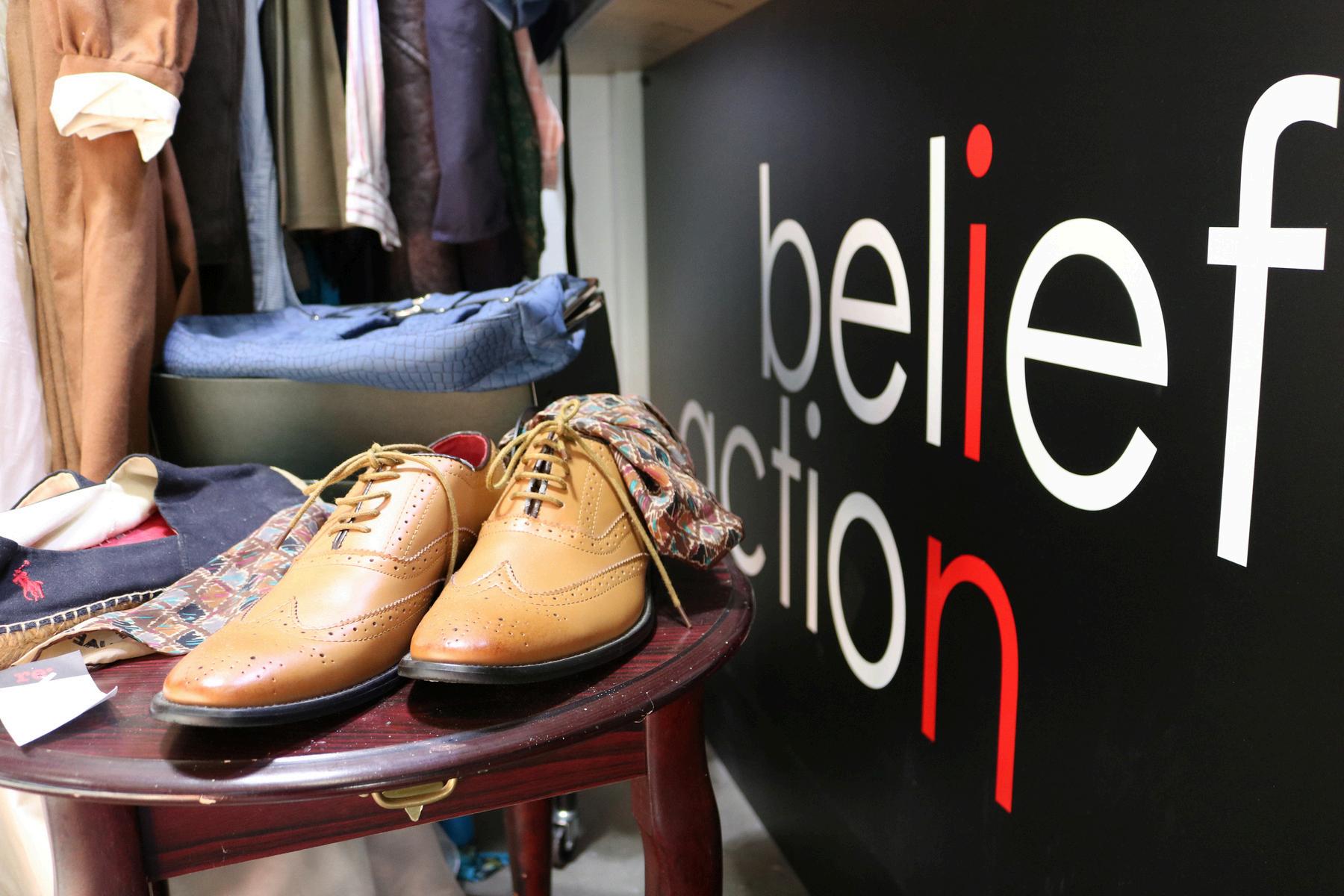
Smart Shoes: Brogues or Oxford our classic pair of shoes and never go to style.
Boots: A quality pair of brown or black boots like a Chelsea boots is essential for dressing up or down a look.
Bag: You might need an everyday bag, or satchel. Choose a style based on your needs: a black or tan bag are great for a more formal look and a backpack is great for travel.
Set a budget: It's easy to get carried away when everything is so affordable (re-read the first tip). Setting a budget helps you stay on track.
Be open-minded: While it's great to have a plan because it allows you to always stay open to unexpected finds, some of the best pieces are the ones you didn’t even know you were looking for! Embrace the thrill of discovery and be willing to try new styles - you might just find a new favourite.
Out of season: I love shopping out of season. I once found a great leopard print coat for £5 in July. Some shops merchandise their store according to season but occasionally they put things out that are out of season, so it's a great opportunity for you to find that much needed unexpected item.
Personal style always trumps trends: You might spot something in a magazine that’s hot for autumn-winter and fall in love with the look. Just remember, trends come and go - what truly matters is whether it suits your personal style and compliments your body shape. When you choose pieces that reflect your personality and fit your body, you’ll always look your best. Regularly reassess your wardrobe to make sure it continues to represent who you are.
Become a good decision maker: The more you practice the above steps the better decision-maker you'll become. Use the above as a checklist to know if the item is really for you. If you're not sure if you really want that item there are no guarantees that it will still be there when you come back, even in an hour’s time, let alone next week. Different charity shops have different return and hold policies so it's best to check with the individual shop.
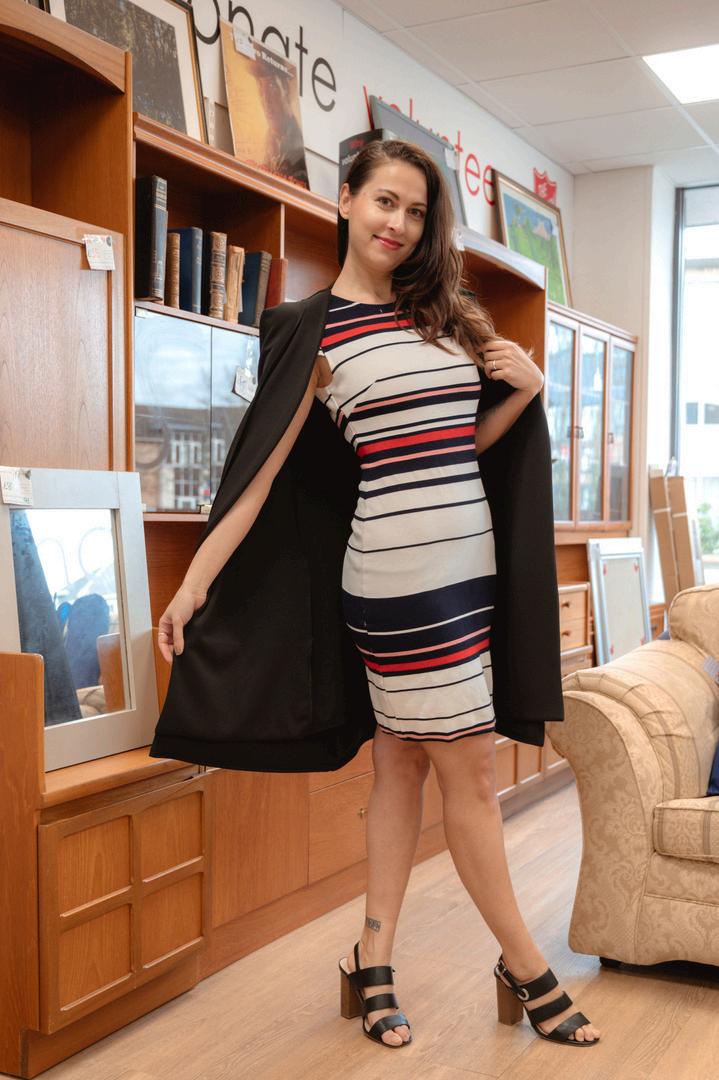
Second hand shopping is a marathon, not a sprint.
When you go into a charity store, you have to rummage through every section.
Each shop will merchandise their clothing differently; some merchandise according to colour, and some places just look like a jumbo sale. Enjoy the hunt!
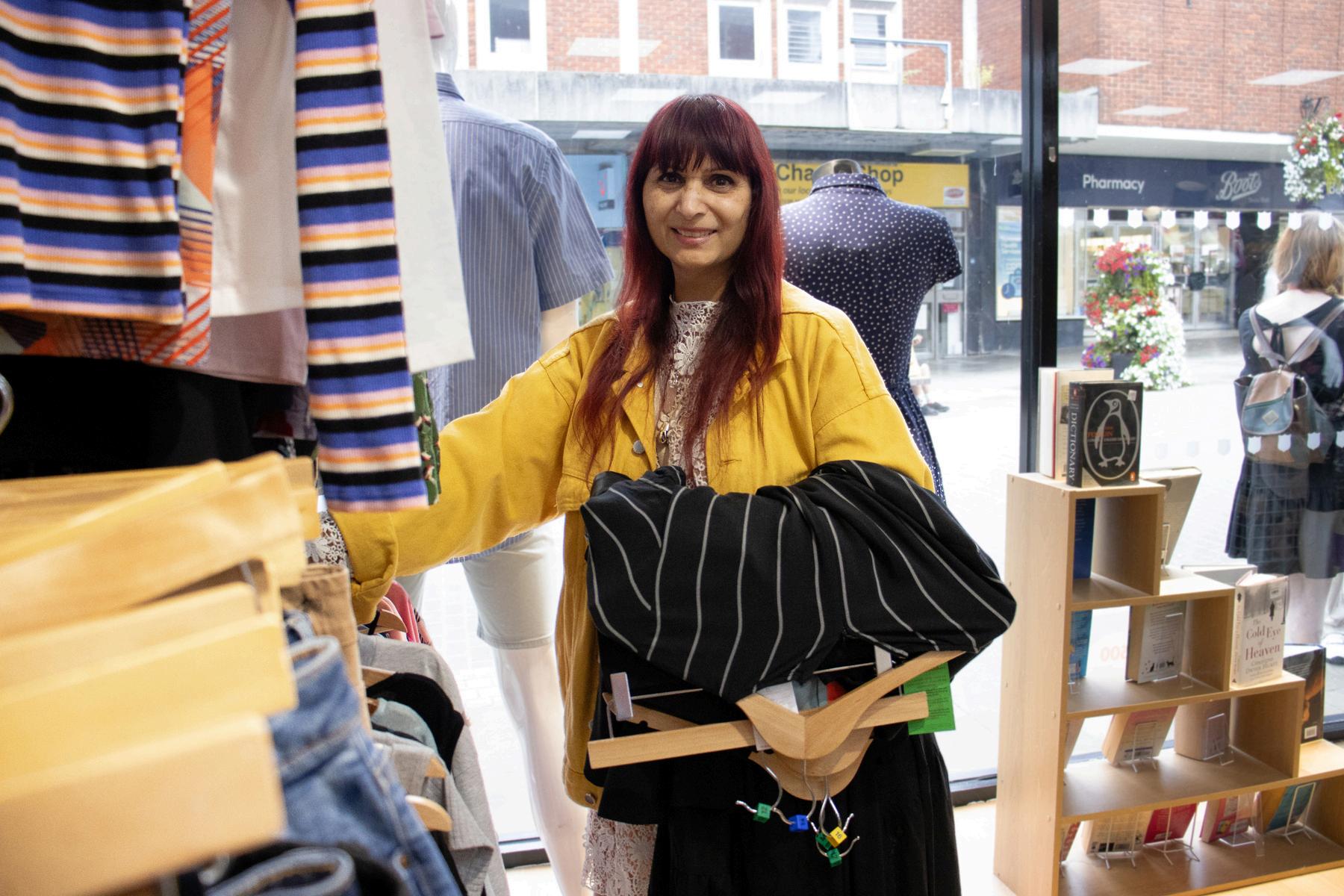
Research Your Local Stores
Second-hand is unique, but not all second-hand stores are created equal.
Understand Vintage vs. Second-Hand:
Understanding the difference between vintage and second-hand can help you set expectations and spot great finds:
Vintage: Typically refers to items that are at least 20-30 years old. These pieces often have historical significance or are from notable eras in fashion. These stores curate higher-quality, often designer items. They can be more expensive, but you're paying for the edit, uniqueness and quality.
Second-Hand: Refers to any pre-owned items, regardless of their age. This includes contemporary items that have simply been used or even unused.
Charity Shops: The money they raise from selling an item supports a cause.
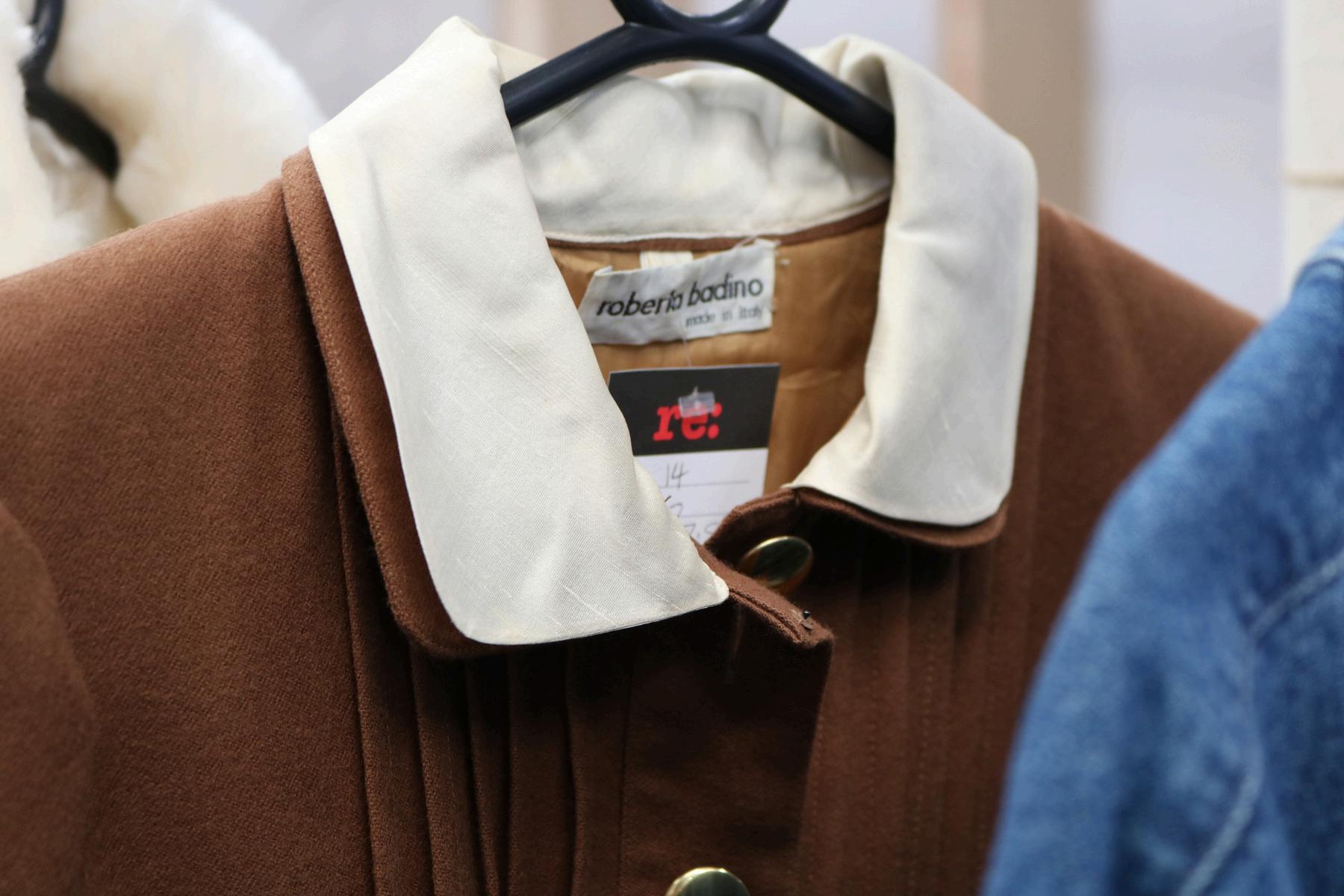

Thrift Stores: These are usually larger stores with a wide variety of items. They're great for finding everything from clothing to home décor.
Consignment Stores: These shops sell items on behalf of individuals. They often have higher-end items and take great care in what they accept.
Online Marketplaces: Websites like Vinted, Depop, and eBay are fantastic for second-hand shopping from the comfort of your home and there is room to negotiate the price.
Flee Market/Market/Car Boot Sale: At flea markets, you're likely to find professional traders selling antiques and collectibles and clothing. The charm of a car boot sale lies in the fact that it's mostly ordinary people selling their items. The best part? You can often negotiate the price and score some great deals.
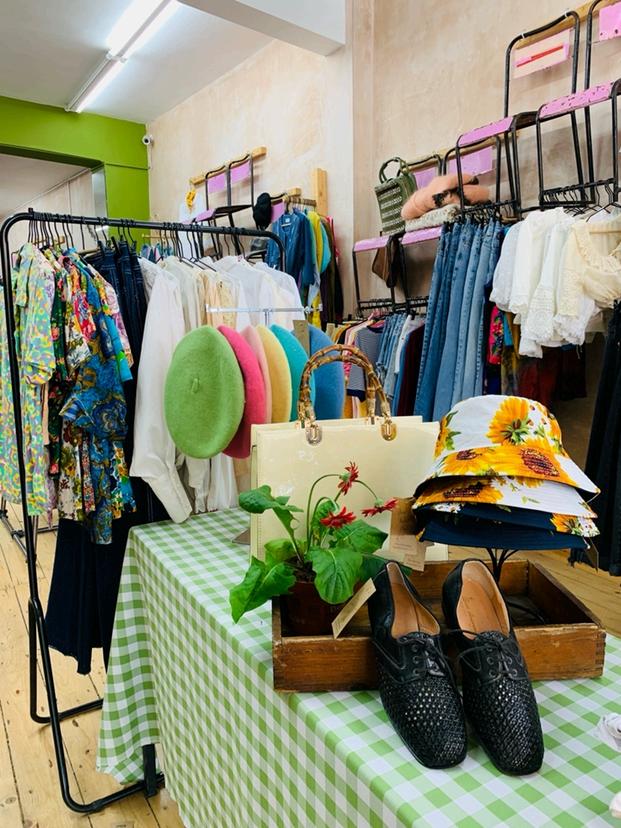
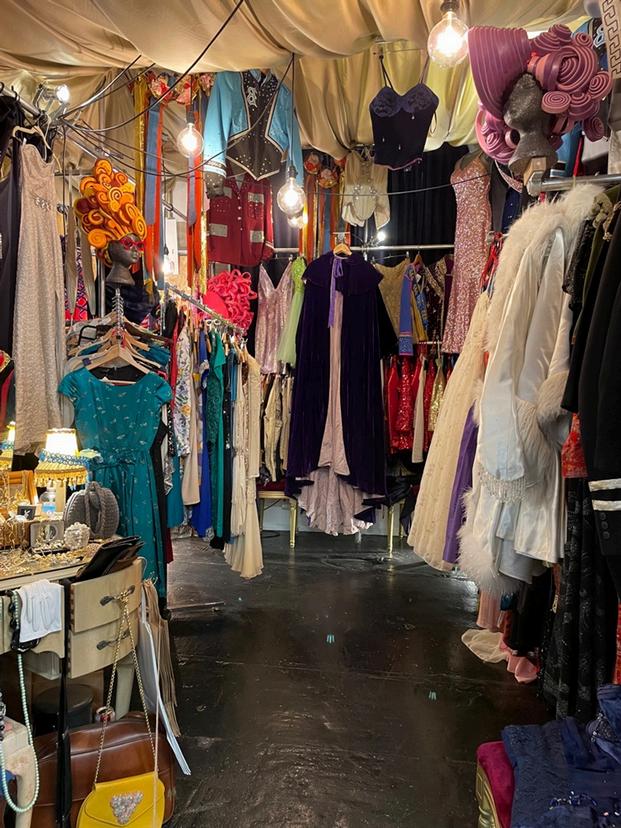
Think like a fashion stylist: strategizing your shopping trips can make the experience more enjoyable and productive.
Plan your trip: Often where there's one charity shop, there are several, plan your trip accordingly to get the most out of your day.
Go early: Shops are usually less crowded and better stocked in the morning.
Check for sales: Many second-hand stores have sales or special discount days.
Many stores often have a rail with markdown items towards the back.
Bring cash: Some markets, car boot sales or shops discounts for cash payments.

Frequent your favourite second-hand shop.
Merchandise is often put out as they receive it, so you can go there in the morning during your shopping trip, and then on the way back, they might have put out a whole selection of new items.
When shopping second-hand, it's essential to be able to identify quality items. Here's what to look for:
Fabric: Natural fabrics like cotton, wool, and silk are more durable and tend to age better than synthetics.
Construction: Check the stitching and seams. Quality items will have even, sturdy stitching without loose threads.
Labels: Familiarize yourself with brand labels. Designer and high-quality brands are often a good indicator of well-made item.
Condition: Look for signs of wear and tear. Small issues like missing buttons can be fixed, but stains or large tears can be more challenging. Be realistic and decide what is it that you're willing to do to repair or alter an item.
Get to know the volunteers, staff, or owner of the shop. Strike up a conversation - ask them about their favourite item in the store, or if they have something they think you’d love. What are their top recommendations? Building a connection with them can lead to discovering hidden gems and enhancing your shopping experience.
Sizes can vary significantly between brands and different decades, so it's crucial to try things on whenever possible. Here are some fitting room tips:
Layer down: Wear comfortable clothes that are easy to take on and off. Leggings and a fitted top work well. Most shops will have a fitting room, but if you're at a market or a car boot sale you might not have that luxury.
Check the fit: Make sure the item fits well in key areas like the shoulders, waist, and hips. Remember, alterations are always an option if something is almost perfect.
Alterations: The right fit can make your outfit look expensive. I'm short so I'm quite willing to get trousers hemmed or dress shortened. It's always worth and the cost is still less than buying new.
Sit down: There is usually a chair in the fitting room, it's not there for you put your clothes on. Sit down on the chair and see how the trousers or skirt fit - are they comfortable around your waist and your thighs? Walk around, bend in the item to ensure they’re comfortable and functional.
Know your measurements. Buy a tape measure. Brands vary in size. You might take a size 12 in a trapeze dress but a 14 in a body con dress. For women, know your bra size, chest size, waist, and hip. For men, know your neck size, suit size, chest, waist, and inseam.
Shoes size - if you're not really sure what your shoe size is, you can actually measure your foot with a tape measure, and this will help you determine your shoe size. One of my friends told me that he’d been wearing the wrong shoe size most of his life and he was having constant foot pain. He got measured, started wearing the correct size shoe and is now pain free!
Many shops will have things tucked into corners, often up on shelves or in a big basket in the corner, so don't forget to look into those places because you can often find amazing gems.
Every charity shop seems to have a lot of scarves and remember they can make a great gift.
I’ll often wrap a gift in a scarf instead of wrapping paper.
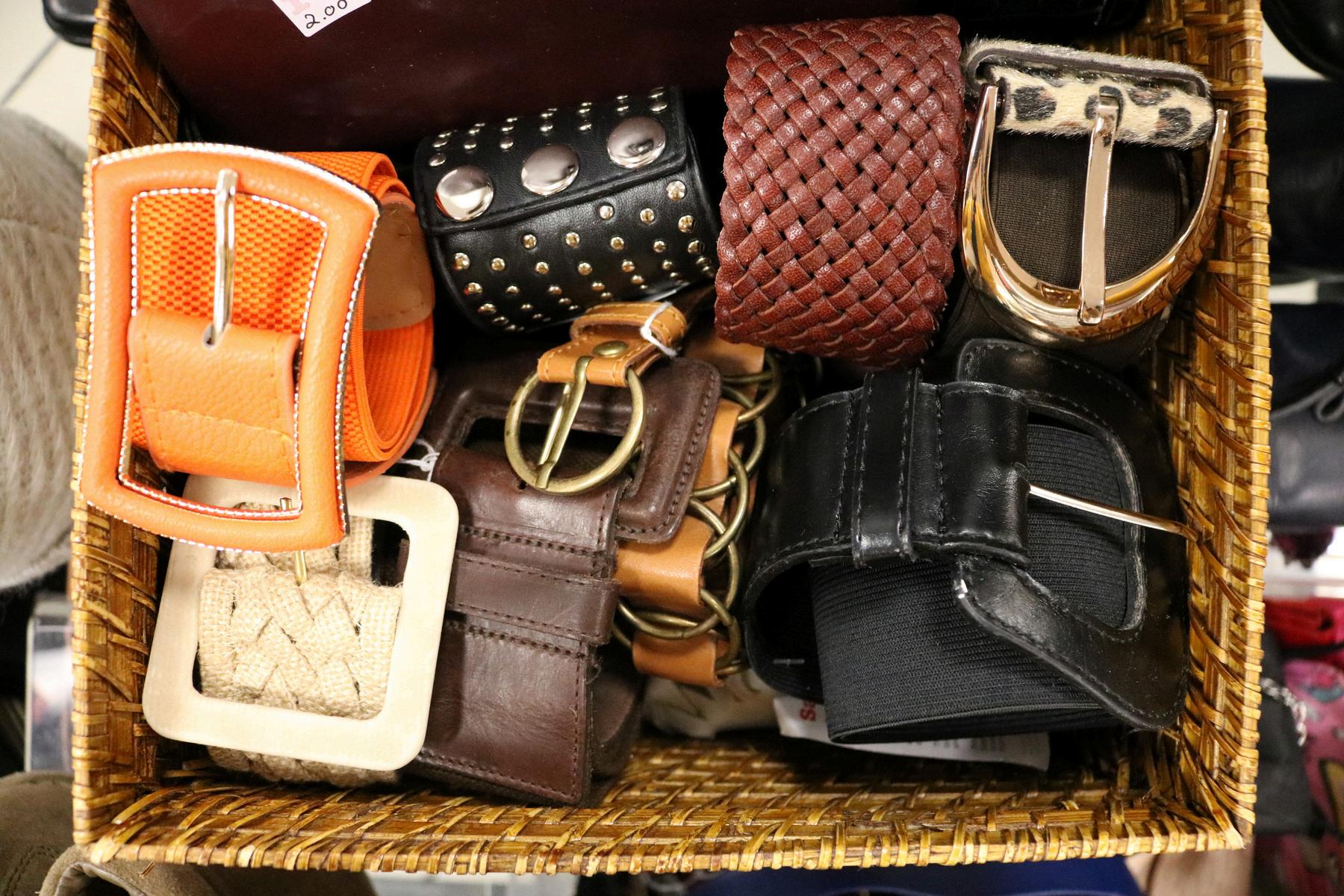
Keep an eye out for:
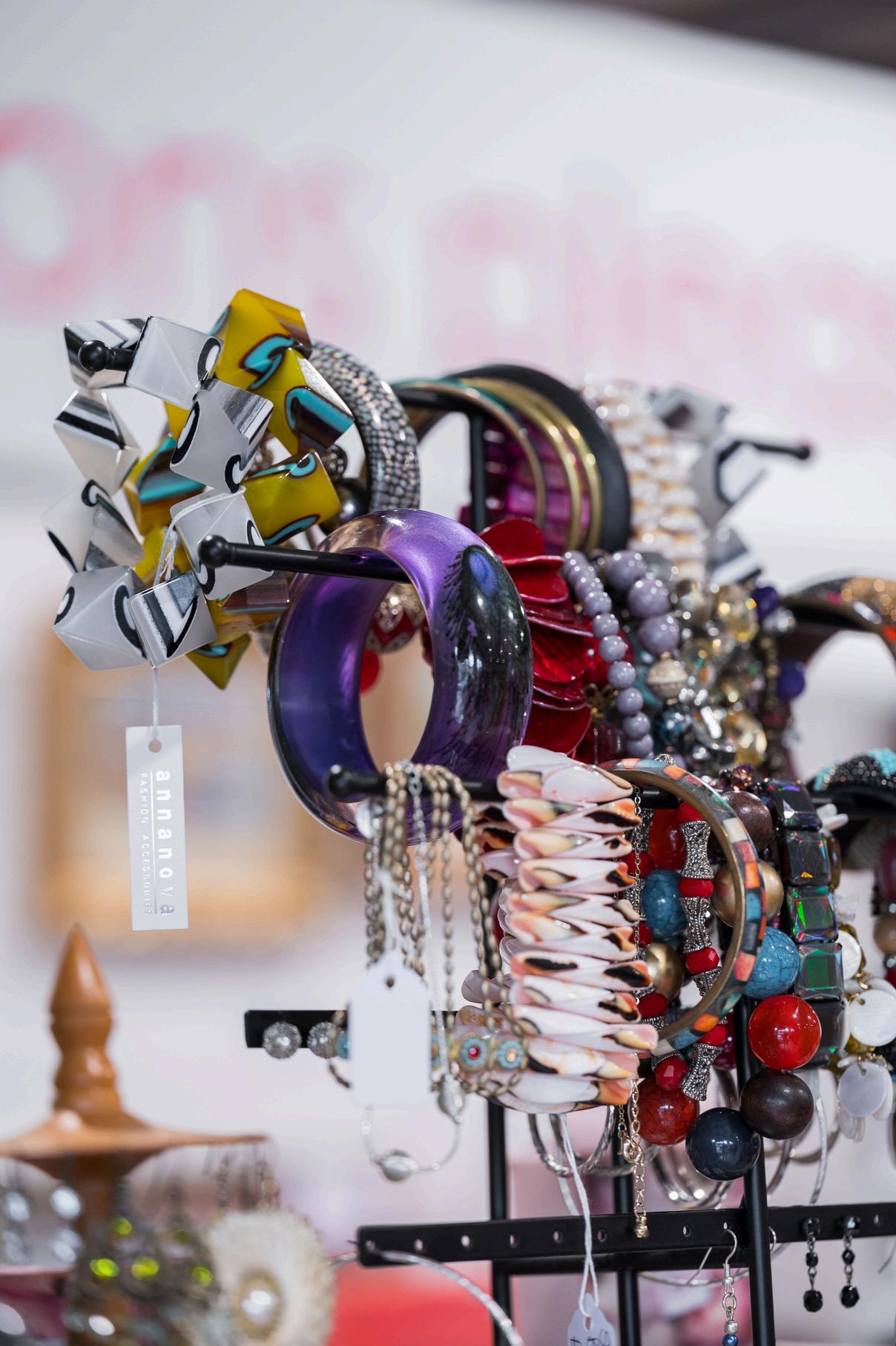
Jewellery: Jewellery is a great way to express your personal style. Vintage jewellery can add a timeless elegance to your look or can add a load of personality for a super quirky look. Search for pieces in good condition with secure clasps. Many charity shops have relationships with the high street brands so you can often find new jewellery and accessories still with the tags on them.
Bags: Don't just look on the outside of the bag. Check the inside of the bag and that the zipper works, remember if you don't like the strap, you can always get a different strap. Vintage bags are often unique and well-made. You'll also find a lot of modern handbags and lots of designer ones too.
Belts and Scarves: These items can completely change an outfit. Look for interesting patterns and high-quality materials. Look at the details, if you find an amazing buckle you can always replace the belt.
Hats: Second-hand shops are a great place to look for a hat if you're going to a summer wedding or if you need a woolly hat to keep warm in the winter!
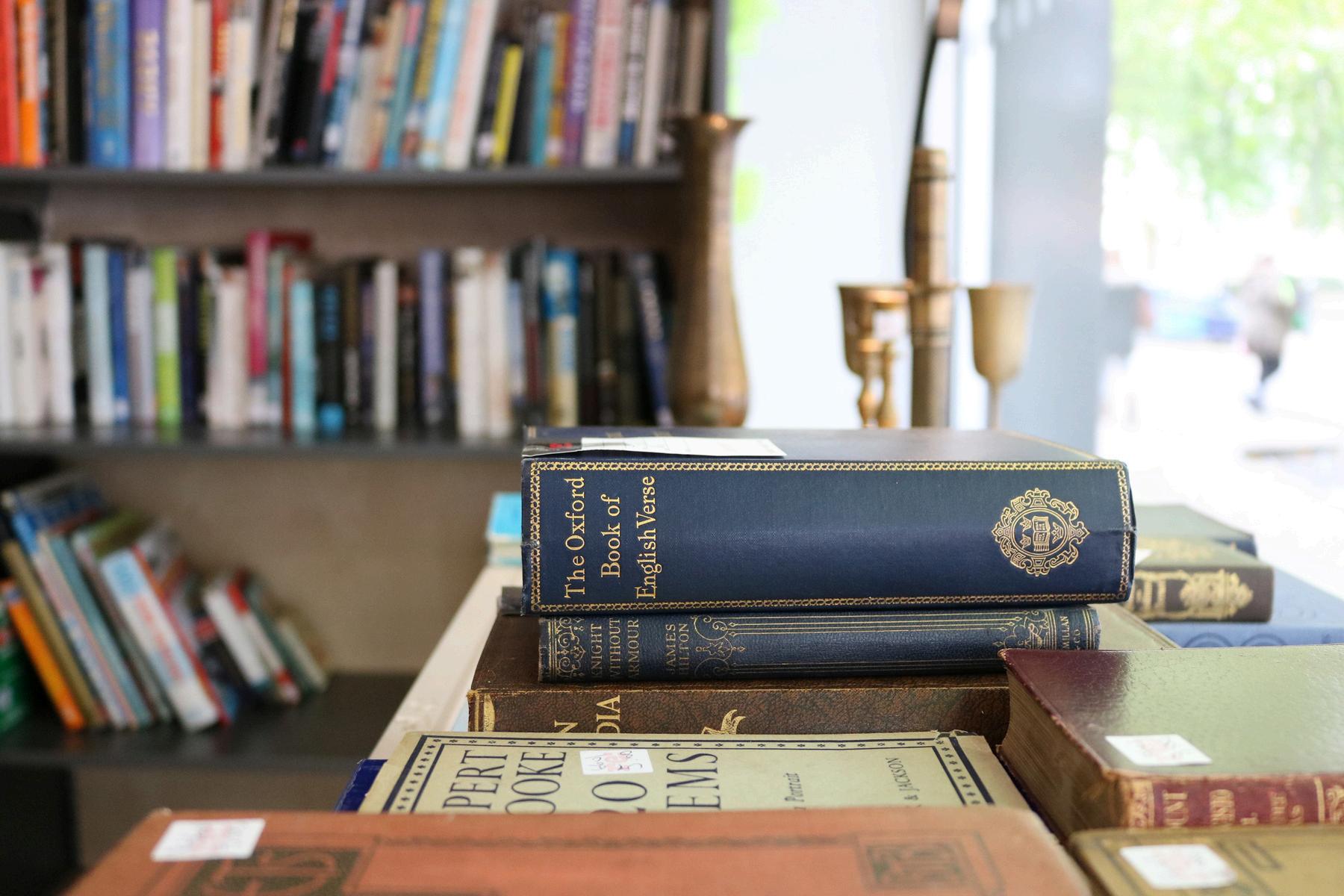
Second-hand shopping isn't just for clothing. You can find amazing home décor, furniture, and lots of books. Here are a few things to keep an eye out for:
Furniture: Well-made, vintage furniture can be much cheaper than new and often has more character.
Home décor: Look for unique items like vases, lamps, and artwork to add personality to your space. I have a whole wall at home that has framed pictures on it that I found at charity shops.
Books: Thrift stores often have a fantastic selection of books at unbeatable prices. I tend to think of a charity bookshop as a lending library. I buy a book, read it and I return it, and I buy another book, I read it, return it and the cycle continues. Every time you buy something from a charity shop think about it as making a donation. You’re helping someone.
If you want to work in fashion and want to gain some experience, a charity shop is a great place to volunteer.
You have so many opportunities from learning about merchandising, sorting garments, pricing and working on e-commerce.
Once you've found your treasures, it's important to take good care of them to ensure they last:
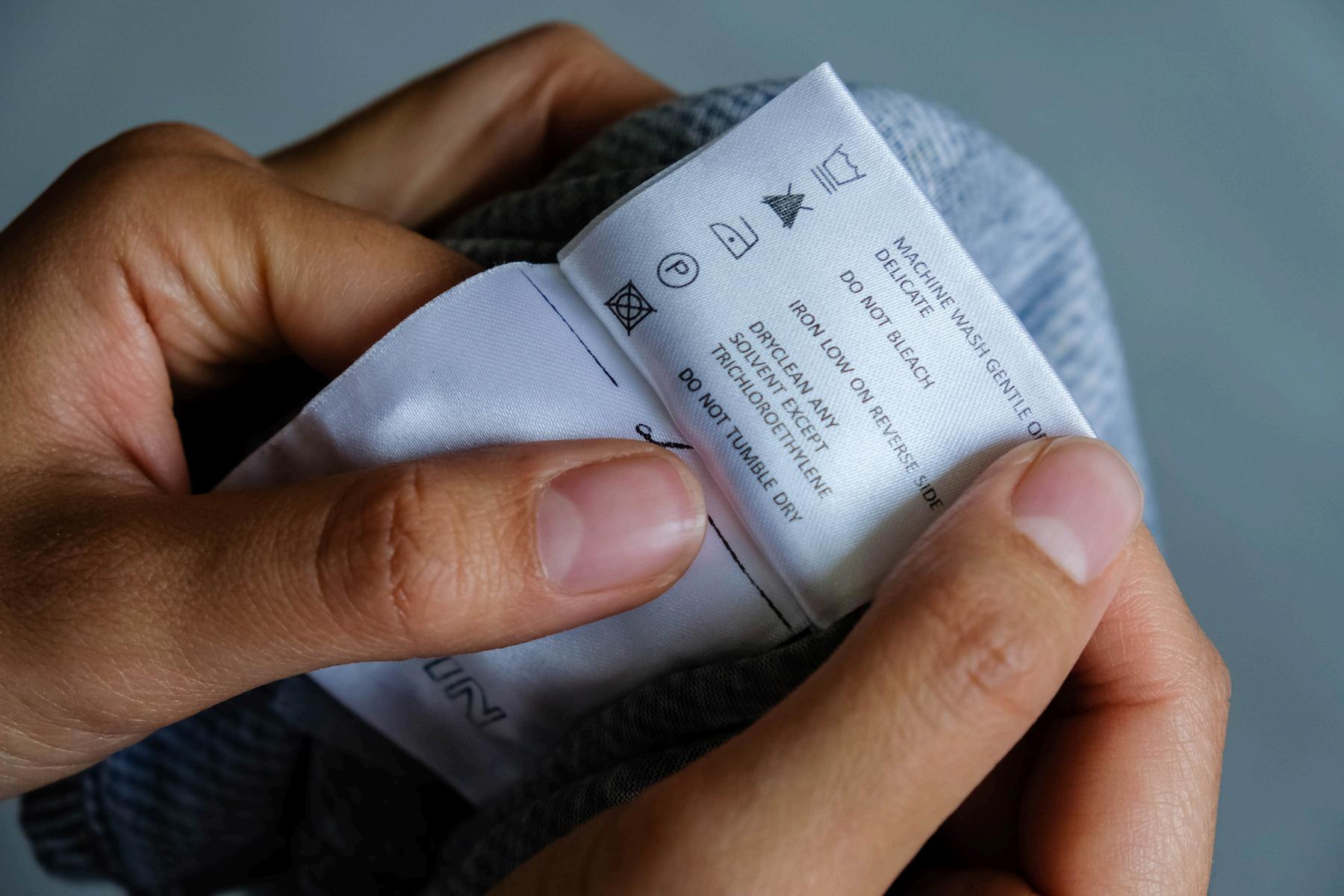
Wash carefully: Always follow the care instructions on the label. If an item is delicate or vintage, consider hand washing or dry cleaning. I dry everything on the drying rack. A dryer can be really hard on your clothes.
Lint roller: This is a stylist number one tool. It often gives a new lease of life to an old felt hat or dust jacket.
Shoes: Use a disinfectant and keep shoes and bags stuffed to maintain their shape.
Store properly:
Use good-quality hangers, and store delicate items in garment bags. If you have small shoulders, you might want to consider using children's hangers, that way you don't get that funny little shape from the hanger in your garments. Keep shoes and bags stuffed to maintain their shape.
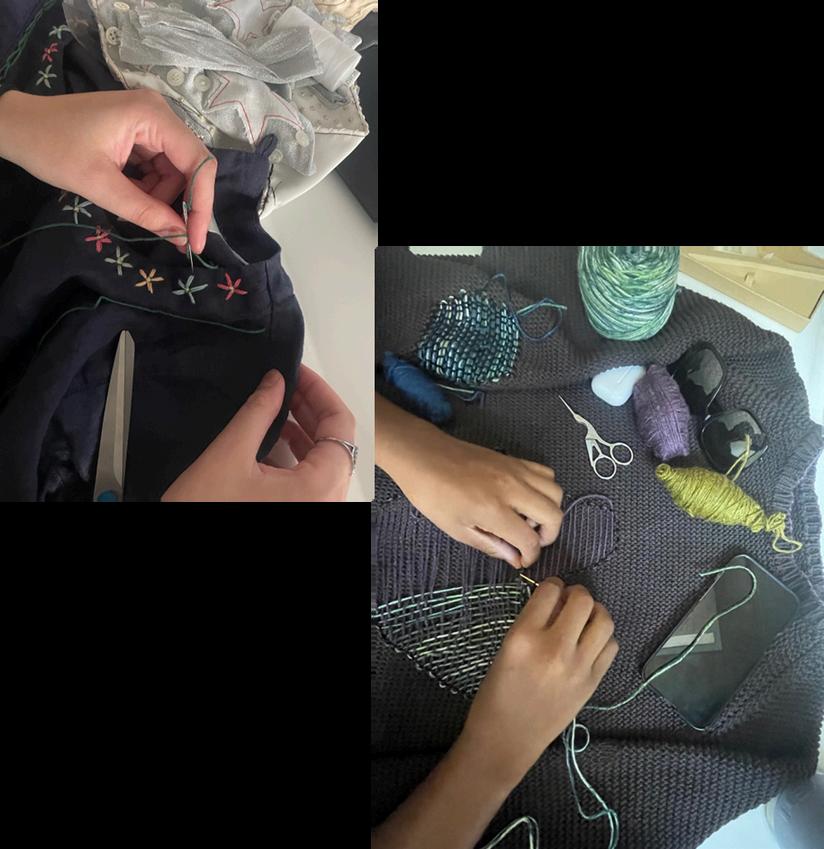
Repair and Alter: Small repairs can make a big difference. Learn basic sewing skills or find a good tailor to help with alterations. YouTube has some excellent videos.
Personalising second-hand items gives you an opportunity to explore your creativity. It makes the item feel even more special and unique. Here’s how to add your own flair:
DIY alterations: Simple alterations like cutting off the sleeves or neckline, or adding patches, or embroidery, can create a whole new look.
Dye it: Changing the colour of a garment can give it a whole new life. I often tea stain garments.
Add embellishments: Beads, embroidery, and other embellishments can make a piece truly one-of-a-kind.
Second-hand shopping requires patience and persistence. Here’s how to stay motivated:
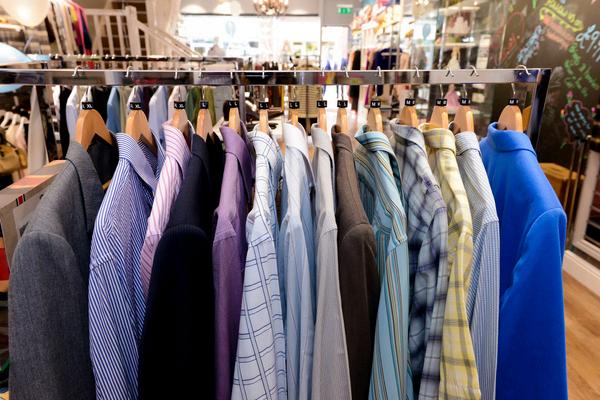
Understand that you won’t find a gem every time you shop.
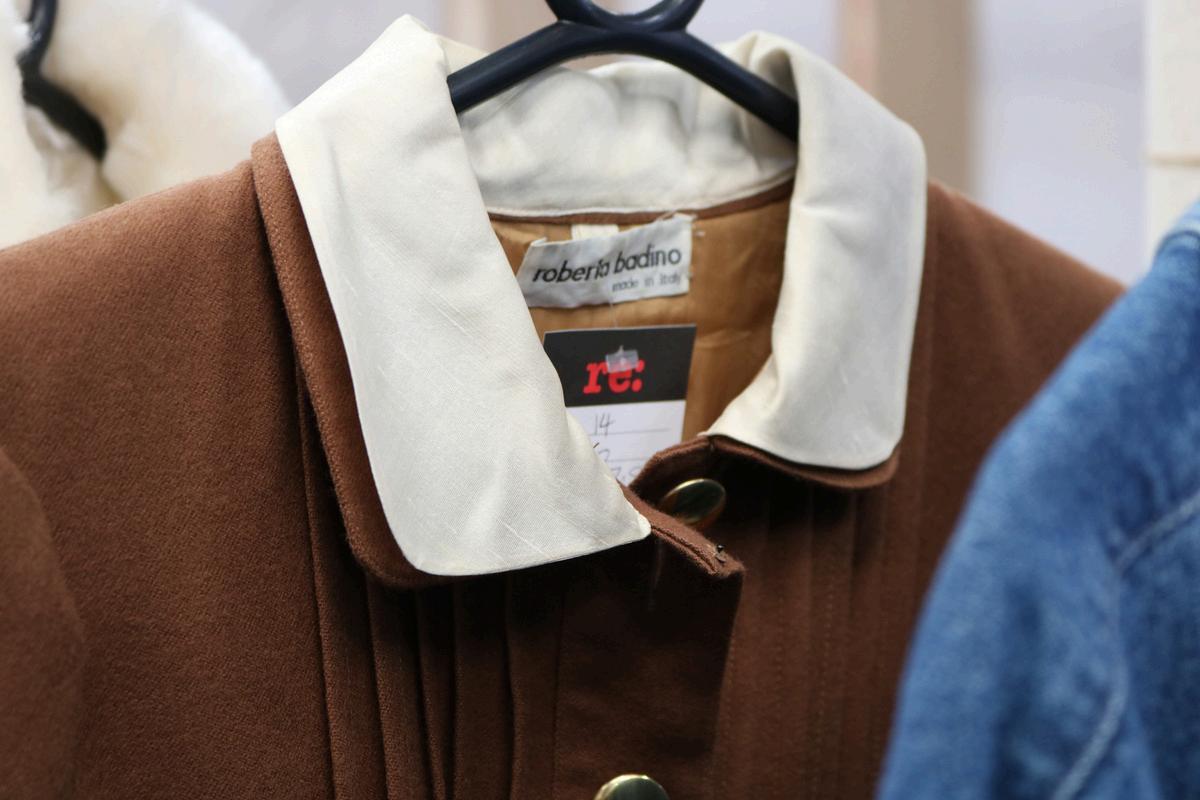
Even small finds can be exciting. Celebrate each discovery, no matter how small.
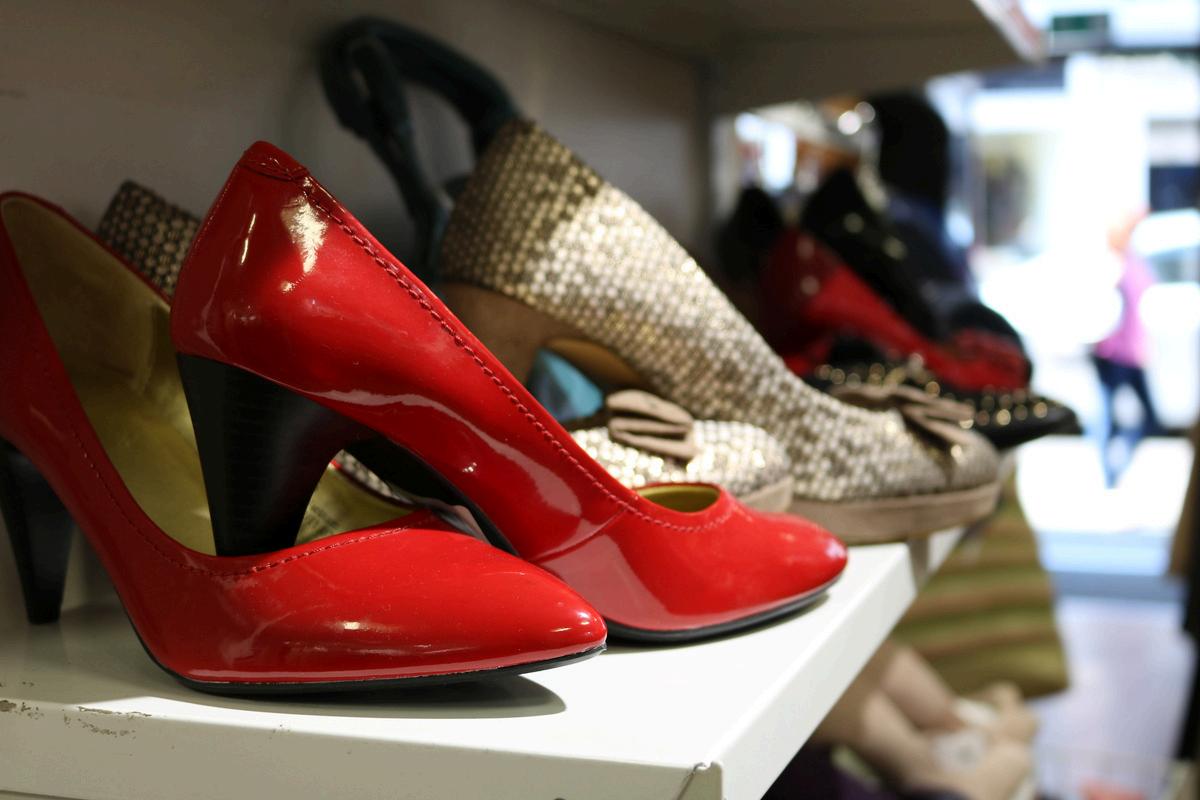
Remember that part of the fun is in the hunt. Enjoy the process and the stories behind each item.
We've already spoken about you knowing what's in your wardrobe and this is a perfect opportunity to start editing your wardrobe. According to WRAP, the average adult wardrobe consists of 118 items.
How many items do you have in your wardrobe that you don't wear anymore?
We hang on to these pieces for so many reasons. It might've cost a lot, and we feel guilty letting it go. We tell ourselves, that might come back into style or, I might fit back into it again. There are so many reasons that we hang onto clothes that we don't need but there are so many better reasons to give them to a charity.
Some clothes remind us of cherished memories, past relationships, or significant moments, helping us hold onto those connections. When I was quite young my mother put a red coat aside on the kitchen chair to donate. My father walked into the kitchen and asked me what my mother's coat was doing on the chair and I said she was going to donate it. He promptly picked up the coat and hung it back in the closet and told me that the first time he saw my mother while looking out from a window wearing that red coat.
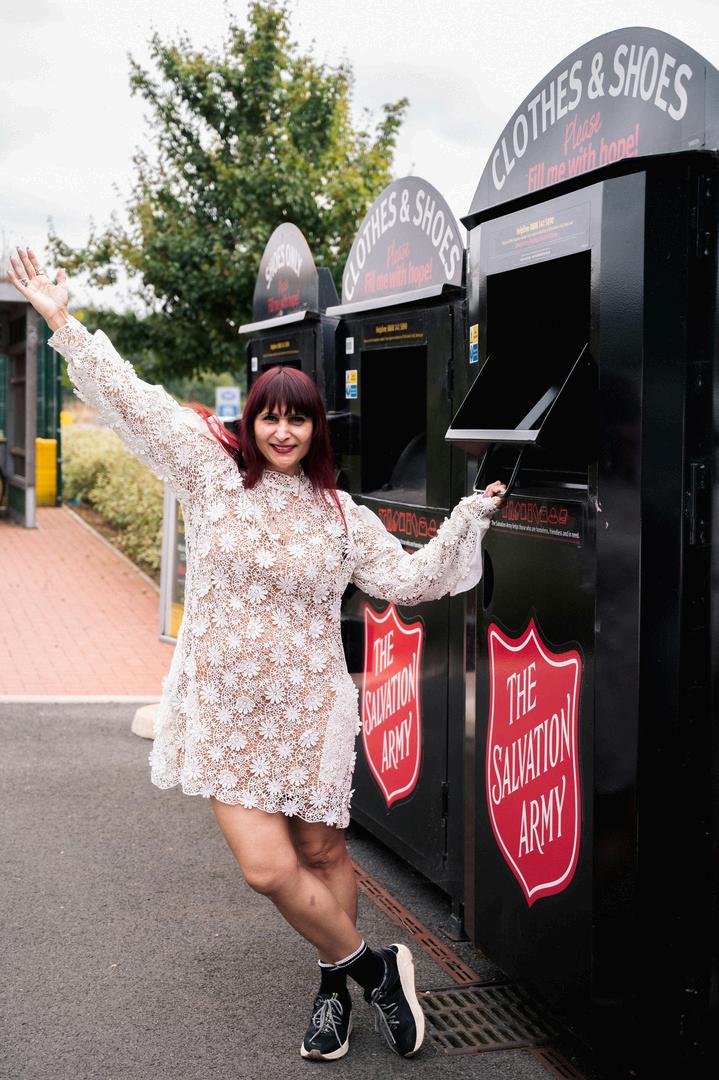
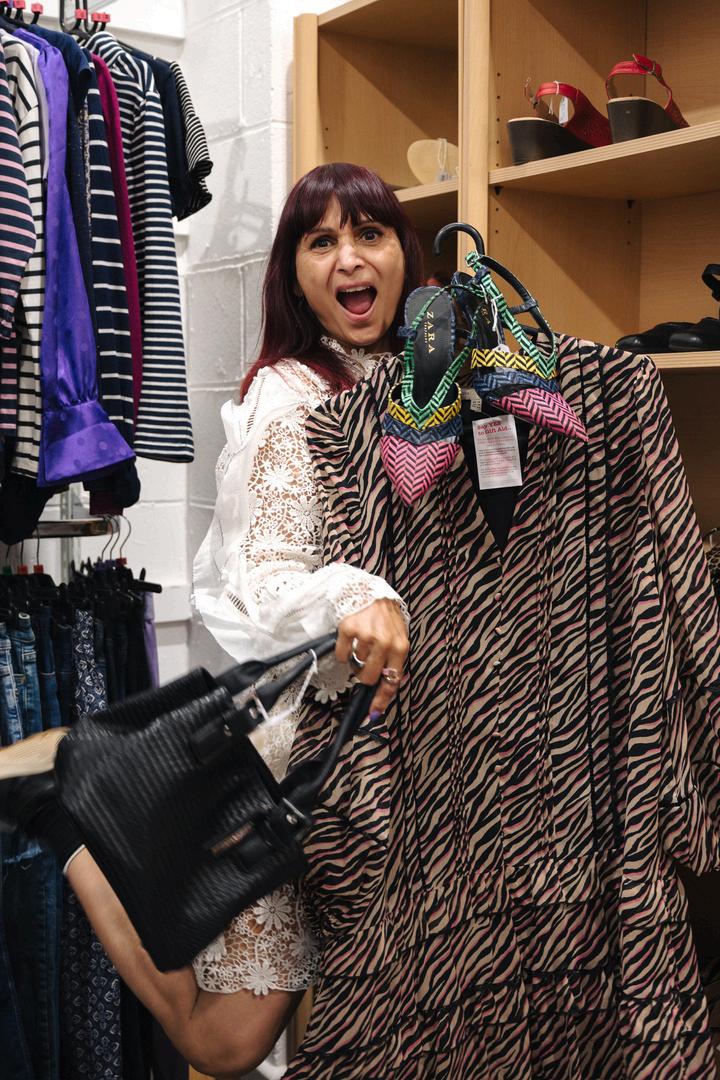
Editing your wardrobe can be overwhelming so let’s keep it simple. When I work with a client, I take everything out of your wardrobe and we would start from scratch. We would look at every item to see its condition, the fit, and style. This process is usually overwhelming so what I recommend is that when you are looking at your wardrobe and if you try something on and it doesn't fit or feel like you anymore put it in a bag that's potentially for charity. Set the bag aside for at least two weeks, and if it doesn’t fit into your lifestyle it's time to make that donation.
I recently donated my wedding dress. I know the likelihood of someone wearing it for a wedding is quite small but maybe they'll wear it for fancy dress, maybe they'll remake something with it and hopefully it will be worn again in some capacity. As much as I love the dress and all the memories that it holds for me, I knew it was time to let it go. Clothes remind us of our special moments in time, but even when we let those clothes go, we still remember.
And you're not just giving your clothes away, you’re donating them to a charity that’s actually making a difference in people’s lives so don't hang onto things that you don't need anymore, make a difference instead.
Shopping second-hand is not just a way to save money; it's a lifestyle choice that supports sustainability, creativity, and individuality. By following these tips, you can build a wardrobe that's not only stylish but also kind to the planet. So, next time you're looking to add some flair to your closet, skip the fast fashion and head to your local second-hand shop instead. Happy hunting!