
RESEARCH REPORT
JARDINES PARA TODOS | 17
Creating a guide to simple, accessible home growing in urban spaces
INCLUSIVE FOUR CORNERS | 27
Empowering the community to shape the future of their neighborhood
PLANNING FOR A CHINATOWN LIBRARY PARK | 37
Mobilizing support for green space near the new library branch
Introduction
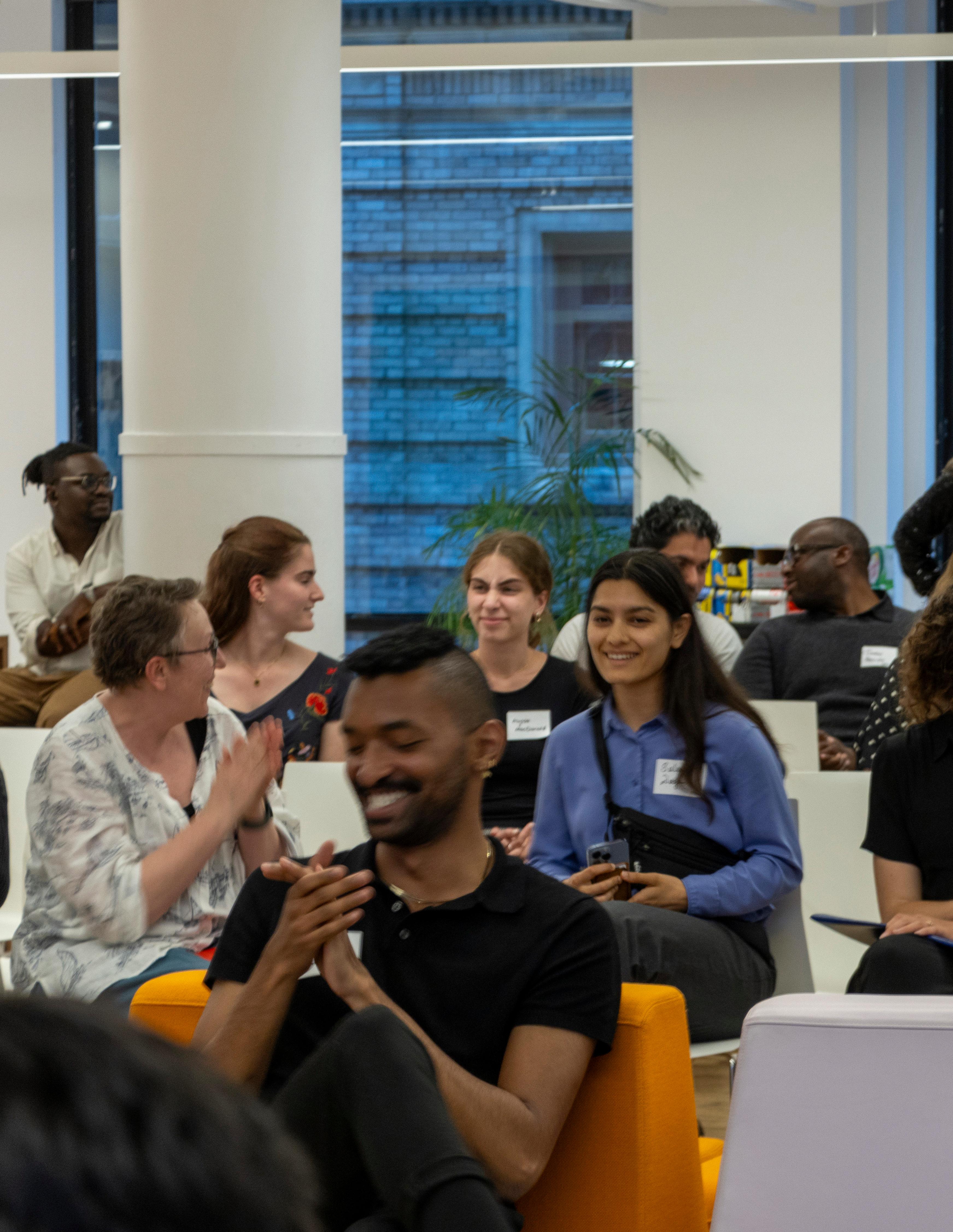
The Hideo Sasaki Foundation is named after Hideo Sasaki, a Japanese American landscape architect who came of age in WWII. Hideo was a pioneer of modern design, a leader, and an educator. He articulated— and proved—the value of interdisciplinary design while breaking down the traditional barriers between practice and teaching.
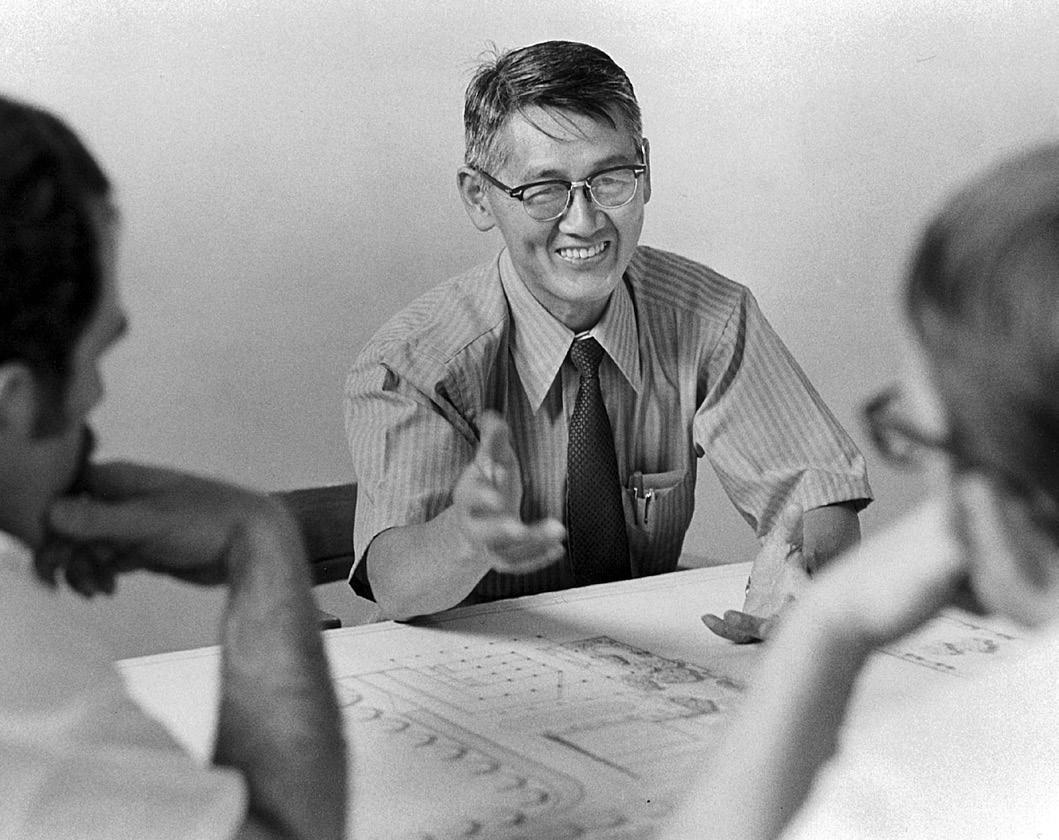
Since its founding in 2000, the Hideo Sasaki Foundation has awarded nearly $770,000. Funds have supported initiatives that foster diversity and equity in design, and efforts that connect young people to design education.
The Hideo Sasaki Foundation was established by Sasaki, a multidisciplinary design firm founded by Hideo, with support from Hideo’s family and friends. Continuing Hideo’s legacy, we sit at the intersection of research, practice, education, and communitydriven processes. We advance equity in design, inviting diverse partners to co-create change.
Our values build on more than six decades of work by Hideo Sasaki, focusing on the following priority areas.
Research and Grants
Large-scale, complex challenges require crossdisciplinary thinking. That’s why we convene experts and innovators from all backgrounds. Our research and grants bring issues of inequity in design to the forefront. We support projects that include and collaborate with communities that have historically been excluded from the design process. Advancing interdisciplinary design research builds more equitable communities.
Public Programming
Informed and engaged residents are central ingredients of a successful community. That’s why we host public programs that amplify a diversity of voices and address socially relevant topics as we work toward systemic change. We engage civic leaders, educators, economists, and technologists to connect design and community-driven action.
Design Education
A thriving design industry relies on a pipeline of diverse, talented, and passionate practitioners who infuse new ideas and disrupt established patterns. That’s why we provide youth with opportunities to discover and explore careers in design. Our work advances diversity and inclusivity in the next generation of design professionals. A more equitable design industry requires a workforce that reflects a diversity of lived experiences, to the benefit of all.
Grants Process
SHARED VOICES: CHARTING A COURSE
FOR COMMUNITY ACTION
In 2024, The Hideo Sasaki Foundation launched a call for proposals for our sixth annual Design Grants competition. We received 14 applications representing 30+ organizations and institutions, 5 Boston communities, 2 Greater Boston cities, and 4 Gateway Cities, and multiple proposals focusing on Greater Boston. Finalists pitched their ideas to win grant funding and access to design expertise. The three winning teams spent ten months working on projects that promote equity in design.
In 2024, we focused on community building and wellbeing, housing and transit inequities, and climate change, under the theme of Shared Voices: Charting a Course for Community Action. Our call for proposals sought projects that engaged with communities in Greater Boston and the Massachusetts Gateway Cities.
The challenges in addressing environmental resilience, displacement, affordable housing, access to mobility choices, meaningful public engagement, and other social equity considerations in planning and design are so broad and complex, they require a shared approach to facilitate all the necessary conversations and deliver solutions. Most of these challenges faced by Massachusetts communities are not limited to local neighborhoods—their effects are felt and shared across the Commonwealth and beyond. Multiple futures are at stake, and we can make a difference by acting now.
Creative Community Building
Themes of collective memory and community storytelling, investment in historic neighborhood fabric, and local business development
Designing and planning for our communities can extend beyond the concept of placemaking to include the idea of placekeeping—the preservation of local identity through strengthening social bonds, celebrating neighborhood history, and developing strategies for enhancing neighborhoods.
• How can we preserve a community’s cultural identity while improving its social and economic wellbeing?
• How can storytelling bridge racial divides in neighborhoods damaged by past design decisions?
• How can we build local capacity for economic development and promote local entrepreneurship?
• How can we leverage technology to give power over design to marginalized voices? What tools can we create for better and more equitable decision making?
New Models for Housing
Strategies to improve housing affordability, promote a more diverse housing stock, and address gentrification and displacement
Housing shortages in Massachusetts cities require innovative approaches to planning and design. Displacement of families, caused by economic and environmental forces, is exacerbated by the limited supply of affordable, family-oriented housing units.
• How can we provide better access to affordable housing for more people?
• How can we strengthen community networks as displacement increases?
• How can cities respond to increasing numbers of people experiencing homelessness?
Innovation in Transit and Access to Mobility Choices
Design solutions for challenges to our transportation systems
Strengthening public-private partnerships, expanding transportation choices, bringing safety to the forefront, and leveraging technology can provide a more accessible and functional transportation system. In Massachusetts, local mobility networks and regional systems have tremendous potential to improve accessibility, equity, and safety for users.
• How can we increase mobility choices and access in our communities?
• How can we ensure that our transportation system is equitable, especially for people of color and low-income neighbors?
• How can we create a safer transportation system?
• How can better access to technology improve mobility?
• How can we progress accessibility and disability rights in the design of our cities?
Innovation in Health and Wellbeing
Efforts to enhance community health through the built environment
Equitable access to outdoor spaces, creative reuse of the public realm, and innovative and inclusive programming are integral to our collective community health. Codesigning innovative solutions to challenges within our built environment can begin to positively affect our physical, emotional, and mental wellbeing in cities across Massachusetts.
• How can we expand access to open space and the public realm to allow for greater health and wellness?
• How can we increase access to health and wellness opportunities?
• How can we co-create community spaces that improve our physical, emotional, and mental wellbeing?
Proactive Approaches to Climate Adaptation
Responses that address the impacts of climate change, including extreme heat, stormwater, flash flooding, and coastal and river flooding
Challenges associated with climate change, especially related to the urban heat island effect and flooding, disproportionately impact communities of color and low-income communities.
• What is a collaborative approach to mitigate and prepare for the impacts of climate change?
• What can we do to increase climate resilience in a community, and can it scale to greater impact?
• How can we empower communities to advocate for environmental justice?
• How can we provide a just transition as communities adapt to extreme weather?
EVALUATION CRITERIA
Design
We seek proposals that use interdisciplinary thinking to challenge the status quo. We support design ideas that engage and contribute to communities. Winning projects have creative yet actionable ideas.
Equity
We seek proposals that benefit historically underrepresented communities by targeting systemic barriers. Winning projects collaborate deeply with a community to meet its unique needs.
Inclusion
We value diverse perspectives. We seek to find inclusive processes that make space for dialogue and difference. We encourage proposals from women; transgender, genderqueer, or gender non-conforming individuals; members of racial or ethnic minorities; and individuals with physical and/or intellectual disabilities.
Innovation
We seek proposals that foster innovation, creativity, and interdisciplinary approaches to design. Winning projects include forward-thinking, rather than reactive, concepts and ideas.
Impact
We seek proposals that can produce positive impacts within the communities they serve. Winning projects exhibit scalability or replicability across other communities with similar characteristics.
PITCH NIGHT
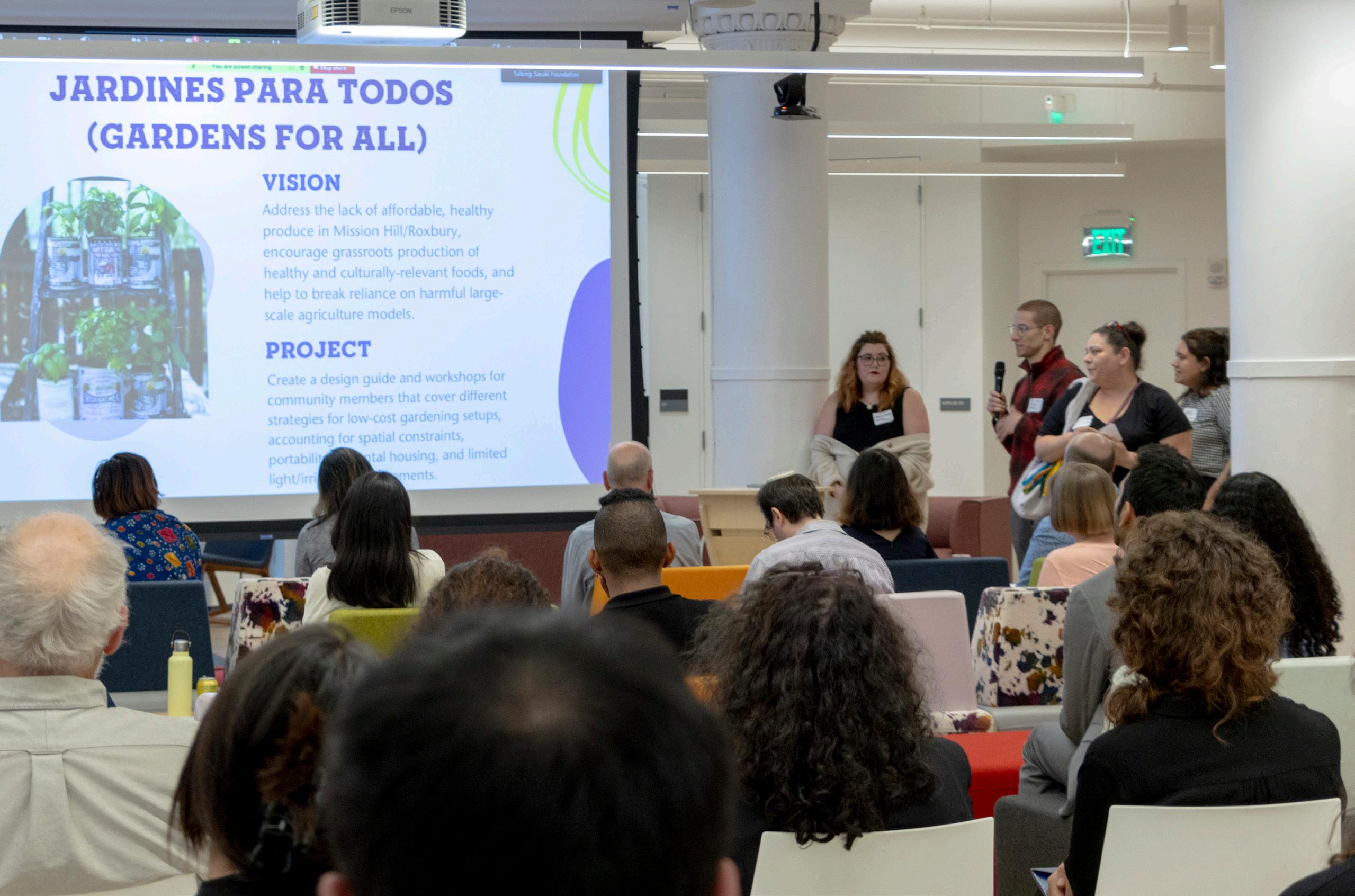
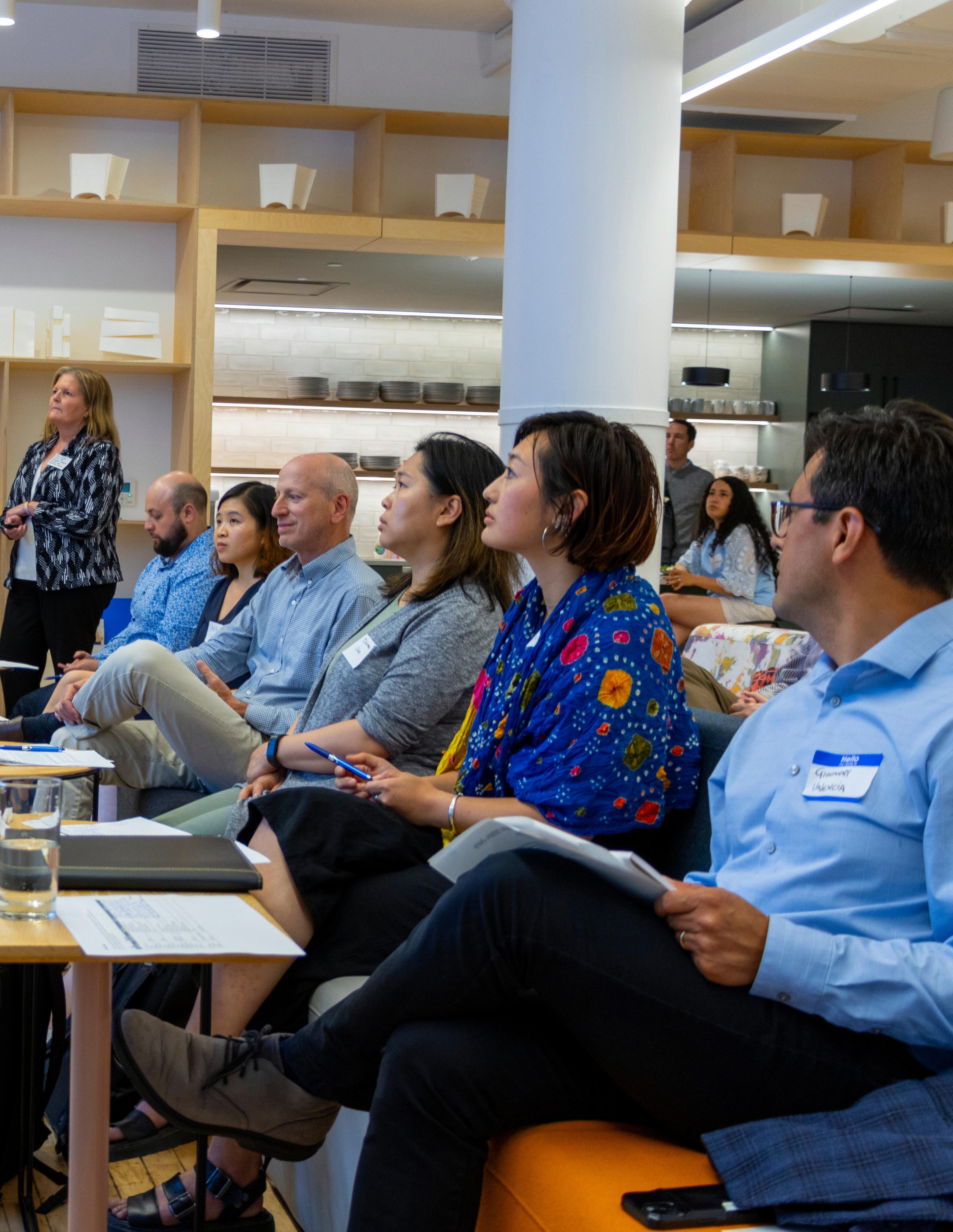
The Hideo Sasaki Foundation Design Grants jury selected seven teams to advance to Pitch Night on June 6, 2024. Each team pitched their ideas in front of 90+ designers, planners, artists, community leaders, civic leaders, and entrepreneurs.
“We had a fantastic jury, representing a wide range of life experiences and Bostonarea organizations: Design Studio for Social Intervention, Dorchester Bay Economic Development Corporation, International Finance Corporation (IFC), Jamaica Plain Neighborhood Development Corporation, and Sasaki, who evaluated the teams on the design, equity, inclusion, innovation, and impact of their ideas,” says Timothy Gale, Jury Chair and Sasaki Foundation Trustee.
Both jurors and Hideo Sasaki Foundation board members participated in the review process of teams’ proposals and pitches.
2024 Design Grants Pitch Night |
110 Chauncy
2024 Design Grants Jury
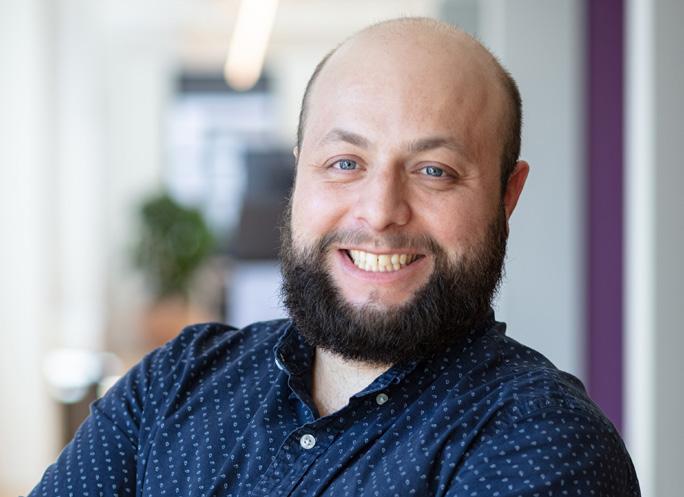
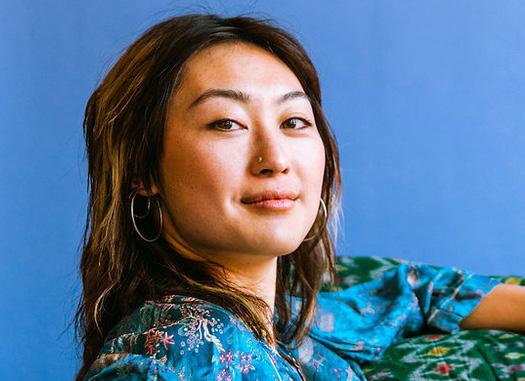
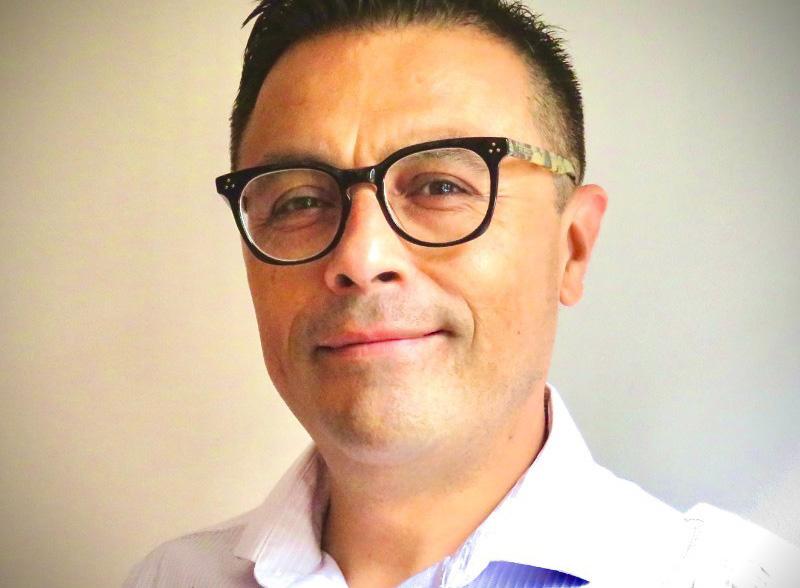
Timothy Gale | Sasaki (Jury Chair)
Timothy is Director of Product Development within Sasaki’s Strategies team—analysts, statisticians, software developers, and planners who bolster planning and design through creative technical solutions. Timothy uses the understanding of human centered design and technology to enhance workflow and decision making processes.
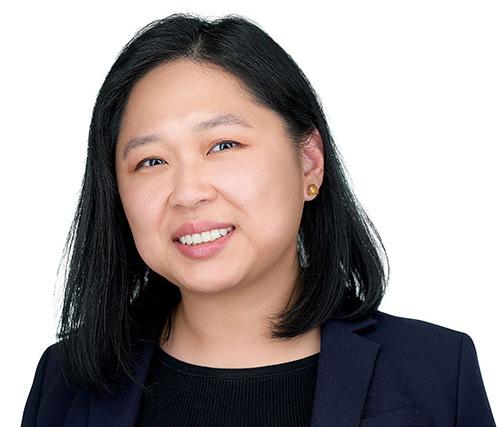
Susan Chu | Dorchester Bay EDC
Susan is Director of Real Estate at the Dorchester Bay Economic Development Corporation. Prior to DBEDC, Susan worked at a Chinatown nonprofit where she led the organization through several affordable housing development initiatives and projects, including the development of 85 new units of affordable rental housing.
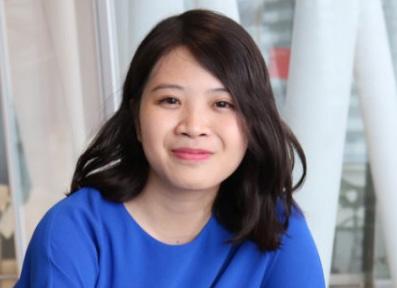
Mai Nguyen | International Finance Corporation
Mai is a climate resilience consultant in the Climate Business Department at International Finance Corporation. Mai has over 10 years of experience in green buildings, sustainable real estate, and urban development. She was previously involved in the City of Boston’s first Zero Net Carbon Building Zoning Initiative and the City’s Climate Resiliency Requirements.
Melissa Q. Teng | Design Studio for Social Intervention
In 2024, Melissa was design research lead at Design Studio for Social Intervention and an Artist-in-Residence with the City of Boston Mayor’s Office of Arts and Culture, as well as a writer and designer. She works across a variety of media and scales, always interested in how people come together to bend the world around them.
Giovanny Valencia | Jamaica Plain NDC
In 2024, Giovanny was Vice President of Community Planning at the Jamaica Plain Neighborhood Development Corporation. He focused on promoting the creation and preservation of affordable homes, developing community support for JPNDC’s housing projects, and working with community members to advocate for the creation of new affordable units in private projects.
2024-2025 Design Grants Teams
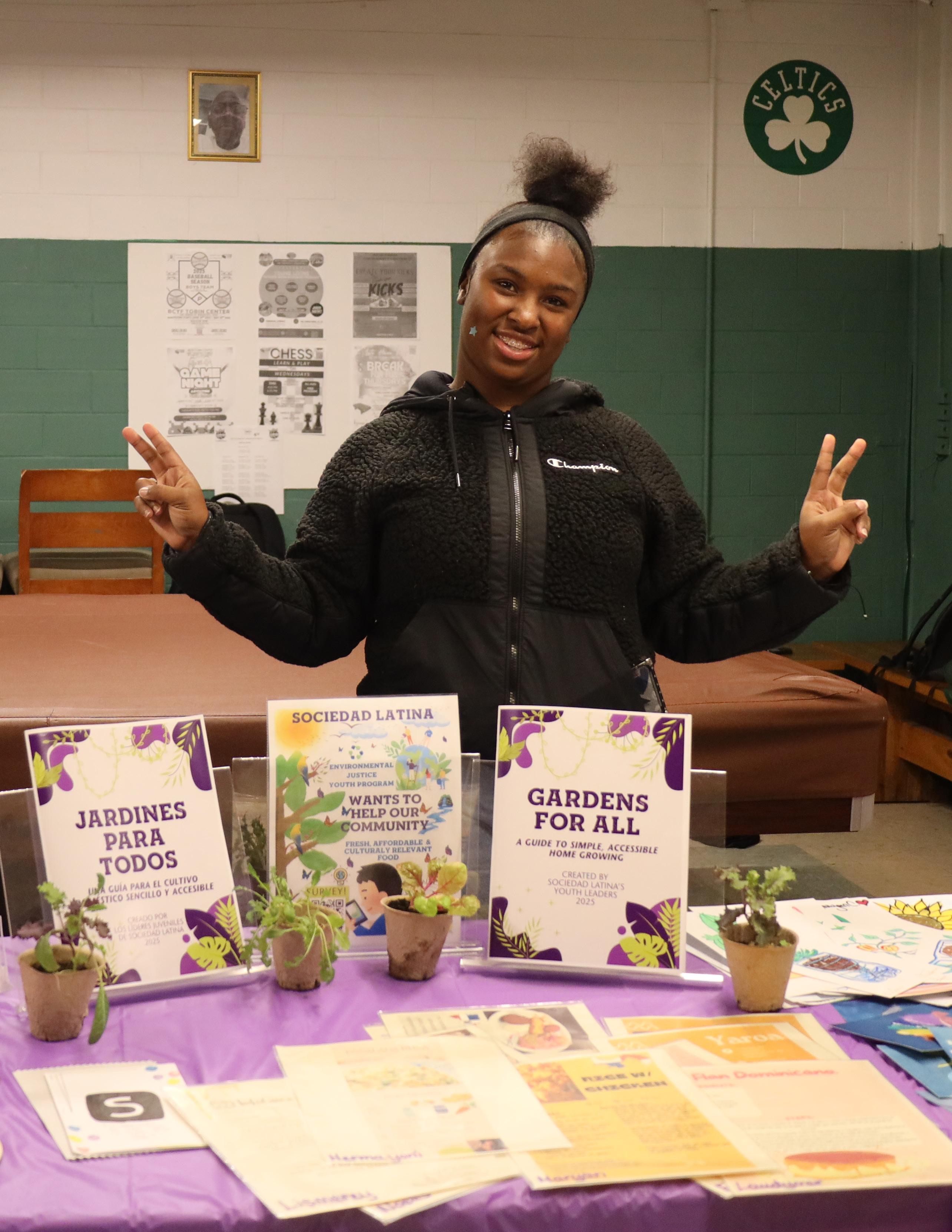
Sociedad Latina’s Youth Leaders published Jardines Para Todos (Gardens for All): a Guide to Simple, Accessible Home Growing. They developed this guidebook after recognizing the inaccessibility of healthy, affordable foods, the limited or nonexistent community garden spaces, and limited access to local agriculture in their neighborhoods. This guidebook, designed with support from the Hideo Sasaki Foundation and the Museum of Fine Arts Boston, offers practical, easy recommendations and solutions for growing produce at home, particularly in small urban spaces.
Jardines Para Todos (Gardens for All)
Angela Rodriguez, Stephanie Aguayo, Veronica Taylor, Sociedad Latina Environmental and Food Justice Youth Leaders
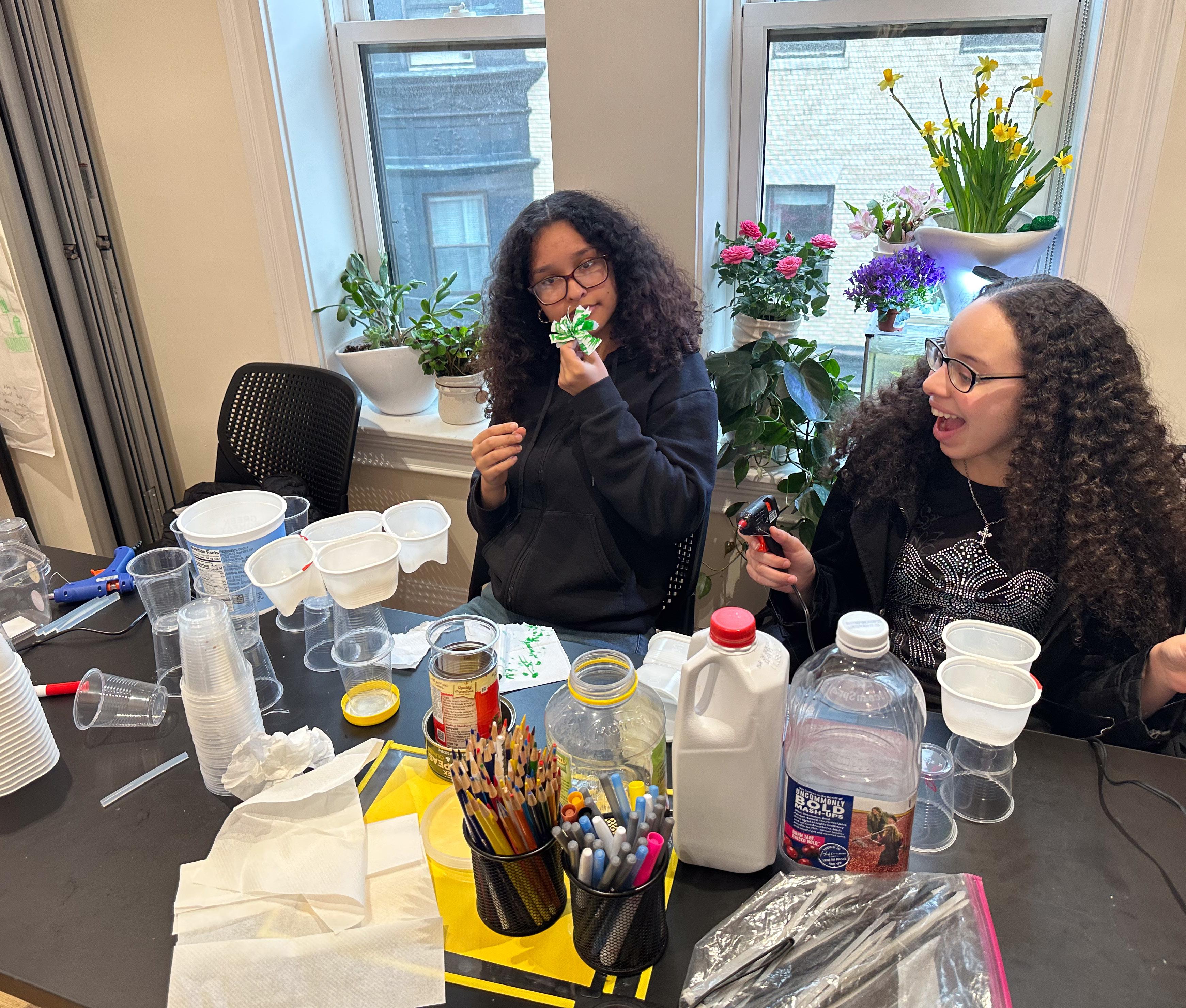
To amplify the guide’s impact, Sociedad Latina Youth Leaders hosted a series of community workshops. Participants learned gardening basics and created seed starts to take home for the summer growing season. Through this hands-on engagement, the project fostered environmental awareness, self-reliance, and local leadership.
Ultimately, the Jardines Para Todos project exemplifies how youth-driven design and community collaboration can address social equity and environmental resilience, making sustainable food growing accessible to all.
REACH
100 printed and digital guidebooks distributed
ENGAGEMENT
60 community members reached through workshops and seed-starting activities
Preparing for a Jardines Para Todos community workshop | Sociedad Latina
3 15
Youth Leaders engaged in project design, research, writing, and facilitation
COMMUNITY
Through Sociedad Latina’s Jardines Para Todos project, the team directly and indirectly impacted Boston’s Latine and Afro-Latine communities. They also impacted constituents — children, families, and seniors — who are considered economically disadvantaged, primarily Spanish speakers, multilingual learners, and immigrants. The neighborhoods directly and indirectly impacted were Mission Hill, Roxbury, Dorchester, Jamaica Plain, Hyde Park, Mattapan, and Roslindale.
STAKEHOLDERS
During the grant period, Sociedad Latina partnered with the Museum of Fine Arts Boston, who supported Sociedad Latina Youth Leaders in designing art to be featured in the guidebook. The team also partnered with the Tobin Community Center as a site to host the guidebook launch events.
IMPACT
Key impacts of this project are the skills and knowledge the team’s youth gained around sustainable agriculture (especially growing produce in small urban spaces), finding research that is evidenced-based and accurate, creative and technical writing, graphic design, editing, and using design as a means for social justice.
The team also impacted the community by sharing Jardines Para Todos: a Guide to Simple, Accessible Home Growing. The guide offers practical, easy
community workshops hosted by Youth Leaders to launch and share the guidebook
recommendations and solutions for growing produce at home, particularly in small urban spaces. The team’s youth hosted three community workshops to celebrate the release of the guide and invited participants to create their own seed starts in time for the summer growing season.
AWARENESS AND VISIBILITY
The project’s impact is visible in both tangible outcomes and community engagement. Through the creation and distribution of the Jardines Para Todos guidebook, the Youth Leaders provided families in the community with concrete tools to begin growing their own fresh, healthy food at home, especially in urban environments where access is limited.
This guidebook has already reached dozens of community members through Sociedad Latina’s youthled workshops, where participants not only received the guide but also engaged in hands-on learning by creating seed starts to take home. These events created a visible sense of excitement and empowerment, particularly among families who may not have previously considered themselves able to grow their own food.
Additionally, the leadership and advocacy skills the youth developed are evident in their ability to identify the pressing issue of food inaccessibility and take action through research, community outreach, and resource development. Their initiative has not only educated residents but also fostered a visible culture of sustainability, health, and self-reliance in our neighborhoods.
ALIGNMENT WITH THE FOUNDATION
The project directly aligns with the Hideo Sasaki Foundation’s work to use design as a tool for addressing urgent challenges like social equity and environmental resilience.
Led by Sociedad Latina’s Youth Leaders, the project centers equity by responding to a community-identified need: the lack of access to healthy, affordable food and growing spaces in Boston’s urban neighborhoods. The youth-designed guidebook offers accessible, practical solutions for growing food in small spaces that empowers community residents to be more self-reliant in creating healthier lifestyle habits.
This project demonstrates how youth-centered, community-driven design can spark real change, not only by increasing food access, but by activating environmental awareness, self-reliance, and local leadership. With the the Hideo Sasaki Foundation’s support, Sociedad Latina’s Youth Leaders became agents of design justice, using creative, approachable design to bridge access gaps and build healthier, more sustainable neighborhoods.
The project demonstrates how design, when placed in the hands of youth and community members, can be a powerful vehicle for equity, agency, and long-term impact.
NEXT STEPS
Sociedad Latina plans to continue sharing the guidebook with community members at community events and through targeted workshops around food access and nutrition education. The team will also share the guidebook with institutions, elected officials, funders, and program partners. They hope to create a dialogue around the importance of building healthy food access, especially for those living in economically disadvantaged neighborhoods. They also hope to continue exploring how to create more sustainable, long-term solutions to food accessibility that support taking care of our environment.
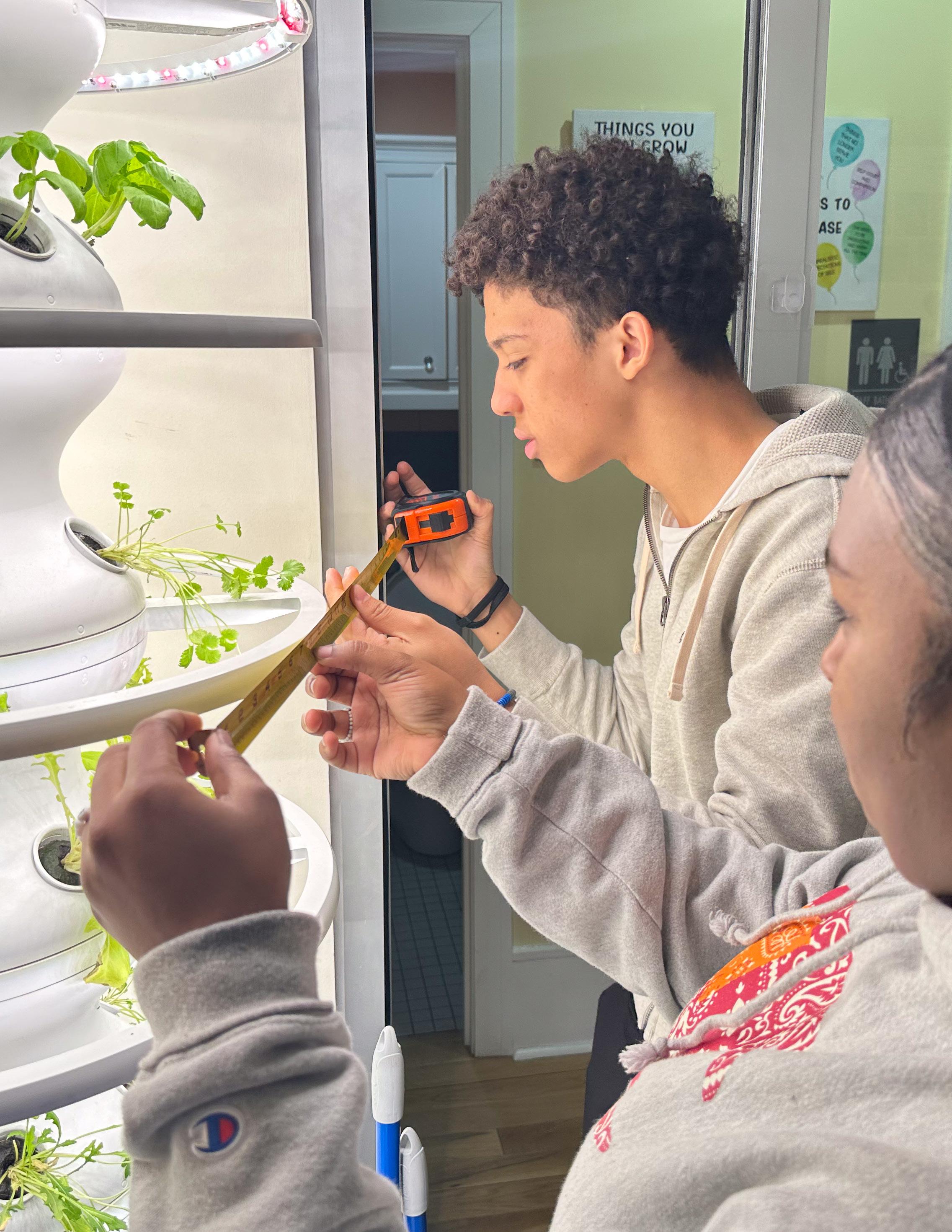
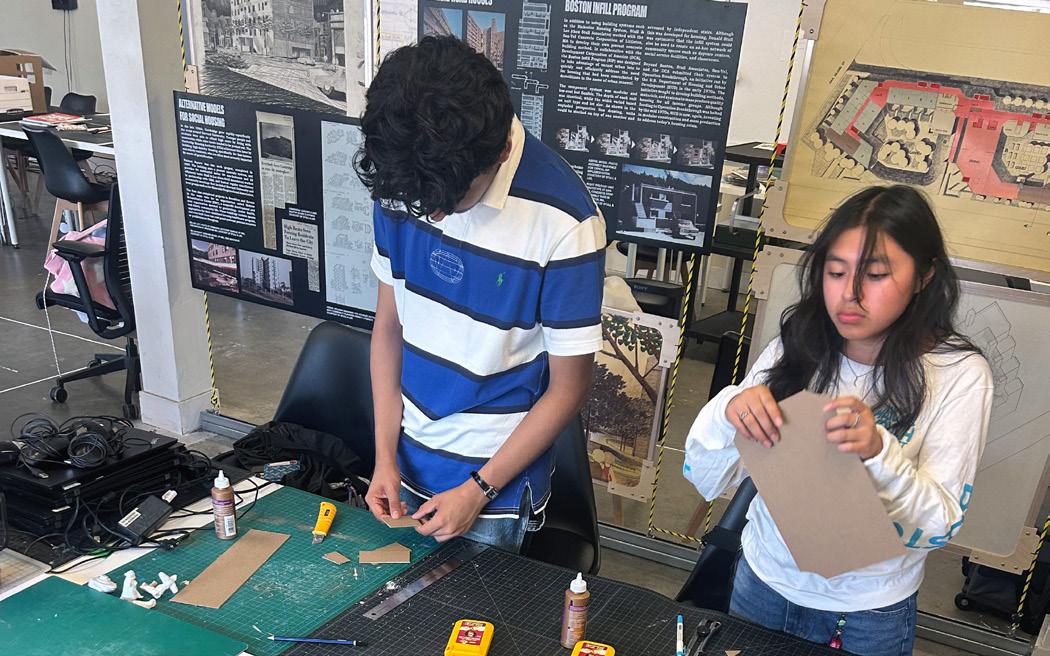
2025 SEED 3 interns Yohan Pareek (2023 and 2024 SEED and 2024 DESI alum), and Nelly Bautista Matias (2024 SEED and 2025 DESI alum), worked with 2024 Design Grants winner Sociedad Latina to create a conceptual design for the Tobin Community Center Garden.
Sociedad Latina desires to enhance the utilization and visibility of the garden. Despite the availability of this well-located community garden, it remains underutilized by residents, local schools, organizations, and community members. This lack of engagement stems largely from its limited visibility, design, and minimal opportunities for collaboration or participation.
Sociedad Latina would like to see the garden transform into a dynamic, multifunctional space through thoughtful and creative design that would encourage participation, sustainability, and year-round use. In response, Yohan and Nelly designed an efficient garden space that is more appealing and useful to the community. Their design allows the garden to fulfill its potential as a vibrant, inclusive, and educational green space.
SEED 3 is an opportunity for graduating seniors to learn the essentials for their first year in design school while also leading their own client project. Yohan will continue his design education through the ACE Mentor Program of America during his senior year, and Nelly will attend Wentworth Institute of Technology to study architecture in fall 2025.
Yohan and Nelly model building at YouthBuild Boston’s Designery
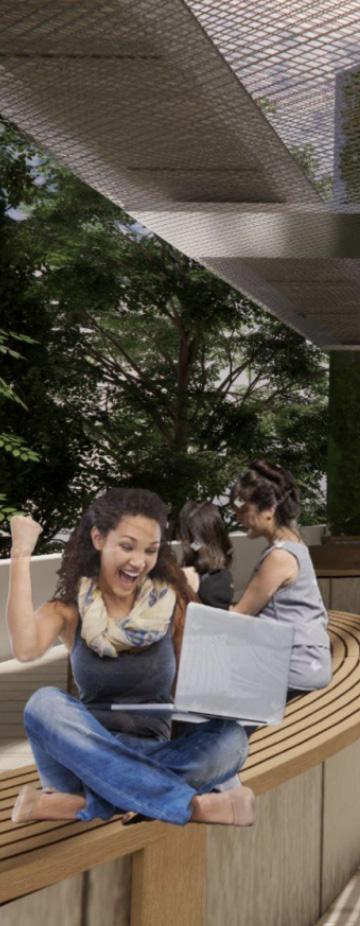
photo:
Rendering of Tobin Community Center Garden | Yohan and Nelly with Sociedad Latina
Sociedad Latina works in partnership with Latine youth and families to create the next generation of Latine leaders who are confident, competent, selfsustaining, and proud of their cultural heritage.


www.sociedadlatina.org
@sociedad_latina_inc
@SociedadLatinaInc
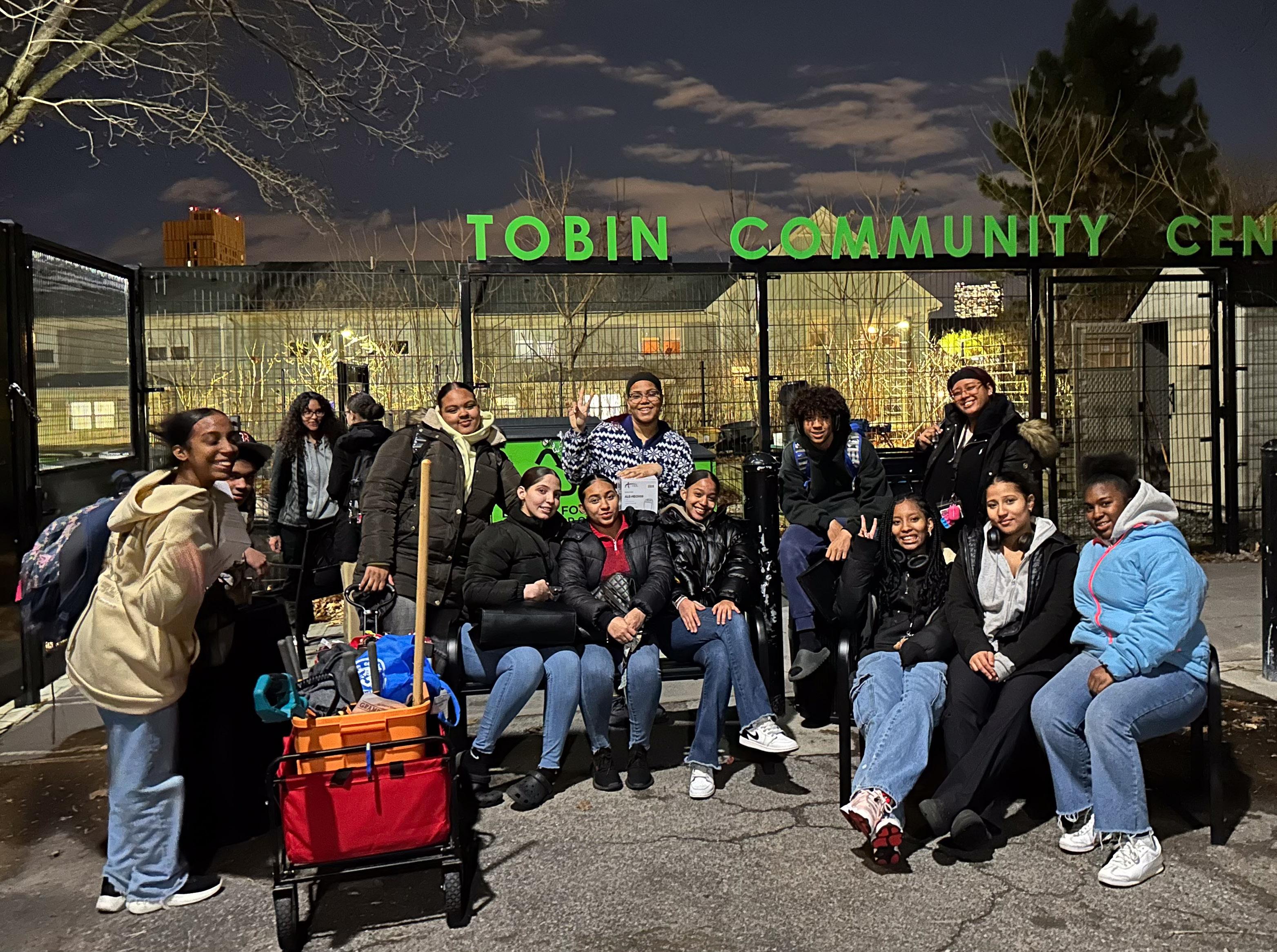
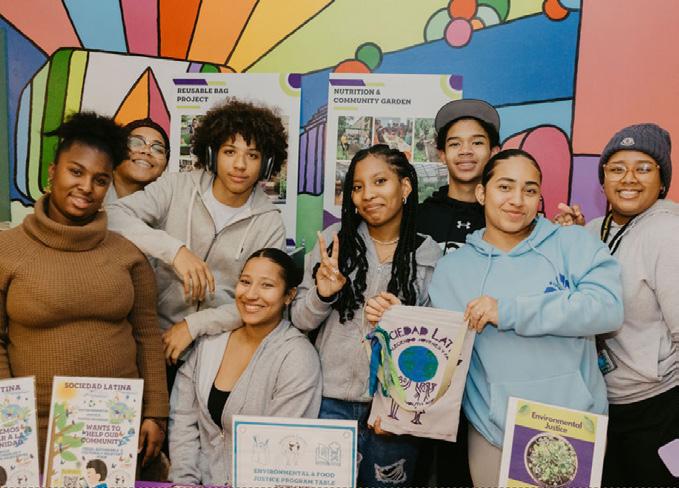
Sociedad Latina Environmental and Food Justice Youth Leaders | Sociedad Latina
RESEARCH TEAM
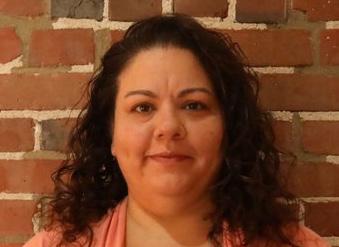
Angelica Rodriguez | team contact
As Sociedad Latina’s Program Director, Angelica Rodriguez oversees the implementation of their Pathways to Success programming, supervises management staff, and liaises with partners. She earned her undergraduate degree in music, with a minor in women gender studies, and her Master of Education from UMass Boston.
Stephanie Aguayo
Stephanie Aguayo currently serves as Sociedad Latina’s Manager of Arts, Culture, & Civic Engagement. She initially joined Sociedad Latina in 2016 and in 2019 was hired as Youth Community Organizers Coordinator. She received her undergraduate degree in interrelated media from MassArt.
Veronica Taylor
Veronica Taylor first joined Sociedad Latina as Community Gardening Consultant before transitioning to Environmental and Food Justice Youth Development Specialist. She has collaborated with Earthworks, the Boston Urban Wilds Initiative, Friends of Nira Rock, Boston Natural Areas Network, Boston Parks Advocates, and the Trustees of Reservations to organize neighborhood cleanup efforts.
Sociedad Latina Environmental and Food Justice Leaders
Sociedad Latina’s Environmental and Food Justice (EJ) Youth Leaders are a group of 15 Latine, multilingual learner, and immigrant youth attending ninth through twelfth grade in Boston Public Schools. They joined Sociedad Latina’s program because they share a passion for educating their community about climate change, environmental sustainability, food access, and urban agriculture.
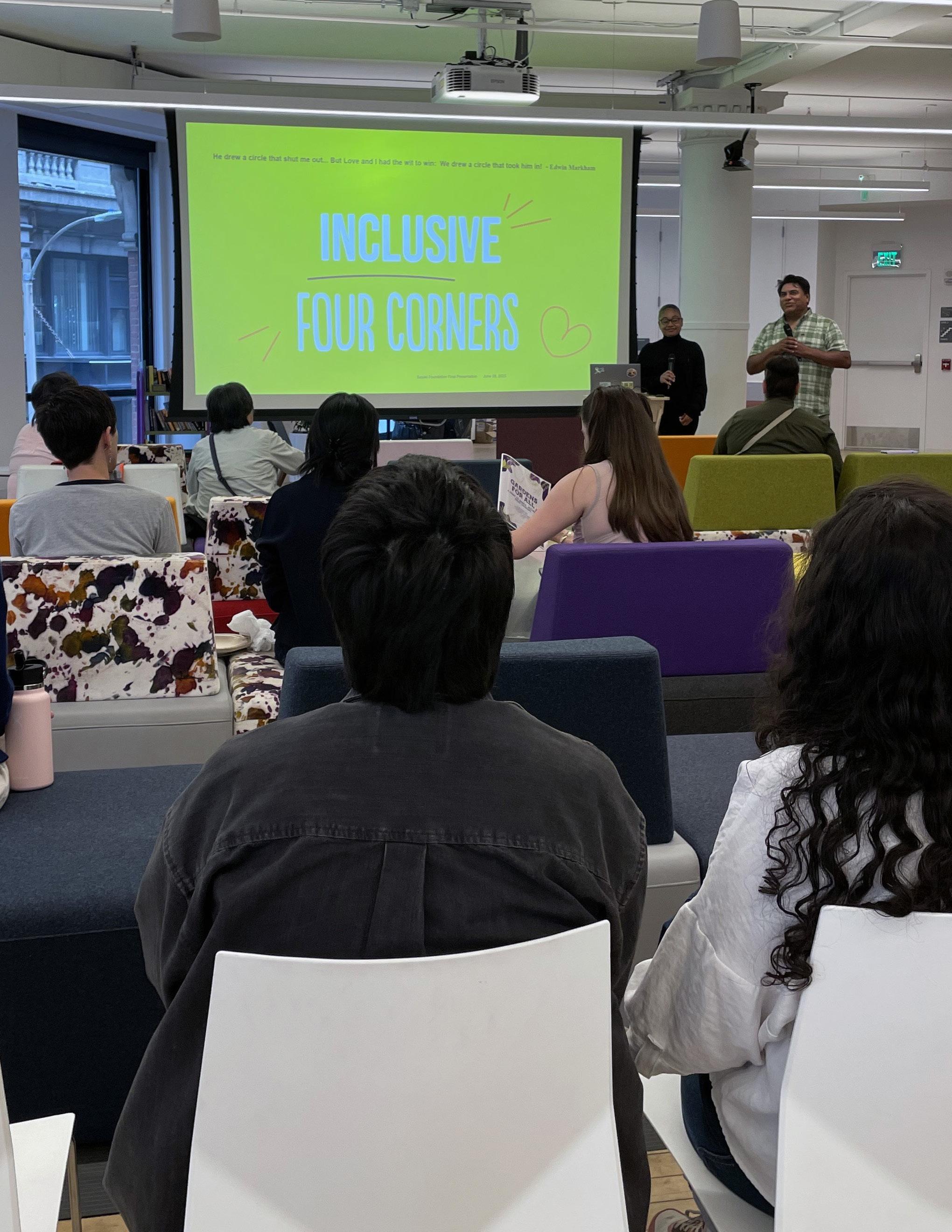
Inclusive Four Corners is building stakeholder and community capacity to address critical development needs and opportunities in the Four Corners Main Street commercial district. The team’s objective is to ensure participation of sectors often left out of conversations regarding the needs in their community.
Inclusive Four Corners
Marcos Beleche, Azia Carle, Marilyn Forman, Sara Kudra
Team members sought to educate themselves on tools and practices that could build on inclusive approaches to engaging those without a history of engagement. The tools they created help establish a practice of dialogue that takes into account technical expertise and lived experience, intentionally selecting and transforming them into more familiar and collective activities. These resources will inform and engage the community about their ability to shape the future of their neighborhood.
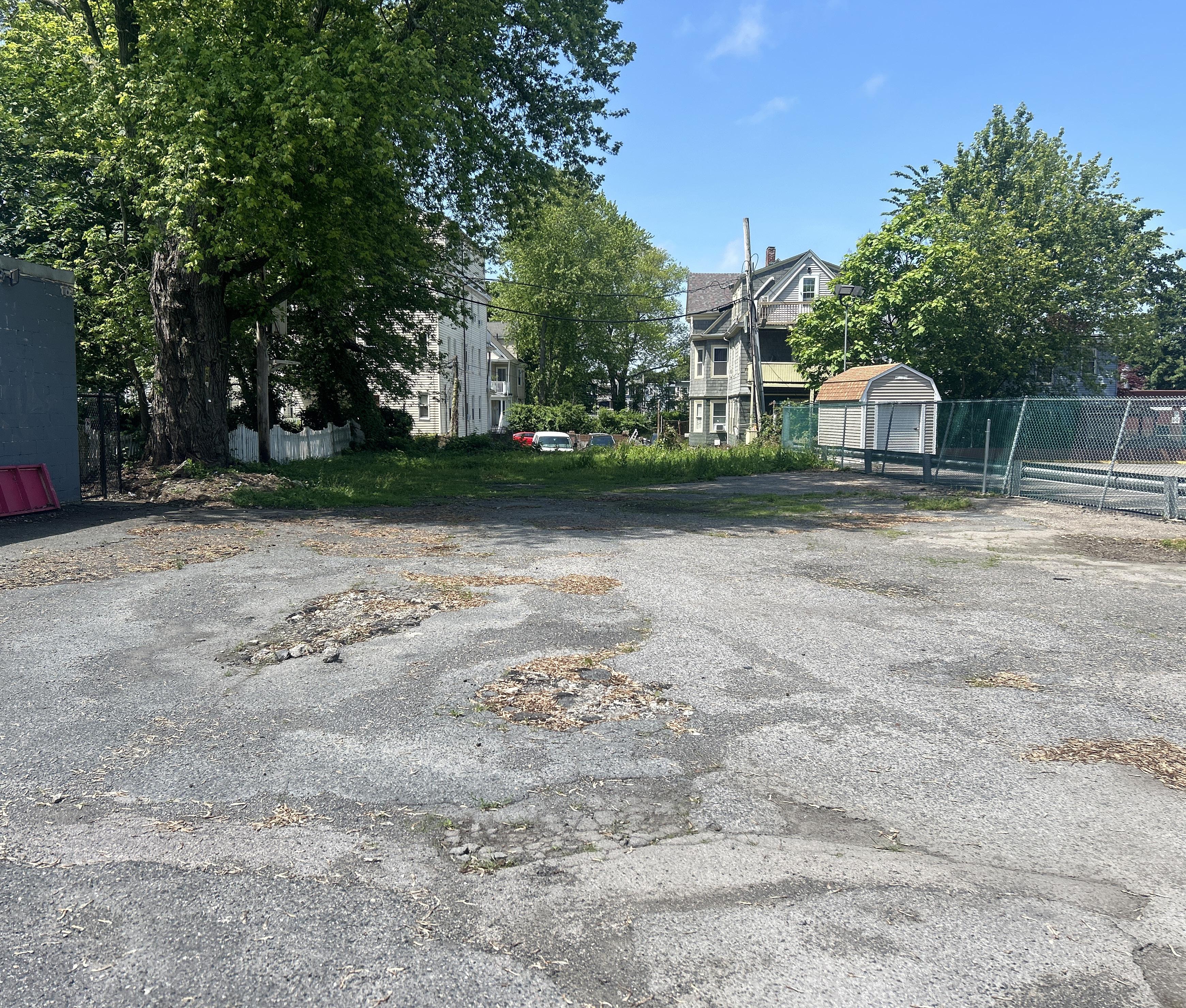
During the project, the team collaborated on a neighborhood-scale analysis of Four Corners, looking at factors like demographics and the existing business landscape. The area has a strong presence of minorityowned businesses, and a broader city-wide need for housing. The team explored potential uses for four vacant city-owned parcels in the neighborhood to address both needs. They commissioned a more detailed exploration of 317 Washington Street as a mixed-use site combining community-serving commercial space with housing. This helped translate broader planning ideas into a more tangible architectural framework. The project also developed precedent studies of shared commercial spaces in Greater Boston and Massachusetts to communicate development possibilities in an accessible way.
ENGAGEMENT ENGAGEMENT
residents and businesses completed the storefront evaluation survey
residents and businesses participated in three sessions to prioritize strategies for the district
One of the empty city-owned parcels in the Four Corners Main Street commercial district | Cesar Diego with Four Corners Main Streets
COMMUNITY
Boston’s Four Corners neighborhood has a population of 15,000, according to the 2020 census1. It is 66 percent Black/African-American, 9 percent white, 2 percent Asian, and 23 percent other. Latinos constitute almost 30 percent, West Indians 15 percent, and Sub-Saharan Africans 10 percent. Of residents, 45 percent speak a language besides English. At the same time, 77 percent of businesses are immigrantowned, and 50 percent are Latino-owned.
Recent market information for the catchment area further highlighted the diversity in age and income of those who call Four Corners home. The team learned the population is young, with 72 percent of residents under 44 years of age. Of households in the community, 50 percent have children, representing twice the rate for Boston overall.
The communities targeted for this work include the small business community, non-English speaking residents, young adults, older adults, and the general population that connects with the Four Corners commercial district in some way.
STAKEHOLDERS
The Inclusive Four Corners team focused on growing their own learning and capacity to create a path forward for their work. Stakeholders include the individuals who participated in tours of the district organized by the team, and individuals who completed the survey and helped prioritize strategies.
Additionally, two business owners demonstrated the team’s belief in envisioning something better for the community, as they rebuilt and created redevelopment plans for their properties. Their work became reference points for the next round of conversations about what development is possible on the vacant parcels in the Four Corners commercial district. Their work reflects two new ways to envision a better district.
IMPACT
The short-term impacts of this work have been felt in the gathering of information that allows the team to finetune initial tools and create a baseline for what they have observed. The project has helped them understand how to bridge the ways in which different approaches to community and development are experienced.
After some adjustments, the team used one of their initial tools to capture how individuals describe and show preference for various types of commercial facades in the district, allowing the team to arrive at common themes and technical labels for what survey respondents were sharing. They have applied a similar approach to a list of potential strategies the team is considering, as possible ways to transform the district and the way that people experience it.
AWARENESS AND VISIBILITY
As the team gathers feedback, they are beginning to shape and share a composite of what matters to those impacted by development decisions. This composite is shared with partners and stakeholders as well as funders.
While it may be premature to speak of broader impact, this composite informs the team’s strategies and their work. It helps frame conversations with developers about what seems to be important, from the aesthetic to the physical outcome. Most importantly, it helps set parameters for what the team does, including the use of language to define what matters in the built environment.
The survey responses have prioritized safety as one concrete criteria for the district. They also highlighted how future development can help address this priority, including bright colors, large windows, open space, and clean lighting. The team continues to explore these as environmental justice strategies and development options.
1 American Community Survey 20182022 5-year census tract profiles
COMMUNITY MILESTONES
The Inclusive Four Corners project was motivated by an external initiative that would impact the community, particularly the small businesses in the commercial district. The team’s approach was to center local stakeholders, particularly those who would likely not participate in a community process for such an initiative.
Milestones centered around creating opportunities for participation, inclusion, and engagement. The team created a tool for engagement, and reached 121 percent of their targeted number of participants. The team continues to work toward supporting a representative cohort of stakeholders through the training process they envisioned, to build community capacity around development topics.
ALIGNMENT WITH THE FOUNDATION
The Hideo Sasaki Foundation believes in democratizing design and making it accessible to all. This resonated with the team. Through their participation in the Design Grants, they witnessed how access makes a difference, and saw how far communities still need to go. Democratizing access is not a linear or finite process. It has to be alive in a way that requires intention, commitment, creativity, perseverance, and many more resources to level the playing field.
Now more than ever, we need to help our communities dream and envision a world built by them, not just for them. Design processes can continue uplifting a few voices as the collective voice, or explore what it takes for more voices to be heard. This was a key objective for the Inclusive Four Corners project. The team defined the starting point and envisioned the end point. They acknowledged there are as many ways to get there as dreams for access and justice, for being seen and being heard. They continue the work, using tools to engage, hear, and see what others are ready to contribute.
NEXT STEPS
Inclusive Four Corners is hardly a linear project. The team is learning from what they see as useful in facilitating conversation and learning about the planning and development processes. They have seen the tools and resources that exist to create visions for better places. The team’s next step is creating space to continue these conversations with cohorts of voices that have not been heard.
The team will identify and recruit stakeholders to teach what the team has learned and interpret what others are saying as they move to shape initial proposals for development of vacant parcels in the community. The team will host and share. Stakeholders will envision, inquire, create, and share forward. Then the team will repeat the process to ensure more stakeholders have access to this opportunity.
The team will also utilize other funding they received to work with local stakeholders in defining safety in the community. They will identify areas in the district to implement safety improvements, such as better lighting and cameras.
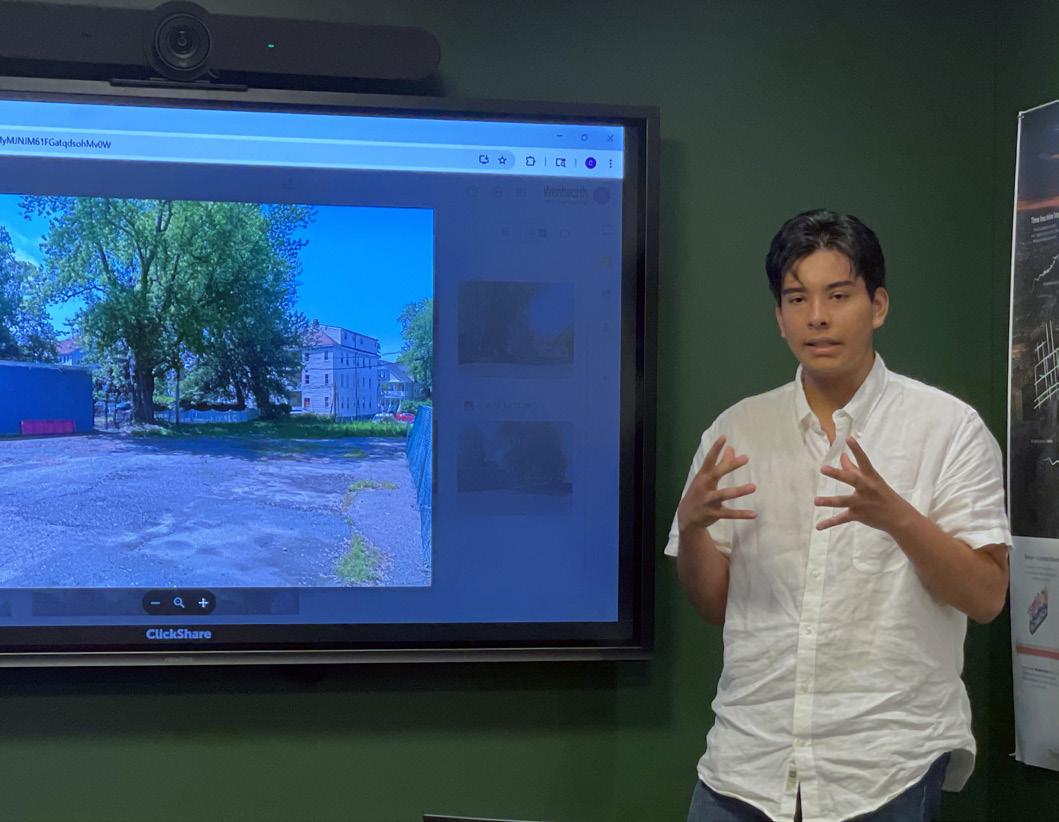
Cesar Diego, 2023 SEED alum and 2025 DESI teaching assistant, worked with 2024 Design Grants winner Inclusive Four Corners. His work supported their effort to build an inclusive learning experience for community members to understand the neighborhood planning process and advocate for their community’s vision.
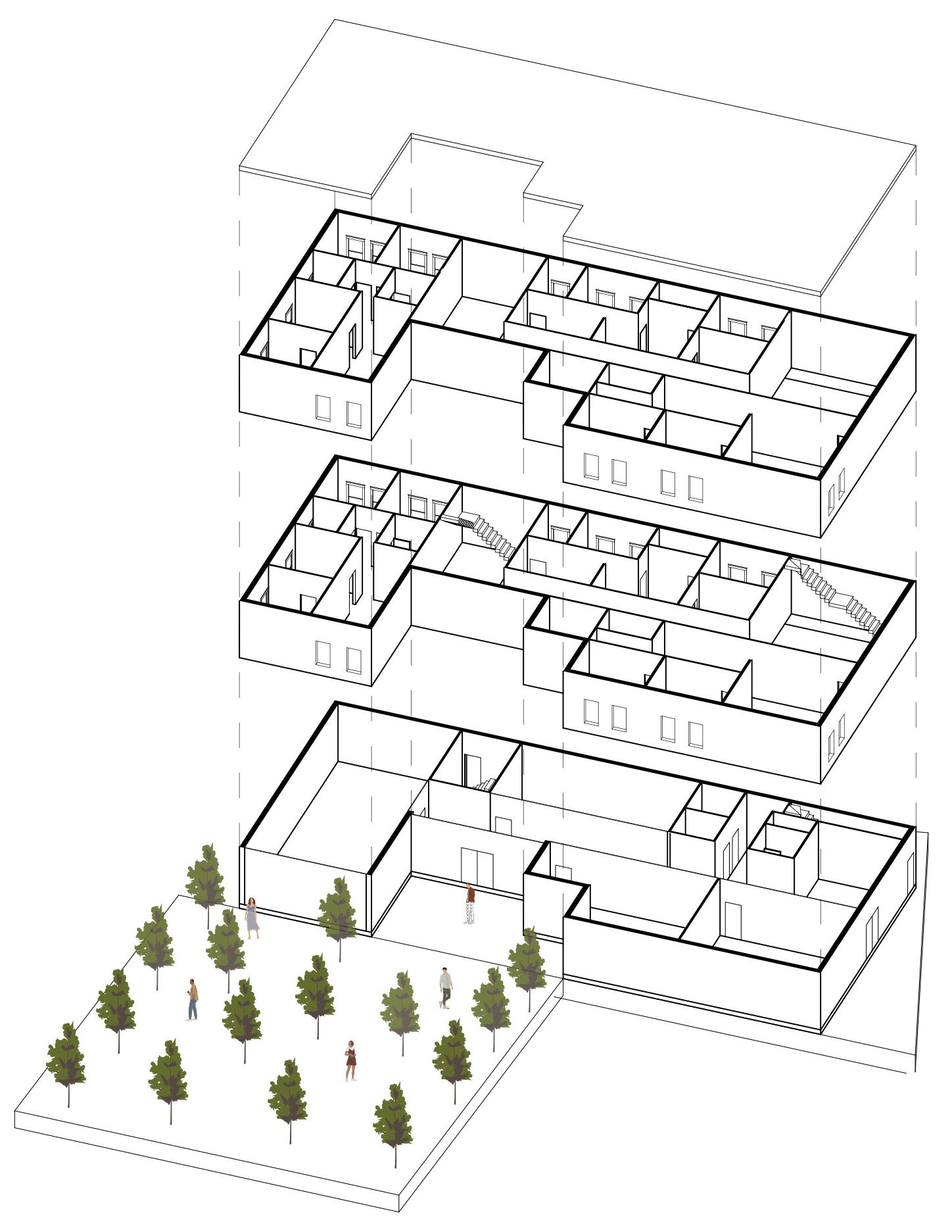
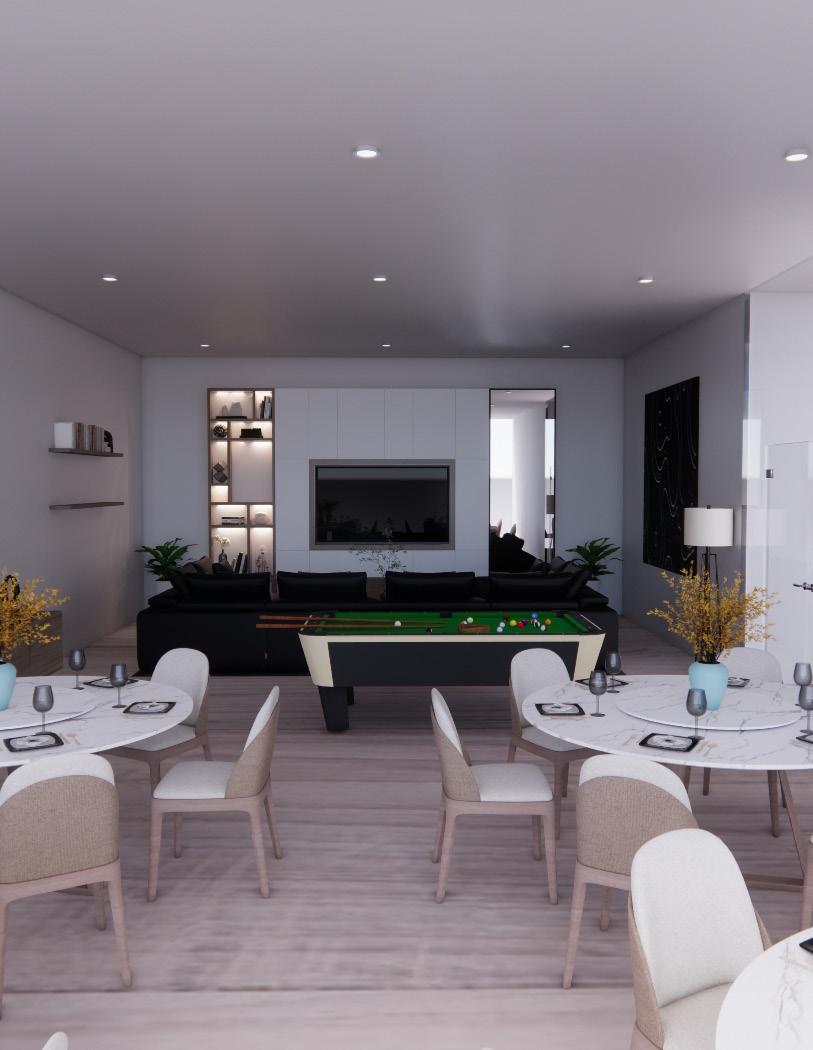
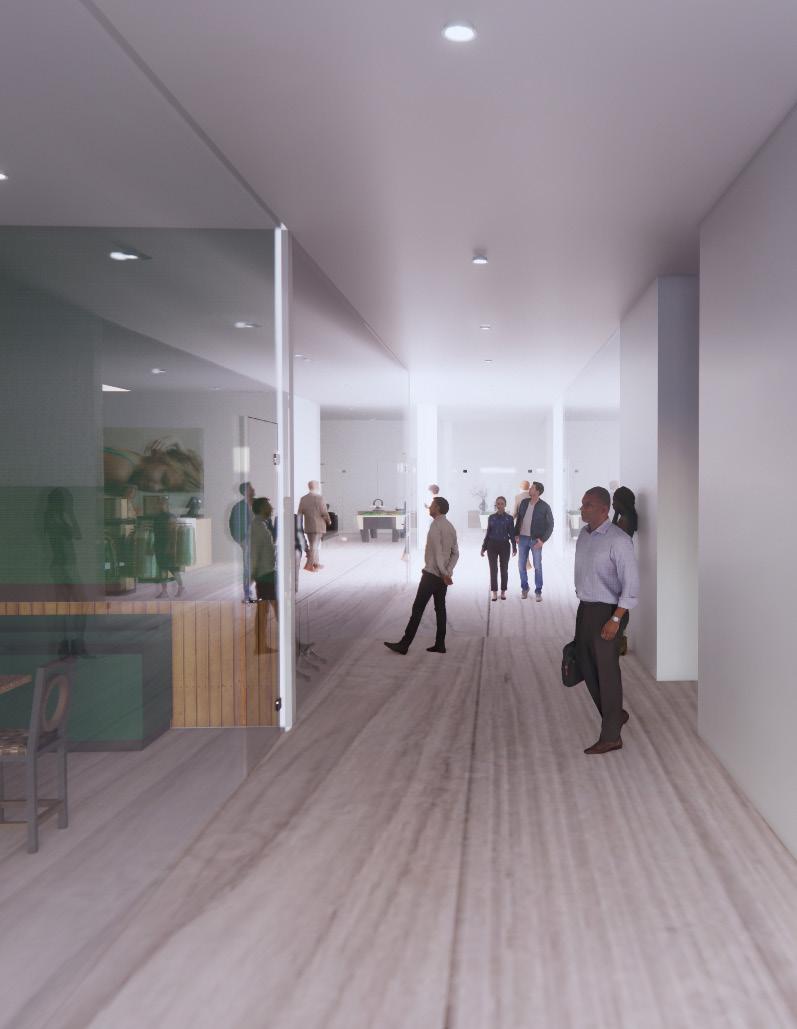
To wrap up his internship, he presented a proposed design for two of the city-owned parcels in the Four Corners neighborhood of Dorchester. The first floor of Cesar’s design is a small business incubator and community space, with housing on the two floors above.
This work was made possible through grant funding the Hideo Sasaki Foundation received from the City of Boston’s SuccessLink program.
Cesar is an architecture student at Wentworth Institute of Technology.
photo: Cesar presenting his design to Four Corners Main Streets Executive Director Marcos Beleche and Hideo Sasaki Foundation staff
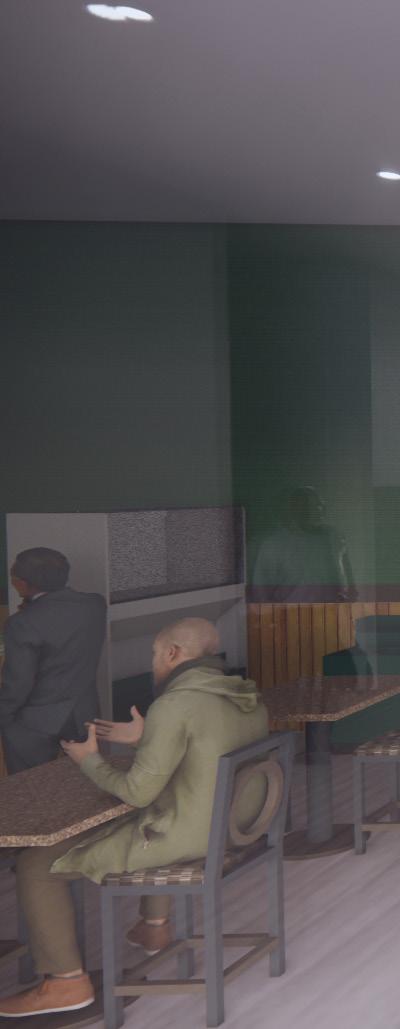
Four Corners mixed-use development graphic | Cesar Diego with Four Corners Main Streets
SPONSOR ORGANIZATION
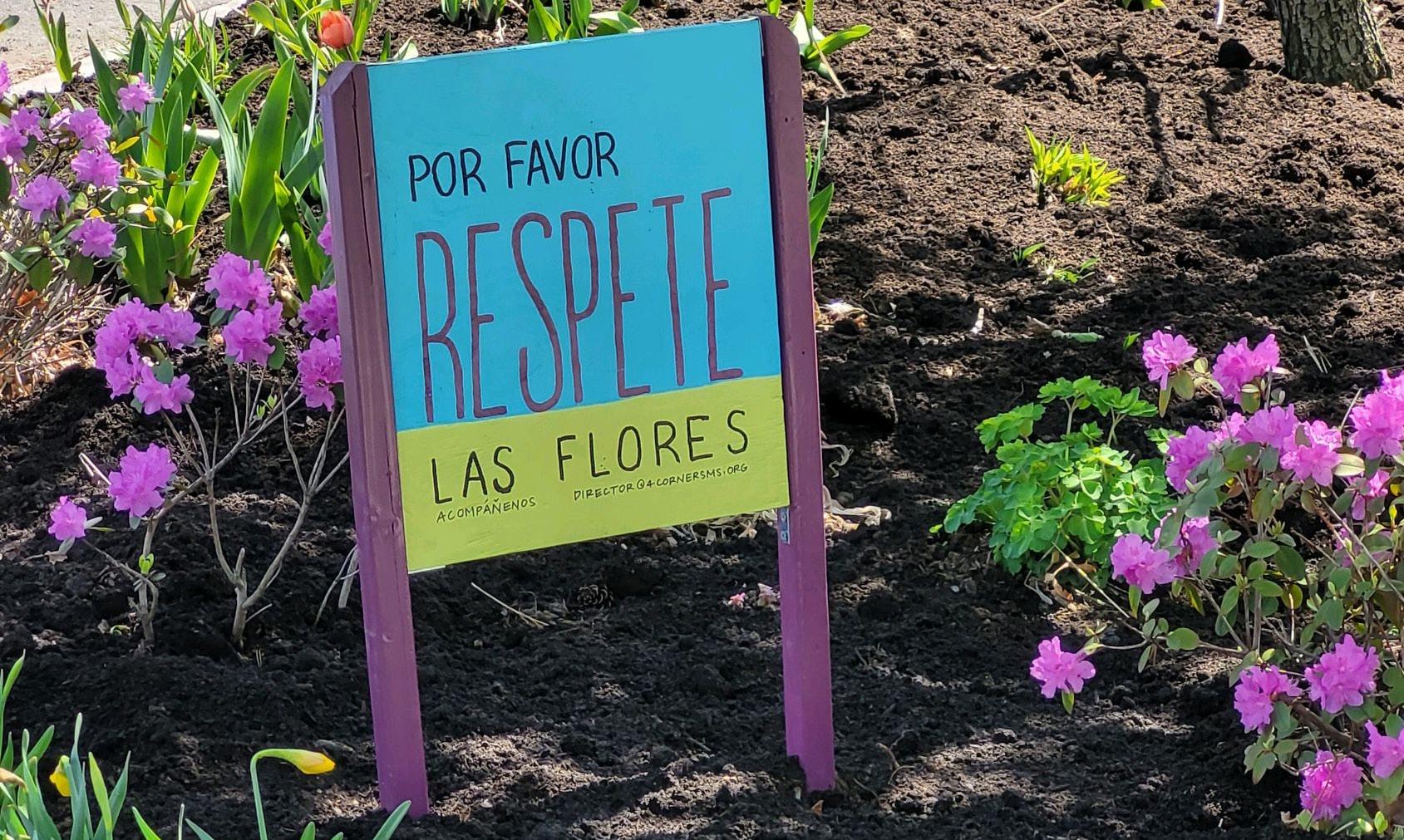
Four Corners Main Streets strives to support and promote a vibrant, healthy, and active commercial district in the Four Corners neighborhood of Dorchester (Boston) through a four-pronged approach. They improve the district’s economic vitality by supporting existing businesses and attracting new ones. They market the district to attract new and repeat visitors that support local businesses. They enhance the physical appearance of the district with an emphasis on safety for pedestrians and cyclists. They increase community connections to the district through events and involved businesses and residents.
www.4cornersms.org @fourcornersmainstreets
Cupcake ipsum dolor sit amet cheesecake jujubes | Inclusive Four Corners
RESEARCH TEAM
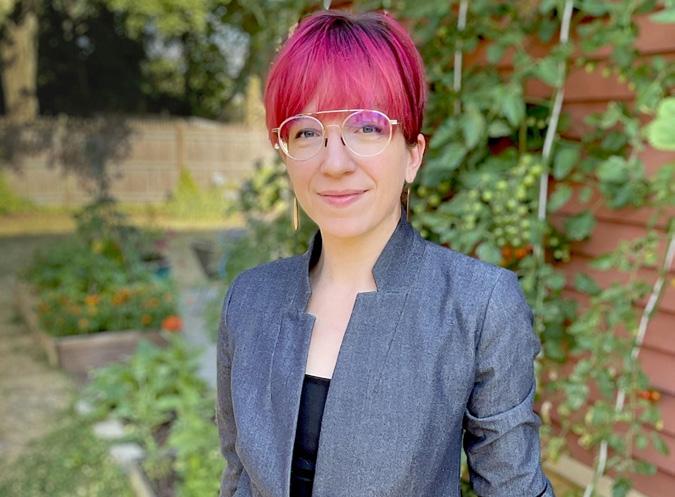
Marcos Beleche | team contact
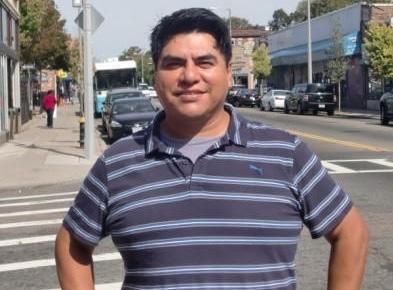
Marcos Beleche is Executive Director of the Four Corners Main Street program in Dorchester, where he leads an economic development agenda grounded in equity and inclusion. Raised in a farmworker family, his community organizing began with farmworker struggles in California, and includes 30 years in the community development field.
Azia Carle
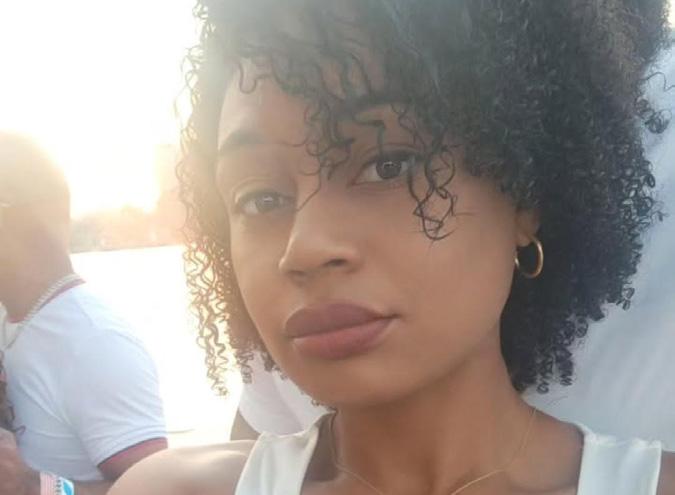
Azia Carle is a Boston-based visual artist, activist, and lifelong Dorchester resident whose work centers on community, identity, and public engagement. She expresses her Black and Caribbean heritage across mediums such as painting, sculpture, and documentary film, using each to explore personal and collective histories.
Marilyn Forman
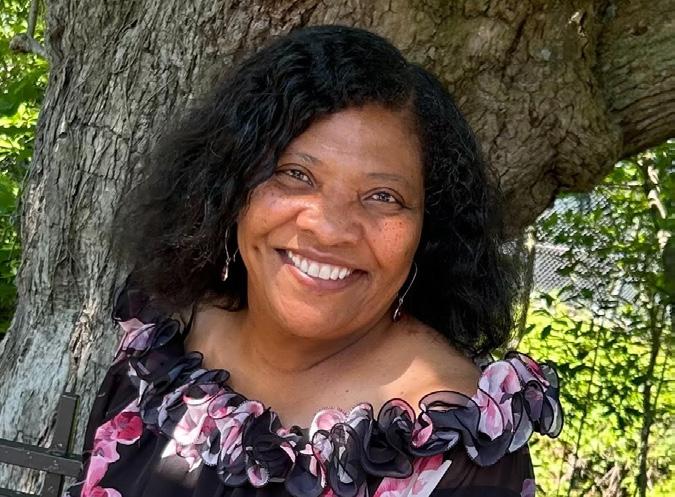
Marilyn Forman is a Dorchester resident and a community development leader who lives, works, and worships in the same neighborhood she serves. For more than 15 years, she has organized alongside residents and community stakeholders to advance housing stability, open space, transit equity, and small business revitalization in historically under-resourced communities.
Sara Kudra, AIA, NCARB
Sara Kudra is the founder of Architecture Towards Neutral, a new firm with radically transparent practices in service of curving the global emissions graph towards neutral. She is a registered architect and NCARB certified professional. She holds a Bachelor of the Arts and Bachelor of Architecture from Rhode Island School of Design.
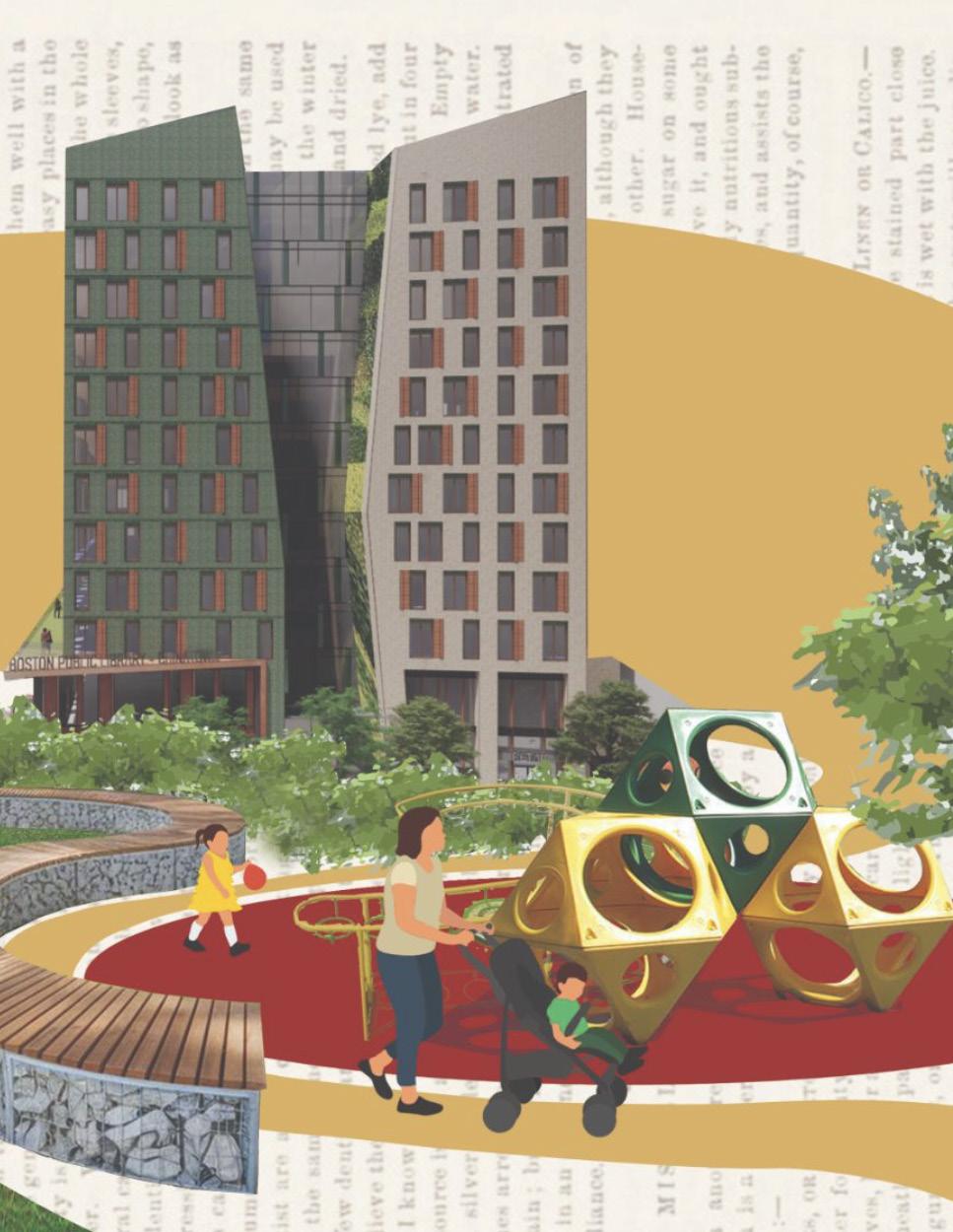
With a permanent Chinatown branch of the Boston Public Library scheduled to break ground in fall 2025, the Friends of the Chinatown Library (FOCL), Chinatown residents, and community groups have expressed interest in creating a small park or community garden next to the new library branch. Since the land is privately owned and the landowner has not yet demonstrated interest in selling this parcel, FOCL has begun a multifaceted community campaign to win over key stakeholders and mobilize support for this proposed green space.
Planning for a Chinatown Library Park
Vivian Wu Wong, Lydia Lowe, Anita Yip, Angela Soo
With a tree canopy of less than 10 percent and 88 percent of the land deemed impervious, Chinatown is the densest and hottest neighborhood in Boston, and one which is also vulnerable to flooding and prone to language and cultural isolation. As the sole surviving Chinese ethnic enclave in New England, Boston Chinatown serves as a vital gathering place and home for a variety of people. While its population has increased by 25 percent from 2000 to 2020, socioeconomic polarization has also increased within the neighborhood. Presently, more than 20 percent of households have an income of $200,000 or more, with a third living in poverty.
A library park can be an important civic space linking people from many walks of life, and the process of planning for one should be inclusive. Through community tabling to shape the park’s vision, FOCL actively involved at least 160 Chinatown residents at four communitywide events during summer and fall 2024. The team also worked with Hideo Sasaki Foundation SEED 3 interns in summer 2025 to further involve community members in developing the vision. This co-design process ensures that the park will reflect the diverse voices, needs, and aspirations of the community it serves. With the support that FOCL received from the Hideo Sasaki Foundation, the project team received the guidance and support needed to move the campaign forward.
Hoo
POTENTIAL IMPACT
76 M annual community benefit from converting the adjacent parking lot into public green space
ENGAGEMENT
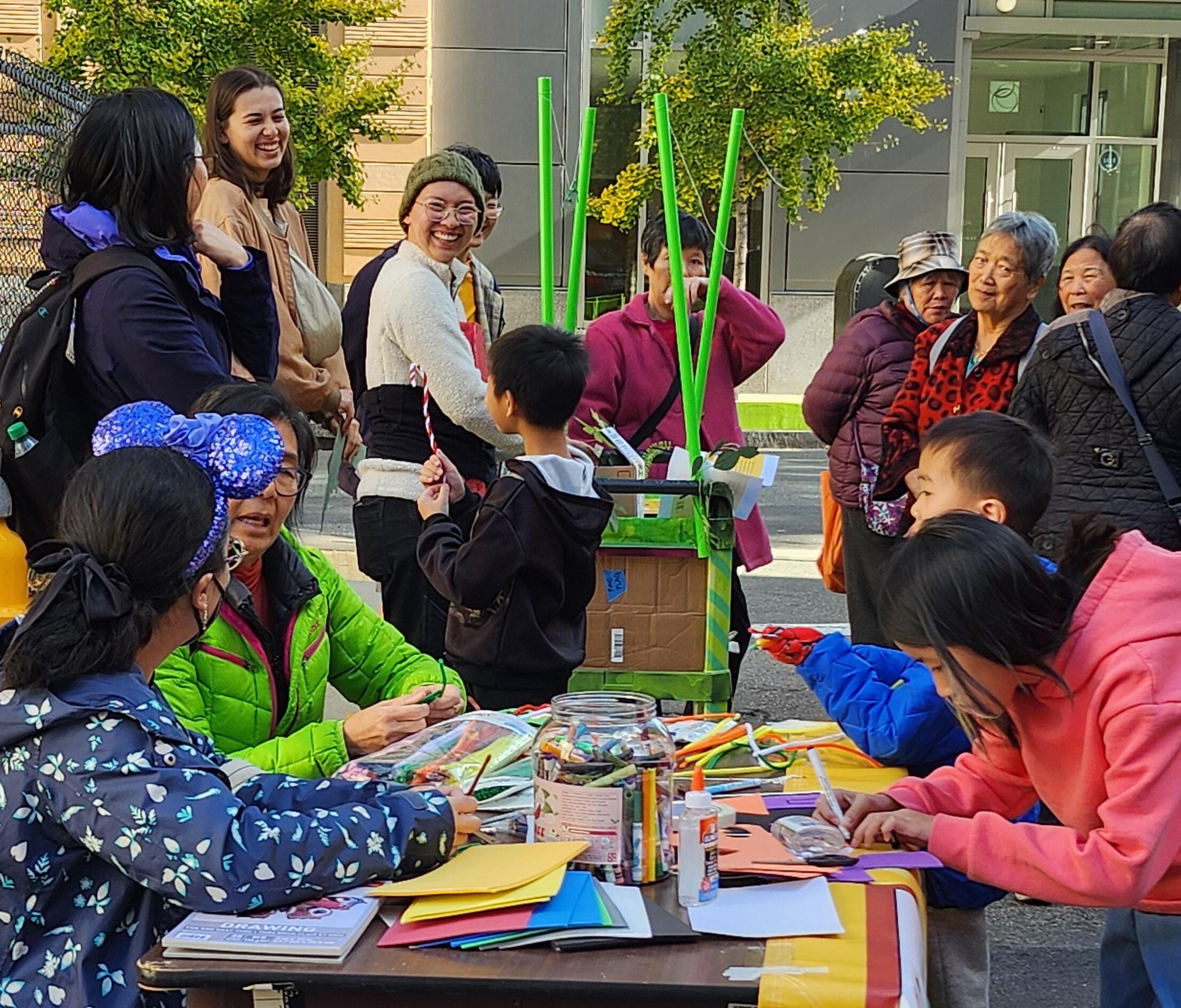
160+ Chinatown residents connected to FOCL through community tabling events
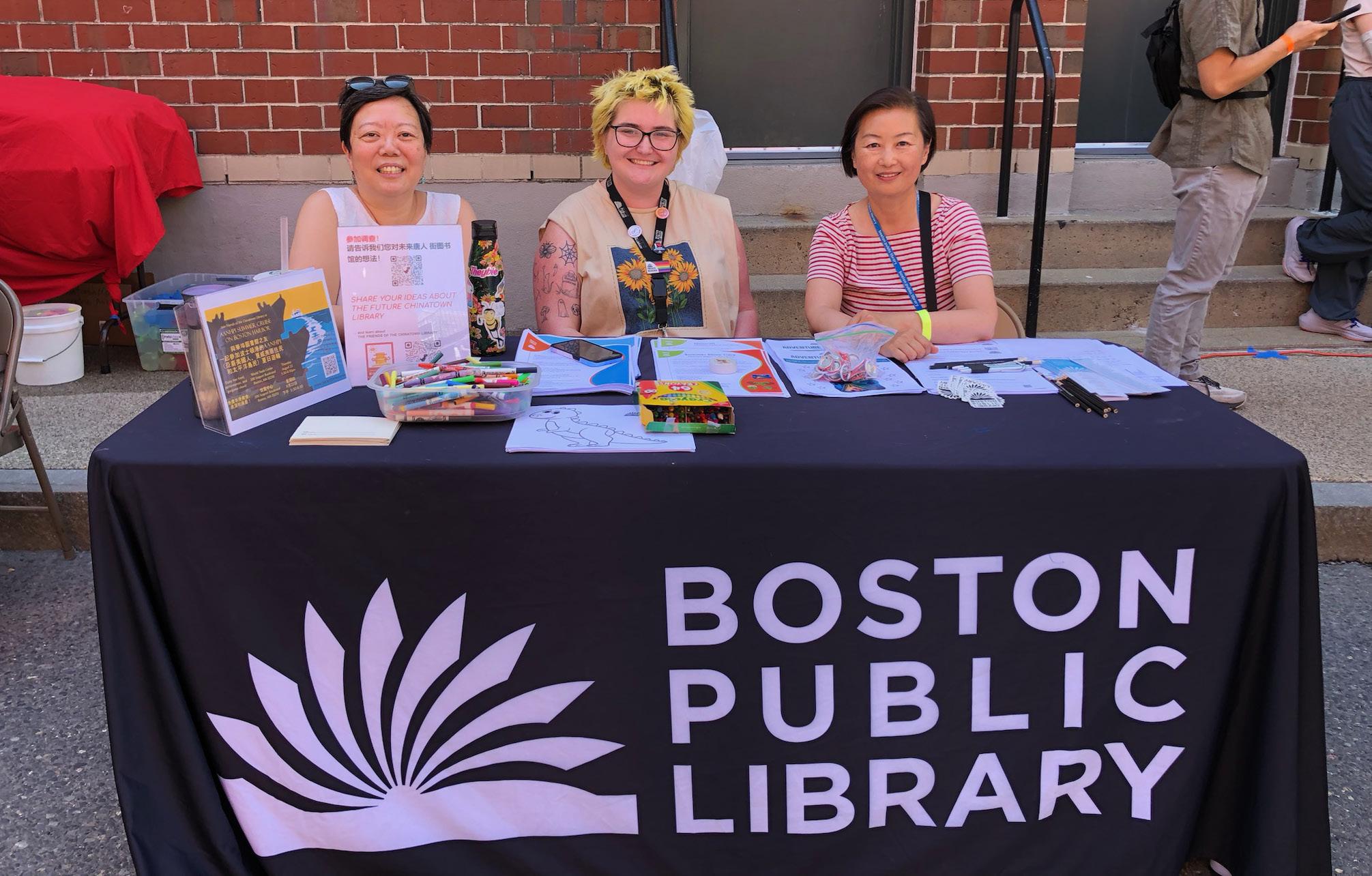
FOCL Board Members Lincy Shen and Angela Chan tabling at Halloween event, October 26, 2024 | Friends of the Chinatown Library
1
community tabling events collected input to shape the project’s vision
COMMUNITY
According to the Chinatown Community Land Trust’s 20252027 Community Investment Plan, the Chinatown Master Plan 2020 report revealed that Asian Americans are approximately 48.2 percent of the 11,528 population of the Chinatown/Downtown area. Gentrification has increased disparities, with white median household income at $113,678 compared to the Asian median at $17,997.1
Chinatown’s two core census tracts (702.01, 702.02) identify a population of 7,475 (45.7 percent Asian).2
Approximately 62.4 percent of households speak a language other than English at home, and 45.1 percent of the population is foreign-born. Chinatown, while still anchoring very low income, immigrant working class families, is a highly polarized neighborhood today due to two decades of luxury high-rise development. As of 2020, more than 51 percent of households had an income of $49,999 or below, and more than 20 percent of households had an income of $200,000 or more, with a third living in poverty.
more community tabling events thanks to the Design Grants program
STAKEHOLDERS
FOCL continues to work closely with the Asian Community Development Corporation, the Chinese Progressive Association, the Chinatown Community Land Trust, Chinatown Resident Association, Chinese Historical Society of New England, and Chinatown Main Street to publicize events.
IMPACT
Through the Design Grants, FOCL was able to have a larger, more consistent presence in the community, as they were able to table at twice as many community events as in previous years. With this focused attention on the library park, the team was able to raise awareness not only about the upcoming construction of the new branch library but also about the possibility of creating a public park.
With the additional work of the Hideo Sasaki Foundation’s SEED interns, the team also received a cost benefit analysis and renderings of park designs to use in their campaign. Showing this material to the property owner of the parcels in question, to City of Boston officials, and to broader community stakeholders will be key in the next phase of work as the team seeks to convince the property owner to engage with the team. With the groundbreaking of Parcel R-1 slated for late summer/early fall 2025, the timing of SEED’s additional work certainly benefits the campaign.
2 American Community Survey 2018-2022 5-year census tract profiles
AWARENESS AND VISIBILITY
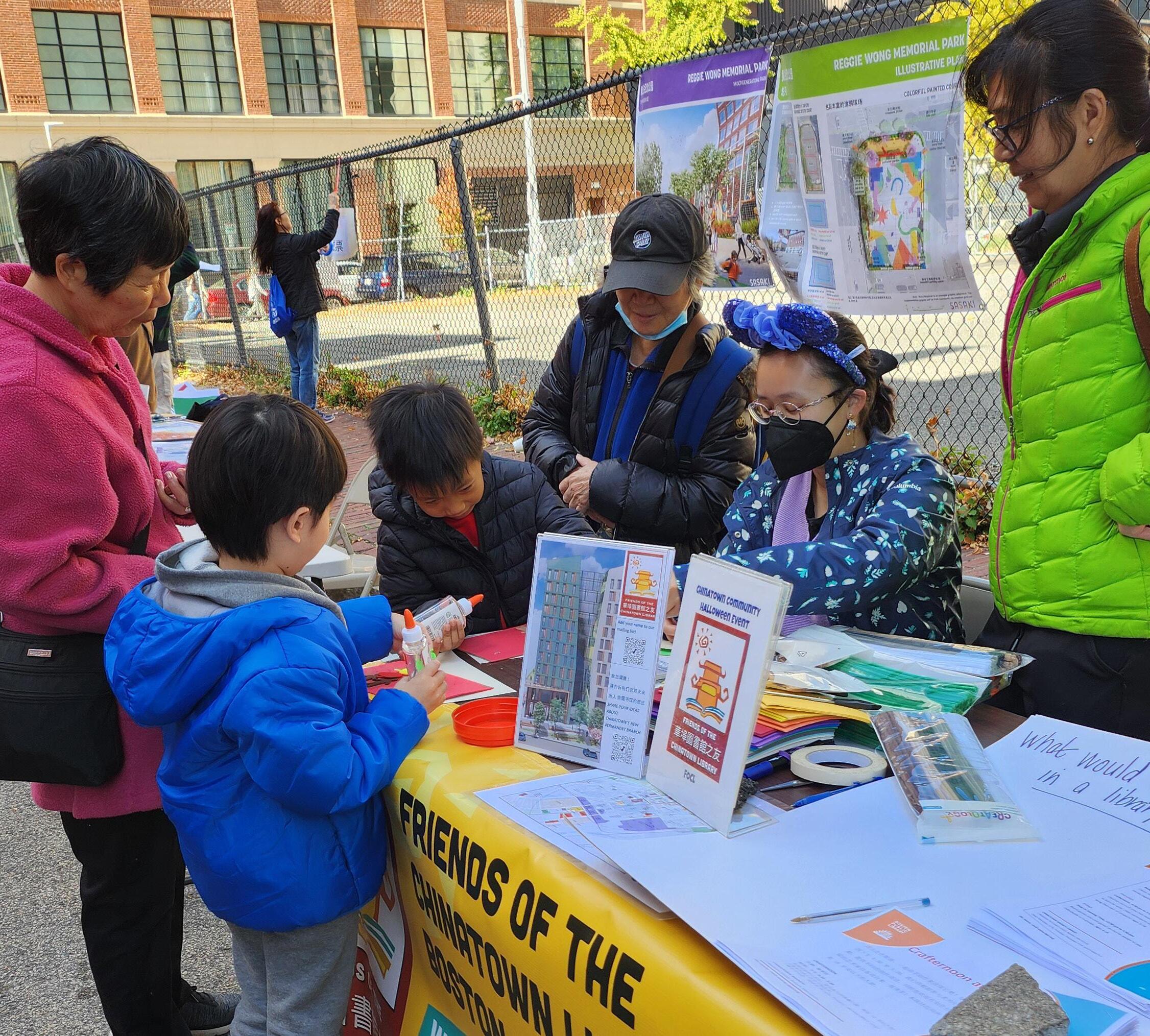
FOCL’s presence in the Chinatown community is most visible at community-wide events. Hundreds of people attended these events — July 20, 2024 (ACDC’s Summer Picnic & Chinatown Block Party), August 11, 2024 (CCBA’s August Moon Festival), September 7, 2024 (Asian American Day on the Boston Commons) and October 26, 2024 (Chinatown Halloween Event). FOCL also was able to identify more than 160 new supporters of a library park and have added their emails to FOCL’s email list.
COMMUNITY MILESTONES
By continuing to quietly engage a cross-section of stakeholders and advisors in thinking creatively about the creation of a library park, the team has continued to grow support for the vision and is poised to involve City of Boston officials in assuming a more actively collaborative role.
FOCL board members Lincy Shen and Angela Chan tabling at Halloween event, October 26, 2024 | Improving Open Space in Chinatown
ALIGNMENT WITH THE FOUNDATION
By seeking to engage a broad cross-section of stakeholders that includes residents, community organization leaders, environmental and open space advocates, local government officials, institutional leaders and the property owners, FOCL is creating an exciting and feasible vision that can help us move from idea to implementation.
NEXT STEPS
Following the groundbreaking of Parcel R-1, FOCL will complete the remainder of its project plan by conducting focus groups with Chinatown residents, community leaders, and other stakeholders in order to dig into the questions surrounding a library park. Since the construction of the new BPL Chinatown Branch had been delayed to fall 2025, FOCL has been careful not to divert attention away from the construction of the library. Once construction begins, FOCL will be free to ramp up its campaign for a library park.
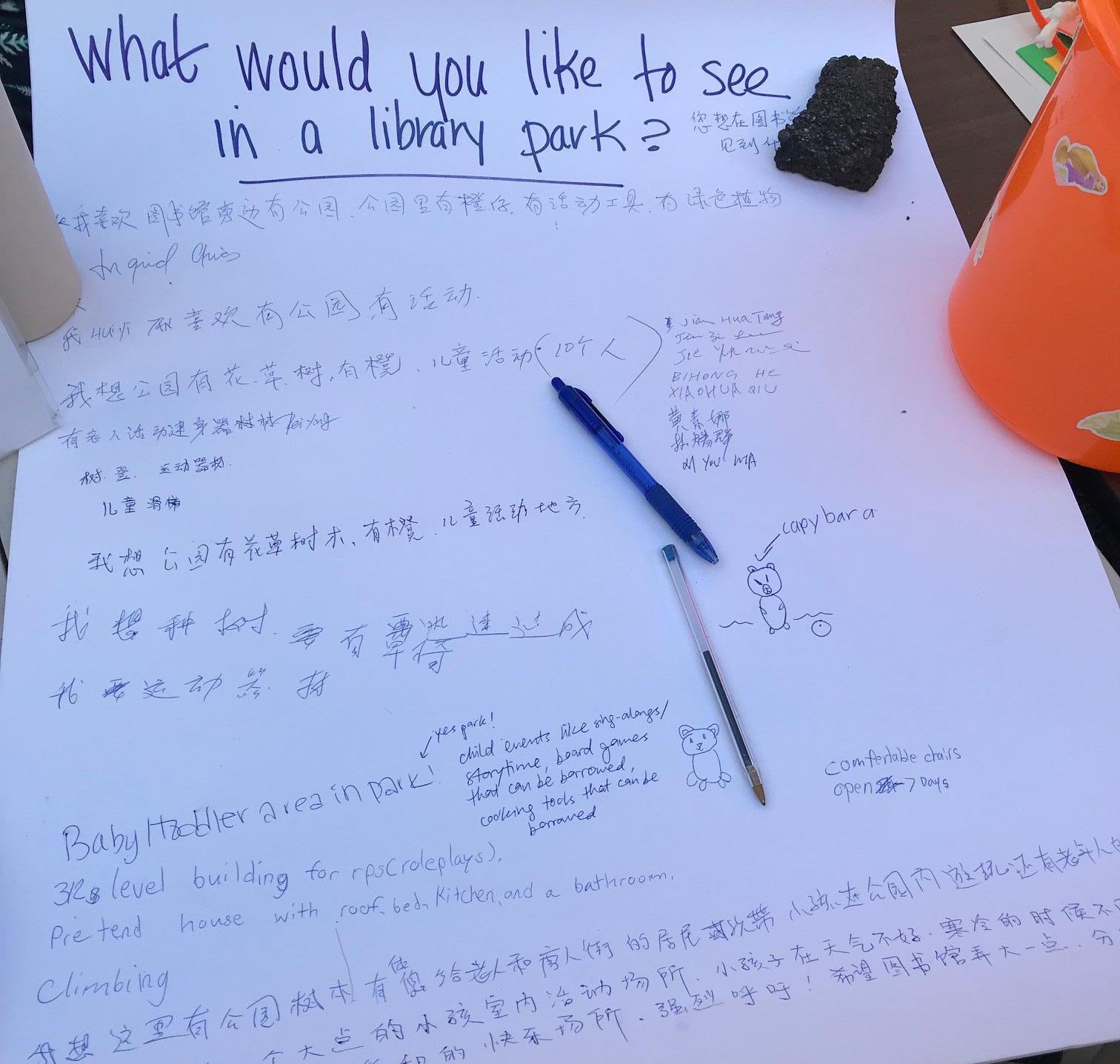
Some feedback collected at the Halloween event at Hudson and Harvard Streets on October 26, 2024 | Friends of the Chinatown Library
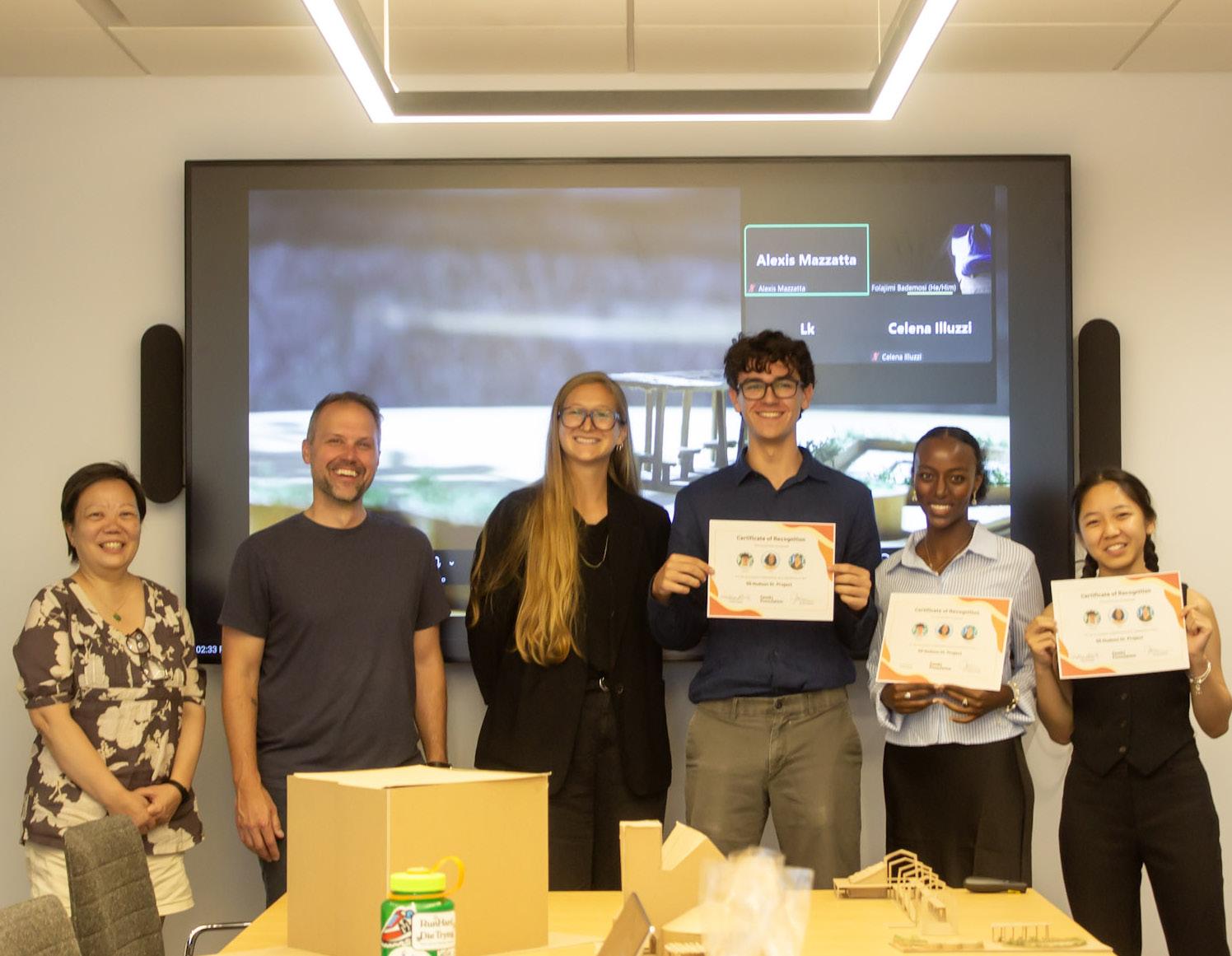
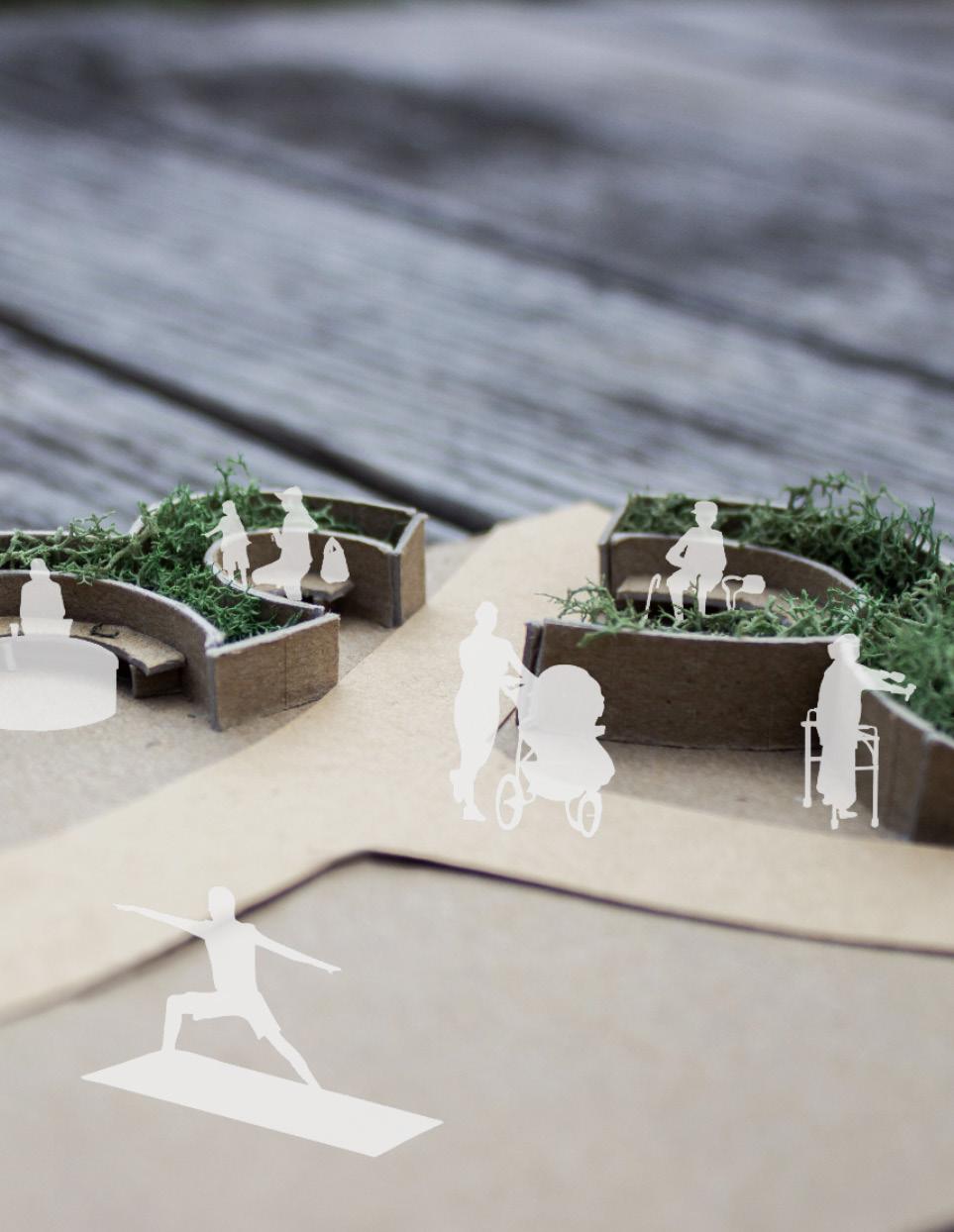
2025 SEED 3 interns Elfe Hughes (2024 SEED and 2025 DESI alum), Sam Falke (2023 and 2024 SEED and 2024 DESI alum), and Kathleen Yick (2024 SEED and 2025 DESI alum), along with Hideo Sasaki Foundation Design Lead Alexis Mazzatta, worked with 2024 Design Grants winner Planning for a Chinatown Library Park. The SEED 3 team designed an outdoor space to help the community envision the site adjacent to the new library as a park. This complemented a cost-benefit analysis comparing the site’s current use against use as a park. Their work will support the multifaceted community campaign that FOCL is launching to win over key stakeholders and mobilize support for this proposed green space.
SEED 3 is an opportunity for graduating seniors to learn the essentials for their first year in design school while also leading their own client project. Elfe will attend Syracuse University to study architecture in fall 2025. Kathleen will attend MIT to study architecture and engineering in fall 2025.
photo: FOCL board chair Vivian Wu Wong, Sasaki associate principal and SEED 3 mentor Ian Scherling, and design lead Alexis Mazzatta, with Sam, Elfe, and Kathleen following their final presentation
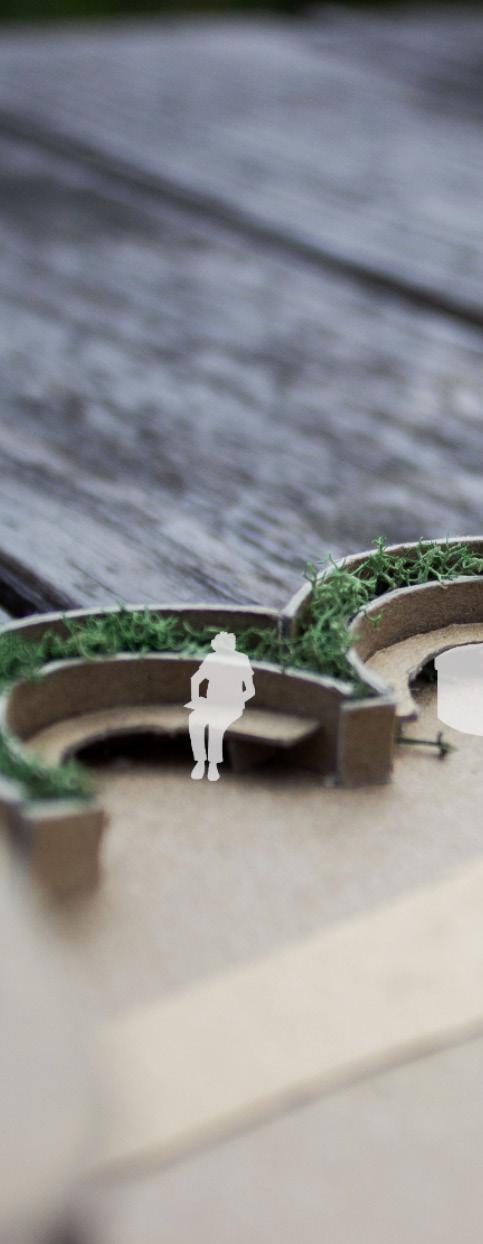
Chinatown Library Park model | SEED 3 and FOCL
SPONSOR ORGANIZATION
In 1956, the Chinatown public library was demolished to build a highway. Without a branch library, the neighborhood lost opportunities for community celebration and development. Public library resources and services democratize knowledge, are vital to the vibrancy and health of the community and help residents better understand and connect to their history, culture, and opportunities.
Friends of the Chinatown Library (FOCL), a group grounded in Boston Chinatown’s history and community, launched in support of the youth campaign initiated in 2001 to bring back the Chinatown branch library. Thanks to community organizing, a temporary library branch opened in 2018 and a permanent library branch is expected to open in 2027. As a friends group that formed alongside community activism, FOCL carries the memory and ethos of what a public library means to the Boston Chinatown community.
www.focl-boston.org
@focl.boston
Vivian Wu Wong, Morgan Howard, and Yan Wang at the Chinatown Block Party, July 20, 2024 | Friends of the Chinatown Library
RESEARCH TEAM
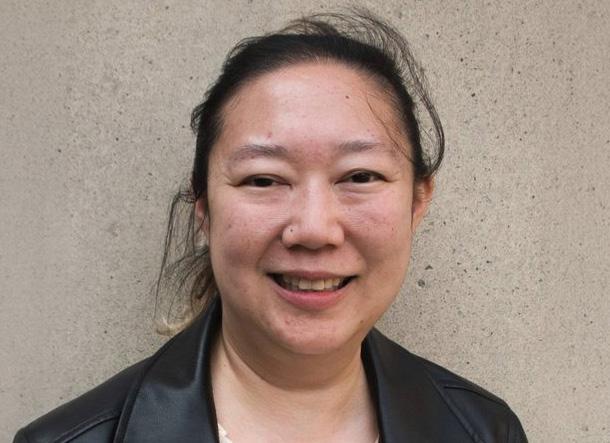
Vivian Wu Wong | team contact
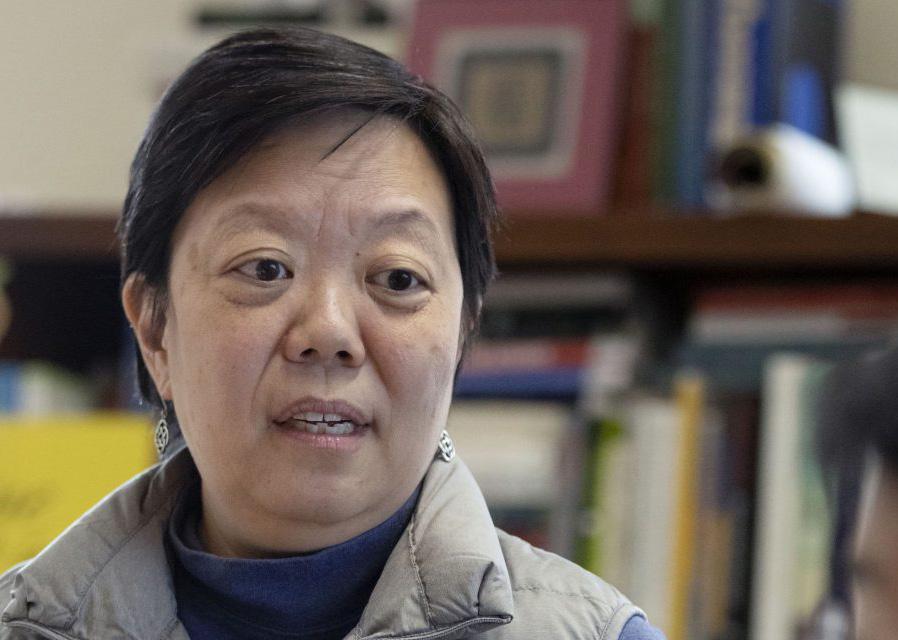
Vivian Wu Wong is a retired history teacher and the volunteer Chair of Friends of the Chinatown Library.
Lydia Lowe
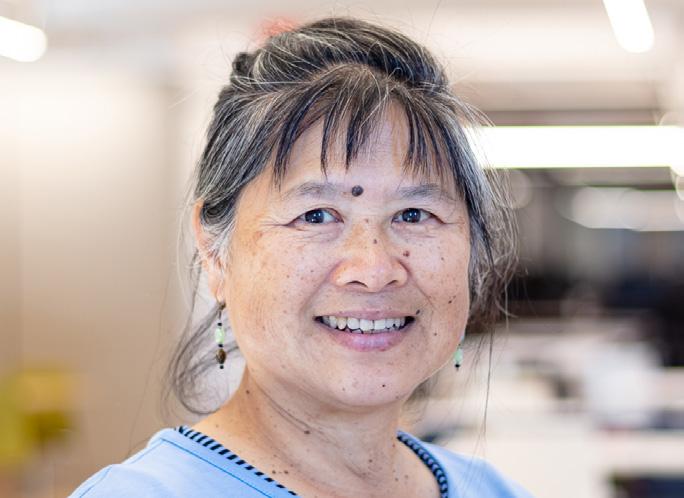
Lydia Lowe is the Executive Director of Chinatown Community Land Trust and founding board member of Friends of the Chinatown Library. She has over 40 years of community organizing experience in Chinatown.
Anita Yip
Anita Yip is a public artist, a resident of Chinatown and a volunteer Board Member with Friends of the Chinatown Library.
Angela Soo Hoo
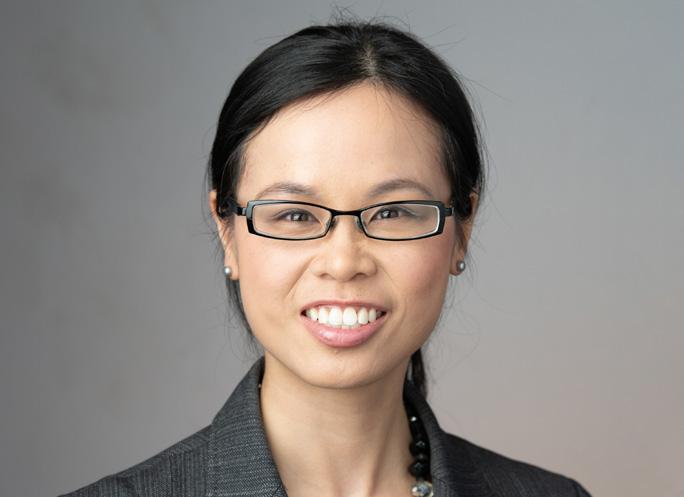
Angela Soo Hoo is on staff at the Asian Community Development Corporation and a volunteer Board Member with Friends of the Chinatown Library.
Design Grants Alumni
Charles River Floating Wetland
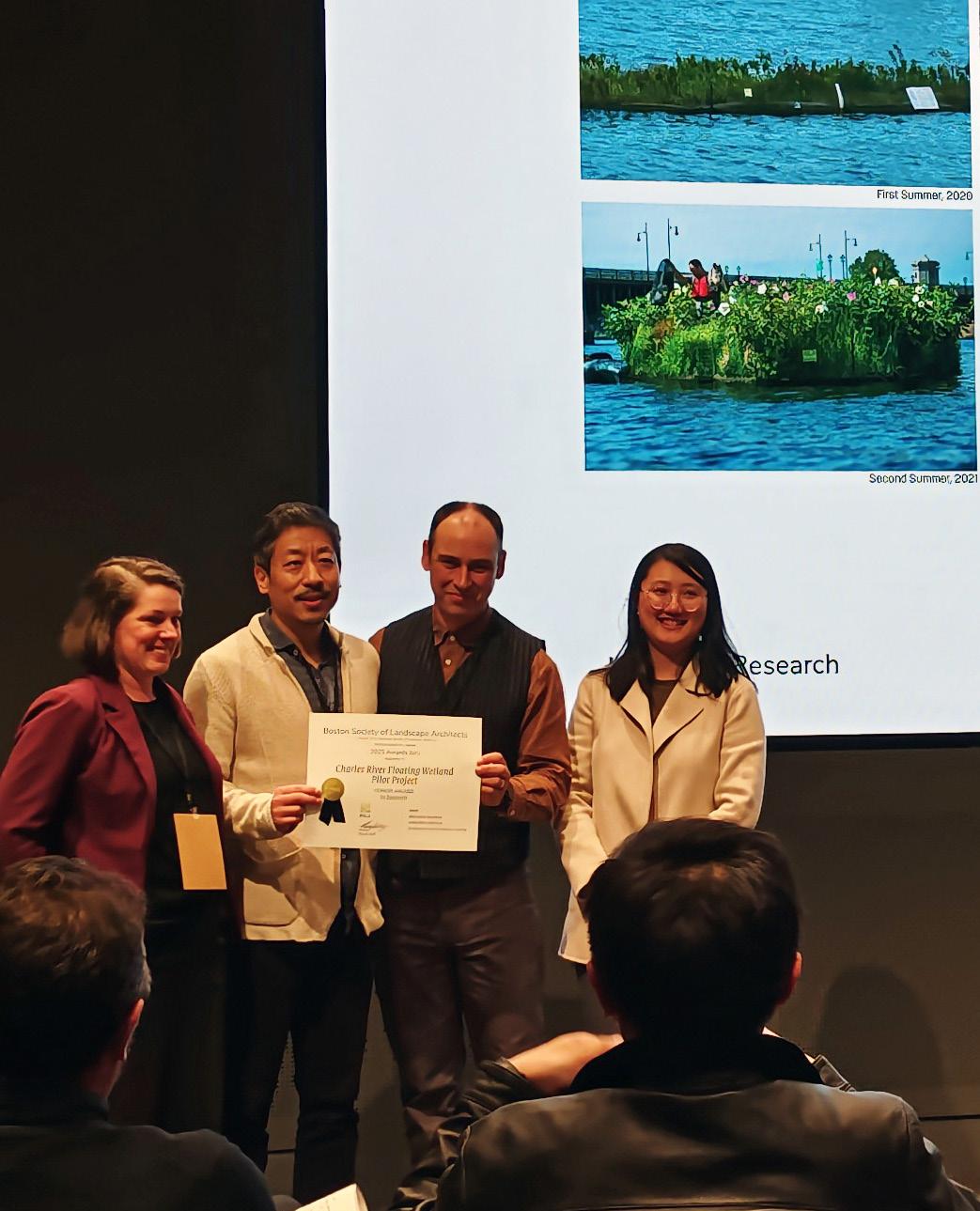
The Hideo Sasaki Foundation celebrates 2018 Design Grants winner Charles River Floating Wetland, from the Charles River Conservancy (CRC). The project received both a 2025 Honor Award from the American Society of Landscape Architects (ASLA) and a 2025 Honor Award from the Boston Society of Landscape Architects (BSLA).
Urbanization severely impacts waterways, leading to nutrient pollution, biodiversity loss, and degraded ecosystems. This collaborative investigation, conducted by the CRC, Dr. McNamara Rome at Northeastern University, the Hideo Sasaki Foundation, and Sasaki, explored floating wetlands as an innovative solution to improve degraded urban waters. This research addresses the linked challenges of missing habitat, degraded water quality, and impoverished public perception of urban waters. By combining scientific research, design experimentation, and public outreach, the project demonstrates how floating wetlands can enhance water quality, support biodiversity, and provide educational opportunities. The findings offer a defensible method for sizing floating wetlands and highlight their potential as an effective tool for landscape architects to address urban water quality challenges and foster environmental stewardship.
The multi-year monitoring results show that one acre of floating wetland can offset nutrient loading from 7 to 15 acres of dense urban development, comparable to infiltration-based green infrastructure and more effective than biofiltration methods and green roofs. Ecologically, they also enhanced aquatic habitat, attracting native fish, improving macroinvertebrate diversity, and supporting zooplankton dynamics that suppress algal blooms.
Community engagement was central: students built mini floating wetlands using STEAM kits, kayak tours introduced residents to the project, and a solar-powered underwater camera connected the public to river life. These efforts boosted environmental awareness and participation.
The award recognizes not just the project’s excellence in research and environmental impact, but its creative blend of science, design, engineering, and public engagement. Floating wetlands are now being celebrated as a powerful, scalable solution for making cities healthier, more beautiful, and more resilient.
Learn more at thecharles.org/floating-wetlands
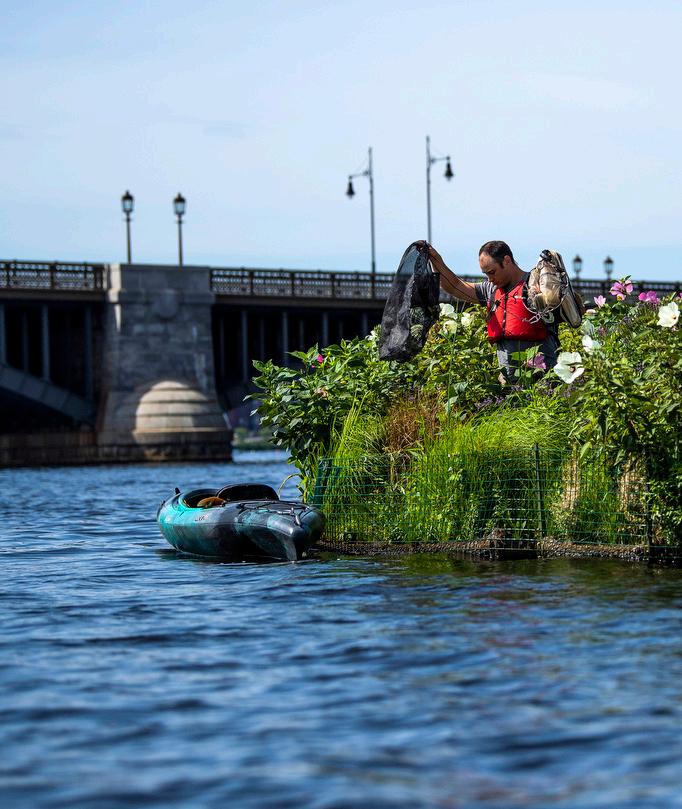
Charles River Floating Wetland, courtesy Charles River Conservancy
BSLA Awards Ceremony at Fieldday 2025
2018 Design Grants Winners
Charles River Floating Wetland Eastie for Eastie
ECHOLocator
G{Code} House
Please Touch the Art
2019 Design Grants Winners
Designing Shelters for Dignity
Energy Shift Boston
Rentify Chinatown
East Boston Mobility Hubs
Knitting the Alewife
2020 Design Grants Winners
Columbia Road Gender and Mobility Initiative
Economic Development in Codman Square
The Mattapan Mapping Project
G{Code}
G{Code}, a 2018 Design Grants winner, empowers Black, Brown, and Indigenous women and nonbinary people of color to thrive in the tech industry. Their programs provide a supportive, inclusive, and safe environment for individuals to explore coding, web development, and data analytics, bridging the gap in opportunities for underrepresented communities in the tech industry.
G{Code}’s current 12-week virtual programs for individuals between the ages of 18 to 25 teach the foundations of web development and explore the world of data analytics. Their Tech Apprenticeship Program is in partnership with the City of Boston’s Office of Youth Employment and Opportunity. This after-school apprenticeship grants 10 Boston Public high school students the opportunity to learn web development, gain career insights from tech professionals, secure mentors, and grow personally and professionally while assessing their fit in the tech industry.
And G{Code} has reached a major milestone, with construction officially underway at the G{Code} House. They continue to work towards completely renovating 43 Hutchings Street in Roxbury into a state-of-the-art tech
2022 Design Grants Winners
Chinatown Energy Literacy Campaign
Combating Green Gentrification
Envisioning Somerville’s New Urban Farm
See You in the Future
2023 Design Grants Winners
EarlyEducatorSpace 2.0
Roxbury Survival Guide
Building Food Resilience in East Boston
Improving Open Space in Chinatown
Movement Training and Cultural Center
center that combines training with housing for G{Code} fellows. By addressing basic needs, G{Code} can facilitate a conducive environment for up to 14 individuals to hone their technical skills, build professional networks, secure internships, and transition into the workforce. The space will foster peer learning and mentorship.
Learn more and get involved at thegcodehouse.com
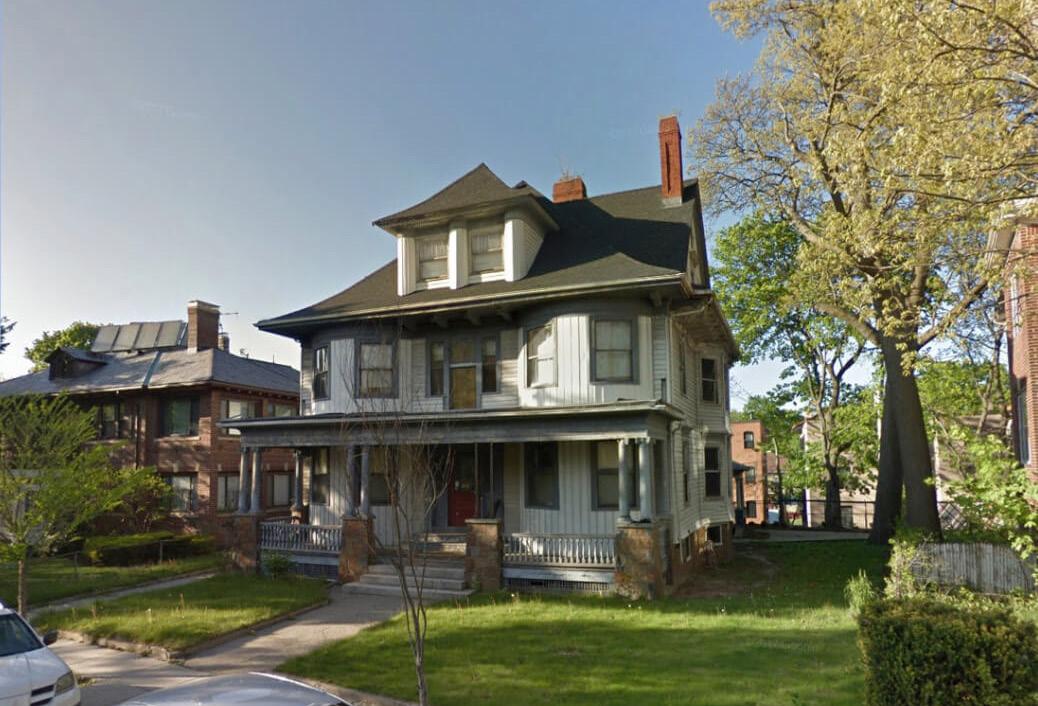
G{Code} House in Roxbury, MA, courtesy G{Code}
Improving Open Space in Chinatown
2023 Design Grants winner Improving Open Space in Chinatown developed a long-term vision for interconnected open spaces in Chinatown, with a particular focus on the eastern edge of the community.
The grant process helped energize and encourage residents to advocate for open space improvements. They have continued to be active in many public workshops and discussions about Phillips Square, Reconnecting Chinatown (air rights over the Mass Pike), and the vision of a park next to the future Chinatown Library. The community also has continued to advocate for better pedestrian connections to link isolated open spaces.
Chinatown Community Land Trust, Friends of Reggie Wong Park, and Sasaki have been moving forward with the redesign plan for Reggie Wong Memorial Park,
Eastie for Eastie
2018 Design Grants winner Eastie for Eastie was a project between community partners and urban planners to co-create a toolkit to discuss long-term climate impacts and managed retreat in East Boston.
Eastie Farm, the project’s community partner, has continued the project’s climate resilience work, educating and empowering the community and building solutions that address needs, both current and future.
Eastie Farm’s greenhouse is powered by geothermal energy, and its electricity is powered by Boston Community Choice Electricity’s 100% green option. This is the first zero-emission, geothermal greenhouse in the New England region.
Eastie Farm’s Climate Corps is a paid green fellowship program for youth. Fellows receive a stipend to work on local food systems, land conservation, sustainabilityfocused organizing/advocacy, and coastal resilience work in the Environmental Justice community of East Boston.
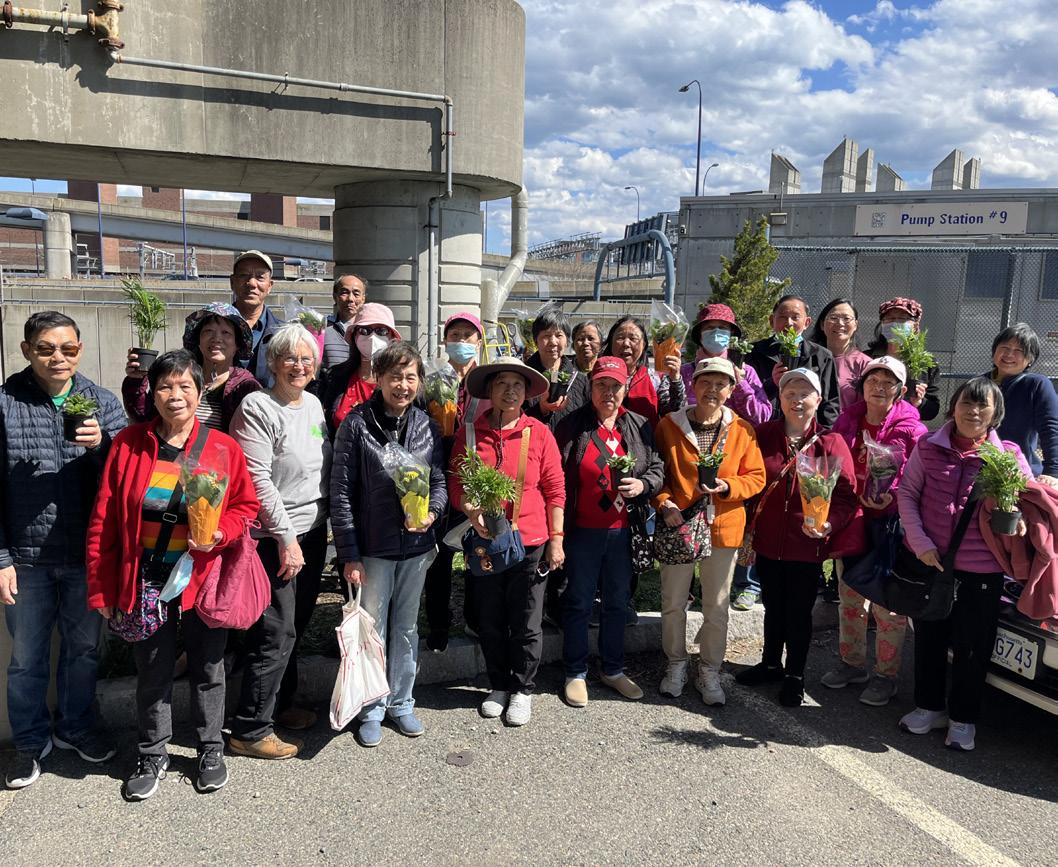
expecting to break ground lin late 2026, after MassDOT completes soil remediation. The community is 67 percent through its $3 million capital campaign.
Boston Transportation Department and Sasaki are finalizing the design proposal for Phillips Square, and community advocates have called for the project to be named Tunney Lee Plaza.
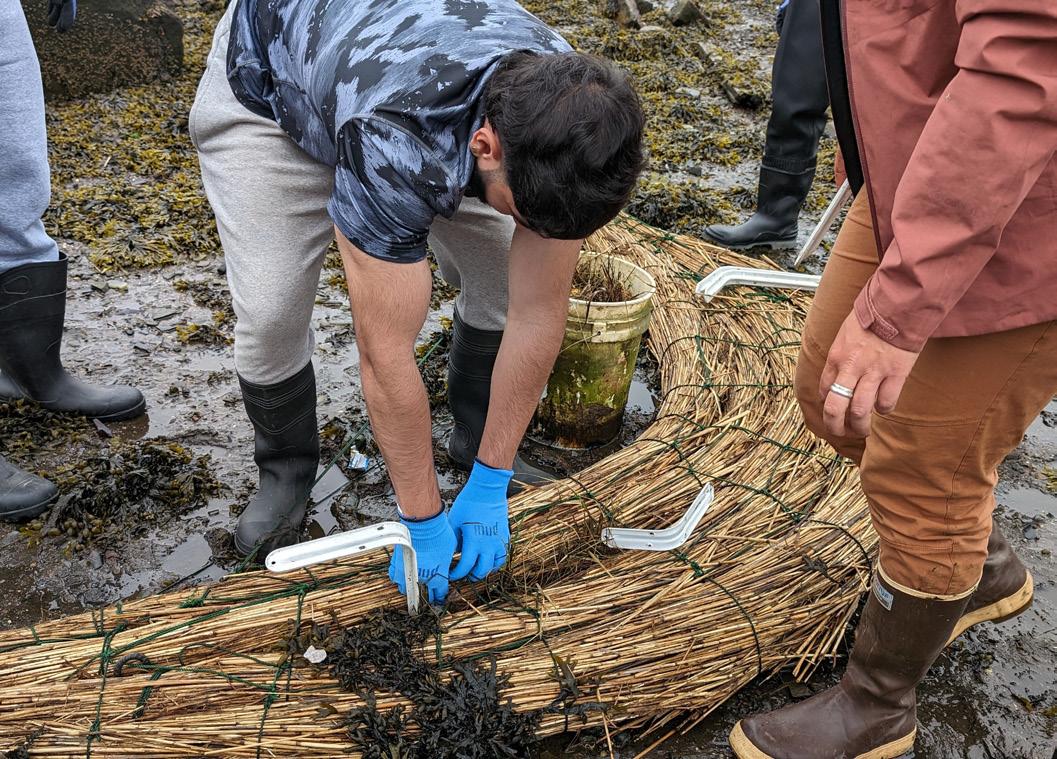
Eastie Farm Climate Corps youth doing coastal erosion control with nature-based options courtesy Eastie Farm
One Climate Corps project builds living shorelines, naturebased solutions used to make coastlines more resilient. Youth use marsh grass planted in bundles of an invasive freshwater reed, called phragmites, to build up a natural barrier along the shoreline that protects it from storms.
Learn more and get involved at eastiefarm.com
Chinatown Garden Brigade, courtesy Chinatown CLT
Summer with SEED: Elizabeth Peabody House
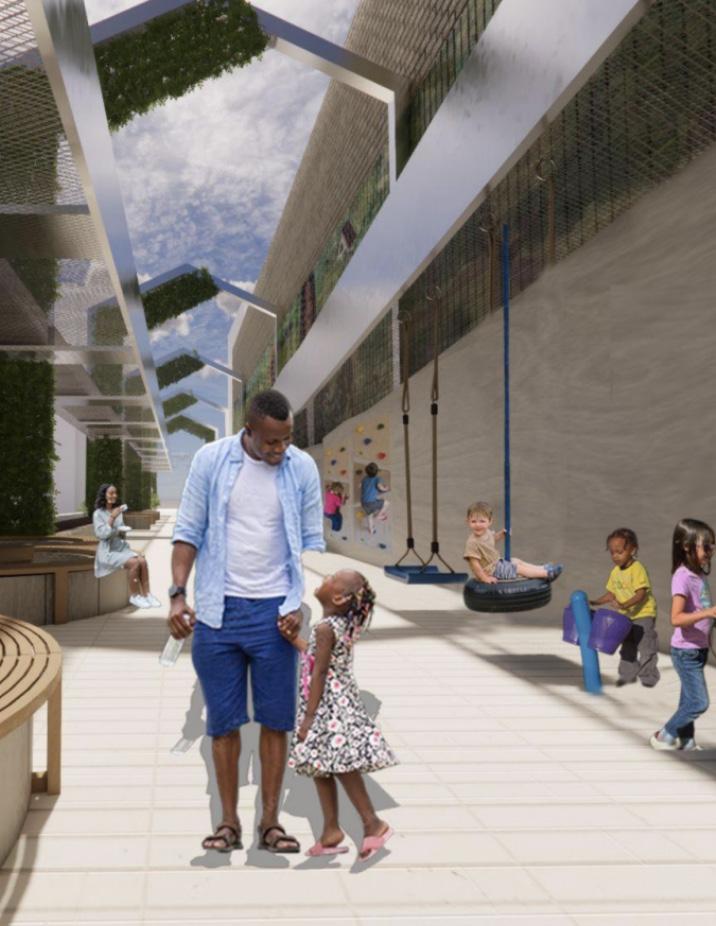
The Elizabeth Peabody House is a local nonprofit supporting low-income and immigrant families in Boston and Somerville. Their toddler center has limited outdoor space available to connect their youngest learners with nature while providing them with adequate physical play time. Currently, Elizabeth Peabody House utilizes several local public parks, requiring toddlers to walk and play in spaces that are not typically designed to serve that age group.
The organization worked with 2025 Summer Exploratory Experience in Design (SEED) 3 interns Safiwah Yesmin and Garabed Kalajian, both 2023 and 2024 SEED alums. Safiwah and Garabed developed concepts for an outdoor space in the site’s garden that connects nature and the importance and power of play with a calming space for children to be together. Their concept aligned with the limitations and goals of a historic preservation restriction that exists on the old church building, while also incorporating the characteristics of the Reggio-Emilia educational philosophy. Their design envisions a space where students can connect with nature and learn and play together.
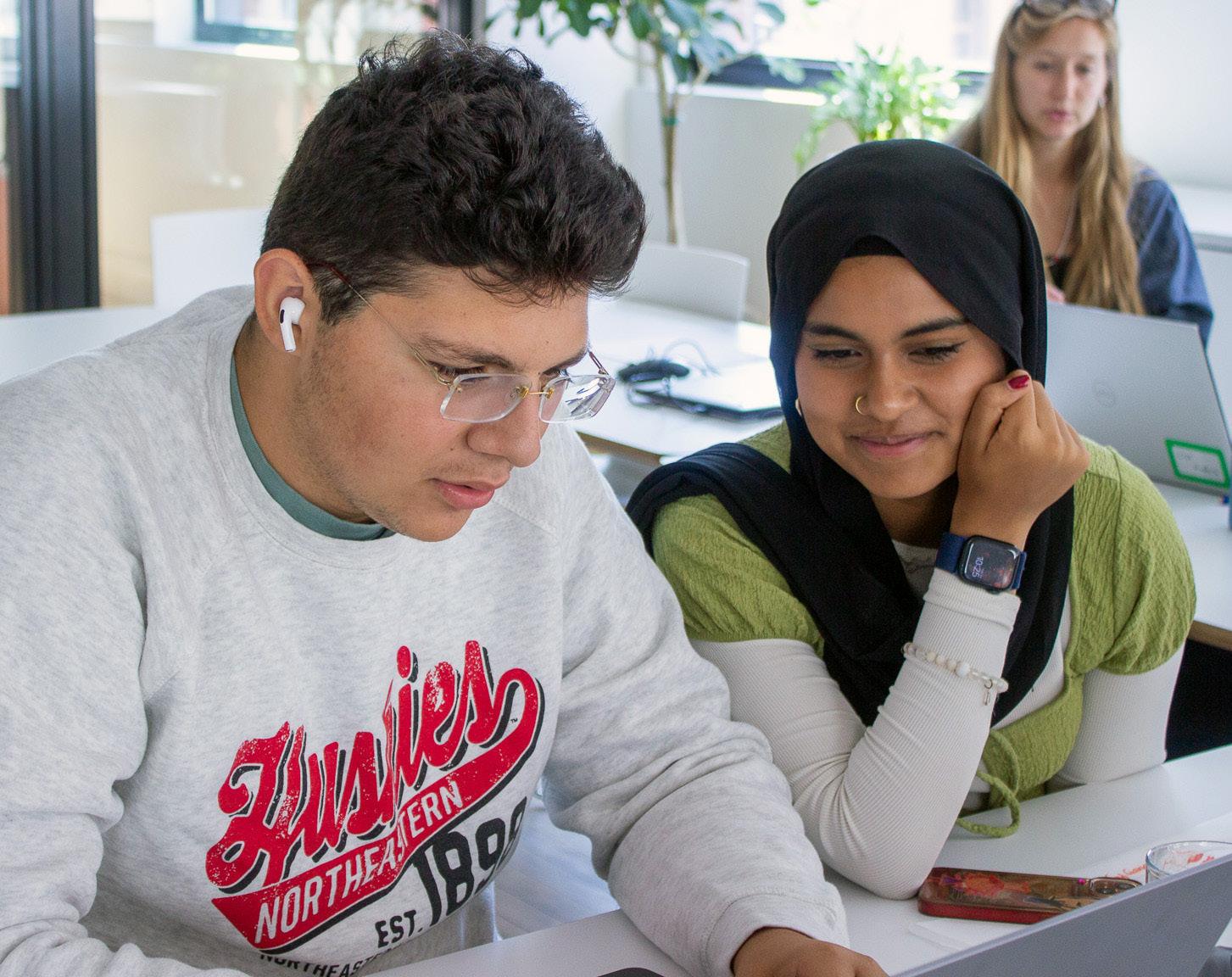
SEED 3 is an opportunity for graduating seniors to learn the essentials for their first year in design school while also leading their own client project. Safiwah will attend Wentworth to study architecture in fall 2025, and Garabed wil attend Northeastern to study engineering in fall 2025.
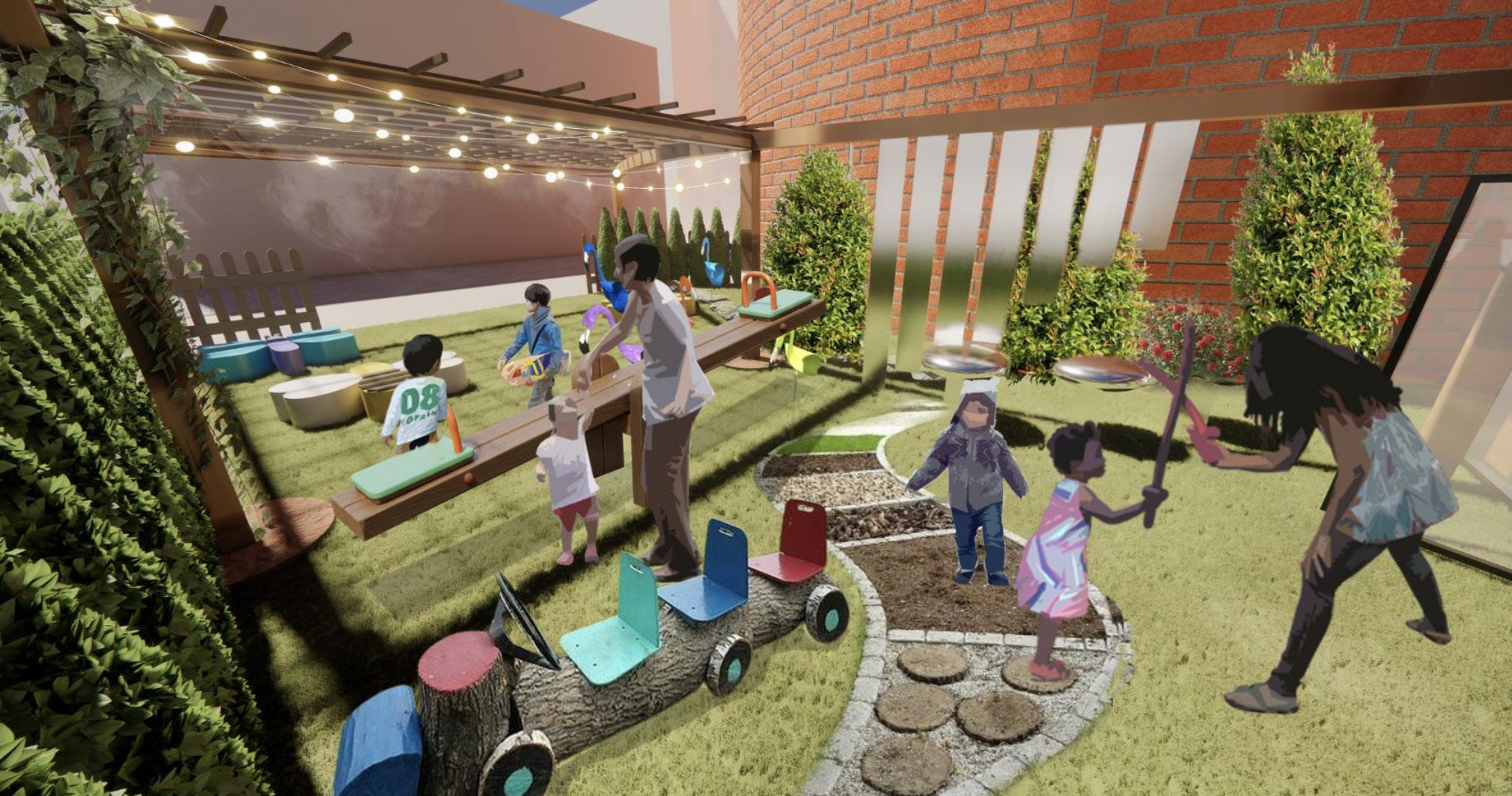
rendering for the Elizabeth Peabody House Toddler Center outdoor space | Safiwah and Garabed with Elizabeth Peabody House
2025-2026 Design Grants Teams
Culinary Commons
Mark Araujo, Andrea Catania
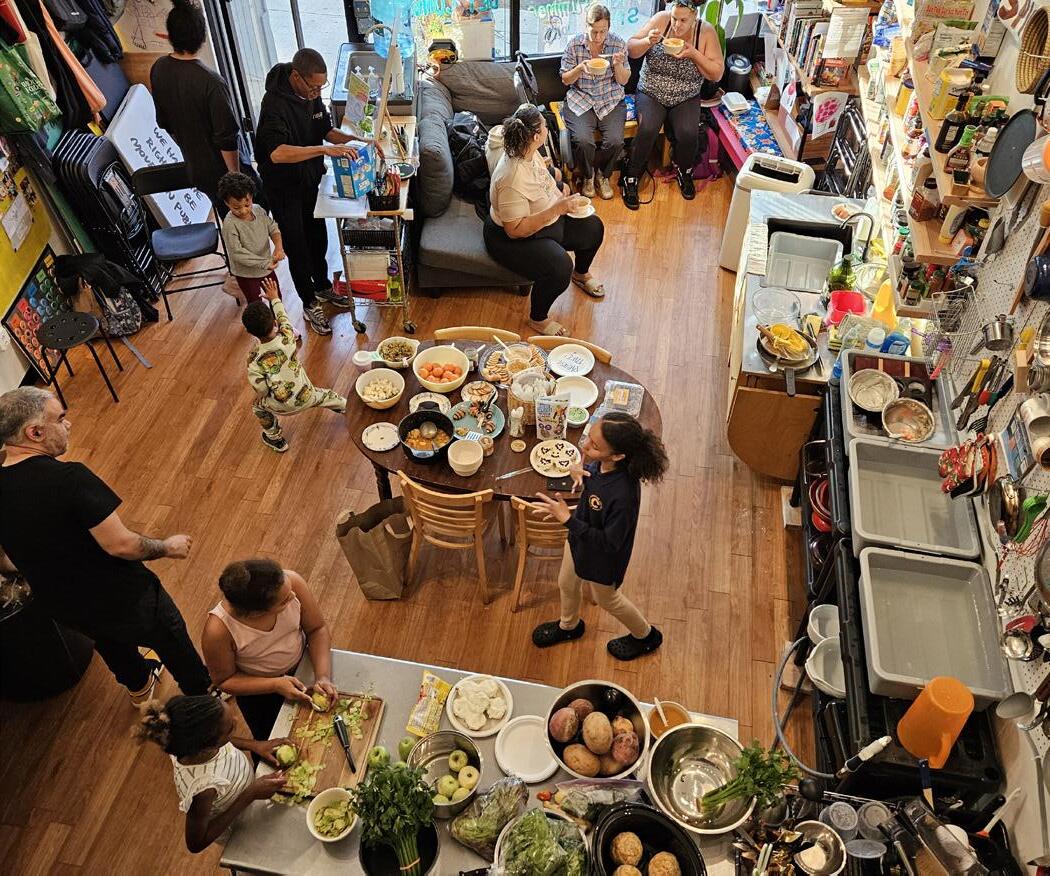
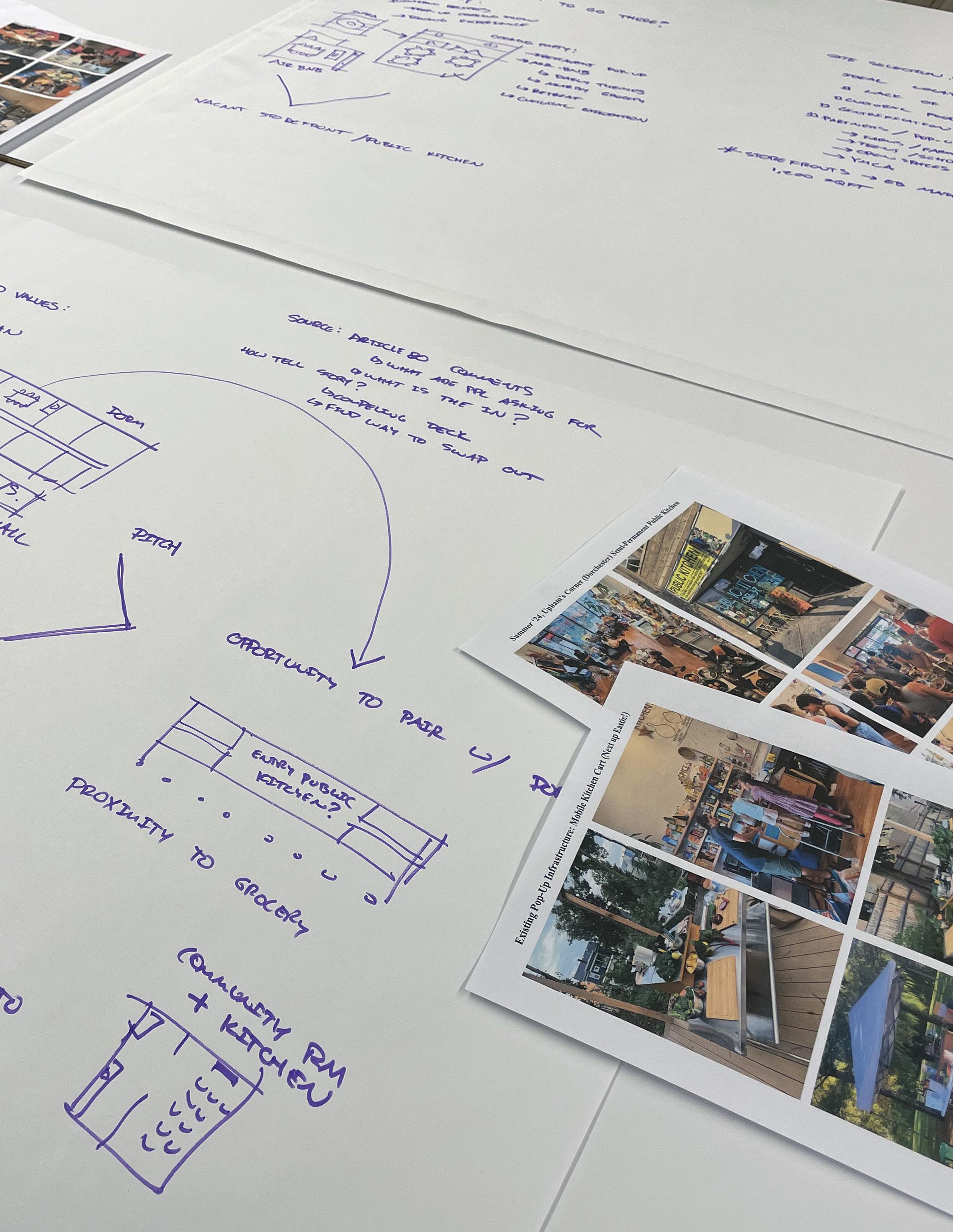
Culinary Commons from EquiTable Food Systems is an initiative focused on establishing public kitchens as essential community infrastructure to foster food justice and social cohesion in urban areas like Boston. These sites serve as more than just cooking spaces; they are platforms for social change, enabling individuals to connect with their culinary heritage and build community ties. By addressing the lack of accessible venues for food-related gatherings, the team aims to create spaces where people can share meals, engage in culinary activities, and organize for food justice.
Roxbury Food Truck Park
Courtney Roy Branigan, Oswald Black, Daryl Moore, Akeem Raphael
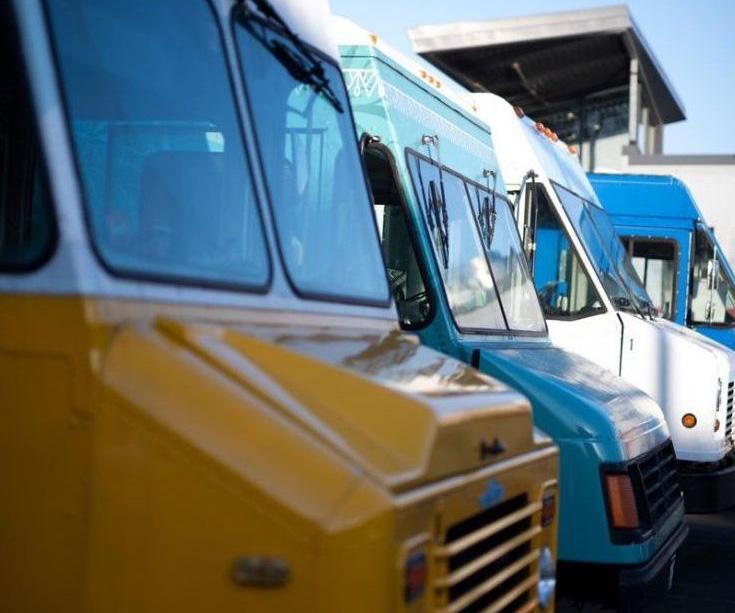
CommonWealth Kitchen is excited to partner with the City of Boston, Madison Park Development Corporation, and the community to launch the Roxbury Food Truck Park. Roxbury, one of Boston’s historically underserved communities, has limited access to diverse and affordable food options. This initiative will transform underutilized public space along Malcolm X Boulevard to establish a food truck park, increasing access to healthy, culturally inclusive foods while creating economic opportunities for local entrepreneurs.
Upham’s Corner Public Kitchen in 2024, photo courtesy EquiTable Food Systems
Food Trucks, photo courtesy CommonWealth Kitchen
SHADE
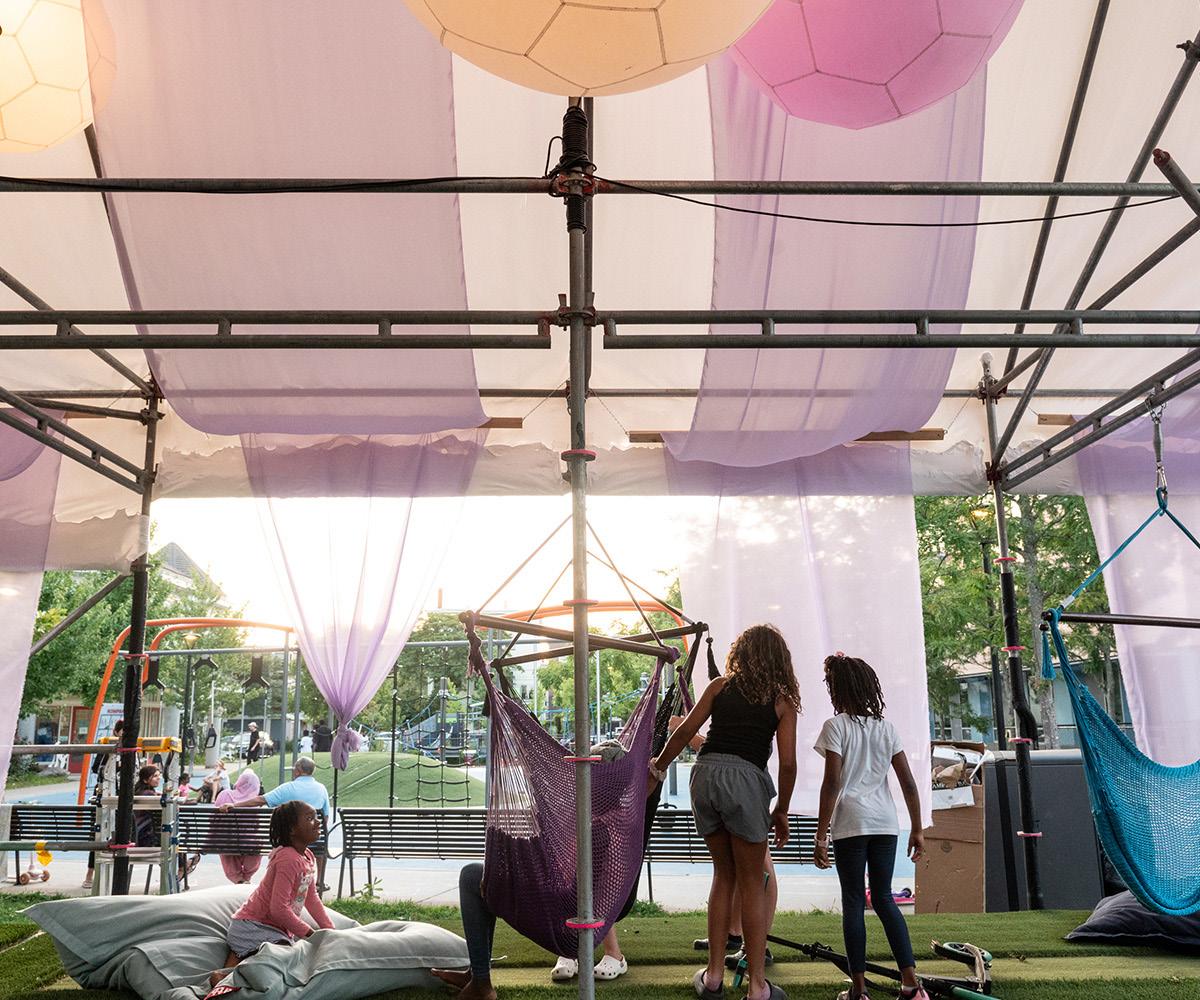
SHADE is temporary, teen-led public art in public parks for public health. Over the next year, the team hopes to transition from a grant-funded organization to a teen-led earned income non-profit by further developing, open-sourcing, and leasing their product, SHADE. SHADE is a safe, affordable, temporary outdoor building system. Their mission is to empower regional teen teams and communities, like theirs, to address the teen mental health crisis by creating new destinations in public parks for teens to hang out, find friends, and make new ones in real life.
Jeff Goldenson, Debbie Bonilla, Matthew Keane, Samadhi Simmons, Eliseu Goncalves
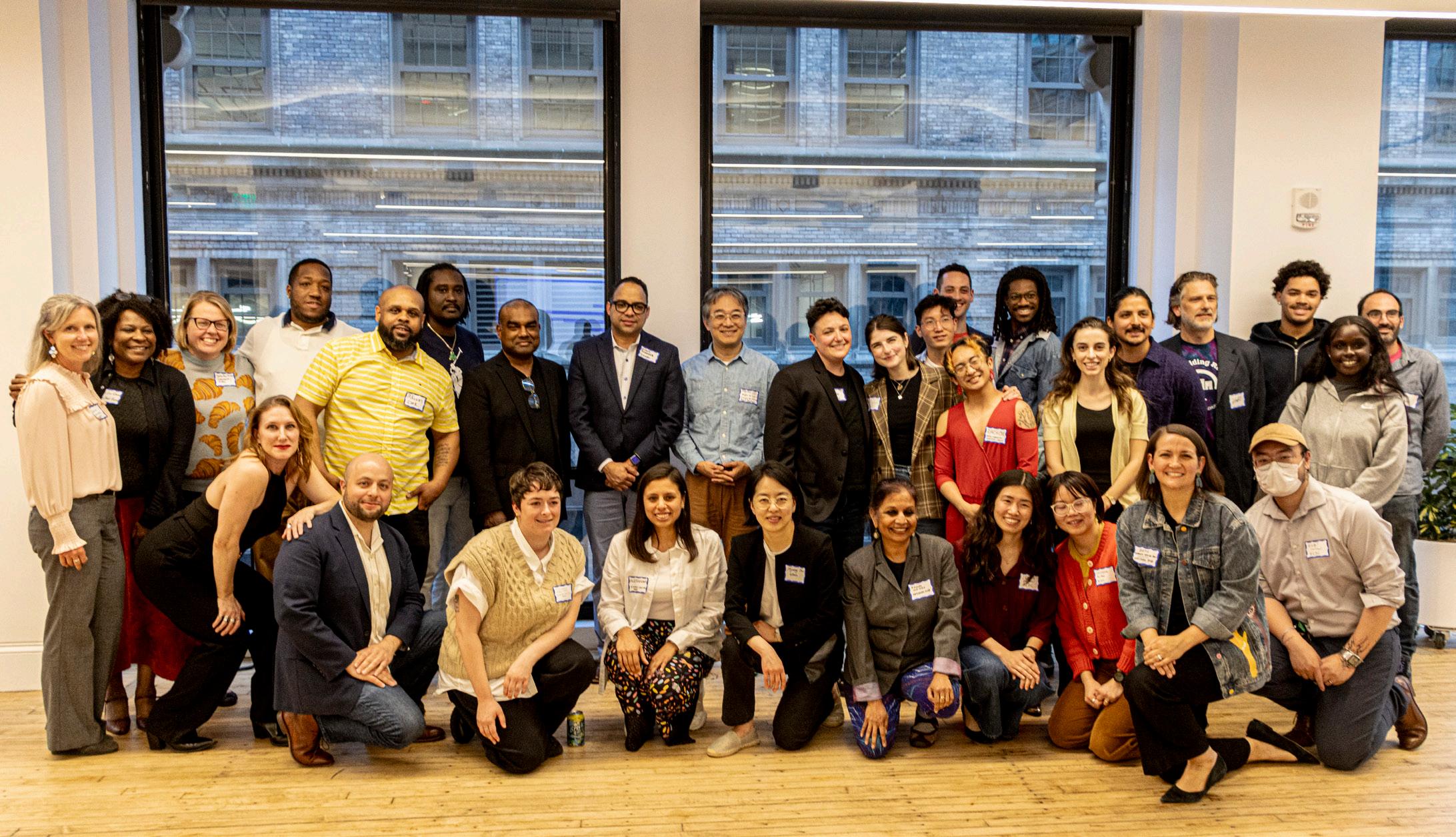
2025 Design Grants finalists and jurors at Pitch Night, May 29, 2025 | 110 Chauncy
SHADE’s Friday Night Hype in Cambridge, MA, photo courtesy SHADE, Leise Jones Photography
A Look Ahead
In 2025, the Hideo Sasaki Foundation’s Design Grants program continued to advance design as a tool for building more equitable and resilient communities. The program’s sixth cohort offers innovative solutions to address environmental justice, inclusive planning processes, and community land use, with an ongoing impact in Greater Boston and beyond.
The Hideo Sasaki Foundation’s research agenda aims to advance equity in design. Through our Design Grants program, we test new models that can empower local communities in Greater Boston and the Gateway Cities.
“The work our sixth cohort accomplished is impressive and inspiring. In just ten months, they have made a visible impact in their communities. And they are poised to further their impact in the coming months and years. We are excited to continue to co-create change through our growing research community,” said Mary Anne Ocampo, Hideo Sasaki Foundation Board Chair.
In 2025, we issued our seventh call for proposals under the continued theme of Shared Voices: Charting a Course for Community Action. This theme recognizes multiple futures are at stake, and we can make a difference by acting now.
We invited eight teams to present at Pitch Night 2025, and awarded Design Grants to three: Culinary Commons focusing on Boston neighborhoods, Roxbury Food Truck Park, and SHADE in Cambridge.
“We’re excited to welcome our 2025 Design Grants teams and support them as they work on projects that will empower communities within Massachusetts,“ says Timothy Gale, Hideo Sasaki Foundation Trustee and 2025 Design Grants Jury Chair.
As we move forward, our Design Grants program will continue to bring new, local solutions to global challenges, empowering communities and creating lasting change. The power of design belongs to all of us.
ACKNOWLEDGEMENTS
Design Grants Volunteers
Eric Baldwin
Becky Blizard
Aleja Calderón
Zachary Chrisco
Gabriel Colombo
Kelly Farrell
Timothy Gale
Stuthi Harish
Kongyun He
Felicia Jiang
Lauren Li
Clare Liu
Mytreyi Metta
Jay Nothoff
Mary Anne Ocampo
Ponnapa Prakkamakul
Grace Schleck
Yuchen Sun
Maria Tsuda
Yirong Yao
Tao Zhang
Benjamin Zünkeler
Hideo Sasaki Foundation Board of Trustees
Mary Anne Ocampo, Chair
Felicia Jiang, Vice Chair
John Cinkala, Treasurer
Benjamin Zünkeler, Clerk
Julia Carlton MacKay
Meredith McCarthy
Timothy Gale
Gabriel Ramos
Chris Sgarzi
Danyson Tavares
Tao Zhang
Hideo Sasaki Foundation Staff
Jennifer Lawrence, Executive Director
Estefany Benitez, Program Manager
Anna Scherling, Program Manager
Folajimi Bademosi, Program Coordinator
Alexis Mazzatta, Design Lead


Hideo Sasaki Foundation