Journal of Agricultural Science; Vol. 16, No. 8; 2024
ISSN 1916-9752 E-ISSN 1916-9760
Published by Canadian Center of Science and Education
Once in Three-Year Deep-Banding and Annual Shallow-Banding of P, K and Cu Fertilizer Effects on Crops and Soil Nutrients
Kabal Singh Gill1, Gurbir Singh Dhillon2, Jan J. Slaski3, Ken Coles2, Mike Gretzinger2, Shelleen Gerbig1 & Vance Yaremko1
1 SARDA Ag Research, Donnelly, Alberta, Canada
2 Farming Smarter, Lethbridge, Alberta, Canada
3 InnoTech Alberta, Vegreville, Alberta, Canada
Correspondence: Kabal Singh Gill, SARDA Ag Research, P.O. Box 118, Donnelly, Alberta, T0H 1G0, Canada. E-mail: consultant@sarda.ca
Received: May 3, 2024
Accepted: June 9, 2024 Online Published: July 15, 2024 doi:10.5539/jas.v16n8p1 URL: https://doi.org/10.5539/jas.v16n8p1
Abstract
Deep-banding of the immobile nutrients (P, K, and Cu) is considered one technique that may improve crop production under temperate dryland systems, where moister soil conditions prevail at seeding followed by relatively drier soil during the growing period. The objectives were to compare growth and yield of canola (Brassica napus L.), field pea’s (Pisum sativum L.) and wheat (Triticum aestivum L.); and nutrient concentrations in crops and soil from once in three-year deep-banding (12.5-15 cm) and annual shallow-banding (3.75 to 5 cm diagonally deeper than seeding depth) of P, K and Cu under direct seeding systems.
Small plot trials were conducted at the three sites; representing Brown (Dark Brown Chernozem), Black (Black Chernozem), and Grey (Dark Grey Luvisol) soil zones in Alberta, Canada; which represent crop growing conditions for most areas of western Canada. The nine treatments were annual shallow-banding and once in three year deep-banding of P, K, Cu and PKCU nutrients plus a control (no P, K, or Cu fertilizer). Applied thrice the recommended rate for deep-banding (in 2018) treatments and the recommended rate for the annual shallow-banding treatments in 2018, 2019 and 2020. All three phases of pea’s-wheat-canola rotation were grown at each site to generate nine years of data for each crop.
The density, height, NDVI (normalized difference vegetation index) and biomass of plants, yield for crops and nutrient concentrations in seed and biomass of crops and soil showed significantly positive responses to P, K, and PKCu additions in some cases; generally not linked to the deep or shallow placement of tested nutrients. Changes in nutrient concentrations in seed and biomass of crops in response to nutrient additions were not consistent. Treatments with P showed response more often than with the K and Cu. The soil P and Cu concentrations increased in response to their additions in some cases, but no change was observed from the K addition. Once in three-year deep-banding or annual shallow-banding methods were equally effective. The findings provide another option (once in three year deep-banding) for applying the P, K and Cu fertilizers.
Keywords: banding fertilizer, Cu, canola, growth, K, P, pea’s, soil nutrients, wheat, yield
1. Introduction
Under dry land agriculture in the western provinces (Alberta, Saskatchewan and Manitoba) of the Canadian Prairies, relatively moister soil conditions prevail at seeding time of crops. With few exception, it is followed by drier soil conditions during the growing season; due to more water extracted by crop (evapotranspiration) than rainfall during the growing season. Direct seeding producers band fertilizers at about 5 cm soil depth, which results in nutrient stratification (non-uniform distribution with soil depth), with usually higher concentrations near the soil surface than the deeper soil layers. Provincial websites for the Canadian prairies suggest immobile nutrients (P, K, and Cu) placement at deeper depth than seeding may improve availability under dry conditions because fertilizer is in a moist part of the root zone for an extended period. But, there is little information on deep-banding (12.5-15 cm) of immobile nutrients under direct seeding systems.
Long-term direct seeding has been associated with increased stratification of nutrients (Blevins et al., 1986). Stratification of P and K was problematic in reduced tillage systems in general and in no-till systems in particular
(Vyn et al., 2002). Compared to tilled soil, Lupwayi et al. (2006) found greater NO3-N, NH4-N, P and K concentrations in the 0-5 cm and lower concentrations in deeper than 5 cm depth under zero tillage. This results from the minimal mixing of near-surface applied fertilizers and cycling of nutrients from deep to shallow soil depths due to above-ground decomposition of crop residues, which results in nutrient accumulations near the soil surface (Bruulsema & Murrell, 2006).
Compared to broadcast plus incorporation, deep-banding (15-20 cm below the surface) of P and K occasionally improved their uptake by corn and soybean (Mallarino & Borges, 1997; Borges & Mallarino, 2001), while it was usually inferior in other studies (Vyn & Janovicek, 2001; Vyn et al., 2002; Yin & Vyn, 2002a, 2002b; Schwab et al., 2006). Inconsistent results were observed in some other studies (Borodoli & Mallarino, 1998; Mallarino et al., 1999; Mallarino & Borges, 2006; Wolkowski, 2007). In a study in Alberta, under cultivated soil conditions, N and P banding at 15-17.5 cm below the surface out yielded their banding at 7.5-10 cm under warmer and drier conditions, while the opposite happened in cooler conditions (Karmanos et al., 2008).
The objectives of the present investigation were to assess if deep-banding of immobile nutrient (P, K & Cu) fertilizers can improve the nutrient uptake, production and nutrient concentration of the canola, pea’s, and wheat crops on direct-seeded fields (direct seeded for more than 10 years). The K, Cu, P, S, and nitrate-N were measured at the 0-7.5 and 7.5-15 cm soil depths.
This research will help producers to make informed decisions whether their deep-banding once in three-years may be a viable alternative to their annual shallow-banding.
2. Materials and Methods
2.1 Study Sites, Treatments and Agronomic Practices
Small plot trials were conducted at three sites in Alberta, representing Brown (clay loam, Dark Brown Chernozem, near Lethbridge), Black (silt loam, Black Chernozem, near Vegreville,), and Grey (clay loam, Dark Grey Luvisol, near Donnelly) soil zones. Long term growing season (May to August) means for the Brown, Black and Grey soil sites, respectively, are 212, 235 and 241 mm precipitation with mean air temperature of 15.5, 14.4 and 14.0 oC. The sites represent most areas of western Canada Provinces. Table 1 shows some soil properties at the three test sites at seeding time in 2018.
Table 1. Soil properties and amounts of nutrients in soil measured at the three sites in spring 2018
Dark Grey soil
The pea’s-wheat-canola rotation was followed to grow these crops at each site in 2018, 2019, and 2020. Thus, three years of data were collected at each of the three test sites to represent nine years of data on each crop for nine treatments (listed below).
(1) Control: No P, K or Cu; (2) Shallow-Band P: Recommended rate (annual); (3) Shallow-Band K: Recommended rate (annual); (4) Shallow-Band Cu: Recommended rate (annual); (5) Shallow-Band PKCu: Recommended rate (annual); (6) Deep-Band P: Three times of recommended rate in 2018; (7) Deep-Band K: Three times of recommended rate in 2018; (8) Deep-Band Cu: Three times of recommended rate in 2018; (9) Deep-Band PKCu: Three times of recommended rate in 2018.
The treatments nutrient application rates were based on recommended rates from soil test analyses of the 0-7.5, 7.5-15, and 15-30 cm soil cores collected in the spring of 2018. The recommended rates varied with crop type and site. The above mentioned arrangement resulted in equivalent amounts of treatment nutrients addition in shallow-and deep-band treatments in three years period. The actual nutrient rates applied each year are given in Table 2.
Table 2. Amounts (kg ha-1) of treatment nutrients applied in three soils to different crops and years
Note. One time deep banding (3 × recommended rate—fertilizer nutrients banded at 12.5 to 15 cm depth prior to seeding in 2018), and annual shallow banding (current practice recommended rate—fertilizer nutrients banded at about 5 cm depth at seeding during 3 years).
The rates for nitrogen (N) and sulphur (S) fertilizers were based on the annual soil test recommendations for each site and crop, and N rates were adjusted to account for N from all sources. Recommended agronomic management practices for a given crop were used for all treatments at a given site. Site specific shallow- and deep-banding depths and management practices were as follows:
Dark Brown Chernozem: Seeded and harvested plot sizes were 8 m long and 1.5 m wide, with 6 plant rows spaced 24 cm apart. Seeding was done with a custom research drill, 6-row Pillar Laser disc/hoe. The treatment fertilizers were banded at 15 cm depth for deep-banding, and 3.75 cm diagonally down from seed for shallow-banding. Other fertilizers were applied 3.75 cm diagonally down from seed. Seed rate was canola at 100 plants m-2, wheat at 300 plants m-2 and pea’s at 100 plants m-2. Seeding depth was 1.25 cm for canola, 5 cm for wheat, and 7.5 cm for pea’s. Each plot had three (3) 5 cm cores for soil sampling. Plants were counted in one (1) m of interior row in front and 1 m in back of each plot. The NDVI measurements were recorded diagonally across each plot, an average of approx. 100 readings per plot. Biomass samples were collected from 4 m of row length in each plot, with 2 × 1 m row from the front and back. The entire plot was harvested for seed-based measurements.
Black Chernozem: The plot size was 6 m long and 2 m wide, with 8 rows spaced at 25 cm. Used a R-tech custom-built seeder with 8 Acra disc openers. Treatment fertilizers were applied beside seed row for shallow-band and at 12.5 cm depth for deep-band. Additional nitrogen was side-banded 3.75 cm to the side and 3.75 cm below the seed. Seeded canola at 100 plants m-2, wheat at 250 plants m-2 and pea’s at 75 plants m-2. Seeding depth was 1.25 cm for canola, 5 cm for wheat, and 7.5 cm for pea’s. Each plot had two 6.25 cm cores extracted for soil samples. Plants were counted in two 1m rows at a random location near the middle of each plot. The NDVI values were the means of two sets of averaged readings per plot, one on the left side, and one on the right side. Biomass was determined at maturity, from a single site in each plot (4 rows × 1m long). Harvested 6 rows by combine for 9 m2 (1.5 × 6 m) area.
Dark Grey Luvisol: Seeded plot size was 8.5 m long and 1.4 m wide, with 5 rows spaced at 28 cm. The seeder was a 5-row drill with dual knife openers. Shallow-band fertilizer was placed 5 cm to the side and below seeding depth. The deep fertilizer band was at 15 cm depth. Seeded canola at 150 plants m-2, wheat at 330 plants m-2 and pea’s at 88 plants m-2. Seeding depth was 1.25 cm for canola, 5 cm for wheat, and 7.5 cm for pea’s. Each plot had three 5 cm cores for soil samples. Plant counts were taken from 1 m row in the front and 1 m row in the back
of each plot. The NDVI data means were the averages using two sets of readings per plot, one on the left and right sides. Biomass samples were taken from 4 m of row length (2 m from the front and 2 m from the back) from each plot at maturity. The harvested plot size was 5 rows, 5.4 m long and 1.4 m wide (5.4 × 1.4 m).
2.2 Experimental Design and Statistical Analyses
Randomized complete block design with four replications was used for the given crop at each of the three study sites. Statistical analyses of the data were performed using the linear mixed model using the lmer function in lme4 package (Bates et al., 2015) in the R statistical software (R core team 2020) separately for each crop. Deviations from normality were examined using the q-q plots of residuals, and the homogeneity of variance was tested by inspecting the distribution of residuals against fitted values. The nine fertilization treatments, three study years, and their interactions were considered fixed factors, while replications were deemed to be random factors. Analysis of variance (ANOVA) was used to determine the statistically significant differences between means of the fixed factors, assessed at p = 0.05.
Mean comparisons of the statistically significant treatments were performed by using contrast analysis. In contrast analysis, deep- and shallow-banded treatments were compared to each other and to the control for a total of three contrasts (deep vs. shallow, deep vs. control, and shallow vs. control) for each of the nutrient treatments (P, K, Cu, and PKCu). Thus, a total of 12 contrasts were analyzed for the treatment pair when the effect was found to be statistically significant at p = 0.05. Further, if the treatment × year interaction was found to be statistically significant, contrast analysis was done separately for each year of the study.
The three years data from three sites for the three crops provided 27 possibilities for comparing deep versus shallow or control versus fertilizer applications. The 31 data sets included crop growth and yield (plant density, height, NDVI, biomass, yield, and TKW), nutrient concentration in biomass tissue (N, P, K, S, and Cu), nutrient concentration in seed (N, P, K, S, and Cu), and nutrient concentration in the 0-7.5 and 7.5-15 cm soil (N, P, K, S and Cu) measurements. In addition, nutrient concentrations (N, P, K, S and Cu) in the 15-30 cm soil were measured after the 2020 crops.
2.3
Data Collected
In each season, data were collected on plant counts (at complete emergence), canopy cover (NDVI, periodically from complete emergence to flowering), lodging, plant height, and biomass near maturity. Yield and bushel weight of seeds were determined after harvest. Concentrations of P, K, Cu, N and S were determined in whole plants (biomass) and seed samples. Concentrations of N, P, K, and Cu were measured for the 0-7.5 and 7.5-15 cm soil depths after crop harvest each year, and for the 15-30 cm soil after crop harvest in 2020.
2.4 Mineral Analyses
For soil analyses, used loss on ignition for organic matter; water extraction for pH; Mehlich No. 3 extraction (EPA6010) followed by analyses using Inductively Coupled Plasma (ICP)-optical emission spectroscopy (OES) for P, K, Mg, S, and Ca (Soil and Plant Analysis Council 1999). Nitrate-N was determined using 0.01 M K2SO4 extraction and extract analyzed calorimetrically (Standard Methods for the Examination of Water and Wastewater, 22nd Edition 4500-NO3; Automated Cadmium Reduction Method).
Nitrogen concentration in plant materials was determined by the Dumas direct combustion method using LECO FP628 Nitrogen analyser (AOAC-990.03, 2005). The minerals in plants were determined using modified AOAC 968.08 and 935.13A procedures (Cunniff, 1995).
3. Results
The responses of the tested nutrients compared to the control, and differences between the deep and shallow placements were not always significant. Thus for brevity, results on responses by the crop and soil parameters are described and discussed when significant differences were observed between the treatments (Tables 3-7; Figures 1-3).
3.1 Responses to Different Nutrients Compared to Control
Responses were generally not linked to the deep or shallow placement of these nutrients. Observed response for different treatments, compared to control, are discussed below.
3.1.1
Crop Growth Parameters
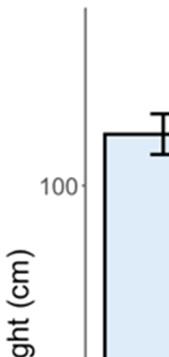
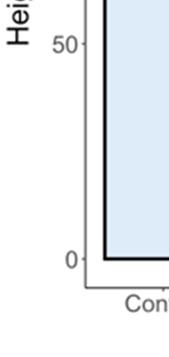
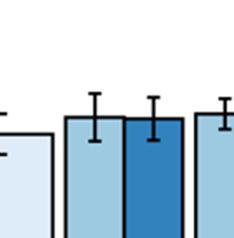
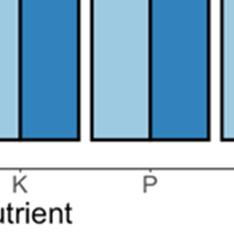
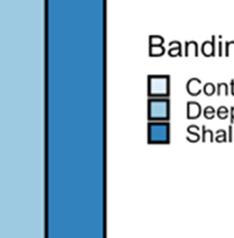
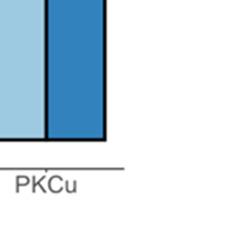
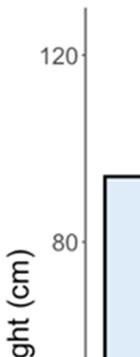
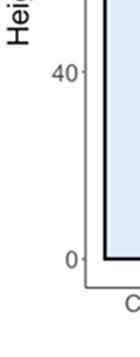
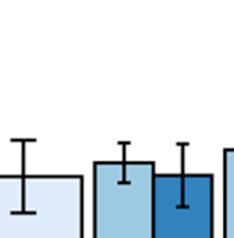
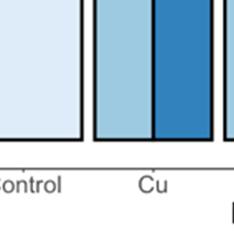
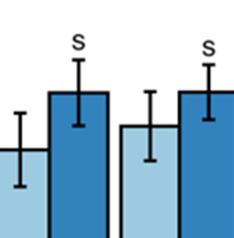
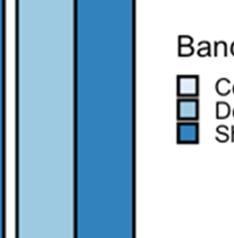
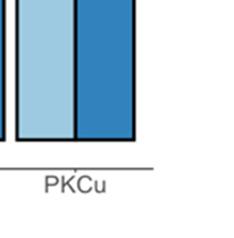
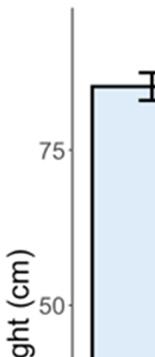
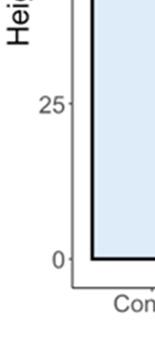
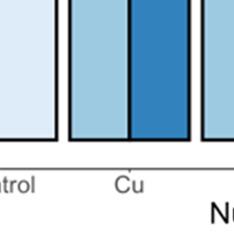
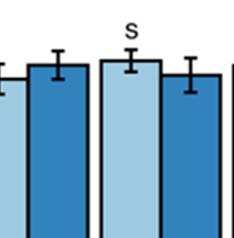
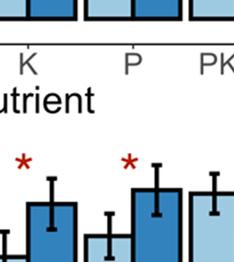
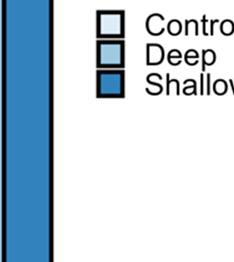
Treatments with P (P and PKCu) showed significant (P = 0.05) responses more often than the other nutrients (Table 3; Figure 1). One noticeable observation was that no response was noticed for plant density, height and NDVI of pea’s, showing pea’s were less responsive than the other crops.
Journal of A
Table 3. P
1000-1 seed
Plant density ( d) for differen
den
Treatment
Control
Cu Deep
Cu Shallow
K Deep
K Shallow
P Deep
P Shallow
PKCu Dee
ep
PKCu Sha
Note. * in significant
llow 152.3 ndicates signi tly higher valu
a) Canola
plants m-2), N t crops when t sity Canola d Black soi mean Three-ye
NDVI (%), pla treatments had density All cro il Grey so ear meanThree-y
ant biomass (M d significant eff ops Mean NDVI
ience Mg ha-1) and ffects
Wheat biomass Grey soil Three-year mean
thousand seed Canola Biomas Grey soil Three-year mea
Vol. 16, No. 8; d weight (TK ss Wheat TKW Brown soil
F
igure 1. Plant
Note. Lett compared shallow an means.
ficantly highe e compared to
mpared to corr
8.7S responding pl
8.1S lacement treat
tment. S indi

er value com o control. 18
b) Canol
, grey soil, 20 c height (cm) w
ter‘s’ on the to to the control nd deep bande


c) Wheat, grey with deep and sh contr
y soil, 2018-20 hallow bandin rol treatments
20 means ng of Cu, K, P,
la, grey soil, 2 and PKCu nut
020
p of the bars * symbol on d treatments,
s indicates stat the top of a pa based on con
tistically signi air of bars indi ntrast. Vertical
ificant (p < 0 icate statistical l line on top o
05) difference lly significant of the bars ind
trients and e of the treatm difference betw dicates their S 2024 W, g mean cates ments ween SE of
org
The P and density (w plant heigh height (can both shallo 3.1.2 Crop
The bioma site years, crop grow Treatment
For wheat shallow ba biomass ov Compared K, and bot and both significant first study
d PKCu additi wheat), plant h ht (wheat 1 tim nola) and NDV ow and deep b p Biomass and ass and yield o but were gene th parameters, s with P (P and t and canola i anded P and ver the control d to the control th deep and sh deep- and sh tly (P=0.05) h year only.
ons showed 4 eight (wheat e and canola I (wheat in tw anding treatme
Journal of A responses ea and canola), a 2 times) and N wo cases). On ents.
Seed Yield f crops signif rally not linke no response w PKCu) show n Grey soil, t PKCu compar . in the Grey s allow banded allow-banded igher for both
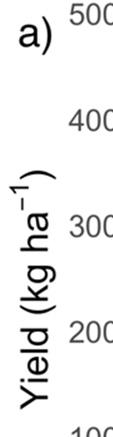

Figure 2. a) 2018-2
Grain yield wi 020 means for
Note. Lett compared shallow an means.
ience
ach (Table 3; and NDVI (w NDVI (wheat) ly two respons
Figure 1). Ad wheat). Similar ). Three respon ses were notic
ficantly (P = 0 ed to deep or s was noticed fo wed responses m the crop biom red to the con
0.05) increased shallow placem or pea’s, showi more often tha mass was signi ntrol. Only sh
soil, the wheat d P and PKCu; PKCu (Figur deep- and sha
Vol. 16, No. 8;
ddition of P i ly, the PKCu nses to K addi ced for Cu add nd PKCu addit nutrients (Table less responsiv her nutrients.
d with P, K, an ment of these n ing pea’s were an with the oth ificantly (P = hallow banded
t yield was sig ; and the cano re 2). In Blac allow-banded P
th deep and sh wheat in grey 2018, and d
ter‘s’ on the to to the control nd deep bande
improved the addition impr ition were for dition, i.e. NDV
0.05) higher d K improved
gnificantly (P= ola seed yield w ck soil, the w and PKCu co
=0.05) higher f was higher for wheat yield w ompared to the
tions in some s e 3, Figure 2). ve than other c for both deep wheat and ca for shallow-ba r shallow-band was observed t e control durin
hallow bandin y soil, b) 2018d) 2018-2020 m
p of the bars
* symbol on d treatments,
g of Cu, K, P, -2020 means f means for cano
s indicates stat the top of a pa based on con
tistically signi air of bars indi ntrast. Vertical
and PKCu nut for canola in gr ola yield in bla ificant (p < 0 icate statistical l line on top o
trients and con rey soil, c) wh ck soil
ntrol treatments heat in black so
05) difference lly significant of the bars ind
e of the treatm difference betw dicates their S 2024 plant roved plant VI by study Like crops. p and anola anded ded P to be ng the s for oil in ments ween SE of
3.1.3 Nutrient Content of Biomass
Significant (P = 0.05) P concentration change in biomass of crops with addition of P was not consistent, i.e., positive in some and negative in other cases (Table 4). Both P and PKCU additions increased the P concentration once (canola) and reduced once (wheat). With addition of both K and Cu, the P concentration in biomass was reduced once (wheat). Nutrient additions did not significantly (P = 0.05) affect the biomass N, K and S contents for any crop at any site.
Table 4. Concentrations (g kg-1) of P and K in biomass for different crops when treatments had significant effects
Note. * indicates significantly higher value compared to corresponding placement treatment. S indicates significantly higher value compared to control.
3.1.4 Nutrient Content in Seeds
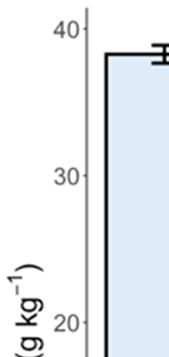
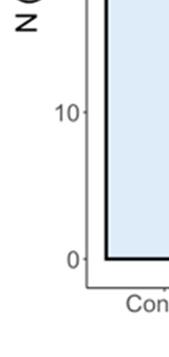
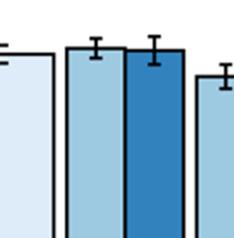
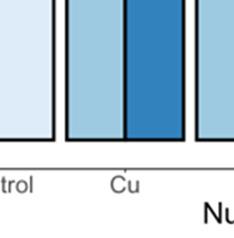
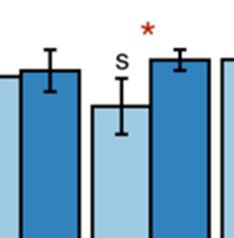
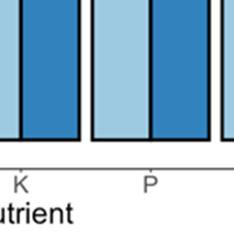
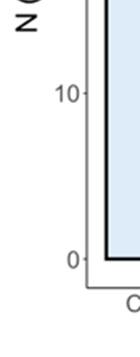
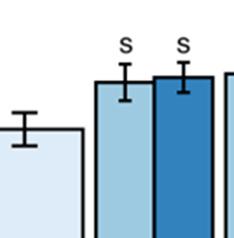
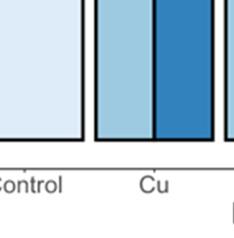
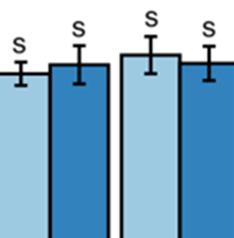
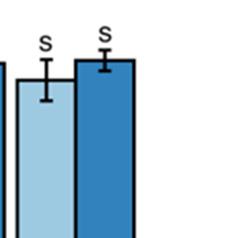
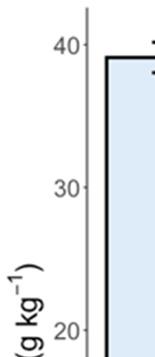
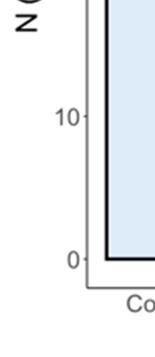
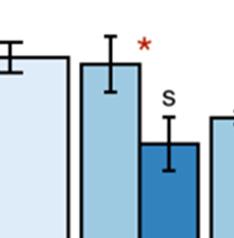
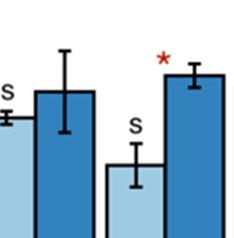
Compared to the control, the N content of pea’s was significantly (P = 0.05) lower for shallow-banded Cu, deep-banded K and P treatments at Black soil site in 2020, and deep P placement at Brown soil site in 2019 (Figure 3). The wheat seed N was significantly (P = 0.05) higher for all the 8 nutrient application treatments at Brown soil site in 2020.
a) Wheat, b
Figure
e 3. Seed nitro
Note. Lett compared shallow an means.
The P cont Grey soils seeds for a
ter‘s’ on the to to the control nd deep bande tent of canola s compared to any crop at any rown soil, 20
gen (N) conten
c) Pea’s, nt with deep a contr
p of the bars * symbol on d treatments, seeds was sign the control (T site.
b) Whea
, black soil, 20 and shallow ban rol treatments
020 nding of Cu, K
at, brown soil, K, P, and PKCu
u nutrients and
s indicates stat the top of a pa based on con
tistically signi air of bars indi ntrast. Vertical
ificant (p < 0 icate statistical l line on top o
05) difference lly significant of the bars ind
e of the treatm difference betw dicates their S
nificantly (P = Table 5). Ther
0.05) higher re were no stat
for deep-band tistically signi
ded PKCu trea ificant effect o
tment in Black on the S conte
d ments ween SE of k and ent of
Table 5. Concentrations of P (g kg-1), K (g kg-1) and Cu (g Mg-1) in seed for different crops when treatments had significant effects
Note. * indicates significantly higher value compared to corresponding placement treatment. S indicates significantly higher value compared to control.
3.1.5 Soil Nutrient Content
The Cu content was observed to be significantly (P = 0.05) higher at 0-7.5 cm depth for shallow-banded Cu treatments than control under field pea’s in Black soil for 2019, and for the 2019 and 2020 years of study under wheat in Grey soil (Table 6). Similarly, the P content in the 7.5-15 cm was higher for the deep-banded treatments than the control in Brown soil after the pea’s and wheat in 2018, but not during the second and third years (Table 6). The K concentration did not show statistically significant effect of nutrient additions compared to control.
Table 6. Soil Cu and P (g Mg-1) content for the control and deep and shallow banding of different nutrients when significant effects present. Different letters for the means indicates statistically significant differences, based on contrast
3.2 Comparison of Deep and Shallow Banding
3.2.1 Crop Growth Parameters
The banding depth effects of immobile nutrients on the plant density, height, and canopy cover (NDVI) were noticed in the following cases. The three-year mean of the wheat plant density in Brown soil was significantly (P = 0.05) higher for deep-banded compared to shallow-banded P, while the differences between shallow- and deep-banded treatments for Cu, K, and PKCu treatments were not significant (Table 3). For canola, the three-year mean plant density was significantly (P = 0.05) higher for deep- than shallow-banded Cu treatment in Black soil.
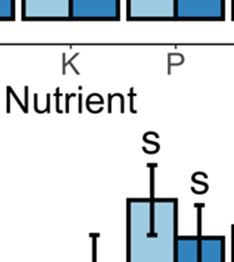
The plant heights for canola, wheat and pea’s did not show significant differences between deep- and shallow-banded nutrients at any site. An exception was that the shallow-banded PKCu treatment in 2020 led to significantly (P = 0.05) higher plant heights than the deep-banded treatment at the Dark Grey site (Figure 1).
The NDVI did not show a significant difference between deep- and shallow-banded treatments for any crop at any site (Table 3).
3.2.2 Crop Biomass and Seed Yield
Statistically significant (P = 0.05) differences for biomass were not observed between deep- and shallow-banding for wheat, except higher biomass for shallow-banded K compared to deep-banded K in Grey soil (Table 3).
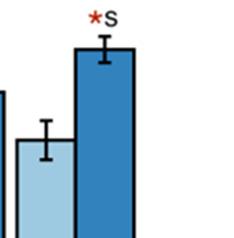
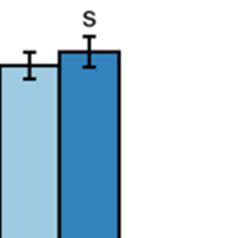
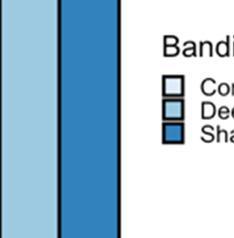
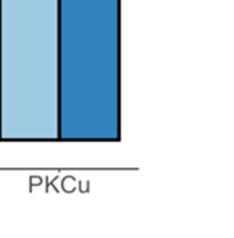
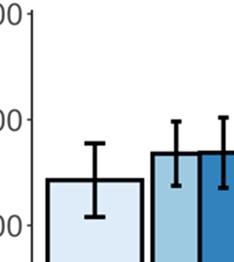
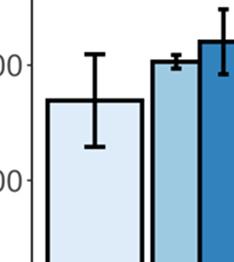
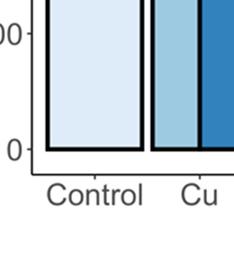
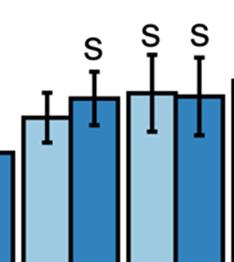
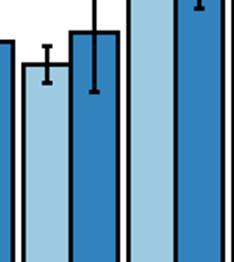
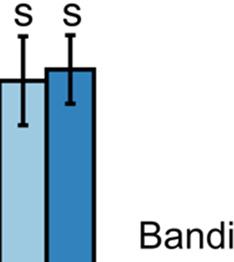
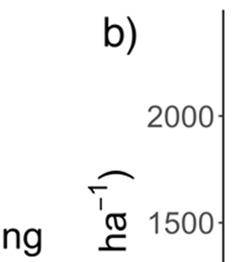
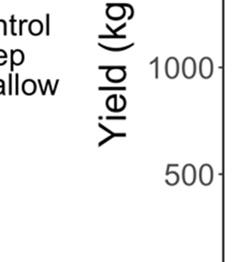
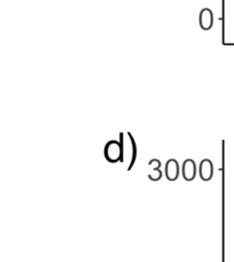
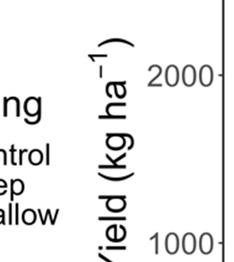
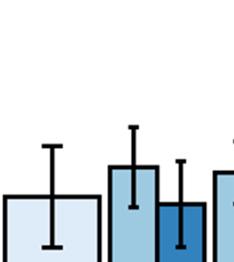
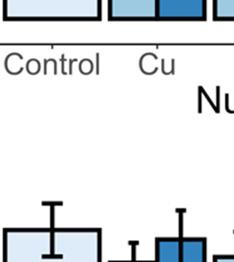
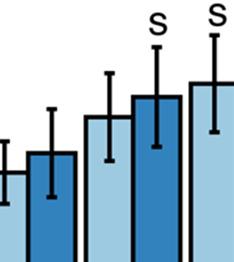
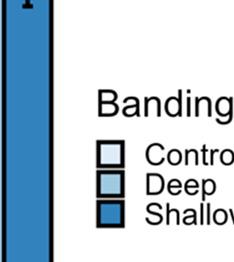
Canola showed significantly (P = 0.05) higher seed yield for shallow-banded K and P treatments compared to the deep-banded treatments in Black soil (Figure 2). But, there was no statistically significant response of seed yield to nutrient placement depth for any crop in the Brown and Grey soils.
The thousand kernel seed weight (TKW) of any crop did not show a significant difference between deep- and shallow-banded treatments at any site (Table 3).
3.2.3 Nutrient Content of Biomass
No differences in biomass N content were observed between shallow- and deep-banding treatments for any crop at any site. The P content of canola biomass was significantly (P = 0.05) higher for deep-banded P and PKCu treatments than shallow-banded treatments in Black soil during the year 2018 (Table 4). The P content of wheat biomass in Black soil showed significant (P = 0.05) differences in deep and shallow treatments, but the trends were not consistent. Higher P biomass content was observed for deep-banded compared to shallow-banded P, and conversely, shallow-banded compared to deep-band PKCu at this site.
The K content of wheat biomass was significantly (P = 0.05) higher for shallow-banded PKCu treatment compared to deep-banded at the Black soil site (Table 4). The K content of biomass did not show a statistically significant difference at other sites for any crop. The S content of biomass did not show a statistically significant (P = 0.05) difference between the shallow- and deep-banding treatments at any site.
3.2.4 Nutrient Content of Seeds
For pea’s, the N content was significantly (P = 0.05) higher for deep-banded Cu than shallow-banded Cu, and for shallow-banded P than deep-banded P in the Black soil in 2020 (Figure 3). For wheat, seed N content in 2019 was lower for the deep-banded P compared to shallow-banded P in Black soil.
Seed P content did not show a statistically significant difference between shallow- and deep-banded treatments for any crop. The K content of wheat seeds was significantly (P = 0.05) higher for deep-banded Cu and PKCu compared to their respective shallow-banded treatments in Black soil (Table5).
The Cu content of wheat seeds was significantly (P = 0.05) higher for deep-banded P and PKCu treatments compared to the corresponding shallow-banded treatments in Grey soil during the 2020 (Table 5). Additionally, the Cu content of pea’s seed showed statistically significant (P = 0.05) effects of banding depth in Black soil. However, the trends were not consistent, as the Cu content of seeds was higher for the deep-banded compared to shallow-banded Cu treatment, and conversely, for the shallow-banded compared to deep-band PKCu treatment at this site.
There were no statistically significant differences in the S content of seeds for any crop at any site.
3.2.5
Nutrient Content in Soil
For the 0-7.5 cm soil, the P content was significantly (P = 0.05) higher with shallow-banded P treatments than deep-banded for canola in Brown soil for 2020 (Table 6). Similarly, the Cu content was observed to be significantly (P = 0.05) higher for shallow-banded Cu treatments than the deep-banded Cu under pea’s in Black soil for 2019, and for the 2019 and 2020 years of study under wheat in Grey soil (Table 6).
Unlike the 0-7.5 cm, the P content in the 7.5-15 cm soil was significantly (P = 0.05) higher for the deep-banded than shallow-banded treatments in the Brown soil after the pea’s and wheat in 2018, but not during the second and third years (Table 6). Further, the Cu content at 7.5-15 cm depth was significantly (P = 0.05) higher for the deep-banded treatments than shallow-banded in 2018 for Brown soil after pea’s and for Grey soil after canola, but no significant differences were observed during the second and third years (Table 6). These observations indicate that deep banding may help reduce nutrient stratification in the case of Cu and P.
The K and S contents did not show statistically significant differences between the shallow- and deep-banded treatments.
Nitrate-N content in the 0-7.5 cm depth was observed to be significantly (P = 0.05) higher for the deep-banded-treatments than shallow-banded treatments in Brown soil after pea’s and canola in 2018 (Table 7).
The increase in nitrate levels after the 2018 crops may be linked to soil disturbance from the deep-banding of nutrients in the first year of study.
Table 7. Soil nitrate-N (g Mg-1) content for the control and deep and shallow banding of different nutrients at the 0-7.5 cm depth when significant effects present. Different letters for the means indicates statistically significant differences, based on contrast
Because the nutrient content at 15-30 cm soil depth was measured at the end of 2020 crop season only, data were only analyzed for the site and nutrient treatment effects. The nutrients did not show statistically significant differences for any nutrient treatment at the three sites, except for K concentration in Grey soil was significantly (P = 0.05) lower for shallow-banded treatment (data not shown). The general lack of differences in nutrient concentrations between shallow- and deep-banding indicates that no significant leaching occurred for both the deep-banded and shallow-banded treatments.
4. Discussion
The significant (P = 0.05) differences between deep- and shallow-banding of the tested nutrients (P, K and Cu) are discussed below to derive appropriate conclusions (Tables 3-7 and Figures 1-3).
Deep-banded P performed better than shallow-banded P in six cases (wheat plant density, canola yield, Cu concentration in wheat seed, P concentration in 7.5-15 cm soil under pea’s and wheat, and NO3-N concentration in 0-7.5 cm soil under canola). In contrast, shallow-banded P performed better than deep-banded P in four cases (canola seed yield, N concentration in Pea’s and wheat seeds, and P concentration in 0-7.5 cm soil under canola).
Regarding K, deep-banding was better than shallow-banding in three cases (wheat biomass, canola seed yield, and soil NO3-N concentration in 0-7.5 cm soil under pea’s), while the opposite was true in 2 cases (wheat biomass and seed yield).
Deep-banding of Cu was better than shallow-banding seven times (canola plant density, K concentration in wheat seed, Cu concentration in Pea’s seed, Cu concentration in 7.5-15cm soil under Pea’s and canola, and soil NO3-N concentration in 0-7.5 cm soil under canola and pea’s). But higher Cu concentration in the 0-7.5 cm soil was observed in its shallow-band than deep-band in four cases (pea’s in one case, wheat in two cases and canola in one case).
The deep-band PKCU was better in one case (wheat seed yield) and worse in four cases (canola height, K concentration in wheat seed, Cu concentration in pea’s and wheat seed) than its shallow-band.
There is limited research on potential pros and cons of deep-banding these nutrients compared to usual shallow-banding under direct seeding systems in the Canadian Prairie Provinces. Banding of N and P at 15-17.5cm out yielded banding at 7.5-10 cm under warmer and drier conditions, while opposite happened in cooler conditions in Alberta (Karmanos et al., 2008). Harapiak (2005) recommended P banding depth of 10-12.5 cm with 30 cm spacing in fall or 5-10 cm with 20 cm spacing at pre-seeding time.
In other growing conditions, banding of P and K at 15-20 cm occasionally improved the yield of corn and soybean and their uptake compared to broadcast plus incorporation (Borges & Mallarino, 2001; Mallarino & Borges, 1997). But, deep-banding was usually inferior to shallow-banding in some studies (Vyn & Janovicek, 2001; Yin & Vyn, 2002a, 2002b; Schwab et al., 2006). Further, the results were inconsistent in other studies (Borodoli & Mallarino, 1998; Mallarino et al., 1999; Mallarino & Borges, 2006; Wolkowski, 2007). Khairul Alam (2018) observed higher grain yield and P uptake by corn from surface band P placement (2-3 cm deep and 3-5 cm beside) compared to deep banding (6-8 cm deep and 4-6 cm beside), both bands at four leaf stage, and
broadcast before final tillage. Ma et al. (2009) stated that banding of P fertilizer to improve P acquisition and yield of maize under zero tillage, in water-limited environments where drying of topsoil may influence nutrient availability and plant uptake because of impeded root growth or reduced diffusion of immobile nutrients to the root surface, or more likely a combination of both factors. Nkebiwe et al. (2016) observed that P banded close to the maize rows is more likely to be available for uptake during approximately the first six weeks of maize growth after planting than the same amount of P broadcast over the entire soil surface. Again, results from the study of Hansel et al. (2017) showed that the strip tillage with deep band P placement (20 cm) treatment enhanced soybean root growth at deeper soil layers, nutrient uptake, and improved overall resilience to induced drought, compared to shallow band (5 cm deep and 5 cm to side) and broadcast of P. From literature review, Nkebiwe et al. (2016) recommended that overall, fertilizer placement led to higher yields and higher concentrations of nutrients in above-ground plant parts than fertilizer broadcast application, and placement depth had a strong effect on the outcome of fertilizer placement because relative placement effects increased with increasing fertilizer placement depth.
Overall, the results from this current study indicated no consistent superiority of once in three year deep- or annual shallow-banding for any of the tested nutrients alone or when all were applied together. This applied to the growth and yield of crops, the concentration of nutrients in biomass or seed of crops, and the concentration of nutrients in soil. Therefore, it may be concluded that shallow- and deep-banding treatments of tested nutrients were equally effective or not effective in improving the growth and yield of crops, the concentration of nutrients in biomass and seed of crops, and their concentration in soil. Also, the effects of deep-banding in earlier studies have not been consistent.
In view of the above discussion, producers can use any of the tested application methods without expecting a consistent loss or gain compared to the other method. It implies that either method may be used based on the logistics for fertilizer application at the farm and the fluctuation of prices for the tested fertilizers. Overall, our findings provide producers with an additional option (deep-banding once in three years) for applying P, K and Cu fertilizers. In view of these observations, the following are suggested.
Deep-banding may be helpful in the following situations:
(1) If the available seeding drill does not have an adequate number of tanks to apply different fertilizers at seeding.
(2) When late seeding and likely reduction in crop yield are expected, less fertilizer to handle at seeding may be helpful to reduce seeding time.
(3) It is often easier to deep-band nutrients in fall because you can apply the nutrients to the entire field without having to avoid spring water holes.
(4) Provides an opportunity to apply multiyear requirement for crops when fertilizer can be purchased at low price in some years.
On the other hand, shallow annual applications may be appropriate when:
(1) The available drill has sufficient number of tanks.
(2) There is adequate time for spring seeding.
(3) It will save the cost of the extra pass to deep-band immobile nutrients.
(4) When increased mechanical soil disturbance may increase soil moisture loss, and soil erosion potential.
5. Conclusions
The crop growth and yield responses to nutrient additions were most often for P, less often for K addition, and least often for Cu. The responses to P alone and PKCu addition were almost equally frequent, indicating that response to PKCU was mainly due to P addition. Changes in nutrient concentrations of seed and biomass of crops in response to nutrient additions were not consistent. In soil, the P and Cu concentrations showed increased values in response to their additions in few cases, but no change was observed from the K addition. An almost equal frequency of response to deep- and shallow-banding of nutrients was also observed.
The study results indicated no consistent superiority of deep- or shallow-banding for any of the tested nutrients alone or when applied together. This applied to the growth and yield of crops, the concentration of nutrients in biomass or seed of crops, and the concentration of nutrients in soil. From the collected data, it may be concluded that shallow- and deep-banding of tested nutrients were equally effective or not effective in improving the growth and yield of crops, the concentration of nutrients in biomass and seed of crops, and their concentration in
soil. Thus, either once in three-year deep-banding (12-15 cm) or annual shallow-banding (3.75-5 cm) method can be used, considering the logistics at the farm and prices for fertilizers. If the available seeding drill does not have an adequate number of tanks to apply different fertilizers at seeding and minimizing seeding time is helpful, deep placement once in few years may be used. But when the available drill has a sufficient number of tanks, and there is adequate time for spring seeding, shallow annual applications are appropriate. Project findings provide producers with another option (deep-banding once in three years) for applying the P, K and Cu fertilizers.
References
AOAC (Association of Official Analytical Chemists). (2005). Official method 990.03. In G. W. Latimer & W. Horwitz (Eds.), Official methods of analysis of AOAC international (18th ed.). Gaithersburg, MD: AOAC Int.
Borges, R., & Mallarino, A. P. (2001). Deep banding phosphorus and potassium for corn managed with ridge tillage. Soil Sci. Soc. Am. J., 65, 376-384. https://doi.org/10.2136/sssaj2001.652376x
Borodoli, J. M., & Mallarino, A. P. (1998). Deep and shallow banding of phosphorus and potassium as alternatives to broadcast fertilization for no-till corn. Agron. J., 90, 27-33. https://doi.org/10.2134/ agronj1998.00021962009000010006x
Cunniff, P. A. (1995). Official methods of analysis (16th ed.). Gaithersburg, MD: AOAC Int.
Hansel, F. D., Ruiz Diaz, D. A., Amado, T. J. C., & Rosso, L. H. M. (2017). Deep banding increases phosphorus removal by soybean grown under no-tillage production systems. Agron. J., 109, 1091-1098. https://doi.org/ 10.2134/agronj2016.09.0533
Harapiak, J. T. (2005). Rooting pattern the key to understanding fertilizer placement. The Best of Westco Forum. Western Co-operative fertilizers Ltd. Calgary, Alberta, Canada.
Karmanos, R. E., Harpiak, J. T., & Flore, N. A. (2008). Long term effects of fertilizer nitrogen and phosphorus on barley yields. Can. J. Plant Sci., 88, 285-290. https://doi.org/10.4141/CJPS07138
Khairul Alam, Md., Bell, R. W., Salahin, N., Pathan, S., Mondol, A. T. M. A. I., Alam, M. J., … Shil, N. C. (2018). Banding of fertilizer improves phosphorus acquisition and yield of zero tillage maize by concentrating phosphorus in surface soil. Sustainability, 10(9), 3234. https://doi.org/10.3390/su10093234
Ma, Q., Rengel, Z., & Rose, T. (2009). The effectiveness of deep placement of fertilisers is determined by crop species and edaphic conditions in Mediterranean-type environments: A review. Australian Journal of Soil Research, 47(1), 19-32. https://doi.org/10.1071/SR08105
Mallarino, A. P., & Borges, R. (1997). Deep banding phosphorus and potassium for not ill corn and soybean. Presented at the 27th North Central Extension-Industry Soil Fertility Conference, November 19-20, 1997, St. Louis, MO, USA.
Mallarino, A. P., & Borges, R. (2006). Phosphorus and potassium distribution in soil following long-term deep-band fertilization in different tillage systems. Soil Sci. Soc. Am. J., 70, 702-707. https://doi.org/ 10.2136/sssaj2005.0129
Mallarino, A. P., Borodoli, J. M., & Borges, R. (1999). Phosphorus and potassium placement effects on early growth and nutrient uptake of no-till corn and relationships with grain yield. Agron. J., 91, 37-45. https://doi.org/10.2134/agronj1999.00021962009100010007x
Nkebiwe, P. M., Weinmann, M., Bar-Tal, A., & Muller, T. (2016) Fertilizer placement to improve crop nutrient acquisition and yield: A review and meta-analysis. Field Crops Res., 196, 389-401. https://doi.org/10.1016/ j.fcr.2016.07.018
R Core Team. (2020). R: A language and environment for statistical computing. R Foundation for Statistical Computing, Vienna, Austria. Retrieved from http://www.R-project.org
Schwab, G. J., Whitney, D. A., Kilgore, G. L., & Sweeney, D. W. (2006). Tillage and Phosphorus Management Effects on Crop Production in Soils with Phosphorus Stratification, Agron. J., 98, 430-435. https://doi.org/ 10.2134/agronj2005.0050
Soil and Plant Analysis Council. (1999). Soil analysis handbook of reference methods. Athens, GA, USA: Soil and Plant Analysis Council, Inc.
Vyn, T. J., & Janovicek, K. J. (2001). Potassium placement and tillage system effects on corn response following long-term not ill. Agron. J., 93, 487-495. https://doi.org/10.2134/agronj2001.933487x
Vyn, T. J., Galic, D. M., & Janovicek, K. J. (2002). Corn response to potassium placement in conservation tillage. Soil Till. Res., 67, 159-169. https://doi.org/10.1016/S0167-1987(02)00061-2
Wolkowski, R. P. (2007). Is fall deep banded fertilizer placement superior? Proceedings of the 2007 Wisconsin Fertilizer, Aglime, and Pest management Conference, 46, 133-139.
Yin, X., & Vyn, T. J. (2002a). Soybean Responses to potassium placement and tillage alternatives following no-till. Agron. J., 94, 1367-1374. https://doi.org/10.2134/agronj2002.1367
Yin, X., & Vyn, T. J. (2002b). Residual Effects of potassium placement and tillage systems for corn on subsequent no-till soybean. Agron. J., 94, 1112-1119. https://doi.org/10.2134/agronj2002.1112
Acknowledgments
All help from the technical staff is highly appreciated. Thank you to Dr. Surendra Bhattarai and Dr. S.S. Malhi for valuable input to the manuscript by their excellent suggestions. Thanks to the journal reviewers for valuable suggestions that has helped to improve the paper. Authors thankfully acknowledge the guidance from the journal editor and staff.
Authors Contributions
Dr. Kabal Singh Gill, Dr. Jan J. Slaski, Mr. Ken Coles and Mr. Vance Yaremko were responsible for study design, revising and securing funds. Dr. Jan J. Slaski, Mr. Ken Coles, Mr. Mike Gretzinger, Ms. Shelleen Gerbig and Mr. Vance Yaremko were responsible for conducting the trials, collecting data and compiling data. Dr. Gurbir Singh Dhillon performed statistical analyses of the data. Dr. Kabal Singh Gill and Dr. Gurbir Singh Dhillon drafted and revised the manuscript. All authors read and approved the final manuscript.
Funding
Thank you to the Alberta Innovates, Alberta Wheat Commission, Alberta Canola Producers Commission, Government of Alberta, SARDA Ag Research Board, Farming Smarter Board, and InnoTech Alberta for funding the project, and A&L Laboratory for discount on analyses of samples.
Competing Interests
The authors declare that they have no known competing financial interests or personal relationships that could have appeared to influence the work reported in this paper.
Informed Consent
Obtained.
Ethics Approval
The Publication Ethics Committee of the Canadian Center of Science and Education.
The journal’s policies adhere to the Core Practices established by the Committee on Publication Ethics (COPE). Provenance and Peer Review
Not commissioned; externally double-blind peer reviewed.
Data Availability Statement
The data that support the findings of this study are available on request from the corresponding author. The data are not publicly available due to privacy or ethical restrictions.
Data Sharing Statement
No additional data are available.
Open Access
This is an open-access article distributed under the terms and conditions of the Creative Commons Attribution license (http://creativecommons.org/licenses/by/4.0/).
Copyrights
Copyright for this article is retained by the author(s), with first publication rights granted to the journal.