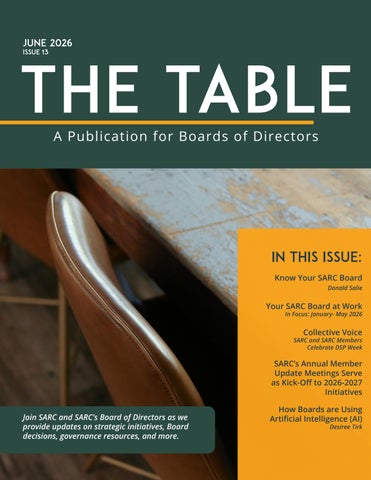
Publication for Boards of


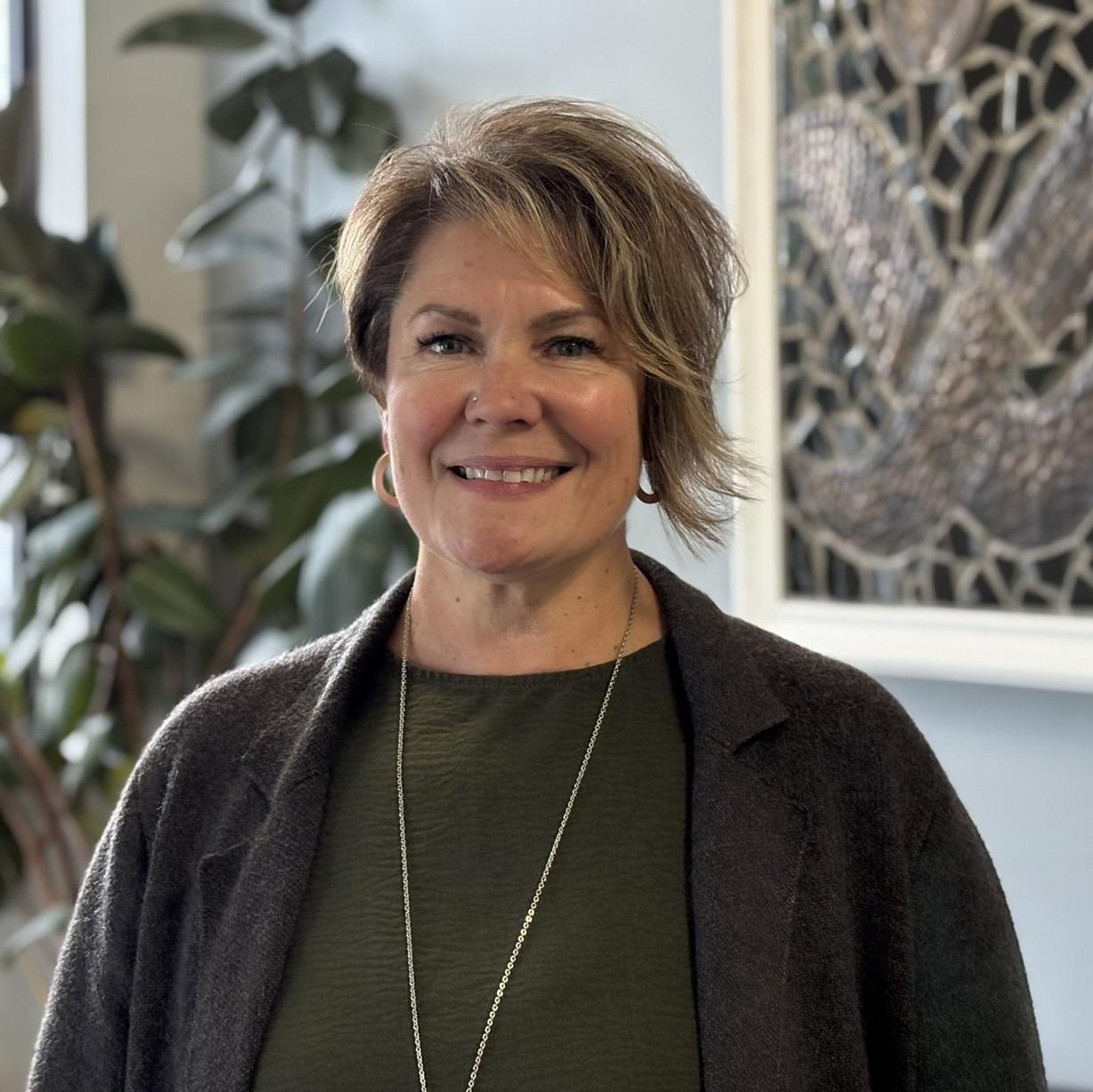
As a result of our Call for Nominations process, we are pleased to welcome Susan Long from Kipling Industries Inc. to the SARC Board of Directors as South Region Regular Board Representative. Wilda Wallace from Prairie Branches Enterprises Inc. will also be returning for another term as North Region Associate Board Representative.
Their terms will begin at the conclusion of SARC’s AGM on June 24, 2026. We look forward to another exciting year ahead with both new and returning leadership supporting the work of SARC and our membership.
At this time, three North Region Regular Board Representative positions remain vacant, as we did not receive nominations for those available positions during the Call for Nominations process.
Donald Salie
North Region Regular Board Representative
North Battleford, SK

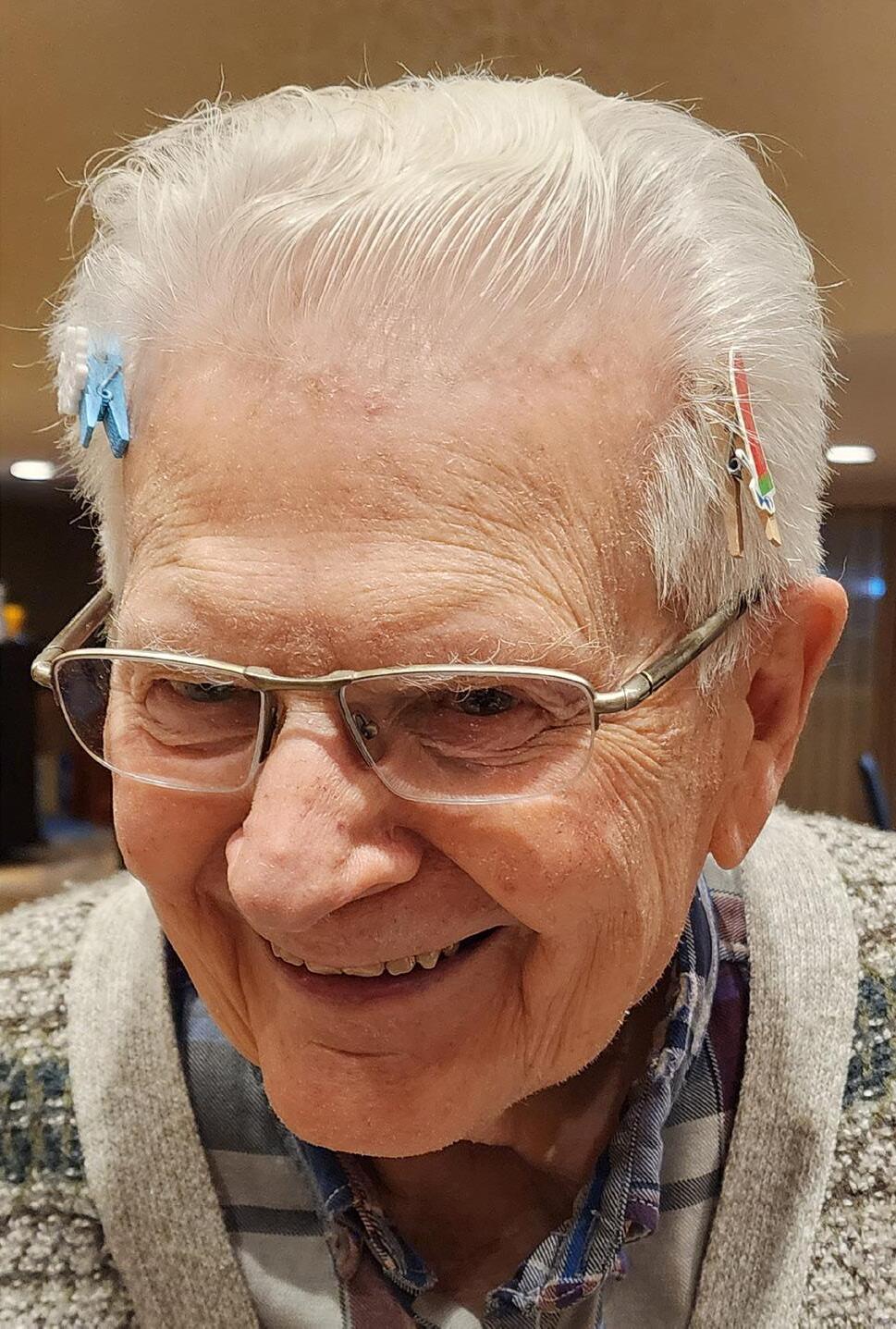
As Donald Salie retires from the SARC Board, we pause to recognize and celebrate his years of dedicated service, thoughtful leadership, and unwavering commitment. Donald has brought wisdom, integrity, and a steady voice to every discussion and decision, leaving a lasting impact on both the organization and the people fortunate enough to work alongside him.
Donald has had an amazing life journey with his sweetheart, Joyce, to whom he has been married for more than 70 years. Together they made their home in Weyburn before relocating to North Battleford in 1984, where they continue to reside today. Their family includes two children, four grandchildren, and nine great-grandchildren. Donald shared their family’s love of the outdoors, camping, spending time at Murray Lake, and times making memories around the campfire.
During his career, Donald honed many valuable skills in the insurance and banking industries. His background in financial management and risk mitigation proved especially valuable to the non-profit organizations he generously supported with both his time and resources. Donald’s thoughtful guidance, practical insight, and commitment to responsible stewardship have made a meaningful difference over the years.
Donald joined the Board of the Battlefords Trade and Education Centre (BTEC) in 1984 and, over the course of 42 years, stepped away for only six of those years. During his time with BTEC, he witnessed and supported significant changes in service delivery and the inclusion of people with disabilities within his community. Donald played an active and important role in the organization’s development and evolution.
Through his leadership and dedication, Donald helped shepherd BTEC from a small but determined organization serving dozens of participants into a large, personcentred organization that now provides services and support to approximately 100 individuals with intellectual disabilities in and around the North Battleford community. His commitment to dignity, inclusion, and opportunity has helped shape the organization into what it is today.
Donald has shared that one of the accomplishments he is most proud of is being part of the visioning and realization of BTEC’s community hub — the Pfeifer Learning Centre. His passion for creating meaningful opportunities and welcoming spaces for individuals and families will leave a lasting legacy for generations to come. BTEC’s move into the Pfeifer Learning Centre stands as an important milestone in the organization’s history and a reflection of the vision Donald helped bring to life.
In August 2018, Donald joined the SARC Board. During his time with SARC, he served on many committees, and his contributions were both numerous and deeply valued. SARC will sincerely miss the way Donald lit up whenever he shared a story or news about what was happening back in North Battleford at BTEC. He spoke with tremendous pride about being part of BTEC and expressed a similar sense of pride when speaking about SARC and his involvement with the organization.
Donald also shared that some of his fondest memories, beyond organizational accomplishments, were the times he and Joyce spent with fellow SARC board members, their partners, and the Senior Leadership Team during team-building events and activities. Whether it was listening to laughter while enjoying a meal, creating a Christmas masterpiece, bowling a perfect set, or bouncing in the seats of a bus while touring facilities, Donald treasured those moments of connection and camaraderie.
SARC, too, holds many fond memories of Donald and will deeply miss the warmth of his smile, his genuine spirit, and the kindness he brought to every gathering and conversation. His presence around the board table will be greatly missed, but his influence will continue to be felt for years to come.
On behalf of the Board and the entire organization, we extend our sincere gratitude to Donald for his outstanding service and dedication. Thank you, Donald, for everything you have contributed. We will miss you!
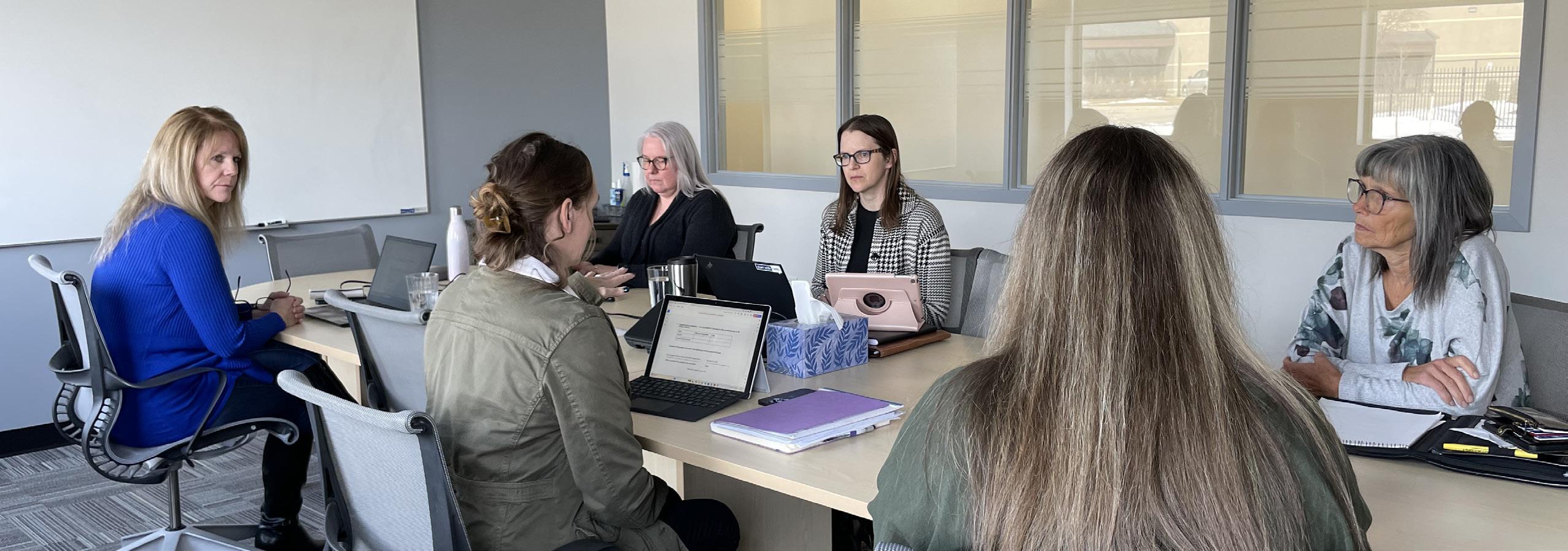
In recognition of the holiday season and to acknowledge that a number of Board Members are away during the winter months, SARC consolidates its meeting schedule, making for a busy November meeting.
The agenda for Friday, November 28th included:
• Four meetings of the Standing Committees
• Risk Management Report and update, presented by Nicholas Quigley - Risk Management Specialist, SARC
• Cyber Security, Business Continuity, Disaster Recovery Report and Update, presented by Jeff Humm – IT Strategist, SARC
• Pension Plan Governance and Investment Performance, presented by Mercer
In addition to this, the SARC Board completed its final review of SARC’s draft 20262030 Strategic Plan, which was formally approved at a special meeting of the Board on December 16.
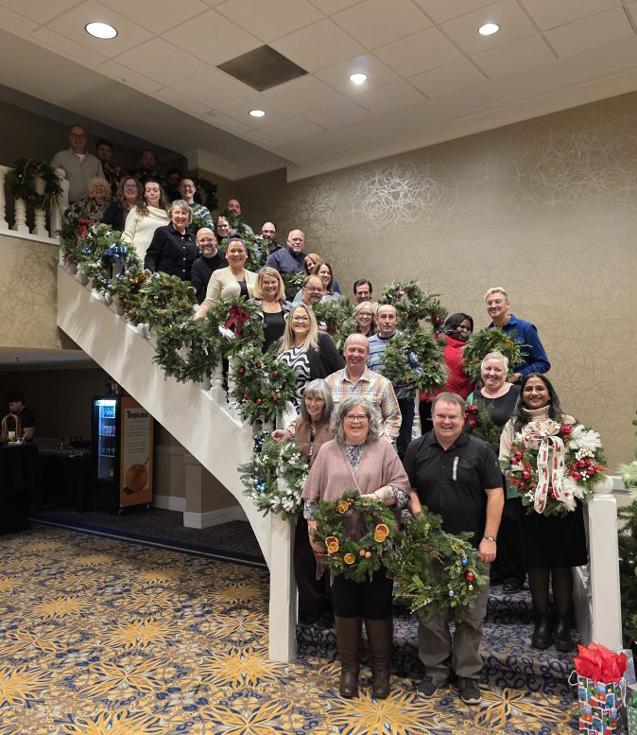
While the day was full and started early, the SARC Board and guests, and Senior Management and Administrative Team and guests, celebrated the holiday season with a great dinner, a lively gift exchange, and a holiday wreath-making party.
As winter was showing its strength, our February meetings were held virtually. Despite the format, a lot was presented and achieved. The Board reviewed and approved the Compensation recommendations that were presented. In addition to this, they completed the regular review of three policies, approved one new policy, reviewed and approved financial statements, completed a preliminary review of the budgets, and completed the quarterly Pension Plan Performance Review and quarterly Investments
Review. The SARC Board also analyzed the Benefit Plan renewal, rates, and usage information and approved two new Affiliate Memberships.
With a new fiscal year ahead of us, the March meetings included a final review and approval of the Operating and Capital Budgets. The SARC Board completed a final review and approved for presentation at SARC’s AGM, three Resolutions Proposing Amendments to SARC’s Articles and Bylaws. The SARC Board also completed its regular review of seven policies and discussed the Provincial Budget at great length. Board Members also attended our lunch and Learn - Understanding SARC’s Investments, presented by Greystone/TDAM. The Board completed its annual evaluation and the annual evaluation of the Executive Director.
No meetings are scheduled for April as Board Members and Senior Management attend SARC’s four Member Update Meetings.
May is often viewed as bitter-sweet. Our Audit is complete, and the board approves its audited financial statements, formally signaling the end of one year and the beginning of another. Along with all the regular business, it is also a meeting where we say goodbye to those who are leaving the Board. This year, the SARC Board says goodbye to Donald Salie on the completion of his term.
The SARC Board wishes everyone a safe and happy summer and hopes that everyone connected to the Disability Service sector can enjoy a bit of personal relaxation.

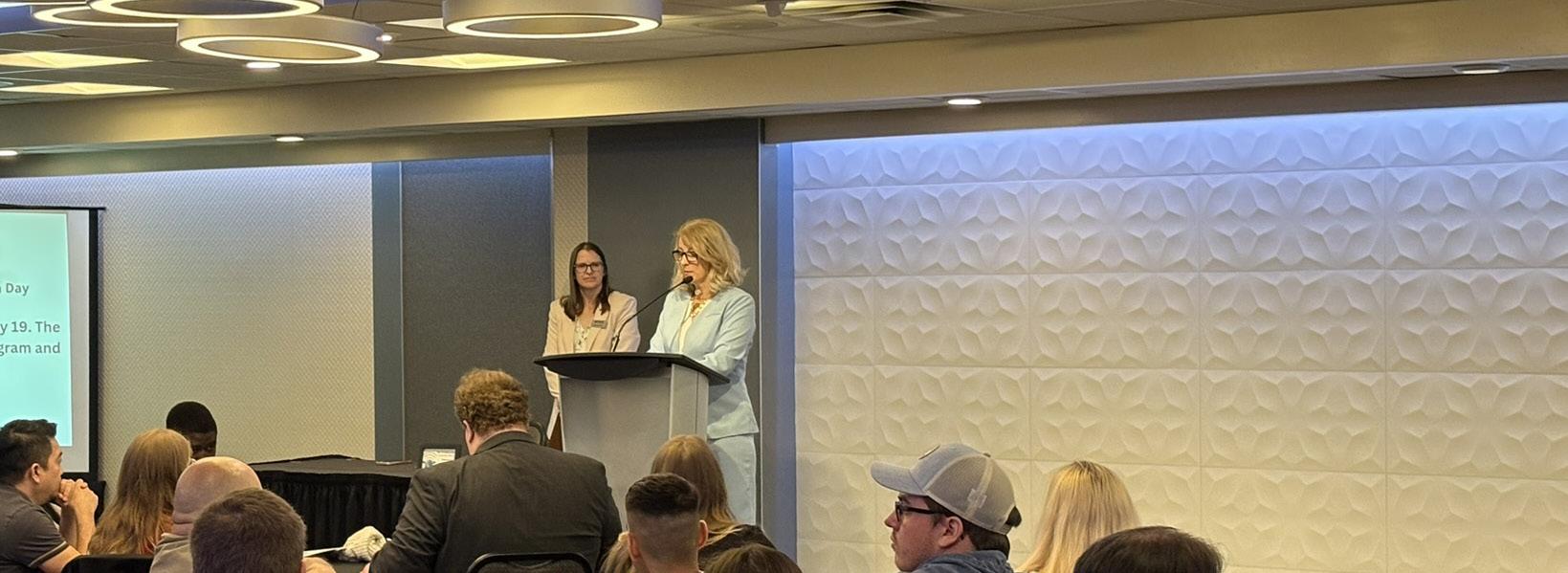
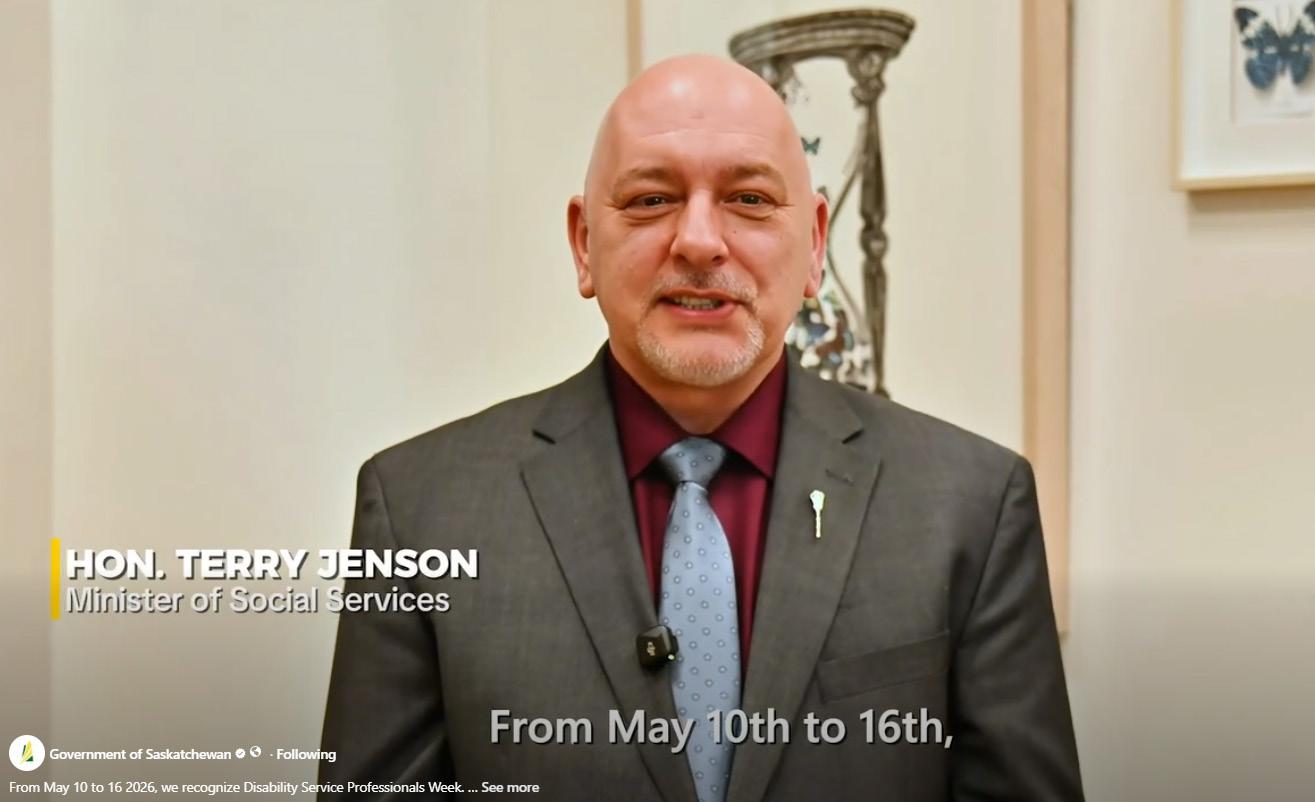
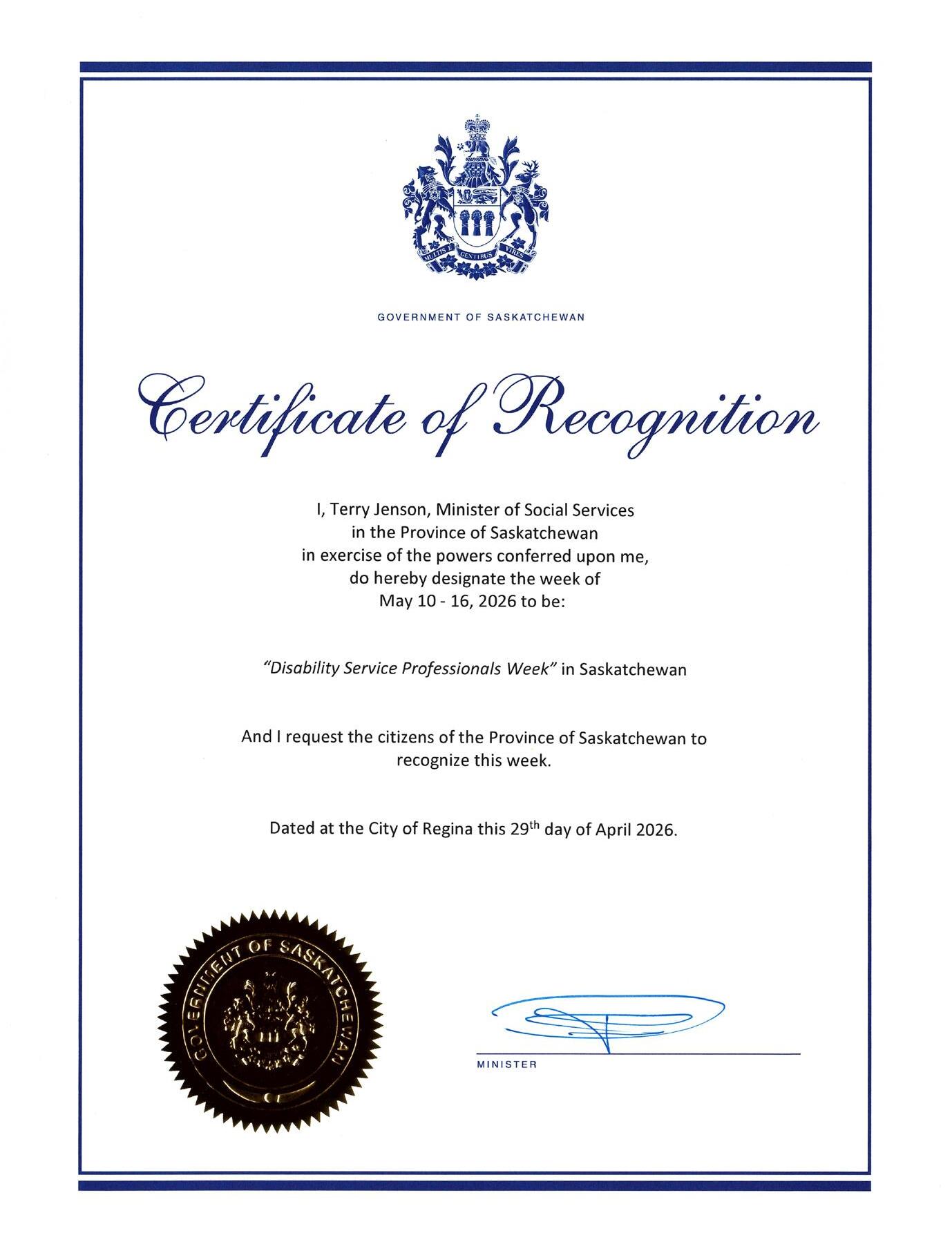
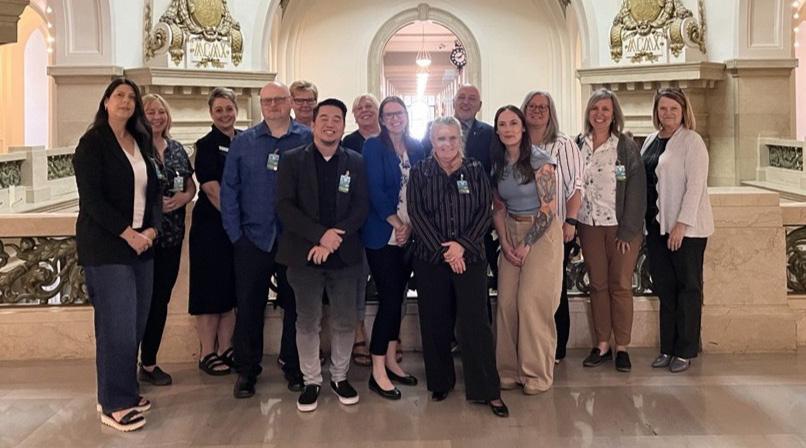
May 10-16 was proclaimed by the Government of Saskatchewan as Disability Service Professionals (DSP) Week. SARC was once again pleased to partner with the Ministry of Social Services to recognize the week in various ways:
• Video message by the Honourable Terry Jenson, Minister of Social Services, posted to social media on May 13.
• News release issued on May 13.
• Greetings by Megan Patterson, MLA for Moose Jaw Wakamow and Legislative Secretary to the Minister of Social Services, to open SARC’s Spring Conference on May 13.
Additionally, SARC and a delegation of Disability Service Professionals were invited to the Legislative Assembly on May 11 to be introduced during the last week of Spring Session. With introductions coming from Minister Jenson and additional focus provided by MLA Patterson during Statements by Members, it was a good opportunity to continue raising the profile of the sector and its many dedicated employees. For a transcript of that session, click here (Minister Jenson – page 8; MLA Patterson – page 14).
A special thank you to the SARC Member representatives who joined us goes out to: Signe Larsen and Linda Boyko from Elmwood Residences; Christi Knopp and Randine Graf from Cosmopolitan Industries; Jason Gillard and Lana Kincaid from Moose Jaw Diversified Services; Stacy-Lynn Wilkerson-Miller and Lloyd Asensi from Clare Parker Homes; Kyla Nelson-Kletzel and Marilyn Collier from Citizens All Association; and Annette Gruending from Gravelbourg Bon Ami.
It has been wonderful to see how DSP Week has grown over the last several years. We had a lot of fun seeing the celebrations all week long on social media – thank you to SARC Member boards and management for supporting the week and recognizing your teams in fun and creative ways!
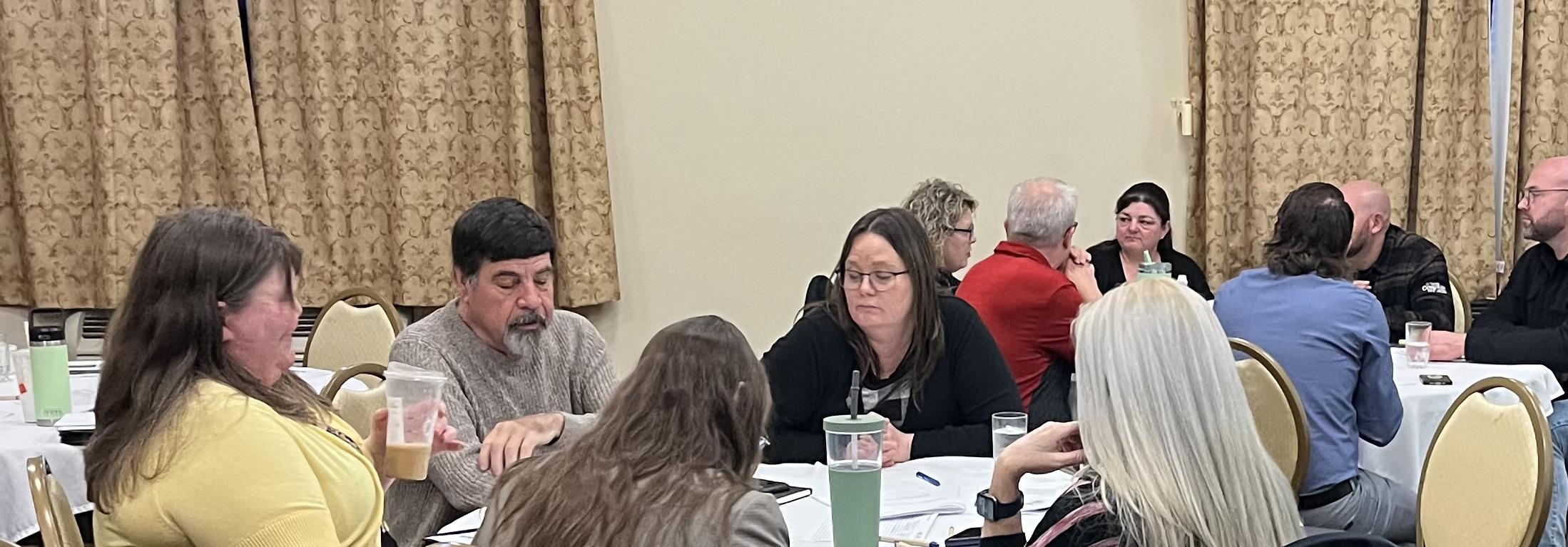
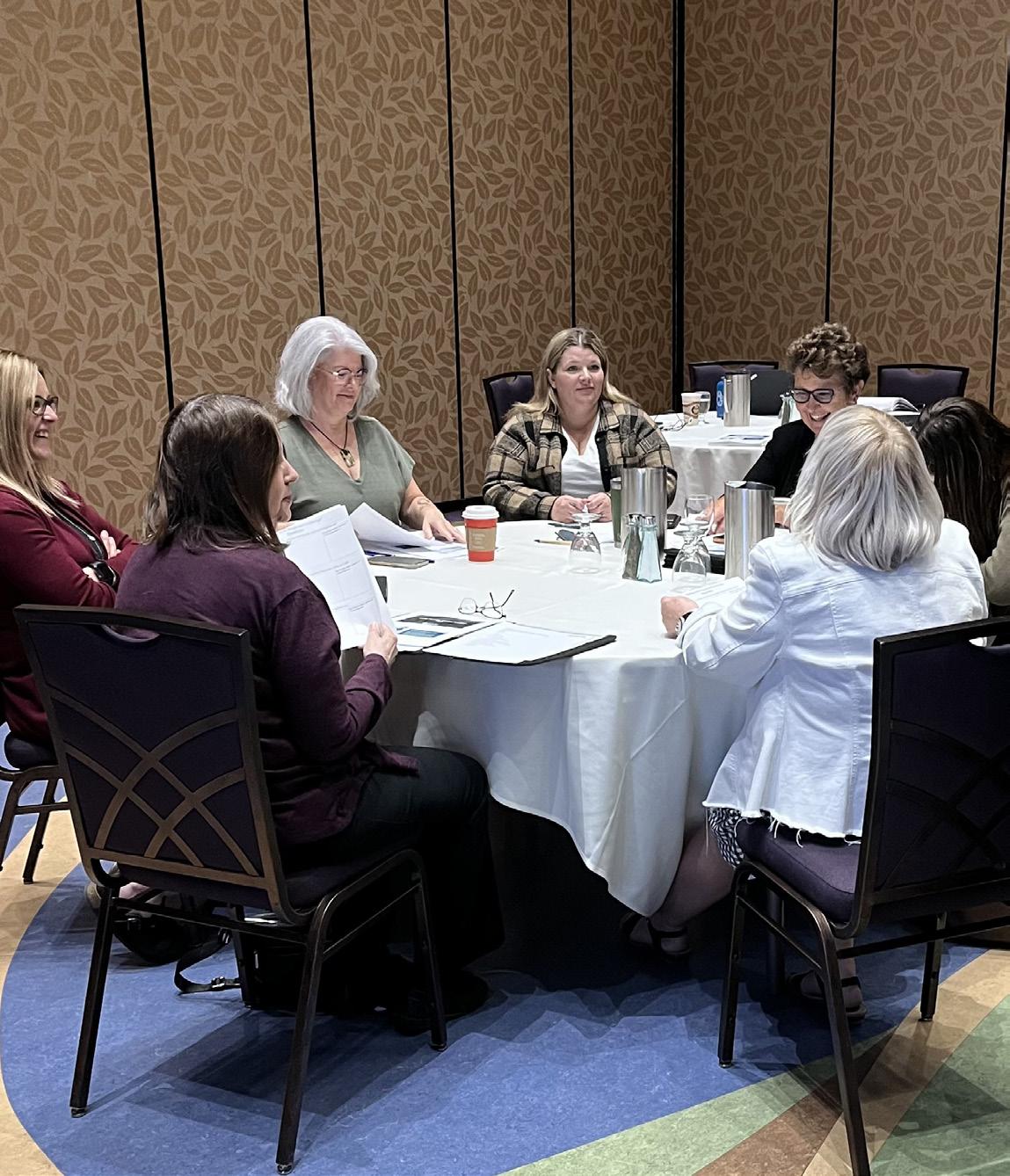
SARC hosted its annual Member Update Meetings on April 14 (Melfort), April 15 (North Battleford), April 20 (Weyburn), and April 21 (Swift Current).
This year’s presentations and discussions were on:
• A new working group on Establishing Educational Standards in the Disability Service Sector
• A new working group on Healthcare for People with Intellectual Disabilities
• The Ministry of Social Services’ CLSD Funding Standards Review Project
• SARC’s new Supported Employment Service Pilot launching May 2026
• An overview of SARC’s 2026-2030 Strategic Plan
• SARCAN Recycling highlights from 2025-2026
• SARCAN Recycling’s planned relocations, expansions, and other initiatives for 2026-2027
SARC is looking forward to getting the two new working groups up and running, and a call for interest will be issued soon. The Ministry’s CLSD funding standards review should also be starting soon, so 2026-2027 promises to be a busy year. Thank you very much to the Members who attended and took part in our group work exercises to give us some great initial input toward these important projects and initiatives.
Consolidated notes from these meetings will be distributed soon, so please refer to them for more detail on these presentations.
by Desiree Tirk

AI isn’t new. In fact, it has been around for over 30 years; however, Generative AI has become more widely used at home and in nonprofit organizations.
According to Tech Soup, you might already be using AI in your everyday life at home and work. For example, unlocking your phone with facial recognition, using voice assistants like Siri or Alexa, or using Google searches, Netflix, Spotify, Amazon, or social media – all which use AI algorithms that take your past behaviour, searches, and interactions and recommend content you would like. And let’s not forget Google maps that help to predict traffic and provide the best routes to take.
At work and in your organization, you may already be using AI when it comes to accessibility tools that record, transcribe, and summarize meetings, translation, spellcheck, or filter spam in your emails. Other AI tools that staff and board directors may be using are Chat GPT, Copilot, or Canva to brainstorm ideas, draft questions, problem solve, or to generate text, images, and videos. Many organizations are already using AI for grant writing, analyzing data, and in their fundraising or marketing communications. Boards are using AI to schedule meetings, draft agendas, take minutes, track assigned tasks, flag inconsistencies in materials, and much more.
Should boards be adopting AI? That depends. According to Boardable, “It’s for any nonprofit organization that wants to speed up routine tasks so they can focus more on strategy, building relationships and decision making.” However, boards should discuss whether AI use aligns with their organizational values. If organizations plan to use AI, it should be used with caution and oversight.
“While AI may not be the right fit for every organization, exploring its possibilities helps leaders make informed decisions. Developing AI literacy (the understanding of AI’s capabilities, limitations, ethical considerations, and knowing how to use it for practical purposes) is now as important as learning basic computer skills once was.” (RAISEPlaybook)
There are risks when using AI that every board should consider:
• AI can make mistakes – AI is trained in recognizing patterns from content and data that may not be accurate or reliable and can be biased or misinterpreted. If your board uses AI tools to record meetings, watch for inaccuracies in
transcription, summarization, and minute-taking. When using AI in your organization, human quality assurance remains essential. Drafts of board meeting minutes should always be thoroughly reviewed and approved. AI can assist with oversight, but it should not replace it. Directors remain legally responsible for upholding fiduciary duties.
• AI does not consider privacy or security – boards frequently deal with highly sensitive information. AI can be used by malicious actors (hackers and scammers) to spread misinformation, for impersonation, fraud, and other criminal activities. Boards should never input confidential or personal information such as client, HR, or financial data into free versions of AI tools (i.e. Chat GPT, Copilot). Boards should use AI tools that require paid organizational subscriptions, as these platforms typically keep data entered into the system within the organization’s secured environment, rather than making it accessible to individuals outside the organization.
• AI does not consider copyright law – unlike humans, AI is unable to determine ethical use of content and may generate information that could be without the consent of the copyright holder. If boards are using AI-generated content, consider demonstrating transparency by providing a disclaimer on materials such as – ‘This content was produced with the assistance of generative AI (Microsoft Copilot).’
• AI may not fully consider applicable legislation – although there is no federal AI legislation currently in place, other laws for Saskatchewan nonprofit organizations still apply when you are using AI such as human rights laws, privacy legislation and anti-spam laws.
Boards should have proactive conversations about expectations on the use of AI, develop policies around AI use, and provide training to ensure staff and directors understand what appropriate use of AI is. Here are some practical suggestions for boards who want to implement good AI governance:
1. Formally appoint an individual or committee to lead technology governance in the organization that is accountable to the board. Boards are often not tech experts but do need to be kept up to date from expertise on the evolving risks, regulations, and best practices that will help inform all AI decisions.
2. Establish clear boundaries by developing an AI acceptable use policy on how AI can be used, how information should be interpreted (i.e. fact checking, checking for bias), and how it aligns with the organization’s mission and values. Here are some policy examples and templates to assist boards in developing an AI policy: AI-Usage-Policy.pdf, 2023.08.16_GenerativeAIGuidelines_TechSoup, and Template - Generative AI Usage Policy.docx. Boards may also wish to develop standards on accessible and equitable AI that ensures the use of AI is truly accessible for people the organization supports as well as all employees and board directors.
3. Invest in training at all levels in the organization. Training ensures staff and directors clearly understand the boundaries while using AI to reduce ethical
concern, legal implications, and reputational risk.
4. Adopt an AI governance framework that includes AI risk appetite, management, and compliance. “An AI governance framework sets guardrails, guidelines, and expectations. It outlines acceptable — and prohibited — use with accountability throughout.”
According to MNP, “good governance starts with knowledge, experience, and good questions. AI governance isn’t about having all the answers – it’s about knowing what to ask. It’s equally important to ensure you have the right people and structures in place to act on those questions.” Here are some questions for a board to consider:
• What opportunities are there for AI tools to support our board and how will we explore them?
• What are the associated risks and how will we mitigate them?
• What concerns do we have about AI tools in the boardroom?
• How are AI tools going to affect the people and communities we seek to benefit through our work?
• How can we start small so we can get comfortable with AI?
As AI evolves rapidly in daily activities, boards must remain up to date, identify and mitigate risks proactively, and make informed decisions about when to rely on AI tools and when human expertise is required. For more information on AI and risk management for boards, visit: Resources | SARC Learning Central | Training for Nonprofits
Spending the past 25 years working in community development in the nonprofit and government sectors, Desiree brings a variety of experience with developing and facilitating workshops and has held positions as Program Manager, Facilitator, and Trainer. Desiree has over 20 years’ experience as co-owner of a business and holds a Bachelor of Indian Social Work and Bachelor of Arts in Native Studies.
To connect with Desiree Tirk and learn more about how strategic planning can help your organization, email her at dtirk@sarcan.sk.ca