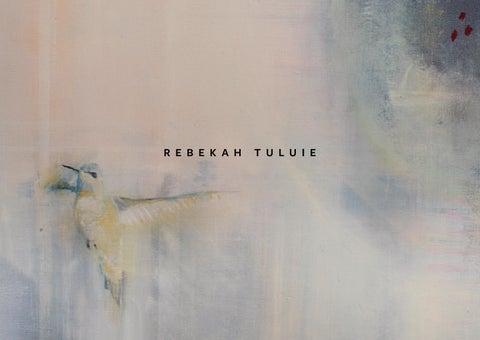
REBEKAH TULUIE
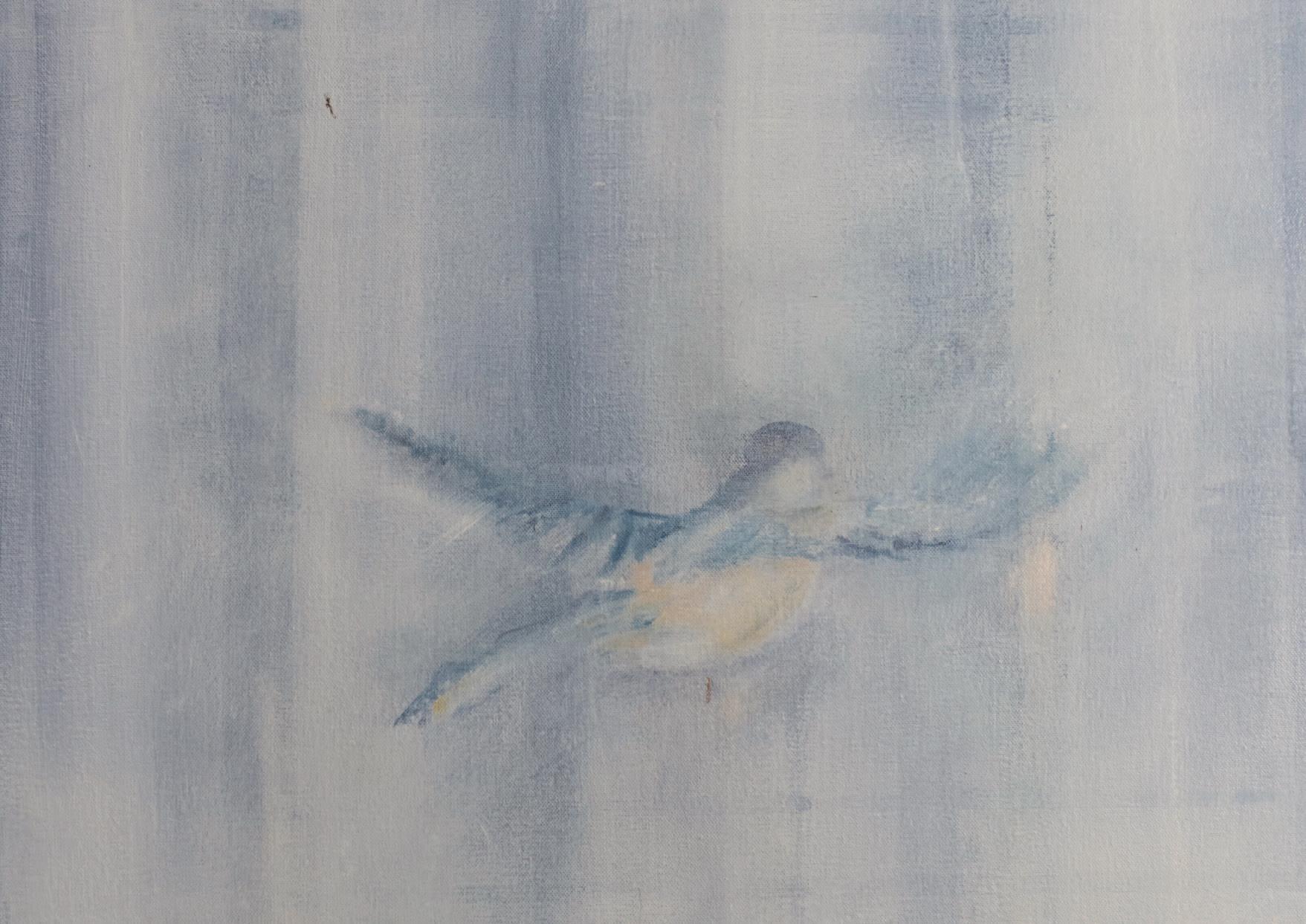
“Every work of art stems from a wound in the soul of the artists… Art is a psychological component of the auto-immune system that gives expression to the healing process.”Ted Hughes1
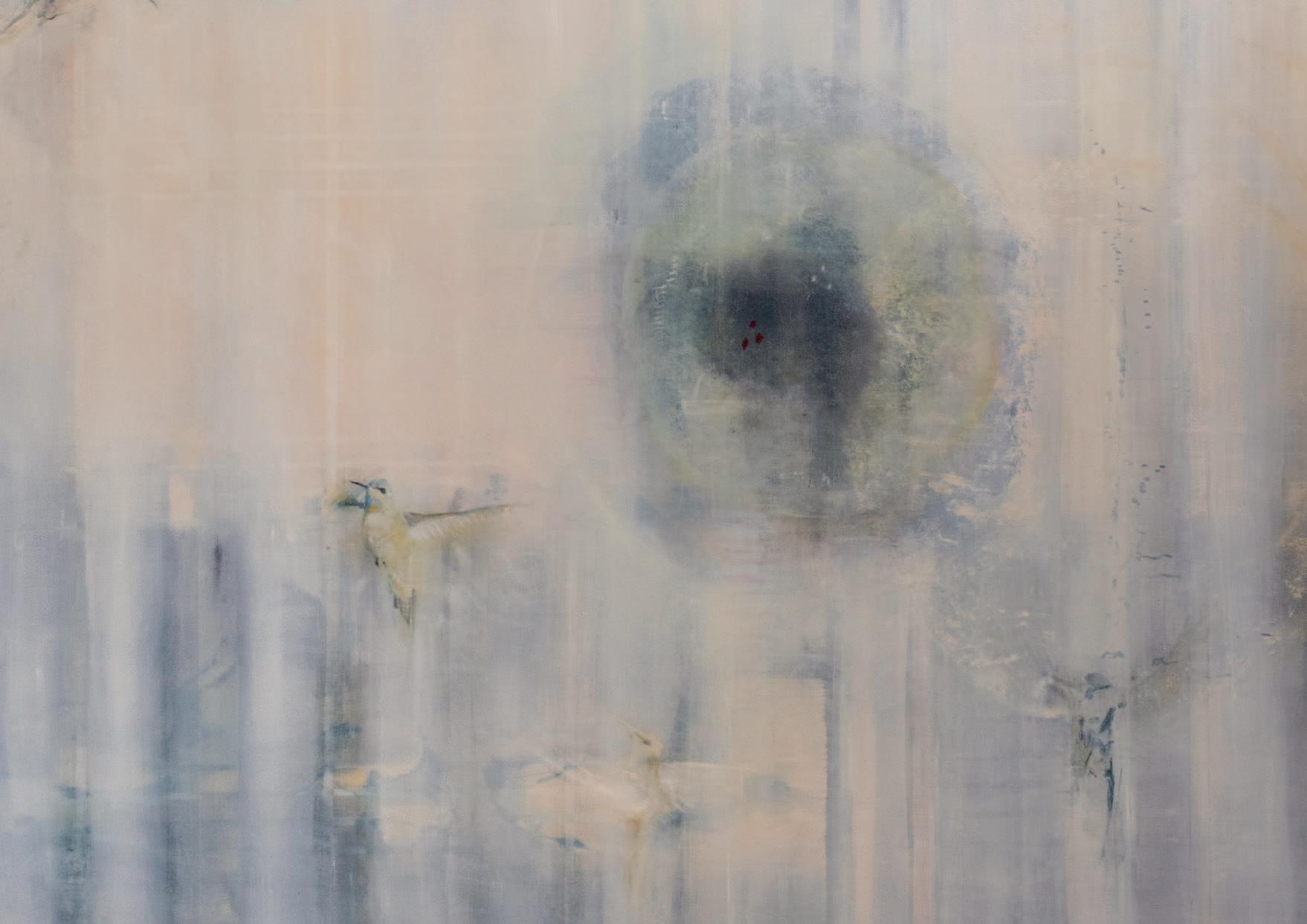
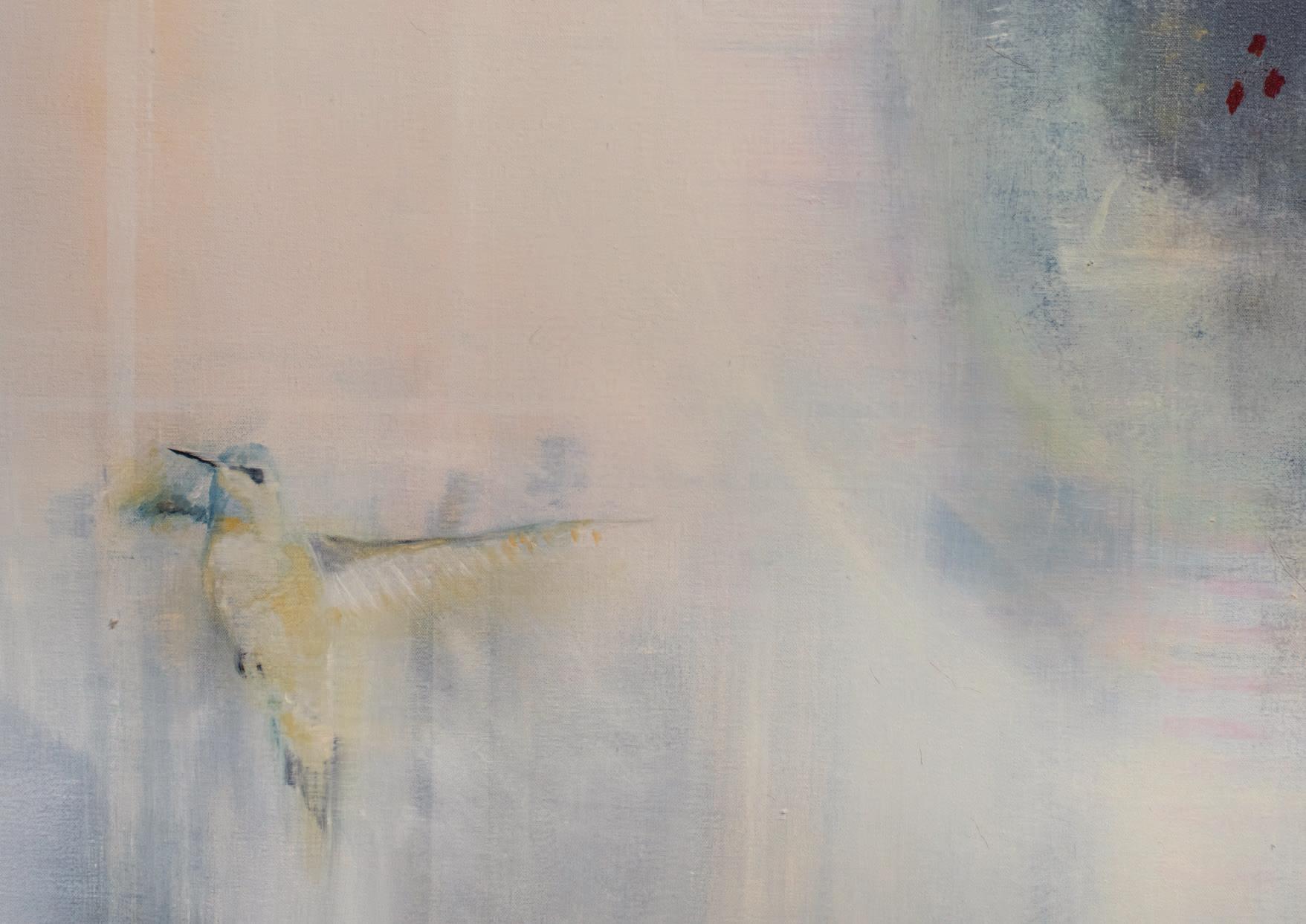
Cover and this detail from Plate XXXI: Ascension
REBEKAH TULUIE
My paintings hover between abstraction and a recognisable presence. I see each as an intimate portrait. The paintings embrace and probe at my sense of femininity and the complex feelings involved. There are centres of tension and depth within an orchestration of sparseness and calm, imbalance next to poise, floating and sinking, vulnerability but with teeth. For me, the work represents a form of processing, articulating, understanding and interpreting the contours of experiences and emotions on my own terms. The themes and narratives I delve into in my paintings weave stories around cycles of life and the natural world: the experiences, emotional and energetic states that entails.
MUSES – what is the significance of a dress?
“Our clothing is an unspoken language that tells stories of ourselves.”Charlie Porter2
I have been building a series of paintings that explore both human and environmental fragility. I am curious about the relationship with my internal body and the external, in the form of clothing and textilesdeconstructing elements of fabric, pattern cutting, stitching, shape, line, texture, space. The narrative within the work is suggestive and open to discovery. Fluttering, shrouded veils, bandages or patches hide or reveal. Fabric or screens may appear torn or ripped. Scar tissue or open voids linger. Traces of stitches and repairs heal and nurture. A sense of bindings, cages, or leaden weights give way to notes of elevation, weightlessness, flight. Are they protecting or do they confine? The language of signs or symbols, perhaps shielding talismans, weave in and out. Areas of light quiver and flicker. Ripples of colour glow or perish. How these parts shift and morph fascinate me and are themes that form a common thread as I progress onward.
2 REBEKAH TULUIE
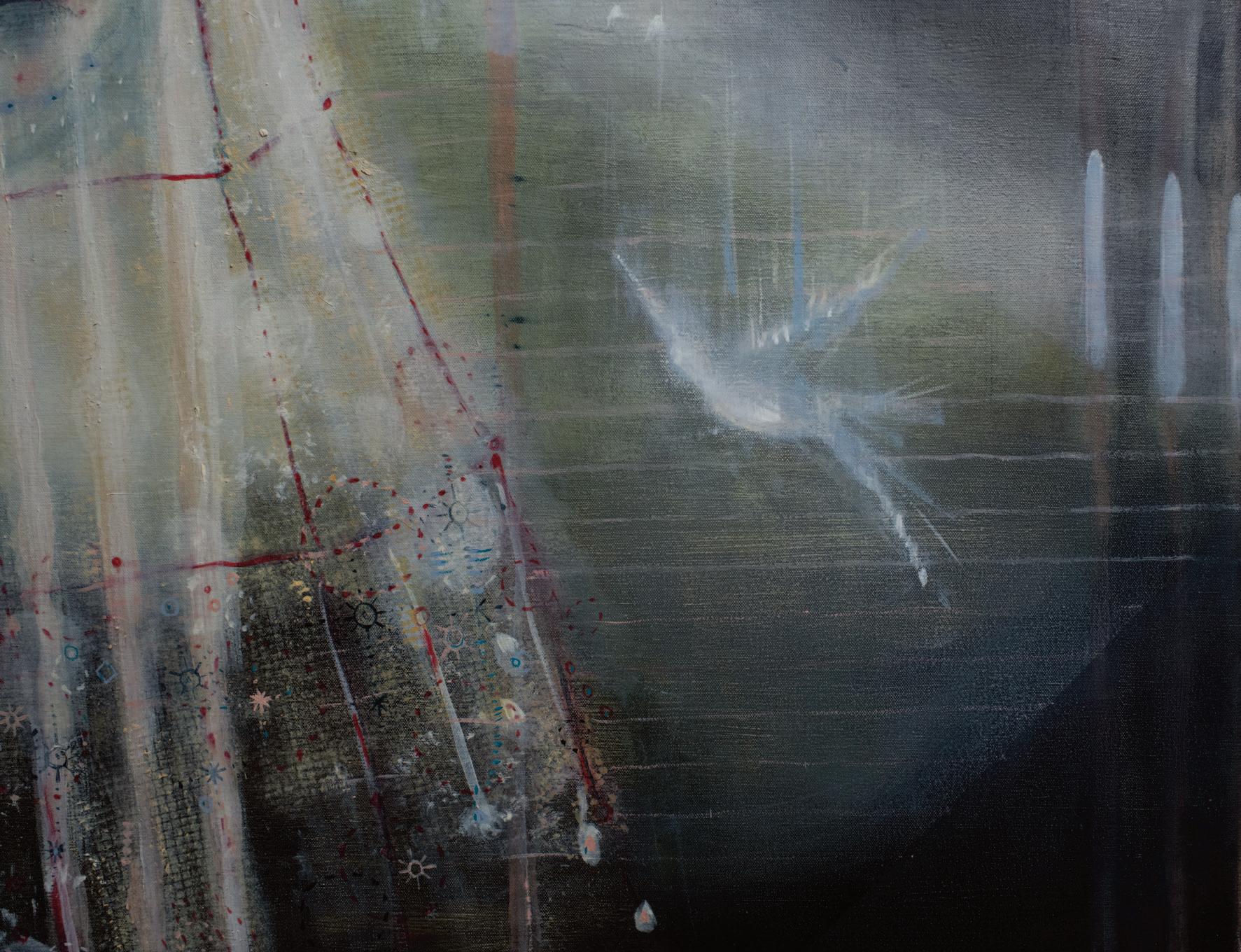
Detail from Plate i: Hiraeth
Hiraeth: a deep, bittersweet feeling of longing and nostalgia.
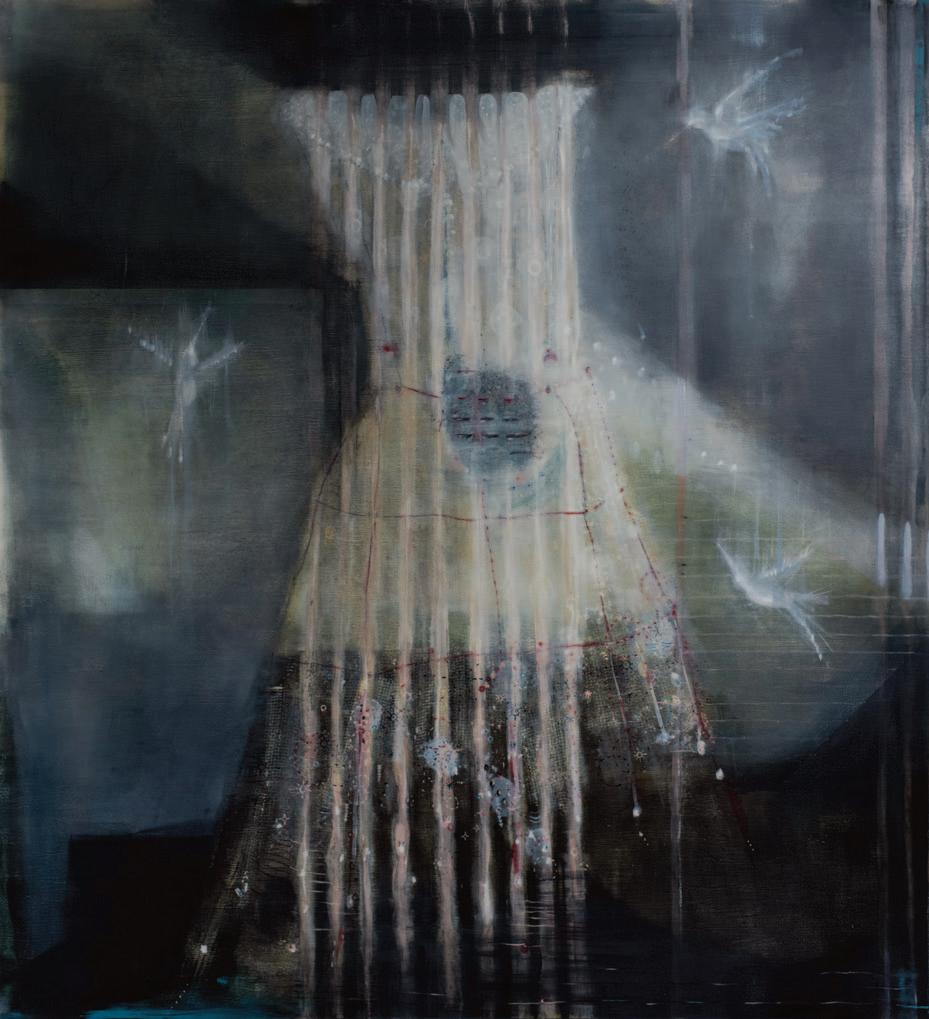
Plate i: Hiraeth
152.5 x 167.5 cm. Oil on Canvas, 2019
4 REBEKAH TULUIE
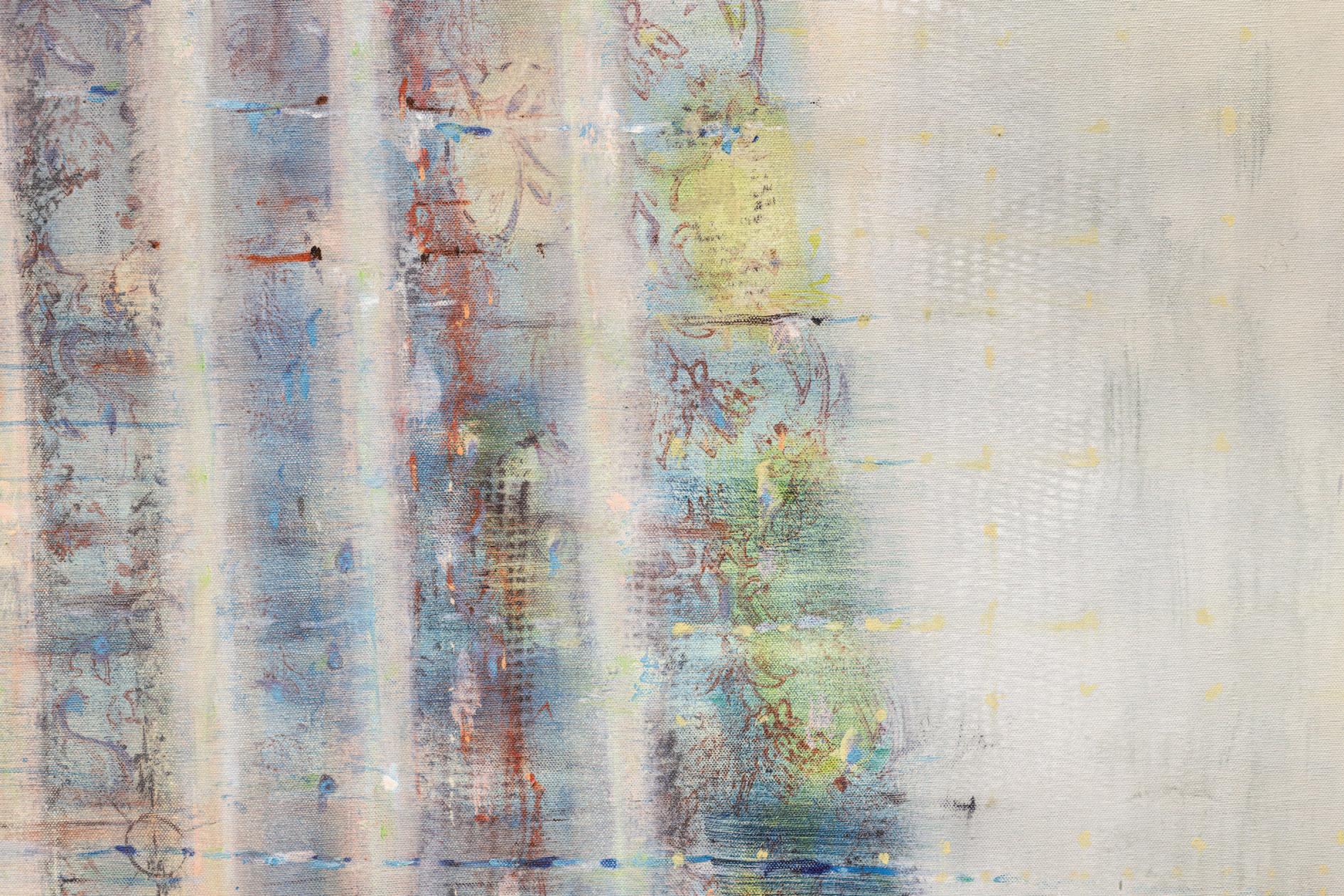
Detail from Plate ii: Remnants
Tiny tears in fabric….
Luminous golden spice…
Clothing can represent expression, storytelling, resistance, defiance and creativity. An artist who explores femininity and the uncomfortable nooks of life that intrigue me is Louise Bourgeois, especially her fabric works and how she addresses trauma through embroidery. I can feel the bleed and bruises in this work. Likewise, the autobiographical, candid artwork of Tracey Emin punches me with its raw narrative. An exciting younger painter, Flora Yukhnovich, turns figurative experience into abstract works that have a fleshy, sticky, organic quality and her references to film and photography connect with me, given my background in those industries. In contrast, but equally powerfully, I am drawn to the meditative rhythms and linear grids of Agnes Martin and the colour washes and mark-making of Helen Frankenthaler.

Plate ii: Remnants 152.5 x 167.5 cm. Oil on Canvas, 2022
6 REBEKAH TULUIE
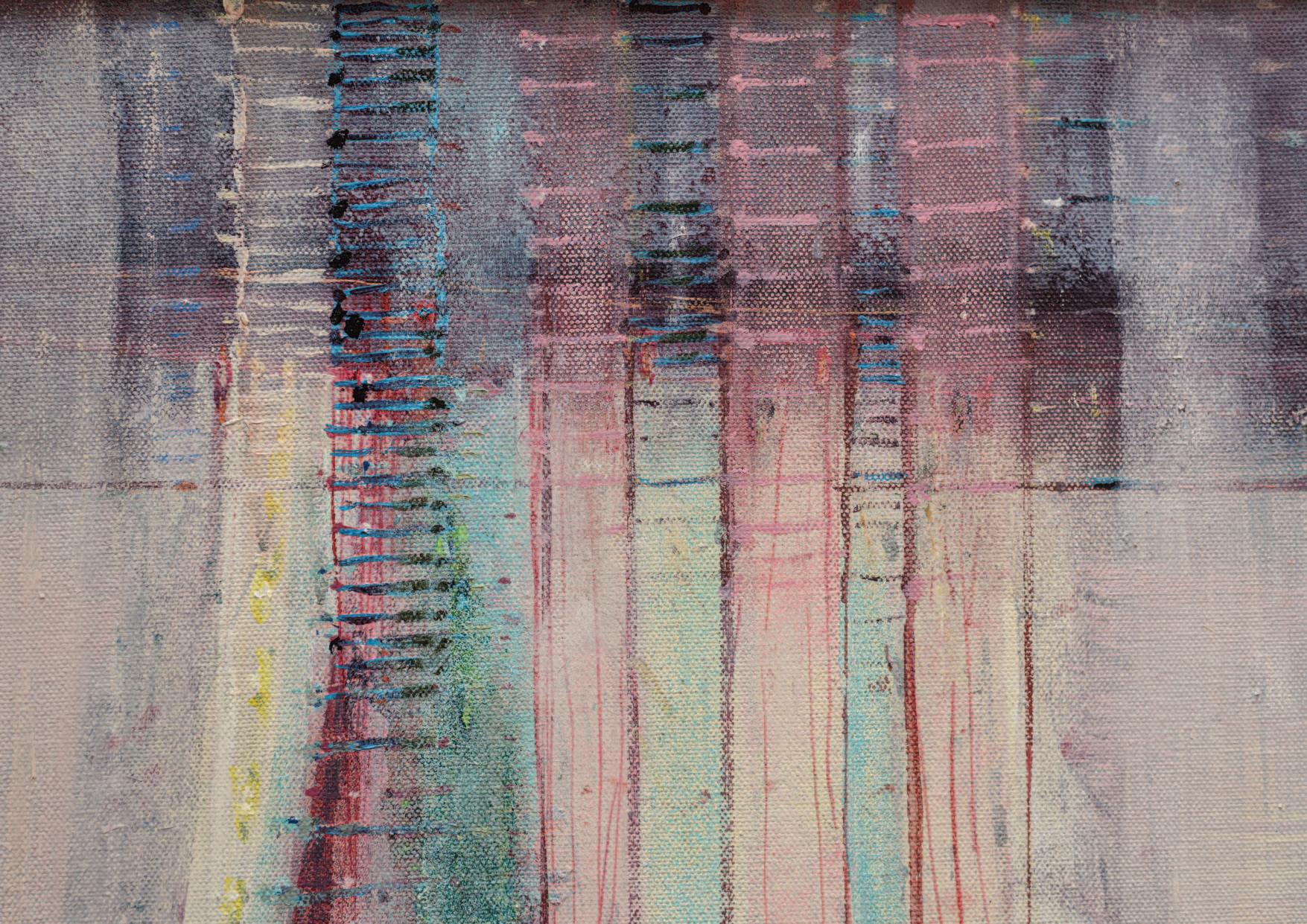
Detail from Plate iii: Veiled
Invitation to peek beneath the veil…
My painting process is that of patiently and delicately building up thin layers of oil paint on canvas, forms lying over forms, feeling nearer or further away in relation to one another. Past ages of paint disappear, saturate, and edges dissolve, or I will rub back to reveal the history that has been. I savour the handling of paint. The pulsating mark making will then contrast with a rhythmic movement of washes of colour that stain or move across the plane. The paintings emerge. They need time. I am drawn to a vital physicality in the act of painting.
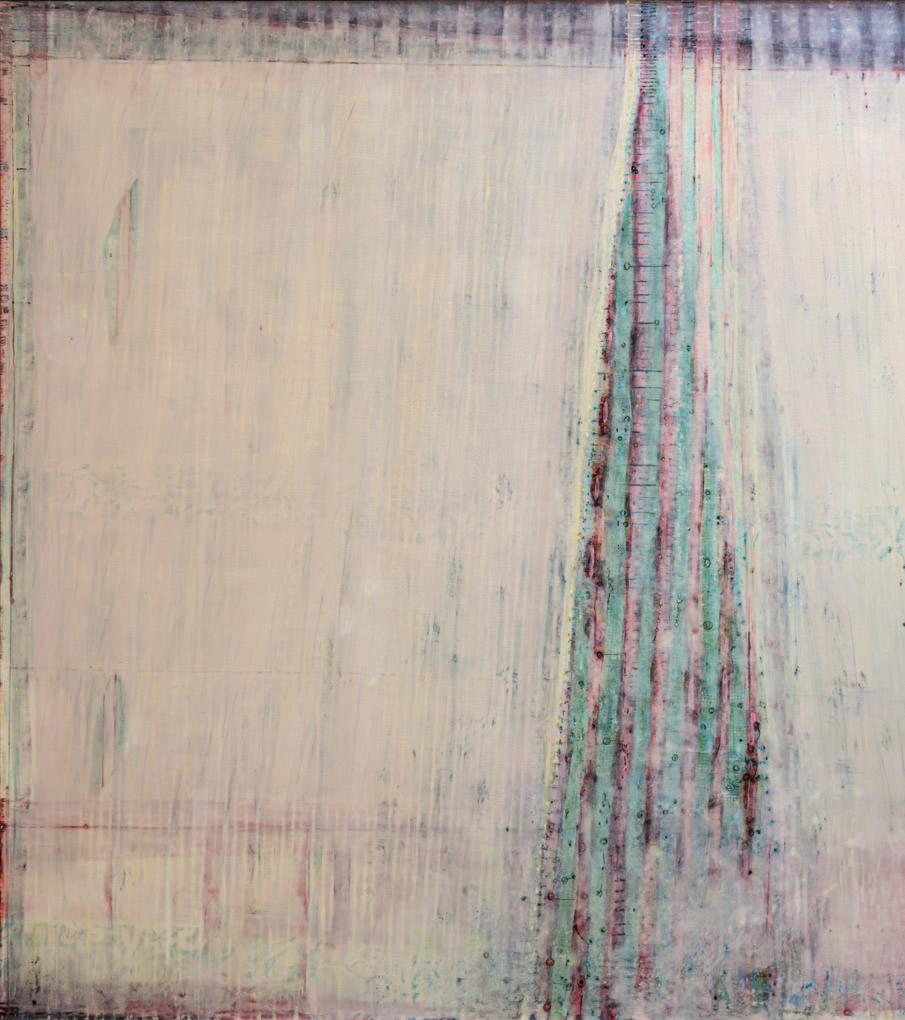
Plate iii: Veiled
152.5 x 167.5 cm. Oil on Canvas, 2023
8 REBEKAH TULUIE
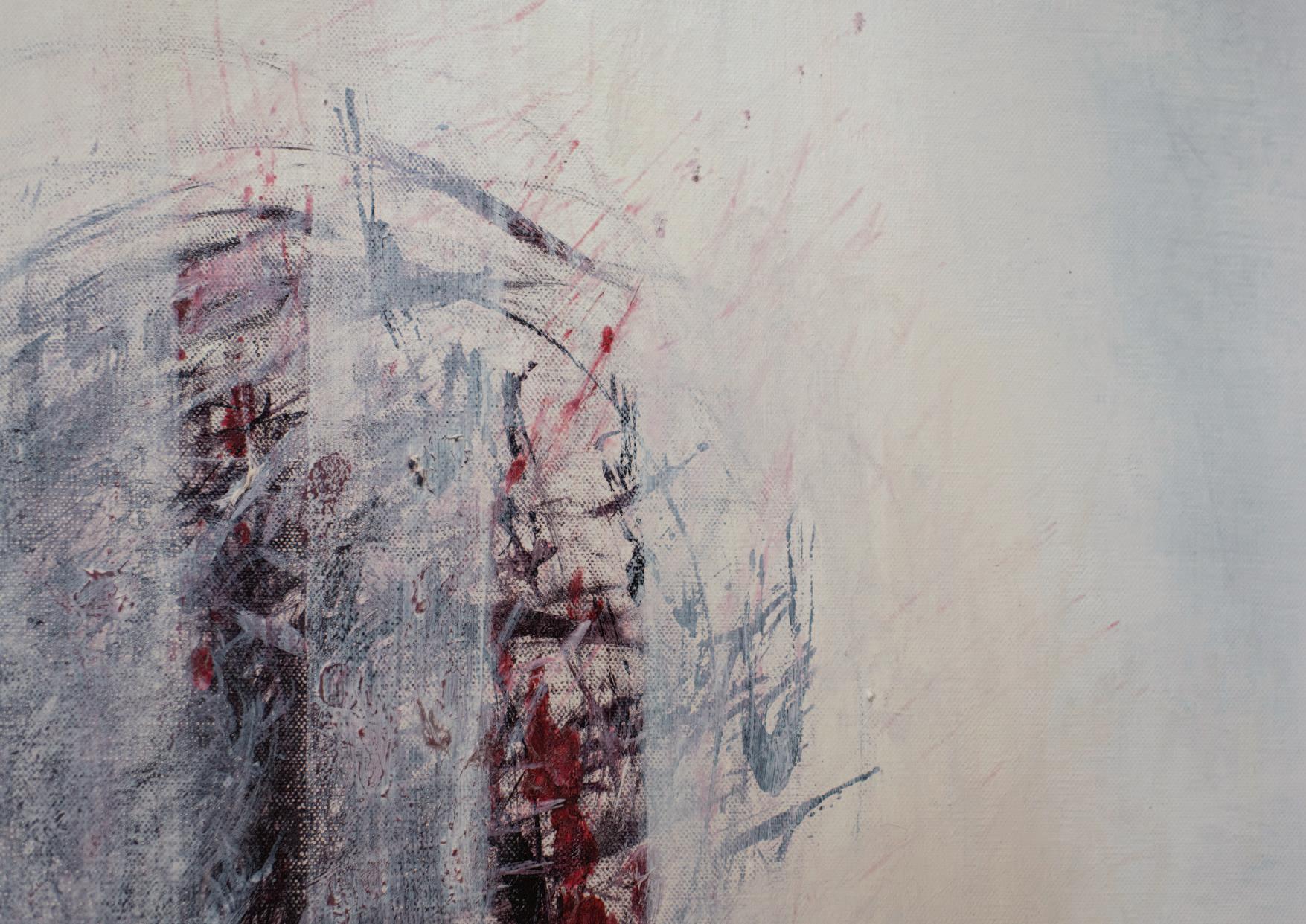
Detail from Plate iv: Traces
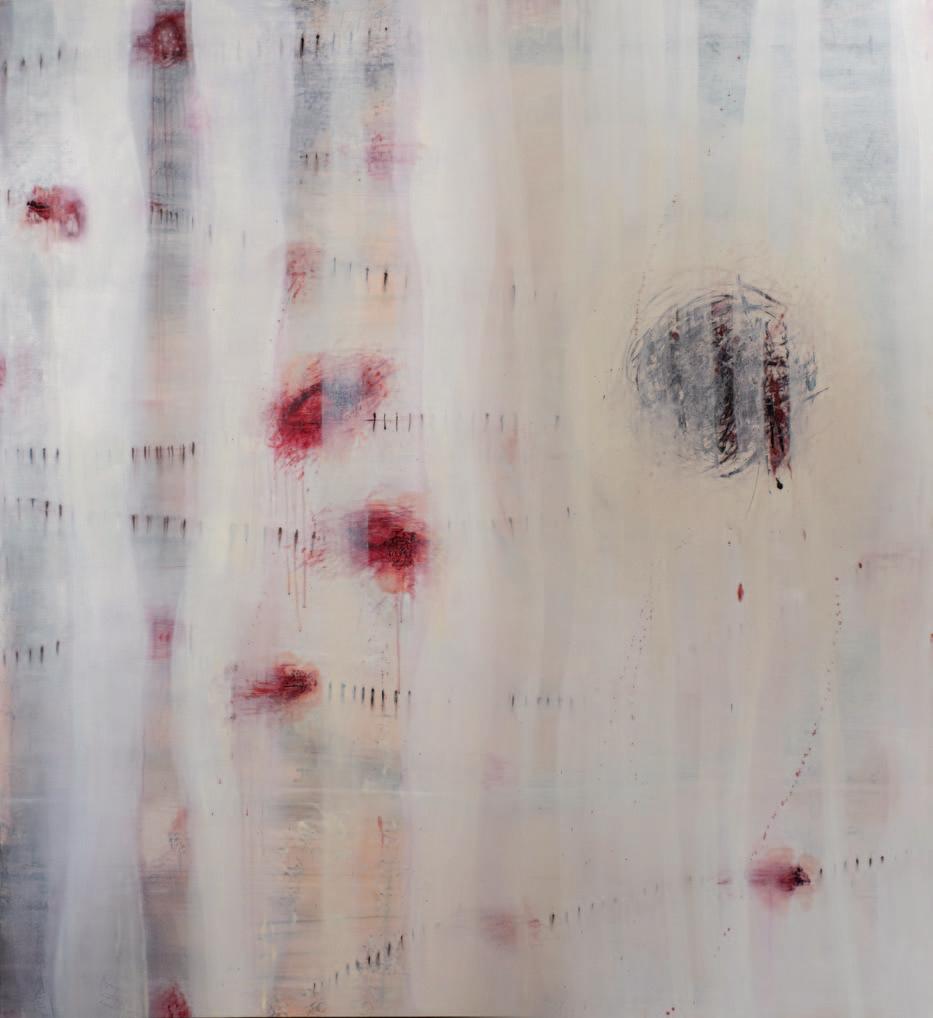
Dark pink like a bruise…
Plate iv: Traces
152.5 x 167.5 cm. Oil on canvas, 2018

10 REBEKAH TULUIE
Detail from Plate V: Echo
“Our memory is outside us, in a rainy breath of time”
Annie Ernaux3

Plate V: Echo
152.5 x 167.5 cm. Oil on canvas, 2020

12 REBEKAH TULUIE
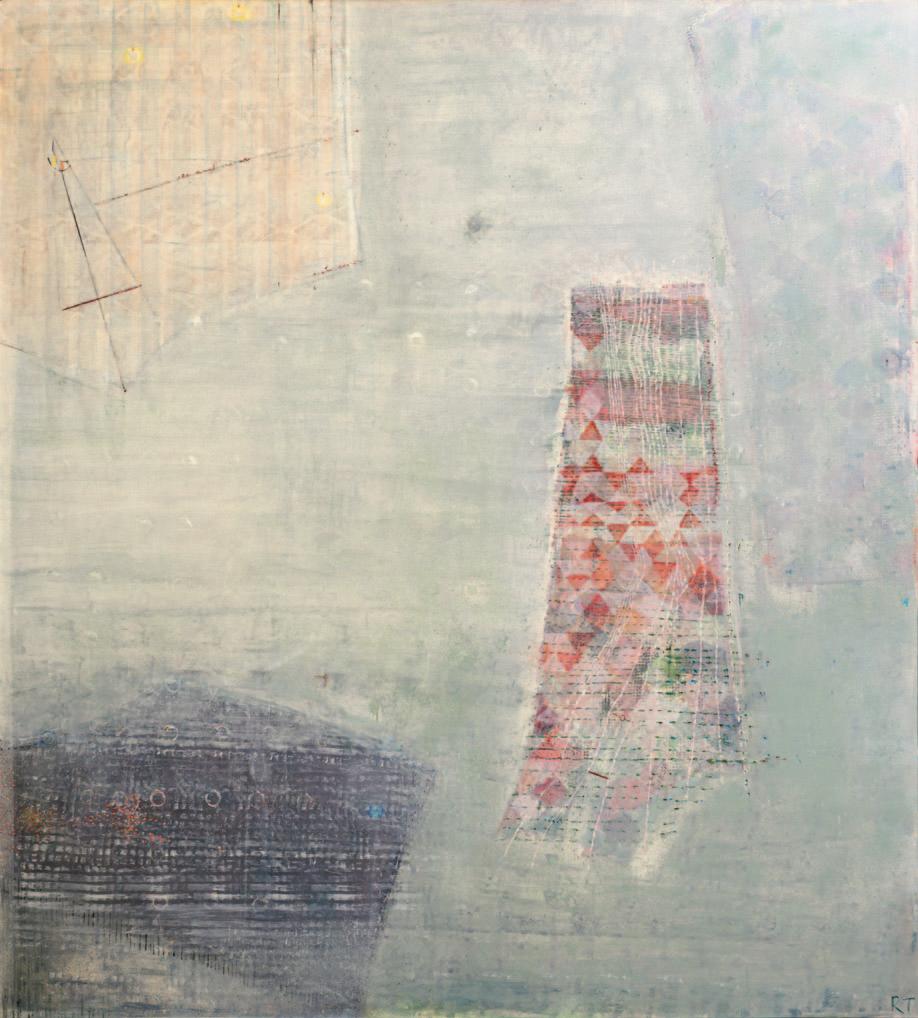
Detail from Plate Vi: Deconstruct
“Décortiqué is the reduction of a garment to its core structure”
Galliano4
John
Plate VI: Deconstruct
152.5 x 167.5 cm. Oil on canvas, 2023

REBEKAH TULUIE
Detail from Plate VII: Leaden
“The word ‘stitch’ is a double-edged player. It means the last bit of anything – the stigmatised, say, or the devalued. And it means to join together, mend or fasten, a hope powerful enough to drive a needle through flesh”.
Olivia Laing5
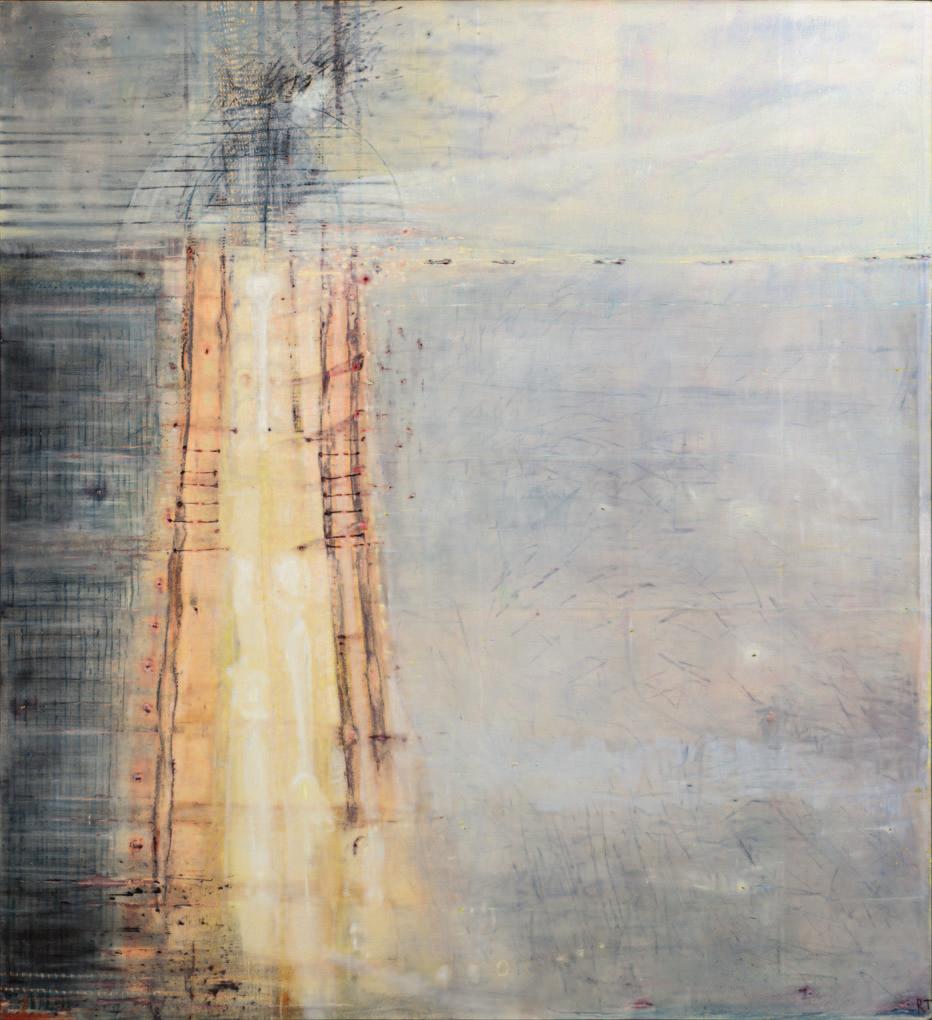
Plate VII: Leaden
152.5 x 167.5 cm. Oil on Canvas, 2022
16 REBEKAH TULUIE
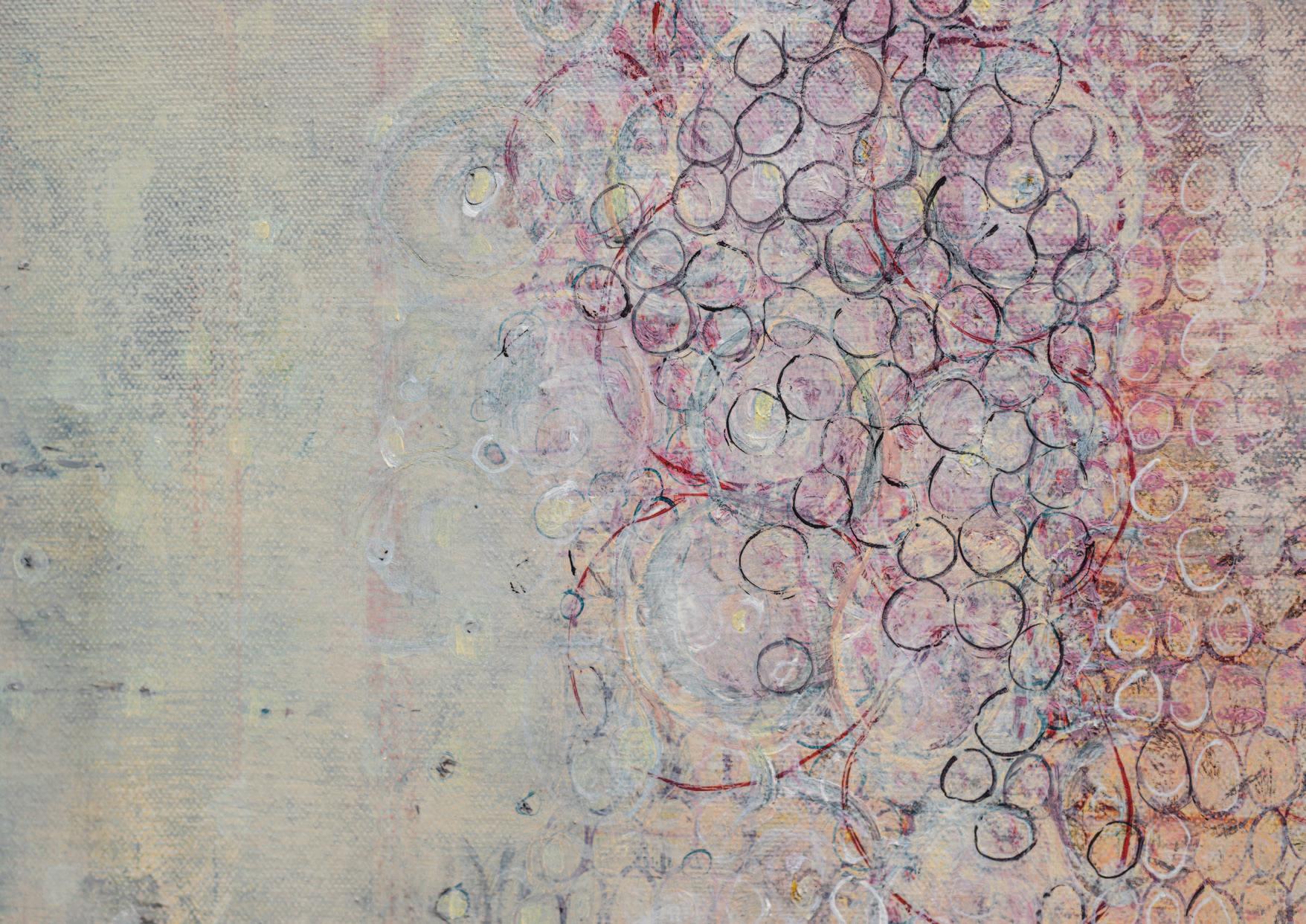
Detail from Plate XI: Taut
Peeling, torn, fragile surfaces that echo a sense of vulnerability, exposure, neglect yet they could also be of protection and boundary. Shards of memory shift and form new layers of pattern, which over time may reveal emotion states or unresolved traumas that lurk and bubble beneath the surface. Human memory retains, preserves and recovers but this is not a flawless process.
Memory can be mercurial. Still areas within the space cocoon centres of possible tension or inflammation which, in part, suggest chainmail like armour. Small circles weave to form a fabric mesh that is hard to penetrate but not impossible. There is a sense of fasteners or hooks that can enclose and mend or open and expose. A history of etched marks, maybe from a needle that has broken the surface to repair a fleshy bruised wound or a brittle garment. Stitches pull, stretch and strain – they may be constricting or instead liberating, shining a light or obscuring the narrative. A defiant rebellion against rigid constraints.
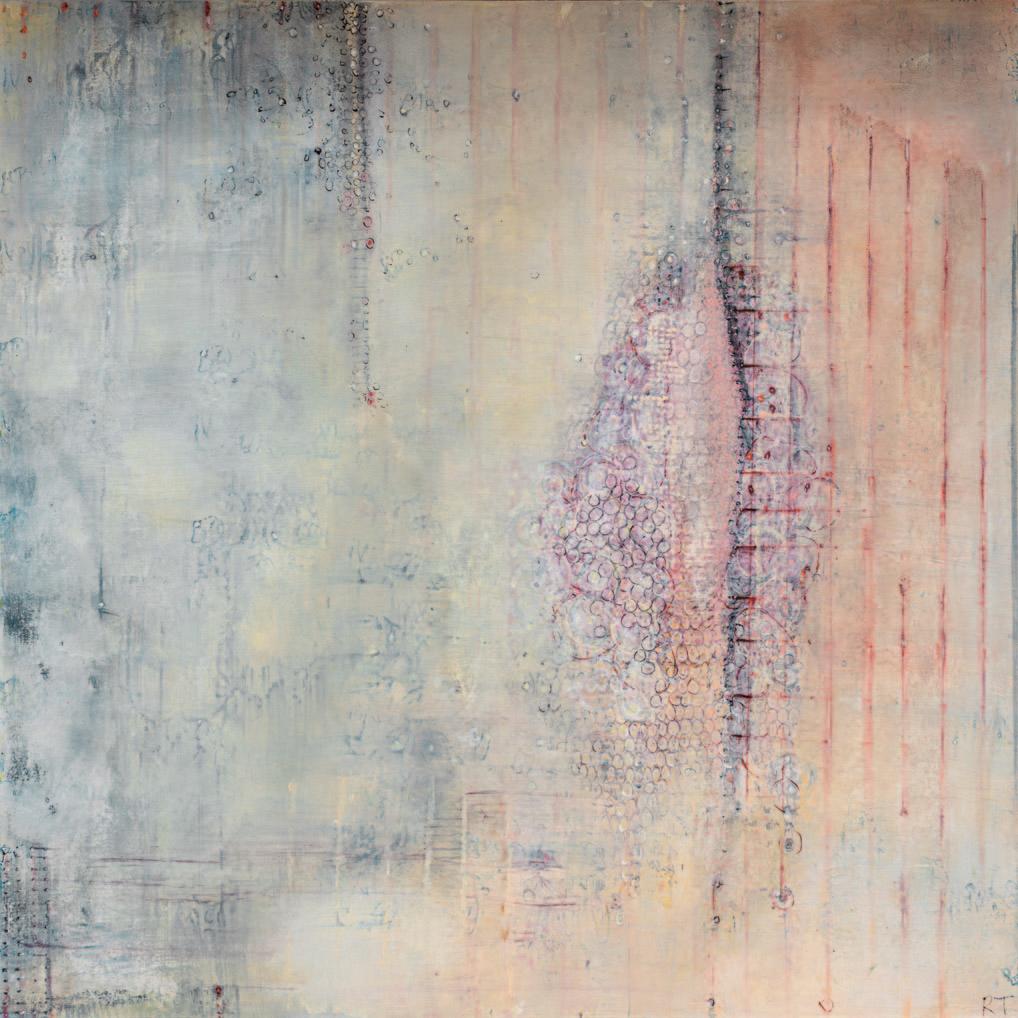
Plate XI: Taut
89 x 89 cm. Oil on Canvas, 2024
18 REBEKAH TULUIE
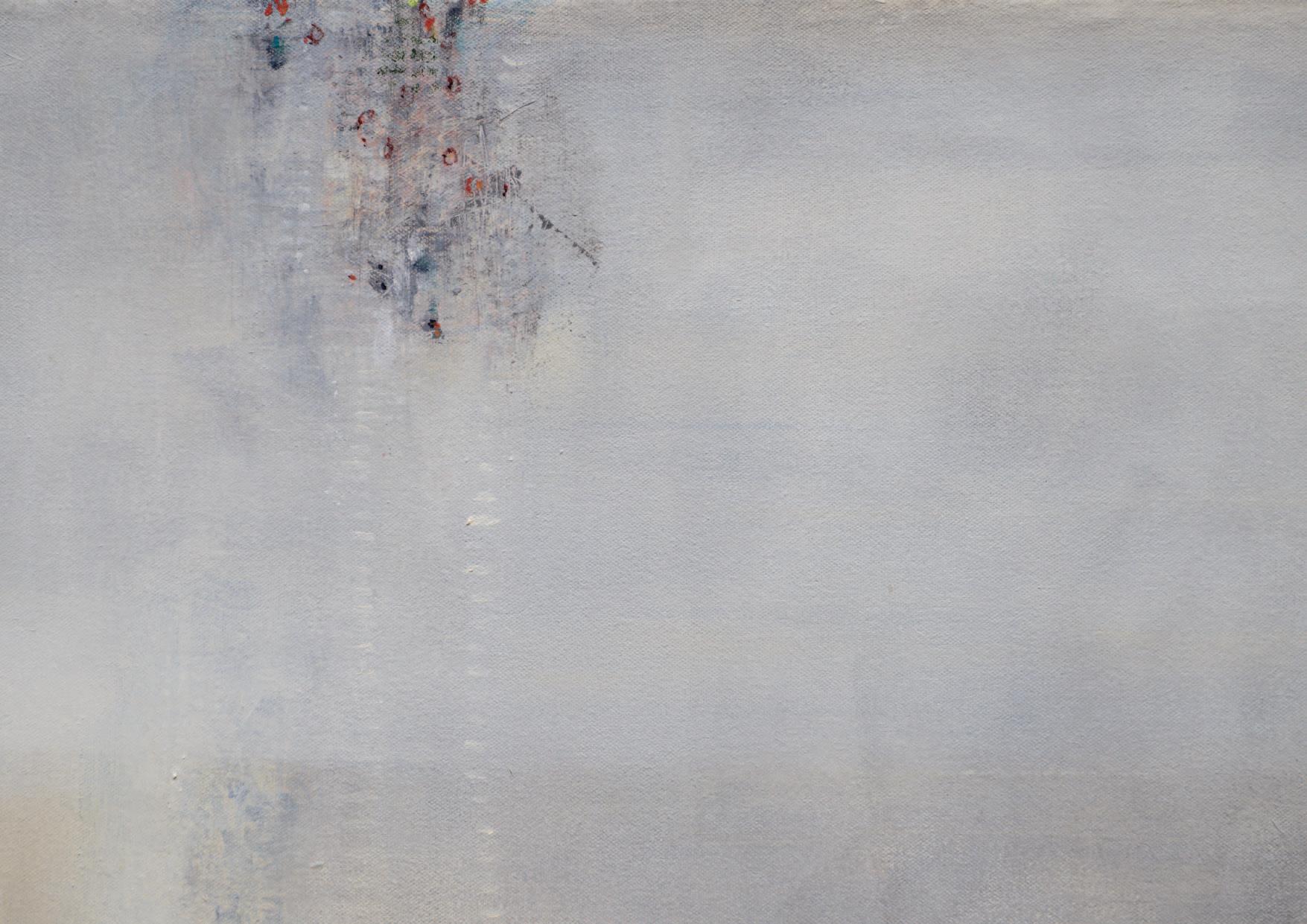
Detail from Plate VIII: Perish
GAIA: nature in the balance…
During the making, one painting narrative bleeds into the next and lived experience continues to ignite and inspire. Following a trip to an Island in the Indian Ocean I was struck by the intense volume of bleached coral skeleton washed up or evident on the seabed. I hadn’t witnessed this on such a scale before. Like so much of the natural world, coral reefs are under relentless stress, trauma, and destruction from humanity’s impact on the planet. When water becomes too warm, corals expel the algae living in their tissue causing them to pale and potentially perish from starvation. Coral reefs absorb energy from waves and protect coastlines. They also teem with diverse life. I felt an urge to respond with a series of paintings that captured the fragility and vulnerable beauty of this delicate, shifting underwater ecosystem. I also wanted to explore my fears of its rapid demise. Thin layers of paint and mark making build texture or are washed back to reveal intimate organic forms that emerge, connect, or hide in the canvas scape. There is a ghostly stillness in dialogue with areas of agitation and a sense of slumbering towards ruination.
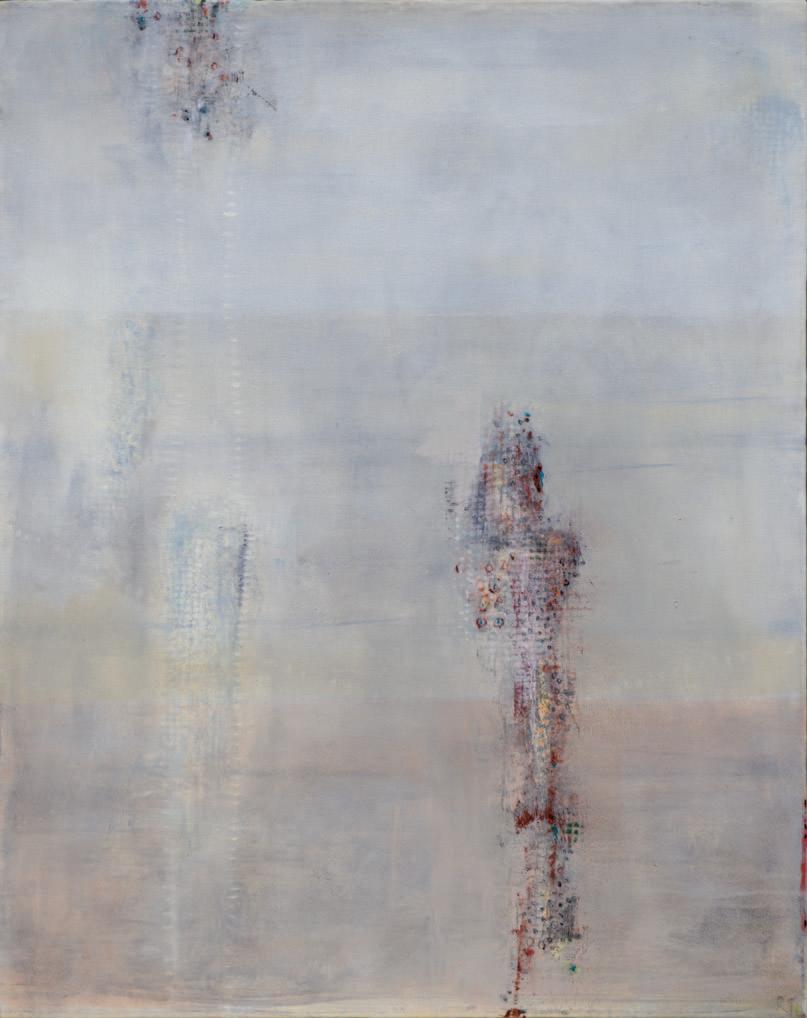
Plate VIII: Perish
60.5 x 76 cm. Oil on Canvas, 2023
20 REBEKAH TULUIE
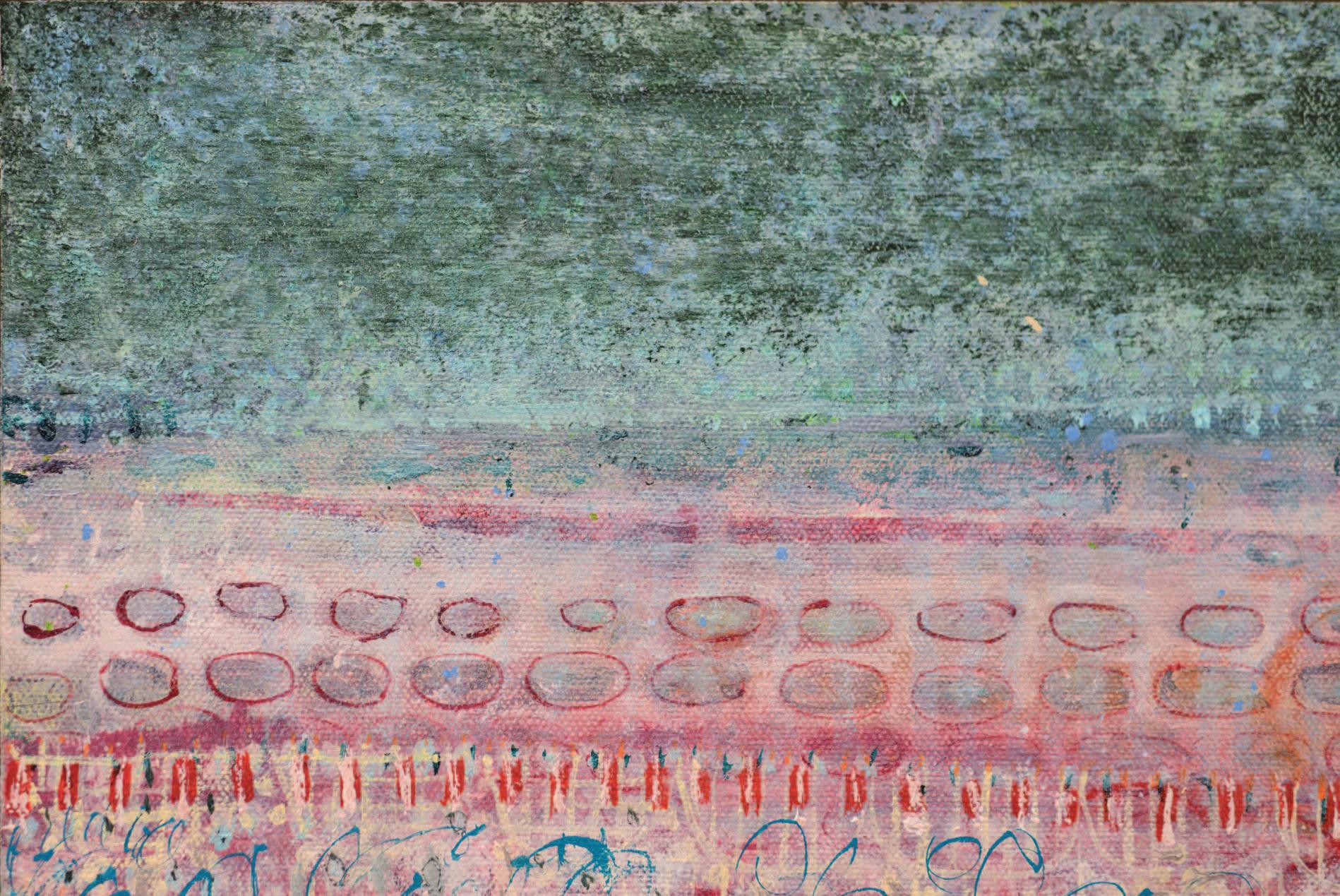
Detail from Plate X: Edge
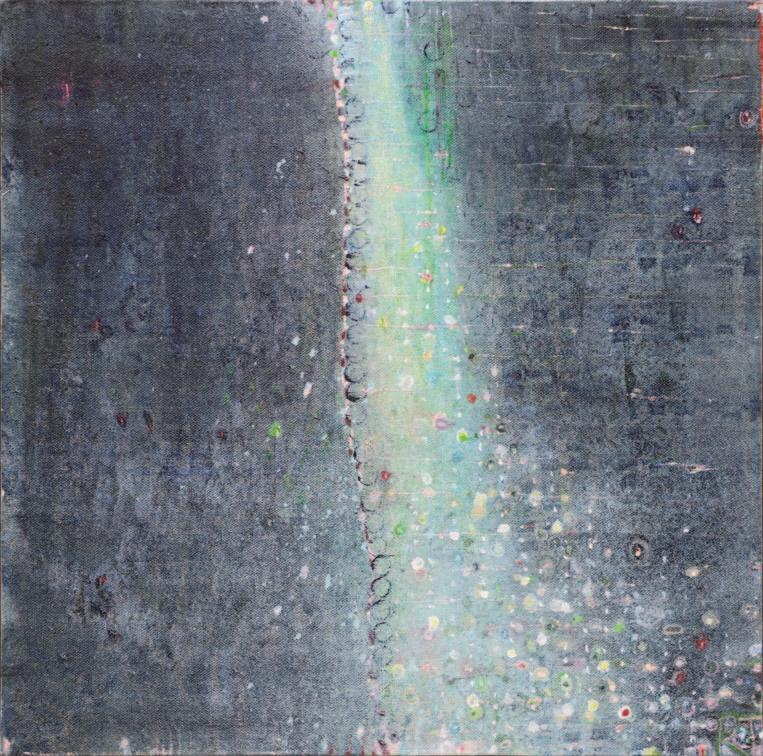

A shifting, brittle eco-system sleepwalks towards the edge of catastrophe. Areas of quiet anxiety in dialogue with fractured silence. Fleshy, sticky matter disperses or morphs seeking armour or elevation. A way out, a place to hide…
Plates IX & X: Ink & Edge
39.5 x 39.5 cm. Oil on Canvas, 2023
REBEKAH TULUIE
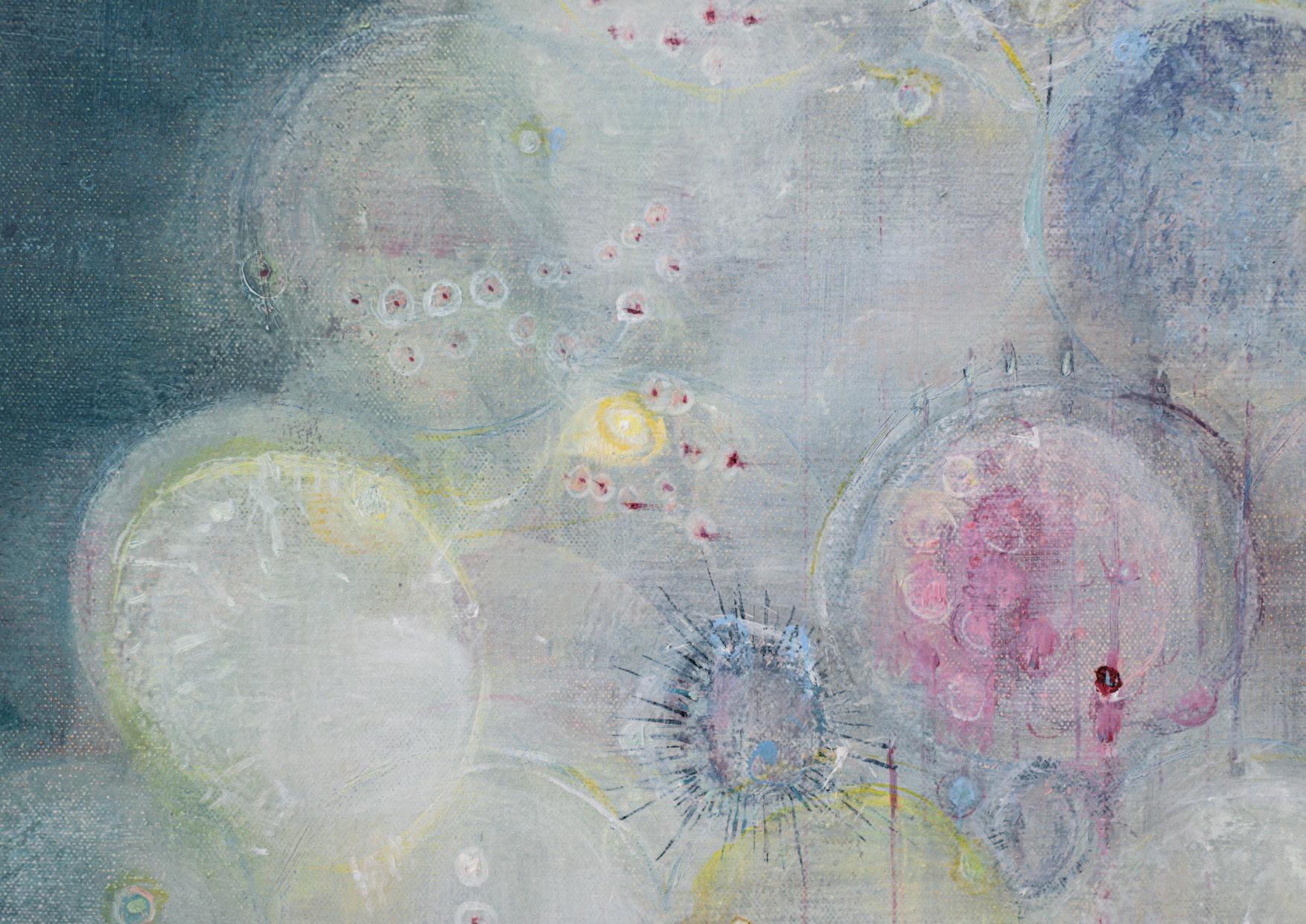
Detail from Plate XIX: In-Tension
To Pause: Inhale, exhale…
During the pandemic I was diagnosed with a breathing pattern disorder. Breathing is life. My response was to paint through the fear threatening to rise…
In my work I find myself drawn to dualities and contradictory impulses such as vulnerability versus resilience, retreating or expanding, weightlessness in combat with compression. There is an interconnectedness of human and plant form. Soft circular shapes congregate like a shield or map the rhythms of breath. Alveoli that yearn to be punctured to allow capsules of air to hiss out, pop and release. Or they are connected to the natural world like cottonballs, exploded bladderwrack, spiky sea urchins that emerge, shift and shiver… Borders tend to leak, transition and transform from one form to another. Red stitching can represent the colour of pain, which can be healed, repaired and strengthened.
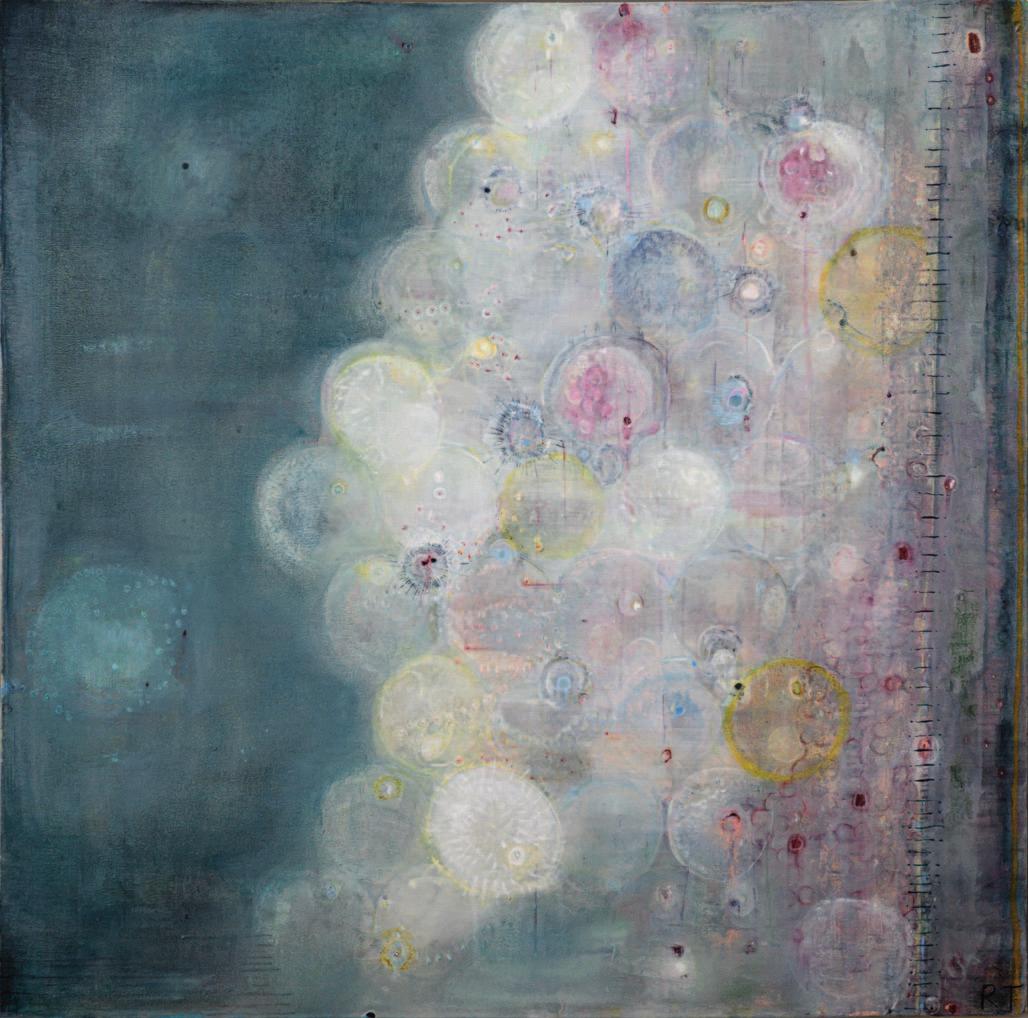
Plate XIX: In-Tension 76 x 76cm. Oil on Canvas, 2025

REBEKAH TULUIE
Detail from Plate XX: Stifle
“The wound is the place where the light enters you”
Rumi6
I can’t breathe… Probing at human fragility through tension between internal vaporous space and solid congealed matter. Shapes dissolve or patterns harden. Fragments of memories conceal themselves, while rhythmic spiky episodes blast or collapse. At last, a lightness of being emerges, relief…
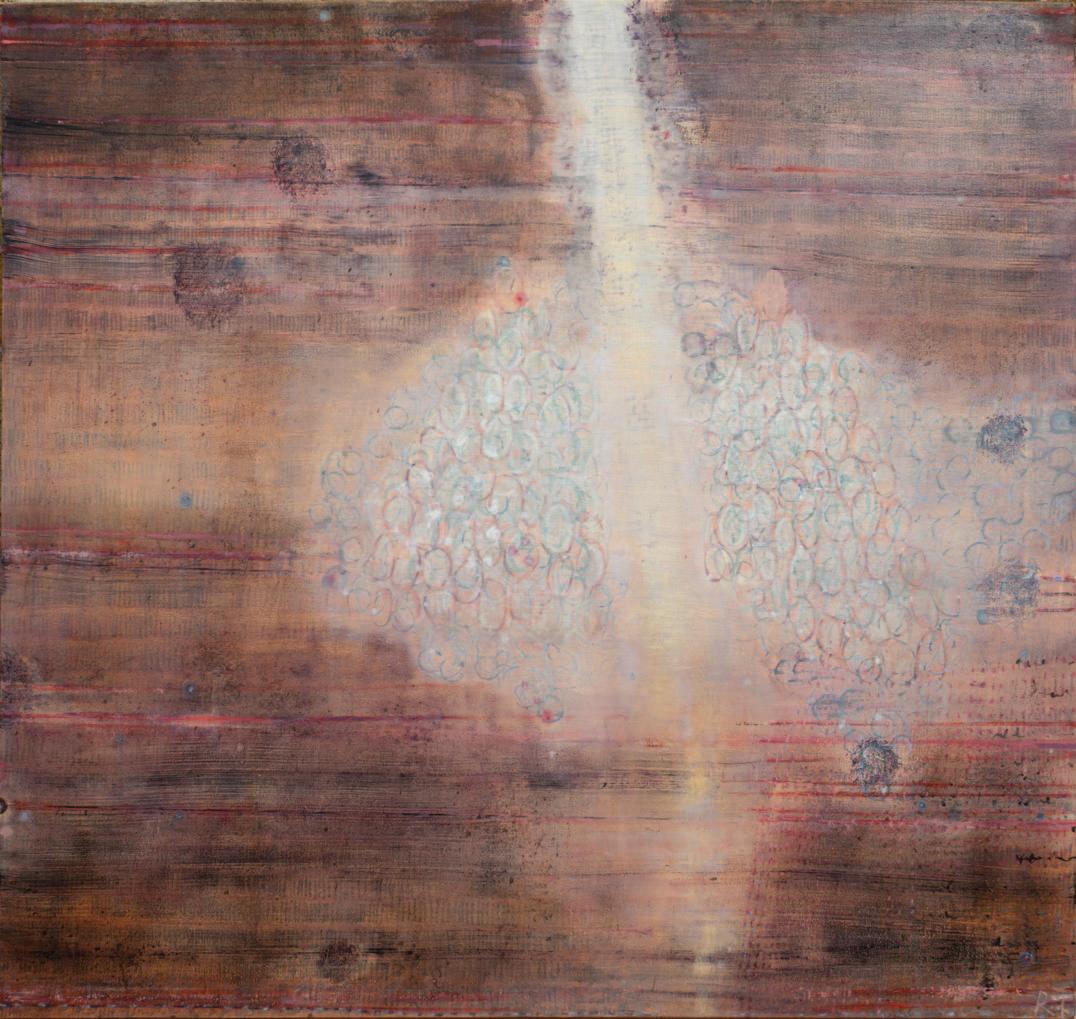
Plate XX: Stifle
96 x 90 cm. Oil on Canvas, 2023
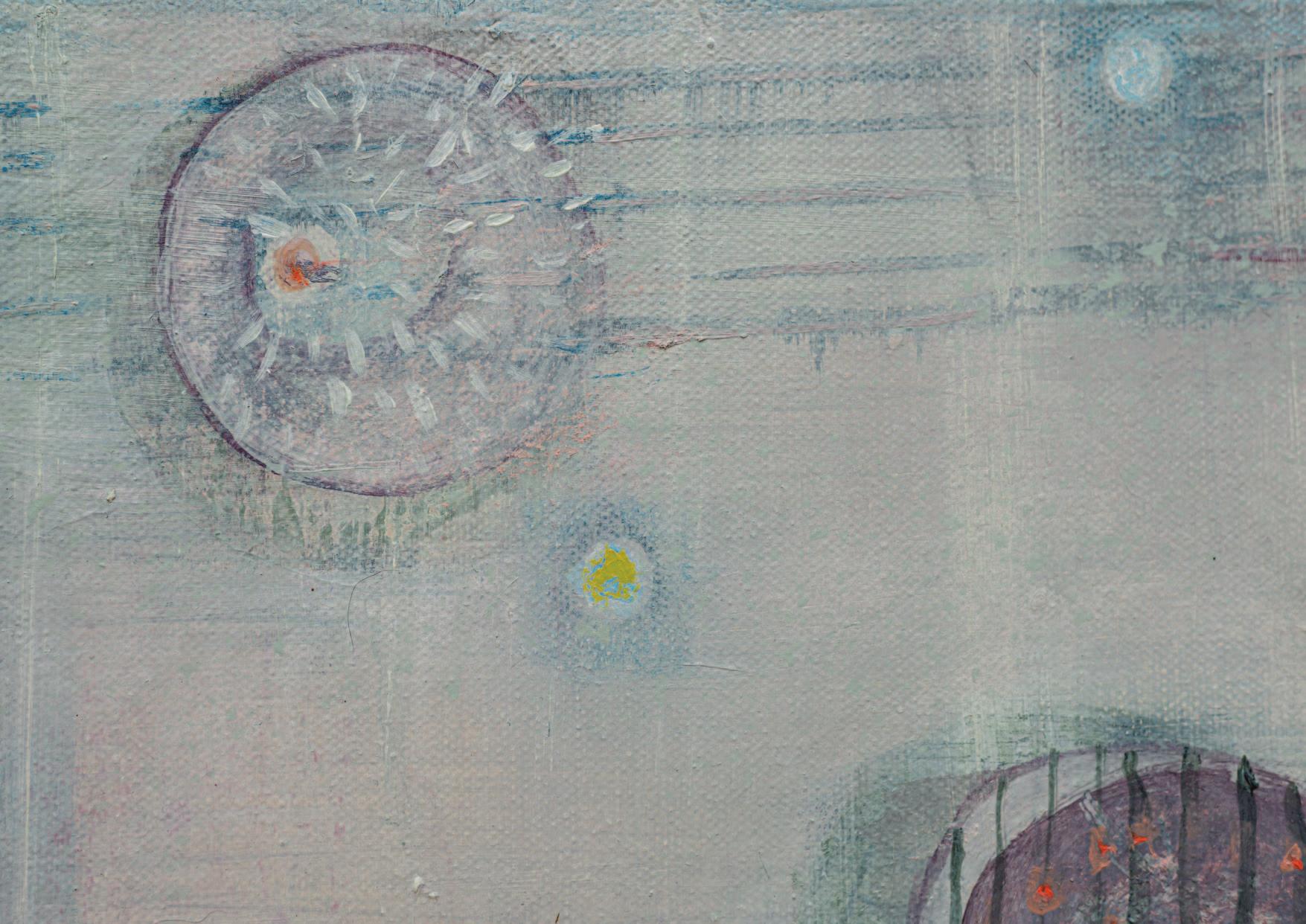
Detail from Plates XXI & XXII: Study i & ii
REBEKAH TULUIE

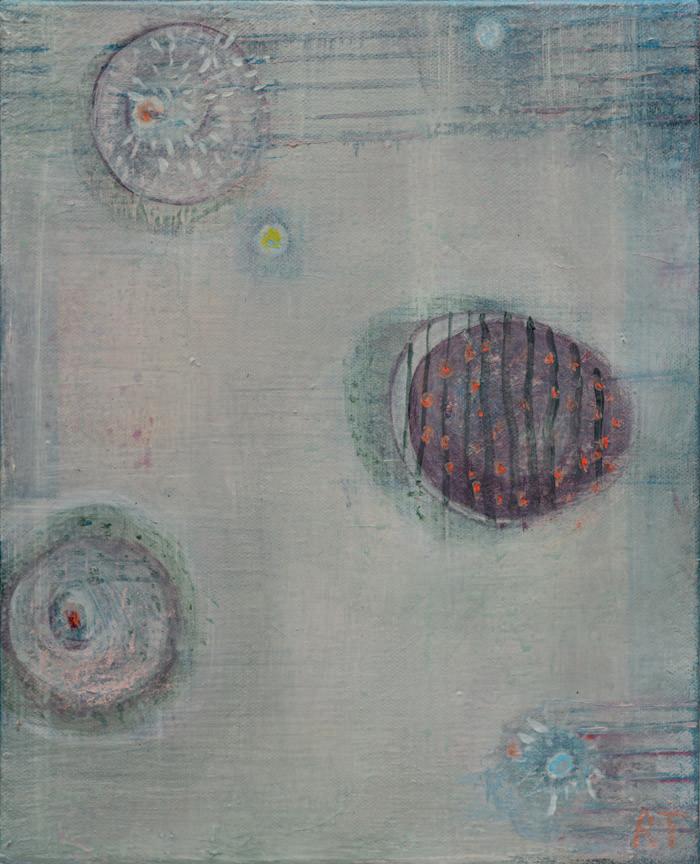
“I am out with lanterns, looking for myself” Emily Dickinson7
Plates XXI & XXII: Study i & ii
24 x 30 cm. Oil on Canvas, 2024

28 REBEKAH TULUIE
Detail from Plate XXIII: Tether
Roots: a fragile anchorage
Emerging info soft focus, fading borders that are hard to grasp, hard to truly know. Faint threads weave in and out – an umbilical cord that connects or fractures. Quiet clashes that can be tender or fraught. Tethering, digging in but equally aloof. Fragility and stability in equal measure. Like a nest.
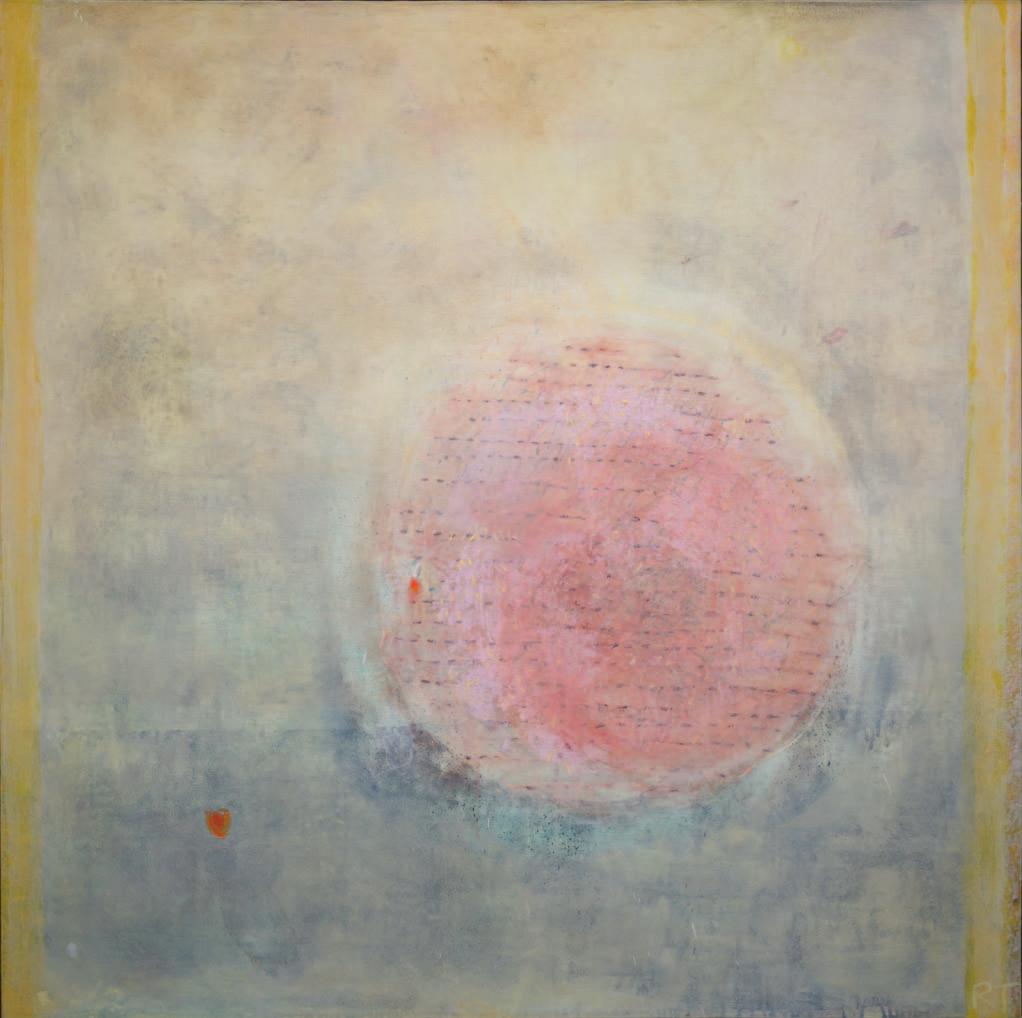
Plate XXIII: Tether 104 x 104 cm. Oil on Canvas, 2025
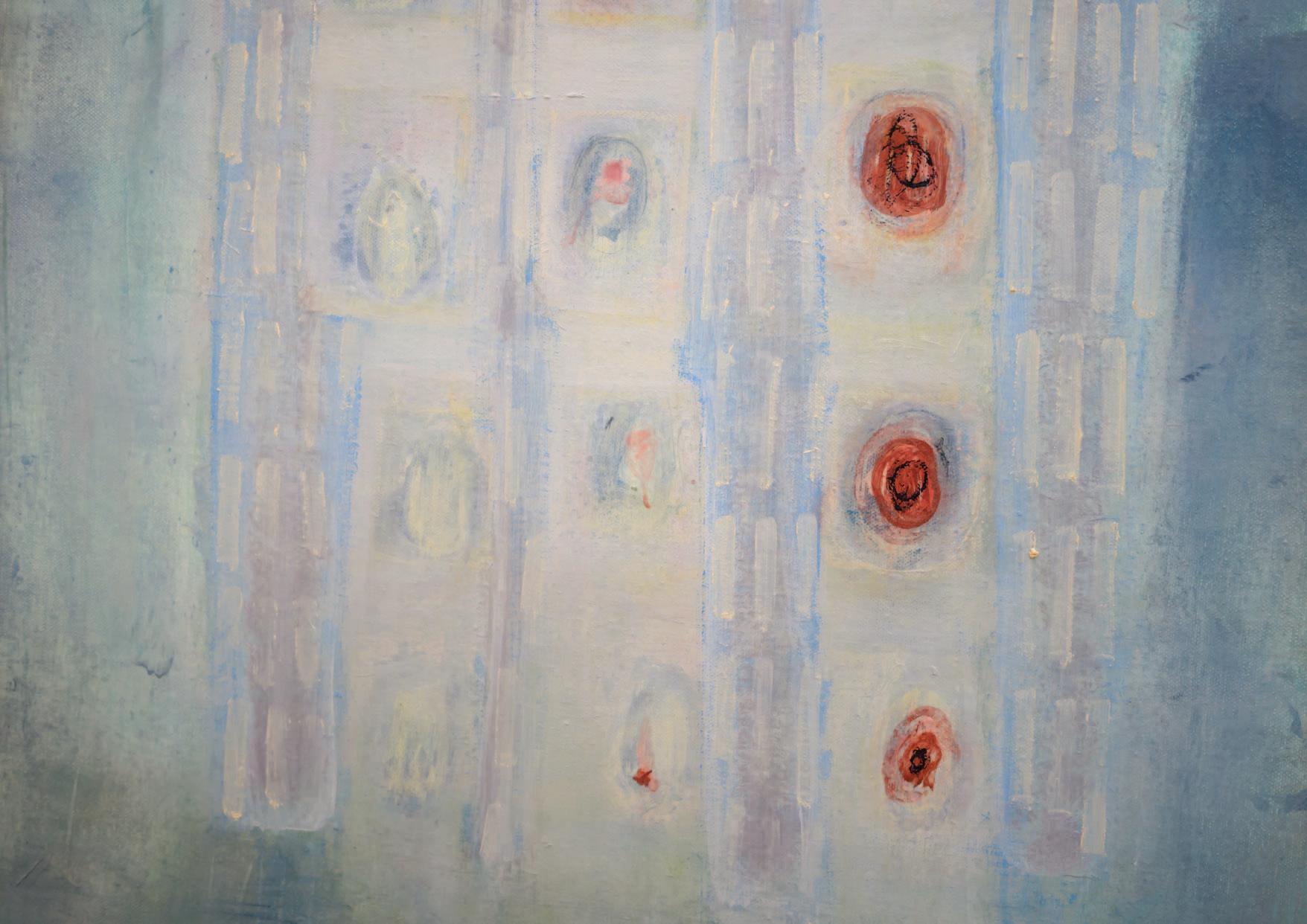
Detail from Plate XXIIII: Adrift
REBEKAH TULUIE
A totem – isolated, obscure, ambiguous. A hollow concealed space into unknowable shadows, or pathways out for flight, light and energy currents. Like a dovecote.

Plate XXIIII: Adrift 104 x 104 cm. Oil on Canvas, 2025
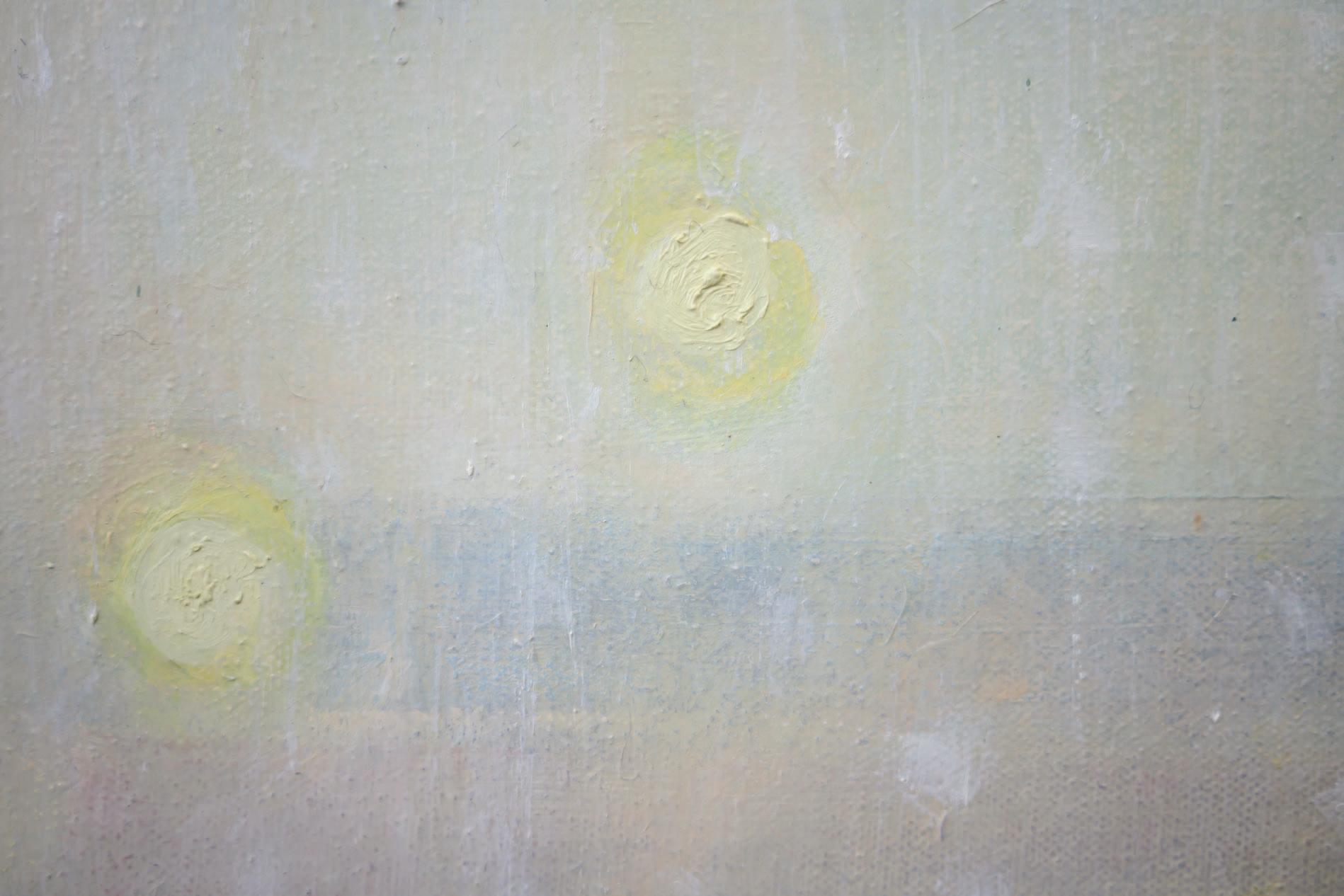
from Plate XXV: Dieppe i
REBEKAH TULUIE
Detail
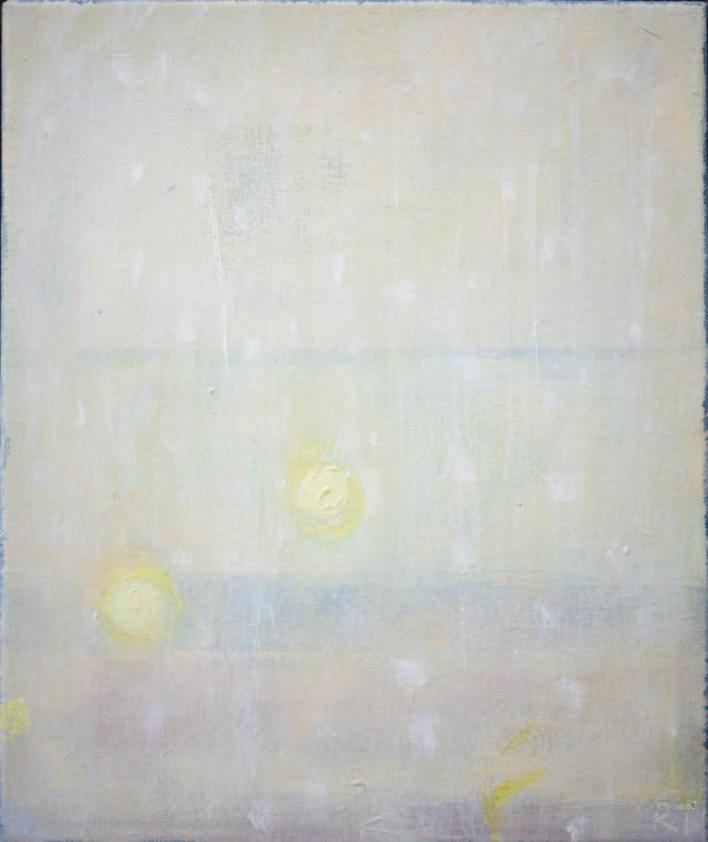
“Water is life’s matter and matrix, mother and Medium” Albert Szent-Györgyi8
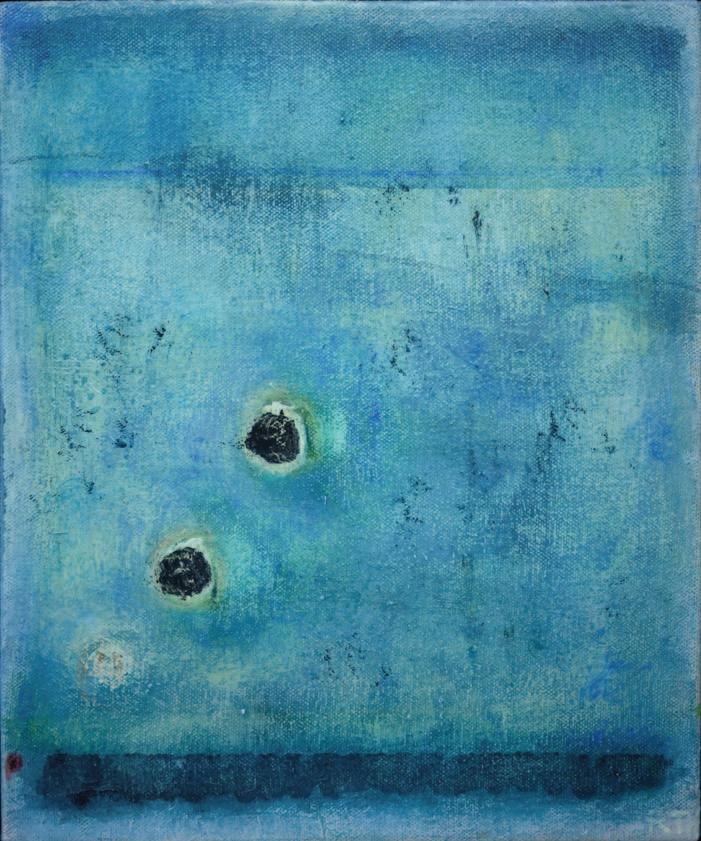
Plates XXV & XXVI: Dieppe i & Dieppe ii 25 x 30 cm. Oil on Canvas, 2025

REBEKAH TULUIE
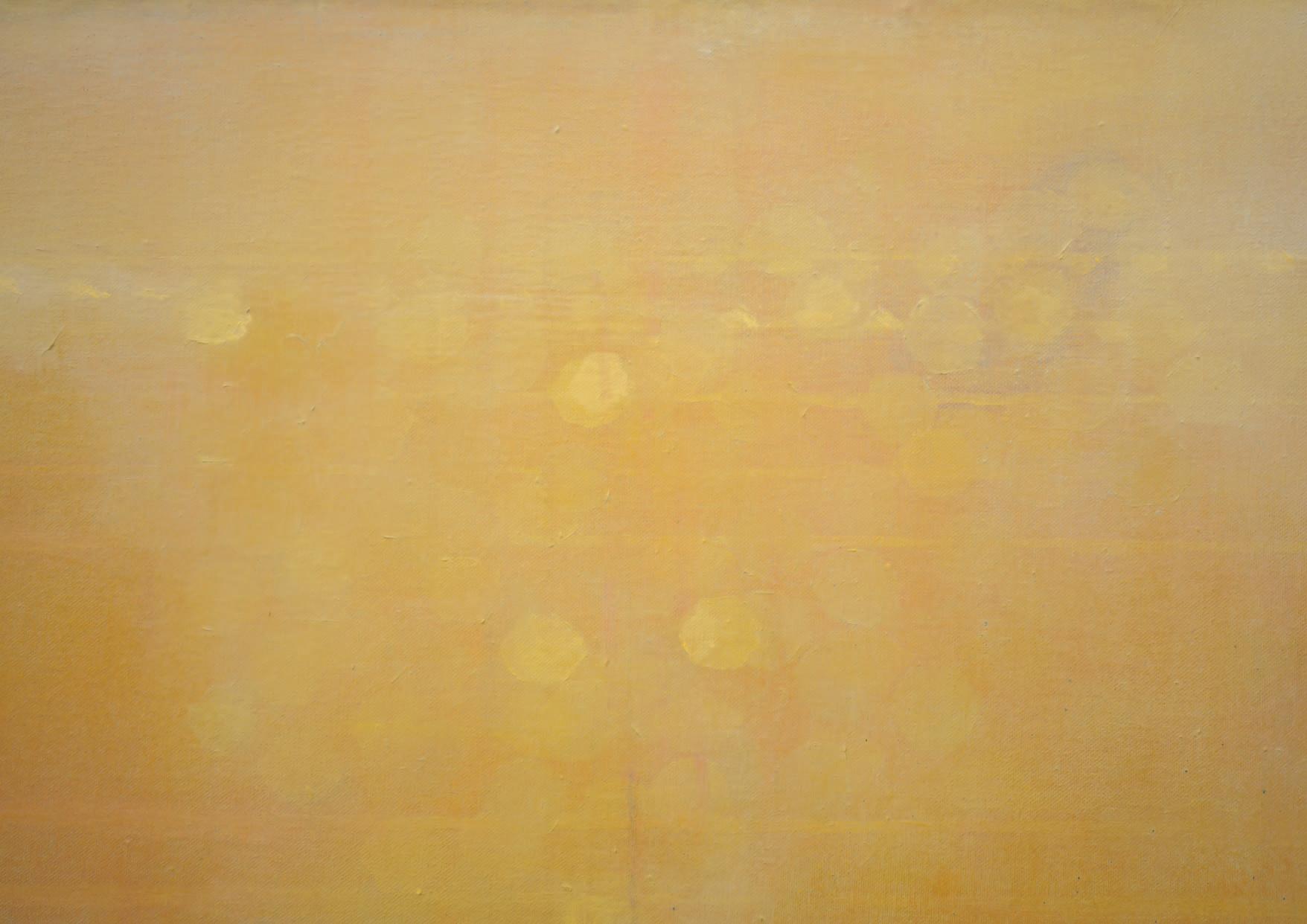
Detail from Plate XXVII: Pollinate
RAW-CORE: paint conversing with paint
A moment of transition. I wanted to loosen up my practice and explore the simple joy and emotion of colour, tone and shape interacting together. Motifs throughout the work continue but they don’t intend to represent one thing or another. Dualities remain between abstract and figurative elements. An interconnectedness between human and plant. The perceived lines of perhaps the sinuous branches of silver birch trees blur against healing bandages of limbs ravaged by softening bones. There are conflicting impulses between solitary ambiguous forms – are they honeybees dancing or scar tissue healing - versus a community of grids that may offer refuge or a desire to control. There is a fine line between our emotions.

Plate XXVII: Pollinate 152 x 168 cm. Oil on Canvas, 2024
REBEKAH TULUIE
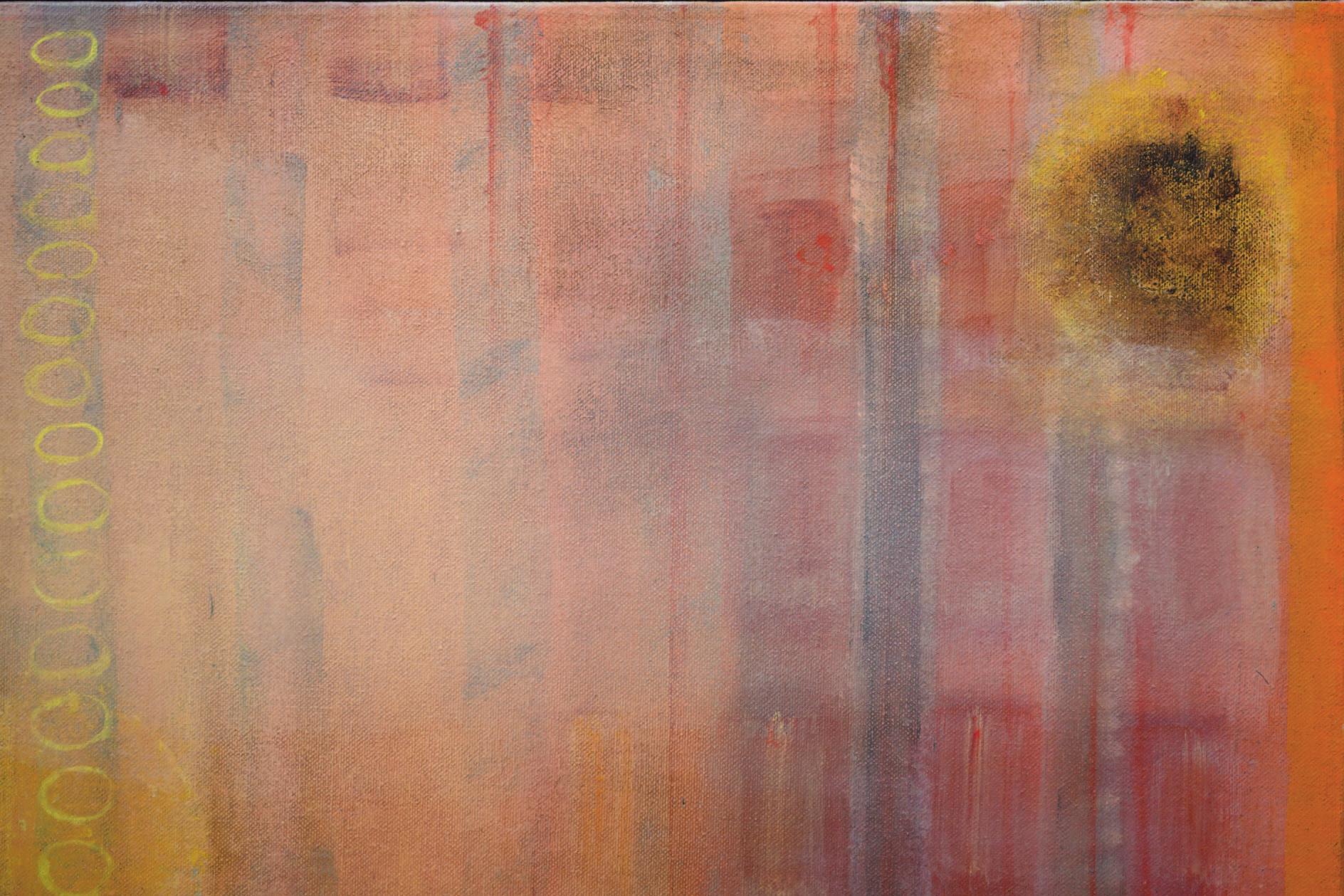
Detail from Plate XXVIII: Swarm
A blistering rupture of yellow…
“It is the colour closest to light”
Johann Wolfgang Von Goethe9
Spirit of the beehive… Bees are on my mind. Tiny, silent partners on which humankind depends for survival. A connective tissue and backbone of our ecosystem. Vital little farmers, whose demise would have a devastating impact on ecological balance and viability. Grid like patterns or storage cells that are openings to spaces that may let you out or hold you in. Lines that dissolve, pulsing and porous, or hold their ground clenching and clamping. Brave humming flickers of resilience and restoration, triumphant in their warm glow.

Plate XXVIII: Swarm 137 x 167 cm. Oil on canvas, 2025
38 REBEKAH TULUIE
Detail from Plate XXIXI: Ferrous
“Wherever there is light, look for the shadow. The shadow is me”
Anaïs Nin10
Hesitation
disintegration and regeneration.
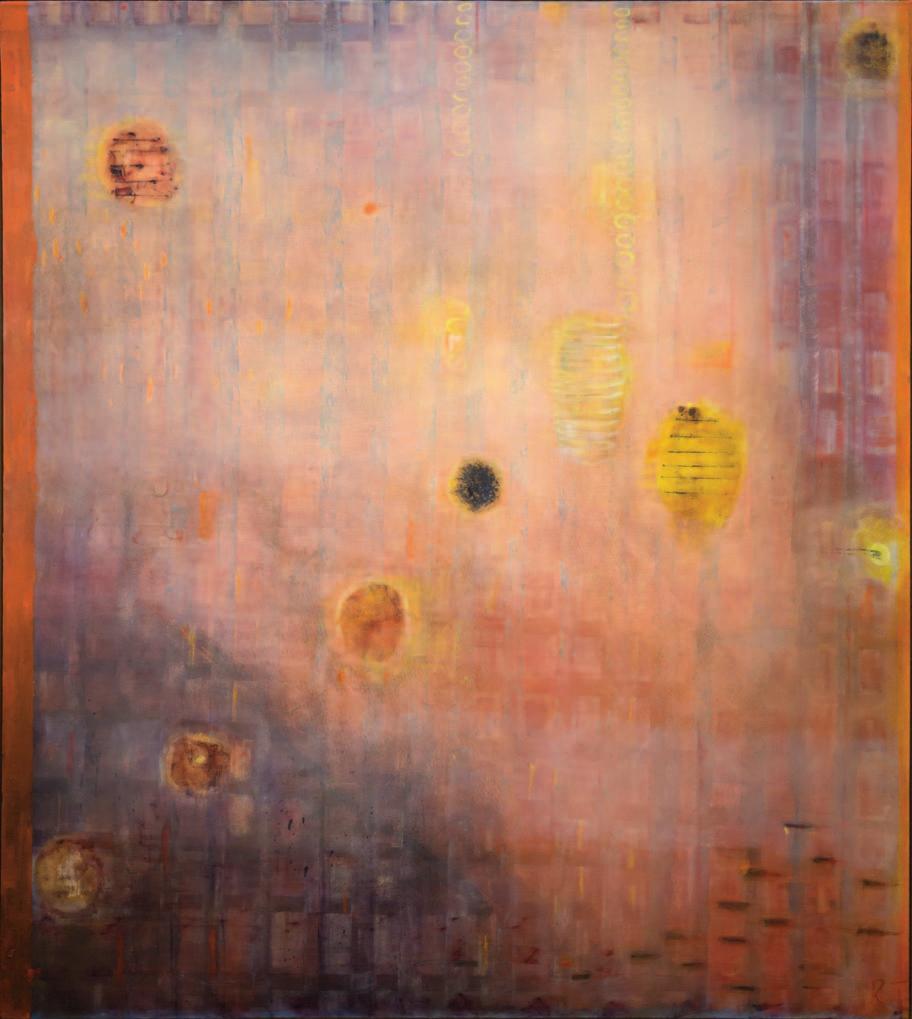
Plate XXIXI: Ferrous 137 x 152 cm. Oil on Canvas, 2025
between
REBEKAH TULUIE
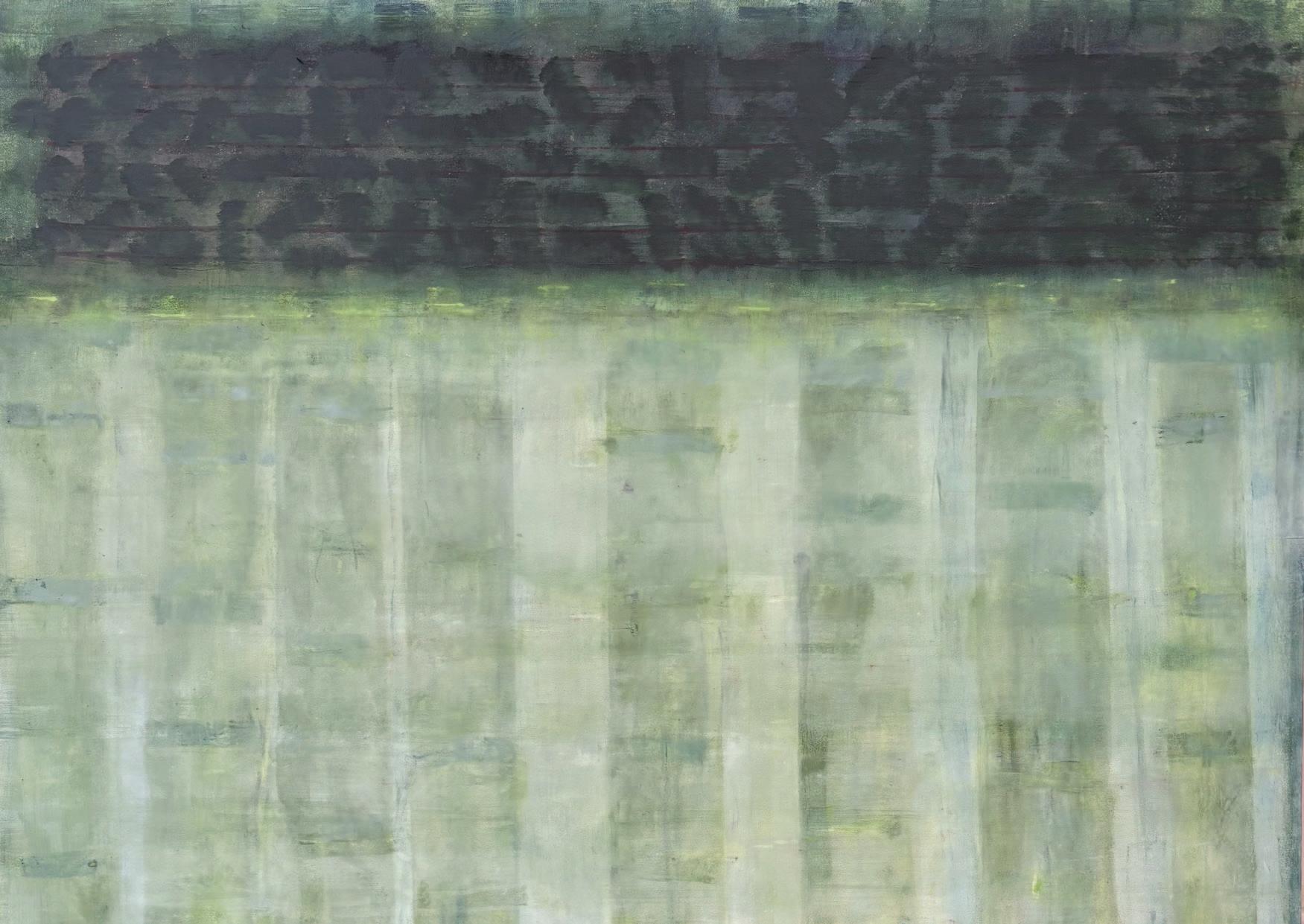
Detail from Plate XXX: Scaffolding
“Their Greenness is a kind of grief”
Philip Larkin11
The relationship between nature and the human body continues to make connections, patterns and maps for me. Scaffolding is a temporary structure for building or repairing; bamboo, a material traditionally used for its flexibility and strength, allowing it to withstand weight and pressure. There is pleasure in the rhythmic knocking as a rack is built, in sensing the slow pulse of its sap whilst it's alive in the forest, in the history and survival represented by the growth rings along its culm. They could be interpreted as ladders, stitches, scars in the vocabulary of the painting. Weighing heavily above the bamboo is a murkier oppressive pressure – an emotional disturbance. The boundary between the two forces fuses with subtle energy - fraying and slipping around the edges in the way memories do. Healing and balance require facing the vulnerability that shut down emotions. Nature’s undersong holds her ground.
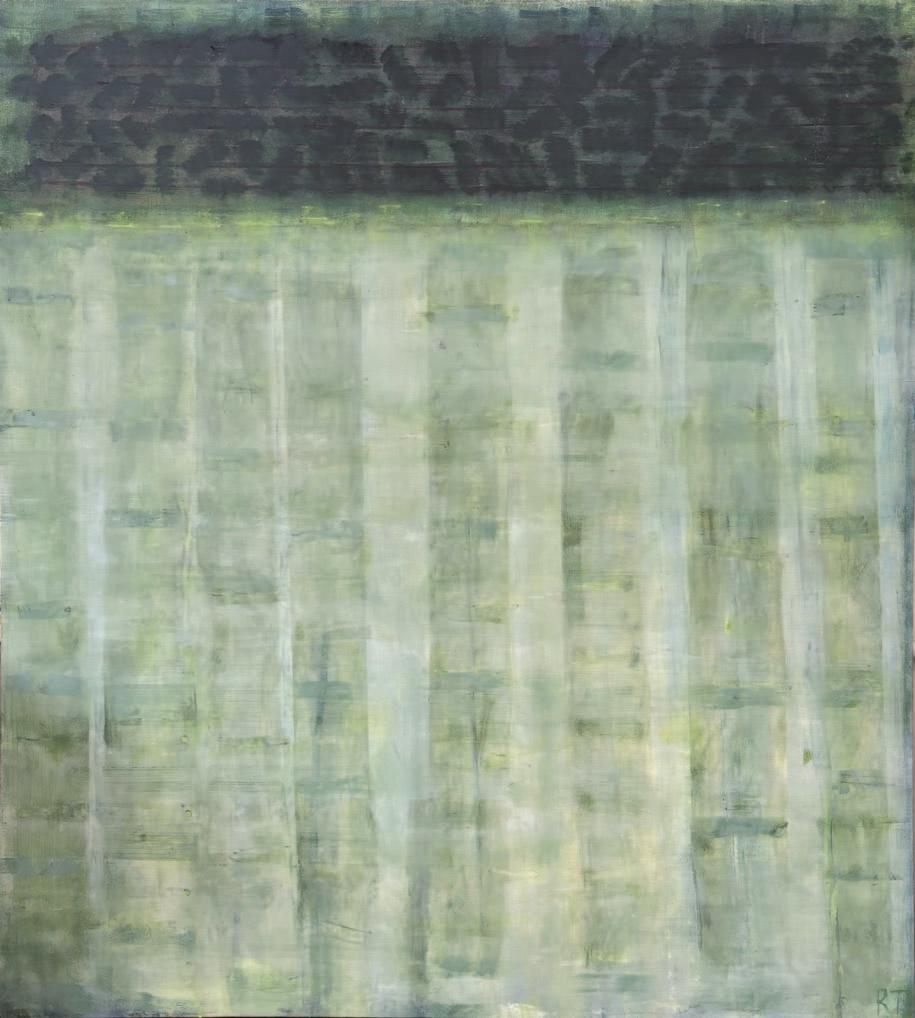
Plate XXX: Scaffolding 137 x 152 cm. Oil on Canvas, 2026
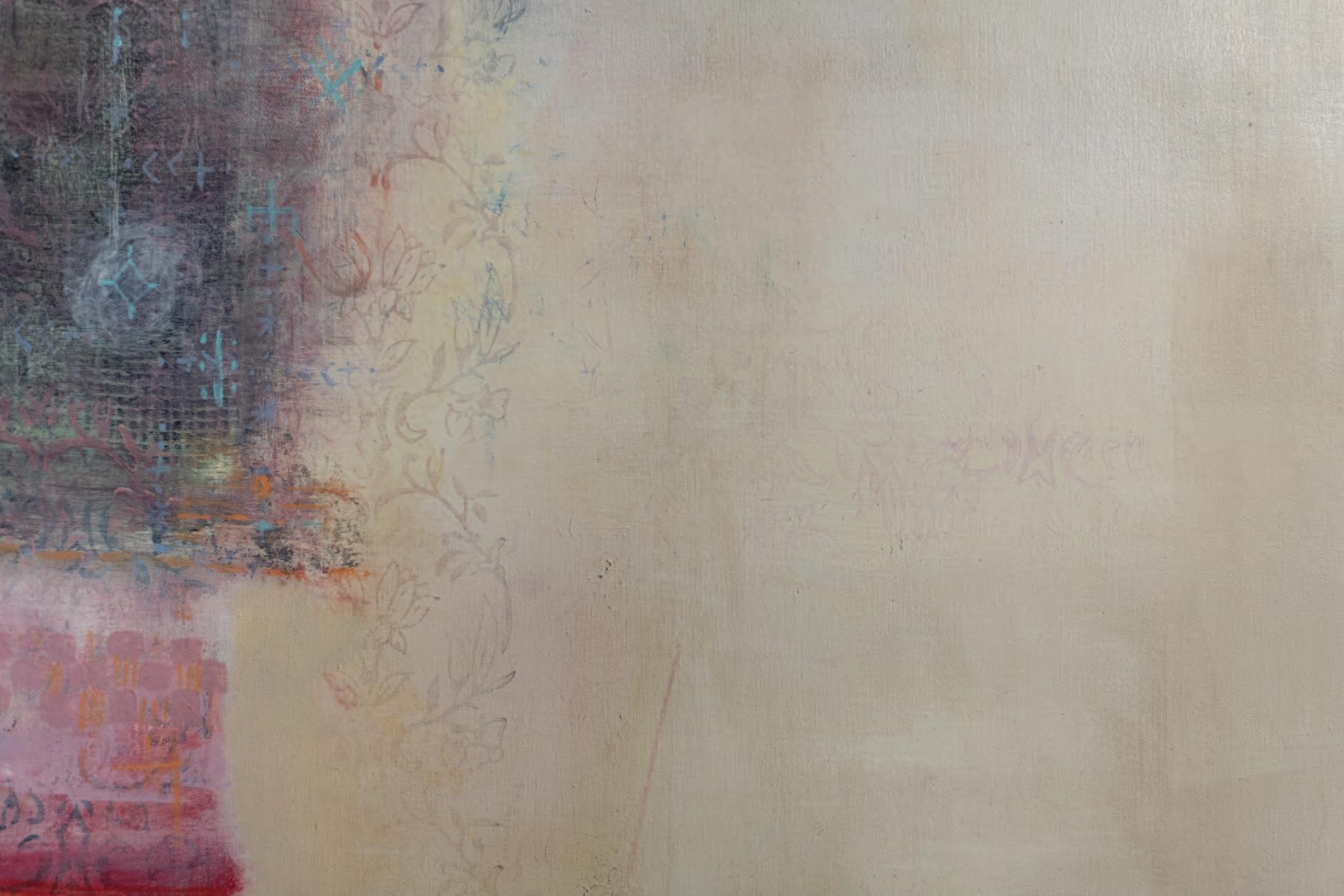
“The art we make is inevitably autobiographical; the accretion of interpretation and embellishment that has its core in our own personal experience”
Sally Mann12
Detail from Plate V: Echo
Biographical Notes
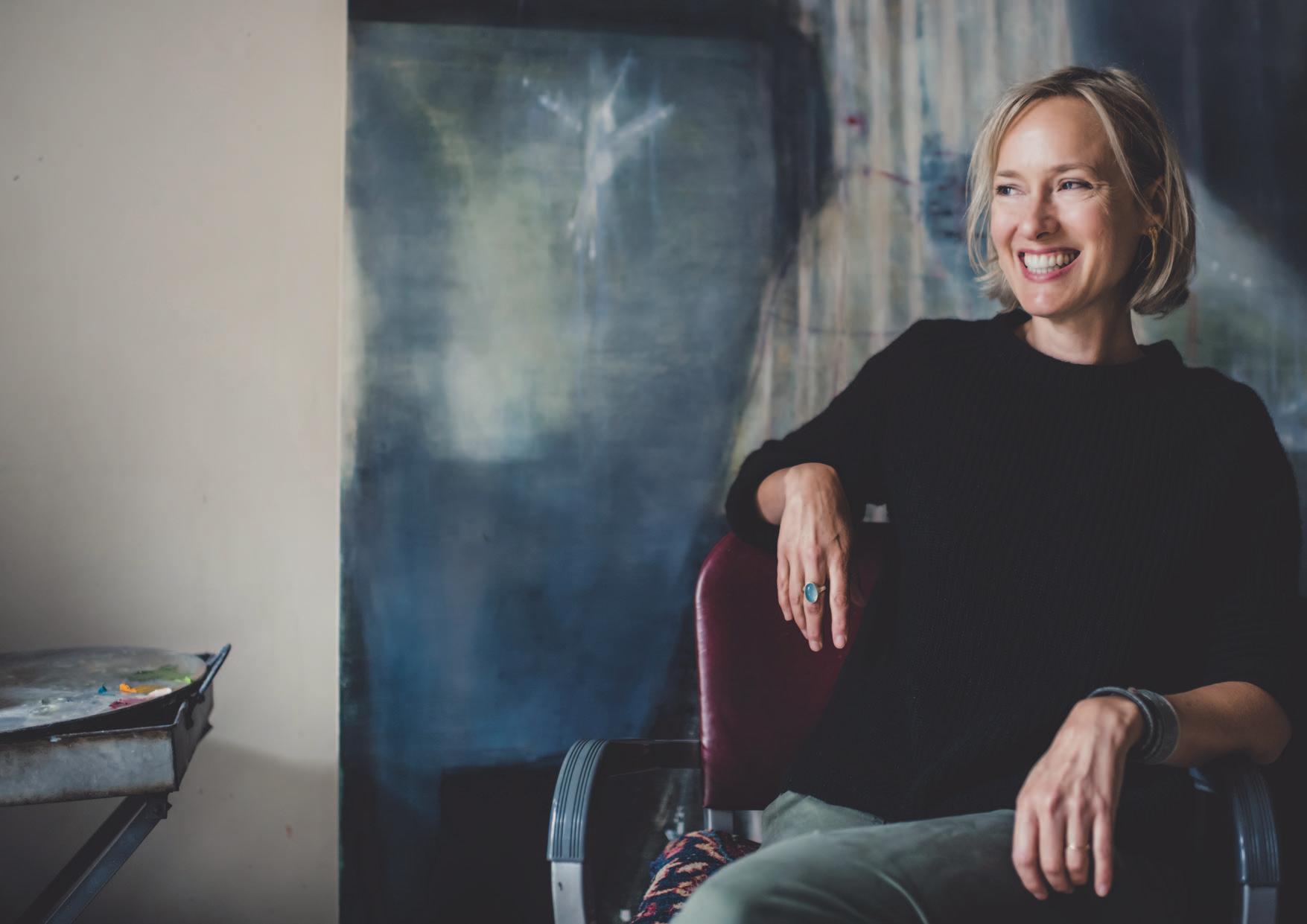
Rebekah Tuluie grew up in Snowdonia, North Wales. She trained as a painter at Bath Academy of Art and Falmouth School of Art. After graduating, she was a scenic painter at the Royal Opera House and worked with photographers Ken Griffiths and Chris Simpson. In 1997, she published Handlines, a book in aid of the anti-personnel landmines campaign, endorsed by the Red Cross and exhibited at the National Portrait Gallery.
She began her film career in 1998 with a Forum for the Future Sir Cameron Mackintosh Scholarship, followed, in 2001, by a National Endowment for Science, Technology and the Arts Fellowship. In 2004, with a Sir John Terry Memorial Scholarship, she completed her MA in Film Production at the National Film and Television School, where her work received several awards. This same year, Rebekah was one of Screen International’s Stars of Tomorrow and founded Rainy Day Films. In 2008, Rebekah was honoured with a Women in Film Talkback Thames New Talent Award and featured in Tatler’s New Brit Talent list. In 2009, Rebekah completed Inside Pictures, Europe’s leading film business training and leadership programme. She was a member of the Ffilm Cymru Wales board from 2009 until 2015. In 2016, Rebekah was elected to sit on the Committee of the British Academy of Film and Television Arts in Wales, BAFTA Cymru. Between 2019 and 2023 she was a visiting tutor at the National Film and Television School. In 2019, Rebekah was a founding member and creative coordinator for PhysicsX, a team of scientists and engineers devoted to making the world a better place.
Rebekah’s first feature film as producer was The Edge of Love, starring Keira Knightley, and Cillian Murphy. The film brought to the screen the life story of Rebekah’s grandparents’ relationship with poet Dylan Thomas. This was followed by Patagonia, directed by Marc Evans, and starring Matthew Rhys and Nahuel Perez Biscayart and with Fox Studios, Another Me, which was directed by Isabel Coixet and starred Sophie Turner and Rhys Ifans.
From 2022 until 2025, Rebekah has been represented by Lizzie Collins at Zuleika Gallery. She is now under the umbrella of Collins’ new venture Stoneman Collins. In 2022, her work was exhibited as part of the Winter Show: Fine Art and Rare Jewels at Cromwell Place London. In January of the following year, her work was shown in Curated at Dorfold Hall: British Art Then and Now and in May 2025, Curated at Tiresford. In 2024, Rebekah’s work was selected for the Ironstone Art Prize and Exhibition at the Banbury Museum. Her work is in private collections, including a house designed by architect Roger D’Astous in Montreal and the former home and studio of painter Sir Lawrence Alma-Tadema.
Rebekah now lives in Oxfordshire and has come full circle in reigniting her lifelong passion for painting.
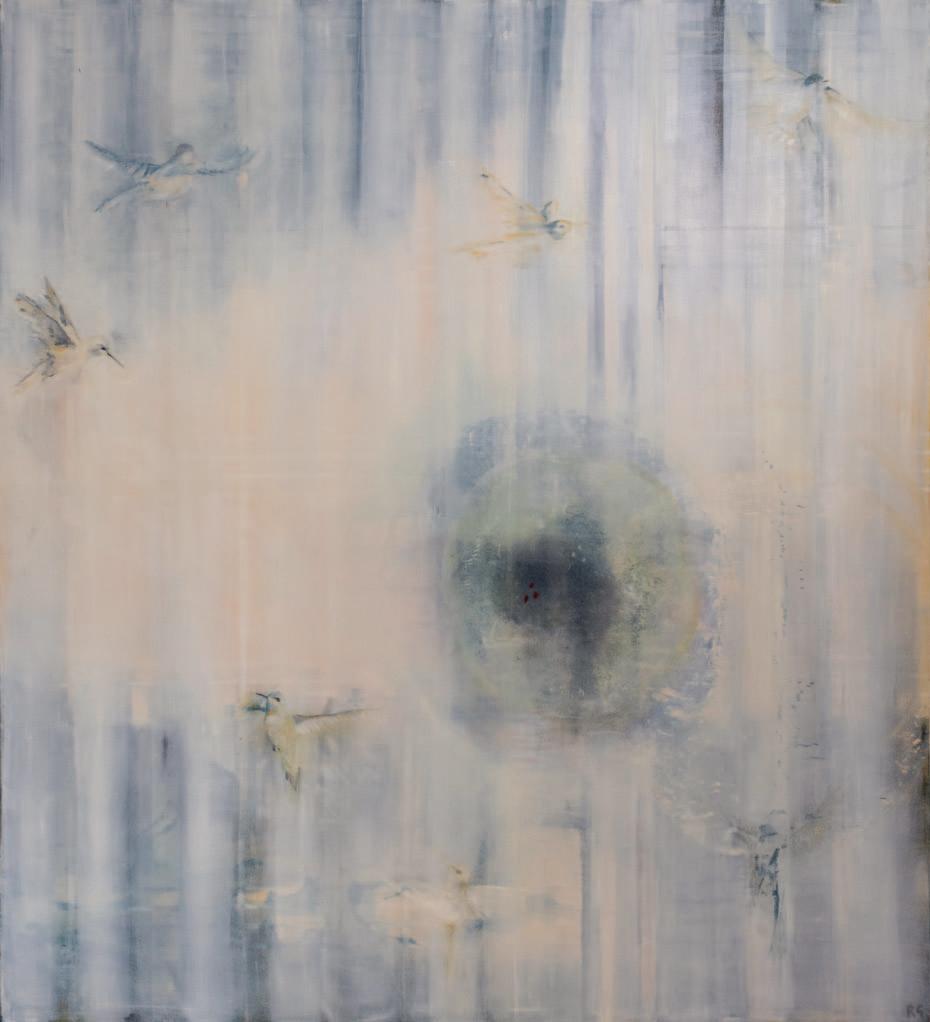
“Hope is the thing with feathers”.
Emily Dickinson13
Plate XXXI: Ascension
152.5 x 167.5 cm. Oil on Canvas, 2016
Sources:
1. Negav, Eliate. Interview with Ted Hughes, 8 October 1996, whilst researching for the biography: Lover of Unreason: The biography of Assia Wevill, Sylvia Plath’s Rival and Ted Hughes’ Doomed Love. Avalon Publishing Group, 2008
2. Porter, Charlie. What Artists Wear. Penguin, 2021.
3. Ernaux, Annie. The Years. Fitzcarraldo Editions, 2018
4. Maison Margiela Artisanal collection Spring-Summer 2017
5. Laing, Olivia. Funny Weather: Art in an Emergency. Picador, 2020.
6. Rumi. An interpretive summary from, The Masnavi. c1258
7. Dickinson, Emily. Letter to her friend Elizabeth Holland, 1856
8. Szent-Györgyi, Albert. Perspectives in Biology and Medicine. Winter 1971.
9. Goethe, Johann Wolfgang. Theory of colours. MIT Press, 1970
10. Nin, Anaïs. The Diary of Anaïs Nin, Vol.1: 1931-1934. Mariner Books, 1969
11. The Trees 1974. The Complete Poems of Philip Larkin. Faber and Faber, 2012
12. Mann, Sally. Art Work: On the Creative Life. Penguin, 2025
13. The poems of Emily Dickinson. Edited by R.W. Franklin. Harvard University Press, 1999.
13 Fore Street, Castle Cary, Somerset BA7 7FP
T +44 7939 566085
E lizzie@stonemancollins.com www.stonemancollins.com
“Rebekah’s sensitive abstractions evoke to the elusive, constantly shifting landscape we carry within us, an intimate yet unknowable territory, like a tentative presence that can be sensed fleetingly at the threshold of language but beyond what can be expressed.”
Paul Hobson, Director of Modern Art Oxford
Photography by Amy Shore Design by Sarah Garwood Creative