
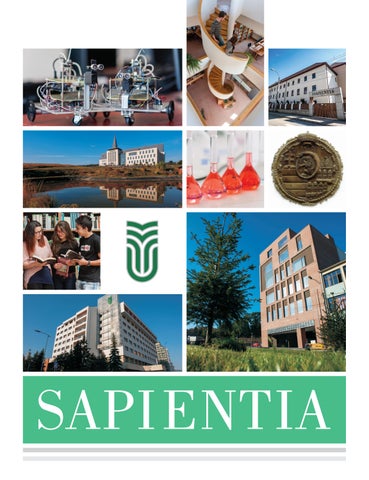
Sapientia University was established in 2001 as an independent higher education institution in Romania, with the aim of providing tertiary education in Hungarian language. When creating the organisational structure of the University, one of the fundamental objectives was to ensure a balanced regional development. As a result, faculties were established in three Transylvanian cities (Miercurea Ciuc, Târgu Mureș and Cluj-Napoca), which were later completed with a study centre in Sfântu Gheorghe, all together offering a wide range of study programmes.
Sapientia University is an institution promoting high-quality education and competitiveness, striving to meet international standards and aiming to prepare professionals able to assert themselves following their graduation, either at home or in any country of the European community.
Establishing a professional cooperation network is essential for us. Efficient partnerships with domestic and international higher education and research institutions present a number of opportunities for further development of research and teaching, for student and teacher exchange programmes, and create appropriate conditions to join the European Higher Education Area.
The progress we have made in our 25 years of existence in terms of the number of students and teaching staff, the variety of study programmes, the infrastructure and the role we have assumed in the life of the community has resulted an institution that offers competitive knowledge in a pleasant, modern and dynamic environment.
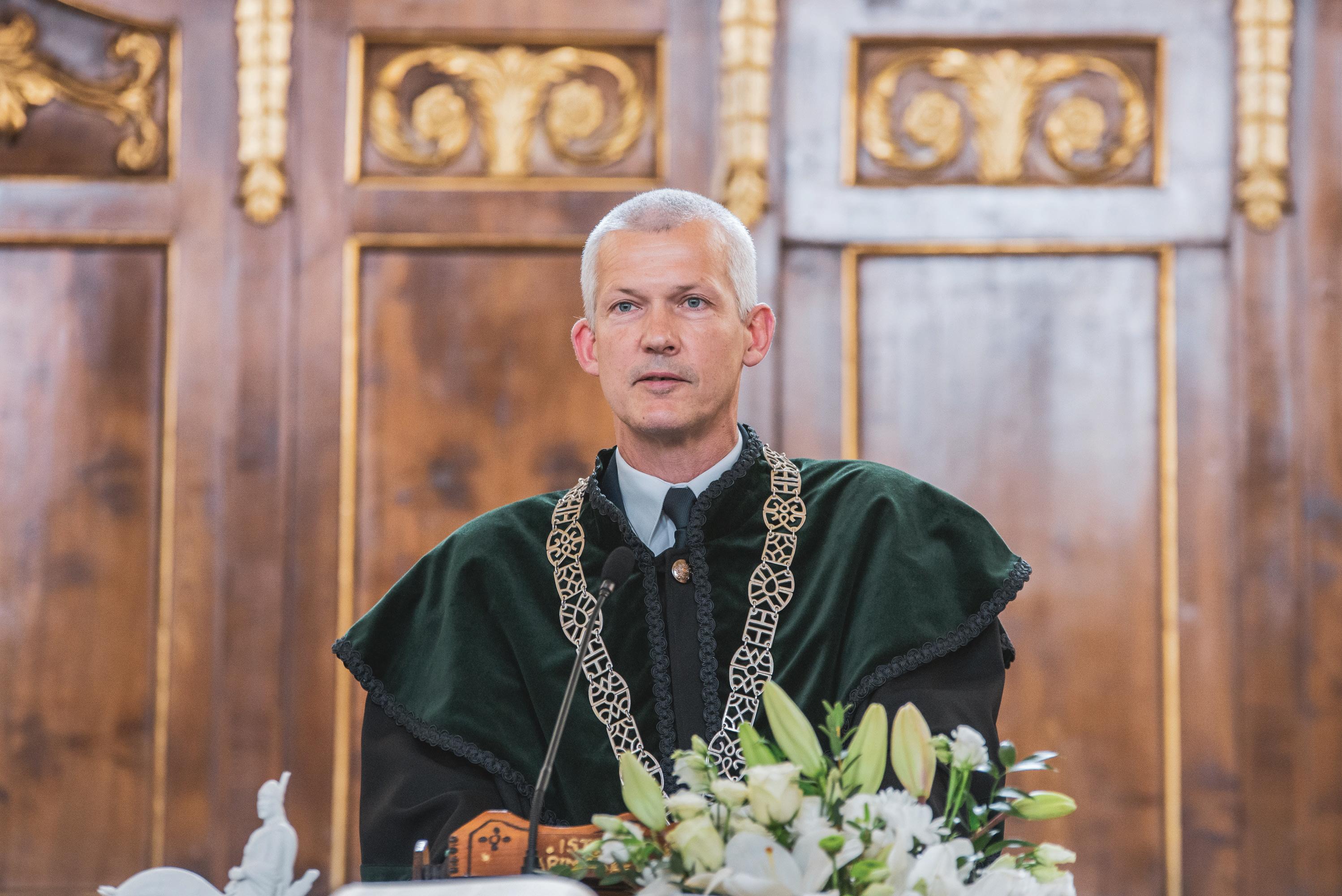
professor TONK Márton, PhD rector of Sapientia University
Research Centres of the Faculty of Economics,
More than 1. 2 million ethnic Hungar ians, almost ever y fif th person is an ethnic Hungar ian
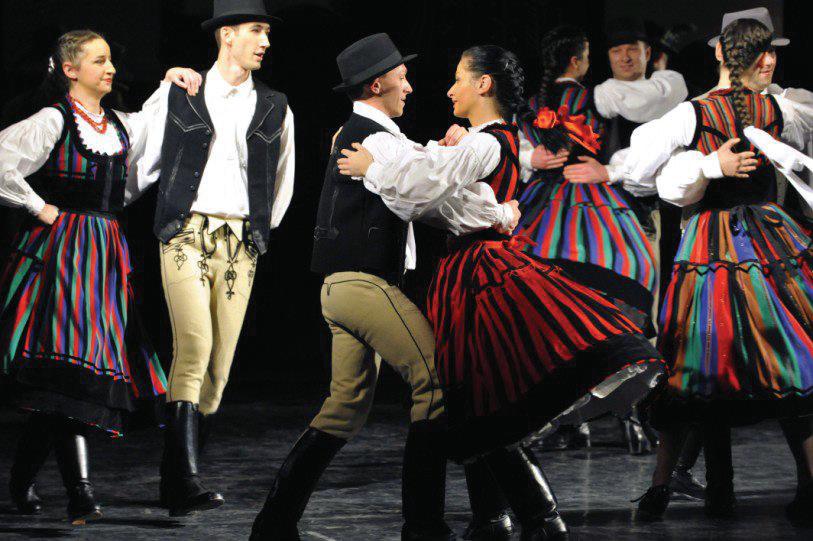
The region has been the homeland of various ethnic groups and religious communities for centuries
Populat ion w ith Romania and Hungar ian mother to in Transylvania
Populat ion w ith Romanian and Hungar ian mother tongue in Transylvania
Source: Nat ional Inst itute of Stat ist ic s (IN S)
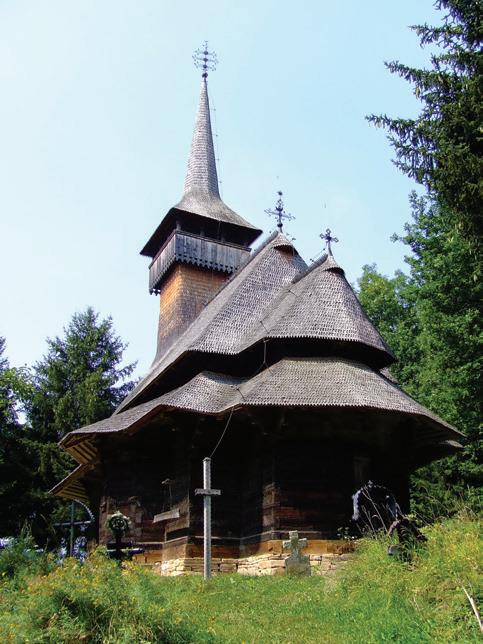
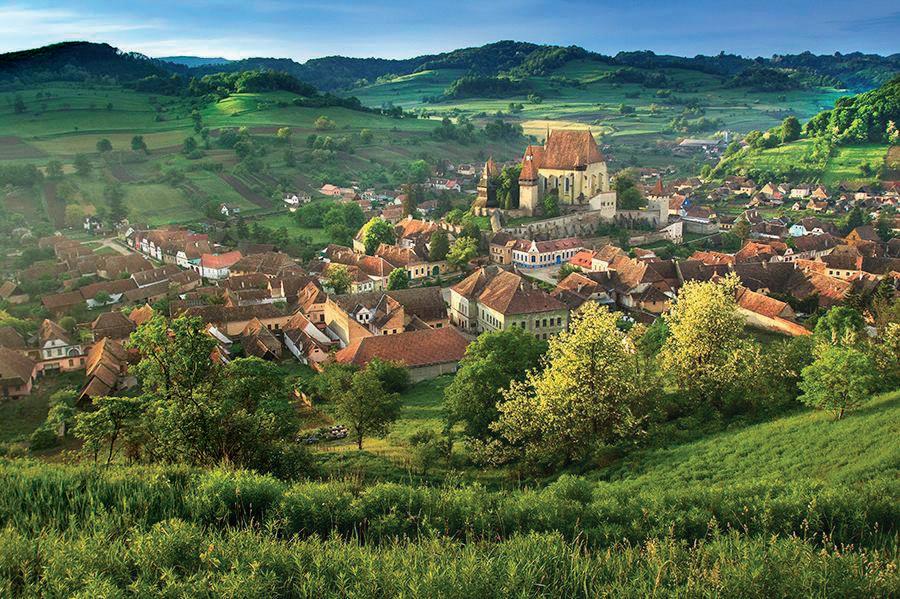
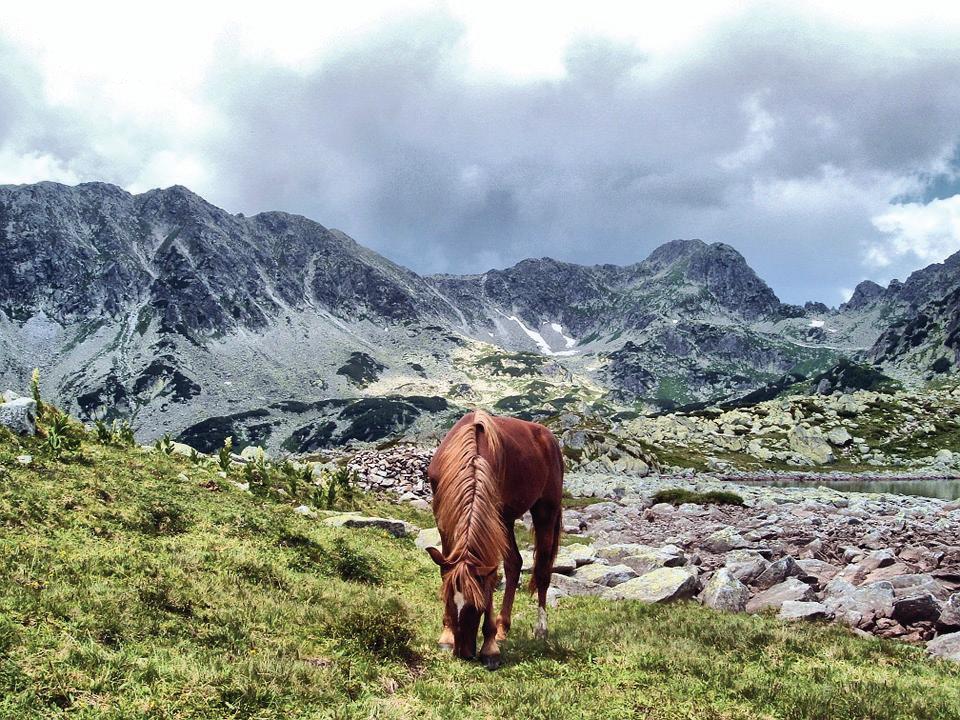
The natural sights of Transylvania are almost untouched

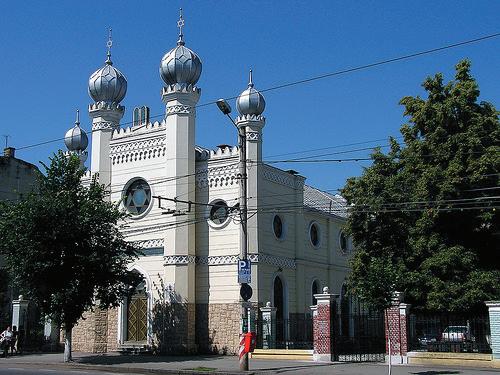
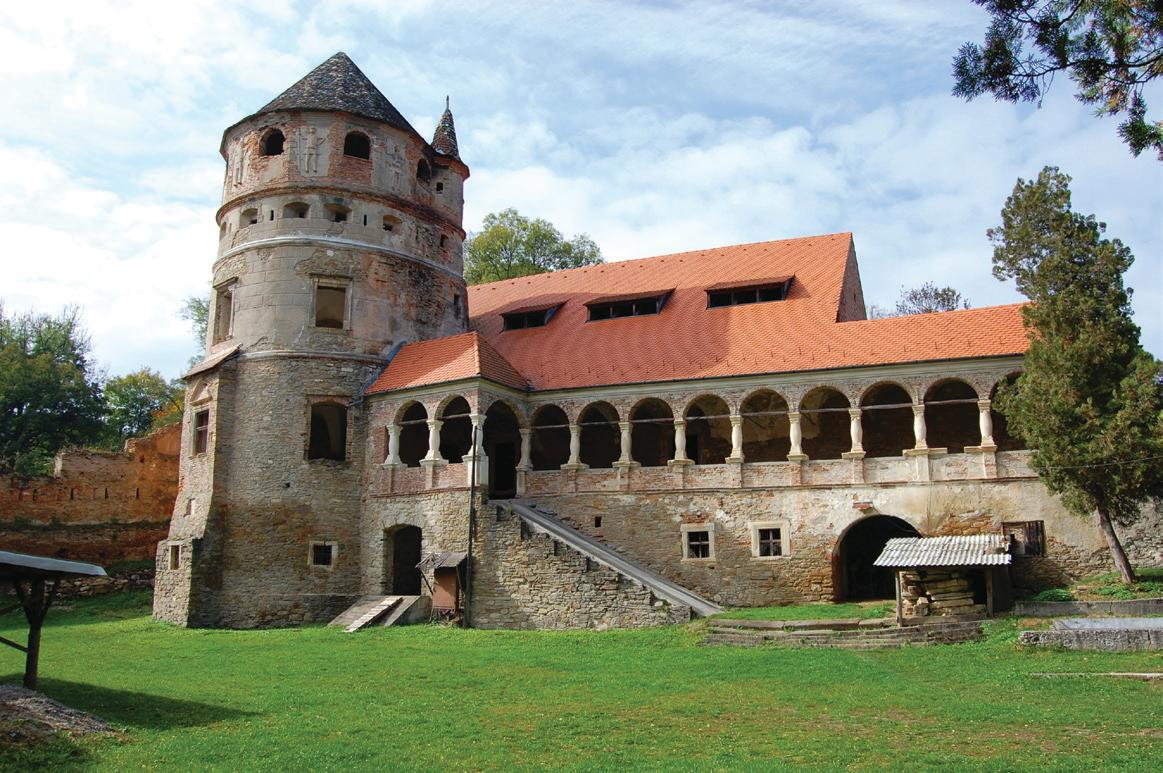
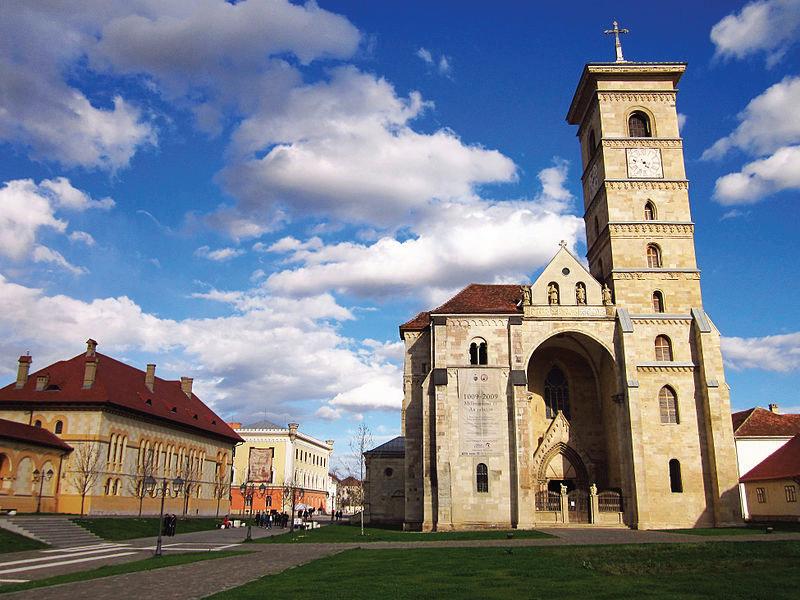
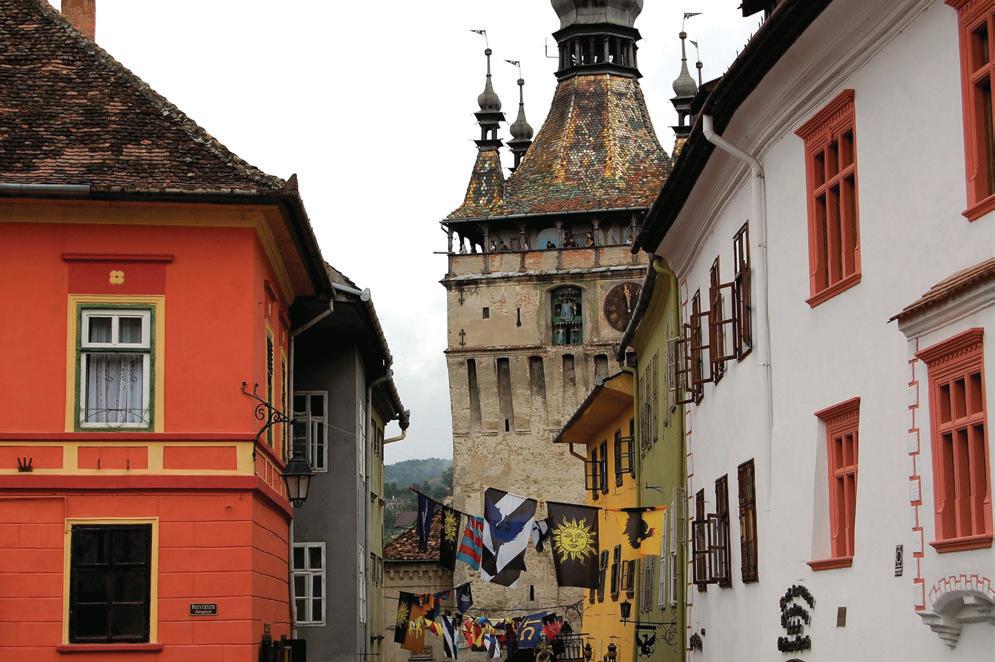
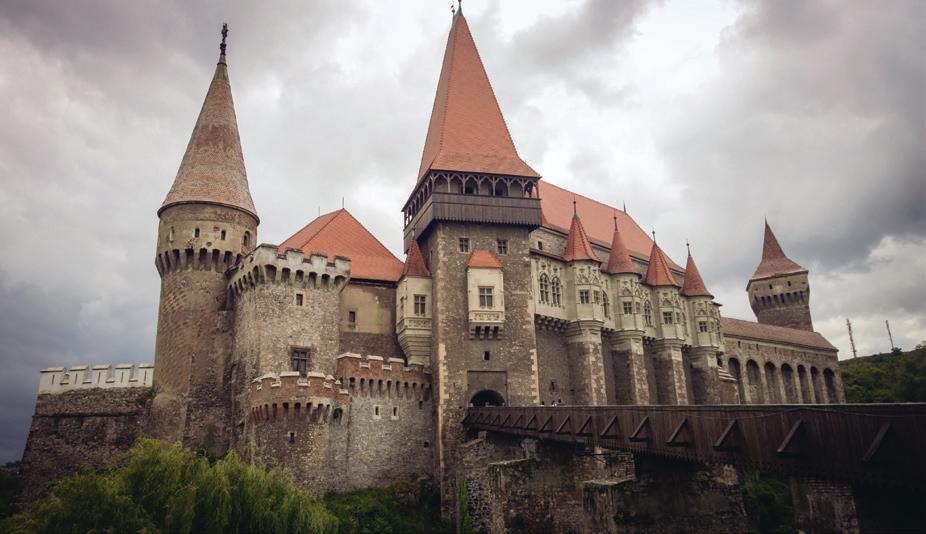
The rich built heritage is par t of Transylvania’s diverse cultural legacy

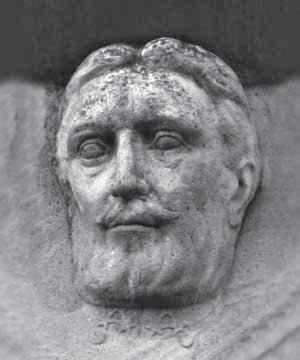
János Bolyai (1802–1860)
mathematician, the founder of non-Euclidean (absolute) geometr y His birthplace is in Cluj-Napoca

Árpád Kelemen (1932–1997)
electrical engineer, university professor and inventor
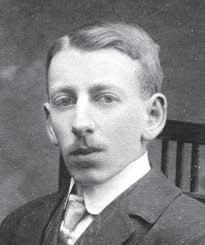
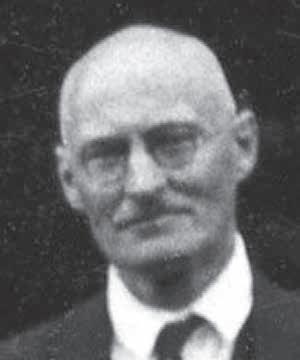
(187 7–1933)
palaeontologist, geologist, expert in Albanian Studies, aspirant to the Albanian throne, corresponding member of the Hungarian Academy of Sciences
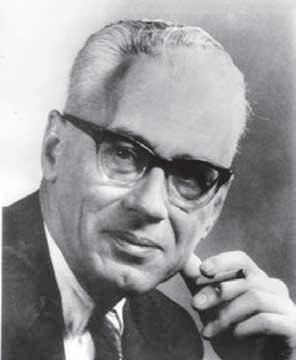
Sándor Müller (1903–1966)
chemist, awarded with the Kossuth Prize in Hungar y He is the initiator of theoretical organic chemistr y in Hungar y
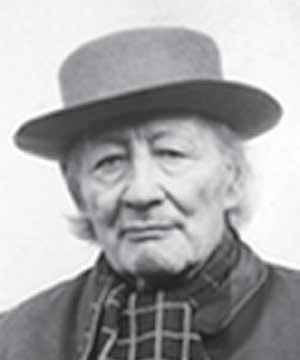
Sándor Gaál (1883–197 2)
an undeser vedly forgotten physicist who discovered the principle of cyclotron.

János Xántus (1917–1982)
geographer, geography teacher, a famous promoter of science
József Sebest yén (1878–1964)
expert in heraldr y, coat of arms painter, genealogist.
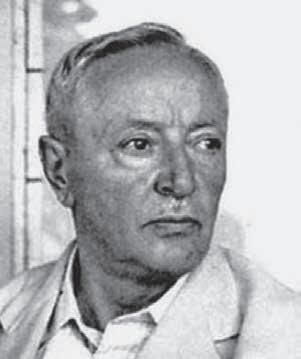
László Sáska (1890 –1978)
physician, exper t and writer of natural sciences, interested in treating malaria, tropical diseases and cancer prevention
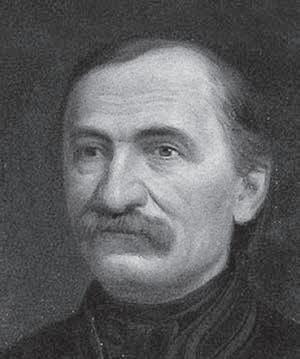
János Kr iza (1811–1875)
ethnographer, poet, literar y translator, bishop of the Unitarian Church, full member of the Hungarian Academy of Sciences
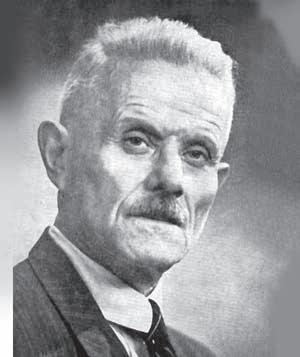
Lajos Kelemen (187 7–1963)
archivist and historian First an honorar y member of the Hungarian Academy of Sciences, then a full member
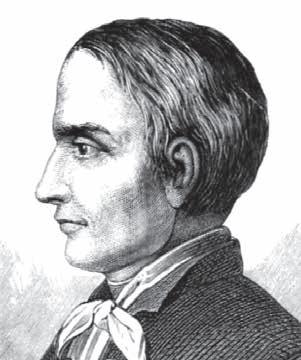
Sándor Kőrösi C soma (1784–1842)
philologist and Orientalist, librarian, author of the first Tibetan–English dictionar y and grammar book, canonised as a Buddhist saint in Japan (1933)
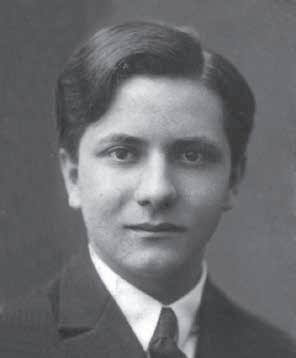
Zoltán Óvár y (1907–2005)
born in Kolozsvár, physician, university professor, world-famous immunologist established in New York

János Apáczai C sere (162 5–1659)
polyglot and mathematician, the leading Protestant scholar and writer of 17th centur y Hungar y
16 MARCH 2000,
Sapientia Foundation (SA) is established by leaders of Transylvanian Hungarian historic churches.
MARCH 2001,
SA purchases Harghita Hotel in Miercurea Ciuc, turning it into one of the faculties.
3 OC TOBER 2001,
First Sapientia University opening ceremony
30 SEPTEMBER 2002,
Education star ts within the Cluj-Napoca faculty as well
6 JUNE 2003,
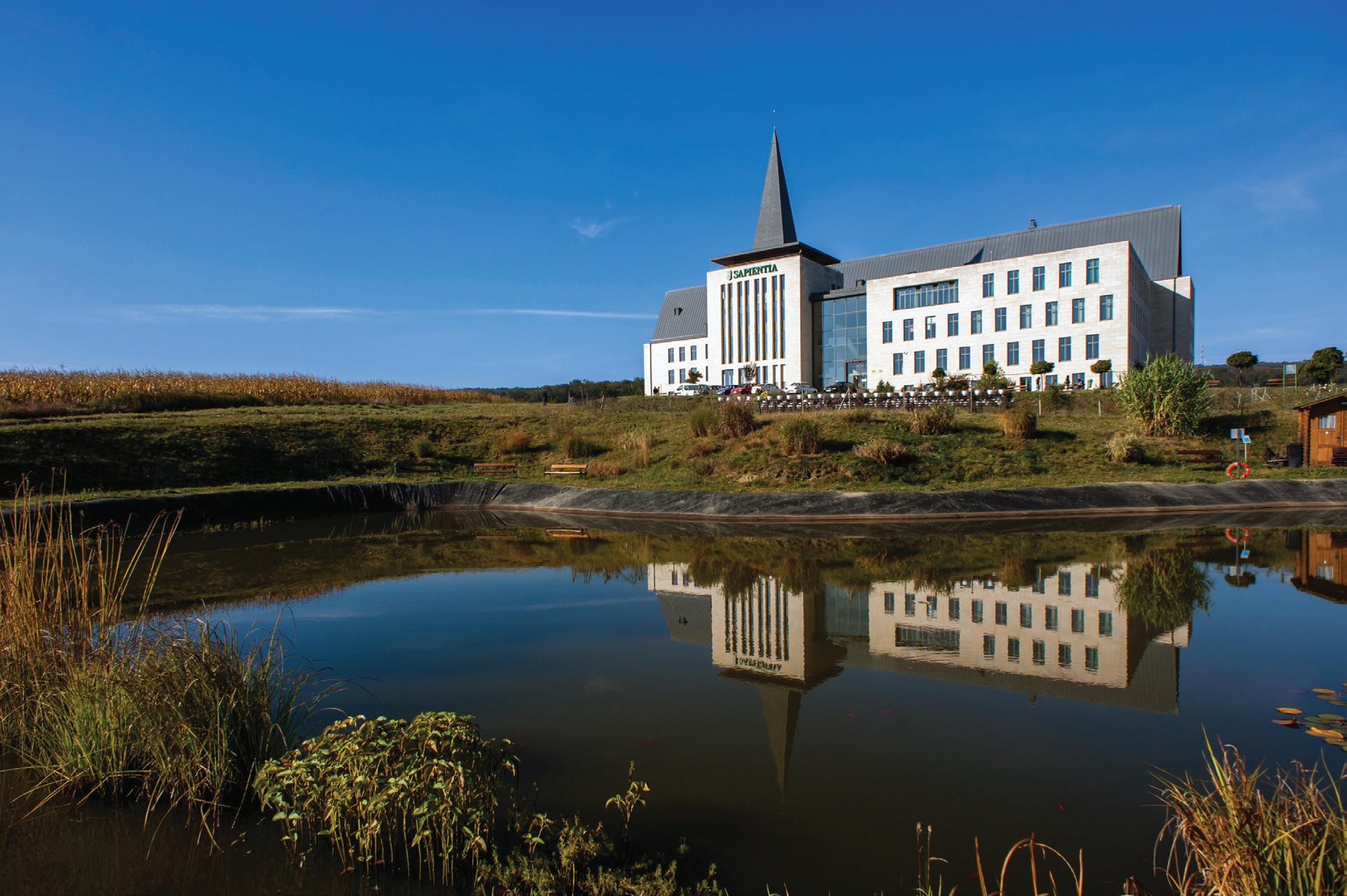
Inauguration of the renovated Boc skai / Heltai House in Cluj-Napoca, home of the head offices of university, its Faculty of Sciences and Ar ts and the Sapientia Foundation.
7 NOVEMBER 2004,
Ceremonial inauguration of the new faculty building in Târgu Mureș.
4 JUNE 2005,
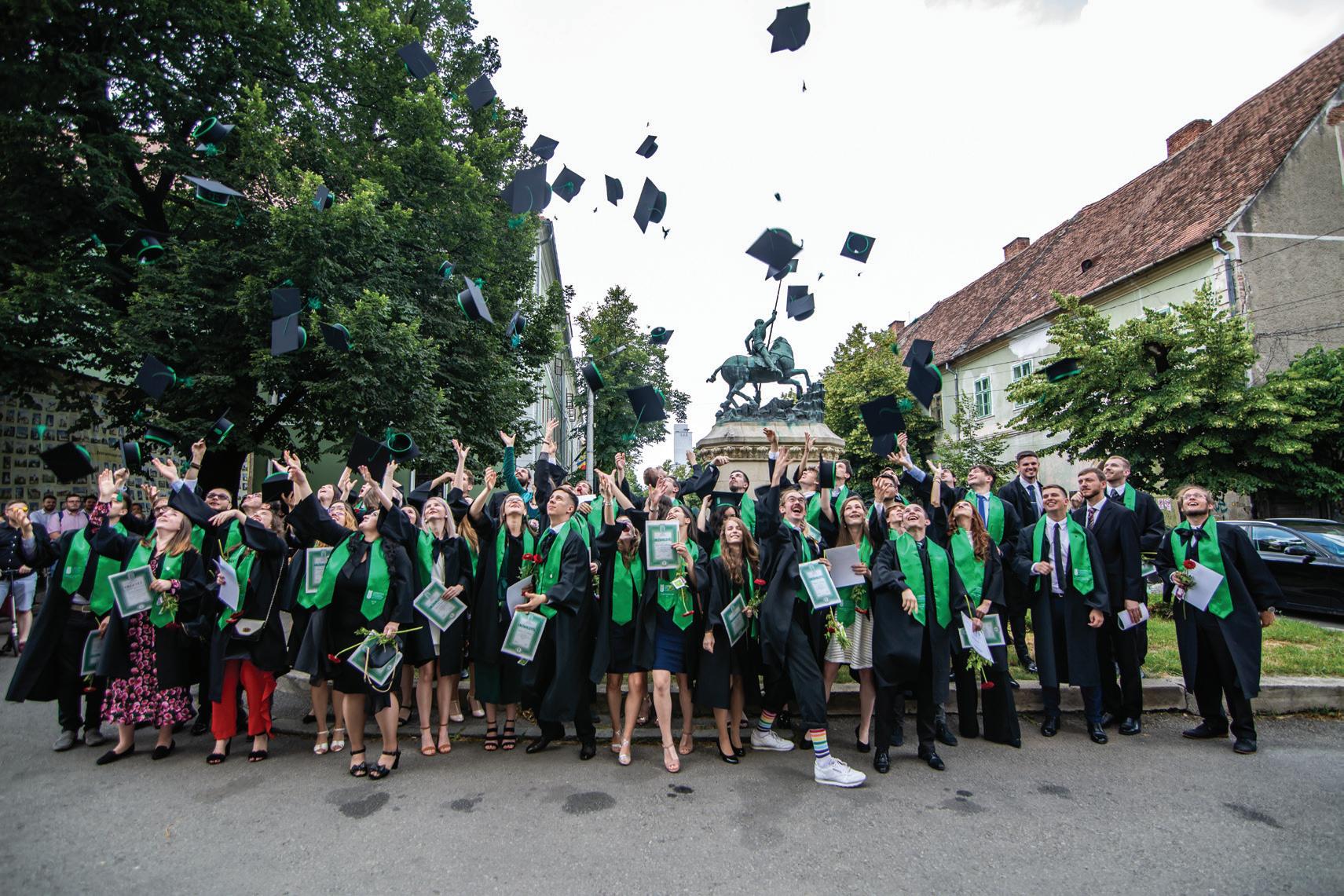
The first graduating classes of Sapientia University complete their studies.
8 JULY 2008,
The Senate approves the establishment of the first research centres and submits the application for accreditation to the National Authority for Scientific Research (ANCS).
A ssessment of the University by a board of exper ts of the Romanian A gency for Quality A ssurance in Higher Education.
28 MARCH 201 2,
The President of Romania passes the law on the establishment of the Sapientia Hungarian University of Transylvania as an accredited higher education institution.
14 SEPTEMBER 201 5,
Opening of the academic year, organized on the new campus in Sfântu Gheorghe, inauguration of the building. 12 MAY 2017,
Professor VÉKÁS Lajos, PhD, receives the first title of Doctor Honoris Causa of Sapientia University.
26 NOVEMBER 2021,
The Senate approves the consortium agreement concluded between Partium Christian University, the Protestant Theological Institute of Cluj-Napoca and Sapientia University.
10 FEBRUARY 2023,
The University Senate decides to establish the Faculty of Life Sciences and Sports in Sfântu Gheorghe, starting with the academic year 2023/2024.
24 OCTOBER 2024,
Foundation stone laying ceremony for the campus of the Faculty of Life Sciences and Sports in Sfântu Gheorghe. GULYÁS Gergely, Minister of the Hungarian Prime Minister's Office, is the guest of honour of the ceremony.
21 CLASSES COMPLETED BA/BSC PROGRAMMES BY THE BEGINNING OF ACADEMIC YEAR 2025/2026 SAPIENTIA
7,890 7,545
35
4
13
13 CLASSES COMPLETED MA/MSC PROGRAMMES BY THE BEGINNING OF ACADEMIC YEAR 2025/2026
1,132 997
54 113 4 17 679 5

Endorsing Chr istian and universal human values;
A ssur ing competitive and quality- or iented education and research, continuing the traditions of the Transylvanian Hungar ian education; Transparent and consistent university functioning, endorsing values of professionalism and academic spir it;
Creating an adequate and modern organization, ser ving reg ional needs
Building comprehensive relations based on mutual openness, trust
The Government of Hungar y funds the Transylvanian Hungarian network of private universities (the Sapientia Hungar ian University of Transylvania and the Par tium Christian University) through the Sapientia Foundation, established by the histor ic Hungar ian churches of Transylvania Today, as a direct result of the super vision of the histor ic churches, the Foundation is one of the minor ity organizations with the widest possible social leg itimacy.
The Sapientia Foundation was created by the Roman Catholic, Reformed, Unitarian and Evangelical-Lutheran churches in Transylvania in March 2000 The Board of the Foundation is appointed by the founding churches; their task is to define and carry into effect the objectives of the Foundation aiming to support Hungarian-language higher education in Romania. The Board is composed of twelve members, including leaders of Hungarian companies and the representative of the Hungarian Government in addition to the experts representing the churches The objectives of the Foundation, as set for th in its Statutes are the suppor t and the development of culture, education and science by the establishment and financing of a pr ivately owned higher education insti-
The Board of the Foundation has the r ight to decide, among other things, on the development strateg y of the University, its budget and financial policies, as well as the adoption and amendment of its Char ter.
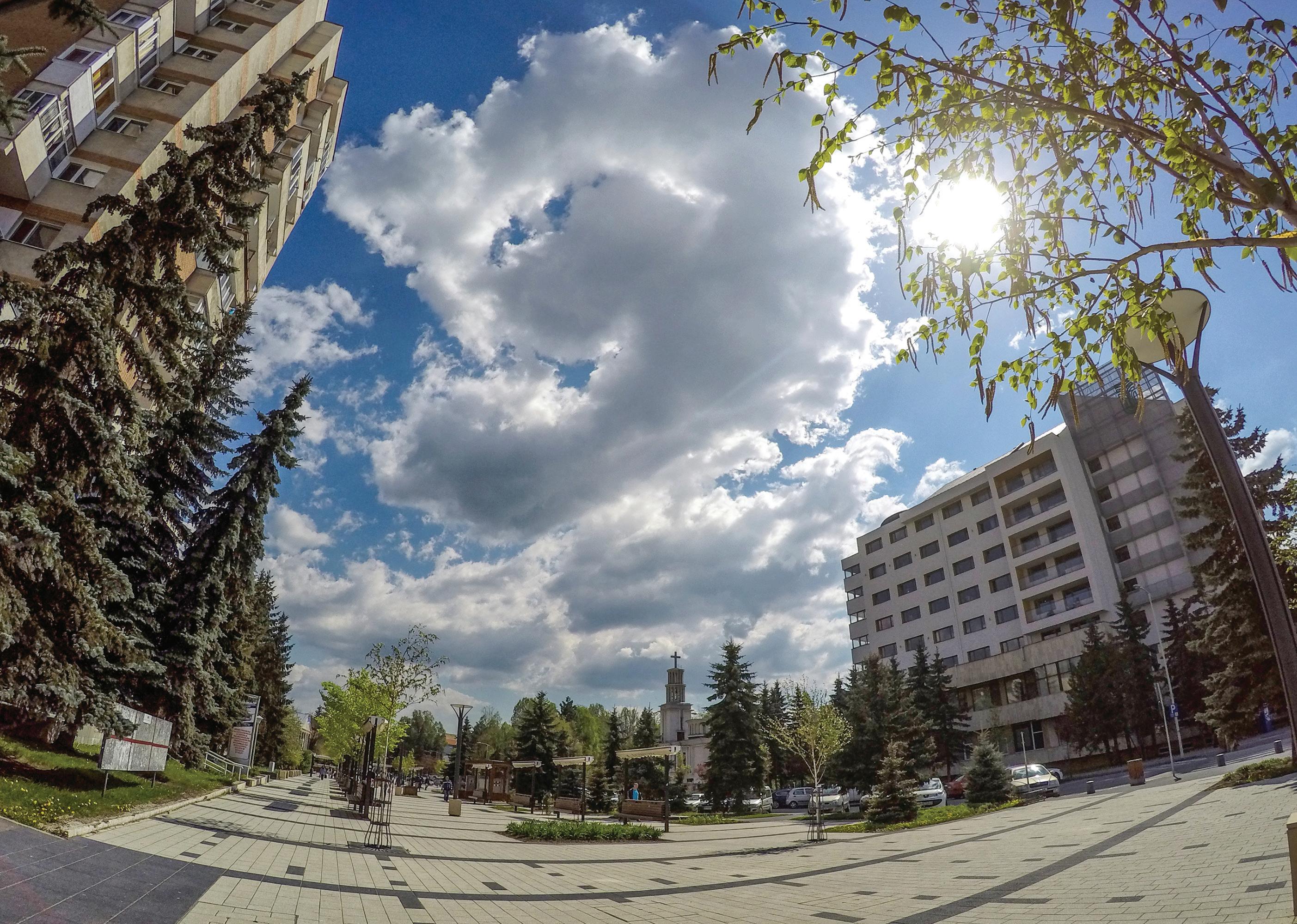
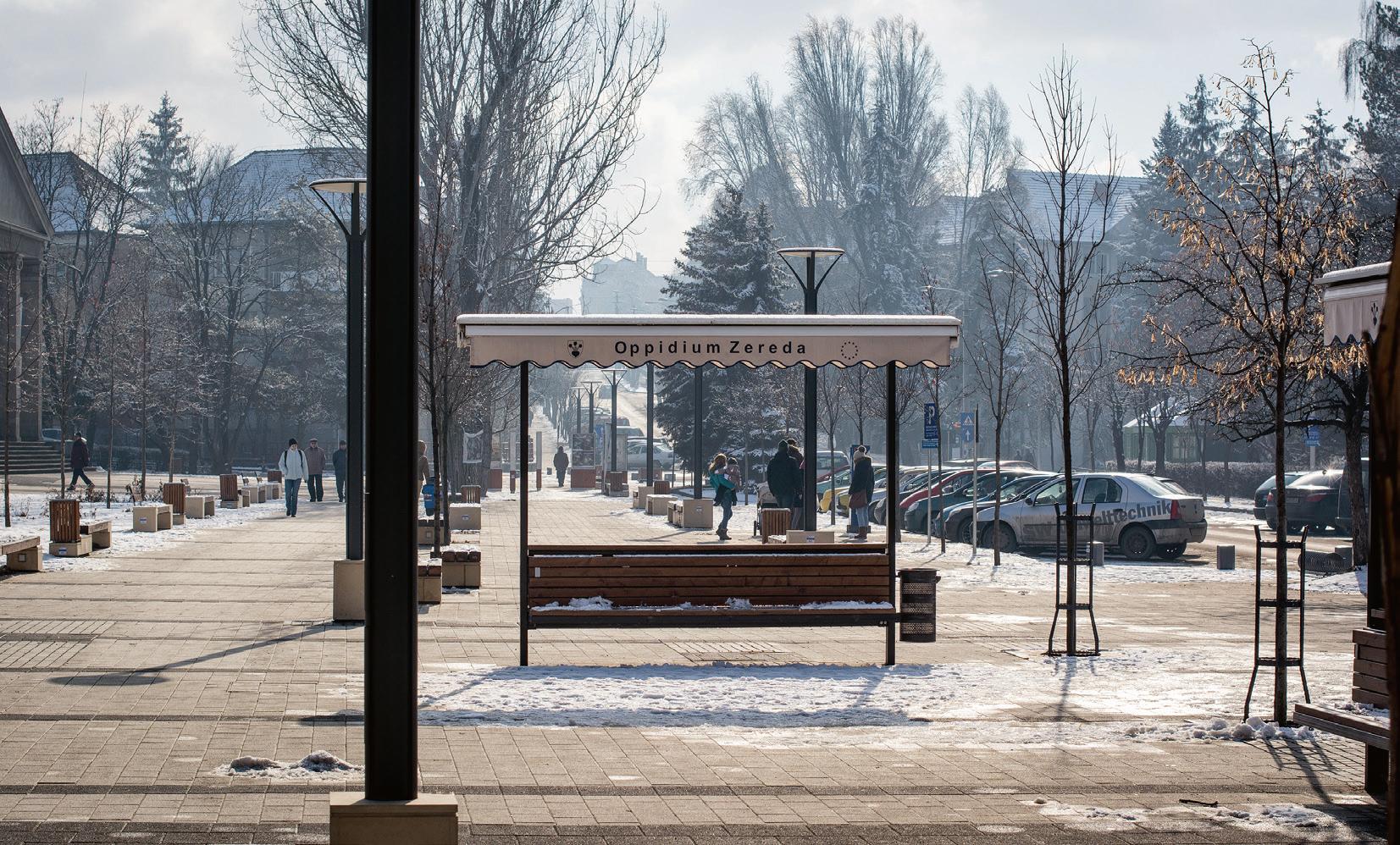
Miercurea Ciuc (C sí k szereda) lies in the central par t of the Ciuc Basin enclosed by the volcanic mountain ranges of Harghita and Ciuc in the eastern par t of Transylvania
The first char tered document about the market town dates from 5th August 1 558 and was issued by the Queen consor t of Hungar y, I sabella Jag iellon. The settlement came into being at the crossroads of major roads as a marketplace on Wednesdays – hence the name (Szereda – Wednesday).
Traditionally, Miercurea Ciuc and it s neighbour ing area are considered to be one of the citadel s of Roman Catholic relig ion in Transylvania. A Franciscan school opened it s gates in 1630 in Șumuleu Ciuc, in the immediate neighbourhood of Miercurea Ciuc, and then Johannes Caioni’ s famous pr inting-press star ted to func tion here in 1676.
The Mikó Castle, the oldest architectural sight is one of the main landmark s of Miercurea Ciuc Its name der ives from Count Ferenc Hídvég i Mikó, the chronicler and counselor of Gabr iel Bethlen, Pr ince of Transylvania (161 3–1629). It has been the home of the Szekler Museum of Ciuc since 1970. One of the most beautiful and impressive buildings of the town is the high school bear ing the name of Áron Már ton, bishop of the Roman Catholic Church in Transylvania (1938–1980).
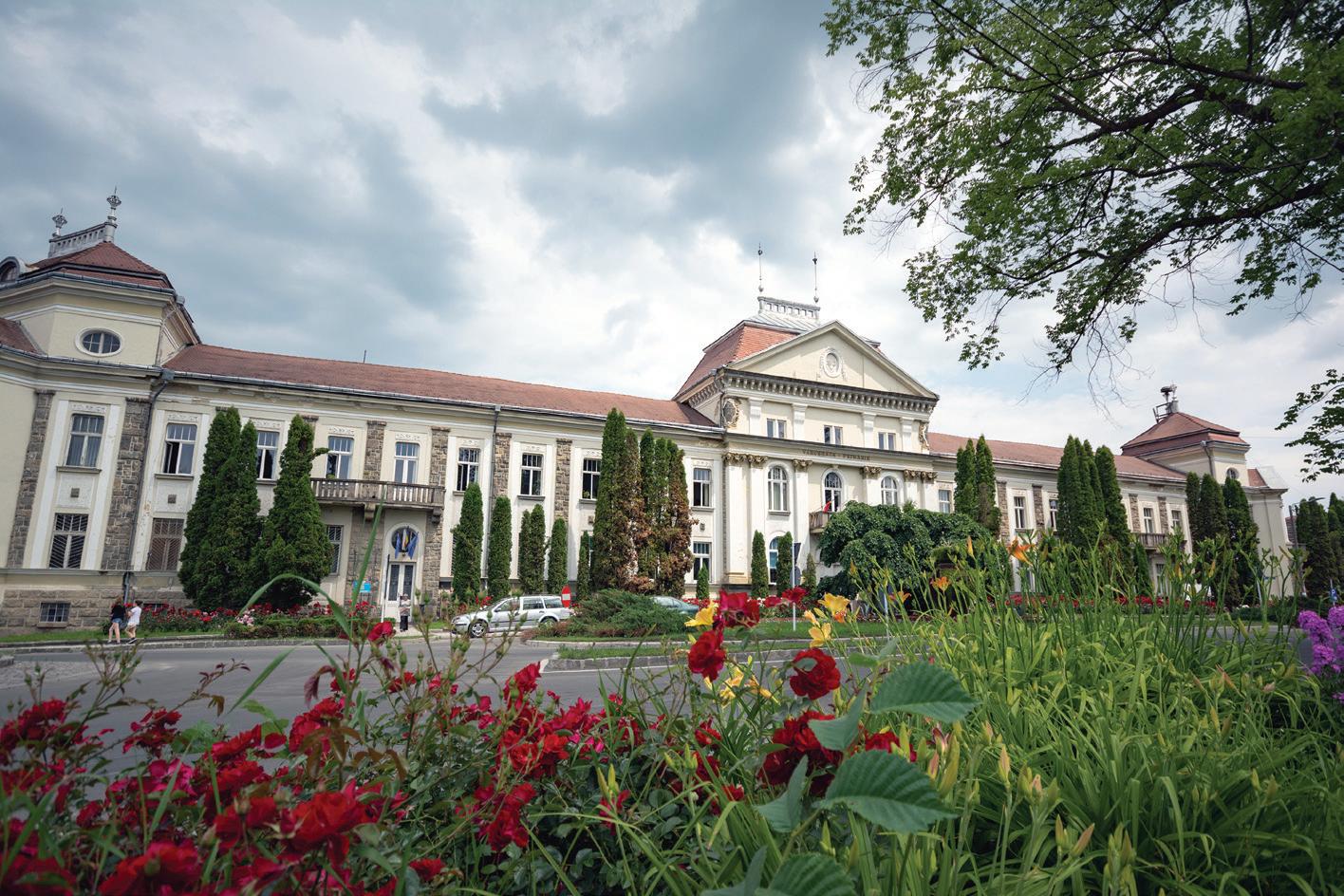
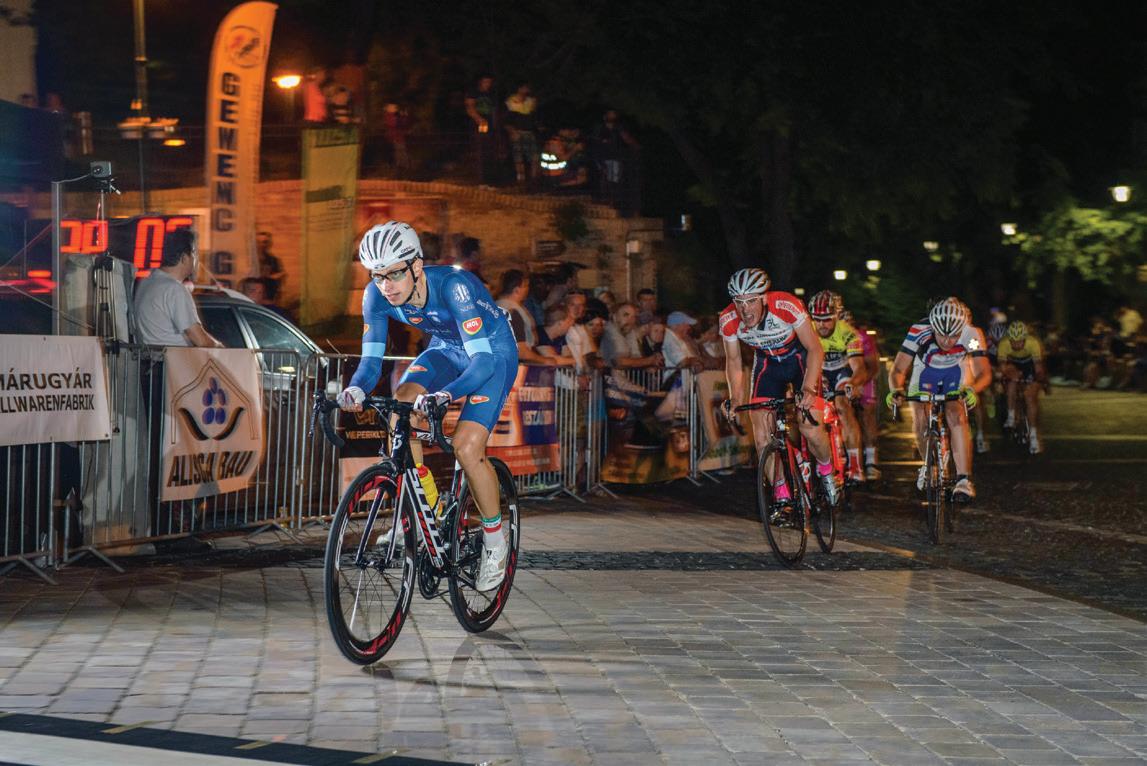
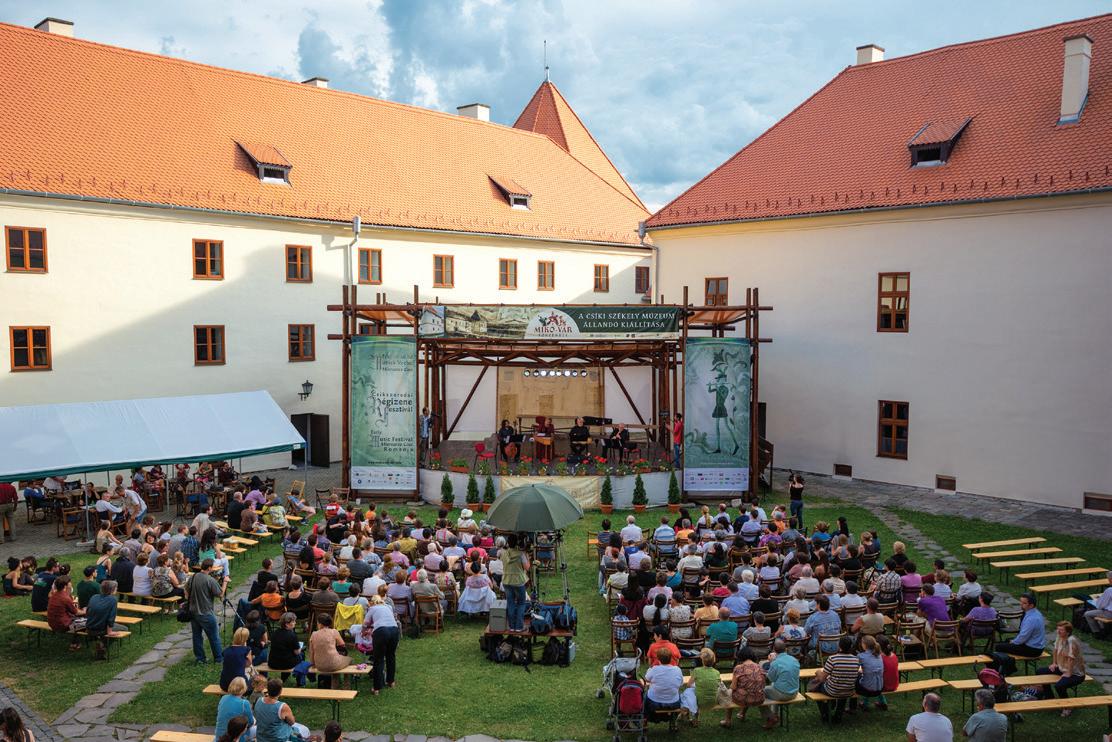
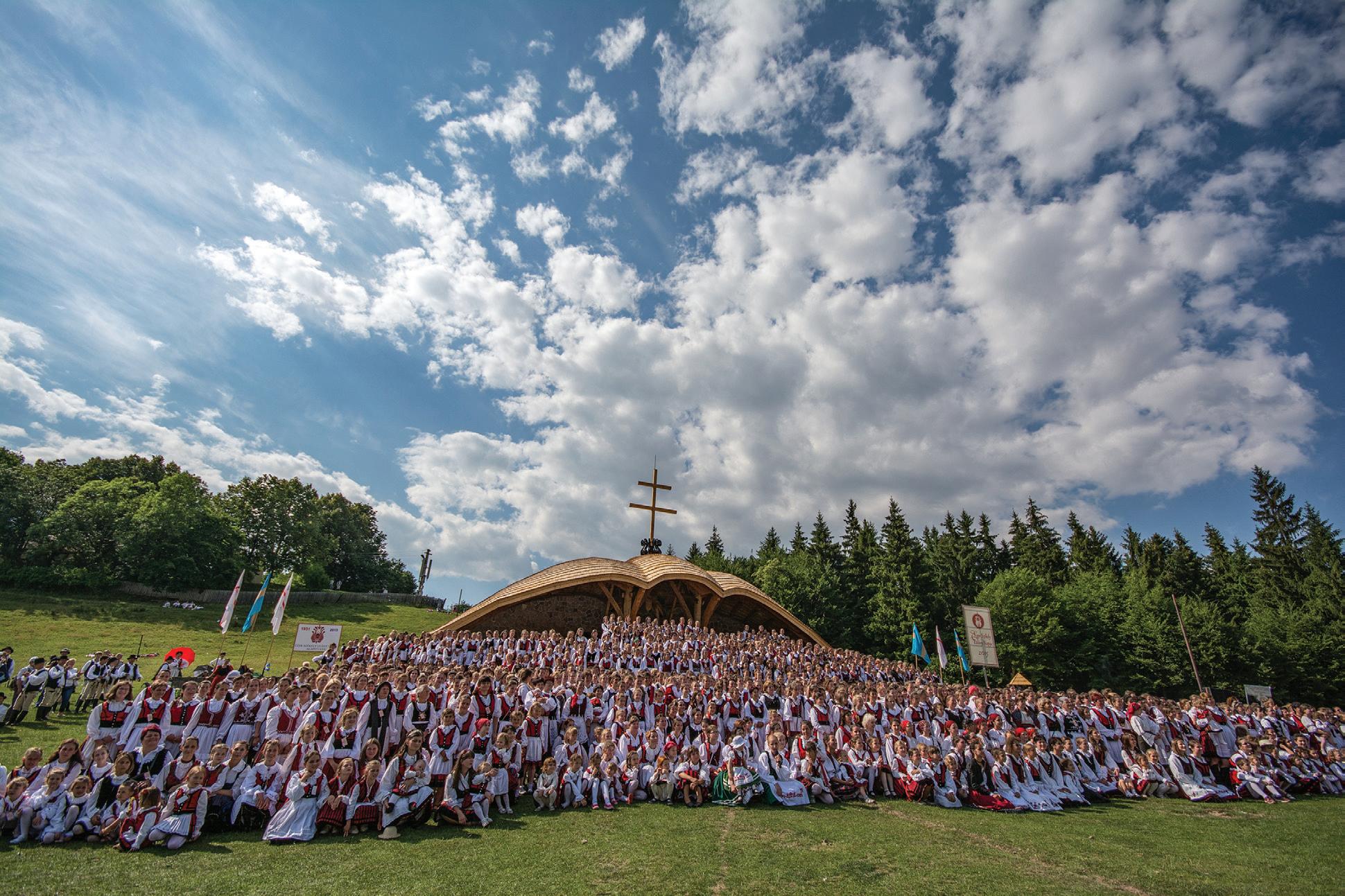
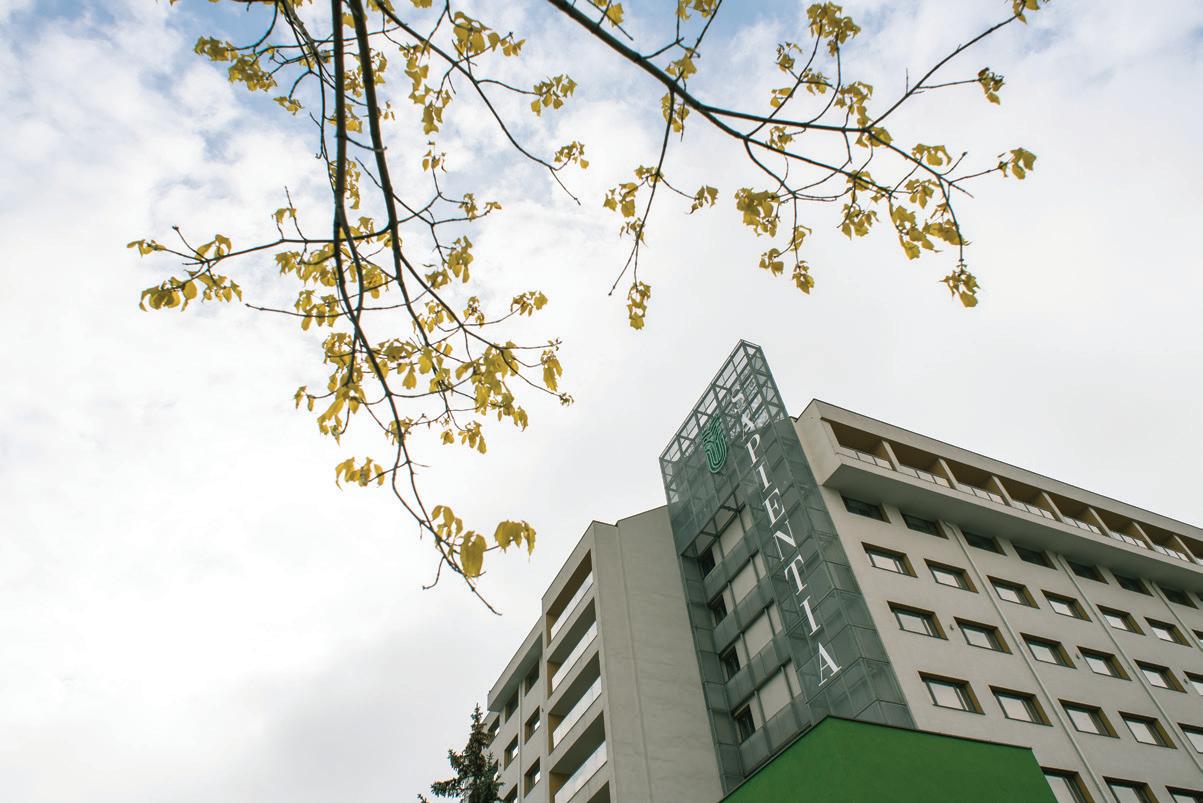
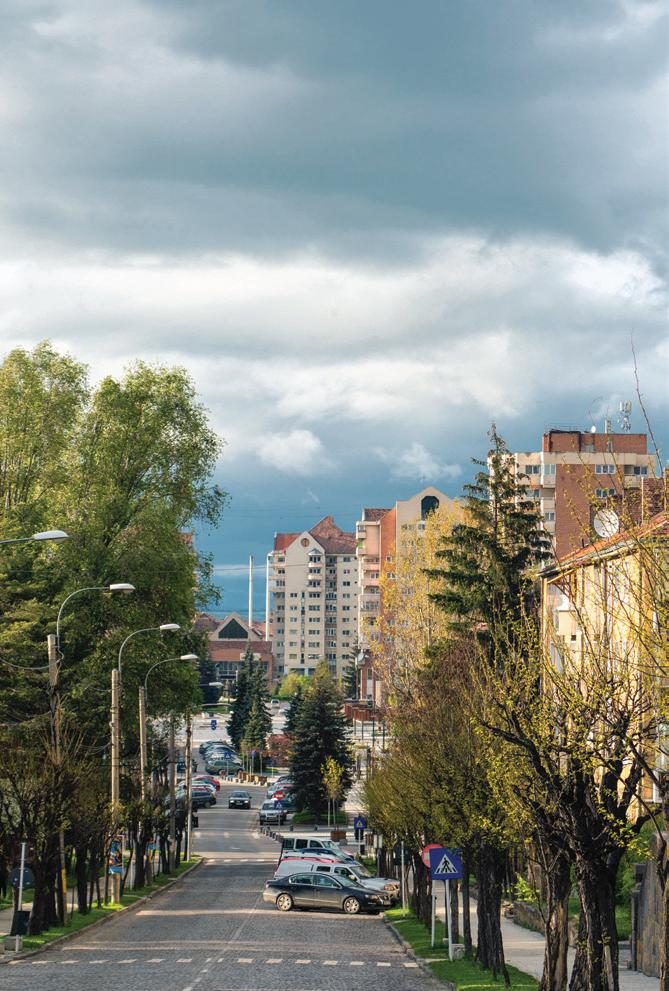

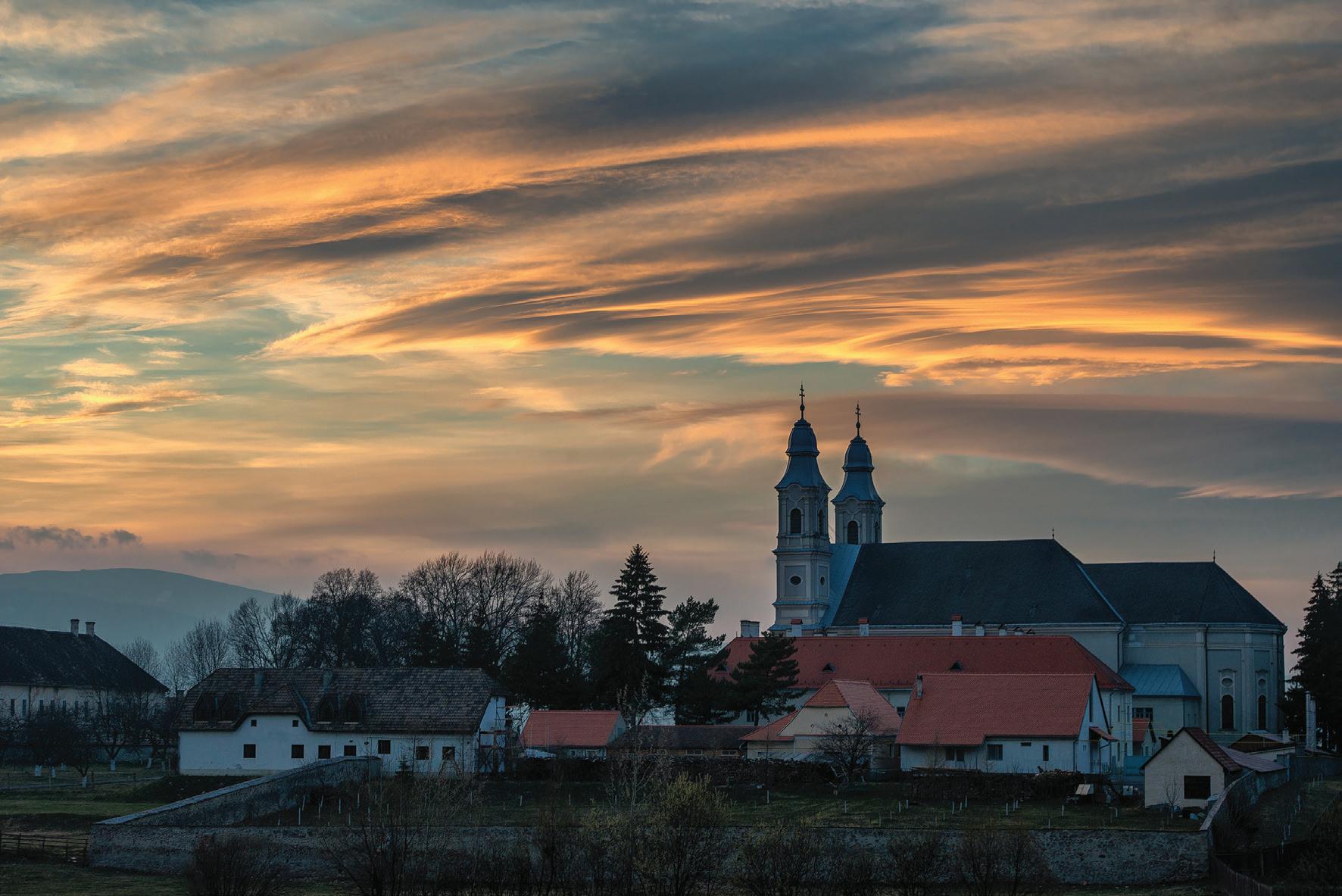
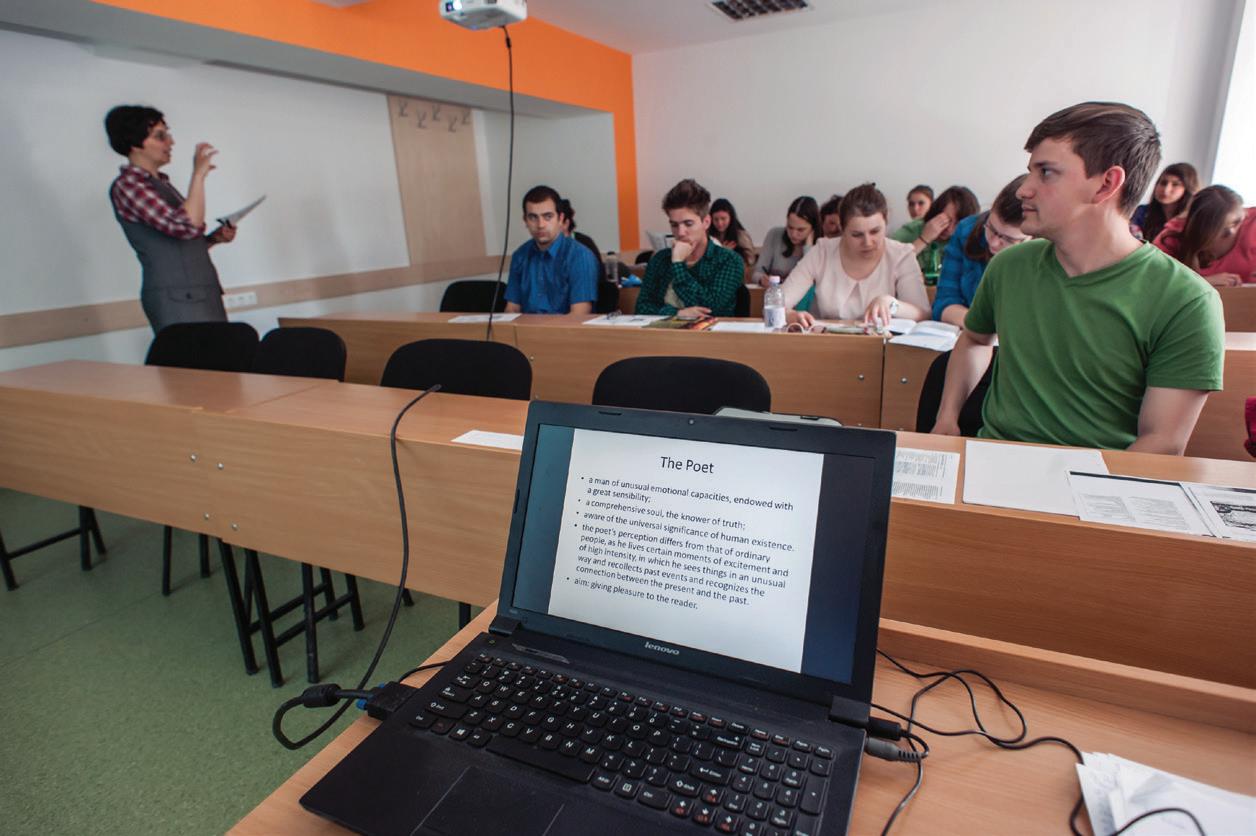
The Faculty of Economic s, Socio -Human Sciences and Eng ineer ing in Miercurea Ciuc of Sapientia Hungar ian University of Transylvania knowingly under takes the university functions which are strateg ically impor tant for the reg ion. Hence, its educational offer contains study programmes which suit best the specific needs of the Szekler-
land reg ion, in fields such as economic s, biotechnolog y, social sciences or philolog y
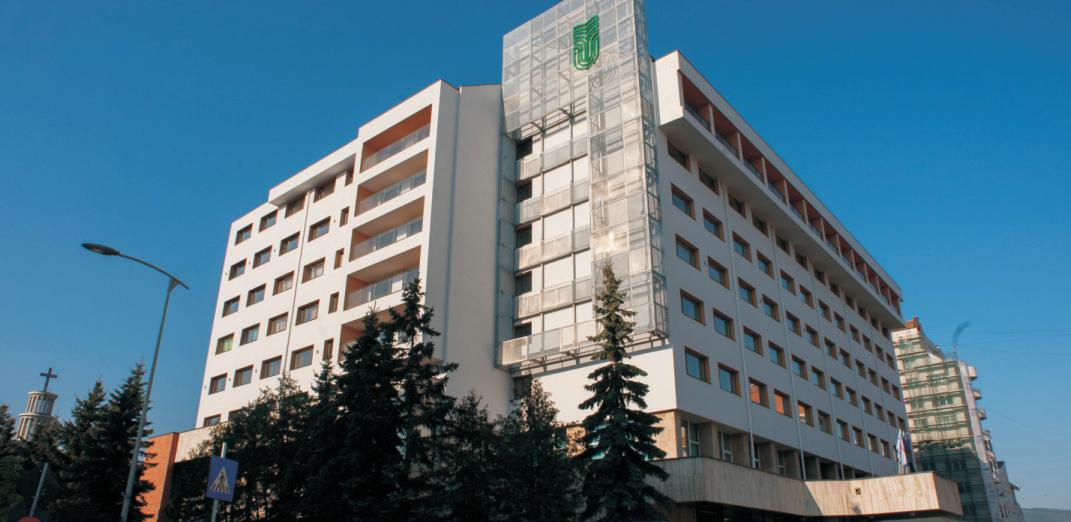
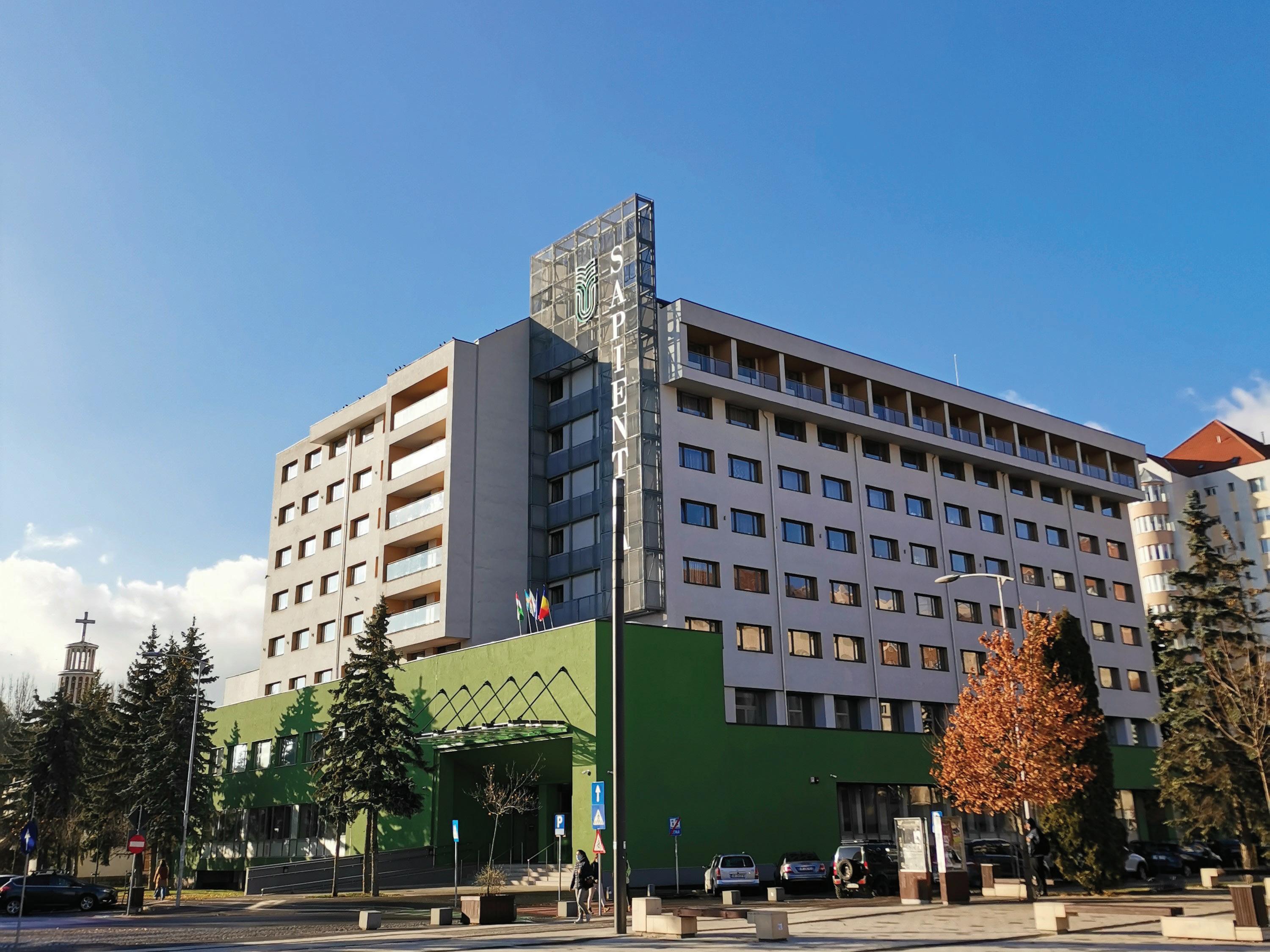
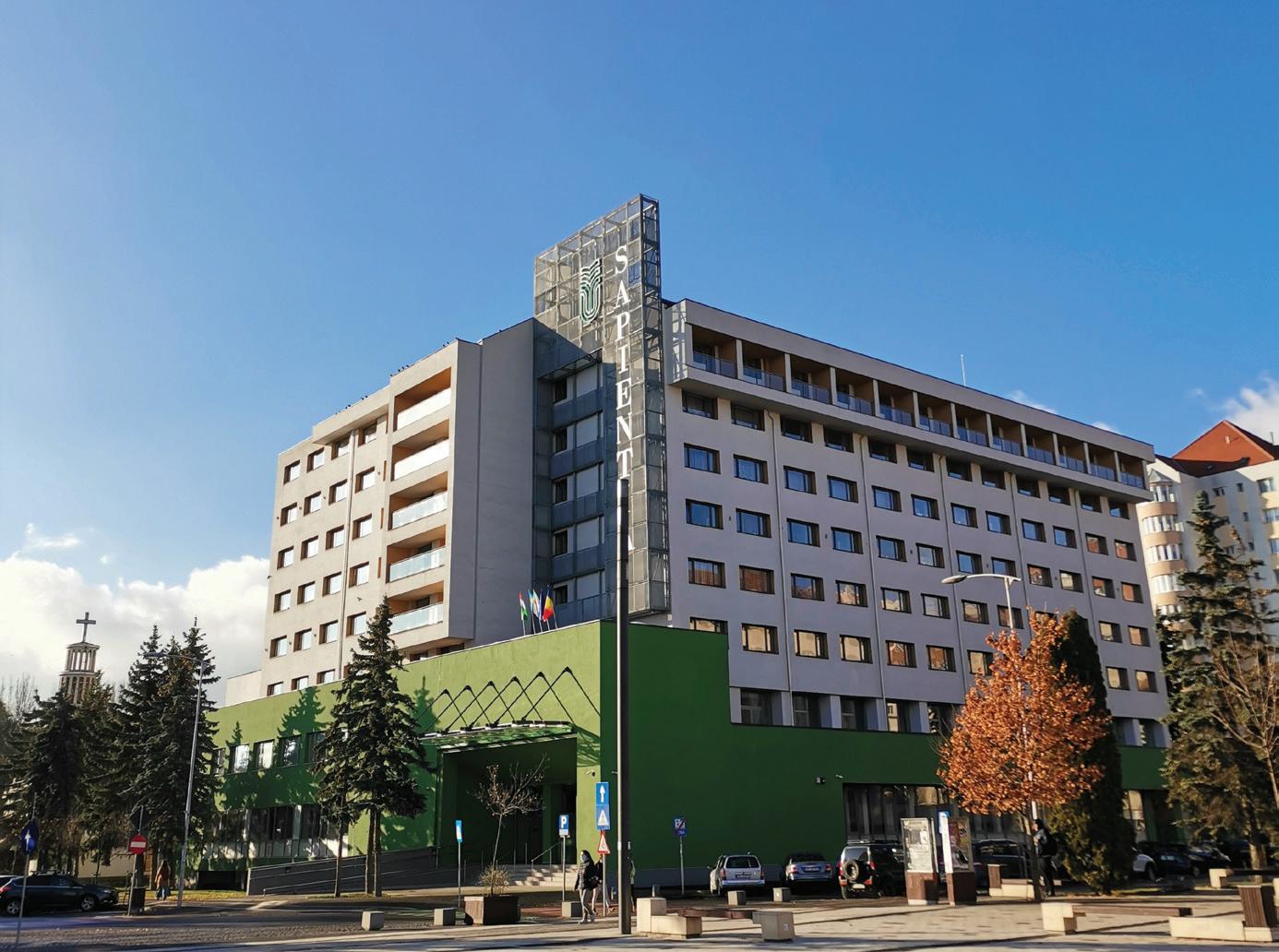
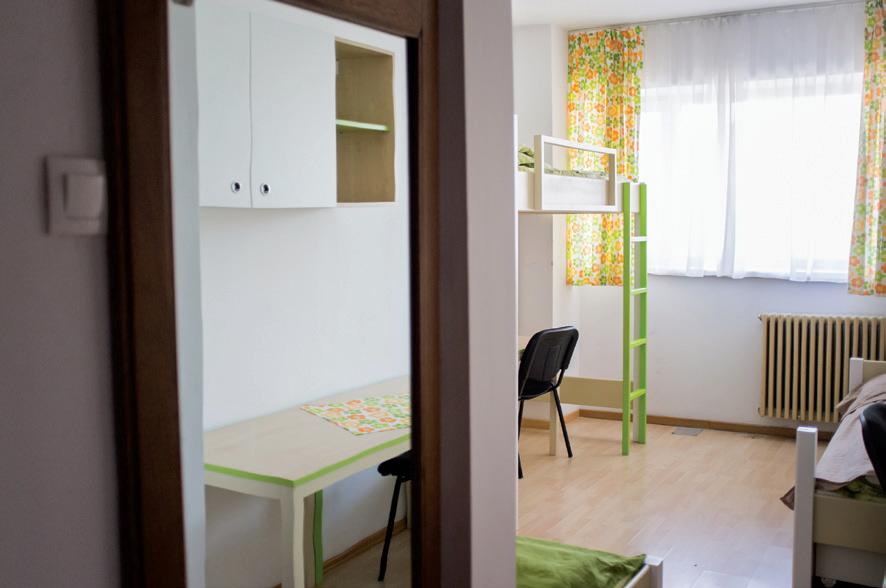
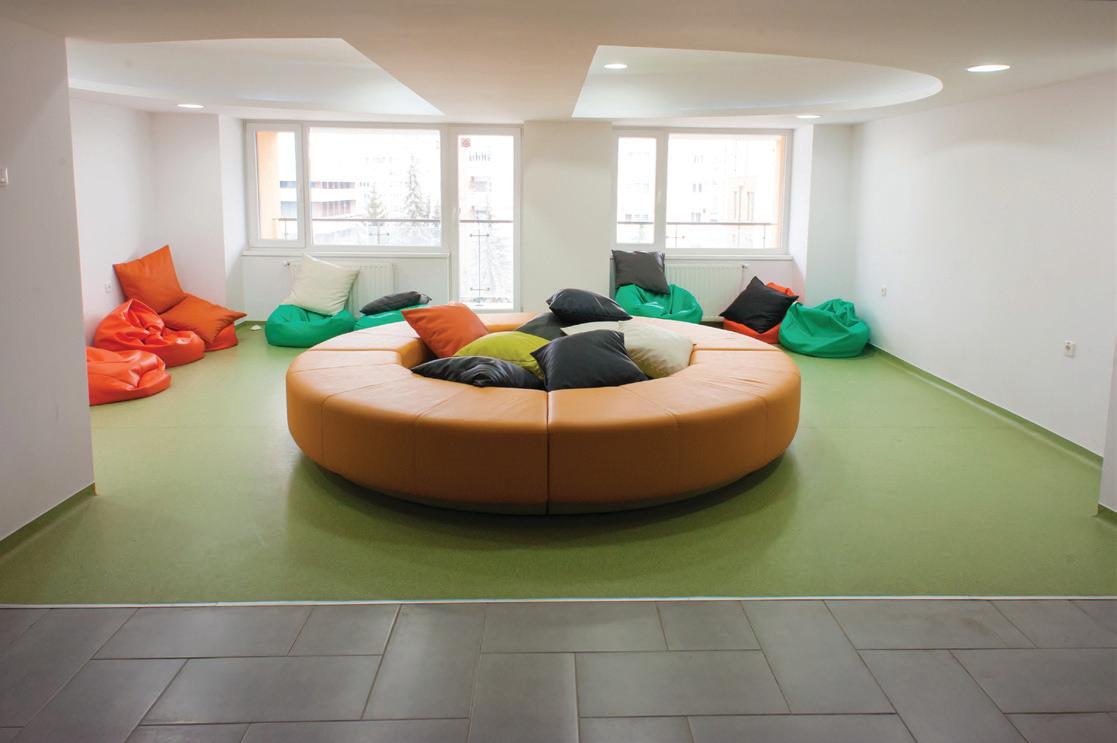
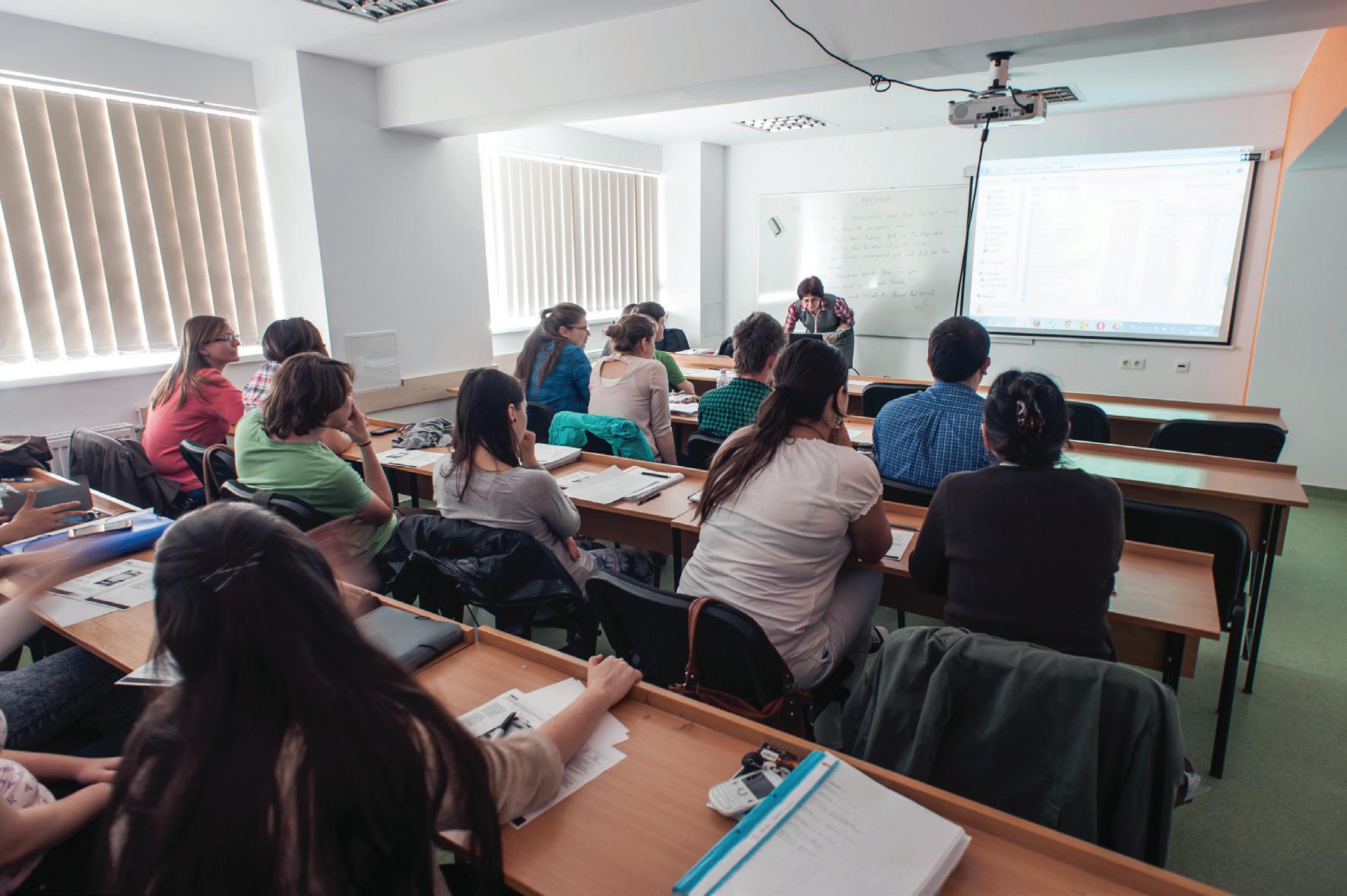
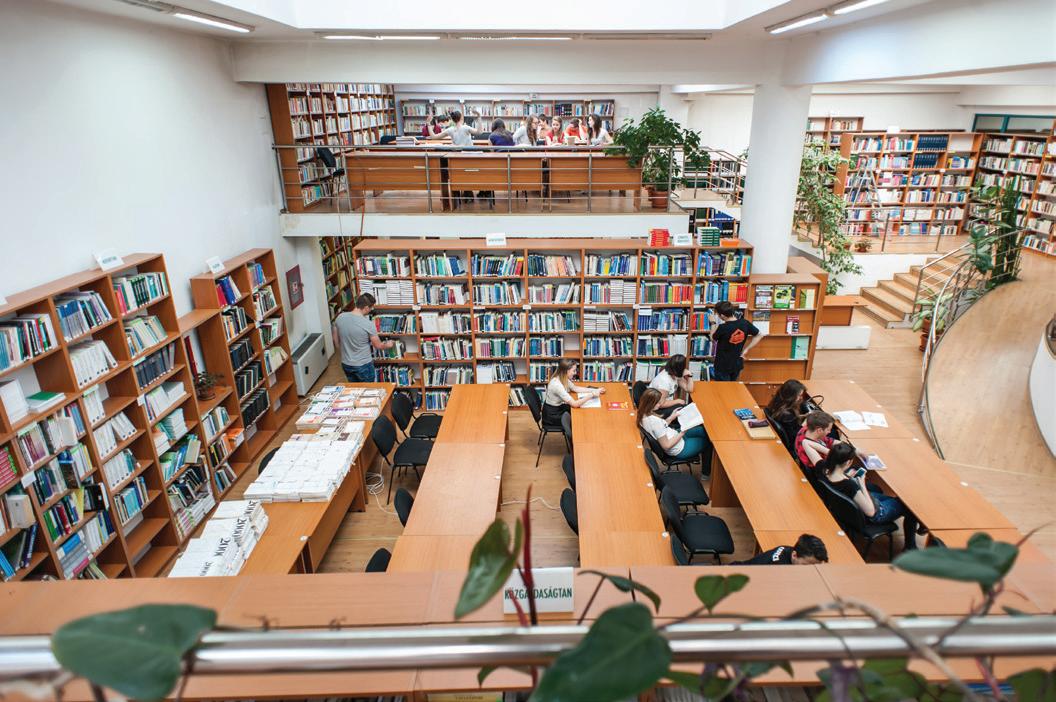
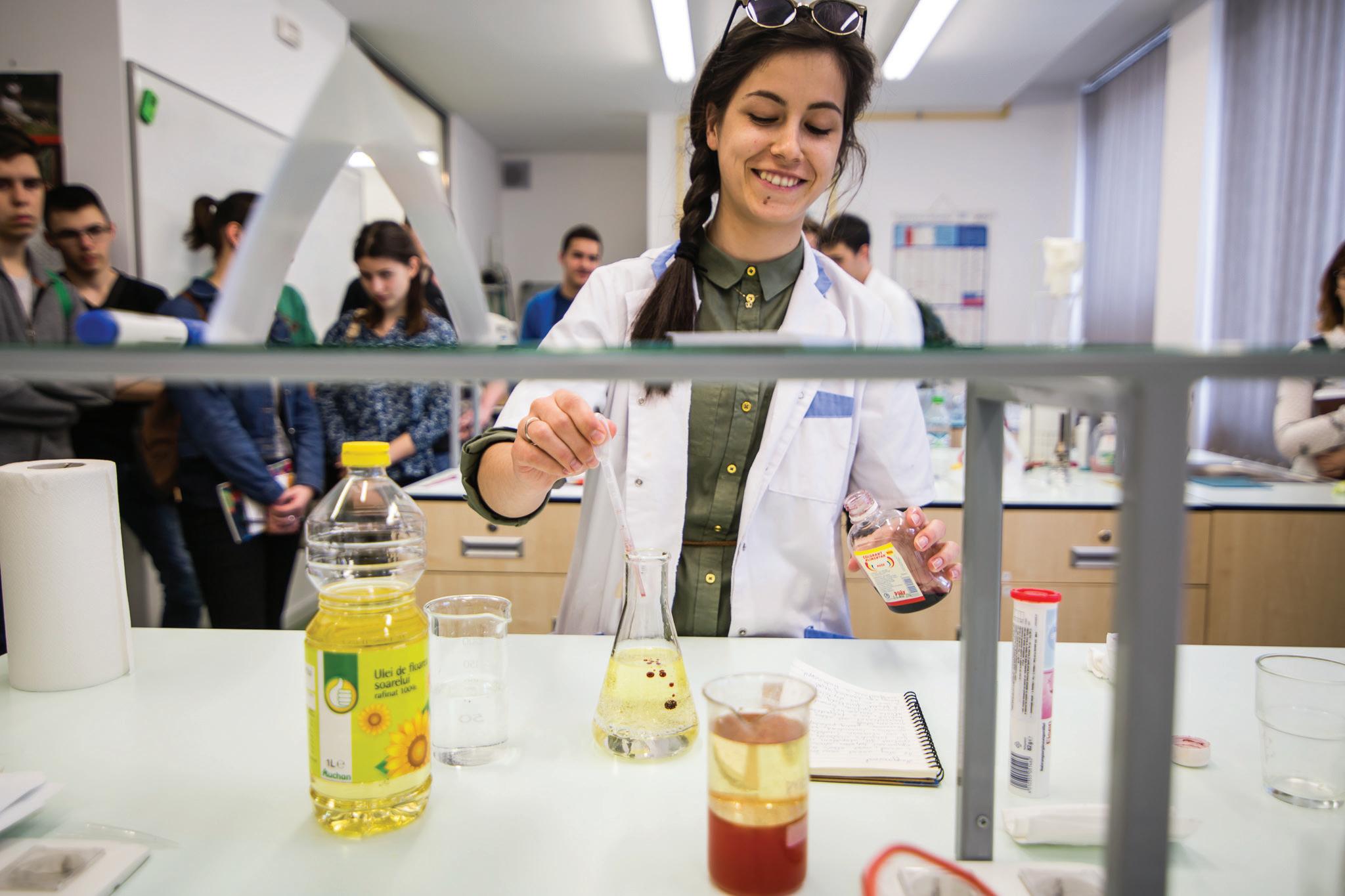
The Campus in the town centre was conver ted from a hotel in two steps to fulfil educational purposes. Thus, the building compr ises modern lecture rooms and labs, a librar y, a canteen, as well as a dormitor y with 325 beds.
• Agroalimentary Economics
• General Economics
• Accounting and Information Systems
• Economic Informatics
• Marketing
• Sociology
• Human Resources
• Communication and Public Relations
• Physical Education and Sport
• Food Products Engineering
• Genetic Engineering
• Engineering and Management in Catering and Agrotourism
• Romanian Language and Literature
– English Language and Literature
• Universal and Compared Literature
– English Language and Literature
530104 Miercurea Ciuc (Csíkszereda) Szabadság Sq 1 , (Piaţa Libertăţii nr 1 ) Harghita County
Tel : +40 -266-314- 657
Fax: +40 -266-372- 099
E-mail: miercureaciuc@uni.sapientia.ro Web: csik sapientia ro/en
• Sustainable Biotechnolog ies
• Translation and Interpretation
• Management and Leadership
• Applied Economic s and Finance
• Communication and Public Relations



The idea of founding a sp ec ial(ised) college emerged in the spr ing of 20 02 , b ecoming a realit y in 20 0 4 . A s the founder s env is aged, the role of the sp ec ial college is to offer addit ional prac t ic al educ at ion for student s.


• Biochemistr y and Biotechnolog y Research Centre (BIBIRC)
• Food Sciences Research Centre (STI ALIM)
• Intercultural Confluences Research Centre
• OECONOMIC A SAPIENTI AE Research Centre
• Applied Social Sciences Research Centre

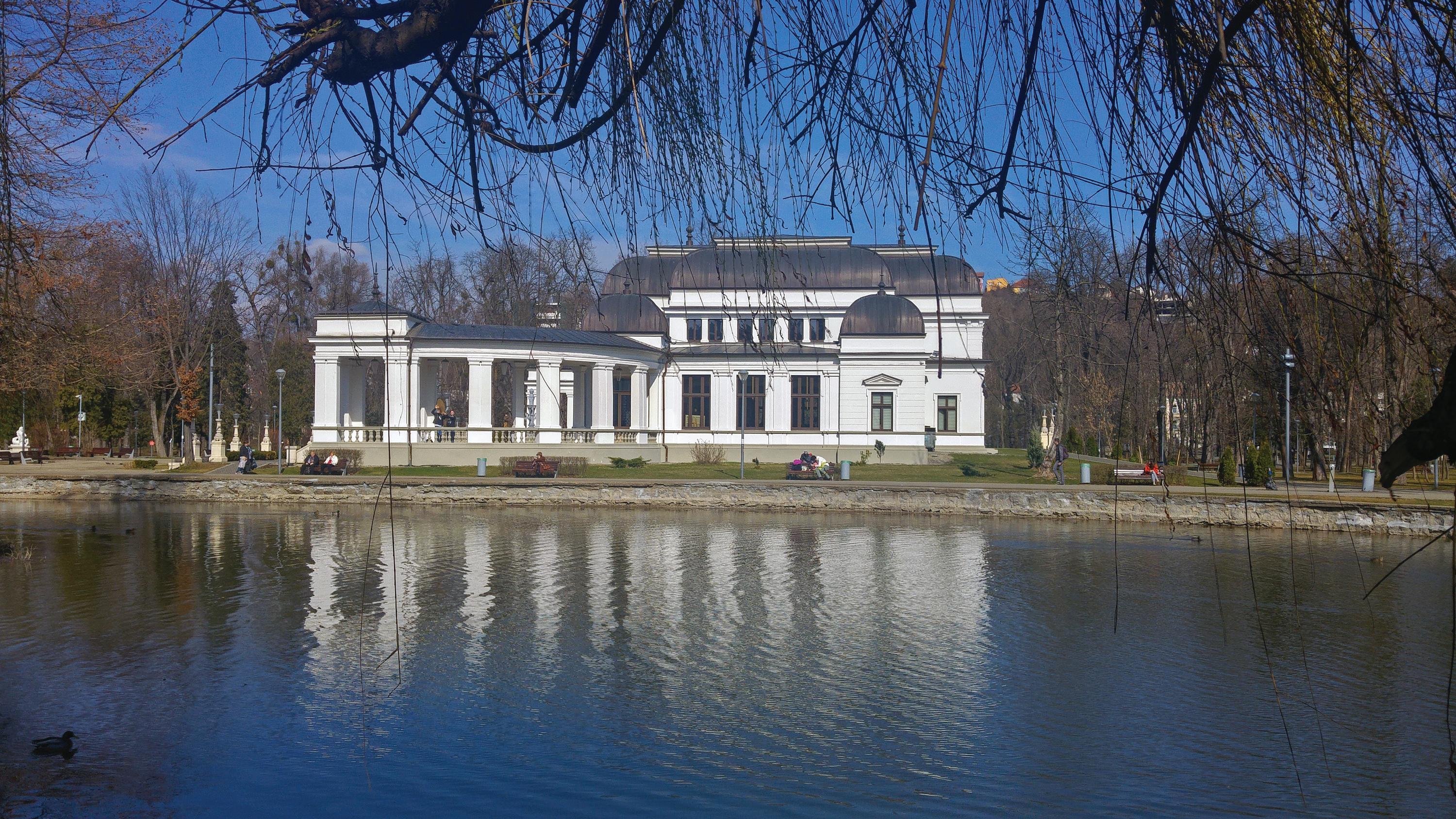
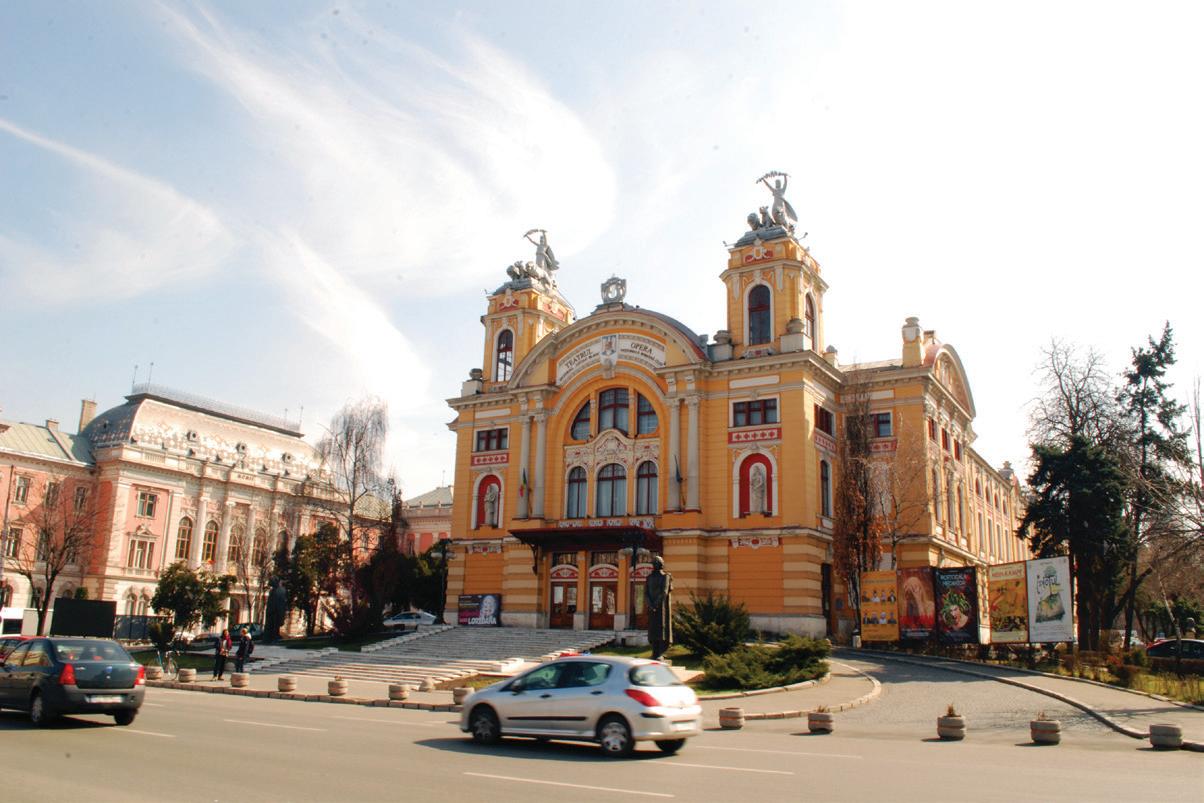
Cluj-Napoca is the centre of Transylvania and its most important city, the birthplace of Hungarian King Matthias Corvinus and of Stephen Bocskai, Prince of Transylvania (1605–1606)
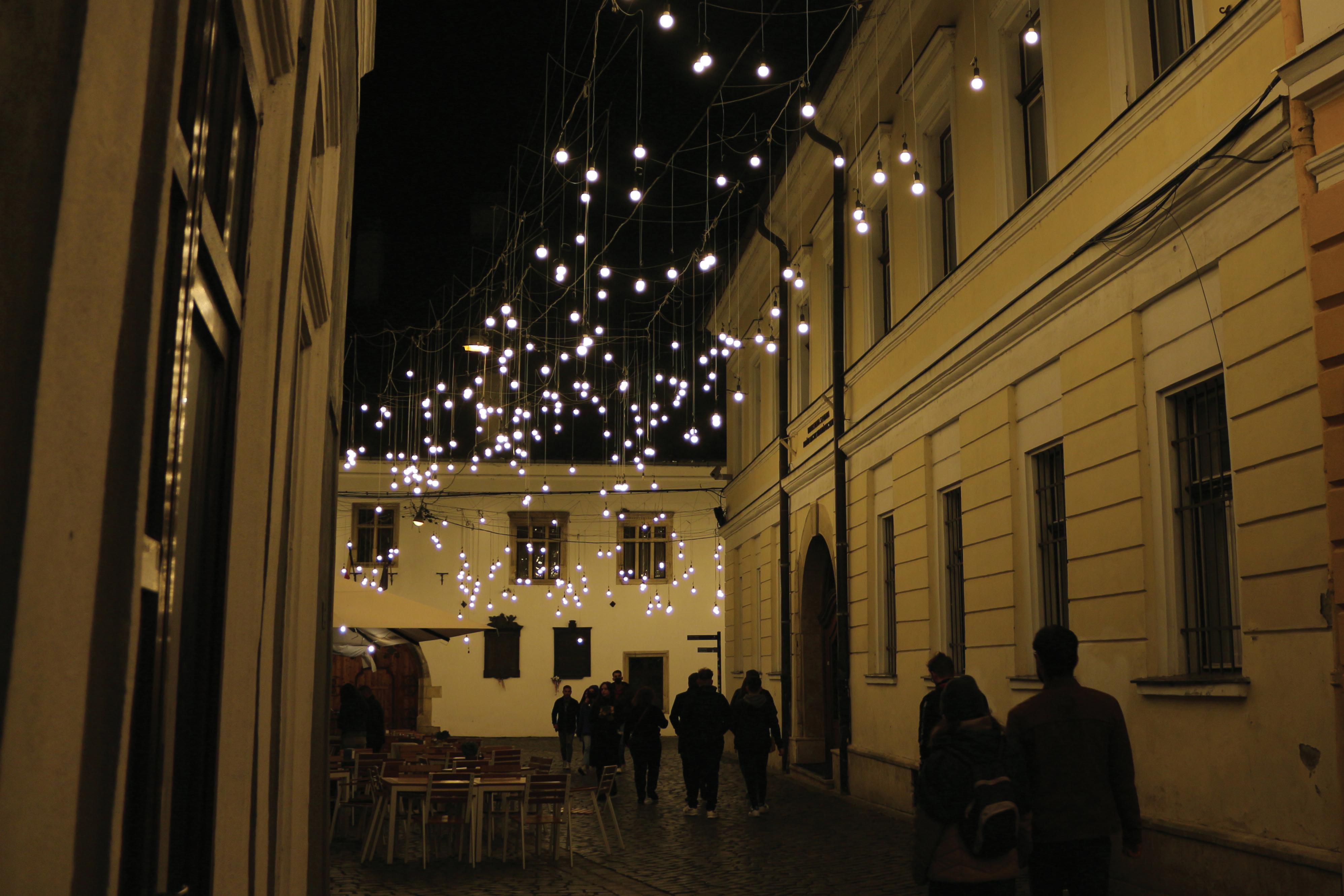
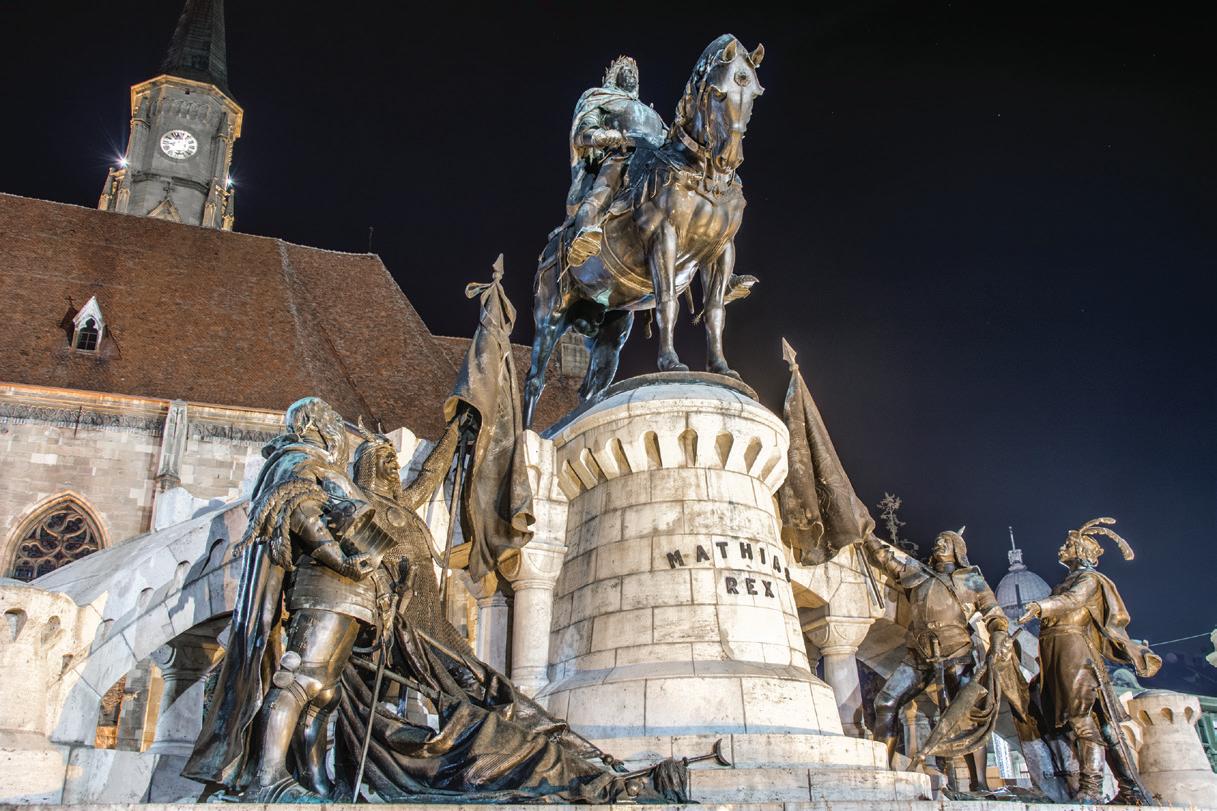
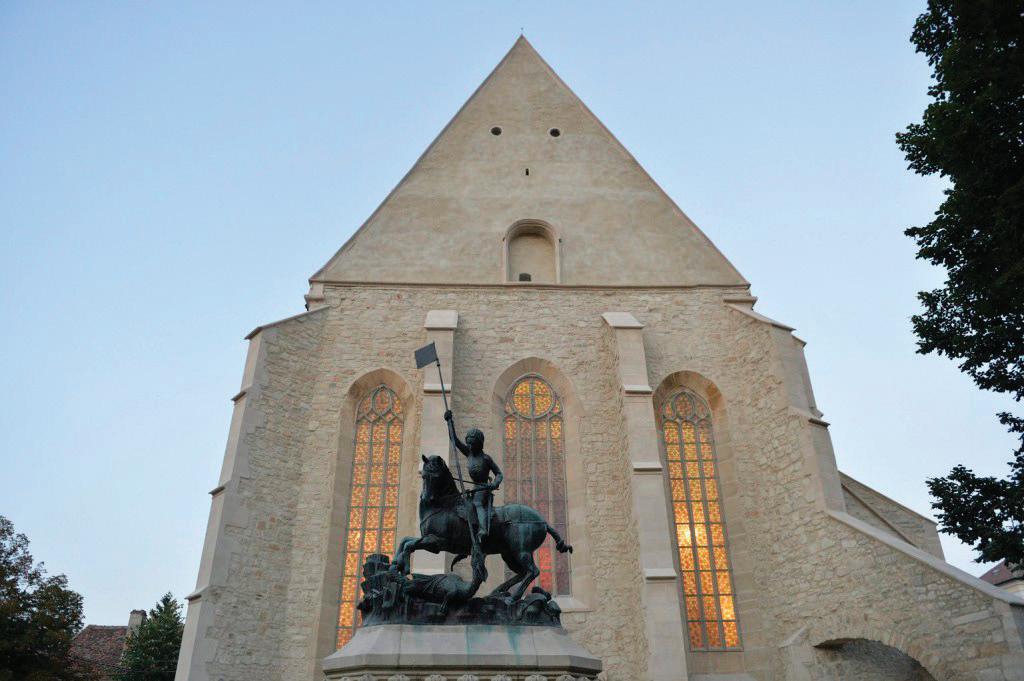
The cradle of Unitarian religion, the town today is the second most populous city in Romania, following the capital city. Its nickname, “Treasure City”, dates from the late 16th century, referring to its wealth in the Middle Ages Abounding in monuments, we only mention St. Michael’s Church in the Union Square, the statue of King Matthias Corvinus (sculpted by János Fadrusz) next to the church, the Reformed Church (21 Mihail Kogălniceanu Street) and the Bánffy Palace.
The vibrant cultural and scientific life of the city act as a magnet to thousands of Transylvanian Hungarian students, while the international theatre and film festivals, book fairs, operas and concerts regularly see outstanding figures from the cultural life of the entire Europe.
The end of August marks the celebration of Hungarian culture in Cluj-Napoca. Over the years, the Hungarian Cultural Days (Kolozsvári Magyar Napok) have grown into one of the largest cultural parades in the Carpathian Basin.
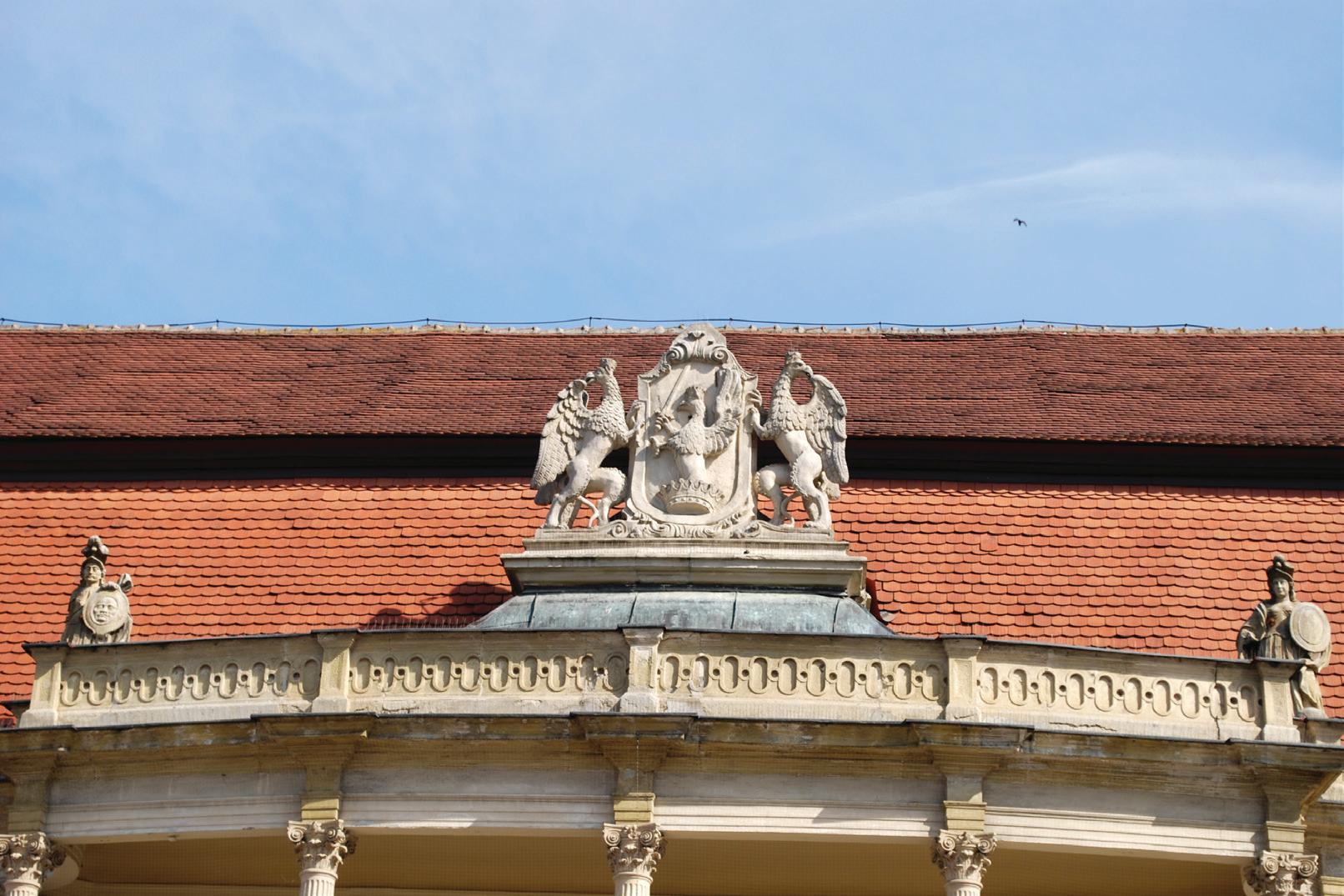
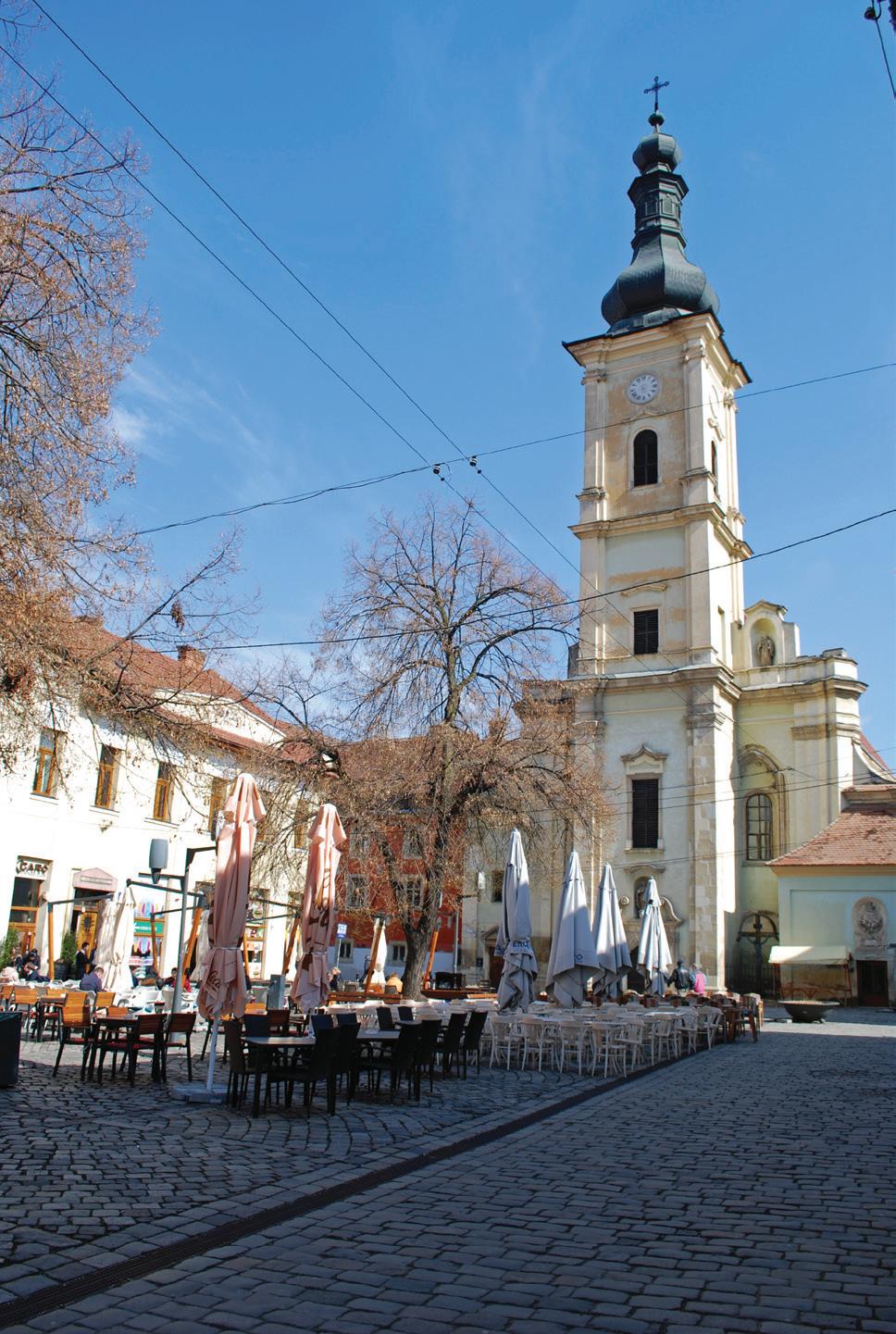
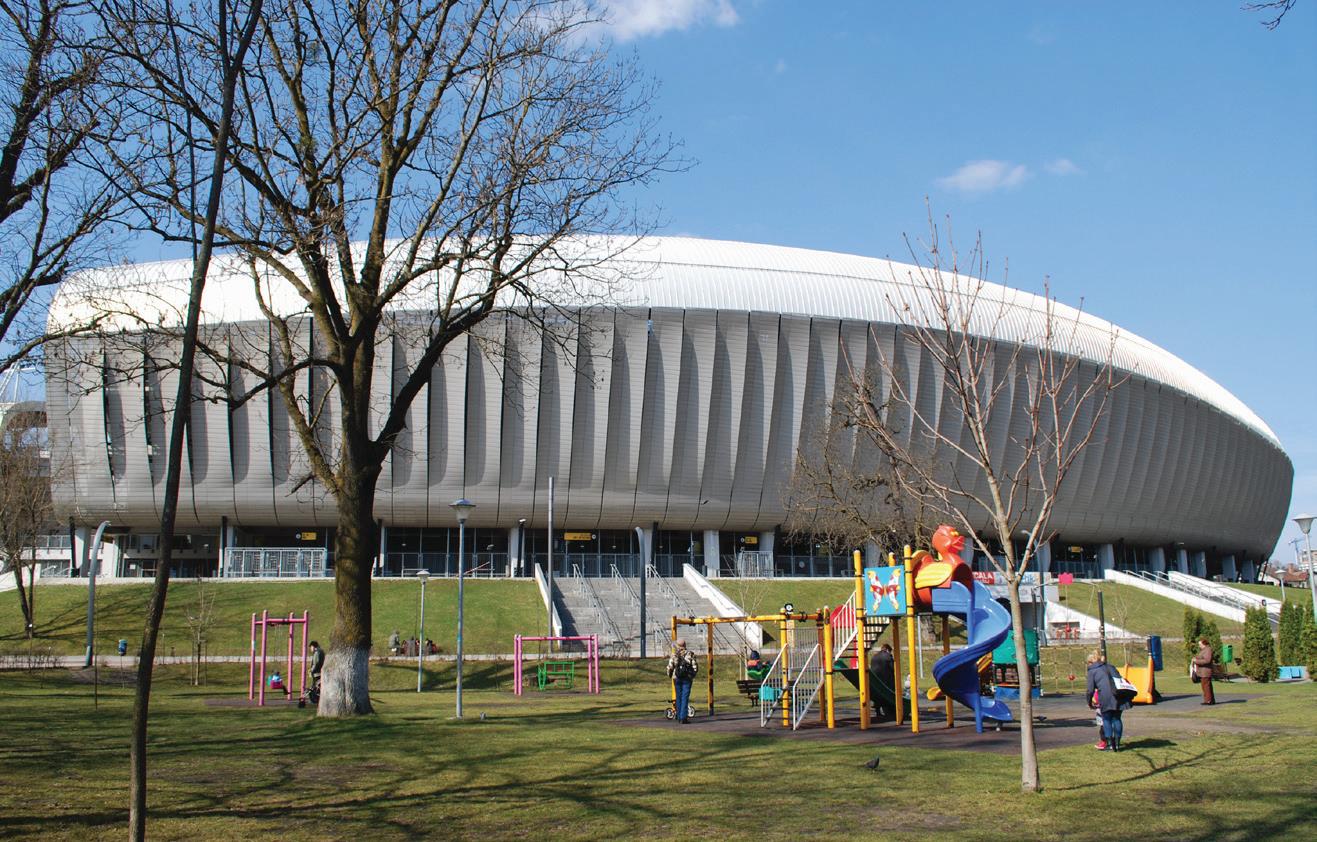
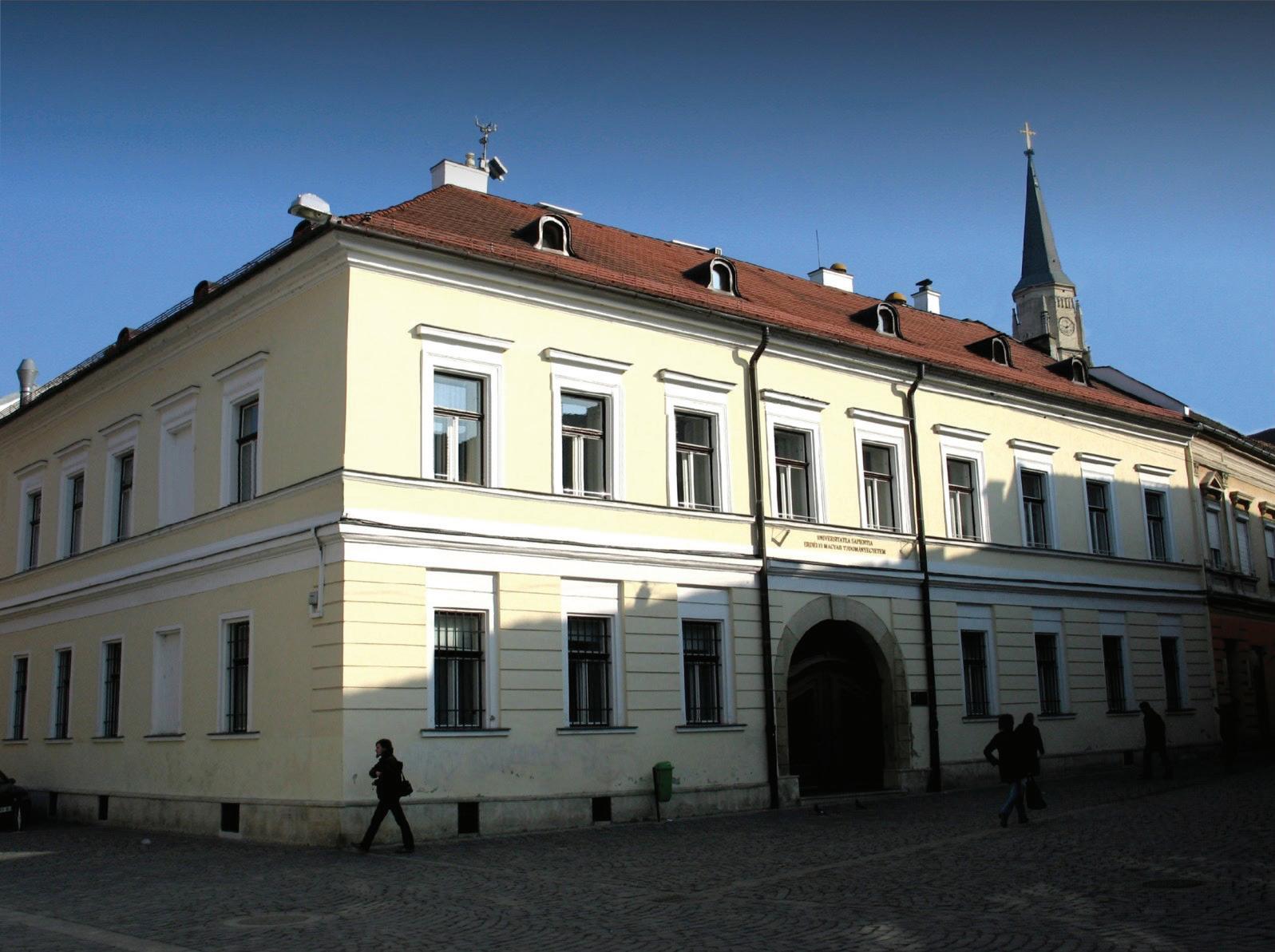
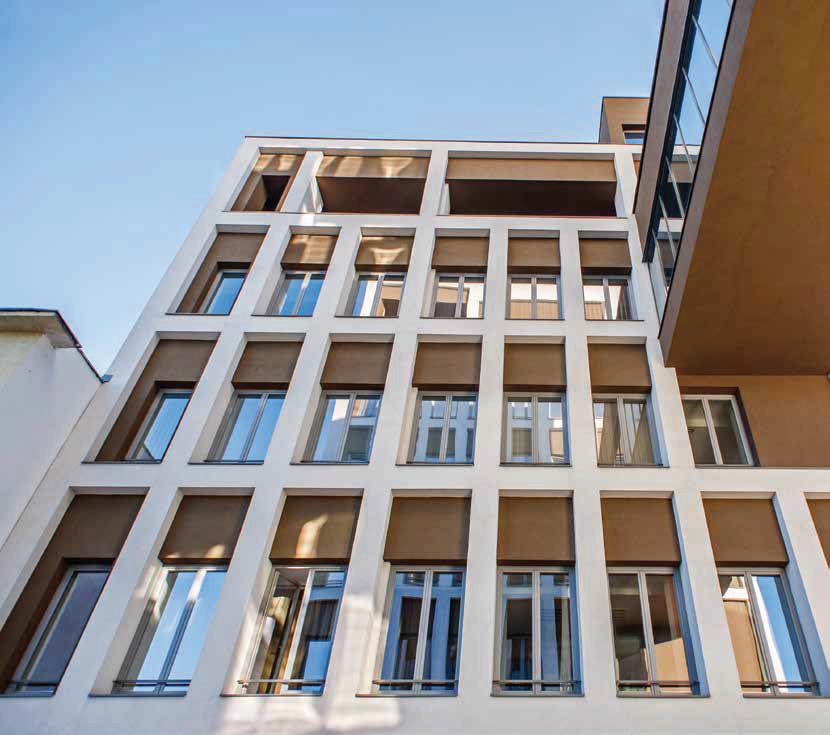
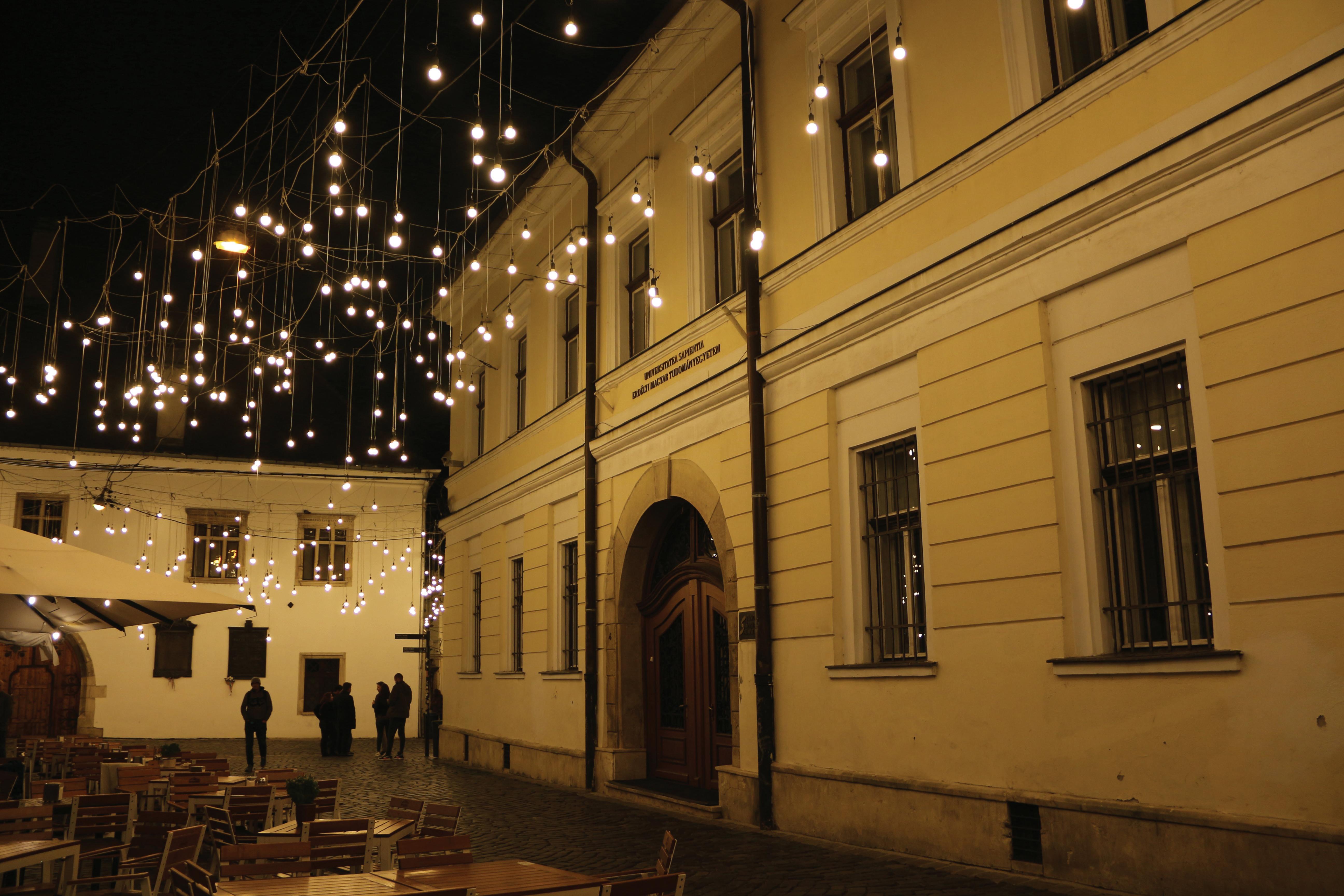
The University founded its faculty in Cluj-Napoca in 2002, choosing to share a famous downtown monumental building, the Bocskai House, as the university’s head offices Ten years later, the Faculty in Cluj-Napoca opened the gates of its new building located at Calea Turzii 4 in September 2013 The main value of the Faculty consist in its high-quality
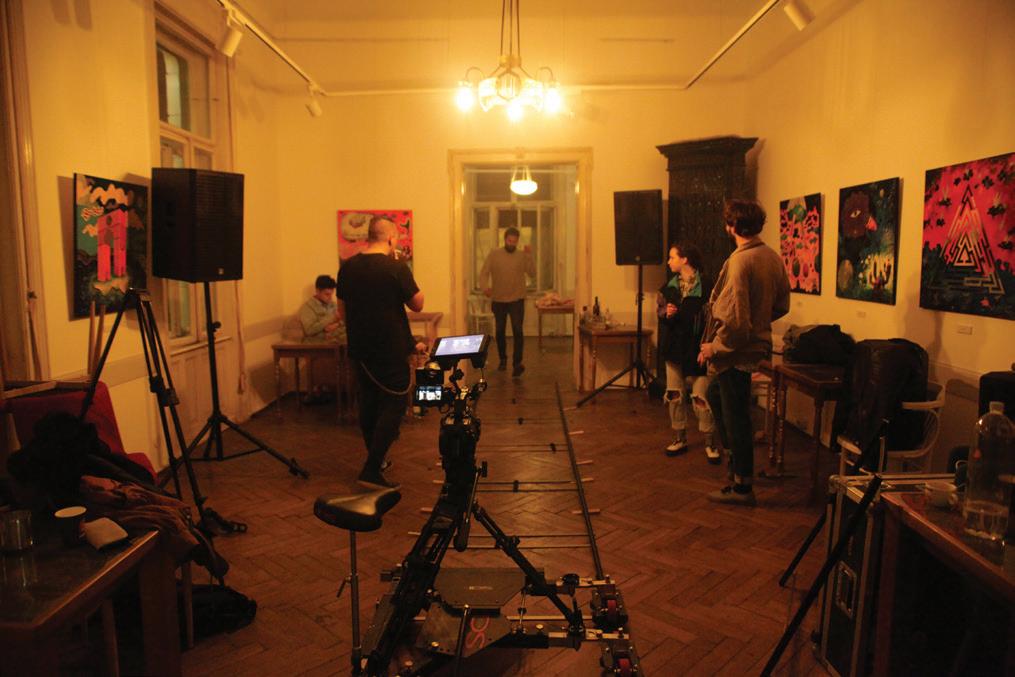
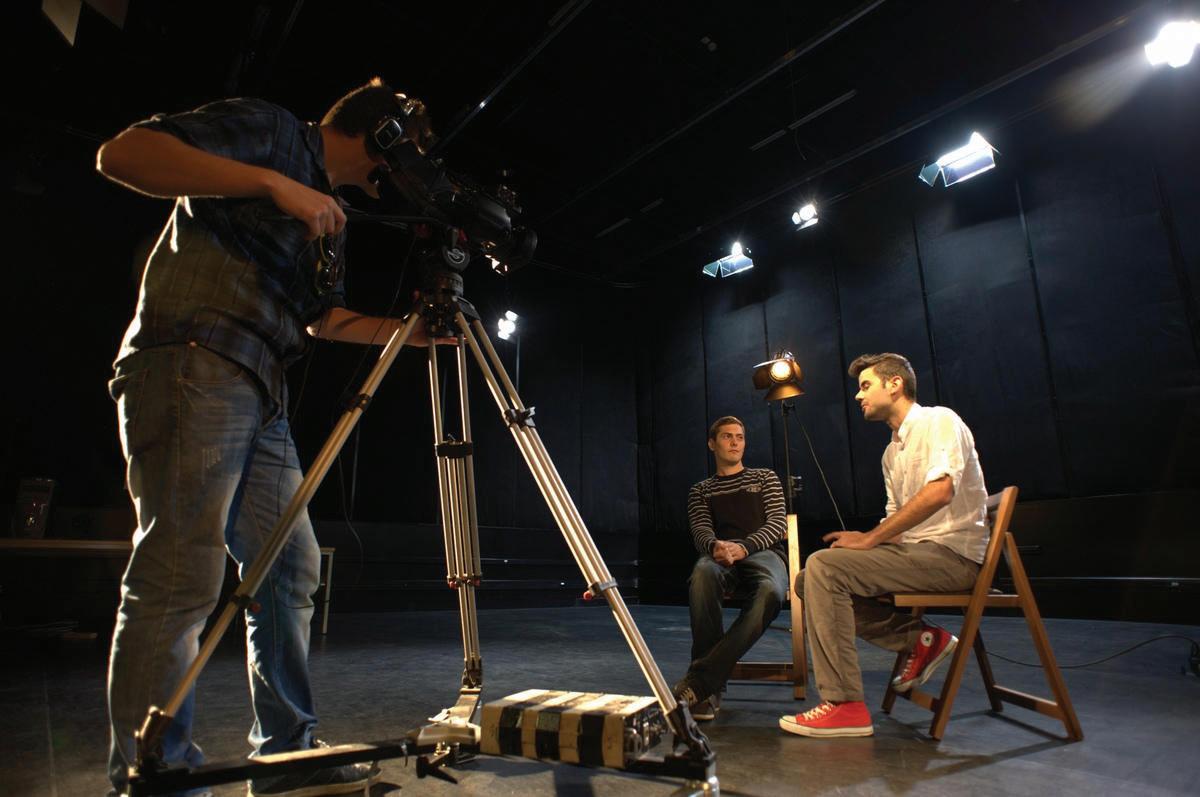
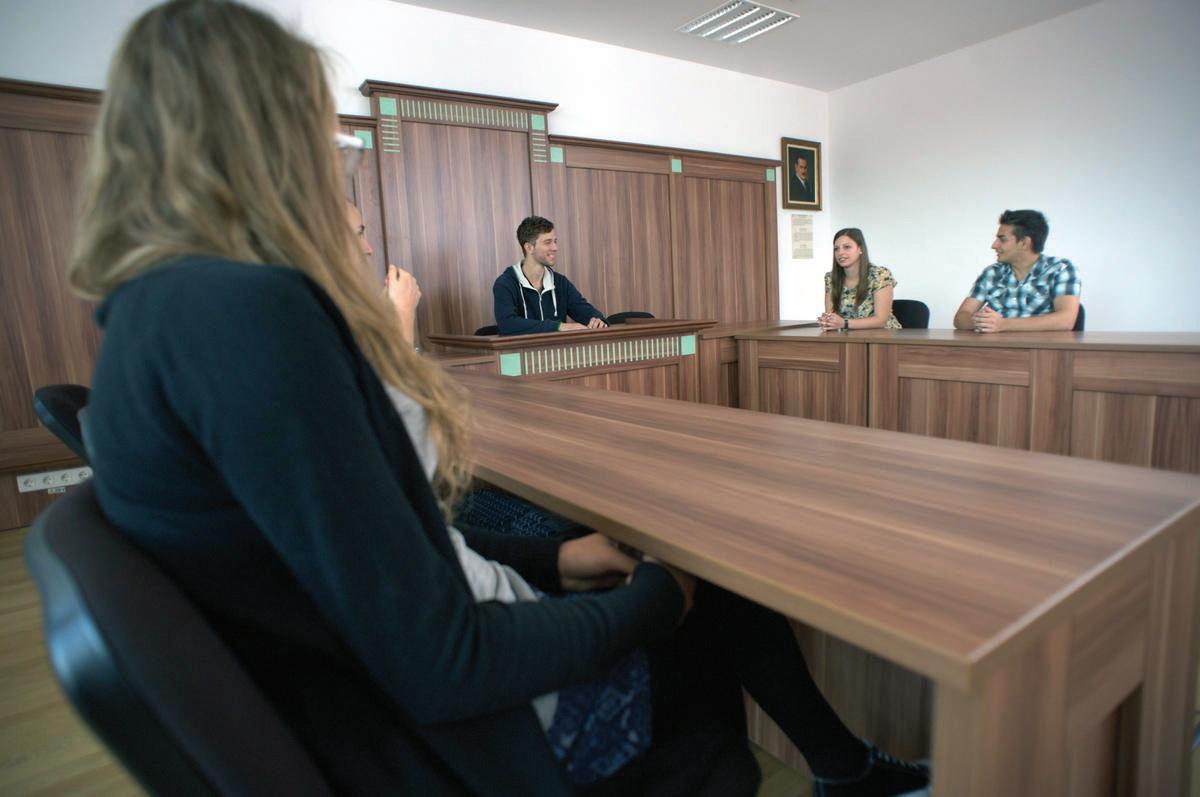
market-oriented education, focusing on students, as well as its institutional openness and flexibility. The quality of education is ensured by the well-equipped TV and dance studios, labs and a mock courtroom, completed by the Tonk Sándor Library with a rich collection of specialist books and journals.


• – Film and TV Directing
– Film and TV Image
– Audiovisual Communication
• Dance Art (Choreography)
• Environmental Science
• International Relations and European Studies
• Law
400193 Cluj-Napoca (Kolozsvár) Calea Turzii 4
Cluj County
Tel : +40-364-401-458
Fax : +40 -364-410 - 069
E-mail: office@kv sapientia ro Web: kv sapientia ro/en
• Diplomacy and Intercultural Studies/ International Relations and Geopolitics
• Environmental Monitoring and Protection
•
• Film Studies Judicial Career
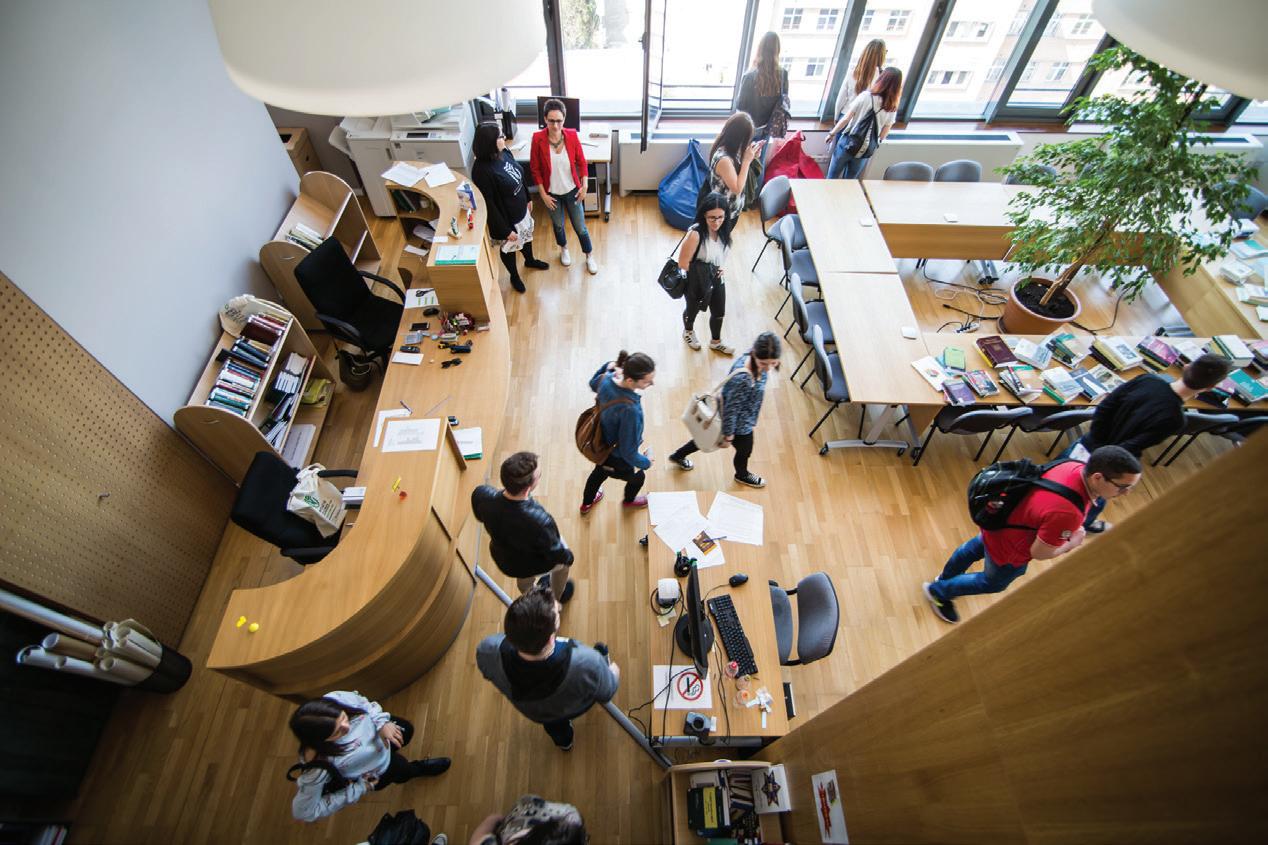
The librar y within the Faculty of Sciences and Ar ts in Cluj-Napoca was established in 2003. It was named after TONK Sándor in 2005 to commemorate the first president of the Sapientia Foundation and founding rector of Sapientia University. The collection of the librar y has reached 19,000 entr ies, which are indispensable for education, including book s, journals in Hungar ian and foreign languages, as well as audio -video mater ials. T h e o nlin e c at alo g u e is av ail ab le
c

• STIMEDI A Environmental Science Research Centre
• Cinematic Intermediality and Visual Culture Research Centre
• Social Sciences Research Centre
• Kolosvár y Bálint Law Studies Research Centre
A R O S
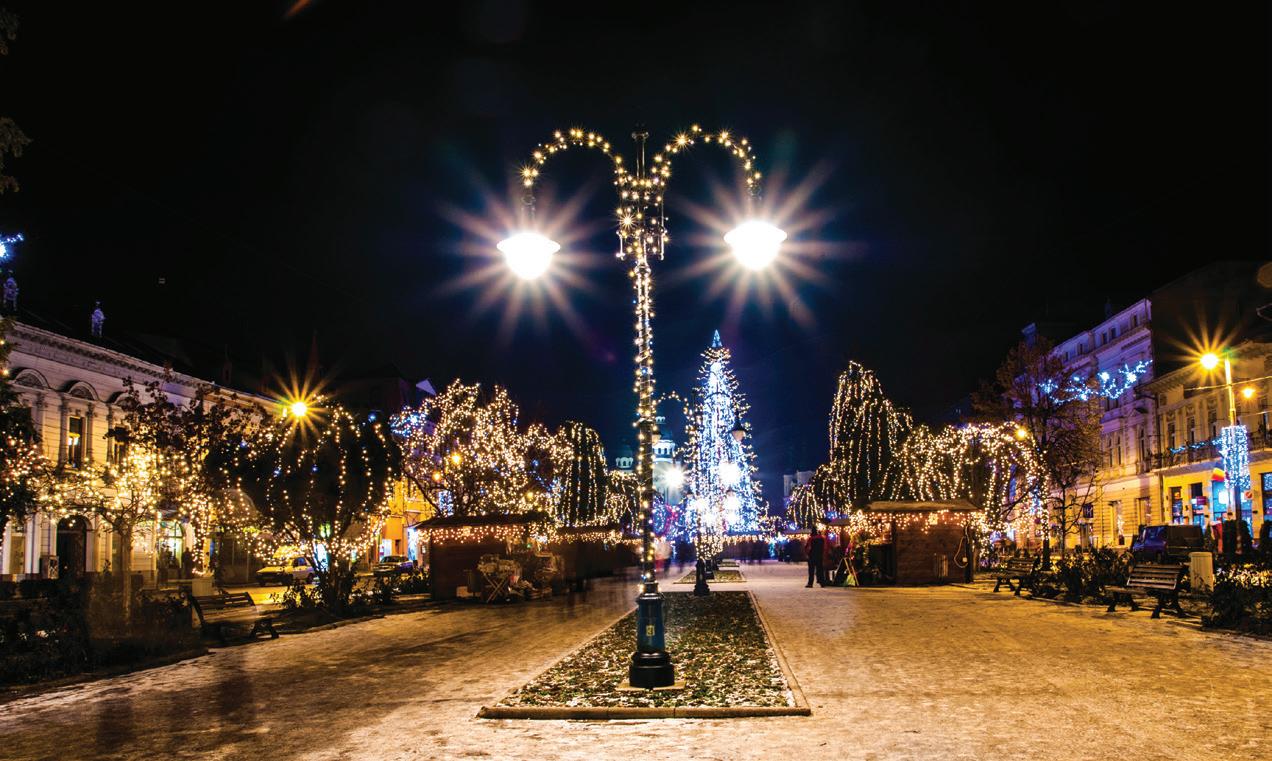
The first wr it ten record of Târgu Mure ș dates from 1 3 2 3 as Novum Forum Siculorum. The name refers to a marketplace, which is connec ted to the set tlement of the Szeklers in the Mure ș area Impor tant figures connec ted to the development of the set tlement are King Mat thias Cor v inus, Stephen B áthor y (Pr ince of Transylvania, 1576–1586), Isabella Jag iellon, the Queen consor t of Hungar y. Gabr iel B ethlen (Pr ince of Transylvania, 1613–1629) gave it s munic ipal standing in 1616
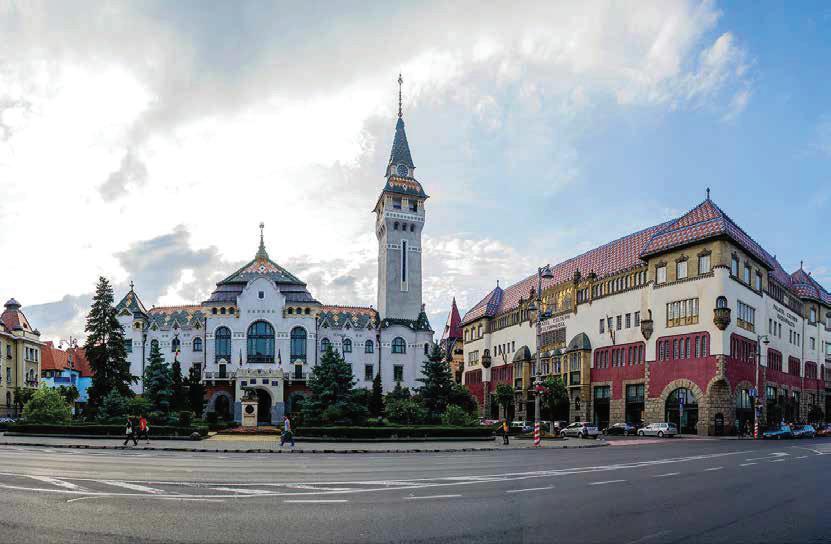
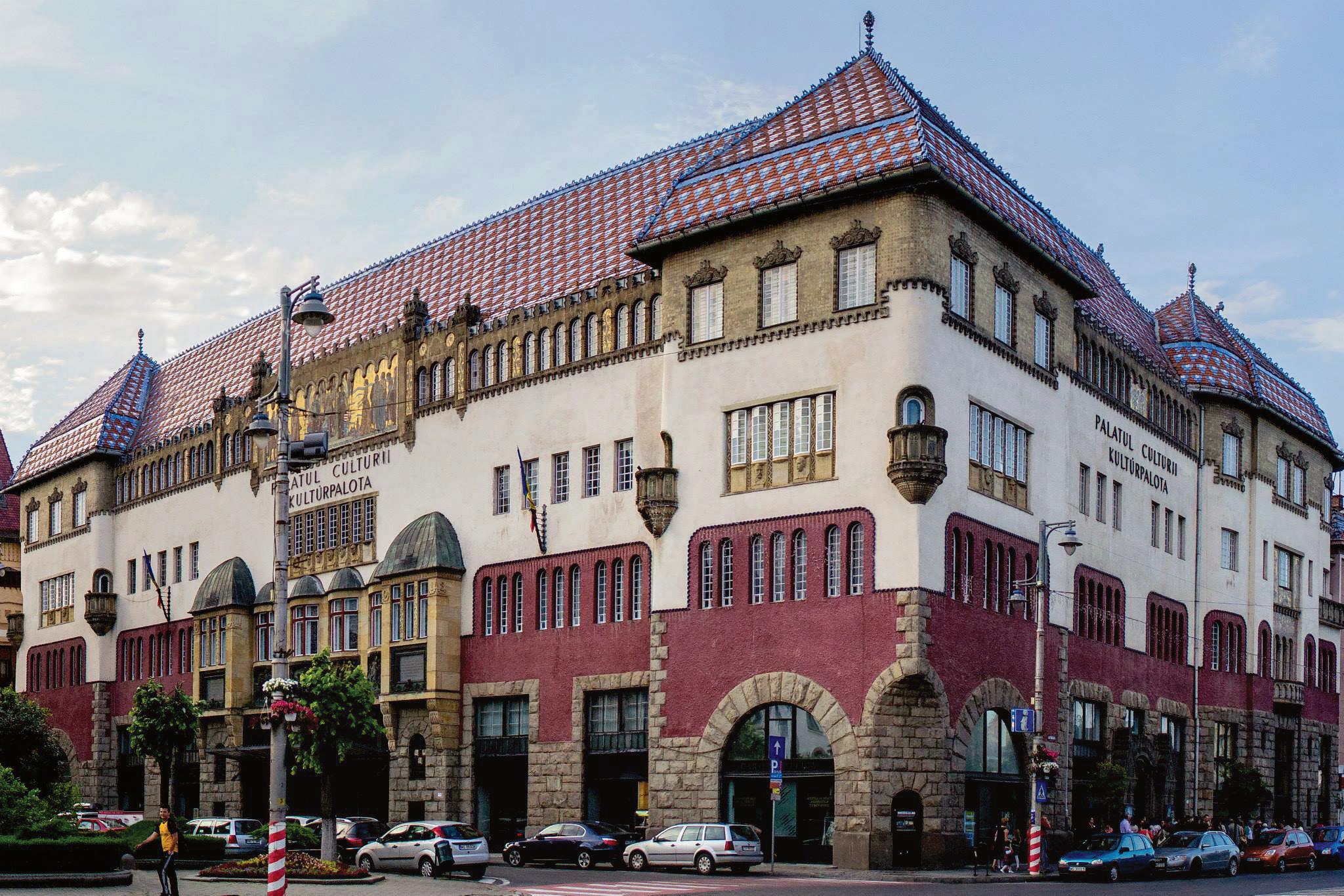
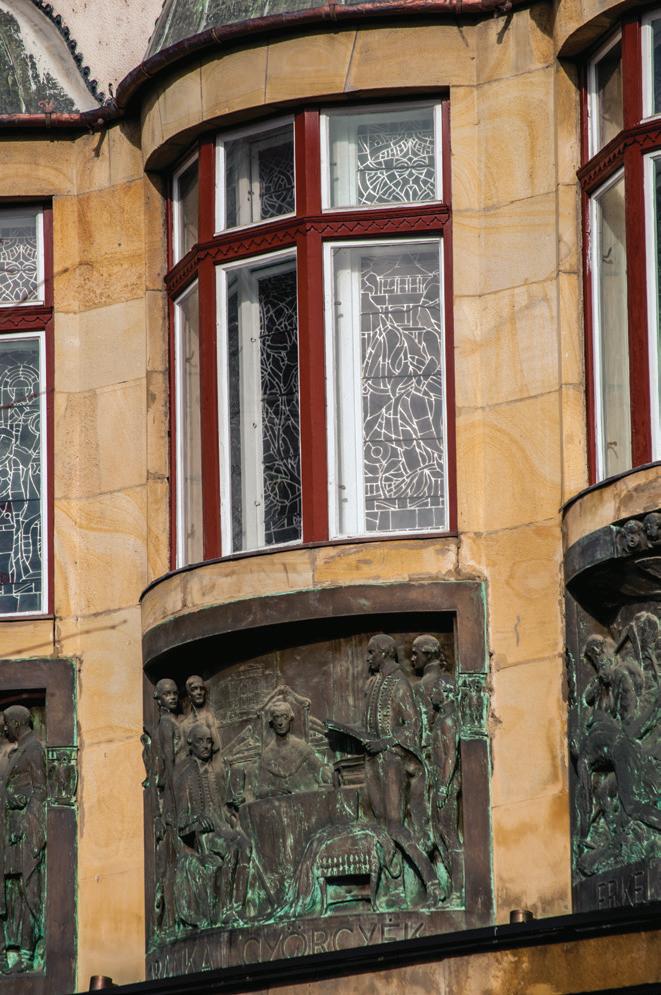
The st yle of the six th largest town in Transylvania is defined by Ar t Nouveau houses and public building s, remarkably the Administrat ive Palace (Prefec ture) and the Palace of
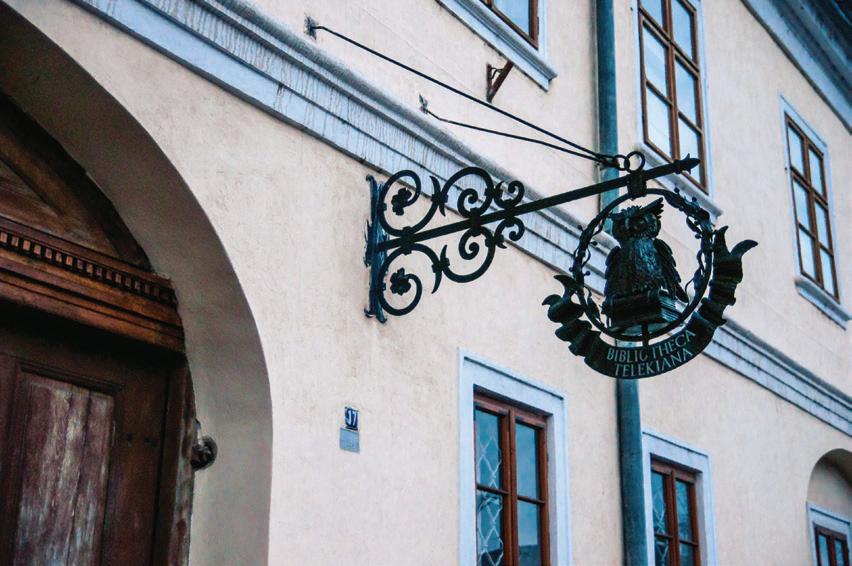
Culture The main at trac t ions of the c it y are the Rose Square, the Saint John the B apt ist Church, the famous tower of the Franc iscans in the town centre, the For tress w ith bast ions and the For tress Church Thanks to the National Theatre, the Teleki Librar y and other public libraries, its museums and ar t galler y exhibitions, the town is considered to be Szeklerland’s cultural centre The Târgu Mureș State Philharmonic Orchestra is one of the most reputable ones in Transylvania The International Book Fair, the Alternative Film Festival, or the Târgu Mureș Whirl (Vásárhelyi Forgatag) organised each year all contribute to the image of Târgu Mureș as a university town

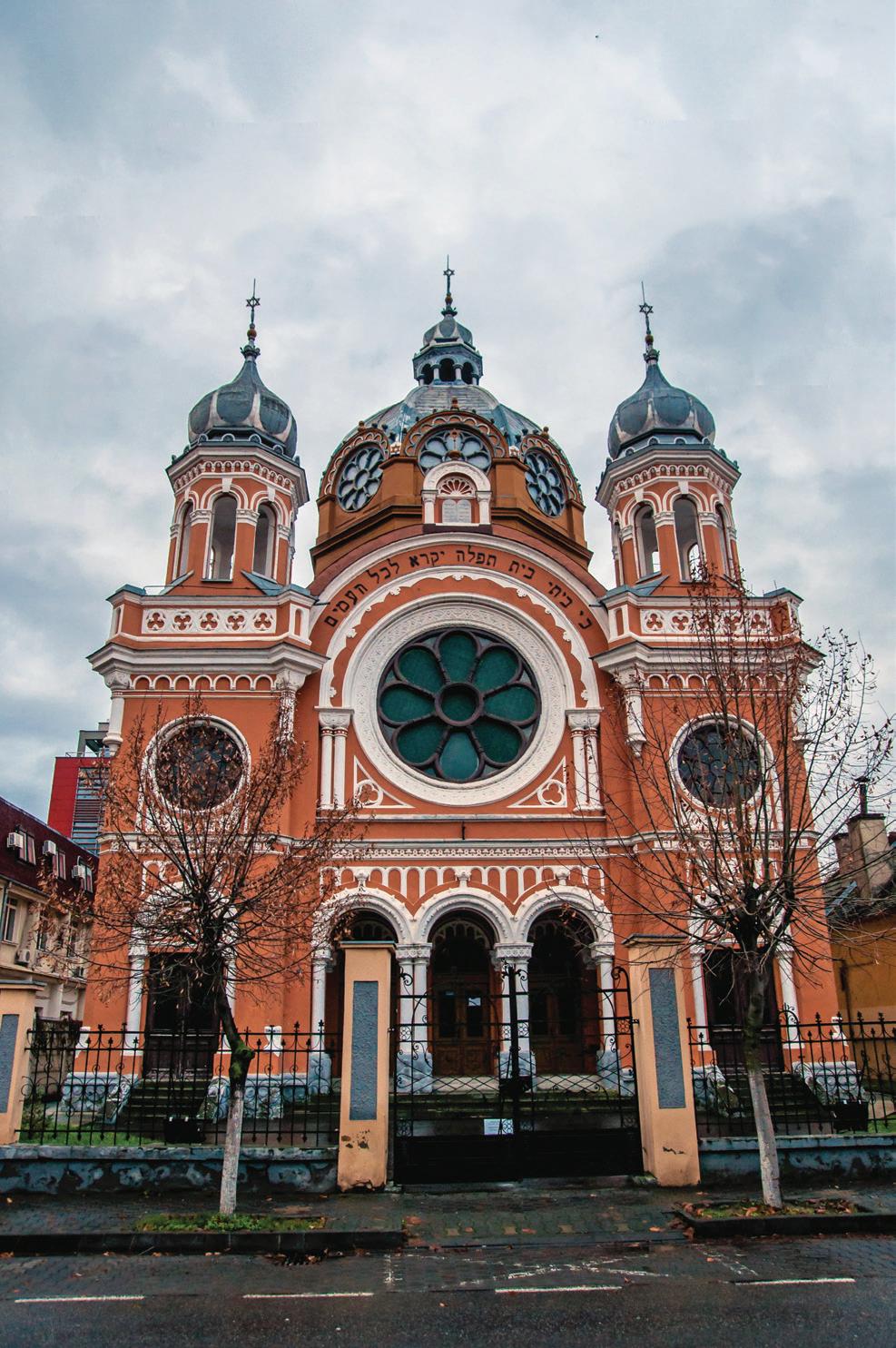
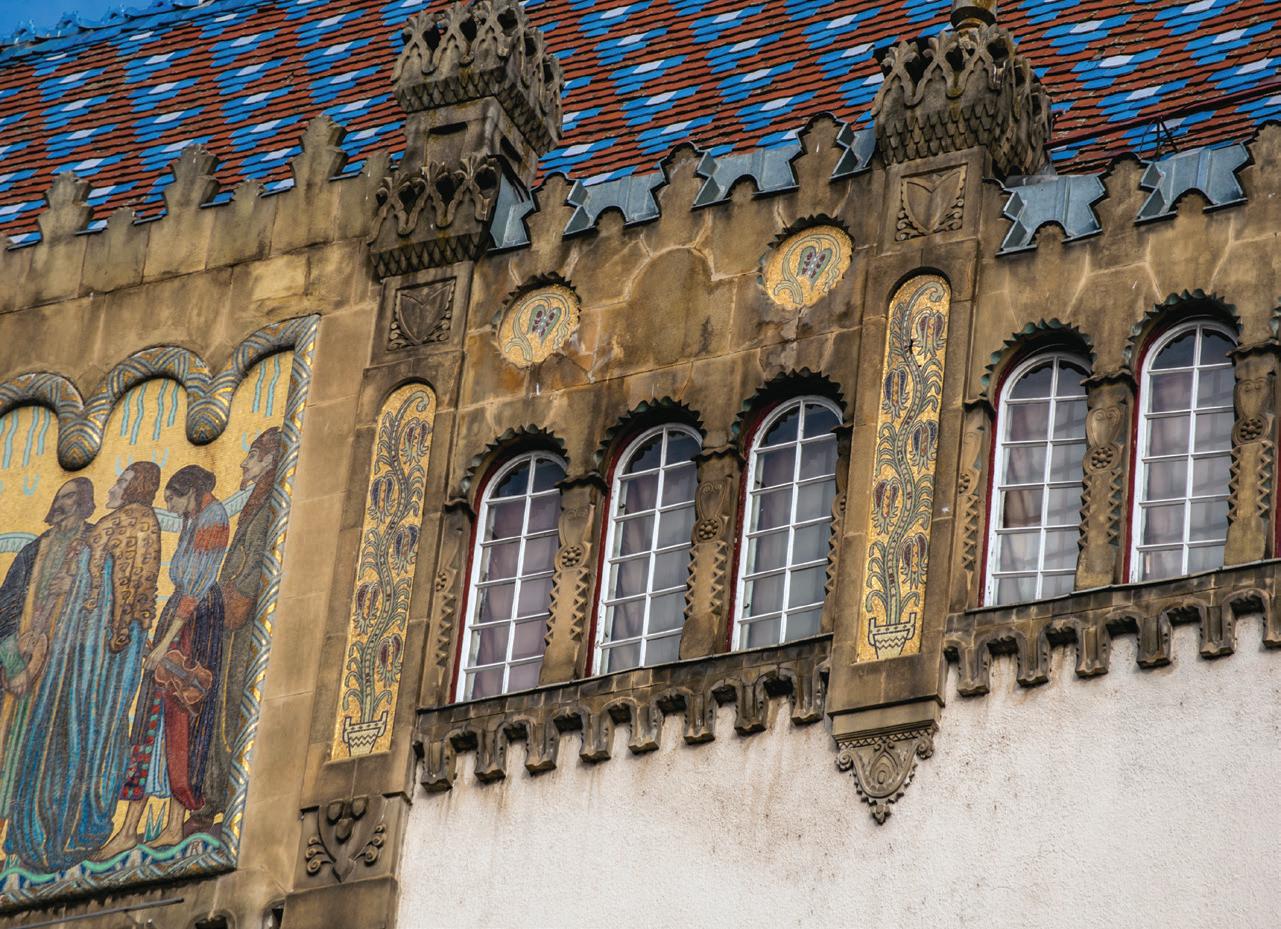
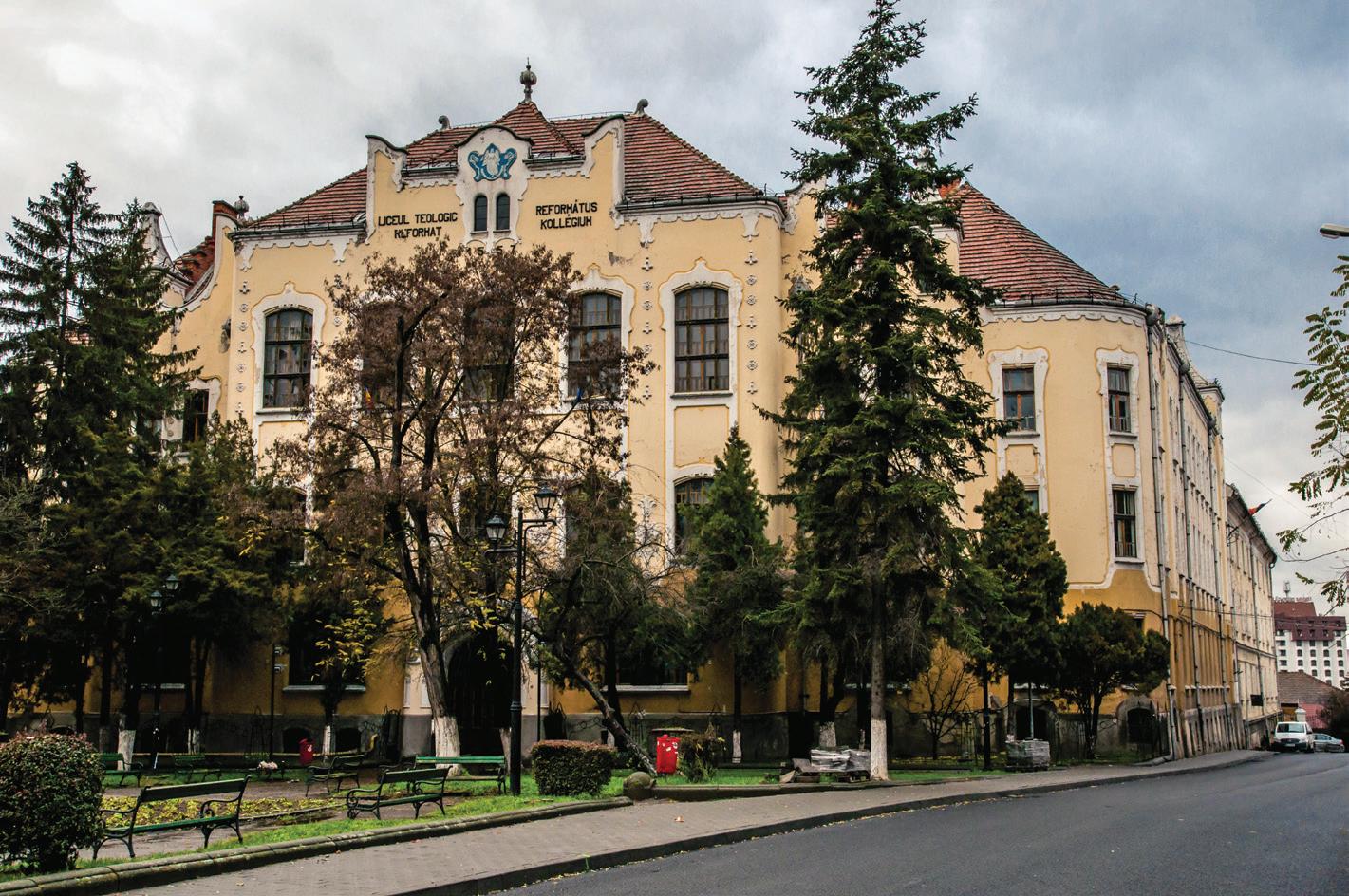
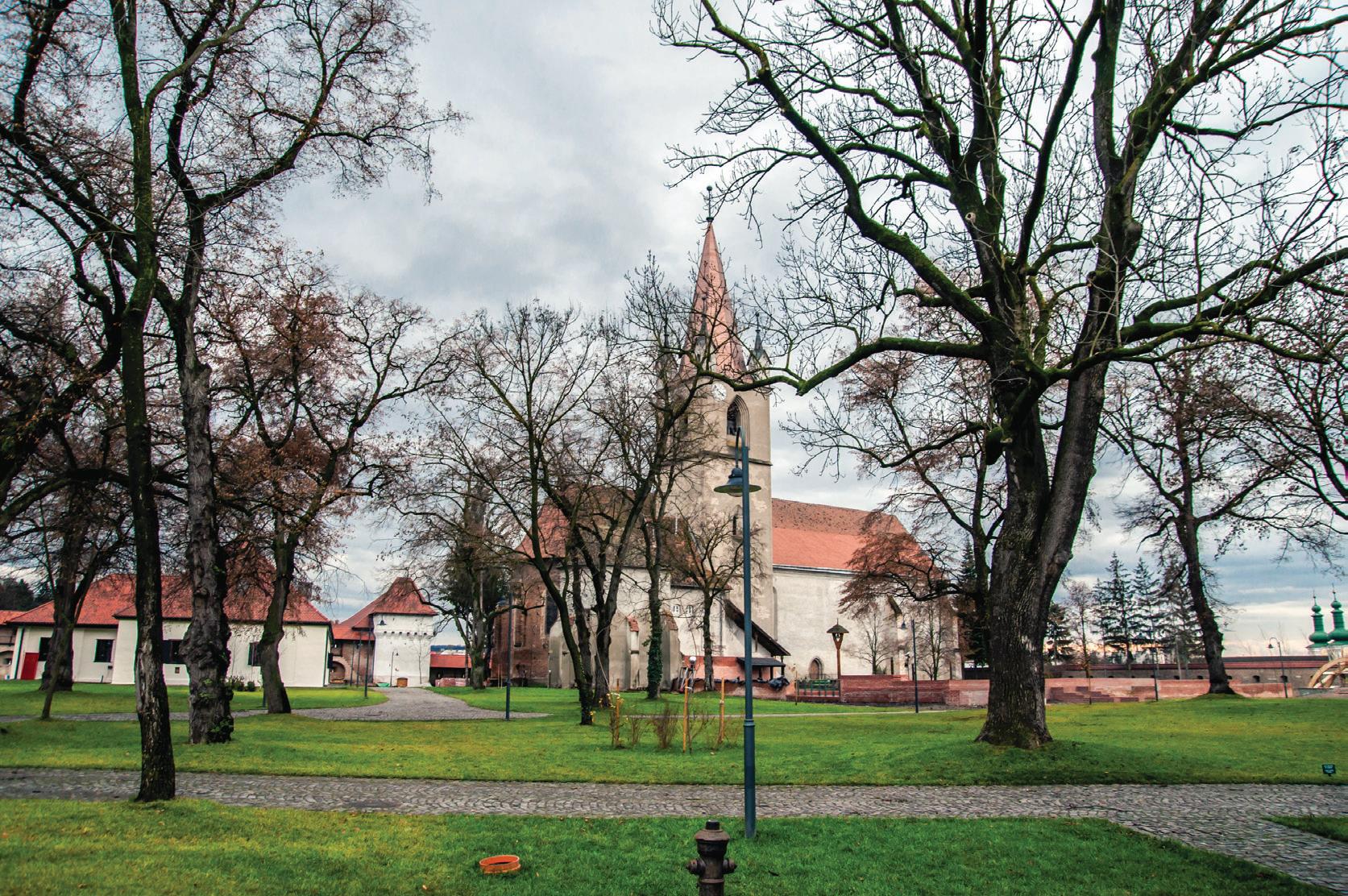

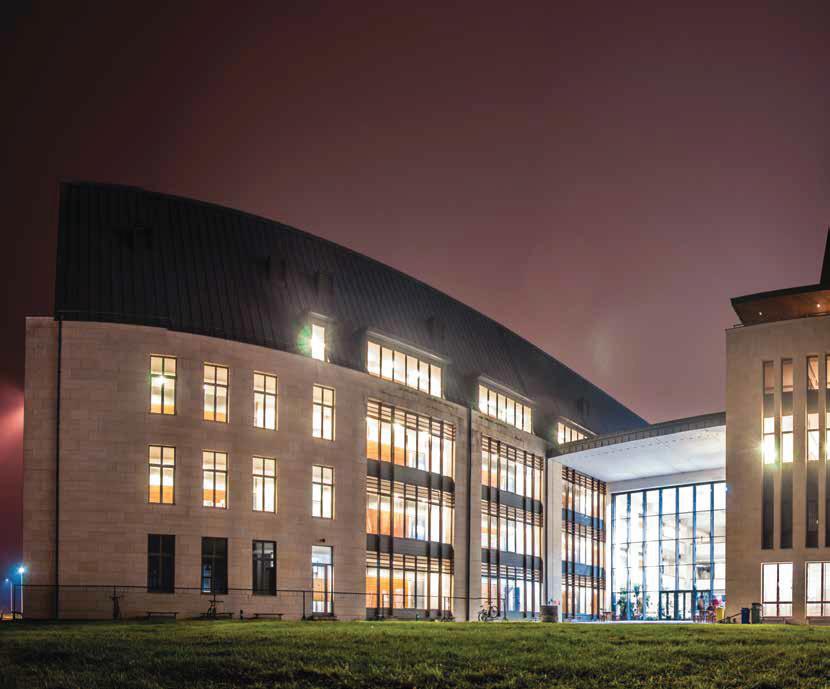
The need for Hungarian technical education was explicitly clarified in 1990, when almost 100,000 people called for an autonomous Hungarian university in the town centre. In addition to existing public universities, the Sapientia University opened its gates in Târgu Mureş in 2001, with its Faculty of Technical and Human Sciences. The faculty is the most important Hungarian centre of technical sciences in Transylvania, offering a unique opportunity to attend eight Hungarian engineering study programmes in Romania.
To answer the challenges of modern education, the
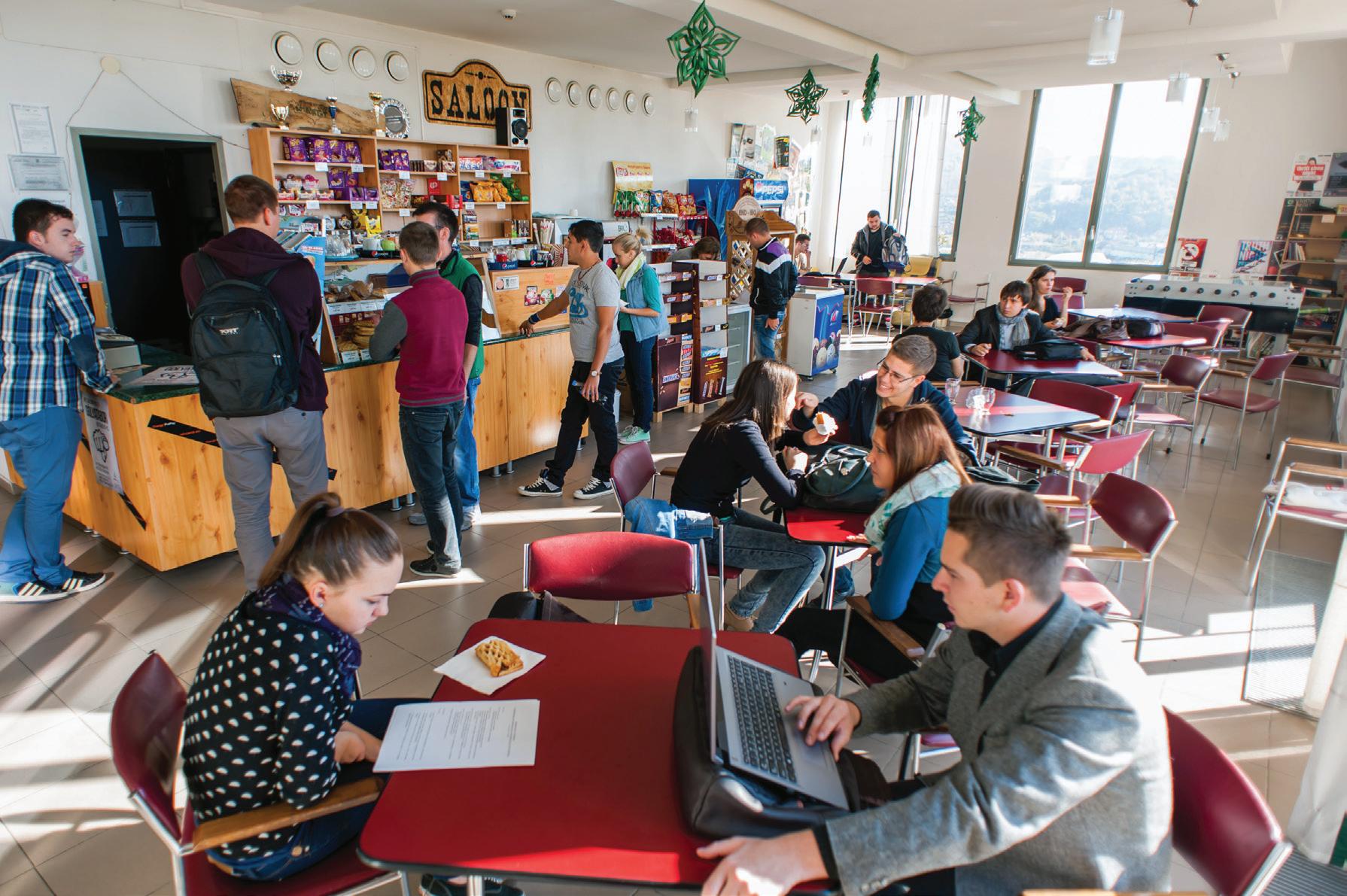
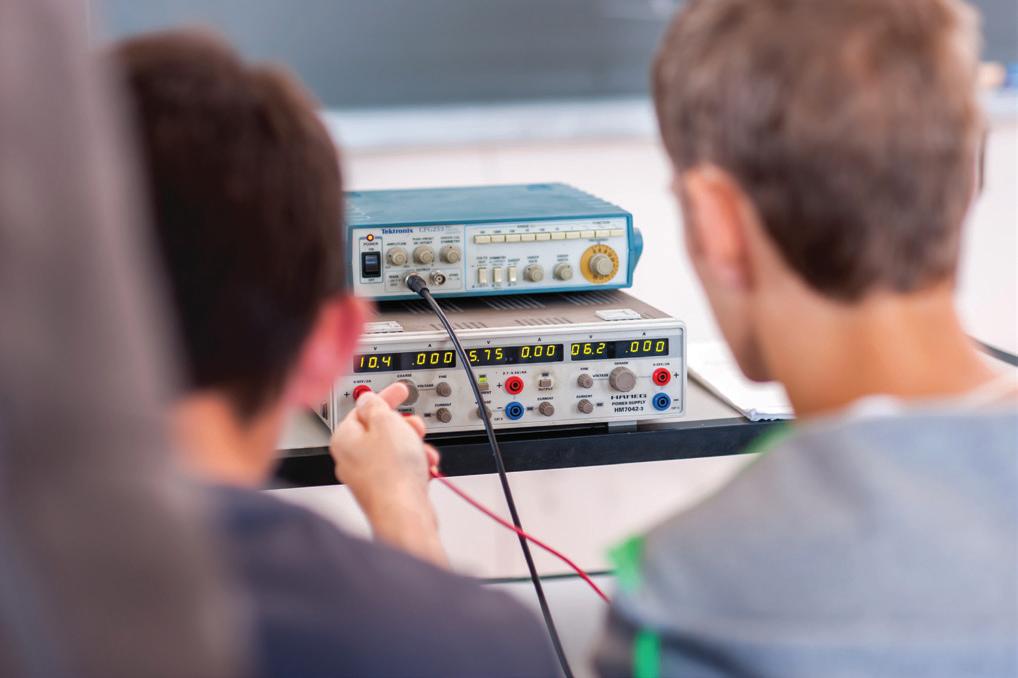
Campus has five amphitheatres, and more than forty lecture rooms and well- equipped labs to ser ve the theoretical and prac tical instruc tion of student s The cafeter ia and the canteen offer var ious refreshment s and a menu of the day The 27-hec tare area around the central building is an ideal spot for student s of hor ticulture and landscape architec ture to carr y out their professional training

Fax: +40 265-206-211
E-mail: office@ms.sapientia.ro Web: ms.sapientia.ro/en
• Translation and Interpretation
• Horticulture
• Landscape Architecture
• Communication and Public Relations
• Public Health Services and Policies
• Computer Science (Informatics)
• Automation and Applied Informatics
•
• Computer Science (Engineering)
Machine-Manufacturing Technology
• Mechatronics
• Telecommunication Systems and Technologies
• Advanced Mechatronic Systems
• Intelligent Control Systems
• Plant Protection
• Sof tware Eng ineer ing
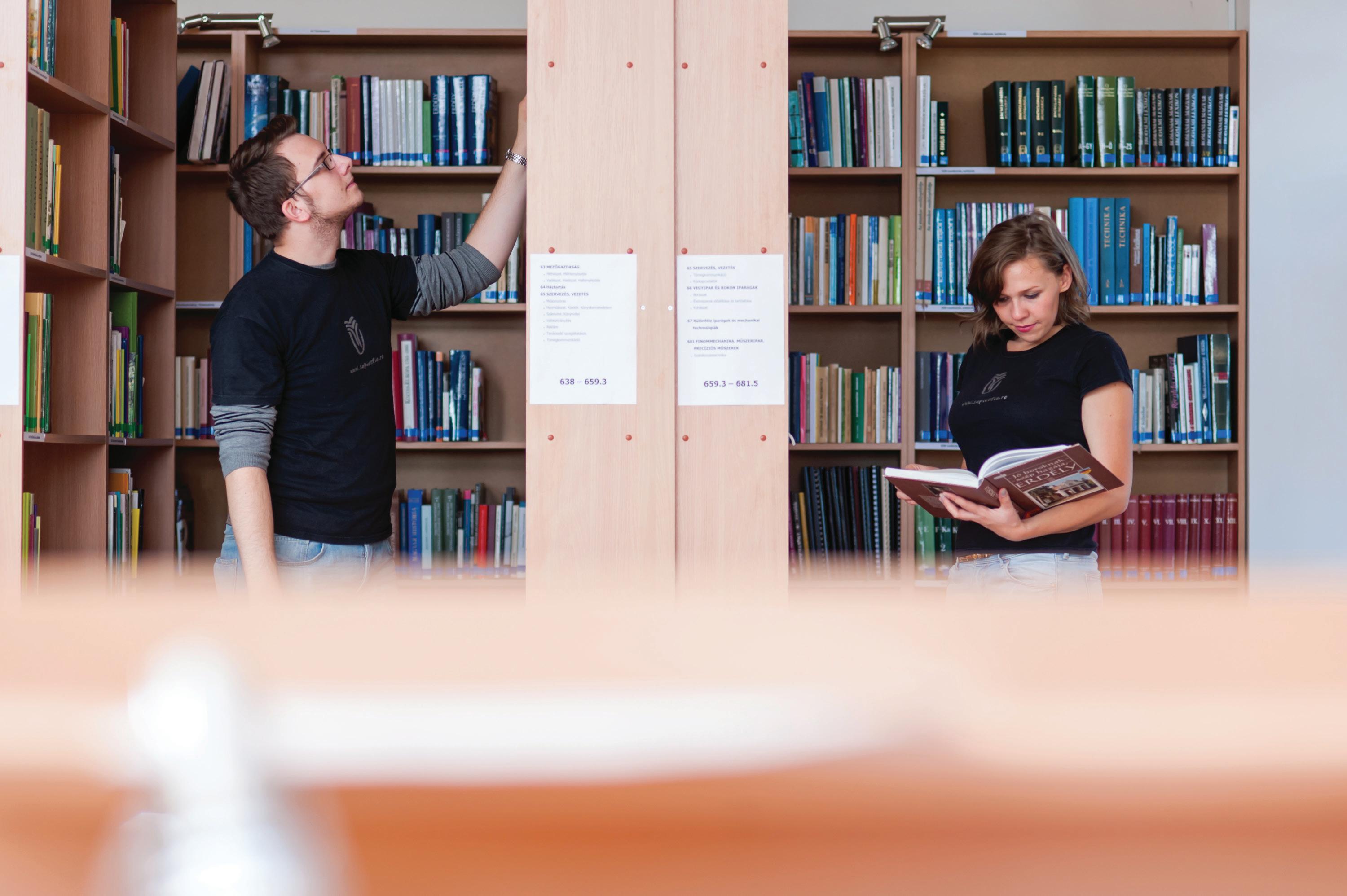
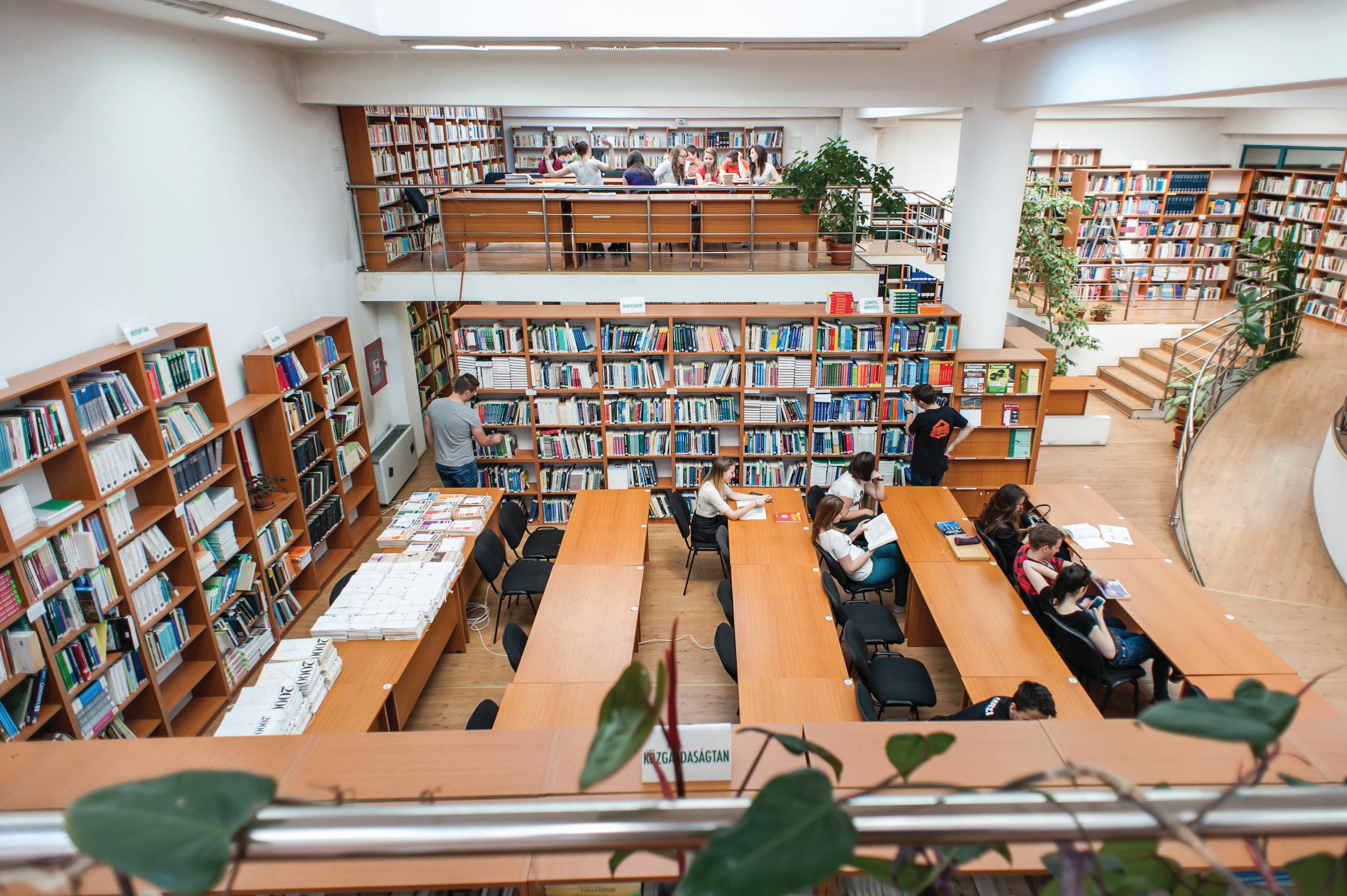
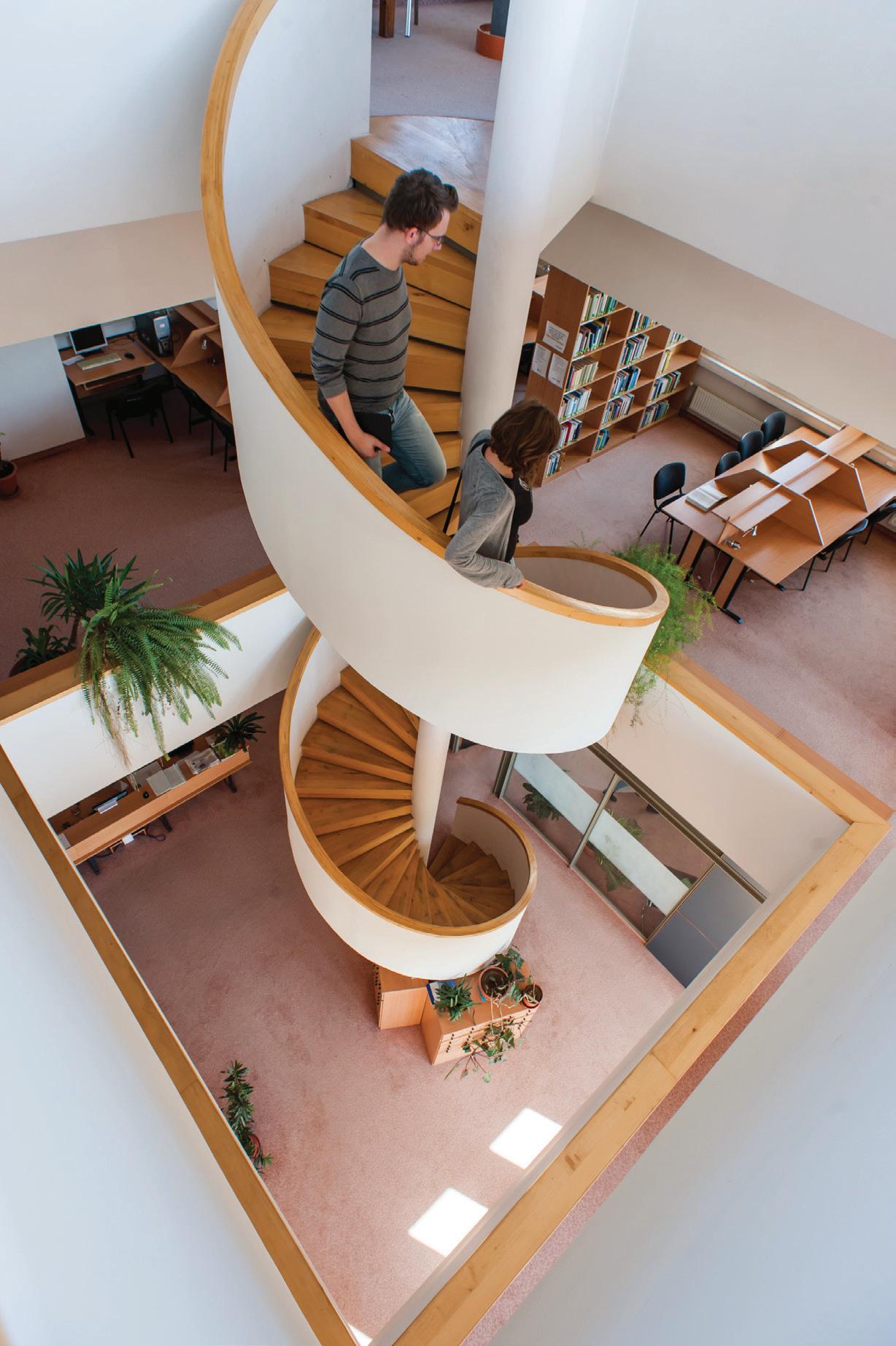
The Faculty Librar y of the Sapientia University is a par tially public librar y. Its ser vices are pr imar ily provided for the benefit of faculty members, but the reading room is available for the large public as well
The collec t ion consist s of more than 41,80 0 entr ie s nece s s ar y for profe s sional educ at ion, including pr inted and elec tronic book s , enc yclopaedias , dic t ionar ie s and journal s in Hung ar ian and foreign language s , as well as audio -v ideo mater ial s .
• MATINFO Mathematic s and Information Science Research Centre (in collaboration with the Faculty of Economic s, Socio -Human Sciences and Eng ineer ing, Miercurea Ciuc)
• ACFA Automation, Computer Science and Applied Physic s Research Centre
• Research Centre for Industr ial Eng ine er ing and Applied Physic s
• Applied Hor ticulture, Biolog y and Chemistr y Research Centre
• Media and Communication Research Centre
• DAMERG Linguistic s Research Centre
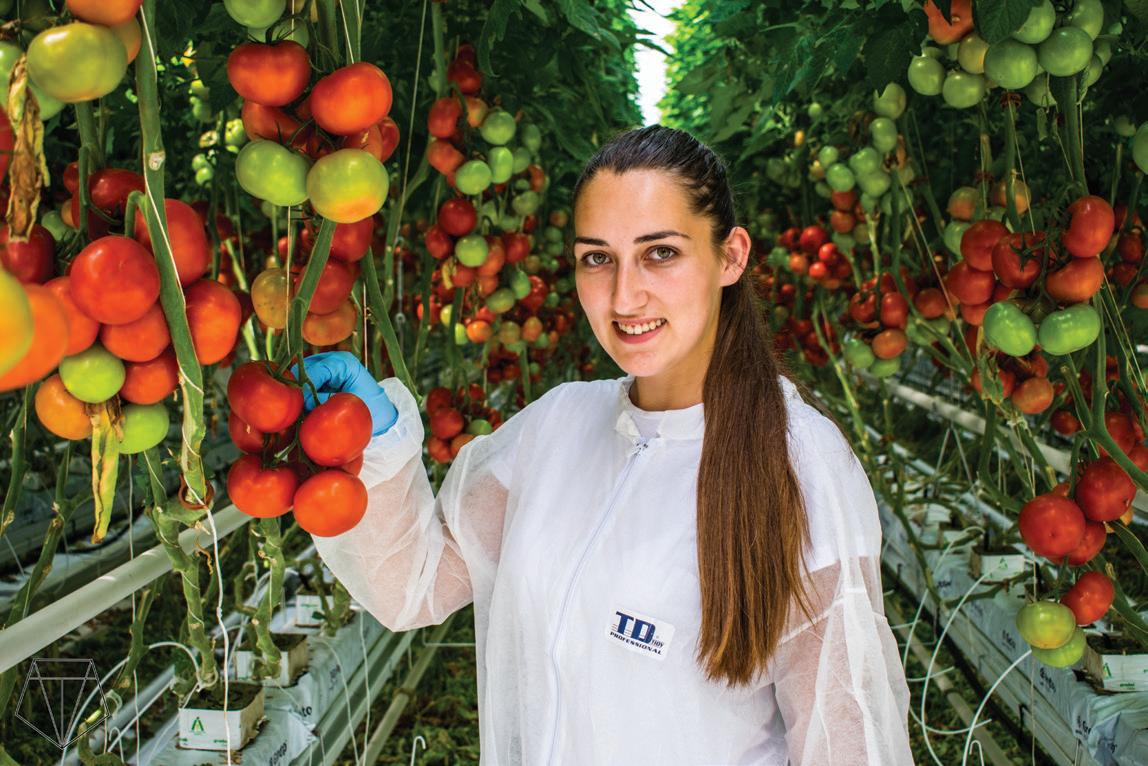
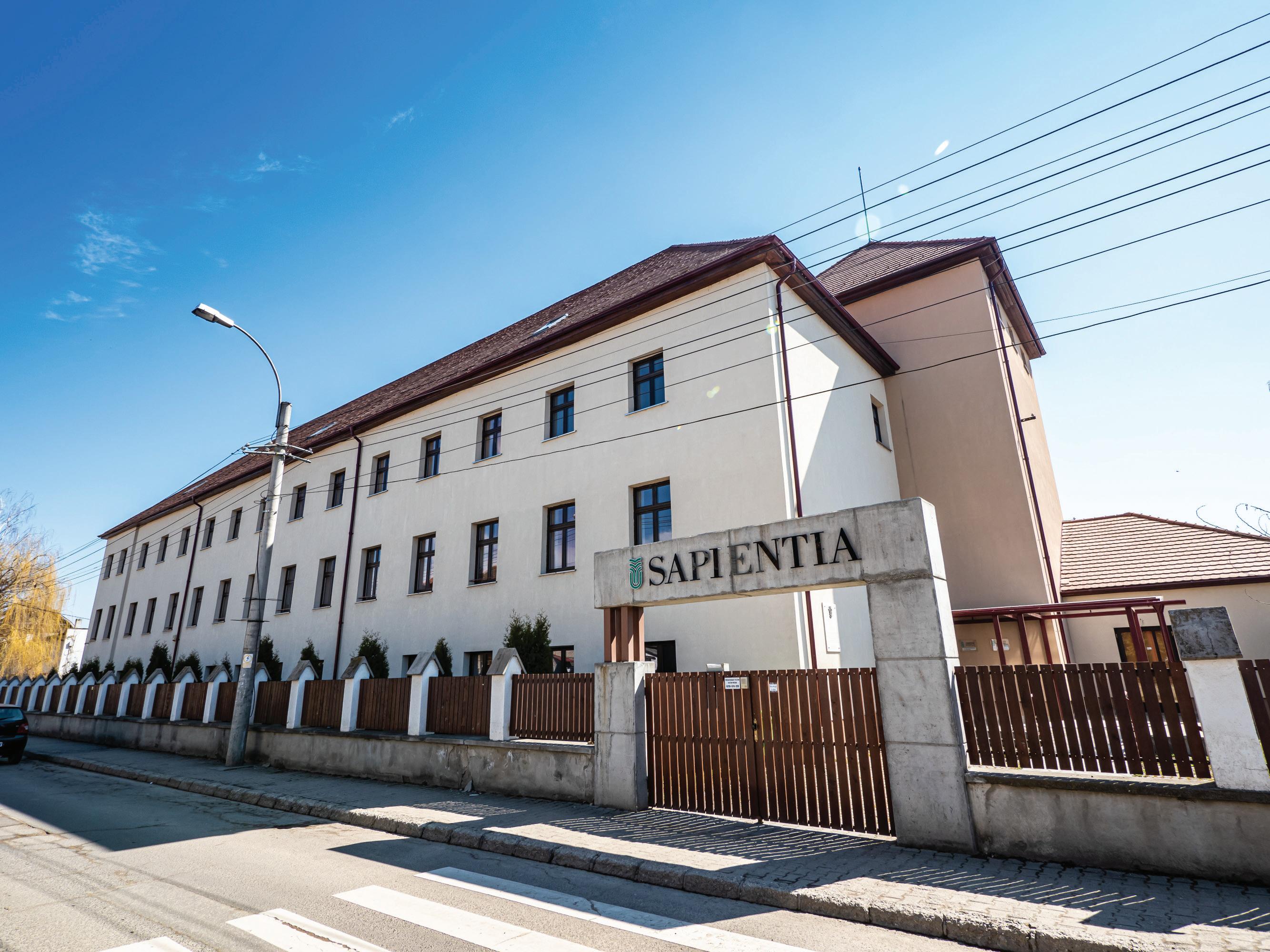
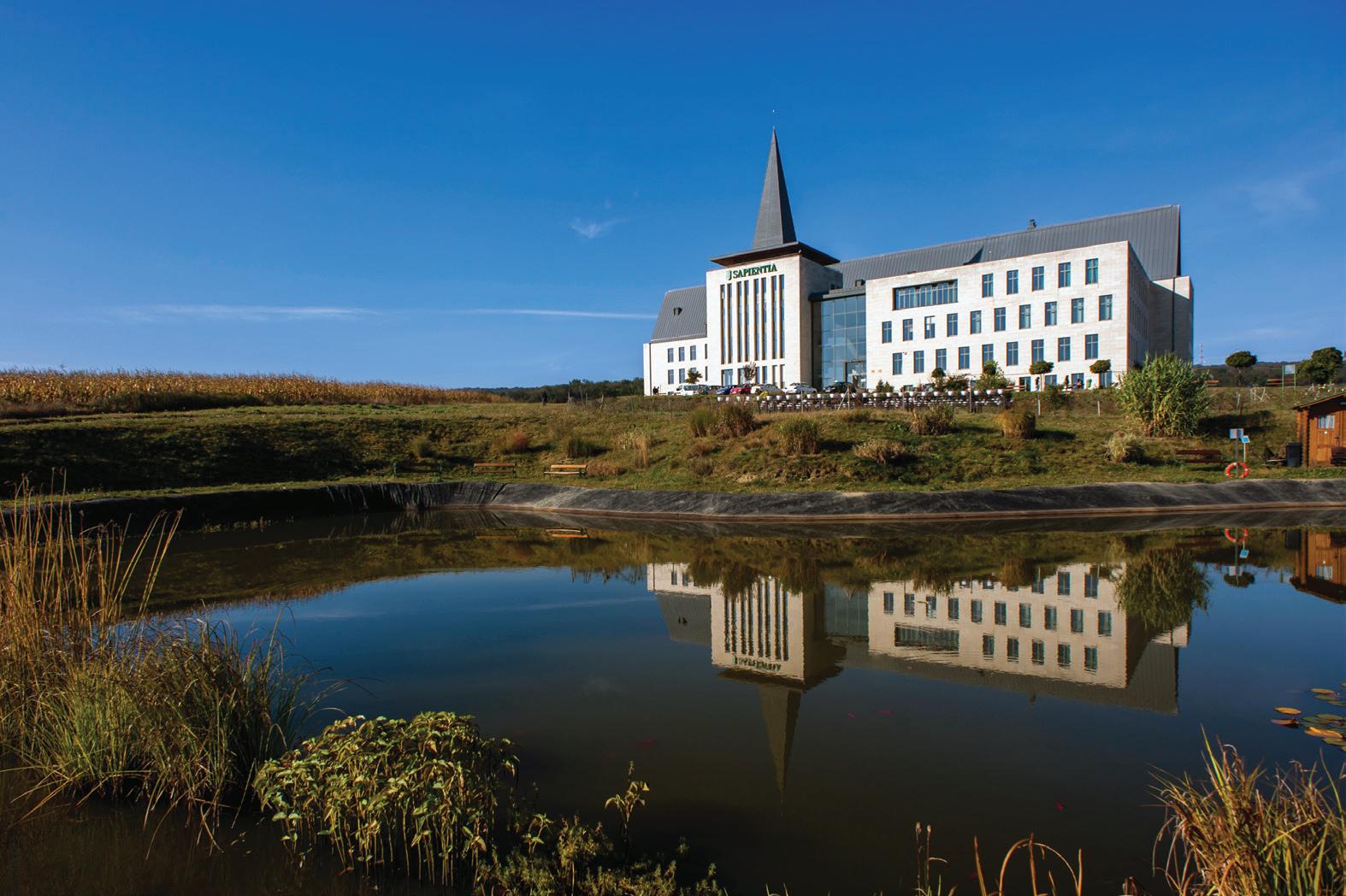
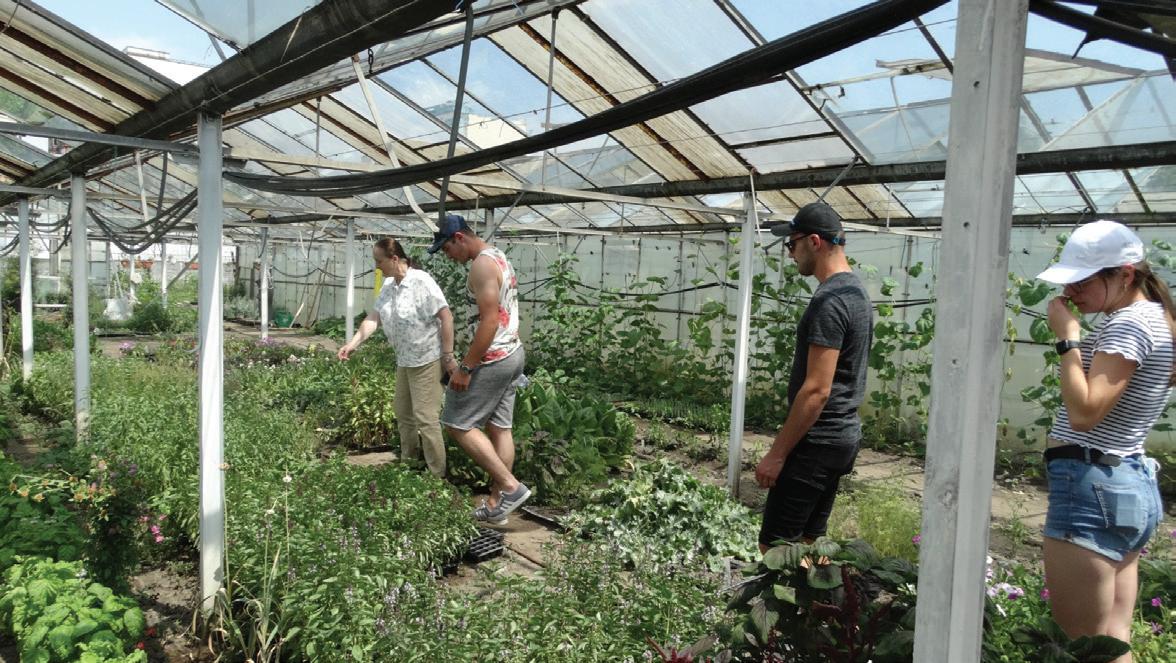
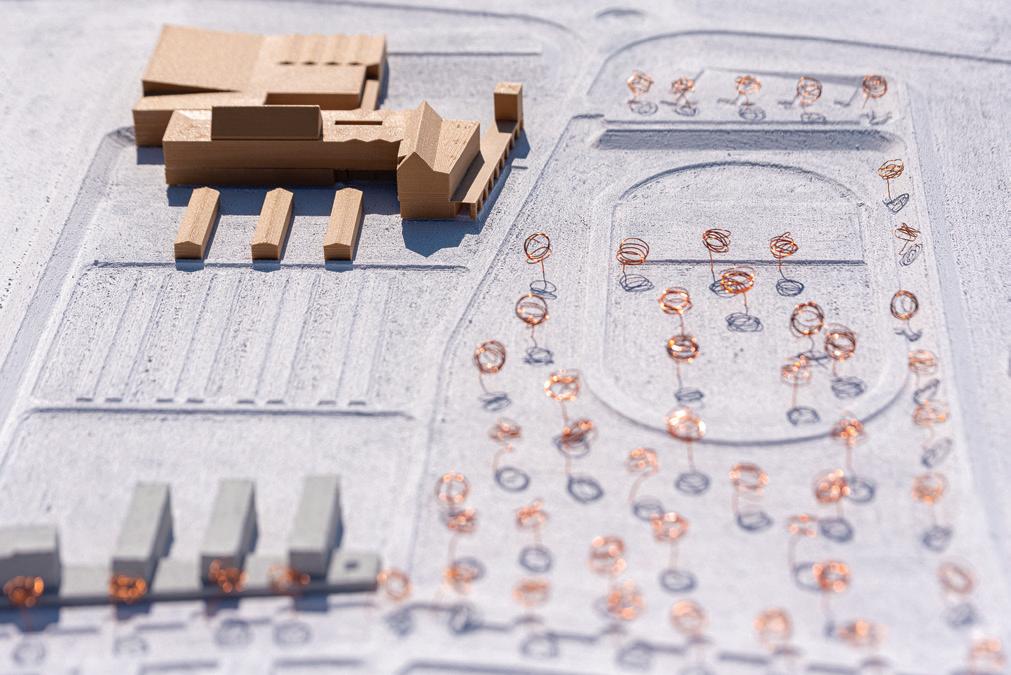
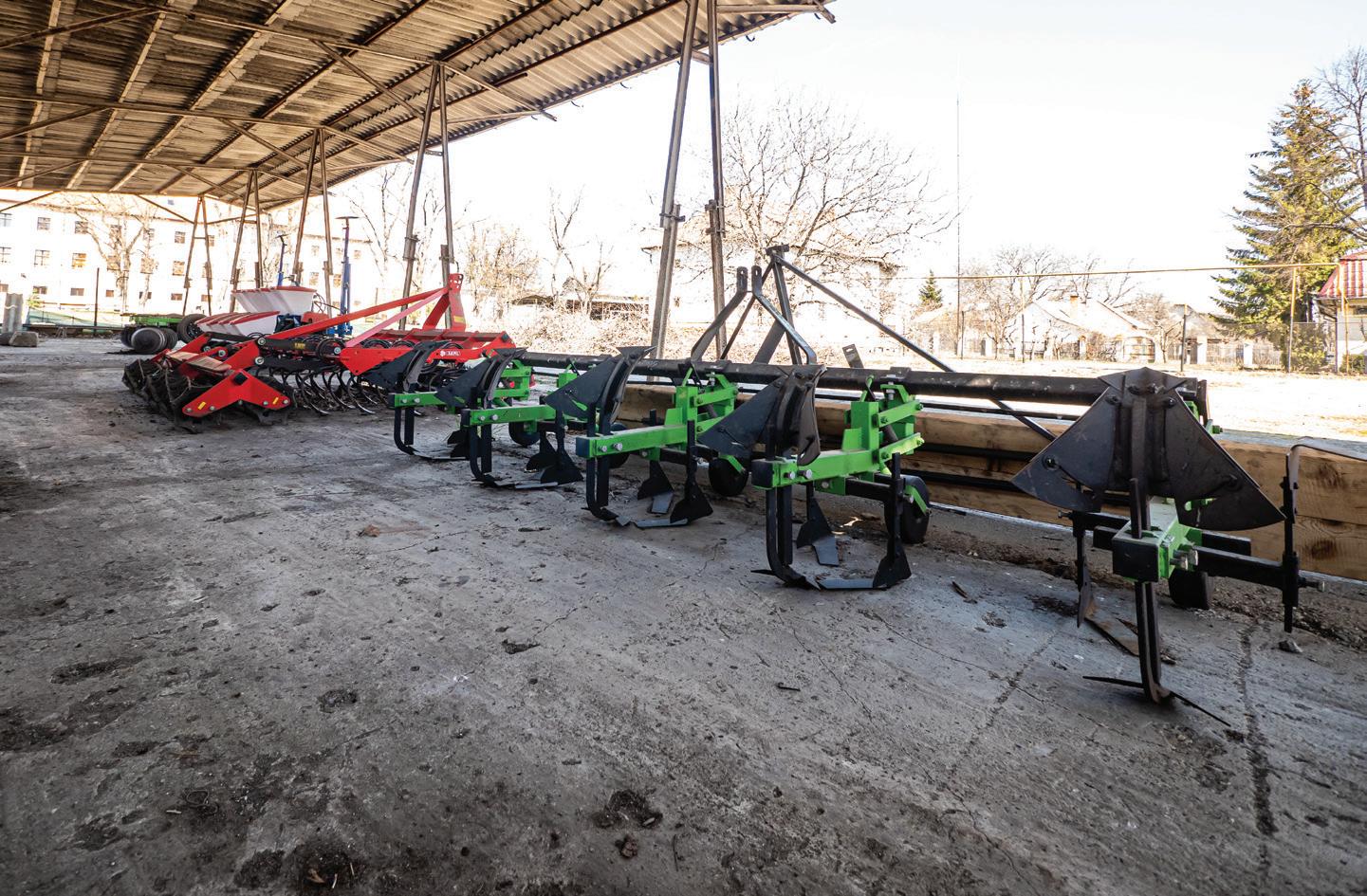
The university’s youngest faculty is the only location in Romania offering agricultural and forestry engineering higher education in Hungarian. The faculty’s current modernly renovated building houses various laboratories, several lecture halls, and a well-stocked library that support practice-oriented teaching. The faculty’s new campus is currently under construction; it will feature teaching gardens and other research facilities as well as a swimming pool and various sports fields, thereby becoming an increasingly high-quality educational venue for the city.
The library of the Faculty of Sfântu Gheorghe of the Sapientia University main objective is to aid and assist educational and research work at the University. The Library has more than 12,000 units – books, magazines, electronic documents, etc., furthermore strives to ensure the continued development of higher education and research in national and international literature.
520036 Sfântu-Gheorghe (Sepsiszentg yörg y)
Csíki st 50 (Str Ciucului nr 50)
Tel.: +40 371-368-451
E-mail: sepsi@uni.sapientia.ro Web: sepsi.sapientia.ro/en
• Agriculture
• Forestry
• Sport and Motor Performance
The Scientific Research Department aims to promote and support scientific research activities within Sapientia University and publish university publications.
Activities:
• centralizing, coordinating and registering all scientific activities
• preparing and supervising the implementation of the regulations referring to scientific activities, research proposals and publishing, in accordance with the applicable legal provisions
• making proposals referring to the development of quality assurance criteria in relation to scientific activities
• monitoring calls for proposals and providing information on scientific activities
• supporting and keeping records of the organization process of scientific events at the university
• managing Scientia Publishing House, publishing university notes, course books, and the Acta Universitatis Sapientiae university journal
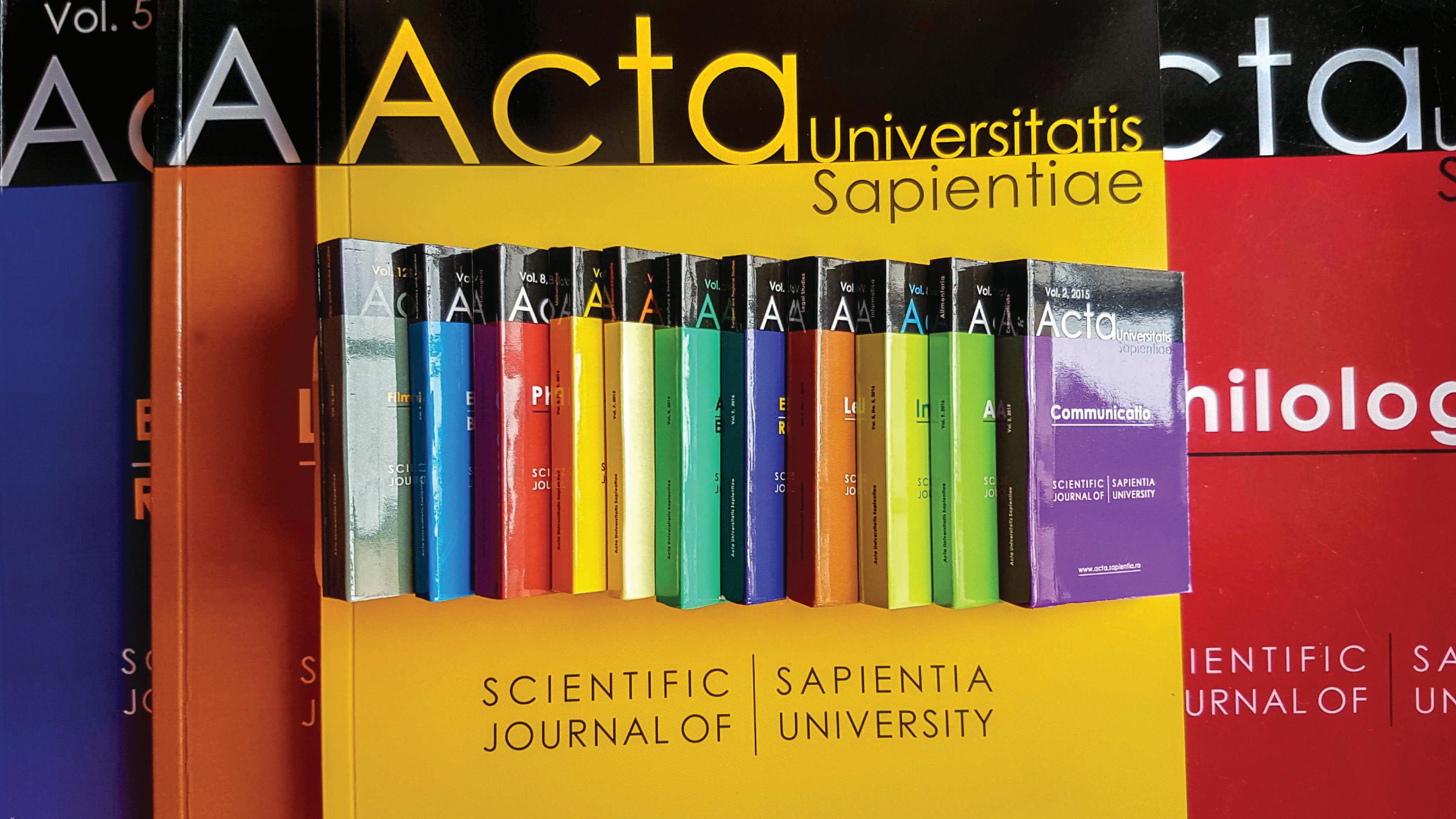
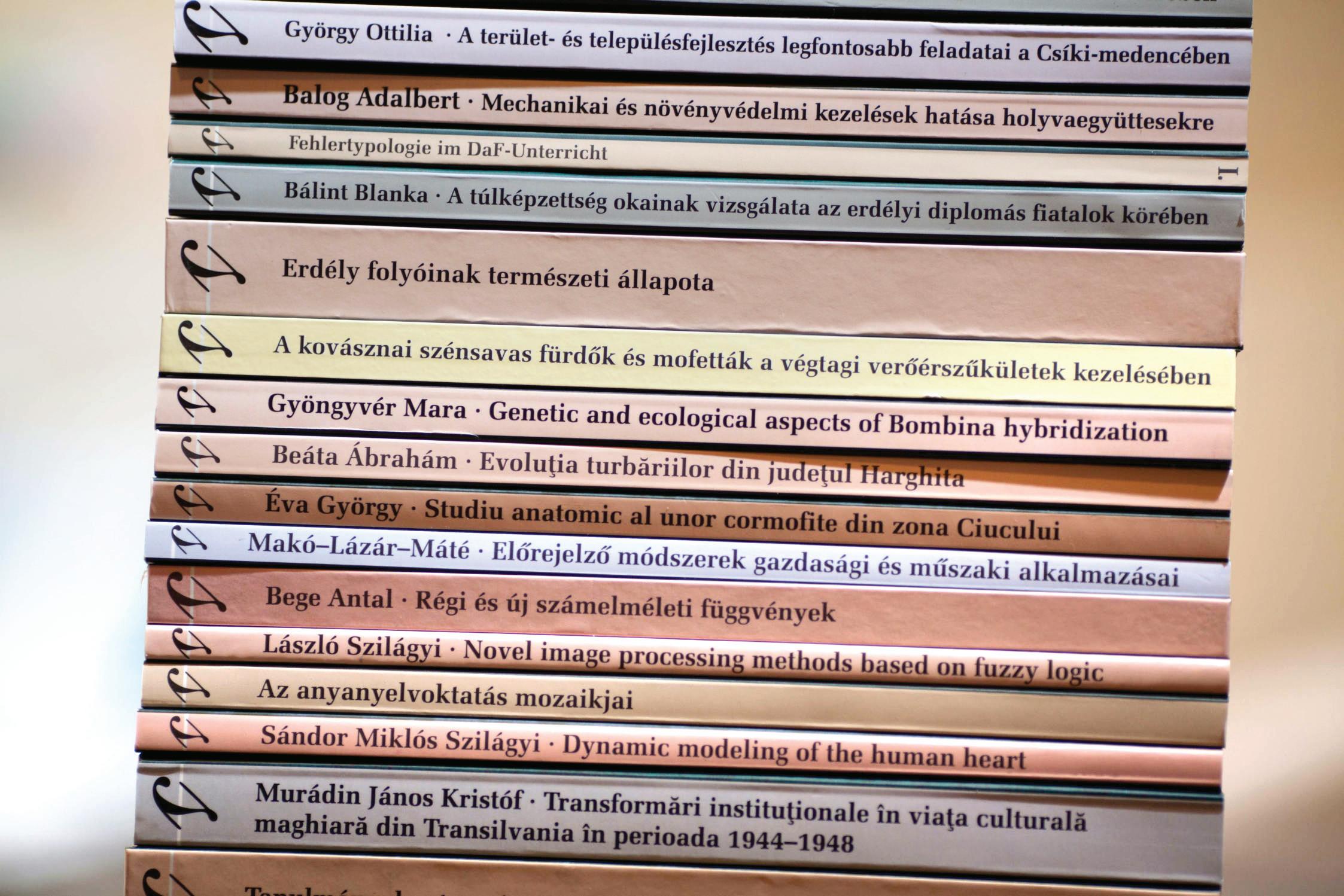
The scope of activity of the univeristy’s publisher is publish scientific books, manuals, and university textbooks in Hungarian language in order to contribute this way to the development of higher education and the cultivation of science in Romania. As a scientific publisher, Scientia issues its printed and electronic publications in several other languages: Romanian, English, and other languages of international circulation.

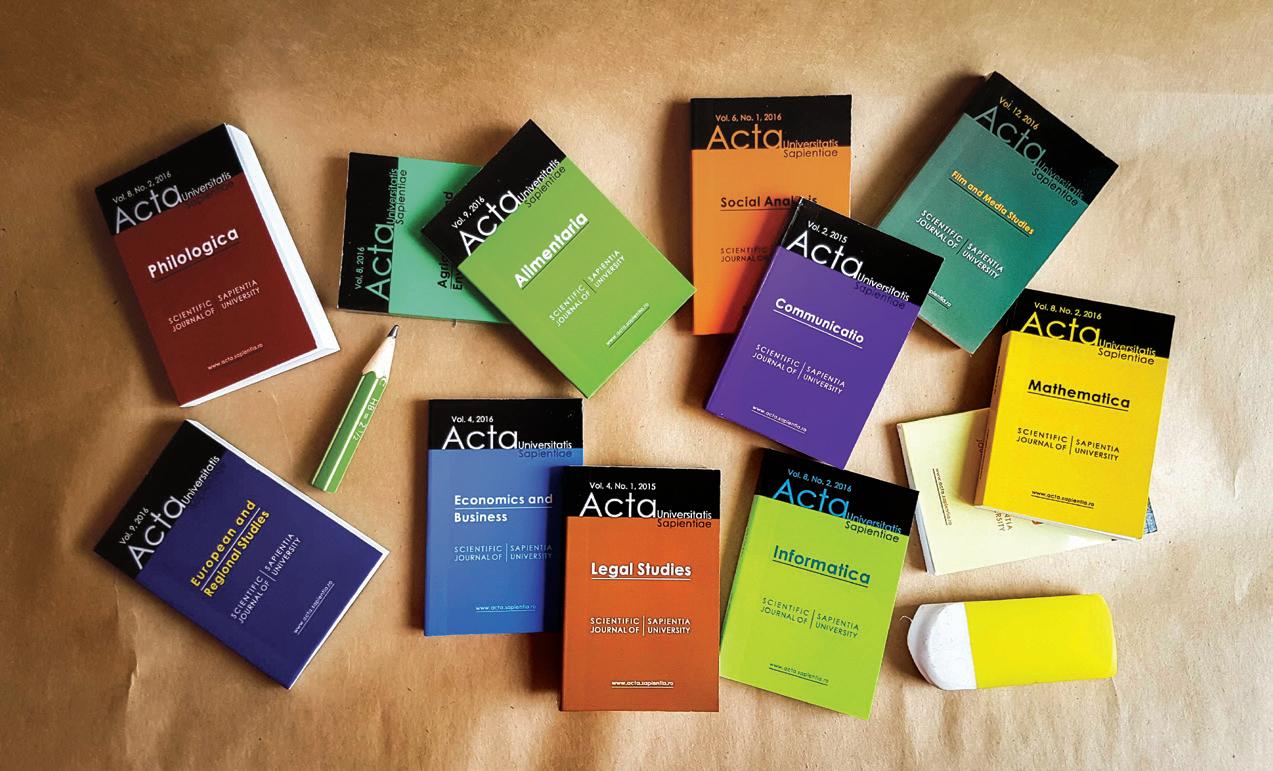
Scientia Publishing House issues the English-language scientific journal Acta Universitatis Sapientiae. Established in 2008, the academic journal has 12 series as follows: Mathemathica, Informatica, Alimentaria, Film and Media Studies, Communicatio, Economics and Business, Electrical and Mechanical Engineering, Social Analysis, European and Regional Studies, Legal Studies, Agriculture and Environment, and Philologica.
The Teacher Training Institute of Sapientia
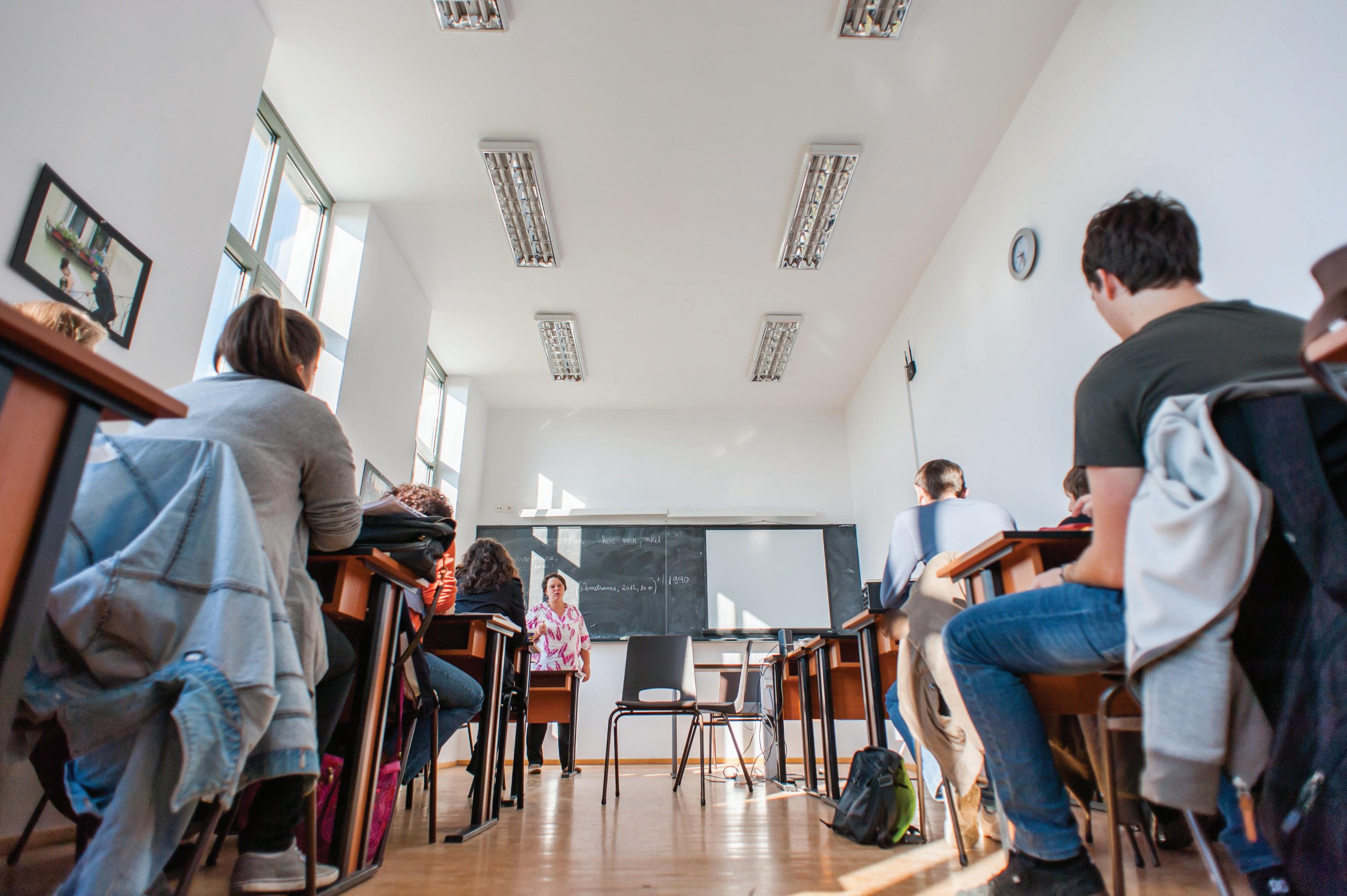
University offers theoretical and practical training for all study programmes. Af ter successfully
finishing psycho -pedagog ical module I and II
BA /BSc and MA /MSc level, students will obtain a cer tificate enabling them to become teachers. The module offers the possibility to become teachers in the mandatory education system: pr imar y and secondar y school education. Fur thermore, in case of completing the second cycle, students may become teachers of the upper secondar y or high school education, as well as in post-secondary or higher education.
The Sapientia Hungarian University of Transylvania is an accredited higher education institution. The University went through a two-stage accreditation process in Romania; the first study programmes under went accreditation in 2007, while the university accreditation was requested in 2009 The exper t assessment took place in April 2010 – after the positive evaluation of the Accreditation Committee – the Chamber of Deputies voted the law enabling the establishment of the accredited Sapientia Hungarian University of Transylvania, enacted after having been published in the Romanian Official Gazette in April 2012. The University
under went another successful quality evaluation in 2015, and following the periodic evaluation in 2022, it obtained the highest professional ranking (high confidence).
• Transylvanian Museum Society (Cluj-Napoca)
• Transylvania Universit y of Brașov
• Universit y Politehnica of Bucharest
• Institute for Economic Forecasting , the Romanian Academy (Bucharest)
• Petru Maior Universit y (Târgu Mure ș)
• "Ion Mincu" University of Architecture and Urbanism (Bucharest)
• Ov idius Universit y of Constanţa
• Universit y of Debrecen (Hungar y)
• Cor v inus Universit y of Budapest (Hungar y)
• E szterház y Károly Universit y (Eger, Hungar y)
• Universit y of Péc s (Hungar y)
• Tok yo Institute of Technolog y ( Japan)
• Eöt vös Loránd Universit y (Budapest, Hungar y)
• Pázmány Péter Catholic Universit y (Budapest, Hungar y)
• Neumann János University of Kecskemét (Hungary)
• Budapest Universit y of Technolog y and Economic s (Hungar y)
• Selye János Universit y (Komárno, Slovak ia)
• Universit y of Ny íreg yháza (Hungar y)
• Università degli Studi della Tuscia (Viterbo, Italy)
• Universit y of West Hungar y (Sopron, Hungar y)
• Universit y of Miskolc (Hungar y)
• Universit y of Pannonia (Veszprém, Hungar y)
• University of Physical Education (Hungar y)
• University of Tokaj (Hungar y)
• Budapest Metropolitan University (Hungar y)
• Budapest Business School (Hungar y)
• Szent I st ván Universit y (Gödöllő, Hungar y)
• Kodolány i János Universit y College (Hungar y)
• • National Institutes of Radiolog ical Science ( Japan)
Simon Fraser University (Burnaby, British Columbia, Canada)
• Ferenc Rákóc zi II Transcarpathian Hungar ian Institute (Beregszász, Ukraine)
• National Universit y of Public Ser v ice (Budapest, Hungar y)
• Universit y of Szeged (Hungar y)
• Minzu Universit y of China
• Szécheny i I st ván Universit y (Győr, Hungar y)
• Technische Universität Ilmenau (Germany)
• Universidad Técnica del Nor te (Ibarra, Ecuador)
• Universit y of Kaposvár (Hungar y)
• Óbuda University (Hungar y)
• Baptist Theological Academy (Hungar y)
• Semmelweis University (Hungar y)
• Hungarian University of Agriculture and Life Sciences (Hungar y)
Since it s b eg inning s , Sapient ia Univer sit y has joined the Europ ean Union’s Erasmus+ programme, thus each year 1 30 –1 5 0 student s (about 6 5%), 80 – 85 academics (23%) and 90–100 (35%) administrat ive staff obtain this grant and travel abroad. The aim of Erasmus+ student mobilit y is to suppor t the student s ’ educ at ion and trainee ship at an internat ional level , enabling them to obtain profe s sional , linguist ic and cultural exp er ience in foreign educ at ional or profe s sional inst itut ions . Erasmus+ for ac ademic s and administrat ive staff
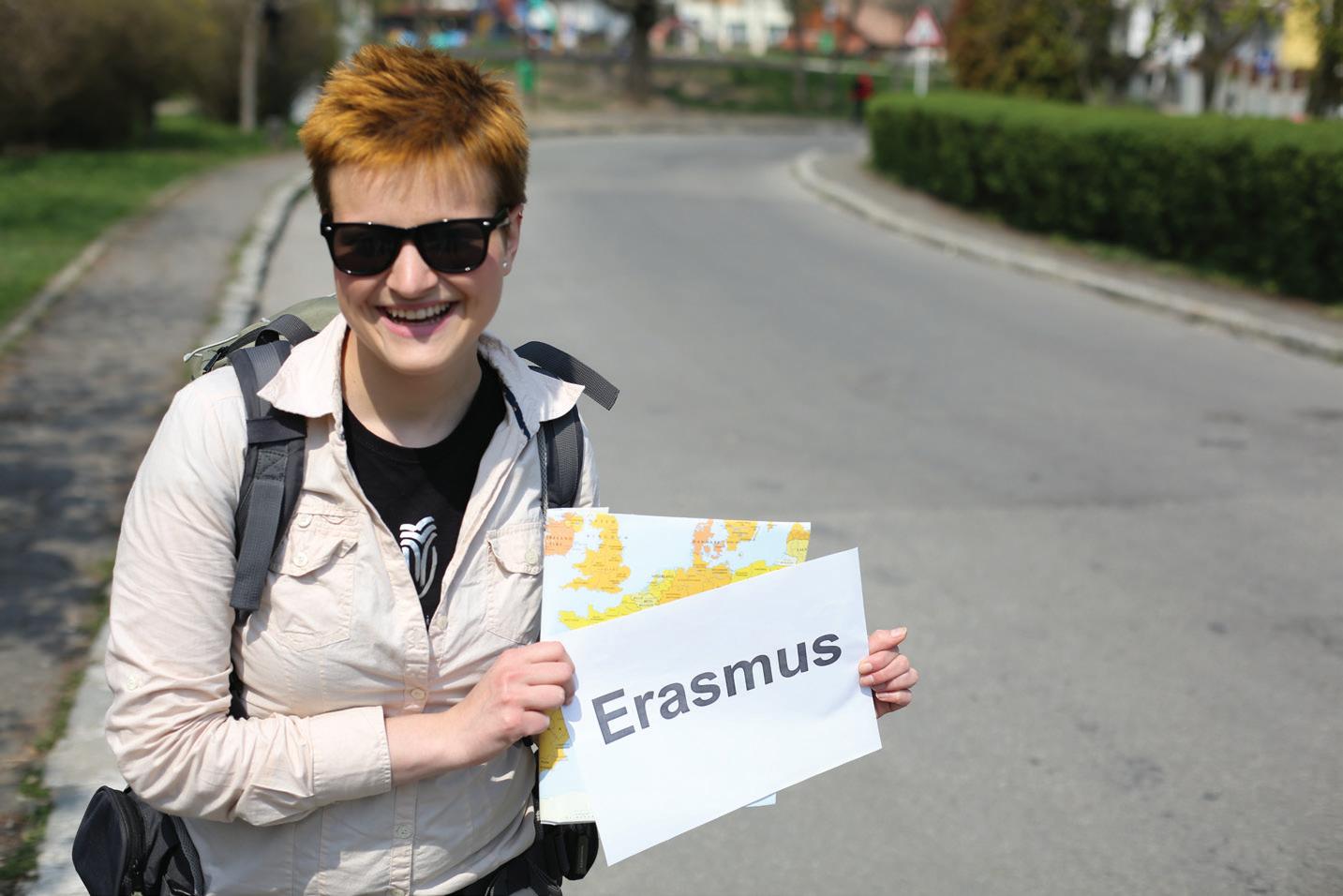



offer s educ at ional and training pos sibilit ie s at var ious foreign college s , univer sit ie s and inst itut ions , contr ibut ing to their p er sonal and profe s sional development , as well as streng thening inst itut ional collaborat ion and good relat ionship w ith -
the economic sector. At present, Sapientia University has contracts of collaboration with 70 higher education institutions in 18 countries in various fields, and the number of partner institutions and contracts are constantly on the rise.
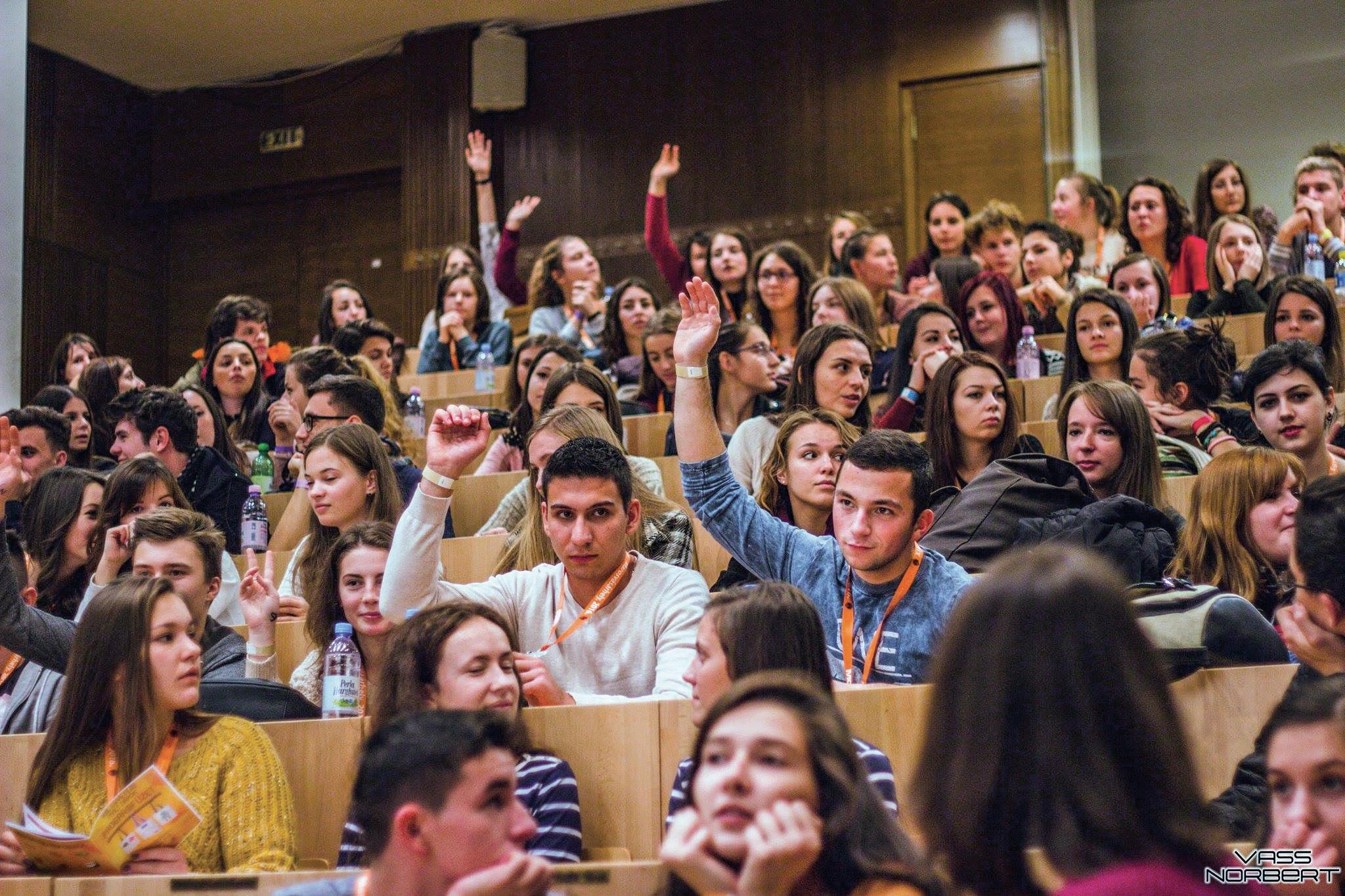
The Students ’ Union is a student organisation dedicated to protect the students ’ interests. Membership is the subjective r ight of all university students. All three faculties within the University have their own Students’ Union.
Rights and responsibilities of student organisations:
• sending the elected representatives to the University Senate, Faculty Councils and other governing bodies and taking par t in the work of permanent committees
• sug gesting optional courses
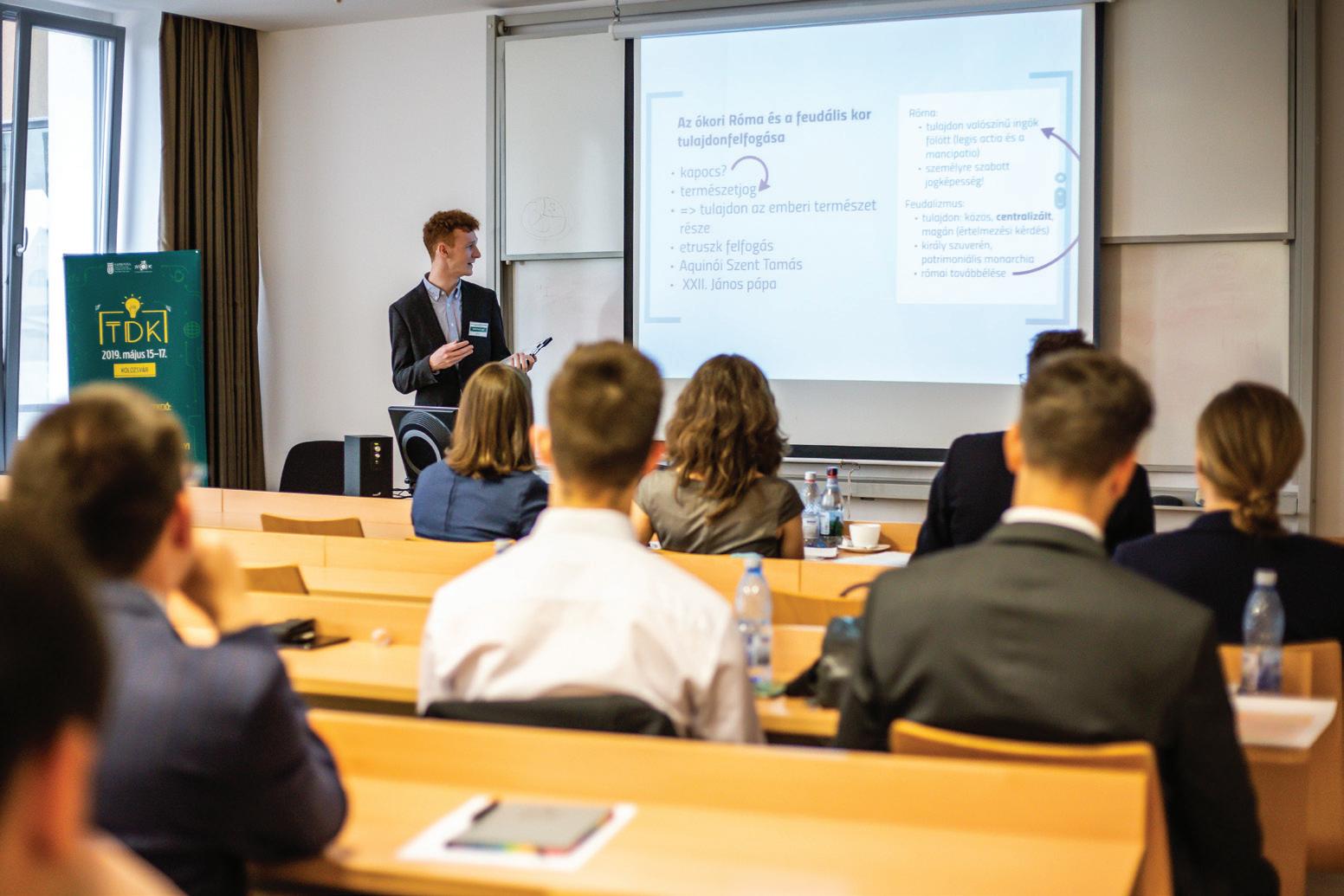
• organising Scientific Students’ Conferences (TDK)
• promoting the assessment of the work of teachers
• building educational, cultural and professional relationships for the benefit of students home and abroad
• presence in managing students’ studies, scholarhips and suppor t;
• presence in dormitor y management
• organising var ious socio- cultural, community-building and leisure activities, depending on the possibilities

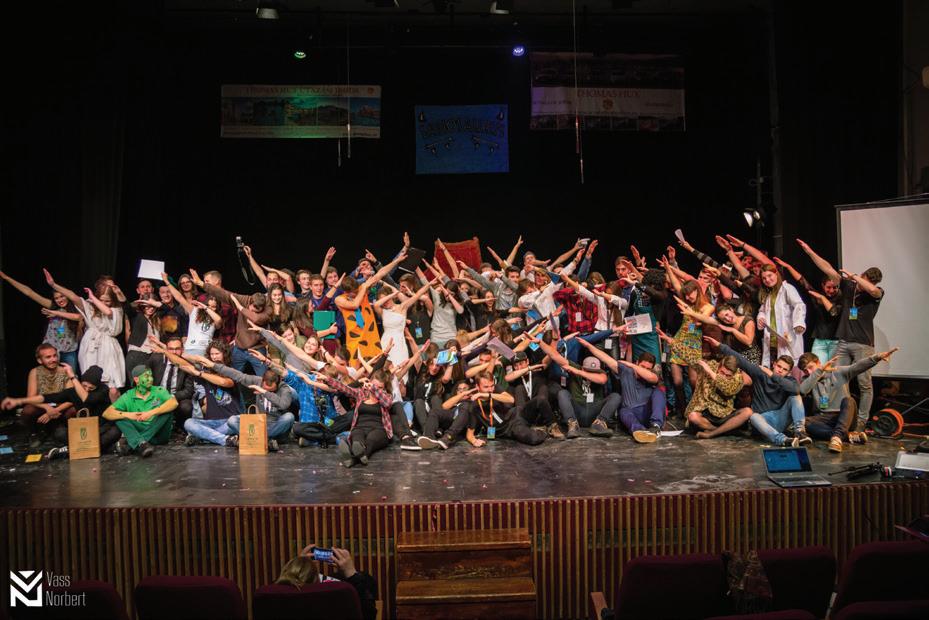

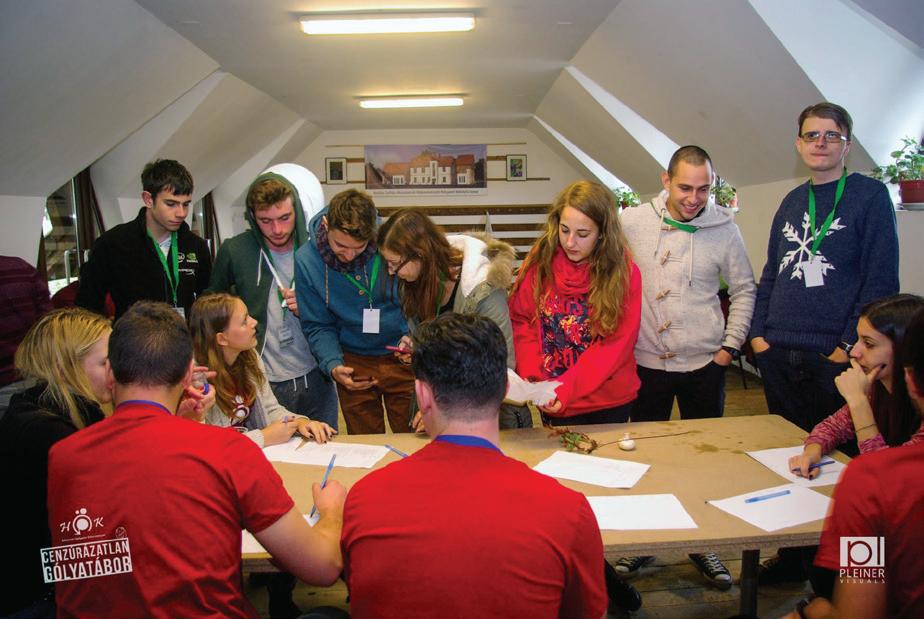
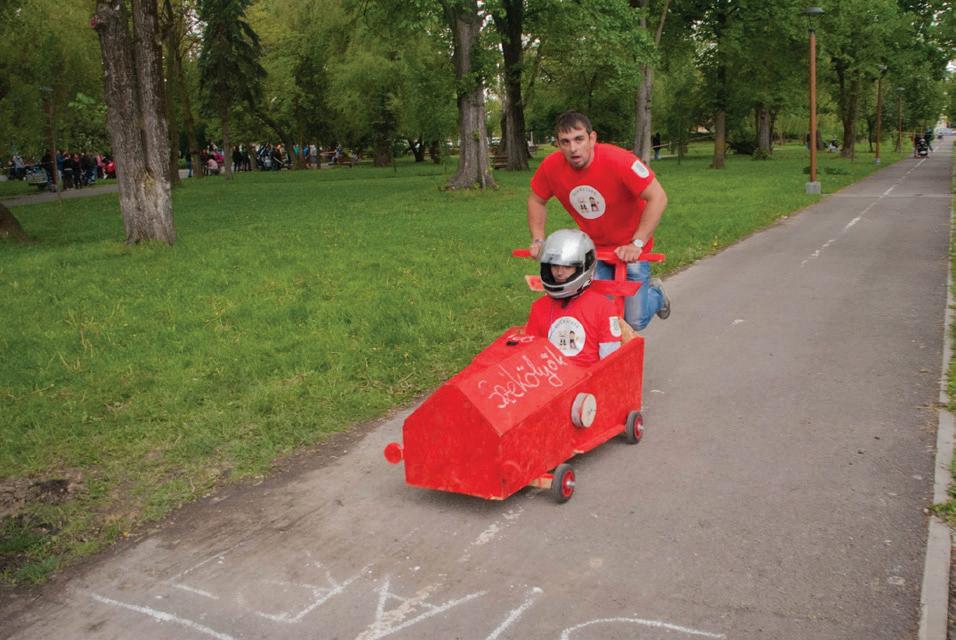

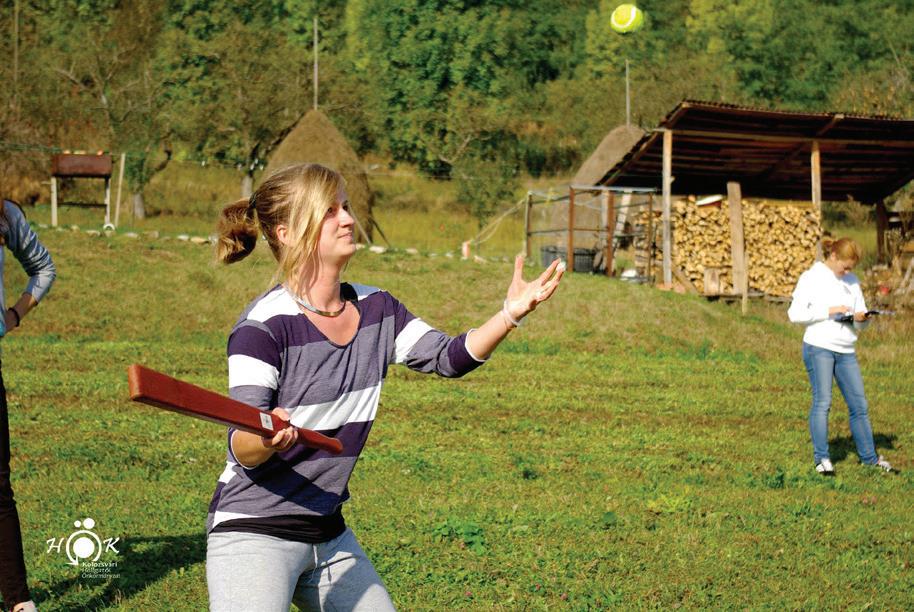
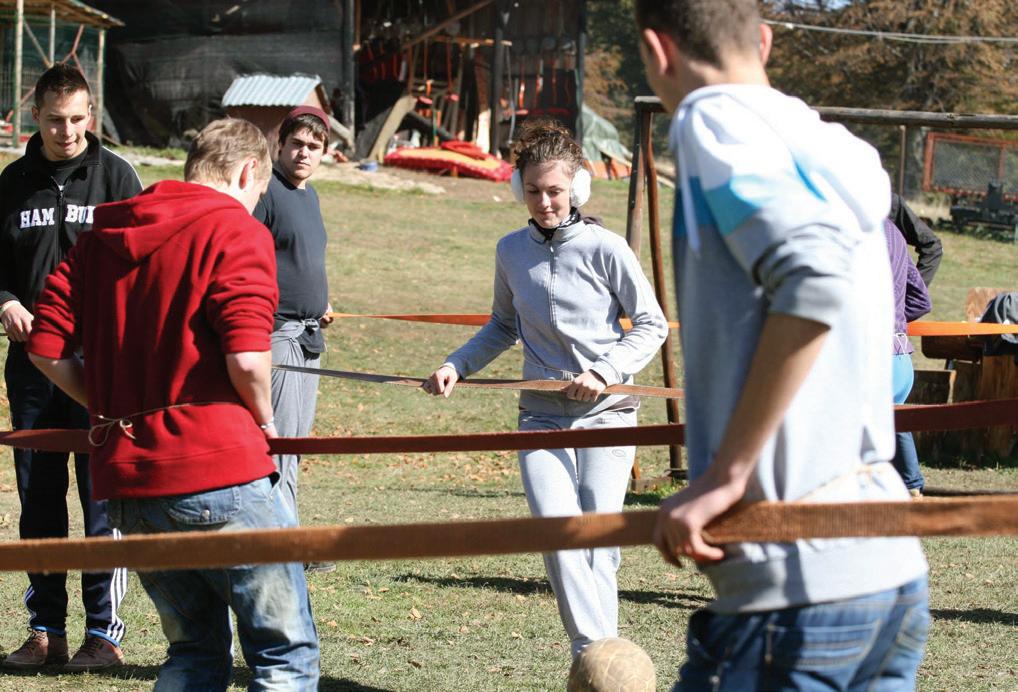
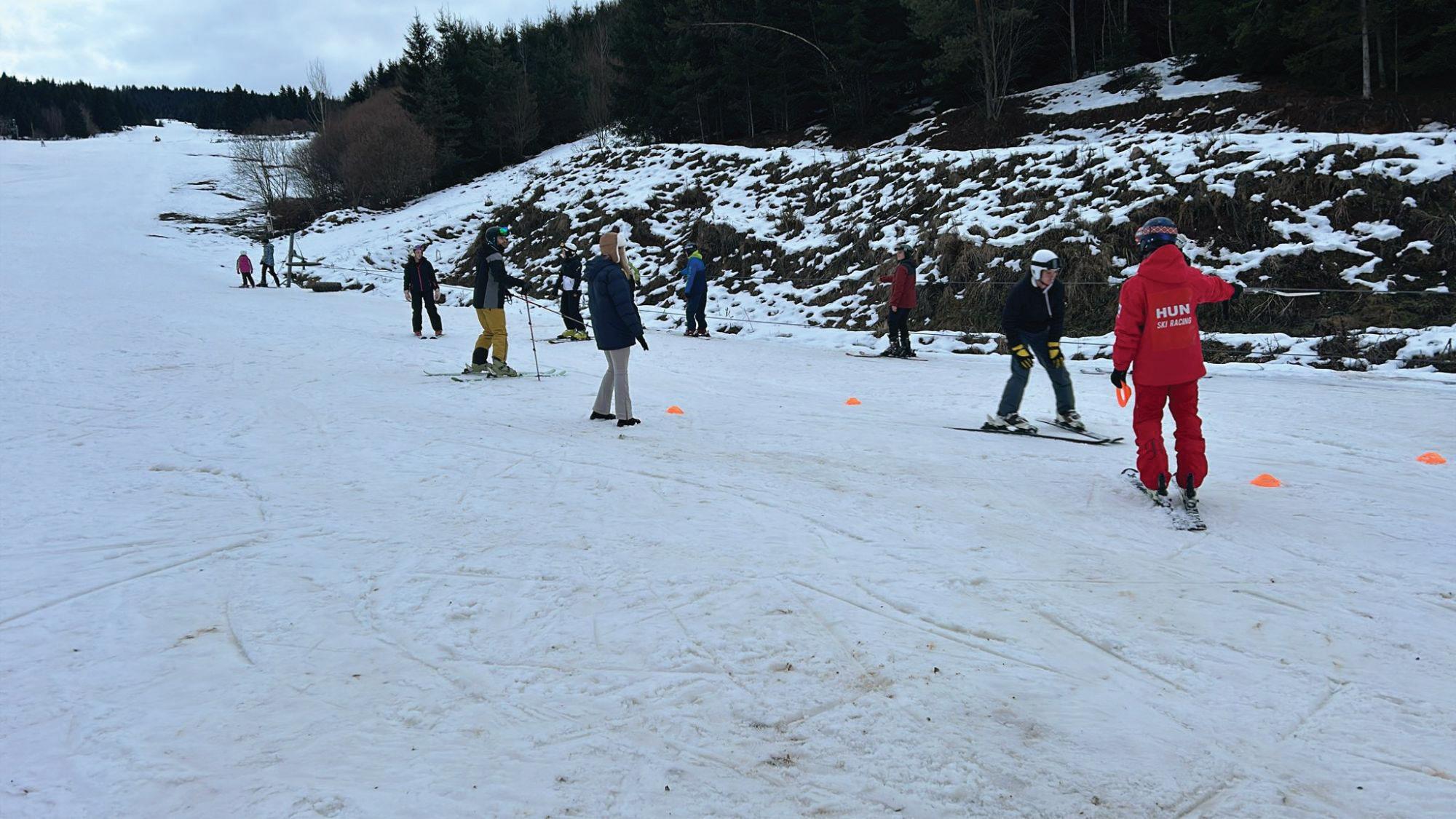

aculties of Sapientia University offer a wide range of spor ting bilities for students. Compulsor y PE classes may be completed eam spor ts (football, volleyball, basketball and handball) and spor ting activities (judo, aerobic s, etc.). The faculties have also d agreements with var ious spor ts facilities, where reduced pr ie applied for the students. nts ’ Unions regularly organise championships, including stuteacher matches, competitions and other spor ting events

L U M N I
The aim of Sapientia Alumni is to keep in contact with former students of Sapientia Hungar ian University of Transylvania, to follow their careers and to promote the market- or iented development of educational quality based on their feed-back . All former students may become members of the Alumni, enabling them to par ticipate in special programmes
Facilities for Alumni members:
• access to the Alumni database
• help in organising class reunions
• organising conferences (sections)
• sending university press material to members
• invitations to professional and other university events
• free access to the university libraries