Scottish Dairy Supply Chain Map
▪ The dairy supply chain involves feed mills, agricultural merchants, dairy equipment suppliers, vets, dairy farmers and milk processors
▪ Farmers and processors align themselves in different committed milk pools
▪ Outputs include fresh liquid milk, cream and other further processed dairy products, e.g., cheese, yoghurt and butter
▪ Breeding/rearing dairy heifers
▪ Milk forecasting/planning
▪ Calving
▪ Milking
▪ Milk cooling and farm storage
▪ Milk pool logistics and collection
▪ Processing (e.g., pasteurisation, sterilisation, homogenisation, ultra-heat treatment and cheese making etc.)
▪ Packing, storage and distribution
▪ Complementary industries: milk and cream production, butter and cheese production, ice cream production, prepared meal production
▪ External competition/Substitution: sheep farming, non-dairy substitutes (grain, vegetable, nut “milk”), imports
▪ Internal competition: price, fat content for liquid milk, organic sector, differentiated product
There were 750 dairy herds in Scotland in 2025 (1.8% decrease vs 2024). In comparison, the decline in dairy farmer numbers across GB is 2.8%
The volume of milk production in the UK increased by 1.1% to 15,269t in 2024
Production value of milk leaving the farm was £6,19bn, processed milk products from farm £61k, and £58k from on farm use
The UK is self-sufficient in milk production (~105% in production/supply ratio)
Cows officially milk recorded in Scotland are 72% of the Scottish dairy cow population
At UK level, milk sales were worth £4.8bn, cream and custard sales £514m, cheese sales £4.5bn, butter and spreads £1.7bn and yoghurts
£2.6bn
~4.6k people work in the sector in Scotland
In Scotland fresh milk sales are worth £344m and long life £55m (total of £400m)
Organisations/Trade Bodies/Assistance: Defra, Dairy UK, AHDB, Dairy Hub, Food and Drink Federation
Quality Assurance/Policy/Regulation: Red Tractor, RSPCA, FSS, Milk contracts, Dairy Transport Assurance Scheme, AHDB, Dairy Products Hygiene Reg, Animal Welfare Act, Welfare of Farmed Animals Reg 2007, The Code of Recommendations for the Welfare of Livestock, The Food Act 2015, Condensed and Dried Milk Reg 2015, Dairy Transport Assurance Schemes, PGI
Research and Consultancy: SRUC (Dairy Research Centre), RVSC, Hannah Research Digital Dairy Chain
Barriers to entry: Regulations, start up cost (cattle purchase, equipment), differentiation and capital expenses
Concentration: The industry is highly fragmented (more than 80% of dairy farms are family owned or very small scale)
Consolidation: The fragmented nature of dairy cattle farms with roads, villages and hilly terrain has contributed to slower consolidation activity. Oversupply of milk and high purchasing costs have driven out smaller farms. Consolidation activity is held back by cooperatives and producer organisations.
Players:
▪ Milk buying and processing in Scotland: Arla UK, Dale Farm (Rowan Glen), First Milk (for Nestle and McQueens), Graham’s Dairies, Lactalis and Muller
▪ Other major UK milk buyers sourcing from Scotland: First Milk (mostly for its Aspatria creamery) and Yew Tree Dairy
Collection, refrigeration, pasteurisation and homogenisation
To store, preserve, slow microbial growth and produce different final products
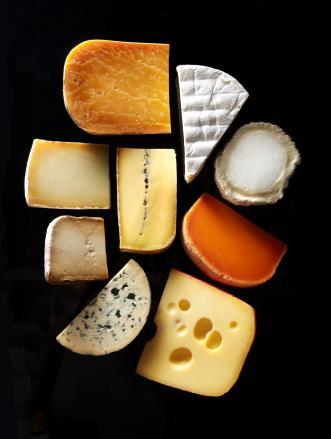
Sale to retail, wholesale, food service
The retail market is dominated by the big supermarkets, while food service is all out-of-home consumption (including restaurants, bakeries, ice cream shops, etc)
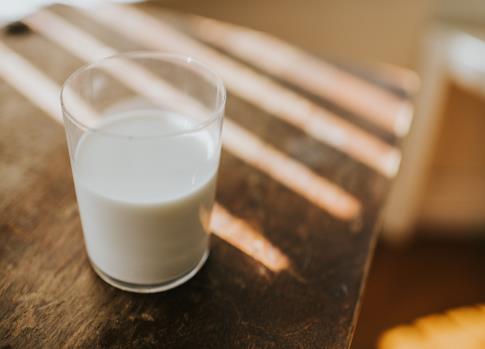
Dairy cattle farming
Raise and breed dairy cattle to produce and sell raw milk to processors and manufacturers
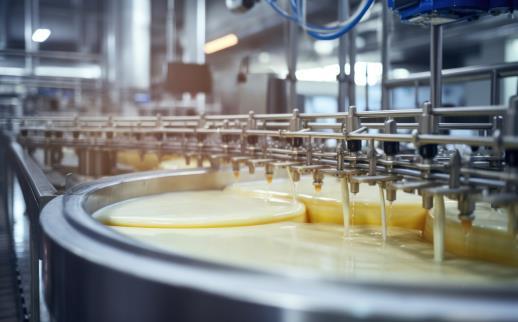
Manufacturing into dairy product
Production to butter, cheese, cream, yoghurt, ice cream
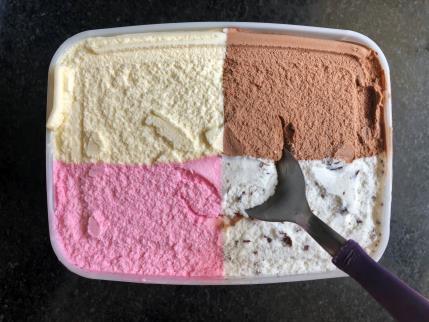
Final consumer
In different formats
Farmers growing cereals for animal feed
Breeding and rearing dairy heifers
Milk testing and pasteurisation
Animal feed merchants
Blenders and compounders Milk production, cooling and farm storage
Other dairy inputs, vets and advisory services
Planning and milk forecasting
Homogenisation and bottling for the liquid market
Further processing for added value products
UK retailers Exports UK food processors 2 nd Tier Buyers
Transport/logistics and milk collection UK food service and catering sector
Animal feed prices
Animal health and welfare consciousness Real household disposable income
Total dairy herd size (influenced by input costs like feed)
Changes in agricultural policies
Milk prices
Milk demand from consumers incl. processing
Milk production
Low concentration for dairy cattle raising but consolidation trends as farms become fewer and larger, consolidation activity is held back by cooperatives and producer organisations. Production concentration is moderate, 2 largest players dominate the market. The rest are local and smaller.
Processing
The cheesemaking industry is more fragmented than butter. Consolidation is an emerging trend. With high competition and saturation, many smaller producers are finding it difficult to compete with larger, more established companies. This is making acquisitions more common. The yoghurt sector is moderately concentrated, there have been several instances of consolidation in recent years, as the saturated market has forced larger companies to expand through acquisitions rather than organic growth.
Global milk output
Milk production and processing
Balance of power in the supply chain Exchange rates
Demand for dairy produce
Dairy product manufacturing: need to buy milk to process into cheese, butter, cream, etc.
Retailers: growing emphasis on sustainability credentials and friendly farming practices. Efforts to keep prices down have put pressure on suppliers to lower prices, contracts are of great importance
Food service: heavily influenced by cost-of-living crisis and health consciousness
Protein food manufacturers: including whey, milk formula, etc. market is smaller but growing
Wholesale: losing relevance as retailers are buying directly from processors/coops/farms
Final consumer: long term decline in dairy consumption
Export opportunities become more competitive as the pound becomes weaker, especially for some products like cheese and butter
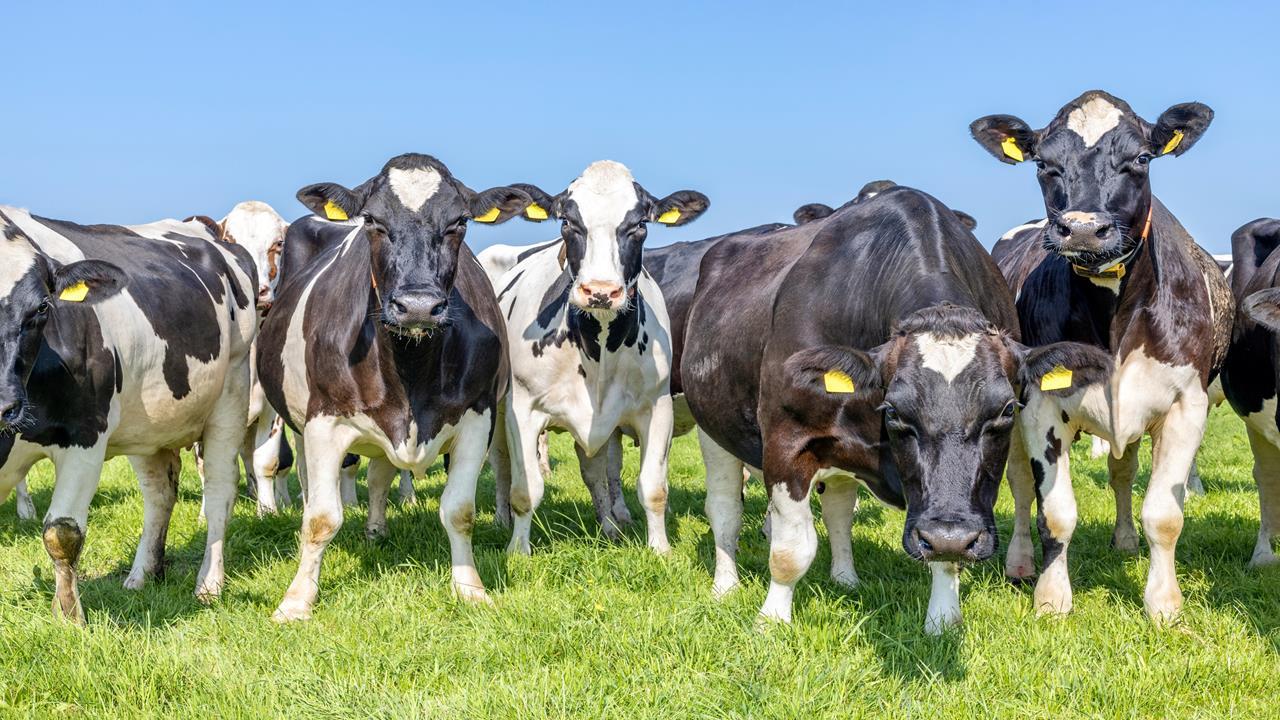
▪ According to the 2025 Agri Census, there are ~268,948 female dairy cattle, most of which are over 2 years old with offspring, a 2.6% increase change compared to the total 5-year average
▪ January 2026 dairy herd stats from Scotland, showed a 14 herd decrease to a total of 750 (1.8% decrease vs 2024). In comparison, the decline in dairy farmer numbers across GB is 2.8%
▪ In 2025, the Scottish milking herd increased by 1466 cows, bringing the total to 181,857. Kirkcudbrightshire saw the largest rise in cow numbers, up 977 from January last year
▪ The average herd size continues to increase, now at 242, up six from the previous year
▪ Scotland holds 12.5% of all dairy cattle establishments in the UK
▪ There is a total of 1579 holdings with dairy cattle in Scotland
▪ South West Dumfries and Galloway has the largest number of dairy holdings (473), followed by South West Ayrshire (282)
▪ Ayrshire and Dumfriesshire saw a net loss of 5 herds. Ayrshire, however, still has the most herds at 187. There are 134 in Dumfriesshire, 112 in Wigtownshire, Lanarkshire has 77 and Kirkcudbrightshire has 58
▪ Cows milk recorded are 72% of the Scottish dairy cow population, with an average herd size of 254 cows.
▪ Following a very sunny summer in 2025 and low cereal prices, milk yields per cow have increased by around 1.6 litres, resulting in an overall increase in UK production of over 6%
▪ In Scotland, most herds are All Year Round (AYR) calving
▪ The most common dairy breeds are Holstein, Friesian and Jersey. Other breeds include Crossbreed, Ayrshire, Guernsey and Swiss Brown
▪ There are 590 specialist dairy holdings, covering ~256k ha; 257 of them are in South West Dumfries and Galloway and 146 in South West Ayrshire
▪ Most specialist dairy holdings are from 100 to 200 ha (260) followed by over 200 ha (153)
▪ The total standard output for specialist dairy farms was £251,931,026, averaging £550k/holding
On dairy farms in England, average FBI is forecast to be around £176k compared £171k in 2023/24. For Scotland there is no provisional data for 2024/25 but for 2023/23 it was ~£116.5k
▪ Many dairy farms are family-owned operations, with many making up for their small size by joining co-operatives and producer organisations
▪ The main production systems are spring block calving, All Year Round (AYR), or autumn block calving. In 2023, 51% of the calving in the UK was through a non defined system; 31% in AYR; 5% spring; 5% autumn; 4% dual block; 4% other block
▪ The largest feed input for dairy cows is grass – grazed or as grass silage
▪ The dairy herd did not change substantially compared to 2023 and was 1.8m animals, with domestic production making up 105% of consumption
▪ According to the AHDB, there were 7,040 dairy producers in GB at the end of 2024-25, 2.6% fewer than the year before.
▪ The British dairy cattle farming industry is highly fragmented, with 83.4% of dairy cattle farms in the UK employing fewer than five workers in 2024-25
▪ The largest dairy co-operative in the UK is Arla Foods Ltd, which accounts for 21.8% of the country's butter and cheese production
Milk
▪ The average milk yield/cow/year (2024) is 8,278 litres
▪ In 2024, Scotland milk production was 1.3bn litters, from this 1.368bn were liquid milk for wholesale (1.33bn litters), direct milk sale (5m litters) and farm consumption/sale to workers (23m litters). Breakdown of data from 2025 is not available, only a total production figure of 1.44bn litres.
▪ The volume of milk production increased by 1.1% to 15,269k t (2024 data)
▪ Of ~15.2bn litres produced by the UK milk herd, 15.03bn are raw milk leaving the farm, 9m are processed on farm
▪ Of the 15,2bn litres produced, 15,1bn went for human consumption and 141m litres for on farm use
▪ Dairy cattle sales (especially at auctions) are a small part of dairy industry revenue (~7.9%) but are vital for breeding the next generation of cattle. Dairy farmers purchase young cattle to raise their production capacity or support breeding
▪ Farmers also generate revenue by selling off dairy cattle to other farms
▪ Dairy cattle that no longer produce enough milk are often sold for use as lower-grade beef since older cattle are tougher, while newborn males are sold to be raised for veal or beef
▪ In 2024, there were estimated to be 815 businesses in UK dairy product production
▪ Private dairies pasteurise and treat milk so it can be sold off as skimmed, low fat or full-fat milk as well as a variety of other dairy products like cheese and cream. The largest private dairy in the UK is Müller Milk & Ingredient
▪ Other costs mainly reflect subcontractor payments for services outside core staffing, such as third-party haulage, site cleaning or maintenance
▪ Many private dairies buy their raw milk directly from farms and rely on producer organisations. As producer organisations become more commonplace, private dairies are expected to lose buying power
▪ Raw milk is collected and sold to be pasteurised, killing dangerous bacteria, so it is safe for direct consumption by consumers; a small number of farmers sell raw milk direct to consumers
▪ Milk powder and UHT cream have longer shelf lives and are less perishable than fresh milk, allowing processors to move surplus supply into international markets without the constraints of domestic refrigeration, transport time or short use-by dates. These exportable formats also allow processors to monetise excess supply more effectively, supporting utilisation rates and lessening product wastage. In addition, export formats are typically sold through bulk or negotiated deals, offering more pricing flexibility than UK retail contracts, which remain tightly controlled
▪ Retailers who buy milk and cream products include supermarkets, convenience stores and forecourts
▪ Food-service operators provide food for out-of-home consumption e.g., restaurants, bars, school and hospitals
▪ Food processors need to buy liquid milk and cream for processing the foods they produce (e.g., confectionery, chocolate and desserts). They purchase large quantities of cheese and butter as inputs into foods like bakery products, dressings and spreads
▪ 20% of Scottish milk crosses the border as raw milk
▪ ~41% of Scottish supply is drinking milk and ~38% is processed into cheese. The remainder goes into other added value products
UK
▪ In 2023, from 15.2bn litres of milk, 6.1bn were used for liquid consumption
▪ Five major processors account for 94% of milk collection
▪ In the UK, 52.3% of milk is sent to private dairies; 37.9% to cooperative processing; 8.8% to POs; and 1% direct to consumers
▪ In the UK, 47.9% of milk produced is semi skimmed; 19.3% whole; 9.7% cream, 8% flavoured; 9.1% skimmed milk; 5.5% condensed and 0.5% other
▪ For products and services in dairy: 42.1% of market share of milk produced is for liquid consumption, 34.5% for cheese production, 5.7% for butter production, 3.2% for yoghurt processing, 22%for cream, 1.8% for powdered milk and 4.6% for other processing
▪ First Milk is the second largest farmer-owned dairy business in the UK (>800 members) and is a cheddar cheese specialist
▪ From the 15.2bn litres produced, ~399m litres were used for butter, 4,7bn for cheese, 324m for cream
▪ Other product applications such as condensed milk used 334m litres of milk, milk powders 1bn litres and other products 653m litres
▪ Cream is skimmed from the top of raw milk before homogenisation. In the UK, various types of cream are produced, each with different levels of minimum milk fat. These include clotted cream (55% milk fat), double cream (48%), whipped cream (35%), sterilised cream (12%) and half cream (12%). Sour cream and creme fraiche products are also included
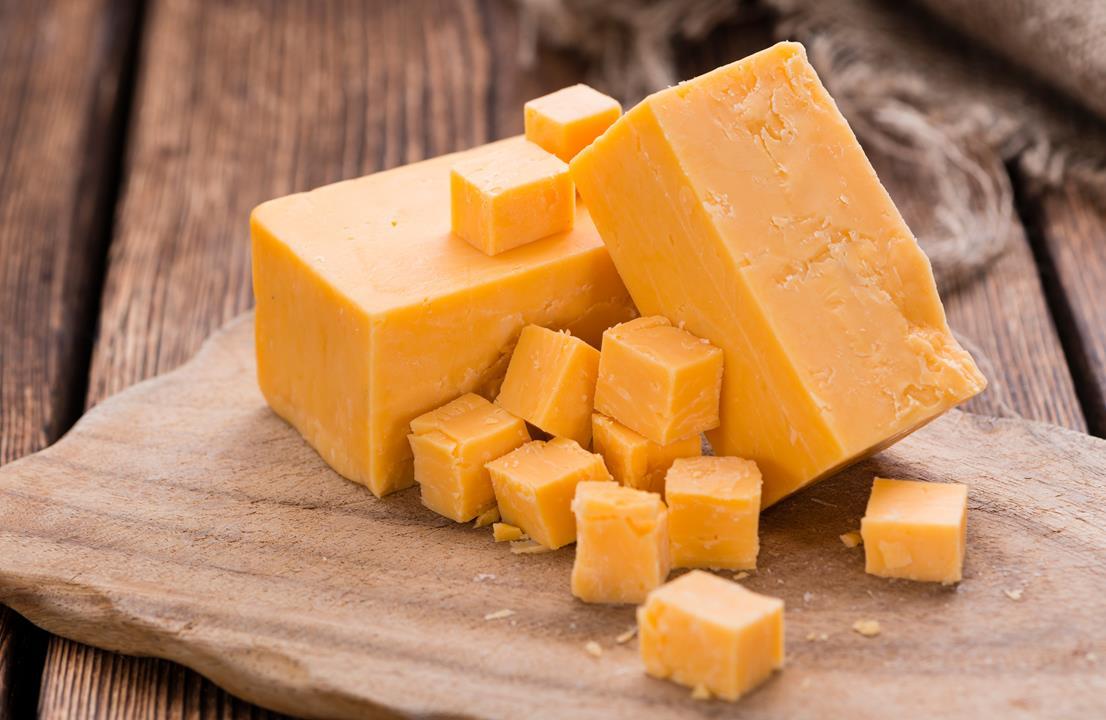
▪ For butter and cheese production in the UK, cheddar accounts for 34.4% of revenue, butter and dairy spreads for 23.6%, unripened cheese 20.7%, other cheese 16.5% and processed cheese 4.5%
▪ There are 18 British cheeses protected under the GI (Geographical Indication) Scheme
▪ Cheese production is still more fragmented than butter production, with many smaller producers existing across the UK. Regional and specialty cheeses like Stilton, Red Leicester and Wensleydale are made by traditional creameries and independent dairies
▪ The biggest yoghurt processors are expected to account for more than 60% of the market in 2025-26
▪ From the total 15.2bn litres of milk produced 430m was used for yoghurt production
▪ In the yoghurt market, yoghurt and yoghurt products represent 53.7%, powdered or concentrated milk 25.6%, whey 11.5%, milk based soft drinks 5.2%, other fermented milk- based products 4%
▪ Dairy product manufacture in Scotland is worth £415m Cheese
▪ Scotland has a strong domestic appetite for butter and cheese, alongside growing international recognition for its regional dairy products. Local demand remains steady, supported by long standing culinary traditions and strong supermarket representation
▪ Farm cheese production used ~1.2m litres in 2024
▪ Scotland has four international cheddar brands and ten artisan cheesemakers exporting product. Cheddar has shown to be the most resilient variety in the market
▪ Scotland has cheese varieties reflecting differences in culture, tradition and terroir. These include Dunlop, Lanark Blue, Crowdie and Orkney butter
▪ Two Scottish cheeses - Orkney Scottish Island Cheddar PGI and Traditional Ayrshire Dunlop PGI have Protected Food Names, both of which were registered before the UK left the European Union
▪ Scotland holds 5.8% of the yoghurt and other dairy product processing in the UK
▪ Farm yogurt production used 2.7m litters
▪ Lactalis UK and Ireland: Operates with ~£250m turnover per year, producing 31k t of cheese, processes 245m litres of milk/year. Has ~445 employees and 2 joint ventures with Dairy Solutions and Orkney Cheese. ~130 farmers supply milk to Lactalis. Lactalis produces butter, cheese and cream products under brands like Seriously, Galbani and President. The other strand of Lactalis is Nestle Chilled Dairy which specialises in yoghurt and dessert products (under brands like Aero, Rolo, Lingahls, etc.). Lactalis operations in the UK make it the 10th largest subsidiary of the group
▪ ARLA UK: The largest dairy co-operative in the UK is Arla Foods Ltd, with the company accounting for 21.8% of the UK's butter and cheese production. Gaining dairy supplies from over 2.2k co-operative farmers, operating 10 production sites and holding strong ties with major supermarkets. Some of its brands include: Castello, Cravendale, Lurpak and Yeo Valley
▪ Muller: Muller UK & Ireland Group LLP is part of a German dairy product multinational. It trades under the brands: Amor, Corner, Vitality and Mullerlight. The company produces and distributes yoghurt, probiotic drinks, other dairy products, and snacks. Muller is licensed to produce and distribute chilled desserts under the Mondelez brand. In the Muller Milk and Ingredients unit, brands include Frijj, Puriti milk, Muller milk and The One. Muller also produces and distributes salted, unsalted and lactic butter
▪ First Milk (The First Milk Cheese Co.): The largest farmer-owned dairy business in the UK. It specialises in Britain’s cheddar and is a key supplier of dairy ingredients to food manufacturers. Based in Glasgow, First Milk organises its business into three main product categories: liquid milk, cheese and ingredients. In terms of milk, the co-operative primarily produces own-label and supermarket brands. It trades under brands: Lake District, Mull of Kintyre and Pembrokeshire
▪ Dale Farms: A Northern Ireland co-operative, one of its sites is located at Rowan Glen in Newton Stewart in Scotland, where it produces dairy products like desserts, yoghurts, and cottage cheese
▪ McQueens Dairy: A modern dairy company based in Glasgow, Scotland, specialising in doorstep milk delivery services. Established in 1995, the company has grown significantly, now employing over 1k people. McQueens Dairy processes and delivers milk to various customers, including households, nurseries, schools, cafés, and offices. Its annual turnover exceeds £91m. It processes and delivers approximately 1.5m litres of milk per week, serving over 350k households across the UK
▪ Grahams Dairy: A family-run dairy company based in Bridge of Allan, Scotland. Established over 76 years ago, it produces a wide range of dairy products, including milk, cheese, cream, butter, ice cream, and yoghurt. It processes approximately150m litres of milk annually, making it one of Scotland's largest independent dairy companies. The company employs approximately 450 people and has an annual revenue of around £189.8m. Graham's is committed to high-quality produce and promoting Scotland's rich food heritage
▪ Other firms: These include Mossgiel Organic Farm ( they focus on organic, nonGM milk and sustainable farming practices), Thomson Dairies (they source milk locally and deliver fresh dairy products) and Roan's Dairy (a family-run dairy farm in Dalbeattie, delivering fresh milk directly to customers)
▪ In 2024, the UK dairy sector contributed approximately £4.5bn to the agricultural economy, making it one of the most significant contributors within the industry
▪ The largest contribution to total livestock output in 2024 was milk with a value of £6.31bn, an increase of 332m (+5.5%) from 2023
▪ The overall farm-gate price of milk was 41 pence per litre (ppl), a 4.4% increase from 2023
▪ Milk contributed 0.9 points to the annual inflation rate
▪ Production value of milk leaving the farm was £6.19bn, processed milk products from farm £61k, and £58k from on farm use
▪ Milk production in Scotland was worth £377m, while total value of milk (including milk products) was £563.8m , a 1% decrease from 2023
▪ Total liquid milk sales were worth £561m, sales to wholesale were worth £548m, direct milk sales £3.6m and farm consumption/sale to workers £9.4m
▪ Retailers have the largest UK market share for milk and cream (68.2%), followed by foodservice operators (15.8%), food processors (12.1%) and household deliveries (3.9%)
▪ For cheese and butter, retailers also have the largest market share (69.1%), followed by foodservice (14.3%), food processors (12.8%) and wholesale (3.8%)
▪ For yoghurt and other dairy products, retail is the biggest market (61.7%), followed by food manufacturing (21.8%), food service (9.8%) and wholesale (6.7%)
▪ Milk sales were worth £4.8bn, cream and custard sales were worth £514m, cheese sales £4.5bn, butter and spreads £1.7bn and yoghurts
£2.6bn
▪ Milk sales make up 30.3% of total dairy sales, cream and custard 3.2%, cheese 27.5%, butter and spreads 10.9% and yoghurts 16.3%
▪ Fresh milk sales are worth £4bn while long life are worth £789.2m and volume is ~402m litres. Fresh milk has 86% of the market. Semi skimmed milk is the most important subcategory (60% of total market share)
▪ Big pot yoghurts are the largest sub-category (£751m in sales), followed by drinking yoghurts (£397m), corners (£278m) and active health (£248m)
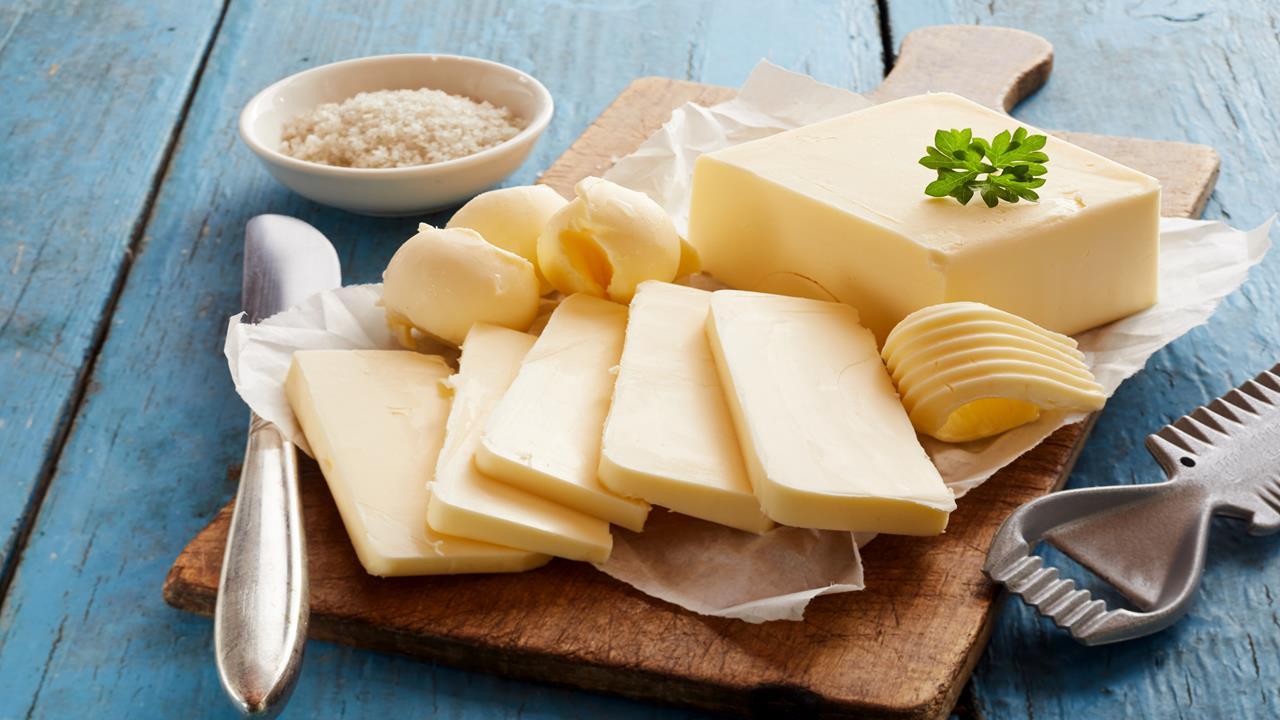
▪ Butter sales are worth ~£1bn, increased 6.3% in value and 10% in unit price
▪ Cheddar is the undisputed leader of the cheese category, accounting for 25% of total milk utilisation and over 70% of cheese production in 2024-25, according to the AHDB
▪ Block cheese is the largest subcategory with sales worth £1,3bn, this is followed by speciality cheese with £1bn in sales, grated cheese sales at £672m, snacking cheese £442m, cheese spreads £426.4m and sliced cheese £401m
▪ Cheddar remains the top block cheese (as mature/farmhouse) (£858m), followed by regional British cheeses (Red Leicester £99.7m, Wensleydale £45m, Double Gloucester £17.6m)
▪ Grated cheddar is the main grated cheese (46% market share) at £313m
▪ For soft cheese, plain holds 66.45% of the market worth £284m in sales, while for sliced cheese natural holds 79.3% of the market worth £318m
▪ Sales were worth £459m for fresh and £54.9m for long-life product in 2024
▪ Fresh milk sales are worth £344m and long life £55m (total of £400m)
▪ Butter sales are worth £112m, with 5.6% increase in sales by value, 5.2% increase by volume and 9.2% increase by unit price. Butter has the higher share of Scottish spreads market with 68% (vs 57% in UK)
▪ Total cheese sales in Scotland are worth £394.7m, block cheese is the dominant subcategory with £113.7m in sales, followed by specialty cheese (£78.2m in sales), grated cheese (£63.1m), sliced cheese (£42.8m), snacking cheese (£41.6m), cheese spreads (£39.9m) and other cheese (£15.5m)
▪ Scotland accounts for 8.7% of total cheese sales, slightly overtrading vs GB population share of 8.3%, which equates to ~ £19.7m in sales.
▪ Scotland under trades in the 2 largest segments, Block and Specialty cheese, this under trade equates to £12.1m
▪ Cheddar mature/farmhouse sales are worth £72.5m, other cheddar £19.1m, Red Leicester £8.9m, cheddar medium £8.8m, Wensleydale £3.2m, Double Gloucester £1m
Cheese cont.
▪ Grated cheddar is the main grated cheese at 39% of the market, worth £24.9m in sales
▪ Grocery multiples remain responsible for 97% of cheese sales
▪ Scotland has a higher reliance on brand (37.2%) vs GB (33.8%)
▪ For cheese spreads, soft cheese plain holds 70.7% of sales, worth £28.2m, for sliced cheese natural holds 79.2% of the market, worth £33.9m
▪ Scotland holds 7.5% of the total UK specialty cheese share, worth £78.2m (up by 5.2% compared to 2024)
▪ Cottage cheese has become more popular over recent years because of its low-calorie content and high level of protein, making it an appealing choice for health-conscious consumers. Cottage cheese sales in Scotland were worth £2.5m in 2023
Yoghurt
▪ Scotland holds 8.6% of the yoghurt market, with sales worth ~226m
▪ Big pot is the largest sub-category with sales worth £55m (slightly smaller share of the market vs the UK),followed by drinking yogurts £33.5m, diet yoghurts £31.3m and corner yoghurts (£21,6m)
▪ Milk production and imports in 2024 made up 105% of new supply, which means that milk availability is 5% higher than national demand, creating a small surplus
▪ UK is largely self-sufficient by volume, but with imports of £3.9bn against exports of £2bn in the year ending January 2025 leading to an annual trade deficit. This is an established trading pattern, with driving factors including large amounts of raw milk exported from Northern Ireland into the Republic of Ireland, and value-added products such as yoghurt and premium cheeses imported from the EU
▪ The EU is by far the largest export market for dairy farmers and downstream dairy processors. According to the AHDB, 86.9% of British dairy exports went to the EU in 2024-25. However, post-Brexit regulations have strangled the growth potential of the UK’s dairy cattle farming industry by limiting downstream raw milk and dairy demand from the largest export market in the continent
▪ US tariffs hit British dairy products’ competitiveness. UK butter and cheese exports face a 10% US tariff, denting their competitiveness in the US market. Premium products like artisanal cheeses may fare better due to their higher margins.
▪ Unlike many other dairy products, the UK exports large amounts of milk powder, which is used in a wide range of consumer goods and can easily be transported around the world
▪ In 2025-26, milk and cream imports are expected to be at ~£227 m and exports at £421.7m. Butter had a £221m export value and £251m import value
▪ UK milk and cream export volumes rose by approximately 4–4.5k t (around +2%) in 2024, reversing the 1.9% decline recorded in 2023. According to the AHDB, imports from the EU-27 rose 11.7% in 2024
▪ In 2025, ~232k t of milk and cream were imported for £196m while £655k t were exported for a value of £407m
▪ According to UK Trade Data, imports of yoghurt and other dairy products from the EU dropped 27.7% in 2022/23 despite the massive hike in dairy prices, as new Brexit trade restrictions came into effect
▪ Total yoghurt and buttermilk imports were 291k t and worth £510m, while exports were 35.5k t worth £54m
▪ In 2025, 53k t of butter and other fats were imported (£315m) and 43k t were exported (£259m)
▪ For cheese and curd 432k t were imported for a value of £2bn while 186k t were exported for £890m
▪ Imports are high but decreasing, especially for foreign cheeses. Butter and cheese imports are expected to be ~£2.2bn
▪ AHDB data shows that cheese exports to the EU rose in 2024, with exports volumes climbing by 11.1% in volume; sales to Ireland, the Netherlands and Germany were especially strong. Larger exporters have adapted to strengthening overseas demand by investing in compliance capacity and prioritising storable formats
▪ Cheese exports to the US reached £75m in 2024, up 13.5% on the previous year, while shipments to the UAE and Qatar rose by 52.5% and 47.7%, respectively. These gains reflect growing demand for British dairy in high-value international markets and a shift in export focus beyond the EU
▪ Processors gravitate towards dairy farmers. An easy access to supply makes their job a little easier. It can also help cut input and transportation costs
▪ Dairy farms are becoming larger, with more advanced technology, automation (e.g., robotic milking) and innovation in genetics, breeding and husbandry
▪ The growing search for protein is already reshaping dairy cattle farming. British farmers supplying yoghurt and sports-nutrition-focused processors increasingly prioritise genetics, nutrition and lactation management to boost the butterfat and protein content of their milk, maximising profitability as these dairy products become more popular than liquid milk
▪ Many dairy farms are family-owned operations, with many making up for their small size by joining co-operatives and producer organisations
▪ Consolidation is set to continue, as rising fixed costs, tighter labour availability and high borrowing costs favour well-capitalised, large farming companies that can spread parlor, slurry and staffing costs across higher production volumes. While higher concentration might lift industry profitability, a lack of diverse farm structures can make the industry less resilient and less competitive
▪ The number of dairy cattle farms employing fewer than five people dipped by 7.1% between 2021-22 and 2024-25, while the number of farms employing between five and nine workers grew by 5.8% in the same period UK and Scotland
Production cont.
▪ Dairy cattle raising in the UK is witnessing a shift towards sustainable practices, with farmers adopting eco-friendly methods to appeal to environmentally-aware consumers. This includes organic feeding, reduced greenhouse gas emissions and improved water management techniques
▪ Transparency in supply chains is a growing trend driven by consumers' demand for ethically produced milk. Farmers are now more accountable, ensuring better animal welfare standards and sustainable land use
▪ Large milk and cream producers are increasingly shifting focus to value-added products, such as protein-enriched milk, flavoured drinks and cream-based desserts. Arla’s Protein brand posted 36% growth in 2024, while First Milk has expanded into specialist cheese and cream lines for food manufacturers
▪ To stay competitive, producers are investing in carbon tracking, farm data systems and third-party certifications to meet evolving retail standards. Arla is scaling up its Climate Check reporting, while Müller and First Milk embed sustainability metrics into contract terms
▪ According to DEFRA, in 2023, cooling and refrigeration systems alone accounted for over 40% of a dairy plant’s electricity use, exposing many facilities to energy market fluctuations. Smaller producers without long-term contracts or scale advantages remain particularly vulnerable to future price shocks
UK and Scotland
▪ Retail spend on dairy products increased by 9.4% in 2023
▪ According to the AHDB, retail cheese sales grew by 1.9% in volume and 5% in value in the year to December 2025, following on a long steady growth trend
▪ Cottage cheese consumption has grown in the UK, with sales surging by 40% in 2024, according to The Independent, as health-conscious consumers embrace its high-protein, low-calorie profile
▪ Supermarkets are expanding their premium own-label offerings and diversifying their cheese ranges to reflect seasonal and lifestyle trends, helping sustain demand from this market
▪ The trend towards healthier eating will continue to direct innovation among yoghurt processors. Product development and strong marketing will become more vital as competition grows
▪ Yoghurt remains a staple in UK consumers' diets. According to Dairy UK, 78% of adults in the UK eat yoghurt or fromage frais, and a 2024 YouGov poll highlights that 24% of Brits consume yoghurt daily as a snack, making it the third most popular choice
▪ According to a February 2025 YouGov poll, protein shakes are the third most popular functional drink consumed on a regular basis, with 25% of UK adults stating that they consume them regularly
UK and Scotland
▪ Ireland’s dominance is structural, not incidental. The combination of physical proximity, high-volume production capacity, and compatible food safety systems makes Ireland not just the top source but also the most practical one for UK milk and cream imports
▪ Retailers are importing yoghurt products from countries like Greece, Turkey and Eastern European countries to meet demand. These are often promoted as premium products
▪ UK cheese imports continue to play a major role in meeting domestic demand, especially for premium and internationally recognised varieties. Popular imports like Parmesan, Roquefort and Feta are closely tied to specific cuisines and carry strong appeal in both retail and food-service channels
UK and Scotland
. Scotland Sales
▪ Nearly all adults (95%) in Scotland consumed milk products at least once a day. Among consumers, mean daily consumption of milk products was 241g, comprised of 180g milk, 27g yoghurt, 23g cheese and smaller quantities of cream and dairy desserts (7g) and butter (4g)
▪ 31% of Scottish consumers are willing to pay up to 10% more for Scottish produced dairy
▪ Scotland has a strong reputation and demand for its cheese and butter products, both domestically and internationally
Cheese
▪ Dumfries and Galloway, Orkney, Central Belt and Arran are particularly associated with cheese in the mind of the Scottish consumer
▪ Scotland has a higher preference for dairy spreads compared to the rest of the UK
▪ The Scottish demand for convenient formats is driving over-trade in cheese but will also impact sales of block cheese
▪ There has been strong growth in cottage cheese over the past year in Scotland, but there is still room for further growth based on the wider GB market performance
▪ Scottish brands have struggled within the cheese market, mostly due to their performance in block cheese. Specialty cheese has been a key growth area for Scottish brands as sales reach ~£500k after experiencing strong growth, mostly derived from Scottish stores
▪ Yoghurt processors have benefited from growing health consciousness, as demand for natural yoghurt-style products has also risen
▪ Fresh cream and custard maintains an 89% share in both UK and Scotland, driven by strong double cream and soured cream performance
▪ Cheese remains a staple within households. Over 90% of shoppers claim to consume cheese. There is a slight age bias, however 80% of shoppers consume cheese on a weekly basis
▪ Functional dairy products, like high-protein and reduced-fat cheeses, are expected to grow faster than traditional, especially among the younger health-conscious shopper
▪ Increasing consumer health consciousness has led to a rise in low-fat dairy products, low sugar, or dairy alternatives
▪ Some consumers are returning to butter as a natural alternative to ultraprocessed spreads, reflecting changing views on fat and health.
▪ Whey is a crucial ingredient in many popular protein supplements. Swelling sales of protein supplements and functional foods, driven by growing gym memberships and activity levels, are driving up whey sales
▪ Consumers will continue to look for yoghurts that are low in sugar, fat and calories and prioritise positive functional benefits. This could lead to a surge in demand for functional foods rich in probiotics, vitamins and protein
▪ In Scotland, 43% of consumers are willing to pay a premium of at least 10% for Scottish produced cheese & dairy products
▪ The growing popularity of alternative types of milk is expected to eat into revenue UK and Scotland
▪ Scotland’s high standards in animal welfare, environmental protection and production
▪ Good climate, location, geography and milking practices
▪ Established and well-connected supply chain with good rural connectivity
▪ High number of farmers milk recording
▪ Milk’s status as a “staple product” ~96% of adults in the UK buy milk
▪ Success of branded Scottish cheddar offers concrete proof of interest in Scottish brands
▪ Medicine Hub (developed by AHDB)
▪ Per capita GHG emissions from dairy decreased by 50% from 1986 to 2017, improvements in production accounted for 70% of the change
▪ Specialty cheese is in growth, driven by a strong interest in quality, provenance, authenticity and inspiration from social media trends
▪ Dairy producers must compete with dairy alternative producers
▪ Despite having a strong dairy industry, the demand for cheese and butter in the UK surpasses domestic production capabilities
▪ Scotland's market opportunities are mostly limited to cheddar and liquid milk
▪ Increasing trend of Scottish milk processed in England
▪ The impact from changes to dairy contract legislation
▪ Overly reliant on UK retail and foodservice markets
▪ Strong competition with other UK, Irish and European regional products and brands
▪ Highly volatile milk prices
▪ Utilisation of excess and byproducts
▪ Promote Scottish provenance
▪ Focus on better quality dairy products e.g., organic and higher welfare
▪ Increasing consumer demand for different types of cheese
▪ Developing economies in the Middle East and Africa present major opportunities and will likely become more significant milk powder buyers in the coming years
▪ Inward investment in milk processing capacity and innovation
▪ Exporting surplus milk in dried or UHT for allows producers to maintain higher plant utilization and minimise waste during peak production periods
▪ Target foodservice with Scottish dairy products
▪ Food tourism for the dairy sector alongside other iconic products (PGI and PDO products)
▪ Exports of dairy products now must apply for an export health certificate and pay for additional inspection and certification, which adds to producers’ bottom lines
▪ Reputational damage caused by individual farmers’ bad practices
▪ Lack of young people attracted to work on dairy farms
▪ Milk consumption is expected to keep declining
▪ Bovine Tuberculosis on the rise in the neighboring countries
▪ Ban of German meat and dairy imports following a foot and mouth outbreak could represent an opportunity for domestic suppliers
▪ New export opportunities for Scottish dairy brands and products (possible trade deals)
▪ Increasing purchase costs, including packaging material (carton, bottles and other containers)
▪ Increasing costs of feed, fertiliser and other inputs (energy, fuel, transport and storage)
▪ Barriers for new entrants: high level of competition, regulation and startup costs
▪ Respected provenance and recognition from consumers on dairy products from Scotland
▪ Increase in popularity of vegetable milk alternatives
▪ Digital revolution (use of digital tags, sensors on cows and blockchain technologies) could improve supply chain efficiencies
▪ Innovation to improve health benefits, for example butter fermented with bacterial cultures
▪ Cost of Export Health Certificate and veterinary fees
▪ The sector will need to ensure the annual supply profile is closely aligned to market demand, avoiding oversupply
▪ The industry is heavily dependent on the farm gate price of milk. Dairy cattle operators can only increase profit either by raising prices or decreasing production cost via technological innovation
▪ Better farmer understanding of milk contracts regarding milk composition, volumes, price, etc. to maximise returns
▪ Proactive health and welfare management of the herd will ensure optimum return, drive efficiency for the farmer and deliver consumer support
▪ Exports are likely to take a long time to recover from the fall caused by Brexit
▪ Greater need for farmers to pass on volatility in their input costs to be in a better position to protect their profit margins
▪ Greater use of fixed-price and long-term sales contracts to insulate from price volatility
▪ Difficulty in passing increased costs along the supply chain
▪ Ability to innovate and expand ranges to include cheeses traditionally associated with other countries
▪ Pool of workers available is limited due to new immigration laws and automation is not always possible for small producers or those farms using grazing systems
▪ Address the number of farms leaving the sector and succession planning due to age of farmers
▪ Provenance is becoming an important issue for consumers
▪ The sector will have to work on developing integrated approaches to tackling climate change, including better land use, efficient use of water and biodiversity
▪ Need to reduce antibiotic use
▪ Advances in treatment of wastewater from creameries
▪ Cleaning technology in manufacturing machines, with built-in techniques to decrease the need for water
▪ Research on climate conditions for optimal grass growth
▪ The dairy sector contributes around 3.4% of total global emissions, however, the UK dairy sector is rightly recognised as a global leader in low carbon dairying with the carbon footprint of UK milk placed at 1.25 kg CO2e per litre, only 43% of the global average
▪ Emissions associated with producing a litre of milk in the UK are, on average, 1.2 kg CO2e (AHDB, 2021) whereas the global aggregate estimate in the frequently used Poore and Nemecek database for a litre of liquid milk is 3.2 kg CO2e
▪ Dairy emissions for 2023 were 1.31 MtCO2eq (a 1.1% decrease vs 2022)
▪ According to Dairy UK, in April 2024, water-use efficiency across UK dairy processing has improved by 20% since 2008, primarily due to more innovative cleaning systems and better reuse
▪ The latest available data shows that the largest proportion of UK dairy emissions, have been attributed to emissions from enteric fermentation (45%) and from feed (28%). Beyond this 11% of emissions are linked to fertilisers, 10% to manure handling, 4% to energy production and the remaining 2% to other sources
▪ Currently, there are 1.8m dairy cows in the UK, contributing an estimated 23% of all ammonia emissions from UK livestock (Regenerative Diary, WWF)
▪ In the last 14 years dairy numbers have decreased by 35% and milk production has gone up ~60%, at the same time emissions have been reduced by 16%
▪ RESAS Agricultural Statistics Hub indicated that 0.74 MtCO2eq emitted from dairy in 2022 were from enteric fermentation (the largest source), followed by manure management (0.29 MtCO2eq)
Economic
Environment
Social
“Strength in Places” project (SRUC)- platform for business and research in innovation
Dairy Parasite Projectsurveillance programme (Glasgow University)
Sustainable Agriculture Capital Grant Scheme- Scot Gov for spreading and slurry covers Companies like Oxi-Tech Solutions and the South West Dairy Development Centre are pioneering low-water, chemical-free cleaning systems for milking equipment, while Alfa Laval is leading on water-saving cleaning technology in dairy processing plants.
LEAF Assurance focusing on enabling more circular farming through regenerative practices
“Reduction of Antibiotic Use in Dairy Farms” – started as SRUC/KTIF project, Lactalis also has one in place
“Digitally Dairy” project- use of sensors and data from dairy herds and how it can be utilised to produce more, and better, dairy products
Digital Dairy Chain Project Grant for initiatives to help faming business better understand GHG emissionsScot Gov/FAS
Creation of the Dairy Sector
Climate Change Group
Secondary Processing/ Added Value
Graham Family Dairy plan for a low carbon heat project for its cheese production facility
Lactalis is part of the UK Plastic Pack Initiative by WRAP and has other sustainable packaging and packaging reduction initiatives in place
Standardisation of carbon footprint data collection, streamlined energy and carbon reporting (SECR)
National Test Programme: preparing for sustainable farming grant for activities that will improve awareness of climate performance
First Milk co-op pledge to achieve net zero by 2040 with a target to reduce carbon footprint at farm level by 50% by 2030 and net zero in transport and processing by 2035
Lactalis is part of the “Stronger Together” initiative to stop forced labour and exploitation across the supply chain
Lactalis “Sourcing Standard” for local procurement of milk
Dairy farmers are members of Red Tractor
First Milk regenerative brand platform and regenerative farming programme
Mullers commitment to ethical sourcing of raw material
ARLA’s “Bee Pollinator” project, ARLA Garden. ARLA UK 360 Programme
Lactalis is a FareShare member- donating unused food to charities to tackle waste
Muller Direct initiative for health and welfare and support of British Athletics Championship
‘Find me a Milkman’ or ‘Milkman of the Year’ initiatives
Arla new investment at their Lockerbie facility
Primary Production
Breeding, calving
rearing and milking
Primary Processing
Chilling, pasteurising, homogenising and processing into other dairy products but liquid milk
Little flexibility for milk contracts Increasing production costs
Decrease of dairy herd and others
Little further processing options, including no milk powder production facility
Increasing milk sent to England
Secondary Processing
Addition of cultives, whey removal or maturing for cheese
Markets
Retail, food service and food processors
Local, UK and exports
Increasing milk recording on farm Good network of technical support for farmers
Increasing interest in Scottish dairy brand
Increasing consumer interest in “healthier” products and misinformation about dairy products

Scottish Agricultural Census, 2025
Total income from farming estimates, 2018-2024
Scottish dairy herds numbers fall as cow numbers rise
Scottish Government
Scottish Government
The Scottish Farmers/ Scottish Dairy Cattle Assoc.
Milk and Cream Production in the UK, June 2025
Scottish milk production statistics, 2025 onwards, Quarterly Update
Butter and Cheese Production in the UK, May 2025
Yoghurt and Other Dairy Product Processing in the UK, Aug 2025
Dairy Cattle Raising in the UK, Jan 2026
Cheese Deep Dive Report: GB, Aug 2025
Dairy Category report (with yoghurt focus): GB Retail, Feb 2025
IBISWorld
Scottish Government
IBISWorld
IBISWorld
IBISWorld
The Knowledge Bank
The Knowledge Bank
Understanding the climate impact of food consumed in Scotland ClimateXChange
Agriculture in the UK, 2024
The Dairy Roadmap climate ambition: supporting UK NZ
How farmers can reduce emissions: Dairy
UK Government
CIEL
Regenerative Dairy: Modeling the transition cost and benefits for WWF Farmers in the UK
UK dairy trade dashboard | AHDB

*Feb. 2026. Reviewed regularly as new reports and statistics become available.