Bleeding Heart White Plant – AGraceful Symbol of Pure Beauty
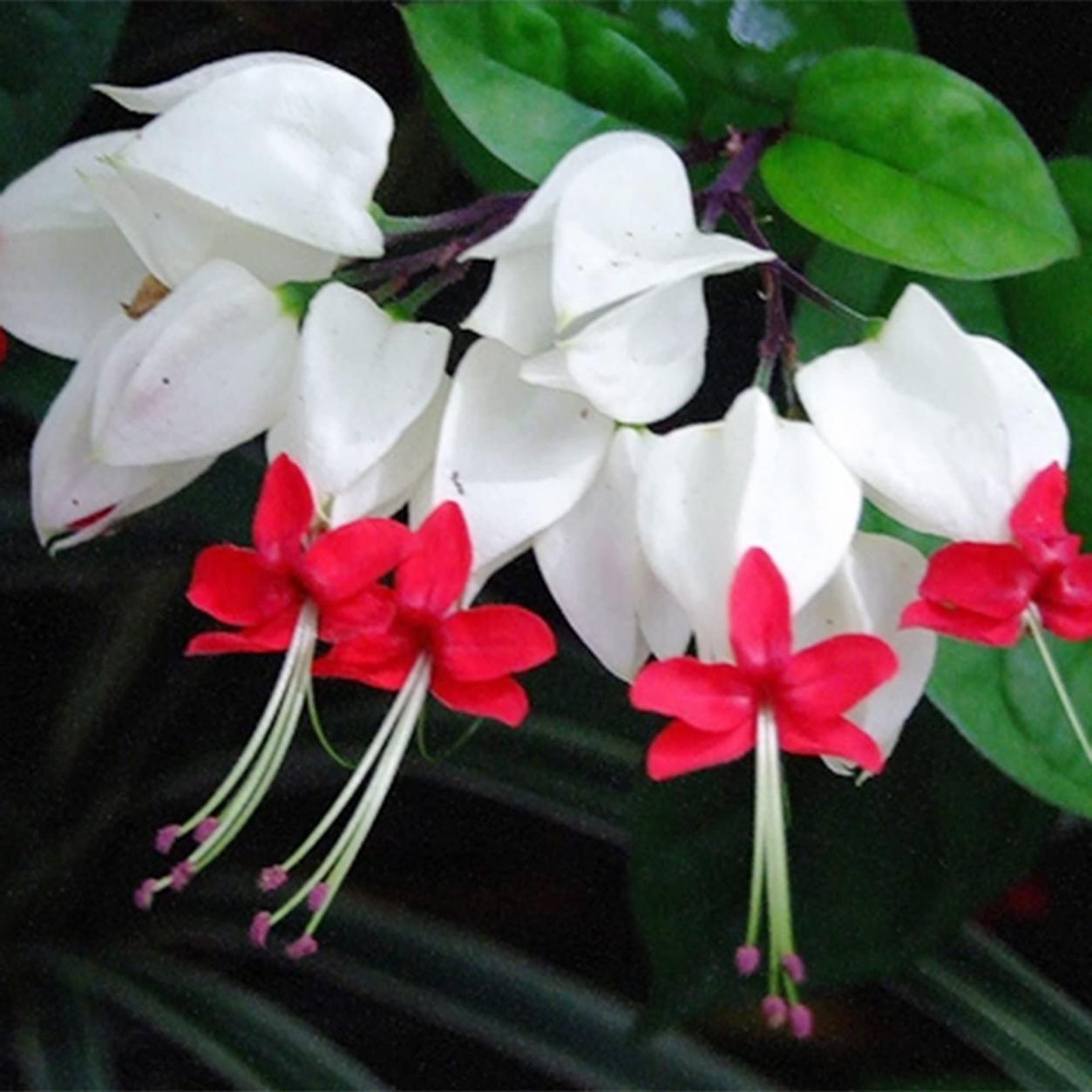
This rare and elegant flowering plant is admired for its delicate, heart-shaped white blooms that hang gracefully from arching stems. Known for its soft appearance and romantic charm, it adds a calm, soothing beauty to gardens, shaded landscapes, and ornamental plant collections. The pure white flowers symbolize peace, love, and serenity, making it a favorite among flower lovers and nature enthusiasts.
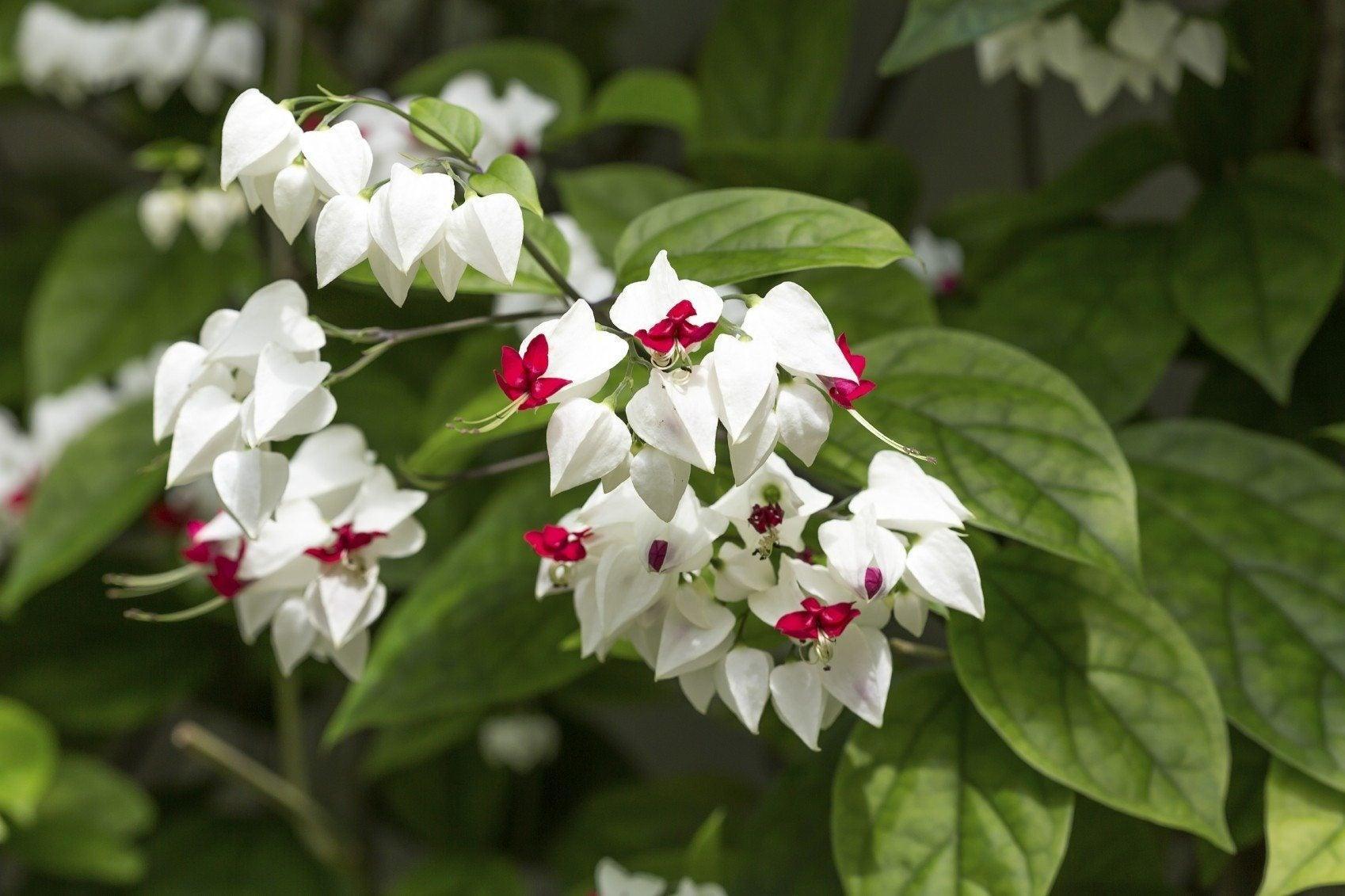
The Bleeding Heart White Plant thrives in cool to moderate climates and prefers partial shade, making it ideal for shaded gardens, balconies, and landscape borders. Easy to maintain with the right growing conditions, this plant suits both home gardeners and professional landscapers who want to create a refined, elegant, and peaceful garden space.
Bleeding Heart White
The Bleeding Heart White Plant, botanically known as Dicentra spectabilis ‘Alba’, is a perennial flowering plant prized for its unique heart-shaped white flowers. Unlike brightly colored garden flowers, this plant stands out through its subtle beauty and graceful form. The flowers appear as small white hearts with delicate inner petals, hanging in rows along curved stems, creating a breathtaking visual display during the blooming season.
Native to parts ofAsia and adapted to temperate regions, the White Bleeding Heart plant grows best in cool environments with indirect sunlight. It is especially popular in cottage
gardens, woodland gardens, and shaded borders. The plant typically grows 2 to 3 feet tall and spreads gradually, forming a lush, bushy appearance when mature.
The foliage of the plant is equally attractive. Soft green, finely divided leaves provide a beautiful contrast to the white flowers. Even after flowering, the foliage maintains a fresh and healthy look for a long period, contributing to the overall garden appeal.As a perennial, the plant goes dormant in extreme heat or cold but returns strongly in the next growing season.
One of the most appealing qualities of the Bleeding Heart White plant is its gentle and nonaggressive growth habit. It blends well with other shade-loving plants and does not overpower neighboring plants. With proper care, it blooms reliably each year, rewarding gardeners with consistent beauty.
This plant is also valued for its cultural and symbolic meaning. White bleeding heart flowers often represent purity, compassion, and emotional healing. Because of this, the plant is commonly used in memorial gardens, meditation spaces, and serene landscape designs.
1. Ideal Growing Conditions
The Bleeding Heart White plant requires specific growing conditions to thrive:
• Light: Partial shade to bright indirect sunlight
• Soil: Well-drained, fertile soil rich in organic matter
• Climate: Cool to moderate temperatures
• Watering: Regular watering, keeping soil moist but not soggy
• Mulching: Helps retain moisture and keep roots cool
Avoid harsh direct sunlight, as it can scorch leaves and reduce flowering.
2. Planting and Care Guidelines
Planting and caring for the Bleeding Heart White plant is simple when done correctly:
• Choose a shaded or semi-shaded location
• Prepare soil with compost or organic manure
• Water regularly, especially during dry periods
• Apply mulch to maintain soil moisture
• Remove spent flowers to encourage healthy growth
With consistent care, the plant establishes well and blooms beautifully each season.
3. Benefits and Ornamental Value
The Bleeding Heart White plant offers several benefits:
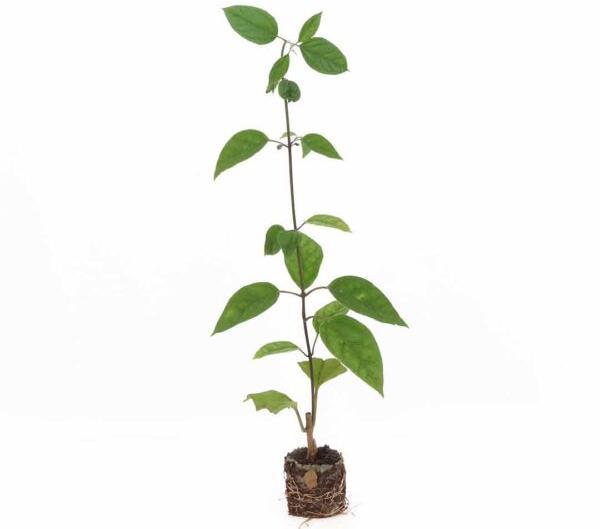
• Adds elegance and softness to gardens
• Ideal for shaded and woodland gardens
• Long-lasting seasonal blooms
• Low maintenance once established
• Symbolic value of purity and peace
Its unique flower shape makes it a standout ornamental plant in any collection.
4. Common Problems and Solutions
Although generally hardy, the plant may face minor issues:
• Yellowing leaves: Often due to excess sunlight or poor drainage
• Wilting: Insufficient watering
• Pest issues: Rare, but aphids may appear occasionally
• Poor flowering: Lack of nutrients or excessive heat
Maintaining proper shade, watering, and soil quality prevents most problems.