The Getty Center to close for one year for a significant modernization of the museum See Page 2
The Getty Center to close for one year for a significant modernization of the museum See Page 2
Suspect faces felony charges after allegedly confronting bystanders near Bubba
Police arrested a 25-year-old man Monday night following a series of unprovoked confrontations on the Santa Monica Pier that left bystanders shaken, as reported by ABC Eyewitness News.
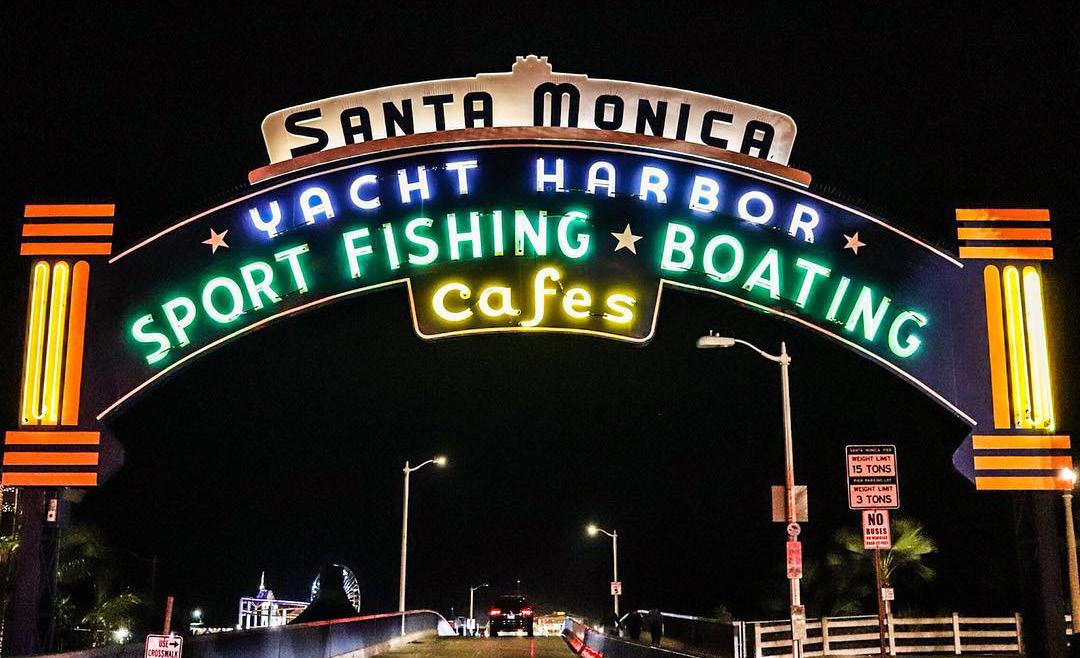
Elle Islas was taken into custody on suspicion of assault with a deadly weapon and making criminal threats after allegedly brandishing a pocket knife. The Santa Monica Police Department responded to the scene around 9:30 p.m. near the stairway adjacent to the Bubba Gump Shrimp Co. restaurant.
Witnesses described the suspect as behaving erratically and shouting at passersby before the situation escalated into a physical altercation. Arriving officers intervened to break up a fight between Islas and a group of individuals at the landmark. While no serious injuries were reported,
one witness requested a medical evaluation for an unrelated pre-existing condition.
The investigation into the motive
and exact sequence of events remains ongoing. Authorities are urging anyone with additional information to contact
Detective James McCoy at james.mccoy@ santamonica.gov or the Watch Commander at 310-458-8427.
Prosecutors said the woman and a codefendent received more than $60,000 in federal relief funds intended for wildfire victims
A Hawaii woman has been sentenced to federal prison for her role in a scheme that fraudulently took disaster relief funds intended in part for victims of the Pacific Palisades wildfires, authorities said.
Pacific Palisades was among the communities cited in the case, which
involved false claims submitted to the Federal Emergency Management Agency following recent wildfire disasters.
According to the U.S. Attorney’s Office for the District of Hawaii, Chelsea Johnson, 32, of Honolulu was sentenced to four months in prison and three years of supervised release after pleading guilty to conspiracy to commit wire fraud. The sentence includes four months of home confinement and an order to repay $60,458 in restitution.
Prosecutors said Johnson and a codefendant, Daylyn Harris, submitted fraudulent applications for federal disaster aid tied to wildfires in both Hawaii and Southern California. The claims included alleged losses of housing, income and personal property, despite neither defendant living in the affected areas.
Authorities said Johnson falsely claimed she lived in Pacific Palisades during the
wildfire and reported losing housing and incurring other expenses. She also posed as a landlord to support Harris’ separate fraudulent claim tied to the Lahaina wildfire in Hawaii.
Together, the pair received more than $60,000 in federal relief funds intended for wildfire victims, prosecutors said. Harris has also pleaded guilty and is scheduled to be sentenced May 4.
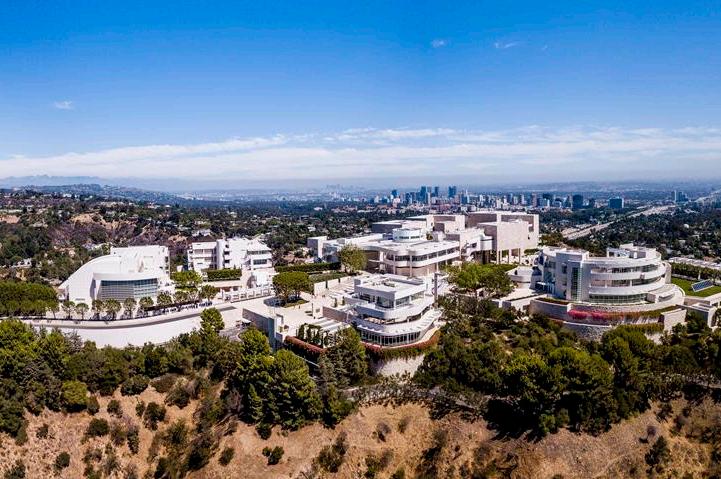
The modernization project will upgrade the tram system, renovate the Welcome Hall, and enhance the museum's sustainability.
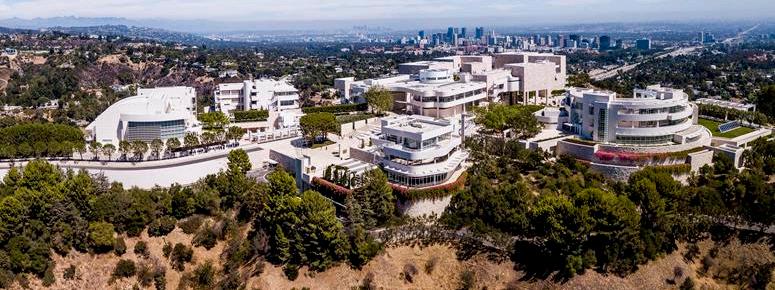
The Getty Center will temporarily close its doors for one year beginning March 15, 2027, to facilitate the most extensive modernization of its hilltop campus since it first opened nearly 30 years ago.
The museum and research complex is scheduled to reopen in spring 2028 following a series of infrastructure and guest-facing upgrades designed to improve accessibility, energy resilience, and digital connectivity. During the closure, the Getty Villa in Pacific Palisades will remain open, serving as the primary hub for the institution’s public exhibitions and events.
Major enhancements planned for the
Getty Center include:
● Visitor Experience: A complete renovation of the Welcome Hall, featuring a new cafe, bookstore, and redesigned arrival and departure zones.
● Accessibility: Upgrades to the site’s iconic tram system and the implementation of a more intuitive wayfinding and orientation support.
● Infrastructure: Campuswide improvements to building utilities, including enhanced Wi-Fi and cellular service, and a modernized HVAC system to meet international sustainability standards for art preservation.
● Artistic Refresh: Revitalized galleries, new artist commissions, and refreshed exhibitions that emphasize the relationship between art and the site's natural surroundings.
To maintain its community presence during the construction, Getty will open a new programming venue on Sepulveda Boulevard, directly across from the Center. This space will host special events and public programs throughout the year-long closure and will remain a permanent fixture after the main campus reopens.
Additionally, Getty announced the acquisition of a property in Westwood to

serve as a long-term housing solution for its visiting scholars. The site is located near the future Metro station at Westwood and Wilshire boulevards.
While the Center is closed, the Getty Villa will host a rotating selection of European paintings from the Museum's main collection, allowing visitors to view these works alongside the Villa’s permanent collection of Greek and Roman antiquities.
“Getty is embarking on an exciting new chapter,” said Katherine E. Fleming, president and CEO of the J. Paul Getty Trust. “Our mission has always been to make art accessible to our Los Angeles community and visitors from around the world. In the coming years, guided by

our commitment to All for Art, we will enhance the visitor experience across the Getty Center campus through reimagined spaces and new offerings, while prioritizing sustainability. We look forward to welcoming visitors back in spring 2028, in time to celebrate the Summer Olympic and Paralympic Games in Los Angeles and experience our more accessible, resilient, and dynamic campus.”
The Getty Center will remain fully operational until the March 2027 closure date. Upcoming highlights through late 2026 and early 2027 include the "Off the 405" concert series, an exhibition of the Paul R. Williams archive, and the September 2026 debut of Joshua Reynolds’ "Portrait of Mai."




















Santa Monica Architects for a Responsible Tomorrow
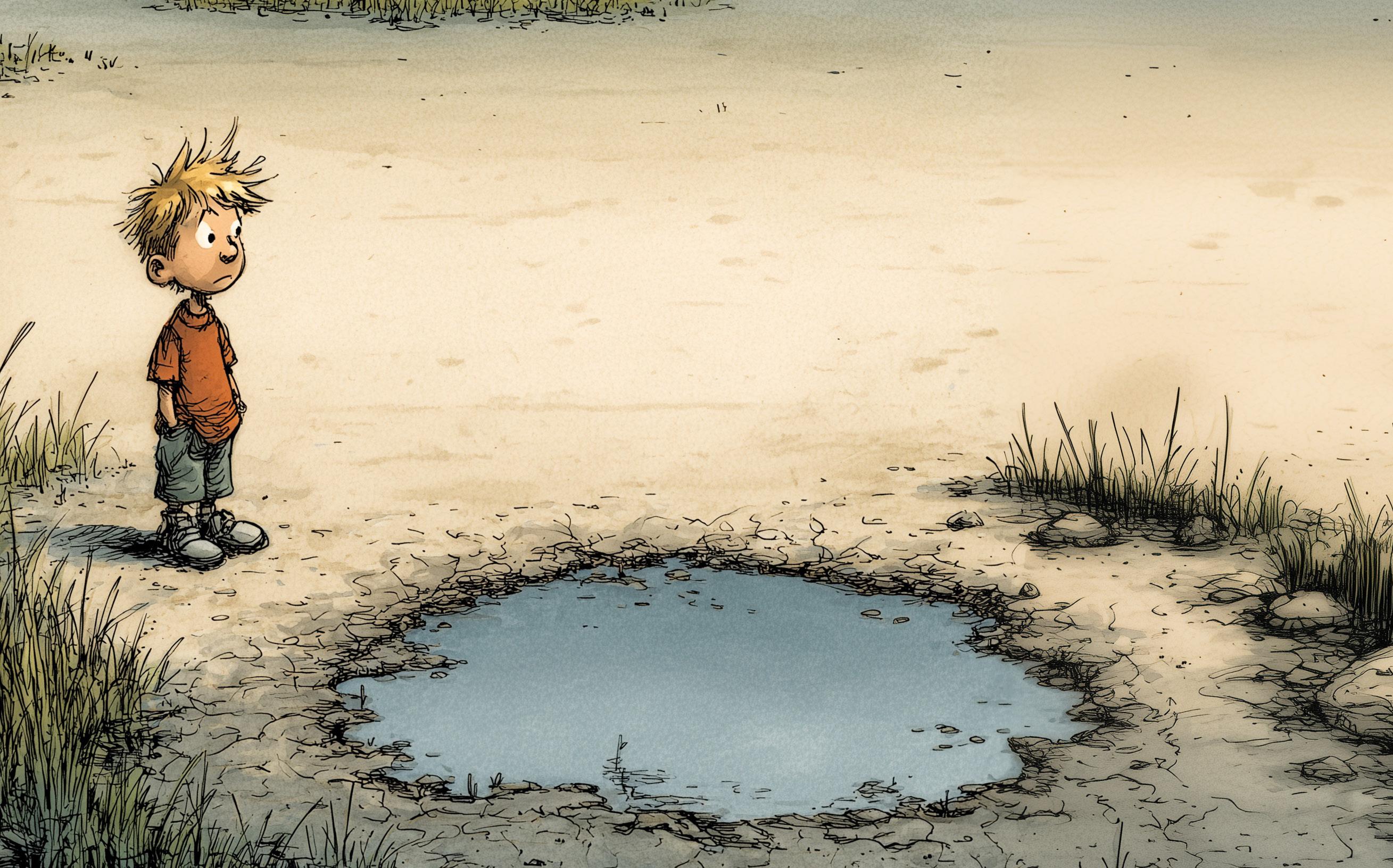
Santa Monica is rushing its long-term water plan to state regulators — and giving residents just one week to weigh in.
The city is required by California law to hold a public hearing before filing its Urban Water Management Plan with the Department of Water Resources. This year, that hearing is scheduled so close to the deadline that most residents will have barely days to react to a document that will govern water policy through 2040.
Water is not an abstract concern here.
Santa Monica has no rivers, no large local lakes, no natural abundance to fall back on. The city runs on three sources: local groundwater, imported water, and a growing slice of recycled and captured stormwater. Cutting dependence on imports has been the goal for decades, but outside water still flows in.
Every five years, state law requires cities to update their water management plans, projecting future demand, stress-testing supply against drought, infrastructure failure, and population growth. Annual reports keep the plan active in between. Santa Monica's last full update was 2020. This is the next one. The public hearing is on June 23, and it is due in the state’s hands on July 1st. The public gets a week to attend the hearing and send reactions after that.
Santa Monica’s water system is built around limits. The city sits on the Southern California coast and does not have rivers or large local lakes to draw from. Instead, it relies on three main sources: local groundwater, imported water from increasingly stressed regional systems, and a smaller but growing share of recycled water and captured stormwater. Over the past several decades, Santa Monica has worked to reduce its dependence on imported water, but it still plays an important role in the system.
At present, about three-quarters of Santa Monica’s water comes from local groundwater, while roughly one-quarter is imported from regional systems. That marks a significant change from earlier decades, when imported water made up the majority of supply. The shift has come from investments in groundwater cleanup, treatment facilities, and systems that reuse water, including stormwater capture. Even so, the city is still tied to imported water. It has not reached full independence, and may never do so.
Housing growth is one of the main drivers in future water planning. Under state requirements, Santa Monica must plan for about 8,895 new housing units. According to the city’s analysis, this level of development is expected to increase
water use by about 496 acre-feet per year, about 1,000 households.
That figure is lower than many people might expect. The reason is that the city does not treat new housing as a simple one-to-one increase in water demand. Instead, it uses what is called a water neutrality policy. New development is required to offset its water use by reducing consumption elsewhere in the system. That often means upgrading older buildings with more efficient fixtures or funding conservation improvements. On top of that, water use per person has been falling for years due to efficiency standards and conservation habits.
Because of these factors, the city’s projections show only a modest increase in overall demand from new housing. That increase is already built into the city’s long-term water planning. The official conclusion is that the city will have enough water to meet demand through at least 2040, even with the added housing and even during drought conditions.
Still, “enough” does not mean there is a large cushion. For one thing, there are only so many old toilets around the city that can be replaced with more efficient versions. Another limitation is storage. Santa Monica does not have large reservoirs like many other cities. Its local reservoirs only hold a few days of supply. That means the system depends heavily on continuous pumping and treatment rather than stored reserves. If part of the system fails, there is not much backup water available on site.
To maintain and improve reliability, the city has raised water rates in recent years.
The money is being used to repair aging reservoirs, upgrade treatment plants, and replace parts of the distribution system. The goal is to keep the system working reliably, not to dramatically expand capacity. The city has also invested in projects that increase local supply. One example is the Sustainable Water Infrastructure Project, which captures stormwater and wastewater, treats it, and reuses it. These systems help reduce reliance on imported water, but they do not replace it entirely. Water quality in Santa Monica is closely monitored and meets all state and federal safety standards. The city conducts thousands of tests every year to make sure the system remains safe for drinking.
Even with these systems in place, there are risks ahead. One of the biggest is climate change. Much of the city’s imported water comes from Northern California and the Sierra Nevada, where snowpack feeds rivers and reservoirs. As the climate warms, snowpack is shrinking and melting earlier in the year. Droughts are also becoming more frequent and more severe.
In extended droughts, imported water supplies can be reduced. In very severe cases, deliveries could drop sharply (or even stop altogether) for long periods. If imported water were significantly limited, Santa Monica would have to rely much more heavily on groundwater and recycled water. Those systems are important, but they were not originally designed to supply the entire city on their own.
Another uncertainty is whether future housing growth will match the assumptions
in the city’s water plan. The current planning is based on about 8,895 new units, as required by the state. But actual development does not always follow those exact numbers. If more housing is built than calculated for, especially through rules that require affordable units as part of larger market-rate projects, then water demand could be much higher than the current plan assumes. In that case, the city would likely need to drastically revise its water projections and dramatically overhaul its conservation or supply strategies.
Overall, Santa Monica’s water system is stable under current assumptions, but it operates with limited room for error. It depends on a mix of local supply, imported water, conservation, and infrastructure that must all function together. The system is not failing, but it is also not flexible enough to absorb large surprises without major and possibly extremely difficult adjustments.
Daniel Jansenson, Architect, for S.M.a.r.t.: Santa Monica Architects for a Responsible Tomorrow.
Dan Jansenson, Architect, (former Building & Fire-Life Safety Commissioner); Robert H. Taylor, Architect AIA; Mario Fonda-Bonardi, Architect AIA (former Planning Commissioner); Sam Tolkin, Architect, (former Planning Commissioner); Michael Jolly ARE-CRE; Jack Hillbrand AIA, Landmarks Commission Architect; Phil Brock (SM Mayor, ret.); Matt Hoefler, Architect NCARB; Heather Thomason, community organizer, Charles Andrews columnist, journalist.

By CHARLES ANDREWS ANGER,
How about both. But there must be accountability – no justice, no peace – before we can stop the bleeding and proceed towards a future that works for everyone.
Two weeks ago, I shanghaied the top part of my live performance recommendations column, NOTEWORTHY, to lament that only 8 million showed up for the No Kings protest. This is next to nothing to ask. Get off your couch and go outdoors for a couple of hours on a Saturday. The brave souls of Minneapolis did it day after day, often in below-zero weather, under threats of deportation or even death. The many thousands of victims of ICE kidnappings would give anything, I’m sure, to escape their prisons and be able to show up. Not to mention all the traumatized-for-life children, and not to mention those who have died in ICE-y hands. Outrage after outrage. The world is watching, and we may never regain our standing and goodwill.
Consider those brave freedom-hungry souls in Iran, who took to the streets in massive numbers, knowing the Revolutionary Guard had orders to mow them down. Tens of thousands died, in a nation only ¼ the population of ours. Yet only 2.3% of the U.S. is disturbed enough by the horrifying, quite illegal things being done by our government, in our name? As I wrote, “There is plenty each of us can do now. We have no more time. It will only get worse and harder to resist. Paul Revere has made his ride. We have been warned.” And that was before Trump started an unnecessary, illegal, brutal war of choice in the Middle East. Could it get any worse? Well, he has the nuclear codes, and generals he appointed who might not say no, sir, you should not launch those missiles and destroy our planet.
“This is the moment. History is watching. Do the right thing.” – Rep. Melanie Stansbury (D-NM), a rare courageous, straight-shooting member of Congress who last Wednesday morning called for the immediate removal of dangerous Don, either through impeachment, or the 25th Amendment – highly unlikely there, I think, because it depends on the courage of
Republicans, and they have demonstrated so little courage, integrity or moral conviction. My home state of New Mexico has shown extraordinary leadership and innovation the last couple of years. Must be the Hatch chile. New York’s Mayor Mamdani got a lot of attention recently for instituting free universal child care, but New Mexico became the first state to do that nearly six months ago. Former Secretary of the Interior Deb Haaland is running for governor - she’s the first Native American to serve in a cabinet post, and as a member of Laguna Pueblo, can trace her family back 35 generations. Take that, Pilgrims! Sure hope ICE doesn't try to deport her.
I called in that column for raising an unarmed citizen army of 10M to march on the White House and arrest the doddering draft dodger. But things move ever more quickly. With the unpopularity of Trump’s war and its effect at the gas pump, his “Secretary of War” and dozens of military commanders gleefully preaching the coming Apocalypse in the Middle East, the slowly leaking Epstein files, Melania’s bizarre behavior, picturing himself as the Messiah, his attacks on the Pope (no sane politician would ever attack the Pope, the Dalai Lama, or Dolly Parton), and now more talk about the automatic registration for the draft (18-26) coming in December… his own tribe may hand him over. But we should be prepared: stand back, and stand by!
But let’s talk about SANTA MONICA. We may not have the weight of the world resting on our elected leaders’ decisions, no threat to wipe an entire nation of 90,000,000 and a millennia-old
culture off the map (and who can’t notice Trump’s unrecognized irony in doing this on Easter weekend, which celebrates the Prince of Peace?). And his invoking and mocking the name of Allah in the same tweet. He was never fit to be President, but now his creeping senility is making the whole world unsafe. We can’t rely on the Venezuelans, or Canadians, or even Putin, to sweep into DC and take him away. It’s up to us. But we have a homegrown terrorist group, the Republican Party. If they had simply insisted on enforcing our laws and Constitution, and had not given the bully baby everything he asked for, we wouldn’t be in this mess.
No Santa Monica politician can wipe our city off the map. But the Santa Monica that is cherished by most of our residents, and beloved by so many visitors from around the world, is slowly disappearing. The land is still here, but it is being covered by big, tall, ugly buildings we don’t need, blocking out sunlight and sea breezes, built up where valued old, historic, beautiful structures used to be. Did we vote for this? No, but we voted for politicians anointed by the political machine that cares not a whit for what the residents want, only for those hungry for political power here or for higher office, and the huge profits to be made by developers. Do we need all this overdevelopment? Are we lacking housing and office space? No, we are looking at thousands of existing vacancies. What we are experiencing is an affordability crisis, and we can’t solve that by building thousands more market-rate structures that do not lower rents and home and office prices, but in fact usually raise the prices of the existing inventory. We are being
sold a bill of goods, have been for years. It is time to call a halt. We need a CITY COUNCIL that works for us, not outside interests or self-serving philosophies. We have an election coming up in the fall, with three seats up for grabs. It looks like former mayor and incumbent Council member Lana Negrete will run again, and she is the only one of the seven worth keeping. She is doing a great job for us and the city we love. It also looks like incumbent and current mayor Caroline Torosis will run again, and she must be replaced. She seems to care more about her political future than our city’s, and has exhibited a willingness to play politics and be less than transparent. What do we need in new Council members? Experience on commissions and endorsements from organizations have only brought us to where we are. It is a steep learning curve to figure out how everything here works, and everyone must go through that. We need candidates who are transparent and honest and will do what they say they will when campaigning. We must examine someone’s beliefs and track record, not their empty promises, and we must examine where their funding is coming from, because that’s who they will consider their constituency.
I am hopeful. We can do this. We can change our destructive direction and restore much of what makes this a great city. We just need a few good men and women.
Charles Andrews has lived in Santa Monica for 40 years and wouldn’t live anywhere else in the world. Really. Send love and/or rebuke to him at therealmrmusic@gmail.com
Released April 3rd
By Kathryn Whitney Boole
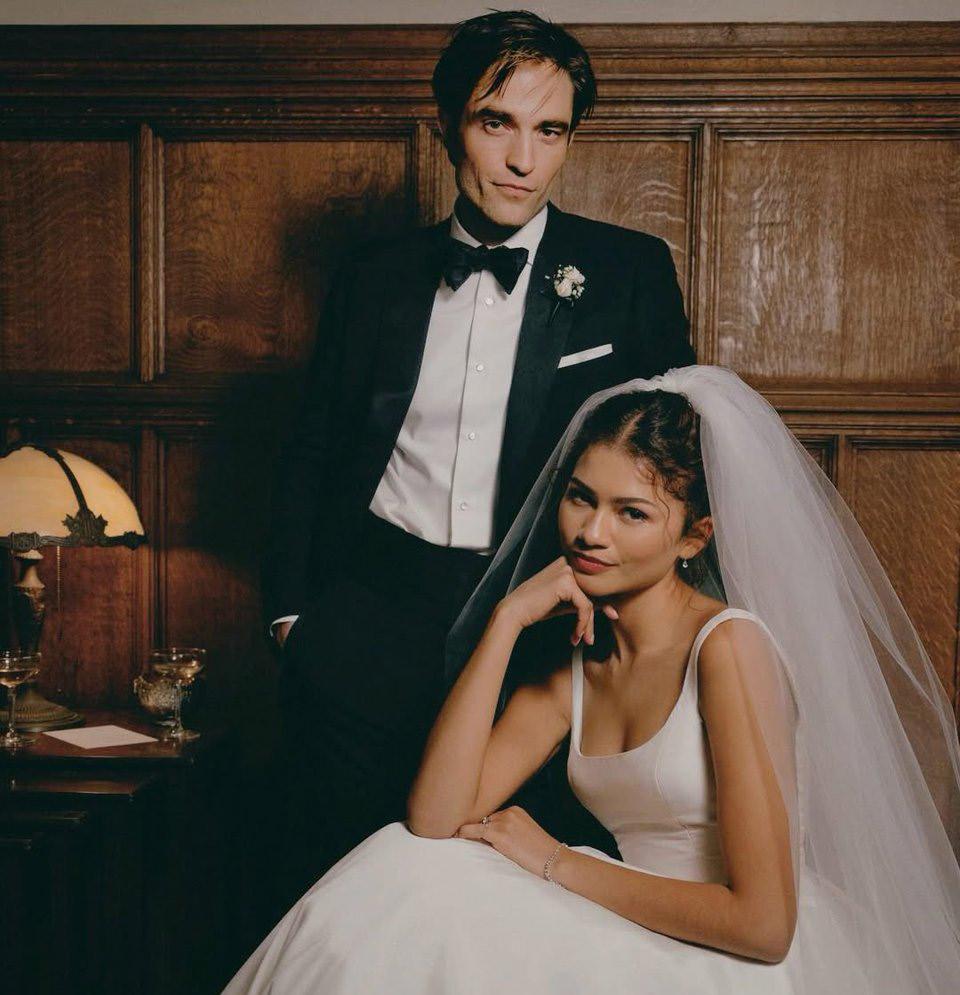
The Drama is a study of the expectations, love, fear, loneliness, and anger that can hide beneath the face we show to the world. This is a careful look into the window of the souls of two people who care about each other.
The narrative may not be linear in time, but it is so in relevance. We see glimpses of the characters’ actions and reactions to events and people at various points in their lives. The movie plays like a poem, offering visions into each character’s personality. In some places, there is more dialogue than is needed.
The music and soundtrack by Daniel Pemberton set the emotional impact here. You probably won’t notice it because the composer is so skilled at infusing music into each scene almost subliminally. Songs are chosen with careful sensitivity. Sound is very important in this movie. I won’t say more, just be aware of the sounds.
There is a key character reveal that surfaces midway through the story that changes the whole emotional path. It involves a terrifying decision by a troubled teen, which has now become a high point of newsworthy deep discussion born from this film, and that engagement is a positive. We come to identify with the character who makes this choice, so the act becomes all the more personal to each of us.
The two main characters are “Emma,” played by Zendaya, and “Charlie,” played by Robert Pattinson. This is one of the best performances of Zendaya’s career, as she plays someone real and unsettled, with both very dark and light sides to her psyche. She is the heartbeat of the story, with the magnetism and the warmth that the others seem magnetically drawn to, even when she seems to be the most unnerved. She is the one who has the strength and courage
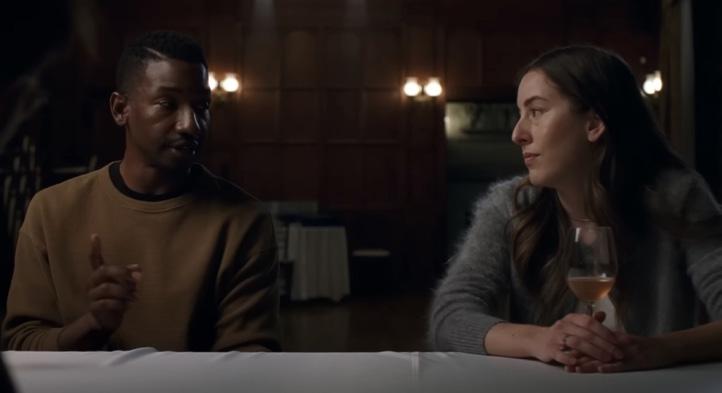
to face her own demons. Also watch for young Jordyn Curet, who plays Emma’s teen self with a brilliant performance. The two versions of Emma merge beautifully.
Zendaya has the life experience to handle a role like Emma. She had a hard time fitting in at school as a child, as her dad is of Nigerian ancestry and her mom is German and Scottish. She was so shy that her teacher suggested she repeat kindergarten to try to build her confidence.
She found her passion outside of the classroom in dance and singing. At the age of 8, she joined a hip hop dance group and worked with her mom at the California Shakespeare Theatre. She won a role on a Disney series, and she hasn’t stopped working in TV and film since. She also makes time to be a charity ambassador. Zendaya describes Emma as “someone who is desperately seeking to belong and fit in. From childhood, she’s been somebody who never quite found their tribe or community.”
Charlie is a character on edge throughout the entire story. He needs desperately to unlock something from his past, but we never find out what that is. He absolutely overthinks everything, making him nervewracking to watch, especially knowing that he and Emma are about to marry after dating for just a short time.
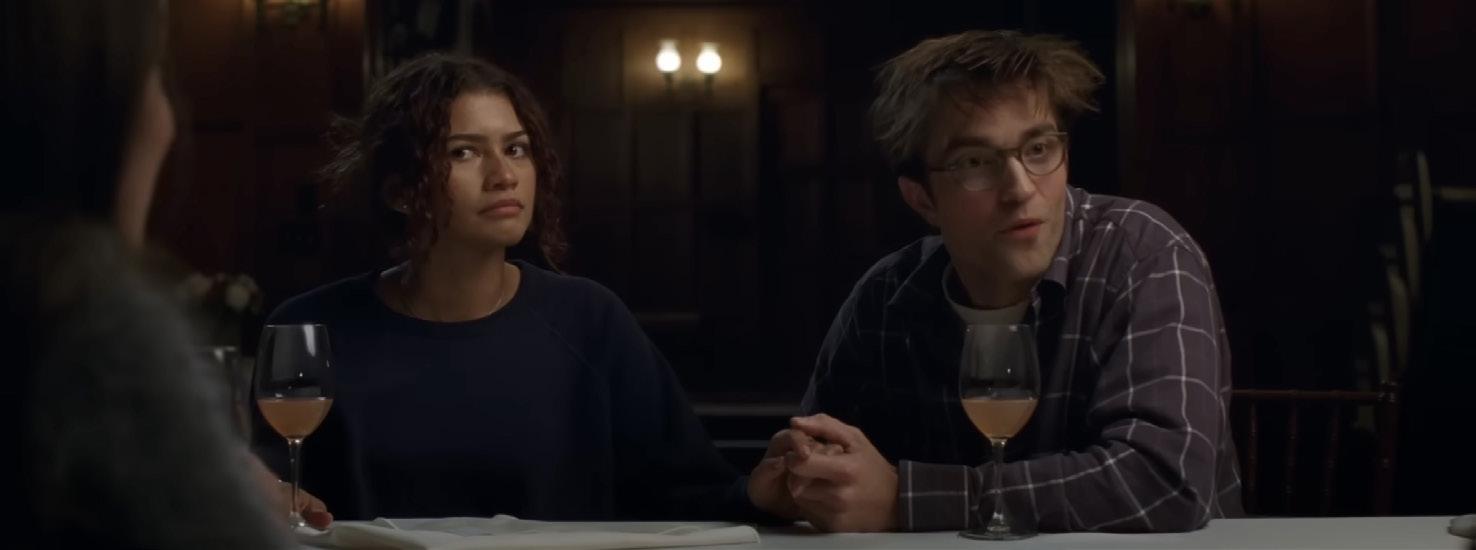
fame in The Twilight saga as “Edward Cullen.” As a child, he wanted to play guitar and piano, thinking he would become a musician. But he, too, was shy, and a teacher urged him to enroll in the school drama club. Pattinson is very particular about the films and roles he chooses. Here, he embodies the role of Charlie with an almost painful awkwardness.
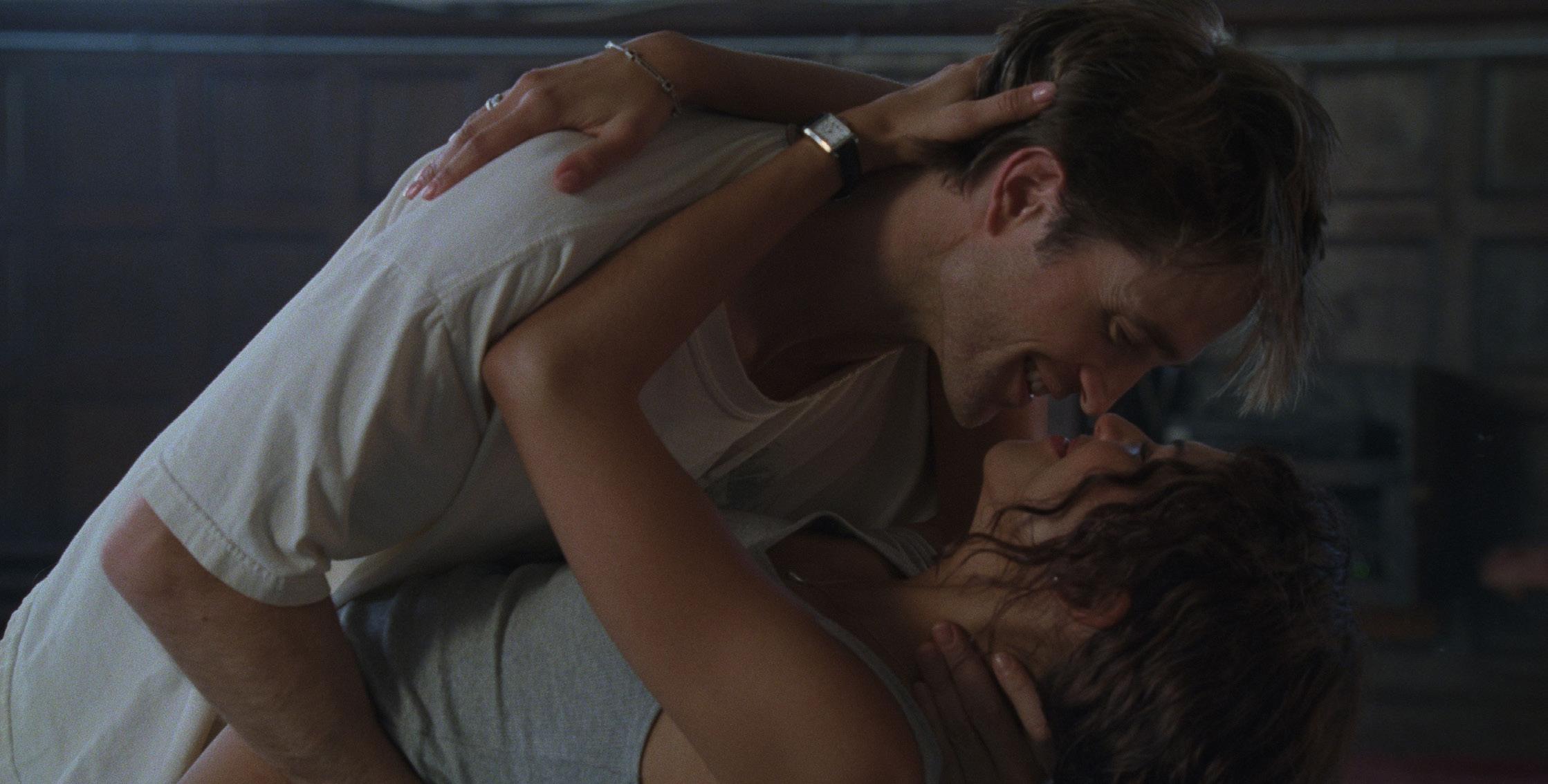
Emma and Charlie join their married friends Rachel and Mike (Alana Haim and Mamoudou Athi) in a tipsy encounter that becomes a confessional roundtable, and Rachel challenges them to name the worst thing they’ve ever done. This is where the jaw-dropping, horrific act is described by one of them, an act totally out of character, although it was never consummated.
The Drama is the second feature by director Kristoffer Borgli, who grew up in a suburb of Oslo, Norway. As a teen, he was an avid skateboarder, and he worked for several years in a video store, which inspired his interest in filmmaking. Borgli’s darkly Scandinavian sense of humor pervades this movie, and admittedly, it’s difficult for most Americans to process that sensibility.
You may squirm emotionally at parts, but the film’s dark, somber aura makes more sense once you know the director is Norwegian. I can feel the spirit of Ingmar Bergman lurking throughout.
This film asks the question “Can people change?’ which has been a philosophical deep dive since the days of Plato and Aristotle. Wherever this movie leads your thoughts, you will probably be asking what drives our anger and loneliness to turn to frightening actions, and how can we intercept before that action is taken.
In director Borgli’s words, “We all carry parts of ourselves that we keep hidden…things that we worry might change how others see us, even though they fundamentally shape who we are…It feels very risky to share deep truths with anyone, and that tension fascinates us.”
Kathryn Whitney Boole has spent most of her life in the entertainment industry, which has been the backdrop for remarkable adventures with extraordinary people. She is a Talent Manager with Studio Talent Group in Santa Monica. kboole@gmail.com