
Municipal Art Gallery Opens at Bergamot Station, a First for Santa Monica See Page 6
Municipal Art Gallery Opens at Bergamot Station, a First for Santa Monica See Page 6
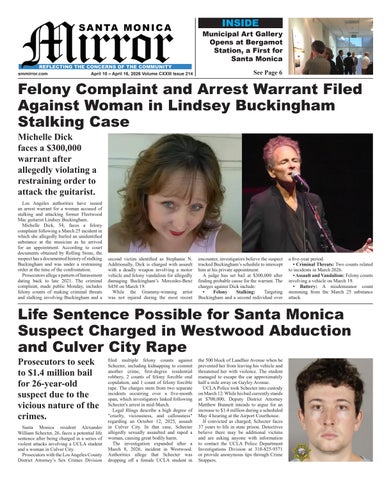
Michelle Dick faces a $300,000 warrant after allegedly violating a restraining order to attack the guitarist.
Los Angeles authorities have issued an arrest warrant for a woman accused of stalking and attacking former Fleetwood Mac guitarist Lindsey Buckingham.
Michelle Dick, 54, faces a felony complaint following a March 25 incident in which she allegedly hurled an unidentified substance at the musician as he arrived for an appointment. According to court documents obtained by Rolling Stone, the suspect has a documented history of stalking Buckingham and was under a restraining order at the time of the confrontation.
Prosecutors allege a pattern of harassment dating back to late 2021. The criminal complaint, made public Monday, includes felony counts of making criminal threats and stalking involving Buckingham and a

second victim identified as Stephanie N. Additionally, Dick is charged with assault with a deadly weapon involving a motor vehicle and felony vandalism for allegedly damaging Buckingham’s Mercedes-Benz S450 on March 19.
While the Grammy-winning artist was not injured during the most recent
encounter, investigators believe the suspect tracked Buckingham’s schedule to intercept him at his private appointment.
A judge has set bail at $300,000 after finding probable cause for the warrant. The charges against Dick include:
• Felony Stalking: Targeting Buckingham and a second individual over
a five-year period.
• Criminal Threats: Two counts related to incidents in March 2026.
• Assault and Vandalism: Felony counts involving a vehicle on March 19.
• Battery: A misdemeanor count stemming from the March 25 substance attack.
Prosecutors to seek to $1.4 million bail for 26-year-old suspect due to the vicious nature of the crimes.
Santa Monica resident Alexander William Schecter, 26, faces a potential life sentence after being charged in a series of violent attacks involving a UCLA student and a woman in Culver City.
Prosecutors with the Los Angeles County District Attorney’s Sex Crimes Division
filed multiple felony counts against Schecter, including kidnapping to commit another crime, first-degree residential robbery, 2 counts of felony forcible oral copulation, and 1 count of felony forcible rape. The charges stem from two separate incidents occurring over a five-month span, which investigators linked following Schecter's arrest in mid-March.
Legal filings describe a high degree of "cruelty, viciousness, and callousness" regarding an October 12, 2025, assault in Culver City. In that case, Schecter allegedly sexually assaulted and raped a woman, causing great bodily harm.
The investigation expanded after a March 8, 2026, incident in Westwood. Authorities allege that Schecter was dropping off a female UCLA student in
the 500 block of Landfair Avenue when he prevented her from leaving his vehicle and threatened her with violence. The student managed to escape the car approximately half a mile away on Gayley Avenue.
UCLA Police took Schecter into custody on March 12. While his bail currently stands at $700,000, Deputy District Attorney Matthew Bunnett intends to argue for an increase to $1.4 million during a scheduled May 4 hearing at the Airport Courthouse.
If convicted as charged, Schecter faces 37 years to life in state prison. Detectives believe there may be additional victims and are asking anyone with information to contact the UCLA Police Department Investigations Division at 310-825-9371 or provide anonymous tips through Crime Stoppers.
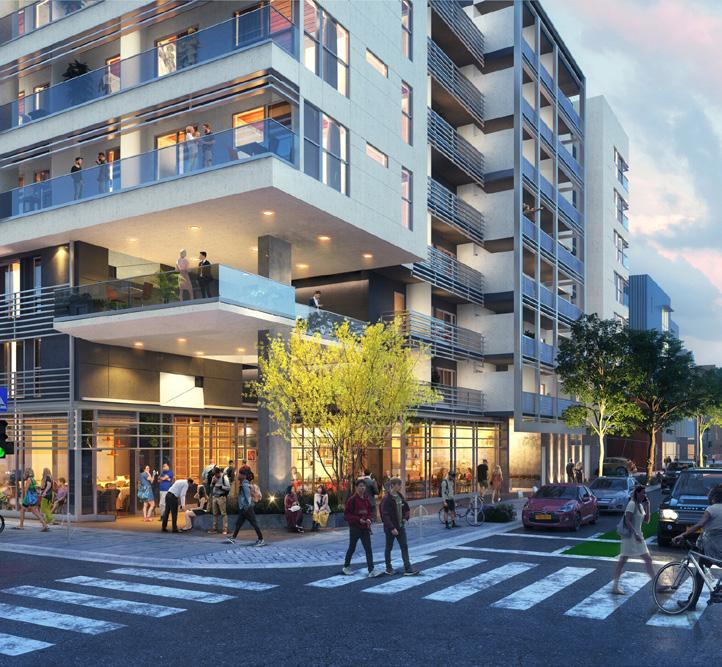
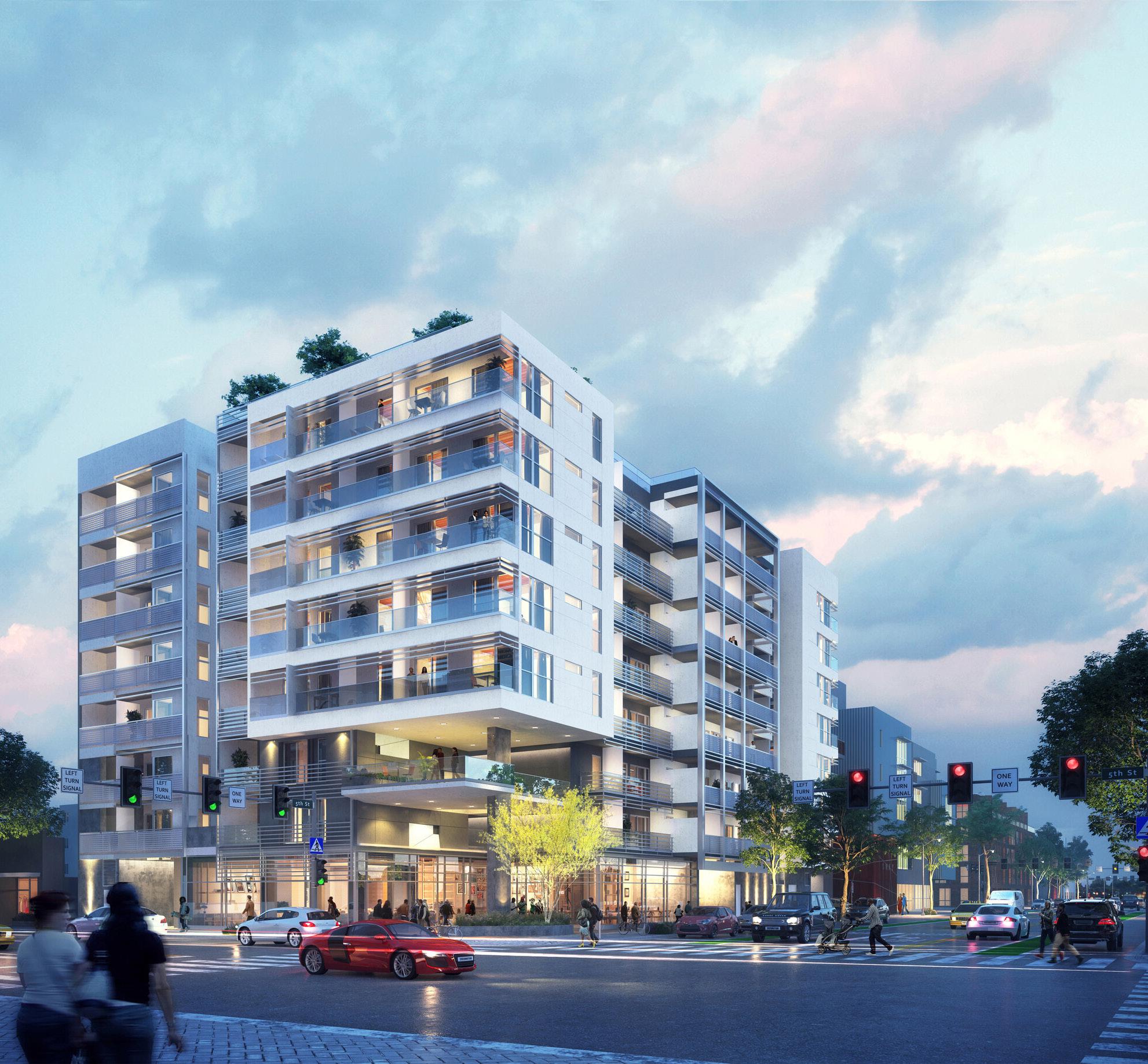
The eight-story building at 501 Broadway features a rooftop deck and 18 deed-restricted affordable units.
Tishman Speyer has officially launched a leasing website at 501 Broadway, an eight-story mixed-use development that is the firm’s latest addition to the city’s downtown residential inventory.
The contemporary podium-style building, located directly across from The Park Santa Monica, features 89 apartments situated above ground-floor commercial space and a subterranean garage with 71 parking stalls. The project was originally designed by Michael W. Folonis Architects, with KFA Architecture serving as the architect of record.
Monthly rents for market-rate units at the property range from $3,255 to $6,641, according to the development's official leasing site. The project also fulfills local
housing requirements by including 18 deed-restricted affordable units. These apartments are tiered for residents earning between 30% and 100% of the area median income, with prices starting as low as $595 for a one-bedroom and reaching $2,707 at the higher income threshold.
Residents have access to a suite of modern amenities, most notably a landscaped rooftop deck. The development is one of four major projects Tishman Speyer has recently brought to the downtown area, joining its existing portfolio at 1430 Lincoln Boulevard, 1650 Lincoln Boulevard, and 711 Colorado Avenue.






















Santa Monica Architects for a Responsible Tomorrow
Our city is currently coming through a cycle of decline, hoping to enter a more ascendant phase. But it is encountering two major headwinds that, in spite of everyone’s best efforts, do not augur well for our future.
A city as dependent on tourism as we are has always been vulnerable to the “normal” fluctuations of tourism. Anything that reduces tourism (e.g., Covid, unfavorable exchange rates, or changes in tourist fashions), hurts our City’s future. In the past, we have built a reputation, particularly downtown, for grinding homelessness with its associated social problems of drug addiction, mental illness, and crime. We have fortunately made some recent progress in these associated problems: crime reduction is responding by better enforcement, but it is a slow comeback before we can restore our public reputation as a clean and safe City. In public perception, a few shocking incidents can undo months or even years of slow reputational healing, so any tourism recovery is inevitably fragile at its beginning. Now there finally seems to be good alignment from the Council, the City manager and on down, that this is a significant problem that must be addressed. However, there is a larger countervailing hazard that, with tariffs, rampant federal xenophobia, and unnecessary wars, our improvement in tourist inducements is being canceled by these larger Washington forces we have no control over. Just the global impact of an oil/natural gas interruption can destroy our local and the worldwide tourism industry.
Another area of counteractive headwinds is the housing debacle unfolding in our City primarily caused by Sacramento’s recent flood of bad housing laws. Fraudulently sold as creating affordable housing, Sacramento’s mandate to build 9000 new units in 8 years is now fully rearing its ugly head. Santa Monica’s natural growth of 1100 units over 8 years (including a substantial number of affordable units) had been well accommodated in the last few years. Obviously, we would like to have built more deed-restricted affordable units in the past, but we have built the requisite number of affordable units given the actual limited financial resources available.
Naturally, the number of affordable units has never been sufficient to meet all the needs of the shrinking buying power of middle-income and lower-income residents. In other words, the housing crisis was never based on the number of units, as ballyhooed by Sacramento, but on the affordability of those units. As the cost of producing a single affordable unit has increased faster than the rise of the medium income, affordable housing has become a mirage. In short, you cannot build your way to housing affordability in
Santa Monica since the residents’ income is not increasing faster than the cost of building or, heaven forbid, buying those units. But Sacramento’s requirement that we put housing production on steroids, without providing any funding to actually meet those goals, inevitably collided with reality, the same way that Washington’s confused war on Iran collided with the reality of the Strait of Hormuz.
So in a City of declining birthrates, of declining household formation, of increasing deportation of residents, of collapsing immigration (except for Palisades fire refugees), of massive flight of residents to other states, of declining employment, of a 10% rental vacancy rate, of astronomical construction costs, of high construction interest rates, and of underwater state and local budgets, Sacramento has, in its infinite wisdom, chosen this specific time to order our City to increase our natural unit construction by a factor of eight times for a non existent population growth. Just as attacking Iran was predictably going to crush the world economy by choking off the world’s energy access through the Strait of Hormuz, it is equally predictable that Sacramento’s massive mandatory upzoning would lead to a flood of vacant high-end units. Today, there’s massive oversupply of tiny very expensive high end new units with insufficient parking (one of the many bad laws from Sacramento was to mandate the elimination of housing parking requirements). Virtually none of this flood of econoboxes are 3-bedroom units (the Gelson’s project in Ocean Park Blvd has 520 units, but not a single 3 bedroom apartment) so those kinds of projects will continue shrinking the local school enrollment.
There is a way out of this oversupply jam, but it’s a brutal process. The absorption of these high end units will take years for us to find enough upper end renters willing to spend huge fraction of their income for these microscopic units. During these absorption years, all the other rental providers will be forced to give away months of free rents to try to woo new wealthy tenants while existing overextended housing providers will see their properties foreclosed on by their lenders. The foreclosing banks will then turn around and sell the recently foreclosed buildings at a reduced price to new “bottom” feeders. You would think that would be a perfect time for the local non-profit housing providers (e.g., Community Corp) to pick up new rental properties for a song. But likely the state and local cities are broke, so they cannot compete with better-funded private “bottom feeders”. So those properties, although now with hopefully cheaper rents, will be consolidated into ever larger and distant extractive corporations.
Of course, none of these new 6-8 story buildings will be sustainable or resilient net-zero buildings. In fact, their very presence will preclude their neighbors from becoming resilient net-zero buildings because of their perpetual shading by their
oversized neighbors.
Of course, let's not mention the disastrous water extraction and mobility loads generated by all this overbuilding. Such policy failures are invisible to the housing ideologues.
And of course, there is no provision for unit ownership in Sacramento’s oversupply mandates.
Finally, just like Trump is digging himself (and us) into a deeper hole in Iran, Sacramento also continues to dig us into a deeper hole. Assembly member Rick Zbur now wants to gut the Coastal Commission for more private exploitation of coastal resources that should be preserved in perpetuity for the public good. As these policy failures become more visible, the authors of those failures will always claim that any failure was because we did not bomb enough or did not gut local zoning enough. However, in reality, when in a hole, self-inflicted or otherwise, the best thing to do is stop digging.
Because Iran’s danger to the Strait of Hormuz have been known for decades, the alleged reason for the war had to be clouded in a flurry of lies. Likewise, the well-known failure of unfunded mandates to produce any realistic housing benefits required that Sacramento’s destruction of local zoning be justified by the lie that local zoning was impeding the production of affordable housing. We should not be surprised that both initiatives, based on

lies, will result in clear policy failures with unintended disastrous consequences.
So Trump and his enablers fiddle while the Middle East still burns (not withstanding a leaky ceasefire), and Sacramento fiddles while Santa Monica burns with no credible affordable housing path forward but with lots of upper end apartments. It's clear now how spring in Santa Monica has suddenly turned into winter.
By Mario Fonda-Bonardi
for S.M.a.r.t.: Santa Monica Architects for a Responsible Tomorrow
Dan Jansenson, Architect, (former Building & Fire-Life Safety Commissioner); Robert H. Taylor, Architect AIA; Mario Fonda-Bonardi, Architect AIA (former Planning Commissioner); Sam Tolkin, Architect, (former Planning Commissioner); Michael Jolly ARE-CRE; Jack Hillbrand AIA, Landmarks Commission Architect; Phil Brock (SM Mayor, ret.); Matt Hoefler, Architect NCARB; Heather Thomason, community organizer, Charles Andrews columnist. journalist
With 220 cases and a 90% hospitalization rate, health officials urge immediate precautions.
Public health officials are sounding the alarm after flea-borne typhus infections reached an all-time high in Los Angeles County, with a record 220 cases identified in 2025.
The Los Angeles County Department of Public Health reported that nearly 90% of those infected last year required hospitalization, highlighting the severe nature of the bacterial disease. The 2025 figures represent a steady climb from 187 cases in 2024, continuing a multi-year
upward trend across the region.
"Flea-borne typhus is a serious but treatable illness, especially when diagnosed early with antibiotics," the department stated. While cases have spanned the county, specific 2025 outbreaks were investigated in Santa Monica, Central Los Angeles, and the Willowbrook neighborhood of South Los Angeles.
Typhus is caused by the bacteria Rickettsia typhi, which is transmitted to humans by infected fleas. These fleas are commonly found on rats, opossums, and stray cats. While the animals carrying the fleas often appear healthy, they can transport the insects into residential areas and homes.
Infection typically occurs when "flea dirt", the waste produced by fleas, enters the body through a bite wound, a scrape in the skin, or by being rubbed into the eyes.
Public health officials emphasized that the disease is not spread from person to person. Symptoms generally manifest within one to two weeks of exposure and include:
● High fever and chills
● Severe headache
● Body aches and muscle pain
● Nausea or vomiting
● A distinctive rash
To mitigate the risk of infection, the Department of Public Health urges residents to secure their homes and protect their pets. Key recommendations include using year-round flea control on domestic animals, keeping pets indoors when possible, and using EPA-registered insect repellents.
Property maintenance is also critical. Officials advise residents to keep trash cans tightly sealed, remove yard debris where rodents might hide, and seal off crawl

spaces to prevent wildlife from nesting under homes.
The department noted that victims in 2025 ranged in age from 1 to 85, indicating that all age groups remain at risk. Anyone experiencing symptoms, particularly after potential exposure to fleas or wildlife, should seek medical attention immediately. Further information on how to prevent flea-borne typhus is located on the Public Health website.
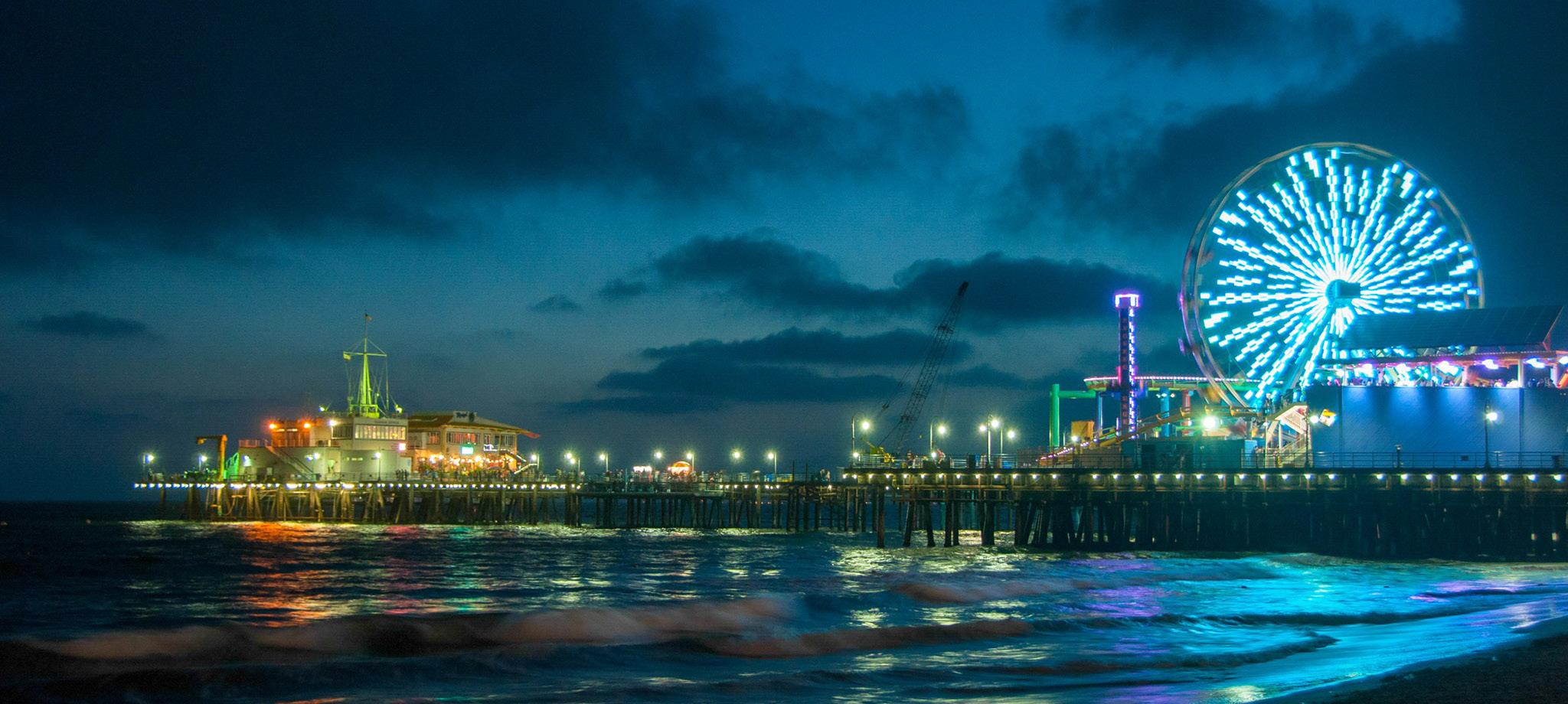
SMPD officers and specialized units conducted a Saturday evening sweep after receiving a 5:30 p.m. alert.
Normal operations continued at the Santa Monica Pier Saturday evening after a police investigation determined a potential bomb threat was not credible.
Santa Monica Police Department (SMPD) dispatchers received the report at approximately 5:30 p.m. on April 4. Officers and specialized units arrived on the scene immediately to conduct a
comprehensive sweep of the landmark.
Throughout the security assessment, the Pier remained open to the public, and officials reported no injuries. While the investigation concluded that the threat lacked credibility, the department has authorized an increased police presence in the area as a precautionary measure.
"The safety of our residents and visitors is our top priority," the SMPD stated, emphasizing that all reports are investigated to the fullest extent to maintain public safety.
Authorities are encouraging visitors to remain vigilant and adhere to the "See Something, Say Something" protocol. Suspicious activity can be reported to the non-emergency dispatch line at 310458-8491, while emergencies should be directed to 9-1-1.

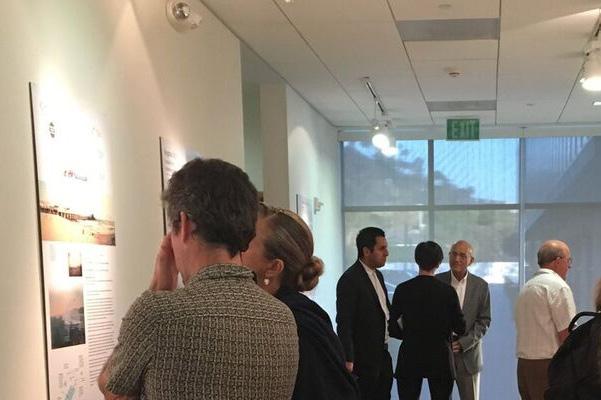
The exhibition, on view through September, focuses on architectural responses to climate challenges and postdisaster rebuilding
The city of Santa Monica is set to open its first municipal art gallery this month at Bergamot Station Arts Center, marking a new effort to expand public access to arts and cultural programming.
The Santa Monica City Gallery will debut April 10 with an opening reception for its inaugural exhibition, “Case Study: Adapt,” held from 10 a.m. to noon. The event will include remarks from arts officials and recognition of Ben Allen, who founded Arts, Culture and Creativity Month.
The exhibition, on view through September, focuses on architectural responses to climate challenges and postdisaster rebuilding. It features models developed by students from the USC
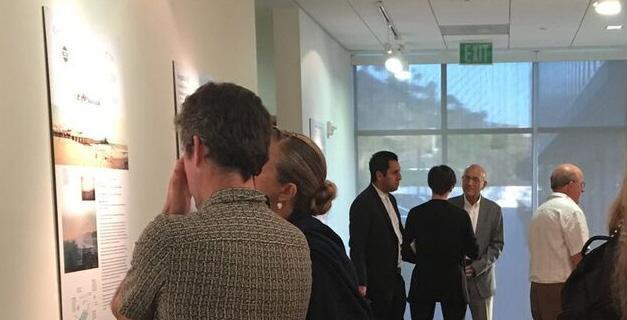
School of Architecture in collaboration with architecture firms designing homes for families affected by recent wildfires in Pacific Palisades and Altadena.
Organizers say the exhibit draws inspiration from the mid-20th century
Case Study House program, which enlisted architects such as Richard
and Charles and Ray Eames to create innovative and affordable housing prototypes.
City officials said the new gallery is
intended to provide flexible exhibition space, support artist residencies and showcase works from the city’s Art Bank collection. It will also host rotating exhibitions and community-based programming.

By Dolores Quintana
Faces of Death is a film that is both terrifying and exhilarating. It is intelligent, perceptive, and gory filmmaking that shows you both sides of the coin, the victim and the serial killer, the consumer of online “content” and the rapacious creator through the lens of today's world, when everyone is whipping out and living through their phone camera. When everyone is trying to score the attention they crave on the internet.
Faces of Death is impressive in its immediacy and its insistence on the damage that our “attention economy” is doing to humanity, because “business is booming”, is incalculable and being enabled without thought to where it might lead us.
Creating a new film around the original Faces of Death is quite difficult because it is a revered curio of the horror genre's past, with a fearsome reputation, and you are updating it in a world where you can watch real people die on social media. It is not a remake. What Isa Mazzei and Daniel Goldhaber have done is miraculous; they

in performances. When they fight for their lives and breathe their last breath, you can feel it.
Every time you see a video in which someone is injured or dies, that is a real person. The filmmakers don’t want you to have the dissociative protective layer that grows on your soul the longer you scroll, and the film pushes your face towards the horror and compels you to look. You can't look away.
You can be the person who cares about others or the person who considers other human beings as a means to an end.
I have seen someone die on camera. During the Iranian Green Revolt, Twitter

have updated the mondo movie in an intense way that drags the viewer into the action, even though it does not claim to be real life.
It merges the narrative film with the immediacy of found footage and the viral video. It has an incredible brevity as a film, in that the central premise is quickly but accurately sketched, and then the story hits with one crucial incident after another, with requisite moments of ironic levity, and the actors take on the characterization on through their performances. There are only brief explications of character backstory, so it doesn’t get in the way of the highspeed rail locomotion of the tale.
Barbie Ferreira and Dacre Montgomery's performances are excellent. No one in this movie is a cartoon monster, and even the people you don't like are shown to be human beings who feel, choke on their own fear, and bleed just like we do. Josie Totah, Aaron Holliday, Kurt Yue, Ash Maeda, and Jermaine Fowler give lived-
was refreshing so fast that the servers almost couldn’t keep up. I had seen hints about a woman named Neda, and the video crashed into my feed. In the video, you see the joy of freedom in her face until you hear the crack of a rifle, and her face goes slack as the life starts to bleed out of her body, and the light dies in her eyes.
Neda Agha Soltan. I will never forget her, and when you are privileged or damned enough to see the moment someone leaves their body, you shouldn’t reduce it to a moment of entertainment. We are all endlessly and morbidly curious about death, which is where the original inspiration and popularity of the original Faces of Death from 1978 came from, but it is the one thing we can’t escape.
Dacre Montgomery is really frightening during his bouts of rage and his moment of sheep-like duplicity. His gaze, when you can see the wheels and levers turning in his head, is disturbing on a different level. So, he is scary pretty much all of the time.
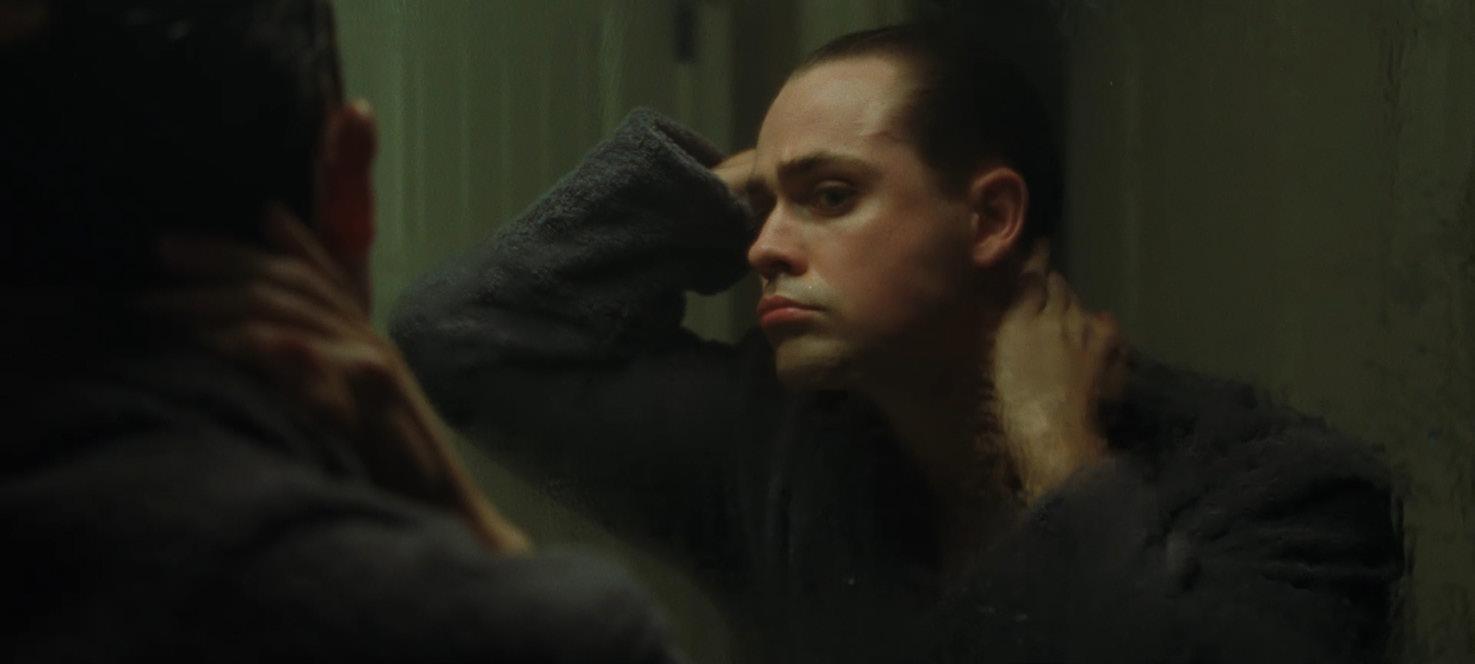
The worst thing is that I knew someone a lot like him. Montgomery has a fearsome level of dedication to this role.
Arthur is an empty house: forlorn rooms, echoing hallways, and windows covered in dust filled only with free-floating rage. Arthur is a pitiless yet pitiable person who doesn’t seem to engage with life unless it is on screen or filming another gruesome murder. He’s locked into a loneliness that is eternal.
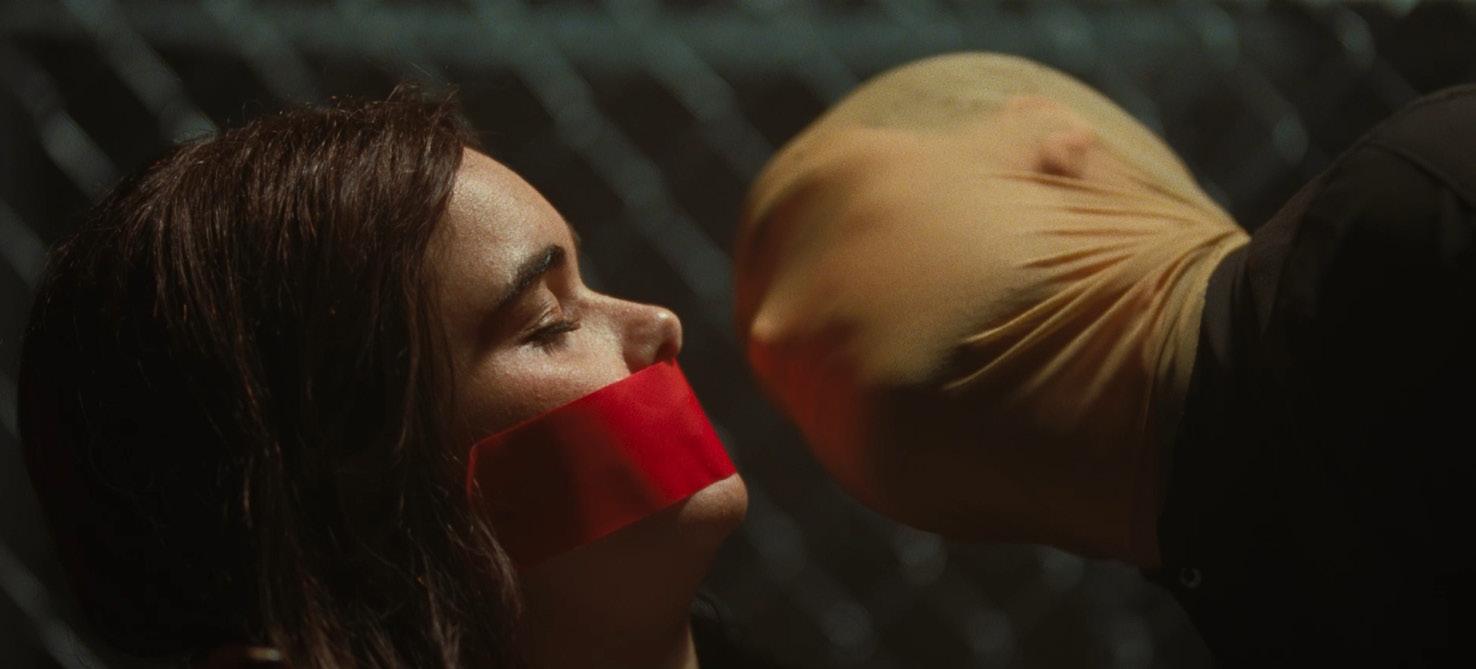
You can see who Arthur and Margot are and the impulses and needs that drive them to do what they do. The exceptionally talented cast does a wonderful job of making sure you can see them think the second before the killer strikes.
Barbie Ferreira's Margot Romero (love that last name) is a final “girl” for the digital age. After her initial actions that set the plot in motion, she thrums with lightning and uses her brain to stay alive, but even then, what she has done and survived brings her out of her online infamy and shame back into the real world. Ferreira has not only a firm grasp on the role but a deep well of empathy for others that is crucial to Margot.
She goes from a guilt-ridden person who plays the scene of her mistake in her mind over and over to someone who knows that something is wrong and won’t stop until she has convinced the authorities, and failing that, takes the disturbing matters into her own hands. All of that hyperawareness and ability to problem-solve that came out of
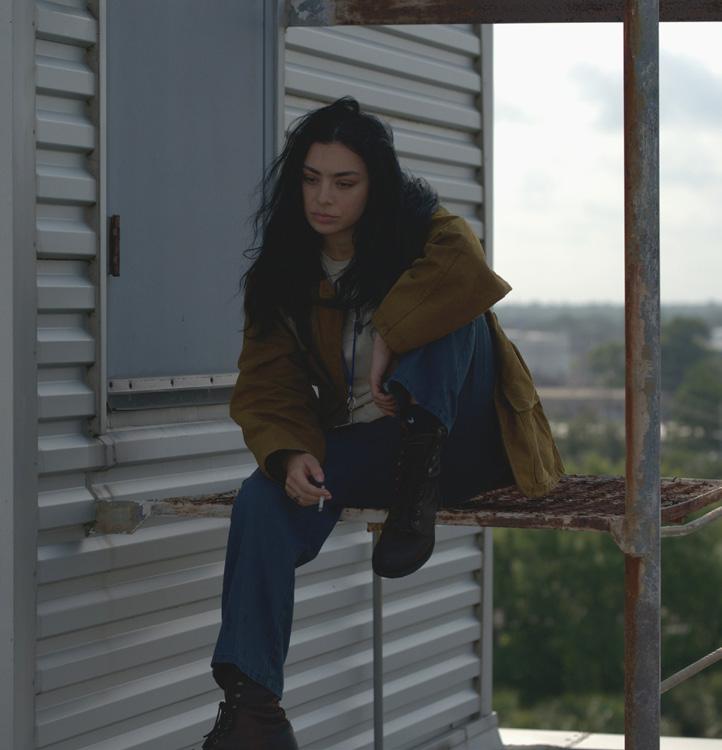
her tragedy becomes an asset rather than a liability.
Goldhaber and Mazzei use their film to hold up the mirror of our society's growing online narcissism up to our own faces and give us a glimpse of the skull beneath the skin, which syncs with the original FACES OF DEATH's aims.
Curious about death? Here you go. Everything we watch changes us, and we can either change into bored thrill seekers, apathetic drones, or people who know what’s up and won’t stand for it anymore.
Faces of Death is a rage-fueled leap into a blood-drenched hell of being "too online," a grotesquerie of human destruction that runs on likes and comments that does not judge you, but simply stares into you, knowing that one day, your time will be up.