
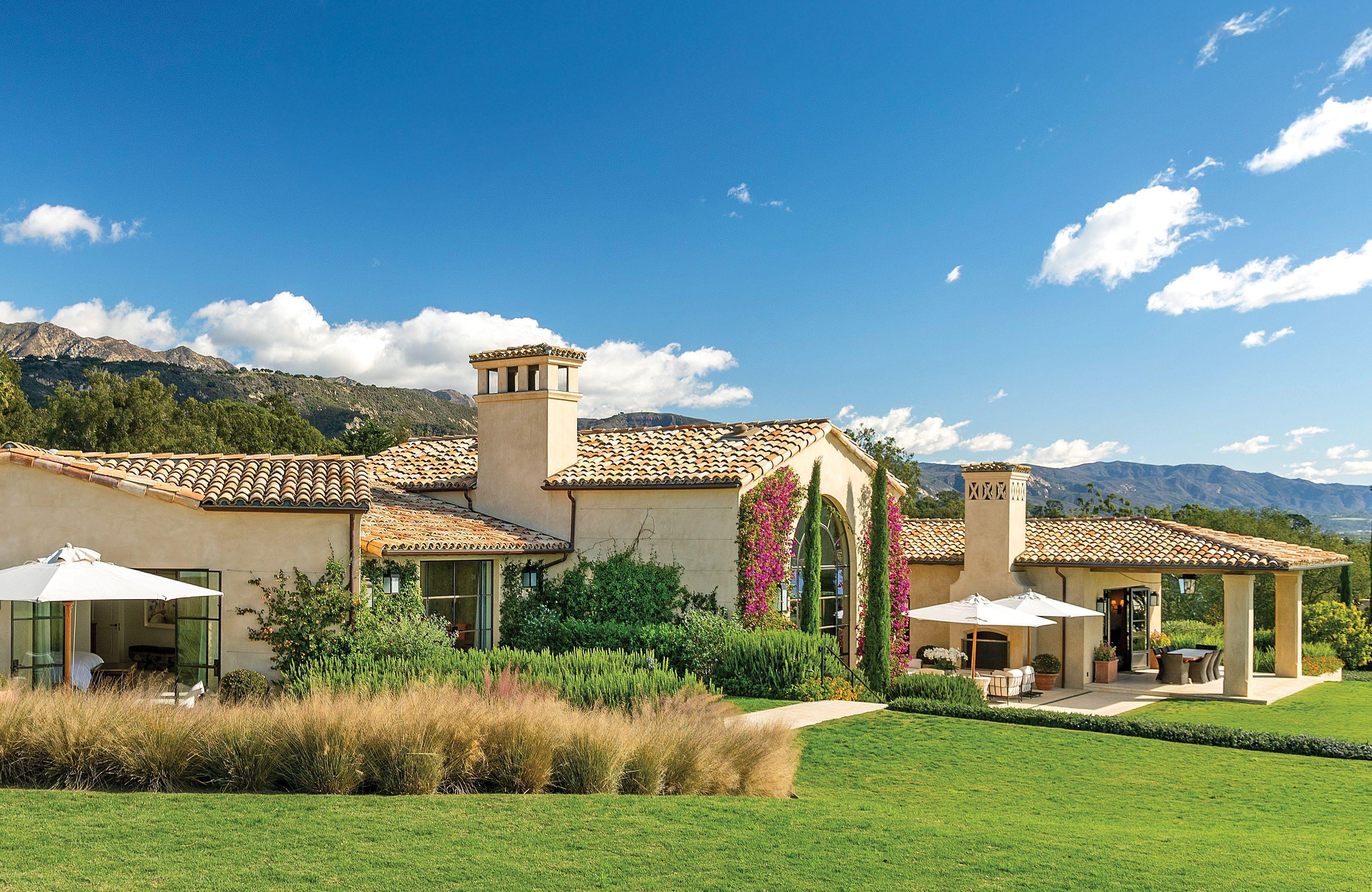


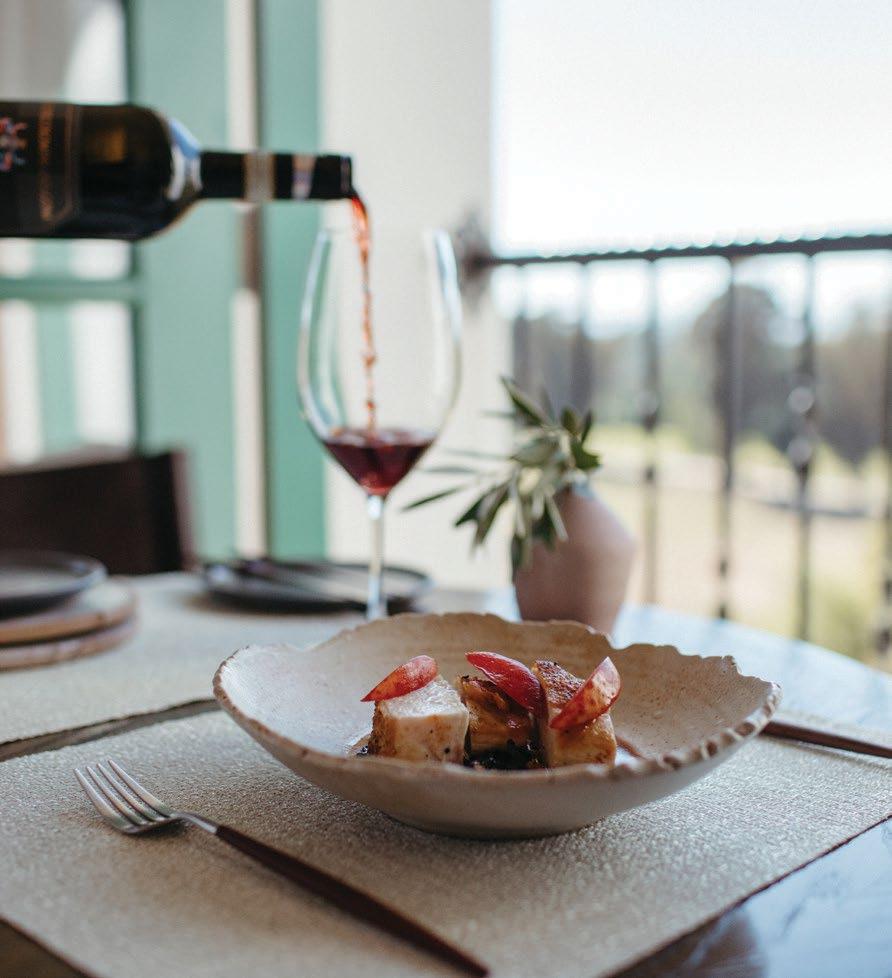
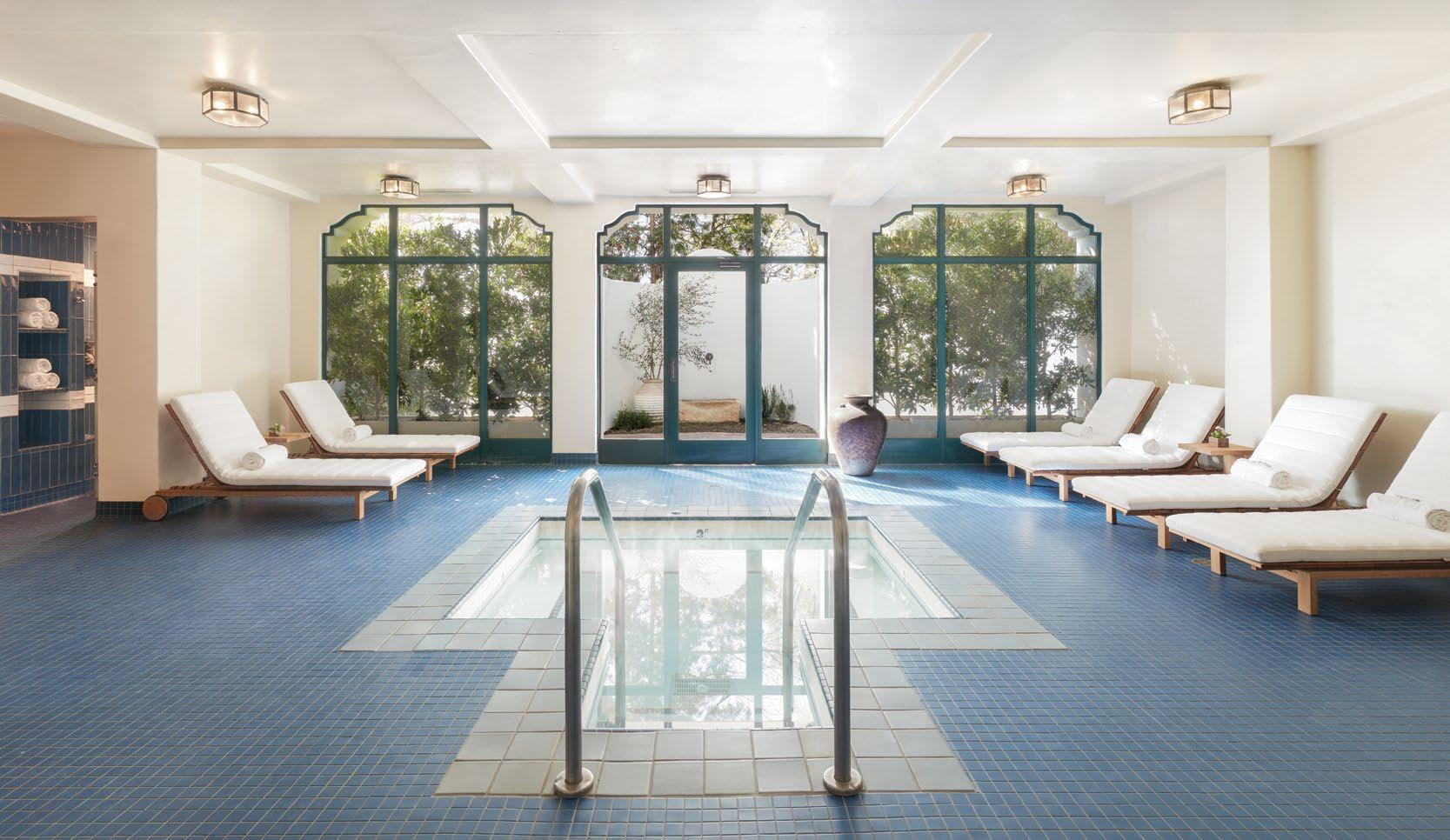
Slip away to our iconic mountain valley Inn for a relaxing retreat close to home. Share meaningful moments with loved ones, soak in the serenity and views of Ojai, and unwind amid 220 acres of natural beauty. Come rejuvenate at Spa Ojai and savor Olivella’s valleyto-table cuisine—both honored with Forbes Five-Star prestige. Then settle into luxurious guestrooms and private villas inspired by the warmth of the Mediterranean. Ojai’s rare spirit invites you to escape in a moment—all just a short drive away.
(844) 276-4496 OjaiValleyInn.com



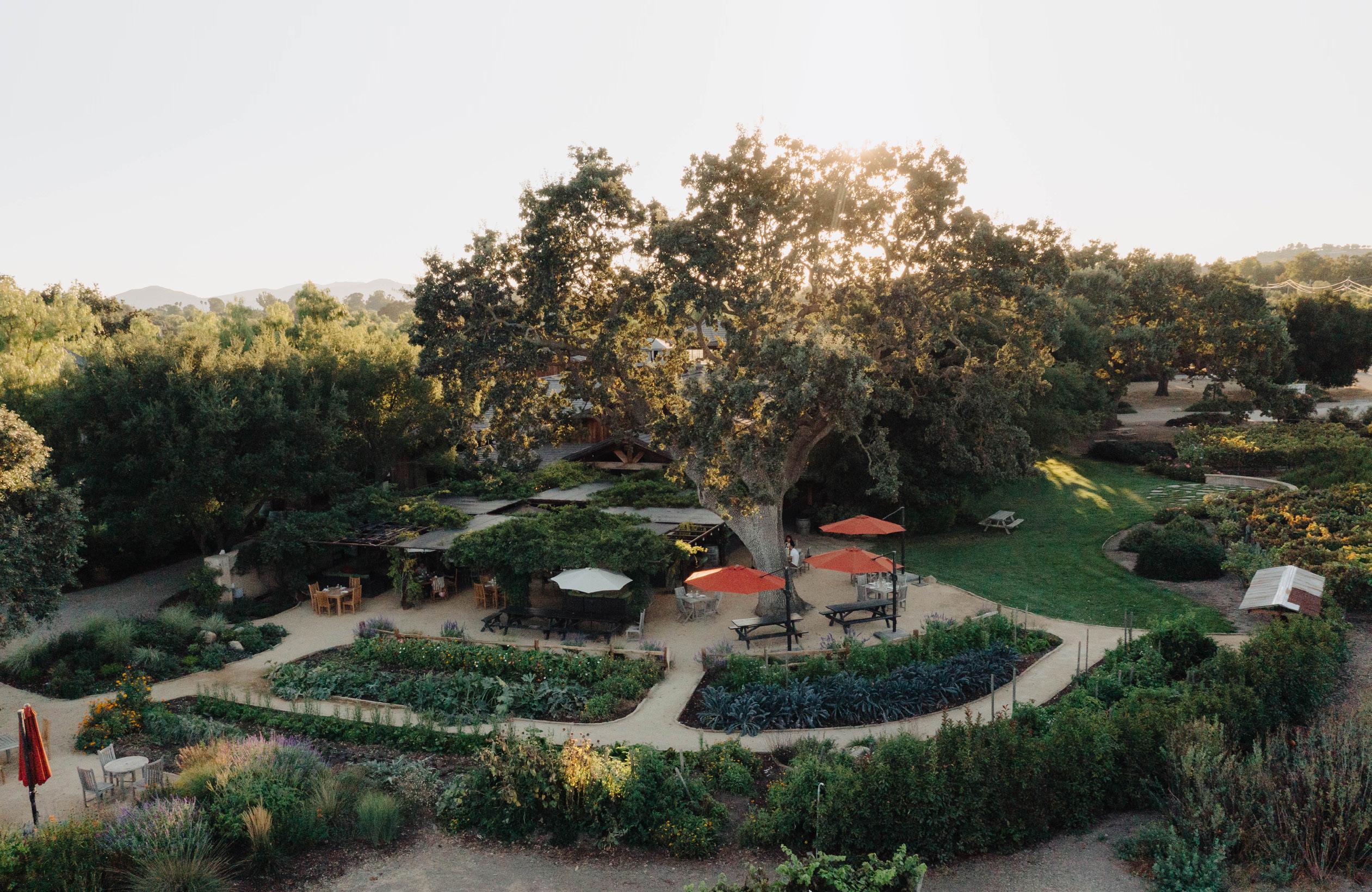
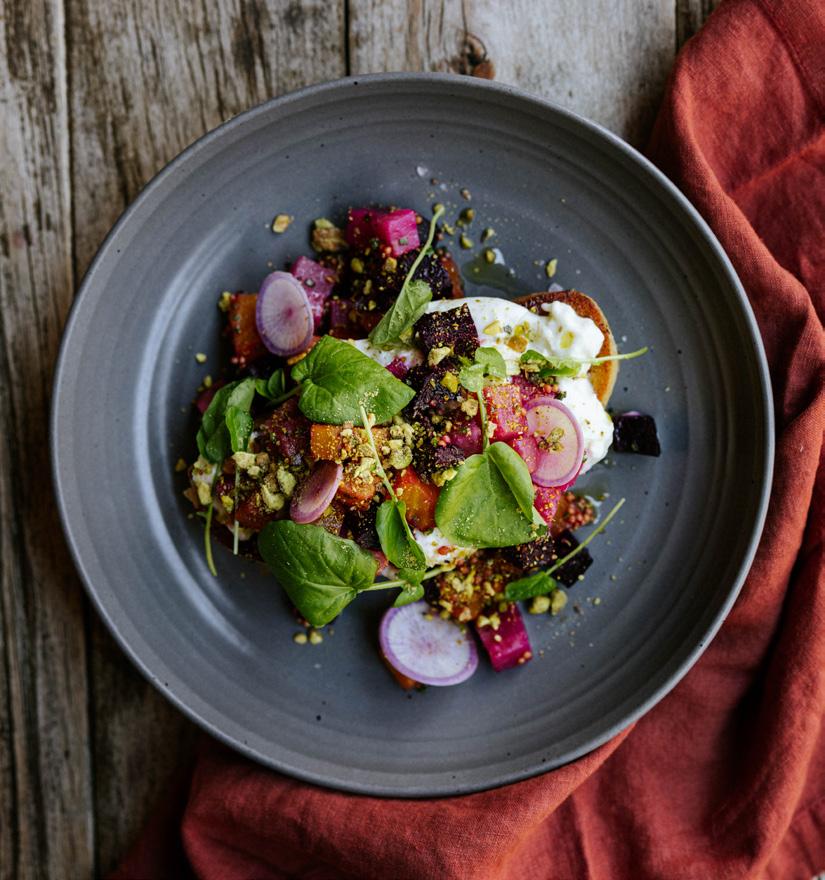
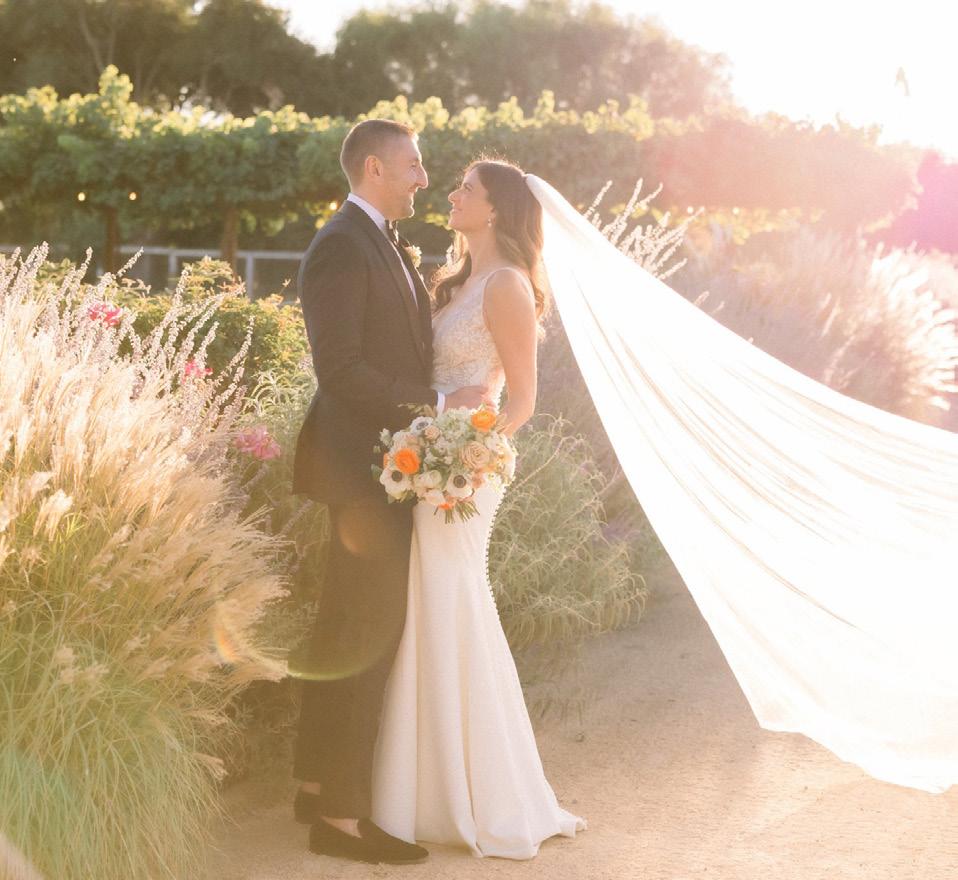
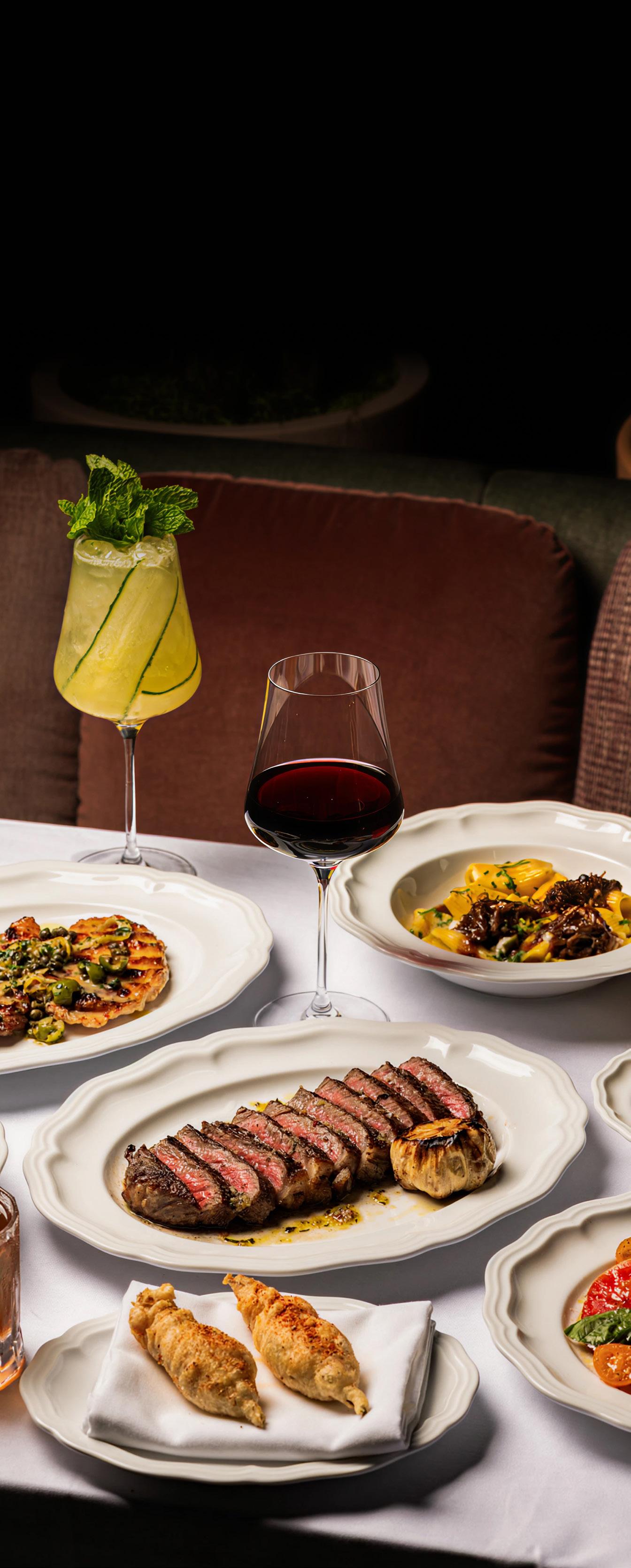
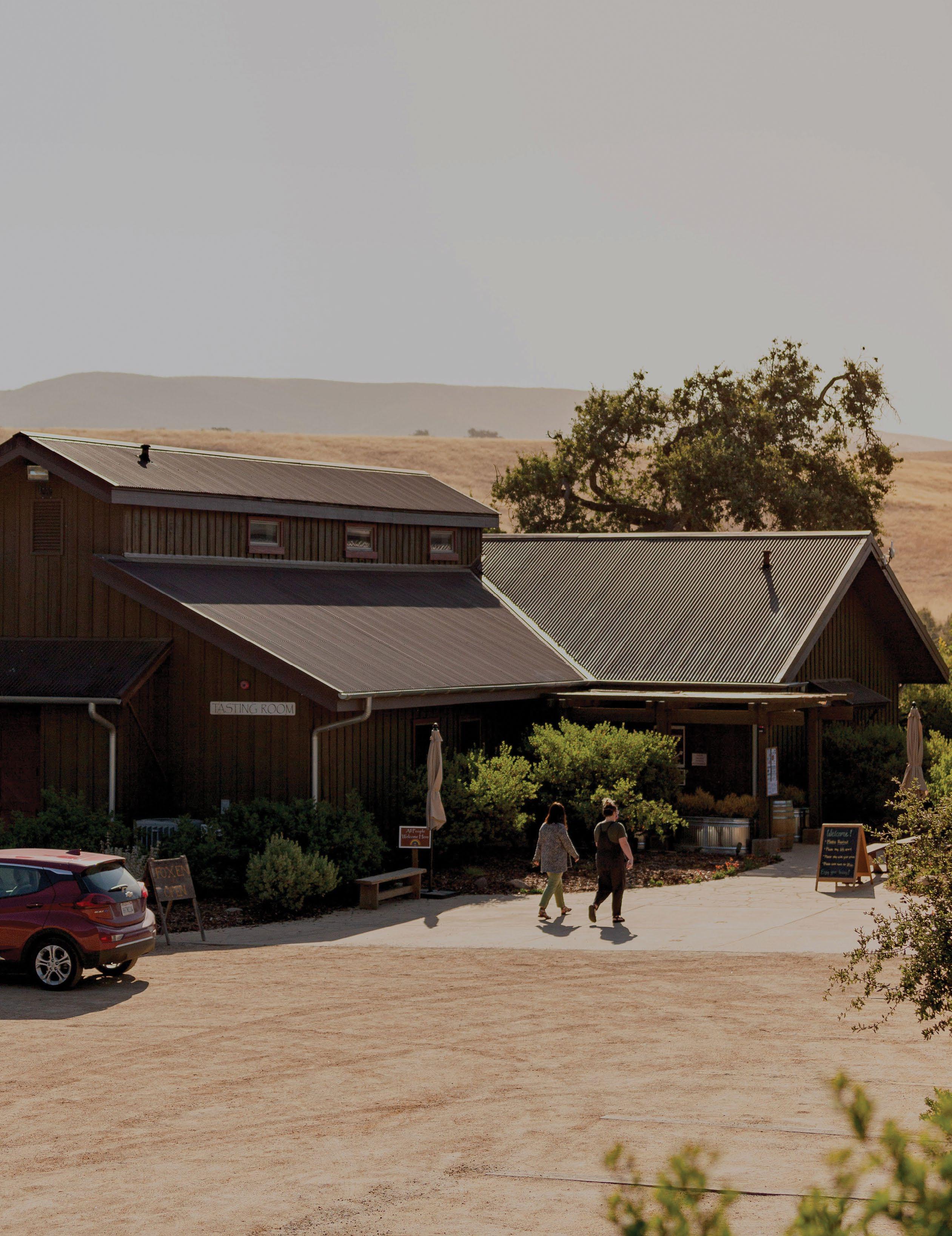
Roblar Winery is the premier destination in the heart of the Santa Ynez Valley. Enjoy expansive indoor and outdoor tasting venues on our estate vineyard property. Complete with an onsite farm and world class culinary program, we offer farm-to-fork food and wine experiences seven days a week. Ask about our private events.

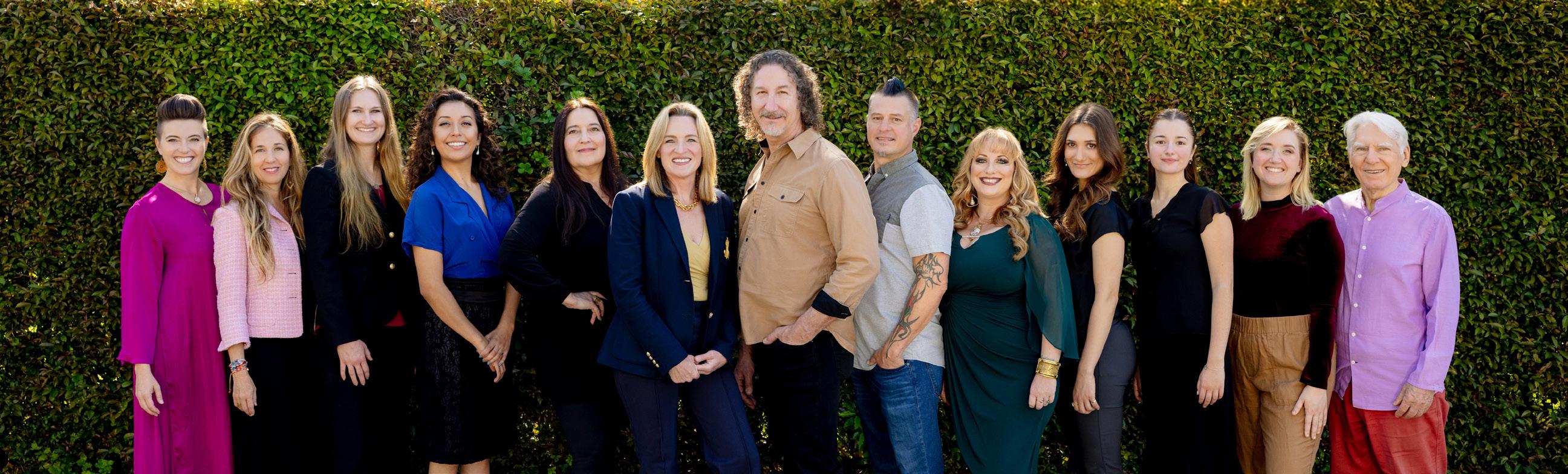
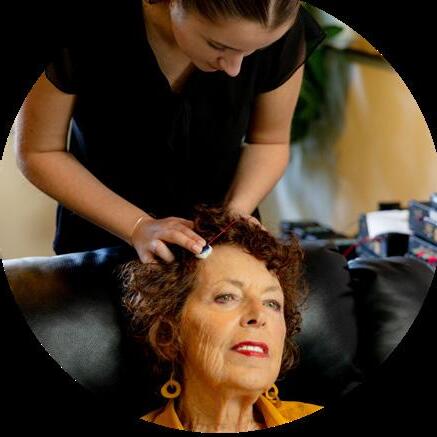
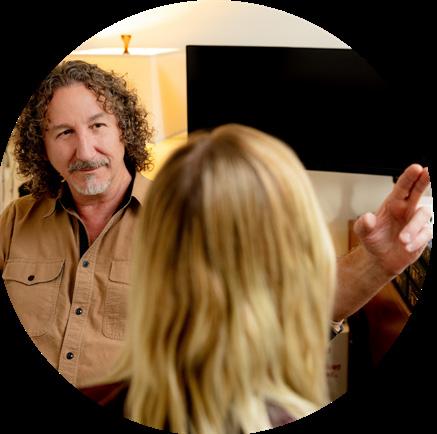
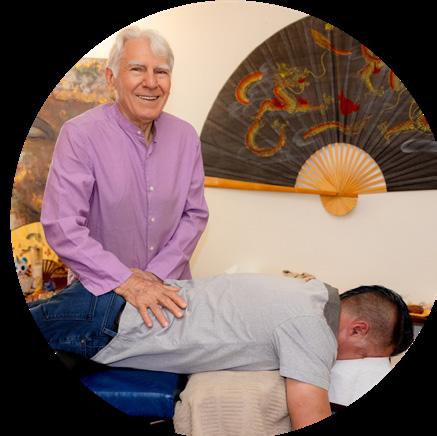
NeuroField Neurotherapy provides personalized, non-invasive brain-based care through advanced brain mapping, multimodal neurostimulation, and neurofeedback, targeting the neurological patterns behind symptoms.



Mood, Anxiety & Stress
Trauma, PTSD & Brain Injury
ADHD, Attention & Learning Differences
Sleep & Insomnia
Addiction & Withdrawal
Obsessive Compulsive Disorder
Memory & Cognitive Decline
Peak Performance







EDITOR IN CHIEF & PUBLISHER Ottocina Ryan
ART DIRECTOR Vide Olsson
SOCIAL MEDIA MANAGER Alexandra Lee
BRAND PARTNERSHIPS & ADVERTISING MANAGER Eva Grunburg
STAFF PHOTOGRAPHER Silas Fallstich
PHOTOGRAPHERS Jesse Hovey, Jen Huang Bogan, Torrey West
WRITERS Eva Grunburg, Jen Huang Bogan, Sophie Jetzer, Lucia Johansen, Alexandra Lee, Andrea Manokian, Maddy Sims, Nathalie Tovar

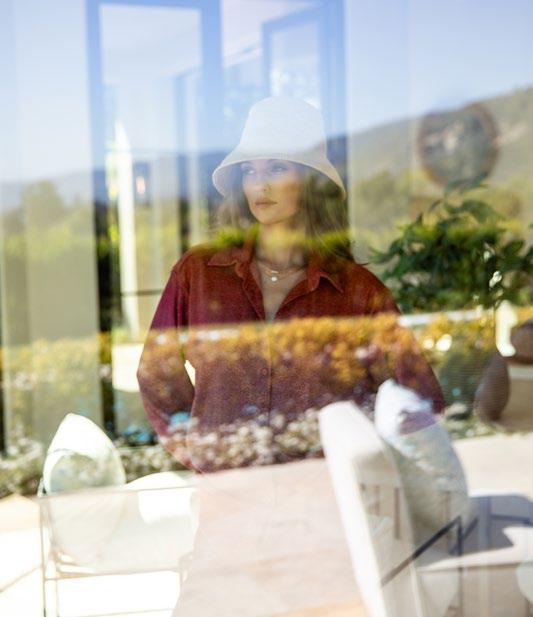
PHOTOGRAPHER Torrey West
MODEL Amanda Mondale with Women Management
STYLIST & MAKEUP Helen Grace HAIR Katie Lee
STYLING ASSISTANT Emily Elizabeth
LOCATION 220 Montecito Ranch Lane in Summerland listed with The Kogevinas Group Berkshire Hathaway HomeServices
INTERN Thanah Anderson Santa Barbara Life & Style Magazine is published by Santa Barbara Life & Style, Inc. 26 West Mission Street #5, Santa Barbara, CA 93101 For distribution, advertising and other inquiries: info@sblifeandstyle.com santabarbaralifeandstyle.com

The perfect summer day: 75, sunny, and full of play.
Seedling to salad, Montecito’s Monte’s pulls their dishes straight from the earth.
Local, warm, and rich: the ingredients to a great cup of joe, and an even better experience.
Tamara Kaye-Honey’s Montecito enclave is the blueprint for fun, earthy, and balanced spaces.
A peek into Santa Barbara’s stand out homes, through the lens of Holly Lepere.
Summer is a state of mind at this Summerland estate.
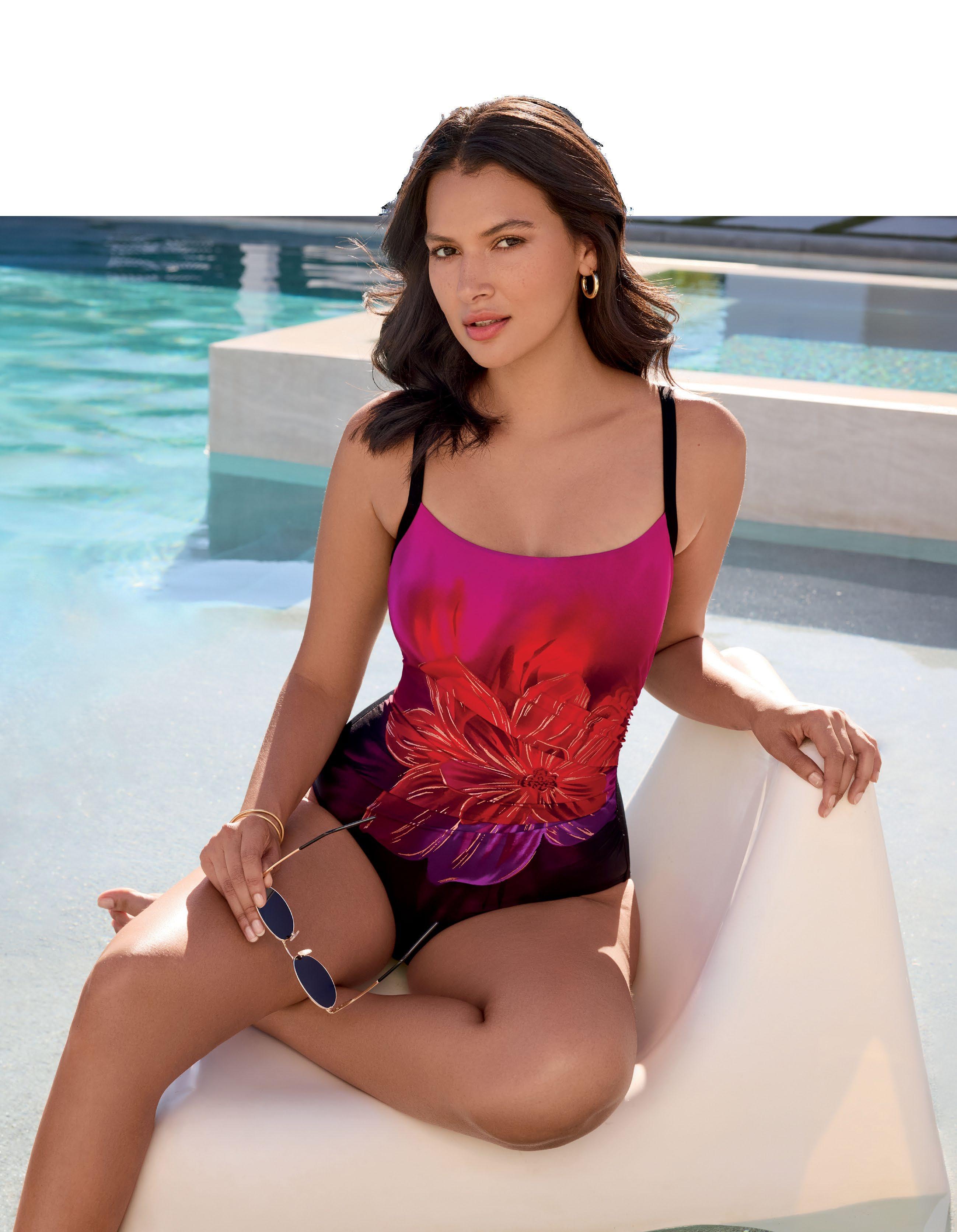
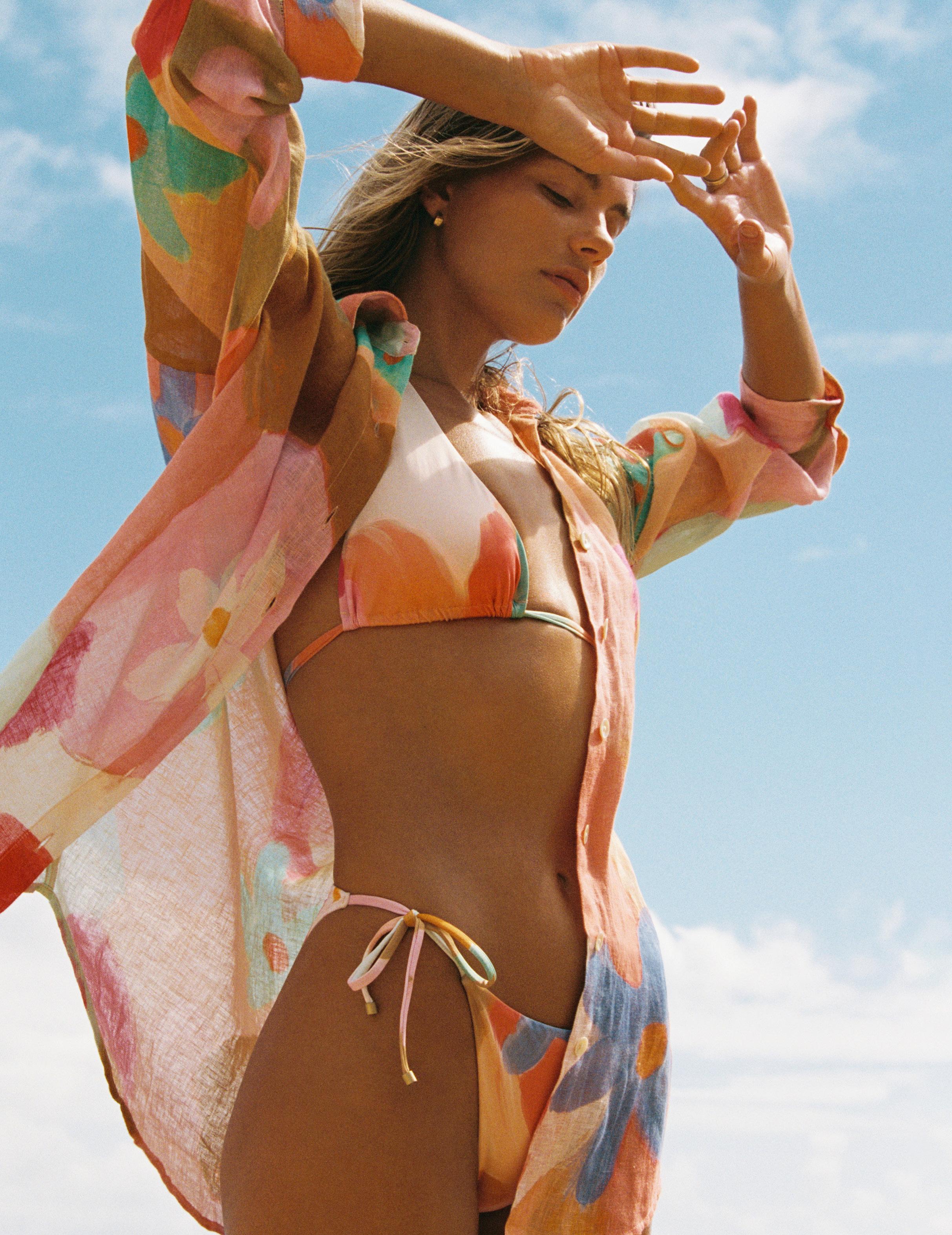
Supplement your wardrobe with a dose of Vitamin A's sustainable swimwear.
Who said swimsuit shopping had to be hard?
FIFTH & FIFTY-FIFTH
Historic, glamorous, and freshly redesigned to become your new favorite metropolitan sanctuary.
Serene splendor At The Ritz-Carlton Laguna Niguel.
Our spa to surf essentials, tucked away in the Ritz-Carlton x Kilometre Le Tube basket.
Finding peace in the PNW.
Circle the globe with Richard Hadida on the sustainably oriented Oyster World Rally.
The iconic Post Ranch Inn: adventure provoking, ruggedly beautiful, and the perfect Pacific refuge.
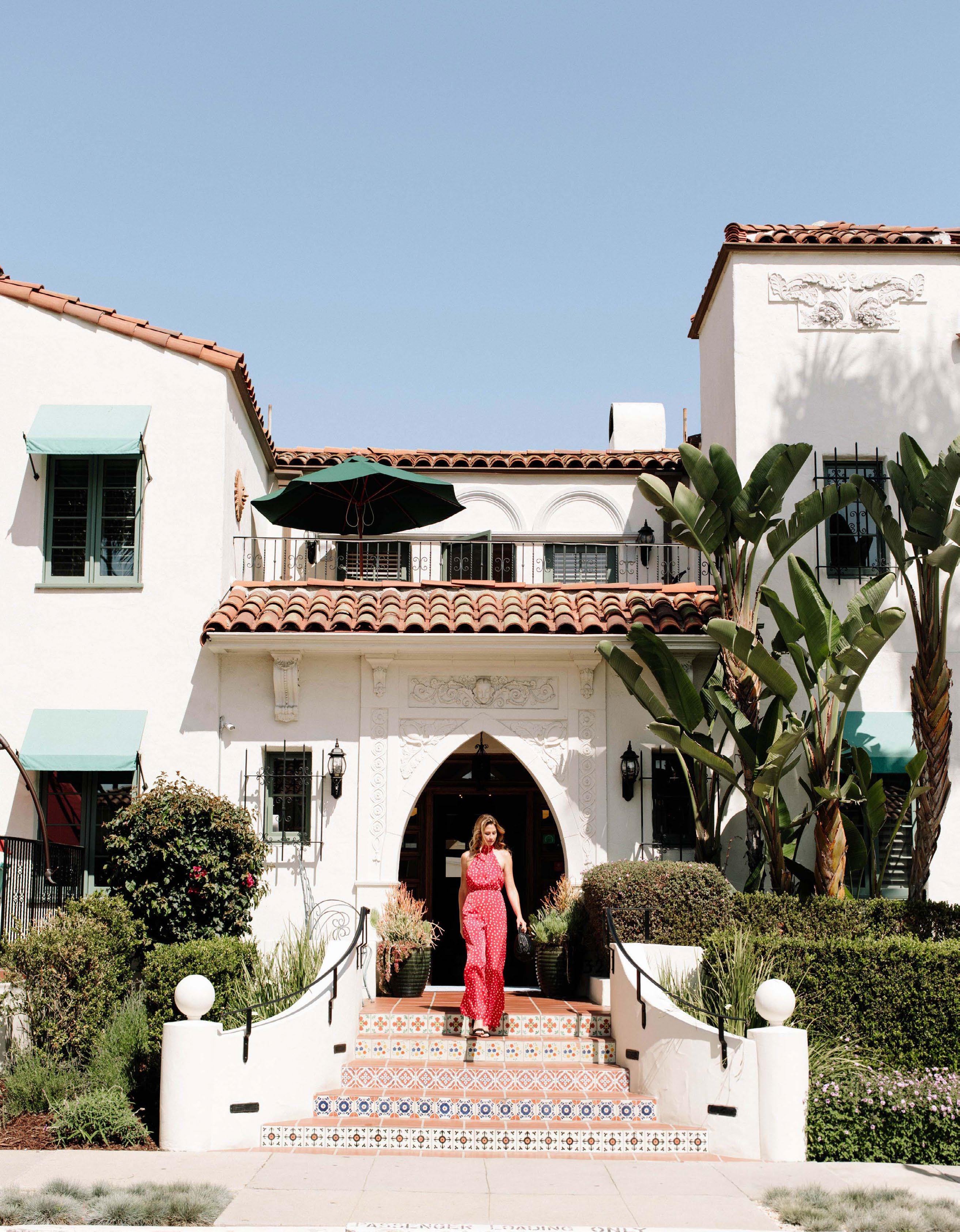

A romantic bed and breakfast, steps from West Beach and The Funk Zone

WRITER Alexandra Lee
BONJIL AESTHETIC ALCOVE N°2 PERFECTION ÉTERNELLE COLLECTION SET
Like an ultra-luxe music box for grown-ups, this beautifully designed alcove transforms your getting-ready routine into a multisensory journey. Complete with a built-in Bluetooth speaker and ambient lighting, it sets the tone for slow, indulgent mornings, designed to engage sight, sound, and mood in one elegant statement piece.



Sleek, sculptural, and endlessly versatile, this high-gloss portable lamp delivers an instant summer refresh to any space. Completely cordless and boasting up to nine hours of battery life, it moves effortlessly from indoors to out, casting a warm, ambient glow over long, laughter-filled evenings.
That impossibly plush hotel robe you never forgot? Consider this its equal. Made from a sumptuous blend of cotton modal and velour, this statement robe elevates the everyday moment into something worth lingering in, whether worn post-bath or poolside. Once on, there’s no going back.
7
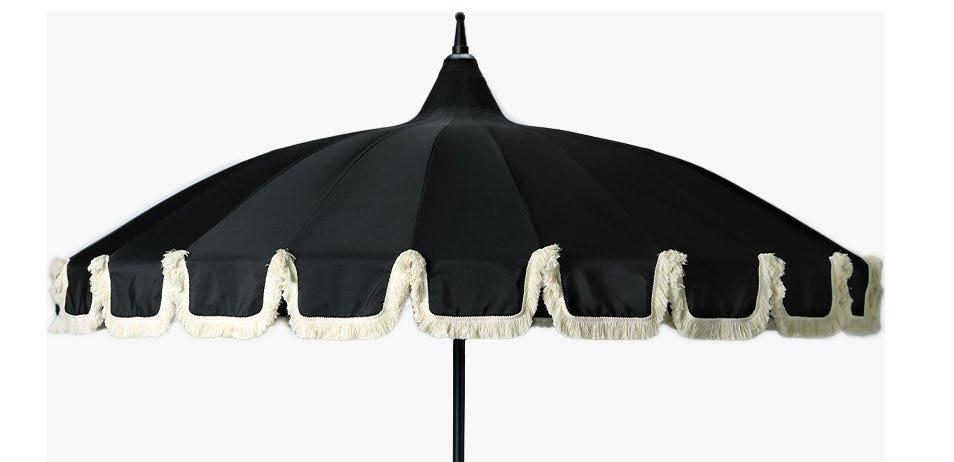
Every outdoor space deserves a touch of drama, and this fringed parasol delivers just that. With its richly hued canopy and playful trim, it makes a striking statement while offering serious function, blocking 98% of UV rays while creating a chic, shaded escape for sunny afternoons.
These ceramic bowls bring instant charm to an al fresco table, channeling sun-soaked lunches along the coast of Capri. Generously sized for pastas, soups, and vibrant summer salads, they’re as functional as they are eyecatching—ensuring your home-cooked dishes always steal the spotlight.
4
Woven from 100% natural hemp, this Italian-crafted sun hat balances rustic texture with a structured silhouette. Lightweight and breathable, its wide brim offers protection, for mornings lounging poolside or breezy afternoons at Butterfly Beach. Discover Eleventy’s signature Italian tailoring in person at The Post Montecito.



6
You’ll quite literally carry the cosmos with this celestial-inspired evening bag from CHANEL’s Spring/Summer 2026 collection. Crafted from resin and gold-toned metal, it doubles as an objet d’art—complete with its own globe-like stand for display when not in orbit. Shop the CHANEL boutique at Rosewood Miramar Beach.



Our handmade favorites from the mountains and beyond.
WRITER Sophie Jetzer
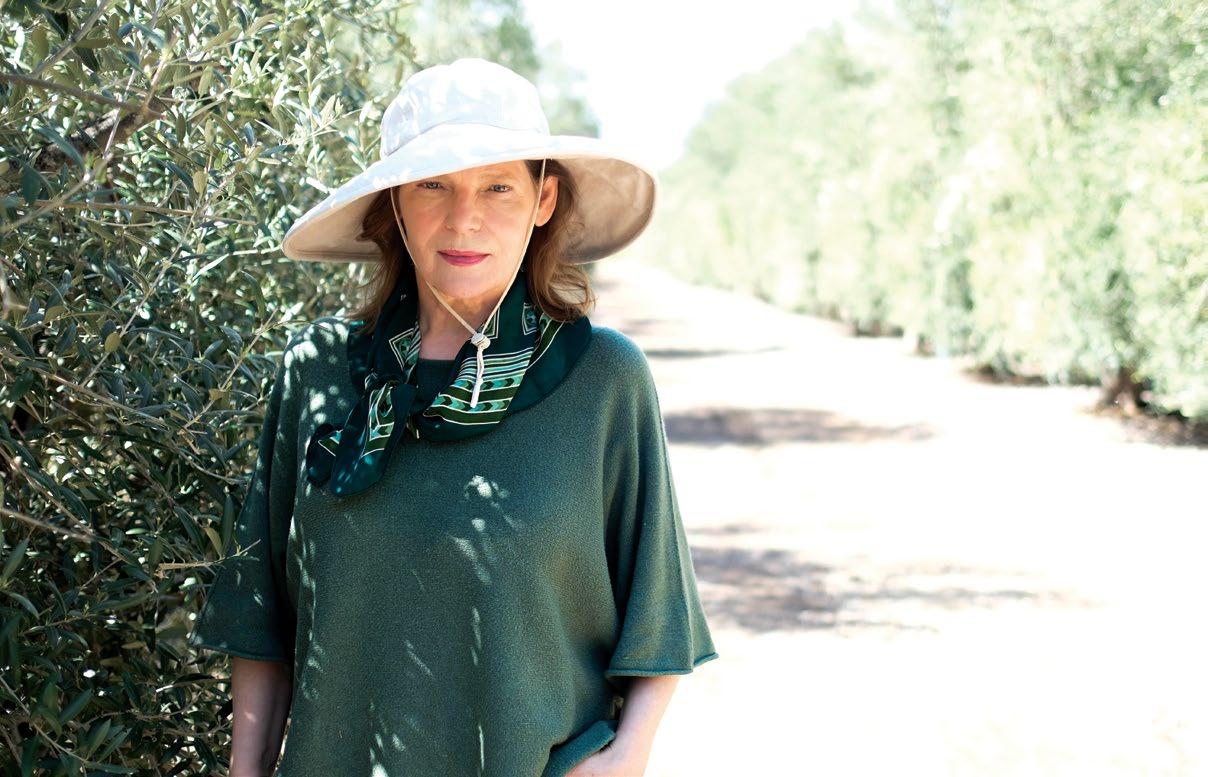
Carolina Gramm mentions she's in her early seventies. I would have guessed fifty. Even over Zoom her skin is glowing. An 80s supermodel and face of Chanel N°5, she has since become a skincare savant. Her line, Extra Virgin Skin, began in Carolina's olive oil tasting room in Ojai, and has been committed to sustainability, refinement, and, most importantly, 100% natural ingredients since the beginning. Throughout her career as a model in New York, Carolina became frustrated with the creams that would continuously cause problems for her sensitive skin, and became determined to create her own. After she fell in love with creating olive oil from her farm, she decided to infuse the world of skincare with her very own liquid gold. Extra Virgin Skin’s products, from their coffee-infused Bio Retinol (it’s plant derived so you can still go in the sun) to their Organic Edelweiss Gel, are loaded with unique ingredients offering anti-aging attributes. Formulated, manufactured, and packaged in Ojai, this hands-on approach offers 100% quality control. Founded on the star ingredient, all creams and lotions are based on the emulsion of olive oil and water, and with that, Hydroxytyrosol, EVOO’s hidden secret. A potent antioxidant, hydroxytyrosol is one of the most powerful anti-aging ingredients available, and protects the skin from free radical damage, maintains collagen strength, and supports overall skin health over time. Growing up in Northern Italy, where the antioxidant-rich flower edelweiss grew plentifully, Carolina says, “My must-have ingredients are olive oil, edelweiss, and peptides.” The combination of the powers of both plants, as well as the plumping agents of peptides serve a holistic approach to skincare that prioritises a clean, healthy, and efficacious result over anything else. After all, who better to trust with your face than a supermodel? extravirginskincare.com
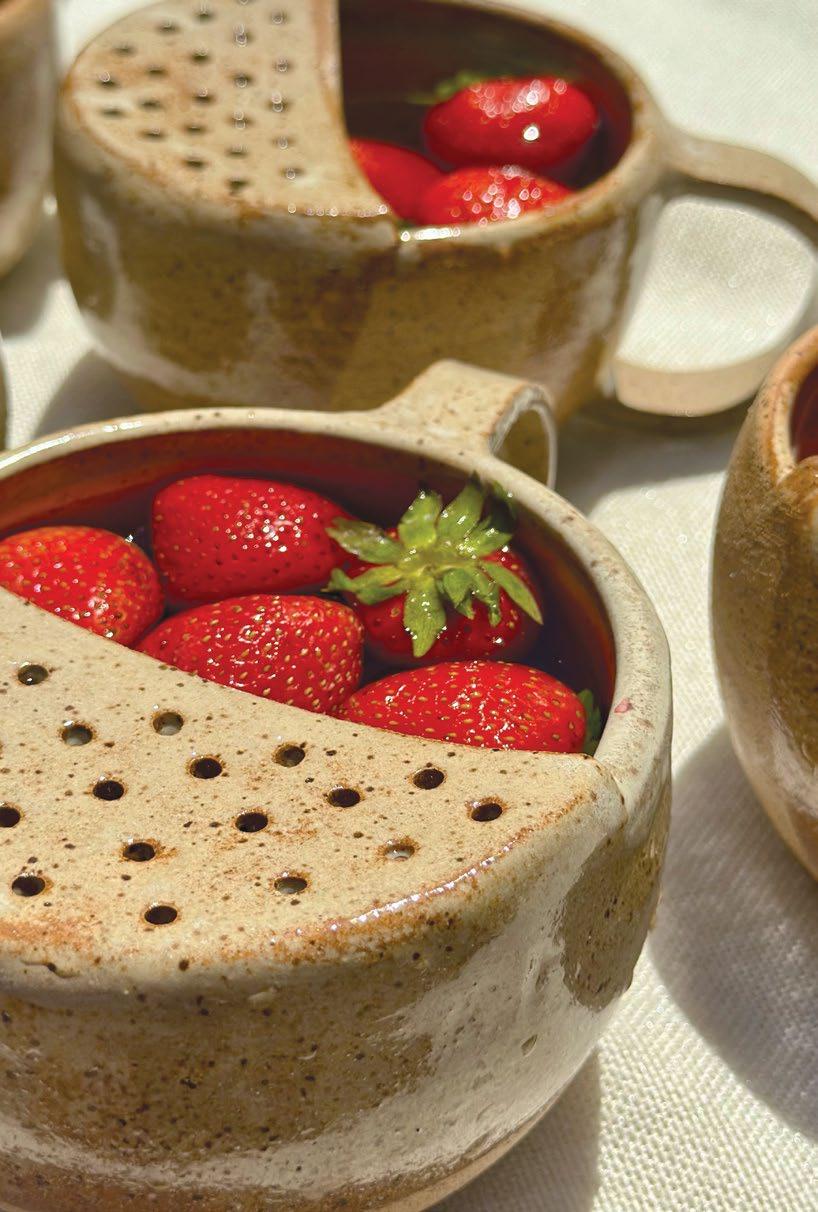
Functional, hand-crafted, and a beautiful piece of decor? Count us in. Ojai’s very own Roca Ceramics’s Ojai Colander Cup has taken the internet by storm, and we can tell why. Wheel-thrown from high-quality stoneware clay and inspired by Ojai’s soft, earthy, natural color palette, this piece blends intentionality, aesthetics, and use seamlessly. Made in small batches and created to be dishwasher-safe, the Ojai Colander Cup combines natural texture and thoughtful design, creating moments of mindfulness even in the most ordinary kitchen task. Designed for rinsing fruit, the cup is hand-pierced to allow gentle draining, and as they are handcrafted, every one is unique. Natalie Goods, founder and ceramicist, says, “I wanted to create a piece that honors simple, joyful routines.” rocaceramics.com

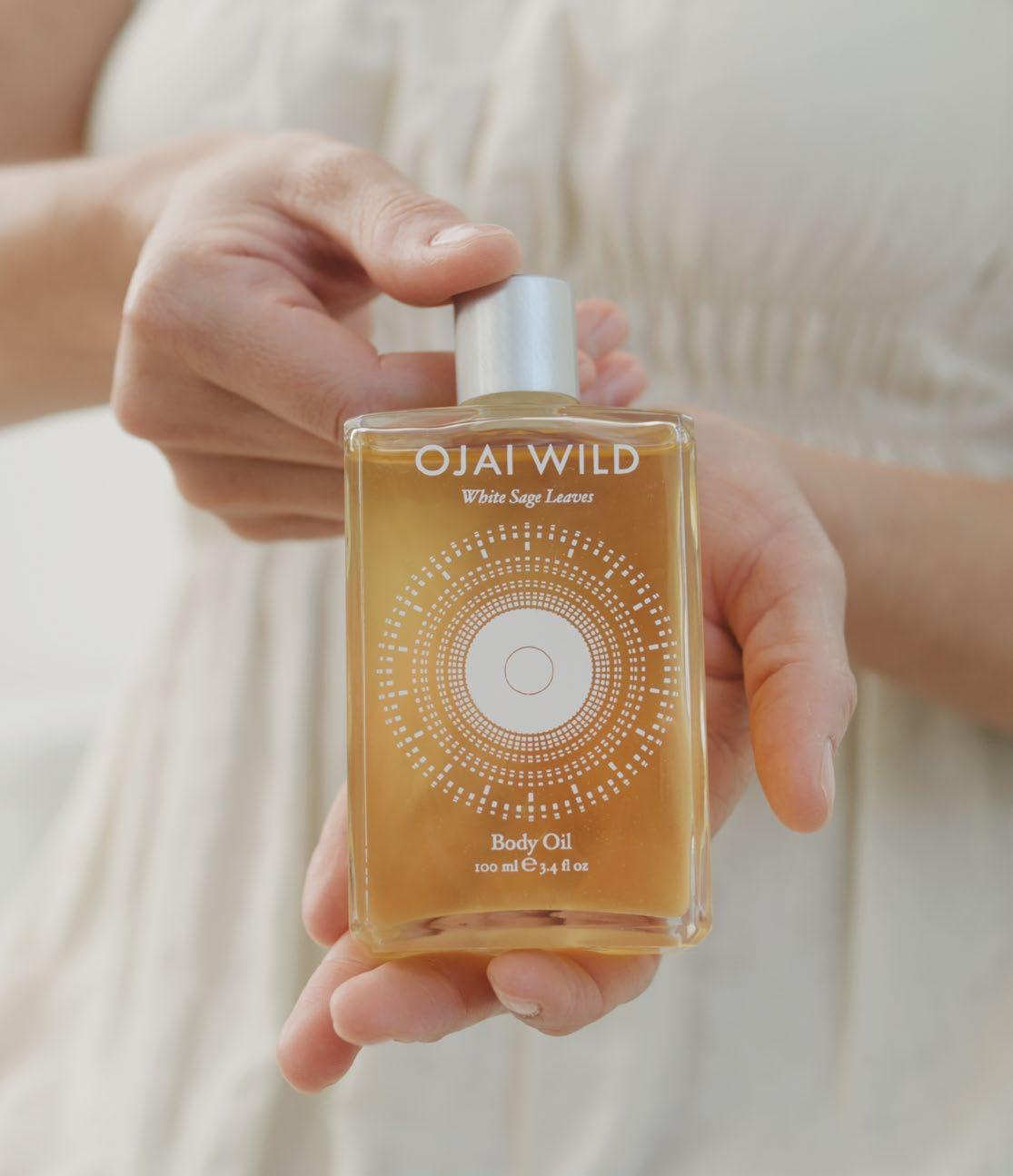
“There is nothing more powerful for the body, mind, and soul than the healing force of nature,” says Ojai Wild founder and nose, Janna Sheenan. Ojai Wild’s fragrances and skincare are formulated from Ojai-grown aromatic herbs, flowers, resins, and roots, honoring the earth, its rhythms, and your skin since 2017. Ojai Wild’s in-house hydro-distillery, raw material rendering lab, and focus on zero waste and undiluted biological ingredients pushes boundaries, culminating in healthy, glowing skin, and a luxuriously aromatic experience. A lover of both science and human connection, Janna explains, “I became captivated by unconventional scents—ancient fragrances rooted in nature. Countless hours road-tripping along California's coast, collecting soil, seaweed, and resin from ancient trees, fueled my passion for creating unique tinctures.” She channeled this fascination into colognes like White Sage Leaves, Chamomile Flowers, and Redwood Leaves. Grown, harvested, and distilled in Ojai, Janna’s skincare is the definition of clean beauty. Ojai Wild’s products are built around compounds like Phyto Glow, a delivery system designed to nourish the skin like a potent vitamin supplement—nutrient dense and supporting clarity and luminosity. From their Yarrow Phyto Glow Facial Oil, to Rose Love Cologne the aromatics, textures, and applications of Ojai’s untamed natural spirit rejuvenate and revive. ojaiwild.com
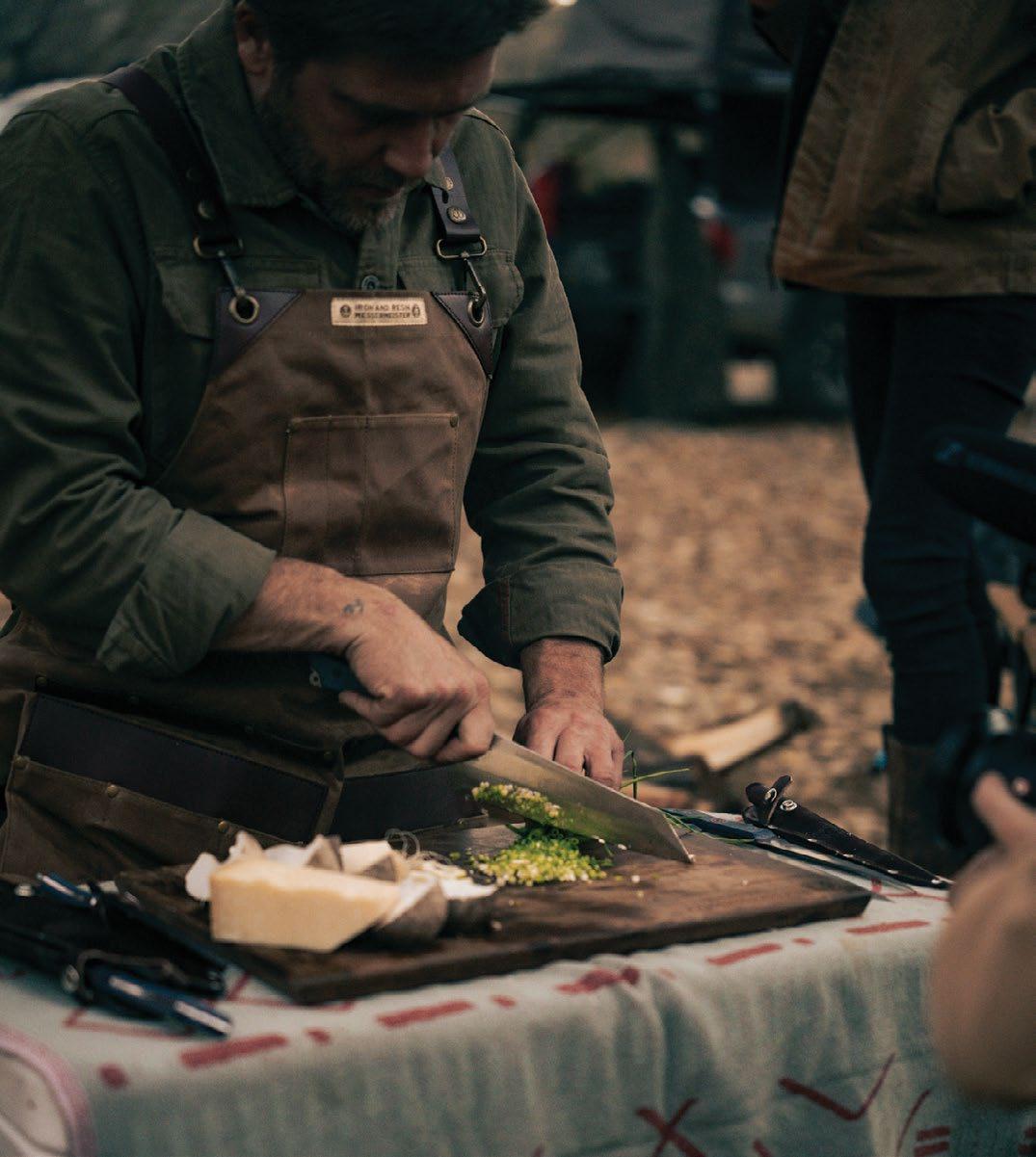
United in a commitment to an authentic, lived-in California lifestyle, Messermeister and Iron & Resin have come together to celebrate the rituals of gathering and cooking in their new capsule collection, Field and Flame. Inspired by the outdoors and adventure, the collection consists of a small run of Messermeister knives, each accompanied by a custom buttery leather sheath, ensuring ease in wearing, carrying, and protecting the blades. Their denim micarta handles and red G10 liners are built for durability and performance, simultaniously keeping with Iron & Resin’s distinctly Central Coast style. Rounding out the collection are denim and canvas waxed aprons, vintage-inspired graphic tees, and a waxed canvas hat, all of which are created with intention and fit in perfectly in the living room or at the campfire. Leading manufacturer of premium handcrafted chef’s knives, kitchen cutlery, and cooking tools, the Ojaibased and women-owned Messermeister creates works of art that are professional chef and home-cook favorites for their quality. Ventura-based men’s lifestyle brand, Iron & Resin, is the brainchild of several friends who decided to rebel against the industry standard of disposable, fast fashion. Together, the labels have created a capsule collection that is the holy grail of any California adventurer.
messermeister.com
WRITER
Maddy Sims
PHOTOGRAPHER
Jack
Dahlia
An inside look at Monte’s in Montecito, a new farm-to-table restaurant created by Endwell Hospitality and their Rincon Hill Farm.
There’s a Korean farming philosophy known as Jadam. It’s an approach rooted in the belief that the most effective systems already exist in nature. It favors patience over intervention, local materials over synthetic ones, and a deep respect for the land itself. At Rincon Hill Farm in Carpinteria, Endwell Hospitality is putting that philosophy into practice.
The group arrived on California’s Central Coast a few years ago, setting out to build Rincon Hill Farm from the ground up. What they found wasn’t exactly fertile ground. The soil was depleted, requiring years of careful restoration before it could yield anything meaningful. Rather than rush the process, they committed to rebuilding it slowly and deliberately.
A rigorous composting program now produces nutrient-rich fertilizer entirely on-site. Rows of ginkgo trees act as a natural pesticide, while cover crops help regulate the ecosystem and deter
pests. Across the property, young trees are beginning to take hold—investments that won’t fully materialize for years. Everything about the farm is designed with longevity in mind. “We’re definitely playing the long game,” says Ryan Sohn, founder and CEO of Endwell Hospitality. “But we’re here for the long term. To us, success is becoming a big part of the community.”
That vision extends well beyond the farm itself. Rincon Hill Farm is just one part of a broader ecosystem Endwell is building across the Santa Barbara area. There’s Monte’s, a restaurant Sohn hopes will evolve into a local hangout. The farm will also function as an event space, hosting tours, private dinners, and cooking classes—including a potential kimchimaking workshop led by Executive Chef Daniel Kim. And then there’s The Palms: a multi-story project in Carpinteria that will house a farmer’s market, a casual eatery, a fine dining concept, and a rooftop space, all centered around the farm’s output.
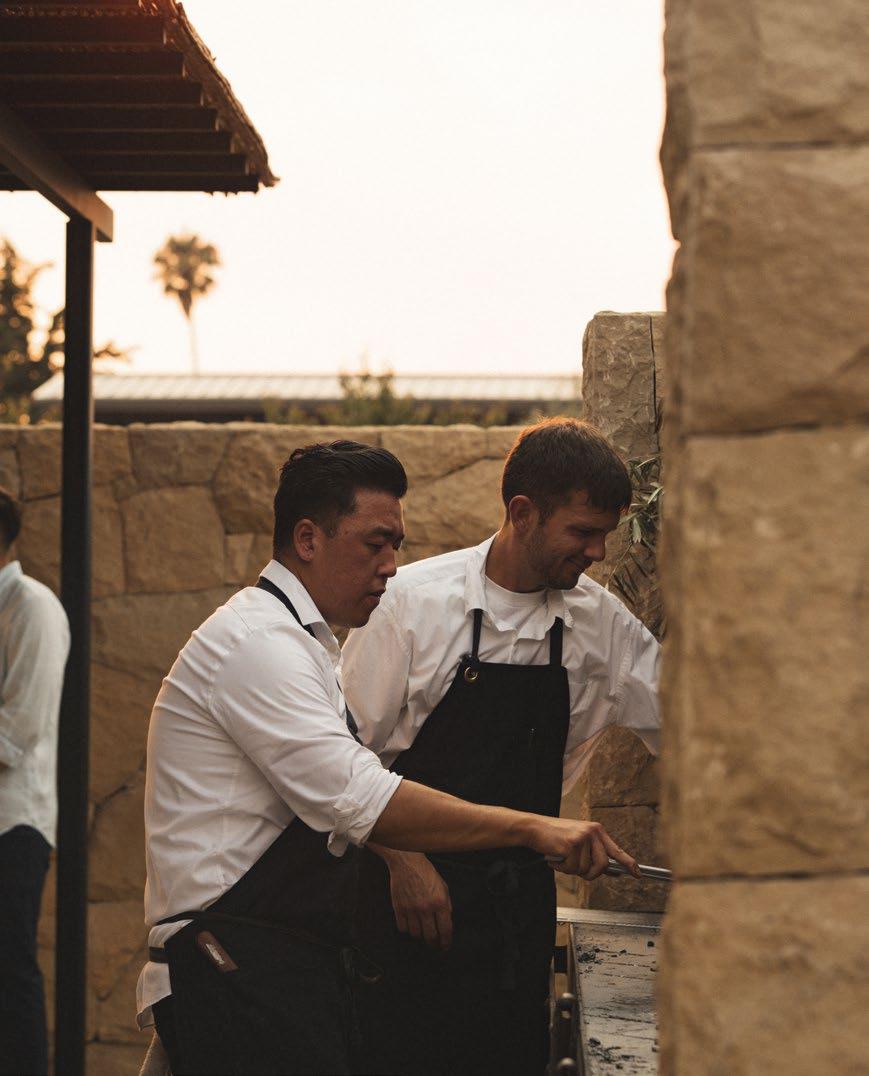
The idea has been years in the making. Sohn and Kim first worked together at Michelin-starred The Restaurant at Meadowood in Napa Valley, where a focus on farming was embedded into the culture. Kim had already been working as a chef, eventually rising to executive sous chef. Sohn started in prep before moving onto the line. The experience completely reshaped their approach to food.
“ You appreciate the produce so much more when you see how hard it is to grow a carrot and how backbreaking this work is,” Sohn says. “You value your ingredients, and you treasure every piece.”
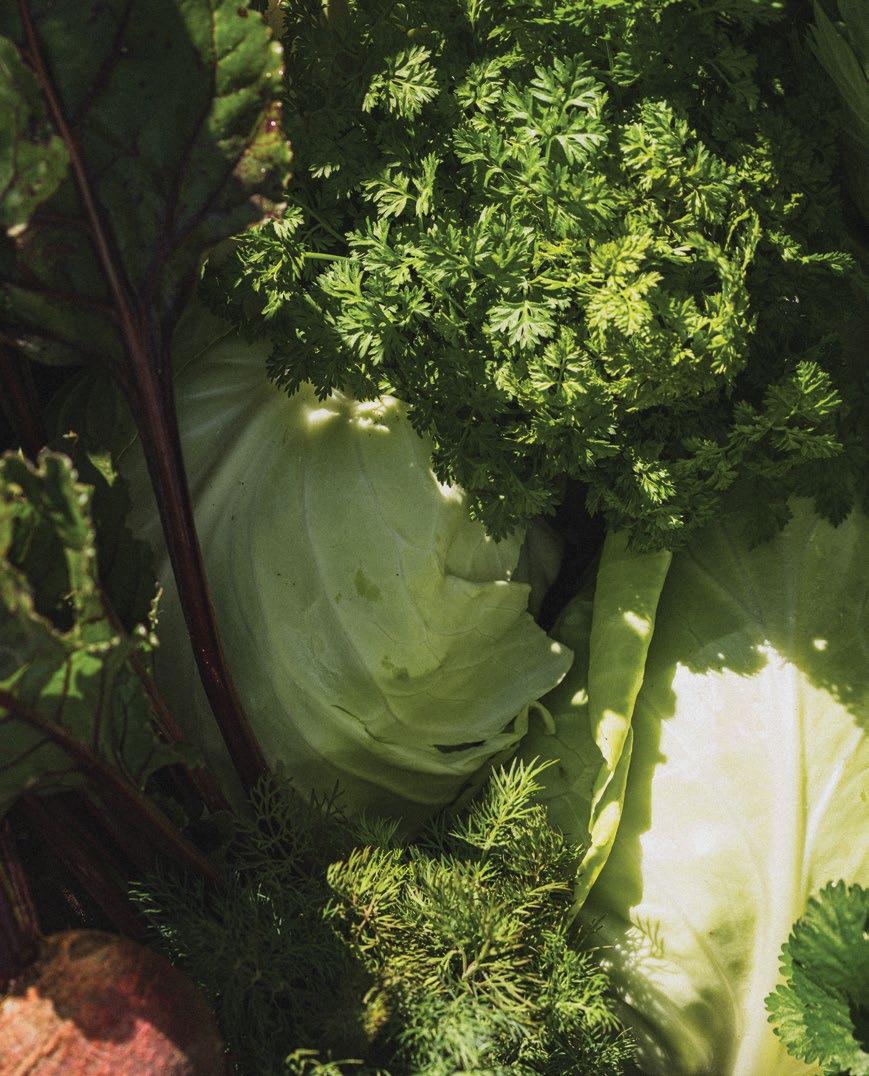
That ethos is evident across Rincon Hill Farm, where very little goes to waste. Wood used to cultivate mushrooms is repurposed from construction sites. Sunflower heads are transformed into an inventive stand-in for artichoke hearts. Even the cover crops can be harvested for use in the kitchen.
In the barn, farm director Chloe Lobdell tends to trays of seedlings under grow lights—micro chives, corn sprouts, radishes, sunflower shoots—all in their earliest stages of development. “Starting the seed is the most temperamental part,” Sohn explains. “So we get them to a certain point in here, and then move them into the farm so we can get exactly our yield.”
Some of the most experimental work is happening under the direction of Tim King, the farm’s director of mycology. Inside a controlled growing space, clusters of lion’s mane and maitake mushrooms form dense, cloud-like structures. Outside, beneath an avocado orchard, rows of upright logs have been inoculated with spores. Over time, they will produce mushrooms shaped as much by the coastal climate as by the soil itself.
“We’re trying to highlight the things that we're doing differently versus other farms,” Sohn says. “We’re purposefully growing things here that no one else is growing—both for flavor and to try and find different varietals that work well here.” One example: A row of ice cream banana trees, which yield fruit with a distinctly creamy, vanilla-custard flavor.
For Sohn, the goal is not just to grow food, but to shift perspective. “ With the amount of processed foods, I think it's important to see where your food comes from,” he says. “It took me until I was 27 years old to understand that, but we have the opportunity to put that in front of
kids so they can understand earlier.” The sincerity in his voice is unmistakable, as is his conviction in the power of the work. “It changes your perspective completely,” he adds. “You have a different appreciation and value towards food: where it comes from and how you eat. And food brings people together—it’s such a special thing.”
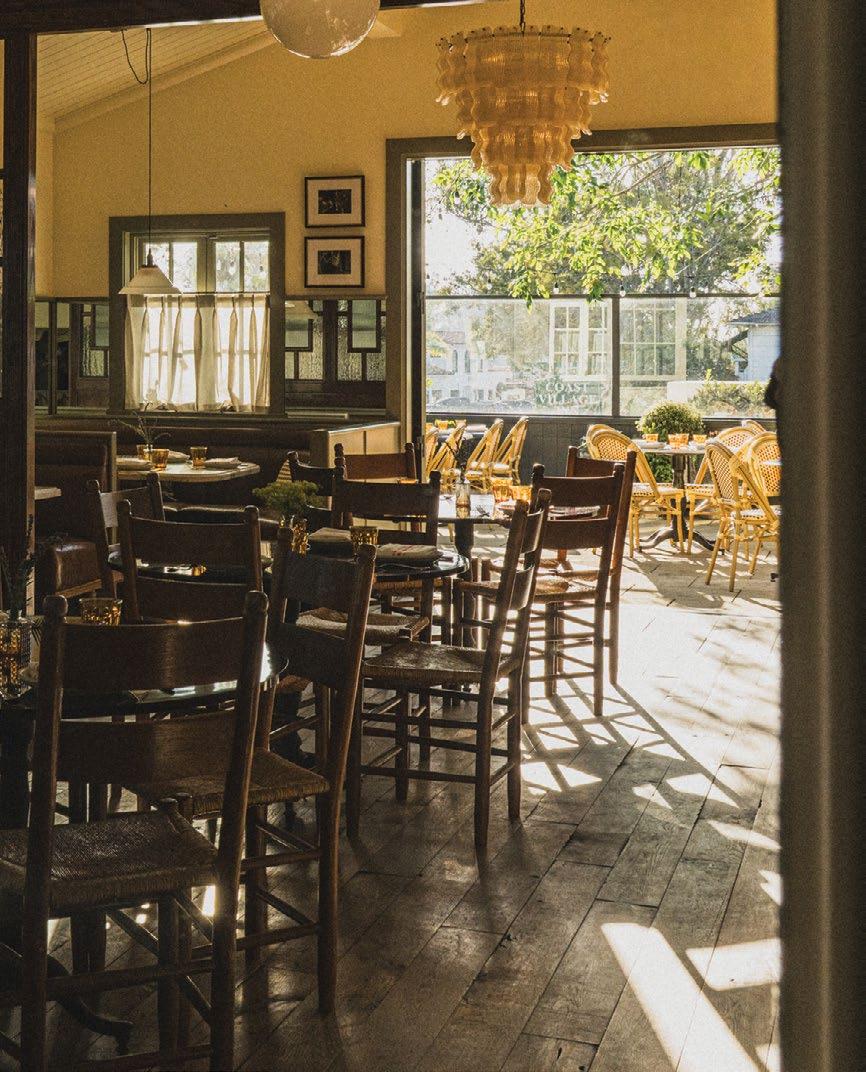
That philosophy comes into focus at Monte’s. Set just above Coast Village Road in Montecito, the restaurant feels both polished and inviting, shaded by a canopy of trees strung with softly glowing lanterns. A palette of warm neutrals—cream, amber, and orange—unfolds around a fireplace, a well-crafted wooden bar, and brown leather booths. The outdoor seating is painted gold by the setting sun.
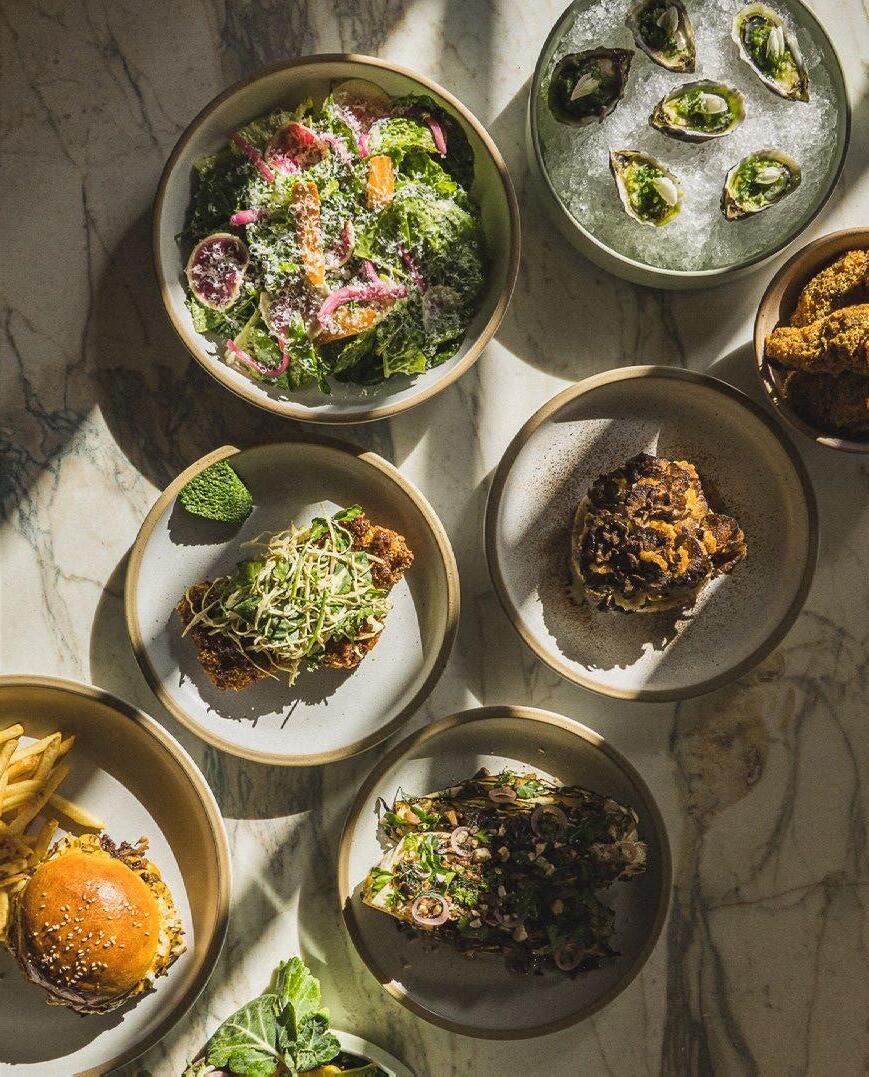
The menu reflects the same intention seen at the farm. An Orange Grove Negroni arrives balanced and aromatic, with a subtle citrus lift. Sourdough from Oat Bakery is served with house-cultured butter infused with Korean chives, for a rich, tangy, and slightly herbaceous bite. Farm crudités showcase produce harvested just miles away and are paired with a nutty sesame hummus.
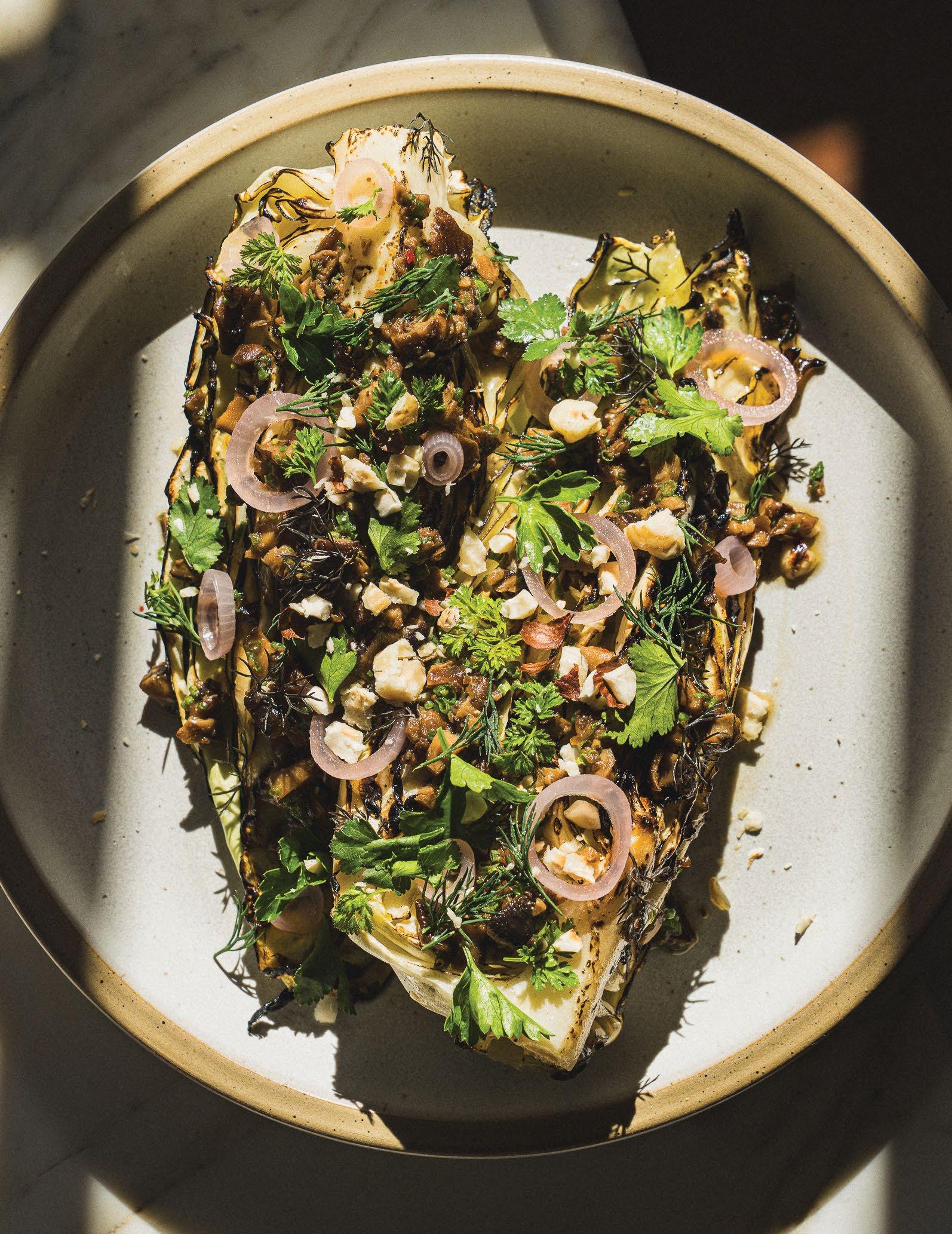
The coal-roasted cone cabbage is a standout, layered with smoked shiitake XO, tofu purée, hazelnuts, and garden herbs—an intricate, deeply savory interpretation of an often-overlooked vegetable. Monte’s smash, made with dry-aged chuck and covered in New American cheese, delivers an indulgent take on a classic dish. The wild rice pork katsu is equally compelling: crisp on the outside, tender within, with a dynamic interplay of umami, richness, and subtle heat.
Dessert is a carrot cake made with produce from the farm. It’s balanced rather than overly sweet, with a dense crumb and well-measured layers of cream cheese icing. By now, the sun has dipped below the horizon, and the space hums with conversation. Lanterns glow overhead, glasses clink, and the energy of the space settles into something warm and easy. Monte’s feels perfectly at home here.
In many ways, Endwell Hospitality mirrors the philosophy it draws from: patient, adaptive, and attuned to its environment. What began in New York, with concepts like One White Street and Rigor Hill Farm, is now taking root along California’s Central Coast. And like anything planted with care, it’s already beginning to flourish.*
but first, coffee
Welcome Coffee Co. founder June Habib on growing a business, coffee cupping, and cultivation.
WRITER
Andrea Manokian
PHOTOGRAPHER
Silas Fallstich
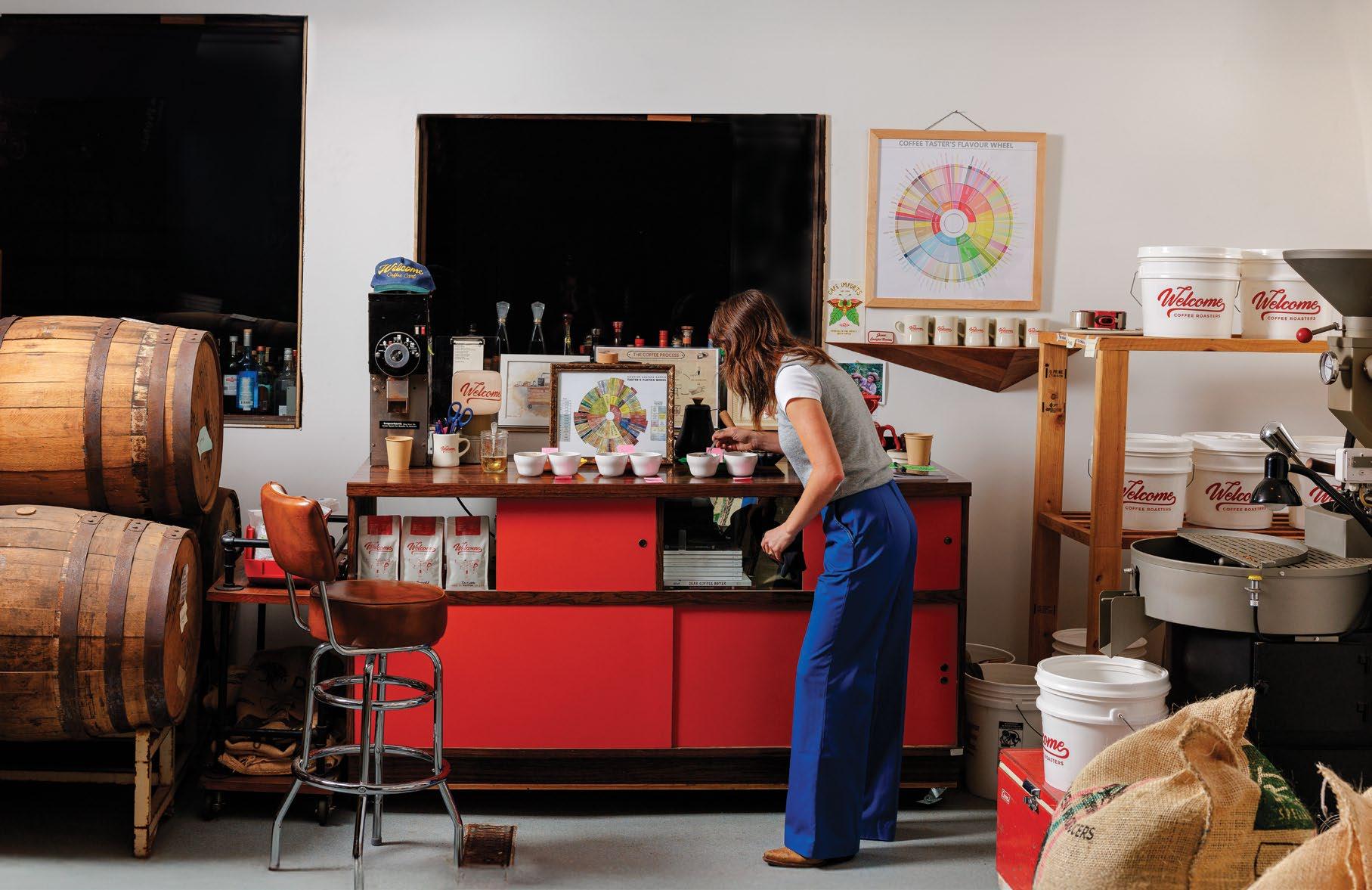
I meet June Habib outside of Cutler’s Distillery & Public House, the shared home of her newly opened roastery. A decade ago, June founded Welcome Coffee Co., a business that began as a mobile coffee cart and has since become a beloved staple in the Santa Barbara community. Inside, she introduces me to my first-ever coffee cupping experience—think wine tasting, but for coffee. Together, we sample and roast a batch of her deeply fragrant, full-bodied “June’s Friend Blend,” talking through coffee origins, flavor notes, and what’s next for her.
June grew up in rural Iowa, surrounded by farmers. “I was in 4-H (Head, Heart, Hands, Health) and FFA (Future Farmers of America), so agriculture was very much a part of my life, and still is,” she says. It was there that she cultivated a deep respect for the land and a lasting commitment to ethical farming practices.
What began as a trip to New Zealand soon turned into years spent working on a boat, sailing and traveling around the world. By 2013, June’s journey brought her to Croatia—an experience that would shape her life in meaningful ways. In the alleyways of Zagreb, dotted with artisan coffee shops, she discovered both her love for coffee and a sense of purpose. Speaking about the many coffee shop owners she met there, she enthusiastically states, “They were like the mecca of cool!” It was also in Zagreb where June realized how little most people think about the coffee bean supply chain, a realization that sparked her curiosity.
She eventually settled in Santa Barbara and established herself as a coffee trailblazer and champion of ethical sourcing. She started working at a local coffee shop called The French Press as a trainer and educator, then went on to launch Welcome Coffee Co., back when coffee carts were neither trendy nor well known. In many ways, she was a pioneer, creating a business model that would inspire others to follow.
Welcome Coffee Co. has since grown to include two coffee carts and a busy calendar of community, celebrity, and corporate events, with appearances for companies like Zoom, LinkedIn, Deckers, and more. In fact, while running her coffee cart on LinkedIn’s campus, she met Lauren, who is now her wife. She credits coffee as the reason for their kismet union.
June offers a rare opportunity for businesses to purchase coffee in bulk from a local female entrepreneur who prioritizes supporting all-women co-ops. Beyond events and wholesale orders, her blends are available at local gems like Idyll Mercantile, Flower Girl Bodega, Motley Crew Marketplace and Ranch in Buellton, and the soon-to-open Coyote’s Market in Carpinteria.
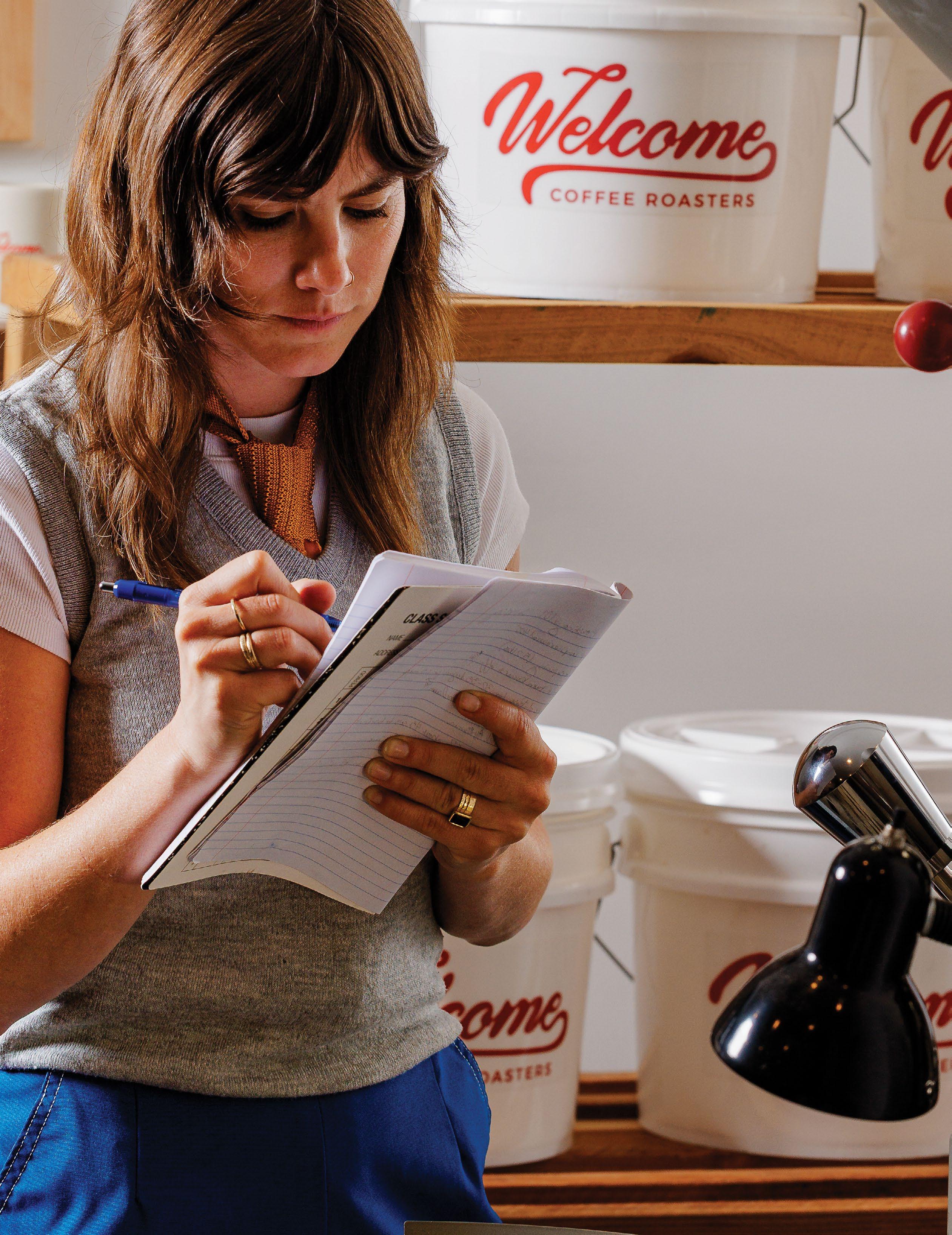
Her coffee is also available for locals to enjoy at Elsie’s Tavern, a well-known dive bar. More than placement, June’s partnerships mean a great deal to her. “I am very intentional about who carries my product,” she says. “I have a personal relationship with the owners of all these places.” She begins recalling local shop owners by name, praising each for a defining quality, a detail I find endearing and perfectly in line with who June is as a person.
One thing that immediately stands out about June is her willingness to uplift and support those around her. In 2021, she joined fundraising efforts to save Summerland Farm, which was at risk of being sold to investors for development. And that’s just one example. When AppFolio was designing their on-campus café and launching a coffee program, they enlisted June’s expertise. Where others might see competition, she sees opportunity to help. She guides aspiring coffee cart owners, crafting their architectural diagrams, taking hour-long phone calls, sharing equipment lists, and more. Her mentorship has inspired countless mobile coffee businesses across the United States, earning Welcome Coffee Co. the nickname “the coffee catering blueprint everyone copied.”
In the same vein, she’s quick to give credit to those who’ve helped her along the way, including Dart Coffee, which allows her to share a pallet on coffee bean orders to save on shipping costs, Dennis and Carrie of Coastal Coffee Collective, who taught her a great deal about roasting and sourcing, and Becky and Jadyn, friends she credits with helping her “nail the aesthetic and branding of the business.”
Most recently, Welcome Coffee Co. was a vendor at Santa Barbara’s first-ever Coffee Culture Fest where June served as a judge for The Latte Art Throwdown and joined the festival’s Roaster’s Panel, sharing insights on sourcing, roasting, flavor development, and more.
As we wrap up our tour of the roastery she shares with Cutler’s Distillery—a fun partnership that has led to the creation of their new coffee liqueur, available at the distillery and used in their coffee cocktails—we dive into our cupping extravaganza. This experience is exclusively available to members of Welcome Coffee Co.’s “Locals Only” coffee subscription, which ships June’s blends directly to your doorstep.
My first revelation: coffee beans are naturally green prior to being roasted. Mind blown. Perhaps common sense to those deep in the coffee world, but for an avid coffee lover who’s never given much thought to beans, it’s fascinating. June fervently points to a supply chain diagram on the
wall, illustrating the long journey beans take from farm to cup. Then she gestures to a diagram of a cherry— another revelation. Coffee beans are carefully harvested from the inside of a small red fruit called a cherry.
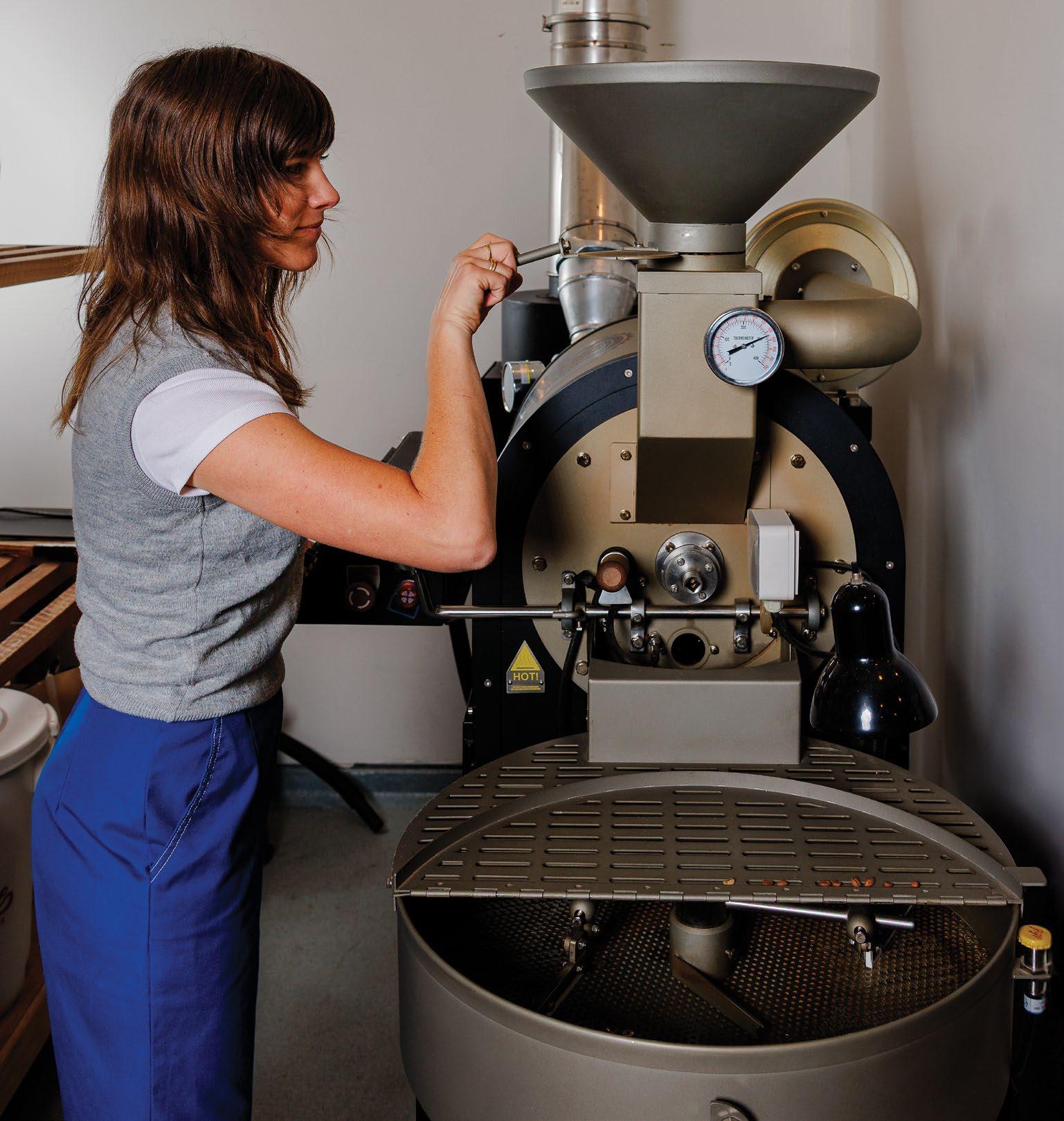
It’s clear that June is not only educated in her craft but also incredibly passionate. Her eyes light up as she guides me through the cupping experience, pausing to check on the beans roasting in her industrial coffee roaster, made by Mill City Roasters in Minneapolis, the same city where she attended roasting school. “I just love the Midwest, and I love their machines,” she says with a smile.
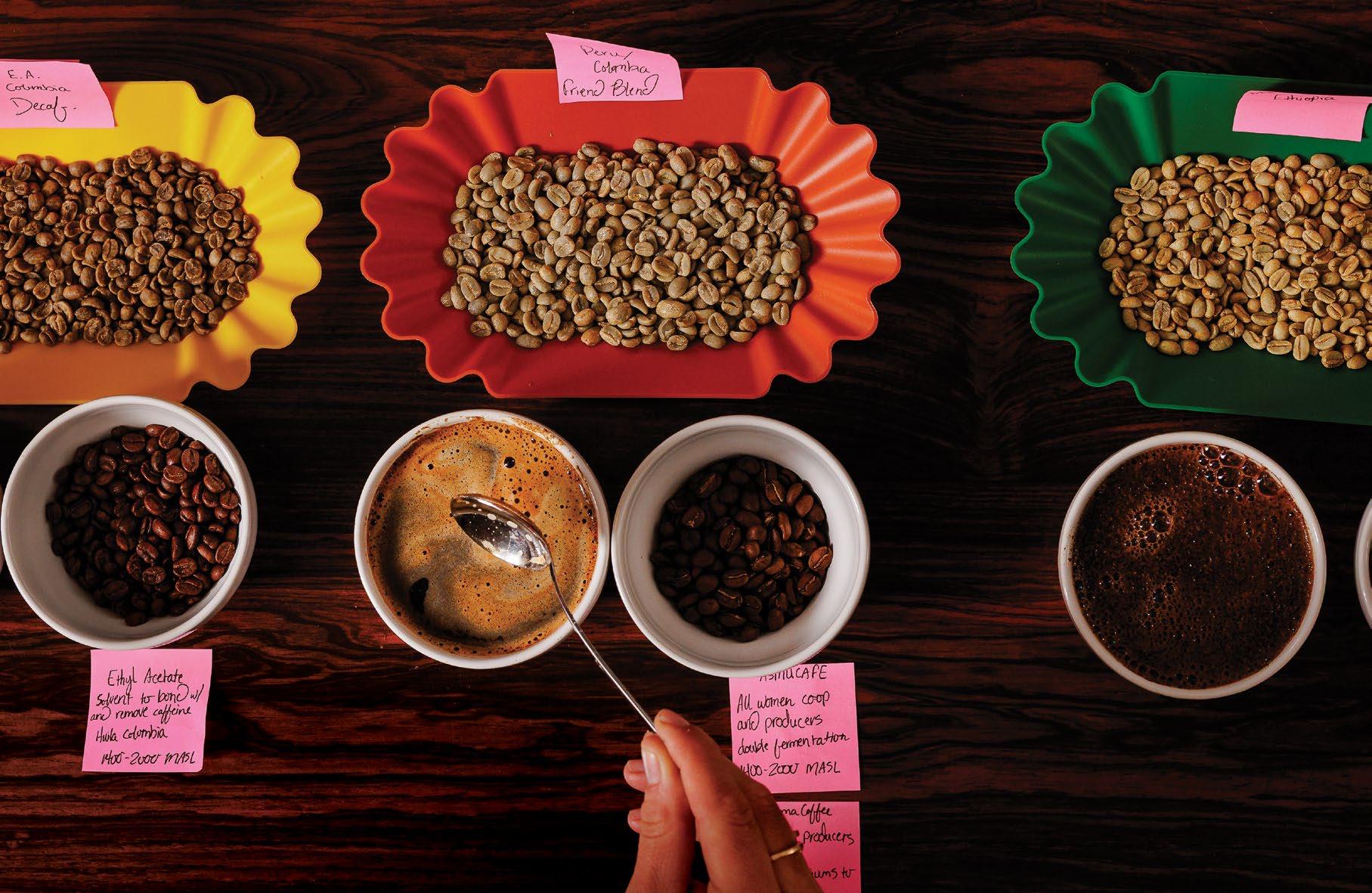
The name of the coffee cupping game is exactly what it sounds like: tasting spoonfuls of different brews in cups, much like sampling soup, and analyzing the flavor notes and how the coffee hits your tongue. For example, “June’s Friend Blend,” crafted from beans sourced in Peru, Colombia, and Ethiopia, offers a rich chocolatey aroma and a wonderfully smooth taste. We bond over the scent, which reminds me of my boyfriend, Atticus. June replies affectionately, “It reminds me of my grandpa, who’s 99.” She adds, “That’s why people love coffee so much—the smell takes them back. It reminds them of their childhood or someone they love.” I tuck this quote delicately in my mind, pulling it back out now as I sit down to write this article.
I soon discover that each blend has its own distinct flavor and aroma. “June’s Friend Blend,” my personal favorite of the afternoon, stands out in flavor, and the decaf blend she’s concocted is equally delicious. “I just want people to know that every single coffee bean in my product is ethically sourced. That’s number one for me,” she says proudly. “And number two, I’m accessible. People can reach out to me and nerd out with me. I want them to know exactly what they’re spending their money on.” I can tell she truly means it.
I often say, “people drink coffee to wake up, but I wake up to drink coffee.” That’s how much I love the age-old drink. Growing up Armenian in a culture deeply rooted in oversharing and overeating over a potent cup of soorj, or Armenian coffee, the drink has been a constant in my life for as long as I can remember. But before meeting June, I had never stopped to consider the laborious journey each bean takes to reach my cup, transforming in form, color, and taste along the way. It’s a long path from cultivation to consumption, and one that can often be exploitative, which is why conversations like the one I had with June matter. She’s taken the extra steps to ensure her beans are ethically sourced and roasted with love and purpose. More than that, she’s eager to share what she knows, inviting others into her world with an openness that sparks childlike wonder.*
have a little faith
Santa Barbara spiritual guide, author, and licensed therapist Faith Freed shows us how we can make spirituality simple, honest, and tailored to fit.

WRITER Sophie Jetzer
“I realized I was a spiritual eclectic, and I loved that term,” explains Faith Freed, a spiritual guide turned licensed psychotherapist and author. “Most people I know are doing spirituality their own way. They gravitate towards what rings true, what makes sense, what makes them feel good.” Faith understands spirituality can often seem confusing and intimidating to first timers, so she’s created a space where we can all explore our inner truths. She’s here to show us that our connection with ourselves should never take the back burner, and that we never have to define it or defend it to anyone.
Before her journey into spirituality, Faith worked as a creative in the copywriting field. She’s taken her fondness for shortform, punchy text, combined with her experiences teaching and learning spirituality, and created DIY Spirituality: Chart Your Own Sacred Path. After her recent talk at Godmothers bookstore in Summerland, I ask Faith what inspired her new book, she responds, “I wanted this one to be beautiful, an inspiration, and an easy get. It’s not a chore.”
DIY Spirituality functions as a compilation of easyto-understand yet profound takeaways that don’t take months to comprehend. “Why do we have to have so many long-form spiritual tombs?” jokes Faith, explaining that the purpose of her book is to make spirituality approachable, enjoyable, and doable. Even if spirituality is something you aren’t familiar with, Faith expresses that DIY Spirituality opens up a space for conversation and experimentation. “The book shows you how to build a playlist of rituals and thought practices that you put together according to what rings true. You only incorporate what resonates with you, and that can be fluid,” she describes.
Centered around her Divine Disco Ball framework that made its first appearance in her 2013 publication Is, DIY Spirituality adopts a playful attitude towards the big questions. “It’s almost too simple. People want to figure it out and hack it. At the core, it is noticing what it is to be, and paying more attention to that,” says Faith. To make it easier for us to understand, Faith’s Divine Disco Ball is split into four quadrants: body and mind, soul and spirit, the divine or what Faith calls infinite source, and infinite source/the divine in form (aka nature). Faith refers to this framework as the spiritual basis we can cover to feel balanced.
“It’s about connecting with yourself and your spirit, and beyond that, connecting with the infinite source, or whatever you want to call the divine.” Faith says. “The takeaway is to feel like the universe is with you and taking care of you and, if you need help, you can ask for it, and it will show up. The book provides tools and techniques to connect with yourself, your source, and nature as a portal. Your connection with yourself and your true source is on your terms. You can do it, anywhere.”
I ask Faith to share with me some practices we can all incorporate into our daily lives to cultivate a greater spiritual awareness.
“Some of the things we can do are really simple,” she says. Within the quadrant of body and mind, a lot of it comes
down to self-care, she explains. “It can be as simple as listening to a song that touches you, or gets you to go beyond your own little world and think about a bigger picture.” She encourages any kind of physical practice, championing using the body and appreciating it, or “tending to the temple.” For the mind, the “biggie” is presence. She debunks some of the mystery and obscurity surrounding meditation in her book, “It does involve witnessing your thoughts, which can be annoying. Be mindful about one thing that you do, even if it is just making your bed. Truly be present with that task, don’t let your mind race, and train your brain in that space of being.”
When I ask her about soul and spirit, a quadrant that is more uncertain for most people, including myself, she nods sagely. “This is an untapped area that is amazing to explore and discover what lies beneath. Start by allowing yourself the time, space, and solitude to touch that cord of truth within you, endeavor to go within,” she instructs. She encourages us to get in touch with our inner child. “Go back in time and think about your youngest self. Think about that childhood innocence, that light that you had. If you can get in touch with some of that innocence and light, you are on the right track.” She recommends journaling and using techniques like free writing, query and response, and automatic writing to foster a connection with our souls. “You can even name your soul. I named mine,” she tells me.
Faith encourages us to explore what she describes as “the intensely intimate experience” of having a direct relationship with ourselves and our sources. Despite the idea of that intimacy, and the solitary aspect of being a DIYer, Faith reminds me we are never alone. “I think of it as humanity is my community. You and I are talking, and it is a spiritual exchange. It can happen in the grocery line or with your neighbor.”
At the end of our conversation, she reminds me,“No one is average, because we are all made of stardust. There is a piece of stardust that is embedded in you, maybe in your heart, your gut, your mind–who knows?” We can only hope to find it within ourselves.*
a whole-istic approach to healing mind, body & spirit
Dr. Crystal DeVorzon opens up about holistic healing and her new spa, Complete Wellness.
Andrea Manokian
Many people experience a pivotal moment in their lives that determines the trajectory of their identity and purpose. For me, it was when my second grade teacher advised my mother to invest in journals because she was certain that I was destined to write. For Dr. Crystal DeVorzon, it was a series of health anomalies and struggles that followed a humanitarian mission in Thailand that led her down a path of what she calls “whole-istic” healing and to her newly opened spa, Complete Wellness.
Situated in a landmark building across from the Santa Barbara Courthouse, Complete Wellness shares a space with Mishay Salon & Spa. Upon walking in, the spa is palpitating with contagious feminine energy: the smell of shampoo flooding the air, women sitting opposite mirrors with foils in their hair, and the soft humming of blow dryers creating a familiar chorus. That’s when my eyes meet Crystal’s. She walks over smiling and gives me a warm welcome.
Crystal starts by giving me a tour of the salon, an all-encompassing space with multiple practitioners that offer manicures and pedicures, hair care and scalp treatments, skin-enhancing aesthetics, permanent makeup, and more. There’s a relaxation lounge that doubles as a consultation room for Crystal’s clients, especially those wondering where to start or those interested in her life and nutrition coaching services. We then go upstairs to Crystal's private massage room. It’s here that I learn her story—one that any woman who has navigated the trials and tribulations of countless doctor visits
that have all led nowhere can relate to. To understand why Crystal is the best person to specialize in the work that she does, it’s important to understand the following story—her story, her journey, her pivotal “aha” moment.
“It was a thing in my family that we all had to go and serve—whether it was humanitarian work, mission work, or something similar—before we went to college,” says Crystal. It’s this time-honored family tradition that led her to Thailand, where she lived and served for one year. It’s also where she contracted malaria and started to experience an unexpected decline in her health. Even after returning to the States, Crystal’s health struggles persisted. “I was sick all of the time and I didn’t know why. I started having fevers, head pressure, seizures, and weight loss,” she says. Adding to her frustration was the tragic reality that nobody could figure out what was happening to her, no matter how many specialists she sought.
Years went by without any concrete answers from doctors or improvements in her health. “I was really praying—God, I need you to help me; I need some answers,” she says. Call it divine intervention or an answer to her prayers, but what happened to Crystal next was nothing short of a miracle. Living in Los Angeles at the time while pursuing modeling and acting, an unfamiliar man approached Crystal inside of a Whole Foods after sensing she was going through a rough time with her health. He then pleaded with her to make an appointment with his doctor. The doctor in question went by the name of Dr. Small,
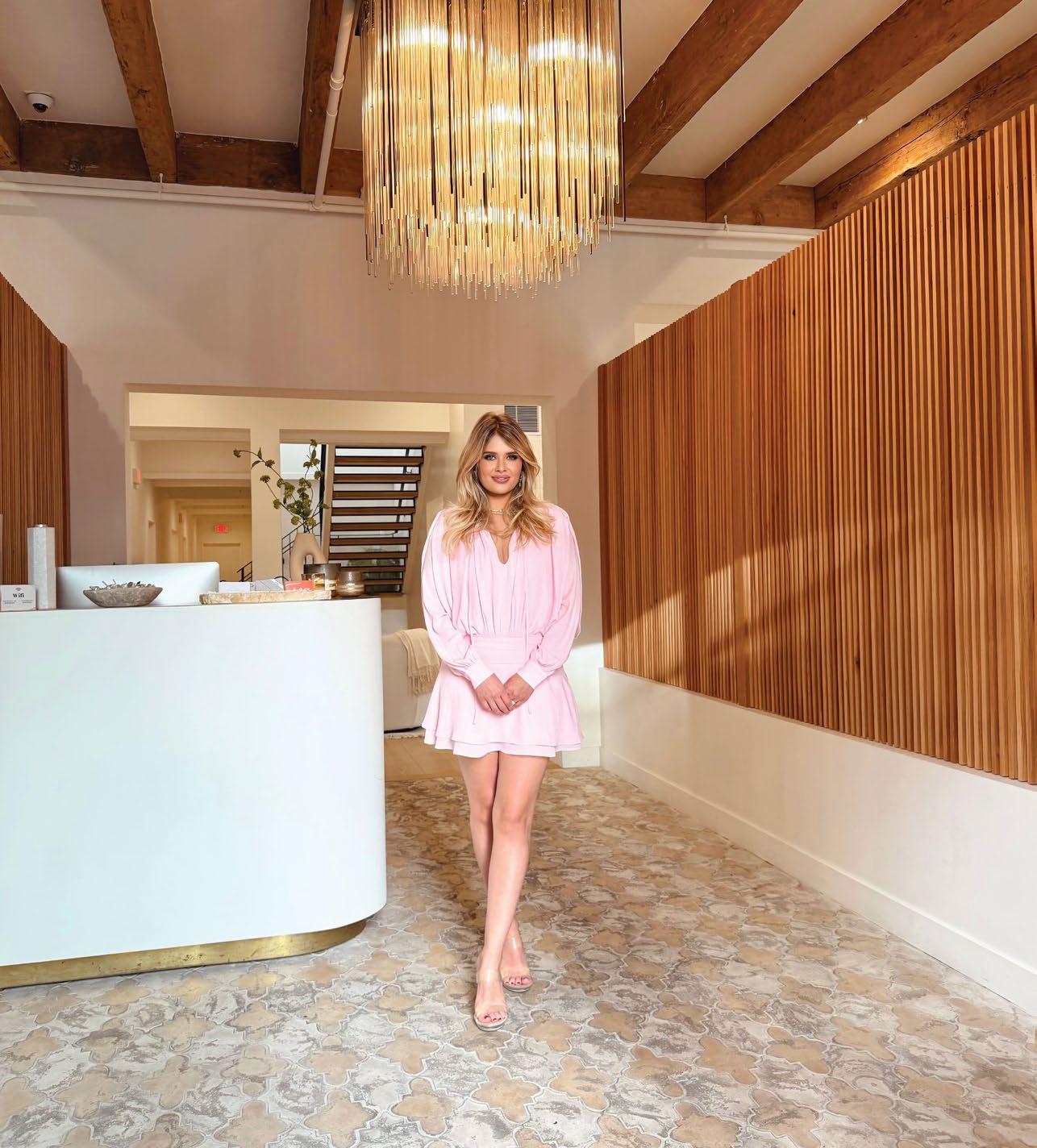
“I feel like my hands are tools, as if I’m a conduit of sorts to help people heal.”
a physician with a background in quantum physics. After a thorough and comprehensive workup, he diagnosed Crystal with multiple parasites, five strains of Lyme disease, and 20 types of food allergies. He told Crystal that her kidneys were failing and that she required immediate care.
This shock diagnosis put Crystal’s promising modeling and acting career on hold. She found a top Lyme disease treatment facility in Scottsdale, Arizona, and spent three months at this facility, where multiple tests confirmed her Lyme disease. “I went through all this treatment and it was so debilitating. They gave me some chemotherapy; I was taking 69 pills a day; I was throwing up; I went down to 90 lbs; and then they sent me home,” she says. After giving up so much to get better, even the facility in Scottsdale had failed her. It was this enervating health journey that motivated Crystal to finally take matters into her own hands. “If nothing was working then I was going to pivot and try to figure something out so that I could function,” she says.
Crystal started conducting research, and lots of it—everything she could find about Lyme disease, how it functions, how it behaves, and how it impacts the immune system. She started treating herself through her own rigorous research and, to her surprise, her Lyme disease became more manageable and tolerable. Having already been licensed in massage and other modalities, she expanded her knowledge by pursuing a PhD, sitting across from me now as a Doctor of Naturopathic Medicine. Inspired to help others going through similar health struggles, Crystal also became certified in life and health coaching. “I feel like sometimes in life we are given things that are challenging and we can use them for the greater good,” she says. “You go through a lot of hardship and instead of being bitter, you become better and use those things to help others.”
Today, at Complete Wellness, Crystal draws inspiration and strength from her long and strenuous health-related battle. She takes the time to really listen and approaches healing from a “whole-istic” standpoint, an approach that integrates mind, body, and spirit and is focused on finding the root cause of one’s health struggles. “I have compassion and empathy for people that are coming in and dealing with chronic illness or an ailment, and I want to send them off feeling so much better,” she says.
At her spa, Crystal heals with her hands and offers various types of massages such as deep tissue, medical massages, pregnancy massages, and more. She also offers reiki healing, craniosacral therapy, integrative health coaching for diet and lifestyle, and sessions for those struggling with acute and chronic illness. She shares a recent success story about a client who is suffering from
chronic migraines and a perforated eardrum, one who is no stranger to multiple doctor visits that offer no real solutions. After just one craniosacral therapy session with Crystal, this patient found herself experiencing relief and improved hearing.
“I feel like my hands are tools, as if I’m a conduit of sorts to help people heal,” says Crystal. After experiencing a massage from Dr. DeVorzon herself, I can attest that she is gifted at what she does. I’m no stranger to massages, but during my 90-minute massage at Complete Wellness, I was so relaxed and at peace that I experienced visions of happy memories replaying in my head—the trip I took with my mother to Maui, the first time I held my sister’s baby, rummaging through my aunt’s vanity table as a child—all coming back to me during the massage and playing out like a movie. The various scents Crystal used throughout the massage, such as bergamot, jasmine, ylang ylang, and citronella, aided as natural stress relievers and mood enhancers. And Crystal somehow knew all the areas along my spine where I had knots and gently worked them with her hands, leading to improved mobility and reduced tension in my lower back and neck after my session. Upon exiting the massage room, I noticed a picture hanging on the wall, a black-and-white image of two women jumping off a boat and surrendering to the ocean below. An image so fitting for the feeling that visiting Complete Wellness evokes—a feeling of releasing your stress and hindrances and finally letting go.
Crystal is not one to downplay health concerns. She’s humble and kind, and in tune with the human body. She’s incredibly educated and understands the complex ideologies behind the treatments she offers, casually referring to the multiple quantum physics courses she’s completed, her published dissertation on lowering cortisol levels, and human body parts by their scientific names during our interview—an everyday conversation for Crystal, but one that often left me asking, “How do you spell that?”
As someone who has gone through what I call the fast-food-ization of modern healthcare myself and has left far too many doctor’s offices feeling disillusioned and more confused than when I walked in, Crystal’s vulnerability in sharing her story is refreshing. She understands the best way to approach healing because she’s experienced what it feels like when your ailments are minimized, excused, or even ignored. And better yet, she’s come out on the other side, determined to help others avoid the same debilitating experience. “I want to take the time to be present, and to care for my patients, and to see their progress,” she says. “That makes me so happy, seeing people truly living the life that they love and feeling good in their body.”*
WRITER
Maddy Sims
PHOTOGRAPHER
Michelle Lauren
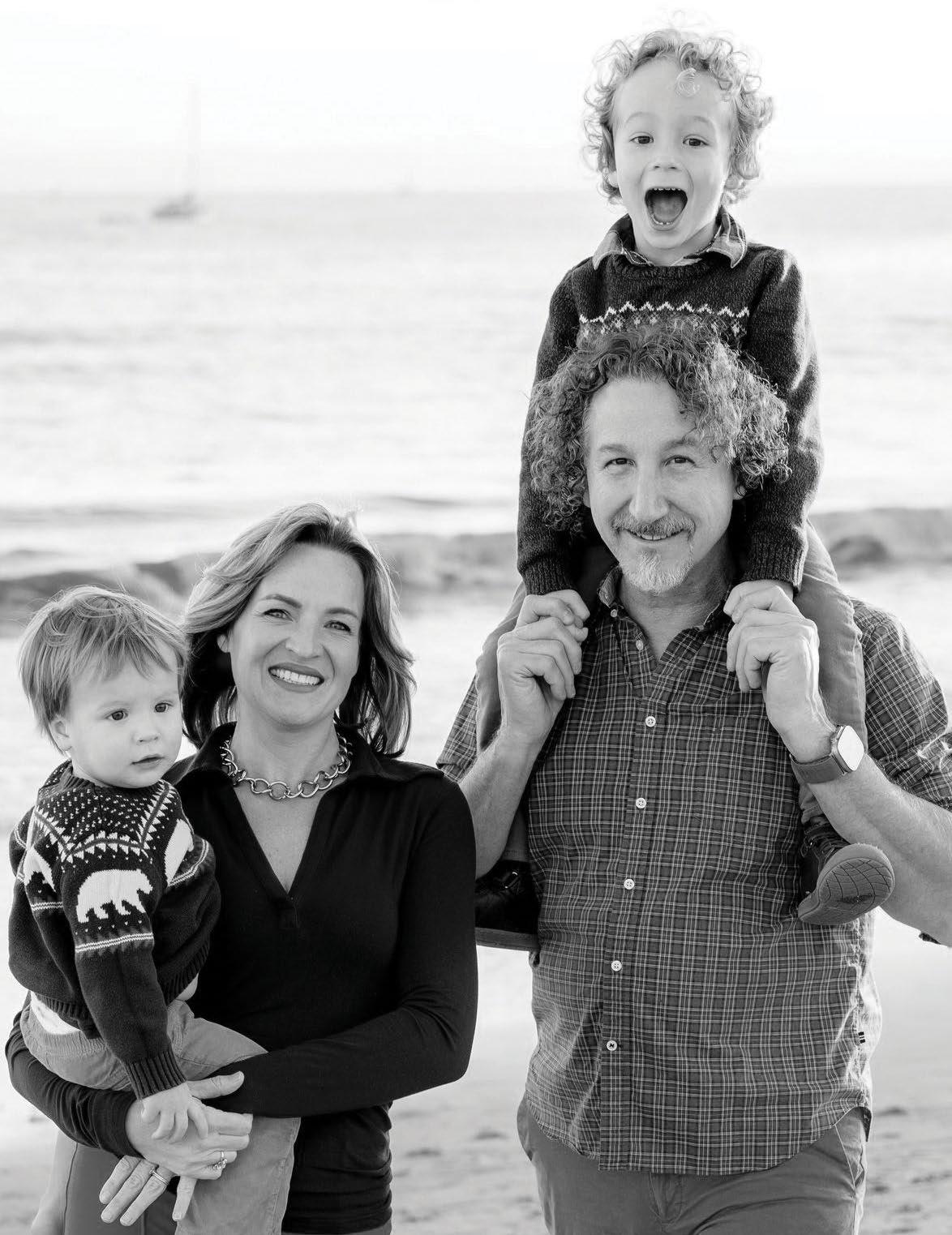
At NeuroField Neurotherapy, Dr. Nicholas Dogris and Dr. Tiff Thompson offer noninvasive neurotherapy techniques to enhance cognitive function and treat psychological and debilitating conditions.
They say lightning doesn’t strike twice. But at NeuroField Neurotherapy, a neurotherapy clinic in Santa Barbara, it did. The more you hear about how Dr. Nicholas Dogris and Dr. Tiff Thompson found their way here, the more it begins to feel like something else was at work.
Neither Dr. Nicholas Dogris nor Dr. Tiff Thompson set out to work in neurostimulation. Today, they lead a practice focused on noninvasive techniques designed to improve cognitive function and address psychological and neurological conditions. Their paths into the field were anything but linear—led by a series of moments that, in hindsight, read less like coincidence and more like course correction.
The first strike of lightning appeared for Nicholas Dogris, Ph.D., BCN, QEEGDL, CEO and co-founder of NeuroField, a technology company that manufactures hardware and develops software for neurotherapy, after the birth of his eldest son. Premature and diagnosed with hypoxia—a deprivation of oxygen that affected his brain—his son was later diagnosed as autistic. Dr. Dogris, who trained in neurofeedback under pioneer Dr. Margaret Ayers, understood the existing interventions. None felt appropriate for an infant. He wondered if the brain could be stimulated more gently, using lower frequencies.
The idea came before the method. The design followed after what he describes as a moment of clarity: a four-channel frequency generator. Building it was another matter. Days later, he encountered a radio frequency engineer who also had an autistic son. They developed a prototype and began testing.
The results were immediate. Dr. Dogris’s son moved from the lowest percentiles of functioning into the median range. Something had switched on.
Across the country, Tiff Thompson, Ph.D., QEEG-DL, BCN, LMFT, R.EEG.T, founder and CEO of NeuroField Neurotherapy, was moving in a different direction. On paper, her life was stable: a senior role at a wind energy company, financial security, and upward momentum. But she felt something was missing. In her earlier academics, she had trained in marriage and family therapy, but left it as a backup career, unaware she would later be needing that very degree and license.
She discovered neurotherapy on a trip to Hawaii, trying a discounted session on a whim. “It was like getting hit in the head with a frying pan by God,” she says. “This is the thing I’ve got to do. I’ve got to do this.” She left her corporate role, took on debt, and started over as a psychology intern in a small Goleta office. “It was a huge leap of faith,” she says. “I was thinking to myself,
‘What have I done?’” But what followed reshaped that doubt. “I found that the results with my patients were exponentially better and more impressive,” she says.
Dr. Dogris, meanwhile, had intended to step back, grateful for what the technology had done for his son. But a colleague argued he had an ethical obligation to share it. He agreed.
The two eventually met, pulled together by some invisible string. They joined forces and began expanding the clinic. Soon after, they launched The School of Neurotherapy. “The hope was to prevent the incredible bushwhacking that it took for me to get my chops in the field of neurotherapy,” Dr. Thompson says. “It was just piecemealing and cobbling together. It’s not an easy discipline to get into.” The School offers certification programs designed to formalize a path into a relatively new field. “That’s what makes this exciting,” she says. “We’re at the forefront of clinically-applied neurostimulation, and what we do is different.”
Rather than treating symptoms in isolation, they map brain activity and build individualized, multimodal neurostimulation protocols. “People are complex,” Dr. Thompson says. “There is your run-of-the-mill anxiety or your peak performer, but many people have two or three or four things going on. The magic here beyond the multimodal approach is the customization.”
There is no standard protocol for anxiety, she explains. “We’re looking at the entire picture and determining how we want to address the regions that are showing the greatest issue,” she says. Historically, the protocol for treating mental health conditions hasn’t changed much: a little psychotherapy and a lot of medication. Dr. Dogris saw the limitations of conventional treatment firsthand during his years working in a psychiatric hospital in Los Angeles. “33 percent of those people that went into the hospital would come back within three months because they needed help again,” he says. “It just wasn’t working.”
At NeuroField, Dr. Dogris and Dr. Thompson focus on the root of the problem rather than the symptom. “Psychotherapy is an awesome modality that treats the emotions,” Thompson says. “You can do a lot of that work and still suffer from symptoms. We’re addressing the physiology that expresses as the symptoms.”
Working with children, Dr. Dogris saw changes quickly. “They’d become more functional, they’d be able to interact with adults in different ways, and they would be able to start to learn differently,” he says. “And for me, it was the most gratifying, satisfying thing in the world to see a child start to function and feel better.”
The approach is noninvasive and drug-free, with no pain, downtime, or negative side effects. Interest grew quickly, drawing not only patients seeking relief but also those focused on performance. “You don’t have to have something wrong with you,” Dr. Dogris says. “We get a lot of people that are really into wellness or peak performance who want to be their best selves.” Professional athletes and business executives come in for what he describes as a mental tune-up. “They’re able to be fully on their game,” he says. “It feels awesome, like you’re firing on all cylinders.”
He points to emerging data showing measurable clinical effects after an average of 10 sessions. “We're actually measuring the organ that we treat, and we take a comprehensive, thoughtful look at it,” he says. “We can point to the origin of the symptom and get it to perform better, so we can get really fast responses out of people.”
The technology itself is subtle: a mild tingling sensation, far removed from earlier shock-based therapies, which were designed to force the brain into a seizure-like reset. “We’re not forcing the brain to do anything,” Dr. Dogris says. “We’re the treadmill for the brain, and we ask it to hop on. When it hops on, we set the speed to a reasonable level. We hit go, and the brain runs with us for a period of time and it gets in shape and it gets stronger.” The effect builds over time. “It’s like going to a gym,” Dr. Thompson says. “It’s a cumulative build. It’s different from medication in that way.”
After roughly ten sessions, she says, patients often see a 25 to 75 percent reduction in most symptoms. Additional sessions reinforce those gains. “We are breaking down deviant patterns, old paths of least resistance that are no longer serving the individual—like trauma, for instance, or any sort of stuck patterning,” she says. “And then we’re supplanting it with what we want the system to do... It’s like learning to play an instrument or building muscle. Over time, there’s a new pattern that’s instantiated, and then it will hold.”
Most patients don’t return regularly, though some choose to. High performers often schedule periodic sessions. Others come back for a tune-up and “brain brightening” or simply because they prefer how they feel post-treatment. Dr. Dogris recalls one student who initially came in for ADHD. The issue resolved within six months, but the student continued treatment long after.
That same adaptability, he says, extends to aging brains. Patients often arrive assuming cognitive decline is inevitable. Neurostimulation, he argues, challenges that assumption by increasing blood flow and supporting
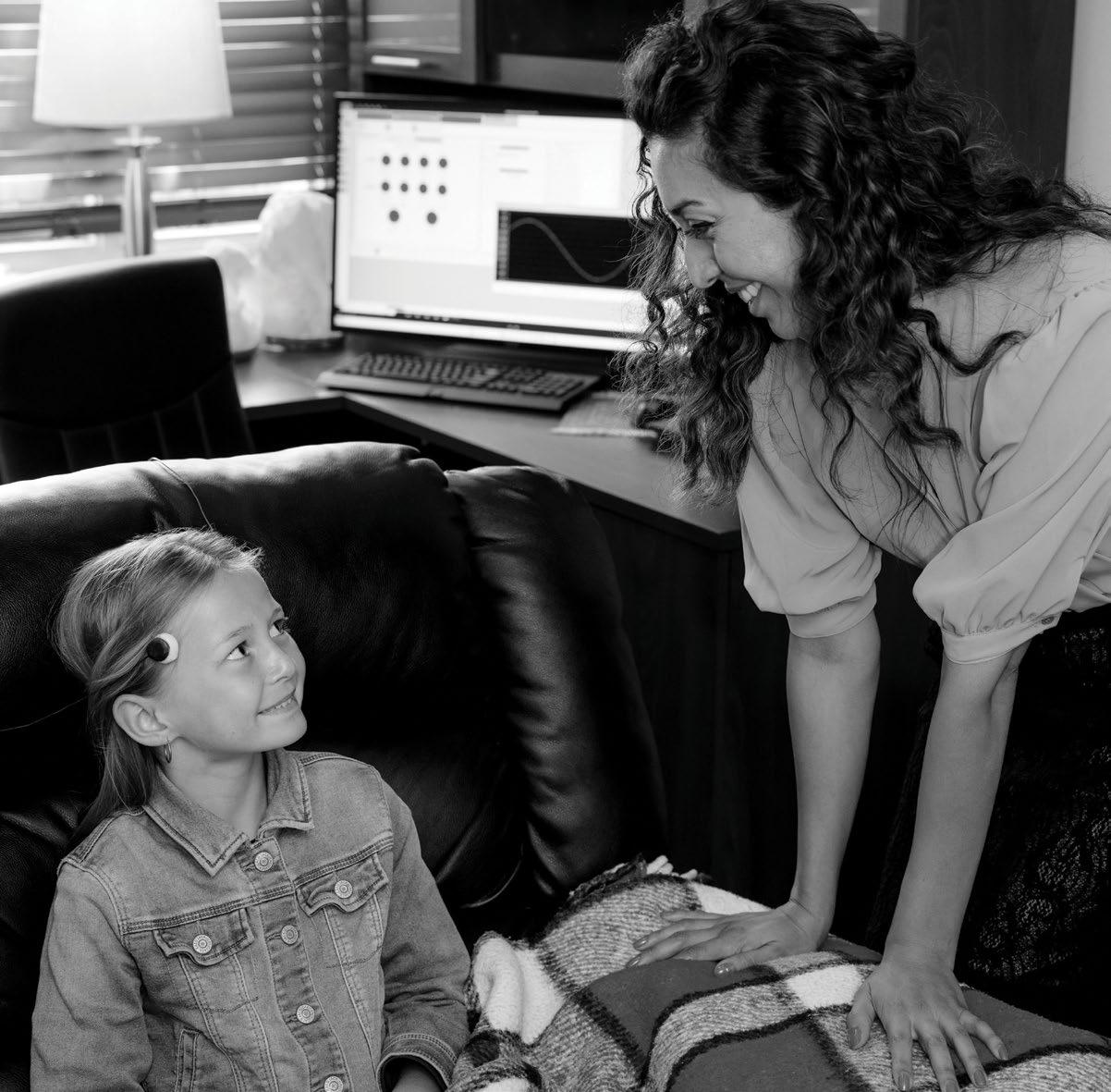
brain function. “When you give the brain this kind of stimulation, it takes out the garbage, it cleans the room, it gets everything functioning again,” he says. “All you have to do is give it a very, very gentle tickle.”
Beyond neurotherapy and psychotherapy, the clinic offers additional services, including hyperbaric oxygen therapy and bodywork such as cranio-pelvic integration. Still, the core focus remains the brain and what the technology they’ve developed makes possible. “There's a tremendous amount of research on neurostimulation,” Dr. Thompson says. “But the clinical application of it isn't being done, really. And we're at the tip of the spear.”
What drives them, ultimately, is less about innovation than impact. “The environment was my first crusade, but that pivoted quickly to humans,” Dr. Thompson says. “You have to really care to do this kind of work.”
That sense of purpose comes through in the stories they tell—patients who regain function, break long-standing patterns, or simply feel like themselves again. The most personal example remains Dr. Dogris’s son, who recently graduated with a Bachelor of Science in archaeology. “ For me it was watching people get better,” he says. “It motivated me. Person after person after person. And it continues to. What a righteous path to take.”
It’s tempting to call what brought them here chance: a premature birth, an unlikely encounter, a discounted session, a leap of faith. But when considered together, the pattern is harder to ignore. Two careers rerouted. Two parallel searches arriving at the same answer. And, eventually, at each other. However you define it, the result is the same. A shared practice built on the belief that the brain can change, and that people can, too.
For more information, please visit neurofieldneurotherapy.com.
Creating a spring table with @jennymontecito.
WRITER & PHOTOGRAPHER
Jen Huang Bogan
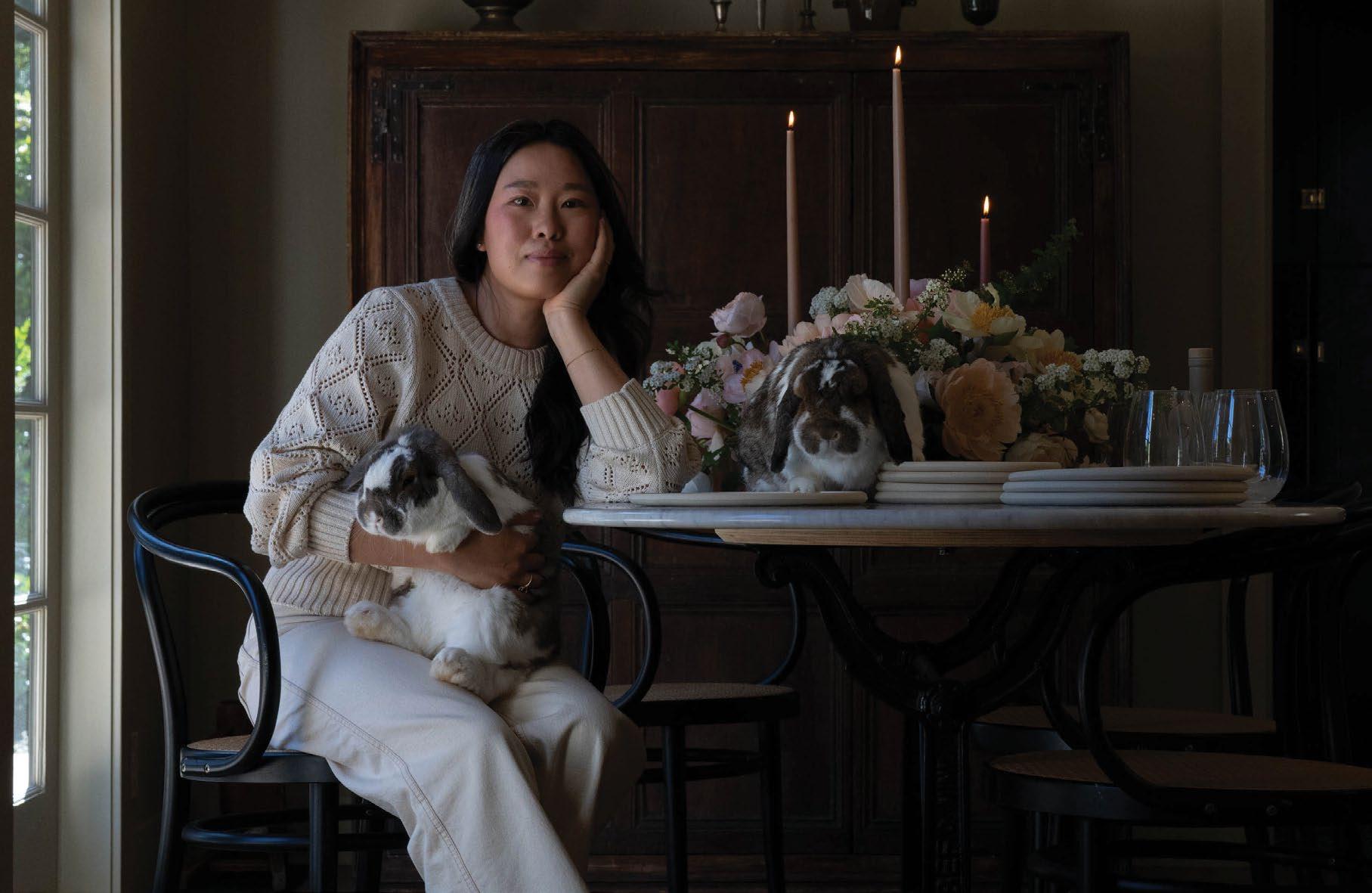
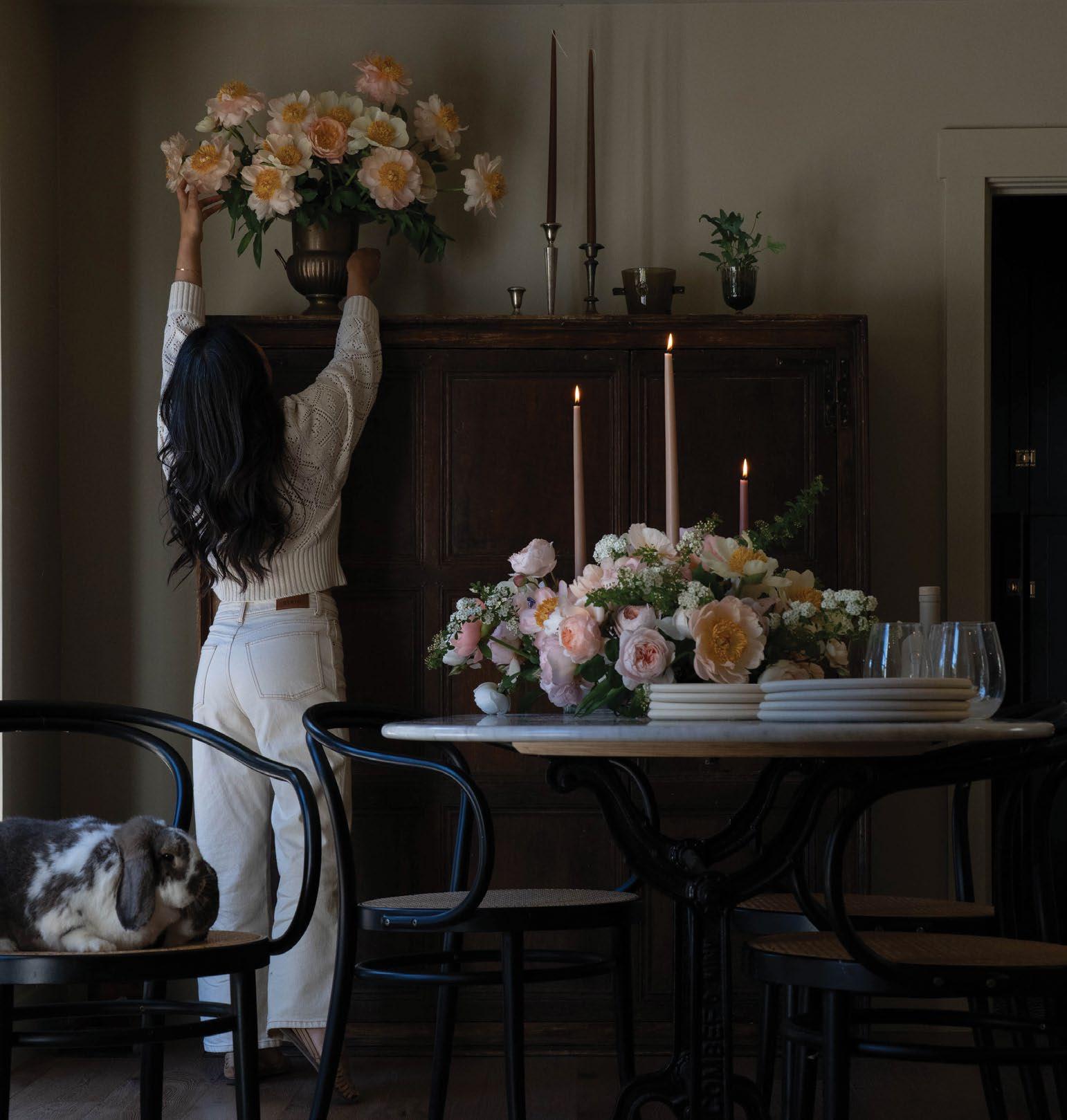
The winter rains have given so much life to my garden, resulting in an abundant harvest from my first flush of heirloom roses. I love designing florals from what is growing around me, and luckily with our mild climate, I can cut from my roses as early as April and as late as November, but they are the most lush in late spring—perfect for Easter and Mother's Day.
My favorite heirloom roses for the garden are the Wild Eve, Dylan, Desdemona, and Wollerton Old Hall varieties, which range from soft pinks to corals. Garden roses don't always have the most robust stems, so I love to layer in stronger plants like spirea branches and tree peonies. Leaves and foliage from the rose bushes themselves also work beautifully.
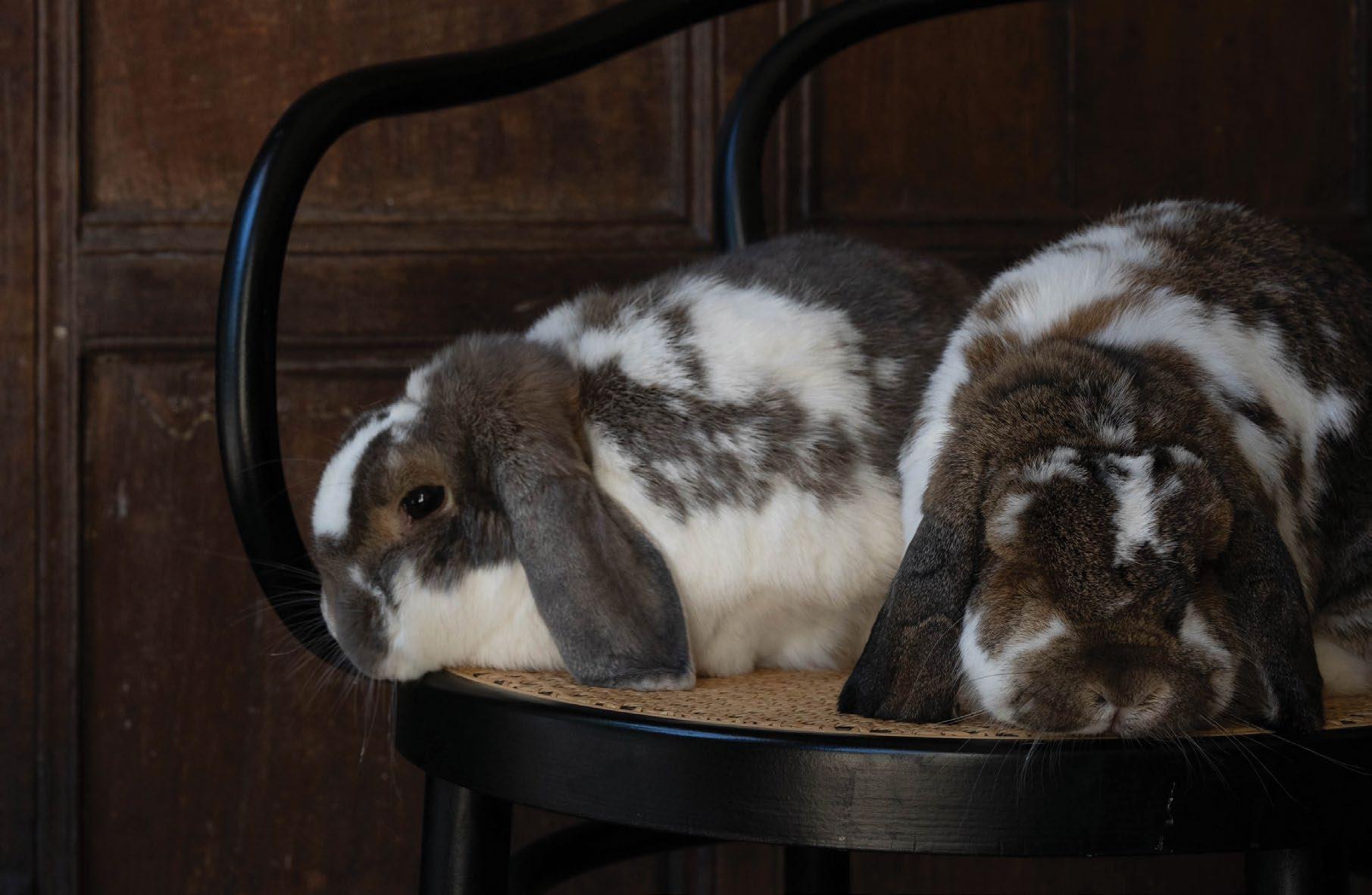
With such bold floral faces, I keep the rest of the table simple and muted, with dusty pink and mauve tapers from The Floral Society, and minimalist plates from Sheldon Ceramics. Floppy eared bunnies are completely optional, but their cuteness is undeniable.
If you don't have roses in your garden, Rose Story Farm and Florabundance are wonderful local places to source from, or if you have rose lovers amongst your friends, you could always ask to help them "trim" their gardens—the more you cut, the more they grow.
You can also order a la carte arrangements designed by yours truly on JennyMontecito.com all year round and follow @JennyMontecito on Instagram for more creative home and decor tips.*
WRITER
Andrea Manokian
PHOTOGRAPHER
Michael P.H. Clifford
House of Honey founder, Tamara Kaye-Honey, opens the doors to her Montecito home, revealing a space inspired by nature, community, and her signature style.
Tamara Kaye-Honey, founder of the interior design firm House of Honey, with studios in Montecito, Pasadena, and Brooklyn, has made her mark on countless homes in the Santa Barbara community. Her all-female interior design team transforms spaces into exuberant environments that celebrate life out loud, layering colors, patterns, and textures to create interiors that feel warm, elegant, and playfully picturesque.
With the firm recently expanding its Montecito presence through the appointment of Senior Designer Nicole Robinson, who will support the area’s growing demand, we step inside founder Tamara Kaye-Honey’s Montecito home
to explore the vision and the visionary behind the brand.
Tamara was born and raised in Nova Scotia, Canada, later moving to New York City to attend the Fashion Institute of Technology before settling in Southern California. She refers to Montecito as her “happy place,” as it reminds her of her childhood home in Halifax, Canada, which was minutes from the beach. As Canadians who grew up in cottages by the water, Tamara and her husband wanted a home that served as an escape from the bustling city and found what they were looking for in Montecito’s raw, sacred land, bohemian feel, and storied past.
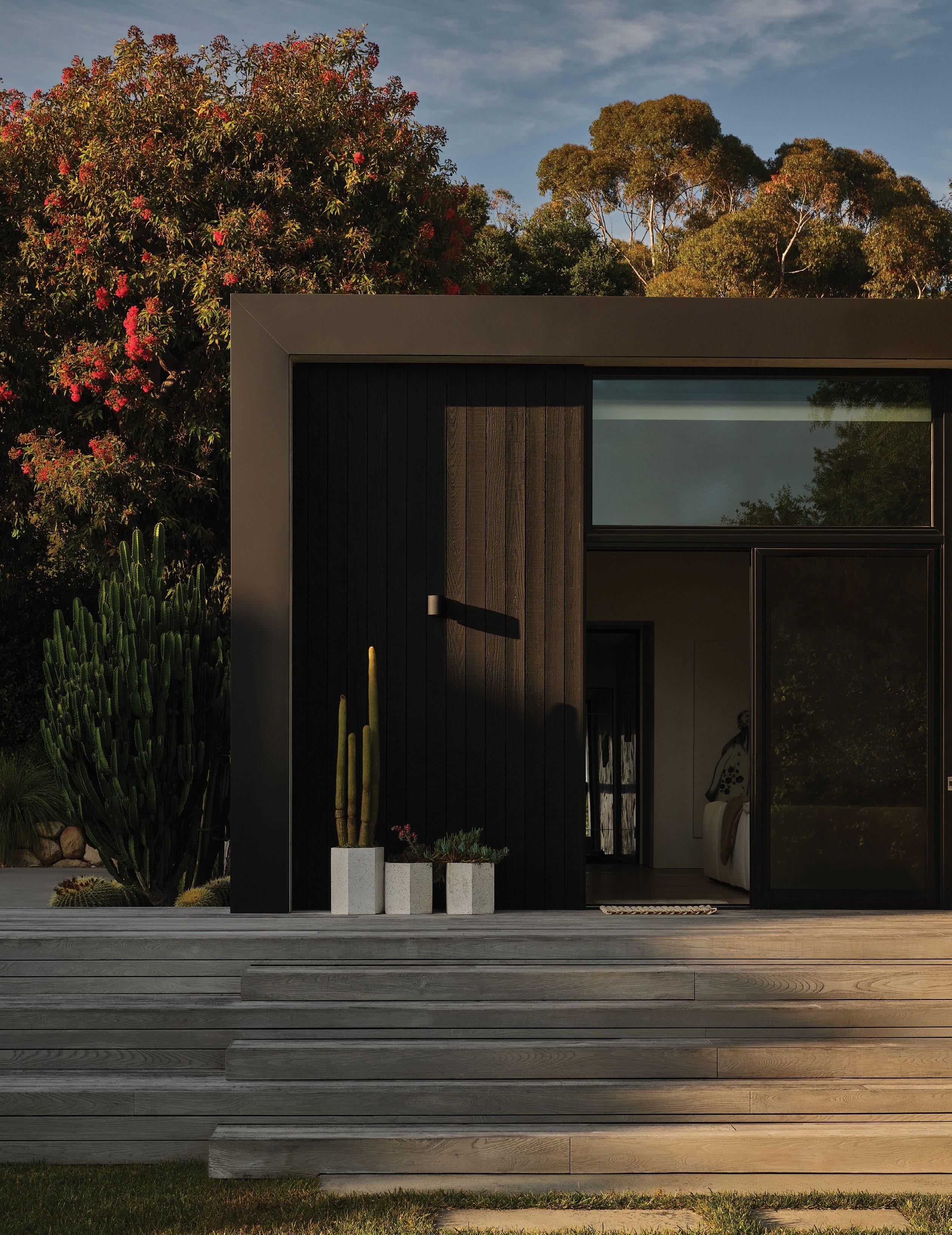
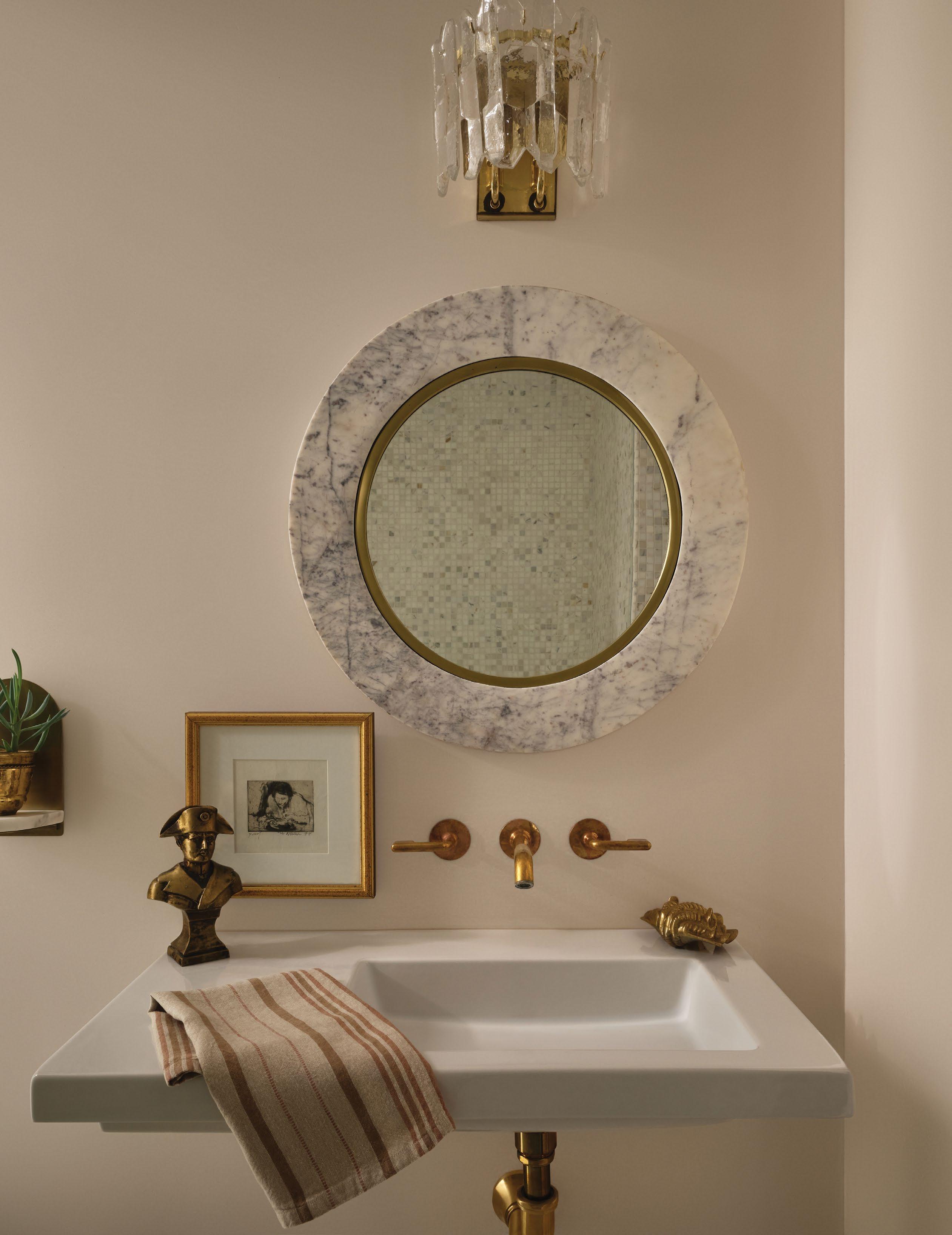
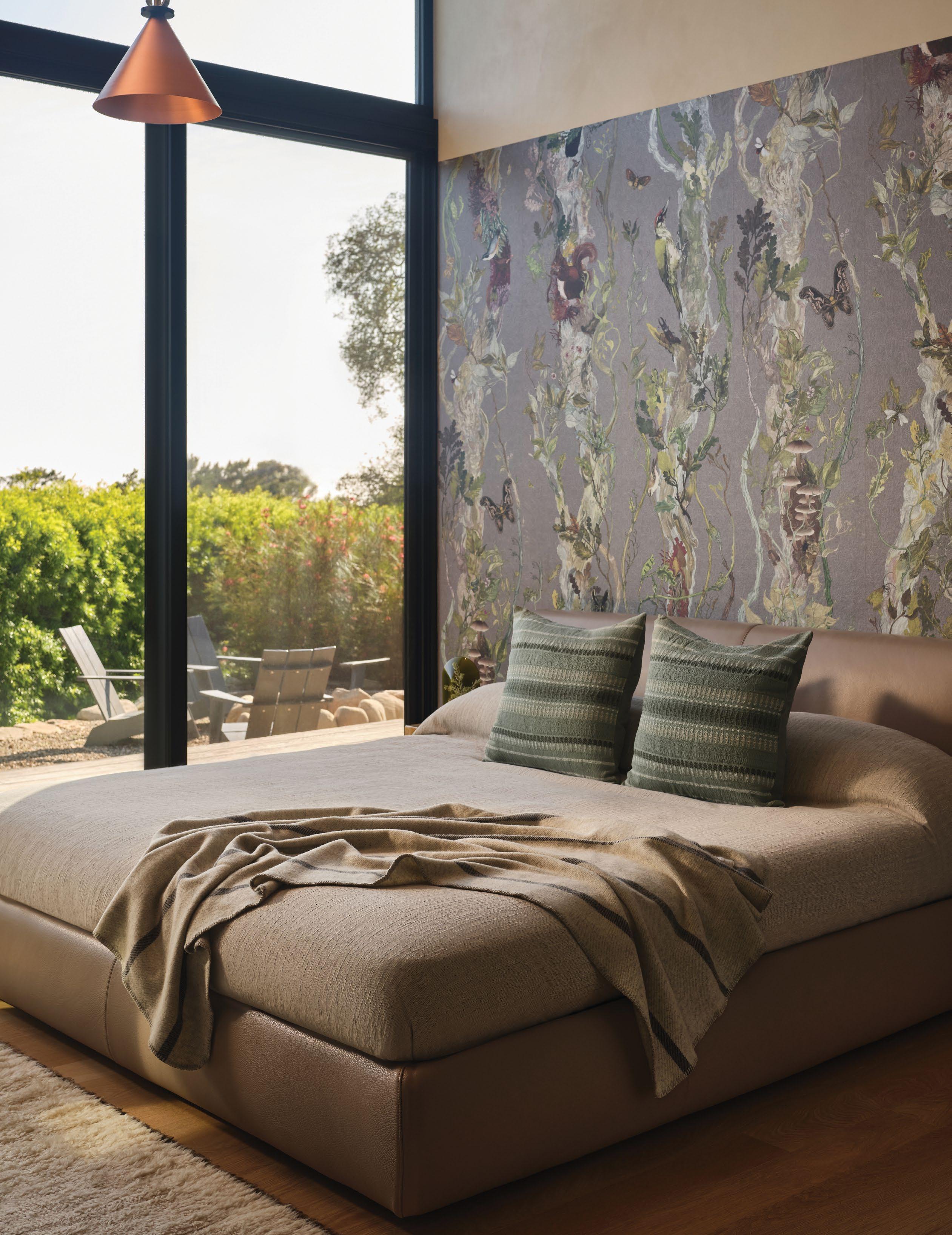
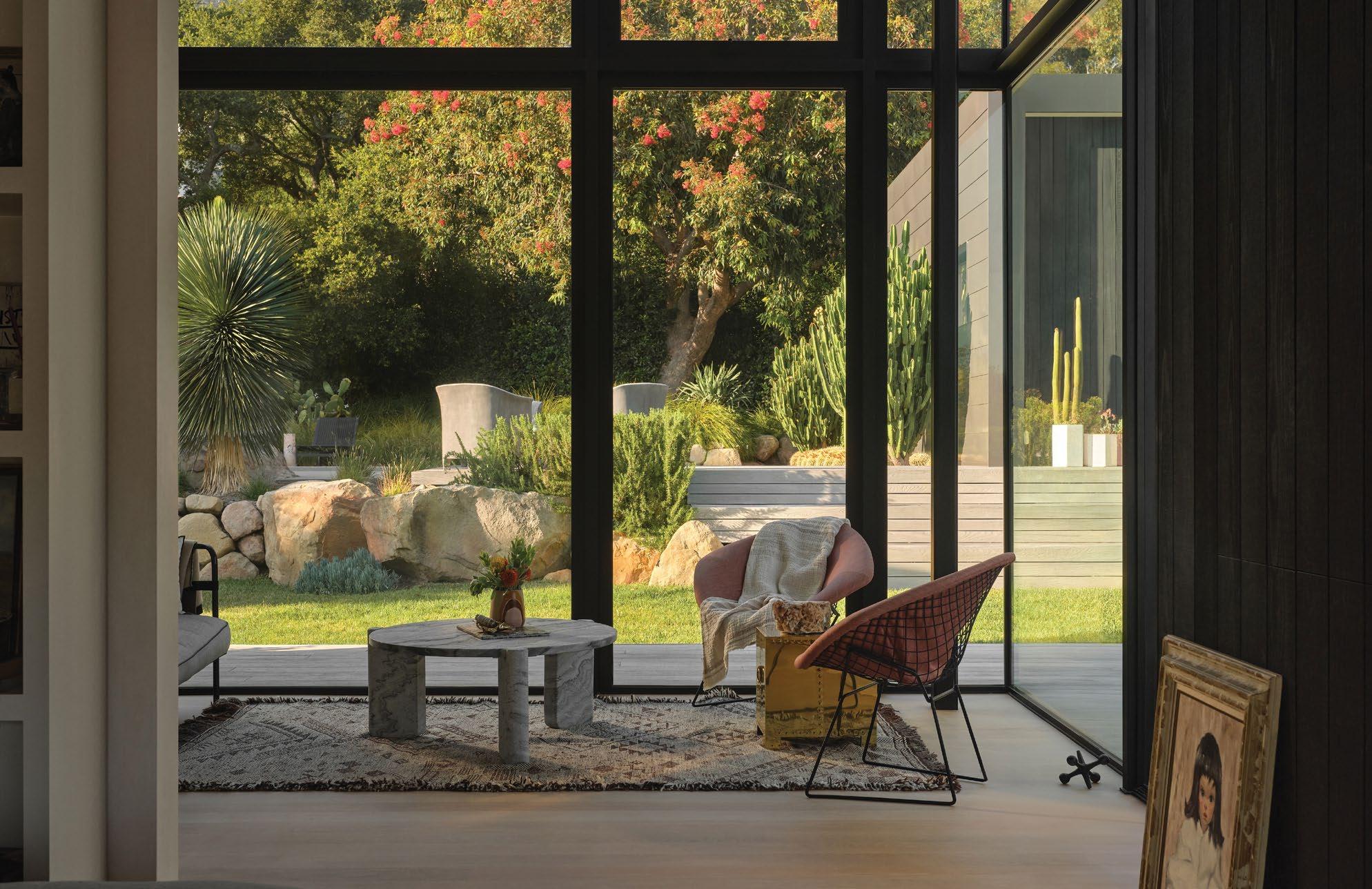
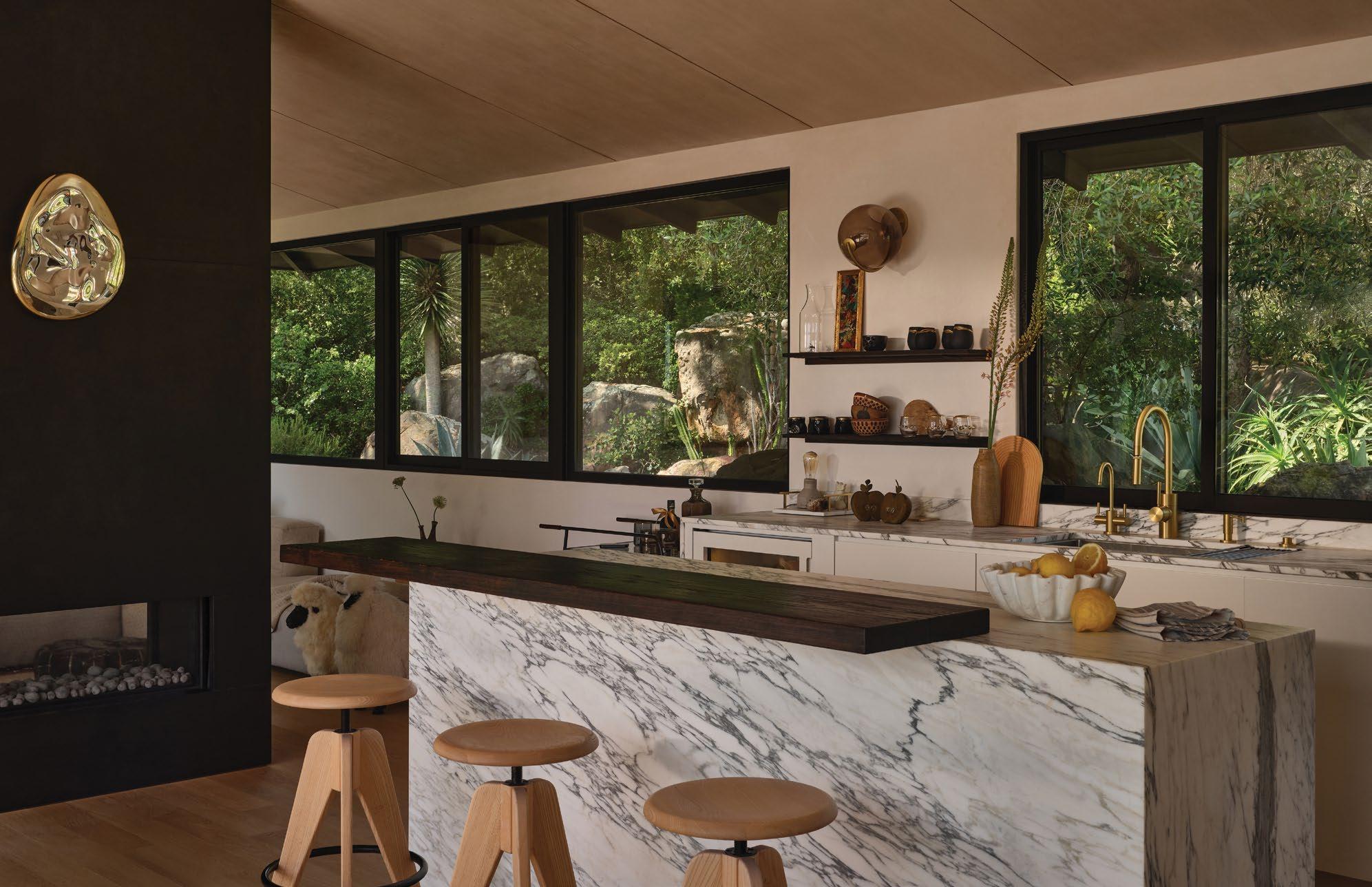
Nestled on a canopied, one-acre hillside overlooking the mountains and the Pacific Ocean, Tamara’s Montecito home features 1,800 square feet of living space, with a 550-square-foot detached guest house. It was originally built in the 1950s by renowned female architect Lutah Maria Riggs, a pioneer who headed her own office at a time when women-led firms were extremely rare. Riggs’ legacy lives on in Santa Barbara, where she designed many homes and buildings, often blending modernist and Spanish Colonial Revival styles. It warms my heart to think that Riggs’ spirit is likely grinning ear to ear, knowing that the home she built is now owned by Tamara, a feminist visionary in her own right, with a successful design firm that employs an all-female collective a dozen strong. “We love that over the years, we have attracted talented female designers of all ages and stages to join our team at House of Honey. Now, we have clients who come to us specifically because they need and want a female perspective,” says Tamara.
Honoring the integrity of Riggs’ original design was central to Tamara’s process. “The trick was figuring out how to make the house feel open and connected to the landscape without losing the intimacy of the original structure,” she says. “The glass ‘cubes’ became the solution. They allowed us to expand the living experience while still honoring the bones of Lutah Maria Riggs’ original design,” she adds.
The home’s blackened cedar exterior pays homage to Shou Sugi Ban—a traditional Japanese technique that preserves wood by charring its surface with fire, creating a unique dark finish and texture. “My experience in Japan was definitely something I leaned into,” says Tamara, having traveled to the country a couple of years prior. The interior design of the space, she explains, “is really a conversation between Japandi restraint and California ease. There’s a Scandinavian discipline in the palette and proportions, paired with the warmth and material reverence of Japanese design.”
In true House of Honey fashion, the home is intentionally filled with both new and old pieces, many of which Tamara has collected over the years. The living room features a low, sculptural B&B Italia sofa alongside pieces by Francesco Rota and Ilse Crawford. Sculptural light fixtures scattered throughout the home act as accessories, with breathtaking designs sourced from Roll & Hill, Lambert & Fils, and Bocci, along with vintage Murano glass found on 1stDibs—an online marketplace Tamara has utilized for years. Artwork by Arik Levy, Mary Little, and Elisa Anfuso is displayed throughout the space, while classic designs by Eero Saarinen and Harry Bertoia, mixed with contemporary pieces from Muuto, Ferm Living, Souda, and Bend Goods, tie everything together.
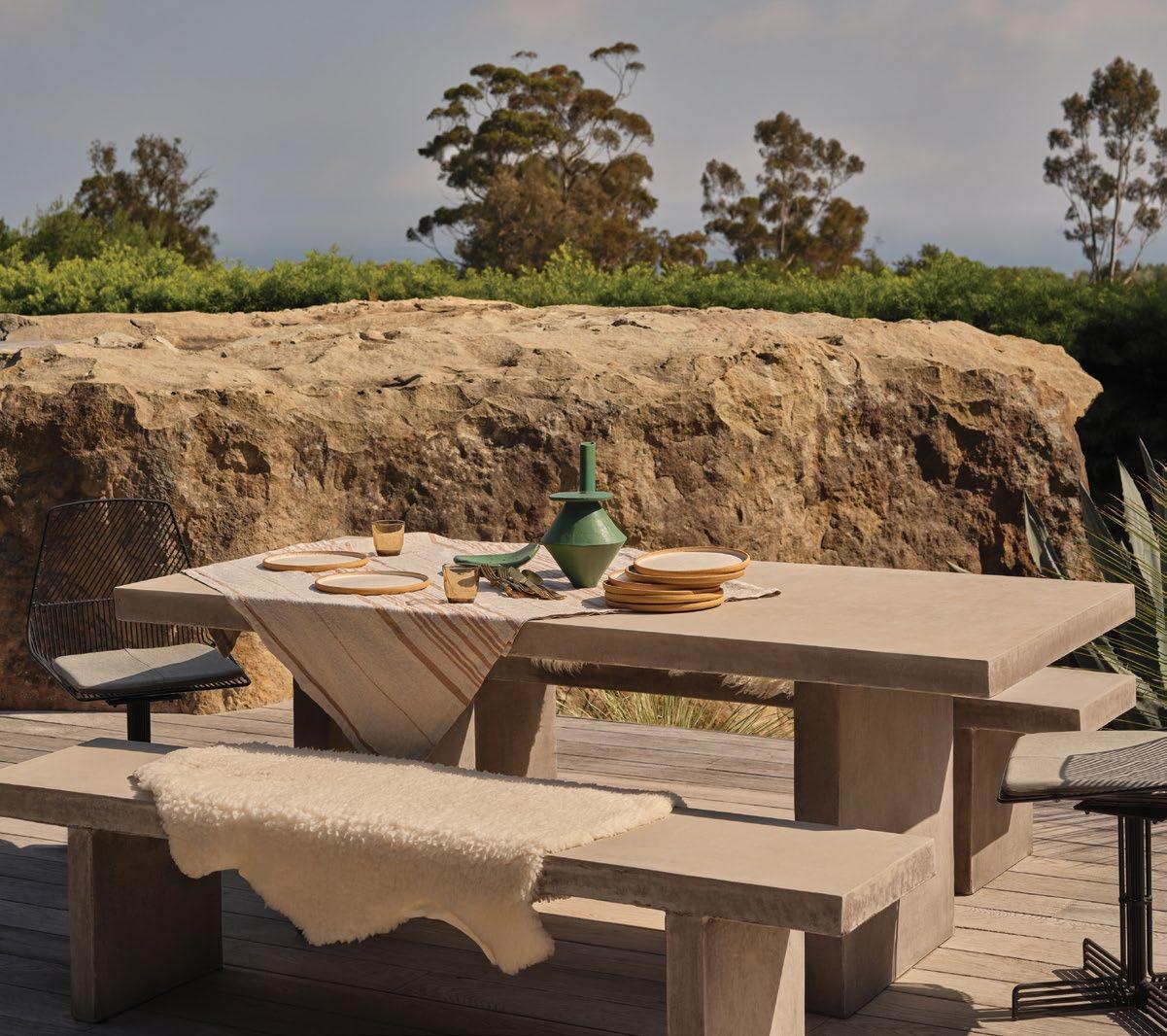
“This house is a place for family and friends to come together. It really is a home to be lived in and enjoyed by dogs, cats, children, and teenagers,” says Tamara. “We didn’t want the space to feel like a museum, but more of a place where we can all come from the beach and run around,” she adds. The design project did not happen overnight; it was a mindful process that took years to complete, from the initial concept to the finishing touches. “We approached it slowly and thoughtfully, opening up the original structure, designing the glass additions for the primary suite and guest house, and reshaping the landscape so the architecture could fully connect with its surroundings,” she says.
The home incorporates its natural surroundings into its outdoor deck— specifically what has been dubbed the “social stair”—which is Tamara’s favorite feature. “It’s built around the original boulders from the quarry site, so it feels completely rooted in the land. It’s where everything happens, from morning coffee to sunset cocktails. It’s less a piece of architecture and more a stage for life,” she shares.
As fans of the design firm know, House of Honey curates and sells its own line of home fragrances, with the understanding that design engages all of the human senses. For example, the firm's scent, “Ortega,” is described as a love letter to Montecito, formulated to capture the scent of driving down Montecito’s tree-lined Ortega Ridge Rd. So, naturally, I had to ask Tamara how she would describe the scent of the space she had spent years thoughtfully curating—her own home. “Cedar, warm stone, and a little bit of ocean air drifting in from the canyon. The house always smells like the landscape found its way inside,” she says.
Tamara’s beautiful home appears to effortlessly marry an indoor-outdoor lifestyle, so that even when one finds themselves within the confines of the living room or master bedroom, the surrounding natural landscape is somehow always felt—whether in sight, in scent, in design, or in spirit.*



Set on 1.15 acres in Clear Creek Tahoe, this 5,306 sq ft mountain modern retreat offers 5 beds, 5.5 baths, and a 3+ car garage. Light-filled interiors, a private office, and an upstairs lounge with bar and pool table create space to gather and unwind, while a detached casita and serene outdoor living complete the experience. $8,895,000
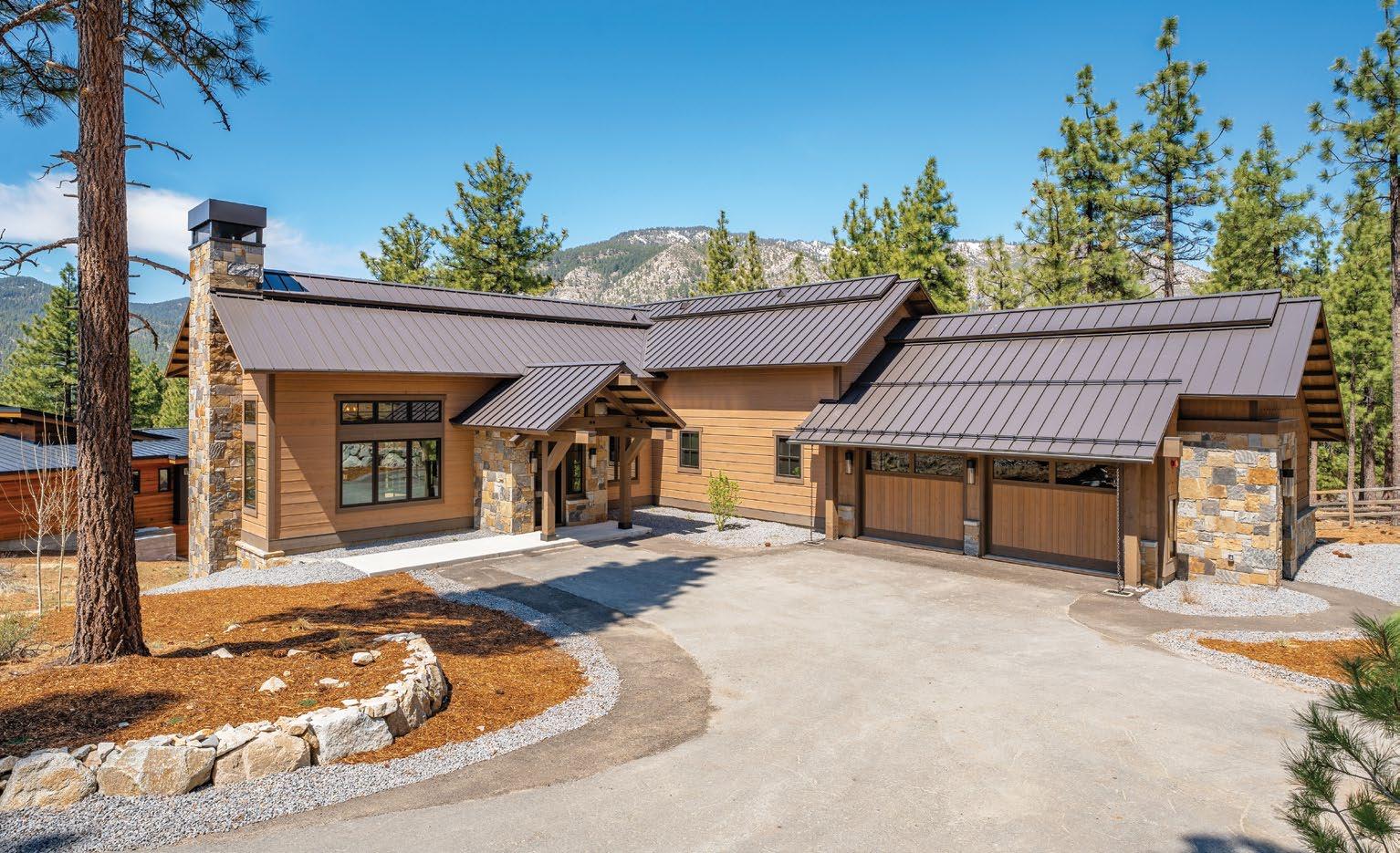


Welcome to Mountain Serenity in Clear Creek Tahoe, where timeless Tahoe design meets modern living. This 2,672 sq ft retreat offers 4 beds, 4.5 baths, on 0.51 acres with a 2+ car garage. Hand-hewn beams, native stone, and expansive windows frame a private forest setting designed for calm, connection, and lasting legacy. $3,850,000

Photographer Holly Lepere captures the essence of American Riviera living in her debut book Private Homes of Santa Barbara.
WRITER
Nathalie Tovar
PHOTOGRAPHER
Holly Lepere
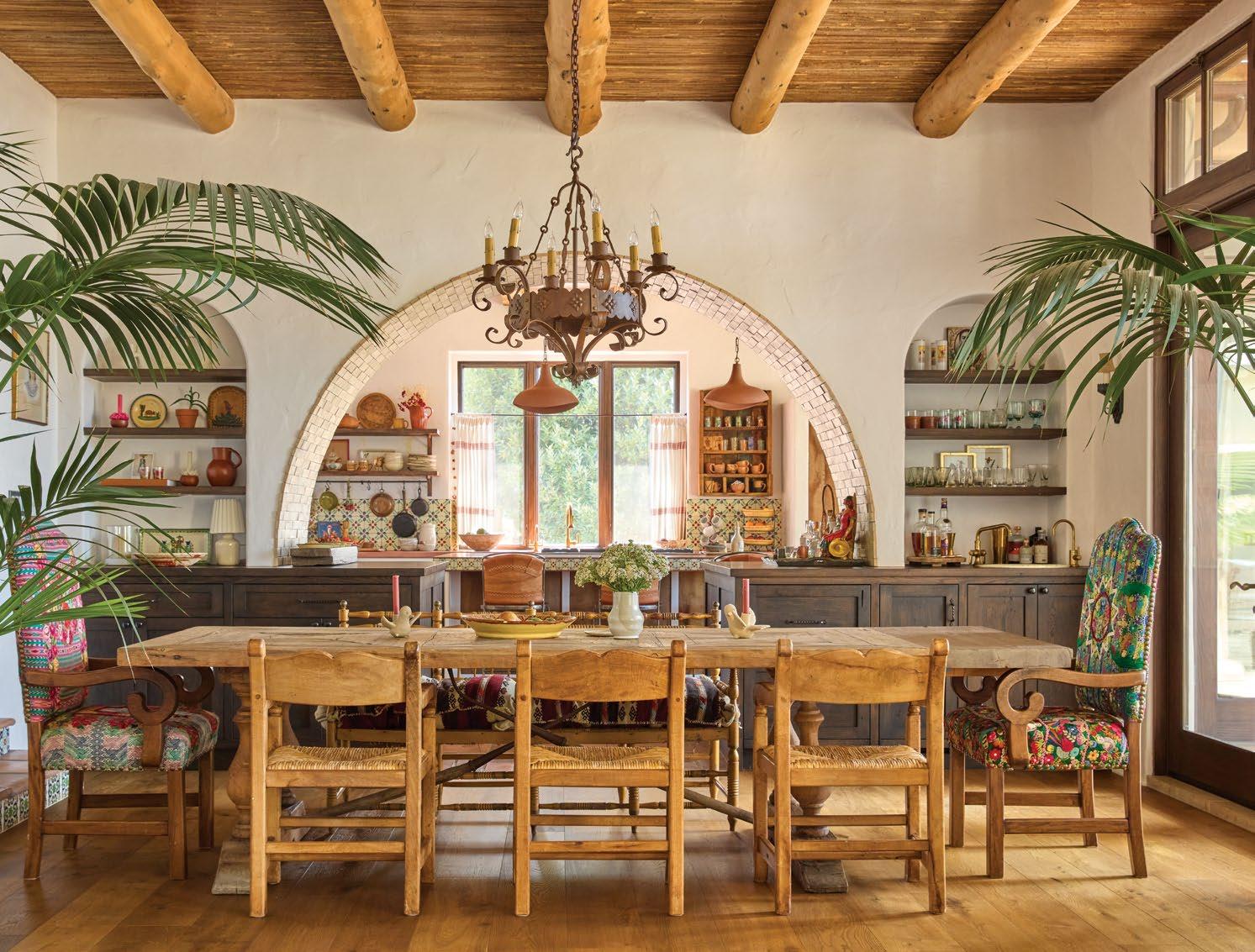
If you keep up with residential architecture and design publications, chances are you’ll recognize the name and work of renowned Santa Barbara-based photographer Holly Lepere, whose artistry and storytelling bring spaces to life. Her debut book, Private Homes of Santa Barbara captures twelve distinct residences in the Santa Barbara area, ranging from historic estates to modern retreats. It offers readers a unique and intimate look into narratives from design talents like Jeffrey Alan Marks, House of Honey, Studio William Hefner, and Amber Lewis, along with behind-thescenes stories and the full creative journey of each project.
For Lepere, this book is as much a tribute to her remarkable work as it is to the place she calls home. “It has been a privilege to celebrate the extraordinary work of my clients through my photography for this book—telling a complete visual story of each home through architecture, interiors, and landscape, while giving voice to the creators behind them,” she says. “I’m honored to share these residences in Santa Barbara, a place I’m grateful to call home.”*
Private Homes of Santa Barbara, published by Gibbs Smith, is available for pre-order and will be released in October 2026.
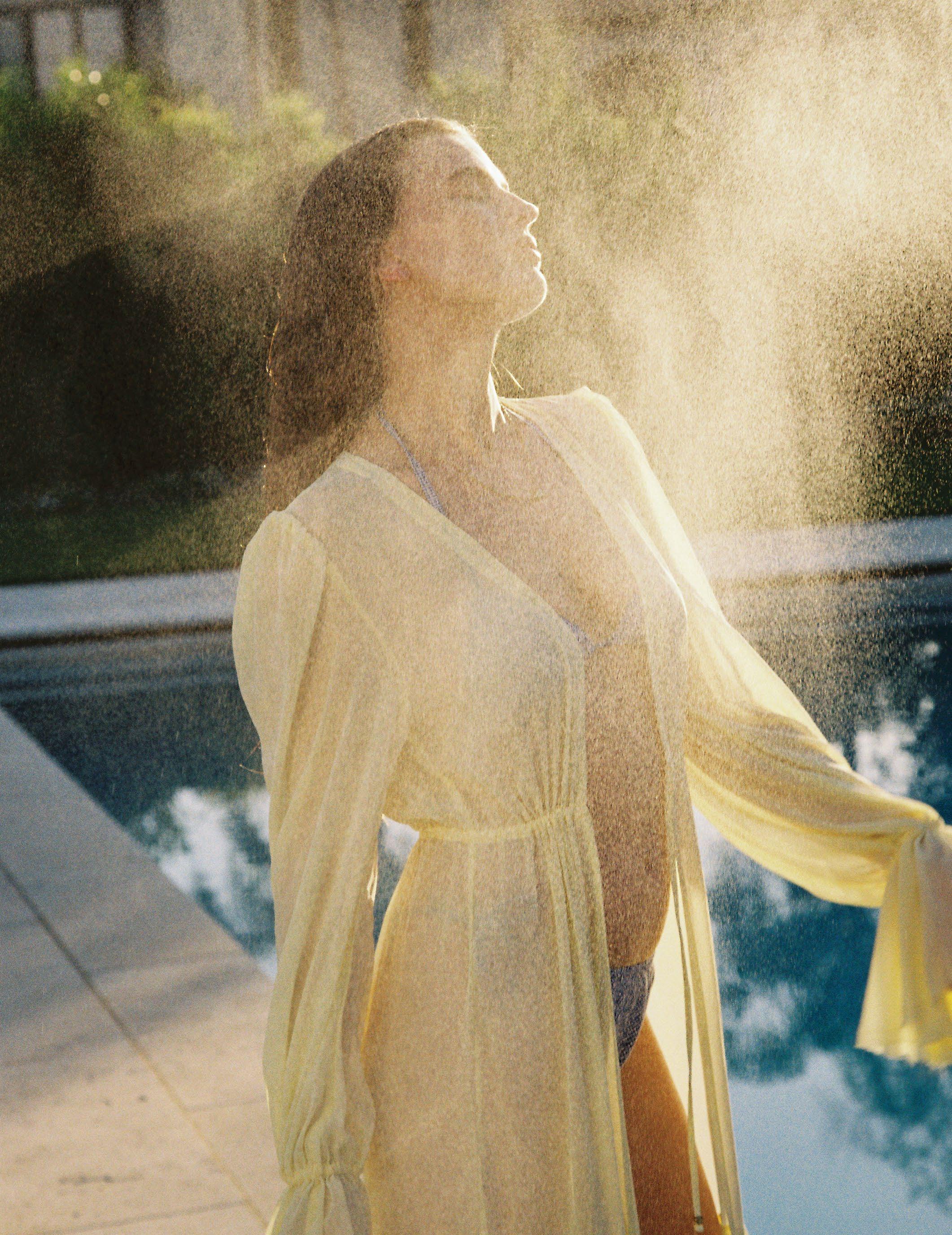
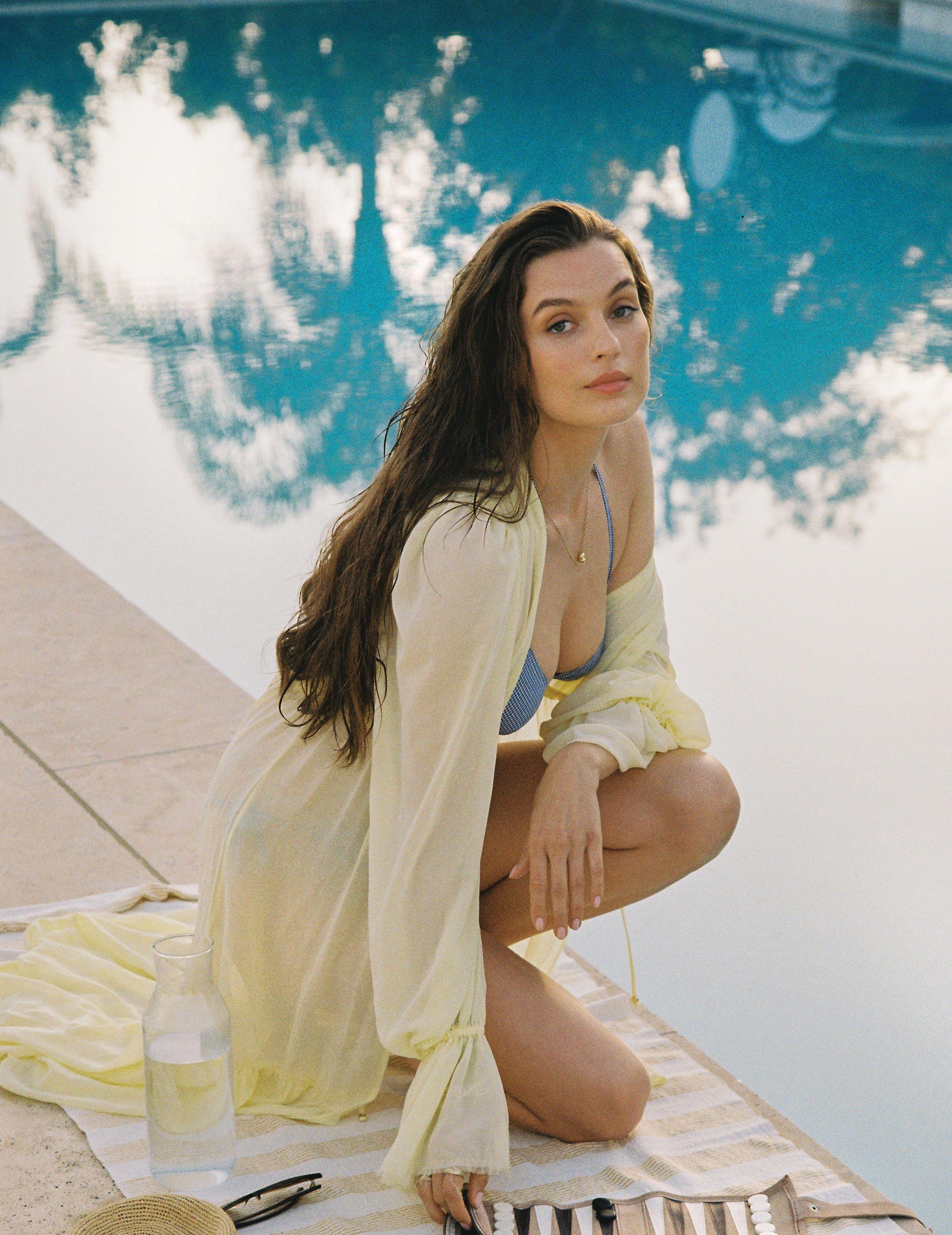
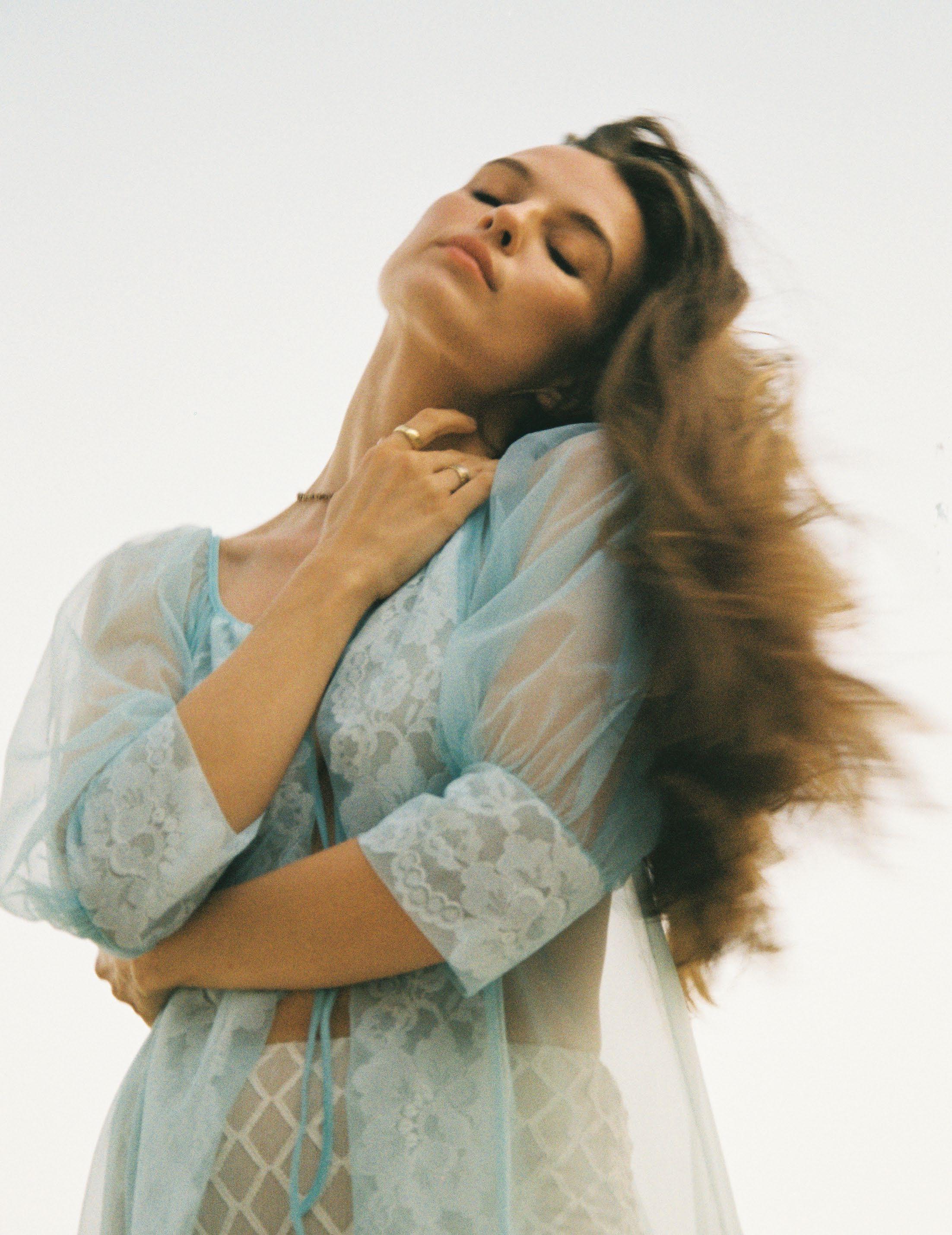
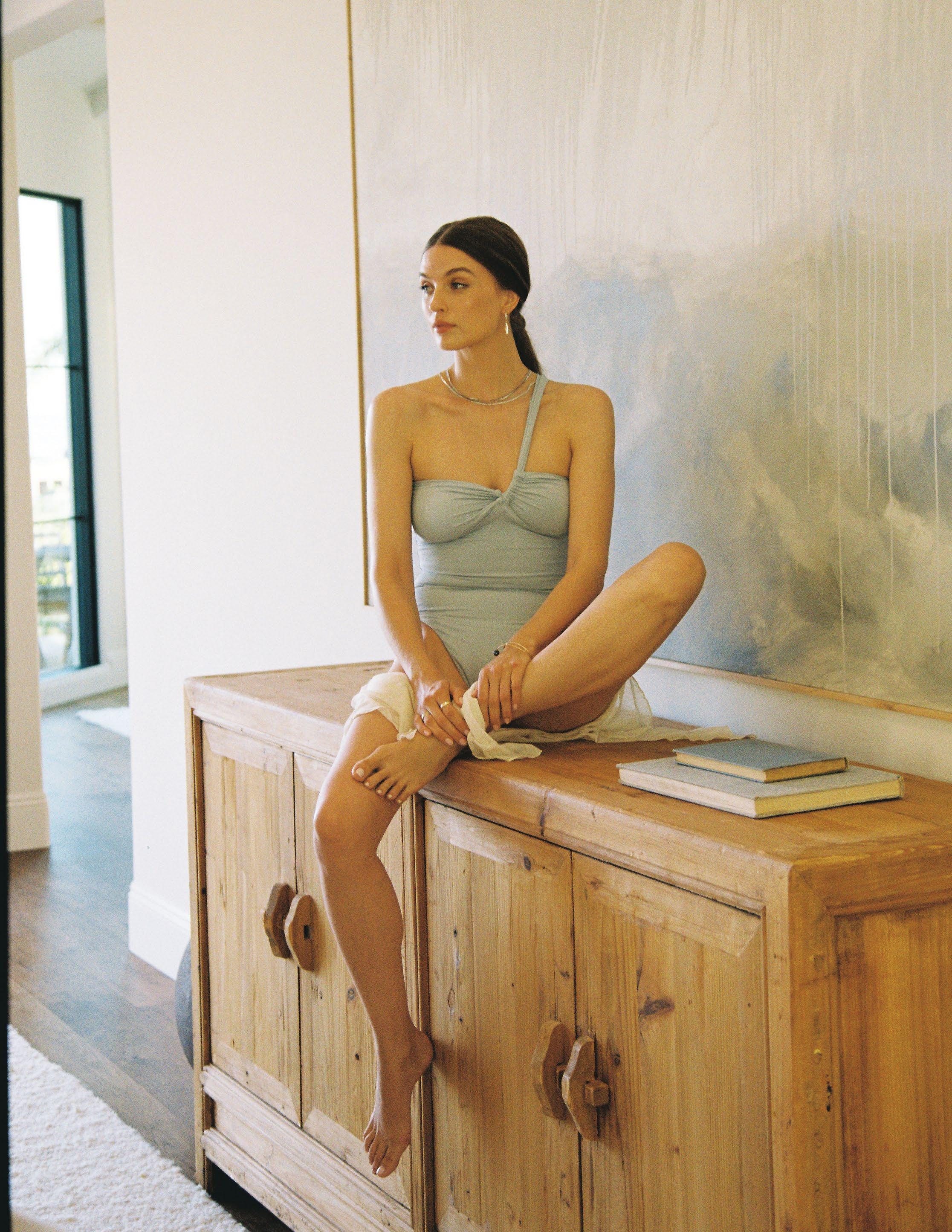
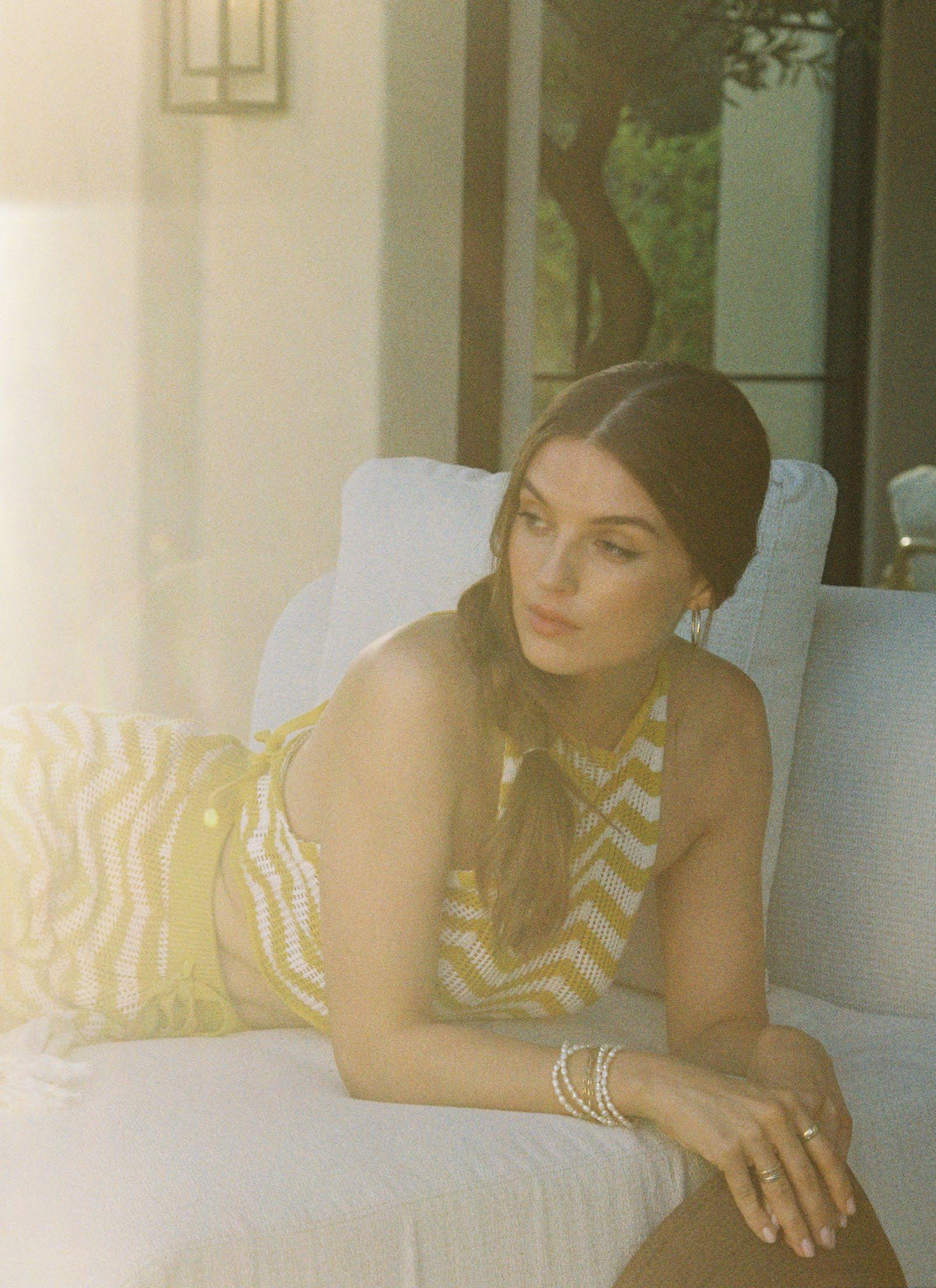
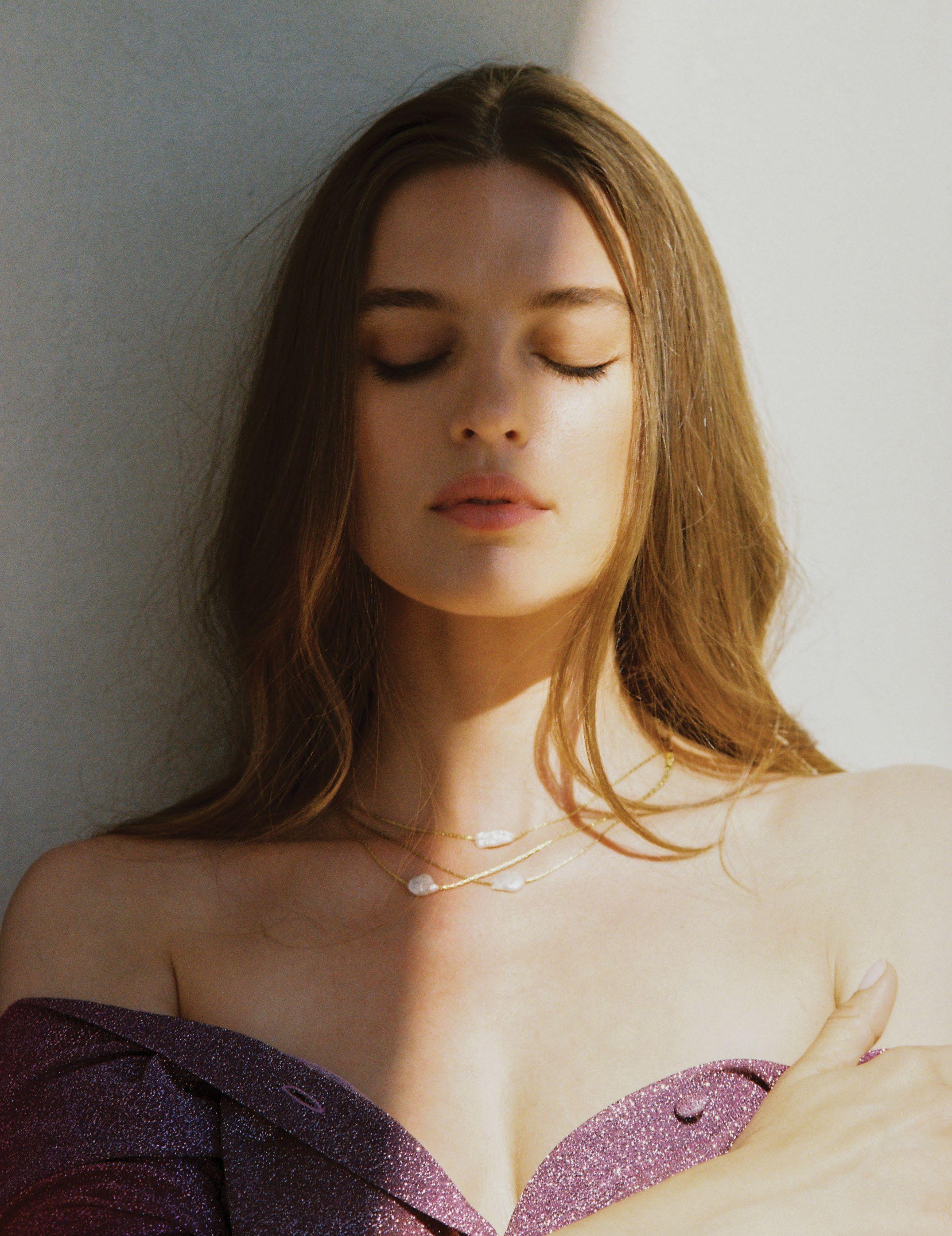

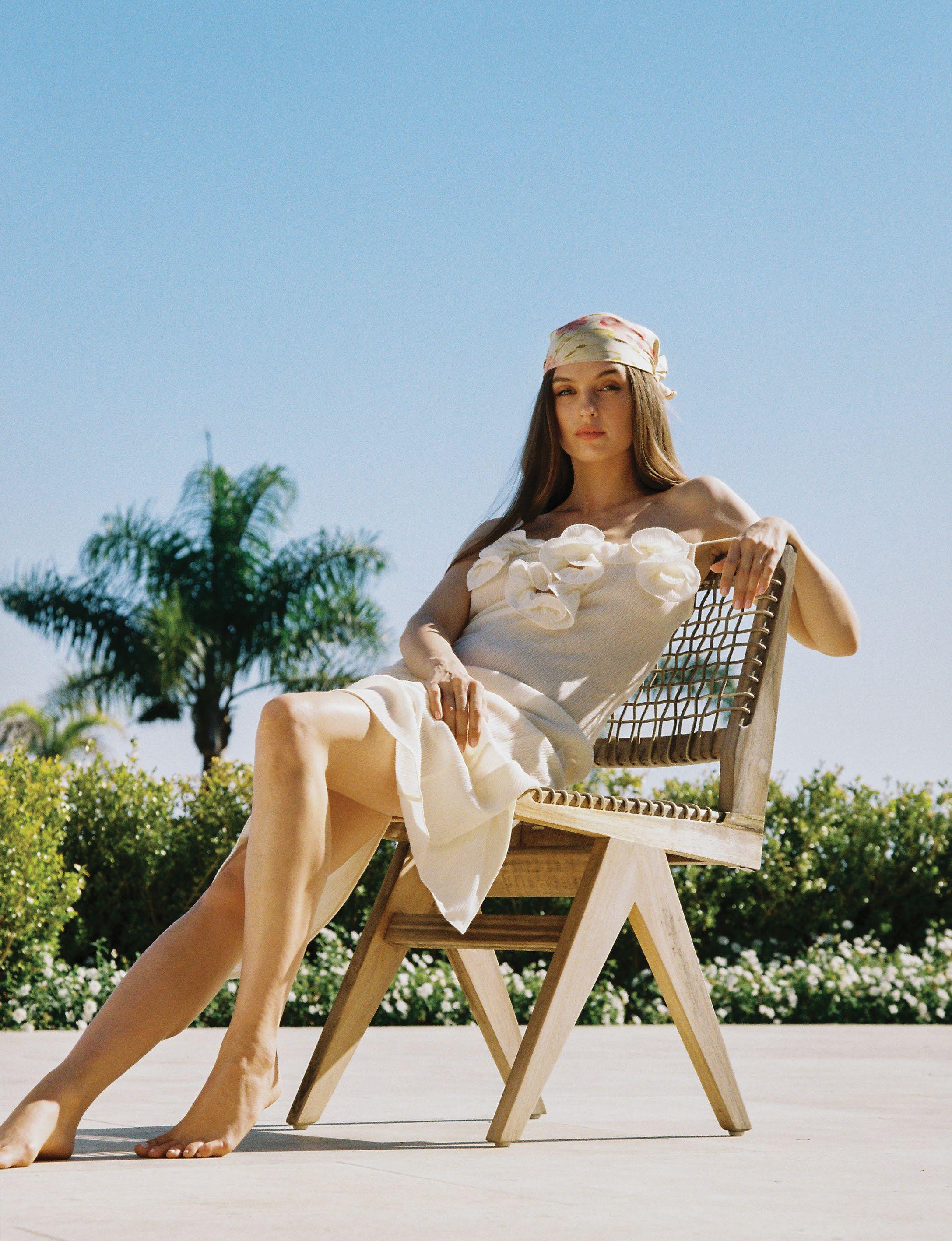


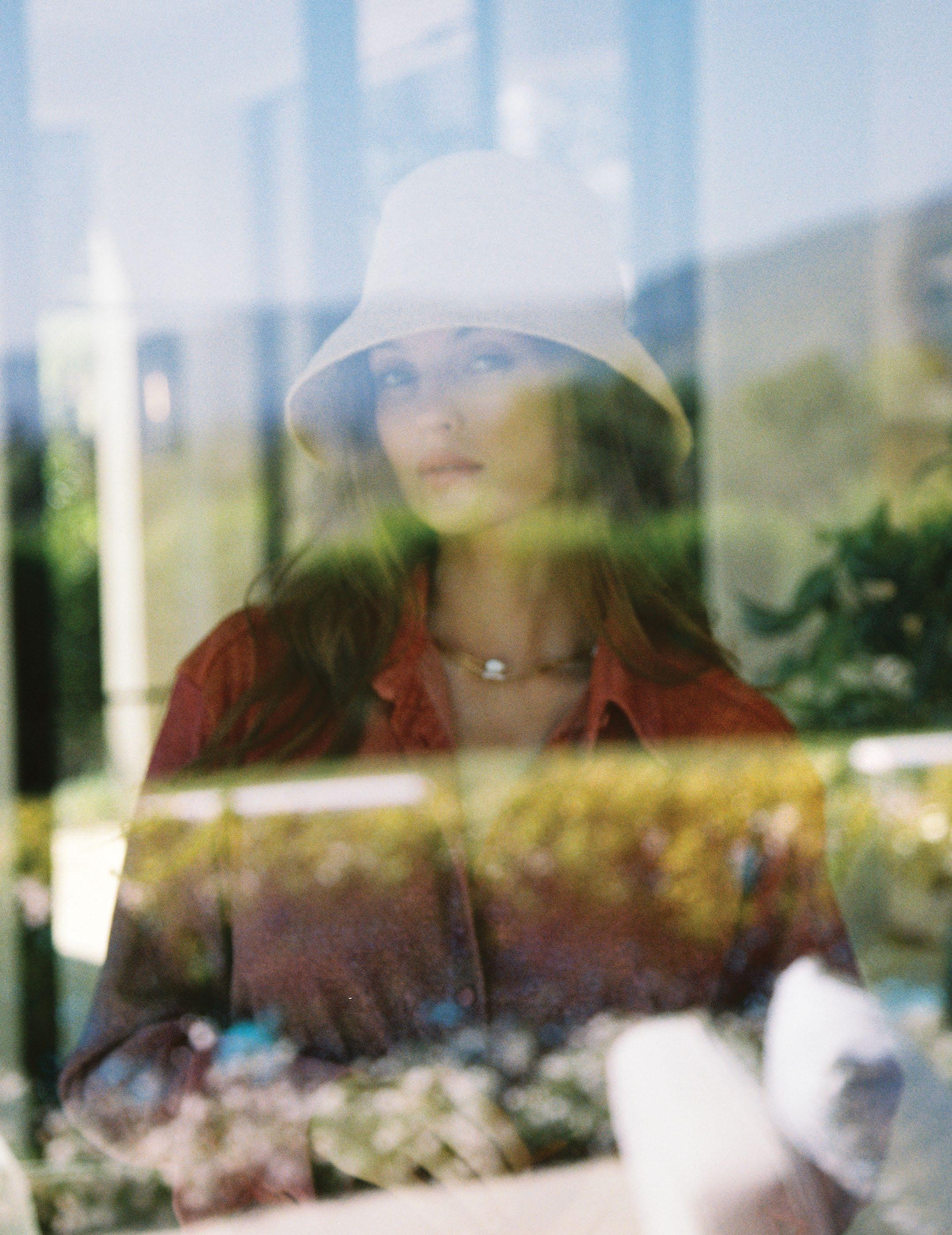



Vitamin A pioneered sustainable swimwear, designing pieces that allow beachgoers to benefit the very environment they’re immersed in, simply through what they choose to wear.
WRITER
Eva Grunburg
Long before sustainability was sexy, back when raw synthetic fibers reigned and plastic was synonymous with production, one brand paved the way for environmental conservation in the swimwear industry.
What the world needed, it turned out, was a dose of Vitamin A.
Founded in Southern California over 25 years ago by Amahlia Stevens, the ripple effect of Vitamin A shifted the tides of the swimwear industry. Inspired by the earth’s natural beauty, California minimalism, and a refined modern spirit, Amahlia blended her passion for clean design and clean manufacturing with her love of nature. She not only created an elevated brand with vibrant collections that effortlessly take beachgoers from day to night, she also made sustainability not just granola, but mainstream.
While Vitamin A spearheads sustainability through their use of recycled materials, production processes, recycled and recyclable packaging, and water conservation, it is their fabric innovation that sets them apart most. The team has spent decades perfecting recycled textiles that feel incredibly soft, have an
uncompromising fit, and maintain their integrity season after season.
After working tirelessly with mills in Italy, Canada, and California, Vitamin A introduced EcoLux™ in 2010: the first luxury swim fabric made from recycled nylon fibers. “It was a pivotal moment, not just for Vitamin A, but for the swim industry at large,” says Katie Dawley, Brand President of Vitamin A. “We often heard that recycled textiles were too niche or too complicated… Our early conviction is what allowed us to help shape the standards that are now becoming industry norms today.” Not only is their innovative EcoLux™ fabric high quality and flattering, it is made from pre-consumer waste and recycled plastic bottles that would otherwise end up in a landfill, or worse…end up cast off to sea, and harming fragile marine ecosystems.
Whether a skin-tight suit or flowy linen matching set, Vitamin A’s timeless silhouettes are proof that sustainability and style can coexist. I asked Katie which Vitamin A pieces are her favorites (on behalf of my soon-to-be summer wardrobe). She shared a few options, because “Our latest collection makes it impossibly difficult to choose.”

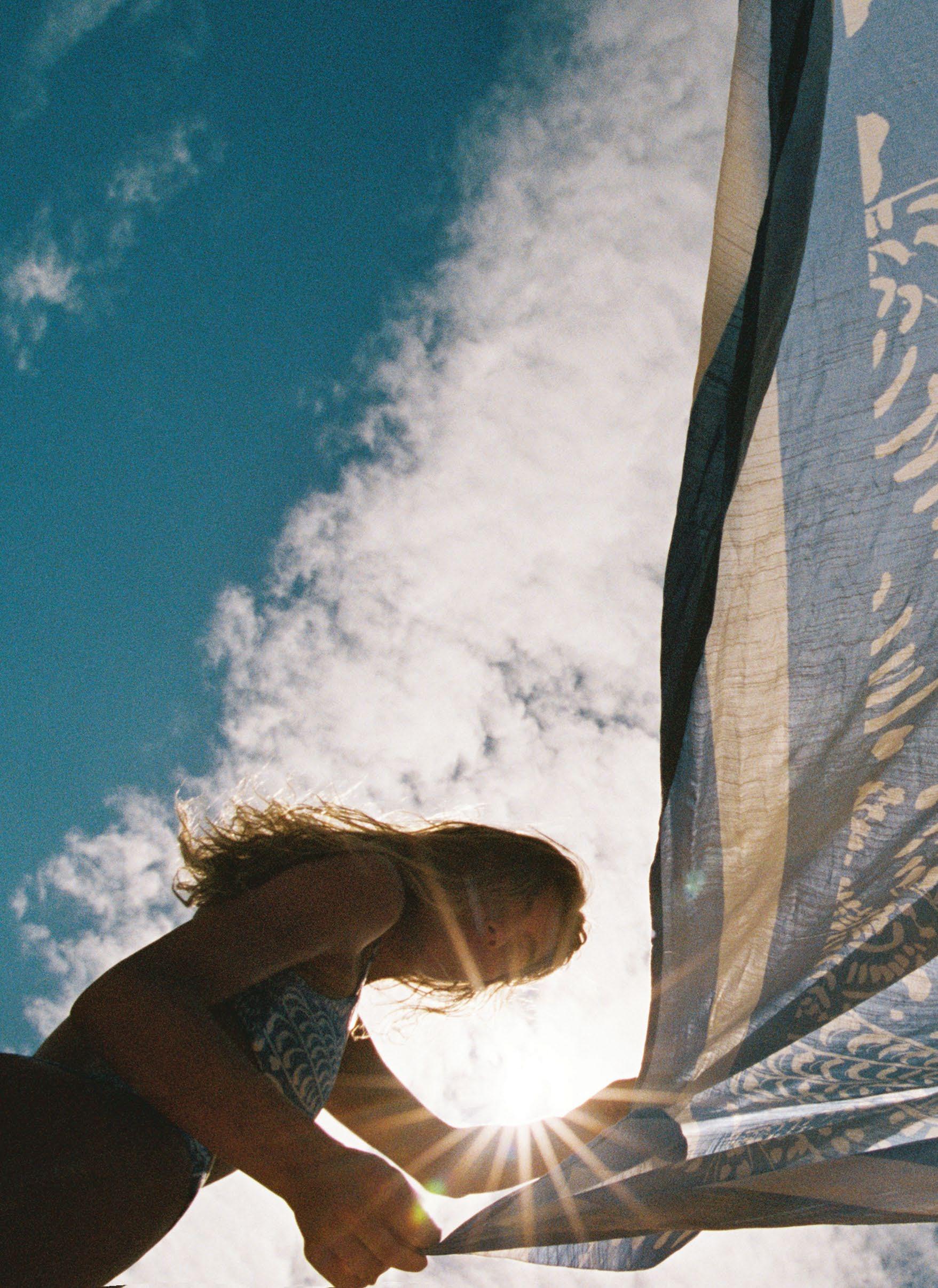
“Our early conviction is what allowed us to help shape the standards that are now becoming industry norms today.”
She’s partial to the Playa Linen Boyfriend Shirt, which can be simply worn with jeans or dressed up with its matching linen pants, and comes in 28 different sunny shades and patterns. Half of a classic set that can be worn to the beach, to date night, or to the office, Katie’s worn the Getaway Pant to all three occasions and more. She also owns the Coast Oversized Boyfriend Tee in every color as an effortless everyday staple. Her current go-to swimsuit is the versatile Milana Bikini Top, which actually counts as multiple favorites as it can be worn over six different ways. Last but not least, to accessorize, she recommends the Paloma Clutch and Tulum Bucket Hat, which are intricately handcrafted and colored using plant and vegetable dyes.
While sustainability is certainly popular these days, Vitamin A knows it’s anything but a trend. The brand recognizes its impact on the environment as well as its own brand ecosystem, establishing intentional partnerships with mills and factories that align. Most notably their new accessories partner who employs craftswomen who spend 12-48 hours crafting each piece. When you’re wearing Vitamin A, you’re likely out and about, enjoying the planet. What’s less obvious is that you’re directly benefitting the environment you’re in by choosing Vitamin A.
As the seasons change and swimwear lovers stock up, it’s imperative for consumers to consider the long-term impact of their choices. Katie advises, “Invest in pieces you truly love and wear them often. Care for them well. Longevity is an often overlooked form of reducing waste. Own fewer things and make them last.”*
Shop the summer collection at vitaminaswim.com
covered from A to double G

WRITER
Sophie Jetzer
If you are sick and tired of the XS to XL labels on most swimwear, Malia Mills has the answer. With the rallying cry of “love thy differences,” Malia Mills’s American-made, meticulously fitting beachwear has long had a local presence, and recently made the move from Montecito Country Mart to The Post. While living in New York in the 90s, Malia wrote the business plan for this women-run and women-centered brand in the basement of the restaurant where she worked, refusing to allow mainstream media of “Six Weeks to Swimsuit Body Ready” dictate how she felt about giving women the choice to have something that fit beautifully, and was tailored to the needs of each individual customer. She says, “It seems really messed up to me that you would go to a store and find the same size top and bottom clipped to the same hanger. Our bodies aren’t built that way.” Engineered around bra size, made with European fabrics, and created with retro-modern silhouettes in mind, Malia Mills is the dream combination of perfect fit and elegant shape. Malia explains, “We have to change the story. It should be about celebration, being with your friends, drinking a beer, and watching the sunset. We want it to be about joy and not having to change all the time.” Constantly inspired by and adapting to better serve the women who come into their stores, Malia Mills is committed to impeccable tailoring and new, fun ways to think about lingerie or getting dressed. After fifteen years in the Montecito Country Mart, Malia says, “We love the community over there, and can’t wait for the new location at The Post.” The new space, located at 1805 E Cabrillo Blvd, is sunny, coastal, and the perfect place to explore what Malia describes as, “It’s soul fuel when you see yourself in something beautiful. It is so empowering.”*
maliamills.com


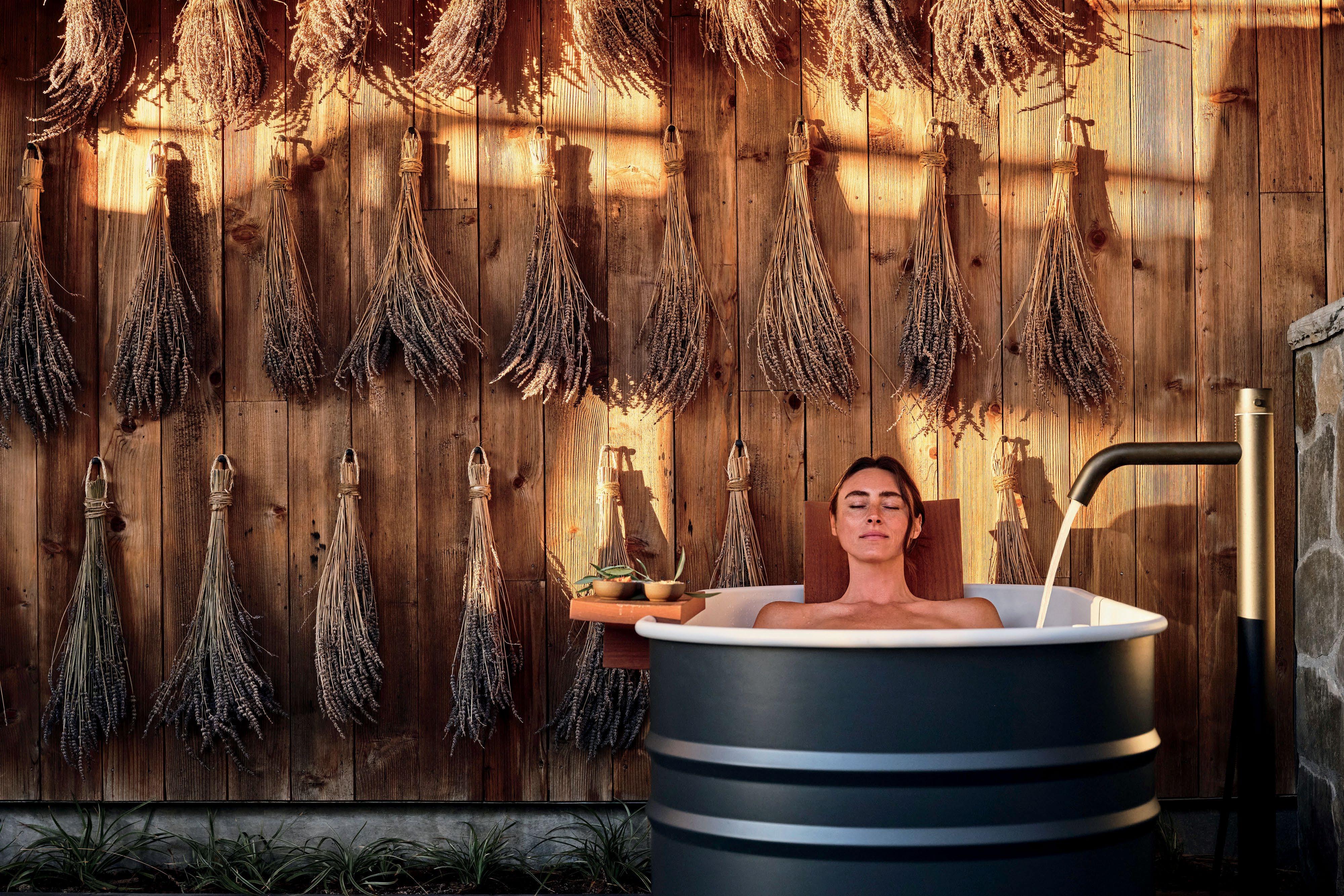

WRITER Ottocina Ryan
Rise above the bustle at the reimagined Peninsula New York.
New York was a home away from home for me growing up. My favorite childhood memories were tagging along on my mother’s business trips, with evenings reserved for Broadway musicals and dinners that felt impossibly glamorous. Years later, I found myself sporadically living in a one-bedroom apartment with five other models (one of which graces the cover of this issue). College brought too many long weekends in the city to count. So when a week of downtime appeared on the horizon, creating New York memories with my daughter (and introducing my partner to the city for the first time) felt both nostalgic and necessary.
While I’ll always love a trendy West Village spot, Midtown East felt the most fitting for this trip. We wanted to be within walking distance of Madison Avenue boutiques, Fifth Avenue’s iconic flagships, Central Park for a necessary dose of nature, and the city’s requisite landmarks. We booked a suite at The Peninsula New York, perched on Fifth Avenue and 55th Street. The hotel offers the perfect location to immerse
yourself in the bustle, and the luxury of rising above it.
We’re greeted by name upon arrival, luggage whisked away as we step inside the landmark building, which first opened as a hotel in 1905. The recently refreshed interiors, envisioned by Bill Rooney Studio, fuse the grandeur of a historic property with contemporary polish. Inspired by Manhattan’s Roaring Twenties, the design feels elegant and lively. Marble double staircases and soaring ceilings speak to another era, while curated works by New York artists add modernity and color to the space.
All 219 guest rooms and suites also got refurbished, with new carpet, wall coverings, furnishings, and The Peninsula’s updated proprietary technology. We check into The Peninsula Suite, one of three signature suites. It feels like a pied-à-terre, complete with a living room, kitchen, and my favorite detail: a telescope for ultimate people watching.
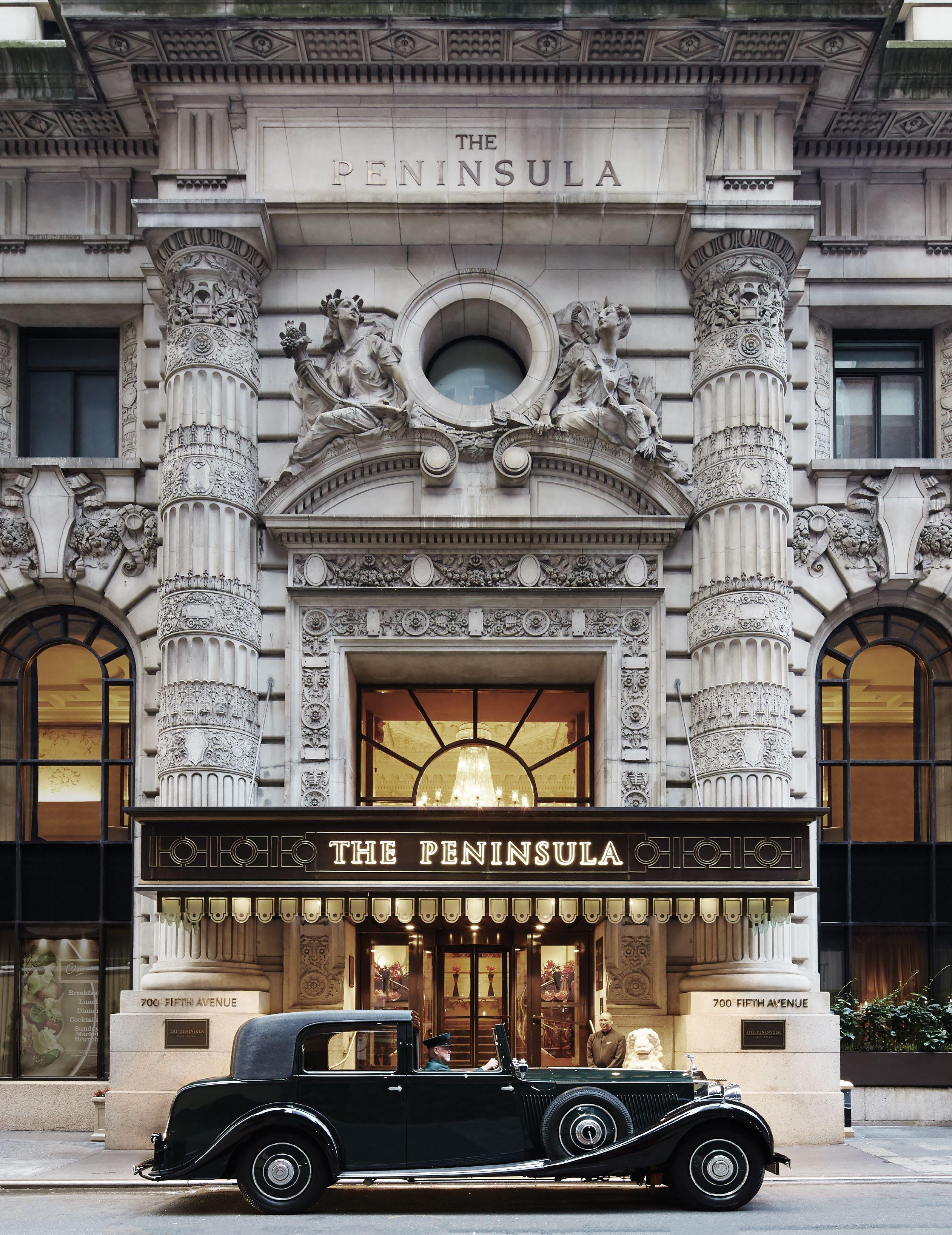
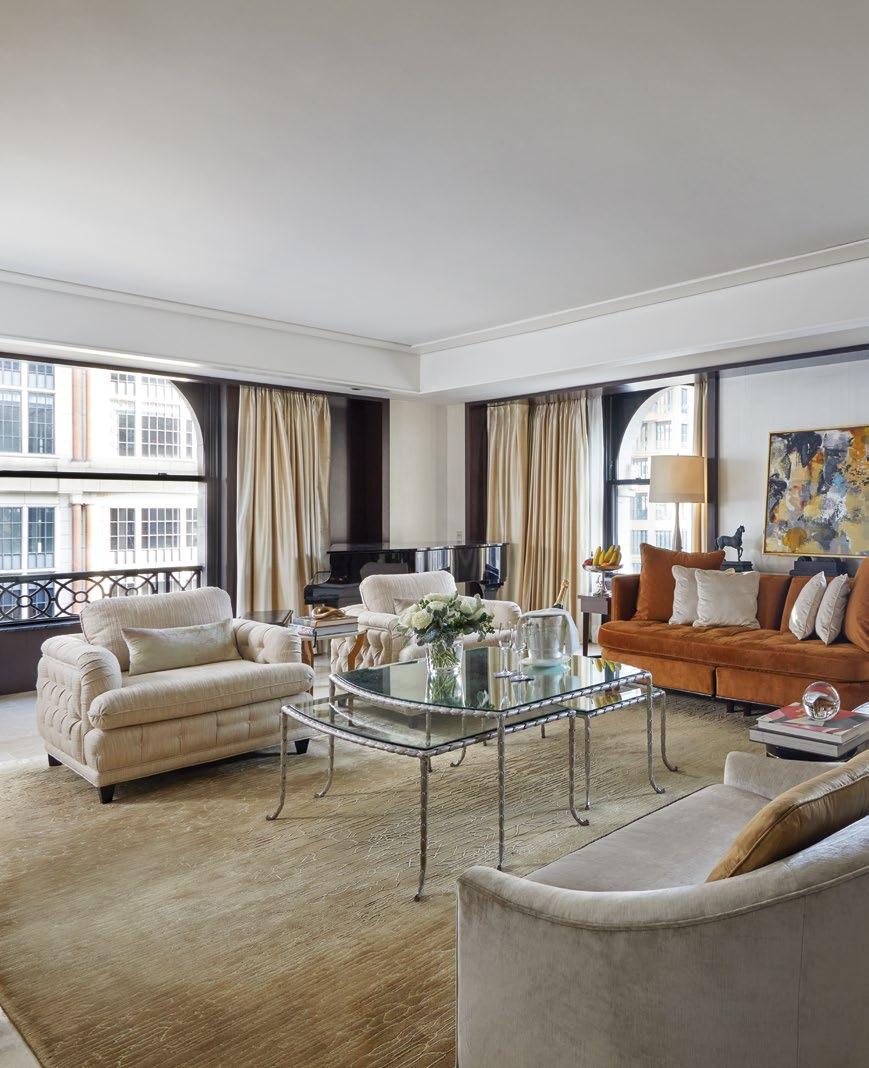

The aesthetic isn’t minimal, yet it creates that peaceful atmosphere I long for in New York. White molded headboards lend a subtle Zen-like quality. Every drawer in the study is meticulously labeled. Lighting, room service, and even PressReader are easily accessible via bedside tablets.
While the Fifth Avenue views are captivating, we’re immediately drawn to the children’s amenities awaiting our daughter: a teddy bear clutching a balloon and wearing a tiny Peninsula jacket embroidered with her name, a toddler-sized robe and slippers, and a wrapped present that we save for morning. I joke that they must have thought it was only her checking-in.
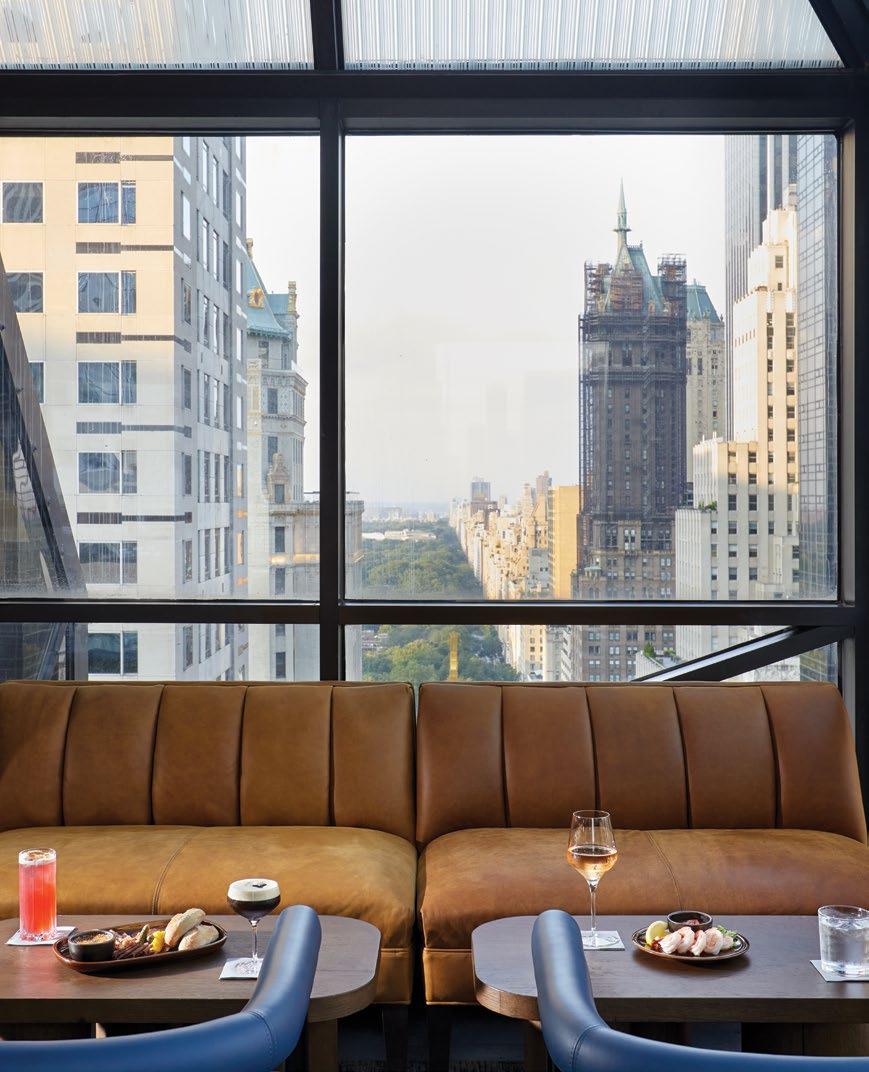
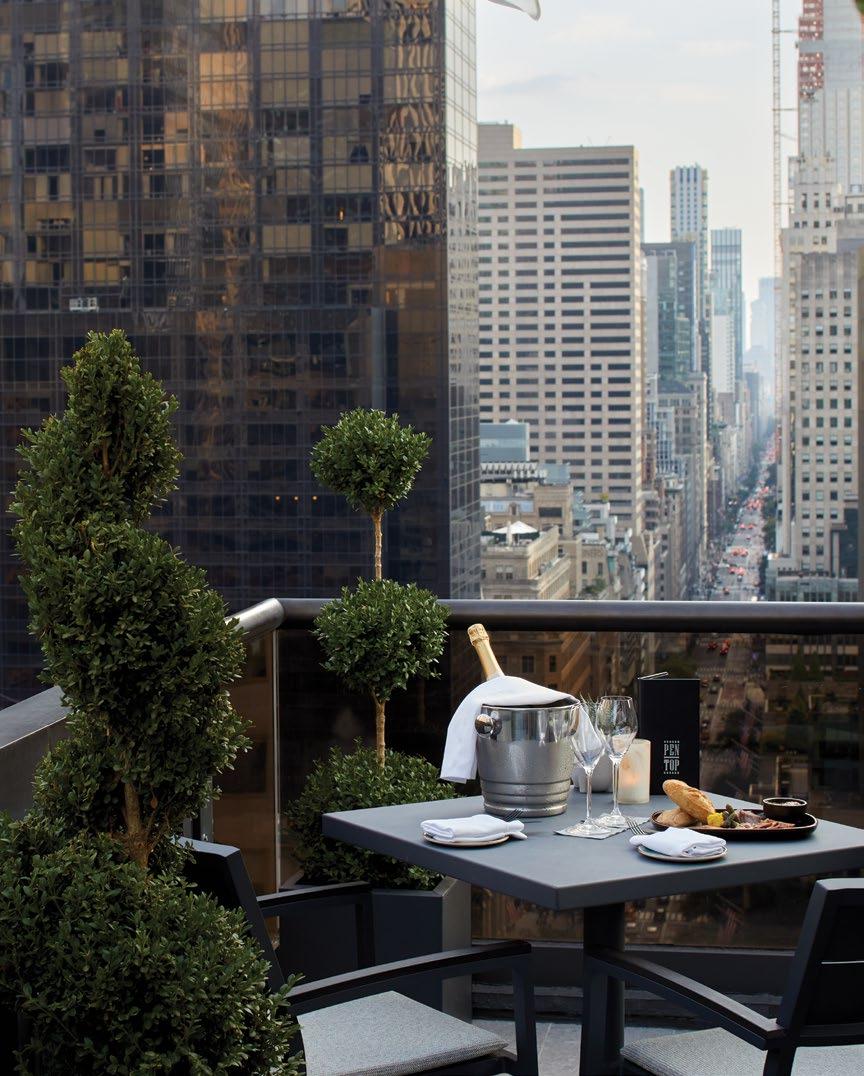
Given our late arrival (late by tired parent standards, not New York’s), I sink into the marble bathroom’s deep soaking tub positioned beside a window overlooking the city, the Louis Vuitton trunk tower gleaming in clear view. Wrapped in her miniature robe, our daughter devours the room service we cleverly ordered en route. We collapse into bed soon after. Had we arrived earlier and sans child, Pen Top, the hotel’s rooftop lounge, would have made for an obvious nightcap.
Our mornings begin at Clement, the hotel’s signature restaurant. Over lobster scramble, avocado toast, and berry-topped chia pudding that looks plucked from a French pâtisserie, the friendly staff play peek-a-boo with our daughter as we plan out the day.
We average seven miles a day on foot. Up Madison Avenue for shopping, wandering through Central Park, pointing out favorite spots and trying new ones. Our daughter waves to people on the street, garnering a fair amount of reciprocation. One afternoon we venture downtown to Printemps New York, the Parisian department store location opened in early 2025 and is heaven for fashion and design lovers.
After navigating a protest en route from Bergdorf Goodman, I retreat to the hotel’s Wellness floor. Rather than a subterranean spa, The Peninsula Spa & Wellness Center occupies the 21st floor, offering sweeping skyline views from the gym and pool. Wood walls make the space feel warm and cocooning. The treatment menu ranges from Shirodhara to an aptly named Escape from the City experience, which encompasses a detoxifying body exfoliation, a 90-minute holistic massage, and a results-driven Biologique Recherche Biolift facial.
Though I’ve visited New York countless times, I wouldn’t claim tour-guide status. The Peninsula, however, excels at crafting bespoke city experiences through its Peninsula Academy. We opt for a private food tour with Funky Experiences. Our guide Ben meets us in the lobby and leads us through an afternoon narrated by witty commentary and historical insight.
We stroll through Times Square to appease the first-timers before ducking into John's of Times Square, housed in a former 1920s Baptist church, for classic New York pizza. The best bagel I’ve ever had comes from Black Seed Bagels, wood-fired and with the perfect cream cheese ratio. Five stops later, we've gotten a well-rounded tasting of the city’s iconic food groups.
And yet, most evenings we find ourselves drawn back to our suite, wanting to eat at The Peninsula despite having every cuisine imaginable at our fingertips. In my opinion, no restaurant vibe can top room service in plush robes overlooking the shimmering skyline. Our perch above Fifth Avenue is the perfect blend of comfort and elegance, and even with all of New York laid out before me, I’m exactly where I want to be.*
WRITER
Grunburg
Traveling down the coast to The Ritz-Carlton, Laguna Niguel for a weekend of serenity and celebration—of the Kilometre Paris x Ritz-Carlton collaboration.
From the moment I walk into The Ritz-Carlton, Laguna Niguel, everything is sparkling: the frothy cerulean waves crashing on Salt Creek Beach; the hotel itself, having recently completed property-wide renovations; and of course, the champagne at check-in. While I’m partial to Santa Barbara’s very own Ritz-Carlton Bacara, I couldn’t pass up the opportunity to trade the Central Coast for SoCal for the weekend in celebration of the Ritz-Carlton’s latest collaboration with Kilometre Paris, a brand known for vibrant, hand-embroidered accessories that tell the stories of the world’s most intriguing destinations.
My favorite getaway companion, my mother, and I venture off to the Dana Guestrooms wing, passing glistening dolphin sculptures and an exhibit on Hobie, Southern California’s first surf shop, complete with vintage photographs, brand memorabilia, and iconic surf boards. Blending the soulful charm of Southern California with timeless Spanish elegance, the serene hues of green and birch decor make our ocean-view room an extension of Laguna’s natural beauty.
Hypnotized by panoramic views, we’re reeled into 180 BLU for Ahi Tuna Tartare and Guacamole with house-made tlayudas for a pick-me-up to revive us following our drive. My Honeycomb Spritz, which arrives with a hearty chunk of actual honeycomb, and my mom’s glass of Sancerre easily do the trick as we toast to the memories ahead.
Refueled, we take a tour of the 41-yearold property. From guest-favorite hit restaurants that were supposed to only be pop-ups, to the ten specialty suites, to the
custom Ritz-Carlton Compartes chocolate bars that benefit the Ocean Institute, a marine education program, it’s evident that the hotel’s history and intention are by design. I can’t help but snag a couple bars of the chocolate—for the sake of the ocean.
While the main events of the tour are breathtaking, the thoughtfulness of The Ritz-Carlton, Laguna Niguel is down to the details. We examine the glowing light fixtures that line the hallway ceilings: “It’s a sunhat,” someone says, “It’s a stingray,” another calls out. “It’s a shell and pearl,” General Manager Kelly Steward says with a smile, eliciting a collective, “Ahh,” from the group. Hidden in plain sight, California soul is imbued in every facet of the hotel.
We end the tour with spritzes in the Club Lounge, getting lost in our conversations and the breathtaking view until it’s time to get ready for the dinner celebrating the Ritz-Carlton and Kilometre collaboration.
After a quick turnaround from coastal casual to coastal chic (with a little help from the in-room Dyson hairdryer), my mom and I are ready for the event. We arrive at the Monarch Sunset Terrace to celebrate the debut of Kilometre Paris x Ritz-Carlton, a collaboration honoring creativity, craftsmanship, and the joy of travel. The evening’s ambiance encompasses Kilometre’s dedication to authentic adventure. Fuchsia tablecloths and wicker lanterns sway in the breeze as “Young, Wild, and Free,” by Snoop Dogg echoes on the sitar, orchestrating one of the most magnificent sunsets I’ve ever seen—which says a lot considering I live between Santa Barbara and San Diego.
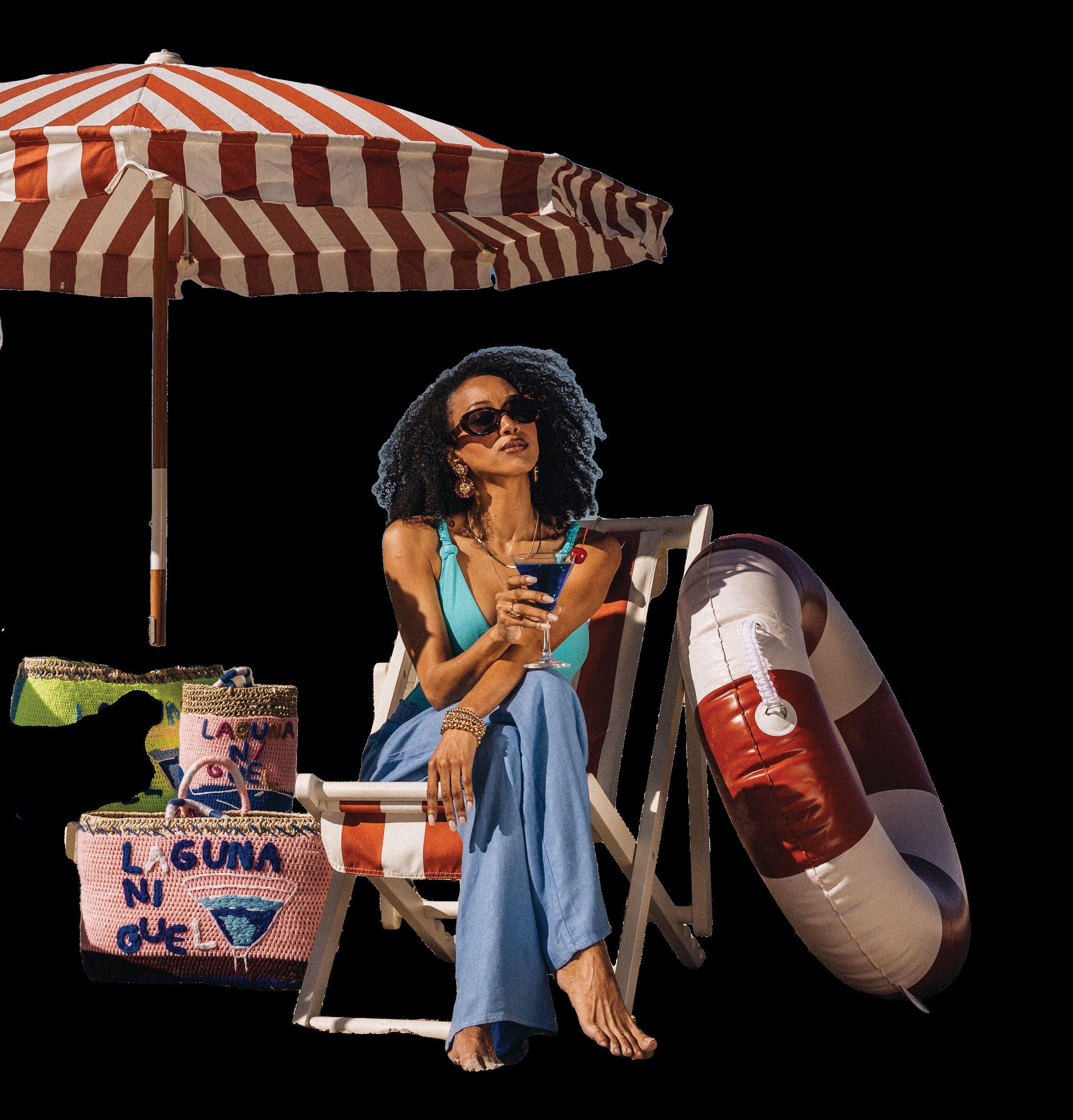
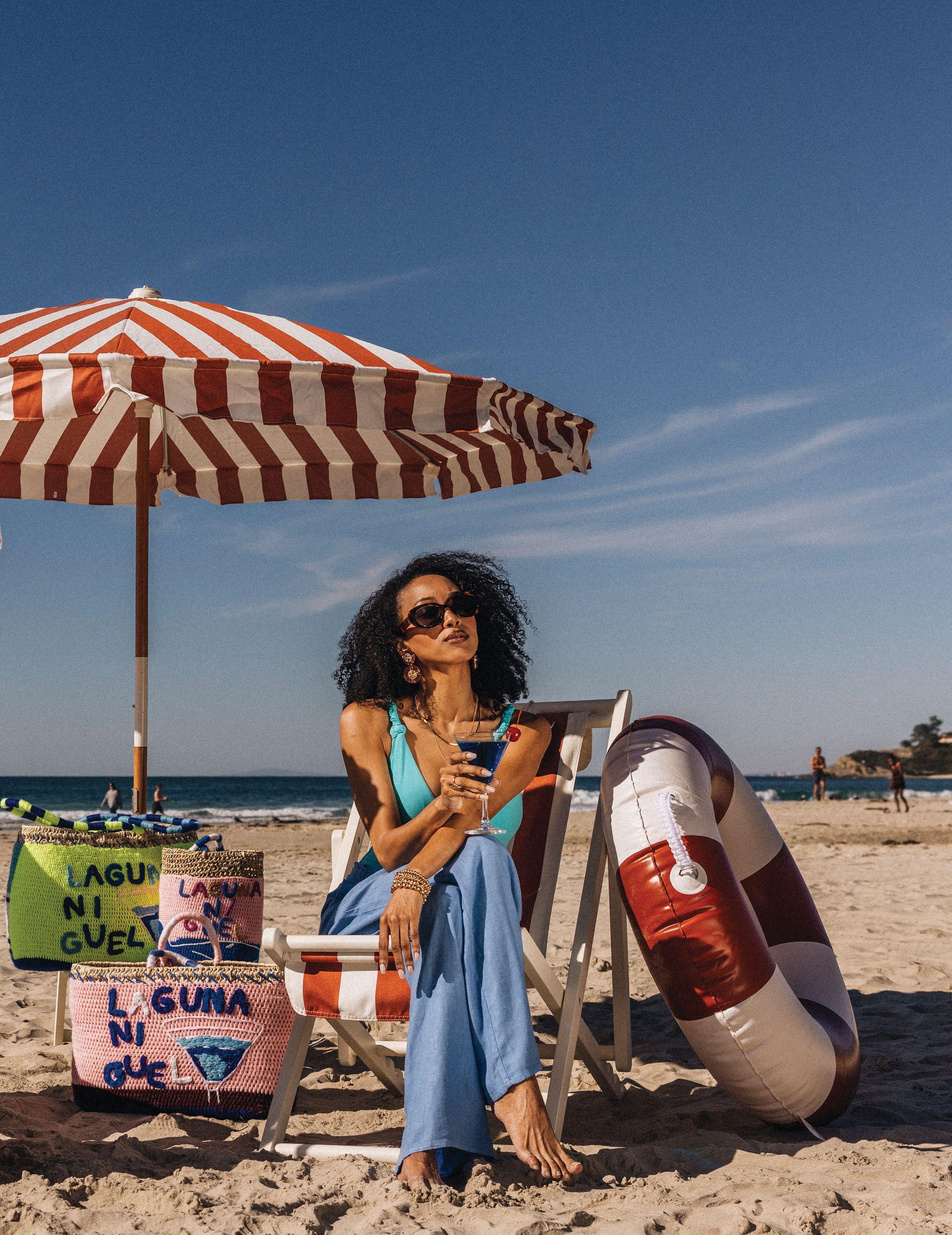
Following the success of The Ritz-Carlton’s collaboration with Madrid-based clothing brand Late Checkout, Ritz-Carlton x Kilometre Paris channels the spirit of four iconic coastal resorts, Laguna Niguel, Santa Barbara, Amelia Island, and Key Biscayne, into handcrafted bags designed to be remembered and treasured as a connection to place, culture, and community. After perusing the new collection, I instinctively gravitate towards the “Santa Barbara” Le Tube Basket.
Each piece gives back, with 32% of proceeds, inspired by the 32.8 feet that make a kilometer, being donated to Community Footprints, a partnership between Ritz-Carlton hotels and local charities to bolster protection of the environment, education for children, and opportunity for social mobility. I learn that Kilometre was founded by a mother-daughter duo, and it feels even more meaningful that I was able to experience the weekend and launch with my mom.
While chatting with Tiffany, the hotel’s Director of Sales and Marketing at the private launch dinner, she shares that her head-to-toe blue ensemble is inspired by The Ritz-Carlton's signature color, which is called “Memorable Blue.” I find the name extremely fitting for the distinctive dinner, designs, and destination that I’m sure to remember forever.

Friday morning rolls in with the tide and it’s time for us to attend The Ritz-Carlton’s signature Pacific Purification Ritual, a transformative wellness journey that urges participants to release what no longer serves them. We begin with an aura cleansing with white sage, which is traditionally gifted by Native Americans, then experience a tranquil sound bath and guided meditation. Once in a meditative state, it’s time for the cold plunge to fully release and renew. Soon enough, I find myself diving into the chilly saltwater and earning a Ritz-Carlton rash guard emblazoned with the motto, “All-in.”
We return to warmth atop the bluffs and begin the final activity: crafting our own Mala Mantra bracelets, with meaningful gemstones that serve as reminders of the mantras they represent. I select Rose Quartz, promoting love, Labradorite, promoting strength, and Tiger’s Eye, promoting courage.
Experiencing spiritual renewal first thing in the morning leaves us famished, so my mom and I head to brunch at Raya for mimosas, a lobster benedict, a California omelette, and panoramic views of the ocean I was just immersed in. Dappled along the surface are dozens of surfers, which is welcome entertainment during our meal.
No trip is complete without lounging by the pool, which my mom and I take seriously—luckily, so does the Ritz-Carlton, Laguna Niguel, with a sunscreen station, infused water, and a bevy of lounge seating options at the Dana Pool. As I tan, my reading is interrupted a handful of times by curious guests stopping to ask about my new Kilometre bag.
Luckily, the pool is just steps from our next activity of the day: a spa appointment. We both opt for the Blue Diamond Facial. Using the Blue Diamond collection from Omorovicza, each product incorporates Budapest’s mineral-rich water, and techniques like enzyme exfoliation, cooling eye treatments, and traditional Hungarian lifting massage leave my skin firmer, brighter, and deeply recharged. Glowing, we can't resist returning to 180 BLU for dinner.
The rhythms of the Pacific serenade us at our final morning breakfast in the Club Lounge as we reflect on our stay. My bag is filled to the brim with souvenirs commemorating the past few days: my “All-in” rash guard, my Mala Mantra bracelet, my Compartes charity chocolate bars. On the coastal drive home, I daydream about the trip and my eventual next visit. I’m ready to Ritz and repeat.*
THE RITZ-CARLTON LAGUNA NIGUEL
1THE RITZ-CARLTON X KILOMETRE LE TUBE
BASKET - SANTA BARBARA
This hand-woven, durable palm straw bag combines the best of Moroccan craftsmanship and Santa Barbarian style. Truly functional art, the statement piece is perfect for carrying the below favorites or any elevated beachside essentials.
$292
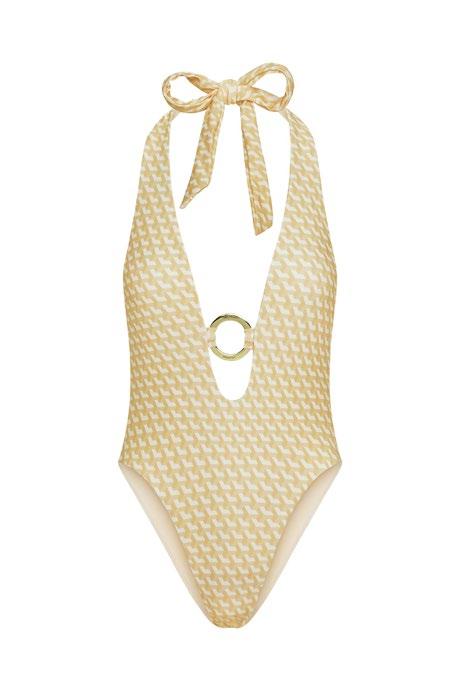
2
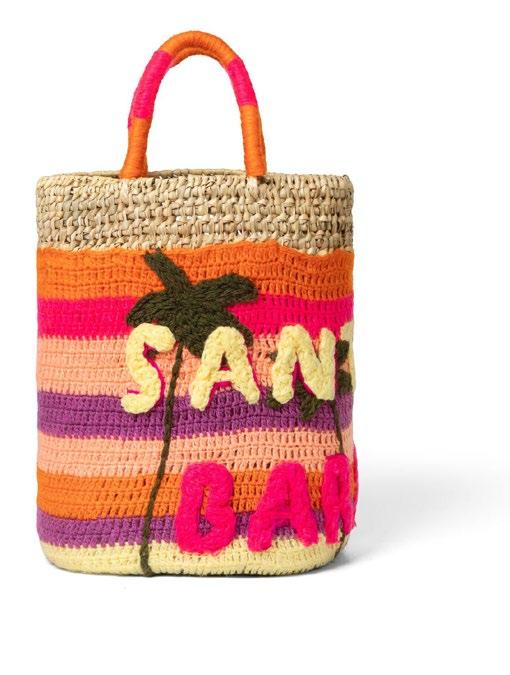
MONDAY SWIMWEAR MONTEGO ONE PIECE IN IVORY GEO
Monday’s motto, “If you’re in a bikini on a Monday, you’re having a good day,” rings true, especially if you’re wearing their Montego One Piece at the Dana Pool. Made with confidence in mind, Monday’s pieces are timeless and flattering to every body type.
$197
BAREMINERALS LUMINOUS SKIN TINT STICK
Perfect for all-day wear or on-the-go touch-ups, this portable skin tint hydrates, supports the skin barrier, and evens complexion, offering a glow that withstands the saltwater and sweat of a beach day.
$39

5

4
SONREI SKIN SEA CLEARLY HYDRATING SUNSCREEN GEL/PRIMER
Sunscreen is an everyday non-negotiable. Luckily, Santa Barbara-based Sonrei’s invisible, eco-conscious, clear-gel formulas protect the skin and double as skincare—offering anti-aging benefits and moisture retention—all wrapped in gorgeous sustainable packaging.
$80
This Yvonne Léon ring, embodies springtime flair. Its subtle floral pattern with diamond centers creates an accessory that’s versatile and effortlessly chic. The perfect addition to elevate a coastal casual look or complement an evening ensemble.
$3412
WRITER Eva Grunburg
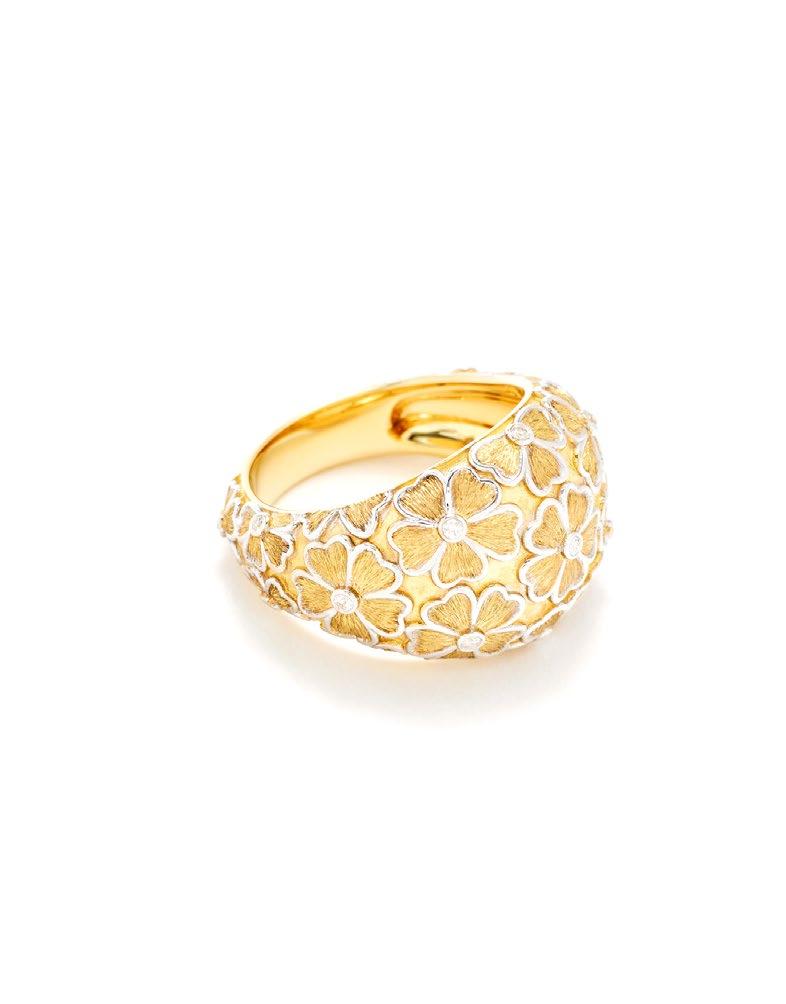


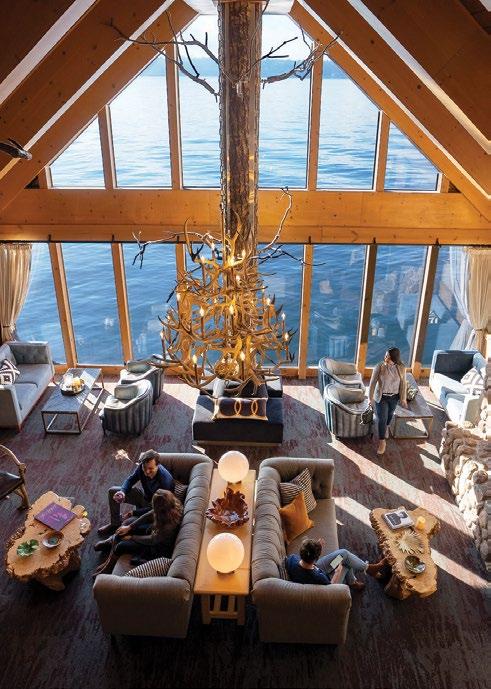
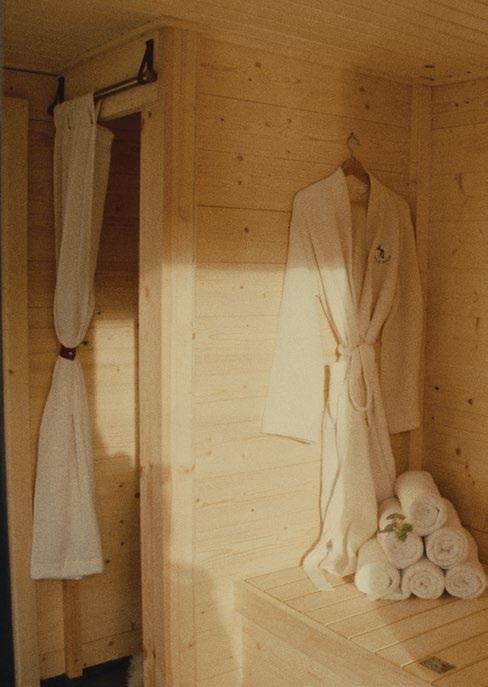
WRITER Maddy Sims
In late summer, the city offers something closer to a coastal escape than an urban getaway.
Seattle, in my mind, was always gray.
The first time I visited, it delivered on that expectation—misty skies, damp sidewalks, and a steady drizzle. We did what visitors do: wandered through Pike Place, watched fish fly, and ducked into bars to escape the rain. It was an excellent trip. It was exactly the trip I anticipated. This time, though, is different.
I’m leaning over the edge of a ferry, a cold cider in hand, watching deep navy water sparkle in the sun. The engine idles. We’re scanning the horizon for whales, with the Olympic Mountains rising in the distance. It’s hot enough to feel like late summer somewhere coastal or somewhere Mediterranean—somewhere decidedly not here.
But it’s Seattle in September, and it’s perfect. (Locals, I learn quickly, prefer not to advertise that.) It’s the city’s bestkept secret.
I land at sunset, the blazing orange sun dropping behind dark silhouettes of pine and mountain. In South Lake Union, the newly opened 1 Hotel feels less like a city property than an extension of the surrounding landscape—with reclaimed wood, moss installations, and soft, textural fabrics that echo forest floors and lake edges. It’s calm without trying too hard, a quiet retreat in the middle of the urban bustle.
The next morning, we leave it behind. Most visitors point themselves toward Mount Rainier, and for good reason.
But the deeper magic lies elsewhere, in lesser-known stretches of forest where the air feels greener, more still and also somehow more alive. After a long drive out of the city, we arrive at a dense expanse of towering pines, sunlight streaming through in long, golden beams. For a moment, it doesn’t look real.
We’re here to forage with Angela Shen, founder of Forage Seattle, who moves through the woods with the kind of ease that comes from knowing exactly where you are and why. Her enthusiasm is immediate and infectious. She points out textures, scents, and subtle shifts in the forest floor that would otherwise go unnoticed.
Soon, we’re spotting mushrooms everywhere: chanterelles tucked beneath ferns and coral-colored lobster mushrooms hiding in the soil. The act itself is slow and deliberate—part treasure hunt, part meditation. We kneel, brush away dirt, and take care not to disturb what’s around it. It requires presence and attention. In a world built on speed and distraction, that alone feels like a luxury.
Back at camp, Shen turns our haul into a rich savory risotto, each bite layered with the umami of what we’d just gathered. It’s simple, but it tastes differently when you’ve pulled the ingredients from the ground yourself. Dessert—her family’s dense, fudgy brownies—is a welcome reward.
We drive back to the city. Forest turns to freeway. Green gives way to glass. But the 1 Hotel feels like a piece of the forest has followed us back.
That night, in Capitol Hill, dinner at Terra Plata continues the theme, though with a bit more polish. The rooftop hums softly under a canopy of plants, the menu rooted in the same philosophy we’d just experienced firsthand: seasonal, local, and intentional. A spread of roasted beets, albacore crudo bright with citrus, and a perfectly-cooked chicken arrives in waves, each dish clean and precise without feeling too precious. Seattle knows exactly what it has access to and lets those ingredients shine.
In the morning, the waterfront is glowing. Seattle’s newly revitalized shoreline stretches along Puget Sound, dotted with public art, green spaces, and nearly a thousand newly planted trees. It’s thoughtfully designed, but more importantly, it’s usable—made for wandering, pausing, and playing.
At the Seattle Aquarium’s Ocean Pavilion, things go quiet. Early light filters through the water-filled spaces as families drift between exhibits. In one massive tank, a school of fish moves in near-perfect unison—except for one, swimming steadily against the current. It’s a small moment, easy to miss. I can’t look away.
From there, we walk to the ferry terminal and board for Bainbridge Island. The crossing is short (about 30 minutes) yet feels like a complete departure from the city. The skyline recedes, replaced by a dense green shoreline and open sky. Bainbridge is unassuming in the best way: independent shops, low-slung buildings, and people walking everywhere. At Café Hitchcock, that same culinary ethos shows up again in a bowl layered with grains and vegetables. It’s food that feels grounding and restorative. Here, wellness is simply an aftereffect of how people live.
Back in Seattle, we head to Aerlume for dinner, perched above the water with sweeping views of the Sound. Plates of king salmon and black cod arrive as the sky shifts from gold to pink to deep blue, the light stretching longer than expected. This city is not at all what I had in mind.
The next morning begins with fog. Out in West Seattle, Elliott Bay is calm and quiet as we push off in kayaks, paddling toward open water. The skyline stands behind us, softened by the haze. Out on the Sound, the city feels distant, secondary to the water and the wilderness.
We pause along the shoreline to explore tide pools, small ecosystems teeming with life just beneath the surface. There is so much that exists here, just slightly out of view. I crouch at the edge of the pools, tracing the small movements of marine life just beneath the surface.
Later, on Alki Beach, we enjoy Hawaiian-Korean food at Marination. I get a plate, which has tofu covered in sticky-sweet barbecue sauce, signature slaw, mac salad, white rice, and a fluffy Hawaiian roll. After the 6 mile kayak loop, it’s exactly what I need.
By afternoon, the fog lifts. On Lake Union, I board a Wild Haus floating sauna. Inside, heat builds slowly, eucalyptus steam rising as water hits hot stones. Through wide windows, we take in the striking geometry of the city against the sky.
After ten minutes, I step out, climb to the top level and jump off the ledge. The cold is electric. For a moment, everything sharpens. Then it settles into something else entirely: a quiet calm I haven’t felt in ages. We repeat the cycle—heat, cold, stillness—until the sun dips low behind the city.
For our final night we move to a bucket-list property: the iconic Edgewater Hotel, a place known for hosting rock royalty and A-list celebrities since opening in 1962 for the World’s Fair. Notable guests include Elvis Presley, The Rolling Stones, Bob Marley, and Joni Mitchell. The Beatles, who came in 1964, famously fished from their windows. The Dalai Lama even stayed at this historic hotel.
And after checking in, it’s immediately clear why. It’s the only waterfront hotel in the city, situated directly on Puget Sound. The property has all the charm of a Pacific Northwest cabin. It’s perfectly cozy and feels refreshingly nostalgic—an old-school vibe with modern upgrades.
Dinner downstairs at Six Seven follows suit. We enjoy local seafood, simply but carefully prepared. It’s the kind of meal that doesn’t need embellishment. Mussels, scallops, and mushrooms are all served with rich sauces made to enhance rather than obscure. The city lights flicker on the water.
By morning, it’s quiet again. From a table by the window, I watch the early sun scatter across the surface of the Sound. A sea lion surfaces briefly, then disappears. Coffee steams in the cool air. It would be easy to call this sunny sojourn a surprise, to frame Seattle in September as an exception, a lucky break in a city known for its clouds.
But that undersells it. What I found here wasn’t just good weather, but a different version of the city entirely: one rooted in water, forests, and mountains, in food pulled from the ground and the sea. A place where wellness isn’t a trend, but a byproduct of proximity to and respect for nature. The gray still exists. It’s part of the story. But so is this.*

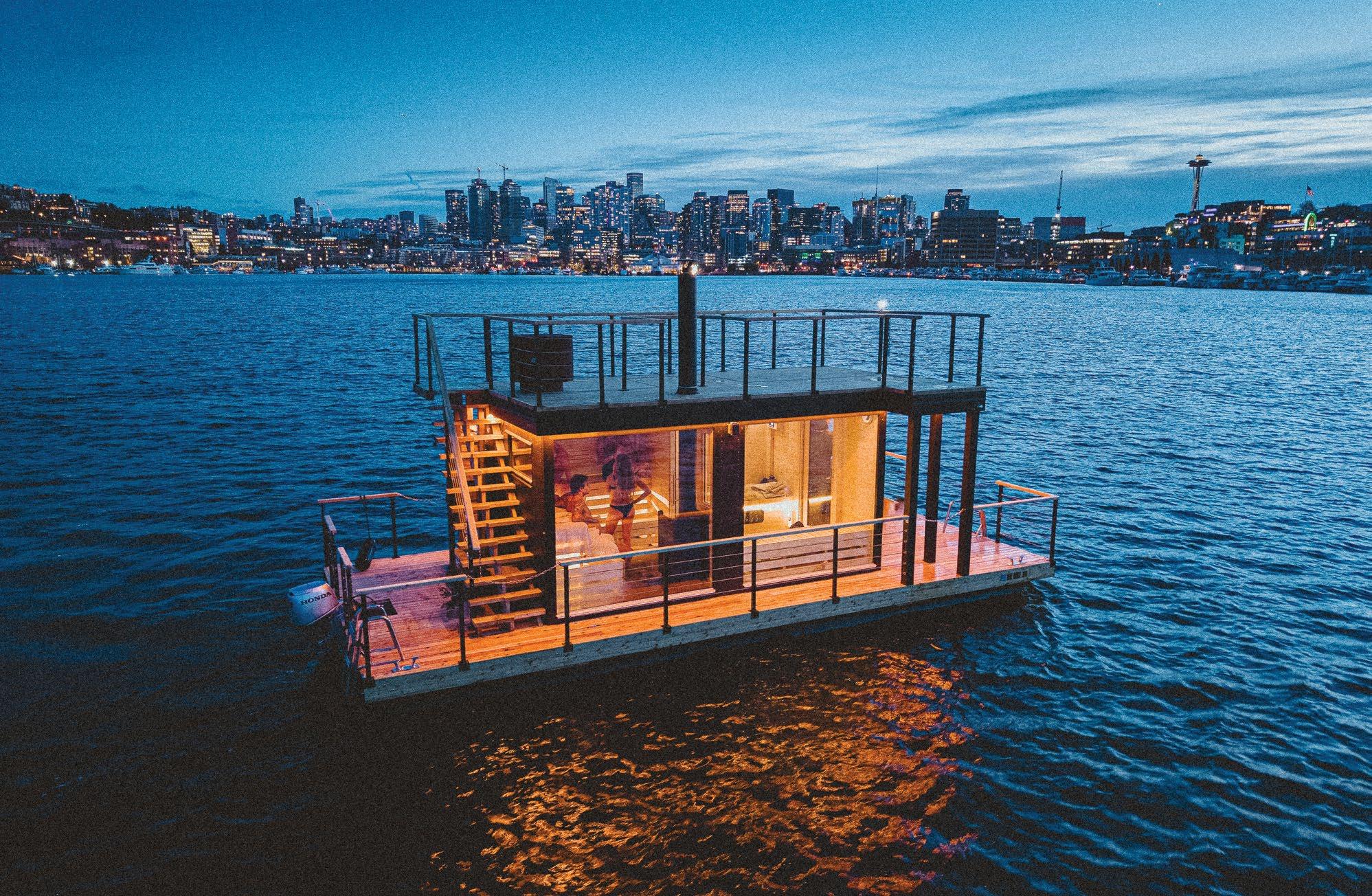
WRITER Eva Grunburg
Oyster Yachts Owner and Chairman Richard Hadida reflects on traveling the world with his family on the first leg of the Oyster World Rally.
The closest human beings to Ali Hadida are the ones on the International Space Station. Yet, when her husband, Richard, tells me this, showing me a screenshot on his phone with a blue dot exactly in the center of the Pacific Ocean, he is exceedingly calm—even excited.
Richard, the Owner and Chairman of Oyster Yachts, the builder of the world’s finest luxury sailing yachts, and his family have embarked on the adventure of a lifetime. His wife’s seemingly precarious position is a thrilling one, thanks to the Oyster World Rally: the fully-supported circumnavigation exclusively for Oyster yacht owners.
While Richard and Ali are far from home, their journey started over 2,000 nautical miles ago in Antigua. The 16-month journey kicked off this past January, and will wrap after the completion of 27,000 nautical miles under the new sailors’ belts. Aboard Lush, their 90-foot Oyster 885 sailing yacht, Richard, Ali, and their two-year-old son, Harry, will accomplish an undertaking most sailors only dream of embarking on—and they get to do it immersed in unmatched luxury and community.
Richard tells me that there are two kinds of days aboard Lush: on passage, and not on passage. While on passage, dinner is strictly at 6:00 pm, the deck has to be dark at night, and the sailors split into watch
teams, even with a night shift. Life on Lush becomes routine. “It’s sleep, work, eat,” says Richard.
But, the action can bring its fair share of adventures, like the equator crossing ritual. A 400-year-old nautical tradition, “Crossing the Line,” is an initiation in which the “Pollywogs,” those who have not yet crossed the equator, endure a ritual and make offerings to King Neptune to become “Shellbacks,” trusted confidants of the oceanic deity.
Aboard Lush, the Pollywogs put forward offerings like banana bread, an origami sailboat, and treasured alcohol. Even little Harry’s first ever haircut was an offering to Neptune, tossing one of his signature blonde curls into the sea to ensure fair winds, following seas, and thrilling adventures for the newly initiated Shellbacks.
But, when Lush’s crew are not on passage, they spend their time exploring the most remote, unique, and dazzling destinations in the world. Richard shares tales of curious sea lions and unbothered bluefooted boobies in places so desolate, that they don’t know to fear humans as predators. Scrolling through a seemingly endless stream of texts in the Oyster World Rally group chat, I’ve never seen so many giant fish, stunning sunsets, and genuine smiles.


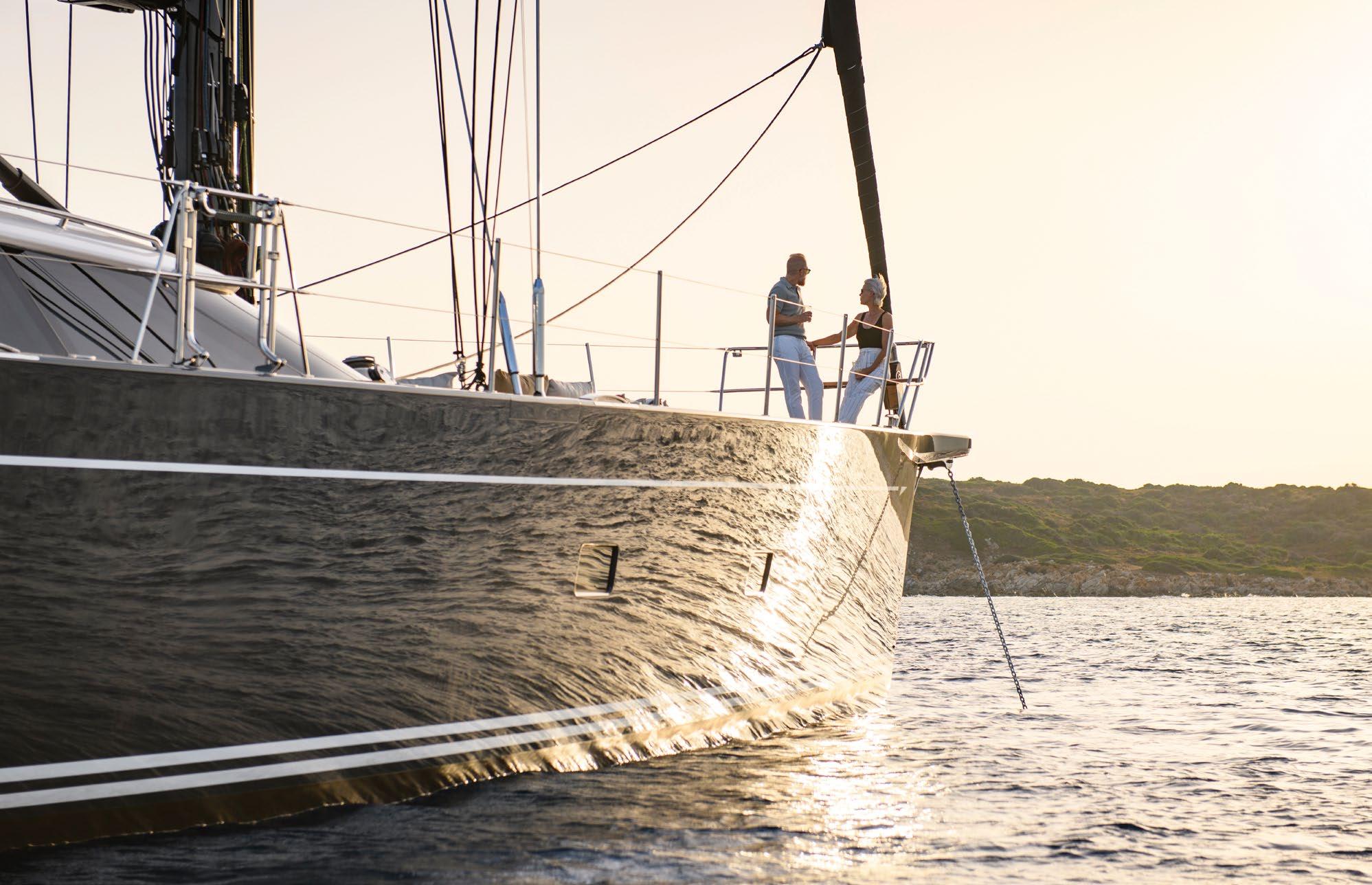
As Richard tells me about his adventures, he continues naming places and saying they’re the most beautiful in the world—but he makes special note of the Island of Coiba in Panama. This remote island was a prison for nearly 100 years, but its isolation proved to be its greatest asset. Now, it’s a pristine, untouched corner of the earth and a sanctuary of biodiversity.
While each stop is special in its own right, the Galapagos Islands embody the Rally’s spirit of sailing with purpose. On the Oyster World Rally, participants are more involved than just picking up trash on a beach, or making a donation—they’re actively contributing to the environment through regenerative tourism.
As partners with the Galapagos Conservation Trust, the sailors work to reintroduce locally extinct species to the island of Floreana. The historic site where Darwin noticed the evolutionary differences in mockingbirds, the island has 12 species that have gone locally extinct—including the Floreana mockingbird. Collaborating with GCT ambassador Sarah Darwin, the great-great-granddaughter of Charles Darwin, the Oyster World Rally “Class of ‘26” directly contributed to efforts to reintroduce the threatened Floreana racer snake. “Anyone can spend money. We’re making a difference while genuinely a part of it rather than just a financial transaction,” says Richard.
Although he’s missing the Pacific Passage segment of the journey for business in the U.S., he says that as long as he doesn’t go home, he’s still keeping with the spirit of the Rally, exploring places new to him and keeping the “magic” alive. “It’s a privilege to travel the world this way and watch it all go by. If the opportunity presents itself, take it,” he urges.
When Richard rejoins his family on the Marquesas Islands, the magic of the Rally will be alive and well, and little Harry will grow up knowing that, thanks to his family and the rest of the “Class of ‘26,” the world is his oyster.*
Watch the Hadida family continue to make waves on @sailing.lush
WRITER Alexandra Lee
PHOTOGRAPHER
Kodiak Greenwood
a cut above
Big Sur’s Post Ranch Inn, a Three-Key Michelin property, offers an unparalleled perspective over the Pacific.
It’s barely 10 a.m. on an uncharacteristically warm December day, and I’m face to face (nose to beak, rather) with a Peregrine falcon. The fastest animal in the world, reaching speeds over 200 miles per hour when dive-bombing its prey, the bird perches gingerly on the glove of master falconer Antonio Balestreri, rousing its sleek grey feathers every so often and studying its surroundings through oily black eyes. I study him back, noting the razor sharp talons curved tightly around the leather.
“Have you ever seen F1?” Antonio asks. “These are the Ferraris of the bird world.” I nod in wide-eyed agreement, watching Lex Luthor the falcon sit ever so nonchalantly on Antonio’s wrist. “Killing machines.”
Little do I know that in less than an hour, I’ll get to try my hand at the centuries-old sport of falconry with an even larger bird of prey.
Our story in the wild, rugged land of Big Sur, however, begins about 48 hours prior, as my boyfriend and I hit Highway 1 going south from San Francisco. We stop only for a coffee and to dig our feet in the sand at a few iconic lookouts along Monterey's iconic 17-Mile Drive. As we cruise, whitecapped waves and avenues of coastal cypress trees soon give way to a wide open freeway, flanked to the right by oceanfront
pastures dotted with the occasional cow. While I always look for an excuse to drive through Monterey, since our visit, Highway 1 has reopened from the south, restoring full access along the iconic coastal route.
We stop for dinner at The Village Big Sur, a local gathering space of shops, restaurants, and a yoga studio about five miles down the road from our final destination. Solstice serves up hyper-local produce and an array of coastal fare cooked to perfection in its wood-burning hearth. A disco ball splashes silvery pools of light across the restaurant’s dim-lit interior as grilled oysters, beets in cultured cream, dry-aged duck, and heirloom rice topped with egg yolk, nori, and roe soon grace the table. My plus one, Aidan, and I wash the hearty meal down with a shared glass of Nebbiolo before setting back up Highway 1.
It’s after dark when we finally pull into Post Ranch Inn, but even without illumination, the hotel’s signature design is unmistakable. We’re escorted to our Ocean House, a freestanding architectural masterpiece poised at the edge of the cliff 1,200 feet above sea level. Inside, heated floors, a double-sided fireplace, plush robes, and a thoughtful assortment of snacks (read: world’s best chocolate chip cookies) are instant indicators of the luxe coziness we’ll soon get used to.
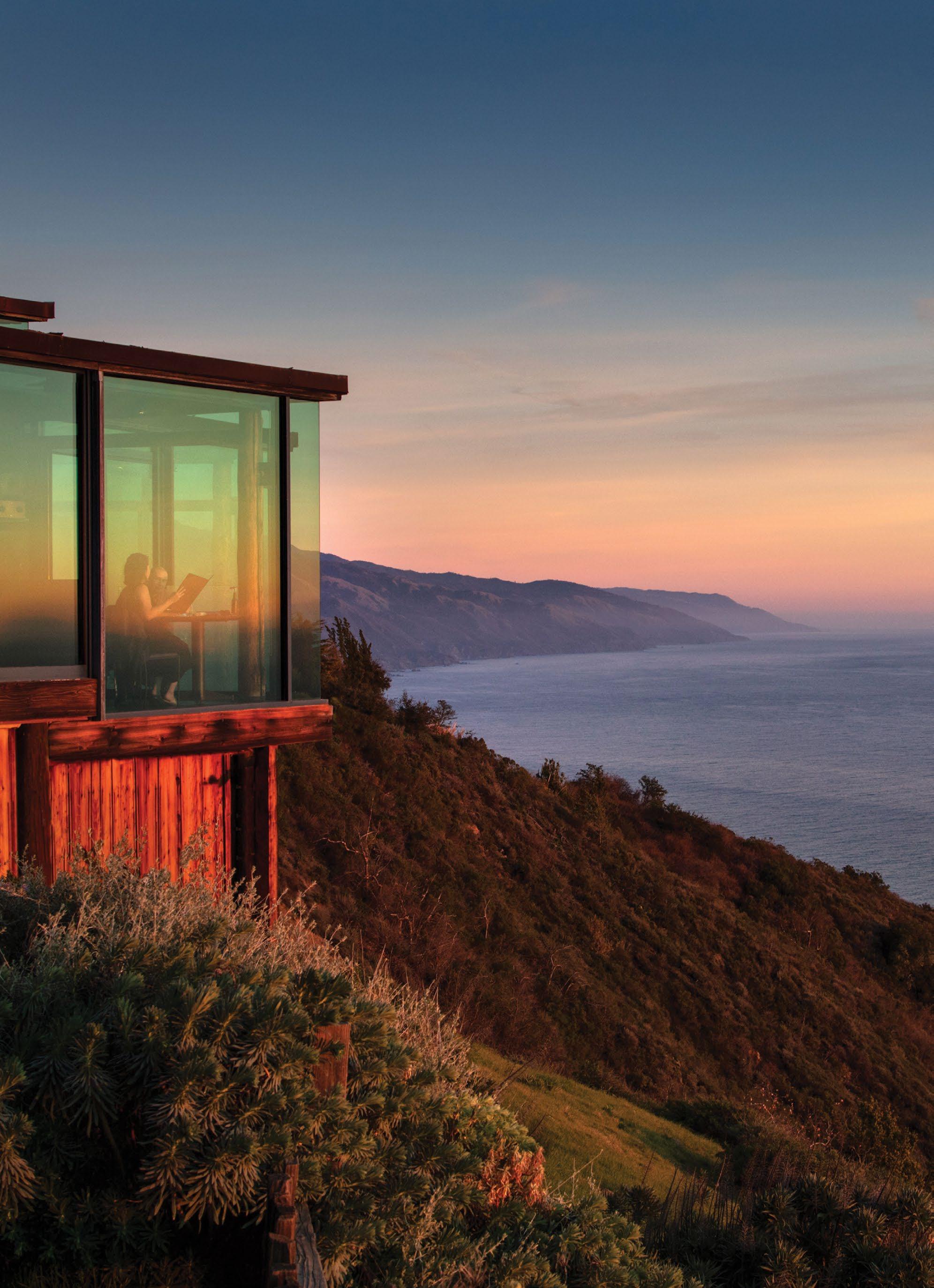
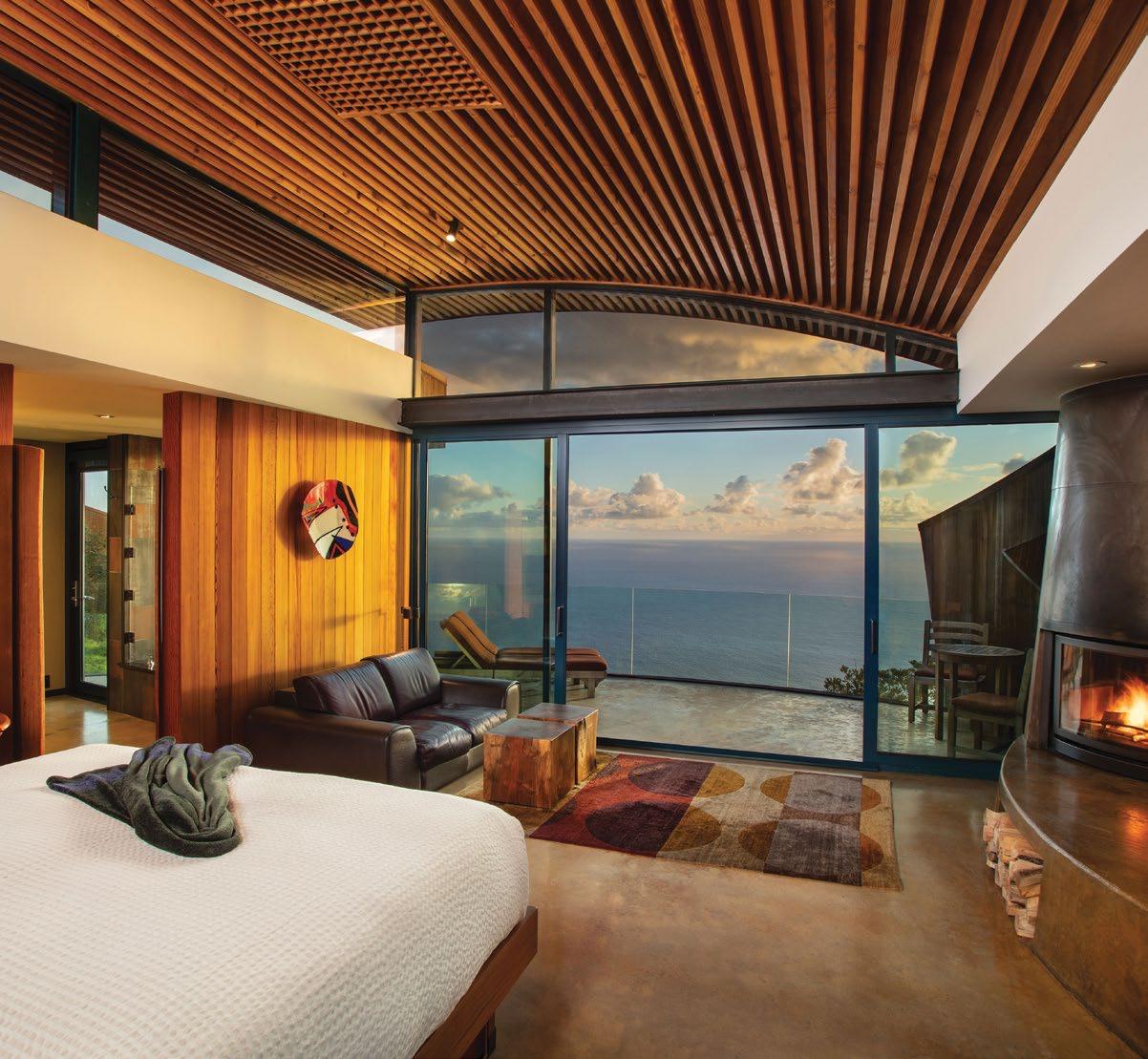
Here, the land itself is steeped in history, homesteaded by the Post family in the late 1800s before transitioning from a farm to a working inn in 1984. Today’s iteration is the vision of renowned architect Mickey Muennig, whose whimsical designs are now synonymous with Big Sur itself. Legend has it, he camped at each individual building site, carefully planning every structure to leave the natural landscape as undisturbed as possible. The result is less a traditional resort than a series of 40 sculptural masterpieces woven into the wilderness, where deer graze on the living roofs and the line between indoors and out is quietly blurred. Like an ultra-sophisticated adult summer camp, the treehouses have walk-in showers and each hike can be concluded with an aromatherapy massage.
After getting briefly settled at our Ocean House, Aidan and I make our way to the Jade Pool to join the property’s celestial guide for a tour of the night sky. With the press of a few buttons, the colossal telescope whirs to life and aligns with specific star coordinates. We take turns peeking at mind-boggling views of star clusters, galaxies, Jupiter’s moons, and even Saturn’s rings while peppering our guide with questions about the universe—which, of course, he takes in stride.
We round out the evening at the Meditation Pool for a heated midnight dip. The property’s sprawling nature and the fact that it’s off-season means there’s not a single soul in sight, as we nurse a half-bottle of Pinot Noir and snack on the aforementioned cookies. With nearly zero light pollution, the sky creates a rich, velvety canvas to let the stars do the talking; I aim to apply my newfound knowledge of the cosmos while relishing in the still night air.
Come morning, our remote-controlled blinds roll up to reveal floor-to-ceiling windows and a shocking blue view, as if we’re suspended in an aquarium. Much like our views of the sky last night, the Pacific stretching out before us feels ever-expansive. While I’m no stranger to Monterey’s temperamental weather patterns, here it’s as if we’ve entered into an eternal summer, with daytime temperatures hovering around 70 degrees. Hotel staff continue to remark how lucky we are, as this weather is rare for unpredictable December. Lucky, indeed.
After a nourishing breakfast spread and much-needed cappuccinos at the property’s on-site restaurant, Sierra Mar, next up is a garden tour with the best possible guide. Julia, the resident Edible Landscape Specialist, hand-selects a sampling of raw garden goodies for us to try—caviar limes, chrysanthemum leaves, French sorrel, and wild fennel among the seasonal varieties. Between 95 and 99% of Sierra Mar’s produce comes from this very garden, an extraordinary reflection of the property’s commitment to sustainability. The chefs, Julia explains, work closely with what’s in season, allowing the garden and kitchen to exist in intentional harmony. We’ll get a taste of what that really means later tonight.
The afternoon is spent exploring one of the many trails that line the 100-acre property, lollygagging under evergreens and stumbling upon secret meadows. Caught in a fit of laughter, I accidentally startle a deer enjoying its lunch, and it bounds off into the foliage without a trace. Steps later, we spot a bevy of quail scattering the forest floor, this time suppressing the urge to make any sudden screeches. It’s in these moments that the synergy between Post Ranch Inn and its wildlife community becomes abundantly clear, making every visitor an unofficial steward of the land.
While there’s no shortage of awe-inspiring views and enriching stops off-property—from the 60-foot waterfall at Pfeiffer Big Sur State Park to the artistic gems at Hawthorne Gallery, also designed by Muennig—we opt to stay in, getting cozy on our private balcony for a front-row seat to the sunset. As we snack on complimentary meats and cheeses from our mini fridge, the horizon becomes awash in fiery tangerine, casting dancing gold rays onto the water’s rippling surface.
Nightfall’s arrival signals our cue to return to Sierra Mar, this time for a sensory journey through its seasonal tasting menu. My date orders a cocktail with wild fennel syrup, as recommended by the gardener earlier today, while I sip on something fresh and zesty. The first course bestows a flurry of offerings from the garden, followed by a sampling of gifts from the sea. My personal favorite, the Monterey abalone congee, presents a comforting, savory warmth that complements the bite of smokiness packed within our abalone ssam. The brassica, also grown just
yards away, arrives in a bath of parmesan-enriched broth, with bits of sharp caraway and mustard to cut through the richness.
Guinea hen consommé follows as a palate cleanser, and we both opt for the King salmon as our main. It’s without a doubt the freshest fish I’ve ever had, poached to perfection while cocooned in a silky beurre blanc. Our multi-layered “Moss” dessert features a matcha sponge cake, green apple compote, and Dulcey mousse layered together to resemble the real thing. My eyes wander the restaurant just to realize we’ve closed down the house, too mesmerized by the pull of mignardises, crackling fire, and conversation. We retreat back to our room to light our own fire, draw a bath, and listen to jazz on the Sonos surround sound, sinking into a blissful state of relaxation before tomorrow’s exhilarating events.
As promised, morning beckons with novelty and intoxicating adrenaline as Antonio Balestreri introduces his majestic birds of prey one by one. Aidan and I take turns nuzzling cheeks with Pippi Longstocking, the burrowing owl, and peer into the gigantic, soulful eyes of a Great Horned Owl, one of the most striking creatures I’ve ever witnessed. Just as I thought Antonio had neared the end of his presentation, he coaxes one more raptor—a handsome reddish-brown Harris’s hawk named Diego—from its chamber.
“Wanna fly with him?” he asks, and we make our way to a nearby clearing. To my surprise, Antonio hands me his leather glove and instructs me on how to position my arm as a landing perch. Diego has long since disappeared into the treetops, but moments later he swoops back into view, soaring full speed across the clearing before landing lightly on my wrist. In disbelief, I nudge the hawk back into the air and he flies off, only to repeat the same choreography again and again, each time more thrilling than the last.
Watching Antonio interact with his birds, it’s clear that this demonstration goes far beyond falconry—it’s a lifelong devotion to conservation. Each creature, whether rescued or rehabilitated, is cared for with unwavering attention and respect.
Of the many tidbits of wisdom Antonio shares with us that morning, his parting message is profoundly simple: “Give a damn.” In those three words lies the true essence of Post Ranch Inn, an ethos that reverberates across the wooded cliffs and is reflected in the genuine smiles of every staff member you meet. More than a destination, the Post Ranch is about caring fiercely for the land, wildlife, and raw beauty of Big Sur—and a visit is a call to notice, to protect, and to honor the extraordinary world that unfolds here, one hike, meal, and breathtaking moment at a time.*
WRITER Eva Grunburg
With six timeless vacation rentals privately tucked away just minutes from Coast Village Road, Paraiso Montecito is a charming sanctuary for celebrations, stays, and gatherings for up to 24 guests. @paraisomontecito
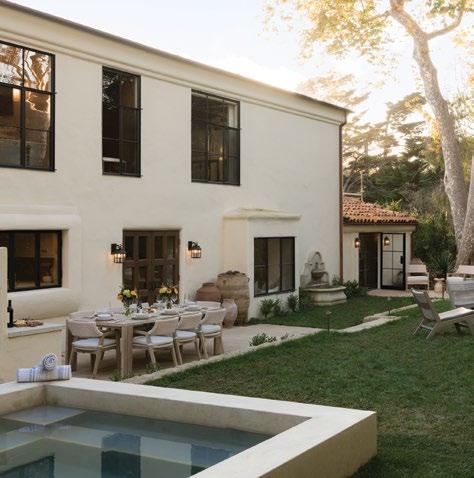
The chic and functional furnishings at Shoppe Amber Interiors at The Post are expertly curated by founder Amber Lewis. Discover statement pieces and unexpected staples that inspire an effortlessly elevated home.
@shoppeamberinteriors
Scout Organic Oren’s weekly menu, made with produce from California farms, and place your order for pickup or delivery the following Monday. With 90% of packaging made from renewable plantbased materials, you can find new favorites like sesame crusted miso salmon or chocolate tofu protein pudding that are good for you and good for the planet. @organic_oren
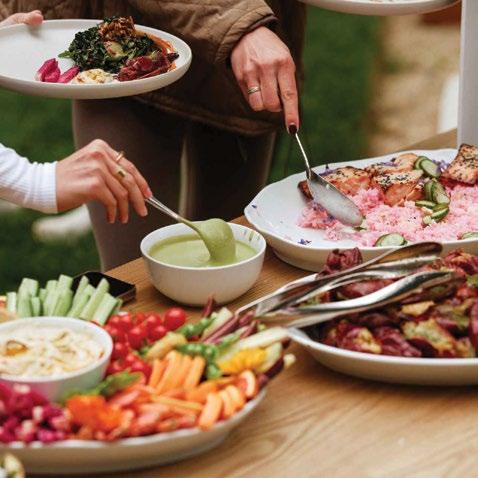
In the foothills above Carpinteria, Canzelle Alpacas is home to 40+ award-winning alpacas, in addition to other furry and feathered friends. Be sure to make a reservation for your next weekend outing or event to visit the sheep, peacocks, and namesake alpacas of the Canzelle herd.
@canzellealpacas
Just 30 miles north of Santa Barbara, a historic marvel awaits. With panoramic views above the gentle hum of the 101, the Gaviota Wind Caves hike is a moderate ~3-mile trail for all ages. While a steep incline must be conquered, all who take the challenge are rewarded by intricately carved, wind-sculpted sandstone caves that provide an unparalleled window into the Central Coast.

Natural wines are all the rage and, somehow, Lumen Wines has made them even better. Using fresh ginger in place of additive sulfites in their new “Hey Ginger” wine, Lumen has found a way to naturally preserve wine while adding a bright, aromatic profile. Visit their Santa Maria Valley winery to see—and sip—the innovation. @lumenwines
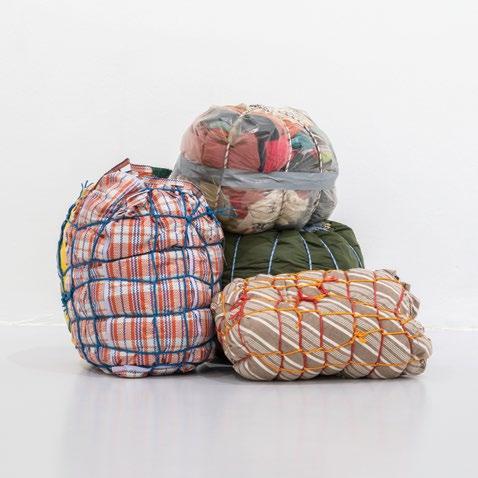
Mix up your typical outing with a visit to Remixed: Entwined Histories and New Forms at Santa Barbara Museum of Art. On view from February 22 through August 30, the exhibition explores the idea of remixing, utilizing materials artforms like quilts, textiles, paintings, and sculptures as conduits for spirit, memory, and history. @sbmuseart
It’s truly kismet, Kismet Kids has arrived in Summerland. The new salon and shop for kids offers á la carte hair services, treatments, and enhancements for trimmed, styled and even tinseled hair. Bring your little ones for their next routine cut or even a birthday bash.
@kismetkids
While I’m guilty of saving candles for the “perfect” occasion, Glōam Goods is leading the charge of Daily Candle Culture: the practice of lighting candles not just for special occasions, but as part of everyday life. Once you have their hand-dipped pure beeswax candles in your collection, it makes it hard to resist the ritual of bringing warmth into everyday life.
@gloam_goods
Since opening in November 2025, Little Mountain Restaurant has served up the best ingredients the Central California Coast has to offer. Chilean-born Chef Diego Moya brings a global perspective on seasonal cooking to the wood-fired kitchen on San Ysidro Road. Sit in the cozy dining room or the shaded creekside patio and taste the plant-forward creations—before the menu changes with the seasons.
@littlemountainsb
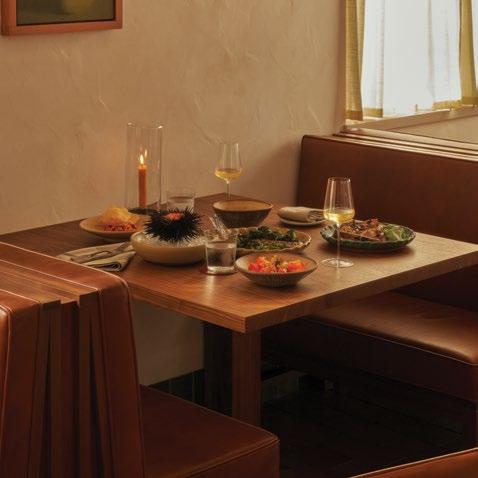
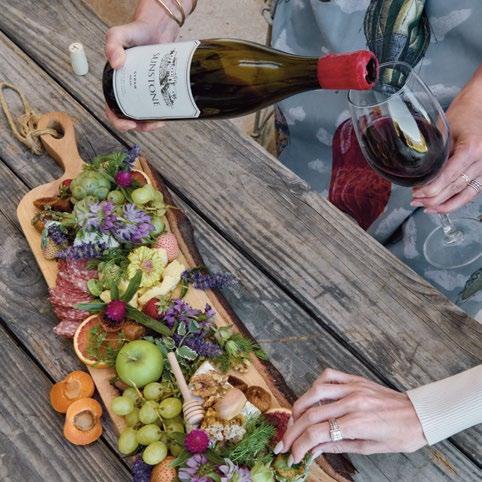
Bringing the Provençal French countryside to Coast Village Road, Sunstone Winery’s new tasting room has arrived just in time for summer sipping. Taste their selection of signature wines without the drive to the Santa Ynez Valley.
@sunstonewinery