Why Edge Computing Is the Backbone of Real-Time Innovation - Google Docs
Why Edge Computing Is the Backbone of Real-Time Innovation
As the world becomes increasingly connected through smart devices, IoT sensors, autonomous vehicles, and real-time analytics, the demand for faster, localized processing has surged. This is where edge computing steps in, revolutionizing how data is processed, analyzed, and acted upon
This article examines what edge computing is, how it operates, its benefits, and why it's becoming a cornerstone of modern digital infrastructure
What Is Edge Computing?
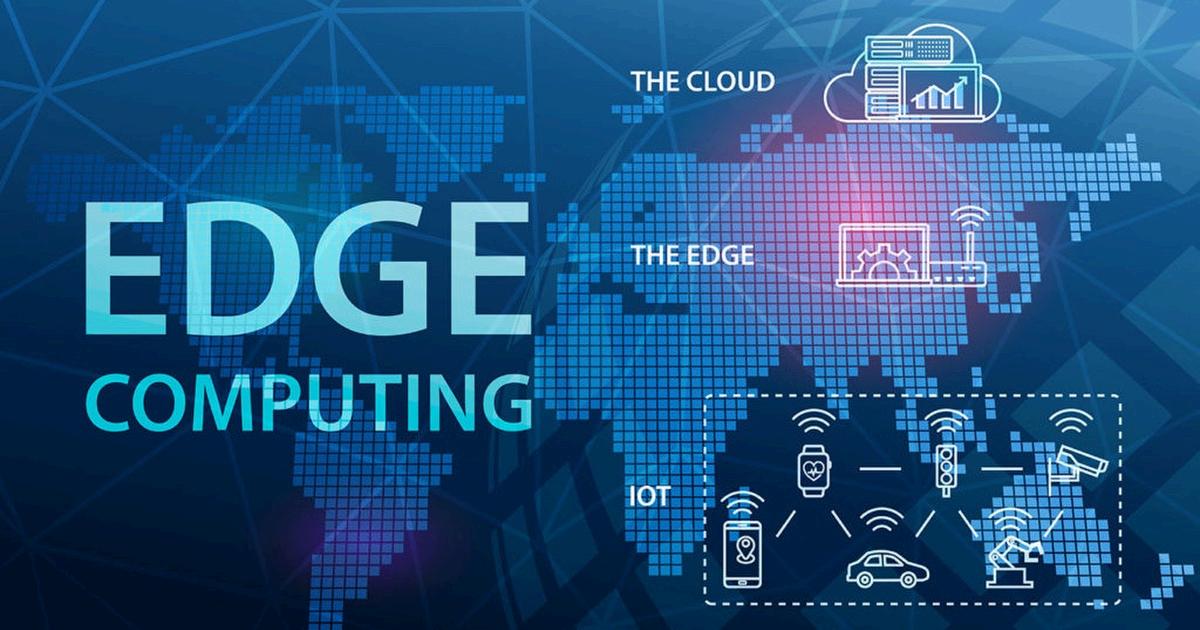
Edge computing refers to the practice of processing data closer to the source right at the "edge" of the network rather than relying solely on centralized cloud servers This could mean processing data on a local server, a gateway device, or even directly on IoT sensors
In simpler terms, instead of sending data to a faraway cloud data center for processing and then waiting for a response, edge computing enables devices to process and respond to data locally and instantly.
Also read: What is Edge Computing? Everything You Need to Know
How Edge Computing Works
Edge computing architecture is built around distributed processing. Here's a basic flow:
1 Data is generated by edge devices like sensors, mobile phones, smart appliances, or autonomous systems
2. Edge nodes such as routers, gateways, or micro data centers analyze or filter the data locally
3. Relevant data may be sent to the cloud or central servers for deeper analytics or storage.
4 Actionable insights are delivered in real-time at the source
This setup significantly reduces latency and improves the responsiveness of applications, particularly those that require real-time decision-making
Why Is Edge Computing Important?
1. Lower Latency
By reducing the physical distance between where data is created and where it's processed, edge computing enables faster response times. This is crucial for applications like autonomous driving, industrial automation, and remote healthcare.
2. Reduced Bandwidth Costs
Not all data needs to be sent to the cloud Edge computing helps filter out unnecessary data, lowering bandwidth usage and associated costs.
3. Greater Reliability
Even if the connection to the cloud fails, edge devices can continue functioning independently. This resilience is vital in mission-critical environments like manufacturing floors or remote monitoring systems
4. Improved Security
Processing data locally can reduce exposure to external threats Sensitive data can be kept closer to its source, reducing the risk of breaches during transmission.
Key Use Cases of Edge Computing
– Smart Cities
Traffic management systems, waste management, and public safety monitoring can all benefit from real-time data processing enabled by IoT application development.
– Industrial IoT (IIoT)
Factories utilize edge computing for real-time equipment monitoring, predictive maintenance, and quality control, eliminating the need for distant data centers These solutions are often paired with custom software development services for tailored functionality
Wearable devices and smart diagnostic tools process patient data instantly, enabling faster decisions in emergency scenarios, especially when integrated with mobile app development solutions
– Retail
Retailers use edge-enabled kiosks, inventory systems, and customer behavior tracking to personalize experiences and streamline operations
– Autonomous Vehicles
Self-driving cars rely on immediate processing of sensor data for decision-making, making cloud-only solutions impractical. Here, AI and machine learning solutions play a vital role in edge intelligence.
Also Read: Top Cloud Computing Trends That Will Shape Businesses In The Coming Years
Challenges of Edge Computing
While edge computing brings enormous benefits, it's not without challenges:
● Device Management: Managing and updating thousands of distributed edge devices can be complex. This often requires well-structured DevOps consulting services.
● Security Risks: Each edge node can be a potential entry point for attackers
● Data Synchronization: Ensuring consistency between edge and cloud computing services can be difficult.
● Scalability: Expanding edge infrastructure requires careful planning and investment, which can be optimized by leveraging dedicated development teams.
The Future of Edge Computing
Edge computing is not a replacement for cloud computing, but rather a complementary layer that enhances overall performance. As 5G adoption grows and IoT devices proliferate, edge computing will play an increasingly critical role in everything from immersive AR/VR experiences to smart grids and real-time supply chains
Final Thoughts
Edge computing is redefining how organizations think about data processing and custom software development services By enabling faster, smarter, and more secure operations at the edge of networks, it’s opening doors to innovation across virtually every industry. As businesses look for ways to deliver real-time experiences and increase operational efficiency, adopting edge strategies will become not just beneficial, but essential