AmongFriends
Spring 2026
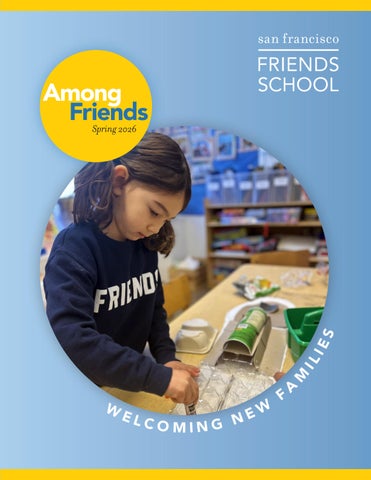
Spring 2026
By Pankti Sevak Head of School
Dear Families,
I’m delighted to welcome you to the San Francisco Friends School community!
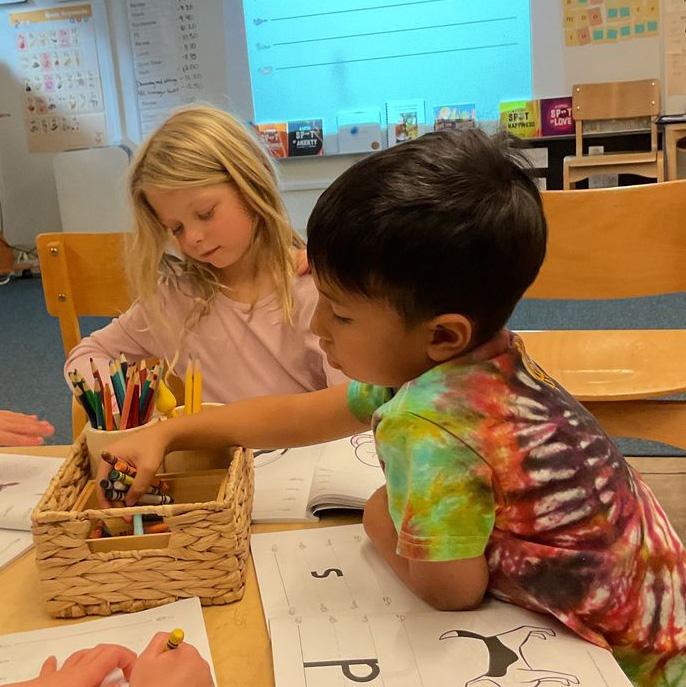
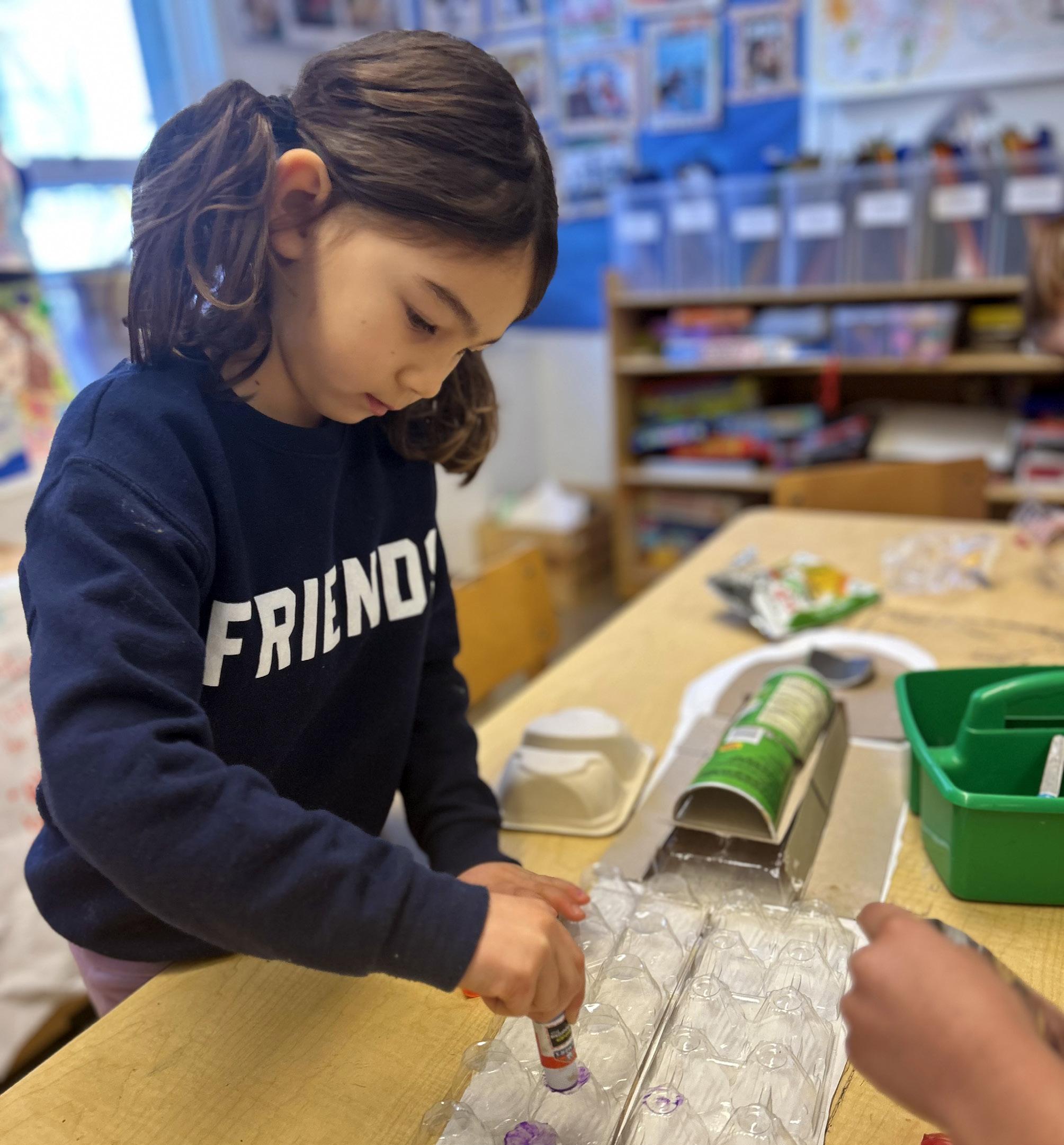
I distinctly remember the first time I visited SFFS—the hum of energy that I observed as I walked through our light filled campus was immediately palpable. Whether it was kindergarteners checking out their books in the library, or 8th graders leading morning meeting, I witnessed a sense of agency and engagement that was authentic and alive.
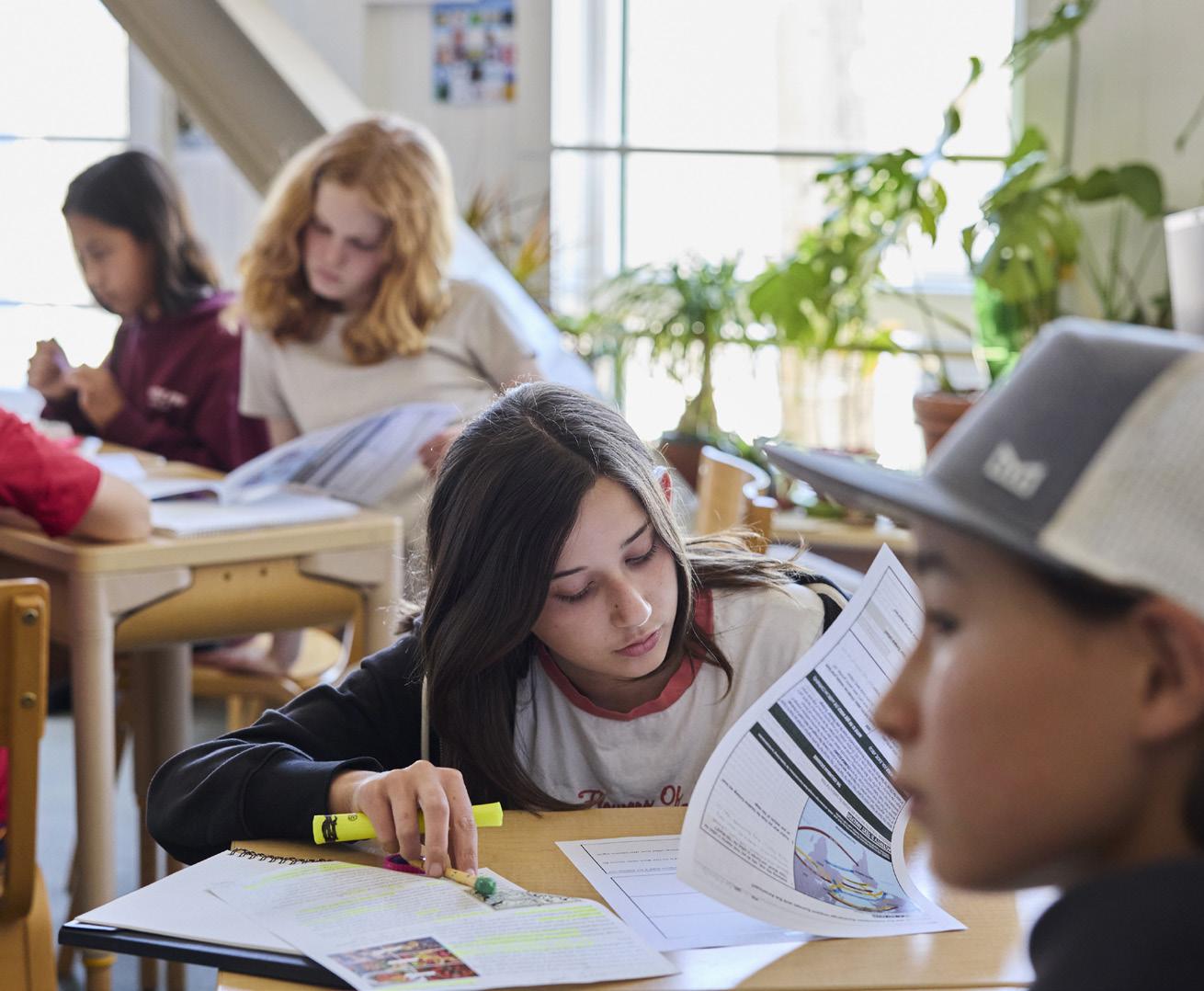
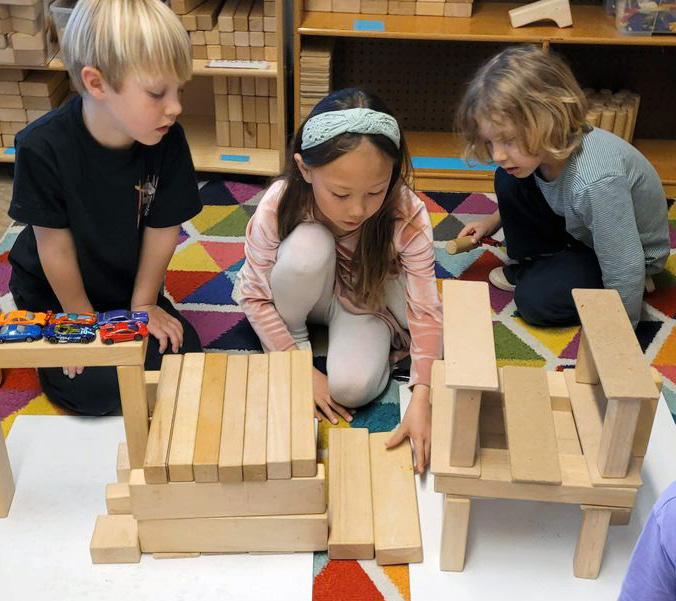
At Friends, our students are seen and known in a nurturing and close knit community of faculty and staff. The underpinning of Quaker values in our program—the SPICES, as we lovingly call them—provides a ripe foundation for students and teachers to work with a sense of shared purpose. Coupled with a constructivist approach in the classroom, San Francisco Friends School enables students to develop as curious, industrious, confident learners in these early developmental years.
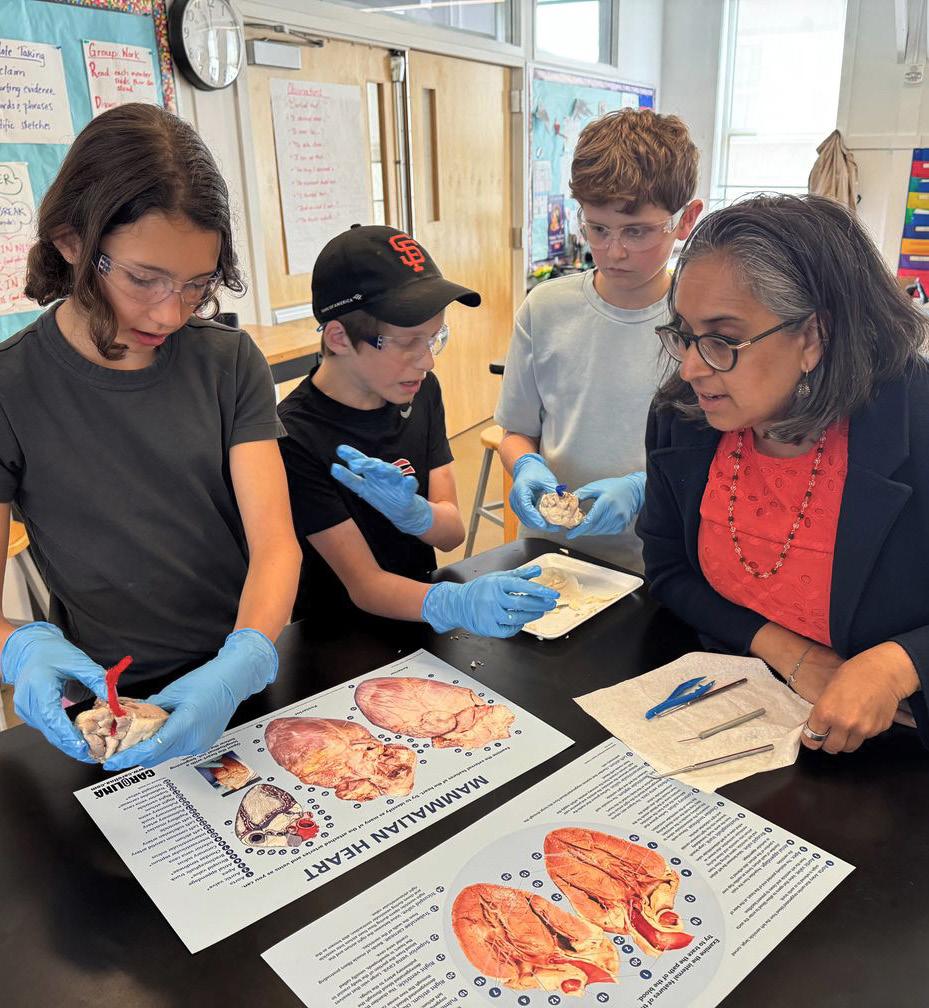
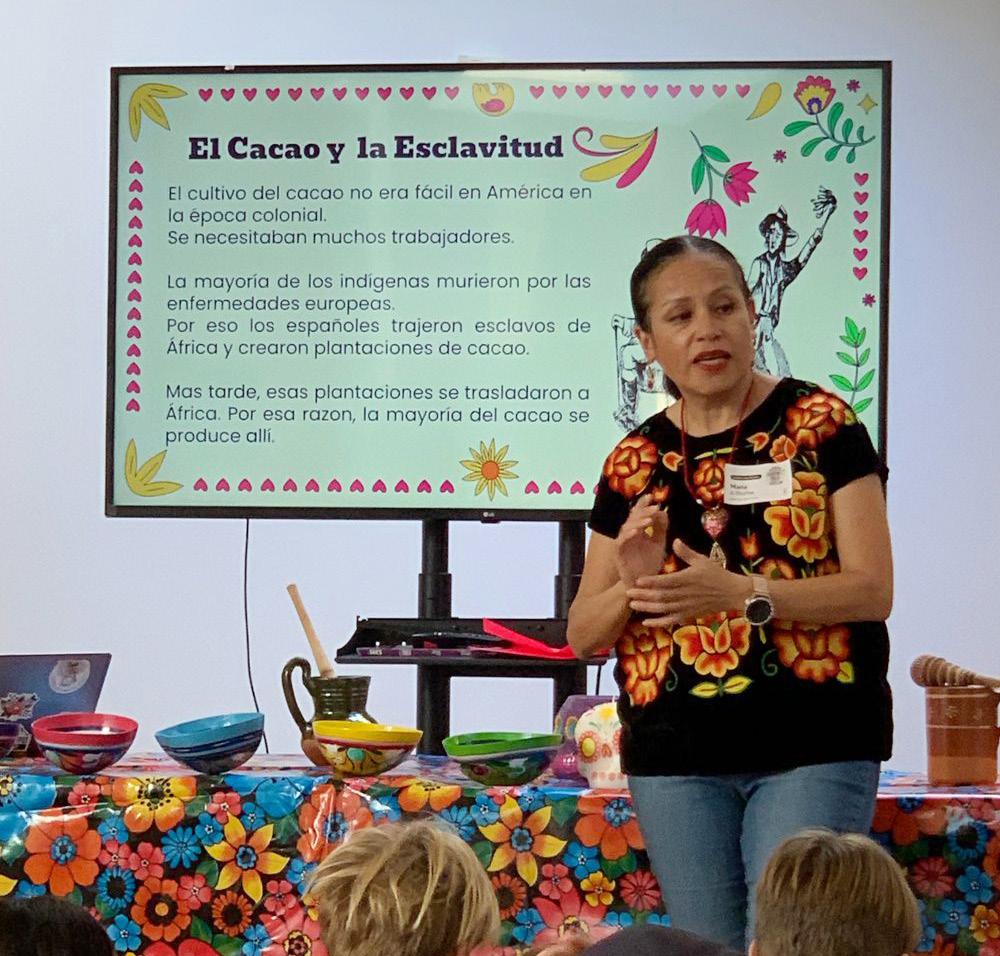
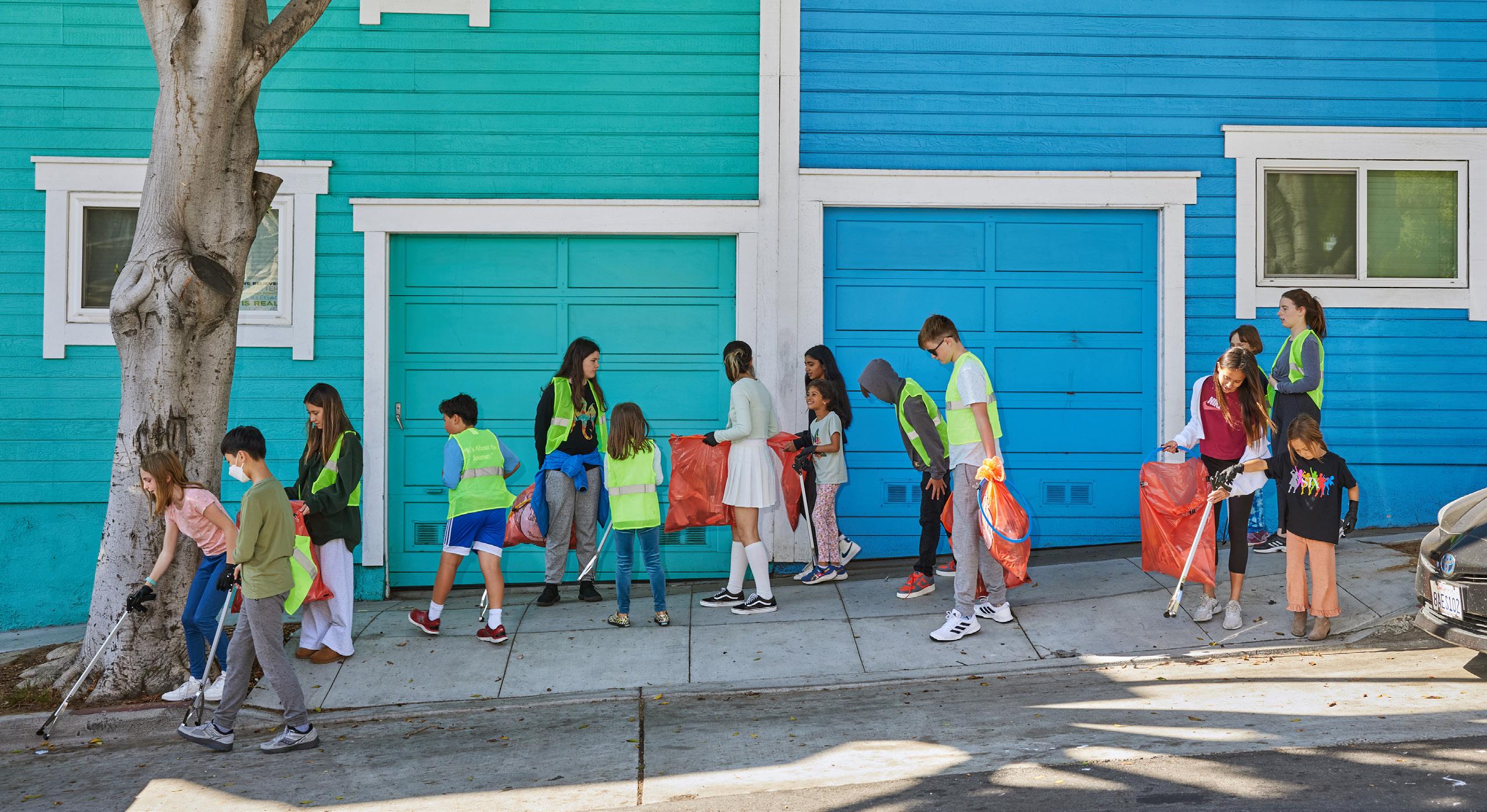
Through an academic program that is intellectually engaging, purposeful, and affirming of the spirit of each child, our teachers intentionally cultivate classrooms that are rooted in inquiry and connected to the world beyond. Along the way we seize every opportunity to learn in and from our neighborhood, our city, and the entire Bay Area—and we embrace our responsibility to contribute. From neighborhood cleanup projects to weekly 4th grade trips to Mission Head Start to read to preschoolers in Spanish, our home in the Mission anchors us as a community. Our students graduate from SFFS with a sense of their education as both a joyful and meaningful journey. Our students learn how to listen, see the inner light in others, take in multiple perspectives, and identify a sense of stewardship for the world we live in.
We look forward to guiding your children to expand their sense of wonder; to hone their skills as connectors and problem-solvers; and to strengthen their commitment and understanding of what it means to belong to this diverse and intentional community.
Welcome to SFFS!
In friendship, Pankti Sevak

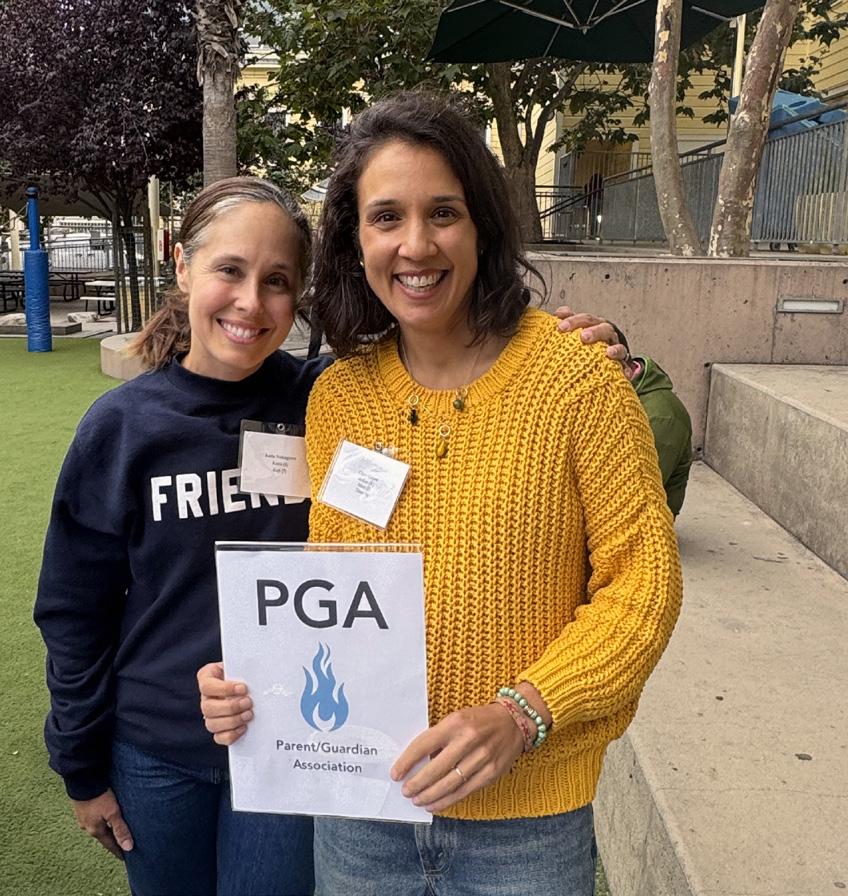
By Katie Nakagawa and Clare Gupta, PGA Co-Clerks
Welcome! We are so glad you’ll be joining the SFFS community in Fall 2026. There are many ways to get involved and connect here, and we know it can be overwhelming! So, below you’ll find an introduction to the Parent Guardian Association and a few ways you can connect and contribute to our community in ways that are meaningful to you. However (or whether!) you choose to connect, your voice and experience are valued. In the fall, we will host an in-person gathering for our PGA to kick off the school year. More to come!
Here are a few ideas for how you can make a difference at SFFS:
With a total of 19 PGA Committees at Friends, there are many opportunities for you to engage, apply your special talents, and meet many other amazing parents and families. And each Committee varies in timecommitment: annually, quarterly, every other month, and monthly!
• Want a hands-on activity? Provide lunch for teachers and staff through the Teacher Staff Appreciation Committee or volunteer in the library with the Library Committee
• Passionate about equity and inclusion? Join the Diversity, Equity, Inclusion and Belonging (DEIB) Committee.
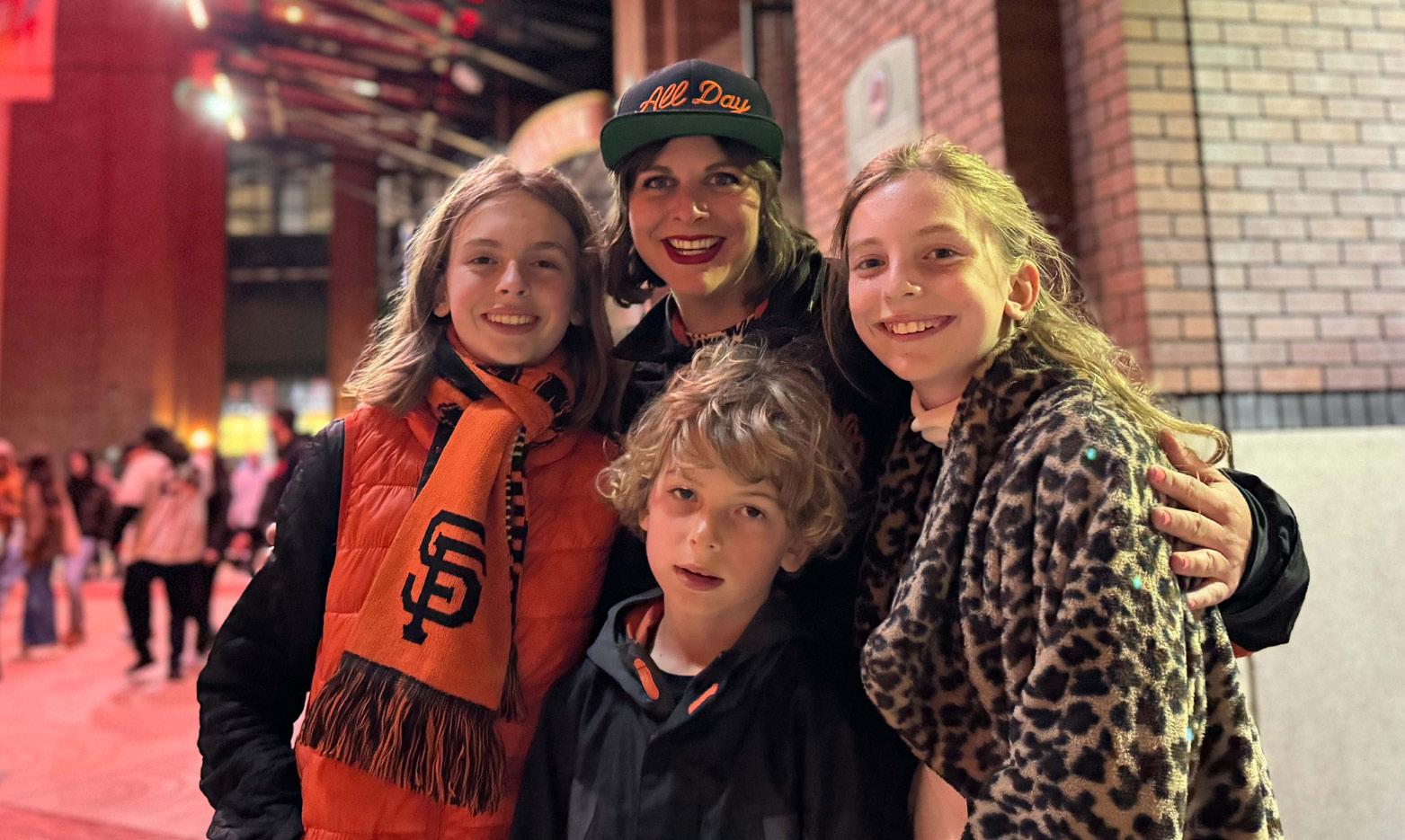
• Busy during the school day? Consider signing up to help plan an event like Giants Night—much of that work can happen on a flexible schedule. Or join the Annual Fund Committee and connect with fellow families over email (from anywhere) and be a part of the fall fundraising campaign for the school.
• Looking for something you can do with your kids on the weekend? Join the Service Committee and volunteer for a neighborhood clean up.
• Want to share your excitement about Friends with prospective families? Join the Admissions Committee. It’s a great way to learn all about the school and meet other parents
• Love throwing a great party? Join the Blue Party Committee for our annual spring event.
See you at Friends!
The mission of the SFFS Parent Guardian Association (PGA) is to:
• Support our school’s needs and continued growth
• Strengthen our broader school community by promoting engagement
• Coordinate interactions between the parent community and the school
There is no membership fee to be a part of the Parent Guardian Association and there is no obligation or requirement of any kind. If you have any questions, please contact the PGA co-clerks at pga-clerk@ sffriendsschool.org
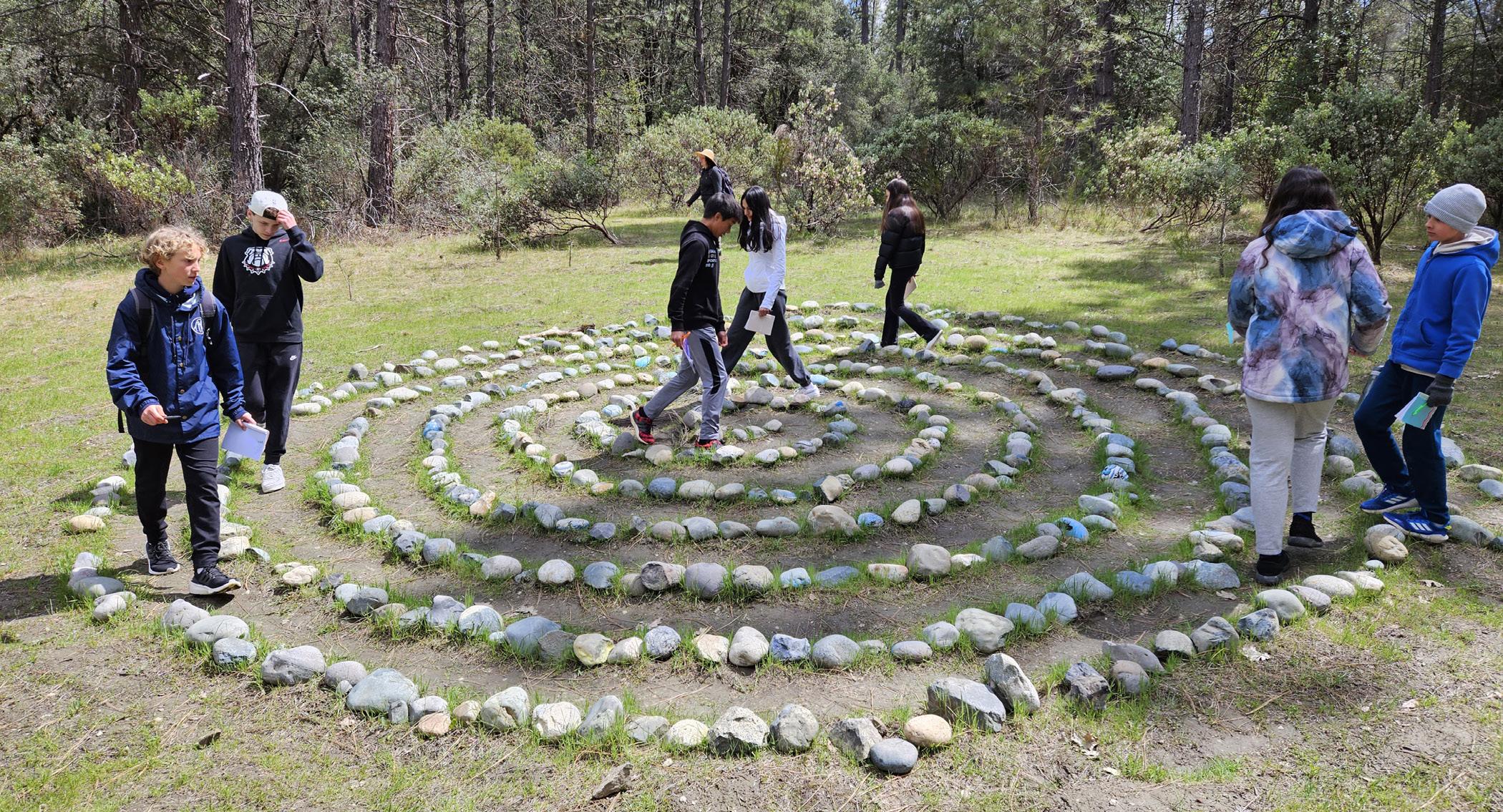
By the Eighth Grade Team
WANTED: Four sensitive, articulate, caring eighth graders who understand, respect, and facilitate (Quaker) consensus-building for the eighth grade class issues.
These brave four are not your typical “studentcouncil” type leaders. They don’t insert their opinions and ideas or push their own agenda. Rather, they are facilitators who organize, listen, record, reflect back, restate, synthesize, and summarize the opinion of the group. And in the Quaker tradition they don’t call for a vote but rather strive for consensus.
They ask classmates to speak in favor of an opinion or speak against one. They strive for equity and equality in the process. They settle the loquacious and they elicit feedback from the quiet ensuring all voices are heard and valued.
This “ad” describes the qualities needed to be an eighth grade Class Clerk. Eighth graders nominate themselves and/or their peers by writing about the
qualities and habits they possess that would make them right for the position. These applications are reviewed by a committee and the clerks are selected in early November.
The eighth grade Class Clerks are in charge of running class Meetings for Business (MFB). Quaker Meetings for Business are traditionally used to make decisions in a “worship” style, where reflection and silence are central to the process. At SFFS, eighth graders use MFB to consider important class agenda items of a philosophical or practical nature. This is the lightest of issues they encounter during the year and Clerks use this initial meeting to practice the skills they will use during more substantial discussions later in the year, such as what their class quote for the school will be.
Running a MFB is not an easy task! Try to remember the last time you were in a work meeting where all voices were heard and where a decision was not made until the whole group signed off on it. The Clerks patiently elicit ideas from peers, recording them and trying to get a “sense of the group” while different individuals provide opinions or insight into the situation. Through hearing many viewpoints, the sense of the group often emerges. As the Clerks decide how to move the group forward, they might ask if anyone is not willing to “stand aside” (meaning that they are unable or unwilling to go along with the larger group’s decision). In case one or more students are not willing to stand aside, the Clerks will continue to facilitate a discussion so that those voices of objections may be heard in greater depth.
by the Second Grade Team
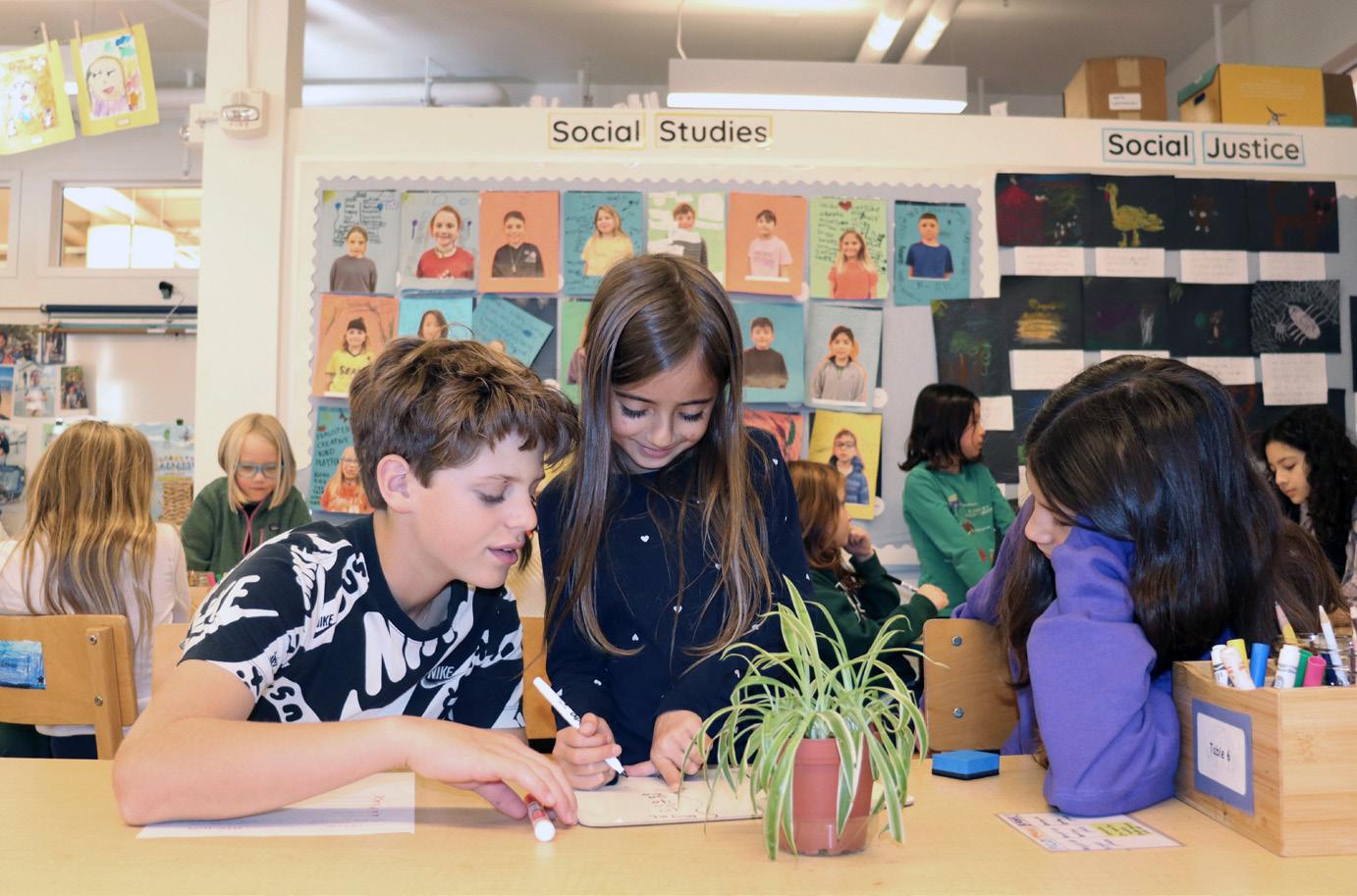
Making mistakes is a natural part of learning.
When we see toddlers learning to walk, we celebrate and encourage their struggles and tumbles along the way to getting on their feet. Inspired by our encouragement and our enthusiasm, they continue to strive to do their best.
As time goes on though, it’s easy to overlook these sorts of learning missteps for what they are: natural opportunities to grow, and moments to reflect on the progress we’ve made. Teaching our students that mistakes will happen, giving feedback, and celebrating the stumbles along the way, is part of developing our resilient risk takers.
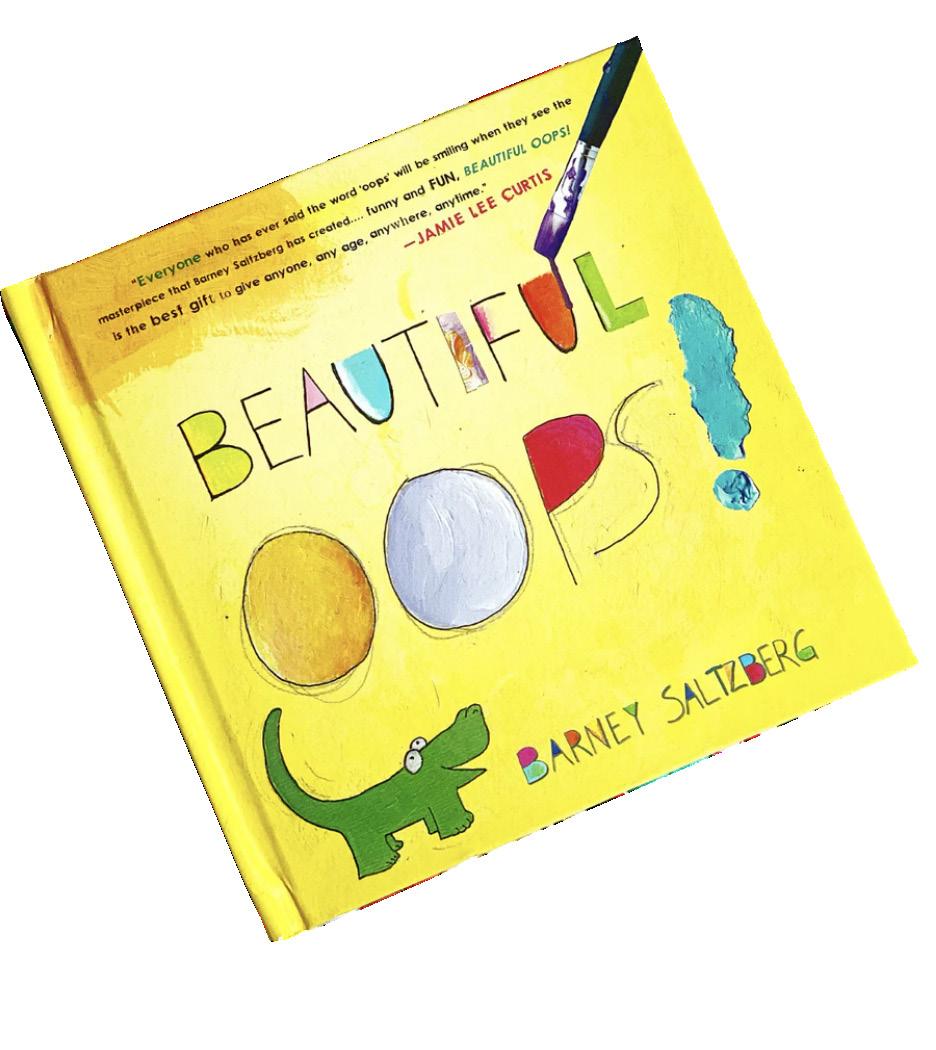
To further develop this concept of mistake making as a necessity for growth, in second grade, we begin by reading the Barney Saltzberg book, “Beautiful Oops!”
Each page of the book depicts, with the use of pop-ups, tears, folds, holes and paint splotches, how each and every perceived mistake is an opportunity to make something surprising, innovative, and often more creative than originally envisioned.
After reading the story, each student is given a scrap piece of paper to create their own “oops” that is then passed on to a classmate to be made into something new and wonderful. Each student is tasked with taking a torn piece of paper, scribbled line or small hole and re-envisioning it as something beautiful.
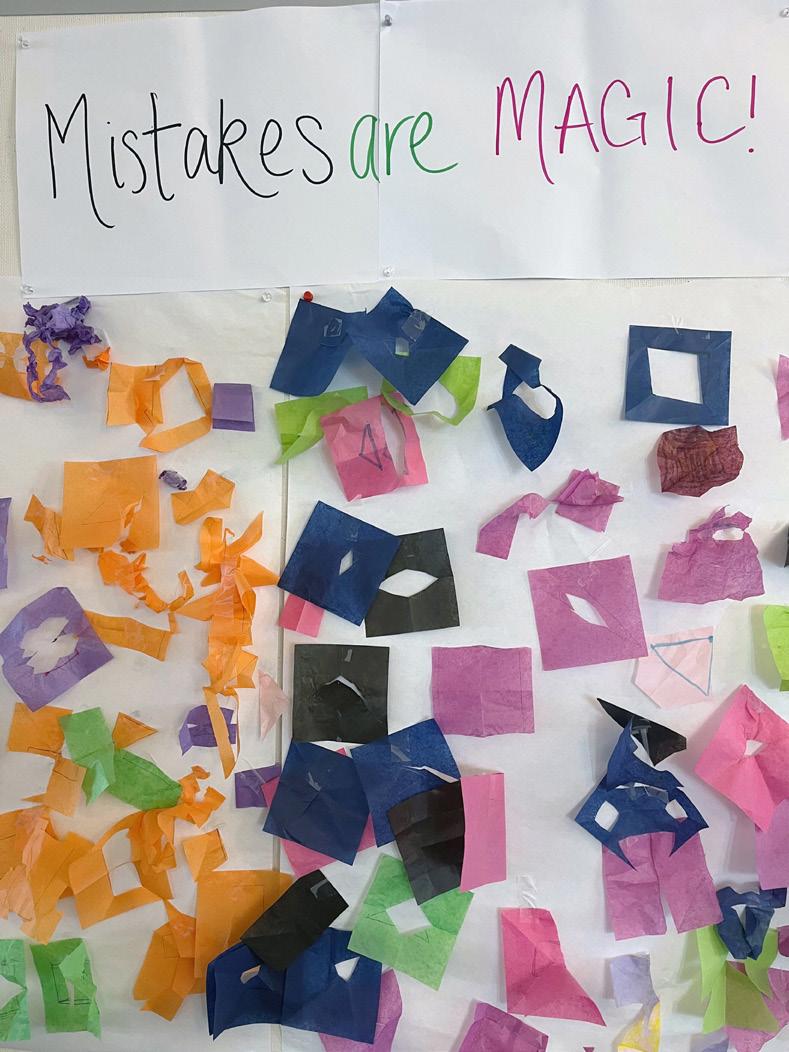
Making mistakes can be a daunting task, at any age, when so many of us prefer to work in the security of our plans and visions. This leap we ask our students to make reinforces the need for flexibility and imagination in the work that they do. We finish the activity with a share-out of what developed from the original “oops,” celebrating mistakes and the unexpected joys they can bring.
As teachers we strive to model this process for our students in our own teaching practices. Whether it is a misspelled word in the morning message or a lesson that didn’t quite land the way we had intended, our transparency can serve as a reminder that when we have the courage to acknowledge our mistakes, real growth can happen, even for adults.
Mistake Celebrations are an opportunity to embrace and model resilience for our students. Taking a moment to share a misstep and how we handled it helps deconstruct the notion that getting it right the first time is the only way. In a culture that celebrates innovation and progress, it can all begin with one wrong move.
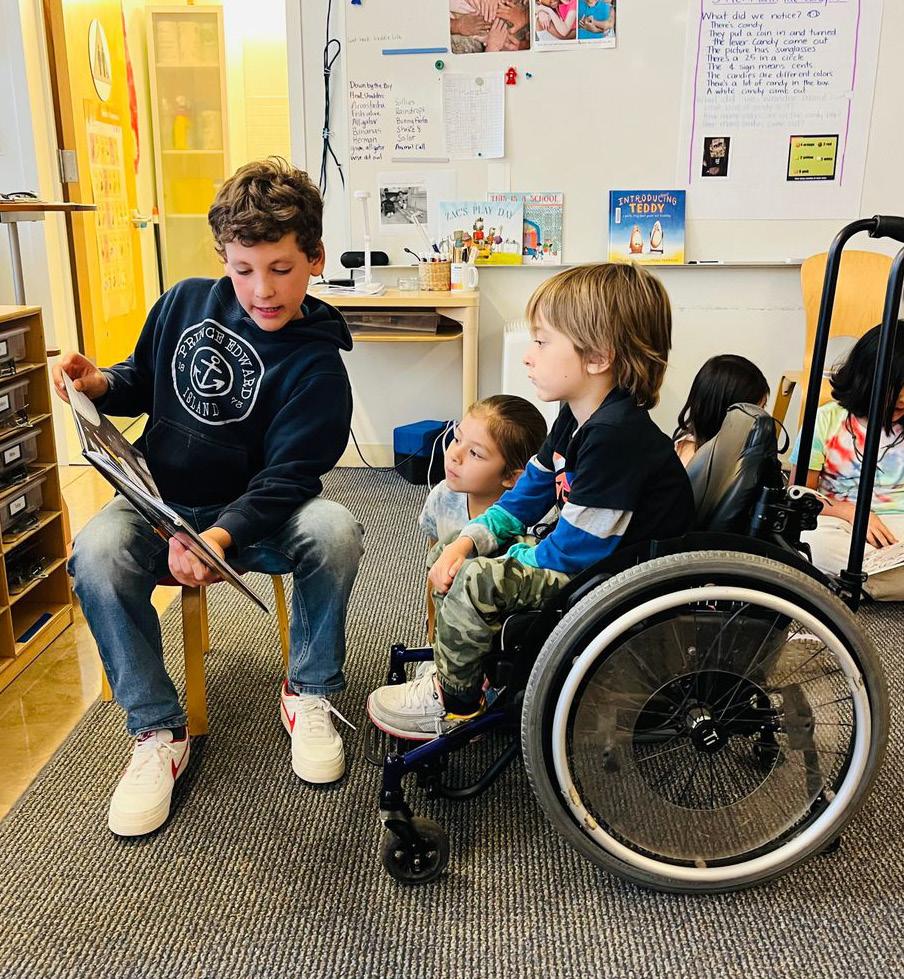
by Amabelle Sze Lower School Head
Each fall our teachers begin planning the arc of our K-8 buddy program for the new school year. From the children’s viewpoint, facing the unknown can be fraught with anticipation: Who will my new buddy be? What if I don’t like my new buddy? Might it be my best friend’s sibling? Even so, as we build up to the new buddy year, the students at Friends are full of excitement, curiosity and a shared sense of community.
Each year every student at Friends is “buddied” up with a new child from their buddy grade, and through a variety of projects and events, children learn from and with each other, and they develop ties within the broader community of children. We have monthly buddy Meetings for Worship, and a distinct rotation every month designated for buddies to spend part of the afternoon together in a variety of projects. Partnered together each year are first graders and fifth graders, second and sixth, third and seventh, and a “family grouping” of kindergarten, fourth, and eighth graders.
From reading stories together, to sharing service learning project work, these consistent buddy grade pairings help teachers across the grades deepen the program over time, as they get to know each other’s curriculum and students. As well, children grow with each other, and follow their buddy grade into their graduation year. Fourth graders spend a year as the “middle child” before becoming the official older buddies throughout the middle years. In our annual End of Year Celebration, our K/8 buddy dance is a lively representation of the relationships children have developed over time, and a deeply felt send off for our graduates and their families.
At the first few buddy meetings, you will find children meeting and greeting each other for the first time, playing games, reading stories alongside one another, interviewing each other, or making up a buddy handshake.
If you happened upon the Meeting Room space some years back, here’s what you would have seen on the launch of the buddy program in September: four rows of white paper laid across the entire length of the room, and all the seventh graders sitting on one side of each row of paper. On that day, it made me stop with a true sense of curiosity and I wondered:
what would be happening here exactly? Then, in walked the third graders and, in silent confidence, they sat directly across from someone familiar and safe—last year’s buddy, of course. The sense in the room was a mix of familiarity and coming newness.
Setting children up for a new challenge, social or academic, can be tough, and these teachers knew how to bring a sense of calm and adventure into the room, readying the children for a transition.
The teachers let the old buddies reflect and connect, and several children shared aloud things about their last year’s buddy. Then, to my surprise, the teachers had all the children stand and move in a dance-like rotation around the papers, only to find themselves sitting across from someone new. My new buddy? Not yet! The next step involved a series of challenges each third and seventh grade pair had to solve together (build the tallest tower, make an animal) with a limited number of marshmallows and toothpicks. (First, the seventh graders had to give direction, then the third graders, while the opposing partners could not speak at all.) The children were completely engaged, listening closely, clearly communicating, working towards a common goal. The teachers were observing closely, a few even taking notes to help them make decisions about who might be a good fit for a buddy pairing this year (a decision that wouldn’t even be happening at this buddy meeting).
The purpose was to connect, to work together, to build trust. You left the room feeling like it didn’t matter who your buddy was going to be, but that the third and seventh graders felt like one small community. It was a beautiful thing to watch—a highly orchestrated lesson for a group of almost 100 kids set to sail by a crew of master teachers. Teachers are like architects, setting up the environment with a purpose in mind to engage curiosity and provoke students towards a new challenge. Here was a masterful example of this creative process of teaching at work.
We often say that how we teach (pedagogy) is as important as what we teach (content), that the set up can determine the outcome, and purpose really matters to us. If the purpose of buddies is to build a trusting community (all necessary factors for any real learning to take place) these teachers had thought clearly about how to put that purpose into practice. It doesn’t matter if your buddy becomes your best friend, but that you work to try to connect with someone different than you. You lead some, you follow some, you adapt, you learn something about your school, and you will be changed because of it. Our buddy program has grown richer every year, enriching our students’ healthy sense of relationships, trust, challenge, familiarity, and community.
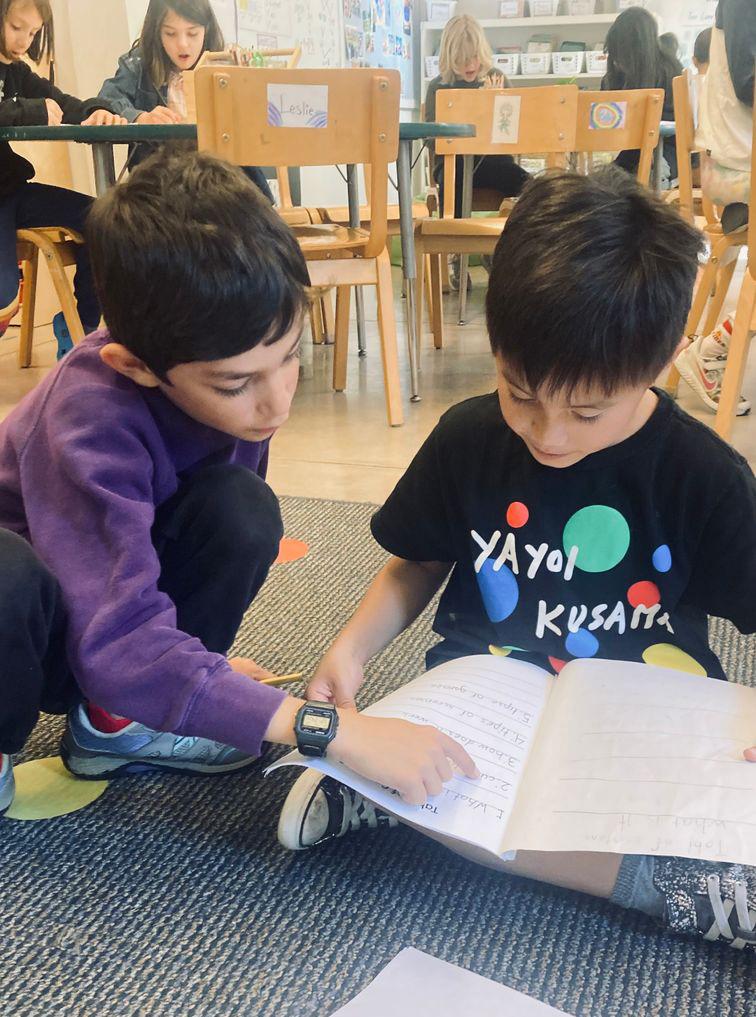
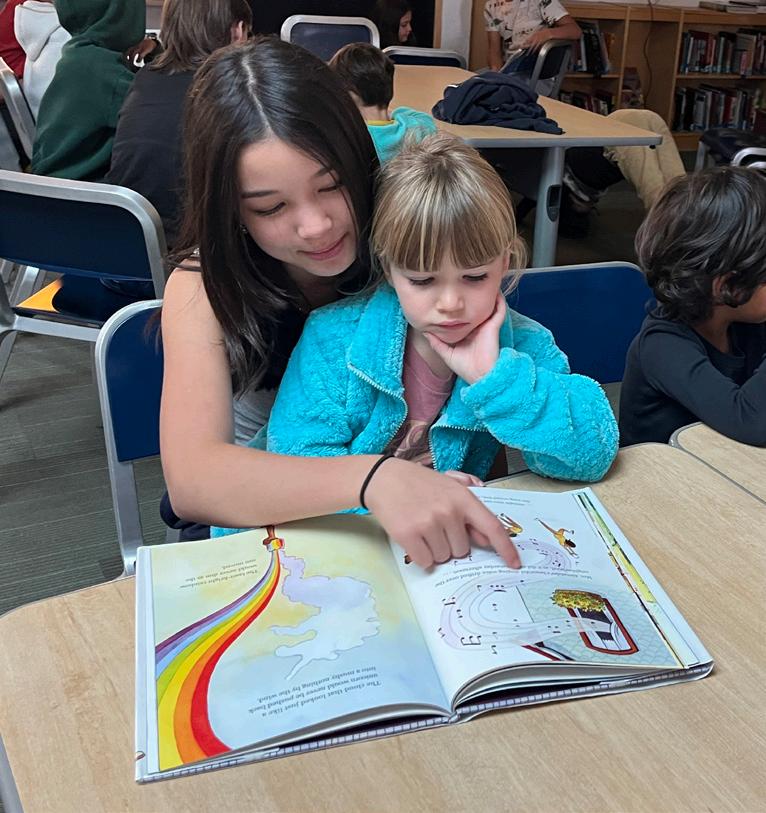
“At the first few buddy meetings, you will find children meeting and greeting each other for the first time, playing games, reading stories alongside one another, interviewing each other, or making up a buddy handshake.”
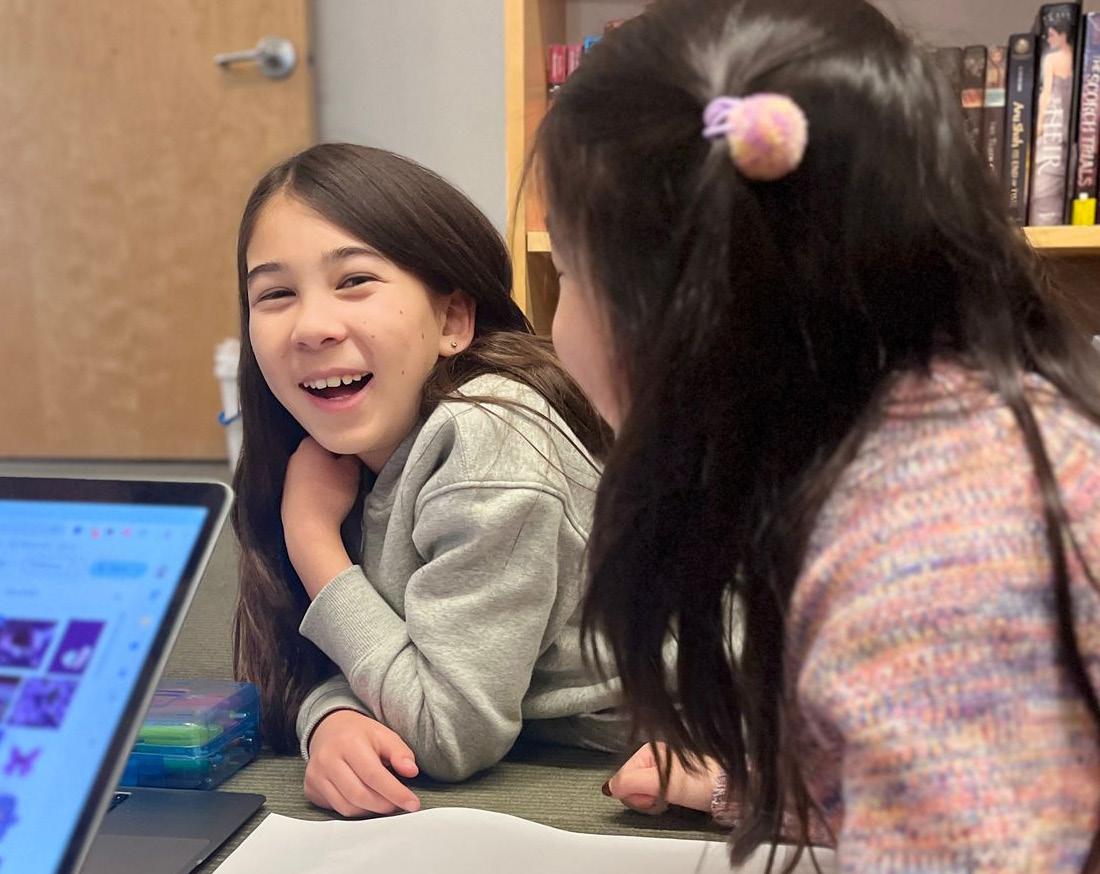
By Rebecca Foster SFFS Parent
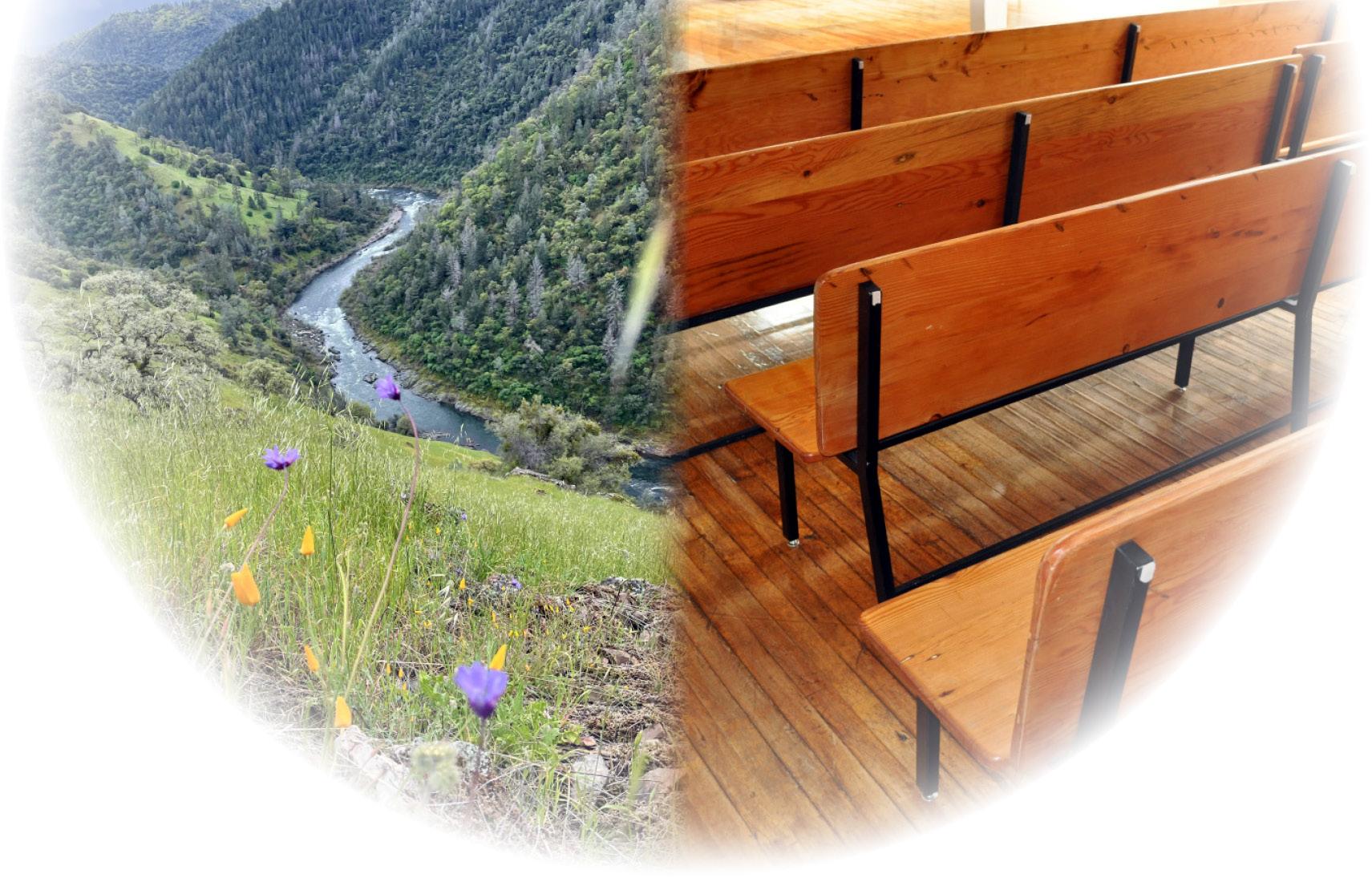
I didn’t grow up going to church, synagogue, or a traditional place of worship. My brother and I “swore to Mother Nature” when it was really a serious truth instead of swearing to God, and our place of worship was the American River Canyon or the open granite of Desolation Wilderness. These places did and do fill my soul’s longing for that awesome perspective of being part of something bigger, but my moments in them don’t always come with the rooted-in-community part of worship that I imagine is a huge part of many peoples’ experience with religious traditions.
Going to the San Francisco Friends Meeting (not to be confused with the Friends School Meeting for Worship) has given me the chance to spend a Sunday both to re-ground myself and to feel that I am part of something big and rich. I realize now that I have been subconsciously seeking this during the often breakneck pace of my family’s complex and urban life.
Part of why I love SFFS so much is because every time I walk into the school, I feel a sense of rootedness and community, and unexpectedly, I really appreciate how tied this sense feels to a deeper tradition of spirituality and worship. Visiting the San Francisco Meeting for the shared Meeting for Worship has both scratched the chance-to-worship itch I didn’t know I had, and also helped me to understand how SFFS grows forth from the deep roots and values of the Religious Society of Friends. I vividly remember a meeting together the day after the Women’s March in 2017—a great time to sit in silence and reflection together with a group of people who count a commitment to social justice as a core part of their beings. This time, when our kids came back from the children’s program they came with postcards they had written to their elected representatives about changes they would like to see
to improve their communities and the current political and social discourse. I remember my partner Doug commenting on this “definitely being San Francisco” with an appreciation of the great delta between his experience in Sunday school on the Upper East Side (and some resulting *slight* discomfort at the idea of his 6 year-old writing a protest letter the day after joining a protest march). His discomfort came with a hearty willingness to embrace this new experience— one of the many reasons I love him. And I remember thinking this isn’t just a San Francisco thing, this is a Quaker thing.
When a teacher friend of mine recently roamed our school’s hallways, he said he couldn’t believe the level and depth of engagement that Friends students have regarding social justice issues. It struck him that our teachers and students were not only raising, but really grappling with, the messiness and complexity of issues that faculty at his school wouldn’t feel comfortable discussing. And as a teacher, he was jealous of this real discourse.
Because we all as community members are living through this hard stuff together, it seems weird not to talk about it. The commitment to social justice and the process of grappling with messiness are a part of our school’s Quaker DNA, and I loved getting more of a window into that at the Friends Meeting.
Each time I go to a Friends Meeting, I am reminded of how grateful I am for the tenets, values, and spiritual compass that guide our kids’ education—and the deep roots that tie us to a broader history and community. I treasure these minutes of communal reflection and seeking each year, for myself and for my family.
By Natalia Ibarra, Class of 2026
Hello, my name is Natalia Ibarra, and I am currently finishing up this rewarding journey of middle school at SFFS. As someone who’s been going here since kindergarten and has seen this whole amazing experience through, I’m excited to share some of my favorite memories with incoming families.
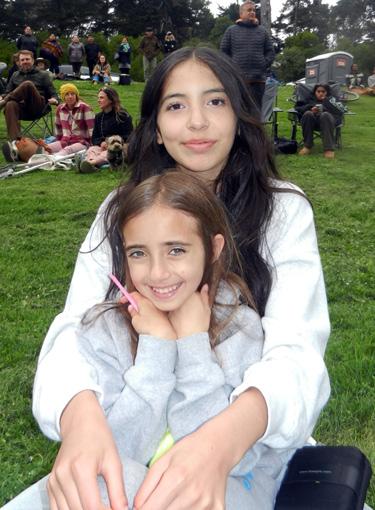
A rather young and nervous me walked in front of the entire elementary school at Friends to give a speech on how to correctly dispose of trash. Perhaps not the most popular topic with the five to ten-year-olds surrounding me, but that certainly didn’t dim my passion when I began my speech. In the fourth grade, that is what I was interested in—how I could help the world, and how my community could pitch in as well. With the help of my teacher, I started a small group of kids that would help clean up the school and get trash in the right bins during free time. It was inspiring to be able to create a change so young within my school and to be fully supported alongside my teachers. And sure, my speech might not have been the absolute best or most well-practiced, but when I was applauded, that sense of accomplishment I felt was immeasurable. As a naturally shy kid, I thought I would never be seen for my passion, yet here I was with my words, talking to all of my peers, bright with curiosity.
Middle school was a slightly different time, since everyone around you is growing and changing, becoming themself. Yet one thing I knew was that some things would never change about me or my classmates. After all, I had been fostered for years with the Quaker values, which I still consider good morals to live by, no matter religion. Simplicity, Peace, Integrity, Community, Equality, and Stewardship. All equally important, yet the one that had the most profound impact on me was community. Having a space to feel accepted and enrich yourself in culture was made possible through the creation of affinity groups. In the gathering of potlucks, the joy of fun activities, and the love that just emanated from the space, I grew to feel even more at peace with that sense of my identity in the LatinX Affinity group.
Writing this now, knowing it’s all coming to a close so soon, has been an emotional and full-circle moment for me. Even just thinking about where we’ll all go, if we’ll meet again, and what the future holds for us is filling me with this bittersweet feeling. The high school process, despite being easy and having been fully supported throughout, reminded me that we’re all getting ready to say our goodbyes. It has been such an honor to have been allowed to live the beginning of my life here as a second home, and I know it’ll be the same for the future students to come. We welcome you to the Friends community with open arms, eager to start this new chapter with you all.