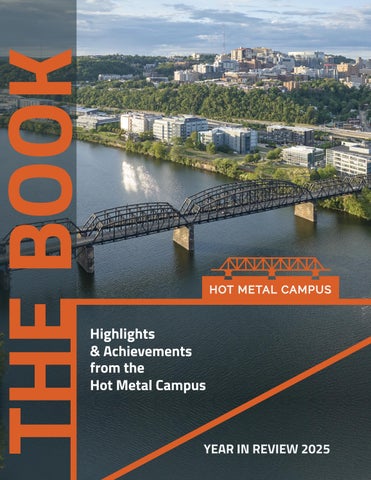

THE BOOK
Highlights & Achievements from the Hot Metal Campus

YEAR IN REVIEW 2025

WELCOME TO THE BOOK
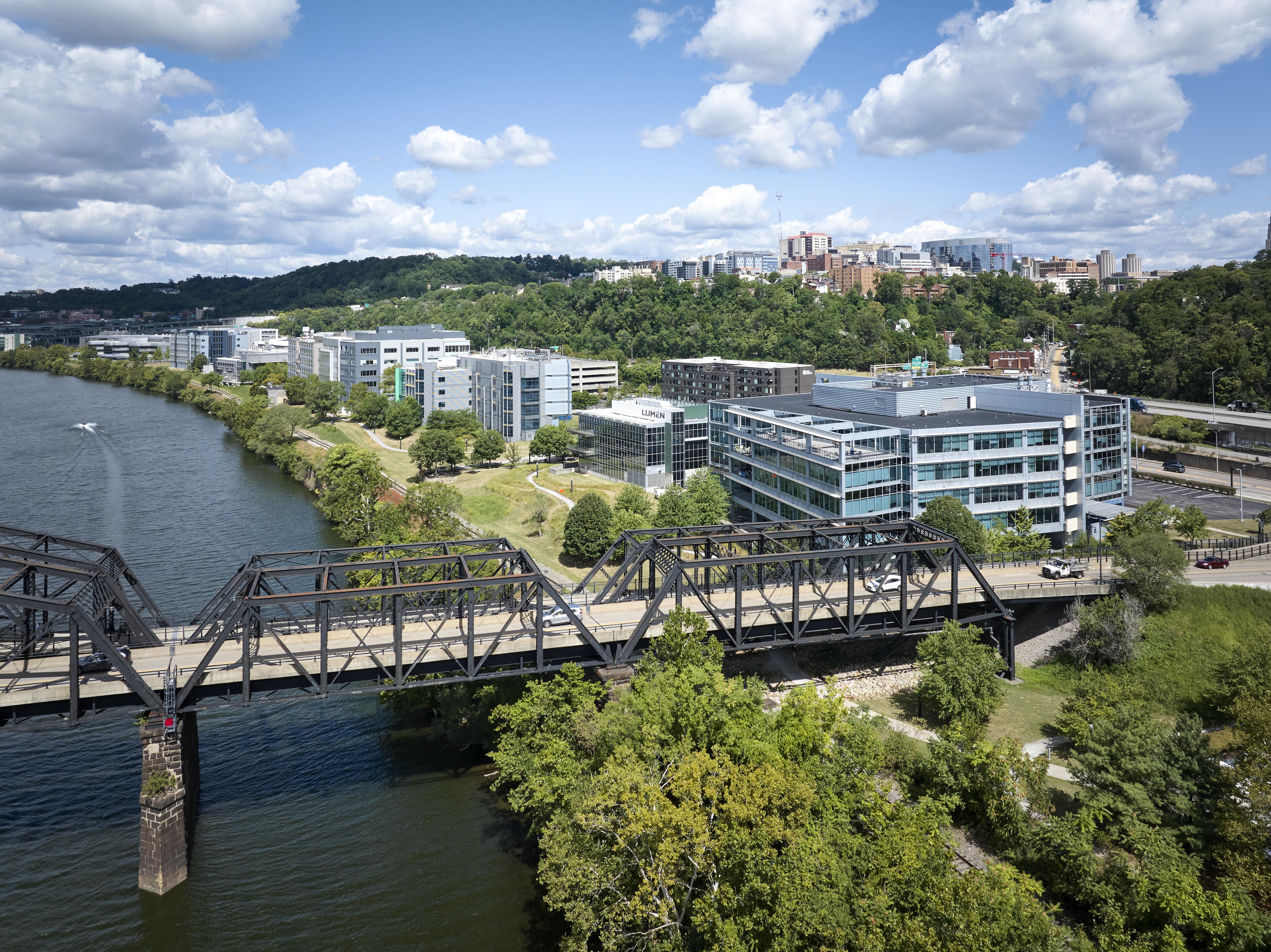
The power of innovation lies in the systems that make breakthroughs possible and the most effective ecosystems are built with intention. Physical space serves not as an endpoint, but as a platform for connection across universities, industry, capital, and community, moving research to real-world impact with greater clarity and purpose.
Pittsburgh reflects this transformation with elite research institutions and a depth of collaborative networks. At Hot Metal Campus, progress emerges constantly at the intersection of life sciences, advanced technologies, and artificial intelligence, supported by University of Pittsburgh and Carnegie Mellon and a broader community committed to shared advancement.
Innovation is reshaping how research is conducted and how companies are formed. Federal priorities are placing greater emphasis on translating research into measurable outcomes and strengthening regional ecosystems. These shifts underscore the importance of environments that are designed to adapt and endure.
The stories in The Book document how innovation manifests. They show how research is translated into companies, how corporate partners engage with academic discovery, how talent is developed and retained, and how place can accelerate each step of that process. This collection of stories, perspectives, and partnerships, provides a window into the momentum building across Pittsburgh’s innovation landscape.
Kevin Byrne President and CEO
The University Financing Foundation (TUFF)
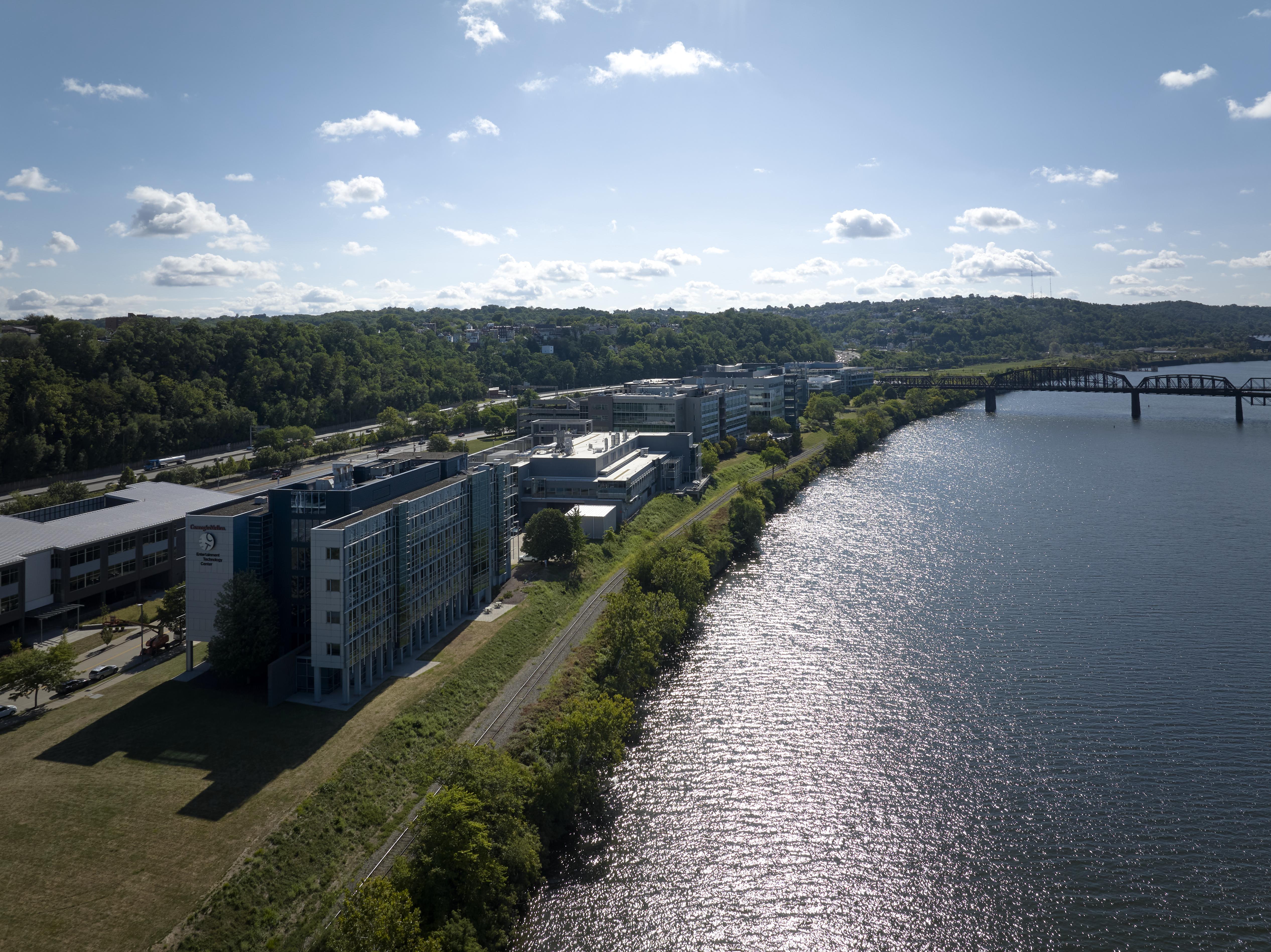
At Hot Metal Campus, life sciences, biotechnology, and advanced research intersect with entrepreneurship, design, and emerging technologies.
Our proximity and collaboration with the University of Pittsburgh and Carnegie Mellon University are central to this. There are researchers advancing new approaches to human health and aging. Founders building companies grounded in scientific discovery. Teams exploring how entertainment media technology can transform storytelling, training, and experience.
Throughout these pages, you will see what happens when researchers, founders, and industry leaders share not only a space, but a place where ideas move quickly from discovery to application.
Thank you for being part of that work.
David Tyndall Founder and Owner, Collaborative Real Estate
Hot Metal Campus by the Numbers

It is the people, research teams, and shared ideas that make Hot Metal Campus a concentrated and centralized place for innovation in Pittsburgh.
While some aspects of this ecosystem are difficult to quantify—such as the dynamic connections among those conducting research, innovating, studying, and working across campus—we continuously work to understand the community’s needs and create opportunities for meaningful introductions and engagement.
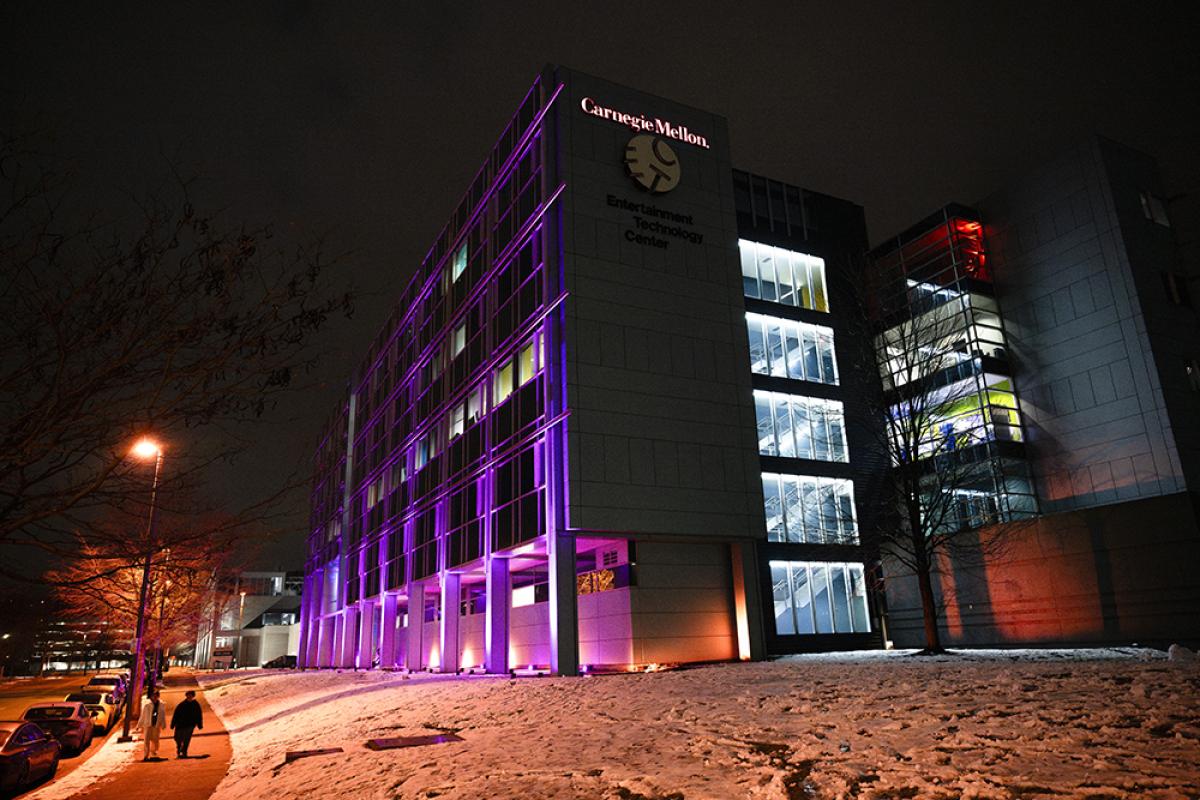
In 2025, Hot Metal Campus hosted 177 events across its buildings, reflecting a consistent cadence of research exchange and community programming. This activity was anchored by recurring series such as BioBreakfast, alongside seminar-driven programming including the Pitt McGowan Institute Seminars, Microbiology & Molecular Genetics Seminar Series, and Aging Research Seminar Series. These were complemented by more interactive formats, including Playtest Nights hosted by the Carnegie Mellon University Entertainment Technology Center, as well as networking and wellness events that brought together researchers, clinicians, and entrepreneurs. Together, these events created sustained points of connection across disciplines and institutions.
In 2025, individuals from 10 companies and institutions contributed to the Hot Metal Campus community, including Avista Therapeutics, Noveome, Panther Life Sciences, the Carnegie Mellon University Entertainment Technology Center, and departments across the University of Pittsburgh, including Occupational Therapy, Physical Therapy, the Aging Institute, Communication Science and Disorders, Craniofacial and Dental Genetics, and the Organ Pathobiology and Therapeutics Institute (OPTIn).
Community milestones included Noveome advancing its Phase I and Phase II clinical trials, Derek Ham joining CMU ETC as department head in 2024, and Panther Life Sciences joining Hot Metal Campus in early 2026.
From life science researchers and bioscience entrepreneurs to physical and occupational therapists and entertainment technology innovators, Hot Metal Campus brings together a range of expertise across Bridgeside Labs and Hot Metal Labs.
Our science journalism further amplifies this work. The 2025 edition of The Book highlights 14 stories spanning life sciences, physical therapy research, entertainment technology, and community events, drawn from 38 features published between late 2024 and early 2026 across our website, monthly newsletter, and LinkedIn page, launched in November 2025 to share relevant announcements and opportunities with the community.
177
Events hosted across Hot Metal Campus.
34
Gaming research and development projects completed by CMU ETC students and faculty in 2025.
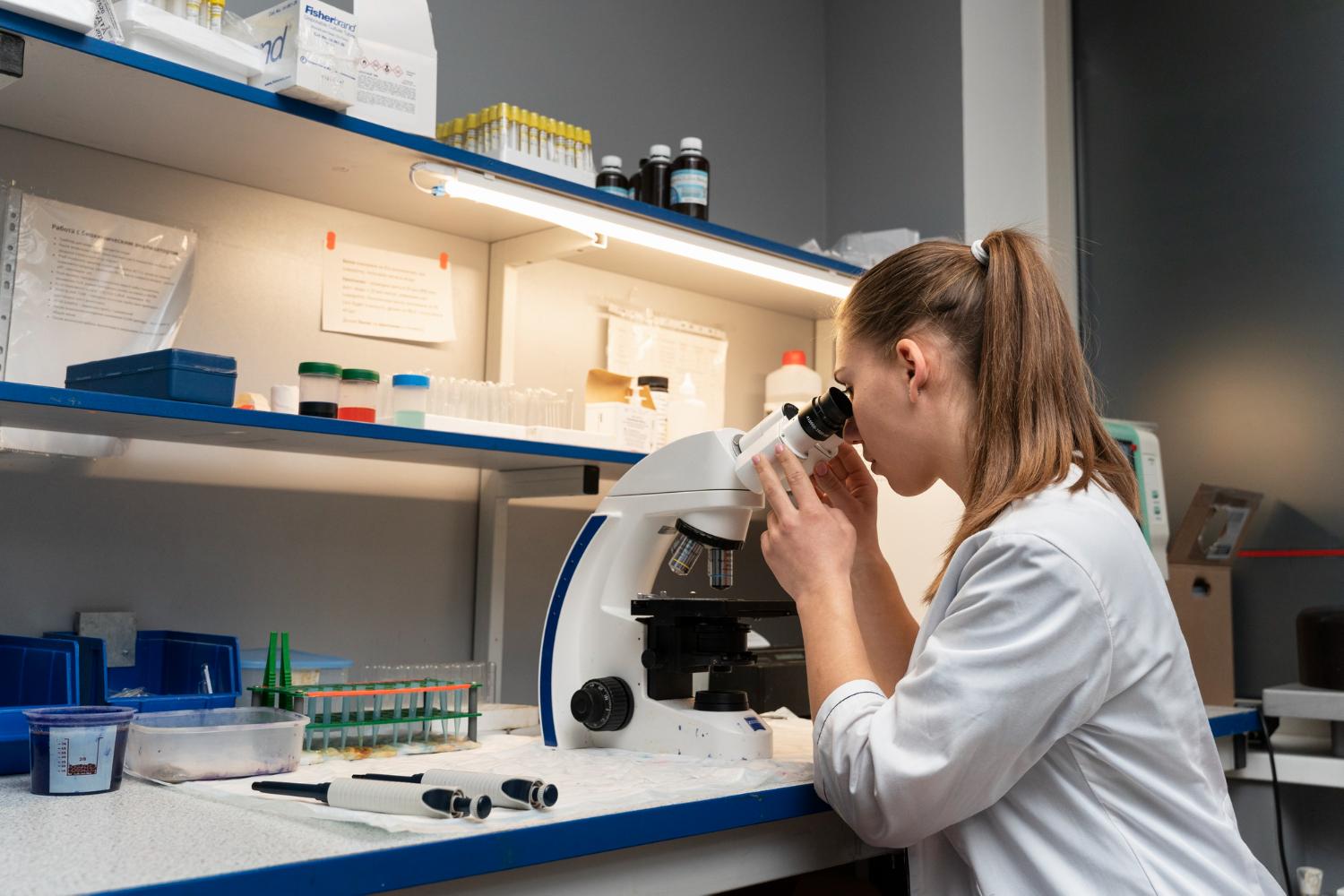
10
Companies and institutions contributing to Hot Metal Campus’s community in 2025.
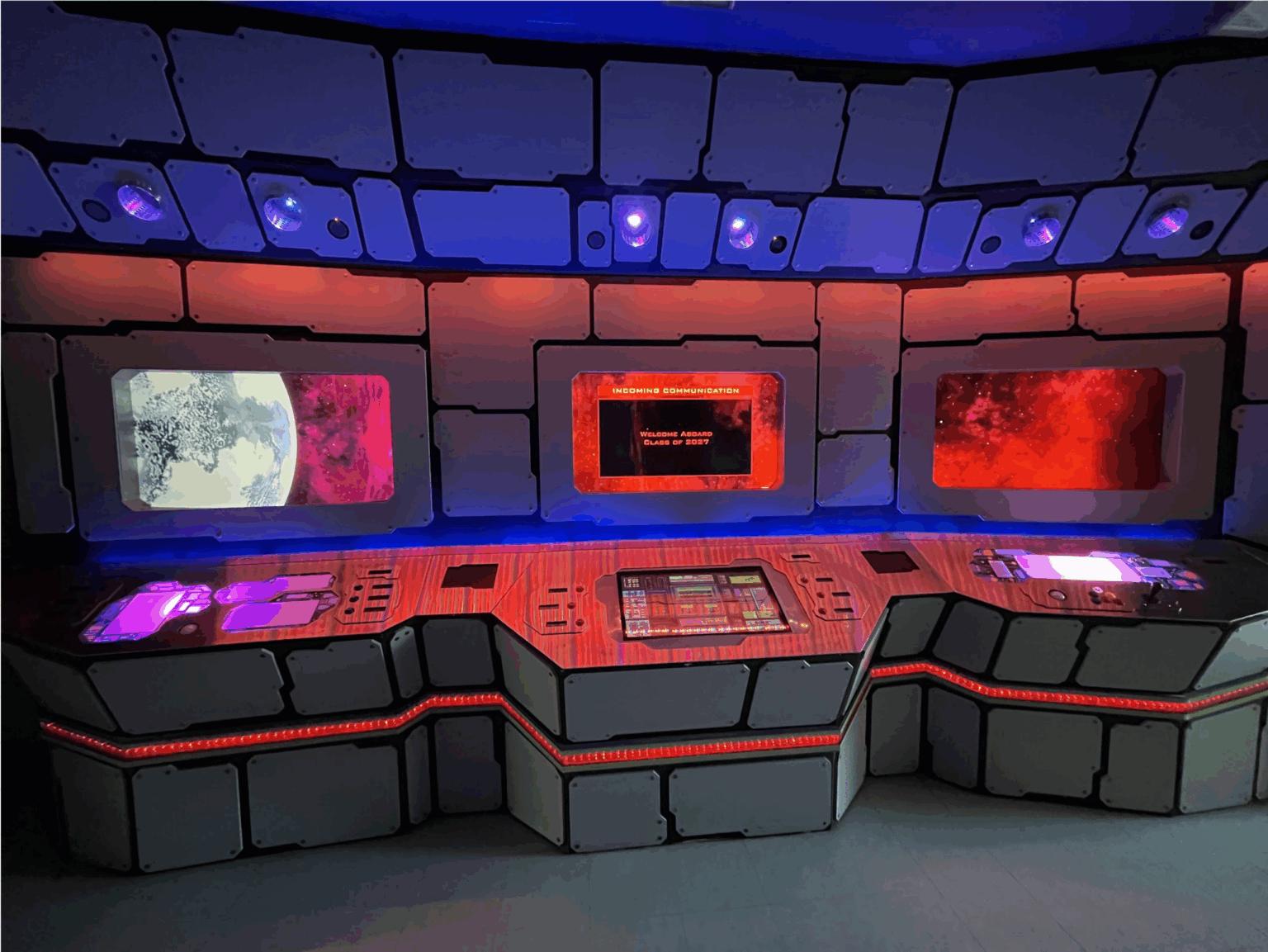

38
Stories featuring research advancements and entertainment technology innovation published throughout late 2024 to early 2026.
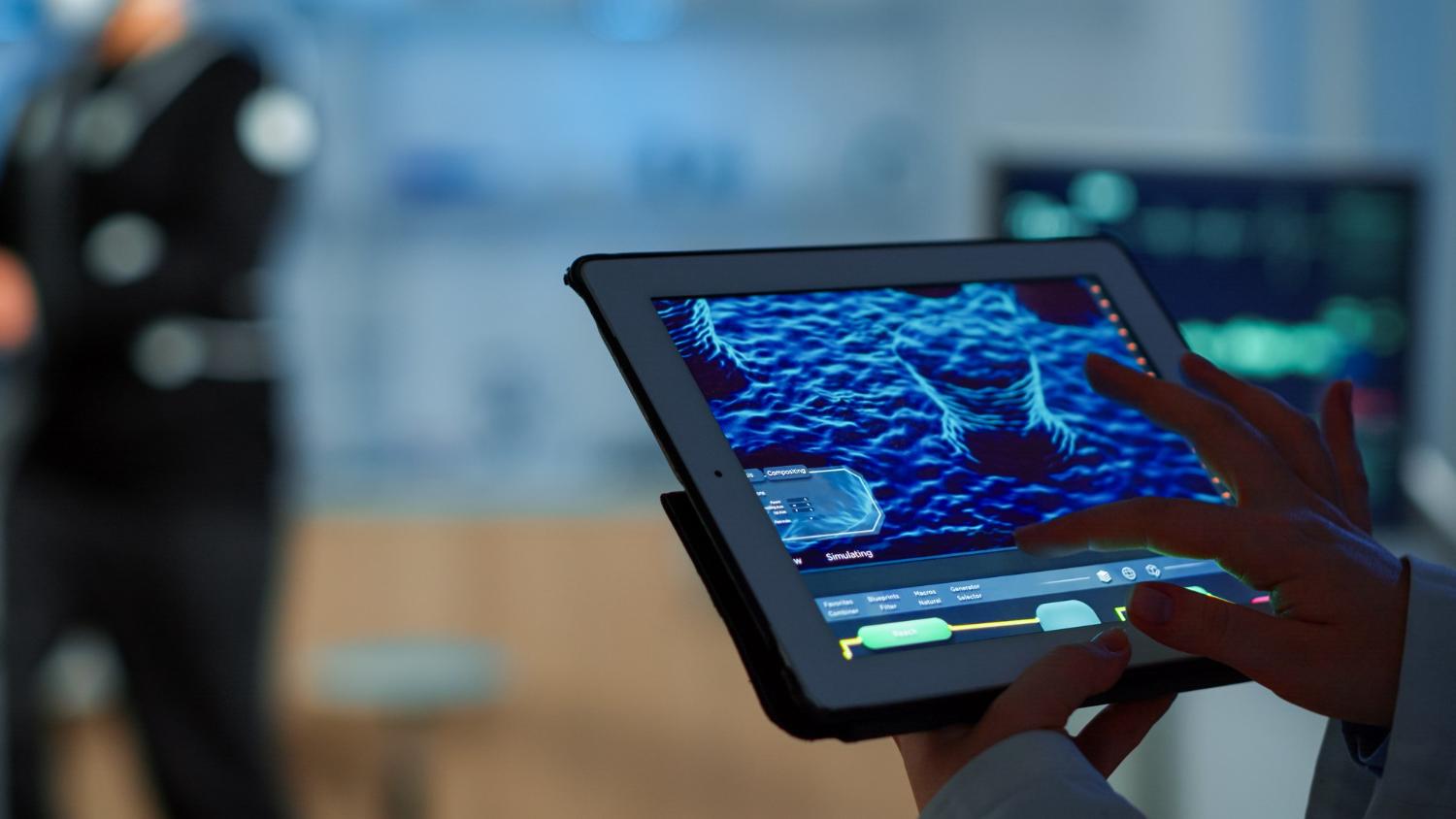
97 Publications from researchers across Hot Metal Campus in 2025.
229
Introductions made by our Innovation Ecosystem Relationship manager in 2025.
Meet Your Innovation Ecosystem Relationship Manager
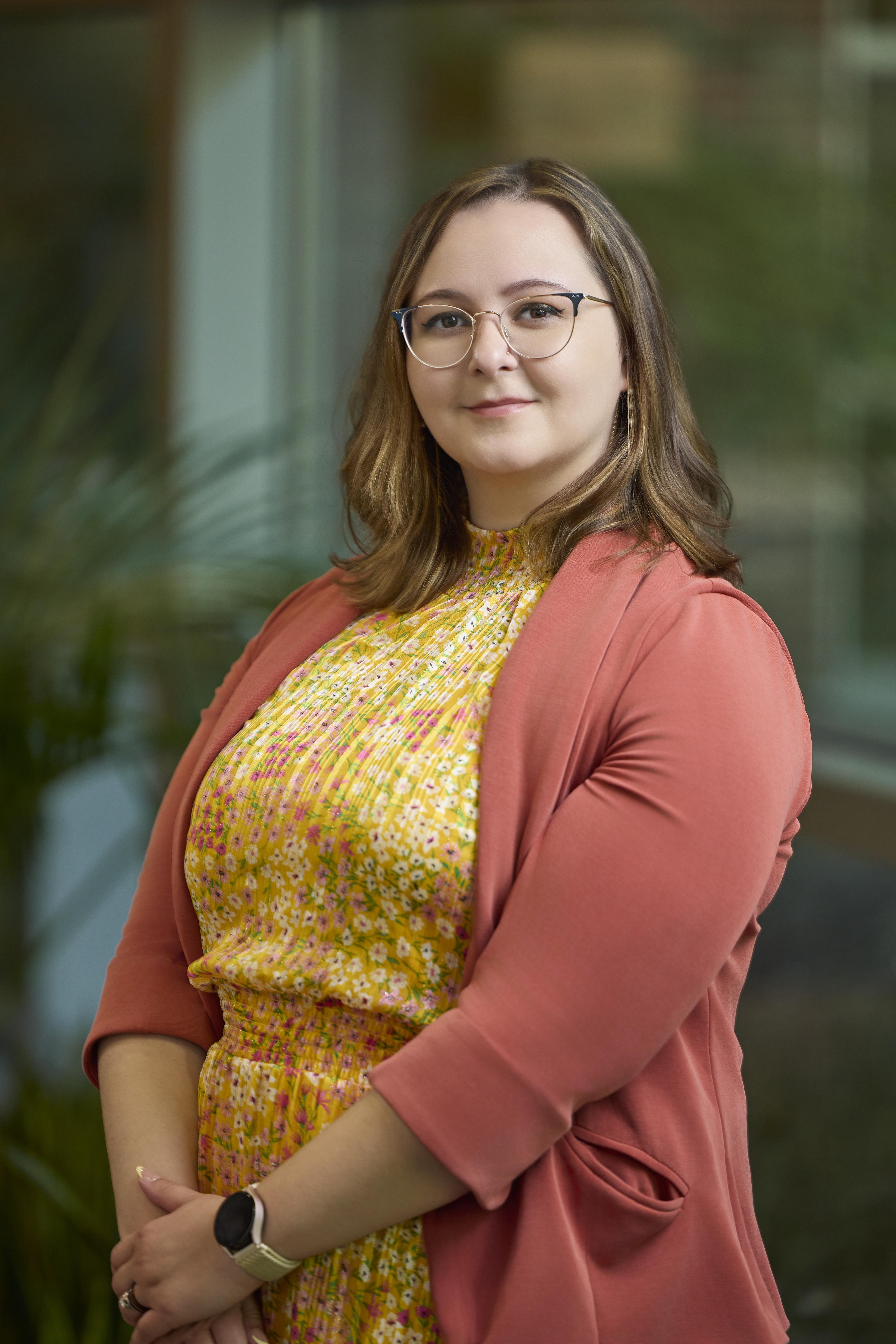
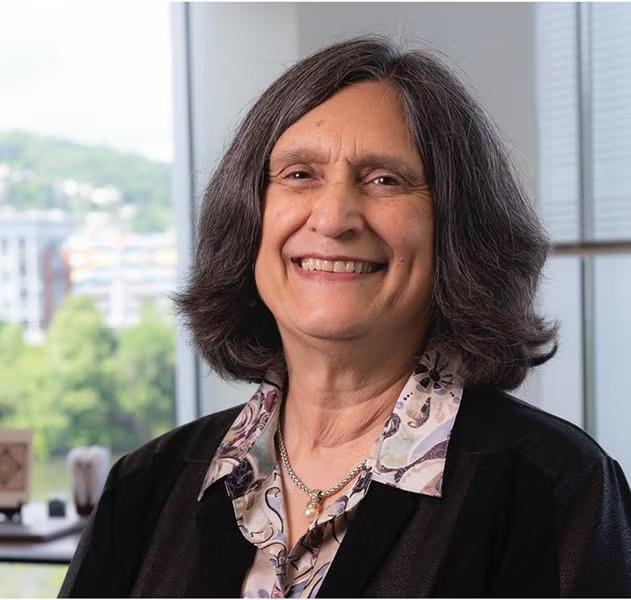
Dr. Jen Luke
Dr. Jennifer Luke is a materials and surface chemist with over five years of expertise in chemical surface modifications, protein characterization, and biomedical implant materials. With industrial experience in biopharma research, she has contributed to the advancement of novel gene therapeutics and nanoscaffolds.
Dr. Luke is skilled in experimental design, analytical techniques, project management, and fostering cross-disciplinary collaboration. Currently serving as an Innovation Ecosystem Relationship Manager, she strives to build strategic partnerships that bridge academia and industry to drive innovation from lab to market as well as support the Pittsburgh STEM community at large.
Hot Metal Campus’ Professional Development Series Grows Community and Career Confidence
Written By Neema Tavakolian
Designed for early-career researchers, graduate students, and Pittsburgh’s wider innovation community, the series has emphasized practical guidance, confidence-building, and real-world connection.
The season opened with “From Academia to Industry: A Professional Development Panel” in early October, which brought together five professionals who successfully transitioned from academic training into industry roles across communications, therapeutics, biotech, engineering, and bioinformatics. Panelists Kendy Pellegrene-Guarnoni (LifeSci Communications), Haley Janowitz and Maryl Lambros (Avista Therapeutics), Tell Lovelace (ThermoFisher), and Katelynn Montgomery (Noveome Biotherapeutics) shared honest insights about navigating the leap beyond university walls.
The discussion gave attendees a grounded, wide-angle look at what “industry” means today and how varied and nonlinear career journeys can be. “One of the biggest takeaways,” Dr. Luke reflected, “is that there is no single pathway for transitioning out of academia. There is no ‘one size fits all’ path for each degree and connections you make can open doors to careers you never would have known about.”
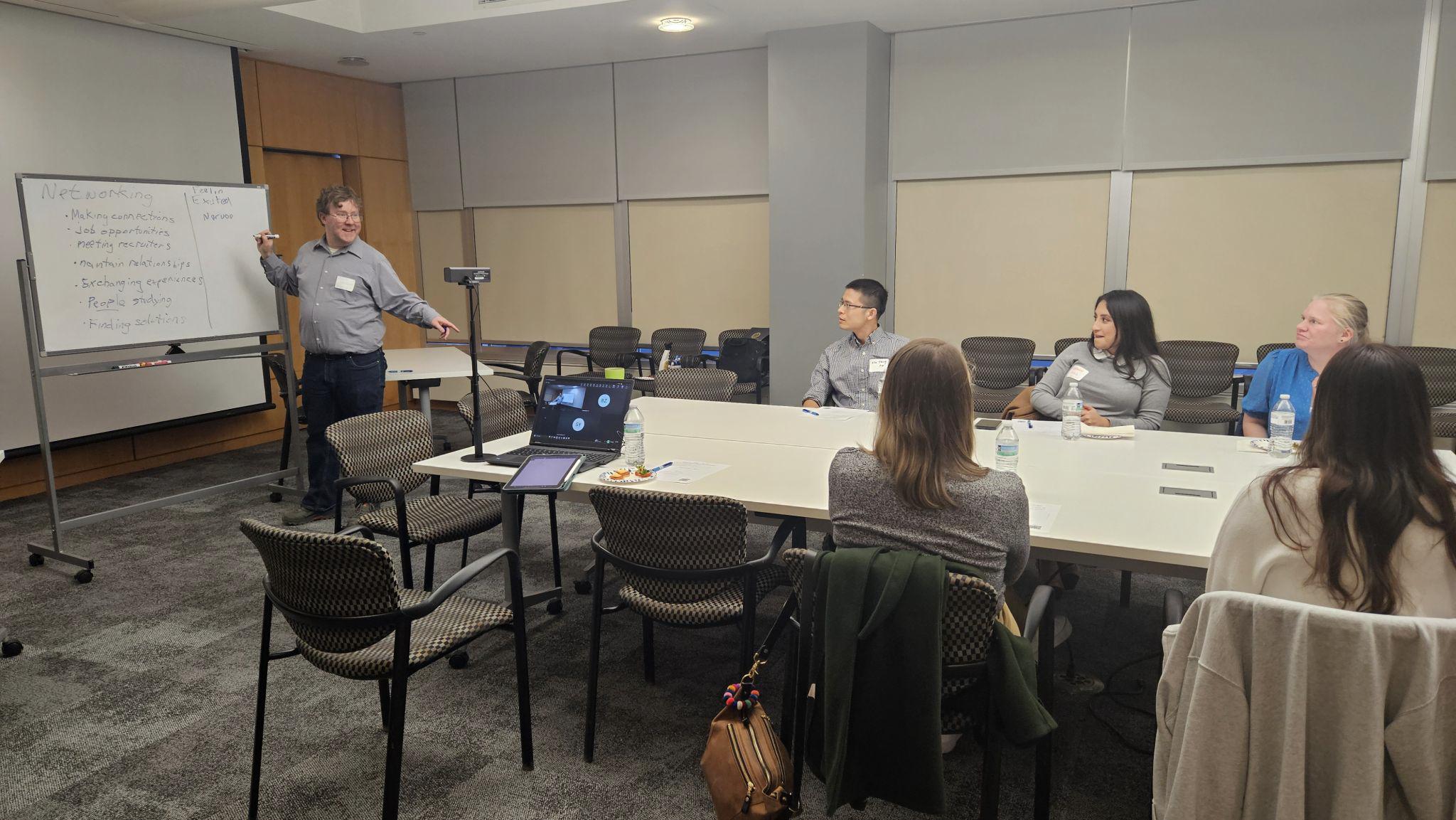
Building on that momentum, November introduced a hands-on two-part workshop series: “Networking: Making Connections That Count” with Dr. Justin Weinbaum from the Swanson School of Engineering at the University of Pittsburgh.
The first session focused on foundational skills: how to introduce yourself, start conversations confidently, and turn brief interactions into meaningful professional connections. Attendees were encouraged to test their skills in real-world settings through a small “networking challenge” assignment before returning a week later.
allowed for peer learning and personalized feedback, fostering a supportive space where networking began to feel less intimidating.
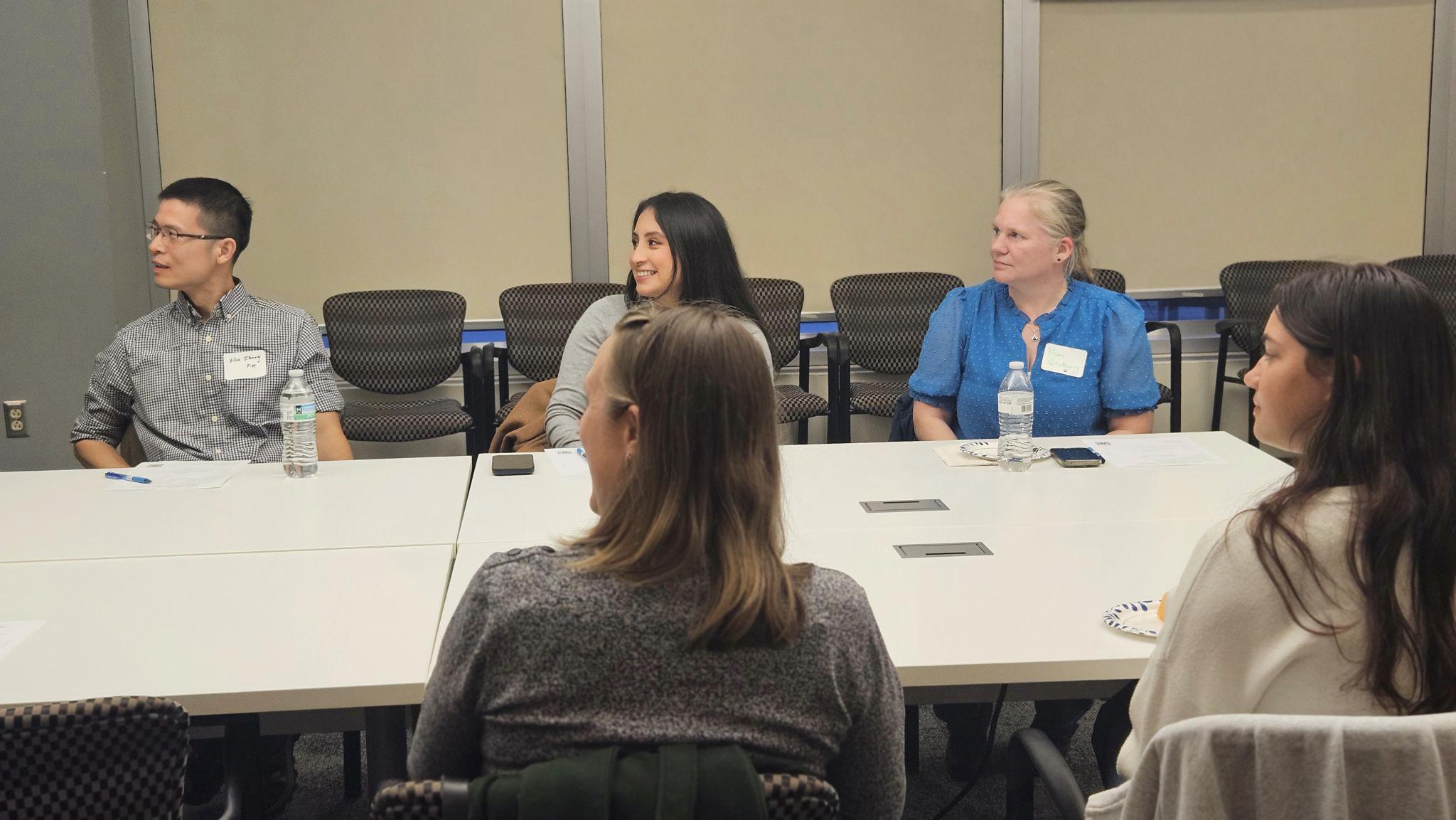
“Networking can feel overwhelming, putting ourselves in awkward situations is very daunting,” Dr. Luke said. “These sessions are about easing those fears and figuring out what is holding people back from getting out there. When people understand that networking doesn’t have to be all elevator pitches and stiffness, everything becomes easier.”
Across both events, the growing sense of community was unmistakable. Attendees stayed after sessions to talk with panelists, compare notes, and continue conversations sparked in the workshops. The networking group is actively attending events and supporting each other in getting out
With more programming planned for 2026, the series is solidifying its role as a practical professional development resource for Hot Metal Campus.
Mapping Faces and Genes to Better Understand Human Diversity
Written By Neema Tavakolian


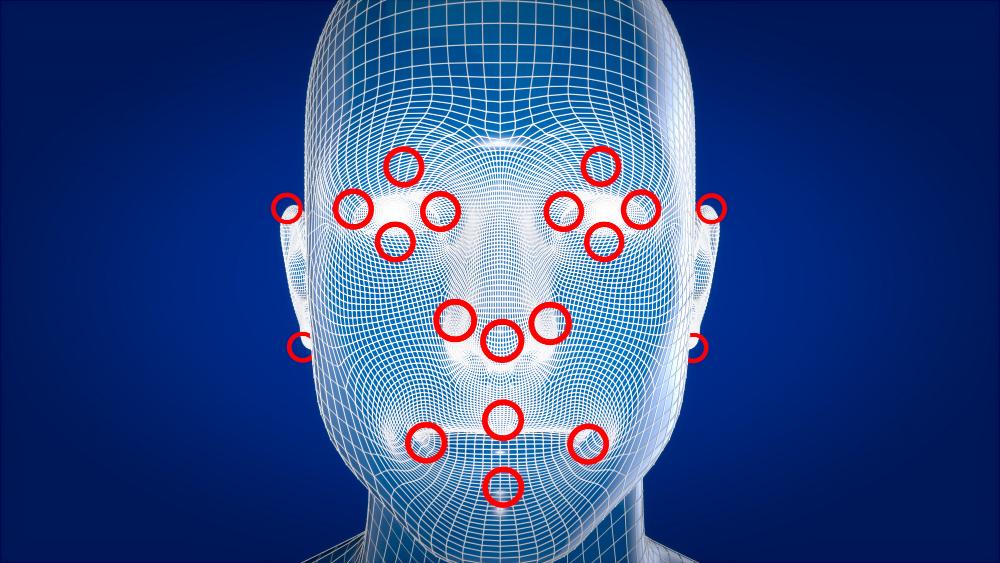
Hot Metal Campus researchers are helping transform how we study complex human traits by combining facial imaging and genetic data. Seth Weinberg and Mary Marazita—based in Pitt’s Department of Human Genetics and the Center for Craniofacial and Dental Genetics—contributed to a new method called INMTD. This tool analyzes 3D facial scans and genetic information at once, helping scientists group individuals in ways that better reflect biological patterns, without being misled by factors like age or sex.
INMTD stands out because it identifies population subgroups based on deep links between genetics and facial features. In testing, the method revealed meaningful patterns, such as associations between facial shape and bone development, or between eye structure and kidney function, offering insights into how our genes shape us. These findings could help tailor healthcare to different population subgroups in the future.
The work reflects a growing trend in biomedical research: using large-scale, multimodal datasets to understand human diversity better and inform clinical decisions.
References:
Clustering individuals using INMTD: a novel versatile multi-view embedding framework integrating omics and imaging data
Flow: Where Art, Dance, Technology, and Tradition Converge
Written by Neema Tavakolian
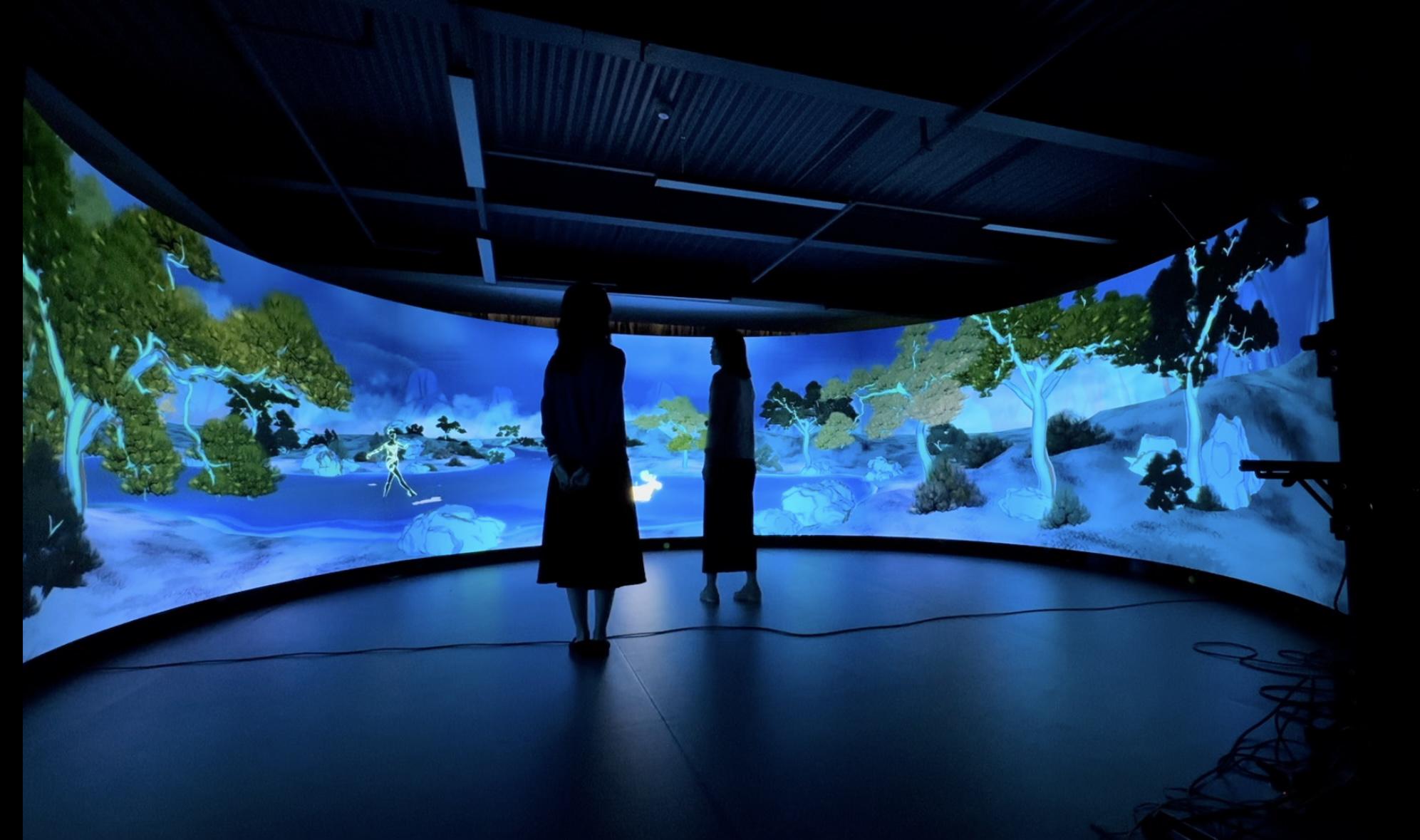
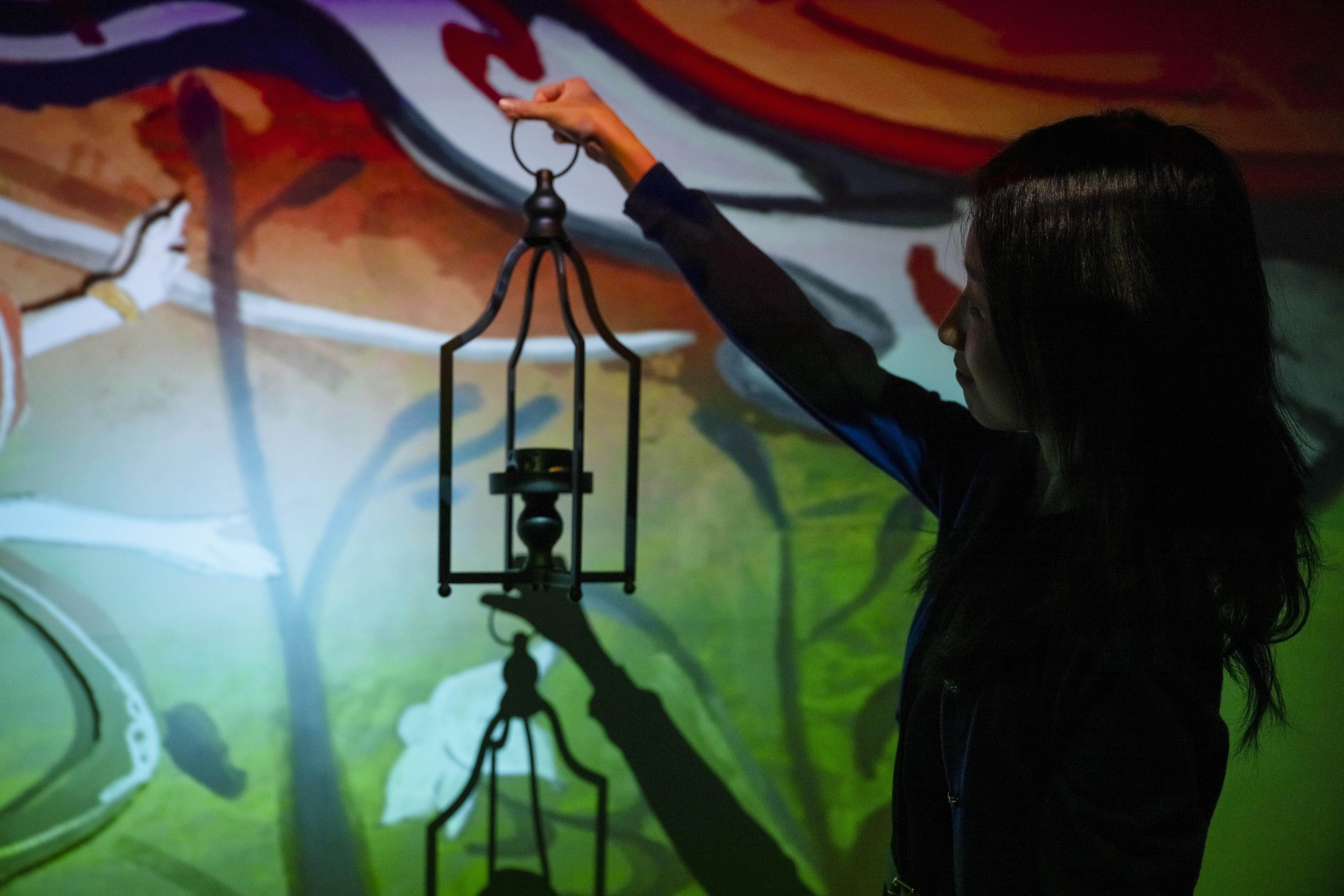
pages of a book brought to life? Flow is an immersive experience that transports audiences into the heart of Chinese folklore through dance, light, and interactive technology. Developed by Nina Wang and her team at Carnegie Mellon University’s Entertainment Technology Center (ETC), Flow merges digital artistry with traditional storytelling to create an interactive narrative that surrounds and involves each guest. The project invites audiences not just to witness a story but to enter, activate, and shape it themselves, blending stories with modern, immersive technologies.
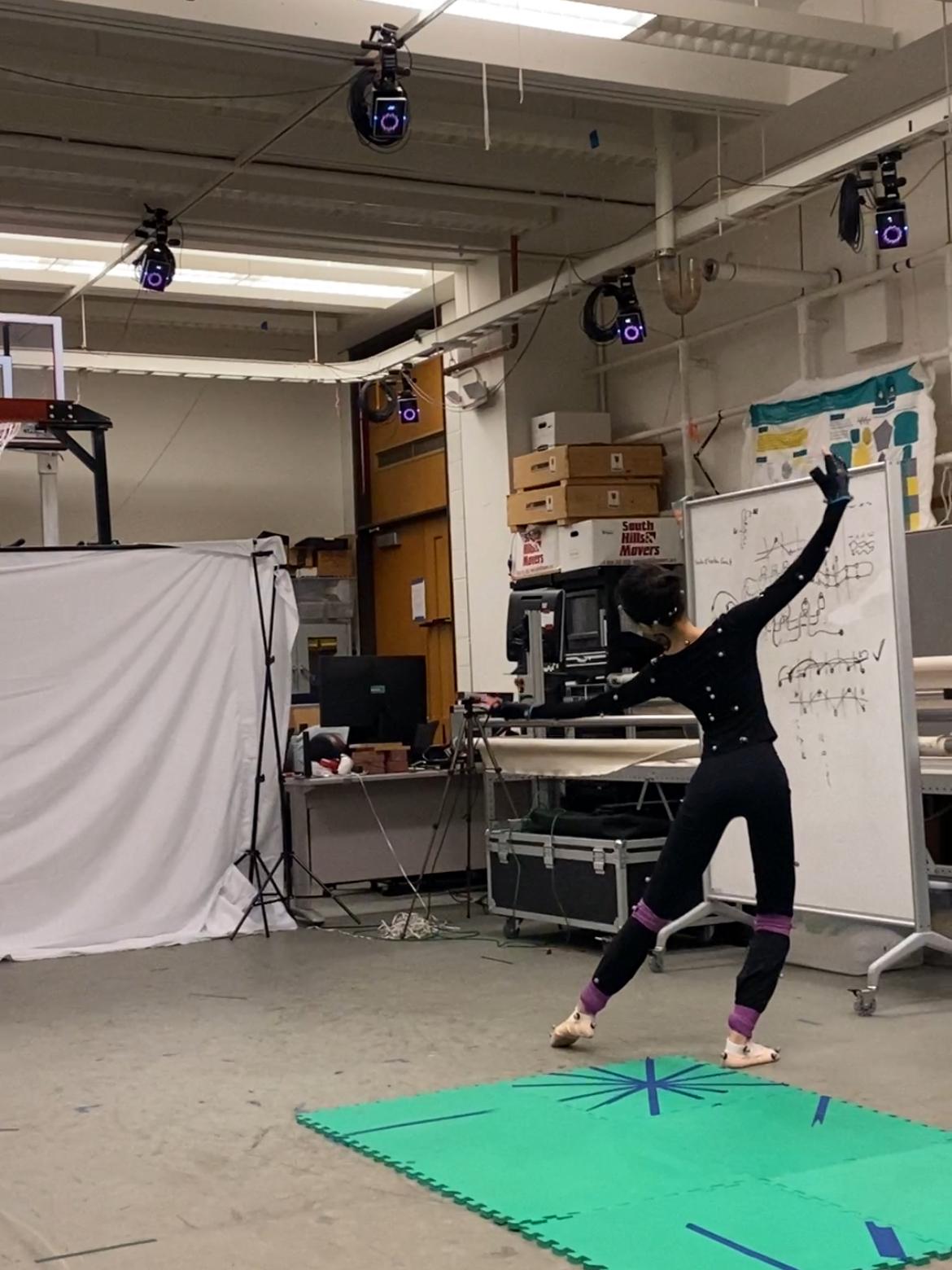
Flow emerged from Nina's reflections on integrating dance nto her work. She began envisioning an experience where movement and interaction could drive storytelling. These ideas had been simmering in her mind for years, and by the time she arrived at ETC, Flow was ready to come to life. As producer and creative director, Nina oversaw each technical and creative aspect of the project.
“Flow has always been a spark in my mind, carrying all the thoughts and artistic visions I wish to bring to the world. As a dancer for over 21 years, dance has become an inseparable part of my life, lifting my soul and continuously inspiring me to pursue my career goals. Creating an art piece centered around dance has been with me for a long time. After completing my undergraduate studies in film and TV production, I gained a stronger sense of creating visual and audio content. When I joined ETC, the desire to create a project that combines light, shadow, color, dance, music, movement, and interaction truly ignited. The name of this project, ‘Flow,’ came to me in a spontaneous moment of inspiration.”
— Nina Wang
users to interact within an expansive digital environment. With a 270-degree circular screen and a 20-foot-wide play area, the CAVERN system was essential to Nina’s immersion vision. The environment reacts to participants’ movements in real time, allowing them to activate and influence the story through motion capture and physical props. As guests walk into the darkened space, they initiate a journey into the world of Flow, interacting with the digital world in ways that deepen as the story unfolds.
At its core, Flow is an experiential journey that moves beyond passive viewing. As the story progresses, guests are invited and encouraged to participate. They engage with virtual characters, synchronize with other participants, and ultimately join in a celebratory dance that marks the narrative’s climax. This blend of personal and communal interaction makes Flow a unique exploration of culture and connection, offering an emotional journey that builds as guests become more immersed in the experience.
Image: Nina Wang

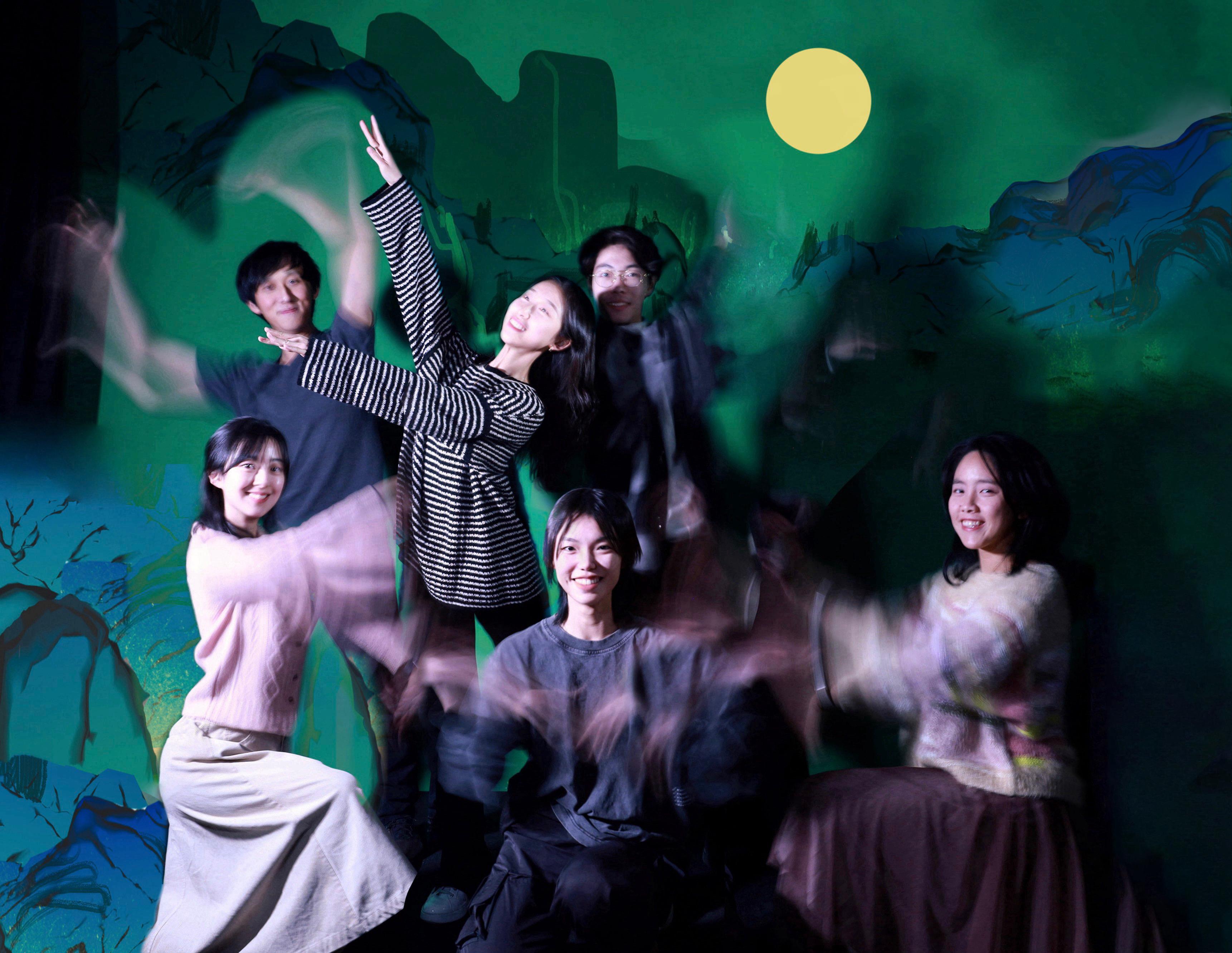
The project required a team with a wide range of skills to bring Wang’s vision to life. Alongside Wang, team members Christine Jung, Laura Yang, Ashling Tu, Shih-Hung Liu, and Jiajian Zhang contributed expertise in 2D and 3D animation, visual effects, and programming, with Ralph Vituccio as their faculty advisor. Flow underwent rigorous development before approval, including multiple pitches and demonstrations to ETC faculty. Out of more than ten initial proposals, Flow was one of only four selected as a formal ETC project — and the only one proposed by a first-year student in their first semester.
What makes Flow remarkable isn’t just its blend of technology and dance but its adaptability. After gaining recognition at ETC, Wang took Flow to Zunzheng, a tech and media company in Shenzhen. After pitching with Zunzheng via the demo video and presentation slides, they saw an opportunity to elevate Flow by adapting it for a 270-degree curved LED wall. The LED wall offers a higher-resolution experience with a VR-like immersion depth, unlike the CAVERN's projection setup. “It is like LED and VR, but without the vision-constricting headset,” says Wang, describing the unique hybrid experience that allows groups to engage together without VR’s usual physical constraints.
The plan is to exhibit Flow in Shenzhen around Christmas this coming December. It will be a seasonal exhibition open for reservations.
“This is a wonderful opportunity to connect with art organizations in Shenzhen that could support and collaborate with us in hosting exhibitions across various art centers in the city.
The Future of Flow
Flow is a prime example of the convergence between interactive media and cultural storytelling. The project demonstrates how traditional narratives can be revitalized and shared in ways that captivate audiences, offering them insight into a cultural story and an invitation to engage with it. For Wang, Flow is more than just a project; it is a new form of expression that connects people to art, culture, and one another, paving the way for a future of storytelling that is as dynamic and interactive as the stories themselves.
“As a team, we will continue exploring opportunities to showcase Flow publicly. We are mindful that Flow is still a semester-long project developed by graduate students, so there’s room to grow and refine it. Ideally, we hope to make it even more comprehensive.
Flow could become a seedbed of creativity — a platform open to talented individuals with similar artistic and technical visions. It is also a piece that gathers and resonates with emotions and ideas. Flow will not conclude with this exhibition; it will serve as a blueprint for future development.”
Flow Concept Illustration
Image: Nina Wang
Image: Nina Wang
Stepping Toward Change: StepUp & The World Shoe Fund
Written by Neema Tavakolian
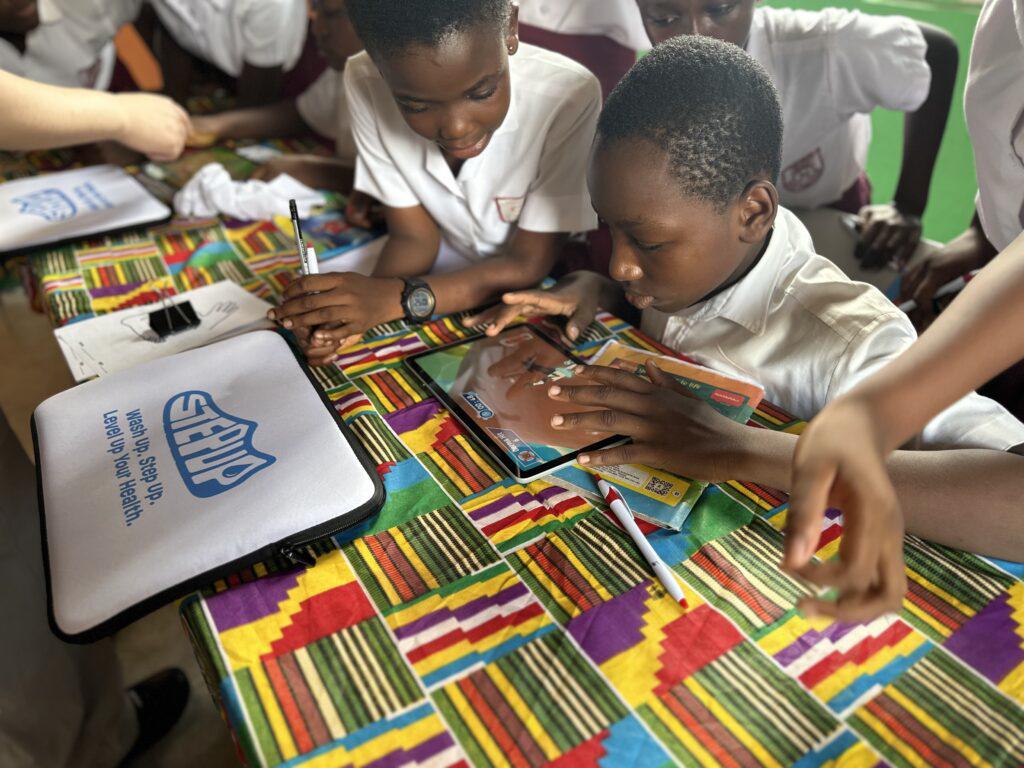


Something as simple as a pair of shoes can be life-changing in underserved communities. The World Shoe Fund has long known this, building its mission around the powerful link between footwear, health, and opportunity. Now, with help from the StepUp Project Team, that mission is entering the digital age through an engaging educational game that blends fun with lasting impact.
Going without shoes is more than an inconvenience. It is a health hazard. In many parts of the world, barefoot children are at risk for parasitic infections like hookworm, tetanus, and other preventable diseases. Lack of footwear can, in turn, restrict access to schools or jobs due to the barriers created by illness.
The World Shoe Fund is a social enterprise committed to improving global health by distributing durable shoes to vulnerable populations and promoting hygiene education. The organization goes beyond shoe donation, recognizing that going barefoot can lead to various health risks, from cuts and infections to long-term disease. Their Wash & Wear Program is a comprehensive health initiative built on the principles of UNICEF’s WASH (Water, Sanitation, and Hygiene). It integrates hygiene education, vaccinations, nutrition, and protective footwear into a single, scalable solution.
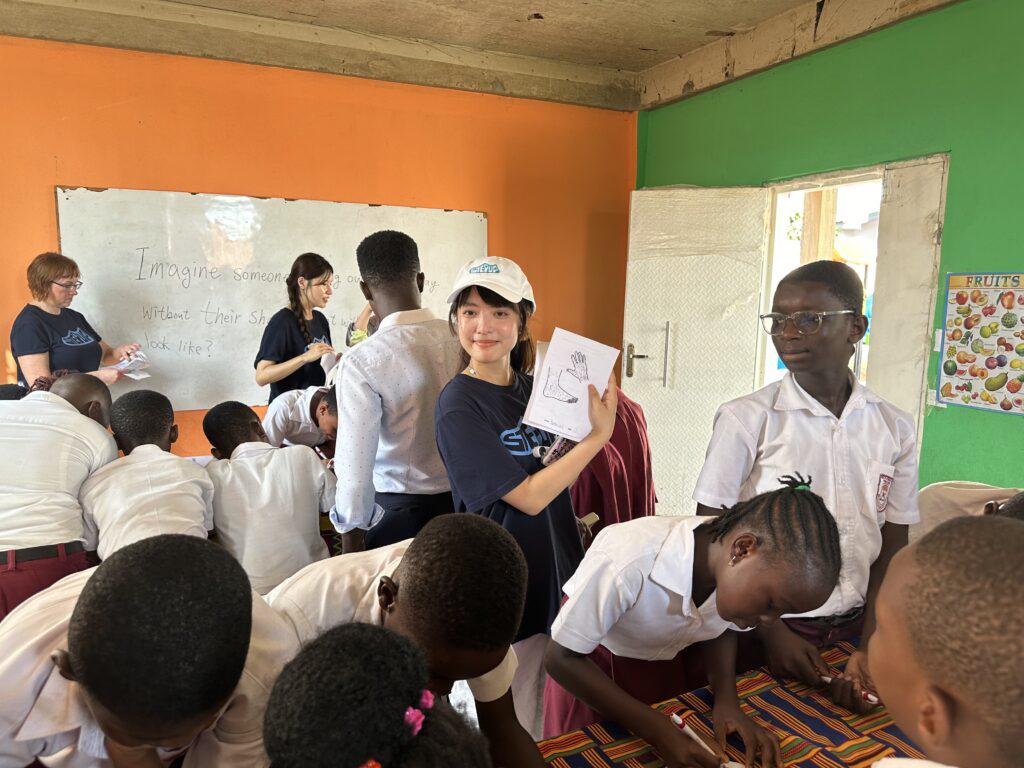
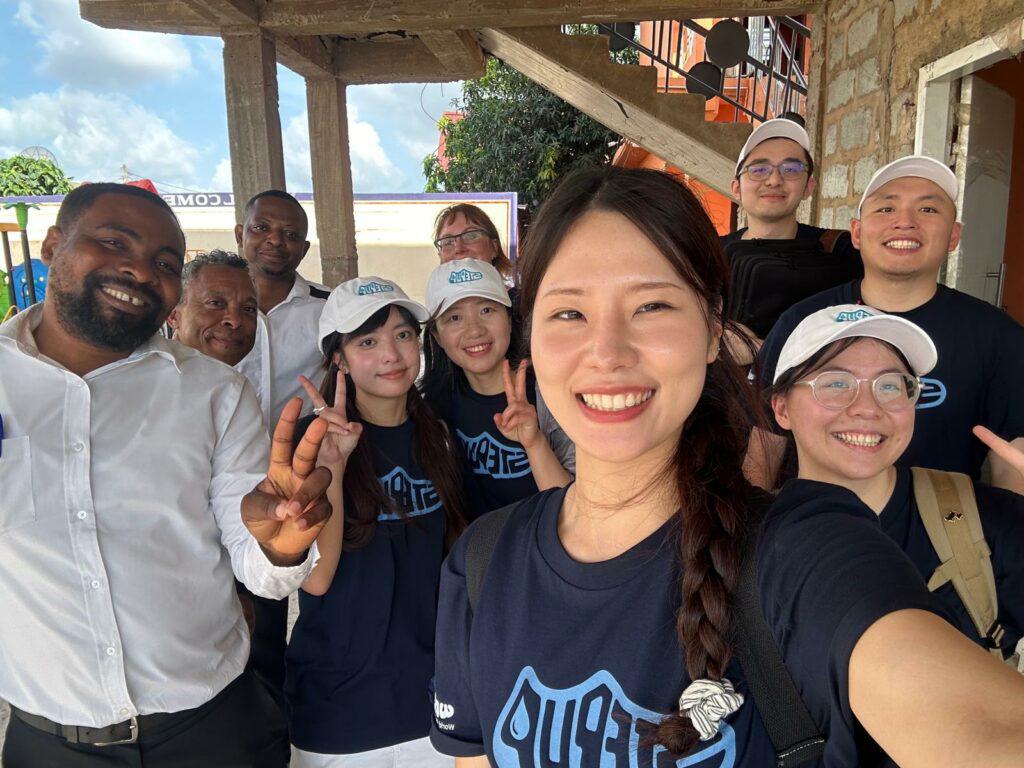
The StepUp team, part of Carnegie Mellon University’s Entertainment Technology Center, brought its creative expertise to help scale the World Shoe Fund’s mission. Comprising a multidisciplinary team—including a producer (Eva Chang), programmer (Tyler Yang), narrative designer (Anna Kim), two 3D artists (Lawrence Luo, Regina Xia), and a UIUX designer (Yawen Xiao)- StepUp took on the challenge of translating hygiene education into an engaging digital format.
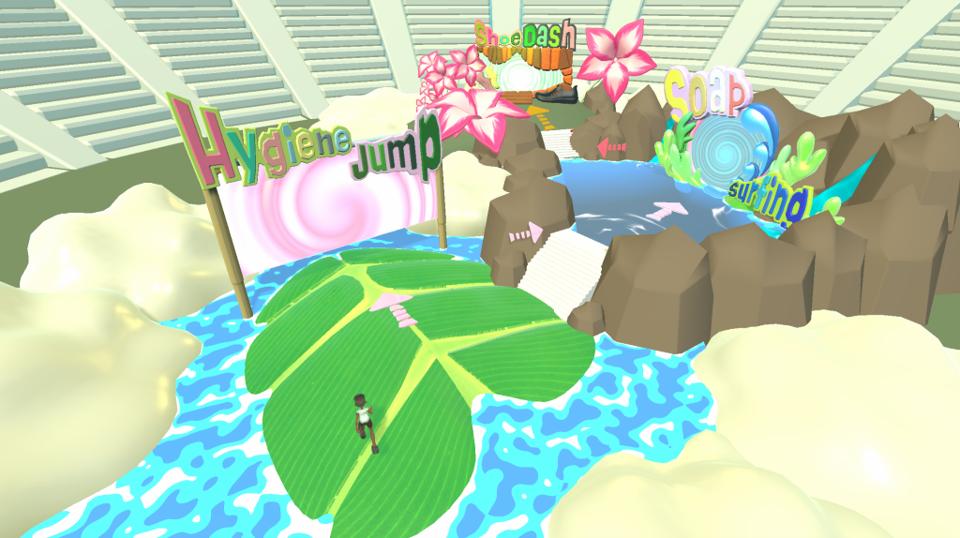
Their solution: a 3D interactive game called Hygiene Hero Cup, designed for Android tablets and tailored to students aged 10–18 in underserved areas. The game uses fantasy adventure themes and sports-style competitions to teach key practices like handwashing, foot care, and the importance of wearing shoes.
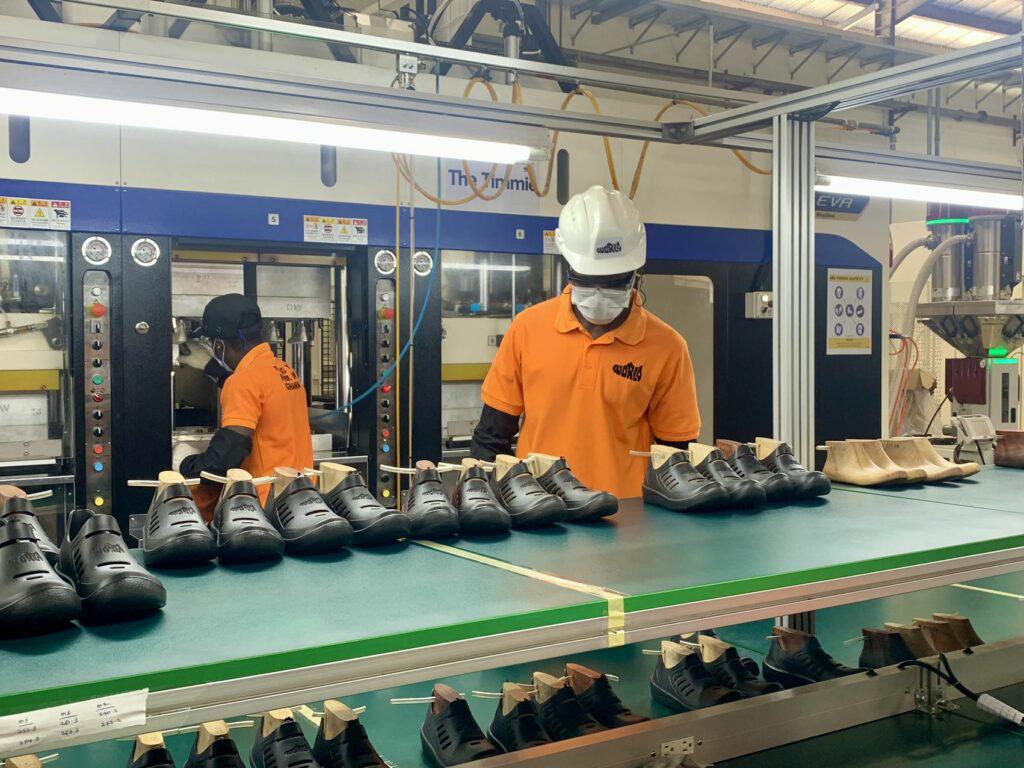
With a shoe factory based in Ghana, the World Shoe Fund
The game was recently playtested in Ghana, where 100–200 students interacted with the prototype. The results were promising; post-playtest surveys showed increased awareness and understanding of hygiene practices and the importance of shoes for health.
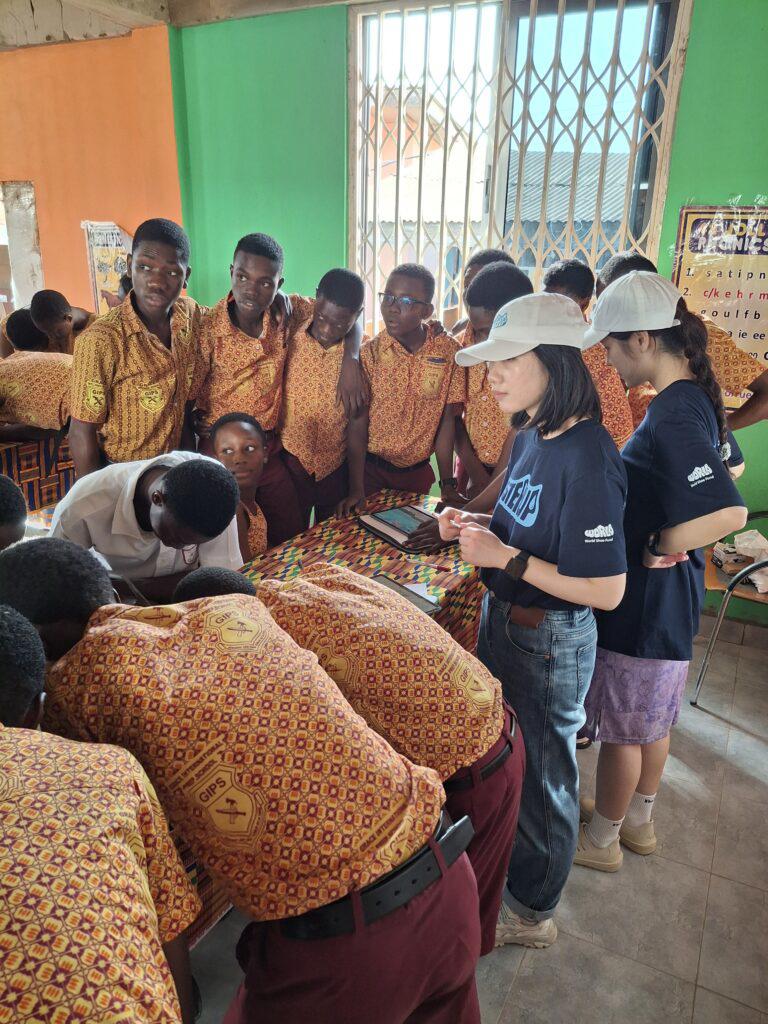
By distributing shoes and combining that effort with hygiene education, the World Shoe Fund tackles immediate and long-term
The StepUp team’s approach exemplifies how play can be a powerful educational tool. Turning lessons into interactive adventures, they’re helping children build lasting habits that protect their health and boost their confidence.
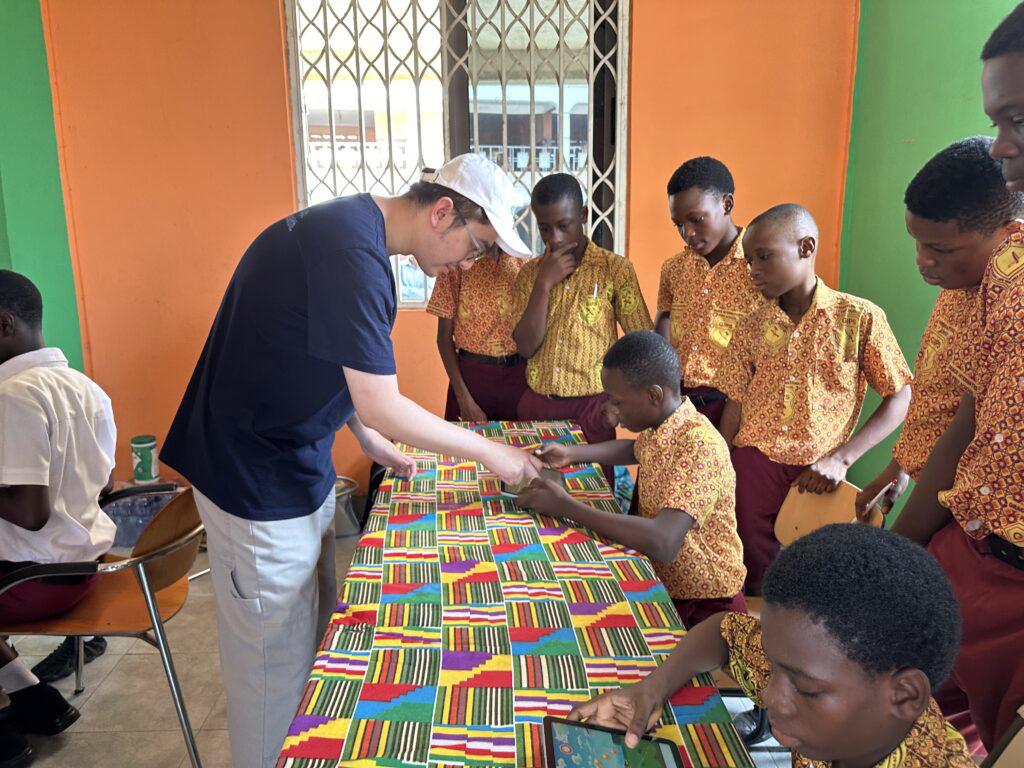

The partnership between StepUp and The World
Fund proves how thoughtful collaboration between social enterprises and creative technologists can spark real change.
Image: Ben Mayo
Shoe
Image: StepUp
Image: StepUp
Image:
StepUp
Image:
StepUp
Image:
StepUp
Focus Group Explores the Experiences of Nurses Post Cancer Diagnosis
Written By Isabella Fonseca
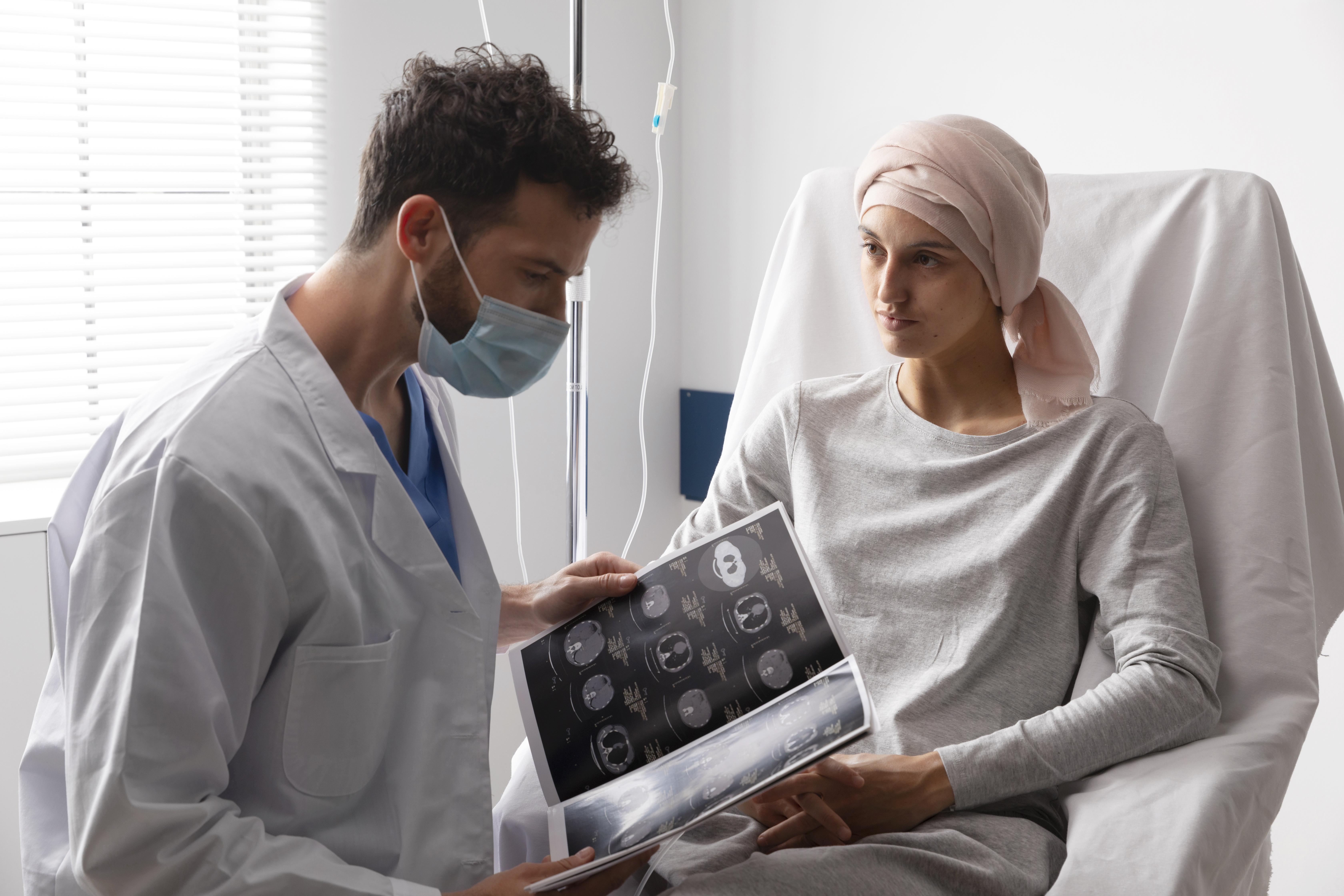
their experiences returning to work.
In their responses, four major themes were identified:
1. Motivation, incentives, and the need to return to work
2. Setbacks hindering the return
3. Navigating new work dynamics
4. Evolving professional role during return to work
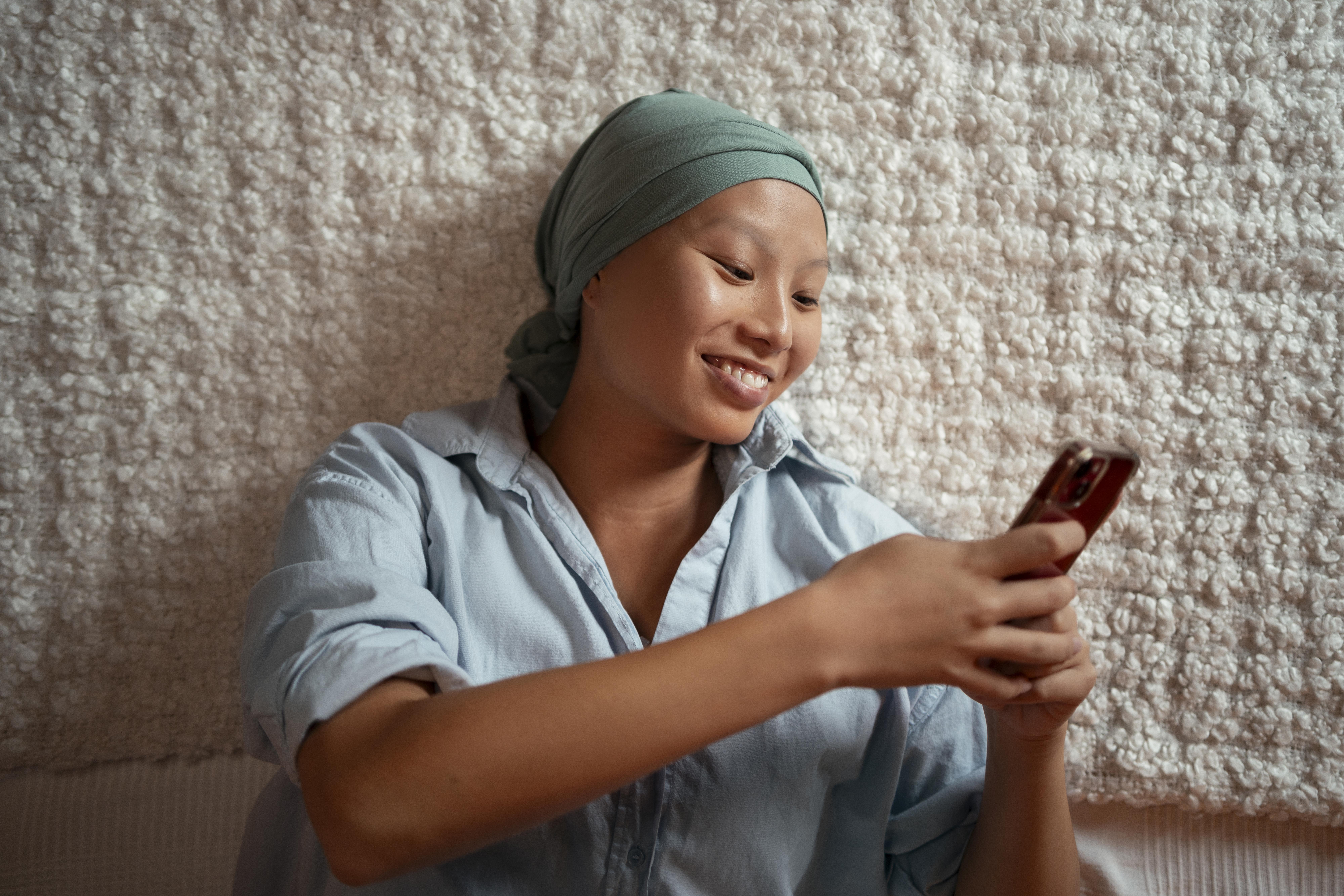
more compassionate caregivers and build stronger relationships with patients.
The findings emphasize the experiences and challenges nurses encounter and provide information for future research and policy to advance nurses' professional well-being and quality of life after cancer diagnosis.
How Scientists Found a New Way to Help Us Fight Coronaviruses
Written By Chloe Huggins
At the University of Pittsburgh (UPitt), a team of scientists were on a mission. While the world fought off COVID-19, these researchers asked a powerful question:
“What if we could help the body fight viruses more effectively, without directly targeting the virus itself?”
The main researchers of this story include Dr. Jennifer Martinez, Dr. Richard Kowalski, and Dr. Toren Finkel, along with their team and associates at The University of Pittsburgh’s Aging Institute and Department of Medicine. Detailed in the study, these scientists discovered a new way to help our bodies fight off coronaviruses, such as COVID-19. Instead of simply attacking the virus directly, this team thought outside of the box and looked for a way to help our cells defend themselves better.
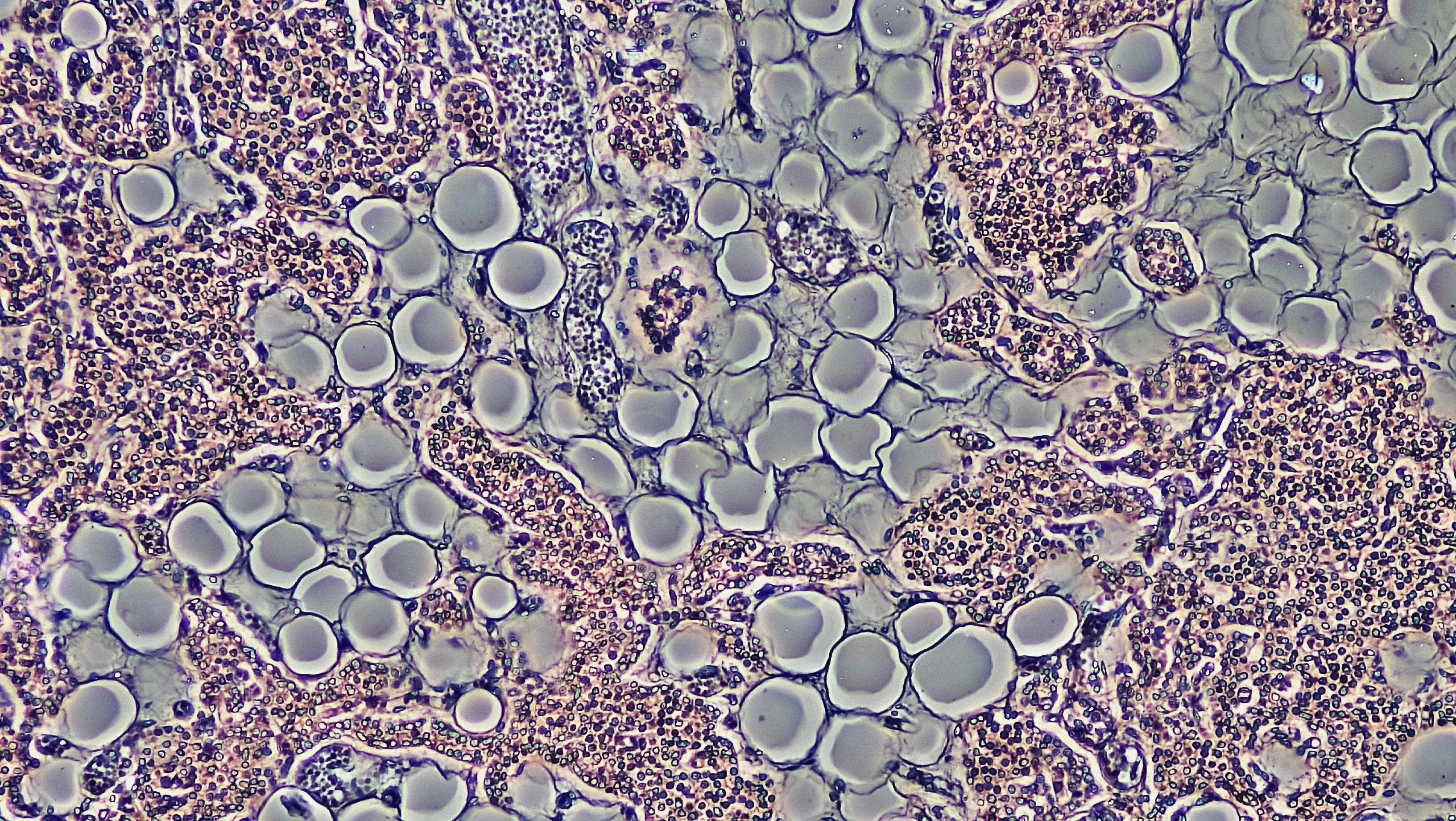
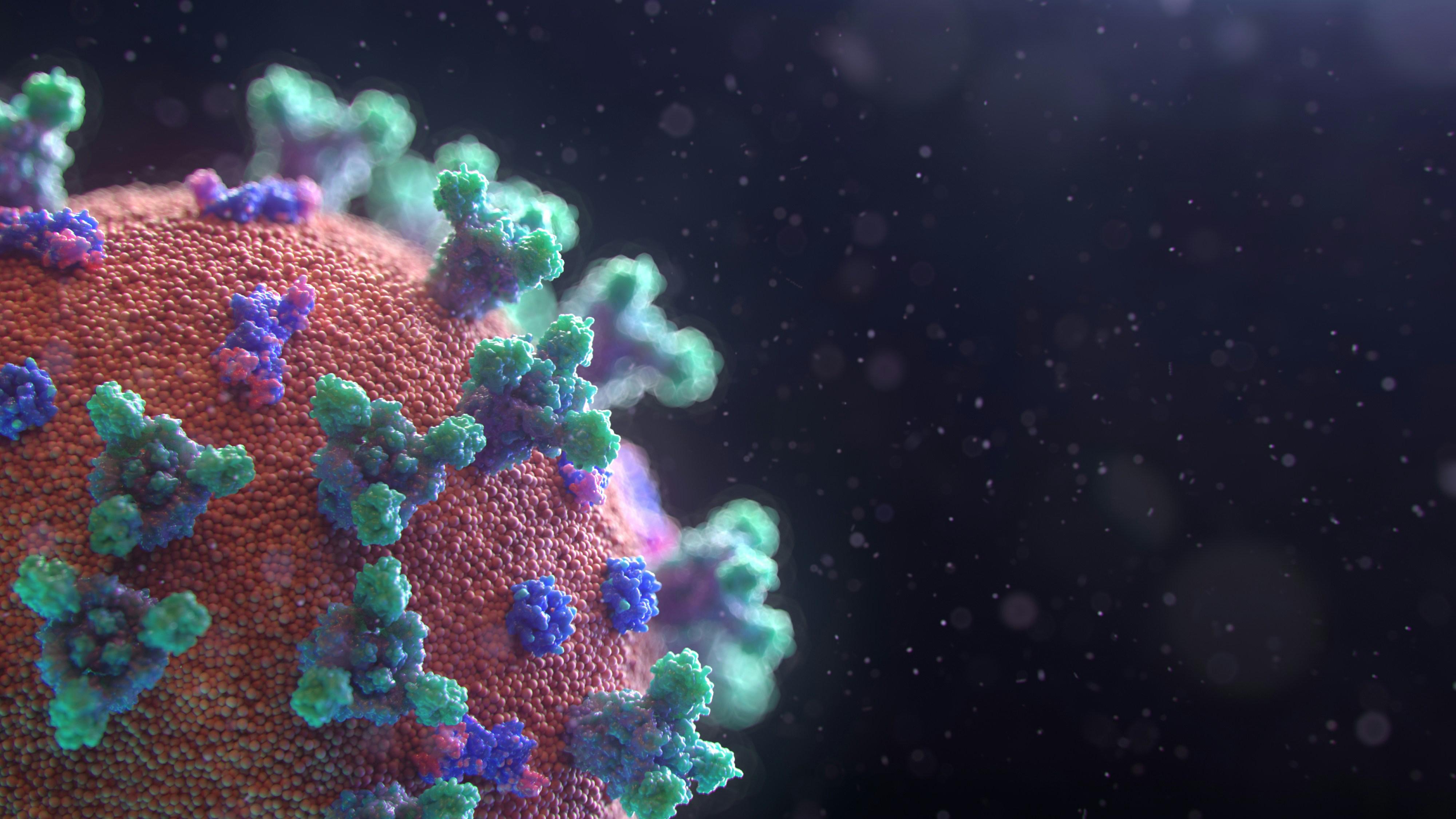
Despite vaccines and anti-virals, coronaviruses escape immune surveillance by disrupting cellular defense systems. A coronaviral infection, such as COVID-19, triggers the degradation of TFEB, the lysosomal biogenesis transcription factor within your cells, which plays a crucial regulatory role in controlling the function of lysosomes and autophagy. Essentially, it instructs the cell’s “clean-up and recycling centers” on how to perform their tasks effectively. TFEB is important in the fight against viral infections because when TFEB is active, the cell is better at cleaning out viral invaders and keeping itself healthy.
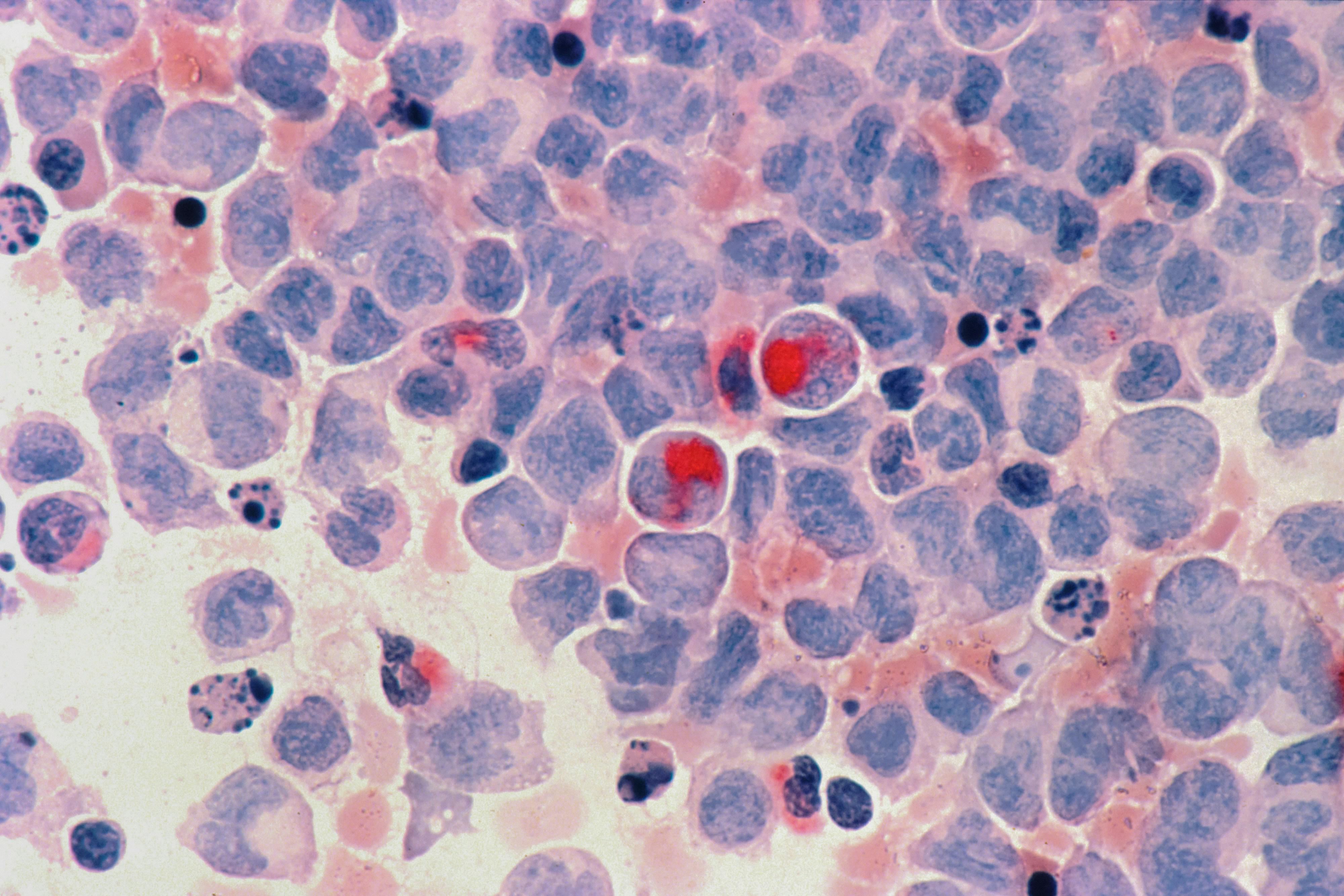
When a coronavirus invades our bodies, it attempts to eliminate TFEB. It activates a molecule called PAK2, which marks a target on our TFEB. Then, another molecule, DCAF7, sees the marking left by PAK2 and attacks the TFEB. When our TFEB is depleted, our cell-cleanup systems are ineffective, and the virus begins to spread rapidly.
Dr. Jennifer Martinez and her team of researchers at UPitt put on their lab coats, asked smart questions, and eventually searched for a unique way to stop this sneaky virus attack. The team discovered a small, yet potent chemical compound called BC18630 that could inhibit DCAF7 from degrading TFEB.
To test their ideas, scientists at the UPitt used microscopes and special tools to see what was happening to TFEB inside infected cells. Researchers screened small molecules that block DCAF7-TFEB interaction, restoring TFEB protein abundance. The scientists used their chemical BC18630 as a medicine on infected cells in their lab, and it worked. The in-vitro results showed that the treatment of epithelial cells infected with coronaviruses restored their TFEB levels and lysosomal function. Viral replication decreased significantly, supporting host-directed anti-viral potential.
The research group also utilized animal studies to test their findings. They found in their hamster model that oral ingestion of their medicine, BC18630, pre-and post-infection, reduced the quantity of cells related to lung viral infections and produced more vital proteins, keeping the lungs of the animals healthier
In their study using transgenic mice, researchers found that treated animals exhibited marked protection, as evidenced by lower lung viral loads, preserved TFEB in the airways, and improved survival compared to untreated mice exposed to the same viral infection. It is noteworthy that this study demonstrated therapeutic value even after exposure.

The implications and significance of this study are that it identifies a novel viral evasion strategy that subverts the lysosomal defense by targeting TFEB preservation using an oral medication. Dr. Martinez and the team at the University of Pittsburgh weren’t just happy about stopping the viruses’ rapid reproduction; they were excited about something bigger. Instead of fighting the virus itself, they helped the body fight smarter. This is a great deal, because most medicines target the virus directly, but viruses mutate rapidly. This new notion of protecting our natural defenses could work even if the virus mutates, or if a brand-new one appears.
Researchers at the UPitt are now working to make the chemical converted into oral medicine even safer. They hope to test BC18630 on larger animals, and possibly someday in humans too. They are also studying whether it could also help us fight other diseases.
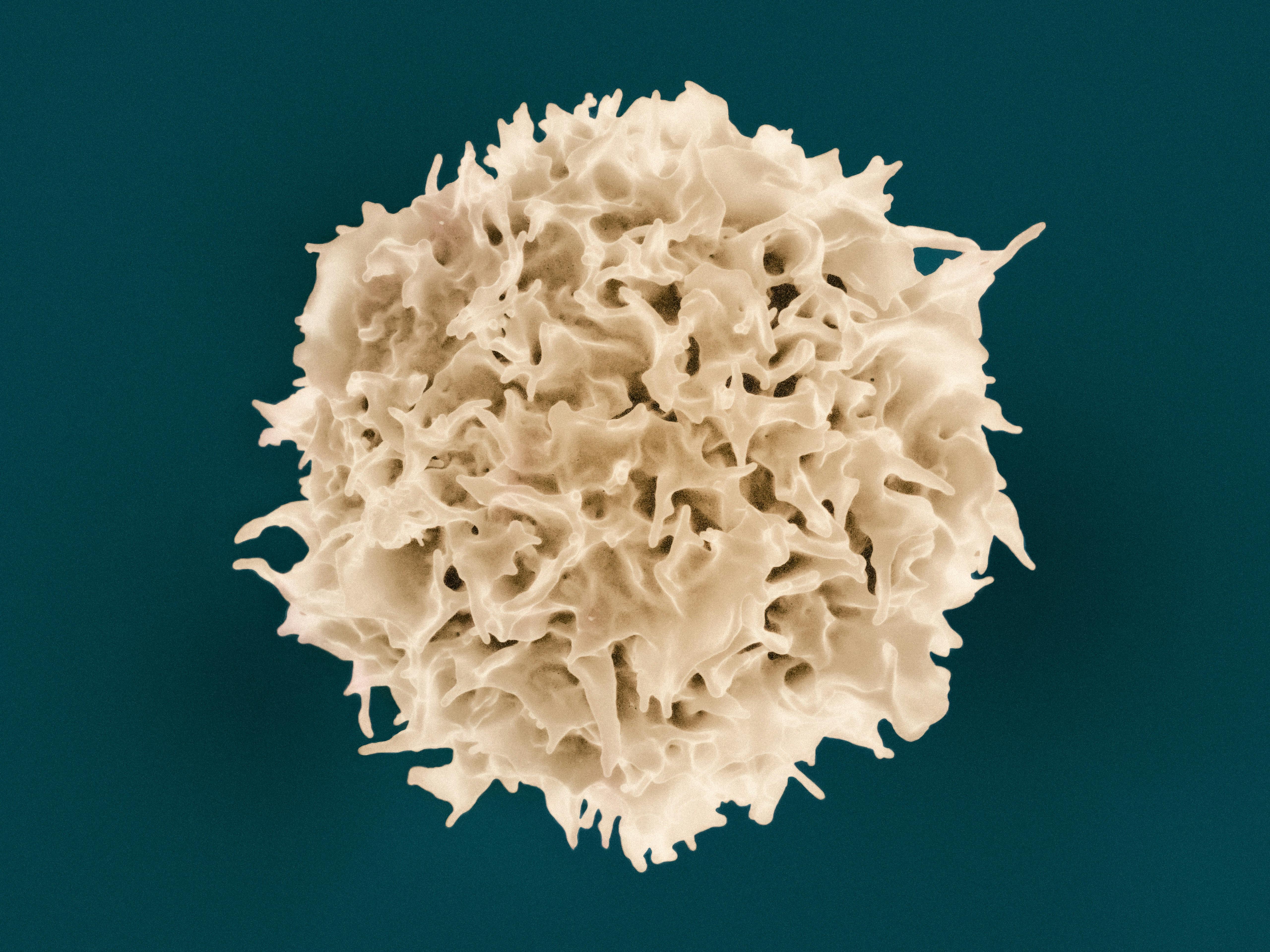
This discovery shows how the team at the UPitt proved that innovative ideas and collaborative teamwork can make a difference not just for today, but for a better, healthier tomorrow as well.
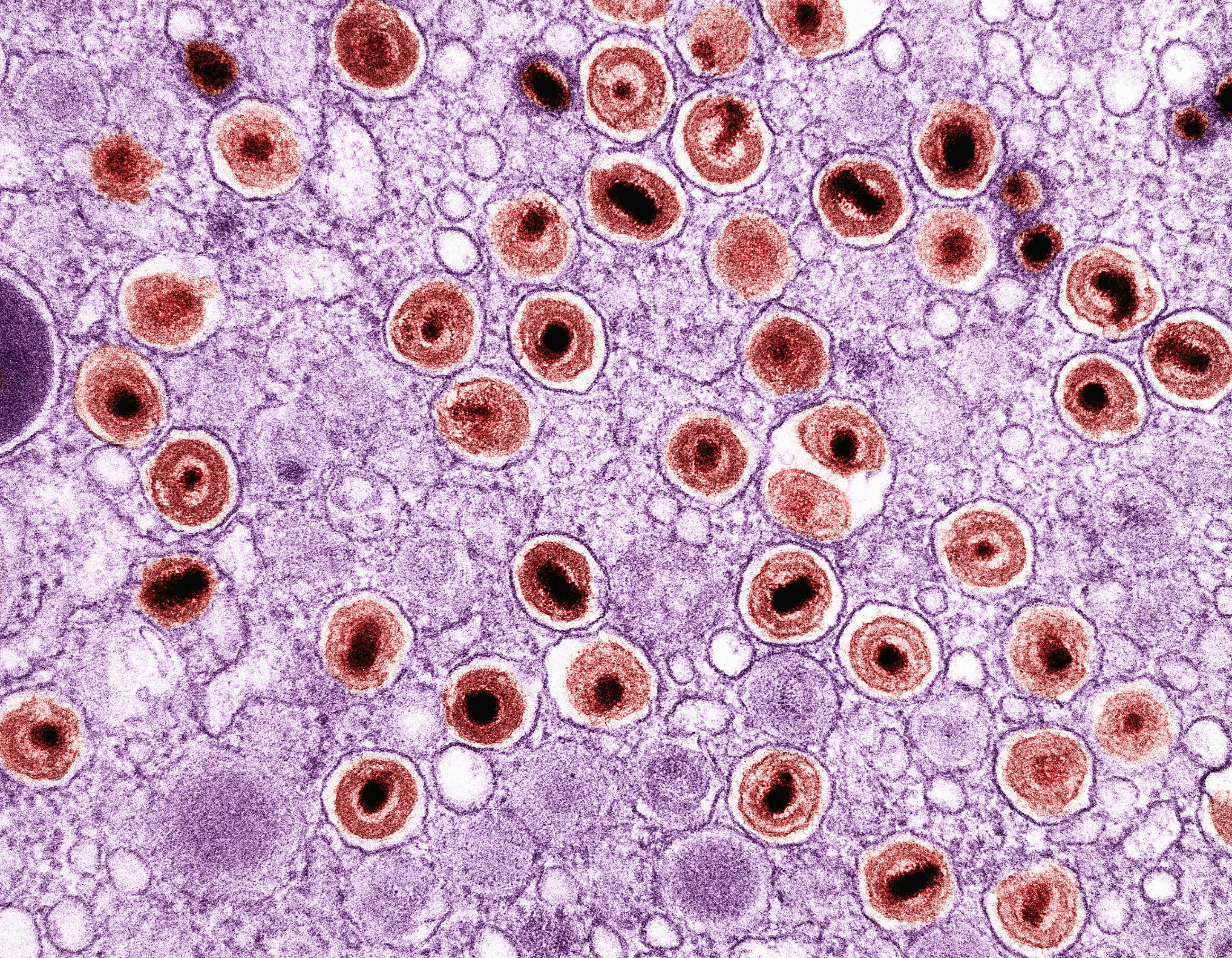
Image: Unsplash
Image: National Institute of Allergy and Infectious Diseases Unsplash
Image: National Institute of Allergy and Infectious Diseases Unsplash
Stepping Away to Recharge: Hot Metal Campus Hosts Mindfulness Monday
Written By Hot Metal Team
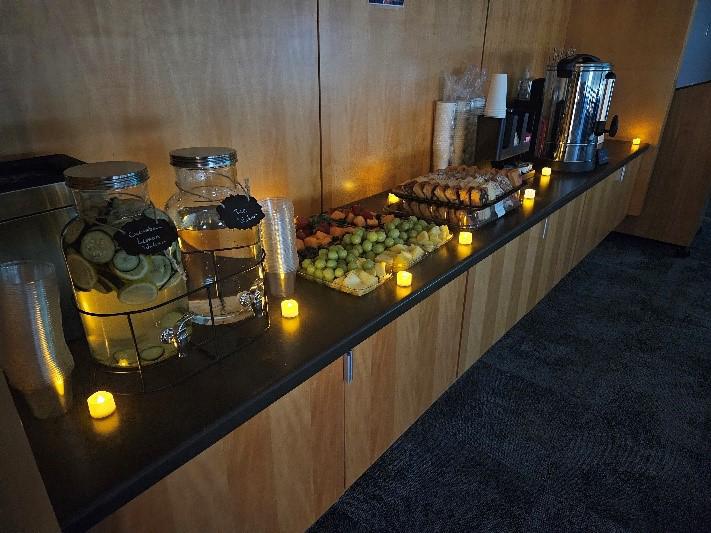
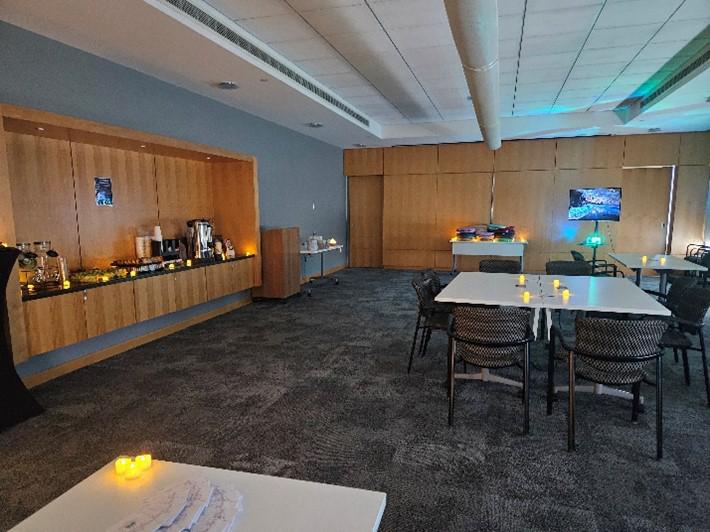
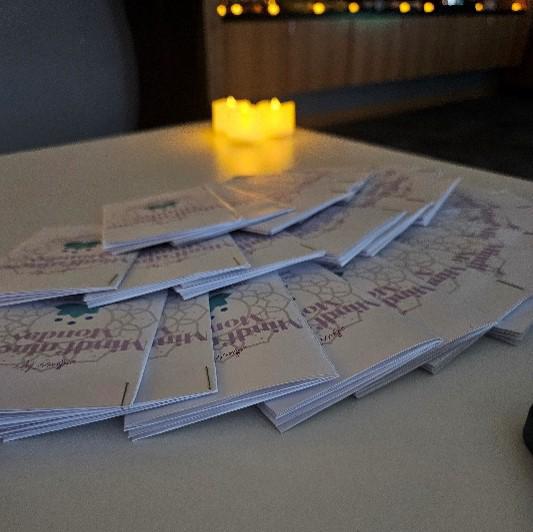
Earlier this week, Hot Metal Campus introduced its inaugural Mindfulness Monday event, inviting everyone to unwind and rejuvenate. Held in the 5th-floor boardroom at Bridgeside, attendees were welcomed to a transformed space designed for relaxation. Soft ambient sounds filled the air as guests enjoyed light refreshments and participated in guided meditation sessions. It was a moment to refocus, allowing minds to wander freely and recharge amidst the bustling atmosphere of Hot Metal Campus.
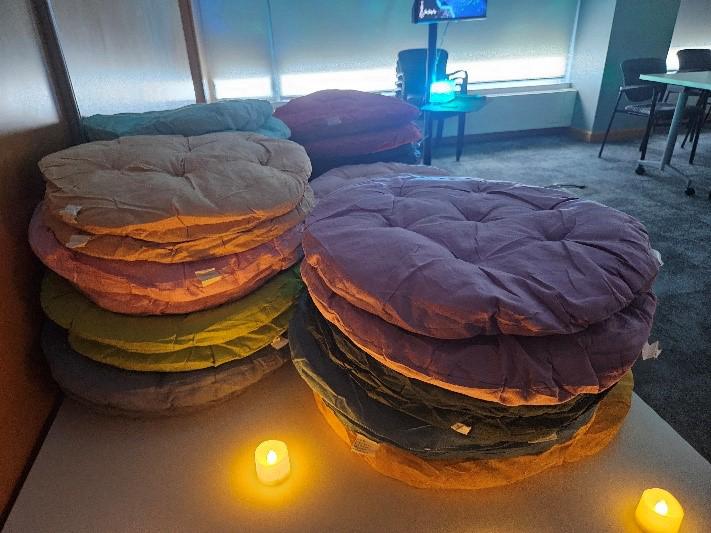
"Right now, with everything happening in the scientific community, it's essential to step away from our benches and desks and take a moment to reflect on ourselves. I'm glad people got the chance to step away and relax, even if for just a few moments," says Dr. Jen Luke , who organized the event.
Events like Mindfulness Monday are increasingly vital in today's fast-paced world, offering a valuable opportunity for personal reflection and community connection. By providing a tranquil retreat within the heart of Hot Metal Campus, these gatherings foster a sense of well-being and mindfulness among participants. They serve as a reminder of the importance of self-care and mental rejuvenation, promoting a healthier work-life balance and fostering a supportive environment for all attendees.
A Mythological Conversation with AI
Written by Neema Tavakolian
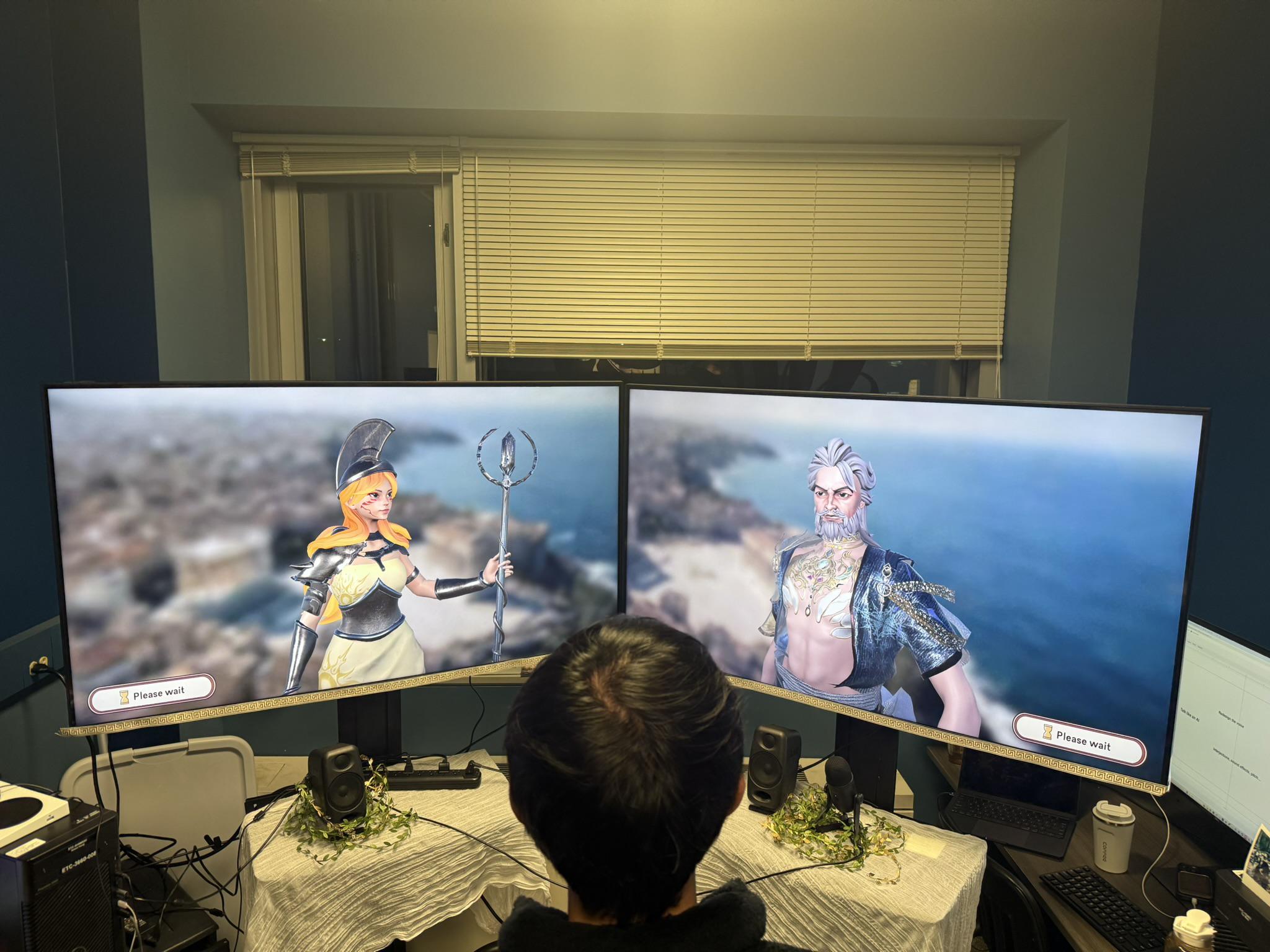
Athena and Poseidon are trading witty banter as a curious visitor looks on. It’s not a scene from Mount Olympus, but a high-tech lab at Carnegie Mellon University (CMU). There, a team of graduate students at CMU’s Entertainment Technology Center (ETC) has used artificial intelligence (AI) to bring these mythological characters to life. Their project, aptly named EchoTrio, lets people engage in a real-time conversation with two Greek gods and even watch the deities chat with each other.
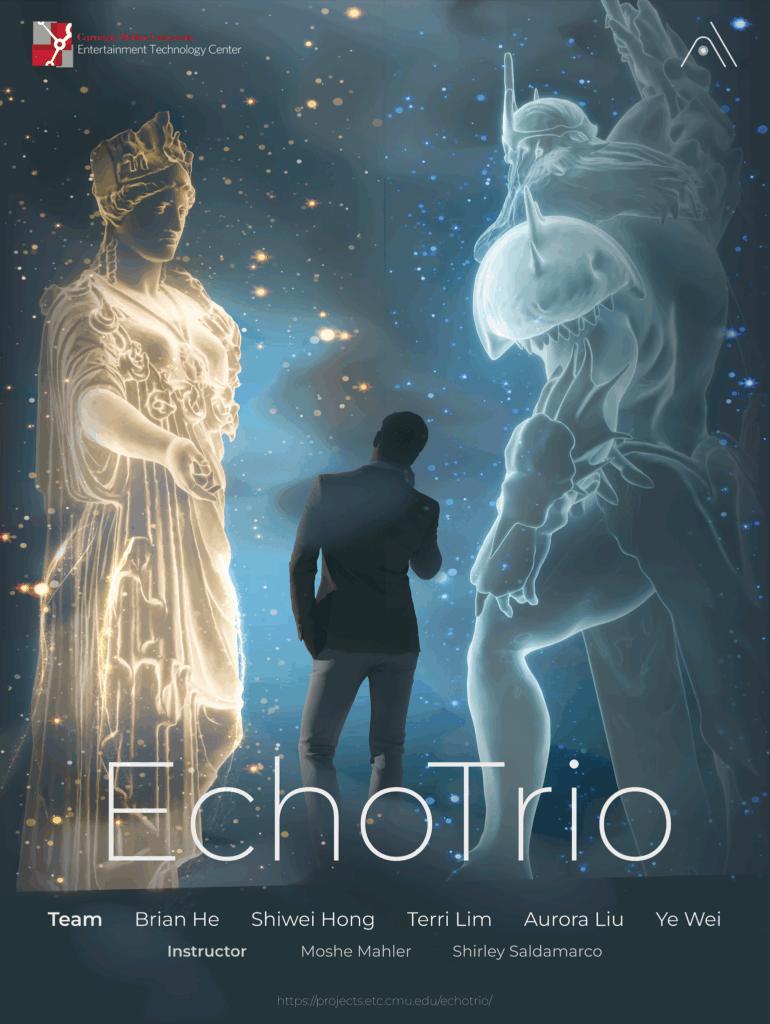
The EchoTrio project’s poster shows a visitor standing in front of the holographic figures of Athena and Poseidon, a metaphor for the project’s blend of mythology and modern AI. The student creators harnessed a blend of tools: the Unity game engine renders the two godly avatars, OpenAI’s language model generates their dialogue, and 11 Labs’ speech technology gives them voices. Together, these allow Athena and Poseidon to converse naturally with a human user and, more interestingly, with each other in real time. According to the team, no one had ever built an AI experience like this, a seamless three-way conversation between a human and two AI characters, so they had to break new ground to make it work.
Making the Conversation Feel Natural
Orchestrating a trio of voices posed unique challenges. “If it’s just two AIs constantly jabbering, they start talking over each other,” explained Brian He and Terri Lim, EchoTrio’s programmers. The solution was to add a kind of referee behind the scenes. “You need this fourth entity under the hood mediating the conversation, saying like this one’s gonna talk now, then that one,” they explained. This hidden fourth AI manages the turn-taking, ensuring Athena, Poseidon, and the human speaker all get their say without chaos.
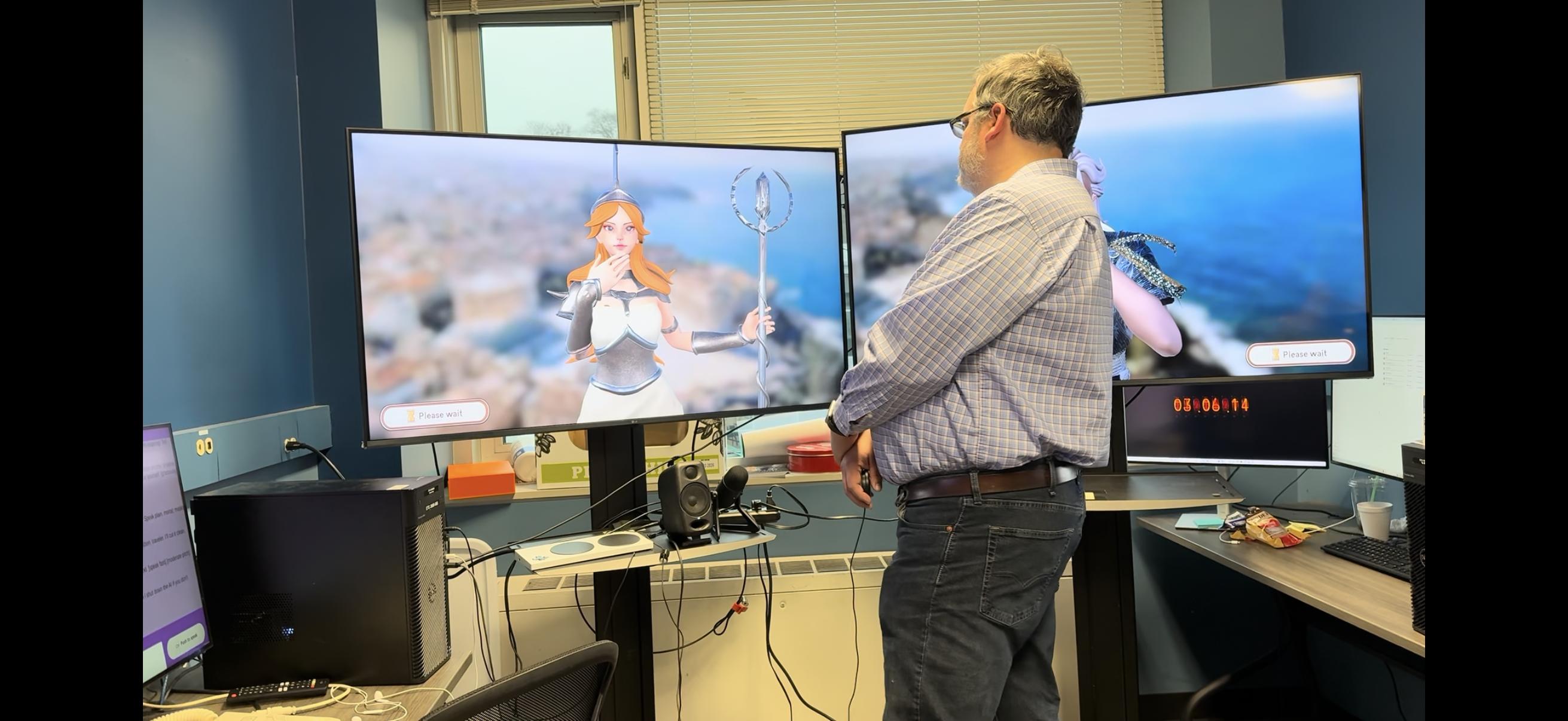
Image:
StepUp
Image: EchoTrio
Image: EchoTrio
Equally important was imbuing the digital gods with personality and memory. The team chose Athena and Poseidon for their distinctive traits and rich mythology. They crafted detailed character profiles so that Athena comes across as wise and witty, while Poseidon is proud and boisterous. “They both have totally different personalities, and they have a sense of humor,” said Ye Wei, the project’s UI/UX designer, noting that kind of flair isn’t typical of many AI assistants. The AI gods even remember past interactions. “Once you introduce yourself, the AI will call you by name,” Shirley Saldamarco, the team’s instructor, pointed out, describing how the system retains context. In one demo, “one of the gods referenced someone who weeks ago had had a conversation with him; I thought that was amazing,” she added. That recall ability delighted the team, and it made the interactions feel personal, almost human.
From Experiment to Experience
While the technical achievement is impressive, EchoTrio’s creators have broader ambitions. From the outset, they outlined three goals for the project: first, to conquer the technical hurdle of enabling a three-way conversation; second, to craft an engaging experience around that technology; and third, to document everything for those who come next. In practice, that meant not just getting Athena and Poseidon to talk, but making their conversation fun and educational. The students initially envisioned EchoTrio as an interactive exhibit like in a museum setting, where kids or museumgoers could chat with life-sized Greek gods and spark a love of mythology. At the same time, the team recorded their process and challenges, creating a framework that future ETC teams can use to animate new characters. They have even floated the idea of one day bringing famous Pittsburgh figures like Andy Warhol and Andrew Carnegie into
StepUp
Image:
“The lag time was something we had to constantly deal with,” Hong noted. Rather than let awkward silences break the illusion,
the team got creative. They added filler phrases and subtle animations to indicate a character was “pondering” a question. “You can soften the latency by creating a thinking animation,” Hong said, describing how Athena might pause thoughtfully so the audience knows she’s processing an answer. The students also discovered that body language mattered. They programmed the virtual Athena and Poseidon to glance at whoever was speaking or even turn to each other at key moments. These small design touches, from eye contact to timing gestures, kept the experience engaging and believable.
In building the conversation flow, the EchoTrio team drew inspiration from some familiar places. They studied the spontaneous banter of late-night talk shows, and they looked to interactive attractions like Disney’s “Turtle Talk with Crush.” In that popular Disney show, an animated sea turtle chats with audience members in real time, powered by a hidden human puppeteer. EchoTrio flips that concept on its head by using AI in place of a human actor. The team watched how Turtle Talk’s character engaged the crowd and aimed to emulate its lively, personable feel. Those references helped EchoTrio blend technology and storytelling, making the experience feel more like an entertaining show than a tech demo.
Ultimately, EchoTrio is both a technology experiment and a storytelling endeavor. It’s a proof-of-concept that advanced AI tools can breathe life into ancient legends, allowing people to literally talk to myths. The project’s extensive documentation may be invaluable for future developers, but its real triumph is in the here-and-now experience: standing in front of a screen, asking a question, and hearing two Greek gods answer you as if you were all gathered around the same table.
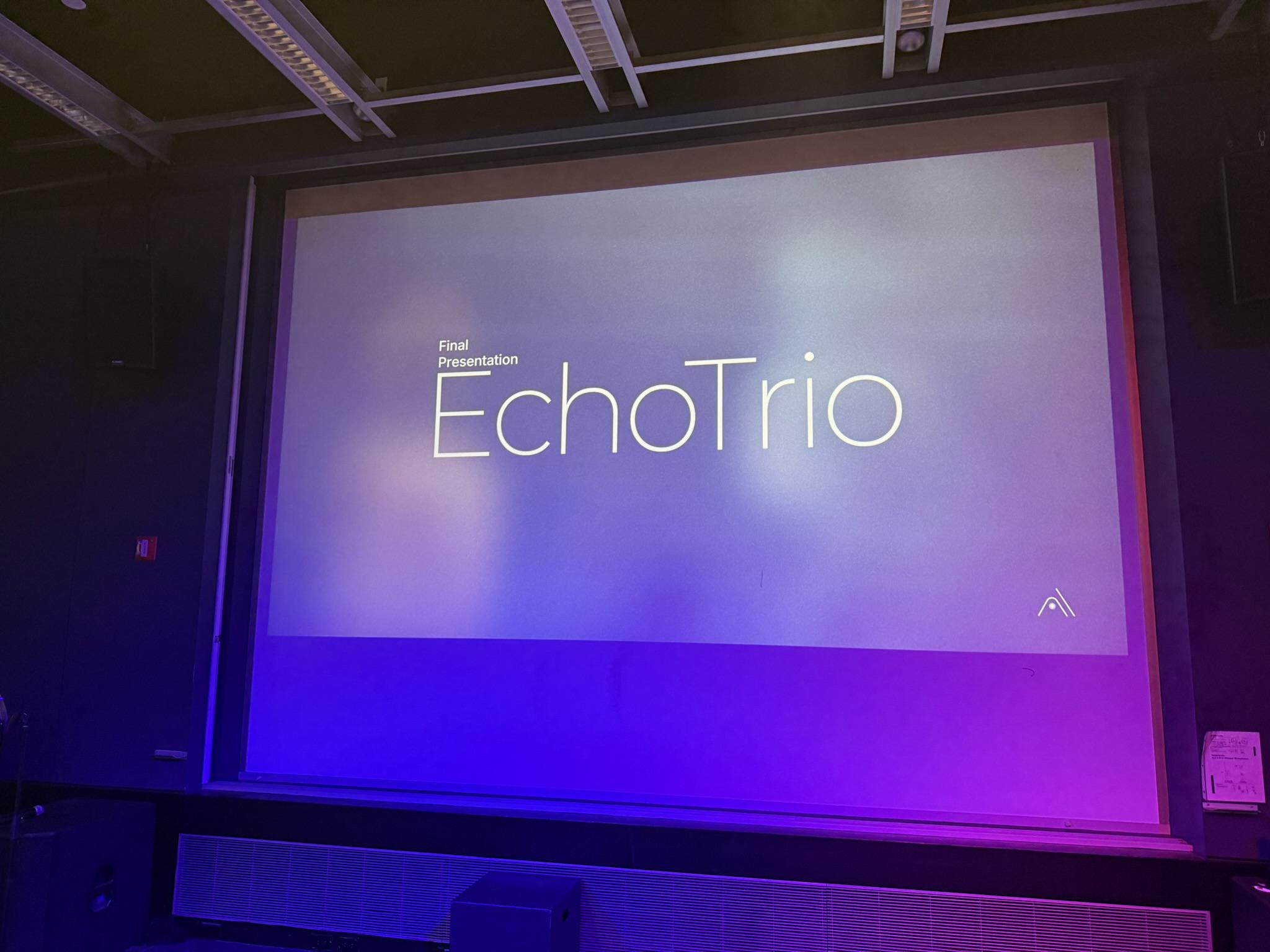
EchoTrio was created by a multidisciplinary ETC team: Brian He (Programmer/Technical Producer), Shiwei Hong (Producer), Terri Lim (Programmer), Aurora Liu (3D Artist), and Ye Wei (UI/UX Designer).
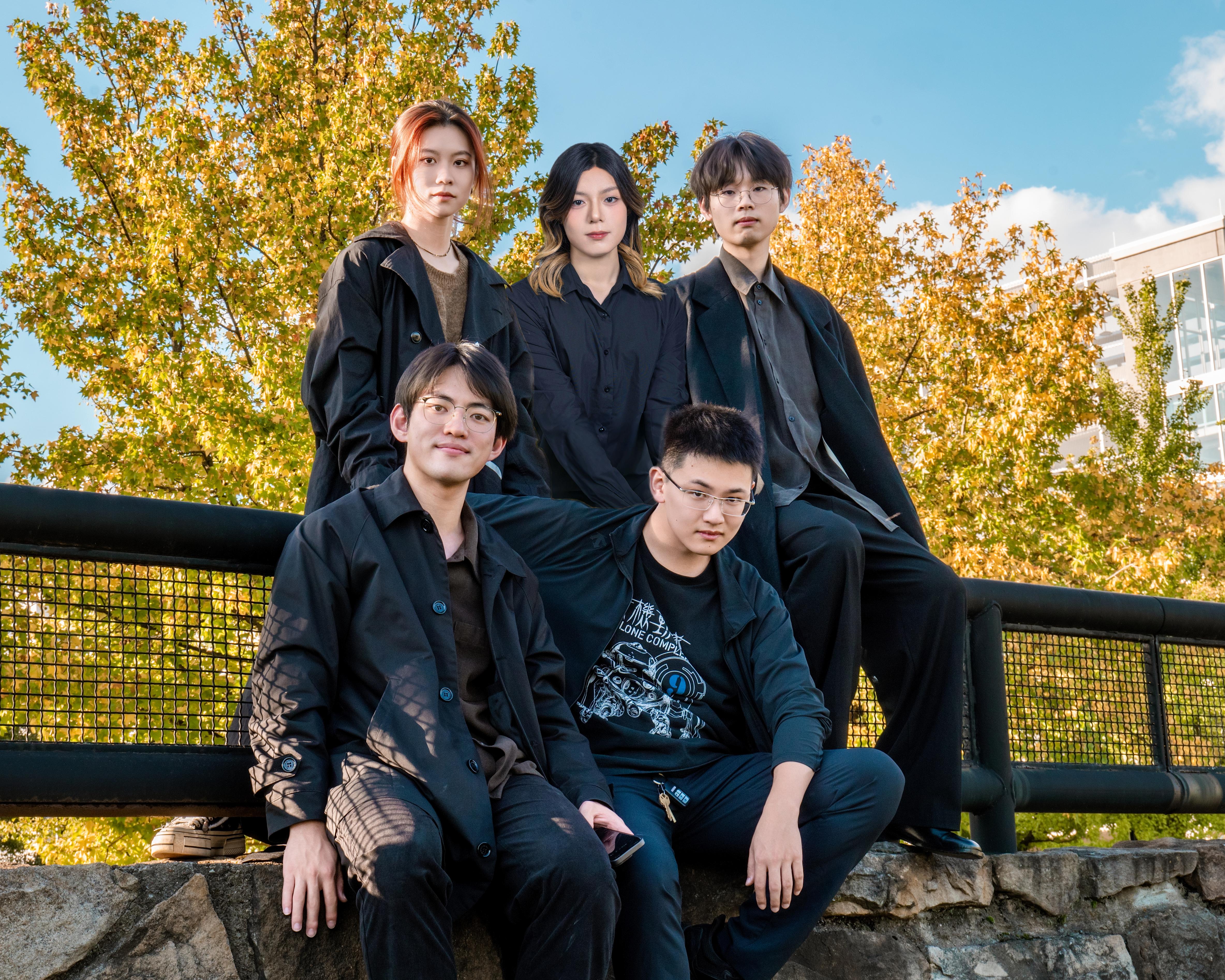
Image: EchoTrio
Image: EchoTrio
We Can Change Our Homes as We Age Becoming More CAPABLE
Written By Pearl Kaplan
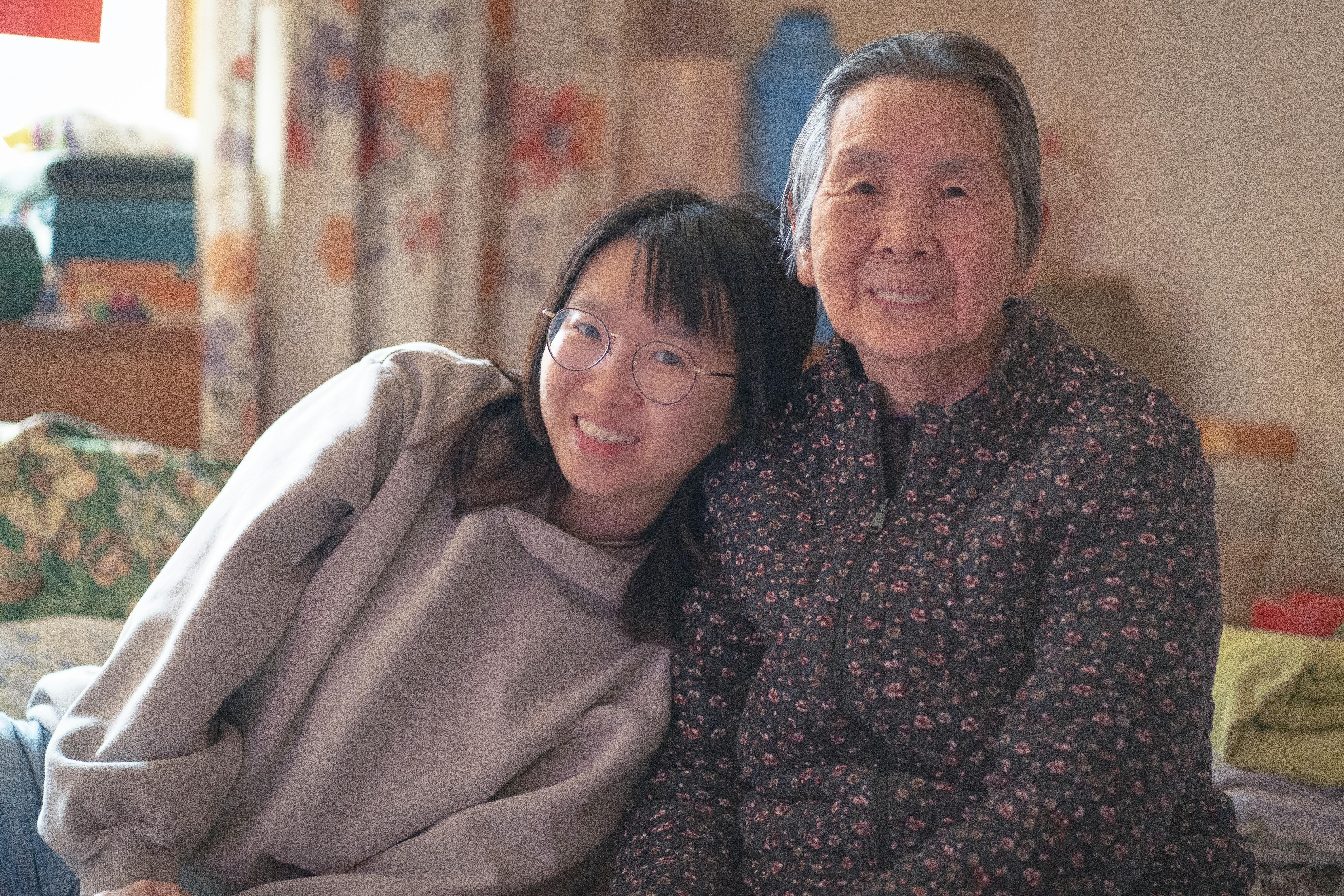
Our homes are not only spaces where we conduct our daily activities, but also special places that hold life’s major milestones and the everyday laughter of family and friends. As the walls and surfaces of our homes are adorned with photos and mementos, they are where we want to stay. As we get older and our needs and goals change, so must our home environment ensure ongoing comfort, safety, and dignity in the places where our most precious memories are held.
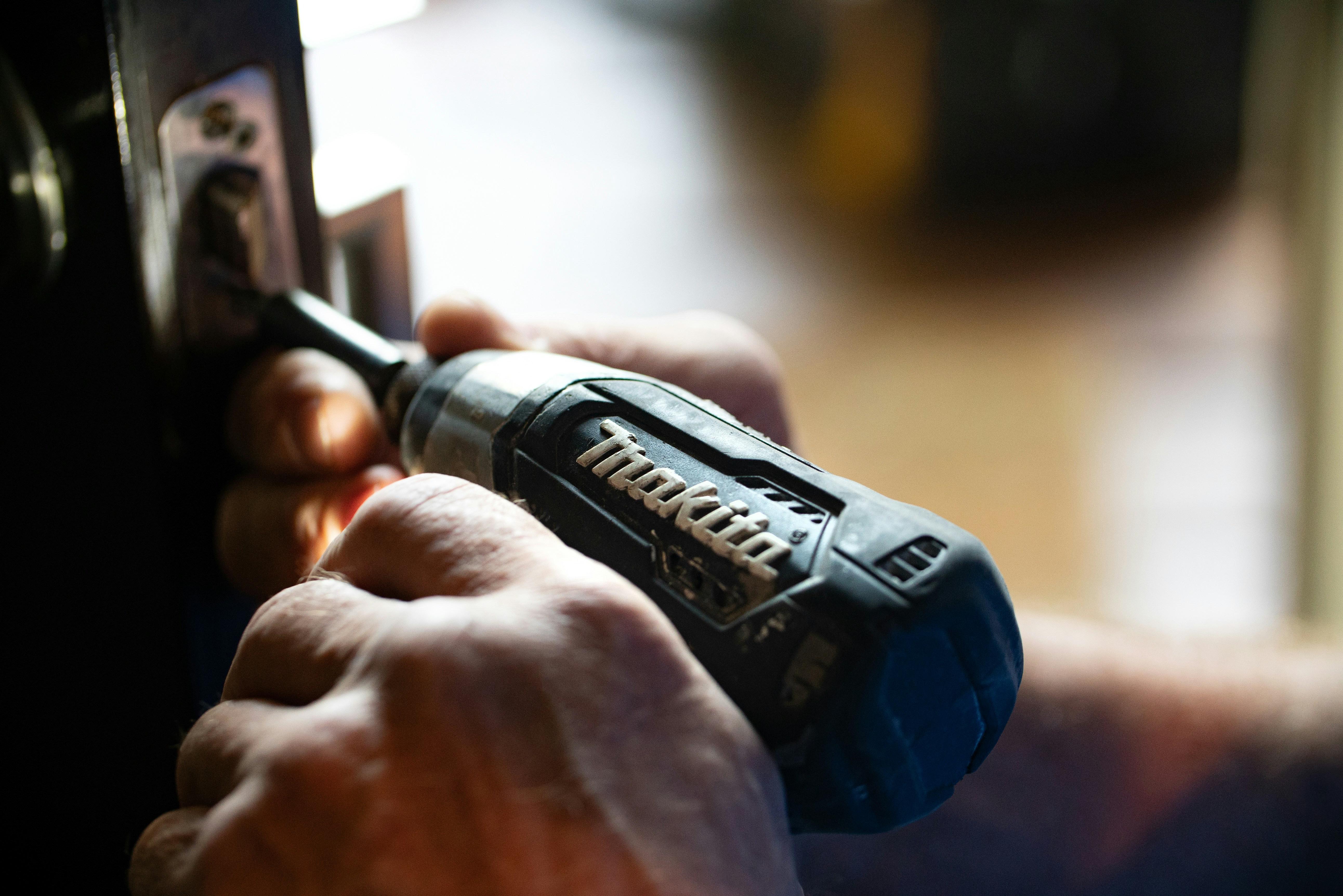
To help older adults continue to live in their home and safely meet their goals, University of Pittsburgh researcher, Dr. Ava Giatras, from Dr. Pamela Toto's team in the Department of Occupational Therapy, recently presented highlights from an ongoing study by University of Pittsburgh and University of Wisconsin-Madison researchers. This study found that when using the human-centered, evidence-based CAPABLE approach, home modifications and equipment costs averaged $1,000 and $130, respectively. These low-cost and quickly implemented changes are made based on direct expert observation of participants' homes by an interprofessional team, personalization through direct participant input, and evaluation of what will provide improvement in each older adult’s day-to-day activities.
The presentation titled “Becoming More CAPABLE: Characterizing Home Modifications That Promote Aging in Place” was presented at the AOTA INSPIRE 2025 Annual Conference & Expo held in Philadelphia.

Direct Observation and Participant Input Make CAPABLE Impactful
Older adults tend to spend nearly 75% of their time inside their homes, and every person’s needs are different. The CAPABLE program, which stands for Community Aging in Place—Advancing Better Living for Elders, allows for personalized design and participant input through home visits and direct modifications to the home by an interprofessional team of an occupational therapist, a registered nurse, and a handy worker over the course of four months. For example, to meet the goals of daily life, older adults and their care partners may need some minor modifications to the design of the home environment, including handheld shower heads, handrails, motion-activated lighting, and non-slip mats.
Image: Lisa Anna/Unsplash
Image: Johnny Woods/Unsplash
The ability to continue living at home (i.e., age in place) provides a sense of independence, freedom, self-worth, identity, comfort, and an active role in the community. The CAPABLE program, developed by Dr. Sarah Szanton, Dean of the Johns Hopkins School of Nursing, helps seniors with lower incomes age in place, and as of 2022, reports that nearly 5,000 clients have participated in this free program.
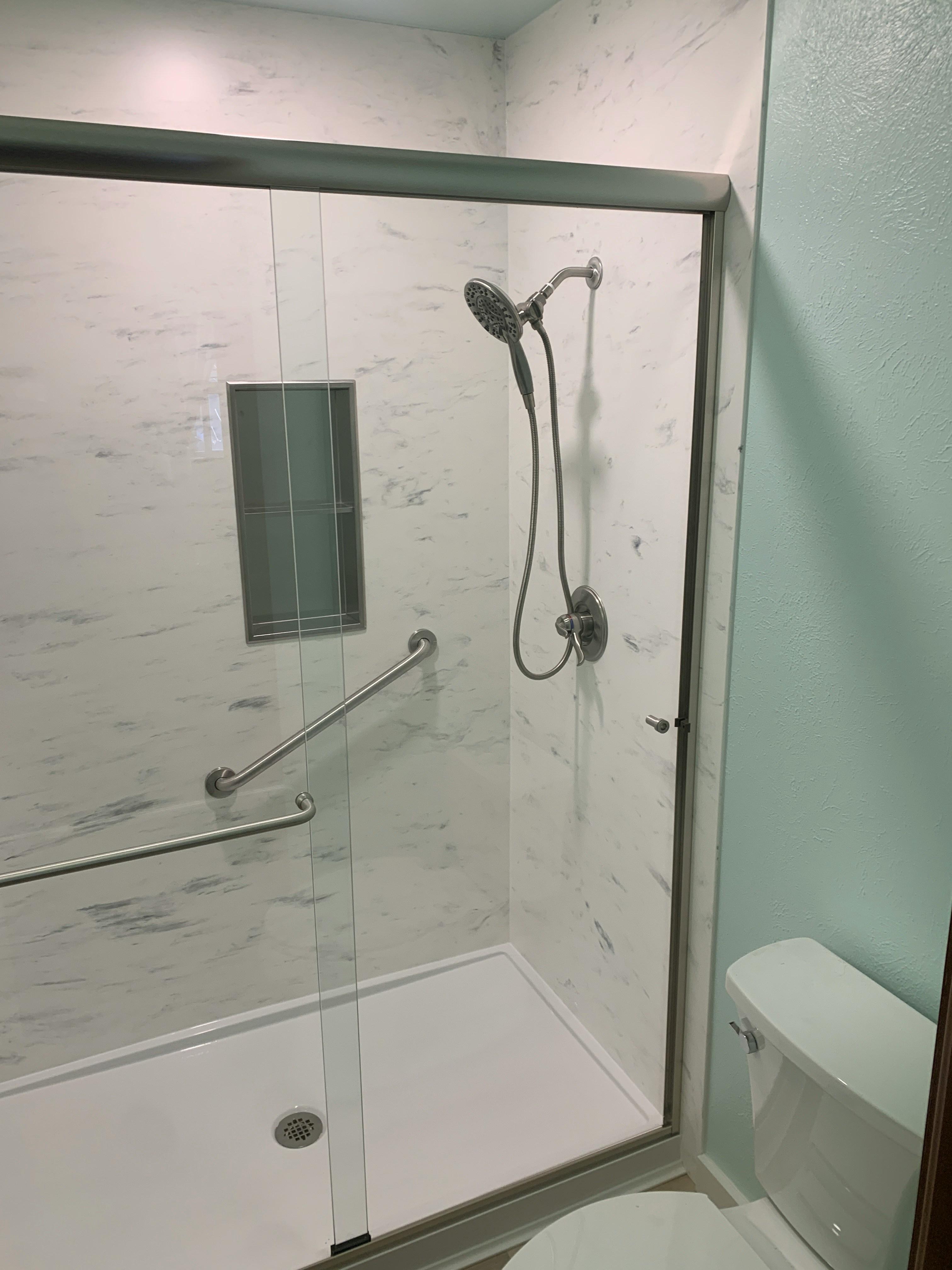
The importance of this research by Dr. Toto’s team at UPitt and the CAPABLE program is more relevant now than ever. By 2030, all people from the “Baby Boomers” generation will be over 65 years. Luckily, with this interprofessional expert review, individual input, and a few minor modifications, both us and our homes can become more CAPABLE.
Preventing Falls Through Design Saves Hospital Trips and Money
For older adults and their care partners, maintaining dignity, autonomy, safety, and comfort is essential. Additionally, there are potential savings to the individual and the medical system overall. The CAPABLE National Center reports that for every $3,000 invested in the program to make participants' homes safer, there is a $30,000 return on investment in medical costs in addition to reduced symptoms of depression and improved functionality.
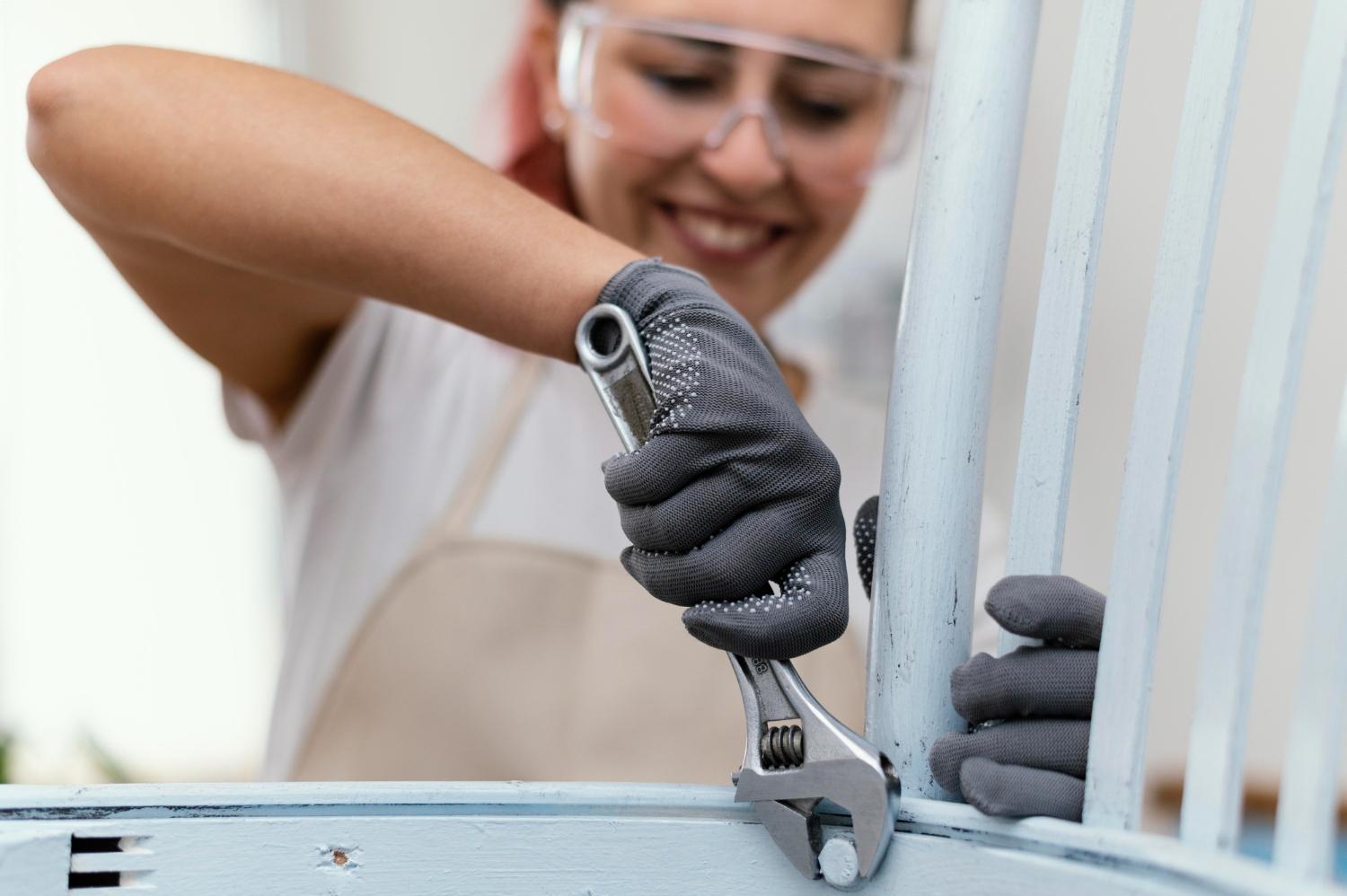

Image: Theme Photos/Unsplash
Image: Johnny Woods/Unsplash
Physical Therapy Needs to be Closer to Home
Written By Pearl Kaplan

DPT, conducted a pilot feasibility study of a novel hybrid in-person and telerehabilitation program called the Rural Access to PT for Osteoarthritic Rehabilitation (RAPTOR). This study was found to be safe and feasible, demonstrated promising improvements in physical function, and was well-received by program participants and health practitioners.
Although residents of rural areas experience greater knee osteoarthritis-related disability, there are low rates of physical therapy referrals in rural areas. Addressing this geographic distance is vital to prevent knee osteoarthritis in those living in rural areas from worsening and avoiding any unneeded prescription of opioid medications.

When discussing the importance of the RAPTOR study, Dr. Bove shared, “Although there are some excellent rehabilitation providers and clinics in the [study] area, for some folks they are a 40-minutes or more drive from their homes. Traveling that far to see a physical therapist multiple times a week just isn’t feasible for people who work long hours, have children or other family to take care of, etc.”
“I Felt I Was Able to Express Myself Effectively”
Overall, the University of Pittsburgh researchers found that participants reported high satisfaction with telerehabilitation. Participants shared statements such as, “I felt I was able to express myself effectively,” and “I feel comfortable communicating with the clinician using the telehealth system.” On the other hand, participants who had lower satisfaction shared statements such as, “I think the visits provided over the telehealth system are the same as in-person visits.
Of the 20 participants, most (13 of 16) who completed the program demonstrated clinically important improvement in patient-reported function. More than half of the participants demonstrated clinically significant improvement across the performance-based function tests. This pilot study, which was found to be safe and feasible, provides a foundation for future testing in a comparative trial.
Image: Unsplash
This work is described in the publication titled “Rural Access to Physical Therapy for Osteoarthritis Rehabilitation (RAPTOR): A Pilot Feasibility Study”, which was published in October 2025 in the Journal of Orthopaedic & Sports Physical Therapy (JOSPT) Open by researchers in the University of Pittsburgh School of Health and Rehabilitation Sciences in the Department of Physical Therapy and Department of Health Informatics along with the University of Pittsburgh Medical Center Rehabilitation Institute.
A Mixture of In-Person and Online Clinical Care
To increase access to physical therapy in rural areas, the RAPTOR program provided 10 physical therapy visits, two in person and eight via telerehabilitation, to participants with knee osteoarthritis.
The initial visit was in-person and included an assessment with the physical therapist, initial evaluation, and initial teaching of the home exercise program, and instruction on use of the telerehabilitation app. The next eight visits were conducted via telerehabilitation by the physical therapist and focused on tailored therapeutic exercises and education for participants. The 10th visit was in-person and included closing assessments and the sharing of a final home exercise plan for participants.
Taking Next Steps Towards Hybrid Physical Therapy
This pilot feasibility study, a single-arm study in which all participants received the same treatment, provides initial proof of concept and a foundation for the design of more comprehensive studies, such as exploring increased patient numbers, expanded treatment areas, more extensive follow-up, and different health and telehealth platforms.
To increase the use of telerehabilitation physical therapy programs, several important considerations must be addressed, such as reliable internet access and permanent policies that allow reimbursement. For example, in the RAPTOR study, a quarter of participants reported receiving help from a family member to set up or log into telerehabilitation visits. All issues were resolved and did not impact the completion of sessions. To support the potential benefits, in 2024, the American Physical Therapy Association published guidelines for clinical practice.
Dr. Bove shared, “It’s especially important to study this in rural areas, where it’s more likely that patients may have limitations in wireless service and broadband access, so there may be more technological challenges that need to be addressed in order to provide high-quality telerehabilitation services.”
The RAPTOR program and its initial success highlight the benefits of telerehabilitation, which include convenience, no transportation barriers, and reduced time commitment due to lack of commute. Additionally, this hybrid approach maintains the associated benefits of in-person rehabilitation, such as strong patient-provider therapeutic relationships, the ability to perform hands-on assessments and interventions, and the use of equipment not found at home.
The UPitt authors' next steps include undertaking a comparative trial of RAPTOR versus usual medical care and/or usual in-person PT among rural adults with osteoarthritis. Overall, centering this work on older adults with knee osteoarthritis to ensure safety and providing the same level of care is a top priority for physical therapists.

References
Bove, A. M., Zavacky, E. N., Zeleznik, H., Bise, C. G., Patterson, C. G., Parmanto, B., & Fitzgerald, G. K. (2025). Rural Access to Physical Therapy for Osteoarthritis Rehabilitation (RAPTOR): A Pilot Feasibility Study. Journal of Orthopaedic & Sports Physical Therapy, Advance publication, 1-19. https://www.jospt.org/doi/10.2519/josptopen.2025.0167
Khoja, S. S., Stevans, J. M., Almeida, G. J., Smith, C., & Freburger, J. K. (2025). Physician Referral Patterns to Physical Therapists for Managing Knee Osteoarthritis: A Retrospective Analysis of Electronic Health Records from an Integrated Health System. Arthritis care & research. 10.1002/acr.25630. Advance online publication. https://doi.org/10.1002/acr.25630
Lee, A. C., Deutsch, J. E., Holdsworth, L., Kaplan, S. L., Kosakowski, H., Latz, R., Lennox McNeary, L., O’Neil, J., Ronzio, O., Sanders, K., Sigmund-Gaines, M., Wiley, M., & Russell, T. (2024). Telerehabilitation in Physical Therapist Practice: A Clinical Practice Guideline From the American Physical Therapy Association. Physical therapy. 104(5), pzae045. https://pubmed.ncbi.nlm.nih.gov/38513257/. Erratum in: Phys Ther. 2024 Jun 4;104(6):pzae077. doi: 10.1093/ptj/pzae077. PMID: 38513257; PMCID: PMC11140266.
Image: Ben Mayo
Image: Federico Faccipieri/Unsplash
Image: Unsplash
The Intergalactic Buttoneers Modernized the ETC Space Bridge in Time for Fall Festival
Written By Pearl Kaplan
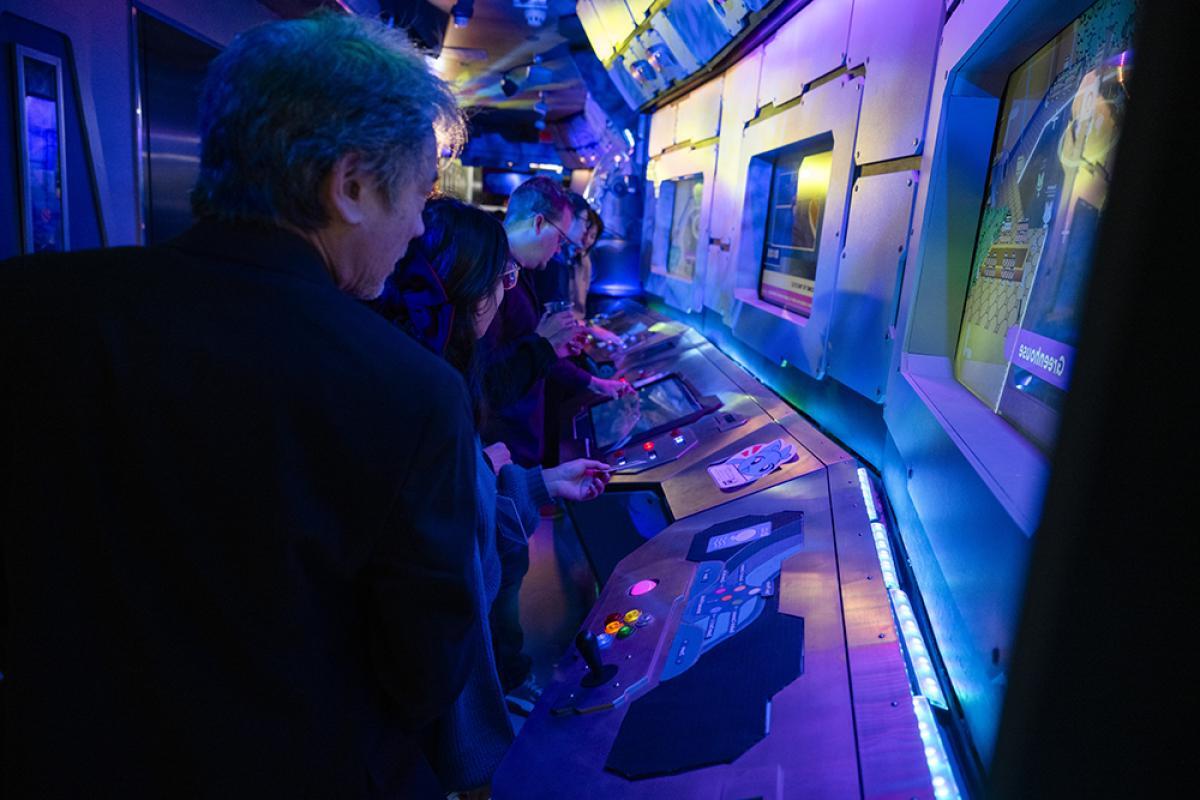
work come to life in an immersive digital art exhibit.
Introducing the Entertainment Technology Center Space Bridge Challenge
Expansive and immersive built-in installation. Six polished metal arcade cabinets run by six separate computers. Two trackballs, 36 buttons, eight monitors, two of which are touchscreens, and two joysticks – all inactive.
And the set of challenges:
• modernize the Space Bridge installation itself, develop a series of engaging location-based experience prototypes for the Space Bridge, and
• design a final immersive experience to bring the Space Bridge to life
…all in under four months, in time for the 2025 ETC Fall Festival.
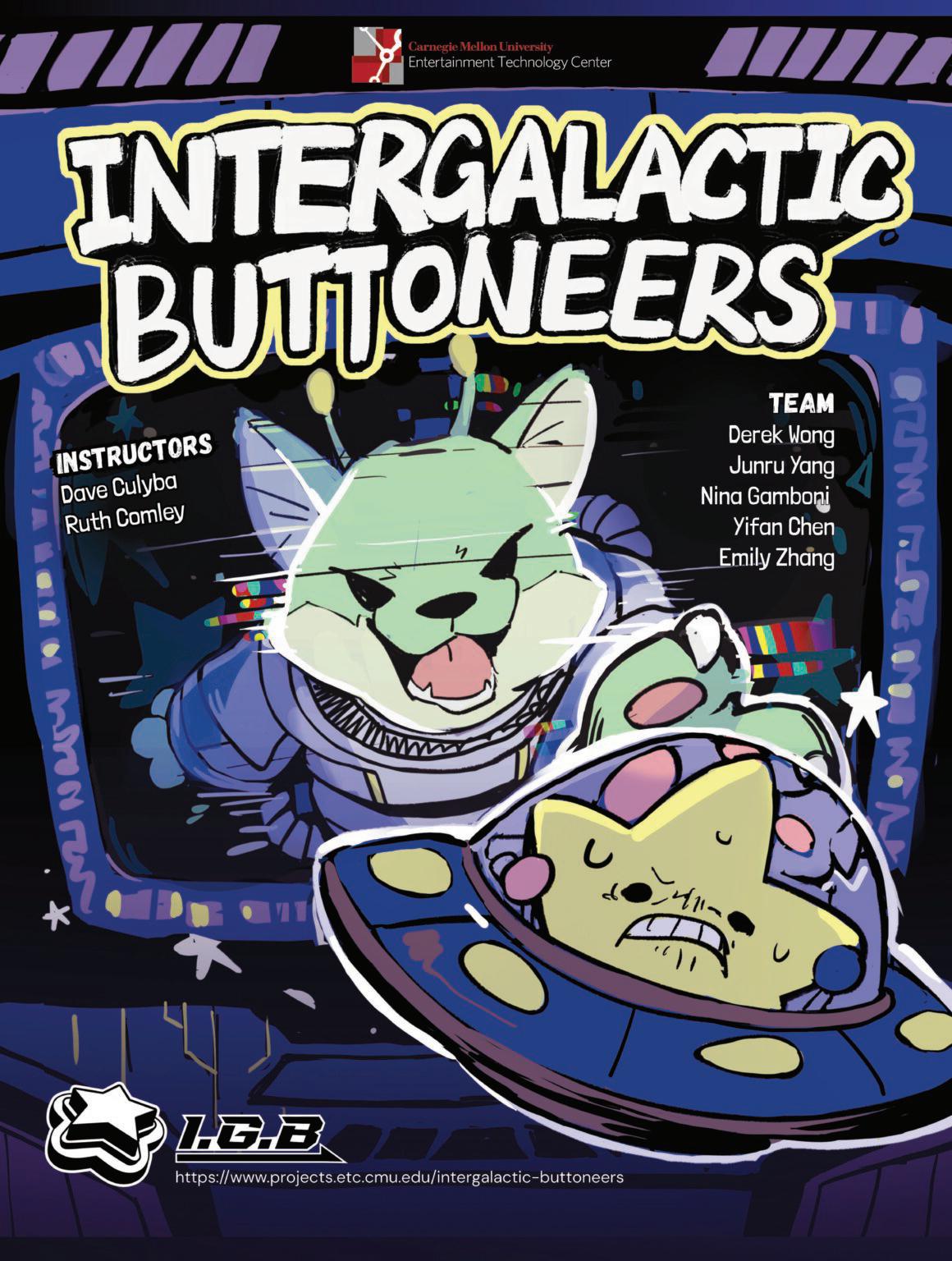
Guided by instructors Ruth Comley and Dave Culyba, the team was ready to launch their creative thinking and expertise in the fields of software development, experience design, programming, applied mathematics, 2D art, user interface (UI) design, illustration, visual storytelling, and software project management to create a location-based experience specifically for CMU ETC Space Bridge.
Image: Intergalactic Buttoneers Image: Intergalactic Buttoneers
Countdown Begins: Creating a Mini-Space Bridge
The Intergalactic Buttoneers first built a mini version of the Space Bridge that emulated all the functionality of the original, enabling them to work from anywhere to determine how to modernize the system and experiment with prototypes. “The mirror station helped us to figure out how we would manage the controls, create documentation, and understand how to build for it,” said Wong. With its three monitors, one touchscreen, 18 buttons, joystick, and two trackballs, creating this mirror mini-Space Bridge required a mix of physical work, including hand-writing buttons, coordinating with tech teams, and setting up software.
Imagining the Possibilities for the More Than Digital World
Using the mirror mini-Space Bridge, the Intergalactic Buttoneers brainstormed three prototypes, both to inform their Fall Festival game and future Space Bridge uses. Each possibility played with different types of location-based experiences and goals.
“In the end, we did include a little bit from each prototype into the final project,” said Wong.
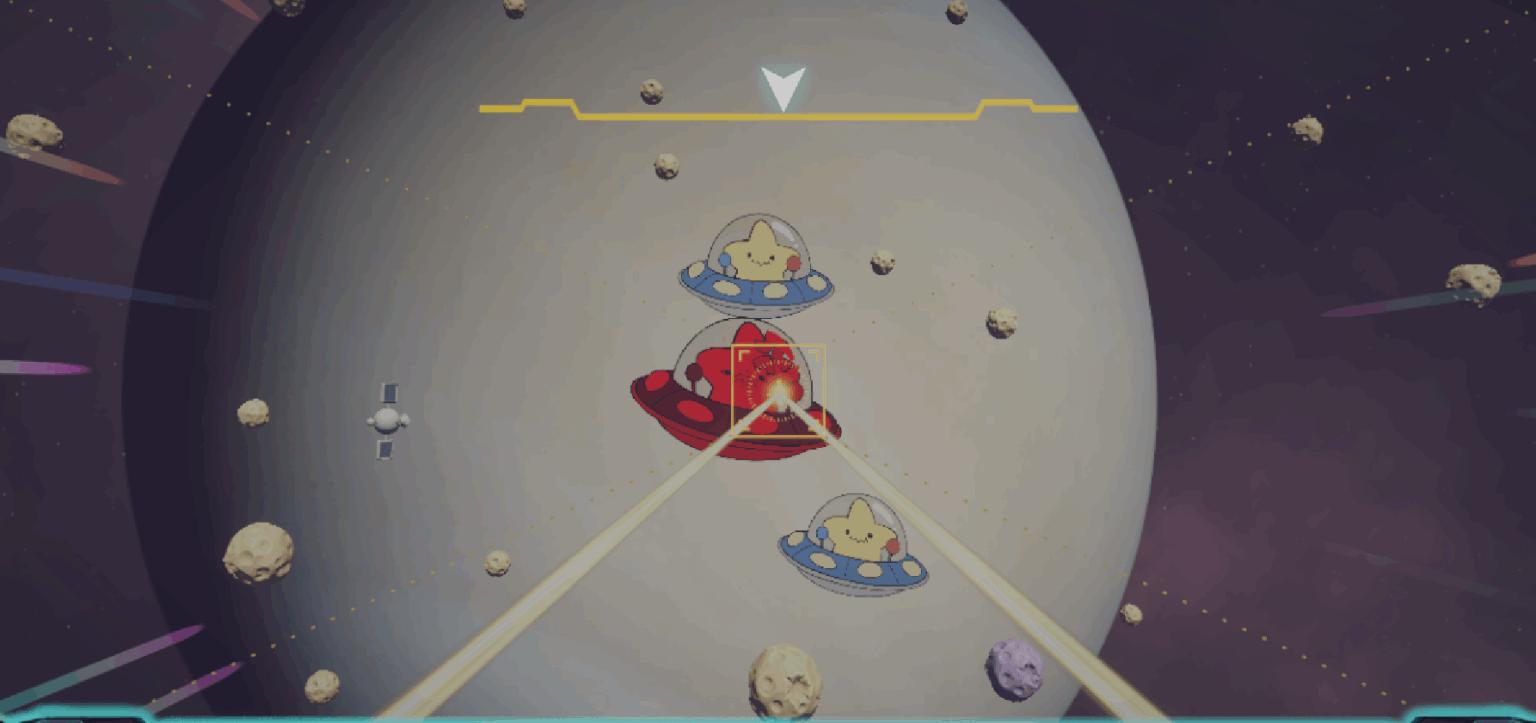
Prototype 1: Drawing inspiration from classic space-flying games, this three-player game required player collaboration and used a trackball to navigate the spaceship. Element used in the final experience: Trackball navigation.
Prototype 3: Explored how a small portion of a larger group could interact while others watch the game. Additionally, ways for attendees to revisit a game at any time and still have a continuous experience, informed by games such as Observation Duty’s security screens.
Element used in the final experience: Using the touchscreen and allowing characters to walk around on their own while things in the game changed over time.

Key to the game’s success was getting feedback during two playtest days with first-year students. “We planned the playtest to have a group of students enter all at once so they could experience the game closest to how it would be at the busy Fall Festival.” Gamboni said. “To see how people naturally, organically interacted with it. That was rewarding”.
Prototype 2: Reflective of fish tanks in waiting rooms and lobbies, this game featured an aquarium on an idle screen, where passersby could quickly tap bubbles from the fish to earn points, highlighting brief, tactile interactions.
Element used in the final experience: All 18 buttons were given a simple, yet unique, purpose.

Ready for Launch at ETC’s Fall Festival
In location-based experiences, there is a physical experience to
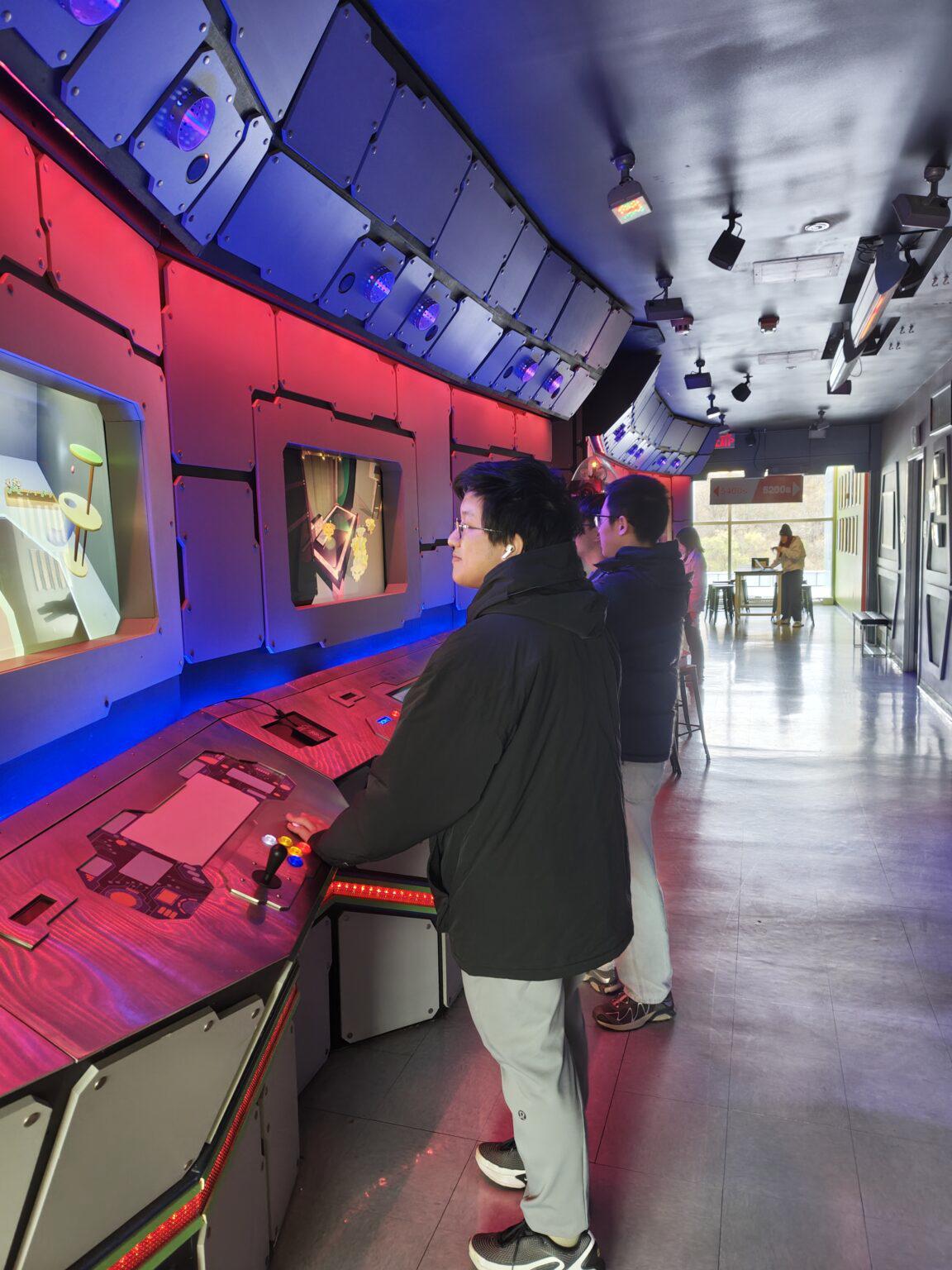
Image:
StepUp
Image: Intergalactic Buttoneers
At the entrance to the ETC Fall Festival 2025, the Intergalactic Buttoneers team gave each attendee an RFID card with an assigned character. When attendees reached the immersive 5th-floor Space Bridge, they quickly scanned their cards and personalized their character, which was then sent off into the virtual game world. Wong adds that, “A big consideration for the team was how to keep attendees moving through the area,
so they could understand and engage quickly with the game and then leave and check on their characters later using prompts we put up around the festival.”
Reflecting on the difference between purely digital and location-based experiences, Gamboni said, “Because you are creating an in-person experience for a location-based game, the button interactions can be simpler, and it's fun to keep things simple.”
A Bridge from the Past to the Future
The team created a platform for future development through updates to system functionality, the development of a mini-Space Bridge, exploration of various location-based experiences, and a launch at ETC Fall Festival 2025. It was also important to the team to respect the Space Bridge’s current design, history, and perspectives of the students and faculty who have contributed to its evolution.
The Space Bridge can now support new game development opportunities for CMU ETC students, such as in their required Building Virtual Worlds class, where students rapidly create a series of games. The Intergalactic Buttoneers are excited to see what the future of the Space Bridge will hold.


Image: Intergalactic Buttoneers
Image: Intergalactic Buttoneers
Image: Carnegie Mellon University, Entertainment Technology Center’sFall Festival 2025 Photos.
Image: Intergalactic Buttoneers
The Implant System that Seeks to Restore Vision Loss
Written By Isabella Fonseca

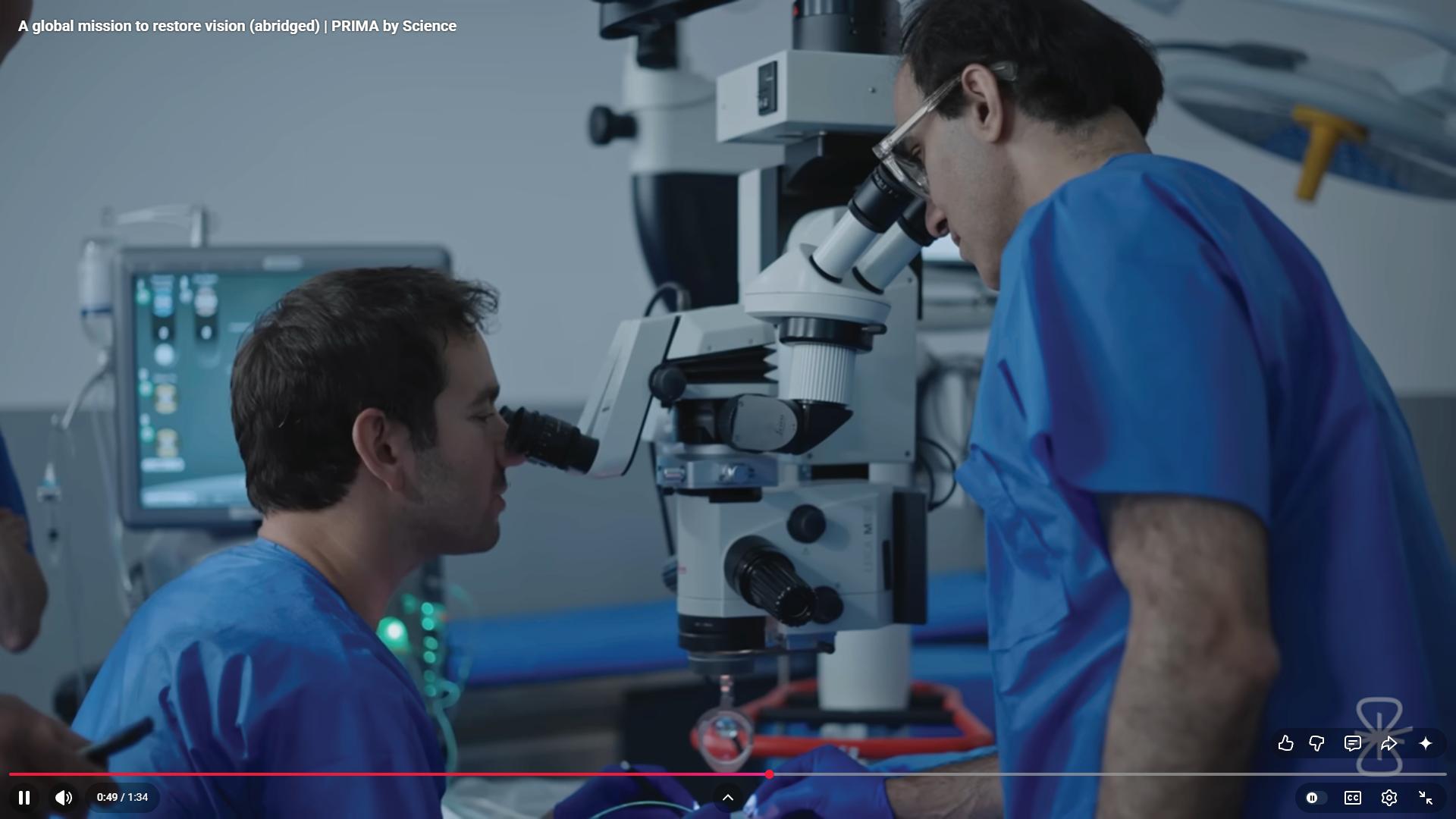
While current treatments can slow the progression of AMD, they do not restore vision and require eye injections every 1 to 2 months. To address this issue, a team of researchers, including the University of Pittsburgh's José-Alain Sahel, MD, is developing the photovoltaic retina implant microarray (PRIMA) system, an implant system that uses infrared light to restore lost sight. A recent study in the New England Journal of Medicine examined the results of the implant after 12 months.
AMD is an eye disease common in older adults that occurs when the macula, which processes central vision, deteriorates, leading to gradual vision loss. In one type of AMD, which is called “dry AMD” or “geographic atrophy”, this process occurs over the course of several years. Geographic atrophy damages the photoreceptors, which convert the light entering the eye into electrical signals sent to the brain, enabling vision. When photoreceptors deteriorate in certain locations in the eye, light cannot be converted into signals, creating permanent blind spots.
AMD is an eye disease common in older adults that occurs when the macula, which processes central vision, deteriorates, leading to gradual vision loss. In one type of AMD, which is called “dry AMD” or “geographic atrophy”, this process occurs over the course of several years. Geographic atrophy damages the photoreceptors, which convert the light entering the eye into electrical signals sent to the brain, enabling vision. When photoreceptors deteriorate in certain locations in the eye, light cannot be converted into signals, creating permanent blind spots.
How Infrared Light Restores Lost Sight
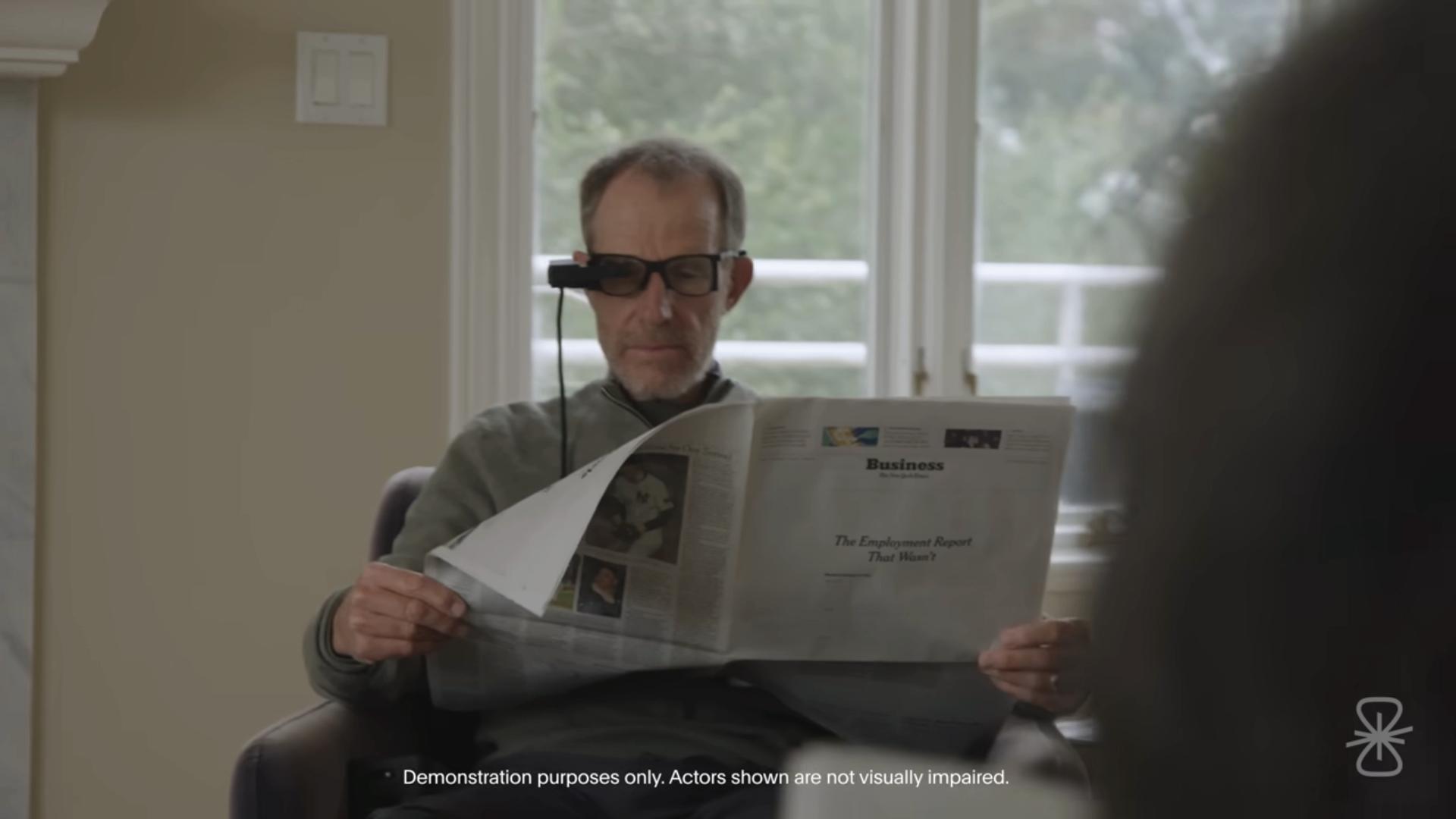
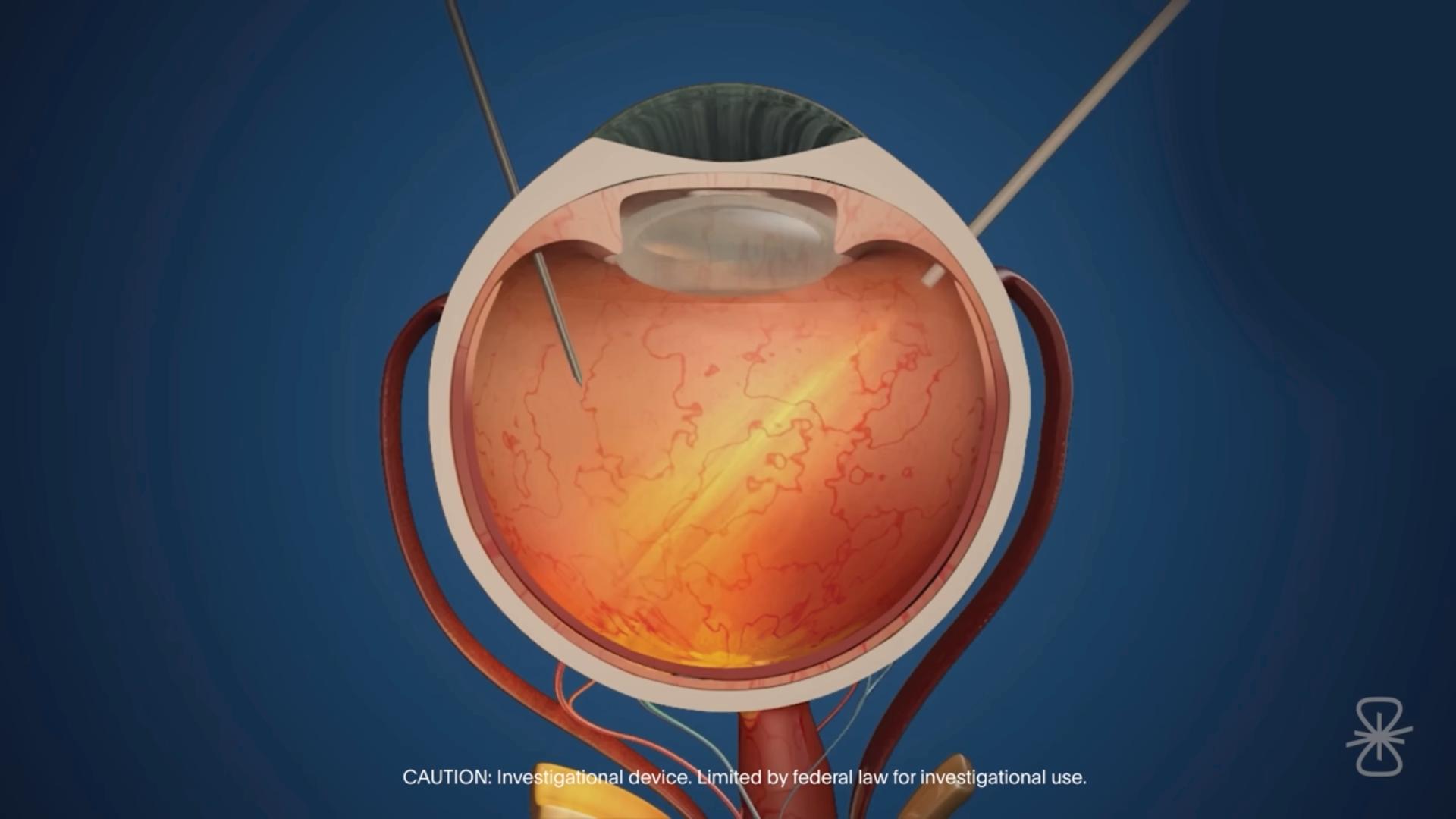
The photovoltaic retina implant microarray (PRIMA) system uses an implant and glasses to replace the lost photoreceptors. The PRIMA implant is 2 mm × 2 mm thick, made of a crystalline silicon array, and contains photovoltaic (light-converting) pixels. This implant is surgically placed under the retina. The PRIMA glasses have a camera mounted on the frame that captures images and uses infrared light to project the image onto the implant. Like a puzzle piece, the implant fits into the missing vision spots, and the photovoltaic pixels act like a photoreceptor to convert light into electrical signals that are sent to the brain to create vision.
The PRIMA clinical study included 38 participants, 60 years of age or older, with a diagnosis of geographic atrophy due to AMD in both eyes, a minimum vision of 1.2 logMAR (logarithm of the Minimum Angle of Resolution, the standard way to measure visual acuity) or 20/320, and an atrophy larger than the implant.
Participants were recruited from 17 medical centers across five European countries, and all received the implant. Photos of participants' eyes were taken before and after the implant surgery. After 12 months, 32 of 38 of the participants were tested on their central vision perception, and 33 of 38 were tested on the implant’s resolution.
The study found that the implant and glasses system significant ly improved participants’ central vision. The average improve ment of patients’ vision was 0.51 logMAR, meaning they could read about 25 more letters on the logMAR chart than before. With the implant alone, participants’ vision was about 20/400. With glasses, they were able to read smaller fonts and text at about 20/42. Additionally, 84% of participants were able to use the system in their own homes to read letters, numbers, and words.
A Closer Look at PRIMA’s Impact
While other vision-assistive devices and implants have been developed, PRIMA is implanted beneath the retina and restores vision in the blind spot, allowing patients to move their eyes rather than their heads to direct their gaze. PRIMA also has fewer surgical risks than previous implants and devices and is wireless, making it less bulky.
In the past, the damage to central vision caused by geographic atrophy and AMD has been irreversible, making the work of this study critical. Not only does the system restore lost vision, but it is also accessible, allowing users to read in their own homes. With further development, this system could be the next generation of visual prosthetics, and restore the vision lost by the 5 million people with irreversible blindness due to the condition.
Trinity Brings Cross-Platform Co-op to the
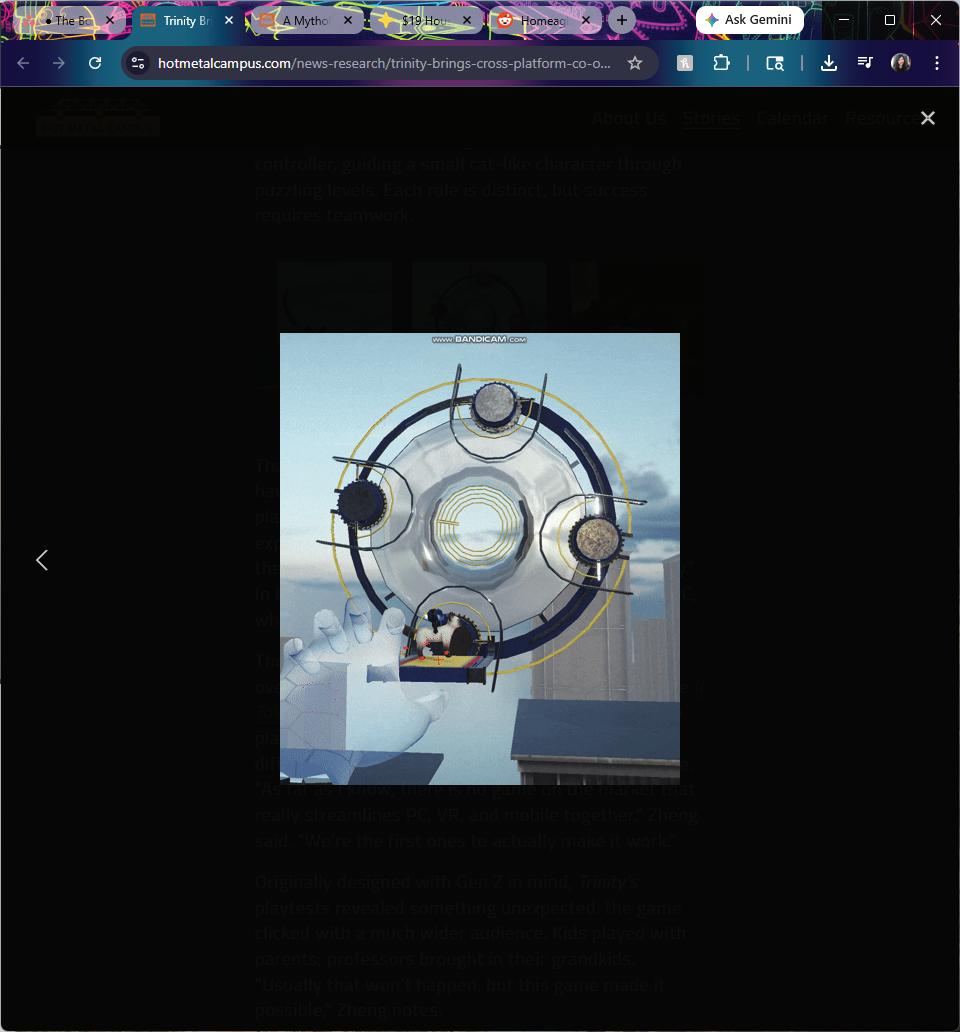
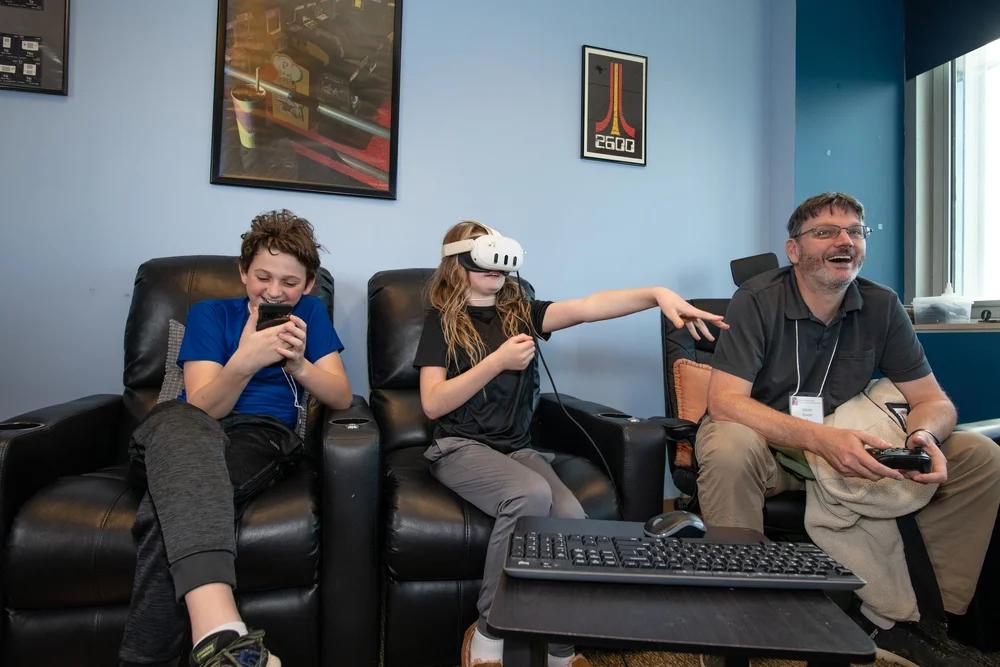
At Carnegie Mellon University’s Entertainment Technology Center (ETC), a student team has been building something ambitious and fun. It’s called Trinity, and it’s a multiplayer co-op game that unites three players on three different platforms: VR, mobile, and PC. Designed for in-person play, Trinity isn’t just a tech demo. It’s a thoughtful, playful experiment in how games can bring people togeth

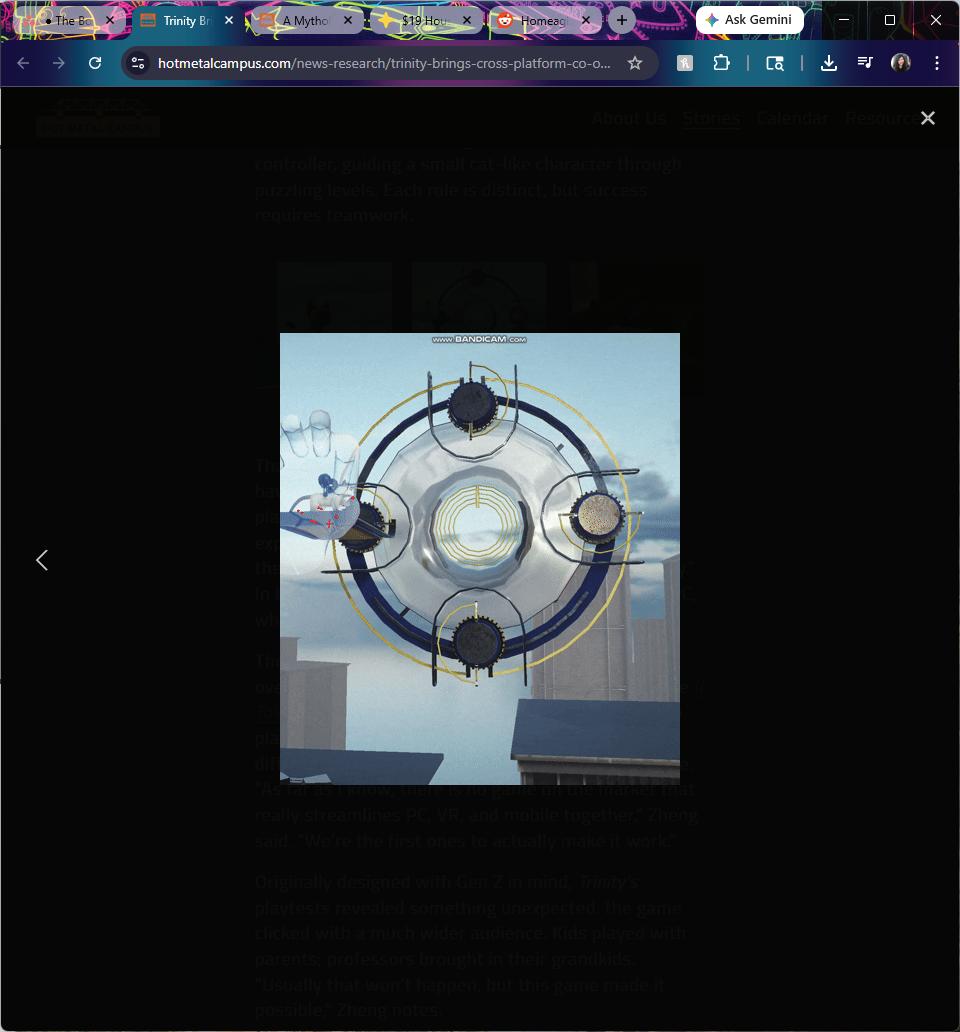
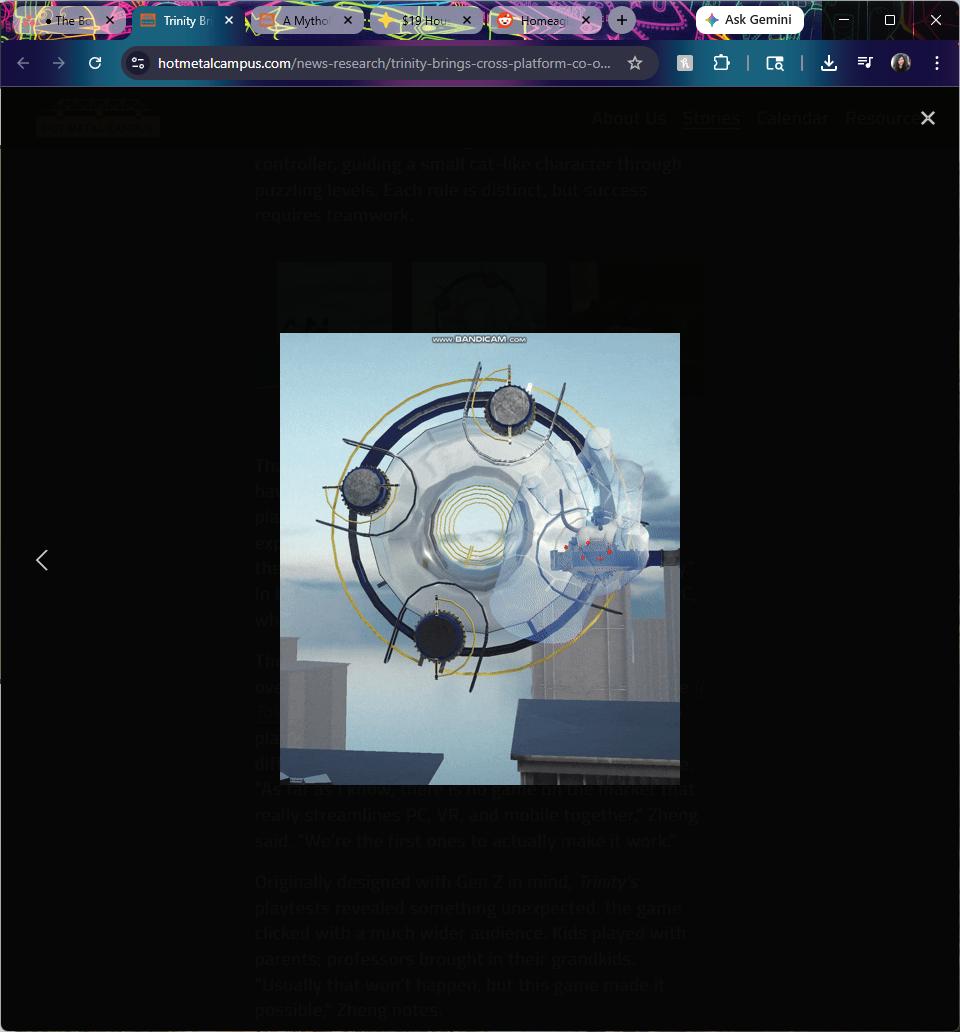


“We imagine players sitting next to each other on the couch, like in a living room,” said producer Jerry Zheng. That’s exactly what Trinity aims for: an experience that’s cooperative, physical, and social.
Each player gets a unique role. One person straps into a VR headset and uses hand tracking to interact with the world as a giant character. Another takes the mobile phone, using tilting and even blowing into the mic to power tools in the game. The third plays on a controller, guiding a small cat-like character through puzzling levels. Each role is distinct, but success requires teamwork.
That accessibility was key to the team’s vision. “We have players who are really good at games and also players who have never tried games before,” Zheng explained. “They can cooperate really well because they can choose what kind of device they want to try.” In testing, experienced gamers gravitated to VR or PC, while newcomers jumped in with their phones.
The project began as a student pitch and was built over the course of a semester. Inspired by games like It Takes Two, Trinity pushes the idea further—from two players on one screen to three players on totally different devices, all sharing the same physical space. “As far as I know, there is no game on the market that really streamlines PC, VR, and mobile together,” Zheng said. “We’re the first ones to actually make it work.”
Originally designed with Gen Z in mind, Trinity’s playtests revealed something unexpected: the game clicked with a much wider audience. Kids played with parents; professors brought in their grandkids. “Usually that won’t happen, but this game made it possible,” Zheng notes.
That cross-generational appeal puts Trinity in good company with party staples like Jackbox, and it’s one reason the team sees a future beyond the classroom. The team is even exploring pitches to major game and hardware companies. Trinity fits perfectly into the multi-platform, living-room entertainment trend. But for now, Trinity has done what most games hope to do, get people laughing, connecting, and playing together.
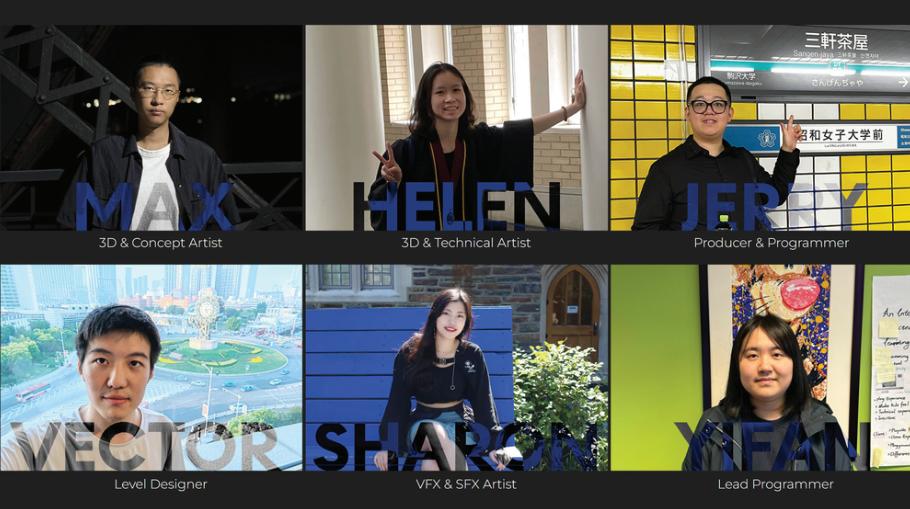
Trinity was created by a multidisciplinary ETC team: Yifan Jiang (Programmer), Sharon Liu (VFX/Sound Artist), Vector Liu (Game Designer), Helen Yang (Character/Tech Artist), Max Zhang (Environment Artist), and Jerry Zheng (Producer/Programmer).
The project was developed under the advisory of professors Brenda Harger and Scott Stevens.
Image: Ben Mayo
Hot Metal Campus Closes the Year with Community and a Few Snowballs
Written by Neema Tavakolian
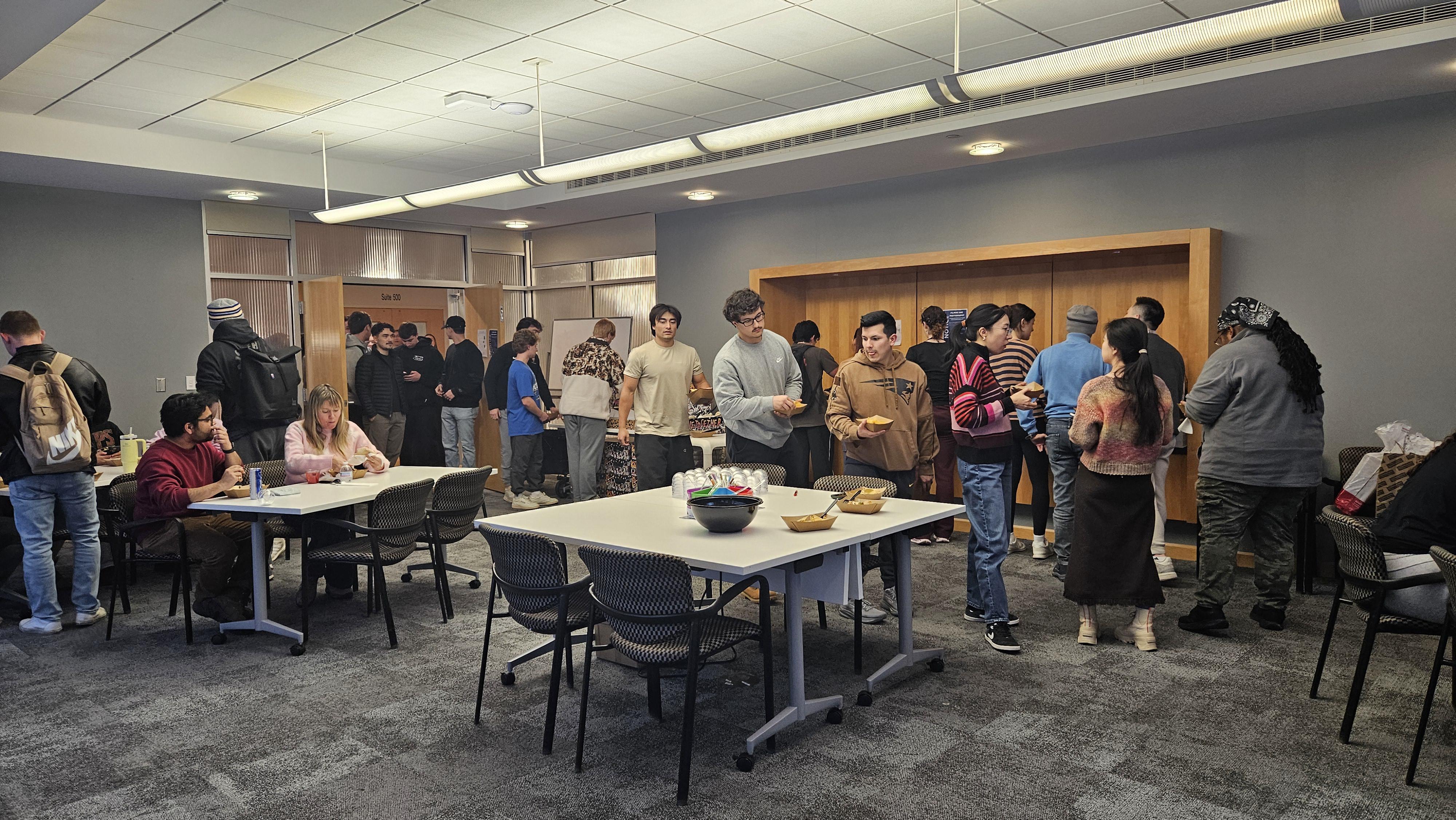
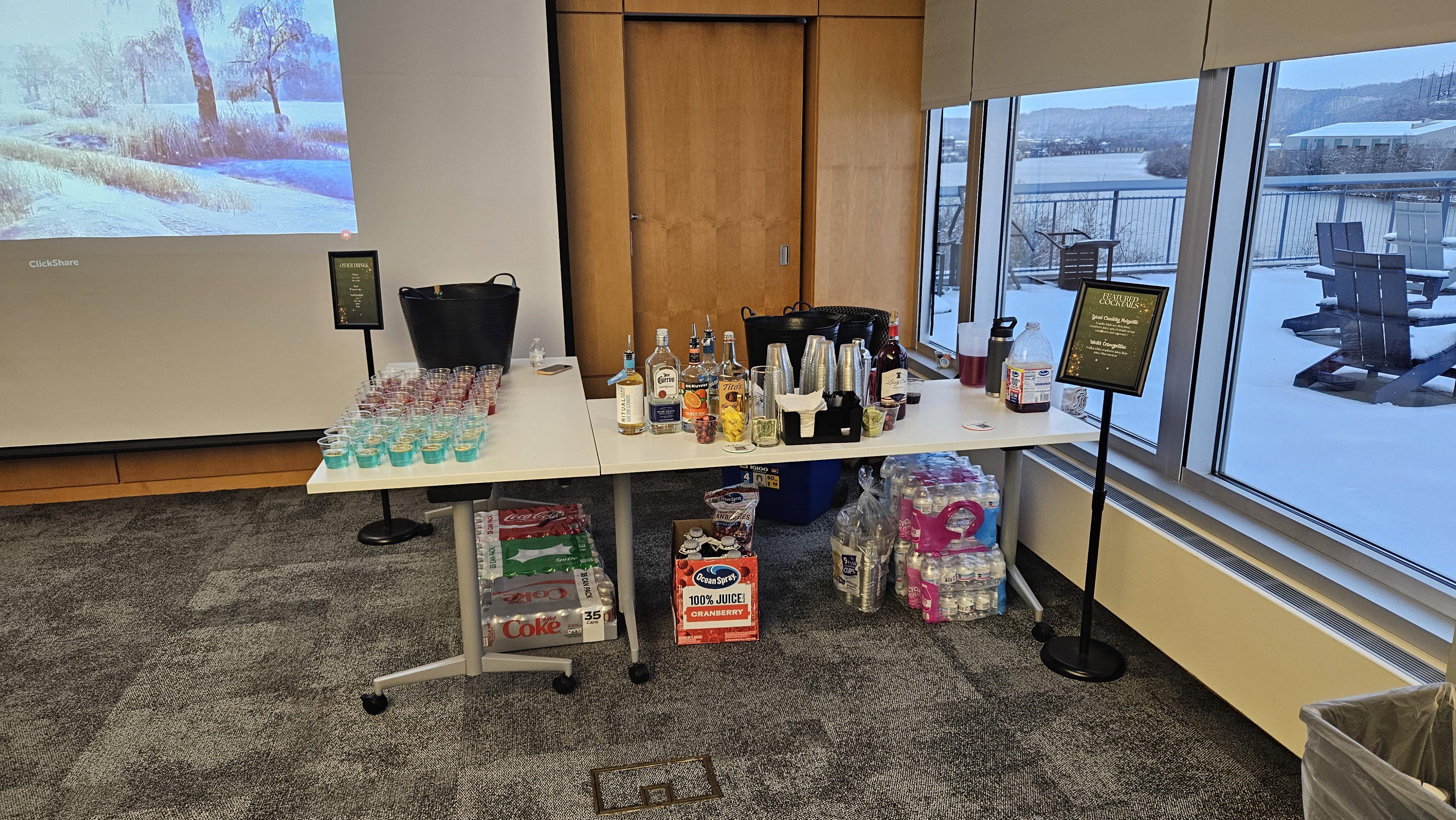
Hot Metal Campus wrapped up the semester last week with a holiday gathering that brought together students, faculty, and a handful of industry partners for an evening of informal connection. The event leaned into the simple pleasures: food, drinks, and the rare chance for researchers to step away from their labs and talk with people they don’t normally cross paths with.
Clusters formed quickly around the tables as attendees caught up on end-of-year projects, upcoming milestones, and winter break plans. On the balcony, an impromptu snowball fight broke out, an unmistakable sign that people were ready for a pause from deadlines and experiments.
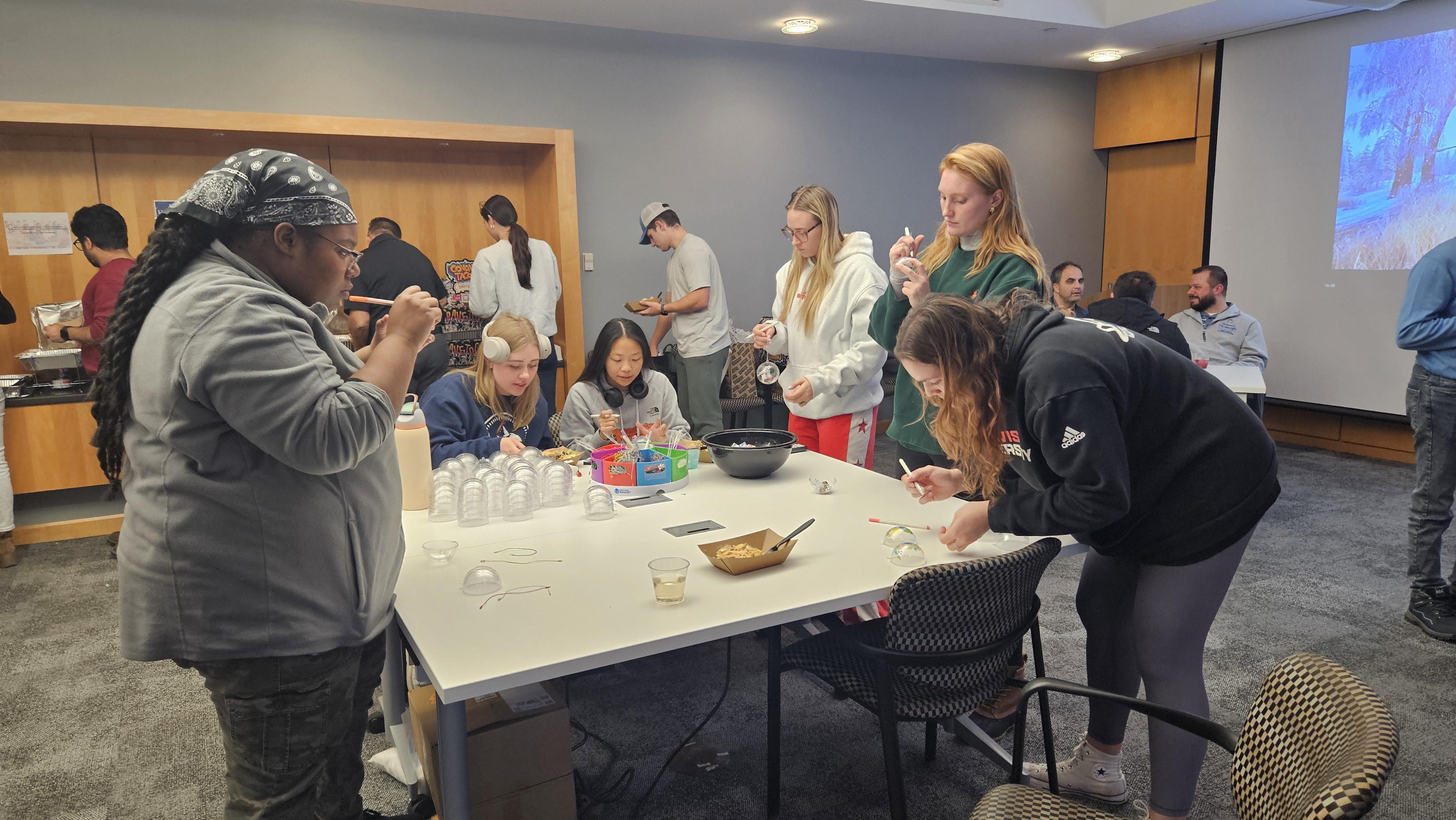
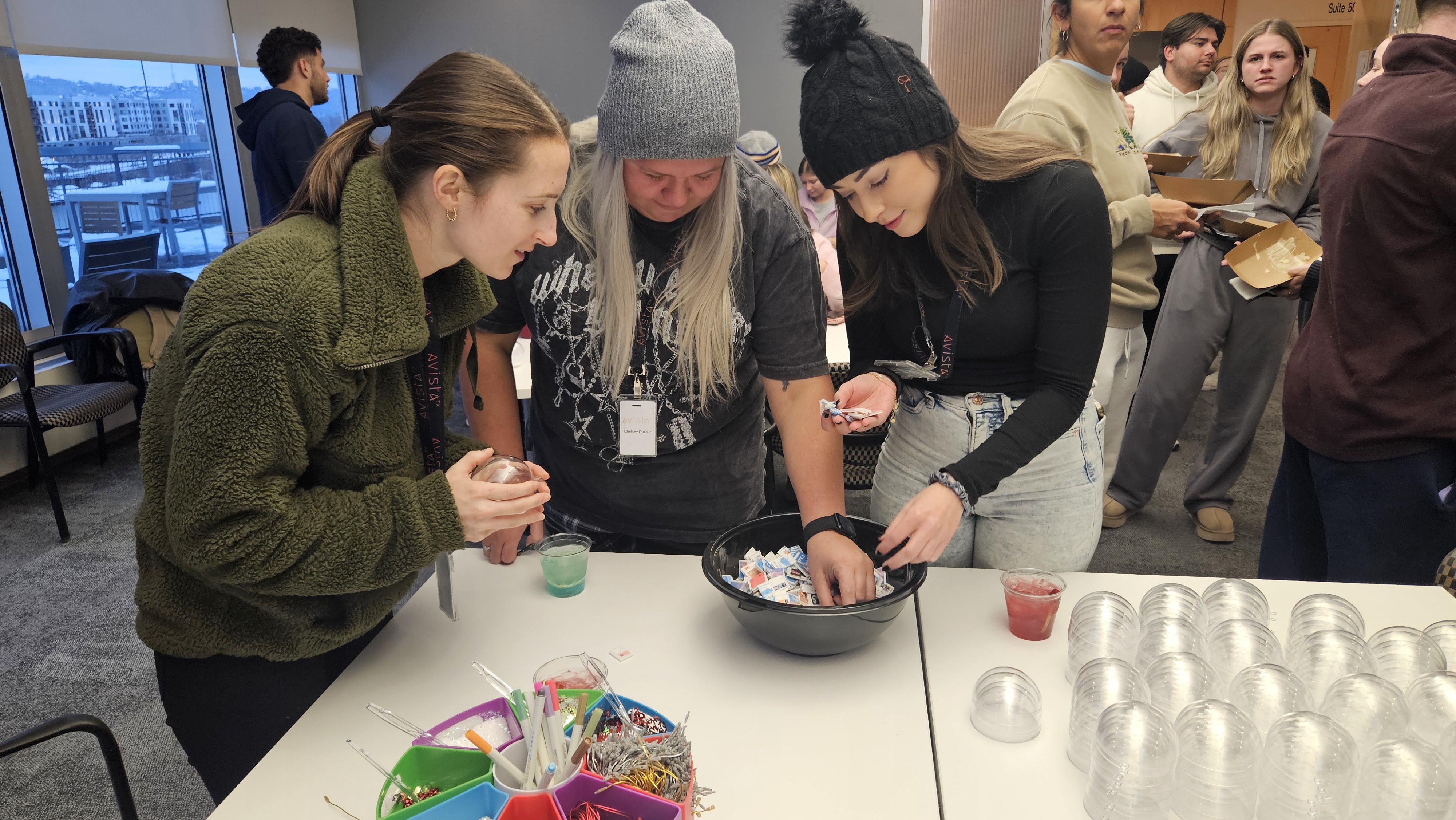
One of the most popular features of the evening was a set of custom-made ornaments showcasing journal covers from papers published by HMC-affiliated researchers this year. The “mini accomplishments,” hung on a small display tree, sparking conversations about new publications and collaborations across campus.
“It’s always nice to get everyone out of their labs and offices,” said Dr. Jennifer Luke, Hot Metal Campus’ Innovation Ecosystem Relationship Manager. “Sometimes you just need that reset and a little bit of time to breathe before going into the last few weeks of the year. I also love seeing people’s reactions to the ornaments. People do love mini things, and having tiny versions of your accomplishments inside an ornament you can compare to previous years is a nice reminder of everything you’ve done.”
The holiday gathering served as a low-stakes, end-of-year reset.
Special Thanks To Our Partner

About The Book
Editor-in-Chief: Neema Tavakolian
Graphic & Cover Design: Veronica Pennix
Contributing Team: Isabella Fonseca, Chloe Huggins, Pearl Kaplan, Dr. Jennifer Luke
Powered By: