Power concedes nothing without a demand. It never did and it never will. Find out just what people will submit to and you have found out the exact amount of injustice and wrong which will be imposed upon them and these will continue till they have resisted either with words or blows or with both. The limits of tyrants are prescribed by the endurance those of whom they suppress.
—Fredrick Douglass
(1849)
Kamala Harris Says State and Local Leadership Matters as Much as Washington
Former Vice President Kamala Harris said traveling the country since the 2024 Presidential election during her book tour gave her an opportunity to hear directly from Americans about the challenges they face every day, reinforcing her belief that many people feel unheard by Washington and increasingly look to state elected officials for solutions.
Speaking at UCLA on June 23 during a discussion hosted by The States Project, Harris said she deliberately used her travels to spend time listening to people rather than simply talking to them.
“After the election I needed to take a minute, but when that minute was over, I needed to listen,” said Harris.
One conversation that stayed with her was with a single mother of three in Jackson, Mississippi, who was attending cosmetology school while raising her children on a $150 weekly grocery budget. Harris said the woman also told her the tap water was sometimes too contaminated to bathe her children.
When Harris asked what she wanted others to understand about families like hers, the woman replied, “Don't they see me?”
“There are a lot of people who feel that they are not interested, and that their everyday fears and worries and hopes aren't being heard,” Harris said.
“People are done with the status quo,” Harris added. “They're done. It's not working for them.”
She said political leaders must focus on solving everyday problems while presenting a broader vision for the country's future.
“It's about having affordable housing, affordable healthcare. It is about having a tax code that works for working people,” Harris said.
Harris said those conversations reinforced her belief that state elected officials are often better positioned than Washington to understand the everyday challenges facing their constituents.
“I support The States Project because the folks here and the folks we are supporting — state elected officials — are on the ground seeing and hearing these stories every day,” Harris said.
The discussion was moderated by Daniel Squadron, co-founder of The States Project and author of The Fourth Branch: How State Government Can Save Our Union. The organization supports state legislative candidates in competitive states and advocates for greater investment in state legislative races.
Attending the event were legislators from states where The States Project is active, including North Carolina Senate Democratic Leader Sidney Batch and Maine Senate President Maddie Daughtry, who described how legislative majorities can shape policy on issues ranging from child welfare and childcare to paid family leave.
10 New California Laws Taking Effect July 1 You Should Know About
Beginning July 1, several new California laws will take effect, bringing changes that affect workers, students, consumers, renters, and families across the state. While some of the new policies are administrative, others could have a direct impact on household finances, education, housing, and public safety.
Here are some of the most significant new laws Californians should know about:
Healthcare Worker Minimum Wage (SB 525): California continues the phased implementation of its landmark healthcare minimum wage law. Beginning July 1, workers at many hospitals and healthcare facilities will receive wage increases, with employees at some facilities reaching a minimum wage of $25 per hour. The law applies not only to nurses, but also to certified nursing assistants, technicians, custodians, food service workers, and other support staff. Because
Black and Latino workers are disproportionately represented in many of these positions, the wage increase is expected to provide meaningful financial relief for thousands of California families.
Transit-Oriented Housing Development (SB 79): New state housing policies taking effect July 1 make it easier to build higher-density housing near public transportation by limiting certain local zoning restrictions. Supporters believe the law will help address California's housing shortage, reduce commuting costs, and increase access to jobs and public transit. Housing affordability remains one of the state's most pressing issues, particularly for communities of color.
All-Gender School Restrooms (SB 760): California public schools serving kindergarten through 12th grade must now provide at least one all-gender restroom for student use.
Supporters say the requirement helps ensure that all students have access to safe and inclusive restroom facilities.
Student Mental Health Resources on School IDs (AB 727): Student identification cards for grades 7 through 12 and public colleges must include information about suicide prevention resources, including crisis services for LGBTQ+ youth. The goal, supporters argue, is to make life-saving mental health resources more accessible to students when they need them most.
Limits on Student Smartphone Use: School districts are expected to begin implementing policies limiting student smartphone use during the school day. The new law requires every school district, county office of education and charter school to adopt a policy by July 1 restricting or prohibiting smartphone use on campus, while allowing exceptions for emergencies, health needs and other specified circumstances. Lawmakers hope the changes will reduce classroom distractions, improve student engagement and support better academic outcomes.
Restaurant Food Allergen Disclosure (SB 68): Beginning July 1, chain restaurants in California with 20 or more locations nationwide must now provide customers with information about the nine major
food allergens. The requirement is intended to promote public safety by helping people with food allergies make informed decisions when dining out.
Standardized Food Date Labels (AB 660): California is introducing standardized food date labels such as “Best if Used By” to replace inconsistent phrases like “Sell By” and “Use Before.” Lawmakers who supported the measure say the change, effective July 1, will reduce consumer confusion and help prevent unnecessary food waste.
Local Minimum Wage Increases: On July 1, several California cities and jurisdictions will raise their local minimum wages to keep pace with inflation. The largest increases include Los Angeles ($18.42/ hour), San Francisco ($19.61/ hour), Emeryville ($20.34/hour) -- the highest citywide minimum wage in the state -- Pasadena ($18.57/hour), and Santa Monica and unincorporated Los Angeles County ($18.47/hour). The increases range from 30 cents to 66 cents per hour, providing additional income for workers in retail, hospitality, restaurants, healthcare support, and other service industries.
Autonomous Vehicle Safety Requirements (AB 1777): Companies operating autonomous vehicles
10 New California Laws Taking Effect July 1 You Should Know About ...continued
must maintain dedicated communication systems that allow first responders to quickly contact operators during emergencies, helping improve public safety as self-driving technology expands.
New Firearm Restrictions (AB 1127): Beginning July 1, licensed firearms dealers are prohibited from selling certain semiautomatic pistols that can be readily converted into fully automatic weapons using a device commonly known as a “Glock switch.” The law applies to future retail sales of qualifying firearms but does not ban possession of existing firearms or private-party transfers. Supporters say the measure is intended to reduce the availability of firearms that can be easily modified for illegal use.
Kamala Harris Says State and Local Leadership Matters as Much as Washington...continued
Batch, a child welfare attorney before entering public office, said she decided to run for office after representing a mother who nearly lost custody of her children because she could not afford childcare or legal representation to obtain child support.
“I finally started realizing that every single day we have a legislature that is being run by individuals that have no sense of what's happening to everyday North Carolinians,” Batch said.
She said that despite serving in the Senate minority, she has worked with Republican colleagues to help enact North Carolina's first major child welfare reforms in more than 50 years.
Daughtry said she entered politics after working four jobs without health insurance.
She said Maine's Democratic majority enacted paid family leave, with benefits beginning in May, and eliminated the state's childcare waiting list.
“When you have the majority, everything changes,” Daughtry said. “For the cost of one Senate race, we've transformed an entire state.”
Harris also addressed voting rights, saying recent court decisions and actions by some states have made access to the ballot more difficult.
She pointed to students at North Carolina A&T State University, where she said local election officials removed an early voting location from campus. Harris said the students later traveled to the state capitol to protest, where a Republican legislative leader told them, “You have five minutes, five minutes to leave.” Harris
said the episode illustrated how voting rights battles increasingly are playing out in state capitols.
Batch later described what she said were broader efforts by Republicans in North Carolina to reshape election administration, including moving oversight of the State Board of Elections under the Republican state auditor and removing early voting sites from college campuses. She recalled a Republican colleague opposing polling places on college campuses because, he said, “Those people don't vote for us, they vote for you.”
Harris said protecting voting rights remains central to the broader civil rights movement.
“The fight for civil rights in America, born out of the struggle of Black Americans, has benefited so many groups,” she said. “But when we look at what's happening across the country, the fight for justice, for equality, lives on.”
Looking beyond the current administration, Harris said Democrats must present voters with more than opposition to President Donald Trump.
“We've got to have a mindset and a purpose that is about the day after this administration leaves the White House,” Harris said. “The question is going to be, what are you going to do with the power if you get it?” Harris closed by encouraging Americans to remain engaged in their communities and state government.
“I strongly believe nobody should be made to fight alone,” Harris said. “Especially at this moment in time.”
Caltrans Receives $1.4 Million Grant to Improve Highway Safety
Sacramento – Caltrans announced today that it received approximately $1.4 million in grant funding from the California Office of Traffic Safety (OTS) to help expand and improve traffic data collection that will help improve safety on the state highway system.
Caltrans analyzes a wide variety of data sets to help evaluate road safety, including lane conditions, intersection and shoulder types, traffic controls, speed limits and traffic volumes. The fiscal year 2026 funding for the program will help streamline the collection and is provided by a grant from OTS through the
National Highway Traffic Safety Administration.
“Strengthening California’s roadway data helps us better understand crash patterns and make smarter safety investments,” said Caltrans Director Dina El-Tawansy. “This grant will boost our ability to improve safety statewide and advance our goal of zero fatalities and serious injuries.”
The funds will:
Support data collection of average annual daily traffic
Joe W. Bowers Jr. | California Black Media
VP Kamala Harris and Daniel Squadron, States Project
Courtesy photo States Project.
2 Thursday, July 2, 2026
A third of teacher prep programs get an ‘F’ on literacy report card
Critics question methodology, say state has solid literacy plan
DIANA LAMBERT
and from the school's intervention specialist. Credit: Lasherica Thornton/ EdSource
Despite six years of state investments to improve literacy instruction, California ranks among the bottom dozen states in preparing future educators to teach reading, according to a new report from the National Council on Teacher Quality.
Fifty-two elementary teacher preparation programs in California submitted their coursework for review, while 37 declined to participate. Among the programs evaluated, fewer than a quarter received an “A,” 13% a “B,” 23% a “C,” 6% a “D” and 35% an “F,” placing California among the bottom 12 states in the nation.
The report also found that 60% of California programs devoted fewer than two hours of instruction to teaching candidates how to support English learners, while 37% spent fewer than two hours preparing future teachers to work with struggling readers.
But some California education leaders disagree with the findings in “Decoding Progress in Reading Preparation,” questioning the report’s methodology and saying the state has put all the necessary pieces in place to ensure tomorrow’s teachers use evidencebased literacy instruction.
For the report, NCTQ analysts reviewed coursework, assignments and assessments from 721 teacher preparation programs nationwide between March 2025 and this spring. Just over half of the
programs were fully aligned with evidence-based reading instruction, also known as the science of reading.
Research has shown that evidence-based instruction, which includes phonics, fluency, comprehension, vocabulary and phonemic awareness, improves academic outcomes for students.
“Learning to read is essential to a student’s ability to succeed in life, their ability to get a job, to understand how to read a bill,” said Ron Noble, chief of Teacher Prep at NCTQ. “Right now, too many children in our country, and in California specifically, aren’t learning to read effectively.”
The stakes are particularly high in California, where fewer than half of third graders were deemed proficient in English language arts in 2025. Third grade reading proficiency is widely considered a predictor of future academic success.
New focus on reading California’s low ranking in the report comes on the heels of changes to how reading is taught in the state.
Since 2020, the state has invested approximately $1 billion in literacy initiatives, including $500 million for literacy coaches and $200 million for teacher training.
Efforts to improve literacy in California began in earnest in
2020 with state leaders allocating $50 million for the Early Literacy Support Block Grant. Lawmakers also overhauled how new teachers are trained to teach reading.
Senate Bill 488, passed in 2021, requires new California teachers to pass a literacy teaching performance assessment, which replaces the former written test. It also mandates that teacher preparation programs undergo a rigorous certification process to prove they are instructing teacher candidates to use evidence-based strategies to teach literacy.
Emma Hipolito, director of the UCLA Teacher Education Program, said the state certification process was much more vigorous than the NCTQ review.
“(It) felt more, I mean, honestly, like a mini accreditation,” she said.
Every teacher preparation program in California has now been certified under the state’s new standards for literacy instruction, said Mary Vixie Sandy, executive director of the California Commission on Teacher Credentialing. And, although results from the first year of the literacy teaching performance assessment will not be released until October, early data show a very high pass rate, she said.
Teacher preparation programs with low pass rates will receive technical assistance and oversight, she said.
“So, we’ve got alignment and I think a very, very strong and robust standard for teacher preparation,” Sandy said.
Despite California’s low NCTQ ranking this year, it is an improvement over the 2023 report, which gave only 5% of California’s teacher preparation programs an “A” and 59% an “F.”
Nationally, the scores are also up, with more than double the number of teacher preparation programs, 53%, earning an A or A+ this year compared to 2023.
The improvements come as California and other states join a national effort to change how reading is taught in schools, focusing on a method that teaches
students to decode words by sounding them out, a process known as phonics.
Lawmakers in at least 44 states have passed legislation and made unprecedented investments to improve literacy in their schools, according to the NCTQ.
UCLA gets an ‘F’
The UCLA Teacher Education Program was among the programs that received an “F” for literacy instruction from NCTQ.
“I think our students and my faculty do incredibly good work,” Hipolito said.
UCLA was already shifting toward more evidence-based reading instruction and away from other methods of literacy instruction before the state made it mandatory, Hipolito said.
She has gotten used to the negative feedback from NCTQ, she said.
“Every year we try to respond in a different way, but I think at this point, all the people who actually participate in teacher preparation are like, ‘OK, here we go again. Here we go again.’
”
Stanford gets an ‘A+’
The Stanford Graduate School of Education received an “A-plus” for literacy instruction from NCTQ in this year’s review, a dramatic improvement from the “F” it received in 2023.
Stanford professor Rebecca Deffes Silverman said the higher grade reflects California’s new teacher certification process more than any change in the university’s literacy curriculum. Other than increasing classroom practice opportunities for student teachers, not much has changed between the two assessments, she said.
“In the past, we would’ve had to gather all the material for NCTQ. I think, to be perfectly honest, people just didn’t feel like it was worth the time. … But now we had to do it anyway, so we just gave
UNCF Launches National Campaign to Strengthen HBCU Infrastructures
Public asked to reach out to bi-partisan
By Hazel Trice Edney
UNCF (United Negro College Fund) is asking the public for help to pass historic multi-million dollar legislation that would undergird infrastructure projects at HBCUs across the nation. The IGNITE HBCU Excellence Act, which already has significant support from bi-partisan members of Congress, could receive a boost to passage as members of the general public get involved. If passed, the Act will “establish the largest federal grant program for historically Black college and university infrastructure in American history,” according to the UNCF.
“This isn't just an organization lobbying the Congress and the administration. This is a campaign, and we need everyone to be involved,” says UNCF Senior Vice President of Public Policy and Government Affairs Lodriguez Murray, in a Trice Edney News Wire interview.
Murray is leading the campaign. “We need them to go to our website, UNCF.org/ IGNITE. Go there. Click, ‘write your representative’ and in less than 15 seconds they'll be able to send a letter to their House of Representative member, their congressman or congresswoman. And then they'll be able to send two letters, one to each of their two U.S senators. And they'll be able to send a letter to the White
House in support of this bill. And this is not just for HBCU students and graduates. It's for everyone who feels a stake of ownership in historically Black colleges and universities (HBCUs).”
According to a UNCF news release, “IGNITE stands for Institutional Grants for New Infrastructure, Technology, and Education for HBCU Excellence. If enacted, the legislation would create a competitive federal grant program through the U.S. Department of Education to fund campus modernization, deferred maintenance, broadband expansion, campus safety upgrades and the development of AI and workforce innovation hubs at HBCUs. The bill would also authorize repayment of nearly $300 million in outstanding HBCU capital financing loans, providing immediate debt relief to institutions across the country.”
Introduced in both chambers of Congress with bipartisan support, the bill is led by Rep. French Hill (R-Ariz.), Rep. Alma Adams (D-N.C.), Sen. Tim Scott (R-S.C.) and Sen. Chris Coons (D-Del.), co-chairs of the Bipartisan HBCU Caucus.
Himself a first-generation HBCU graduate – from Morehouse College in Atlanta - Murray is passionate about this campaign, which could bring millions of dollars to universities which have struggled to get a fair share of funding while giving much to America.
“For more than 180 years, HBCUs have educated generations of students and built the foundation of Black America’s professional class, often with far fewer resources than their peer institutions,” says the UNCF news release. “Today, HBCUs educate nearly 300,000 students annually,
members of Congress
generate $16.5 billion in annual economic impact, support more than 136,000 jobs nationwide and produce approximately 17% of all bachelor’s degrees earned by African Americans. Nearly 70% of HBCU students are Pell Grant eligible. Despite this record, approximately 84% of HBCUs remain underfunded, with a collective infrastructure deficit exceeding $13 billion.”
According to UNCF President/CEO Dr. Michael L. Lomax, in a statement, “The IGNITE HBCU Excellence Act has the potential to be a transformative investment in HBCUs and the students who depend on them…For generations, HBCUs have nurtured extraordinary talent, yet they have long struggled with unequal access to funding and modern infrastructure. This legislation could reverse those adverse circumstances by providing targeted resources that strengthen both research excellence and campus infrastructure, ensuring HBCUs have the tools to lead in a rapidly changing world.”
Murray is no stranger to Congress, having started on Capitol Hill with the now late Rep. Charlie W. Norwood, Jr. (RGa.). And he has a track record of successfully raising money for HBCUs.
“I represented HBCUs for a dozen years before coming to UNCF. And I've had the opportunity to be probably the first UNCF scholarship recipient to become an executive of this organization at the senior vice president level,” he said.
In 2019, Murray’s advocacy had a major hand in the passage of The FUTURE Act (Fostering Undergraduate Talent by Unlocking Resources for Education), which
A third of teacher prep programs get an ‘F’ on literacy report card...continued
them everything we submitted to California,” Silverman said.
In 2023, when the university received an “F” from the NCTQ, the university didn’t submit coursework to the NCTQ, so researchers used information on the university’s website to evaluate the program, Silverman said. Since then, the university has added course slides and other information to the website to more clearly outline what student teachers are learning.
Silverman agrees that phonics are an essential part of literacy instruction, but would have liked to see NCTQ give the same level of emphasis to comprehension skills.
“When you emphasize something, people focus on that and not necessarily the big picture,” Silverman said. “I want our teachers to get the right message that, yes, phonics is important. Yes, we need to teach it, and we also have to teach other stuff as well.”
Methodology questioned
Critics of the NCTQ report argue that reviewing course materials is not enough to make a meaningful evaluation of how a teacher preparation program trains future educators to teach reading.
It doesn’t take into consideration coursework in classes other than reading that support literacy, and the time the student teachers spend in district classrooms, Hipolito said.
That criticism was echoed by Cheryl Holcomb-McCoy, president and CEO of the American Association of Colleges for Teacher Education, which represents more than 800 postsecondary institutions and teacher preparation programs.
“Research on teacher effectiveness should consistently demonstrate the importance of strong clinical preparation, expert mentoring, content and pedagogical expertise, and opportunities to apply evidencebased instructional practices in authentic classroom settings, all core elements of high-quality educator preparation,” HolcombMcCoy said in a statement. “These elements are essential to teacher effectiveness and student success, yet they are difficult to measure
“permanently secures $255 million in annual mandatory funding for Historically Black Colleges and Universities (HBCUs) and other Minority-Serving Institutions (MSIs),” according to the website of Rep. Alma Adams (D-N.C.), also a sponsor of that bi-partisan bill.
Murray’s passion for HBCUs is deeply personal. As he shakes hands on Capitol Hill, he not only represents UNCF, but, like many HBCU graduates, he proudly hails from a family that sent him forth as its first college graduate. He was raised, in part, by his grandfather who was unable to read and would ask him to read street signs for him.
“I thought he was just, you know, proud of his grandson.” He went from that upbringing to becoming the first in his generation to graduate high school and then on to Morehouse, ‘my college of choice.’”
A part of the HBCU community, he not only learned the financial difficulties faced by the students, but also the hardships of the colleges themselves.
“A 2018 Government Accountability Office report documented extensive capital project needs across HBCU campuses and significant structural barriers to accessing financing for modernization,” the UNCF reports.
“This year, Congress is drafting the Fiscal Year 2026 appropriations bills—a critical window to advance federal investment in HBCUs. UNCF has submitted formal appropriations requests across multiple subcommittees including Labor, Health and Human Services, Education, Commerce, Justice, Science, Defense, Interior and Housing and Urban Development.”
Murray concludes, “HBCUs
through document reviews alone.”
Holcomb-McCoy acknowledged that teacher preparation programs have made significant progress in aligning their curricula with evidence-based reading instruction. But she said that the report should be viewed as an opportunity to build on those gains rather than assign blame.
“This year’s report should serve as an opportunity to build momentum, recognize progress and invest in the work that remains,” she wrote.
NCTQ defends its research NCTQ staff, who completed similar reviews in 2013, 2020 and 2023, have heard these criticisms before, Noble said. He remains confident that examining course materials provides a reliable picture of how programs teach reading.
“We believe you can learn a lot about how a program approaches reading instruction from reviewing their documented curriculum, which are the materials that we request,” he said. “I am highly skeptical that a program is teaching scientifically based reading instruction if their foundational course materials don’t make reference to the five core components of reading instruction.”
Analysts identify the most relevant reading courses for review, but teacher preparation programs are given the opportunity to identify additional required courses where they’re providing literacy instruction that may have been missed, Noble said. Each program is also given a copy of its analysis and allowed to submit additional evidence before the report is finalized, he said.
“We have a dialogue back and forth with the programs where we try to obtain the most accurate and up-to-date records that we can to make our analysis as accurate and complete as possible,” Noble said. Despite the criticism, Noble said he is encouraged by the progress states have made over the past three years.
“With the recent policy changes, I would expect and hope that the next time we do this in 2029, California looks a lot different,” he said.
UNCF Launches National Campaign to Strengthen HBCU Infrastructures...continued
have been doing extraordinary work for over 180 years with whatever they had. The IGNITE HBCU Excellence Act is the moment we match their proven strength with the investment they have always deserved. We are calling on the entire HBCU
community—students, alumni, educators, parents, elected officials and partners—to make their voices heard. Congress needs to know that this community is behind this legislation and ready for them to act.”
Roche Elementary third grade teacher Shelly Noble said students receive at least three rounds of daily reading intervention from their time with her, with AmeriCorp volunteer Valerie Caballero
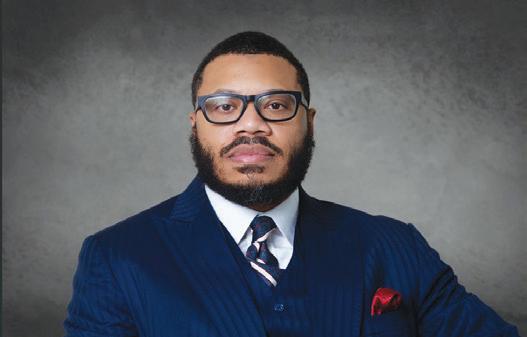
Lodriguez Murray, UNCF senior vice president of Public Policy and Government Affairs
Thursday, July 2, 2026
Black Caucus Bill Requiring Major Corporations in California to Disclose Links to Slavery Moves Forward
Antonio Ray Harvey | California Black Media
In August 2000, the California Legislature confronted a littleknown chapter of American history after records uncovered in the state archives revealed that, before the Civil War, some insurance companies issued policies to slaveholders that insured enslaved people against injury, death or escape, treating human beings as property.
That same year, former state Sen. Tom Hayden (D-Los Angeles) authored Senate Bill 2199, landmark legislation requiring insurance companies doing business in California to disclose records of slaveholder insurance policies issued by them or their corporate predecessors.
More than two decades later, California lawmakers are seeking to expand that transparency.
Assembly Bill (AB) 2599, the Truth in Disclosure Act, authored by Asm. Isaac Bryan (D-Ladera Heights), builds on the disclosure framework established by SB 2199. The measure would require certain large corporations to search their historical records and submit sworn affidavits, under penalty of perjury, disclosing documented ties to chattel slavery or profits derived from slavery.
On June 23, AB 2599 passed the Senate Judiciary Committee, chaired by Sen. Tom Umberg (D-Santa Ana), on an 11-1 vote. The measure now heads to the Senate Public Safety Committee.
“We have a public accounting of the ways that our civic institutions have benefited from chattel slavery and built wealth in the process,” said Bryan, vice chair of the California Legislative Black Caucus (CLBC). “We even had cost estimates of what is true accounting for what that (wealth) would be.”
Bryan continued, “This bill is simply about disclosure. We've had a conversation about the
Diego). CBM photo by Antonio Ray Harvey.
private sector's role in extracting that wealth, but this bill starts with that conversation around disclosure.”
Known as the Slavery Era Insurance Policies Act, Hayden's SB 2199 required insurers licensed in California to examine their archives for antebellum policies covering slaveholders against the loss or death of enslaved people. The results were compiled by the California Department of Insurance.
AB 2599 would extend that transparency requirement beyond the insurance industry. It requires entities doing business in California with more than $100 million in annual worldwide gross receipts to review their records for historical involvement in slavery-related transactions.
The bill specifically identifies industries historically tied to the slave economy, including textile, tobacco, railroad, shipping, rice, sugar, financial and insurance companies.
AB 2599 is the CLBC's sole priority bill this legislative session, according to Sen.
Political Playback: California Capitol News You Might Have Missed
Bo Tefu | California Black Media Newsom, Legislature Reach Deal on $355.9 Billion Budget That Protects Health Care; Averts Deficits for Two Years
Gov. Gavin Newsom and Democratic legislative leaders announced a final agreement June 26 on California's $355.9 billion 2026–27 state budget, saying the spending plan preserves health care and other essential services while eliminating projected deficits through the next two fiscal years.
The agreement between Newsom, Senate President Pro Tempore Monique Limón (D-Santa Barbara), and Assembly Speaker Robert Rivas (D-Hollister) balances the budget while maintaining investments in health care, education, housing, public safety and other priorities despite continued economic uncertainty and federal funding challenges.
“A balanced budget isn't an end in itself—it's how we deliver for Californians,” Newsom said. “This budget demonstrates responsible choices that protect our fiscal strength while continuing to invest in what matters most. In California, we support working families, create more opportunity, and build safer, healthier communities.”
The budget includes $300 million to lower health care costs, preserves $0 monthly health plans for many lowerincome Californians, and helps offset higher insurance premiums resulting from the expiration of enhanced federal Affordable Care Act subsidies. It also protects funding for behavioral health programs and continues implementation of Proposition 1.
Other major investments include a record $2.4 billion in ongoing funding for special education, $5 billion for TK-12 schools, $500 million in LowIncome Housing Tax Credits, $200 million for affordable multifamily housing, a $100 million Disaster Rebuilding Fund, and new funding to strengthen election security, voter outreach and protections against misinformation. The agreement also preserves free school meals, universal transitional kindergarten, universal preschool, summer school programs and childcare slots.
Limón said lawmakers worked to shield Californians from federal spending reductions while strengthening the state's finances.
“Today's budget agreement reflects our commitment to protect core programs and address our short and long-term financial future by building up our rainy day fund and making responsible budgeting choices,”
Limón said. “I am also proud that the Senate was able to secure critical funding for childcare slots, safeguard access to care, and take significant steps toward ensuring large corporations pay their fair share.”
Rivas said the budget “protects health care, preserves food programs, invests in housing at record levels and builds reserves to fight back no matter what Trump and Republicans throw at us.”
Reconciliation and Truth. Other supporters include Black Women Organized for Political Action (BWOPA), Congregations Organized for Prophetic Engagement, the Ella Baker Center for Human Rights, Healing Justice Santa Barbara, the Black Power Network, the Inland Empire Black Worker Center, LA Voice, the League of Women Voters of California and Starting Over Inc.
Mike McBride, lead pastor of The Way Christian Center in West Berkeley, and civil rights attorney Don Tamaki, a former member of the California Reparations Task Force, testified in support of the measure during the committee hearing at the Capitol Annex Swing Space.
Akilah Weber Pierson (D-San Diego), chair of the caucus and a member of the Senate Judiciary Committee.
Weber Pierson cited several financial institutions and insurance companies that have acknowledged or documented historical ties to slavery, including JPMorgan Chase, Citibank, Bank of America, Wells Fargo, New York Life, AIG and Aetna.
During the 2010s, Illinois, Iowa and Maryland enacted similar laws requiring insurance companies operating in those states to search their archives for slavery-era insurance policies issued to slaveholders.
“This bill (AB 2599) is extremely important because it acknowledges that many disparities facing Black Americans did not happen by accident. It also talks about the fact that many of the economic opportunities that benefited major institutions did not also happen by accident – but by their participation in chattel slavery,” Weber Pierson said.
The bill's primary co-sponsor is the Alliance for Reparations,
Sen. María Elena Durazo (D-Los Angeles) praised Bryan for bringing the legislation forward, emphasizing its historical and educational value.
“I think it's important for all of us to continue to understand the history and the depth that slavery caused, not only to Black Americans, but all Americans,” Durazo said.
Michelle Connor, past president of the Frederick Douglass Foundation of California, spoke in opposition to the bill. During Bryan's presentation, she asked whether the measure's disclosure requirements would also apply to corporations owned by Black people "who were enslaved by Black people" dating back to the 1860s.
The Frederick Douglass Foundation of California is the state chapter of the national Frederick Douglass Freedom Alliance, a conservative, faith-based public policy and educational organization aligned with Republican principles.
Bryan responded that he was
continued in next 2 columns
Asm. Mike Gipson: California Hospitals Are Entering One of the Most Dangerous Eras in History
California hospitals are facing one of the most precarious periods in decades, Assemblymember Mike Gipson (D-Carson) warned as lawmakers debated Assembly Bill 109, the state’s 2026-27 budget bill.
Included in that bill -- and the Senate version of it, Senate Bill (SB) 101-- is one-time emergency assistance of $50 million designed to help hospitals in financial distress to stabilize and continue providing care to patients across the state. The bill also allocates an additional $250 million to help California's 17 public hospital systems cope with mounting losses tied to federal health care cuts.
Speaking on the Assembly floor, Gipson said the legislation is critical to preserving access to health care, particularly for vulnerable communities that depend on public hospitals and Medi-Cal services.
“Our hospitals are entering one of the most dangerous eras that anyone has ever seen, at least in my lifetime,” said Gipson. “Assembly Bill 109 helps preserve access to health care by providing much needed relief to hospitals across California that are struggling to remain financially viable and to continue to serve their communities.”
Gipson said the financial support to hospitals will help them prepare for future emergencies while protecting access to care.
Drawing on his experience representing South Los Angeles during the COVID-19 pandemic,
Caltrans Receives $1.4 Million Grant to Improve Highway Safety...continued from page 1
(AADT) on non-Federal Aid System (NFAS) roads, which include rural roads, collector roads that feed into the state highway system, and urban local roads.
Inventory intersection type and design of NFAS roads.
Statewide outreach and coordination with local and regional agencies, including Metropolitan Planning Organizations (MPOs), Regional Transportation Planning Agencies (RTPAs), cities, counties and tribal agencies.
Caltrans is aligning departmental operations with the Safe System approach, which identifies several interconnected elements to achieve a vision of zero fatalities and serious injuries – safe road users, safe roads, safe speeds, safe vehicles, and postcrash care. As part of this policy,
Caltrans commits to: Prioritizing “safety first” in highway planning, operation, construction and maintenance. Focusing on eliminating the most serious crashes.
Eliminating race, age, ability and transportation mode-based disparities in road safety outcomes by addressing historic and current barriers to transportation access and safety. Safety is also one of the key pillars of the Caltrans 2024–2028 Strategic Plan. Caltrans is committed to maintaining and improving the state’s transportation network to make it safer, more reliable and climate resilient.
This Week’s Quote
“ And so the world watches Americathe only great power in history made up of people from every corner of the planet, comprising every race and faith and cultural practiceto see if our experiment in democracy can work. To see if we can do what no other nation has ever done. To see if we can actually live up to the meaning of our creed-” Barack Obama, A Promised Land
Gipson described the devastating toll the virus took on his district.
“I've seen the coronavirus devastate the Black and Brown communities,” he said. “I've seen bodies ... piling up in refrigeration systems and delivered in trucks.”
Without the funding, Gipson warned, hospitals would be less prepared to respond to future public health emergencies, increasing the risk of preventable deaths and worsening health outcomes for patients across California.
Gipson, a member of the California Legislative Black Caucus (CLBC), added that the state budget helps prepare counties for potential impacts from HR 1, arguing California must protect vulnerable residents from anticipated federal policy changes.
Gipson pointed to the financial struggles faced by Martin Luther King Jr. Community Hospital, saying he has repeatedly spoken on the Assembly floor over six terms about the importance of preventing hospital closures in his district.
“We cannot afford to let any hospitals close,” Gipson emphasized. “Assembly Bill 109 helps all Californians at all hospitals.”
Following passage of the budget, Gipson said preserving the hospital funding in AB 109 “meant the absolute world to me.” Assemblymember pushes for funding for hospitals and Medi-Cal in budget bill.
unaware of any Black-owned corporations with more than $100 million in annual gross receipts during that period. However, he said the bill would apply equally to any qualifying company, regardless of ownership.
“I think the question that was asked is largely ridiculous,” Bryan
Black Caucus Bill Requiring Major Corporations in California to Disclose Links to Slavery Moves Forward...continued
responded. "But any corporation with over $100 million in gross receipts, which would include Black corporations, which I hope there are many or someday will be many, with over $100 million in gross receipts, has to disclose their historic ties to chattel slavery."
Report Examines Link Between Low Earnings and Incarceration Rates...continued
report from the Public Policy Institute of California (PPIC) that tracks the work histories of nearly 170,000 people released from state prisons.
The report, Employment Before, During, and After Prison in California, found that many people entering prison had weak ties to the labor market, often working temporary, lowpaying jobs that failed to lift them above the federal poverty line. Researchers said the findings underscore the need for stronger education, workforce development and employment programs to improve long-term economic outcomes and reduce barriers to successful reentry.
The study analyzed employment records for people released from California prisons between 2015 and 2019, examining their work histories before incarceration, jobs held while in prison and employment after release. Researchers found that nearly half of those studied never held a job outside prison during the period examined, while one in four had no recorded employment before, during or after incarceration.
“Policymakers have long sought to promote employment among released prisoners through policies and programs that reduce incarceration and broaden access to the labor market,” researcher Heather Harris stated. “This descriptive report provides previously unavailable information about employment before, during, and after incarceration among released prisoners with the aim of highlighting opportunities for improvement.” Before incarceration, about one-third of employed individuals worked temporary jobs. After release, that share increased to 42%, suggesting employment remained unstable even after
returning to the community. The report also found that prison jobs generally paid about 40% less than the national average, and nearly one-third of incarcerated workers received no wages at all. Researchers found that low earnings were common throughout the employment histories they examined. Only 28% of people employed before incarceration earned more than the federal poverty threshold in at least one year. Although that share rose to 45% after release, many workers continued to earn too little to achieve lasting financial stability.
The report also identified significant disparities, with Black workers earning an average of 38% less than White workers and women earning about 20% less than men.
Despite those challenges, the report identified several factors associated with stronger employment outcomes. Individuals who worked before incarceration were nine times more likely to find employment after release, while prison jobs, vocational education, college coursework and substance use disorder treatment were all linked to improved employment prospects.
For more information about transportation and other infrastructure projects funded with state and federal investments, visit build.ca.gov. Report Examines Link Between
“Our findings suggest that improving access to education, job training and employment opportunities before, during and after incarceration could strengthen labor market outcomes for formerly incarcerated Californians,” Harris stated. The researchers said expanding evidence-based workforce and education programs could help break the connection between persistent low earnings and incarceration, while improving economic mobility and reducing the likelihood of future justice system involvement.
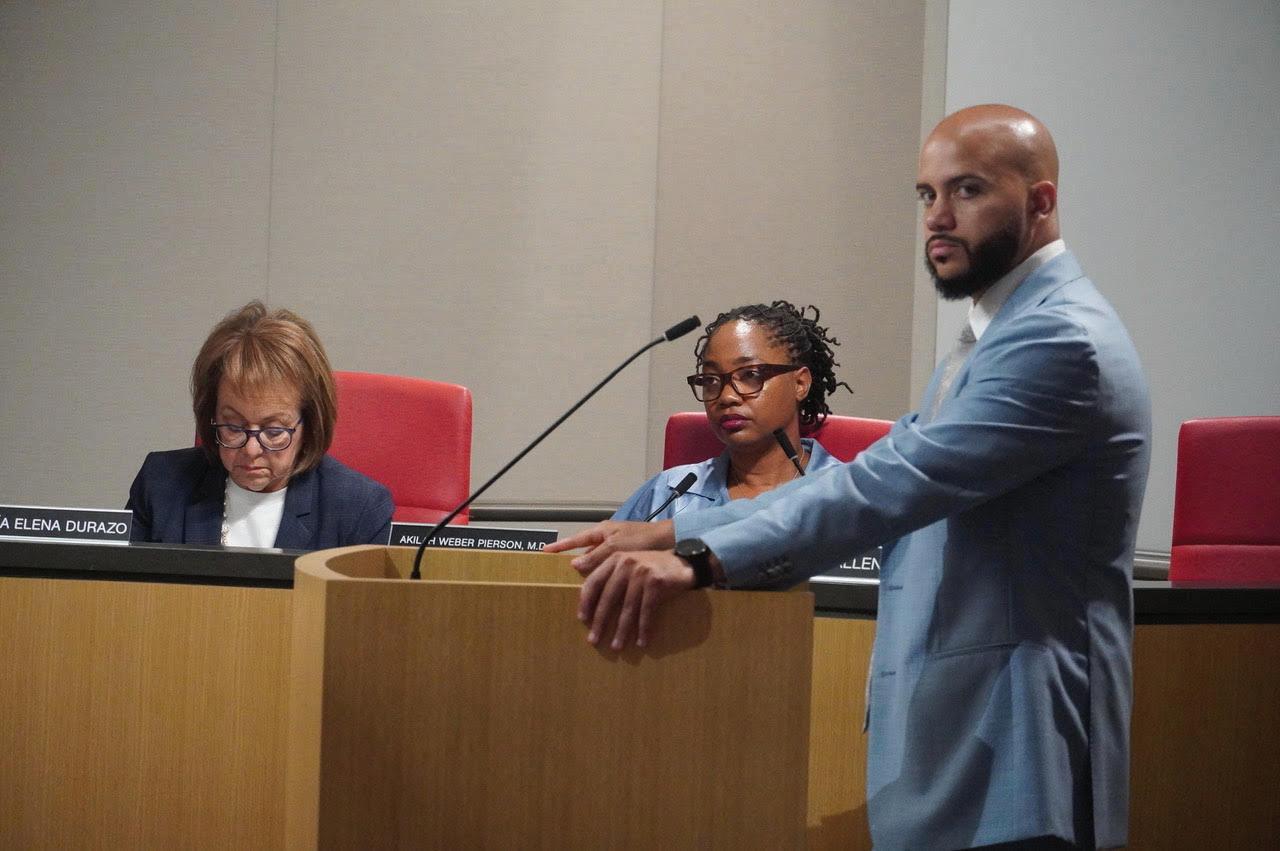
Asm. Isaac Bryan (D-Ladera Heights), at the podium, presents Assembly Bill 2599, the Truth in Disclosure Act, before the California Senate Judiciary Committee on June 24. The committee approved the measure on an 11-1 vote. The bill would require major corporations doing business in California with more than $100 million in annual worldwide
receipts to
historical records and submit sworn affidavits disclosing
to chattel slavery. Seated on the committee are Sen. Maria Elena Durazo (D-Los Angeles), left, and California Legislative Black Caucus Chair Sen. Akilah Weber Pierson (D-San
Amarone
By Wanda Haynes Certified-Sommelier
Amarone Della Valpolicella is a luxurious full-bodied dry red Italian wine from the Veneto region of Italy. Amarone is made using the appassimento (ah-pah-see-men-toh) process when grapes are left to dry for several months and then pressed once they have lost up to 50% of their original weight.
Tastes of figs, dates, raisins, baking spices, and a long cherry finish. Corvina or corvinone should be the predominate varietal in an Amarone. Rondinella and molinara adds a small percentage to the blend. These grapes are only grown in the Veneto region. Amarone is intensely sexy and adaptable to vegan and vegetarian dishes. The glossy price reflects the care and devotion used to produce these wines.
VALPOLICELLA MAI DIRE
MAI DOC SUPERIORE 2015
The grapes are hand-picked following a gentle pressing for fermentation. The next step is ageing in French oak barrels for 18 months. This wine reveals itself gradually and then subtly the power and personality bursts out. Intense, complex, elegant, and dream-like. On the nose, it offers overtones of tobacco, cedar, and balsamic. On the palate is warm intensity with morello cherry, figs, clove, cinnamon, dates, and coffee. Sophisticated rounded tannins, high acidity, and a long passionate finish.
Grapes/Blend is Corvina 50% Corvinone 30% Rondinella 10% Oseleta 10%, and a sassy 15%
ABV. Pairs well with short ribs, supreme pizza, collard greens, lamb, veggie stew, and meatloaf with gravy. This is a big bold red wine and could benefit from a decanter.
AMARONE DELLA
VALPOLICELLA FAMIGLIA PASQUA DOCG 2020
The grapes are harvested by hand in mid-September and left to dry about 25-30% of their weight. After pressing, the alcoholic fermentation starts in steel tanks for about 25 days. Then transferred to French oak barrels where the malolactic fermentation gives the wine softness. After 18-20 months of maturation, the wine is bottled for further refinement for another 4 months. Deep elegant velvet red in color, the bouquet of this wine is prominent, with aromas of blueberries, dried cherries, baking spices, tobacco leaf, and vanilla extract. On the refined palate are silky tannins, high acidity, Dutch cocoa, morello cherry, oak, cigar smoke, cinnamon, and a long raisin finish. I enjoyed this stunning wine with an Italian sausage, tomato, white cannelloni bean, and kale soup. Grape/Blend Corvina 65% Rondinella 25% Corvinone 10% and a brave 15.50 % ABV. Pasqua has climbed high with both beautiful Amarone wines, and they make incredibly impressive gifts. The Pasqua company offers a full portfolio of Italian wines. https://pasqua.it/experiences/
24th Annual Backpack Giveaway and Resource Fair Set for Saturday, July 11 at Bordwell Park
Free School Supplies and Local Resources Available to Transitional Kindergarten Through 12th Grade Families at Bordwell Park
RIVERSIDE, CA – The City of Riverside Parks, Recreation, and Community Services Department, in collaboration with The Adrian Dell and Carmen Roberts Foundation, the Black Arts Museum, and Feed Them Kids, hosts its 24th Annual Backpack Giveaway and Resource Fair on Saturday, July 11, 2026.
“We're taking action because some families can't afford backpacks and supplies. These kids often go through two backpacks in a year. Our goal is to help them get started. We began this effort because many
Thursday, July 2, 2026
24th Annual Backpack Giveaway and Resource Fair Set for Saturday, July 11 at Bordwell Park...continued
by providing vital educational materials and connecting them with regional support networks.
The annual fair offers free backpacks stuffed with essential school supplies to school-aged children from Transitional Kindergarten (TK) through 12th grade. Supplies will be distributed on a strict first-come, first-served basis while supplies last.
To receive a backpack, each child must be physically present at the event. Alongside the distribution, a diverse resource fair will feature local community organizations, healthcare providers, and city agencies offering valuable information on family wellness, after-school programs, and social services.
Bilingual staff will be available on-site to assist both English and Spanish-speaking families (Sorteo Anual de Mochilas Y Feria de Recursos - Sábado, 11 de julio de 8 a.m. a mediodía).
Sponsors: Presented by the City of Riverside, Adrian Dell & Carmen Roberts Foundation, Black Arts Museum, Sahaba Initiative and Feed Them Kids. Families are encouraged to arrive early, as backpack quantities are limited. For more details regarding the event, donation drop-offs, volunteer opportunities, or vendor participation, contact Riverside Parks at (951) 826-5355 or via email at Parks@RiversideCa. gov.
Los Angeles Chargers Host ThirdAnnual Battle of the Bases Flag Football Tournament
The Los Angeles Chargers, American Airlines and USAA hosted a flag football tournament over the weekend to bring together our nation’s service members for a day of military appreciation, competition, team building and camaraderie. Hosted at The Bolt, the state-of-the-art training facility and corporate headquarters of the Los Angeles Chargers, the tournament featured 10 teams from the California Army National Guard, Marine Corps Air
Andrea Birthday Celebration
Lifestyle News
Family and friends recently gathered in honor of Andrea Ellison’s 60th birthday celebration. Andrea is a native from San Bernardino, who matriculated through the San Bernardino City Unified School District, graduating from San Gorgonio High School.
In addition to celebrating her 60th birthday, Andrea also celebrated 36 years of marriage to Willie Ellison who she met at San G and is also from San Bernardino. Together they have three adult children and nine
Tribune Family Mourns the Passing of its Founder, Publisher and Chief Executive Officer, Rosetta MillerPerry
By Phyllis Qualls and Tennessee Tribune Staff Contributors
were without backpacks, and as you can see from the number of backpacks distributed across the Inland Empire, the need remains,” said Dell Roberts, president and founder of the Adrian Dell and Carmen Roberts Foundation.
The event runs from 8:00 AM to Noon at the Stratton Community Center, located inside Bordwell Park at 2008 Martin Luther King Blvd, Riverside, CA. This longstanding community event is designed to support local families for the upcoming school year
Miramar, Los Angeles Air Force Base, Marine Corps Camp Pendleton, Marine Corps Miramar, Los Angeles Army Recruiting, Edwards Air Force Base and the Coast Guard. The two brackets of the tournament were won by Los Angeles Air Force Base and the Coast Guard, with each team winning a Championship Battle of the Bases belt and each player of those teams receiving tickets to a 2026 Chargers home game.
As Summer Travel And California Tourism Increase, CDFA Reminds Travelers: Don’t Pack A Pest
Agency Emphasizes Heightened Summer Travel Increases the Risk of Pests Hitchhiking in Produce and Other Agricultural Products
With travel demand expected to be exceptionally strong throughout summer 2026, the California Department of Food and Agriculture (CDFA) alongside federal partners and county agricultural commissioners across California, are reminding travelers not to pack agricultural products that can harbor invasive pests and plant diseases.
According to AAA, many Americans are planning to travel more frequently this year and expect to take more vacations in 2026 than they did in 2025.
Officials say the increased movement of summer travelers, coupled with rising tourism tied to this year’s major global soccer events, including several matches hosted throughout California, significantly increases the risk of invasive fruit flies and other harmful pests hitchhiking in fruits, vegetables, plants and other agricultural products. While this risk is often unintentional, invasive pests and diseases can spread quickly once introduced and cause serious damage to California’s agricultural industries and backyard gardens.
“Summer travel season means increased movement not just for people, but for harmful pests as well,” said CDFA Director of Plant Health and Pest Prevention Services Division Victoria Hornbaker. “Invasive fruit flies commonly enter California by hitchhiking in fresh produce brought in by travelers. As travel activity continues to increase, prevention is more important than ever. Most
travelers simply don’t realize that bringing produce into the state can introduce destructive pests, which is why we’re reminding everyone: Don’t Pack a Pest, whether you’re leaving for a trip or returning home.”
Agricultural specialists and dog detector teams are diligently working at airports, seaports and border crossings to help identify potential threats in travelers’ luggage and prevent harmful pests and diseases from entering California. It’s critical that travelers declare agricultural items for inspection to help keep California free of invasive pests. California experienced unprecedented invasive fruit fly outbreaks in 2023 and 2024, believed to be caused by unauthorized movement of infested agricultural products, resulting in multiple quarantines statewide and response efforts exceeding $200 million. California continues to monitor and respond to invasive pest detections, with 169 invasive fruit fly detections reported in 2025. The state has two active invasive fruit fly quarantines in place and successfully completed four eradication efforts over the past year. State officials say preventing invasive pests before they enter California is far more effective and far less costly than responding to largescale infestations. Downloadable media assets, including high-resolution images and video content are available (LINK)
For more information, visit StopInvasivePests.com or DontPackaPest.com.
IN MEMORIAM: The Tennessee Tribune family mourns the passing of its founder, publisher and chief executive officer, Rosetta Miller Perry
Rosetta Miller-Perry, trailblazer, visionary, bridge builder and motivator, passed peacefully on Friday, June 26, surrounded by family. She was 91.
Shortly after she passed, the family posted a message on the Tennessee Tribune’s website. Perry’s remarkable presence and influence extended throughout Tennessee and beyond.
After graduating from high school in Coraopolis, Pennsylvania, she joined the Navy and earned an honorable discharge. She began work in the Pentagon and several government departments, including the Equal Employment Opportunity Commission. She was an observer in Memphis during the Civil Rights protests and the sanitation protest. She was in Memphis when Dr. Martin Luther King, Jr. was assassinated. The danger was prevalent because her life was threatened several times.
While working at the EEOC, she was assigned to Memphis to observe the sanitation protest. And during that time, Martin Luther King, Jr. was assassinated. Perry was compromised, and her life was threatened. Yet, she was not afraid and continued her work.
She retired from the federal government after 25 years of service; she established Perry & Perry Associates and started the Black-based Contempora Magazine in 1990 and the Tennessee Tribune in 1991. She could not get a loan; therefore, she used her own funds to establish these media outlets before AI and cell phone use
were so prevalent. The Tribune is now 35 years old.
At the 30th anniversary of the paper, NNPA president and CEO, Dr. Benjamin F. Chavis, Jr., dubbed Perry “Queen Mother of the Black Press,” because of her years in journalism and the impact she has had on the industry.
Miller-Perry has been described as a trailblazer, visionary, motivator, role model, and entrepreneur. She was either a founder or charter member of several organizations. She established the Black Chamber of Commerce so that Black businesses could be recognized and participate in civic and business benefits.
She was also a founding charter member of the Nashville Chapter of Les Gemmes, Inc., a social and civic group focused on exposing youth to the arts. It was as rewarding to Mrs. Perry as it was to the youth. Whatever she did, she did with tenacity and class because she knew she was right!
Her belief in education was strong, and she has scholarships in her name at Tennessee State University, the University of Memphis, and Meharry Medical College.
The Celebration of Life services will be Friday and Saturday, July 11 & 12, in Nashville. The Friday night public viewing will be at Lewis & Wright Funeral Directors, located at 2500 Clarksville Pike, Nashville, TN. The funeral will be Saturday, July 11 at Mt. Zion Missionary Baptist Church, located at 7594 Old Hickory Blvd, in Whites Creek, Tennessee.
For more information, contact pqbrooks@bellsouth.net
grandchildren. The birthday celebration was held at the Hilltop Banquet Hall in San Bernardino. Everyone had a great time enjoying great food, dancing to music provided by DJ Greg Washington and live jazz provided saxophonist Darryl Wakefield. Andrea is shown above second from left with her husband Willie left. They pictured with longtime friends Brian Townsend, publisher of the Precinct Reporter Newspaper and his wife Maura. Photo: Howard.
Station
Lifestyle News
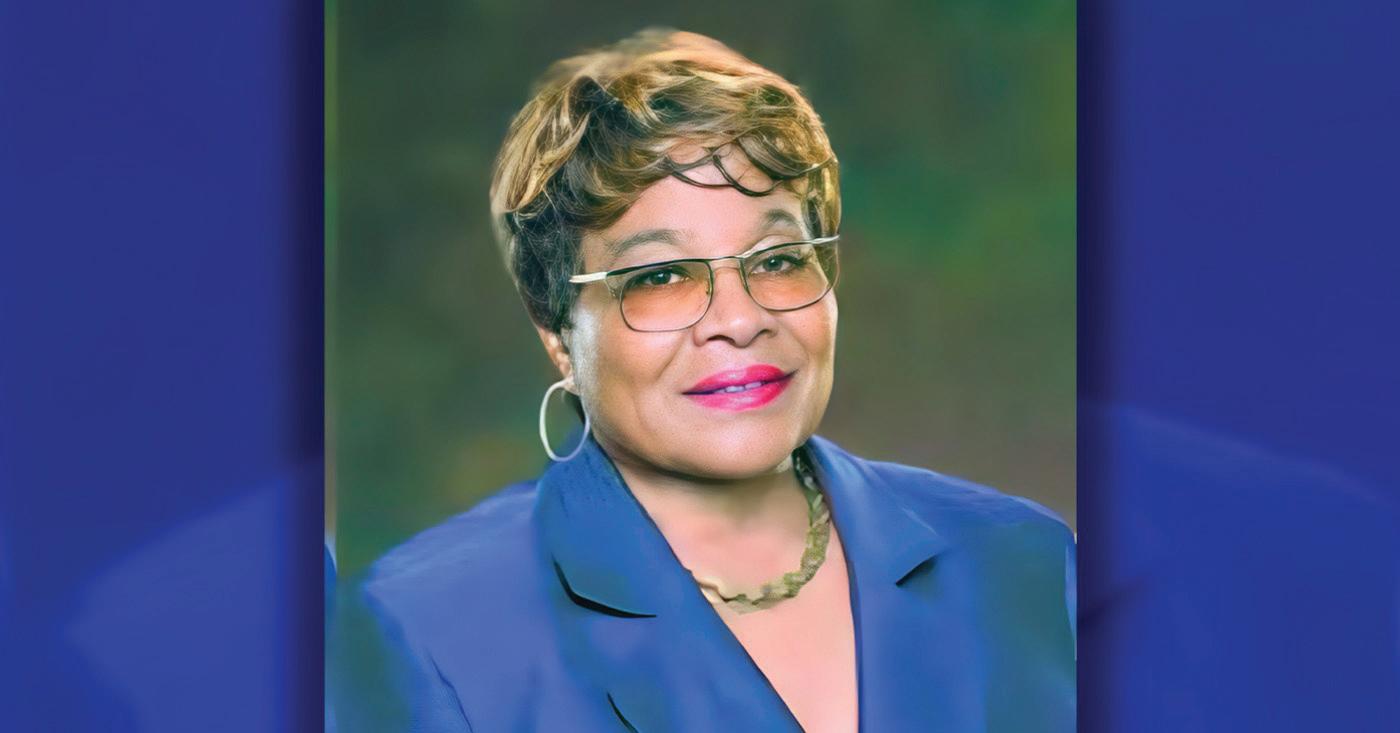
Rosetta Miller-Perry. Courtesy photo.
6
Thursday, July 2, 2026
THE SAN BERNARDINO AMERICAN NEWS -HEALTH/LOCAL NEWS
How the Air in Our Communities Could Be Harming Our Health
By Dominique Lambright
In 1979, a groundbreaking study, the “Bean v. Southwestern Waste Management Corp.” case in Houston, became one of the first legal battles to challenge environmental racism. Although the residents lost the case, it sparked a national movement and laid the groundwork for what we now call environmental justice. Environmental racism is not an abstract concept—it is a lived reality. It is the reason a child in a predominantly Black neighborhood is more likely to carry an inhaler than a backpack free of medical burdens. This is why life expectancy can differ by zip code. And it is why “where you live” in America often determines how long—and how well—you live.
At its core, environmental racism refers to the disproportionate exposure of Black communities to pollution and environmental hazards, coupled with systemic neglect in policy enforcement and protection. According to research, Black Americans are significantly more likely to live near landfills, industrial facilities, highways, and toxic waste sites than white Americans.
This is not accidental. It is the result of decades of housing segregation, redlining, political exclusion, and economic disinvestment—all converging to shape the physical environments where Black communities live, work, and raise families.
The Body Keeps the Score: How Pollution Damages Health Pollution is not just an environmental issue—it is a public health crisis. The air we breathe, the water we drink, and the soil beneath our feet all play direct roles in shaping our health outcomes.
Respiratory Illness: Breathing Shouldn’t Be a Risk
Black communities experience higher rates of asthma and other respiratory conditions, largely due to proximity to pollution sources like highways, refineries, and power plants.
Children in Black communities are far more likely to be hospitalized for asthma
Long-term exposure to particulate matter inflames the airways and reduces lung function Diesel exhaust and industrial emissions worsen chronic respiratory conditions
Asthma isn’t just a diagnosis— it’s missed school days, emergency room visits, and long-term health complications.
Cancer: Toxic Exposure Over Time
Industrial pollution exposes communities to carcinogens such as benzene, formaldehyde, and heavy metals.
Living near petrochemical plants increases cancer risk
“Cancer Alley” in Louisiana— home to many Black residents— is one of the most well-known examples
Long-term exposure compounds across generations
This is what scholars call “slow violence”—harm that accumulates quietly but devastatingly over time.
Cardiovascular Disease: The Silent Killer
Air pollution is strongly linked to heart disease, the leading cause of death in the U.S.
Fine particulate matter (PM2.5) enters the bloodstream
9 Tips to Help You Stay Safe
This Summer
By: Dr. Damanpreet Jamarai, Chief Medical Officer, UnitedHealthcare Medicare & Retirement of California
Summer brings long days, family vacations, afternoons by the pool and more time outside. But as temperatures rise and families head to the water, it’s also a time to be extra mindful about staying safe. From heat-related illness to sun exposure and drowning risks, a few simple precautions can help make sure summer fun stays just that – fun.
Here are some tips to help you stay safe in the sun, especially around water:
Chronic exposure increases the risk of heart attacks and strokes
Stress from environmental inequality compounds physical risk
When you combine polluted air with economic stress, limited healthcare access, and systemic inequality, the result is a deadly synergy.
Why Black Communities Bear the Burden
To understand environmental racism, we have to move beyond individual choices and look at structural systems.
The Legacy of Redlining
In the 1930s, federal housing policies labeled Black neighborhoods as “hazardous” for investment. These same neighborhoods today:
Have fewer green spaces
Are closer to industrial zones
Experience higher pollution levels
The map of redlining is eerily similar to today’s map of environmental risk.
Zoning and Political Power
Industrial facilities are often placed where residents have the least political power to resist.
Communities with lower property values are targeted for undesirable land uses
Black communities historically have had less access to legal and political resources
Public hearings and environmental reviews often exclude or marginalize local voices
This is not just about geography—it’s about power.
Have a child with sickle cell?
Economic Disinvestment
Lack of investment in infrastructure leads to compounding environmental hazards:
Aging pipes contribute to water contamination
Poor housing quality increases exposure to mold and toxins
Limited access to healthcare worsens outcomes
9
Environmental injustice is
deeply intertwined with economic injustice.
environmental racism
Case Studies: Where Environmental Racism Becomes Visible
Flint, Michigan: Water as a Weapon
In 2014, the city of Flint— home to a majority Black population—switched its water source to the Flint River as a costsaving measure. The water was not properly treated, leading to widespread lead contamination.
Key impacts:
Thousands of residents are exposed to toxic lead
Increased risk of developmental issues in children
Long-term health consequences for entire families
Residents raised concerns early, but officials dismissed them. It was only after sustained community activism and independent testing that the crisis gained national attention.
Flint is a clear example of environmental racism—not just in exposure, but in the delayed response and disregard for Black lives.
Cancer Alley, Louisiana: Living in a Sacrifice Zone
Stretching along the Mississippi River, “Cancer Alley” is home to over 150 petrochemical plants and refineries. Many of the surrounding communities are predominantly Black.
Residents face:
Some of the highest cancer risks in the United States
Constant exposure to toxic air pollutants
Limited political power to challenge industry
This region exemplifies what scholars call a “sacrifice zone”— areas where environmental harm is normalized for economic gain.
The pattern is clear: industries are placed where resistance is least likely to succeed.
continued in next 2 columns
How the Air in Our Communities Could Be Harming Our Health...continued
Chicago’s South and West Sides: Urban Environmental Inequality
In cities like Chicago, environmental racism takes a different but equally harmful form.
On the South and West Sides— home to large Black populations— residents face:
Proximity to industrial corridors and warehouses
Higher exposure to diesel truck emissions
Fewer green spaces and higher urban heat levels
These conditions contribute to:
Elevated asthma rates
Increased cardiovascular disease
Shorter life expectancy compared to wealthier, whiter neighborhoods
Urban environmental racism shows that this issue is not limited to rural or industrial regions—it is embedded in city planning.
Why These Patterns Persist
These case studies are not isolated—they are the result of systemic forces.
Redlining and Segregation
Historic redlining practices concentrated Black residents in areas that are now:
More polluted
Less resourced
More vulnerable to environmental hazards
Political Disempowerment
Communities with less political influence are more likely to be targeted for:
Hazardous waste facilities
Industrial development
Infrastructure neglect
Economic Inequality
Disinvestment leads to:
Aging infrastructure (as seen in Flint)
Poor housing conditions Limited access to healthcare Environmental racism operates at the intersection of race, class, and power.
Policy Rollbacks and Real Consequences
Environmental protections are only as strong as the policies that enforce them—and those policies have been under threat.
The Associated Press reports that efforts to weaken the EPA’s “endangerment finding”—which recognizes greenhouse gases as harmful to public health—could have severe consequences for vulnerable communities.
When regulations are rolled back:
Polluters face fewer restrictions Emissions increase
Communities already overburdened suffer even more Policy decisions made in Washington don’t stay in Washington—they show up in the air people breathe and the water they drink.
For Black communities, these rollbacks are not theoretical— they are immediate and tangible. Increased pollution means more hospital visits, more chronic
continued on page 7
Thinking About a Biologic for Crohn’s? Questions Many Black Patients Are Asking
By Karen Heslop
risk of complications from the condition.
2. Wear a Life Jacket During Water-Based Activities: Pool toys, such as noodles or inner tubes, should not be used in lieu of a life jacket as they are not designed to keep swimmers safe. For children, choosing bright-colored swimsuits can also make it easier to spot them in the water.
3. Learn and Practice Cardiopulmonary Resuscitation (CPR): When performed by bystanders during an emergency, CPR can help save lives and improve outcomes for drowning victims. The sooner CPR starts, the better the chance of a positive outcome.
4. Prepare for Weather: Strong winds and thunderstorms can be dangerous when you are in or around water, so check the forecast before boating or swimming and head to shore right away if storms develop.
5. Reapply Sunscreen Every Two Hours to Protect Your Skin if You Remain in the Sun: Sunscreen protection levels are categorized using a sun protection factor (SPF)
1. Take Swimming Lessons to Reduce Risk of Drowning: According to the latest CDC data, unintentional drowning remains a leading cause of death for young children in the United States. More children ages 1-4 die from drowning than any other cause of death, and drowning is the second leading cause of unintentional injury death for children ages 5-14. Every year in the United States, there are over 4,000 fatal unintentional drownings – an average of 11 drowning deaths per day.
number that rates how well they block UV rays with higher numbers indicating more protection. Use a broad-spectrum sunscreen with SPF 30 or higher and reapply at least every two hours, or more often after swimming or sweating.
6. Wear Protective Clothing, a Hat and Sunglasses: When possible, wear long-sleeved shirts, pants or skirts that can help protect against UV rays. Clothes made from tightly woven fabric, along with hats that have wide brims to cover the face, ears and back of the neck, provide the best protection.
7. Protect Infants and Children
From the Heat: Infants and young children rely on adults to help keep them cool and hydrated. Dress them in loose, lightweight clothing, offer water frequently and monitor for early signs of
overheating, especially during outdoor play, never leave a child in a parked car.
8. Stay Cool and Hydrated: As the weather warms up, remember to drink lots of water. Increase fluids during heat or physical activity and consider electrolyte replacement for prolonged exertion. Limit alcohol and caffeinated drinks.
9. Help Older Adults Stay Safe in Extreme Heat: Adults age 65 and older are more prone to heat-related health problems. Encourage them to stay in airconditioned spaces as much as possible, drink water regularly without waiting until they feel thirsty, wear loose, lightweight clothing and check in with family, friends or neighbors during periods of extreme heat.
Victorville Senior Citizens Club 14874 S. Mojave Dr., Victorville, CA 92395
We offer three free visits to participate in club activities such as: Soul/Country Line Dance, Chair Aerobics Class, Different Card Games, Billiard and Crochet, etc.
Events – Open to the Public
Bingo: Sat. July 11th & 25th Buy‑In $25 • Power Ball $2 • Payout $100–$250. Doors Open @ 10:15 AM Game starts @ 11:00 AM
Hoedown: July 17 @ 1pm $10 in advance or $15 at door. Daily, Weekly or Monthly, Hall Rental Available! For membership info or hall rentals for banquets, special events and more, call 760 245 5018
It’s estimated that a little over a million Americans are living with Crohn’s disease. While the autoimmune condition can be treated in different ways, a recent market analysis noted that the use of biologics is growing. In 2025, 65 percent of Americans with moderate to severe Crohn’s disease opted to use biologics to manage their condition. The analysis also suggests that the number of people who use biologics may also continue to grow. With that in mind, it’s important to know what questions Black people need to ask about this form of treatment.
What are Biologics?
Crohn’s disease is a chronic autoimmune condition in which your immune system malfunctions and starts to attack your digestive system. As a result, the area becomes inflamed, and you can experience various symptoms. While you may not have all of these issues, common symptoms include stomach cramps, diarrhea, chronic fatigue, unexplained fever, loss of appetite, unexpected weight loss, blood in your stool, and mouth sores.
Although Crohn’s disease can’t be cured, your doctor can prescribe medication to manage your symptoms and prevent painful flare-ups. The type of medication you receive can be determined by factors like the severity of your symptoms, the part of your digestive tract that’s being affected, and how you respond to medication. In any case, the medications are generally meant to reduce inflammation and your
When it comes to medication, you may take antibiotics, corticosteroids, immunomodulators, JAK inhibitors, or biologics. Antibiotics are meant to kill harmful bacteria, and corticosteroids reduce inflammation. Immunomodulators soothe the immune system, and JAK inhibitors suppress the immune system’s activity. Biologics, however, are a type of targeted therapy that targets specific components of the immune system that usually cause inflammation.
Why Doctors May Prescribe This Treatment
Biologics typically work by targeting the proteins your immune system produces that cause inflammation. These drugs are made from living cells that can block the action of specific proteins in your body. By using these targeted methods, doctors can more directly curb the problems causing your symptoms. Your doctor is most likely to prescribe biologics if your symptoms are moderate to severe or if your condition hasn’t responded to any other medication.
Currently, there are three types of biologics that can be prescribed to you. The first are called tumor necrosis factor (TNF) blockers. TNF is a strong signaling protein that helps the immune system communicate with the rest of the body. When it’s in effect,
Tips to Help You Stay Safe This Summer ...continued
California Publishers: Don’t Miss the 2026 California Civic Media Program
By ACoM
The launch of the $18.75 million California Civic Media Program (CMP) marks a historic investment in California’s local journalism.
For decades, community media outlets have provided essential reporting for millions of Californians facing language barriers, geographic isolation and information gaps; yet, these platforms have been historically excluded from large-scale public and private institutional funding. This program changes that dynamic.
American Community Media (ACoM) urges every eligible print, digital and multimedia community news outlet in California to apply for funding. Beyond the immediate funding opportunity, participation can expand your newsroom’s capacity and financial viability for years to come.
Who can apply?
Newsrooms that publish original public-interest reporting through print, websites, newsletters, PDFs, mail, social
media or in languages other than English are eligible to apply.
Eligible outlets can receive funding through two primary pathways:
Pro rata capital: Eligible outlets may receive an allocation of $20,000 per journalist for their first 1–5 W-2 full-time equivalents (FTEs) and $10,000 per journalist for FTEs 6–20, up to an organizational cap of $250,000. Applications will be reviewed and funded in rank order until funds are exhausted. Needs-based & 1099 (independent contractors, selfemployed): A dedicated funding track is available for outlets that rely heavily or entirely on 1099 independent contractors. These newsrooms may qualify for funds between $20,000 and $40,000, depending on demonstrated community impact. Mixedstructure newsrooms can use this pool to request up to double their base award.
Building capacity beyond 2026
Submission Deadline is Mondays By 5pm
The 2026 CMP is intended to be a public-private pilot framework; while the current grant cycle is explicitly a onetime funding opportunity, state policymakers and philanthropic leaders are monitoring this rollout to collect the data needed to continue investments in 2027 and 2028.
Applying this year can establish newsrooms within California’s institutional landscape for future public and philanthropic funding. Navigating the 2026 compliance thresholds — including securing an active Secretary of State business filing, establishing public ethics statements and organizing standardized W-2 payroll reporting — also strengthens business infrastructure, removing administrative barriers that make this funding hard for small publishers to access.
Readiness for tax credits
While the CMP provides direct grants, not tax credits, state and federal legislatures are increasingly exploring structural economic relief such as specialized payroll tax credits for local newsrooms. If state or federal local journalism tax incentives are enacted, the documentation required for the CMP application — including audit-ready payroll records, California residency mapping and editorial compliance — will make it easier to claim these credits.
Next steps
Pre-registration (active now): Take an eligibility quiz and create your organization profile on cacivicmedia.org.
Application window: The window to fully apply — i.e. input narrative responses and upload official payroll summaries — opens July 6, 2026.
Technical assistance:
Beginning July 14, 2026, oneon-one office hours will be held every Tuesday at 2:00 p.m. to answer application questions. Cutoff: The portal closes on August 21, 2026 at 12:00 p.m., no exceptions.
Webinars
The CMP will hold applicant webinars:
Monday, June 30, 2:00 p.m. –3:00 p.m. | Registration Tuesday, July 7, 10:00 a.m. –11:00 a.m. | Registration Tuesday, August 4, 2:00 p.m. – 3:00 p.m. | Registration ACoM will hold its own CMP informational webinar Wednesday, July 1 at 2:00 p.m.; to register, contact ACoM CoDirector Julian Do at jdo@ americancommunitymedia.org.
For more details regarding timelines and eligibility, please review the CMP readiness checklist here.
If your newsroom is eligible, ACoM can help you begin your application. For any questions, please contact Julian Do at jdo@ americancommunitymedia.org, or the CMP support line at info@ cacivicmedia.org.
Potential Side Effects of Biologics
Of course, as you may expect, biologics may have some side effects. The specific issues may depend on which drugs you’re taking, so it’s important to discuss them with your doctor. Some possible side effects include rash, swelling at the injection site, joint pain, an increased risk of certain infections, nausea, stomach pain, headaches, back pain, chronic fatigue, and anemia.
In some cases, you may need to avoid other medications–including biologics–when taking certain courses of treatment.
The Questions You Need to Ask
How the Air in Our Communities Could Be Harming Our Health...continued from page 6 illnesses, and more premature deaths.
Community Science and Resistance: Fighting Back
Despite systemic barriers, Black communities have never been passive victims of environmental injustice. They have organized, resisted, and innovated.
Community-Led Research
Residents are increasingly collecting their own data:
Air quality monitors installed in neighborhoods
Water testing initiatives led by local groups
Partnerships with universities and researchers
This is often called “citizen science,” but it’s more than that— it’s survival science.
Grassroots Organizing
From protests to policy advocacy, communities are demanding change:
Environmental justice organizations are pushing for stricter regulations
Legal challenges are being brought against polluters
Youth activists are leading climate justice movements
These efforts are rooted in a long tradition of Black resistance— from civil rights to environmental justice.
Cultural and Spiritual Connections
For many Black communities, the fight for environmental justice is also a fight for cultural preservation and dignity.
Land is tied to ancestry and identity
Clean air and water are seen as basic human rights
Environmental justice is framed as racial justice
As Dr. Robert Bullard, often called the “father of environmental justice,” has said: “Environmental justice is not just about the environment—it’s about justice.”
Bridging Environmental Justice and Health Equity
If we are serious about addressing health disparities, we must address environmental conditions.
This means:
Strengthening environmental regulations
Investing in historically marginalized communities
Ensuring community voices are central in decision-making
Recognizing environmental racism as a public health crisis
Health equity cannot exist without environmental justice.
Because what we’re really talking about is this: everyone deserves to breathe clean air, drink safe water, and live in a healthy environment—regardless of race, income, or zip code.
A Call to Awareness & Action Environmental racism is not a relic of the past—it is happening right now. It is shaping who gets sick, who gets care, and who gets to live a long life. And while the data is clear, the stories behind the data matter just as much. This is about children growing up with asthma. Families living next to toxic plants. Communities fighting to be heard.
Thinking About a Biologic for Crohn’s? Questions Many Black Patients Are Asking...continued from page 6
your body increases the immune system’s activity, resulting in inflammation. TNF blockers bind to this protein and prevent it from binding to the cells that could receive its signal.
The second are integrin blockers. Integrins are also proteins, but they function differently from the TNF. These proteins can be found on the surfaces of different cells, and they help cells attach to each other or to various parts of the body. White blood cells commonly use integrins to slow down and bind to the inner lining of blood vessels, allowing them to enter tissues. It’s also one way immune cells can reach areas of the body where they’re needed.
biologic
With Crohn’s disease, though, integrins can give inflammatory white blood cells a route to travel from the bloodstream and into the intestinal wall. Once this happens, they can add to existing inflammation. Using an integrin blocker reduces the number of available integrins for white blood cells to bind to, which can reduce inflammation while giving your intestinal lining time to heal.
The third option is a class of drugs known as interleukin blockers. Interleukin-12 and interleukin-23 are immune signaling proteins that help with the immune system’s communication and coordination of the body’s defenses. The proteins kick specific white blood cells into gear while signaling that inflammation is needed. When
you’re dealing with Crohn’s disease, these proteins can be too active and lead to increased inflammation in the digestive tract. By taking interleukin blockers, you prevent the proteins from attaching themselves to other cells, so there are fewer signals for inflammation.
If you’ve been prescribed a biologic, you may receive it as an IV infusion or an injection. Although it may take a few weeks for the effects to become apparent, you must continue using it. Because biologics work by stimulating the body’s immune response, you risk your body developing antibodies against the medicine, which can make it ineffective.
Apart from reducing your symptoms, biologics can have effects that would be most beneficial for Black people. They can heal the intestinal lining, lower your risk of being hospitalized, help to heal fistulas, depending on the drug you’ve been prescribed, lengthen the time between flareups, and increase your quality of life.
These benefits are notable because, according to one study, Black people are more likely to develop the penetrative phenotype form of Crohn’s disease. This form of the condition is associated with a higher likelihood of fistulas, perianal ulcers, inflammatory masses, or abscesses. In another study, researchers found that
Why do you think biologics will help me?
Which one do you want to prescribe?
Thinking About a Biologic for Crohn’s? Questions Many Black Patients Are Asking...continued patients with penetrative phenotype Crohn’s disease report having a harder time managing the condition and are more likely to have the illness progress to the point of needing surgery. The study suggested that using medication to manage Crohn’s disease in these people may stop its progression to such a severe stage.
Why did you choose this one for me?
How will I take the medication?
What are the possible side effects?
How should I manage these side effects?
Are there any side effects that mean I should go to the emergency room?
How will I know that the medication is working?
If the medication isn’t working, what is the next step? Are there any other medications that I should stop taking?
Do I need to change anything about my lifestyle or diet? It’s important to note, though, that this is just a guide to getting the information you need. You can certainly add more questions based on your doctor’s answers.
Many people with moderate to severe forms of Crohn’s disease opt to manage their condition with biologics. While these medications can be life-changing, you still need to know what you’re getting into. That’s why you should ask a lot of questions and learn everything you can.
The discussion about your treatment options may start as soon as your doctor has diagnosed you with Crohn’s disease and determined whether your condition is mild, moderate, or severe. When it’s time to talk about biologics, there are a few important questions that you should ask. These include:
What Insurance Adjusters Don’t Want You to Do After a Car Accident
Small errors can cost you big after a car accident. Know the steps insurance adjusters hope you’ll skip so you can preserve evidence and maximize your claim.
By Amy Kang
You want to protect yourself and your claim when you’ve been involved in a car accident. Insurance adjusters will typically never ask you to preserve evidence, seek medical attention, or delay accepting a settlement. Taking the right steps will allow you to receive fair compensation for damages related to your car accident and could prevent you from making costly mistakes.
YouGov Data shows that 50% of U.S. vehicle owners have made at least one car insurance claim. Additionally, the YouGov data indicates that those individuals who drive more often are more likely to submit a claim. As stated earlier, this clearly illustrates how frequent motor vehicle accidents and subsequent auto claims occur. Therefore, since motor vehicle collisions occur frequently, all drivers should understand the proper procedures to perform immediately following such events. Your actions over the next few hours and days following the accident can impact your health, financial status, and ultimately, your ability to collect on an insurance claim.
Understanding the correct processes and avoiding common errors can assist you in protecting your rights.
What Should You Do Immediately After an Automobile Accident?
Determine whether anyone has been injured. If anyone has been injured, call 911. If possible, relocate to a secure location and contact local law enforcement to prepare a formal police report. Seek medical attention regardless of how you feel. Even though many individuals believe they are unharmed from an automobile accident injury, there are times when such injuries may not present themselves until later Receiving medical treatment early will create documentation
of your injuries, which can be used in establishing liability for your car accident injury claim.
How Long Must You Wait Before Filing an Auto Insurance Claim?
The statute of limitations varies by state and the automobile insurance contract. Typically, it is advisable to notify your insurance carrier as soon as possible after the accident. If you are uncertain regarding statutes of limitation relating to filing an automobile claim with your insurance provider, consult with them and/or lawyers for auto accidents. Acting promptly will assist in safeguarding your rights.
Preserving Important Evidence Helps Protect Your Auto Accident Injury Claim
Following a serious automobile collision, emergency services personnel typically respond to assist those with injuries and document significant elements related to the collision. The response team documents the area where the incident occurred and assesses injuries sustained during the collision. You can even expect them to collect data based on standardized protocols. Therefore, it is recommended that evidence gathering occur through trained professionals. The trained professionals are people or entities like emergency services and police officers. Do this rather than solely relying on the insurance company to gather accurate, unbiased records.
Don’t Disassemble/Repair Damaged Items Before You Adequately Document Them
Injuries suffered during a car accident, whether physical or otherwise, can cause significant property damage. Don’t dispose of anything until all of the damage has been documented. This includes:
Vehicle damage photos Repair quotes
Towing receipt/document
Photographs of damaged personal items
These types of documents
Image via Canva
Photo: Pexels.com.
Thursday, July 2, 2026
The Golden Renaissance Scholarship Gala Awarded Ten Local Legends
RIVERSIDE, CA - The Inaugural Golden Renaissance Scholarship Gala recently honored ten legends. Awards were presented for Lifetime Achievement, Public Servant of the Year, Trailblazer of the Year and Legacy of Impact. The Gala was created by the Alpha Phi Alpha Fraternity, Inc., Phi Upsilon Chapter and held in the Grand Parisian Ballroom at the historic Mission Inn Hotel & Spa in Riverside.
The 2026 Lifetime Achievement Award winners are:
Dr. Judy White, Ed.D. ., retired Riverside County Superintendent of Schools; Emmett Terrell, retired Deputy Superintendent of Pomona Unified School District; Dr. Norman Towels, retired Assistant Superintendent of Val Verde Unified School District; and the The 2026 Public Servant of the Year Award winners are Vernon Jackson and Bishop Kelvin Simmons for their commitment to civic leadership and community service.
The 2026 Trailblazer of the Year Award winners are Dr. Theresa Price and Dr. Eric Bishop, Ed.D., for their visionary leadership and unwavering commitment to educational excellence and community empowerment.
The 2026 Legacy of Impact Award winners are posthumously awarded to Marion Black, Jr. and Reggie Webb for their enduring contributions to the Inland Empire community.
Marion Black’s wife, Charlotte, was also recognized with the prestigious Yellow Rose Award for her service, leadership, and dedication to uplifting others.
By Megan Sayles | AFRO Staff Writer
“Collectively, the honorees have dedicated decades to expanding educational access, improving student outcomes, mentoring future leaders, and creating opportunities for underserved communities throughout Southern California,” said Phi Upsilon Chapter President Terance Williams Jr.
More than 300 guests attended the sold-out event, arriving in Harlem Renaissance-inspired attire that transformed the Grand Parisian Ballroom into a Roaring Twenties scene.
“Guests adorned in top hats, white gloves, opera-length pearls, feathered headdresses, and vintage-inspired fashion gathered to celebrate Black excellence and honor the educational leaders whose work has transformed countless lives throughout the Inland Empire,” said Heath Willismas II, the Master of Ceremonies.
The evening embodied Alpha Phi Alpha Fraternity’s motto: “First of All, Servants of All, We Shall Transcend All.”
“As a community-serving organization, the Phi Upsilon Chapter created the Golden Renaissance Scholarship Gala to recognize individuals whose unwavering commitment to education, mentorship, and service has produced extraordinary impacts across generations,” said Chapter President Terance Williams Jr.
“We wanted to honor the individuals whose living legacy we’ve inherited and upon whose shoulders we stand,” said Terance Williams Jr. He added, “It is so important to pay homage to those who came before us. Without their courage, sacrifice, and leadership, we would not have
the path that we follow today.”
“We are all present here tonight because one of these individuals has extraordinarily impacted our lives,” said Heath Williams.
“Whether directly or indirectly, their commitment to service and educational excellence has created opportunities for countless students, families, educators, and community members throughout our region.”
As guests enjoyed a threecourse dining experience, they were immersed in a captivating Cotton Club-Style dinner show that brought the spirit of the Harlem Renaissance to life.
The entertainment featured a live jazz ensemble, dazzling tap dance performances, and an unforgettable vocal showcase by acclaimed recording artist Tamarra Hicks, who delivered powerful renditions of jazz and blues classics.
“Education is not only a path, but the clearest path toward socioeconomic mobility. When educational opportunities are stripped away, entire futures are disrupted. When mentorship disappears, identities suffer”, said the keynote speaker, Dr. Antoine Hawkins, President of the California Association of African American Superintendents and Administratorsand Deputy Executive Superintendent of the Western Region of Alpha Phi Alpha Fraternity, Inc.
Riverside Councilmember Sean Mill delivered a proclamation to the chapter from the Office of the Mayor and City Council. Mill described the Gala as a truly historic moment for the City of Riverside and praised the Chapter for creating an event that celebrated the region’s educational pioneers.
performed by and targeted to African Americans in the 1950s, some radio stations noticed its appeal to white young people and quickly capitalized on it.
Though mainstream narratives of rock and roll music often spotlight artists like Elvis Presley and Buddy Holly, the genre traces its roots to rhythm and blues music created and performed by African-American artists. From Bo Diddley, Big Mama Thornton and Little Richard to Chuck Berry and Fats Domino, Black artists laid the foundation for the heavy drum beats, electric guitar riffs and rebellious, youth-centered lyrics that would come to define rock and roll.
Maureen Mahon, professor of music at New York University (NYU), said that while rhythm and blues music was generally
“Everything else in the United States at the time was very segregated. But it was possible for people to listen to the radio across racial lines, and that’s what started to happen,” said Mahon. “White teenagers were also listening to this music even though the shows were targeted toward Black audiences. The people who were creating these records recognized that there was a potential audience they hadn’t really considered for this music.”
By the mid 1950s, Mahon said record labels began signing white artists who were heavily inspired by Black pioneers. It was during this period that the term “rock and roll” gained prominence, and perceptions of who the music was for—both as performers and as audiences— began to change.
“The white artists in the first generations of rock and roll would acknowledge where their music
“A powerful spoken-word performance by Dr. Anthony Blacksher moved guests, whose poetic presentation beautifully captured the spirit of the Harlem Renaissance,” said Heath Williams.
Acclaimed Inland Empire artist, Maryam Trebeau captivated the audience with a live visual art performance. Throughout the evening, guests watched as Trebeau created an original portrait of Eugene Kinkle Jones, one of the seven visionary founders of Alpha Phi Alpha Fraternity. The completed work was revealed to a standing ovation.
Former San Bernardino County School Board member and president of the Black Voice News Foundation, Hardy Brown II, described the Gala as “one of the most extraordinary events to take place in the Inland Empire.” Brown commended the Chapter for creating an evening that celebrated both history and future opportunity.
Also present for the Gala were gubernatorial candidate and California State Superintendent of Public Instruction, Tony K. Thurmond; Vice-President of the California State Board of Education, Dr. Cynthia Glover Woods; Councilwoman for the City of La Verne,Wendy Lau; Board Trustee of the San Bernardino City Unified School District, Felicia Alexander; Damon Alexander, former member of the San Bernardino City Council.
Proceeds from the Gala will directly support the Phi Upsilon Chapter’s Go-To-High-School, Go-To-College Program. Established nationally in 1922, the initiative provides mentorship, scholarship opportunities, college-readiness support, and educational resources to increase access, persistence, graduation, and long-term success for Black male youth.
The inaugural Golden Renaissance Scholarship Gala was co-sponsored by the University of La Verne, 10th House Education Foundation, Alpha West Empowerment Foundation, Wine Now!, EmpowerU Edutainment, National College Resources Foundation, 100 Black Men of the Inland Empire, Dameron Communications, Black Voice News, The Kaiser Family Foundation, Charles Bibbs Art Studio, Southern California Gas Company (SoCalGas), Hawkins Legal, P.C., and Pomona Unified School District.
What Insurance Adjusters Don’t Want You to Do
After a Car Accident...continued from page 7 can aid in substantiating an individual’s request for financial compensation.
Keep Your Medical Records Up to Date and Accurate
The medical records you accumulate from seeing doctors can help to show the causal relationship between your injuries and the car accident. Your personal injury lawyer will need them to effectively illustrate the severity of the damages caused by the wreck.
If you are experiencing persistent symptoms, you need to act quickly. For instance, some people ask, “How long does neck pain last after a car accident?” The answer to this question may enable you to determine whether continuing treatment and documentation will help to support your claim.
Beware of Statements and Decisions That Can Reduce Your Payment
What Insurance Adjusters Don’t Want You to Do After a Car Accident...continued
treatment costs.
Frequently Asked Questions
Can Weather Impact How Your Insurance Company Handles Your Claim?
Yes. Rainy weather, poor lighting in foggy conditions, or poor driving on an icy road can impact who is at fault.
What Happens If the Other Driver Is Not Insured?
You could have assistance through your own Insurance. “Uninsured motorist protection” can pay for damages and injuries due to another driver who does not carry liability Insurance.
Will What You Said to Your Friends Help Your Case?
Yes. What passengers tell about the wreck (how fast the cars were going or whether or not either car made a stop sign/ stop light) can provide evidence supporting your account of what occurred.
Can Posts and Pictures on Facebook or Twitter Harm Your Case?
Yes. Photographs and comments on social media can both be used against you when determining if you suffered
injuries from the crash.
Why Do Insurance Companies Ask So Many Questions on Claim Forms?
They do it to gather information and compare the data provided. Small discrepancies within the information provided could potentially cause issues.
Can You Seek Compensation for Injuries You Developed After the Accident?
Yes. There are instances where injuries do not develop immediately after being involved in an accident.
Protect Your Right to Fair Compensation After a Car Accident
Being involved in a car accident is traumatic enough on its own. But luckily, there are many things you can do to ensure that the process goes as smoothly as possible. Each of these steps will help to protect your claim for money damages and increase the likelihood that you receive what you deserve.
Support trusted reporting that will help Black drivers and families learn about their rights related to accident incidents and other important consumer protection issues.
Here are some things to consider when deciding whether to give a recorded statement:
Only talk about the things you know.
You cannot speculate on any part of the accident.
Look over anything given to you by the other parties involved prior to answering their questions.
If there is something you do not know, ask them to explain it again.
A good auto accident attorney can guide you as to what to expect from your rights while giving a recorded statement.
Think Thoroughly Before Agreeing to Settle
There is no need to agree to a settlement right away. Many accidents have long-term consequences that may take several weeks or even months to show up. This includes medical bills, lost wages, and future
was coming from. They would talk about the fact that they were being influenced by Black American music,” said Mahon. “But the people who were writing about it or retelling the story didn’t make that the focus. The emphasis was on the white artists.”
Despite the genre’s draw among all young listeners, regardless of race, Mahon said American society tended to view rock and roll through a racial binary, overlooking its origins in Black music once it became associated with white artists and audiences.
Still, Black artists continue to make their mark on rock and roll— now more commonly referred to as rock music—today. According to Mahon, this is in part because there is less resistance to their participation in the genre and greater public awareness of its Black roots through documentaries and online platforms.
Maureen Mahon is a professor of music at New York University (NYU). She specializes in the history of rock and roll music and the construction of race and gender in music. Credit: Photo courtesy of NYU
She pointed to artists, like Brittany Howard and Gary Clark Jr., who draw from blues-based traditions often associated with rock and roll, as well as Beyoncé, who has incorporated rock influences and highlighted Black contributions to rock and country music in recent projects.
Building on that idea of genre fluidity, music executive Bill Stephney, the first president of Def Jam Recordings, pointed to how rock has long overlapped with other styles, including hip hop. “Early in my days at Def Jam,
Run-DMC were referred to as the ‘Kings of Rock,’ even though they were rappers,” said Stephney. “Their probably most prominent video and song was a cover of the old Aerosmith classic, ‘Walk This Way.’” In 1986, the music video debuted and featured a collaboration between Run-DMC and Aerosmith. Stephney said it quickly became a staple on then-Music Television, which would later become MTV. It also visually reinforced the blurring of perceived boundaries between hip-hop and rock.
“The video highlights a wall that is broken down between the two bands. It’s quite literal,” said Stephney. “Then at the end of the video, they come together and they perform the song.” Even with more artists experimenting with genre blending, Stephney said he’s concerned today’s young listeners are increasingly exposed to a narrower range of music, which has been fueled by the age of streaming. Stephney said that stands in contrast to earlier eras, when radio and shared listening spaces exposed audiences to a broader, less-segmented range of music.
“I’ll find a young person who hasn’t listened to the incredible legacy of music that came before them, which I think limits their capacity for expression,” said Stephney. “There have been too many borders created over the course of the past two decades, when it should be as open as it was 60 to 70 years ago.”
Left to right, Alpha Phi Alpha Fraternity, Inc., Phi Upsilon Chapter Vice-President, Nebiyu Semunigus; President, Terance Williams Jr; Lifetime Achievement Award Recipient, Dr. Judy White; Master of Ceremonies, Heath Williams II; Treasurer, Zyeir Shabete; and Malachi Hawkins.
Inland Empire News
The post How Black artists shaped rock and roll—and how that story was reframed appeared first on AFRO American Newspapers.
Trivia Answers (week of 07/02/26)
Rock and roll music traces its origins to rhythm and blues music created and performed by Black artists. Pioneers, like Little Richard, left, and Chuck Berry helped shape the sound that would define the genre. Credit: AP Photos — Photo: Afro-American – Washington
How Black Artists Shaped Rock and Roll — and How That Story Was Reframed
How Black Artists Shaped Rock and Roll — and How That Story Was Reframed...continued