Power concedes nothing without a demand. It never did and it never will. Find out just what people will submit to and you have found out the exact amount of injustice and wrong which will be imposed upon them and these will continue till they have resisted either with words or blows or with both. The limits of tyrants are prescribed by the endurance those of whom they suppress.
—Fredrick Douglass
Not Just a Southern Issue: Advocates Say SCOTUS Voting Rights Decision Has Already Started to Reshape Black Political Power
U.S. Rep. Sydney KamlagerDove (D-CA-37), a member of the Congressional Black Caucus (CBC) whose district spans parts of Los Angeles County, joined fellow CBC member U.S. Rep. Troy Carter (D-LA-2) for a May 21 briefing with Black media outlets in California.
The lawmakers highlighted what they describe as a mounting threat to Black political representation nationwide resulting from an April 29 U.S. Supreme Court ruling that weakened key protections under the federal Voting Rights Act.
Kamlager-Dove and Carter warned that the decision, which narrowed the role of race in redistricting, is already reshaping congressional districts across the South and undermining Black voters’ ability to elect candidates of their choice across the country.
“While we are a super blue state, we have far to go when it comes to Black representation,
we tend to take that for granted,” Kamlager-Dove said of California, noting that the Golden State has the fifth largest Black population in the country and only has three Black members of Congress.
“While I support building coalitions, we have to make sure that as a Black community we are not yielding our power,” she added.
Calling the fight “not unique to the South,” Carter urged Black communities nationwide to recognize the broader implications of the legal and political battles unfolding in Southern legislatures and courtrooms. He compared the effort to a “wildfire” that could spread if left unchecked.
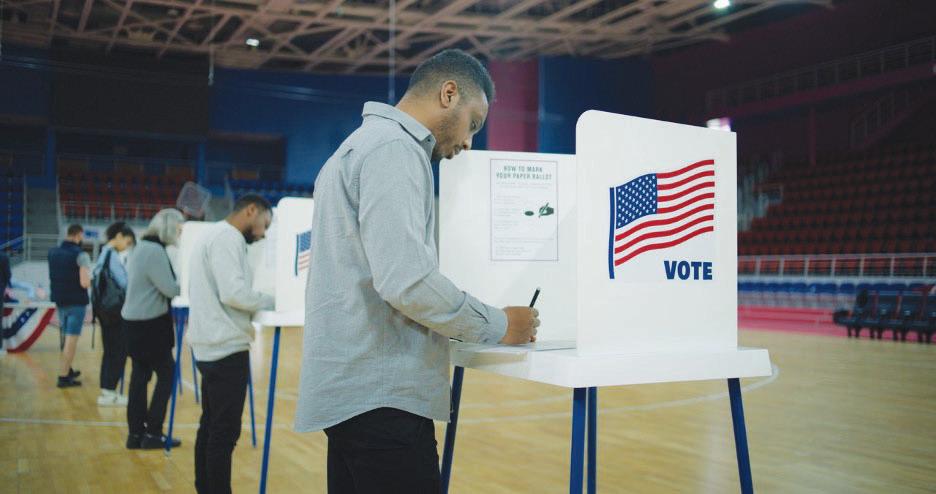
The Supreme Court ruling centers on Section 2 of the Voting Rights Act of 1965, the portion of the law that prohibits voting systems or district maps that dilute the voting strength of
Credit-Shutterstock
racial minorities. For decades, Section 2 allowed civil rights groups to challenge district maps that weakened Black political representation even when lawmakers did not openly state discriminatory intent.
Now, advocates fear that standard has fundamentally changed.
“You have to have smoking gun evidence,” said Mitchell Brown, senior voting rights counsel at the Southern Coalition for Social Justice, during a recent media briefing hosted by American Community Media on May 15. “Legislators are not going to say the quiet part out loud.”
Brown argued the decision effectively forces voting rights groups to prove intentional discrimination rather than discriminatory impact — a much higher legal bar that civil rights advocates say lawmakers can easily avoid through race-neutral language.
The implications could stretch far beyond congressional elections, Brown said.
Section 2 protections have historically applied not only to U.S. House districts, but also to state legislatures, school boards, county commissions, judgeships, and local governing bodies.
Voting rights advocates warn that weakening those protections could reshape political representation throughout the South, particularly in states with large Black populations.
“This is not just a Southern issue,” said Amir Badat, manager of Black Voters on the Rise and voting special counsel at the NAACP Legal Defense and Educational Fund. “We had the protections of Section 2 across the entire country protecting districts that serve Hispanic communities, Native American communities, and communities of color broadly.”
Badat described the current moment as part of a much longer historical pattern.
Following the Civil War and Reconstruction, constitutional amendments expanded Black citizenship and voting rights across the South, leading to dramatic increases in Black political representation. But those gains were quickly met with violent backlash and the rise of Jim Crow laws designed to suppress Black voting through poll taxes, literacy tests, and other “race-neutral” restrictions.
Luvina Beckley Honored as Innovator of the Year Ahead of National Multi-City Tour...continued
“We’re looking to change the 1%,” Beckley said. “People just need to know that we’re nowhere near where we can be or should be. It’s ours for the taking if we stand up and do what we need to do.”
The tour will feature discussions with leaders, live demonstrations of the platform, and conversations centered on economic growth, sustainability, and community empowerment.
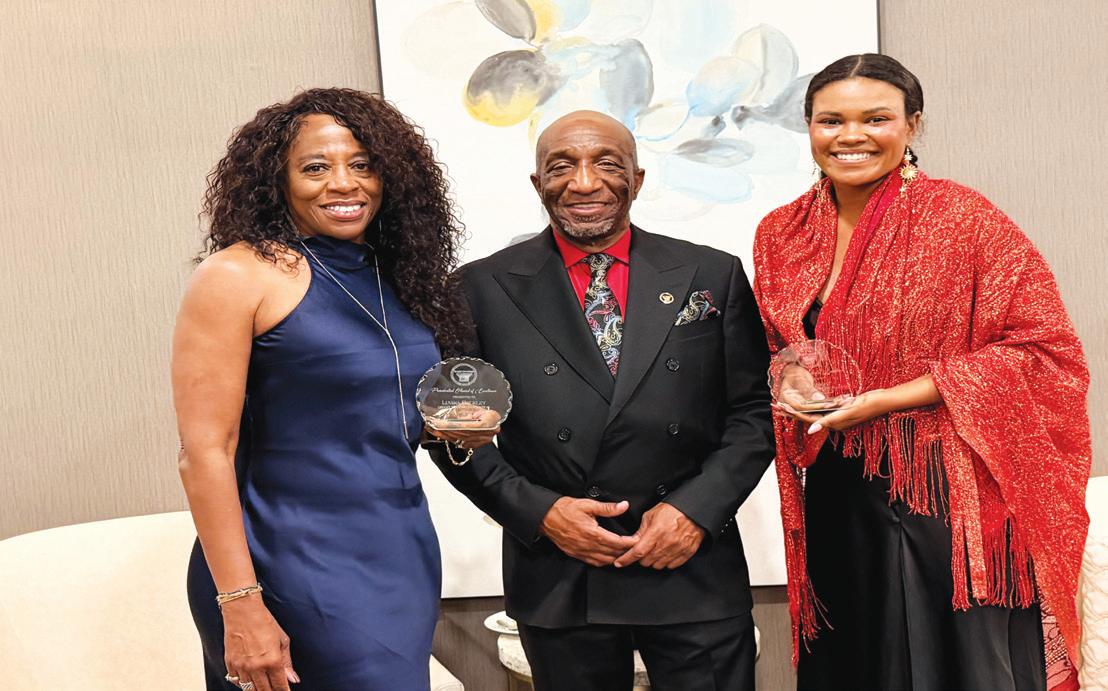
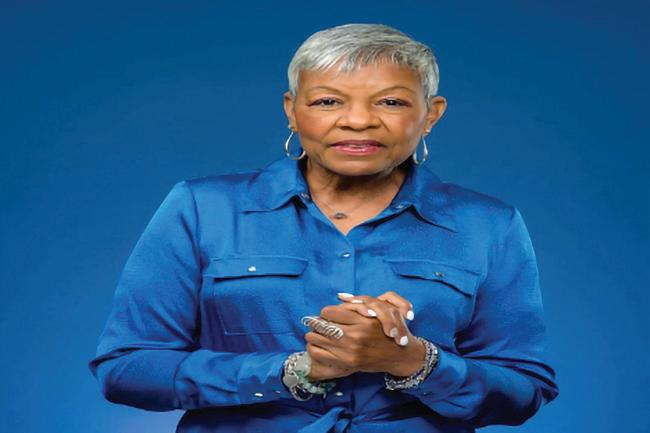
Ontario, CA — Recently, business leader and funding strategist Luvina Beckley was honored with the Innovator of the Year Award during the Southern California Black Chamber of Commerce Business Awards Dinner in Ontario, CA The award recognized Beckley’s years of work helping businesses, nonprofits, and underserved communities gain better access to funding opportunities, federal grants, and contracts.
“It was somewhat humbling that we are being recognized,” said Beckley during an interview days after the event. “We believe there’s a lot more value that we can add to it. We feel like our program is going to accomplish what it needs to accomplish, which is to allow more of us to access federal grants and contracts than we have been able to access before.” The honor became even more
Later this summer, Beckley will launch the “Urgency of Now” Fireside Series, a multicity tour designed to introduce communities to her newest grantfunding product and platform. The tour will kick off in the High Desert later this month on Tuesday, June 30th, with stops in Los Angeles in July, Chicago in August, and additional stops in Miami, Baltimore, and North Carolina.
According to Beckley, the two-day events are focused on helping community leaders, business owners, and nonprofit organizations better understand how to
and
and nonprofits are effective and consistent at securing federal grants and contracts.
Beckley says the long-term vision is larger than funding alone. Her goal is to help communities create systems that allow businesses and nonprofits to thrive without depending fully on outside support.
“That’s where the real sustainability happens,” Beckley explained. “That’s where philanthropy thrives.” Community leaders, nonprofit organizations, entrepreneurs, and funding advocates are expected to attend the tour events throughout the summer. For media inquiries, interviews, or tour information, please contact: Jade Knight jadek@mhmandassociates.com
Juneteenth and Children
By BlackPressUSA.com
Tonia McMillian
An Interview With:
Tonia McMillian, Black Californians United for ECE
Black Californians United for Early Care and Education (BlackECE) is a powerful coalition of advocates, policy-influencers, civil rights organizations, researchers, university faculty, non-profit leaders, early educators, caregivers, providers, families, and community-based organizations.
BlackECE members have intentionally organized our influence around a 10-point policy plan to serve over 490,000 of California’s Black children (Kids Data, 2020). BlackECE intends to
“This is the exact same move,” Badat said. “States said, ‘We won’t say we’re discriminating against Black people, but that will be the effect of what we do.’” Advocates say they are already seeing the consequences play out.
create bridges to previous work and create equity-minded policies that focus on Black children, families, and the ECE workforce.
National Newspaper Publishers Association interviewed Tonia McMillian, one of the leaders of the initiative.
NNPA: Why is celebrating Juneteenth important for young children?
Tonia: Young children need to learn about Juneteenth because, although it happened in the past, it helps children understand what freedom and resilience look like. Even though the holiday stems from a terrible time in American history, it is a jubilant time in African American history. That is why we (especially Black people) see it as the time to celebrate and uplift our culture, Black history, and the importance of family.
NNPA: What’s the appropriate way to discuss complex topics
Not Just a Southern Issue: Advocates Say SCOTUS Voting Rights Decision Has Already Started to Reshape Black Political Power...continued
Law Center, warned that the country could be entering what he described as a “second postReconstruction era.”
In Louisiana, lawmakers rapidly moved to redraw congressional maps after the ruling. According to Devante Lewis, public service commissioner for Louisiana’s 3rd District, the proposed changes would reduce Black congressional representation from two majority-Black districts to one.
At the same time, Louisiana Gov. Jeff Landry suspended congressional elections already underway after more than 42,000 ballots had reportedly been cast.
“The governor said those votes will not count,” Lewis said.
Lewis described the situation as “mass confusion and chaos,” with voters uncertain whether elections were still happening, whether ballots would count, and whether district lines would continue changing before Election Day.
In Alabama, organizers pointed to similar uncertainty surrounding election schedules and congressional districts following ongoing litigation tied to Allen v. Milligan, another landmark voting rights case.
Jerome Dees, policy director for the Southern Poverty
“It would take another 115 years for Alabama to see a Black congressperson after Reconstruction ended,” Dees said, drawing parallels between the modern legal landscape and the decades-long disenfranchisement that followed the collapse of Reconstruction in the late 1800s.
Advocates also emphasized that the consequences of weakened voting protections extend into everyday life. Local elected offices such as school boards, city councils, county commissions, and judgeships often determine funding priorities, public safety policy, education standards, and infrastructure investments. Speakers warned that reducing Black representation on those bodies could have lasting effects on issues ranging from school discipline disparities to housing policy.
“These are not abstract numbers,” Badat said. “These have real political consequences and policy consequences on people’s day-to-day lives.”
Edward Henderson | California Black Media
Thursday, June 4, 2026
Election 2026: Who’s running for California Superintendent of Public Instruction?
Zaidee Stavely
play on a teeter-totter in front of a traditional bark hut at Redding Rancheria’s preschool playground. (File photo 2015) Credit: Liz Ames for EdSource
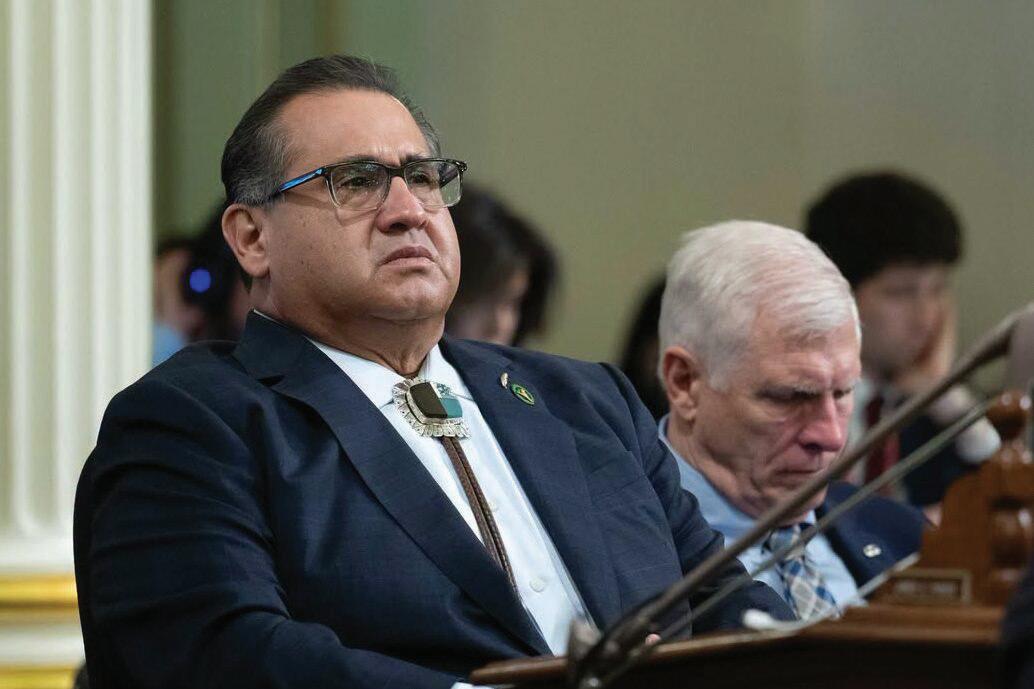
Assemblymember James Ramos has a persistent memory from his childhood in San Bernardino County. A teacher at his elementary school played a drum song and asked students to stand up if they were Native American and interpret the song for the class.
“That’s not our culture,” Ramos told his teacher. He grew up on the San Manuel Indian Reservation as a member of the Serrano/Cahuilla tribe, which uses gourd rattles, not drums, for music, he said.
“Well, sit down,” he recalled the teacher saying. “You must not be Indian enough.”
That experience, Ramos said, is indicative of a wider problem in California schools, where the vast majority of Native American students and their diversity go unrecognized.
Now, the San Bernardino Democrat is championing legislation to change that by requiring the state to collect students’ tribal affiliations as part of its annual enrollment datagathering effort.
“I’m doing everything I can to make sure that California Indian people and Native Americans don’t feel invisible in LEAs,” Ramos said, referring to Local Education Agencies, a term that encompasses school districts, charter schools and county offices of education. “We’re hoping that by pushing pieces of legislation, our tribal members will not have to go through that type of experience.”
According to a 2023 report by the American Institutes for Research and the Indigenous Education State Leaders Network, Native American students are
undercounted by 70% nationwide.
In California, the report found the undercount is even higher — 89.8% — with 155,855 American Indian and Alaska Native students not counted as such.
According to the California Department of Education, there were 24,130 American Indian or Alaska Native students enrolled in TK-12 schools in 2025-26, 0.4% of the total student population.
Based on the report’s estimates, that number would be closer to 180,000, about 3% of the student population, if all Indigenous students were counted.
Backers of Ramos’ bill, Assembly Bill 1581, say the problem with how California currently counts students is in its rigidity. The state asks schools to report all Hispanic or Latino students, no matter their race, as Hispanic or Latino. Students who identify as more than one race, such as American Indian and white, or American Indian and Black, are counted as “Two or more races.” Only students who identify solely as American Indian or Alaska Native are counted as American Indian or Alaska Native.
AB 1581 would require schools and the state to collect and report the tribal affiliation of every student who identifies as American Indian or Alaska Native, including those who also identify as another race or ethnicity.
When Native American students are undercounted, schools may not receive federal or state funds meant specifically for Indigenous students, such as for Native American language classes and tutoring, or Title
Juneteenth and Children...continued from page 1
like enslavement to young people?
Tonia: The education system in the U.S. literally opened the door for this discussion. Not so much for how it is being taught in schools, but more importantly, for how little of what actually happened during chattel slavery is shared. Therefore, we can dissect, correct, and interject the truth about slavery in this country. In my opinion, breaking down the history of Black people in America and how we came here and survived is one of the greatest stories ever told. My grandchildren know about slavery and how bad it was. They also know how strong and smart our ancestors were and how they are the reason we are here today.
NNPA: What are the best ways to mark Juneteenth for those in the early years?
Tonia: Children should look forward to celebrating our (African American) Independence Day, aka Freedom Day, by visiting museums, joining cookouts, enjoying parades, or any other celebrations that may be taking place in their communities. Black culture honors a Juneteenth tradition by serving “red” food and drink on that day. These foods include red Kool-Aid, red velvet cake, and watermelon. The following month, they can celebrate Independence Day on July 4th with the rest of the country.
NNPA: What does the Black Family Culture Kit offer for Juneteenth activities?
Tonia: Even though food is definitely a center of attention in Black culture, the Juneteenth Culture Kit focuses more on language, history, and music. Historically, music was used as a method of communication as well as a source of uplifting spirits during difficult times. As a poet, I learned how poetry represents the culture in sharing prose and stories, elevating the voices of Black people, their triumphs, as well as their challenges. The kit includes items such as children’s musical instruments, a book on Juneteenth history, and various activities that celebrate joy and our deep ancestral roots in the country.
NNPA: Why is Juneteenth important for all young children, not just Black children?
Tonia: All young children deserve to learn the importance of Juneteenth and its meaning so that they can celebrate freedom, resilience, truth, and African American heritage and culture.
NNPA: What does Juneteenth mean to you personally?
Tonia: For me, Juneteenth helps me honor my ancestors with a deep respect for our place in this country.
VII, to boost Native American students’ academic achievement and make sure their classes are challenging and high quality, Ramos said.
In addition, an undercount makes it hard to track how schools serve these students. For example, California reports how American Indian and Alaska Native students perform on standardized tests, graduation rates and suspension rates, all of which may be inaccurate if not all students are counted.
Collecting tribal affiliations would also show educators the diversity of Indigenous cultures among their students. California is home to 109 federally recognized tribes, and many more petitioning for recognition. In addition, there are thousands of students in California schools whose families are from Indigenous communities from Mexico and Central America.
“Indigenous students are ‘invisibilized.’ Any major school you go to in Los Angeles Unified, or across L.A. County, if you ask any college counselor if they have American Indian students, almost 100% will say no,” said Marcos Aguilar, project director of the American Indian Resurgence Initiative and co-founder of a Los Angeles charter school that teaches students in Nahuatl and Spanish in addition to English.
At Anahuacalmecac International University Preparatory of North America, where Aguilar also serves as executive director, more than 65% of students identify as American Indian, from several different Indigenous peoples: Nahua,
Zapotec, Wixarika, Cherokee and Kanaka, among others.
The bill could also help schools better understand the assets that Indigenous students bring, said Rafael Vasquez, co-author of the book “Culturally Responsive Schooling for Indigenous Mexican Students.”
“I think this would be an opportunity to make less of a deficit perspective of Native American communities, and also Latinx communities, because it would no longer be seen as a monolithic group,” Vasquez said.
Vasquez said having a better understanding of the scope of Indigenous students can help propel schools to provide better translation in Indigenous languages for parents and incorporate Indigenous cultural practices into the curriculum.
“Data can be powerful in informing policies and practices,” said Vasquez. “Schools may know of Indigenous students, but oftentimes they guide themselves by data.”
For example, he said he worked with Lynwood Unified School District to interview parents from a Zapotec Indigenous community in Oaxaca, and the school district used that data to incorporate Zapotec brass band music into the school with an after-school program and performances at school events.
“For many of these students, the more they feel attachment or strength to their Indigenous identity, there’s a correlation to academics,” Vasquez said. “This isn’t just a cultural activity but can be a driving force in their academic success.”
Juneteenth and Children...continued
I remove the idealized American narratives that history books taught me, which are held in the bosoms of the dominant culture, because Juneteenth demands that I do so. Juneteenth allows me to see clearly the painful truths of what took place for over two years to my ancestors; therefore, I must pay homage and show respect
to those Black people who came before me for the sufferings and lies that they survived. There is a mixture of silent rage and grief in my heart, coupled with jubilation and pride in my spirit on that day. They are reminders that I must offer libations to the ancestors as well as celebrate with my family and community on that day.
As California cuts school counselors, one program shows what’s at stake
Raven Jones-McKinney
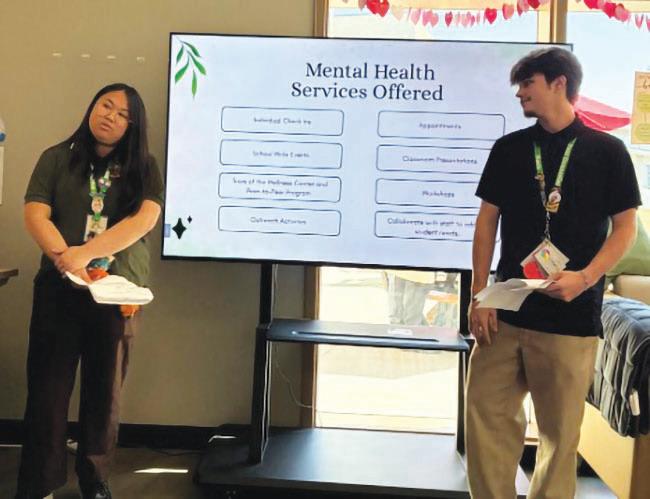
Peer counselors at Mission Hills
High School Wellness Center present on the different types of mental health services offered at the studentled center.
Credit: Courtesy The Children’s Partnership
Across California, at least 5,000 school employees received preliminary pink slips this spring as districts scramble to close budget gaps caused by falling enrollment and rising costs. Oakland Unified plans to eliminate counselors, case managers and attendance clerks as part of sweeping layoffs to address
As California cuts school counselors, one program shows what’s at stake...continued
recommended ratios, are being asked to do more with less.
As education advocates have warned, this climate of fear continues to take its toll on students’ sense of safety and belonging nationwide.
Across the country, educators are reporting something troubling: Fewer students are showing up to class, and they’re carrying more fear when they do.
In California, state leaders have taken important steps to protect students, including strengthening safe-haven school policies intended to keep immigration enforcement off campus. These policies matter. They send a clear message about the values of the schools and rights of students.
But policy alone does not regulate a nervous system. It does not calm a student who spends the day at school worried about a peer, parent, family or community member. It does not automatically restore a sense of belonging.
If students’ ability to show up to school and learn depends on whether they feel safe, then schools must invest in supports that operate inside the daily rhythms of school life aimed at restoring the safety students need to learn. We need to protect professional school counselors from budget cuts, and we need new models that can extend their reach when caseloads are overwhelming.
One promising approach has been California’s peer-topeer youth mental health pilot, implemented across eight high schools with funding from the state of California’s Children and Youth Behavioral Health Initiative. As EdSource has reported, the peersupport program is showing early gains in student well-being and what can be done in times of tighter budgets.
The model is simple but powerful: Students are trained to serve as peer mentors and wellness ambassadors, operating school-based wellness centers and providing structured support to classmates throughout the day. Peer support is well-established as an evidence-based intervention in the adult mental health space. What is innovative about these models is the firm belief that teens, when supported by a network of caring adults, can provide culturally affirming support and connection.
At Serrano High School in San Bernardino County, one of the eight schools participating in the pilot program, students run the Diamondback Den, a wellness center that offers restorative circles, lunchtime activities and one-on-one peer support. A 12th-grade peer leader at Serrano described leading a bilingual circle for Spanish-speaking students: “They had a place where they could speak in their native tongue and have a good time.” For newcomer students, that kind of
space can be more than stabilizing; it can be transformative.
At El Cerrito High School, one first-year student stated that the peer program “gave me more fun and experience in my first year of living in the United States and helped me adapt to life here faster.”
At Oakland Technical High School, a ninth grader applying to become a peer wellness mentor wrote, “I know what it feels like to be in pain, and I don’t want anyone else to go through it alone.” Multiple students there reported that they sought help at the wellness center specifically because it felt safer talking to another student first, before seeking assistance from an adult. Peer support programs do not replace counselors or psychologists. They extend the ecosystem of care at a moment when that ecosystem is under strain. Schools in the pilot program report that peer counselors help address everyday challenges — conflict resolution, vaping prevention, attendance check-ins — allowing the limited number of school counselors to focus on students with more complex needs. They create entry points. They normalize help-seeking. And critically, they operate during the school day, on school campuses, lowering the threshold for students to ask for support.
Research tells us that when students feel safe and connected, attendance improves and academic outcomes follow. In a climate where often-violent immigration actions are shaping student behavior nationwide, peer-based models of care offer something that legal protections alone cannot: proximity, trust and immediacy.
California is testing what may be one answer to a national challenge. But sustaining and scaling these models will require continued investment. Programs like the peer-to-peer model are funded through the state’s Children and Youth Behavioral Health Initiative, which will sunset this year, meaning schools could lose both counselors to budget cuts and peer programs to expired funding. As demand for counseling rises and school budgets tighten, peer programs cannot be treated as optional enrichment. They are part of the infrastructure of belonging. We know what fear does to student attendance, learning and belonging. We know what helps: peer support that meets students where they are.
California cannot let proven programs disappear at the moment students need them most. State leaders must act now to sustain and fund these models.
Students are already building the structures that help them feel safe and welcome. We need policymakers to catch up.
a $103 million deficit. Counselors and mental health staff are high on the list of cuts across the state. The timing could not be worse. Across the country, educators are reporting something troubling: Fewer students are showing up to class, and they’re carrying more fear when they do.
A fall 2025 survey from the EdWeek Research Center found that nearly half of educators surveyed say students have expressed increased fear or anxiety related to immigration enforcement. Twenty-four percent reported declines in attendance. Twenty-one percent said more students are seeking counseling support — just as districts implement budget cuts that reduce counselor positions. School counselors, already managing caseloads far beyond
Assemblymember James Ramos Credit: Facebook / AsmJamesRamos
Thursday, June 4, 2026
SNAP Cuts Threaten Food Security in Vulnerable Communities, New Data Show
By Sunita Sohrabji
Black, Latino, and Native American households face greater food uncertainty than the population at large, according to data from the Congressional District Health Dashboard.
A farmer’s market in Jackson, Mississippi. (Natalie Maynor photo via Flickr/Creative Commons license)
During a period marked by soaring food prices, more than 3 million people have lost access to the federal Supplemental Nutrition Assistance Program — SNAP — over the past 10 months.
An additional 1 million more are expected to lose the critical food safety net over the next 6 months as new work requirements roll out for more states, according to new data released by the Congressional District Health Dashboard. Black, Latino, and Native American households face greater food uncertainty than the population at large, according to CDHD data.
“This is not just a nutrition program. SNAP is one of the most amazing public health policies and programs that we have in our country,” said said Dr. Giridhar Mallya, senior policy officer at the Robert Wood Johnson Foundation. Speaking at an American Community Media news briefing May 22, Mallya noted that the new SNAP cuts
were the deepest ever since the program rolled out in 1964.
California is one of the states with the highest levels of SNAP participation, said Dr. Lorna Thorpe, chair of the Department of Population Health at NYU Grossman School of Medicine and co-principal investigator of the dashboard project. In California’s 21st Congressional District, centered around Fresno, and the 22nd District near Bakersfield, more than half of households participate in SNAP, according to the dashboard’s third-quarter 2025 data.
New work requirements
Last summer, Congress passed HR1 — also known as the One Big Beautiful Bill. The legislation cut almost $1 trillion from critical health and food safety nets. It also imposed new eligibility requirements, including working at least 80 hours per month. The budget of the Supplemental Nutrition Assistance Program — SNAP
Waterkeepers Petition Water Board
To Require Stormwater Permits For Commercial Facilities Polluting Chino Creek
The region's biggest source of copper and zinc pollution operates entirely beyond the reach of enforceable clean-water mandates
June 1, 2026 (Ontario, Calif.)
— Today, California Coastkeeper Alliance, Inland Empire Waterkeeper, and Orange County Coastkeeper filed a petition with the Santa Ana Regional Water Quality Control Board to reduce stormwater pollution from privately-owned commercial, industrial, and institutional sites that generate runoff into the Chino Creek watershed in San Bernardino and Riverside Counties. Under the federal Clean Water Act, private organizations like Waterkeeper can petition regulators to address regulatory gaps that lead to water pollution. Hundreds of privately-owned properties throughout the Inland Empire — including massive logistics and warehousing campuses, retail centers, and industrial facilities — are not being held accountable for their disproportionate contributions to toxic metal pollution in Chino Creek and its tributaries.
The petition demonstrates that the Santa Ana Regional Water Board must exercise its authority under the federal Clean Water Act to require stormwater permits for privately-owned commercial, industrial, and institutional — often referred to as CII — sites throughout the Chino Creek watershed, including Cucamonga Creek, San Antonio Creek, and Upper Chino Creek. Under current law, municipalities — not private commercial property owners — bear the legal and financial burden of addressing stormwater pollution. The Santa Ana Regional Board’s Municipal Separate Storm Sewer Systems (commonly
— was slashed by $187 billion through 2034.
Alaska, Colorado, Georgia, Hawaii, Nebraska, South Carolina, Texas, and West Virginia began strictly enforcing the work guidelines shortly after HR1 was passed. Illinois and Ohio also began counting work hours for SNAP eligibility later that summer.
California’s work requirements for SNAP eligibility begin June 1.
More than 50% of California’s 22nd Congressional District — in the Central Valley — receive SNAP food assistance, according to data from the Congressional District Health Dashboard.
SNAP supports seniors and children
The Center for Budget and Policy Priorities estimates that 700,000 low-income children have lost food aid since HR1 took effect last July. CBPP surveyed 12 states for which data was available.
38 million people, including families, children, the disabled and the elderly people currently use SNAP to buy food. The program supports individuals living at or below 130% of the federal poverty level, about $42,900 for a family of 4.
SNAP supports 1 out of 4 children living in the US, notes the CBPP. About 8 million elderly people also rely on the program, according to the National Council on Aging. For 2026, an eligible SNAP recipient receives about $204 per month, working out to $2.20 per meal.
Rising food prices, less food security
The Bureau of Labor Statistics Consumer Price Index notes that in the past 13 months, food prices rose by 2.9%. American families now spend about $345 per week on groceries, about $1,380 per month.
Beginning this year, states must assume a larger share of SNAP administrative costs, rising from 50% to 75%. Starting in 2027, states also will be required to cover between 5% and 15% of SNAP food benefit costs.
The changes could force difficult budget decisions nationwide. Many states that are unable to pay their share may drop out of SNAP entirely.
Reductions could worsen hunger
“Black households, Latino households, and certain Asian American and Pacific Islander communities are overrepresented in the SNAP program. This is because of longstanding economic inequality,” Mallya said at the briefing. “So when SNAP participation declines, those communities are disproportionately affected,” he said.
Mallya warned the reductions could worsen hunger, increase malnutrition and intensify chronic health conditions among vulnerable populations.
Research consistently links SNAP access to improved infant health, better educational performance, and reduced hospitalizations among low-
continued on page 6
Submission Deadline for News Articles & Legal Publications is Monday by 5 pm
Waterkeepers Petition Water Board To Require Stormwater Permits For Commercial Facilities Polluting Chino Creek...continued
to pollution in the Chino Creek watershed is overwhelming and mandatory designation is required.
The petition demonstrates that CII sites in the watershed contribute approximately 1,660 pounds per year of copper and 8,800 pounds per year of zinc to receiving waters — roughly 16 times and 30 times the copper and zinc the entire 139,520-acre Chino Creek watershed would generate under natural, pre-development conditions. Approximately 73–80% of this CII land area lies within a half mile of Cucamonga Creek, San Antonio Creek, or Upper Chino Creek — meaning pollutant-laden runoff reaches impaired waters rapidly and with minimal attenuation, particularly across the flat Cucamonga Plain where the region’s densest logistics corridors are concentrated.
“Regulators have both the authority and obligation to require permits for commercial, industrial, and institutional stormwater discharges that are polluting local waterways,” said Sean Bothwell, Executive Director of California Coastkeeper Alliance. “Our petition demonstrates that similar action is not only justified here, but urgently needed across California to ensure private corporate polluters – not the public – are on the hook to address these water quality violations.”
This petition follows a directly analogous precedent: in November 2024, EPA Region 9 determined that permits are required for CII stormwater discharges in the Dominguez Channel and Alamitos Bay/Los Cerritos Channel watersheds in the Los Angeles area — watersheds facing comparable
conditions of CII-driven metal impairment. The Chino Creek watershed presents conditions that are in some respects more acute, particularly given the extraordinary concentration of large-footprint logistics and industrial facilities in the Cities of Ontario and Rancho Cucamonga. Under federal regulations, the Regional Board must act on the petition within 90 days, determining whether to require new stormwater controls for major CII dischargers. If the Board designates these sources for regulation, hundreds of facilities in the Chino Creek watershed would need to obtain Clean Water Act permits and implement measures such as on-site green infrastructure, stormwater capture and reuse, treatment systems, or funding for regional projects — actions that would not only reduce pollution but also advance regional water supply reliability and drought resilience goals. California Coastkeeper Alliance filed similar petitions at six other Regional Water Boards across California today. The organization is also working with State legislators and the State Water Resources Control Board to encourage development of a statewide policy and permit that would hold commercial, industrial, and institutional facilities accountable for the water pollution generated on their properties, with the goal of requiring commercial landowners to make the investments needed to protect public waterways from pollution generated on private property.
known as MS4) permit program regulates the public storm drain system, but it does not directly require the private CII facilities that generate a disproportionate share of pollutants to reduce their discharges. That gap has a direct consequence: CII sites generate approximately 61% of the watershed’s copper pollution and 60% of its zinc pollution while bearing zero enforceable obligation to reduce those loads. Therefore, municipalities cannot achieve water quality standards no matter how stringently they are regulated — they simply do not control enough of the pollution.
“Commercial and industrial sites occupy just 28% of the urbanized watershed, yet they generate over 60% of the metal pollution found in the water — metals that are poisoning Chino Creek, Cucamonga Creek, and the Santa Ana River,” said Garry Brown, Founder and President of Inland Empire Waterkeeper and Orange County Coastkeeper. “This watershed is home to one of the largest logistics and warehousing regions in the United States. Those facilities have benefited from a regulatory blind spot for decades. That ends now.”
The Clean Water Act’s Residual Designation Authority is designed precisely for situations like this.
Once a regulator determines that a category of stormwater discharges contributes to a violation of a water quality standard or is a significant contributor of pollution it is legally obligated to require permits for those discharges.
The Waterkeepers argue that the evidence of CII contribution
Caltrans Awards $23 Million to Strengthen Climate Resiliency and Improve Safer Mobility for All Californians
County/Government News
Sacramento — Caltrans announced today it has awarded $23.6 million in planning grants to 58 local projects statewide that will enhance climate resiliency, reduce greenhouse gas emissions, improve bicycle and pedestrian safety and increase natural disaster preparedness throughout California.
The projects selected focus on multimodal transportation and help improve mobility options for under-resourced communities.
Nearly $14 million comes from Senate Bill (SB) 1, the Road Repair and Accountability Act of 2017. The remaining funds are a combination of the State Highway Account, the Federal Highway Administration State Planning and Research program and the Federal Transit Administration’s Section 5304 grant program. The awards will fund project planning and conceptual design efforts, helping move the projects closer to construction.
“Every California community deserves an opportunity to shape a safer, healthier and more connected future,” said California Transportation Secretary Toks Omishakin. “These planning grants will support local leaders and residents in designing transportation solutions that improve quality of life and help make safer connections to community assets, schools and workplaces.”
“These investments will strengthen California by making it safer and easier for people to move through their communities,”
said Caltrans Director Dina El-Tawansy. “By planning for climate-resilient infrastructure, improving access to walking and biking options and supporting under- resourced areas, these projects will help protect people, expand opportunity and build a transportation system that serves everyone.”
In total, Caltrans will fund:
· $20.4 million in Sustainable Communities Competitive and Technical Grants to 49 local, regional, transit agencies and tribes for transportation and land use planning, as well as planning for electric vehicle charging infrastructure. This includes more than $8.7 million to fund planning for 20 projects that improve active transportation safety for multimodal and land use projects. Eighty-six percent of these projects will benefit under-resourced communities.
· $3.2 million in federally funded Strategic Partnerships Grants to nine projects that will plan for long-term multimodal transportation needs, a statewide transportation resource library, railroad corridor crossing safety, multimodal circulation and intersection improvements, transit connectivity, transit service reliability, comprehensive fare analysis, short- and longrange transit planning and Bus Rapid Transit.
Projects include:
· $256,300 for the Paskenta
Band of Nomlaki Indians in Tehama County to develop an Active Transportation Plan to enhance safety and connectivity, for pedestrians and bicyclists and improve overall quality of life for Tribal members.
· $700,000 for the City of Richmond to advance its Greenway Gap Closure Project. This project will create a direct bicycle and pedestrian connection across a network of Union Pacific Railroad rightof-way to improve safety and close travel gaps for thousands of residents in this high-risk area, particularly children, seniors, people with disabilities and transit riders.
· $180,000 for the MonsonSultana Compete Street for Enhanced Sustainability Project in Tulare County. This project will develop a comprehensive Complete Streets Plan for the communities of Monson and Sultana to improve connectivity, promote active transportation, increase use of the regional transit system and address safety concerns.
· $283,000 to fund the completion of the Palmdale Master Bike Plan that will include comprehensive and actionable metrics to implement bicycle transportation, trail and bike lane corridors, complete streets, Greenhouse Gas emissions reductions and safer routes to schools.
· $593,000 for the Torres
Martinez Desert Cahuilla Indians in Riverside County to update their Tribal Land Use Plan which will modernize zoning, streamline development approvals and integrate climateresilient transportation and land use design standards for this Salton Sea community.
View the complete list of this year’s planning grant project awardees.
Caltrans awards transportation planning grants each year through a competitive process to encourage local and regional projects. Applications are evaluated on how projects advance state transportation and climate goals by identifying and addressing statewide, interregional, or regional transportation deficiencies on the highway system. The grant program began in the 201516 fiscal year. Since then, 808 planning grants have been awarded totaling $316 million and more than 73 percent of those projects have been completed.
SB 1 provides $5 billion in transportation funding annually that is shared equally between state and local agencies. Road projects progress through construction phases more quickly based on the availability of SB 1 funds, including projects that are partially funded by SB 1.
To view the latest news and information on state and federal infrastructure investments, visit building.ca.gov.
County News
Thursday, June 4, 2026
Black Athletes Should Pass on the South — and the S.E.C.
Supporters of an athlete boycott say schools in states accused of gerrymandering should not benefit from Black athletic talent without protecting Black voting rights.
by Terrance Harris
America — particularly Black America — is at a difficult crossroads that literally threatens the complexion of our nation.
Last month’s Supreme Court ruling that blew up Section 2 of the Voting Rights Act of 1965, allowing states to redistrict and gerrymander to dilute the vote of Black Americans, threatens to set our voting rights back significantly, especially in the South, if we don’t do something. Sure, we protest, we can scream, and just be pissed off.
But our real fighting power is in showing up at the voting polls like never before and withholding our buying power where our vote isn’t respected.
We also have another power that is sure to get the attention of white folks who don’t think we should have a say in this country’s political landscape. It’s through our gifted young Black athletes, whom they love to cheer for in the uniforms of
their favorite college athletic teams.
In the wake of the Supreme Court’s 6-3 ruling in the Louisiana vs Callais case, Black people are calling for the top Black athletes to avoid playing for any primarily white college or university in the South. The calls have come from athletes, journalists, and even celebrities like actor and New Orleans native Wendell Pierce to boycott the Southeastern Conference in particular.
We’re talking kids boycotting programs in Florida, Louisiana, Mississippi, Alabama, South Carolina, Georgia, Tennessee, and Kentucky — places where the Black vote is being diluted. And yes, that includes Texas, where your beloved University of Texas and Texas A&M will be affected.
We Black Texans have had a front-row seat to how gerrymandering can cripple the
Black vote, and specifically in Houston, where Donald Trump commanded Gov. Greg Abbott, his good soldier, to find him five congressional seats ahead of the upcoming midterm elections. And right now, we have lost a Black seat in Houston and forced two candidates – Christian Menefee and Al Green – with similar liberal leanings into a fierce, nasty battle that will weaken Black political influence in this state and the country.
I say, go for it and make these offending states suffer where it hurts. But don’t stop at the SEC. Extend it to schools in the Big 12 and ACC conferences, in states where people want to cheer for Black athletes on the football field but don’t want them to have true representation in Congress, the Senate, or even their more influential local elections.
Let’s not pretend this isn’t an enormous ask, especially in today’s major college landscape, where football and basketball athletes are able to legally make life-changing sums of money through name, image and likeness deals. But know that similar NIL and revenuesharing riches will be awaiting you in states where your vote still matters and carries real weight.
It’s time Black athletes understand their influence and power. It’s time they free themselves from being viewed as glorified gladiators who perform for people who don’t respect them as equals or as real human beings, for that matter.
As one of the last football conferences to integrate, the SEC messed around and found out back in the 1960s that it couldn’t stay relevant without Black athletes, so the good ole boys had to start accepting Black athletes. If the SEC felt the pressure then,
imagine what it would feel today if the best Black athletes in the South suddenly started heading North or going out West.
Saturday afternoons just wouldn’t feel the same, and the SEC’s TV partners wouldn’t feel the same, either.
It was funny to hear recently hired Lane Kiffin throwing a barb at his former employer, Ole Miss, saying that it was hard to get Black athletes to want to come there because of the lack of diversity.
We used to have a saying where I’m from up North: If that ain’t the pot calling the kettle black. Somebody tell Kiffin it ain’t any different for Black people in Louisiana.
Imagine if young Black student-athletes and their families did start to align their recruitment with the consciousness of what kind of power play that would be. The natural destinations would be in the North and West, but what about HBCUs?
Back in the day, schools like Grambling State and Florida A&M boasted powerhouse football programs because the all-white SEC wasn’t an option for the best Black studentathletes.
Imagine what Prairie View head football coach Tremaine Jackson or Texas Southern coach Cris Dishman could do if the recruits who would have ordinarily gone to UT or Texas A&M suddenly landed in their laps. No, the amount of money they could make at the bigger schools might not be there, but the NIL and revenue-sharing pots would be significantly larger than they are today.
It’s time that Black athletes and their families understand their power and influence and then use it.
The Joint Is Jumpin'! A Harlem Renaissance Showcase
Harlem Renaissance Celebration of Black Artistry, Resilience & Joy
Saturday, June 6, 2026, at The Box, Riverside, CA
RIVERSIDE, CA - Empower
You Edutainment invites the community to step into the rhythm of freedom as it kicks off Juneteenth month with The Joint Is Jumpin'! A Harlem Renaissance-inspired showcase celebrating Black artistry, resilience, and joy. The event takes place on Saturday, June 6, 2026, at The Box in Riverside, California. Admission is $20.
This performance honors the legacy of Juneteenth through
music, dance, and storytelling that remind us how creativity became a form of liberation. Audiences will experience the sounds of jazz, blues, and swing that once filled Harlem's legendary clubs, music that carried the spirit of hope, defiance, and community across generations.
“The Harlem Renaissance was one of the most profound cultural movements in American history, a moment when Black artists, musicians, writers, and
Tap dancers wiil show off their tap-dancing prowess at The Joint Is Jumpin'! A Harlem Renaissance Showcase, Saturday,
at The Box, Riverside, CA
performers reclaimed their narrative and transformed the nation's cultural landscape.
The Joint Is Jumpin'! brings that energy to the Inland Empire, honoring that spirit while celebrating how far the community has come,” said Empower You Edutainment Executive Director Sharron Lewis-Campbell.
“Step into the rhythm, the laughter, and the legacy, because this Joint Is Jumpin’!”
EVENT DETAILS
What: Juneteenth: The Joint Is Jumpin'! A Harlem Renaissance Showcase
When: Saturday, June 7, 2025
Where: The Box, 3635 Market St, Riverside, CA 92501
Tickets: $20 | Available at the door or at https://www. zeffy.com/en-US/ticketing/
Planned Parenthood of Orange and San Bernardino Counties Honored at Health Care Communicators of Southern California ‘Finest Awards’
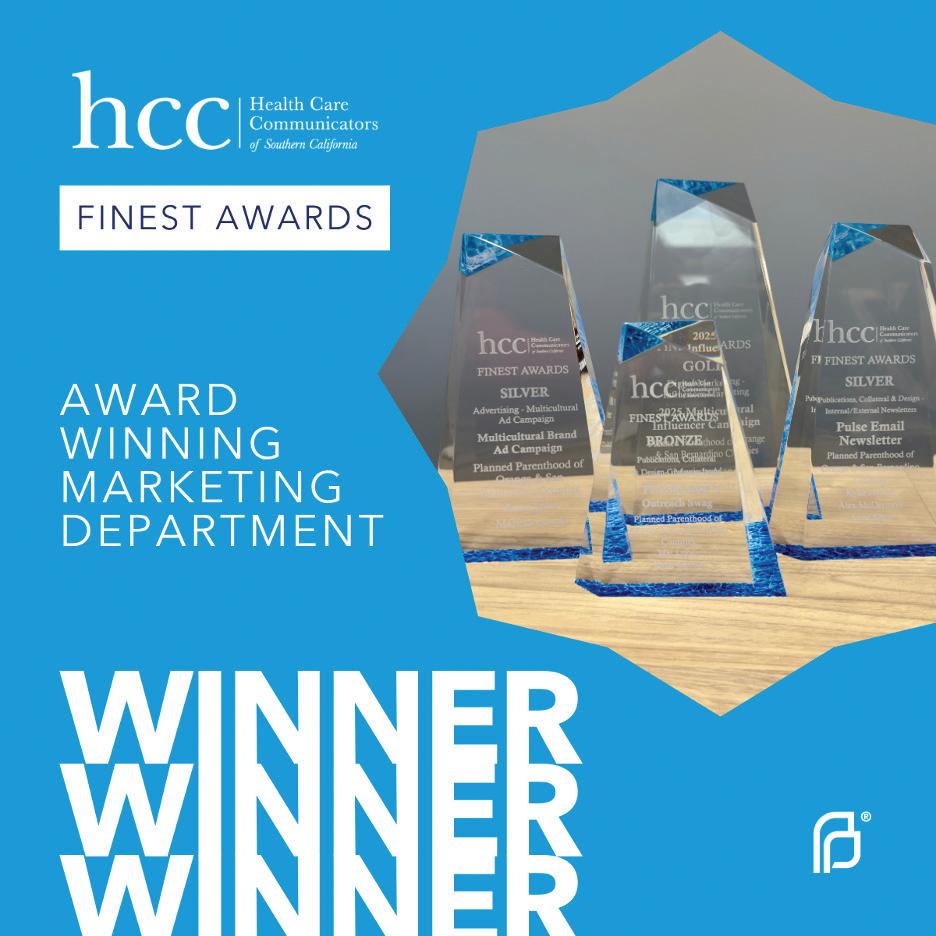
ANAHEIM, Calif. (June 1, 2026) – The award-winning marketing team at Planned Parenthood of Orange and San Bernardino Counties (PPOSBC) once again is honored for its tireless efforts to provide engaging information to patients and supporters in creative and new ways at the annual Health Care Communicators of Southern California (HCCSC) Finest Awards.
The in-house marketing team at PPOSBC won four awards:
The Gold Award in the category of Digital MarketingInfluencer Marketing: “Hispanic/ Latinx and LGBTQIA+ Creators Expand PPOSBC’s Culture-First Marketing Strategy”
The Silver Award in the category of AdvertisingMulticultural Ad Campaign: “Dicen que…’ Latinx/Hispanic Ad Campaign”
The Silver Award in the category of Publications, Collateral & Design - Internal/ External Newsletters: “Pulse Newsletter”
The Bronze Award in the category of Publications, Collateral & Design - Giveaway Items: “I Love My Local Planned Parenthood Outreach Swag”
Full summary descriptions of each award are provided at the end of this announcement.
The recognition comes as PPOSBC faces a pivotal moment in the organization’s 60+ year history. PPOSBC and other Planned Parenthood affiliates across the country continue to face politically-motivated assaults on reproductive healthcare access from the Trump administration and its allies in Congress and the courts. Instead of being discouraged or
frightened into silence, however, these challenges have fueled the PPOSBC marketing team’s drive to provide engaging, factbased advertising, social media, and editorial content that helps their audience make informed decisions about their bodies.
“We are thrilled that the HCCSC committee has chosen our work for these honors,” said Julie Frausto, Senior Director of Marketing, PPOSBC. “The communicators in the room with us at this year’s Finest Awards have all put forward incredible work that helps inform patients and providers alike, and we are honored to be counted among their number.”
“Whether it's designing creative giveaways for events, breaking down reproductive healthcare stigmas among Spanish-speaking communities, partnering with LGBTQIA+ content creators to inspire young patients to proactively get screened for STIs, or rallying our supporters in response to attacks on reproductive healthcare access, communicating on behalf of Planned Parenthood is more challenging than ever–and our mission has never been more important,” said Nichole Ramirez, chief communications and transformation officer, PPOSBC. “All of us at PPOSBC are so proud of our marketing team members, who have helped us tell our patients, supporters, and the world that we are not going anywhere. No matter the challenges we may face from extremist politicians who want to shut us down, we will do all we can to ensure our doors stay open, and everyone has access to the reproductive care and education they need.”
To learn more about PPOSBC’s work, please visit: www.pposbc. org
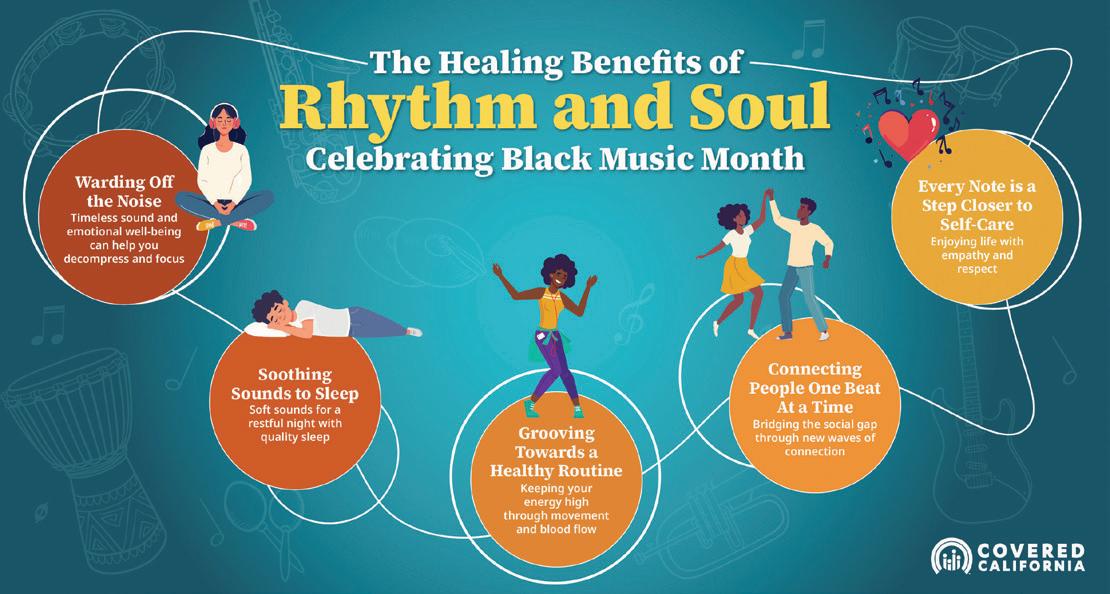
Honoring Black Artists, Music, and Sound: Finding Health in Every Beat!
By Monica Soni, MD Covered California Chief Medical Officer
juneteenth-the-joint-is-jumpin
Presented by: Empower You Edutainment
“When we say ‘The Joint Is Jumpin’, we’re talking about the whole place coming alive, with the music, the tap dancers, the poets, the storytellers, and the visual art all moving together in that Harlem Renaissance spirit. It wasn’t just entertainment; it was a cultural explosion. And that’s the energy we’re bringing back,” said Lewis-Campbell.
About Empower You Edutainment Empower You Edutainment is a non-profit organization founded in 2016. Our dedicated team of educators and artists, with rich backgrounds in the performing arts, inspires, uplifts, and cultivates meaningful creative experiences.
As we celebrate Black Music Month, I would like to share with you how I connect music to my family’s overall health and well-being. Since a very young age, music has always rocked my world. At the age of 4, I was already dancing to the sounds of jazz, hip hop, modern, and West African styles. Music didn’t just play in the background of my life — it nurtured me. Its rhythms moved me, its melodies lifted my spirit, and its harmonies carried me through. Music has many properties that allow you to find health in every beat. The benefits I’ve experienced from music extend well beyond being active. It has been restorative while supporting my mental well-being and offering a profound sense of emotional healing. At home, we listen to music all the time, while making dinner, doing homework, and during our “Family Dance Party.” Research in the field suggests that music can be used as supplementary therapy for depression, anxiety, cognitive impairment, and chronic pain. When I need to decompress and relax, I always resort to music to find joy, be it a “quiet Spanish
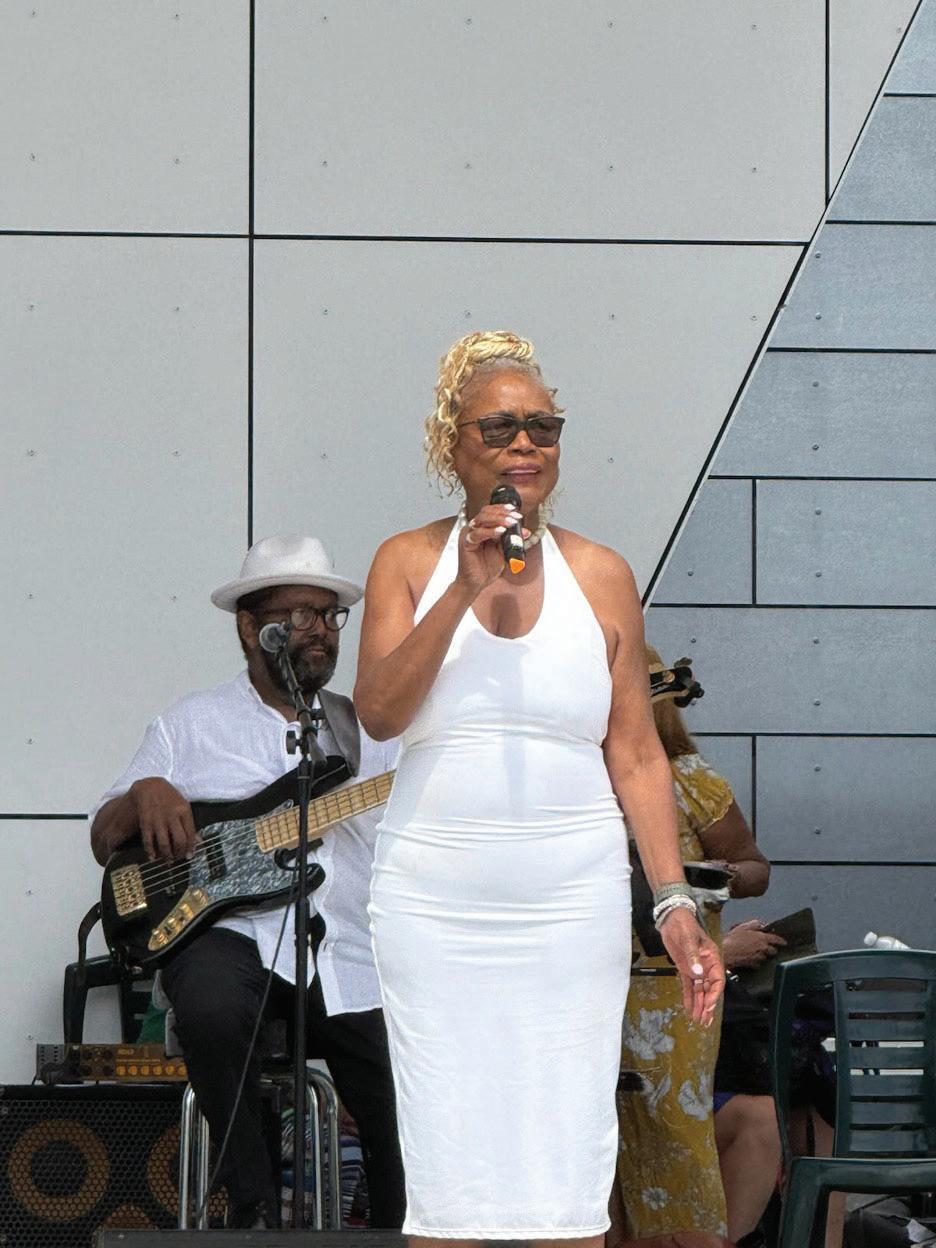
Maudie Wilson and the Band will perform at The Joint Is Jumpin'! A Harlem Renaissance Showcase,
June 6, 2026,
Image credit: Planned Parenthood of Orange and San Bernardino Counties
Missing Black Girl, 16, Found Hanging from Tree
in N.C.
By Aisha Winfrey | Los Angeles WAVE
CHARLOTTE, N.C — A
16-year-old Black girl who had been missing since late April has been found dead hanging from a tree, according to police and media reports.
Juliana Nzita, who recently moved to North Carolina from the Democratic Republic of the Congo, was found earlier this month hanging from a tree near the United House of Prayer for All People Church in Charlotte, police said. Her death has been classified as a suicide.
Authorities said Nzita was reported missing on April 28, according to the North Carolina Beat, an independent local news outlet. Her family searched for her while online posts and tips spread across social media.
Area resident Kenneth Tolbert said he was near the church on May 8 when he spotted what
appeared to be the body of a teenage girl hanging from a tree, the outlet reported. Tolbert said he alerted church members and police.
Tolbert reportedly provided video footage showing a small blue chair under a tree and a rope above, with the girl’s feet still close to the ground. A church member reportedly said the area had been checked the day before and saw nothing unusual.
Charlotte-Mecklenburg Police Department records confirmed Nzita was pronounced dead at 12:40 p.m. on May 8. The report documented the location and initial findings.
Investigators said they received no response from Nzita’s family when contacted. The church reportedly released no public statement.
National Leaders in Miami for First Black-Jewish Alliance in More Than 25 Years
Historic gathering launched emerging national alliance to combat antisemitism, racism, and division through renewed Black-Jewish solidarity
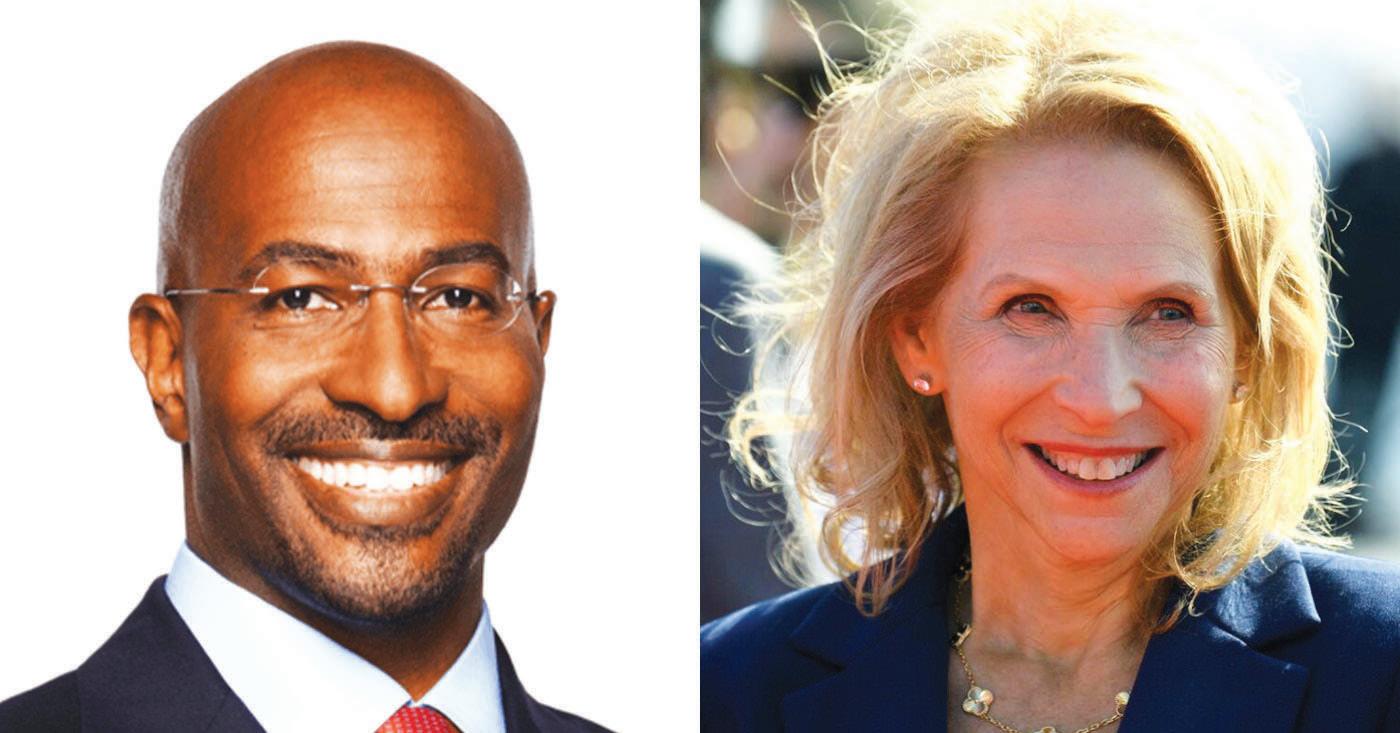
TV personality Van Jones and media executive and philanthropist Shari Redstone joined more than 100 leaders from across the United States in Miami this weekend for the National Convening on the Black-Jewish Alliance. It is the first national gathering of its kind in more than 25 years, aimed at renewing one of the most consequential partnerships in American history.
Hosted by the Exodus Leadership Forum and Redstone Family Foundation at EAST Hotel Miami, the convening brought together clergy, organizers, artists, philanthropists, educators, civic leaders and cultural figures. The goals were to strengthen relationships; confront rising antisemitism and racism; and help shape a shared national strategy for Black-Jewish partnership in the years ahead.
“It has been almost a quarter century since Black leaders, Jewish leaders and leaders who are both Black and Jewish pulled ourselves together like this,” said Van Jones. “With anti-Black and anti-Jewish backlash politics reaching a fever pitch, it’s time to renew this partnership.” Jones added, “When you combine the Jewish tradition of ‘repairing the world’ with the Black tradition of ‘justice for all,’ you get a double helix of hope for humanity.”
The gathering comes at a moment of deep polarization in the United States, with increasing concern over antisemitism, attacks on democratic institutions, racial injustice and growing social fragmentation.
Shari Redstone said, “This
Thursday, June 4, 2026
National Leaders in Miami for First Black-Jewish Alliance in More Than 25 Years...continued
Promoting Awareness and Historical Understanding
Deepening Relationships and Building Trust
Shaping a Public Narrative around Black-Jewish Allyship
Coordinating Efforts Across the Field
Expanding Partnerships for Collective Advocacy and Action
Throughout the convening, attendees reflected on the historic partnership between Black and Jewish communities during the Civil Rights Movement. At the same time, they emphasized that the goal is not to recreate the
past, but to build a broader, more durable future-facing alliance.
Organizers plan for the convening to become an annual gathering focused on strengthening Black-Jewish partnership and advancing collaborative action nationwide.
For more information about the emerging National Strategy for Black and Jewish Partnership and future initiatives, contact ethan@dreammachine.org.
For information about EXODUS Over Dinner, visit http://exodusoverdinner.org/.
Honoring Black Artists, Music, and Sound: Finding Health in Every Beat! ...continued from page 4
guitar,” “Moroccan mornings,” or “Funky Jazz Fusion.” In fact, I am listening to serene background music that puts me at ease as I write my thoughts on music and health.
One of my fond memories as a child was enjoying summer with dance and listening to songs such as “Hot Fun in the Summertime,” by Sly and the Family Stone, with its true evocation of a lazy summer day, or “Buffalo Soldier,” by Bob Marley, evoking my mom’s Jamaican roots. And “Wish I Didn’t Miss You,” by Angie Stone, which provides me with a rhythmic balance of emotion and internal conflict. All these songs help lower my stress levels, lift my spirit, and connect with myself and loved ones.
Music, especially Black music, has the power to bring people together and provide a strong sense of community. It has positive effects on people’s moods, helping us to balance the ups and downs of daily life, and keeping us moving.
resistance and a powerful way for communities to communicate when their voices were often ignored or silenced. Spirituals carried messages of hope, survival, and freedom. Blues and Jazz later became expressions of improvisation, resilience, creativity, and liberation, helping shape movements like the Harlem Renaissance in the early 20th century. During the Civil Rights Movement, freedom songs lifted spirits and united communities, while artists like Nina Simone and James Brown used music to inspire pride, courage, and action. That legacy continues today through hip-hop, rap, funk, soul, and other genres that speak openly about injustice, political representation, and the ongoing fight for equality and community empowerment.
rest of your life. When you can’t talk, you can talk through there. It gives you the mood. It gives you the conversation when you don’t have to talk.”
Ledisi said acting taps into that same vein.
“It feels the same, like singing, but it’s more vulnerable,” said Ledisi, whose full name is Ledisi Anibade Young. “When I’m acting, I’m drawing from my own life to put into the character to make it as real as possible. It’s more open.
“I feel naked when I have to speak. It’s kind of like lying, and I’m a horrible liar because my eyes give me away. So I really have to draw from myself,” she added.
For this production, Ledisi said she was able to find her footing with the help of the show’s director, Wren T. Brown, the Ebony Repertory Theatre’s founder and producing artistic director.
“Wren trusts my instincts,” said the New Orleans native, who delivered a soul-stirring rendition of “Lift Every Voice and Sing” before an audience of 150 million at the 59th Super Bowl in 2025. “I’ve been beaten up so much, I didn’t think I was a good actor or good enough, and he’s made me feel all my instincts were right. Wren lets me know and affirms me. To get that from a director is a beautiful thing.” Brown said he “Learned so much” working with Ledisi on this production.
“I was exposed to the rigor she exerts on herself as she was learning her music,” Brown said.
“That glimpse into her process was very exciting to me.”
gathering reflects what we are seeing across the country – a real desire to rebuild trust, deepen relationships, and move from conversation to coordinated action. The Black-Jewish alliance is not a relic of history; it is a living partnership that is evolving in response to this moment.
What we are beginning in Miami is about fostering mutual understanding, strengthening partnerships and activating resources for our shared future – one rooted in trust, shared purpose, and the commitment to social justice.”
Programming included a Soulful Shabbat gathering, artistic performances and facilitated conversations around difficult “wedge issues.” Discussions focused on movement-building, narrative change and civic participation. Featured performers and artists included Erika Atkins, Daniel Bernard Roumain, Jon Adam Ross and Zhailon Levingston, alongside performances from participating college students.
Rev. Dr. Benjamin F. Chavis Jr. said, “We are living through a period of crisis. Rising antisemitism, rising racism and growing division in our nation. But history shows us that movements are born in moments like this. This convening is not simply about remembering past solidarity; it is about building a participatory national strategy that allows millions of people to join in the work of justice, repair and shared liberation.”
An outcome of the convening was the advancement of a draft National Strategy for Black and Jewish Partnership, a living framework organized around five pillars:
In celebrating Black music and sound, I find it important to call attention to music as a resource for healing the mind, body, and soul. It has the power to unify people; to bring back memories; to connect us to our ancestors and history. It is through music that we allow our bodies and minds to be connected, to move and become active. One of the benefits of dancing—and I still call myself a dancer! —is keeping the body in motion. As the living legend Herbie Hancock said, “Music is the tool to express life—and all that makes a difference.”
Black music has long proven to be more than entertainment – it is a voice, a force, and a legacy that has influenced generations within American society. From the days of slavery to the present, Black music has been a form of
Let’s celebrate the contributions that Black music has made to the well-being of our communities and for all Californians as we groove towards a future of healing and human connection. I hope we keep moving toward a more holistic way of caring for people—one that doesn’t try to fit everyone into the same mold, but instead listens, adapts, and honors each person’s unique needs, sensitivities, and limits.
So, let’s turn the music up and keep on moving!
Dr. Monica Soni, MD, is the Chief Medical Officer for Covered California, where she leads efforts in health equity, quality transformation, and clinical innovation. As a boardcertified internal medicine physician and health care leader with over a decade of experience, Dr. Soni is committed to improving affordability, access, and health outcomes for all Californians.
Ledisi Gives Voice to Fats
Waller’s
‘Ain’t Misbehavin’’
By Darlene Donloe, Contributing Writer | Los Angeles WAVE
LOS ANGELES — Grammy Award-winning singer Ledisi, is showing off her talents in the Ebony Repertory Theatre’s “Ain’t Misbehavin’,” bringing her acting and vocal chops to the Tony Award-winning musical tribute to jazz legend Thomas ‘Fats’ Waller, currently playing at the Nate Holden Performing Arts Center through June 8. With her soulful vocals and captivating stage presence, Ledisi is a force to be reckoned with and her latest role is proving it.
The Grammy-winning singersongwriter is bringing Fats Waller and the Harlem Renaissance
back to life in a way that feels both authentic and electrifying, showcasing her range and versatility as an artist.
In “Ain’t Misbehavin’,” Ledisi proves she is just as compelling singing and acting on a theatrical stage as she is in concert or in the recording studio.
She is clearly in her element alongside veteran performers Chester Gregory, Connie Jackson, Marty Austin Lamar and Natalie Wachen, all of whom have brought their A-game for a night of unforgettable jazz and swing.
For Ledisi, who is that rare talent able to use just her first name, her latest role is a masterclass in nuance and power. It’s all about the music — and performing in “Ain’t Misbehavin’” is right in her wheelhouse.
“Music makes me feel empowered, not alone,” she said during a recent interview. “It’s like a friend that keeps on giving for the
“Everything is a challenge for me until I trust myself and be myself,” she said. “I have to just be myself and say it through my lens, and not try to be what everybody wants me to be. Go to when people said you’re not good enough and you’re not worthy enough in this space.
“I’ve been told that for so many years,” she added. “To finally be over 50 and comfortable in my own skin is wonderful. Why it took so long is crazy. The world didn’t affirm me. I’ve been fighting that and now I’m finally like, ‘nah, I’m going to do what I do.’”
Ledisi has a crystal-clear sense of self.
“It’s not me doubting myself, it’s me convincing the world that I belong wherever I want to be,” she said. “People like when I sing R&B music, but I don’t belong just there. God wants my voice everywhere. I belong everywhere God sends me.” With Ledisi embracing this multifaceted role, it’s clear she’s exactly where she’s meant to be — and the theater’s mission aligns perfectly.
The Ebony Repertory Theatre has a legacy of centering Black stories and artists. It was a match made in heaven, no accident. Brown said pairing Waller’s work with Ledisi was pure serendipity. “For me, Fats Waller and Ledisi both exemplify, in their art, the best in our culture,” said Brown, who chronicled his family’s theatrical legacy in his recently published book, “The Family Business: Four Generations of One Black Family’s Artistic Odyssey”. “I consider Mr. Waller a classic, transcendent
It’s jarring to think Ledisi’s talent isn’t always a shield against criticism.
Ledisi Gives Voice to Fats Waller’s ‘Ain’t Misbehavin’’...continued continued on page 7
Weekly Quote:
“To be beautiful means to be yourself. You don’t need to be accepted by others. You need to accept yourself ”Thich Nhat Hanh
SNAP Cuts Threaten Food Security in Vulnerable Communities, New Data Show...continued from page 3
income seniors, Mallya said.
“There’s good evidence that seniors who receive SNAP are better able to afford medications and manage chronic illnesses,” he said.
Onerous work requirements
Mallya also criticized the new work requirements for SNAP eligibility. Expanded work requirements now apply to adults ages 55 to 64 and parents of children as young as 14. He noted that the documentation requirements create bureaucratic burdens that are difficult to navigate by particularly vulnerable individuals.
“The majority of SNAP recipients who can work already do work,” he said. “They do very little to increase employment, but they lead to huge drops in participation. And that’s because the paperwork is very confusing and time consuming.”
Immigration enforcement Immigration enforcement actions are creating additional fear among mixed-status families, experts said, discouraging eligible citizen children from enrolling in SNAP or Medicaid.
“We are seeing citizen children lose benefits because parents are afraid to engage with government programs,” Mallya said. “That fear is understandable.”
Undocumented immigrants have never been eligible for SNAP benefits. But advocates say anti-immigrant rhetoric and data-sharing policies have created a chilling effect across immigrant communities.
California’s Central Valley
The new SNAP data establish
an important baseline for tracking the effects of the policy changes, said Thorpe at the May 8 briefing.
“Our data show that more than one in six households in the United States participate in SNAP. But geographically, there is tremendous variation between congressional districts,” she noted.
The dashboard found SNAP participation ranging from as low as 3% of households in some districts to nearly 60% in others.
Already vulnerable communities hit hardest
Thorpe noted that many of the districts with elevated SNAP participation also experience high unemployment, lower incomes and other indicators tied to poorer health outcomes.
“What the dashboard allows people to see is how federal nutrition policy intersects with housing, poverty, employment and health,” she said.
The dashboard also includes demographic breakdowns by race, ethnicity, age and sex for many health measures, helping reporters and policymakers identify disparities within districts.
In California’s 12th Congressional District, which includes Oakland and Berkeley, Thorpe demonstrated how life expectancy and breast cancer mortality differ sharply among racial groups. Black residents in the district experienced lower life expectancy and higher breast cancer mortality rates than white, Hispanic and Asian residents. The demographic breakdowns help illustrate longstanding racial and economic inequities affecting health outcomes, said the researcher.
Description Ledisi performs at a Juneteenth concert on the South Lawn of the White House, Tuesday, June 13, 2023. (Official White House Photo by Cameron Smith)
The NAACP is Calling for Athletes to Help Fight for Voting Rights
NAACP President Derrick Johnson said in a statement. Photo: iStockphoto / NNPA.
By Caleb Pugh | Our Weekly
The NAACP is calling on athletes to hold Southern states accountable for their radicalization of state maps, as many disfranchise black voters and leaders. While this has been an ongoing problem in various Southern states over the years, Louisiana recently made headlines after redrawing its congressional map, eliminating two predominantly Black districts by splitting them and forcing former district leaders, Tony Carter and Castro Fields, to compete against each other for one district. They also limited the importance of the Black vote, as now predominantly Black communities are overshadowed by the majority of white voters in those districts.
On May 19, the NAACP launched the “Out of Bounds” campaign that targets public universities in eight Southern states that have redrawn or moved to redraw their congressional maps after the Supreme Court weakened a key provision of the Voting Rights Act earlier this month.
The campaign, according to the release, focuses on flagship public universities that generate more than $100 million in annual revenue in eight Southern states: Mississippi, Tennessee, Louisiana, Alabama, Florida, South Carolina, Texas, and Georgia. This would include Ole Miss and Mississippi State University.
“This generation of Black athletes understands something that those who came before them were never afforded the chance to say so plainly: your talent is yours, and so is your community’s political power,” stated Tylik McMillan, the national director of the NAACP’s Youth and College Division, in the release. “The state
that is working to erase your grandmother’s congressional district is the same state whose governor will stand on the field and celebrate your touchdown or game-winning shot.”
Republicans deny that their actions erase Black voting power in their states and claim that changes are needed to comply with the court’s ruling and ensure maps meet legal standards.
“These actions happened in days, in some cases in hours, of a Supreme Court ruling that gives extremist lawmakers a playbook to erode Black representation,”
NAACP President Derrick Johnson said in a statement.
“The same power that built these programs can be redirected.”
While it’s seldom that players have spoken up about the racial messages on their school campus, as Kylin Hill, a former running back for Mississippi State, posted on social media in 2020, politicians need to “change the flag or I won’t be representing this state anymore.”
That year, the state changed its Confederate-themed flag to the current magnolia version.
“For generations, Black athletes have helped build college athletics into one of the most powerful and profitable industries in American life,” the caucus said in a statement. “Yet at the very moment those same communities face coordinated attacks on their democratic representation, too many leaders across college athletics have chosen silence.”
The campaign also asks fans, alumni, and donors to stop buying tickets, merchandise, and licensed apparel from targeted programs and divert those funds to historically Black colleges and universities and related organizations.
COMMENTARY: The Politics of the New Civil Law Wars
By David L. Horne, PhD, OPED Contributor | Our Weekly
In the continuing battle for political respect and inclusivity that Black folks in the U.S. have been immersed in since the end of the U.S. Civil War, a little bright bulb of hope and redemption just appeared in the southern sky.
A federal court in Alabama, of all places, has just rendered a stunning political defeat to the “political KKK’ers” who were already prematurely celebrating their supposed subjugation— again—of Black voting rights in Louisiana after the recent U.S. Supreme Court decision, which upended the remaining significance of the Voting Rights Act that Dr. King and a host of other leaders had fought for.
The high court’s ruling in that case focused on neighboring Louisiana but quickly opened the
Thursday, June 4, 2026
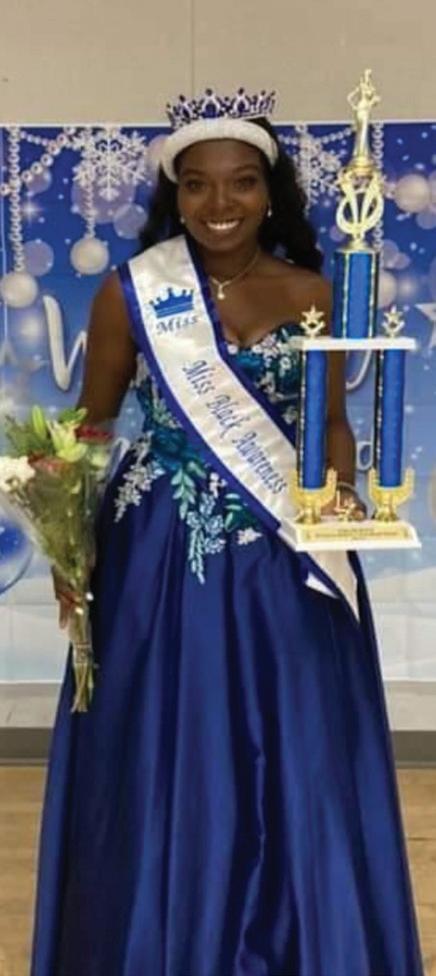
A Queen's Journey
Liyah R. Belvins Miss Black Awareness Queen 2022
Empire News
Liyah R. Belvins remained steadfast in accomplishing her goals and continued to grow through every season of her journey. Today, she shares these words of encouragement with all who have ears to hear:
"Since being crowned, my journey has taken me across several regions of the world over the past four years. From busy cities to remote villages, each experience has shaped me in ways I never expected.
Travel has taught me that while cultures, languages, and traditions may differ, the need for hope, love, and purpose is universal. Along the way, I have had the privilege of meeting people from many walks of life, hearing their stories, and learning from their resilience, kindness, and faith.
More than anything, these years have deepened my relationship with Jesus. Time and time again, He has reminded me of His faithfulness across every season and circumstance. Through moments of uncertainty, growth, and discovery, I have learned to trust His leading and to follow His example by loving others, serving with humility, and seeking to reflect His grace wherever I go.
These experiences have strengthened my belief that true leadership begins with humility, service, and a willingness to listen. They have given me a greater appreciation for the beauty of different cultures and a deeper desire to encourage others wherever God may lead.
As I look toward the future,
I am grateful for every lesson, every conversation, and every opportunity to grow. My journey has not simply been about the places I have visited, but about the ways God has transformed my heart through them. It is a story of faith, purpose, and the continual reminder that His plans are always greater than my own.
I am especially thankful for the family, friends, mentors, and supporters who have encouraged me throughout this journey. Your prayers, kindness, and belief in me have meant more than words can express. As this chapter continues, I am excited not only for the places ahead, but for the people I have yet to meet, the relationships still to be built, and the opportunities God has prepared. I look forward to continuing this journey with faith, gratitude, and an open heart for whatever He has in store."
The Miss Black Awareness Scholarship Pageant Committee extends its love, admiration, and best wishes to Liyah as she continues her journey through life. We celebrate her accomplishments, her faith, and her commitment to serving others. May God continue to guide her steps, open new doors of opportunity, and bless her with continued success in all her future endeavors. Congratulations, Liyah, and thank you from the Concerned Citizens for the Development of North Fontana and Miss Black Awareness Scholarship Pageant committee for representing the Miss Black Awareness Scholarship Pageant with grace, excellence, and purpose.
Ledisi Gives Voice to Fats Waller’s ‘Ain’t Misbehavin’’... continued from page 6 artist, and I consider Ledisi a classic, contemporary artist.”
Ledisi has a storied career and it’s not just about singing.
The 54-year-old started in San Francisco’s iconic Beach Blanket Babylon cabaret review, where she held court for 11 years.
Broadway is no stranger to her either. She made her debut in the original 2004 production of “Caroline, or Change.”
floodgates for white lawmakers across the South to try to rush to redraw their own respective maps in time for this year’s congressional voting.
The U.S. federal court in Alabama officially jumped into those debates on whether Alabama’s unprecedented and quick redistricting efforts in the wake of the latest Supreme Court ruling in favor of Louisiana’s remapping of its state voting districts were unlawful. The Alabama federal court decided that Alabama’s quick attempt to follow Louisiana’s lead was an illegal attempt to rob Alabama State’s Black population of legal representation.
A mere two weeks after the U.S. Supreme Court seemed to finish its determined aim of gut-ting what remained of the 1965 Voting Rights Act by overturning Section II’s last protection against radical racial gerrymandering in state voting laws, specifically in the Louisiana case, neighboring state Alabama—yes, that Alabama— tried to join the southern choir
Now, she’s gearing up to return to the Great White Way this fall, starring as Tallulah Clarke in the new musical “Wanted” at the James Earl Jones Theatre, previewing Oct. 15 and opening Nov. 8.
Ledisi first hit the music scene in 2000 with the release of her debut album, “Soulsinger — The Revival.”
Over two decades, she has built a catalog that bends R&B, soul, and jazz into something unmistakably hers.
“Lost & Found” (2007) earned two Grammy nominations. “Pieces of Me” (2011) drew a third for Best R&B Album. Then came “Ledisi Sings Nina” (2021), her reverent, fire-lit tribute to Nina Simone, followed by “For Dinah” (2025), honoring Dinah Washington.
In 2020, “Anything for You” brought her 15th nomination and her first win: Best Traditional R&B Performance.
For Ledisi, the role in “Ain’t Misbehavin’” is another conversation in a lifelong dialogue with music.
“There is something about Fats Waller’s music,” she said. “If people are not familiar with his body of work, study him, listen to him. His work was and is important.”
Waller was an international jazz pianist and composer who helped
COMMENTARY: The Politics of the New Civil Law Wars...continued by attempting to imme-diately redistrict Black candidates and voters out of being able to participate in state voting of their choice, beginning in 2026.
But Katy barred the door.
Specifically, a three-judge federal panel on Tuesday, May 26, blocked Alabama from using a new GOP-led congressional map for this year’s congressional elections that would have yielded the GOP an extra House seat.
The court’s decision focused on a map approved by Alabama lawmakers after the Supreme Court voted last month to gut key protections of the Voting Rights Act of 1965. Though the high court’s ruling in that case focused on neighboring Louisiana, it quickly opened the floodgates for lawmakers across the South to redraw their own respective maps.
A three-judge federal panel ruled that the proposed Alabama
re-map attempt was intentionally discriminatory and could not be used in the 2026 election cycle, writing that elections should not proceed under the new plan, which was “tainted by intentional race-based discrimination.” The judges said Alabama lawmakers had deliberately diluted Black voting strength—echoing the concerns of voting rights advocates—despite previous court orders requiring fair representation. This latest federal court ruling was similar to a recent one that barred Virginia from using a Democrat Party-led redistricting map there earlier this month. So there does seem to be some effort to be fair on this voting rights issue. For now, the bipartisan playing field seems to be pretty even, but more battles are expected before November’s midterms. We all better buckle up.
define American swing. He also knew music could say what society wouldn’t let Black artists speak.
“Very little brings me more joy artistically than to explore the magnificence of the Harlem Renaissance and the music of brilliant artists like Thomas ‘Fats’ Waller,” Brown said. “This extraordinary period of intellectual, artistic, and cultural inspiration is still being robustly discussed and written about today. In addition to this historic backdrop, having a cast with Ledisi, Chester Gregory, Connie Jackson, Marty Austin Lamar, and Natalie Wachen represents a director’s dream.”
Ledisi hopes the takeaway for audiences is to listen to, study, and enjoy Waller’s music.
“Whether you’re familiar with Fats Waller or not, when you come to see the show, just be reminded of how great it is to have musical theater,” she said.
“Ain’t Misbehavin’” was conceived by Richard Maltby, Jr. and Murray Horwitz with music by Fats Waller.
The production originally opened in the Manhattan Theatre Club’s East 73rd Street cabaret on Feb. 8, 1978.
It opened on Broadway at the Longacre Theatre on May 9, 1978.
“Ain’t Misbehavin’” is presented by Ebony Repertory Theatre, Los Angeles’ only African American professional theater company, at the Nate Holden Performing Arts Center, 4718 W. Washington Blvd., through June 8. Tickets start at $35. Information: 323 964-9766 or ebonyrep.org.
Darlene Donloe is a freelance reporter for Wave Newspapers who covers South Los Angeles. She can be reached at ddonloe@ gmail.com.
Lose Weight Without Excessive Workouts
Milwaukee, WI — Losing weight doesn’t have to mean long gym sessions, intense HIIT classes, or spending hours exercising every week. The right kind of low-to-moderate activity can increase calorie burn, improve consistency, and help your body stay active without burnout.
TOPS Club, Inc. (Take Off Pounds Sensibly SM), the nonprofit weight-loss support organization, with a “Real People. Real Weight Loss.®” philosophy, teaches that the foundation of fat loss is about consistent daily habits. The goal is to choose movement you can actually sustain — not workouts you dread or quit after two weeks.
The following are a few lowexercise approaches that will still help you make meaningful progress toward your weight loss goal.
Walking Walking is the most underrated weight loss exercise. In fact, it’s one of the most effective forms of exercise when it comes to shedding pounds.
Walking steadily burns calories without a spike in fatigue or appetite. It can be done anywhere, anytime, and there’s little recovery involved.
Aim for 30-60 minutes of walking daily or split that into a few shorter walks. If possible, walk after meals. Be sure to keep a comfortable but purposeful pace. You should be slightly out of breath, but not exhausted. Consistency matters more than speed or intensity.
Other Low-Impact Cardio
Options
If you find walking boring, other good low-impact workouts include cycling at a relaxed pace, swimming or water walking, or hiking leisurely.
These activities raise your heart rate gently and are easier to recover from than high-intensity workouts.
Increase Daily Movement
Not all exercise has to feel like or be thought of as a workout. Light movement adds up significantly over time. For example, foregoing the elevator for the stairs, parking farther
away from your activities, or doing light household chores like cleaning and yard work can increase total daily calorie burn.
Try Bodyweight Training
Forget the heavy weights. Bodyweight sessions help maintain muscle while losing weight, which improves metabolism and body shape.
Start simply, with 2-3 sets of these movements 2-3 times a week.
Squats
Push-ups (modified if needed) Lunges Planks
Glute bridges At most, this should take 15 to 25 minutes.
If this still seems like too much, try a micro workout like this, repeating these exercises 3-4 times:
1-minute squats
1-minute marching in place
1-minute wall push-ups
This approach works well for busy schedules and reduces resistance to starting.
Consistency, Not Burnout
A common problem for many who are exercising to lose weight is starting too hard, then stopping completely. Sustainable exercise beats extreme programs every time. Build gradually over weeks, not days.
Weekly consistency matters more than daily perfection. Your week could look something like this:
4–6 days of walking or light activity
2–3 short strength sessions Optional low-impact cardio once or twice
Even if individual days vary, this weekly pattern drives results.
You don’t need extreme workouts to support weight loss. Regular walking, light strength training, and consistent lowintensity movement are enough to make a meaningful difference over time. The goal isn’t to push harder— it’s to move often enough that it becomes a natural part of your routine.
New ‘Out of Bounds’ campaign launches
“These actions happened in days, in some cases in hours, of a Supreme Court ruling that gives extremist lawmakers a playbook to erode Black representation,”
Photo: iStockphoto / NNPA.
Thursday, June 4, 2026
Black Babies Used for Medical Trials by Feds, Lawsuit
Filed
By NY Carib News
A federal lawsuit filed by prominent civil rights attorney Ben Crump alleges that two Black infants were used as subjects in a government-sponsored experimental vaccine study without their parents’ knowledge or consent, resulting in tragic consequences that continue to reverberate decades later.
The complaint, filed on May 22, centers on the deaths of Ross Otto Hambrick and Victor Marcellus King, who were allegedly administered an experimental respiratory syncytial virus (RSV) vaccine developed by the National Institutes of Health (NIH) during the mid-1960s.
According to the lawsuit, Ross was two months old and Victor was four months old when they were injected with a vaccine identified as “Lot 100” at a Washington, D.C. hospital in the winter of 1965. The suit contends that their parents were never informed of the experimental nature of the vaccine nor asked to provide consent.
RSV is a common and highly contagious respiratory virus that often causes mild cold-like symptoms in healthy adults.
However, it can lead to severe illness and even death among infants, older adults, and other vulnerable populations.
The lawsuit alleges that both children became critically ill following exposure to the virus the following year. Victor died on January 1, 1967, at 16 months old, while Ross died the next day at 14 months old.
According to court filings, medical findings at the time suggested that the children’s deaths may have been linked not only to RSV infection but also to an enhanced immune response allegedly triggered by the experimental vaccine, compounded by bacterial pneumonia.
The complaint further claims that tissue samples collected during the infants’ autopsies were preserved and later used by researchers studying why the vaccine had produced such severe outcomes. Attorneys for the families argue that the scientific knowledge derived from those studies contributed to later advancements in RSV research, including vaccines and antibody therapies approved decades afterward.
The lawsuit alleges that the families were never informed of the role their children’s tissue samples played in subsequent research and were never compensated for their contribution to medical advancements.
Crump and his legal team have filed claims including wrongful death, lack of informed consent, and civil battery. Cocounsel William H. Murphy Jr. argued that federal researchers proceeded with testing despite concerns about earlier RSV vaccine trials and the potential risks posed to young children.
The complaint also references previous RSV vaccine studies conducted during the 1960s, alleging that researchers continued testing despite reports of severe illness among some participants.
“The families of Ross Otto and Victor have waited nearly sixty years for answers and accountability,” Crump said in a statement announcing the lawsuit.
The NIH has not publicly responded to the allegations contained in the complaint. As the case proceeds through the courts, the lawsuit is expected to renew debate over medical ethics, informed consent, and the historical treatment of minority communities in medical research.
The allegations also draw attention to broader discussions about past instances of unethical experimentation in the United States and the importance of maintaining strict safeguards for human subjects participating in medical studies.
We offer three free visits to participate in club activities such as: Soul/Country Line Dance, Exercise Class, Card Games, Crafts, Billiard, etc. Events – Open to the Public Bingo: Sat June 13 & 27 Buy In $25 • Power Ball $2 • Payout $75–$200 Doors Open @ 10:15 AM Game starts @ 11:00 AM Yard Sale: Sat. June 6 @ 8am-3pm, $25 for 2 Space, Sell Out of Your Car. Need to register at Victorville Senior Ci1zens Club, Contact: Brenda Lasley ***Need Vendor*** Doc Talk: June 30 @ 2pm with Dr Lisa (Diabetes) Daily, Weekly or Monthly, Hall Rentals Available! For membership info or hall rentals for banquets, special events and more, call 760-245-5018
Elevate Your Champagne Experience with Nicolas Feuillatte Champagne
Wanda Haynes-Certified Sommelier
Champagne isn’t just for celebrations, allow this magnificent wine to be a part of your regular adventures.
Champagne is only from the region in France, and other sparkling wines are from other places with other names.
Fermented twice using CO2 and during the second fermentation is when the millions of bubbles are formed. This age-old process is called “method traditional.” Brut is a French term that means "dry" and is used to describe a type of Champagne or sparkling wine with a low sugar content. In the world of Champagne, the foam is referred to as “mousse”.
This term is a French word meaning "foam," which describes the overall frothy head of the wine.
The term "perlage" refers to the string of fine tiny bubbles that rise from the bottom of the glass.
Champagne is the only winegrowing region in France that allows red and white to be blended to obtain rosé. The red wine from famous vineyards that produce red AOC Champagne is added to the still white wine before bottling, The proportion of red wine is determined by a cellar master and depends on the
desired aromatic characteristics and color. Champagne is made from a sophisticated blend of chardonnay, Pinot noir, and Pinot meunier.
This mixing takes place before the bubbles are formed (before the "second fermentation" in the bottle), basically, before the Champagne is Champagne.
Nicolas Feuillatte Champagne offers a brilliant Reserve Exclusive Rosé. Full-bodied flavors of redcurrant, blueberry, sassy raspberry, and a hint of pressed strawberries is lovely. With enticing aromatics of red berries and marigold. Serve with salmon, tuna, sushi, Cajun shrimp, deviled eggs, oysters, chicken salad, grilled pork chops, veggie kabobs, lobster with drawn butter, and toasted croissants. I love the full mouth feel of this Champagne, the fine silky bubbles, and the red fruit nose. Enjoy this wine with light salads and a piece of grilled salmon on top, drizzled with herb dressing. Nicolas Feuillatte Champagne Sustainability Efforts A modern Champagne House that launched in 1972 with innovative ideas.
Since 2004, 18 tons of corks from production and tastings have been collected for repurposed insulation. Since 2010, Nicolas Feuillatte has been working on lighter glass bottles to reduce the impact of pollution during transport and to preserve the environment. Each bottle has gone from an empty weight of 900g to 835g, avoiding 650 tons of glass each year.
https://www.nicolas-feuillatte. com/us/
Empowering Teen Wellness: Planet Fitness Announces Sixth Annual High School Summer Pass® Program And Opens Its Doors To Teens For Free All Summer Long
HAMPTON, N.H. (May 20, 2026)
– Planet Fitness, one of the largest and fastest-growing fitness center operators with more members than any other fitness brand, announced the return of its annual High School Summer Pass® program. Now in its sixth year, the initiative encourages high school teens ages 14 to 19¹ to prioritize fitness this summer by working out for free at any of Planet Fitness’ 2,900+ participating locations throughout the U.S. and Canada. Teens can register today at PlanetFitness.com/SummerPass to gain club access beginning June 1 through August 31. Find the club nearest you here. New this year, the High School Summer Pass® program is powered by Gymshark, the gymwear brand, and all High School Summer Pass® participants will receive an exclusive discount 2 after signing up for the free fitness program.
Planet Fitness has invested more than $460 million in waived membership dues3 to promote youth health and wellness and provide an opportunity for millions of teens to improve their physical and mental health.
“At Planet Fitness, our mission is to break down the barriers to fitness, and the High School Summer Pass® program is a key part of that,” said Colleen Keating, CEO of Planet Fitness. “Young people are increasingly prioritizing their mental and physical health and making fitness part of their daily lives. This program gives teens the unique opportunity to build lifelong healthy habits in a welcoming and non-intimidating environment during the important months when school is out.”
Through the High School Summer Pass® program, teen members will have free access to:
· Planet Fitness' complete range of strength equipment, including stateof-the-art plate-loaded machines, best-in-class cardio equipment, stretching space and more
· Free fitness training from certified fitness trainers⁴
· The free Planet Fitness App, featuring hundreds of on-demand
digital exercises
· A welcoming, non-intimidating
community environment
· Exclusive discounts through
To better understand teens and their mental and physical health, Planet Fitness commissioned a nationwide study5 uncovering the following insights: The Emotional Weight of Being a Teen is Real: Nearly all teenagers (95%) report emotionally or mentally struggling, with more than half (52%) dealing with anxiety and close to half (49%) struggling with a positive body image.
Exercise is One of the Most Powerful Outlets Available: Ninety-five percent of teens say exercise helps them manage life's challenges. Two-thirds (66%) say working out makes them feel proud of themselves, and more than half (53%) say it makes them more confident in who they are.
Strength is Not Just Physical: Planet Fitness knows that strength training not only helps you feel strong and confident, but it also profoundly impacts overall wellbeing. In fact, ninety-two percent of teens agree that strength training builds confidence, 91% say being strong is just as important as looking good, and 84% say they want to do more strength training.
Cost and Access Are Real Barriers: Seven in 10 (70%) teens report at least one obstacle to working out more, including lack of time (44%), not wanting to spend money (28%) and feeling self-conscious (27%). Nearly half (47%) say they simply cannot afford to make fitness a top priority, yet 83% say they would work out at a gym if