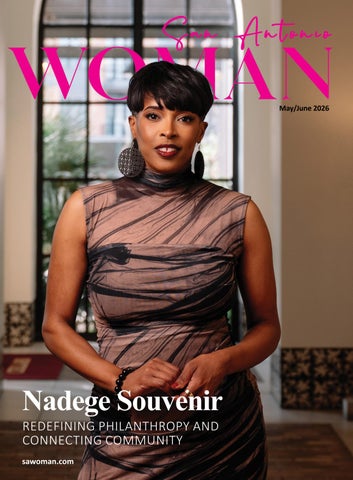
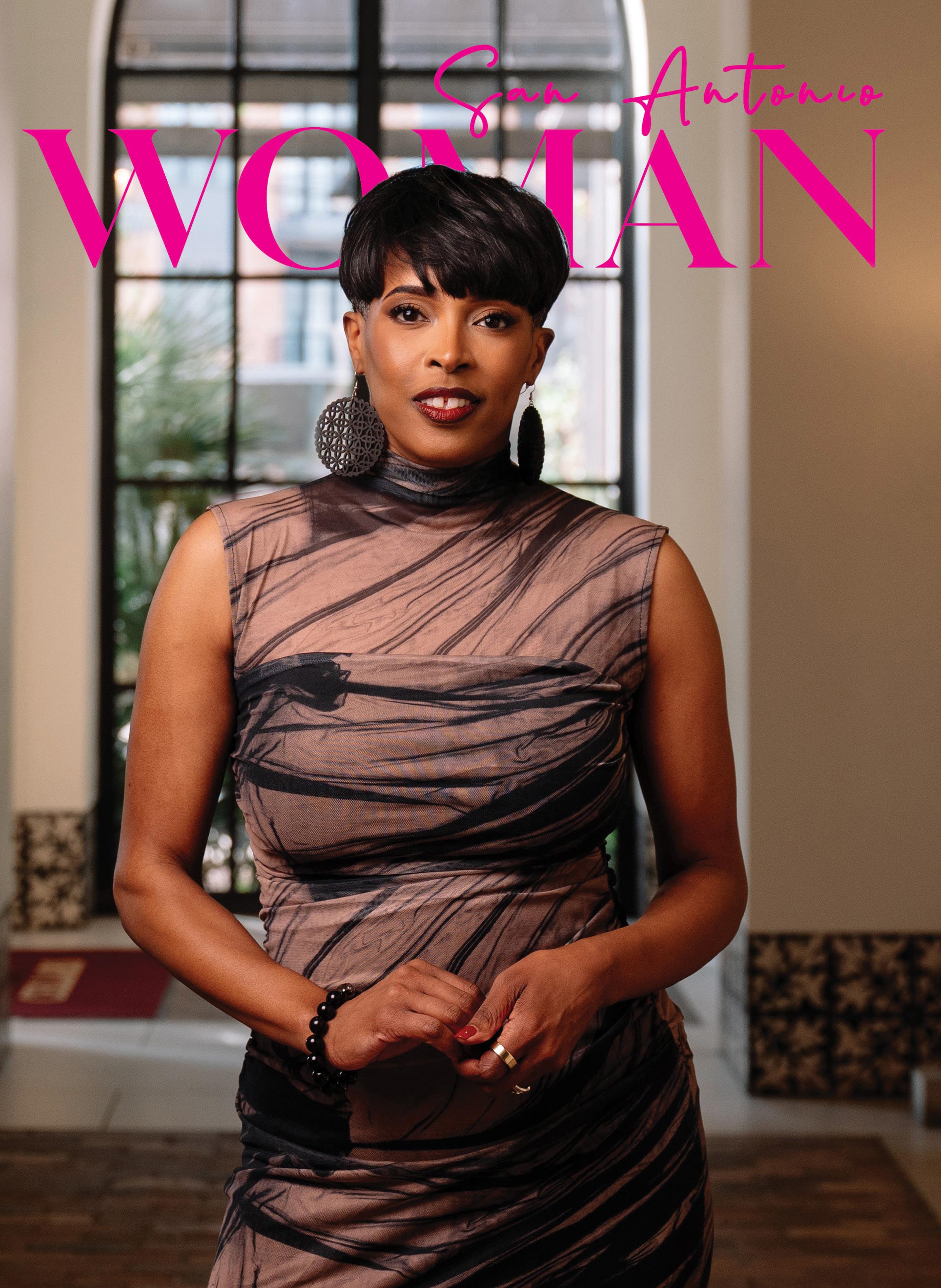
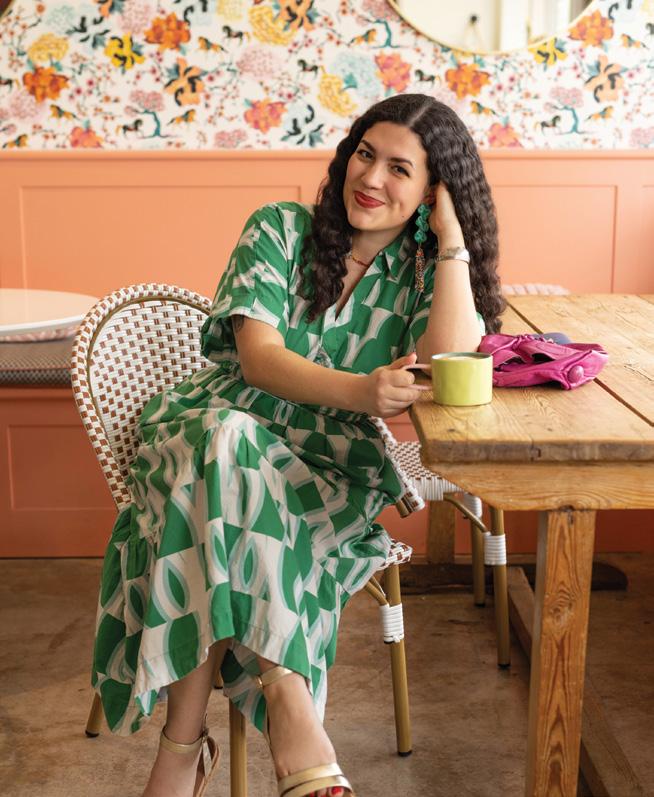
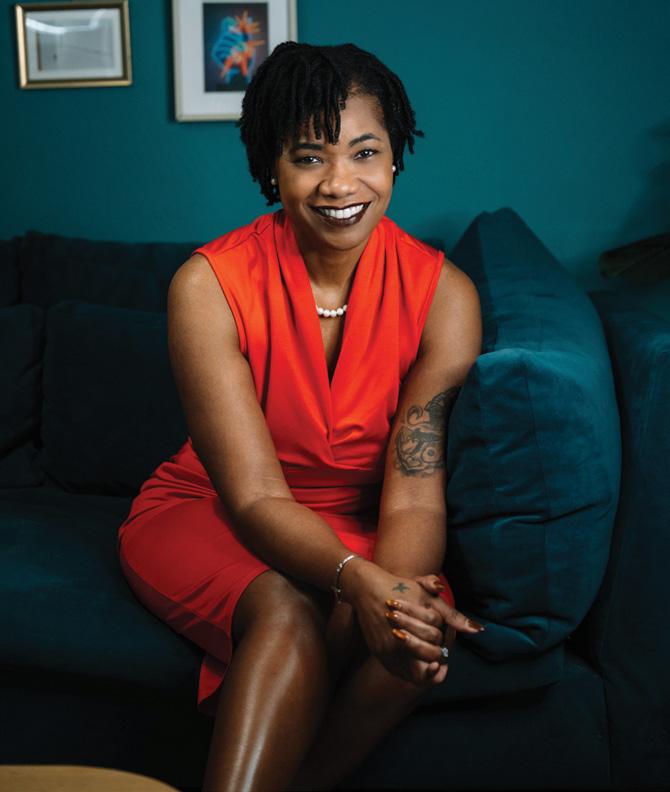
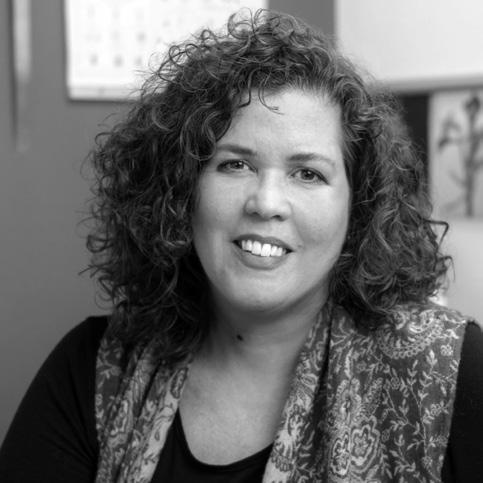
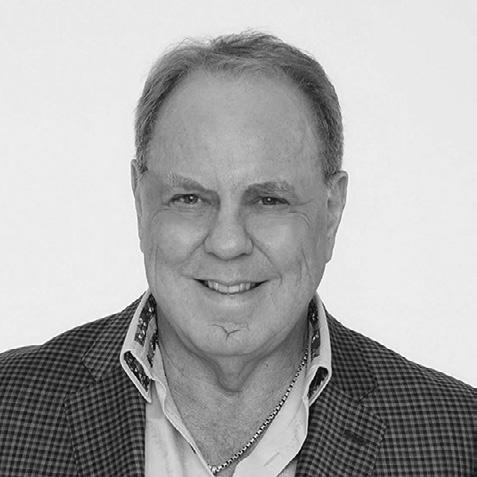
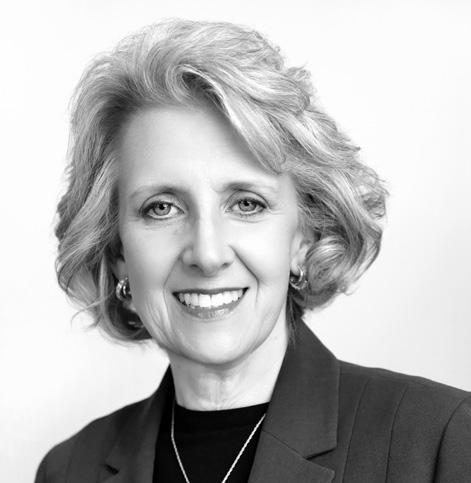
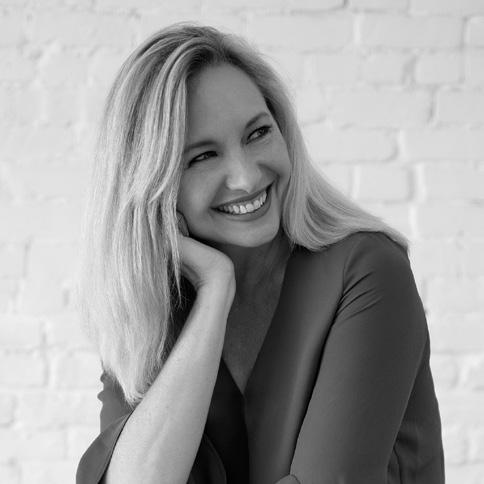
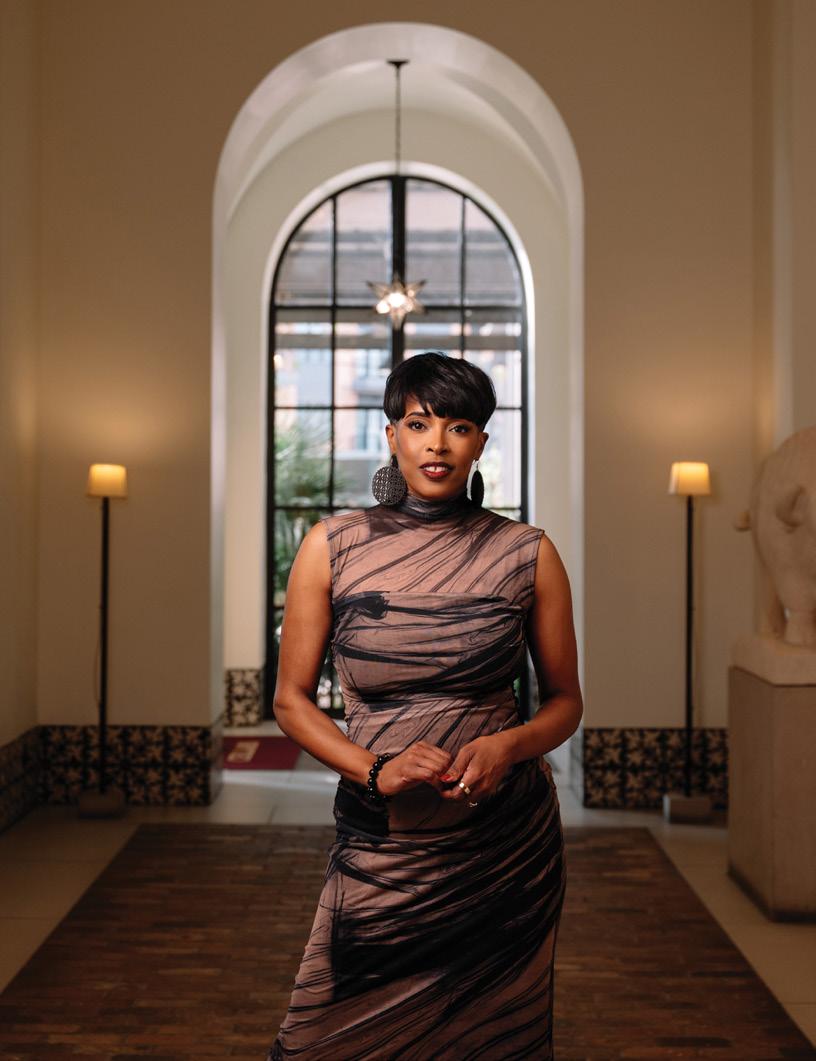
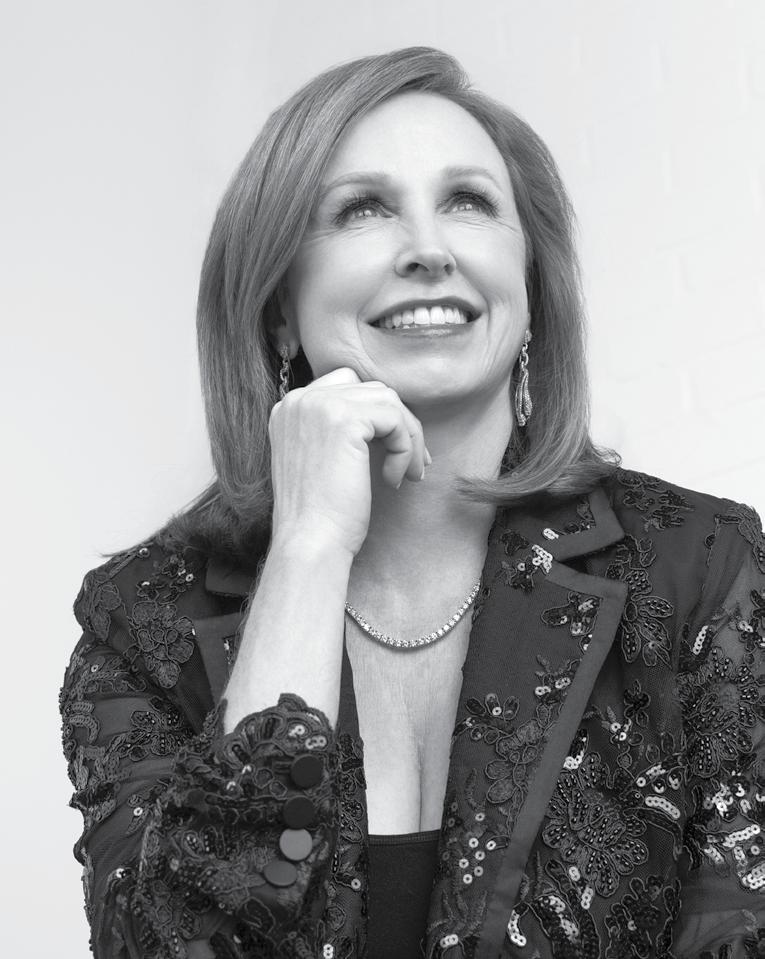
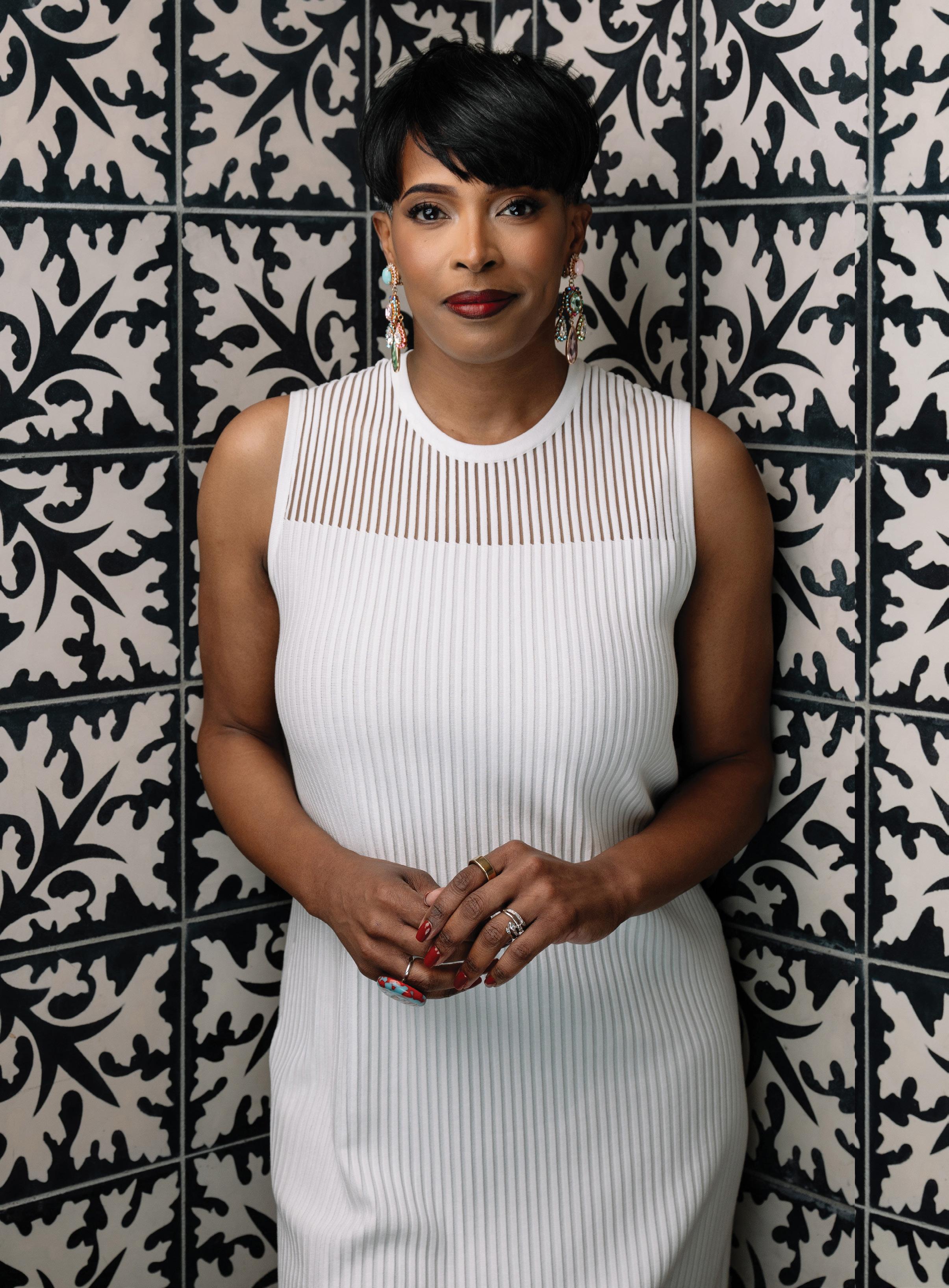
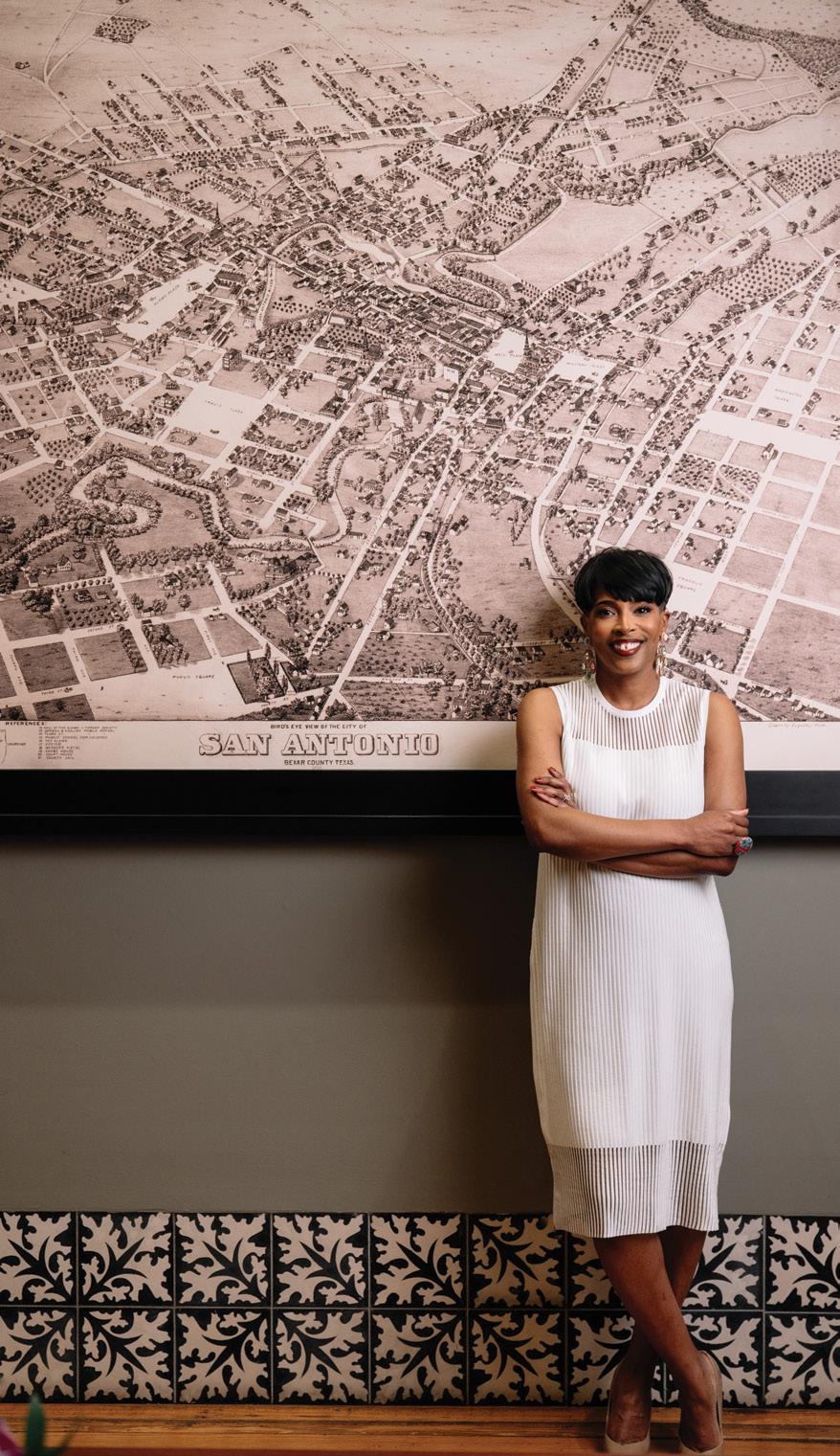
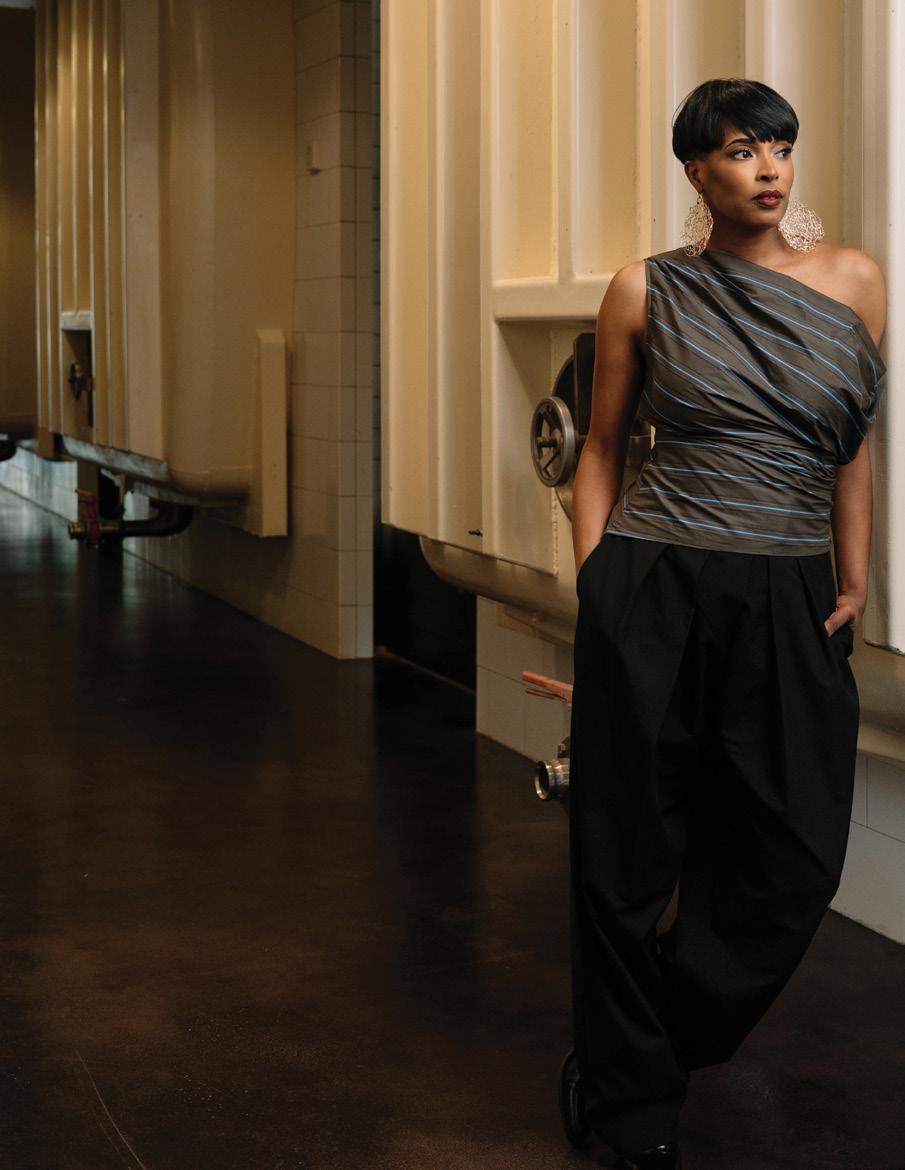
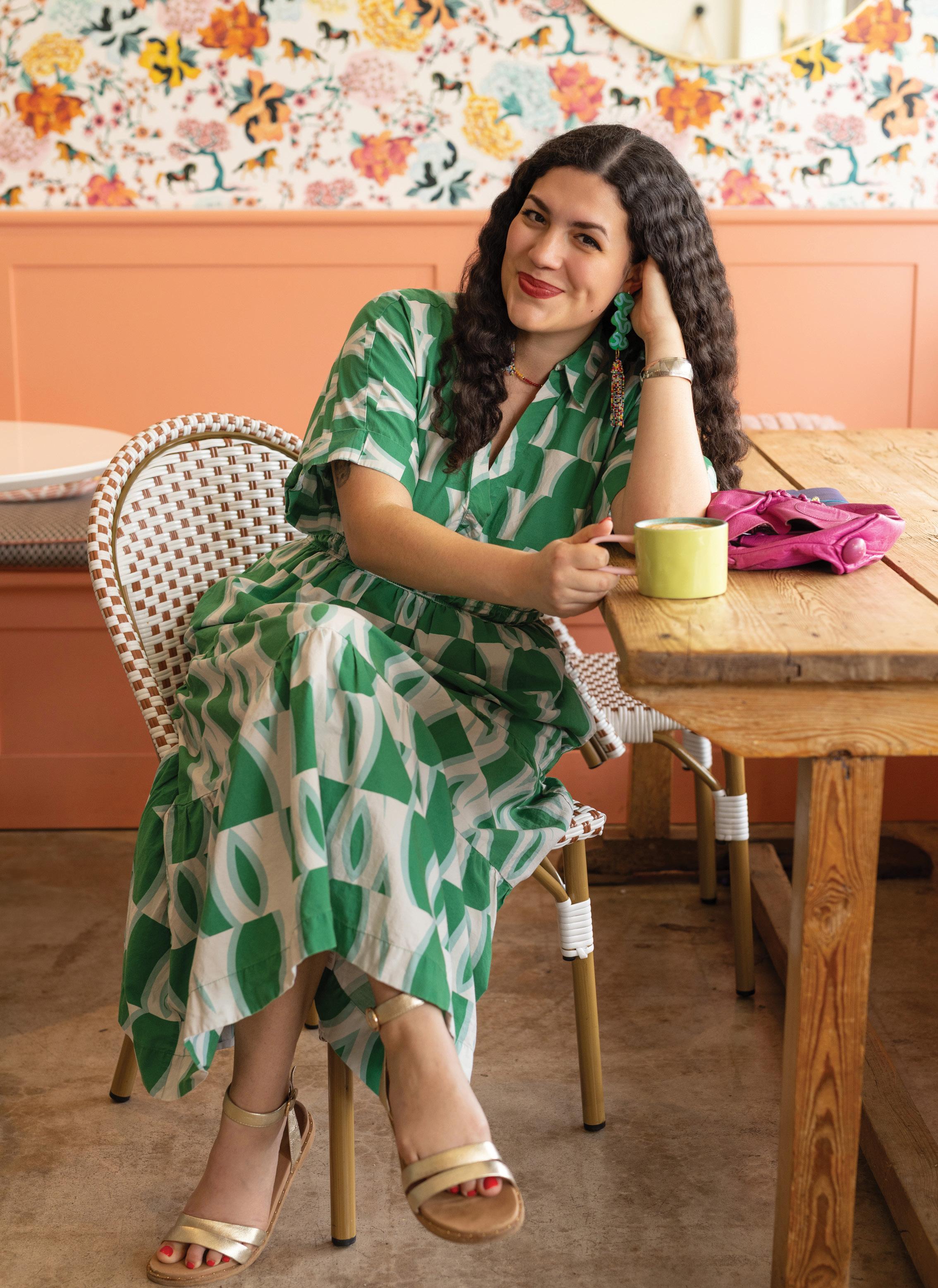
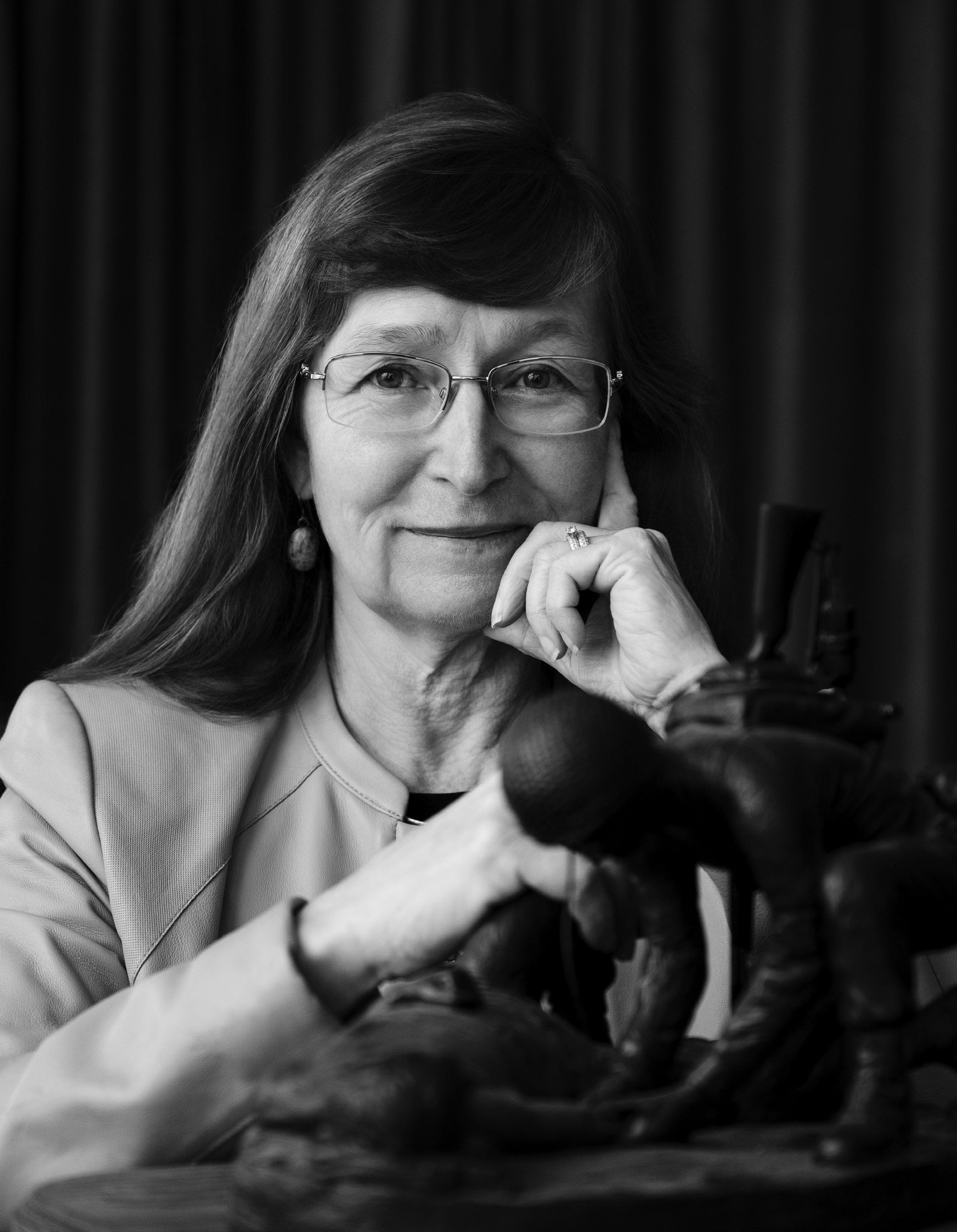
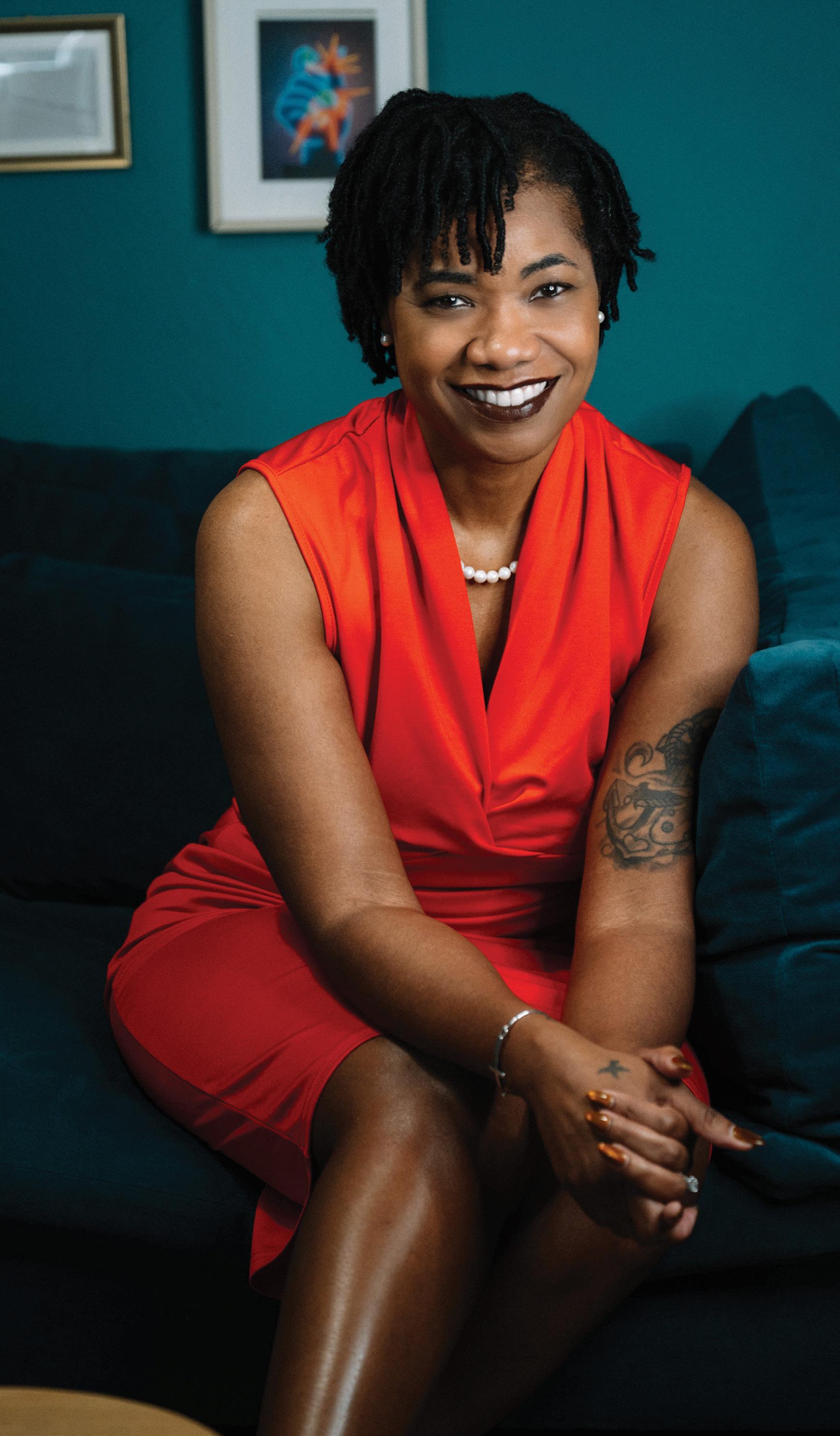
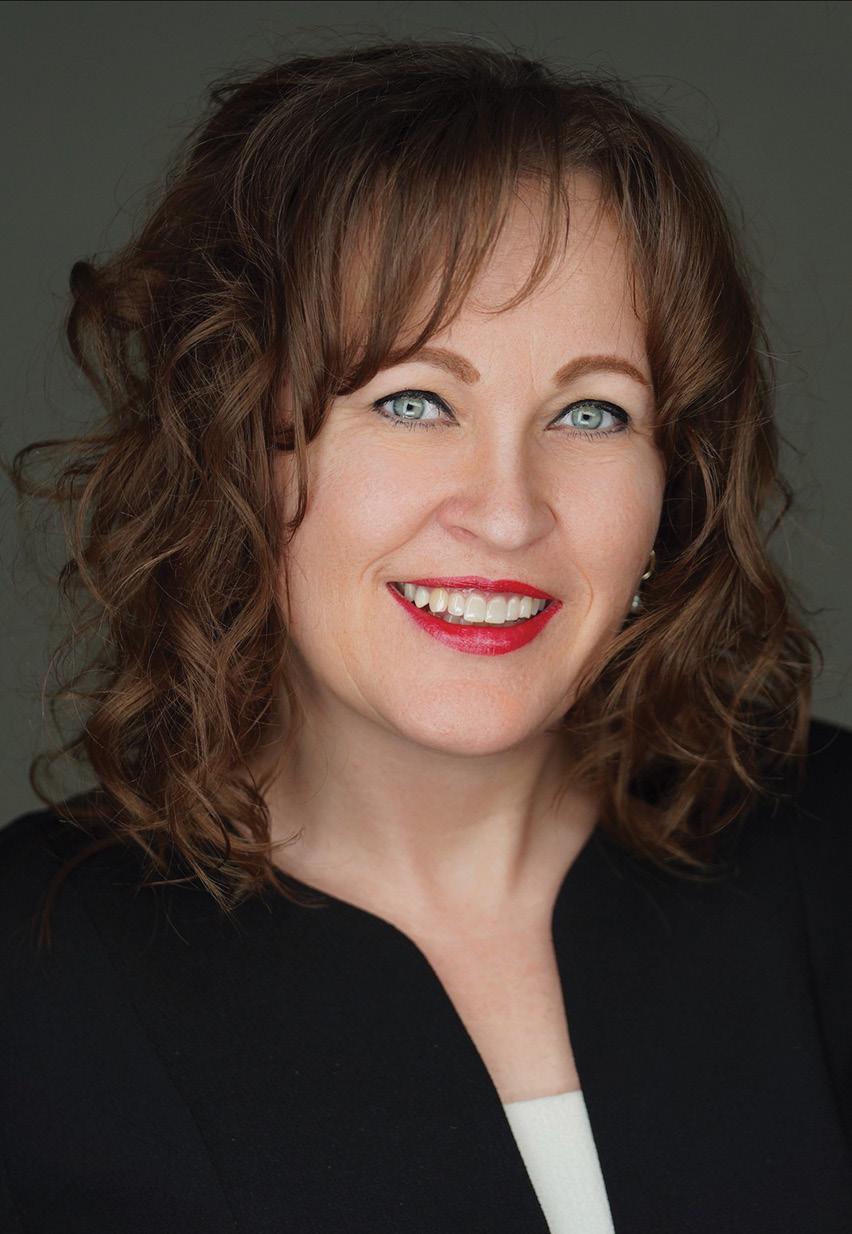
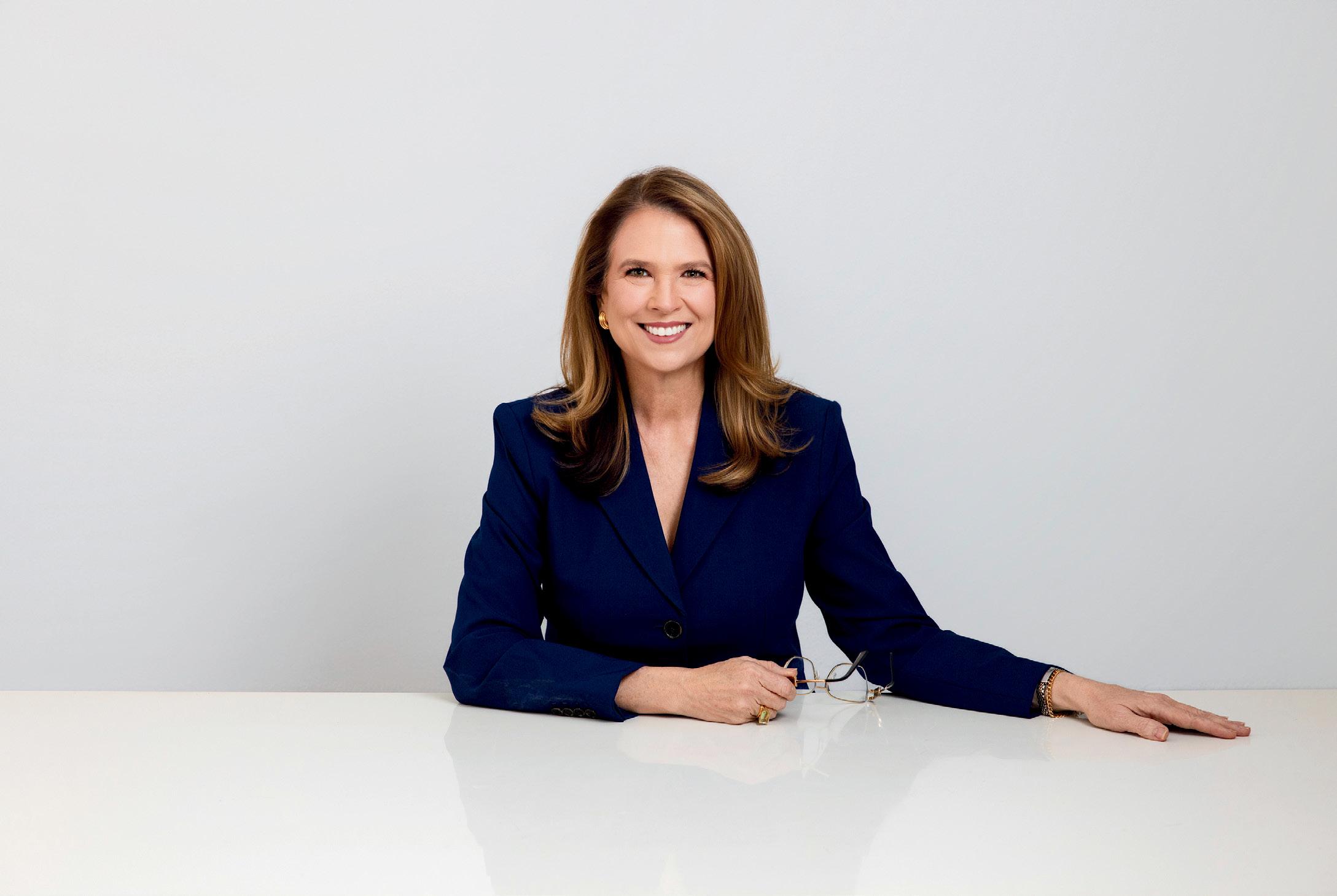
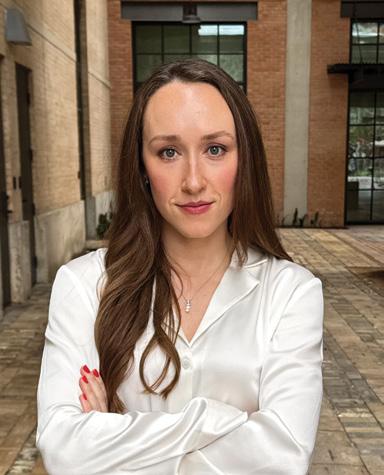
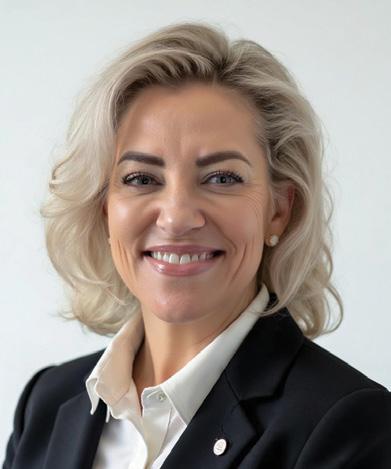
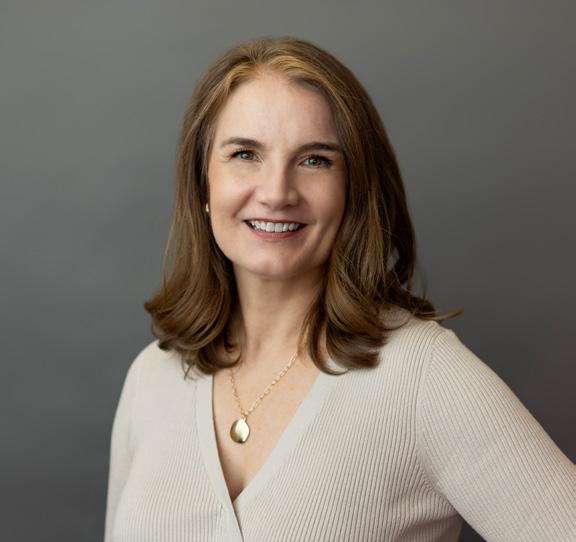
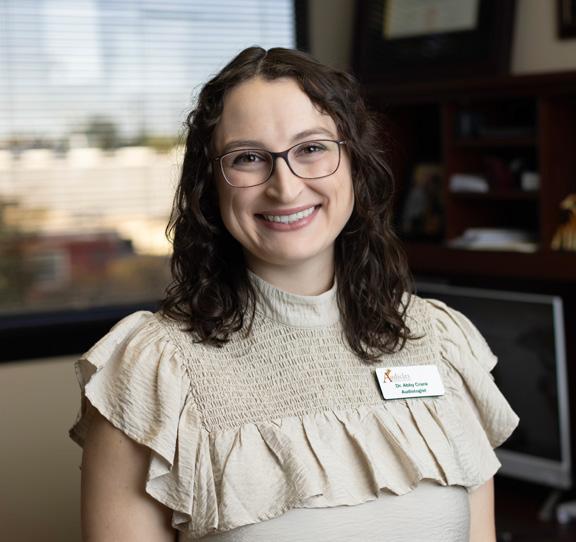
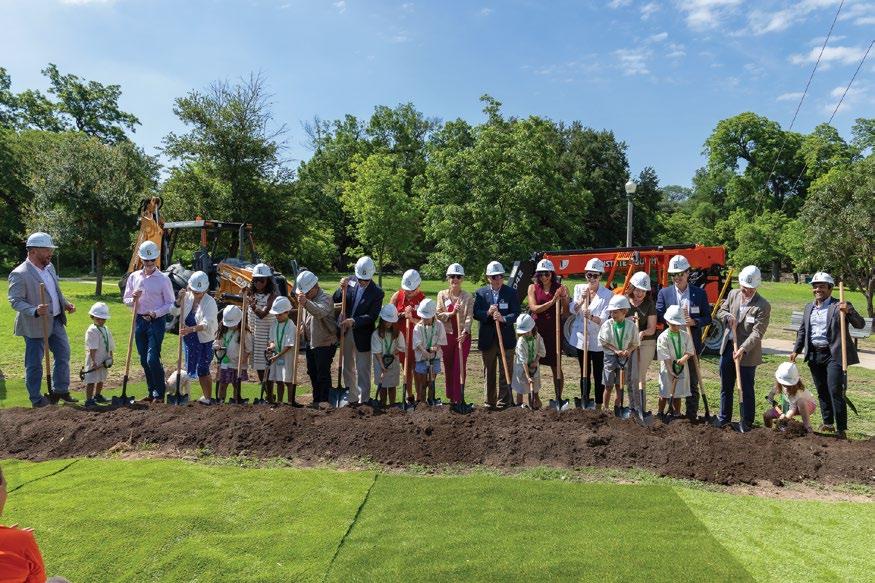
A transformative leader with a passion for community impact, Nadege Souvenir is redefining philanthropy in San Antonio – bringing strategic vision, authenticity, and a belief in collective action to one of the region’s most influential organizations.
24 Role Model
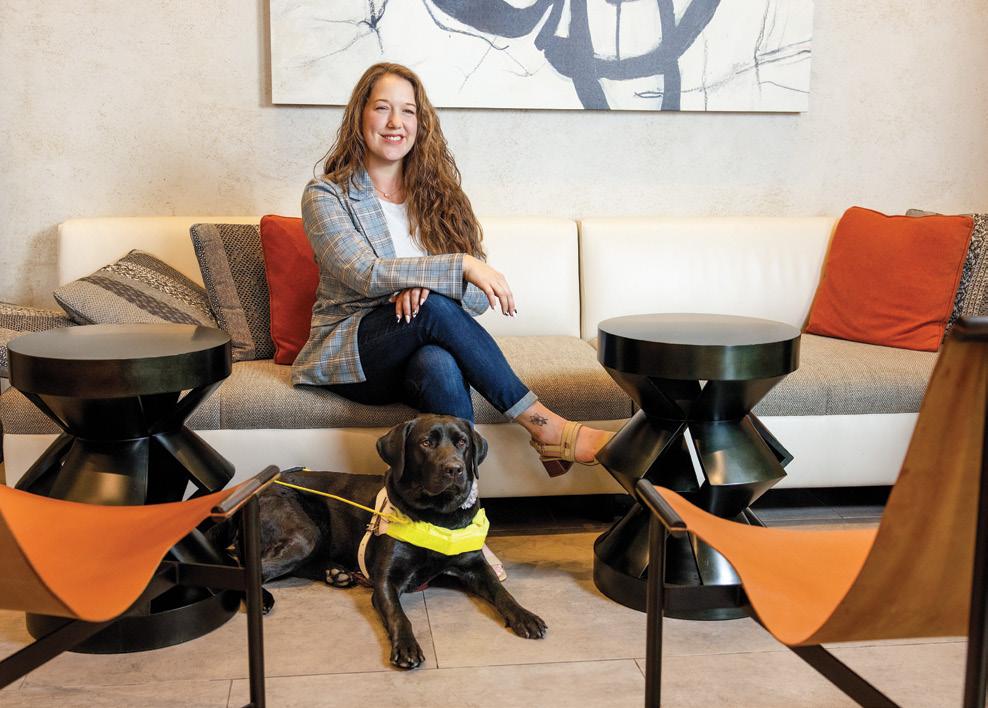
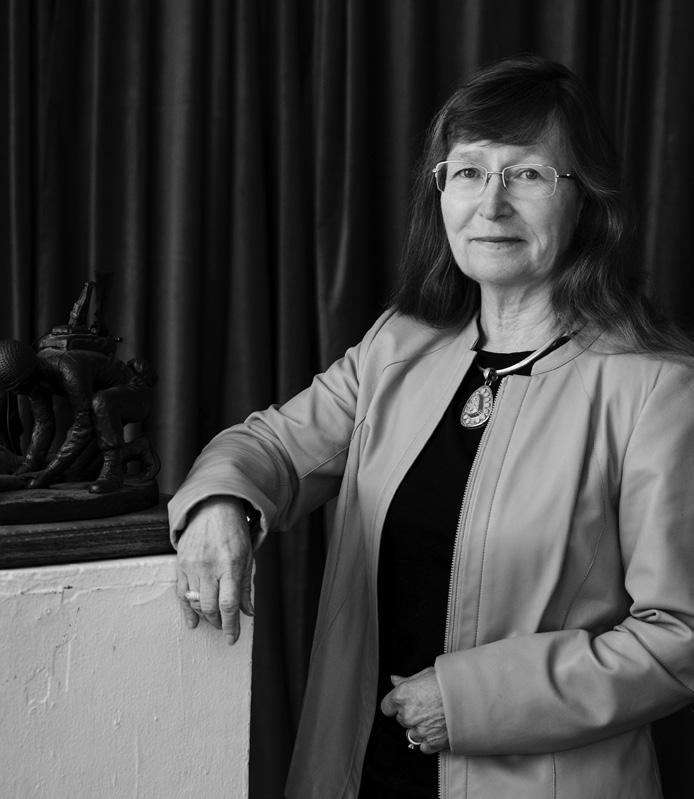
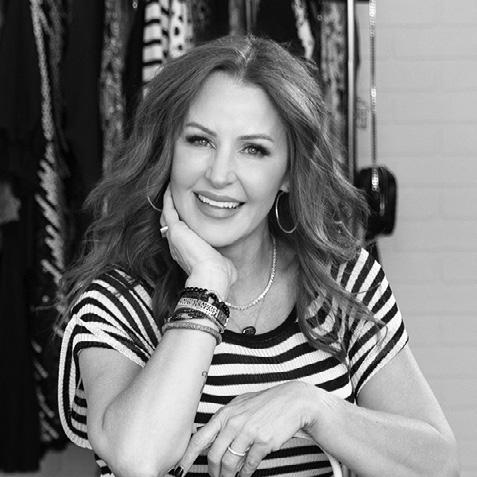
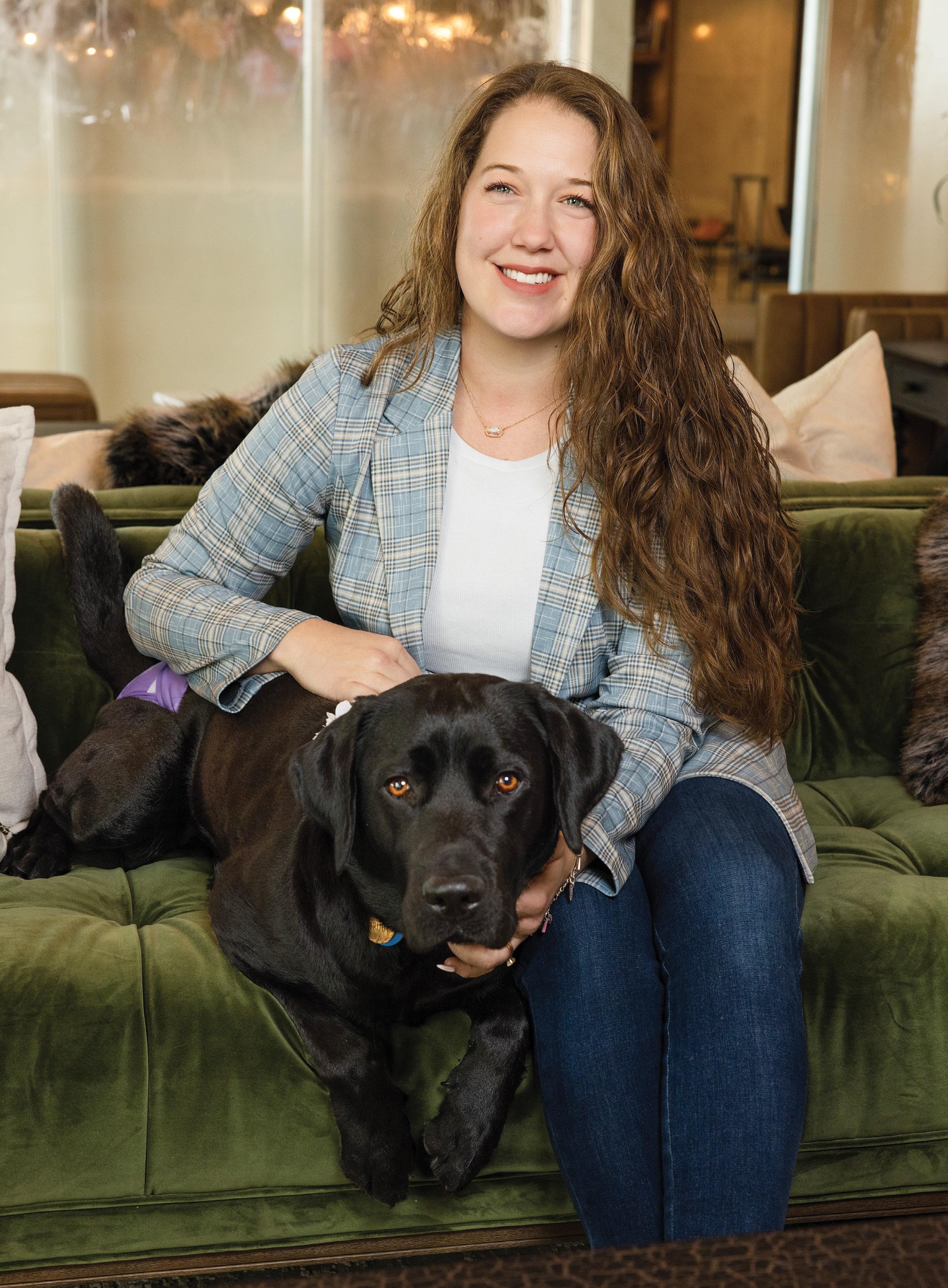
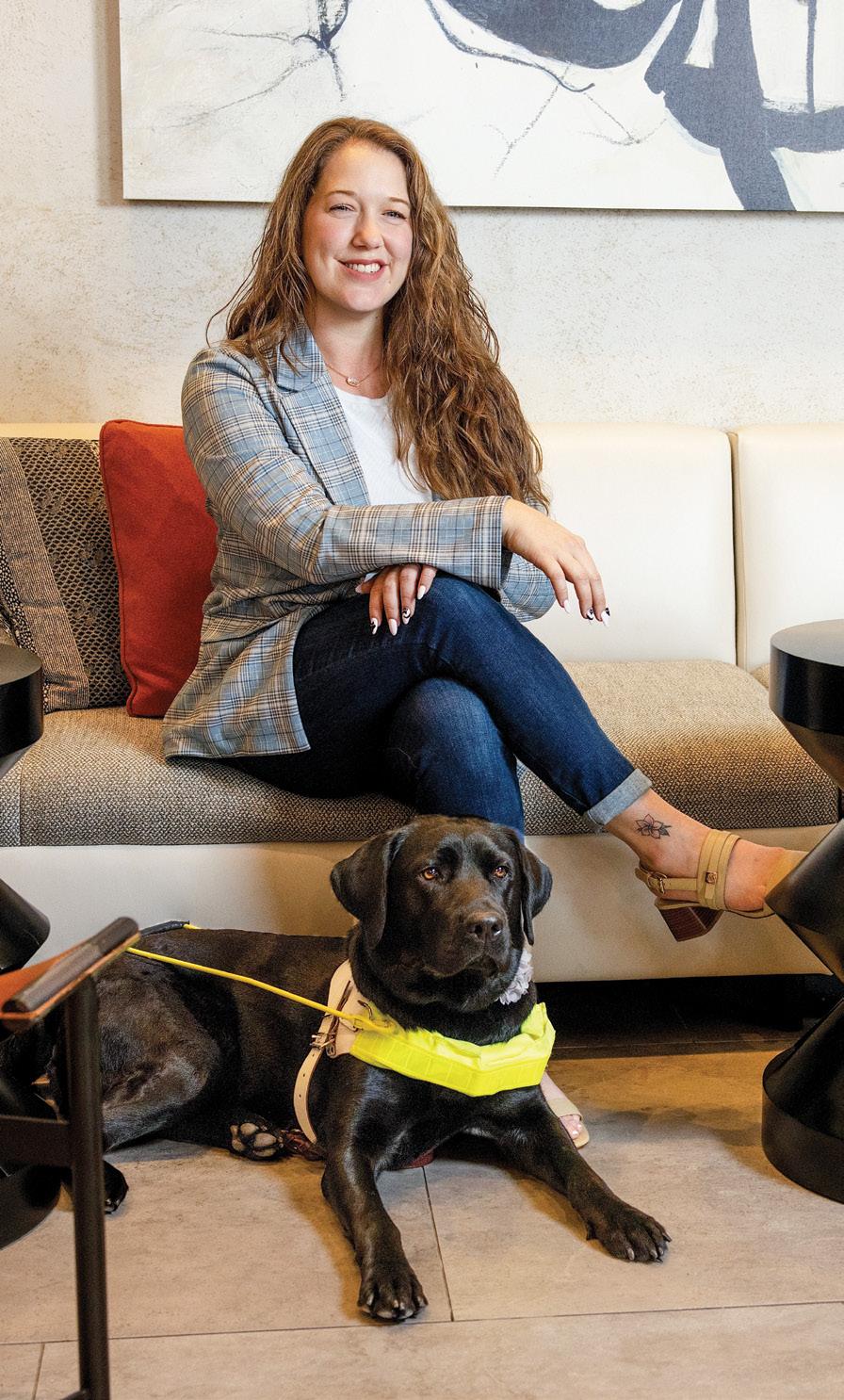
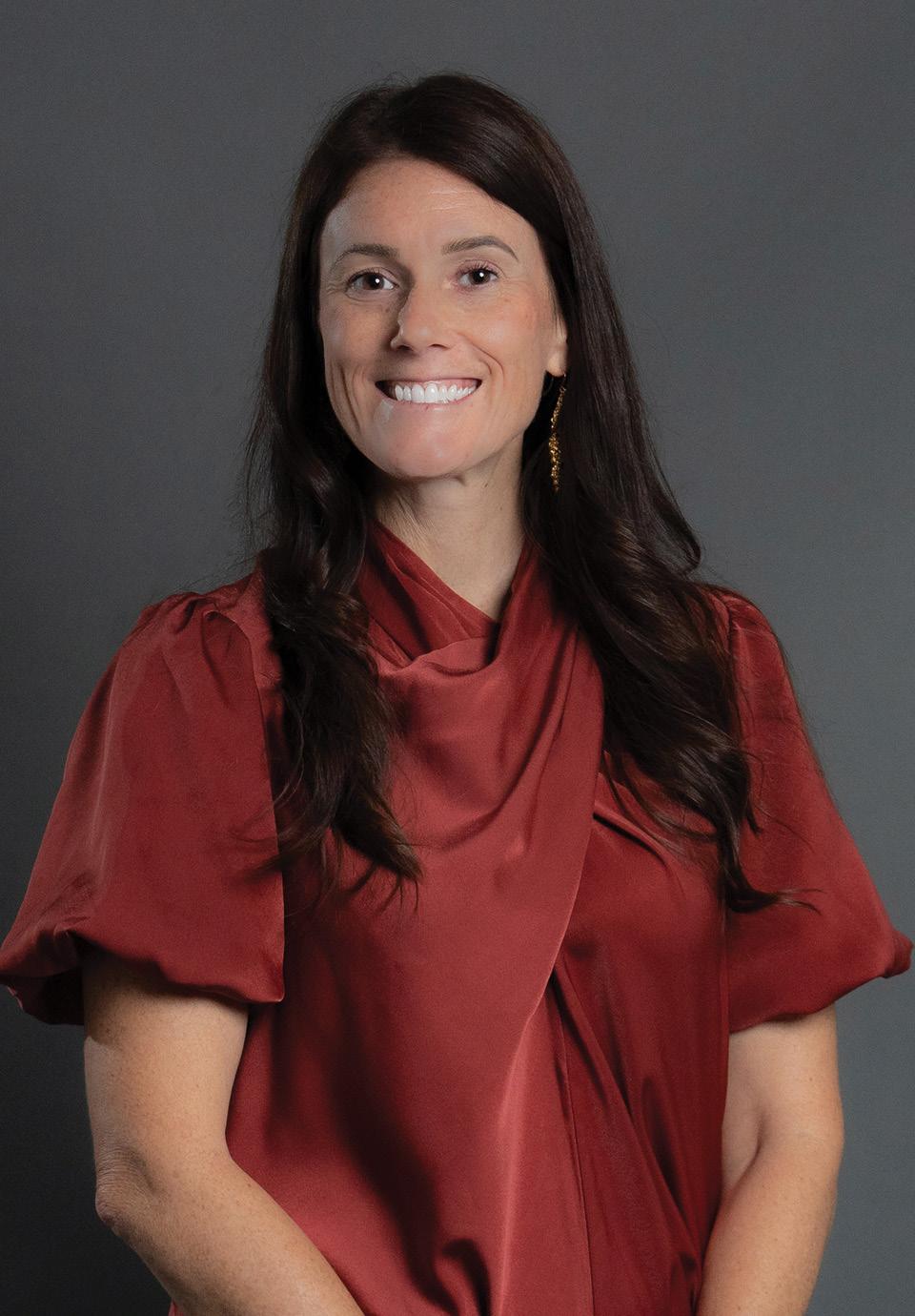
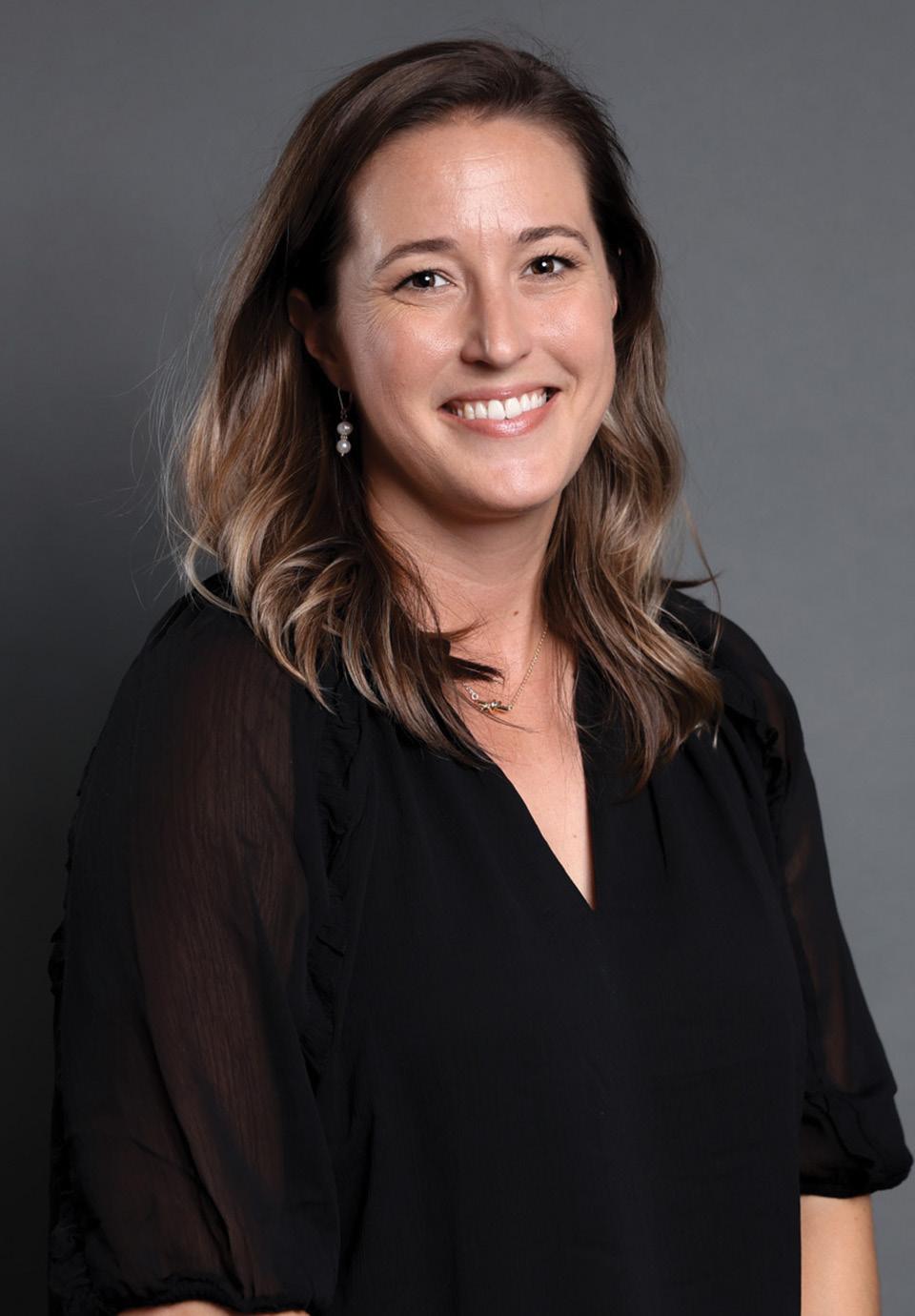
A San Antonio native and Director of Philanthropy at Guide Dogs of Texas, Katelyn Grun shares how living with vision loss shaped her drive to participate fully in work, community, and life.
26 Guy to Know
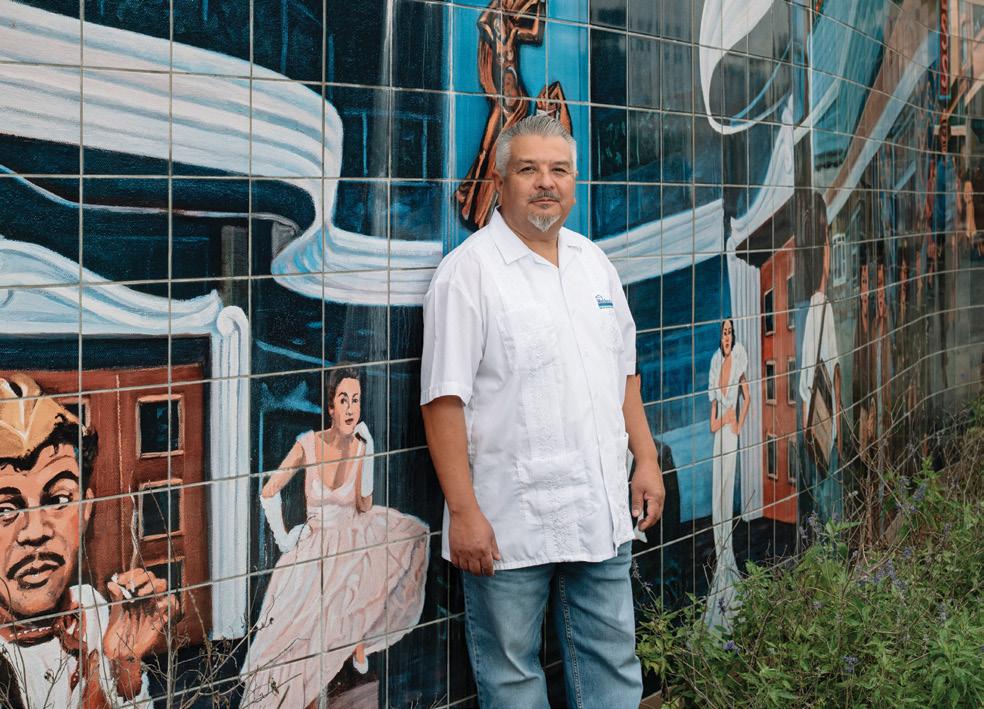
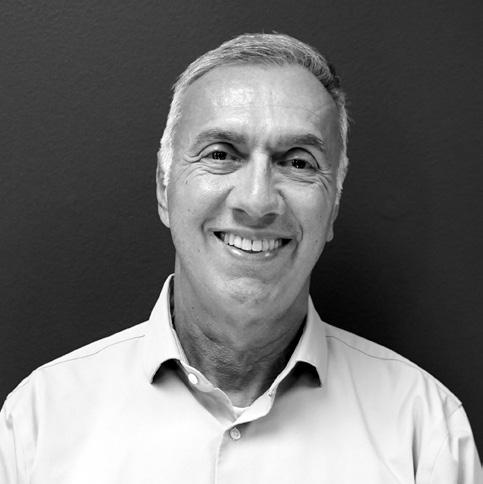
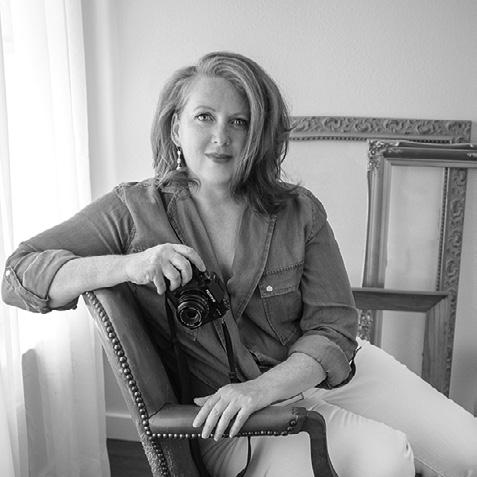
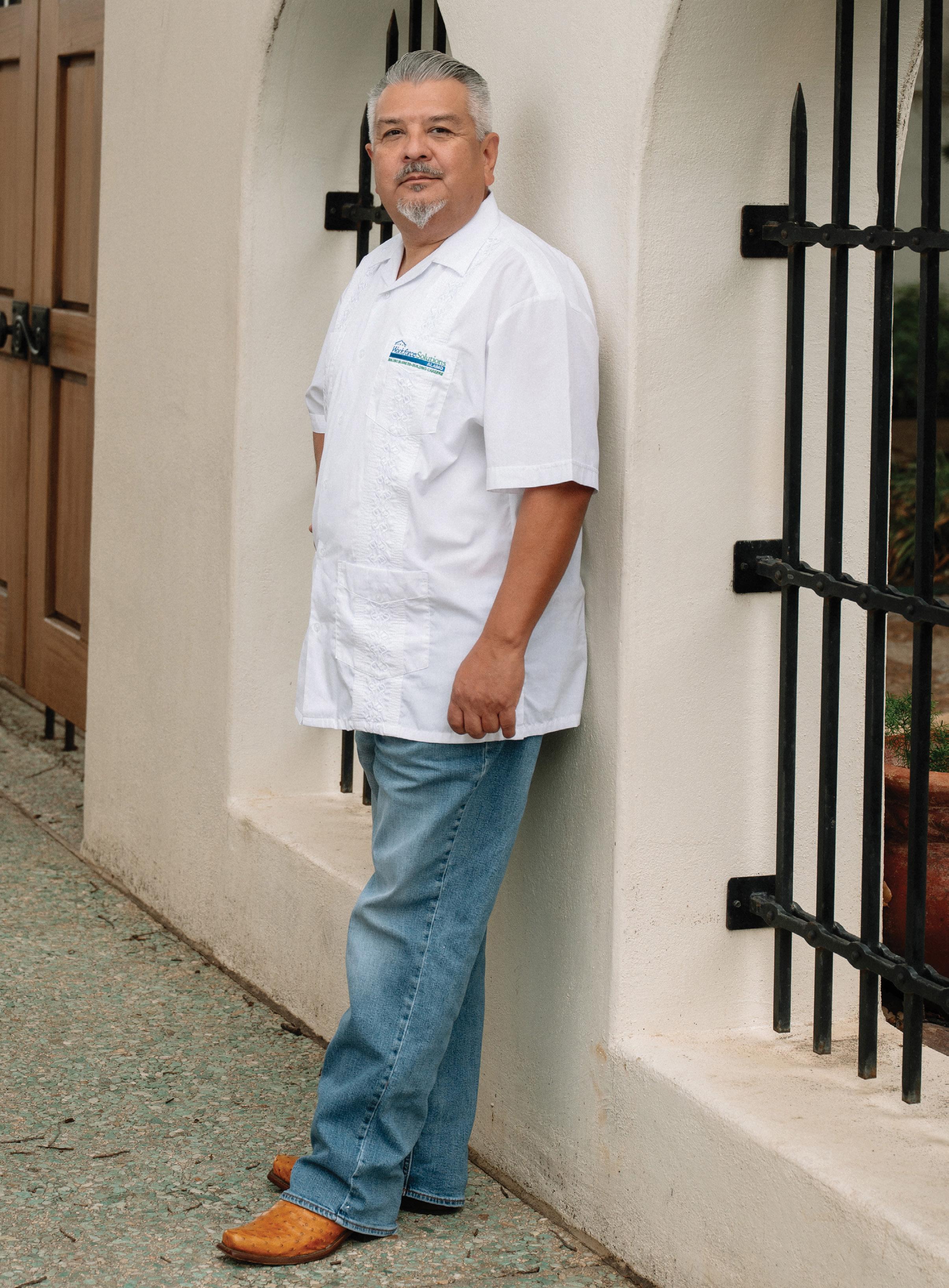
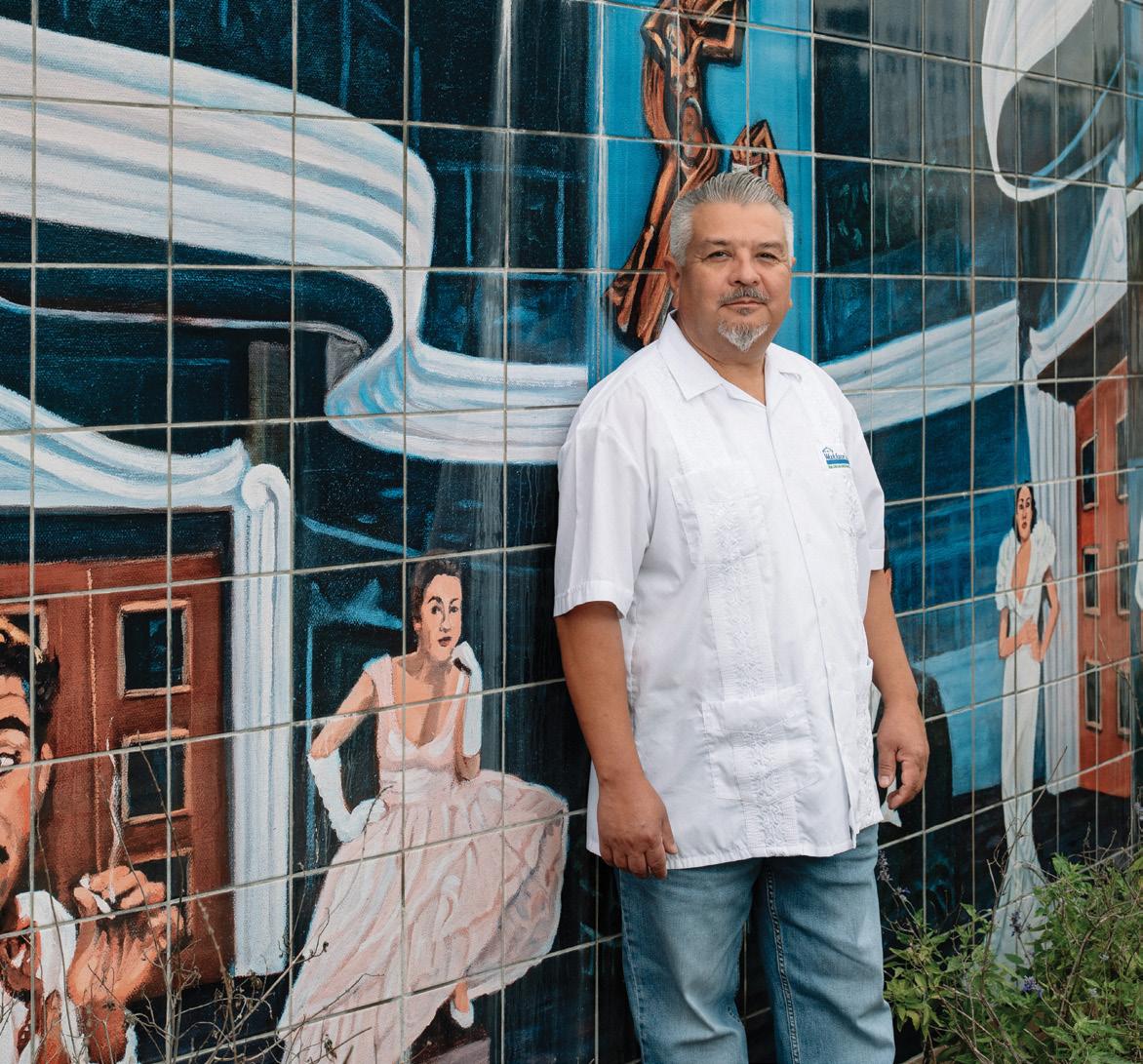
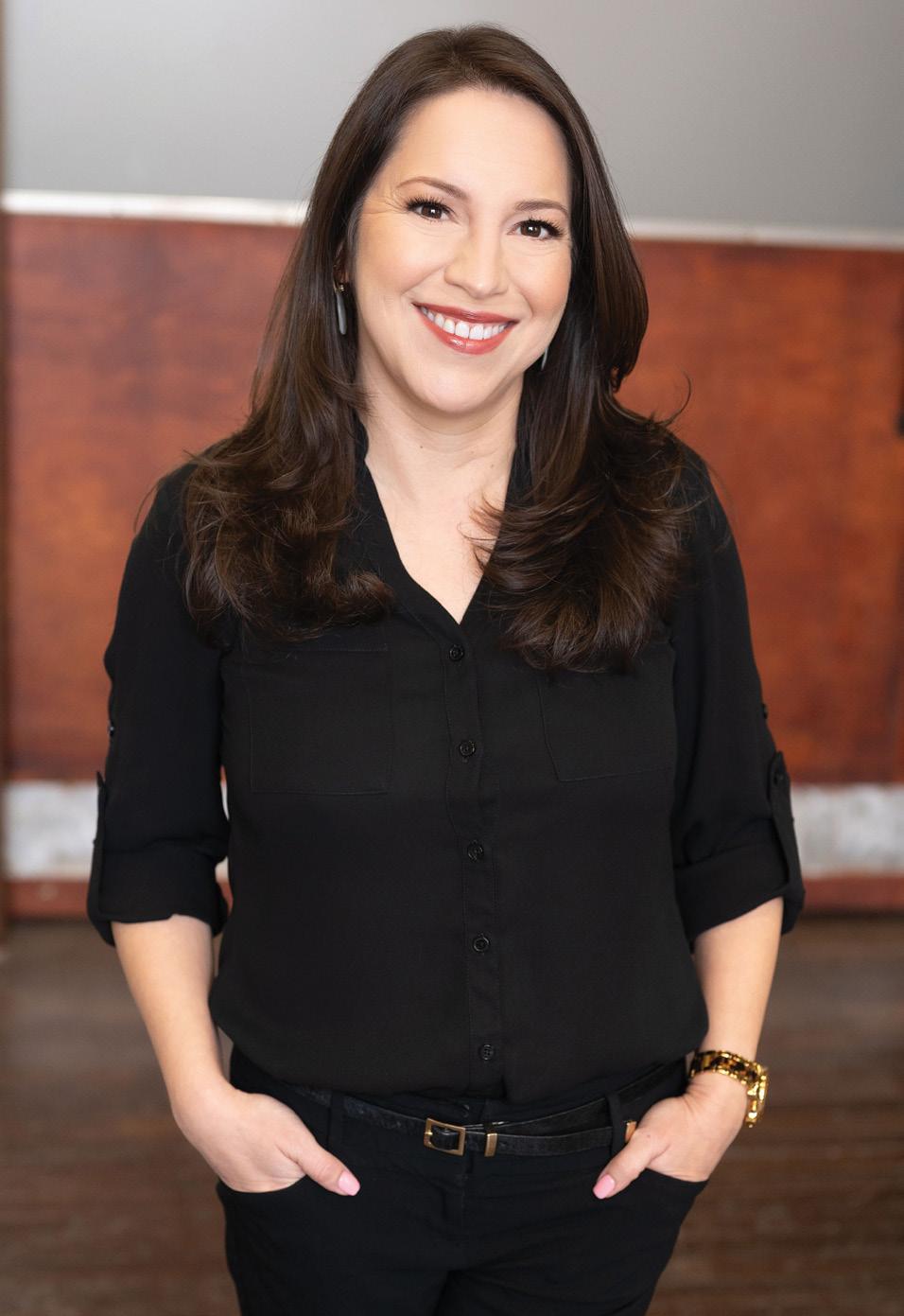
From a small-town upbringing to leading one of the region’s most impactful organizations, Adrian Lopez is redefining workforce development. His work centers on people, possibility, and creating pathways to a better future.
58 Women in Business
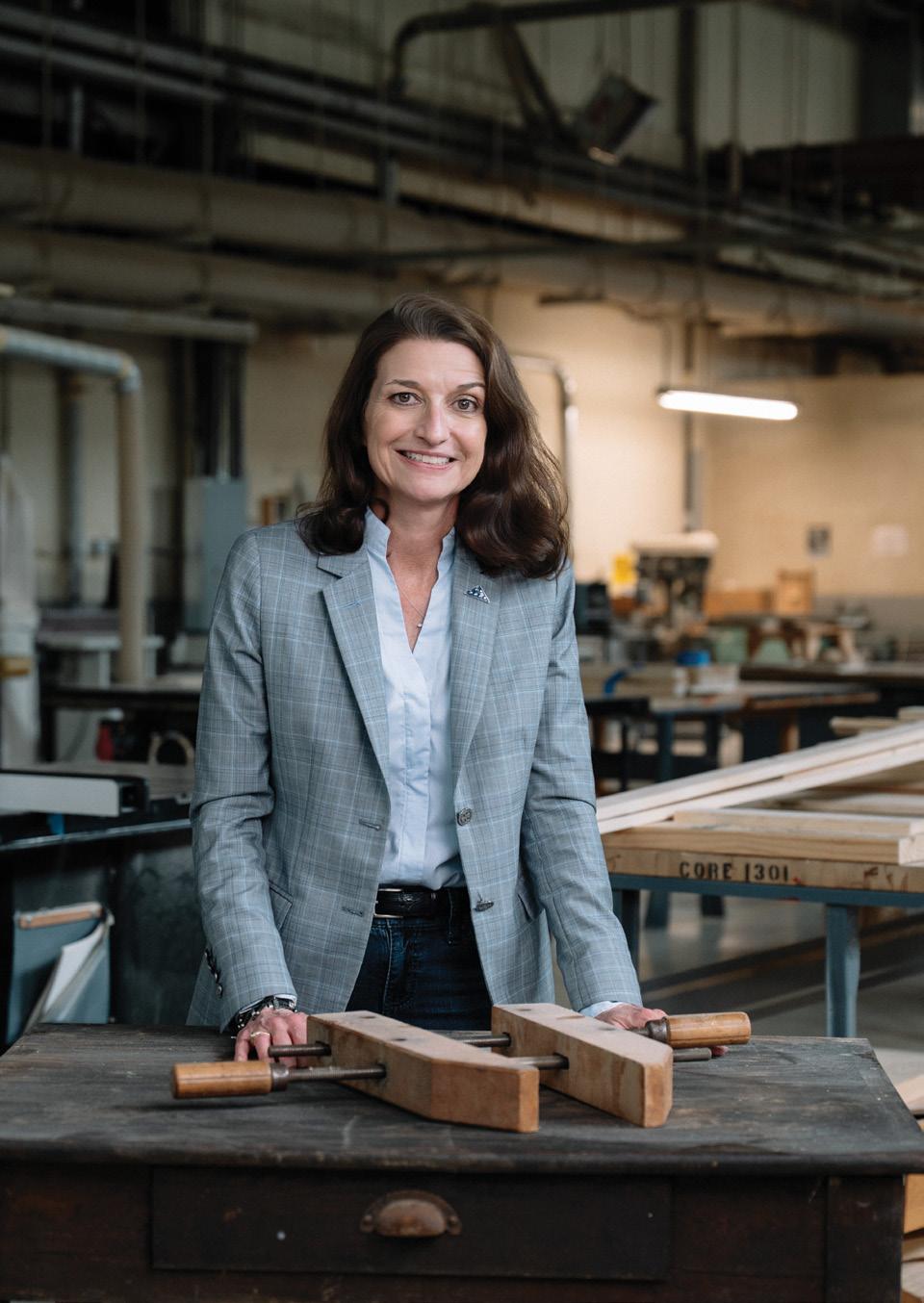
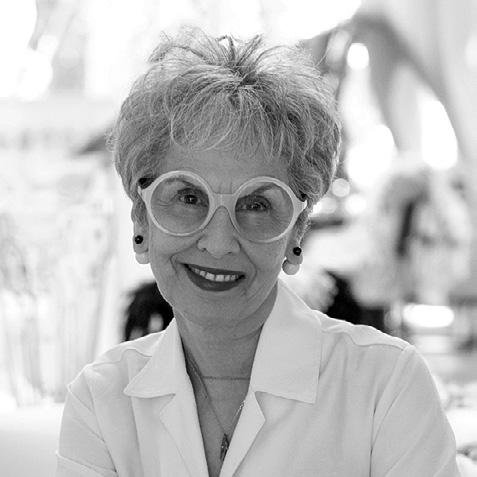
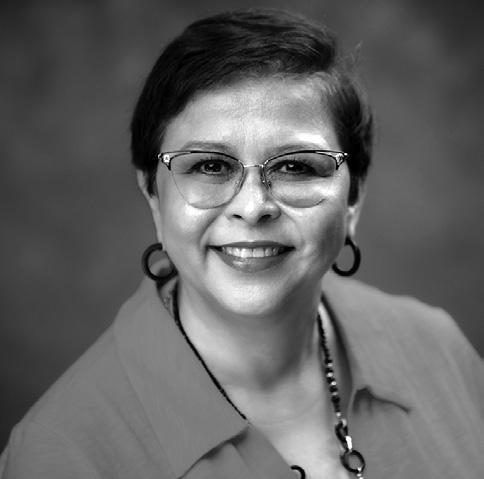
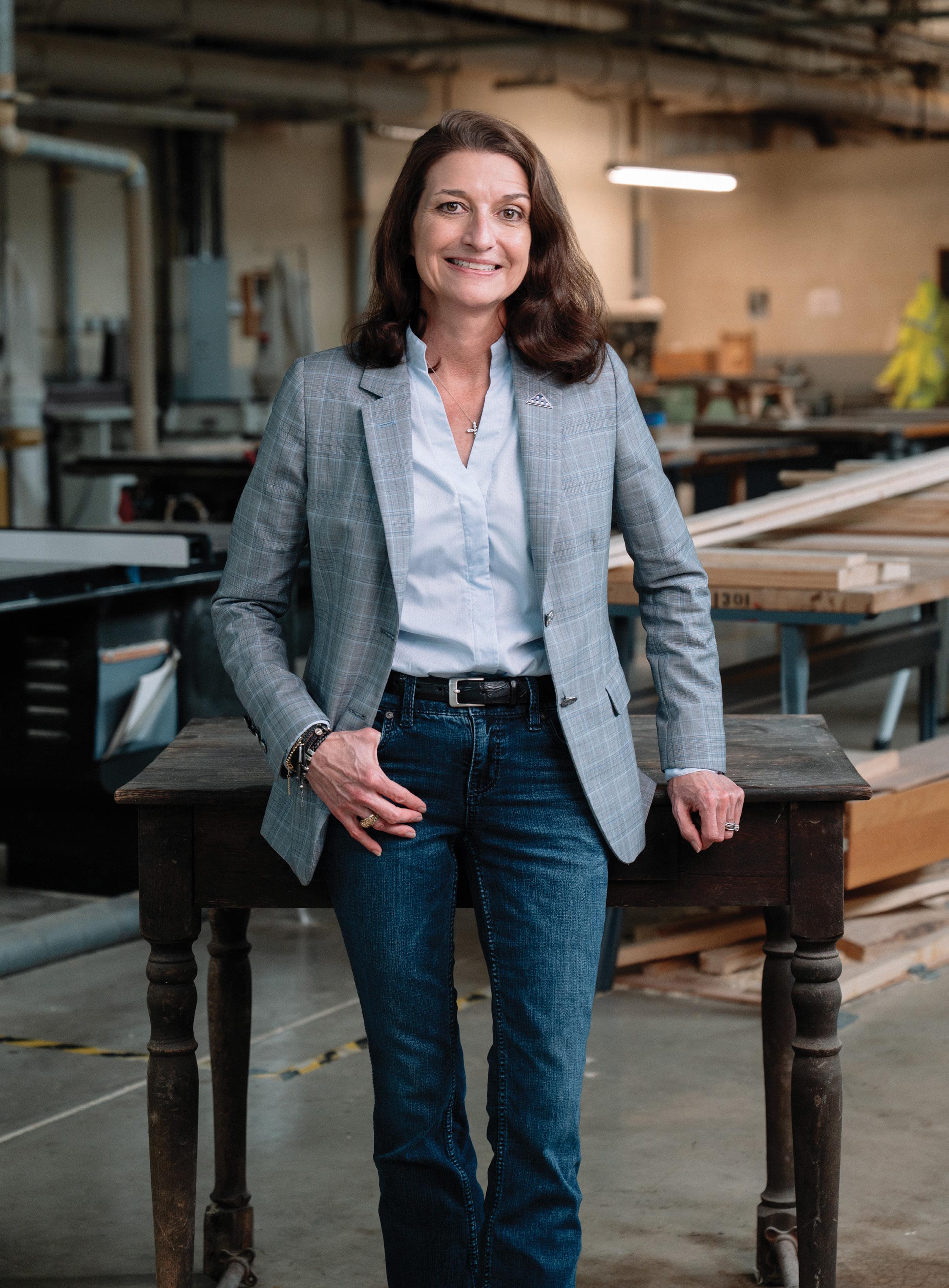
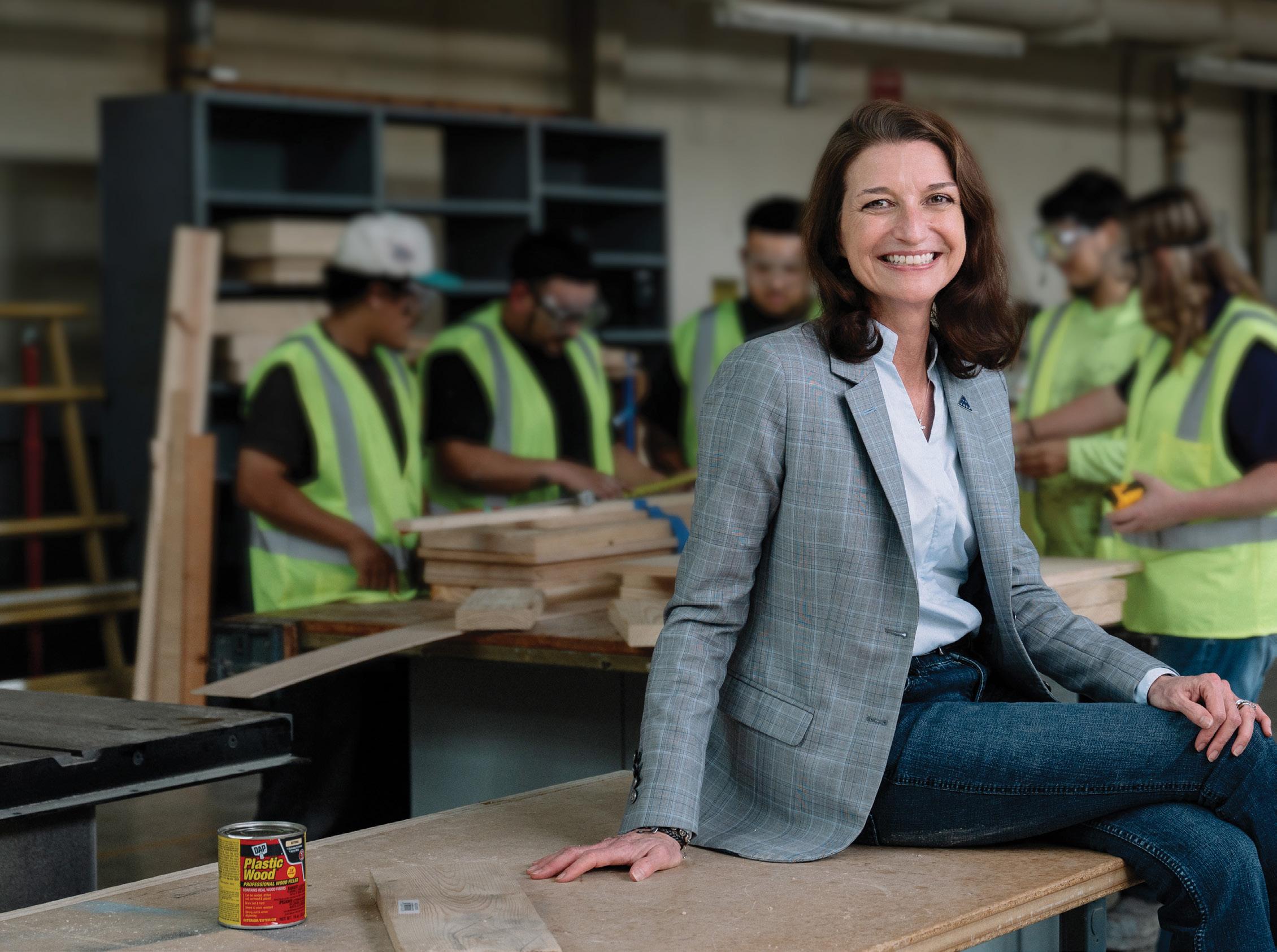
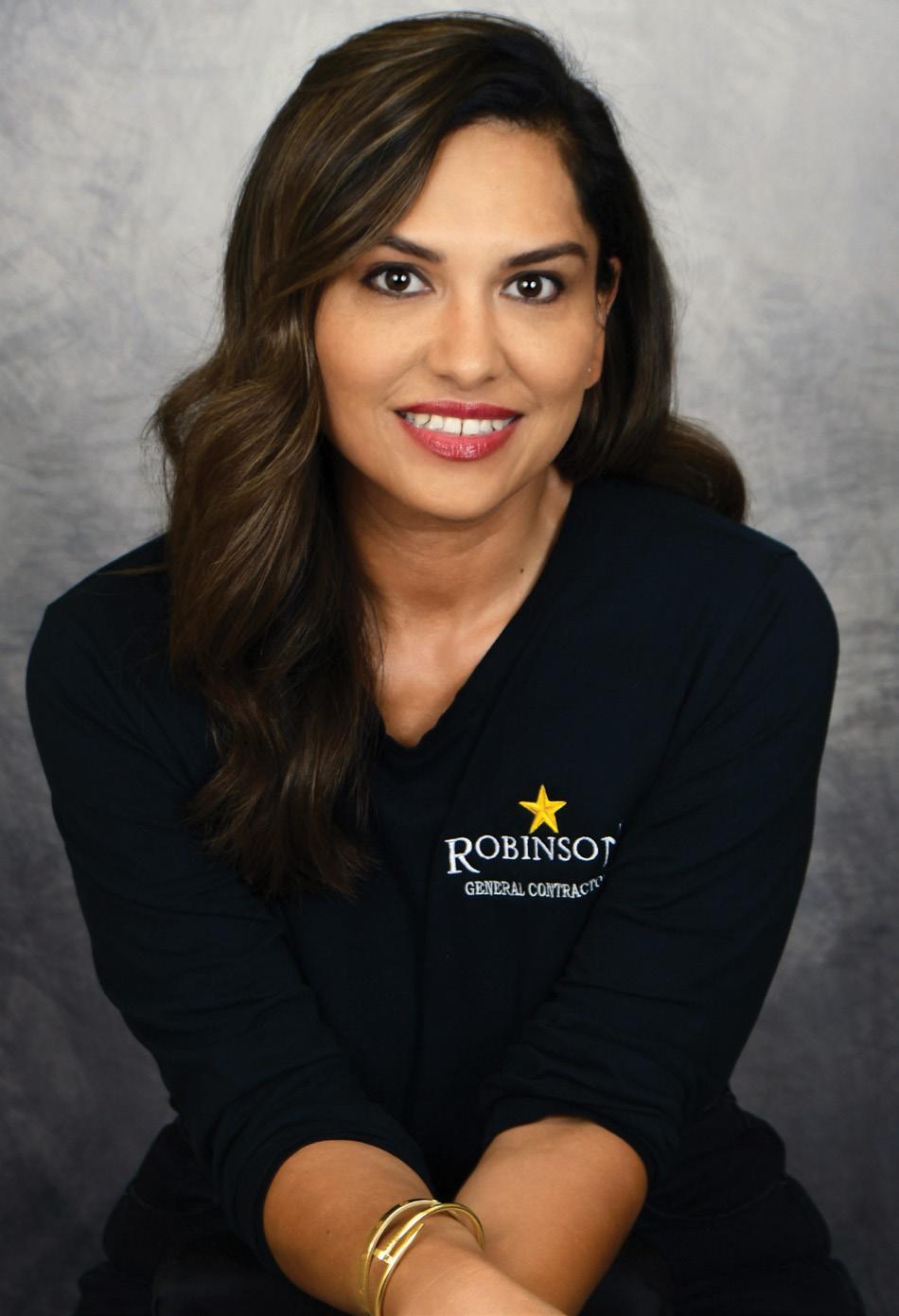
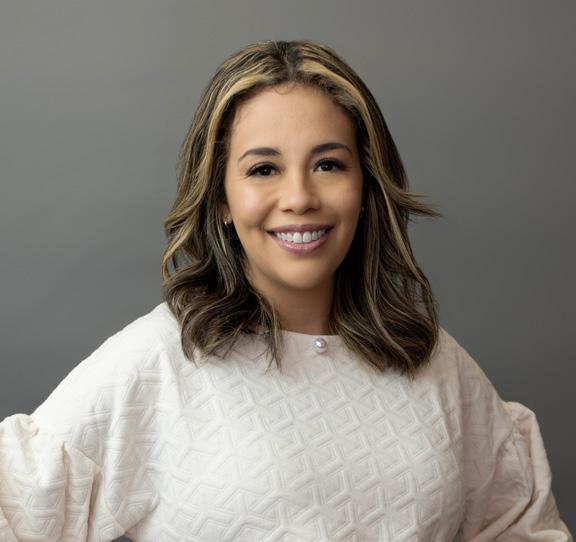
A profile of Michelle Davis, president of ABC South Texas, exploring the programs, people, and vision driving women into the construction industry.
Lifestyle
Women in Business
Nonprofit Spotlight: All Hearts on Deck
Role Model: Katelyn Grun, Director of Philanthropy, Guide Dogs of Texas
Guy to Know: Adrian Lopez, CEO, Workforce Solutions Alamo 29 Fashion: Defining Style Trends in Women’s Golf and Tennis
What’s In Your Bag? Katie Best Richmond
Best Practices with Dr. Murphy: You Can Love the Outdoors and Your Skin
Feature: Missy Miller - Shaping the Sound and the Future of Musical Theatre in South Texas
At Home: Abode Interior Design
Dossier: Aesthetics and Med Spas
Business Woman Spotlight: Ellen Schrader, CEO, and Michelle Davis, Director of Operations, Quality Research
Beyond the Boots: Mary Garr, President/CEO, Family Service Association
Partners in Growth: Victoria Moore, Vision IT
Women in Business: Construction 58 Michelle Davis, President, Associated Builders & Contractors South Texas 62 Showcase: Stephanie Alvarado, SpawGlass and Hispanic Contractors Association de San Antonio 64 Showcase: Sheri Kitchen, President and Co-owner of Arnold Refrigeration Inc. (ARI)
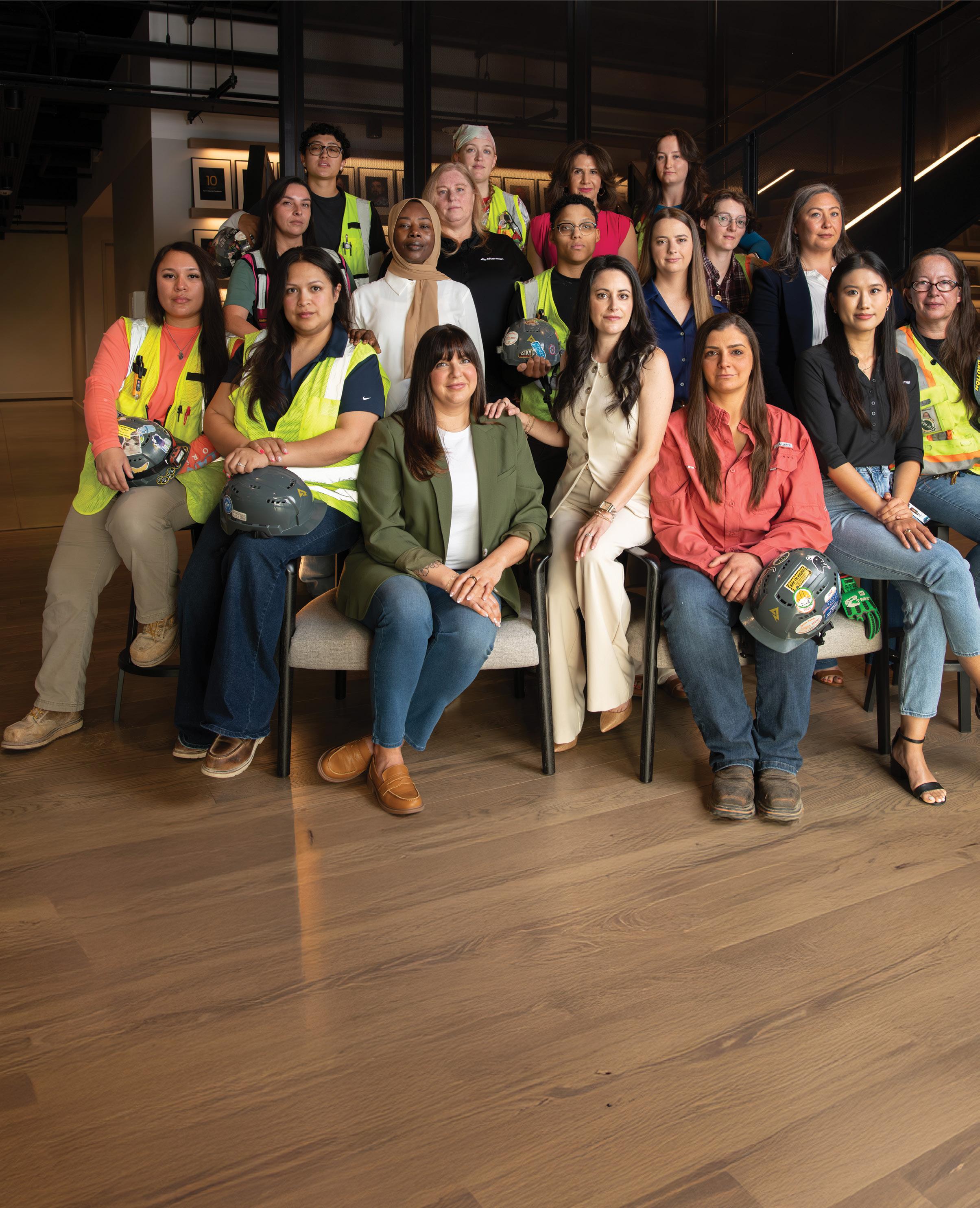
Showcase: The Women of Alterman 69 At Home Extra: Sydney Hicks, COO, Hicks Flooring Carpet One Floor & Home 74 Finance: Will I Be Ok?
To Your Health
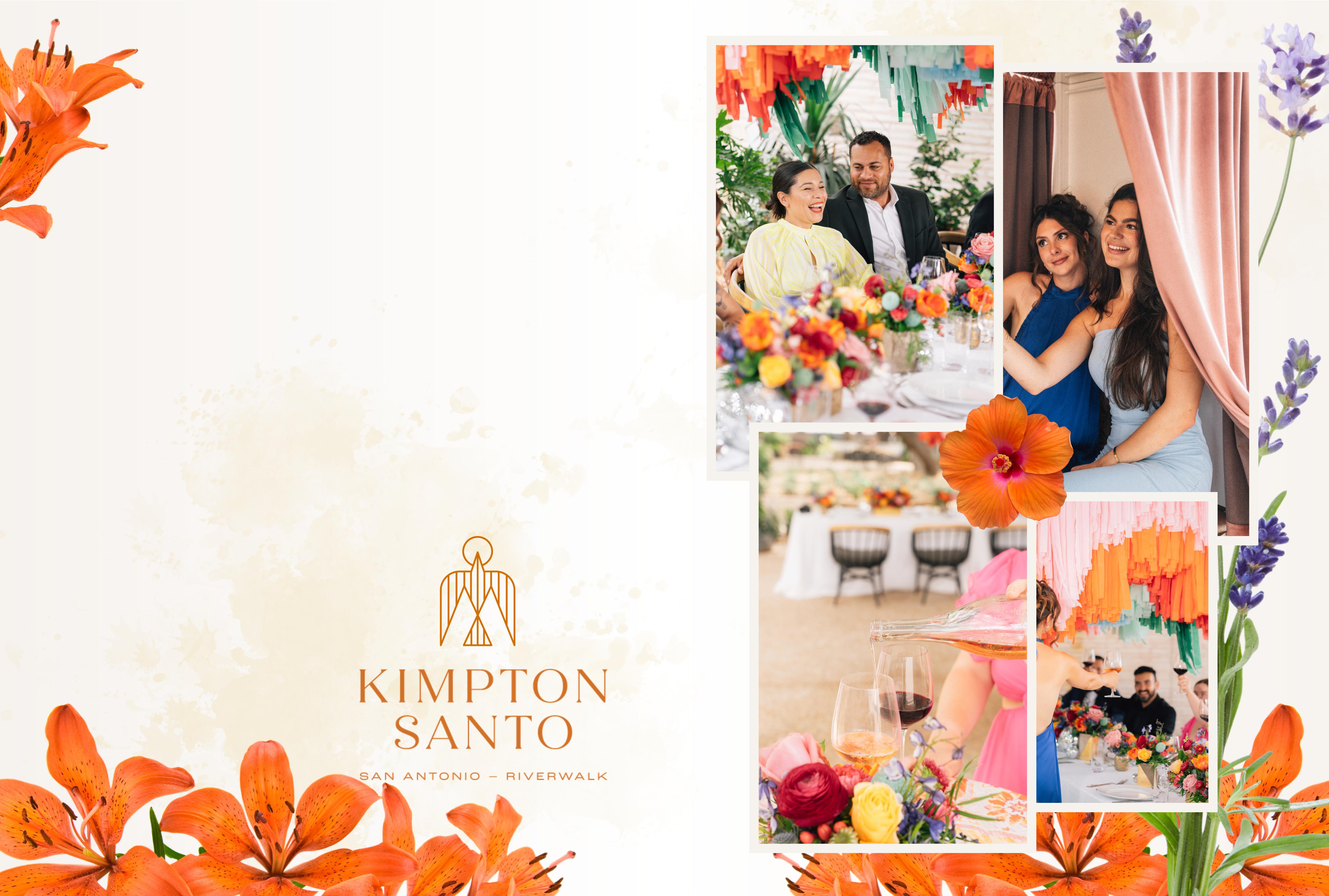
77 Strong Bones, Strong Life - What Every Woman Needs to Know About Osteoporosis 80 The Missing Piece for High-Performing Women who Still Feel Off 82 Finding Hope During Troubling Times 84 The Vascular Clock: Understanding Female Vascular Aging 86 Elevating Wellness: Inside FYZICAL Therapy and Balance Centers 87 Can Hearing Aids Help You Live Longer? 88 Weddings: Where Love Takes Center Stage - Kimpton Santo San Antonio - Riverwalk 90 Hill Country Curated: Horseshoe Bay and Marble Falls 92 Raise a Glass to Stress-Free Wedding Beverage Planning 94 Final Thoughts: Dog #8: German Shepherd by Carolina Gonzalez
CONTRIBUTORS
Rudy
Lainey Berkus Writer What's in Your Bag
Contributing Beauty Editor Best Practices, Dr. Bill Murphy
Pharm D, IFMCP
Contributing Wellness Editor
Photographer Jennifer Denton Photography
Edie
Contributing Fashion Editor Edie Styles
Photographer Celebrated Reflections
Suzanne Pack
David Teran Photographer
David Teran Photography
Chelcee Porter
O'Brien
Jennifer Denton
Dr. Bill Murphy
Arispe Writer
Michelle Vasquez Writer
Shauna Forkenbrock Writer
Dawn Robinette APR, Fellow PRSA Writer
EDITOR-IN-CHIEF
Nadege Souvenir
Cathleen Lane cathleen@sawoman.com
DIRECTOR OF SALES & PARTNERSHIPS
Dale Lane dale@sawoman.com
CREATIVE DIRECTOR
Taylor Lane taylor@sawoman.com
CHIEF OPERATING OFFICER
Kimberly Pipes, PCM®, CDMP kimberly@sawoman.com
FASHION EDITOR
Edie O’Brien
WRITERS
Rudy Arispe
Lainey Berkus
Shauna Forkenbrock
John Hogg, MD
Bill Murphy, MD
Edie O’Brien
Chelcee Porter IFMCP
Michelle Vasquez
CONTRIBUTORS
Angela Chavez, LCSW-S LPC
Andi Dunlap-Galloway
Sydney Hicks
Dr. Christine Criscuolo-Higgins
Gina Francis Hughes
Gina Roth
PHOTOGRAPHY
Jennifer Denton
Suzanne Pack
David Teran
PRINTING
Shweiki Media
PUBLISHED BY Las Tres Muchachas, LLC.
NOMINATIONS & ADVERTISING INFORMATION Email: info@sawoman.com
A Las Tres Muchachas Production
Cathleen & Dale Lane 7979 Broadway, Suite 109 San Antonio, Texas 78209 (210) 236-5834
sawoman.com @sanantoniowoman
EDITOR'S LETTER
Welcome to the latest issue of San Antonio Woman!
One of my favorite things about San Antonio is the way people here come together to build something bigger than themselves — stronger communities, new opportunities, and a better future for the next generation. That spirit is at the heart of this May/June issue.
We’re excited to feature Nadege Souvenir, CEO of the San Antonio Area Foundation, on our cover. Nadege leads with heart, vision, genuine passion for helping San Antonio thrive, and a sense of humor. Her story is a reminder that leadership can be both powerful and deeply personal, and that investing in people creates a ripple effect throughout an entire community.
Inside the issue, we’re also spotlighting women working and leading in the construction industry — a field that continues to evolve in exciting ways. From project leaders to skilled tradeswomen, these women are helping shape the future of San Antonio while opening doors for others along the way. We also take a look at workforce development initiatives helping prepare women in our community for careers in construction and the skilled trades, creating new pathways and opportunities across our city.
Thank you, as always, for reading and supporting San Antonio Woman. We’re so glad you’re here.
Cheers!
Cathleen
Cathleen Lane Publisher and Editor-in-Chief
Turning the Page With Erika Prosper
Thank you to the Gunter Hotel and Paris Baguette for hosting us for an engaging interview with Erika Prosper by Faryl Greller!
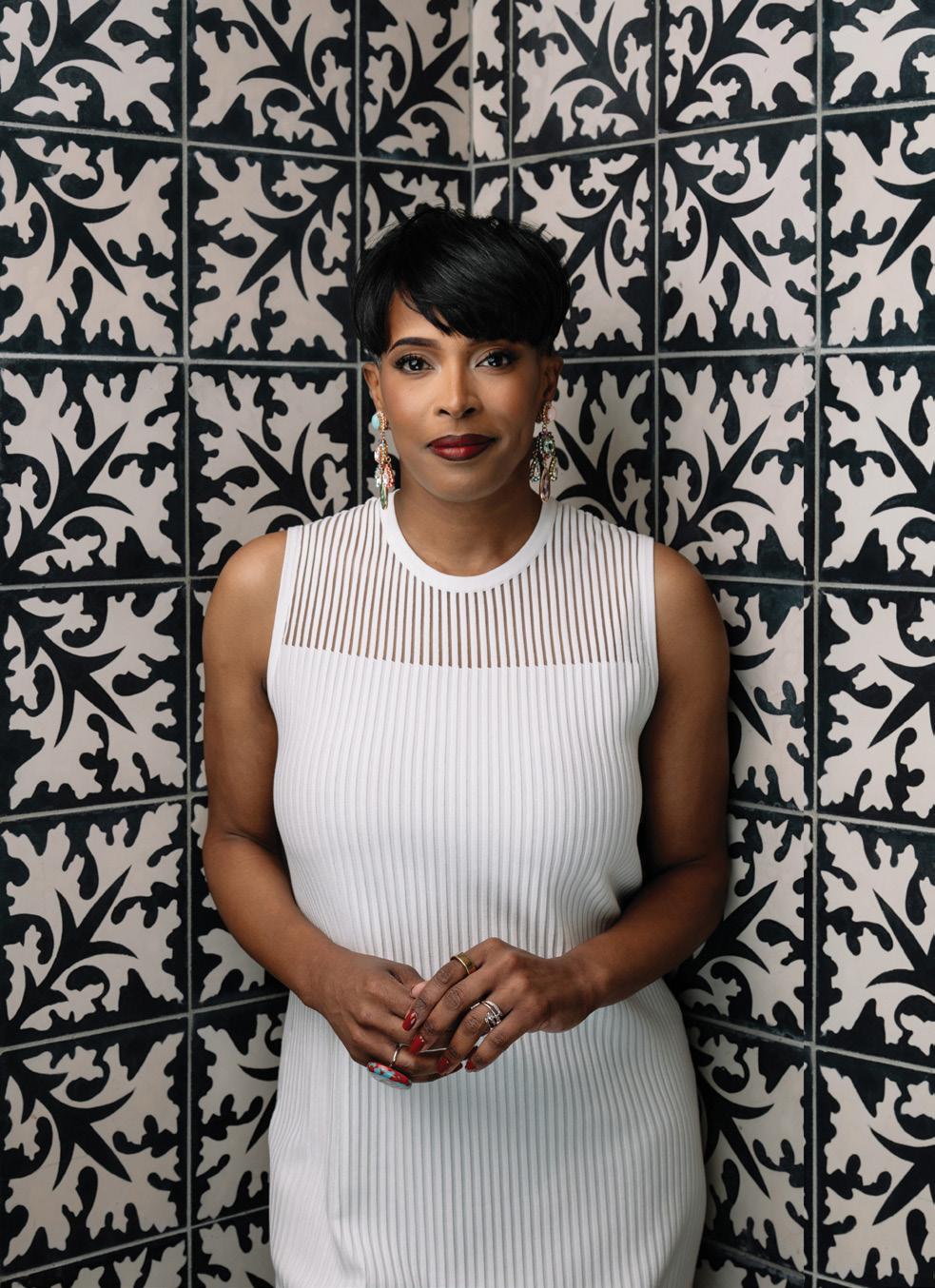
Nadege Souvenir
How Nadege Souvenir is redefining philanthropy, leadership, and community impact in San Antonio
By Dawn Robinette, APR, Fellow PRSA | Photography by David Teran
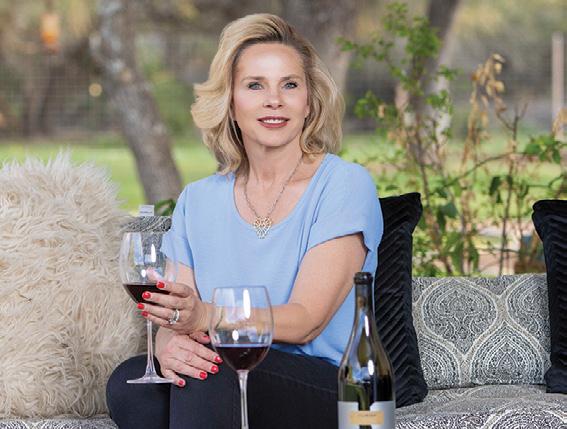
When Nadege Souvenir, CEO of the San Antonio Area Foundation, arrived in San Antonio, she expected to focus on the work.
What she didn’t expect was how quickly the city would embrace her – and how deeply she would embrace it in return.
“Less than a year after being here, I had a lovely dinner with three other couples who I consider dear friends,” she says. “I thought, ‘I haven’t even been here a year, and I’ve got this circle of people that I already know, love and trust.’
“That says something about this community and their willingness to sort of adopt and bring new people in, and to truly do it in a genuine way,” she explains. “Everybody is willing to be kind in a way that I don't know that every community can say.”
For Souvenir, that moment captured something essential about the city she now calls home: a sense of connection that mirrors the very work she leads every day.
With more than 600 charitable funds and $1.3 billion in assets, the San Antonio Area Foundation is one of the largest community foundations in the country. Through the generosity of its donors, the foundation has awarded hundreds of millions in grants and has become the region’s largest provider of scholarships, helping students access education and opportunity. By stewarding these philanthropic investments, the Area Foundation plays a vital role in strengthening the nonprofit ecosystem, advancing opportunity, and supporting communities across San Antonio.
Souvenir leads the foundation with a clear sense of purpose: to connect people, resources, and ideas in ways that create lasting impact. Her work spans a wide range of issues – from education and economic mobility to nonprofit sustainability – reflecting her belief in the power of philanthropy to address complex challenges.
That approach is evident in collaborative efforts like All Hearts on Deck, an initiative designed to support nonprofit organizations facing increased demand and evolving funding realities.
While just one part of the foundation’s broader strategy, it reflects Souvenir’s commitment to bringing people together around shared goals. “These nonprofit leaders are leading organizations that are critical to our community,” she says. “And the sector is struggling.
They’re having to deal with the realistic challenges of funding cuts.
“The ability to lift these organizations, the leaders, the work that they're doing, is really important to me personally, but also to the Area Foundation and to all the funders in this community. We want to do whatever we can to help support them so that they can continue to provide the vital services that they do in San Antonio.”
That commitment to supporting others is rooted in a deeper understanding of who she is as a leader, one shaped by a willingness to bring authenticity into every space she enters.
Even in the most structured environments, Souvenir has always found ways to express individuality. During her time as an attorney, working in formal courtroom settings, she discovered small but meaningful ways to stand out while still honoring expectations.
“I bucked the uniform by having probably six or seven different pairs of glasses in various colors,” she says. “That’s how I brought a little personality to the black suit that I needed to wear in the courtroom.”
That instinct to bring authenticity into even the most rigid spaces has stayed with her throughout her career. It’s reflected not just in how she presents herself, but in how she approaches leadership, decision-making, and growth.
When asked what advice she would give her younger self, Souvenir’s response is both practical and revealing. “The non-serious advice would be, take a speed-reading course,” she says with a laugh. “I really wish I could read faster… there’s so much content that I want to consume.”
But beneath that lighthearted answer is a deeper reflection on confidence and identity. “The more serious advice is to really lean in to being myself,” she says.
While she brings years of experience to her role, Souvenir’s path to philanthropy wasn’t linear. But it was intentional. “Everything I've done, even though sometimes it feels fully unrelated, has shaped who I am,” she explains.
She built a successful practice as a litigator, working in complex commercial litigation, trademark law, and employment matters. Yet she recognized a disconnect.
“I was literally sitting in a trial and thought, wow, this is not driving me the way it’s driving my colleagues,” she says.
That realization became a turning point, leading her to rethink not just what she did, but why she did it. “What I love about community philanthropy is the breadth of issues that it can tackle,” she says.
Her transition into the nonprofit sector would take her to the Saint Paul & Minnesota Foundation, where she served as chief operating officer, overseeing operations, governance, and evaluation efforts. There, she helped lead complex systems and initiatives designed to strengthen communities – experience that now informs her leadership in San Antonio.
Early in her career, Souvenir admits she spent time trying to model what success was supposed to look like, often mirroring others in environments where she didn’t always see herself reflected.
“I was trying to be the version of what I thought was successful,” she says. “But none of them looked like me or approached things like me, and so it never felt fully authentic. I think I finally got good at being a leader when I got really comfortable being myself.”
That shift and resulting authenticity show up in both her leadership style and her day-to-day presence,
whether she’s guiding complex philanthropic strategy or connecting with community partners. It’s also reflected in her ability to balance seriousness with approachability.
“You're going to hear me occasionally flub a word, and I will laugh right through it and keep going. I don't take myself too seriously if I don't have to. You can do serious things with joy and laughter and creativity.”
Souvenir’s personal life reflects the same attitude, creativity, and connection. She met her husband, attorney Joshua Dorothy, in law school, and the two share a love of travel and exploring new culinary experiences. “We are willing to travel for a good meal,” she says with a laugh. “I may or may not have gone to Portland three times in the same year, within the span of 6 months, to go to a new, high-level, modern Haitian American restaurant by a chef from ‘Top Chef’ that we love.
“I mean, that may or may not have happened, but it totally did,” she laughs with no guilt whatsoever.
She also brings a sense of creativity and individuality to her everyday life, including a growing collection of statement earrings. “It started during COVID because this is what you see on a screen [motioning to her head]. Then it just kept going, and frankly, earrings always fit in a suitcase when you travel.”
At the center of her world is her daughter, Addison, an elementary school teacher in Chicago whose kindness and creativity continue to inspire her.
“She is possibly the nicest human I have ever met in my life,” Souvenir says. “I’m still not sure how I’ve been blessed to be her mother.”
When asked what advice she carries with her every day, Souvenir doesn’t hesitate. “Trust your gut,” she says. “That is 100% how I operate. I follow my instinct. Obviously, I show up, I’m informed, I do the research, I do the work.
“But I really feel like most of us have an intuition that we don’t listen to enough,” she says. “When I trust my gut, it has usually served me well.”
As she continues to build her work in San Antonio, Souvenir remains focused on what matters most: creating meaningful, lasting change.
“I’ve always seen myself more as a fixer,” she says. “I love coming to something and saying, you know how this could be better?”
It’s a mindset that reflects both her professional journey and her personal values – one grounded in curiosity, collaboration, and a belief in what’s possible.
“I'm not a builder. I'm not an entrepreneur in the sense that I want to start from scratch, but I kind of love coming to the messy pile of clay or bricks or whatever, and saying this could be better, you know how we could do this different, or you know how we could maximize what we've got here, changing something and knowing I can actually look back and say, ‘It was better for me having been there.’”
For Souvenir, success is not defined by titles or milestones, but by impact. “For me, success is leaving something better than I found it,” she says.
In a city known for its warmth and connection, Souvenir has found both a place to belong and a platform to lead.
And in return, she’s helping San Antonio grow stronger – one partnership, one initiative, and one meaningful connection at a time.
All Hearts on Deck: Strengthening San Antonio’s Nonprofit Community
By Dawn Robinette, APR, Fellow PRSA | Photography by David Teran
In a city where nonprofits touch every aspect of daily life, a campaign bringing renewed focus – and support – to the organizations that keep San Antonio strong.
All Hearts on Deck is a citywide effort designed to spotlight local nonprofits, connect the community to their work, and encourage meaningful investment in their success. At its core, the campaign reframes how people think about giving, not as charity, but as a critical investment in the region’s economic and social infrastructure.
“Nonprofits are critical to our community,” says Nadege Souvenir, CEO of the San Antonio Area Foundation. “They’re doing the work every day that ensures people have access to the services they need.”
The campaign comes at a pivotal time. Shifts in federal funding, increased demand for services, and a shrinking pool of major donors have created significant challenges for nonprofit organizations locally and across the country.
All Hearts on Deck is a collaborative effort led by the San Antonio Area Foundation, in partnership with the Kronkosky Foundation, United Way of San Antonio and Bexar County, Methodist Healthcare Ministries, and H.E. Butt Foundation. Together, these organizations are working to elevate awareness, align resources, and ensure nonprofits have the support they need to continue serving the community.
Participating organizations represent a wide crosssection of San Antonio’s nonprofit community, including those focused on family support, housing, food security, and health services. Groups such as Family Service and Catholic Charities are among those navigating increased demand and decreased funding.
The impact is significant. San Antonio’s nonprofit sector supports more than 87,000 jobs and drives $13 billion in economic activity, making it an essential part of the region’s overall health and stability.
“We want people to understand that supporting nonprofits is supporting the entire community,” she says. “It’s about making sure those services are there for everyone who needs them.”
Getting involved is intentionally simple. Through the All Hearts on Deck platform, community members can explore local organizations, learn about their missions, and find ways to help – whether through donating, volunteering, or advocating for nonprofit support.
Because when it comes to building a stronger San Antonio, it truly takes all hearts on deck.
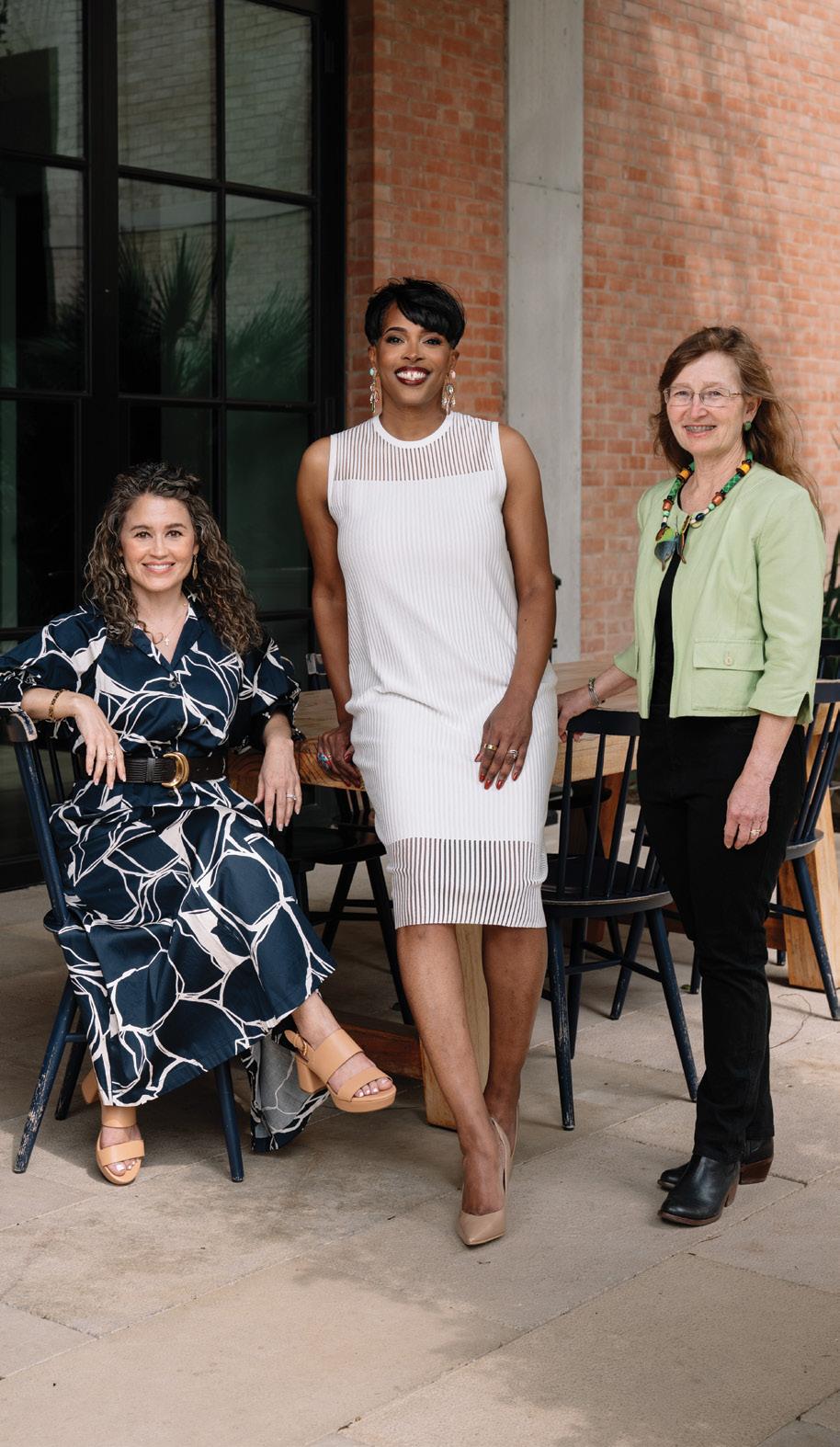
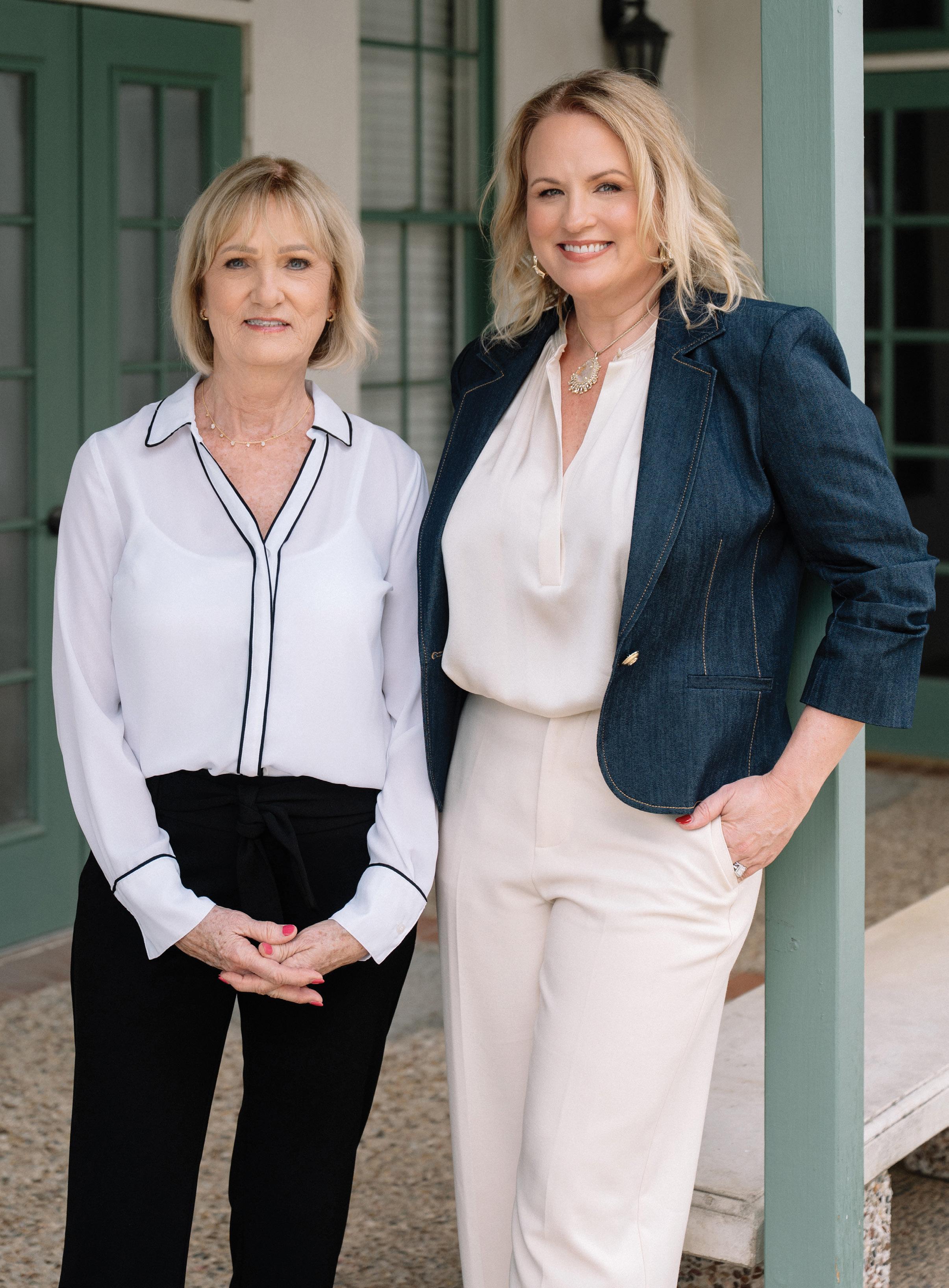
Left to right: Ada Saenz, President & CEO, Catholic Charities, Archdiocese of San Antonio, Inc.;
Nadege Souvenir, CEO, San Antonio Area Foundation; Mary E. Garr, President and CEO, Family Service
Katelyn Grun
Living Life Fully
By
Michelle Vasquez | Photography by Suzanne Pack
Katelyn Grun approaches life with intention. Her goal is not to work around limitations, but to participate fully in every experience available to her. That mindset shapes both her personal life and her work as Director of Philanthropy at Guide Dogs of Texas.
Grun was born and raised in San Antonio, a community she remains deeply connected to, as a Lions Club member, a longtime resident, and now a leader at one of the city’s most distinctive nonprofits. Her perspective was shaped early. At the age of seven, she lost a significant portion of her vision and has lived with vision loss for more than two decades.
In school, she often encountered systems not designed to support her. When accommodations were unclear, the default response was exclusion. “The answer was always, just don’t worry about it, just sit this assignment out,” she recalls. Rather than accept that, she pushed back. “I’m not going to learn how to read? I’m not going to learn how to type?” That early refusal to be sidelined became a defining pattern.
Grun describes herself as “strong-willed,” and her career reflects it. She began in higher education administration before moving into alumni relations, where she discovered a passion for connecting people to purpose. When she was ready for her next step, she was clear about what she wanted. “I wanted to do something mission-focused that I could identify with,” she explains. That search led her to Guide Dogs of Texas. Founded in San Antonio in 1989, it is the only accredited guide dog school in Texas and one of just 13 in the entire United States. The organization serves Texans who are blind or have low vision, providing not just the initial training and matching process but ongoing support for the full life of a guide dog team. The need is significant as nearly 800,000 Texans identify as blind or low vision, yet only about 10 percent use a mobility tool. For Grun, the mission was immediately personal. “There’s a mission I can identify with because I am the client,” she says.
Grun leads the philanthropy efforts driving that growth, and she does so with conviction rooted in lived experience. “When I talk to a donor, I’m honestly saying I believe in what we’re doing and how it changes your life,” she says.
Her recent match with her guide dog, Trudy, has deepened that connection in visible ways. Donors and volunteers now see firsthand what the work makes possible. “They get to see a client working with a guide dog every time they have coffee or lunch with me,” she says.
Grun’s relationship with visibility has evolved over time. In her younger years, she avoided adaptive technology in public, not wanting others to notice her disability. That has changed. “I need to live my best life, and I want to participate to my full ability,” she says. At a recent George Strait concert, she used a monocular device to see the stage clearly, unbothered by the curious looks it drew. “I would have missed out on that if I let what other people thought of me sway the way I acted.”
For those navigating similar challenges, her message is straightforward. Speak up, she says, because “the person who knows you the best is you.” She is also honest that the path isn’t always smooth. “It’s not necessarily going to be an easy process. Everyone has their own challenges.”
Grun doesn’t frame her story as exceptional. She focuses on the daily decision to show up fully and hopes that’s enough to encourage others to do the same. “If I can give anyone hope or motivate anyone to feel like they can always do their best and experience life fully, I want to embrace that.”
How Adrian Lopez Is Powering San Antonio’s Workforce
By Michelle Vasquez | Photography by David Teran
Adrian Lopez does not fit the mold of a traditional CEO. He is, by his own description, a “small town boy” who grew up just outside Cotulla, Texas, the youngest of seven children raised by a father with an eighth-grade education and a mother who never had the opportunity to attend school. That origin story is not a footnote. It is the foundation of how he leads, how he sees the world, and why his work matters so deeply in San Antonio today.
As the CEO of Workforce Solutions Alamo, Lopez sits at the center of one of the most critical challenges facing the region: how to connect people to opportunity in a city growing faster than its workforce can keep up.
His path to this role was not linear. Lopez built his career across community development, housing, economic development, and infrastructure, working in colonias and underserved communities where access to basic resources could not be taken for granted. “One goal has been consistent throughout the career, which is public service and service to others,” he says. That throughline is what ultimately led him to workforce development, where all of those disciplines intersect.
To understand Lopez’s impact, it helps to understand the scale of the organization he leads. Workforce Solutions Alamo operates with a nearly $200 million budget and serves a 13-county region, reaching approximately 100,000 people annually through job training, career services, and childcare support. But numbers alone do not capture the full picture.
Under Lopez’s leadership, the organization has taken a “cradle to career” approach. That includes investing more than $130 million into childcare, enabling thousands of parents to work or pursue education while their children benefit from structured early learning environments. It includes partnerships with schools to expose students to career pathways and collaborations with major employers like Boeing to rapidly connect talent to job opportunities. “We don’t create the jobs, but it’s our job to create the pipeline to feed into those jobs,” says Lopez.
He describes workforce development not as a single program, but as an ecosystem. “You need to have a starter, fuel, oxygen, electricity… they all have to be working simultaneously for that to be an efficient machine,” he says. Too often, he notes, solutions are approached in silos, when the real opportunity lies in connecting systems like housing, childcare, transportation, and education.
That perspective has shaped how he leads through both growth and crisis. Just months after stepping into his
role in late 2019, Lopez found himself navigating the economic fallout of COVID-19. In a matter of weeks, unemployment claims surged from hundreds to tens of thousands. While many organizations closed their doors, Workforce Solutions Alamo remained open, helping thousands of individuals reskill, find new employment, and stabilize their lives.
It is also in the quieter, more human moments where his leadership stands out. During a government shutdown, Lopez and his team cooked meals outside one of their centers. When a woman who had lost her income stopped by, they not only connected her to services but also made sure she left with food for her family. She returned with groceries to contribute, turning a simple act into a shared moment of dignity and care.
That instinct to see people first is rooted in his upbringing. He remembers his mother asking, “¿Dónde le firmo?” as she navigated paperwork she could not read, relying on her children to guide her. Experiences like that shaped his belief that opportunity should not depend on circumstance. He credits his mother, his sisters, and now his children as the driving force behind his work.
In a city defined by growth and complexity, Adrian Lopez is not just managing a system. He is reframing it. By connecting the dots between people, policy, and possibility, he is helping San Antonio build not just a stronger workforce, but a more inclusive future. And that’s why Adrian Lopez is the Guy to Know.
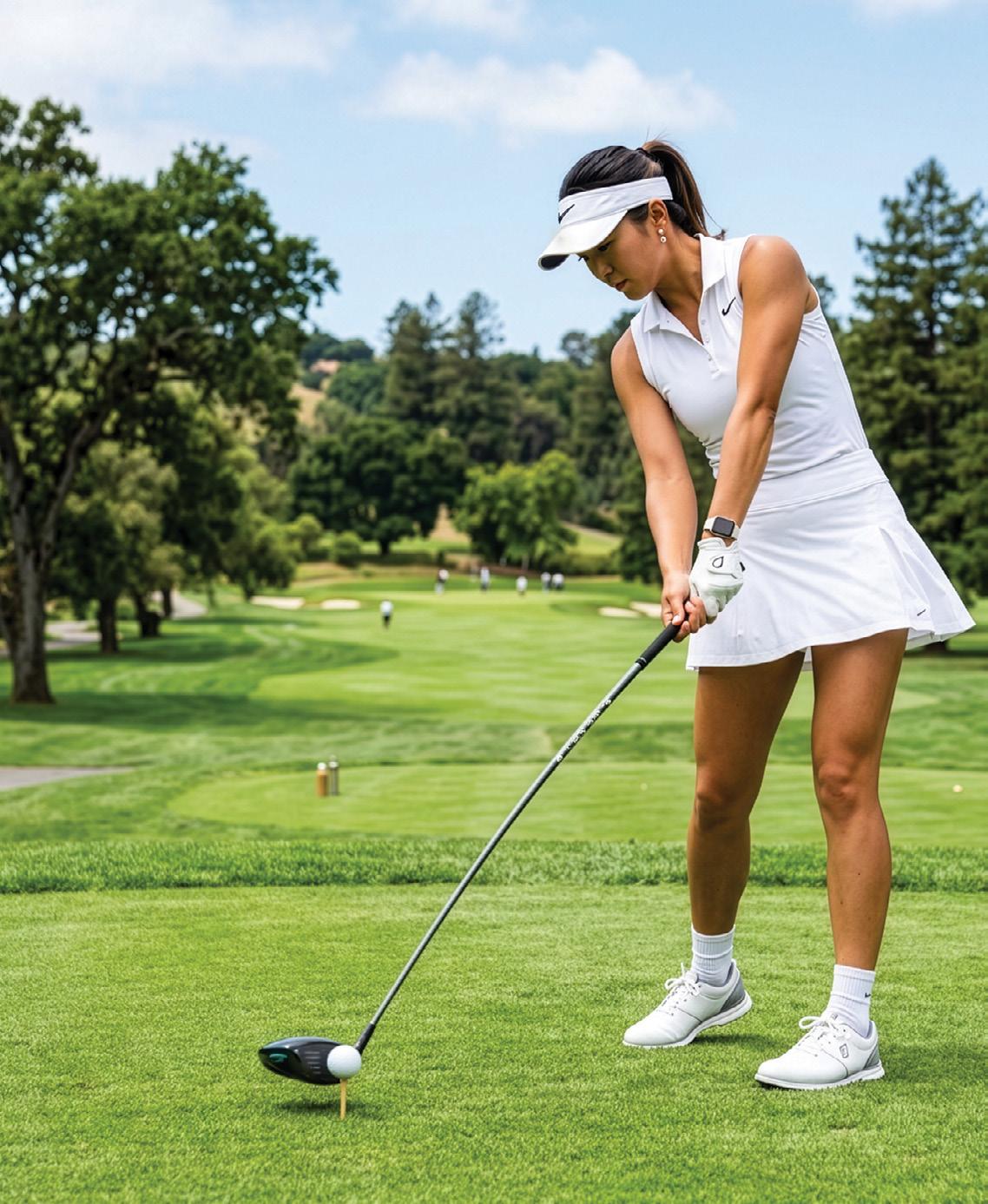
Elevated in Play Defining Style Trends in Women’s Golf and Tennis for 2026
By Edie O'Brien of ediestyles.com
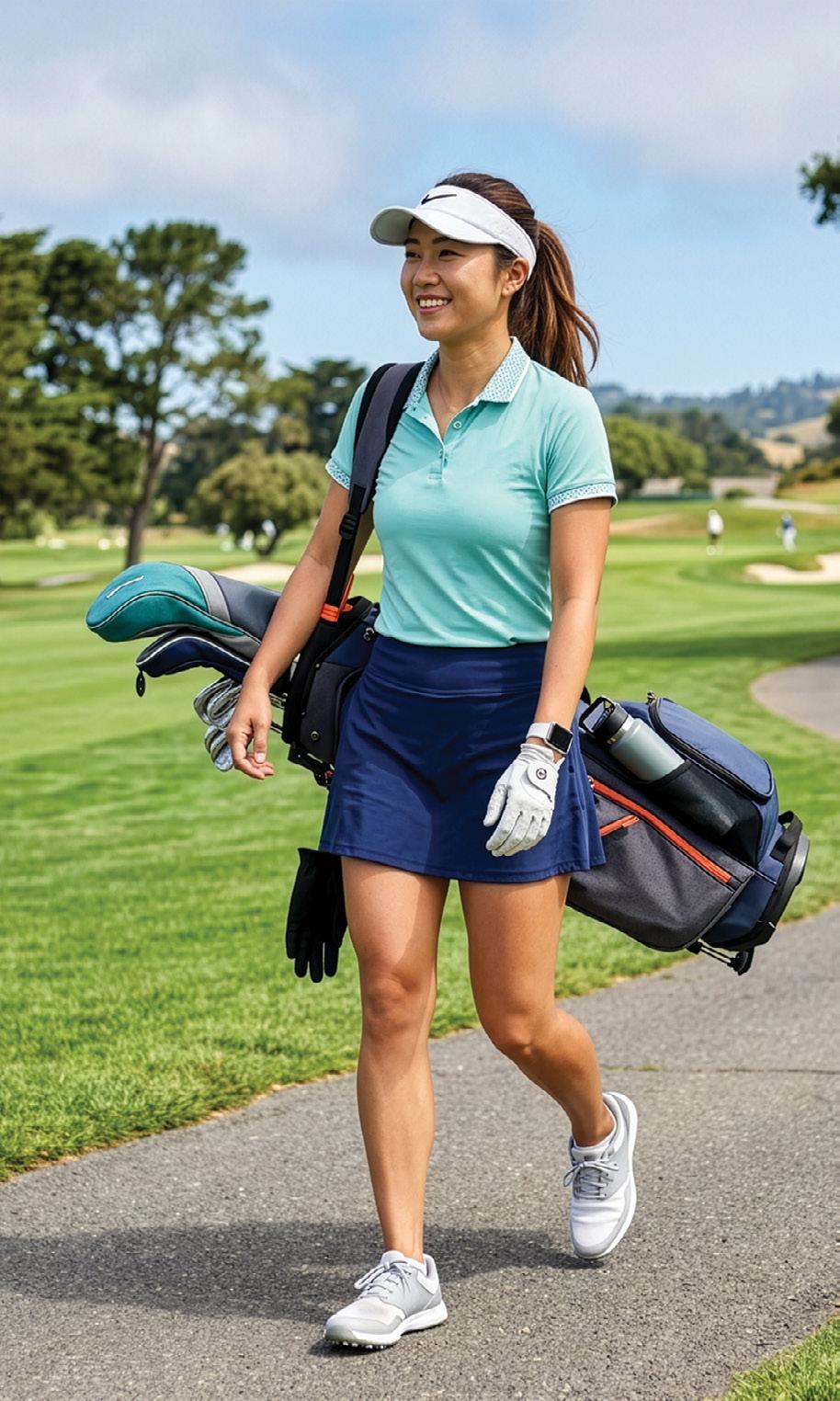
In 2026, women’s golf and tennis fashion has evolved into something far more intentional—where performance and polish work seamlessly together.
Today’s pieces are designed to support how a woman actually moves, plays, and performs—without sacrificing a refined, put-together appearance. Fabrics are lighter, silhouettes are more tailored, and the overall aesthetic feels closer to ready-to-wear than traditional athletic apparel. This shift reflects a deeper understanding: what you wear while you play directly impacts how you feel. Confidence, ease, and focus are now part of the design conversation.
The Rise of Sport-Luxury
Both golf and tennis are embracing a “sport-luxury” aesthetic—a balance of technical performance and elevated design. In golf, we’re seeing tailored silhouettes that mirror ready-to-wear, elevated textures and subtle detailing, and neutral palettes layered with rich tones. In tennis: Refined takes on classic pleats, sleeker, more sculpted silhouettes and pieces that transition effortlessly beyond the court.
This is no longer just about dressing for the game, it’s about expressing a lifestyle.
Trends Defining 2026
Soft Femininity Meets Athletic Structure
A defining shift across both sports is the balance between femininity and structure.
Feminine necklines paired with performance fabrics
Clean, polished silhouettes
The result is a look that feels strong, refined, and effortless.
Refined Color Over Loud Prints
Color is being used with far more intention.
Key palettes:
Soft pastels: butter yellow, blush, pale blue
Rich tones: emerald, navy, burgundy
Crisp neutrals: white, cream
What’s changed:
Prints are more tonal and understated
Bright colors are used as accents—not the focus
This creates wardrobes that feel cohesive, elevated, and less trend-driven.
Performance Built In, Not Obvious Function remains essential—but it’s now seamlessly integrated.
Key features:
Moisture-wicking, breathable fabrics
Four-way stretch for movement
Lightweight construction for all-day comfort
Performance is no longer bulky or technicallooking—it’s refined and almost invisible.
The Reinvention of Classics Core pieces remain—but with modern updates.
In tennis:
Pleated skirts with updated proportions
Sleek, versatile tennis dresses
In golf:
Polos with modern cuts
Skorts and trousers with improved tailoring
Even traditional looks feel more current through fit, structure, and subtle detail.
How pieces are styled is just as important as the pieces themselves.
Layering with intention: lightweight knits, halfzips, and structured outerwear
Accessories that elevate: visors, belts, and footwear chosen to complete the look
Versatility in mind: outfits that transition seamlessly beyond play
While designed for sport, many pieces now carry into the rest of the day with ease.Today’s woman is not just dressing for performance— she’s dressing for how she wants to feel.
Confident. Polished. Effortless.
This mindset is shaping how wardrobes are built and styled. The biggest shift in 2026 is clear:
You no longer have to choose between style and function.
At its core, this evolution is about alignment— between performance, personal style, and lifestyle. Women are no longer dressing just for the sport. They’re dressing for how they want to show up.
Katie Best Richmond Bag?
What’s in your
Katie’s Bag Tells a Bigger Story
By Lainey Berkus | Photography by Jennifer Denton
Remember how the cast of Friends always gathered at Central Perk — sipping coffee, swapping stories, and dreaming big? For Katie Best, that coffee-shop magic isn’t just nostalgia — it’s her everyday reality. She is both a leader at the H. E. Butt Foundation, the family foundation of one of Texas’s most beloved families, and the founder of Rose Hip Market, a warm, bustling independent café in Olmos Park.
Katie is writing a new kind of story: one where corporate leadership and grassroots entrepreneurship blend together.
Her days begin with coffee — but more than that, they begin with community. The H. E. Butt Foundation taught Katie the power of local connection at scale: how thoughtful partnerships, community trust, and creative programming can transform neighborhoods. At Rose Hip, she brings those same values to life in an intimate, hands-on way — creating a place where conversations flow, strangers become friends, and local makers, chefs, and artists find a home.
Katie’s Carlos Falchi crossbody handbag is a snapshot of her dual worlds. The soft pink leather vintage purse is a special family heirloom and a gift from her grandmother, who owned a handbag and accessories boutique in San Antonio years ago. Her bag is also expandable and features a big butterflylike flap. Let's peek inside Katie's bag!
What's in your bag?
"Inside are beans from Superthing Coffee, my Austin roaster of choice; a jar of house-made vanilla cinnamon syrup, made with real vanilla bean and cane sugar; and a fresh wrap from Seasonal Farm Salads, a woman-owned business that sources from nearby farms.
"Tucked between those daily essentials are event flyers for Rose Hip’s weekly gatherings — chef pop-ups, candle-making nights, cakedecorating workshops. These events echo the kind of community engagement that the H. E. Butt Foundation champions, but with my personal, creative twist.
"Nestled at the bottom of my bag is a well-loved copy of Westside Rising, reminding me to honor the complex San Antonio history beneath Rose Hip’s footprint and to shape a future rooted in awareness and inclusion,” says Katie.
Like the contents in her handbag, Katie's curated menu reflects her love of quality, community, and creativity, offering a thoughtful mix of handcrafted coffee drinks, seasonal specialties, and house-made syrups alongside fresh bagel sandwiches, wraps, salads, and wholesome grab-and-go options.
Want to go? Rose Hip Market, 116 West Olmos, opens from 7 a.m. to 6 p.m. on weekdays and 8 a.m. to 4 p.m. on weekends. Take your tote bag with you. My guess is that you'll find some "must-haves" for yourself and maybe some coffee beans, too.
KATIE'S TIPS:
• Support the community by shopping in local businesses of all kinds-- year-round.
• It's always smart to purchase fresh foods, fresh ingredients.
• Live life to the fullest, with coffee or tea in hand.
You Can Love the Outdoors and Your Skin
By Bill Murphy, MD, Medical Director, Turquoise Springs Medical Spa
My love for Santa Fe, New Mexico, goes back to my childhood. Long before I actually traveled there for the first time in the early 1990’s, I was there many times in my mind. While lying back on the boards of my backyard tree house as a child, I read Zane Grey novels and later Louis L’Amour and Larry McMurtry. My favorite color is turquoise, as you might guess. The color of the Tiffany’s New York jewelry box is from the stunning blue color of the sky along the Santa Fe trail near the historic town of Cerrillos. I love the smell of piñon wood in the clear mountain air and breakfast at La Fonda Hotel at the end of the Santa Fe Trail. However, the sun, wind, and bone-dry air there are rough on the largest organ in your body….your skin.
Many of the residents of the area around the square in Santa Fe have skin that looks like the surface of a prune or the top side of an alligator. Even in our beautiful
hill country, we face the dilemma of enjoying being outside while caring for our skin so we look fresh and not prematurely aged. We want our cake and to eat it as well. Is it possible to walk that narrow pathway? Yes, it is, and it is easier than you think.
Let’s break the process into several sections and make it as easy as possible
1. Establish a daily routine of cleansing your skin morning and evening with a mild cleanser free of chemicals and additives other than natural ingredients. Moisturize daily to trap water in the skin, especially after a shower, hot tub, or swim session. It is preferable to apply while your skin is still damp. Use a broadspectrum sunscreen of SPF 30 or higher and reapply every 2 hours when outside, even on a cloudy day. Use of a humidifier at night, especially during the winter, can be helpful. Application of a retinol and an HA is great
for skin texture, pigment changes, and fine lines and wrinkles. I especially like to use a Vitamin C serum to brighten the skin and provide extra antioxidant protection.
2. Adjustments to your daily habits can reduce the aging of the skin significantly. Stop smoking as it ages your skin prematurely. Smoking reduces blood flow and thus oxygen to your tissues, damages collagen and causes it to thin, and causes your skin to become dull and wrinkled. A diet rich in vegetables, fruits, and an antioxidant supplement with Vitamin A and Omegas is crucial for healthy skin. Reduce your stress with meditation, exercise, yoga, and reduce social media and screen time. Finally, stay hydrated. Drink enough water to keep your skin hydrated from the inside/out. Remember, if you are thirsty, you are already behind in your water intake.
3. Avoid scrubbing your skin too hard to avoid skin irritation and injury. Be gentle, yet brisk enough to take the dry skin away and increase circulation to the dermal layer. Perform monthly exams and consult with your dermatologist for any abnormal changes, or dry or itchy areas that persist. Scheduling an annual exam for screening with a dermatologist is a great habit to develop to prevent a minor skin problem from becoming a major problem.
4. Unlike what you might imagine or have been told, skin treatments at a medical spa do not have to be so expensive that they are not possible for the average person. Regular skin treatments to combat aging, fine lines, wrinkles, sagging, and discoloration are easy, comfortable, and affordable. A regular regimen of a Hydro-facial to clean and hydrate your skin, laser and light therapy to decrease fine lines and erase dark spots, and Microneedling once or twice per year can be less expensive than you might imagine. If you join a membership or arrange for long-term care, your skin care can be budgeted like a gym membership. I particularly like a new topical peel product which penetrates the outer layer of the epidermis to work in the dermal layer. It is called PRX-T33. It is wonderful for skin tightening, improving skin tone, and brightening the surface of the skin without needles.
If you’re thinking, “It’s too late for me”, it is not. Skin is remarkably resilient. Many changes are reversible. Start where you are, make small adjustments, and build from there.
Healthy, vibrant skin is always within reach.
Bill Murphy, MD 210-253-3313 www.turquoisesprings.com
Shaping the Sound and the Future of Musical Theatre in South Texas
Every Child a Beginning. Every Stage a Milestone. Every Generation a Legacy.
Missy Miller’s Encore: How a San Antonio Arts Icon is Shaping the Future
By Shauna Forkenbrock
Photos courtesy Majestic Empire Foundation
For decades, Missy Miller has been a driving force in San Antonio’s performing arts community, building a reputation as a teacher, director, choreographer, and mentor whose influence spans generations of young performers. She has trained students who have gone on to careers in the performing arts, appearing on Broadway, American Idol, at Disney World, on Royal Caribbean and Carnival cruise lines, on Nickelodeon, and in Branson and Las Vegas, among other venues.
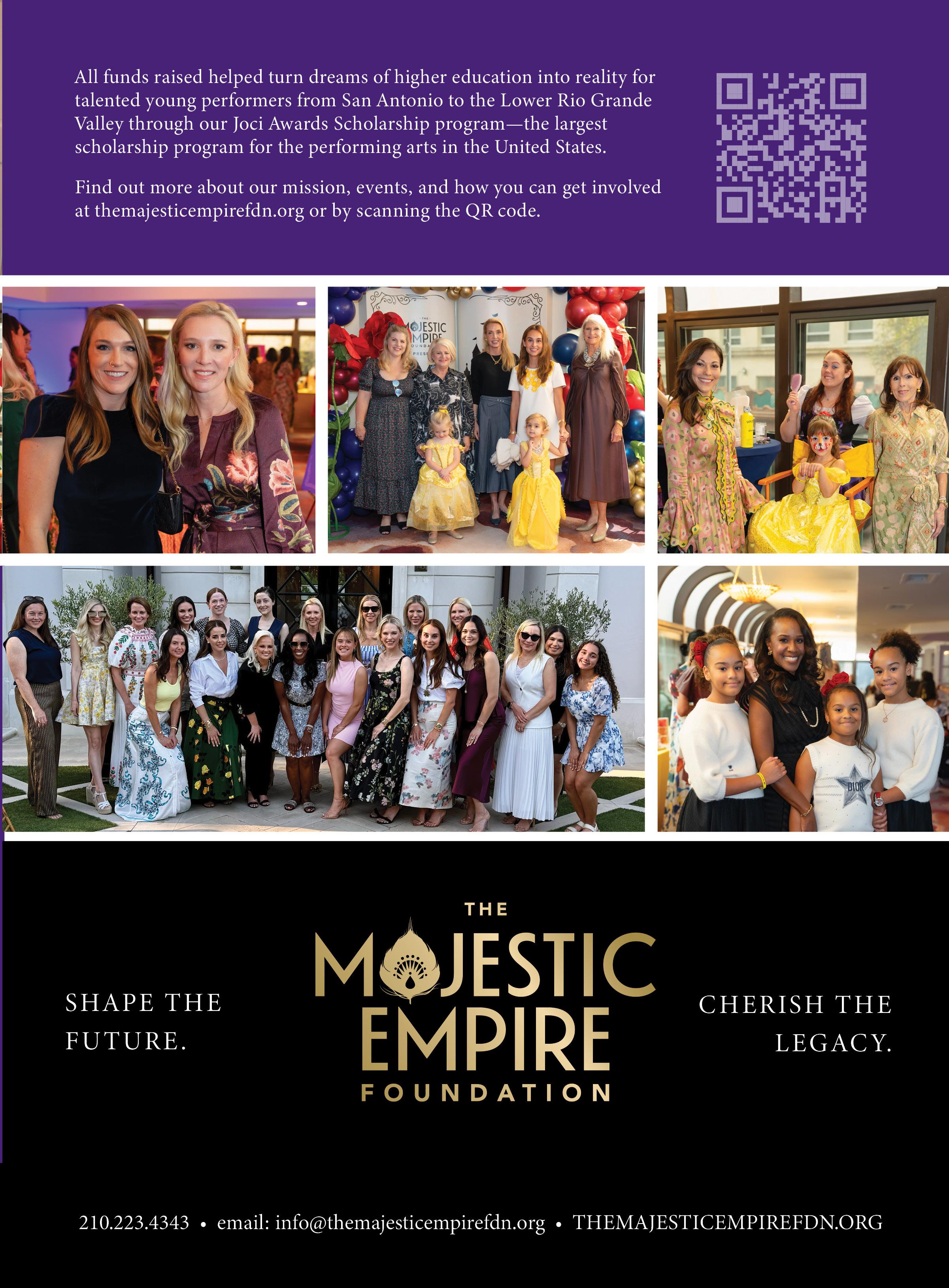
Now, through her partnership with the Majestic Empire Foundation (MEF) and its Academy of the Arts, Miller is expanding that legacy, increasing access to high-quality arts education and creating a lasting pathway for students across South Texas. That path can lead to regional and national recognition, including prestigious programs such as the Joci Awards.
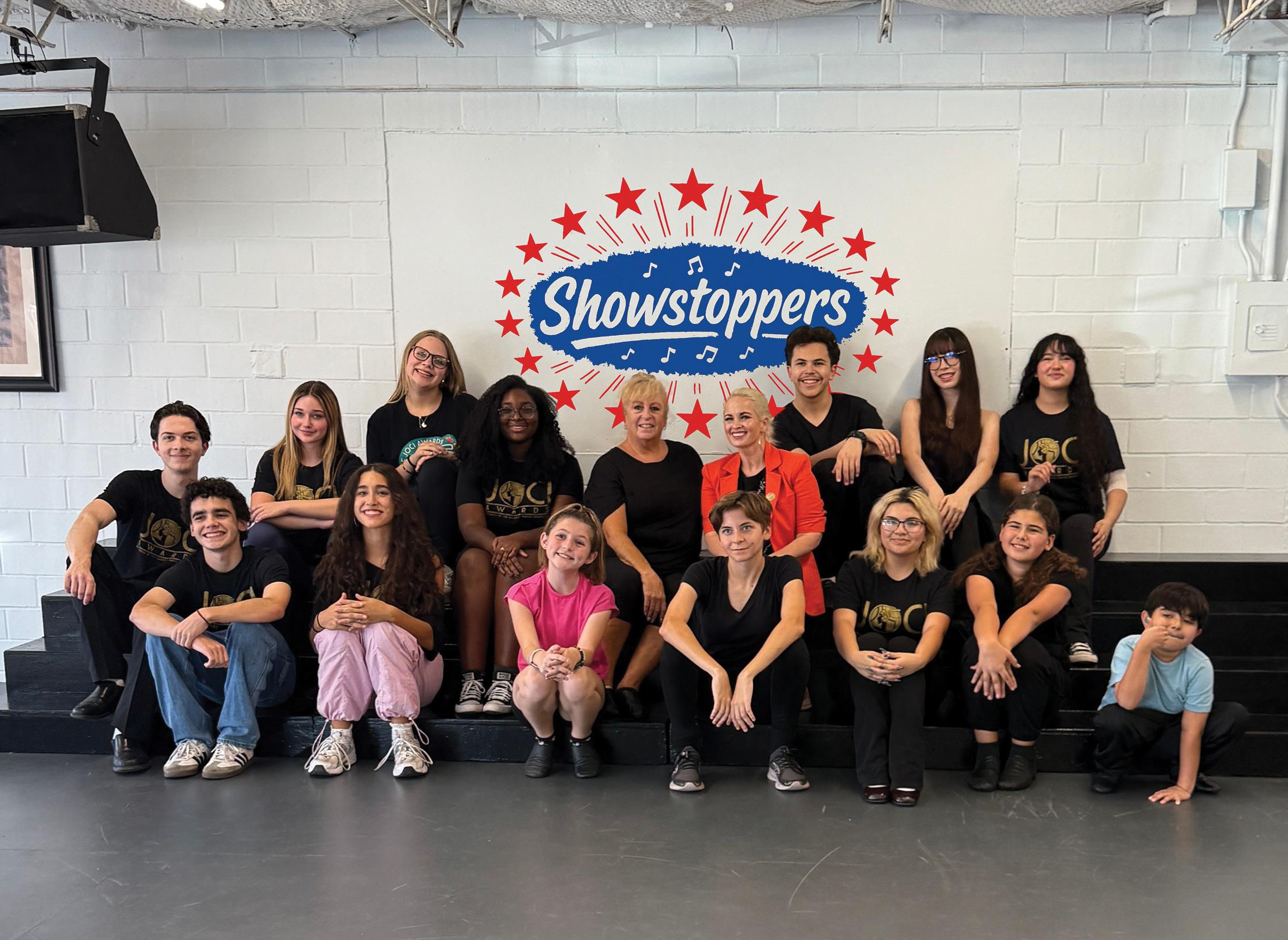
As Director of Showstoppers within the MEF’s education programs, Miller is central to a growing effort to broaden access to elite performing arts training. For her, the work has always been about more than performance. “This is not just about creating Broadway performers. It is about building confidence, teamwork, and life skills,” she says.
A Partnership That Expands Her Impact
For years, Miller managed every aspect of her program, from creative direction to operations. Under the Majestic Empire Foundation, that has changed. The MEF now provides the infrastructure, resources, and long-term planning that allow Miller to focus fully on teaching and mentorship. That support is key to the Academy’s model, which is designed to create a connected training ecosystem rather than a collection of isolated programs.
Miller’s work is often a student’s entry point into that system, where they first build confidence, discipline, and a love of performance. Her teaching philosophy remains simple and consistent: “Every child deserves a moment to shine.”
Unlike traditional programs, where only the most advanced students land leading roles, Miller builds each production around the students in front of her. Every child
sings. Every child speaks. Every child performs. “It does not matter if they are beginners or advanced,” she says. “Everybody gets a chance to do it all.”
For students who choose to pursue the performing arts more seriously, that exposure can be transformative. The MEF’s Joci Awards is the largest scholarship funding source for the performing arts in the United States, with over $2.3 million given toward higher education since the program’s founding in 2009. Through consistent training, stage experience, and mentorship within the Academy, students gain the skills and confidence to compete at that level.
A Philosophy Built on Ages, Stages, and Shared Growth
One of the hallmarks of Miller’s approach is her belief in teaching across ages and stages rather than separating students rigidly by level. Children can begin as early as 18 months with parent-assisted movement and music exploration, and opportunities continue through age 18. As students grow, they progress from foundational motor skills and early dance to structured musical theatre training, eventually joining Showstoppers productions and performing multiple times each year. Within those groups, Miller intentionally blends ages and experience levels. “I bring all ages together,” she says. “It challenges the students in different ways.”
That dynamic creates a natural culture of mentorship. Younger students see what is possible and rise to meet it. Older students build leadership, empathy, and confidence by guiding those behind them. The result is not only artistic growth, but also a sense of teamwork and support that mirrors real-world collaboration.
Miller emphasizes that there is no single entry point. Some students begin as toddlers; others find the program later. Families can choose the level of commitment that fits their child, from full performance tracks to one-onone coaching or individual classes. Trial classes are also available for those who want to explore the environment before committing.
The goal is simple: meet each child where they are, give them room to grow, and create a pathway that evolves with them over time. Whether a student stays for a season or for their entire childhood, Miller’s philosophy ensures they are both supported and challenged at every step.
“This is a happy place,” Miller says. “Somewhere they feel safe, encouraged, and excited to be.”
A Legacy That Continues to Grow
Miller’s influence has always extended beyond the stage. Her students have gone on to careers in performance, education, and leadership. Through the Academy of the Arts, that influence is now expanding within a larger institutional framework.
The historic Josephine Theatre gives that work a permanent home, anchoring Miller’s teaching within a broader mission of community engagement, preservation, and access. Together, the Majestic Empire Foundation and Miller are building something designed to last.
A Full Circle Story of Impact
One of the clearest examples of that impact is Jaselyn Blanchard, now Executive Director of the Majestic Empire Foundation. Blanchard first entered Miller’s classroom at age four.
As a young Showstoppers student, she was introduced to the same foundation of performance, discipline, and confidence that Miller has instilled in thousands of children over the years. Today, she leads the organization, helping expand that work for a new generation.
Reflecting on that journey, Blanchard has emphasized how deeply those early experiences shaped her path and commitment to the arts. “Teachers change lives in ways they often never fully see,” Blanchard says. “Missy was my teacher when I first stepped into a dance studio as a child. The discipline, confidence, and love of performance she instilled in me helped shape the path that eventually brought me back to serve this community through the arts.”
For Miller, seeing a former student now lead a major arts organization is deeply personal. “I can’t even express the pride,” she says. “Look at what Jaselyn is doing for San Antonio. And she’s only just beginning.”
Their connection represents more than a personal story. It reflects the long-term impact of arts education and the cycle the Foundation is working to build. “We’re not just training performers,” Miller says. “We’re creating future audiences, supporters, and community members who value the arts.”
Bridging a Generational Learning Gap
Miller has also seen a clear shift in how students learn compared with when she began teaching more than 40 years ago. Many children now arrive with less experience in analog learning, from reading physical scripts to writing notes by hand or memorizing through repetition.
“They’re so used to screens,” she says.
As a result, part of her teaching now includes reintroducing those foundational habits. She encourages students to write out lines and lyrics, highlight scripts, and engage with material in a hands-on way. The payoff is stronger focus, better retention, and the confidence that comes from preparation.
A Message to Parents: Just Let Them Try
For parents considering whether to enroll their child in performing arts classes, Miller’s message is simple: try it.
She emphasizes that the benefits extend far beyond the stage. Students gain confidence, learn teamwork, and develop resilience, whether that means stepping into the spotlight or handling disappointment with grace. “Even if they only do it for a short time, those skills stay with them,” she says.
The barrier to entry is low, but the potential for growth is enormous. For many families, what begins as an experiment becomes a place where children truly come alive, gaining experiences through the arts they may not find anywhere else.
Looking Ahead
Miller continues to teach with the same energy and commitment that defined her work from the beginning. What has changed is the scale of what is possible. With the support of the Majestic Empire Foundation, her work now feeds into a growing Academy that is expanding its programs, deepening its curriculum, and reaching more students across the region. For those who begin with Miller, the path no longer ends after a few years of classes. It continues.
And for Miller, the mission remains deeply personal: “This is what I was put on this earth to do.”
A Refined Approach to Family Living
Interior Design: Abode Interior Design
Gina Roth, Principal Designer, Shelly Antonacci, Kory Jonsson
Photography by Glass Lake Media | Construction Team: JM Design Group
Tucked into the beautiful neighborhood of Bentley Manor, this Shavano Park home was already rich with character—limestone walls, exposed beams, and a thoughtful floor plan that worked well for everyday living. For our clients, a young family with two busy careers and two young daughters, the goal was to make the home feel lighter, fresher, and more reflective of how they truly live.
From the start, the vision was clear: create a home that feels like a peaceful retreat at the end of a full day—one that brings the beauty of the surrounding property indoors while still supporting the rhythm of family life.
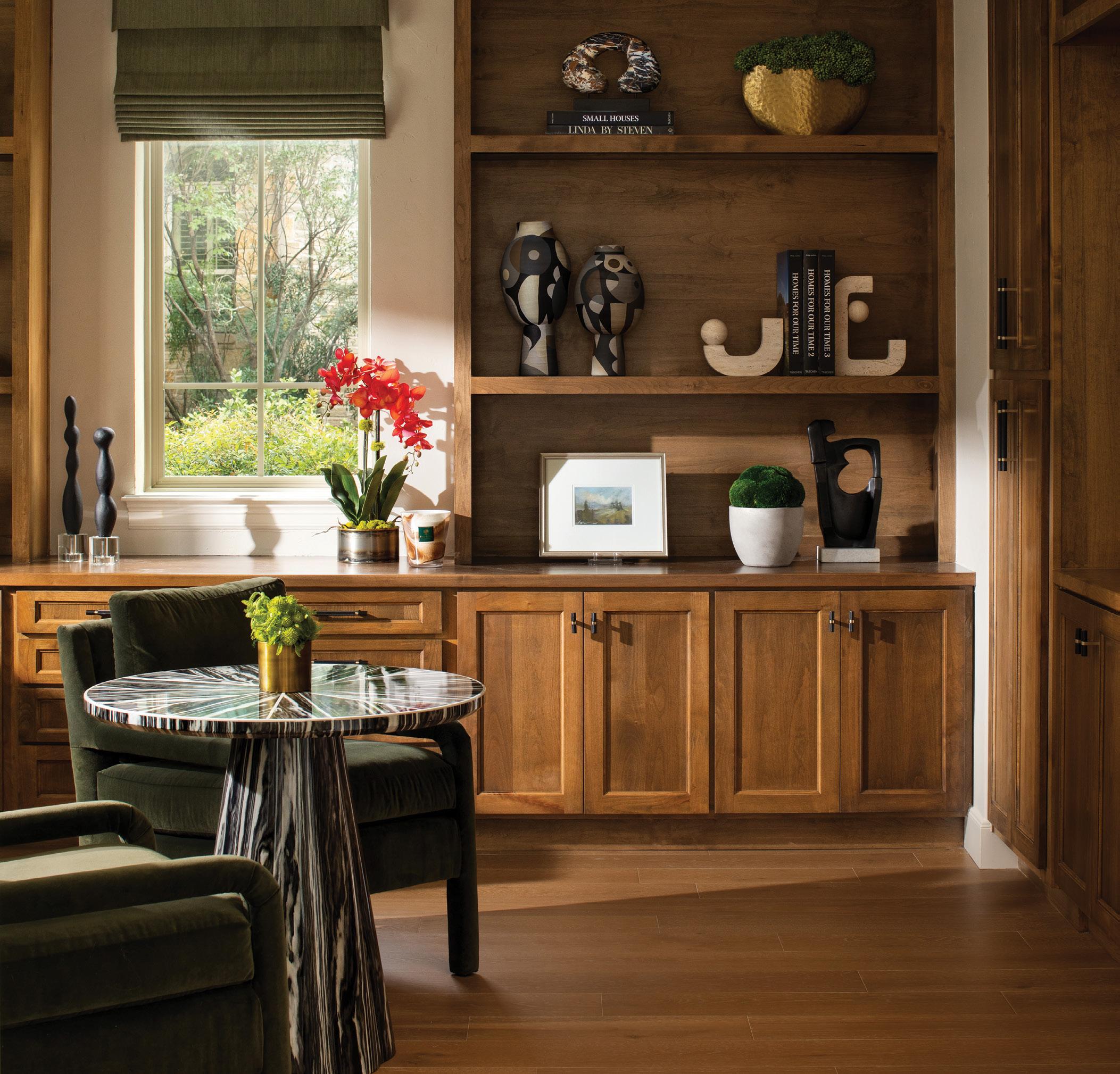
Rather than starting from scratch, we focused on honoring what made the home special. The limestone fireplace and walls, along with the existing beams, became the foundation for the design. We used a warm white on the walls and trim to lighten the space. The result is a palette that feels calm, cohesive, and easy to live with.
One of the most impactful changes was updating the flooring. The original travertine was replaced with warm European white oak, instantly making the home feel more relaxed and current. It also created a softer backdrop for everyday moments—bare feet in the morning, kids playing in the afternoons, and family time in the evenings.
In the kitchen, we simplified and refined the space to better suit the family’s lifestyle. The original vent hood, while beautifully detailed, felt too formal, so we replaced it with a custom plaster hood that feels softer and more approachable. Cristallo quartzite countertops bring in natural movement and light, and by extending the material up the wall, the space feels both elevated and easy to maintain. Custom cabinetry in a mix of warm white and wood tones ties everything back to the beams and flooring, creating a sense of continuity.
Throughout the home, we focused on creating spaces that feel connected and livable. The main living areas were designed to flow seamlessly, with custom builtins and shelving that balance function with personal expression. There’s space for a large television, but also room for meaningful objects that tell the family’s story.
The home office was completely reimagined to support two professionals—designed specifically around how they work, from focused tasks to practicing presentations. It’s a space that feels both functional and tailored, making busy schedules just a little more manageable.
We also carved out quieter, more intimate moments within the home. A cozy sitting room offers a place to unwind, anchored by a custom piece of art above the fireplace. It’s a favorite spot for the parents to relax while still keeping an eye on the girls as they play nearby.
While much of the home is grounded in soft, neutral tones, the powder bath became an opportunity to do something a bit more playful. A bold abstract floral mural brings energy and personality, paired with a custom marble vanity that makes the space feel special and unexpected.
At its heart, this home is about balance—between beauty and function, calm and energy, refinement and real life. It’s a space designed not just to be admired, but to be lived in fully, every day.
www.myabodedesign.com
DOSSIER
Aesthetics & Med Spas
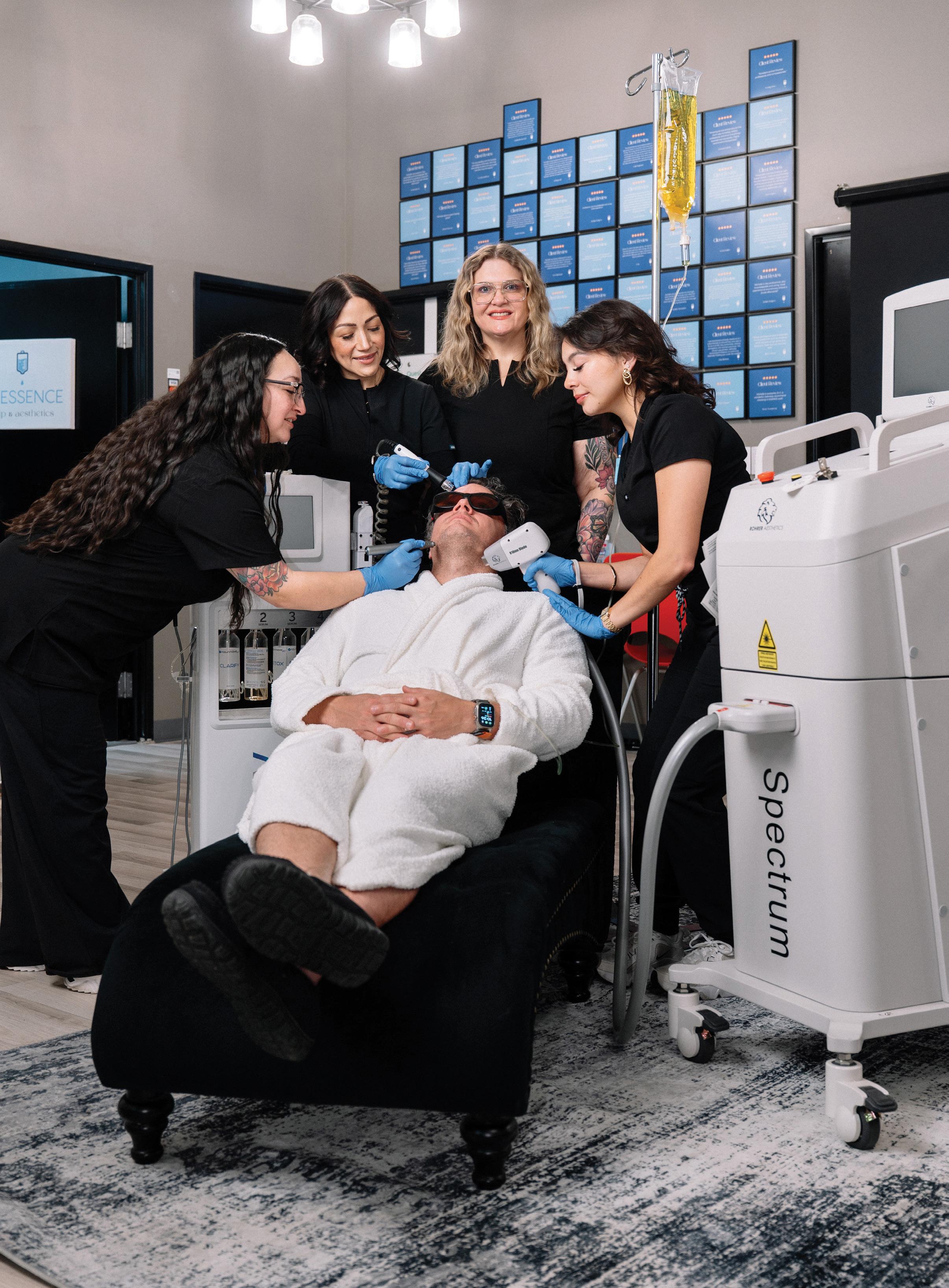
IV ESSENCE & AESTHETICS
Michelle Burdette, RN/Owner
What types of clients do you work with?
We work with a diverse range of clients who are interested in a functional approach to health and wellness. Our focus is on individuals who prioritize holistic care and seek innovative IV therapies, skin care routines, and health to enhance their well-being. We aim to reach clients of all ages and backgrounds, including health-conscious individuals, busy professionals, and those looking for recovery solutions. By emphasizing the functional benefits of our treatments, we strive to provide personalized care that complements varied lifestyles, skin, and health goals.
How do you build lasting relationships with your clients?
We build lasting relationships with clients through personalized communication, consistent follow-ups, and exceptional customer service. We emphasize trust and transparency, providing valuable education about our treatments to empower clients in their skin health and wellness journeys. This approach fosters strong connections and encourages loyalty over time.
What do you love most about your work?
What I love most about my business is the opportunity to positively impact clients' lives through innovative wellness solutions. Seeing clients achieve their health and skin goals and improve their overall well-being brings me immense satisfaction. I also enjoy building meaningful relationships and being part of their journeys, which makes every day fulfilling and rewarding.
What do you like to do in your Free time?
In my free time, I participate in medical mission trips, focusing on knee and hip replacements for underserved communities around the world. I have been to at least 10 countries over the last 16 years. My experience working in the hospital and emergency room has equipped me with valuable skills and knowledge, allowing me to make a meaningful impact on people’s lives. Medical mission trips are incredibly rewarding and allow me to give back while enhancing my medical expertise, and remind me why I became a nurse. They also renew my compassion and empathy and remind me to be kind.
Photography by David
Teran
Photography by David Teran
SKIN REJUVENATION CLINIQUE
Why Skin Rejuvenation Clinique Is Different
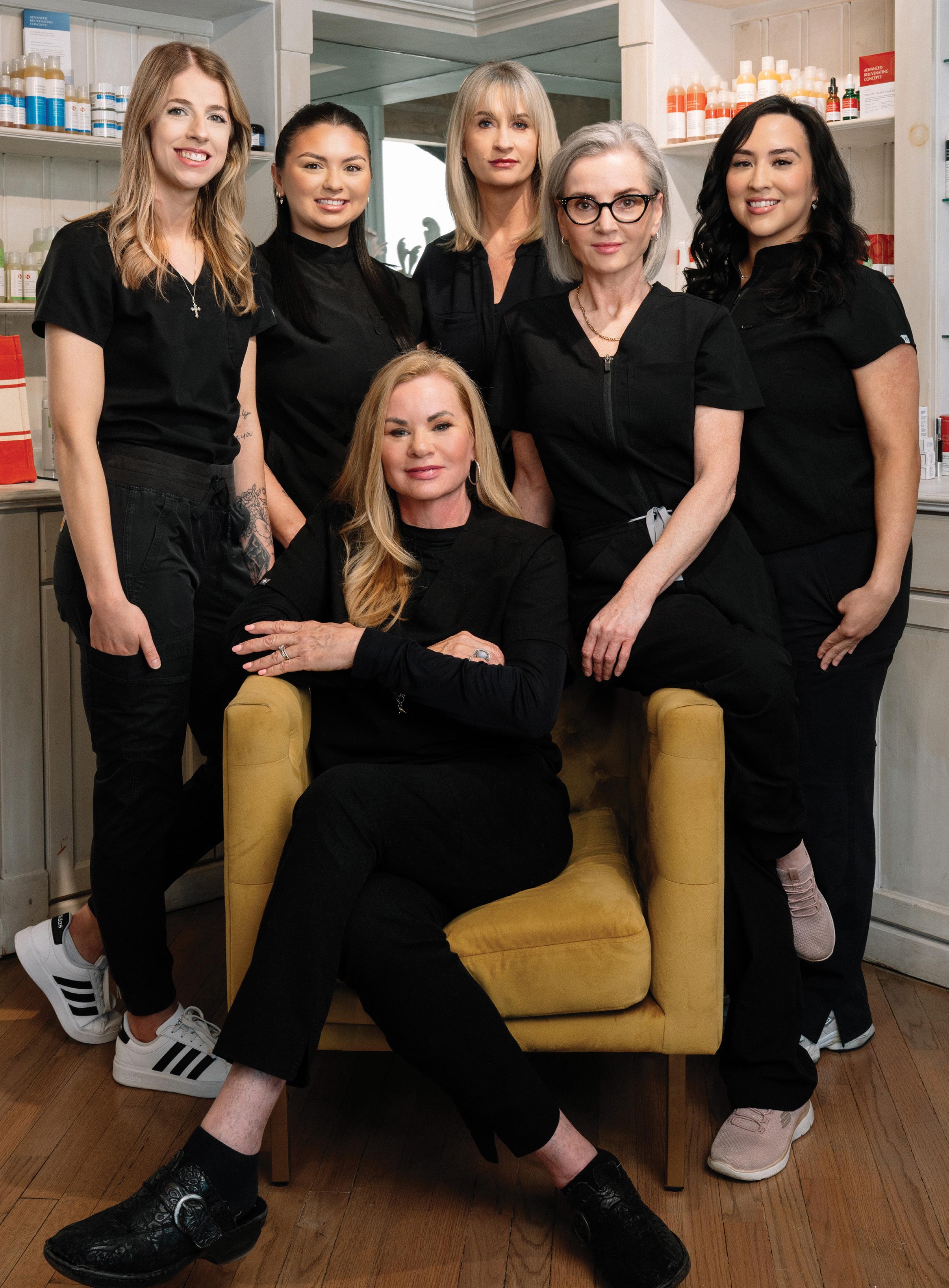
For more than 35 years, Skin Rejuvenation Clinique has set itself apart as a true leader in the aesthetics industry—not by following trends, but by shaping them. We don’t just participate in the industry; we help define it. We teach the industry, write for the industry, and create products for the industry, keeping us consistently at the forefront of innovation. By working closely with chemists, skincare professionals, and clients every day, we stay ahead of what truly delivers results.
As the field of medical aesthetics expanded and clinical studies became more integrated into skincare, we evolved with it. Skin Rejuvenation Clinique became one of the first licensed laser professionals in San Antonio, helping pioneer advanced laser treatments in a safe, effective, and results-driven way. We didn’t just adopt these technologies—we taught them. Through proven laser treatments, we target brown spots, redness, acne, and scarring while improving texture, refining pores, and softening fine lines.
We were also the first to introduce our Signature Rejuvenation Facial to San Antonio—a results-driven treatment combining a light chemical peel with a European facial. This powerful combination helps reduce fine lines and wrinkles, refine pores, and deeply rejuvenate the skin. Decades later, it remains one of our most popular and affordable , resultoriented services, allowing everyone to experience real skin transformation.
From the beginning, our mission has been to make professional skincare accessible and effective for all. We believe skin is a canvas, and our role is to refine and perfect it with integrity. We follow results, not marketing, and only offer treatments that are proven to work.
Beyond skincare, our legacy is in the lives we’ve impacted—helping professionals build careers, support families, and grow within this industry.
Alamo Heights 4901 Broadway, Suite 150 San Antonio, 78209 (210) 822-5548 Stone Ridge 21019 US 281 S, Suite 838 San Antonio, 78258 (210) 479-8200
Branch 17080 TX-46 W, Unit 109 Spring Branch, 78070 (830) 228-4472
Tina Marie Zillmann Aesthetician, Laser Professional, Educator, Product Developer
Mother-Daughter Duo Help Bring New Medicines to San Antonio Through Clinical Trials at Quality Research
By Rudy Arispe | Photography by David Teran
“Sometimes, we are their only care,” Schrader said. “Many don’t have insurance and can’t afford to go to the doctor. We are a way for them to get treatment, whether it’s for arthritis or diabetes, if not for clinical trials. They spend a lot of time with our physician and nurse practitioner. They like coming here. It’s warm and welcoming. We care about them.”
Ellen Schrader recalls the 16-year-old boy, who was a participant in a previous clinical drug trial to establish the efficacy and safety of a new allergy medication. As part of the requirements to determine his eligibility to participate, the teen underwent a thorough health examination, which included an EKG heart check.
To his surprise, the EKG revealed that the young patient had an underlying heart condition that had never been detected.
“He had to go see a cardiologist,” Schrader said. “He would not have had an EKG with no symptoms unless he was in that drug trial. Sometimes, we discover unexpected things about a person’s health when they are doing a trial. In the past year, there have been five people who found out they have cancer after having imaging tests done as trial participants. When it’s found early, they can get treatment.”
Lifesaving, early intervention for trial patients is just one of the rewards that come with the job for Schrader, president and CEO of Quality Research, which she founded in 1996. Over the past 30 years, the small, family-owned research center has conducted more than 300 clinical trials that have led to countless medications receiving FDA approval following rigorous testing.
While Schrader serves as CEO, her daughter, Michelle Davis, is the Director of Operations. The former English teacher and Head of Middle School at Keystone School joined her mother 15 years ago after a successful career in the classroom. Davis was no stranger to the company. She and her two brothers spent many of their days during middle and high school helping at the business.
“I would make patient phone calls to see if they would be interested in participating in a trial,” Davis recollected. “I also did a lot of data transcription with triplicate copies. Now it’s done by computer. It was tedious, so they enjoyed giving me that job.”
Today, Quality Research oversees clinical trials for drugs in development for diseases and conditions, such as diabetes, irritable bowel syndrome, non-alcoholic fatty liver, hypertension, gout, and osteoarthritis, among others.
Davis stresses the importance of the work that Quality Research does to help bring safer and more effective drugs to market. “One of the most rewarding things is to see drugs we have worked on now being available to the public,” she said. “It takes 10 years for that to happen before it goes to market, and it takes a lot of people on the back end to make that happen.”
One such drug is Ozempic, used to treat adults with type 2 diabetes. “It’s been life-changing for a lot of people,” Davis said. “It’s exciting to know we played a small part in that.”
In addition to monetary compensation, trial participants receive quality health care every step of the process, which they might not receive elsewhere.
Schrader, who is a licensed vocational nurse, had been working at a doctor’s office where some clinical trials were being conducted, and she assisted with them. After 11 years there, she asked the physician for a raise. When he turned down her request, Schrader decided it was time to leave and start her own clinical trial research center. She jokes that her first office was the size of a closet, although that was the least of her concerns.
“I built the business by calling pharmaceutical companies and asking for their Research Department and asking them if they would throw some studies my way,” she explained. “If you do a good job, they’ll come back, and then word gets out in the industry about your work.”
It helps, too, that Quality Research partnered with a family practice physician, Dr. Robert Morin Jr., to provide expertise as principal investigator. “That leads a lot of ability to go into different therapeutic areas, so that you can follow market trends better when you have leeway like that to diversify,” Schrader said. “We want to spread out in case there’s a lull in one area.”
Schrader notes that the industry has certainly changed since she opened Quality Research 30 years ago. “There are very few independent research centers like ours. They are being bought up by large investment firms and big research groups,” the CEO said. “We get offers almost every day. We’re competing for enrollment with these huge corporations. So I have great pride when I see our enrollment numbers up there with the giants.”
Quality Research is also proud of an accolade they received last year, said Davis, a graduate of the University of Texas at Austin. The company was honored with a 2025 Longhorn 100 Award, a recognition of the fastest-growing businesses owned by UT Austin alumni, and ranked No. 48.
Although Schrader has no plans to retire anytime soon, her daughter has been handling more of the day-to-day operations to allow her mom a bit more freedom in her schedule and more personal time off as desired. For Davis, she’s grateful to be working alongside her mom and mentor.
“I don’t think I’ve ever yelled at you, have I?” Schrader jokes. “I think I might have been grounded a few times,” Davis quips.
Kidding aside, the mother-and-daughter duo believe they have a great working partnership. “I’ve been fortunate to be in her shadow and learn everything that she does, from managing payroll and HR to mentoring people and the logistics of running the business,” Davis said. And both agree that because Quality Research is a smaller company with a staff of 10, they have the capacity to have a greater impact on people’s lives through their clinical research.
“We have a magic formula here,” Schrader said.
303 E Sunset Rd, Suite 102, San Antonio, TX 78209 qualityresearch.com | (210) 824-5678
BEYOND THE BOOTS
Photography by David Teran
MARY GARR
Colonel (Retired), U.S. Army
President/CEO, Family Service Association
How has your military career prepared you for your current job?
I had the privilege of being an Army Medical Service Officer and healthcare administrator, serving in military hospitals and clinics in the United States and overseas, helping to address the healthcare needs of our military servicemembers’ and their families’ health while also ensuring military medical readiness. In my penultimate assignment, I had the historic privilege of being the last Army Garrison Commander of Fort Sam Houston/ Camp Bullis and then the first Mission Support Group Commander of JBSA-FSH. In that role, I was able to support health from a community perspective and realized that our health is most influenced by where we live, work, play, etc., and that I could have a bigger influence on improving long-term health outcomes by working in the community. When I retired from serving our Nation, I wanted to still serve, and found that opportunity by serving my hometown here in San Antonio. Becoming the CEO at Family Service allowed me to use my education and experience to improve longterm health outcomes and life success for individuals and families by leading teams that help them overcome social determinants of health barriers through a traumainformed care lens.
What advice do you have for other women who are transitioning out of the military into the civilian workforce?
Think about what you do not want to do as much as you consider what you might want to do. That will help you focus and not make early mistakes in your transition.
Also, network and volunteer in your professional and civilian communities while still on active duty. Too many servicemembers start thinking about transitioning at the end of their careers, when they should be planning earlier. We recommend Soldiers create a career map to help plan their military service, but they should also include their post-military career thoughts and update it as life circumstances or opportunities change. It’s never too early to think about what assignments, education, and experience you need to be ready for your postmilitary career and incorporate them into your career, as best as possible.
Who or what has helped you the most in your career?
I had several mentors along the way who provided guidance and encouragement at different stages in my life, and I am grateful for that. I try to pay it forward by mentoring others now. Being curious and willing to adapt across sectors and finding the connections among them has also helped. Most military skills can be adapted to other career fields.
Any additional thoughts or questions you’d like to add?
Military service members should look not just at the forprofit sector, but also the nonprofit sector, which aligns well with the values instilled in our military service. Nonprofits are a viable post-military career field where you can use your skills, leadership, teamwork, and work ethic, and see your positive impact. In a nonprofit, you can continue to serve, just in a different way.
This Feature Sponsored by:
Vision IT
By Rudy Arispe
Photography By David Teran
Presented by:
"I am grateful to Bank of America for being a true partner in our small business journey. As a relational banker, not just transactional, Bank of America has taken the time to understand our vision, remain flexible through our growth, and consistently provide reliable support. Their commitment, trust, and genuine investment in our success have made a lasting impact, and we are truly grateful.” - Victoria Moore
Victoria Moore is Tech and Cybersecurity’s New Power Player Through Her Work at Vision IT
Since founding Vision Information Technology Consultants (Vision IT) in 2003, Victoria Moore has grown her small, woman-owned company to become a trusted and reputable provider offering Cyber Operations, NOC/SOC Management, Systems Engineering, Cybersecurity, and Logistics Support as a Department of Defense contractor.
“I was working in Washington, D.C. as a government employee and wanted to be a contractor,” said Moore, President and Chief Executive Officer. “But what I noticed about larger integration is you were just a billable number, and they were not concerned about you as a person, and I didn’t want to feel like a billable number. So, when I opened Vision IT, I wanted employees to know we care about them. We see you as a person."
Vision IT is a full-service federal technology contractor serving the Department of War and Intelligence Communities. The company delivers IT Support Services, Cybersecurity, including offensive and defensive cyber operations, penetration testing, and NOC/SOC management, DevSecOps, and Logistics Support. As a certified Women-Owned Small Business (WOSB), Vision IT has secured more than $60 million in federal contracts, supporting agencies ranging from the Defense Health Agency to the Army Cyber Command.
Under Moore’s leadership, Vision IT has expanded its footprint, securing key contracts across both defense and civilian agencies while embracing emerging technologies such as AI/ML and cybersecurity automation to support mission-critical environments. She has driven initiatives that optimize performance, strengthen teams, and deliver measurable, lasting results for clients and partners alike. She also has served on multiple Boards of Directors and is a purposedriven leader deeply committed to community impact.
The company, Moore added, operates on three core values: People first, compassion, and servant leadership. “I work from the premise that I have the hardest job and the easiest job,” she said. “If I take care of our employees, then they’ll take care of our customers, and our customers will be happy.”
As CEO, Moore is responsible for leading the charge at Vision IT and the overall growth and management of the company to ensure its success and lifting the morale of staff. “I’m responsible for the strategic direction, understanding where we are, where we want to go in the next five years, and what we will do to get
there. I also make sure we have the right people in the right seats at the C-level and being the visionary for the organization to ensure we have a playbook for us to get to our destination.”
The company founder recalled some of the early challenges she encountered after launching her company, mainly because of an initial lack of business acumen. “There was a lot of trial and error,” she admits. “My business background at the time was that I could balance a checkbook and knew not to spend more than I brought in. What I didn’t know was that there were other line items I didn’t include. I also had to weather the storm when it was good or bad. But those experiences develop you as a person and business owner.”
Moore said she is grateful to Bank of America, specifically Sulley Gutierrez, on the San Antonio team for being a true partner in her small business journey. “As a relational banker, not just transactional, she has taken the time to understand our vision, remain flexible through our growth, and consistently provide reliable support,” she said. “Sulley and the bank’s commitment, trust, and genuine investment in our success have made a lasting impact, and we are truly grateful.”
She actively partners with SAMMinistries, a local nonprofit dedicated to helping families transition from homelessness to self-sufficiency. Through strategic advocacy, hands-on programs, and community engagement, she extends her leadership far beyond the boardroom, creating meaningful and lasting change in the lives of those she serves.
Moore is equally passionate about developing people, mentoring emerging professionals, and advancing careers in technology and government service.
“I enjoy mentoring and giving my time to professionals or young women’s groups,” she said. “I want to give them the help and advice to make sure they develop as women or in their profession.”
A sought-after speaker and panelist on leadership, business growth, and the future of technology in government, Moore is known for delivering insight with clarity, conviction, and a results-driven perspective that resonates with diverse audiences.
“I truly feel blessed to be in the position I’m in,” Moore said. “God has entrusted me as a visionary, and I don’t take it for granted.”
WOMEN in BUSINESS
Women In Construction
Michelle Davis Building More Than Structures
Opening Doors for Women in Construction
By
Vasquez
Michelle
| Photography by David Teran
Construction is one of the most economically vital industries in the San Antonio region and one of the most overlooked for women. The sector supports 69.000 jobs across the San Antonio –New Braunfels metro area alone. It is a region with skilled tradespeople, engineers, estimators, project managers, and executives earning wages that consistently outpace the regional average. Yet women make up only about 10 to 11 percent of the construction workforce in Texas, a number that Michelle Davis, president of Associated Builders & Contractors (ABC) South Texas, is determined to change.
Davis came to her role through decades of experience in the industry she now champions. After graduating from college, she joined a company that happened to be an ABC member, and a chance encounter in 1996 led her into public accounting, where she spent nearly five years with 80 percent of her clients in construction. "That's where I fell in love with the construction industry and its people," she says. From there, she joined Joeris General Contractors as CFO, a role she held for 18 years, all while volunteering tirelessly for ABC. In 2008, she became the first female chairman of the ABC South Texas board of directors. She later served at the national level as PAC trustee and PAC chairman, and on the state board as well, before taking on her current role.
ABC South Texas is one of eight ABC chapters in Texas and part of a national network of 67 chapters representing over 24,000 member companies across the country. The San Antonio chapter currently serves close to 200 member companies, ranging from subcontractors and general contractors to suppliers and industry professionals. Founded locally in 1972, the organization was based on a shared belief that work should be awarded based on skill and merit, not union affiliation. The chapter has grown into one of the region's most influential voices for workforce development, advocacy, and industry education.
At the heart of ABC South Texas's work is a Department of Labor-certified apprenticeship program that Davis describes with pride. Participants work in the field during the day, accumulating between 6,000 and 8,000 on-the-job training hours over a four-year period, while attending evening classes one night a week taught by industry instructors who walk them through progressively advanced technical curriculum from Level 1 Electrical, Pipefitting, Sheet Metal, Carpentry, and Plumbing all the way to Level 4. Upon completing the program, apprentices graduate with a journeyman designation in their trade. "You're getting on-the-job training but having that apprenticeship program in the evening, and you're also working during the day, so you're earning a living. Says Davis, “Apprenticeship programs are the foundation of our industry, developing skilled professionals, strengthening
our workforce, and ensuring the future of construction is built by those who are trained to do it right.”
Beyond the apprenticeship pipeline, ABC South Texas offers a full range of professional development programming that includes blueprint reading, soft skills, communication, mid-management leadership training, and executive-level development, including sessions led by former Navy SEALs. The chapter works in partnership with Alamo Community Colleges and collaborates with Workforce Solutions Alamo to connect members with trained talent and expand access to training for those who might otherwise face financial barriers.
Babyblue Rodriguez, an ABC Apprentice Program participant, says it best, “I went from being a carpenter to an assistant superintendent. The ABC apprentice program is perfect for anyone entering the trades who doesn’t know where to start but has the drive and dedication to pursue a career in the construction industry, by using all the provided resources to become the next generation of builders.”
One of Davis's most urgent missions is reframing how the public thinks about construction as a career. "When I think of the construction industry, I think of it like a military base," she says. "You have accountants that specialize in construction, accountants, attorneys, bankers, marketing departments, risk managers, engineers, and technology professionals. And then you have the most important people in our industry who are building the projects. Those are our boots on the ground." The pathway into the industry, she emphasizes, does not require a four-year degree.
Davis often tells the story of a woman who took a receptionist role at a construction company, insisted on being put in the field despite not having a degree in construction management, and is now a C-suite executive at one of the largest general contractors in San Antonio. "That's hard to find in other industries," Davis says. "You can start out as a plumber, but in 10 years, if you want to own your own firm, you can do that. That's open for both men and women. You've got to have the grit, the discipline, and the desire to keep bettering yourself."
Davis has long been candid about the uphill climb that women face in entering a male-dominated field, but she is equally clear-eyed about the cultural shift underway within ABC's membership. "Being a female in a maledominated world, and them accepting me as their equal, that's what made me love ABC from the beginning," she reflects. "They want everybody to succeed." That culture of inclusion extends to ABC's formal programming. The chapter runs six committees and two affinity
groups: Future Leaders, aimed at young professionals across the industry, and Ladies Operating for Growth in Construction (LOGIC), a women-centered network focused on professional empowerment, mentorship, and community. "It's all about empowering them with trust, with knowledge, with connection," Davis says.
“She’s the biggest cheerleader for our industry, not just for women in it. She’s a strong woman leader who has proven that throughout the years, and she’s even making an impact on the government side, fighting to help make it an equal playing field for everybody,” says Heather Osborne, Chair of LOGIC.
Davis is also vocal about a dimension of workforce wellbeing that often goes unacknowledged: mental health. ABC National has made total human health a strategic priority, and the South Texas chapter has embraced it fully. "We care about our people," Davis says. "We want our people to go home the same way they came in, but we also understand they're having real-life struggles at home and are being asked to come to work and do a dangerous job."
Every safety committee meeting now includes a mental health awareness component, and the chapter is certified through VitalCog to support members in recognizing warning signs and having difficult conversations.
When asked what she most wants women and young people to understand about construction, Davis doesn't hesitate. "I want to show and share with everyone in San Antonio how many opportunities are out there," she says. "Our ABC members are going to educate you, pay you well, give you benefits, training, safety certifications, leadership development, and skills training. And they are going to treat you as an equal."
For Davis, the work is personal. She has spent three decades watching the construction industry shape lives, including her own, and she sees in every apprentice, every LOGIC member, every student who steps onto a job site for the first time, the same potential that was once extended to her. "If we can grow this industry to be stronger, more educated, and safer," she says, "that's going to attract young women into it. And that changes everything."
Stephanie Alvarado SpawGlass
Hispanic Contractors Association de SA
Launches Student Chapter to Encourage Women to Enter Construction Workforce
By
Rudy Arispe | Photography by David Teran
Opportunities and support are plentiful for women interested in pursuing careers in construction, says a board member of the Hispanic Contractors Association de SA (HCA), and it’s why the organization has created a student chapter to encourage more women and others to enter the industry and enjoy meaningful and well-paying jobs.
“The student chapter will focus on workforce development,” said HCA Board Member Stephanie Alvarado, who is also business development coordinator for SpawGlass. “We’re helping build the next generation of construction professionals, such as contractors, project managers, business owners, and estimators. Our long-term goal is to strengthen the regional workforce and let women know about exciting careers in construction.”
The student chapter, Alvarado added, offers educational advancement, mentorship for leadership, industry networking, and diversity inclusion, among other opportunities. The goal is to develop a sustainable talent pipeline to address industry needs, along with a focus on expanding opportunities for women entering the construction field.
“We’re about empowering underrepresented individuals and businesses,” Alvarado explained. “We interact and collaborate with other architects and engineers. This will create a more inclusive pipeline of future industry leaders reflective of the San Antonio community. It will also have an impact on regional economic development. HCA is the bridge between education and industry.”
HCA is currently partnering with the Alamo Colleges District’s Northeast Lakeview College through its Construction Management Program to help develop the next generation of construction workers. Scheduled to begin this fall, the program will include resume building, public speaking skills, construction topics, and job opportunities for students, Alvarado said, adding that the initiative is another avenue for HCA to encourage women to consider a career in construction.
The Construction Management program prepares graduates to work in all phases of the construction business, according to the district website. These include public and private projects, industrial projects, rural highways, and major interstates. Completing this program equips students with the skills to manage scheduling, cost control, materials, safety, and other important issues within a large or small-scale construction project.
Alvarado is excited about the growing presence of women entering the field through nontraditional pathways. Nationally, about 11 percent of women make up the construction workforce, according to the National Association of Home Builders. But that is beginning to change, she notes
“Women are now entering through pre-apprenticeships, dual credit and career academics, community colleges, workforce
grants, and hands-on industry exposure,” she said. “These pathways are also offering wraparound support, such as childcare, mentorships, transportation assistance, and OSHA certificates. These factors have shown improved long-term success and retention for women entering the trade.”
Alvarado points out that women entering the construction field are also shaping the industry culture across San Antonio. “They’re no longer just in administrative roles,” she said, adding that women are increasing the rates for more project managers, superintendents, safety managers, welders, electricians, carpenters, and project executives.
“I think that for the construction industry facing a workforce shortage, expanding opportunities for women helps strengthen the workforce pipeline needed to meet future demand,” she said.
Alvarado is proud that her employer, SpawGlass, is playing a significant role in developing and sustaining the local construction workforce in San Antonio. In fact, one of its project managers, Angela Vasquez, serves as President of the UTSA Construction Science and Management (CSM) Program Alumni Council. Along with Alvarado, who in her role as a board member governs the HCA Student Chapter, both are focused on advancing opportunities that support and empower construction students across the San Antonio region.
Meanwhile, staff from the Alamo Colleges Northeast Lakeview Construction Management Program is currently in discussions with the UTSA Construction Science and Management program to establish an agreement that would create a seamless transfer pathway for students. The proposed agreement is presently under review by the Dean at UTSA and has not yet been finalized or executed, Alvarado said.
“It will establish an educational and professional pipeline connecting community college students to a four-year degree in CSM,” she said. “The program will help create access to higher education while preparing the next generation of construction professionals, industry leaders, and future business owners.”
Each year, HCA offers scholarships to assist undergraduate, postgraduate, and technical/trade students who are either members of HCA or one of their immediate family members is a member. Three $1,000 scholarships are awarded annually. The HCA de SA Scholarship program is funded by members through their annual golf tournament.
To apply, visit hcadesa.org/hca-de-sa-scholarship Hcadesa.org | SpawGlass.com
By Rudy Arispe | Photography by David Teran
Thank you to Bill Miller Bar-B-Q for providing the photo location.
For as long as she can remember, Sheri Kitchen knew in her heart that one day she would be a business owner.
“When some girls were playing Barbies, I was playing office,” said Kitchen, President and Co-Owner of Arnold Refrigeration Inc. (ARI)
With corporate headquarters in San Antonio, ARI has built a legacy of excellence since 1961 by providing commercial and industrial refrigeration to various industries, including food and beverage, schools and universities, pharmaceuticals and healthcare, and distribution, among others. ARI now has offices in Austin, McAllen, and Laredo.
“Our core values are ‘wise, driven, humble and agile,’ and that has kept us around for 65 years,” Kitchen said. “We’ve been agile in that we’ve been able to pivot as market conditions and demands have changed. We started serving primarily the supermarket industry, and then broadened our offerings to include convenience stores, distribution, manufacturing, and cold storage facilities, providing both refrigeration and thermal environment solutions, and grew the company and our reputation from there.”
The company president is proud of what ARI brings to the cold chain industry, including its expertise in pre-construction and design-build solutions to customers and partners, with a focus on building and maintaining lasting relationships as opposed to a one-time business transaction.
“We love it when our customers come to us with a problem they’re trying to solve,” Kitchen said. “We help them with the best solution for that project. We want to have that relationship for the life of their business, not just the project. We also perform retrofits and provide service, planned maintenance, and remote monitoring technology for their refrigeration systems.”
Her journey from administrative assistant to president spans four decades and has been an exciting and educational one along the way. Through hands-on experience across accounting and operations, she developed a deep understanding of the business and the grit required to succeed in a traditionally male-dominated industry.
“As a woman, there were a lot of times I felt underestimated,” Kitchen said. “The challenge wasn’t hostility. It was being taken seriously. I responded by becoming a constant learner, preparing for the task at hand, and finding the courage to speak up when it was intimidating. Over time, confidence and consistency built credibility.”
In 2000, Kitchen was promoted to general manager and then chief operating officer in 2010. She became a partial owner in 2017, along with her late husband, Guy, who joined the company in 1987. She became president and co-owner in 2021, when she and her husband and business partner Dean Lindstrom purchased the business outright from previous owners Ron Malek and Lee Livingston that same year.
Reflecting upon her journey with ARI, Kitchen recalled that she was always eager to learn, which helped her climb the ladder to success. “I’ve worked in every role in the office from accounts receivable and payable, to payroll, procurement, sales, and dispatching service calls. I worked my way up to administration, learning operations and finance, and how all the different departments work together. That was fascinating to me.”
As a woman leading in construction, Kitchen encourages other females to consider a fulfilling career in the trades and subcontracting industries. It’s why she participates, for instance, in the San Antonio Business Journal’s Mentoring Mondays Program, where she mentors women in their career fields and offers advice when they present to her with challenges at their workplace.
“Confidence isn’t knowing everything. It’s not being afraid to learn,” she advises. “It’s OK to say, ‘I don’t know.’ Influence comes from being consistent and how you treat people when you don’t need anything from them. Your reputation travels faster than you do.”
A current industry challenge, Kitchen adds, is a shortage of skilled refrigeration technicians, and ARI has a program in place to address their internal needs. The skill set for a refrigeration technician is high and requires them to know electrical, mechanical, and digital diagnostics.
“A lot of the shortages are a result of Baby Boomers aging out and retiring at a higher rate than we can replace them,” she explained. “So we are doing a lot of in-house training. We’re shifting from a mindset of hiring to building. We have an internal training facility. We’re working to train people to be refrigeration technicians. If you get it, want it, and have the capacity to learn it, then we’re willing to work with you.”
Kitchen is actively involved in the American Subcontractors Association (San Antonio Chapter), serving as President (2026-2028), and contributing nationally to the ASA Editorial Board, and using her platform to champion mentorship, workforce development, and inclusion. She is also active with the Greater San Antonio Chamber of Commerce and the Associated General Contractors of San Antonio.
As Kitchen continues to lead ARI into the future, her goal is for ARI to be a world-class business, and with the company’s current business model and close relationships with customers and vendors, they are clearly headed in the right direction, while dedicated to improving the cold chain’s ability to feed and sustain humanity.
A R I
(210) 225-5493
1122 N Cherry Street San Antonio, TX 78202 ari.tech
Top to bottom, Left to Right: Ale Ramirez, 4th year Apprentice; Beth Bryan, Journeyman Inside Wireman; Deborah Reinagel, Director of Business Intelligence and Data Strategy; Grace Clary, 1st Year Apprentice; Shelby Elizondo, Warehouse and Logistics Manager; Melleson Foster, Installation and Planning Manager; Amallia Anderson, Journeyman Inside Wireman; Hind Ebrahem, BIM Technician; Dayza Rios, 2nd year Apprentice; Ashlyn Reininger, Estimator; Andi Dunlap-Galloway, Director of Marketing; Josie Lee Hernandez – Construction Wireman; Jennah Ramirez, Project Manager; Jamie Lambrecht, Corporate Engagement and Impact Manager; Elizabeth Sinnett-Gish, Business Development Manager; Amanda Rieman-Hunt, Journeyman Inside Wireman; Caitlyn Yeung, Buyer; Patricia Parks, 2nd year Apprentice
The Women of Alterman Altering the Industry, Powering Progress
How the Women of Alterman Are Reshaping Electrical Construction and Driving What Comes Next
By Andi Dunlap-Galloway, Alterman Director of Marketing Photography by Adalynn Garcia, Alterman Marketing Coordinator
Walk onto an Alterman jobsite, into a planning meeting, or into its logistics and manufacturing building, and the shift is visible. The construction industry is changing, not in theory, but in practice.
At Alterman, women are part of that momentum at every level of the company. They make up 10% of the workforce, 173 women across roles that span field, operations, and corporate functions. In San Antonio, where the company is headquartered, that presence grows to 30% in corporate and operations teams. Even in the field, where the industry continues to lag, Alterman is slightly ahead of national averages, with women making up 4% of field labor, including 11 union electricians from IBEW Local 60.
But the story is not just about numbers. It’s about how the work is getting done, and who is shaping it. Across the organization, women are driving a more modern version of construction. It’s technical, data-driven, and deeply collaborative. In roles like virtual design and construction, that influence starts long before a project breaks ground. For BIM Technician Hind Ebrahem,
the work is not just about following plans, it’s about influencing them. “As a BIM technician in electrical systems, I don’t just follow the blueprint, I help shape it.” She sees her role as part of a larger shift, where precision, innovation, and leadership are no longer defined by who traditionally held the role, but by how the work is executed.
At the same time, construction remains a peopledriven business. Progress depends on trust, consistency, and the ability to deliver. For Installation and Planning Manager Melleson Foster, those fundamentals have defined her career. Over time, she’s seen that respect isn’t something granted. “Working in the electrical industry for many years has taught me that respect is earned through consistency, competence, and followthrough. I never focused on proving I belonged; I focused on doing the work well, supporting the people around me, and learning every day.” That steady approach has not only shaped her own path but also opened doors for others coming into the industry.
That sense of ownership shows up across roles. In logistics, in project management, and in operations, there’s a shared understanding that every piece of the work matters.
Warehouse and Logistics Manager Shelby Elizondo describes it simply: the job is about showing up with confidence and taking pride in building something bigger than yourself. For Project Manager Jennah Ramirez, the impact goes even further. When others can see themselves in your path, the work becomes personal. It becomes a signal that there is space and opportunity for them here, too.
Nowhere is that visibility more important than in the field. For union electricians working through IBEW Local 60, the jobsite represents both opportunity and progress. It’s where the industry’s gender gap is most visible, but also where change is taking hold. Beth Bryan, a Journeyman Inside Wireman, sees that change in real time. For her, the work is tangible, not just in the
structures she helps build, but in the life it provides. Driving past a completed project and knowing she had a hand in it is a point of pride and a reflection of the craftsmanship behind the work and its connection to something lasting. As she puts it, “I love going past all the sites that I worked on and say, ‘I built that.’”
For those just entering the trade, that visibility matters. Dayza Rios, a third-year apprentice, sees representation as a turning point and proof that there is a place for them in an industry that hasn’t always reflected them. And for women like fourth-year apprentice, Jessica Rosas, the opportunity is both practical and powerful: a career that offers strong wages, benefits, and the chance to be part of a team building something real.
That combination of visibility, opportunity, and support is what drives momentum. It’s also what’s being reinforced behind the scenes. In corporate roles, women are helping shape the culture that sustains growth. For Corporate Impact and Engagement Manager, Jamie Lambrecht, that work is about building connection. “I may not be on the job site every day, but I have found a great purpose behind the scenes in helping build the people, culture, and sense of belonging that keep us moving forward in our industry." At the leadership level, that momentum continues. Four women serve on Alterman’s senior leadership team, bringing more than 50 years of combined experience in the construction industry. Their presence reflects a broader shift, not just in who enters the industry, but in who leads it.
Taken together, these stories point to something larger than individual success. They show an industry in motion, one where innovation, collaboration, and leadership are being redefined in real time. At Alterman, women are not waiting for that change to happen. They are driving it, across projects, across careers, and across the future of construction itself.
www.goalterman.com
7805 N Loop 1604 E, Live Oak, TX 78233 210.496.6888 | marketing@goalterman.com
Rooted in Legacy, Leading with Purpose
How One Family Business Is Continuing 91 Years of Tradition While Shaping What Comes Next
By Sydney Hicks, COO of Hicks Flooring Carpet One Floor & Home
For 91 years, this business has been rooted in hard work, meaningful relationships, and the community we have been proud to serve.
Hicks Flooring has been in my family for five generations, built through decades of hard work, resilience, and leadership from those before me. Today, I have the opportunity to step into that legacy as the fifth generation and the first woman in my family line to help lead the business forward. That is not something I take lightly. Stepping into this role has given me a new perspective on both the business and the responsibility that comes with it.
What I have come to realize is that this business has never really been about flooring. It is about people. It is about relationships. It is about showing up for someone during moments that matter, whether they are building a home, creating a space that finally feels like theirs, or starting over after something unexpected.
That perspective shapes everything I do. It influences how I lead our team, how I communicate with clients, and how I think about the long-term direction of our business.
In the past, construction may have been a male-dominated industry, but I do not see that as something that limits me. If anything, it has created space for a different kind of leadership, one that values communication, organization, and a thoughtful, elevated customer experience. Those qualities are not secondary in this industry. They are essential, and they are helping define where it is going.
I am especially proud of the team that stands behind our business. Our office includes strong, capable women who keep everything moving every single day. From scheduling and operations to customer communication and design, they are the foundation of what we do. Alongside them, our installers bring years of experience and craftsmanship, and together we create something that reflects both precision and care.
It takes all of us, and every role matters.
Creating an environment where people feel supported, respected, and valued is one of my top priorities. Whether it is our team, our partners, or our customers, relationships are at the center of everything we do. We are not focused on one transaction. We are focused on building trust that lasts.
That same mindset carries into every project. Flooring can feel overwhelming, and my goal is always to make the process feel simple, clear, and personal. We take the time to understand how people live so we can guide them toward decisions that truly fit their lifestyle, not just what looks good in a showroom.
For women considering a career in construction or home services, my advice is simple. There is space for you here. This industry is evolving, and women are playing a bigger role in shaping where it is going. There is so much opportunity to grow, to lead, and to make a meaningful impact.
As we celebrate 91 years in business, I am focused on what comes next, continuing to grow, continuing to serve our community, and continuing to lead in a way that reflects both where we have been and where we are going.
At the end of the day, we are not just in the flooring business. We are in the business of people, and that is the legacy I am proud to carry forward for the next generation.
Norah Wilkinson is Director of Retail Development at Joeris General Contractors and a proud graduate of the University of Texas at San Antonio, where she earned her degree in Construction Management. Over her 20+ year career, including 21 years with Joeris, she has built a reputation for delivering complex projects with consistency and care.
She began her career supporting K-12 projects across San Antonio, helping shape schools that serve the community today. Now, she leads Joeris' retail sector and is a trusted partner on high-profile developments, including numerous H-E-B projects.
Norah's impact extends beyond retail. She has helped deliver spaces like Girls Inc.'s new headquarters and the YWCA Live and Learn Center and Childcare facility, projects that directly support and strengthen the community.
Known for her steady leadership and commitment to people, she was recognized in 2025 with AGC San Antonio's The Brick & Brilliance Award for Outstanding Woman in Construction.
Karen Fletcher, PE, is a Project Executive with Joeris General Contractors in San Antonio and a leader in complex healthcare construction. With more than 19 years of experience, she brings a strong technical foundation and a collaborative approach to delivering projects that serve communities in meaningful ways.
Most recently, Karen led the Joeris + JE Dunn joint venture team on University Health’s Women’s and Children’s Tower, a transformative addition expanding care for women, children, and families across the region. Her work reflects a commitment to building spaces that support both patients and those who care for them.
Karen’s impact extends beyond the jobsite. She mentors team members, established an internal peer group to foster connection and growth, and coordinated a Women in Construction Week panel that brought employees together across the company.
Known for her thoughtful leadership and dedication to others, Karen continues to shape both the built environment and the people around her.
Yvonne
Addison
PRESIDENT
Addison Prime (210) 951-6520
LetsBuild@AddisonPrime.com
Yvonne Addison is helping shape the future of construction through innovation, leadership, and a focus on integrated AI in commercial building projects. Her firm specializes in healthcare and industrial facilities, and she oversees the company’s strategic direction and operations.
Before founding Addison Prime in early 2020, Yvonne’s career spanned across roles in engineering, business development, and facilities integration. Her passion for project management and tackling technical challenges spurred her aspirations to build a company focused on cultivating partnerships that bring a client’s vision to life.
“We may only be part of a client’s space for a short time, but they experience it every day. Our goal is to create spaces they truly enjoy coming to.”
A passionate advocate for education and workforce development, Addison serves in leadership roles with organizations including Girls Inc. of San Antonio, Workforce Solutions Alamo, Associated Builders and Contractors and the UT San Antonio Development Board.
Yvette Robinson OWNER
Robinson General Contractors robinsongc.com
Yvette Robinson is the owner of Robinson General Contractors, a San Antonio–based commercial construction firm she co-founded in 2010 alongside her husband, Kurt Robinson. With roots in a family homebuilding business, Yvette developed an early passion for construction and entrepreneurship, later identifying a niche in commercial remodeling after relocating to San Antonio. Robinson Geneal Contractors has expanded into a multi-state operation, delivering ground-up construction, renovations, and maintenance services for major clients, including retail corporations and government agencies. Her work reflects a dedication to excellence, innovation, and creating opportunities within the communities the company serves.
Karin Wasyliw, CPA, CCIFP SENIOR AUDIT MANAGER
ADKF Certified Public Accountants
Direct: (210) 739.6616
Office: (210) 829.1300 9601 McAllister Freeway, Suite 800 San Antonio, TX 78216 www.adkf.com
Karin Wasyliw has built her career in construction accounting around a simple idea: it is not just about reporting results, but understanding the story the numbers tell. As a Senior Audit Manager and CPA and CCIFP, she brings over 15 years of experience helping contractors make sense of the gap between profit and cash flow and what is driving their business.
Known for her hands-on approach, Karin focuses on clarity, accountability, and improving processes that support both her teams and clients. She is active in the construction community, serving as Treasurer of CFMA (Construction Financial Management Association) San Antonio chapter and as Vice-Chair of LOGIC (Ladies Operating for Growth in Construction) through ABC South Texas, where she works to elevate the industry.
Karin is driven by impact. Whether working with clients or mentoring teams, her goal is to bring clarity, challenge assumptions, and leave things better than she found them.
Denise Bendele PARTNER
RSM Assurance, Tax, Consulting
19026 Ridgewood Parkway, Suite 400
San Antonio, TX 78259
210-828-6281
rsmus.com
Denise Bendele is an assurance services partner with RSM US LLP with more than 35 years of experience serving construction companies across the country. She is a recognized leader in the construction industry practice and works closely with owners and executive teams to address complex financial, operational, and strategic matters. Denise brings deep industry knowledge and hands-on experience working with the full spectrum of construction companies, including general contractors, industrial contractors, heavy highway contractors, and specialty subcontractors.
In addition to serving clients, Denise has been highly involved in the construction industry throughout her career, serving in leadership roles on boards and committees at the local, state, and national levels. Denise is dedicated to workforce initiatives for the construction industry. Through her client work and industry leadership, Denise is passionate about helping construction companies navigate risk, improve performance, and plan for long-term success.
Will I Be OK?
By Gina Francis Hughes, Senior Financial Advisor, MAKERS Wealth Management
There is one question I hear more than any other when I sit down with women to talk about finances. It’s not about investments. It’s not about retirement age. It’s not even about how much money they have. It’s simply this: “Will I be OK?”
It’s usually asked quietly and urgently, at the beginning of a meeting. Sometimes after a long pause. Occasionally, with tears in their eyes. And almost always, it comes during a time of transition. A divorce. The loss of a spouse. A career change. An inheritance. A child leaving for college. Retirement approaching. A health concern. In moments like these, finances stop being about numbers and start being about security, identity, and the future.
Most women I meet are not initially asking about how to maximize their returns; they are asking about how to protect the things that matter most. Women tend to think about longterm stability, caring for others, and how financial decisions affect their families and future. There are also practical reasons this question comes up more often for women. Women live longer than men, on average. Women are more likely to experience financial transitions like divorce or widowhood. Many women step away from careers to care for children or aging parents. And often, women find themselves managing finances independently later in life.
So when a woman asks, “Will I be OK?” she’s often asking several questions at once. Will I run out of money? Can I maintain my lifestyle? What happens if something unexpected occurs? Am I making the right decisions? Can I take care of the people I love? These are far more than just financial questions.
But the answers aren’t found in investment returns or account balances alone. They become clearer by stepping back and looking at the full financial picture. One of the first steps is understanding cash flow – knowing what you spend today and what you may need in the future. Some expenses will change over time, while others may remain steady. When you understand what your life “costs,” you can begin to determine whether your resources support that lifestyle. This clarity alone can reduce anxiety.
Another important step is mapping out your resources: retirement accounts, investment accounts, real estate,
pensions, Social Security, and cash reserves. Sometimes there are additional pieces, such as inheritance or future benefits. When these elements are viewed together, women often discover they are in a stronger position than they realized. Seeing the full picture shifts the conversation from uncertainty to possibility.
Planning for the unexpected is an important ingredient in feeling “OK.” Markets fluctuate. Health needs change. Life rarely unfolds exactly as planned. But you don’t need to predict the future to prepare for it. Building flexibility into a financial plan allows for adjustments along the way, and having that plan mapped out is what creates confidence.
Being “OK” also means aligning your money with your life. It’s not just about having enough – it’s about having enough for the life you want to live. That might mean traveling more, working less, helping children or grandchildren, giving to causes you care about, or simply having the freedom to make choices without financial stress. When money is aligned with your priorities, it becomes a tool rather than a source of worry.
Confidence doesn’t come from having a perfect financial situation. It comes from understanding your situation. I’ve seen women with significant wealth still feel uncertain. I’ve also seen women with modest resources feel deeply confident. The difference is clarity. When you can look clearly and honestly at where you stand and what your options are, fear loses its grip. Decisions become easier. The future begins to feel more manageable.
If you’ve found yourself wondering, “Will I be OK?” you are not alone. It is one of the most significant questions you can ask. Because being OK isn’t just about money. It’s about peace of mind. It’s about confidence. It’s about knowing you can move forward, even during times of change.
And often, answering that question begins with taking the time to evaluate your finances through the lens of a life that brings you joy and purpose. For many women, that process becomes one of the most empowering financial moments of their lives.
Gina Francis Hughes Owner Senior Financial Advisor
The Power of
Collective Giving
The power of women coming together to make a difference is the essence of Impact San Antonio. Join Impact SA to multiply your giving in our communities.
$7 Million in Grants funded in the greater San Antonio area since 2004.
Over 11K total volunteer hours worked by Impact SA members in 2025.
Strong Bones, Strong Life What Every Woman Needs to Know About Osteoporosis
By Dr. Christine Criscuolo-Higgins, Family Medicine Physician with CHRISTUS Health
Osteoporosis is often misunderstood, underestimated, and too often discovered too late. Yet for women, it is one of the most consequential health conditions of aging. Simply put, osteoporosis is a disease that weakens bones, making them fragile and more likely to break. Sometimes those breaks happen after a simple fall, and in some cases, with no obvious injury at all.
What makes osteoporosis particularly dangerous is that it gives no warning signs. There is no pain, no visible symptoms, no signal that bones are quietly losing strength, which is why it is often called a “silent disease.”
For many women, the first clue is a wrist, spine, or hip fracture that suddenly alters daily life. These fractures can lead to pain and possibly long-term disability, loss of independence, and even increased risk of death.
Why women face greater risk
While osteoporosis can affect men, women are at significantly higher risk. Biologically, women tend to have a lower overall bone mass and absorb less calcium than men – both critical factors in bone strength. Hormones also play a major role. After menopause, when estrogen levels drop, the rate of bone loss accelerates. Women who experience early menopause, who have both ovaries surgically removed, or are in medically induced menopause are at even greater risk.
Age compounds the issue. Bone is living tissue that constantly breaks down and rebuilds. When we are young, the body builds new bone faster than it removes old bone, leading to strong, dense bones. As we age, that balance reverses. More than 10% of adults over 50 have osteoporosis, and many do not know it. Among women over 65, more than one in four is affected.
Genetics matter. A parent who has had a hip fracture from osteoporosis increases your own risk. While
fracture rates vary among racial and ethnic groups, every woman, regardless of background, should take bone health seriously.
The biggest myth about osteoporosis
One of the most dangerous misconceptions is believing that osteoporosis is not life-threatening.
Fractures related to osteoporosis can be devastating. Hip and spine fractures can cause chronic pain, permanent deformity, loss of mobility, and serious complications that may shorten life expectancy.
Osteoporosis is not “just” broken bones; it is about quality of life.
Bone health starts earlier than you think
Many women are surprised to learn that osteoporosis prevention starts in childhood. Calcium is absorbed most efficiently during youth, and by the time we reach our late teens and early twenties, that ability declines sharply.
That is why adequate calcium and vitamin D during childhood and adolescence are essential for building peak bone mass. Bone mass peaks around age 35. From there, it gradually declines.
The choices made in early adulthood, such as nutrition, exercise, smoking, and alcohol use, all directly influence bone health decades later.
Screening: Knowing your risk before a fall
There are no early symptoms of osteoporosis, which makes screening critical. Women should have their osteoporosis risk evaluated yearly during routine preventative exams. This includes reviewing medical history, medications, and conditions that affect bone health, such as autoimmune disorders, thyroid disease, gastrointestinal issues, cancer or long-term steroid use.
All women should have a bone density test, called a DEXA scan, at age 65. Women with risk factors such as early menopause, low body weight, smoking, excessive alcohol use, or a family history of hip fracture may need to be screened earlier.
If the first scan is normal, another one may not be needed for five or more years. If the scan shows early bone loss, repeat testing is usually recommended in three to four years. If osteoporosis is diagnosed, follow-up scans are performed every two to three years to monitor treatment effectiveness.
Everyday steps to protect your bones
Bone health is influenced daily by what you eat and how you move. Women should aim for 1,200 mg of calcium and 800 international units of vitamin D each day. Dairy products like milk, yogurt, and cheese are excellent sources, as are calcium-fortified non-dairy milks, juices, and tofu.
Fish and eggs are good sources of vitamin D, but most women still need supplements to meet their daily requirements.
Exercise is equally important. Weight-bearing and resistance exercises, such as lifting weights, help strengthen bones and muscles and improve balance. Even gentle activities like walking offer benefits. The key is consistency and choosing activities you enjoy. Limiting alcohol to one or two drinks a day and quitting smoking are also essential steps in protecting bone health.
Treatment and hope
For women diagnosed with osteoporosis, effective treatments are available. Oral medications called bisphosphonates are commonly used, while injectable options may be recommended for women at very high fracture risk or those who cannot take oral medication. Treatment decisions are highly individual and should be made with a health care provider.
The bottom line
Osteoporosis is common, serious, and often silent, but it is not inevitable. Strong bones support an independent, confident life at every age. Prevention starts early, continues daily, and makes a lifelong difference.
Finally, remember this: falls are a leading cause of fractures in older adults. Simple safety measures like good lighting, removing tripping hazards, and using assistive devices when needed can dramatically reduce risk.
Keeping your bones strong is more than calcium and scans. It is about protecting your future and staying active, capable, and empowered for years to come. To learn more about CHRISTUS Health, or to find a primary care provider, visit our website, CHRISTUSHealth.org.
The Missing Piece for High-Performing Women Who Still Feel Off
By Chelcee Porter, PharmD, IFMCP
You’re disciplined, driven, and you care about your health. But your energy is inconsistent, your body feels unpredictable, and no matter how much effort you put in, something still isn’t adding up. The biggest mistake high-achieving women make when trying to get healthy isn’t discipline, effort, or willpower. It’s doing things in the wrong order. And this one shift could be what finally unlocks your energy, focus, and results.
The real issue isn’t effort. It’s order.
Think of your body like a computer. If your Wi-Fi is unstable, even the fastest, most expensive laptop will lag. Your body works the same way. When you jump straight to supplements, restrictive diets, or trending protocols without addressing the foundation, your body simply can’t respond the way it should. So you keep trying more, without actually getting better.
Healing isn’t about doing more. It’s about doing things intentionally at the right time.
Why your body isn’t responding the way it should
Before adding another supplement or chasing the next wellness trend, your body has to be stable. That means looking at how it’s actually functioning day to day. Are you digesting well? Is your energy steady, or are you riding highs and crashes? Is your mind clear, or are you pushing through brain fog and fatigue? If these pieces are inconsistent, your body is under strain.
From there, your foundation matters more than anything else. Your health is built on what you do daily: how you eat, how you sleep, how you manage stress, and how your body is supported consistently. You can’t out-supplement a lifestyle that your body is struggling to keep up with.
Once those pieces are in place, that’s when you can get strategic with more advanced tools. Supplements,
peptides, and hormone support can be incredibly effective, but only when your body is in a place where it can actually use them.
I recently had a client ask if she should start peptides after seeing them everywhere online. At the time, we were still working on stabilizing her gut and daily routines, so my answer was simple: not yet. Not because they don’t work, but because timing matters. When the foundation is in place, those tools can be a game-changer. Without it, they often lead to frustration and wasted effort.
What actually changes when you get strategic
The women who get real, lasting results aren’t doing more. They’re doing the right things at the right time. And when that happens, your health stops being something you chase and starts becoming something you can use as leverage.
You can have consistent energy, a clear mind, and a body that works for you instead of against you. All you need is a strategic approach based on your physiology to get there.
I work with a limited number of private clients at a time. If you’re a high-performing woman who knows something is off and wants a more strategic approach to health, you can reach out to me directly at porterwellness@chelceeporter.com to explore working together.
May 23 - Sept 7
Finding Hope During Troubling Times
By Angela Chavez, LCSW-S, LPC
For many of us, our daily lives now more than ever are filled with uncertainty and possibly even fear. The expansion of social media and the internet have greatly increased the amount of information we are exposed to daily. While these advancements come with increased knowledge and awareness, they can also result in an oversaturation of problems and issues we now face in our daily lives, country, and the greater world. Between this nonstop news cycle, social media overload, and the constant demands of work and family, many women find themselves running on empty. Often, we give so much to everyone around us that some days hope can feel out of reach.
Hope is a powerful force that can sustain us through uncertainty. Thus, during difficult times such as these, the concept of hope becomes more important than ever. Viktor Frankl, a survivor of the Holocaust, provided profound insights into the nature of hope. Frankl theorized that hope is a choice, a powerful force that sustains life even in the direst circumstances. He reinforced that although the outcomes we are hoping for may not be guaranteed, the act of hoping in itself is a testament to building resilience and strength. Frankl emphasized that “everything can be taken from a man but one thing: the last of human freedoms—to choose one’s attitude in any given set of circumstances, to choose one’s way reflects the internal nature of hope”. Frankl believed that hope is not contingent on external events; it is forged on our internal resolve and perspective. As we all search for hope during these times, we want to focus not on what is happening around us currently, but instead on our desire for a specific outcome and a rejection of despair as our only possibility.
So how can we develop and build hope in our daily lives during these difficult times? One of the first steps we can take is to recognize what we are feeling. In our culture, we are often disconnected from our deeper feelings and driven by emotions and fears we haven’t identified or acknowledged. Emotions such as helplessness or despair can strongly challenge
our sense of hope, and by confronting them directly, we can take steps toward reclaiming our hope. By clearly examining and defining what is troubling us, we can stop internalizing fear and hopelessness and start understanding the deeper context. Paying attention to and naming our thoughts, feelings, and behaviors can help us process our experiences and can be powerful in maintaining a hopeful outlook. This mindful practice allows us to acknowledge our struggles while also recognizing our capacity for hope.
Caring for our emotional, mental, and physical wellbeing is also one of the most hopeful things we can do. Daily efforts to manage stress and anxiety are crucial to allowing ourselves to gain a sense of power and strengthen our resilience. Taking the time to make healthy choices to manage distress through practices such as meditation and breath work can make a significant difference in our daily lives. When stress takes over, our nervous system goes into survival mode, limiting our view of what’s possible. It’s in that state that we can begin to feel stuck or powerless. Making the decision to make time for yourself, even if just a short relaxation break or breathing exercise, can make a difference in our ability to manage stress and increase our resilience. These small deliberate actions can remind us that we’re not only surviving but are still capable of choice, creativity, and growth.
We can also renew hope by finding meaningful things that are within our power to change. While enacting change on a larger scale might not be possible at this time, identifying areas within our control can provide relief from these overwhelming feelings and give us a sense of purpose. Even when we feel powerless, there are always aspects of life we can impact if we pause to identify them. When the enormity of our challenges feels overwhelming, focusing on small, meaningful actions can create a sense of progress and purpose. Things such as remembering and naming the choices that we make daily, from what we choose to eat for breakfast to what time we go to bed. These actions, no matter how minor they may seem,
contribute to a larger sense of forward momentum and build hope.
Further, rebuilding a sense of trust in ourselves and others can foster hope. There is power in small, steady acts of connection, such as talking openly about what we’ve lost, asking tough questions, and advocating for change. We can make choices about how we want to view our emotional options, whether to hold out hope for transparent, accountable institutions, or to focus on personal and community growth regardless of them. We can foster trust in ourselves and our community through our daily choices and prioritizing what nurtures a sense of connection. This can be in small ways, such as identifying a neighbor who might need help around their home, or volunteering at an assisted living facility or veterans center. Giving back and making a difference in others’ lives can increase hope in ourselves and our greater community.
Finally, we can be inspired by remembering and honoring the resilience and strength of the women who came before us. Reflecting on and learning about the lived experiences and stories of those who have endured challenging times can also foster hope. Their resilience and strength serve as a reminder that we are here today because of them, and we, too, can navigate and overcome our current challenges.
Even in the most difficult of times, we can foster and maintain hope by prioritizing connection, focusing on small actions, practicing mindfulness, engaging in self-care, and drawing inspiration from the past. The choices we make each day can have a profound healing impact in restoring not only hope within ourselves but also the collective resilience and hope of our communities.
About the Author
Angela Chavez, LCSW-S, LPC, serves as the Director of Clinical Education at Laurel Ridge Treatment Center in San Antonio, Texas. A licensed therapist and certified Prolonged Exposure Therapist specializing in complex trauma and PTSD, she has worked with military personnel and families for more than 20 years. The wife of a retired Army officer and mother of a currently serving Army officer, she brings both professional expertise and personal understanding to her work supporting resilience, healing, and hope among those who serve and the families who stand beside them.
The Vascular Clock: Understanding Female Vascular Aging
By John Hogg, MD, DABR, DABVLM, RPVI, RPhS, RVT, RVS Founder, Medical Vein Clinic
Your vascular system does not age on a set timeline. For women, it follows a hormonal one. Here is what that means for your legs, your arteries, and your long-term health.
I want you to think about your vascular system the way you think about your phone battery. In your 30s, it held a charge all day without a second thought. By your 50s, you are looking for an outlet by noon. The hardware did not suddenly fail. It changed gradually, shaped by time and a few key events that sped things up.
Your veins and arteries work the same way. They evolve over your lifetime. For women, that process follows a hormonal timeline that is different from men’s.When I explain this to patients, I almost always hear the same response:No one ever told me that.
Estrogen is the Manager Your Vascular System Can’t Afford to Lose
Estrogen does more than most people realize. It helps keep blood vessels flexible, reduces inflammation, and supports how blood moves through the body. It also helps veins maintain their structure and allows valves to do their job.
When estrogen levels are steady, circulation runs smoothly. Blood moves efficiently, vessels stay resilient, and the system works the way it was designed.
As estrogen declines, that support fades. Blood vessels lose flexibility. Arteries begin to stiffen. Vein valves no longer close as tightly. It is not sudden, but over time, the system becomes less efficient.
What Happens to Your Veins
Most vascular conversations focus on arteries and heart health. Far fewer focus on veins, which is a gap, because venous disease is the most common vascular condition affecting women.
The same hormonal changes that affect arteries also affect the venous system. As estrogen declines, collagen production in the vein walls decreases. Veins become less elastic. The small valves in your leg veins, which move blood upward against gravity, begin to weaken.
When those valves stop working properly, blood starts to pool in the lower legs instead of circulating upward. Pressure builds. The vein wall stretches. You first notice it as a heaviness in the legs by afternoon, swelling around the ankles, spider veins, or bulging varicose veins.
This is chronic venous insufficiency. It affects women more than men and worsens with age. Left untreated, it moves beyond a cosmetic issue to true vascular disease, including skin changes, ongoing swelling, pain, and venous ulcers, and, in the worst cases, even limb amputation.
The key point is this: visible veins are a signal, not the disease itself. What you see on the surface reflects valve dysfunction deeper in the leg.
At Medical Vein Clinic, we use highly sophisticated vascular ultrasound equipment to scan your legs. In 45 minutes, we can determine which valves are failing and the severity of vascular disease. Most women are surprised by what we find.
The PAD Problem Nobody Is Warning Women About
Peripheral arterial disease, or PAD, occurs when plaque builds up inside the arteries supplying the legs and feet, limiting blood flow. It is often thought of as a man’s disease. That is not what the data shows.
More than 8 million Americans are living with PAD, and women make up at least half of those cases. After age 40, the prevalence in women is equal to or higher than in men.
Yet women are far less likely to be diagnosed. The reason is simple. PAD shows up differently in women. Men often experience classic leg pain with walking that improves with rest. Women are more likely to notice fatigue, vague discomfort, or nothing at all.
That lack of clear symptoms creates risk. Women are more likely to reach advanced stages, including critical limb ischemia, before diagnosis. At that point, the risk of non-healing wounds, tissue damage, and amputation rises.
Estrogen loss plays a role here, as well. It helps regulate inflammation in artery walls and supports healthy cholesterol levels. As it declines, arteries become more vulnerable to plaque buildup. Blood flow to the lower legs decreases. Healing slows.
A simple test called the ankle-brachial index, or ABI, can detect PAD before symptoms appear. It takes about 15 minutes, requires no needles, and is usually covered by insurance when risk factors are present. If you are over 50, postmenopausal, and have never had this test, it is worth asking your provider about.
Hot Flashes Are Not Just Hormonal. They Are Vascular.
Hot flashes are often dismissed as a normal part of menopause. What is less understood is that they are also tied to how your blood vessels respond to stress.
A hot flash is a sudden change in how your blood vessels dilate and constrict. That instability reflects changes in vascular function, not just hormone levels.
Recent research suggests that women who experience more frequent or severe hot flashes may also show early signs of vascular dysfunction. In other words, what feels like a surface symptom may be signaling deeper changes in circulation.
It is another example of how the vascular system responds to hormonal shifts, and why these symptoms should not be ignored or brushed off as simply “part of aging.”
Your Vascular Age Is Not Fixed
Your vascular age is not the same as your actual age. It can run ahead of it or stay behind it, depending on what is happening in your body and how you respond to it.
Exercise matters. More than most women realize. Regular walking alone improves circulation, helps blood vessels stay flexible, and supports blood flow back to the heart.
But exercise has limits. It cannot correct valve failure, remove arterial plaque, or reverse established venous disease. Those require proper evaluation and, in many cases, treatment. The patients who do best are the ones who come in early, before symptoms progress.
If your legs feel heavy by the end of the day, if your veins have changed, if you notice swelling at your ankles, or if cuts on your feet are slower to heal, those are signals worth paying attention to.
You do not need to wait for something serious to happen. Your vascular clock is running. Understanding what is at play, is how you stay ahead of it.
Healthy Legs Take You Further™
Dr. John Hogg, MD, DABR, DABVLM, RPVI, RPhS, RVT, RVS, is a board-certified radiologist specializing in Vascular & Interventional Radiology and the CEO/ Founder of Medical Vein Clinic. With more than 30 years of experience, Dr. Hogg has established San Antonio’s leading vascular treatment clinic, helping thousands of patients since opening in 2017. To learn more, visithttps://www.medicalveinclinic.com.
Elevating Wellness: Inside FYZICAL Therapy and Balance Centers
Special to San Antonio Woman
In today’s busy households, women are often the primary decision-makers when it comes to health and wellness, coordinating care not only for themselves, but for their families. The arrival of summer presents an ideal opportunity to prioritize health, address lingering concerns, and take a proactive approach to overall well-being. In San Antonio, FYZICAL Therapy & Balance Centers is helping women do just that through a personalized, education-driven approach to physical therapy.
With five locations serving the San Antonio community, including Stone Oak, Shavano Park, DeZavala, South San Antonio, and Thousand Oaks, FYZICAL combines clinical expertise with a focus on listening to each patient and applying empirically-tested treatment to reach desired clinical outcomes as quickly as possible. Each location is equipped with state-of-the-art equipment and is designed to present an environment that feels both professional and welcoming.
At its core, FYZICAL is grounded in a simple but important principle: no two patients are alike. This philosophy is especially important when addressing common conditions that affect women across different stages of life. Rather than relying on off-the-shelf treatment plans, FYZICAL’s physical therapists perform detailed evaluations and develop individualized programs tailored to each patient’s specific needs and goals.
As a dedicated balance center, one of the most valuable, and often underutilized, services offered at FYZICAL is balance and vestibular therapy. Many individuals experience symptoms such as dizziness, vertigo, or unsteadiness but may not realize these issues are treatable. Left unaddressed, they can increase the risk of falls and limit daily activities. FYZICAL uses specialized assessment tools and targeted therapies to identify the root cause of these symptoms and improve stability, helping patients regain confidence in their movement. Better balance and mobility can lead to greater longevity.
Neurological rehabilitation is another key area of focus. FYZICAL provides therapy for conditions such
as stroke recovery, Parkinson’s disease, migraines, and concussion management. Early intervention and consistent therapy can significantly improve function, coordination, and quality of life, making it essential for patients to seek care proactively rather than waiting until problems worsen.
For many women, pelvic health is an area that is often overlooked or misunderstood. Issues such as incontinence, pelvic pain, or postpartum recovery challenges are frequently accepted as “normal” and go unaddressed, when in reality they are highly treatable. FYZICAL’s Certified physical therapists offer pelvic floor therapy designed to strengthen muscles, restore function, reduce pain and improve overall quality of life in a supportive and discreet setting for both men and women.
FYZICAL’s therapists are equally skilled in taking care of back pain, knee pain, shoulder pain and other common orthopedic conditions. They can also help with sports injury rehabilitation, post-surgical rehabilitation, cardiac rehabilitation, occupational therapy, lymphedema therapy, and fitness training.
FYZICAL’s holistic approach ensures that patients are not only healing, but also building strength and resilience for the future. With more flexible schedules, fewer school-year commitments, and a natural focus on activity and travel, the summer months offer an opportunity to address physical concerns before they interfere with plans. This proactive approach empowers women to make informed decisions for themselves and their families, reinforcing their role as leaders in household wellness.
In a healthcare environment that can often feel rushed or impersonal, FYZICAL’s San Antonio clinics offers a more thoughtful alternative, combining clinical precision with personalized attention. It’s a place where patients are guided, supported, and educated every step of the way. As summer begins, it’s the perfect time to invest in your health, because feeling stronger, more balanced, and pain-free isn’t just about recovery, it’s about fully enjoying the moments that matter most so you can LOVE YOUR LIFE.
Can Hearing Aids Help You Live Longer?
Some concerning (but intriguing!) studies have come out in recent years that connect your hearing to other aspects of your health, like your cognition, balance, and lifestyle. If you’ve read some of those statistics recently, maybe you’re wondering if you should get your hearing tested.
Our answer? Yes!
Some of the studies are a little alarming, but they’re true: untreated hearing loss can lead to some unfortunate effects down the line, including cognitive decline, social isolation, balance disorders, and more.
Thankfully, the solution is remarkably simple – professional hearing care, including hearing aids, can help your memory improve, keep you steady on your feet, and, according to a study that was published this past January, even help you live longer.
A study led by Dr. Janet Choi from Keck Medicine at the University of Southern California sought to understand how regular use of hearing aids helped almost 10,000 participants who had some form of hearing loss challenge. Of her two groups of participants, the group that used hearing aids consistently had a 24% lower risk of premature mortality than the group that didn’t wear hearing aids at all.
Dr. Choi emphasizes that hearing aids aren’t the only solution to a longer life, but if you struggle with hearing loss challenges, seeking treatment and wearing hearing aids on a regular basis could help you avoid deadly consequences.
We’ve seen for ourselves how hearing care helps people regain confidence in themselves, become more independent, and stay connected with their loved ones – but Dr. Choi found that outside of her study, just 12% of her participants actually wore their hearing aids routinely.
However, Dr. Choi—who wears a hearing aid herself—is hopeful that her study will motivate more people to seek out hearing care and address their hearing loss.
Alamo Heights: 8620 N New Braunfels Ave. Suite 220, San Antonio, TX 78217
210-820-0525
Alamo Ranch: 6530 West Loop 1604 North Suite 106 San Antonio, Texas 78254
210-761-6163
The Most Trusted Hearing Doctors in San Antonio Since 1944
Trusted by Tens of Thousands of Local People, Families, Physicians, and Organizations for 80 Years
Dr. Kelly Huizar
Dr. Tracy Board
Dr. Abby Crank
Where Love Takes Center Stage:
Weddings at Kimpton Santo San Antonio - Riverwalk
At Kimpton Santo San Antonio – Riverwalk, weddings are anything but expected. Rooted in the soul of San Antonio and layered with bold design, this one-of-a-kind destination blends historic charm with modern luxury, creating a setting where every love story unfolds with intention, style, and personality.
From the moment guests arrive, there’s an energy that feels distinctly Kimpton: vibrant, welcoming, and effortlessly chic. Whether exchanging vows beneath century-old oak trees in a romantic courtyard or toasting beneath the glow of a skyline rooftop, every backdrop is designed to feel both timeless and unforgettable.
But what truly sets Kimpton Santo apart is its ability to host every chapter of the celebration. Intimate engagements. Lively bachelorette weekends. Rehearsal dinners that turn into late-night cocktails. Elegant receptions. Joyful vow renewals. Even farewell brunches that feel just as intentional as the “I do.” With over 13,000 square feet of flexible indoor and outdoor event space, the experience is as seamless as it is stunning.
Here, weddings are inclusive, expressive, and deeply personal. Kimpton Santo proudly celebrates all love, welcoming couples of every background, identity, and orientation to create a day that feels authentically theirs. It’s not about fitting into tradition; it’s about redefining it.
And then there’s the atmosphere. Think champagne poured under cascading florals, golden-hour cocktails that turn into candlelit dinners, and dance floors that carry the night well past expectation. It’s the kind of place where moments feel cinematic, yet entirely real.
At Kimpton Santo, a wedding isn’t just an event; it’s a fully immersive experience. One that invites you, your guests, and your story to take center stage in a setting designed to celebrate it all. Because here, love isn’t just honored, it’s elevated.
BTS/Day of Coordination: Mas | Marg | Satx Creative (@mas.creatives
Make-up Artist + Hair Stylist: Love.lipstick.andlashes
Hill Country Summer Escapes
Horseshoe Bay and Marble Falls
As spring gives way to the warmth of early summer, the Texas Hill Country begins to shine in its most inviting light. Just a short, scenic drive from San Antonio, the neighboring communities of Horseshoe Bay and Marble Falls offer the perfect blend of lakeside relaxation and small-town energy—ideal for a spontaneous weekend getaway or a planned summer retreat.
From festive waterfront celebrations to live music and charming markets, late May and June bring these destinations to life in ways that feel both vibrant and refreshingly unhurried.
Horseshoe Bay: Lakeside Luxury & Celebrations
Set along the shimmering shores of Lake LBJ, Horseshoe Bay is where summer begins with a sense of ease and understated luxury. As Memorial Day weekend arrives, the town sets the tone for the season with festive lakeside gatherings and spectacular fireworks that light up the water.
Throughout June, the calendar fills with outdoor concerts, family-friendly movie nights, and curated dining experiences that invite you to linger a little longer. Days are best spent out on the lake—boating, paddleboarding, or simply soaking up the sunshine— while evenings transition effortlessly into sunset views and live music drifting through the warm air.
Whether you’re planning a romantic escape or a relaxing weekend with friends, Horseshoe Bay offers a peaceful yet polished way to experience the Hill Country.
Marble Falls: Music, Markets & Small-Town Energy
Just down the road, Marble Falls brings a lively, welcoming energy that perfectly complements its lakeside neighbor. With its walkable Main Street and thriving local scene, Marble Falls comes alive in late spring and early summer.
Weekend mornings are made for the Marble Falls Farmers Market, where fresh produce, handmade goods, and friendly faces create a true sense of community. As the day unfolds, visitors can explore boutique shops, art galleries, and inviting cafés before settling in for an evening of live music—often enjoyed on patios under the open sky.
Seasonal festivals and pop-up events add to the town’s appeal, while Lake Marble Falls offers opportunities for kayaking, paddleboarding, or simply enjoying the view. It’s the kind of place where plans feel optional and every moment feels easy.
What makes Horseshoe Bay and Marble Falls so appealing is how effortlessly they complement one another. In a single weekend, you can move from the tranquil luxury of a lakeside retreat to the vibrant rhythm of a small-town gathering—never feeling rushed, yet always inspired.
This summer, consider trading the familiar for something just beyond the city limits. Pack a light bag, follow the winding roads of the Hill Country, and rediscover the joy of slowing down—even if only for a weekend.
Because sometimes, the most memorable escapes are the ones closest to home.
Raise a Glass to Stress-Free Wedding Beverage Planning
When it comes to wedding planning, couples often focus on the big visual moments—the dress, the flowers, the venue. But one of the most memorable guest experiences? What’s in their glass.
Thoughtful beverage planning does more than keep the bar flowing; it sets the tone for the entire celebration. A crisp welcome Prosecco signals elegance, while a custom cocktail named after the couple adds a personal, playful touch. Even small choices, like offering a local Texas craft whiskey or a well-paired wine with dinner, can elevate the experience.
One size does not fit all. One of the biggest challenges couples face is knowing how much to buy and what mix of beverages will satisfy a diverse guest list. Factors like guest count, event length, season, and time of day all play a role. Warm-weather weddings often call for lighter,
refreshing options, while evening receptions may lean toward fuller-bodied wines and classic cocktails.
This is where professional guidance becomes invaluable. Working with a beverage planning team helps couples avoid overbuying, stay within budget, and ensure nothing runs out mid-celebration. It can also spark creative ideas, from curated cocktail menus to streamlined service logistics.
For San Antonio couples, local expertise adds another layer of ease. Resources like Twin Liquors’ wedding planning services offer tailored support, helping bring each couple’s vision to life.
Because a well-planned bar doesn’t just serve drinks, it brings people together and keeps the celebration going.
Final Thoughts...
Dog #8: German Shepherd (2026)
by Caroline Gonzales
11” x 14” framed | Mixed Media on Paper
Caroline Gonzales is an abstract artist from San Antonio, Texas, whose work embodies her experiences as a woman facing various challenges and celebrations. She earned her Bachelor of Fine Arts in Studio Art in 2015 and later collaborated with her husband, artist Albert Gonzales, on community art projects. In 2019, they merged their studios and opened Southtown Art Gallery, coinciding with the birth of their first child, which influenced her art. Gonzales became a full-time artist in February 2021 and completed a residency at Clamp Light Studios from 2023-2024, further developing her art. The birth of their second child in December 2024 shifted her focus to themes of identity and transformation. In January 2025, they moved into a new shared studio and co-run UpLift Gallery to support emerging artists. Gonzales continues to evolve her practice while balancing motherhood and community engagement.
Image and artist's bio courtesy of the Greller Gallery. For more information, please visit www.GrellerGallery.com
Kick Chronic Knee Pain
Chronic knee pain is often caused by inflammation or osteoarthritis in the knee that is fed by blood flow. There’s a new, non-invasive treatment, performed by Medical Vein Clinic’s doctors, called GAE that relieves chronic knee pain.
GAE is a simple outpatient procedure performed under mild sedation that effectively closes the artery to knee joints, reducing painful inflammation. Patients who have tried every therapy under the San Antonio sun—rubs, creams, NSAIDS, injections, ice, heat, TENS units, compression, etc.—are thrilled to quickly get back to an active, pain-free life.
To book your GAE consultation, visit MedicalVeinClinic.com or call 210-622-8000.