“A hero is someone who has given his or her life to something bigger than oneself.”
– Joseph Campbell
PHOTO
What is The Salvation Army?
The Salvation Army, an international movement, is an evangelical part of the universal Christian Church.
Vision Statement
Wherever there is hardship or injustice, Salvos will live, love and fight alongside others to transform Australia one life at a time with the love of Jesus.
Mission Statement
The Salvation Army is a Christian movement dedicated to sharing the love of Jesus by:
• Caring for people
• Creating faith pathways
• Building healthy communities
• Working for justice
The Salvation Army Australia acknowledges the Traditional Owners of the land on which we meet and work and pay our respect to Elders, past, present, and future. We value and include people of all cultures, languages, abilities, sexual orientations, gender identities, gender expressions, and intersex status. We are committed to providing programs that are fully inclusive. We are committed to the safety and wellbeing of people of all ages, particularly children.
Longing for peace
When we stop whatever we’re doing at 11am on 11 November, what are we remembering? Historically, it’s that on 11 November 1918, the guns of the Western Front fell silent after four years of warfare. An armistice was signed, bringing World War One to an end.
“Remembrance Day is always a time to stop, and as I pause at 11am, mark a significant event,” said Major Brett Gallagher, who oversees The Salvation Army’s Red Shield Defence Services. “I think about how, after WWI, it was thought that this would be the ‘war to end all wars’, but within half a generation, a significant war was to break out once again. I pause to pray that God will bring peace.”
We all long for peace, with different reports estimating between 32 and 110 armed conflicts currently rage around the world.
Scan here to connect with The Salvation Army services
Scan here to subscribe to Salvos Magazine
Founders: William and Catherine Booth
Salvation Army World Leaders: General Lyndon and Commissioner Bronwyn
Buckingham
Territorial Leader: Commissioner Miriam Gluyas
Secretary for Communications and Editor-In-Chief: Colonel Rodney Walters
Printed and published for The Salvation Army by Commissioner Miriam Gluyas at Focus Print Group, Chester Hill, NSW, Darug Nation lands.
We also remember the millions impacted by wars then and now – the death, grief, suffering and trauma. If we don’t remember, our fellow humans will fade from our consciences, and peace will be even more elusive.
Lest we forget.
For these stories and more, go to salvosonline.org.au
Simone Worthing Editor
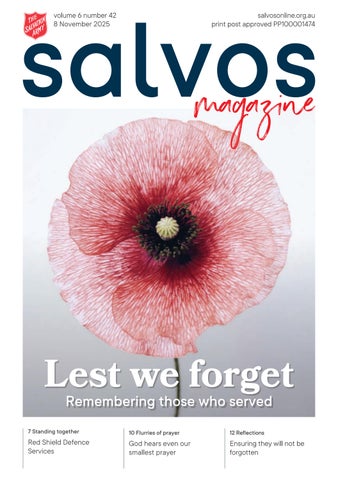
Lest we forget
Remembering those who have served our nation
by Fay Foster
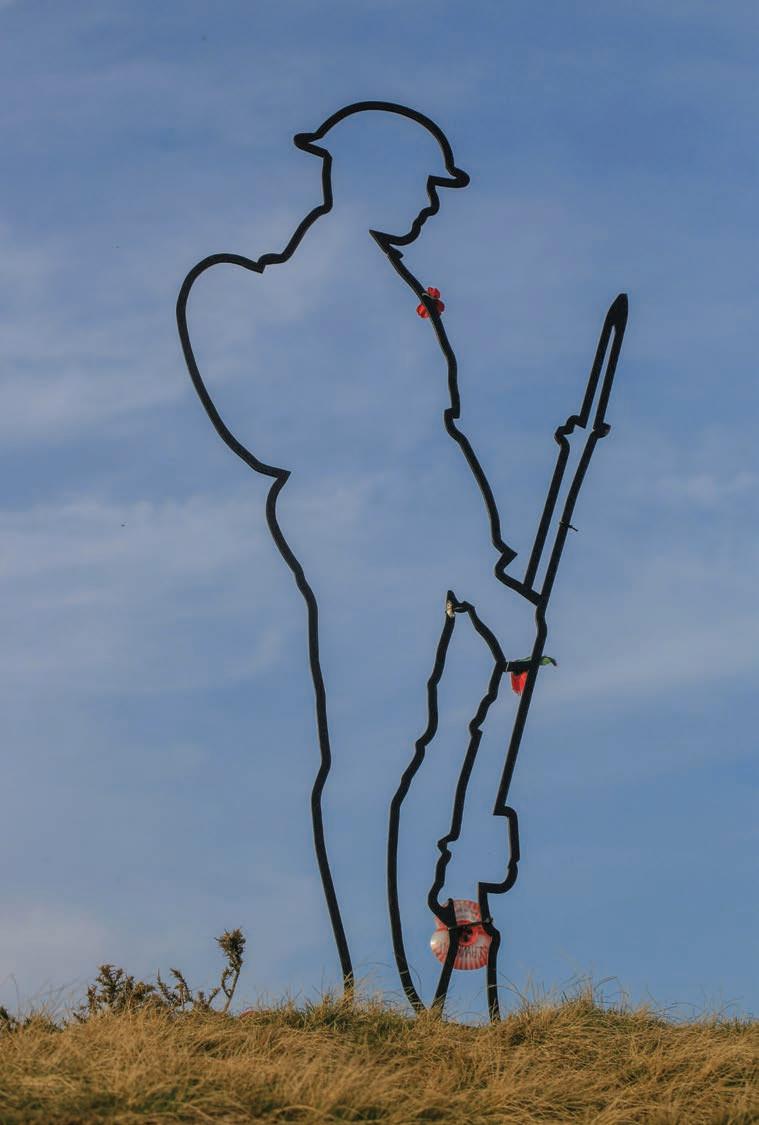
After more than four years of continuous fighting, the guns of the Western Front fell silent as an armistice took effect at 11am on 11 November 1918. World War One had finally ended, with huge costs to fighters, their families and nations. Australia was not exempt from the suffering.
“The true cost of war is human: loved ones who would never return home, grieving families left in mourning, and veterans who would wear the physical and psychological scars of conflict for the rest of their lives,” said Admiral David Johnston AC RAN, Chief of the Australian Defence Force.
“On Remembrance Day, we honour all Australians who have defended our nation and pay our respects to those
who have made the ultimate sacrifice … we take a moment to reflect on their sacrifice, and their courage and commitment” (defence.gov.au).
History
In 1914, at the start of World War One, Australia was a small nation with a population of fewer than five million. In total, 416,809 Australians enlisted, with the vast majority being men. More than half – 302,000 – served overseas. Approximately 3000 Australian women served, primarily as nurses in the Australian Army Nursing Service. Wounded personnel numbered 155,000 and 62,000 were killed (primarily men). At least a further 8000 died of war-related injuries after the war.
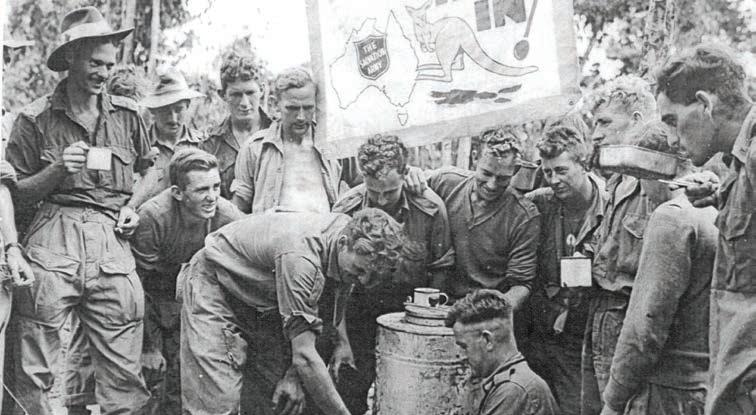
Salvation Army representatives have provided a ‘cuppa and chat’ for troops since 1899.
The service of these men and women, and the end of the war, was commemorated as Armistice Day. Edward Honey, an Australian journalist working in Fleet Street, London, suggested that a two-minute period of silence be included in the Armistice Day ceremony. A South African statesman made a similar proposal to the British Cabinet.
On the first Armistice Day – 11 November 1919 – two minutes’ silence was instituted as part of the main commemorative ceremony at the new Cenotaph in Whitehall, London. King George V personally requested that all people of the British Empire suspend normal activities for two minutes on the hour of the Armistice.
In 1939, Australia again became involved in a world war. The tradition of Armistice Day continued, but its name was changed to Remembrance Day as it would now also honour the dead of World War Two (1939-1945), and of later military conflicts and peacekeeping operations involving Australian personnel.
In November 1997, the Governor-General, Sir William Deane, formally declared 11 November as Remembrance Day, and urged all Australians to observe at least one minute’s silence at 11 am each year to remember those who died or suffered for Australia’s cause in all wars and armed conflicts.
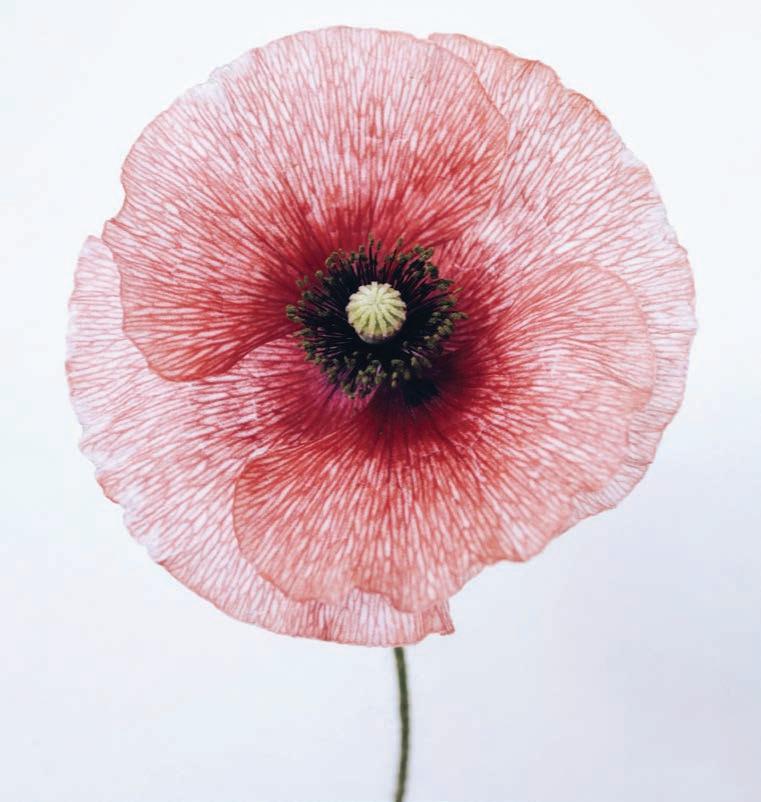
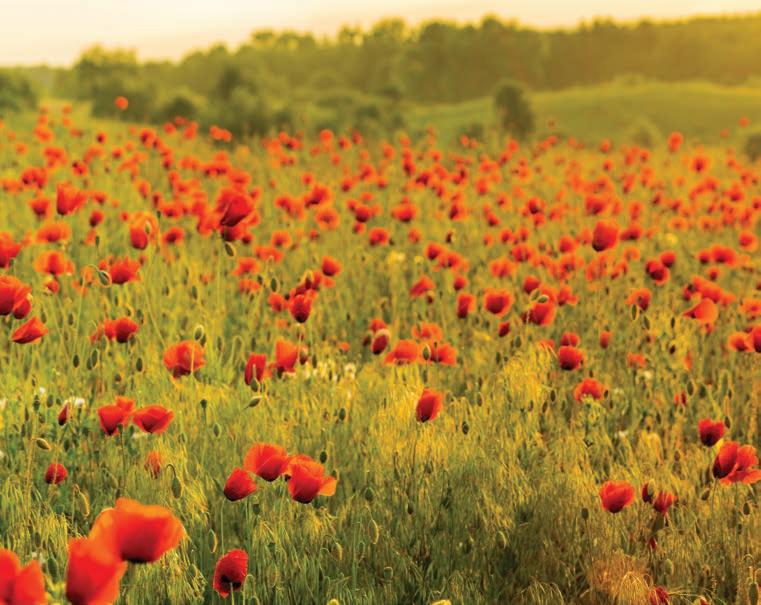
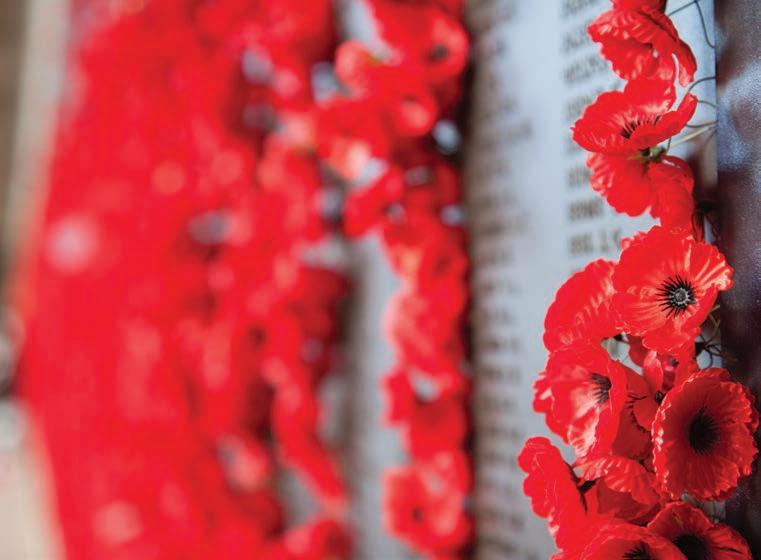
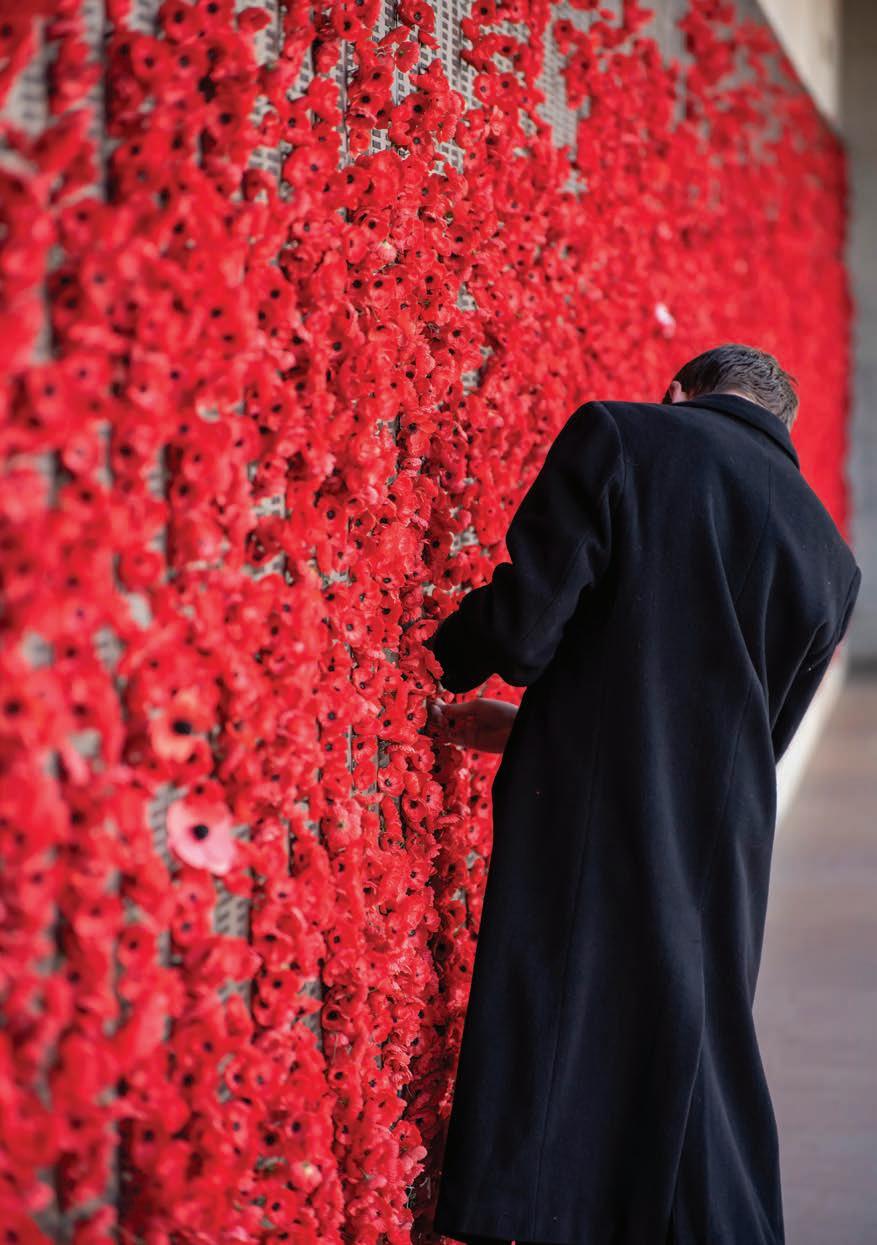
Poppies have been an integral part of Remembrance Day observances since the 1920s.
Poppies
The Flanders poppy has been a part of the Armistice or Remembrance Day ritual since the early 1920s. During World War One, the red poppies were seen to be among the first living plants that sprouted from the devastation of the battlefields of northern France and Belgium. The Australian Returned Soldiers and Sailors Imperial League (the forerunner to the RSL) first sold poppies for Armistice Day in 1921. They imported one million silk poppies, made in French orphanages, with the proceeds split between a French children’s charity and the League’s own welfare programs. Today, the RSL still sells poppies for Remembrance Day to raise funds for welfare work.
In 1915, Canadian Lieutenant-Colonel John McCrae was in charge of a small first-aid post in Ypres, West Flanders, Belgium. Sitting on the back of an ambulance, McCrae vented his anguish at the death and suffering around him by composing a poem. He wrote in pencil on a page from his despatch book, a poem that has come to be known as In Flanders’ Field, which described the poppies that marked the graves of soldiers killed fighting for their country.
This poem is often read at Remembrance Day services, along with the playing of the Rouse (a shorter version of the Reveille).
At these services, we celebrate the end of one conflict and mourn those lost and injured in all conflicts.
Lest we forget.
RSDS – A serving presence
The Salvation Army Red Shield Defence Services (RSDS) in Australia provide the Australian Defence Forces with practical, emotional and spiritual support in difficult times and in the everyday.
The RSDS representatives support members and their families according to their needs – whether it be a chat over a cuppa, a referral or a prayer.
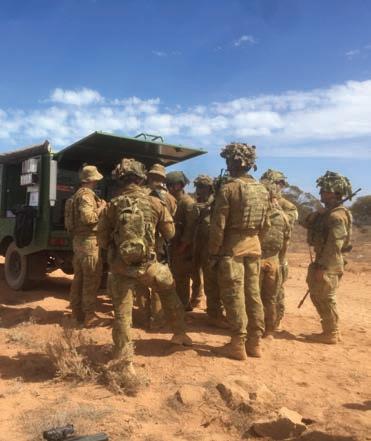
Since 1899, right through to East Timor and today, Salvation Army officers go to war with Australian troops. The RSDS history has been to provide support for whoever needs it. From the ‘Sallymen’ in the Second Boer War to ChaplainMajor William ‘Fighting Mac’ McKenzie at Gallipoli, spiritual and emotional support, and acts of kindness and bravery, have characterised the RSDS.
Today, the RSDS continues to be a presence in Australian military life, proudly serving those who serve. Representatives are available to support units and members, at all levels, on base, in the field, overseas, in peacetime and during hostilities.
In peacetime, RSDS representatives can be found at the Royal Military College Duntroon (ACT), Enoggera Barracks (Brisbane), Holsworthy Barracks (Sydney), Lavarack Barracks (Townsville), Robertson Barracks (Darwin), and the Singleton (NSW) and Puckapunyal (Vic) military areas.
Where there’s a need, the RSDS is here to support troops as they serve Australia and risk their lives in the line of duty.
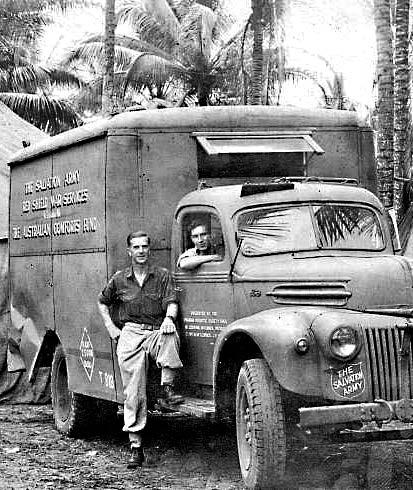
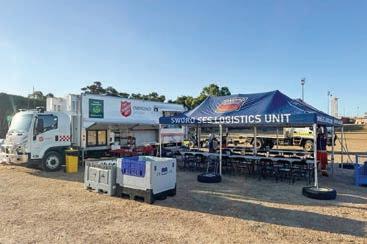
Salvation Army trucks have been, and are, a symbol and source of support and encouragement to troops in times of war and peace.
Keeping an eye on the local community
Hundreds of residents of Playford, in the north of Adelaide, have accessed free eye testing and complimentary pairs of glasses, thanks to a partnership between The Salvation Army and the OneSight EssilorLuxottica Foundation.
The Playford Salvos have had an ongoing partnership with OneSight, which seeks to create sustainable access to vision care, provide free eye exams and glasses for those most in need, fund local vision care programs and raise awareness of poor vision among policy makers and at a community level.
Paula Powell, Playford Salvos Doorways Coordinator, said the corps (Salvos church) hosted its first Vision Clinic two years ago.
Direct impact
In July, the corps hosted its second clinic, this time over two days. The response was immense. Paula said 205 people attended, including many families with young children needing eye tests, and some who needed glasses.
Many people who came to the clinic were very grateful for the comprehensive care they received, which included referrals to other specialists if needed. As they left, some clients were shocked to see that their vision was now clear where it had been blurred previously.
“Sight is something that so many of us take for granted, and even vision care is something that probably so many of us take for granted,” said Danielle Brooks, the OneSight Program Manager (Oceania). “What makes it all worth it for me personally is seeing a direct impact.”
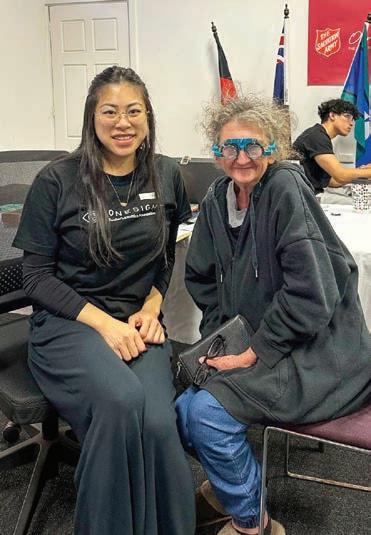
A OneSight worker assists a local resident who came into Playford Salvos for an eye check-up.
She said some of the most powerful moments at a clinic happened when someone might be struggling to read the intake form at the clinic, then, as soon as they put their new glasses on, everything changed.
“Clinic days can be very emotional,” she said. “Gratitude is something that we leave with an abundance of from the attendees and also just from being able to actually give this opportunity to those people as well. It’s an incredible organisation to be a part of.”
– Kirralee Nicolle
Salvos support humanitarian workers
The Salvation Army Emergency, Aid and Development is proud to join with partners and members of the Australian Council for International Development (ACFID) to sign the Australian Declaration for the Protection of Humanitarian Personnel.
“As humanitarian organisations, we are united in our commitment to provide lifesaving assistance for communities facing conflict, disaster and crisis. In order to operate in these contexts, our personnel must be able to operate with safety, dignity, and protection,” the statement reads.
“We commend the global leadership of the Australian Government and nations around the world who have endorsed the Declaration for the Protection of Humanitarian Personnel, reaffirming commitments to respect and uphold international law, at a time when it is being defied in all corners of the globe.”
The Salvation Army Australia, through its Emergency Services (SAES) and International Development (SAID) teams –which together make up the Emergency, Aid and Development stream – deliver compassionate, inclusive support to communities facing crisis and vulnerability.
“SAES provides emergency response and early-recovery services across Australia, offering food, aid and emotional care to disaster-affected individuals and first responders,” said Daryl Crowden, General Manager – Emergency, Aid and Development.
“SAID partners around the world strengthen civil society and improve wellbeing through locally led development
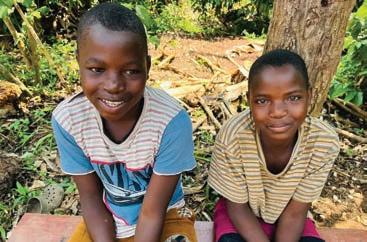
The Salvos’ international development and local emergency response work cares for and supports people facing adversity.
in areas including water, food security and child rights.
“Together, they embody The Salvation Army’s mission to care for people and work for justice, ensuring individuals and communities – locally and globally –receive timely, respectful and empowering support to thrive in the face of adversity.”
Scan here for the full statement and list of signatures.
FLURRIES OF PRAYERS
by Faye Michelson
Our veggie garden has burst into energetic growth now that the warm spring sun has finally appeared. The zucchinis are shooting new leaves every day, the red tops of the radishes are pushing through the soil, and the tomatoes have set their flowers.
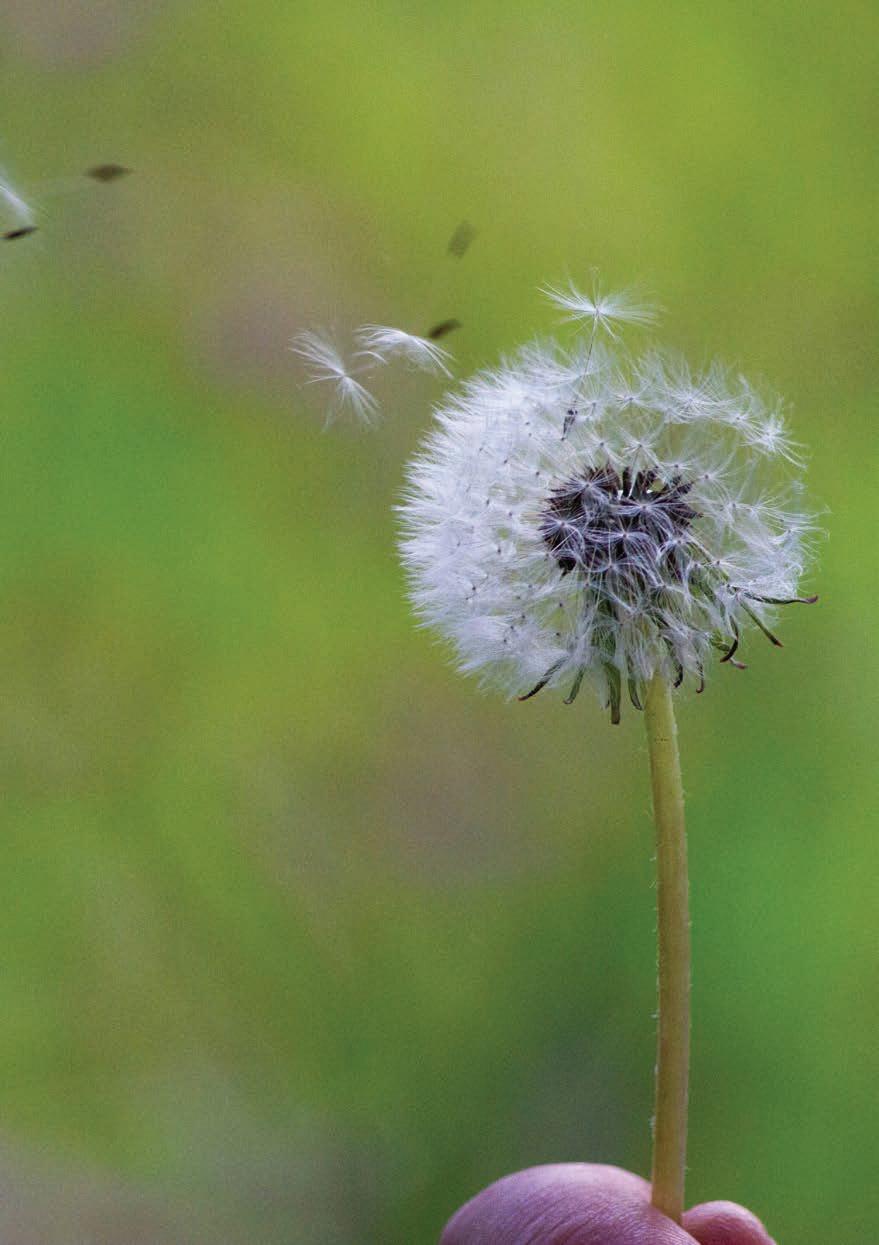
God hears our prayers, even the little ones I prayed for her, just a moment’s chat to God to thank him for the joy she brings. And so, the delicate dandelion seeds carried with them wishes for gymnastic lessons and prayers for a precious person. Then she tossed the spent stem onto the ground, remarking as the last of the seeds disappeared, “I used to wish for unicorns.”
The other afternoon I was walking through it with a chatty eight-yearold, who wanted to know what type of vegetable each seedling would grow into.
Suddenly she pounced with delight on a dandelion growing up through the path. “A wishing plant!”
She blew the little furry seed pods into the air and closed her eyes. “I wish to learn gymnastics.”
As we watched them float along the air,
Changed expectations
I smiled at her matter-of-fact tone and her adjustment of her expectations. Then I thought of the times I’ve lowered my expectations when I prayed, as if God couldn’t possibly be interested in me.
So, so many times I’ve sent up flurries of prayers, just like blowing dandelion seeds into the air. Prayers for loved ones, prayers for people I don’t even know, prayers of gratitude and sorrow, prayers
asking God for wisdom, patience and empathy. And, yes, sometimes there have been prayers for unicorns, those prayers that seem unattainable.
Praying is not like making wishes through blowing pretty seeds off a dandelion.
I love the fact that our prayers, disjointed or impulsive though they may be, don’t just float around. They are heard by God.
One of my favourite verses in the Old Testament of the Bible reassures us of this. God, speaking through the prophet Jeremiah, gives his people a number of promises, including this one: “Then you will call on me and come and pray to me, and I will listen to you,” (Jeremiah chapter 29, verse 12 (New International Version).
What an invitation that is, to be heard by God.
Remembrance Day reflections
Not forgotten
Remembrance Day is a moment of deep reflection for me – a time to pause, honour and give thanks for the courage, sacrifice and service of those who have worn our nation’s uniform. As a Salvation Army Red Shield Defence Services (RSDS) representative, I have the privilege of standing alongside serving members and veterans in both everyday moments and times of hardship.
For me, Remembrance Day is not only about looking back at history, but also recognising the ongoing impact of service on individuals and families today. It reminds me that the freedom and peace we experience are hard won and are maintained through continual sacrifice.
When I wear the ‘Sallyman’ uniform on base or in the field, I’m reminded that The Salvation Army has stood shoulder to shoulder with Defence personnel for generations, offering comfort, compassion and a listening ear, without judgment or discrimination – meeting them just where they are.
On Remembrance Day, I carry that same spirit of presence and gratitude, committed to ensuring those who serve are not forgotten – in war, at peace or in the spaces in-between.
– Major Nigel Roden Senior RSDS Representative and Officer in Charge, Lavarack Barracks
Lasting peace
I recently visited the Anzac Centre in Albany, Western Australia. The centre is described on its website as “an awardwinning facility that uses multimedia, interactive technology and historical artefacts to create a deeply personal connection with the past, as well as pay tribute to those who served.”
Listening to those stories and seeing the movie clips and displays, I thought about my grandfather who, at the age of 18, served in the First World War. I remember, as a small child, seeing the gas mask he kept in the cupboard under the stairs of his house. I was afraid of that mask. I didn’t understand the concept of being gassed, but I sensed the fear and dread associated with it.
My mother told me that during the war, my grandfather had seen his brother ‘blown to bits’ in front of him.
On Remembrance Day, I think about the horrors and terrors of war, the deaths and injuries, the ongoing physical and psychological impacts. And I think about those young people who, like my grandfather, risked their lives to protect their families, their nations and their way of life.
On Remembrance Day I honour their courage, their vulnerability and their many sacrifices. And I long for lasting peace in the world, so that people can flourish without the threat of war.
– Fay
Gratitude
For me, Remembrance Day is a poignant reminder to stop and reflect on the sacrifices made by those who served – and continue to serve – and on the courage, strength and humanity of the people behind the uniforms.
As red poppies adorn many a jacket and wreaths are laid in silence, I feel a deep sense of gratitude. These symbols help me remember they carry the weight of generations who gave their lives in war.
I hold the deepest respect for the service personnel who faced fear with bravery so that we might live in peace.
November 11 also brings to mind the mothers, fathers, siblings and children who had to carry on without their cherished loved ones. Their sacrifices were quieter, but no less significant. It always reminds me never to take the true comforts of daily life for granted – peace, safety and freedom – for they were not freely given but earned at great cost. – Lerisse Cuppa and chat
As Remembrance Day approaches, I’m always mindful of The Salvation Army’s Red Shield Defence Services … the commitment of the iconic Sallyman and Sallyma’am. Thousands of Aussies who have served their country over the past 125 years have spoken highly of the Salvo who was always on hand for a ‘cuppa and a chat’ when things got tough.
– Dean
Honouring past and present
Like any day of remembrance or Anzac Day, the soldiers do a lot of work to prepare events both for their unit and the community. Their efforts show me that they care, enjoy and have pride in the marches and services they take part in. I also know them personally, which adds to the depth of my personal time reflecting, not only on the past soldiers who gave their lives for Australia, but also the current soldiers giving their lives now.
– Major Robert Mills Senior RSDS Representative, Gallipoli Barracks
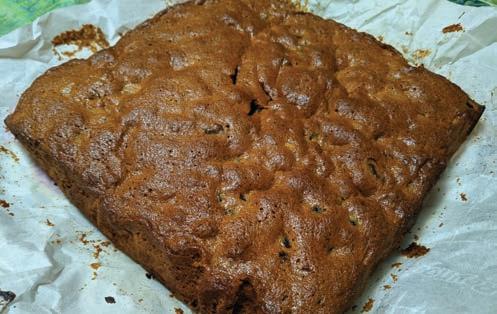
�� Trench cake – World War One*
Ingredients
110g butter, 225g plain flour, 75g currants, 2 tsp cocoa, 75g brown sugar, ½ tsp nutmeg, ½ tsp ginger, grated lemon rind, ½ tsp baking soda, 1 tsp vinegar, 280ml milk
Method
Preheat oven to 180°C.
Grease 16cm cake tin.
In a bowl rub butter into flour. Add currants, cocoa, sugar, nutmeg, ginger and lemon rind.
Dissolve baking soda in vinegar and milk.
Add to dry ingredients and mix well.
Pour into cake tin. Bake for approximately 1 hour.
*A morale-boosting comfort food often sent to frontline troops during World War One. The ingredients were simple, usually available and used a reaction between vinegar and baking soda to provide leavening instead of eggs.
Believe in Good: Tips
13 November – World Kindness Day
“Finally, all of you should agree and have concern and love for each other. You should also be kind and humble.”
1 Peter chapter 3, verse 8 Contemporary English Version
This week, be kind to others, family, friends and strangers.
1. In which country was origami invented?
2. In which country was origami developed into a fine art?
3. What is the bestknown origami animal?
4. What is modular origami?
On this day
10 November, 1969
Sesame Street premiered on television.
12 November, 1966
The first images of a solar eclipse were taken from space.
14 November, 1889
Nellie Bly sets out to go around the world in 80 days.
a laugh
�� Word search �� Have
I took up origami for a while, but I gave it up.
I didn’t want to fail my origami exam.
The local origami shop is getting busier.
The origami master lost his job.
There was too much paperwork. It’s just how things unfolded. Their business is in creasing. His office went paperless.
Tum-Tum
On which page of this week’s Salvos Magazine is Tum-Tum hiding?
✏ Answers
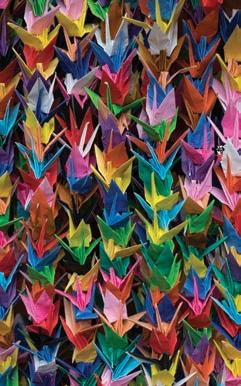
the paper cranes on page 14.
Tum-Tum: is hiding amongst
3. A crane 4. When models are made up of many pieces, folded and joined together.
Quiz: 1. China 2. Japan
Words are hidden vertically, horizontally, diagonally, forwards and backwards. Enjoy!
Baking
Biscuits
Butter
Chocolate
Cookbook
Cream
Cupcakes
Desserts
Eggs
Flavours
Flour
Fluffy
Fresh
Gourmet
Homemade
Icing
Miniature
Muffins
Orange
Oven
Pastry
Pie
Recipe
Special
Sugar
Vanilla
Warm
“Instead, be kind to each other, tenderhearted, forgiving one another.”
Ephesians chapter 4, verse 32a New Living Translation