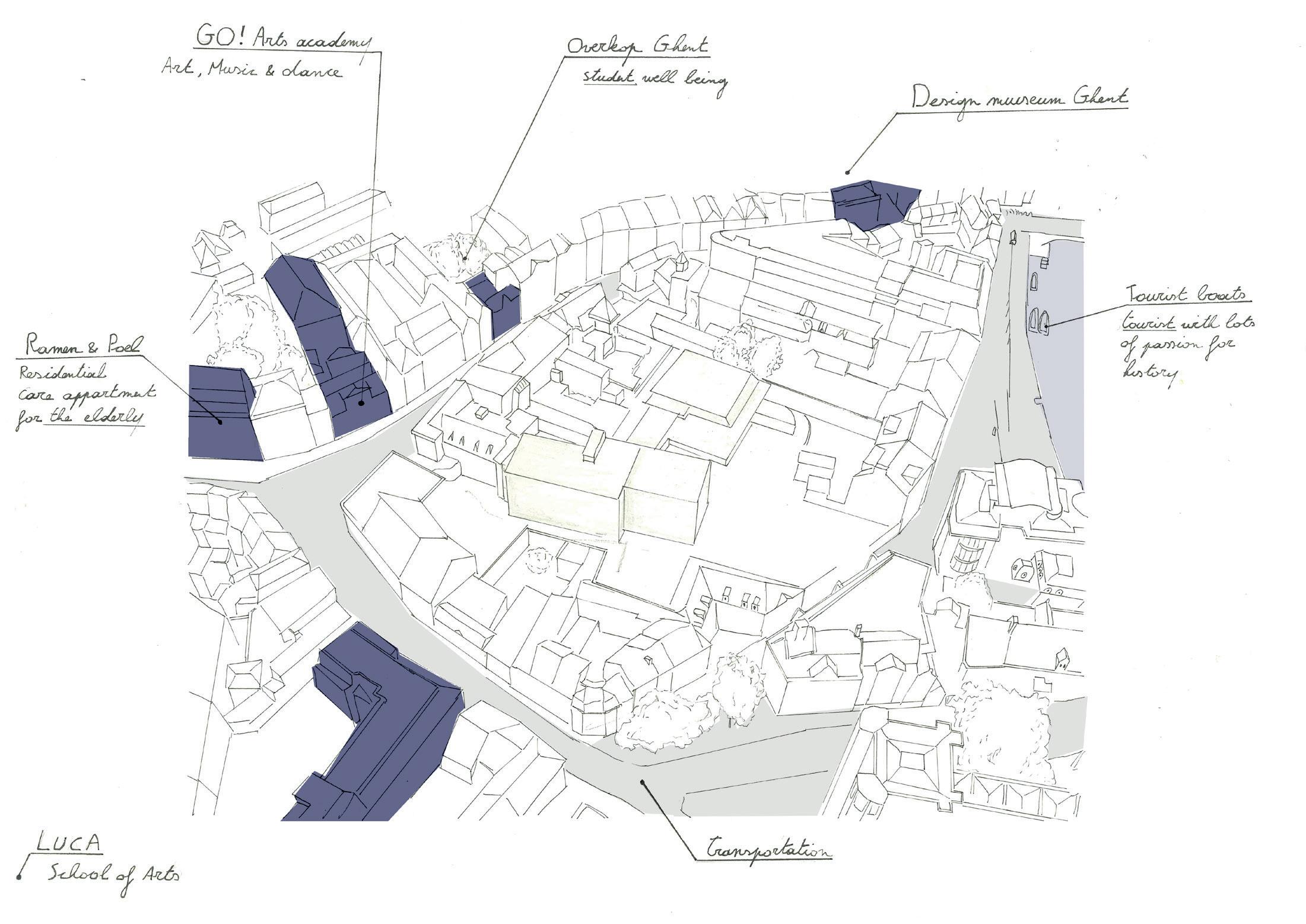
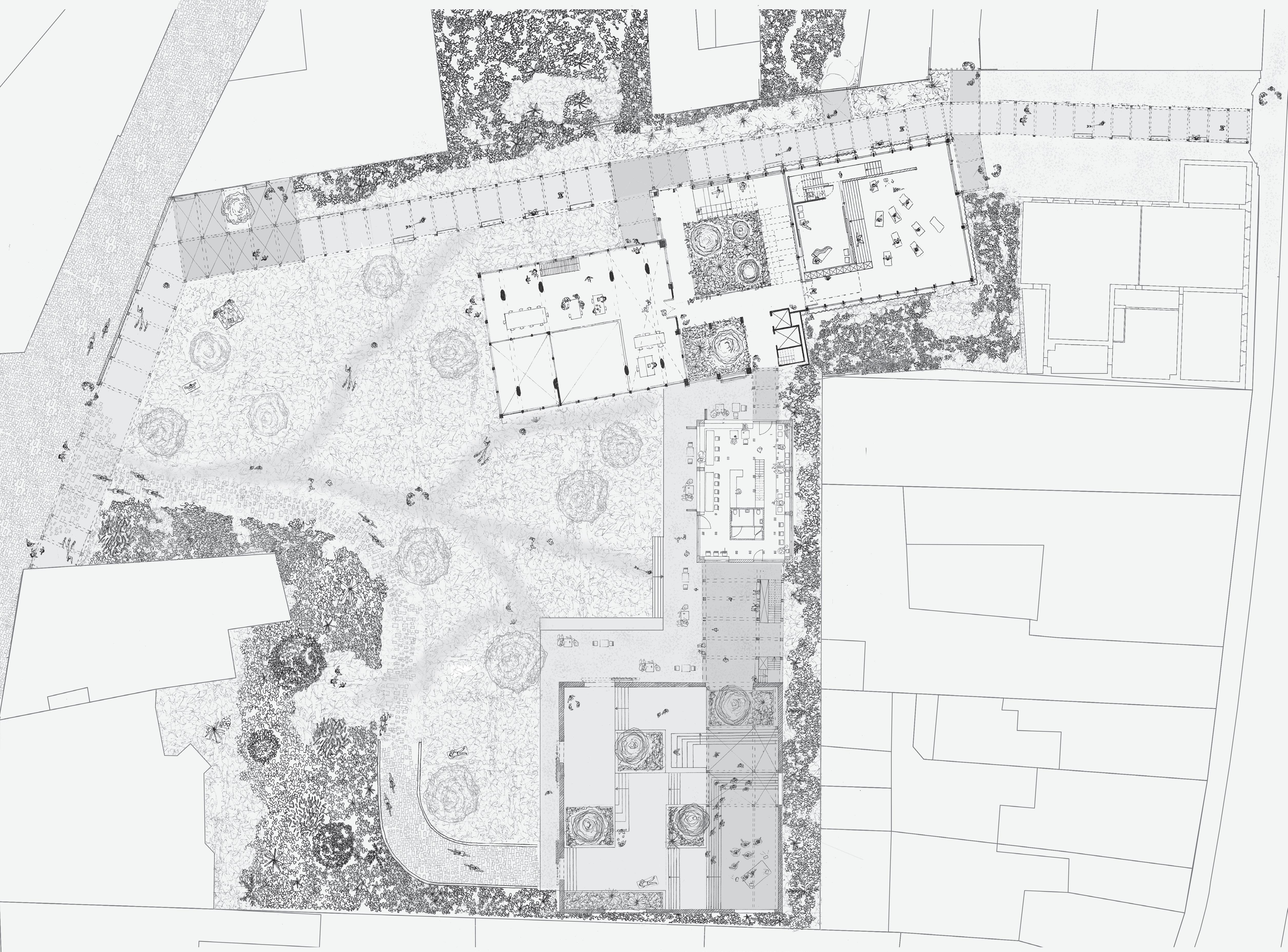
The project is situated within the existing ACV building, located in the heart of Ghent. The historical city centre is strongly present, with landmarks such as Saint Nicholas’ Church and the Belfry within close proximity. The site is bordered by busy streets that naturally lead toward the touristic core of the city, reinforcing its central and strategic position.
Exploring the wider context reveals a pronounced creative and cultural character. Nearby institutions such as the Design Museum, the music and dance academy, and the Sint-Lucas School contribute to a vibrant artistic atmosphere that defines the area.
Another key aspect of the context is the presence of several care facilities in the vicinity. A significant number of less mobile residents live in the area, highlighting the importance of accessible, inclusive, and well-connected public spaces within the project’s scope.
urban context
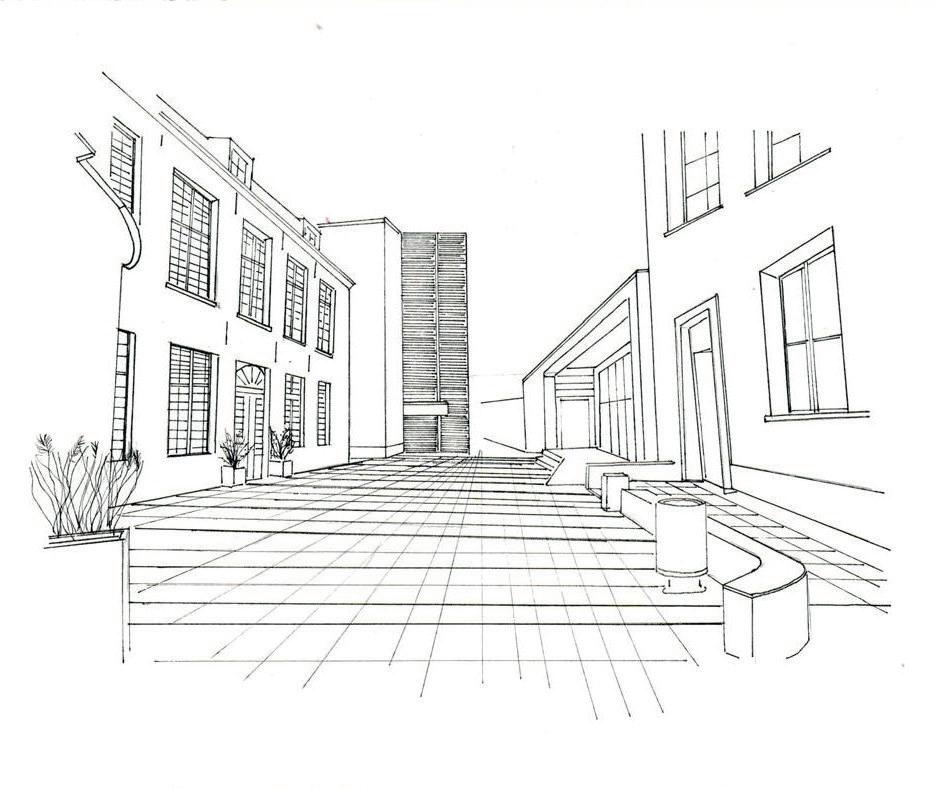
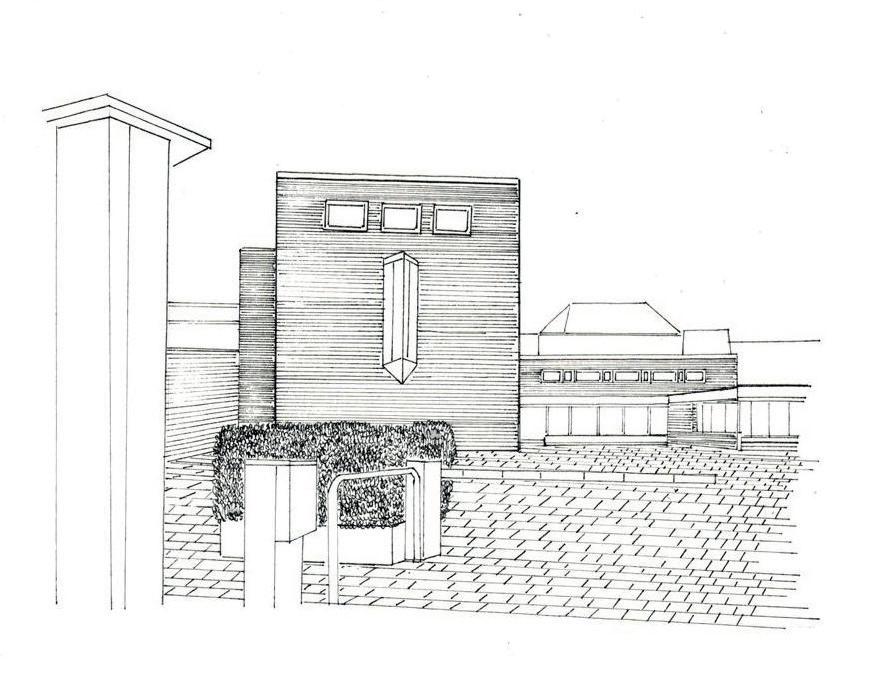
Upon entering the site, one is immediately confronted with its complexity. The entrances are not clearly articulated, which creates a sense of ambiguity regarding the main access points.
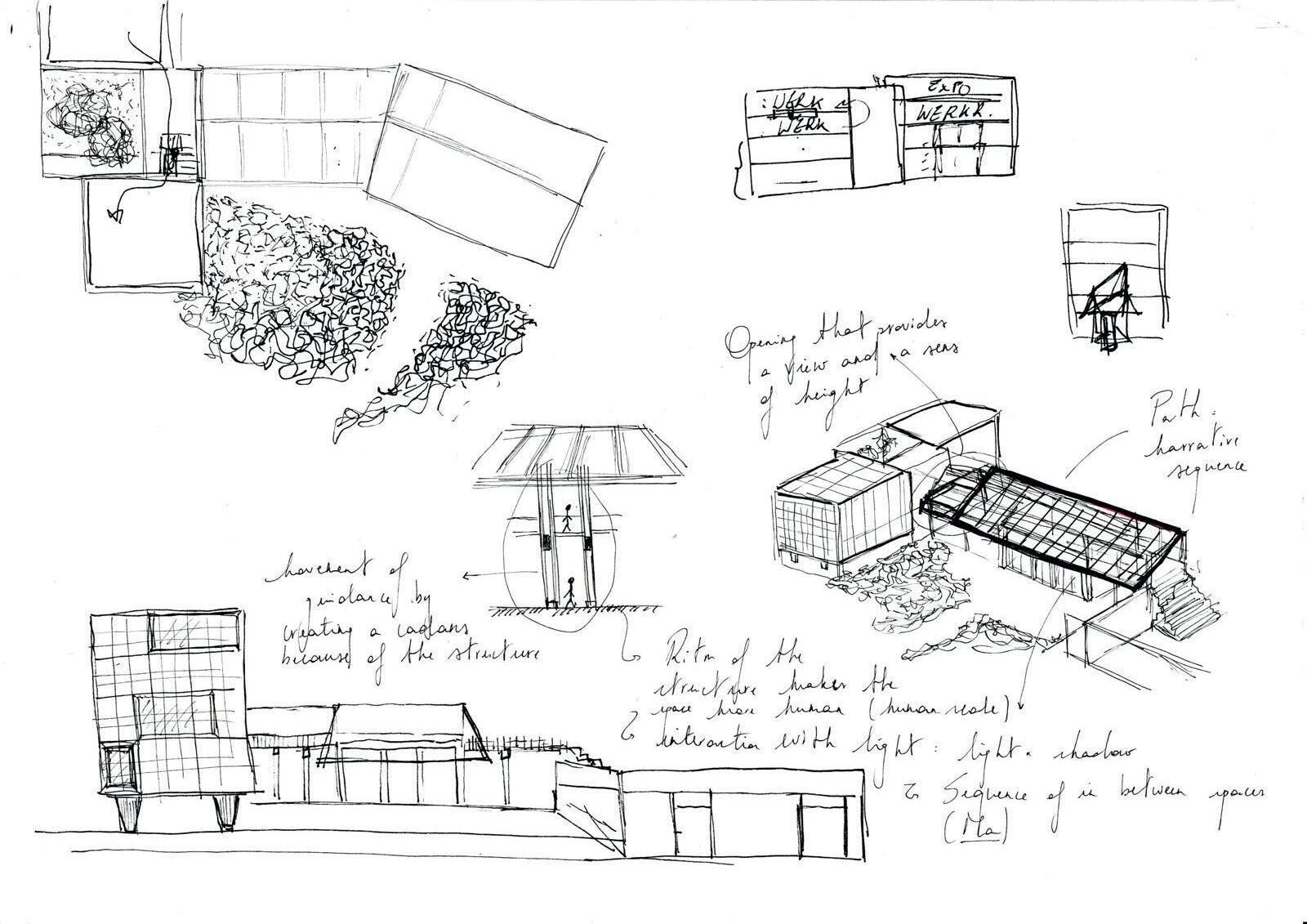
The scale of the building is perceived as large and dominant, with limited reference to human scale. This offers an opportunity to rethink how the space can become more approachable and engaging for users.
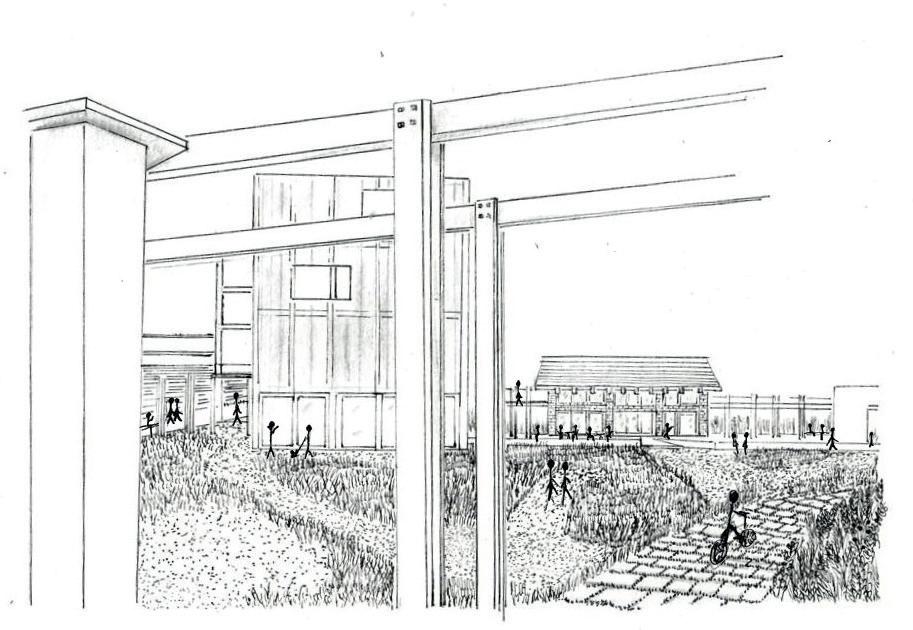
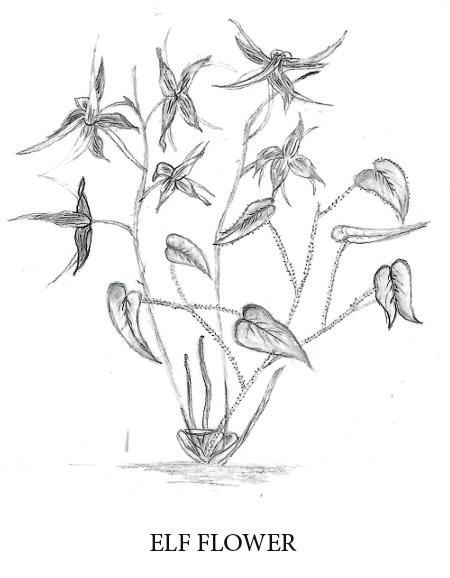
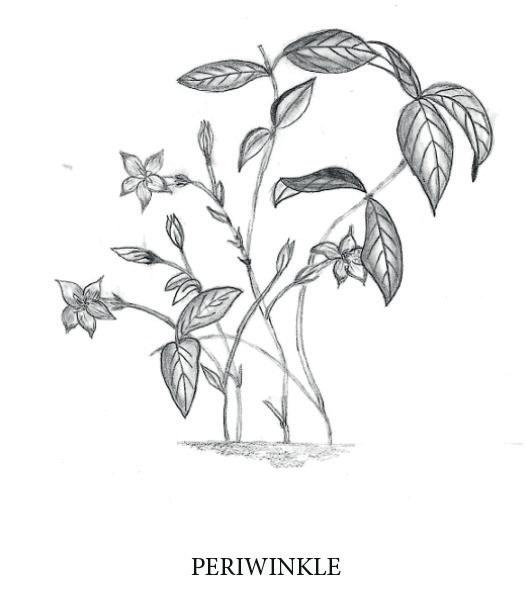
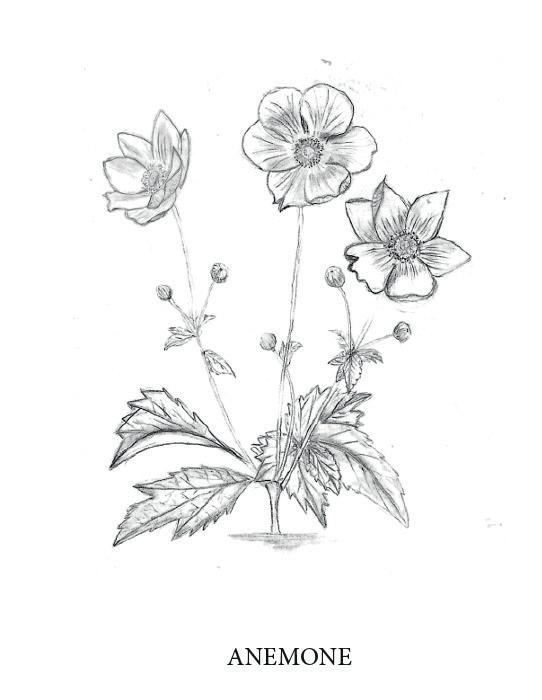
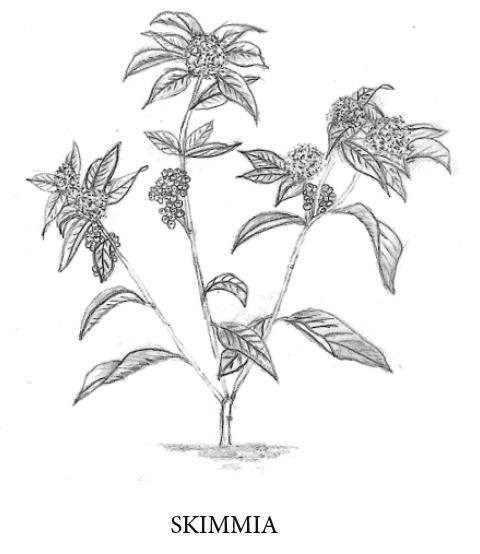
In addition, the site is predominantly paved, with little to no presence of greenery or biodiversity. Introducing natural elements could significantly enhance the spatial quality and soften the overall character of the site.
Needs & ambitions
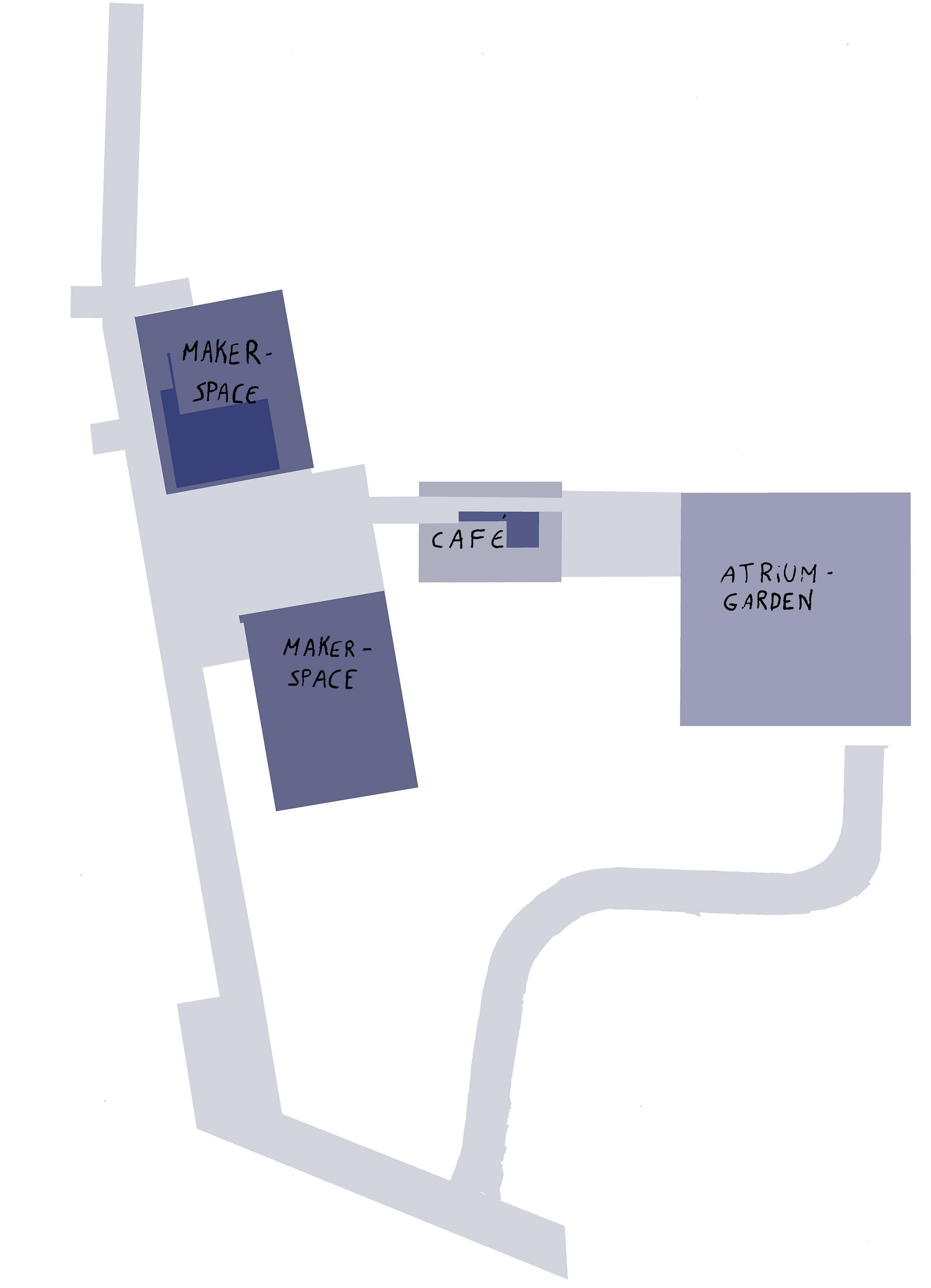
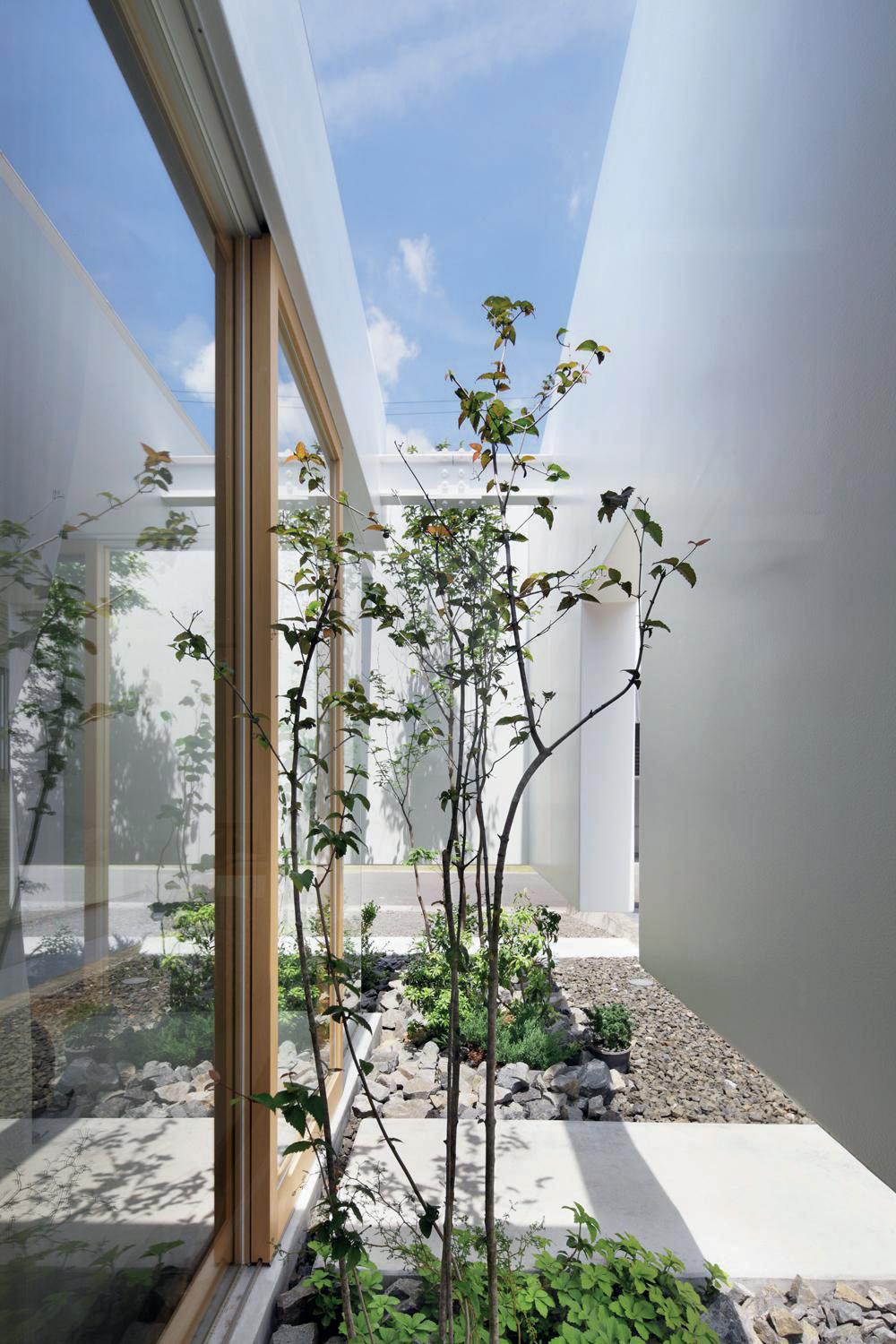
By examining the City of Ghent’s future spatial programme and linking it to our site observations, two major needs became evident: the growing demand for spaces that support creative and making practices, and the need for more green and biodiverse environments within the city centre. In response, the project proposes the creation of a makerspace that functions as a shared environment where creative individuals can meet, work, and exchange ideas. At the same time, the design introduces green and biodiverse spaces that enhance the urban experience for both wandering tourists and local residents, contributing to a more inclusive and resilient city centre.
Utsuroi & Layering
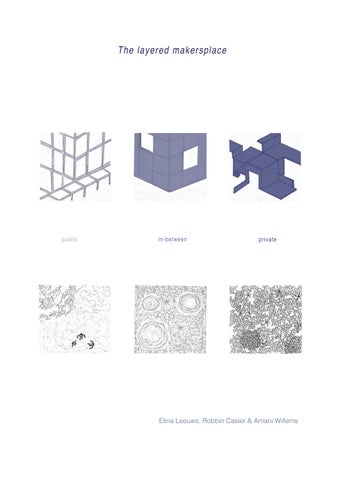
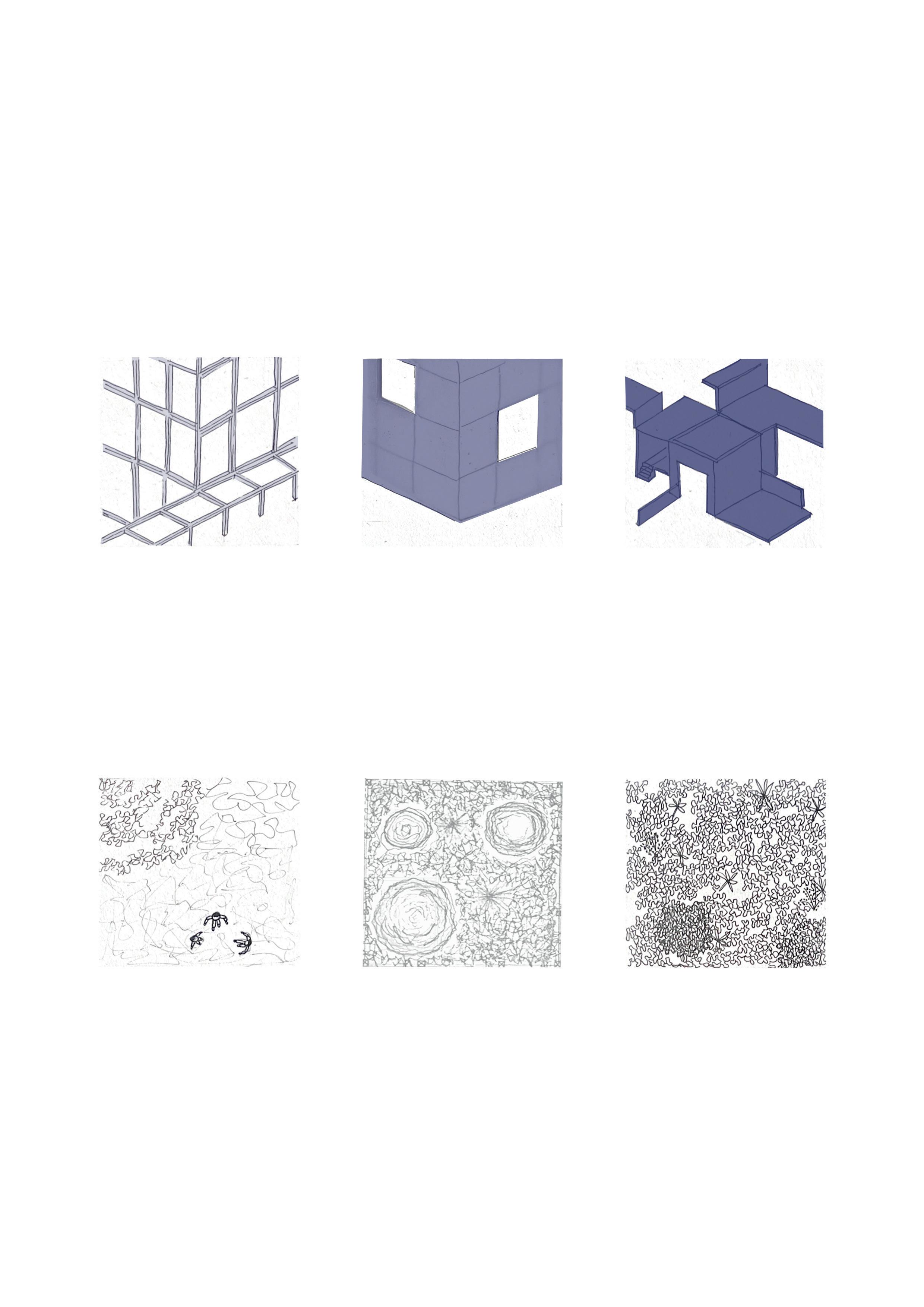
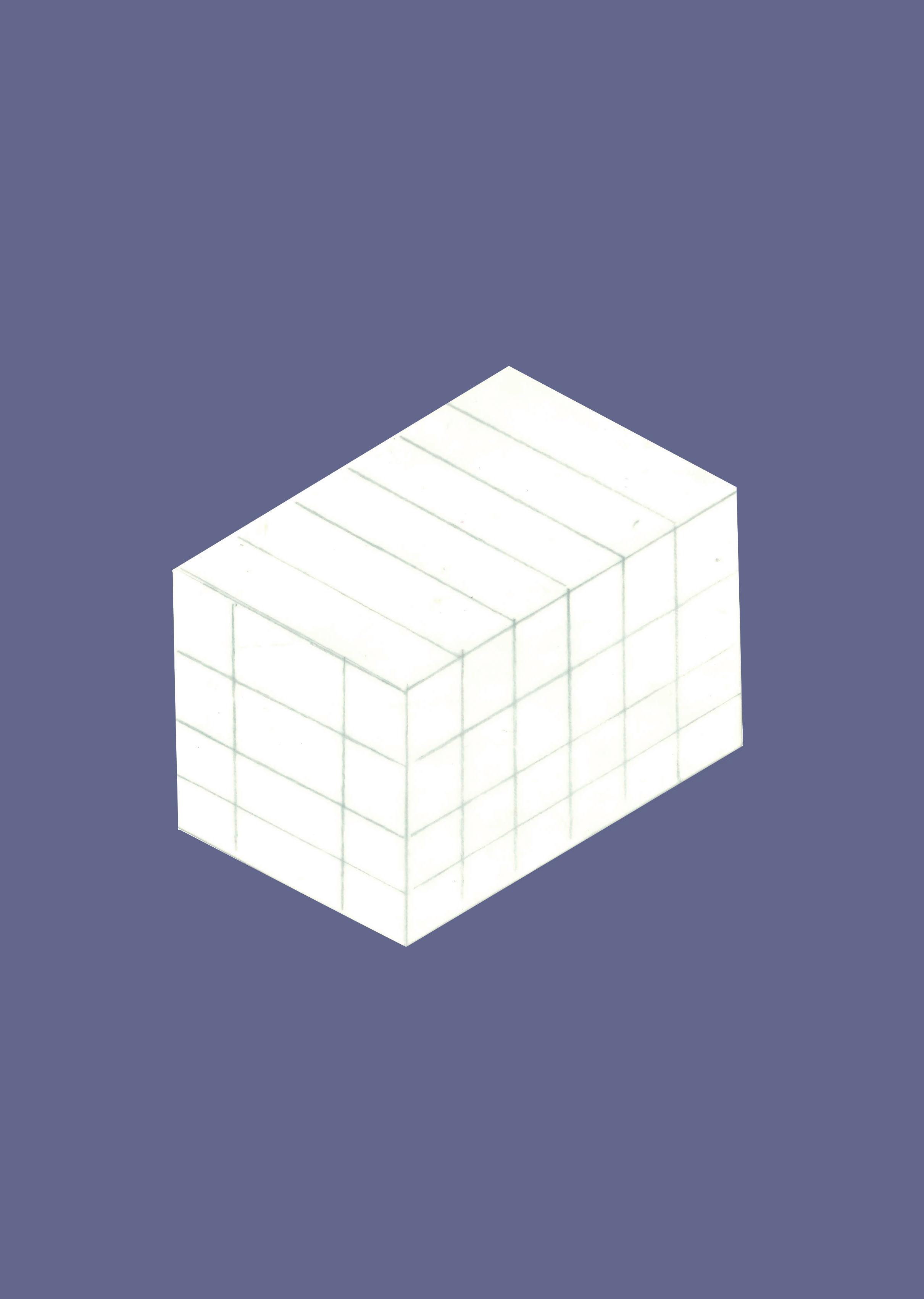
Given the large and fragmented character of the site, the design explores ways to introduce a more human-scaled spatial experience. This search led to Japanese spatial concepts, in particular the notion of Utsuroi, which refers to gradual transitions and subtle shifts in atmosphere. Through the use of layering, distinct places can emerge within a continuous and immersive spatial framework.
Layering is therefore adopted as a key design strategy, applied to both the new programme and the landscape design. Each successive layer gently transforms the atmosphere, guiding users from more public spaces toward increasingly intimate and sheltered environments.
layering concept 1
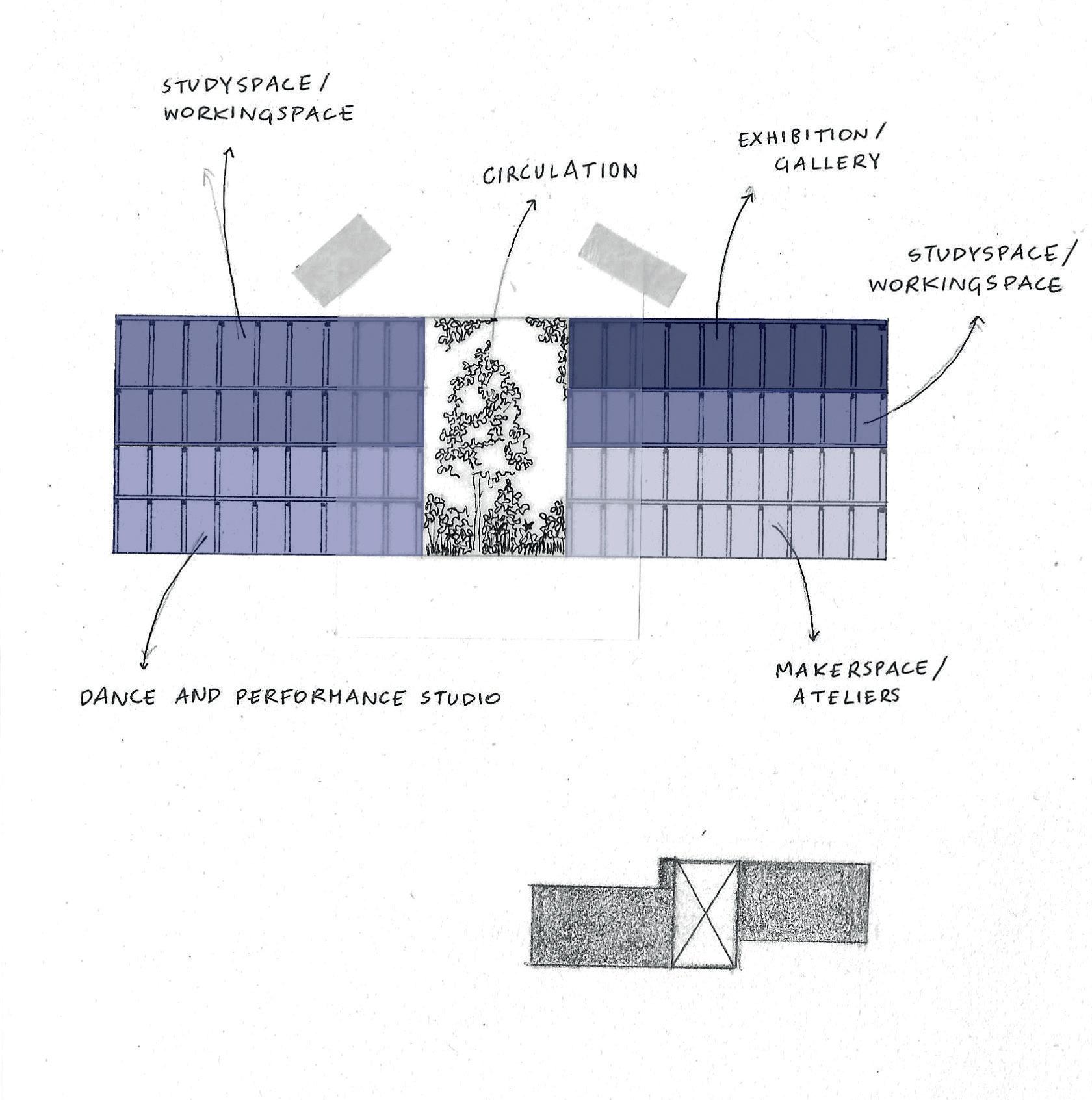
overview of the three layers
MASTERPLAN
functions explained by the three layers
MASTERPLAN
MASTERPLAN
MASTERPLAN
MASTERPLAN
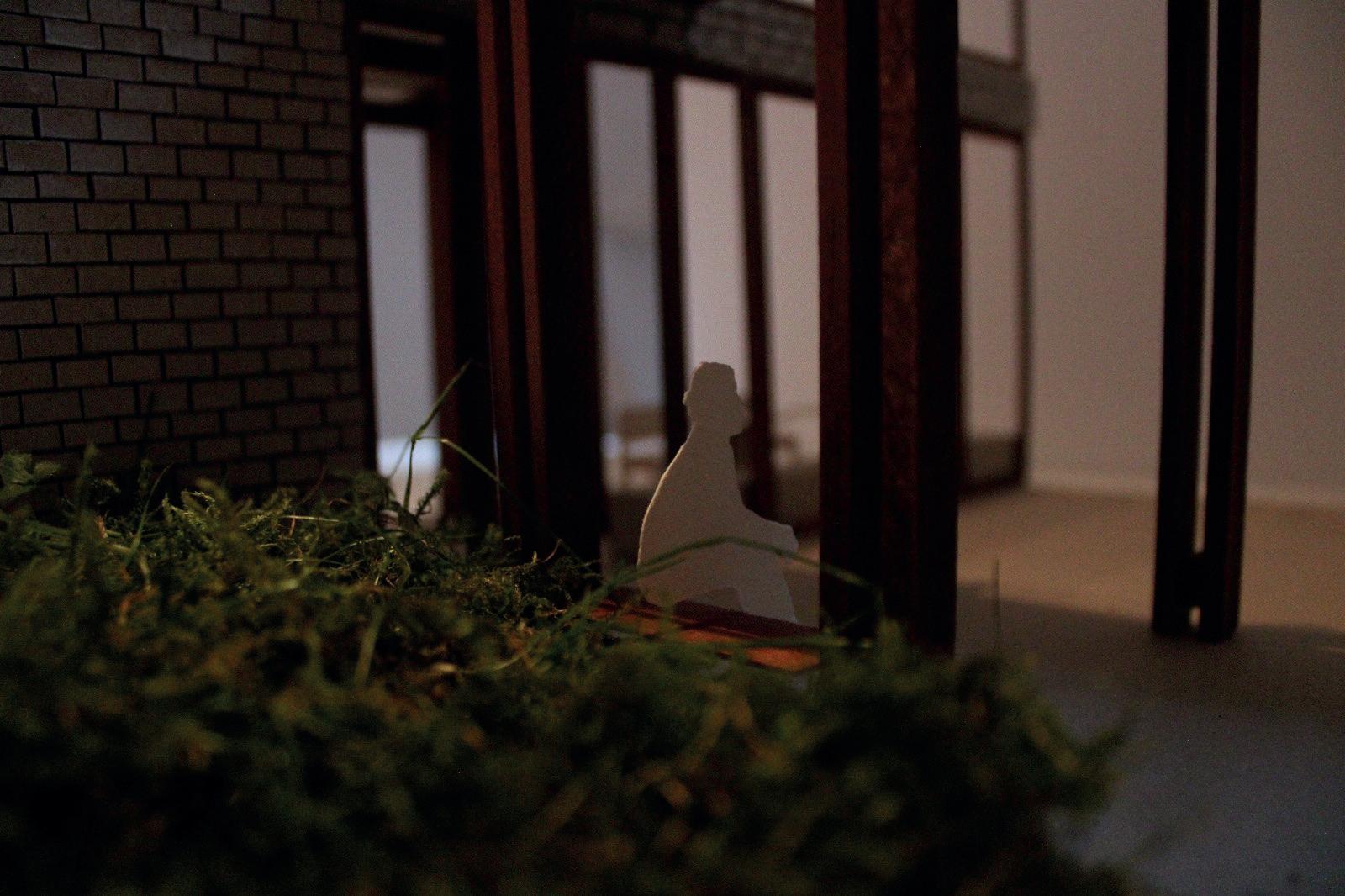
moments of encountering
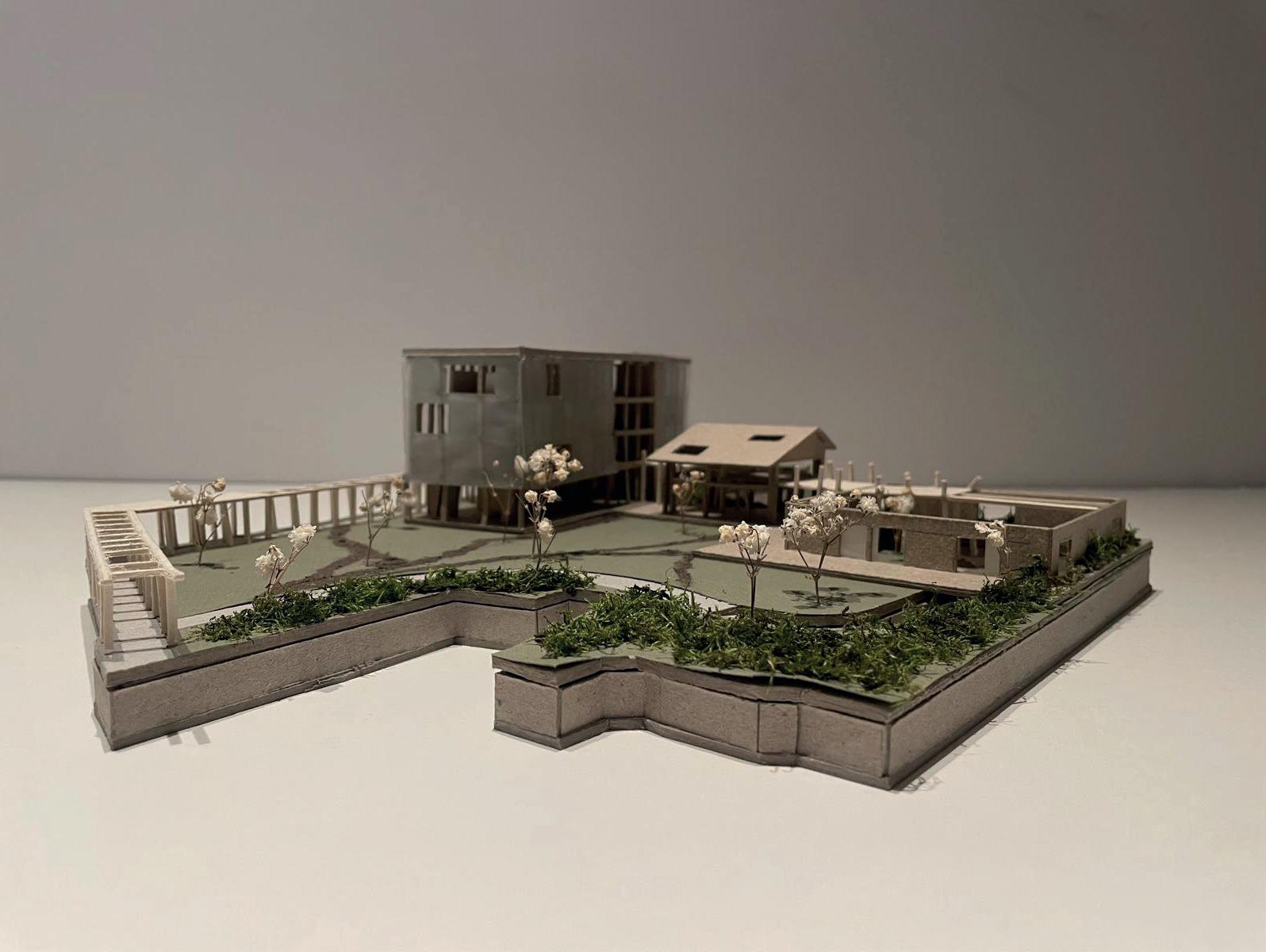
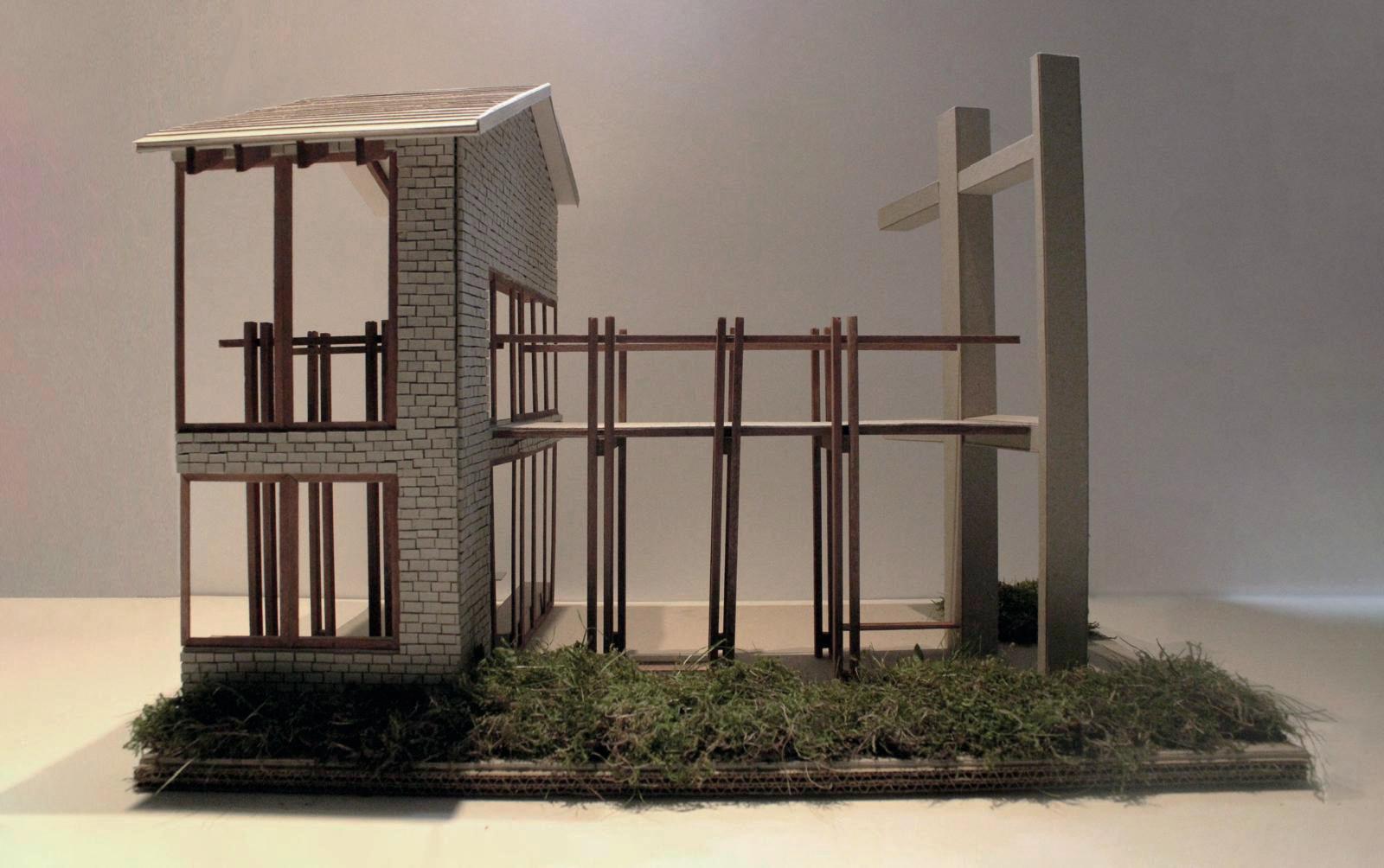
Model scale 1: 250
MASTERPLAN
Model scale 1: 250
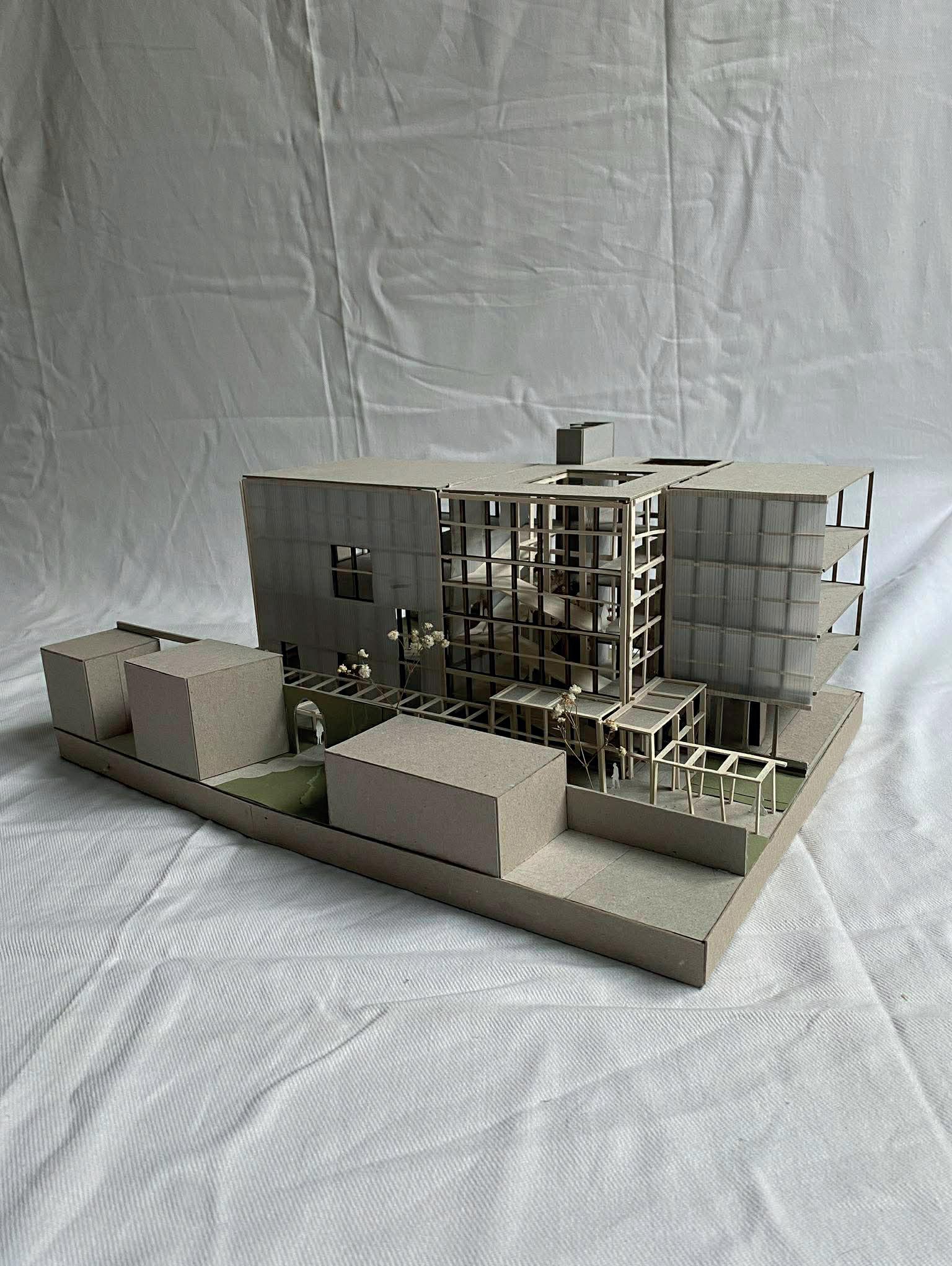
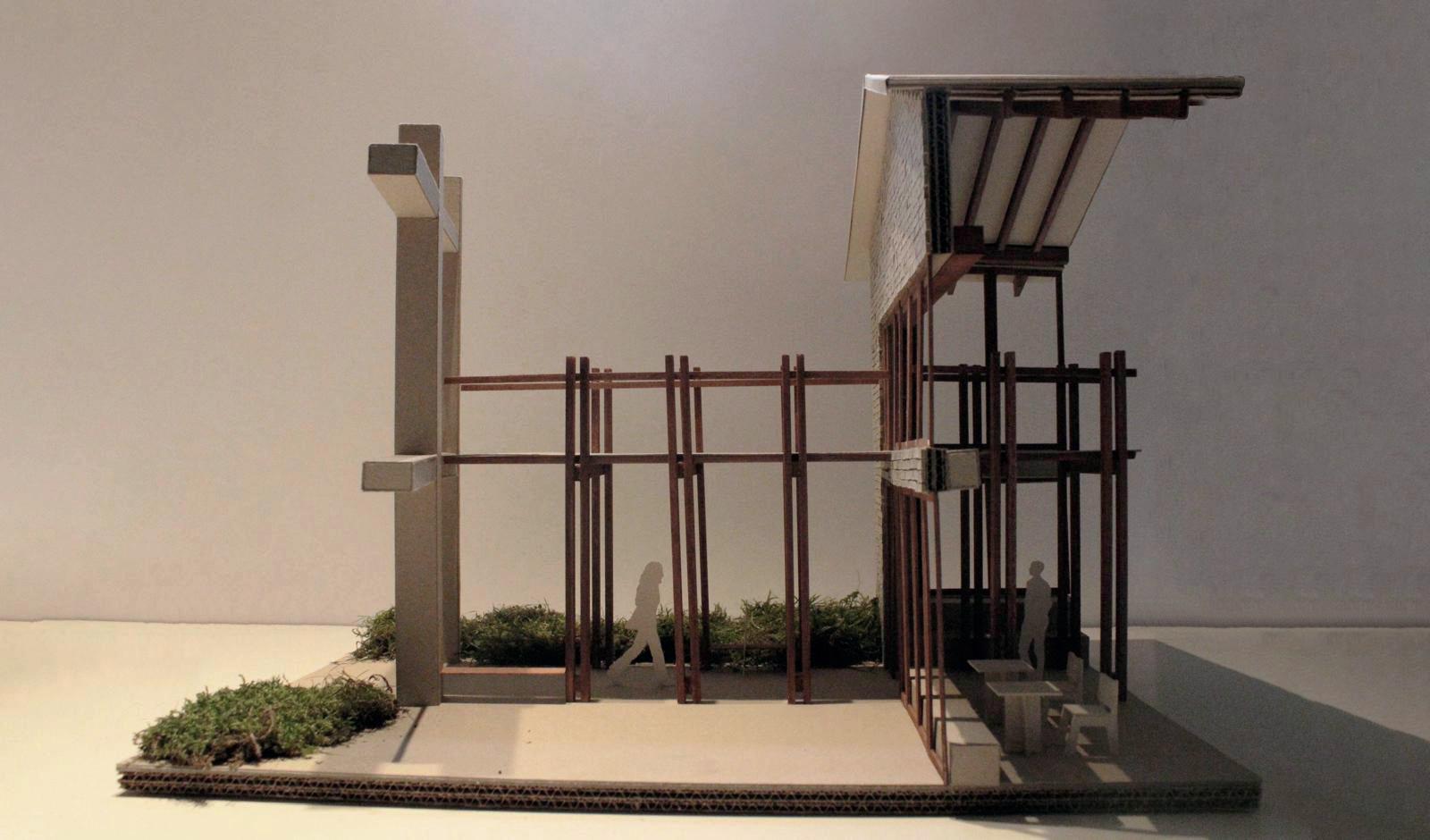
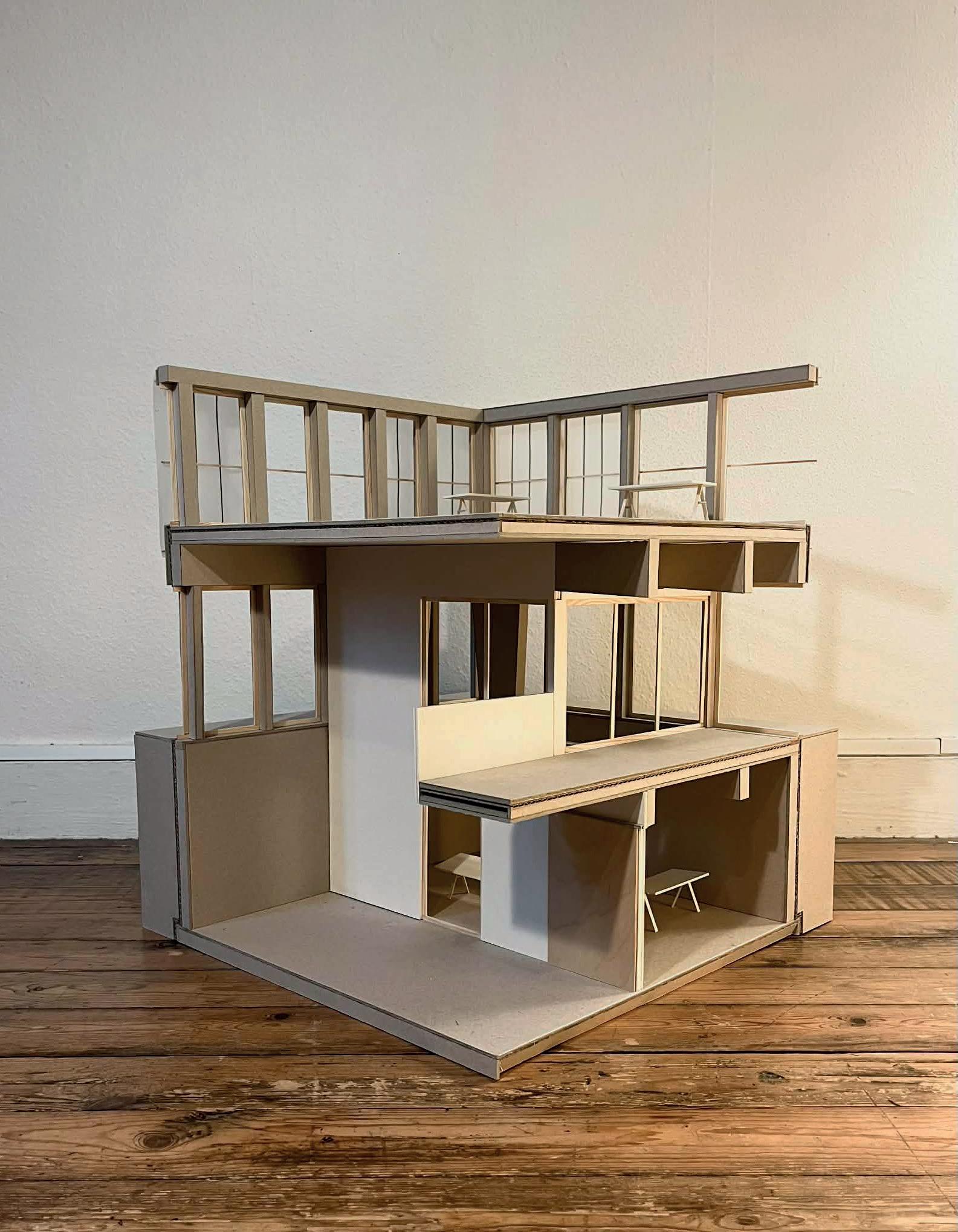
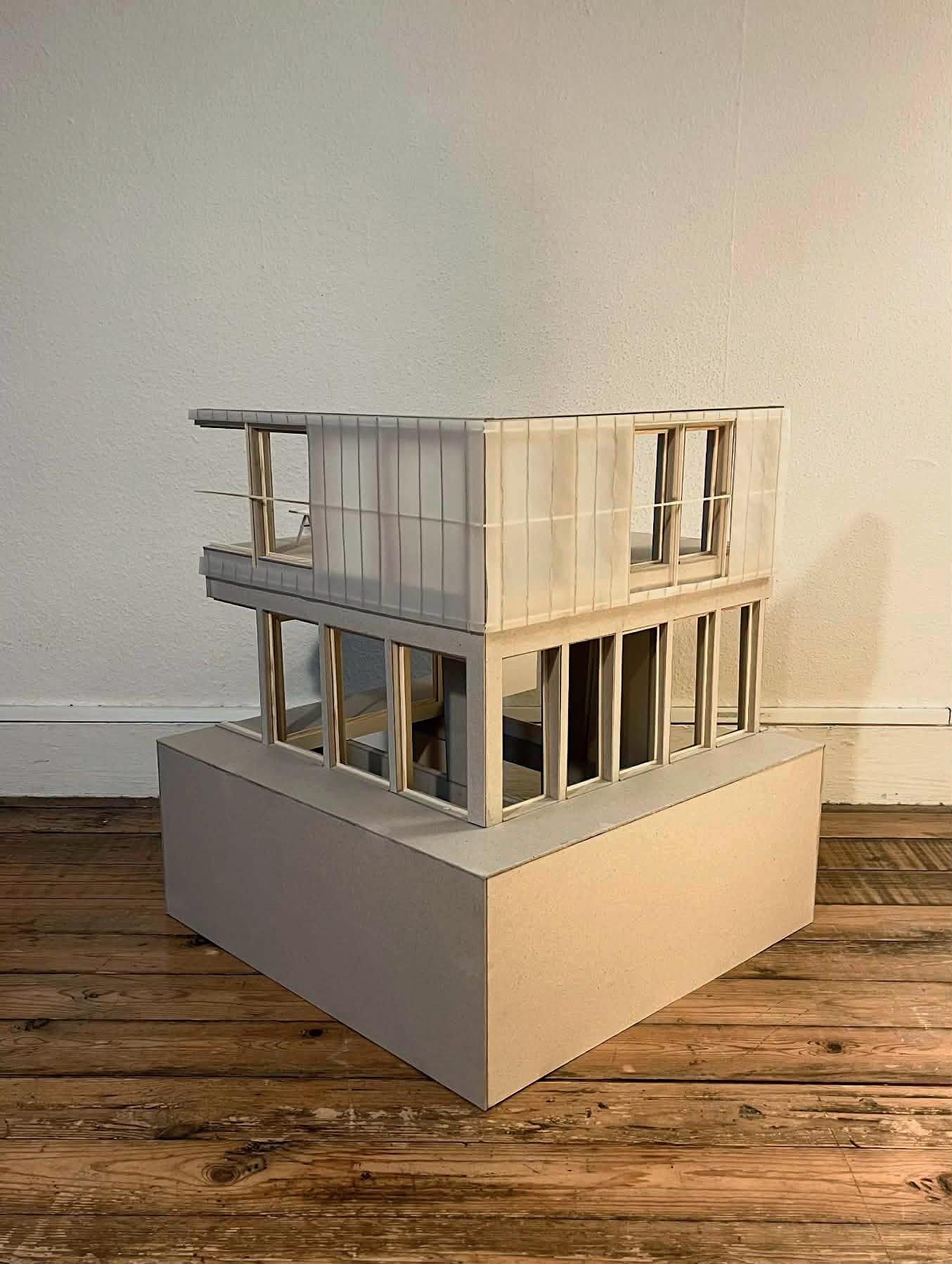
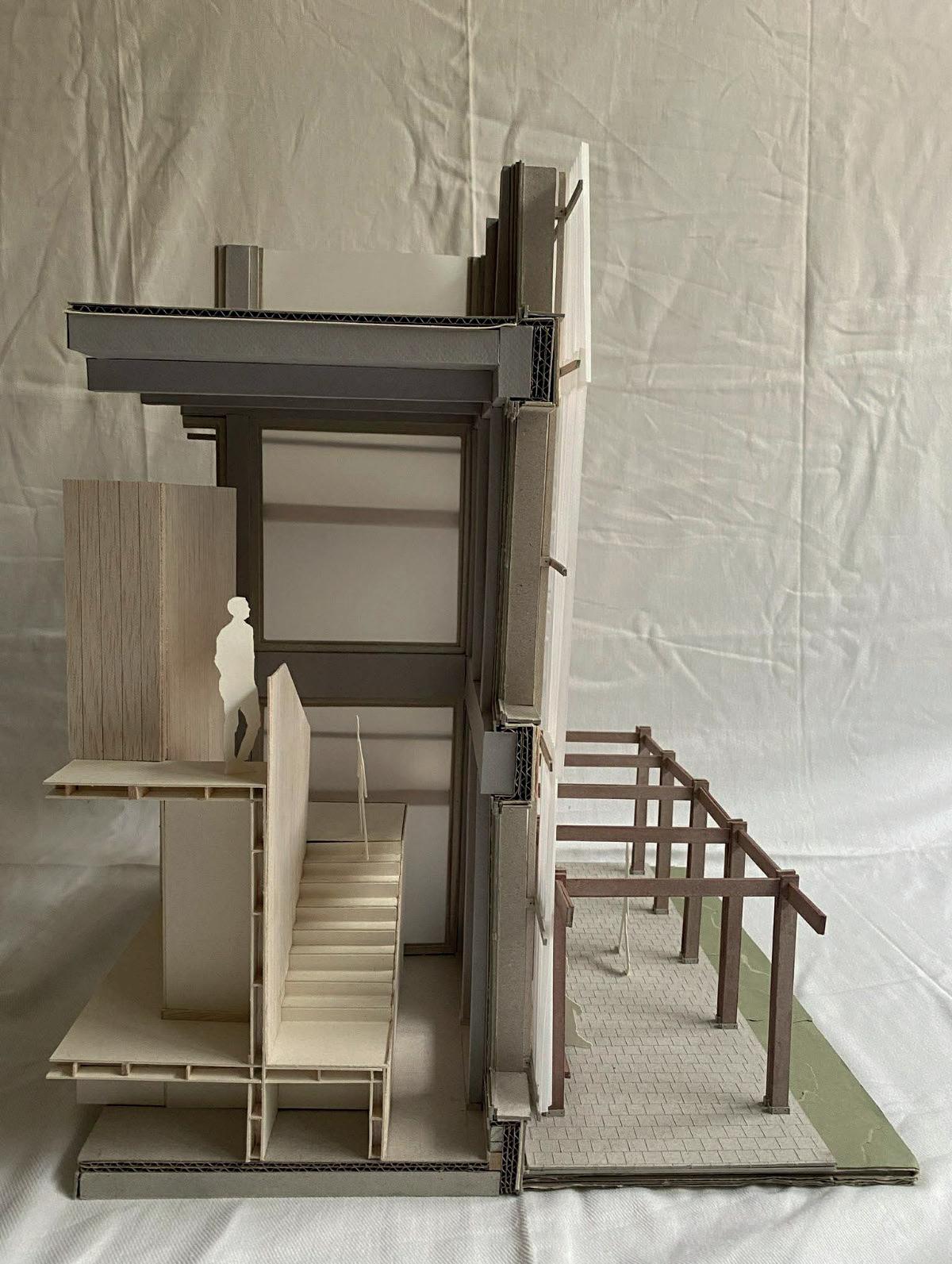
Model scale 1:100
MASTERPLAN
Model scale 1:100
PROJECT
FIRST LAYER: PUBLIC LAYER
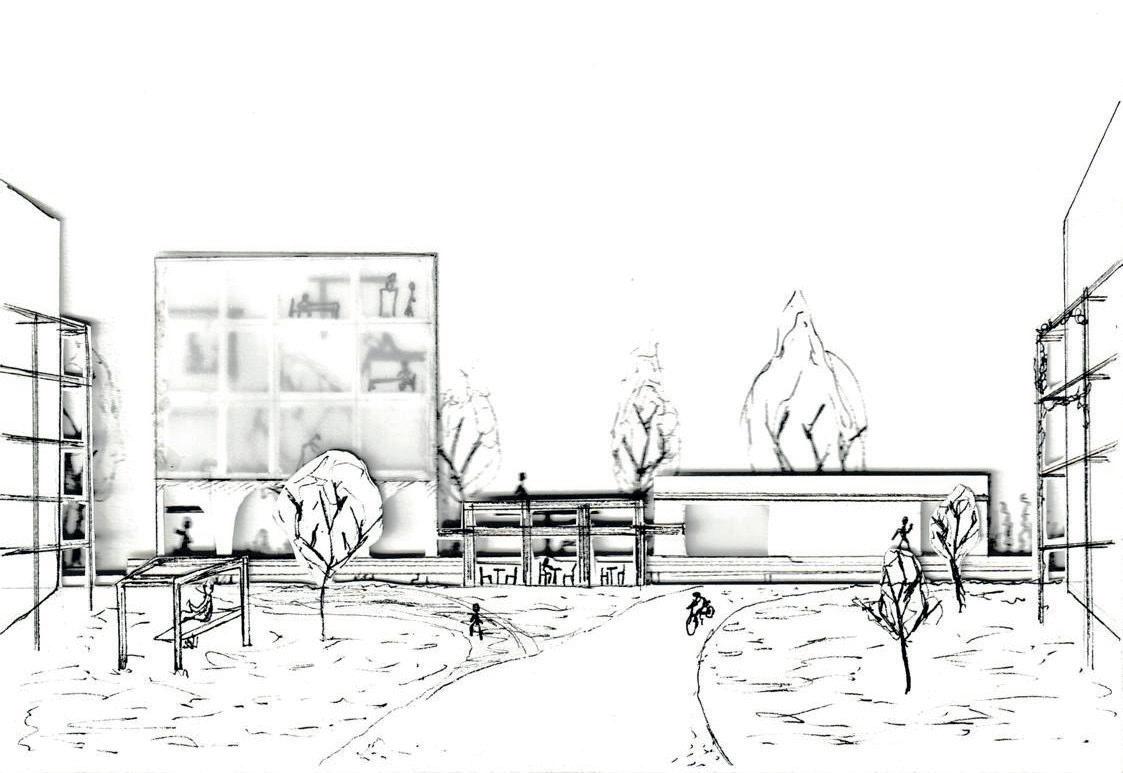

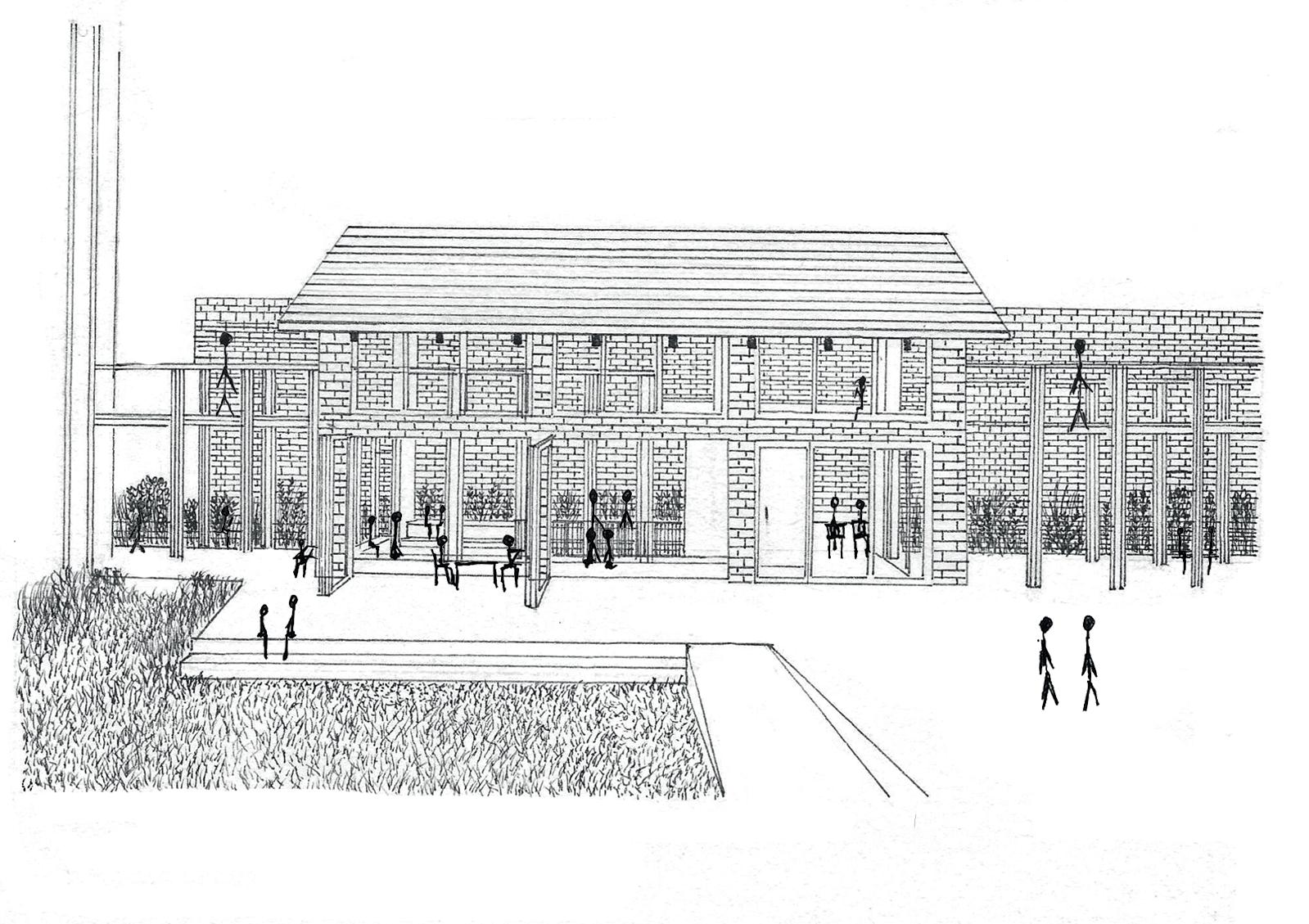
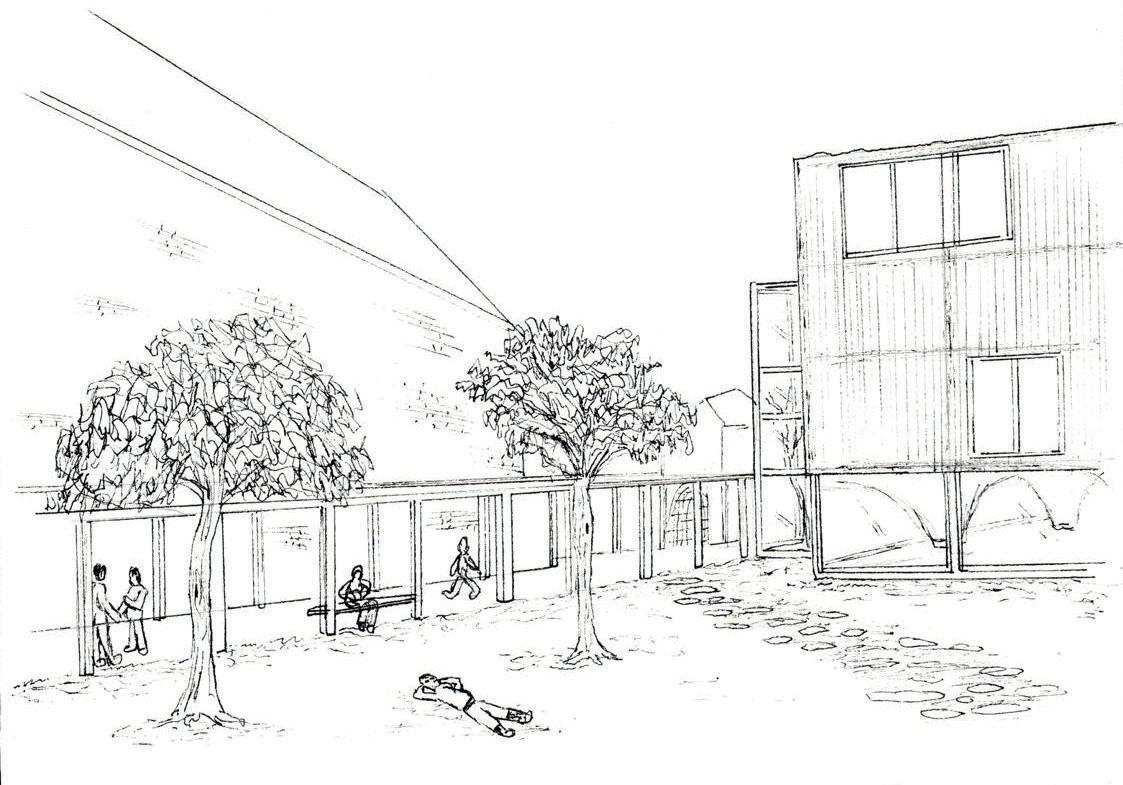
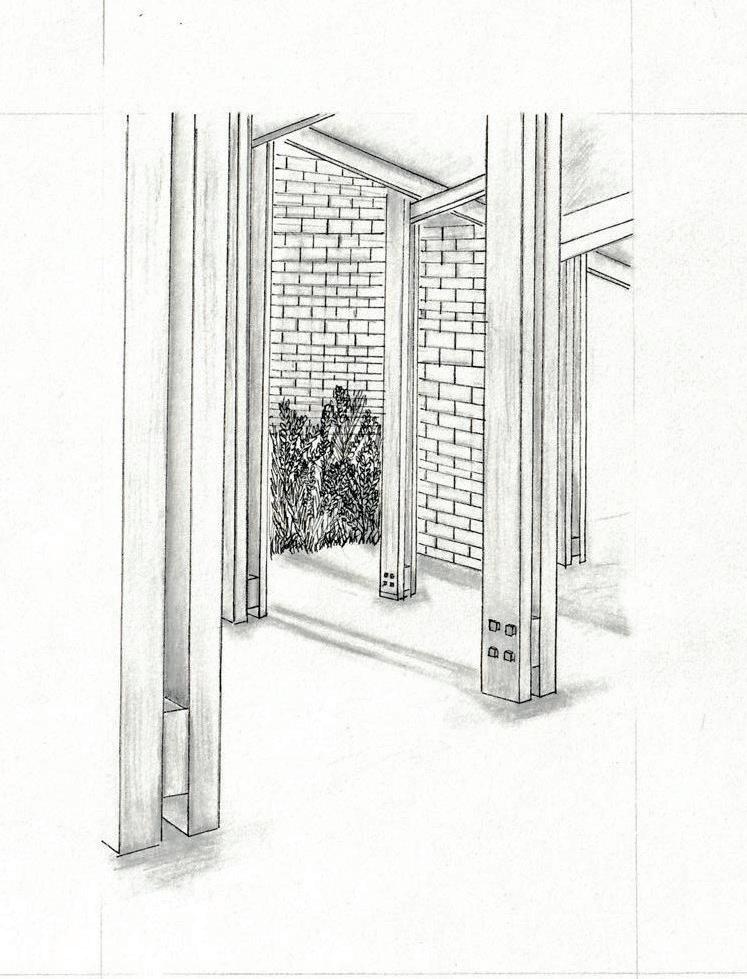
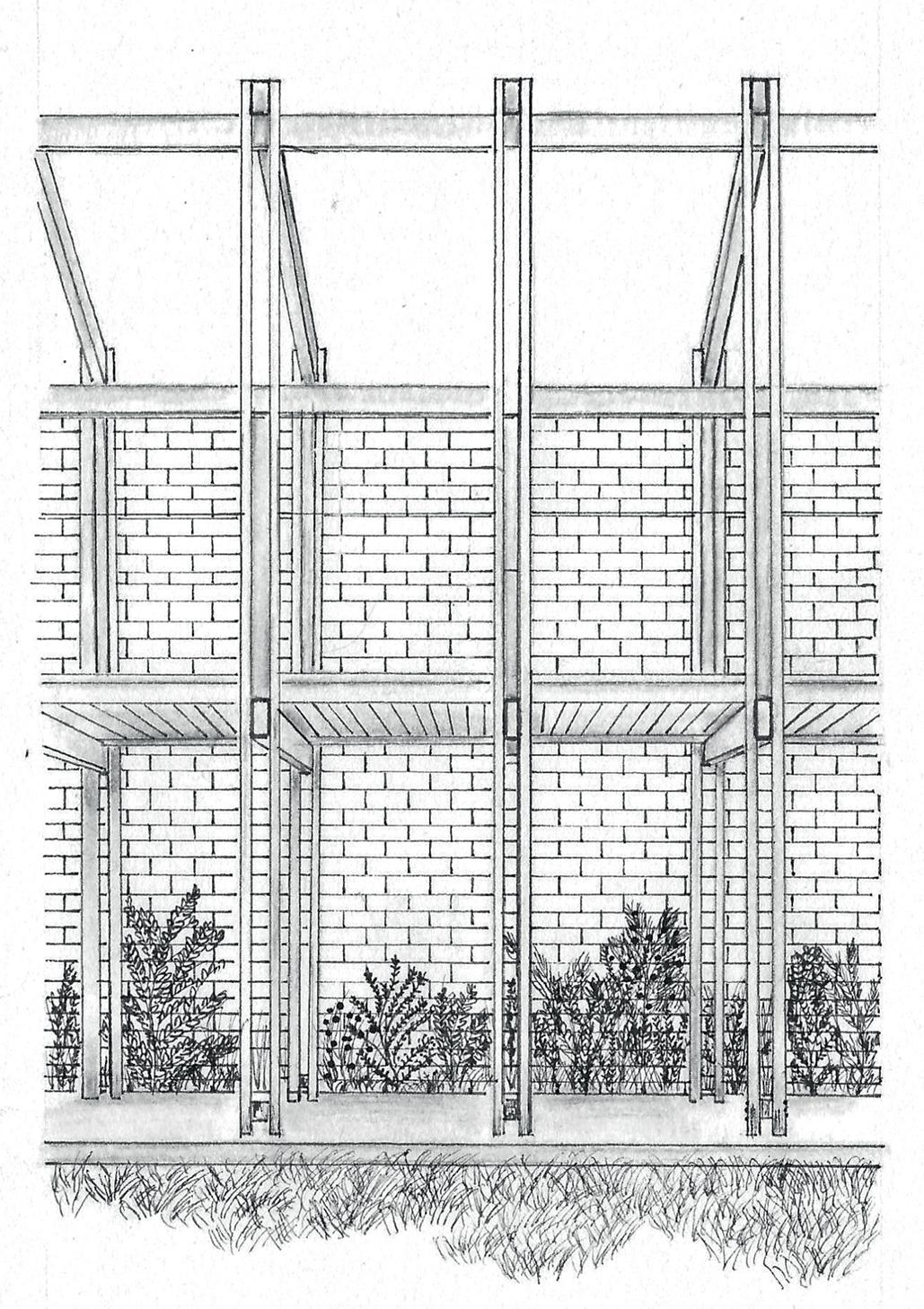
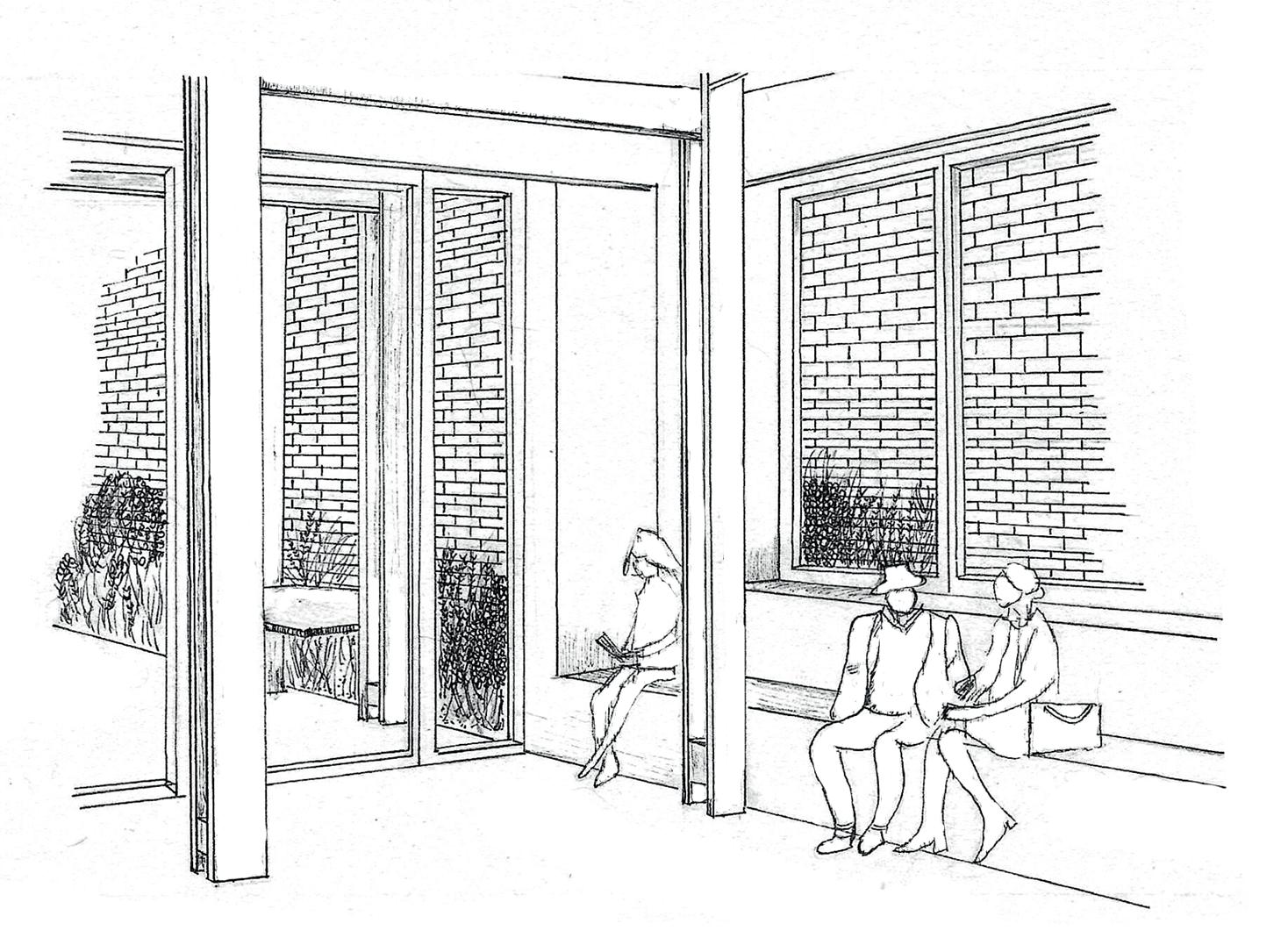
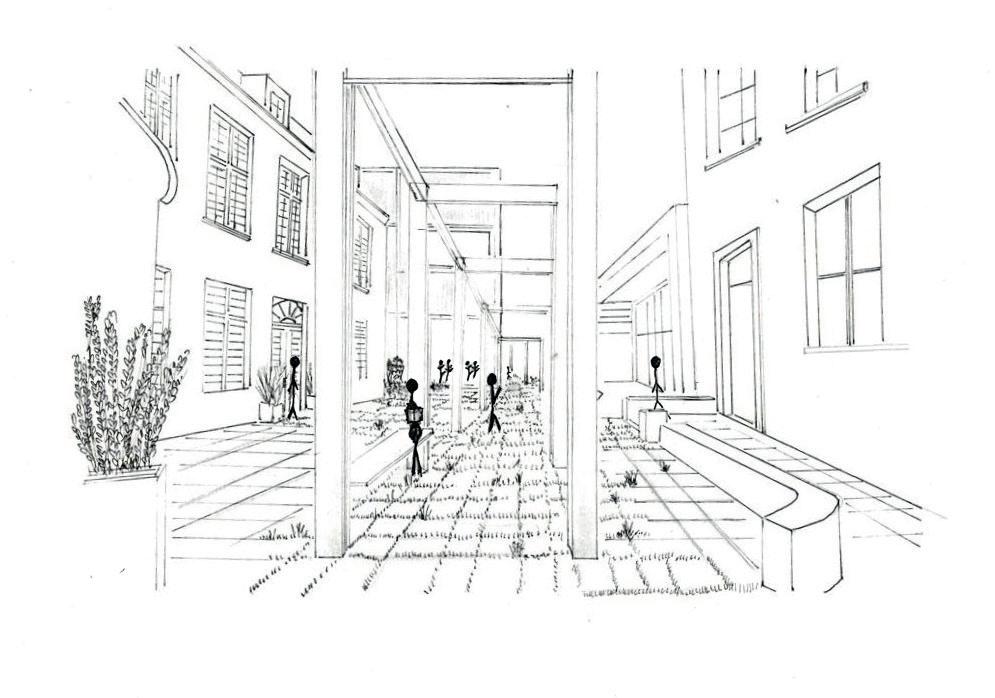
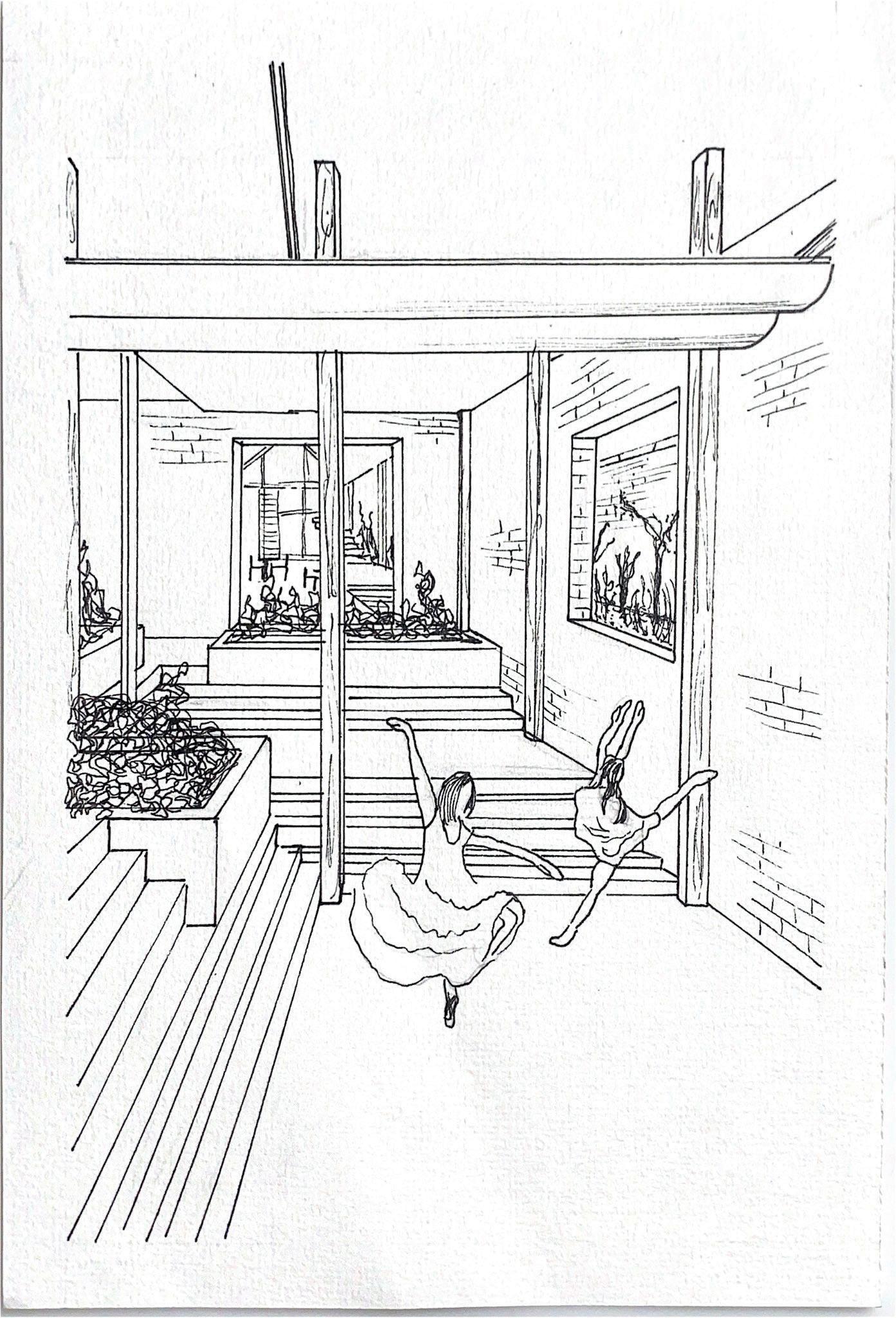
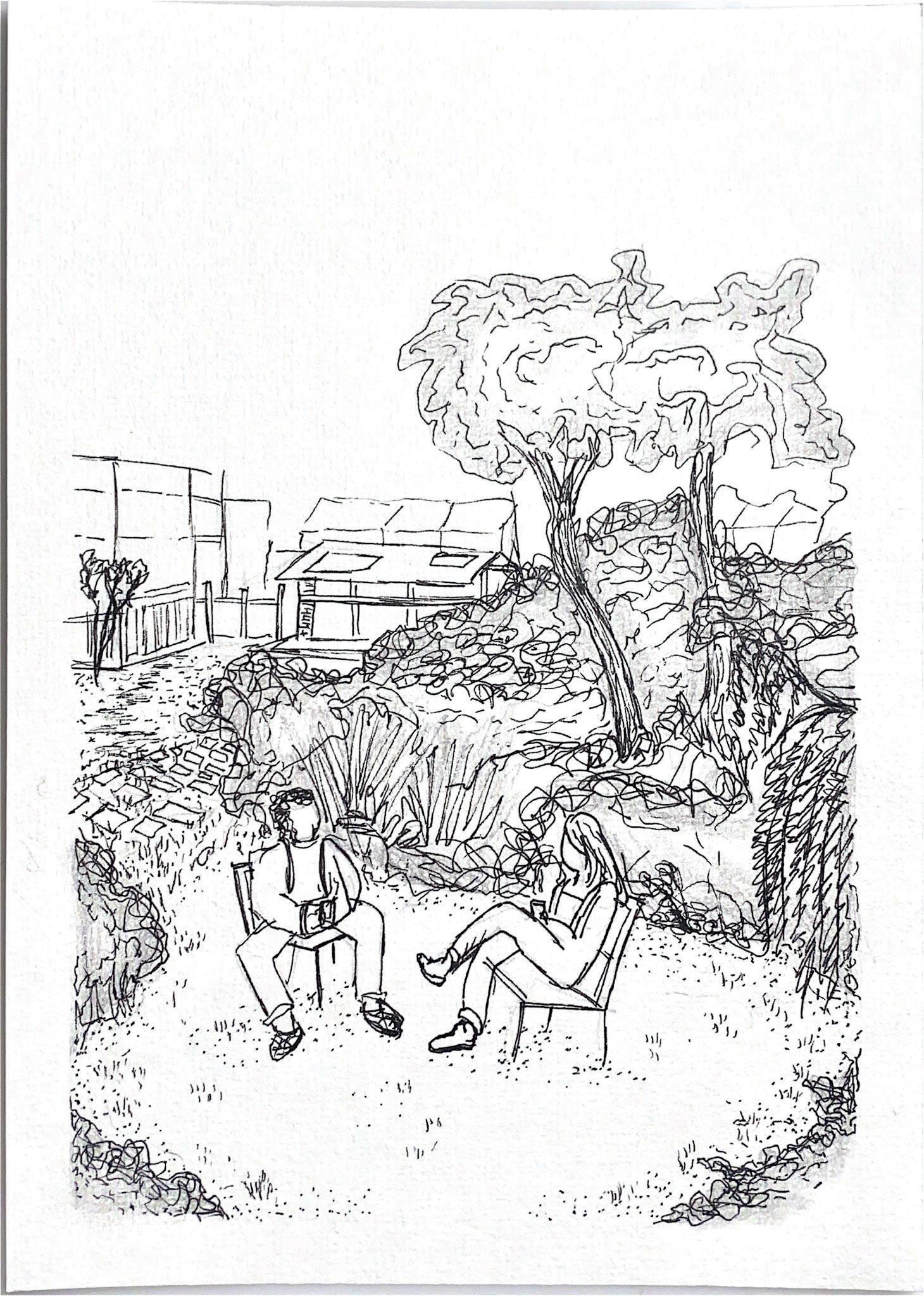
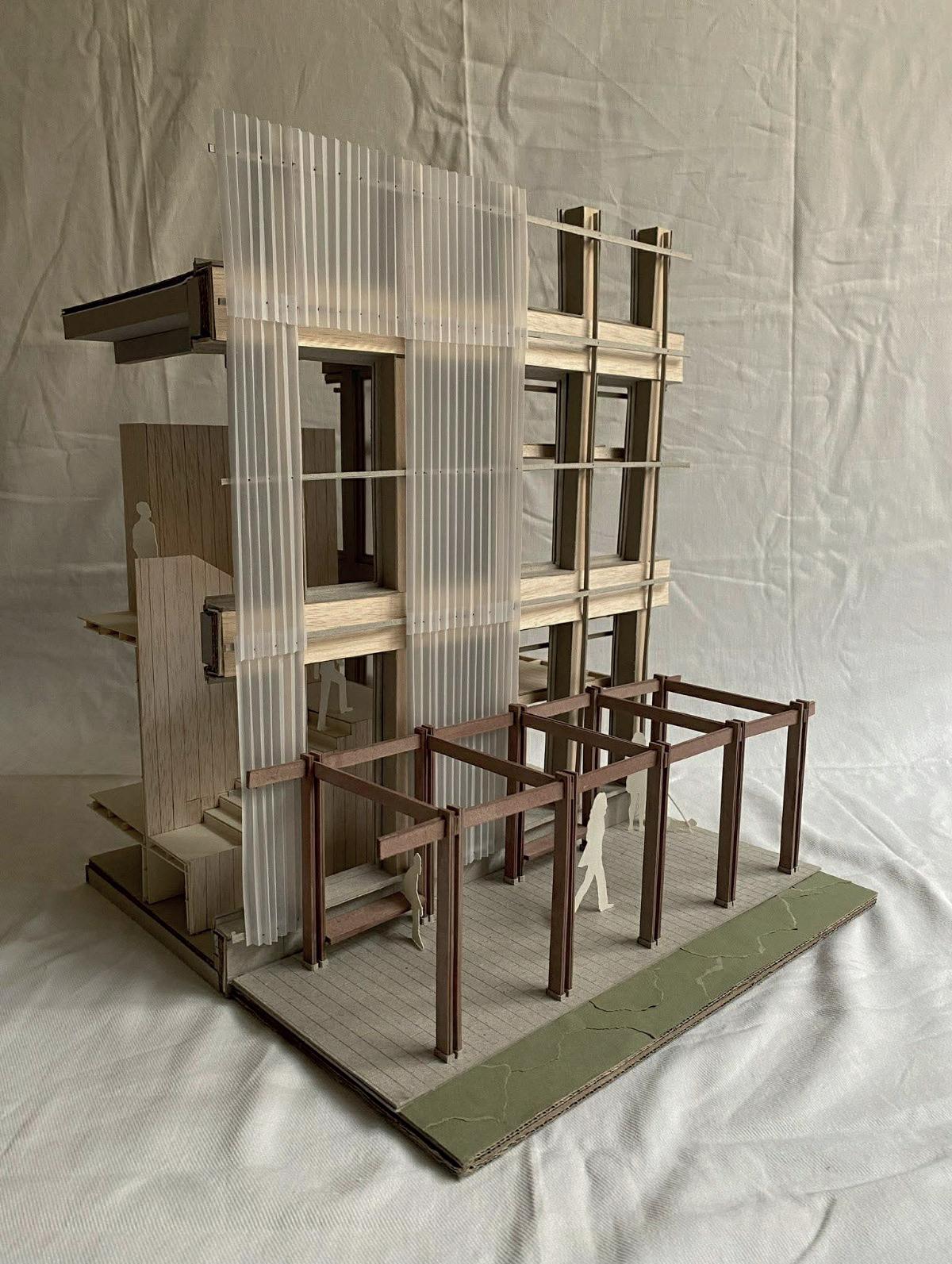
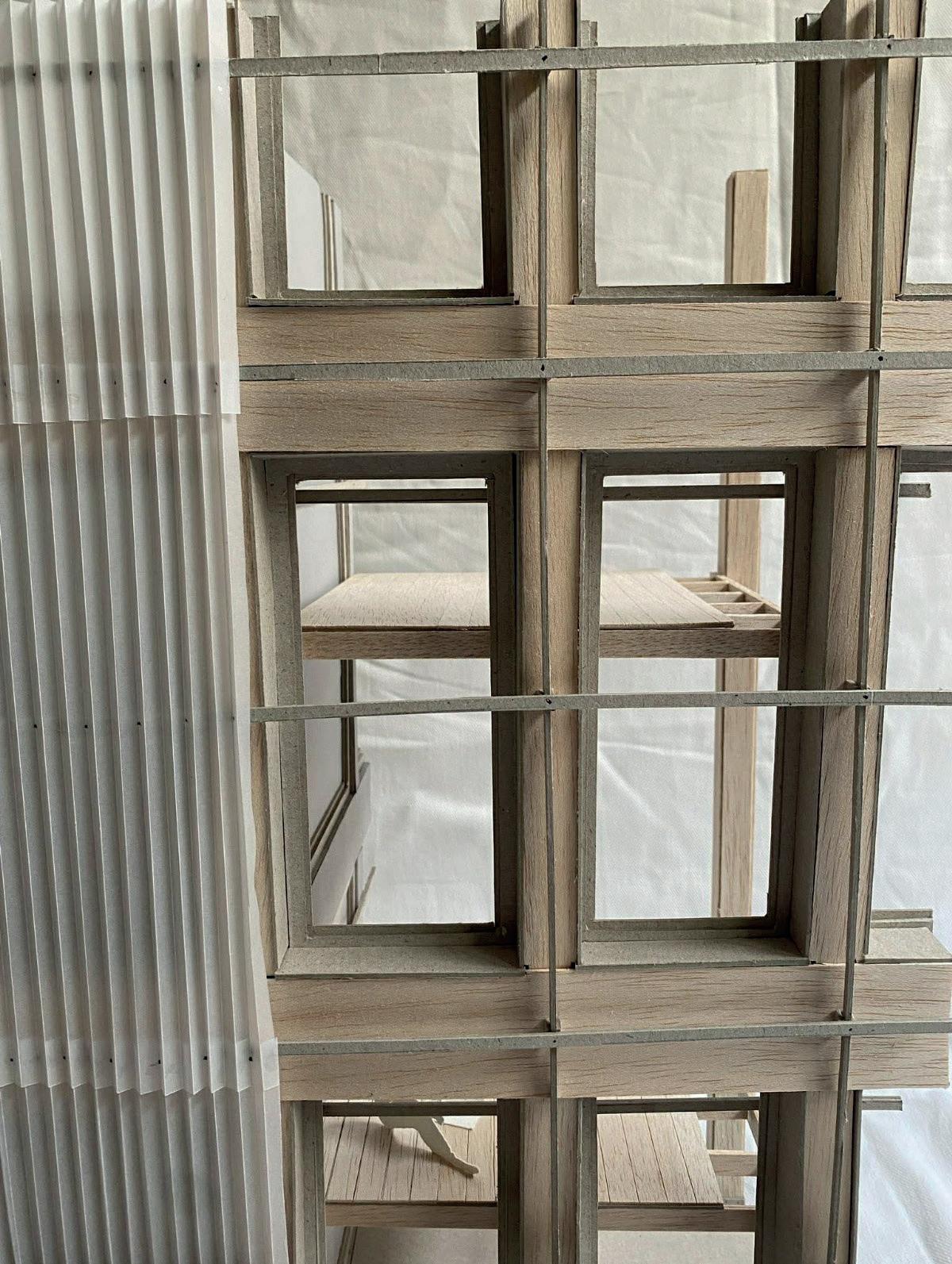
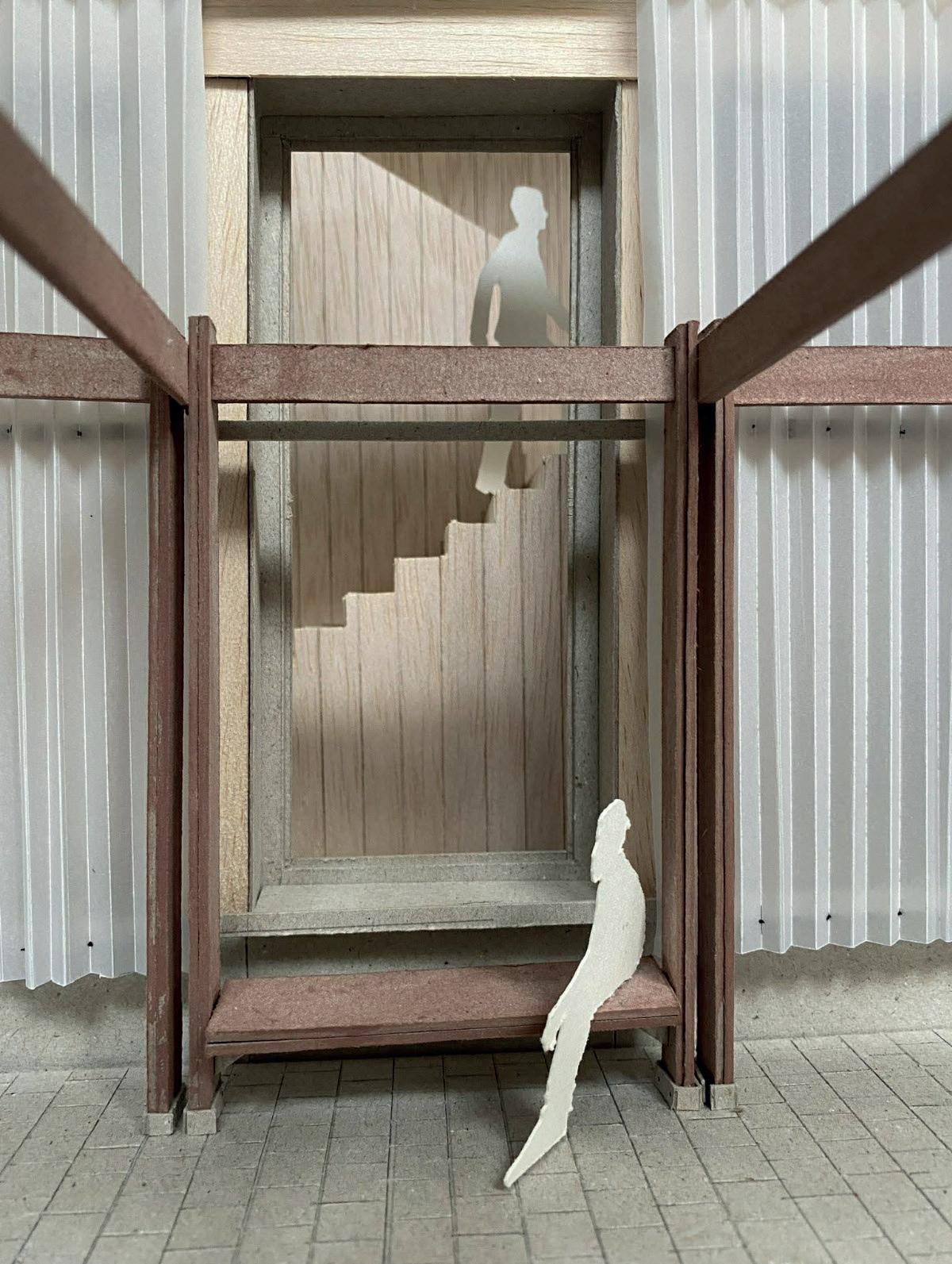
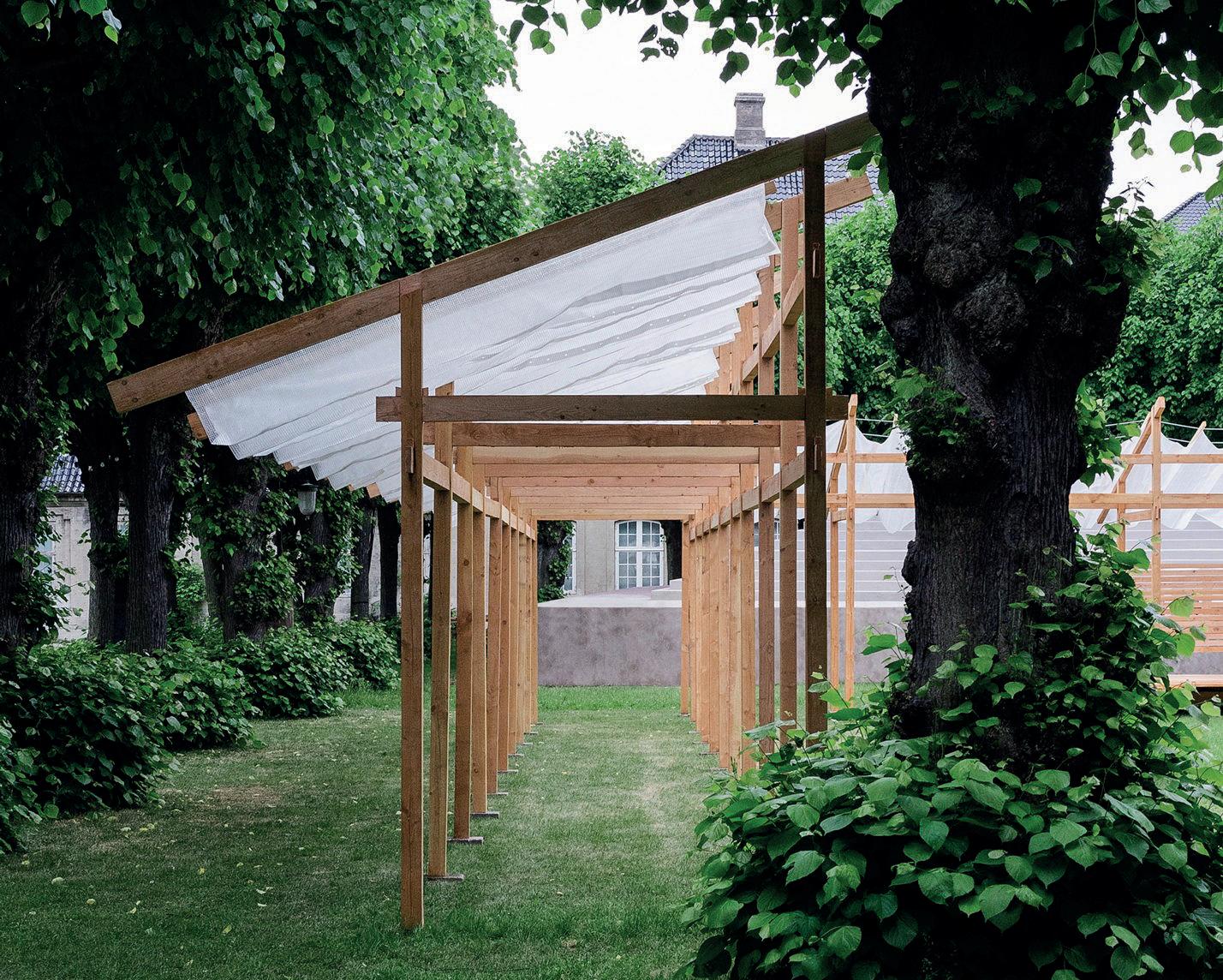
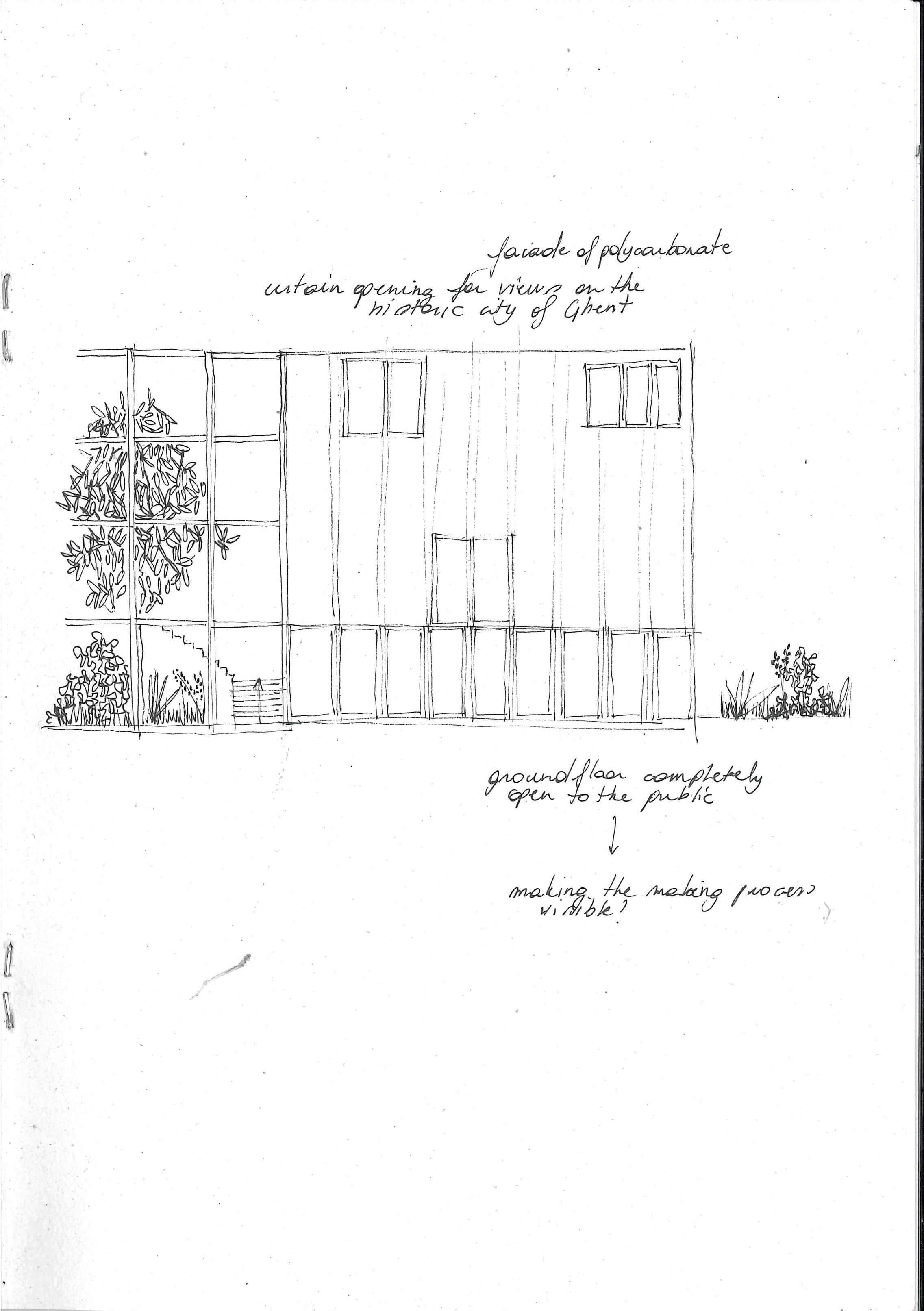
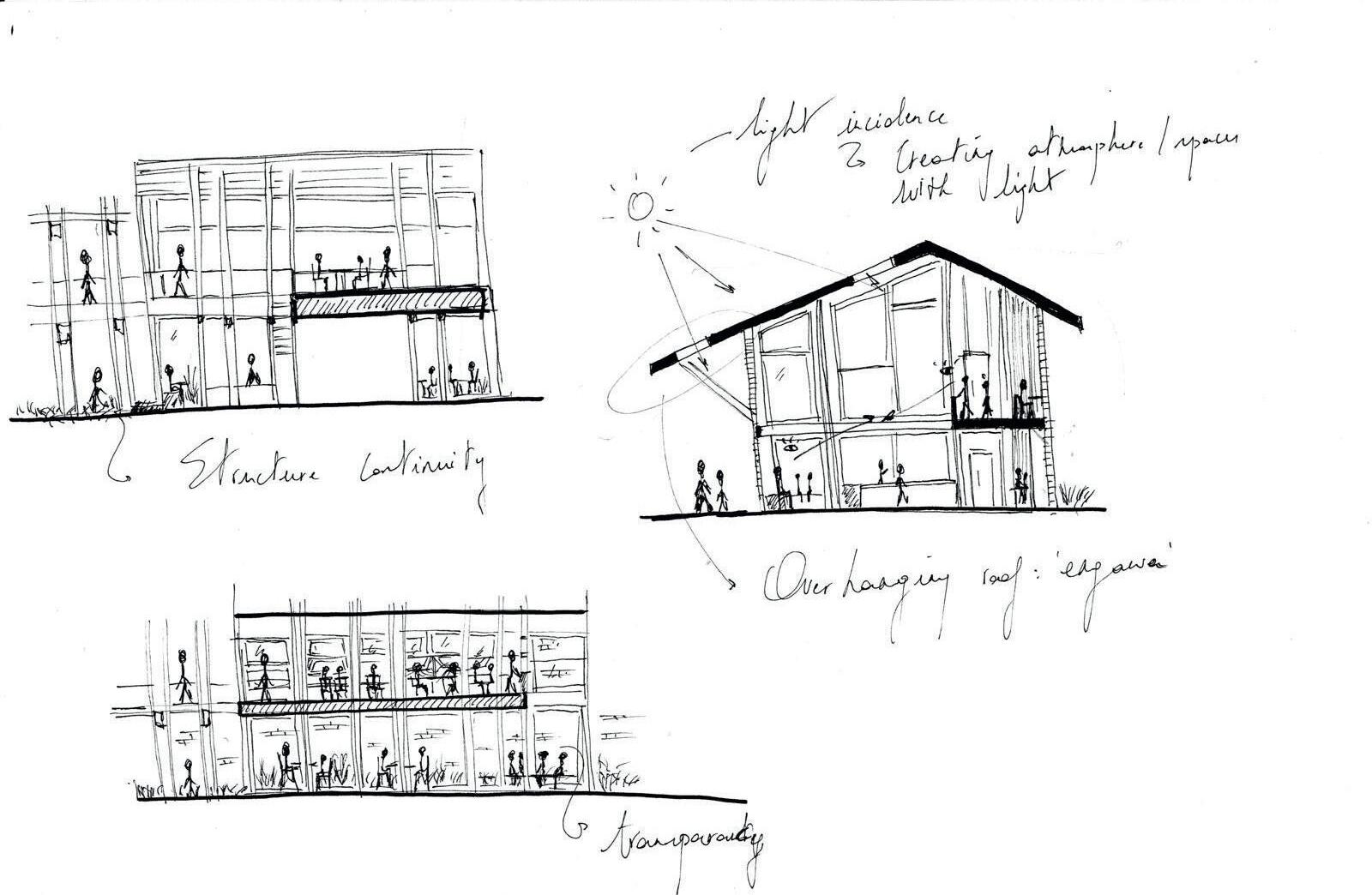
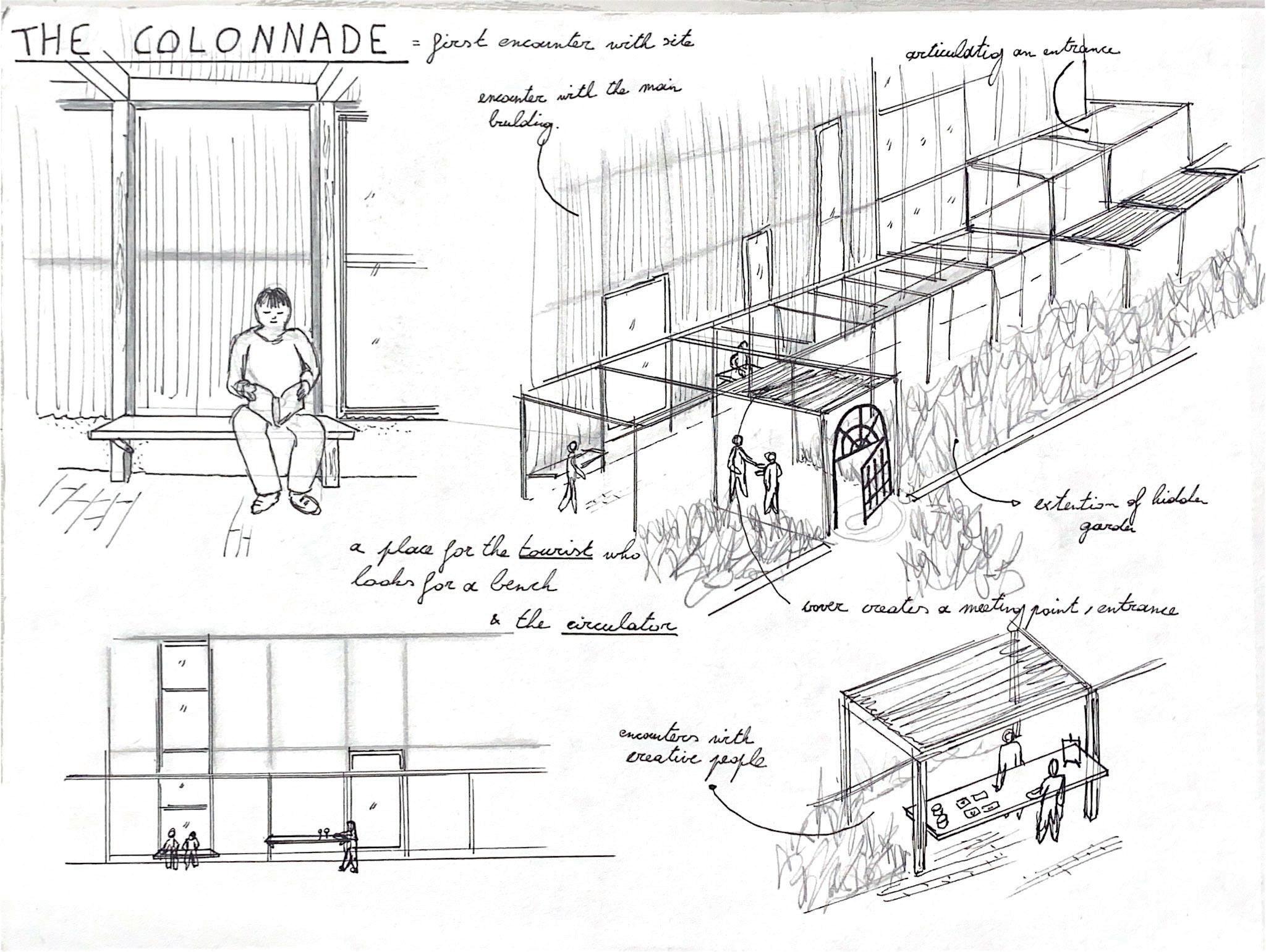
The public layer is an open, green and inviting place in the heart of the city, designed for people to meet. By removing parts of the existing façade and adding a light wooden structure, transparency and a gentle transition between the building and the park are created. A wooden colonnade organises the area, connects functions and creates places to slow down and meet each other. This route leads to the accessible main entrance and the café, the most public function. The park space reinforces all this as an open space for staying, resting and meeting.
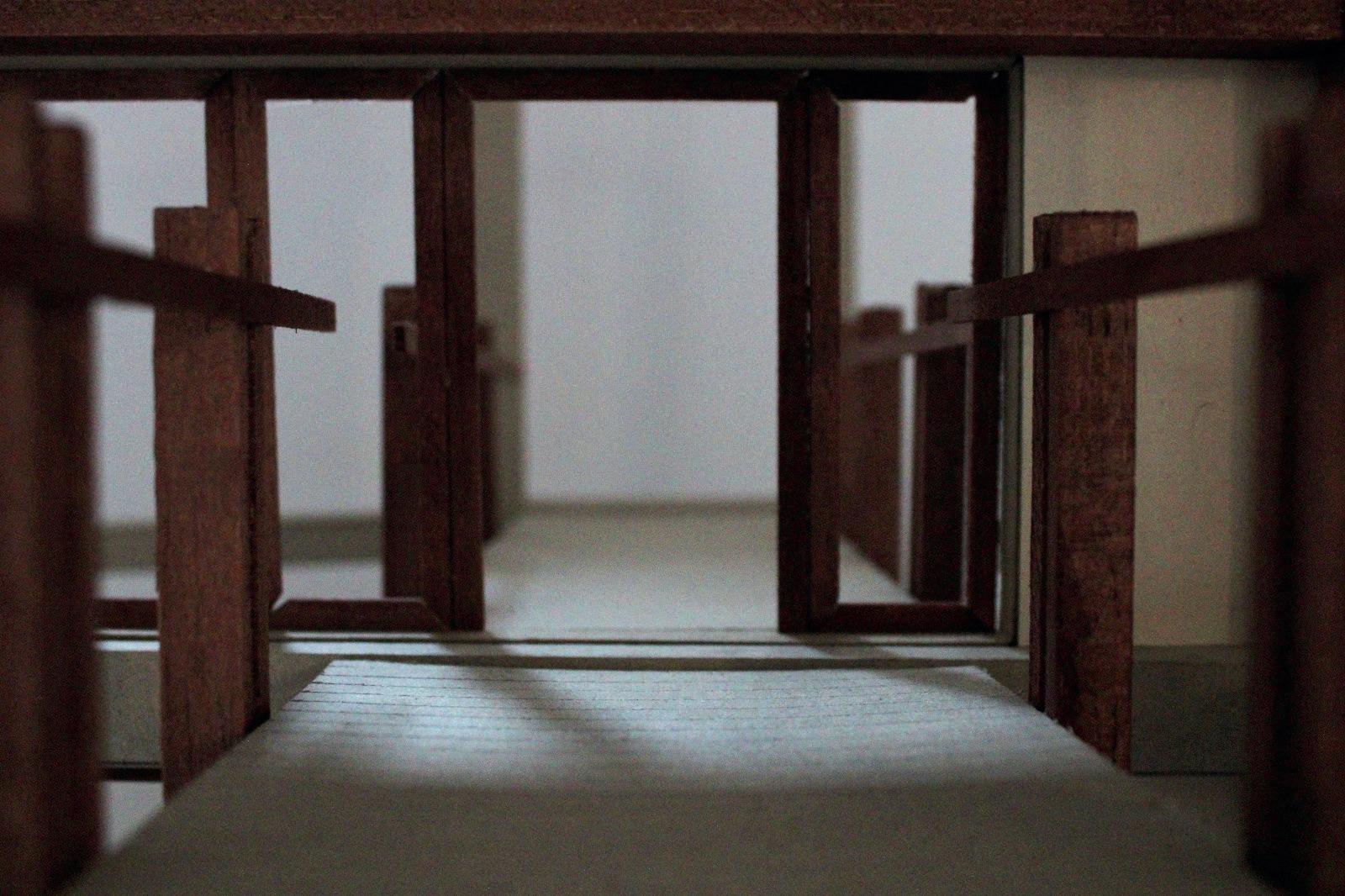
encountering of light
PROJECT
wooden colonnade
encountering in the cafe
PROJECT
frontside entrance
fragment scale 1:20 by Amani Willems
PROJECT
fragment scale 1:20 by Amani Willems
fragment scale 1:20 by Amani Willems
PROJECT
fragment scale 1:20 by Amani Willems
PROJECT
SECOND LAYER: IN BETWEEN
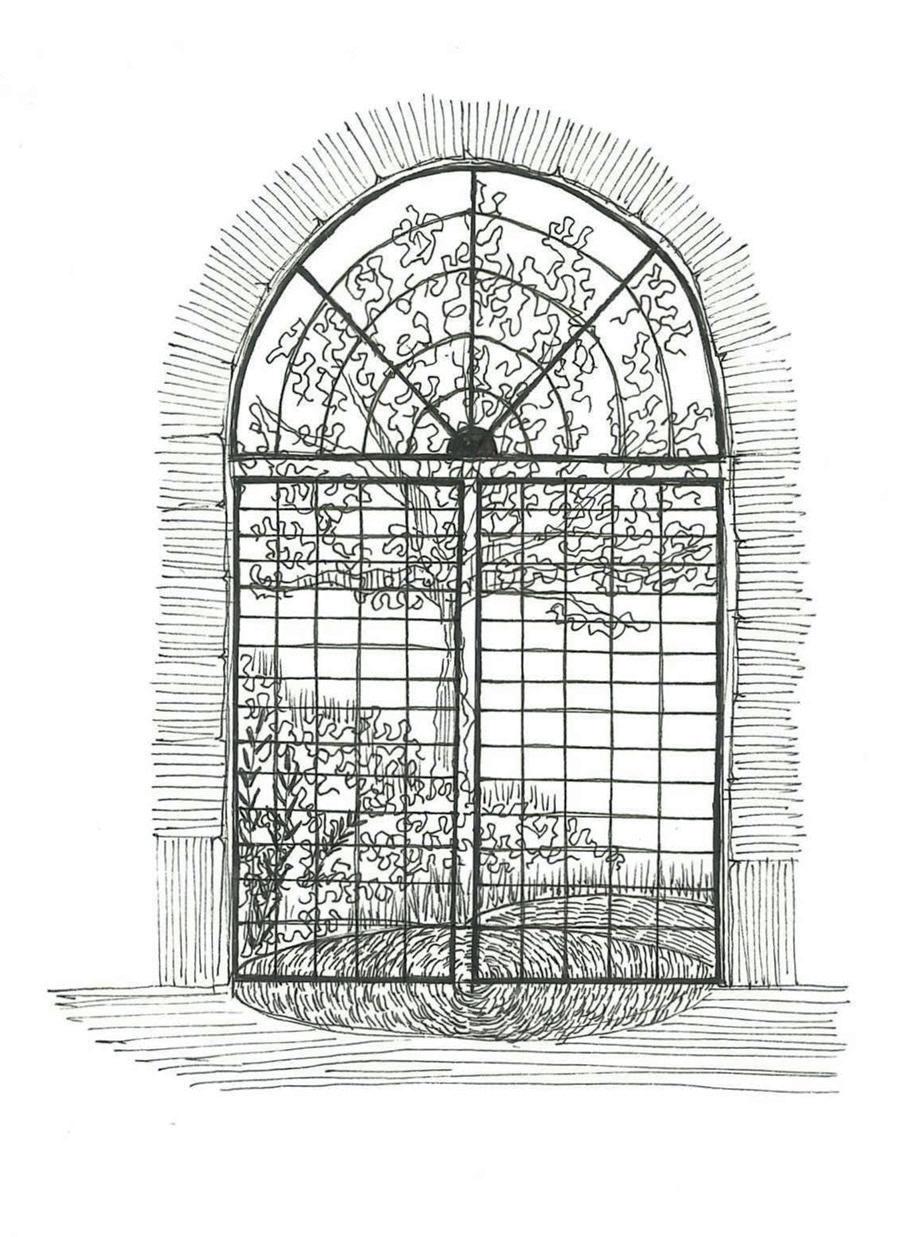
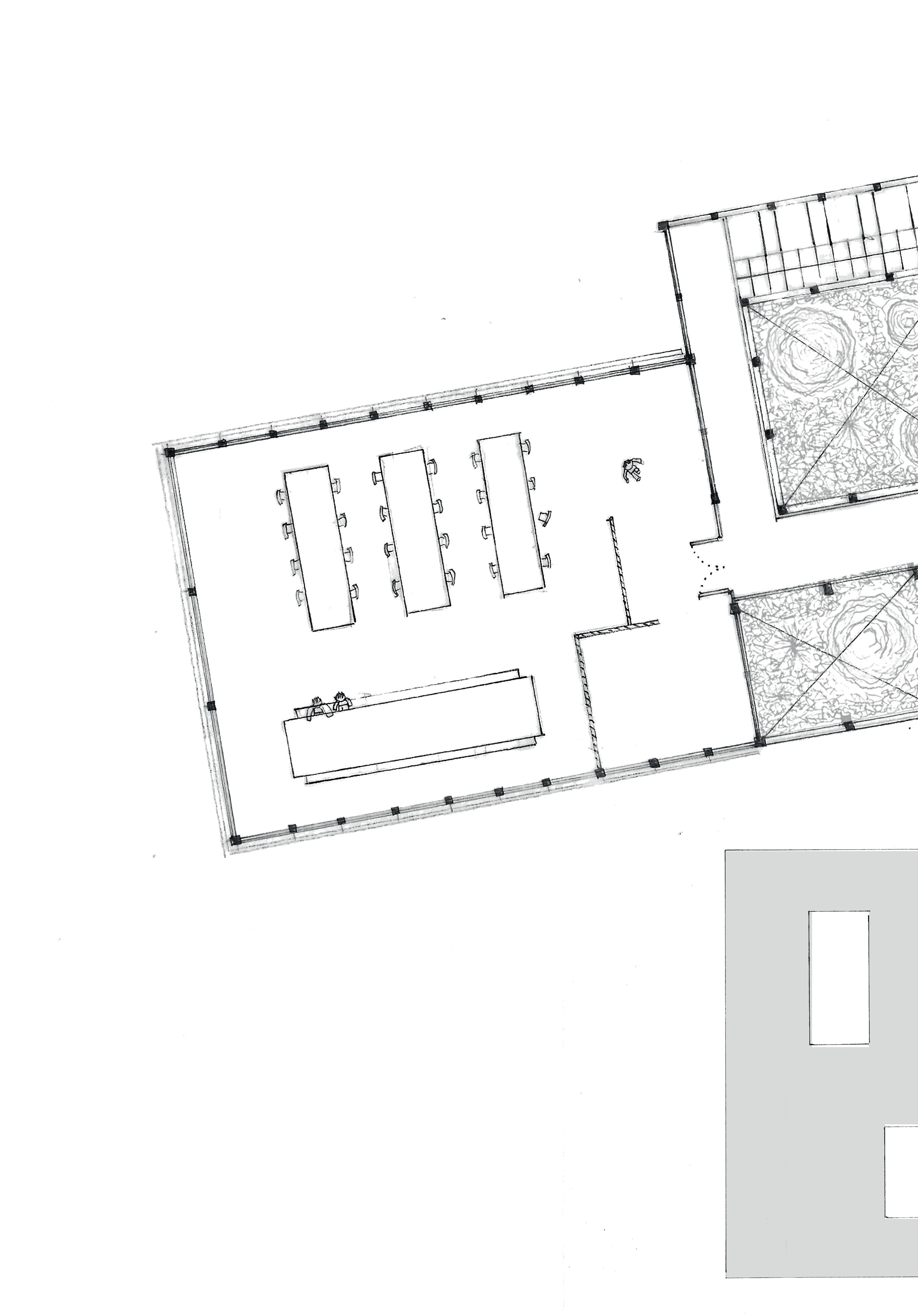
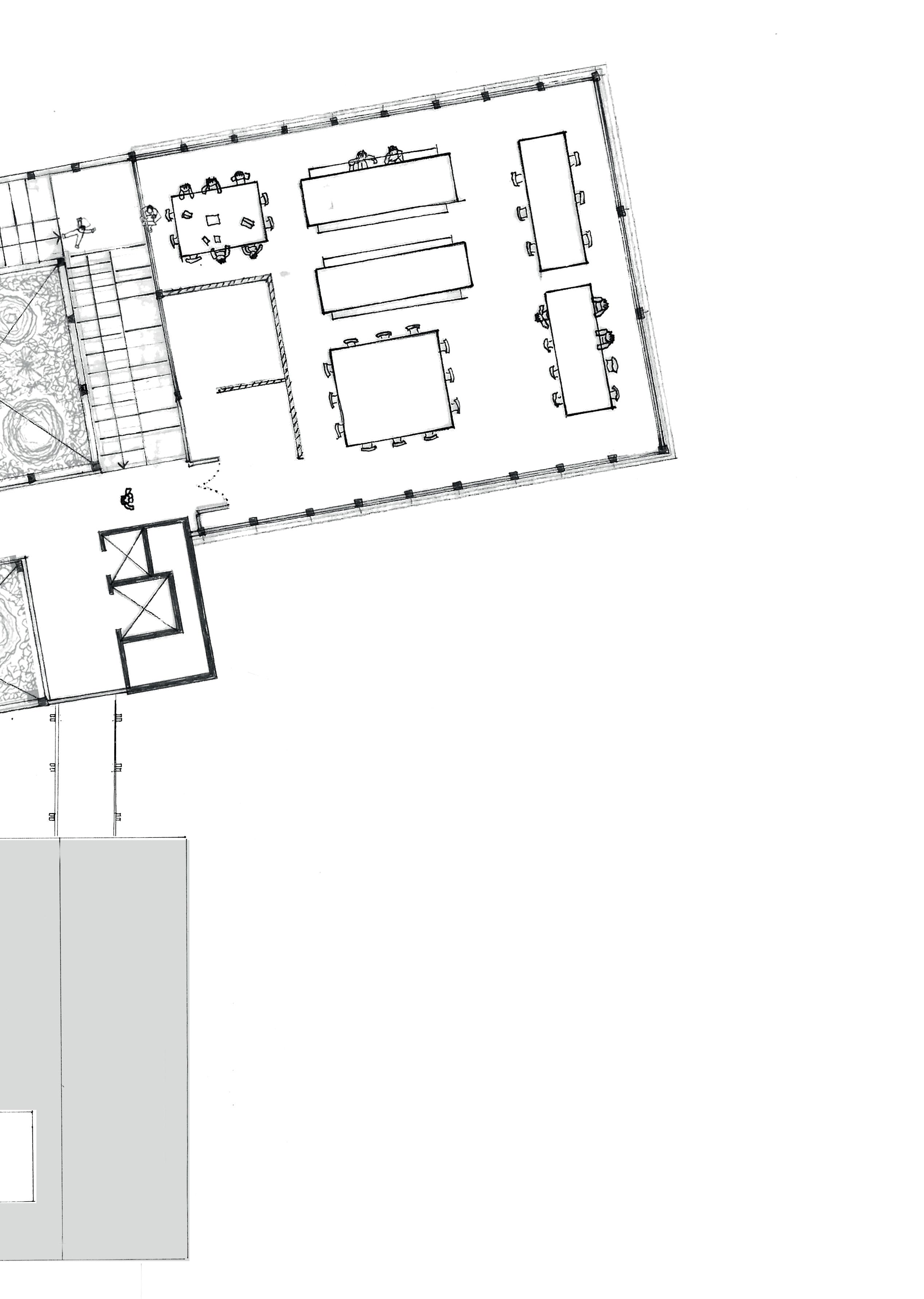
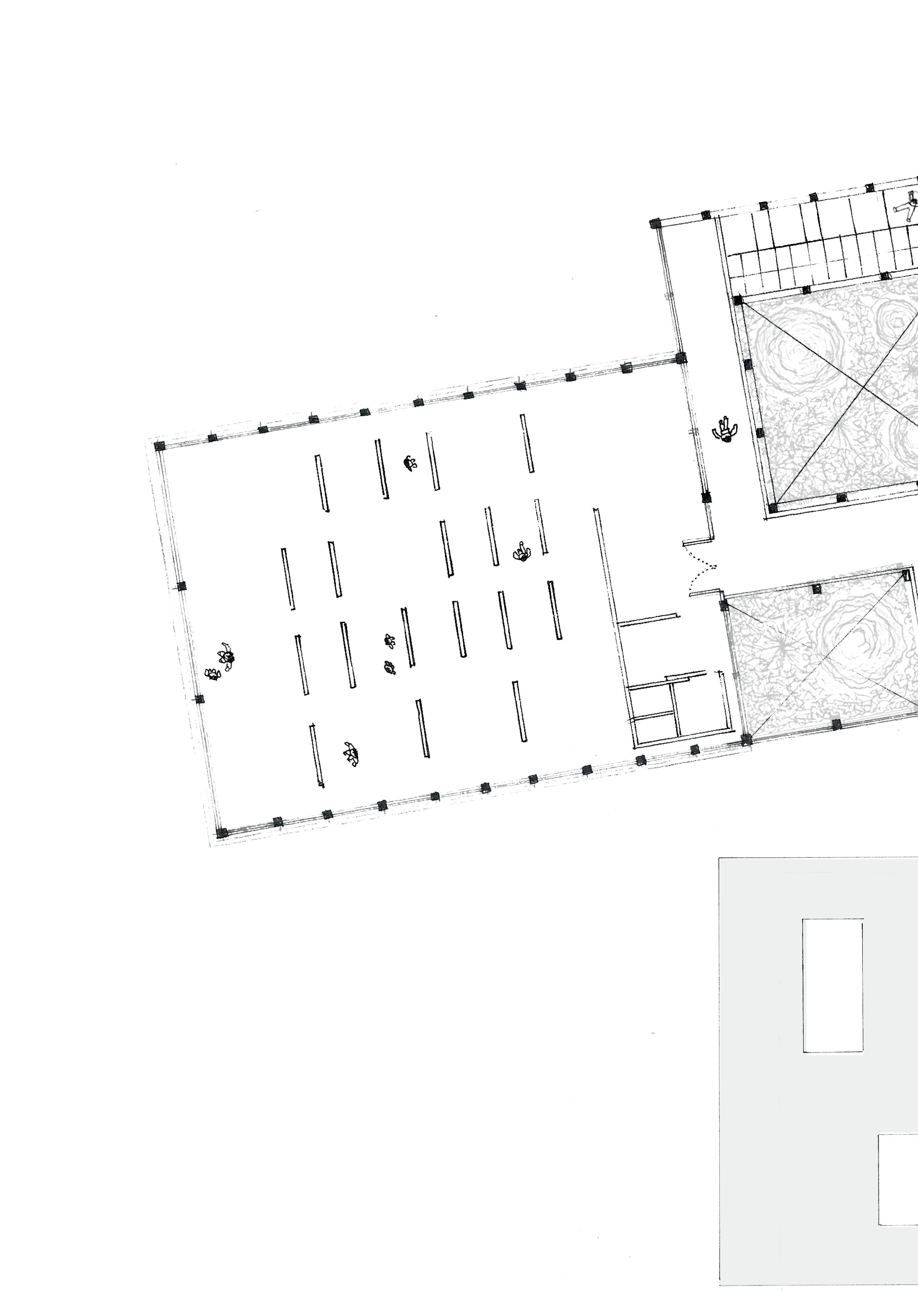
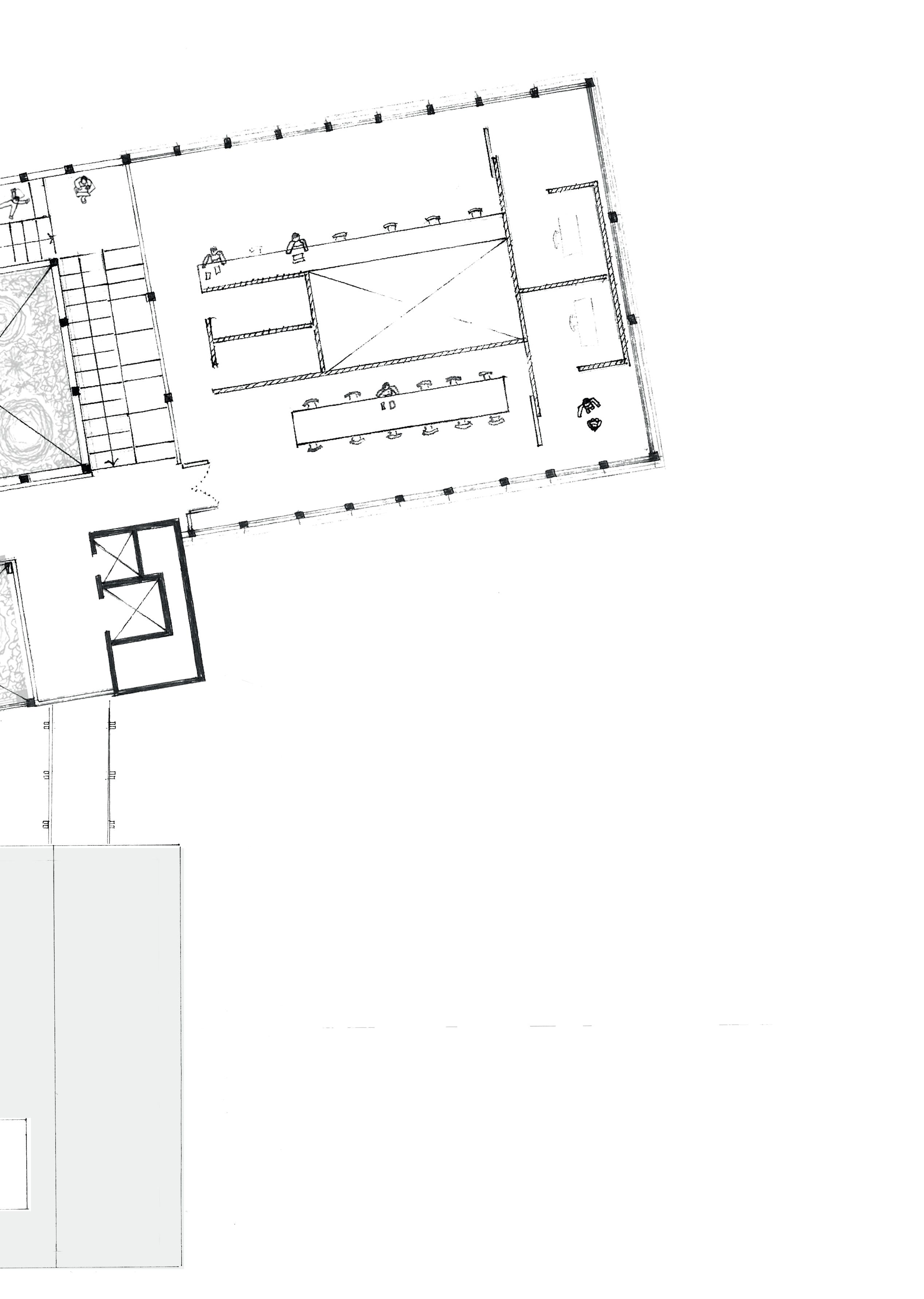
The project builds upon the existing structure to create a subtle separation from the open park, introducing a sense of calm in response to the heavy flow of traffic across the site. Adjacent to the cafeteria, this results in a small auditorium that can also function as a quiet garden space, while on the opposite side a building is dedicated to local makers, artists, and students.
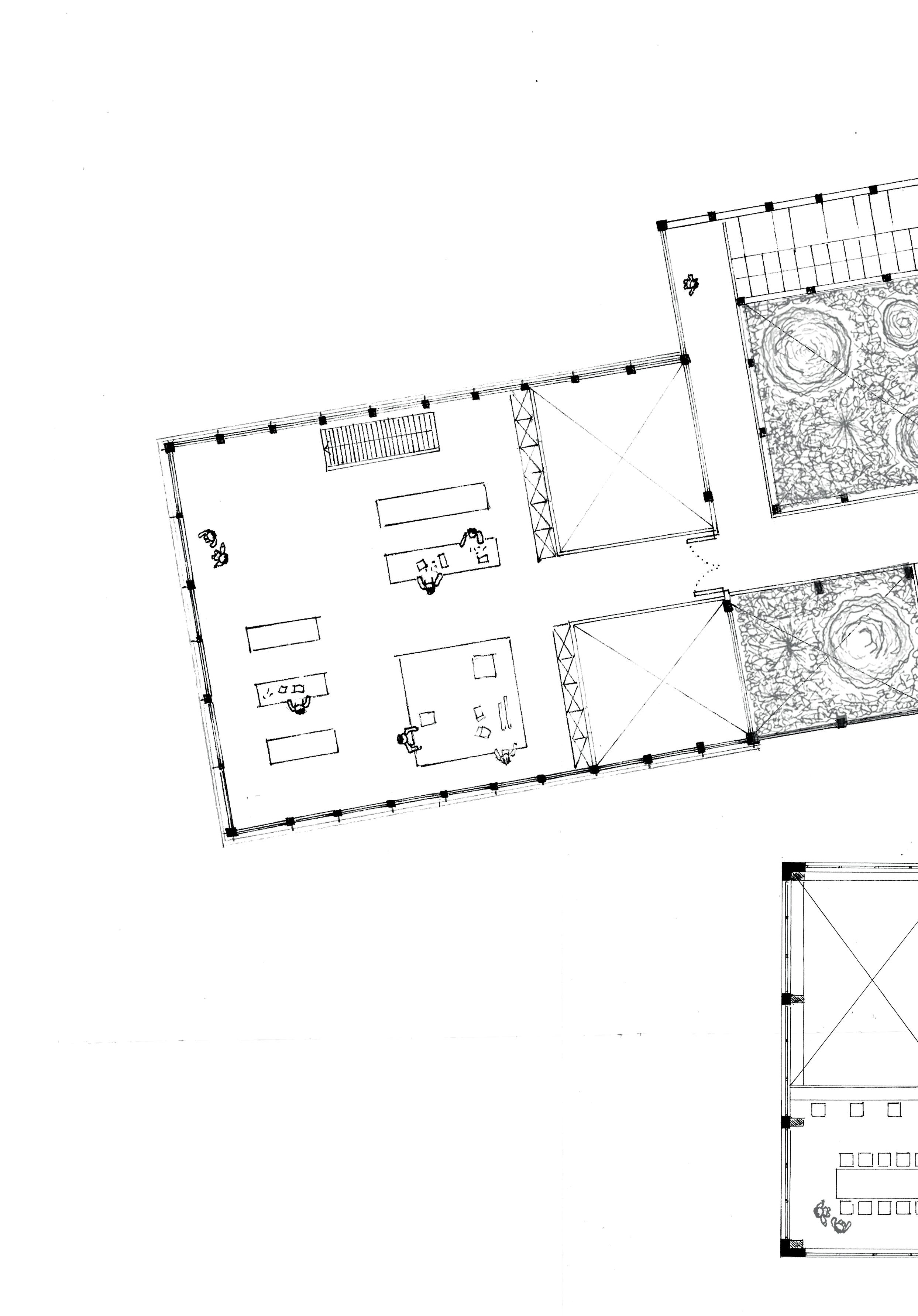
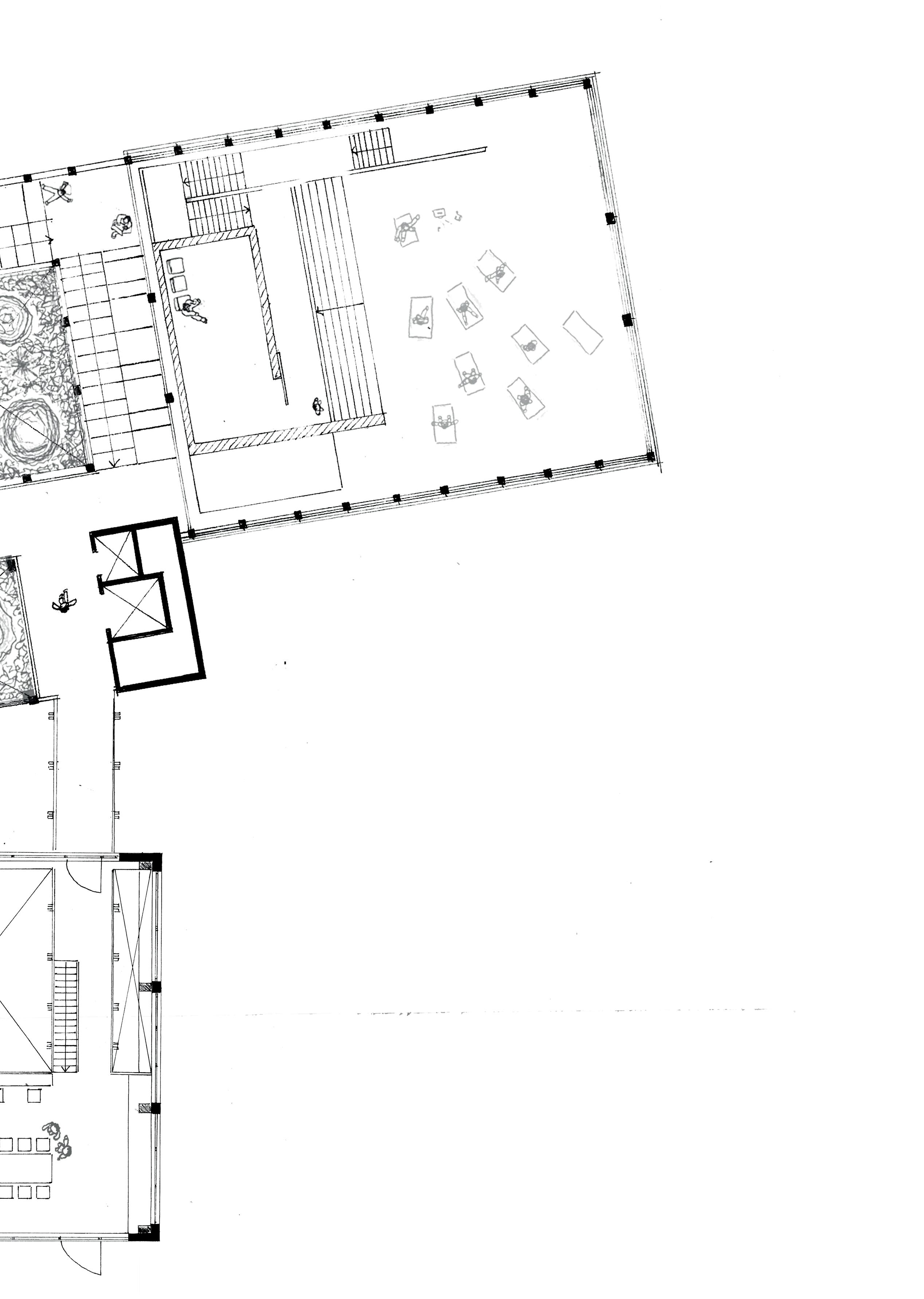
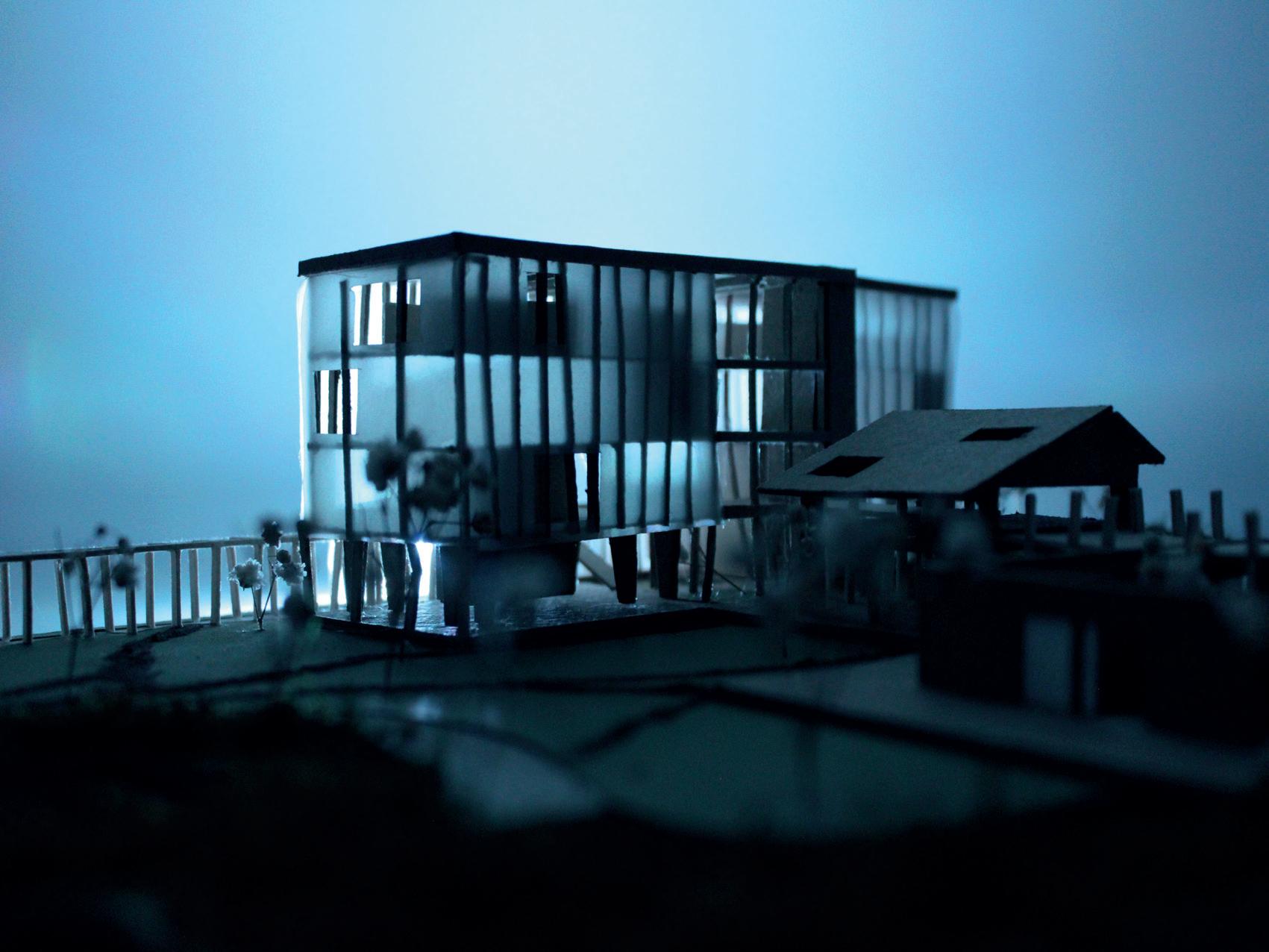
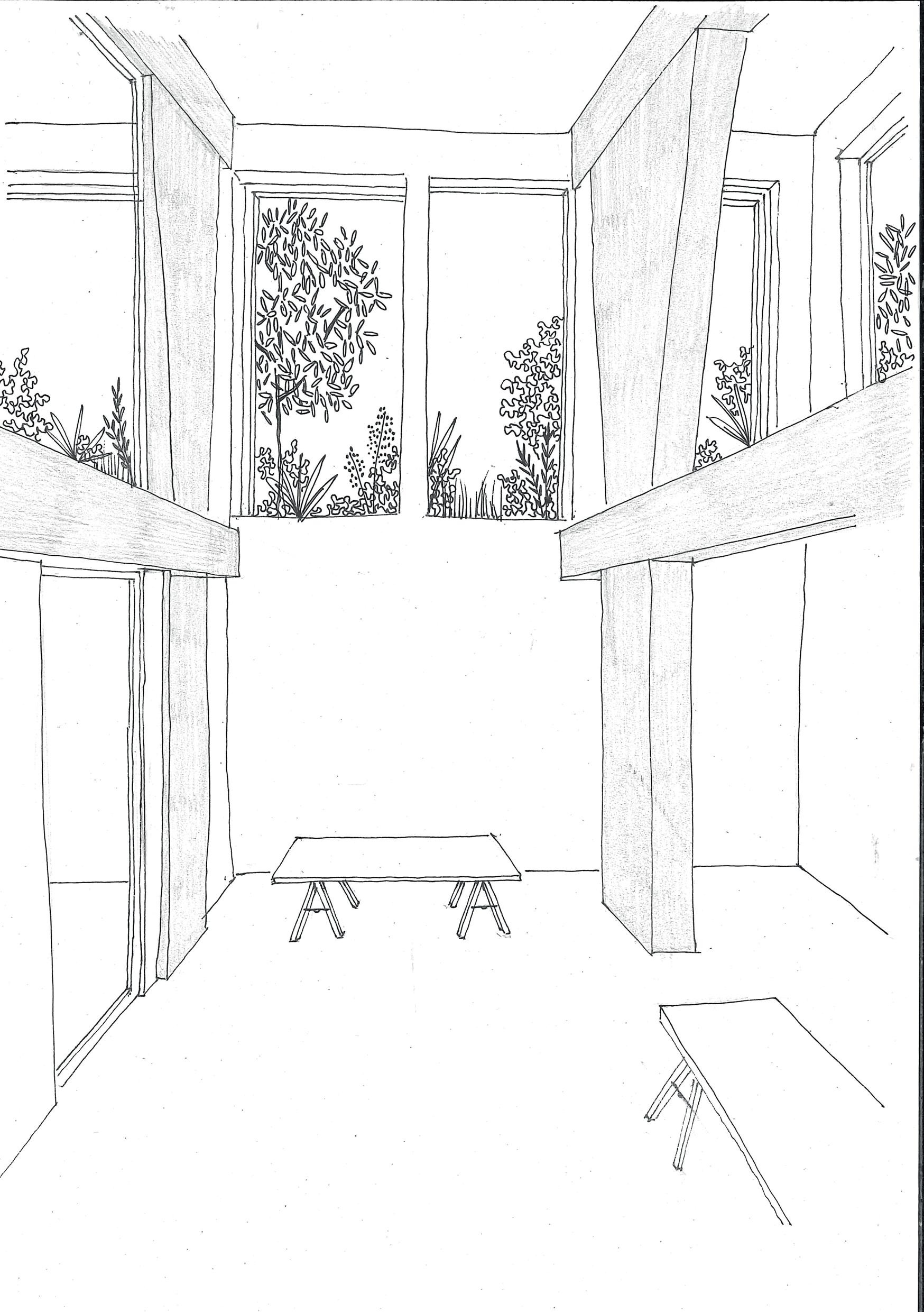
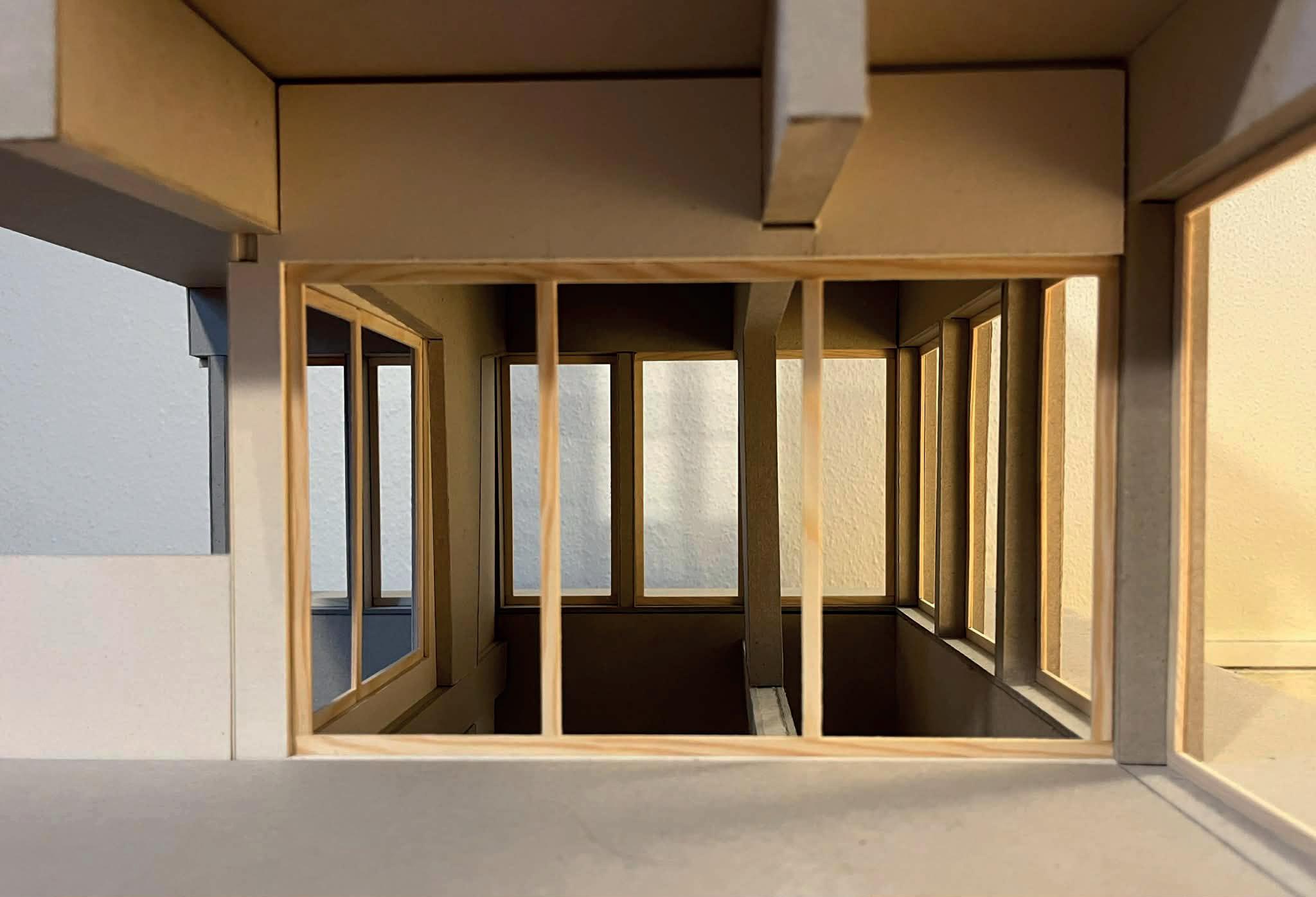
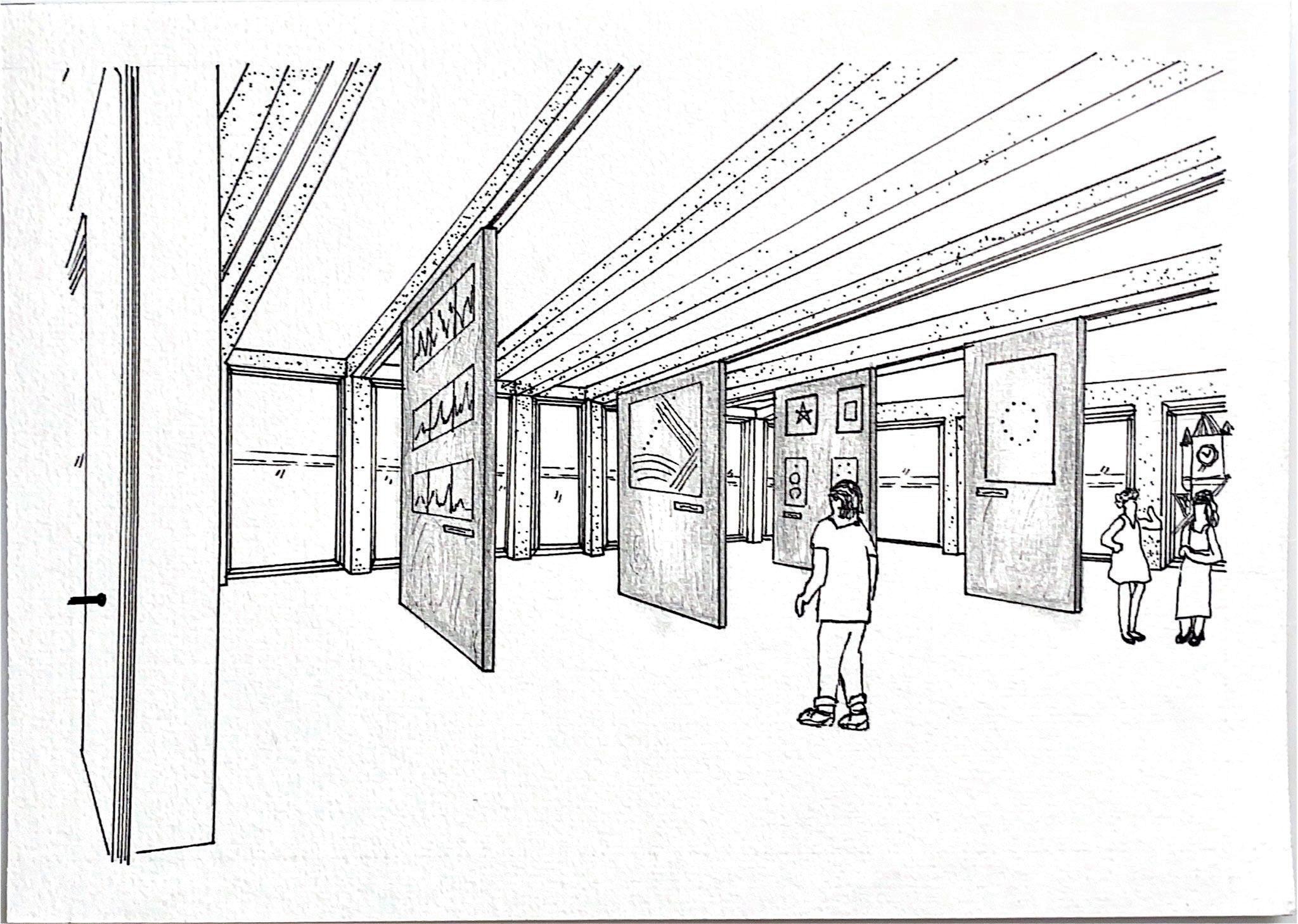
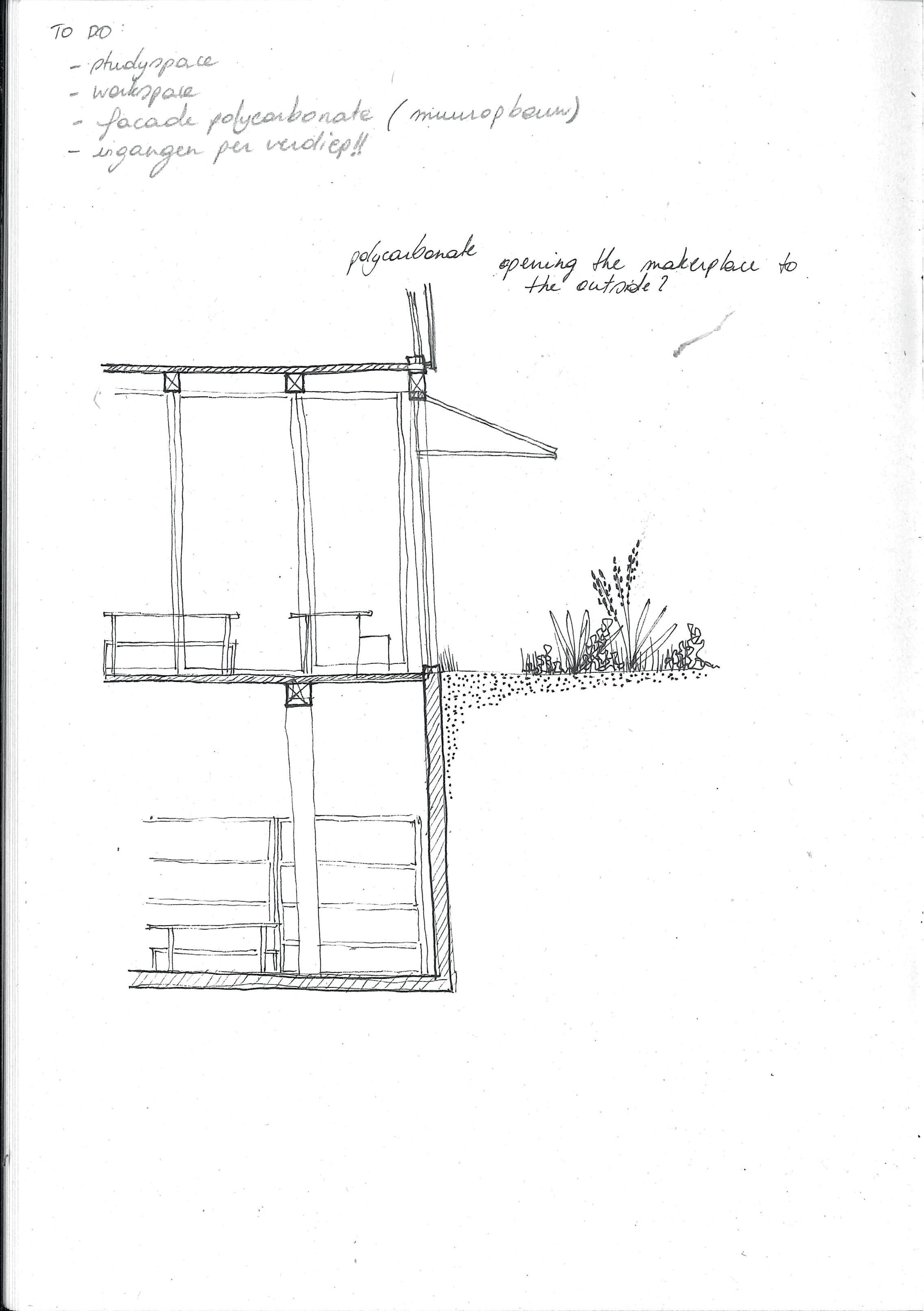
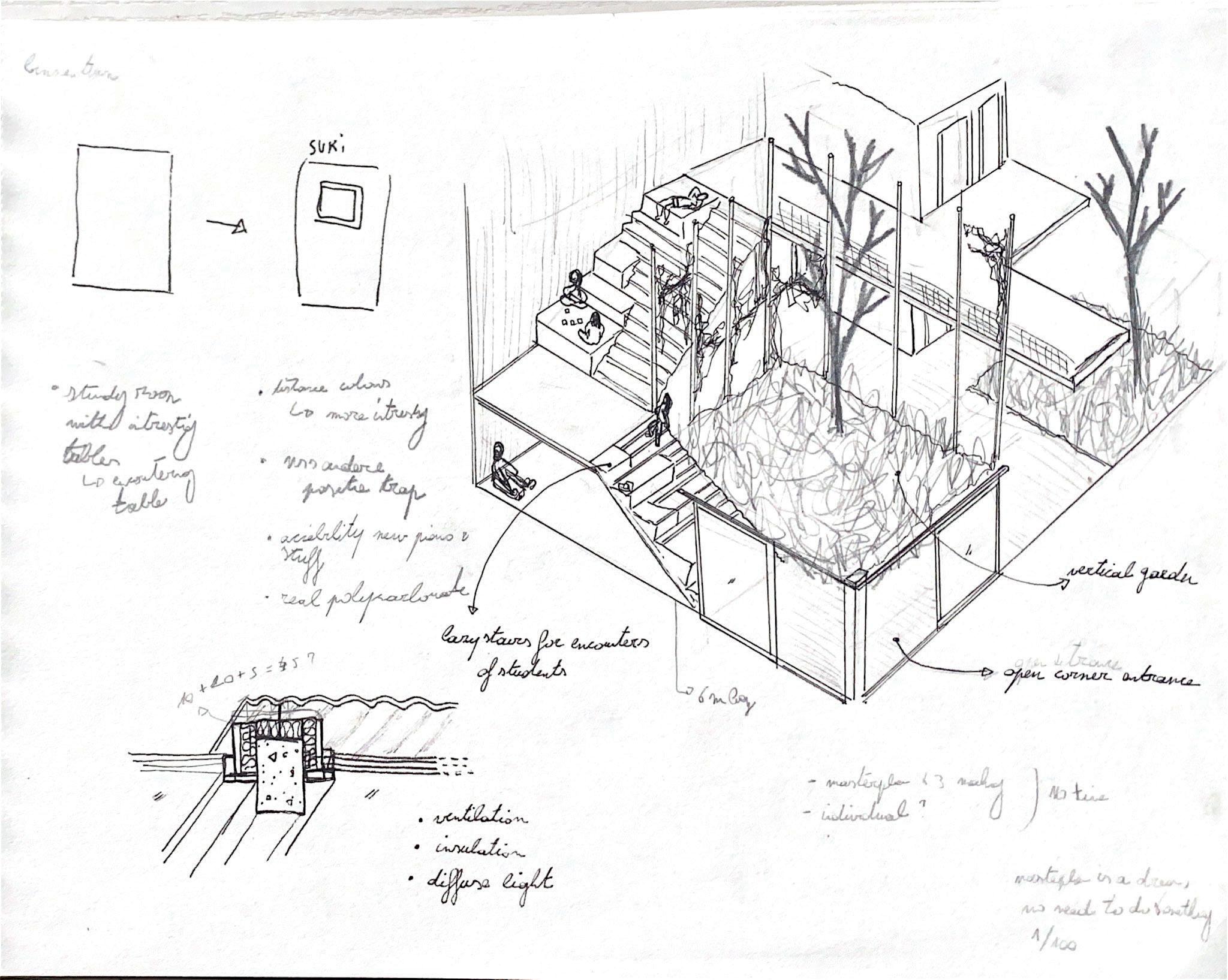
The programme is organised according to levels of activity, with louder functions such as the making lab on the ground floor and quieter spaces, including a study hall and an exhibition space, located on the upper levels. A central lazy staircase acts as a shared circulation space, encouraging encounters and offering framed views of the surrounding historical context. Green elements are primarily used as visual and atmospheric features, providing moments of rest and contemplation for both users and passers-by.
atrium
drawing of makerplace inside
fragment scale 1:20 by Elina Leeuws
PROJECT
fragment scale 1:20 by Elina Leeuws
fragment scale 1:20 by Elina Leeuws
PROJECT
fragment scale 1:20 by Elina Leeuws
PROJECT
THIRD LAYER: INTIMATE LAYER
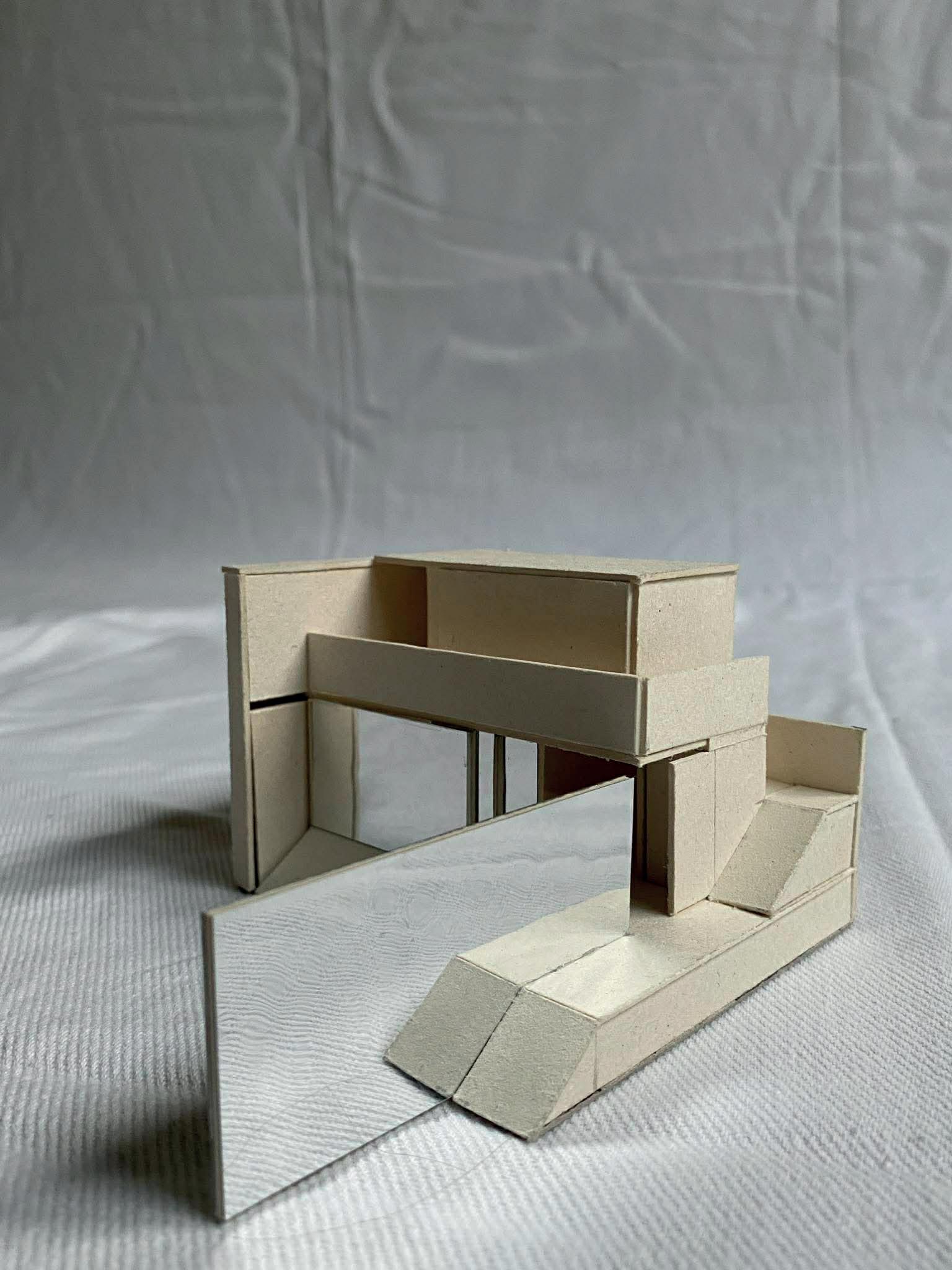
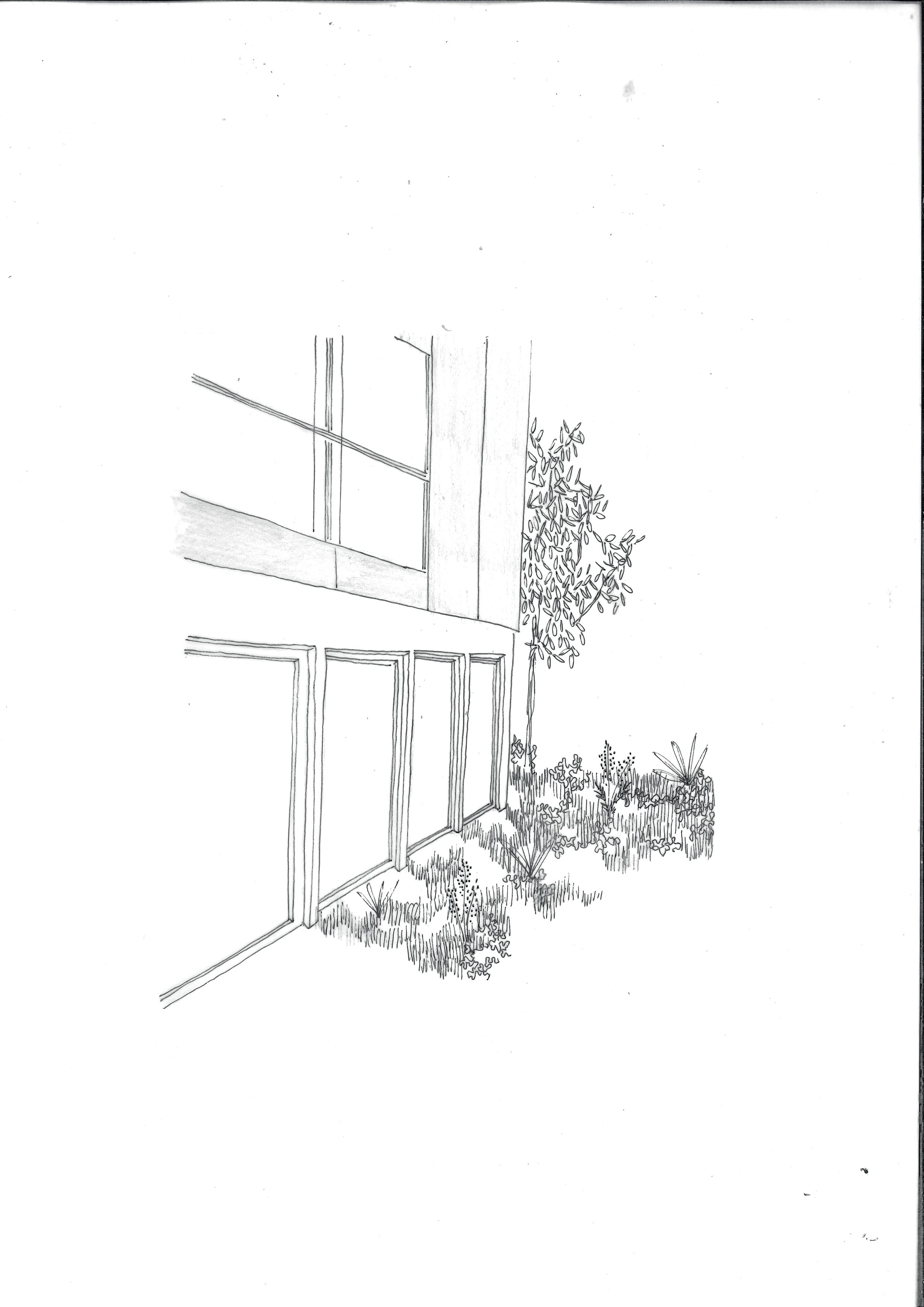
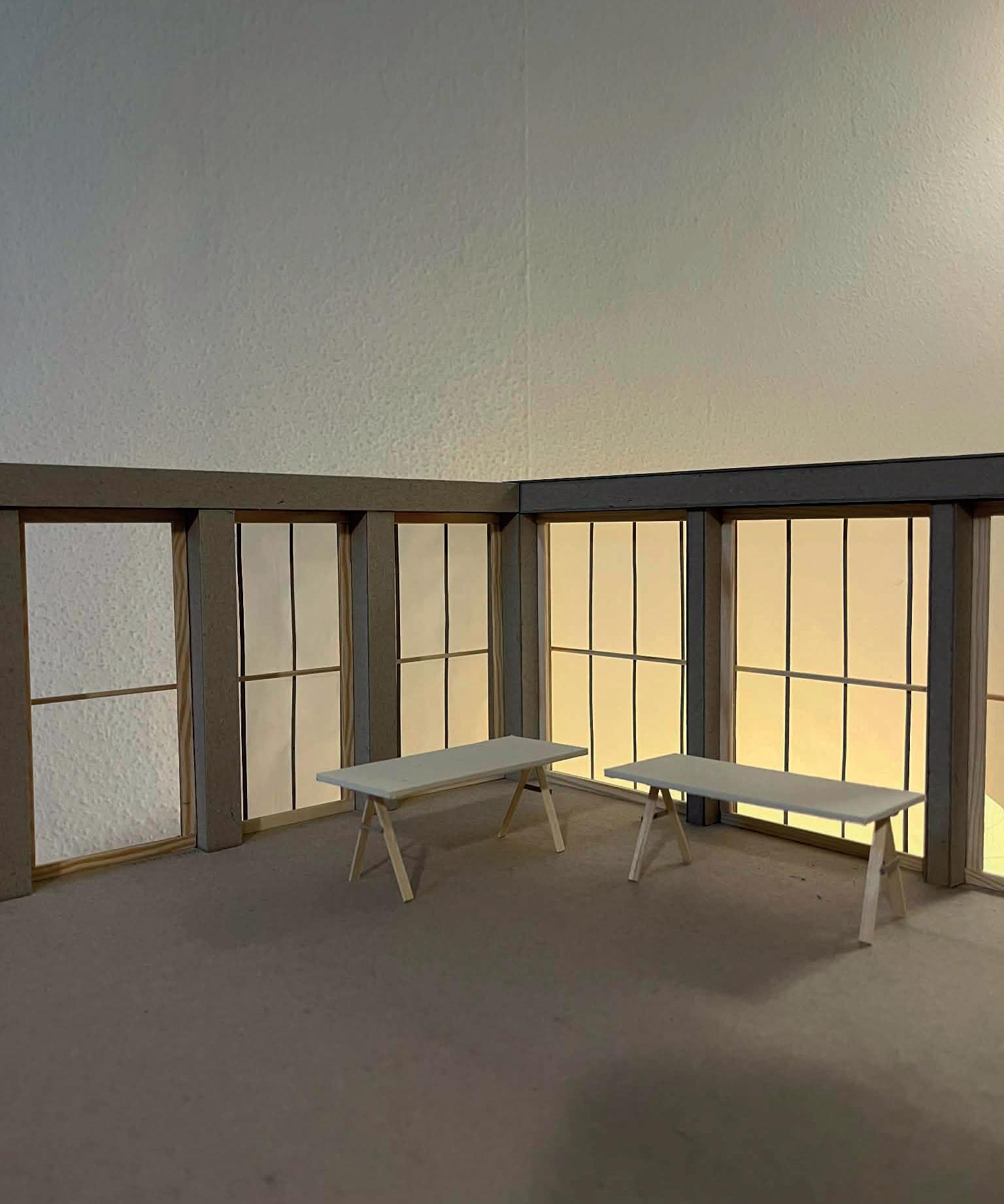
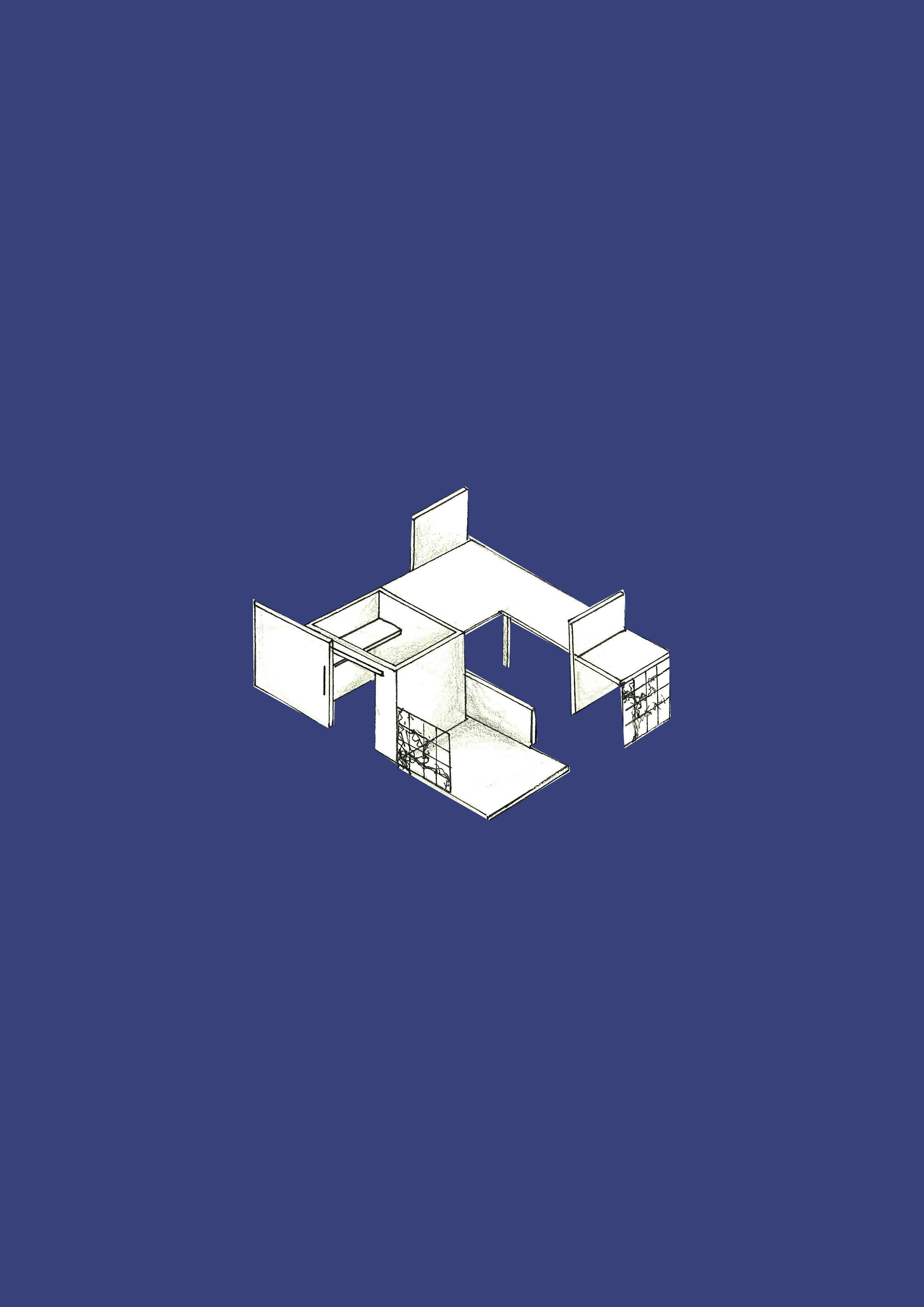
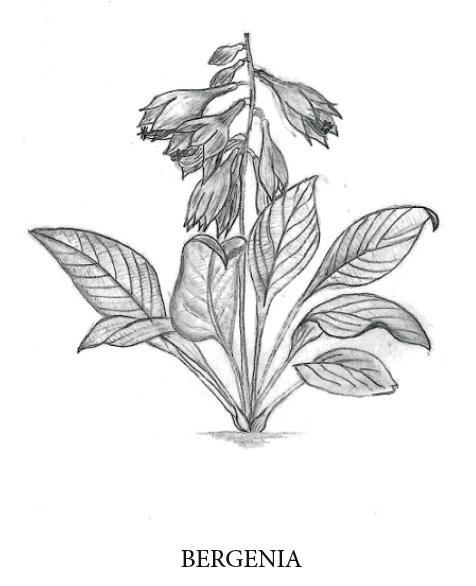
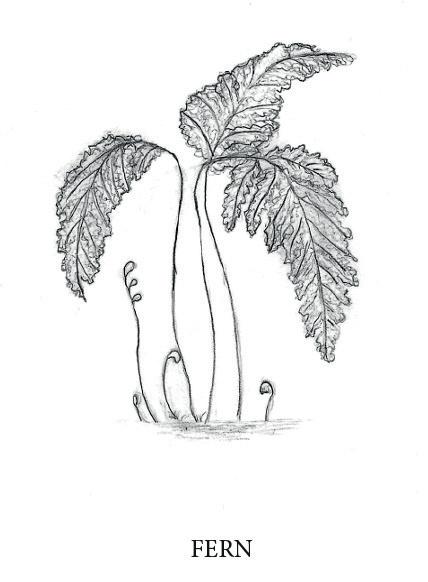
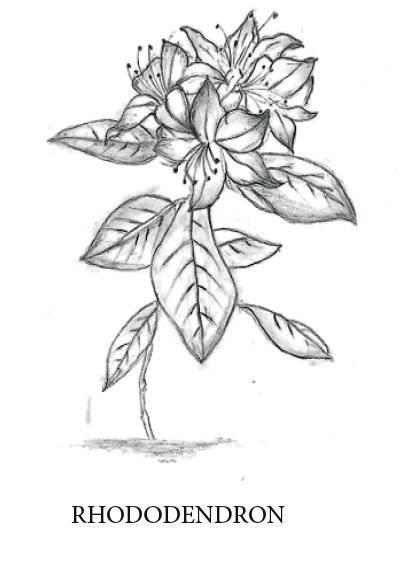
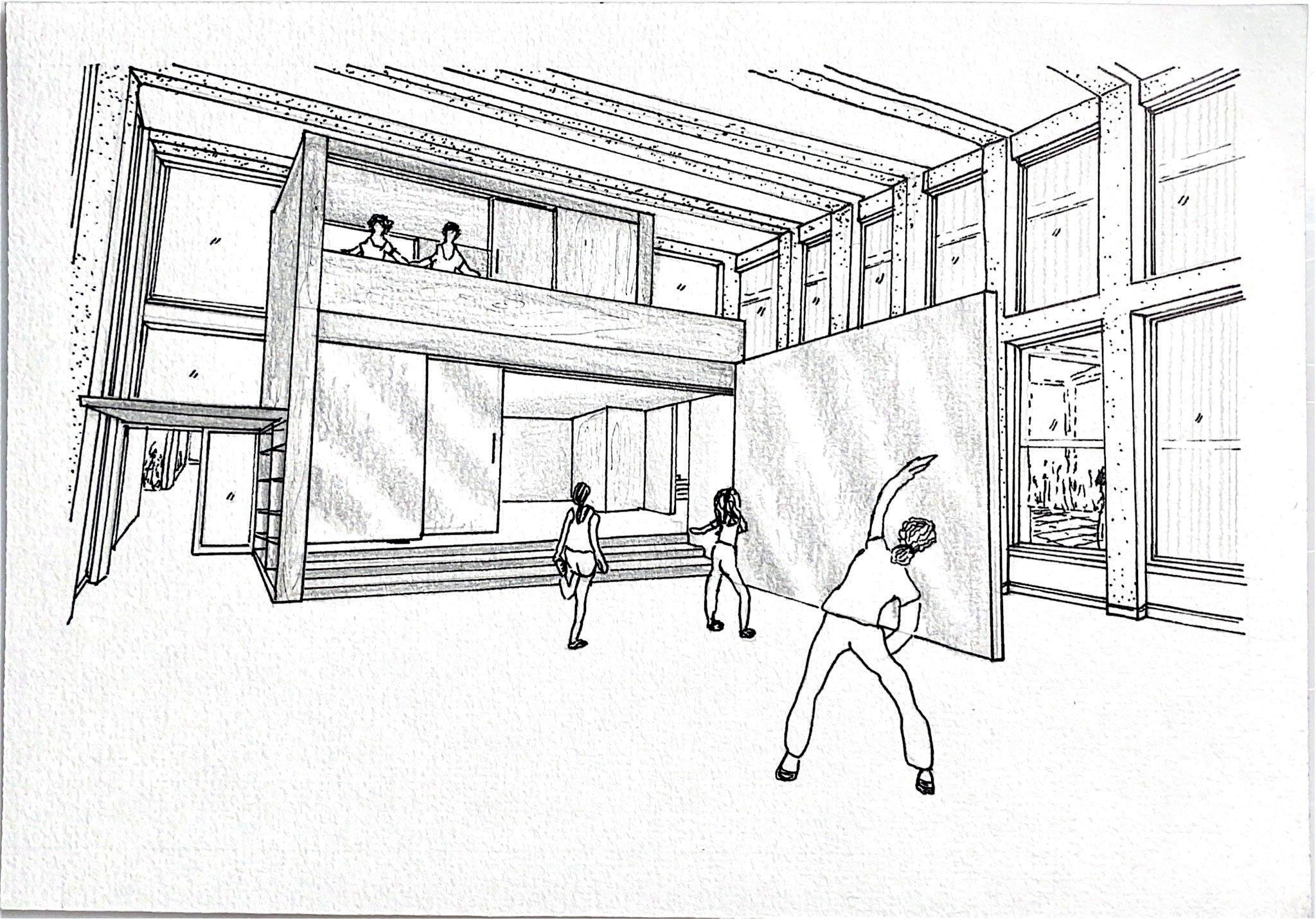
The third layer focuses on creating intimate, small-scale spaces within the large-scale existing structure, inspired by the Japanese concept of suki. Here, emptiness is deliberately used to enhance the architecture: the existing structure functions as an open framework in which light, new elements define the spaces. Subtle interventions such as a lowered roof, a hinged floor or small differences in height create spaces with their own atmosphere, without completely enclosing them with walls. These elements recur on each floor and offer space for rest, privacy and personal moments. Their light and flexible construction allows for future reprogramming. In addition, a green zone is introduced along the plot boundary, creating distance from the surroundings and making use of shade plants.