AMANI WILLEMS
EXHIBITION ARATA ISOZAKI


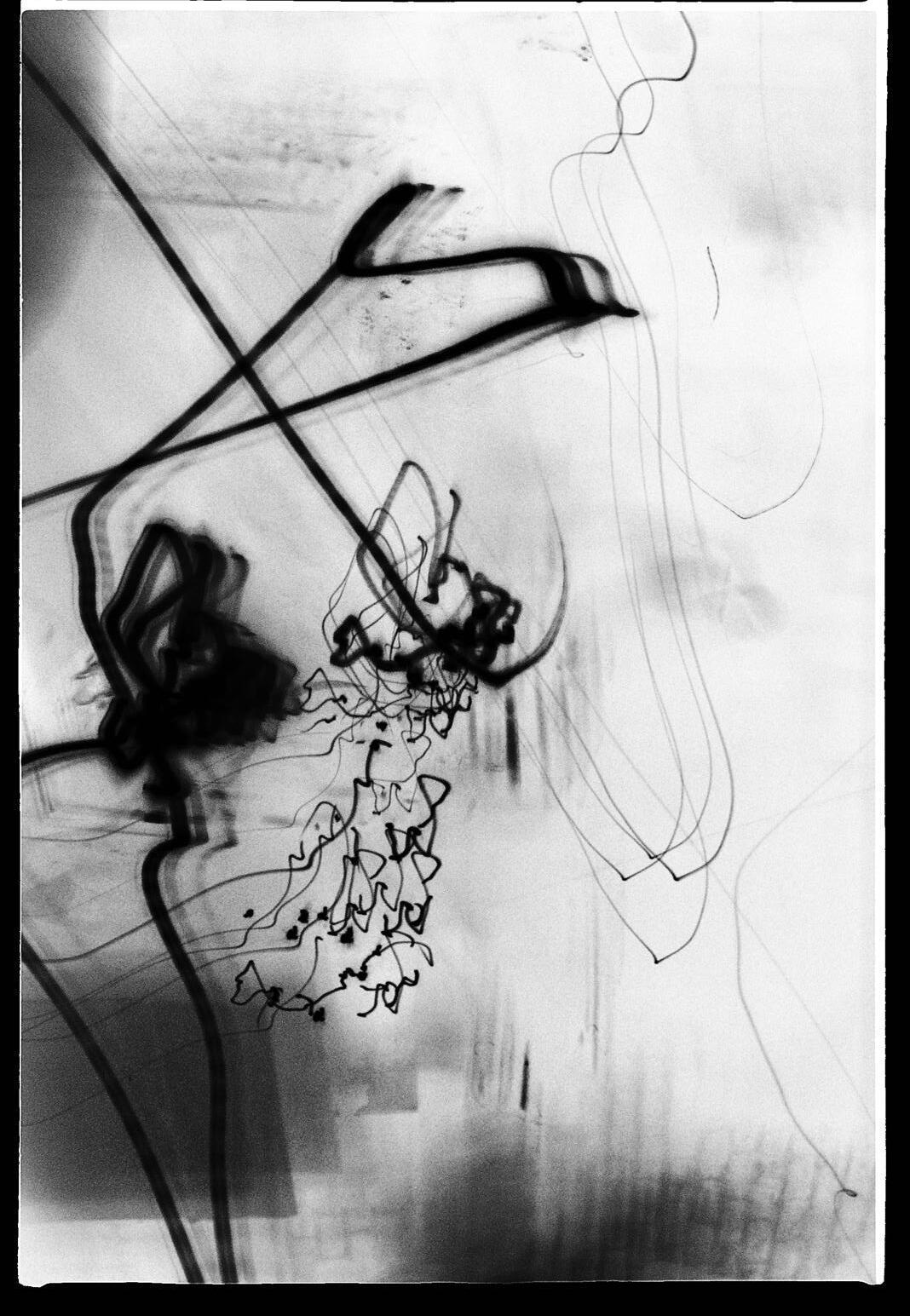
When I was first introduced to the concept of ma through the exhibition of Arata Isozaki, I found it intriguing and subtle, which made it challenging to fully grasp at first. Even though we conducted research on it, understanding its nuances required time and reflection. When the assignment asked us to explore suki, the Japanese concept our group was investigating, I initially felt unsure where to begin. I still remember sitting at my desk, observing my surroundings and considering how ma might manifest within the concept of suki. Over time, I came to appreciate how suki demonstrates that significance can be found in what is unseen, unsaid, or unfulfilled.

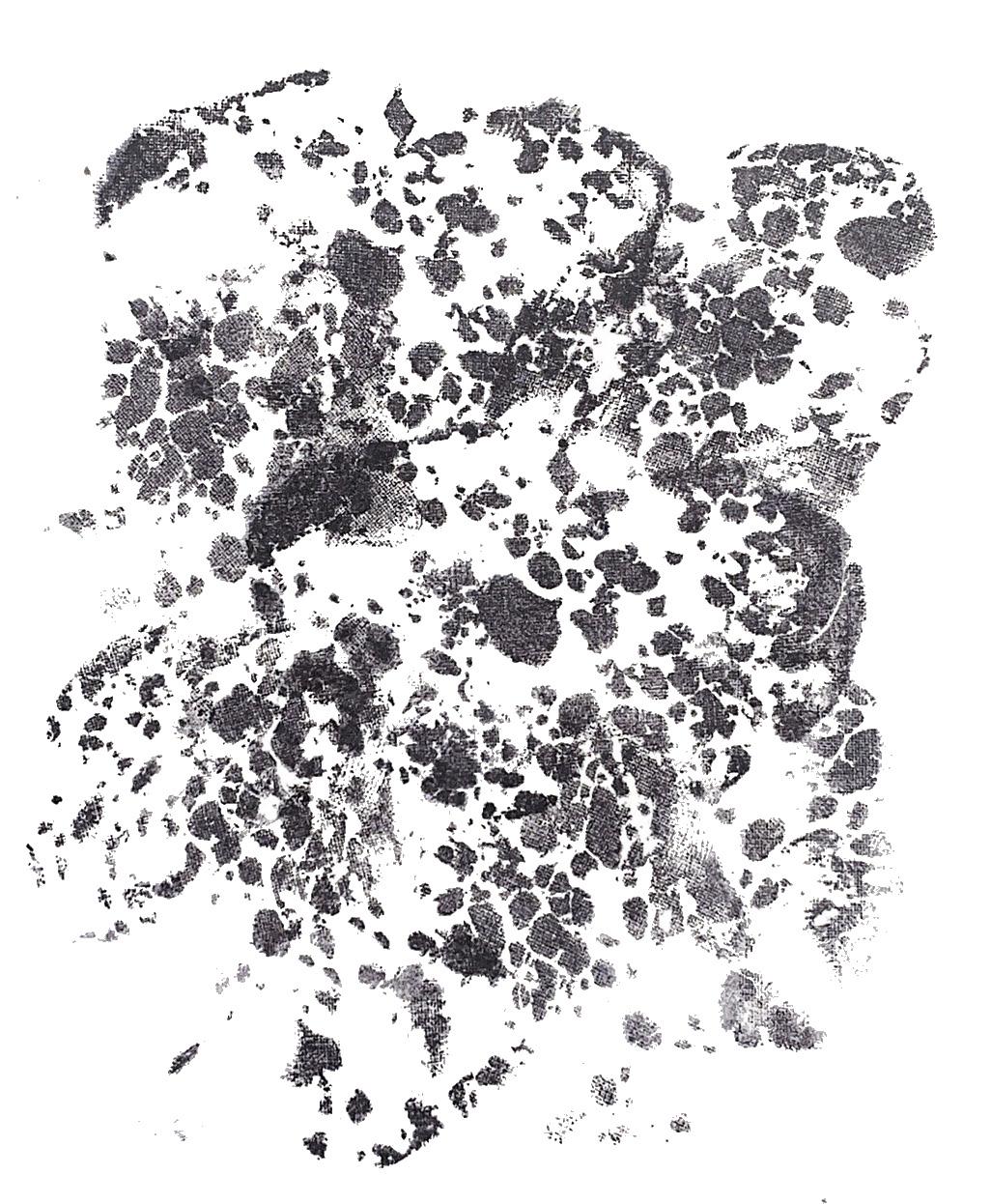
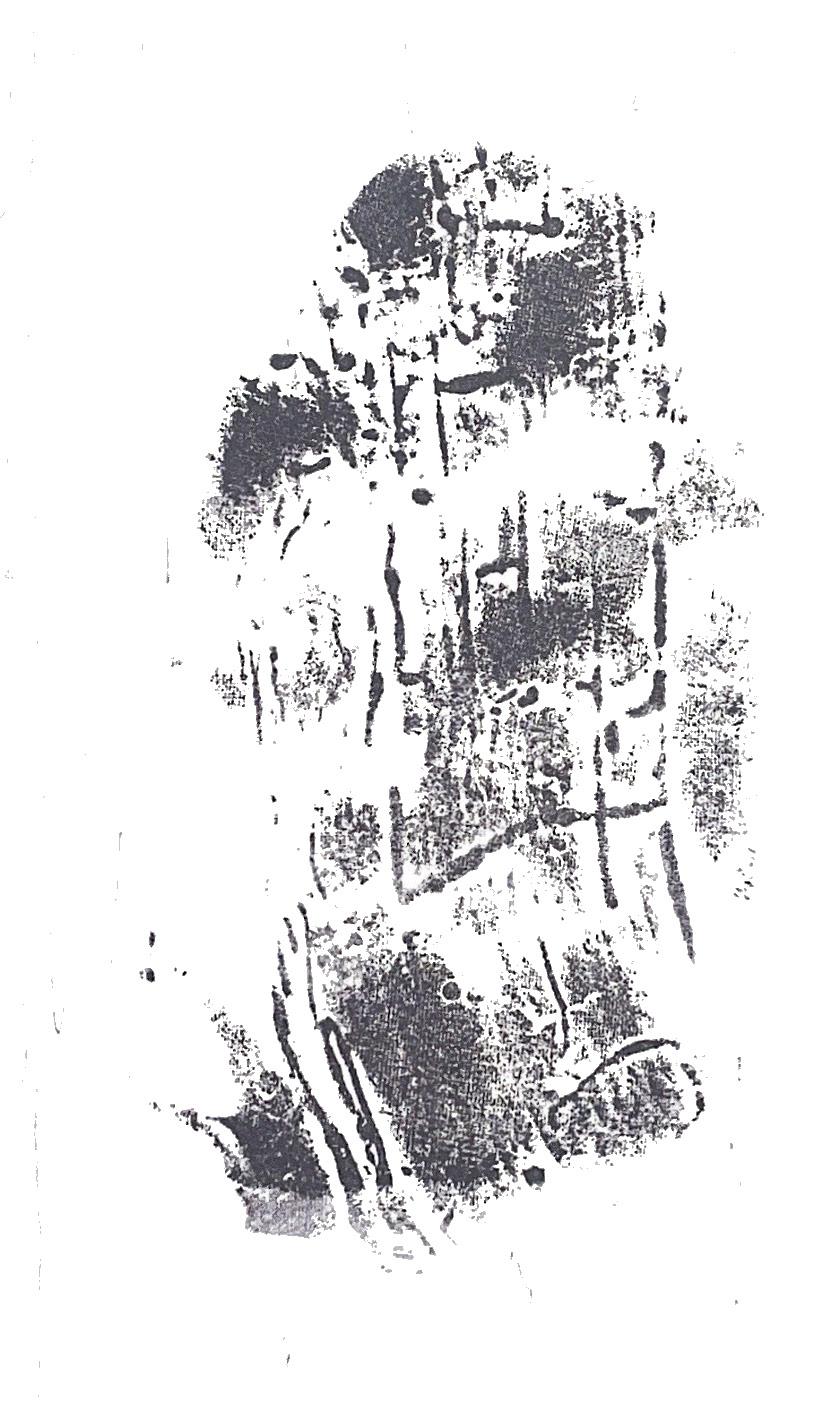
That’s when I began to draw the emptiness in my room. I filled these spaces in black to make the emptiness visible, to explore just how much of it existed.
From there, I started experimenting with positive and negative space.
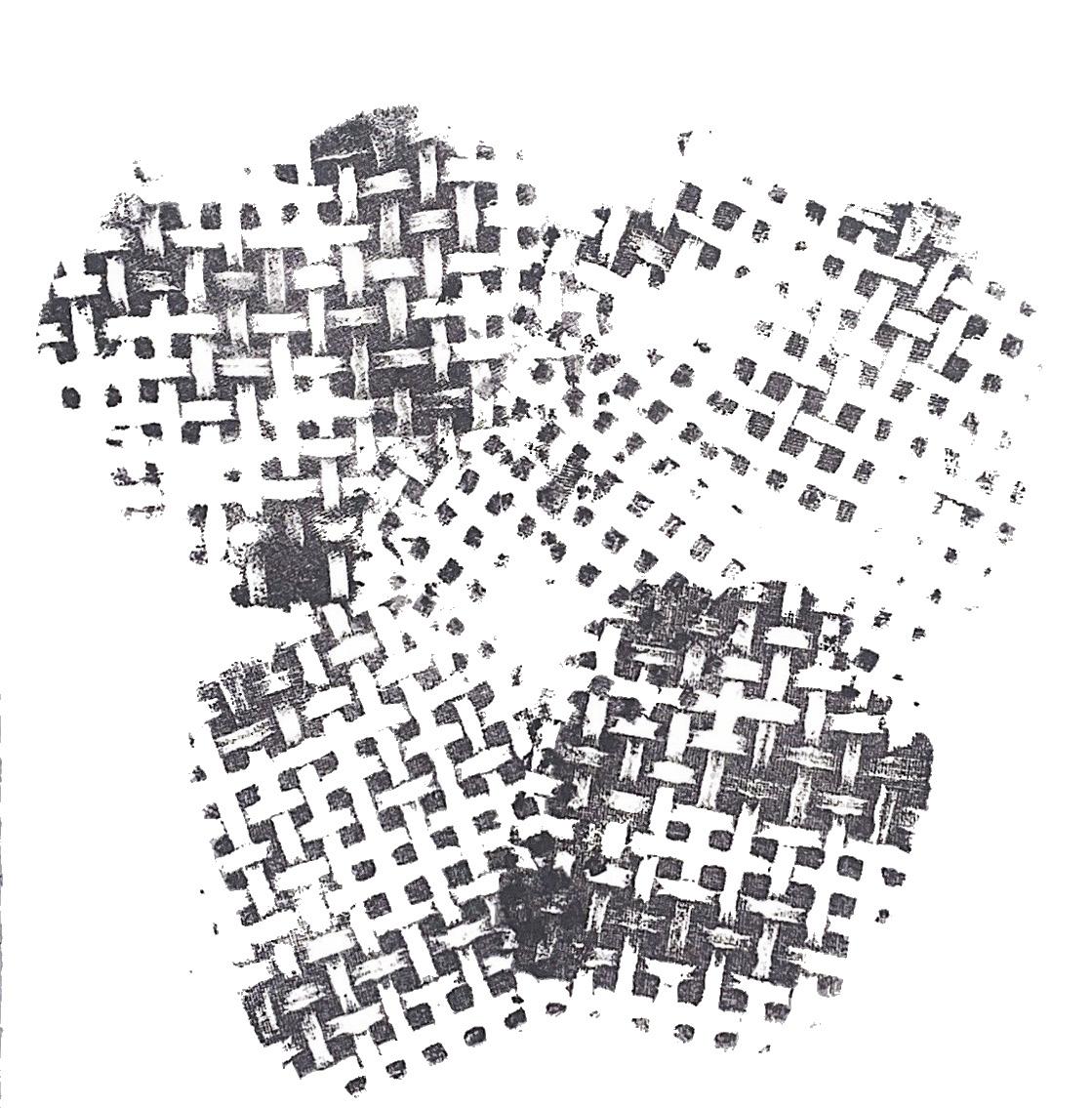
I made prints of all sorts of objects: my woven drawer, a flowerpot, the scratch on the wooden floor at home, and even a stone I had brought back from a vacation in Sicily.
By creating these prints, the negative space which we usually overlook, became visible, while the positive space of the objects themselves almost disappeared.

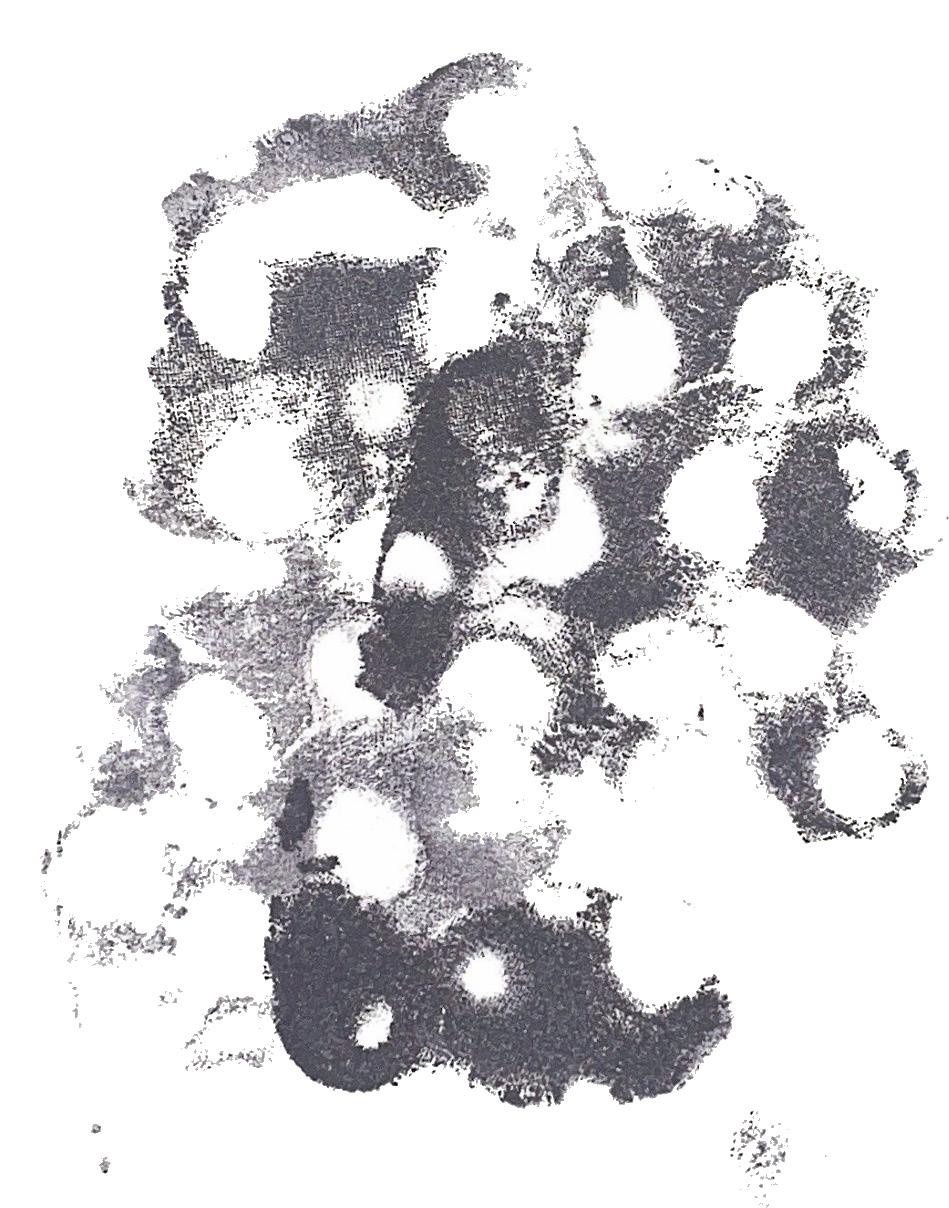
Through this process, ma began to take shape for me. It is the awareness of the space in between, the pauses, the intervals that exist alongside and around objects, moments and actions.
It taught me to look beyond what is immediately present, to see the subtle significance in emptiness and to understand that these in-between spaces are as meaningful as the things that occupy them.

KATSURA VILLA
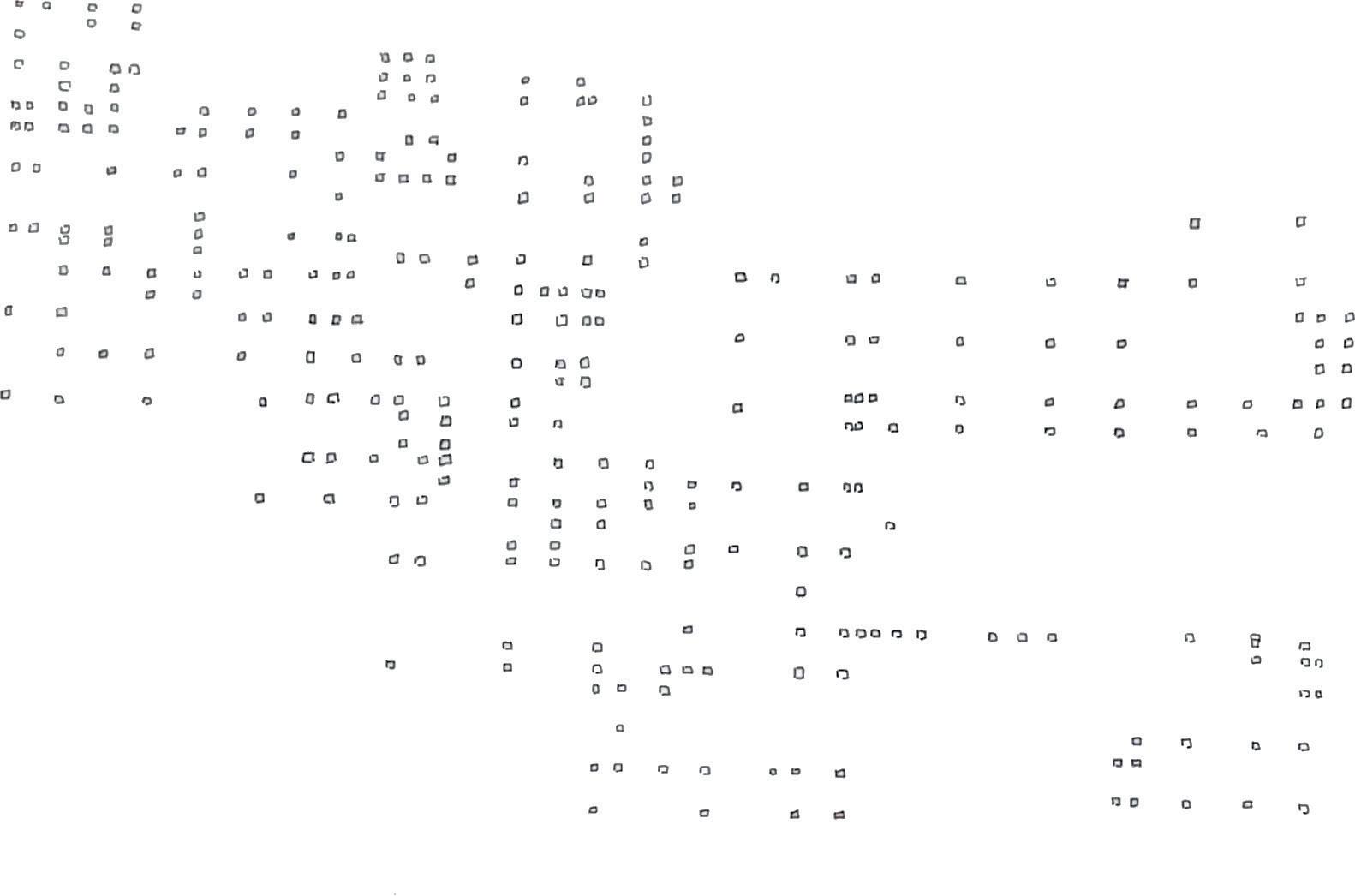
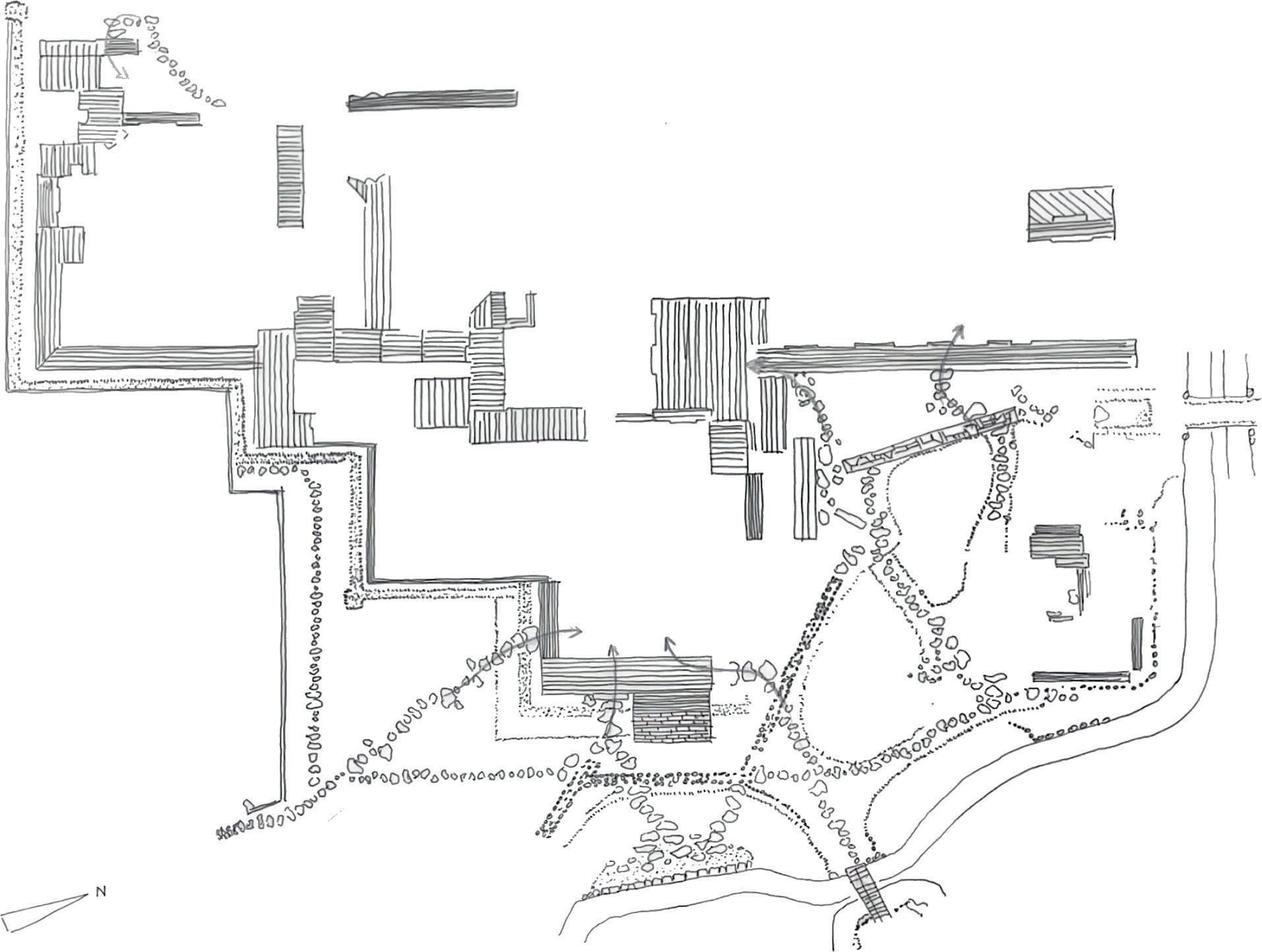

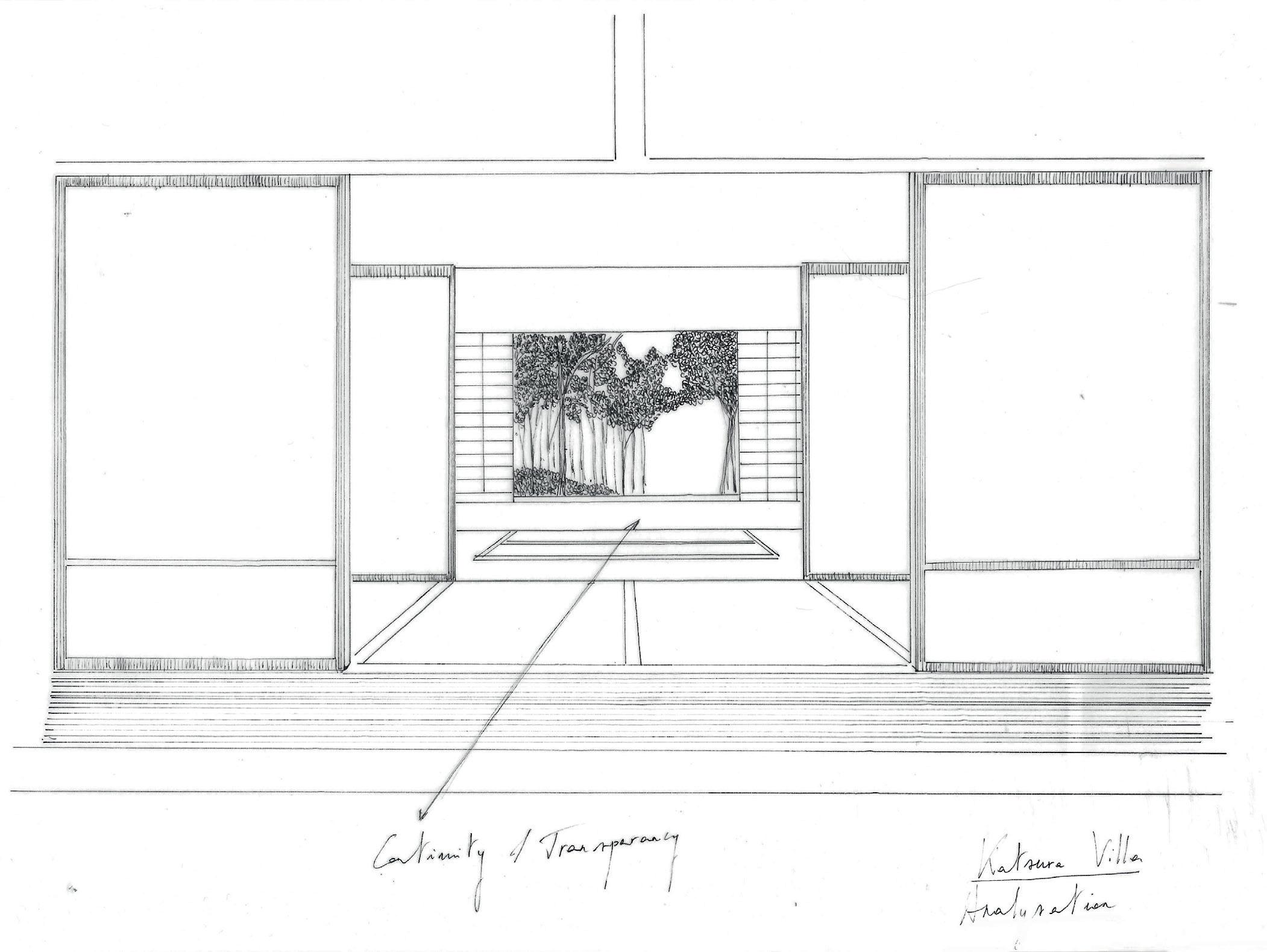
In my interpretation study of the Katsura Villa, I redrew the floor plan twice. On one sheet I focused solely on the internal structure, and on the other I traced the outdoor elements, such as the engawa, the stepping stones and the narrow stone strip surrounding the villa. While drawing, I initially did not know the meaning behind these elements, which made me reflect on their purpose. I wondered why the internal structure was so asymmetrical, and realized that this irregularity allows the spaces to adapt to the landscape and create a subtle sequence of perspectives. I questioned the numerous engawa and discovered that they serve as transitional platforms, blurring the boundary between inside and outside.
I also asked myself why the stepping stones were placed as they were and understood that they guide movement and the rhythm of walking through the garden. Finally, I considered the narrow stone strip around the villa, which functions both as a protective element for the wooden structure and as a subtle boundary that frames the buildings within the landscape.
From this study, I learned to appreciate the in-between, the thresholds where architecture meets life and how transitional spaces like the engawa create a sense of ma , shaping the rhythm and flow of experience in my own design.

ARCHITECTDRAWINGS
Our group chose architect Junya Ishigami. Ishigami is known for blurring the lines between nature and architecture by creating seamless, integrated relationships where the building becomes a landscape and vice versa. His philosophy is about creating architecture as scenery referring to the landscape of space. He finds it important to make projects in a variety of locations because then he gets the chance to consider other cultures and unique conditions of each location as well as bringing the values of his own origin into a project. Besides this philosophy his biggest inspiration comes from the location of the project and the environment of the site itself.

When I looked into his projects, the project House & Restaurant immediately caught my attention because it looked different from his other projects which are normally very transparent, light, and white.
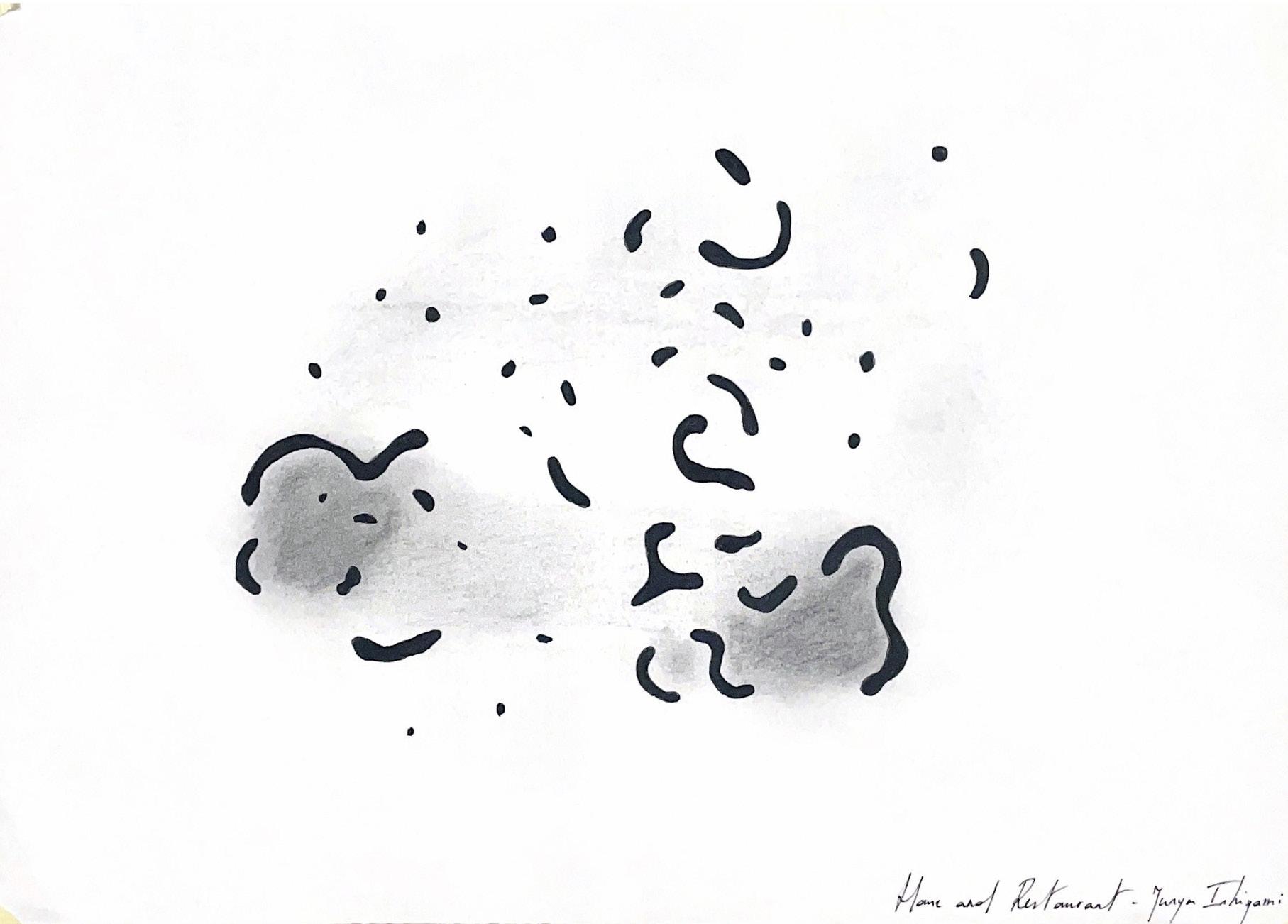

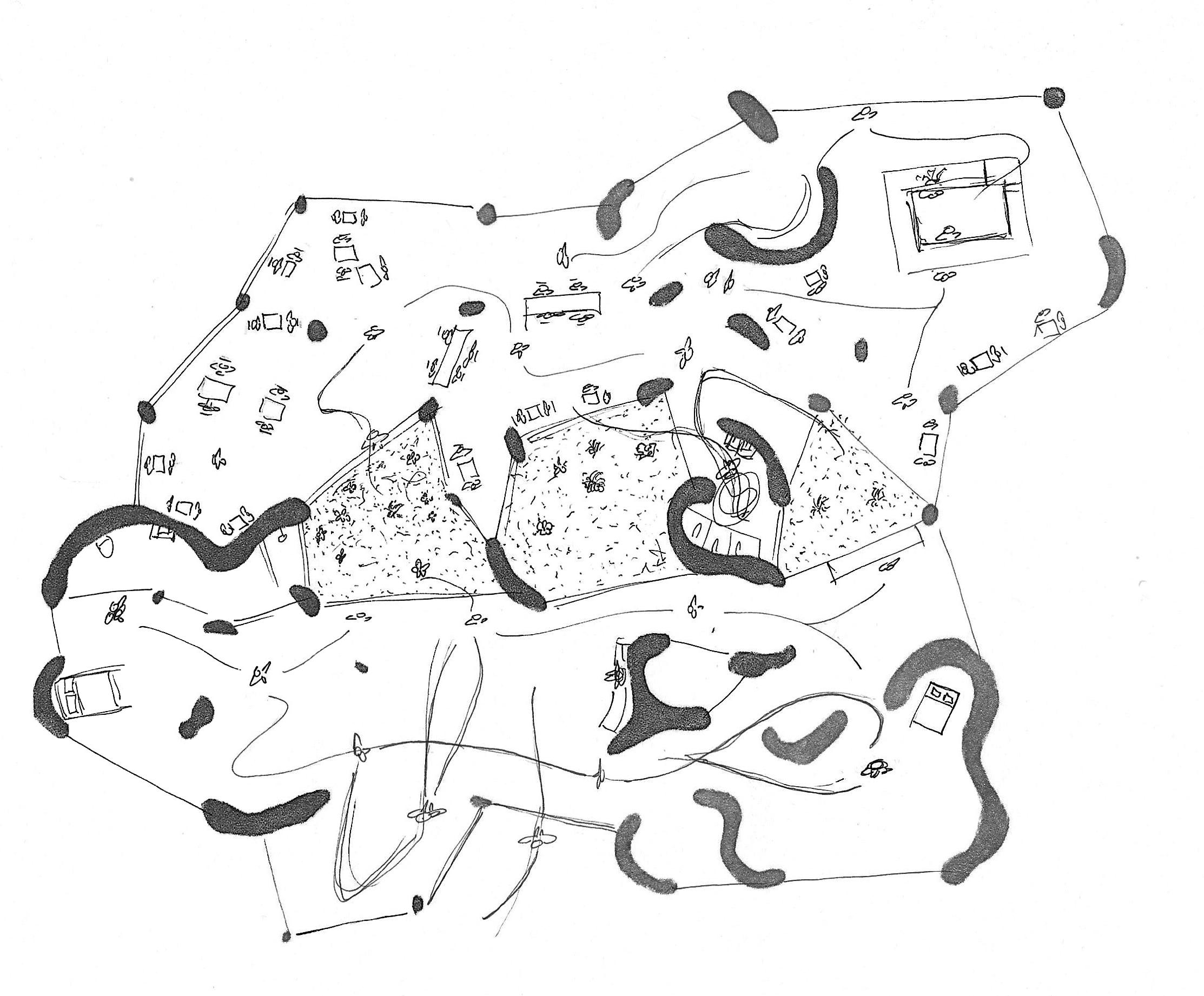
The drawings he made of this project were also different from the drawings he normally makes. In this project Ishigami explained he wanted the building to feel as if it had always been present in the earth, rather than appearing to have been constructed. This idea he wanted to show in his drawings where he reveals shapes, lines, and openings that look like marks left in the ground. This gives the feeling that the place is both temporary and strong, as if the building has grown naturally. I find that the drawings look like some kind of fossils where you can already sense the weight, the openings, and the space even before the building is built.
I redrew Junya Ishigami’s floor plan and explored where I would place the restaurant, the residential areas, and the encountering spaces without looking at his own classification beforehand. To my surprise, my layout showed many similarities. I positioned the residential zone toward the lower part of the plan and placed the restaurant and its encountering spaces at the top, where the space is more open and less defined by walls. This experiment reinforced for me that it is possible to create complete, meaningful spaces by embracing natural imperfections and Ishigami’s characteristic unfinished, rough and authentic architectural language.
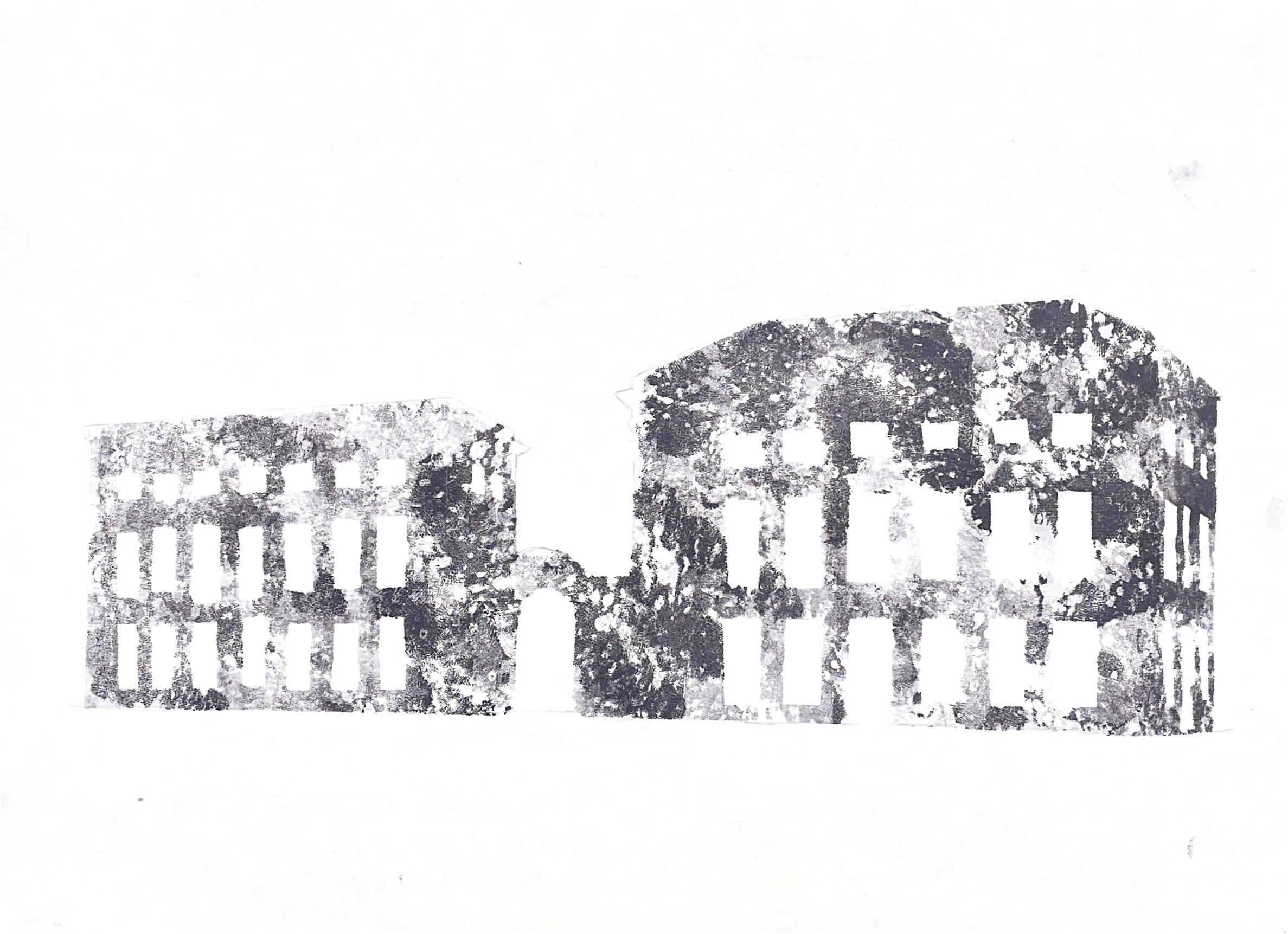
I made a print of the historic façade of the ACV building. As in Ishigami’s abstract drawings of the House & Restaurant, this drawing focuses on the overall form and silhouette. It uses impressions of the façade material to suggest the building’s character, rather than depicting the full spatial experience or detailed elements.
FREE ADDITION
Throughout this process, I have developed both individually and architecturally. The way architecture is approached in Japan is something that has interested me for some time. Through this design process, both inside and outside this studio, I have started to approach and view things differently, things that I would never have thought to approach differently before.
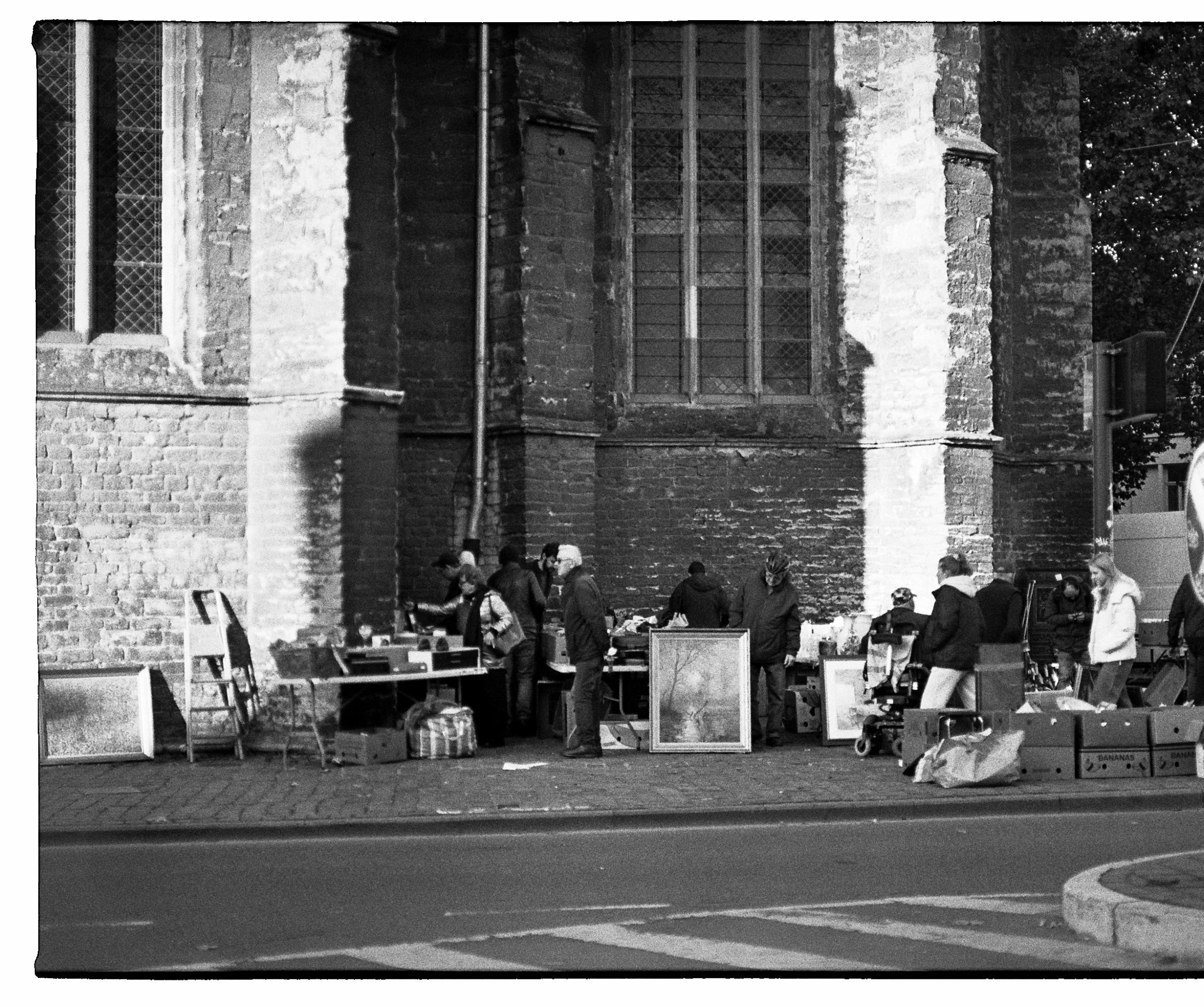
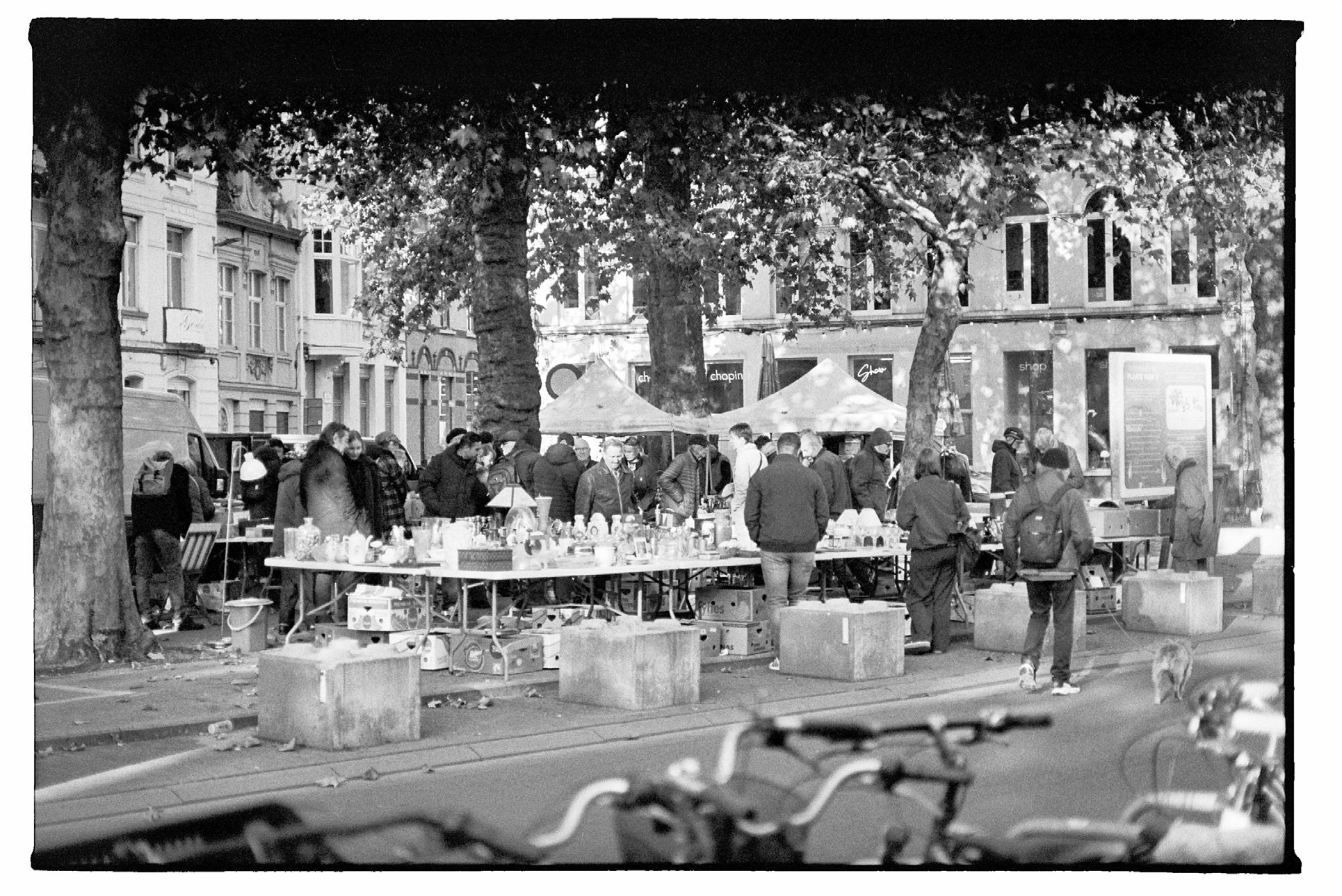
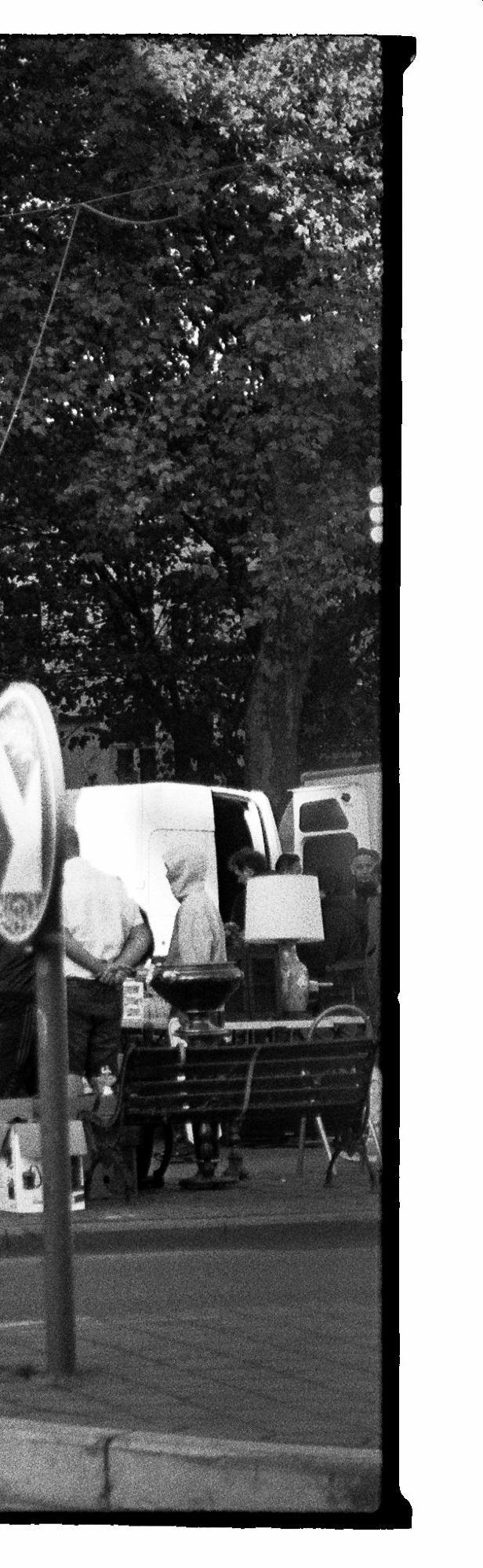
I enjoy analog photography. While taking photos, I revisited meeting places in Ghent that we had visited during the walk with Leonie. To see what it was like when, for example, there was actually a market taking place. How people use both architecture and nature to facilitate encounters.
How people use the space between the trees to place their tables and use this as a boundary for their stalls. How people place their tables in the crook of the church, creating a new space.
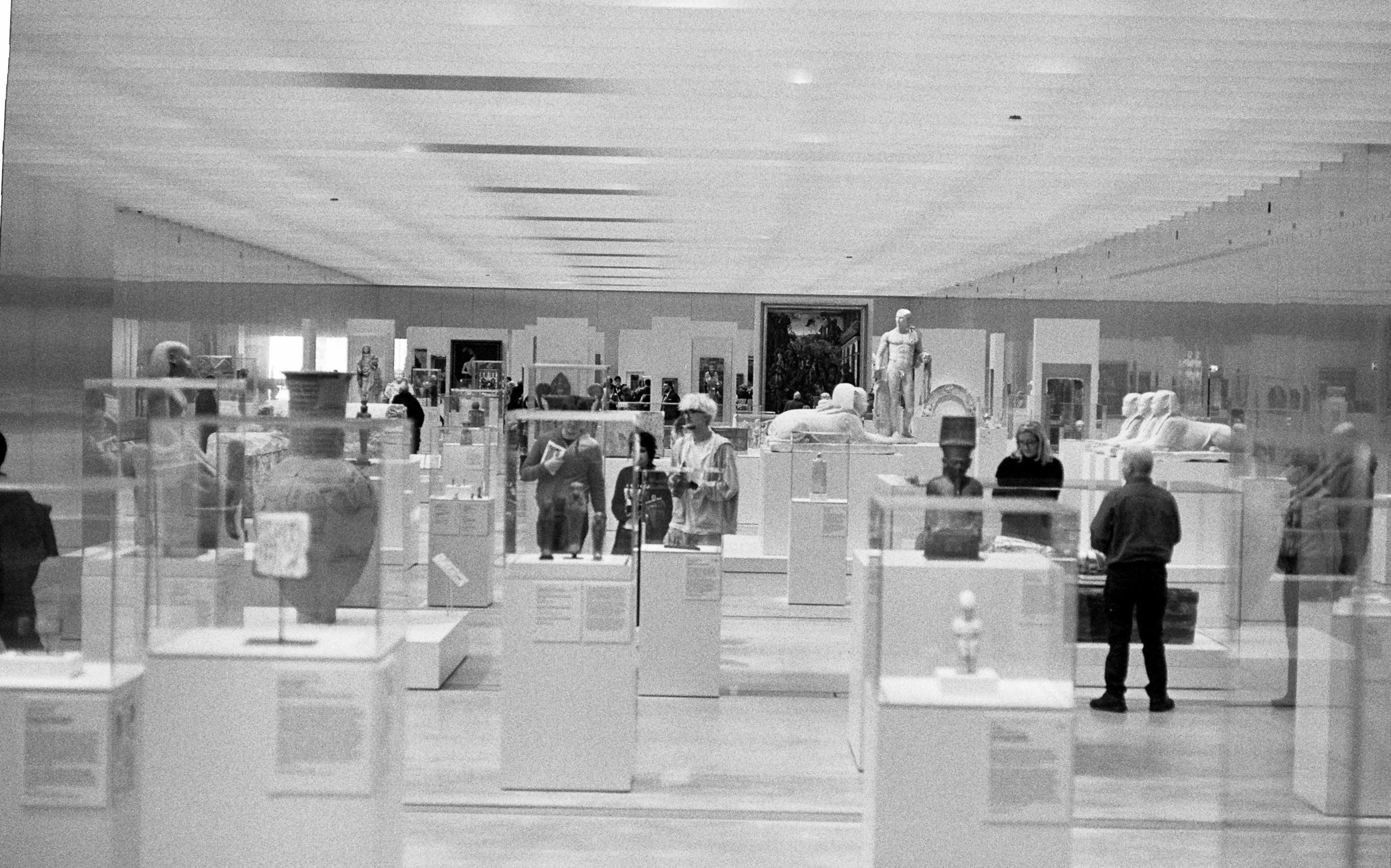
During my visit to Louvre Lens, I took a series of photographs that shaped the way I now observe and capture moments, inspired by Japanese concepts such as ma and suki .
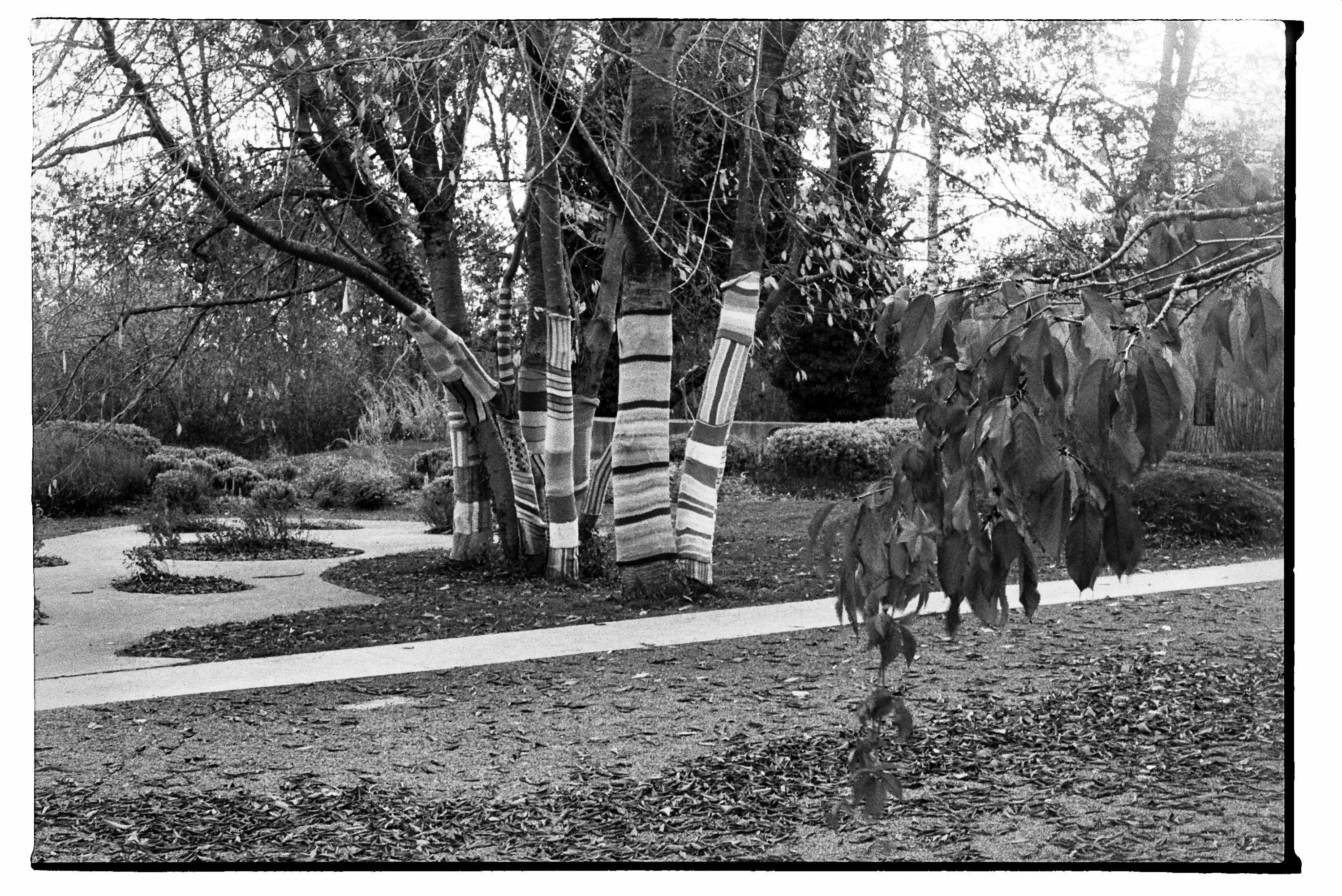
How people also interact with nature itself, for example by knitting covers for the trees.
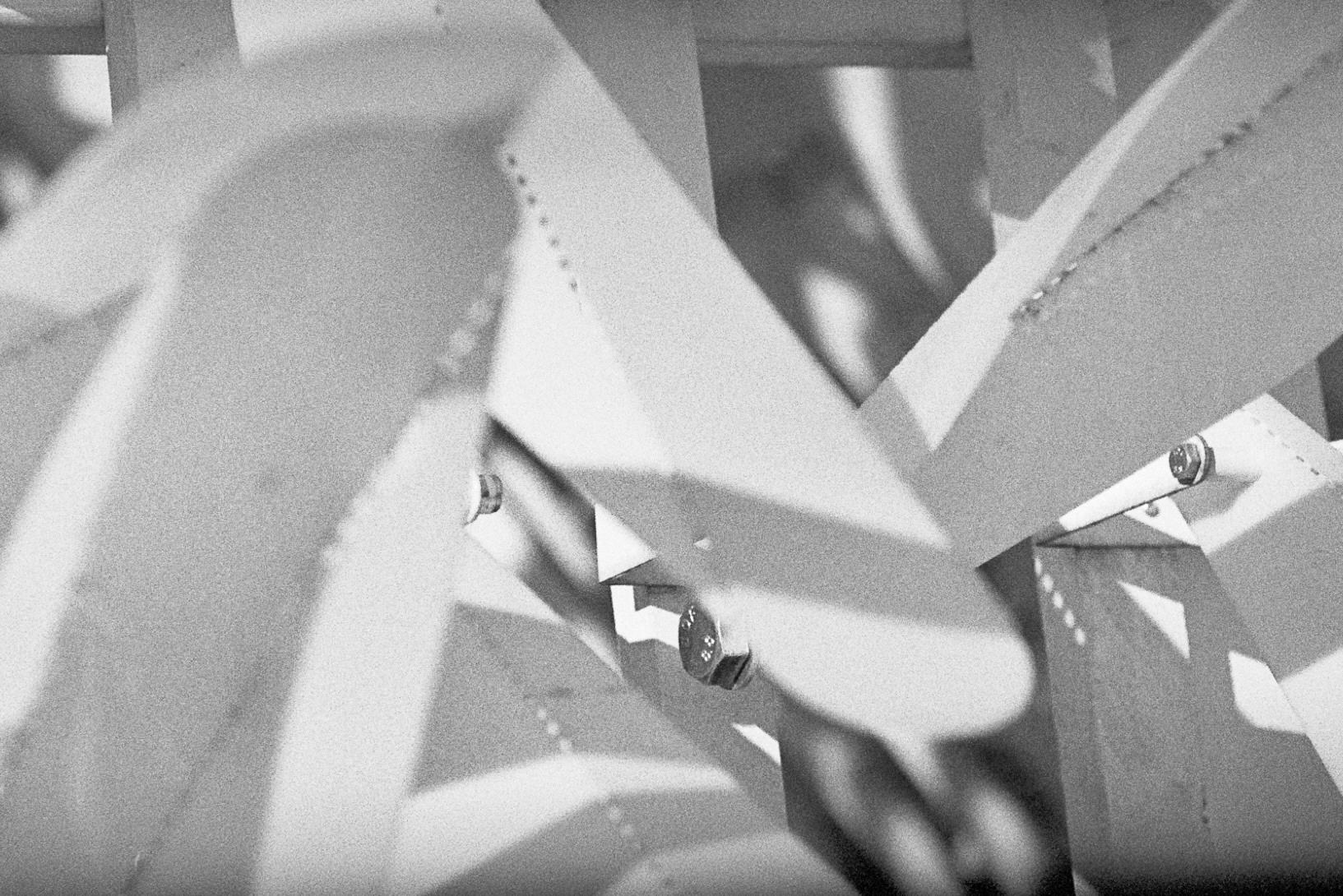
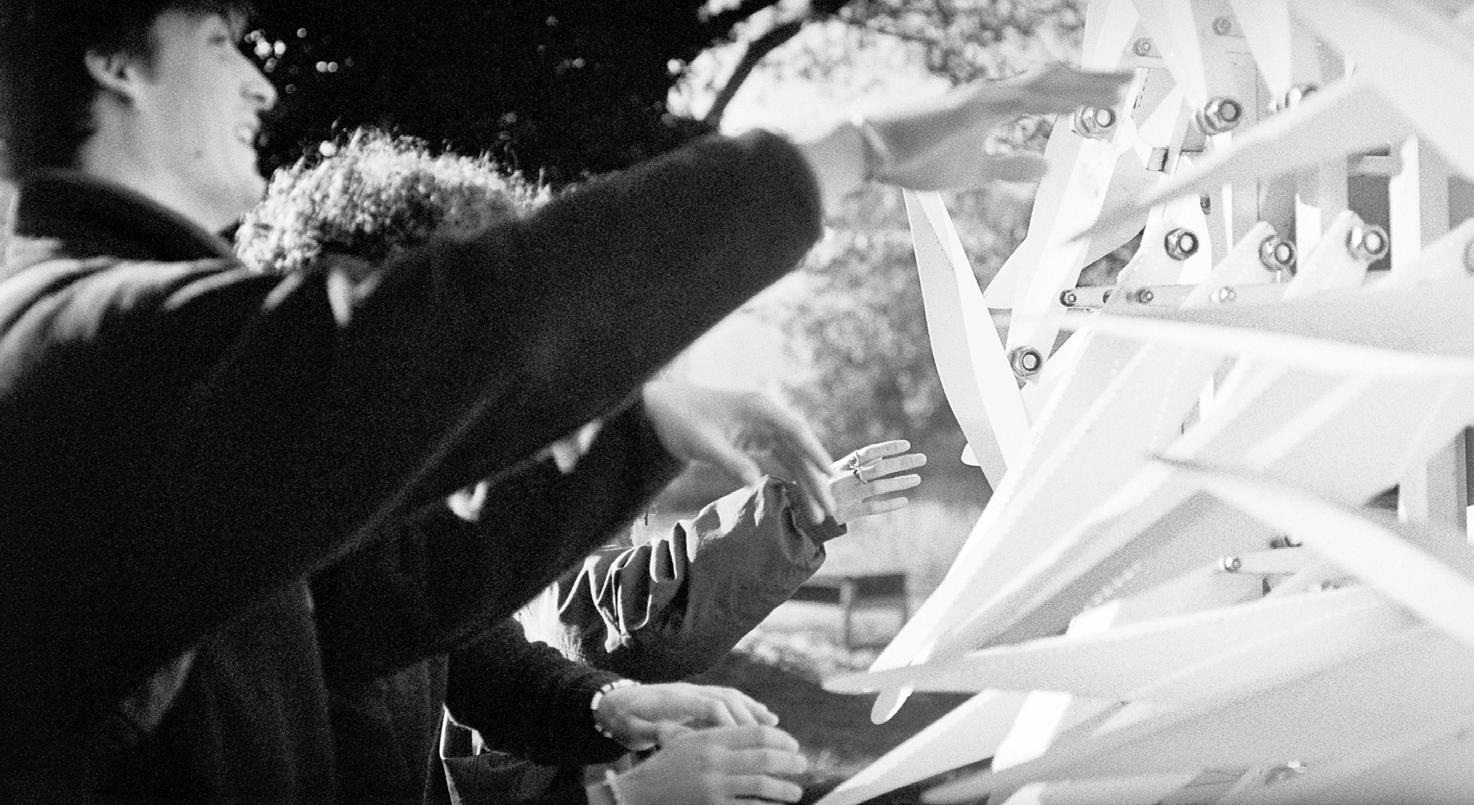
I took two photos of the pavilion in the garden. The first is a close-up of the pavilion’s “feathers” gently swaying in the wind, their subtle movement embodying suki . I saw it as a fleeting beauty of a delicate moment. The second shows people reaching toward the feathers, engaging with them directly. Shot from the side with focus on their hands, this image emphasizes the threshold between observer and movement, a tactile expression of ma
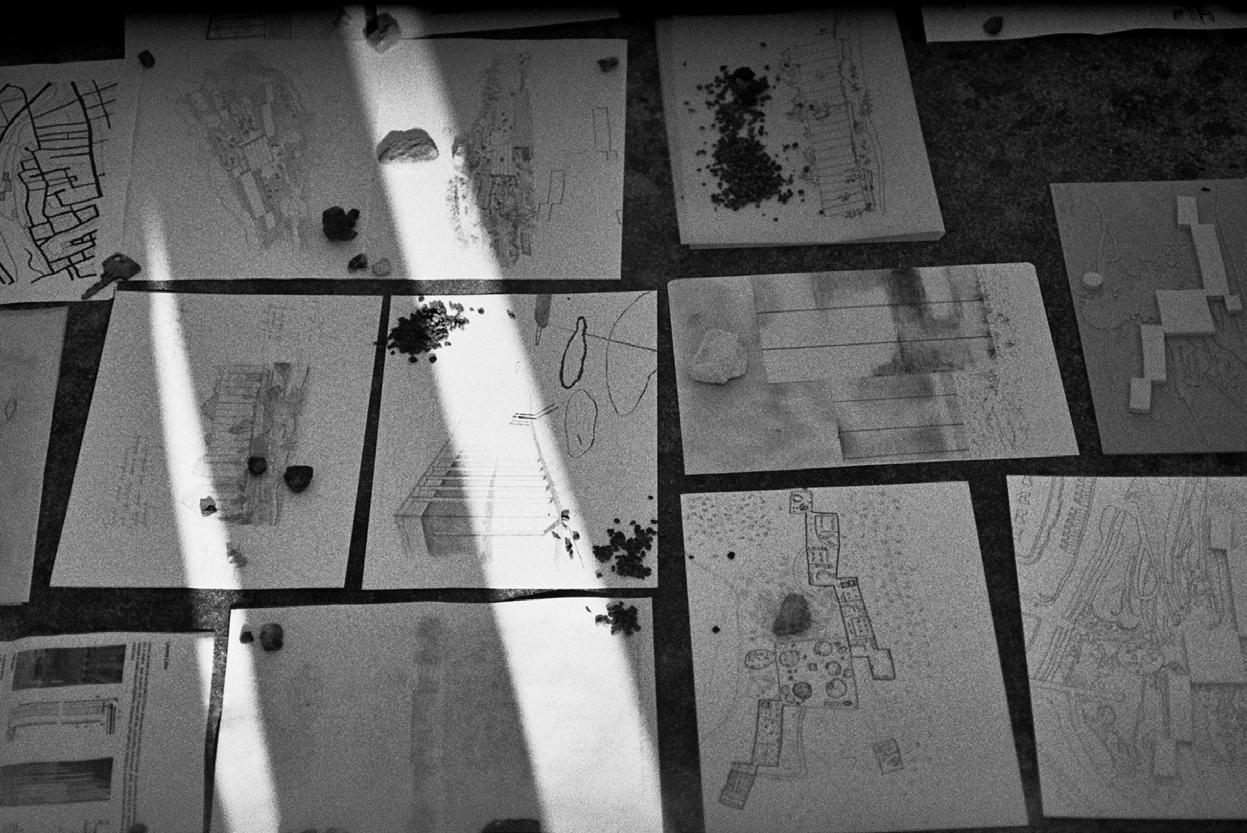
I also took a photo of the drawings we made of Louvre Lens, laid out on the floor with stones. In this photo, the light falls in a single, continuous line across the sequence of drawings, creating a pause, a rhythm, a subtle in-between moment. Through my study of Japanese architecture, I now recognize this as a form of ma , the space between, the quiet interval that shapes perception. I see how such fleeting thresholds can reveal themselves everywhere, even in the simplest play of light.
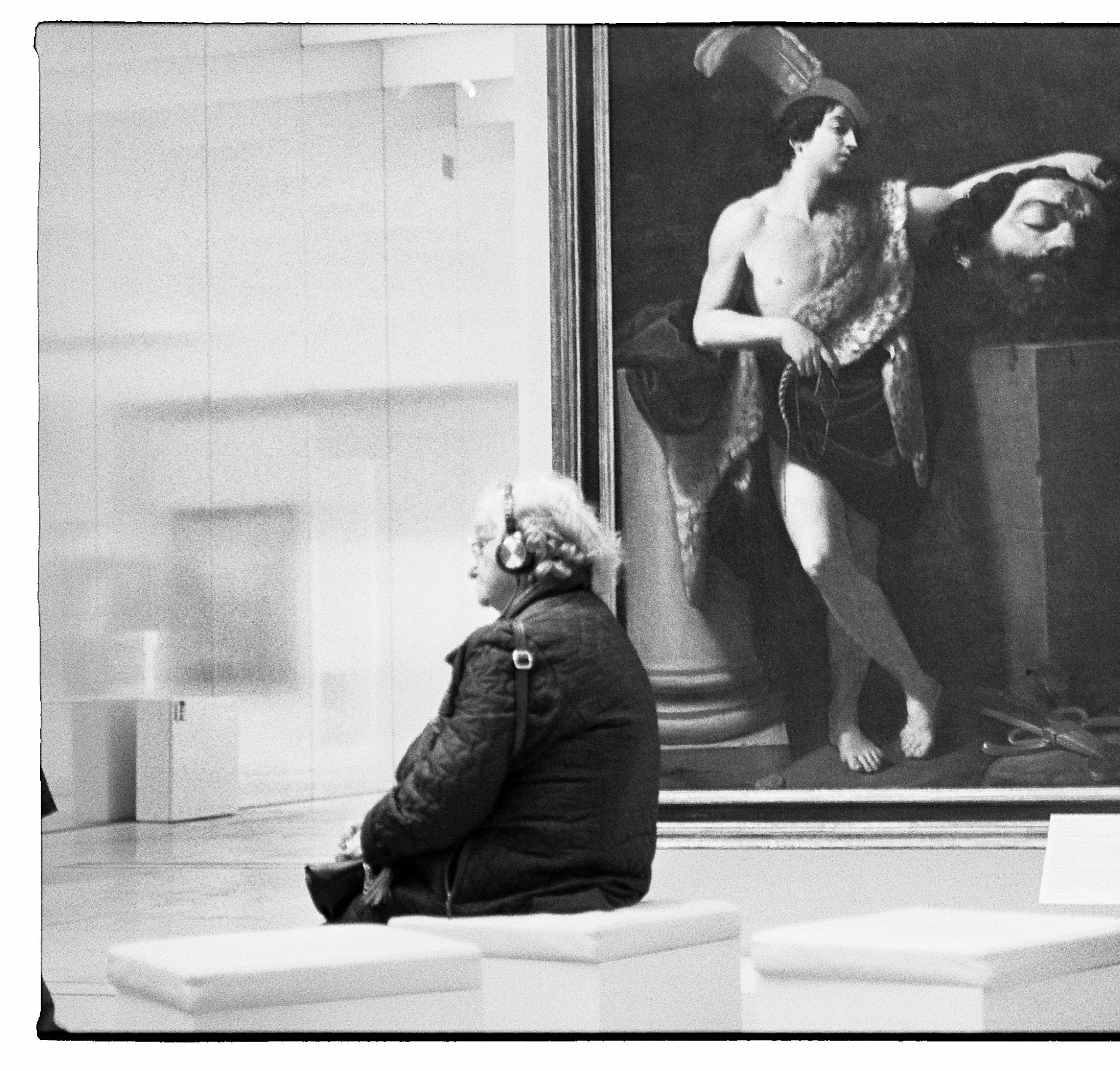
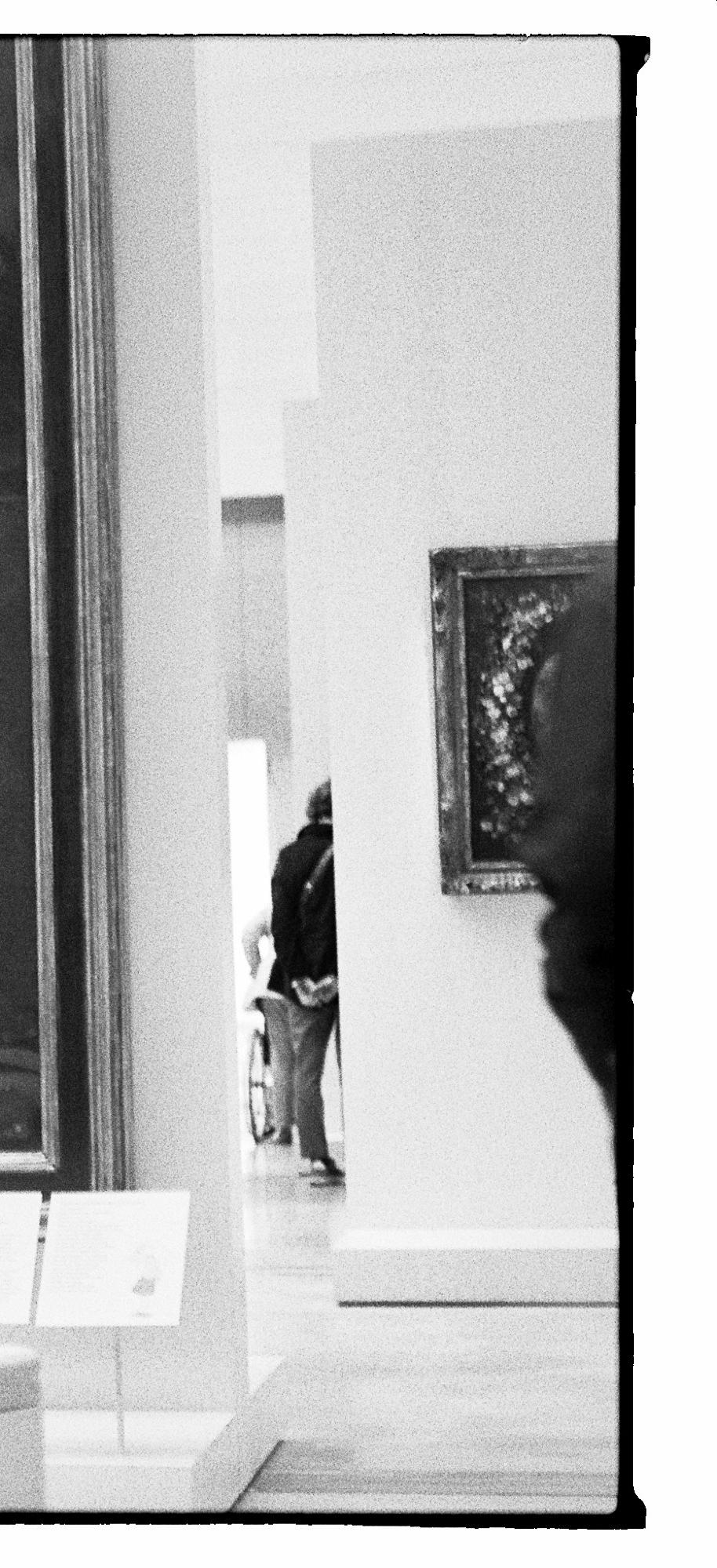
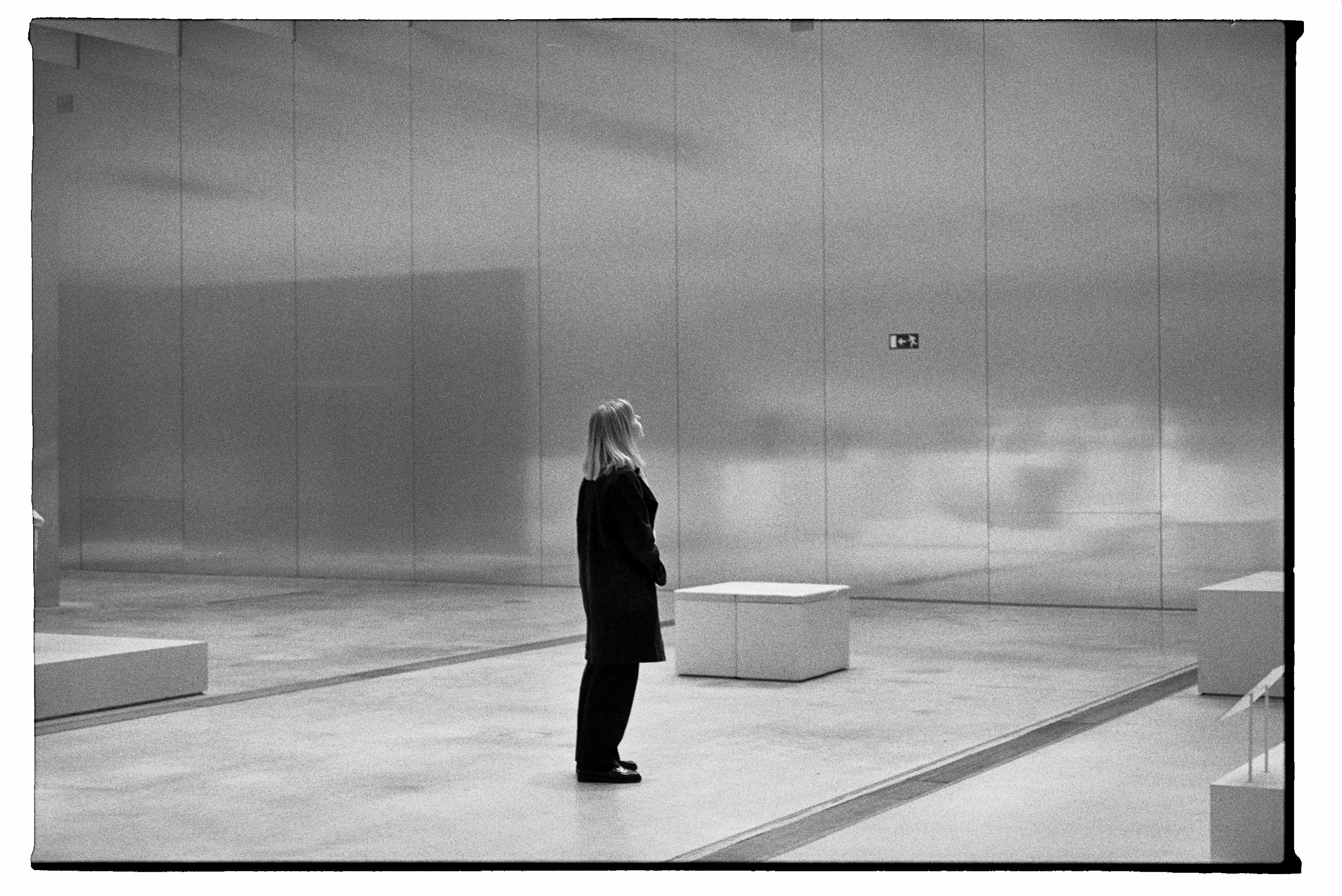
Inside the museum, I photographed an older woman sitting on a bench, listening through headphones while observing an object. Her attentive stillness exemplifies ma , the quiet interval that allows space for perception and reflection. Another photo shows Liza standing alone in the museum, with reflective walls in the background. The emptiness around her and the subtle reflections create a sense of pause, presence and the in-between, another manifestation of ma
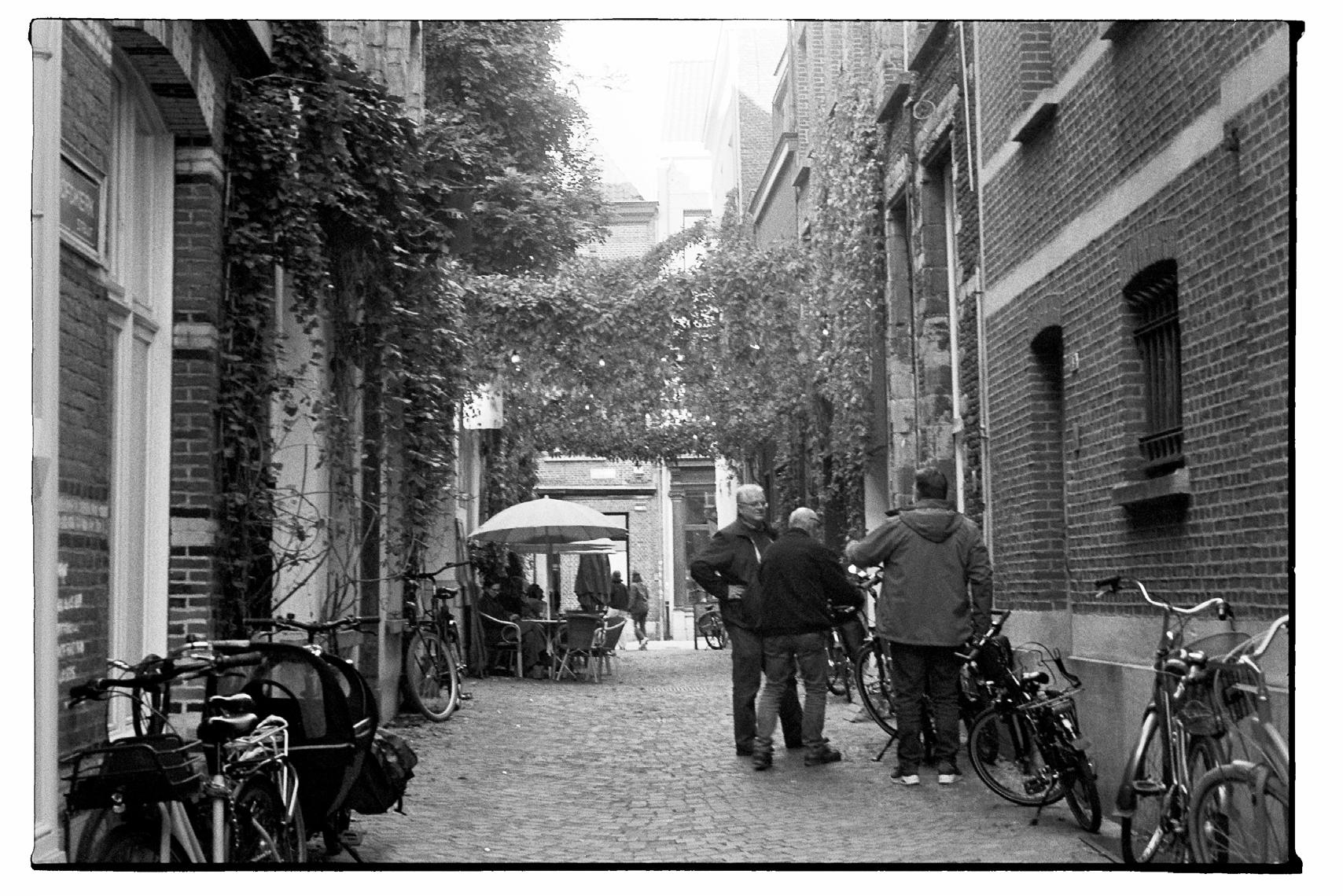
I realized how my studio trajectory has influenced my way of observing. I now pay attention to subtle interactions, fleeting movements, and quiet spaces, capturing moments that might otherwise go unnoticed. Whether in the swaying of feathers, the fall of light across a sequence of drawings, or the still presence of a single person in a reflective space, I have learned to notice the delicate thresholds and pauses, the ma , that give life and rhythm to the world around me.