






Editor
Phoebe Robertson
Designer & Cartoonist
Jim Higgs
Sub-Editor
Holly Rowsell
News Writers
Dan Moskovitz
Te Urukeiha Tuhua
Martha Schenk
Ryan Cleland
Columnist
Guy van Egmond
Critic-at-large
Jackson McCarthy
Comic Artists
Grace Elzenheimer
Jack Graham
Contributing Writers
Tamanna Amin
Zia Ravenscroft
Social Media Manager
Will Tickner
Photographer
Sophie Spencer
Distributer/Contributing Writer
Ali Cook
Centrefold Artist
Ria Rowson
Advertising advertising@vuwsa.org.nz
Read Online salient.org.nz
issuu.com/salientmagazine
Follow Us @salientgram
Want to get published?
To contribute to Salient, you can submit poetry, creative writing, artwork, comics, puzzles, features, and other ideas. Feature articles must be pitched to the Editor before writing; send pitches to editor@salient.org.nz. Artwork should be sent to designer@salient.org.nz. Creative writing submissions are accepted through the form on our website. All other contributions, including puzzles and general ideas, should be emailed to the Editor. Submissions are welcome
and

Well, freshers—if you’re anything like me at the time of writing this, you’ve got a cup of two-minute noodles sweating beside you, and you’re single-handedly terrorising the Salient office with a fever courtesy of that timeless O-Week gift: Fresher Flu. Too specific?
I’m fairly certain I picked mine up working in the Safe Room during O-Week. If you’re not sure what that is, think back to any night where one of your mates got a little too ambitious at a VUWSA event and then mysteriously vanished. If you couldn’t track them down, chances are they ended up with us—perched on plastic chairs, armed with plastic vomit catchers (which, prior to this job, I did not know existed), and contemplating their life choices. If they were especially lucky, they might’ve been having a heart-to-heart with Wellington Free Ambulance. Or, in one memorable case, vomiting on them. Shout-out to our good friend Jojo—hope you’re well, and thanks for the chocolates.
All jokes aside, the Safe Room is just one example of how you’ll be looked after if a night out tips badly. There’s Take 10 on Courtney Place, offering bean bags and water for a mid-chaos reset. There’s Know Your Stuff, providing free drug checking—particularly useful if you’ve recently discovered the strange new world of Signal group chats. And, of course, there are your new hall mates, who by now have probably already demonstrated their commitment to carrying you home or holding your hair back at least once.
University is about testing limits—intellectual, social, occasionally alcoholrelated—but it’s also about community. The people and services around you exist to keep you safe, steady, and able to laugh about it the next morning (even if that morning comes with noodles and a fever).
And if there’s one thing you’ve all been doing—besides drinking—it’s picking up Salient. Some of our staff had trouble finding copies on Tuesday, so cheers for the enthusiasm. Whether it’s love, hate, or a masochistic commitment to criticising student journalism, we’ll take it.
If you’re keen to contribute, scan one of the many QR codes scattered throughout the issue. Send us your sex, your drama, your opinions, your art, your weird little stories. Pitch a feature. Stir the pot. This is your paper—might as well leave your mark on it.


Dear Editor,
The lasagna is the savory crepe cake of the culinary world. I know. I know.
This is probably my most prominent "weird" food opinion, and although I am well aware that there are weirder opinions and that we can argue semantics and definitions so cyclically in such a way that would make many philosophers proud(? upset? entertained?), let's establish a few things that the average, reasonable person can know about crepe cakes:
• It has many thin layers made of crepes;
• These layers are stacked atop one another;
• In between these layers is, usually, a cream filling.
Now, let's establish a few things that the average, reasonable person can know about a lasagna:
• It has multiple thin layers of pasta sheets;
• These layers are stacked atop one another;
• In between these layers is, usually, some sort of savory sauce (ground beef and a tomato base is what we see often) and cheese
While these things are obviously not a one-to-one (save for 2!), they are, I'd argue, quite comparable! Both a crepe and a pasta sheet are a carb, and while in this instance a crepe is sweet, crepes can often be savory too. So, it's not a far leap from one thin carb-based thing to the other. If they aren't the same, they are at the very least similar, with one appealing to savory (pasta) and the other to sweet (crepe).
Filling for crepe cakes could be cream, though I'm sure there are the occasional fruit or jam additions for extra flavour. I'm not going to make the argument that pasta sauce or bolognse sauce is similar to cream, jam or fruit (even if I once made the mistake of thinking that a "mince pie" for a Christmas party meant actual beef mince and not fruit mince...); rather, I'm going to claim that both are used as fillings for their respective dishes. They may not share the same texture, but what matters here is the function they serve, which is to separate the layers of their individual carb and create something that serves to the flavours of the dish.
Plus, a lasagna isn't really a lasagna without the sauce — hardly any flavour can be gleaned without the joys of a rich and decadent sauce. In the same way, if you had crepe cakes without their filling, it's really just a stack of crepes and not a crepe cake... the cream adds an extra bit of lightness to it that makes the dessert what it is! This is to say that the filling is integral for both lasagna and crepe cakes to make them as delicious as they are.
As well, intuitively, you may be able to see how alike the two are, even just in terms of structure. The only differences are, really, the flavour profiles.
A crepe cake is a sweet lasagna, and a lasagna is a savory crepe cake
Finally, I'd like to end with a question-- what do you think you'd be, a salad, a sandwich, or a soup?
- Belle Garay

Submit to the Letters page by emailing editor@salient.org.nz
Best letter each week will win a FREE PIZZA



Salient is published by, but remains editorially independent from, the Victoria University of Wellington Students Association (VUWSA). Salient is funded in part by VUWSA through the Student Services Levy. Salient is a member of the Aotearoa Student Press Association (ASPA) and the New Zealand Media Council. Complaints regarding the material published in Salient should first be brought to the VUWSA CEO in writing (ceo@vuwsa. org.nz). If not satisfied by the response, complaints should be directed to the Media Council (info@mediacouncil.org.nz).

Week of March 2 - March 8, 2026
TUESDAY FRIDAY
Moon Jam Nite
Venue: Moon Bar
Time: 7:30pm
Cost: Free
Every Tuesday at 7:30pm Moon hosts an open mic night with a fully equipped stage.

SATURDAY
Quarry Concert #10
Venue: Former Quarry Mt Vic Time: 4:00pm
Cost: Free
Featuring Ludus, UMU, hara, and Lucky Omen. Electronic music in the quarry.
SUNDAY
Newtown Festival
Venue: Newtown
Time: 9:30am - midnight
Cost: Free
150+ artists and performers across 16 stages, it's a free street fair and a highlight of the year.
Irish Musicians For Palestine
Venue: Vogelmorn Upstairs, Time: 6:30pm
Cost: $25
Local Irish musicians play in support of humanitarian aid for Palestine.
SATURDAY
Sam Manzanza's Afrobeat Band
Venue: Rogue and Vagabond Time: 9:30pm
Cost: Free (koha encouraged)
A high energy night of Afrobeat, Afrorock, and Afropop.


Are you a Te Herenga Waka student with an upcoming gig or event? Scan the QR code to submit your details for potential inclusion on our gigs page. SHARE YOUR GIG!

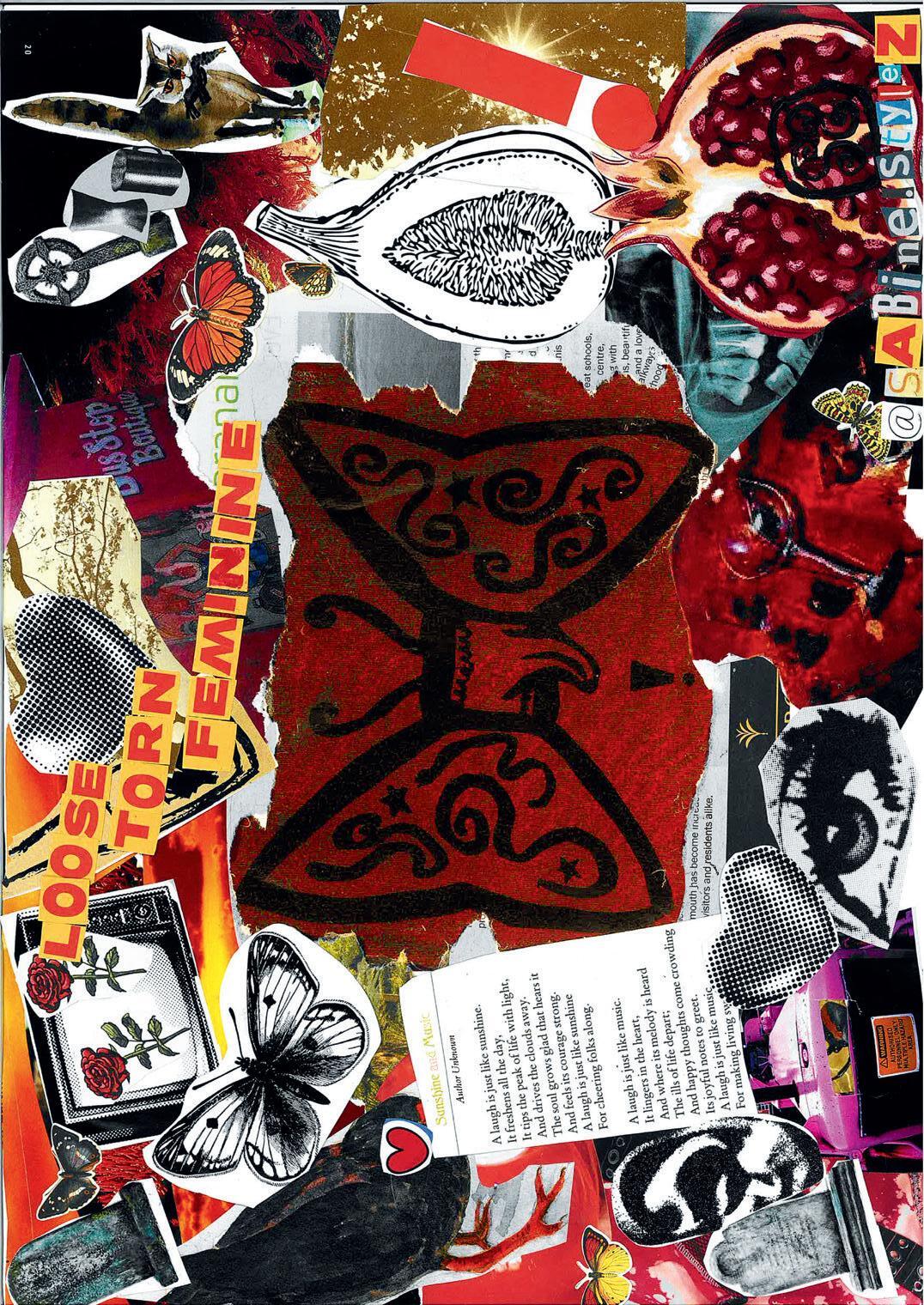
About the centrefold artist - Ria Rowson
Go to page 20 to see the centrefold, then rip it out and put it on your wall !


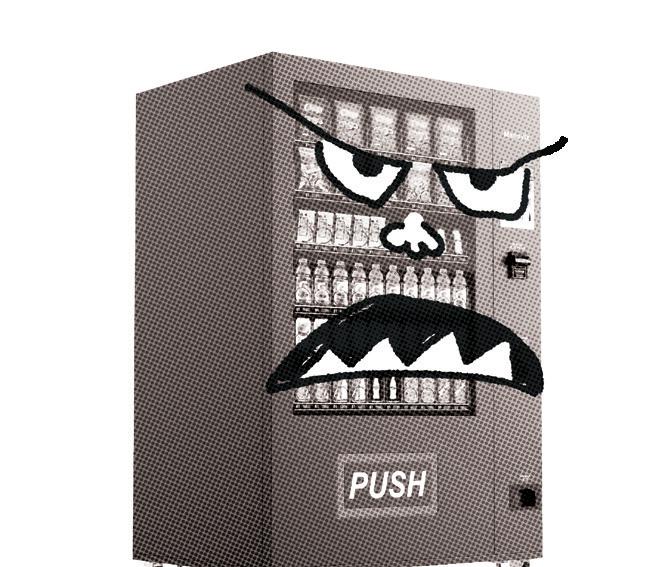
There is something uniquely humiliating about being bested by a machine whose primary intellectual task is to rotate a coil.
And yet, across campus, students are losing.
Last week, Salient ran an Instagram poll asking students whether they had ever paid a campus vending machine and received nothing in return. Of the 201 respondents, 159—nearly 80 percent—said yes.
Read that again: nearly four out of five respondents say they have inserted money, tapped a card, or hovered a phone with hope in their hearts, only to be rewarded with absolutely nothing.
A follow-up poll asked those who had lost money whether they received a refund. Of 167 respondents, 141—84 percent—said no.
Now, yes. This was a voluntary Instagram poll. It is selfselecting. It is not a scientific instrument. Students who have been personally victimised by a vending machine may have been more motivated to respond than those who have not. We cannot claim these figures represent the entire student body.
But we can say this: more than 100 individual students reporting lost money without reimbursement is not a statistical blip. It is a large number that deserve acknowledgement.
Students described feeding machines multiple times after an initial failed attempt. One reported that a fridge-style machine “didn’t work 3 times and took $15.” Another paid twice for a drink and received nothing either time.
“I paid $4 for a coke, didn’t get it, paid another $4 for a coke, STILL didn’t get one,” one student wrote.
Another said, “Put like $5 in for a canned coffee. No sign or anything that machine was broken :/ rip off.”
One described watching their snack stall mid-dispense: “There was like one little bit left for the spiral to go for my cookie… then stop.”
If you have ever stood there—staring at your suspended cookie, calculating whether shaking the machine constitutes a crime (law students please weigh in with your unofficial legal advice)—you understand the particular despair.
Certain machines were named repeatedly. The OGB common room. Pipitea campus. The drinks machine “outside the bubble.” The pull-the-door Coca-Cola fridge machines. One student called the OGB machine “cursed.”
Another wrote, “That vending machine outside the bubble is a scam. Be wary.” A third declared, “I hate those pull-the-door drink vending machines. They NEVER work. I don’t trust them.”
Individually, the losses are small—often between $4 and $10. But collectively, they add up. If even a portion of the 159 students who reported being “ripped off” never received refunds, the cumulative total easily reaches several hundred dollars.
For students budgeting groceries to the dollar, that matters.
Vending machines operate under third-party contracts, and fault reporting details are usually printed on the machine itself—often in small font, often requiring follow-up emails or calls. Refunds technically exist. Practically, many students report that they do not.
Article continues on next page.
“The Coca Cola fridge took 10 dollars from me and getting a refund was impossible!!” one student wrote.
Another said, “I requested a refund and they said no.”
Another brave soul explained, “I requested a refund and they said no and I had to bitch out some guy on the phone.”
No one expects vending machines to be paragons of technological brilliance. But we do expect them to complete the single task they advertise: money in, snack or drink out.
If more than 100 students can recount being shortchanged by a plastic arm, the issue is no longer isolated. Whether the solution is better maintenance, clearer refund pathways, or tighter oversight of contractors, something needs to shift.
Because there is nothing quite like standing in front of a machine that has your money, your cookie, and absolutely no interest in giving either one back to you.
Have you been personally victimised by a campus vending machine? We’re gathering data - fill out our updated poll by scanning the QR code.



Ryan Cleland
It’s that time of year again here at Te Herenga Waka, where big promises are made about rebuilding student connection. Lecture theatres are filling up, tutorials are busy again, and the language of a “busy campus” is everywhere.
But the 2025 Have Your Say Survey suggests that while students are physically back, the broader ecosystem of student life is recovering more gradually.
Released annually and based on student feedback, the survey gives students the chance to share their opinions on all aspects of university life. Te Herenga Waka Survey Manager says the survey’s renewed focus is on “improving how we report back to students what we have heard, and what actions have been taken as a result.”
The survey has two core aims: to use student feedback to improve services, and to ensure student voice informs long-term strategic planning. University teams have signalled that the 2026 iteration will be shorter and more streamlined, with clearer, more actionable questions.
The headline figures show clear progress. In-person learning has continued its post-pandemic recovery, with 72% of students now studying fully on campus. Onlineonly enrollments have declined from 12% to 8%.

But when it comes to clubs, recreation services, and shared social spaces, the picture is more mixed. Awareness has increased slightly. Satisfaction in some areas has improved, yet usage remains uneven. Funding pressures persist, and structural questions about governance are still unresolved.
Students are back—but student life is rebuilding at its own pace.
University club support awareness sits at 74% this year—a modest 1% increase from 2024. In 2023, when clubs were graded purely on awareness, the figure was recorded at 89%.
When approached, the University told Salient that “PostCOVID, we have been focused on improving our oncampus experience for students. This resulted in a one percent increase in awareness of our clubs between 2024 and 2025.”
Overall Te Herenga Waka seems to be satisfied with the gradual upward trend. “The promotion of Vic Uni’s club community is stronger than ever through our events, social media, and the online directory on our website,” a spokesperson said.
Clubs themselves continue to grow in number each year—rising from around 90 nine years ago to nearly 200 today. On paper, that expansion signals a thriving and diverse student culture.
But growth in numbers does not automatically mean growth in capacity.
Clubs and Activities Officer Cam Dickson says the challenges facing clubs are not new. Reflecting on his own first-year experience at Clubs Expo, he remembers it being “overwhelming”—“there's a lot going on.”
His focus this year is on consistency. Rather than relying on a burst of engagement during O-Week he wants to see a “maintained membership drive” across the year. Clubs should be visible and accessible not just during the Expo, but in Week 3, Week 6, and beyond.
However, he points to funding as a key limitation. According to Dickson, club funding has not increased “meaningfully” in the past few years—despite the near doubling in numbers of clubs during that time.
“That [funding] is to allow them to run events, but that's also to allow them to have cool promotions,” he says.
This is seconded by President Donoghue who agrees that clubs funding is not keeping up with rising costs.
Dickson maintains his campaign promise to improve better funding guidelines, “making sure that that funding is allocated in a way that it has the most impact and also is most equitable.”
In other words, while the club landscape is expanding, the resources supporting it have not scaled at the same pace.
Governance adds another layer to the recovery process. VUWSA President Aidan Donoghue says returning non-sporting clubs to VUWSA management remains a “massive priority”—an ambition also voiced by former President Liban Ali.
“We're in ongoing discussions with the university,” Aidan says. “There’s no silver bullet for these issues. If it was up to us, we would do it as soon as possible.”
Donoghue expressed his desire for clubs to have a larger role within the University. “We've tried to really build a sense of community last year with our execs by inviting all the club executives to a gala in the Hunter Lounge, having conversations with them and getting them to know each other, so there can be more sense of collaboration and community on campus, and we'll continue to do that.”
Under any potential transition, sporting clubs would remain under UniRec, with only non-sporting clubs moving back to VUWSA oversight.
The University says “discussions around the future of the existing model are ongoing. Any changes must be
well thought through, and meet the needs of all clubs, student club leaders, and ultimately our students.”
For now, the system remains in transition.
Clubs are not the only area reflecting uneven recovery.
The ClubHouse, run by UniRec, was used by just 13% of students who responded to the survey. Of those users, 45% reported satisfaction. While satisfaction has increased significantly from 34% in 2023, overall usage has remained largely stagnant.
The University attributes this to the space transitioning away from its original purpose. Initially designed as a dedicated area for clubs and club leaders, VUW says the model had limited appeal. “The decision was made to convert the space into a more appealing social, casual recreation space for all students.”
Lower ratings, it suggests, reflect this period of adjustment. Still, the numbers indicate that while some improvements are being made, consistent engagement has yet to follow.
Students themselves have proposed practical solutions. One suggestion raised in the survey was the creation of a more collective social media presence, allowing all club events to be promoted in one place. “The student community could be enhanced if the events were advertised in advance on the VUW Instagram,” one student wrote.
Donoghue agrees. “I think that’s a great idea,” he says. “A single point of contact with social media, and then using our ability to be a bit more provocative and also our already established presences, would be key for us going forward—if we were to get clubs.”
Improving visibility, maintaining engagement beyond O-Week, and ensuring funding keeps pace with growth all point to the same underlying challenge: rebuilding student connection requires more than just physical presence.
The 2025 Have Your Say Survey ultimately paints a picture of gradual recovery. Lecture theatres are fuller. Club awareness has ticked upward. Satisfaction in some areas is improving. The number of clubs continues to rise.
But rebuilding the social infrastructure of campus life is slower and more complex than simply reopening classrooms.
Both the university and VUWSA agree that student connection is a priority. The difference lies in how that recovery is managed—through funding reform, governance changes, improved communication, or incremental institutional adjustments.
Next year’s survey will not just measure whether students are back on campus. It will show whether the systems designed to support them have fully caught up.
Te Urukeiha Tuhua
Every year, first-year students are welcomed to campus with a small rite of passage: the VUWSA O-Week tote bag. Designed and printed specially for the occasion, the cotton “O-Bag” has become something of a collectible— practical, recognisable, and often spotted slung over shoulders long after Orientation Week ends.
This year, however, the familiar tote was nowhere to be seen.
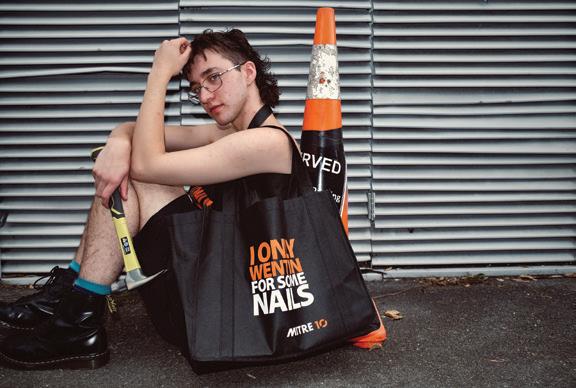
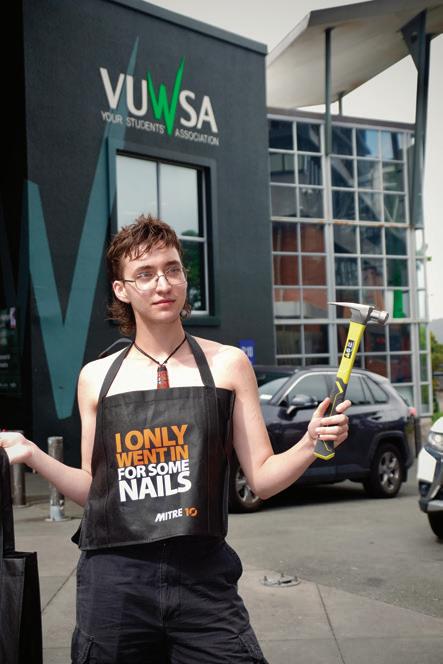
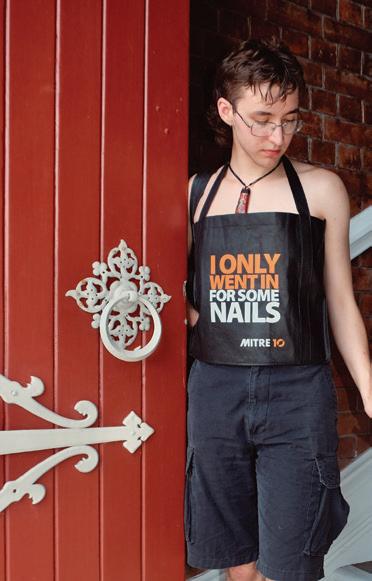
Instead, first-years attending Tau Mai and Clubs Day events were handed a black-and-orange branded Mitre 10 bag, courtesy of the hardware retailer’s sponsorship. The bags were packed with the usual O-Week paraphernalia— advertisements, discount codes, a branded energy drink, and menstrual products—but for many students, and Salient, the packaging itself was the story.
“We’ll use the coupons, but the Mitre 10 bags were a choice,” one first-year student interviewed by Salient said.
Another was more direct: “No one is gonna use a Mitre 10 bag.”
The reaction appears to be widespread. A member of VUWSA who assisted with distribution told Salient that pickup numbers were down compared to previous years. She said students were “not very happy” and that many approached volunteers asking about the missing tote bags. “I feel bad for the students because one of my favourite things over the last years has been collecting the bags,” she said. “I think the tote bag is the best part of O-Bags and it’s super disappointing.”
“Honestly I think it’s dumb. I hate Mitre 10,” she said. “Bunnings girl through and through.”
VUWSA CEO Matthew Tucker said that the decision came down to logistics. According to Tucker, the custom tote bags arrived late. With Mitre 10 having already sponsored
VUWSA by supplying branded bags to be placed inside the O-Bags, the association opted to use the Mitre 10 bags themselves rather than wait.
“Mitre 10 bags were a great saviour and timely,” Tucker said.
He admitted that the arrangement initially struck him as odd. “It seemed weird to me to get bags to put in bags,” he said. But given the delay, he maintains that the alternative was worse. Without the Mitre 10 sponsorship, there would have been no bags to distribute at all.
When asked about the late arrival and replacement of the traditional totes, VUWSA’s Treasurer/Secretary was candid. “I think it’s wonderful. We’re cutting costs in the right corner,” said Sanjukta Dey.
Dey continued to double down, and questioned how much students truly valued the old bags, noting that one from 2022 was recently spotted for resale at Recycled Boutique for $11. “I’m thinking, let’s keep this circle of life going. Enjoy your Mitre 10 bags,” she added.
When pressed on whether cost-cutting was worth “negating students’ experiences,” the Treasurer pushed back slightly. “No. But I do wonder how many students truly do miss the old bags, as in my flat, at least every single one of them made its way to the landfills. And I do care a little bit about money and the environment.”
In total, VUWSA packed and handed out over 2500 Mitre 10 bags during Tai Mai week and Clubs Day. The delayed tote bags, Tucker confirmed, will be stored and used for O-Week next year instead.
For now, first-years may have to make do with hardware-

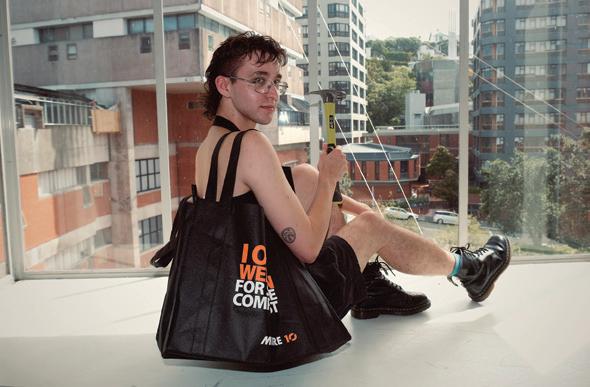
Disillusioned by your Mitre 10 bag? Don’t be. With a touch of creativity - and perhaps a healthy sense of what it means for something to be camp - the black-and-orange tote can be transformed into a fashion statement that is almost as iconic as the O-Bags of years past.







Labour pivots from inspiration to reassurance
In a press conference lit exclusively by harsh, overhead fluorescents—the sort of lighting normally reserved for supermarket meat departments, police interviews, and situations where someone insists they don’t recall a conversation—Labour leader Chris Hipkins today unveiled what advisers are calling a reframing strategy for the party’s fortunes: the “I’m Not a Bad Guy” campaign.
Reporters confirmed the lighting choice was deliberate. According to briefing notes accidentally left face-up on a lectern, the fluorescents were selected to “signal honesty, discomfort, and the vibe of someone who is about to say ‘let’s just clear a few things up.’” One junior staffer was reportedly told to dim the lights slightly, but not enough to suggest reflection—only enough to imply there might be something in the corner worth worrying about.
The effort is intended to address mounting public unease with Labour’s recent policy record, including its plan to think about introducing a pseudo-capital gains tax on profits from commercial and residential property to fund three free doctor visits a year for every New Zealander. What that policy actually does is, according to spokespeople, secondary to ensuring the public believes it was conceived by someone who isn’t a Bad Guy.
“We looked at all the reasons people might be unhappy—the lukewarm back-and-forth on tax reform, the suggestion that non-family homes should be taxed so everyone can see a GP three times a year, the persistent perception that Chris is just a bland guy in a bland world—and we thought, you know, let’s just say the one thing that would reassure everyone,” said one senior adviser in a statement that, paradoxically, did not reassure anyone.
Asked whether the policy would meaningfully improve health outcomes, one spokesperson clarified that this was “not really the intention.” The primary objective, they explained, was emotional.
“Three GP visits is just enough to feel like care exists, without the inconvenience of actually restructuring anything,” they said. “It’s about the idea of being looked after. Like a weighted blanket, but legislated.”


At the press conference, Hipkins stood alone at a podium, framed by shadows that suggested either gravitas or a power failure. Behind him, a single poster declared in bold black text:
I’M NOT A BAD GUY
(Also: We’ll Fund GPs!)
Labour strategists insist the campaign is less about policy substance and more about affective framing. “It’s not that we want to introduce a fair tax to grow the economy and help fund healthcare,” one operative explained. “It’s mainly that we want voters to feel fine and okay about liking that plan and, by extension, liking Chris. That’s the core message.”

An anonymous member of the Labour party told Salient that Hipkins “is like a piece of white bread, but one that, the moment you put it in the toaster, somehow burns on both sides and still doesn’t toast.” This characterisation, they added, was less a criticism of his policies and more a lament about the toaster’s settings.
That sense of malfunction has only intensified as Hipkins’ public image has become quietly entangled with a series of uncomfortable clarifications, denials, and statements of absolute certainty—particularly around what he was, or was not, told in his previous ministerial life. Labour maintains these matters are settled. The public, meanwhile, appears unsure whether the issue is the conversation itself or the increasingly elaborate architecture built to explain its absence.
The contrast with Jacinda Ardern has become impossible to ignore. Ardern’s Campaign of Kindness did not rely on procedural memory or semantic distinctions between “casual conversations” and “formal briefings.” It worked because it presented leadership as something felt rather than litigated. Kindness, under Ardern, was not a defence strategy; it was a governing aesthetic.
Hipkins’ I’m Not a Bad Guy campaign, by comparison, feels less like an invitation and more like a clarification issued after the fact.
Where Ardern’s messaging assumed goodwill and sought to elevate it, Hipkins’ appears designed to contain suspicion. It does not ask voters to believe in him so much as to stop imagining the worst version of him, pretty please. This is a subtle but consequential shift: from inspiration to risk management.
Internally, Labour staffers concede the campaign is not about reclaiming momentum so much as stabilising reputational drift. “We’re not trying to recreate Jacinda,” one source said. “We’re trying to prevent Chris from being mentally filed under ‘bad guy’.”
In that sense, I’m Not a Bad Guy is a campaign perfectly calibrated to its moment: sober, defensive, and aware that it is arguing uphill against a lingering sense that something important slipped through the cracks—and that no one is quite sure whose cracks those were.
Whether reassurance can substitute for trust remains to be seen. Labour insiders say contingency messaging has already been prepared should the campaign fail to land. Draft slogans reportedly include “Look, He’s Fine,” “Not Evil, Just Tired,” and the pared-back “At Least It’s Not Worse.” But Labour’s wager is clear; if voters cannot be inspired, perhaps they can at least be persuaded not to worry.

And if the public still feels uneasy, the campaign offers its final, unspoken reassurance: if anything truly bad had happened, someone would definitely remember being told about it.

Patrick Stables is a thoroughbred reporter who digs to the depths of the stories that no other reporters dare (or care) to go. Patrick founded The Horse's Mouth to bring professionalism and craft back to student media. He has a nose for the facts and the stamina for chasing down the truth.
Gus Saddleton is the finest movie expert in the Wellington region. Bringing his vast knowledge of cinema and pop culture, Gus delivers the most researched and sometimes profound film analysis. Gus uses the 'Bags of Popcorn' rating system, five bags being the highest rating a film can receive.


The Scream franchise returns with its seventh installment, making it the 19th longest running horror film series. Scream 7 (2026) delivers all the same thrills and scares we loved in Scream 6 (2023), however it doesn't reach the comedic heights of Scream 5 (2022). Though some would say Scream 7 (2026) retreads the plot of Scream 4 (2011), personally it feels more like a homage to Scream 2 (1997). Fans of Scream (1996) will be pleased with the return of a fan-favorite character, and fans of Scream 3 (2000) will probably be pleased with anything.
Rating: 5 bags of popcorn

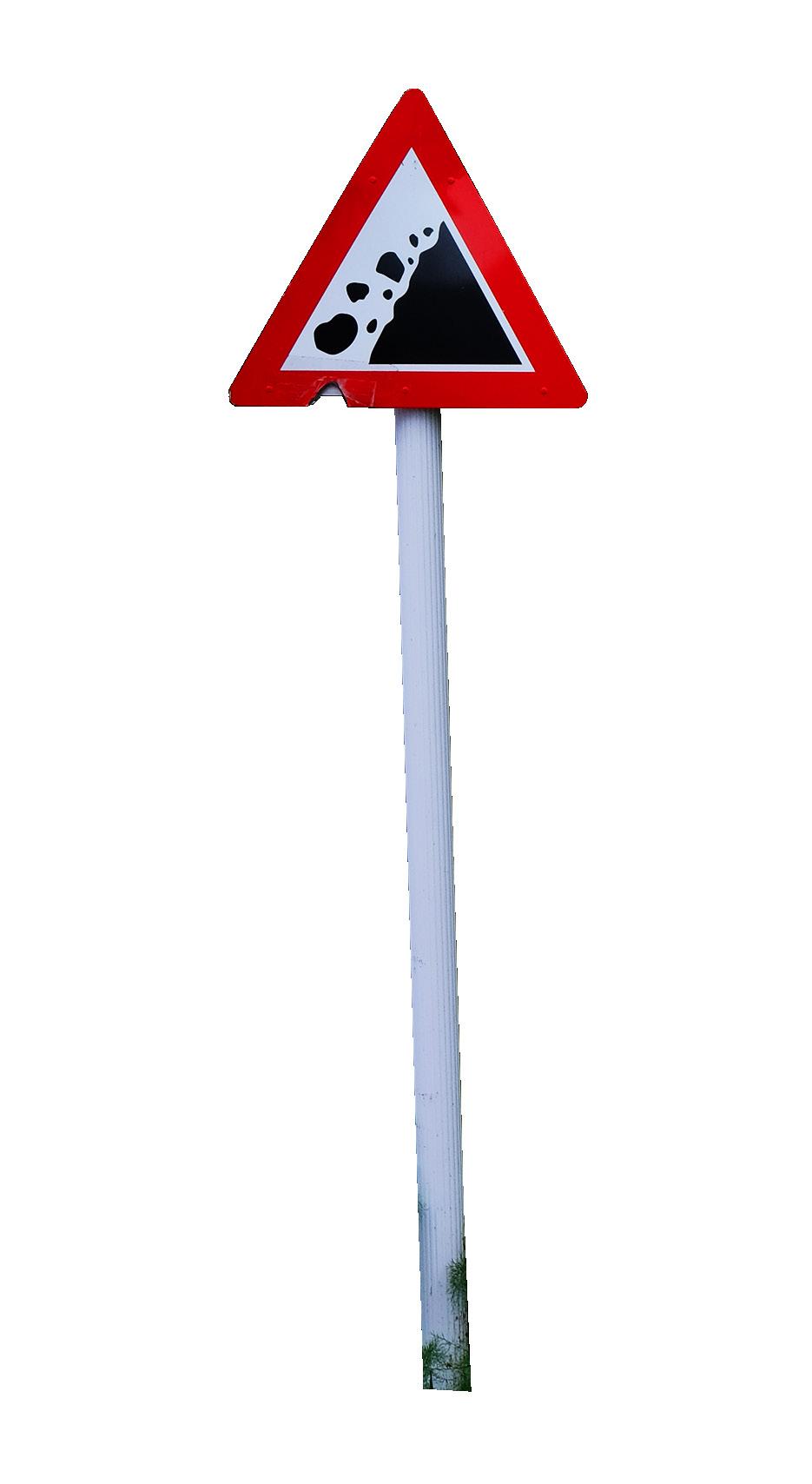
On the morning of 22 January 2026, a disastrous landslide claimed the lives of six people in a Mount Manganui holiday park. Hours later in nearby Pāpāmoa, two more people died when another slope failed and crushed their home. Eight deaths in a single morning: a statistic at once shocking and strangely familiar in Aotearoa.
Research from GNS Science reveals that landslides are responsible for more deaths than earthquakes, volcanic eruptions, flooding, and tsunamis. The deaths in January make up 0.44% of the estimated 1800 that have occurred as the result of landslides in the last 160 years, cementing them as New Zealand’s deadliest natural hazard.
Despite this, they are often underdiscussed and overlooked as hazards, considered by many as secondary to more dramatic, infrequent events.
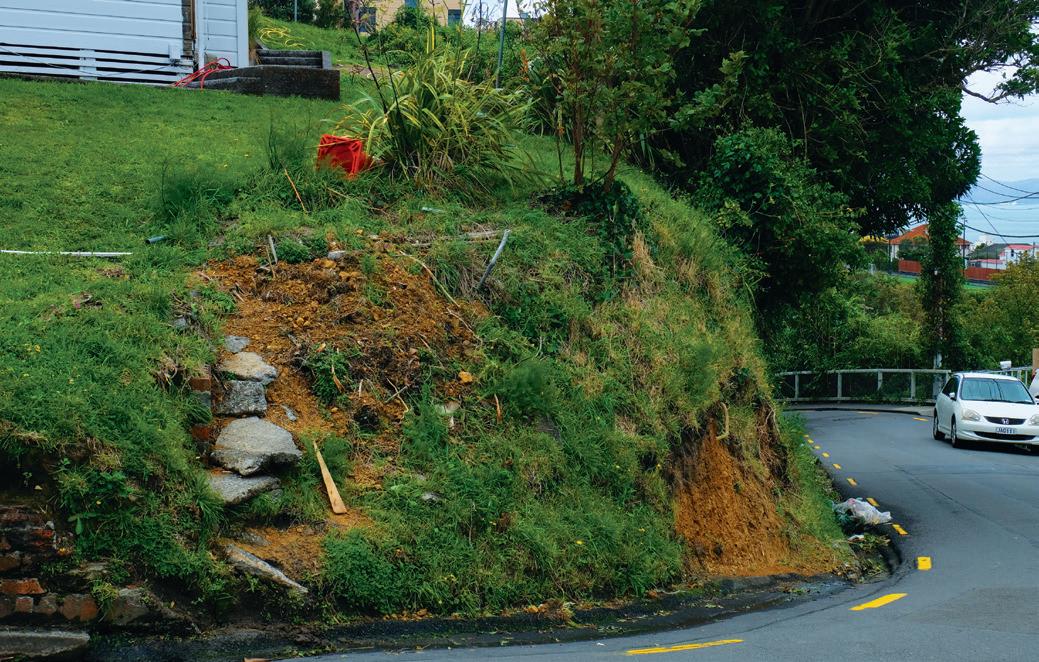
In Aotearoa, landslides can be broadly defined as the downslope movement of rock, soil and vegetation. They can vary in size and speed, and are often called “slips” colloquially. Technically, they can include slides, falls, or flows. They may be triggered by rainfall or earthquakes, but also by human activity such as the loading or oversteepening of slopes by construction activities, vegetation removal, or leaking water pipes left without repair.
January’s recent tragedy took place in the Bay of Plenty, a region arguably more susceptible to landslides due to its high levels of intense rainfall. But Wellington is hardly immune.
As Engineering Geologist Ann Williams explains: “(In Wellington) You mostly have greywacke, which is a fractured rock mass.”
“However, when it is completely weathered it becomes a soil, so you might have a shallow slide develop at the top of a slope in mostly soil like material, that then slides over a rock slope and takes rocks from the slope with it, and you end up with a debris slide, or a rock fall slide.” In other cases, deeper fractures combine with long-standing weaknesses to produce larger and more destructive landslides.
“General triggers for landslides are things like heavy rainfall, earthquakes, or undercutting of a slope by earthworks or rivers,” Williams says. “But most natural slopes have marginal stability and much of New Zealand could be considered ‘prone’ to land slip.”
According to the Greater Wellington Regional Council’s hazard management plan, the highestrisk areas are slopes steeper than thirty-five degrees, gorges and coastal cliffs, altered or denuded hillsides, quarries, previously failed slopes, and places underlain by weathered or scattered rock. This reads less like a list of exceptions than a description of the city itself. Kelburn, Aro Valley, Newtown, Wadestown, Island Bay—suburbs thick with student flats—qualify on multiple counts. As does much of Te Herenga Waka’s property, including Kelburn Campus and accommodations such as the Waiteata Apartments, Kelburn Flats, and Everton Hall.
When contacted by Salient, the university said that it does not currently deem these residences susceptible to landslip risk and noted that preventative measures—engineering intervention, drainage management, and on-going visual inspections— are regularly undertaken. In 2025, a potential risk identified at the Waiteata Apartments resulted in the implementation of a new retaining wall. No landslides were recorded on university property that year.
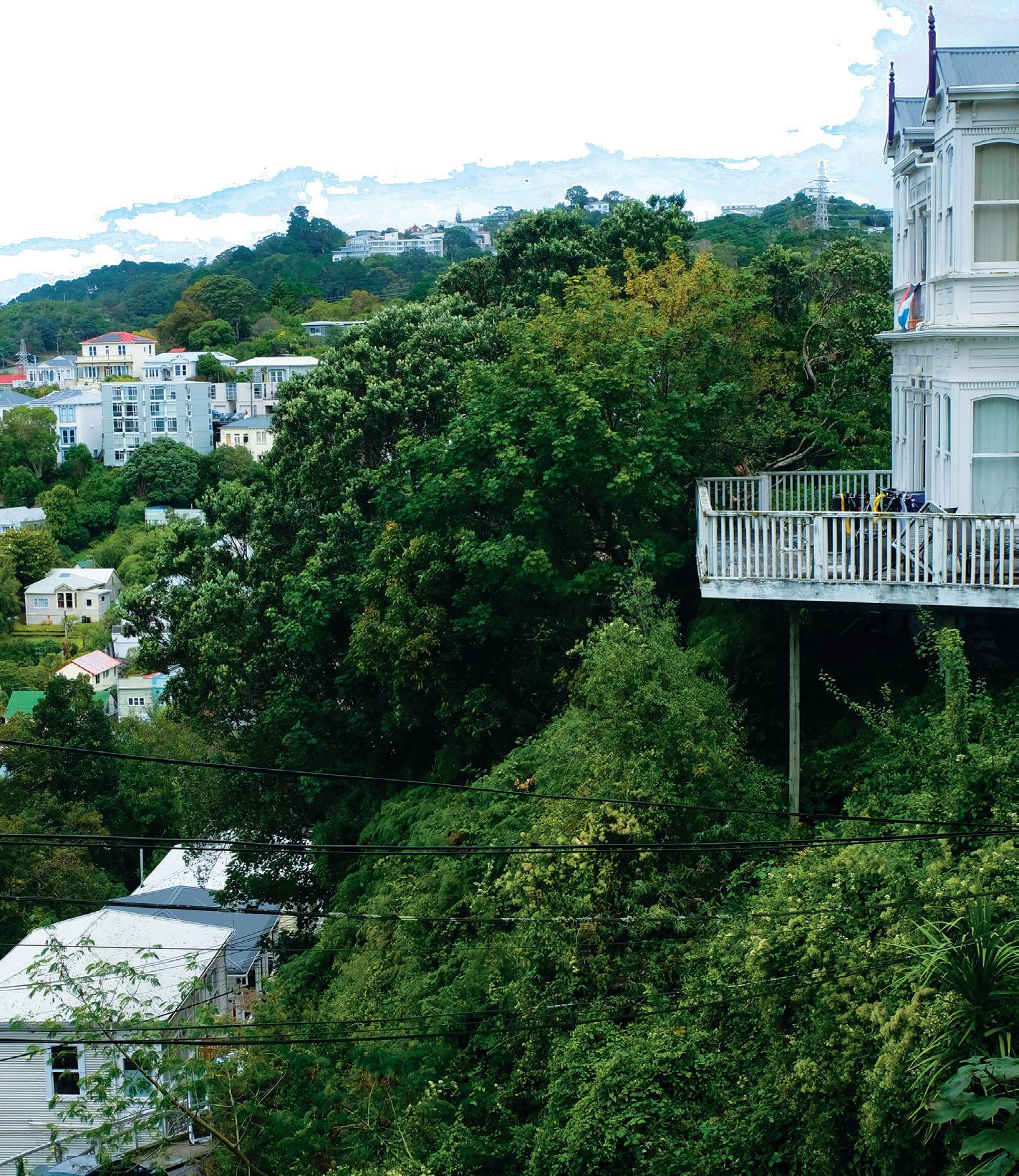

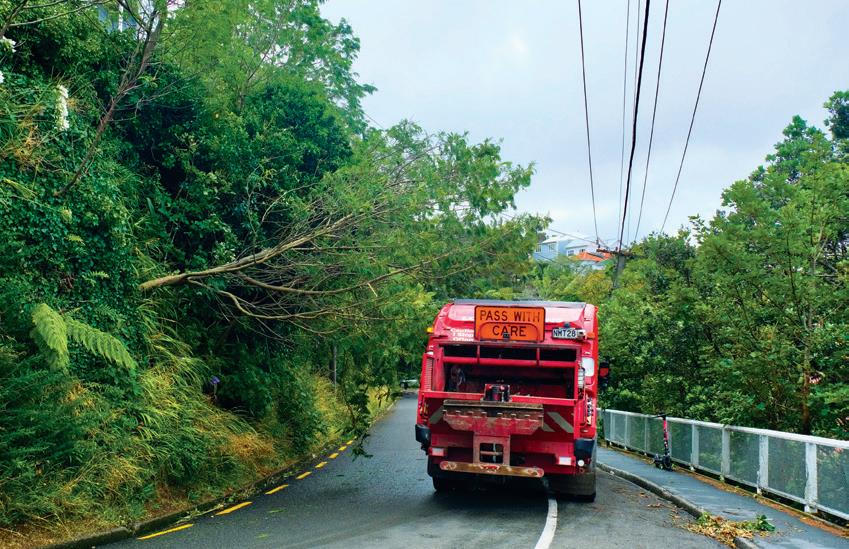
Students, meanwhile, inhabit a more ambiguous terrain than the university: aware, vaguely, of the hills but unsure what to make of them.
A third-year geology student living at Everton Hall says she isn’t particularly concerned—“a lot of slopes are quite well planted or reinforced with concrete,”— though after storms “there’s always a shit tonne of debris.” She worries more about the Kelburn Campus cemetery, where the ground is steep and “not entirely consolidated.”
A second-year english literature student in a university-owned Kelburn flat confesses, “I’ve personally never thought about a landslide,” though after last week’s storm she and her flatmates joked that a tree might fall on the house.
A third-year psychology student at the Waiteata Apartments says she has “definitely thought about [the risk of landslips], looking at this big hill,” but wouldn't know what to do in the event of a landslide.
In Aro Valley, a second-year building science student describes her Adams Terrace flat: “Our backyard’s actually on a bit of a slant … We’ve had trees fall down the back of it.” When they moved in, she says, “we didn’t really think about the amount of risk that could come with it.”
A third-year law student from Newtown admits that concerns about her house’s structural integrity during an earthquake or landslide “really heavily impacted my mental wellbeing” when she first arrived.
In Wadestown, the suburb with the most slips in 2025 according to the Wellington City Council, a second-year English literature student told Salient that she feels safe at home, but that the roads nearby are frequently compromised. “There’s often floods and slips down by the Countdown,” she says. Bus routes are disrupted; supermarket access becomes uncertain. “There are spots where I park my car that could get hit by landslips.”
On public land—roads, footpaths, reserves—landslides are managed by Wellington City Council, which spends roughly four to five million dollars annually on retaining-wall work. Remediation, according to the council’s website, may take anywhere from “a few months up to a few years.” Current stabilization projects include works in Churton Park, Mortimer Terrace, Grosvenor Terrace, and Onslow Road.
Asked about budget and prioritization the council declined to elaborate, but confirmed that 505 slips were reported in the last year. That’s 1.38 slips a day!
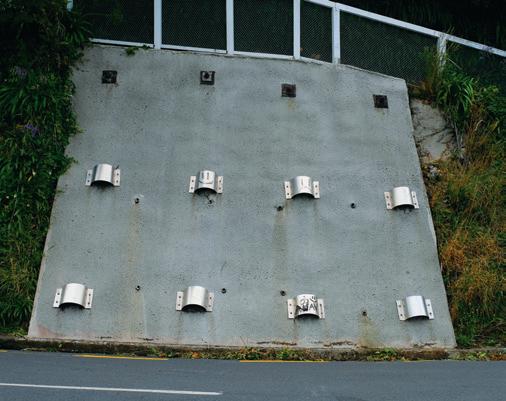






The future promises more pressure, not less. A 2019 report prepared for the council by NIWA warned that increasingly extreme rainfall is likely to exacerbate slides and landslides. Ann Williams agrees—“With so much more intense rainfall, landslides are triggered much more frequently. A saturated landmass is more susceptible.” Recent earthquakes have shaken and loosened already fractured rock, causing rainfall to infiltrate more readily and hastening failure. A 2023 study in Geomorphology
warming scenarios, the intensity of rainfall in New Zealand could trigger more landslides per storm.
For those living in areas prone to landslides, recommendations of preventative measures include vegetating or hydroseeding slopes together by placing materials like mulch or coconut husk for added support, and ensuring roof gutters and drainage systems direct water away from slopes.
It’s important to remain vigilant, especially during severe weather or seismic events. Watch for new cracking of the ground, driveways, or retaining walls, as well as tilting fences or trees. Slumping or bulging ground at the base of a slope, sticking doors and windows, or gaps where frames are not fitting
NZ Civil Defence advises warning neighbours and helping others if you can and staying away from the landslide area until it has been cleared by authorities. Once evacuated, you should contact emergency services (111) before the local council (04 499 4444), or campus security (0800 842 8888 or 04 463 9999) if the slide is on university property.
However, every student interviewed for this article





dRINkERS WIll SCOld fOR SAyING ChAI TEA, d ExplAIN TO yOU ThAT OU'RE ACTUAlly jUST ING ThE SAmE ThING TWICE. ThESE dRINkERS ll ThINk ThAT ThEy'RE ETTER ThAN yOU jUST ECAUSE ThEy dON'T hAvE REly ON ThEIR mORNING ffEINE hIT TO WAkE Up.

yOU ACTUAlly k AT yOU'RE ORdERING ThIS jUST ThE CO OUR mUm bOUGhT y ONCE TO TRy ANd y pT ORdERING IT? hER kNOW ExACT AT yOU WANT; SI ASSy--OR yOU hA EA WhAT yOU WANT ARE TOO SCAREd TO mEThING NEW.
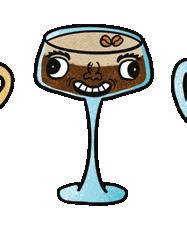
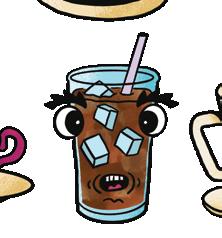

lETS bE hONEST, yOU dON'T GO TO ThE CAfE bECAUSE yOU lIkE TO, dO yOU? yOU ORdER ThIS TO AvOId ThE SOCIAl ANxIETy Of NOT ORdERING ANyThING ANd SITTING AT ThE TAblE EmpTy hANdEd. IT'S OkAy, hOT ChOCOlATE dRINkERS, jUST mAybE TAlk TO ThE dOCTOR AbOUT yOUR ANxIETy AT yOUR NExT AppOINTmENT.


WhERE dId yOU fINd ON CAmpUS? AT IENT WE ARE ImpRESSE WANT TO kNOW yOUR SECRETS). pRObAbly NOT EST WAkEUp bEfORE ClASSES bUT A ENd TO ThE lONG WEEk. bARTENdERS ll hATE yOU ThOUGh, AS AS yOU ORdER ONE ESE EvERyONE ElSE E bAR WANTS ONEd SETTER, yOU

OU pUT ThE pRIdE p IN yOUR hAll ET?
ACTUAlly kNOW OU'RE ORdERING UST ThE COff d bOUGhT yOU d yOU kEp IT? yOU EIT ACTly WhAT y ASIC, ElEGANT CONfUSEd Ab WANT ANd TO TRy SOm ThE jOkE? ACTUAlly SINCE ASICAlly Th ING [lAUGhS]).

SpENT All yOUR y GOING TO TOWN, N'T yOU? ThAT'S OkAy, mAybE lEARN hOW TO GET NExT WEEk. yOU ThAT yOU dON'T hAvE Uy EvERyONE A ROUNd dAkOTA, RIGhT? OR OU'RE jUST A vUW STAff ER, ThEy All SEEm RINk ThIS ONE (ANd I ThINk ThEy'RE GOING TO dAkOTA).

yOU'RE EIThER qUEER OR qUESTIONING. yOU ACCIdENTAlly ORdEREd ThIS ThINkING IT WOUld bE AN ICEd lATTE ANd yOUR IbS ISN'T GOING TO lIkE yOU lATER. bUT ThAT'S OkAy, yOU'RE NOT GOING TO SAy ANyThING SO lET'S NOT EvEN pRETENd yOU'll SENd IT bACk.




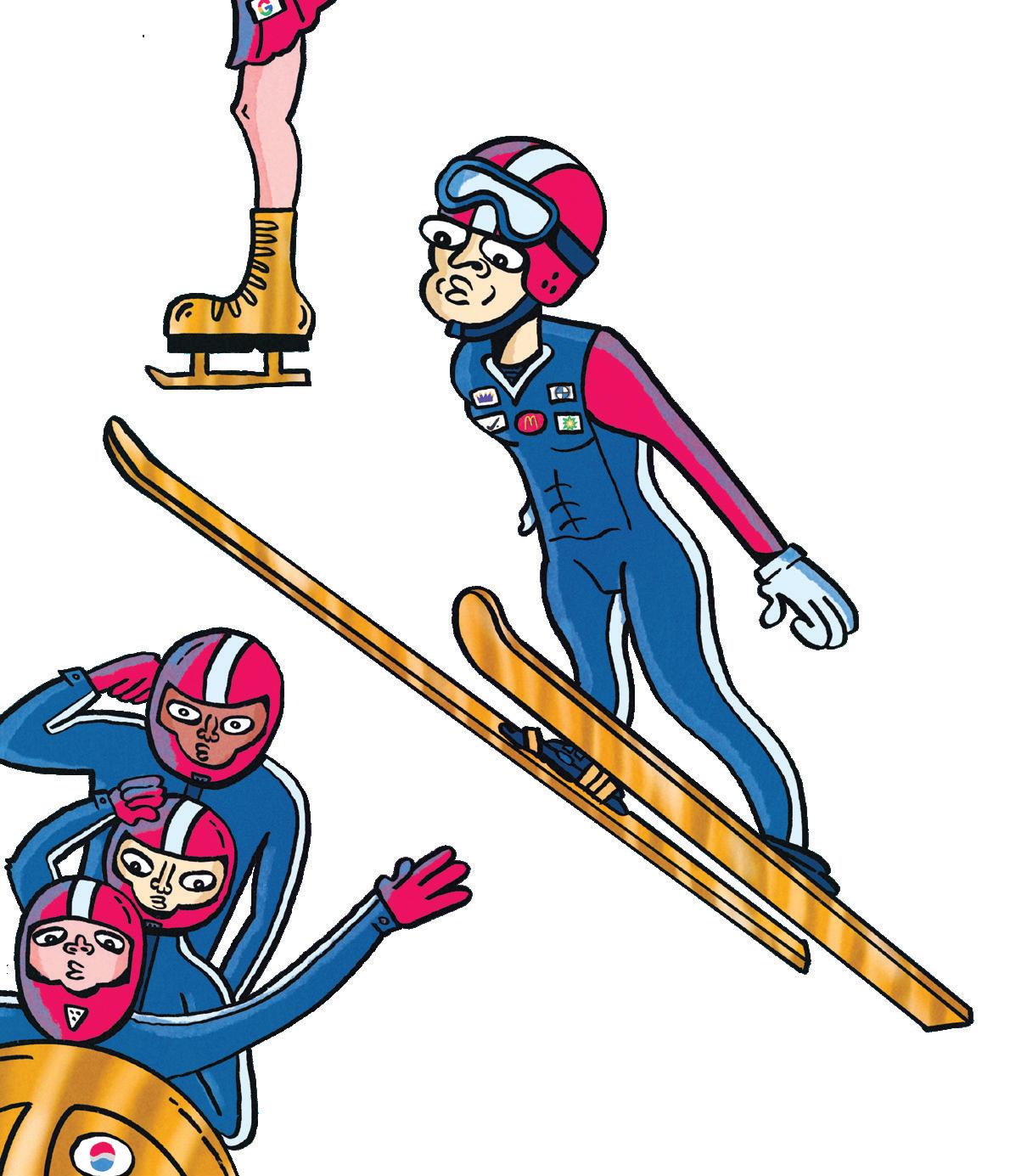


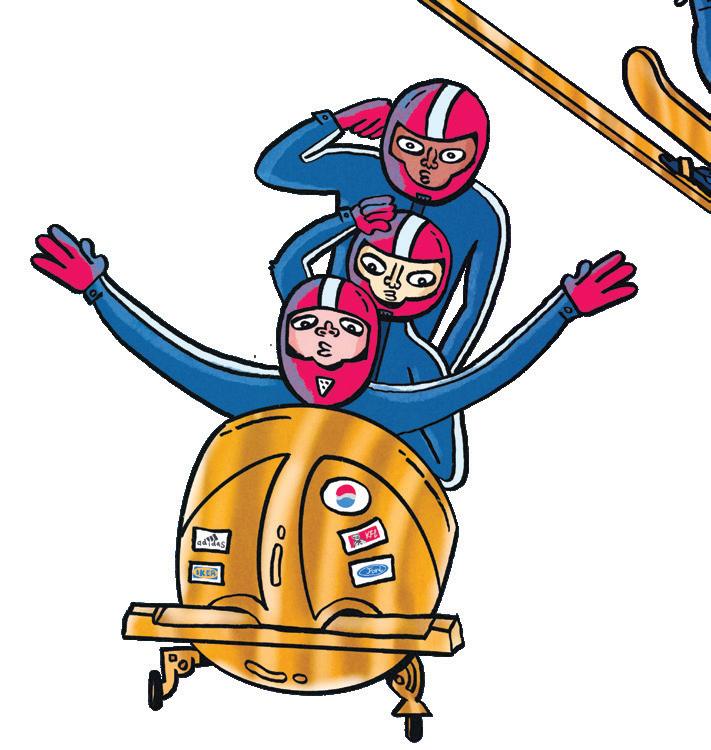
Aquadruple axel is the premier skill in figure skating, long seen as the El Dorado of the sport, and has only recently been within reach of humanity. The American figure skater Ilia Malinin (known as The Quad God) is the first person in history to complete all 4.5 rotations in an international competition. His recent stumble at the Olympic Games in Milan was a shock not only for himself but for the entire figure skating community, as he was considered the favorite for gold. Ilia’s stumble, although tragic, is representative of a larger trend within American Olympic performance. Why are American athletes falling behind and what does it reflect about society?
The Olympic Games are a crucial tradition in the international community, as they represent the global co-operation and competition that has been central in the 21st century. They have been forwarding diplomacy since ancient Athens and continue to adapt to modern requirements as a major platform for cultural exchange.
The Olympics have always functioned as more than sport. They are a recurring display of how societies organise bodies, discipline, and the opportunity within them. Since the modern Games began in 1896, nations have used the competition not only to win prestige but to demonstrate the success of their social systems. As Mahdi Feizabadi and his co-authors note in their article in the Journal of Sports Science, “sport symbolizes the international environment while also being a pragmatic tool of that environment.”
The 1936 Berlin Olympics served as a performance of ideological legitimacy for the Nazi regime. During the Cold War, medal tables became proxies for competing political orders. Even in the contemporary era participation itself can carry symbolic weight, as delegations signal inclusion in global society regardless of political tension.
A more modern example of the cultural importance of the Olympics came in 2012 when the Iranian government sent their athletes to compete. At the time, the Iranian government was under severe sanctions from the international community for their continued pursuit of weapons grade uranium. The response was clear and punitive, as economic pressure spearheaded by the United States was applied in an attempt to incentivise reversing their nuclear program. In this tense geopolitical arena, the Iranian delegation played important roles, both in unifying a nation despite severe economic pressures and in acting as a cultural bridge to Western powers.
The Games, in other words, do not merely measure athletic ability—they measure how nations cultivate athletes in the first place.
For much of the twentieth century, the United States produced athletes through breadth rather than specialization. Public schools, municipal leagues, and accessible facilities created a wide athletic base. Elite competitors emerged from participation rather than selection. The system relied less on early identification and more on mass involvement.
In recent decades, that pipeline has changed.
The pipeline to elite sport begins in childhood and depends on repeated exposure. Increasingly in the United States, that exposure is purchased rather than encountered. Youth sport is no longer primarily a recreational activity that occasionally produces elite competitors, but a structured developmental ladder requiring coaching, travel, and early specialization.
The collegiate sports economy and rising tuition costs have intensified this process. Private youth sports organizations maintain profit margins through preying on parents' via their children’s dreams and by limiting opportunities outside private clubs.
Exacerbating this is how athletic scholarships function as the singular pathway to economic mobility for many, encouraging families to invest heavily in training from a young age. In the US, spending in youth sports now exceeds $40 billion annually and has attracted private equity investment. The purchase of IMG Academy by BPEA EQT and Nord Anglia Education exemplifies this shift—a



These systems produce a small group of extremely refined athletes, but they narrow the population able to enter them. This narrowing becomes clearest in sports that require expensive environments before talent can even be discovered.
Snow sports provide the most visible case. The duopoly of Vail Resorts and Alterra Mountain Company has dramatically increased the cost of slope access, where young skiers first develop familiarity. A single-day pass at major American resorts can cost hundreds of dollars, representing a multi-thousand percent increase since the 1970s. For many families the cost is prohibitive at the introductory stage. In European alpine regions, where infrastructure is denser and access remains broader, the entry point is less restrictive.
Winter sports therefore reveal structural change earlier than other disciplines: participation determines the future talent pool. This is why the first indicators of this structural narrowing are seen at the Winter Olympics.
Only after this narrowing appears in development does it show up in results.
While the United States has historically dominated Olympic competition, recent Winter Games show declining representation in specific disciplines. The American alpine team dropped from multiple podium finishes in Vancouver (2010) to only a single silver in Beijing (2022). In speed skating—historically a Dutch-American rivalry—the United States has fallen to sixth in the world, while the Netherlands have won dozens more medals since 2010. Individual successes, such as American speed skater Jordan Stolz both winning gold and setting a record at this year’s Olympics, still occur but they emerge as outliers in
Rather than a simple athletic decline, recent results suggest a reorganization from population-based to investment-based development. The Games measure not only who trains hardest, but how widely a nation allows its citizens to begin.
At a distance, these trends can be read as uniquely American—a by-product of scale and commercial sport. But the question posed by the Olympics is portable: what conditions allow a country to discover athletes before it decides to invest in them?
In New Zealand the pathway remains visibly different. Many elite athletes still emerge from school competitions, regional clubs, and multi-sport childhoods rather than single-sport specialization. Facilities are uneven and funding limited, yet the entry point is often informal: a public field, a volunteer coach, a seasonal league. The system produces fewer athletes overall, but the barrier to beginning remains comparatively low.
This low bar to entry is extremely important to maintain, not only for New Zealand sport but for New Zealand in general. The limited opportunity for mobility in United States athletics is representative of
Similar patterns appear outside winter sports.
The 2024 US Open women’s semifinals featured American tennis players Jessica Pegula and Emma Navarro, both supported by immense family wealth. Their achievements remain legitimate athletic accomplishments, but they illustrate a demographic shift: development increasingly depends on sustained private funding rather than institutional access.
Across sports, the United States continues to produce excellence, yet from a narrower segment of society. The Olympic medal table therefore reflects not only national strength but national accessibility. A country can remain wealthy and still produce fewer broadly distributed athletes if participation becomes conditional.




Georgia Wearing
Content Warning: Sexual Language, Sexual Themes, Drug Use
He looked like Alex Turner. The headlining Guitarist jerked his head at me, pointedly, towards the backstage door. I followed him, giddy, giggling into the lip of my glass.
I hadn’t seen a man up this close before. His eyes were dark, almost black, and the pencil liner in his waterline had dried and flecked, small shards now on his cheekbone. He looked worn in, scruffy, an alley dog. The music of the opening band was close to deafening, and I couldn’t make out the words he was mouthing until he leaned in, pressed his lips against my ear, and yelled his name. I yelled mine, my throat stretching as I tried to be heard above the squeaky guitar solo. He grinned, his fingers interlocking at the base of my neck before pushing upwards, knotting deep into the thick curls of my hair.
His mouth was warm, and seemed endless, my tongue couldn’t escape his no matter how much it sought out the soft flesh of his cheeks, trying to time out behind his teeth. He twisted me around and pushed me up against two tall speakers, his boots and my heels tangling in the pile of cords and cables.
I could barely focus on anything but his hand, flat against my abdomen, that was feeling out the layers of my skirt and underwear. I felt the cold silver ring on his right finger brush against my skin before he found me. I could feel the fingers that had expertly plucked at wiry cat-gut strings during the sound-check strumming and stretching me. I buried my face into his chest to hide it in case we were caught and from him, to conceal my excited expression.
My mind focused only on how good a virginity story this would be; I’d be able to brag about it while other girls would only have sad shit to say. I’d be able to gloat about getting tongued and fingered backstage by a micro-rockstar. I’d bluff
maybe that we’d also fucked and that he’d finished just as an MC called him to the stage, and he had to slip away, jogging, zipping up his pants, and running on stage, having to act cool and focused while still rock hard.
Meanwhile, I tried to respond to his movements, guess what the next step was and beat him to it. I sunk my teeth into the slippery collar of his leather jacket, it tasted like gasoline. Looking back, he’d probably sourced it from an alleyway or in the lost and found for publicly disgraced indie artists. There were, after all, a number of ousted Wellington artists who had played two gigs, inflated their egos, and started hitting women.
I opened to each of his black paint-polished tally marks, taking three before he heard something. He slipped out and stepped away, with the courtesy to walk backwards and smile, bite his lip, and give me a ‘call me’ signal.
I bragged about it afterwards, being pushed up against the barricade, lifted by the mosh like a sacrificial groupie being offered to a moustached, mulleted god. He took a break during the second song to pour out the remainder of his vodka Redbull over his left hand, washing off my slick. I didn’t wait for him after the show; I was hoping he’d suck the rest of me off his fingers or leave me lingering on his guitar strings.
I was scrolling without looking, the way you do when your brain is somewhere else. I knew it was him before I’d even registered the photo. I scrolled back up; it was a photo of him and a girl. It seemed ‘friendly’; they were at a house party, tapping their beer bottles together, unsmiling, trying to out mog each other. I checked if he was tagged, he was. His account was filled with professional shots of him bent in a half-moon over a twilight-covered guitar, hair covering his eyes. I scrolled further than I should’ve, to a year ago when his hair was a washed-out blue and he hadn’t yet pierced his ears. He’d posted pictures of guitars, old friend groups from high school, and old girlfriends. They were

all thin with pin-straight black hair and heavy goth eyeliner. I tapped on their profiles and studied them. A few were objectively prettier than me, a couple uglier, but they all shared his look—ripped vintage clothes and a penchant for partying in vandalised bunkers. But maybe I was a break in the pattern.
His account followed me back, and I tried to draft him a message.
Urban_brUmby: Hey
And then deleted it.
Urban_brUmby: Hii, idk if you remember me but we kinda hooked up at that new boy gig a couple weeks back, was wondering if you wanted to grab a drink?
I obviously deleted that and finally decided on:
Urban_brUmby: Hey, I’m heading out and would rather drink with company
I saw him typing and threw my phone down on my bed, not wanting to watch his reply come through.
SoChaotic: i’ve got some time after band practice, where u wanna go?
Urban_brUmby: You choose, tired of all my usual haunts
He held my hand as we descended a dark set of stairs in a tucked-away alley. He pushed the door at the bottom, and it swung open. Inside, the bar was dimly lit. Stripped animal skulls were nailed to the walls, and at the edge of every dark booth was a folded faux fur blanket. In one corner, a large black piano gleamed, crowned with a waxy old candelabra. At the bar, we snuggled up next to each other. He was wearing the exact same thing
as the night of the gig. I’d painstakingly selected something that could come off as effortlessly cool; dark washed jeans, a mini silk slip dress worn as a top and a short fur coat that smelt like an attic. It was an attempt to look like I knew more about Courtney Love than just how to replicate her outfits. He ordered a straight whiskey, bottomshelf. I asked for a cocktail menu, and the waiter placed both his hands on the bar and gave me an odd, theatrical grin.
'We don’t have a menu here, see, we’re kind of like a cult, tell me how you’re feeling and I’ll deliver something on par with that.'
I was planning on doing the exact opposite of talking about feelings. I looked between the waiter and the Guitarist, who was watching me as if this was a test he put every girl through. What could I say that would be both normal and intriguing.
'I’m feeling warm and a little complicated. But don’t make me anything with gin, I hate gin.'
The bartender flourished a nod and began pulling out bottles and shaking ice around, the Guitarist swallowed a mouthful of whiskey and tried to hide a grimace. Clearly, he wasn’t drinking it for the taste. A waiter walked by and placed a candle between us, the hot wax spilled, and a clear tear slid over the edge, solidifying halfway down before it hit the table. The candlelight cast shadows around our eyes like we were wearing masquerade masks. My drink arrived; it tasted like gin.
Even though he’d drunk three glasses of whiskey he still tasted like cheap dive bar beer. His room had been cold when we arrived, messy, a testament that my being there was unplanned, unless he didn’t care what the girls he brought over thought of his place. It was my first time being in a man’s bedroom. He didn’t have a bedframe, just a mattress on the floor, but it made the space feel more spiritual, taking ‘grounded’ literally. While we kissed, I looked around, his guitar gleamed in its stand, shining, almost silver as the moonlight hit it. His room felt antithetical to mine. His was stripped-back, involuntarily minimalistic. I enjoyed kissing him, his lips were cold, each movement practiced. It felt like being eaten softly. He pulled off my clothes and threw my fur coat to one side. It slumped over like a dead animal. He felt strong, despite his thin, tall frame. I tried not to hesitate or look self-conscious as I unclasped my bra. I didn’t want to expose that—aside from what we’d done behind the speakers—I was a virgin.
I resented the idea of being handled like a fragile object. I wanted sex that was just sex, not a tutorial or a gentler version of it. And yet, I still wanted everything to slow down so I could enjoy each new sensation, each new texture. The new expressions I’d unlocked—hunger, focus and a half-lidded look I couldn’t decipher. He leaned down and started feeling for something beside his bed, grabbed it and pulled back to tear open the gold condom with his teeth, asking while he did it if I wanted to keep going. I nodded, and he hunched over and slid it on. It hurt going in, like a piercing. But then it felt like he’d unlocked something. I gripped him. I felt full, complete, connected. I refocused, listened to my own heavy breaths, my moans, tried to steady them, make them sound hot and harmonise with his. My hands anchored to his chest, my back arched, bouncing on him like a pornstar. I caught my reflection in his mirror and focused on it, on the feedback a second perspective gave, I arched my back a bit more and tilted my head back. And then his whole body softened and he slid out. We both pulled away from each other and lay side by side, catching out breath. I finally understood it, the zeitgeist of sex.
In the shower, we stood next to each other, scrubbing separately, neither offering to wash the other's back. Later, damp, under his sheets, he wrapped himself around me, our naked bodies pressed together like it was nothing. As soon as he fell asleep, I slipped out of his arms. I wanted him to wake up to me gone. To leave behind the impression that one-night stands were secondnature to me. I walked home—my underwear bundled up in my purse—past mothers walking their kids to school and working professionals rushing toward bus stops. My cervix ached but I
felt healed somehow, as if chakra’s were real and my sacral one had been serviced. An imbalance within it was allegedly the root cause of emotional issues, lack of creativity and self-worth. Maybe that’s why I was struggling so much with my assignments, I needed to have sex. I did paint when I got home and my strokes did feel looser.
I started to spend my sleepless nights at his gigs. I watched the stage from the balcony as it rotated musicians. I invited my classmates out with me, so it’d look like I had friends he needed to impress. I scrawled, ‘I fucked the guitarist’, on a graffitied bathroom stall wall. I started to prefer sleeping in his bed, when I was in his space it felt like I was balancing out my yin. I looked so much softer, more feminine, standing in his room than my own. My breasts more pronounced when I wore one of his band tees. I slept better in his clothes than I ever did in my lacy sweetheart sets. I enjoyed learning how I could initiate, make him hard simply by pressing my body into his crotch, parting his legs and pushing his guitar out of the way. But he wasn’t as devoted to masculinity as I was to being feminine. He was a man by default. He wasn’t assertive, his directionless starving artist lifestyle which had once seemed new and exciting had grown repetitive, the gigs stopped to ‘work on new music’. I started to outpace him, one round was no longer enough, I needed more. Sex became an addictive, dirty kind of art I kept wanting to make. He’d finish, roll over and groan when my naked body pressed up against him again. I was exiled to the side of the bed, to the bathroom, to fuck myself.
Then he started to whine. We’d be opposite each other, half-dressed at midnight and he’d be bent over crying. He wailed about both being undiscovered and being known. He kicked his guitar and shredded pages of lyrics, his face scrunched up as he tried to squeeze out tears. He moaned about his parents’ divorcing when he was six, alternating between infatuation with his life and disillusionment. He confessed that it was only when he was drinking, heart-broken, or depressed that he could write good lyrics. That he had to be miserable for good art to leak out of him. I watched on as he deafened himself with Billie Holiday and Pink Floyd, played in an attempt to generate sadness. While he thought I was sleeping I listened to him mutter out new lyrics and tried to figure out if any of the lines were our relationship, our sex, dressed up with metaphors.
But I enjoyed his company too much to let go, the feeling of a man next to me, his weight, those few moments he held me and not onto me. It had been long enough that we became attached concepts. Strangers stopped me on the way to class to ask if
I knew about a possible new show, whether I was going to another brand’s event. I was never there to hear it but he must’ve started to experience it to, questions about me, my name hanging on the end of his. One morning, in doggy, he leaned down and whispered in my ear.
'I love you.'
I said it back.
Somehow, we worked. The next day when someone brought him up in passing, I casually shared that we were slowly getting serious, we didn’t have a label for it, but we didn’t need to. I posted a photo his friend had taken of us backstage, his arm was around me casually and he was looking at something out of frame, but it was us, proof that it wasn’t all words and graffiti.
The next morning, he messaged me.
SoChaotic: let’s stop seeing each other.
Sleep had provided a temporary escape from everything, but I had to wake up, a deadline was coming up, and my canvas was blank. The art I’d been making while I was mentally absent exposed the extent of my emotional mess, it was disorganised, directionless. To my lecturer, it might’ve looked like grief, the death of my nonexistent cousin impacting my ability to make art.
To the people who’d seen me at parties, who knew those in the music scene, my art exposed the extent of my emotional mess. A deadline was coming up. My canvas was blank. I thought about his lyrics. I painted the Guitarist.
I positioned him hunched over a smashed-up guitar. Amongst the broken pieces, a Luzon bleeding-heart dove is limp. The broken pieces around it bend inward like a punched-in skull. I actually asked a classmate for their notes on Audubon’s bird paintings, to help me replicate the feathers. The slate-coloured bird was playing dead; its bright red feathers in the centre of its chest a deception. I painstakingly replicated the sweatsoaked strands of hair that had covered his face, every time he performed under the stage lights. I didn’t know why I was doing this, why he was the only thing I felt compelled to paint. As I worked, I didn’t feel anything. He’d become a series of shapes, a subject with no say in how he changed, how I altered him to better fit the brief. It didn’t feel like an original idea, it felt like a response. When I finished, the paint was gleaming, the light reflected off the still wet brushstrokes. I used my fingers to
blur his facial features into an unrecognizable blue. I blurred everything below his eyes, his nose, his cheekbones and then with the edge of my palm made one swipe across his brow as if to wipe away his sweat. I left his eyes, looking down at the bird, it was necessary to retain the original focal point.
During the post-hand- in class showcase, I stood by my portrait. My sleeping pill hadn’t quite worn off so when I had to provide critique, I had to actively tell my eyes what to focus on. I hadn’t even thought about critiques when I’d handed my painting in, I didn’t have time either. When the discussion reached me, there was a pause, a moment where it felt like some people who’d intended to say something as soon as they had the chance chose not to. I caught someone’s head turning to exchange a look with the person next to them. But nothing came out of it, instead the focus was placed on whether I’d successfully made the bird look alive enough to sell it ‘playing dead’.
Georgia Wearing is a poet, fiction writer and columnist. This excerpt is from her master’s thesis Sleeping Beauty, Plastic Doll, a work of auto-fiction, an exaggerated attempt at wearing her heart on her sleeve.

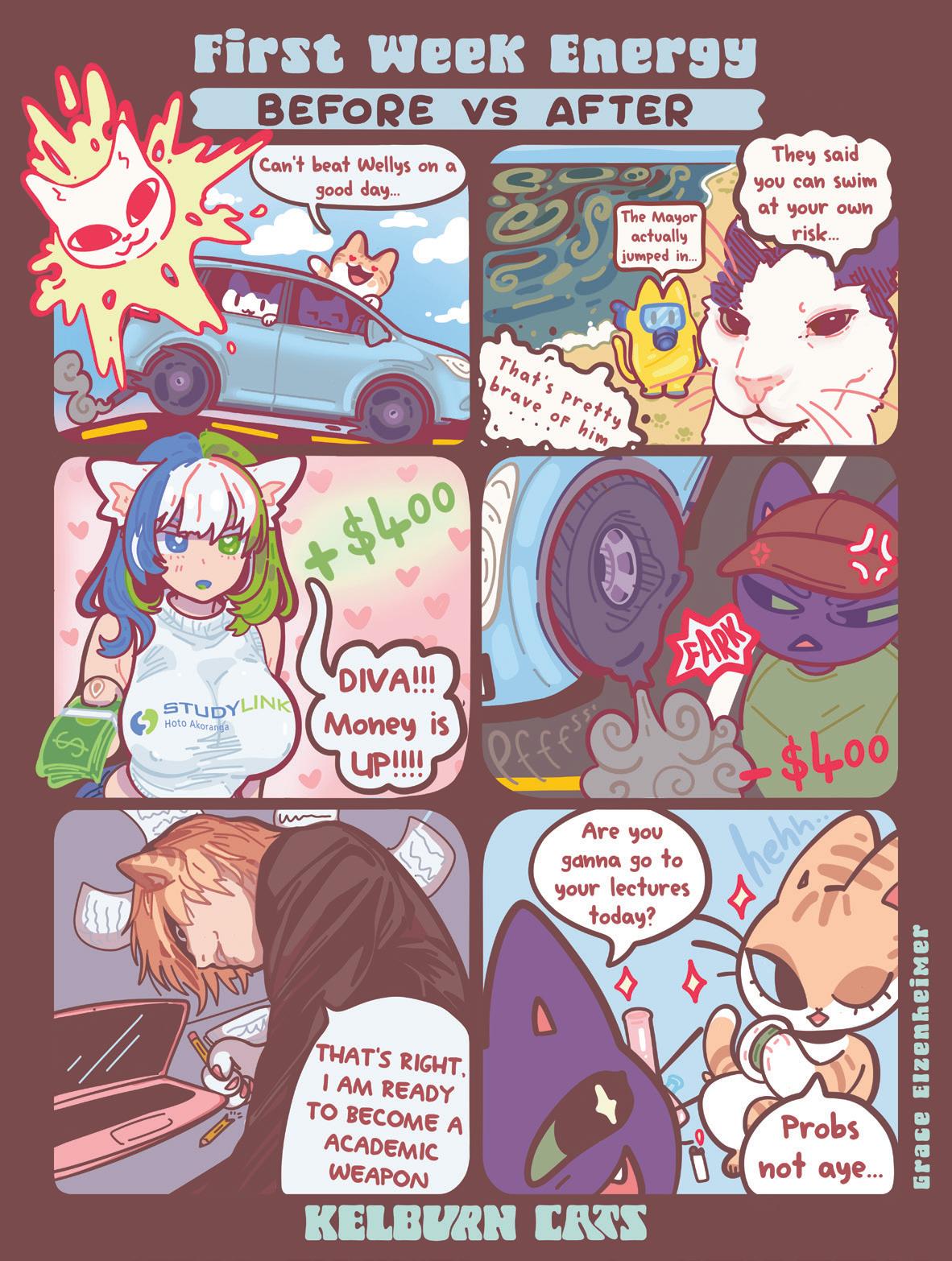
woohoo!!!!
Tēnā koutou katoa,
Nau mai haere mai ki te Whare Wānanga o Te Herenga Waka!
Ko Ngāi Tauira mātou!
We are the Māori Students Association here at Te Herenga Waka. Our purpose is to enhance all that tauira Māori experience during their study.
We provide support with hauora, promote academic success, encourage whakawhānaunga, and engage with cultural kaupapa. We provide a voice and advocate for tauira Māori at Victoria University of Wellington and also promote Te Tiriti o Waitangi and the Treaty of Waitangi with both VUWSA and the university.
We work closely alongside Āwhina and The Deputy Vice-Chancellor (DVC) Māori office to ensure that this university provides you with the best possible resources. Come find us in either of our NT common spaces and study hubs, located on level two of the Student Union Building and level two of Ngā Mokopuna.
Ngāi Tauira is the core Māori student’s association here at Te Herenga Waka, though Te Herenga Waka also offers Ngā Rangahautira (the Māori Law association), Ngā Taura Umanga (the Māori Commerce student association), Te Paepaeroa (the Māori Architecture and Design student association), and Te Hohaieti o Te Reo Māori (the Reo Māori society).
These associations all regularly run events and kaupapa that you can jump in on and make lifelong friends from, including Kapa Haka, weekly sports, rongoā Māori workshops, rumaki reo, study wānanga, and so much more.
Weekly Kapa Haka every Tuesday from 3 p.m. to 5 p.m. at Ngā Mokopuna and Te Tumu Herenga Waka
Bi-weekly parakuihi every other Wednesday from 8:30 a.m. in the Ngā Mokopuna wharekai
Back2School Pāti on Saturday, 7 March

Hall Drop-in's from March 2 to March 5
Weekly social netball on Wednesdays
Weekly social basketball on Fridays
We have more kaupapa and events coming up though, so make sure to keep an eye on our Instagram page to keep up to date!
hOW dO yOU GET OvER SOmEONE ThAT GhOSTEd yOU? hey hunk unc,
If you’re on a dating app—or honestly just trying to meet anyone—it’s pretty likely you’ll end up getting ghosted at some point. The 21st century gave us great things: streaming, online shopping, and food delivery at 1am… but it also gave us some proper rubbish ones. Ghosting being right up there.
Your Hunk Unc has done his time in the trenches of the dating apps, and here’s the reality: it’s hard. So hard, in fact, this Hunk eventually jumped off them, worked on himself over summer, and picked up hobbies he actually enjoyed—not just doomscrolling virtual tamagotchis with fish photos and “looking for something casual” bios.
But anyway… you’re not asking about apps.
You’re asking what happens when you like someone, and for whatever reason, they vanish.
Ouch.
First step to getting over it: let it hurt.
I know, I know—what you want to do is act like they never mattered anyway, that your life is better without them, and they’ve missed out on this big beautiful love story you two totally could’ve had. But let’s be honest— if you’re writing into an advice column about someone ghosting you, you cared about them. Even a little bit.
And that’s fine. Actually, it’s a good thing.
You cared. Which means you’re capable of caring again—in your next relationship, situationship, or whatever-ship you’re heading toward. That’s not embarrassing. That’s something to keep. Right now though, that care feels like hurt, so feel it.
Hunk Unc may have hit the gym, but he’s still here for the people. If uni life has you stressed about flatmate drama, lecturer issues, or whatever is going on in your dating life, Hunk Unc has advice your parents definitely want to hear. Equal parts wisdom and gains.
To submit a question, scan the QR code on the page. If your problem needs a spotter, Hunk Unc might just get back to you.

Complain to your mates. Write terrible poetry. Draft texts you’ll never send. Play Adele or Florence + The Machine at irresponsible hours. Or be like your Unc and go lift heavy circles at the gym—elite distraction, highly recommended. Just try keep it constructive, not self-destructive. Substances aren’t therapy, bro.
Also—don’t spend the next calendar year mourning a twomonth situationship. But do give yourself time to process it. The real sting with ghosting is your brain fills in the gaps. You start imagining what life would’ve been like if they hadn’t disappeared: the dates, the trips, the chats, the sex, the inside jokes, the “maybe”. You’re grieving potential.
But here’s the important bit—and you probably know where this is heading: they ghosted you. They didn’t send a 10-second message. Not even a “hey sorry, not feeling it” text. Not a “met someone else.” Not even a low-effort thumbs-up exit. Nothing.
And this is the tough love section: they didn’t care enough to communicate. You cared. They didn’t—at least not enough to do the bare minimum of respect. Hard pill to swallow, but necessary. Because once you accept they weren’t actually this ideal person—even if the banter was great, the chemistry was great, whatever—they still chose the easiest path for themselves instead of a kind one for you. And yeah… that’s a bit stink.
So to get over someone who ghosted you, grieve it, then reframe it. They showed you how they handle discomfort and communication, and that behaviour isn’t partner material. Your person wouldn’t treat you like that. Whoever you end up with should offer kindness, respect, and basic adult communication—bare minimum standard stuff.
So I’m holding your metaphorical hand when I say this: you dodged a bullet. Let it hurt, then recognise you deserve someone who at least has the courage to send a text. Bare minimum effort is still effort, and they didn’t even manage that.





What: Nyonya (Chinese-Malay-Javanese fusion)
Price: $8.00-$17.00
When: Open for lunch and dinner, Monday–Saturday
My one true love, my ride or die. The place to go for a hug on a plate.
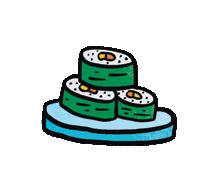
God bless Little Penang and its delicious, liberally–portioned plates of Peranakan perfection. This shining beacon of a restaurant will be 15 years old this year, but might as well have existed forever. There’s something that I can never quite pinpoint that makes the place feel incredibly homely. Nostalgia, I’m sure, plays a big role. On weekends, they sell a lot of the same kue that my oma will serve on her coffee table: little coconut cakes and pandan jellies like dadar gulung and kue lapis. For many Malaysian students and migrants, Little Penang and those who run it really are a home away from home (check out The Spinoff’s article on owner Tee Phee for the full backstory). Trying my best to remain objective though, Little Penang has had some rock-steady meal deals that I turn to time and time again for their value and fullon, addictive flavours.
First off the bat are their curries. Starting at $8.00 for a standalone curry and capped at $17.00 if you want to add roti and fragrant coconut rice, these are a lunch or dinner go-to for the masses. They’re a beautifully capsulated meal: served on metal trays, your curry, rice, roti, and sambal each have their own sections. If you can’t decide from the menu description, pop up to the counter where the curries are on display, simmering away. It’s quaint and efficient, but don’t be fooled by the canteen-style servings, these curries are anything but humble.
My regular order is the Kapitan: tender chicken pieces in a rich yet bright kaffir and lemongrass gravy. It’s a mild affair and very easy to enjoy. The classic Nyonya curry, however,


with chunks of fluffy potato and a hint more heat, is the most filling. Add a side of rice and you’ve got a quality meal for a tidy $14.00 ($12.00 if you pick the masak merah, but know that it packs some breath-quickening, foreheadsweatening spice).
However, curries aren’t all that I can vouch for. Reminding me once again of my little Indo oma, the kitchen here feeds you well. I took my aunt and uncle for dinner once, who began ordering starters with a financial freedom that I hadn’t witnessed in years. 10 minutes later, a platter arrived at our table that was close to overflowing with vegetable fritters. What vegetables they were, I couldn’t tell you, but it was a glorious mix. Soft and succulent, and roughly torn to form lots of deliciously fried edges. For $9.00, the vegetable fritters could almost be a meal unto themselves.
While I haven’t tried it myself, it wouldn’t surprise me if their Nyonya Platter of fritters, spring rolls and deep-fried tofu would be a struggle to get through (maybe not if you share—it is $15.00 for a two-person serving). Their other starters, like the Taukua Sumbat, Kerabu Salad, or even the Otak-otak side dish, would make a very decent meal paired with a bowl of jasmine rice.
No matter what I’m hungry for, no matter what my budget is, no matter the occasion, Little Penang is always a great option. I’ve had birthday dinners here, I’ve gone on dates here, I’ve popped in for a warming lunch when the wind was bitingly cold outside. They serve a range of great food at kind prices, with a lovely atmosphere in a central location: on Victoria Street, in line-of-sight of the Guzhnee St bus stops on the way to Kelburn campus. For those at Pipitea, Sri Penang serves a similar menu as well as breakfast from the Parliament end of The Terrace. Their kaya toast and softcooked eggs might lure me down that end of town soon, but there’s something about Little Penang that I know will call me home, time and time again. I wanted to share this beautiful place early and I hope you can fall in love with it like I, and so many others, have.







Jackson McCarthy is Salient's Critic-at-Large. His first book of poetry, Portrait, is forthcoming from Auckland University Press later this year.
Ten years later, Rihanna’s finest hour begins to sound more and more like her final

It’s been ten years without new Rihanna music. To people my age, that might not feel like such a statement. We spent our teenage years seeing the star as everything but a studio musician: as a makeup tycoon, a lingerie designer, an actress, a Super Bowl Halftime Show, a mother, a billionaire, a Jonathan Anderson fan. So it’s hard for me to imagine or to reconstruct that moment in early 2016 when her eighth studio album, Anti, finally dropped—and just what a swerve it must have seemed like.
There was some discourse at the time, in outlets such as Pitchfork and The Guardian, regarding Anti’s lack of commercial appeal or radio-friendliness. Well, after ten years of hearing nonstop songs like “Work” in its straightjacketed dancehall glory and “Kiss It Better” in its schmaltzy R’n’B groove, they’re sorely mistaken. What Alexis Petridis of The Guardian got right, though, was the sense of confusion manifested by the album’s tapestry of genres and experiments. It had been a while since Rihanna was serving kidz-bop Mariah Carey realness on tracks like 2005’s “Now I Know”—she’d found her style as early as 2007, really. But Anti pushes it: there’s a highly-quantised, lean, polished finish on all of these songs, no matter how acoustically the genres that inspired them originated. In fan-favourite “Desperado”, the singer’s sitting in an “old Monte Carlo”, wondering, “There ain’t nothing here for me anymore”; that low-pass filter on the instrumental bridge only deepens the divide between old and new.
Similarly, the straightforward soul track “Love on the Brain”, in a smooth 12/8, is almost a pastiche. But then there are those metaphors about money and violence, about a love that “beats [you] black and blue”; and that sudden synth padding that comes in on the pre-chorus; and the grit and nastiness of its author’s voice—and suddenly we’re in the future again. Its effect is only amplified by the following “Higher”, a coda in the same metre and tempo but now replete with a ghosted violin. It’s a glitched-out,
too-drunk, last-ditch phone call to a man who’s gone or can’t stay, and it draws out the vulnerability that’s been lurking behind the more confident, typically Rihanna-ish tracks that precede it. (I can’t help but think that “Needed Me”, for instance, even though it projects arrogance, is occasioned by feeling misunderstood: “But baby, don’t get it twisted”.) We find resolution in the closer, “Close to You”, in which Rihanna shows herself as a protector against cruelty rather than an arbiter of or victim to it. Grant that maybe this guy’s not malicious, just indecisive— most of ‘em are!—but is there a quality less Rihanna than indecisiveness? It’s cast as a piano ballad, à la the Nicki Minaj deep cut “Grand Piano”, and all it can “hope” for this love is “that [its] message goes”: towards its recipient, yes, but away from its sender, too.
I don’t mean here to flatten out the richness and diversity of the album’s styles and moods (it even includes a Tame Impala cover!) by suggesting it’s merely a breakup album. Its last three tracks are strong enough to draw the eye in that direction, but there’s too much material here to give the album a reading as simple as that. Anti is, in that sense, Rihanna’s most uneven album to date. But like Beyoncé (who also has a major 10-year anniversary coming up in 2026), Rihanna’s twin subjects on Anti are love and power.
What happens when you organise your life, as we all have done or will do, around a force so volatile and changeable as sex? We listeners can only hope to feel as confounded in the face of that question as Anti does—in the meantime, we have these messy thirteen tracks to feel it out for us.
Kate Camp’s new book looks back at her old diary
I knew Wellington poet Kate Camp for her 2025 release Makeshift Seasons, a poetry collection so subtle and stunning, so full of quiet observations and unspoken sadnesses, it possessed my reading for months—now, for almost a year—after my first encounter. I knew Camp’s work for her wit and lowkey musicality; as a
poet who could roll around in cultural detritus at one moment—Superman, the Beach Boys, Homer—and turn out bars of verse at another: “I experience the ocean as a vertical plane / as I came down the road from the funeral / how it filled the space of the valley like a vessel / the dark-blue cup of it against the mid-blue sky”.
The Kate Camp I didn’t know was the precocious teenager, thirteen-goingon-fourteen, who wrote her 1986 diary, entries from which largely compose her latest release, Leather and Chains: My 1986 Diary. The book originated at the Bad Diaries Salon, an annual literary event in which writers are invited to read from their own bad diaries, unedited. Camp’s performances here were, I’m told, a hoot— and there’s occasionally the sense that this book would work better in performance. But it works on its own terms thanks to the inclusion of commentary, after each diary entry, from today’s Kate, the kind of commentary reflective of what I love about her poems. There’s a sense of amazement at memory and what it fails to capture, and a self-aware sense of humour that doesn’t become noxious or self-deprecating.
And, of course, there’s a bittersweet mix of sympathy and admiration for the girl of the diary—existentially lonely, posing as an adult—that Camp used to be. That attunement to life in all its weirdness and rarity is a Camp signature, made all the more potent in the two essays that bookend this volume. From the second one: “Every moment is a kind of forgetting: there’s always some level of detail, awareness, and reality that is just beyond your grasp.” This book is a perfect weekend read, presented in a gorgeous volume by our very own Te Herenga Waka University Press. Leather and Chains forever.

want to get in touch, tip me off, or rage at me electronically?
jackson@salient.org.nz

Content Warning: Anti-trans Rhetoric, State Violence (ICE), Epstein.
The state of media ownership is pretty fucking dim right now. Most of the major streamers are owned by megarich, MAGA sympathizing white guys who are carefully orchestrating the mass monopolisation of media. These are modernday super-villians, and each year they’re getting bolder.
For anyone unfamiliar, here's a recap of their greatest hits:
Warner Bros. Studio, who we can thank for the biggest theatrical releases of 2025 (Sinners, One Battle After Another, Superman), is being acquired by Netflix, whose Co-CEO Ted Sarandos believes watching movies in cinemas “...is an outmoded idea, for most people…” In response to the platforming of anti-trans rhetoric, Sarandos has also stated "...we have a strong belief that content on screen doesn’t directly translate to real-world harm…" And they’ve started using AI for special effects.
Amazon is constantly being pulled up for egregious worker’s rights violations. They’re also notorious tax evaders; Ethical Consumer estimates Amazon’s systematic avoidance of corporation tax deprived UK citizens of around £575 million in 2024 alone. Meanwhile, owner Jeff Bezos has generated a net worth of nearly $220 billion off the backs of underpaid, overworked employees. And he appeared in the Epstein files 194 times.
In an act of media censorship, Disney-owned ABC briefly cancelled Jimmy Kimmel Live in September of last year after Kimmel made light of Trump’s response to the killing of Charlie Kirk. In 2025, Disney removed two of its DEI programs and didn’t mention DEI in their annual business report for the first time since 2019. And they’ve just invested $1 billion in OpenAI.

Apple CEO Tim Cook has become fast friends with Trump. In Jan 2025, he personally donated $1 million to Trump’s inauguration fund. Cook also attended a special White House screening of a new Melania documentary on the same day Alex Pretti—intensive care nurse and U.S. citizen—was executed by ICE agents in the streets of Minneapolis. And he appeared in the Epstein files 152 times.
Disney+, Prime Video, Netflix, and Apple TV are unequivocal no-gos for those concerned with human rights, censorship, and the future of creative media. It feels like ethical consumers have no way to stream movies without sailing the high seas, if you catch my drift.
Enter: AroVison, a Pōneke-based streaming service run by local small-business AroVideo.
AroVideo is a DVD rental store in the heart of Aro Valley that has miraculously survived countless cultural shifts. Andrew Armitage first opened the store in 1989, though back then they were renting VHS tapes (which they still do, by the way!). When the Digital Versatile Disc was invented in 95’, AroVideo adapted and began stocking the new tech. They even survived the video-store-plague, a slow-acting disease caused by online streaming services.
Despite all this resilience, Armitage told Stuff in 2015 that the end was near for his beloved video store. A bright idea helped him hold on; the owner introduced the 'Adopt a Movie' scheme. Movie-lovers were invited to sponsor the purchase of a DVD, helping Aro keep stocking new stuff that they otherwise couldn't afford. The shop is now home to 667 adopted films.
In 2022 Armitage launched The AroVideo Library Preservation Transition Fund. The money raised would help to shift ownership out of his hands and into those of a trust entity that could protect and preserve this
Holly Rowsell
important cultural collection. In seven months, he raised nearly $35,000 dollars.
Today, the AroVideo DVD Library contains over 27,000 titles—around 24,000 of which are rental films—making it the largest collection in Aotearoa. For comparison, Netflix only offers around 5000 movies (cough—pathetic—cough).
This place is a Wellington institution that would be long gone if not for the support of its loving community. It’s important we keep that support coming. The best way you can help ensure the survival of this store is by choosing AroVision as your filmstreaming service.
AroVision boasts a beautifully curated collection of 3500 films. The website describes their catalogue as “festival, cult, classic and unusual titles, the vast majority of which are not currently available on the best-known streaming provider.”
The platform operates as a digital video store. Membership is free. You pay a rental fee per movie, just as you would for a DVD, which gives you 30 days to start watching the film, and 48 hours to finish it once pressing play. The cost of a movie varies from $5 to $8. Watch it with a friend, and that's maximum $4 each! Two friends, $2.67! And so on!
Browsing such a unique catalog can be a little daunting. Even movie buffs haven't heard about some of the stuff on AroVision. But fear not! I’ll be back bi-weekly to recommend a couple films I think you’ll like—or at the very least haven't seen before.
Let’s keep loving this local legend. Gather your mates, chuck some popcorn in the microwave, and watch a movie on NZ’s most ethical streamer. No matter the genre, everything on Aro is a feel-good-film, because nothing feels better than supporting a local business.

Men can be submissive. I was having sex with my current boyfriend one night and I was on top. He normally is on top but he wanted to see me on top for once. I showed him what a top I can be! I was riding his dick until dawn, I was leaving hickeys all over his chest where no one else could see them besides himself in the mirror and I teased the out of him while I pinned his hands down. He claims he isn't a but after that night he so was. I left my man trembling, wanting to be pleasured more and more. I don't know why men are so scared of being submissive. My boyfriend enjoyed it! submitted by anonmous
Oh Yes, Oh No is where sex stories go to be judged. Was it hot? Was it a disaster? You decide. All stories are submitted by readers, published anonymously, and guaranteed to make you say 'oh yes' or 'oh no'. Scan the QR code to submit your own and see if it makes the cut.

one time straight after sex I stood up too fast and fainted onto my partner's knee which gave me a black eye, a concussion and knocked me unconscious. I was in halls at the time and he wasn’t supposed to be over so I refused to tell anyone and we just Ubered to the ED. i lowk think i fractured my cheek bc it’s been like 1 1/2 years and it still hurts when i press it submitted by anonmous
the first time i made my ex cum she thanked me instead of saying she finished.

Hooked up with a guy back home, we met up in this little grassyard right next to a bike path, it’s maybe 11pm. The sex is great until I see someone coming along the bike path and clearly he does too because he’s starting to speed up, and just starts doing moreee iykwim, it’s chill but really the worst part is that we went back to his house afterwards and lord give me strength, it was a one minute walk away. Would do again tho submitted by anonmous

In my wild and mispent youth (first year) I frequently had gentlemen callers (Grindr hookups) much to the chagrin of my hall's security team (sorry guys!) One time, I'd run out of lube and had forgotten to buy more before my next visitor arrived. I felt confident in my bottoming abilities and wondered how necessary lube actually is. Surely we could make do without it, Jake Gyllenhall-Brokeback Mountain-bussy full of beans style. LESSON LEARNT! Lube is extremely necessary, as I soon discovered. An entire human penis *can* fit in your ass with nothing but willpower and a lot of spit, but I would not recommend it to anyone. Trust me. Use lube.
submitted by anonmous
I asked him to choke me during sex and he went a little too hard and i freaked out and pissed myself, deadass. submitted by anonmous
116 Handy for small purchases while travelling 117 Notable person sometimes spotted at airports
and Olmert
NASA underwater research habitat
Stores in a silo
Japanese pen brand
Herbal root used in remedies
Handel's "___, Galatea e Polifemo" 8 Also known as Nenjiang, is a major river in Northeast China
9 Region visited on longhaul cruises
10 Tree seen in many warm climates
11 Floating, as swimmers do on holiday
12 River in Europe a traveller might encounter in Belgium
13 Daniel of The Karate Kid
14 “That’s a defeat for me,” informally
15 Completes forms, as travellers often must
16 Slippery, like something
hard to hold onto
18 Quick sleep taken despite noise
20 Newspaper editor's opinion pieces
24 Changes over time
27 Food-truck favourite for a roadtrip stop
29 Group of American nations, for short
31 Sharp in flavour
35 Recovered from a setback
36 Workplace protest that can disrupt travel
37 Gesture shown when asking for directions abroad
38 What someone stuck far from home might admit
40 Relating to an ancient Mesopotamian people
43 Maria, noted tennis champion
44 As if by sudden transformation
45 Opinion piece in print
1 A perk or benefit
5 Sort out before heading off
9 Made of cane, like some furniture
13 What you try to enjoy on holiday
17 Words you’d use after noticing a chicken: “I see ____”
18 Remove frost before travel
19 Something to pack
21 Tell a fib
22 Regrets missing out
23 Burned completely
25 Type of movement on land or in the air
26 Confesses
28 Experience through someone else’s adventures
30 One who comforts
31 Common surname; also a Kiwi family name
32 Uses a stun device on
33 Food poisoning culprit
34 Large seabird common around NZ coasts
36 English poet, Ben
39 Cut into shape
41 Sound of hesitation
42 European capital
46 Slangy “oops!”, in US Midwestern speech
47 Group promoting holiday deals
50 Relative who might join the trip, for short
52 Stylish
53 Veggie you might buy for a picnic
55 Some people, informally
56 Shortened form meaning “snow,” common on alpine passes
48 Not disturbed
49 Common given name across many countries travellers visit
51 Dan of Forrest Gump (abbreviated)
54 Country singer Travis ____
58 Wyatt ____, comedian and actor
60 Start of the phrase “____ by land, two if by sea”
62 Gear packed by sporty travellers
64 Intro sessions for newcomers
66 Cave feature seen on guided tours
73 Negotiating, as parties might be
75 Tallest poles on a sailing vessel
80 Higher than average
81 Lebanese port city
84 Roman rulers
88 Greek word for “spirits” or “breaths”
90 Rapper known for Illmatic
57 Simple snack to pack for tramping
59 Prefix meaning “male”
61 Racing legend A.J.
63 Carried a heavy pack
65 Place you might stop at on the way through town
67 Becomes known for something
68 Upside-down dessert you might try on holiday
69 In the middle of
70 Wine region visited by tourists (plural)
71 First letter on bag tags
72 Tropical cuckoo
74 Come together, as travellers do
76 Parts that keep things moving
77 A bit unusual
78 Woman’s name; a character from the Disney/Pixar Cars
79 Consoles brought along for long trips
82 By way of, as on itineraries
83 Very short time, for the impatient
85 One, in grammar
86 City, overseas
87 Leadership role, often visited on European tours
89 Linked to family roots you might travel to explore
93 Paperwork needed before heading off
95 Sitting down, ready for departure
97 Sent to everyone on the group trip
98 Place to barter or exchange goods
101 a radio format and genre of rock music that primarily includes rock
91 Australian dialect heard on trans-Tasman trips
92 Informal name for the Canadian two-dollar coin
94 Famous sex therapist on radio and TV
95 Tree-lined walkway, especially in Europe
96 Light meal found in cafés everywhere
99 Adjust, as travellers often must
100 ____ pedis (athlete's foot)
101 Freshwater fish
102 Professional cook in restaurants
104 Unit of pressure
107 Curved shape
108 Actress Arthur of Maude and The Golden Girls

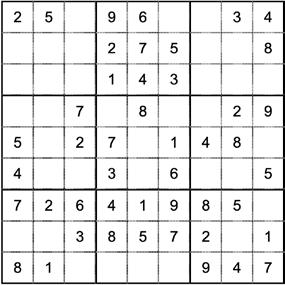
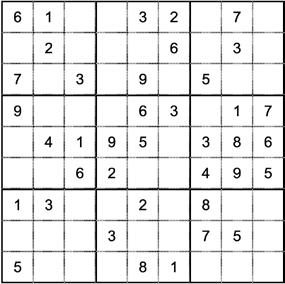
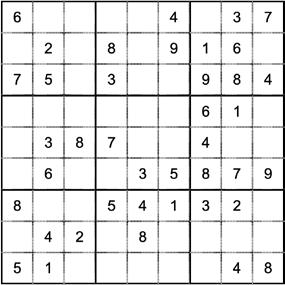
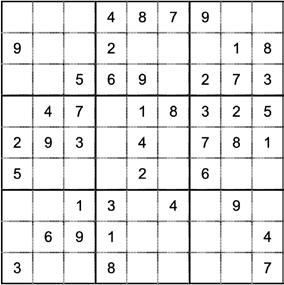
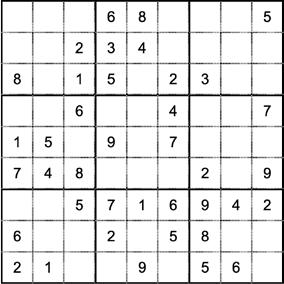
6725<7(//,1* 3527$*21,67
$17$*21,67 121),&7,21
STORYTELLING PROTAGONIST ANTAGONIST NONFICTION MANUSCRIPT LITERATURE BOOKSTORE HARDCOVER PAPERBACK PUBLISHER
0$186&5,37

NARRATIVE CHARACTER SYMBOLISM MYTHOLOGY BIOGRAPHY EPILOGUE GLOSSARY PLOTLINE METAPHOR ALLEGORY


3$3(5%$&. 38%/,6+(5 1$55$7,9( &+$5$&7(5 6<0%2/,60 */266$5< 3/27/,1( 0(7$3+25
$//(*25< &+$37(5 35()$&( ),&7,21 /,%5$5<
CHAPTER PREFACE FICTION LIBRARY FANTASTY MYSTERY CLASSIC AUTHOR POETRY EDITOR
)$17$6< 0<67(5< &/$66,& $87+25
32(75< (',725 6211(7 0(02,5
SONNET MEMOIR NOVEL INDEX GENRE THEME MOTIF FABLE DRAMA
129(/ ,1'(; *(15( 7+(0( 027,) )$%/( '5$0$
If you have a story, confession, or experience you’d like to share—whether it’s an anonymous crush, workplace drama, or something else entirely—you may submit it using the QR code below.

I stopped talking to someone because they embarrassed me once at a party and instead of communicating like an adult I just slowly phased them out. They still wave at me on campus.
- anonymous
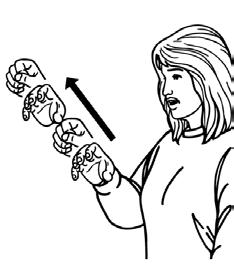
These puzzles are provided to be fun and challenging. The Salient team and our contributors aim for accuracy, but occasional errors may occur. If you notice an error, you may write to editor@salient.org.nz. Please note that our puzzlers and contributors are doing their best, and none are professionals or working on these puzzles full time. For the word find, words may appear diagonally and backwards. To access solutions for the crosswords and connections puzzles, scan the QR code next to Puzzhead.

To solve a Set Square, use arithmetic and logical reasoning. You are given a grid containing six sums: three reading across and three reading down. The arithmetic operations (division, multiplication, addition, and subtraction) are shown between the grid spaces. Place each of the numbers 1 to 9 exactly once into the grid so that all six sums are correct. Note that calculations are carried out in left-to-right order, not according to BEDMAS.
To solve connections, group the sixteen words into four sets of four based on a shared connection. Each word belongs in only one group. Continue until all four groups are identified. On our website, the groupings are uploaded one at a time, so if you get stuck, you can view the answer for a single connection without revealing the full solution.

To solve Word Wheels, form words of four letters or more using the letters in the nine-letter wheel. Every word must include the central letter. Each letter may be used only as many times as it appears in the wheel. The aim is to find as many valid words as possible from the target word list, including the nine-letter word that uses all the letters.


Academic direction feels unsettled, but uncertainty is part of refinement. This week favours curiosity over commitment. Speak with guidance, explore unfamiliar subjects, and let interest lead rather than expectation. Detours can still support your path; exploration will clarify purpose more than stubborn persistence.
Do: browse courses, stay open to change Don’t: cling to certainty, make impulsive switches, blame Salients horoscope writer

You’ve entered the city’s social current, but momentum has outrun intention. This week redirects you inward. Notice who you engage from curiosity versus validation. Conversations maintained by habit will thin, leaving space for genuine interest. Be deliberate with attention and honesty; clarity attracts better than volume. Step back to align desire with action.
Do: rest, journal, limit new matches Don’t: ghost, people-please, promise more than you feel


You’ve been moving around your feelings rather than through them. This week asks for quiet acknowledgment. Distraction has served its purpose; now awareness brings steadiness. Sit briefly with whatever surfaces—comfort, homesickness, relief—and allow it without judgment. Naming emotions will restore balance and soften their intensity.
Do: meditation apps, guided yoga, gentleness Don’t: numb out, self-medicate, avoid the rest









After a season of upheaval, the pace softens. Integration matters more than action now. Rest creates space for the next chapter to appear, but only if you remain receptive rather than reactive. Keep your heart open and let choices arrive in their own timing.
Do: gentle creativity, playful connection, pause often
Don’t: online drama, public declarations, rushed decisions
Emotions sit close to the surface, Virgo, and they carry useful information. Rather than outrun them, allow gentle immersion. A quiet evening restores perspective and reminds you that the world continues without constant participation. Reflection now will steady you more than distraction.
Do: self-care, reflection, restorative listening Don’t: FOMO decisions, overstimulation, skipping support









Domestic energy calls you inward this week. Tend to your space and the bonds that anchor you. Small acts—rearranging, refreshing, responding—will restore comfort and belonging. Stability grows when attention returns home rather than pursuing outwards.
Do: patience, rest, nurturing routines Don’t: chase novelty, ignore messages from loved ones

Strange travellers from distant constellations have beamed you up to the Mothership to deliver some good news and hard truths. Consider the gravity of their words.




Momentum surges this week, and your mind moves faster than the room.
Misunderstandings may follow, not from fault but from pace.
Ease back before frustration turns inward. You don’t need constant acceleration to prove progress. When expectations slip, meet yourself with patience and recalibration rather than criticism.
Do: slow down, listen fully Don’t: harsh self-talk, reactive arguments






Social energy lifts and relational tides shift. Past connections may resurface while new sparks gather momentum. Approach it lightly—curiosity over expectation keeps things flowing. This week favours play and presence. Let experiences reveal meaning rather than forcing definition.
Do: plan a date night, try something new, say yes more Don’t: overexplain feelings, chase certainty, stay home out of habit




Incremental progress serves you now, Scorpio. Order your environment before attempting reinvention. Choose one delayed task and give it steady attention; consistency steadies the nervous system more than intensity. Small adjustments will accumulate into lasting structure when patience guides effort.
Do: stay curious, celebrate small wins Don’t: overhaul everything, expect instant results, rush the process
Material matters come into focus this week. Reassess your work, effort, and long-term direction. Notice where routine has replaced growth, and where value isn’t reflected in reward.
A practical step now—asking, applying, or renegotiating—will reset momentum. You’re meant to participate in shaping your stability, not simply endure it.
Do: act strategically, review finances Don’t: settle for dissatisfaction










Communication asks for gentleness, Aquarius. Words carry extra weight now, so pause before releasing them. Lead with consideration and clarity rather than impulse. Thoughtful expression will steady your mind and preserve harmony, leaving you clearer by week’s end.
Do: journal, release tension constructively Don’t: react first, watch Married at First Sight Australia, speak without intention





Financial awareness sharpens this week, Pisces. Notice whether spending and saving come from intention or fear. Define what security means to you, then take one practical step toward it. Consistent attention now will build confidence and steady your direction.
Do: review your budget, seek guidance, plan ahead Don’t: rush outcomes, act from scarcity, make emotional money decisions
Take a break, unwind and recharge just 20 mins walk from campus
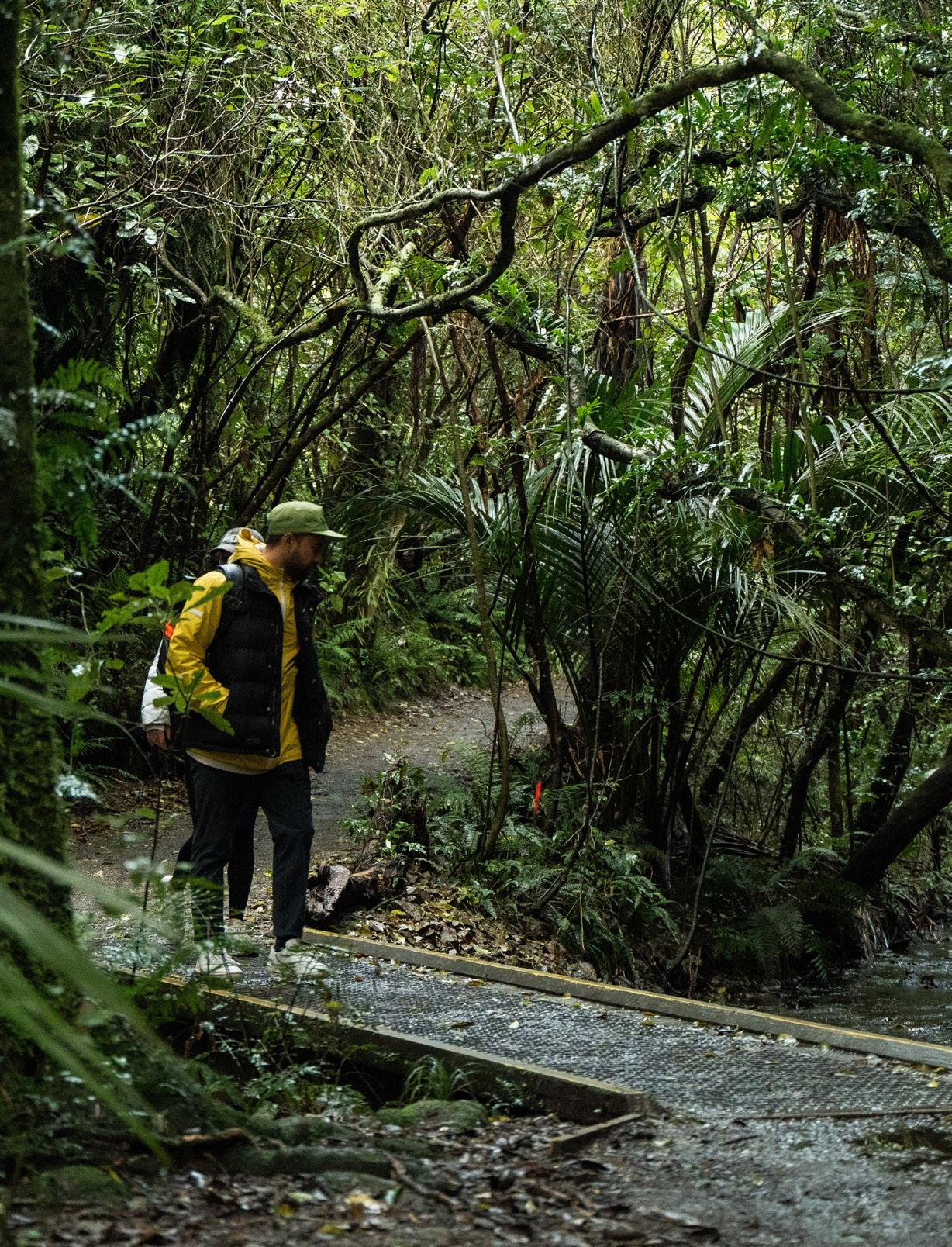


$58/yr Student memberships from just: - Unlimited general admission - Discount at onsite Rātā Cafe - Free wifi to study with a view