


Volume 89
Editor
Phoebe Robertson
Designer & Cartoonist
Jim Higgs
Sub-Editor
Holly Rowsell
News Writers
Dan Moskovitz
Martha Schenk
Otis Whinney
Ali Cook
Columnist
Guy van Egmond
Critic-at-large
Jackson McCarthy
Comic Artists
Grace Elzenheimer
Jack Graham
Contributing Writers
Tamanna Amin
Zia Ravenscroft
Christopher Curtis Ryan Cleland
Social Media Manager
Will Tickner
Photographer
Sophie Spencer
Centrefold Artist
Charlie Franicevic
Advertising advertising@vuwsa.org.nz
Read Online salient.org.nz issuu.com/salientmagazine
Follow Us @salientgram
Want to get published?
To contribute to Salient, you can submit poetry, creative writing, artwork, comics, puzzles, features, and other ideas. Feature articles must be pitched to the Editor before writing; send pitches to editor@salient.org.nz. Artwork should be sent to designer@salient.org.nz. Creative writing submissions are accepted through the form on our website. All other contributions, including puzzles and general ideas, should be emailed to the Editor. Submissions are welcome from first-time and returning contributors.
scan here to find out more!

The end of the year is creeping up. We have only one more week of Salient on the stands before the mid-trimester break, and the weather has been so dreary lately that it’s hard to remember to be productive about anything.
Personally, I’ve spent most of my time outside the office parked on the couch, reigniting my love for video games after losing it for a while.
Lately, I’ve been thinking about how rarely we give ourselves permission to do things simply because we enjoy them. For the past two years, I’ve been so focused on my writing practice—longform fiction, specifically—that doing anything else alone has felt like a waste of time.
“Alone” is the important distinction. It’s easy to put your projects and expectations aside when you’re socialising. But after work, when you’re sitting by yourself, it’s much harder to believe that something enjoyable but “unproductive” is a worthwhile use of time.
Here’s the interesting part: as soon as I stepped away from my long-form writing and let myself play, ideas started coming back. I worked out what was wrong with a scene in an unpublished piece I hadn’t touched for a year. I finally submitted an essay after procrastinating over the final edit for two months. I started having ideas for Salient pieces and personal writing again, after spending most of the year feeling like I was trying to climb a waterslide filled with sludge.
In a hyper-productive world, it can be difficult to make time for play, fun, or simply doing nothing. I feel guilty telling people I’ve spent two weeks playing PlayStation whenever I’m not at either of my jobs, or admitting to my partner that I’ve done very little all weekend. But we all deserve to have fun. We deserve time alone, spent however we choose.
That doesn’t mean I plan to neglect my chores forever. Things still need to get done. But I’ve spent two years trying to do everything at once, and productivity became a burden that made the work harder than it needed to be.
So, this week, I’m giving all five readers of this editorial permission to be “unproductive.” Do something for fun simply because you want to.
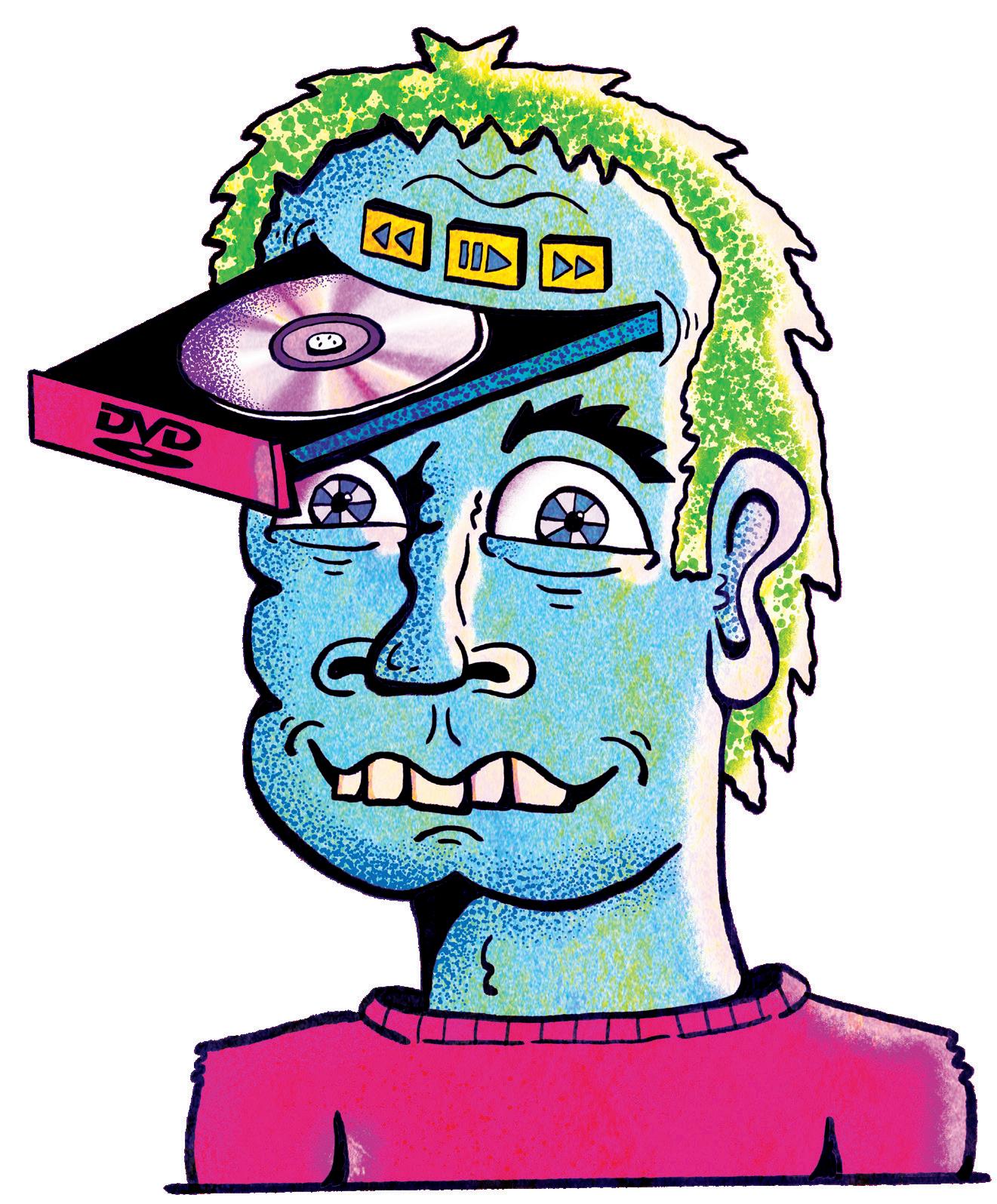
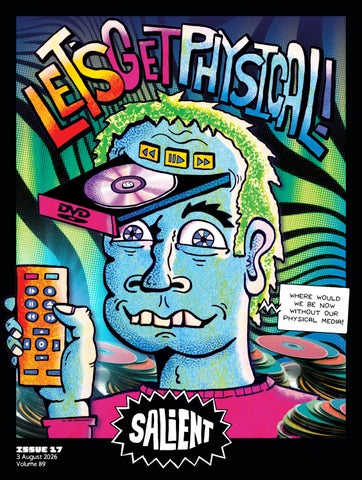
For some of you, that might mean reading Salient cover to cover—and this issue is a banger. News asks: to cat, or not to cat? Four writers investigate renting with animals. In features, Ox explores the origins of “unc” and the divide between mature students and high school leavers. Naomi Waxman discusses how music can capture a moment in time, however difficult. Jake Ellis examines the death of physical media and why we should care. Sophie Spencer brings photography and a fashion-show retrospective to Art and Culture, alongside our usual columns and puzzles.
Enjoy the issue, team. Do something fun. I double-dog dare you.

Go to the centrefold on page 20, rip it out and put it on your wall!
good morning Big Salient! excellent issue today, thank you for my bonus puzzles and for informing me that my ADHD diagnosis will have to wait ANOTHER year.
I am writing to stake my claim on the first-place medal for finishing all of the puzzles between 9:30 and 11 because I was too embarrassed to be late to my film class, or at least an A+ for effort because I finished all of the puzzles before I had to go throw up in the hub toilet because I am SO hungover (the article on drinking like an idiot and feeling bad about yourself was especially poignant when read through my hangover sunnies bright and early on a Monday morning).


To your resident astrologer,
Thank you for recommending Rebecca by Daphne Du Maurier to us Scorpios this week (first of all, fuck you, secondly, so true).
I read it earlier this year and really loved it, but have never been able to talk to anyone else about it because no one has ever heard of it :( perhaps it’s a reflection on business students as a whole, or maybe I need to stop hanging out with illiterate chuds and meet people with whimsy in their hearts and skeletons in their closets.
Sincerely,
A Scorpio with both whimsy and skeletons x
I would like to preface this letter by apologising for the potentially confusing communication here, as this letter isn't actually directed towards the Salient editor. For more context, read the letters to the editor from issues 15 and 16, as this is a response to one letter from the latter.
Dear "Concerned Reader"
What's your problem? You failed against me back in issue 15, and there's no shame to be had in that, as what is failure if not merely a step towards success? However, shame is what you should feel for taking your failure-driven frustrations out not just on me, but the Salient editor too instead of just being the bigger person and admitting defeat in a respectful manner. How dare you call me a bootlicking suckup for showing concern for the gift to our campuses (campi? what's the plural form of campus) that is Salient. In addition, your justification for why your own letter should've won was due to your friends agreeing with it, which is fallacious in multiple ways (appeal to majority and false attribution), which, while not automatically making your argument false, only adds to your large collection of errors you seem to be obsessed with gathering.

Somewhat sincerely, you've correctly described yourself as a pretentious law student, Victor p.s. i wish you the best of luck regarding your financial hardship
Dear... mysterious entity who edits salient,

Dear Editor,
It's long been weighing on my mind since a certain article was published a couple issues ago that the hub piano has been taking way too much criticism from students and salient staff. For most people, music is something you hear fully formed - studio recorded songs are listened to off of streaming apps, and performances are of course often rehearsed and practiced so you hear a polished final product. One of the great joys of the Hub piano for me is to hear people practice. What is more human than sitting down and trying over and over again? Not to mention the bravery of practicing in front of your peers (I could never muster the courage myself).
Now, I know what the piano naysayers argue - we are (as much as you do or do not believe it) at university to study, and if there’s live music in the background it can break your focus. But I have put together a couple handy solutions for those of you who struggle to study to a soundtrack; headphones. Your house. Best of all, and seriously guys look into this, levels 5 and 6 of the library, where even the piano cannot reach. There are plenty of quiet spaces students can turn to in times of academic need - why silence the one university space designed for people to come together?
Long Live the Hub Piano, Molly

Please extend my gratitude to Lauren Morely for her opinion article on centrism and the ignorance of blind followship. While I certainly don't agree with all of it, I wholeheartedly appreciate a highlight on the radical idea that political extremes ignore the art of compromise that which we have lost and silently strive to return to. I was not aware of quite a few things in this article and am most certainly pleased to have read it.
Collectively there is a new upbringing of sidepicking, and where things used to be a battle of ideas and respect, we have lost that in favor of worshipping the individual and berating the other individual, a cyclical fallacy that ignores the points of each and removes the idea of compromise and collective wellbeing from the equation that itself has been rendered fruitless.
This article resonated with me heavily and I'd like to once again extend my gratitude to Ms. Morley for having written and submitted it, and you, mysterious editor (are you an Eldritch being perhaps?) for having selected it for publication.
Ok, ramble over :). Thanks for reading (and dw if you didn't)!
Kind Regards, Antariksh Anand
Student, Mechatronics Engineering w/ Honors Victoria University of Wellington
Week of August 3 - August 9, 2026
Wed 5/8 Siren Debut gig With Adoneye 7.30pm @ Moon
Wed 5/8 Eyegum free Wednesday
Featuring Wear Ponamu, Vitamin Cos, and Restacking - 8pm @ San Fran
Thurs 6/8 Miro Holland Group Jazz 7pm @ Undercurrent
Fri 7/8 The Web Techno Club Night
Featuring Malware, Narcotica, U–Day, Goldie, No Way Jose, and Callum W 9pm @ Afters
Fri 7/8 Serpent Dream, Marlēné Claudine Radice, and Box of Hammers
Alternative, Art/Noise, Electronic 8pm @ Pyramid Club
Fri 7/8 Hooves and Grooves
Featuring M.Cap, ZFC, Seini, RCD 9pm @ Havana Bar
Sat 8/8 Froth Presents: Elements Four stage multigenre electronic event 9pm @ The Grand
Sat 8/8 Atomic New Wave, Pop Rock, Synth Pop 8pm @ San Fran
Sun 9/8 Rabbit Island: Bug Michigan w/ The Laurel Canyon Sound, Scramble204
Acoustic/Solo, Alternative, Rock 7pm @ Moon
Gig guide and photography by Sophie Spencer
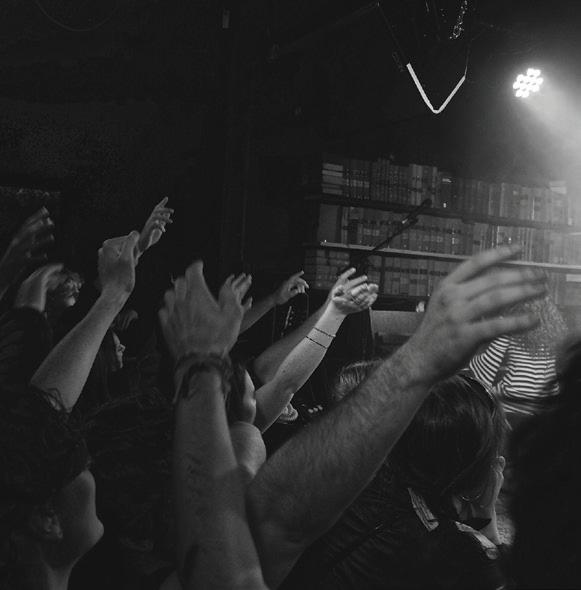

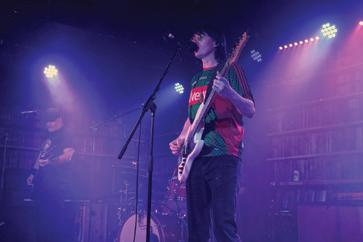
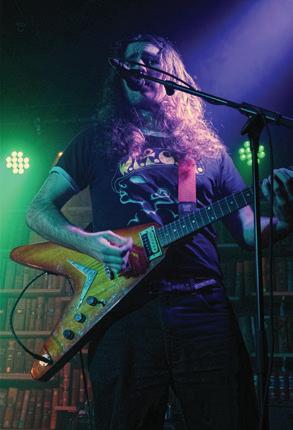
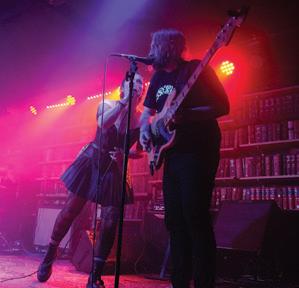
Dónal Gunning and his band The Bucks are influenced by punk, rock, and folk music. Together, Dónal Gunning and The Bucks bring a fun, energetic, intangible charm to their shows to produce a powerhouse rock performance.
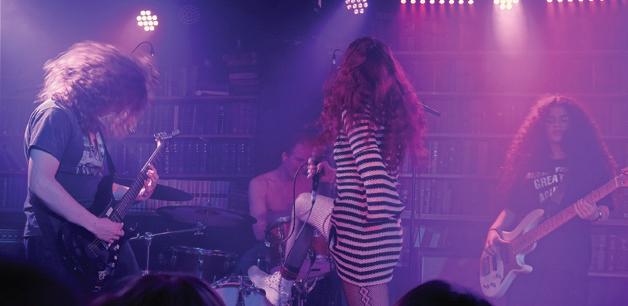
Lucy Dibble is new to the scene and is already making an immediate impact, wowing the crowd at Dougfest 3 and Dougfest’s Emo Night. Influenced by pop-punk, Lucy’s stunning vocals and her band deliver an amazing live show that is not to be missed!
Lazy Suzan are a nu-emo alt-rock band quickly becoming an underground staple in Pōneke with their mix of scream-along anthems and chaotic, theatrical live show energy. With a growing cult following, Lazy Suzan are one of Aotearoa’s most exciting live acts.
Curlys Jewels are a high-energy hard-rock band that are underpinned by a formidable vocal range, crunching guitar riffs, and thunderous drum and bass. Curlys Jewels deliver massive, hook-laden songs that translate into explosive, unforgettable live performances.







New Zealand loves cats. We have one of the highest rates of cat ownership in the world. But is owning one realistic for students?
Iona Anderson, president of Cats Protection Wellington, says there is a lot to consider before adopting a cat.
“There are some things we’d want to talk through with a student wanting to adopt,” says Anderson. “How long will they be a student for? Are they intending to travel at the end of uni—a lot of people want to get out of the country, and a cat’s not going to fit easily into that—and how secure is their accommodation?
“A good third of the cats which come to us come because people cannot find rentals which accept pets.”
Beyond housing security, the length of your tenancy is another important consideration as cats can live for 16 to 18 years.
“Some cats are happy as long as they are with their human. But a lot of cats find constant movement really stressful because they depend on routine and stability. The change of environment, flatmates, and so forth may not be a happy environment for the cat.
“Equally, if you have an indoor cat, are your flatmates prepared to help keep the cat indoors? It’s incredibly easy to leave a door or window open once, and then the cat is gone.”
That leads to one of the more contentious debates about cat ownership: should your cat live indoors?
An indoor cat will not be run over, prey on native wildlife, or fight other cats. Anderson says kittens that have not completed
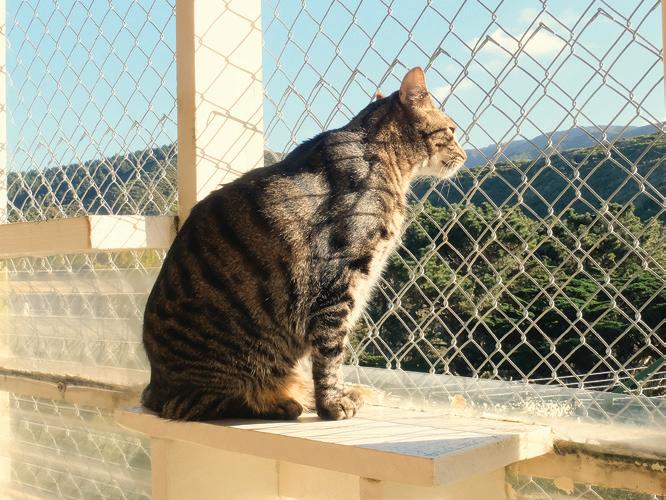
their vaccinations should always be kept indoors. For older cats, indoor living is still worth considering.
“Naturally, cats are predators. So we need to limit their need for prey. If a cat has indoor space, height, and interaction, then they can burn off that energy. But a fully-indoor cat will need more time playing with wand toys and prey toys so they can use their natural energy and not get bound up with anxiety.”
If keeping a cat fully indoors is impractical, Anderson suggests keeping the cat inside at night. This can improve the cat's safety while helping to protect nocturnal wildlife.
Article continues on next page

A recent study conducted with New Zealand cats published in Applied Animal Behaviour Science, found transitioning an outdoor cat to an indoor cat took the majority of cats just a few weeks. Anderson cautions, however, against assuming every cat will adapt: cats are all individuals with different personalities.
Brightly coloured collars and bells can also help protect wildlife, although Anderson advises against buying the cheapest collar available. The safest option is a breakaway collar, which is designed to release if it becomes caught on something. A non-breakaway collar can pose a strangulation risk.
There are also expenses to consider. Cats require annual vaccinations, good-quality food and, for indoor cats, litter. An unexpected trip to the vet can also be costly. Anderson gives unexpected dental work as an example, saying it could cost up to $1,200.
One option is Cats Protection Wellington's Care for Life programme. For senior cats, which can be harder to rehome, the organisation covers veterinary costs and charges no adoption fee. Foster carers pay only for food, litter, and transport to veterinary appointments.
“When I’m saying have you thought about this and this and that, it sounds as if we’d never send a student home with a cat,” Anderson says.
“But we have a lot of students fostering under our Care for Life programme and those cats have the best homes.”
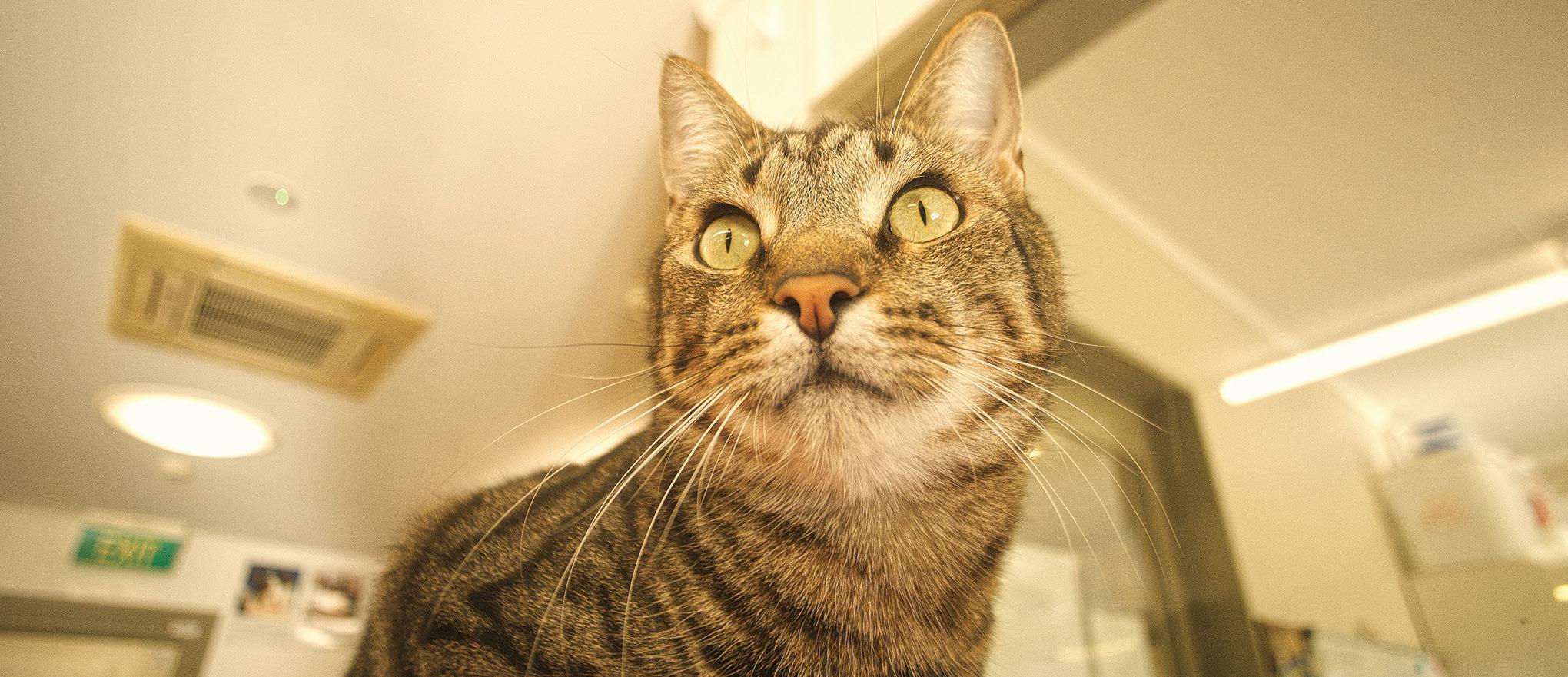
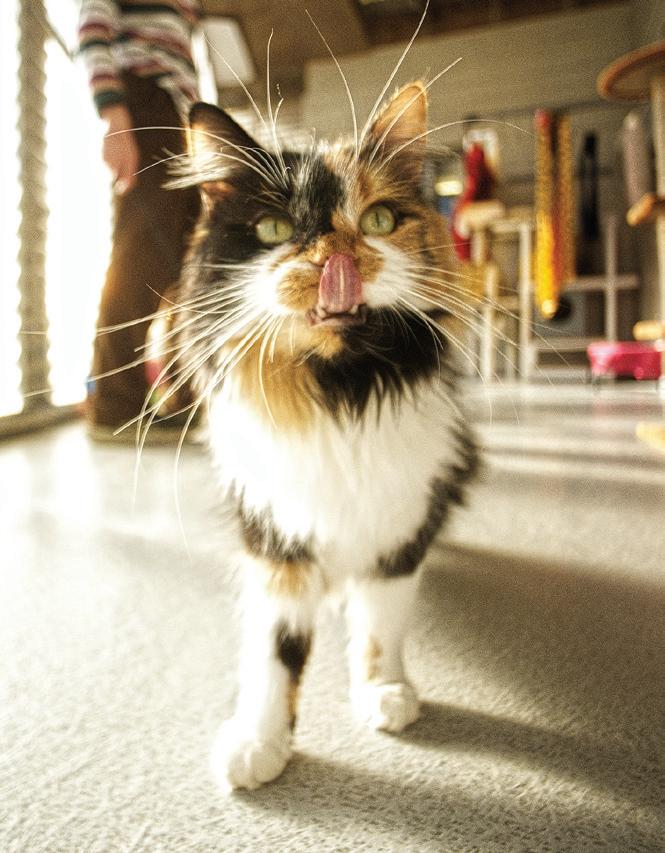
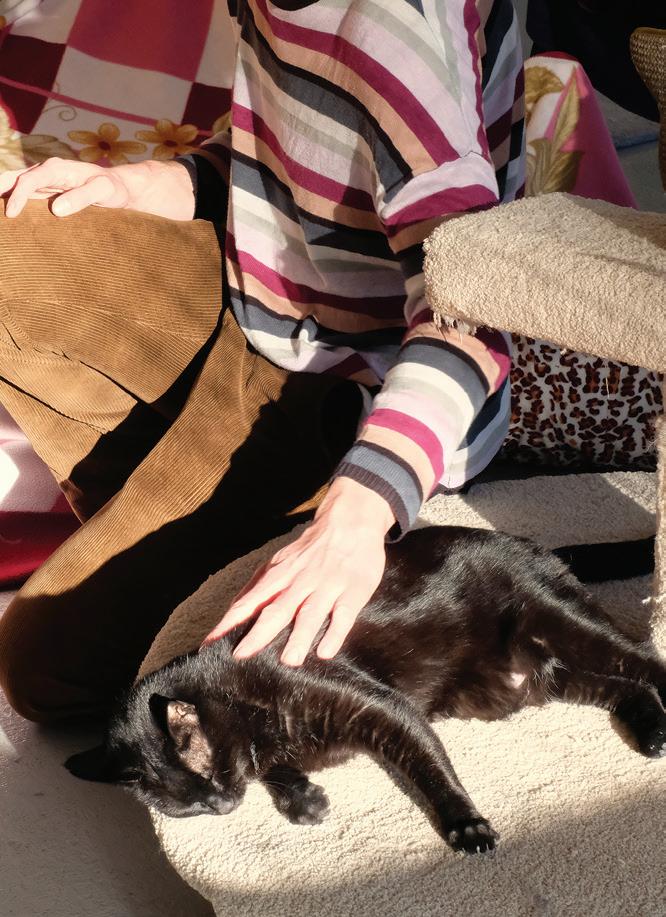
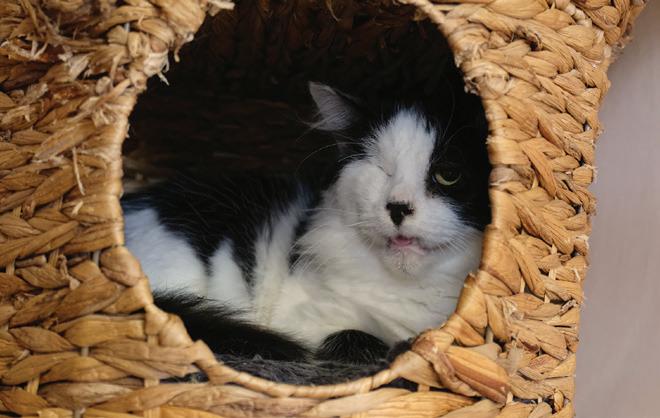
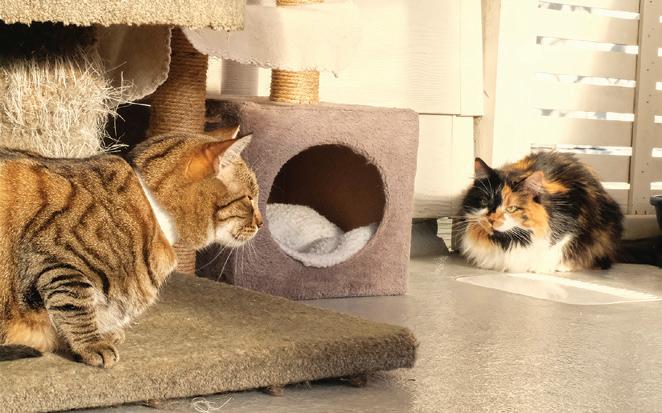
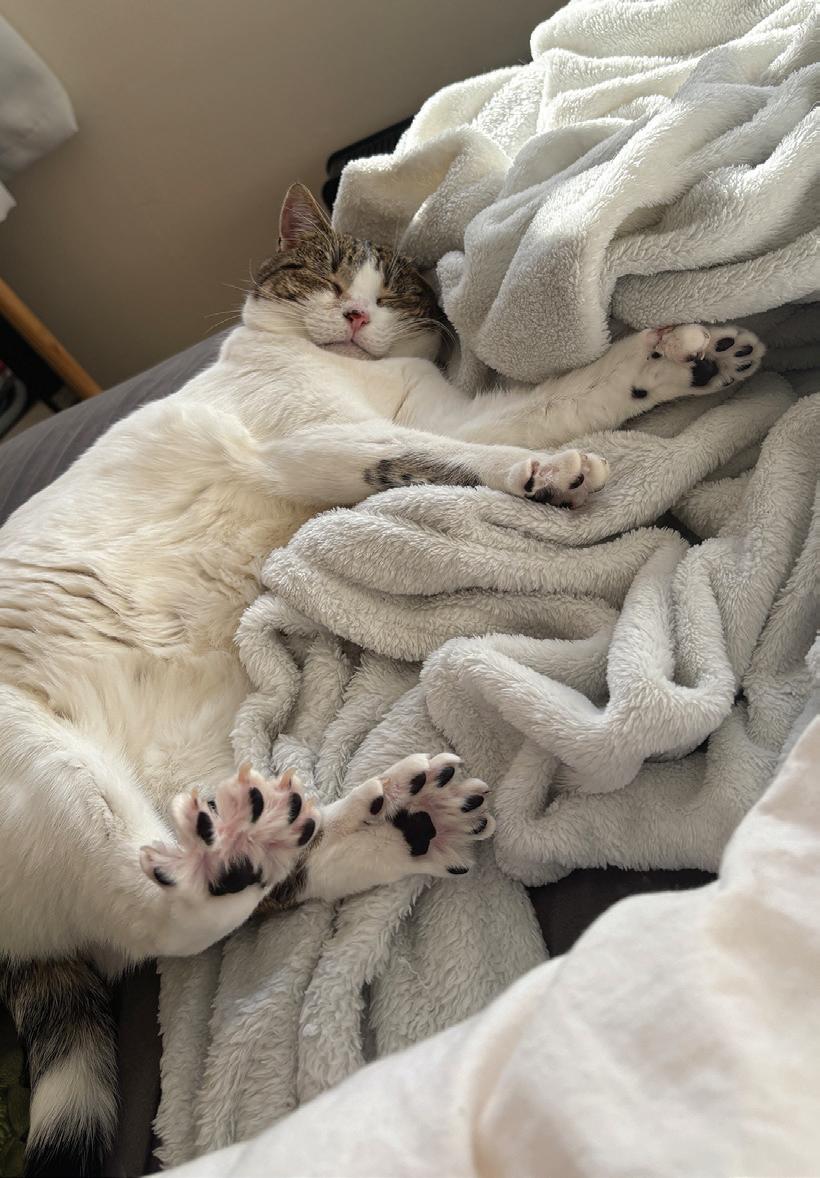
Cats Protection Wellington is located at 29 Vancouver Street, Kingston. Visits are by appointment only. All cats pictured are current residents.
Phoebe Robertson
New tenancy rules make it harder for landlords to reject pets without explanation, but students wanting a pet may still face added costs, shared liability, and restrictions based on where they live.
Since 1 December 2025, tenants have been able to ask their landlord for permission to keep a pet under changes to the Residential Tenancies Act.
Landlords cannot unreasonably refuse a request. However, tenants must receive permission before bringing the animal into the property, unless the pet is already covered by an existing agreement.
Requests should be made in writing. The landlord then has 21 calendar days to respond and must provide their decision in writing.
Where a landlord refuses permission, they must give reasonable grounds.
Tenancy Services says those grounds could include the property being unsuitable for the animal, restrictions imposed by a body corporate or local council, likely disruption to neighbours, or the tenant refusing to agree to reasonable conditions.
The changes mean a landlord can no longer rely only on a general “no pets” rule. However, they do not mean every tenant will be allowed an animal.
The first major Tenancy Tribunal ruling under the new system involved Christchurch tenants who wanted to keep a golden Labrador puppy in an upstairs flat.
The landlord raised concerns about fencing, barking, damage to the deck, and the safety of the dog.
The Tribunal approved the tenants’ request, finding that the risks could be managed through conditions rather than requiring the pet to be refused entirely.
Those conditions included installing deck mats and safety barriers, supervising the dog in shared areas, paying a pet bond, and professionally cleaning and flea-treating the carpets at the end of the tenancy.
The ruling suggests landlords need to consider the specific animal and property rather than relying only on general concerns about pets.
For students wanting a cat, providing additional information may help a request. This could include whether the cat will remain indoors, how litter and scratching will be managed, and who will care for the animal during holidays or after the tenancy ends.
The rules only apply to people legally classed as tenants.
A student who pays rent to a head tenant but is not named on the tenancy agreement cannot make a formal pet request directly to the landlord. They would need the named tenant or tenants to seek permission.
University halls, hostels, and other forms of student accommodation are also exempt from parts of the Residential Tenancies Act and may continue to apply their own rules about animals.
Students may also need to pay an additional bond.
A landlord who approves a pet can require a pet bond of up to two weeks’ rent. This is separate from the standard bond, which can be up to four weeks’ rent.
Only one pet bond can be charged for the tenancy, even where the landlord approves more than one animal.
The pet bond can be used to cover damage caused by an approved pet. Tenants remain responsible for costs above the amount held in the bond.
That responsibility is shared across the tenancy.
All tenants named on the agreement can be held responsible for pet-related damage beyond fair wear and tear, even where the animal belongs to only one flatmate.
For student flats, this means a cat adopted by one person could create financial consequences for everyone who signed the tenancy agreement.
Flatmates can make their own agreement setting out who will pay for damage, cleaning, food, or the pet bond. However, that agreement does not prevent the landlord from seeking payment from any named tenant.
Students whose request is declined can ask the landlord for further reasons or propose conditions to address their concerns.
Where the dispute cannot be resolved, tenants can use mediation or apply to the Tenancy Tribunal. The Tribunal can decide whether a refusal or condition is reasonable.
The changes give students a clearer pathway to request a pet and challenge blanket refusals.
They do not remove the larger barriers to student pet ownership. Students may still need to find suitable accommodation, secure their flatmates’ support, pay an additional bond, and plan for future moves.
For students considering a cat, the new rules make landlord approval more achievable. They do not make it automatic.

Martha Schenk
Te Herenga Waka student Milla Brown says there has been “so many benefits” since she began fostering Bella, a 17-year-old cat, through Cats Protection Wellington’s senior foster program last June.
She described the long-haired domestic as “really good company” and a great source of emotional support as well as entertainment.
“She’s very cute, she’s very cuddly. She hangs around giving people cuddles, eats, sleeps—rinse and repeat.
“The good thing with an animal is that when you come home, they’re always happy to see you.”
Brown says the responsibility of caring for Bella has also been rewarding.
“It’s great having something to get up for that’s not yourself. It’s all on you and there’s no one else to look after them.
“They’re cute and fluffy, but they’re hard work as well.”
She describes the process of adoption, which only took about three weeks, as “super easy.”
“I went on the Cats Protection website and filled out this form, basically asking me what I was looking for in a cat.
“They assess your living situation and then basically match you to a cat. After that, you go in and meet them.”
Brown met with three cats before finding Bella, who met her three requirements: friendly, old, and happy to live indoors.
Because Brown lives in an apartment, outdoor access was not an option, and energetic cats were off the table.
“I also wanted an older cat because I’m not going to be in Wellington forever, I can’t make a 10-year commitment.
“It’s about what’s fair to the cat.”
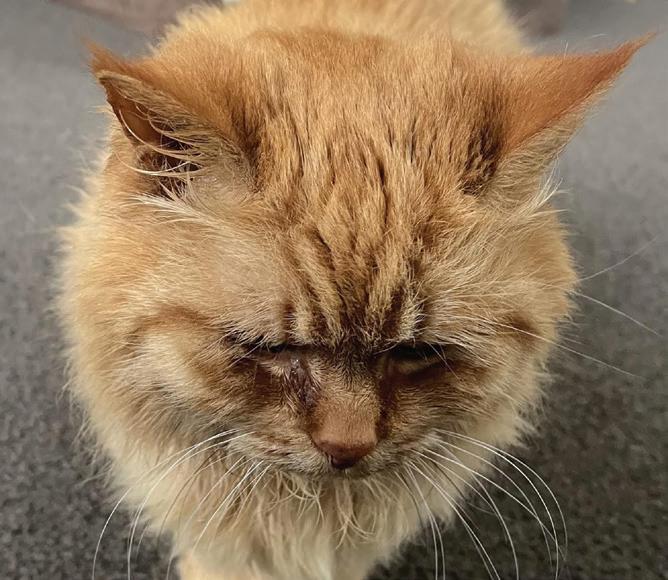
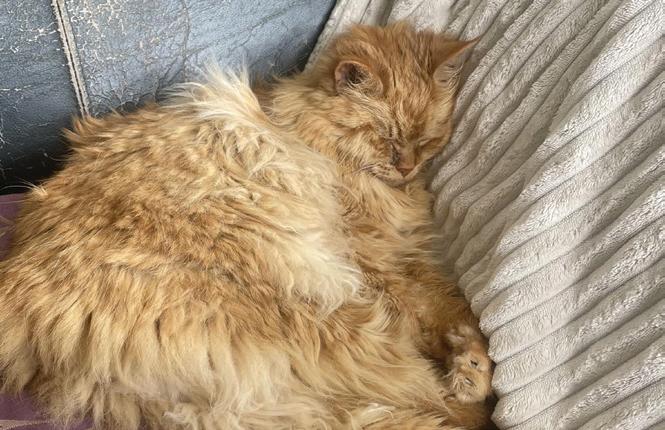
Through the senior foster program, the only expense Brown is responsible for is cat food. As a medical foster cat, Bella must also visit the vet each month, with Brown providing transport.
“Cats Protection pays for all their medical bills, any worming treatment, shaving, anything like that.
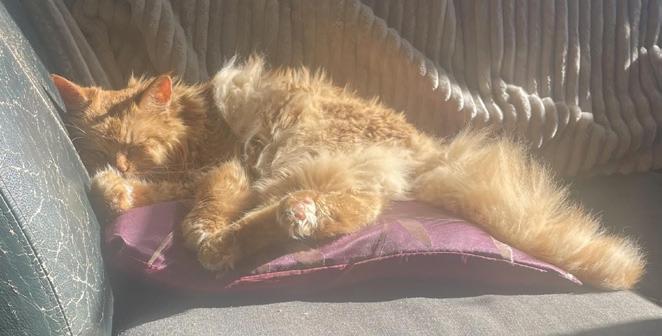
“Basically, Cats protection owns them, but they live with you.
“If you can’t have them anymore for any reason—if you’re moving to a new house and can’t take them—they will always take them back.
“Everything is done in the best interest to the cat.”
For that reason, Brown says Cats Protection will not place a cat with just anyone. She believes students living in party flats or leading busy lifestyles may not be well suited to fostering.
“Cat’s usually like quieter environments.”
Brown’s landlord has been supportive of the arrangement. His only condition is that Bella is shut in another room when maintenance workers visit.
Brown plans to care for Bella until the end of her life, as the pair have formed a strong bond.
“I don’t think I could give her back now. I’m too attached. I got her when she was 16, now she’s 17, nearly 18.
“Hopefully she’ll stick around for a bit longer. She’ll stay with me.”
Ali Cook
In 2023, I adopted my cat, Beans, from the Wellington SPCA.
I had moved to Wellington from the United States the year before, and adopting her felt like a way to mark my first anniversary in the city. Wellington was beginning to feel less like somewhere I was temporarily living and more like somewhere I could build a future.
With all my family still in the United States, I wanted a companion. A pet seemed like the closest thing to having family here.
I was drawn to cats because they are relatively easy to care for, especially compared with dogs. You have to feed them twice a day, clean the litter box, and endure the occasional 3 a.m. zoomies, but at least you do not have to take them outside every few hours to go to the toilet.
Then I saw Beans’ profile on the SPCA website.
She has six toes on each paw: 24 in total. Obviously, I had to meet her.
Beans was one year and three months old when I adopted her. While many people go to shelters looking for kittens, I specifi cally wanted an adult cat. I had helped raise a kitten while living with my parents, and although kittens are undeniably adorable, they are also agents of destruction. They climb curtains, attack furniture and dismantle everything within reach.
I applied through the SPCA website and arranged an appoint ment to visit the shelter. The application asked about my living situation and whether I could commit the necessary time and money to caring for an animal.
When I arrived, I met Beans, the cat I had applied for, as well as every other cat available for adoption. There were kittens, elderly cats, and every age in between.
But Beans was the one.
After meeting the others, I returned to her room. She had a room to herself because she had tried to fight the other cats. I told her she was coming home with me.
An SPCA worker helped me complete the paperwork. The adoption fee was about $120 in 2023.
During the process, I learned more about Beans’ history. I was told she had lived in Whanganui before being abandoned by her previous owner. She spent some time at the Whanganui SPCA and was later transferred to Wellington after nobody adopted her. She was apparently close to being transferred again when I met her.
I still do not understand why nobody wanted her. She is perfect, provided there are no other cats nearby.
Of course, adopting an animal involves more than falling in love. It is a serious financial commitment, although I have found the costs manageable as a student.
I spend approximately $60 a month on food and another $50 on litter. Annual vaccines cost roughly $120. I also have pet insurance through the SPCA, which costs about $19 a fortnight. Discounted insurance may be available to people who adopt through the organisation.
There are less predictable costs too, including vet appointments, medications, toys, scratching posts, and replacing anything your cat decides no longer belongs to you.
Even so, adopting Beans has transformed my life in Wellington. She greets me when I come home, sleeps beside me, and offers the kind of steady companionship that can be particularly meaningful when your family lives on the other side of the world.
I cannot imagine my life here without her.
For anyone with the time, money, and living situation needed to care for an animal, adopting from the SPCA is worth considering.

The Rock’s horrific wig in the live-action Moana was not the only distressing thing in the Pacific news landscape this month. Movies I don’t plan on watching because they look AI generated aside, there is much to be discussed about the ever-changing ocean we all inhabit. So let's run down some of the significant stories from July, from further escalations in occupied West Papua to even more security agreements.
But first, critical minerals. This resource remains at the forefront of Donald Trump’s mind, and not too long ago the USA revealed their intentions to begin mining for them in one of their Pacific island territories—American Sāmoa. Nothing is concrete as of yet—the waters around the islands have only proposed a lease to those interested to begin the mining. But the idea has had quite a bit of opposition, with around 70,000 comments being submitted in opposition as of writing this. Of course, people opposing this can only do so much. According to Maria Hernandez, of the Micronesia Climate Change Alliance in Guam, the Pacific peoples who live within the American territories struggle to compete with the power and decision making process of the government in Washington; “When decisions about our communities' sacred waters and ecosystems are made in Washington without equal representation, it exposes the undemocratic system imposed across the US territories.” China has long held a strong grip on the market for these minerals, but as the competition between powers grows, the USA seems hellbent on creating a new supply pipeline for itself. Its Pacific territories remain an attractive solution, but the environmental impacts could be massive, and the benefits for the island nations who will bear the brunt of these impacts have yet to show themselves.
The Prime Minister of independent Sāmoa, Laaulialemalietoa Leuatea Polata‘ivao Schmidt, was in New Zealand recently on his first official visit since his election win in 2025. He met with Christopher Luxon and an audience of 700 Samoan seasonal workers, discussing key issues such as labour mobility and trade. The Regional Seasonal Employer (RSE) scheme, which provides pathways for people from overseas to gain the right to work in NZ, was at the forefront of
the conversation. Things like the RSE provide many Pacific families with employment opportunities that could otherwise be hard to come by, and those RSE workers in attendance at meetings in Hawke’s Bay and other regions provided feedback on the quality of the conditions. Schemes such as these have often become hotbeds for migrant exploitation in Aotearoa as well as abroad, so any step where those involved can provide their thoughts is a welcome development.
Regional issues were, of course, also discussed. No word seems to be said on the deals as Australia, Fiji, and Papua New Guinea have made regarding mutual defence, but it’s hard to imagine this wouldn’t have come up if the pair got a moment to themselves. Sāmoa doesn’t actually have its own military, and relies on countries like NZ for that assistance already, but that doesn’t rule out their involvement in the ever-changing security landscape of the region. Security for Sāmoa also includes their growing meth issue, something affecting many other neighboring countries. On July 24, over 20 people were arrested in Togafu’afu’a during a police raid that saw police confiscate four drums and two containers of what they suspect is methamphetamine. Other nations like Fiji have sought cooperation to combat this crisis, and meth remains a huge issue in Aotearoa as well.
In the wake of this changing security relationship in the Pacific, NZ and PNG have agreed to strengthen cooperation concerning defence. The Statement of Intent on Defence Cooperation 2026-2029 was signed between the two nations, which will allow for further collaboration between the NZ and PNG defence forces among other things. This follows a similar deal signed with PNG and Australia as well as a separate one with Australia and Fiji. These deals allow countries to collaborate further on maritime security issues like drug smuggling and the protection of fisheries, while also keeping Chinese influence at bay. PNG Prime Minister James Marape believes that these deals are not being signed in a colonial fashion, asserting that “each nation remains fully sovereign. The Papua New Guinea Defence Force answers only to the Government and Commander of Papua New Guinea ... This does not diminish our sovereignty in any way.” The decision to close the representative office for Taiwan in PNG reflects this to some degree.
Less understandable foreign policy agreements continue to be made by Pacific nations, like Nauru’s decision
to open an embassy in Israel. Fiji and Sāmoa have already committed to and carried out similar actions, with many leaders using the religious significance as part of the justification for such acts. Normalising ties with Israel can provide further access to certain markets, development opportunities, and a nice pat on the back by the USA, but the consistent failure from so many Pacific states and leaders to recognise the ethnic cleansing campaign Israel has and continues to conduct in occupied Palestine shows the cost of having those normalised ties.
West Papua has seen further escalations in violence, as the West Papua National Liberation Army (TPNPB) continues to find itself at odds with Indonesian authorities. Three civilians were killed by the TPNPB after it was alleged that they were working with Indonesia and were the cause of death for multiple members of the TPNPB. The Indonesian military was deployed in the Yahukimo district where this took place to stabilise the area, and Habema Operational Command Commander Major General Yudha Airlangga has stated that they are “continuing security operations
military and police cooperation in the highlands of West Papua, where the TPNPB continue to wage armed struggle for independence from their Indonesian occupiers. Attacks on innocents are nothing new in this war that spans decades, and as Indonesia continues its military build up within West Papua, it seems unlikely it will slow down. The United Liberation Movement for West Papua (ULMWP) has released a statement arguing that civilian planes are being used to shepherd Indonesian forces into conflict-stricken regions like the aforementioned Yahukimo, while they also hijack civilian infrastructure and force indigenous Papuans from their homes.
Benny Wenda, Interim President of the ULMWP, finished the statement with the following: “I therefore call on the UN, the MSG, PIF, and OACPS, to increase the pressure on Indonesia to allow a UN visit to West Papua urgently. Indonesia must also allow journalists to operate in West Papua. If the conflict is to cease, international observers must be allowed to know what is going on. Ultimately, Indonesia must come to the table with the ULMWP to discuss a referendum. This is the only long-term path to a peaceful solution in West Papua.” Where this goes, only time will tell.

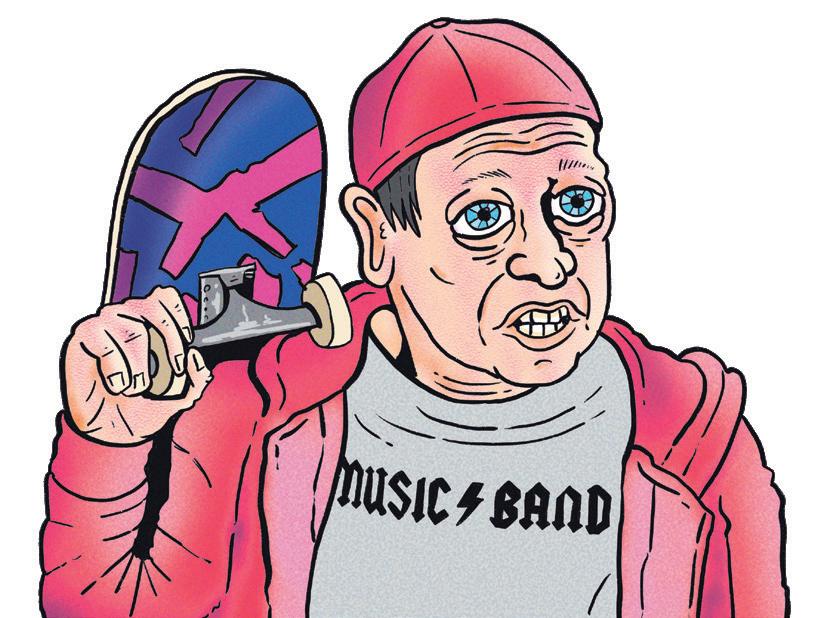
Or, why the f*ck is everyone born in the 90s calling themselves unc?
Author: Ox

Let’s roll that back a little.
I was an avid reader and miniature academic as a child. I was seen as weird and different for this, but books could never judge me by my cover—and I promised to never do the same to them. Year after year, my shelves filled with new titles and new adventures. I had the highest grades in English from primary all the way to high-school graduation.
Rooted beneath this was a PC reading programme my parents bought in 1999. At two years old, they would sit me on one of their laps with the picture books while the Logitech speakers and CRT monitor showed and told me: “I is for Iceberg. P is for Penguin.” I would clap and laugh and, unlike my sisters, I did not scream and fidget my way out of learning.
Maybe it rewired me to find learning fun, or maybe I was always wired that way—mihi to my smart tīpuna. Reader Rabbit came along when I was older, and so did The Magic School Bus games, which taught me about geology, space, and the human body. Even Zoombinis carried life lessons that I didn’t recognise until adulthood. Shoutout to The Learning Company for feeding kids social commentary on slavery, utopian revolution, and taking back the means of production.
Mentioning these games to people around my age or older brings groans of pain and delight. “Do you remember the minigame where you made rocks and minerals?” Or: “Man, I think about those dumb pizza trolls all the time.” Some of us still have the voice lines burned into our plastic brains and repeat them in unexpected scenarios.
There’s camaraderie in that, because we remember what it was like “back then.” Back then, we didn’t have Wi-Fi at home, so you had to plug in to get on the net—yes, we really said that. If your parents wanted to call Aunty Melva on the landline—yes, phones had to be plugged in and stayed in one place—you had to stop browsing Wikipedia for your school assignment on Vincent Van Gogh. Yes, Wikipedia was once a primary and reputable source for schoolwork.
As a facilitator, I now spend most of my time with students born in 2006 or later. My references are often outdated and met with blank stares. In 2025, I uninstalled TikTok from my 2020 iPhone SE second generation, whose software I haven’t updated in over a year because I hate the forced new designs.
There is a running joke amongst my friends that if our potential partners weren’t alive when the towers fell, they are far too young for us to date. That joke draws some backlash from those same undateables, who say I am being disrespectful by making light of a human disaster. To those people, I ask: are you really upset by my tone, or by the fact that it wasn’t livestreamed for your viewing pleasure?
The first time I really remember hearing unc used in aotearoa was during a friend's introductory speech in 2025. They said, “yes I was born in 1998. I know—I’ve reached unc status.”
This is something else I’ve noticed about the label: it tends to be self-applied. It is a knee-jerk defense, deployed before the audience has the chance to write you off as being out of touch. If you are self-aware enough to recognise your unc status, that suggests you are still in touch.
I certainly fell into the out-of-touch category. Shortly afterwards, I got on the web and had to look it up.
Unc is yet another term stolen from African American Vernacular English that young white kids just couldn’t help appropriating. Wonder where they learnt that from.
Originally, within the Black communities, it was an affectionate—and sometimes respectful—way to refer to an older Black man who was not necessarily related to you. Today, the Cambridge Dictionary defines unc as a term used especially by young people to refer to an older man, sometimes implying that he is unfashionable or has old-fashioned opinions.
The Black context has been erased, leaving behind more palatable slang that everyone else can wield as a weapon without acknowledging the Black voices and history it came from.

Unc is not a bad word, but it is no longer a neutral one either.
Let us return, for a paragraph, to where we are: a university, and what that means. The Medieval Latin word universitas, means “a whole” or “a community.” You can hear the same idea in words such as universe which is the whole cosmos, or unity which is the act of being whole.
Many universities of the past gathered stale, pale males—mihi to Zia and Pam for introducing this stunner to me—and their ideas under one roof, creating a supposedly complete universe of knowledge. Their curricula involved compulsory classes containing knowledge thought to be essential for any Thinker, regardless of an individual’s speciality or personal interests.
As education has become more acccessible, and as child labour has been abolished, the idea that some knowledge is essential to living has become the basis of primary and secondary schooling. Need I point out what the labels primary and secondary imply?
And yet we still treat universities as grounds where history is made and knowledge is built, rather than places where those things are collected, labeled, and archived for convenience.
I have come to realize that my frustration at being assigned unc status at only 28 is really a mirror for the growing ageism I see in higher education. Students may ignore ageism because they think it doesn’t affect them personally. I hate to tell you this, sweetie: it does.
Growing up as a white Māori, I was lucky to gain glimpses into te ao Māori and be exposed to some Māoritanga. I learned the tika way of doing things: tables are for glasses, not asses, and wash your hands after visiting tapu places.
I was instilled with respect for my elders—our kaumātua—not only because they held knowledge on behalf of our iwi, hapū, and hapori, but because they were honest with us moko that we would inevitably take their place.
I am sure that most of you are no strangers to the fountain-ofyouth pandemic consuming society today. Celebrities return from overseas surgeries looking like they could be their own children’s siblings. Self-medicators drink their children's blood in an attempt to reverse the wheels of time. Botched Botox leaves people who should have aged like fine wine unable to make a frowny face.
Age does not stop Māori from connecting across wide age gaps, but it does shape the responses we receive from kaumātua we asked to learn from. They may say we are too young to hold and protect the knowledge they could give us, or too young to carry such heavy burdens on our shoulders.
Very, very rarely, they might say that they will think about having a hui about your ideas and see who else they can connect you to for future kōrero.
I am proud to say that many of those in my life whom I consider kaumātua are not always so tightly bound to the tika way of doing things—or, at least, know when traditions are meant to be modelled and reshaped anew.
The kupu you would probably use instead of unc would be matua. There is room for slang here: mat, pronounced: maart.
Saying matū might get you in trouble, because it can mean fat—as a noun, not an adjective. But matū also means spirit, essence or the gist of the matter.
And maybe that is the gist of the matter—the apple’s core I have been digging towards this whole time.
Te Herenga Waka labels students aged 20 or older, or those who have been “out of education for some time,” as mature students. This makes it clear that the normal route is to jump off the high-school train and straight onto the railroad tracks of higher education.
As someone who spent $30,000 and two years on Yoobee diplomas that never landed me a job—and never will—and who only found my field of research after a shitty breakup, moving cities, and failing a year of psychology papers, I think that I am rightfully pissed off that we are expected to have our shit together at 18.
In an article published by the Wellington School of Business on 4 February 2025, the school writes:
“As a mature student, you will get to bring an abundance of life experience and knowledge into your degree, unlike your younger peers who are just learning the ropes of “how to adult.” You’ve had a head start and might have done it all already, finding the perfect work-life balance, managing relationships with others, and managing your personal finances. It might seem like a lot of change, but you really do have the upper hand when it comes to managing your studies. This diverse perspective can enrich discussions, offer unique insights, and add depth to your assignments.”
This paragraph underlines why we shouldn’t force high schoolers to learn “how to adult” while asking them to make one of the most consequential financial decisions of their lives.
Yeah, we already knew that.
The final statement though—that is the matū.
When we willingly segregate ourselves by age and write off our elders as out of touch, we lose much of the vibrancy our past has gifted us.
I will never be my 55-year-old Italian professor, who grew up a devout catholic. I will never be my 57-year-old poetry mentor, who protested in the streets for the Homosexual Law Reform. I will never be my older classmates, with whom I have shared late-night coffees and early-morning lectures.
And yet, I would be lying if I said the words we have shared had not enriched my life and offered unique insights I could not have reached alone.
They taught me to make mistakes and keep going. They taught me that there is more to life than getting good grades— although they do help. They taught me that long, boring journeys are far more bearable when you walk them together.
So, honestly: if you’ve got some uncs—or mats—in your class, take a chance. Ask them what they think.
Maybe the way they answer will surprise you.


When I talk to my friends about their relationship with music, a lot of them give a similar answer—music truly makes them . Whether that feeling is enlightened, tragic, nostalgic, or best described by another suitably dramatic adjective, really depends on the person. Personally, I strongly associate music with experiences that I’ve had. When I listen to those songs now, I either feel nostalgic and think back on how much fun I had, or, quite frankly, never want to hear them again because of the negative or overwhelming emotions they conjure. For me, an experience that stirred especially intense emotions was performing at the Sydney Opera House in 2023.
That point in the year when you first meet everyone in your class always stands out to me. Sure, meeting new people is pretty scary and stuff, but I’m mostly just really nosy about everyone’s “one fun fact.” In my head, I’m always like, “Psssh, you have a cute dog…Well, wait till you hear my fact!”
Hearing someone say they performed at the Sydney Opera House as their trivial fun fact isn’t something you hear every day. From an outside perspective, it may sound like a brag. And to be honest, it is—when I tell people, they’re usually in disbelief. Performing at a venue like that is something I can talk about forever.
However, performing at the Sydney Opera House also came with an entire week in Sydney with my school choir—going to the zoo, walking along Bondi Beach, exploring the city malls, and eating really yummy food. But, 2023 was also the first time I truly experienced depression. No matter how hard I tried to enjoy the activities we did, I found it impossible not to feel exhausted. Beyond the physical exhaustion of our packed schedule and getting only about six hours of sleep each night, I was even more depleted mentally. By that point, depression had engulfed me.
Depression is commonly defined as a serious mental disorder that negatively affects how a person feels, thinks, acts, and perceives the world. It can be characterised in many ways, including sadness, irritability, feelings of worthlessness, sleeping too little or too much, and suicidal ideation. One aspect of depression that I rarely hear discussed, however, is the loss of enjoyment in experiences and activities that would ordinarily excite you more than anything.
On paper, performing at the Opera House should have been one of the highlights of my high school years. Instead, I felt detached, like I was watching myself from above the entire time, pretending to play the role of someone enjoying the experience. I remember standing


among my friends as they took photos outside the Opera House, at the zoo, and in the restaurants where we’d eat. It felt as though I were watching them through an imaginary pane of glass. I knew I should have been happy when we talked about the days ahead, but instead of feeling grateful and excited, I couldn’t shake the desire to go home. One of my friends at the time made up a bit where she said, in the middle of the trip, “tomorrow we can say tomorrow we can say tomorrow we can say we go home.” I think about it often now, because it captures exactly how I felt. It also comforts me knowing I possibly wasn’t the only one going through a difficult time.
No matter how hard I tried to convince myself to enjoy the experience, I couldn't seem to access those emotions. They felt like oobleck; the harder I pushed against them, the more solid and immovable they became. Any excitement I managed to feel would quickly dissolve, slipping away until I was left with the same stubborn emptiness as before.
This is where listening to music comes in. During this period, I was really interested in making playlists for each month, and July was the playlist tied to the choir trip. The term I would now use to describe my relationship with that playlist is “coping mechanism.” More specifically, coping strategies can be divided into four broad categories, and for me listening to music falls under “emotion-focused” coping (NIH). Emotion-focused coping aims to reduce the negative emotions associated with a problem, and music can be one way of doing that. The way I see it, listening to this playlist was a tool to regulate my emotions—a bridge that helped me adapt to the unfamiliar environment that I was living in for a week.
My friend Hugo feels similarly. He and I have both found ourselves in environments that were unenjoyable because they were either overwhelming, boring, or simply too much. He told me that, for him, there are songs that grew old or unlistenable because he played them while working full-time over the summer; now, they remind him only of that boring period. For me, it’s similar. Now, when I listen to songs I had on repeat during the choir trip—particularly old Sabrina Carpenter—I feel wistful for a time I wish I had enjoyed more but I couldn’t because I was depressed.
That brings me to another aspect of experiencing depres sion in daily life that I think is often overlooked: on the outside, nothing appears to be wrong. In Australia, I still attended rehearsals, boarded the plane, and participated in performances. To everyone else, I was functioning normally. I made TikToks outside the Opera House just as everyone else did, and I joked and laughed with my friends, almost as though I was trying to mask my
feelings. But underneath it all, I was exhausted—not just physically, but also from pretending to be happy and forcing myself to be present. For me, this trip became a clear example of how depression can take away not only your happiness but also your ability to connect with moments that should bring joy.
So, what does all of this mean for music? Before this trip, I probably would have described music as something you listen to simply because it sounds good. But, looking back, I realise that it has always done much more than that. Music became the thread that connected my emotions to moments in time. It transformed an ordinary playlist into something I still struggle to listen to years later because it carries the weight of memories I can't separate from the songs themselves.
In another course I took last trimester, I wrote about the motif of a windmill and encountered the idea of oscillatory entrainment, the process by which two independent rhythms gradually synchronise with one another. I can't help thinking that music and emotion work in a similar way; the rhythm of a song and the rhythm of our emotional lives seem to fall into step, until hearing just a few notes is enough to bring an entire experience rushing back.
So, for me, music is never just background noise. It preserves emotions long after the moment has passed, whether those emotions are joy, pain, or somewhere in between. Years later, I can still hear those songs and be immediately transported back to Sydney—not just to the Opera House or the beaches, but to the version of myself who couldn't enjoy any of it. I used to wish those songs didn't remind me of that time, but now I think that's part of what makes music so powerful. It doesn't merely soundtrack our lives; it documents them. Looking back, the playlist I made wasn't just a collection of songs—it became a record of who I was at that point in my life.




Jake Ellis
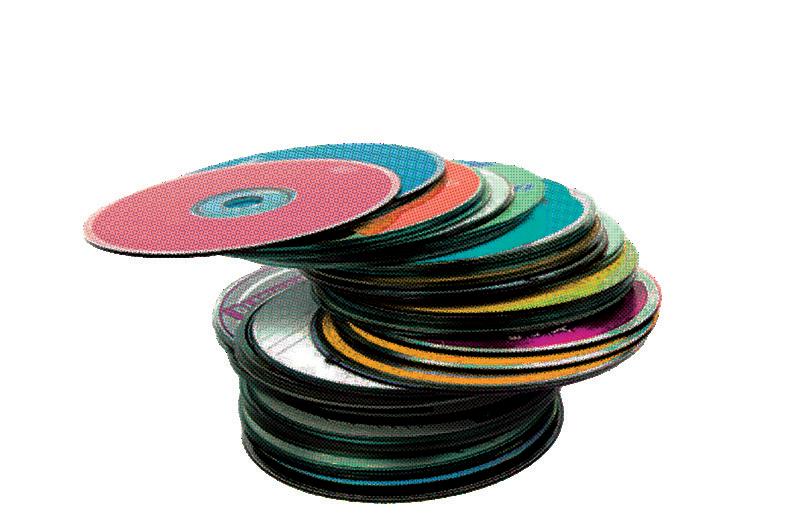
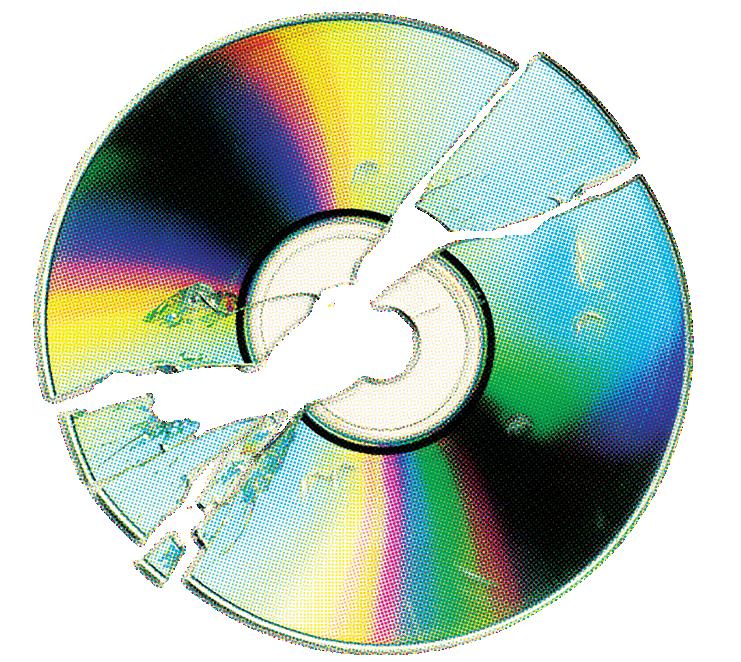
Physical media is dying. I, for one, cannot wait to purchase a temporary licence for everything I ever buy. I look forward to the day Paramount Pictures and the ghouls who run it crack open my brain and rip Transformers One from my mind because they decided it wasn’t worth running on Paramount Plus, my FAVORITE streaming service.
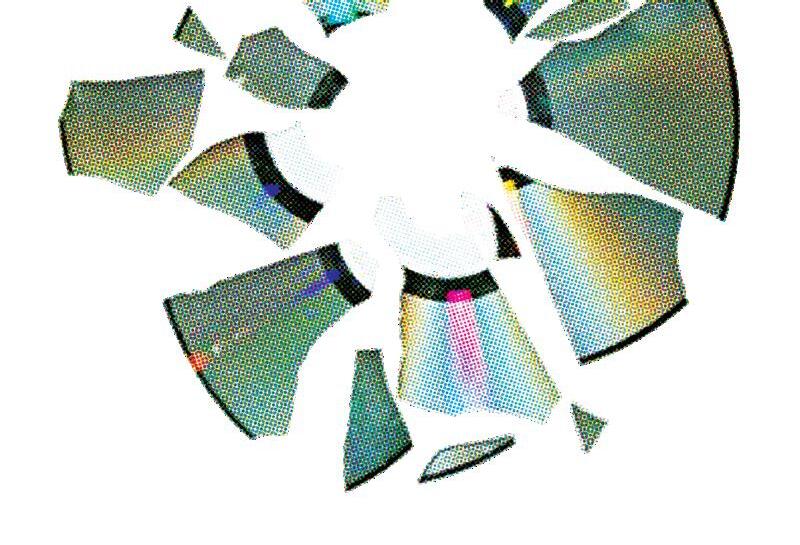
Sony just announced that, come January 2028, they will cease making physical discs for new games released on PlayStation. This comes right after they scrubbed more than 550 movies from PlayStation libraries without warning or refund, despite raking in $7.5 billion in profit in 2025. Their terms of service state: “Use of the terms ‘own,’ ‘ownership,’ ‘purchase,’ ‘sale,’ ‘sold,’ ‘sell,’ ‘rent,’ or ‘buy’ in this Agreement or in connection with PSN Content does not mean or imply any transfer of ownership of any content.” But this is a calculated manipulation of what the everyday public understands those words to mean. You can’t do anything without agreeing to a document far too sprawling for any reasonable person to sit down and read. If they were being truthful, you would NEVER click “buy” on a Sony PlayStation product, but rather “rent until we decide it’s over.” I can’t imagine that would inspire many sales.
As video games have improved drastically, they have also become increasingly expensive. Most games don’t even fully come on the disc now. requiring further downloads. Sony could have invited a new form of physical media, but why would they ever consider that? They have found a way to charge the same amount of money for something with no physical production cost. We aren’t going to feel the savings they will gain from no longer producing discs. Instead, they’ll be a nice little kickback for the company that was smart enough to release Morbius twice in cinemas. What precedent does this set? When I was a kid, I can remember borrowing Just Cause 3 from a classmate, playing it for a month or so, and returning it afterwards. I can also remember letting a neighbour borrow my copy of Lego Marvel Superheroes 2. Now, if you ever wish to play a game, you will have to buy it. Sorry, you will be
to save up to buy GTA 6 might as well have been burnt when Sony decides that running GTA servers is too much hassle in the future and removes the game from your library. If they could break into your house to steal the physical copies of content you own for a quick buck, they would without a moment’s consideration.
Hundreds of older games fade from digital purchase as their licences expire, and the only copies that remain are physical: Transformers: War for Cybertron, the old Lord of the Rings games, Marvel Ultimate Alliance 1 and 2. Even if you don’t have any reverence for these old games, it is clear that the hard work of thousands of people will never be experienced again. This will only continue as the sliding scale of time swallows up the games you or your siblings played as kids. On top of this, game resales—which are often one of the only ways people can afford games—will be a thing of the past. Physical media is key to preserving these works of art. You don’t have to care about video games to see that this is a dangerous step towards the total death of physical media. Video games, movies, television, and music are all wonderfully interactive forms of human imagination and creativity that exist primarily in digital forms, but soon will be confined there entirely.
The same is true for books. Amazon’s market share in e-book sales is 68 percent, but with other factors included it is estimated that they control up to 85 percent of all e-book sales. Being the publishing powerhouse they are, Amazon heavily incentivises exclusivity with the Kindle Store: authors who choose this route will see their royalties boosted from 35 percent to 70 percent, while Amazon gets total control over the distribution of their work. Furthermore, following a recent change in 2025, e-books bought through Amazon can only be read on Amazonapproved devices and cannot be transferred to other devices. It is obvious that Amazon has an almost total monopoly on digital literature. They could force you to read the Bible on their smart Continues on next page.
vacuum if they wanted to. Much like Sony, they also have the ability to get rid of your digital library without warning or a refund. The biggest example of this, and a rather grim display of irony, is Amazon removing hundreds of copies of 1984 from users’ devices due to a copyright issue. The scarier thing they can do, and have been doing, is alter your books without letting you know. This feature can be opted out of, but Amazon writes their terms of service—they control the rules here. It is typically used to correct typos or censor problematic content, but who decides what’s problematic? Amazon. What’s more, in order to access the wealth of literature Amazon holds, you must pay a subscription fee. A subscription fee whose price they have very recently jacked up. Your access to information, art, and thought has a dollar value attached to it, which can be hiked up increment by increment.

on Sony over the precedent it may set going forward. Go sign the “Don’t Kill the Disc” petition on Change.org. Maybe, just maybe, the pressure will force Sony to crack. We just saw Meta roll back their Muse AI image-generation feature on Instagram, so there is value in bullying these corporations. In the meantime, buy physical media and enjoy it while you still can. Go out and buy real books. If you’re only really renting the licence to a PDF online, get out there and rent a physical book from your local library. I love comic books, and I am privileged enough to buy physical copies, even if I would save much more by buying them all digitally. None of this is to shame anyone for using Amazon or Sony or Spotify—God knows I do—but there is a real magic in consuming art someone has made by holding it in your hands, placing the game disc in your console, or hitting play on your CD player.
This is much more than discs, e-books, and DVDs. Physical media validates ownership. You actually bought it; it is yours to hold, watch, play, break, burn, or use to make fucking pizza on. It preserves the work for future generations. It restricts censorship. It ensures history remains rather than being erased. Physical media represents a fixed point in time. Digital media is just software that you don’t own, which can be updated, corrected, altered, or deleted whenever Big Tech feels like it. It’s your fucking shit, dude. Why should anyone other than you get a say in how it exists? In 2025, the American Library Association reported that 5,668 books had been banned in libraries across the country. It was reported that 40 percent of challenged books included representations of LGBTQ+ people or people of colour. Paramount has bent the knee to the current US administration and Israel, and we all know Jeffrey B. goes where the money takes him, so it’s only a matter of time before other media conglomerates do the same. With that, what’s stopping games with clear queer themes, like The Last of Us and Life is Strange, from being scrubbed away? Or your copy of To Kill a Mockingbird from being quietly revised under your nose?
If you have media you have purchased digitally, find a way to store it locally on a USB drive or hard drive. The future is digital; it would be foolish of me to deny this. But there are things you can do to ensure this future arrives more in your favour. There has been an upward trend in Gen Z purchasing more DVDs, CDs, vinyl records, and cassettes. With such an overwhelming glut of content online, this is not surprising in the slightest. I understand that many of these are privileges to own and that not everyone has the funds to go out and continue to support this trend, but I stumble across hundreds of gems at thrift stores, through online resellers on Trade Me, or on other online marketplaces. There will always be people willing to keep this format alive. Physical media isn’t dying because it has become obsolete; it is dying because real ownership isn’t as profitable as endless subscriptions and temporary licences. I hope more people come to realise that ownership, preservation, and denying mass corporate control are more valuable than convenience. If not, no one should really be surprised when David Ellison breaks your television over his knee because it was only ever really “borrowed.”

I can't believe we have made it this far. There has been a bonus puzzle page in every issue this Trimester and you only have yourselves to thank for that. But don't become complacent, this could all go away in the blink of an eye. Keep your head down and do the work.
Monsters” (3)
11 Mario creator Shigeru _____ (8)
12 Changes shape or transforms (6)
13 A feline hunting companion in Monster Hunter (6)
15 Kirby’s spinning Copy Ability (7)
16 The netrunner who created Soulkiller and was Johnny Silverhand’s GF (13)
20 Portals talking automatic guns (7)
23 The red-haired former mascot of Nintendo Power (6)
26 The studio behind Minecraft & it's spinoffs (6)
27 First word in the name of Portal’s fictional laboratory, _____ Science (8)
A Crypto-list is a list of ten members of a category, translated into a substitution code. Solve the puzzle by cracking the code. A letter will always be represented by the same substitution - for example, all the As in the answer might be represented by Qs. There are two ways of starting on a Crypto-list: either think of answers that might fit the category and see if any of them match the word lengths and letter patterns, or look for common letters or words and use them as a starting point.
Famous Paintings
Musical Instruments
28 The colourful substance used to claim turf in the Splatoon franchise (3)
29 A person from Noxus in League of Legends lore (6)
30 A tall Minecraft mob that teleports when angry (8)
4 A Kirby Copy Ability that lets him swing a mighty weapon (6)
5 The company that made the Supercharger add-on for the Atari 2600 (8)
6 The classic Mario power-up that makes small Mario grow (8)
8 What a Boo is in the Mario series (5)
14 The common threeletter abbreviation for League of Legends (3)
16 The small robot hero of a PlayStation platforming series (8)
17 A 2011 2D sandbox adventure game developed by Re-Logic about exploring, fighting and building (8)
18 The company behind Mario, Zelda and the Wii (8)
19 What pixel pictures and character designs are both forms of (3)
21 The software system used to build and run a video game; something you'd upgrade in a car (6)
22 Complete the name of

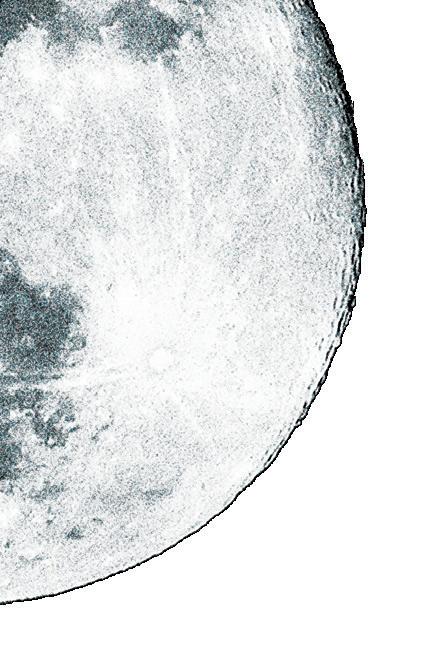
Winter is swallowing my chances with you. The moon is fat in tonight's sky, and there are these dull clouds following me to each body of water I visit.
I am swallowing wine from the week before and wishing you were here on this porch—then I would know where to lean, and who to laugh with, and when the night should end.
I want to invite you into me, and then you would say yes and mean it, and we would both turn to rain, or grass, or something else ordinarily good.
Do you remember the party?
Do you know how long it took me to move towards you from inside the crowd?
I'm only asking because I know you don’t, and I want to know you well enough to tell you.
There is a bird.
There is a bird I know who looks just like you. And then there is you, who looks like you as well but in a different way.
I worry I am missing something obvious that I should already know. I worry that you and the bird look nothing alike to anybody else. And I worry that if I do it wrong, I will go on not knowing where to lean, or who to laugh with, or when the night is over.
I feel like a ghost at the bus stop—and that part has nothing to do with you. I think that you are good on the inside, and I know that you are good on the outside, your haircut, and your shirt, and that face you make that I can’t quite describe.
I want to see you and I want to make you laugh, and that’s all I really have to say about that part.
I want you to read my mind and like the things you see. I want to talk about who we were in high school and say how we would have been good friends even if we don’t really think so.


Keira Batten Coogan
I also have a sweater I think you would like, or look good in, or something else. I have a body I want you to make worth something. I have two hands I’ve never known what to do with.
I’m trying not to task you with making me good, especially not before you love me.
I am hoping: there is something in me you would like or understand, and I feel like I think that there is, but it's not really about what I think.
Aside from your hair, and your shirt, I think I just want to hear you talk more. I think I would like that, based on how I felt the other times. I want to ask you questions that you enjoy answering and sit under a fat moon on a warm night, or a cold night even and we can make our own warmth some other way.
I want to know if I’m right about the bird— If I’m right that there is something good to be done with us, or if I am just listening to the wrong music, and walking the wrong way home.
I want someone to tell me what to do, and how to feel, and what is and isn’t true— and again, that part has nothing to do with you.
I promise not to ask you to tell me who I am, only who you are, and I will tell you how you move me. I am happy to have nothing to do with your hair, or your shirt and I don’t really mind how this bird looks— It's not like you can tell me anything about my hands anyways.
I am trying not to task you with making me good, especially while the winter fills me with this urgency.
This fat moon is telling me to ask if you are free on Friday, and to drive to the beach and pick up some rocks. It's telling me to cut my hair, and to relax somehow.
This fat moon is telling me what to do, and how to feel, and what is and isn’t true, and you are telling me about who you were in high school, and I really do think we would have been good friends.
You can hear this piece performed by Kez with instrumental accompaniment on Bri Louise’s self-titled album.
and with that, our panel events conclude for the night. please join us for refreshments and a networking session!
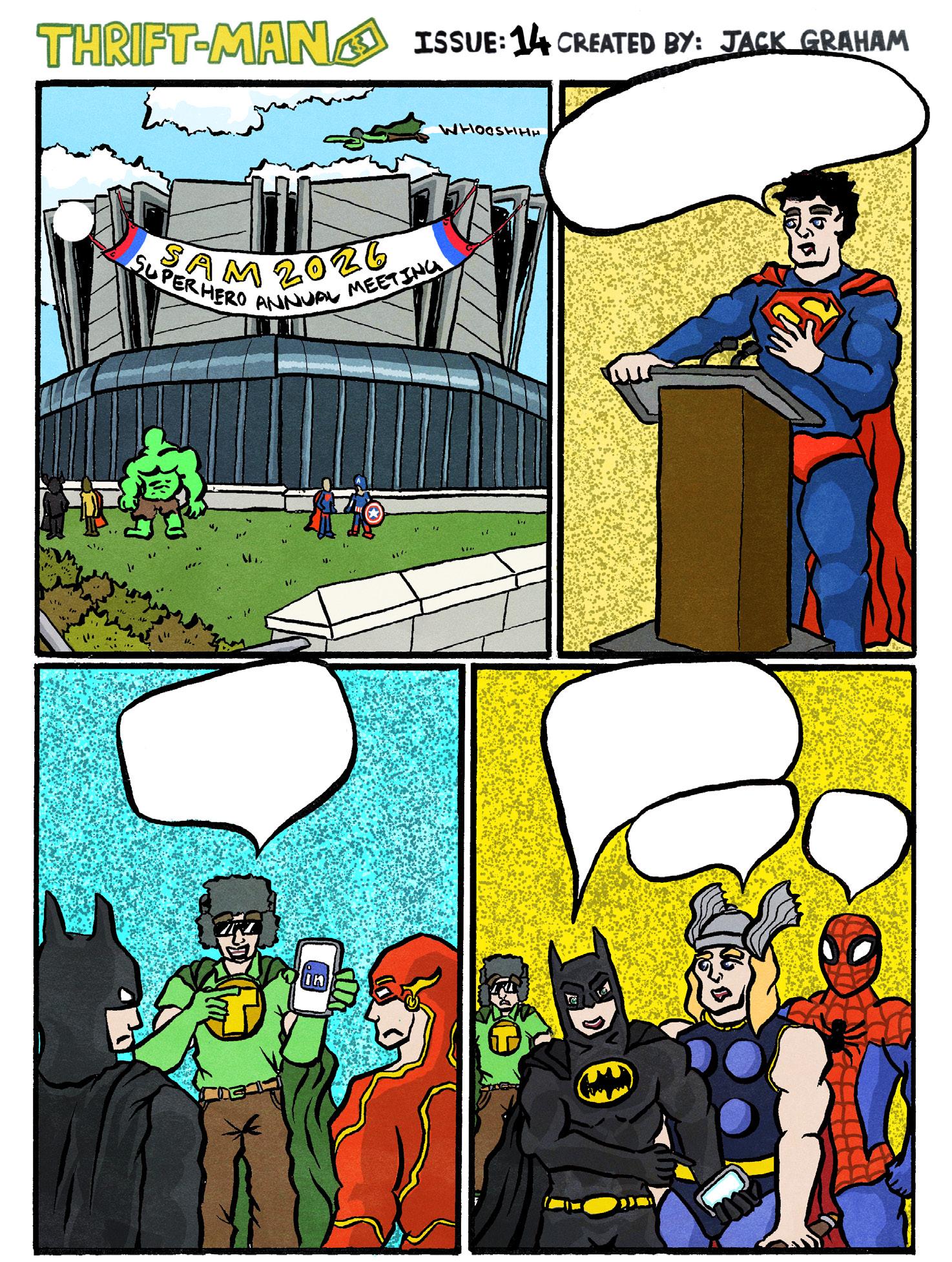
hey guys! Big fan! keen to connect with me on linkedin?
dude, did you see that loser? i totally mogged him with my 369 connections!
they're just letting anyone in these days...
he he he.
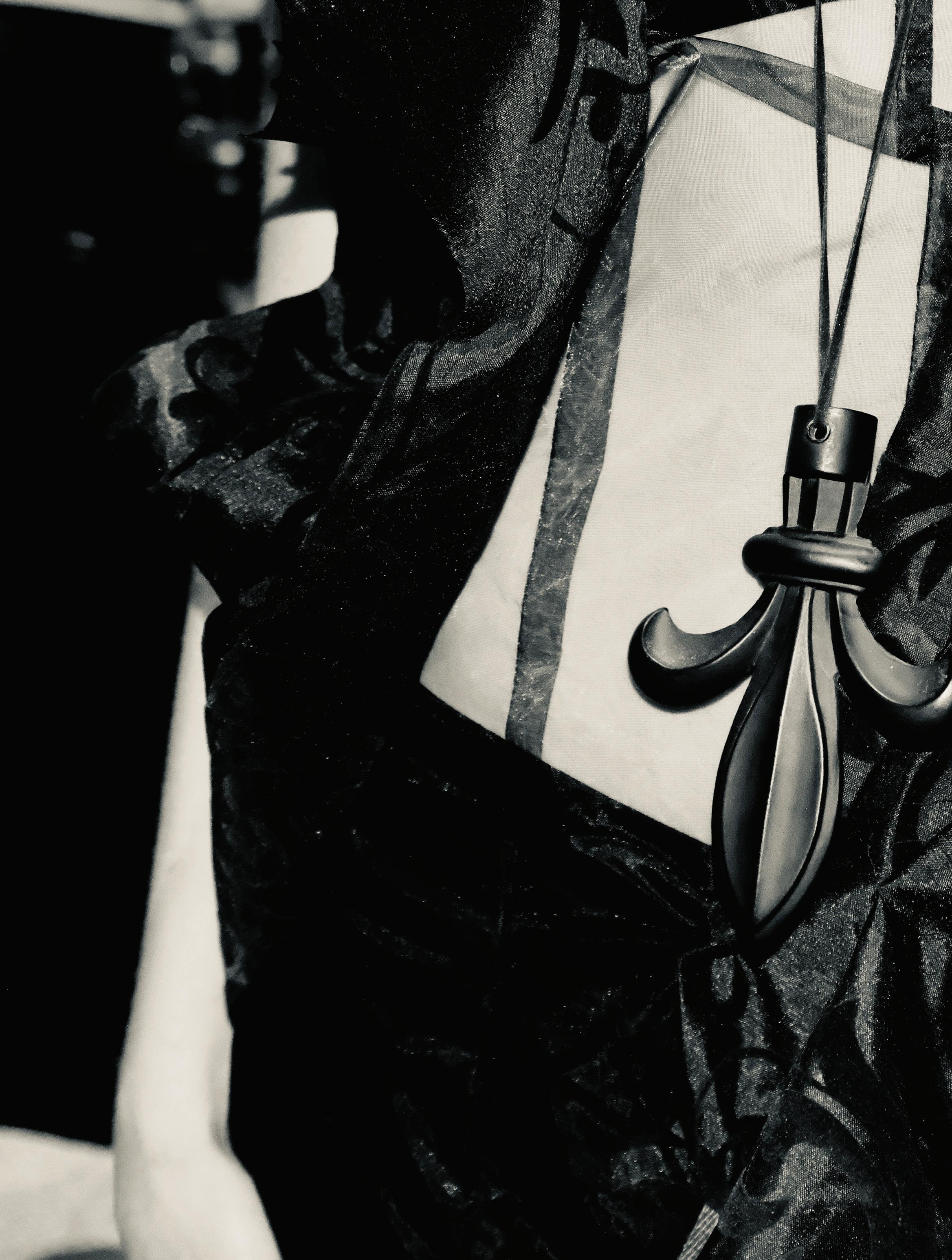
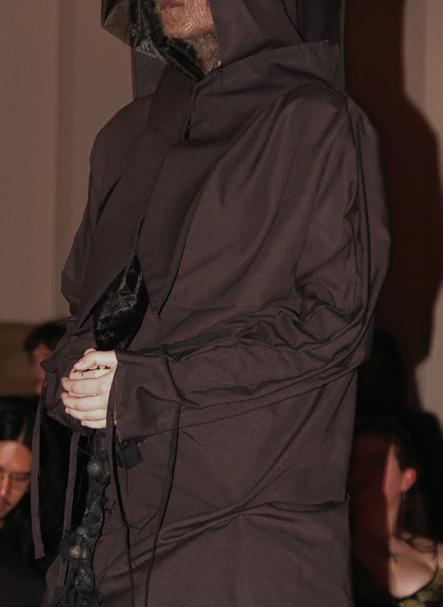
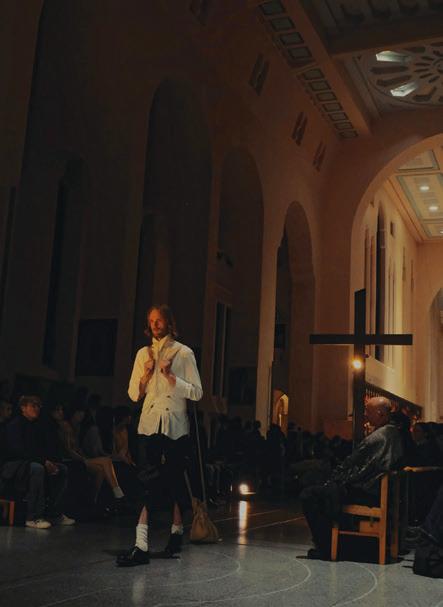
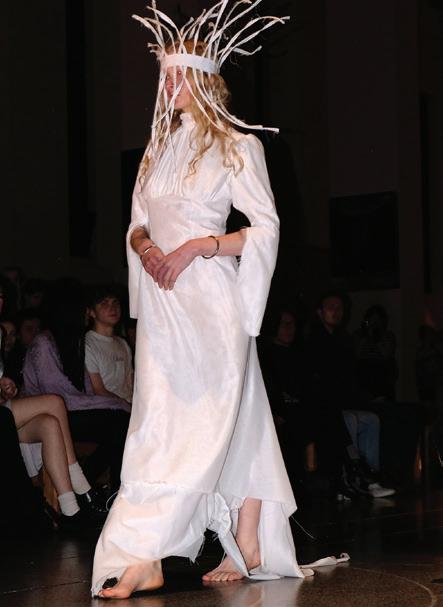
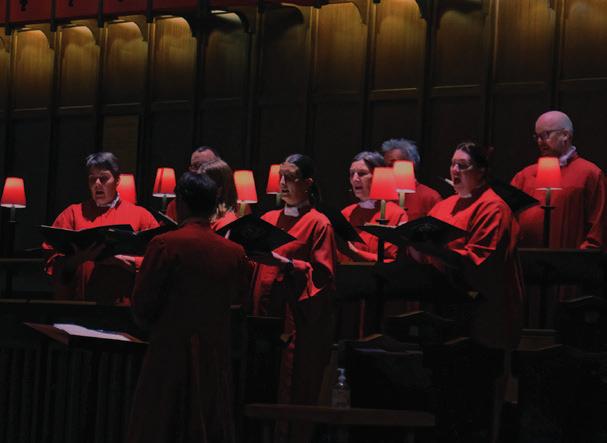
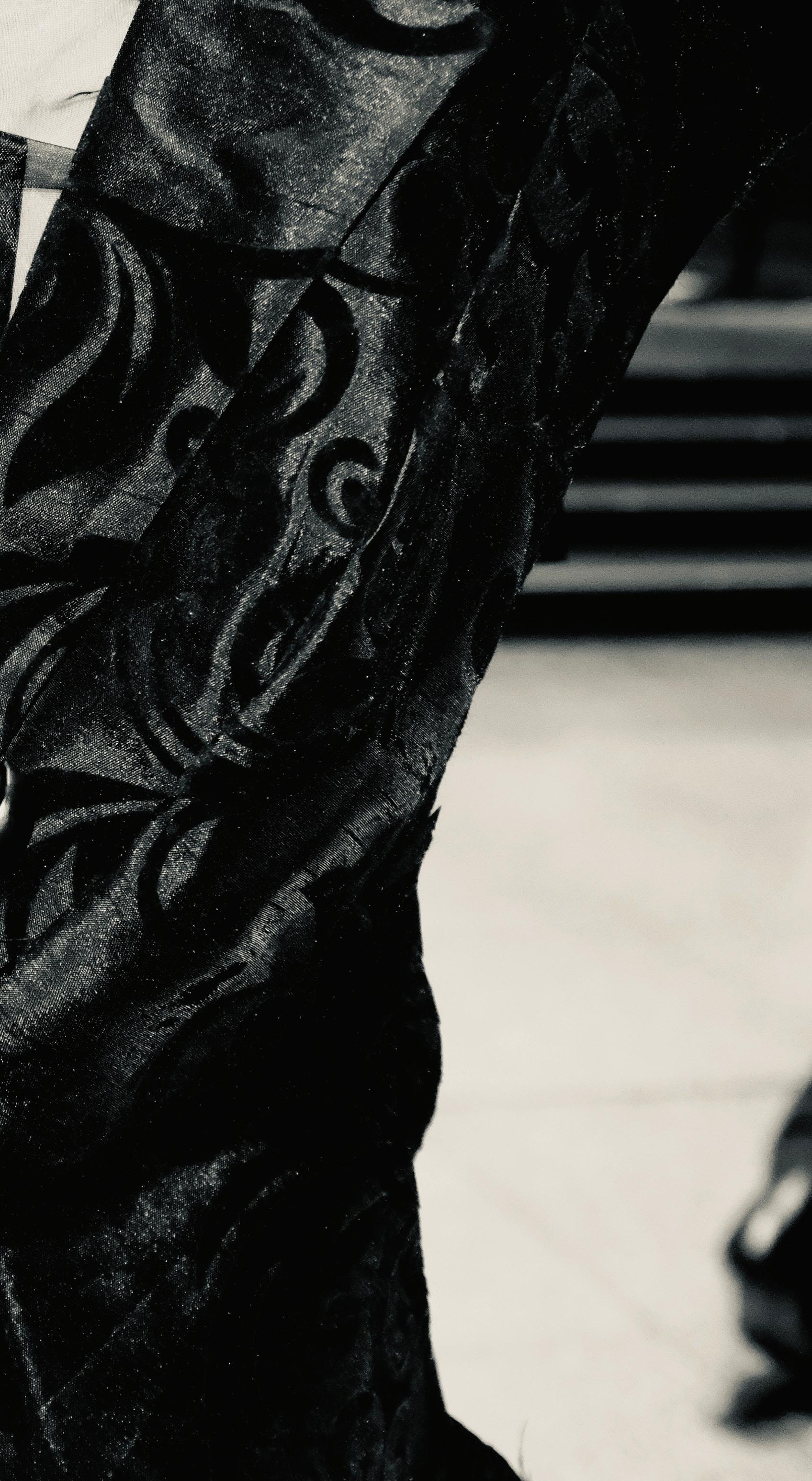
On May 22—after the sun had gone down, the stars had begun to shimmer, and the air had turned crisp—hundreds of people found themselves treading up stairs to pack into Wellington Cathedral of St Paul. Inside, warm lights illuminated at ankle height against the light grey tiles, and wooden chairs carved a long runway down the length of the cathedral. In the centre of the runway stood a cross, commanding the audience’s attention to its presence. The event in question was House of the Father, a conceptual fashion runway show by fashion designer, Jayden Spendiff (Dira), and graphic designer, film maker, and producer, Connor Mckissock (Neskha).
It wasn’t long before all the seated tickets had been retrieved and excess sold as people purchased a standing ticket. An organ manifested silence amongst the audience’s chatter and eyes were drawn to the head of the cathedral where models slowly entered. First came the garment from the promotional video made by Mckissock that arguably sold many of the tickets— my own included, before I took the role of press. With him, the model carried a rope over his shoulders attached to a sack as he stared down at the floor he dragged it upon—it was a level of theatricality that prompted the audience to view the show not only as a fashion runway, but as an unfolding story.
Buttoned collared shirts melted into draping gowns, and the organ was replaced by a full choir as the religious references of the garments abstracted. Heeled boots tapping and echoing down the runway became faint whispers of barefoot strides, and the final gown began to walk; a white dress with flaring sleeves, and a headpiece that seemed to resemble a crown—it was beauty in a pure natural form. In contrast with the first model, the final kept her gaze directly in front of her, implying the model's more joyful and innocent role in the story.
As we, the audience, wished the show was not over, every garment spilled out again on the runway for one final walk, followed by a thank you from Spendiff and Mckissock.
A week later, I sat with Spendiff and a coffee to discuss the life of the show. “Part of being an artist is having a rebellious spirit,” he told me. His spirit led him to scheme his first solo show of 20+ garments in less than 5 months alongside Mckissock at their place of work. Mckissock had previously worked for the cathedral filming the choir and was able to organise the show with their team. Their options were to either make it missionary to the cathedral for free, or pay and have the freedom to design what they wanted. Spendiff explained “spirituality has always been a big part of [his]
work, exploring the internal world and different religious ideas has always been super interesting [to him],” thus he chose to make it missionary to the cathedral.
The connection was not completely point direct, and symbolism was woven throughout with historical reference—such as the 39 odd buttons on a shirt relating to the amount of lashing Jesus Christ was given as 40 even was supposed to kill.
As I spoke with Spendiff, we translated our experiences across artistic mediums in how we navigate carving spaces to exist. He told me that by himself and Mckissock simply taking themselves seriously as artists, they were able to craft a unique event, and once they accepted “not everyone’s going to get” it they pushed their abilities to make an event that hundreds that night did get. We agreed that in putting your work out there confidently, you create these spaces for yourself as an artist, your friends, people you admire, and strangers who didn’t know that your work is what they needed to engage with. This is something that speaks across mediums; from fashion to music to sculpture, it’s something every artist is capable of doing and should do.
Now, two months after the show, looking back on my conversation with Spendiff, I’ve been considering his thought that “a lot of the time as artists we’re trying to land in the scale between abstract and commercial,” and how one of his goals of the show in May was to create that scale. If artists are to create a new space for themselves and others, then they’ll likely have to find themselves somewhere on that scale too. Though that might seem difficult, especially with the ongoing cost of living crisis, it can be simple.
Spendiff encouraged other artists to work with their community, expressing how “having a strong community is so important,” finding people who respect your artistry. As Spendiff himself said, there are heaps of “young people on this island doing cool things.”
He also didn’t sacrifice quality or sustainability, which meant acquiring fabric sponsorship from the Wellington Curtain Bank at the Sustainability Trust. For other artists, this might translate to finding the pre-existing tools available and working with them.
Most important of all is loving what you make, trusting your concept, and being proud. We all need art, and there is no art better than that which comes with a passion like House of the Father. As Spendiff closed the show saying, “we all need to cry for beauty.”

Yacht Club Games have already proven themselves with the groundbreaking Shovel Knight in 2014 and its subsequent expansions, reinventing what it meant to be retro-inspired with a genre defining staple I count among my favourite 2D platformers. Nearly 12 years later, I have seen proof that lightning can strike twice. Mina the Hollower has convinced me to burrow headfirst into the topdown adventure genre with its stellar world design, combat, music… basically everything you can think of.
Puns aside, I stand by that praise. This kind of game is so underexplored in the modern day, even in the indie game space (with only a few notable examples). Mina the Hollower is one of them; far from being just an old school Zelda-like, it takes inspiration from the games of yesteryear while thoroughly establishing its own identity. Key to exploration is Mina’s ability to burrow underground; digging into the earth allows you to find new routes, interact with the environment, and clear larger gaps than your jump by launching out of the ground. Perhaps most crucially, it lets Mina reposition around enemies, who can attack omnidirectionally versus your cardinally-locked strikes. This literal extra dimension of interaction completely overhauls combat encounters and allows the developers to create some intense encounters reminiscent of arcade bullet hells. However, this mechanic would only carry the game so far if the world wasn’t actually interesting to explore.
Of course it’s interesting, what did I say earlier?
WELCOME TO TENEBROUS ISLE! You will become intimately familiar with every corner of this gothic island as you aim to restore the six spark generators that you, Mina, set up to grant power and technological progress to the people of Ossex, the central town. Every region is immaculately designed, and while there is a suggested order
the game implies through the local newspaper you can read after every dungeon, you can tackle those six dungeons in any order. There are secrets and collectibles on just about every screen, and each area is memorable in its own right. I’m a particular fan of the western side of Tenebrous, featuring the autumn-themed Kindlewood and Septemburg—more rural civilisations than the bustling central that is Ossex— and the Backwaters, because I’m a sucker for water levels and sidequests. The soundtrack sells the journey spectacularly as well, especially Septemburg’s somber yet determined ballad and Bone Beach’s spooky rock blend.
Speaking of sidequests, they crammed a TON in here. A plethora of trinkets to customize your moveset, secret bosses, upgrades to your health and stats, weapons, side-weapons, fish, and so, so many bonestone gems which double as both currency and experience points. I’m an explorative type, so I took notes on pen and paper and ended up with 82 percent completion after my 25 hour playthrough, but you don’t have to do any of this and can just go straight to the main objectives if you want. If you are keen on exploring Tenebrous Isle as thoroughly as possible though, I’m pleased to say that this game offers a challenge even when fully upgraded, and the item hunt for 100 percent completion was quite the joy as you become intimately familiar with the map.
Mina the Hollower doesn’t live in the shadow of its inspirations. It strikes out in its own direction, outdoing my expectations at every turn. I haven’t even mentioned the sheer number of optional modifiers to make the game harder, easier, or sillier! There’s so much to discover for your own here, easily my Game of the Year so far.
Mina the Hollower is available on PC, Xbox Series X/S, PlayStation 5, and Nintendo Switch, including Switch 2.
This week's game: CHOOSE YOUR CHARACTER! Mina the Hollower



Gameplay: 9/10
Writing: 8/10
Aesthetic: 10/10


At 17 My ex boyfriend and I wanted to have sex but his par ents were home so we ran to the forest next to his house and started going at it until I felt something sharp and painful. I told him I thought there was something in me and he pulled out a handful of little twigs and sticks covered in dirt.
submitted by anonmous

Oh Yes, Oh No is where sex stories go to be judged. Was it hot? Was it a disaster? You decide. All stories are submitted by readers, published anonymously, and guaranteed to make you say 'oh yes' or 'oh no'. Scan the QR code to submit your own and see if it makes the cut.

I lost my virginity at 18 in a drunk lesbsian threesome. This was in my home town and the two other girls were there for a work trip. They were boss / subordinate. They were much more into eachother then they were to me and I felt like they just used me as an excuse to sleep with eachother because they kept on saying things like "I can't believe I'm doing this with my boss" and "We're gonna get in so much trouble" and I was like... not me. Either way I got eaten out by both of them. Didn't help me get any closer to figuring out my sexuality tho submitted by anonmous
I matched with this guy on Hinge and we started hooking up. We weren't together, weren't exclusive, nothing. But this man was OBSESSED with telling me his body count was only 2 (including me). I'd been celibate for 8 months, so I was like... okay. Then came the hookup from hell. He turned up smelling like he'd lost a fight with a stick of deodorant, the sex was genuinely traumatic, and he was moaning like a church mouse... I ignored every red flag. A few days later he spotted a Tinder notification on my phone and suddenly wanted to act like we'd been married for 10 years. He ended things with me on the spot... over Tinder... we weren't even exclusive?? THEN karma wasted absolutely no time. A couple of weeks later I ended up in hospital and found out I had an STI. I messaged him to let him know because that's literally what you're supposed to do. His response? Block. Gone. Vanished.
But wait.
FOUR MONTHS LATER I see this man wandering around our hall with his new boo thang. I thought, "Girl, I'd want someone to tell me," so I sent her a heads-up about what had happened to me. Instead of taking the information on board, she basically told me I was lying, hit me with, "ur a maori, maoris are known to sleep around" (coming from another Māori?? - who doesn't know how to spell "Māori"), insisted he couldn't have given me the STI (like she had read my medical records...), and then accused me of stalking her... despite the tiny detail that we LIVED IN THE SAME BUILDING. So the man who smelled like B.O., moaned like a sad mouse, and blocked me after I told him about an STI somehow found someone willing to defend him with racial stereotypes. I don't speak to either of them anymore... and that's probably the least shocking part of the story.
submitted by anonmous
What: Abura Soba
Price: $17.50
When: 11:00am-8:30pm, Monday-Sunday
Not worth it in value or taste, in short.
As chain restaurants go, Kajiken is a cut above. The moment I stepped in the door, I was bombarded with greetings from left and right. If a mite enthusiastic, the staff were lovely. Inside, it was all pale pine panelling, paper screens, and renditions of Hokusai’s The Great Wave out of noodles, but tastefully done. Each table has a small pull-out drawer with chopsticks and cutlery, (incredible design) and there were pots of complimentary barley tea at the counter (another cool touch).
Where the place faltered was on their food. While they do offer traditional ramen with broth, Kajiken’s speciality is abura soba, a soupless Tokyo style of thick wheat noodles coated with a blend of soy sauces, vinegar, and oils. On the Sunday I visited, the special was their Prawn Soba, but other options through the week include Roast Beef, Vege, and Keema Curry Soba.
The Prawn Soba was, honestly, just bland. While the soba noodles were springy and pleasant to eat, the sauce over them was disappointing: a hint of soy here and chilli there but nothing convincing. The crumbed prawns were a nice crunchy interlude, but brought none of their sweetness or briny depth to the meal. The dollop of chopped crab meat on top also faded away quietly, drowned out by the mayonnaise it was mixed with. All together, it was a bowl of oily noodles wherein the most exciting thing was the spoonful of sweetcorn kernels left over at the bottom of the bowl. For $17.50 a bowl, this was an easy pass.
What: Japanese curry, katsudon, and ramen.
Price: $12.00
When: 10:00am-4:00pm, Monday to Friday (though they often sell-out by 1:00pm).
A secret and decent daily deal, cheaper than most.
Only a noodle’s length (give or take) from Kajiken on Woodward Street is Angry Ramen on The Terrace. From the outside, this looks like any other ramen shop; the franchise also has stores on Cuba Street, Willis Lane, and in Lower Hutt. Their menu is extensive, but the cheapest option is still a wince-through-gritted-teethinducing $16.90.
However! The restaurant on The Terrace has a semi-secret $12.00 daily special each weekday, offering limited portions of that day’s rice or noodle bowl. This deal isn’t heavily advertised online or on the store front, but they often sell out to the lunch rush nonetheless, especially on Tuesdays and Wednesdays. Their daily specials are (by day of the week): Tantan Ramen, Pork Katsudon, Chicken Katsudon, Chicken Curry, and Chicken Katsu Curry.
Already, this daily deal thrashes on value, and does so as well on taste. The Tuesday Pork Katsudon, a crumbed pork cutlet over sticky rice and coleslaw, was pretty solid. The fried meat was crunchy without being greasy, and very moreish. The rice was al dente and filling, while the subtle sweet vinegar over the coleslaw and the red pickled ginger slices stopped the whole thing from being stodgy and dry. Altogether it wasn’t ground-breaking, but you could do a whole lot worse and smaller for $12.00. I imagine their Monday Tantan Ramen would be equally decent, and it’s hands-down the cheapest ramen in town, if you can get in on time.
Am I talking shit or shit-talking your fa vourite restaurant? Or have I overlooked a place that readers really need to know about? Send me something to chew on at: guy@salient.org.nz


Jackson McCarthy is Salient's Critic-at-Large. His first book of poetry, Portrait, is out now with Auckland University Press.
want to get in touch, tip me off, or rage at me electronically?
jackson@salient.org.nz
Charli xcx shows no signs of stopping
As I wrote earlier this year, Charli xcx has known for a while now that she needs to escape out from under the towering legacy of her 2024 opus brat. She’d been an important left-of-field pop star since at least 2017’s mixtape Pop 2, but brat was bigger than anyone could’ve anticipated. One of the more lucid pleasures of my life— and for music kids like myself—was rolling to Charli deep cuts like “Track 10” in a field full of strangers at 2025’s Laneway. For me—for us!—it signalled something amazing: it was the music of our bedrooms and our closets spilling out into real, public life; it was an idea made substantiated; it was music of a queer underground blown up large, and not dulled in its spark or blunted in its edges in the process. If you go for a walk down Courtenay Place on a Friday night, it may strike you as it has struck me that a lot of straight people go out looking for a reason to stay home; looking for somebody to go home with Queer people, by contrast, have always organised ourselves around nightlife, because it’s a relief to just be out. I cannot stress enough that for this alone Charli will always remain for some of us a most extraordinary musician.
But, like anything so popular that even the Hallenstein's boys were frat-flicking to it, there was always the risk that brat’s nervous, twitchy take on dance music—a take that, mind you, was deeply rooted in the UK’s queer and experimental scenes of the early ‘10s—would curdle into something uncool. And Charli made those fears real as part of the mockumentary The Moment that she made with long-time collaborator Aidan Zamiri, which came out this January. It’s not a great film, but its achievement comes in part from how it manifests all the things that brat was not. It depicts a Charli who’s anxious, unsure, and uncertain—she does lame brand deals (a brat-green credit card!), and has her vision for her concert tour stepped all over by an infuriatingly smarmy Alexander Skarsgård, and gets so stressed out that halfway through rehearsals she takes a mental health break in Ibiza. Very much unlike the tragic heroine of The Moment, the best records of Charli’s career have been defined by decisive stylistic turns and surefire confidence. Her early 2026 release Wuthering Heights, intended as a companion album to the Emerald Fennel film and used as part of its soundtrack, saw her pivot, as I wrote earlier this year, to a denser orchestral sound while retaining her aphoristic lyric gift. Music, Fashion, Film is the latest in the winning zigzag streak of her career—but it's tougher and in some ways more disappointing for its sheer messiness.
Opener and lead single “Rock Music” poses itself as a thesis statement: “I think the dancefloor is dead / So now we’re making rock music” goes its chorus. But both of these claims turn out to be untrue. The album styles itself (quite compellingly) as a kind of dance-rock fusion; the songs

here are, in many ways, typical Charli tracks dressed up by electric guitar riffs that could just as easily have been synth lines. Its songs are structurally akin to both Charli’s own previous work (please see the ludicrously underrated how i’m feeling now) and to outsider jangle-rockers like Blur. That band broke with the rockist emphasis on “authenticity” back in the 90s with their “Song 2,” risky for how it ends up sounding like the very thing it's making fun of and clever too for precisely the same reason—its both goodold-fashioned rock headbanger and snarky satire. Charli makes a rather Blur-ry stab at the same trick here on this record—and she even has a song, “Yeah,” that interpolates theirs directly. A trick like this one, though, relies a lot on context and on intertextual reference. “Yeah” works, but it doesn’t work for the reason that, say, its Genius annotators think it does; it doesn’t, as they claim, “[contextualise] the idea of becoming a ‘yes man’ for both the public and the musical industry.” Rather, it’s made up of quite literally four empty phrases sung in alternation: “I don’t wanna,” “Now I wanna feel it,” “You don’t wanna,” “You’re so predictable.” What I’m getting at is that most of Music, Fashion, Film doesn’t work as song. And, when you’ve been paying attention to what Charli can do with her miniaturist's brush on albums like how i’m feeling now and Wuthering Heights, this album might feel a little too slight and unambitious, a little too underworked.
Then there are the moments of winning, to-be-expected, surefire confidence. “SS26” is blissfully catchy; the guitar riff sidles up to the syncopation of the melody in a way that is unbelievably satisfying, almost recitative-like, and thus brings out the speechiness of Charli’s melody writing without reducing melody to speech (as “Yeah” runs the risk of doing). It’s also hard not to hear the song as a meditation on the climate crisis: “Walking on a runway that goes straight to hell / Nothing’s gonna save us / Not music, fashion, or film,” Charli deadpans in a lexapro haze. In a world where “politics could work as a press strategy” and every mistake is “taken out of context, obviously” on social media, it’s hard to summon any feeling at all, whether optimism about the future or merely a committed pessimism. Much has already been made of the

fine closer, “No One Lasts Forever,” which teases out a more overtly existential pitch that the album encircles and whose instrumental, built on a guitar ostinato so distorted it sounds like a synth, returns us to the electronic wheelhouse of the rest of Charli’s discography precisely by showing how, despite this album’s rock exterior, we never really left it. Elsewhere, the two-track diptych of “Wink Wink” and “Persona” tackles the tension between Charli xcx and Charlotte Aitchison, phrasing stardom as a kind of trick mirror that shows you fatter or slimmer or taller or shorter than you actually are. But Charli’s angle takes one of pop music’s oldest (and potentially most alienating) tropes—the lament about fame—and lowers it to an anxious simmer, such that her subject becomes social life more generally. And more intimately: aren’t parts of “Persona” addressed to a close friend or lover? “You call me your best friend to keep me at arm's length / [...] / You know I see you when you see me,” Charli sings.
Being seen and seeing in turn are recurring obsessions of this album, because Charli is one of our great polishers of surfaces, and because Music, Fashion, Film is something of her Ars Poetica—it’s her treatise on her craft. Like any good pop star, however, that means that its topics range from songwriting, singing, and musicianship to public life, celebrity culture, public image, and legacy—a pop star is both an artist and a brand, an image and an advertisement; both fine art and practical art. But that also means that it covers, thematically speaking, everything she’s already covered in her discography; it offers up no fresh material. And in that sense, it’s possibly her most limited project yet. (Another short mixtape-style album full of pithy turns of phrase and electro-grungy instrumentals? Who would’ve guessed?) Still, Music, Fashion, Film reaches and then sustains an existential pitch that has as yet been out of her range, and combines that with a tossed-off haphazardness of execution which forms in itself the only real defense against mortal dread: pretending like any of this was easy. “And I know deep down that it's here and now / 'Cause nothing's gonna last forever” (“No One Lasts Forever”).

WhenI was in high school, I badly wanted a Nintendo Switch. The retail price was about $550, and what I discovered motivated me to save was equating everything to the value of a Switch:
If you save your birthday money, that’ll be a quarter of a Switch. If you buy a new lego set, that’s the cost of 1/5th of a Switch. If you don’t eat lunch from the canteen for fifty five days, that’s enough for a Switch.
Nowadays, I don’t have the luxury of saving up for a game system—I have anxiety over swimming in this recession and drowning in a cost-of-living crisis. For my weekly challenge, I wanted to see how little I could spend in a week. I’d be trying to pay as little as possible on food, travel, and general spending—aiming for no more than $50 for the whole week.
I started the week with little to no plan—spend less? Easy! I’ll just simply not buy things. Done! I didn’t realize too far ahead that food would be the biggest offender, and I had a very busy week coming up work wise. I didn’t have much time to cook or clean around my schedule, and realized my error later. I went through my Monday normally, skipping breakfast & lunch to save money and thought about going to the supermarket that afternoon. After midday I got hungry, and decided to go bother Phoebe for a little in the Hunter Lounge for a free bacon butty.
This single choice would alter my week for the worst.
Mexico vs England was playing in the world cup. I gave in to Phoebe’s peer pressure with little resilience, and bought three pints to share and to pay her back for previous rounds. In a tipsy afternoon state, I decided to go back to Phoebe’s that evening to watch the new karaoke episode of Love Island (it was shit). Even though I managed to snag a free pasta dinner and had a great day, I had eliminated pivotal grocery & meal prep time, and had already spent $42 on beer and a Flamingo scooter back from Karori.
Waking up Tuesday, I immediately bought a $7.90 rice ball from Maki Mono, forgetting the challenge. “Okay, no more spending,” I told myself. That’s when I received a horrific text from my friend:
Within the span of a week, I’ll be trying to accomplish a long-term task just to see if it’s possible, and to see what I can get out of it. Life lessons, skills, resilience training? The stimulation alone should be enough motivation.
This week's challenge:
I had forgotten that I had agreed to buy a ticket the other week for my friend’s closing night show at Circa theatre. I went to the website and my stomach dropped as I realized it was $68. I was two days into a challenge where I was minimizing spending, and spent my usual average.
On Wednesday I went grocery shopping, as I could have done on Monday had I not made the choice to watch the footy. As I grumbled my way through Woolies, I considered bringing back a technique that got me through second year: stealing from supermarkets.
Alas, I do not condone stealing from supermarkets… even though they heavily upsell and cross-sell to maximize profit. I also don’t condone wearing cargos with many deep pockets so employees can’t distinguish if a block of cheese is hidden in your pants. And I most certainly do not condone taking a very big order into the self-checkout, purposely making mistakes and spilling things, looking like you’re on the verge of tears, and putting on a show trying not to disrupt the scales as you can slip essentials into the “checked out” area. It certainly won’t lower your usual shop to $78.67
By Thursday, I had to catch a train ride to the Waiararapa for an appointment that I couldn’t reschedule, meaning I had to buy a red Snapper card for $10. Metlink train attendants don’t have the same leniency for adults using a green Snapper that Welly bus drivers do, however I linked my Community Service card with the red snapper, meaning I halved the trip from $37 to $18.50! The downside was that I didn’t pack a snack for the trip, so on the way to my appointment I was starving. I stopped for lunch, and foolishly didn’t read the prices too carefully—I got scabbed for a bagel and coffee at $20.40.
Coming back from my train trip, I had a film shoot I needed to haul equipment to, so the trip there was $12.25. For props, I had also bought a box of 12 beers from nearby Foursquare, which meant it was a very expenny $26.09. I thought this was a smart call, as I had a friend’s 21st the next day and could simply re-use some of them for, y'know, 21st drinking. This didn’t come to fruition, as when I put the bottles in my bag to go to the party, they clinked against one another and undid. On the way there, I looked in my bag to find they’d exploded, so I arrived at the party with a wet satchel and a bummer mood, exhausted from travelling around in damp pants. I only stayed a little while, not even having the energy to bum a couple drinks.
Friday, I was not up for anything. I had made plans to go to the Smash Room the next day with friends, but I was so far in the red all I could think about was how much it would set me back. Luckily, everyone else pulled out, so we all jumped ship on the idea of hanging out. I ended up staying home all day, working from home and eating two minute noodles. I played Mario Kart later that night without any energy to cook, and thought it strange that I’m somehow the same person who managed to save up for a Switch
On Saturday, I gave up. The only thing left to do was to see my friends’ show at Circa, which looking back wasn’t a regret. The Tīwhas Present: Māreikura was an absolute slay of a drag show that honored wāhine, and was a great way to end the week… only downside was that there was a shared supper afterwards that my Big-Back didn’t manage to get to.
Conclusion:
I need to plan my week better, especially when it comes to meal prepping. I spent a lot more than I usually do, $351.64 excluding rent (HOLY FUCK, WILL). 16.39 percent of the week was spent on travel related costs like DiDi’s, train trips, and a generous handful of electric scooter rides. 31.28 percent was spent on the theatre ticket & jugs at the Hunter Lounge, and a whopping 52.31 percent was on food. D’you know how much of that was on lunches and dinners?
$105.29! All the Night n’ Day pies and takeaway meals add up, and if I’m learning anything about myself it's that I need to put a blanket ban on eating bites from food stalls & shops—there’s lots of takeaway purchases I didn’t add to this piece, because it’s a bit unappealing.
If I could do anything differently, I’d look at free food options that the campus offers, such as coffee & tea in the Bubble, or the VUWSA pantry’s grocery options. I might adopt them in the coming weeks, because I have a ways to go to make up for this week’s failure. And if Phoebe asks if I want to get a pint, I’ll have to reconsider… the Switch 2 is on sale soon.


1 Charismatic skill, used in D&D to get people to do what you want (10)
6 New York's Central or Wellington's Frank Kitts, say (4)
10 Group of lions (5)
11 'The Birthday Party' author Katherine (9)
12 Giving a new title to (8)
14 Former minister-turned-Wellington mayor Andrew (6)
16 Ability to respond to complicated emotions and art (11)
19 Duration; distance (6)
20 Australian city where Sia and Cold Chisel come from (8)
23 Bigotry or bias (9) *
24 Taste or hearing, say (5)
25 'Bugonia' actor Stone (4)
26 'Northanger Abbey' novelist whose titles appear in this puzzle's starred entries (4,6)
“A Novel Idea” crossword Author is Puck
1 Andy Warhol's genre (3,3)
2 Ruler's period (5)
3 Function (3)
4 Relating to the specific meaning of words (8)
5 Pigpen noise (4)
7 In a talented way (7)
8 Renal organ (6)
9 It's the O in OCR (8)
13 Bull-headed figure of Greek myth (8)
15 _____ view (top-down look) (5-3)
16 Ray of light; kitchen appliance maker (7)
17 Go by, as time (6)
18 Sea seen from Athens and Heraklion (6)
21 Otherwise (2,3)
22 Middle Simpson child (4)
24 Early Beatles member Sutcliffe, or Tommy's dad on 'Rugrats' (3)
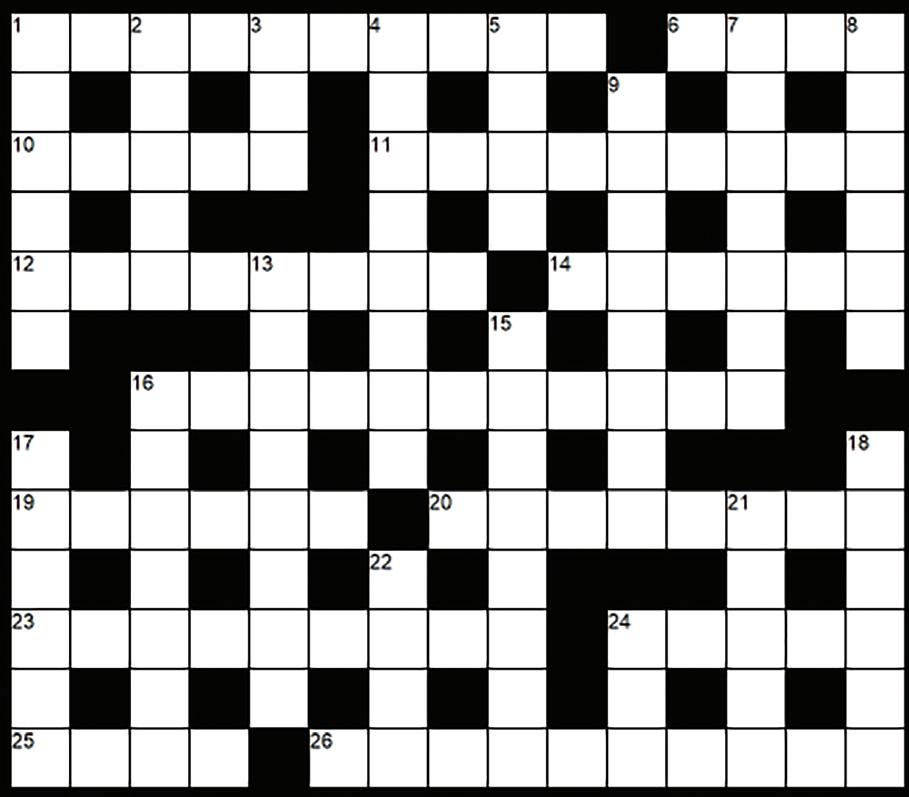
Send us your photos from around campus. It can be a cool bird, a broken vending machine, or anything else you think belongs in the magazine. DM your photo to @Salientgram on Instagram along with a caption. The best images will be chosen each week to be featured, and the winner gets a Hunter Lounge Bacon Butty.
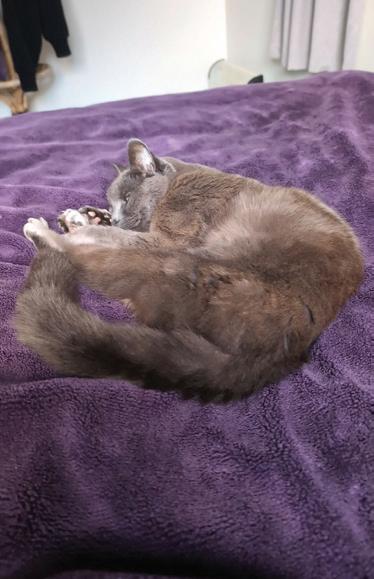
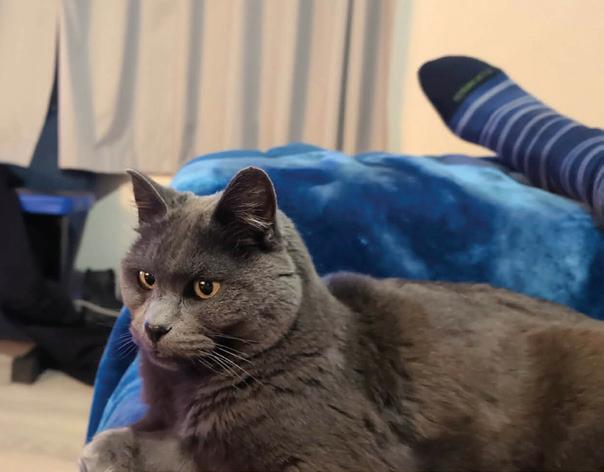

1 Entertainment device in most living rooms (10, 3)
6 Back up (6)
9 Citation (6)
11 Pass on (as an email) (7)
12 Shakespeare story (4) 14 Vow (4)
17 Strength (5)
19 Goddess of Peace (5)
20 Town exactly halfway between Wellington & Palmerston North (5)
21 Hesitate (5)
24 Silence (4)
27 List of options (4)
29 Narrow body of water (7)
30 Length x Width x Height (6)
32 Evening party (6)
34 Handheld for 1A... or where you'd push for *answers* (6,7)
“Get Pressed” Crossword Author is Nil Originally published in Salient, 2024
2 Quite a sight (like the Eiffel, I hear?) (6)
3 Delivery vehicle (3)
4 Tic-Tac-Toe winner (3)
5 Accompany (6)
7 Questionable (4)
8 "Donnie _____", 2001 cult film (5)
9 Key for elbow room? (5)
10 Ctrl + Z (4)
12 Rainbow maker (5)
13 Spy; secret _____ (5)
15 Wow (5)
16 Poem with an odd number of syllables (5)
17 ____ talk (3)
18 Future fry? (3)
22 Out of bed (5)
23 Congestion site? (5)
25 Revolted (6)
26 Beige; colour of unbleached linen (4)
27 1052 in Rome (4)
28 _______ uno is number one (6)
31 Introduced to (3)
33 Possess (3)
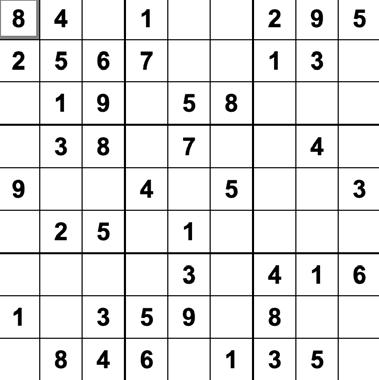
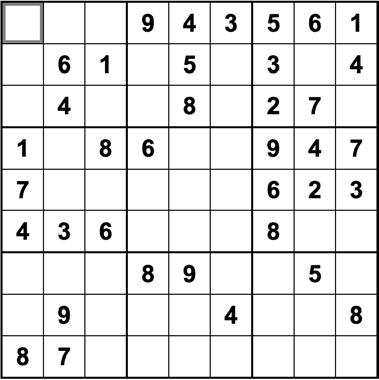
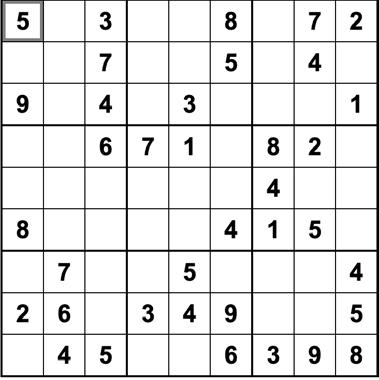
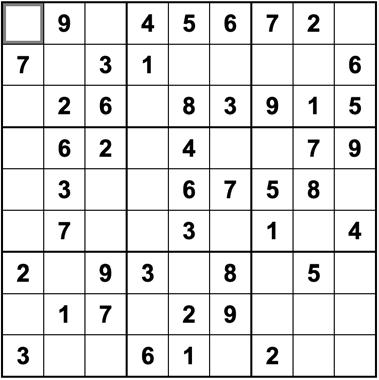
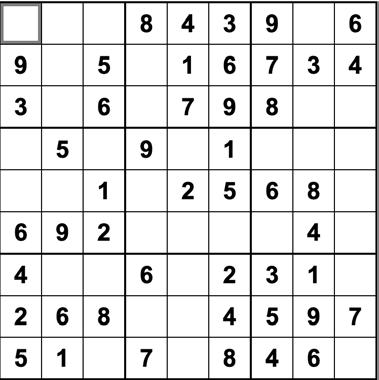
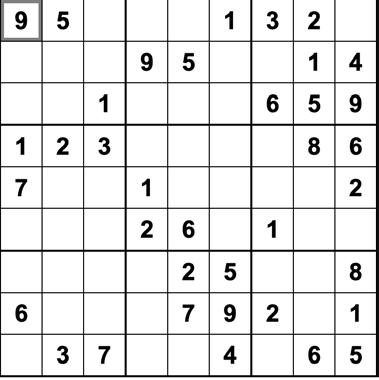
),/7(5&2))(( 6,1*/(25,*,1
)5(1&+35(66 3257$),/7(5 %$1$1$%5($' &$338&&,12 (;75$&7,21 3$7,66(5,(
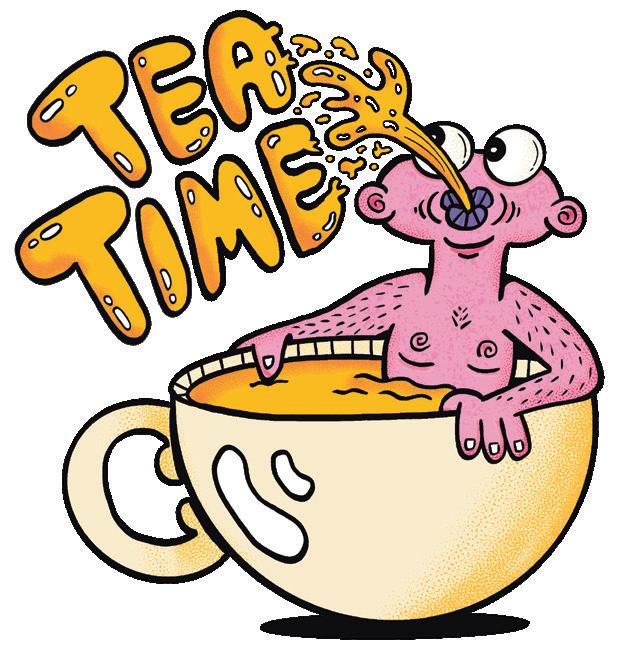

If you have a story, confession, or experience you’d like to share—whether it’s an anonymous crush, workplace drama, or something else entirely—you may submit it

I haven't told anyone this but I live at home and whenever I want meals inspo I eavesdrop on halls people talking about what theyre serving for lunch and then I go home and make a diy version - anonymous

Welcome to the puzzle page from Puzzhead, your resident Puzzler.
These puzzles are provided to be fun and challenging. The Salient team and our contributors aim for accuracy, but occasional errors may occur. If you notice an error, you may write to editor@salient.org.nz. Please note that our puzzlers and contributors are doing their best, and none are professionals or working on these puzzles full time. For the word find, words may appear diagonally and backwards. To access solutions for the crosswords and connections puzzles, scan the QR code next to Puzzhead.

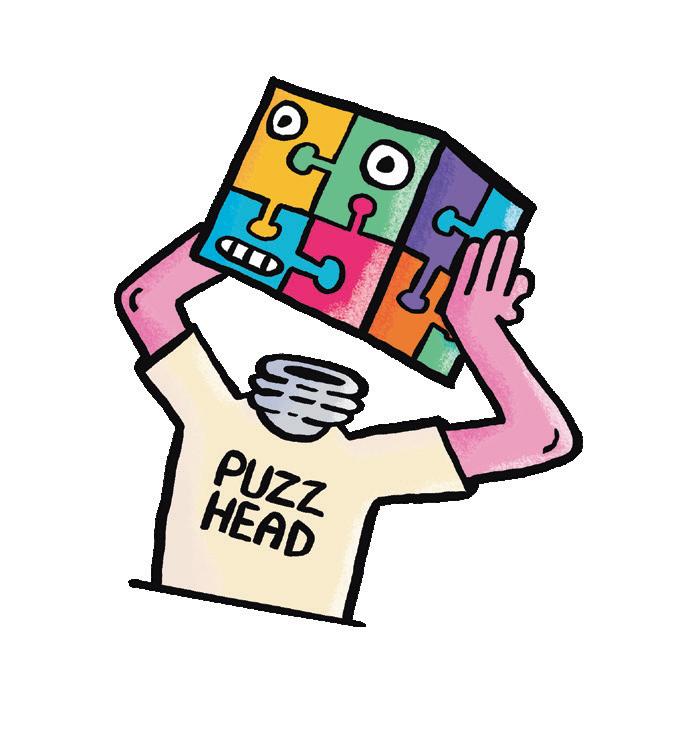
W P I O E C E R K
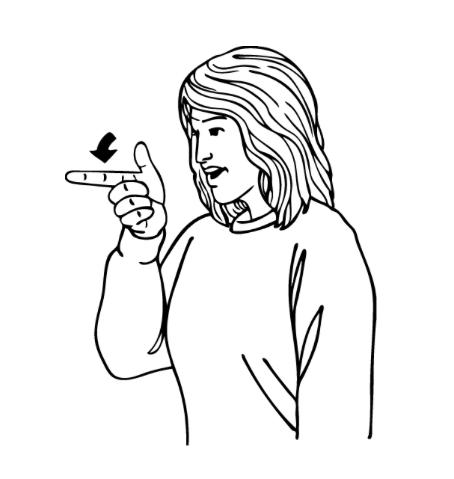
Notes:
To solve a Set Square, use arithmetic and logical reasoning. You are given a grid containing six sums: three reading across and three reading down. The arithmetic operations (division, multiplication, addition, and subtraction) are shown between the grid spaces. Place each of the numbers 1 to 9 exactly once into the grid so that all six sums are correct. Note that calculations are carried out in left-to-right order, not according to BEDMAS.
To solve connections, group the sixteen words into four sets of four based on a shared connection. Each word belongs in only one group. Continue until all four groups are identified. On our website, the groupings are uploaded one at a time, so if you get stuck, you can view the answer for a single connection without revealing the full solution.
To solve Word Wheels, form words of four letters or more using the letters in the nine-letter wheel. Every word must include the central letter. Each letter may be used only as many times as it appears in the wheel. The aim is to find as many valid words as possible from the target word list, including the nine-letter word that uses all the letters.
19 possible words
Your ambition surges this month, but patience will win the final whistle. Channel that competitive fire into FIFA 26 and play strategically. Do: access, beef, impulse
Don’t: convenience, file, manage
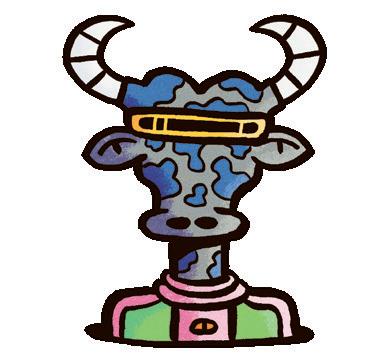

Comfort is calling, yet a small creative risk could transform your routine.
Settle into Minecraft, where patience and imagination produce beautiful results.
Do: stumble, valley, current
Don’t: accumulation, top, method
Confidence attracts attention, but generosity keeps it. Celebrate your wins without overshadowing others, then embrace glamorous chaos with an evening playing Grand Theft
Auto V
Do: fortune, disturbance, advertising
Don’t: apparatus, white, boy


A change of scenery restores your spark. Say yes to unfamiliar paths, bold ideas, and openworld adventure with The Legend of Zelda: Tears of the Kingdom. Do: skilled, cable, muggy
Don’t: hierarchy, alcohol, cunning
Your eye for detail becomes a genuine advantage. Organise plans, protect your energy, and conquer one challenge at a time in Clash of Clans.
Do: insight, obstacle, thought
Don’t: summit, history, infrastructure
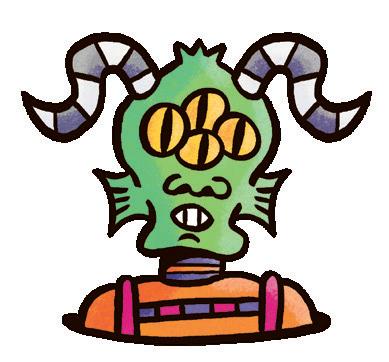
Careful planning brings impressive results. Focus on sustainable progress, strengthen key alliances, and put your leadership instincts to work in Civilization VI
Do: evoke, world, bridge
Don’t: commission, progress, finish

Strange travellers from distant constellations have beamed you up to the Mothership to deliver some good news and hard truths. Consider the gravity of their words (or don't).

A social invitation could revive your playful side. Say yes, wear something fabulous, and rediscover carefree connection through Club Penguin Revamped.
Do: remind, temple, unaware
Don’t: guarantee, bless, father
Curiosity leads you toward unexpected people, ideas, and opportunities. Explore every conversation carefully, then satisfy your restless mind with Cyberpunk 2077
Do: studio, platform, intervention
Don’t: barrel, strain, herd

Your originality attracts exciting opportunities. Ignore conventional advice, trust your unusual ideas, and discover strange new worlds in No Man’s Sky
Do: combine, director, trip
Don’t: jet, splurge, humor
Secrets surface and your instincts sharpen. Follow the clues without forcing answers, then test your nerve and deduction in Among Us
Do: reject, information, activity
Don’t: black, sand, skip
Home, friendship, and emotional balance take priority. Avoid rushing decisions; quietly nurture what matters most, just as you would in Hay Day
Do: lease, preach, glance
Don’t: peace, hold, paint

Protect your peace and let imagination guide your choices. Build comforting routines, deepen friendships, and unwind with Animal Crossing: New Horizons.
Do: protest, drawing, orange
Don’t: persist, society, penetrate
Current constellation LEO July 23August 22