smaller Australian National Bowling and Lifestyle Vol1 No31
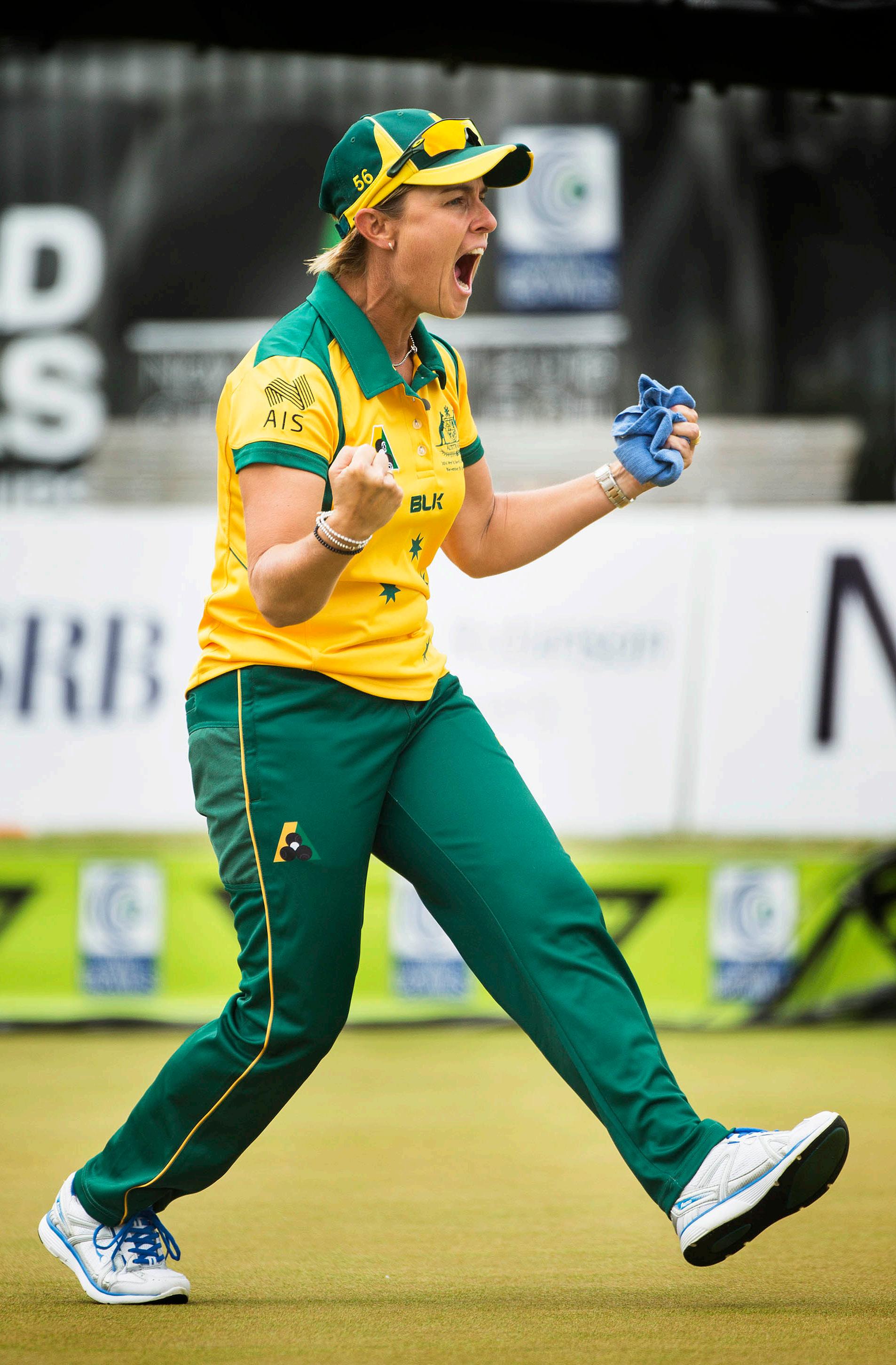
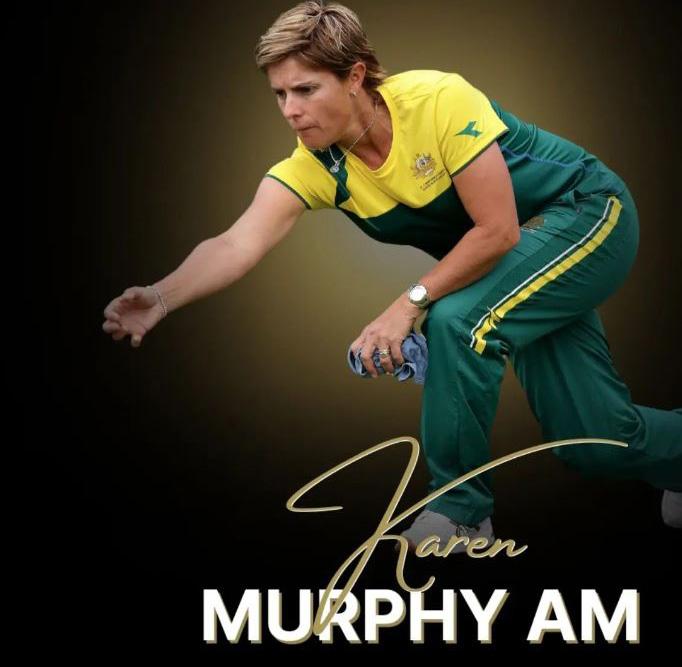
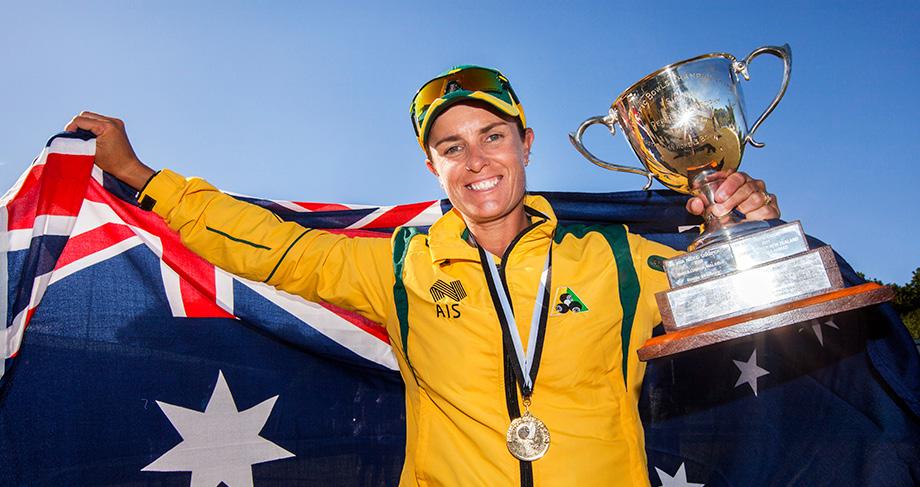
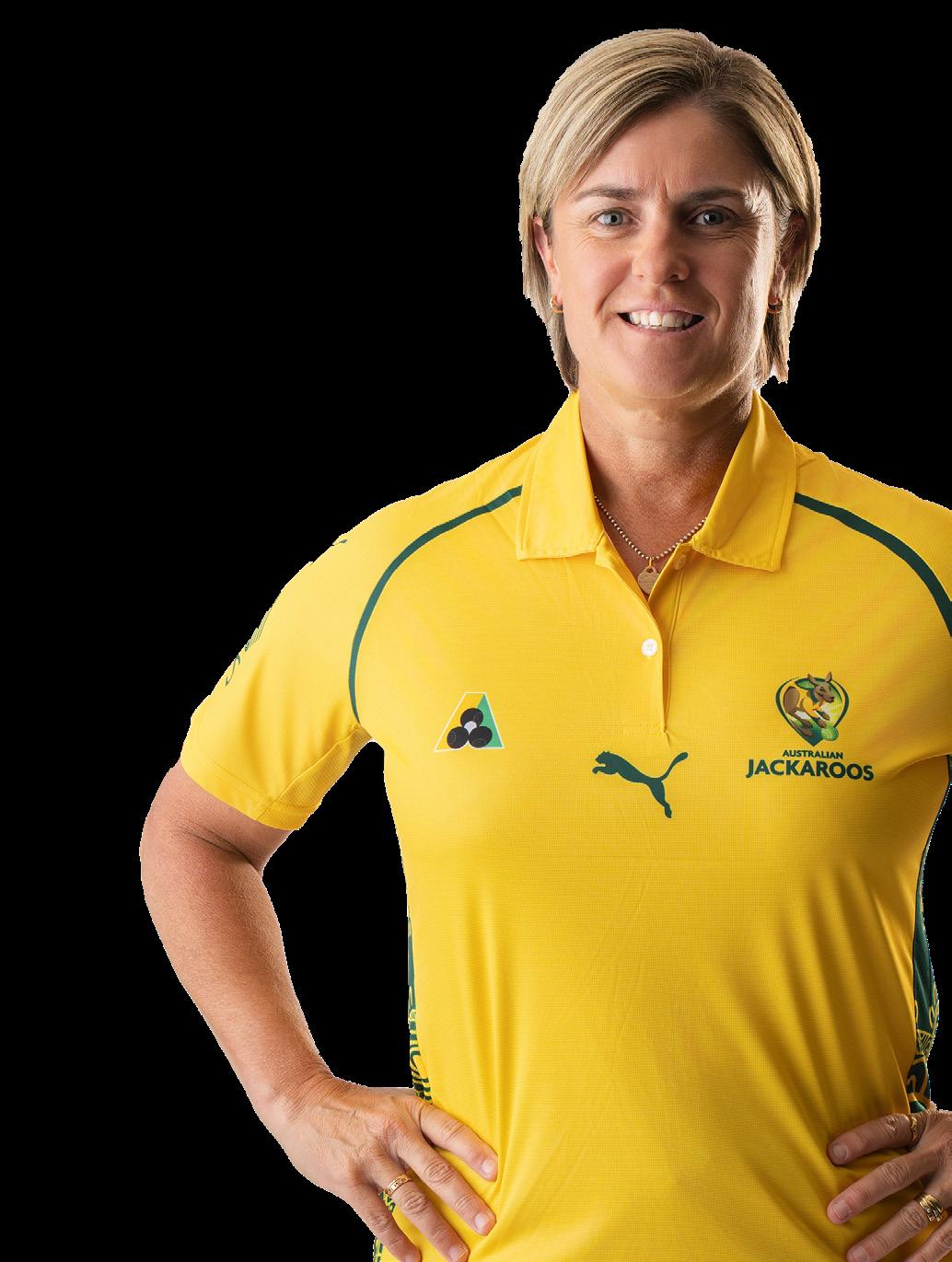
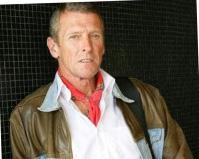
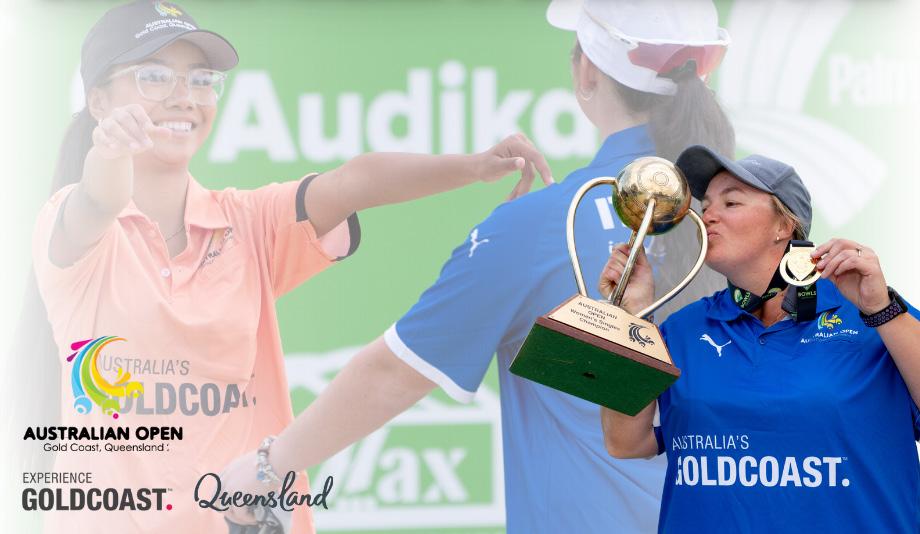
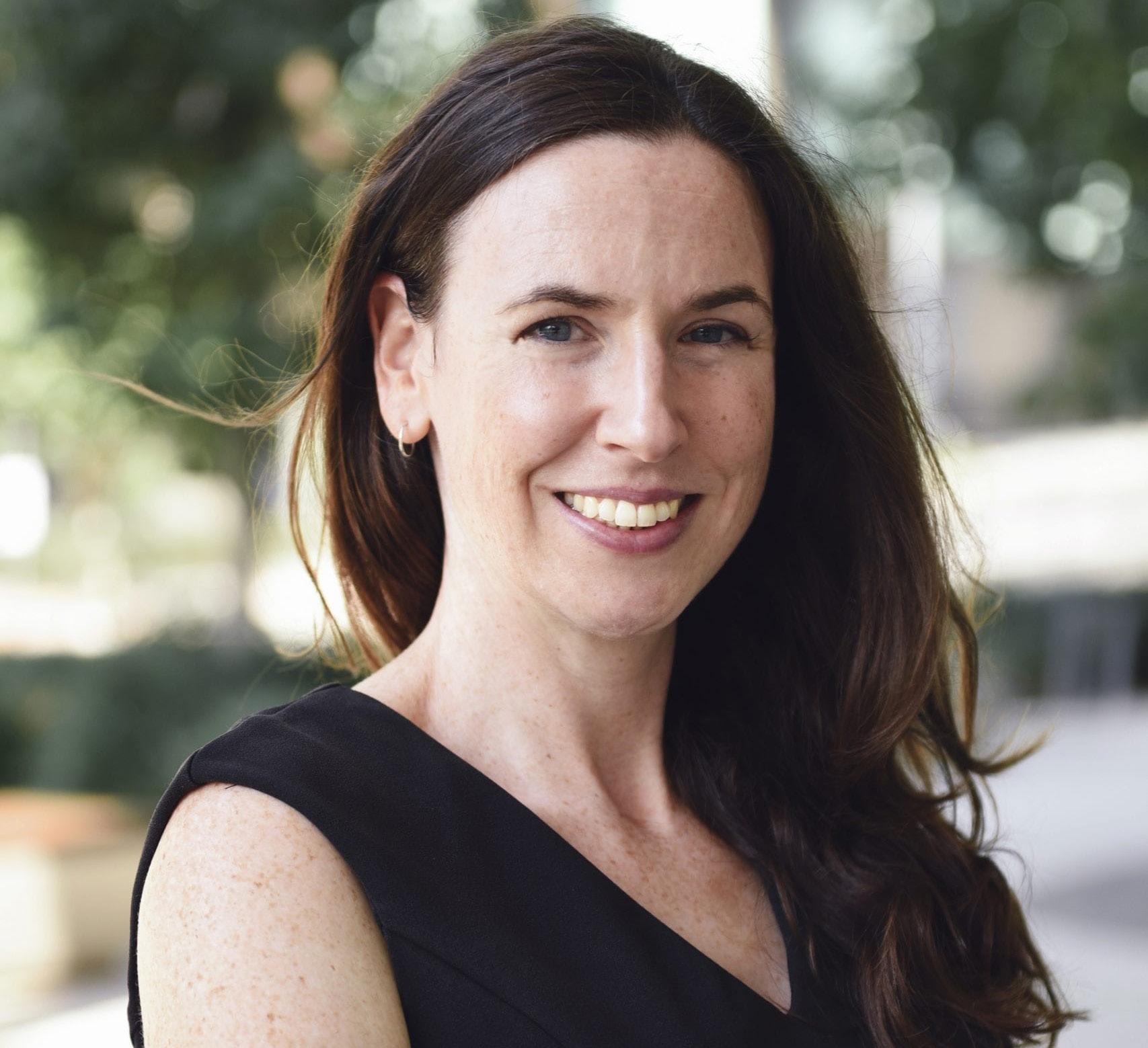
Congratulations Karen on your outstanding and distinguished career thus far. We the (Bowling&Lifestyle Team) are delighted to be given the opportunity to take a trip down memory lane with you, and discuss your epic career.
Q & A with Karen Murphy
B&L: How old were you when you embarked on this sporting journey and when did you first entertain the notion of a career in lawn bowls?
Would you like to tell our readers how and where it all began?
KAREN: I was 11 years old when my dad introduced me to the game at Shoalhaven Heads on the South Coast NSW. It was wonderful to be able to compete together in a sport with him. Bowls was not very cool in my teenage years, so I didn’t let on to my friends that I played Bowls. I love sport! I played at a reasonably high level in most sports but Bowls won out in the end. I was the only young junior female playing Bowls at the time.
B&L: Was there a special person in your life (mentor) at the time, that was instrumental in helping you make your decision (relating to your future career as a bowler)
KAREN: My dad was a wonderful role model in my younger days who kept me grounded. I decided that I wanted to play Bowls full time after I left High School. At the time, there was only 2 Australian men who were doing this but I didn’t think twice about my passion in wanting to play full time. It certainly had not been done by a (young) female.
B&L: How did your family react to your decision to pursue a career in Lawn bowls, were they supportive of your commitment to the game.
KAREN: Yes, mum and dad were very supportive of my decision in my career choice, none of us really knew what that looked like but I initially started working at
a Bowls Club at night to be able to compete and train during the day. Mum and dad were always so supportive of me and my sporting career, it was wonderful to have them be so invested and to share it with them. I have recently lost both of them, I am so grateful to have had their love and support.
B&L: Looking back now, and with the advantage of hindsight, do you have any regrets relating to your career, and would you approach situations in a different manner, if you had the chance again?
KAREN: I don’t think that I regret anything, I wish I knew then what I know now though! When I first started playing for Australia, there was no support around training, fitness or mental performance. We did not work with a coach on the technical and tactical components of the game or have an individualised training program, I gained advice and knowledge from other top players and was always a sponge for information to build my learnings of the game.
B&L: Did you have a plan B in place, if your Lawn Bowls aspirations failed. Was there ever a (second sport) you would have considered?
KAREN: I never had a plan B for a career, although sport was always my passion.
I played lots of sport when I was young including tennis, cricket and soccer. I really enjoyed cricket but bowls won out in the end. I would encourage any young athlete to have an education behind them as well as pursuing your sporting dream.
B&L: Can you name a highlight in your career that virtually changed your life and career ?
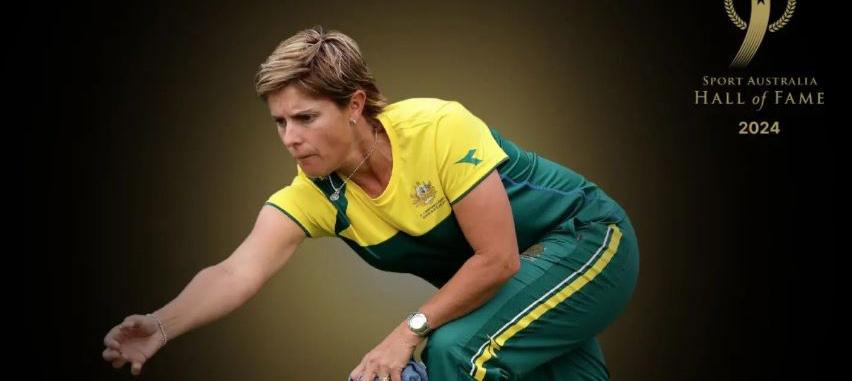
KAREN: I have a top four highlights in my career… Winning back to back World Singles titles, Receiving an Order of Australia (AM), winning a Commonwealth Games Gold Medal and being inducted into the Sport Australia Hall of Fame.
B&L: You have had enormous success as an elite athlete and trailblazer representing lawn bowls globally, with a career that spans over 20 years. Your passion for the sport has subsequently resulted in the elevation of your status as one of Australia’s greatest lawn bowls players in sporting history. Can you tell our readers how you managed to succeed in all facets of the sport which also includes “guest commentator’’ during the World Indoor Bowls Championships for the BBC.
“I have and still have a passion for the game. I am extremely competitive and have a desire to win which motivated me to represent my country over 22 years. I love the challenge and learnt so much about myself through sport. It taught me life skills like discipline and resilience. I am extremely grateful to have had the opportunities that I have had throughout my career. I have had some great mentors who have guided and advised me in my career, teaching me around creating relationships and stakeholder management.
B&L: You have been credited with helping transform the direction of lawn bowls and fostering change in age demographic. Can you explain how this was achieved?
KAREN: I never set out to become a trail blazer when I was young, all I knew was that I loved what I did. Yes I was the only young girl playing at the time, but to me, I was just a bowler playing Bowls. I have always prided myself on my professionalism, it is very important to me to be a good person first and set an example. If I have encouraged a young player to take up the game or was looked at as a role model, I consider that an honour.
B&L: Your success has also resulted in numerous awards, which include being inducted into “Sport Australia Hall of Fame’’ in 2024, and being appointed a Member of the Order of Australia (AM) in 2021 for
your significant service to lawn bowls. How did you feel about being revered by your peers and receiving multiple honours.
KAREN: It was a huge honour to receive both these accolades. For me I share those with the people that have supported me throughout my career and have been on the journey with me and I also share it with the broader Bowls community. It is great for our sport of Bowls to be seen within these accolades amongst other profile sports.
B&L: What advice would you give youngsters who are hoping to follow in your foot steps ?
KAREN: Find something that you are passionate about and chase your dreams! The journey is nothing without the people who you share it with.
B&L: What are you currently doing and what is on the agenda for Karen Murphy for 2026 ?
KAREN: Assistant Coach for Bowls Australia. This also encompasses National selector and Head Para Coach. I have been working with Bowls Australia for nearly 5 years now. w2026 is a Commonwealth Games year so working with our athletes in preparation for this bench mark event.
Interview with Karen Murphy courtesy of Catherine Colusso
In This Issue…
ASTOUNDING CHARITY FEATURE BRING HOPE TO ALL FOR A BRIGHTER FUTURE ...............6, 10-11. 13,14-15, 20-21, 22- 23- 24- 25, 26-27, 33,42, 51,52, 58-59-66-67-68 SIGHT
Letter from the editor
Welcome to the latest edition of Bowling & Lifestyle Magazine. A heartfelt thank you to everyone who continues to support us — your enthusiasm, feedback, and fastgrowing readership mean the world to our team.
In this issue, we bring you the latest updates from Bowls Australia, along with two standout features: an exclusive interview with Bowls powerhouse Karen Murphy AM, and a conversation with multiawardwinning soprano Aled Jones.
We are once again honoured to welcome Australian acting legend Tony Bonner AM as our guest writer. Don’t miss his insightful threepart series exploring the rich history and evolution of Lawn Bowls through the ages.
Bowl up to Queenscliff!
A huge thank you to all the clubs, bowlers, and businesses who continue to send in stories, events, and articles. Your contributions help us celebrate the sport and the community that surrounds it. Our gratitude also extends to Bowls Australia, Catherine Colusso, Tony Bonner AM, our dedicated advertisers, and the remarkable medical researchers and charities working tirelessly for the Australian community. Read about them throughout the magazine.
Please share Bowling & Lifestyle Online Magazine with your friends and family — it’s completely FREE to read on ISSUU: https://issuu. com/sales.bowlingandlifestylemagazines
You can also access all current and past editions via our Instagram and Facebook pages. While you’re there, give us a like or follow and support your only National Lawn Bowling Magazine.
From all of us here at Bowling & Lifestyle Magazine, thank you for being part of our journey. Please stay safe. Until next time…
Publisher | Rosslyn Wren
Advertising and Editorial inquiries: 0424 672 796 or email to rwren7@bigpond.com
Artwork and Design | Adele Dhillon
Copyright: All material appearing in this magazine is copyright. Reproduction in whole or part is not permitted without permission from the publishers.
Notice: To ensure the information in this magazine is accurate, no responsibility is accepted by the publishers for material supplied by an individual, company or organisation of for a typographical error p: 0422 920 75.
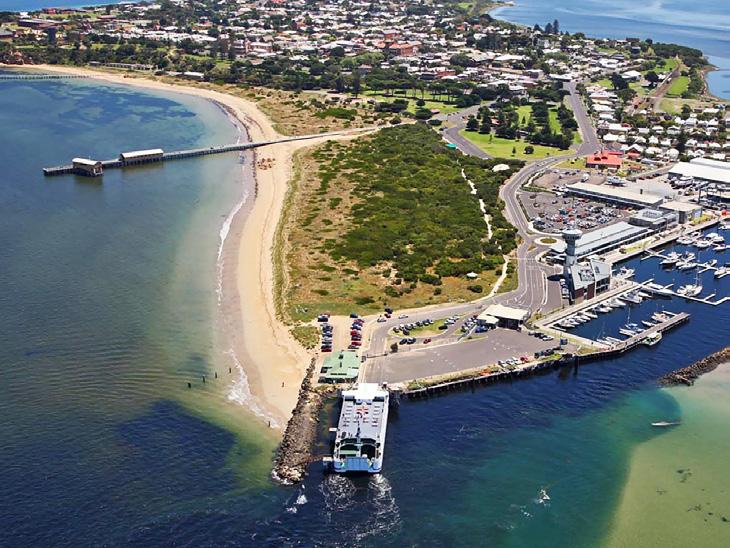
Ideally located 2 bedroom unit available in the heart of charming Queenscliff, Victoria. The location? Only 100 metres from Queenscliff Bowling Club, 150 metres from historic Queenscliff Fort, 200 metres from the shopping centre, 2 km from the unique Queenscliff Golf Club on Swan Island, 3kms from the Community Health Centre and 30 minute drive or bus ride to Geelong. Walk to the supermarket, cafes and restaurants. Explore the wineries, spas and golf courses of the beautiful Bellarine Peninsula. Beaches all round, fresh salt air every day. Secure, ground floor, low-maintenance unit with outdoor deck, garage and small garden. Perfect retirement living. $800K Neg. Contact Susan on 0412 815 710.
Rosslyn Wren Tony Bonner AM Catherine Colusso Publisher Guest Writer Lifestyle & Entertainment Columnist
LUXURY OVER 55’S LIVING
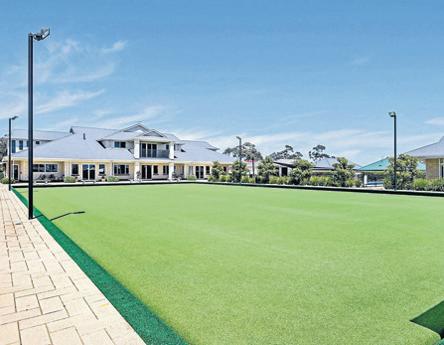
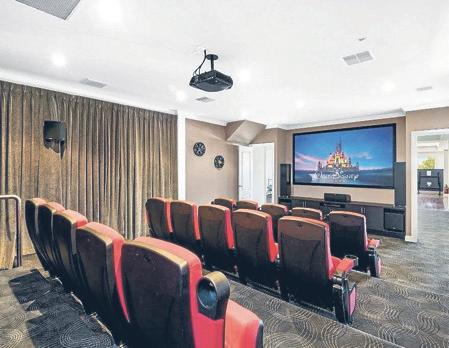
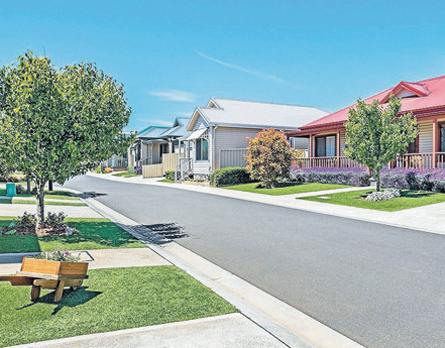
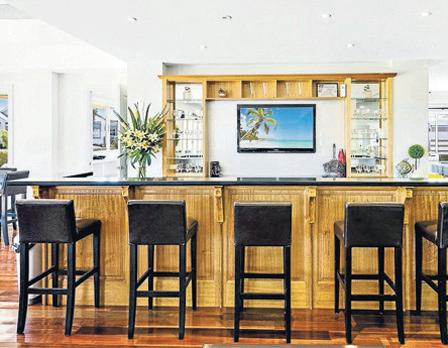
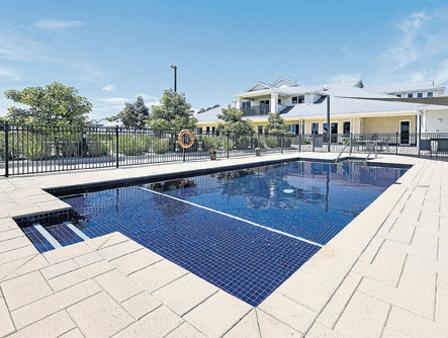
At Kingsgate Village you can enjoy your independence while living among secure and tranquil surroundings. Our state-of-the-art centre has resort style facilities to suit your lifestyle:
•Competition Size Lawn Bowls
•Swimming Pool
•Fully Equipped Gymnasium
•Hairdresser
•Cinema and Library
•24 Hour Video Security
No Pressure, $500 deposit, Subject to the sale of your home
From $345,000
Open Monday to Friday 10.00am to 1.00pm
40 Royal Pde Kilmore
Please call Ray on 0418 365 900
Give the gift of health as your legacy
For Burnet supporter Roger, one question has guided his thinking: “In my life, I keep coming back to one simple question – what suffering could we prevent if we took it seriously enough?”
“Burnet feels like an institution built around that question.”
Burnet is a medical research institute focused on infectious diseases, public health and protecting vulnerable communities.
We pair science with a clear sense of responsibility.
“What has resonated with me most is Burnet’s commitment to the kind of work that doesn’t
always get applause – prevention, preparedness, harm reduction and equity,” he says.
“It’s work where the ‘success story’ can look like nothing happened: no outbreak, no crisis, no tragedy.”
Roger decided to leave a gift in his Will to Burnet because he trusts the work and the people behind it.
A Will is a practical document, but for me it’s also quietly personal. It’s a chance to say, ‘This is what I stood for’.”
Roger, Burnet supporter
“Burnet’s work has a consistent direction of travel. It leans toward helping where help is the hardest, and toward turning knowledge into something useful for everyone.”
MAGICAL MERMAID BEACH ON THE GOLD COAST
Queensland’s jewel in her crown, the Gold Coast is one big playground where winter never really comes and sun-soaked excitement or blissful relaxation abounds for singles, couples and families alike. Come and join us.... Known as the vibrant beachside city renowned for its magnificent beaches and hinterland, world class theme parks, surfing, gourmet dining, renowned shopping outlets and trendy nightlife, the Gold Coast is also one of Queensland’s favourite holiday destinations with locals, interstate visitors and overseas visitors alike
PLAY OR RELAX
Mermaid Beach accommodation – Tucked among swaying palms and landscaped gardens, Montana Palms offers a number of fully self-contained, self-serviced apartments featuring two bedrooms and two bathrooms plus air conditioning, laundry facilities and free Wi-Fi. External onsite amenities include an extra-large swimming pool, spa and barbecue facilities, and when it’s time to explore, you’ll find the beautiful beach and a host of renowned cafes only a short, flat stroll away.
Excellent apartment with everything you need. There is secure onsite undercover parking with a fantastic pool and spa onsite and only a 2 minute walk to the beach and shops. Only about 15 minutes’ walk to the big Pacific Fair shopping mall and short walking distance to plenty of good restaurants around the place. Just across the street is a mini golf place called (Putt Putt) which was a great family fun. I will recommend 100% Montana Palms for your family stay destination.
DhirajBhartu
A total of seven gold medals will be on offer for the sport of bowls for Glasgow 2026 following the latest developments from the Commonwealth Games Federation (CGF).
Perched in the midst of this abundance is the welcoming accommodation and benefits of Montana Palms Resort.
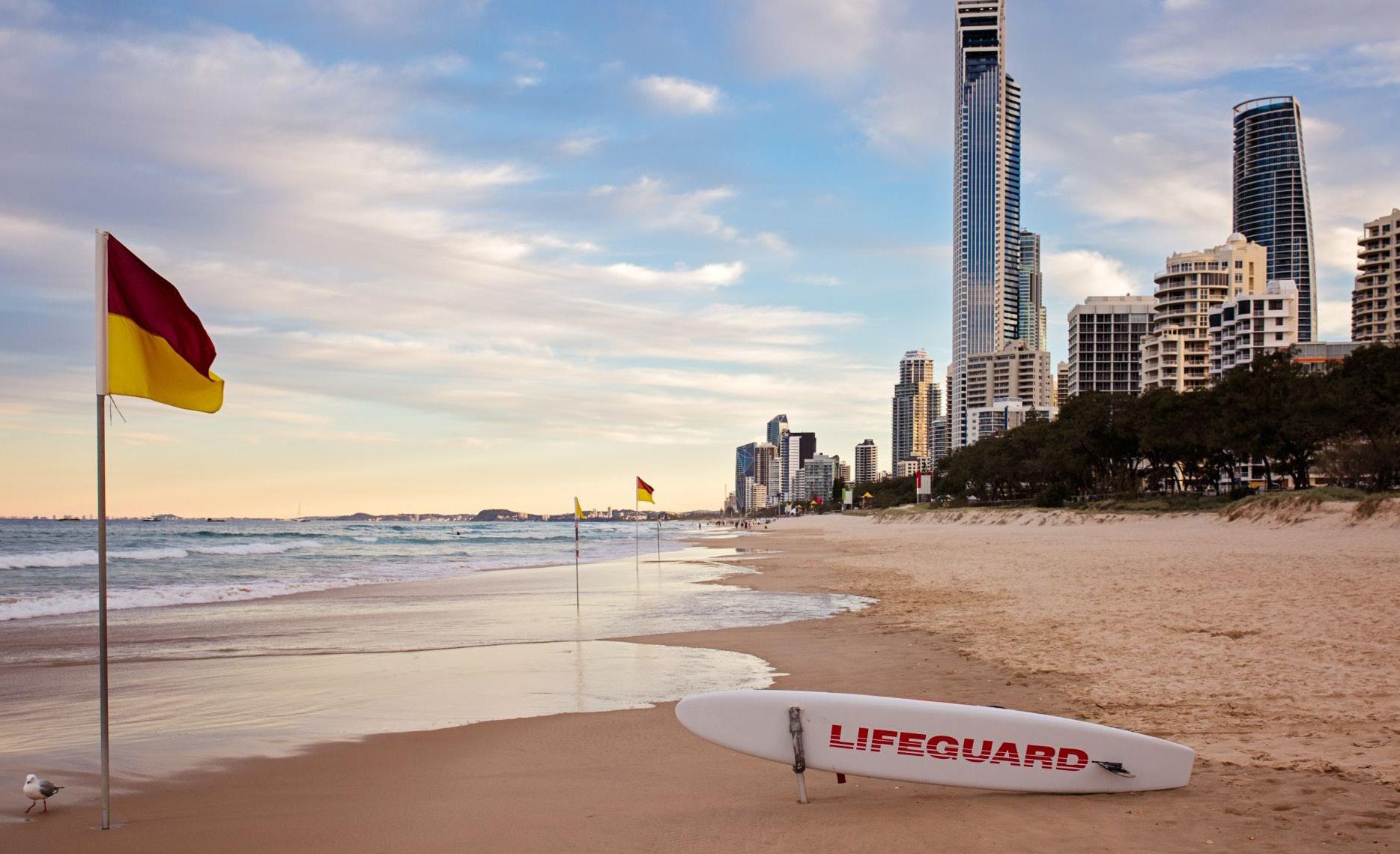
Mermaid Beach is a beautiful near empty two-kilometre stretch of sand, bounded by Miami and Nobby's Beach to the south and busy Broadbeach to the north, which offers three pristine swimming areas patrolled by Mermaid Beach Life Saving Club (circa 1945).
More than 200 events will be contested across the streamlined competition, the 23rd of its kind, with bowls set to be staged indoors for the first time in the event’s history.
Mermaid Beach got its name from the cutter HMS Mermaid, which explorer John Oxley sailed aboard in 1823 when he discovered the Brisbane and Tweed Rivers. Mermaid Beach is generally much quieter in contrast to its busy neighbours in Broadbeach and Surfers Paradise. This is likely due to the majority of the beach here being fronted by homes and units. Hedges Avenue runs parallel to the beach and has a dedicated pedestrian and bike lane, providing access to the beach at cross streets.
We could not fault anything, the swimming pool and bbq facilities And landscapes were very well maintained, and Steve and Julie were always courtesy professional and friendly. We would certainly recommend this resort to holidaymakers or residents. We will certainly be back David6611
Sydney, Australia
The sport will see the singles and pairs disciplines contested in both the open men’s and women’s schedule, with the para component to remain the same as Birmingham 2022 that consisted of men’s and women’s B6-B8 pairs as well as the vision impaired mixed pairs.
The Mermaid Beach Surf Club is located back from the beach, across from the beachfront Ken Mansbridge Park. The park has tables and shelters. There's an eclectic blend of dining options a few blocks from the beach, particularly along the Gold Coast Highway.
Mermaid Beach
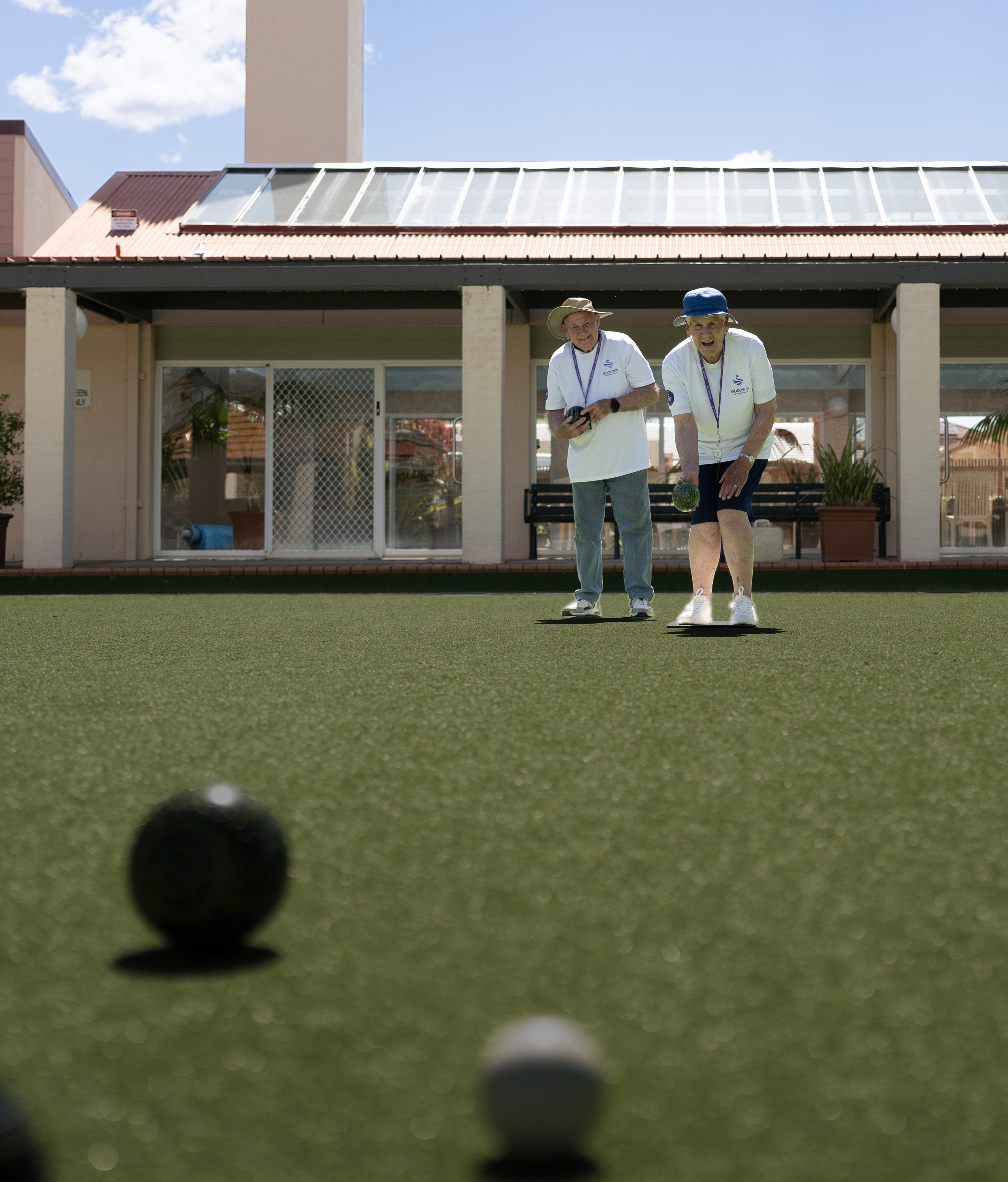
Don't let aches or low energy stop your game! Goodwin Aged Care Services empowers you to live vibrantly. Feeling
Standing up for Wildlife for over 60 years
As Australians, we are lucky to live amongst some of the most beautiful landscapes and alongside truly unique and diverse wildlife. Sadly, both the landscapes we adore and the wildlife we cherish are greatly under threat.
Australia is home to more than 500,000 animal and plant species, many of which are found nowhere else in the world. Devastatingly, Australia is also the world leader in mammal extinctions, and ranks second in the world for biodiversity loss, and many of our iconic species are at risk.
The Wildlife Preservation Society of Queensland (Wildlife Queensland) has been working for more than half a century to create positive change for Australia’s wildlife and our unique environment, and is the largest, longest-running, and most respected wildlife-focused conservation group in Queensland, with 13 branches across the state.
Founded in 1962 by prominent Australians Judith Wright, Brian Clouston, David Fleay and Kathleen McArthur, the Society has played a part in each of Queensland’s major conservation issues, beginning with early campaigns to protect important habitats such as the Great Barrier Reef, the Hinchinbrook Passage and Fraser Island.
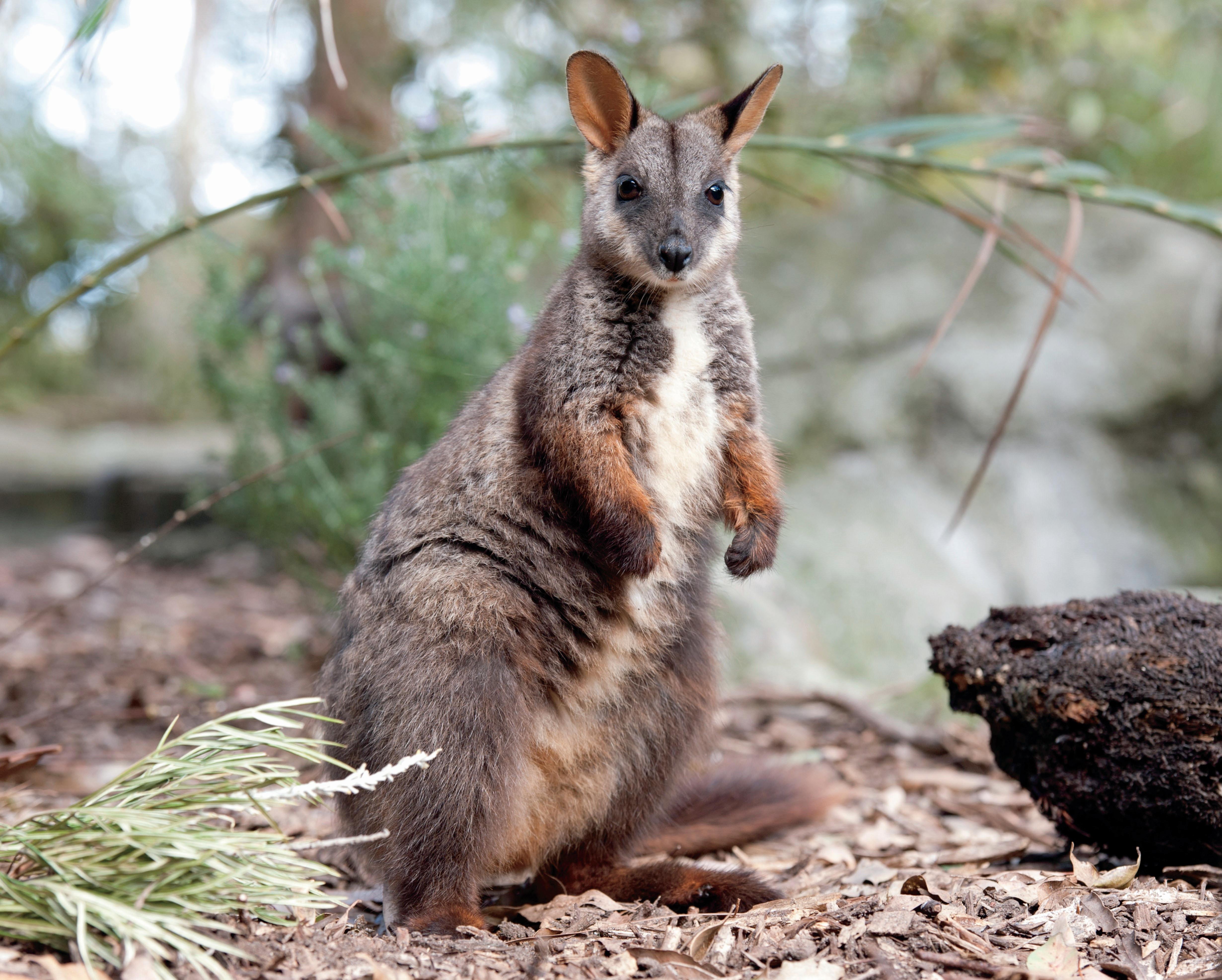
Wildlife Queensland works in cooperation with government, businesses and other conservation groups to develop policies to ensure the protection of the state’s natural heritage such as the Great Barrier Reef, mallee country, rivers and catchments, rainforests, mangrove and other coastal ecosystems. The Society is currently undertaking projects to protect and conserve brush-tailed rock-wallabies, yellowbellied gliders and platypus.
THE TASMANIA TRIDENTS TRIUMPH IN THE 2026 JUNIOR BPL CHALLENGE
BY CONNOR MUNNINGS
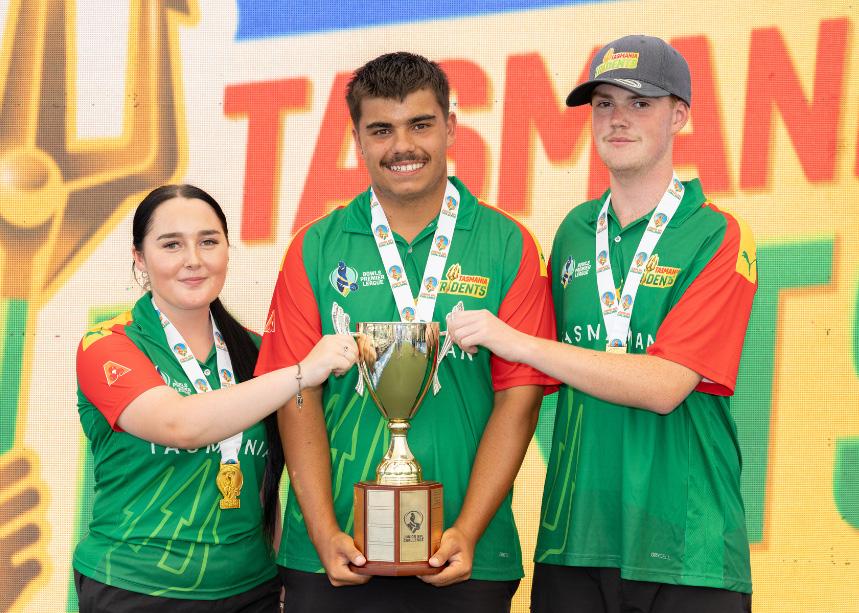
The Tasmania Tridents were triumphant in the third edition of Junior BPL Challenge at Moama Bowling Club after a sensational final against the Sydney Lions that went down to the final bowl.
The island-based state team of Fletcher Felmingham, Miley Sutton, Lachlan Thurley and coach Amity Bickley went through their section undefeated, holding their nerve in decisive moments to win four tiebreaks.
Their grand final opponents in the Sydney Lions, which consisted of Zoe Davies, Tahlia Kennedy, Jack Barclay and coach Travis Moran, finished on top of their section after only dropping the one game to the Geelong Jets.
The Lions came out firing in the first set of the final, with Barclay playing superbly to help them win the set 9-1.
However, Tasmania responded strongly, clinching the first end of the second set thanks to a sensational weighted shot by skip Thurley.
As a community, non-profit organisation, we can only succeed with the support of people like you. We are truly thankful to those who choose to donate to us and to those who leave generous gifts in their Wills. Along with being the lifeblood of our organisation, gifts left in Wills to Wildlife Queensland ensure that our beloved wildlife has a voice and that these beautiful, unique creatures and their habitat will be protected for future generations to live alongside and cherish.
Our aim at Wildlife Queensland is to generate hope, and to create a future for our native wildlife that is bright. Together, with your help, we can create change and protect this unique environment that we all treasure - for generations to come.
All donations are gratefully received. For further information about Wildlife Queensland and to find out how you can help to protect and conserve Queensland’s native wildlife, please visit our website at www.wildlife.org.au, email us at wpsq@wildlife.org.au or phone our office on 07 3844 0129
With Felmingham and Sutton having found their rhythm, the Tridents continued to pile on the shots to take the second set 10-1 with an end to spare and send the game to a tiebreak.
The young stars from both teams put on a show in the tiebreak, not folding to the pressure of a final.
The Sydney Lions held the upper hand with two shots after some great bowls from Davies and Kennedy, but Lachlan Thurley had one bowl left to play.
The Tasmanian product from Ulverstone Bowls Club remained composed and played a sensational sit and stay shot to get the shot and win the title for the Tasmania Tridents.
The 2025 Junior BPL Challenge final can be viewed on Bowls Australia’s YouTube channel.
Image credit – David Clode
Brisbane is on the brink of something truly monumental.
As the city prepares to host the 2032 Olympic and Paralympic Games, bowls is stepping into the spotlight, ready to showcase why it belongs on the Olympic stage.
The Bowls for Brisbane 2032 campaign, a joint initiative by World Bowls and Bowls Australia, is driving a concerted push for the sport’s inclusion, aiming to unite clubs, players, and fans in a movement that celebrates both tradition and global ambition.
A pivotal moment in this campaign is the upcoming Bowls for Brisbane 2032 showcase match, where the Australian Jackaroos will face off against a Rest of the World team, to be staged alongside Bowls Premier League 22 on October 29 at Club Pine Rivers. This event is set to highlight the global appeal and competitive spirit of bowls, showcasing its potential as an Olympic sport, showcasing both open and para-athletes in both teams, the match promises thrilling action and a glimpse of bowls as an Olympic-ready sport.
The teams were officially announced at Club Pine Rivers on August 21, a venue that embodies Brisbane’s strong and vibrant bowls culture.
The announcement highlighted the calibre of the Australian Jackaroos, who represent the pinnacle of domestic talent, and the diverse international players bringing a global edge to the contest.
Fans can expect world-class competition that bridges continents and showcases the inclusivity of the sport. This showcase is more than a match; it’s a statement and demonstration of bowls’ rich tradition, its accessibility to all ages and abilities, and its potential to captivate a global audience.
The event will also serve as a rallying point for the community, bringing together clubs, members, and supporters to actively advocate for the sport’s Olympic inclusion.
Bowls clubs, members, and supporters are invited to become Barrackers, the official advocates for the campaign.
Barrackers will champion bowls for Brisbane 2032 by signing up and helping raise awareness, showing the world that the sport enjoys passionate grassroots support.
It’s a unique chance for the local community to have their voices heard and play a role in shaping the future of Australian bowls.
The sport is particularly calling on all Queensland clubs, members, and supporters to get loud and proud as Barrackers for Bowls 2032.
Excitement is already building across the state.
The showcase match, scheduled alongside BPL22, promises to be a standout event on the bowls calendar. Fans will experience thrilling intentional competition and celebrate the sport’s vibrant community spirit, all while supporting the campaign for Olympic inclusion. For Brisbane, this is a moment to be part of bowls’ history.
It’s a chance for the city and its bowls community to step forward and show the world the energy, skill, and inclusivity that make the sport uniquely suited to the Olympic stage.
Don’t miss the chance to see world-class bowls and back the Bowls for Brisbane 2032 campaign.
Sign up as a Barracker today, get behind your local clubs and players, and help make bowls part of Brisbane’s Olympic and Paralympic story.
To Become a Bowls for Brisbane Barracker, visit: Bowls for Brisbane 2032 Association State team to contest the Australian Blind Bowlers
Bowel cancer risk increases with age
A/Prof Graham Newstead AO Medical Director, Bowel Cancer Australia
Bowel cancer can affect either the first part of the large intestine (the colon) or the lower portion (the rectum), and so may also be referred to as colon cancer or rectal cancer, simply depending on where the cancer is located.
Age, family history, hereditary conditions and personal health factors can all influence your bowel cancer risk.
The single biggest risk factor for bowel cancer is simply increasing age.
Approximately 75% of the 15,000 bowel cancer cases diagnosed each year in Australia occur in people over the age of 60. The average age of diagnosis is 68.5 years.
However, over the past 30 years, rates of bowel cancer in people under age 50 have been rising. Indeed, bowel cancer rates are 2 to 3-times higher amongst Australians born during the 1990s than people born in the 1950s.
Most bowel cancers start as benign, non-threatening growths – called polyps – on the surface lining of the bowel. Polyps are usually harmless; however, if left undetected, some may become cancerous over time.
That’s why participating in regular screening is important as most bowel cancers are actually preventable and if detected early, indeed removable and curable.
If you are aged between 50 and 74 you will receive a free bowel cancer screening kit in the mail every 2 years, easily carried out in the privacy of your own bathroom at home.
If you are aged 74 years or older you can visit your GP to discuss screening options and bulk-billed kits can be requested. Alternatively, kits can be purchased from Bowel Cancer Australia.
When it comes to your health, predicting preventative participation and listening to your body could save your life.
Common bowel cancer symptoms include:
• Blood in your poo
• Obvious change in your bowel habit pattern
• Weight loss you can’t explain
• Extreme tiredness
• Lump or swelling in your abdomen
It is important not to dismiss symptoms as simply haemorrhoids and to investigate any overlapping symptoms to rule out bowel cancer as an underlying cause.
The good news – almost 99% of bowel cancer cases are treatable if caught early.
That is why regular screening and recognising the signs and symptoms, and acting on them quickly, can make all the difference.
To find out more, visit the Bowel Cancer Australia website bowelcanceraustralia.org, or call 1800 727 336 for free support, resources and information.
Bowel Cancer Australia is the leading community-funded charity dedicated to championing what matters most to people impacted by bowel cancer by empowering everyone affected to live their best life.
JACKAROOS NAMED FOR SCOTTISH FOUR-NATIONS TEST AHEAD OF GLASGOW 2026
by Aidan Davis on February 23, 2026
Bowls Australia’s National Selection Panel has named 14 Australian Jackaroos and Para Jackaroos to contest the upcoming Scottish Four-Nations, in a crucial international hit-out on the road to the Glasgow 2026 Commonwealth Games.
Staged from April 28 to May 1, with Scotland, Ireland, Malaysia and Australia in attendance, the tour represents a significant step in the final lead-in to Glasgow, providing athletes with valuable exposure to northern hemisphere conditions and high-quality international competition.
National Coach and Performance Director Gary Willis said the selections were squarely focused on preparation and performance.
“These selections are about providing opportunity, exposure and condition-specific competition to possible and probable athletes as we narrow our focus towards
confirming our Commonwealth Games representatives,” Willis said.
“This tour is an important familiarisation and acclimatisation opportunity, with competition in northern hemisphere conditions against strong opposition critical in ensuring we are best prepared for success at Glasgow in 2026.”
The Four-Nations will play a key role in finalising the Open squads for the Commonwealth Games, with the touring team to be reduced to the final three men and three women following the event.
The Para teams head to Scotland in a strong position, with no additional players bolstering the touring party, however performances in Scotland, along with continued form, fitness and results across the broader squad, will remain part of the ongoing assessment process as selectors continue to evaluate all options ahead of Glasgow 2026.
The Open teams’ specific playing positions have not been locked in, with selectors retaining the flexibility to manoeuvre athletes throughout the competition as part of the evaluation process.
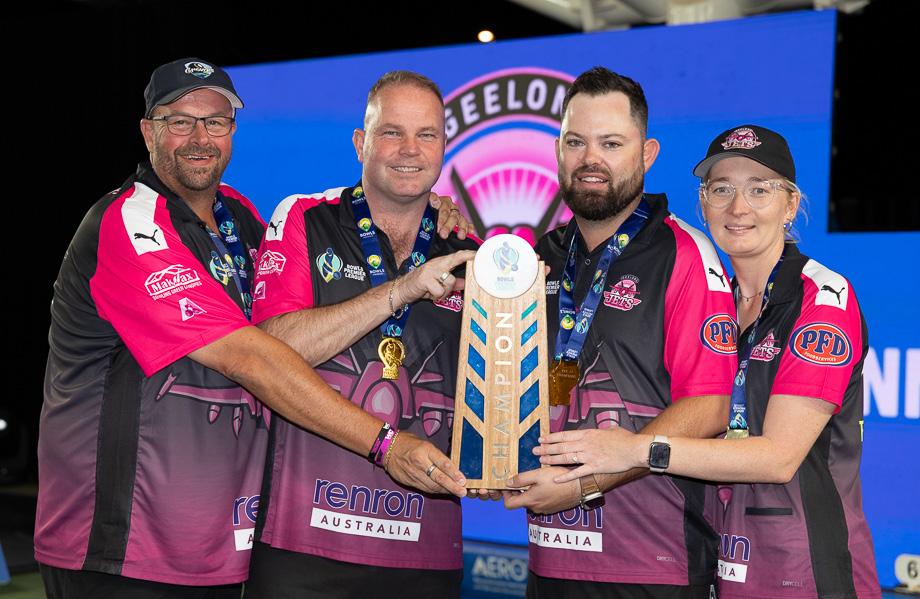
Selectors were encouraged by the form of the Open athletes during last week’s Bowls Premier League 23, where all eight selected players produced standout performances, including Aaron Wilson and Jamie-Lee Worsnop, who guided the Geelong Jets to a maiden title.
“The players selected have earned this opportunity through consistent performance and professionalism, and what will now be critical is their ability to adapt, embrace unfamiliar conditions and deliver as part of a cohesive, high-performing team,” Willis said. Willis also acknowledged the work of fellow selectors, Chair Steve Glasson OAM, Therese Hastings, Dave Stockham, and National Assistant/Para Head Coach Karen Murphy AM.
“The detail and diligence the panel continues to apply, both on and off the green, has been outstanding,” Willis said.
The Scottish Four-Nations promises to be a highquality international contest and another positive step towards Commonwealth Games success for the Australian Jackaroos and Para Jackaroos.
The bowls competition at the Glasgow 2026 Commonwealth Games is scheduled to be staged from July 23 to August 2, with seven gold medals up for grabs, and for the first time in Commonwealth Games history, will be held indoors on portable rinks.
• Women: Kelsey Cottrell, Dawn Hayman, Ellen Fife & Jamie-Lee Worsnop
• Men: Nathan Black, Aaron Teys, Corey Wedlock, Aaron Wilson
Listed alphabetically:
• Nathan Black (Adelaide, SA, 22)
• Serena Bonnell (Club Tweed, QLD, 43)
• Kelsey Cottrell (Club Helensvale, QLD, 35)
• Damien Delgado (Club Tweed, NSW, 45)
• Jake Fehlberg (Bargara, QLD, 32)
• Ellen Fife (Cabramatta, NSW, 28)
• Dawn Hayman (St Johns Park, NSW, 28)
• Louise Hoskins (South Johnstone, QLD, 76)
• Jacky Hudson (Soldiers Point, NSW, 75)
• James Reynolds (Cabramatta, NSW, 45)
• Aaron Teys (Warilla, NSW, 32)
• Aaron Wilson (Cabramatta, NSW, 34)
• Corey Wedlock (Warilla, NSW, 29)
• Jamie-Lee Worsnop (Cabramatta, NSW, 29)
Australian Jackaroos
Brotherhood of St. Laurence
Angela and Peter“We
wanted to give something
When Angela was 13 and living with her family on a farm in Gippsland, they had a house fire and lost everything. “All I had was my school uniform and the sports uniform I had with me that day,” she remembers. The Brotherhood of St. Laurence was one of the charities that was there to help her and her family, along with their community.
“That experience made me conscious of giving back,” she says. So, it seemed natural to her once she finally got her own home at the age of 30 to start donating to charities. It’s part of the reason both she and her husband Peter have decided to include gifts to the Brotherhood of St. Laurence in their Wills.
“We want to make sure the Brotherhood of St. Laurence can continue doing good work and help a lot more people.”
Support for education is a top priority for Angela and Peter. “Education gave us so many more opportunities and choices,” says Angela. Peter agrees.
back”
For both Angela and Peter, the decision to include a gift in their Wills was clear.
“We’re grateful that we have a very good life and feel it’s important to simply be kind and give back. That’s it.
Your legacy can help create lasting change.
Including a gift in your Will to the Brotherhood of St. Laurence, no matter how big or small, can help create a better future for all Australians.
We welcome the opportunity to begin a confidential conversation.
Call 0482 163 875 or 1300 001 425 to speak with our Planned Giving Manager, or email liz.ruggieri@bsl.org.au or wills@bsl.org.au. Alternatively, you can visit www.bsl.org.au/leave-a-gift-in-your-Will
THE ANTIQUATED ORIGINS OF LAWN BOWLS
COURTESY OF TONY BONNER AM
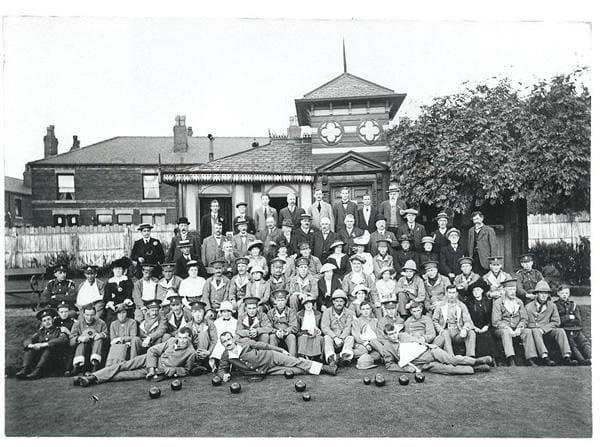
This third article for the Lawn Bowling trilogy for this special bowling edition will cover subjects in previous articles, namely WW1.
One would not imagine how Lawn Bowls, or any of the many different styles of bowling played, could have been important, maybe even vital to the soldiers of WW1, or any of the conflicts Australia has been involved in since the Great War, but important it was….
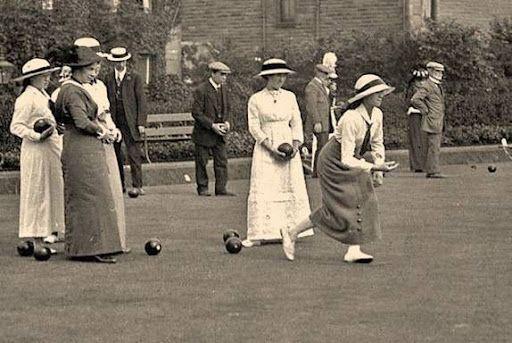
Lawn Bowls were indeed important to The British and Commonwealth troops. When you were not on the front line of battle, in the trench’s you were probably, one hoped, taking some form of relaxation, that would destress you from the horrors of trench warfare. Bowls were a gentle peaceful time for the battleweary troops. Soccer was a preferred game the authorities, and officers thought better to keep the soldiers physically and combatively focused, not the gentler bowls. Bowls had its own strengths, and proved to be more helpful in many ways, and many clubs in both England and France made their bowling clubs available
to soldiers looking to debrief themselves from the horrors they had been living with. The rehabilitation was of value, there is a calmness and earthiness gained from playing a few ends, gentleness even. The military authorities of course preferred the soldiers to find leisure in more active, pursuits, boxing, football and cricket, as I have previously mentioned, be more active, combative, ready for physical battle. They thought Lawn Bowls was not violent or active enough, why the thinker, the planner was not also of value I’m not quite sure, I think both aspects had merit, mind and muscle.
It was after the Second World War, 1939/1945 that sport was introduced in the social rehabilitation of soldiers and civilians. One of Sydney’s major hospitals, Concord Hospital, created The Green, a dedicated Lawn Bowls green, focused on the physical and mental recovery of soldiers. The Victorian Bowling Club also created a similar recovery programme. In 1949 the Queenslanders opened The Limbless Soldiers Bowling Club in New Farm, Brisbane, the wonderful Queensland bowlers raised four thousand pounds to create a seven rink green, which not only benefited the
limbless veterans but also soldiers who had lost their sight in battle. This opportunity to learn how to bowl was wonderful, it was achieved by a guide who would blow a whistle letting the blind bowler know he needed to bowl longer or shorter, or to the left or right by the ‘type of sound’ the guide blew, genius. This new opportunity to sightless soldiers opened up a wonderful new aspect to their lives…… So, here we are, from The Egyptians to The British, then throughout Europe and onto the Polynesian Islands and then to Commonwealth Countries.
Now we have night bowls, synthetic greens, barefoot bowls, where next, what next ? God Bless you Sir Francis Drake, and all the men, women, boys and girls who wander onto a Green, to ‘have a go,’ to ponder what other possibilities can be crafted, until then everyone will enjoy the camaraderie of a gentle, yet passionate, ‘end or two.’
STORY COURTESY OF TONY BONNER AM
Significant progress is being made in the fight against cancer, with the help of innovative research significantly improving survival rates. The Fraser Institute at the University of Queensland was established in 2007, as part of the Translational Research Institute, which is based at the (PA) Princess Alexandra Hospital campus.
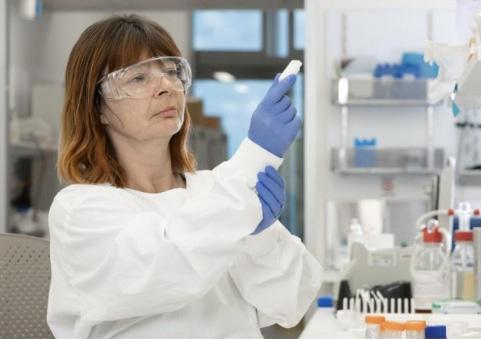
Professor Fiona Simpson is a cancer researcher based at the (TRI) Translational Research Institute; her work focuses on translating research findings into new and more effective cancer therapies.
Cancer research is expensive, and funding is critical for cancer-related research. Financial support enables researchers to develop new life-saving treatments which assist breakthroughs in areas like immunotherapy, targeted therapies and precision medicine, which have helped improve cancer survival rates by 33% since 1991. Scientists and researchers rely heavily on Government Grants and donations. A substantial portion of funds go towards paying the salaries of specialised scientists who pursue innovative ideas through the purchase of life-saving equipment to sustain long-term projects. Scientists involved in cancer research are aiming to develop more effective methods for preventing and detecting cancer. Their long-term vision is to ultimately cure cancer and improve survival and quality of life for patients who have been affected by cancer. Cancer advancement and development of crucial technologies
like liquid biopsies, which can detect cancer early, are made possible with the help and support of financial donations.
Aged care communities have been generous supporters of Professor Simpson’s research for several years. Their generosity and passion for her work, facilitated through the PA Research Foundation, helping to keep her lab open during times when there was no government funding available.
Bowling & Lifestyle magazine had the enormous privilege of catching-up with Professor Fiona Simpson to discuss her amazing work….
Q & A with Professor Fiona Simpson.
B&L : Congratulations Professor on your outstanding career and positive outcomes. Can you tell our readers how it all started, what you aspired to be as a child, and when you became involved with the Fraser Institute.
PROFESSOR SIMPSON: I was born in Adelaide and grew up in Scotland. As a child I aspired to be a vet, but ended up leading a cancer research team in Australia, based at the PA Hospital.
B&L: Wow, how did that materialize ?
PROFESSOR SIMPSON: My parents came to Australia as ‘’ten pound poms,’’ I was born in Adelaide. However, we moved back to Scotland when I was 9 months old. I went to school in the North Highlands of Scotland, where I studied physics, chemistry, biology, maths, English and French. I soon realised however, I needed to do a biochemistry degree first to access the veterinary course and fulfil my dream of becoming a vet.
I discovered my passion for research during my first year of university in Edinburgh and subsequently completed a PHD at Cambridge University.
B&L: How long have you been involved with The Fraser Institute, what are you working on at the moment, and what are your long-term goals relating to your work ?
PROFESSOR SIMPSON: I have been involved with the Fraser Institute for 26 years. I started researching in 1994 and cancer researching in 2008. My Team and I are working on breast cancer as well as head and neck cancer, the rare cancer from both areas is Adenoid cystic carcinoma. We have also been involved in pancreatic and prostate cancer. My Team and I work on ways to make the types of drugs we use with less side effects. That means our work can be applied to different cancers.
B&L: What is next on the agenda for Professor Fiona Simpson, and can you tell our readers how they can donate to the PA Research Foundation.
PROFESSOR SIMPSON: I am a workaholic and passionate about my work which helps develop new drugs that combat cancer. I also enjoy teaching our next generation of research scientists. If you would like to help, you can pledge a Gift in your Will to the PA Research Foundation, or alternatively phone 07/ 3180 1840 or email carolyns@pafoundation.org.au
Your donation will help the advancement of medical research, education and patient care.
Extraordinary vision
Gavin’s gratitude lives on
We had no expectation Gavin would leave money to our unit. That’s what made his gift so special. – Brad Cummins, ICU Nurse Manager
In 2013, Gavin Simpson was thrown from his motorbike on a rural property west of Cunnamulla. He suffered serious chest and orthopaedic injuries, and spent three weeks in Intensive Care at the PA.
“He was ventilated, but alert. He remembered everything. And he never forgot the care.”
Gavin (pictured right and with staff from PA’s ICU) was a thoughtful and pragmatic businessman. When he recovered, he knew he wanted to give something back to the PA.
Gavin worked with the Foundation to structure a gift in his Will that would directly benefit the team who had cared for him. He wanted to invest in the people.
“Gavin believed in supporting education. And he believed in recognising those who go the extra mile—just like the team who cared for him.”
Gavin’s gift helps ICU staff pursue further study and attend conferences through a model that reflects his values of fairness, excellence and shared commitment.
Since his passing in 2020, Gavin’s legacy has continued to grow. Staff still talk about his warmth, his phone calls, and his unwavering belief in what the ICU team could achieve.
“He didn’t want to just give. He wanted to shape something that would keep giving, long after he was gone.”
– Victoria, Gavin’s sister-in-law
Do great things after you’re gone
Deciding to leave a gift in your will to improve the health of others is a powerful way to express your commitment to making the world a better place.
By doing this, you can create a legacy of positive change in countless lives for years to come. When you give to a public hospital you are helping to create better health outcomes, not just for your local community but the wider society in Australia and beyond.
Part of the magic of leaving a bequest
is that you can play a role in where it has its impact and who it helps. We’re here to help direct your kindness and act as a conduit between your desire to help and give back, and the hospital staff to bring projects to fruition and ensure the fulfillment of your legacy.
Your generosity could be the boost a scientist needs to progress a lifesaving advancement in medical research or help to bring the latest technology and care pathways into the clinic so that thousands are helped.
If you’re interested in leaving a gift in your will to either the PA, QEII, Redland, Logan or Beaudesert Hospitals or in having our Senior Philanthropy Manager Carolyn Schuwalow visit your local club to speak about gifts in wills please reach out on the contact details below.
Email: Carolyns@ pafoundation.org.au
Phone: 07 3180 1840 or 0484 866 041
80 Years Of Transformative Medical Research
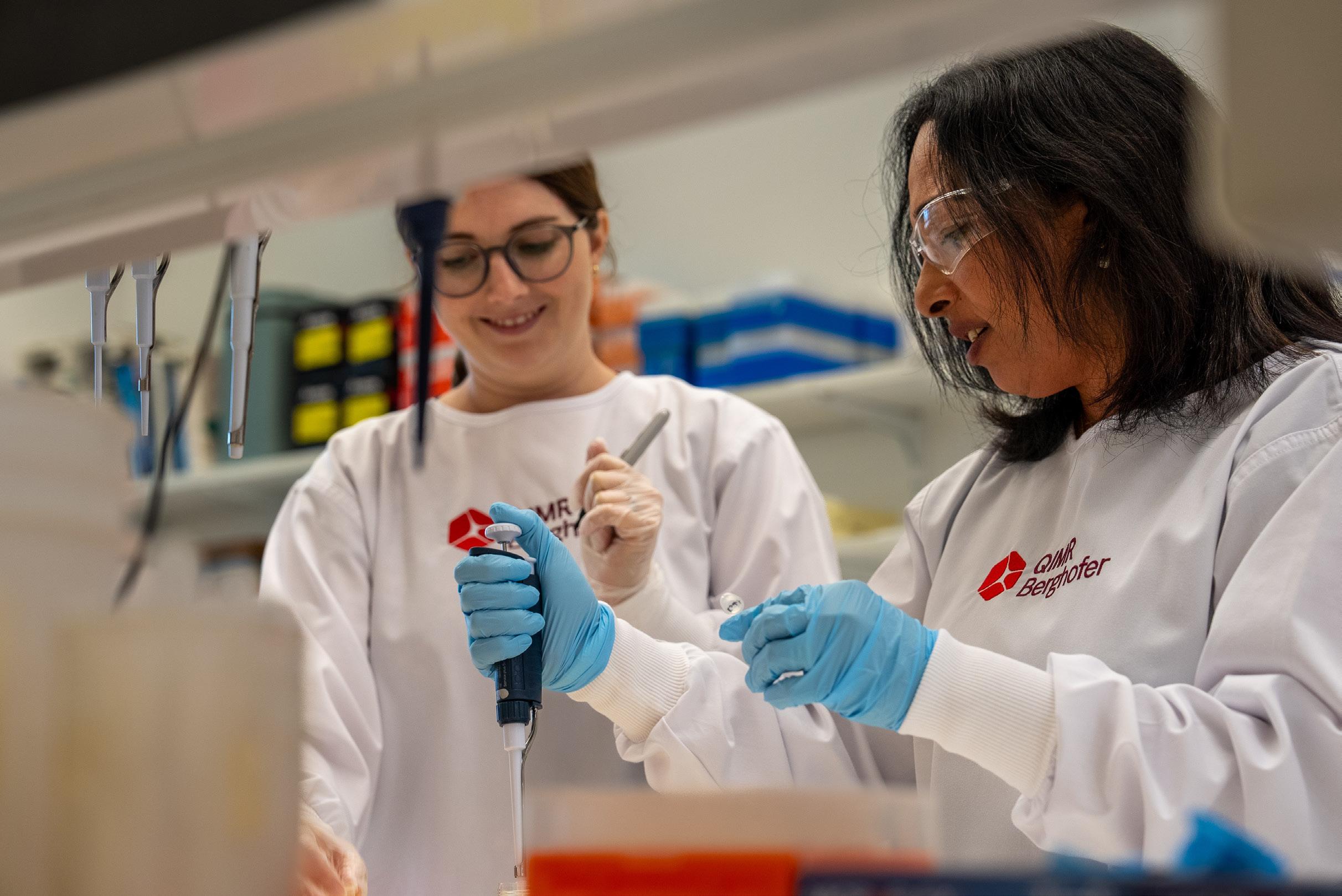
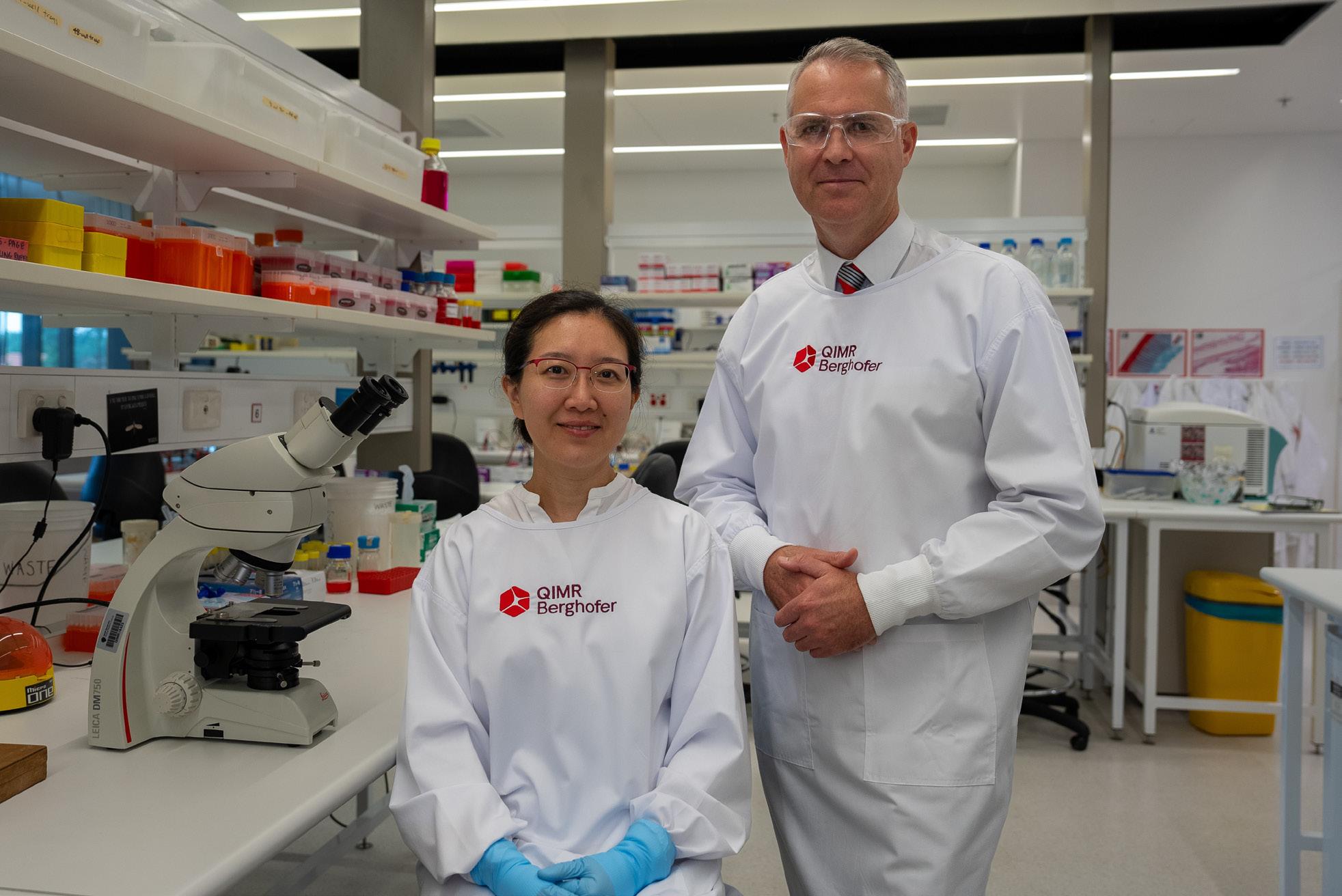
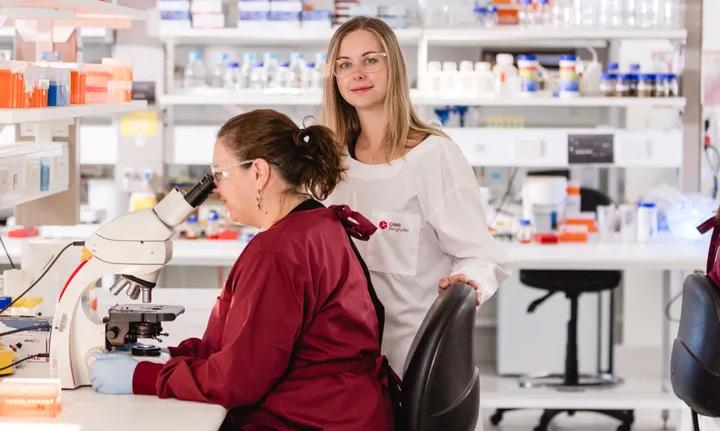
Professor Michelle Wykes
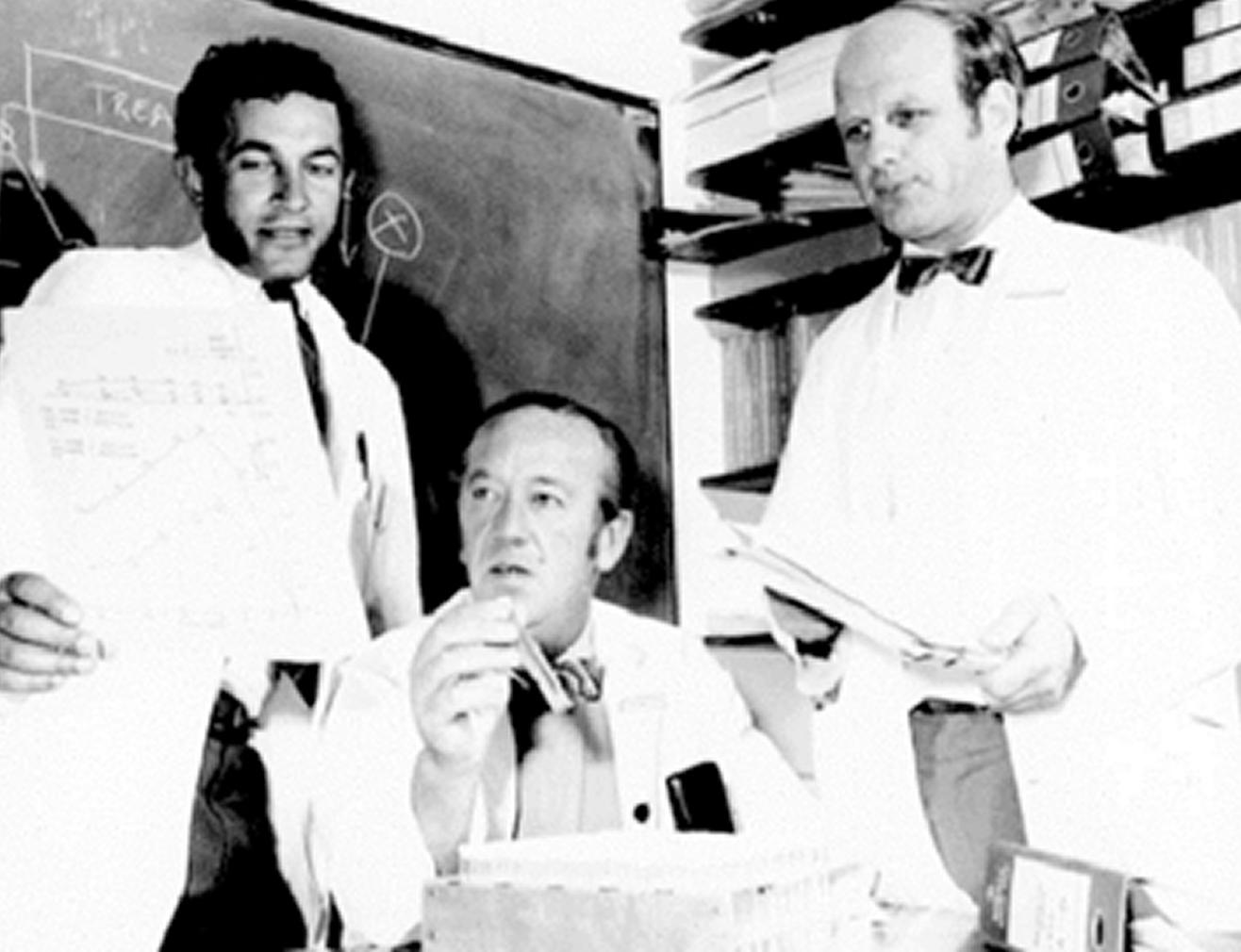
QIMR (Medical Research Institute) now known as ‘QIMR Berghofer Medical Research Institute’ was established in 1945 by Dr. Edward Derrick CBE, a medical practitioner and “Director of the Queensland State Health Department Laboratory of Microbiology and Pathology.” He is best known for his contribution to public health and the identification of Q Fever.
(Q Fever is a bacterial infection, predominantly transmitted to humans by infected livestock) Dr. Derrick was also one of the driving forces who championed the need for an institute devoted to fulltime research into infectious diseases in Northern Australia.
Dr. Derrick’s research from 1935 into Q Fever led to the discovery of the (Causative Rickettsia Coxiella Burnnetii) a gram-negative, obligate intracellular bacterium that acts as the sole causative agent of Q Fever.
Furthermore, Dr. Derrick’s pioneering research and persistence resulted in the passing of “The Queensland Institute of Medical Research Act’’ in 1945 by the Queensland Parliament.
The “Act’’ enabled the Institute to formally establish a dedicated state-funded institution to research infectious diseases, specifically targeting prevalent regional health threats like Q fever……
Today the Institute is leading the way through quality research and significant innovation, resulting in a higher calibre of healthcare. Through the vision of its founders and pioneering scientists, the Institute has made significant contributions to healthcare through research, and continues to make an extraordinary impact on the future of healthcare.
Q & A with Professor Michelle Wykes
Congratulations Professor on your significant contribution to better health and wellbeing. Your medical research, has resulted in great outcomes, both nationally and Globally.
B&L : Can you tell our readers how long you have been with QIMR Berghofer and what your position as Associate Professor means to you ?
PROFESSOR MICHELLE : I have been with QIMR Berghofer for almost 25 years. My position as Associate Professor means I am the group leader of the Molecular Immunology Laboratory, where the staff and I focus on developing immunotherapies for cancer and autoimmune diseases.
B&l : When was QIMR established, and by whom and why was it established ?
PROFESSOR MICHELLE : QIMR was initially developed by Queensland Government in 1945, along with Dr. Edward Derrick CBE.
Dr. Derrick wanted to research and treat tropical diseases creating specific health threats in Northern Australia.
B&L : What is your long-term vision for QIMR ?
PROFESSOR MICHELLE : As a scientist I have to have a positive outlook, and I aspire to continue offering high quality research and achieve great outcomes from our medical research that results in global impact. We strive to make a difference.
B&L : What prompted you to go down the medical research path ?
PROFESSOR MICHELLE : I was very curious as a child, and several of my relatives are scientists.
B&L : Why did QIMR add Berghofer to it’s name.
PROFESSOR MICHELLE : The Institute added Berghofer to it’s name in honour of philanthropist Clive Berghofer, who in 2013 made a substantial donation to QIMR.
B&L : How important are donations?
PROFESSOR MICHELLE : Gifts in Wills, Donations and Government Grants are extremely important. Without this funding we are unable to continue our work as Researchers.
B&L : What is on the agender for QIMR Berghofer in 2026 ?
PROFESSOR MICHELLE : QIMR will continue producing high quality research, and try and make a difference through impactful medical research and achieve great outcomes.
Leading the way in mental and brain health
The institute has taken the lead in some of the world’s largest and most comprehensive studies on the genetics of eating disorders, obsessive-compulsive disorder (OCD), and brain volume. Professor Eske Derks’ identification of 30 genome regions associated with OCD is reshaping mental health care, paving the way for earlier diagnosis and more effective treatment, and reducing stigma by revealing the biological roots of the condition.
QIMR Berghofer’s research into the genetics of ADHD and Parkinson’s disease is also revolutionising how these neurodegenerative conditions are understood and managed. The Australian Parkinson’s Genetics Study— now the largest of its kind globally with over 15,000 participants—has enabled the development of digital biomarkers for real-time symptom monitoring, moving the field closer to truly individualised care.
Breakthroughs in cancer research
QIMR Berghofer’s cancer research is changing lives and offering hope for some of the most challenging conditions. Professor Sudha Rao has launched a world-first clinical trial for metastatic triplenegative breast cancer, a particularly aggressive and treatment-resistant form of the disease. In collaboration with Kazia Therapeutics, this study is testing a combination of the brain cancer drug Paxalisib with immunotherapy, giving new hope to patients with limited options.
In the field of childhood brain cancer, Professor Bryan Day and his team have developed a targeted therapy that destroys tumour cells in preclinical modelsoffering promise for children with medulloblastoma, glioblastoma, and diffuse intrinsic pontine glioma (DIPG), some of the most difficult-to-treat brain cancers. Meanwhile, the Consortium of Investigators of Modifiers of BRCA1/2 (CIMBA) Plus consortium, led by QIMR Berghofer’s Professor Georgia ChenevixTrench, is spearheading research into rare breast cancer gene mutations, involving more than 20,000 carriers worldwide. This international effort aims to provide personalised risk assessments, empowering individuals and families to make informed healthcare decisions.
Continued on next page>
Innovations in diagnostics and treatment
QIMR Berghofer’s spirit of innovation extends across multiple fields. At Royal Brisbane and Women’s Hospital, Dr Siok Tey has led a clinical trial using in-house CAR T cell therapy, offering a lifeline to 27 blood cancer patients who had exhausted all other treatment options. In eye health, QIMR Berghofer researchers led by Professor Stuart MacGregor have developed genetic tests for glaucoma, macular degeneration, and keratoconus, now available in Australia and the US, enabling earlier detection and intervention.
In heart health, Professor James Hudson’s team is advancing treatments for inflammation-driven heart conditions, bringing new therapies closer to clinical reality for patients with complex cardiac diseases.
Supporting patients and communities
QIMR Berghofer’s commitment to real-world impact is evident in its support for patients and communities. The PRoCESS trial, in partnership with PanKind, recognises the vital role of carers for pancreatic cancer patients, addressing their unique needs alongside those they support. The institute has also partnered with Haemochromatosis Australia to develop the world’s first cloud-based registry for iron-overload conditions, set to revolutionise research and treatment for haemochromatosis.
Through the Queensland Aging and Dementia Study (QADS), QIMR Berghofer is expanding research cohorts and pioneering new diagnostic tools for early detection of dementia, bringing tangible benefits to patients and families.
Powered by philanthropy, partnerships, and passion
QIMR Berghofer’s achievements are fuelled by generous philanthropy, strong partnerships, and a passion for translating scientific discoveries into real treatments. Working closely with global research networks, the institute continues to pioneer world-first innovations and bring cutting-edge solutions to patients.
As QIMR Berghofer celebrates 80 years of groundbreaking research, its unwavering commitment to discovery, sustainability, and impact ensures it will remain at the forefront of health innovation in Australia and around the world for generations to come.
Your legacy
Choosing to leave a Gift in your Will (also known as a bequest) is a deeply personal choice, a decision that takes time and thought, and we are extremely grateful to you for considering us.
By including QIMR Berghofer in your Will you are giving a gift to future generations who will benefit through vital medical research. Your Gift will have an impact now and in the future that is immeasurable.
A Gift in Your Will to QIMR Berghofer –a
Legacy for the
Future
QIMR Berghofer is a world-leading medical research institute, renowned for our efforts in both discovery and real patient outcomes. Celebrating eight decades of delivering ground breaking medical research
Gifts in Wills for medical research are the gifts that keep on giving. The research and knowledge that is achieved because of your generosity will continue, and advances that are made today will have the potential to change the lives of Australians now and generations to come.
YOU WILL MAKE A DIFFERENCE
Leaving a Gift in your Will to QIMR Berghofer is a personal way to make a difference and create a lasting impact for future generations.
QIMR Berghofer has more than 650 researchers working on discovering better treatments and understanding of, Cancer Research, Brain and Mental Health, Infection and inflammation and Population Health in more than 60 specialised laboratories. Gifts of all sizes are important, they are essential to fund the Research and the impact it has nationally and globally.
For more information or a confidential chat please call Lorraine Fraser (Gifts in Wills Specialist) on 0408 722 877 or email giftsinwills@qimrb.edu.au
If you have left QIMR Berghofer a Gift in your Will please let us know, we would love to thank you and ensure you receive the latest research news.
www.qimrb.edu.au
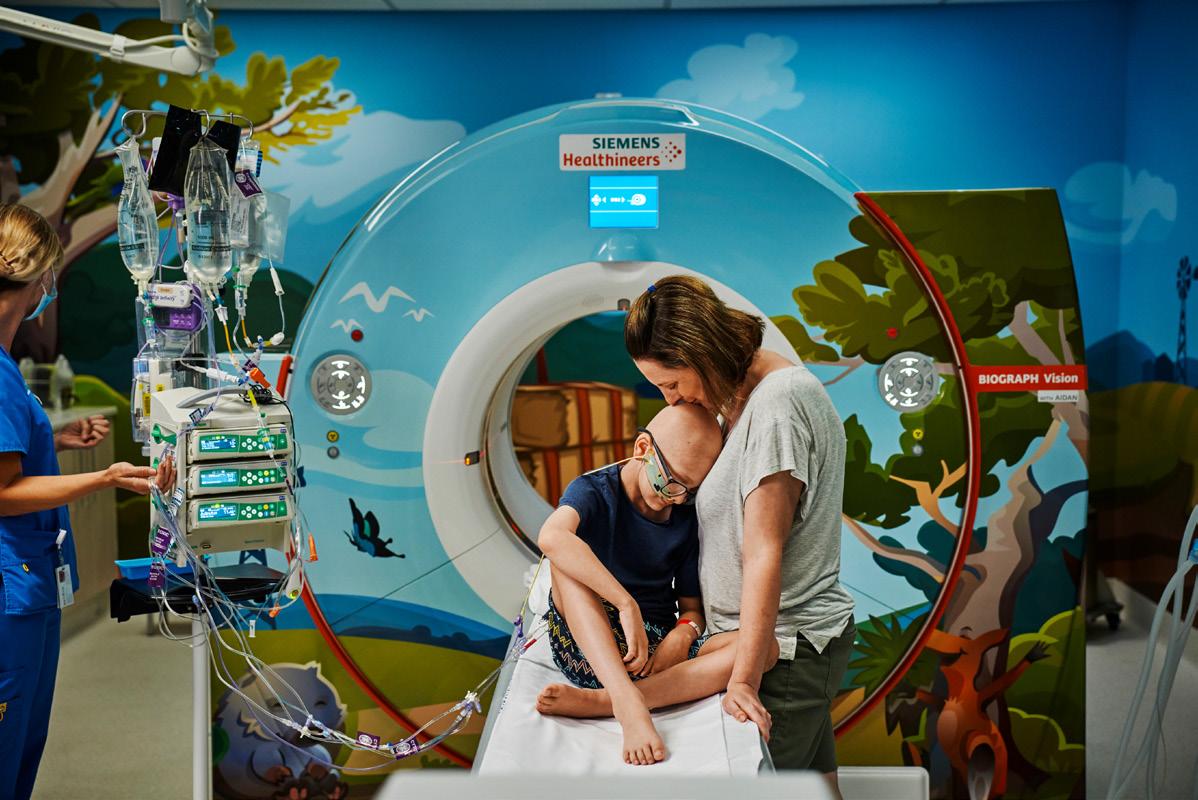
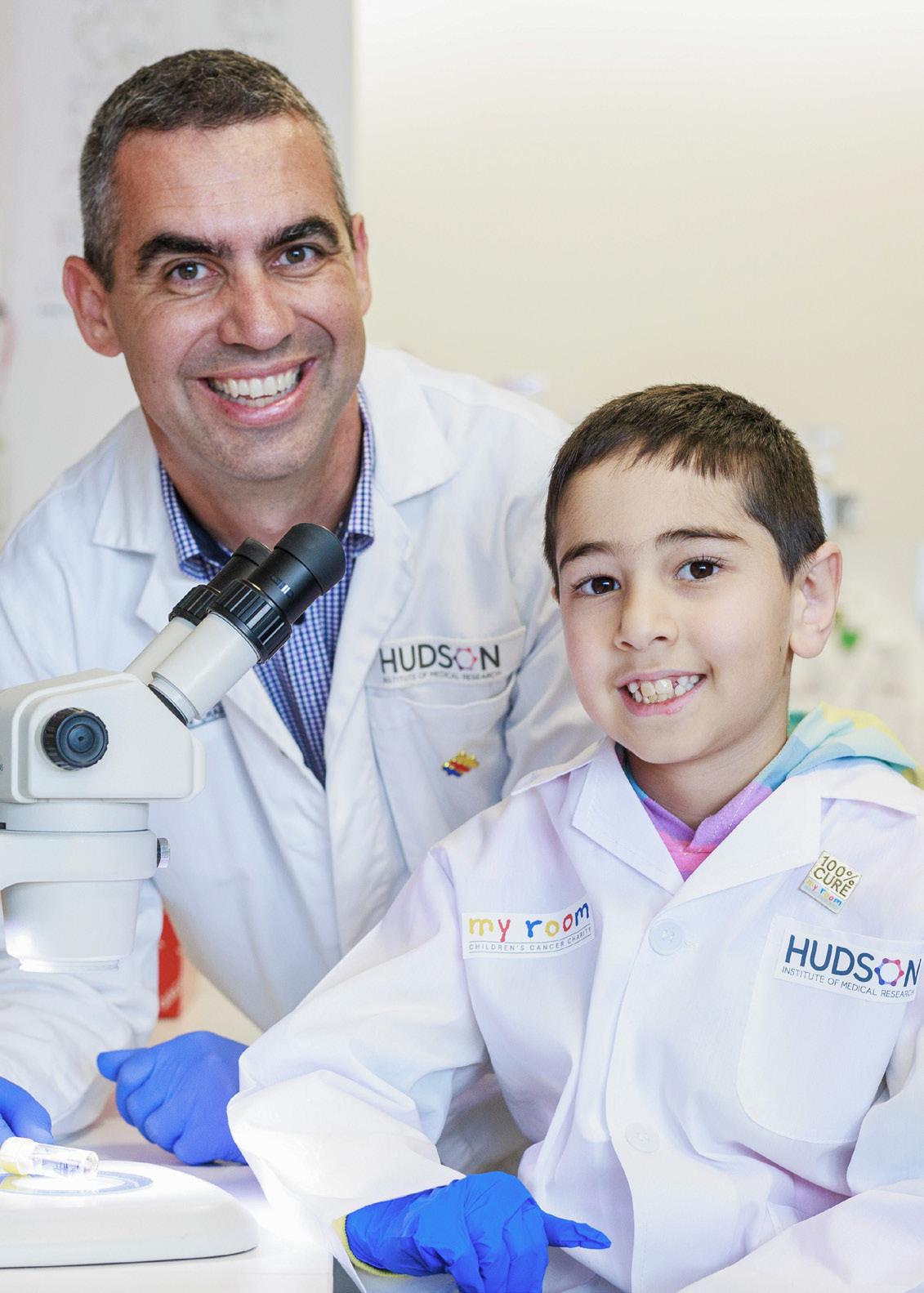
Redefining childhood cancer treatment
For many families, a childhood cancer diagnosis marks the beginning of a difficult road, filled with uncer taint y and hardship. But researchers are working hard behind the scenes for a brighter realit y.
Changing the landscape
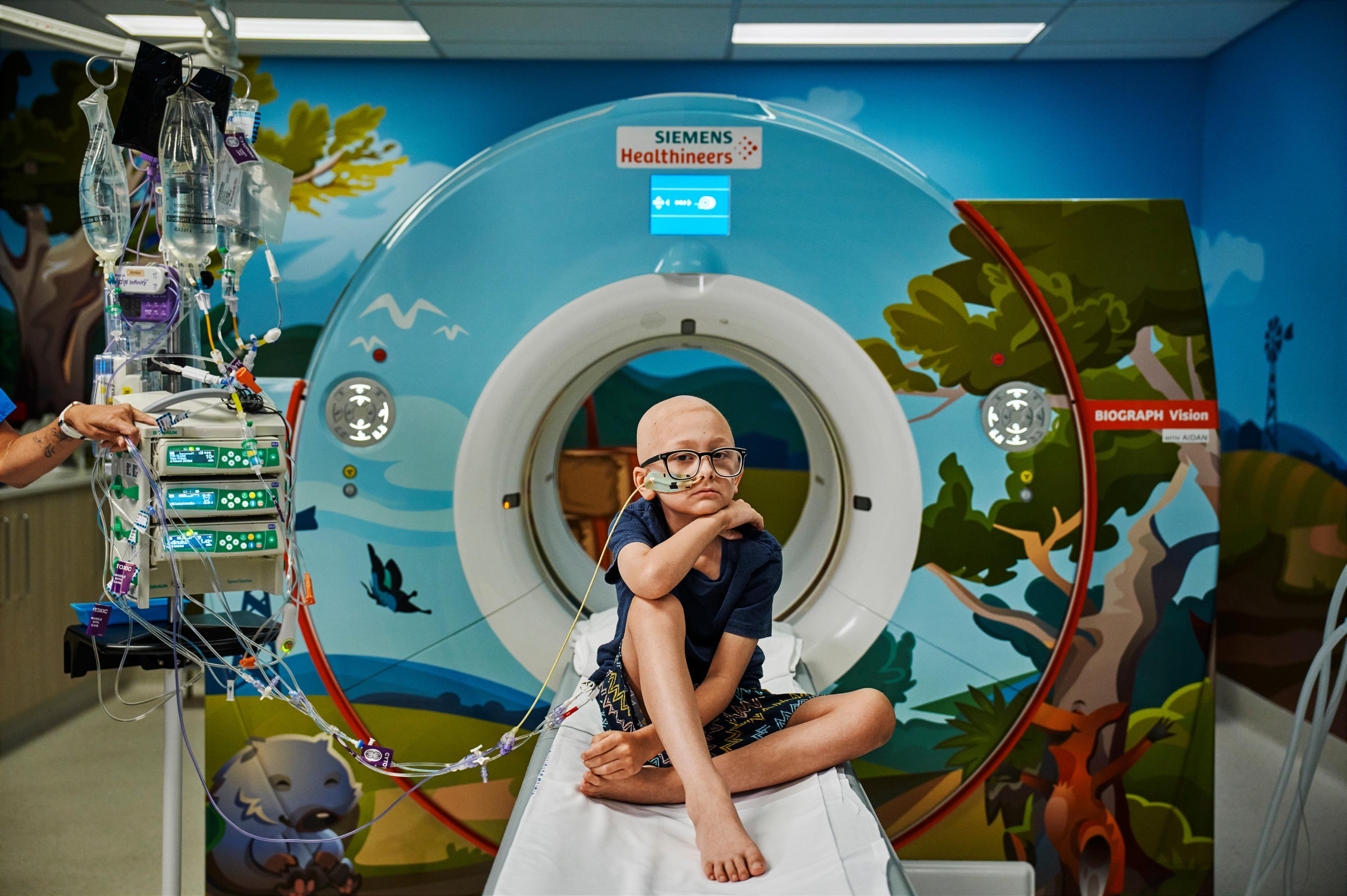
Each year, more than 1,000 Australian children and adolescents are diagnosed with cancer – a statistic that is as terrifying as it is heartbreaking. Current treatments can cause distress and lifelong side effects for these young patients
Funded thanks to support from the Children’s Hospital Foundation, Queensland Children's Tumour Bank seeks to change this narrative.
Queensland Children’s Tumour Bank is an openly accessible paediatric tumour tissue bank designed to collect and distribute tissue samples to childhood cancer researchers across the globe for use in research projects ultimately aimed at improving health outcomes for children with cancer
“Whether it's kids now or in the future, [funding] is helping them through science and research,” says Dr Johanna Schagen, Queensland Children’s Tumour Bank Coordinator
Powering global breakthroughs
Since 2008, Queensland Children’s Tumour Bank has supported approximately 90 research projects across five countries, including Australia, the United
Kingdom, Canada, the United States of America and the Netherlands.
These projects, with the help of the facility's paediatric tissue samples, have allowed doctors to find answers and develop new treatments for children with cancer, including neuroblastoma, leukaemia and brain tumours.
Recent childhood cancer breakthroughs made possible thanks to Queensland Children's Tumour Bank include:
Matched children with high-risk cancers to treatments tailored to their tumours' genetics, changing treatment practices across Australia
Uncovered a new internal trigger for leukaemia, deepening understanding of how it starts at a molecular level
Discovered a previously under-recognised, highrisk form of T-cell leukaemia, identifying a promising new treatment option for patients
Making a difference
Children’s Hospital Foundation helps paediatric researchers propel breakthroughs and innovations and has proudly funded the Queensland Children’s Tumour Bank since its opening.
With your support, we can continue to support lifechanging research and treatment for the bravest young patients.
Want to make a difference? Visit our website at childrens.org.au or call our friendly team on 07 3036 6100.
07 3606 6100.
Write your Will for free today
Children’s Hospital Foundation has par tnered with Gathered Here to provide our suppor ters with a free and easy step-by-step online
Will writing ser vice.
In just 10 minutes, you can make a life-changing impact for Queensland's sickest kids and have peace of mind knowing your wishes and loved ones are protected.
Scan the QR code above to learn more about or access our free Will writing ser vice.
Prefer to speak to someone? Call our friendly team on 07 3036 6100 today.
Q & A with Dr Nick Andrew –understanding cataracts
Dr Nick Andrew, MBBS, FRANZCO, PhD
Ophthalmologist and Eye Surgeon Sight Specialists Clinic Southport, Gold Coast
What is cataract surgery?
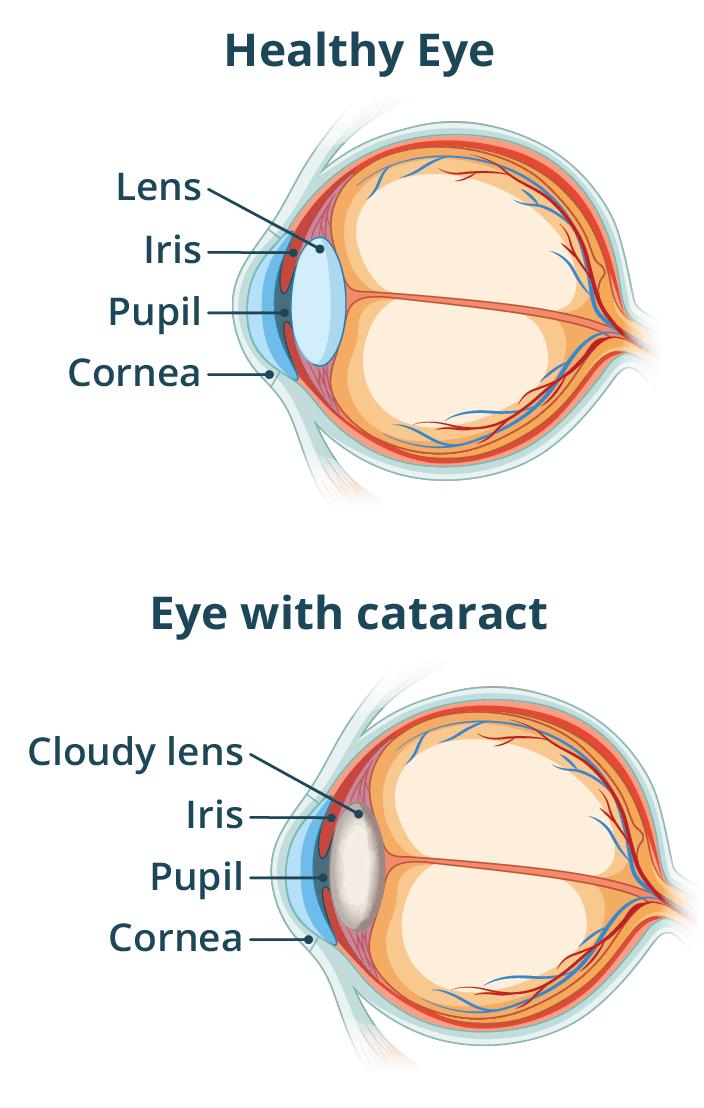
Cataract surgery involves removing the cloudy cataract and replacing it with a new, high-definition lens implant. This implant lasts for life and permanently refocuses the person’s vision. In my biased opinion, it is the most elegant procedure in medicine!
I perform cataract surgery as a “walk-in, walk-out” hospital procedure under deep sedation. Most patients are back to normal activities within 48 hours.
Are there different lens implant options?
Yes, there are now hundreds of different lens brands, models, and powers available. Each lens implant will give different clarity of vision, and different range of vision without glasses. Although lens technology has improved enormously, it’s optically impossible for an artificial lens to be “perfect”, and every product has trade-offs. Therefore, selecting the lens implant that will be best for each patient is complicated, but it’s the critically important step.
It’s actually not the lens implant that dictates someone’s vision, but it’s the combination of their lens implant and their eye working together. For example, the same lens implant in ten different eyes will give ten different results. Therefore, modern cataract surgery needs to be highly customised to each person. The art of cataract surgery is in measuring the shape of each eye precisely, and then using this information to select the model and power of lens implant that will give that patient the best vision possible.
Do people still need glasses after cataract surgery?
It’s now possible to give someone good vision without any need for glasses, but this outcome depends on the underlying health of their eyes. I tell my patients that they can expect to be free from glasses for most everyday activities, but they will likely still use a light pair of glasses for fine print. There is an unavoidable trade-off between clarity of vision and range of vision, and I find that most patients prefer to use readers occasionally in exchange for seeing the world with higher clarity and vibrancy.
Can cataract surgery be redone?
Yes, it can- and this is actually a special interest of mine. My first goal is to work out what the problem is and what the patient would like to improve about their vision. Usually, the patient received a lens implant that their eye wasn’t suited for. I will then correct this by removing the lens implant they have, and replacing it with a different style of lens.
What sparked your interest in cataract surgery?
Well - it’s beautiful surgery to do, most patients are incredibly happy, and it’s satisfying to continually get better. Achieving the best results from cataract surgery requires a big commitment – a big investment in stateof-the-art technology, a highly consistent surgical technique, and close analysis of your results. Optimising my outcomes has become a professional obsession of mine - I’m now supervising a doctor who is doing their PhD research on this. Together we are improving every aspect of cataract surgery, especially the mathematical techniques for choosing lens implants. I was also fortunate to be selected for prestigious training in Toronto with a very famous eye surgeon, which gave me rare experience in performing revisions of cataract surgery. Seeing unhappy patients, working out what went wrong, and then correcting them, teaches me a lot.
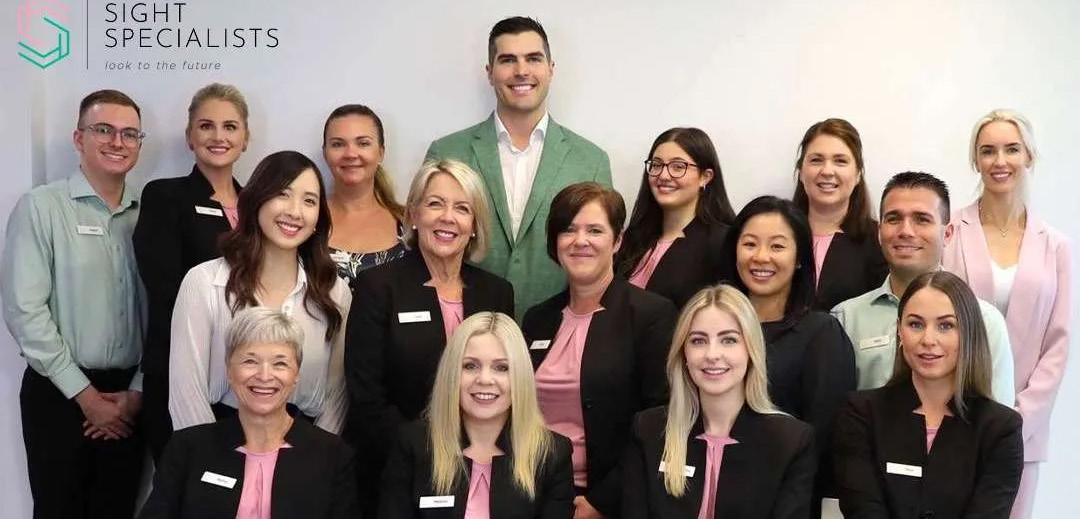
Why choose Sight Specialists for your eyecare?
RESULTS
Dr Andrew’s approach to eye surgery is incredibly meticulous. His goal is to consistently achieve results at the forefront of what modern technology permits.
PATIENT CARE
We understand that eyecare can be daunting, and we want you to feel at ease. Our friendly team delivers care that is warm, welcoming and personal. Additionally, we provide:
• Easy car parking
• Complimentary hot and cold drinks
• Short appointment waiting times
STATE OF THE ART TECHNOLOGY
Our clinic has the very latest diagnostic equipment.
Contact our friendly team today.
Level 2, 95 Nerang St, Southport QLD 4215.
Phone: 07 56475777
Fax: 07 56365549
Email: reception@sightspecialists.com.au
www.sightspecialists.com.au
Opening hours Monday to Friday: 8am – 4.30pm
Connection Counts: The Overlooked Key to Healthy Ageing
When we talk about healthy ageing, diet and exercise usually steal the spotlight, but one of the most powerful influences on our health often goes unnoticed.
Social connection. It shapes not just how long we live, but how well we live.
Humans are wired for connection. From a lifetime of shared meals, teams, clubs and community groups, relationships shape how we see ourselves and how we cope with change. As we get older, those connections can naturally shrink. People retire, children move away, partners and friends pass on. Without deliberate opportunities to stay connected, isolation can creep in unnoticed.
The health impacts of loneliness are well documented. In its 2025 report From Loneliness to Social Connection, the World Health Organization describes social isolation and loneliness as a “serious but underrecognised public health challenge”, linking them to higher rates of depression, anxiety, cognitive decline, heart disease and early death. The good news is that connection makes a real difference. Strong social ties act as a powerful protective factor, helping people stay active, manage health conditions more confidently, and reach out for support when they need it. In short, connection is not a nice-to-have. It is a vital part of living well.
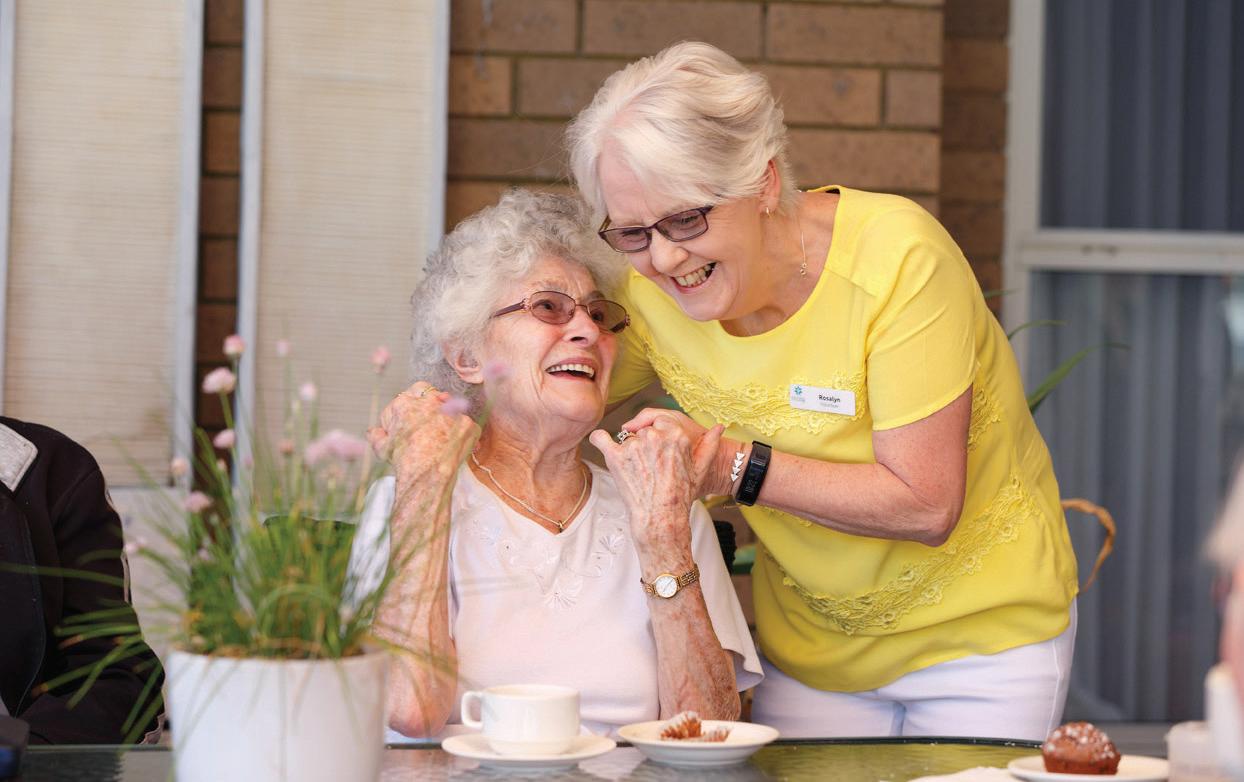
This is where community spaces and shared activities play such a vital role. Whether it is a regular game of bowls, a social competition, or simply turning up for a chat and a cuppa, these moments of connection matter. They provide routine, purpose and a sense of belonging. They remind people they are seen, valued and part of something bigger than themselves.
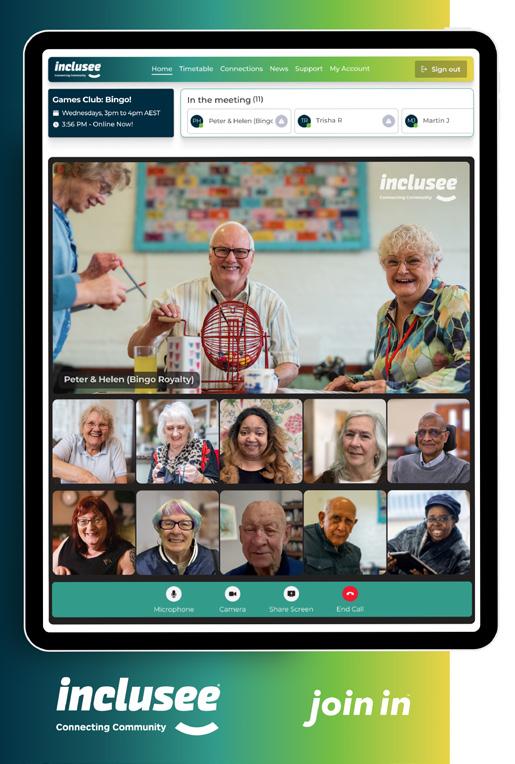
At Inclusee, we see this every day. Our Virtual Community Centre creates inclusive, welcoming opportunities for people to connect, belong and enjoy exploring hobbies or learning new skills together, from anywhere in Australia. All from the comfort of home. If you’re looking to meet new people, try something different or simply feel part of a community again, we would love to welcome you to join in.
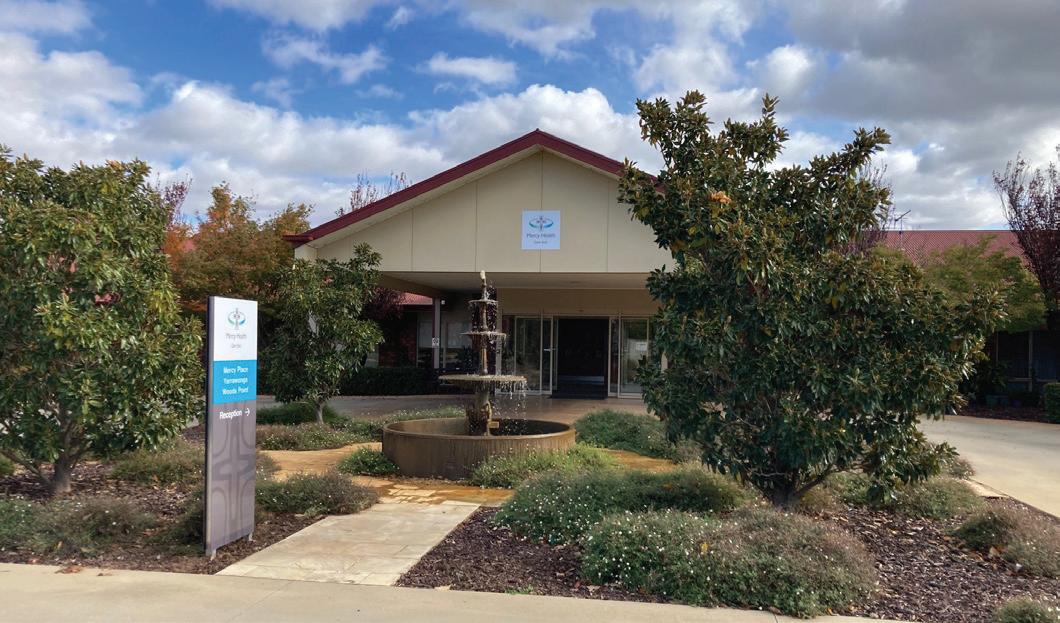
Discover Comfort, Community and Care at Mercy Place Yarrawonga Woods Point
Set on the picturesque shores of Lake Mulwala, Mercy Place Yarrawonga Woods Point offers high-quality, personalised, around-the-clock aged care in a warm and welcoming environment.
Since December 2024, Mercy Place Yarrawonga Woods Point has been operated by Mercy Health, a trusted not-for-profit Catholic provider, guided by the values of compassion, respect and community. People from all backgrounds and faiths (or no faith) are warmly welcomed.
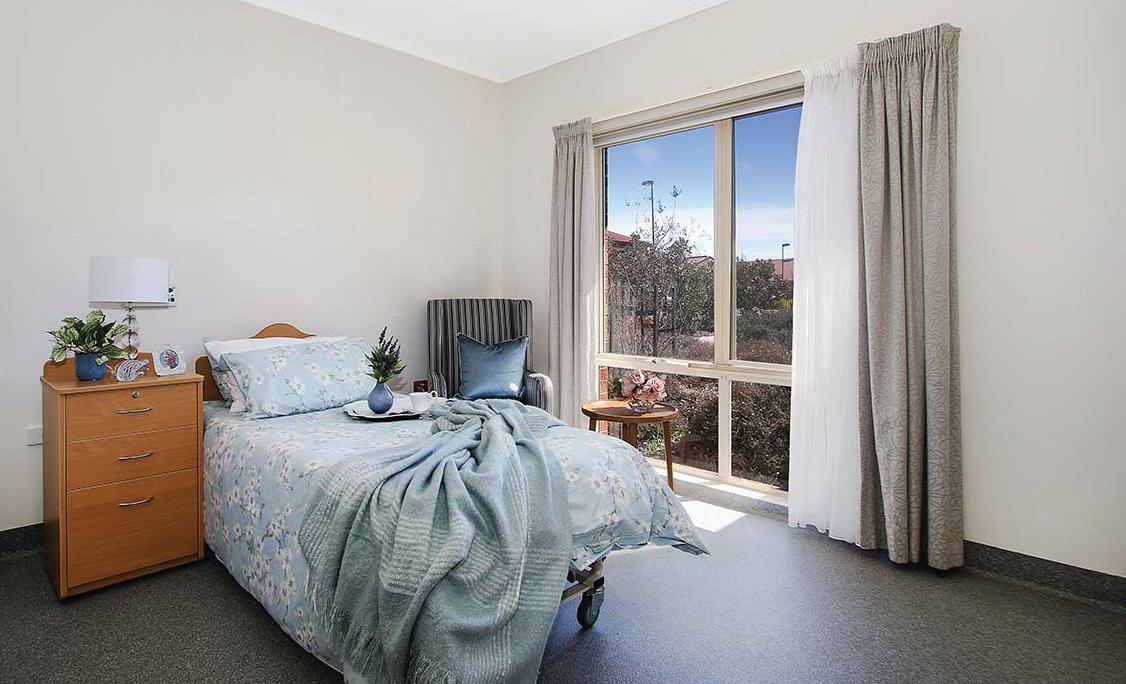
Residents enjoy a vibrant lifestyle program that includes entertainment, social activities and outings, and the popular Intergenerational Program, where children from local schools and kindergartens visit regularly. Both classic and deluxe rooms are available, designed for comfort and long-term residence.
With registered nurses on-site 24/7, a dedicated team of enrolled nurses and care staff, and access to a wide range of services, residents feel supported every step of the way. The home also features beautifully landscaped gardens, a hairdressing salon, private and shared ensuites, and modern in-room amenities.
For those residents needing additional support and specialised care, a dedicated Memory Support Unit is available onsite.
Whether someone needs some short-term respite care, or is planning ahead, or is ready to move now, Mercy Place Yarrawonga Woods Point offers the reassurance of care, connection and comfort.
Mercy Place Yarrawonga Woods Point, 75-85 Orr Street, Yarrawonga, VIC.
Contact our friendly customer service team on 1300 164 833 to book a tour today.
SAD NEWS FOR BOWLS! 44 YEARS OF GIVING TO BOWLS AS A VOLUNTEER THE ‘SUPER COACH’ HAS RETIRED.
For health reasons, it is sad that Peter Doherty has decided to retire from bowls to dedicate more time to family, in particular his 5 grandchildren. Peter has battled with an incurable but hopefully manageable form of advanced cancer since 2013 and now has other health concerns overlaying this.
Many bowlers have had the distinct advantage of experiencing Peter’s unique style of coaching. He has the reputation of being an initiator, innovator and a trouble shooter. Giving generously of his time and knowledge with so many over the years. With his advanced knowledge of Human Movement and Bio-mechanics Peter has been able to help bowlers identify faults that may be holding them back and adapt their techniques, sometimes inventing whole new techniques, to become better players. This has helped many bowlers from beginners, school groups, club pennant players, through to national and international players. It has often been said that Peter is the coach that coaches when you don’t know you are being coached. His legacy will live on through those lucky enough to have benefitted from his guidance and coaching.
Many who knew him in the early days predicted a high-performance player of the future, but early in his bowls journey he took the path to help others enjoy this wonderful sport, instead of concentrating on his own development and gave up many opportunities, instead gave his time to developing others.
A short summary of his bowls journey:
• 1982 To 1987, Member RAAF Amberley BC, Positions held, Providor, Vice chairman, began coaching bowls
• 1987 To Now. Member Mt Crosby BC. Member of management committee 1990 to 2003. Held most positions on committee as well as Coach, Umpire & two stints as President.
• 2001 Started working with Para bowlers both physical disabilities and Vision impaired.
• 2003 to 2007 Member of Toowong BC. Coach of both Men and Ladies Pennant teams. Member of the Board, Games director and Tournament Director Western Triples.
• 2009 to 2017 Tournament Director Premier Sevens, member of management committee Premier League Queensland as assistant Secretary and Secretary.
•
• 2009 Awarded Graduate Certificate Sports Coaching, from University of Queensland. First Lawn Bowls Coach to graduate from UQ SPORTS COACHING PROGRAM.
• 2011 Awarded Graduate Diploma Sports Coaching from University of Queensland. A total of 5 years study.
• 2013 Awarded Ambassador for Prostate Cancer Foundation of Australia.
• 2015 Started working with Vision Impaired Para Bowlers.
• 2016 Manager Queensland Blind Bowlers Association State team to contest the Australian Blind Bowlers Association National Championships. The most successful team on record.
• 2017 Appointed the Australian Blind Bowlers National Coach.
• 2018 to 2023. Started, Para Bowls Group for Gold Coast Tweed District Bowls Association. As Chair of this group he promoted Para bowls to be inclusive. Very successful in encouraging new bowlers with disabilities as well as reintroducing Bowlers who have suffered a major health event, back to the sport.
• 2020 to now. Designed an accelerated coaching program for Helen Boardman. This coaching program has aided Helen to achieve Jackaroo Selection for 2022 TransTasman and 2022 Birmingham Commonwealth Games. Worked with Helen as her coach and on green Director in Club, State and International events with much success.
• 2023 He took on the role of Patron to the Queensland Blind Bowls Association.
• An average of 3 to 4 days per week on coaching or researching bowls. Retired in December 2025.
Stay Strong. Stay Moving.
Allied Health specialities such as Physiotherapy and Exercise Physiology available
At AQ Health, we’re dedicated to keeping you active, confident, and capable at every stage of life.
Whether you want to improve strength, mobility, balance, or overall wellbeing, our personalised one-on-one and group programs are designed to help you move with ease and feel your best.
Our Programs Include:
• Balance & Bend
• EngAGE Exercise
• PowerPD
�� Call 1800 692 743 �� Visit aqhealth.org.au
No matter your age or current fitness level — your journey to better health starts today.
Main Clinic Locations
• Gordon Park
• Upper Mount Gravatt
• Ipswich
We proudly support clients through:
• Commonwealth Home Support Program(CHSP)
• Support at Home (SaH)
• Chronic Disease Management (CDM)
• Private Health Fund & private pay
Cathy Freeman “AC’’ Companion Of The
Order Of
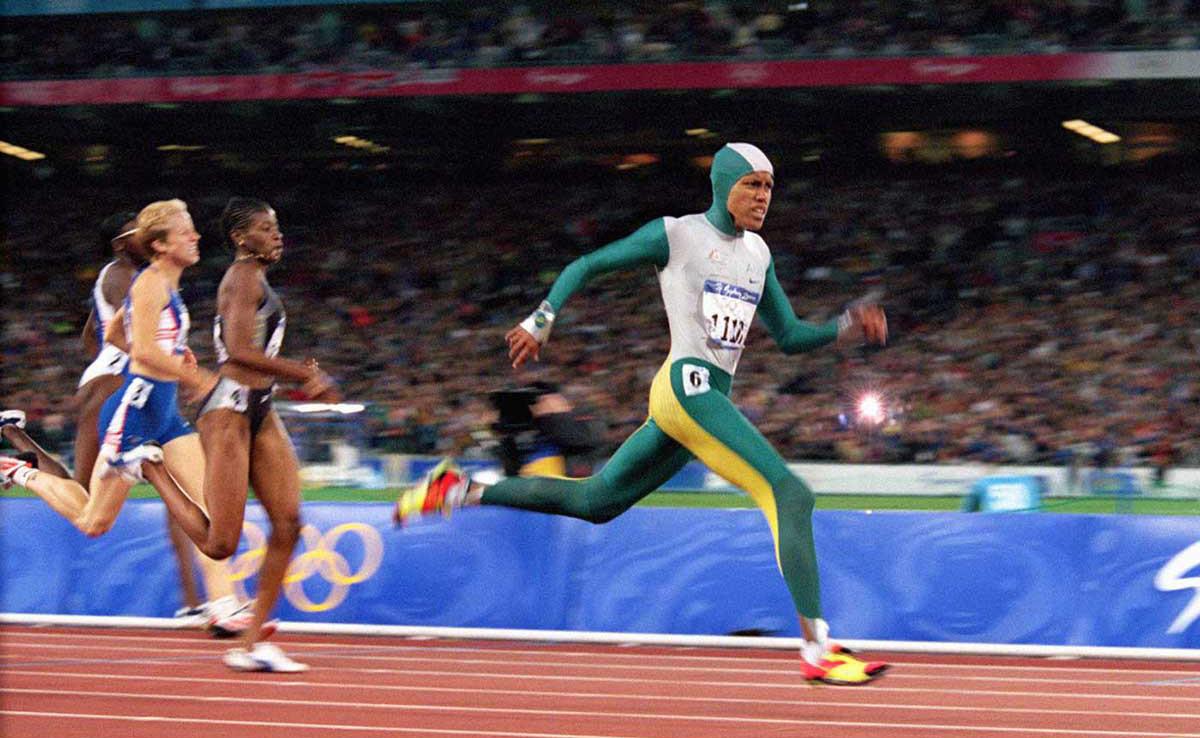
Legendary Australian sprinter Cathy Freeman, renowned as an Olympic champion and celebrated as a role model and advocate for inclusive sport, Indigenous education and empowerment, was presented with “The Companion of the order of Australia’’ (AC) at the Australia Day Honours list on the 25th January 2026. The honour recognised both her 2000 Olympic gold medal win and her ongoing work as a leader in Indigenous communities. However, Freeman was reportedly hesitant to accept the award due to her sensitivity relating to the significance of that day. The First Nations people view the 25th January as a day of mourning, and it also represents the beginning of dispossession and loss for many First Nations people. Freeman was concerned that accepting the award on that specific date could be seen as ignoring the pain of her community.
Fortunately, Freeman’s mother, convinced her to view the award not just as a political gesture, but as a “gift from the Australian people.’’ Freeman accepted the honour by altering her perspective and focused on the spirit of unity.
Cathy Freeman occupies a unique place in Australian sporting history. She is the first Indigenous female to became an Olympic champion, a four-time
Australia 2026
Commonwealth Games gold medallist, and a two-time world champion. Freeman’s breakthrough season was at the 1994 Commonwealth Games in Canada, where she won gold in both the 200 metre and 400 metre. She also won the silver medal at the 1996 Olympics which were held in Atlanta, Georgia in the United States.
Since retiring from the sport in 2003, Freeman has dedicated herself to advocacy work focussing on Indigenous education and promoting reconciliation.
“The Cathy Freeman Foundation’’ was founded in 2007 and provides educational opportunities and incentives for Indigenous children in remote communities.
STORY COURTESY OF CATHERINE COLUSSO
Dame Marie Bashir
1930-2026
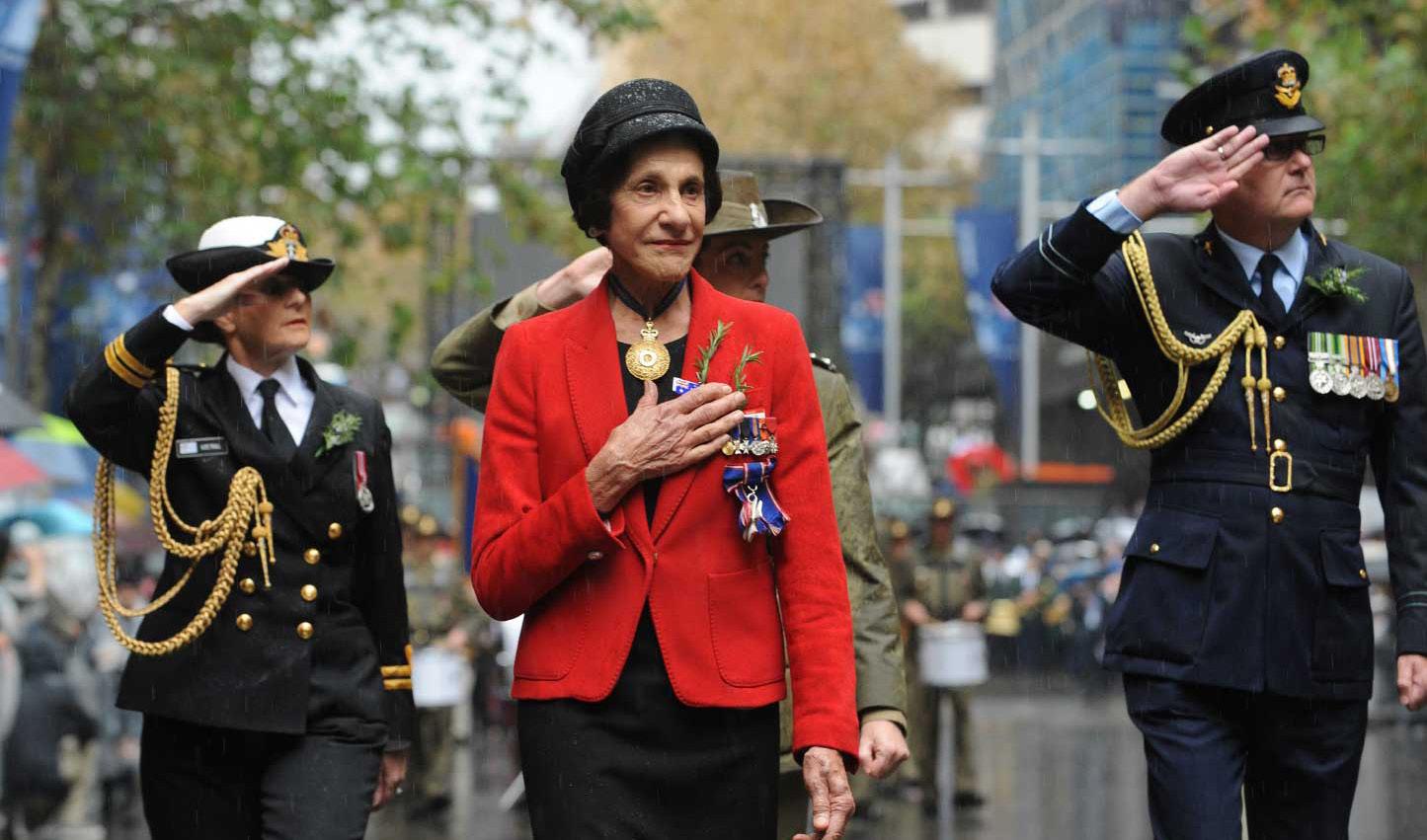
New South Wales is mourning the loss of a remarkable humanitarian “The Honourable Dame Marie Bashir’’ (AD CVO) who served as the 37th Governor of NSW from 2001 to 2014.
Professor Bashir passed away peacefully, in Sydney, surrounded by her family on the 20th January, 2026 aged 95.
Bashir was held in the highest regard globally. She was the first female Governor of New South Wales, a distinguished psychiatrist and an advocate for Indigenous health and wellbeing. She also served as Chancellor of the University of Sydney from 2007 to 2012.
Her public service to Australia is legendary, and her legacy will continue to inspire compassion and unity globally. She will be remember for her unwavering advocacy work relating to mental health and Indigenous rights. She championed the wellbeing of all Australians particularly the most vulnerable, establishing “The Aboriginal Mental Health Unit in Sydney in 1995. Dame Marie was a strong advocate for multiculturism, inclusion and social cohesion, and consistently recognised the vital contributions of migrant communities.
Dame Marie is survived by her children Michael, Alex and Susan following the 2018 death of her husband Sir Nicholas Shehadie.
Nicholas Shehadie, was the Lord Mayor of Sydney from 1973 to1975. He was also the National representative Rugby Union captain and the president of the Australian Rugby Union from 1980 to 1987. Shehadie was inducted into both the Australian Rugby Union Hall of Fame and the IRB Hall of Fame in 2006.
EARLY LIFE
Marie Bashir was born in 1930 in Narrandera, a historic town in the Riverina district of NSW, to Lebanese immigrant parents. She was raised to value education and community service. She attended Narrandera Public School and Sydney Girls High before graduating with medical degrees from the University of Sydney in 1956. Dame Marie subsequently became a child psychiatrist dedicated to marginalized communities. Bashir, became a “Dame of the Order of Australia’’ (AD) in 2014 and retired in October 2014. A state funeral was held on the 4th February, 2026. STORY COURTESY OF CATHERINE COLUSSO
2026 AUSTRALIAN OPEN ENTRIES LAUNCHED
Get set for the world’s biggest and richest bowls festival – entries are now open for the 2026 Australian Open!
Following the biggest edition yet in 2025, the 2026 event promises to raise the bar even higher.
Staged from Friday 5 – Friday 19 June 2026, and for the first time the AO will span 18 disciplines, including three exciting new formats.
What’s new for 2026
More disciplines than ever before – in addition to traditional Singles, Pairs, Fours, Under-18, Over-60 and existing para divisions, we’ve added:
Mixed Pairs: men and women competing side-by-side in a fresh format.
Intellectual Open Singles: creating new pathways for bowlers with intellectual disability.
Deaf and Hearing Impaired Open Singles: recognising and celebrating bowlers who are deaf or hard of hearing. That brings us to a total of 18 disciplines, underlining our commitment to inclusivity and expanding opportunities for bowlers of all backgrounds.
Value for money remains strong, with entry fees across
all disciplines remaining at 2025 levels, to assist with rising cost-of-living pressures and to help clubs and players plan ahead without added financial strain.
Bigger rewards, with the total prize-money rising to over $350,000, boosting the value across all disciplines while entry fees stay frozen.
For the first time since 2011, Bowls Australia’s annual Awards Night will be held during the Australian Open, with players, coaches, officials and supporters having the chance to come together to celebrate excellence, while the sport’s biggest event is underway.
Further Awards Night details and ticketing information will be released soon.
How to enter
Entries for all 18 disciplines are now open.
Head to the Online Entry page on the Australian Open website and use your BowlsLink account (or sign up if you don’t already have one).
The page features entry tiles for each discipline, so simply select the discipline/s relevant to you and complete your registration.
We encourage you to register early – the expanded program and strong interest make this one of the most anticipated Opens yet.
Why 2026 is the one to be part of
Between an expanded selection of disciplines, frozen fees, increased prize money and the new Awards Night celebration, 2026 is shaping up to be the most inclusive and rewarding edition of the Australian Open ever.
Entries for the 2026 Australian Open will remain open until 11.59pm, Wednesday, April 8, 2026, or until capacity is reached in each discipline!
BPL23: DAY 5 WRAP
by Val Febbo on February 20, 2026
The Geelong Jets have made history in Moama, claiming their maiden Bowls Premier League (BPL) title after coming from fourth place to secure the BPL23 crown.
No other team had come from outside the top three in the current top five finals format, and in doing so became the ninth different franchise to add their name to the BPL trophy after a 4-3 8-3 win over the Moreton Bay Pirates in the Grand Final.
After suffering a minor blip at the hands of the hands of the Tweed Ospreys in the final round to finish in fourth place on the ladder, Aaron Wilson, Jamie-Lee Worsnop and Paul Foster MBE put on an inspired display on finals night under the guidance of Matthew Flapper.
The Jets would take on the defending champions in the Moama Steamers in the opening final and would prevail with an emphatic 6-5 8-2 victory.
Waiting in the second elimination final were the Tweed Ospreys, brimming with confidence following their win over the Ocean Grove franchise in round 22.
However, Geelong were on song early, taking a tight opening set before Tweed rebounded to force a deciding tiebreak, but it was the Jets who prevailed to set up a preliminary final clash with the top of the table Melbourne Pulse, who suffered an 11-7 7-2 loss to the Pirates in the qualifying final.
A rampant opener for the Pulse saw the Club Dandenong squad take the ascendancy before the Jets managed to claw their way back in thanks to some brilliant deliveries across the second set.
The tiebreak was controlled by Geelong, who would find themselves back in the Grand Final in Moama following their BPL21 heartbreak in 2025.
After dropping the opening end, the Jets were able to hold off a fast-finishing Pirates to clinch the first set before running away with the second thanks to some genuine brilliance across the board and take the franchise’s maiden BPL title.
The Melbourne Pulse’s Gary Kelly was named as the tournament MVP for the second time, while Wilson and Dawn Hayman joined him in the All-Star squad with Flapper as coach.
Wilson added to his accolades after being named as the fourth Grand Final MVP in event history.
Can The Royal Family Survive The Latest Royal Scandal
Britain’s Royal Family has endured numerous scandals over the years, yet it has miraculously survived, despite all the controversy that has threatened to destabilise the Royal institution for many years. However, media around the world are indicating that the latest (Prince Andrew) predicament, the family is currently experiencing is the worst crisis on record, and could spell the beginning of the end for the 1,000-year-old Royal establishment. The quandary relating to Andrew Mountbatten-Windsor (formally known as Prince Andrew, Duke of York) is the latest scandal to threaten and impact the reputation of the Monarchy. Andrew’s fall from grace is attributed to his misconduct as a UK trade envoy, specifically concerning emails suggesting he shared confidential trade information with the disgraced sex trafficker Jeffrey Epstein and other foreign government officials while representing the United Kingdom as a trade envoy from 2001 to 2011.
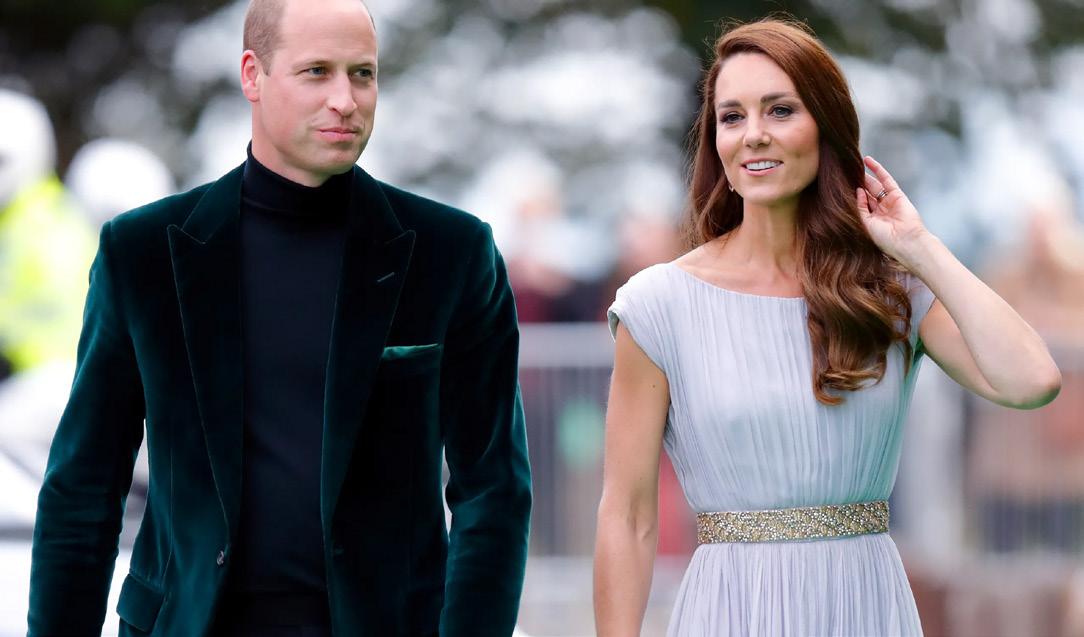
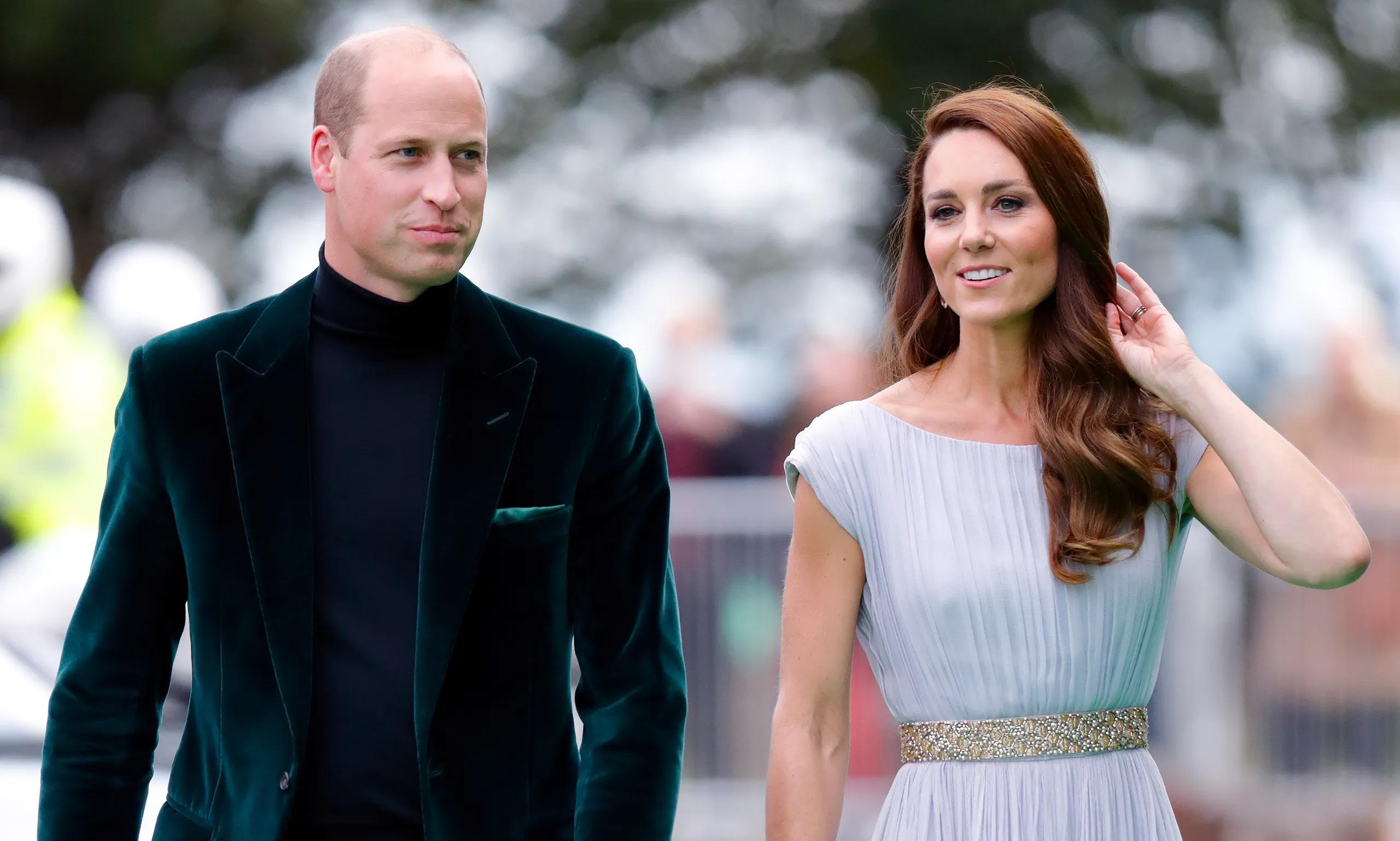
In 2019 the former Prince Andrew was forced by Buckingham Palace and Queen Elizabeth II to step down from all Royal Duties and stripped of his Royal titles and patronages……….. This decision was made as a result of Andrew’s connections to convicted sex offender Jeffrey Epstein. In 2011 Virginia Giuffre alleged she was trafficked to Prince Andrew by Jeffrey Epstein, and raped on three occasions by the Prince. In 2021, Giuffre subsequently formally filed a civil lawsuit against him. The former prince has consistently denied all allegations of wrongdoing, and despite settling a civil sexual assault lawsuit with Giuffre by giving her $16 million to avoid a civil sex assault trial, the former prince remains under intense scrutiny, causing irretrievable damage to the Monarchy. According to multiple sources, William the Prince of Wales and Catherine Princess of Wales are widely viewed as the best hope for securing the British Monarchy’s future. They are seen as contemporary change makers and are celebrated and loved by the British people. They represent dignity and stability. Their focus on modernising the Royal Institution and connecting with a modern public has resulted in a 76% approval rating. Only time will tell if this latest scandal currently engulfing the Royal family can be resolved with the help of the Prince and Princess of Wales.
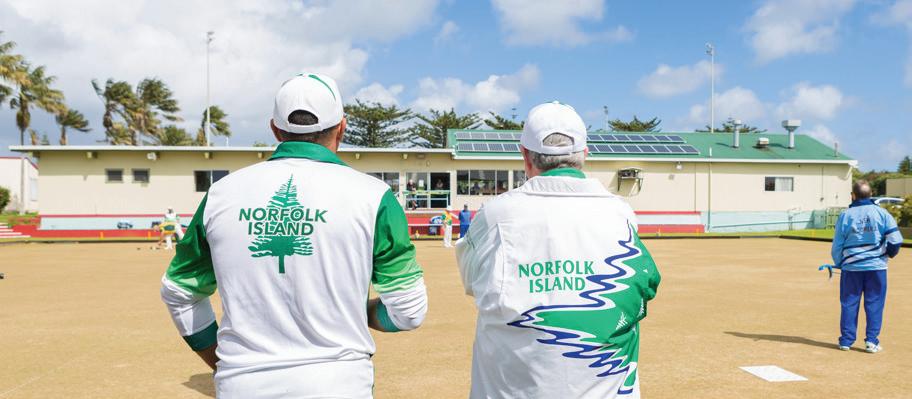
Norfolk Island
FOR YOUR NEXT BOWLS ESCAPE
Trade home greens for an island showdown and discover lawn bowls with a holiday twist. On Norfolk Island the competition is spirited, the atmosphere is relaxed, and every match comes with a side of sea breeze.
Set midway between Australia and New Zealand, Norfolk Island is more than a tournament destination - it’s a place where the welcome feels as warm as the climate. There are no strangers here - only friends you haven't met yet!
GCR FINANCIAL TRIPLES
FRIENDLY COMPETITION, ISLAND STYLE!
Includes flights, airport transfers, accommodation, car hire + bonuses
That genuine hospitality keeps bowlers of every level returning year after year for tournaments that are as memorable off the green as they are on it.
Slipping into “Island Mode” is effortless. With no traffic lights and just three roundabouts, life moves at a gentler pace. Whether you’re travelling with a small team or bringing your entire club, you’ll enjoy quality competition, easy camaraderie, and plenty of time to soak up the island’s distinctive character between ends.
TAKE YOUR GROUP ANYTIME
Tailored packages ensure you see iconic sites, as well as the greens.
Register your interest for our 2027 events to get early-bird access to packages!
In coming weeks floodwaters will engorge rivers flowing to Australia’s lowest point, Kati Thanda-Lake Eyre, raising the possibility the lake could fill for a second consecutive year — a rare event in Australia’s recorded history. Since European colonisation, Australia’s largest Salt Lake has reached near or full capacity only four times, most recently in 2025. At last year’s peak, the lake covered about 80 per cent of its maximum extent and reached depths of just over two metres in its deepest areas, Belt Bay and Madigan Gulf. Even now, water remains in parts of the lake from the torrential rains that hit western Queensland almost a year ago. Floodwaters in the Lake Eyre Basin typically take months to travel through the vast network of inland rivers before reaching the lake. With significant volumes arriving again this year, this could mark an unusual back-to-back filling. There is even speculation the lake could challenge its 1974 record depth of six metres, set when widespread falls of 300–600mm drenched dry catchments. Unlike 1974, many northern rivers in the basin were already flowing at minor to moderate flood levels before the latest heavy rain system developed, meaning the landscape is primed to deliver substantial inflows southward.
For tourism operators, the developing conditions are generating strong interest. In 2025, Adelaide-based Gekko Safari welcomed more than 300 passengers to witness the transformation.. The company’s owner says it’s going to be another busy season ahead, as visitors seek to experience one of Australia’s most extraordinary natural spectacles — the desert turned inland sea.
Images courtesy of Arid Air
In coming weeks, floodwaters will engorge rivers flowing to Australia’s lowest point, Kati Thanda-Lake Eyre. There’s even a possibility the lake could top its 1974 depth record of 6 metres.
Featured image | left to right:
Professor David de Kretser AC, Director, Monash Institute of Medical Research, 1991—2005
Professor Bryan Hudson AO, Founding Director, Prince Henry’s Institute, 1960—1969
Professor Henry Burger AO, Director, Prince Henry’s Institute, 1969—1997
Hudson Institute of Medical Research was born in 2014 from the merger of two of Australia’s most trusted scientific names: Monash Institute of Medical Research and Prince Henry’s Institute.
Our Institute is named after Professor Bryan Hudson AO, the Founding Director of Prince Henry’s Institute and Inaugural Chair of the Department of Medicine at Monash University. Prof Hudson was also a mentor to the Directors of both Institutes.
Our tradition is steeped in clinical collaboration. For more than half a century Hudson Institute scientists have worked alongside clinicians in Melbourne hospitals – patient need provides the basis for our research, and our discoveries are rapidly implemented for patient benefit.
Research excellence
Hudson Institute’s reputation as a centre for research excellence draws leading scientists, clinicians and graduate students from around the world in pursuit of one mission –working together to improve human health globally.
Our 442 scientists and students ask questions that push the boundaries of human knowledge to solve complex problems in the areas of cancer, inflammation, and women’s & newborn health.
At A Glance
289 Staff | 153 Students | 43 Research Groups 264 Research publications
Supporting Hudson Institute is an investment that will inspire and enable word class medical researchers to find new and transformative solutions to our greatest health challenges.
The ‘Bank of Mum and Dad’ in Family Law: Gift, Loan or Something More?
The ‘Bank of Mum and Dad’ has become one of the most significant financial contributors to property purchases in Australia. With rising housing prices, many parents are helping their children enter the property market, whether through gifts, informal loans, guarantees, or direct contributions to deposits. But when relationships break down, these contributions often become legally complex.
Why It Matters in Family Law
Under the Family Law Act 1975, the Court has broad discretion to determine how property is divided following separation. When parental contributions are involved, the key legal question becomes:
‘Was the money a gift, a loan, or a contribution that should be recognised in the property settlement?’
The answer can significantly affect how assets are divided.
Gift vs Loan: The Critical Distinction
If it was a Gift:
• If the Court finds the contribution was a gift:
• It is generally treated as a financial contribution made on behalf of the child.
• The gift may weigh in favour of that child when assessing contributions.
• However, the asset purchased (e.g., the home) still forms part of the divisible asset pool.
• Importantly, even if the gift was intended only for one party, it does not automatically quarantine the asset from division.
If it was a Loan:
If the contribution was a loan, the Court must then determine:
• Is it a genuine loan?
• Or is it a “soft loan” unlikely to ever be enforced?
The Court examines factors such as was there a written loan agreement, were repayments required and/or made, was interest payable, have any repayments actually been made, and have the parents’ demanded repayment. If the loan is considered legally enforceable, it may be treated as a liability and deducted from the asset pool. If not, it may be treated similarly to a gift.
Many parents transfer funds with little documentation, relying on trust and goodwill. Unfortunately, in separation disputes, the absence of clear documentation can create disputes between former partners, tension between parents and former in-laws, and uncertainty about whether repayment is required Courts look beyond labels. Calling something a “loan” does
not make it one.
Some parents assist not by giving money, but by acting as guarantors. If a guarantee is called upon, complex questions may arise about indemnity rights, whether the payment was intended as a loan, and whether the paying parent should be joined as a party to proceedings. These scenarios can significantly complicate property settlements.
So as to protect the ‘Bank of Mum and Dad’, parents and couples can take proactive steps to avoid later disputes as follows:
• Document the arrangement clearly (gift or loan).
• Use a properly drafted loan agreement if repayment is intended.
• Consider a Binding Financial Agreement (BFA) under the Family Law Act 1975.
• Obtain independent legal advice for all parties.
• Keep records of repayments.
• Clarity at the beginning can prevent litigation later. Informal financial assistance can become legally contentious during separation. The Court will examine substance over form, clear documentation protects both parents and children, and early legal advice is far cheaper than litigating disputed contributions.
The “Bank of Mum and Dad” is often motivated by generosity and a desire to help children build financial security. However, without proper structuring, that generosity can become entangled in property disputes.
If you are considering providing financial assistance or if you are separating and parental contributions are in issue, obtaining tailored family law advice is essential.
At Chesterton Law, let us help you resolve your matter so you and your family can move on with your life and put this difficult time behind you. Please contact CarlU Chesterton at carlu@chestertonlaw.com or 0430 115 455
When Only The Best Will Do
Who are CSC Accountants?
CSC Accountants are a well-regarded and trusted accounting firm based on the Gold Coast, delivering exceptional service and expert advice in accounting, taxation and business advisory. We proudly serve a diverse range of industries across Australia, focusing on building long lasting relationships with our clients through quality advice, trust and transparency. Our purpose and core values are the foundation of everything we do. Built on strong family values and principles, we are dedicated to serving individuals and family groups with professional personalised service, integrity and honesty where our clients feel welcomed and not just another number.
We believe the heart and soul of our firm starts with the incredible team who represent who we are. CSC Accountants regards itself as being different from others in prioritising our team’s individual career goals and aspirations by fostering a thriving culture within our workplace where staff love coming into work each day and feel supported through every stage of their career. What truly sets us apart from other accounting firms is our commitment to getting to know you and a genuine care for our clients ensuring they feel supported and valued. enquiry@cscaccountants.au GIVE US A CALL (07) 5535 5133 www.cscaccontants.com.au
Committed to helping individuals, families, and businesses achieve their financial goals through quality service, trust and transparency. Our priority is to understand our clients unique needs by getting to know you and building long-lasting relationships.
One of our happy clients pictured here with Donald Trump
A HISTORIC LOOK AT THE DISTINGUISHED PROGRESSION OF LAWN BOWLS THROUGH THE AGES
Courtesy of Tony Bonner AM
Lawn Bowls in Australia is an interesting narrative indeed. The stories and situations that I may mention here about Sydney and Melbourne are relevant to all of other capital cities.
Firstly what was the Bowl in Lawn Bowls made from, and what are they made from today ?
Originally it was a dense wood called Lignum Vitae, today’s form a hard plastic composite material, in a variety of vibrant colours.
The first recorded Lawn Bowls game in Australia was in January 1845 at Mr. Lipscombe’s Tavern at Sandy Bay, Tasmania. That ‘Green’ was next to The Bowling Green Hotel, still in operation there in Sandy Bay. The first on The Australian mainland was The Melbourne Bowling Club in Windsor, 1864 and still operational, making it an historic sporting club in Australia. Sydney’s historical ‘green’ The Balmain Bowling Club that opened in 1880, and we hope can continue to trade into the
generations before us.
As I mentioned earlier I’m sure Brisbane, Perth and Adelaide created their own ‘greens’ that continue to this day surviving the growth of their cities.
Even our top end capital, Darwin had its own historic ‘green.’ The Darwin Bowles and Social Club, established in 1959, not as old as her southern sisters, but a vibrant ‘green’ indeed. What may interest you, it certainly did me, was that this ‘green’ in Darwin was laid with shredded rubber initially. This later was replaced with a ‘green’ to be then transitioned to a synthetic surface due to the brutal climate affecting the lawn. This club survived Cyclone Tracy when she hit, 1974, so I’m sure her surviving Tracy bids well for her future.
Lawn Bowls were now played internationally, each nation had many male and female champions, with a Britton on top of the champions list. David
Byrant is considered to be the greatest, his list of wins would complete this page, suffice to say he was a cracker. We here in Aussie Land were also honoured with many brilliant champions, amongst many Brett Wilkie, Lee Schraner, Natasha Van Eldik, all Hall of famers, bravo.
There is also Roma Dunn, Karen Murphy AM, Rex Johnson OAM, Dylan Fisher and David Holt and many others. I would also like to mention our Para Olympian Bowlers. 1968 was the Olympic year, not the greatest for us that year, the British dominated. Four years later was a different story, one dedicated fellow, Eric Magennis put us on the countries to be watched. Three gold from Eric, what a moment for him, and us. Then in 2015 the Olympic Board cancelled several sports from the next Olympic Games. Bowls, wushu and squash were to be dropped, bugger.
Thank heavens The Commonwealth Games had bowls as it’s core sport, and that continues to this day, with many victories, personal and teams from our Aussie bowling contingent.
I would also like to mention The Invictus Games that was created at this time, alas no bowling was included, but The Invictus Australian and Bowls Australia connected to create a dedicated “come and try’’ days for the veterans to support rehabilitation through sport for the para veterans to come and bowl, again bravo.
To complete this story on Lawn Bowls, I am forced to mention what possibly sends The Lawn Bowls traditionalists crazy, but I have to…. Barefoot Bowling, there said it. Barefoot Bowling is a phenomena, that has possibly saved many struggling Bowls Clubs. This new wave of bowling club membership is to many a blessing.
To play an ‘end or two’ enjoy a social, or soft drink with friends is fabulous. These new aficionados have saved the day.
This interest in barefoot bowls seems to have been born in the late 1990’s, at The Fitzroy, Victoria Bowling Club. Melbourne. Vic. With the publicity given this new bowling club activity, it’s success quickly spread nationally.
As I have suggested saving many greens from closing. Barefoot Bowls Australia was born, and booming, formally launching as a platform in 2017. Ryan Winney and Simon Grout were the driving force behind this whirlwind. It’s now possibly, and highly likely that a barefoot bowler will soon become a Commonwealth Games medal holder, how brilliant would that be Ryan Winney and Simon Grout are to be applauded, this is a win/ win for all, the greens , the clubs and certainly the competitors. This is fun, exercise and possible team representation in competition, bravo again.
Let me finish with BBC News Sydney’s Kattie Becks thoughts. Kattie suggests that, (I will shorten her lengthy report)… that if we think of Lawn Bowls, you imagine elderly men and women in white, being reserved and quiet, well not this barefoot lot….. tanned 20 somethings, beer in hand, noisy, enjoying the camaraderie. Kattie has given this new craze a big thumbs up, as I do. God bless bowlers of all ages, shapes and styles.
We are giving away a double pass to see multi-award winning soprano and television personality
ALED JONES
@ the Sydney Opera House
21st April 2026
To be in the draw, email your entry to Bowlsplus1@bigpond.com
Winner will be advised by email
Multi-award winning soprano Aled Jones, who has sold over 10 million albums worldwide, is embarking on his 8th tour of Australia in April, 2026. The tour titled “MY STORY, MY SONGS’’ offers a retrospective of Aled’s 40 year career and has been described as “an intimate sit-down evening of music and conversation’’ with Aled sharing untold stories, personal photographs, and exclusive video moments from his life. This highly anticipated concert kicks off in Hobart on the 7th April 2026 and concludes in Brisbane on the 3rd May 2026.
Aled’s spectacular rise to fame can be traced back to the 1980’s, he will be forever remembered as one of the most successful boy sopranos in history.
Q & A with Aled Jones
B&L: Congratulations Aled on your spectacular career and your staggering success, I last spoke with you in 2018 when Bowling&Lifestyle Magazine was promoting your ‘BELIEVE’’ NATIONAL CONCERT TOUR. You told me you were “excited’’ to be returning ‘down under’ for the seventh time. Can you tell our readers and followers how you are feeling this time, (eighth time) and what they can expect from this tour ?
ALED: This is my most intimate tour ever- I did something similar in the UK last year and it was received so well. It’s just me on stage telling my story through
music, word and image. I sing the songs that everyone associates with me and tell the story of my youth and adult career. There are also videos and photos from my personal archive. It’s all in there – it’s a fun show with lots of moving elements. I love it ! It’ll be my most invested tour of Aus ever !
B&L: You have now sold over 10 million albums worldwide. What do you attribute your success to ?
ALED: So difficult to know – I’m in no way the world’s best singer but what I do have, thankfully, is the ability to move people through my singing. I’m so grateful to be able to do that. My voice is better than it’s ever been and I’m enjoying performing more than ever. I love the fact that my music connects with people deeply. It’s a real honour….
B&L: Your rise to fame can be traced back to the 1980’s, at the time you were being referred to as (a nine year old angelic choir boy) yet, by the time you were sixteen you had sold over six million albums. Can you tell our readers what you remember about that time and what prompted you to continue on this amazing showbiz journey.
ALED: I don’t really have a plan B – there’s a white van that drives around North Wales where mum and dad live and on the side is written ‘Aled Jones Plumber’ – maybe I should have done that! My boy career was amazing 4 years -16 albums – singing for Royalty, for pop stars, with Leonard Bernstein, Andrew Lloyd Webber, in the Hollywood Bowl and Vatican etc – it’s all there on my tour – the photos and the stories – even the fact that I used to get my hair cut by Princess Diana’s official hairdresser!!
I sang all over the world and got back to comprehensive school for double geography!!
B&L: Was there a certain icon or mentor in the showbiz world at the time that you admired, and was that person instrumental in your success ?
ALED: My parents have always been tremendous help to me – both boy and man. No famous people really -except maybe the UK broadcasting legend Terry Wogan.
B&L: Who was your greatest support in the early days?
ALED: Mum and dad and a dear lady in the congregation at Bangor Cathedral – it’s down to her that I got to make my first album as a boy.
I tell the story on tour !
B&L: After 40 YEARS in the business, and with the advantage of hindsight would you like to tell our readers, how you were able to transition from Christian music to operatic pop so seamlessly ?
ALED: Singing is singing ! As long as it’s a good song – I’ll sing it. If I’m able to put my heart and soul into a song – then I’m happy. Back in the early 2000’s I was the only one doing the inspirational cross over music –now it’s huge. I love finding new music that I can make my own. My heart still belongs to the spiritual music though.
B&L: In 1985 you performed at the Hollywood Bowl as a “boy soprano’’ alongside multiple Grammy Award Winning genius Maestro Leonard Berstein. Can you share that memory with us and tell us how you felt at the time. Was that a pivotal highlight in your career ?
ALED: It was incredible and it’s a story I tell on stage as part of the tour. He says such lovely things about
me, and I was honoured to get to know him. I’ve never worked with such a brilliant musician and extrovert character. It was a mad time – come to the tour to hear all the gossip.
B&L: You have performed for The Pope, Queen Elizabeth II and The Prince and Princess of Wales. What was it like performing and meeting people of this calibre. Were you nervous ?
ALED: Always nervous but they were always so supportive and nice – I got to know the queen quite well and her husband always joked with me. I was probably closest to Diana though. To be honest I was more star struck when I bumped into Jeff from The Wiggles in Sydney airport.
B&L: Looking back on your career now, were there any occasions you might have approached situations in a different manner if you had the chance again?
ALED: I definitely took things for granted in my 30’s whereas now I savour every moment and new experience. That’s why I think this tour of Aus will be my best yet.
B&L: How would you advise young people who want to follow in your footsteps ?
ALED: Work hard and make sure you always know your lines !! Always be prepared !
B&L: What is next on the agenda for Aled Jones in 2026 ?
ALED: I carry on with my radio shows on ClassicFM, my TV show “Songs of Praise.’’ I have a tour of the UK in December and writing a novel at the moment. Always lots going on !
STORY COURTESY OF CATHERINE COLUSSO
CLUB IN FOCUS: PERTH BOWLS & REC CLUB SECURES ITS FUTURE
by Aidan Davis on March 2, 2026
The future of Perth Bowling and Recreation Club has been secured, with the City of Perth unanimously approving a seven-year lease and committing $300,000 in co contribution capital works funding.
The decision, confirmed on Tuesday February 24, brings to an end more than a decade of uncertainty and provides the foundation for long term planning and growth.
Established in 1892 as Western Australia’s first bowls club, Perth Bowls Club had been operating under a month-to-month peppercorn lease for the past 15 years while the City evaluated the broader East Perth precinct and Ozone Reserve area near the Swan River.
Club President Peter French, who has been at the helm of the club for the past five years, played a central role in securing the outcome and welcomed the recognition of the club’s community value.
“Whilst the land is worth millions it is great that the Council recognise the social and community benefits of the club,” French said in media interviews with ABC Radio Perth and The West Australian.
“The lease now provides us with certainty which ensures we can secure potential grants, sponsors and make longer term plans around an ageing clubhouse.
“We are investing our own funds, growing membership rapidly, activating a City owned asset and welcoming the broader community, and a seven-year lease allows us to do this responsibly, confidently and sustainably.”
A key priority during the uncertainty period was growing local membership, particularly within the club’s inner-city catchment. The club worked closely with Bowls Australia’s Club Support Manager in Western Australia, Troy Kinnane, to complete a CLUBMAP Health Check and utilise a Kinetica Gap Maps report to better understand the surrounding demographic profile.
With a markedly different population mix compared to suburban bowling clubs, the insights allowed Perth Bowls Club to tailor targeted social media campaigns that attracted more than 300
new members in just a few months.
The rollout of Bowls Link’s online sign-up function proved pivotal, with QR codes enabling prospective members to join via a mobile phone in minutes and pay instantly through the integrated payment gateway.
Membership funds were deposited directly into the club’s bank account within two business days, streamlining administration and improving cash flow.
Volunteers also letterboxed targeted apartment buildings within walking distance of the club, prompting new local members to discover a venue many had previously assumed was exclusively for competition bowlers.
One new member, who had lived directly behind the club for more than 50 years, returned the following day with two friends who also joined.
New members are now welcomed through automated BowlsLink email campaigns, with invitations to collect membership cards and participate in weekly activities and events.
The club distributes both a weekly bowlers’ newsletter and a monthly social newsletter through BowlsLink, ensuring consistent engagement across its growing database.
As part of the new lease agreement, Perth Bowls Club will soon finalise an updated strategic plan incorporating a formal Activation Plan aimed at broadening community use of the venue.
The club already hosts the Vision-Impaired and Blind Bowlers Association, Perth Ladies Darts Association, Hash Harriers, Probus groups, Lions Club events and a Stay Sharp program promoting gentle exercise and mental stimulation for seniors.
Further partnerships with not for profit and community groups are planned, with a focus on diversity, inclusion and maximising utilisation of the facility.
A Wednesday night summer scroungers competition has been deliberately targeted at a younger demographic and has already attracted up to 20 new participants, many of whom the club hopes will transition into regular competitive bowlers.
With Bowls Australia’s Participation Plan set for release in the near future, the club is exploring additional short format playing options to suit time poor inner-city residents.
Strong corporate demand has also underpinned the club’s financial position, with between 5,000 and 8,000 corporate visitors attending functions annually.
Revenue generated from these events will fully fund the installation of a new synthetic green from existing cash reserves.
The City of Perth’s co contribution funding will also support upgrades to the kitchen, carpets, air conditioning and cool room within the next six months.
A new caterer will commence in March, with plans for expanded social bowls offerings and live entertainment to maintain strong engagement throughout the winter period.
With certainty restored and momentum building, Perth Bowls Club is now positioned to honour its 130-year legacy while confidently planning for its next chapter. 20
Research Is Tomorrow’s Hope
Protecting Mothers and Babies Across Australia
The Queensland & Northern NSW Lions Medical Research Foundation (LMRF) is supporting a breakthrough area of health that touches thousands of families: gestational diabetes (GDM)— one of the most common complications in Australian pregnancies. GDM raises the risk of preeclampsia, premature birth and stillbirth, and increases the long-term likelihood of type 2 diabetes and heart disease for both mother and child.
Thanks to LMRF supporters, researchers like Dr Olivia Holland are making major strides in detecting and preventing these risks earlier than ever before. Her team has discovered that the placenta shows early biological “stress signals” long before symptoms appear. These patterns, found in both placental tissue and blood samples, could lead to a simple future test that identifies at-risk pregnancies much sooner opening the door to earlier, tailored care and better outcomes for mums and babies. These discoveries are already being translated into real-world practice through the national OPTIMA project, which is embedding digital tools across major hospitals to help doctors design personalised care plans based on a woman’s unique biology rather than a one-size-fits-all approach. LMRF’s support is also helping build the next generation of maternal-health experts. Dr Holland’s team shared their findings on national and international stages throughout 2025 and launched the EMERGE Network to mentor early-career researchers—ensuring continued innovation in pregnancy care. Every donation helps drive these breakthroughs forward. By supporting the Queensland & Northern NSW Lions Medical Research Foundation, you’re backing research that keeps local families—and future generations—healthier and safer. Please donate today. Thank you for your support.
Queensland & Northern New South Wales Lions Medical Research Foundation: Backing Breakthroughs for Over 60 Years
The Queensland and Northern New South Wales Lions Medical Research Foundation (LMRF) has been a quiet powerhouse in Australian medical research since 1963. By funding early-career medical researchers, LMRF has helped spark discoveries that have changed lives—including the development of the Gardasil cervical cancer vaccine.
We support research in:
• Cancer (ovarian, cervical, and more)
• Diabetes and gestational health
• Mental health and adolescent wellbeing
• Parkinson’s, kidney disease, and beyond
With the help of generous donors, we continue to focus on advancing medical research that improves lives—now and for generations to come. Join us in shaping the future of health. www.lionsmedicalresearchfoundation.org.au
Since 1963, the Queensland & Northern New South Wales Lions Medical Research Foundation (LMRF) has helped launch the careers of brilliant medical researchers From cancer detection to breakthroughs in diabetes and neurology, your support helps us fund research that saves lives
Your donation helps us back the brightest minds in medical science
�� Tax-deductible contributions
�� Community-driven, volunteer-supported �� Focused on real-world health outcomes
Make a difference today
Many of us have been fortunate enough to watch our children - and grandchildren - grow up healthy and safe.
But for families facing serious illness, that journey looks very different. By giving a little, you help create moments of comfort, dignity, and care for children in hospital - moments they’ll remember long after they go home.
Your kindness becomes part of their story. The kindness you give today stays with a child forever. Donate now
7 Days | Spring Sensations
Step into a breathtaking celebration of spring as we journey through Australia’s most spectacular floral events, from the charming Southern Highlands to the heart of the nation’s capital.
This vibrant escape brings together the Bowral Tulip Festival, Canberra’s world-famous Floriade, and the stunning Tulip Top Gardens, where rolling landscapes burst into colour with millions of blooms. Along the way, enjoy beautifully curated gardens, historic homes, iconic Canberra landmarks, and relaxed country hospitality, all while travelling in comfort and style. With a perfect balance of guided experiences and free time to wander, this tour is a feast for the senses—rich in colour, fragrance, history, and unforgettable springtime beauty.
Tour Inclusions
• 6 night’s motel accommodation
• 6 cooked breakfasts
• 6 dinners
• 3 included lunches – see below
• Entry, walking tour and lunch at the Hunter Region Botanic Gardens
• Group entry, talk, tour, demonstrations, and morning tea at Fairground Follies, Bowral
• Entry to Corbett Gardens Grand Floral Display, Bowral
• Entry to Red Cow Farm Garden, Southern Highlands
• Entry, Tour and Morning Tea at Garroorigang Historic Home, Goulburn
• Lunch at The George Harcourt Inn, Canberra
• Entry to Cockington Green Gardens, Canberra
• Visit Floriade
• Visit Australian War Memorial and Last Post Ceremony, Canberra
• Entry to Tulip Festival at Tulip Top Gardens
• Guided tour at the National Arboretum Canberra
• Lunch at the Campbelltown Catholic Club
• Visit the Chocolate and nougat Factory, Central Coast
Confirmed Accommodation
• Springs Mittagong Resort (2 nights)
• Mercure Canberra (3 nights)
• Galaxy RSL Motel, Central Coast (1 night)
Come and Explore the Kimberley with
us in 2027
Discover the Rugged and wild Kimberley with your fully guided 4wd Adventure Tour with Kimberley Safari Tours. Our comfortable camping Tours take you off the beaten track and on the adventure of your life.
KIMBERLEY AND WA TOURS
- SMALL GROUP 4WD SPECIALISTS
Put on your hiking shoes, have your swimming gear handy and get ready for breathtaking Kimberley and WA scenery, endless gorges, and Aboriginal culture as you tour with Kimberley Safari Tours - the specialists in the Kimberley and Gibb River Road Tours. We have fantastic Broome to Broome Kimberley Tours and we also have Perth to Broome Tours via Karijini, and the magnificent WA coastline. Explore the best of Kimberley and WA with the experts. Kimberley Safari Tours is a family-based business passionate about our beautiful state and our rich culture and history. Tour in small groups (typically 16-19 people) in modern, 4WD air-conditioned coaches, built for the tough Kimberley conditions. Journey with experienced guides ready to inform you at every corner. Comfortable camping (stand up tents, 70mm mattresses, pillows, comfy chairs with back / arm rests) with accommodation, park fees and most meals included. Travel to the spectacular and remote Mitchell Falls and the impressive and ancient Munurru Rock Art Sites (few operators go to the Mitchell Plateau). Visit the impressive Wolfe Creek Crater (few tour operators regularly visit this). Experience WAs magnificent Ningaloo Reef and walk in the Gorges of Karijini on our Perth to Broome Tours. Enjoy camp oven meals, explore gorges, be refreshed swimming in plunge pools and waterfalls, and ponder over ancient rock art. Walks are carefully planned so they are achievable for active travelers of all ages. Defibrillators, First Aid trained staff, remote communication, and safety equipment for peace of mind. Join Kimberley Safari Tours, a family run business, for the adventure of a lifetime!
Kimberley Tours, 'Broome to Broome' depart May through to August
'Perth to Broome' departs May (combine with our Broome to Broome tours at a reduced price
Founded in 2014 Kimberley Safari Tours has a goal and desire to enable others who perhaps don’t have access to a 4WD and camping equipment, to experiences the Northwest of Western Australia in particularly the Kimberley and the Gibb River Road in a comfortable group setting. In October 2023 the business changed ownership to Glenn and Jaye Ursino who are committed to continuing to provide the great comfortable camping tours.
We are a small family business run by a husband a wife team. Each tour has a tour leader and tour guide/helper to assist the tour leader and guests. We intentionally keep our business at its current size so we don't lose the family touch.
Our Mission
To share our love for the Kimberley through the provision of high quality small group comfortable camping tours, predominantly Kimberley Tours, at an affordable price for active travelers of all ages.
Our
Values
All people are created as equals and are treated with respect and honour. The land and its creatures have been created for humanity to care for and cherish. We only take photographs and create memories whilst leaving no trace of our presence. We value fun, culture and doing things well.
Australian Baby Boomers:
The Generation Shaping a Nation
Australian Baby Boomers — those born between 1946 and 1964 — remain one of the most influential generations in the country’s history. Now moving through retirement, they continue to shape Australia’s economy, housing market, workforce, and cultural landscape in profound ways.
Demographic Roots and Historical Context
Baby Boomers emerged during the post–World War II population surge, a period marked by optimism, economic growth, and social transformation. Australia’s fertility rate peaked in 1961 at 3.55 children per woman, creating a generation that today numbers around 5.6 million people, or 21.5% of the population.
Growing up through decades of prosperity, expanding education, and rapid technological change, Boomers developed a strong work ethic, a sense of stability, and a lasting cultural influence.
Economic Power and Wealth Transfer
Boomers are the wealthiest generation in Australian history, holding more than half of the nation’s $11 trillion housing market. Early homeownership and decades of rising property values have created unprecedented personal wealth.
Key economic impacts include:
• A projected $4.5–$6 trillion intergenerational wealth transfer over the next decade
• Around $175 billion expected to pass through wills each year
• Strong spending in travel, leisure, health, and lifestyle sectors
• Ongoing influence on inflation and consumer trends
Their financial decisions continue to shape markets and opportunities for younger generations.
Workforce Influence and the New Retirement
For decades, Baby Boomers dominated Australia’s workforce, valuing loyalty, structure, and long-term career progression. As they transition into retirement, many are choosing:
• Part-time or flexible work
• Advisory and mentoring roles
• Small business ownership or entrepreneurship
Their gradual departure is creating a “leadership cliff”, especially in healthcare, education, trades, and regional industries, where their experience is difficult to replace.
Social Priorities and Lifestyle Trends
Boomers remain deeply connected to family and community life. Many provide childcare for grandchildren, volunteer regularly, and participate in local organisations.
Their lifestyle preferences are reshaping retirement culture:
• A strong focus on meaningful travel, cultural immersion, and bucketlist experiences
• Women increasingly leading travel planning and decision-making
• Growing interest in technology that supports independence, from health monitoring to smart-home solutions
• Rising demand for high-quality aged care and wellness services
These trends are influencing tourism, healthcare, and the design of retirement communities.
National Impact and Future Implications
As Boomers age, their needs and choices are reshaping Australia’s social and economic landscape:
• Increased pressure on healthcare and aged care systems
• Shifts in housing demand, including downsizing and retirement living
New opportunities for younger generations to inherit wealth, acquire businesses, and step into leadership roles
Their legacy continues to influence policy planning, intergenerational equity, and the future of work, housing, and community life.
Summary
Australian Baby Boomers remain a pivotal force, driving economic trends, shaping cultural norms, and redefining what retirement looks like. Their transition into later life is transforming the nation’s demographics and creating both challenges and opportunities for generations to come.
Source Australian Bureau of Statistics
Across Australia, charities and notforprofits are quietly holding communities together — offering support, dignity, and hope at moments when people need it most. Their work often begins long before a crisis makes headlines and continues long after the spotlight fades. Yet behind every program, research breakthrough, or lifechanging service is a simple truth: none of it happens without people who choose to give.
In this issue, we shine a light on the organisations transforming lives every day, and the individuals — donors, volunteers, local businesses, and everyday Australians — whose generosity fuels their mission. From small acts of kindness to major philanthropic gifts, these contributions form the backbone of a sector that touches millions.
This feature explores the stories, challenges, and triumphs of the charity world, celebrating the remarkable impact that giving can have. It’s a reminder that when communities come together, real change becomes possible. A big thankyou to our charities in this issue
The Gap We All Rely On
How Charities and NotforProfits
Hold
Communities
Together — And Why Proper Funding Matters
Every suburb and town depend on a network of charities and notforprofits. These organisations keep families housed, feed people in crisis, support older Australians, include people with disability, and reach young people who have slipped through the cracks. Government funding underpins much of this work and sets the standards, but demand continues to grow faster than public budgets. Program rules often lag realworld needs, and thin margins leave services vulnerable to shocks.
National charity data shows the scale of the sector. Charity income totals hundreds of billions of dollars each year. Around half comes from government grants and service contracts. The rest is raised through donations, philanthropy and earned income. This balance reveals a simple truth: public funding is essential, but community generosity and organisational initiative are just as critical in meeting local needs.
What Government Funding Covers — And Why It Isn’t Enough
Government grants and purchaseofservice contracts fund regulated programs in aged care, disability, health, child protection and housing. States and territories invest billions in homelessness services and child protection, while Commonwealth programs purchase large volumes of care. This funding is significant and provides stability. But it is not complete. Program prices often fail to keep pace with wage awards, insurance, transport, rents and compliance costs. Grants may fund outputs on paper but underprice the hours required to deliver services safely. Charities and NFPs bridge the gap with philanthropy, donations and trading income because the need is immediate and local. The result is a constant balancing act between rosters, waiting lists and the real cost of delivering care.
How Individuals Help Close the Gap Through Donations
While governments fund the framework, individual donors keep the system human, flexible and responsive. Their contributions allow charities to step in where formal programs fall short.
People support charities in several powerful ways:
• Oneoff donations — Quick, direct support that helps organisations respond to urgent needs such as food relief, crisis accommodation or emergency outreach.
• Regular giving — Monthly contributions that provide stability, allowing charities to plan ahead, retain staff and maintain essential programs.
• Bequests and Gifts in Wills — Longterm legacies that fund research, build facilities, support vulnerable groups and strengthen future services.
• Community fundraising — Local events, raffles, bowls days, morning teas and sponsored challenges that raise both money and awareness.
• Workplace giving — Payroll donations matched by employers, multiplying the impact.
• Inkind support — Donating goods, skills or time, reducing operating costs and expanding what charities can offer. These individual acts of generosity fill the space between what government funds and what communities need. They allow organisations to innovate, respond quickly, and support people with dignity rather than delay.
MATER FOUNDATION
is an iconic Queensland fundraising and philanthropic institution, committed to providing exceptional care through health, education and research. Their mission is to improve the health and wellbeing of our community and to continue raising funds to support Mater’s healthcare services.
AUDREY DAWSON a Mater Guardian shares her remarkable story and gratitude she has to the Mater team, who went beyond the call of duty with their meticulous level of dedication and commitment while taking care of her son Jake.
Jake suffered a stroke at the age of twelve.
The ongoing care that Jake received from the Mater team prompted Audrey to pledge a Gift in her Will to Mater, to express her gratitude and leave a lasting and enduring legacy.
JAKE’S STORY courtesy of his mum Audrey August 2004….
There were no warning signs, indicating what was about to transpire, except that Jake was at school and started complaining about a headache and nausea.
By the time he arrived at the Mater Hospital Emergency section, he had suffered a stroke which left his left side completely paralyzed. Tests immediately showed Jake had suffered an AVM (arteriovenous malformation) of blood vessels in his brain, which apparently he’d had since birth. He stayed in the emergency section until he was stable enough to be moved to Intensive Care. Over the next two days an angiogram was performed to try and ascertain where the bleed was, and whether it was still there, followed by brain surgery to remove the blood clot.
The Mater Intensive Care staff were incredible with their level of care and concern. During the coming months Jake was assisted by “The Robin Team’’ (Rehabilitation of children with acquired Brain Injuries and Neuromuscular Disorders) a speech therapist for any loss of speech and a physiotherapist who looked
after Jake’s rehabilitation in the aftermath of the stroke. Jake also received occupational therapy which had the dual purpose of assessing Jake’s organisational, mental and physical capacities, coupled with a neuropsychologist who assessed Jake for the psychological impacts that this injury might have had on him, as well as assessing Jake’s needs when he returned to school. The neurologist, also attended Jake in relation to “what was happening with the brain and what was reasonable to expect as a consequence of his injury.
All the treatments were expertly co-ordinated by the team co-ordinator, who was also a valuable part of Jake’s recovery. Jake is now thirty three years old and healthy. Dr. Campbell (the neurosurgeon) described Jake’s recovery as miraculous. We will be forever grateful for the care provided by the Mater Hospital Ttam.
AUDREY DAWSON
Jake’s recovery was made possible with the help and support of financial donations.
If you would like to help other patients like Jake, you can pledge a Gift in your Will to Mater.
To find out more and to speak to the friendly Mater Foundation team, phone 07 3163 5666 or email giw@mater.org.au
Donations support medical research, patient care and education.
GIFT IN WILL Share the love
A Gift in your Will to Mater isn’t just about giving money, it’s about sharing love beyond a lifetime. After taking care of your loved ones, even as little as 1% of your estate can leave a lasting legacy of hope and healing.
Take the first step today and let your love have a lasting impact. matergiftinwill.org.au or call our friendly team on 07 3163 5666 to find out more.
Leaving a legacy of love as
a Mater Guardian
When you leave a Gift in your Will to Mater and you let us know, you become a part of our Mater Guardians Program.
When you choose to leave a gift in your Will to Mater you are choosing to help future generations, a significant sign of generosity which we like to acknowledge.
Our Guardians are gifted with a thank you letter and pin, acknowledging their commitment. They also receive personalised engagements from our dedicated Gift in Will team, including invitations to events and activities.
While every story is unique, Mater Guardians share common values: including the desire for their love to live on and impact others. You can read more about Audrey Dawson, one of our Mater Guardians in this issue of Bowling and Lifestyle Magazine.
If you are considering leaving a Gift in your Will, we would love to hear from you.
Our team is hear to guide you through the process and answer any questions. For a friendly, confidential discussion contact Brett Lucas, Mater Foundation Gift in Will Supporter Liaison on: Phone 07 3163 5666 Email giw@mater.org.au
This edition of Bowling & Lifestyle Magazine will have a Lawn Bowls feel to it, as I am informed, so I will follow that and write some thoughts, and add my contribution to the Topic. Tony Bonner AM
I immediately thought of the 15th century British Naval Officer, Sir Francis Drake, who while playing Lawn Bowls was informed that the Spanish Armada Fleet was heading England’s way, and not too far from the British Coastline. The year was 1588, the Lawn Bowling Arena was on Plymouth Hoe, in sight of the Sea. With an impending naval battle before him, Sir Francis calmly responded to the news, that “THERE
IS PLENTY OF TIME TO FINISH OUR GAME, THEN THRASH THE SPANIARDS AFTER’’...
this famous comment from the great man was as much a strategy, as he would have noticed the tide positioning and knew the favourable tide for him was to come for this battle, creating a confidence in his officers, and a battle strategy for this crafty naval officer. His calm comment on finishing ‘‘the
game’’ was brilliant, but I digress from the Lawn Bowls story, and the battle story for another time.
Lawn Bowls is a British creation, yes there were similar games in many European countries, which I will mention, but Lawn Bowls is British. The other forms of bowling actually started by the Egyptians, a game rather like skittles, sticks and rounded stones, approximately 5000 BC.
Over the following centuries bocce began in Italy, bolla in Saxon, bolle in Denmark, boules in France, and the Greeks also had a form of throwing objects like flat stones, and coins as far as possible.
In the Polynesian Islands there was Uca Maika, these and other bowls type games still survive to this day…..but they are not Lawn Bowls.
The oldest surviving British Lawn Bowls Green is at Southampton, England. This Green has been in operation since 1299 AD. Originally known as “God’s House Green’’ it is still used today and hosts the annual Knights Competition.
Southampton Old Bowling Green
‘The World’s Oldest Bowling Green’ CIRCA 1299
However, there was a period in England when Lawn Bowls was banned, under the rule of King Henry VIII in 1491...
The King himself was a very keen player of Lawn Bowls, only banning the playing of the game to those who were “not wealthy.’’ His reasoning was that “trades people’’ should not waste their time playing games, and not tending to their specific trade obligations, bakers, builders, blacksmiths etc. were needed to keep order in the society. Games only for the wealthy. The good King made official that to keep a “Green’’ a fee of 100 pounds was to be paid, a fortune in those days. No open space not allocated as “Green’’ could be played on, so no playing unless you were wealthy.
King James came along , publishing the first book entitled ‘The Book of Sports’ it condemned sports as football, soccer and golf, but encouraged the playing of Lawn Bowls, a win for the wealthy. But,
in 1845 this ban was lifted, the reasoning in main was to keep archery alive, and there was a very good reason for this. At this time in our universe the British Archer was without peer. The British Long-bowmen in the military was all mighty and the government of the time didn’t want this battle winning element of their defence force not to train in archery.
In 1830 Lawn Bowls took a massive leap forward with Edward Ward Bunning’s invention of The Lawn Mower, hallelujah was the cry, this of course made the preparation and maintenance for the “Greens’’ far easier, and of a higher standard. The international Bowling Board was formed in 1905, foundation members were Scotland, England, Ireland and Wales. Outside the foundation members New Zealand was the first admitted in 1928, along with Australia, Canada, South Africa, and the United States of America.
Who is the greatest Lawn Bowler of all time ? Well it seems it was one David Bryant, 1931-2020. David’s illustrious career included 19 World & Commonwealth Medals, he also won the inaugural world outdoor single title in 1966, he then won 5 gold medals, 3 singles, 1 triple and one team at The Olympics. This overview of the wonderful world of Lawn Bowls has been of great interest to me, I hope you also. My following articles will continue to wander down the interesting Lawn Bowls journey, from WWI, several Olympic and Commonwealth Games, and shock horror BAREFOOT
BOWLING, what can the world be coming to! Thank you Sir Francis for your part in our journey.
COURTESY OF TONY BONNER AM
STORY
The Mary River Turtle - With a Green Mohawk
If you've ever scrolled through pictures of unusual animals online, you might have stumbled across what looks like a punk rock turtle sporting a vibrant green mohawk. Meet the Mary River turtle – one of Australia's most distinctive and surprisingly endangered reptiles.
What Makes This Turtle So Special?
The Mary River turtle (Elusor macrurus) isn't just turning heads because of its funky hairstyle. That "mohawk" you see? It's actually algae growing on the turtle's head and shell! These turtles spend so much time underwater that algae takes root and flourishes, creating natural green streaks that look remarkably like a punk rock hairdo. But the cool factor doesn't stop there. This species can actually breathe through specialized glands in its cloaca (basically, it can breathe through its butt). This adaptation allows the Mary River turtle to stay submerged for up to three days at a time without coming up for air. Talk about a superpower!
Where Do Mary River Turtles Live?
As the name suggests, these turtles are found exclusively in the Mary River in Queensland, Australia. They've called this river home for millions of years, but their habitat range is surprisingly limited. You won't find them anywhere else in the world, which makes them even more precious – and vulnerable.
The Mary River itself is a beautiful waterway that flows through southeastern Queensland, and these turtles have evolved perfectly to thrive in its specific conditions. They prefer the deeper pools and slower-flowing sections of the river where they can hunt for food and find plenty of rocks to bask on.
The Turtle That Almost Wasn't
Here's where the story gets a bit sad. The Mary River turtle was sold as a pet throughout the 1960s and 1970s under the name "penny turtle." People had no idea they were buying a unique species that existed nowhere else on Earth. It wasn't until 1994 that scientists officially described and classified the species. By that time, decades of collection for the pet trade had already taken a serious toll on wild populations. Today, the Mary River turtle is listed as endangered. Habitat degradation, water pollution, and the lingering effects of historical over-collection continue to threaten
these remarkable creatures.
Why Should We Care?
Beyond the obvious cool factor of a turtle with a green mohawk, the Mary River turtle represents something bigger. This species is evolutionarily distinct, meaning it's been on its own unique evolutionary path for millions of years. Losing the Mary River turtle would mean losing an irreplaceable piece of our planet's biodiversity. Conservation efforts are underway to protect both the turtles and their habitat. Local organizations work to monitor populations, protect nesting sites, and educate the public about the importance of preserving the Mary River ecosystem.
Fast Facts About Mary River Turtles
These fascinating reptiles can live for over 100 years in the wild. Females don't reach sexual maturity until they're around 25 years old, which means population recovery is a slow process. They're also surprisingly large, with adults reaching shell lengths of up to 20 inches.
Their diet consists mainly of aquatic plants, small fish, and invertebrates. They're most active during the day and can often be spotted basking on logs or rocks along the riverbank – that is, if you're lucky enough to visit their habitat.
The Bottom Line
=The Mary River turtle proves that nature can be both bizarre and beautiful. Its green algae mohawk might make it an internet sensation, but underneath that punk rock exterior is a species desperately in need of our protection. These ancient reptiles have survived for millions of years, and with proper conservation efforts, hopefully they'll be around for millions more.
Next time you see a photo of this incredible turtle, remember – it's not just a funny-looking animal. It's a reminder of how unique and fragile our natural world really is, and how important it is to protect the special places and creatures that make our planet extraordinary. Want to discover more amazing creatures like the Mary River turtle? Visit rarelifeforms.com to explore fascinating stories about the world's most unusual and endangered species. From punk rock turtles to creatures, you never knew existed, we're dedicated to sharing the incredible diversity of life on our planet.
https://rarelifeforms.com-
A BIG THANKYOU TO STUDIOCANAL FOR THE 10 DOUBLE PASSES FOR OUR READERS THAT WERE WON IN FEBRUARY
MAKE SURE YOU GO AND SEE THIS MOVIE
Disowned at birth by his obscenely wealthy family, blue-collar Becket Redfellow (Glen Powell) has spent his life on the outside looking in. Now, driven by equal parts resentment and ambition, Becket is determined to reclaim the fortune he believes is rightfully his—no matter how many relatives stand in his way. As old money clashes with raw grit, alliances fracture, secrets surface, and the line between justice and vengeance blurs. Sharp, darkly funny, and deliciously ruthless, this is a tale of family feuds, inherited power, and how far one man will go to take back what he was denied.
In Cinemas March 5
Runtime: 105 minutes Classification: M | Censorship Advice: Mature themes, violence and coarse language.
A friendly Thursday afternoon game at the local bowls club — where competition is gentle, laughter is constant, and friendships grow as easily as the grass on the green.
Every Thursday afternoon, just as the sun begins to soften over the green, the same small group gathers at the edge of the lawn bowls club. There’s no rush. No grand speeches. Just the quiet rhythm of routine that has been built over years.
Margaret is usually the first to arrive. At sixty-three, she insists she’s only there for the exercise, though everyone knows she secretly keeps track of her wins in a little notebook at home. She places her bowls carefully on the bench, nods to the groundskeeper, and surveys the green like a general preparing for battle.
Soon after comes Dave, who retired from carpentry five years ago but still has the hands of a man who spent decades building things. He brings the tea biscuits every week, claiming they’re “fuel for champions,” though half the time they disappear before the first bowl is rolled. Then there’s Arthur, the unofficial storyteller of the group. No one is quite sure how old Arthur is anymore. He stopped counting somewhere around seventy and now simply says he’s “experienced.” Between ends he leans on his bowls bag and tells stories about fishing trips, old cars, and the time he accidentally bowled on the wrong rink for an entire game and still won.
By half past two, the green comes alive with gentle laughter and the soft, satisfying sound of bowls gliding across the grass.
To an outsider, it might look like just a casual game.
But for the players, it’s much more than that.
Lawn bowls has a way of slowing life down. The game demands patience, a steady hand, and just enough focus to keep the mind sharp without ever feeling rushed. Each bowl rolled carries a small moment of anticipation—will it curl just right? Will it stop beside the jack?
And yet, winning is rarely the real goal.
The real prize is found in the moments between ends: the conversations, the friendly teasing, the stories that grow a little taller each time they’re told.
Margaret often says that bowls gave her something she didn’t expect after retirement — a new rhythm to the week.
“You think you’ll miss work,” she says with a smile, “but what you really miss is the people.”
As the afternoon fades and the last bowl is rolled, the group gathers their bags slowly. No one is in a hurry to leave.
“Same time next week?” Dave asks, even though he already knows the answer.
Margaret closes her notebook with a small smile.
“Of course,” she says.
Because on this green, under the wide afternoon sky, Thursday isn’t just another day of the week.
It’s tradition.
Why More Aussies Are Working Past 65 — And What It Really Feels Like
If you grew up imagining that 65 meant hanging up your work boots and settling into a life of leisure, you’re not alone. For decades, that was the dream: retire early, relax often, and enjoy the rewards of a life well lived. But across Australia, that picture is changing fast. More older Aussies are staying in the workforce than ever before — and the reasons are more complex (and more human) than you might think.
The Money Question — And Why It Matters More Than Ever
Let’s be honest: the cost of living has crept into every corner of life, and retirement is no exception. Housing, groceries, interest rates — everything feels heavier on the wallet. For many people, superannuation and the pension simply don’t stretch as far as they once did. It’s no surprise, then, that the number of over65s working in Victoria and New South Wales has jumped sharply in recent years. For some, staying in the workforce isn’t about ambition — it’s about keeping the lights on and maintaining a comfortable lifestyle.
But It’s Not Just About the Dollars
Plenty of older Australians are choosing to keep working because they want to. Work brings routine, connection, and a sense of purpose — things that can disappear quickly once the structure of a workday is gone. And with more people in office, service, or flexible roles, working into your late 60s or 70s doesn’t feel as
physically demanding as it once did. For many, it’s simply a way to stay active, social, and engaged with the world.
The Tougher Side: Health, Redundancy, and Ageism
Of course, not everyone gets to choose. A significant number of older Australians retire earlier than planned due to health issues or redundancy. And for those who want to return to work, ageism can be a stubborn barrier — fewer callbacks, fewer opportunities, and a sense that experience isn’t always valued the way it should be.
There’s also a quieter group: people who are still working but wish they weren’t. They’d love to retire, but financially, it’s just not possible yet. It’s a reality that’s becoming more common, and one that deserves more national attention.
Rethinking What Retirement Looks Like
As Australians live longer and stay healthier, the old idea of retirement at 65 is starting to feel outdated. The future may look more flexible — a mix of parttime work, phased retirement, or new careers later in life.
What’s clear is that the conversation around ageing, work, and financial security is shifting. And as more older Australians redefine what “retirement age” really means, the rest of the country will need to rethink it too.
A lifelong commitment to justice, carried forward as a brighter future for generations to come
For over 60 years, Amnesty International has championed human rights and fought to ensure that freedom and dignity is enjoyed by everyone, carrying the light of our iconic candle into the darkest places. And during that time, we have witnessed a profound shift in global momentum towards a society where human rights are recognised and safeguarded. And for over 20 of those years, Norma has been right there with us in that fight.
By leaving a gift in your Will, you become part of a legacy that reaches beyond your lifetime — a legacy that protects the vulnerable, challenges injustice, and helps build a fairer, braver world for generations to come.
For Norma, life has been all about helping people and trying to make the world just that little bit better. From an extensive career in healthcare, to seizing volunteer opportunities wherever possible, and generally advocating for the rights and wellbeing of those around her:
“Although I have now retired from the work force, in reviewing my life path, I reflected that the focus of my career and indeed my life had been closely aligned to the values of Amnesty”
Compassionate and generous, Norma’s faith has always been central to her life, and as her beliefs evolved, she was glad to discover a more progressive Church in Avalon that was in keeping with her convictions: “A community with wide societal appeal, concerned with the plight of the poor, marginalised, and socially oppressed”
This new Church group suited her perfectly, with a huge emphasis on supporting social justice organisations, Amnesty International in particular, through holding markets and bake sales. So, when the time came to direct her tithe, having become more acquainted with the work of Amnesty, Norma looked inward and asked an important question of herself:
I was mindful in deliberating, ‘What is the worst form of suffering I can envisage happening to me or to those I love?’ This had to be the thought of torture. As Amnesty International was so effective in advocating on behalf of victims of torture, and many others who were oppressed, I counted it a privilege to direct my tithe towards their support, and further decided to donate a portion of my will to ensure that this outstanding work continued. Over the years, Norma has raised her voice in support of a more just and equitable world in a variety of ways, including signing petitions, sharing content, volunteering, and donating – all because she truly believes, just as we do, that everyone deserves to live in a rights respecting society. And every contribution, every act, every individual that takes a stand gets us one step closer to that.
What began as a simple act of faith — a regular donation inspired by the principle of tithing — has grown into
something far more profound. In her unwavering commitment to human rights, Norma has made her most powerful decision yet: leaving a legacy gift to Amnesty International in her Will, and through this ensuring her values will continue to protect and defend others for generations to come. At the very core of Amnesty International lies a simple but powerful belief: the actions of each individual do matter and can make a difference. What greater expression of that belief is there than choosing to leave a gift in your Will — a decision that transforms personal conviction into lasting impact, and helps build a brighter future, where human rights can be enjoyed by everyone, always.
Getting your Will in order is far more than attending to paperwork — it is an act of purpose, of love, and of legacy. It is the moment you choose to say that everything you have stood for, everything you have built, and everything you have believed in will not fade with time, but will endure in the hands of the next generation:
“I am encouraged by Amnesty International’s shining example that has always served to honor and support those who have given their lives in service to humanity. I feel honored that I am able to make a small contribution to Amnesty in which justice and empathy prevail and may the ongoing work continue to manifest throughout the futuredecades”
For more information, please reach out to the team at Amnesty at bequests@amnesty.org.au, or visit www.amnesty.org.au to find out more.
We’ve also partnered with online Will writing platform EveryWill, who host a free and easy stepby-step online Will writing service. Scan the code to write your Will for free today!
MAKE A BRIGHTER FUTURE YOUR LEGACY
For 60 years Amnesty International has campaigned for a world where human rights are enjoyed by all. We believe everyone is entitled to live in a world where their human rights are recognised, realised, and protected. At the very core of Amnesty International is the belief that the actions of each individual can make a difference. What better way to demonstrate this than by making a gift in your Will and helping to transform the future for the better?
Organising your Will is a way to ensure that everything you have stood for in your life, everything you believed in and cared so deeply about, lives on for the next generation. A Will is more than a piece of paper, it is absolutely vital to preserving and protecting the fundamental rights that underpin everything else we hold dear.
When you choose to make a gift in your Will to Amnesty International, our promise to you is to continue to uphold our shared values long into the future. We are proudly independent and non-partisan, which means gifts in Wills are critical to our work. We rely on the generosity of our supporters to help us search out the facts, expose what’s happening and rally people
together to pressure governments and those in power to respect human rights.
It’s more important than ever to hold on to what you believe in, and what you know is true. No matter the size of your gift, it’s a way of ensuring that the struggle to uphold our shared values of freedom, equality and justice will continue in the world we’re leaving our children and grandchildren.
Your gift to Amnesty International will help safeguard a future world where human rights are respected, defended and upheld. It’s a gift that will ensure that your values will live on for your loved ones and across generations to come.
For more information, please reach out to the team at Amnesty at bequests@amnesty.org.au or visit www.amnesty.org.au to find out more
We’ve partnered with online Will writing platform Gathered Here, who host a free and easy step-by-step online Will writing service. Scan the code to write your Will for free today.