
2025
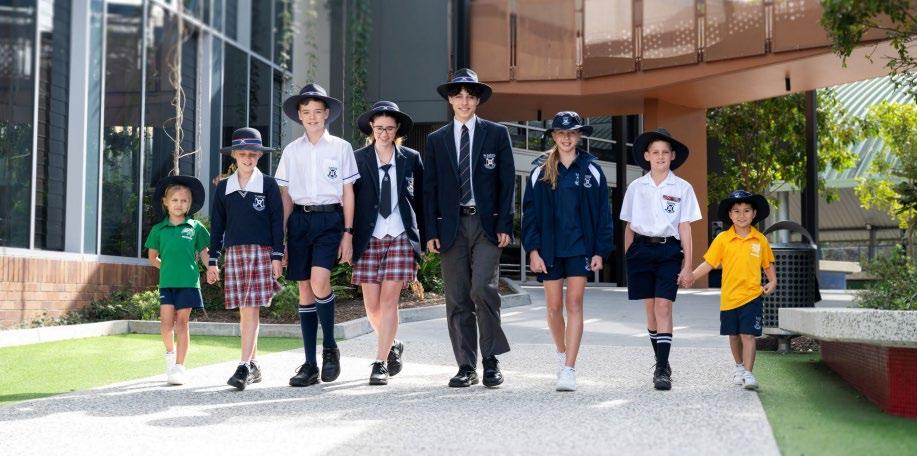
Lifelong Learning



Student Characteristics
+ Less than 5% of students speak a language other than English
+ 1.6% of students identify as Indigenous
Learning Experiences
Creative Arts
Curricular
+ Dance, Drama, Visual Art, Music, Music Extension, Film and TV
Co-Curricular


+ Mini Musos, Band Programs (JS Concert Band, Senior Concert Band, String Ensemble, Percussion Ensembles, Marimba Trio, Stringendo), The Saints, Choirs (Semitones, Golden Clefs, Senior Choir, Vocal Ensemble), Dance Troupes (Jazzettes, Express, Dansation, Combined Intensity), Drama Festivals, Eisteddfods, Musicals
Performing Arts Tuition
+ Voice, Piano, Speech and Drama, Strings, Brass, Woodwind, Percussion, Guitar, Dance, Makin’ Mini Music, Mini Movers
Sport
+ Gym and Personal Training, Weightlifting, Athletics, Swimming, Cross Country, Mountain Biking, Social Indoor Sports, Table Tennis, Tennis, Surfing, Basketball, Volleyball, Soft Lacrosse, Badminton, Squash, Running Club, Kokoda Challenge, Futsal Excellence, Netball Excellence, Netball Development, Touch Excellence, Club Touch, Rugby 7s, Esports, AFL, Soccer, Yoga, Rock Climbing, Pickleball


Academic
+ P-6 International Baccalaureate (PYP)
+ PYP Exhibition
+ Middle Years Elective Offering
+ Senior Years Careers Destinations Program
+ Year 11 and 12 accredited Christian Studies Course (Religion and Ethics)
+ INNOV8 Entrepreneurial Program
+ School Based Traineeships and Apprenticeships
+ Debating
+ Chess LOTE
+ Japanese P-12
+ German 7-12


Social Climate/Pastoral Care
At St Andrews, we believe that learning how to learn is essential – not just for success at school, but for life beyond the classroom. Our programs are designed to equip students with a core set of transferable skills, including:
+ Thinking skills – developing critical, creative and reflective thinking
+ Communication skills – expressing ideas clearly and listening actively
+ Research skills – investigating, analysing and evaluating information
+ Self-management skills – fostering organization, resilience and independence
+ Social skills – building empathy, collaboration and respectful relationships.
These foundational skills empower students to become confident, capable, adaptable life-long learners in our ever-changing world.

Anti-Bullying Strategies
+ Anti-bullying strategies are documented, implemented and regularly reviewed with a wide range of strategies being applied.
Pastoral Care Sessions
+ Cultivating warm, trusting relationships between teachers and students as well as strong, supportive connections between teachers and parents.
Restorative Practices
+ Restorative Practices is both a philosophy and set of approaches grounded in the belief that repairing harm and restoring relationships is one of the most effective ways to resolve conflict, promote positive behaviour and strengthen a safe, respectful and caring community.
Inclusive Practices
+ Providing holistic support for students
+ Support may include behavioural, additional learning needs, enrichment, social/emotional and spiritual
+ A team of specialist staff (including Counsellor, Chaplains and Inclusive Practices staff) strive to create a sense of belonging.
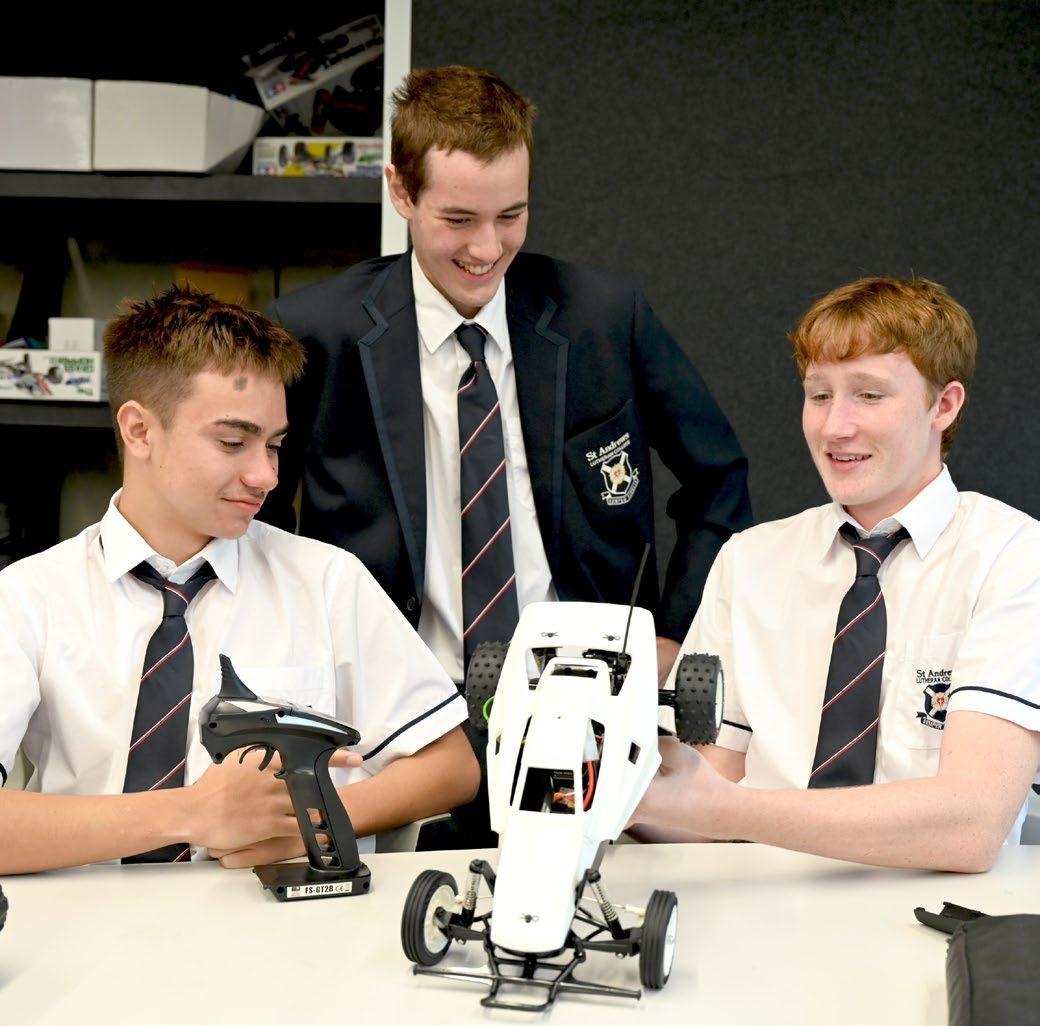
To find out more about our Students or Pastoral Care program contact Belinda Alterator, Director of Enrolments and Community Engagement.
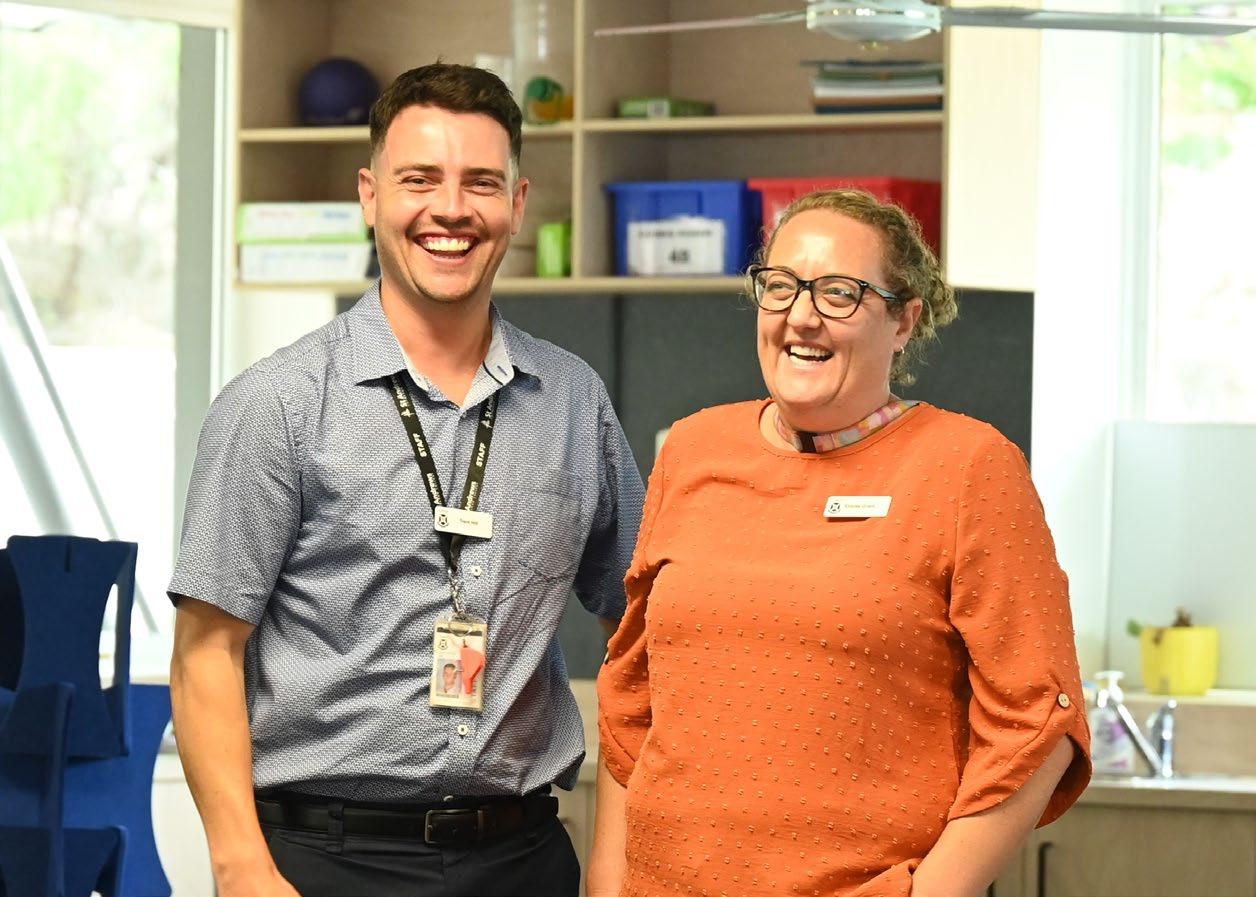
100%
+ TEACHER REGISTRATION

+ TEACHER PARTICIPATION IN PROFESSIONAL LEARNING
WOMEN ON STAFF

TOTAL TEACHING STAFF
DUE TO THE NUMBER OF INDIGENOUS STAFF, THIS DATA HAS BEEN SUPRESSED TO PROTECT PRIVACY

MEN ON STAFF 112

TOTAL NONTEACHING STAFF
$200,427 INVESTMENT IN PROFESSIONAL LEARNING (PL)
Staff Learning
Professional Learning opportunities are provided for both teaching and non-teaching staff. Online learning remains a popular delivery style for staff development. We also encourage staff to attend professional learning events off-campus to facilitate networking opportunities. The Staff Development Program has been compiled to include support and growth in the following three areas:

Educational
+ Undertaking of the annual government legislated accountable training sessions and the Lutheran Church of Australia (LCA) mandated training sessions

Theological
+ Participation in regular worship and spiritual development workshops
+ Staff Professional Development including units from the ‘Pathways’ and ‘Connect’ programs
+ Encouragement for teaching staff to undertake further Theological Study

Personal
+ Teaching staff participate in professional learning identified in their annual Development and Affirmations meeting. Non-Teaching staff are also provided with professional development opportunities.
Our Community
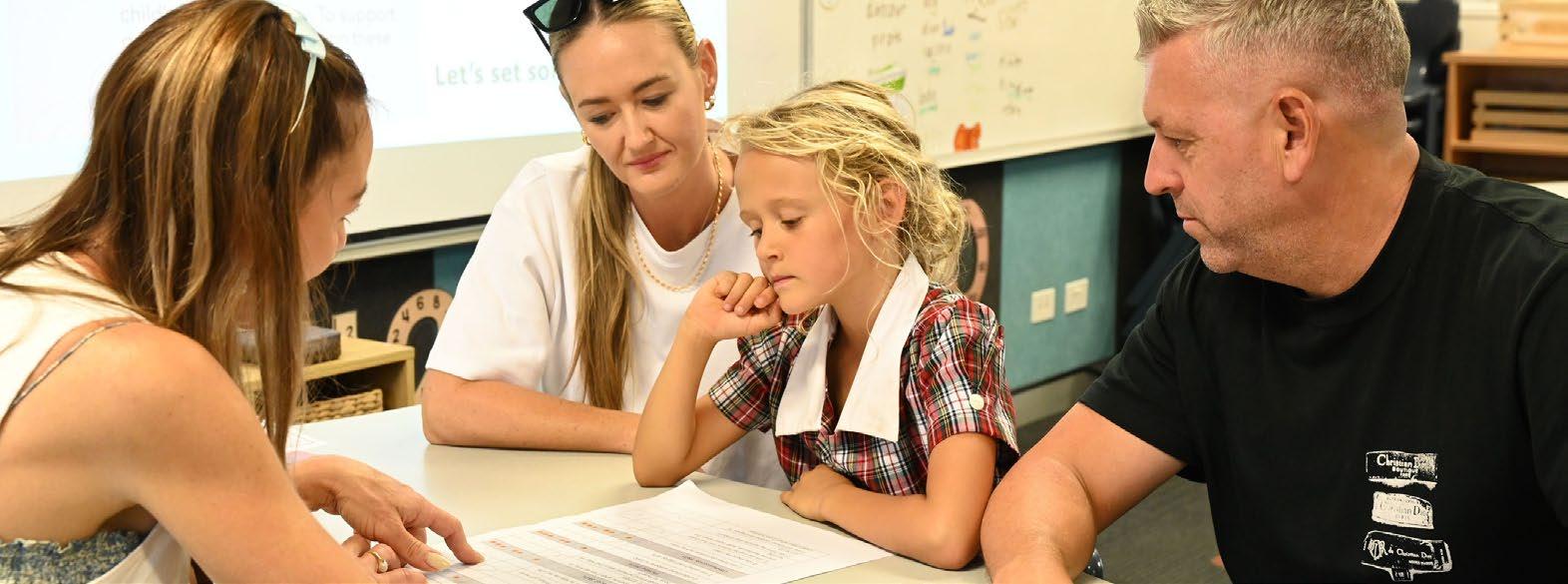
Our College recognises that parents are essential partners in their children’s education. A nurturing and supportive home environment strengthen the work done in the classroom, enabling students to reach their full potential. When families, educators and the wider community work collaboratively, students are more likely to flourish.
There are a variety of meaningful ways parents can support their child’s learning journey within a Lutheran school setting.

Parent Feedback
Parents are surveyed regularly. The survey provides the opportunity for parents to provide feedback across a broad range of areas. This information is used as part of the College’s commitment to continuous improvement
Voluntary Support Communication
+ Classroom Help
+ Sporting Program/Coaching
+ Reading Program
+ Excursions
+ Literacy and Numeracy Support
+ Library Help
+ Class Teacher’s letters
+ Parent Information Booklets
+ Subject Information Booklets
+ Year Book

+ Social Media Platforms
+ Parent Groups
+ Three Way Conferences
+ Student Led Conferences
Participation Funding
+ Class Events
+ Special Evenings
+ Three Way Conferences
+ Student Led Conferences
+ Information Evenings
+ Sporting Carnivals
+ Assemblies
+ Worship/Special Worship Services
+ Music and Sporting Events
+ Special Days
+ Class Support +
To find out more about Our Community, contact Belinda Alterator, Director of Enrolments and Community Engagement.






(SAE,JCU,USC,TAFE, Torrens and CQU)

School Improvement
At St Andrews Lutheran College, our Strategic Plan - available on our College website - provides a clear and consistent framework for decision-making, planning and continuous improvement. It articulates our long-term vision and defines the priorities that shape student learning, wellbeing, staff development, community engagement and sustainability.
This vision is enacted through annual operational plans developed by key teams, ensuring our strategic priorities are translated into clear, measurable actions. These plans guide our day-to-day work while remaining firmly aligned with our mission and values. Progress is monitored throughout the year through internal review processes, student achievement data, survey feedback and key project milestones.
A strong culture of reflection underpins this work. Staff regularly review progress and adjust actions to ensure we continue to move purposefully toward our strategic goals. This responsive approach enables the College to adapt to emerging needs and remain informed by evidence, including student outcomes and feedback from parents, staff and the wider community.
Please visit our College website to read our Strategic Plan.
Child Safe Principles
Staff Training
+ All staff complete annual training on our child protection policies, procedures and reporting obligations. This ensures everyone understands their responsibilities in maintaining a safe environment for all children.
Clear Policies and Procedures
+ We have well defined policies and procedures that set clear expectations, including appropriate conduct with children and the steps to follow if concerns or incidents arise.
Risk Management
+ Our Child Risk Management Strategy aims to ensure child safety and wellbeing. We regularly assess and manage risks within our school environment, including conducting risk assessments for activities and excursions and implementing appropriate measures to mitigate potential risks.
Safe Recruitment Practices
+ We follow strict recruitment protocols for all staff and volunteers, including mandatory Working With Children Checks (Blue Cards) to help ensure the safety of our students.
Child Participation
+ We are committed to empowering children to express their views, raise concerns and participate in decisions affecting their safety and wellbeing.
Reporting and Response Mechanisms
+ We have clear processes in place for reporting and responding to child safety concerns. Designated staff members, including our trained Child Protection Officers, are equipped to handle disclosures sensitively and appropriately. We ensure prompt investigation of concerns and work closely with relevant authorities when required. Our Child Protection Officers are easily identifiable with posters displayed around the College.
Continuous Improvement
+ We regularly review and update our child protection policies, procedures and practices. This process is informed by feedback, evolving best practice and changes in legislation to ensure ongoing effectiveness and compliance with child safety standards.
Communication and Support
+ We are committed to keeping every child safe through open communication and strong support systems. Our staff are trained to recognize and respond to risks to student safety and are encouraged to raise any concerns promptly. We provide staff with ongoing training and maintain clear processes for reporting concerns. Our Child Safety Officers and Pastoral Care Team are available to support both students and families.