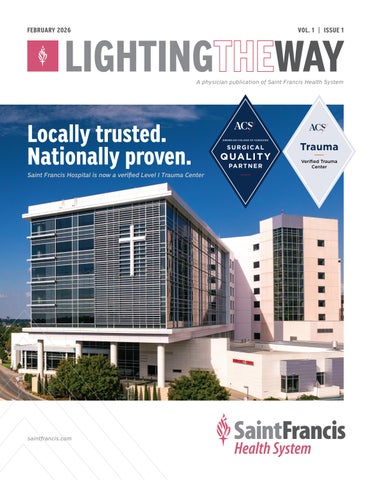
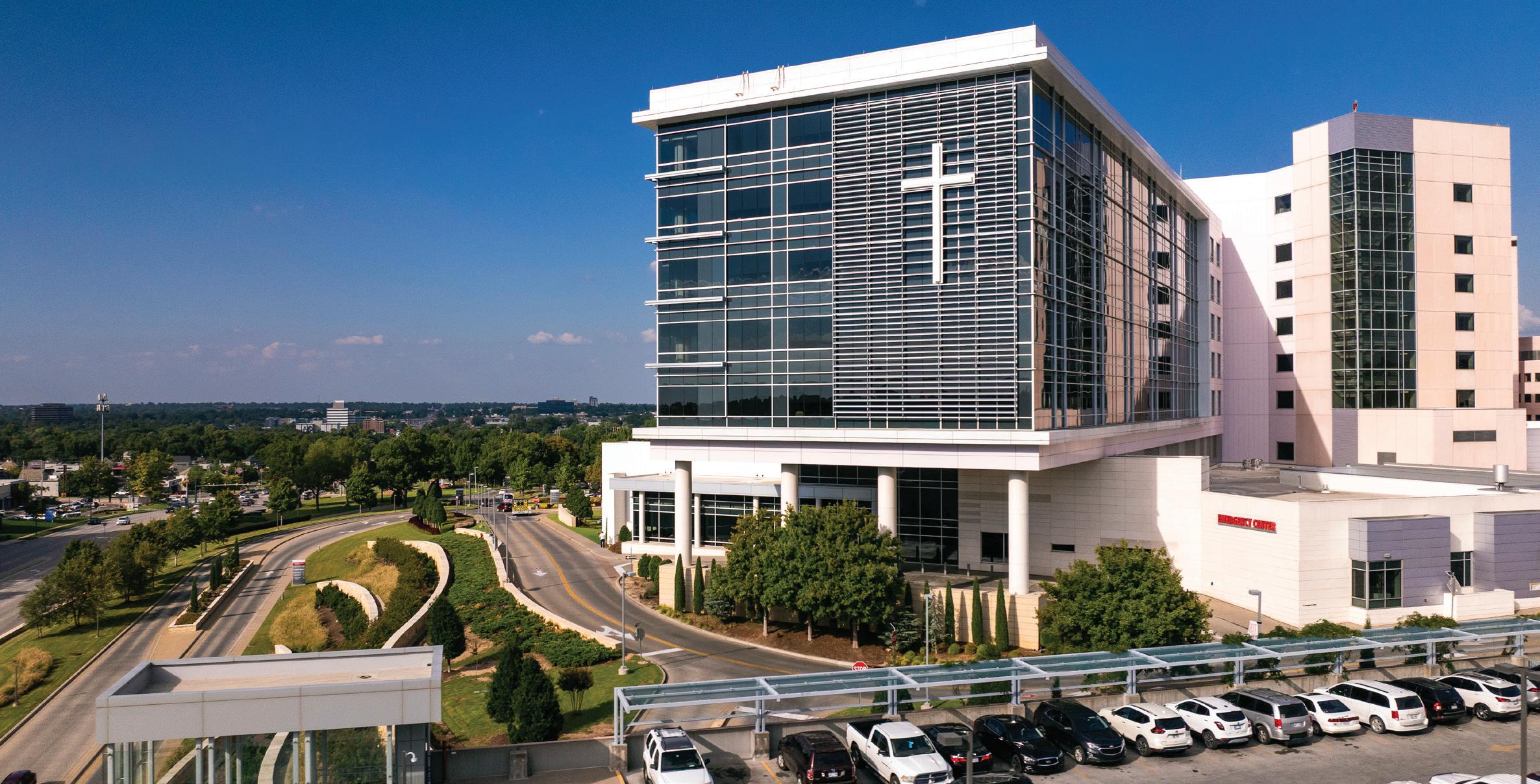
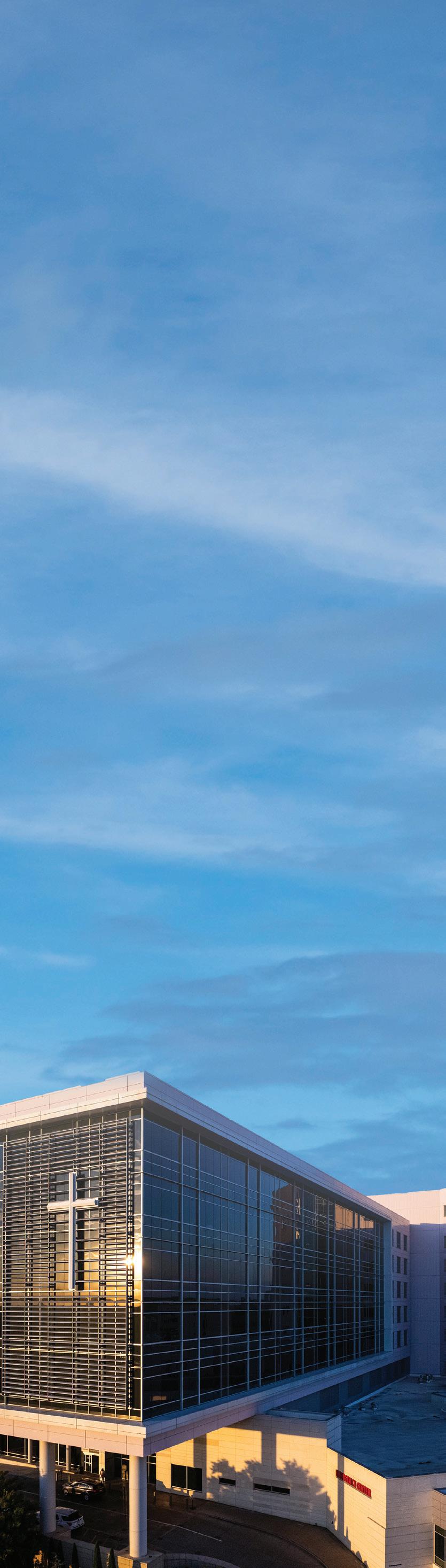
Lighting the Way is a publication created by physicians for physicians, and is published by Saint Francis Health System— Oklahoma’s largest healthcare network. Based in Tulsa, Saint Francis is a Catholic, not-forprofit health system anchored by Saint Francis Hospital, a 1,112-bed facility, that is the largest hospital in Oklahoma. The health system also includes hospitals in south Tulsa, Muskogee, and Vinita; the Laureate Psychiatric Clinic and Hospital; and more than 100 Warren Clinic locations.
For more information, visit saintfrancis.com. To learn more about this publication or to opt out of receiving it, email dmhaley@saintfrancis.com.
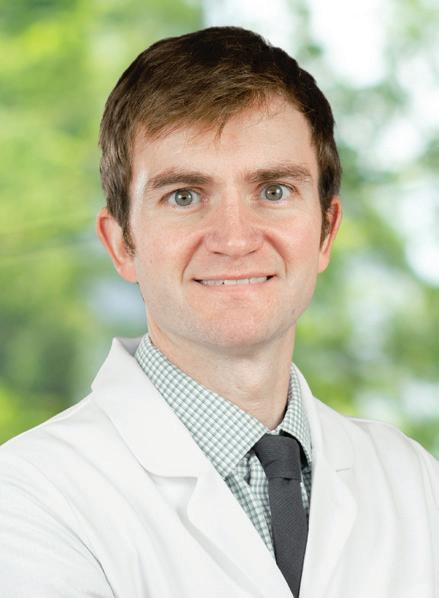
Tina
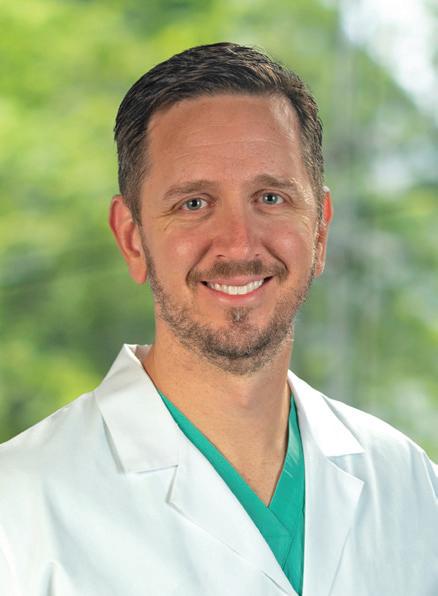
Kelly
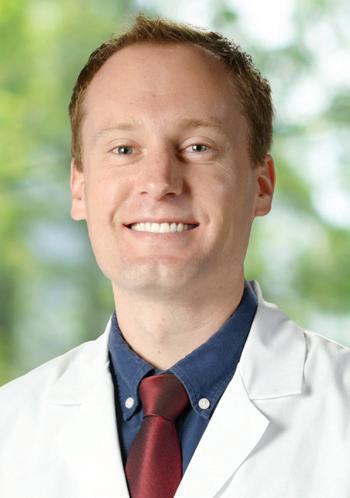
Wayne
Robbie
WE ARE THRILLED TO SHARE...
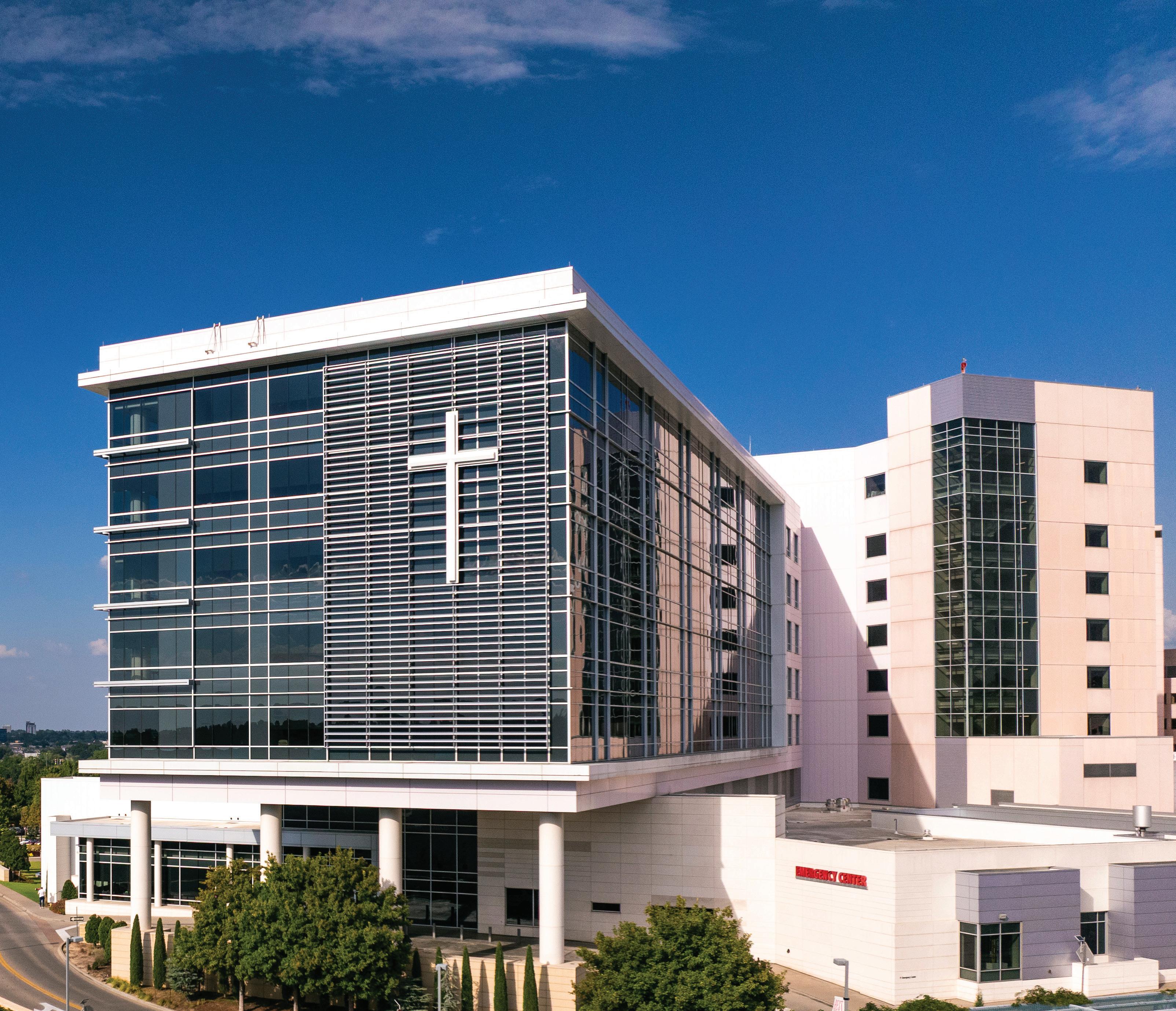
... a historic milestone in the life of Saint Francis Hospital. We have officially received three-year, nonprovisional Level I Trauma Center verification from the American College of Surgeons—the highest recognition for trauma care in the nation.
This achievement is not just a designation. It is a reflection of years of preparation, collaboration and an unwavering commitment to excellence. It represents the culmination of tireless work across every corner of our health system, and it affirms what we have long known: Saint Francis is a place where the highest standards of care are not just pursued—they are achieved.
Level I Verification is a rigorous process. It demands 24/7 in-house coverage by trauma surgeons and immediate availability of specialists in orthopedics, neurosurgery, anesthesiology and more. It requires a robust infrastructure for research, education and injury prevention. It calls for seamless coordination, rapid response and clinical precision. And it insists on a culture of continuous improvement and accountability.
We are proud to say that we not only met these standards—we exceeded them. This accomplishment is a testament to the extraordinary talent and dedication of our team. From emergency medicine and surgery to radiology, critical care, nursing and rehabilitation, every discipline played a vital role in building the systems and culture necessary to support Level I Trauma Care.
Raising the bar for trauma is not just about trauma. It’s about elevating every aspect of care. It’s about setting a standard that permeates our entire organization. It’s about ensuring that when the most critically injured patients arrive at our doors, they receive care that is rapid, coordinated and expert—care that saves lives.
This designation also positions Saint Francis Hospital as a regional leader in trauma research and education. It opens new doors for academic collaboration, clinical trials and the training of future healthcare professionals in partnership with the OSU Center for Health Sciences. It strengthens our role as a teaching institution and a hub for innovation. And it deepens the trust our community places in us to be there when it matters most.
We recognize that this achievement brings new responsibilities. As a Level I Trauma Center, we are now a referral destination for the most complex cases across eastern Oklahoma and beyond. We are a center for excellence, a resource for our colleagues and a lifeline for our patients. We will continue to invest in the tools, training and support needed to thrive moving forward.
Let us take a moment to celebrate this extraordinary accomplishment. It is a reflection of who we are: a team united by purpose, driven by excellence and committed to saving lives.
With pride and gratitude,
Cliff Robertson, MD President and Chief Executive Officer Saint Francis Health System
Reetu Singh, MD Chief Medical Officer Saint Francis Health System
2024-25 TRAUMA STATS AT SAINT FRANCIS
High-acuity trends, surprising patterns and data worth knowing.
Trauma care at Saint Francis Hospital spans the full spectrum—from routine to rare. These numbers offer a look at who we treat, how they’re injured, and what outcomes look like across our Level I Trauma program.
WHEN DOES TRAUMA PEAK?
At Saint Francis, trauma volumes consistently peak from Friday through Monday, especially between 3:00 p.m. and 11:00 p.m. Seasonal surges also occur from late spring through early fall, when increased outdoor activity and travel elevate injury risks, driving higher demand for rapid, coordinated trauma care across our system every week.
WHO DO WE TREAT?
FRIDAY-MONDAY
The Saint Francis Trauma Institute cares for a diverse population of patients facing life‑altering injuries. Each year, we treat 6,461 traumas, with 5,525 trauma admissions. Our program serves patients with an overall average patient age of 52.
From minor injuries to the most complex, high‑acuity cases, our team is dedicated to delivering the best possible care in the most vulnerable moments of a patient’s life. Every individual we treat receives compassionate, expert care designed to support healing, safety, and recovery when it matters most.
3 P.M. – 11 P.M. LATE SPRING THROUGH EARLY FALL
6,461 TRAUMAS
5,525 TRAUMA ADMISSIONS
PATIENT
AVERAGE AGE
WHAT TYPE OF INJURIES HAPPEN?
3,542 FALLS
1,184
MOTOR-VEHICLE CRASHES (MVC/ATV/MCC/PEDESTRIAN)
190
GUNSHOT WOUNDS
89%
BLUNT TRAUMA (5,506 CASES)
122 SPORTS INJURIES
112
ANIMAL-RELATED INJURIES
10% PENETRATING TRAUMA (589 CASES)
WHAT TYPE OF CARE IS PROVIDED?
250 STAB WOUNDS
16 SNAKE BITES
10,196 SURGERIES
1% OTHER MECHANISMS
700 TRANSFUSIONS
909 ICU ADMISSIONS
3-DAY MEDIAN LENGTH OF STAY
4.4-DAY AVERAGE LENGTH OF STAY
Understanding these patterns helps us refine readiness, allocate resources and anticipate patient needs across our Level I trauma network.
HOW PATIENTS ARRIVE
57% GROUND EMS
6% AIR TRANSPORT
37% TRANSFERS FROM OTHER FACILITIES
MORTALITY BY MAJOR MECHANISM
0.72% 0.33%
MOTOR VEHICLE CRASH
GUNSHOT WOUND FALLS
2.8%
SPECIALIZED TISSUE CARE FOR EVERY TRAUMA AT SAINT FRANCIS
Dedicated reconstructive expertise integrated into our Trauma program makes it possible to manage complex injuries and support optimal functional recovery for patients across the region.
Saint Francis trauma surgeon
Matt Radant, M.D., D.D.S. provides specialized reconstructive expertise which is a critical determinant of outcomes in trauma care.
For severe injuries—such as open fractures with exposed bone or implanted hardware—Dr. Radant performs free tissue transfer. This involves harvesting tissue with its
vascular supply and establishing new perfusion at the recipient site. Donor tissue is commonly taken from the thigh and closed either with sutures or a dressing.
These procedures may be performed at the time of orthopedic surgery or staged depending on the patient’s overall condition.“Often this is the last chance patients have of not losing an arm or leg,” Dr. Radant said. “It’s very satisfying to help them recover fully.”
Dr. Radant performs one or two free tissue transfer cases per month, in addition to several soft tissue reconstruction each week for less
extensive wounds. For these cases, synthetic soft tissue reconstruction or split thickness grafts harvested from another site are often sufficient, particularly when only muscle is exposed after lacerations or dog bites.
In addition to trauma reconstruction, Dr. Radant’s dual training supports his ability to manage head and neck cancer surgical cases and ongoing follow up care for trauma patients.
With this expertise in house, Saint Francis offers trauma patients a level of reconstructive care that directly influences survival, limb salvage and long term recovery.
“Often this is the last chance patients have of not losing an arm or leg. It’s very satisfying to help them recover fully.”
MATT RADANT,
M.D., D.D.S.
Trauma Surgeon Saint Francis Health System
TULSA WHOLE BLOOD PROGRAM
MARKS ONE YEAR OF LIFESAVING SERVICE
Whole blood has been proven to buy time for critically injured patients until they can reach definitive care. The launch of the Whole Blood Program in July 2024 made Tulsa the second city in Oklahoma to provide this level of pre‑hospital trauma care—and it’s already saving lives.
Since its start, 45 patients in Tulsa have received low titer O+ whole blood in the field.
61% PENETRATING TRAUMATIC INJURIES
22% BLUNT INJURIES
17% MEDICAL BLEEDS
Every patient survived to hospital admission, and 83% survived to discharge. Patients showed measurable improvement in shock index after transfusion—vital signs that typically worsen during transport.
MINUTES MATTER
“We’ve seen firsthand the difference whole blood makes for our patients,” said Dr. Nathan Powell, director of surgical critical care at Saint Francis Hospital. “For someone with life threatening injuries, minutes matter. Whole blood in the field can stabilize patients long enough to get them to definitive care, and that can be the difference between life and death.”
“Having a year under our belt with this program proves what we knew from the start: Type O whole blood saves
lives before patients even reach the hospital doors,” said Dr. John Armitage, president and CEO of Our Blood Institute (OBI).
FIRST IN OKC
The state’s first Whole Blood Program was launched in Oklahoma City in 2023 with OBI, EMSA, OKC Fire and a major trauma center. It took nearly two years to finalize the processes and contracts. Thanks to that groundwork, Tulsa partners OBI, EMSA, Tulsa Fire Department and Saint Francis Hospital were able to move quickly once support was secured.
“Being equipped to administer low titer O‑positive whole blood in the field means immediate, life saving support for trauma patients in critical need of transfusion,” said Kayla Stack, EMSA paramedic and field operations supervisor.
“It stabilizes patients at the scene, allowing for a seamless transition to hospital care, buying crucial time for medical staff to administer type‑ specific blood products for long term treatment. Whole blood truly bridges the gap between the point of injury and definitive care, significantly improving the chances of survival in traumatic emergencies.”
THEN IN TULSA
Tulsa is divided along Interstate 44 for Priority 1 trauma distribution, and patients with the greatest need
FROM JULY 2024 THROUGH JULY 2025
55 98
53
55 units received by Tulsa Fire units received by EMSA Tulsa were returned to Saint Francis were returned to Saint Francis
for blood in the field are transported to one of two trauma centers. Every Wednesday, EMSA and Tulsa Fire pick up one unit of whole blood each from OBI. Units are given to patients meeting specific criteria. If unused by the following Wednesday, blood is returned to OBI, processed and transferred to Saint Francis for use before expiration.
In total, Saint Francis accepted 108 unused units to ensure none went to waste, making its role essential in sustaining the program.
“We are proud to be the hospital
partner that makes the whole blood program possible for Tulsa and the surrounding region,” said Dr. Powell. “Every unit of blood we help preserve or provide represents a chance for someone’s parent, child or loved one to make it through an unthinkable moment. That’s powerful.
“For us, this is more than a medical program—it’s a commitment to our neighbors. It’s another way we are living our vision to light the way to a healthier tomorrow, by ensuring that the very best, lifesaving tools are available when our community needs them most.”
“This milestone shows what’s possible when donors, emergency repsonders and health systems come together for the community.”
NATHAN POWELL,
D.O.
Director, Surgical Critical Care Trauma Surgeon Saint Francis Health System
DRIVING BETTER TRAUMA CARE THROUGH RESEARCH
For the Saint Francis Trauma Institute, research goes beyond being an aspect of Level I accreditation—it’s a core strategy for improving survival, reducing complications and bringing evidence based care to patients in Tulsa and beyond. Here, trauma research is anchored in outcomes science and built around a central guiding question: How can we do the best for the patient?
“We’re comparing our own outcomes with the rest of the trauma community both nationally and internationally, and contributing to the large body of trauma research that defines how we care for trauma patients,” said John Marc Shellenberger, M.D., trauma surgeon and associate Trauma Medical Director at Saint Francis.
The program operates through a multidisciplinary model involving clinicians, a system director, a research fellow and dedicated data analytics support.
Saint Francis trauma physicians frequently present their work at
regional, national and international forums, according to Mani Cheruvu, system director of the Center for Clinical Research and Sponsored Projects.
In a largely rural state like Oklahoma, trauma care begins long before a patient reaches the hospital. Whether it’s pre hospital care, emergency or inter facility transport, inpatient admission, surgery or rehabilitation, research at Saint Francis touches every point in the trauma patient’s journey.
With human research protection as the focal and non negotiable point, every trauma research study conducted on Saint Francis premises is required to go through an institutional review board, either local or centralized with WCG or Advarra, which are two commercial IRBs that provide ethical and regulatory review services for human subject research.
Trauma surgeons within the Saint Francis Trauma Institute balance a demanding clinical schedule with the need for research investment that’s
helping shape trauma care worldwide.
Dr. Shellenberger’s research topics include:
• Pre hospital chest trauma management
• Pneumothorax treatment strategies
• Tourniquet application during prolonged transport
• Multi site analysis of optimal timing for VTE prophylaxis following spine injury
“Five or 10 years ago, I never would have thought I’d see myself as a surgeon scientist,” he said. “But the farther I’ve gone in my career, the more I see the value of asking, ‘Why do I do it this way? Could it be done better?’”
“Our goal is to provide the best, most current and evidence-based care we can to each patient. It’s about getting patients back to their normal lives.”
JOHN MARC SHELLENBERGER, M.D.
Trauma Surgeon, Associate Trauma Medical Director Saint Francis Health System
INSIDE LEVEL I TRAUMA
BUILT FOR THE FUTURE
Call it a landmark achievement for Saint Francis—but not a finish line.
Before achieving Level I verification, Saint Francis completed two consultative ACS evaluations— rigorous mock surveys designed to test readiness. The final results distinguished the hospital nationally:
0
17
TYPE I OR TYPE II DEFICIENCIES
PROGRAM STRENGTHS IDENTIFIED
“ONE OF THE BESTPREPARED HOSPITALS EVER EVALUATED”
AS DESCRIBED BY ACS INSPECTORS
Achieving Level I Trauma Center verification by the American College of Surgeons (ACS) began with a clear mandate from Dr. Brock Goodwin, medical director of the Trauma Program. He understood that caring for the most critically injured patients requires sustained commitment to depth, readiness, and multi‑specialty expertise—with an eye to the future.
STRUCTURING THE PROGRAM
Foundational to the effort is a unique public private partnership between Saint Francis and the Oklahoma State University Medical Authority, established by the Oklahoma Legislature. This partnership will shape trauma care statewide by bringing medical residents into every aspect of Trauma Care. Read more about the Saint Francis-OSU connection on page 8.
To work toward accreditation, Saint Francis advanced every dimension of its trauma capability by:
• Rebuilding the trauma team and facilities
• Investing in cutting edge technology
• Recruiting top tier surgical and subspecialty talent
• Reshaping policy and clinical protocols
Technologies included advanced imaging, precision guided surgical tools, and real time transfusion tracking for timely interventions.
GATHERING THE TEAM
Recruiting and retaining high caliber physicians was critical. Trauma surgeons are dual boarded in general surgery and trauma/surgical critical care, supported
by subspecialists in orthopedic trauma, neurosurgery, oral and maxillofacial surgery, microvascular and plastic reconstruction, ophthalmology, and expanded anesthesiology coverage.
Dr. Goodwin leaned on peer to peer conversations to appeal to physicians’ sense of purpose. “When you have a doctor talking to a doctor, sometimes you can be more convincing,” he said.
SYSTEMWIDE INVOLVEMENT
The work spanned every aspect of the trauma care continuum—from pre‑ hospital to post acute care.
“We continuously evaluate outcomes and make changes to improve,” said Mary Johnson, Executive Director of Trauma Services. Insights gained here support trauma outreach and education across rural Oklahoma.
Hospital President Doug Williams emphasized that the effort extends far beyond clinical staff. “Trauma is truly a health system accomplishment,” he said, noting contributions from procurement, custodial, accounting and more.
EXCELLENCE VERIFIED
The goal beyond accreditation was long‑term resilience. “We’ve created redundancy so we’re not dependent on any one physician. We’re ready for anything that comes through our doors,” Williams said.
Dr. Goodwin emphasized that the program reflects the legacy of Dr. C.T. Thompson, a national leader in trauma care and a defining force in the history of Saint Francis. For more on Dr. Thompson, see page 9.
“It was a beautiful thing to see the medical staff come together to support this venture… and we will not be diverted from that course.”
BROCK GOODWIN, D.O. Trauma Surgeon, Trauma Medical Director Saint Francis Health System
THE
OSU CONNECTION
OSU MEDICINE MAKES LEVEL I TRAUMA CARE POSSIBLE
When a trauma patient arrives at Saint Francis, the team that springs into action includes residents working side by side with Saint Francis attending trauma physicians to perform primary and secondary surveys, FAST ultrasounds and coordinate care across specialties.
“It’s like a well oiled machine,” said Dr. Ryan Parker, Associate Chief Medical Officer at Saint Francis. “You do your part efficiently, with great skill and confidence, and then step aside for your teammates to do their part.”
That well oiled machine reflects the public‑private partnership between Saint Francis Hospital and the Oklahoma State University Medical Authority. Essential for Level I accreditation, it integrates OSU College of Osteopathic Medicine residents–general surgery, orthopedic surgery, emergency medicine and otolaryngology–into every aspect of trauma care.
“The residents’ dedication, training and compassion elevate the quality of care
across Eastern Oklahoma and ensure the next generation of physicians is deeply rooted in service, excellence and innovation. This partnership is a powerful example of how academic medicine can transform lives and communities.”
LEARNING THAT SAVES LIVES
Each trauma team includes an attending trauma surgeon, advanced practice provider, intern and one to two upper level senior residents. The Trauma ICU has a similar team structure.
Rotating medical and physician assistant students also participate in rounds and educational opportunities. In addition, OSU and OU Tulsa School of Community Medicine residents rotate through Pediatric and Adult Emergency Centers, and OU Vascular Service fellows respond for specific needs.
The learners keep everyone engaged, according to Dr. Parker. “They have amazing questions that keep even the most experienced attending on their
DENNIS BLANKENSHIP, D.O. Dean, Oklahoma State University College of Osteopathic Medicine
RYAN PARKER, M.D. VP, Associate Chief Medical Officer Saint Francis Health System
toes.” OSU residents also contribute to:
• Trauma case reviews
• Quality improvement initiatives
• Research projects that advance trauma care
“Personally, it reminds me of why I went into medicine,” Dr. Parker said. “Seeing the ‘aha’ moment for a learner is very gratifying and grounding.”
GROWING PHYSICIANS STATEWIDE
In November 2024, HRSA Health Workforce projected a national shortage of more than 187,000 full time equivalent physicians by 2037. The shortfall is particularly stark in rural areas and in Oklahoma. The public private partnership between Saint Francis Hospital and the OSU Medical Authority helps address that shortage.
“We’re making sure that we’re training the next generation in a way that constantly improves care for Oklahomans,” said Dr. Parker. “We need a steady flow of new physicians to take care of Oklahoma now and for future generations.”
As learners, OSU medical residents are essential to the trauma team and the future of Oklahoma healthcare.
That’s the Saint Francis way… and the Cowboy way.
DR. THOMPSON WOULD HAVE BEEN PROUD
A pioneering trauma surgeon and visionary medical leader, Dr. C.T. Thompson left an indelible mark on Tulsa and the nation through his transformative work in trauma care. No one would be prouder of Saint Francis Hospital’s achieving Level I Trauma verification from the American College of Surgeons than Dr. Thompson, the hospital’s first chief of surgery and a man who played a pivotal role in establishing the American College of Surgeons Level I Trauma standards.
Born in Brookhaven, Mississippi, in 1925, Dr. Thompson’s journey from a Navy hospital corpsman to a Harvard‑ trained surgeon laid the foundation for a career defined by innovation, compassion and leadership. A veteran of World War II and the Korean War, Dr. Thompson settled in Tulsa in 1956, where he began a private surgical practice and quickly became a central figure in the development of Saint Francis Hospital. He was the hospital’s first chief of surgery and became interim CEO in 1966. Tasked by hospital founder W.K. Warren, Sr., with
identifying critical medical programs for the city, Dr. Thompson recruited top specialists and established Surgical Associates of Tulsa in 1966, a group that played a defining role in the hospital’s growth.
Dr. Thompson was passionate about trauma care. He was a leader of the American College of Surgeons Committee on Trauma, serving as chairman from 1978 to 1982. Under his guidance, the committee launched the Advanced Trauma Life Support program, which standardized trauma care nationwide and became a cornerstone of emergency medical education. He also oversaw the revision of ACS trauma care guidelines, shifting the focus from “optimal resources” to optimal care, a change that emphasized patient outcomes and led to the development of trauma center verification programs.
In Oklahoma, Dr. Thompson’s impact was equally profound. He organized the state’s first burn center and spearheaded the creation of Tulsa’s
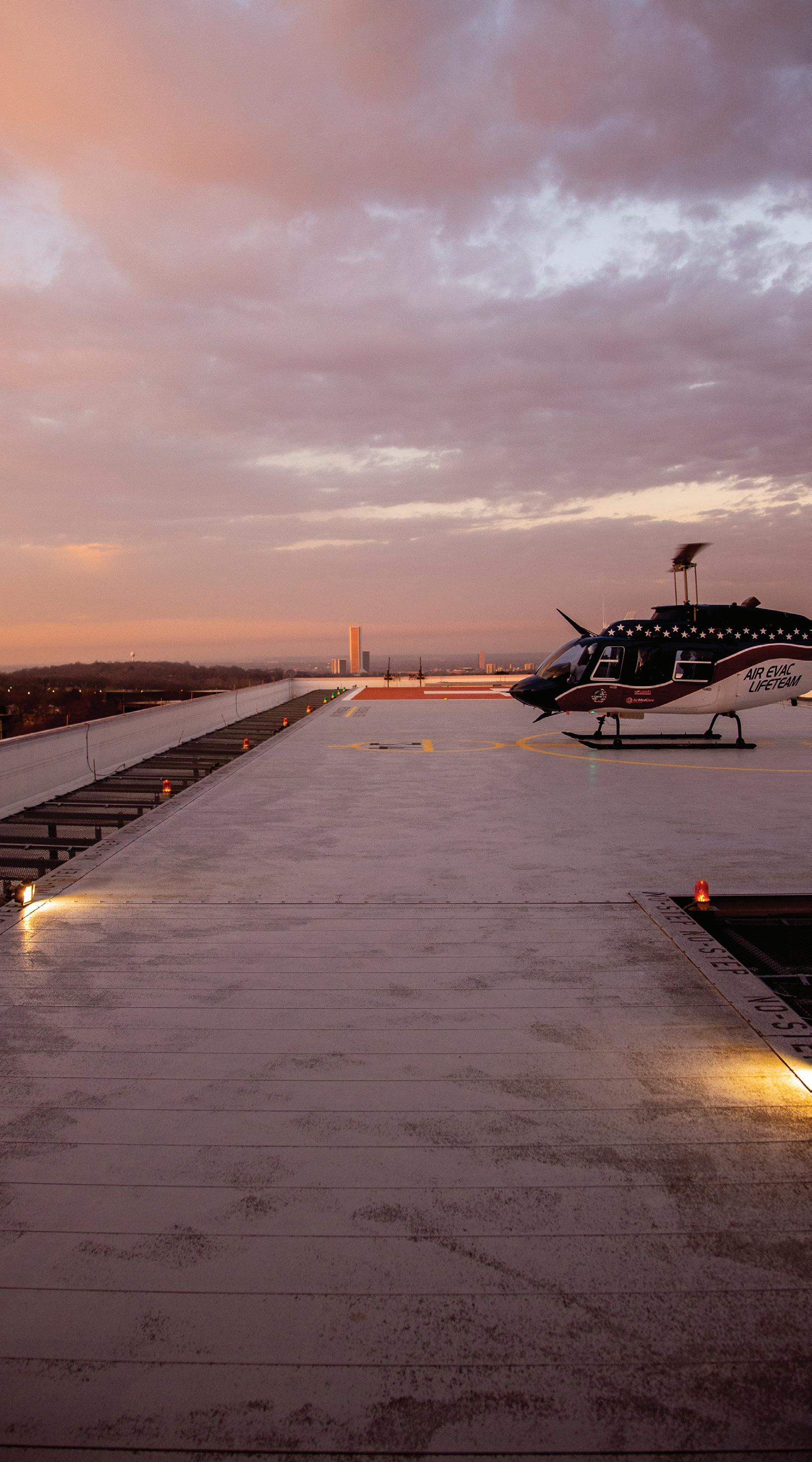
first citywide ambulance service and prehospital provider training. His commitment to trauma care extended to air, co‑founding Tulsa Life Flight in 1979—the first air ambulance program in Oklahoma. This initiative brought advanced trauma care to rural communities and continues to save lives today.
Dr. Thompson’s contributions earned him numerous accolades, including the ACS Distinguished Service Award and the Surgeons’ Award for Distinguished Service to Safety. He served as a clinical professor at the University of Oklahoma Tulsa Medical College and held leadership roles in multiple surgical societies.
Dr. Thompson’s life was a testament to the power of visionary leadership in medicine. His work not only elevated Tulsa’s healthcare landscape but also reshaped trauma care across the United States, ensuring that countless lives were saved and future generations of physicians were inspired to carry his mission forward.
“WE SPEAK FOR THOSE WHO CAN’T SPEAK FOR THEMSELVES.”