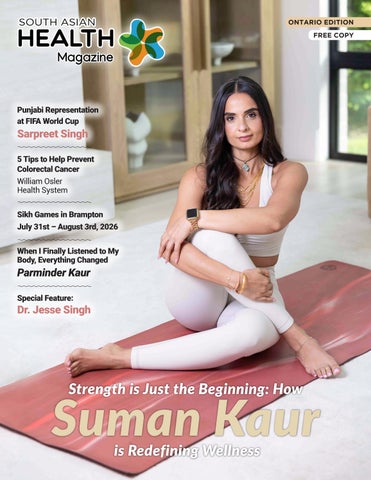
Ontario South Asian Health Magazine featuring Suman Kaur
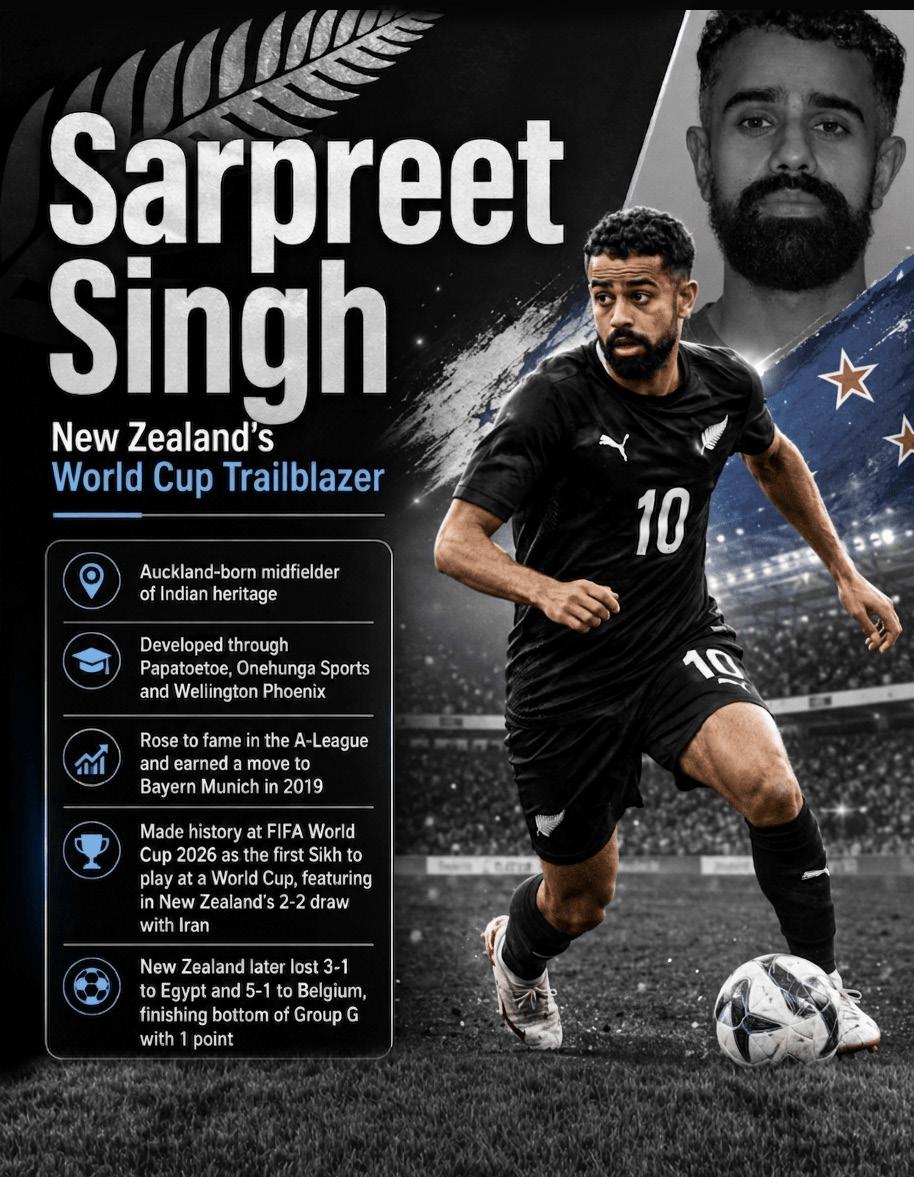
Punjabi Representation at FIFA World Cup Sarpreet Singh
5 Tips to Help Prevent Colorectal Cancer
William Osler Health System
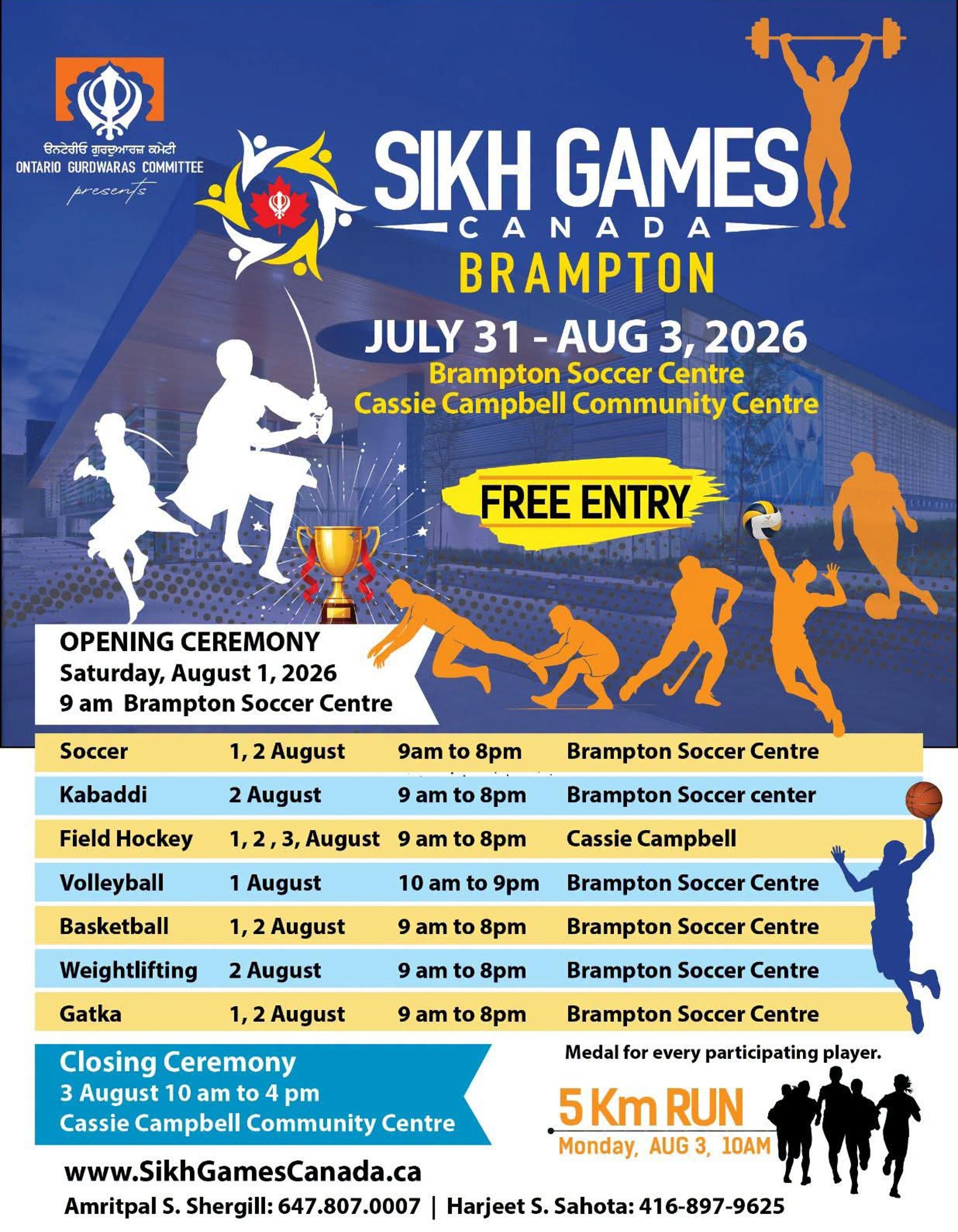
Sikh Games in Brampton July 31st – August 3rd, 2026
When I Finally Listened to My Body, Everything Changed Parminder Kaur
Special Feature: Dr. Jesse Singh
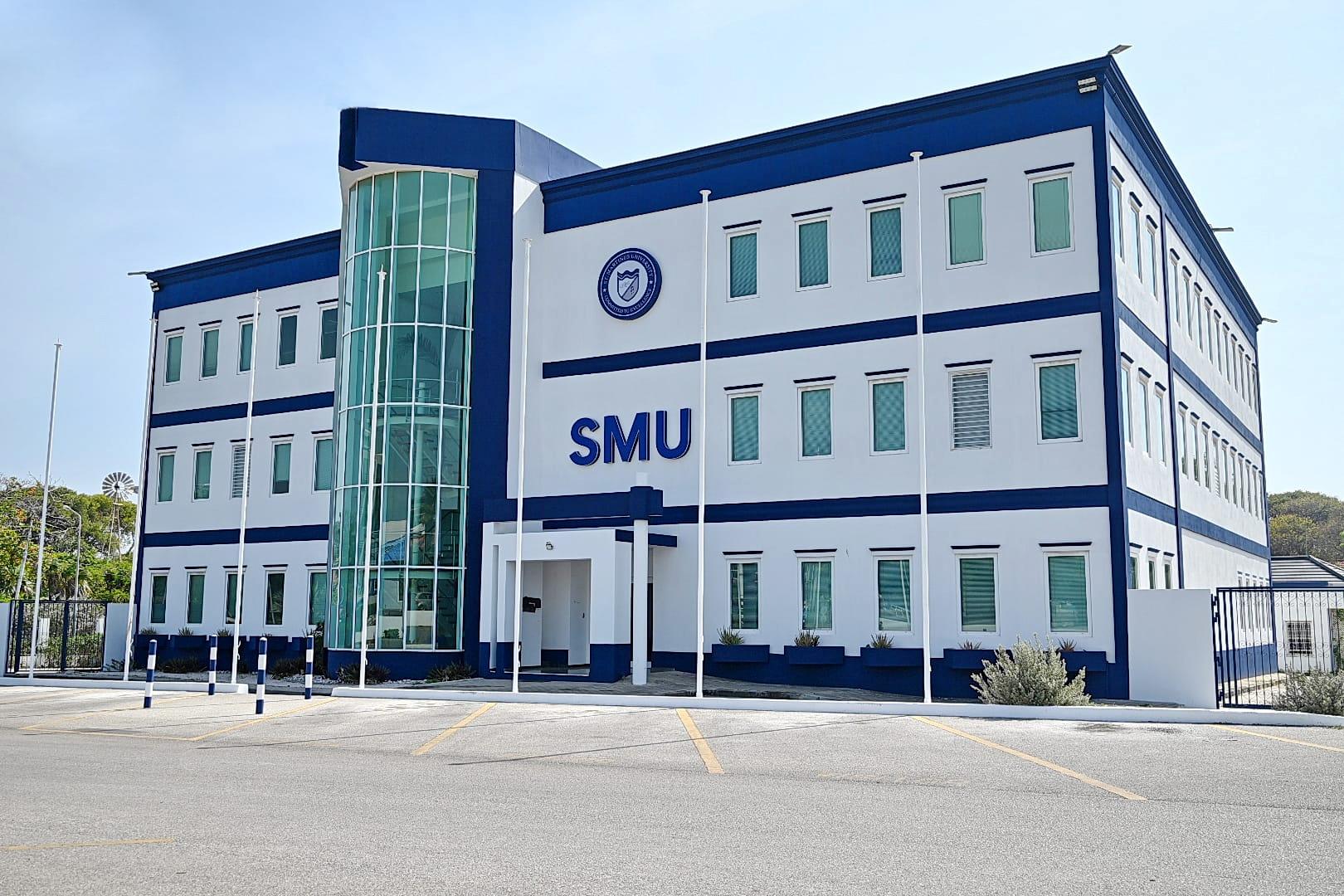
St. Martinus University
Your Pathway to a Medical Degree and U.S. Residency
Why St. Martinus University SMU RESIDENCY
Fully Accredited by a WFME-Recognized Agency (AAEPO): Ensures eligibility for ECFMG certification and U.S. residency training pathways while meeting internationally recognized standards in medical education.
Direct Entry Pathway Without MCAT: High school graduates and university students can fast-track into medicine without the requirement of a 4-year undergraduate degree or MCAT examination.
Modern Campus with Advanced Learning Tools: State-ofthe-art infrastructure featuring digital anatomy systems, upgraded laboratories, research facilities, and on-campus student housing designed to support an optimal learning environment.
Secure and Comfortable Student Living: Safe and reliable housing with meal plan options, located in Curaçao — a stable Caribbean island outside the Atlantic hurricane belt.
Strong Residency Match Record: Consistently high U.S. residency match rates, with graduates placed across major specialties throughout the United States.
Cost-Effective Medical Education: Significantly lower tuition and living expenses compared to many U.S. and Canadian medical schools.
Eligible for Canadian federal and provincial student loan programs, making medical education more financially accessible for Canadian students.
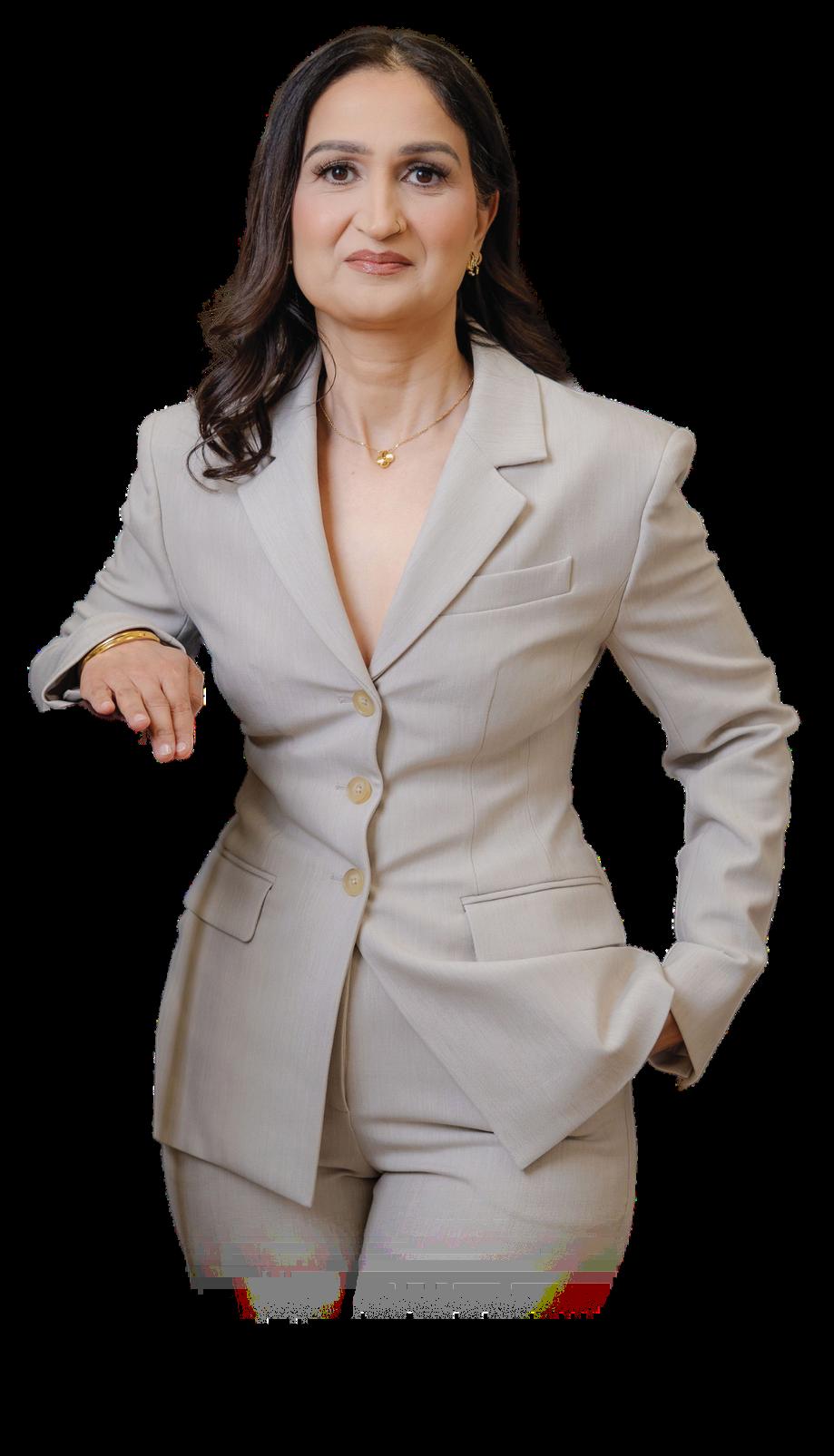
GURPREET KAUR MANN
Redefining Success Through Purpose, Leadership & Wellbeing
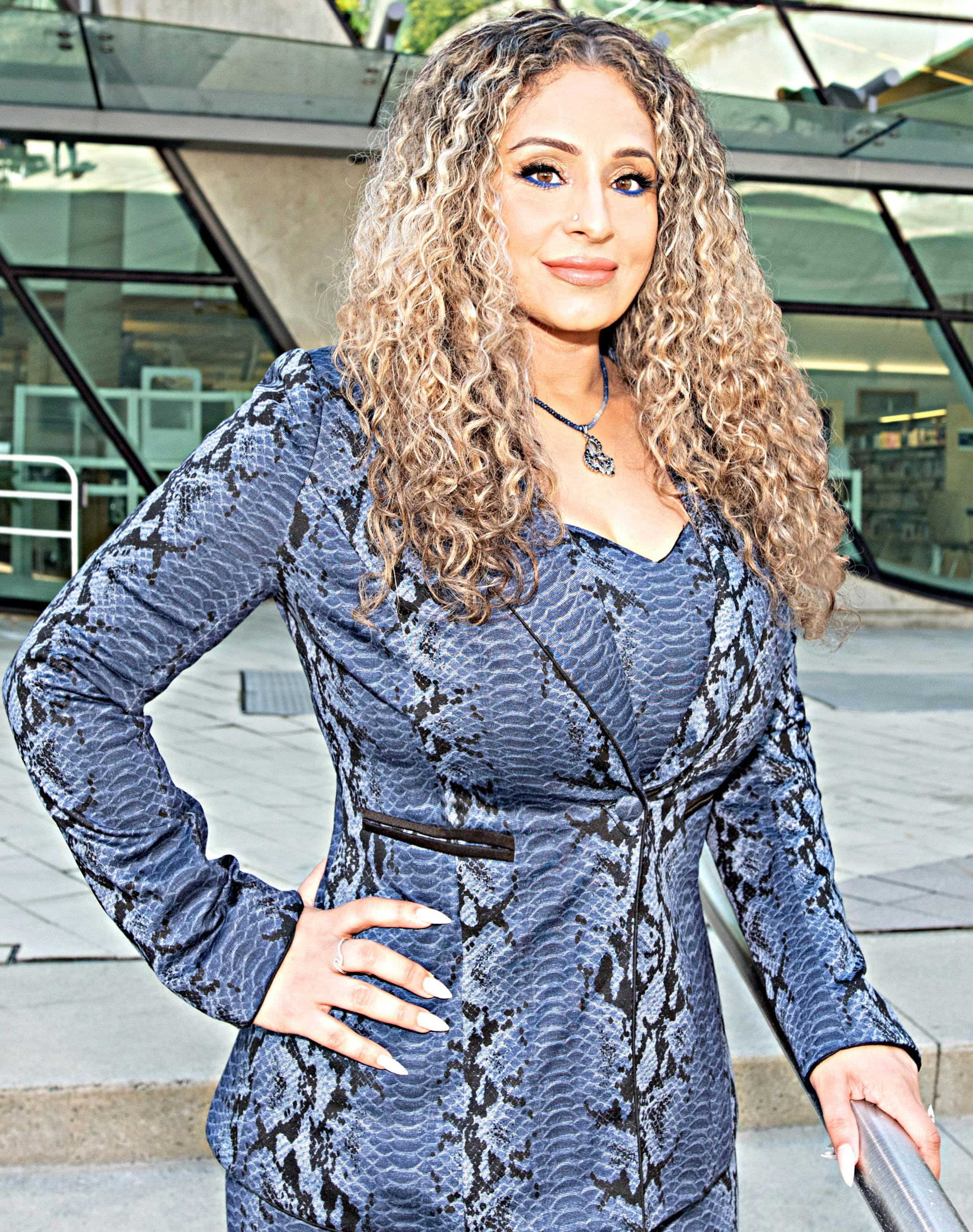
Gurpreet Kaur Mann is an executive coach, career strategist, and founder of GKM Coaching. Drawing on her background in human resources, leadership development, and entrepreneurship, she helps professionals and business owners build careers that align with their strengths, values, and longterm goals.
Through coaching, training, and mentorship, Gurpreet has guided professionals across North America to strengthen their leadership skills, elevate their personal brands, and pursue greater confidence and fulfillment. Her practical and empowering approach has made her a trusted voice in career advancement and personal development.
A strong advocate for holistic wellbeing, Gurpreet believes that professional success, mental wellness, financial confidence, and personal purpose are deeply connected. Her mission is to help people achieve meaningful success without sacrificing balance, authenticity, or overall wellbeing— making her a fitting feature for this edition of the Ontario South Asian Health Magazine.
Message from the Publisher
Dear Readers,
This year marks a truly special milestone for BC South Asian Health Magazine as we proudly celebrate 15 years of serving our community. What began as a vision to create meaningful, culturally relevant conversations has grown into a trusted global brand. Over the years, we have remained committed to amplifying stories that matter—stories rooted in empowerment, education, and representation for South Asians everywhere.
We are honored to continue standing as the only platform dedicated exclusively to health, wellness, beauty, fashion, and fitness for the South Asian community on a global scale. This focus has always been at the heart of who we are. By addressing topics through a culturally informed lens, we have been able to spark dialogue, inspire healthier lifestyles, and celebrate the diversity and strength of our community across generations.
Our journey has also been one of growth and expansion. With a strong presence across multiple provinces in Canada, we are now excited to be extending our footprint internationally. We are currently in the process of expanding to California (USA), London (UK), and Dubai (UAE)—with India and Australia next on our radar. These new markets represent not just geographic growth, but deeper opportunities to connect
As we look ahead, 2026 is shaping up to be a year filled with major milestones and bold new chapters. We are energized by what lies ahead and remain focused on further solidifying our strong foundation as the #1 magazine source catering to South Asians worldwide. Thank you to our readers, partners, and contributors for being an integral part of this journey—we look forward to growing, evolving, and celebrating together.
Cheers to a Happy, Healthy New Year!
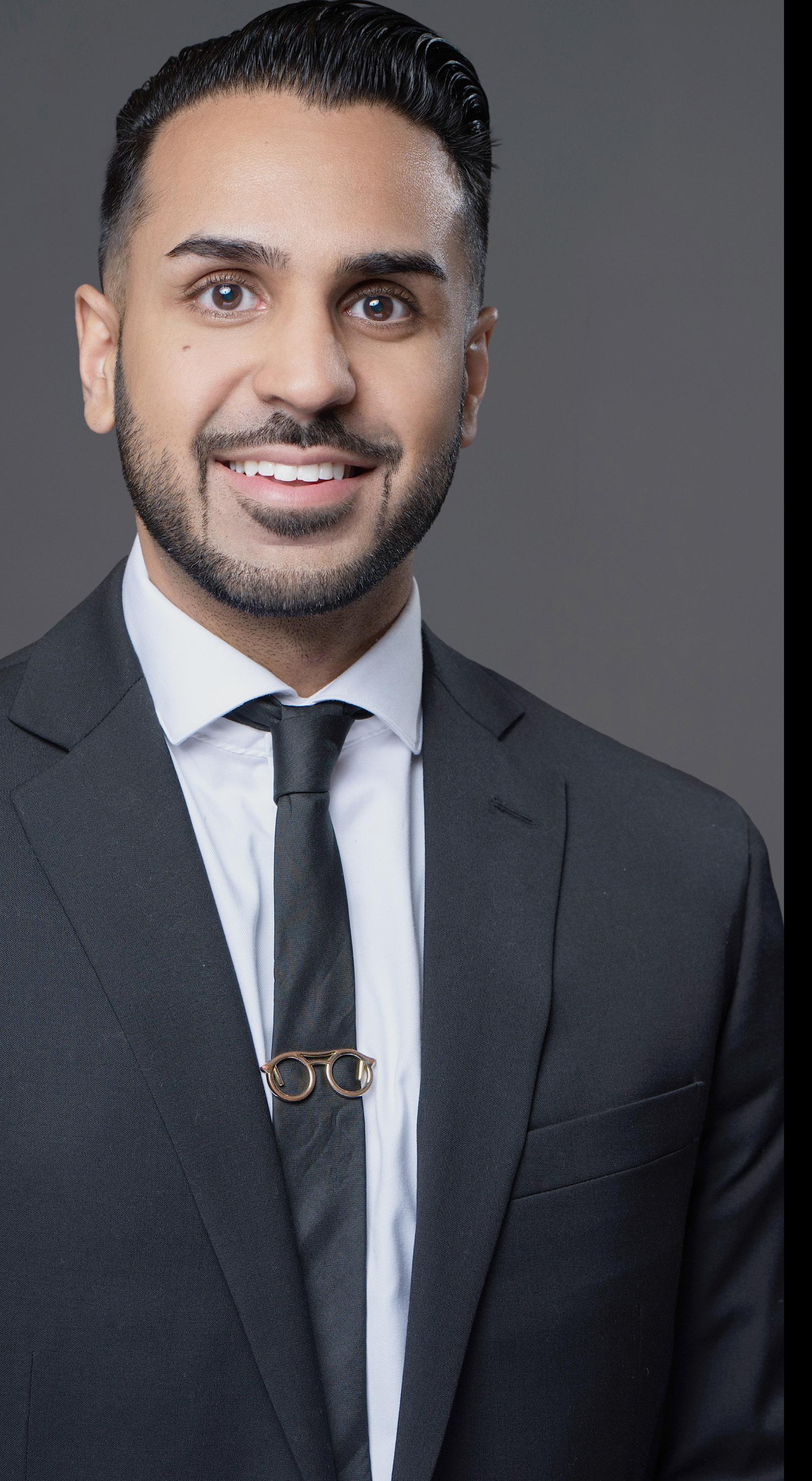
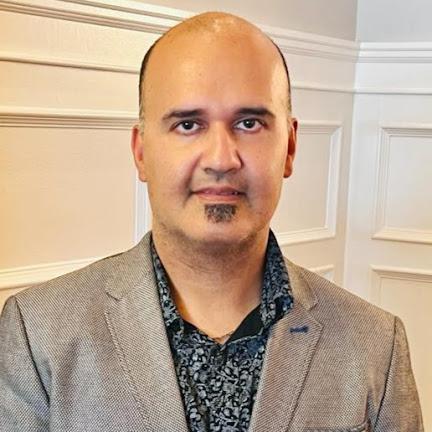
DR. KULVIR SINGH, OD
“The
Tie Clip Eye Doc”
Dr. Kulvir Singh was born and raised in Mississauga, Ontario, and has always had a passion for eye care and helping others see their best. In 2018, he earned his Doctor of Optometry degree from the Illinois College of Optometry, where he concentrated on the management of ocular diseases including glaucoma, macular degeneration, and diabetic retinopathy — gaining hands-on experience with advanced diagnostic technologies and treatment approaches. From early in his training, Kulvir developed a strong clinical foundation that blends meticulous eye health care with a patient-centered approach.
Dr. Singh has a very special clinical interest in dry eye disease and currently helps run a specialty dry eye clinic in Burlington, taking care of complex dry eye cases and treating patients with advanced procedures and technology. This includes, IPL, RF, Jett Plasma Pen, amniotic membranes and much more. He combines evidence-based treatment with personalized care. His commitment to improving patients' visual comfort and quality of life is at the heart of everything he does.
Outside of the clinic, Dr. Singh is known on social media as "The Tie Clip Eye Doc", a persona through which he shares daily eye health tips, engaging content, and fun insights about optometry — often featuring his signature tie clips with a sense of humor and educational flair.
Beyond his professional life, Kulvir enjoys staying active — whether it's hitting the gym, playing basketball, or engaging in other sports — and cherishes quality time with his family and friends. His social content also reflects a playful, approachable personality while educating his audience about eyes and vision care in accessible, memorable ways.
For more than 40 years, Dr. Zak Kidy cared for patients at William Osler Health System (Osler) as an ophthalmologist. He saw firsthand the dedication of Osler doctors, nurses, and staff—and was proud to call this his hospital.
He never imagined that he would return as the one in the hospital bed.
Two years ago, Dr. Kidy was diagnosed with an aggressive form of prostate cancer and underwent treatments that were exhausting and painful.
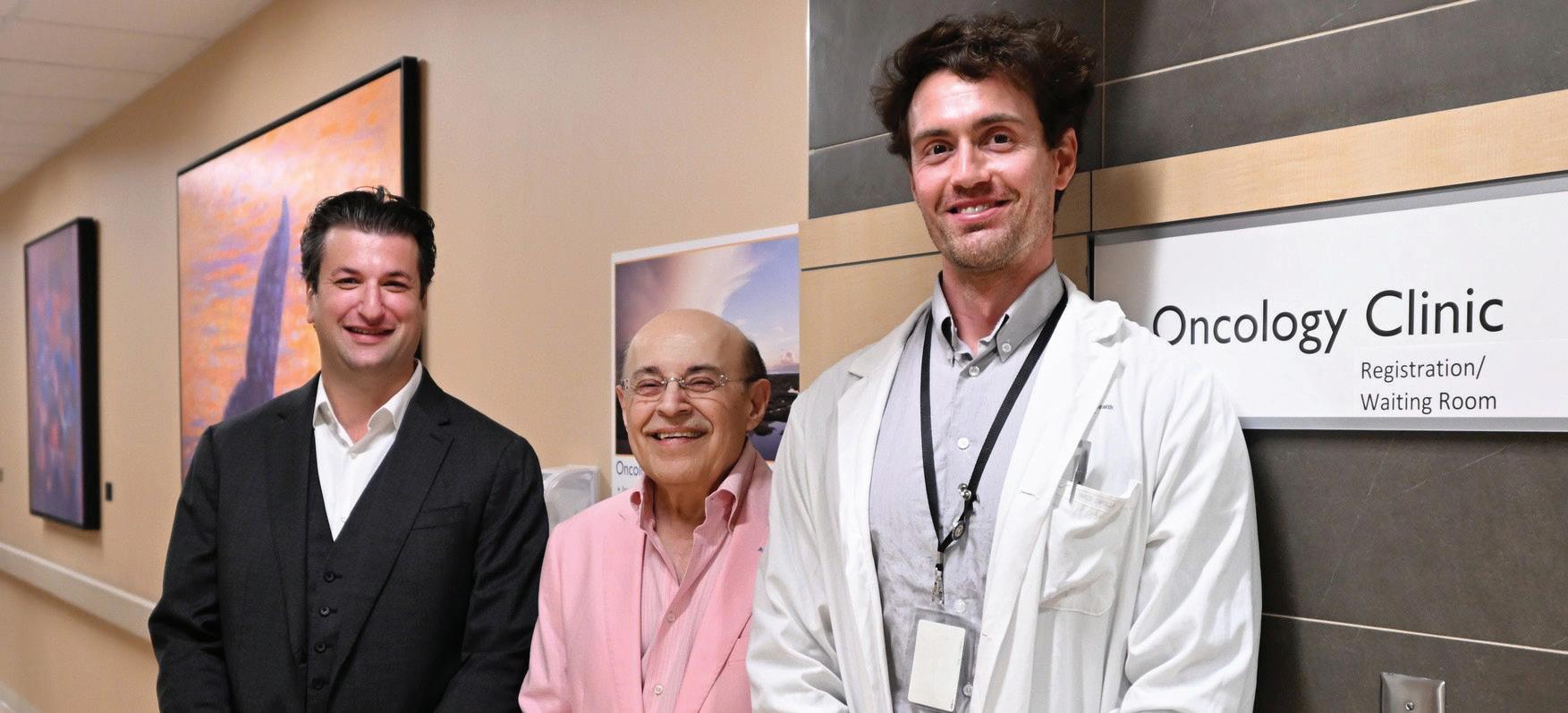
Through it all, the compassion of the Osler team never wavered. Every doctor, every nurse, every volunteer treated him with kindness and respect. His oncologist, Dr. Marco Iafolla, treated him with incredible compassion and determination. He listened. He adjusted his treatment when things weren’t working and when all other options failed, Dr. Kidy and his wife, Louise were introduced to the groundbreaking work of Dr. Brandon Sheffield, right here at Osler—and that changed everything.
Through his lab’s precision oncology research, Dr. Sheffield analyzed Dr. Kidy’s tumour and discovered that he might respond to immunotherapy. Within weeks of beginning treatment, his pain disappeared, his bleeding stopped and strength returned.
Osler gave Dr. Kidy his life back.
Your generosity to William Osler Health System Foundation helps ensure that leading-edge research, technology, and compassionate care remain close to home for patients like Dr. Kidy— and for the 1.3 million people our hospitals serve.
Donate today!
Pictured l-r: Dr. Brandon Sheffield, Dr. Zak Kidy and Dr. Marco Iafolla.
Five Tips to Help Prevent Colorectal Cancer
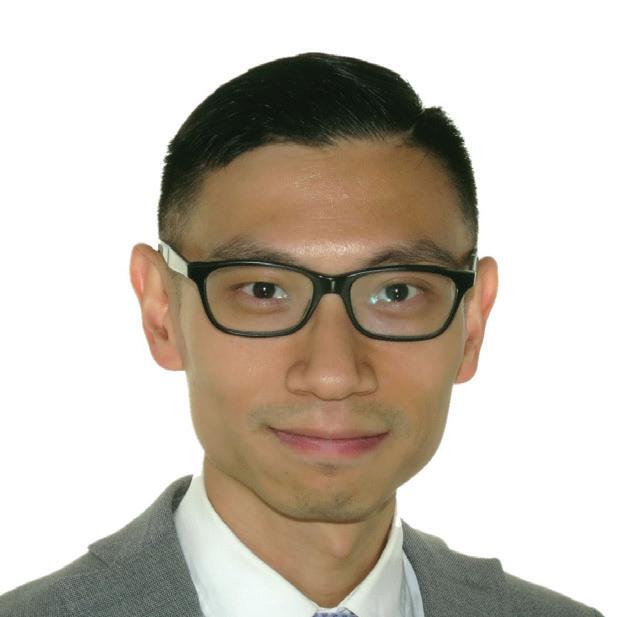
Dr. David Tsui, MD, PhD, FRCPC, is a medical oncologist at William Osler Health System (Osler). Upon completing his MD/PhD Degree at University of Toronto, Dr. Tsui completed his internal medicine and medical oncology residency at University of Alberta, and his fellowship at University of Colorado.
With colorectal cancer cases rising rapidly – especially among younger adults – it’s a good time to focus on prevention. Osler’s Dr. David Tsui shares five practical tips to support overall colon health:
Eat a fibre-rich, balanced diet.
Diets high in fibre from fruits, vegetables, whole grains, and legumes can help keep your digestive system healthy and can lower your risk of colorectal cancer. Limit the amount of processed and red meats you eat, as these have been linked to a higher risk when consumed in large amounts. Aim for a colourful plate that incorporates plant-based meals more often.
Stay physically active.
Regular physical activity supports healthy digestion, helps maintain a healthy weight, and is associated with a lower risk of colorectal cancer. Aim for at least 150 minutes of moderate exercise each week, such as brisk walking, cycling, or swimming.
Limit alcohol intake and avoid smoking and vaping.
Drinking alcohol in excess, smoking and vaping can increase the risk of colorectal cancer, along with many other health conditions. If you drink alcohol, do so in moderation, and consider speaking with a health care provider about supports to quit smoking or vaping.
Be aware of signs and symptoms and speak to your doctor.
Changes in bowel habits such as blood in the stool, unexplained weight loss, abdominal pain, or persistent fatigue should not be ignored. While these symptoms can be caused by many conditions, it’s important to speak with your doctor and get them checked early.
Get screened once you are eligible.
Regular colorectal cancer screening is your most effective defense as it can identify and remove polyps before they become cancerous. Early detection and treatment of colorectal cancer greatly increase survival rates. Talk to your family doctor or primary health care team about when you should begin screening, especially if you have a family history or other risk factors.
Angie Biln, RSW, MSW
ANGIE BILN
With over 18 years of experience in mental health, counselling, rehabilitation, and personal growth, Angie Biln is a Registered Social Worker, Certified EMDR Therapist, Certified Life Coach, Clinical Supervisor, and Mental Health Consultant. Fluent in English, Punjabi, and Hindi, Angie provides culturally responsive, trauma-informed care to individuals, couples, and families navigating trauma, anxiety, depression, grief and loss, relationship challenges, self-esteem concerns, emotional burnout, and recovery from unhealthy or abusive relationships. Certified in Brain Injury Rehabilitation, she also has extensive experience supporting individuals recovering from concussions, acquired brain injuries, chronic pain, and complex trauma. Angie is registered to practice in British Columbia, Alberta, and Ontario and has worked extensively with motor vehicle accident survivors, first responders, youth, families, and individuals navigating significant life transitions. Her approach integrates EMDR, Cognitive Behavioural Therapy (CBT), mindfulness, inner child healing, strengths-based interventions, and somatic approaches to support meaningful and lasting change.
In addition to her clinical practice, Angie provides clinical supervision, mentorship, and consultation to social workers, interns, and allied health professionals. She is also a speaker, podcast host, media contributor, and educator who regularly appears on television and radio discussing mental health, trauma recovery, relationships, resilience, and personal growth. As the host of the Designed For More podcast and a facilitator of wellness retreats, workshops, and community initiatives, Angie is passionate about breaking cultural stigmas surrounding mental health, empowering women, strengthening families, and helping individuals move from surviving to thriving. Through her work, she continues to inspire healing, resilience, self-worth, and meaningful transformation within the communities she serves.
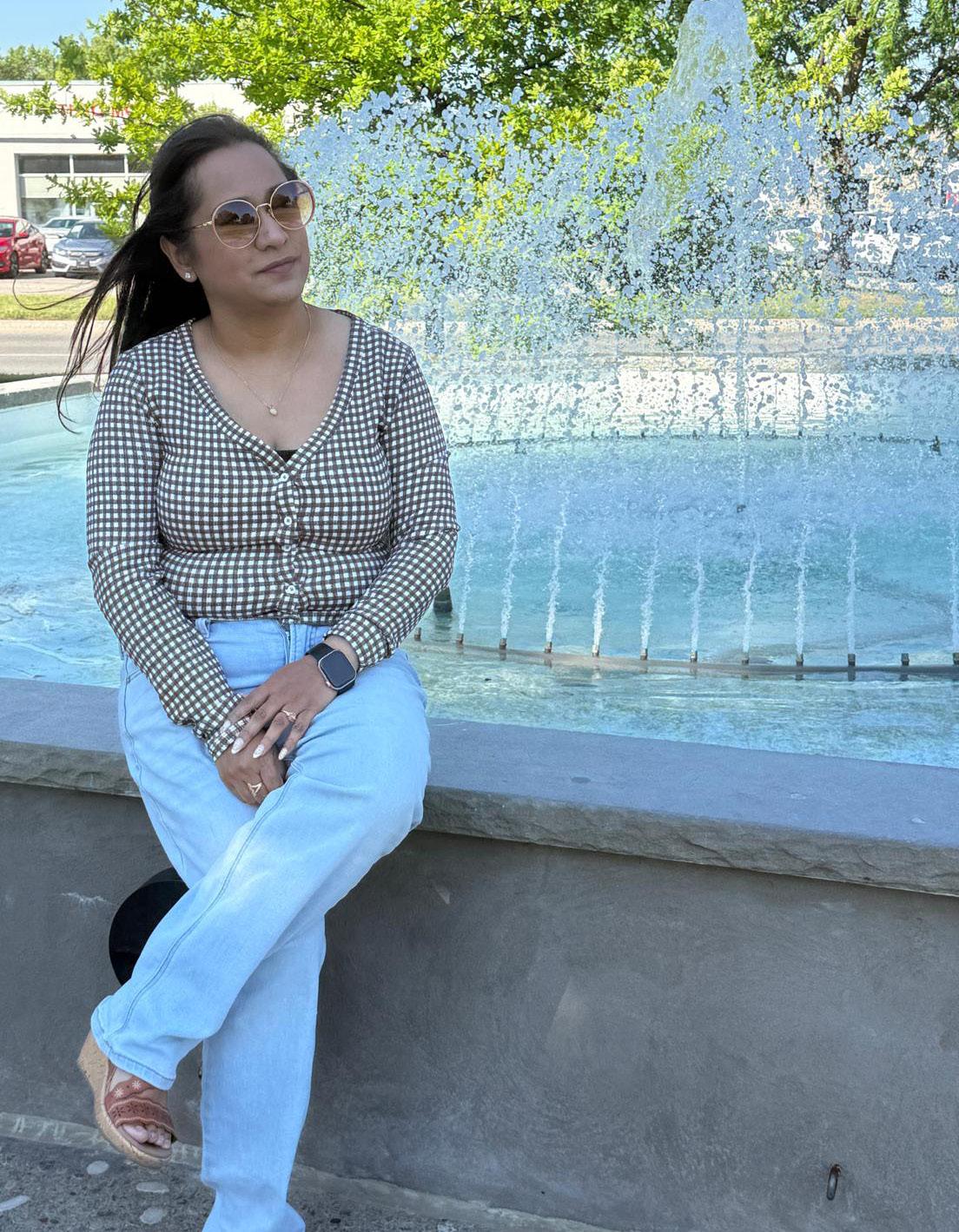
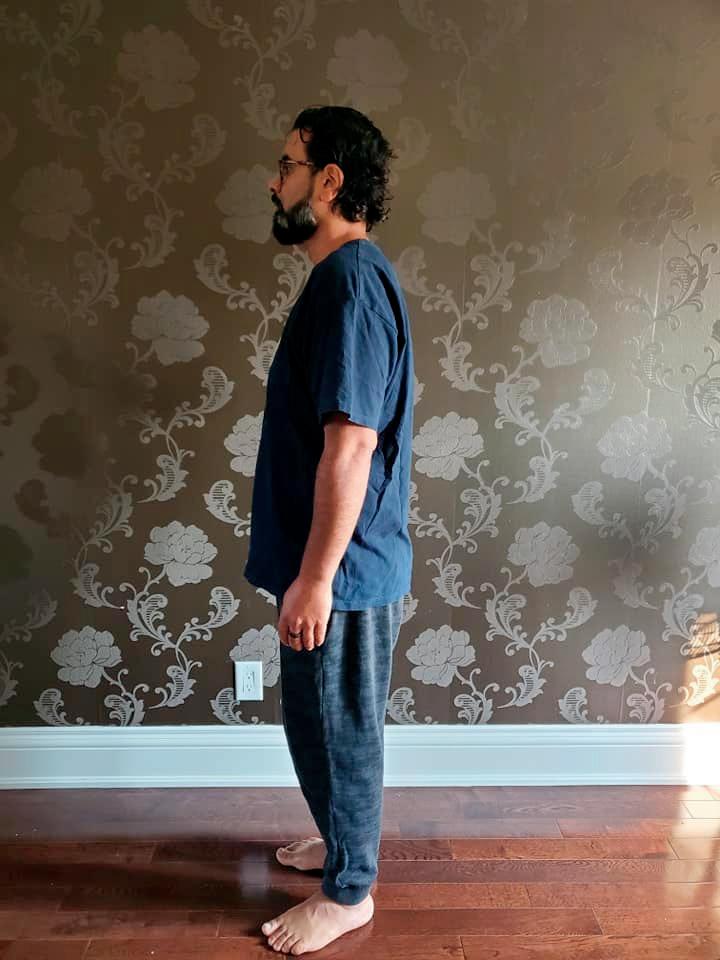
When I Finally Listened to My Body, Everything Changed Parminder Kaur
For fourteen years I woke up every morning in pain that no doctor could explain.
I immigrated to the United States in 2004 to pursue my PhD in Plant Sciences. By 2008 I was in Canada, building a career in insurance, raising two children, managing a home, and showing up for everyone around me. From the outside I looked like someone who had it together.
From the inside my body had been sending signals I did not know how to receive.
The first time I understood that my body’s communications might not be taken seriously, I was in a delivery room. When my daughter was born in 2010 I lost feeling in my leg. I kept telling the nurses something was wrong. For hours nobody believed me — not until I tried to stand and could not. I spent months in physiotherapy learning to walk again, unable to carry my own newborn daughter.
When my son was born the following year, the pain relief did not work. I said so. The procedure continued. I have lived with pain in my body ever since.
Fourteen years. Eleven doctors. Every result normal.
I learned early that my body’s signals might not be taken seriously. So over time, without realising it, I stopped taking them seriously myself.
In 2015 I lost my mother. I folded laundry and cried into it because I did not know what else to do with my hands. Life did not pause for grief. So I got up, made breakfast, and went to work. I carried that loss through every ordinary day for years, performing okayness while something inside me was quietly breaking.
By 2017 I was sick every other day. Could not sleep even though I was exhausted. Still showing up for everything. Still saying I was fine.
I was not fine.
What nobody told me — what took me fourteen years to discover — is that fibromyalgia is not primarily a pain condition. It is a nervous system condition. My nervous system had been in survival mode for so long, from the birth rooms where I was dismissed to the grief I never had space to feel, that my body had forgotten there was another way to exist.
I was not broken. I was dysregulated. And that, I finally learned, was something I could actually work with.
Three years ago, I found somatic yoga. The first session I cried — not from sadness but from release. My body had been holding things I had never been given permission to put down.
I started listening. To the signals I had been ignoring for years. To what
I am still healing. I want to be honest about that.But I wake up now and the pain does not own my day. I stopped counting down to the weekend. I stopped crying in the bathroom with the water running so nobody could hear.
I am still healing. I want to be honest about that.But I wake up now and the pain does not own my day. I stopped counting down to the weekend. I stopped crying in the bathroom with the water running so nobody could hear.
I started creating content about nervous system healing because I realized I was not alone. The South Asian immigrant woman who looks completely capable while quietly falling apart — she is everywhere. She has been dismissed by doctors, conditioned by culture to keep going, and never given language for what her body is experiencing.
Your body is not dramatic. It is not weak. It is not imagining things.
It has been talking to you for a long time.
my body needed instead of what I thought I should push through. I started saying no. Moving slowly on purpose.
Choosing rest before the crash came.
The question is whether you are ready to listen.
Parminder Kaur is a nervous system healing advocate and content creator based in Kitchener, Ontario. She creates content for quietly exhausted women @Ansarvibes on Instagram.
DR. SATDIP BINNING
In the realm of integrative health and wellness, Dr. Satdip Binning stands not only as a practitioner but as a transformative force. With a journey marked by personal health crises and a relentless pursuit of answers, Dr. Binning has emerged as a beacon of vitality and resilience. As the founder of the Functional Health Institute, his mission is deeply rooted in his own transformative experience.
Driven by the desire to share his journey and the principles of Functional Medicine that catalyzed his own health restoration, Dr. Binning has become a sought-after authority in his field. His expertise has been recognized through invitations to contribute articles for magazines and participate in online summits and interviews, where he shares his unique application of the Functional Medicine
Certified as a Functional Medicine Practitioner, Chiropractor, and ART® Provider, Dr. Binning boasts an illustrious 17-year career dedicated to optimizing health and performance. His extensive experience has made him a trusted guide for everyday individuals and high-performance individuals such as entrepreneurs and professional athletes from esteemed organizations such as the NHL, NFL, US Olympic team, and CFL, among others.
At the heart of Dr. Binning’s approach lies a commitment to uncovering the root causes of chronic illnesses through personalized investigation. Instead of just treating symptoms, his mission is centered on uncovering and resolving the root cause. Guided by the belief that individuals possess the innate ability to
Dr. Binning has impacted thousands of lives by teaching people how to overcome the odds and create health where it matters most, in their homes. He guides his patients through lifestyle optimization, recognizing that true health is cultivated in everyday choices and habits. With a holistic approach that prioritizes empowerment and education, Dr. Binning is dedicated to enabling his patients to lead healthier, more vibrant, energetic, and more fulfilling lives.
The Functional Health Institute is one of the nation’s leading virtual clinics for achieving lasting health and wellness using science-based treatment methods of functional medicine. We believe in inspired living. That means living a life with meaning, purpose, and intention. A life free of disease because you realize that most disease is the consequence of lifestyle. A lifestyle that YOU have the POWER to CHANGE. It’s time for you to make yourself a priority and begin living a life with HEALTH and VITALITY. The Functional Health Institute is here to get you started. It’s time for you to begin living an inspired life.
WE SPECIALIZE IN:
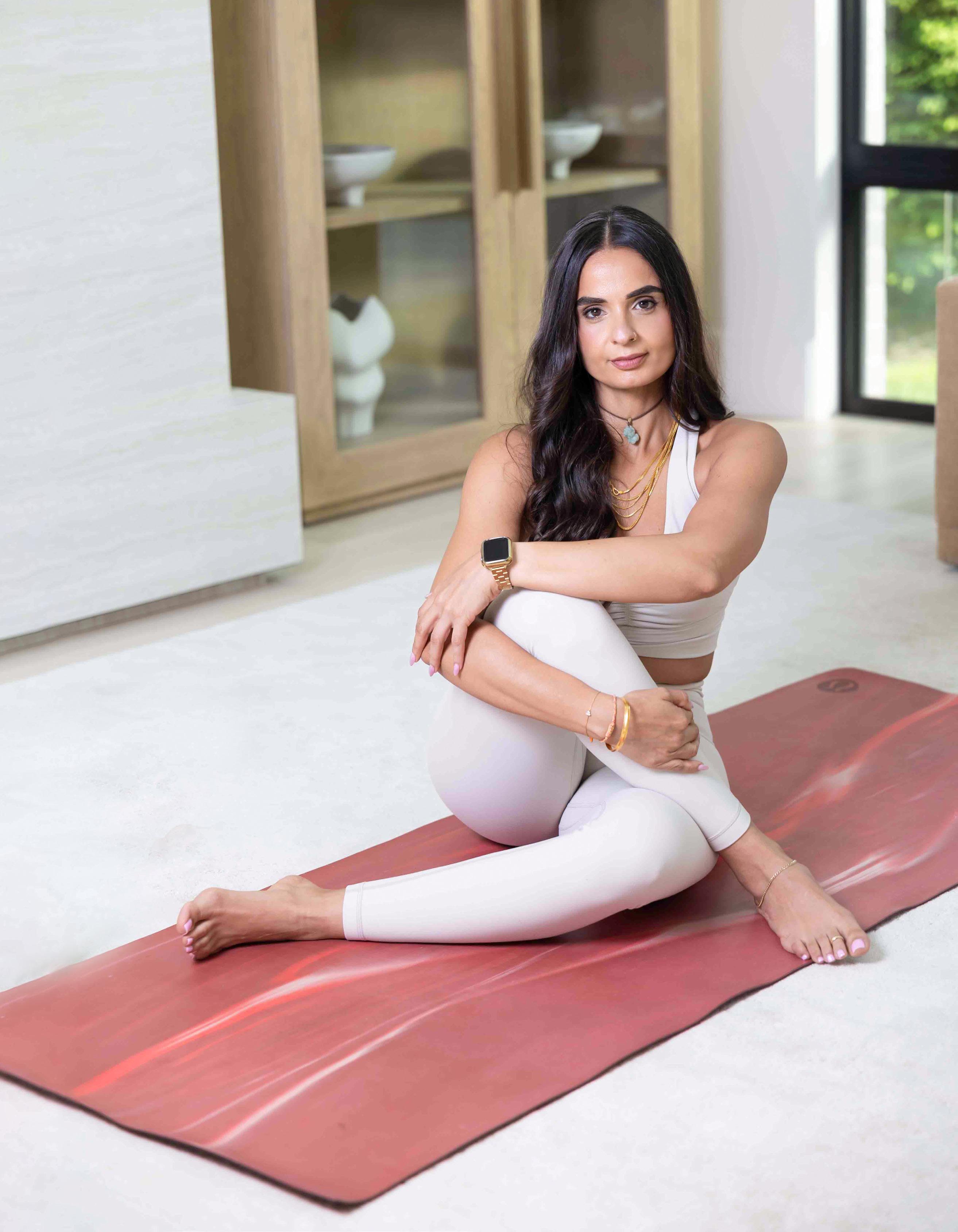
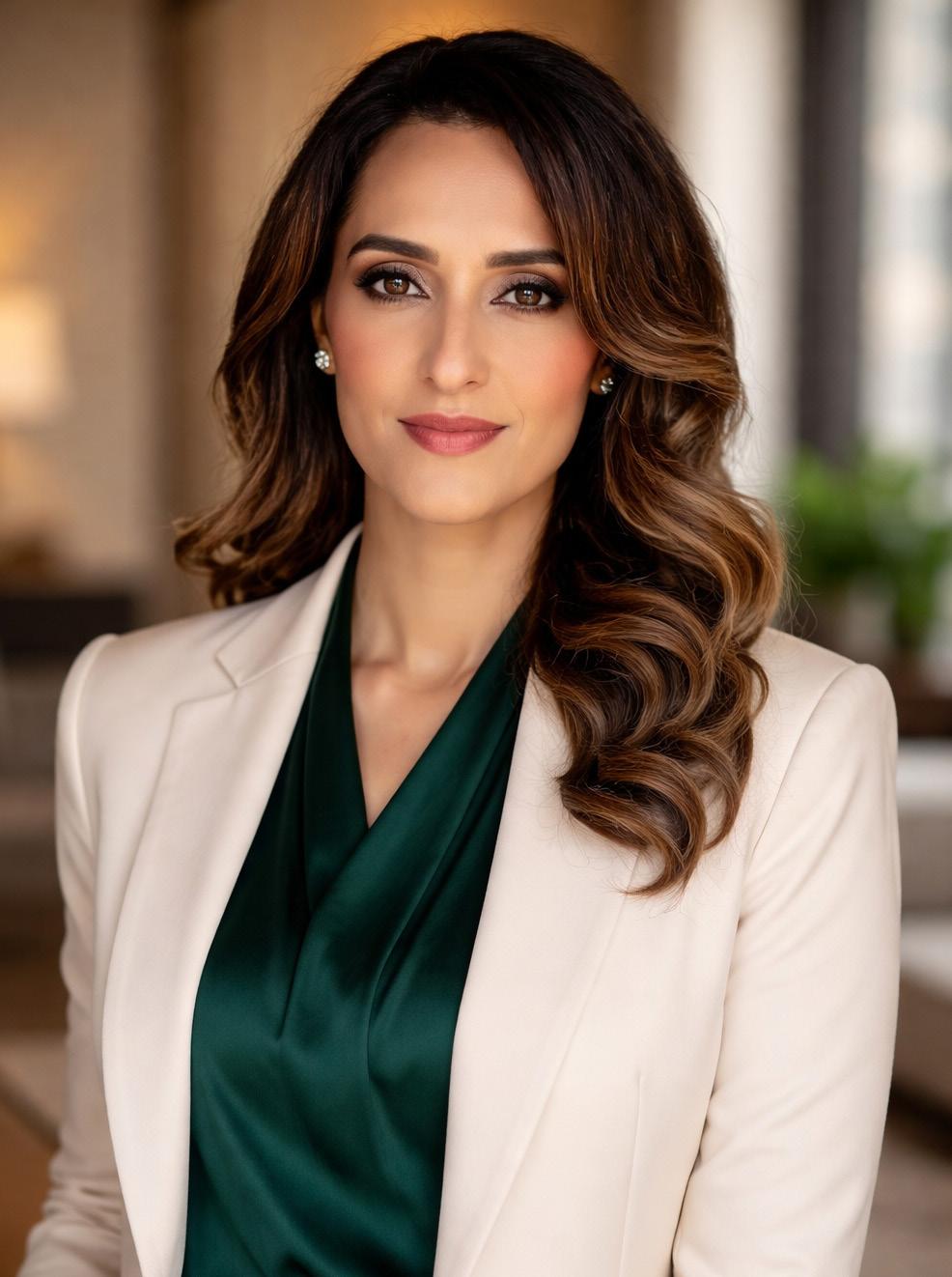
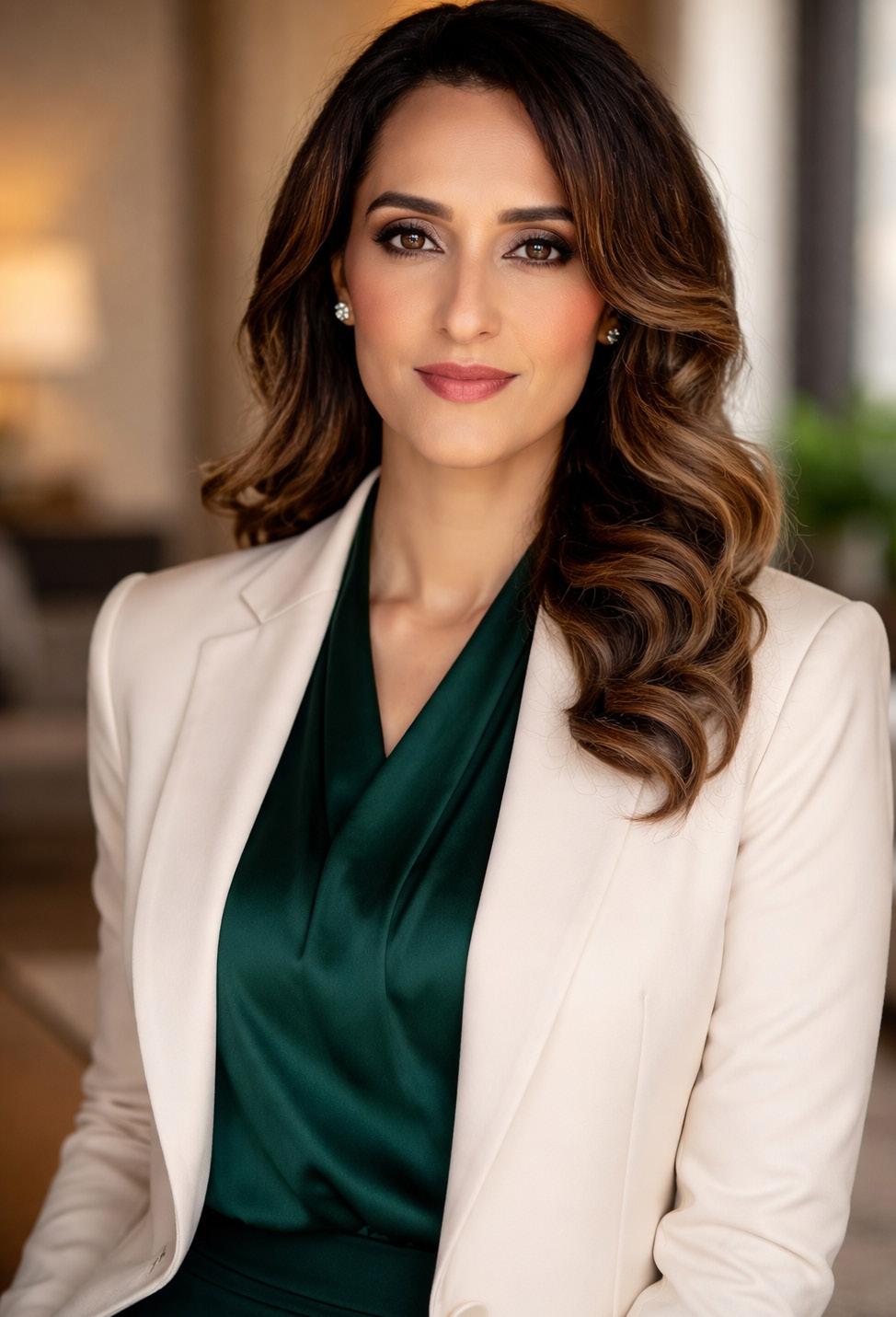
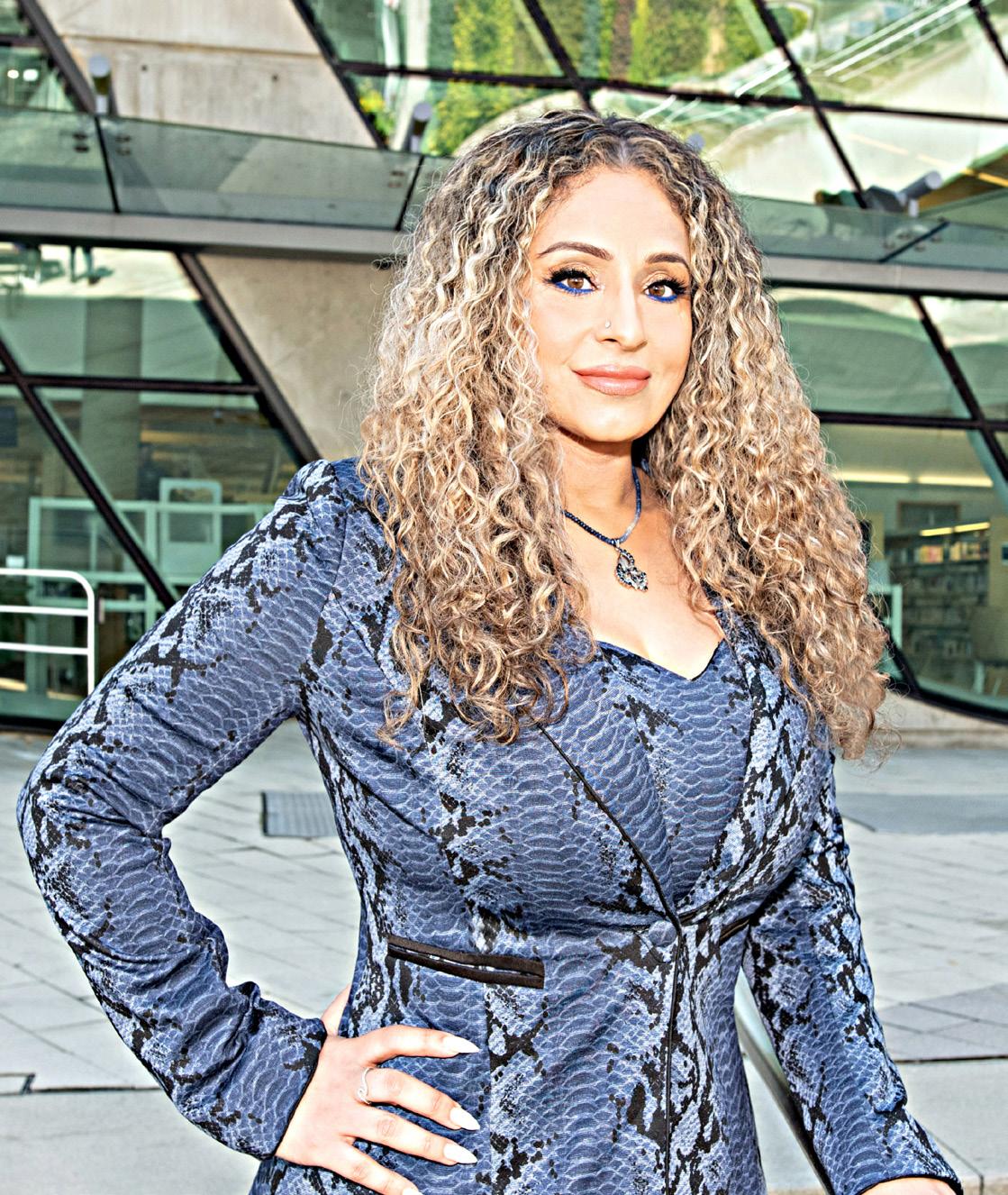
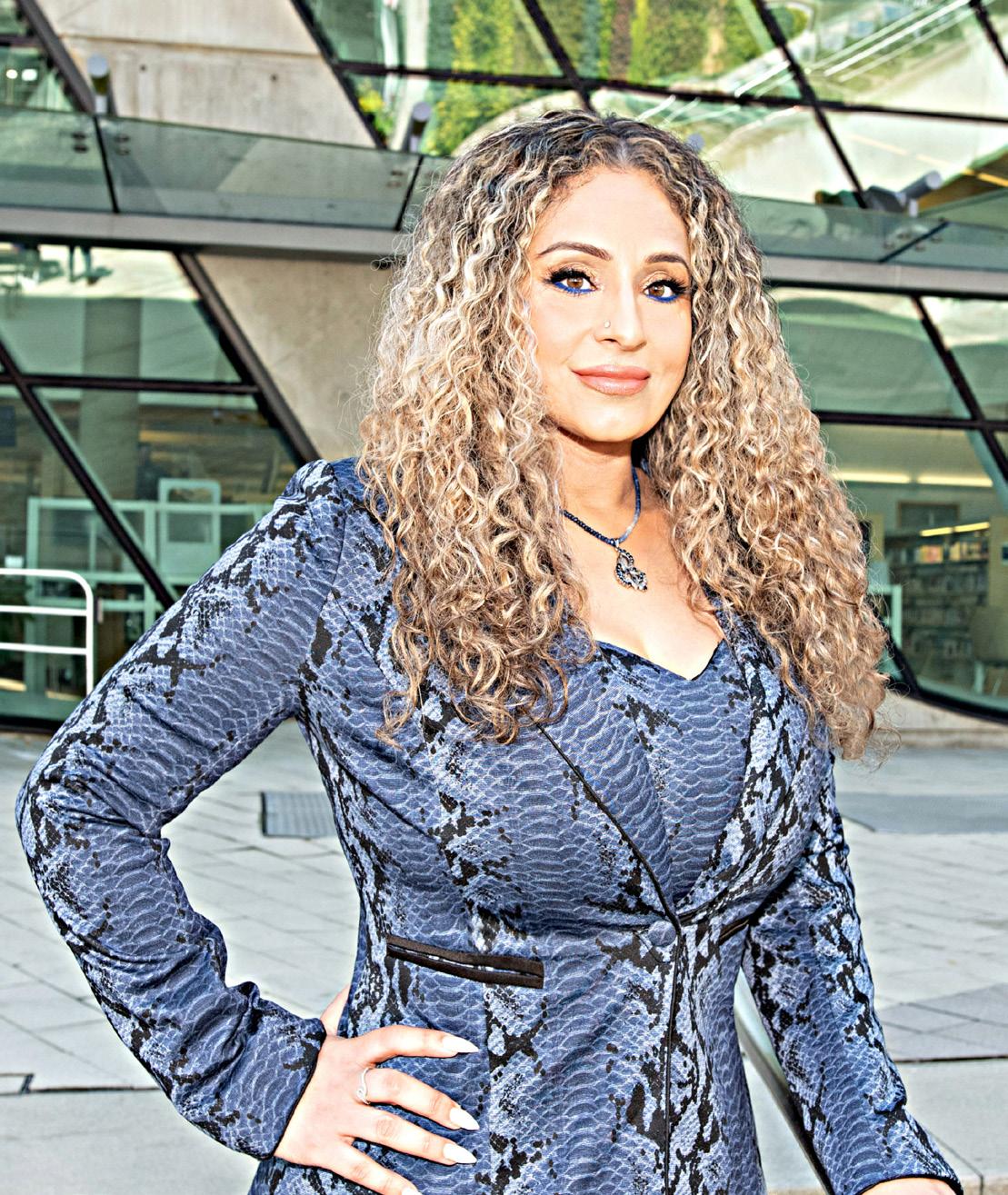
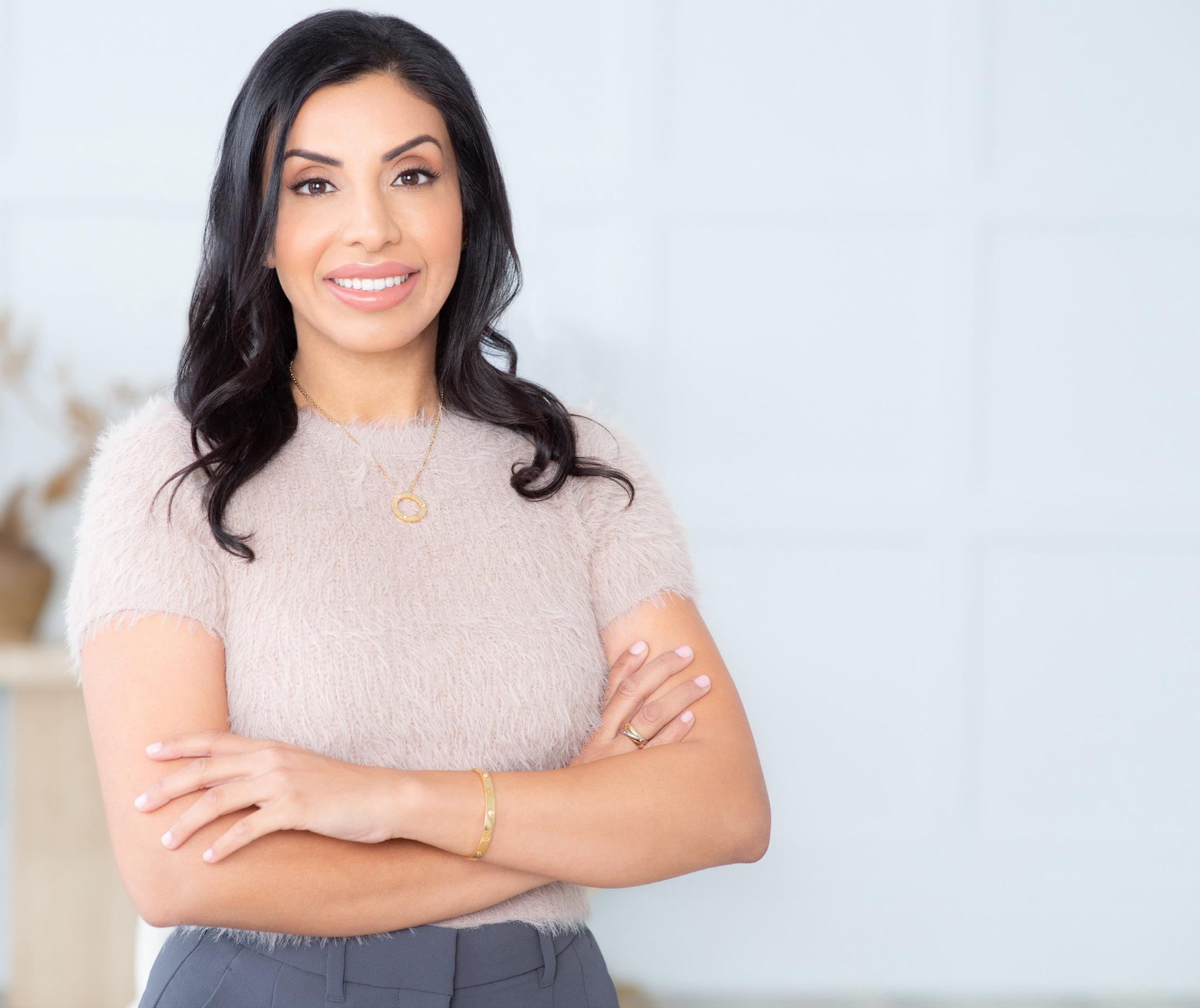
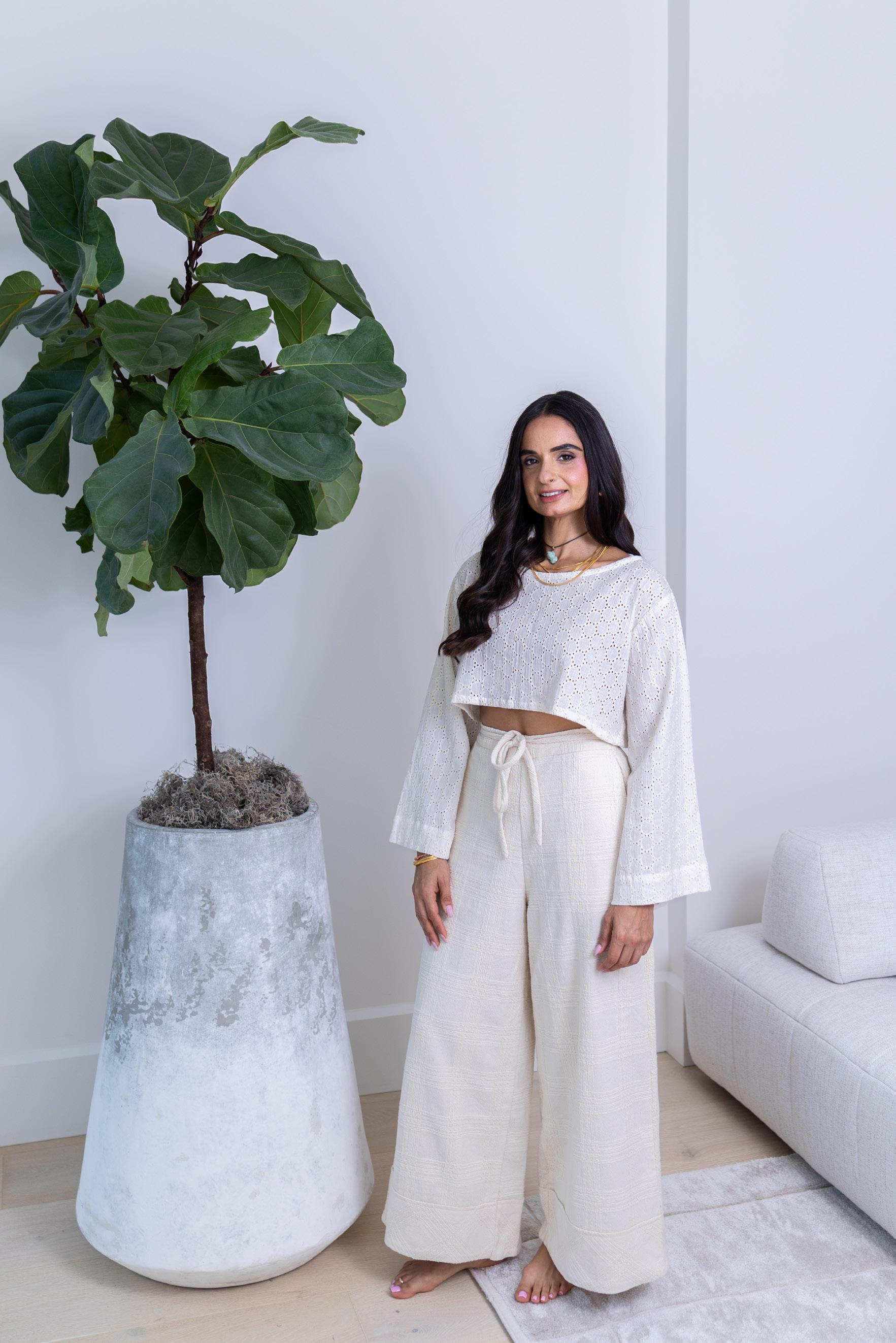
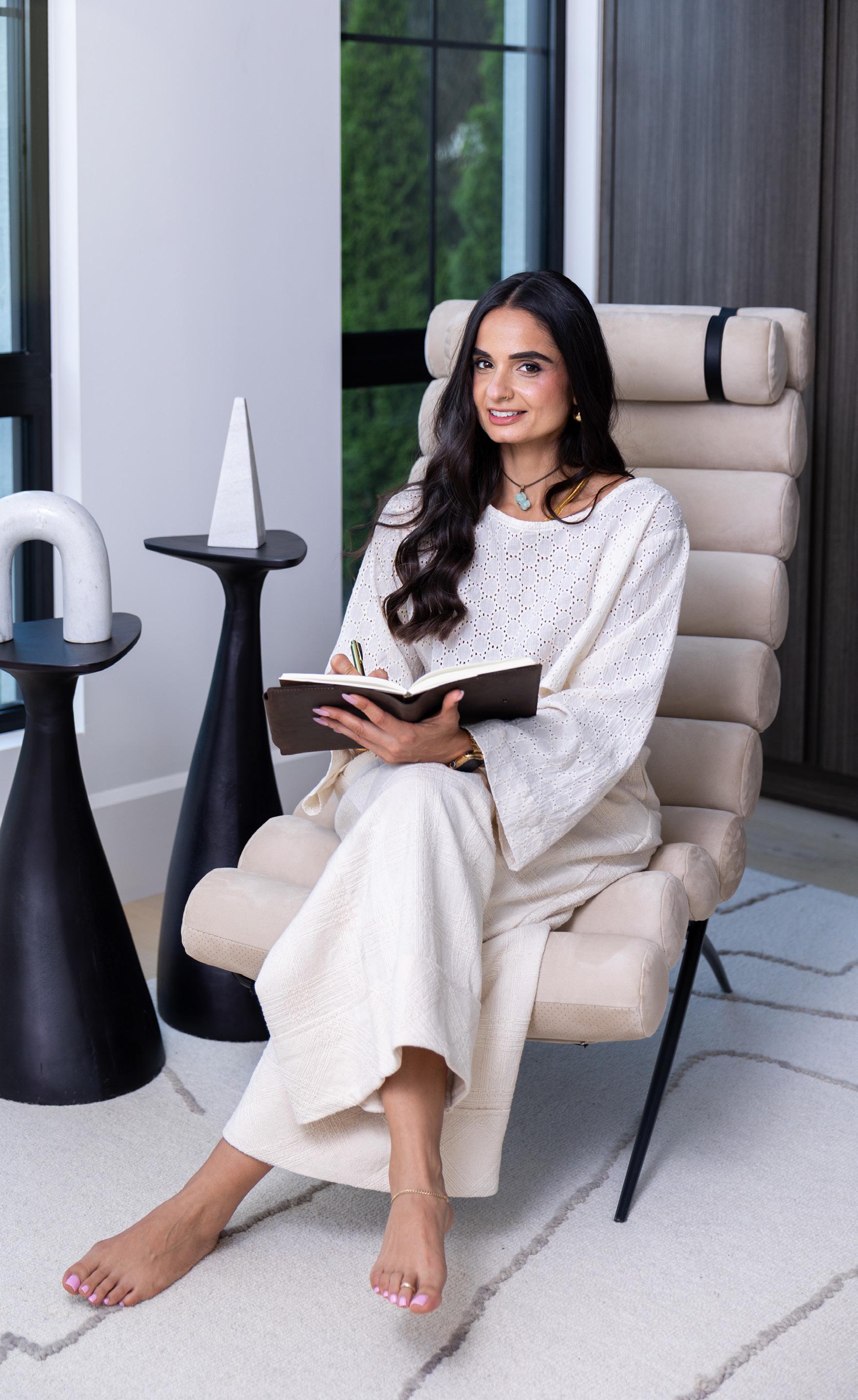
Strength is Just the Beginning: How Suman Kaur is Redefining Wellness
Your philosophy centers on 'health beyond aesthetics.' What inspired this perspective, and how has it shaped your work?
As someone who grew up during an era where so much of the fitness conversation centred around shrinking ourselves, losing weight, or achieving a certain body type, I spent many years believing that movement was primarily tied to appearance. I was always active and, in the gym, but the deeper purpose behind health was often missing from the conversation.
Over time, I began to notice that although the aesthetic trends have changed, the underlying pressure has not. Today, many women still approach fitness through the lens of how they should look, whether that is chasing a certain physique, shape, or standard. While appearance-based goals are completely valid, I became far more interested in what movement, strength, and wellness could offer women beyond aesthetics alone.
That perspective became the foundation of my philosophy: health beyond aesthetics.
For me, health is not just about physical appearance. It is about building a life that feels sustainable, grounded, and supportive long term. It is about helping women reconnect with movement as a form of self-respect rather than punishment. It is about supporting nervous system health alongside physical health, creating healthier relationships with stress, and helping women feel more capable, resilient, and connected to themselves.
The work I do today takes a more holistic approach to wellness because our health is shaped by so many interconnected pieces. Movement, mindset, recovery, emotional wellbeing, boundaries, relationships, and daily habits all influence how we feel in our bodies and how we move through the world.
Another philosophy I often return to is “motion is mindset.” To me, movement is not only physical. It represents growth, action, self-trust, and the willingness to move forward in our lives. Whether that is through strength training, setting boundaries, changing careers, prioritizing rest, or making healthier choices, meaningful change begins when we decide to participate in our own growth.
Ultimately, I want women to feel supported in ways that extend far beyond appearance. Stronger physically, yes, but also more grounded mentally, more connected emotionally, and more empowered in the way they care for themselves and their lives.
In a world focused heavily on appearance, how do you help clients shift their mindset
toward how they feel and function?
I think the key to helping clients shift their mindset away from appearance alone is reconnecting them to why they’re moving their bodies in the first place and how they want to feel in their everyday lives.
Of course, many clients come in with aesthetic goals, and there’s nothing wrong with wanting to feel confident in your body. But I try to help them expand the conversation beyond appearance and
“motion is mindset.” To me, movement is not only physical. It represents growth, action, self-trust, and the willingness to move forward in our lives
start recognizing the deeper benefits of movement as well.
As we age, especially as women, we begin to notice more clearly how stress, lack of movement, poor recovery, and lifestyle habits impact our energy, strength, mobility, mood, confidence, and overall quality of life. So, a big part of my work is helping clients understand that what they’re doing today is not just about how they look now, but about how they want to live and function long term.
I encourage clients to pay attention to the things that often matter even more than aesthetics over time. Feeling stronger. Having more energy. Sleeping better. Managing stress more effectively. Feeling more connected to themselves. Being able to move through life with confidence and independence.
I also remind clients that movement does not have to look one specific way. For some people it may be strength training, while for others it may be yoga, walking, hiking, mobility work, or simply finding ways to move that support both their physical and emotional wellbeing.
Ultimately, I think lasting change happens when people feel connected to a deeper purpose behind what they’re doing. When clients begin focusing on how movement improves their daily life, mental wellbeing, resilience, and overall sense of self, the relationship they have with health often becomes much more sustainable and empowering.
How do strength training, mindful movement, and nervous system support complement each other in your philosophy around wellness?
For me, these elements are deeply connected because true wellness is not just about how strong someone looks physically. It’s also about how they feel, how they move through life, how they manage stress, and how connected they feel to themselves overall.
Strength training is incredibly important because it helps build muscle, resilience, confidence, mobility, and long-term health, especially for women as we age. I think there’s something very empowering about helping women feel physically capable and strong in their own bodies.
At the same time, I don’t believe wellness should feel punishing, exhausting, or disconnected from the body.
That’s where mindful movement and nervous system support come in.
Mindful movement helps people slow down, become more aware of their bodies, improve mobility and breath awareness, and move with more intention rather than constantly operating on autopilot. Practices like yoga, mobility work, breathwork, walking, or simply learning to be more present during movement can help create a stronger mind-body connection.
Nervous system support is equally important because so many people are living in chronic stress without realizing how deeply it impacts their physical and emotional wellbeing. When someone is constantly overwhelmed, overstimulated, or disconnected from themselves, it becomes much harder to create sustainable health habits.
I think these elements work best together because they create a more balanced and supportive approach to wellness. Strength training builds physical resilience, mindful
movement builds awareness and connection, and nervous system support helps people feel grounded, regulated, and safe within themselves.
Ultimately, my goal is to help people feel strong physically, mentally, and emotionally, not just externally.
Many people struggle with sustainability in wellness routines. What does a truly sustainable lifestyle look like to you?
A truly sustainable lifestyle, to me, is one that supports your health in a way that feels realistic, nourishing, and aligned with your actual life, not just something you can maintain for a few weeks.
I work with a wide range of clients, including individuals living with neurological and chronic health conditions, and for many of them, the transformation goes far beyond physical appearance.
I think a lot of people approach wellness from a place of pressure, perfectionism, or extremes. They try to overhaul everything overnight, and eventually it becomes exhausting. Real sustainability comes from creating habits that support your physical and mental wellbeing consistently over time.
That can look like strength training a few times per week, prioritizing sleep, learning how to manage stress, spending time in nature, eating in a way that feels supportive rather than restrictive, and building routines that leave space for rest and joy as well.
For me, wellness is also deeply connected to selfawareness. It’s learning to listen to your body instead of constantly overriding it. A sustainable lifestyle should help you feel more energized, grounded, resilient, and connected to yourself, not burnt out in the pursuit of “health.”
I always come back to the idea that wellness should enhance your life, not consume it.
Can you share a client transformation story that reflects meaningful growth beyond physical changes?
One of the most meaningful parts of my work is seeing women and individuals reconnect with trust and confidence in their bodies again, especially after feeling limited by stress, aging, or health conditions.
I work with a wide range of clients, including individuals living with neurological and chronic health conditions, and for many of them, the
transformation goes far beyond physical appearance.
For example, one of my clients is navigating a chronic neurological condition. Our work together focuses heavily on balance, coordination, stability, and strength. Over time, movement has become less intimidating and more empowering. She’s gained greater confidence in her body, improved her ability to move through dailylife with more ease, and developed a stronger sense of trust in herself physically and mentally.
Some of my clients aren’t training for bigger muscles or faster race times. They’re training to maintain their independence, move with greater confidence, and continue participating in the activities they love. That’s where fitness becomes about so much more than aesthetics.
Another meaningful transformation I’ve witnessed has been with executive and highperforming women who carry significant levels of stress and responsibility in their daily lives. Often, they initially come to training thinking the goal is physical change, but over time they begin to realize how deeply movement supports their mental and emotional wellbeing too. Strength training becomes a space where they can reconnect with themselves, regulate stress, build confidence, and create moments of grounding within otherwise demanding lives.
Those are the transformations that mean the most to me. Helping people feel stronger is important, but helping them feel more capable, empowered, resilient, and connected to themselves is what truly stays with me.
How does stepping outside one’s comfort zone play a role in long-term health and personal development?
St epping outside of our comfort zone plays a huge role in both personal growth and long-term wellbeing because growth rarely happens when we remain in the familiar all the time.
There’s a concept I often come back to in my own life called “growth activation.” I’ve noticed that some of my biggest periods of growth have happened when I’ve done things that initially felt uncomfortable or unfamiliar, whether that was travelling alone, attending events by myself, trying something new, or putting myself in environments that challenged me to evolve.
When we step outside of our comfort zone, we expose ourselves to new experiences, perspectives, and challenges. That process stimulates growth mentally, emotionally, and even neurologically. We begin creating new ways of thinking, responding, adapting, and building confidence within ourselves.
And often, what starts as discomfort eventually becomes self-trust.
I also think there’s a strong connection between personal development and long-term health. Growth experiences can build resilience, confidence, adaptability, emotional regulation, and a deeper sense of self-awareness, all of which support mental and emotional wellbeing over time.
For me, wellness has never been only about physical health. It’s also about how willing we are to continue evolving, learning, and expanding throughout our lives.
Sometimes that growth looks like strength training.
Sometimes it looks like having a difficult conversation.
Sometimes it looks like booking the solo trip, walking into the class alone, or trying something that scares you a little.
But every time we move beyond what feels familiar, we create space for a new version of ourselves to emerge.
Your background as a librarian is unique in the wellness space. How has it influenced your coaching style?
People are often surprised when they learn I used to work as a librarian, especially because it feels so different from the wellness space on the surface. But honestly, the two worlds are more connected than most people realize.
My background in library sciences gave me a very strong foundation in research, information literacy, critical thinking, and understanding how to evaluate information thoughtfully. In today’s wellness industry, where there is so much misinformation and trend-based advice online, that background has shaped the way I approach coaching in a very meaningful way.
A lot of my work is rooted in evidence-based wellness. Whether I’m learning about women’s health, strength training, nervous system regulation, recovery, or longevity, I’m constantly researching, cross-referencing information, and looking at the science behind what I’m sharing with clients and my community.
At the same time, being a librarian also taught me something equally important: how to meet people where they are.
Libraries are deeply human spaces. People come in looking for support, guidance, education, connection, or simply someone who will listen without judgment. In many ways, wellness coaching is similar. My role is not to overwhelm people with information, but to help make health and wellness feel more accessible, supportive, and sustainable within the context of their real lives.
I also think my background made me naturally curious. I genuinely love learning, asking questions, and continuing to evolve both personally and professionally. That curiosity carries into my coaching style and the way I approach wellness as a whole.
For me, wellness is not about trends or extremes. It’s about helping people make informed, sustainable choices that support their physical, mental, and emotional wellbeing long-term.
You incorporate research and evidence-based insights into your work. How do you balance science with personal intuition and experience?
I think science and intuition are often treated as opposites in the wellness space, but I don’t really see them that way. To me, evidence-based research provides the foundation. It helps guide safe, informed, and effective decision-making, especially when working with women navigating hormonal changes, chronic conditions, stress, aging, recovery, or different health goals.
My background as a librarian trained me to critically evaluate information, vet sources, and look beyond trends or oversimplified wellness advice. I naturally turn toward peer-reviewed research, evolving evidence, and credible information when building programs or making recommendations.
At the same time, I think wellness is deeply personal, and people are not research papers. Two individuals can respond very differently to the exact same protocol, exercise approach, or routine. That’s where experience, observation, and intuition become important. Listening to how someone feels in their body, understanding their lifestyle, emotional state, stress levels, energy, and capacity all matter just as much as the science itself.
For me, the goal is never to blindly follow trends or rigid protocols. It’s about combining evidence-based knowledge with a more human, individualized approach that supports the whole person in a sustainable and realistic way.
What
are
some common
misconceptions people have about health and wellness that you aim to challenge?
One of the biggest misconceptions I try to challenge is the idea that health and fitness are primarily about appearance.
We're constantly exposed to messages that tell us health looks a certain way, weighs a certain amount, or fits into a particular body type. While physical appearance is often the most visible aspect of health, it's only one small piece of a much larger picture.
This philosophy is what inspired my belief in “Health Beyond Aesthetics.” I want people to understand that movement, nutrition, rest, and self-care are not simply tools for changing how we look.
To me, health is about how we feel, function, and experience our lives. It's about having the energy to show up for the people and things that matter to us. It's about strength, resilience, mobility, mental wellbeing, and the ability to continue doing what we love as we age.
I also think many people have been conditioned to believe that wellness must be extreme to be effective. More discipline. More restriction. More intensity. In reality, some of the most meaningful changes I've witnessed, both personally and professionally, have come from consistency rather than perfection.
This philosophy is what inspired my belief in "Health Beyond Aesthetics." I want people to understand that movement, nutrition, rest, and selfcare are not simply tools for changing how we look. They are ways of supporting how we live.
When we shift the conversation away from appearance and toward longevity, quality of life, confidence, and overall wellbeing, we create a healthier and more sustainable relationship with ourselves.
You also design
corporate
wellness programs. What are the key elements organizations need to support employee wellbeing effectively?
Many organizations approach employee wellbeing with good intentions, but one of the biggest mistakes I see is treating wellness as a standalone initiative rather than part of workplace culture.
While fitness classes, workshops, and wellness challenges can certainly be valuable, employee wellbeing is influenced by much more than access to programming. Factors such as workload, psychological safety, leadership, flexibility, workplace relationships, and opportunities for recovery all play a significant role in how people feel at work.
I believe effective corporate wellness programs should take a holistic approach. Physical health is important, but so are stress management, mental wellbeing, movement, recovery, connection, and creating environments where employees feel supported as whole people rather than simply productive workers.
The most successful organizations recognize that wellbeing is not a perk. It is an investment. When employees feel healthy, energized, supported, and valued, it benefits not only the individual but the organization through increased engagement, retention, creativity, and performance.
Ultimately, workplace wellbeing is not built through a single event or initiative. It is built through a culture that consistently supports people in bringing their best selves to work while maintaining their health, balance, and quality of life.
Your
wellness travel experiences focus on reset and reflection. What makes these experiences transformative for participants?
I think what makes these experiences transformative is that they create something many people are lacking in their everyday lives: space.
Most of us move through our days in a constant state of responsibility, stimulation, and distraction. We are caring for others, meeting deadlines, responding to notifications, and moving from one obligation to the next without much opportunity to pause and reflect.
A wellness retreat creates a different environment. It offers the space to step
away from familiar routines and reconnect with yourself more intentionally. Through movement, nature, mindfulness practices, meaningful conversations, and periods of reflection, participants are often able to gain clarity on aspects of their lives that have been overshadowed by the pace of daily living.
What I find most powerful is that transformation rarely comes from a single breakthrough moment. More often, it comes from creating the conditions for people to listen to themselves more closely. When we slow down, we notice what is no longer serving us, what needs our attention, and what truly matters.
For me, wellness travel is not about escaping life. It is about returning to it with greater presence, perspective, and intention.
Looking ahead, what is your vision for the future of wellness, and how do you hope to contribute to that evolution?
I believe the future of wellness will move beyond appearance and toward longevity, resilience, and a more integrated understanding of what it means to truly thrive.
For too long, we've approached health in silos. We focused on nutrition without addressing stress. We exercised without considering recovery. We prioritized physical health while overlooking emotional wellbeing, connection, purpose, or mental resilience.
But people aren't one-dimensional, and wellness isn't either.
I think we're moving toward a more holistic understanding of health, one that recognizes that our physical, mental, emotional, and spiritual wellbeing are deeply interconnected. Each influences the others, and when one area is neglected, it inevitably affects the whole.
I'm particularly passionate about the role of strength training in that future, especially for women. I think we've significantly u nderestimated
its impact, not only on muscle and bone health, but on confidence, independence, metabolic health, cognitive function, and longevity. Strength training is one of the most powerful investments we can make in our future selves, yet many women still view it through the narrow lens of aesthetics.
At the same time, strength is only one piece of the puzzle. For me, wellness also includes the practices that help us slow down, reflect, regulate our nervous systems, cultivate self-awareness, and stay connected to ourselves amidst the demands of modern life. It includes movement, recovery, learning, meaningful relationships, time in nature, and the daily habits that support both our health and our humanity.
My hope is to contribute to a more expansive vision of wellness. One that honours the connection between mind, body, and spirit. One that encourages people to build strength not only in their bodies, but in the way they navigate challenges, relationships, and life itself.
Ultimately, I hope we continue moving toward a definition of wellness that asks a different question. Not "How do I look?" but "How do I want to live?"
To me, that's where real transformation begins.
If you could give one piece of advice to someone just beginning their wellness journey, what would it be?
If I could give one piece of advice to someone just beginning their wellness journey, it would be this: start smaller than you think you need to.
So many people believe they need to completely transform their lives overnight. They think they need the perfect workout plan, the perfect diet, or hours of free time before they can
begin. In actuality, lasting change is built through small, consistent actions repeated over time. Go for the walk. Take the class. Make it to the gym. Drink the water. Focus on showing up rather than being perfect.
If you're not sure where to start, don't be afraid to lean on the resources available to you. Whether that's a personal trainer, health coach, yoga teacher, healthcare professional, or a supportive community, having guidance can help you navigate your journey safely, effectively, and with greater confidence.
Most importantly, stick with it. The early stages can feel challenging because you're building new habits and creating new routines. Research suggests that habits can take much longer to develop than most people expect, so give yourself grace and be patient with the process. Wellness isn't created by what you do once; it's created by what you do consistently.
Over time, those small choices build confidence, confidence creates momentum, and momentum creates transformation. You don't have to be perfect. You just have to keep showing up for yourself, one day at a time.
THE HYPE AD AGENCY
Full-Service Boutique Agency Specializing in Multicultural Marketing Previous Clientele: Major Banks, Telecoms, Corporates, Small Businesses, Non-Profits & Community Organizations
Event Production & Magazine Publications Across Canada
Track Record for Securing Corporate Sponsorships & Funding
Master Your Metabolism
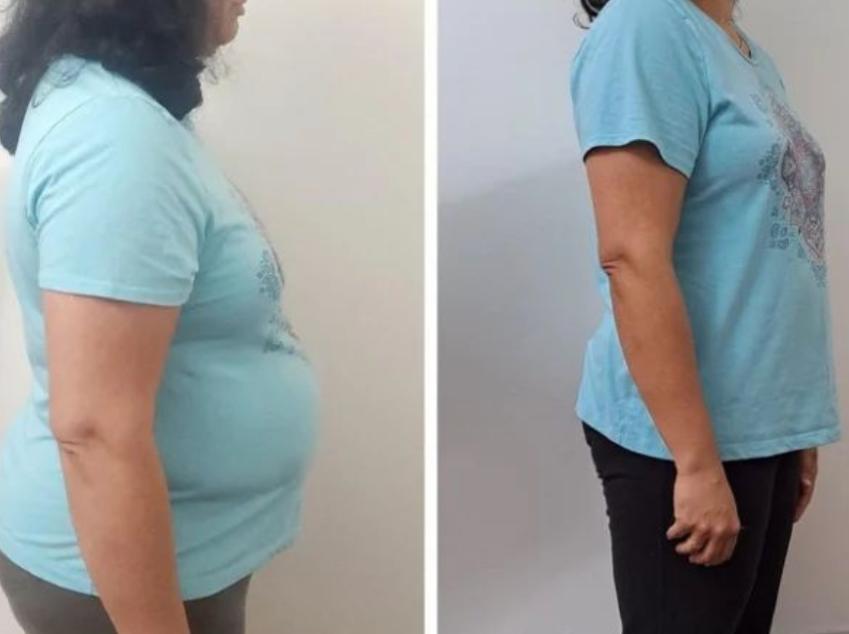
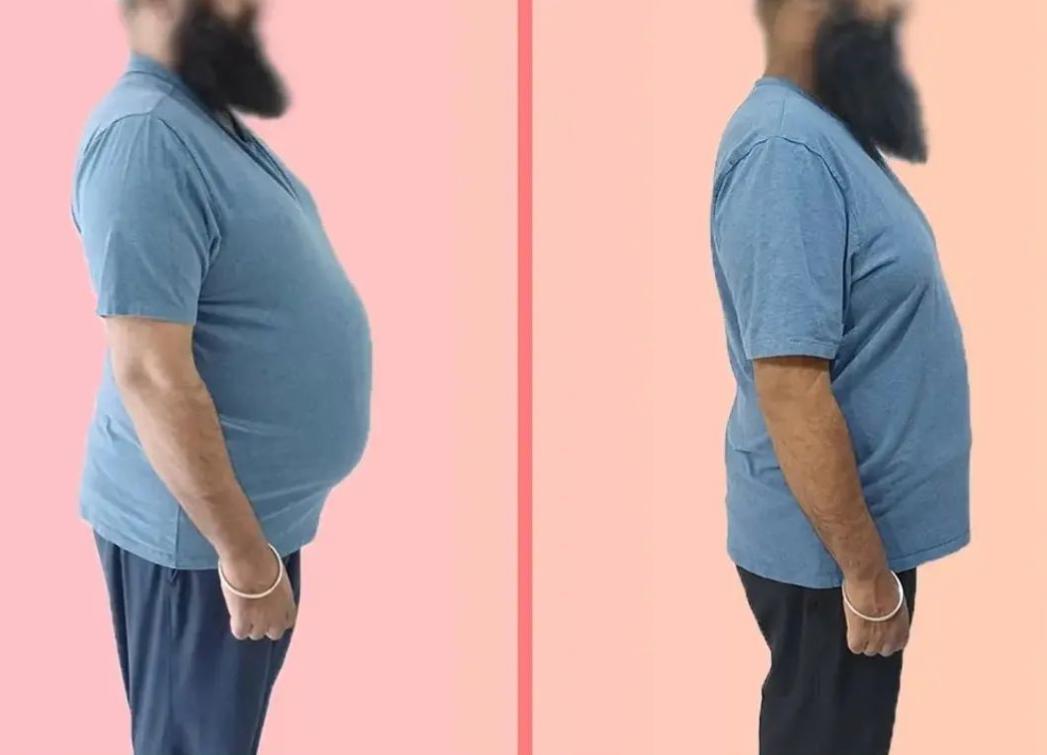
Safely and naturally lose 20-45 pounds in 6 weeks without drugs, intense exercise, and boring food
The key benefits of our unique whole health approach
Less inflammation
Balanced blood sugar
More energy
Balanced
Balanced
At The Living Proof Institute, we believe in getting to the root cause, teaching you skills instead of giving you more pills and leveraging your body's own wisdom to heal you safely, rapidly, and holistically
We proudly serve clients all over the world and we have trained hundreds of holistic practitioners globally in our evidence-based root-cause process
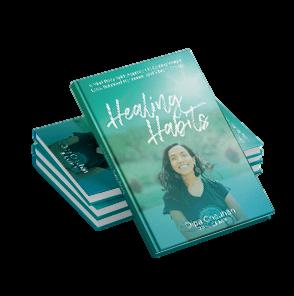
Our mission is to inform, educate, and inspire you whole We invite you to get a copy of our book an learn more about our unique approach to health
With love and gratitude
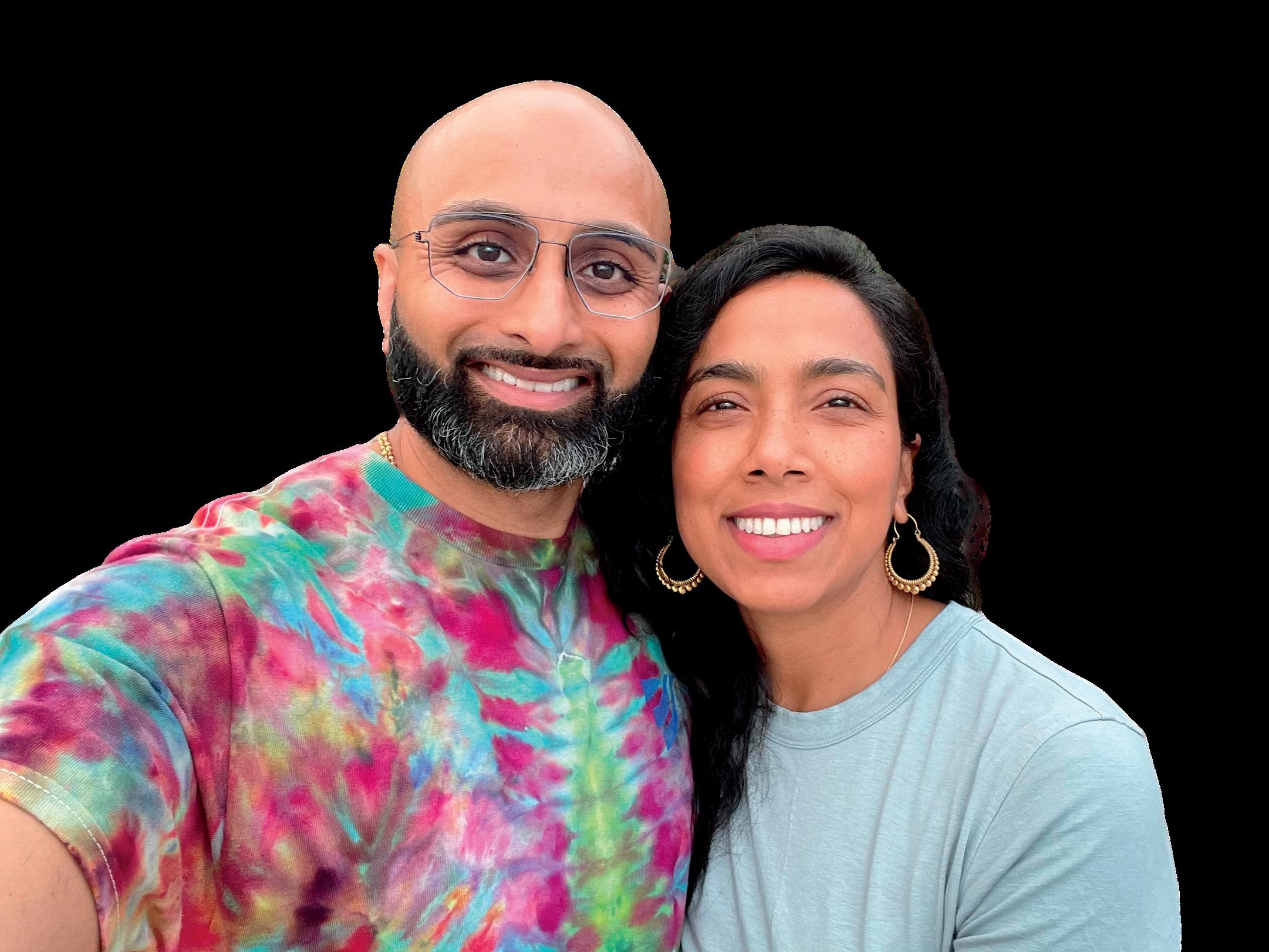
Sachin and Dipa Patel - Founders
Scan here with your smartphone camera to instantly get a FREE copy of Healing Habits and FREE weight loss masterclass training!
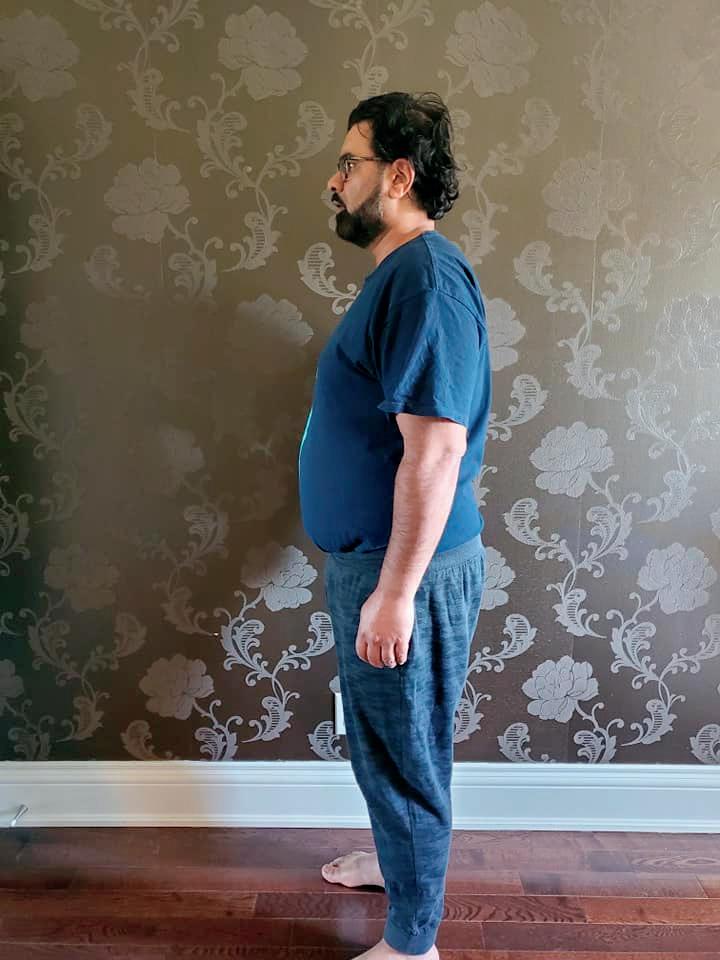
Sukh lost 52 pounds in 6 weeks and came off his blood pressure and diabetes medications
Faiza lost 20 pounds in 6 weeks, got rid of her hot flashes and has way more energy
YOUR WEALTH. YOUR WELLNESS. STRATEGICALLY BUILT.
Pam Setia is the founder of What The Financial, a boutique advisory firm built from strategy, not scarcity. As a Holistic Wealth & Real Estate Consultant, Pam operates at the intersection of luxury real estate, wealth strategy, and intelligent leverage, helping clients use real estate as a deliberate tool for long-term financial optimization.
A licensed Personal Financial Planner with over 18 years of experience in the banking industry, Pam holds professional licenses in financial planning, mortgages, and real estate. This rare, fully integrated perspective allows her to advise with clarity across capital deployment, debt architecture, and asset positioning, replacing fragmented advice with cohesive, real estate forward strategy.
Pam’s work is guided by precision and discretion, shaped by a global mindset and refined through years of advisory experience. Her philosophy centers on structure over speculation. She advises clients on how to deploy capital with intent, optimize debt as a wealth-building tool, and position assets with foresight, ensuring every acquisition serves a broader financial narrative.
The result is not transactional success, but financial freedom—your way.
INTRODUCING WEALTH RX
Wealth RX was created with one clear objective: to help high-performing professionals turn income into intentional, longterm wealth that supports both financial goals and personal wellbeing. Developed by Pam Setia after more than two decades advising professionals including those in the healthcare industry Wealth RX reflects a deep understanding of the pressures physicians, dentists, pharmacists, and healthcare executives face such as high incomes, complex debt, limited time, and the physical and mental toll of financial complexity.
Drawing on over 20 years of experience across banking, financial planning, mortgages, and real estate, Pam designed Wealth RX as a prescriptive, real estate-forward framework that replaces fragmented advice with clarity and structure. By evaluating cash flow, debt architecture, asset allocation, and risk exposure and through a coordinated advisory structure in which Pam partners with experienced professionals to strategically reclassify corporate retained earnings and optimize capital dividend account planning, the framework supports tax efficiency while preserving long-term financial integrity. Every decision is aligned to a defined financial outcome, not just short-term performance.
Wealth RX empowers healthcare professionals to move beyond accumulation toward strategic positioning by using real estate and intelligent leverage as tools to build stability, resilience, and financial command. The result is a wealth strategy that protects energy, preserves focus, and supports a sustainable life and career, strategically built and on their terms.
Breaking New Ground: Sarpreet Singh Inspires a New Generation on Football’s Biggest Stage
When New Zealand's FIFA World Cup 2026 campaign came to an end, the All Whites left the tournament without advancing beyond the group stage. Yet one of the competition's most memorable stories was not measured by wins or losses—it was the historic journey of midfielder Sarpreet Singh.
For football fans across New Zealand and for South Asian communities around the world, Singh's appearance at the World Cup represented far more than another international cap. It marked a milestone for representation and inspired countless young athletes who rarely see themselves reflected on football's biggest stage.
Born in Auckland on February 20, 1999, to a proud family of Indian heritage, Singh developed his passion for football at local clubs Papatoetoe AFC and Onehunga Sports before joining the Wellington Phoenix Academy. His technical ability, vision, and creativity quickly distinguished him as one of the country's brightest young talents.
His performances in the A-League soon attracted international attention, leading to a careerdefining move to German powerhouse Bayern Munich in 2019. The transfer not only elevated Singh's career but also demonstrated that players from New Zealand—and those of South Asian heritage—could compete at the highest levels of world football.
During the 2026 FIFA World Cup, Singh added another chapter to football history when he became the first Sikh player to appear in a FIFA
World Cup match, taking the field during New Zealand's 2-2 draw with Iran. While his name did not appear on the scoresheet, his intelligent movement, accurate passing, and calm presence in midfield played an important role in the team's performance.
The All Whites ultimately finished their Group G campaign with one point after defeats to Egypt and Belgium. Although the results were disappointing, Singh's contribution extended well beyond the final standings.
His journey has become a powerful example of perseverance, determination, and the growing diversity of international football. For many young South Asian players, seeing someone who shares their cultural background competing on the world's biggest stage reinforces the belief that elite football is an attainable dream.
As football continues to expand its global reach, representation matters more than ever. Sarpreet Singh's World Cup appearance was not simply a personal achievement—it was a landmark moment for New Zealand football and for the wider Punjabi and Sikh communities worldwide.
While the 2026 tournament may not have delivered the results New Zealand had hoped for, it showcased a player whose influence will likely be remembered long after the final whistle. Singh's legacy is already extending beyond the pitch, inspiring the next generation to believe that talent, hard work, and ambition can overcome barriers and create history.
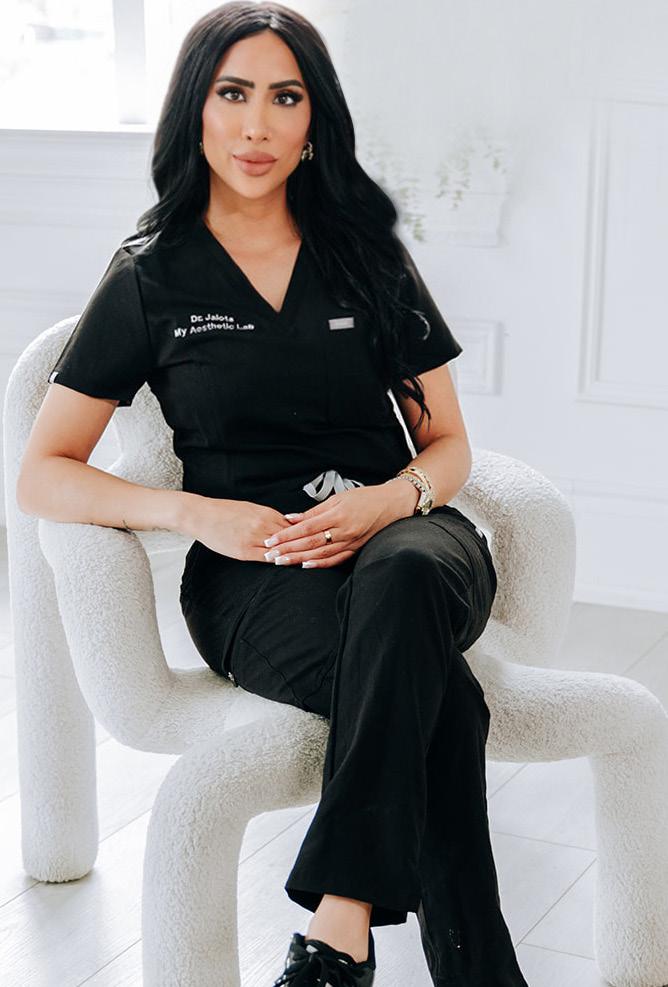
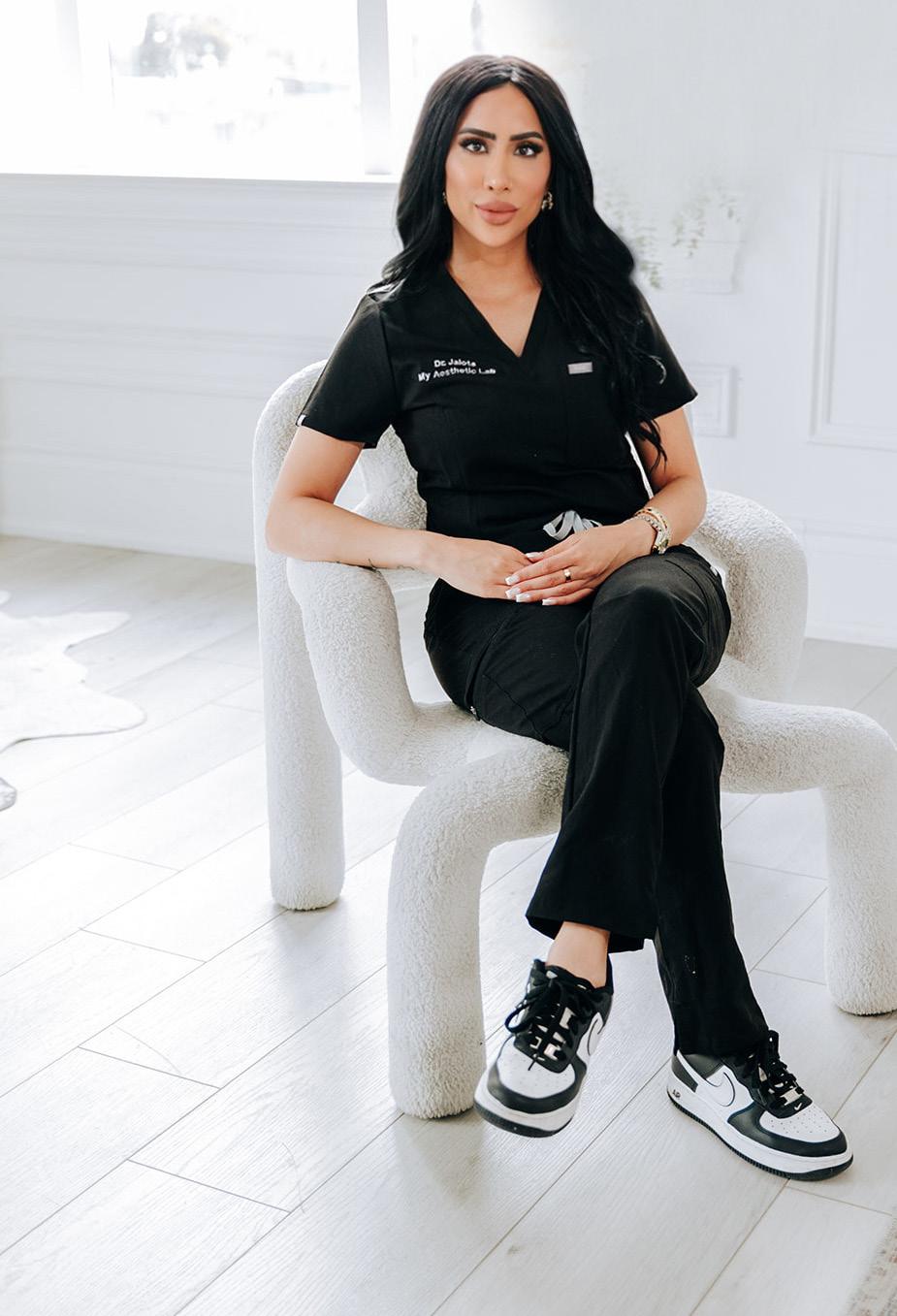
Jalota Dr. Nidhi
Founder Of My Aesthetic Lab,
Dr. Nidhi Jalota, is a highly skilled and accomplished family physician with a passion for aesthetic medicine. With extensive training, Dr. Jalota has become an expert in a wide range of non-surgical treatments.
In addition to her medical expertise, Dr. Jalota, brings a unique artistic touch to each procedure, ensuring her patients receive a personalized, natural-looking results. As a family physician, she also understands the importance of a holistic approach to healthcare and strives to help her patients look and feel their best from inside out.
Enter through the doors of My Aesthetic Lab, and relax in luxury from start to finish knowing you’ll be in good hands with complete discretion. My Aesthetic Lab is designed to ensure you feel calm and relaxed while waiting for or in treatment. Feel safe and comfortable knowing you’re in safe hands with our experts.
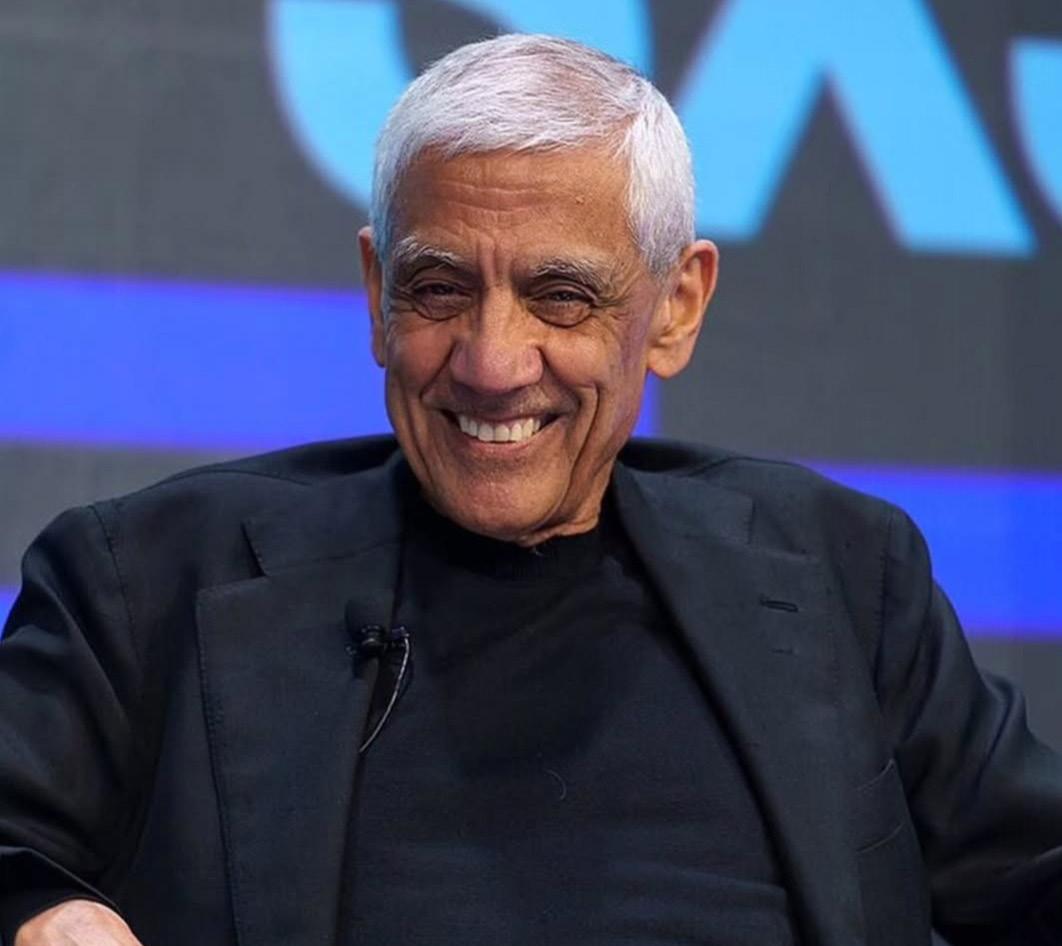
VINOD KHOSLA’S
HISTORIC PURCHASE OF THE SEATTLE SEAHAWKS
One of the biggest ownership changes in professional sports history is set to reshape the National Football League. Venture capitalist and technology entrepreneur Vinod Khosla, together with his family, has reached an agreement to purchase the Seattle Seahawks for a recordbreaking $9.612 billion, pending approval from NFL owners. If finalized, the transaction will become the most expensive sale of an NFL franchise and one of the largest deals ever completed in global sports.
The Seahawks were placed on the market by the estate of the late Paul Allen following the team's
Super Bowl LX championship season. Allen, who co-founded Microsoft, purchased the franchise in 1997 and transformed it into one of the NFL's model organizations. Under his ownership, the Seahawks enjoyed sustained success, captured multiple NFC championships, and became one of the league's most respected franchises. The sale marks the end of an era while opening the door to a new chapter led by one of the technology industry's most accomplished investors.
Vinod Khosla is widely recognized as the cofounder of Sun Microsystems and the founder of
Khosla Ventures, one of Silicon Valley's leading venture capital firms. Throughout his career he has invested in groundbreaking companies across artificial intelligence, healthcare, clean technology, and software, including OpenAI, DoorDash, Instacart, and numerous innovative startups. With an estimated net worth of approximately $13.7 billion, Khosla has earned a reputation for identifying transformative technologies long before they become mainstream.
Although best known for his success in technology and venture capital, Khosla has also shown a growing interest in professional sports ownership. In 2025 he acquired a minority ownership stake in the San Francisco 49ers. NFL rules, however, prohibit ownership interests in multiple franchises, meaning the Khosla family will divest its investment in the 49ers before officially taking control of the Seahawks.
The acquisition is expected to be a true family endeavor. Neeru Khosla is expected to serve as the controlling owner, while their son, Neal Khosla, CEO of AI healthcare company Curai, is anticipated to play an active leadership role within the organization. Their combined experience in business, innovation, and long-term strategic planning has generated optimism that the Seahawks will continue building on their recent championship success.
The sale was managed by Allen & Co. on behalf of Paul Allen's estate and remains subject to formal approval by NFL owners. League rules require at least 24 of the league's 32 owners to approve any franchise sale. A special meeting has been scheduled for late August 2026, where the transaction is expected to receive final consideration.
Beyond the change in ownership, the record-setting purchase price demonstrates the remarkable growth in the value of professional sports franchises. Strong national television contracts, revenue sharing, global fan engagement, and the scarcity of available NFL teams have continued
to drive franchise valuations to unprecedented levels. The Seahawks' sale surpasses the previous NFL record established by the Washington Commanders and further highlights the league's position as one of the world's most valuable sports properties.
Following the announcement, Vinod Khosla expressed his appreciation for the opportunity to become the Seahawks' next steward, emphasizing his commitment to honoring Paul Allen's legacy while earning the trust of players, employees, and fans. His remarks reflected both respect for the organization's history and excitement about its future.
If approved, the acquisition will represent far more than a record financial transaction. It symbolizes the growing connection between the technology sector and professional sports ownership, while ensuring that one of the NFL's premier franchises enters its next era with experienced leadership, significant financial resources, and a long-term vision for continued excellence on and off the field.
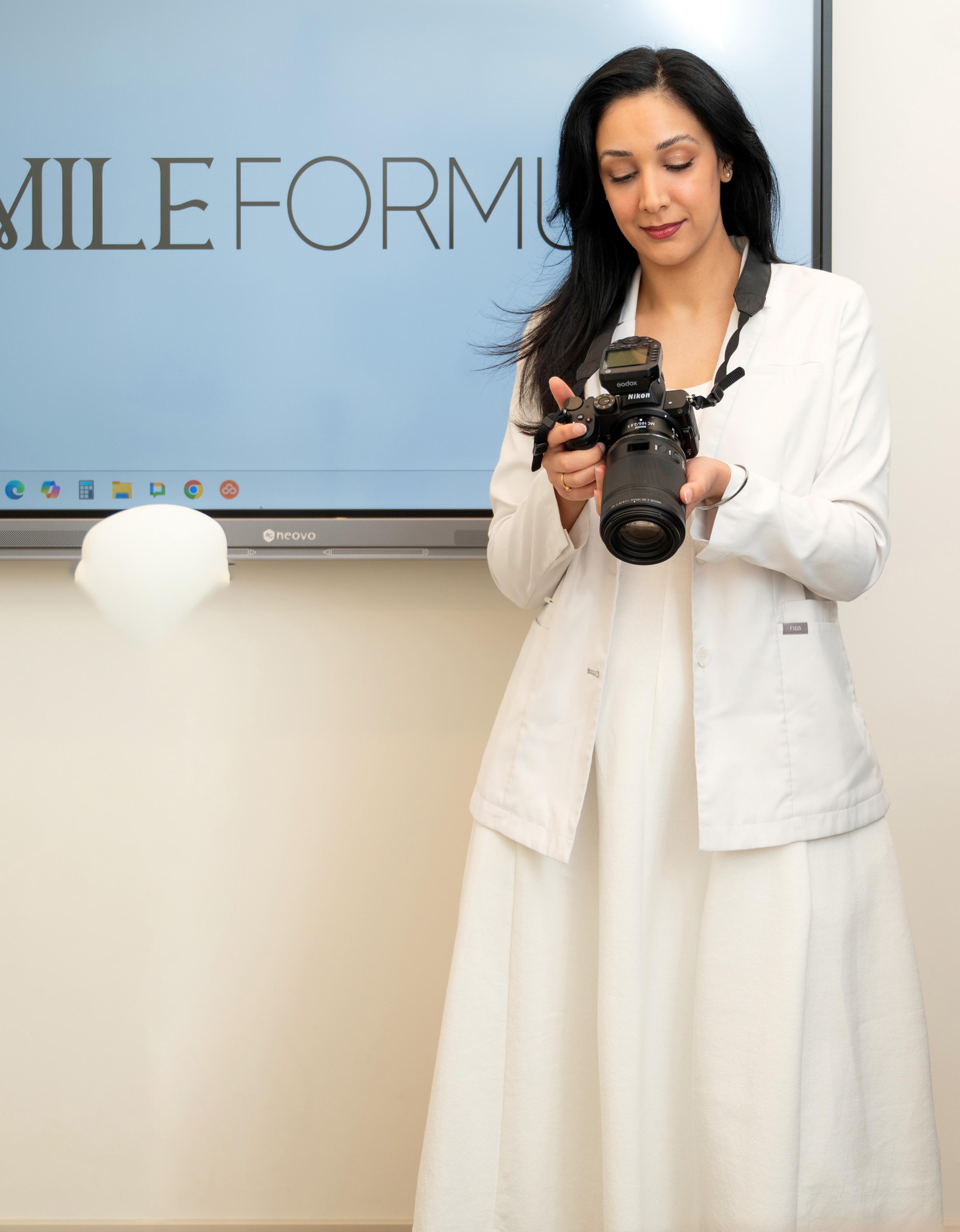
Healing Beyond the Smile
A Conversation with
DR. JESSE SINGH
You have a Master’s in Molecular Nutrition and Metabolism as well as a Doctor of Dental Medicine from Boston University. How has your scientific training shaped the way you practice dentistry today?
My background in molecular nutrition and metabolism fundamentally changed the way I view dentistry. It taught me very early on that the mouth is not a separate system, it’s a living reflection of the entire body. When I evaluate a patient, I’m not just looking at teeth; I’m looking at physiology, inflammation, nutrition, hormones, medications, and lifestyle behaviors that directly shape oral outcomes.
When I evaluate a patient, I’m not just looking at teeth; I’m looking at physiology, inflammation, nutrition, hormones, medications, and lifestyle behaviors that directly shape oral outcomes.
Understanding biochemical pathways; things like how glucose dysregulation affects periodontal inflammation or how micronutrient deficiencies impair healing, allows me to create treatment plans that are clinically precise and deeply personalized.
In practical terms, this means I integrate tools such as:
n Salivary biomarkers (CRP, cytokines) to assess inflammatory burden
n Nutritional profiling to understand healing potential
n Behavioral patterns such as diet, stress, and sleep that affect oral disease
This whole-body lens allows me to educate patients and empower them. Dentistry, at its best, is not just about restoring teeth, it’s about restoring health.
You’ve practiced in both Canada and the United States, with experience in Boston and North Hollywood. How have these diverse environments shaped your philosophy of care?
Practicing across two countries and in culturally diverse cities has been one of my greatest teachers. Boston gave me a deep appreciation for academic rigor and clinical precision. North Hollywood taught me something equally powerful; every patient, regardless of background, wants to feel deeply seen and cared for.
Working with patients from countless socioeconomic, cultural, and generational backgrounds strengthened my cultural competence. I learned that great dentistry is not just technical, it’s relational. It requires listening, understanding values, and adapting communication styles to meet people where they are.
The diversity I’ve experienced has helped me develop a philosophy grounded in:
The most rewarding part of my work is witnessing those transformations, especially in individuals who came in feeling defeated or limited by their pain
n Respect for individuality
n Meticulous attention to detail
n A commitment to excellence, no matter how simple or complex the case
That combination allows me to provide care that I can genuinely stand behind.
You emphasize the link between oral health, inflammation, and overall well-being. Why is it essential that people understand this connection?
Y our mouth is often the body’s earliest messenger. Inflammation, hormonal changes, immune stress, and chronic conditions frequently show up in oral tissues before they appear elsewhere.
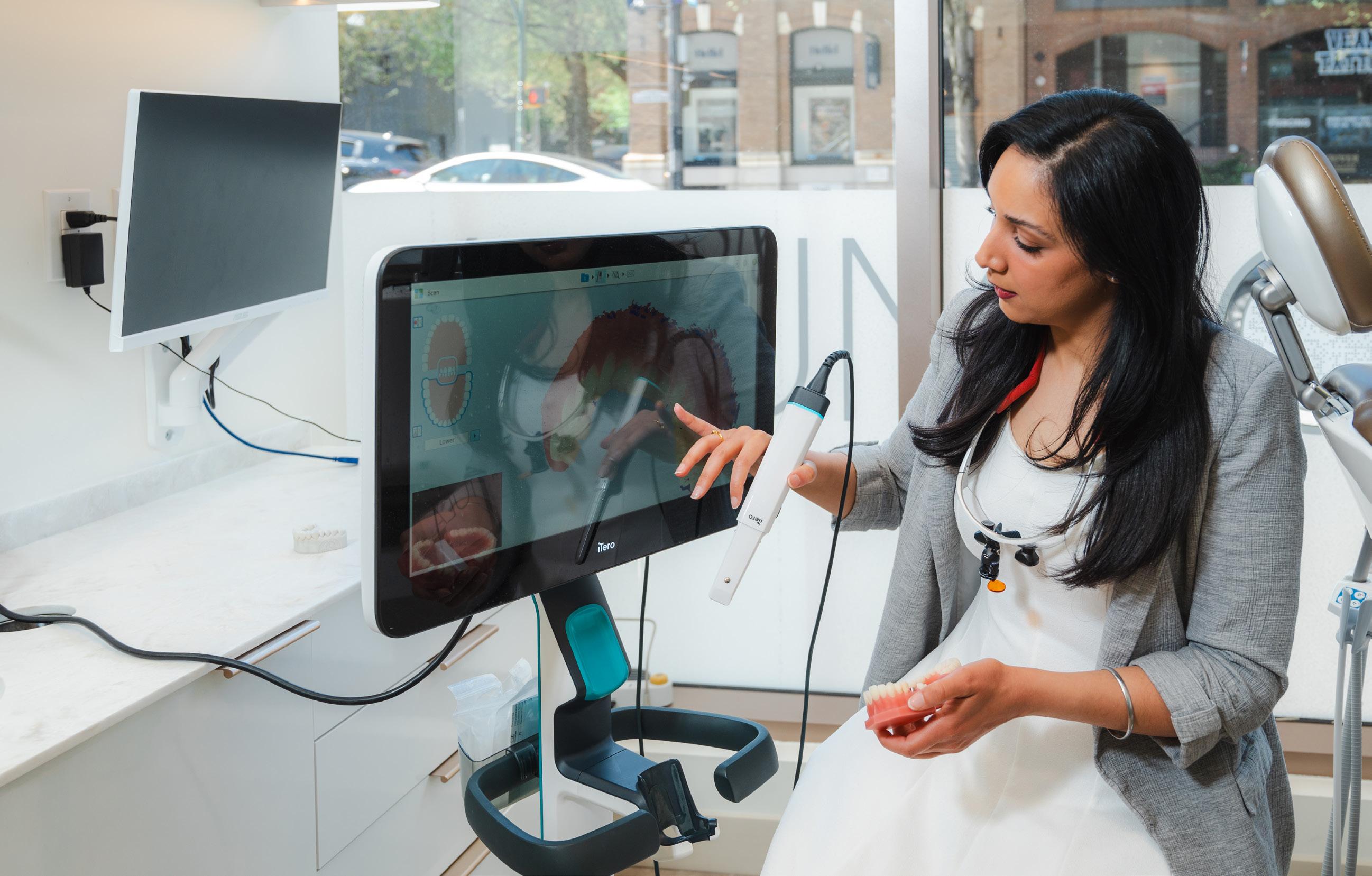
Today we have powerful tools such as:
n Salivary CRP testing, which can detect systemic inflammation
n Oral microbiome analysis and DNA testing, which help us identify pathogens linked to cardiovascular disease, diabetes, and pregnancy complications
n Protein markers that can signal early metabolic or immune dysfunction
Research increasingly shows that periodontal inflammation is linked to heart disease, pregnancy outcomes, Alzheimer’s risk, and autoimmune conditions. When patients understand this connection, preventive care becomes more meaningful- it’s no longer just about avoiding cavities; it’s about protecting long-term health.
As part of The Smile Formula team, what does patient-centered dentistry look like to you?
Patient-centered dentistry begins with one simple principle: listen first.
People instantly feel whether you genuinely care. I try to create a space where patients feel understood, respected, and safe; especially those who come in with anxiety or past negative experiences.
I always put myself in their shoes, ask questions, and acknowledge their concerns.
Every patient in my chair receives:
n My full attention
n My full effort
n My full empathy
That consistent level of care builds trust, and trust is what makes dentistry a healing profession- not just a technical one.
You’ve lived in several cities but chose to settle in Vancouver. What drew you here, and what excites you about serving this community?
Vancouver has always felt like a second home. Growing up, I visited family here every summer, and I was drawn to the warmth and diversity of the community. The cultural richness reminds me of what I value most; inclusivity, connection, and shared history.
And of course, the mountains and ocean are the added bonus that make everyday life a little more beautiful.
What excites me most is caring for a community that reflects so many
I visited family here every summer, and I was drawn to the warmth and diversity of the community. The cultural richness reminds me of what I value most; inclusivity, connection, and shared history.
backgrounds, languages, and stories. Vancouver feels like the perfect place to grow roots both professionally and personally.
Your research background gives you a unique perspective. How does evidence-based science continue to guide your daily decision-making?
Every clinical decision I make is grounded in real science; not trends, not marketing, not pseudoscience. My training taught me how to evaluate research critically:
n Systematic reviews
n Meta-analyses
n Randomized controlled trials
n Longitudinal cohort studies
n Funding transparency
Understanding how research is designed, where biases exist, and how outcomes translate to real patient care ensures that everything I recommend is safe, effective, and backed by credible evidence.
There’s a wide gap between online misinformation and scientifically validated data. Part of my role is helping patients navigate that gap so they can make empowered decisions based on facts, not fear.
You have many hobbies — volleyball, basketball, boxing, fencing, traveling, cooking. How do these passions influence your approach to balance and wellness?
I’ve always loved learning new things, it keeps my mind flexible and my spirit
I often share that I myself experienced dental anxiety as a child. That empathy shapes the way I practice today: my goal is to make every visit as comfortable and transparent as possible
energized. Whether it’s planning a volleyball game, joining a boxing class, or going for a walk, movement has always been my therapy.
Physical activity increases serotonin, helps me unwind, and gives me something joyful to look forward to. These moments of rest and creativity outside the clinic allow me to show up as my best self, with more patience, more energy, and more compassion for my patients.
Many people experience anxiety about the dentist. How do you help patients feel safe and supported?
First, I listen. Anxiety often comes from feeling misunderstood or rushed.
I ask questions, encourage honesty, and explain everything clearly. I also make myself available if patients have questions later, trust doesn’t start and end in the appointment chair.
I often share that I myself experienced dental anxiety as a child. That empathy shapes the way I practice today: my goal is to make every visit as comfortable and transparent as possible.
What innovations in dentistry are you most excited about, particularly in preventive and holistic care?
There are a few developments that genuinely excite me:
n Oral DNA + microbiome testing
Helps identify bacterial pathogens linked to periodontal disease, cardiovascular risk, and inflammatory conditions.
n Advanced dental laser technology
Used for disinfection, periodontal therapy, reducing inflammation, promoting biostimulation, and even collagen regeneration with minimal discomfort.
n Digital smile design with facial scanners + AI
This allows us to map facial symmetry, lip dynamics, and proportions to design highly individualized, natural-looking smiles.
These tools are transforming dentistry into a field that is more proactive, less invasive, and deeply personalized.
As someone with South Asian heritage, how has your cultural background shaped the way you build trust in healthcare?
My Sikh upbringing profoundly shaped my values. The teachings of our Gurus emphasize honesty, humility, acceptance, and compassion, principles that guide me daily. “Seva,” which is selfless service, taught me to care for those around me without judgment or bias.
Dentistry exposes you to people of all backgrounds, and understanding cultural nuances isn’t optional, it’s essential. My heritage helps me connect with patients who may feel unseen or misunderstood, especially in healthcare spaces where language, traditions, or beliefs can create barriers. Representation matters, and I’m grateful to bring that understanding into my practice.
Oral health is sometimes overlooked in South Asian families. What preventive habits would you encourage for long-term health?
I encourage families to focus on three foundational habits:
n Start early: Bring children in at a young age so both kids and parents learn proper oral care routines.
n Prioritize nighttime habits: Brushing and flossing before bed is crucial for preventing decay and gum disease.
n Find a culturally competent provider: Someone who understands language, dietary habits, and cultural expectations can better guide families in nutrition and hygiene practices that support longterm oral health.
For young people in the South Asian community considering careers in healthcare, what advice would you offer?
First, shadow professionals. Spend time in clinics; observe, listen, and ask yourself whether you can imagine doing this every day. When I was young, I thought I wanted to be an ER physician, but shadowing taught me that environment wasn’t aligned with who I was emotionally. It wasn’t until I shadowed my family dentist that I felt that instinctive sense of “this is where I belong.”
Healthcare is demanding mentally, physically, and emotionally. Those who truly love it- dentistry, medicine, physiotherapy, anything- will continue to grow, learn, and show up for their patients day after day.
And finally, embrace a little delusion. Believe in yourself so fiercely that it feels almost unreasonable. Where you place your effort, that’s what grows. Small daily habits, not sudden dramatic leaps- build the foundation of success. Neuroplasticity is real; tell your brain the story you want it to believe, and follow it with consistent action.
Vaughan's Premier Health and Beauty Spa
Mandara Spa located in Vaughan invites you to immerse yourself in a premium sanctuary of tranquility and discover a new standard of relaxation. Release stress and rejuvenate your mind and body with our world-class full-service spa from Massage Therapy to Facials to Hair, Nail and Makeup specials from our expert team in a serene environment.
At Mandara Day Spa, our goal is to provide you with a euphoric retreat, improved health and wellbeing, and a welldeserved day to self-indulge. Located at Hwy 7 and Hwy 27, Mandara Spa is open until 7PM Tuesday to Saturday to accommodate to your busy schedule. Take a few hours to escape into our oasis of serenity.