California South Asian Health Magazine Launch Issue
Against All Odds: A Mother's Fight for Her Miracle Baby
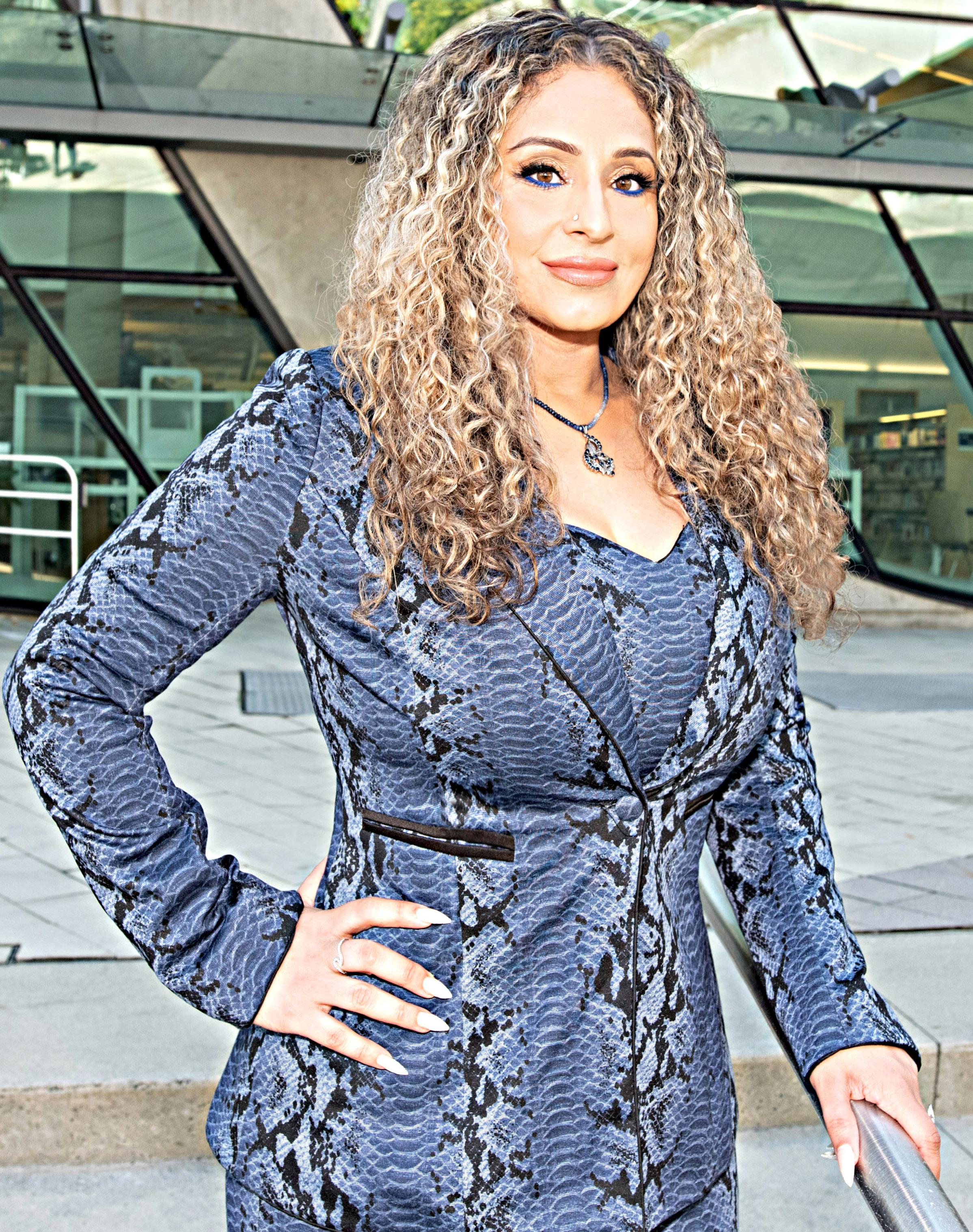
Sonia Mann-Lehl
Humility, Kindness & Love
California Chapter
Upcoming Events:
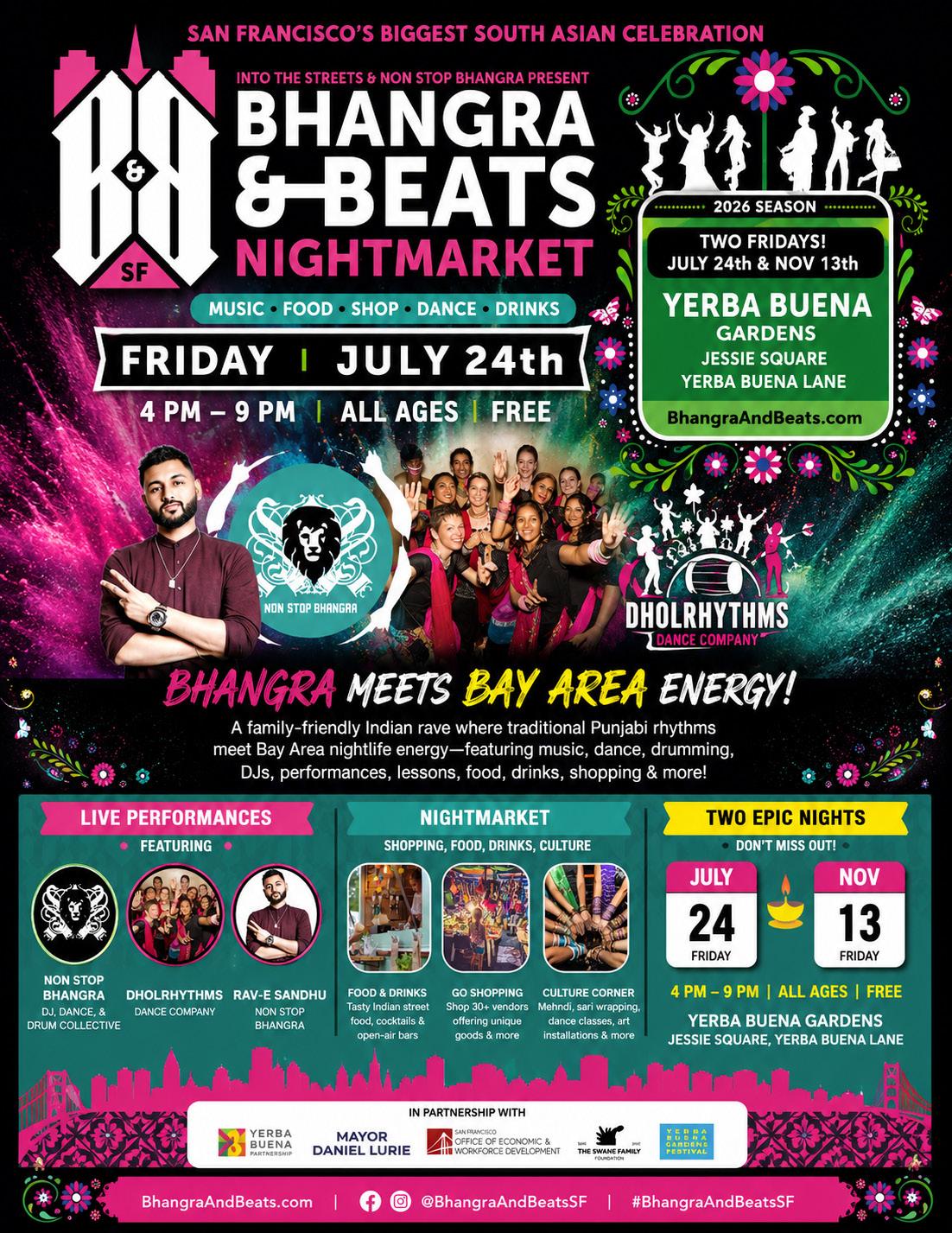
Bhangra & Beats Night Market
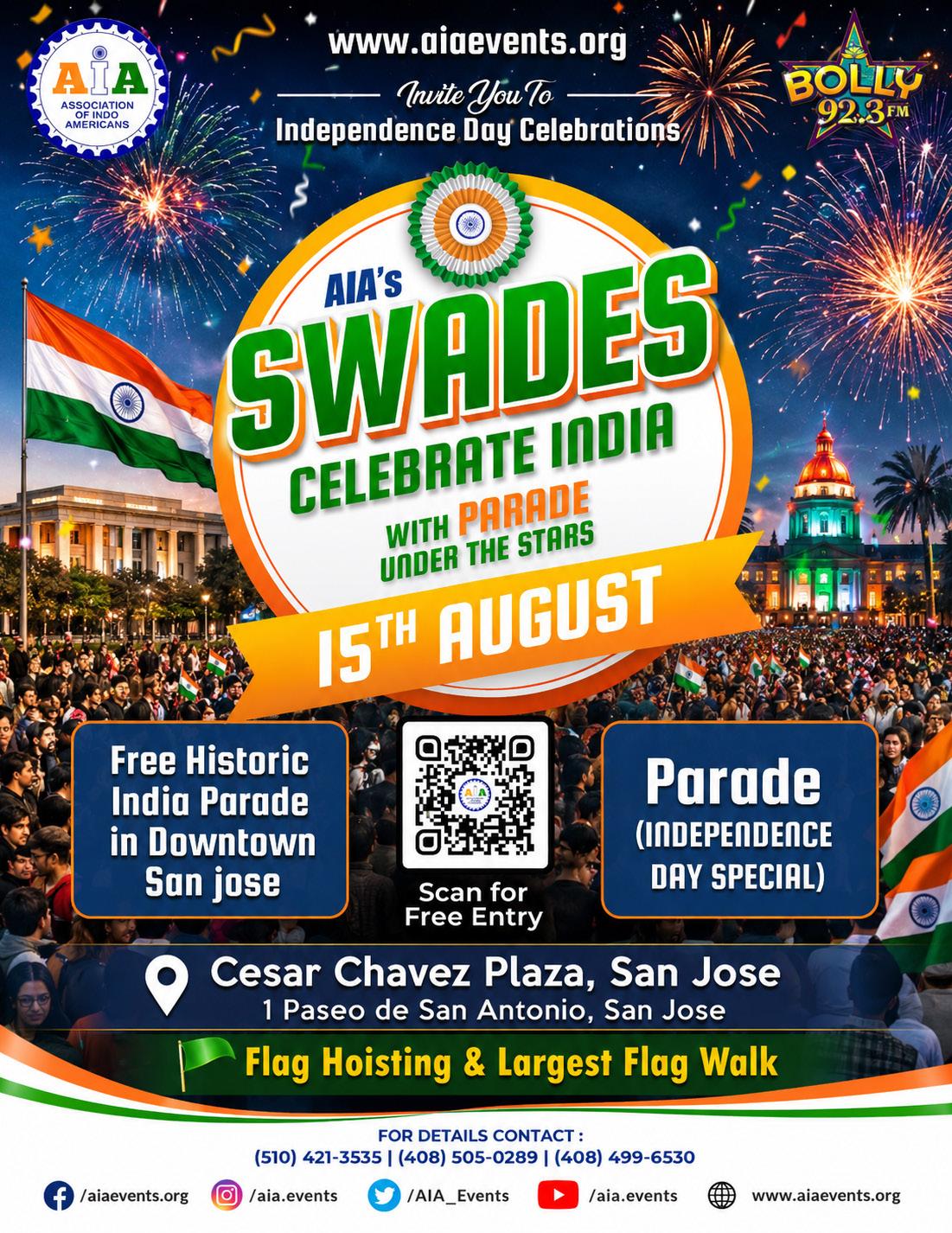
India Day Parades (Fremont & San Jose)
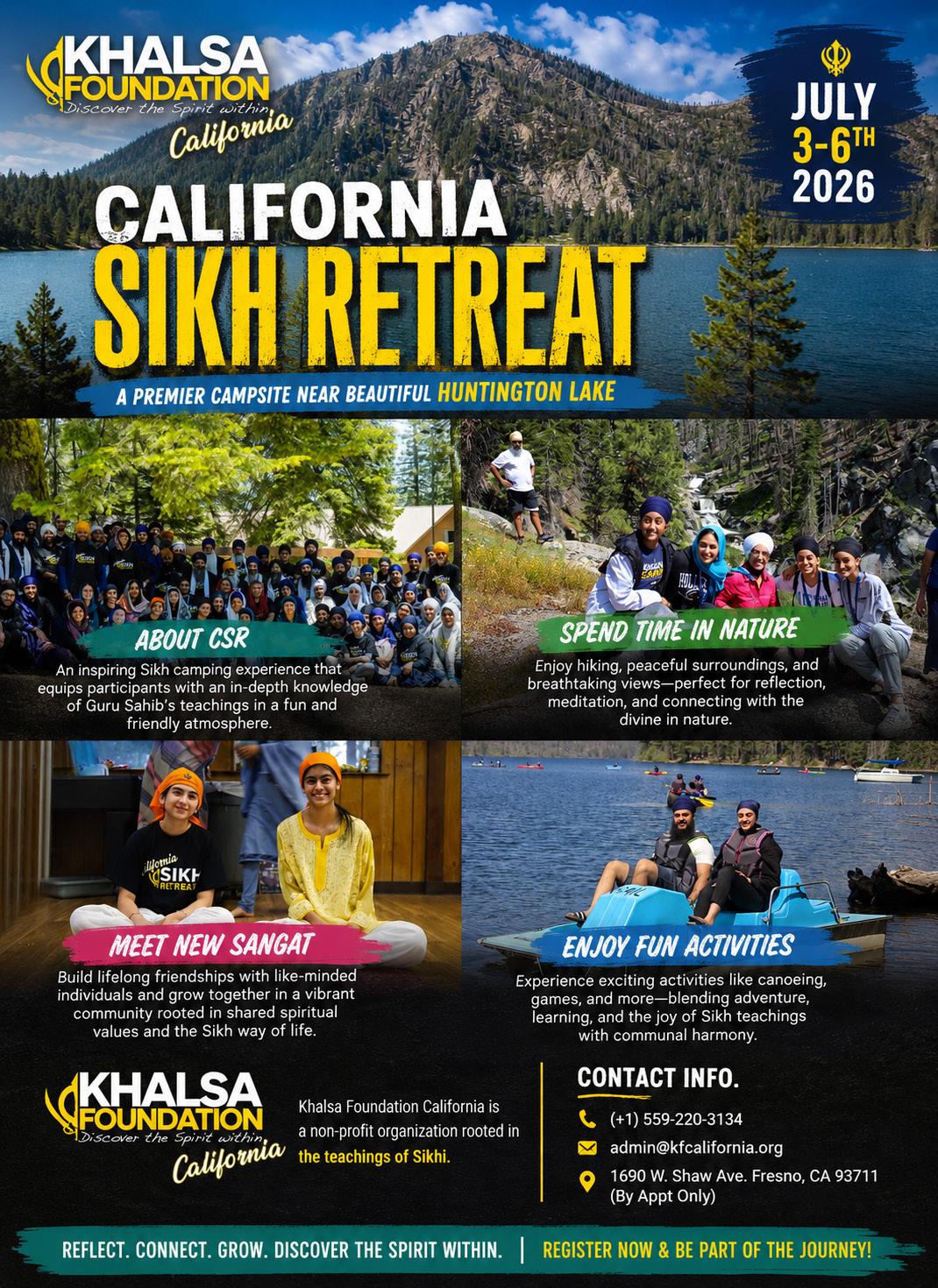
California Sikh Retreat
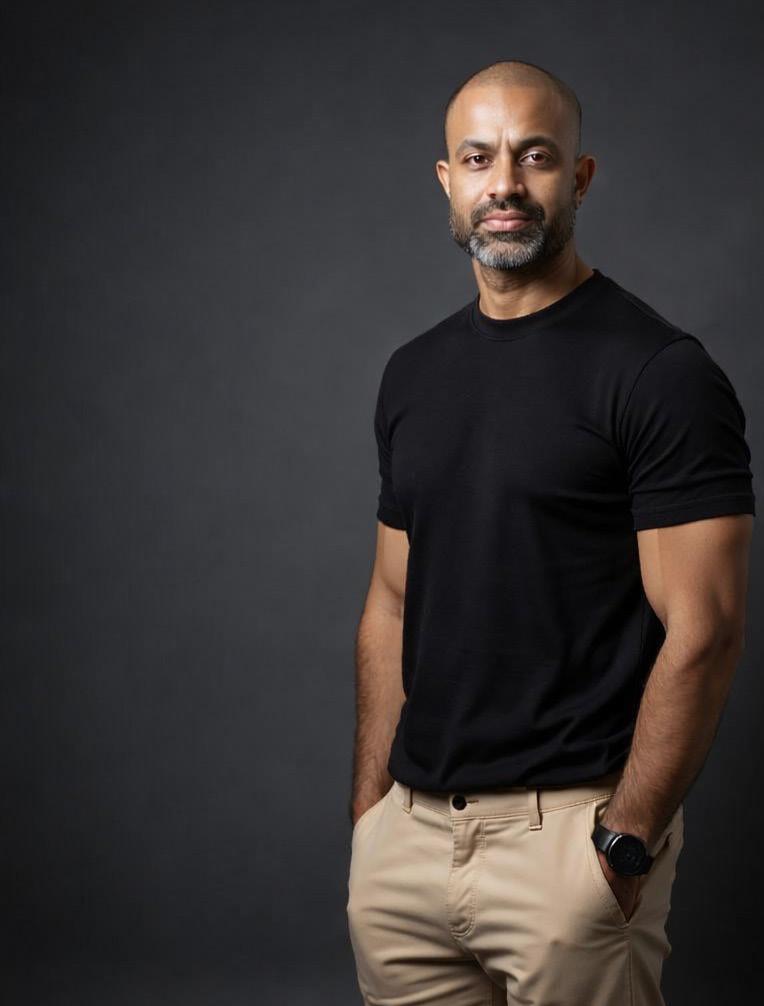
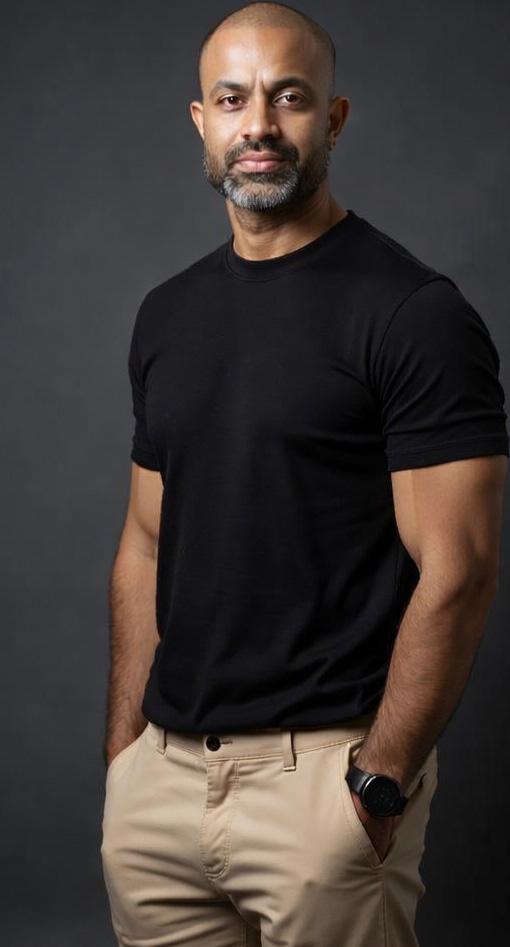
Special Feature: Dr. Tony Banerjee
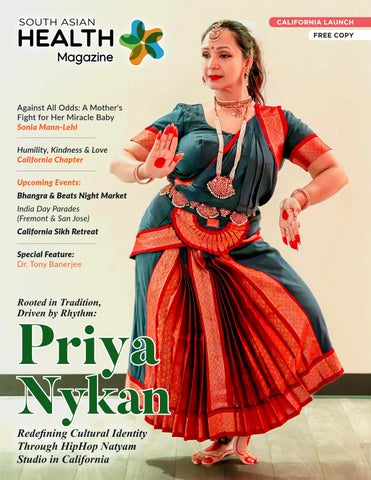
Rooted in Tradition, Driven by Rhythm:
Priya Nykan
Redefining Cultural Identity
Through HipHop Natyam
Studio in California
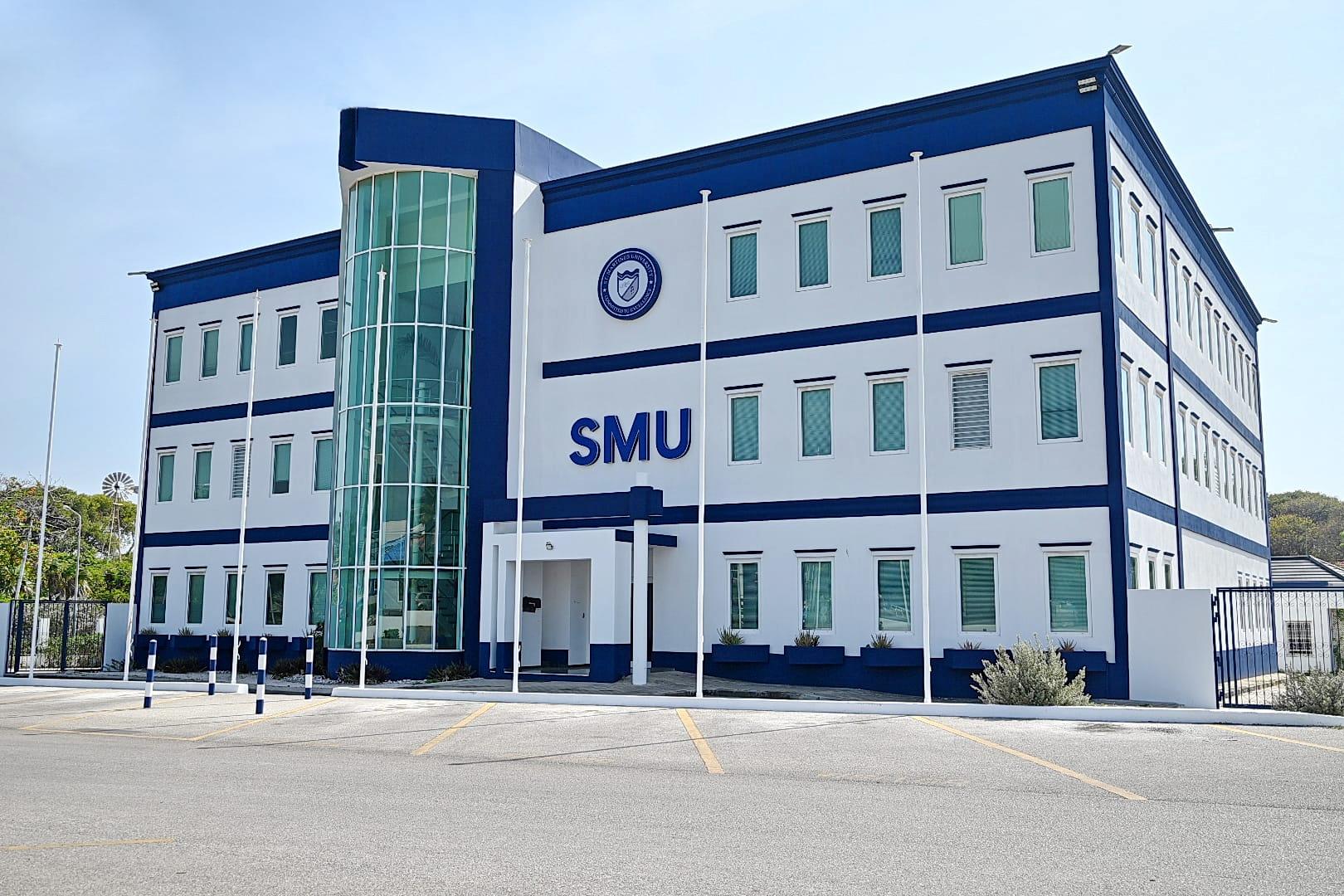
St. Martinus University
Your Pathway to a Medical Degree and U.S. Residency
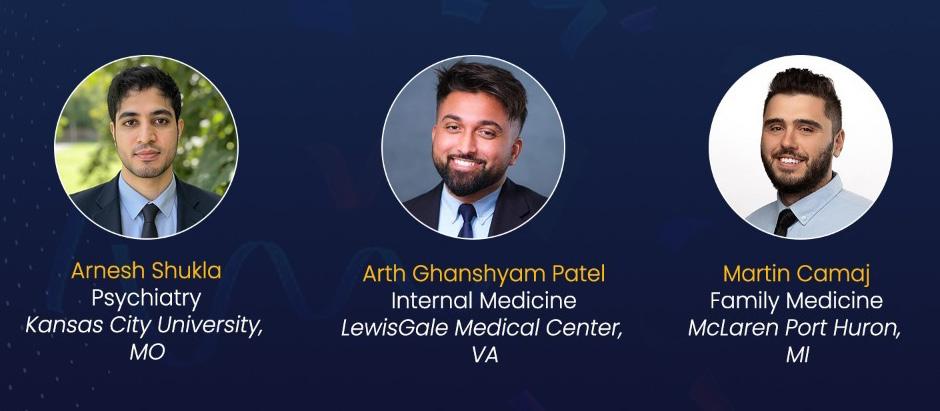
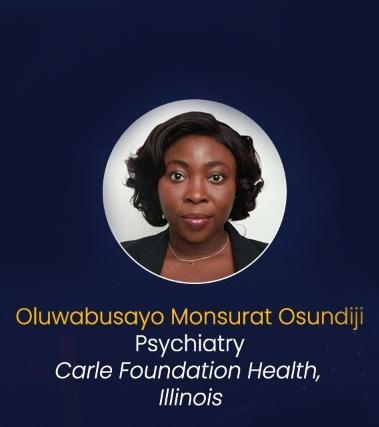
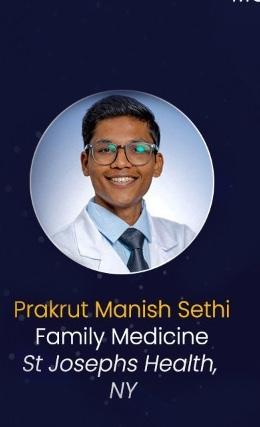
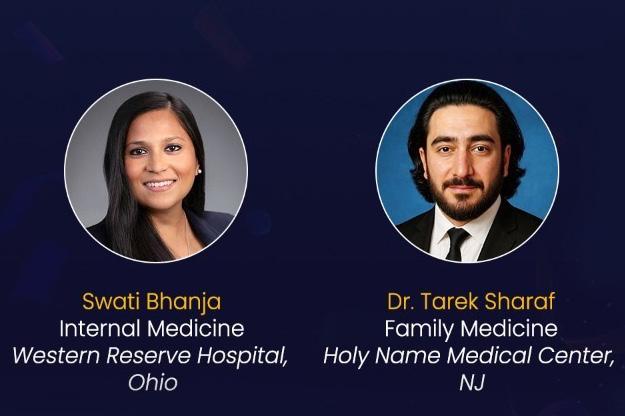
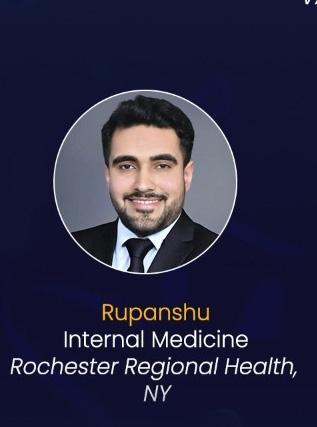
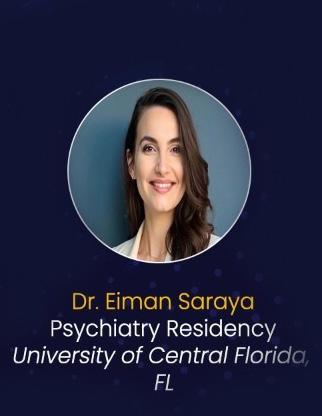
Why St. Martinus University SMU RESIDENCY MATCH RESULTS 2026 ERAS Cycle
Fully Accredited by a WFME-Recognized Agency (AAEPO): Ensures eligibility for ECFMG certification and U.S. residency training pathways while meeting internationally recognized standards in medical education.
Direct Entry Pathway Without MCAT: High school graduates and university students can fast-track into medicine without the requirement of a 4-year undergraduate degree or MCAT examination.
Modern Campus with Advanced Learning Tools: State-ofthe-art infrastructure featuring digital anatomy systems, upgraded laboratories, research facilities, and on-campus student housing designed to support an optimal learning environment.
Secure and Comfortable Student Living: Safe and reliable housing with meal plan options, located in Curaçao — a stable Caribbean island outside the Atlantic hurricane belt.
Strong Residency Match Record: Consistently high U.S. residency match rates, with graduates placed across major specialties throughout the United States.
Cost-Effective Medical Education: Significantly lower tuition and living expenses compared to many U.S. and Canadian medical schools.
Eligible for Canadian federal and provincial student loan programs, making medical education more financially accessible for Canadian students.
Message from the Publisher
Dear Readers,
This year marks a truly special milestone for BC South Asian Health Magazine as we proudly celebrate 15 years of serving our community. What began as a vision to create meaningful, culturally relevant conversations has grown into a trusted global brand. Over the years, we have remained committed to amplifying stories that matter—stories rooted in empowerment, education, and representation for South Asians everywhere.
We are honored to continue standing as the only platform dedicated exclusively to health, wellness, beauty, fashion, and fitness for the South Asian community on a global scale. This focus has always been at the heart of who we are. By addressing topics through a culturally informed lens, we have been able to spark dialogue, inspire healthier lifestyles, and celebrate the diversity and strength of our community across generations.
Our journey has also been one of growth and expansion. With a strong presence across multiple provinces in Canada, we are now excited to be extending our footprint internationally. We are currently in the process of expanding to California (USA), London (UK), and Dubai (UAE)—with India and Australia next on our radar. These new markets represent not just geographic growth, but deeper opportunities to connect
As we look ahead, 2026 is shaping up to be a year filled with major milestones and bold new chapters. We are energized by what lies ahead and remain focused on further solidifying our strong foundation as the #1 magazine source catering to South Asians worldwide. Thank you to our readers, partners, and contributors for being an integral part of this journey—we look forward to growing, evolving, and celebrating together.
Cheers to a Happy, Healthy New Year!
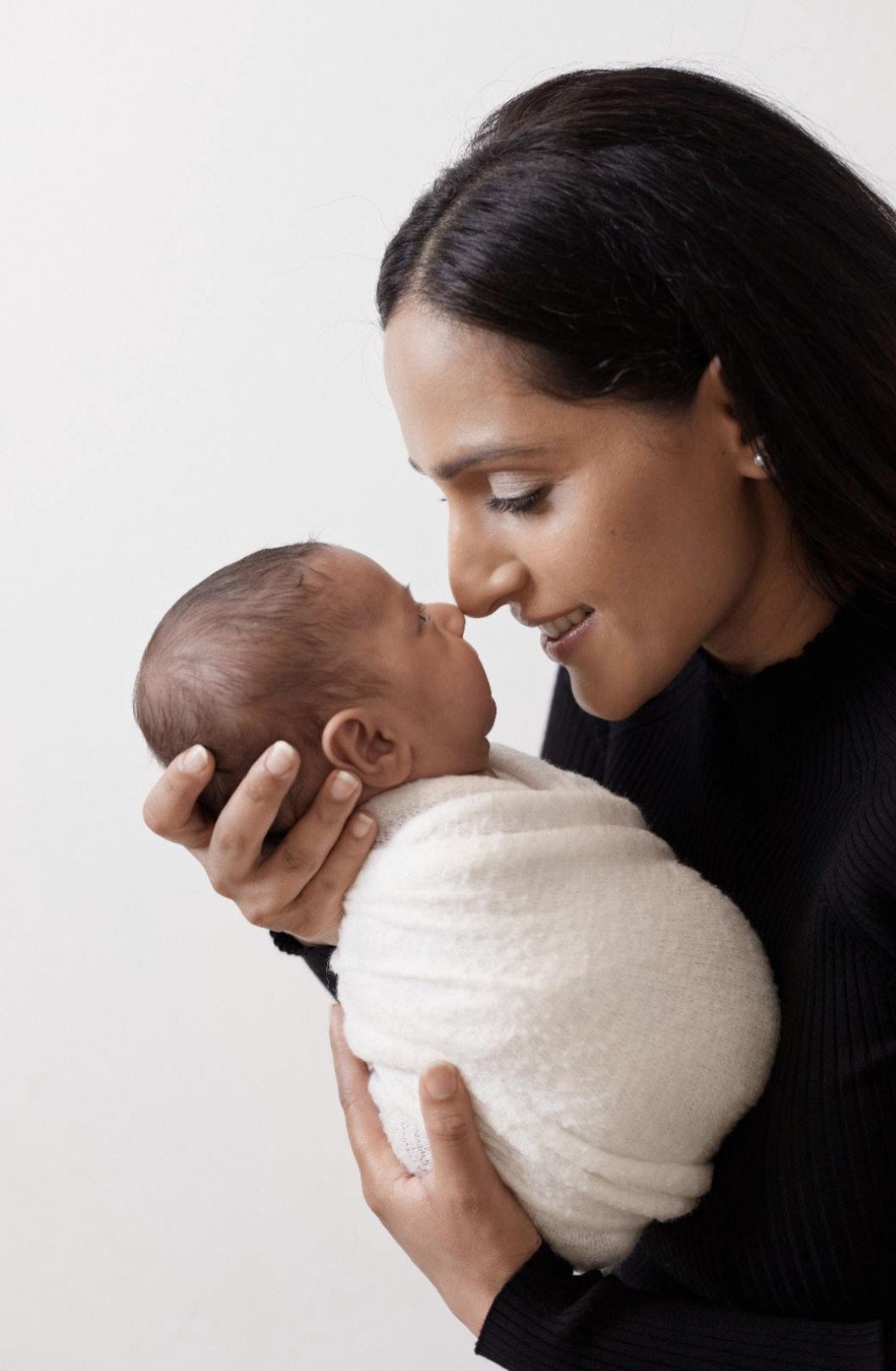
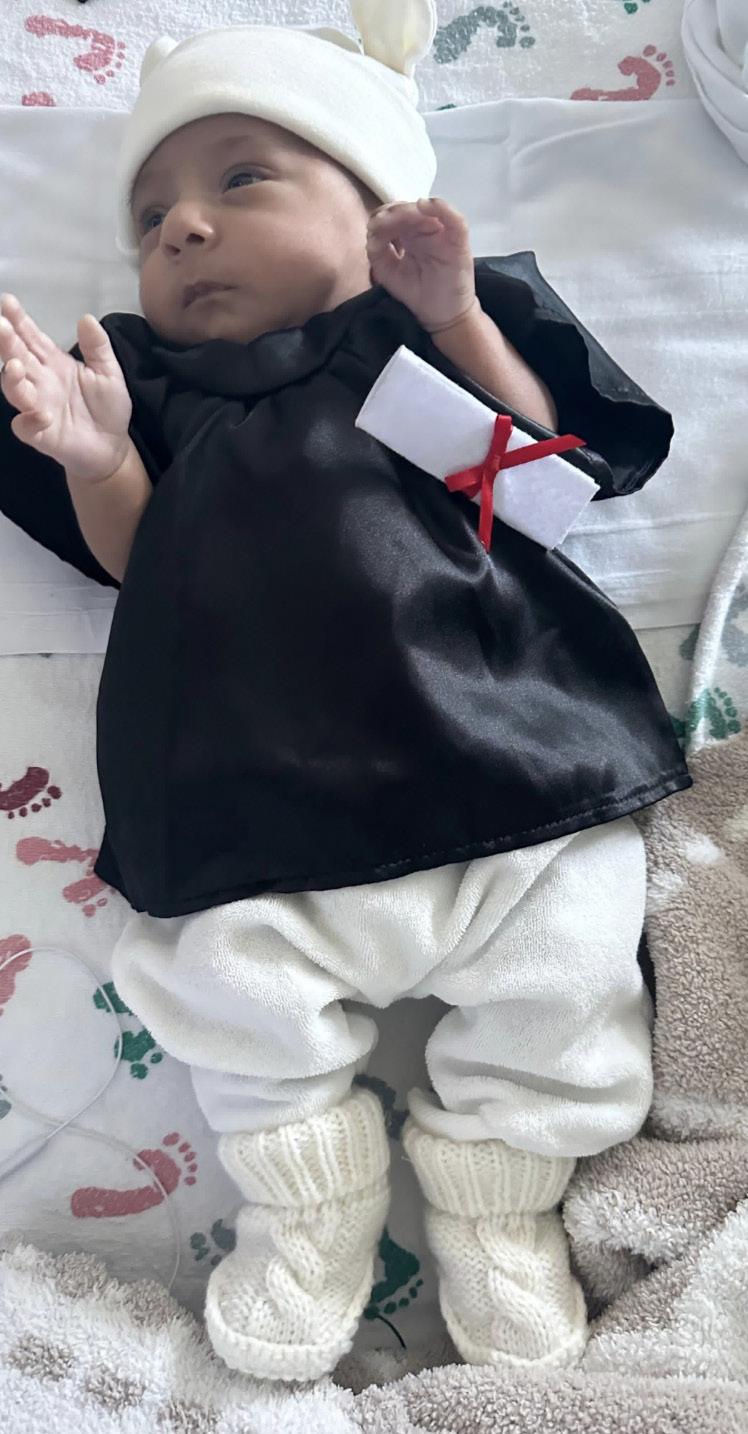
Against All Odds: A Mother's Fight for Her Miracle Baby
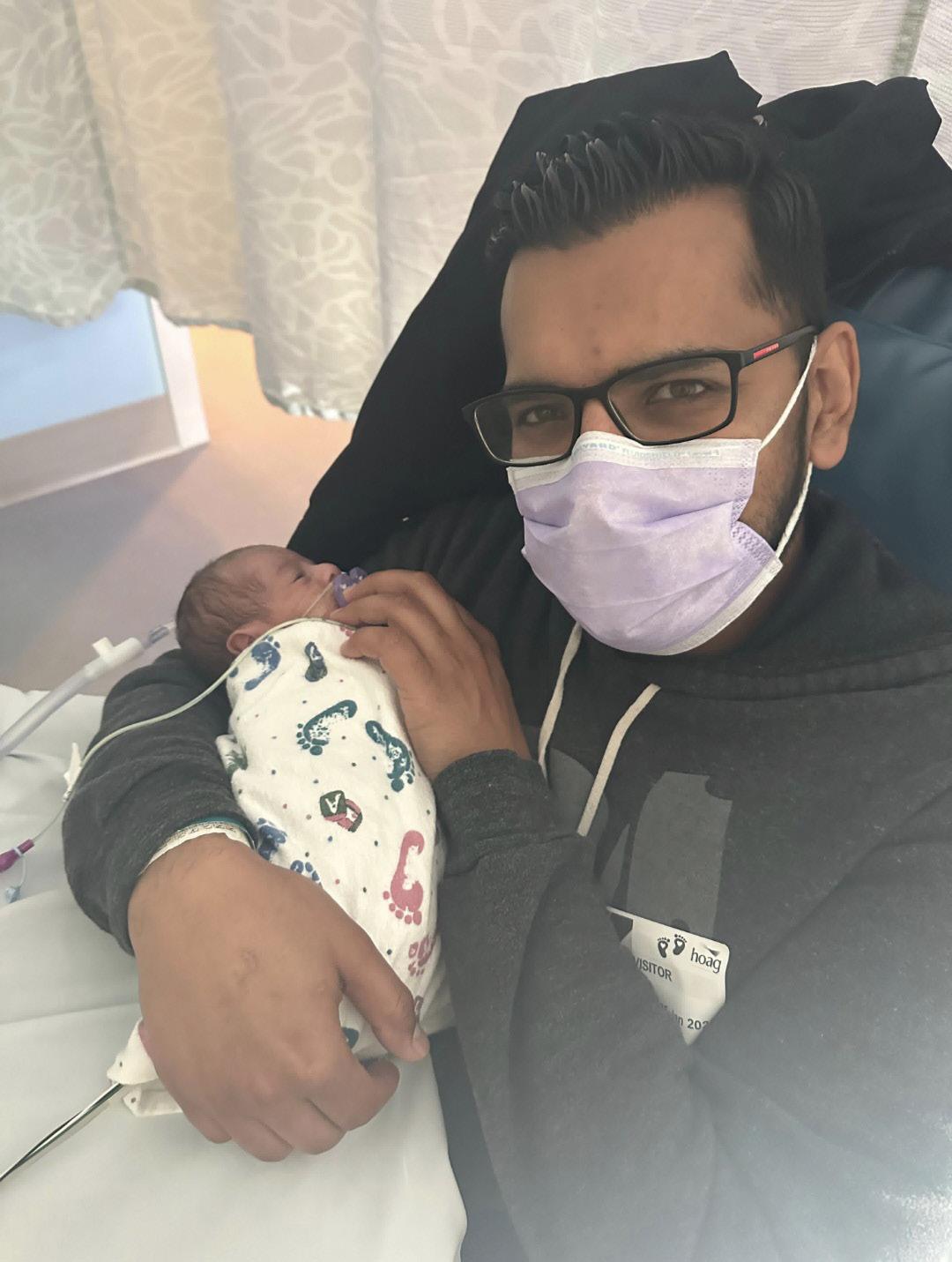
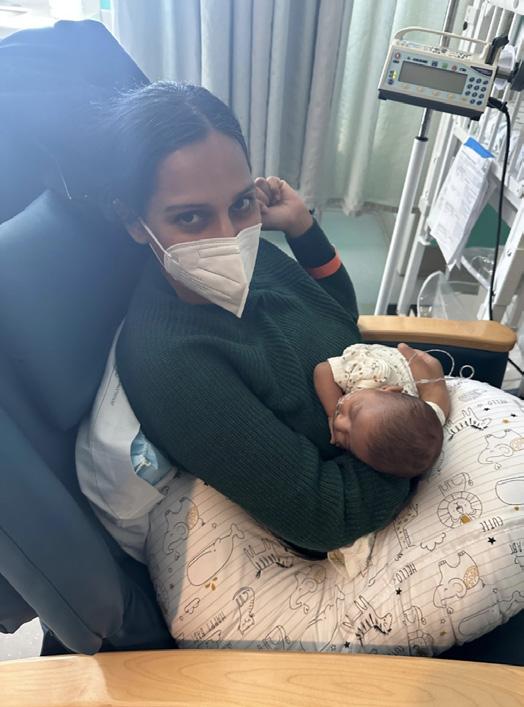
When Sonia Mann-Lehl's water broke unexpectedly at just 24 weeks and five days pregnant, her world changed in an instant. Instead of giving in to fear, she made a decision that would define the months ahead: she would become the strongest advocate possible for herself and her unborn son. Rather than panic, she trusted her intuition, woke her husband, and drove herself to the hospital. That decision marked the beginning of one of the most challenging and transformative journeys of her life.
Doctors explained that although her membranes had ruptured, there was still a chance to prolong the pregnancy. Sonia held tightly to that possibility. Admitted to the Hoag Hospital in Newport Beach on strict bed rest, she spent the next five weeks living one day—and often one hour—at a time. Every sunrise represented another opportunity for her baby to grow stronger.
Looking back, Sonia says her greatest weapon was her mindset.
Fear was always present, but she refused to let it define her. Instead of focusing on everything that could go wrong, she concentrated on what she could control. Every extra hour her son remained safely inside her was a victory. She often reminded herself that this season was temporary and that worrying would not change the outcome.
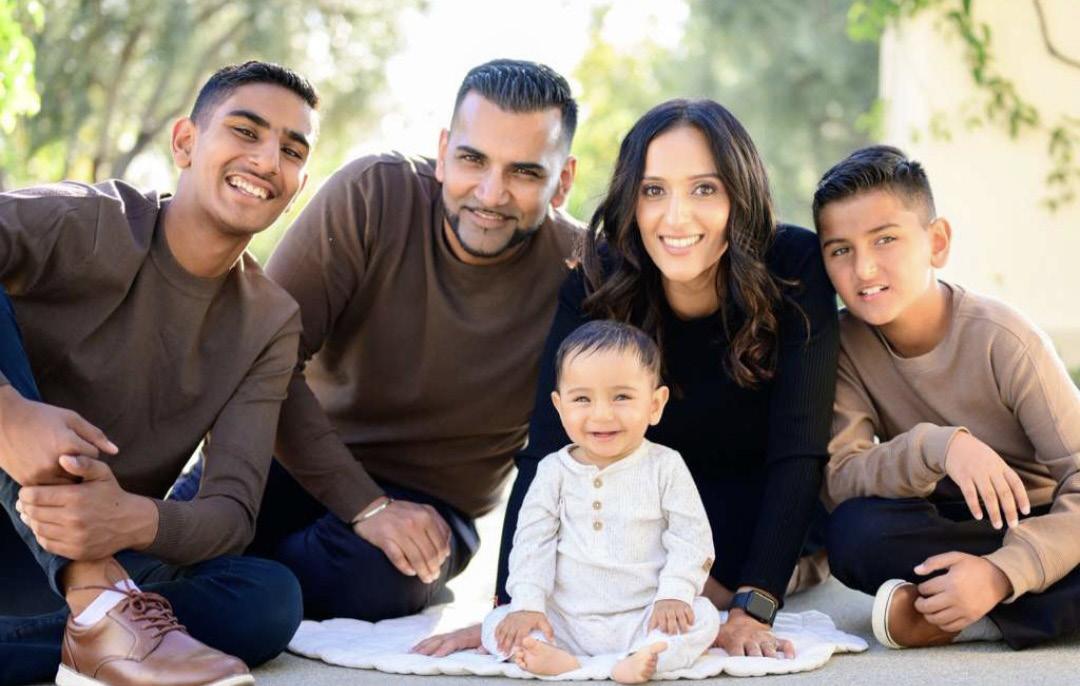
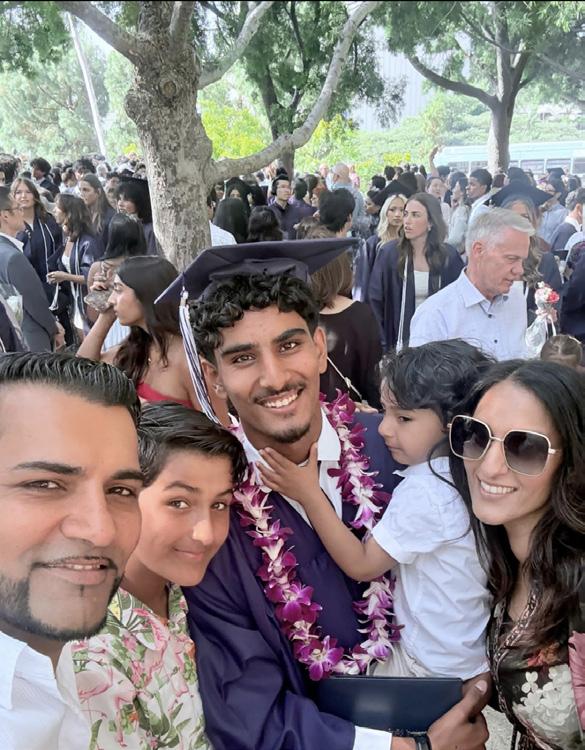
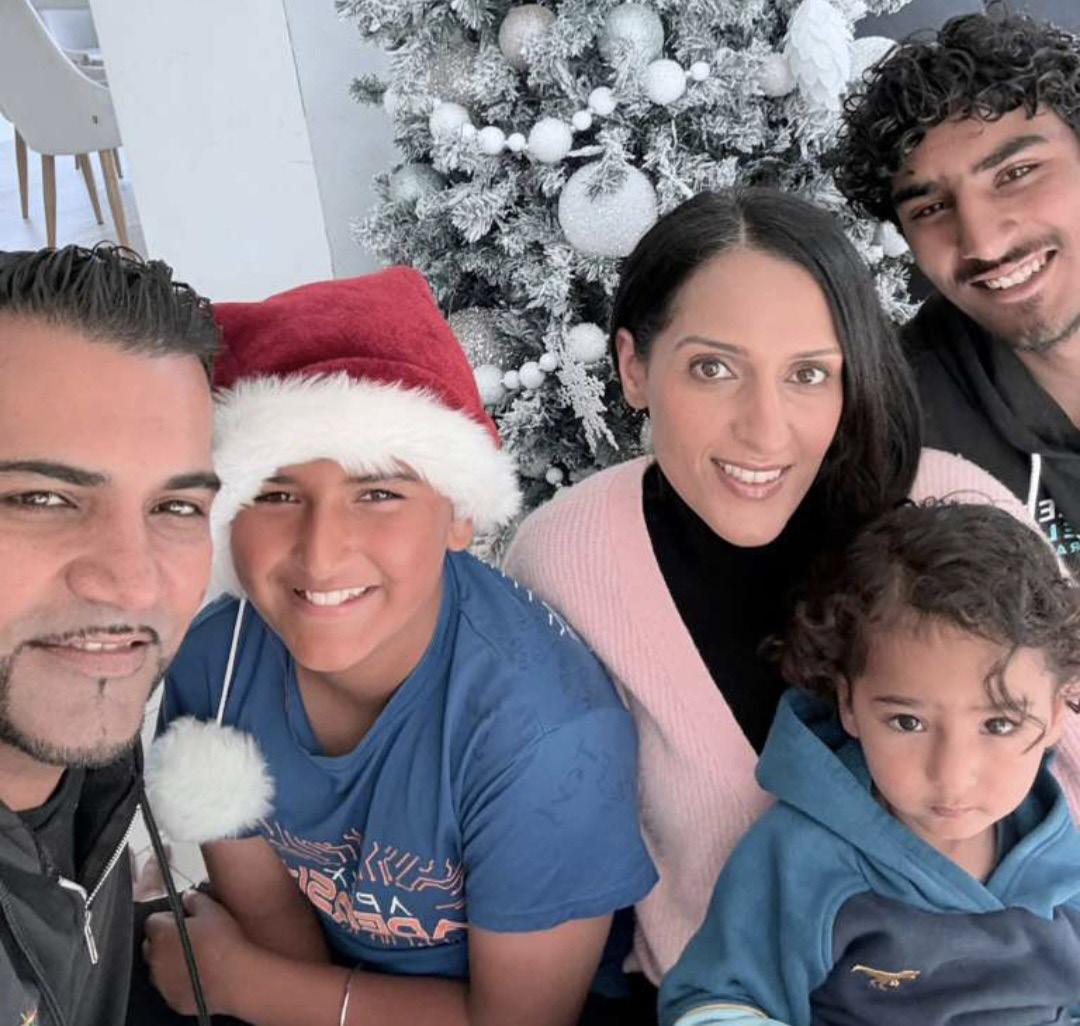
Faith became her constant companion. Prayer wasn't simply asking for miracles—it became an ongoing conversation with God. During countless quiet moments in her hospital room, she spoke honestly about her fears, frustrations, and hopes. She believes those conversations gave her the strength to keep moving forward. That strength also came through people. Another mother who had previously experienced premature birth became an unexpected mentor, helping Sonia navigate emotions few others could truly understand. Most importantly, her sister, Gurpreet Kaur Mann, immediately boarded a plane after receiving Sonia's call. She moved in with the family for six months, lovingly caring for Sonia's two older sons so Sonia could focus entirely on her pregnancy and newborn.
For Sonia, the NICU became a classroom in resilience.
On Christmas Day, everything changed. A sudden placental abruption placed both Sonia and her baby in immediate danger. Within moments, an experienced medical team surrounded her. Their calm confidence helped Sonia remain remarkably composed during the emergency delivery.
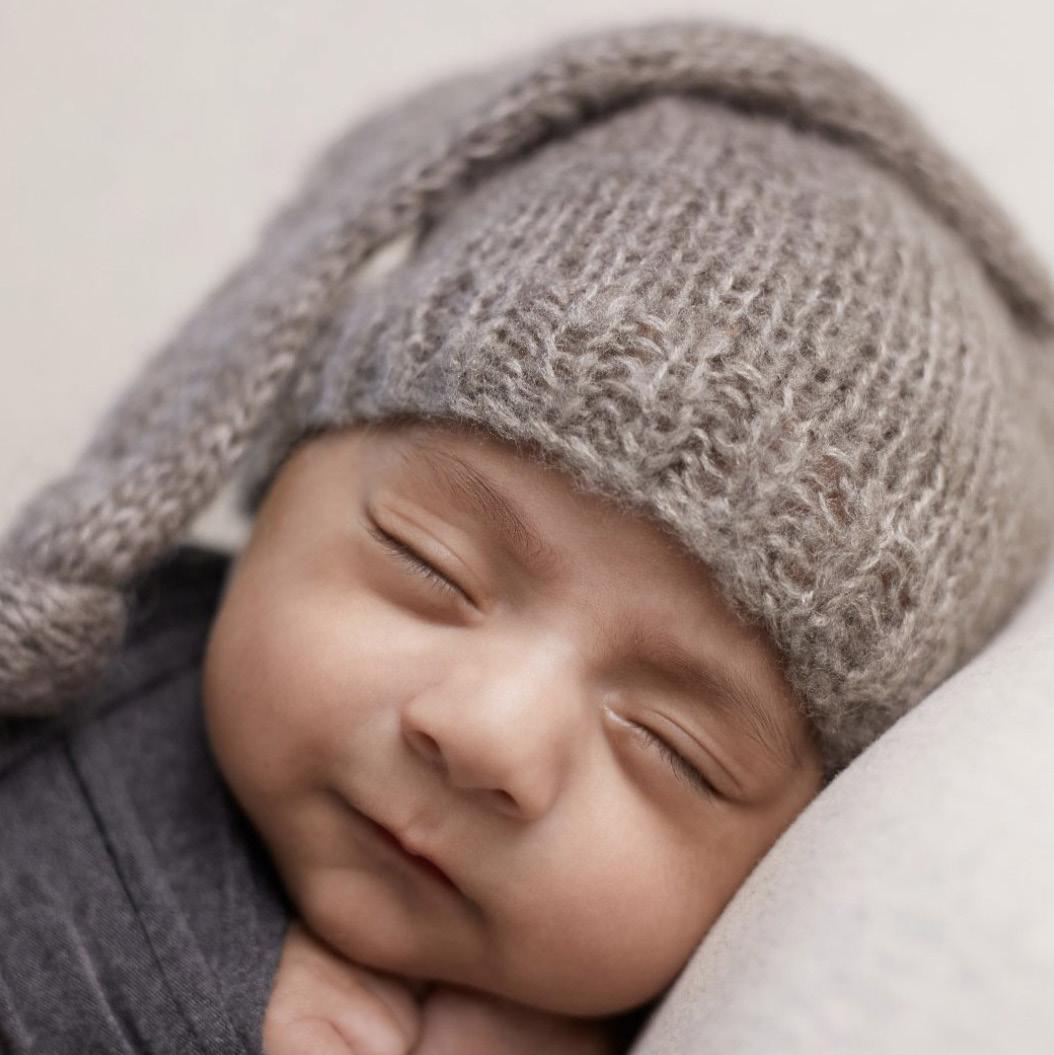
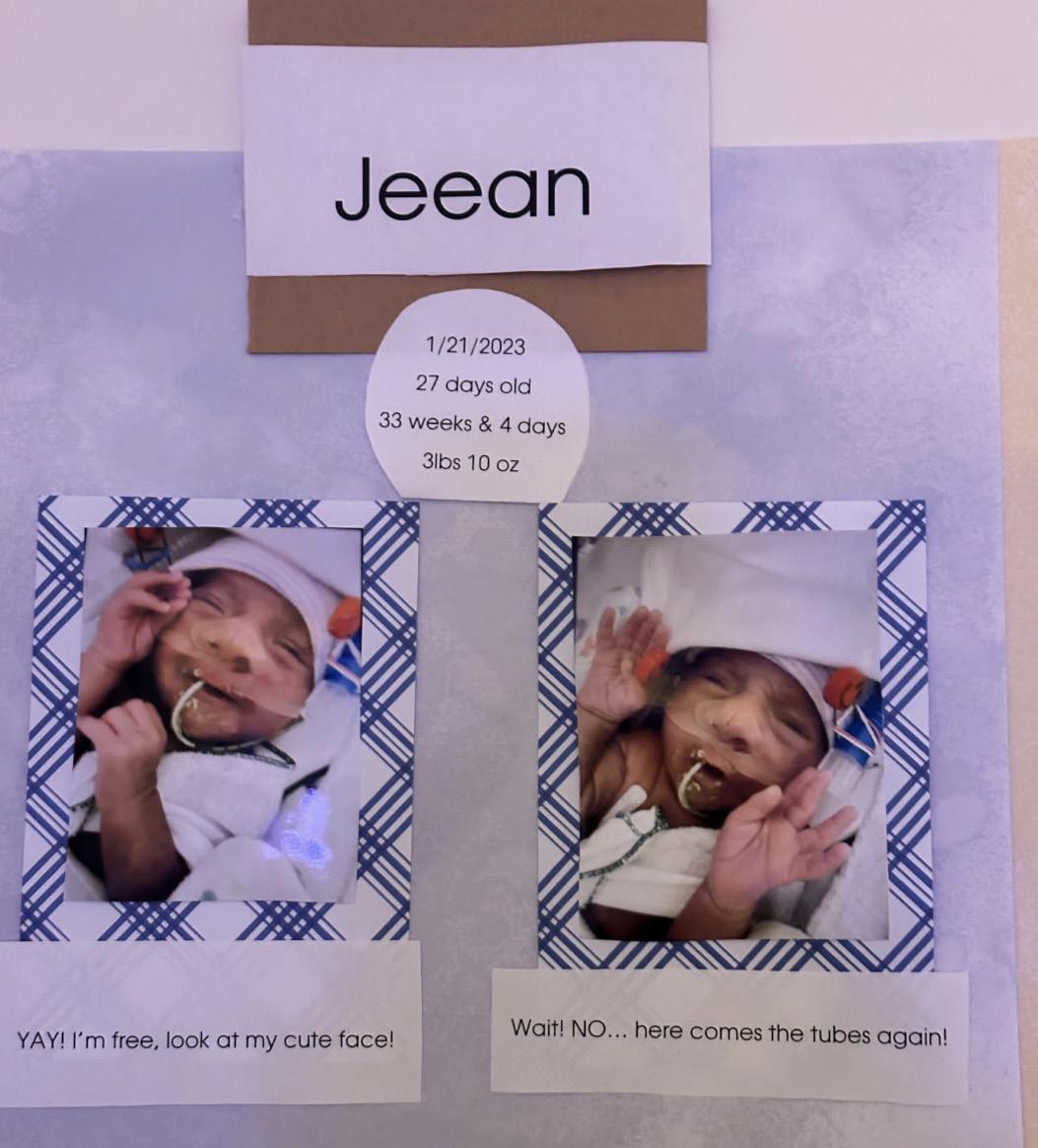
Her son, Jeean Jayden, entered the world fighting from his very first breath. His tiny lungs were still developing, and he was rushed to the NICU, where he would spend the next ten weeks.
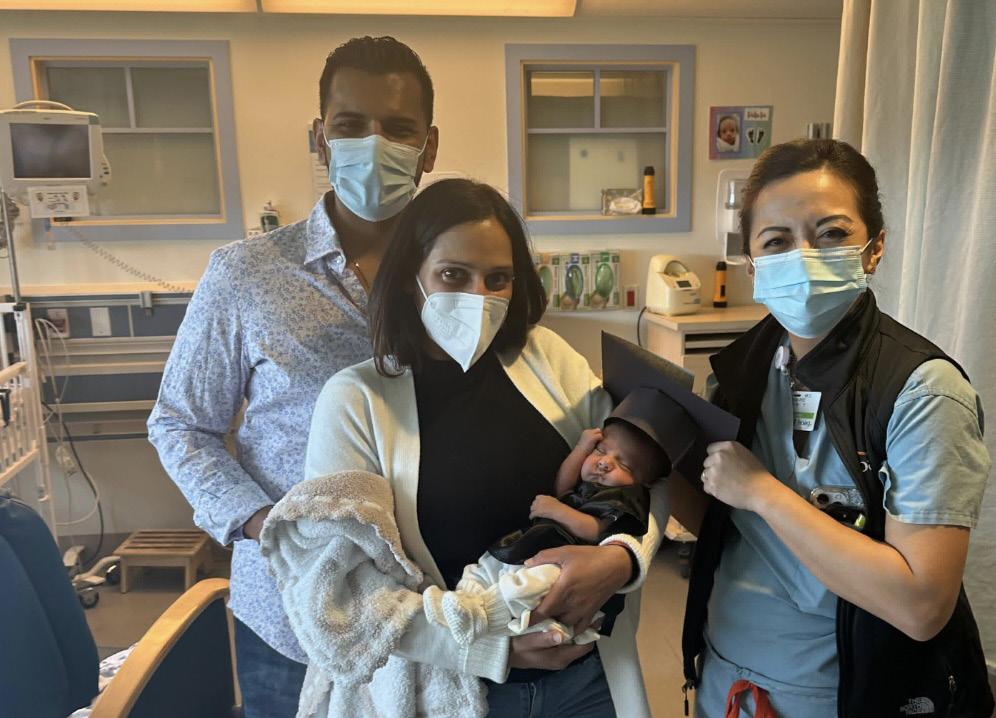
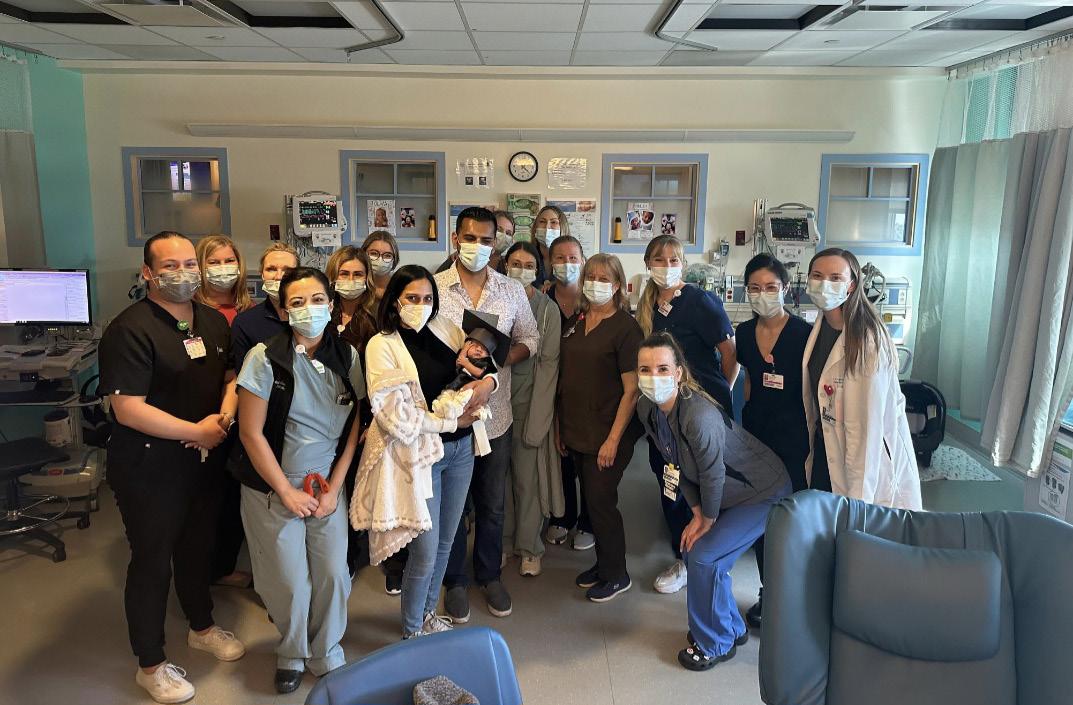
Doctors, nurses, respiratory therapists, and occupational therapists didn't simply care for her baby—they empowered her. They reminded her repeatedly that she was her son's greatest advocate. As the weeks passed, she found her voice, asking questions, requesting multidisciplinary meetings, and learning everything possible about her son's care.
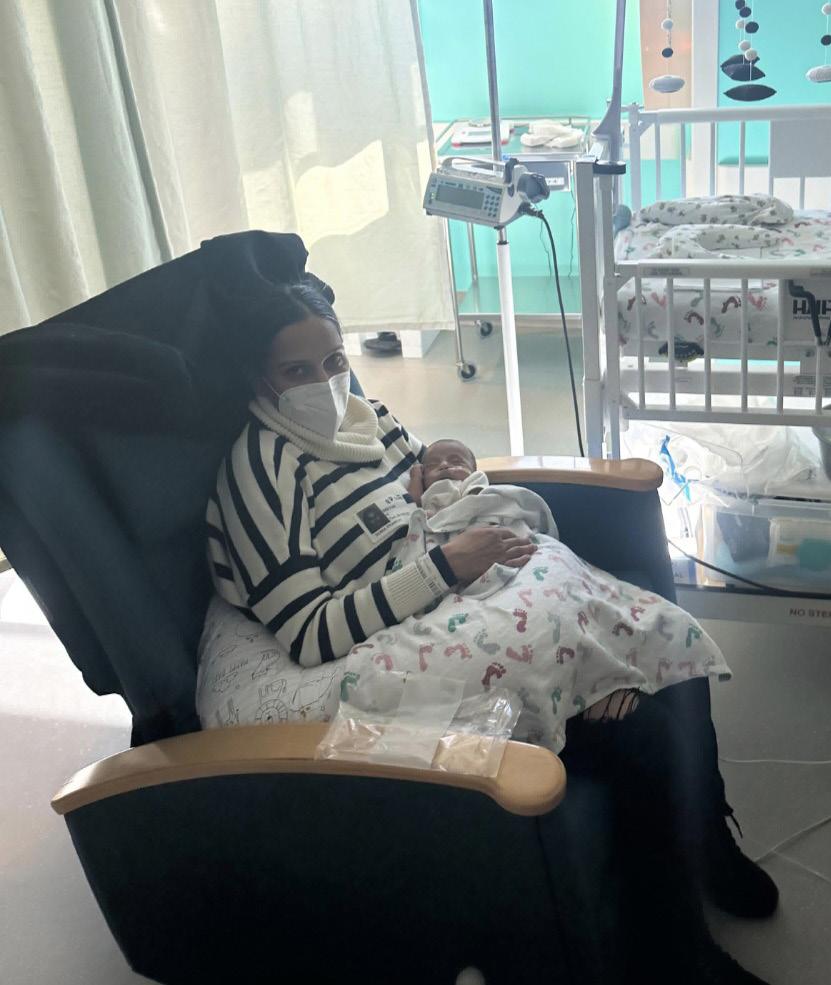
She also committed herself to pumping breast milk every three hours, even before her son was able to drink it. Every day she travelled to the hospital, spending long hours beside his incubator before returning home to be present for her older boys. The balancing act was exhausting, but quitting was never an option.
Mental health support also became an important part of Sonia's healing. Professional counselling helped her process the trauma and build healthy coping strategies. Today she believes emotional support should be a standard part of every mother's postpartum journey.
After ten long weeks, the day Sonia had prayed for finally arrived—her son came home. Although physically exhausted, she emerged emotionally transformed.
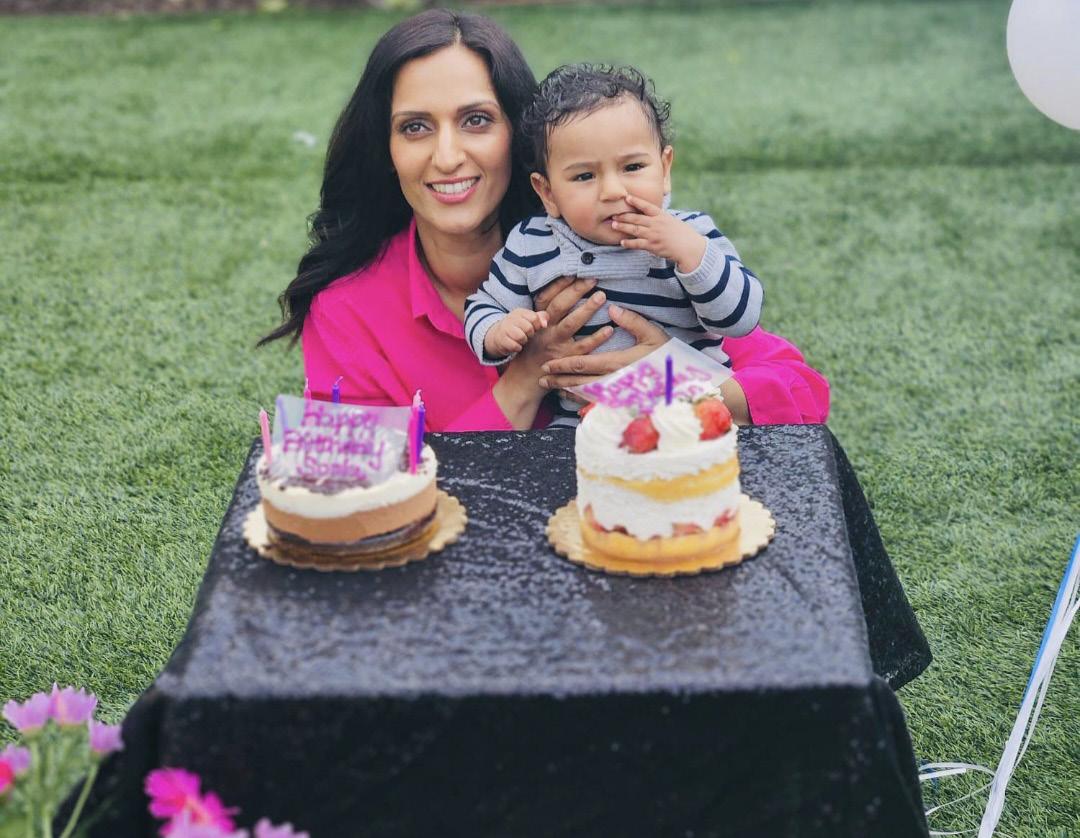
Today, Jeean Jayden is a healthy, thriving little boy, and Sonia has discovered a new purpose: using her experience to inspire and educate others. She openly shares her story to remind families that advocating for themselves matters, accepting help is a strength, and hope can exist even in life's darkest moments. Her journey ultimately taught her three enduring lessons: protect your mindset, nurture your faith, and guard your emotional energy. Those lessons carried her through unimaginable uncertainty and continue to shape the woman she is today.
Sometimes life's greatest trials reveal our greatest strength. Sonia's story is living proof that even the smallest miracles can leave the biggest impact.
Dance Classes
CLASSES FOR UPCOMING SEMESTER
July 13thSeptember 28th, 2026
Mondays:
Heels 7pm-8:30pm
Tuesday:
Hiphop-Natyam Choreo class 6pm -6:50pm
Yoga 7pm-7:50pm Wednesday:
Kids Bollywood-5:30pm
Women's Bollywood 6:30pm
Thursday:
Bharata Natyam kids 4:30pm
Bharata Natyam teens/adults 5:30pm
Mat Pilates 6:30pm
Saturday:
Mat Pilates 10am
Kids Hip-Hop 11am
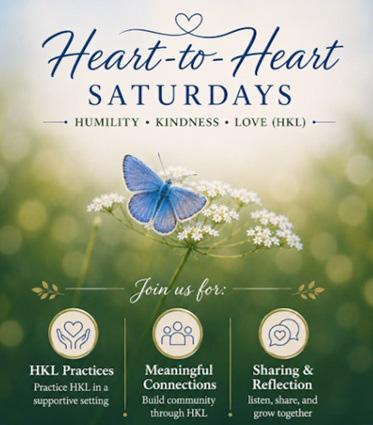
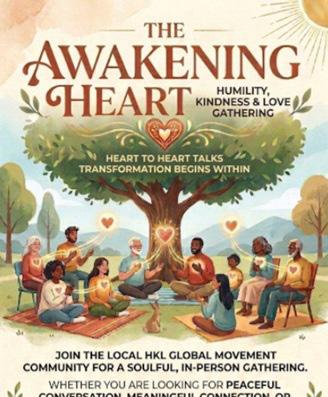
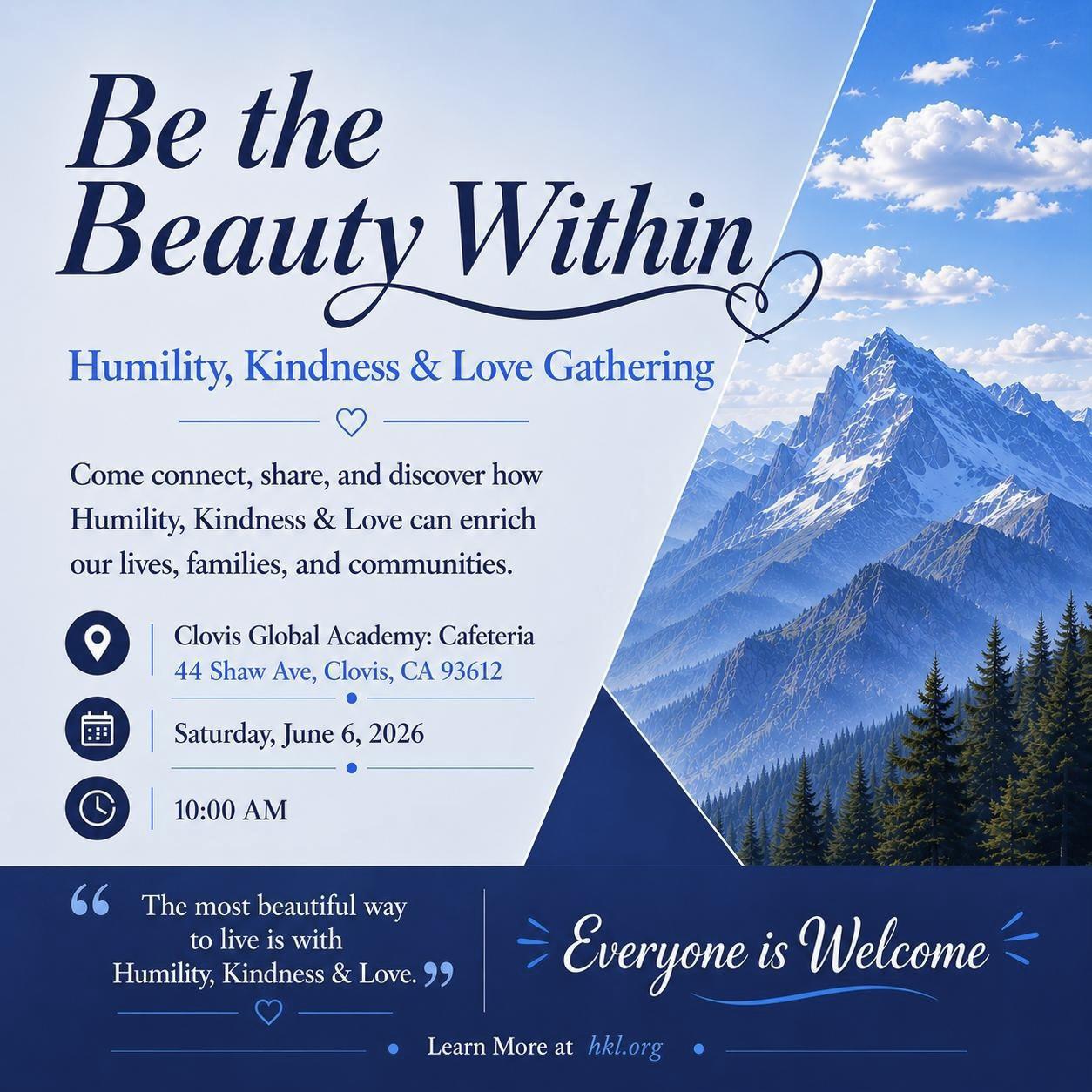
HKL California Chapter
Come Home to Humility, Kindness & Love
The HKL Global Movement is inspiring people around the world to reconnect with the timeless virtues that already exist within each of us—Humility, Kindness & Love. In a world filled with stress, division, and constant distractions, HKL offers a simple yet powerful path inward. Through personal reflection, community, and meaningful practices, individuals discover greater peace, purpose, happiness, and lasting contentment.
What is HKL?
HKL is a global movement dedicated to helping people awaken to their true nature by cultivating three universal virtues:
Humility
The foundation of inner growth, helping us move beyond ego and reconnect with our authentic selves.
Kindness
Compassion in action—recognizing our interconnectedness and treating every person with care and respect.
Love
The universal force that dissolves fear, separation, and judgment while creating deeper human connection.
A Growing Global Movement
Since launching in 2024, the HKL Movement has expanded rapidly across the world through international conferences and community initiatives.
Today HKL has reached:
n 83 countries & territories
n 23,000+ in-person conference attendees
n 500,000+ online participants
Join the Movement
Become part of a growing global community committed to creating a more beautiful world through everyday acts of Humility, Kindness & Love.
Learn more or join today
HKL.org
We become more beautiful when we live with Humility, Kindness & Love.
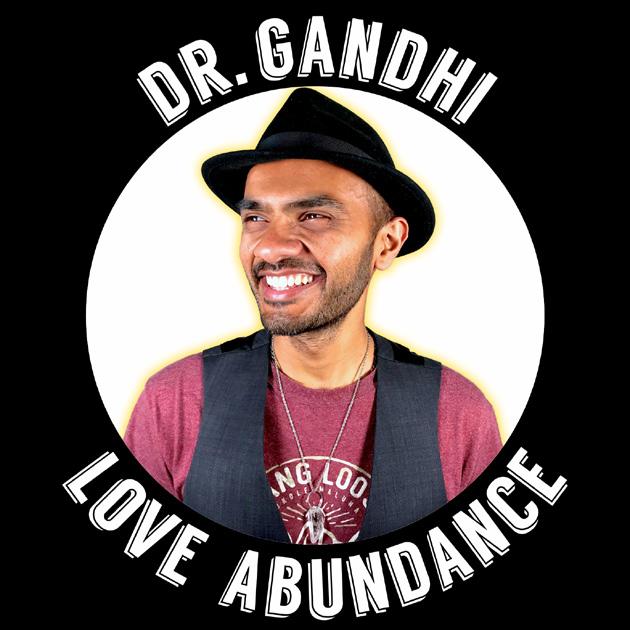
DR. VARUN GANDHI
FROM LOS ANGELES, CALIFORNIA
Dr. Varun Gandhi is a storyteller, community builder, and cultural advocate passionate about keeping Indian traditions alive for the next generation. Varun is deeply committed to creating spaces for connection. From organizing largescale community festivals like Uttarayan and Gujarati Unity Festival to building platforms such as Eventmor, he brings people together to celebrate identity, share stories, and strengthen bonds across generations.
As a father, he finds inspiration when his son was born, which drives his mission to make culture fun, meaningful, and accessible for kids.
Through his children’s books—spotlighting Indian role models and values like seva (selfless service) and empathy—he helps young readers see themselves reflected in stories that nurture both pride and compassion.
Beyond nutrition and cleansing, Dr. Gandhi advocates for a holistic lifestyle that includes mindfulness, emotional balance, and conscious choices in daily living. He encourages clients to listen to their bodies, practice gratitude, and adopt habits that align with both physical health and inner peace. His teachings inspire people to move away from quick fixes and instead cultivate sustainable rituals that nourish the body and spirit every day. Through his programs, coaching, and speaking engagements,
Dr. Varun Gandhi empowers people to take charge of their health journeys with knowledge, compassion, and purpose. His mission is to guide others toward a state of abundance in health—where wellness is not just the absence of illness, but the presence of energy, joy, and holistic harmony. By bridging the gap between cleansing, mindfulness, and conscious living, Varun continues to transform lives and promote a deeper understanding of what true wellness means.
Dr. Varun’s coaching focuses on guiding individuals and organizations in health and wellness related industries with branding, product strategy, marketing, and event production. He also emphasizes abundance and wealth training, teaching clients how to increase their value, command appropriate pricing, and leverage their personal story for maximum exposure.
At the heart of everything he does is a simple belief: culture should be celebrated, stories should be shared, and when we pass these values on with love and connection, we create a stronger, more vibrant community for the future.
KAVI RAZ STUDIOS
FEATURED PROJECT
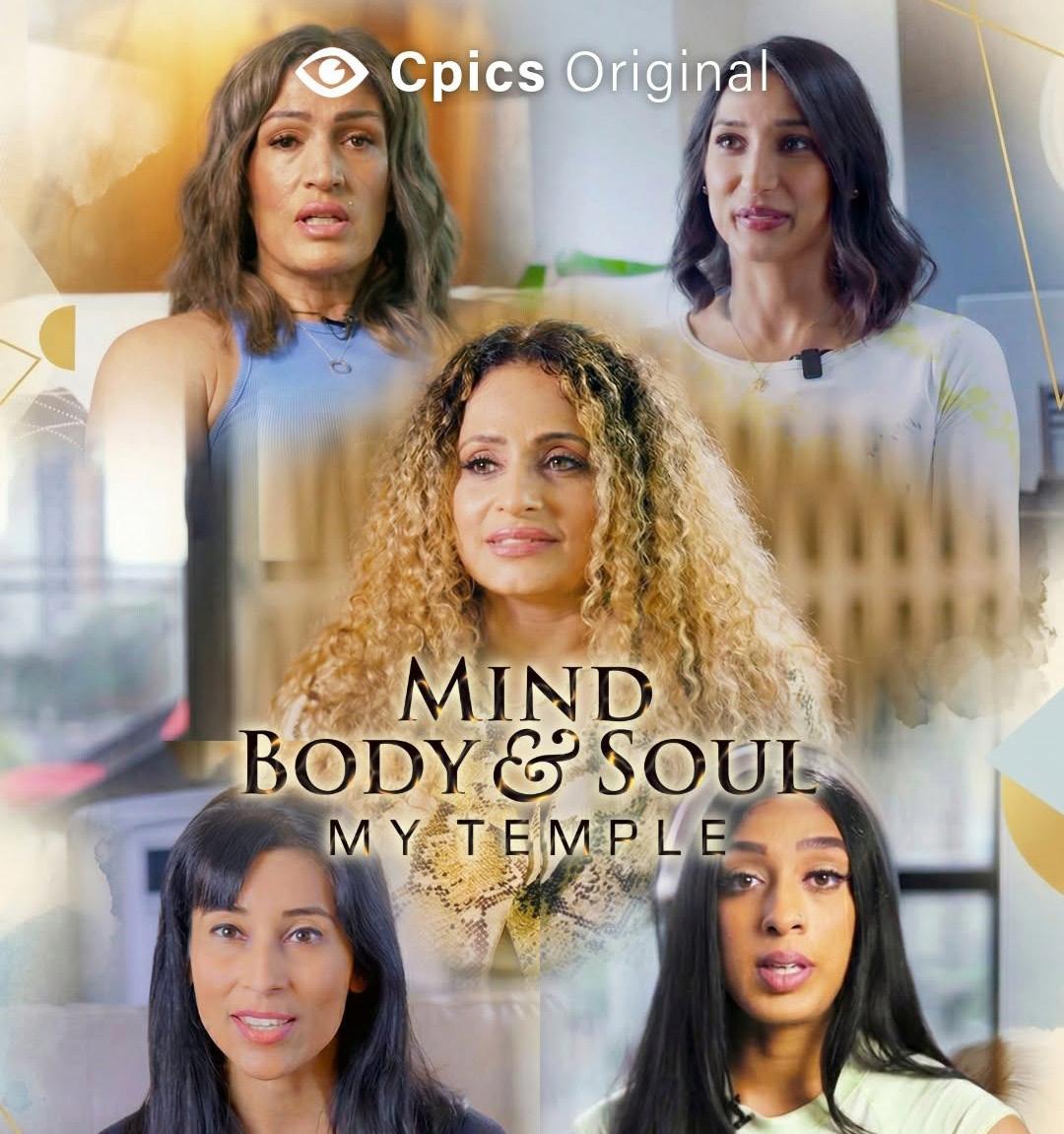
Mind,
Body & Soul: My Temple
FEATURED PROJECT
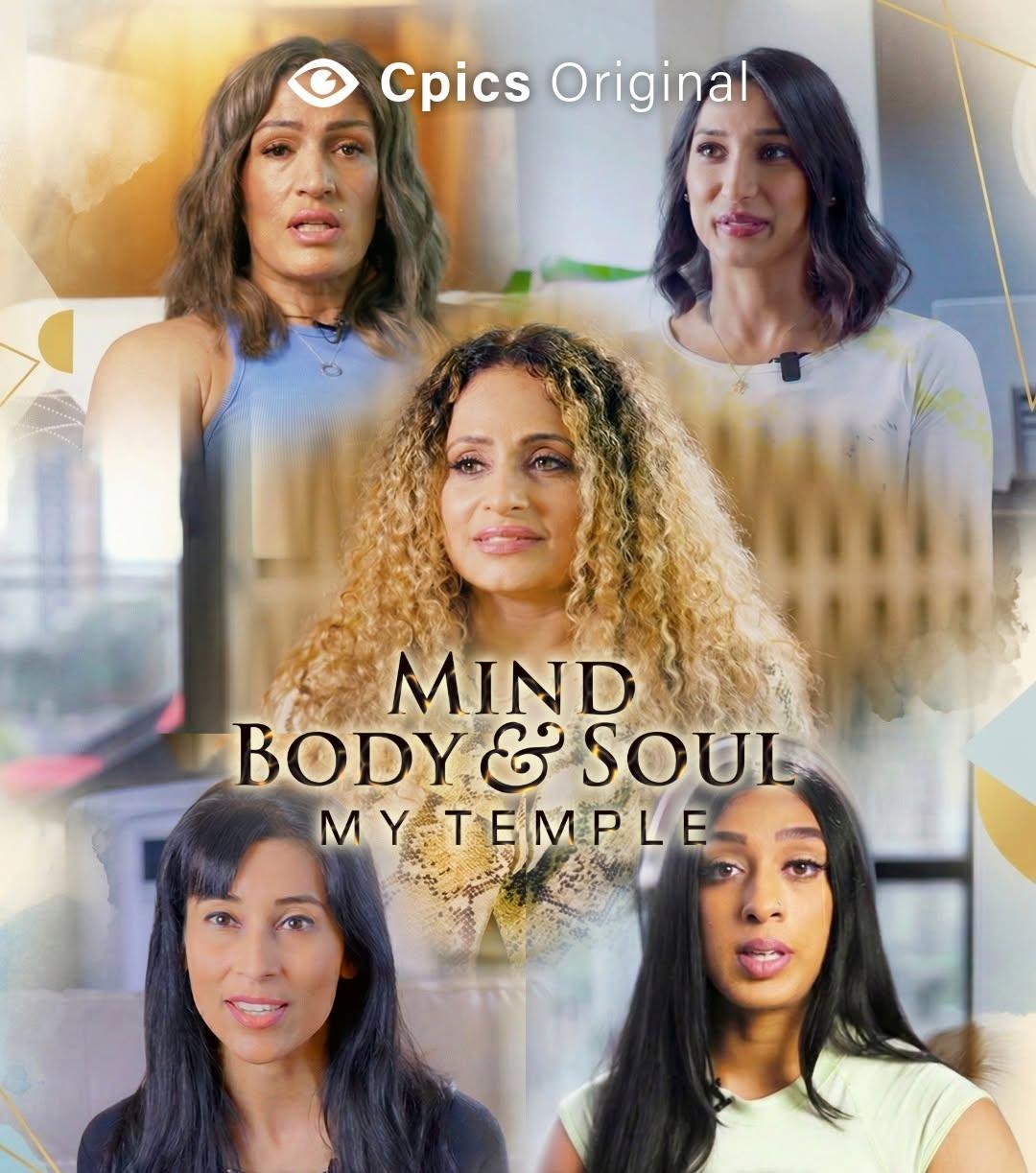
Mind, Body & Soul: My Temple
Kavi Raz Studios is a full-fledged production and distribution company based in California. Check out one of their latest projects, “Mind, Body & Soul: My Temple”, featuring South Asian women who have appeared in the South Asian Health Magazine over the past few years.
Kavi Raz Studios is a full-fledged production and distribution company based in California. Check out one of their latest projects, “Mind, Body & Soul: My Temple”, featuring South Asian women who have appeared in the South Asian Health Magazine over the past few years.
Kavi Raz is an Award winning Actor, Writer, Producer, and Director and the recipient of over 55 International awards. He is the first South Asian/Middle Eastern actor to appear as a regular in the Hollywood television series “St Elsewhere”, opening doors to many who have followed in his footsteps.
Kavi Raz is an Award winning Actor, Writer, Producer, and Director and the recipient of over 55 International awards. He is the first South Asian/Middle Eastern actor to appear as a regular in the Hollywood television series “St Elsewhere”, opening doors to many who have followed in his footsteps.
The studio has been instrumental in bringing South Asian theatre to the American audience and has produced numerous award-winning projects.
The studio has been instrumental in bringing South Asian theatre to the American audience and has produced numerous award-winning projects.
California South Asian Health Magazine – Feature Cover Story
Rooted in Tradition, Driven by Rhythm: How
Priya Nykan
Is Redefining Cultural Identity
Through HipHop Natyam
Studio in California
My journey has really been shaped by movement — not just dance, but moving between cultures, countries, and identities.
Please share a bit about your journey from your early days in Canada and India to founding the HipHop–Natyam Dance Academy in California? What inspired you to blend classical Bharata Natyam with the modern energy of Hip-Hop?
My journey has really been shaped by movement — not just dance, but moving between cultures, countries, and identities. I spent my early years in Canada and after my dance graduation I spent a semester in Bangalore,India. Those two environments gave me very different artistic influences. In India, Bharata Natyam wasn’t just a dance form; it was a language of discipline, storytelling, and spirituality. In Canada, I was surrounded by a completely different rhythm — hip-hop culture, street styles, and a sense of creative freedom that felt raw and expressive.
For a long time, I kept those worlds separate because that’s how I was taught to see them. Classical dance belonged in one box, and hip-hop belonged in another. But as I grew older, I realized that my identity didn’t fit neatly into either box. I was both — and neither — at the same time. That tension became the spark for HipHop–Natyam.
It was the one day that I went to my cousin Vick’s recording studio in Vancouver, BC. He was known as a lyricist/rapper known as Advocate in the Greater Vancouver area. I went to visit him after my trip to India and started singing Bharata Natyam beats into the mic to a Hip-Hop beat. He then paused and called me, “HipHopNatyam.” Then the evolution began back in 2007.
When I moved to California in 2010, I saw a community hungry for cultural expression and fusion. It felt like the right place to build something new. Founding the academy was my way of honoring tradition while also giving myself permission to innovate. Blending Bharata Natyam with hip-hop wasn’t about being trendy; it was about creating a space where dancers like me — who straddle cultures — could see themselves fully. We also performed Bollywood dance, Belly dance, Bhangra and celebrated our artistic expressions at various community events.
I dedicate the name and my new studio to my cousin Vickash Nair, aka Advocate, the late rapper from Vancouver Canada.
The South Asian community in the San Francisco Bay Area is vibrant and diverse. How has this community influenced your artistic direction and the evolution of HipHop–Natyam?
The South Asian community in the San Francisco Bay Area has played a huge role in shaping both my artistic direction and the evolution of HipHop–Natyam. What I love about this community is its diversity — not just in terms of regional backgrounds, but in how people express their identities. You see first-generation immigrants holding tightly to tradition, second- and third-generation kids exploring what it means to be both South Asian and American, and artists who are constantly redefining what ‘cultural expression’ looks like. Being surrounded by that kind of energy has pushed me to think more expansively about my own work.
The Bay Area also has this incredible openness to innovation. People here aren’t afraid of blending genres or questioning tradition, and that gave me the confidence to push boundaries without feeling like I was betraying classical forms. Instead, I felt supported in honoring them in a new way. So, in many ways, HipHop–Natyam grew because the community here allowed it to grow. Their curiosity, their pride, and their willingness to embrace something unconventional have shaped the academy into a space where cultural heritage and modern expression can coexist naturally.
Bharata Natyam has a structure, a vocabulary, and a lineage that I never take lightly.
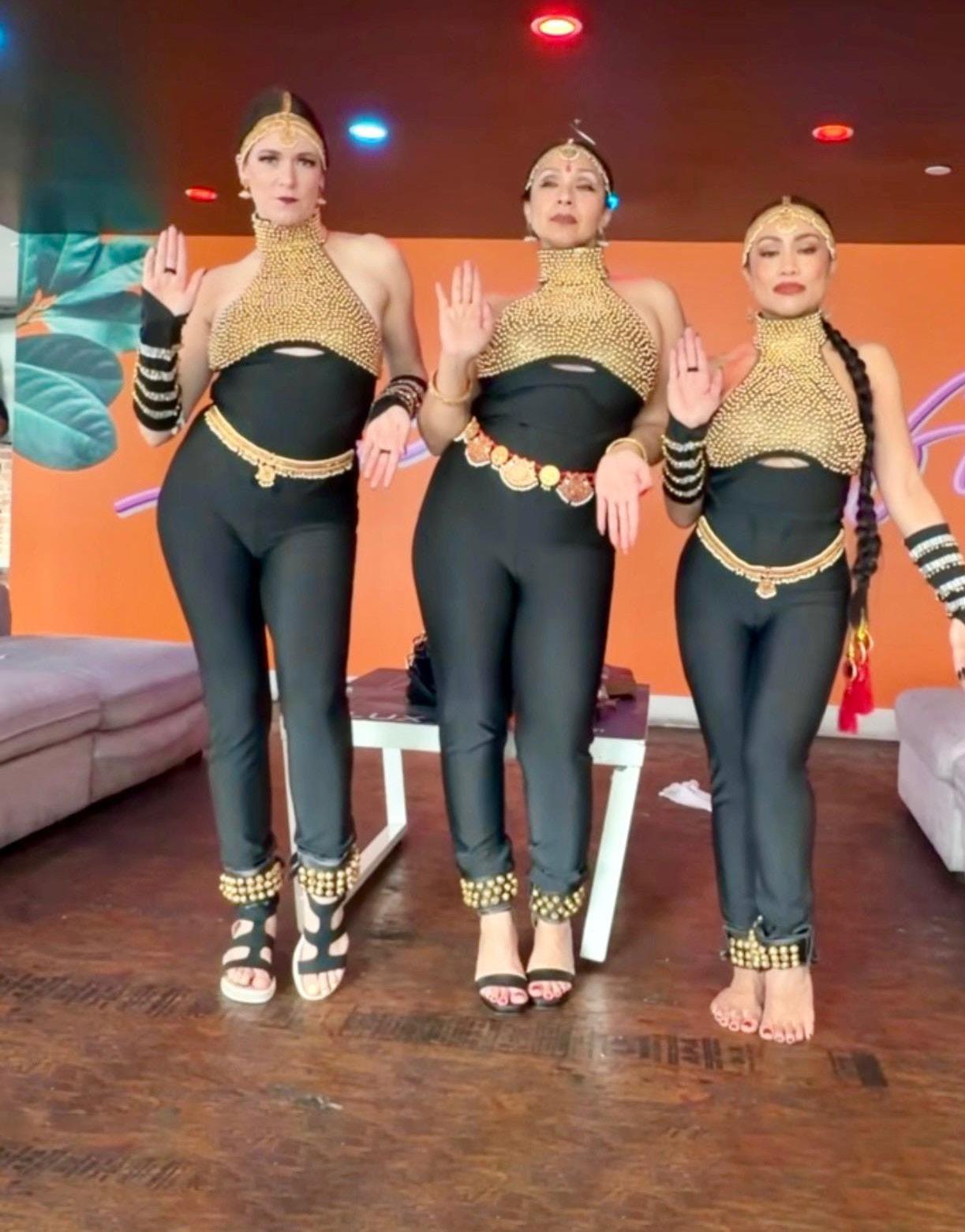
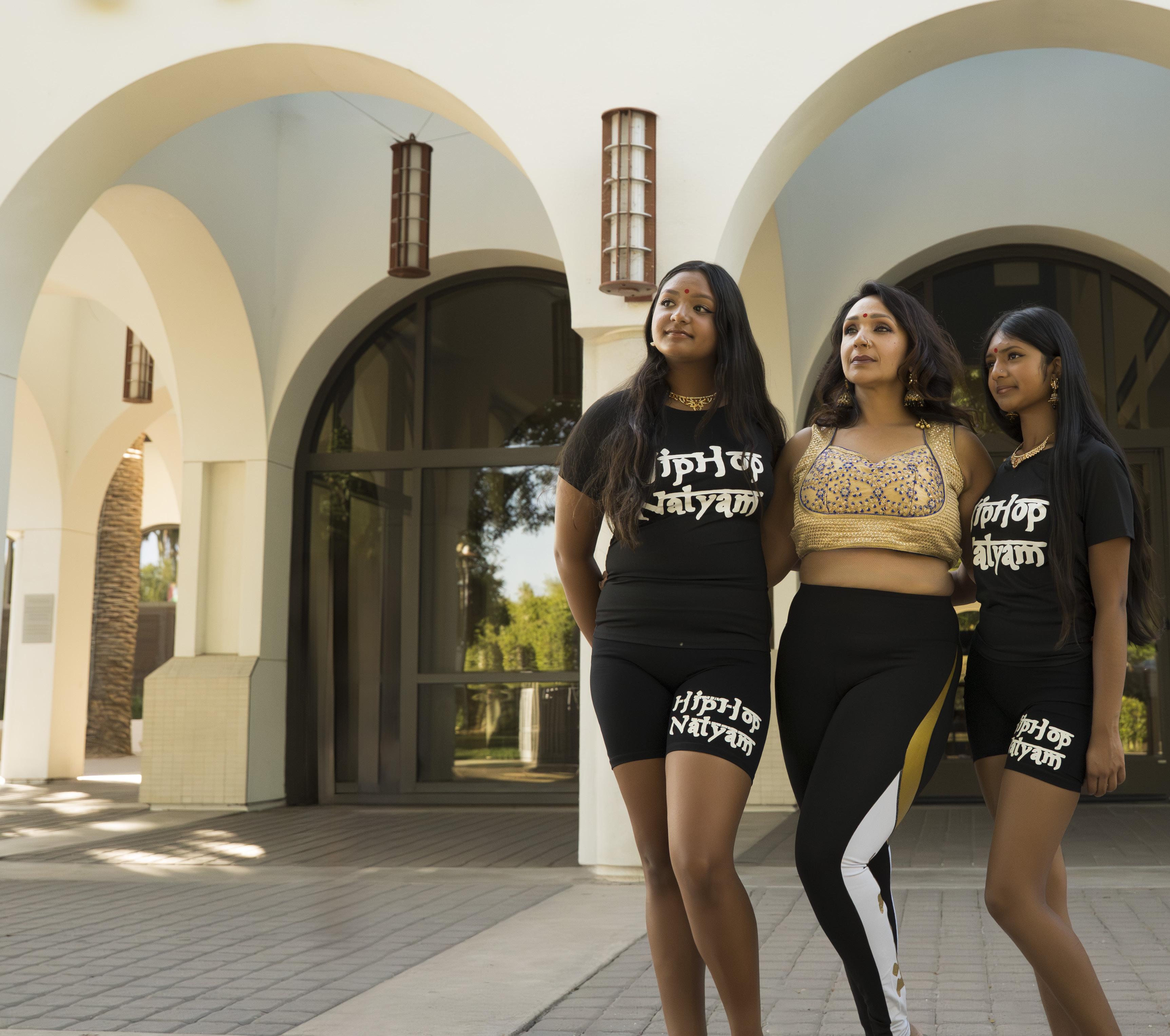
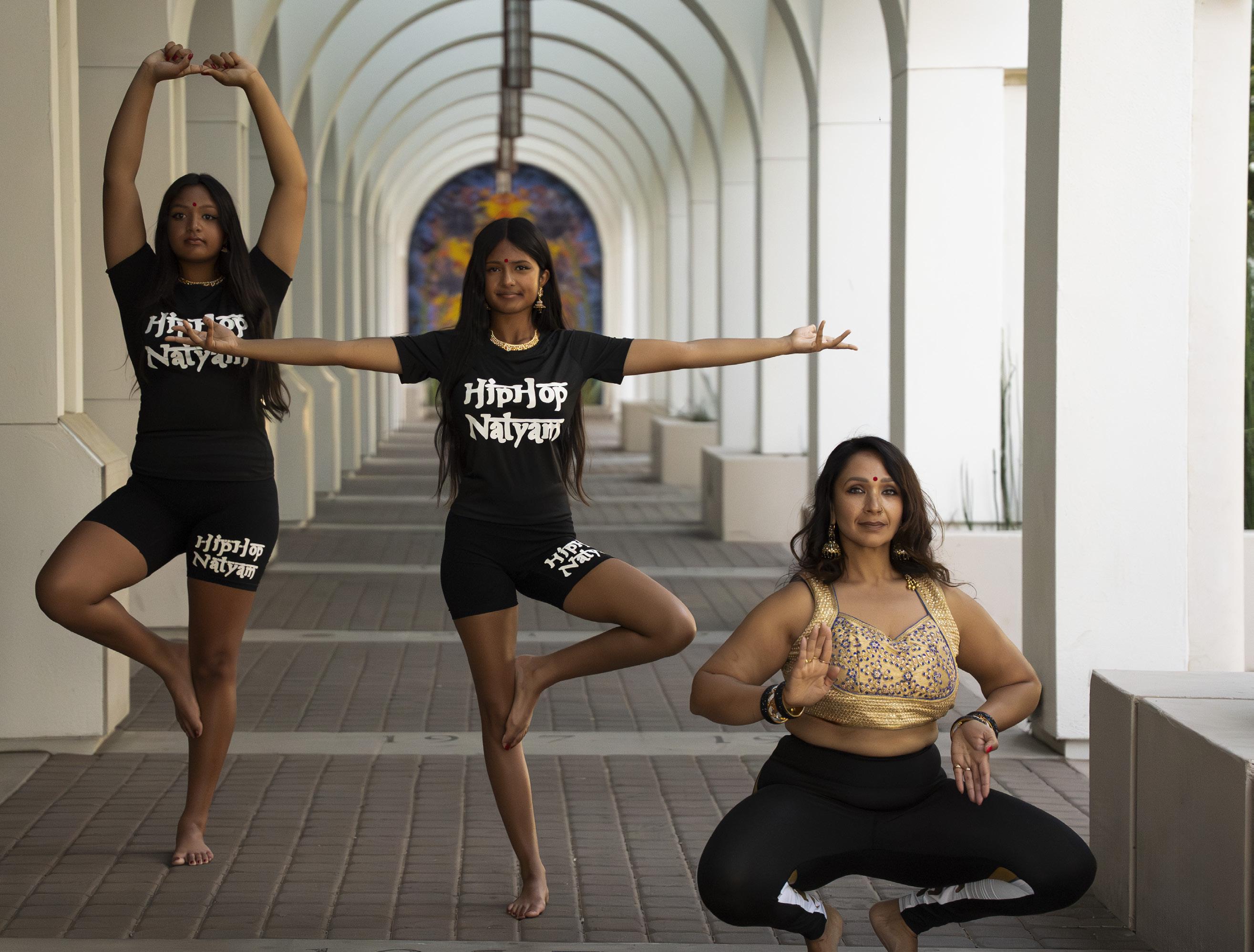
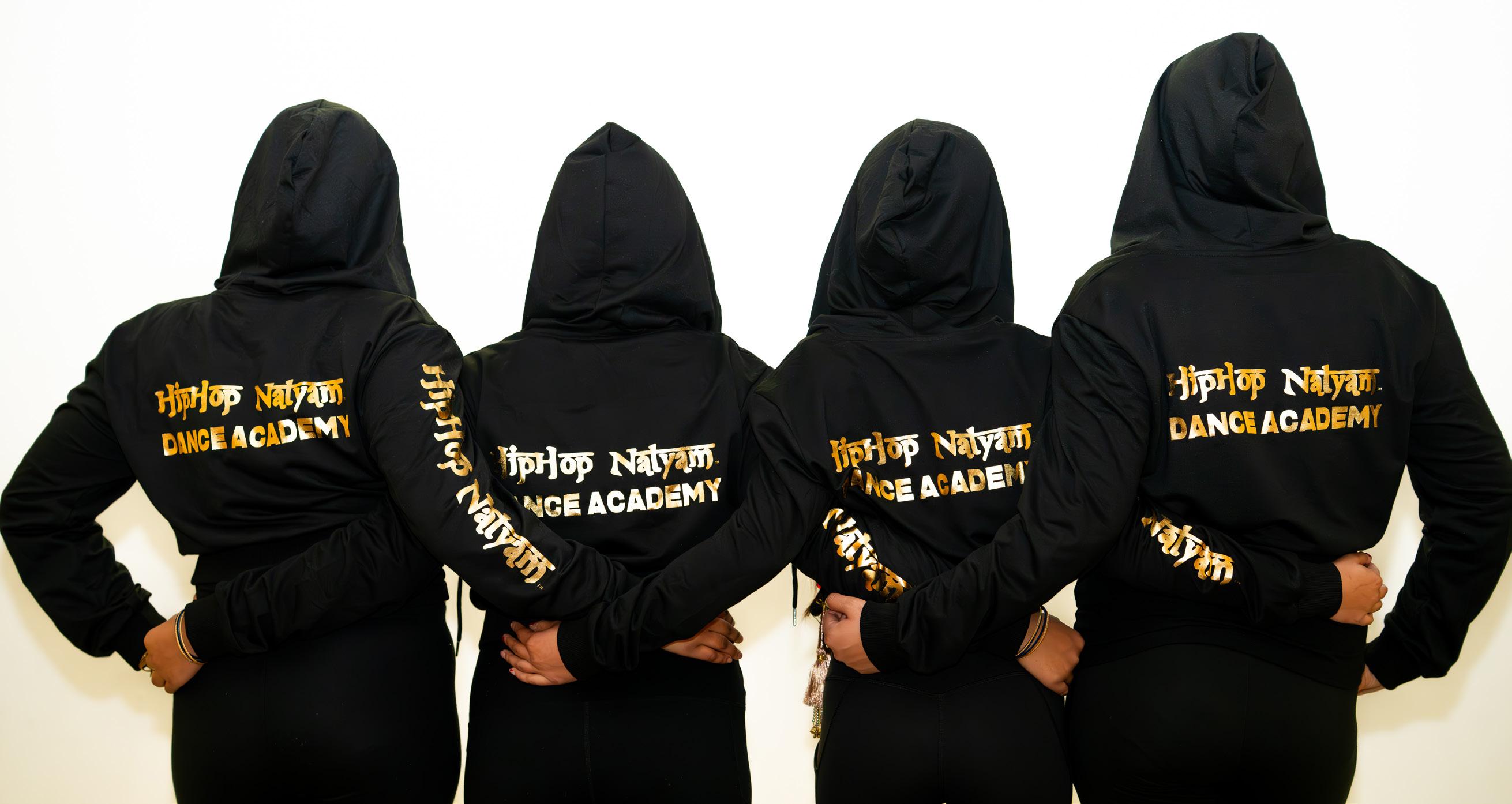
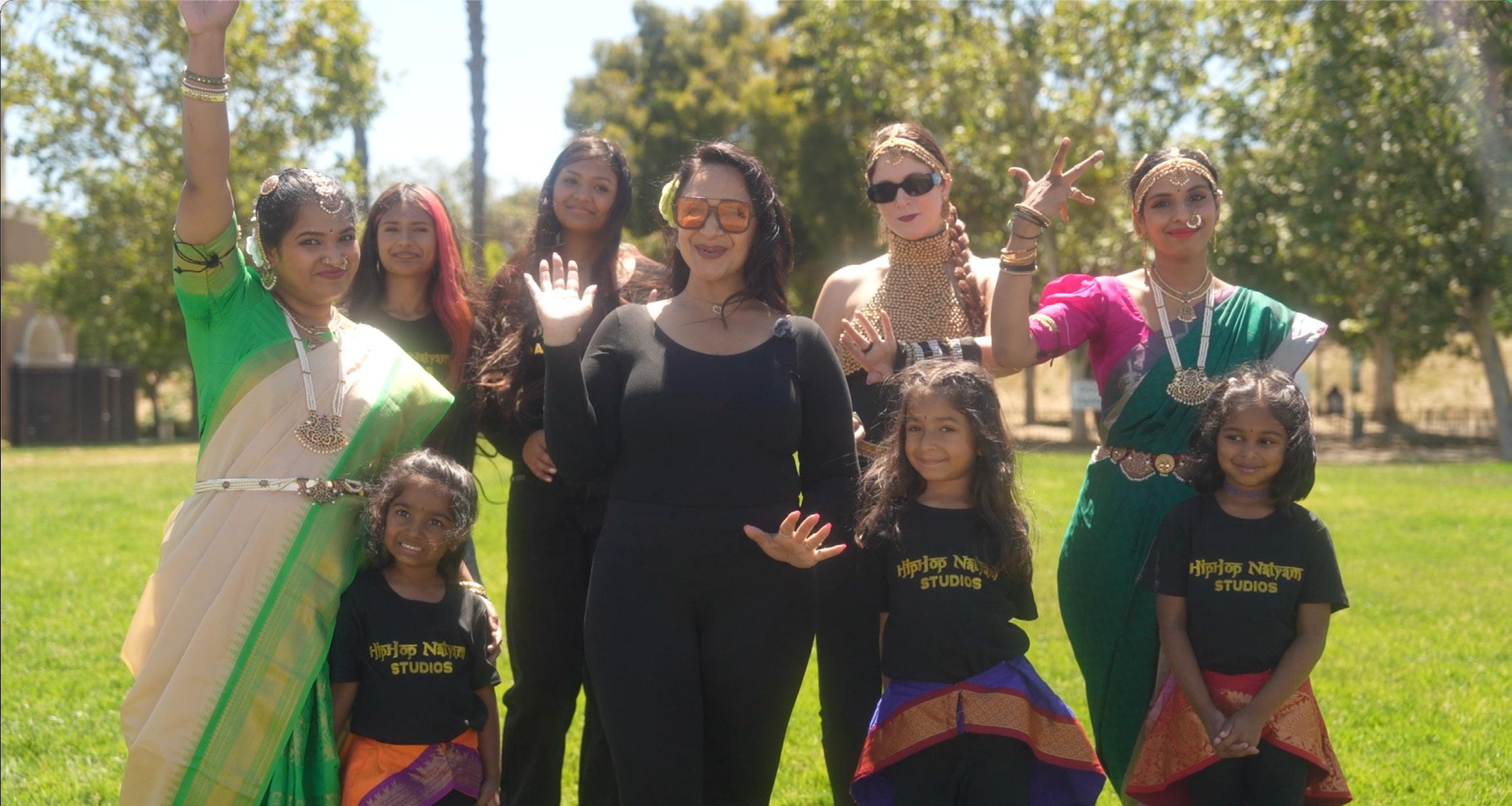
“HipHop-Natyam Studios offers classes in Bharata Natyam, Hip-Hop, HipHop-Natyam Choreography, Bollywood&Bhangra, Heels, Pilates, and Yoga.”
For the “many hats” please also add “wife” and being a wife for 16 years helps her grow as a woman.
It’s a reflection of the Bay Area itself — rooted, diverse, and always evolving. And now getting to teach in my own studio located in old town Pittsburg which is a booming city rich in culture and education.
Your fusion of Bharata Natyam and Hip-Hop is groundbreaking. How do you ensure that your choreography continues to honor traditional South Asian art forms while remaining accessible and exciting to younger generations?
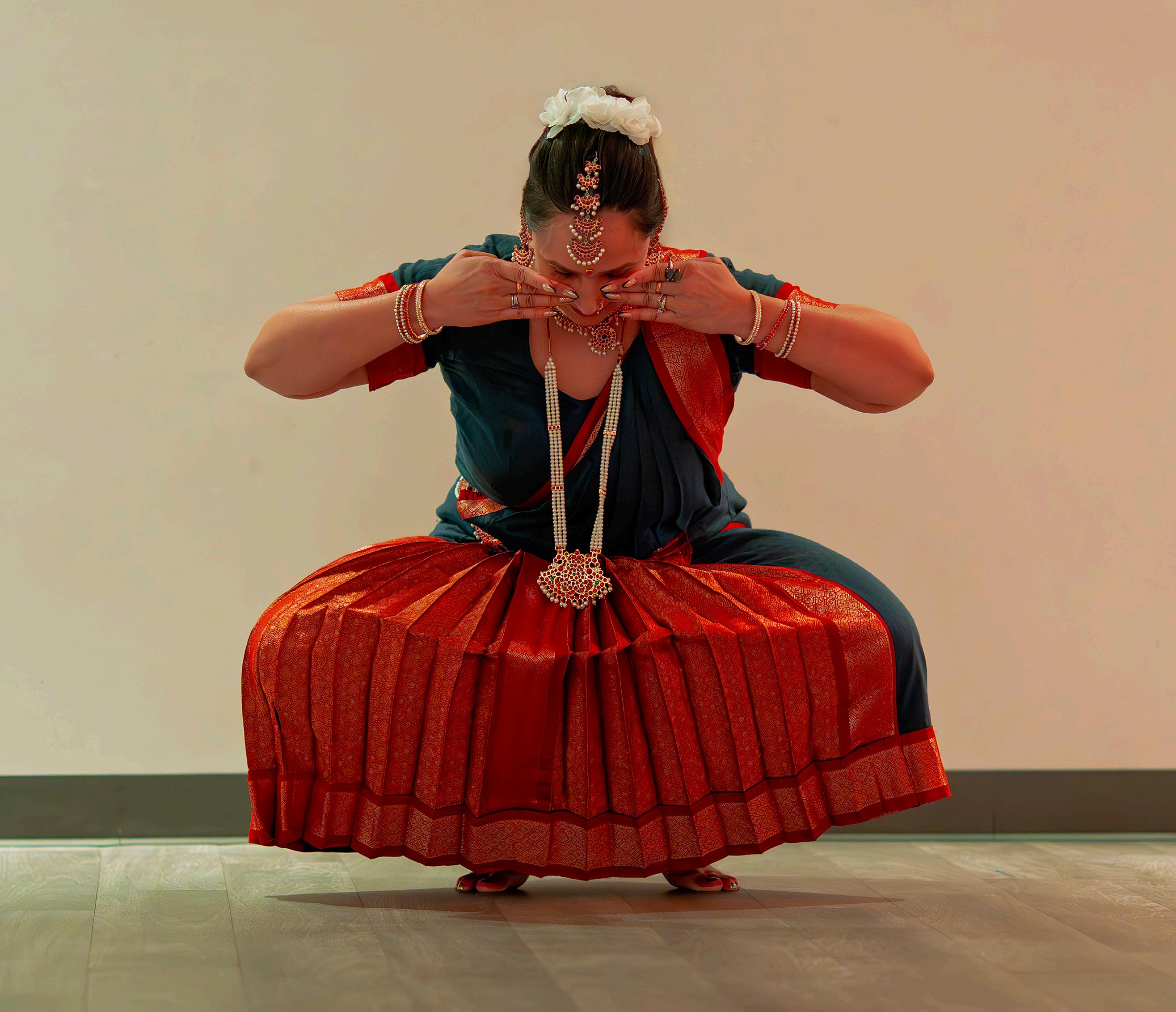
For me, honoring traditional South Asian art forms begins with deep respect and rigorous training. Bharata Natyam has a structure, a vocabulary, and a lineage that I never take lightly. Even when I’m creating fusion work, I start from the foundation — the adavus, the mudras, the storytelling techniques, the emotional grammar of abhinaya. Those elements stay intact because they’re the soul of the form.
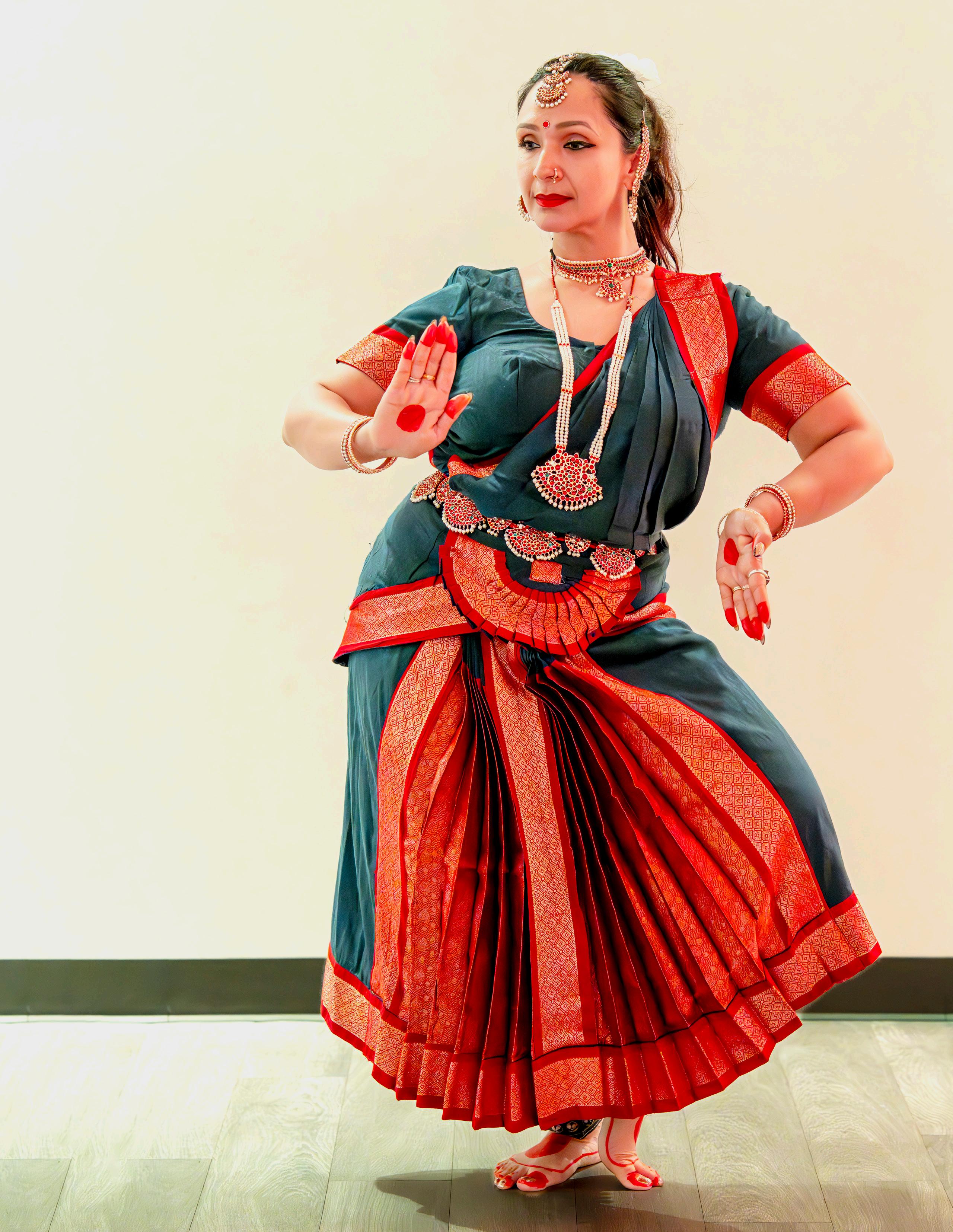
Photo credit: Studio Mikomi @studiomikomi
At the same time, I’m very aware that younger generations connect to movement differently and relate to different songs. And by layering the movements to the Hip-Hop lyrics, the youth can understand the dance with more critical thinking. Exploring different ways to count music and apply footwork and hand gestures. It’s simply beautiful and liberating.
My process is really about balance. I ask myself: ‘What part of this piece needs to stay rooted, and where can I let the dancers breathe?’ Sometimes that means keeping the Bharata Natyam footwork pure while layering Hip-Hop grooves in the upper body. Other times it means using classical storytelling but setting it to contemporary beats. The goal is never to dilute either form, but to let them converse.
And honestly, the students guide me too. Their curiosity, their playlists, their cultural identities — all of that shapes the evolution of HipHop–Natyam. When they feel seen and excited, they invest more deeply in the classical side as well. So in a way, honoring tradition and engaging youth aren’t opposites. They feed each other.”
As a South Asian woman leading a successful dance academy in California, what challenges and opportunities have you encountered in representing cultural heritage through movement?
Being a South Asian woman leading a dance academy in California has been both a responsibility and a privilege. One of the biggest challenges is navigating expectations — from within the South Asian community and from outside it. Within the community, there can be a strong desire to preserve tradition exactly as it has been passed down. That respect for lineage is something I deeply value, but it can also create pressure when you’re trying to innovate or blend styles. I’ve had to learn how to communicate that fusion doesn’t mean dilution; it means evolution.
On the other side, there’s the challenge of educating broader audiences who may not understand the
depth, history, or spiritual roots of forms like Bharata Natyam. I prepare a brief introduction before each event that we perform at to help educate audiences and communities about the history and artistry of Bharata Natyam and its ability to adapt to Hip-Hop culture which brought forth the evolution of HipHopNatyam.
So the journey has been about honoring where we come from while embracing where we’re going. Teaching women specifically and watching them explore their movements whether it be dance, yoga or pilates, I see such a relief of joy and self care. The women whom I share space and energy with are a driving force toward my purpose and I am so happy to be part of the Pittsburg community in 2026.
Many South Asian families in the Bay Area encourage their children to stay connected to their roots. How does your academy create a space for youth to embrace both their cultural identity and their individuality?
One of the things I love most about working with youth in the Bay Area is that they’re constantly navigating two worlds — the cultural heritage their families cherish and the individuality they’re discovering for themselves. At the academy, my goal is to create a space where those two things don’t compete, but actually strengthen each other.
We start by grounding students in the richness of South Asian traditions. Whether it’s Bharata Natyam technique, mythology, rhythm patterns, or the storytelling behind each gesture, they learn the ‘why’ behind the movement. When young dancers understand the cultural meaning, they feel a sense of pride and connection rather than pressure.
At the same time, I give them room to explore their own voice. Hip-Hop, freestyle exercises, collaborative choreography sessions — these are places where they can bring their personality, their lived experiences, and even their playlists into the room. They get to experiment, take risks, and shape the movement in ways that feel authentic to them.
Parents often tell me that the academy helps their children feel more connected to their roots while also becoming more confident in who they are as individuals. And that’s exactly the environment I want to cultivate: a place where culture is not a constraint, but a foundation for creativity, self-expression, and belonging.
You wear many hats—dancer, choreographer, Pilates and yoga instructor, Para Educator and mother. How do you balance these roles, and how do they shape your perspective on holistic wellness and movement?
Balancing all the roles I play — dancer, choreographer, Pilates and yoga instructor, Para Educator and mother — has taught me that movement and wellness aren’t separate parts of my life. They’re the thread that connects everything. Instead of trying to keep these roles in different boxes, I’ve learned to let them inform and support one another.
Dance gives me creativity and expression. Pilates gives me alignment and strength. Yoga gives me grounding and breath. My work as a para educator teaches me patience, empathy, and the importance of meeting people exactly where they are. And motherhood gives me perspective — a reminder that growth is not linear, and that rest, joy, and presence matter just as much as discipline.
There are definitely days when it feels overwhelming, but I’ve learned to listen to my body the same way I listen to music or choreography. Some days call for discipline and structure; others call for softness and rest. That awareness is what keeps me centered.
These roles also shape how I teach. I don’t see movement as just technique or performance — I see it as a holistic practice. I want my students to feel strong, expressive, and connected, not just physically but emotionally. Whether we’re doing Bharata Natyam footwork, hip-hop grooves, or Pilates core work, I try to create an environment where they can understand their bodies, honor their limits, and celebrate their individuality.
So balancing these roles isn’t about doing everything perfectly — it’s about staying aligned with my values, listening to my body, and letting each part of my life enrich the others.”
The South Asian diaspora often finds itself navigating between tradition and modern identity. How does HipHop–Natyam bridge this cultural duality and help others express their authentic selves through dance?
The South Asian diaspora is constantly balancing two worlds — the traditions we inherit and the modern identities we grow into. HipHop–Natyam was born from that exact tension, so it naturally becomes a bridge between the two. It gives dancers permission to honor where they come from while also embracing who they’re becoming.
Bharata Natyam brings structure, storytelling, and cultural memory. It reminds us of our roots — the discipline, the mythology, the emotional depth that has been passed down for generations. Hip-hop music brings individuality, rhythm, and the freedom to move in ways that reflect our lived experiences here in the U.S. When those two forms meet, dancers suddenly
What I love most is watching dancers find their authentic voice. Some connect more deeply to the classical side, others to the hip-hop side, and many find a unique blend that feels like home.
see that they don’t have to choose between tradition and modernity. They can embody both at the same time.
What I love most is watching dancers find their authentic voice. Some connect more deeply to the classical side, others to the hip-hop side, and many find a unique blend that feels like home. HipHop–Natyam gives them a safe space to explore that spectrum without judgment.
It tells them that their cultural duality isn’t a conflict — it’s a creative advantage.
In the end, the fusion isn’t just about dance. It’s about belonging. It’s about giving the diaspora a language — a physical, emotional, artistic language — to express who they truly are.”
As someone who integrates fitness, art, and culture, what message do you have for South Asians in California about the importance of dance and movement in maintaining both physical and emotional well-being?
For South Asians in California, dance and movement can be so much more than exercise — they can be a lifeline to both physical and emotional well-being. Many of us grew up in environments where academic success was prioritized, and movement was seen as optional or recreational. But our bodies carry our stories, our stress, and our heritage. When we move, we release, reconnect, and remember who we are.
What I want our community to know is that dance “doesn’t have to be perfect or traditional to be meaningful. It can be an ACT of pure joy.” Whether it’s Bharata Natyam, Bollywood, hip-hop, or even a simple flow at home, movement helps us stay grounded in a
fast-paced world. It strengthens the body, yes — but it also softens the mind. It gives us a space to breathe, to express emotions we don’t always have words for, and to reconnect with joy.
For the younger generation especially, dance becomes a bridge between cultures. It lets them honor their roots while expressing their individuality. For adults, it becomes a reminder that wellness isn’t just about productivity — it’s about presence, creativity, and self-care. My message is simple: make movement a non-negotiable part of your life. Not as a chore, but as a celebration. Dance is one of the most powerful ways we can stay connected — to our heritage, to our community, and to ourselves.
You’ve mentioned that your mission is to build a thriving dance community that connects cultures. What impact do you hope HipHop–Natyam will have on the broader dance scene in California and beyond?
My hope is that HipHop–Natyam becomes more than just a fusion style — I want it to become a movement that expands how people think about culture, identity, and artistic expression. In California, we’re already seeing a shift.
Dancers are hungry for forms that reflect the complexity of their lives, and HipHop–Natyam gives them a language that feels both rooted and contemporary. I want this fusion to encourage dancers to see tradition not as something fragile, but as something alive and adaptable.
On a broader level, I hope HipHop–Natyam is recognized by bringing Bharata Natyam and hip-hop into places for the first time. I want to show that both forms carry discipline, history, and emotional depth — just expressed differently. When audiences see them side by side, they start to understand the cultural evolution.
I also hope this work opens doors for more South Asian artists. Representation matters, and when young dancers see a style that reflects their dual identities, it gives them permission to take up space, to innovate, and to tell their own stories. If HipHop–Natyam can inspire even a handful of dancers to create boldly and unapologetically, then it’s doing its job.
Ultimately, I want the impact to be one of connection — connecting cultures, connecting generations, and connecting people to their own sense of belonging. The broader dance scene has become more inclusive, more curious, and more willing to embrace hybrid identities, and HipHop–Natyam from the Bay Area will have made its mark and is part of the evolution.
For a long time, our traditions lived mostly within community spaces — temples, cultural centers, and family events. But now, we’re seeing South Asian artists step onto mainstream stages, collaborate across genres, and redefine what American performing arts can look like. There’s a growing appetite for stories, rhythms, and aesthetics that reflect the multicultural reality of this country.
As this landscape expands, I see HipHop–Natyam playing a meaningful role in that evolution. It represents a new kind of artistic identity — one that honors classical roots while embracing contemporary expression. For young multicultural artists, especially those who grew up navigating multiple cultural worlds, this fusion becomes a model of possibility. It shows them that they don’t have to choose between tradition and innovation, or between their heritage and their individuality. They can create from all parts of themselves.
My hope is that HipHop–Natyam encourages the next generation to be bold — to experiment, to collaborate, and to trust that their hybrid identities are a source of strength.
My hope is that HipHop–Natyam encourages the next generation to be bold — to experiment, to collaborate, and to trust that their hybrid identities are a source of strength. If our work can inspire dancers to see cultural fusion not as a compromise but as a creative superpower, then we’re contributing to a broader shift in the arts.
Looking ahead, how do you envision the growth of South Asian performing arts in the United States, and what role do you see HipHop–Natyam playing in inspiring the next generation of multicultural artists?
I think we’re entering a really exciting moment for South Asian performing arts in the United States.
Ultimately, I envision South Asian performing arts becoming a vibrant, visible, and influential part of the American cultural fabric. And if HipHop–Natyam can help open doors, spark curiosity, and empower young artists to tell their own stories, then it will have fulfilled its purpose.”
HipHop-Natyam Studios is located at #4 160E Third Street, Pittsburg, CA 94565. The center for dance,yoga,and Pilates that is set in classical foundations while integrating American Hip-Hop culture.
Angie Biln, RSW, MSW
ANGIE BILN
With over 18 years of experience in mental health, counselling, rehabilitation, and personal growth, Angie Biln is a Registered Social Worker, Certified EMDR Therapist, Certified Life Coach, Clinical Supervisor, and Mental Health Consultant. Fluent in English, Punjabi, and Hindi, Angie provides culturally responsive, trauma-informed care to individuals, couples, and families navigating trauma, anxiety, depression, grief and loss, relationship challenges, self-esteem concerns, emotional burnout, and recovery from unhealthy or abusive relationships. Certified in Brain Injury Rehabilitation, she also has extensive experience supporting individuals recovering from concussions, acquired brain injuries, chronic pain, and complex trauma. Angie is registered to practice in British Columbia, Alberta, and Ontario and has worked extensively with motor vehicle accident survivors, first responders, youth, families, and individuals navigating significant life transitions. Her approach integrates EMDR, Cognitive Behavioural Therapy (CBT), mindfulness, inner child healing, strengths-based interventions, and somatic approaches to support meaningful and lasting change.
In addition to her clinical practice, Angie provides clinical supervision, mentorship, and consultation to social workers, interns, and allied health professionals. She is also a speaker, podcast host, media contributor, and educator who regularly appears on television and radio discussing mental health, trauma recovery, relationships, resilience, and personal growth. As the host of the Designed For More podcast and a facilitator of wellness retreats, workshops, and community initiatives, Angie is passionate about breaking cultural stigmas surrounding mental health, empowering women, strengthening families, and helping individuals move from surviving to thriving. Through her work, she continues to inspire healing, resilience, self-worth, and meaningful transformation within the communities she serves.
GURPREET KAUR MANN
Redefining Success Through Purpose, Leadership & Wellbeing
Gurpreet Kaur Mann is an executive coach, career strategist, and founder of GKM Coaching. Drawing on her background in human resources, leadership development, and entrepreneurship, she helps professionals and business owners build careers that align with their strengths, values, and longterm goals.
Through coaching, training, and mentorship, Gurpreet has guided professionals across North America to strengthen their leadership skills, elevate their personal brands, and pursue greater confidence and fulfillment. Her practical and empowering approach has made her a trusted voice in career advancement and personal development.
A strong advocate for holistic wellbeing, Gurpreet believes that professional success, mental wellness, financial confidence, and personal purpose are deeply connected. Her mission is to help people achieve meaningful success without sacrificing balance, authenticity, or overall wellbeing— making her a fitting feature for this edition of the Ontario South Asian Health Magazine.
Rewriting The Future Of Healthcare
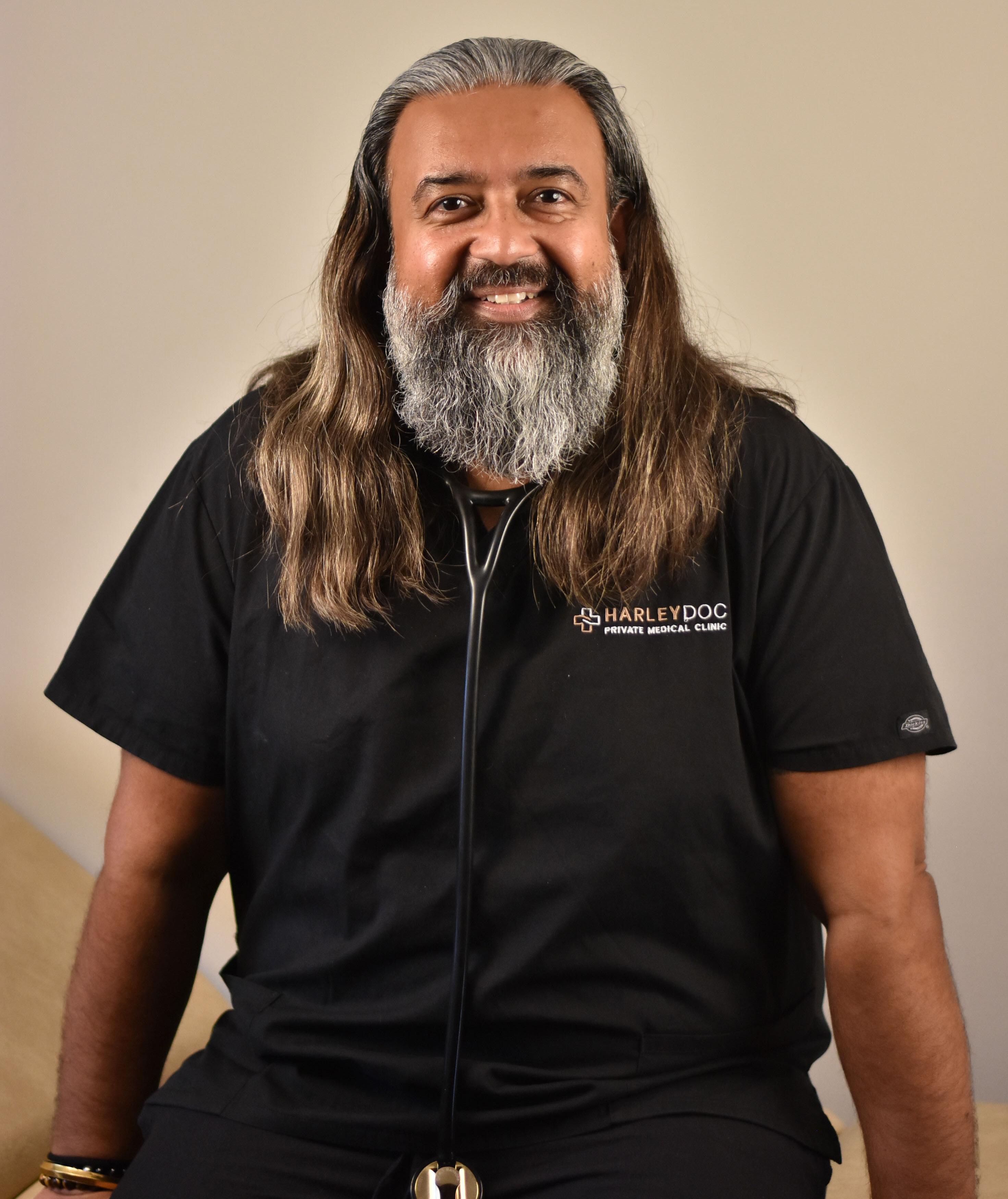
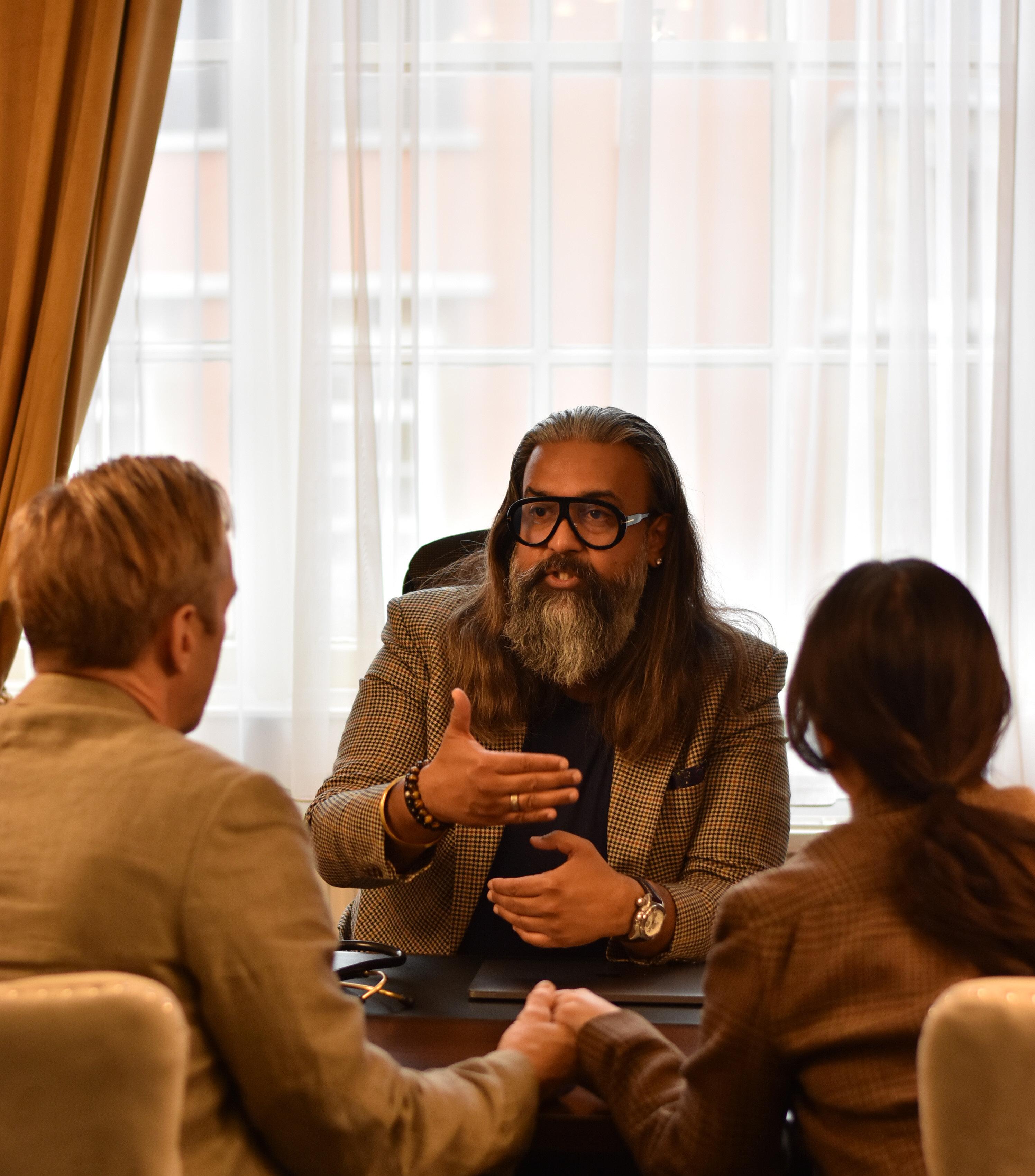
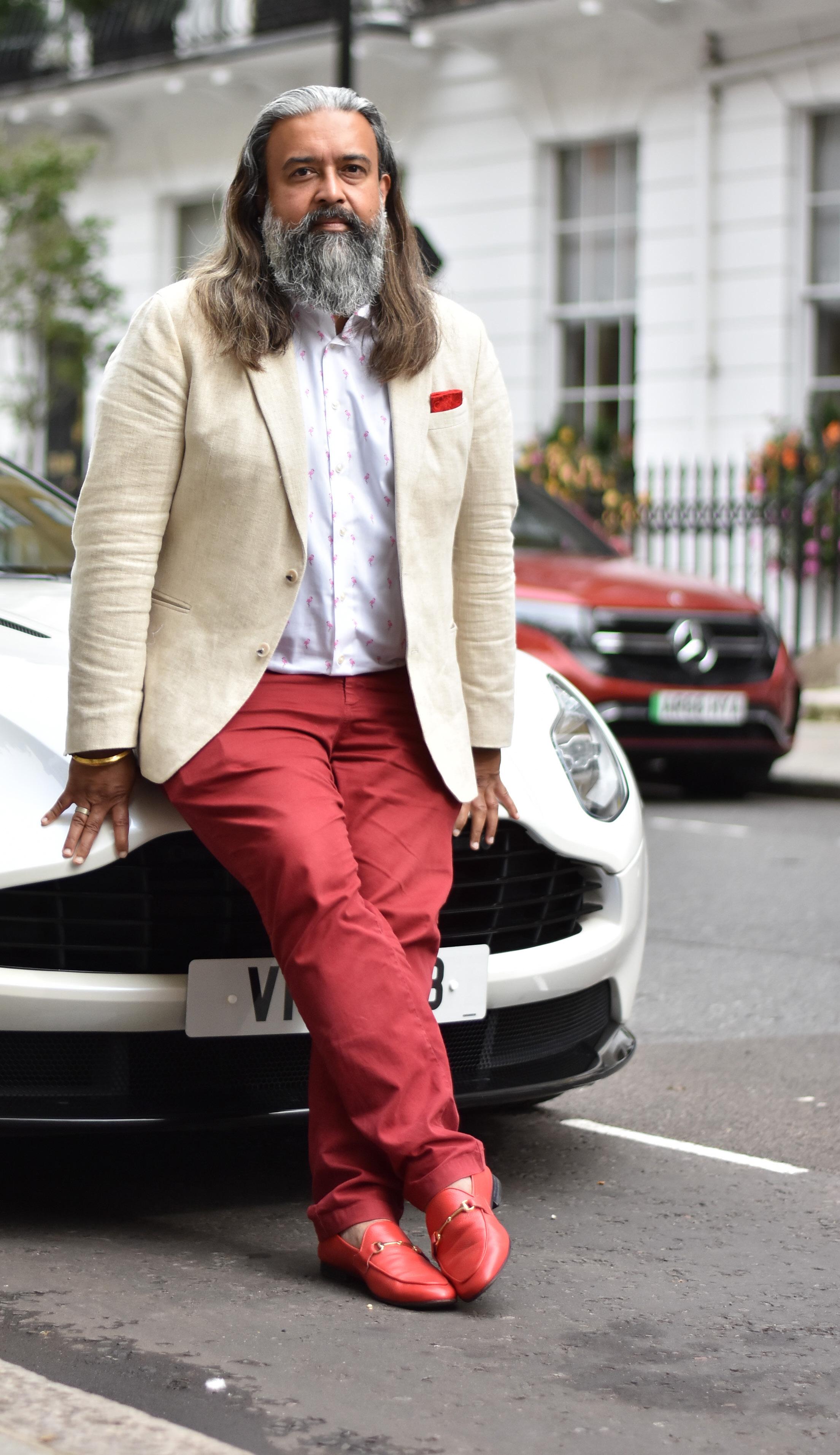
DR. TONY BANERJEE
on Preventative Healthcare, Innovation, and How He
Built a Global Model of Human-First Medicine
You began your career deep within the NHS, even leading large-scale healthcare commissioning. Looking back, was there a defining moment when you realised the traditional system wasn't enough—and that you needed to build something new?
There wasn't a single moment, but rather a gradual accumulation of experiences that became impossible to ignore. As a clinician, I was seeing patients at the point of crisis. As a commissioner, I was managing a system that was constantly firefighting, stretched both financially and operationally.
What struck me most was that we were incredibly good at treating disease, but not particularly effective at preventing it.
I
saw patients who presented late, not because they didn’t care about their health, but because the system was difficult to navigate, culturally misaligned, or simply inaccessible.
We were waiting for people to become unwell before acting, and by that stage, the intervention was often more complex, more expensive, and less effective.
That realisation stayed with me. I began to question whether the system itself was designed for the modern world, particularly for globally mobile patients who expect immediacy, continuity, and personalisation. HarleyDoc was born from that gap, not as a rejection of the NHS, but as an evolution of what healthcare could become.
Your early work in underserved communities clearly left a mark. How did those frontline experiences shape your long-term vision for equitable, accessible healthcare?
Working in underserved communities teaches you very quickly that health is not just about medicine. It is about access, education, trust, and environment.
I saw patients who presented late, not because they didn't care about their health, but because the system was difficult to navigate, culturally misaligned, or simply inaccessible. There was a disconnect between what healthcare offered and what patients actually needed.
That shaped my thinking profoundly. HarleyDoc
is built on the idea that healthcare should meet people where they are, not the other way around. Whether that is through technology, language, cultural understanding, or simply being available when needed, accessibility is not a feature, it is a fundamental principle.
HarleyDoc is built around a proactive, preventative model of care. Why do you think healthcare systems globally have been so slow to move away from reactive medicine?
Healthcare systems are, by nature, complex and risk-averse. They are designed around treating illness because that is where the immediate demand lies.
Prevention, on the other hand, requires long-term thinking, behavioural change, and investment upfront for outcomes that may not be visible for years. That is a much harder model to implement, particularly in publicly funded systems under constant pressure.
There is also a cultural element. Patients often seek care when something feels wrong, not when they feel well. Shifting that mindset requires both education and a different kind of relationship between doctor and patient.
What we are seeing now, however, is a shift. Advances in technology, data, and diagnostics are making preventative care not only possible, but scalable. The question is no longer whether we can do it, but whether we are willing to redesign systems around it.
You've combined clinical practice with entrepreneurship, technology, and leadership. Do you see yourself more as a doctor, a disruptor, or a systems thinker—or is that distinction no longer relevant?
At my core, I am still a doctor. That clinical grounding informs every decision I make.
However, I also see myself as someone who operates at the intersection of medicine, systems, and innovation. The traditional boundaries between these roles are becoming less relevant. To build meaningful change in healthcare today, you need to understand not just the science, but the infrastructure that delivers it.
If I had to define it, I would say I am building systems of care rather than simply delivering care.
With patients spanning continents—from the UK to Asia and the Middle East—what has surprised you most about how different cultures engage with their health?
What is most striking is that, despite cultural differences, the underlying concerns are remarkably similar. People want to feel safe, understood, and supported.
Where cultures differ is in how they express those needs. Some are highly proactive, seeking regular testing and optimisation. Others are more reactive, engaging only when necessary. There are also differences in how openly people discuss health, particularly around mental health or chronic conditions.
The key is not to apply a one-size-fits-all model, but to adapt. True global healthcare requires cultural intelligence as much as clinical expertise.
South Asian communities in the UK face disproportionately higher risks of conditions like diabetes and cardiovascular disease. In your view, what are the underlying causes—and how can healthcare systems better respond in a culturally meaningful way?
The causes are multifactorial. There is a genetic predisposition, particularly around insulin resistance and central adiposity, but that is only part of the story.
Lifestyle factors play a significant role, including diet, physical inactivity, and stress. There is also a tendency towards later presentation, sometimes due to cultural perceptions of illness or barriers to accessing care.
What is needed is a more tailored approach. That includes earlier screening, culturally relevant lifestyle interventions, and education that resonates with the community. It is not enough to provide information; it has to be delivered in a way that is meaningful and actionable.
As a British doctor of South Asian heritage, how important is representation and cultural understanding in building trust with patients—and do you think the system is doing enough to reflect the communities it serves?
Representation matters because it builds trust. When patients feel understood, they are more likely to engage openly and follow advice. That said, representation is not just about ethnicity. It is about cultural competence. A
healthcare system should reflect the diversity of the population it serves, but it should also ensure that all clinicians are equipped to understand and respect different cultural contexts. We have made progress, but there is still more to do.
HarleyDoc integrates advanced diagnostics and AI-driven tools, yet your messaging remains deeply patient-centric. In an increasingly digital world, what does "human-first healthcare" really mean to you?
Hu man-first healthcare means that technology enhances the relationship between doctor and patient, rather than replacing it. AI can analyse data, identify patterns, and support decision-making, but it cannot replace clinical judgement, empathy, or the nuance of a human conversation.
For us, technology is an enabler. It allows us to be more present, more informed, and more responsive. But the centre of healthcare will always be the patient, and the relationship they have with their doctor.
Longevity and lifestyle medicine are central to your approach. Beyond the buzzwords, what are the most overlooked habits or interventions that truly move the needle on longterm health?
The fundamentals are often overlooked because they are not particularly glamorous.
Sleep, nutrition, physical activity, stress management, and metabolic health remain the cornerstones. If you optimise those consistently, you can have a profound impact on long-term outcomes.
Advanced diagnostics and interventions have their place, particularly for high-performance individuals, but they should build on a solid foundation, not replace it.
You've chosen to grow HarleyDoc as a founder-funded venture. How has that independence influenced your decision-making—and the kind of company you're building?
Independence allows for clarity of vision. We have been able to build HarleyDoc without compromising on what we believe healthcare should look like.
It also means we can move quickly, adapt, and innovate without being constrained by external pressures that may not align with long-term value. That freedom has been instrumental in creating a platform that is both clinically robust and forward-thinking.
Your platform has already demonstrated a reduction in unnecessary hospital visits. What do you think healthcare systems could learn from this in terms of efficiency and cost reduction?
A significant proportion of healthcare demand can be managed earlier and more effectively outside of hospital settings.
By providing patients with immediate access to a trusted clinician, supported by data and continuity of care, you can intervene before conditions escalate. This not only improves patient outcomes but also reduces the burden on hospitals, allowing them to focus on more complex cases.
Comedy, in particular, teaches you about human behaviour, communication, and timing. It forces you to connect with people in a very immediate way.
As HarleyDoc expands into global markets, how do you balance standardisation of care with the need for localised, culturally sensitive healthcare delivery?
We standardise clinical excellence, not delivery.
The core principles of care remain consistent, but how that care is delivered must adapt to local contexts. That includes language, cultural norms, and healthcare infrastructure. It is a balance between maintaining quality and ensuring relevance.
Outside of medicine, you're a stand-up comedian, DJ, and an active networker. How do these creative and social dimensions of your life feed back into your professional world?
Those aspects of my life provide balance and perspective.
Comedy, in particular, teaches you about human behaviour, communication, and timing. It forces you to connect with people in a very immediate way. In many ways, that translates directly into medicine. At its core, healthcare is about understanding people.
Finally, when you think about the future—not just of HarleyDoc, but of healthcare itself—what kind of impact do you hope your work will ultimately have on the way people experience care?
would like to see a shift from reactive to proactive care becoming the norm rather than the exception.
If we can continue to create and execute a system where individuals are supported continuously, rather than episodically, we can fundamentally change health outcomes. Ultimately, it is about giving people a sense of control over their health, and ensuring that care is not something they access only when they are unwell, but something that is integrated into their daily lives.
South Asian Influencers Redefined
Coachella 2026 Fashion
Coachella 2026 became more than a music festival—it became a global runway for South Asian creativity, craftsmanship, and cultural pride. For years, festival fashion often borrowed from South Asian aesthetics without recognizing their roots. This year, however, South Asian influencers and creators arrived with intention, reclaiming traditional elements like bindis, mirror work, jhumkas, embroidery, and draped silhouettes as authentic expressions of identity rather than fleeting trends.
Seerat Saini: Fashion as Cultural Storytelling
Punjabi American creator
Seerat Saini used Coachella 2026 as a platform to celebrate South Asian artisanship and storytelling. A former Meta employee turned influencer, Saini committed to wearing only South Asian designers at the festival for the past several years.
Her looks featured extraordinary craftsmanship, including custom-made pieces requiring hundreds of hours of beadwork and embroidery. One of her most discussed outfits incorporated sculptural metallic elements, Swarovski crystal details, and handcrafted Indian textiles that blurred the line between fashion and wearable art.
Sheel Yerneni: Reinventing the Saree for a Global Stage
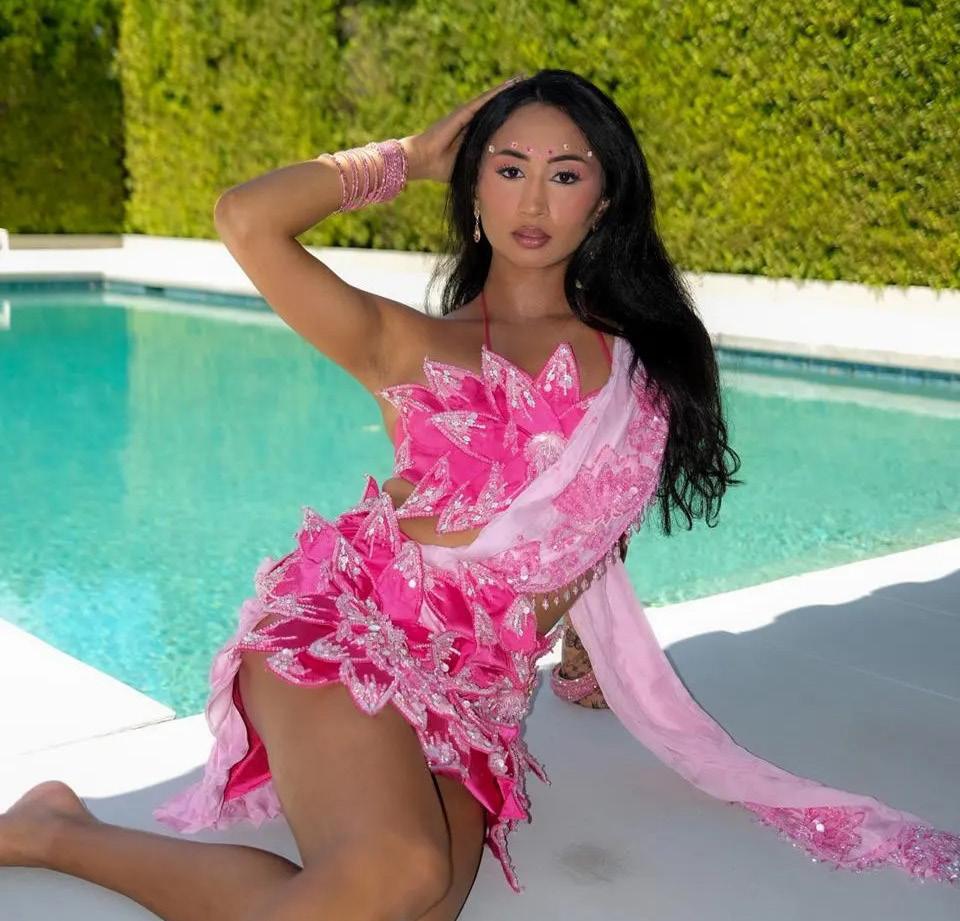
Fashion designer and creator Sheel Yerneni brought one of the most talked-about aesthetics to Coachella 2026. Known for her sustainable fashion label Svarini, Yerneni used the festival as an opportunity to modernize traditional South Asian silhouettes while honoring their origins. She wore a series of viral looks including a lotus-inspired mini sari and a dramatic purple-and-gold ensemble inspired by ancient Indian and Egyptian motifs.
What made her style especially impactful was the intentional incorporation of cultural details such as dupattas, mehndi, jhumkas, and intricate embroidery. Instead of diluting these elements for mainstream acceptance, Yerneni amplified them. Her approach reflected a broader movement among South Asian creators who are reclaiming cultural aesthetics that were once misunderstood or appropriated in Western festival culture.
Aditya Madiraju: Bringing South Asian Menswear Into the Spotlight
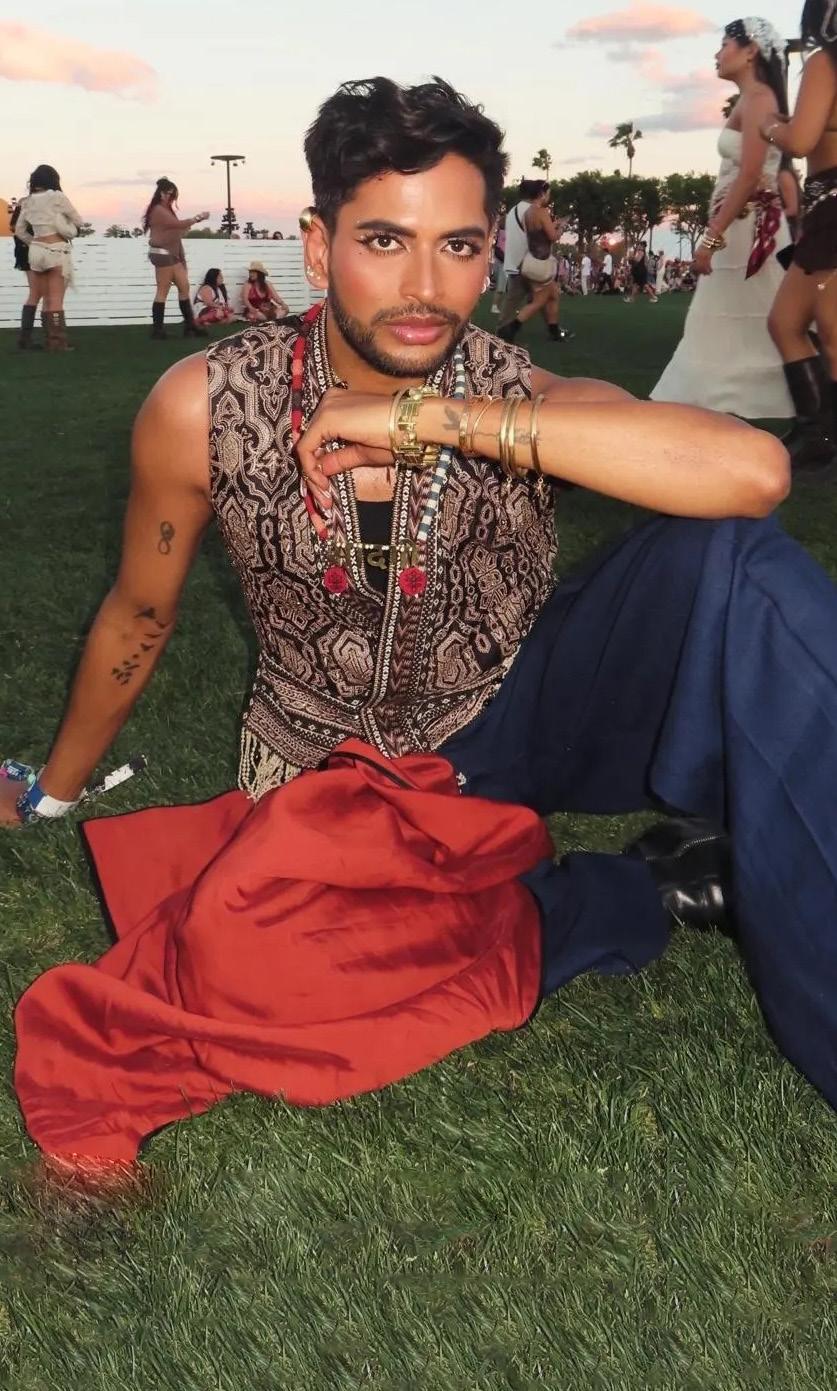
Beauty creator Aditya Madiraju emerged as one of the most stylish male influencers at Coachella 2026. Formerly a risk data professional before transitioning into beauty and fashion content creation, Madiraju used the festival to showcase the richness of South Asian menswear.
Working alongside stylist Ambika Sajana, he wore carefully curated looks from celebrated Indian designers including Tarun Tahiliani, Rohit Gandhi and Rahul Khanna, Masaba, and Line Outline. One standout outfit featured a heavily beaded waistcoat paired with gold jewelry and tailored trousers, combining royal Indian aesthetics with modern festival styling
A Turning Point for South Asian Representation
Coachella 2026 signaled a major cultural shift. South Asian influencers were no longer adapting to Western festival aesthetics—they were shaping them. Through fashion, these creators celebrated craftsmanship, identity, and cultural pride while educating audiences about the origins of the trends they showcased.
The festival demonstrated that South Asian fashion belongs on global stages not as a passing trend, but as a powerful artistic movement. Whether through reimagined saris, couture menswear, or handcrafted accessories, creators like Sheel Yerneni, Aditya Madiraju, and Seerat Saini transformed Coachella into a celebration of South Asian excellence and creativity.
SUSHANT SINHA TFG
Built on discipline. Driven by seva. Fitness. Wealth. Mindset. Meaning.
Not every transformation begins in the gym. Some begin with a decision — to live better, think clearer, and build something that lasts.
In the upcoming feature cover story, Sushant Sinha, known to thousands as @thefitblogger_ opens up about a journey that sits at the intersection of physical discipline, financial intelligence, and inner growth. What started as a deeply personal fitness journey quietly evolved into something much bigger — a movement rooted in consistency, service, and long-term thinking.
While many chase quick results, Sushant chose a different path.
He began helping people transform their health — without charging a single rupee.
No funnels. No programs. Just seva.
A passion project built on the belief that real strength is meant to be shared.
Parallel to this, he built a second discipline — real estate investing and education — applying the same principles he lived by in fitness: patience, structure, and compounding over time. From body recomposition to wealth creation, his philosophy remained unchanged — do the basics exceptionally well, for long enough.
But what truly sets this story apart is the writing.
Through his blogs and reflections, Sushant documents the unseen layers of growth — the mental battles, identity shifts, failures, and quiet wins that rarely make it to social media. His words don’t preach; they resonate. They feel lived-in. Honest. Grounded.
This feature will explore:
n Why fitness was never just about aesthetics
n How discipline in health mirrors discipline in money
n The role of seva in building purpose
n And why storytelling is his most powerful tool
This is not a success story.
It’s a process story.
Some journeys are meant to inspire.
Some are meant to remind you what’s possible.
THE HYPE AD AGENCY
Full-Service Boutique Agency Specializing in Multicultural Marketing Previous Clientele: Major Banks, Telecoms, Corporates, Small Businesses, Non-Profits & Community Organizations
Event Production & Magazine Publications Across Canada
Track Record for Securing Corporate Sponsorships & Funding