Where Healing Begins Fortis Physio & Wellness Clinic

Jas Hundal Counselling Centre
SAHM Launch London, UK & Dubai, UAE
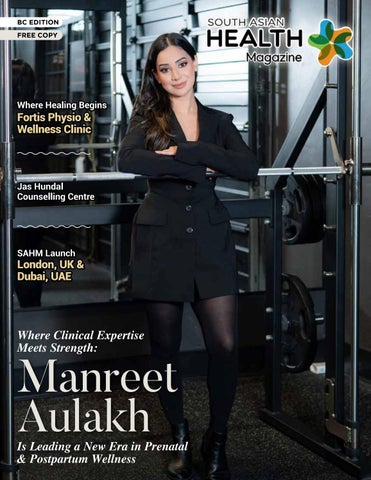
Where Clinical Expertise Meets Strength:
Where Healing Begins Fortis Physio & Wellness Clinic
Jas Hundal Counselling Centre
SAHM Launch London, UK & Dubai, UAE
Where Clinical Expertise Meets Strength:
Is Leading a New Era in Prenatal & Postpartum Wellness



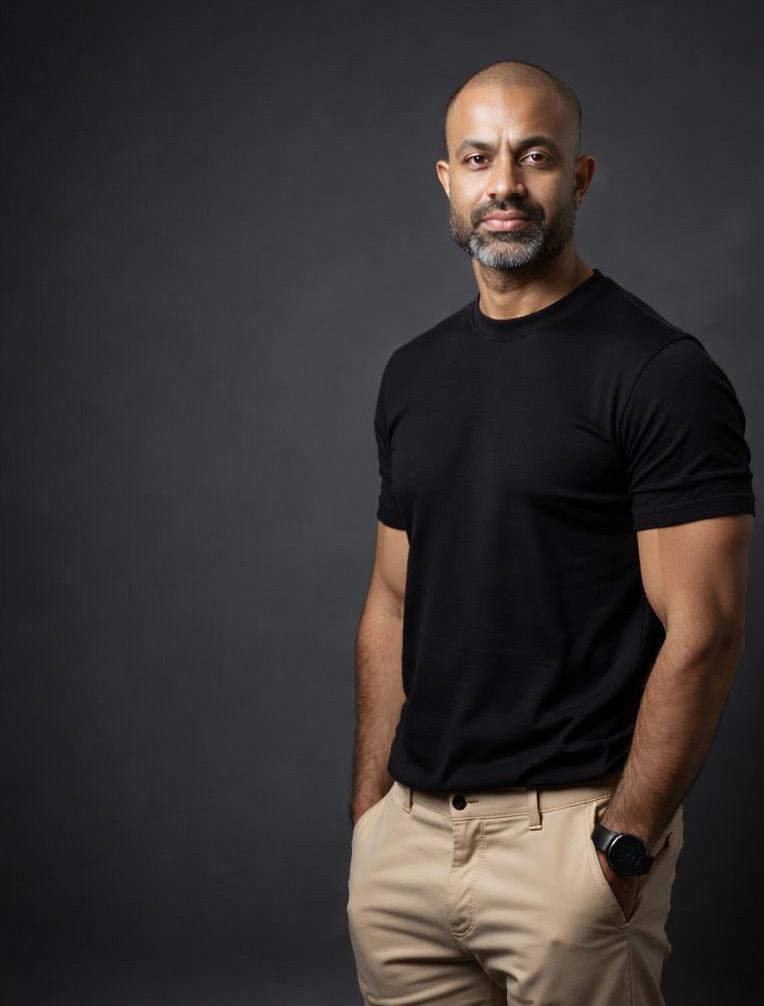
Built on discipline. Driven by seva. Fitness. Wealth. Mindset. Meaning.
Not every transformation begins in the gym. Some begin with a decision — to live better, think clearer, and build something that lasts.
In the upcoming feature cover story, Sushant Sinha, known to thousands as @thefitblogger_ opens up about a journey that sits at the intersection of physical discipline, financial intelligence, and inner growth. What started as a deeply personal fitness journey quietly evolved into something much bigger — a movement rooted in consistency, service, and long-term thinking.
Whilemanychasequickresults,Sushantchoseadifferentpath.
Hebeganhelpingpeopletransformtheirhealth—without chargingasinglerupee.
Nofunnels.Noprograms.Justseva.
Apassionprojectbuiltonthebeliefthatrealstrengthismeant tobeshared.
Parallel to this, he built a second discipline — real estate investing and education — applying the same principles he lived by in fitness: patience, structure, and compounding over time. From body recomposition to wealth creation, his philosophy remained unchanged — do the basics exceptionally well, for long enough.
But what truly sets this story apart is the writing.
Through his blogs and reflections, Sushant documents the unseen layers of growth — the mental battles, identity shifts, failures, and quiet wins that rarely make it to social media. His words don’t preach; they resonate. They feel lived-in. Honest. Grounded.
This feature will explore:
n Why fitness was never just about aesthetics
n How discipline in health mirrors discipline in money
n The role of seva in building purpose
n And why storytelling is his most powerful tool
This is not a success story.
It’s a process story.
Some journeys are meant to inspire.
Some are meant to remind you what’s possible.


The South Asian Health Magazine is entering an exciting era of ascension as we officially expand the brand globally into the U.S., U.K., and UAE markets. From the very beginning, our mandate has been to provide a meaningful platform that shines a spotlight on South Asians who exemplify excellence in health, wellness, beauty, and fitness. What began locally in Surrey, British Columbia, and grew to span six additional provinces across Canada has already been an incredible journey—one that laid the foundation for this next chapter.
Taking the South Asian Health brand to a global level is a milestone I am deeply proud of, as this expansion has always been the ultimate vision since launch. With our 15-year anniversary approaching in 2026, we are energized and inspired by the opportunity to reach new audiences, achieve major milestones, and continue elevating voices and stories that deserve global recognition.
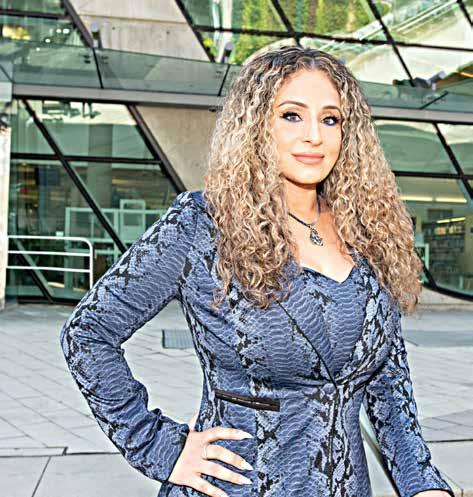
None of this would be possible without the unwavering support of our advertisers, community contributors, and loyal audience. Your trust and belief in our mission drive us forward. As we continue to grow, we remain committed to delivering valuable, inspiring content that empowers our readers to live their best lives.
Cheers to Good Health in 2026!

WE ARE EXCITED TO ANNOUNCE THE

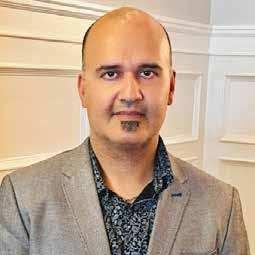
Dr. Tony Banerjee is a British-trained medical doctor, entrepreneur, and healthcare innovator with a distinguished career spanning clinical practice, health system leadership, and bespoke healthcare delivery. Born and raised in Yorkshire into a medical family, he pursued his medical education at the University of Leicester, earning his MBChB and completing his early training in hospital medicine and surgery before qualifying as a General Practitioner in 2006.
Early in his career, Dr. Banerjee served as a GP Partner in a socioeconomically challenged region, where he cared for a practice of 18,000 patients and cultivated a lifelong commitment to improving health equity and clinical outcomes.
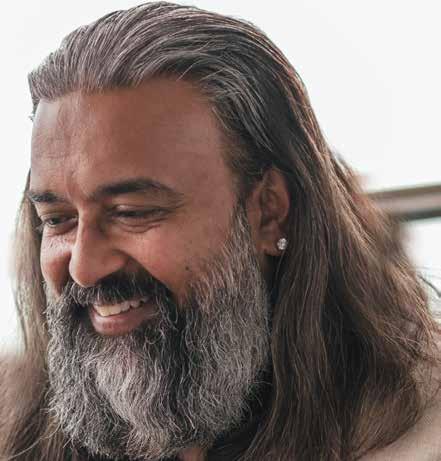

Over the years, Dr. Banerjee’s clinical expertise has expanded beyond general practice into areas such as skin surgery, aesthetics, occupational medicine, emergency care, and sports injuries. His hands-on experience in diverse medical settings has informed his approach to patient-centred care and preventive health, blending traditional general practice with modern longevity science and lifestyle medicine. Dr. Banerjee is known for integrating his clinical skills with healthcare management and innovation, consistently seeking ways to enhance patient access and quality of care.
In addition to his clinical work, Dr. Banerjee has held significant leadership roles within the UK National Health Service. He was elected twice as the NHS Chairman for his regional commissioning group, managing a £530 million budget and shaping healthcare delivery for a population over 300,000 people. This experience gave him a deep understanding of healthcare systems at both operational and strategic levels, equipping him to lead transformative services in both public and private sectors.
Currently, Dr. Banerjee serves as CEO and Founder of HarleyDoc, a global concierge healthcare and longevity service provider that leverages digital tools to deliver personalised care worldwide. In this role, he guides the design and implementation of innovative medical protocols that combine functional health, preventative medicine, and cutting-edge clinical practices. Beyond his professional achievements, Dr. Banerjee remains vocal on health issues affecting broader society, advocating for improved healthcare access and community wellbeing through various public engagements and initiatives.
Since inception, HarleyDoc has been entirely founder-funded. It has demonstrated early success in providing high-touch, tech-enabled care to diverse populations, reducing reliance on emergency services, hospital admissions, and unnecessary clinical visits. The platform has proven especially valuable for underserved populations, expatriates, high-risk patients, and those in remote or resource-limited settings.
HarleyDoc actively contributes to sustainable healthcare by improving access, reducing healthcare costs, supporting occupational health, and alleviating the burden on public health systems. It is also integrating with longevity and women’s health solutions, and expanding across regions including the UK, Monaco, Hong Kong, and Shanghai.
The HarleyDoc vision is to make world-class healthcare universally accessible - anytime, anywhere – while promoting human development, health equity, and sustainable healthcare delivery. As itscales, the HarleyDoc team is committed to leveraging AI, strategic partnerships, and decentralised technologies to further reduce cost, improve efficiency, and inspire the next generation of healthcare solutions.
n Over 15,000 medical interactions across 25+ countries, including high-risk, remote, and underserved populations.
HarleyDoc is a pioneering digital health platform delivering 24/7/365 global access to personalised, preventative, and continuous healthcare through an integrated ecosystem of AI-powered tools, remote monitoring, and real-time doctor access. Born from a mission to bridge the healthcare accessibility gap, HarleyDoc is transforming how care is deliveredmoving away from reactive, fragmented systems to a proactive, patient-centric model focused on early detection, intervention, and long-term wellbeing.
HarleyDoc’s unique hub-and-spoke model connects patients to their doctors globally, while ensuring localised care when needed, supported by telemedicine, smart diagnostics, remote photoplethysmography (rPPG), and transdermal optical imaging (TOI). It provides full continuity of care - from symptom triage and prescriptions to video consultations, home visits, and medication delivery, via one seamless app.
n Demonstrated reduction in avoidable hospital visits and emergency admissions through early detection and remote monitoring.
n Supported care for patients across multiple time zones and regions - UK, UAE, Monaco, Singapore, India, and China.
n Strategic partnerships initiated with global longevity clinics, private insurers, hospitals, and femtech innovators.
n Selected for prestigious accelerators and nominated for multiple prizes internationally.
n Developed and launched HarleyDoc Legal to provide medico-legal support and expand impact in occupational and public health.
Outside of his clinical work, he is a standup comedian and a DJ, and lives with his dog Diego the 5y old Dogue de Bordeaux, and is a passionate networker, frequently seen at Soho Houses worldwide.

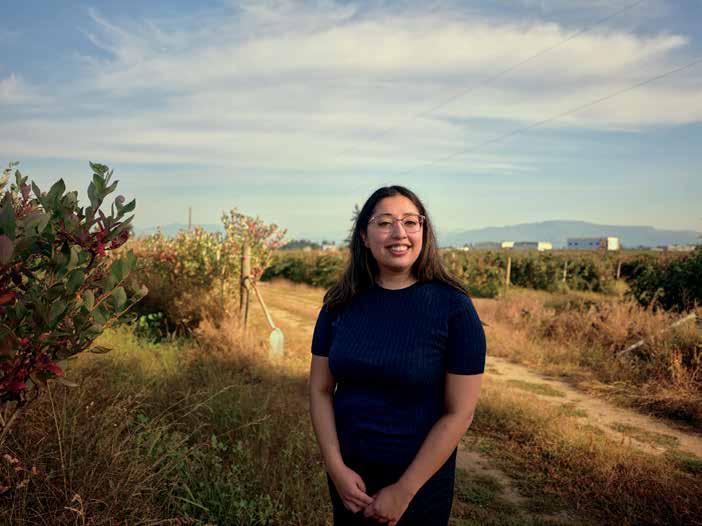
ThroughoutJanuary,theAlzheimer SocietyofB.C.issharingtheexperiences ofpeoplelikeAshleySharma,whohave foundmeaning,connectionandjoyafter adementiadiagnosis,inpartby connectingwiththeorganization.Learn moreatAlzheimerBC.org.
Ashley Sharma grew up in Abbotsford surrounded by family. Her Nanni was the centre of it all — the matriarch, the storyteller, the problem-solver.
When her grandmother began showing signs of confusion and frustration, conversations about what was happening didn’t come easily.
“In our household, there’s a structure,” Sharma says. “We didn’t talk about dementia.”
January is Alzheimer’s Awareness Month— an opportunity for people to have conversations about dementia. The Alzheimer Society of B.C. is recognizing the month by sharing the experiences of people like Ashley Sharma.
The family’s resistance to talking about dementia was rooted in fear. Ashley’s grandfather experienced racism and mistreatment from hospitals when he first immigrated to Canada. That trauma lingered.
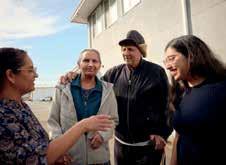
“For him, going to the hospital meant you might not come home,” Sharma says. “So, when Nanni started showing symptoms, the idea of taking her to a doctor felt impossible.”
When Ashley’s grandmother was hospitalized in 2020 after losing feeling on one side of her body, her family could no longer ignore her symptoms. Doctors confirmed the loss of feeling was likely caused by frontotemporal dementia. Even in a hospital bed, Ashley’s Nanni remained the family’s anchor.
“She comforted me,” Sharma says. “She said, ‘K ‘Koi na maim theek haan’ — there’s nothing to worry about, I’m okay. Even in that moment, she was still being Nanni.”
As the disease progressed, Ashley found herself stepping into the caregiver role her grandmother had always filled. It wasn’t an easy transition.
A search for guidance led her to the Alzheimer Society of B.C.’s South Asian First Link® Dementia Helpline.
“It was only a 20-minute conversation, but I’ve never felt so heard. I found someone to talk to who understood what it was like to balance caregiving, culture and family expectations,” Sharma says.
With support from the Alzheimer Society of B.C., Ashley found ways to blend her family’s traditions with the care they received, keeping her Nanni’s dignity and culture at the centre of every decision.
Now, a couple years into her caregiving journey, Ashley hopes to see more recognition for young caregivers like herself. Despite the challenges, Ashley wouldn’t trade the closeness she’s grown with her Nanni.
“At the end of the day, I’m just trying to love my grandma and give her what is best.”

English: 1-800-936-6033

(Weekdays, 9 a.m. to 8 p.m. PST)
1-800-936-6033
(Weekdays, 9 a.m. to 8 p.m. PST)
Punjabi, Hindi and Urdu: 1-833-674-5003
(Weekdays, 9 a.m. to 4 p.m. PST)
Punjabi, Hindi and Urdu: (Weekdays, 9 a.m. to 4 p.m. PST)
Serving size = 1 tablespoon
½ cup
½ cup
½ cup
60
raw pumpkin seeds
raw sunflower seeds
raisins
pretzel sticks
*Makes about 24 pinnis
1 cup rolled oats
2/3 cup unsweetened
coconut flakes


Combine all ingredients in a bowl and mix well. Store in an airtight container for up to 2 weeks.


1/2 cup peanut butter or *nut free butter
1/4 cup ground flaxseed
1/4 cup hemp seeds
1/3 cup honey
1 tbsp chia seeds
1 tsp vanilla extract
*WowButter or NoNut Butter
1 can (540 mL) no-salt-added
chickpeas, drained and rinsed
1 tbsp olive oil
½ tsp paprika
½ tsp garlic powder
1 tsp garam masala
In a large bowl, combine all ingredients. Let it set in the fridge for 30 minutes. Roll into small balls (about 1-inch size).
Store in an airtight container in the fridge.

Preheat oven to 350°F. Combine chickpeas, olive oil, garlic powder, paprika, and garam masala and mix well. Evenly spread chickpeas onto a non-stick baking sheet and bake for about 45 minutes or until chickpeas are crisp. Stir chickpeas occasionally.

WHERE CLINICAL EXPERTISE MEETS STRENGTH:
IS LEADING A NEW ERA IN PRE NATAL & POSTPARTUM WELL NESS
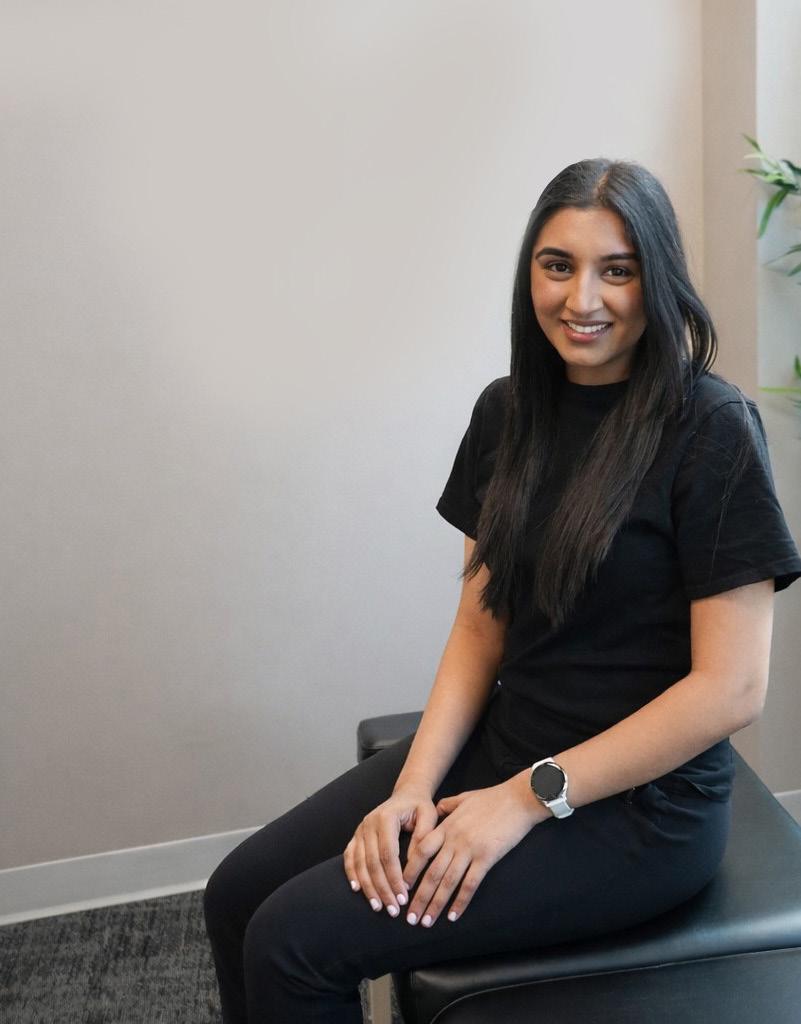
You’ve spent nearly a decade as a Registered Nurse, with several years in perinatal care. What first drew you to supporting women through pregnancy, labour, and postpartum?
My fascination with the human body and lifelong love for science made nursing feel like a natural path for me. I originally envisioned myself working in pediatrics, and early on I worked in the ER at BC Children’s Hospital. I’ve always been drawn to babies, and caring for the sickest little ones felt incredibly meaningful.
I originally envisioned myself working in pediatrics, and early on I worked in the ER at BC Children’s Hospital


But I also had a quiet pull toward perinatal care that never left me. While working in an urgent care centre, I finally followed that intuition and enrolled in the Perinatal Theory course at BCIT. It was the first class where everything just clicked— understanding how a woman grows and sustains a baby, the hormonal shifts, the physiology… it lit something up in me.
That curiosity quickly grew into a genuine passion. I completed my Advanced Certificate in Perinatal Nursing with honours and stepped into my role in labour and delivery. Supporting women
through pregnancy, birth, and postpartum felt purposeful in a way nothing else ever had. I left every shift feeling grateful and honoured to care for women during some of the most transformative moments of their lives.

How has caring for hundreds of women shaped your philosophy around women’s health and empowerment?
Being with women in their most vulnerable moments—when they’re scared, in pain, or stepping into motherhood for the first time— showed me how deeply women benefit from being truly informed and supported.
It taught me that empowerment begins with education. When women understand their bodies and their options, they make decisions from a place of confidence rather than fear. I also realized how incredibly strong women already are; often, they just need the right information and support to tap into that strength.
These experiences shaped my entire philosophy: when women are given the knowledge and tools they deserve, they rise. Whether in nursing or coaching, my goal is to help women feel capable, connected to their bodies, and confident in the decisions they make throughout pregnancy and postpartum.
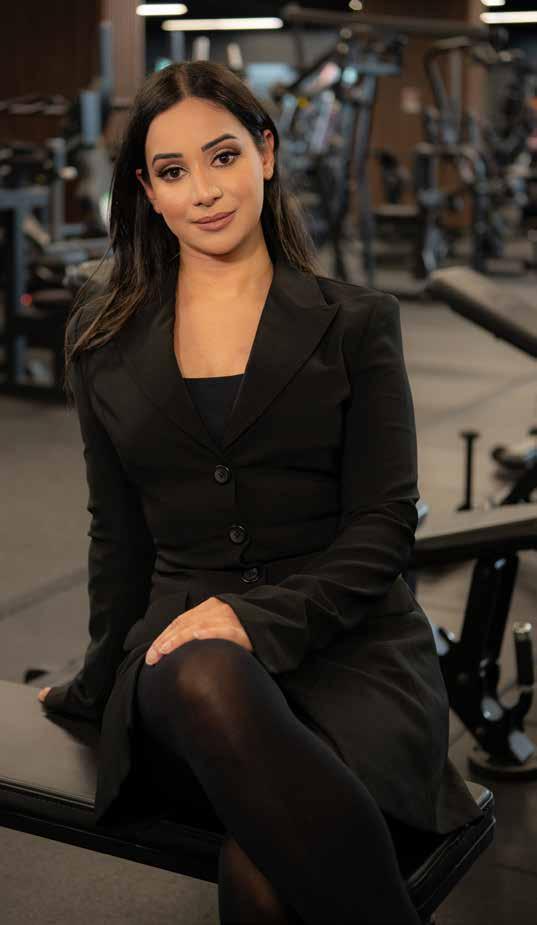
Many
women were entering pregnancy already stressed, under-nourished, insulin-resistant, or deconditioned
While working in labour and delivery, you became curious about the rising rates of highrisk conditions and emergency interventions. What trends stood out to you, and why do you think they’re increasing?


During my time in labour and delivery, I noticed more women presenting with conditions like gestational hypertension, preeclampsia, gestational diabetes, excessive weight gain, and reduced mobility. I also saw an increase in emergency interventions—unplanned C-sections, medical inductions, and labours that stalled because the body wasn’t prepared for the physical demand.
What struck me most was that so many of these situations were preventable—or at least greatly influenced—with earlier education and support. Many women were entering pregnancy already stressed, under-nourished, insulin-resistant, or deconditioned. And it wasn’t due to a lack of effort or awareness; it was because our healthcare system rarely emphasizes preconception health or proactive lifestyle guidance.
On top of that, we live in a culture of chronic stress, long work hours, poor sleep, and convenience foods—all of which affect blood sugar, blood pressure, and overall wellbeing. Pair that with the minimal guidance women often receive around safe exercise and nutrition during pregnancy, and it’s no surprise that complications are on the rise. Seeing these patterns over and over again is what pushed me to dive deeper into the research.
Oneofthemostpowerful insightsfrommyresearch isjusthowmuchintentional strengthtrainingandgood nutritioncanreshape awoman’spregnancy experience
I wanted to understand how lifestyle interventions—especially strength training and proper nutrition—could reduce risk long before a woman reached the delivery room. That curiosity is ultimately what inspired my shift into coaching.
Your research uncovered links between nutrition, strength training, and reduced pregnancy complications. Can you walk us through the most compelling findings?
One of the most powerful insights from my research is just how much intentional strength training and good nutrition can reshape a woman’s pregnancy experience. A 2025 systematic review in the British Journal of Sports Medicine found that resistance training during pregnancy can lower the risk of gestational hypertension by 58%, gestational diabetes by 38%, perinatal mood disorders by 52%, and macrosomia by 33%—even when using very light strength training programs (Prevett et al., 2025).
What I love about these findings is that they reflect what I see every day in practice: when women pair strength training with balanced
nutrition, they regulate blood sugar, support healthy blood pressure, reduce inflammation, and feel more energized throughout pregnancy. These two pillars create a healthier environment for both mom and baby—reducing complications while helping women feel strong, confident, and connected to their bodies during such a transformative time.
How did these discoveries motivate you to become a Personal Trainer and Certified Pre- & Postnatal Coach?
Discovering these connections was a turning point for me. As a perinatal nurse, I was already committed to supporting women, but when I learned how drastically strength training and nutrition could reduce complications like GDM, hypertension, and mood disorders, something shifted. It aligned perfectly with what I already believed—and with my lifelong passion for fitness.
Seeing the evidence so clearly—like the 2025 British Journal of Sports Medicine review showing resistance training can reduce major pregnancy risks by 30–60%—made me realize women deserved this information long before they reached labour and delivery. I wanted to bridge the gap between clinical knowledge and practical, accessible coaching.
Becoming a Personal Trainer and Pre- & Postnatal Coach allowed me to give women the guidance, confidence, and support they weren’t receiving in traditional healthcare settings.
Embody Fit Collective blends clinical insight with lifestyle coaching. What makes your holistic, evidence-based approach different from traditional prenatal or postpartum care?
Embody Fit Collective bridges two worlds that rarely intersect: clinical expertise and sustainable lifestyle coaching.

Traditional prenatal and postpartum care is essential, but appointments are short, education is limited, and the focus is often on what women should avoid rather than what they can do to feel strong and supported.
My approach fills that gap. I combine my perinatal nursing background with evidence-based strength training and nutrition coaching that fits a woman’s real life. I work proactively— prioritizing prevention of back pain, pelvic floor issues, fatigue, blood sugar dysregulation, and metabolic complications. Most importantly, women feel heard. They receive personalized guidance, accountability, and education that traditional systems simply don’t have the time to offer. To me, holistic care means supporting a woman’s physical health, emotional wellbeing, and daily habits— not just her medical chart.
What are some of the biggest misconceptions women have about exercise or nutrition in pregnancy?
Here are a few I see often: “I should avoid exercise or lifting weights to keep the baby safe.”
This is one of the most common misconceptions. In reality, movement—and even strength training when
I combine my perinatal nursing background with evidence-based strength training and nutrition coaching that fits a woman’s real life.
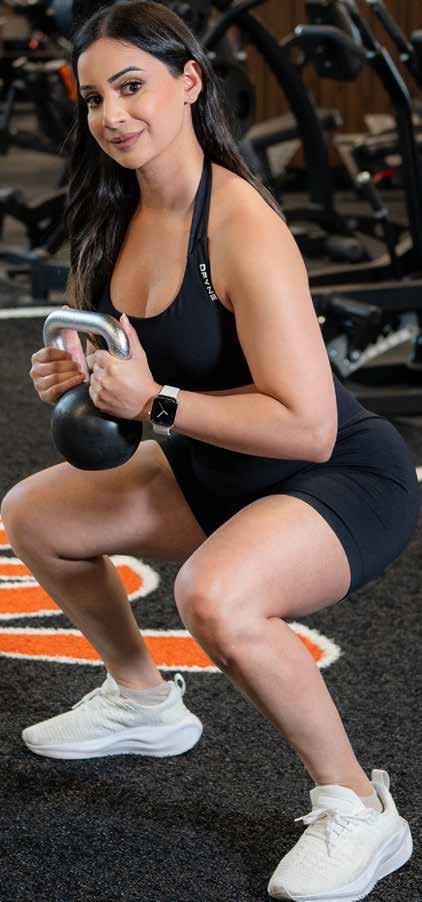
appropriately programmed—is one of the best things a woman can do during pregnancy. It helps regulate blood sugar, supports healthy weight gain, improves posture, reduces pain, and builds the core and pelvic floor strength needed for labour. Far from being dangerous, thoughtful exercise actually prepares the body for the demands of pregnancy and birth. I do want to note, there are some pregnancy conditions where exercise isn’t advised, which is why getting cleared by your healthcare provider is so
“I need to eat for two.”
Most women need only a small calorie increase. The focus should be on nutrient quality, not quantity.

Empowerment is shifting the narrative from restriction to strength. It’s helping women reconnect with their bodies, not feel afraid of them
“Core work is off-limits.”
Deep core training is essential. It helps support the growing belly, reduces back pain, and minimizes diastasis recti.
“Fatigue means I should rest completely.”
Gentle movement often reduces fatigue and supports mental wellbeing.
“Cravings always mean my body needs that food.”
Often, cravings come from blood sugar swings, low protein intake, stress, or lack of sleep.
You emphasize empowering women with confidence and education. What does empowerment look like in the context of perinatal health?
Empowerment means giving women the knowledge and confidence to trust their bodies, ask questions, and make informed decisions. Pregnancy and postpartum often come with fear and conflicting advice, but when women understand what’s normal and what they can do to support themselves, they move through this season with so much more clarity.

Empowerment is shifting the narrative from restriction to strength. It’s helping women reconnect with their bodies, not feel afraid of them. Ultimately, empowered women enter birth and postpartum feeling prepared, confident, and supported—and that’s at the core of everything I do.
What emotional or physical challenges do women struggle with most, and how do you support them?
Emotionally, many women struggle with fear, uncertainty, body-image shifts, and anxiety—both in pregnancy and postpartum. Physically, common challenges include fatigue, back or pelvic pain, weakened core and pelvic floor, and reduced mobility.
I support women by educating them first—because understanding what’s happening in their body is incredibly grounding. Then I build personalized movement, nutrition, and lifestyle strategies that help them regain strength, energy, and confidence. Just as important is providing emotional support and reminding them they don’t need to be perfect—they just need guidance and compassion. My goal is always to help women feel strong, supported, and capable in every stage of motherhood.


My vision is to create a movement that reshapes how women—especially South Asian women—experience pregnancy, postpartum, and their own health. Our community still carries cultural stigmas around exercise, nutrition, mental health, and postpartum recovery, and I want to help shift those beliefs with education and empowerment.

Your mission is to help women embody their strength at every stage. How doyou define strength, especially in the context of motherhood
Strength in motherhood is so much more than physical ability. It’s resilience, adaptability, courage, and emotional depth. It’s showing up for yourself and your baby even on the hardest days. It’s being soft and strong at the same time.
Physically, strength is feeling capable in your body—supporting your core and pelvic floor, moving with ease, and having the stamina for pregnancy, birth, and caring for a newborn.
Emotionally, it’s trusting your intuition, asking for help, and giving yourself grace through transformation.
My mission is to help women recognize that they already possess this strength—and to give them the tools to embody it fully.
What is your long-term vision for Embody Fit Collective and your impact in the South Asian community?
My vision is to create a movement that reshapes how women—especially South Asian women— experience pregnancy, postpartum, and their own health. Our community still carries cultural stigmas around exercise, nutrition, mental health, and postpartum recovery, and I want to help shift those beliefs with education and empowerment.
Over time, I envision Embody Fit Collective expanding into a more comprehensive hub for women’s wellness, blending evidence-based guidance with accessible tools, programs, and community support.
Ultimately, I hope my work inspires women to trust their bodies, prioritize their health, and know they are capable of so much more than they’ve been told. If I can play even a small role in transforming how a generation of women approaches pregnancy and motherhood, that would be the greatest impact I could make.

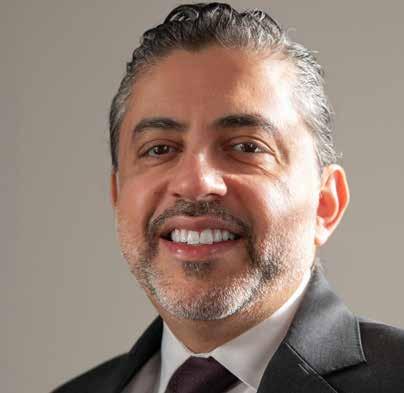

Dr. Vageesh Sabharwal was born and raised in Toronto. From an early stage, he demonstrated a deep commitment to clinical excellence, lifelong learning, leadership, and community service. His strong academic foundation is evident in his undergraduate studies at York University, where he earned a degree in mathematics and graduated first class with distinction. He then pursued his passion for dentistry at the University of Toronto, where he received his Doctor of Dental Surgery degree with honors in 2001. This educational journey reflects both his dedication to academic excellence and his steadfast commitment to his profession.
Committed to continuous education in the ever-advancing fields of dentistry and business, Dr. Sabharwal has pursued extensive postdoctoral training at prestigious institutions. His advanced dental education includes studies at the Harvard School of Dental Medicine, a dental implant externship at the University of Tennessee, and the contemporary restorative and aesthetic dentistry program at the University of Minnesota. To further strengthen his business acumen, he completed the American Dental Association/Kellogg Executive Management Program, the dental management program at the Sauder School of Business at the University of British Columbia, and executive coursework at the Harvard Business School.
Throughout his dental career, Dr. Sabharwal has been recognized with multiple scholarships and awards, including honorary fellowship awards from the Pierre Fauchard Academy and Dentistry International in Canada, acknowledging his contributions to dentistry beyond clinical practice.
Since 2001, Dr. Sabharwal has proudly served patients across the Greater Toronto Area, providing comprehensive general dentistry while establishing and operating multiple successful dental practices that blend clinical expertise with strong leadership. He has shared his knowledge widely through national and international lectures, conference presentations, and professional education events.
His leadership extends to professional advocacy as well. Dr. Sabharwal served as a Political Contact Dentist for the Ontario Dental Association (ODA) and contributed to the Health Policy and Government Relations Advisory Committee, demonstrating his commitment to advancing oral health policy and the dental profession. Furthermore, he was one of the founding members of the South Asian Dental Association (SADA) and served as President of the North Indian Medical and Dental Association of Canada (NIMDAC).

BC: +1-604-596-7722 Ext 250 | fcrhealthbc@pics.bc.ca AB: +1-403-569-3325 | fcrhealthab@centrefornewcomers.ca ON: +1-613-725-0202 | fcrhealthon@ociso.org




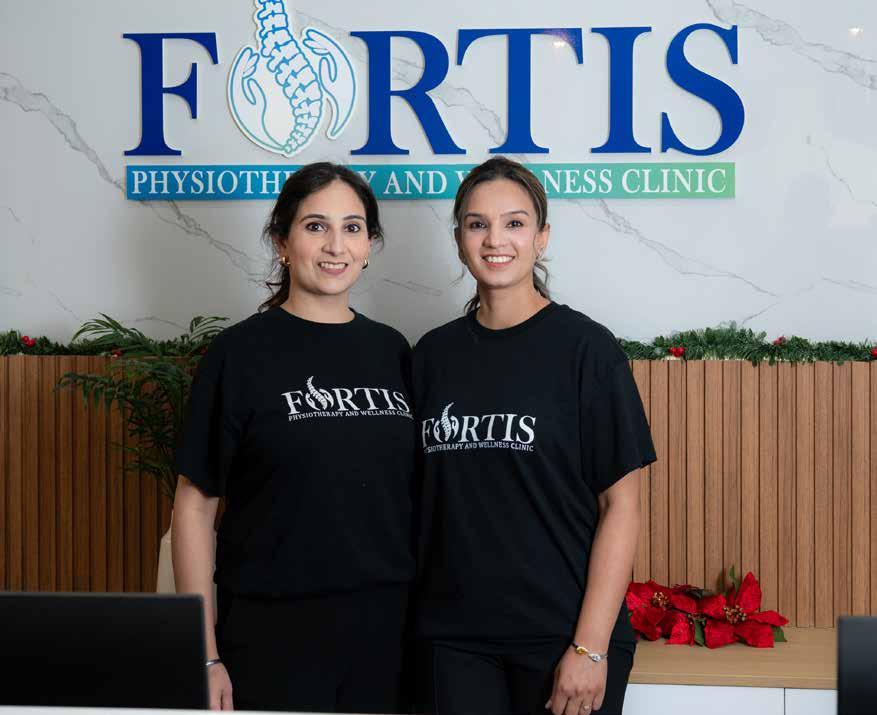
Fortis Physiotherapy has become a trusted name in the South Asian community of White Rock and surrounding areas. What inspired the vision behind the clinic, and how do you tailor your care to meet the specific needs of your South Asian clientele?
The vision behind Fortis Physiotherapy was inspired by a desire to create a clinic where patients feel truly understood—culturally, physically, and emotionally. In the South Asian community, people often hesitate to seek care early, normalize long-standing pain, or face barriers such as language, work demands, and cultural expectations around health. We wanted to build a space where those barriers disappear, and patients feel seen, heard, and supported.
We tailor our care by taking the time to understand each patient’s lifestyle, cultural habits, family responsibilities, and work demands. This allows us to create realistic, personalized treatment plans that fit naturally into their daily life. Whether it’s advising on joint-friendly ways to manage traditional household tasks, offering education in familiar languages, or addressing conditions common in the South Asian population—such as knee osteoarthritis, chronic back pain, or metabolic-related stiffness—we make sure our care is not just clinically effective, but also culturally relevant and accessible.
The clinic emphasizes a personalized and evidence-based approach to recovery and wellness. How does your team ensure that every patient feels supported and empowered throughout their healing journey?
At Fortis Physiotherapy, personalization isn’t just a philosophy, it’s the foundation of how we practice every day. Our team begins with thorough assessments, open communication, and a deep understanding of each patient’s concerns, goals, and lifestyle. We take the time to explain the “why” behind every technique and exercise, because patients heal faster when they understand their bodies and feel involved in their care.
We also focus on consistent follow-ups, progress tracking, and handson guidance, ensuring patients never feel lost or discouraged during their recovery. Education plays a huge role—our clinicians teach patients how to manage pain, prevent re-injury, and build longterm strength and mobility. Most importantly, we create an environment where patients feel listened to, respected, and encouraged. When people feel empowered, their confidence grows—and so does their capacity to heal.
You have over a decade of experience in physiotherapy and specialize in orthopedic and workplace injuries. What philosophy or core value guides your approach to patient care?
My approach to patient care is grounded in the belief that movement is medicine, and that every patient deserves a treatment plan tailored to their unique lifestyle, goals, and challenges. I focus on understanding the person behind the injury—not just the diagnosis—because true recovery comes from addressing physical, emotional, and environmental factors together.
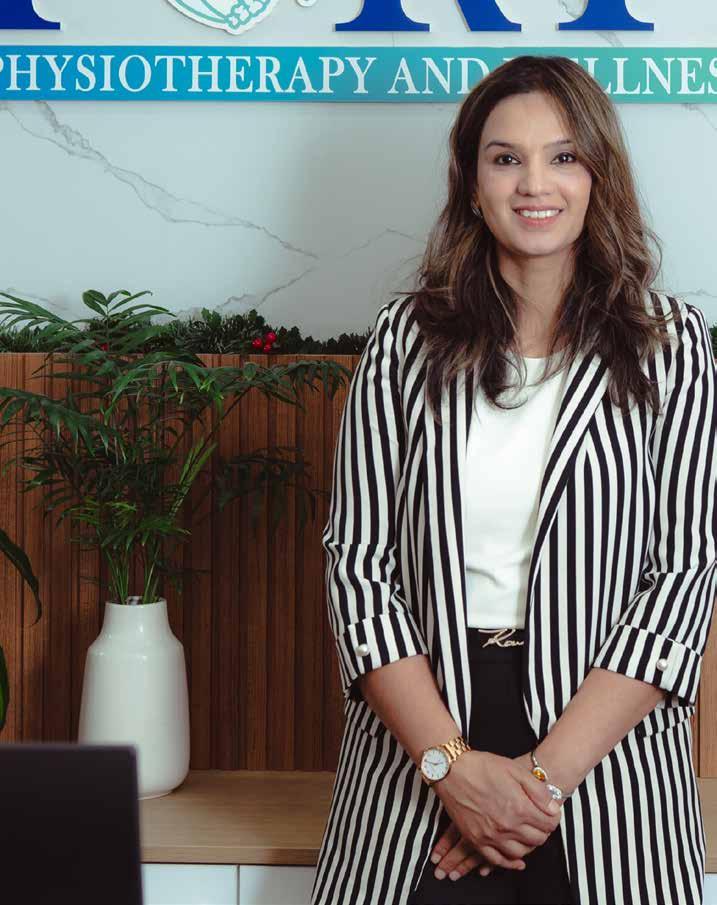
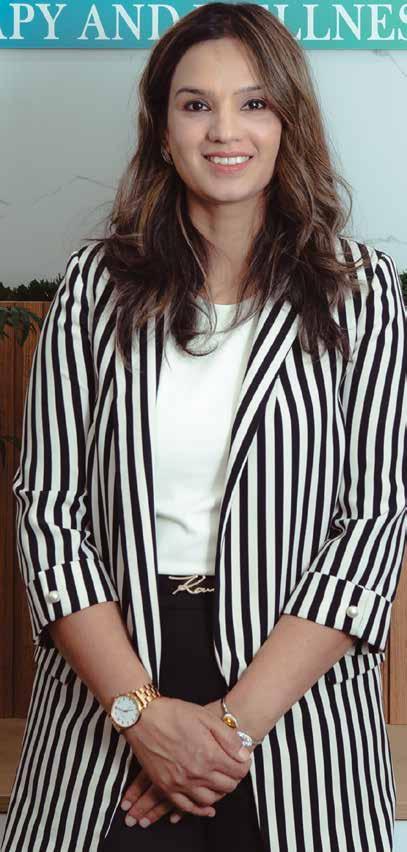
Empowering patients with knowledge and active participation in their rehabilitation is at the heart of my practice. When patients understand their bodies and feel in control of their recovery, the results are not only faster but far more sustainable.
Many South Asian patients often experience joint pain, arthritis, or chronic back issues. What are some common challenges you’ve noticed within this demographic, and how do you address them effectively?
In the South Asian community, I often see a combination of long work hours, limited physical activity, and cultural habits—such as prolonged sitting on the floor or repetitive movements—that can contribute to chronic joint and back issues. Another challenge is that many patients normalize pain or delay seeking treatment, often turning to home remedies first.
To address these issues, I focus on early education, preventive strategies, and creating realistic exercise routines that fit within their daily lives. I also emphasize posture awareness, strengthening, and mobility work tailored to their cultural and occupational demands. By combining hands-on treatment with practical lifestyle modifications, patients can manage their symptoms more effectively and prevent long-term deterioration.
You’re certified in IMS and trained in Maitland’s manual mobilization. Can you share how these advanced techniques help accelerate recovery for your patients?
Both IMS (Intramuscular Stimulation) and the Maitland mobilization approach allow me to treat injuries at a deeper, more precise level. IMS helps release tight or dysfunctional muscle bands that cause pain and restrict movement, offering relief for chronic conditions like sciatica, neck tension, and repetitive strain injuries. Maitland’s manual
The most rewarding part of my work is witnessing those transformations, especially in individuals who came in feeling defeated or limited by their pain
mobilization, on the other hand, targets joint stiffness and restores mobility through graded, evidence-based techniques.
Together, these methods help reduce pain, improve circulation, restore natural movement patterns, and speed up overall recovery. Patients often notice improvements much sooner compared to standard exercise-based treatment alone.
As a healthcare professional and a leader in your field, what do you find most rewarding about helping patients regain their mobility and confidence?
Nothing compares to seeing a patient walk back into the clinic with renewed confidence—moving better, feeling stronger, and returning to the activities they love. The most rewarding part of my work is witnessing those transformations, especially in individuals who came in feeling defeated or limited by their pain. Being able to guide someone from frustration and fear to empowerment and independence is incredibly fulfilling. Every success story is a reminder of why I chose this profession: to make a meaningful difference in people’s lives through movement, education, and compassionate care
You’ve been recognized with an Award for Excellence in Physiotherapy and specialize in manual therapy and sports injury rehabilitation. What drives your passion for this field?
My passion comes from the incredible impact physiotherapy can have on restoring a person’s freedom, independence, and confidence. Manual therapy and sports rehabilitation allow me to combine science, skill, and intuition to help patients recover faster and return to the activities they love. I’m driven by the challenge of understanding each injury from multiple angles—biomechanics, lifestyle, and mindset—and finding the treatment approach that makes all the difference. Receiving the Award for Excellence only strengthened my commitment to continuous learning, refining my techniques, and delivering the highest standard of care.
You’ve worked extensively with ICBC, WCB, and MSP patients. How do you approach tailoring treatment plans for individuals recovering from different types of injuries?
Whether it’s a motor vehicle accident, workplace injury, or chronic condition, every patient comes with
My passion comes from the incredible impact physiotherapy can have on restoring a person’s freedom, independence, and confidence
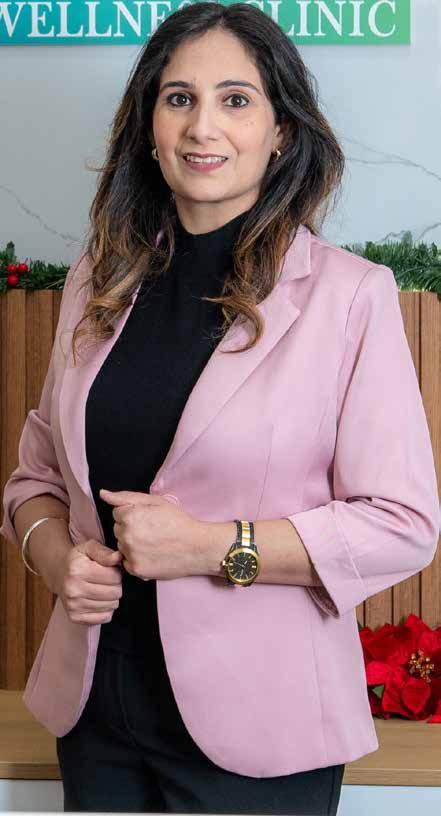
unique physical demands and emotional experiences. My approach always begins with a thorough assessment and an open conversation to understand how the injury has affected their daily life, work, and mental wellbeing.
For ICBC patients, I often focus on neck/back injuries, whiplash, and return-to-driving readiness.
For WCB patients, the emphasis is on functional strength, ergonomic training, and safe return-towork planning.
For MSP patients, treatment may center on chronic pain management, mobility issues, or long-term wellness goals.
By combining evidence-based manual therapy, individualized exercise programs, and clear communication, I ensure each patient receives a plan that supports not only recovery but longterm resilience.
Many South Asian women juggle work, family, and household responsibilities, sometimes neglecting their own health. What advice would you give to women in our community about prioritizing physical wellness?
My message to South Asian women is simple: you cannot pour from an empty cup. Taking care of your health is not selfish, it’s essential for sustaining the many roles you fulfill.
Start with small, realistic habits:
• A 20-minute walk a few times a week
• Stretching or mobility work before bed
• Strength training at least twice a week to protect joints and bone health
• Setting boundaries around rest and stress
Equally important is recognizing pain early and seeking help instead of tolerating it for months or years. Prioritizing your wellness means investing in your long-term energy, strength, and independence—and the people around you benefit as much as you do.
Fortis Physiotherapy’s motto is “Where Healing Begins.” What does that phrase mean to each of you personally?
When we say “Where healing begins,” we’re talking about something far bigger than physical treatment.
To me, healing is not just the absence of pain. It is the relief from the agony, frustration,and helplessness that people carry when they live with pain every day. Chronic pain affects how you move, but it also affects how you think, sleep, connect with others, and how you feel about yourself. That emotional weight can be just as heavy as the injury itself.
So when healing begins, it is not only the moment someone’s shoulder or back starts to feel better, it’s the moment their mind relaxes, but their stress also softens, and they start to feel hopeful again. There is a sense of peace that comes when you realize you’re finally getting your life back.
At Fortis Physiotherapy, our goal is to treat the whole person. We work to reduce pain and restore function, but we also focus on creating an environment where people feel cared for, heard, and supported. Every patient who walks through our door has a story, and our job is to help them move forward.
Healing begins with trust, compassion, movement, education, and ongoing support.
And for many of our patients, it begins the moment they feel understood.
That is what “Where healing begins” means to us.
As professionals dedicated to wellness, what are your goals for Fortis Physiotherapy’s growth and its continued impact on the South Asian community in BC?
As professionals dedicated to wellness, my vision for Fortis Physiotherapy is both ambitious and deeply rooted in purpose. Our goals go far beyond operating a clinic — we want to build a place that truly makes a difference in people’s lives, especially within the South Asian community here in BC.
We see Fortis growing into a trusted center for rehabilitation where quality always comes before quantity. Every person who walks through our doors deserves nothing less than exceptional care, personalized attention, and treatment that feels five-star. We want patients to leave with results — but also with the feeling that they were genuinely cared for, respected, and understood.
We want Fortis to be the clinic people remember.
The place they recommend without hesitation.
The answer to: “Where should I go for my rehab needs?”
Part of our mission is also to make a mark in our community — to show that two immigrant women, who worked hard and believed in themselves, have created something meaningful. We take pride in our South Asian roots, and we are honored to serve our community. At the same time, Fortis welcomes everyone equally. Healing has no language, culture, or border. Every patient deserves to feel safe, supported, and valued.
If one day people can say,
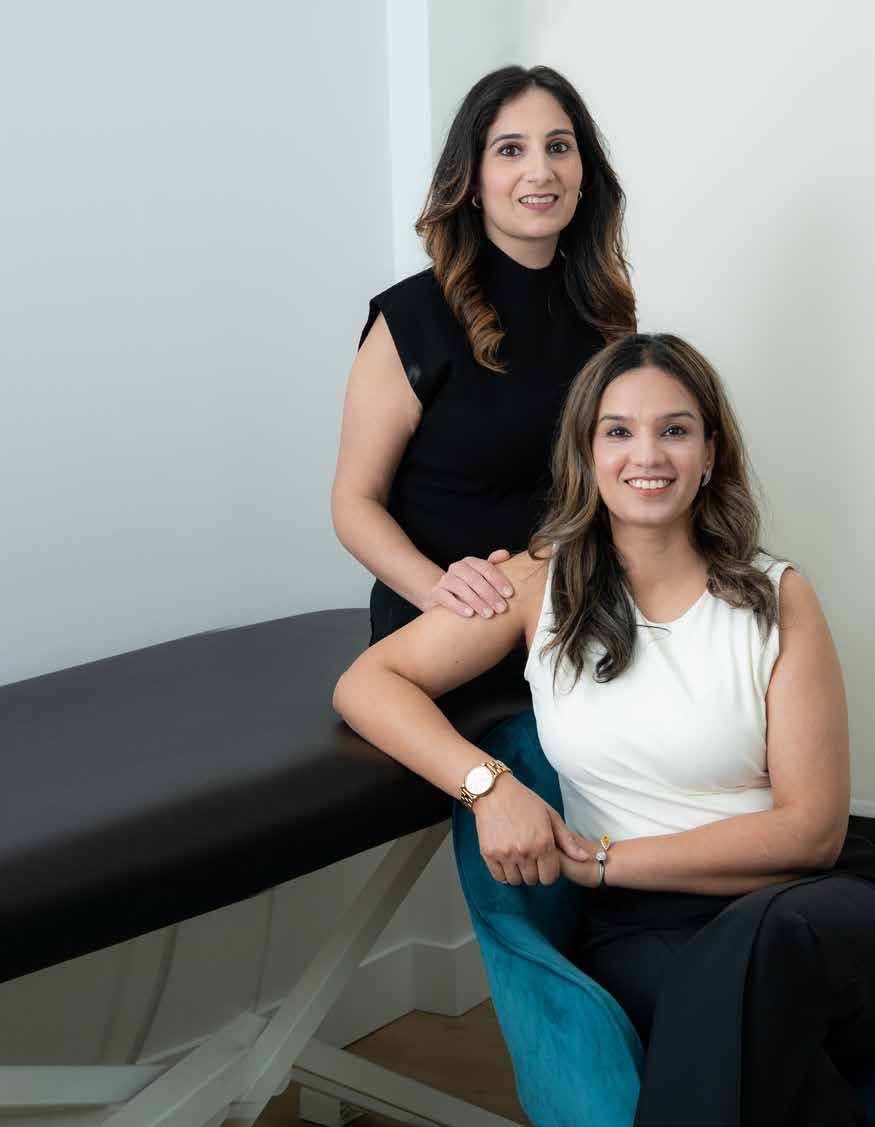
“The immigrant girls have arrived — and they are the best,”
that will be a moment of pride not only for us, but for everyone who trusted us on their healing journey.
That is the legacy we are building: a placewhere healing begins, and where it continues, for every patient who walks through our door.



Total blood cholesterol contains two types of cholesterol:
“Bad Cholesterol” Low Density lipoproteins (LDL): can form plaque on your artery walls and block blood flow to your heart. Aim for low LDL levels
“Good Cholesterol” High Density lipoproteins (HDL): helps remove LDL cholesterol from your arteries. Aim for high HDL levels.
Steps you can take to improve your blood cholesterol levels
Choose foods that are lower in saturated fat:
o 1% or 2% milk and lower fat milk alternatives such as cheese with 20% or less milk fat (M.F.)
o Legumes (peas, beans, lentils, chickpeas and rajma)
o Skinless fish and poultry
Include small amounts of small amounts of vegetable based fats or unsaturated fats (monounsaturated or polyunsaturated fats) in your diet.
o Canola, safflower, sunflower, soybean, peanut and olive oil and salad dressing and mayonnaise made with unsaturated fats (2-3 tbsp)
o Almond butter and unsalted peanuts and peanut butter (2 tbsp)
o Unsalted seeds/nuts (1/4 cup)
o Soft, non-hydrogenated margarine made from unsaturated oils
o Avocados (1/2)
Avoid foods that are made with bad fats (trans, hydrogenated or partially hydrogenated fat).
o Fried foods, such as pakora, samosa, pooria, deep fried chicken nuggets and French fries
o Frozen prepared foods such as meat pies, pizza and waffles
o Snack foods such as potato chips, cookies, donuts and crackers made with hydrogenated oils
o Hard brick margarine and vegetable shortening made with hydrogenated oils
Limit intake of sweetened food and beverages that can replace healthier foods.
o Choose water or tea instead of sweetened beverages such as pop, speciality coffees and those labelled as drinks, cocktails or punches.
o Choose whole fruit or chopped vegetables instead of candies, chocolate, store bought cookies, cakes, pastries, donuts, pies or ice cream.
Eat foods high in soluble fibre
o Refer to the fabulous fibre handout
Include soy protein in your diet
o Refer to the protein handout
Eat a handful (60 ml, ¼ cup) of unsalted nuts and seeds five or more times a week.
o Try unsalted pumpkin, sunflower and sesame seeds, almonds, walnuts, pecans, hazelnuts, cashews, pistachios, and peanuts
o Eat them fresh or dry roasted and unsalted as a snack; add them to main dishes or salads; and use them in baking.
Prepare foods using healthy cooking methods such as baking, steaming, broiling, roasting and stir frying in small amounts of unsaturated oil or fat. Limit deep frying food.
Read food labels carefully.
o Use the food label to choose products lower in saturated and trans fat
o At restaurants, or when ordering take-out food, ask your server how foods are prepared so you can request changes if needed.
Dietary Cholesterol
o Cholesterol is not an essential nutrient. Your body can make what it needs. Most people do not need to count their dietary cholesterol intake for the day.
o If you have high blood cholesterol levels, heart disease or a family history of heart disease or diabetes, speak to a registered dietitian or health professional to discuss how much dietary cholesterol you should eat on a daily basis.
Triglycerides are another type of fat in your body. High blood triglyceride levels can also increase your heart disease risk. If you have high triglyceride levels:
Aim for a healthy body weight
Eat more omega-3 fats, especially from fatty fish and omega-3 enriched foods
Avoid sweetened food and beverages like cakes, donuts, soda pop and fruit drinks.
Reduce alcohol intake to no more than 1 - 2 drinks per day or don't drink at all. Even one drink can increase triglycerides in some people.







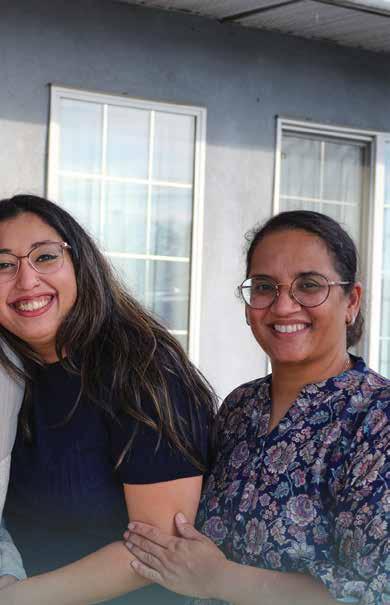




At Jas Hundal Counselling Centre we provide a confidential, non-judgemental space where clients are heard and supported. Our Master’s level therapists support clients through life challenges and stressors.
Our mission is to provide clients with services rooted in neuroscience and delivered in a respectful, competent, and collaborative manner. We offer our services virtually in BC and our in person sessions are available at our Abbotsford office.

Individual Counselling
We utilize evidence based strategies that are rooted in neuroscience to help clients improve their wellness.
Couples Therapy
A therapist will guide couples on how to resolve conflicts and build healthy communication.
ADHD Assessments
We provide diagnosis, treatment plans and counselling to manage ADHD symptoms.
Affordable Counselling
Our low-cost counselling program is to support clients facing financial barriers.
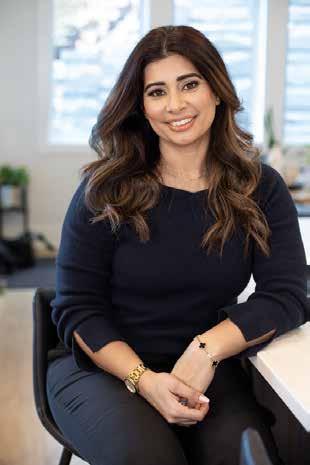
We work with clients on a range of issues, including but not limited to:
Life Transitions
Emotional Regulation
Conflict in Family Relationships
Anxiety & Depression
Trauma & PTSD
Socio-Cultural Issues
Stress & Burnout
Sex & Intimacy
Anger Management
Domestic Violence
Self-Esteem

Our services are available in Punjabi & we offer evening and weekend sessions. To book an appointment email us at info@jashundal.com
As the eldest child of immigrant parents and a first-generation Canadian, Jas Hundal remembers helping her elders navigate the healthcare system by being their translator at medical appointments and completing forms for family friends and relatives.
This passion for helping others developed when her father was ill and admitted to a local hospital. The social worker who took on her father’s case helped the family feel supported by explaining hospital procedures, sharing information about local programs, and also connecting them with community resources.
This experience inspired Jas and she knew that she wanted to become a social worker and provide services to the community.
In 2004, Jas “embarked on a journey of change” and enrolled in the Social Work program at the University of Victoria.
“My educational endeavours were able to solidify the foundation of my role as a helping professional. Throughout my career, I had the opportunity to work with my community and attempt to address significant societal issues. Here is where I learned valuable lessons about how important it is to be adaptive and offer support by centering South Asian experiences. I feel that part of my role, as

a counsellor is to decolonize therapy and actively engage with my clients through a holistic perspective. This means not centering Western perspectives and being vocal about systemic barriers that keep clients from receiving services,” explain Jas.
She adds that her vision is to empower members of the South Asian community and support them in learning healthier ways to cope.
This vision is tied to Sikhism and the teachings of the ten gurus, who she learned
about as a young child while attending Punjabi school at Khalsa Diwan Society in Vancouver.
Two concepts that really resonated with Jas during this time were “chardi kala” and “sarbat da bhala.”
While “chardi kala” encourages individuals to maintain a cheerful and positive outlook and demeanour, “sarbat da bhala” urges them to pray and wish for the prosperity of all human beings.
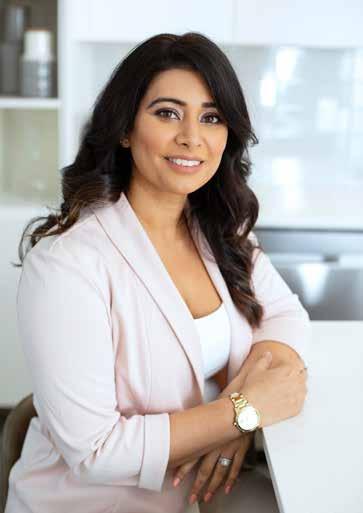
“The sense of living your life in high spirits, fighting through oppression, helping others, and being of services to your community are very important to me. In difficult times in my life, I have gained strength by being optimistic and accepting my hardships as lessons in life instead of failures,” explains Jas.
Due to their commitment towards upholding their rich culture and maintaining strong familial ties, Jas sees these same values inherent within members of the South Asian community.
At the same time, she recognizes the fact that there are also discriminatory practices, gender bias and negative beliefs that are prevalent within the culture that need to be addressed and changed.
As a social worker, Jas aims to disrupt and dismantle the patriarchal, sexist, and discriminatory beliefs that have seeped into the South Asian culture through intersections such as colonization, migration, and racism.
She targets these issues by guiding and teaching clients about them. She says that using this approach is beneficial as it empowers and encourages them to achieve resilience by focusing on their positive qualities and attributes.
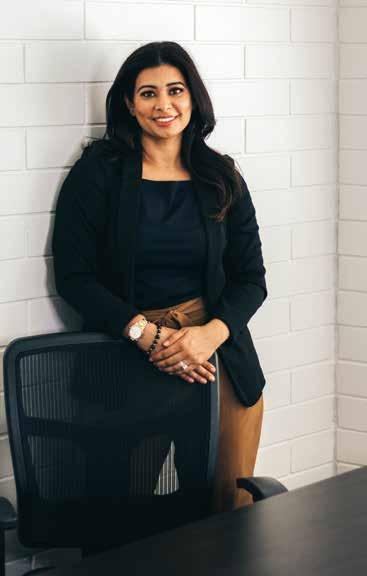
Jas also reiterates the importance of tailoring counselling services to the needs of an individual.
“A long time ago, someone once told me do not try to force a square peg into a round hole. I feel that in order for therapy to work and be meaningful, I have an obligation to assist clients navigate barriers to support. As a practitioner, I cannot expect my clients to adhere to therapy that fails to encompass their lived experiences. South Asian culture is vast, complicated, nuanced and sometimes seen as problematic when it’s compared to western culture. However, I feel that South
Asian culture is rich, beautiful, and so resilient that when the community comes together there is no limit to what we can achieve,” she explains.
Jas adds that understanding cultural nuances as well as the different meanings that can be associated with words when they are translated from one language to another are important to aspects that counsellors must consider when working with clients.
“How we communicate, verbally and non-verbally is essential to our understanding. The focus is not just to interpret words from one language to another, but also check for understanding. There may be issues with translation, when practitioners are unable to translate words from the English language to Hindi, Punjabi, Urdu, etc. The same words passed from one language to another can have a very different meaning. It’s not only about choosing the right words, but there is a deeper knowledge of the culture required to convey accurately the meaning of the original content.
Besides having 15 years of experience within the helping profession, Jas owns her own counselling practice called Jasbir Hundal Counselling Services (JHCS).
The clinic provides counselling services to individuals, couples and families within the BC and Alberta area and is staffed by individuals who can speak Punjabi.
Jas indicated that when she began working as Social Worker, she experienced a lot of backlash from her own community, due to mistrust in government agencies, her young age was also a barrier as people thought she didn’t have the life experience and clients were apprehensive about sharing their family ‘secrets’.
“I spent a lot of time educating South Asian clients about confidentiality, building rapport and then introducing new concepts as a way for them to add to their existing communication and coping skills”. This helped in breaking the barriers, and clients expressed that they felt supported by Jas and felt that she explained things to them in a way that they were empowered to make an informed decision”
Jas also has a background in coaching and facilitation. She was an instructor in the Community Corrections Justice Division at the Justice Institute of BC. Here she strengthened her skills in conflict resolution, leadership and executive functioning. Jas provides coaching services internationally and develops a customized plan with the client that is direct, efficient and a solution focused approach.
As a counsellor, Jas primarily works with adults between the ages of 25-45 and believes that individuals who are a part of this generation are “motivated to improve their life, start addressing their experiences and break the cycle.” In order to determine their needs, Jas does an initial assessment with every client before matching them with a service provider.
Besides providing counselling, Jas has also supervises practicum students from Yorkville University and Sprott Shaw Community College. This experience has allowed over 50 individuals to receive free counselling services over the last three
years. The ability to provide these services was especially advantageous and essential during the pandemic, when requests for counselling increased.
In early 2022, Jas was also provided with an opportunity to work with psychiatrist Dr. Shimi Kang as a Clinical Director with Future-ready Minds ™.
The opportunity to work with Dr. Kang and expand services for children and families was exciting for Jas as she often referred Dr. Kang’s books as resources for parents.
In her role as Clinical Director, Jas is tasked with coordinating referrals and providing clinical support to other counsellors. “I am very passionate about collaborative practice and thrilled to have a diverse team of psychologists, social workers and counsellors at Future-ready Minds who work directly with parents, teachers and children.” The approach with Future-ready Minds ™ is early education and to support children and their families to develop resilience, connection and innovation.
When asked about her future plans, Jas says that she aims to expand JHCS by providing services to individuals within different provinces “through a holistic, strength-based approach.”
She also shares her thoughts on the South Asian community, continued growth, the continued emergence of health care workers of South Asian descent, and the



Full-Service Boutique Agency Specializing in Multicultural Marketing
Previous Clientele: Major Banks, Telecoms, Corporates, Small Businesses, Non-Profits & Community Organizations
Event Production & Magazine Publications Across Canada
Track Record for Securing Corporate Sponsorships & Funding



Owner/Artistic Director of

San Francisco, California
@studiomikomi
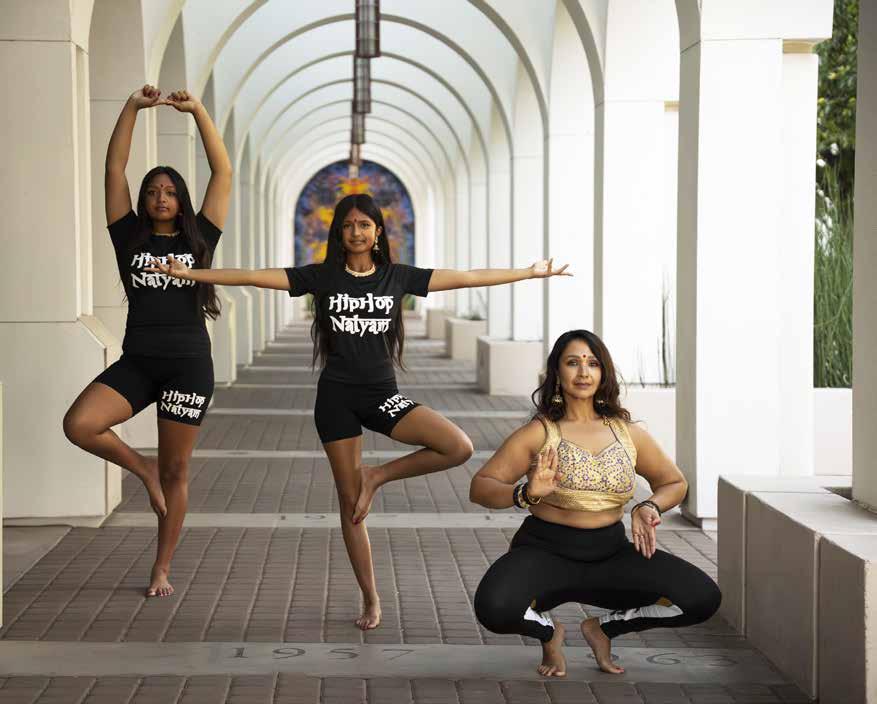
“The cold cement bit into the soles of my red-painted feet, and the air buzzed with anticipation as I prepared to step into the spotlight for my debut performance in Bangalore, India.”
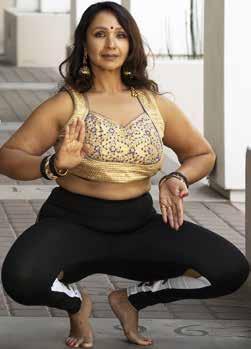
For Priya Nykan, that moment marked the beginning of a lifelong journey blending tradition, rhythm, and identity. Born in Canada to Indo-Fijian parents and now based in California, Priya is the visionary Owner/Artistic Director of HipHop-Natyam Dance Academy—a vibrant fusion of Bharata Natyam and Hip-Hop that celebrates both her South Asian heritage and her Western upbringing.
Married and a proud mother of four, Priya wears many hats: dancer, choreographer, paraeducator, and certified Yoga and Pilates instructor. Over the past 15 years in California, she has nurtured her passion for movement into multiple ventures, including her own dance fitness studio under HipHop-Natyam LLC.
“Through the fusion of Bharata Natyam and Hip-Hop, I’ve created a unique cultural expression—HipHop-Natyam—that reflects my identity as a multicultural artist,” Priya explains. Her choreography honors the discipline of Bharata Natyam—precise footwork, expressive gestures, and storytelling—while infusing the rhythm and freedom of Hip-Hop. This evolution helps Western audiences connect with ancient Indian art forms through a modern, relatable soundscape. Outside the studio, Priya continues to inspire movement as a Pilates andYoga instructorat Club Pilates and Yoga Six in Brentwood, and at Diamond Hills Sports Club and Spa in Oakley, California. Her mission is to build a thriving dance community that bridges cultures and strengthens South Asian American identity through the universal language of art and movement.


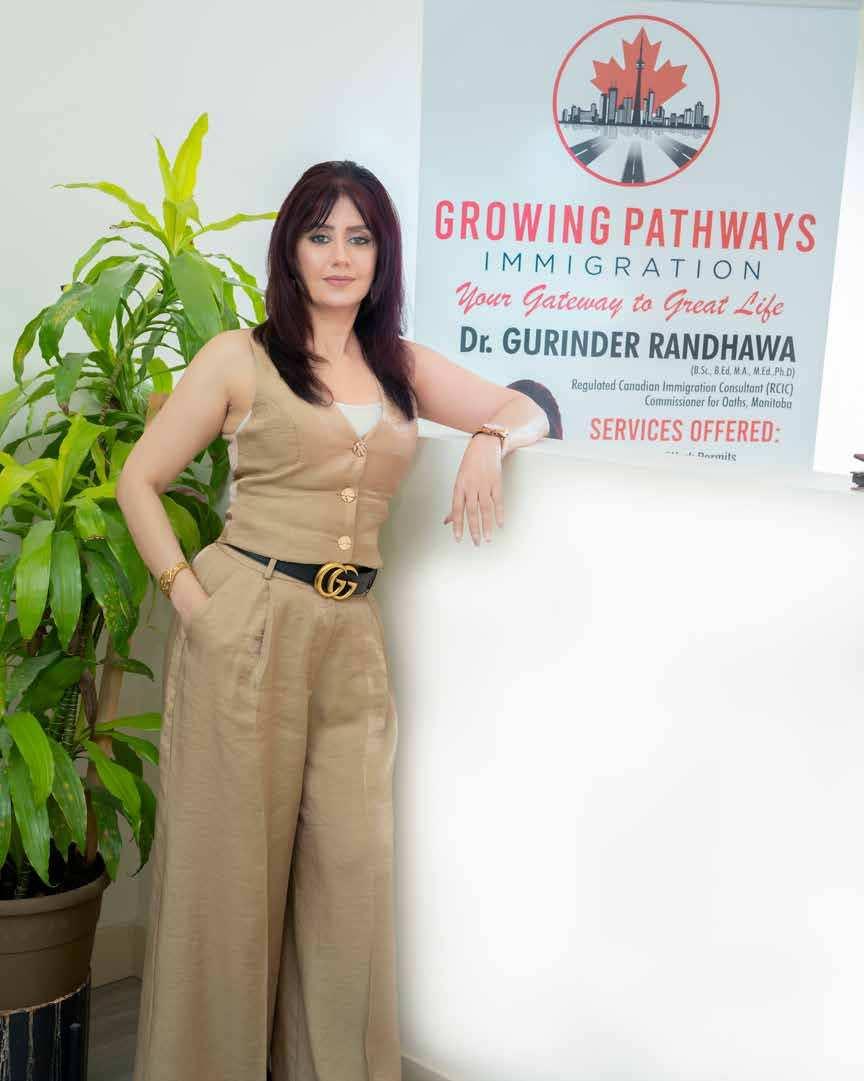
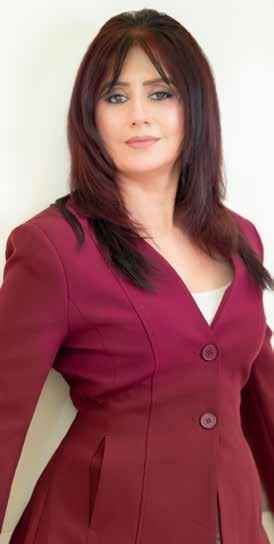
on Turning the Immigration Journey into a Growing Pathway for Wellness and Empowerment
1
You have a rich academic background as a professor and educator before becoming a Regulated Canadian Immigration Consultant. Can you share what inspired you to transition into the immigration field?
Throughout my teaching career, I have had the privilege of mentoring countless students, many of whom are newcomers to Canada. In my current role at an inner-city school— where about 80% of students come from immigrant families—I have witnessed firsthand the challenges they face in adapting to a new culture, education system, and society. As an immigrant myself, I deeply understand their struggles and the importance of having the right guidance.

I feel truly delighted and proud when I see my clients place their trust in me and successfully reach their dream destination— Canada. It gives me immense satisfaction to play a role in turning their dreams into reality
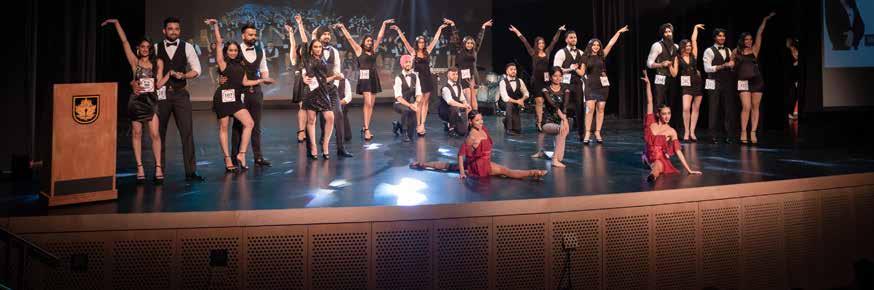
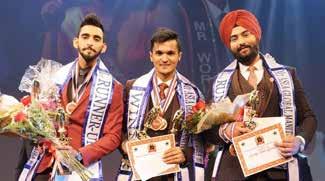
My transition into immigration work began in 2016, when I started organizing beauty pageants and children’s talent shows under my non-profit organization-Shining Star Productions Manitoba. While applying for visitor visas for international guests and celebrities invited to these events, I became increasingly inspired to formalize my involvement by becoming a Regulated Canadian Immigration Consultant.
In 2019, I completed an Immigration Practitioner Diploma in Immigration Laws, Policies, and Procedures and obtained my RCIC license to start my own practice. Later, I pursued further specialization in Immigration and Refugee Board (IRB) procedures, which now allows me to represent clients before the ID, IAD, RPD, and RAD divisions of the IRB. Combining my academic foundation, cross-cultural understanding, and personal immigrant experience, I am proud to help individuals and families navigate their pathways toward a successful life in Canada.
For me, the transition wasn’t so much a shift as it was an expansion of my passion for empowering others. Whether in the classroom, through pageants, community service or through immigration services, my goal has remained the same: to help people succeed, feel supported, and build meaningful futures. I feel truly delighted and proud when I see my clients place their trust in me and successfully reach their dream destination—Canada. It gives me immense satisfaction to play a role in turning their dreams into reality.
Growing Pathways Immigration has become a trusted name in the community. What personal experiences or values motivated you to build a career helping families navigate such an important and often stressful journey?
Growing Pathways Immigration was born out of both personal experience and a strong sense of responsibility to give back to the community. As an immigrant myself, I know how overwhelming and stressful the process can be, from navigating applications, policies, to the uncertainty of not knowing what the future holds. That experience shaped my empathy and gave me a deep understanding of what families go through.
My values of compassion, integrity, and community service have always guided me, whether in education or immigration. I wanted to create a place that was more than just a business, rather a place where people felt supported, heard, and respected at every step of their journey. That’s why trust and transparency; clear and honest communication is at the core of Growing Pathways Immigration. For me, every file is someone’s dream, someone’s family, and someone’s future with which you cannot compromise at any cost.
As someone who has lived and worked in both India and Canada, how has your own personal journey shaped the way you guide and support South Asian families through the immigration process?
Having lived and worked in both India and Canada, I bring a unique perspective to supporting South Asian families. Not only south Asian families, I provide immigration services to people from any country and community. I understand the cultural values, family dynamics, and aspirations that often guide their decisions, as well as the challenges they face when transitioning to life in Canada.
My own journey of moving from India to Canada taught me that immigration is not just about documents but about rebuilding your life in a new environment, integrating in the new environment, accepting the new system while holding on to your roots. Because I have experienced this myself, I can empathize with the uncertainties, sacrifices, and hopes that come with the process.
This understanding allows me to guide families not only with professional expertise but also with cultural sensitivity and emotional support. I take pride in bridging the gap between Canadian systems and South Asian expectations, ensuring families feel respected, understood, and confident as they start their new chapter in Canada.

Many come with high hopes and expectations, but the reality of separation from loved ones, cultural adjustment, and uncertainty about the future can create stress, anxiety, and even feelings of isolation. It’s very hard for some to face the cultural, social and economic shock.
In South Asian culture, family bonds are very strong, and being apart from parents, children, or siblings often weighs heavily on people. I’ve seen cases where individuals carry a deep sense of guilt or worry because they can’t support their families back home as much as they’d like. Others struggle with identity and belonging, balancing traditional values with Canadian ways of life. Others felt very isolated because they have nobody to talk to.
This is why I approach my work with empathy and patience. By guiding clients through the process with clarity, honesty, transparency and cultural sensitivity, I try to reduce some of that stress and provide reassurance. Sometimes, simply knowing that someone understands their struggles makes the journey a little lighter. Emotional and mental well-being should be the priority. Living alone far way from your loved ones and starting life from scratch is not easy.
Family reunification is one of the most emotional aspects of immigration. How do you see the process of bringing loved ones together affecting the overall well-being of South Asian families?
Family reunification is one of the most powerful and transformative aspects of immigration. For South Asian families, where relationships and intergenerational bonds are at the heart of life, being reunited with loved ones brings a profound sense of relief, joy, and stability. It often restores
emotional balance, reduces loneliness, and strengthens family support systems, which are essential for overall well-being.
I’ve seen firsthand how parents feel more at peace when their children are close by, and how newcomers gain confidence and motivation when they have family around them. It not only improves emotional health but also contributes to economic and social stability, because families can support each other in practical ways, whether it’s childcare, finances, or simply having someone to share everyday life with. It can be extremely stressful for international students juggling late-night shifts along with their studies, or for workers managing two or three jobs a day just to make ends meet.
For South Asian families, reunification is about rebuilding the sense of “home” they left behind. And when that happens, families are better equipped to thrive in Canada, both emotionally and socially.
processing
or refusals can take a toll on families. What advice do you give clients to help them manage stress and maintain hope during these uncertain times?
Lengthy processing times and refusals are incredibly difficult for families, and I always acknowledge that the stress they feel is valid. My first advice is to stay informed, understanding the process, timelines, and requirements can reduce a lot of the anxiety that comes from uncertainty. I make it a point to keep my clients updated and explain every step clearly, so they don’t feel left in the dark.
I also encourage families to focus on what is within their control, such as ensuring their applications are complete, accurate, and strong. This way, they know they’ve done everything possible from their side.
At the same time, I remind them that delays or refusals don’t define their future, rather, are often just a matter of persistence and trying again with the right strategy.
On the emotional side, I recommend leaning on community support, staying connected with family members abroad, and engaging in activities that reduce stress. Hope is easier to maintain when people feel supported and connected.
Ultimately, I my role is not only to manage the legal process but also to be a source of reassurance, reminding families that setbacks are temporary and that with patience and persistence, success is still possible.
how do you see
Arts and culture have a unique power to promote wellness and community connection. For South Asian families, participating in cultural events not only reduces feelings of isolation but also strengthens identity and belonging. Whether it’s through dance, music, pageants, or talent showcases, these events bring people together, bridge generations, and create joy.
I believe that when individuals have opportunities to express themselves creatively and celebrate their culture, it enhances mental health, builds resilience, and fosters stronger communities. That vision has always guided Shining Star Productions Manitoba.
The impact of Shining Star Productions Manitoba has been truly rewarding to witness. I’ve seen young people who were initially very shy, no confidence or uncertain step onto the stage and discover a new level of confidence in themselves. I have set up this platform for the beginners. That boost often extends beyond the event, helping them in school, in universities or colleges, social settings, and even in their future careers.
For families, participating in or attending these events creates moments of joy and togetherness that help reduce stress. It gives them a break from the pressures of daily life and immigration challenges, and instead allows them to celebrate milestones, traditions, and achievements as a community.
Most importantly, I’ve seen how the platform strengthens cultural pride. When youth perform dances, showcase music, or participate in pageants that highlight heritage, it reinforces their connection to their roots while also sharing their culture with the broader Manitoba community. This dual sense of pride and honoring where they come from while thriving in Canada, has a lasting impact on wellness and belonging.
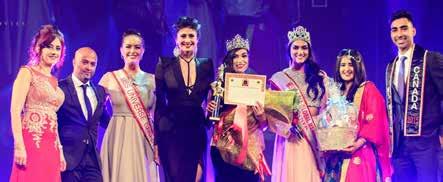
Through your work with Shining Star Productions Manitoba and other community initiatives, you support youth and families. How important is community involvement for reducing stress and promoting wellness during the immigration journey?
Community involvement is absolutely essential during the immigration journey. Moving to a new country often comes with feelings of uncertainty, stress, and even isolation. Being connected to a supportive community provides newcomers with a sense of belonging and reassurance that they are not alone in their struggles.
Through initiatives like Shining Star Productions Manitoba, I’ve seen how community events create safe and welcoming spaces where youth can share experiences, celebrate culture, and build meaningful relationships. For youth, these opportunities help them make friends, build their network, develop confidence, feel empowered and proud of their identity. For parents, community involvement often eases stress by offering emotional support, practical resources, and a network they can rely on.
Women in South Asian families often carry a heavy emotional burden when navigating immigration stress. What unique challenges do you see them facing, and how can they prioritize their wellness during this process?
Women in South Asian families often carry the heaviest emotional and practical responsibilities during the immigration journey. Many juggles multiple roles: caring for children, supporting extended family, adjusting to a new culture, and sometimes entering the workforce for the first time in Canada. On top of this, they are often the emotional anchors of the family, managing everyone else’s well-being while neglecting their own.
Some of the unique challenges I’ve observed include isolation due to language or cultural barriers, difficulty balancing traditional expectations with new realities, and limited access to support systems and limited access to support systems—especially during major life transitions such as divorce or separation. These circumstances often lead to stress, anxiety, and a feeling of being “stretched too thin.”
Having personally gone through the divorce process and raising my daughter on my own, I deeply understand how difficult it is to make the decision to separate—especially coming from a culture where such choices are often stigmatized. Without parental or community support, the journey becomes even more painful. It takes immense courage and strength to walk away from a relationship after investing one’s prime years and every effort into making it work. Unfortunately, in many South Asian communities, divorce remains a taboo subject till today, not viewed as a normal part of life.
As a result, many women remain in toxic or abusive relationships, sacrificing their mental and emotional well-being, as well as that of their children.
I always encourage women to prioritize their wellness by seeking counselling, community connections, whether through cultural groups, women’s organizations, or faith-based networks. Taking time for themselves even in small moments for learning, hobbies, or self-care can make a big difference. It’s also important for them to know that asking for help is not a sign of weakness but a step toward resilience. When women feel supported and empowered, the whole family benefits. Their wellness strengthens not just their own journey but the collective success of their family in Canada.
Your daughter Bisman Randhawa has already achieved so much, including earning a scholarship—how has her journey inspired you personally and professionally?
My daughter Bisman has been a tremendous source of inspiration both personally and professionally. Despite being born with a visual impairment, she has faced every barrier with remarkable determination, transforming her challenges into strengths and inspiring everyone around her with her courage and optimism. Watching her going through visual impairment challenges, embracing challenges, pushing herself to break the barriers, working hard, and achieving success has reminded me of the importance of perseverance, resilience, and dedication—qualities that are equally essential in both life and my professional practice.
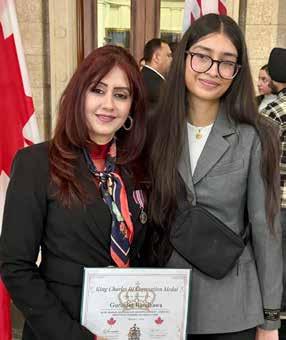
On a personal level, her accomplishments bring immense pride and joy, and they constantly remind me that guidance, encouragement, and belief in someone’s abilities can make a lasting difference. Professionally, it strengthens my commitment to mentoring, supporting, and advocating for others in their pursuits- just as I do for my daughter and my students.
As a single parent who has raised her daughter all by herself, how did you feel when she got University of Toronto national scholarship and TB bank national scholarship this year? How hard it was to choose between two scholarships as she cannot stack scholarships? Why did she choose the UofT full ride national scholarship?
As a single parent, watching Bisman receive both the University of Toronto National Scholarship and the TD Scholarship for Community Leadership this year was an incredibly emotional and proud moment for me. It felt like a celebration of our shared journey- of all the hard work, perseverance, and dedication we’ve both poured into her success—and a reflection of the values and guidance I’ve strived to instill in her as a parent.
Choosing between the two scholarships was challenging, especially since such prestigious scholarships cannot be stacked. Each offered incredible opportunities, so the decision required careful consideration of what would best support her long-term goals, academic growth, and personal development.
As a proud mother, accomplished woman, educator, community leader, volunteer, and immigration consultant, how have these multiple roles impacted your physical and mental health, and what strategies do you use to stay energetic and manage stress?
Balancing multiple roles; as a mother, educator, beauty pageants producer, community leader, volunteer, and immigration consultant can be both rewarding and demanding. Naturally, there are times when the responsibilities feel overwhelming, and it can take a toll on both physical and mental health.
To stay energized and manage stress, I prioritize self-care and maintain a structured routine. Yoga helps me release tension and stay focussed. I also believe in expressing self-love—whether through dressing up, shopping for myself, staying active, dining out, socializing, or simply taking time to feel good about who I am. Above all, I’ve learned to embrace both my successes and failures with humility, recognizing that each experience contributes to my growth and resilience.
Every role I take on aligns with my values, passion and purpose. Seeing the positive impact on my daughter, students, clients, and the broader community provides immense motivation and energy. Finally, I embrace flexibility and realistic goal setting, understanding that I don’t need to be perfect in every role at every moment. By combining passion, planning, self-care, and community support, I’ve been able to navigate a busy life while staying energized, focused, and fulfilled. At the end-health is wealth.
As both a mother and mentor, what lessons have you tried to instill in Bisman that you feel are important for other South Asian youth striving to balance success, well-being, and cultural identity?
As both a mother and mentor, I’ve always tried to instill in Bisman the importance of courage, resilience, balance, humility and staying true to her values. I’ve taught her to stand up for herself and to use her voice with confidence and purpose. I want her—and other South Asian youth—to understand that success isn’t defined solely by grand accomplishments, but also by the small, meaningful steps that pave the way toward those achievements. Equally important is nurturing emotional, mental, and physical well-being, maintaining strong relationships, and honoring one’s cultural roots and identity.
I emphasize the value of hard work, perseverance, and self-discipline, while also encouraging her to prioritize mental and emotional health. I want her to know that asking for help, taking breaks, and celebrating small victories are all part of a balanced approach to life.
Most importantly, I encourage her to embrace her cultural roots as a source of pride and strength, even while navigating new environments. For youth balancing multiple identities, this grounding in culture builds confidence and a sense of belonging. Through these lessons, I hope to show that it’s possible to achieve excellence, maintain wellness, and honor one’s heritage all at the same time—a valuable lesson for any young person navigating life in Canada today.
You’ve accomplished a lot at a young age, including earning a national scholarship to University of Toronto (#1 University in Canada). What drives you to work hard and stay focused on your goals? Which extra-curricular activities were you involved in your high school besides academics?
What drives me most is my curiosity to learn, experience, and understand more of the world around me. Earning a national scholarship to the University of Toronto wasn’t just about my commitment to academia, rather, it reflected years of curiosity and community involvement. In high school, I was deeply engaged in initiatives like Maples4Women, CoPresident of student council, Ambassador GeneralFolklorama, Youth Parliament (Currently, Minister of Alumni Affairs YPM), Page at Legislative assembly, where I led research and advocacy on issues ranging from gender equity to multiculturalism. These experiences taught me that learning doesn’t only happen in classrooms, but also in service, leadership, and collaboration.
I found that UofT had the most diverse opportunities and resources necessary for me to thrive and grow and used its rigorous and stellar reputation as a catalyst for me to further my curiosity and step into spaces I've never heard of.
Having a mother who is both an educator, community leader, volunteer and an immigration consultant must be inspiring. How has her journey influenced your own outlook on education, community, and success?
My mother has been my greatest teacher and mentor. Watching her balance roles as a single parent, an educator, pageants producer, community leader, volunteer, and immigration consultant showed me that education is the most empowering tool. Her commitment to helping her students, youth and
newcomers/immigrants and her constant drive to give back have shaped my own understanding of success, as a form of collective growth. She taught me that pursuing your passion, community work, team work and compassion are forms of leadership just as vital as academic excellence, and when combined serve as the greatest outlets of service. She also taught me that my emotional, mental and physical well-being should be my priority.
Many young people in the South Asian community balance cultural expectations with personal aspirations. How do you manage that balance while pursuing your academic and personal goals?
Like many South Asian youths, I’ve had to navigate the space between tradition and individuality. I’m proud of my Sikh heritage as it grounds me in values of seva and learning, but I’ve also learned to define success in my own way. I honor my roots while exploring new paths, like moving to Toronto (leaving my mom and my home- my comfort zone) to study diaspora and public policies and exploring multiculturalism and globalization, which connect my identity to the world around me.
What message would you share with other South Asian youth about staying motivated, managing stress, and striving for excellence while taking care of their well-being?
Motivation doesn’t come from pressure; it comes from passion. I encourage every youth to seek passion within their pursuits, as success is sweeter when you care about what you do. Our community has so much talent and resilience, and I believe we thrive when we support one another instead of comparing our achievements. I hope that us kids learn to stay grounded in who we are, and continue to stay motivated intrinsically, as the most powerful thing you can do is show up as your full, authentic self.