Stampede



Stampede


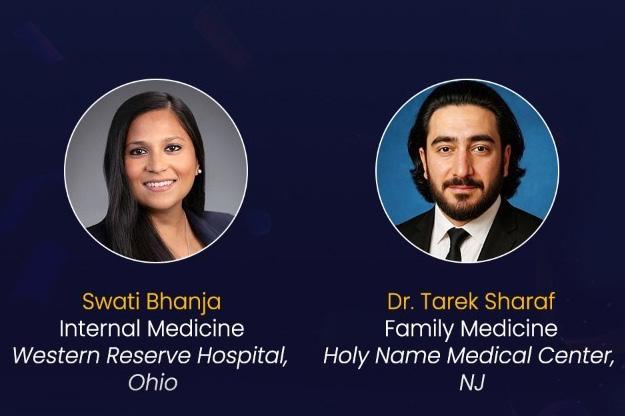
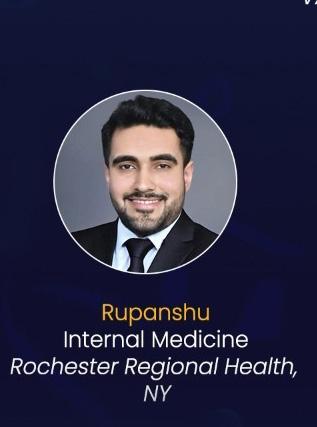
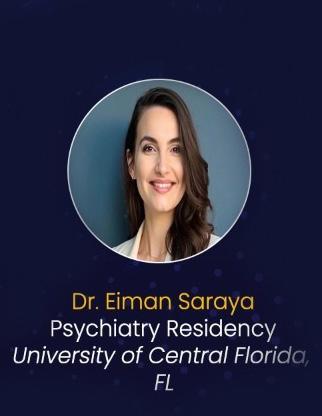
Fully Accredited by a WFME-Recognized Agency (AAEPO): Ensures eligibility for ECFMG certification and U.S. residency training pathways while meeting internationally recognized standards in medical education.
Direct Entry Pathway Without MCAT: High school graduates and university students can fast-track into medicine without the requirement of a 4-year undergraduate degree or MCAT examination.
Modern Campus with Advanced Learning Tools: State-ofthe-art infrastructure featuring digital anatomy systems, upgraded laboratories, research facilities, and on-campus student housing designed to support an optimal learning environment.
Secure and Comfortable Student Living: Safe and reliable housing with meal plan options, located in Curaçao — a stable Caribbean island outside the Atlantic hurricane belt.
Strong Residency Match Record: Consistently high U.S. residency match rates, with graduates placed across major specialties throughout the United States.
Cost-Effective Medical Education: Significantly lower tuition and living expenses compared to many U.S. and Canadian medical schools.
Eligible for Canadian federal and provincial student loan programs, making medical education more financially accessible for Canadian students.


YYC Home Care Services is a Calgary-based, paramedic-led home care provider dedicated to supporting individuals and families with reliable, personalized in-home care. Founded by an experienced Calgary EMS Paramedic, Veerpal Kaur Dhatt, the organization brings a higher level of clinical insight, safety, and professionalism to everyday home care.
YYC Home Care Services offers a wide range of support, including companionship, personal care, light housekeeping, meal preparation, assistance with daily routines, respite care & palliative care. Each care plan is thoughtfully personalized to meet the unique needs of every client, ensuring care that adapts as needs change. They're also approved providers of the Client Directed Home Care Invoicing (CDHCI) program through Alberta Health Services, helping make home care services more accessible and affordable for families.

What truly sets YYC Home Care Services apart is its paramedic-led approach. With emergency care experience setting service standards, caregiver training, and care planning, clients benefit from enhanced oversight, proactive risk awareness, and peace of mind. Caregivers are carefully selected and supported to deliver dependable, compassionate care while building meaningful relationships with clients and families.
YYC Home Care Services is committed to helping individuals maintain independence, dignity, and comfort. YYC Home Care Services takes pride in providing trusted care with a higher standard, one home at a time.

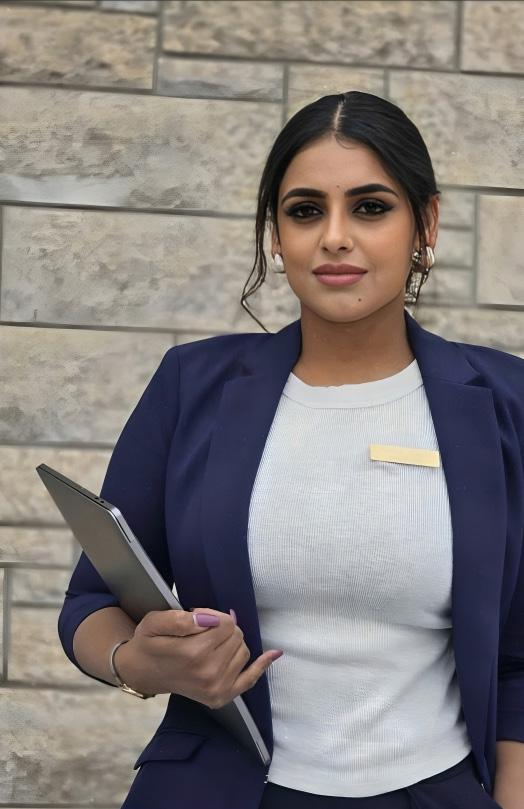



Dear Readers,
This year marks a truly special milestone for BC South Asian Health Magazine as we proudly celebrate 15 years of serving our community. What began as a vision to create meaningful, culturally relevant conversations has grown into a trusted global brand. Over the years, we have remained committed to amplifying stories that matter—stories rooted in empowerment, education, and representation for South Asians everywhere.
We are honored to continue standing as the only platform dedicated exclusively to health, wellness, beauty, fashion, and fitness for the South Asian community on a global scale. This focus has always been at the heart of who we are. By addressing topics through a culturally informed lens, we have been able to spark dialogue, inspire healthier lifestyles, and celebrate the diversity and strength of our community across generations.
Our journey has also been one of growth and expansion. With a strong presence across multiple provinces in Canada, we are now excited to be extending our footprint internationally. We are currently in the process of expanding to California (USA), London (UK), and Dubai (UAE)—with India and Australia next on our radar. These new markets represent not just geographic growth, but deeper opportunities to connect


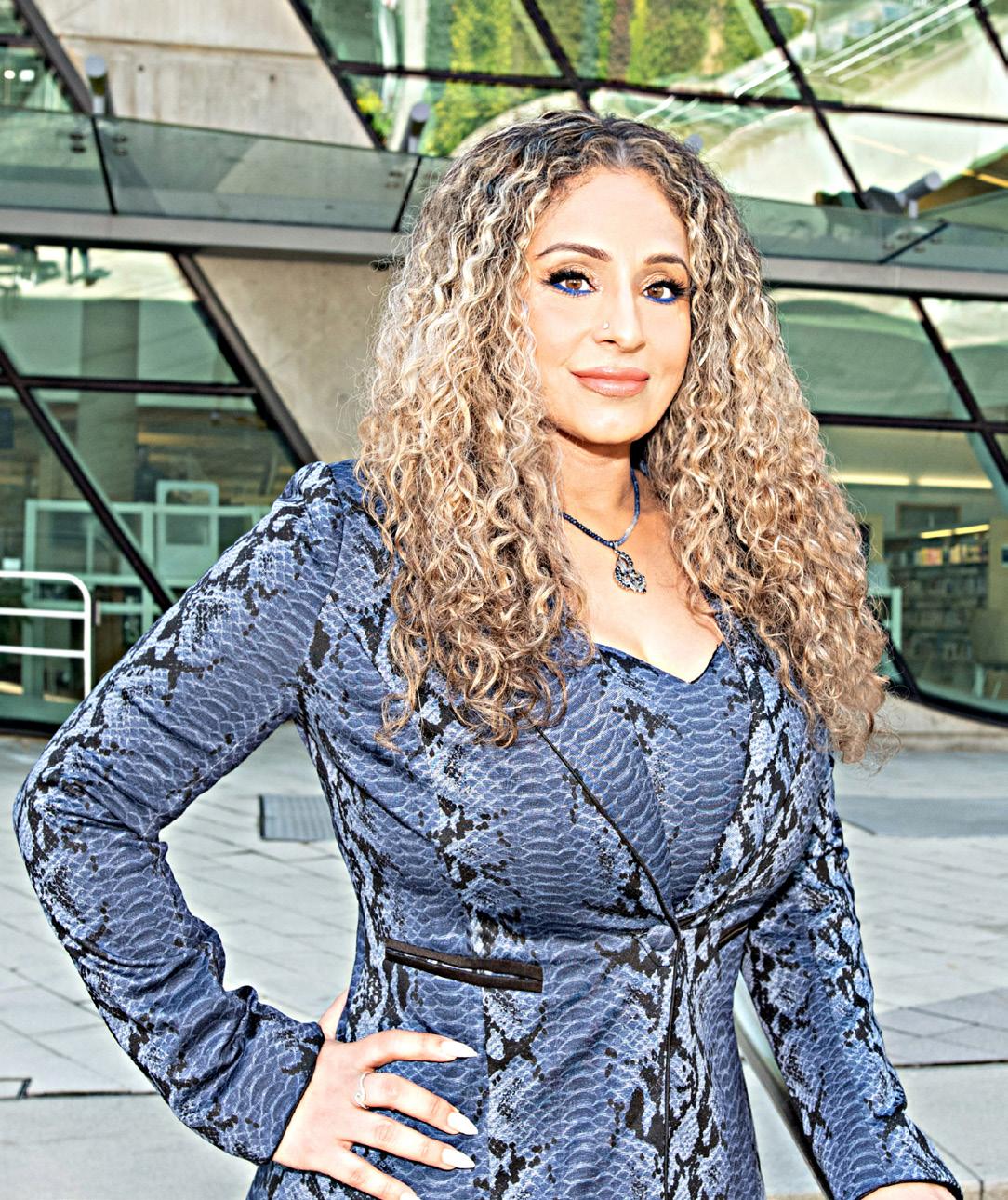
As we look ahead, 2026 is shaping up to be a year filled with major milestones and bold new chapters. We are energized by what lies ahead and remain focused on further solidifying our strong foundation as the #1 magazine source catering to South Asians worldwide. Thank you to our readers, partners, and contributors for being an integral part of this journey—we look forward to growing, evolving, and celebrating together.
Cheers to a Happy, Healthy New Year!





Mental health and addiction are among the most significant public health challenges facing Canadians today. Yet for many individuals within Canada’s South Asian community, seeking help remains a deeply personal and often difficult journey shaped by cultural expectations, stigma, and barriers to accessing care. While awareness of mental health has grown considerably in recent years, conversations about depression, anxiety, trauma, and substance use disorders continue to be uncomfortable in many families, often delaying diagnosis, treatment, and recovery.
Alberta is home to one of Canada’s fastest-growing South Asian populations, particularly in Edmonton and Calgary. As these vibrant communities continue to expand, so too does the need for healthcare that is not only evidence-based but also culturally informed care that recognizes the values, traditions, family dynamics, and lived experiences that influence how mental illness and addiction are understood and addressed.
Mental health conditions affect individuals of every age, culture, and socioeconomic background. Within many South Asian communities, however, psychological distress is frequently expressed through physical symptoms rather than emotional ones. Chronic pain, headaches, fatigue, gastrointestinal complaints, sleep disturbances, and unexplained physical discomfort may all represent underlying anxiety, depression, or trauma.
Consequently, many individuals initially seek medical care for physical concerns while the underlying mental health condition remains unrecognized.

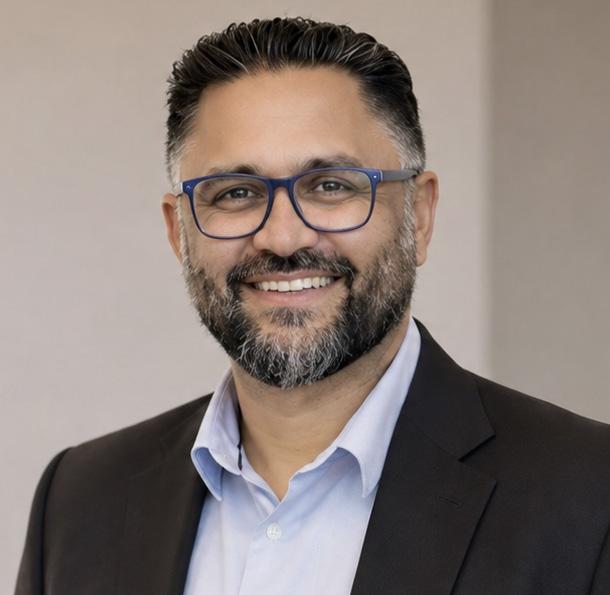
Without appropriate diagnosis and treatment, emotional suffering may continue for months or even years.
Cultural beliefs can further complicate this process. Concerns about family reputation, fear of social judgment, and misconceptions that mental illness reflects personal weakness or inadequate faith often discourage individuals from seeking professional help. These barriers can delay recovery despite the availability of highly effective treatments.
Substance use disorders remain among the most stigmatized health conditions within many South Asian communities. Alcohol misuse, opioid dependence, prescription medication misuse, stimulant use disorders, gambling, and other behavioural addictions frequently remain hidden until they begin affecting an individual’s health, relationships, employment, or financial stability.
health
individuals of every age, culture, and socioeconomic background. Within many South Asian communities, however, psychological distress is frequently expressed through physical symptoms rather than
Modern addiction medicine has transformed our understanding of addiction. Extensive scientific research demonstrates that addiction is a chronic medical illness involving complex interactions between genetics, brain chemistry, psychological factors, trauma, and social environments. Like diabetes, hypertension, or asthma, addiction responds best to early identification, evidence-based treatment, and long-term follow-up.
Replacing stigma with compassion and understanding enables individuals and families to seek care earlier, improves recovery outcomes, and strengthens communities.
Exceptional healthcare extends beyond making the correct diagnosis it requires understanding the cultural context in which patients live.
Culturally responsive care respects language preferences, family structures, religious and spiritual beliefs, immigration experiences, and the unique social pressures that influence an individual’s willingness to seek treatment. For many South Asian patients, being cared for by healthcare professionals who understand these perspectives fosters trust, improves communication, and encourages sustained engagement in treatment.
An integrated model that combines primary care, psychiatry, addiction medicine, and chronic disease management allows patients to receive comprehensive care that addresses both physical and mental health simultaneously. This holistic approach recognizes that wellness extends beyond treating symptoms it supports the whole person.
Meeting the growing healthcare needs of Alberta’s diverse communities requires continued investment in accessible, community-based, and culturally informed services.
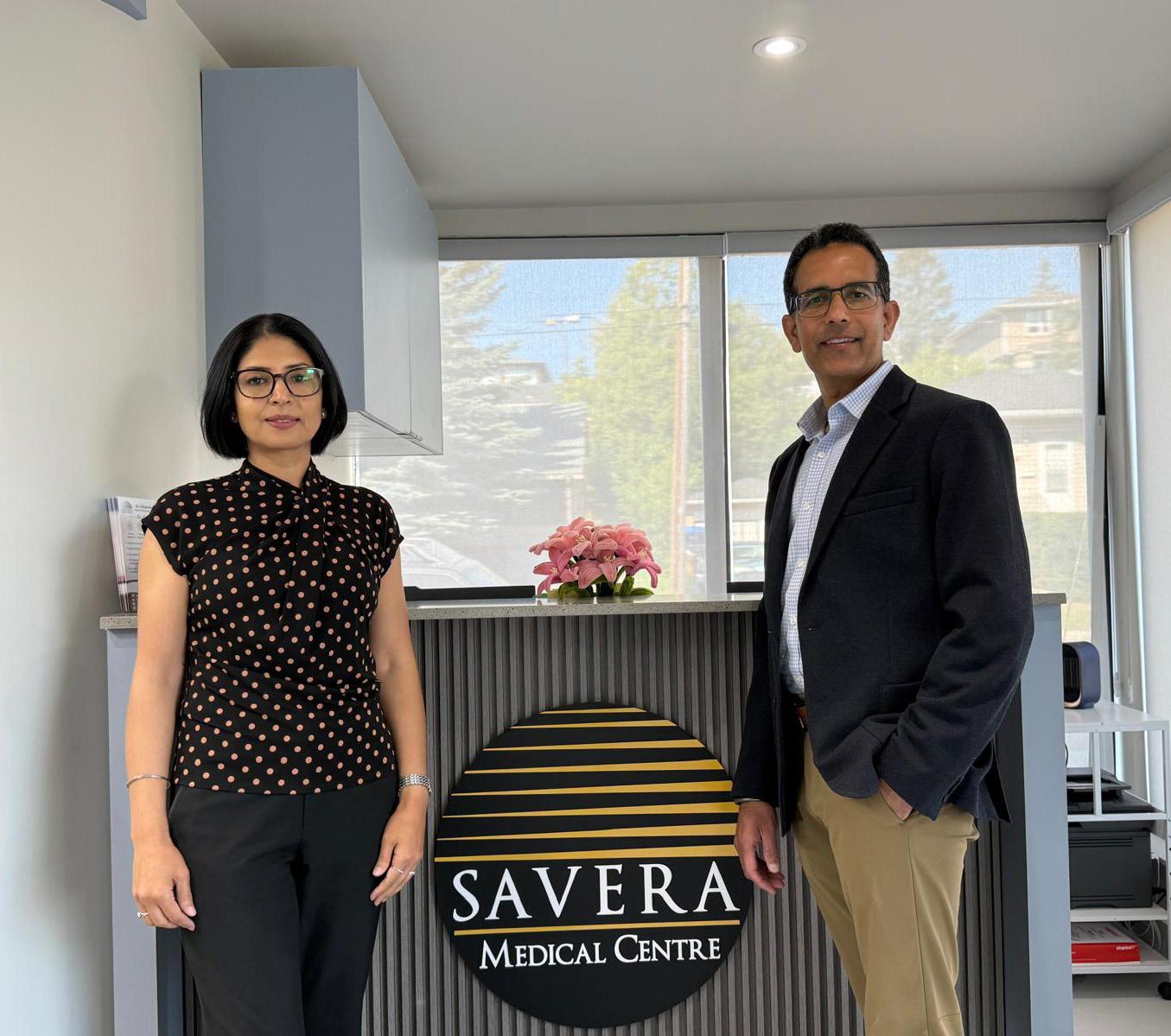
Building upon its established presence in Edmonton, Savera Medical Centre has expanded to Calgary, further improving access to integrated medical, psychiatric, and addiction care for individuals and families throughout southern Alberta.
The Calgary clinic brings together physicians with complementary expertise. Dr. Manroop Kaur Bal, Addiction Psychiatrist, provides comprehensive assessment and evidence-based treatment for substance use disorders and co-occurring mental health conditions. Dr. Ishpinder Singh Ranu, Family Physician with a clinical focus on addiction medicine and metabolic health, delivers comprehensive primary care while recognizing the important relationship between physical health, mental wellness, and longterm recovery.
The expansion of Savera Medical Centre reflects the vision and leadership of Dr. Avininder Singh (Avi) Aulakh, Founder and Medical Director of Savera Medical Centre. Through his longstanding commitment to advancing integrated mental health and addiction services, Dr. Aulakh has been instrumental in growing the organization beyond its Edmonton roots. His vision has focused on improving access to compassionate, culturally responsive, multidisciplinary healthcare for Albertans while reducing barriers that often prevent individuals from seeking timely treatment.
Creating healthier communities begins by changing how we think about mental health and addiction. Education, early intervention, evidence-based treatment, culturally responsive care, and strong collaboration between healthcare providers and community organizations are all essential to reducing stigma and improving outcomes.
As Alberta’s South Asian population continues to grow, so too does the opportunity and responsibility to build healthcare systems that are inclusive, accessible, and responsive to the needs of diverse communities.


The spirit of the Calgary Stampede took on a vibrant South Asian flair as thousands gathered on Saturday, July 11, 2026, for the highly anticipated Calgary Stampede Mela. The annual celebration once again showcased the rich cultural diversity that makes Calgary one of Canada’s most dynamic multicultural cities, offering an unforgettable day filled with music, dance, food, family entertainment, and community pride.



From the moment the gates opened, attendees of all ages were welcomed into an energetic festival atmosphere that blended the excitement of the worldfamous Calgary Stampede with the colourful traditions of South Asia. Families, friends, and visitors enjoyed a full day of entertainment while celebrating the growing contributions of the South Asian community to Alberta’s cultural landscape.
One of the biggest highlights of the event was an impressive lineup of talented South Asian performers who kept the crowd entertained throughout the day. The stage


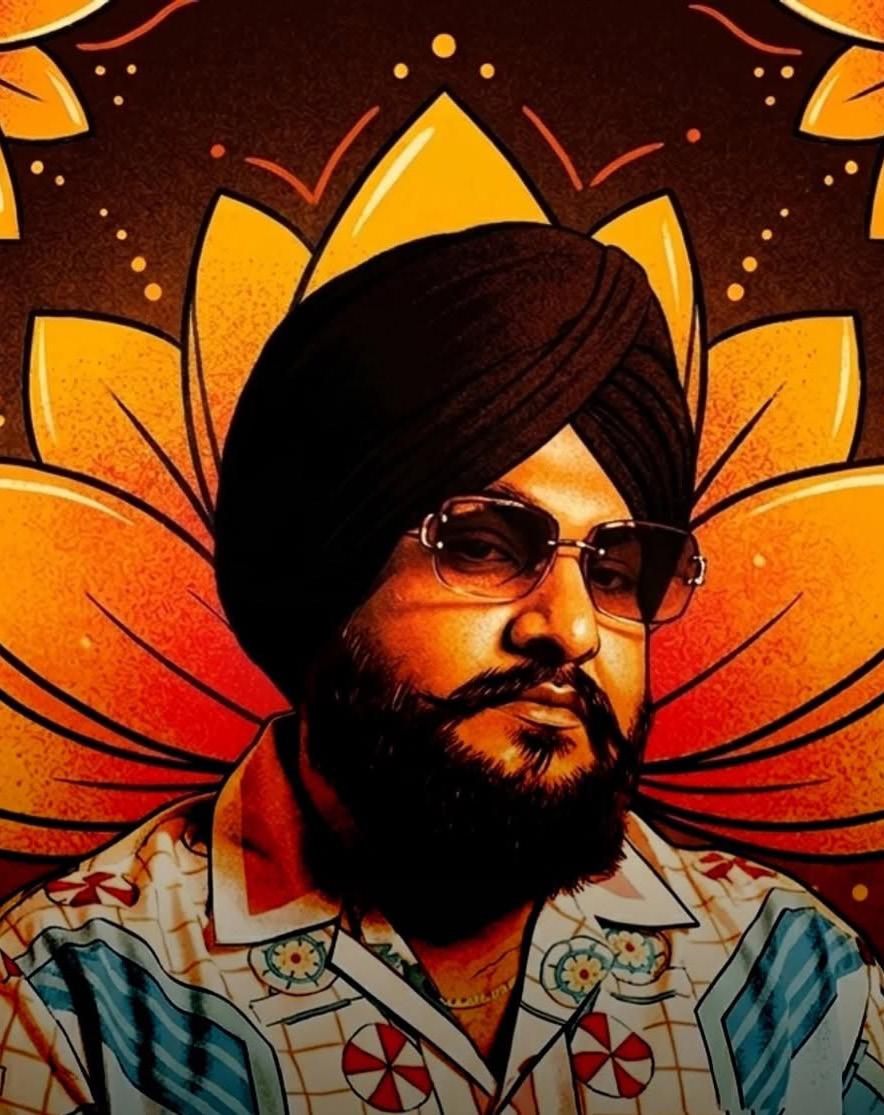
featured a diverse mix of live music, energetic dance performances, cultural showcases, and contemporary entertainment that celebrated the many languages, traditions, and artistic styles represented across South Asia. Audience members enthusiastically sang along, danced in front of the stage, and created lasting memories as artists delivered outstanding performances from start to finish.
Beyond the entertainment, the Calgary Stampede Mela offered visitors an opportunity to experience authentic South Asian cuisine from a variety of food vendors. From traditional favourites to modern fusion dishes, festival-goers enjoyed an incredible selection of flavours that reflected the region’s rich culinary heritage. Local businesses, community organizations, and marketplace vendors also participated, giving attendees the opportunity to discover unique products, services, and cultural exhibits while supporting local entrepreneurs.
The family-friendly event featured activities for children, interactive exhibits, cultural displays, and opportunities for community engagement that encouraged visitors from all backgrounds to learn more about South Asian traditions. The inclusive atmosphere reflected the true spirit of the Calgary Stampede— bringing people together through celebration, hospitality, and shared experiences.
Events such as the Calgary Stampede Mela continue to play an important role in strengthening cultural understanding while
providing a platform for local artists, performers, businesses, and community organizations to showcase their talents. They also highlight the growing influence and success of Calgary’s South Asian community, whose contributions continue to enrich the social, cultural, and economic fabric of Alberta.
As another successful year comes to a close, organizers, volunteers, sponsors, performers, and attendees all deserve recognition for creating an event that celebrated diversity while fostering meaningful connections across cultures. Their dedication and hard work helped deliver a festival that was both entertaining and inspiring.
The Calgary Stampede Mela has firmly established itself as one of the premier multicultural events held during Stampede week. Judging by the enthusiastic crowds and overwhelmingly positive response, the 2026 celebration once again demonstrated why it has become a cherished tradition for so many families throughout Calgary and beyond.
As the music faded and another memorable event came to an end, attendees left with smiles, new friendships, and a renewed appreciation for the beauty of cultural diversity. The Calgary Stampede Mela continues to serve as a shining example of how communities can come together to celebrate heritage, embrace inclusion, and create unforgettable experiences that resonate long after the festival concludes.
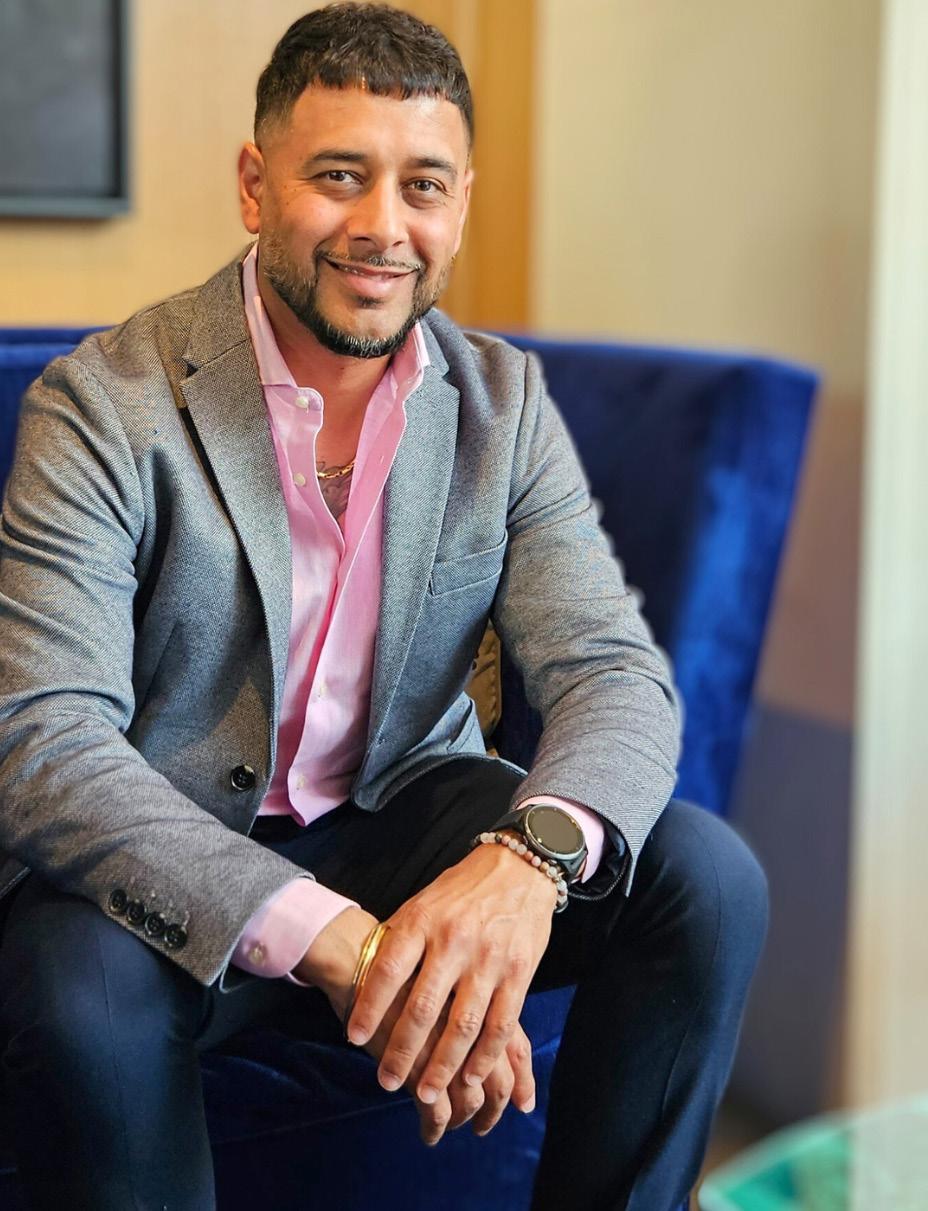
In the realm of integrative health and wellness, Dr. Satdip Binning stands not only as a practitioner but as a transformative force. With a journey marked by personal health crises and a relentless pursuit of answers, Dr. Binning has emerged as a beacon of vitality and resilience. As the founder of the Functional Health Institute, his mission is deeply rooted in his own transformative experience.
Driven by the desire to share his journey and the principles of Functional Medicine that catalyzed his own health restoration, Dr. Binning has become a sought-after authority in his field. His expertise has been recognized through invitations to contribute articles for magazines and participate in online summits and interviews, where he shares his unique application of the Functional Medicine
Certified as a Functional Medicine Practitioner, Chiropractor, and ART® Provider, Dr. Binning boasts an illustrious 17-year career dedicated to optimizing health and performance. His extensive experience has made him a trusted guide for everyday individuals and high-performance individuals such as entrepreneurs and professional athletes from esteemed organizations such as the NHL, NFL, US Olympic team, and CFL, among others.
At the heart of Dr. Binning’s approach lies a commitment to uncovering the root causes of chronic illnesses through personalized investigation. Instead of just treating symptoms, his mission is centered on uncovering and resolving the root cause. Guided by the belief that individuals possess the innate ability to
Dr. Binning has impacted thousands of lives by teaching people how to overcome the odds and create health where it matters most, in their homes. He guides his patients through lifestyle optimization, recognizing that true health is cultivated in everyday choices and habits. With a holistic approach that prioritizes empowerment and education, Dr. Binning is dedicated to enabling his patients to lead healthier, more vibrant, energetic, and more fulfilling lives.

The Functional Health Institute is one of the nation’s leading virtual clinics for achieving lasting health and wellness using science-based treatment methods of functional medicine. We believe in inspired living. That means living a life with meaning, purpose, and intention. A life free of disease because you realize that most disease is the consequence of lifestyle. A lifestyle that YOU have the POWER to CHANGE. It’s time for you to make yourself a priority and begin living a life with HEALTH and VITALITY. The Functional Health Institute is here to get you started. It’s time for you to begin living an inspired life.



"Every patient has a story. Before we ever look inside someone's mouth, we try to understand the person sitting in front of us."
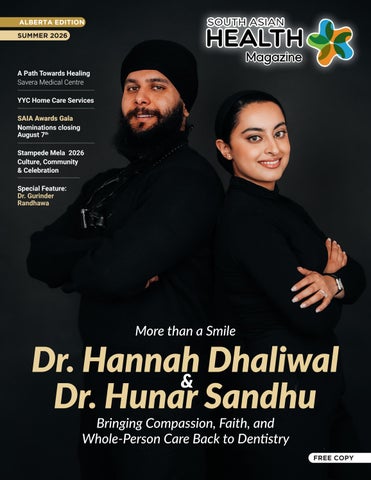
In a world where healthcare often feels rushed, transactional, and focused on symptoms instead of people, Dr. Hannah Dhaliwal and Dr. Hunar Sandhu believe there is another way.
As husband and wife, they share far more than the same profession. They share a philosophy, that healthcare should begin with listening, that prevention is one of the greatest forms of healing, and that every patient deserves to feel genuinely seen, heard, and cared for.


Their approach blends evidence-based dentistry with a whole-body perspective, recognizing that the health of the mouth cannot be separated from the health of the body or the wellbeing of the person.
Rooted in their faith in God, guided by humility, kindness, and service, they view dentistry as more than restoring teeth. To them, it's about restoring confidence, relieving fear, educating families, and helping people live healthier, fuller lives.
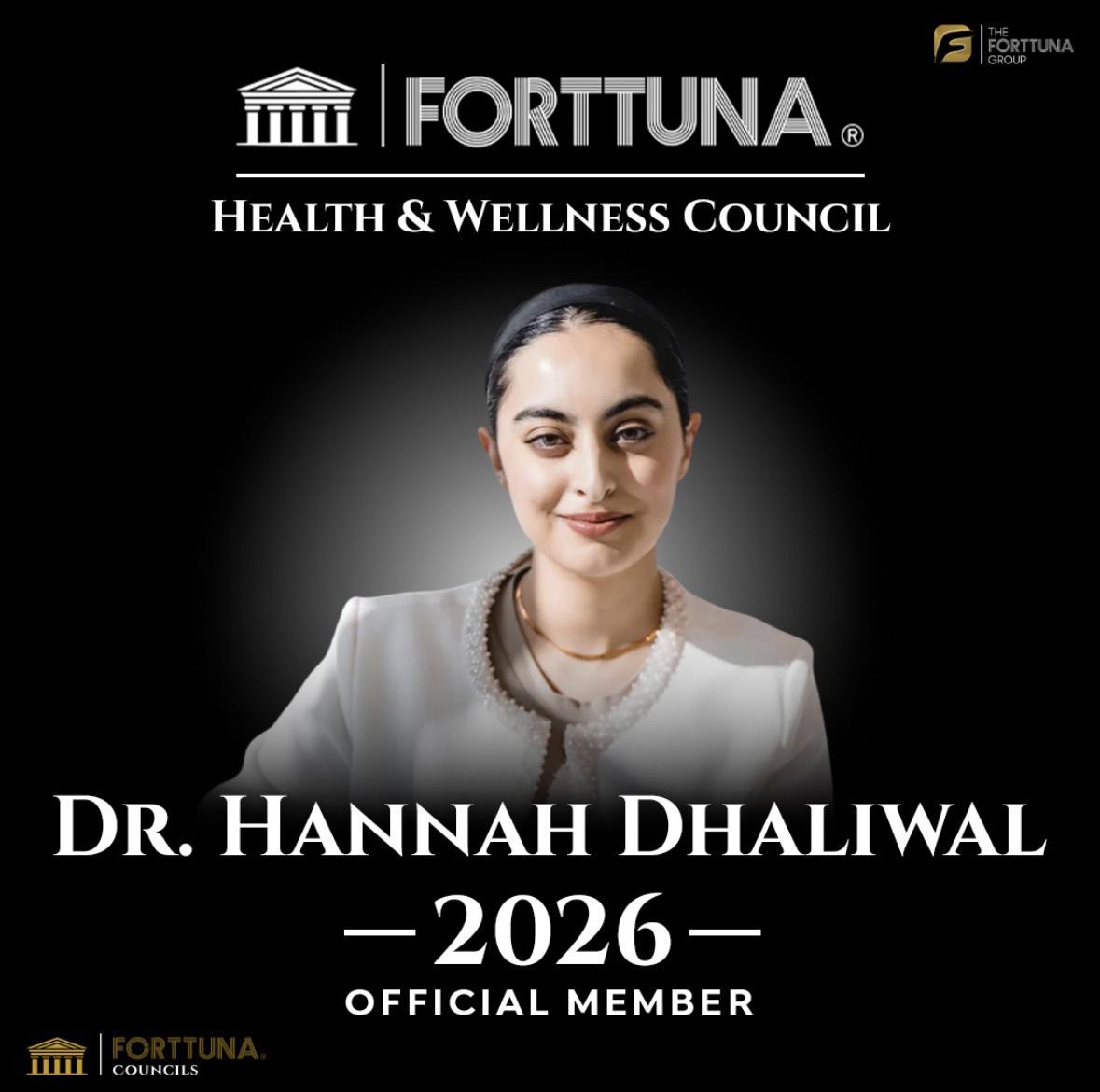
Their commitment to excellence has earned national and international recognition. Hannah has been featured in Forbes, recognized as one of Canada's Top Young Oral Healthcare Leaders, named to the Forttuna Global Power List 100, and celebrated on a New York Times Square billboard, honours she views not as personal achievements, but as reminders of the responsibility that comes with serving others well.
Yet when asked what matters most, neither of them speaks first about awards or accomplishments. Instead, they speak about people. The anxious patient who finally feels safe. The child who leaves laughing instead of crying. The family begins understanding that oral health is connected to heart health, sleep, nutrition, and overall wellbeing.
For Hannah and Hunar, those quiet moments, not accolades, define success. Because at the end of the day, they believe the most meaningful thing a healthcare professional can leave behind isn't a perfect smile. It's the feeling that someone truly cared.
As a husband-and-wife team in dentistry, what inspired each of you to pursue this profession, and how has your shared passion for healthcare strengthened your journey together?
People often ask us why we became dentists. The truth is, it was never really about teeth. It was about people.
Long before we met one another, we were both searching for a profession where science and compassion could exist side by side. Dentistry gave us that opportunity. Every day, we have the privilege of meeting people during vulnerable moments in their lives and helping them leave healthier, more confident, and often smiling again— not simply because of the treatment they
Long before we met one another, we were both searching for a profession where science and compassion could exist side by side. Dentistry gave us that opportunity
received, but because of the way they were cared for.
As our relationship grew, we realized we shared something much deeper than the same career. We shared the same purpose. Our faith in God is the foundation of everything we do.
Peopleoftenthinkbeing husbandandwifemeans wesimplyunderstand theprofessionbetter. Inreality,itmeanswe remindeachotherwhy weenteredit.After adifficultday,one ofusinevitablysays, “Remember,someone trustedustoday.”

It reminds us that every person has inherent dignity, every interaction is an opportunity to serve, and every decision should be rooted in honesty, humility, and love. Those values don't begin when we leave the clinic, they're the same values that shape our marriage, our family, and the way we try to live each day.
People often think being husband and wife means we simply understand the profession better. In reality, it means we remind each other why we entered it. After a difficult day, one of us inevitably says, "Remember, someone trusted us today."
That perspective changes everything. Healthcare is built on trust, and we never want to lose sight of the privilege it is when someone places that trust in us.
Our greatest dream isn't simply to become exceptional clinicians. It's to become the kind of healthcare professionals people remember—not because of the dentistry itself, but because of how they felt while they were in our care.
Your work extends beyond creating beautiful smiles. How do you educate patients about the connection between oral health and overall physical health?
One of the most rewarding moments in dentistry isn't when someone thanks us for fixing a tooth. It's when they pause and say, "No one has ever explained this to me before." We believe patients deserve more than treatment. They deserve understanding.
For many years, dentistry and medicine have often been viewed as separate worlds. Yet the body has never worked that way. The mouth is not separate from the rest of the body. It is part of it.
Inflammation in the gums can influence overall health. Sleep-disordered breathing affects oral development. Nutrition influences healing. Stress changes the way we clench, grind, and even respond to disease. Hormones, medications, chronic illness, gut health, and lifestyle choices all influence what we see inside someone's mouth.
Rather than simply saying, "You have a cavity," or "Your gums are inflamed," we try to explain why. When people understand the reason behind a condition, something remarkable happens. Fear begins to disappear. Knowledge replaces uncertainty. Patients become partners in their own health rather than passive recipients of treatment. We don't simply want healthier teeth. We want healthier people. Because when someone understands their body, they begin making choices that improve every part of their life—not just their smile.
Many people still view dental care as separate from general wellness. What are some of the most important health issues that can be detected or influenced through oral health?
One of the things we find most fascinating about dentistry is that the mouth often tells a story long before the rest of the body does.
Routine dental examinations can reveal signs associated with diabetes, nutritional
deficiencies, acid reflux, autoimmune conditions, sleep-disordered breathing, chronic stress, and, importantly, oral cancers. Gum disease has also been associated with systemic inflammation and has important relationships with conditions such as cardiovascular disease and diabetes.
Sometimes we're the first healthcare professional to notice that something doesn't seem quite right. Those conversations matter. Not because dentists replace physicians—but because healthcare is strongest when healthcare professionals work together. We believe the future of healthcare isn't isolated disciplines. It's collaboration.
When dentists, physicians, pharmacists, physiotherapists, dietitians, sleep specialists, and mental health professionals see the whole person instead of just one part of the body, patients benefit. One of the greatest misconceptions is that oral health only matters if you're in pain. The reality is that many conditions develop quietly. By the time something hurts, the disease may already be well advanced. That's why prevention is so powerful. We don’t simply want healthier teeth. We want healthier people. Because when someone understands their body, they begin making choices that improve every part of their life—not just their smile.
The best dentistry we can provide is often the dentistry our patients never need because problems were prevented before they ever began.
You are both strong advocates for health, wellness, and prevention. What daily habits do you personally follow to maintain your own health and wellbeing?
One of the greatest lessons healthcare has taught us is that you can't pour from an empty cup. If we hope to care well for others, we have to be intentional about caring for ourselves too. Our mornings usually begin in stillness.
Before emails, before appointments, before the pace of the day begins, we spend time in prayer, meditation, and gratitude. That quiet time helps us remember what truly matters and allows us to begin each day with peace rather than pressure.
It's amazing how differently you treat people when your own heart feels grounded. We also prioritize movement, nourishing food, quality sleep, spending time outdoors, and making space for the people we love. Some of our favourite moments are often the simplest—walking together after work, sharing dinner with family, or taking a few quiet minutes without phones or distractions.
Health isn't created through one perfect decision. It's created through thousands of ordinary choices made consistently over time. We try not to pursue perfection. We pursue balance. Because the healthiest people we know aren't necessarily the busiest or the most accomplished.
They're the ones who have learned to care for their body, quiet their mind, nurture their spirit, and invest in the relationships that matter most. Those are the same principles we hope to pass on to every patient who trusts us with their care.

Mindfulness and meditation have become important parts of many healthcare professionals' lives. How have these practices helped you manage stress, stay focused, and maintain balance?
People often think meditation is about slowing life down. For us, it's about becoming fully present within it. Dentistry is a profession that requires intense concentration. Every decision matters. Every millimeter matters. Every patient is placing an extraordinary amount of trust in you. But beyond the technical side of dentistry is something equally important— the human side.
When someone sits in our chair, we don't want them to feel like they're simply the next appointment on our schedule. We want them to feel like they're the only person who matters in that moment.
Meditation, prayer, and our relationship with God have taught us something incredibly simple, yet profoundly important: Presence is one of the greatest gifts you can offer another human being.
Patients can feel the energy you bring into a room. If you're rushed, they become anxious. If you're distracted, they sense it. If you're calm, present, and genuinely listening, something remarkable happens— they begin to relax.
That sense of peace isn't something we switch on when we arrive at work. It's something we try to cultivate every day through faith, reflection, gratitude, and remembering that every person we meet is worthy of patience and compassion.
Healthcare isn't only about what we do with our hands. It's about the presence we bring with our hearts.
Running successful careers while managing family life can be challenging. How do you balance your professional responsibilities with your personal lives?
Balance isn't something we've mastered. It's something we're continually learning. Like many people, we have demanding careers, responsibilities outside of work, family commitments, and goals we're working toward. There are seasons where one area of life naturally asks for more of us than another.
What keeps us grounded is remembering that success has to be defined intentionally. For us, success isn't measured only by professional milestones. It's measured by the quality of our marriage. The time we spend with our families. The peace we carry into our home. The integrity with which we treat people.
One of the greatest blessings of sharing the same profession is that we truly understand one another. We know what it's like to carry the emotional weight of caring for people. We understand the excitement of helping someone regain confidence after years of hiding their smile.
We also understand the difficult days— when a diagnosis is unexpected, when a patient is in pain, or when things don't go exactly as planned. Those experiences have taught us to support rather than compete with one another. To celebrate each other's growth. To remind each other to rest.
To laugh often. To keep perspective. At the end of our lives, we won't remember how many appointments filled our calendars.
We'll remember the people we loved, the lives we touched, and whether we stayed true to the values that brought us here in the first place.
As young leaders in healthcare, what motivates you to continue growing professionally while also giving back to your community?
One of the beautiful things about healthcare is that it constantly reminds you how much there is still to learn. Science evolves. Technology evolves. Our understanding of health evolves. If we expect our patients to invest in themselves, then we have a responsibility to keep investing in ourselves too.
Continuing education isn't simply about becoming more skilled. It's about honouring the trust that patients place in us every day. Whether it's studying advances in restorative dentistry, learning more about airway health, understanding the relationship between oral and systemic disease, or refining our communication with patients, we believe growth is a lifelong responsibility. But learning is only one part of the equation.
Knowledge becomes meaningful when it's shared. Throughout our journey, we've both been incredibly fortunate to learn from mentors who invested in us, encouraged us, and challenged us to become better clinicians and better people.
We believe one of the greatest ways to honour those mentors is by paying that gift forward. That may mean mentoring younger professionals. Supporting community initiatives. Volunteering our time. Speaking about prevention and health. Or simply taking an extra ten minutes with a patient who needs reassurance more than treatment.
Our faith teaches us that we've each been given gifts—not to keep for ourselves, but to use in service of others. The more we've grown professionally, the more we've realized that success becomes truly meaningful when it creates opportunities to lift other people along the way.
What are some of the biggest misconceptions people have about oral health, and what would you like readers to better understand?
Perhaps the biggest misconception is that oral health only matters when something hurts. Pain is often one of the last signs that something is wrong. Many of the conditions we see every day—gum disease, cavities, tooth wear, oral cancer, sleep-related issues, even bite problems— often develop quietly over many years before symptoms appear.
That's why prevention is so important. It's also why regular dental visits should never be viewed as simply "getting your teeth cleaned." They're health appointments. Another misconception is that dentistry is primarily cosmetic. While creating beautiful smiles is certainly rewarding, aesthetics is only one small part of what we do.
Healthy teeth allow us to eat nutritious foods, communicate confidently, sleep more comfortably, reduce chronic inflammation, and improve our overall quality of life. We also hope people begin thinking differently about dentistry itself. The best dentist isn't the one who performs the most procedures. It's the one who helps patients need fewer procedures over time.
Ethical dentistry means recommending what is genuinely best for the individual sitting in front of us—not what is fastest, most profitable, or most convenient. Sometimes the best treatment is no treatment at all. Sometimes it's simply education. Sometimes it's helping someone understand how improving their brushing technique, breathing patterns, nutrition, or daily habits can prevent far more significant problems years down the road.
Healthcare should never be driven by fear. It should be driven by trust. When patients understand that your recommendations are made solely with their wellbeing in mind, something incredibly valuable begins to grow. Trust. And we believe trust is the foundation upon which every lasting patient relationship is built.
If there is one belief that shapes every decision we make, it's this:
We don't believe we're treating teeth. We're caring for a person who happens to have teeth. That simple shift changes everything. It changes the questions we ask. The way we listen. The time we spend explaining. The recommendations we make. And ultimately, the experience our patients have. Because everyone who walks through our doors someone's child. Someone's parent. Someone's spouse. Someone deeply loved. That's how we try to see every patient. And we hope they feel that from the moment they arrive.
The South Asian community often places a strong emphasis on caring for family. How do you encourage families to make oral health a priority across all generations?
Family has always been one of the greatest influences in our lives, and we believe many of our healthiest habits begin at home. Children naturally learn by watching the people around them, so when parents prioritize their own health—whether that's brushing and flossing regularly, attending routine dental visits, or making healthy lifestyle choices—those habits often become part of the next generation's everyday life.
We also encourage families to think about oral health as something that extends across every stage of life. Young children, busy parents, and grandparents all have different needs, but everyone deserves to eat comfortably, smile confidently, and enjoy good health for as long as possible.
Within the South Asian community, we're fortunate to have such strong family values, and we see healthcare as another way of caring for one another. Encouraging parents to bring their children to the dentist early, reminding adults not to neglect their own health while caring for others, and helping older family members maintain their oral health are all small investments that have a lasting impact.
Ultimately, oral health isn't just about teeth. It's about preserving quality of life, confidence, and wellbeing so we can continue showing up for the people we love.
What accomplishments or milestones are you most proud of in your careers so far, both individually and as a team?
We've been incredibly fortunate to experience opportunities that we're deeply grateful for. Hannah has been recognized as one of Canada's Top Young Oral Healthcare Leaders through the Forttuna Global Excellence Awards, named to the Global Power List 100, featured in Forbes, and celebrated on a Times Square billboard in New York. These recognitions have been humbling, not because they define success, but because they serve as a reminder of the responsibility we have to continue serving others with excellence, integrity, and compassion.
For Hunar, some of the greatest milestones have come through the relationships he's built with his patients. Seeing someone who once felt anxious become completely comfortable in the dental chair, or caring for multiple generations of the same family, is a privilege that means more than any title or award.
As meaningful as these achievements are, they're not what we're most proud of.
The moments that stay with us are often the quiet ones—a patient smiling confidently for the first time in years, someone finally eating comfortably after living with pain, a child leaving their appointment laughing instead of crying, or hearing the words, "I've finally found a dentist I trust."
Those moments never appear on a résumé, yet they remind us why we chose this profession. We hope that, years from now, our patients won't remember us simply because we were skilled dentists. We hope they remember that they felt listened to, respected, and genuinely cared for. If we've helped people become healthier, more confident, and more informed while treating them with honesty and kindness, then we will consider our careers a success.
Looking ahead, what is your vision for the future, and what message would you like to share with readers who are striving to live healthier, happier, and more confident lives?
Our vision extends far beyond dentistry. We hope to be part of a future where healthcare becomes more connected, compassionate, and centred around
the whole person. We want to continue building practices where patients feel heard before they're treated, where prevention is valued as much as treatment, and where honesty, integrity, and kindness guide every decision we make.
As healthcare professionals, we never want to stop learning or growing, but more importantly, we never want to lose sight of why we chose this profession in the first place—to serve people. Every patient who places their trust in us is a privilege, and we hope to continue earning that trust for years to come.
If we could leave readers with one message, it would be this: invest in your health before your body asks you to. Care for your mind, body, and spirit with the same intention that you care for those you love. Make time for movement, nourishing food, rest, meaningful relationships, gratitude, and moments of stillness. Small, consistent choices made each day have a remarkable impact over a lifetime.
Above all, keep God at the center of your life. Our faith has taught us that true health is about more than the absence of disease— it is about living with purpose, peace, compassion, and gratitude. When we care for ourselves in a balanced and intentional way, we are better equipped to care for others.
At the end of the day, we hope our patients remember more than the dentistry we provided. We hope they remember that they were treated with honesty, respect, compassion, and genuine care. If every person who walks through our door’s leaves feeling healthier, more confident, and knowing they truly mattered, then we will consider our work a success.


I was inspired to get into the health industry when I realized that the nutrition habits in the South Asian Community are restricting people from achieving their fitness goals.
My priority was to provide them with alternative approaches to their diets by offering them workout routines and meal plans. Therefore, I decided to change paths and open my own gym instead of becoming a nurse to give people the gift of health rather than treat their diseases.
15 + years of experience
Lifelong Hearing Aid Wearer
Masuma Manji is the founder of Amplify Hearing Clinic. Born with hearing loss herself, she understands the challenges it brings to everyday life. She is dedicated to finding the right solutions tailored to each client’s unique needs, because she knows firsthand how the right support can truly amplify life.

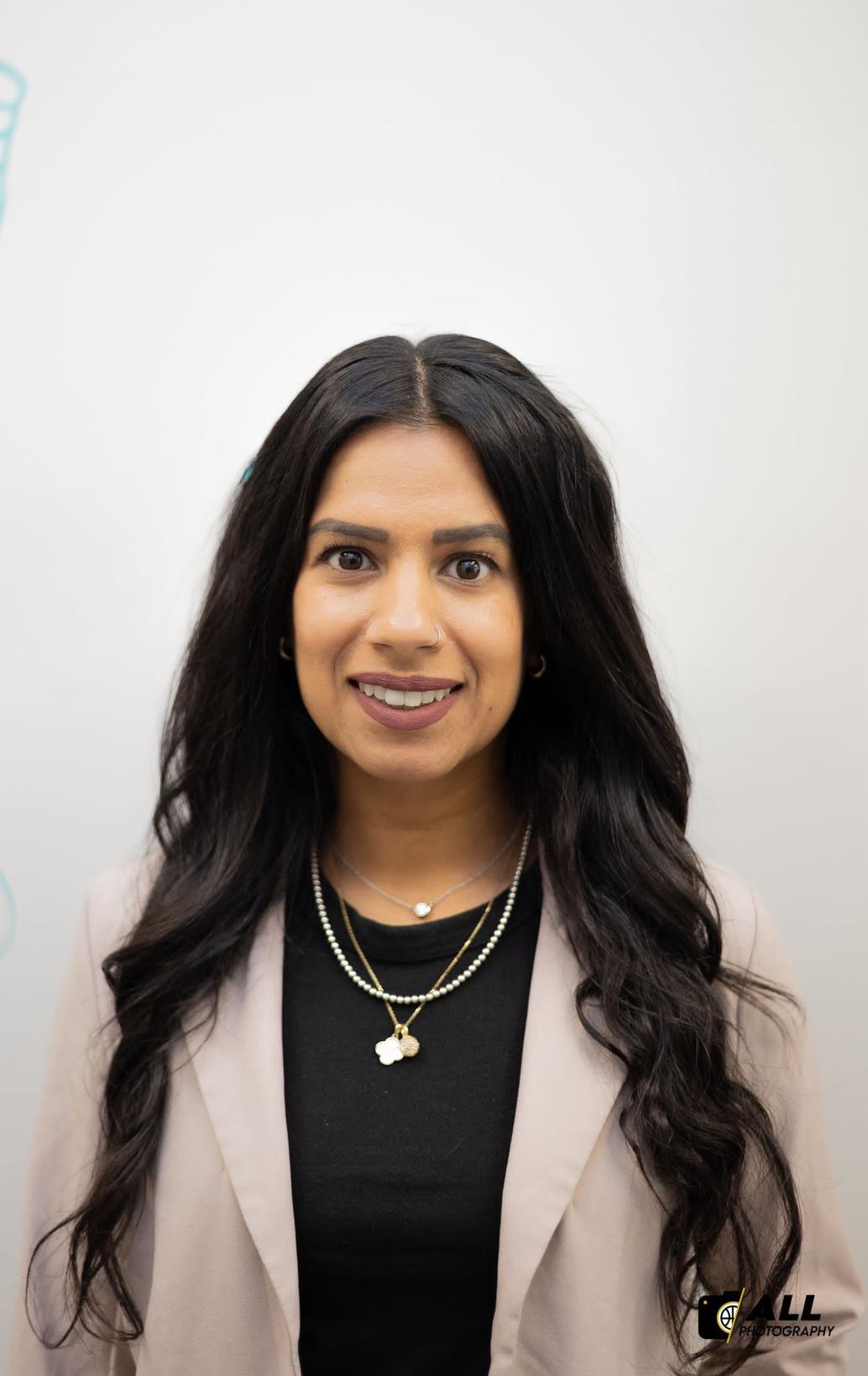

You have a rich academic background as a professor and educator before becoming a Regulated Canadian Immigration Consultant. Can you share what inspired you to transition into the immigration field?
Throughout my teaching career, I have had the privilege of mentoring countless students, many of whom are newcomers to Canada. In my current role at an inner-city school— where about 80% of students come from immigrant families—I have witnessed firsthand the challenges they face in adapting to a new culture, education system, and society.
As an immigrant myself, I deeply understand their struggles and the importance of having the right guidance.

I feel truly delighted and proud when I see my clients place their trust in me and successfully reach their dream destination— Canada. It gives me immense satisfaction to play a role in turning their dreams into reality
My transition into immigration work began in 2016, when I started organizing beauty pageants and children’s talent shows under my non-profit organization-Shining Star Productions Manitoba. While applying for visitor visas for international guests and celebrities invited to these events, I became increasingly inspired to formalize my involvement by becoming a Regulated Canadian Immigration Consultant.
In 2019, I completed an Immigration Practitioner Diploma in Immigration Laws, Policies, and Procedures and obtained my RCIC license to start my own practice. Later, I pursued further specialization in Immigration and Refugee Board (IRB) procedures, which now allows me to represent clients before the ID, IAD, RPD, and RAD divisions of the IRB. Combining my academic foundation, cross-cultural understanding, and personal immigrant experience, I am proud to help individuals and families navigate their pathways toward a successful life in Canada.
For me, the transition wasn’t so much a shift as it was an expansion of my passion for empowering others. Whether in the classroom, through pageants, community service or through immigration services, my goal has remained the same: to help people succeed, feel supported, and build meaningful futures. I feel truly delighted and proud when I see my clients place their trust in me and successfully reach their dream destination—Canada. It gives me immense satisfaction to play a role in turning their dreams into reality.
Growing Pathways Immigration has become a trusted name in the community. What personal experiences or values motivated you to build a career helping families navigate such an important and often stressful journey?
Growing Pathways Immigration was born out of both personal experience and a strong sense of responsibility to give back to the community. As an immigrant myself, I know how overwhelming and stressful the process can be, from navigating applications, policies, to the uncertainty of not knowing what the future holds. That experience shaped my empathy and gave me a deep understanding of what families go through.
My values of compassion, integrity, and community service have always guided me, whether in education or immigration. I wanted to create a place that was more than just a business, rather a place where people felt supported, heard, and respected at every step of their journey. That’s why trust and transparency; clear and honest communication is at the core of Growing Pathways Immigration. For me, every file is someone’s dream, someone’s family, and someone’s future with which you cannot compromise at any cost.
As someone who has lived and worked in both India and Canada, how has your own personal journey shaped the way you guide and support South Asian families through the immigration process?
Having lived and worked in both India and Canada, I bring a unique perspective to supporting South Asian families. Not only south Asian families, I provide immigration services to people from any country and community. I understand the cultural values, family dynamics, and aspirations that often guide their decisions, as well as the challenges they face when transitioning to life in Canada.
My own journey of moving from India to Canada taught me that immigration is not just about documents but about rebuilding your life in a new environment, integrating in the new environment, accepting the new system while holding on to your roots. Because I have experienced this myself, I can empathize with the uncertainties, sacrifices, and hopes that come with the process.
This understanding allows me to guide families not only with professional expertise but also with cultural sensitivity and emotional support. I take pride in bridging the gap between Canadian systems and South Asian expectations, ensuring families feel respected, understood, and confident as they start their new chapter in Canada.
Immigration is often described as one of the most stressful life experiences for families. From your experience, how does the immigration process impact the mental and emotional health of South Asian families in Canada?
Immigration is one of the most stressful transitions a family can go through, and for South Asian families in particular, the emotional and mental toll can be significant.

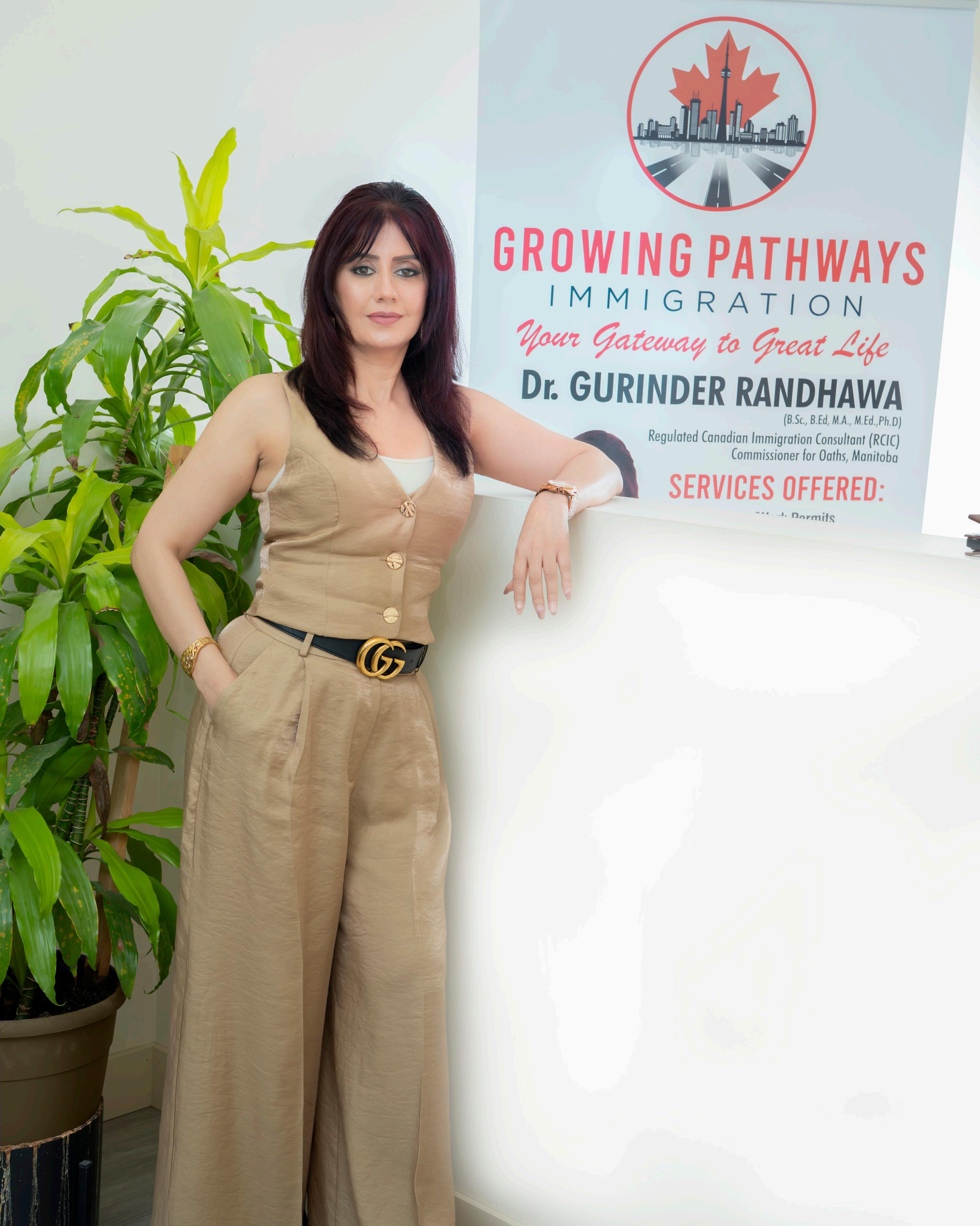
Many come with high hopes and expectations, but the reality of separation from loved ones, cultural adjustment, and uncertainty about the future can create stress, anxiety, and even feelings of isolation. It’s very hard for some to face the cultural, social and economic shock.
In South Asian culture, family bonds are very strong, and being apart from parents, children, or siblings often weighs heavily on people. I’ve seen cases where individuals carry a deep sense of guilt or worry because they can’t support their families back home as much as they’d like. Others struggle with identity and belonging, balancing traditional values with Canadian ways of life. Others felt very isolated because they have nobody to talk to.
This is why I approach my work with empathy and patience. By guiding clients through the process with clarity, honesty, transparency and cultural sensitivity, I try to reduce some of that stress and provide reassurance. Sometimes, simply knowing that someone understands their struggles makes the journey a little lighter. Emotional and mental well-being should be the priority. Living alone far way from your loved ones and starting life from scratch is not easy.
Family reunification is one of the most emotional aspects of immigration. How do you see the process of bringing loved ones together affecting the overall wellbeing of South Asian families?
Family reunification is one of the most powerful and transformative aspects of immigration. For South Asian families, where relationships and intergenerational bonds are at the heart of life, being reunited with loved ones brings a profound sense of relief, joy, and stability. It often restores emotional balance, reduces loneliness, and strengthens family support systems, which are essential for overall well-being.
I’ve seen firsthand how parents feel more at peace when their children are close by, and how newcomers gain confidence and motivation when they have family around them. It not only improves emotional health but also contributes to economic and social stability, because families can support each other in practical ways, whether it’s childcare, finances, or simply having someone to share everyday life with. It can be extremely stressful for international students juggling late-night shifts along with their studies, or for workers managing two or three jobs a day just to make ends meet.
For South Asian families, reunification is about rebuilding the sense of “home” they left behind. And when that happens, families are better equipped to thrive in Canada, both emotionally and socially.

My first advice is to stay informed,understanding theprocess,timelines, andrequirementscan reduce a lot of the anxiety that comes from uncertainty
Lengthy processing times or refusals can take a toll on families. What advice do you give clients to help them manage stress and maintain hope during these uncertain times?
Lengthy processing times and refusals are incredibly difficult for families, and I always acknowledge that the stress they feel is valid. My first advice is to stay informed, understanding the process, timelines, and requirements can reduce a lot of the anxiety that comes from uncertainty. I make it a point to keep my clients updated and explain every step clearly, so they don’t feel left in the dark.
I also encourage families to focus on what is within their control, such as ensuring their applications are complete, accurate, and strong. This way, they know they’ve done everything possible from their side.
At the same time, I remind them that delays or refusals don’t define their future, rather, are often just a matter of persistence and trying again with the right strategy.
On the emotional side, I recommend leaning on community support, staying connected with family members abroad, and engaging in activities that reduce stress. Hope is easier to maintain when people feel supported and connected.
Ultimately, I my role is not only to manage the legal process but also to be a source of reassurance, reminding families that setbacks are temporary and that with patience and persistence, success is still possible.
What
inspired you to start Shining Star Productions Manitoba, and how do you see arts and culture playing a role in promoting wellness and community connection among South Asian families
Arts and culture have a unique power to promote wellness and community connection. For South Asian families, participating in cultural events not only reduces feelings of isolation but also strengthens identity and belonging. Whether it’s through dance, music, pageants, or talent showcases, these events bring people together, bridge generations, and create joy.
I believe that when individuals have opportunities to express themselves creatively and celebrate their culture, it enhances mental health, builds resilience, and fosters stronger communities. That vision has always guided Shining Star Productions Manitoba.
The impact of Shining Star Productions Manitoba has been truly rewarding to witness. I’ve seen young people who were initially very shy, no confidence or uncertain step onto the stage and discover a new level of confidence in themselves. I have set up this platform for the beginners. That boost often extends beyond the event, helping them in school, in universities or colleges, social settings, and even in their future careers.
For families, participating in or attending these events creates moments of joy and togetherness that help reduce stress. It gives them a break from the pressures of daily life and immigration challenges, and instead allows them to celebrate milestones, traditions, and achievements as a community.
Most importantly, I’ve seen how the platform strengthens cultural pride. When youth perform dances, showcase music, or participate in pageants that highlight heritage, it reinforces their connection to their roots while also sharing their culture with the broader Manitoba community. This dual sense of pride and honoring where they come from while thriving in Canada, has a lasting impact on wellness and belonging.


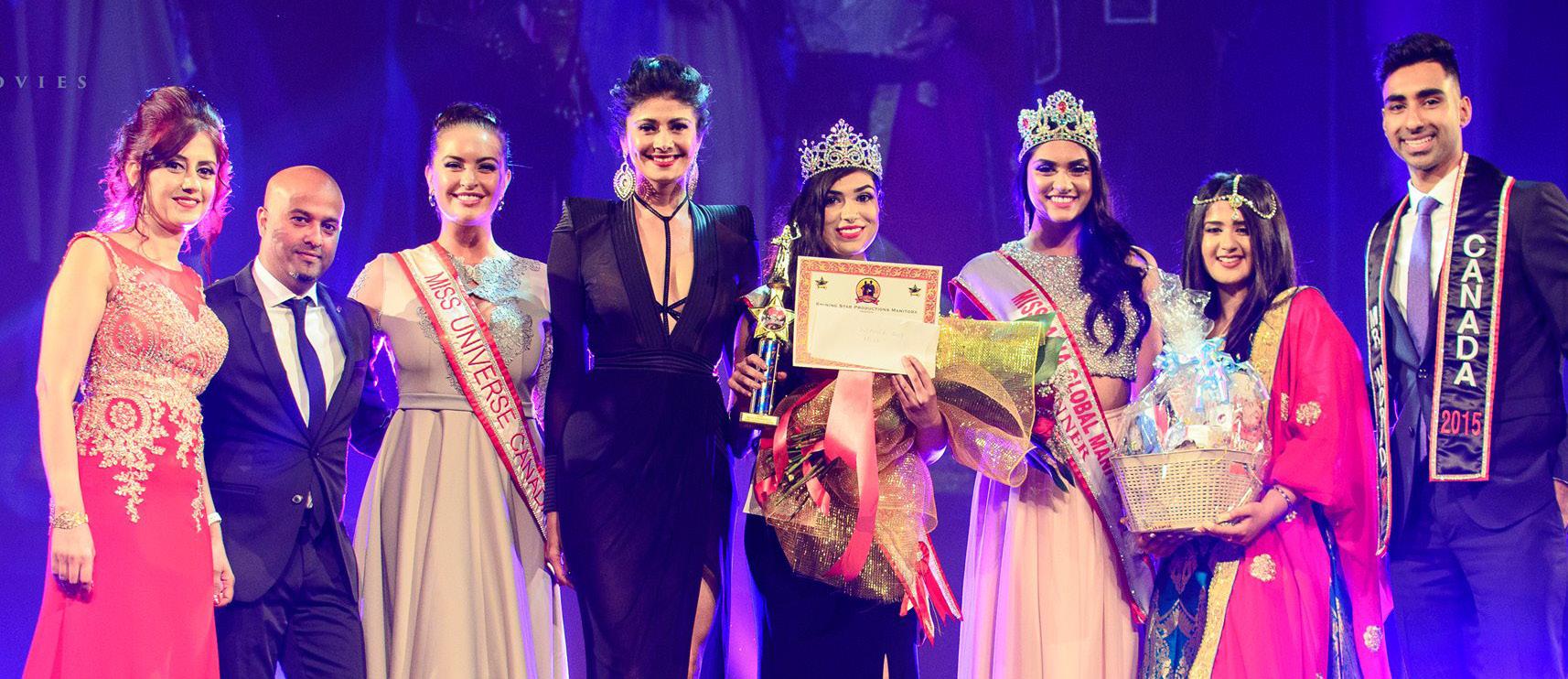
Through your work with Shining Star Productions Manitoba and other community initiatives, you support youth and families. How important is community involvement for reducing stress and promoting wellness during the immigration journey?
Community involvement is absolutely essential during the immigration journey. Moving to a new country often comes with feelings of uncertainty, stress, and even isolation. Being connected to a supportive community provides newcomers with a sense of belonging and reassurance that they are not alone in their struggles.
Through initiatives like Shining Star Productions Manitoba, I’ve seen how community events create safe and welcoming spaces where youth can share experiences, celebrate culture, and build meaningful relationships. For youth, these opportunities help them make friends, build their network, develop confidence, feel empowered and proud of their identity. For parents, community involvement often eases stress by offering emotional support, practical resources, and a network they can rely on.
Women in South Asian families often carry a heavy emotional burden when navigating immigration stress. What unique challenges do you see them facing, and how can they prioritize their wellness during this process?
Women in South Asian families often carry the heaviest emotional and practical responsibilities during the immigration journey. Many juggles multiple roles: caring for children, supporting extended family, adjusting to a new culture, and sometimes entering the workforce for the first time in Canada. On top of this, they are often the emotional anchors of the family, managing everyone else’s well-being while neglecting their own.
Some of the unique challenges I’ve observed include isolation due to language or cultural barriers, difficulty balancing traditional expectations with new realities, and limited access to support systems and limited access to support systems—especially during major life transitions such as divorce or separation. These circumstances often lead to stress, anxiety, and a feeling of being “stretched too thin.”
Having personally gone through the divorce process and raising my daughter on my own, I deeply understand how difficult it is to make the decision to separate—especially coming from a culture where such choices are often stigmatized. Without parental or community support, the journey becomes even more painful. It takes immense courage and strength to walk away from a relationship after investing one’s prime years and every effort into making it work. Unfortunately, in many South Asian communities, divorce remains a taboo subject till today, not viewed as a normal part of life.
As a result, many women remain in toxic or abusive relationships, sacrificing their mental and emotional well-being, as well as that of their children.
I always encourage women to prioritize their wellness by seeking counselling, community connections, whether through cultural groups, women’s organizations, or faith-based networks. Taking time for themselves even in small moments for learning, hobbies, or self-care can make a big difference. It’s also important for them to know that asking for help is not a sign of weakness but a step toward resilience. When women feel supported and empowered, the whole family benefits. Their wellness strengthens not just their own journey but the collective success of their family in Canada.
Your daughter Bisman Randhawa has already achieved so much, including earning a scholarship—how has her journey inspired you personally and professionally?
My daughter Bisman has been a tremendous source of inspiration both personally and professionally. Despite being born with a visual impairment, she has faced every barrier with remarkable determination, transforming her challenges into strengths and inspiring everyone around her with her courage and optimism. Watching her going through visual impairment challenges, embracing challenges, pushing herself to break the barriers, working hard, and achieving success has reminded me of the importance of perseverance, resilience, and dedication— qualities that are equally essential in both life and my professional practice.
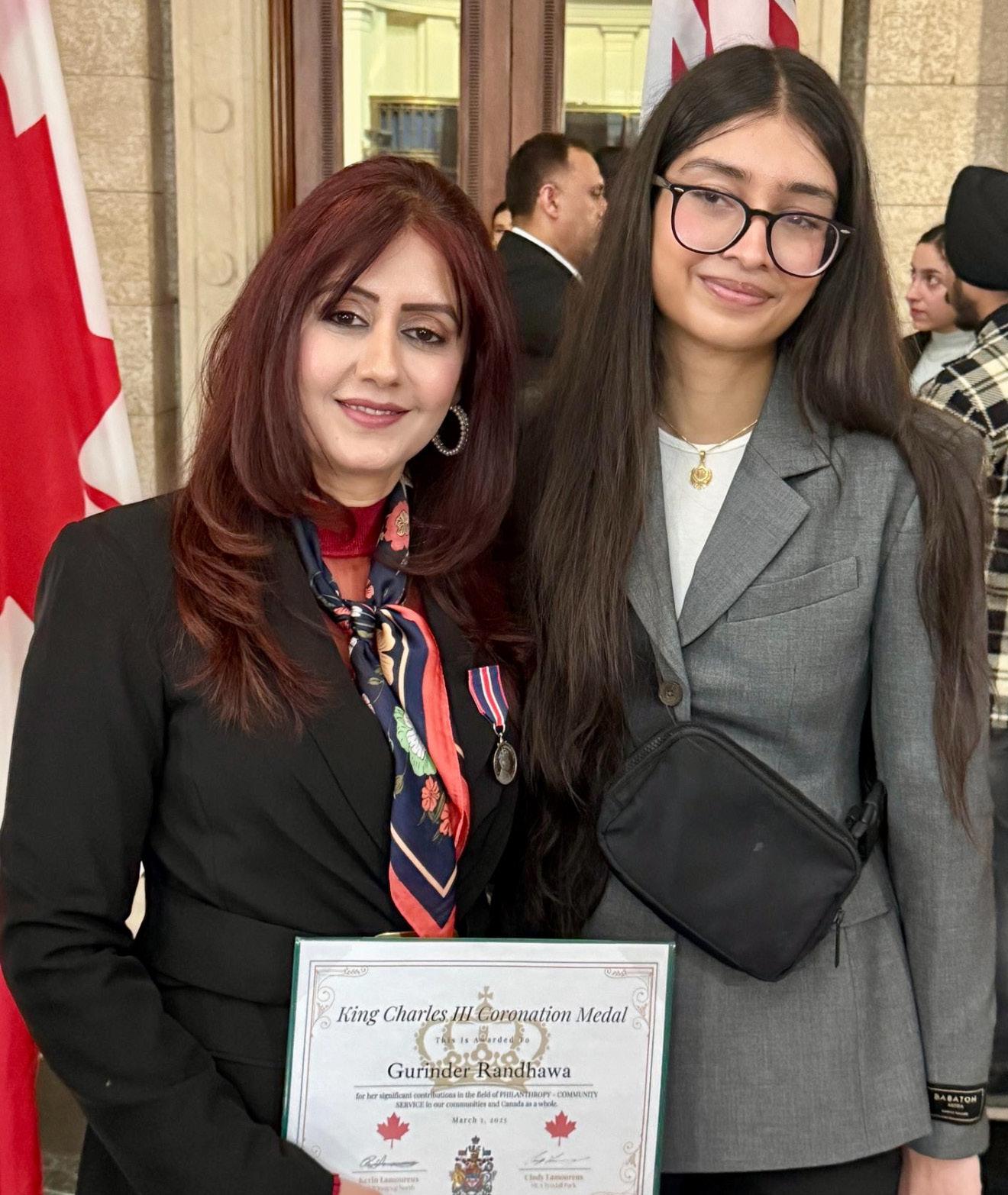
On a personal level, her accomplishments bring immense pride and joy, and they constantly remind me that guidance, encouragement, and belief in someone’s abilities can make a lasting difference. Professionally, it strengthens my commitment to mentoring, supporting, and advocating for others in their pursuits- just as I do for my daughter and my students.
As a single parent who has raised her daughter all by herself, how did you feel when she got University of Toronto national scholarship and TB bank national scholarship this year? How hard it was to choose between two scholarships as she cannot stack scholarships? Why did she choose the UofT full ride national scholarship?
As a single parent, watching Bisman receive both the University of Toronto National Scholarship and the TD Scholarship for Community Leadership this year was an incredibly emotional and proud moment for me. It felt like a celebration of our shared journey- of all the hard work, perseverance, and dedication we’ve both poured into her success—and a reflection of the values and guidance I’ve strived to instill in her as a parent.
Choosing between the two scholarships was challenging, especially since such prestigious scholarships cannot be stacked. Each offered incredible opportunities, so the decision required careful consideration of what would best support her long-term goals, academic growth, and personal development.
As a proud mother, accomplished woman, educator, community leader, volunteer, and immigration consultant, how have these multiple roles impacted your physical and mental health, and what strategies do you use to stay energetic and manage stress?
Balancing multiple roles; as a mother, educator, beauty pageants producer, community leader, volunteer, and immigration consultant can be both rewarding and demanding. Naturally, there are times when the responsibilities feel overwhelming, and it can take a toll on both physical and mental health.
To stay energized and manage stress, I prioritize self-care and maintain a structured routine. Yoga helps me release tension and stay focussed. I also believe in expressing self-love—whether through dressing up, shopping for myself, staying active, dining out, socializing, or simply taking time to feel good about who I am. Above all, I’ve learned to embrace both my successes and failures with humility, recognizing that each experience contributes to my growth and resilience.
Every role I take on aligns with my values, passion and purpose. Seeing the positive impact on my daughter, students, clients, and the broader community provides immense motivation and energy. Finally, I embrace flexibility and realistic goal setting, understanding that I don’t need to be perfect in every role at every moment. By combining passion, planning, self-care, and community support, I’ve been able to navigate a busy life while staying energized, focused, and fulfilled. At the end-health is wealth.
As both a mother and mentor, what lessons have you tried to instill in Bisman that you feel are important for other South Asian youth striving to balance success, well-being, and cultural identity?
As both a mother and mentor, I’ve always tried to instill in Bisman the importance of courage, resilience, balance, humility and staying true to her values. I’ve taught her to stand up for herself and to use her voice with confidence and purpose. I want her—and other South Asian youth—to understand that success isn’t defined solely by grand accomplishments, but also by the small, meaningful steps that pave the way toward those achievements. Equally important is nurturing emotional, mental, and physical well-being, maintaining strong relationships, and honoring one’s cultural roots and identity.
I emphasize the value of hard work, perseverance, and self-discipline, while also encouraging her to prioritize mental and emotional health. I want her to know that asking for help, taking breaks, and celebrating small victories are all part of a balanced approach to life.
Most importantly, I encourage her to embrace her cultural roots as a source of pride and strength, even while navigating new environments. For youth balancing multiple identities, this grounding in culture builds confidence and a sense of belonging. Through these lessons, I hope to show that it’s possible to achieve excellence, maintain wellness, and honor one’s heritage all at the same time—a valuable lesson for any young person navigating life in Canada today.
You’ve accomplished a lot at a young age, including earning a national scholarship to University of Toronto (#1 University in Canada). What drives you to work hard and stay focused on your goals? Which extra-curricular activities were you involved in your high school besides academics?
What drives me most is my curiosity to learn, experience, and understand more of the world around me. Earning a national scholarship to the University of Toronto wasn’t just about my commitment to academia, rather, it reflected years of curiosity and community involvement. In high school, I was deeply engaged in initiatives like Maples4Women, CoPresident of student council, Ambassador GeneralFolklorama, Youth Parliament (Currently, Minister of Alumni Affairs YPM), Page at Legislative assembly, where I led research and advocacy on issues ranging from gender equity to multiculturalism. These experiences taught me that learning doesn’t only happen in classrooms, but also in service, leadership, and collaboration.
I found that UofT had the most diverse opportunities and resources necessary for me to thrive and grow and used its rigorous and stellar reputation as a catalyst for me to further my curiosity and step into spaces I've never heard of.
Having a mother who is both an educator, community leader, volunteer and an immigration consultant must be inspiring. How has her journey influenced your own outlook on education, community, and success?
My mother has been my greatest teacher and mentor. Watching her balance roles as a single parent, an educator, pageants producer, community leader, volunteer, and immigration consultant showed me that education is the most empowering tool. Her commitment to helping her students, youth and
newcomers/immigrants and her constant drive to give back have shaped my own understanding of success, as a form of collective growth. She taught me that pursuing your passion, community work, team work and compassion are forms of leadership just as vital as academic excellence, and when combined serve as the greatest outlets of service. She also taught me that my emotional, mental and physical well-being should be my priority.
Many young people in the South Asian community balance cultural expectations with personal aspirations. How do you manage that balance while pursuing your academic and personal goals?
Like many South Asian youths, I’ve had to navigate the space between tradition and individuality. I’m proud of my Sikh heritage as it grounds me in values of seva and learning, but I’ve also learned to define success in my own way. I honor my roots while exploring new paths, like moving to Toronto (leaving my mom and my home- my comfort zone) to study diaspora and public policies and exploring multiculturalism and globalization, which connect my identity to the world around me.
What message would you share with other South Asian youth about staying motivated, managing stress, and striving for excellence while taking care of their well-being?
Motivation doesn’t come from pressure; it comes from passion. I encourage every youth to seek passion within their pursuits, as success is sweeter when you care about what you do. Our community has so much talent and resilience, and I believe we thrive when we support one another instead of comparing our achievements. I hope that us kids learn to stay grounded in who we are, and continue to stay motivated intrinsically, as the most powerful thing you can do is show up as your full, authentic self.
Angie Biln, RSW, MSW

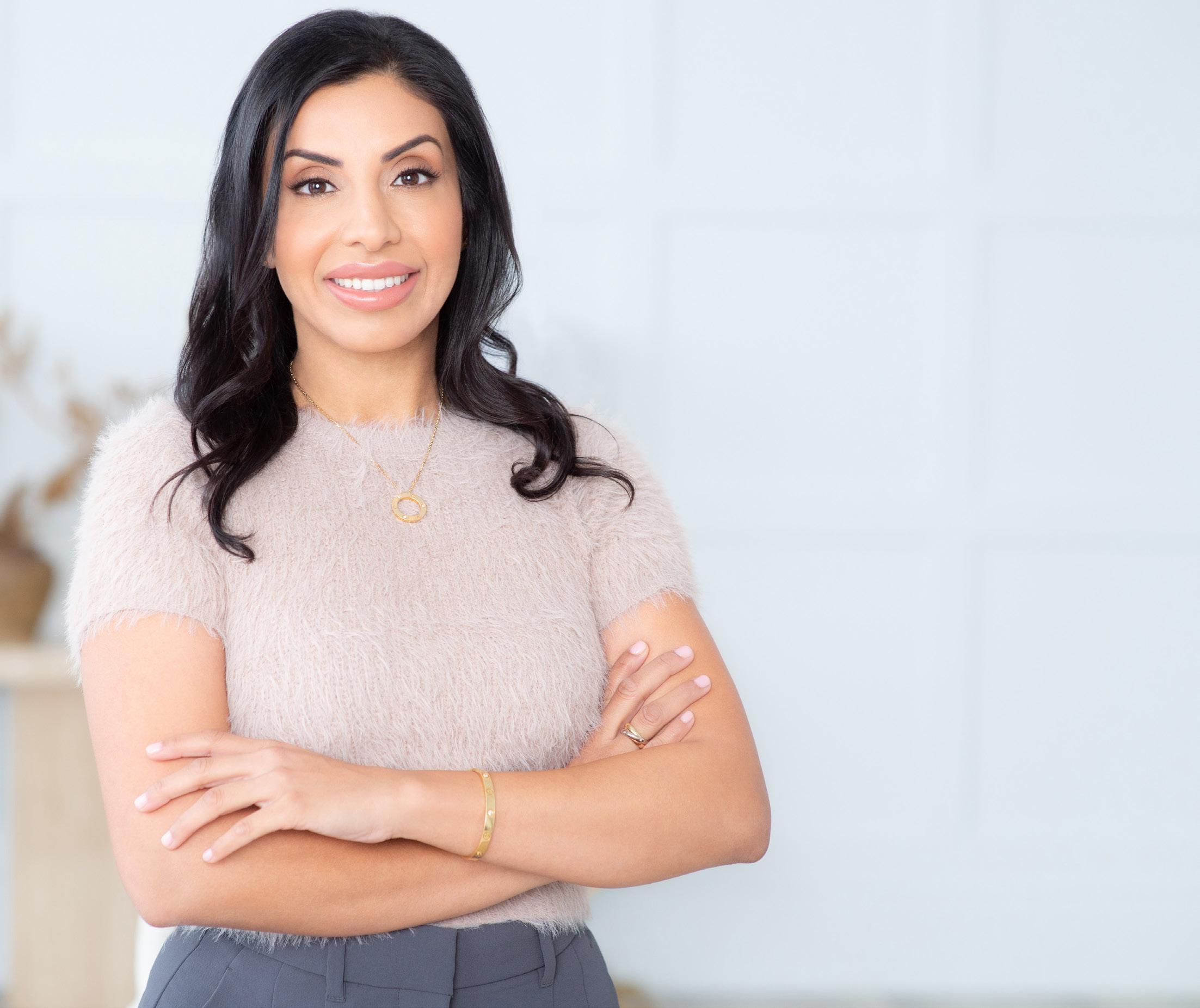
With over 18 years of experience in mental health, counselling, rehabilitation, and personal growth, Angie Biln is a Registered Social Worker, Certified EMDR Therapist, Certified Life Coach, Clinical Supervisor, and Mental Health Consultant. Fluent in English, Punjabi, and Hindi, Angie provides culturally responsive, trauma-informed care to individuals, couples, and families navigating trauma, anxiety, depression, grief and loss, relationship challenges, self-esteem concerns, emotional burnout, and recovery from unhealthy or abusive relationships. Certified in Brain Injury Rehabilitation, she also has extensive experience supporting individuals recovering from concussions, acquired brain injuries, chronic pain, and complex trauma. Angie is registered to practice in British Columbia, Alberta, and Ontario and has worked extensively with motor vehicle accident survivors, first responders, youth, families, and individuals navigating significant life transitions. Her approach integrates EMDR, Cognitive Behavioural Therapy (CBT), mindfulness, inner child healing, strengths-based interventions, and somatic approaches to support meaningful and lasting change.
In addition to her clinical practice, Angie provides clinical supervision, mentorship, and consultation to social workers, interns, and allied health professionals. She is also a speaker, podcast host, media contributor, and educator who regularly appears on television and radio discussing mental health, trauma recovery, relationships, resilience, and personal growth. As the host of the Designed For More podcast and a facilitator of wellness retreats, workshops, and community initiatives, Angie is passionate about breaking cultural stigmas surrounding mental health, empowering women, strengthening families, and helping individuals move from surviving to thriving. Through her work, she continues to inspire healing, resilience, self-worth, and meaningful transformation within the communities she serves.