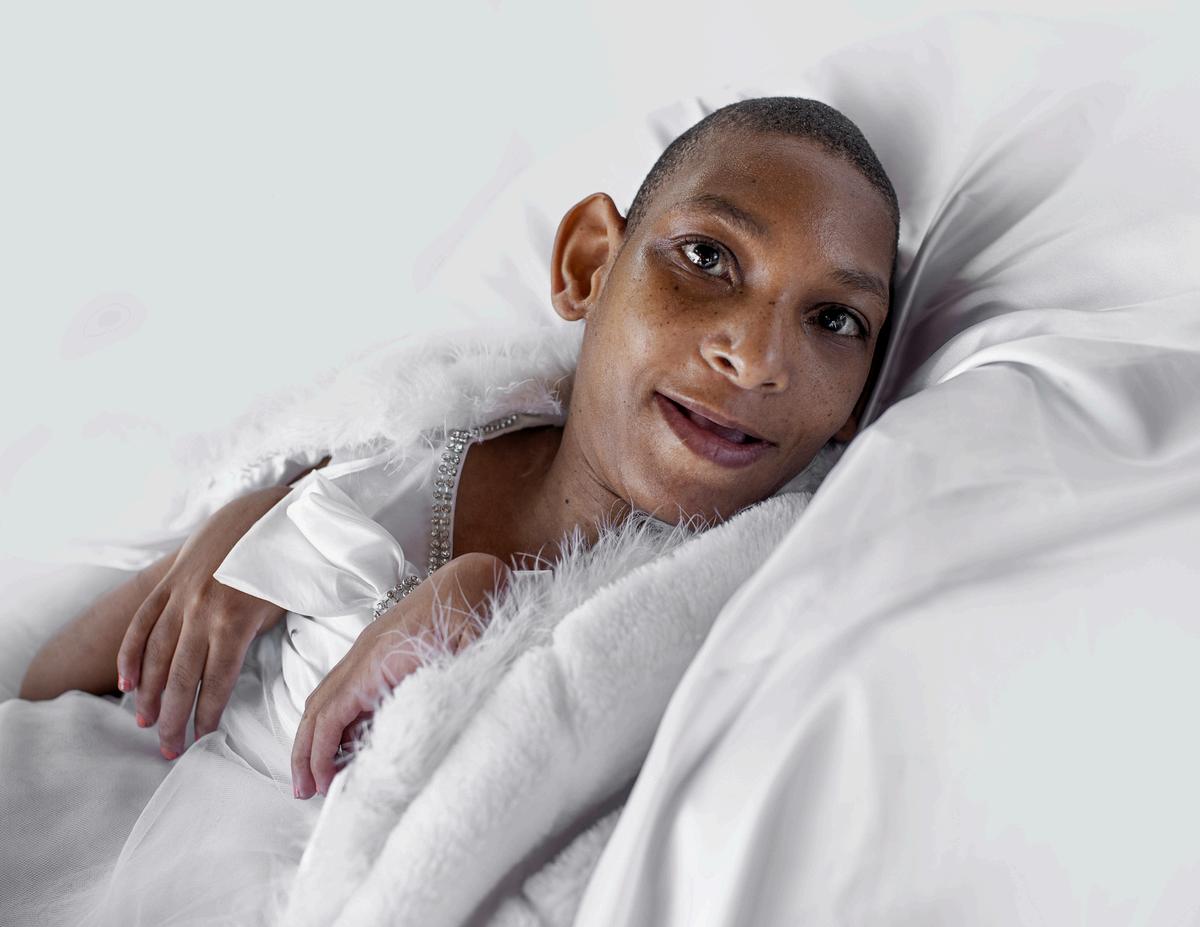
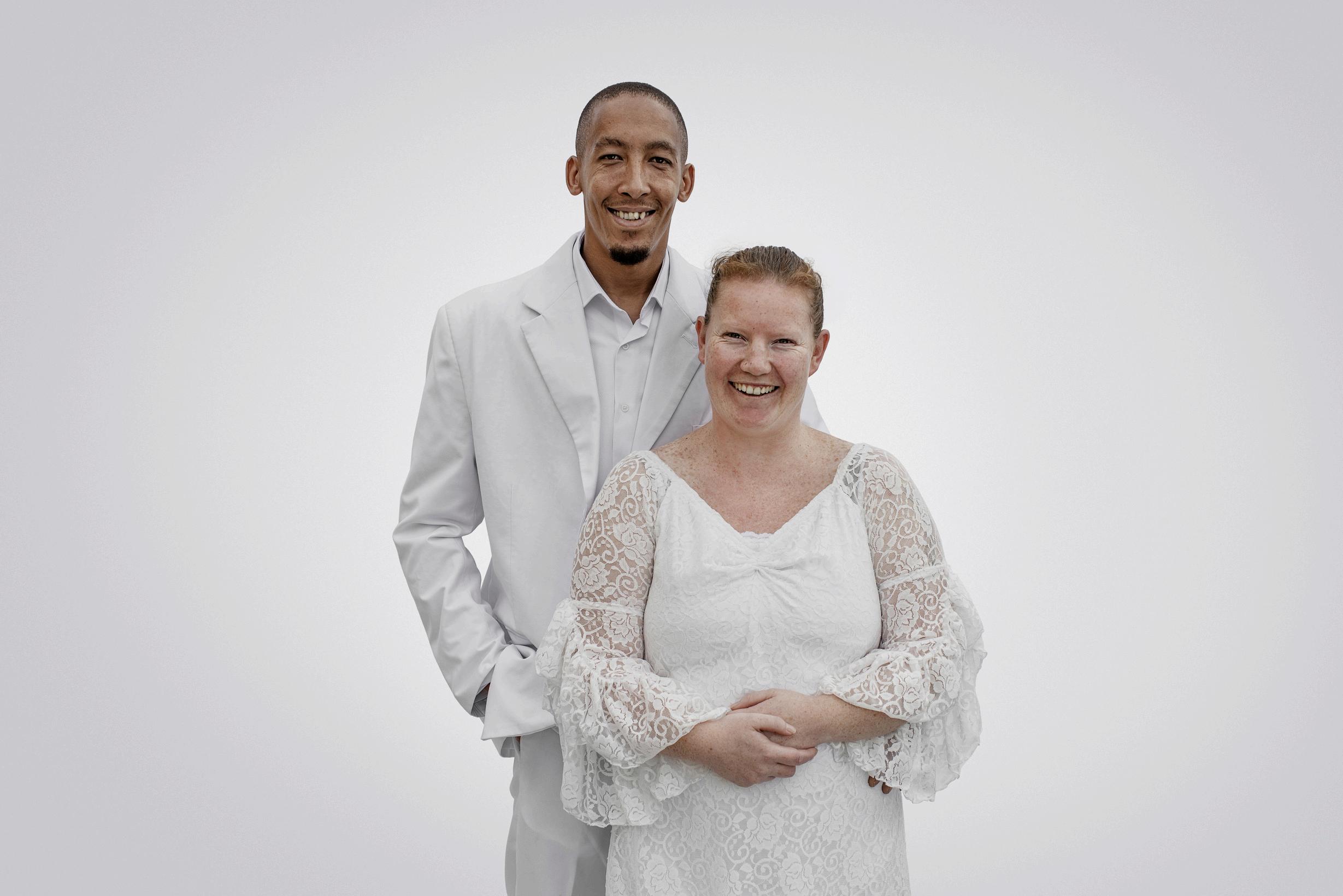
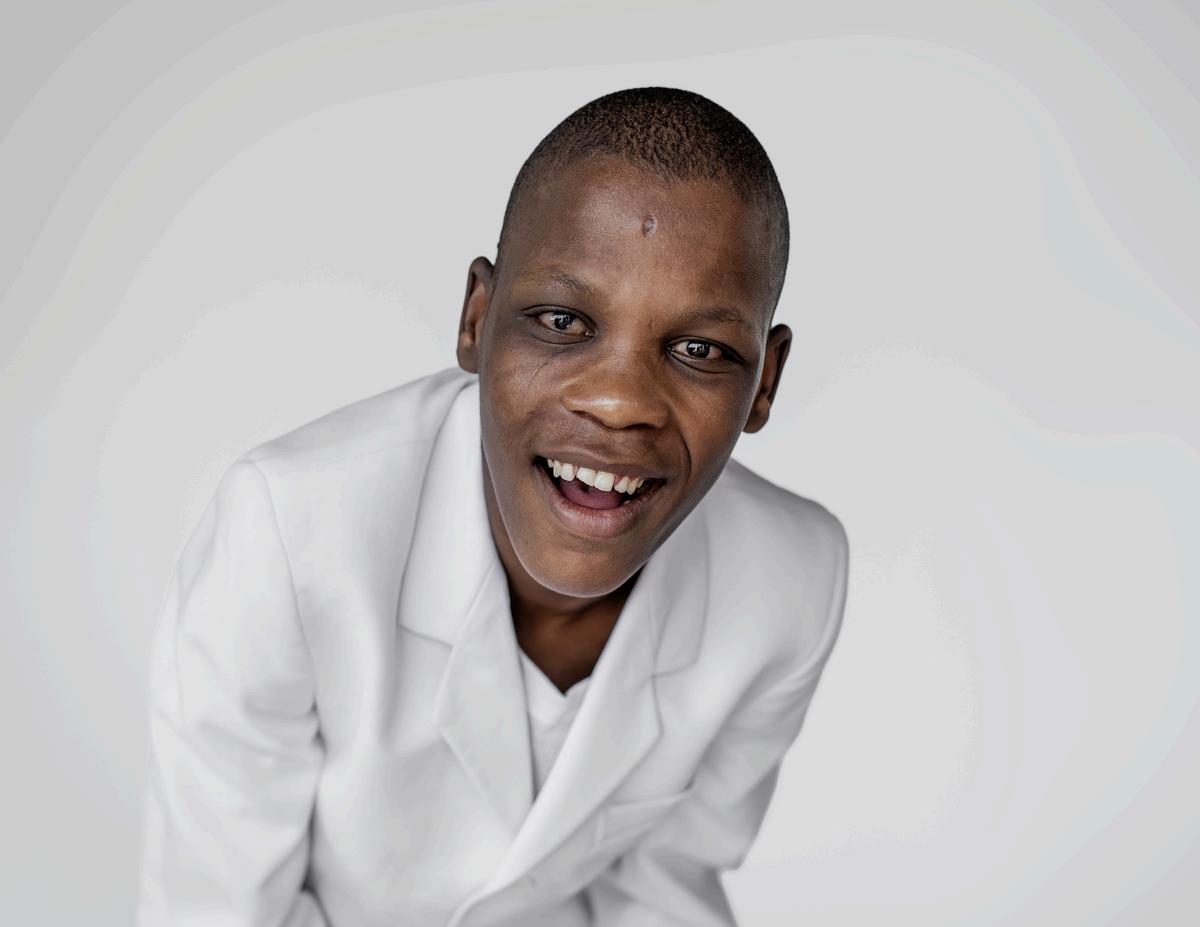
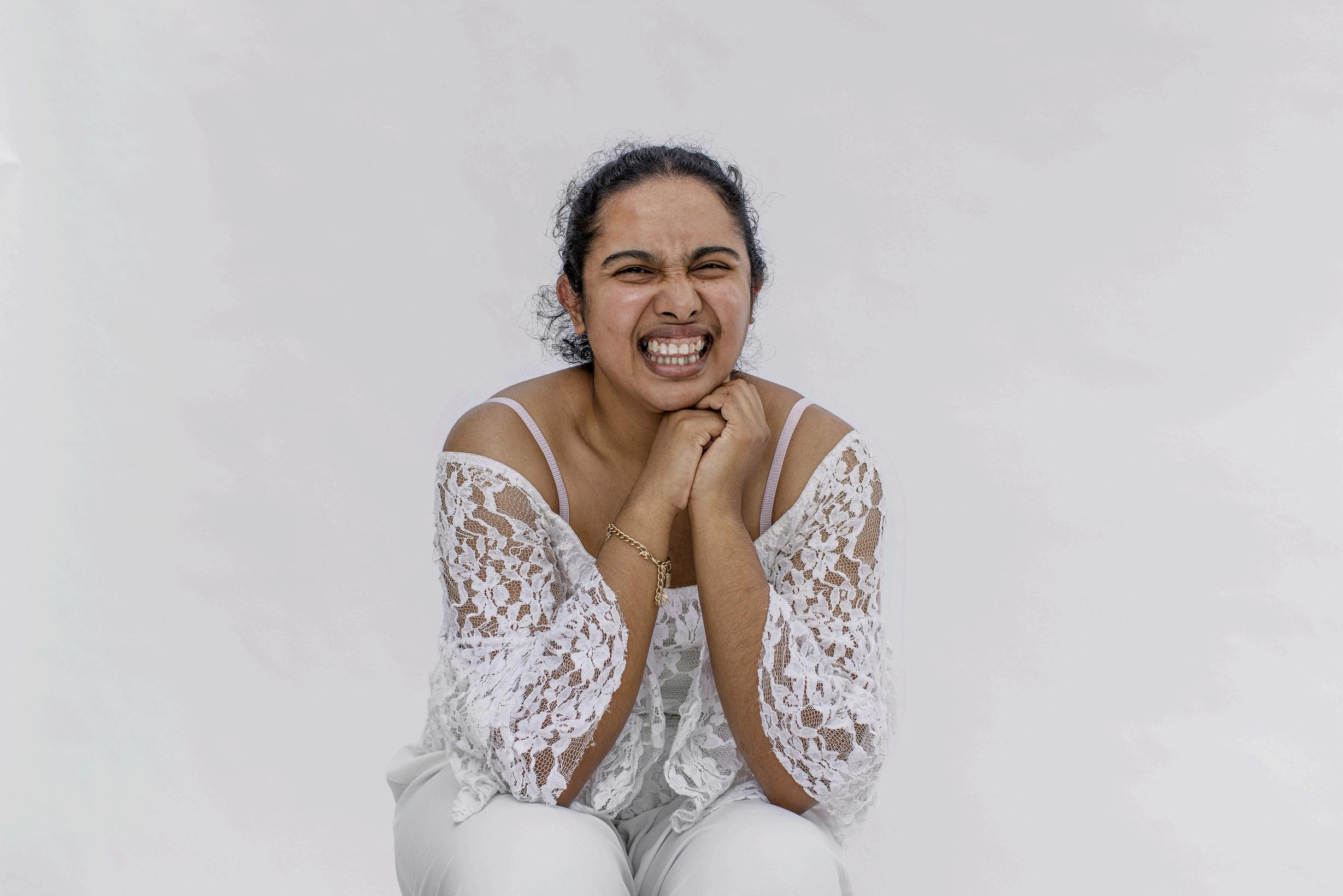
Intellectual Disability Awareness Month (IDAM) is observed annually in March. In 2026, the SA Federation for Mental Health (SAFMH) will focus on the theme “My Safety, My Right, My Grant: Understanding the Vulnerabilities of Young People with Intellectual Disability and their experiences in accessing social assistance”, with the aim of emphasising the rights of young people with intellectual disability (ID) to live safe and dignified lives, where they are included in society, and to access social assistance in the same way as other persons with disabilities
The campaign will aim to raise awareness of some of the vulnerabilities faced by young persons with ID, advocate for fairer access to social grants, employment opportunities, and justice We also highlight the importance of community-based mental health care and the support these organisations provide to young persons with ID
Throughout IDAM, we will share stories, quotes, and the lived experiences of young persons with ID [roughly aged 18 – 25 years old] to ensure that their experiences are heard in their own words. We will also raise awareness about the support services provided by our Mental Health Societies (MHS) to young persons, including promoting safety, employment opportunities, accessing social grants, and accessing justice.
Introduction
Persons with ID make up 1.74% of the global population. In South Africa, approximately 4 out of every 100 people are affected by some level and form of ID. ID remains one of the most overlooked types of disabilities in South Africa.
Persons with ID are likely to experience higher poverty rates and face marginalisation, stigma, and violence; this also includes young persons with ID.
Young persons with ID continue to face multiple and intersecting vulnerabilities, such as exposure to violence (including sexual violence), abuse, barriers to employment, and limited participation in decision-making.
It is important to note that young persons with ID are not only vulnerable due to their diagnosis, but also due to the social and structural environments that they often have to navigate.
YoungpersonswithID andtheriskofabuse
Young persons with ID are two to six times more likely to experience sexual abuse than their peers without ID, and are less likely to report it.
Persons with ID are at risk of experiencing various forms of abuse, including personal or property crimes, bullying, financial abuse, and physical and sexual assault. Young persons with ID are especially vulnerable due to limited communication and social skills, dependence on caregivers, frequent caseworker changes, and a lack of sexual education.
Cape Mental Health Deputy Executive Director, Carol Bosch, says that experience has shown that most abuse is inflicted by someone known to the survivor, sometimes even someone in the household
Young persons with ID face risks of violence in many different settings, but they often find it hard to recognise these dangers especially if they’re not
YoungpersonswithID andtheriskofabuse
It is very important to provide clear, accessible information and training about abuse and violence to young persons with ID This kind of education should be designed to fit the needs of young persons with ID, be ageappropriate, and carefully evaluated.
Programmes aimed at helping prevent sexual abuse should cover topics such as:
Sexual reproductive health
Self-assertiveneness
Consent
How to identify abuse
There is a need for more research on the risks of abuse and violence faced by young persons with ID. Collecting accurate data is challenging because definitions of abuse vary, and people understand it differently
Another concern is the reliance on others to report abuse on behalf of
Spotlight: AccesstoJustice ProgrammebyCapeMental
Health
Many young people rely on caregivers to speak up for them, but caregivers may not always know about the abuse, or could even be involved themselves Because of this, young people with intellectual disabilities often struggle to report harm and access justice
An intervention that has been shown to be effective in addressing this issue is Cape Mental Health’s Access to Justice (ATJ) programme. The programme was started over twenty years ago in response to the need to provide access to justice for persons with ID who had been sexually abused. Through upholding Section 9 of the South African Constitution (‘everyone is equal before the law and has the right to equal protection and benefit of the law’), ATJ promotes inclusivity and societal change for persons with ID, breaking systemic barriers and discrimination, and enhancing prevention and response efforts.
For 2025, ATJ conducted 71 psycho-legal assessments, including urgent cases from the Eastern Cape. Each assessment is adapted to the survivor’s needs, so that they may share their story safely and with dignity
ATJ focuses on protecting survivors from harm while ensuring their voices are heard in court Recommendations based on experience gained through running this programme include using intermediaries, closed hearings, or delaying testimony until survivors are ready Survivors are supported with reminders, flexible appointments, and follow-ups.
YoungpersonswithID andDisabilityGrants
In South Africa, you can apply for a Disability Grant, which is a form of social assistance aimed at providing income replacement and basic needs support for people who are unable to work due to disability.
It is important to recognise that persons with disabilities are vulnerable to being exploited due to their disability grants.
Researchers state that, due to inequality, job scarcity, and poverty in South Africa, persons with ID who receive disability grants are often the breadwinners in their homes, resulting in the grant being used for household expenses
YoungpersonswithIDand DisabilityGrants
In 2024, SAFMH consulted with its community-based partners (Mental Health Societies) as part of a research project that had been commissioned by the National Department of Social Development (DSD) to inform a new social assistance policy for the Child Disability Grant and Disability Grant
Requirements to apply for the Disability Grant include that people (South African Government, 2026) :
should be a South African citizen, a permanent resident, or a refugee, and they are living in South Africa at the time of application. should be between the ages of 18 and 59. should not be in the care of a state institution. should have a bar-coded, 13-digitidentity document. should not be earning more than R86 280 if you are single or R172 560 if married.
should not own assets that are worth more than R1 227 600 if they are single, or R2 455 200 if they are married. should undergo a medical examination, during which a state-appointed doctor will assess the person ’ s degree of disability
RELATED TO THE DISABILITY GRANT PROCESS, AS SHARED DURING A 2024 CONSULTATION
What Happnes Challenges
First visit, with a need to provide a psychological report, proof of residence, along with identity documents
The person goes to a state psychologist for assessment Only a psychologist recognised by the state can provide these mental health assessments.
People must queue in person to access and complete the forms, as there is no online portal available (to SAFMH’s knowledge)
There is little to no assistance from DSD to explain the lengthy forms or the required documentation
Late birth registrations and ID documents remain a challenge, and COVID-19 backlogs at Home Affairs continue to delay access to grants, despite some concessions from SASSA
The waiting period for these assessments is very long, sometimes up to a few months State psychologists are not readily available, while private psychologists tend to be expensive
The person goes to SASSA to apply for the disability grant.
The person goes to a clinic for an assessment by a SASSA appointed Department of Health (DOH) doctor (previously known as a district surgeon)
The person goes to SASSA’s office to obtain the results of their application
The waiting period to apply is exceptionally long, up to a few more months This is amplified when people seek services in rural areas due to fewer services being available
Another challenge relates to costs involved with the application process, and distances that need to be covered
Even when all the other steps have been completed, it can take several more months for the person to obtain a booking to be evaluated by the SASSA doctor
When a person goes for the doctor’s assessment and the disability grant is declined, the doctor does not inform the person that the grant was not approved The person needs to go to SASSA for their results, and this can be a long, costly process, as alluded to during the previous phases
It again takes more time, and people need to navigate more long queues in a space that is not always disability-friendly [for example, the buildings are not wheelchair accessible and don’t have ramps, and and there is often not enough seating ] Page 9
AdditionalChallenges
POOR COMMUNICATION
DSD should be more specific about who is eligible for social grants and what documents, processes and related steps are needed for which specific social grant The complexity of the application steps, coupled with unclear information, becomes overwhelming for vulnerable clients such as persons with ID. Additionally, poor communication and transparency following the application process result in people needing to make repeated enquiries about the status of their application[s]
APPLICATION PROCESS
Some persons, due to their intellectual disabilities, struggle to understand what is needed to apply for a disability grant. They then need to return to the queues at SASSA multiple times (again involving exorbitant costs), or they end up never applying for a disability grant as the process is too cumbersome and/or intimidating.
STIGMA AND POORLY TRAINED STAFF
Many district surgeons are not trained on ID. When a person looks presentable, the surgeon will often not approve their disability grant, and they might tell the person that they need to ‘ go find work’, because they are able to.
LANGUAGE BEING A BARRIER
Paperwork, including forms to be completed, should be suitable for the language of choice of the applicants, as not all people [with or without disabilities] understand or speak English.
TEMPORARY DISABILITY GRANTS
Persons with lifelong intellectual disabilities are often placed on temporary disability grants and must reapply annually, despite some having received these grants for more than 10 years already The renewal process is stressful, timeconsuming, and can be harmful to their mental health. Families supporting their relatives with ID with these processes report challenges, such as long waiting times at SASSA offices, missing work, transport costs, and financial strain, leading some to forgo renewing the grant altogether.
LivedExperience
A social worker from Zululand Mental Health in KZN spoke to one of their service users (*Thabo), a young person with ID, about the experiences and challenges young persons with ID face in accessing disability grants. Thabo was from the rural area of KwaBiyela outside of Empangeni.
The social worker asked if Thabo knew what a disability grant was, to which he responded that “ a disability grant is money that they receive every month to buy food”
Thabo told the social worker that he first heard about the disability grant when he started at the Siyazenzela Protective Workshop, which is run by Zululand Mental Health The protective workshop manager explained to Thabo that he would need to go for a medical assessment at Ngwelezane Hospital, and after seeing the doctor, the doctor would provide him with the forms to submit to Empangeni’s SASSA offices so that he could apply for a disability grant.
The social worker asked Thabo if they were receiving their grant now, and he told the social worker that he was receiving the grant monthly. Thabo explained that the protective workshop manager helped him with the process of applying together with his uncle, who would accompany him to his appointments
The social worker asked Thabo what the hardest part was in accessing the grant: he stated that even though he was not hands-on with the process [because his uncle was assisting], he remembered the long queues at the hospital and the results of the assessments [as they would sometimes be rejected from accessing grants] Even after the process was complete, Thabo did not receive the grant in the following month because of the changing of the system from SASSA cards to personal bank accounts.
Thabo told the social worker that the grant helped him and his family to buy food, and clothes for him, and also paid for his funeral policy When asked what advice Thabo would give to other young people with ID, he said that they should be patient when applying for a disability grant and not mismanage the grant
*Thabo: pseudonym used to protect the young person’s identity.
Theroleofcommunitybasedmentalhealth organisations
When looking at challenges experienced by persons with ID, it is important to also acknowledge the importance that the role of providers of community-based mental health care plays, as this type of care brings mental health services and support closer to where people live, study, work, and socialise.
COMMUNITY-BASED ORGANSATIONS
EXPAND ACCESS TO CARE
COMMUNITY-BASED ORGANISATIONS
SUPPORT ACCESS TO OPPORTUNITIES
COMMUNITY-BASED MENTAL HEALTH ORGANISATIONS
IMPROVE SOCIAL AND HEALTH OUTCOMES
SAFMH’sCalltoAction
SAFMH believes that young persons with ID deserve to live safe and dignified lives, where they are included in society This means ensuring that they have fairer access to social grants, employment opportunities, and justice, and that they are free from abuse.
We believe that community-based mental health organisations have a vital role to play in protecting young persons with ID and addressing the vulnerabilities theyface, while ensuring that essential mental health, support, and care services are provided at community level
Whether it is assisting with disability grant applications, providing legal assistance for those who have experienced abuse, educating young persons with ID on consent, or providing life skills training and facilitating access to employment opportunities, community-based mental health organisations are already supporting young persons with ID and ensuring their inclusion in society
However, more could be done if government departments provided more sufficient funding and resources for community-based mental health. We specifically also call upon the National Department of Women, Youth, and Persons with Disabilities (DWYPD) to support the development and implementation of clear, accessible information and training about abuse and violence.
We also call on the National DSD to work with the DWYPD to sufficiently address the barriers, challenges, and gaps raised in the commissioned research study from 2024 (NOTE that the report on this study is still due for publication), including:
Have a separate SASSA line or designated day only for people with intellectual disabilities, especially children, as they cannot cope with queues and cannot be left without caregiver support and guidance
More accessibility to information in terms of documentation needed, the process of application, and clarity on expected waiting periods for improved management of beneficiary distress
The introduction of an electronic application process, where forms can be completed online.
Specific persons at SASSA are to be trained and allocated to work with persons with intellectual disabilities to fast-track the process and to prevent delays
We also call on government to ensure the implementation of the National Mental Health Policy Framework 2023-2030, wherein it is stated that there will be an intersectoral approach when it comes to the inclusion of persons with ID “in general community life, such as access to: education and skills development; income generation opportunities for users, and reasonable accommodation provisions in the workplace” (page 26). SAFMH insists that all government departments commit to including youth with ID in this approach
Throughout IDAM, we will share stories, quotes, and the lived experiences of young persons with ID. We will also raise awareness about the support services provided by our Mental Health Societies to young persons with ID.