$29.00 CDN plus tax per year or $49 US per year. (11 issues)
Reproduction of any materials without written permission from the editor is prohibited. Opinions and statements expressed in this publication are not necessarily those of the editor.
THE COVER
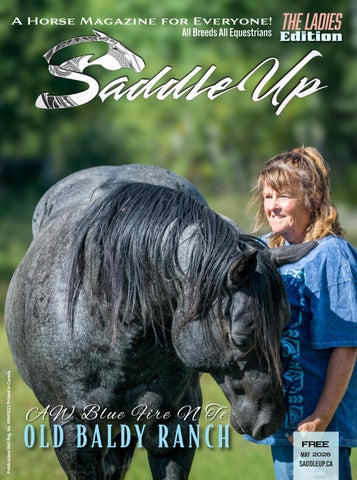
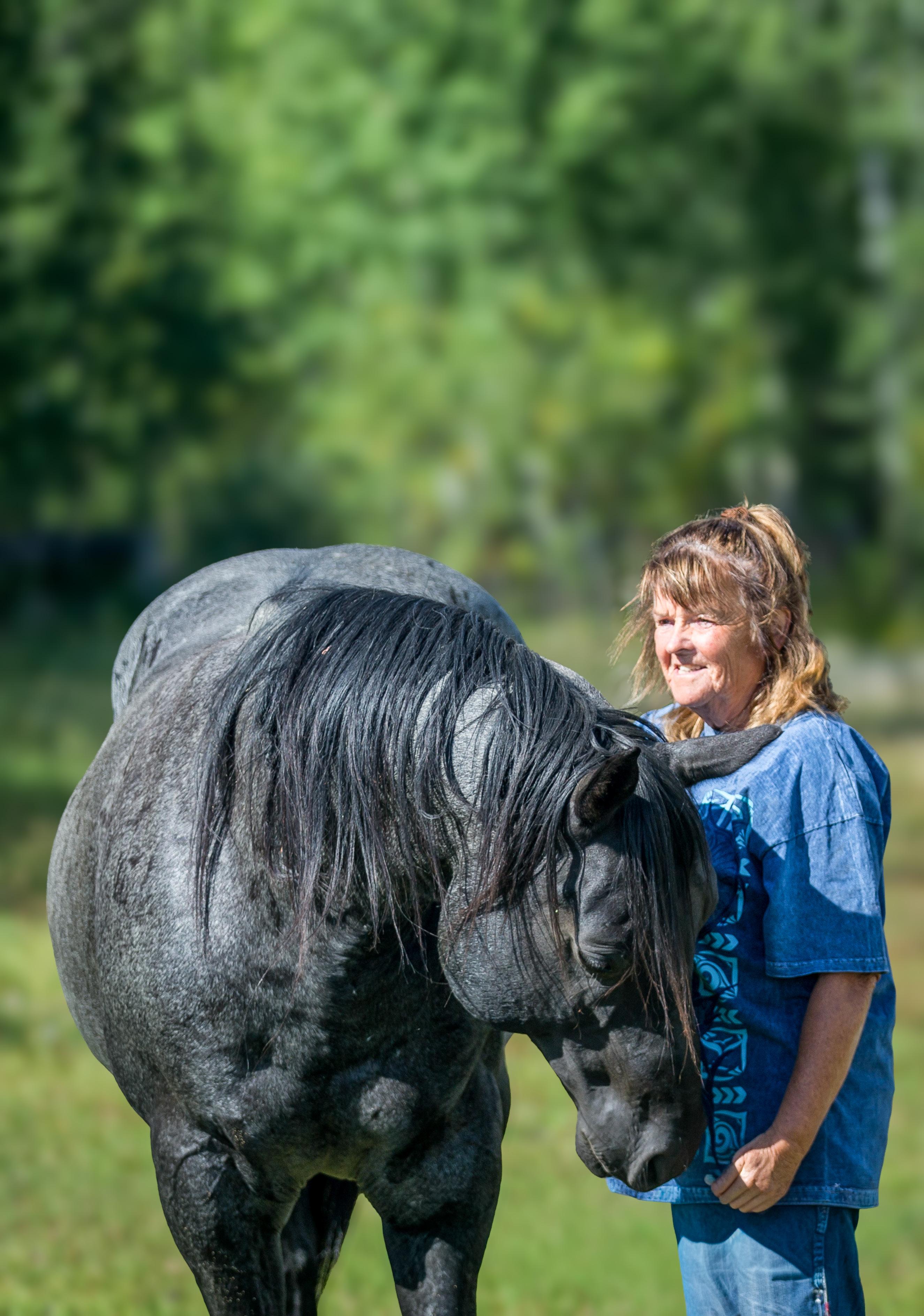
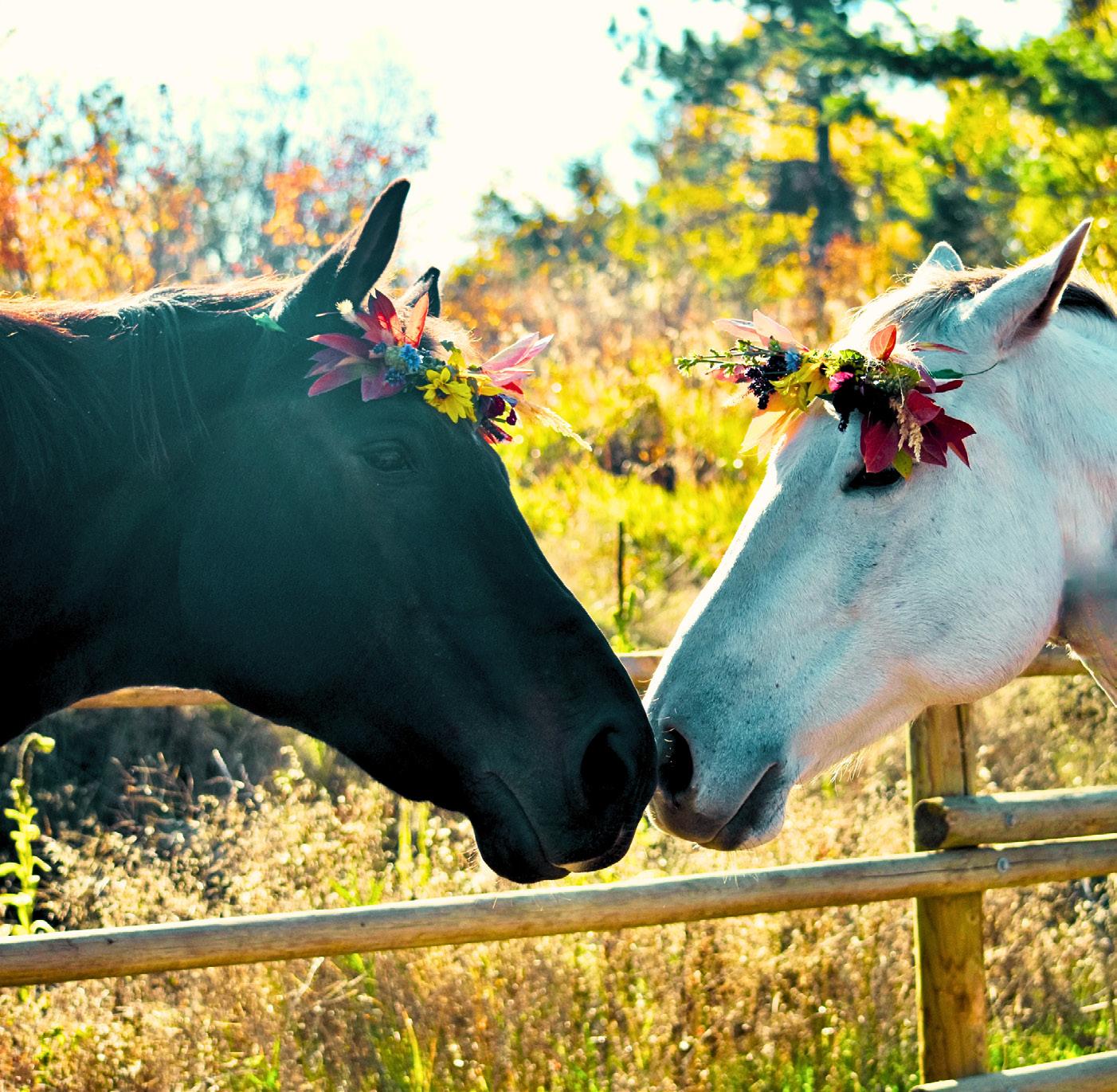
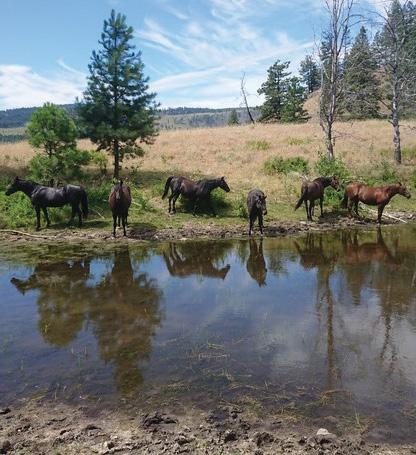
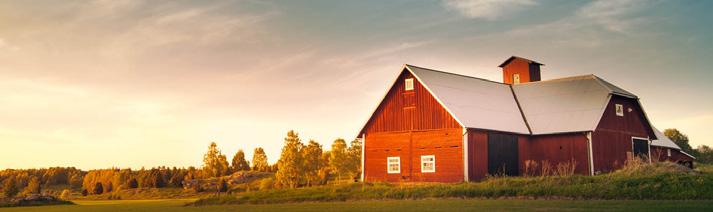
Old Baldy Ranch, see page 5 for more info. Visit northern horse.com/oldbaldy/
ISSUE GRAPHICS
FROM THE EDITORS
NOTE
Welcome to our first annual Ladies Edition— celebrating women and their horsemanship. The horse industry is filled with incredible women who deserve the spotlight, and this issue is just the beginning. We’re excited to share their stories and look forward to featuring many more in the years ahead. Inside, you’ll meet a group of inspiring women making their mark across disciplines— each with a story worth telling. From arena to community, their dedication continues to shape the industry in meaningful ways.
This issue In "Life After the Crown", Laureen James reconnects with rodeo queens past and present as they reflect on their experiences beyond the crown. She also speaks with the Queens’ Alumni Association, established by Calgary Stampede Royalty—a group rooted in a shared commitment to community and western heritage. Together, these stories highlight the lasting impact these women have in the horse communities.
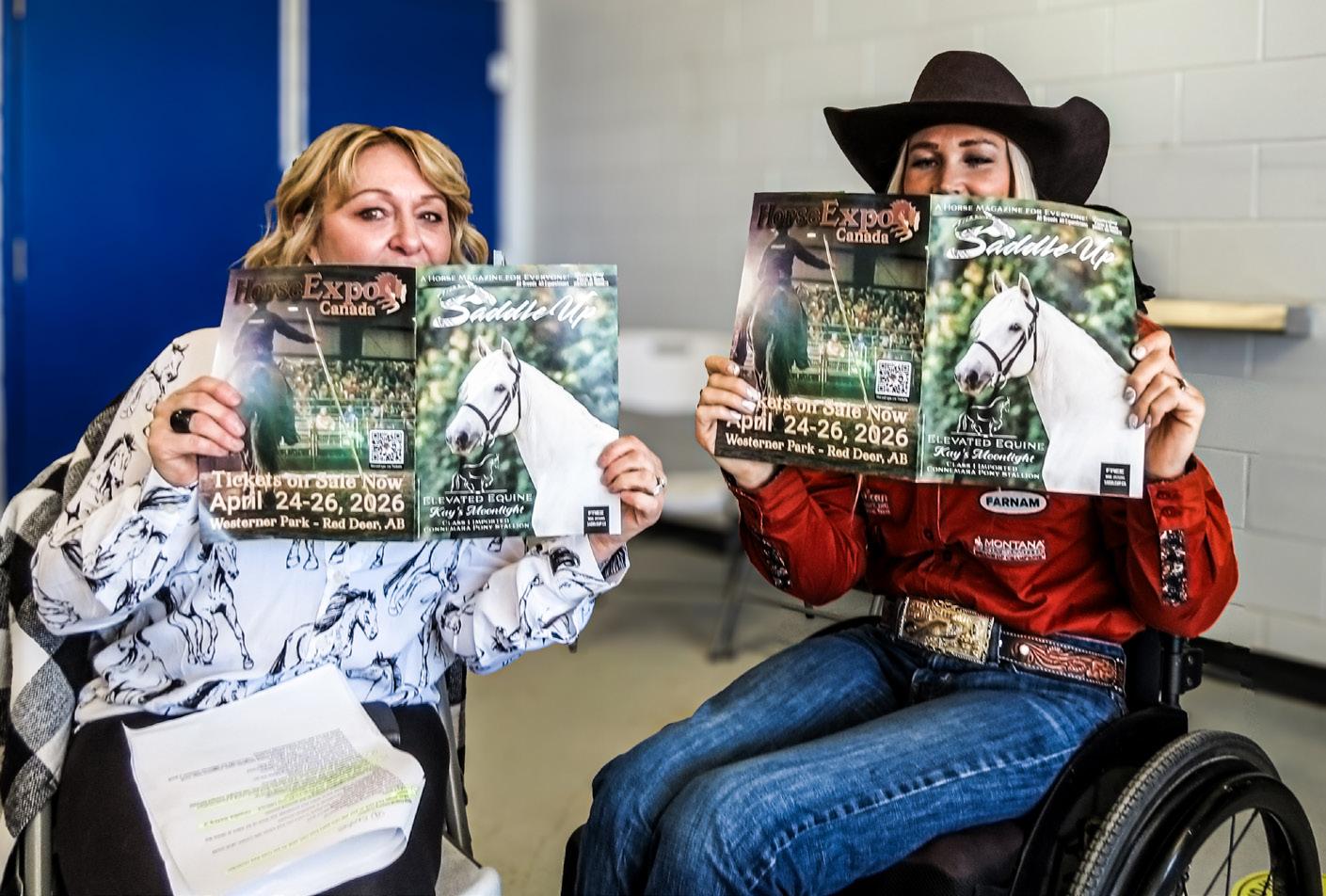
We’re also proud to feature a special sit-down by our writer, Nicola Cocorocchio, with the inspiring Amberley Snyder, captured during the 2026 Ontario Equine Expo—an interview you'll enjoy!
Thank you to all the women who participated, and to the clubs who submitted their special ladies! Happy reading—and happy riding.
Tass & Ruby
All of our Ladies Features, Nicola Cocorocchio, Mad Barn Canada, Laureen James, HCBC, BCHBC
COVER PHOTO
Saif Patel
Designed by Saddle Up
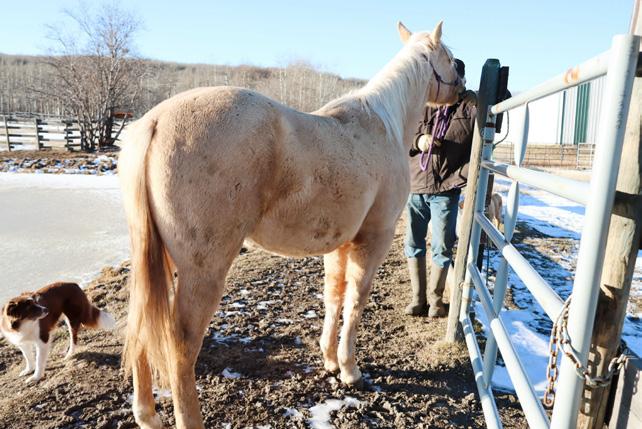
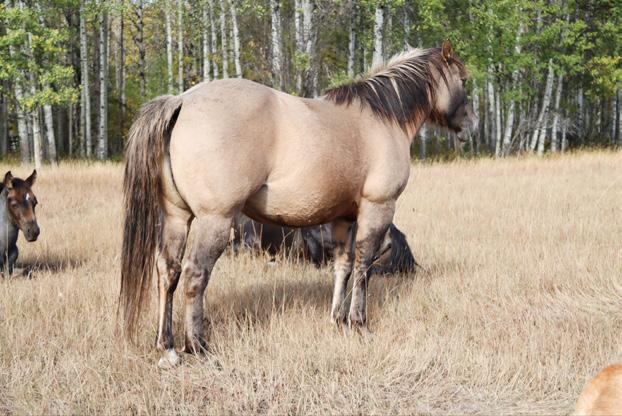
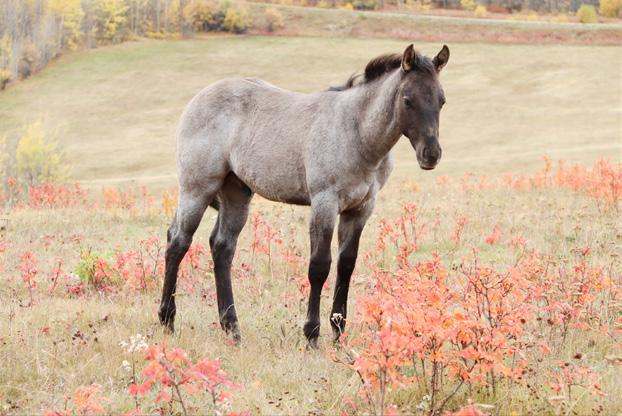
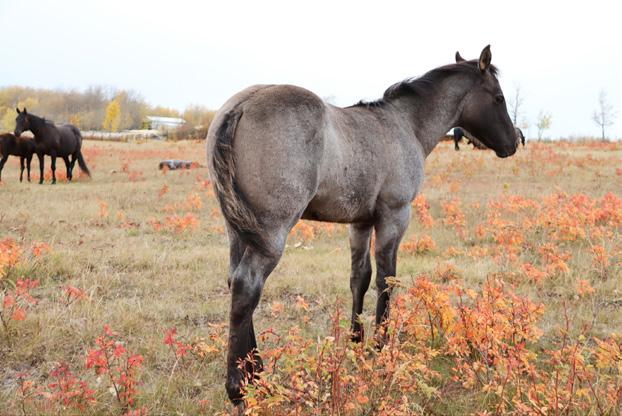
BALDY RANCH
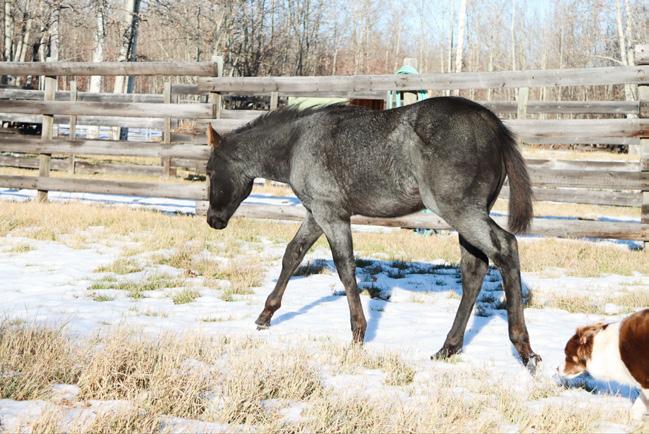
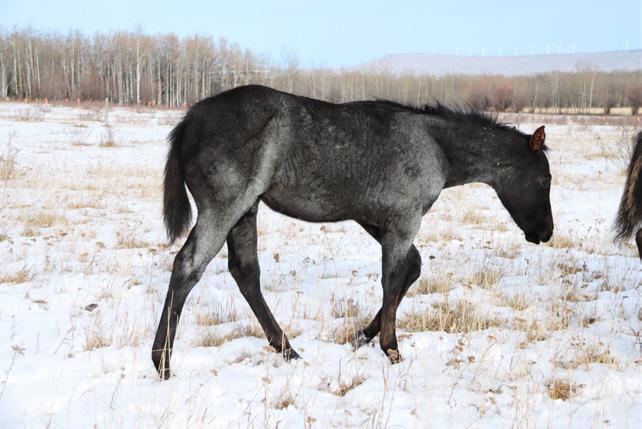
Mork blue roan yearling colt
UNO 2yr old colt ready to start
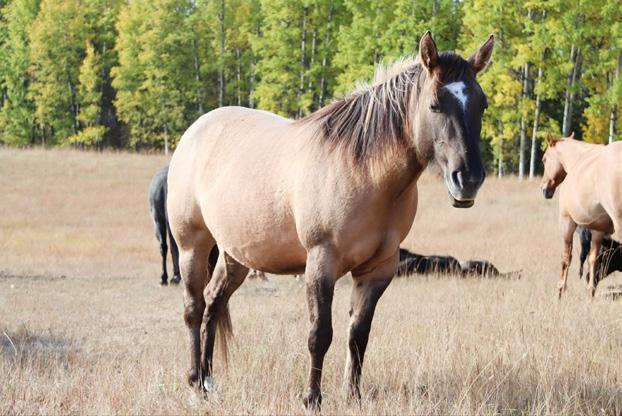
Tinman yearling grullo colt
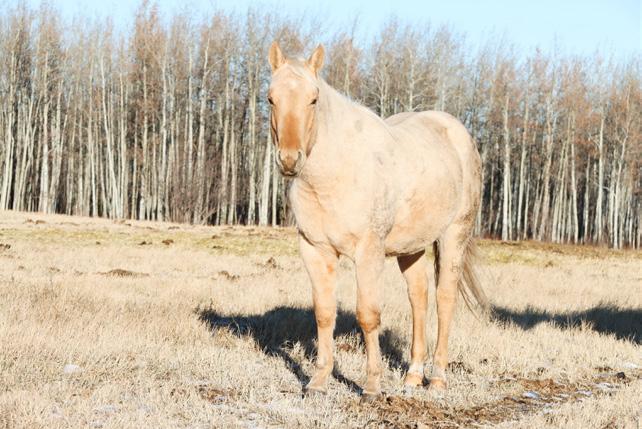
Sonora NFQH 100%
to Axels & Steel Dust
A A Q Q & &
With Jessica Artman, MSc, Mad Barn Expert Equine Nutritionist
Mad Barn’s high-performance nutritionist and social media manager, Jessica Artman, is often the first point of connection between the brand and the online equestrian community. With her background working in top-performance barns and a career in academia, she’s focused on making equine nutrition science practical and usable, whether through a quick graphic, a short video, or a behind-the-scenes look at life with high-performance horses.
What’s your role at Mad Barn, and what do you love most about it?
I have two roles at Mad Barn that often overlap. I manage our social media accounts and work directly as a dedicated nutritionist for high-performance equine athletes. My background as both a college professor and a groom for top professionals uniquely prepared me for this role. I love teaching and translating science into practical information through graphics and videos. At the same time, I have deep admiration for elite horses and a strong desire to support them at the highest level.
What led you to specialize in equine nutrition?
I have always been passionate about supporting the elite equine athlete. Early in my career, I specialized in exercise physiology, maintaining fitness, reducing fatigue, and improving recovery. Nutrition plays a huge role in those processes, so naturally, I started focusing on nutritional ways to support exercise. I also saw a gap in how science is translated into practical strategies riders could actually understand and implement. That led me to work with high-level riders to better support their horses from the inside out.
How did your path bring you to Mad Barn?
I had been feeding Mad Barn products to my own horses for several months and was impressed by both the quality and value. Around the same time, I was looking to transition out of my teaching role and into a position where I could work more directly with equine athletes. Mad Barn aligned perfectly with what I was looking for.
What horse do you ride, and what disciplines do you participate in?
I have a big, goofy OTTB named Ben that I event with. He keeps me on my toes but always has my back out on course. Lady is my Quarter Horse, and I’ve owned her for 16 years. She’s followed me across the country and taught me the fundamentals. She’s done everything from cutting to jumpers and allowed me to explore my love of horses. Patrick is my homebred two-year-old out of Lady. He’s a clown and keeps me laughing. His absolute love of water makes me think he’s an eventer at heart.
What is one Mad Barn product you’d never want to be without and why?
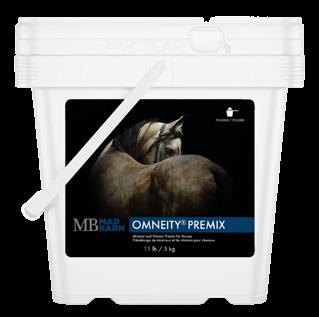
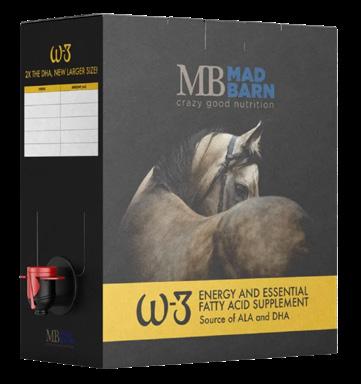
It’s hard to choose between Omneity and W-3 Oil; all of my horses are on both. Omneity serves as their nutritional foundation. For Lady, who is retired, it balances her hay without needing grain. For Ben, it fills nutrient gaps that grain alone doesn’t cover. W-3 Oil supports all life stages. It was invaluable for Lady’s reproductive health and continues to support her as she ages. It’s been important for Patrick’s development and helps Ben maintain weight during competition season.
What inspires you most about working with horses?
Their willingness. They don’t know their value or their potential. When a horse and rider truly connect, there’s very little that horse won’t do. That partnership inspires me to provide the very best nutritional support possible.
What is the best piece of horse advice you’ve ever received?
While interviewing a riding school owner about rider anxiety, she smiled and said, “First, we’re already winning by being around horses. Second, we’re not trying to cure cancer.” It was a simple but powerful reminder that it’s okay to make mistakes. Smile, give your horse a scratch, and move forward.
If your horse had a job at Mad Barn, what would it be?
Ben is essentially already employed as our social media superstar. He patiently stands for multiple takes while I film educational content. Lady would be head of HR, a no-nonsense leader who ensures everyone follows the rules. Patrick would be the enthusiastic intern. He has the best intentions, but his execution sometimes leaves us all scratching our heads.
Jessica and 5* Show Jumper Sean Jobin, Jessica is the nutritionist for Sean’s horses.
Don’t Let Gut Issues Hold Them Back
Poor Appetite
Girthiness
Loose Manure
Poor Coat
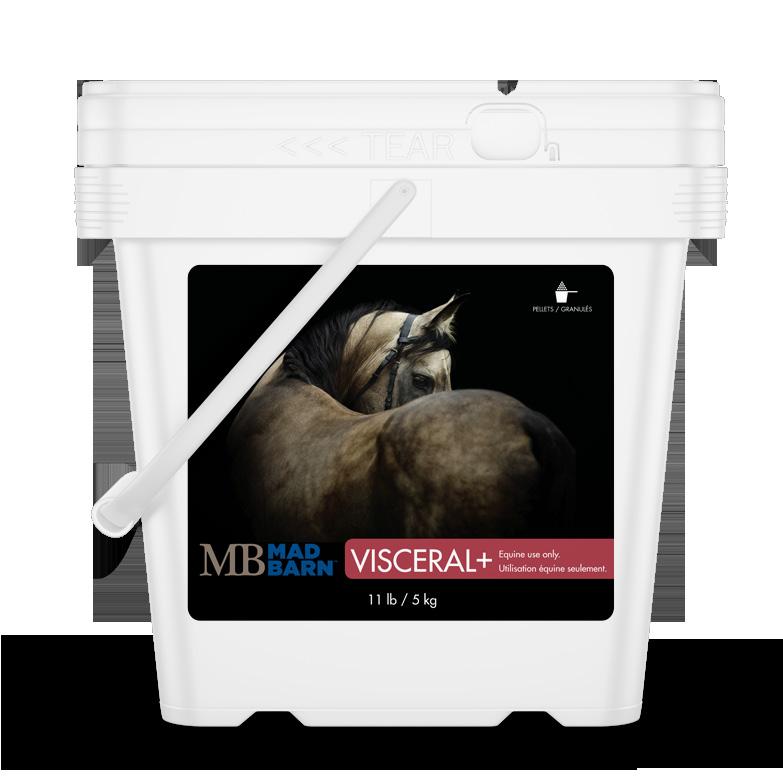
VISCERAL+ Competition-ready gut support
The
Tea Di Lillo Tea Di Lillo
Tea Di Lillo is an equestrian trainer, riding coach, and the founder of Qualitea Equine. Her approach is defined by positivity and intention, guiding horses and riders toward their goals through thoughtful, progressive steps. Working with horses and riders from all walks of life, she is known for her compassionate, inclusive approach and her commitment to supporting both horse and rider with respect, kindness, and genuine care.
How
did you
first become involved with horses?
When I was about 6/7, I was put in a horse summer camp and was instantly hooked—so hooked that when the bus came by to take all the kids back home on the last day of camp, I missed it because I was saying goodbye to my horse. My poor dad had to drive all the way out to pick me up, haha.
Who or what has had the greatest influence on your approach to horsemanship or your work with horses?
There are many fantastic people that have taught & left their mark on me throughout the years, and I owe them all a lot of thanks... But if I were to pinpoint “The Greatest Influence,” I would have to say my very first horse—Desperado. My family unintentionally (as green horse people do) bought me a very troubled colt, and so right from age 10—over the moon excited to finally have my own horse—I began taking a big interest in training techniques/books/videos because I realized very quickly that I did not have the skills & knowledge to communicate properly with my own horse. He really kickstarted everything for me.
What does good horsemanship mean to you?
I think someone who works with horses and who puts respect and understanding of the horse first over everything else. Horses owe us nothing, yet they are incredibly benevolent and giving. Good horsemanship, in my opinion, is handling your horse in a way that consistently builds their trust in you, and that happens with time, consistency, and mindful, genuine intention. There are so many expressions of this, but I’ll give a few examples: Taking the proper time to condition your performance horse… Finishing only 15 mins into your ride because your horse finally figured out what you wanted… Exposing your horse to pressures in realistic scenarios for them so that they build regulation skills & seek you in times of stress… Getting off when you become emotional and packing your ego up when things are not going in the direction you wanted… I could go on!
What is next for you in either horse sport or your work with horses?
I plan to continue to compete in the sport of working equitation and someday ride in the masters class! I am an assistant coach to the Calgary Stampede Show-riders team as well, so I will be continuing to help develop that team. I’ll be riding colts, teaching lessons, podcasting, and finishing horses somewhere in there too!!
Looking ahead, what impact or difference do you hope to leave for the next generations?
I think inclusion & encouragement. There’s a lot of gate keeping in the horse world and a lot of “If you weren’t born into it/if you haven’t been doing this for 20 years, you don’t belong/your voice matters less.” I want to be the mentor/coach that lifts people up and leads by example. If you care about horses and want to be a part of the horse world, you deserve that, and I plan to include and encourage everybody I can.
Amber L’Heureux Amber L’Heureux
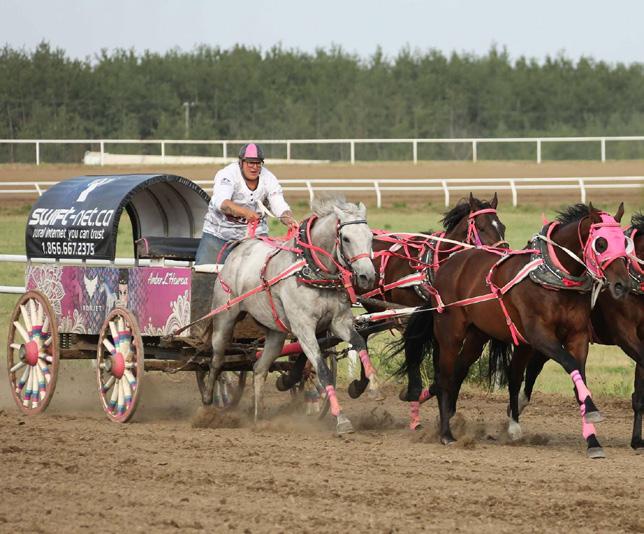
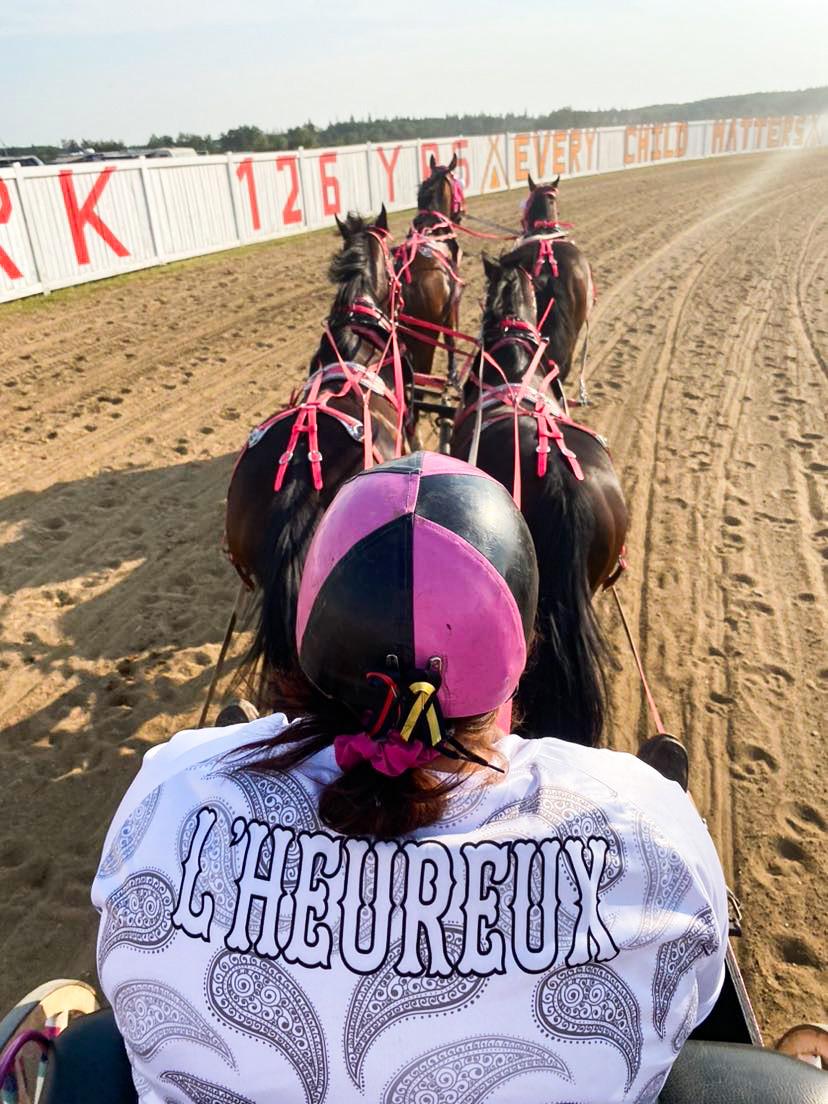
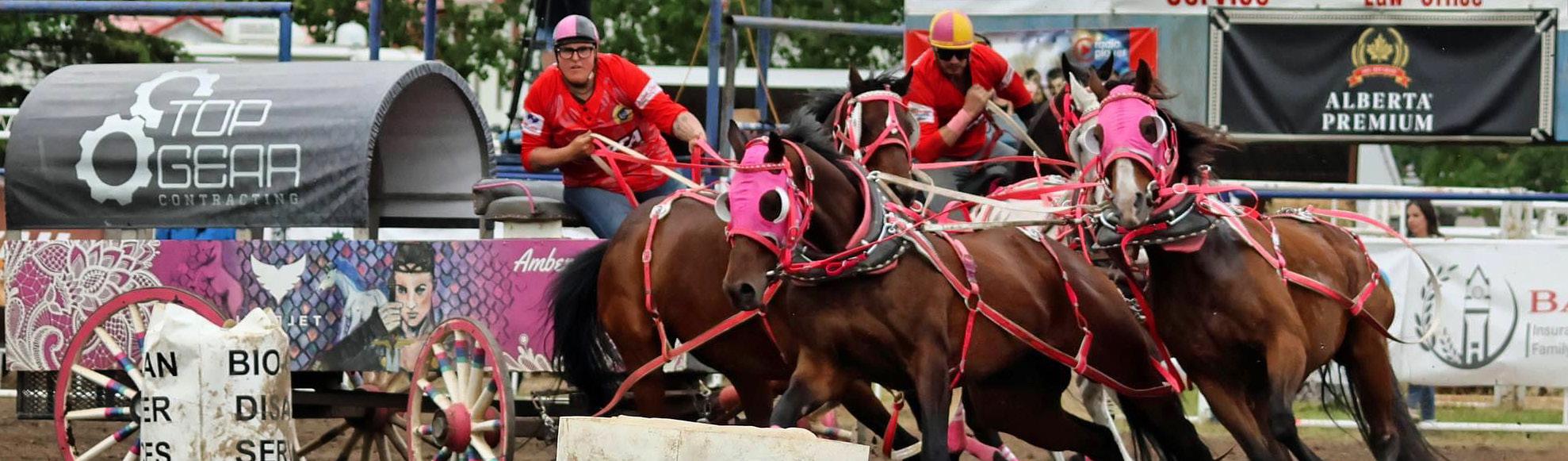
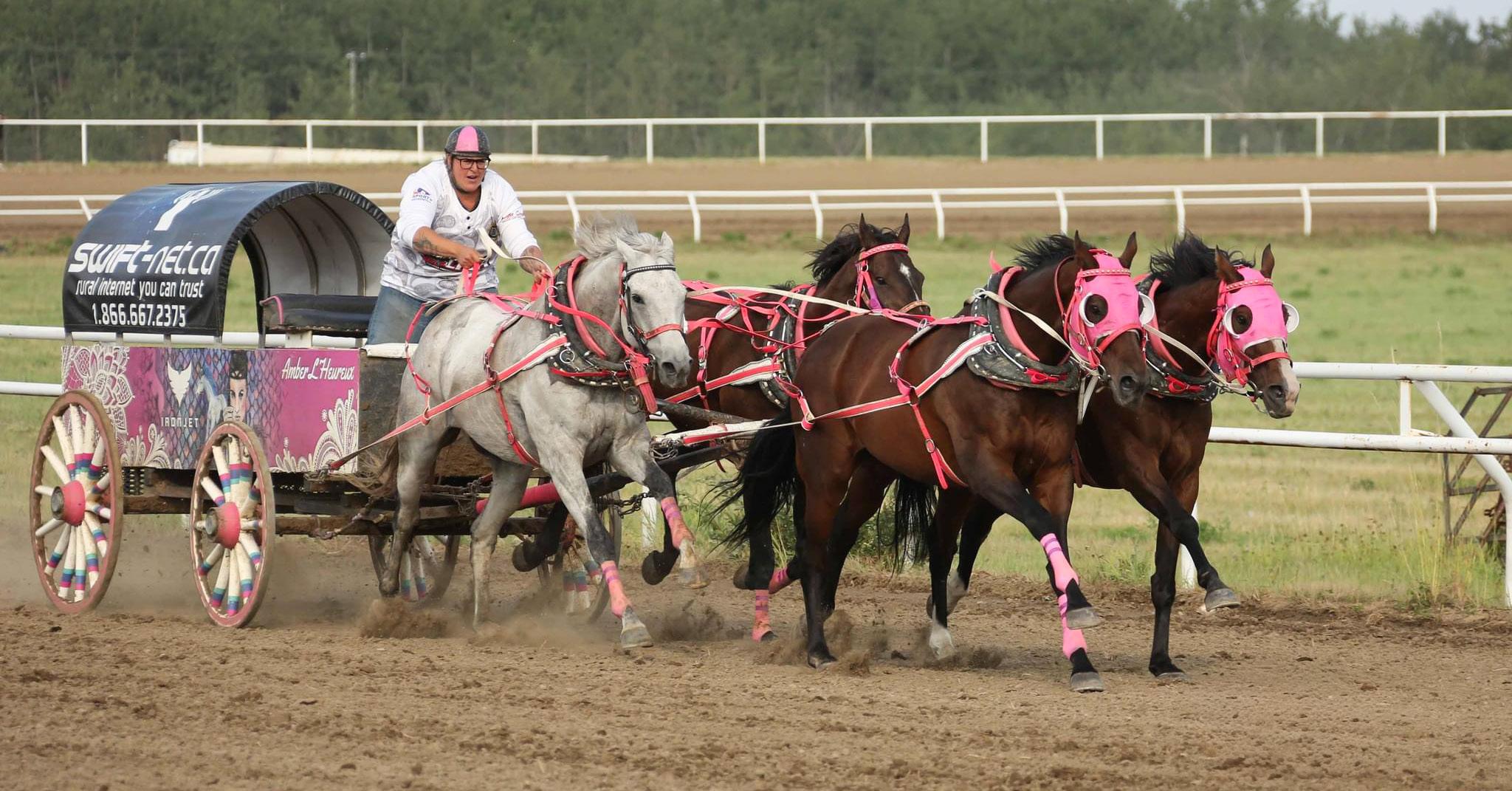
Amber L’Heureux made history and changed the Canadian Professional Chuckwagon Association (CPCA) forever when she became the first female driver in the association. She arrived in 2019 and quickly became known as “Team Pink,” rising to become one of the most popular drivers on the circuit.
“For many years, I had the pleasure of watching L’Heureux race from the front stage at the CPCA Finals in Lloydminster. You didn’t have to be watching to know when she made a strong turn—the crowd’s roar said it all. With Amber, it was different. Fans weren’t just cheering; they were willing her to win. Team Pink merchandise was always the most popular, with both young boys and girls.” — Kurt Price, Live with Kurt Price
How did you first become involved with horses?
I first became involved with horses as a child, as both of my parents raced pony chuckwagons and chariots growing up. In my younger years, at 3 months old, I was on the road with my parents, and those were summers growing up. I did gymkhana, and my parents had a hard time keeping me off the back of a horse as a child until I was able to race. At 14 years old I was old enough to drive pony chariots, and at 16 I got to start driving pony chuckwagons. At 25 I made the move to racing professionally in the CPCA and became the first female to ever race chuckwagons professionally.
Who or what (can include a horse) has had the greatest influence on your approach to horsemanship or your work with horses?
There have been a lot of horses over the years that have shaped me into the horsewoman I am today; however, if I had to pick just one horse, it would be Tappy. I first met Tappy, or Estiquaa, when I was working as a groom at Turf Paradise in the winter of 2017. He was a big grey monster that was a son of Tapit that my boss at the time claimed and brought to our barn shortly after I had started working for her. Even though I had been around horses my entire life, I was still pretty green as a groom, and yet Rodi still assigned Tappy to me. I was warned by other grooms about his demeanour and how he had previously hurt a few other people, but I took him on like any other horse I had previously and just treated him with respect until he showed me otherwise, which he never did. I was in a rough spot in my life when I went down there to work, and day by day Tappy started to remind me of my ability to work with horses and how one person and environment can have such an impact on a life. Day by day he started to let down his guard and let his quirky personality shine through and, shortly after, started winning again. He made me realize who I was again and was the push for me to start racing big wagons. I had to come home and leave Tappy behind and shed a few too many tears in his stall, but I kept track of him.
By the summer of 2019, he was claimed again and ended up coming north to Assiniboia Downs in Winnipeg. I still couldn’t afford the hefty price tag on him leaving the racetrack life, and he was bought by another driver. I reached out and said if there ever comes a day when he isn’t working out or comes for sale, please let me know. Life went on, and in the summer of 2023, the driver who owned Tappy and I were hooked together at the North American Chuckwagon Championship. After the first night of racing, I went over to say “good race,” and lo and behold, Tappy was there. I walked in his barn, and it took a minute, but after the second time I said his name and walked in the stall, he buried his head in my chest, and it took everything I had to hold back the tears once again. It took a week of dealing, but I finally got to put a pink halter on Tappy and lead him over to my barn and call him mine after 5 years of waiting. He was broke to drive but had never been in a race yet, so I spent the rest of the summer figuring him out. In the summer of 2024 I finally got Tappy fitted in the lineup on the right wheel, and in his first race we cracked the top 5 and didn’t miss a top 10 finish when he was hooked. Regardless of me being retired from racing, he will always have a home with me and live out his life being the grey, spiteful dragon that he is.
Photo by Kaleb Nasby
Photo by CVM Photography
As for people and their impact on my horsemanship, it would have been my dad. He had a way of seeing a horse that didn’t look like much and seeing potential in them down the road. He always used to tell me that a horse doesn’t know its price tag, and a horse is only worth as much as the next fool is willing to pay.
What does good horsemanship mean to you?
Good horsemanship to me means always putting the horse and their needs first. It’s also a large part of the reason I had the success I did racing with the barn of horses I had. To other drivers, some of them might have been too much work or not worth the headache, but there is a lot of pride and accomplishment to be had in taking a horse that someone else has given up on, didn’t see potential in, or didn’t think they were fast enough with and outrunning them with it. I’m a firm believer in the concept that if you give a horse everything they need, they will give you their heart in return.
What is next for you in either horse sport or your work with horses?
What’s next for me is kind of a loaded question. My diagnosis of MS in 2023 and post-concussion syndrome in 2024 after a bad accident at home feeding oats in the pasture from getting run over by one horse going after another has greatly impacted my urge to pursue anything as involved as I was with chuckwagon racing. I am honestly enjoying life and not having the stress of running my own business and being on the road and away from home all summer.
However, in the last year I have gotten back into riding, and I always thought roping was the coolest thing, so thanks to a good friend and my husband’s support, I am trying to learn how to breakaway rope and am thoroughly enjoying it so far.
Looking ahead, what impact or difference do you hope to leave for the next generations?
I hope to leave the impact that it doesn’t matter what you come from or who you are to anyone; all that matters is if you have a dream. Anything is possible if you’re willing to work for it and make the sacrifices needed to make it become a reality. I never imagined that going after my dreams of racing professionally would have had the widespread impact that it did on young girls. I never really considered the gender aspect of it of being the first female to do so; it was just a goal of mine to race at that level.
Photo by CVM Photography
Photo by Just Enjoy Photography-Carrie Arlett
Photo by Just Enjoy Photography-Carrie Arlett
Bronwyn Irwin Bronwyn Irwin
Bronwyn Irwin is a horse trainer, clinician, and TV hostess. Bronwyn and her husband, Jason, operate Jason and Bronwyn Irwin Horsemanship. They put on clinics, coach at expos, and do demonstrations across North America. They have a television series called ‘The Horse Trainers’ that airs on RFD-TV Canada and The Cowboy Channel Canada. The pair also appeared on the reality TV series ‘Canada’s Got Talent’ with their trick horses and received four yeses from the judges. Bronwyn started riding English horses when she was young and then switched over to western in her twenties. She is now an avid rodeo competitor in barrel racing and pole bending. She also enjoys training liberty and trick horses for commercials, television, and film.
How did you first become involved with horses?
I have loved horses for as long as I can remember. I was born with the horse bug! I didn’t grow up with horses so I asked for a horse for every birthday and when I was 7 years old my parents took me to my first English riding lesson and I took lessons for many years after that. I really enjoyed hunter, jumper, dressage and I was part of the Canadian Pony Club. My friend had a farm with horses and we would spend our weekends riding and even driving. I was so lucky to be able to have those experiences and be around many different breeds of horses. My parents leased an appendix chestnut mare for me when I was 14 years old, and I got to have some great adventures with her as well as do quite a bit of showing.
Who or what has had the greatest influence on your approach to horsemanship or your work with horses?
The greatest influence on my horsemanship was when I purchased a few young horses. At that point my goal was to develop extremely well-trained horses that I could have as partners for many years. Training my own young horses from scratch, I had to put every skill on them myself. I rode a lot of horses before that, and I always had a wish list of skills in my mind that if I had my own horses, I would train on right from the start. For instance, one of my goals in the first 30 days was to have my horses ride bridleless and be able to walk, trot, canter, stop, and back with no bridle on. To do this I had to really hone my own skills and be very aware of the way I was riding. We also had to trust each other to accomplish that. The main thing was I wanted to enjoy the training process, be creative, and have fun with it.
What does good horsemanship mean to you?
Good horsemanship to me means that I am a great educator for my horse. And that my horses are engaged in their learning. One important thing that has enhanced my skills as a horsewoman is liberty training. When there are no physical attachments to the horse, it is a really good test to see if the trainer is displaying clear communication to the horse and also reading the horse in return.
What is next for you in either horse sport or your work with horses?
I have a few great horses that have been with me for years now, and as they have started to get a little older, I have decided to get a new horse. I am back to the initial stages of training and getting to know her and educating her. We will be having new experiences and developing a trusting partnership together. Professionally, Jason and I have a lot of events in 2026 that we have booked; we have just filmed season 11 of our television show, and we are in the filming stages of our new video training subscription service that will be released shortly.
Looking ahead, what impact or difference do you hope to leave for the next generations?
I hope that I can inspire people that anything is possible with horses. I have achieved some cool goals with my horses by my side. I hope people can be inspired to develop the type of trusting partnerships with their horses and that they can accomplish some big things, too.
Photo by Blair Johannes
Photo by Jason Irwin
Photo by Norm Betts
How did you get started with horses?
Growing up in Edmonton, Alberta, to a family with horses, I rode before I could walk. I was barely out of diapers when our whole family, my parents and all six kids, competed in family rides at the Edmonton Horse Show. I spent my teenage summers in California, working at the Pacific Coast Equestrian Research Ranch with Linda, and soon graduated to be an instructor.
Who or what has been your greatest influence with horses?
Of course there is my sister, who got me started and always challenged me to search just a little bit deeper, but I also worked with many other incredible horse people over the years, such as Sally Swift, the founder of Centered Riding; Peggy Cummings, founder of Connected Riding, Dr. Reiner Klimke, multiple winner of Olympic medals in dressage; and countless others. But many of my best teachers have been the horses themselves that came to me with interesting quirks and issues, forcing me to be a detective on their behalf and finding the best solution to help them.
Robyn Hood Robyn Hood
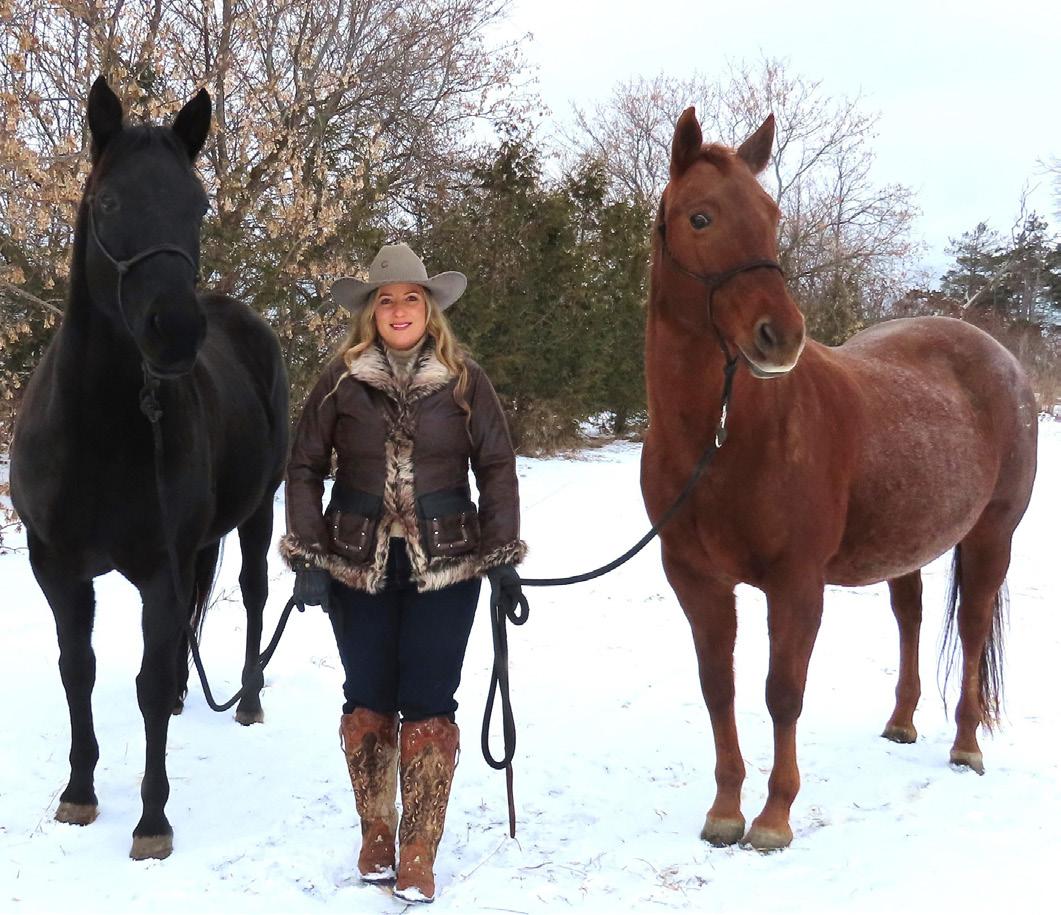
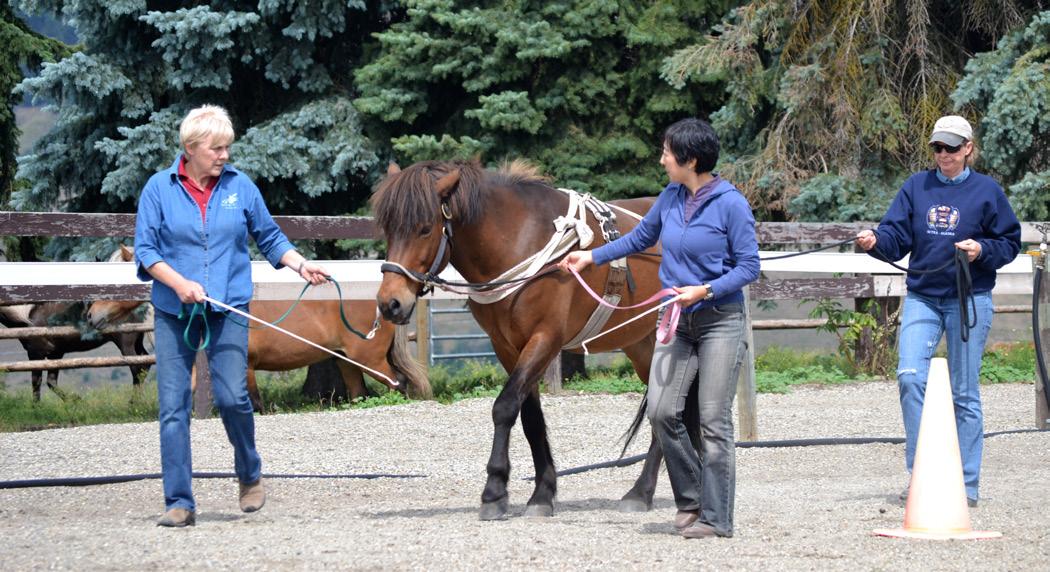
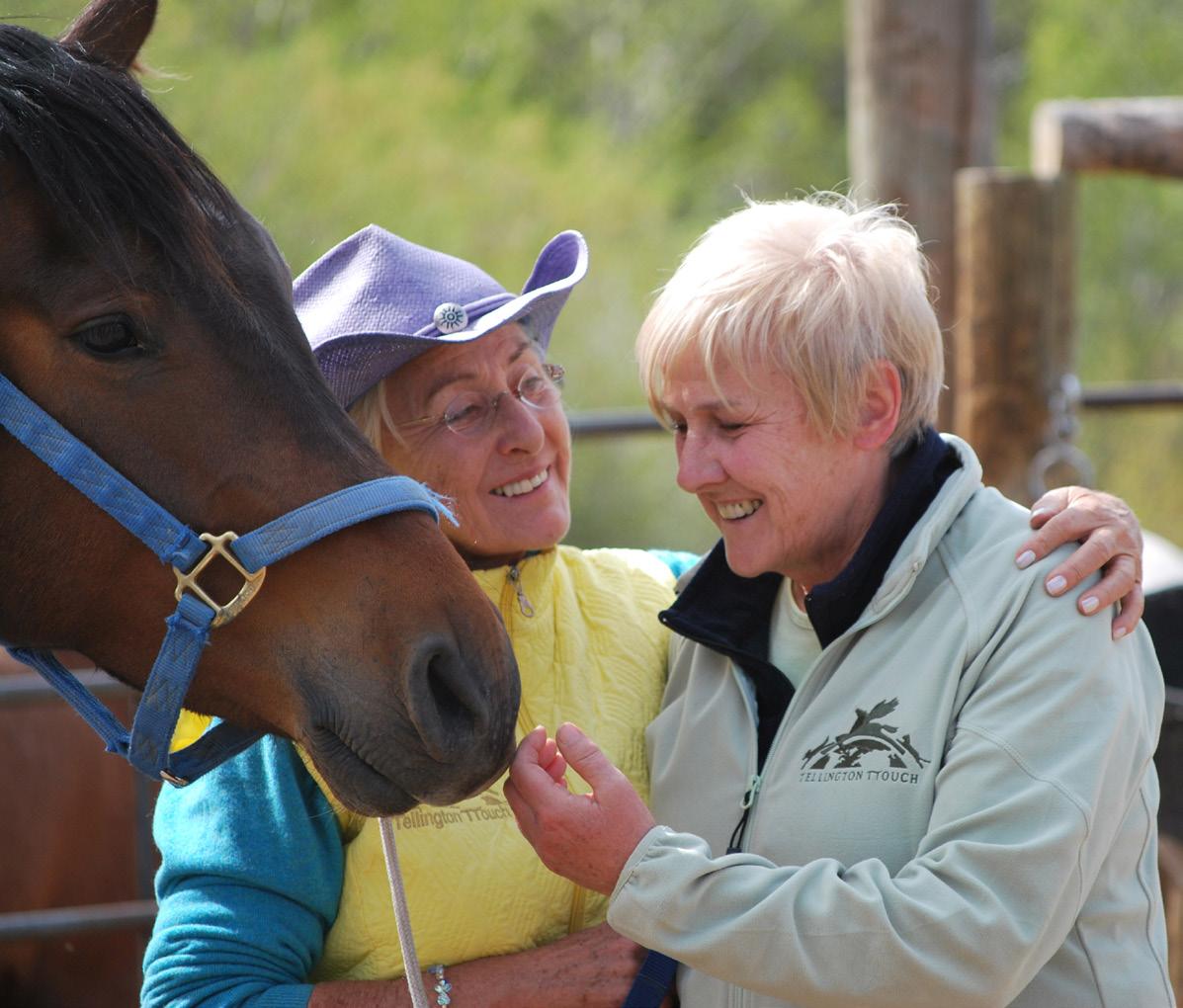
Residing just outside Vernon, BC, Robyn has been instrumental in creating and developing the Tellington TTouch Method, her sister Linda Tellington-Jones’ gentler, more mindful way of dealing with horses for the past 50 years. She has tirelessly crisscrossed five continents during the last four decades, teaching thousands of horse and dog lovers to understand their animals on a deeper level.
What does good horsemanship mean to you?
Understanding the individual horse and knowing when to move forward and when to pause or back off. Really listening to the horse’s whispers and being able to address their concerns and issues without the use of force.
What is next for you in either horse sport or your work with horses?
We have some clinics coming up at our farm in Lavington this summer. I have ongoing online courses and will be travelling to Europe and Australia in the spring and fall.
Looking ahead, what impact or difference do you hope to leave for the next generation?
For riders and horse lovers to keep educating themselves about their horses’ physical and emotional needs. To learn to listen to the horses’ whispers when they show concern.
Photos courtesy of Robyn Hood
Barb Poulsen Barb Poulsen
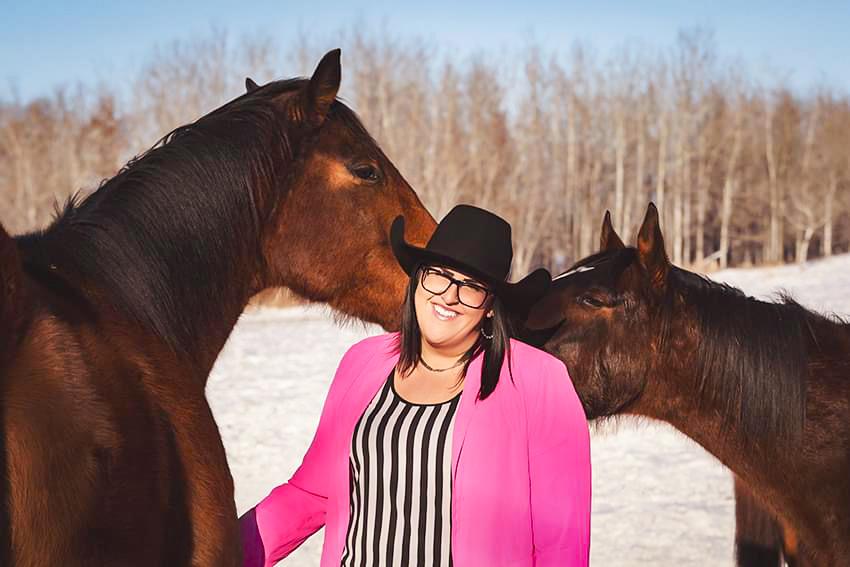
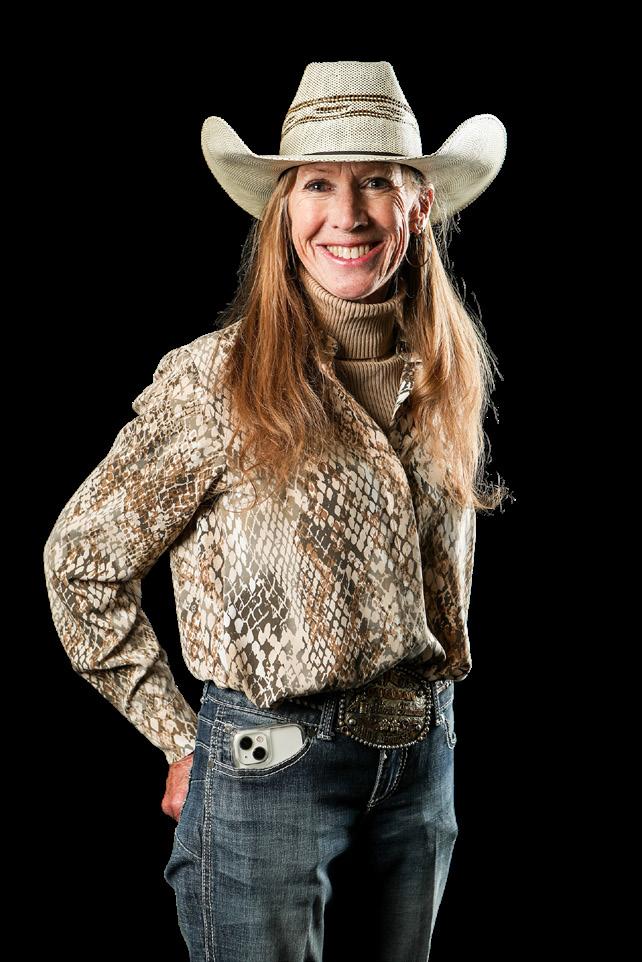
Barb Poulsen has worked in the communications field for most of her career, early on as a junior–senior high school teacher and more recently as a western lifestyle web and print designer and writer and now the communications lead at the Canadian Professional Rodeo Association. From Saskatchewan originally, she has spent most of her working life in southern Alberta (alongside her husband, rodeo announcer and writer Dave Poulsen) and, of course, her horses.
How did you first become involved with horses?
My love affair with horses started in my early years with visits to my cousins who lived on farms with horses and sneaking over to the Saskatoon Exhibition Grounds to check out the horses boarded there. I began to save up as hard as I could via my paper route (the route was actually my brother’s; I was his assistant) and babysitting gigs to be able to buy my first horse, Coco, when I was 13. (I paid the $250 for the horse; my parents handled the rest.) Trail riding, gymkhana events, open horse shows, 4-H Light Horse Club, and some years at the Saskatoon Pony Club and Saskatoon Riding Club provided a solid start to my lifelong relationship with horses. I rode both English and Western and still value the dressage skills learned in those early days and apply them to my barrel racing-bred horses today.
Who or what has had the greatest influence on your approach to horsemanship or your work with horses?
I’ve been fortunate to ride an interesting mix of horses and work with several practitioners: Lorraine Gilchrist and (the late) Elaine Partington in Saskatoon when I was in my teens and many other amazing clinicians and trainers since. My first barrel racing school was with Elaine Watt, who provided a great start to the rodeo world. Among the other clinicians and trainers whose programs have helped me are Sharon Camarillo, Joan Usher, Judy Myllymaki, Sue Smith, Kirsty White, and Kendra Edey. And I have to tip my hat to the many other horsemen and horsewomen who have helped start colts for us and ride and train our horses along the way—particularly in light of my work demands.
What does good horsemanship mean to you?
To me, good horsemanship goes hand-in-hand with lifelong learning and commitment to your program and the horse/horses in it. I like to see horses that have been handled patiently and consistently and trained in such a way that they could move in a number of directions. There are no shortcuts to the ‘time’ part of the equation when it comes to good horsemanship. I also believe it’s important to take advantage of opportunities to ranch ride, trail ride, move cattle—basically ride your horse beyond the arena.
What is next for you in either horse sport or your work with horses?
I’ve been riding my office chair more in recent years than my horses… and am trying to return to a more consistent schedule of riding and enjoying the horses Dave and I have raised and purchased. We’ve focused a little more on the breeding side of the industry in recent years and have sold (and kept) some nicely bred horses that we’re pretty excited about. I think (?) I’ve reached the point where I can celebrate other people enjoying success on horses we’ve bred and move a little further from the stance that I will somehow find enough time to keep and ride them all.
Looking ahead, what impact or difference do you hope to leave for the next generations?
I hope that some of the horses we’ve raised continue to enjoy long-term success with others… as barrel horses and solid riding mounts. It would be rewarding to see my involvement with horses and horse people—through my work at Pro Rodeo Canada, my writing and website design, and also through the horses we breed and work with—allow others to value the riderhorse connection that I continue to enjoy every day. Getting up in the morning (well, most mornings, haha) and heading out to feed the horses is still the very best way to get the day rolling!
The Back Country Horsemen of BC
The Wild and Wonderful Women of the Back Country
Eileen McDonald
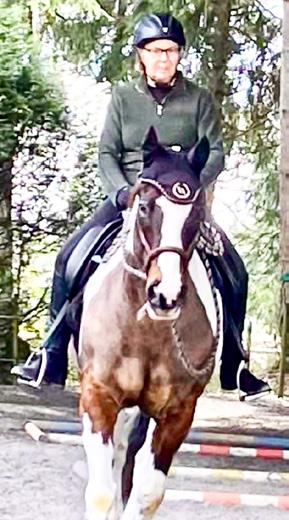
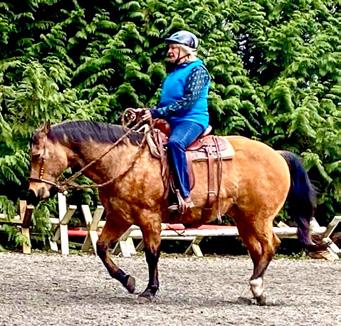
The most dedicated volunteer I have ever met! She has been fully involved in the BCHBC Robson Valley Chapter since its inception. She applied for grants and organized the construction of the beautiful McIntosh Equestrian campsite, McBride BC, and she continues to be a leading member in our local chapter, RV, cross country skiing, and tourism in McBride. We appreciate Eileen! Submitted by Dawn Hickerty
Rose Schroeder
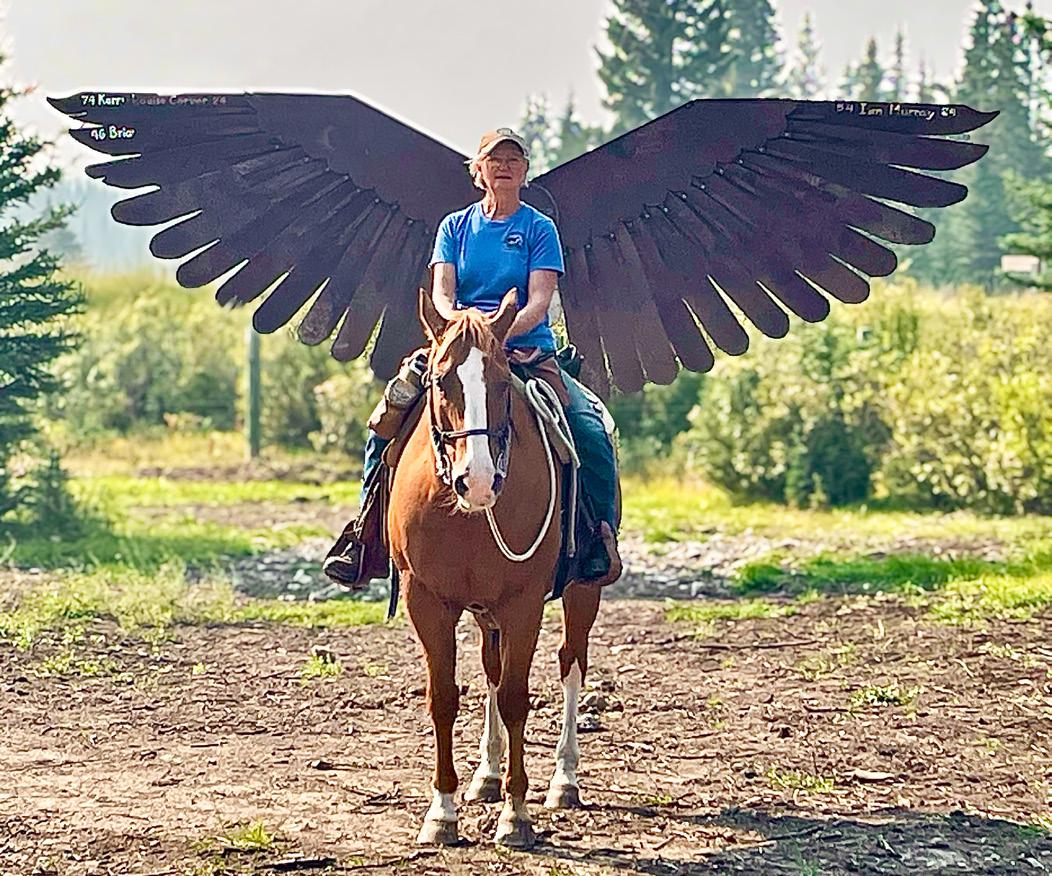
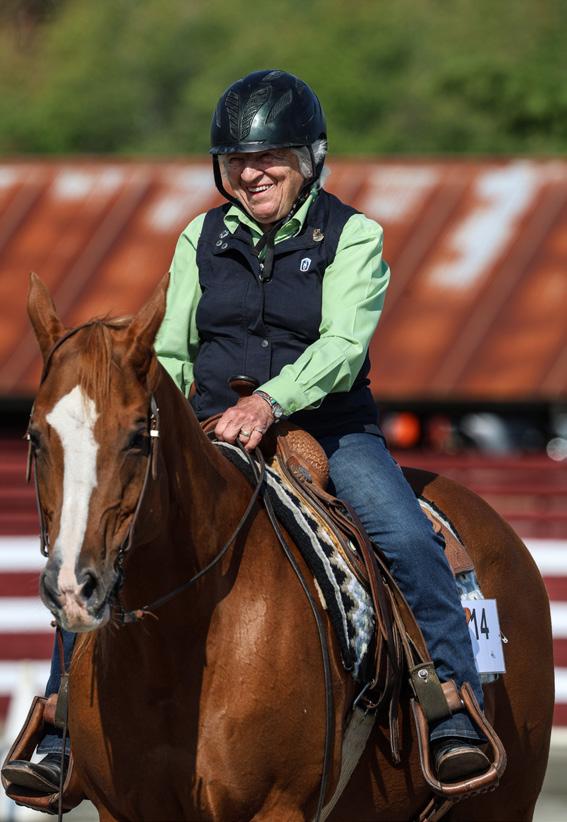
YES, this woman has wings; she is that amazing! Rose has been a Back Country Horsemen member for over 25 years and a backbone of the organization. She has held just about every position on our provincial executive as well as at the Chapter level. Rose holds a director position at Horse Council BC and represents equestrians at many tables. She has well over 50 years of riding experience and is always willing to share her expertise, thoughts, and ideas with everyone. Rose competed in Mountain Trail at the 2025 Senior Games, winning multiple medals. She LOVES Dutch oven cooking, painting, singing, and, of course, cowboy poetry. This year we have come up with a poem, “Don’t Let the Old Lady In”! Rose is so active, one could never imagine an old lady ever catching up to ROSE. Submitted by Linda Buchanan
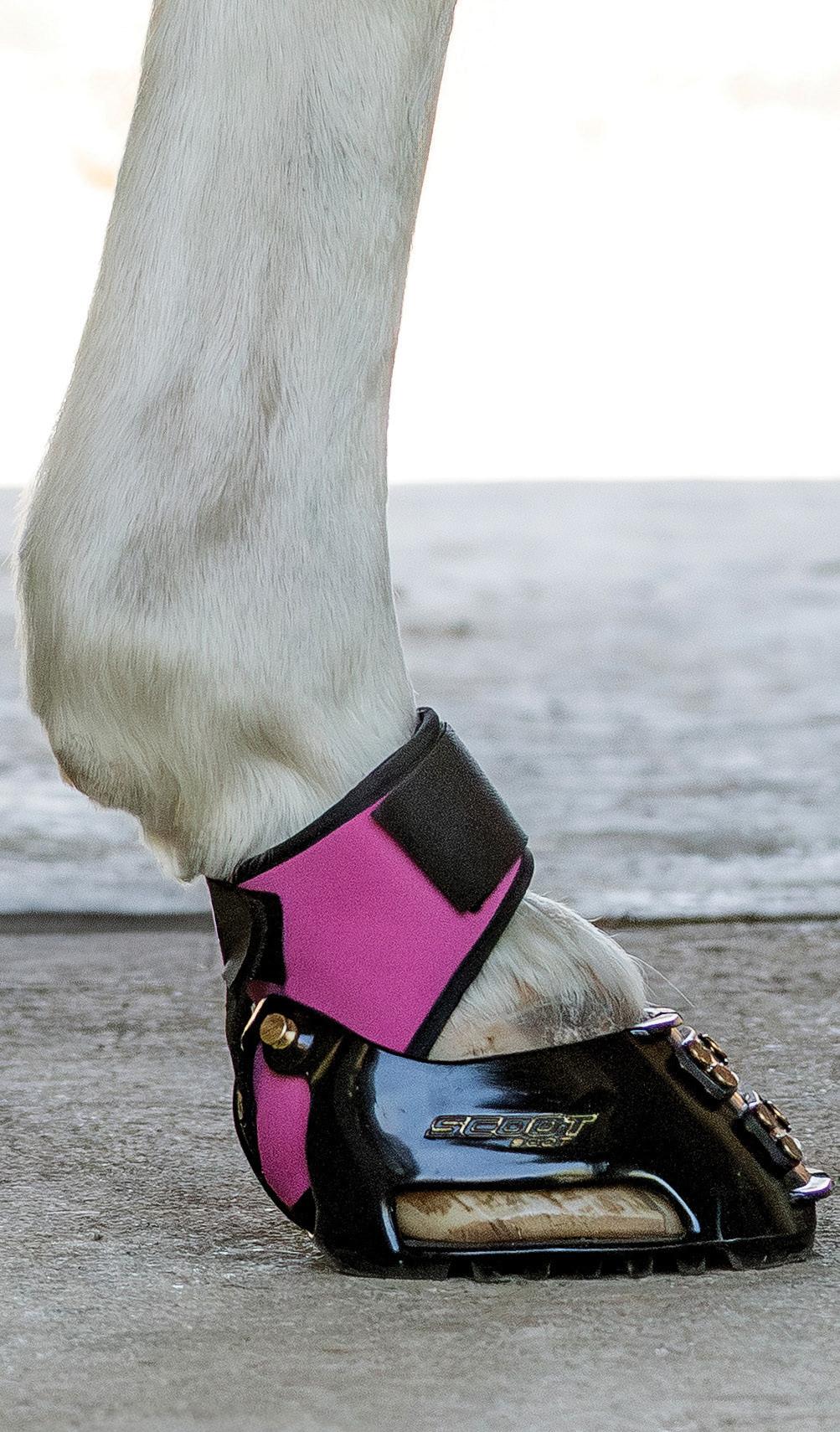
Lock In the Perfect Fit, With Pink MultiPurpose Gaiters
Extra security to keep your boots in place. Fits all Scootboot models, protects the pastern, and prevents twisting. Lightweight, water-resistant, and comfortable. Now available in Pink, Scootboot’s brand new colour. SHOP NOW
The Cowgirl Princess
The Cowgirl PrincessAmberley Snyder
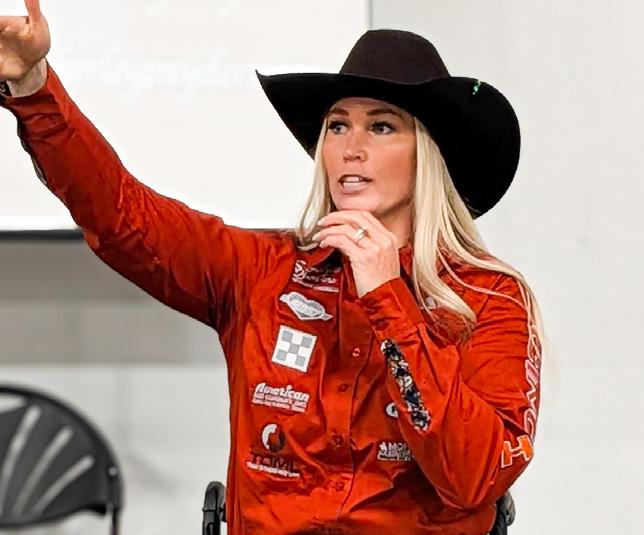
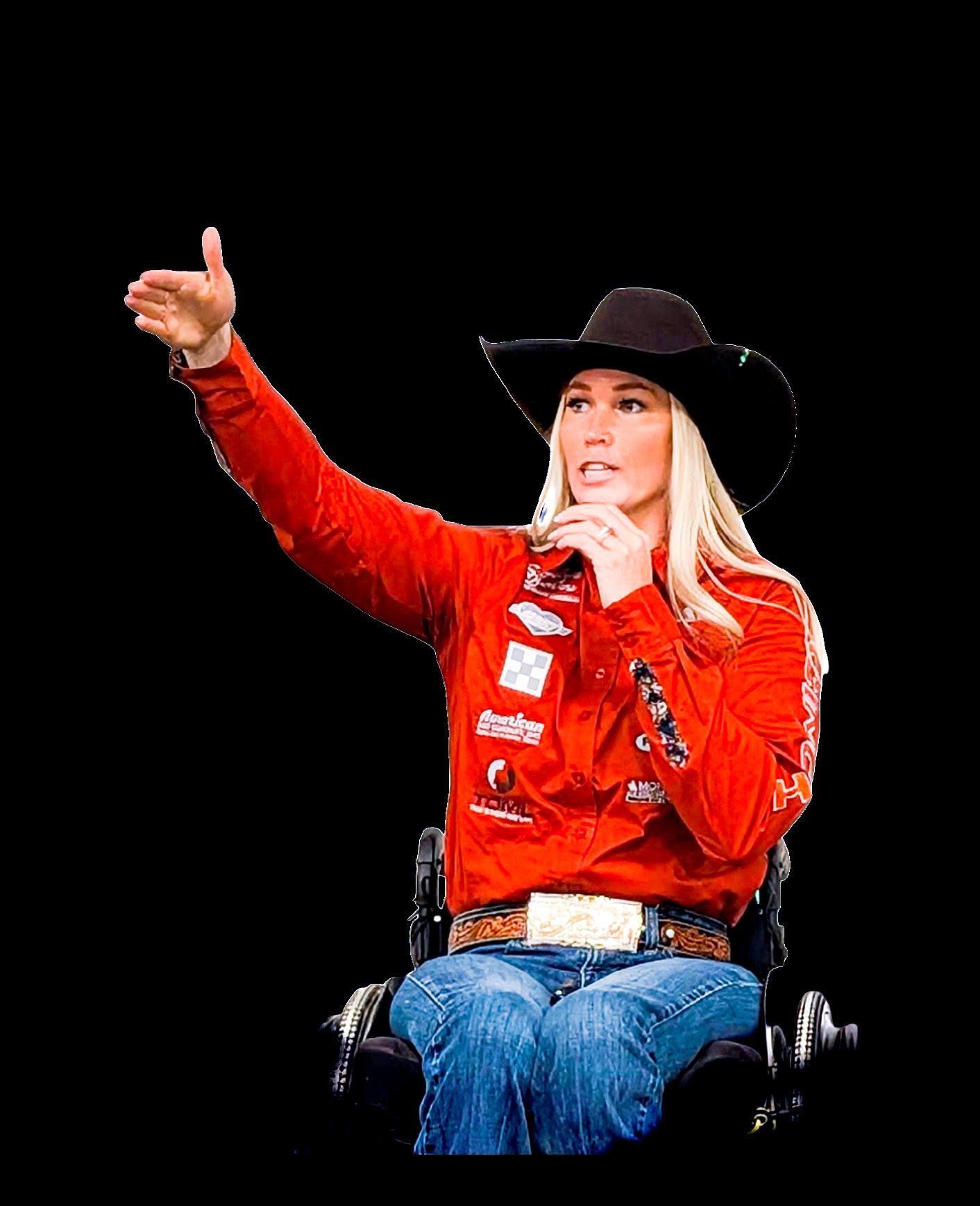
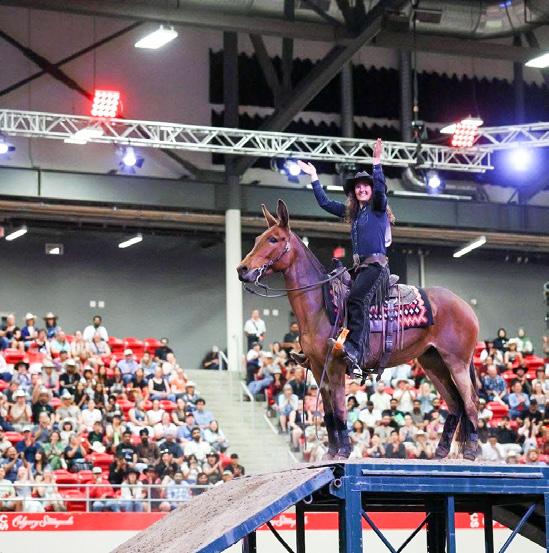
TThere is a specific kind of royalty found in the Western world – one that is earned in the saddle and under the arena lights. Amberley Snyder, a self-proclaimed princess and “horse girl” to her core, has always carved out a unique space in the industry.
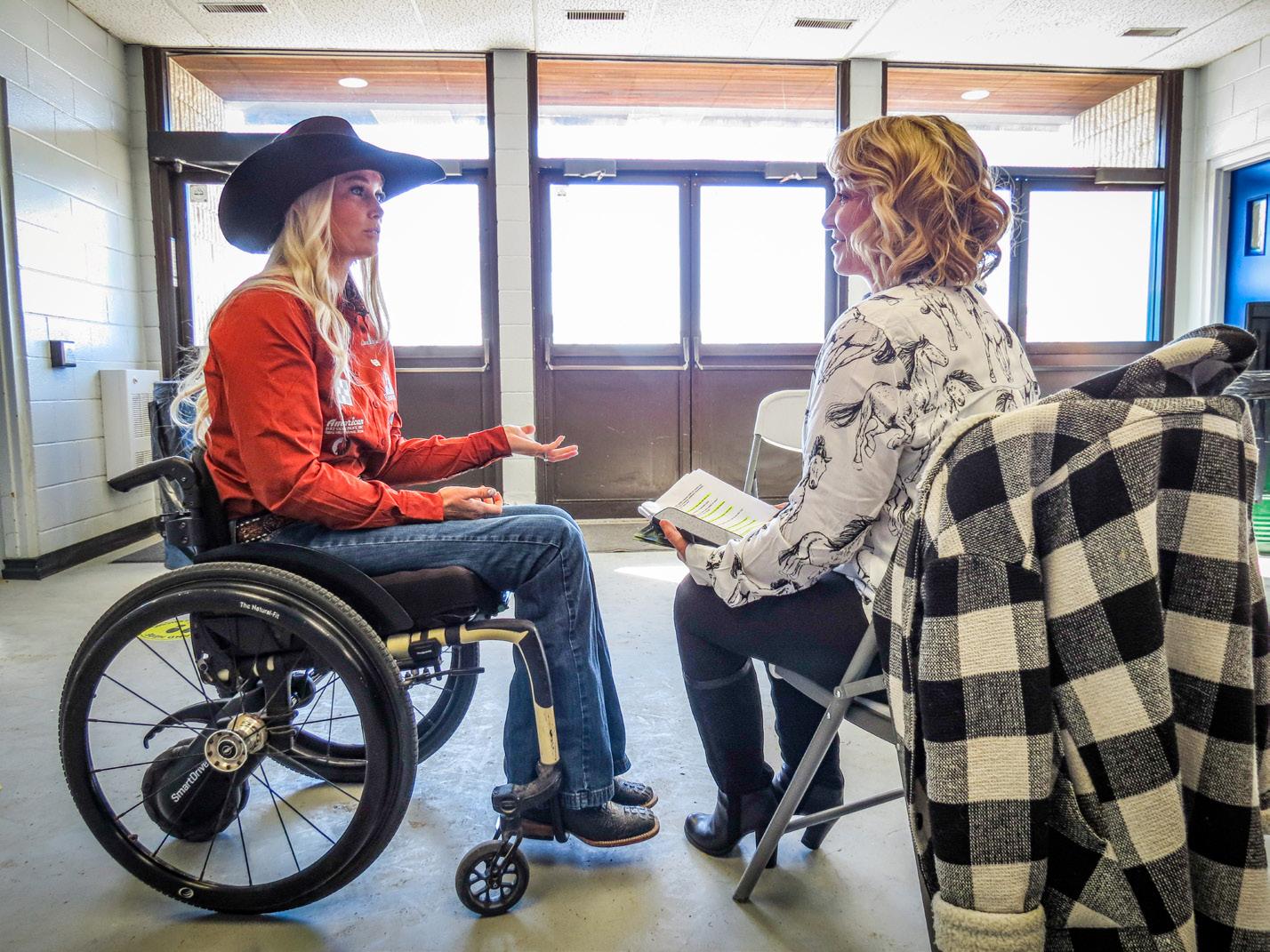
Catching up with her at the Ontario Equine Expo in Markham, Ontario. I wanted to talk about her busy clinic schedule, her powerhouse speaking career, and the recent magic of her wedding. It’s clear this “Cowgirl Princess” has entered her most vibrant season yet. She continues to prove that you can wear a crown and a cowboy hat at the same time, staying true to her roots while embracing a new, celebratory chapter of life.
Honestly, chatting with Amberley feels less like a formal interview and more like catching up with a friend in the tack room. Even with everything she has going on, she is so incredibly present and just easy to talk to. Total horse girl through and through—but there’s zero ego there. She’s just so generous with her heart. That same “all-in” energy she brings to a conversation is exactly what you see in the arena. Amberley doesn’t just “run” a clinic; she pours herself into every rider. It’s clear that for her, these clinics are about way more than lead changes or pattern work—they’re about helping people find that same spark she’s had since she was a kid.
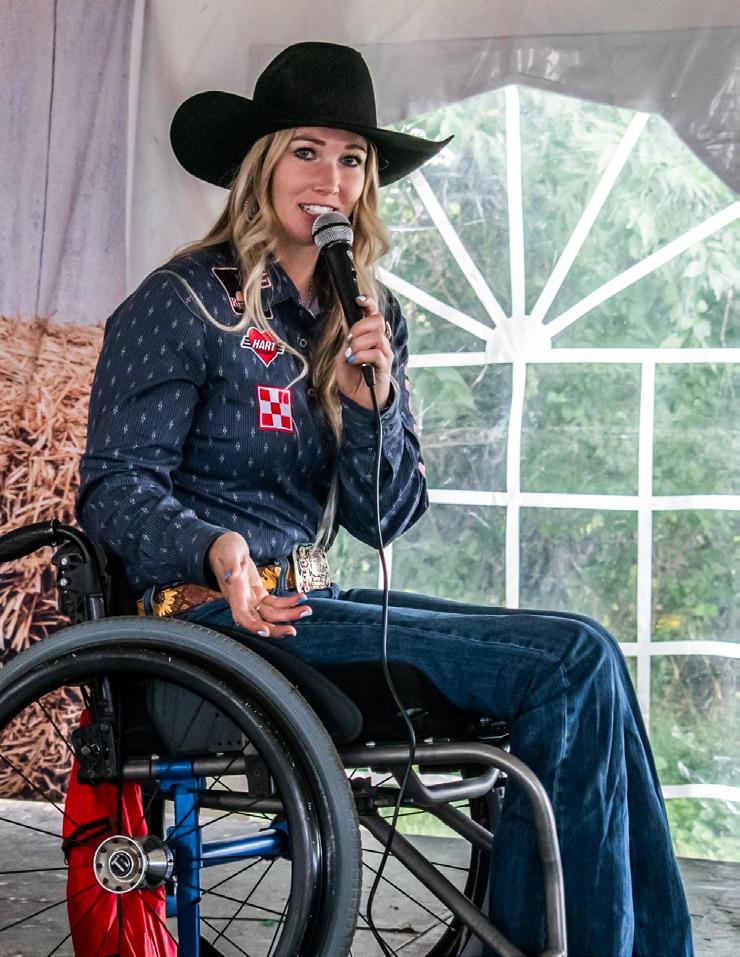
Talking with Amberley, you’re immediately struck by those big blue eyes and a bright
smile that just fills the room, but it’s her confidence that really stops you—a rare, steady kind of strength that she wears as naturally as a cowboy hat. I asked her what she hopes people take away from her clinic today. She told me, “I hope that when riders leave, they leave with the hope that they can improve. Nobody but you gets to decide how hard you will work.” She went on to say that when she enters the arena, she is at a disadvantage; she can’t lie about that, so she has to be mentally at a better place, and that’s something she hopes to leave with each rider.
As a clinician, I was curious to know what’s a common issue she sees riders struggle with the most, and how she helps them through it. She said, “You know, we don’t learn to communicate with our horses efficiently before we put them on the pattern.” She hates to call anyone out on that, but went on to tell me, “We get in such a rush to go fast and be a barrel racer, or whatever, it doesn’t even matter what event you’re in, you want to be good today. But if we spent more time slowing it down and building that horse/rider relationship, it would make the rest of it so much easier.”
There are so many people here to see her today. I asked her what she gets out of these in-person trainings and clinics. She smiled and said she gets asked this question a lot. It’s been 16 years since her accident, and her answer is always the same: it’s the people she meets. She said, “When you’re at home, in the trenches,
By Nicola Cocorocchio
and you’re having a bad day, and you feel like you’re the only one, I have to remind myself, someone is praying for what I have. And when I remind myself of that, it brings me back to a place of, I’m going to be okay, and I’m going to be able to handle it. I’m reminded that people are looking at my situation and believing it’s better than where they are right now. It reminds you it’s going to be okay.
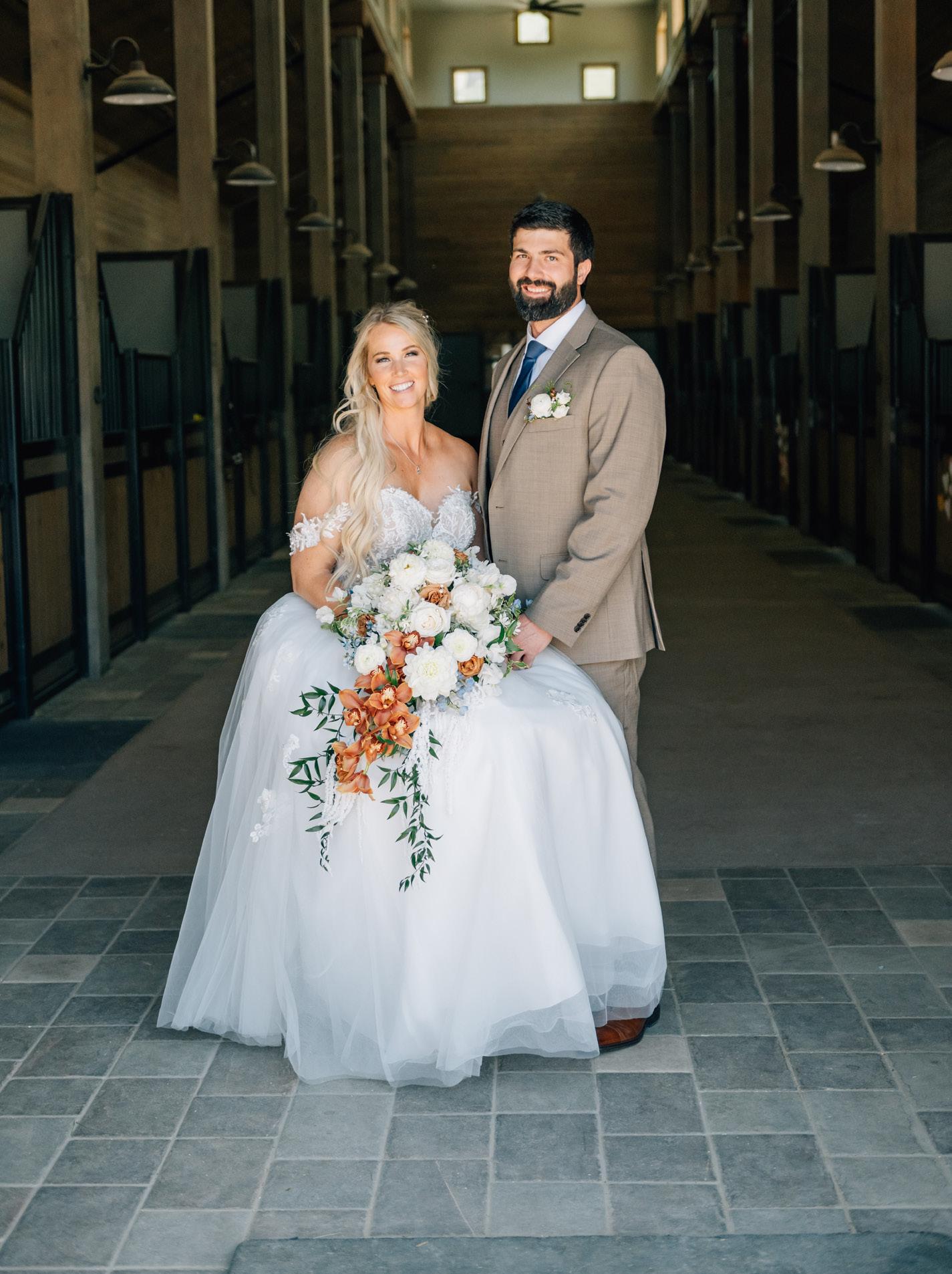
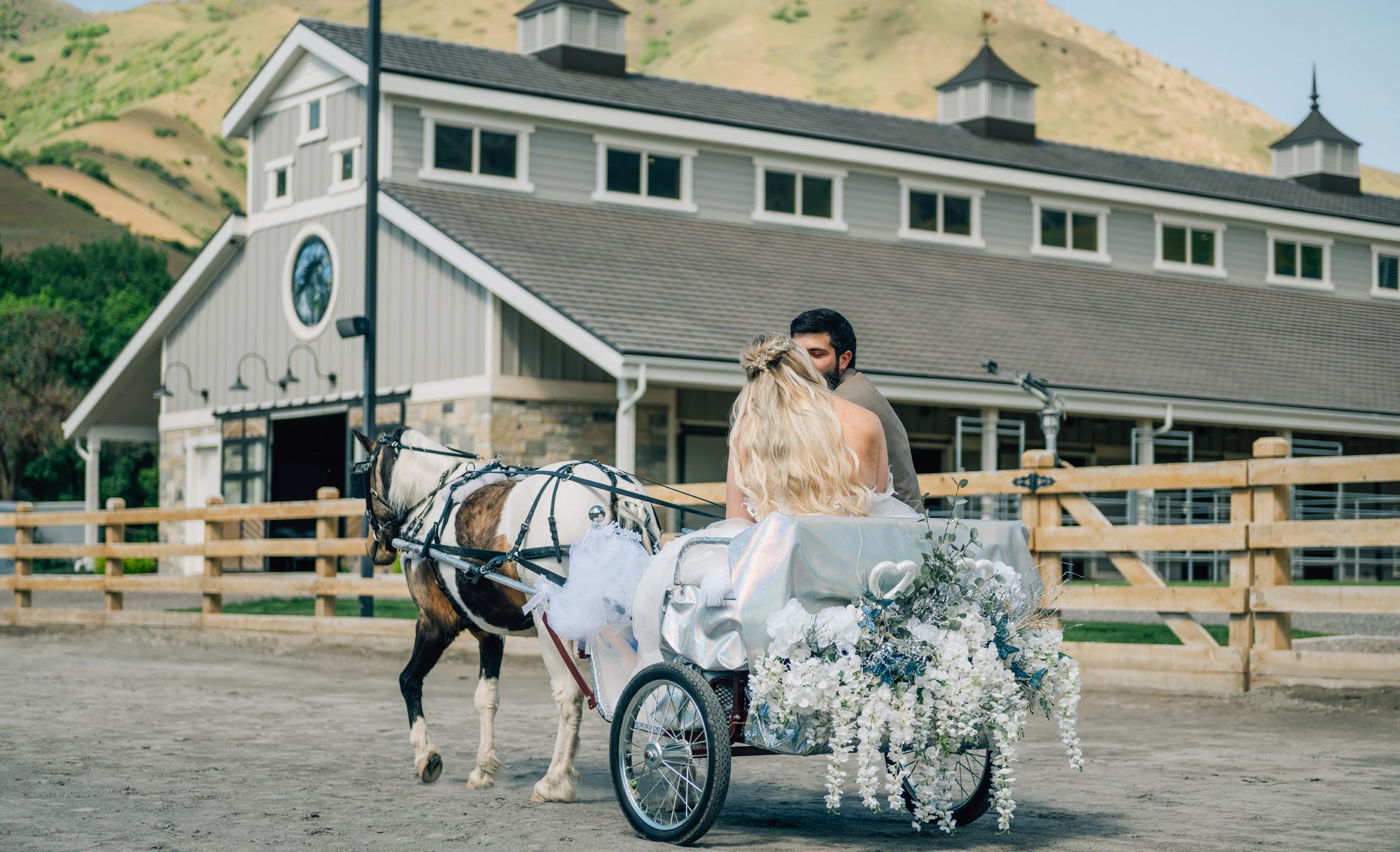
If you follow Amberley on social media, you will know that she was married in May 2025. We were both laughing because when she was describing that big, breathtaking moment of entering the ceremony, Amberley didn’t say she headed down the aisle—she said she “came down the alley.” It was such a classic “if you know, you know” moment. Even in her most princess-worthy, whitedress moment, her heart and her mind were in the arena. But that’s the beauty of Amberley; this Cowgirl Princess doesn’t leave the athlete behind for the fairytale—she brings all that grit with her. That “coming down the alley” moment was the perfect symbol for her life right now: a high-stakes, faith-filled entrance into a brand-new chapter with all the sparkle and strength she’s known for.
I asked her what part of her wedding felt the most like her. She had to think about that for a moment, and then she said, “So there are two parts to me. I am a horse girl through and through. I got married in an arena, but I am also a princess, and my husband knows that. Just this morning, he texted me “good morning, princess.
And on my wedding day, I wanted to feel like a princess.” She did come down the aisle with a pony and cart. “It was the perfect combination,” she said of getting to be her cowgirl self, but her princess self got to be there also.
I wanted to know how she was able to plan a wedding all while managing the business of being Amberley Snyder. She said, “I loved doing all of it. I planned the whole wedding!” As a Wedding Officiant herself, she has had some experience with wedding planning, but she did recruit her sister-in-law, who gave her a wedding to-do list.
Her venue was a place where she had gone to give one of her motivational speeches. At the end of her visit, someone asked her where she was getting married. She said, “Um, I don’t know.” She looked around and kind of jokingly said, “This place is pretty; maybe I’ll do it here.” Well, the host approached her and asked if she wanted to get married there, and Amberley said, “I do.”
I asked her what about married life surprises her in a good way, and she was quick to answer, “I should have done it sooner.” She said that what she loves most is the security that is in that. She’s so busy, she loves the life that she lives, and now, having found her person who completely appreciates her for exactly who she is and doesn’t want to hold her back. She did tell me that when she travels, she does feel “withdrawals” now, and that’s when she knows it’s time to go home and see Kyle.
But as much as we laughed, there’s a depth to Amberley that hits you right in the chest when she takes the stage. She got really serious for a moment and said, “You know, I never thought I would love anything as much as being on the back of a horse, but I really love speaking. There are things in the world that make your heart happy, my horses, speaking, and getting to teach—that’s that for me.” As I sat in the audience and listened to her presentation, I was moved to tears. It’s raw, it’s honest, and at times, it’s heartbreaking—but it’s the way she connects with the room that stays with you. She doesn’t just talk at people; she gives of herself in a way that makes you feel like she’s speaking directly to your soul.
She is so incredibly open about the accident that changed everything, but what really stops you in your tracks is her perspective now. With a steady kind of grace that can only come from deep faith, she told me she wouldn’t change a thing. It’s a level of peace that’s hard to wrap your head around until you hear her say it. As she puts it—and as she lives every single day—”There’s no future in giving up.”
And in that moment, you realize the Cowgirl Princess isn’t just a title; it’s a testament. She has taken a path she didn’t choose and turned it into a trail for everyone else to follow. She left me and everyone who heard her speak with a little more faith, a lot more grace, and the quiet reminder that as long as you keep riding, there’s always a path forward.
To find out more about Ontario’s Equine Expo and next years expo on April 2-4, 2027, visit ontarioequinexpo.ca for more information and details.
Nicola Cocorocchio is a MMCP Equi-Verde Therapies Canadian Advisor, Healing Barn Movement nicola.cocorocchio@gmail.com
Discover our premium, maintenance-free equipment
Performance, durability and efficiency, backed by unmatched warranties and service — so you can focus on what matters most: getting in the saddle, training with purpose and pursuing your dreams.
• Equipment for
• Fast shipping on
• Customizable jumps and courses every discipline in-stock products
• Canada-wide delivery
Proudly Canadian-owned & operated
RH Photo By Jamie Lawler, expo photos taken by Nicola Cocorocchio
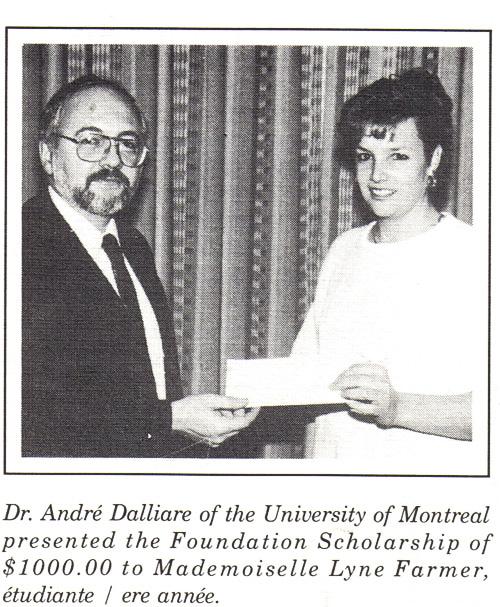
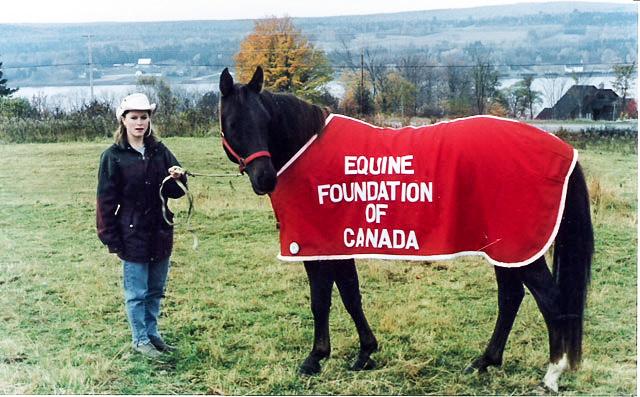
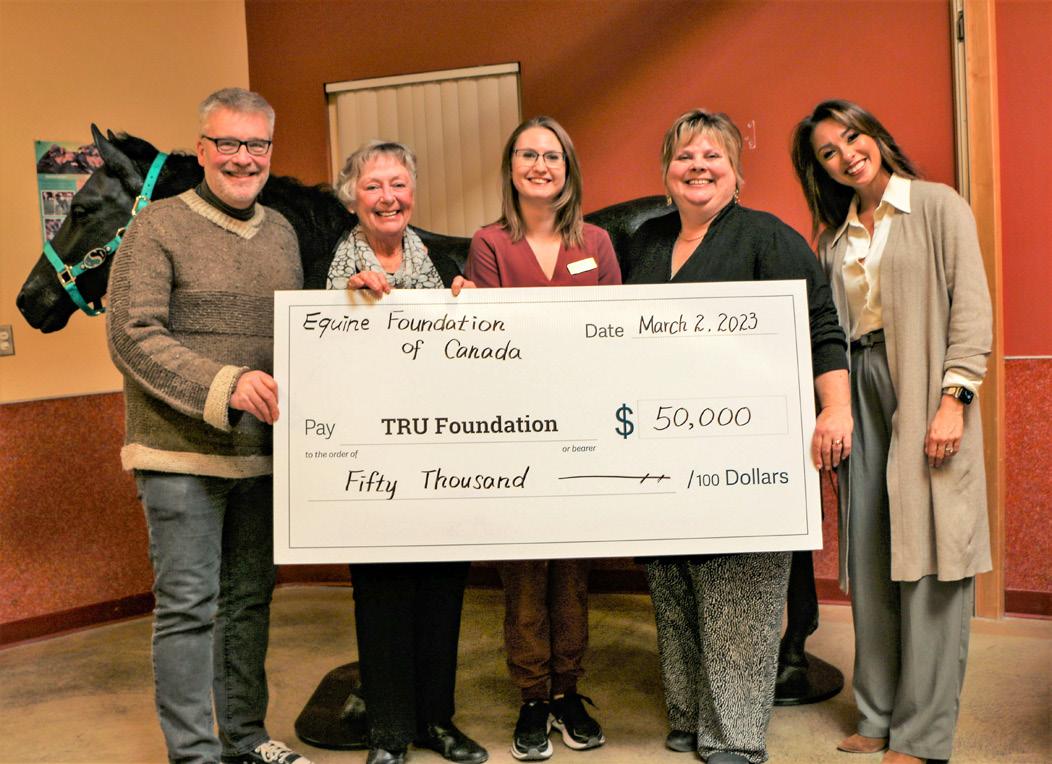
The Equine Foundation of Canada filed for dissolution effective December 31, 2025, and will no longer be accepting or making donations. This brings to a close the 45-year history of a vision of the Canadian Morgan Horse Association Board of Directors, spearheaded by Nova Scotia businessman CMHA Board member and first EFC President George F. Wade.
The vision evolved slowly through ongoing negotiations to obtain tax-deductible status with Revenue Canada, which took an inordinate amount of time to grant foundation status to the fledgling organization. George Wade was a determined negotiator, and that tenacity brought the foundation into being. The Foundation was incorporated December 13, 1979, and began financial operations February 13, 1983, with Gary Nelson, Susan Nelson and Deanna Wilson sharing the treasurer and secretary duties. From the beginning the board has been operated entirely by volunteers. Susan Nelson became the full-time volunteer treasurer in 1987.
Soliciting donations was time-consuming door-knocking work, with less than $7,500 received annually throughout most of the Foundation’s history. The name was changed May 1993 from the original Morgan Horse Foundation of Canada to the Equine Foundation of Canada to appeal to a broader base. Eldon Bienert became president after George Wade passed away, and for the next 18 years, he kept the foundation alive with his skill in soliciting funds. Upon Eldon’s retirement, for the next and last ten years, Bob Watson, as president, increased public awareness and guided the board in strategic placement of the funds. Without their perseverance and the support of the board, it is questionable the foundation would have survived. But survive it did, and with limited resources, it was able to do much to “help people. help horses.”
Through hard work and some luck, the total amount received and dispersed was $1,526,700. From these receipts the Board approved funds for endowments of approximately $100,000 to each of the five Canadian veterinary colleges, which will provide scholarships in perpetuity for veterinary students to go into equine practice or research. Funds were also approved for other worthy causes, such as equipment for equine colleges, training mannequins, and rescue trailers. It was a key goal of the board to spread donations across Canada. The past few years we were unable to attract any significant donations or new board members, so the painful decision was made to collapse the foundation and call it a day.
The Board wishes to thank all who donated funds, the horse magazines that supported us with advertising, the veterinary colleges for their cooperation, and everyone who believed in “The Vision.” Perseverance was the key to “The Little Engine That Could,” and we did!
New Brunswick’s Bev Richardson and her Morgan Comanche won the EFC Cooler in 1996 at the EFC ride which raised $890.00.
Getting Geared Up for the Kamloops 2026 55+ BC Games
Equestrian Edition
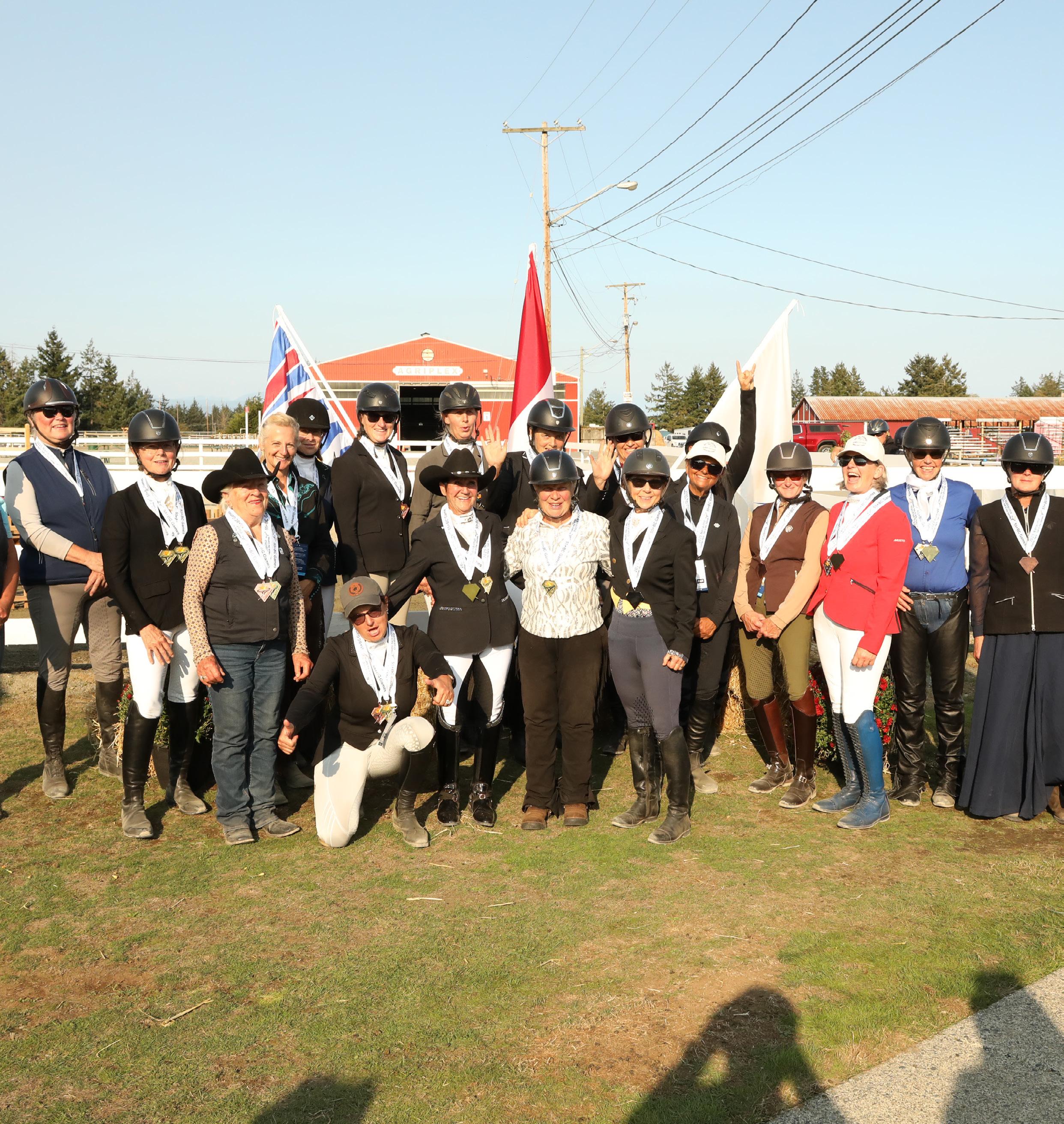
As BC gets ready to celebrate active living and community spirit at the Kamloops 2026 55+ BC Games, Horse Council BC (HCBC) is thrilled to confirm the inclusion of equestrian sport to the provincial stage. This year’s equestrian competitions will take place September 8 - 11, 2026, hosted at the scenic North Thompson Fairgrounds in Barrière. This venue, selected after extensive efforts to secure the right fit, reflects HCBC’s commitment to ensuring athletes, horses, officials, and supporters have the very best environment to gather, compete, and connect.
The 55+ BC Games remain the largest annual multi-sport gathering in the province, bringing together more than 2,500 athletes across over two dozen sports each year. Beyond competition, the Games shine as a celebration of healthy living, community involvement, and the power of sport at every age. The 2026 Games in Kamloops promise no exception— and equestrian athletes will once again be a vibrant part of that story.
Equestrian competitors can look forward to a dynamic lineup that highlights the breadth and talent of BC’s equine community. These disciplines will run over four days of competition, giving athletes ample time to showcase precision, partnership, and horsemanship.
Disciplines for 2026
Dressage & Western Dressage
Driving Trials
Ranch Horse
Mountain Trail
Registration for equestrians opened March 16, with details and requirements available through the HCBC website. Athletes from all 12 provincial zones are welcome, with no qualifying events required prior to registration—ensuring broad access and encouraging participation from every corner of BC’s equestrian community.
Why Equestrian Matters in the 55+ BC Games
Equestrian sport holds a unique space in the games’ mission: it celebrates both lifelong skills and lifelong passion. Riders aged 55+ bring decades of experience, partnership, and personal history with their horses. The Games offer them a meaningful provincial platform to not only compete but also connect with peers, engage with the broader sport community, and inspire future riders by showing that horsemanship is truly ageless. For more details, discipline criteria, schedules, and registration information, visit HCBC’s 55+ BC Games page at: https://hcbc.ca/sport/competition/bc-55-games/
Online Learning Platform
With the launch of our new online learning platform, members can now access Horse Council BC’s educational content anytime, anywhere. All sessions from this year’s February Field Knowledge webinar series are now available on demand, making it easy to revisit sessions or catch up if you weren’t able to attend live. Getting started is simple—follow the step-by-step login instructions at https://learn.hcbc.ca/ or watch our short twominute instructional video here: https://youtu.be/rumVvWAfQ38. While exploring the platform, members can also check out last year’s March Madness. Sessions and a growing library of online courses. We hope you enjoy this new resource and the opportunity to learn at your own pace.
CONNECT WITH US!
Office Hours
Monday - Friday 8:30 - 4:30 pm
Executive Director administration@hcbc.ca
Agriculture & Industry industry@hcbc.ca
Membership membership@hcbc.ca
Coaching and Education coaching@hcbc.ca
Marketing and Communications communication@hcbc.ca
Recreation and Trails recreation@hcbc.ca
Competition competition@hcbc.ca
Community Development development@hcbc.ca
HCBC Bookstore bookstore@hcbc.ca
Finance and Grant Funding finance@hcbc.ca
More information: https://hcbc.ca/sport/competition/bc-55-games/ Email: Competition@hcbc.ca
Perseverance, Inspiration, Legacy
Rodeo Queens Past and Present Share Their Royal Experiences
She rides past, waving to an audience of rodeo goers. A western heritage icon wearing a crown and carrying a flag, an ambassador to the sport of rodeo. Young girls watching, mesmerized and spellbound, at a fairytale of beauty. Behind the scenes, there is a sense of pride and duty to uphold the traditions of rodeo. Traditions of the past become a future filled with capable young women, who use their rodeo royalty experience to add value to their chosen communities.
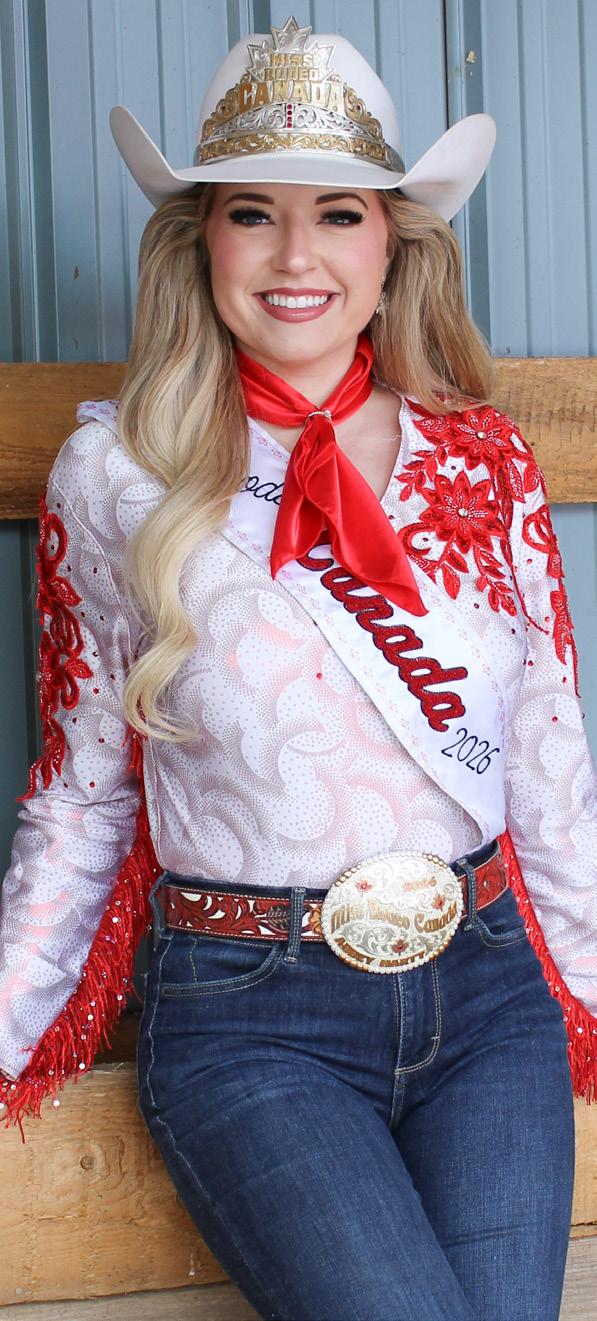
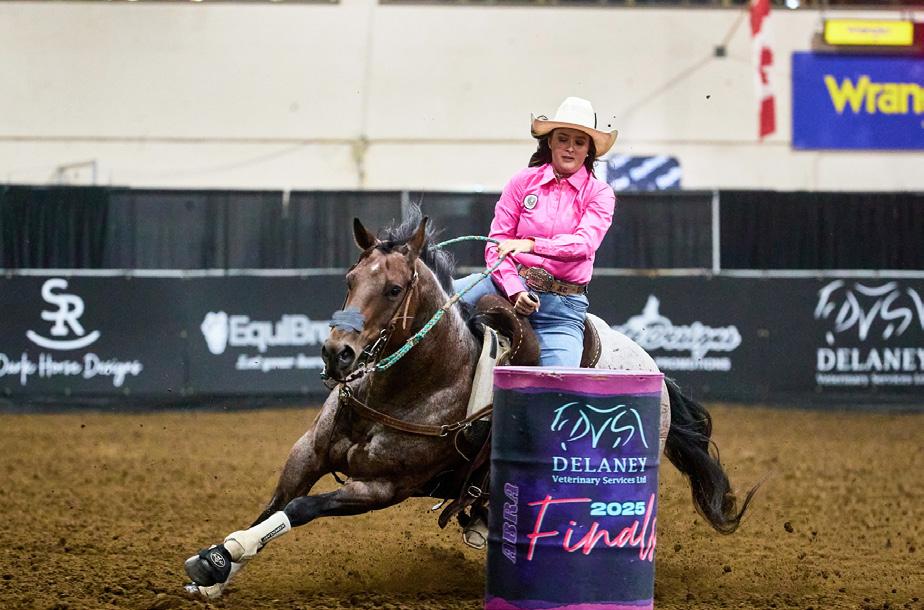
Miss Rodeo Canada – Abbey Harty
Abbey was raised in a rural ranching community. She’s been involved in rodeo and horsemanship for many years. She is currently a member of the University of Saskatchewan College Rodeo team. She works at a group home for adults with cognitive and developmental disabilities while pursuing a career in practical nursing at Saskatchewan Polytechnic.
By Laureen James
Q. How does perseverance play a role in your goals for rodeo royalty, barrel racing, and your career working with adults with cognitive and developmental disabilities?
A. Perseverance is the foundation that connects each of my goals—whether in rodeo royalty, barrel racing, or my career working with adults with cognitive and developmental disabilities. While each of these paths looks different on the surface, they all require the same commitment to growth, resilience, and consistency. In rodeo royalty, perseverance is essential because success is not achieved overnight. It takes time to develop confidence in public speaking, horsemanship, and representing the industry with authenticity and professionalism. There will be setbacks or moments of self-doubt, but perseverance is what allows me to learn from those experiences rather than be discouraged by them. It pushes me to continue showing up, improving, and representing the rodeo community with dedication.
In barrel racing, perseverance shows up in a very tangible way. Progress is built through long hours of practice and countless runs that don’t always go perfectly. There are times when things don’t come together. Whether it’s an injured horse or a challenging season, perseverance teaches patience and trust in the process. It reminds me that success in the arena is earned through consistency, discipline, and the willingness to keep working even when the results aren’t immediate.
In my career, working with adults with cognitive and developmental disabilities, perseverance takes on a deeper level of meaning. This work requires compassion and the ability to remain steady and supportive through both progress and challenges. Growth may come in small steps, and setbacks are part of the journey, but perseverance ensures that I continue to advocate so individuals can reach their fullest potential. It also means continuously learning and adapting so I can provide the best care and understanding possible.
Across all three areas, perseverance is what keeps me grounded in my purpose. It allows me to embrace challenges as opportunities for growth, remain committed to my goals, and continue to make a positive impact—whether that’s in the arena, in the rodeo community, or in the lives of the individuals I work with.
Q. Do you have any advice for young women involved in rodeo who are contemplating competing for rodeo royalty? What did you learn through the competitions that you wish you had known beforehand?
A. My advice is simple – never believe in the doubt that lives in your mind. Instead, believe in the capabilities you already have within you. For me, my passion for rodeo queening began later in life, but the interest was always there, quietly sitting in the back of my mind. For a long time, I didn’t believe I had the talent or the skill set to be successful in this industry. That doubt held me back more than anything else ever could. So, to all the young girls who are unsure, or who haven’t yet found that reason to believe in themselves, let this be your reason. Take risks, take the chances, and don’t be afraid to step into something that feels bigger than you. Because sometimes, the only thing standing between you and your dreams… is the belief that you’re capable of achieving them.
Q. How are you helping to bridge the gap between rodeo royalty and rodeo contestants? Why do you think the gap exists?
A. This year, my main mission is to bridge the gap that has grown far too wide between rodeo royalty and our contestants. I want to stand beside them, to support them, advocate for them, and show up in a way that truly represents who they are. Most importantly, I want them to know that I am one of them. While I may wear a crown and a few more sparkles, at my core I am a rodeo athlete and a horsewoman, just like they are.
When I pass the crown on to the next Miss Rodeo Canada, I will return to competing alongside them. I have been a competitive rodeo athlete for far longer than I have been a rodeo queen, and that foundation is something I carry with me every single day in this role. I want to be their voice, someone they feel represents them—not only in appearance but also in understanding. I want to advocate for our athletes, build trust, and remind them that we are all playing for the same team. At the end of the day, the crown may set me apart visually, but it does not separate me from the heart of this sport.
Nikki is a guiding force for a group of women on the Queen Committee. Her daughter was Miss Strathmore Stampede from 2016 to ‘17. She now gives back to the program.
Q. What do the Miss Strathmore Stampede contestants get judged on during the competition?
A. The contestants compete in a panel-judged interview, a written test about rodeo, a prepared speech, and impromptu interview-style questions. There is also a horsemanship component that includes riding a series of judged patterns, carrying a flag, and doing a wave lap, and they also answer a series of horse-related questions. They are also judged for their personality by attending various events.
Q. Why is Western rodeo culture/lifestyle so important to Canada, and how do rodeo royalty pageant competitions help keep the tradition of rodeo alive in a changing world?
A. As ambassadors to the Western lifestyle and agriculture, I believe they are educators to the next generation. Through their appearances they help to build the bridge between people who are new to the rodeo/western way of life. The royalty pageants help find the right person for the job. As it is a year-long ‘job,’ and all these competitors have a passion for what they are competing for.
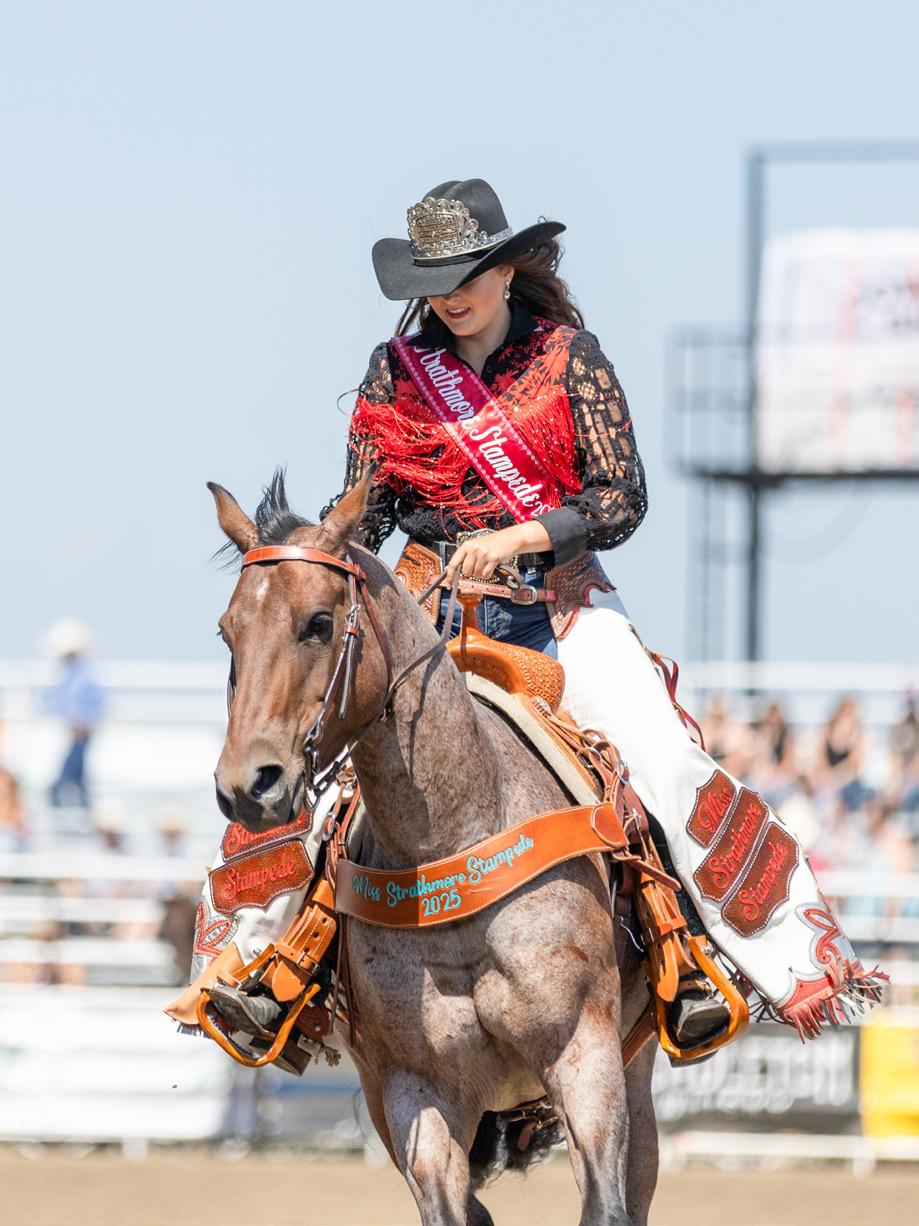
Aliera Chernoff
Miss Strathmore Stampede 2025
Aliera is 21 years old and a graduate of Olds College, where she completed a diploma in agriculture management production and a bachelor of applied science in agribusiness. She is currently working as an agronomist technician assistant with Bayer CropScience. She was raised in the town of Strathmore with no direct ties to the western way of life but developed a passion for it through horses and rodeo. She is involved in barrel racing and reining.
Q. How will your rodeo royalty experience shape your future in agriculture management?
A. Being Miss Strathmore Stampede has helped me tremendously in my career goal of becoming an agronomist. Agriculture is very relationshipdriven and involves working closely with farmers, discussing crop management, and advocating for responsible land stewardship. Through rodeo royalty, I have gained valuable experience speaking with people from many different backgrounds, explaining the Western way of life and confidently representing an industry I care deeply about. Those skills translate directly into agriculture, where clear c ommunication, relationship building, and confidence are essential.
Q. What makes being rodeo royalty so special in a society that has become so urban?
A . I believe rodeo royalty helps bridge the gap between urban communities and the rodeo and Western way of life. Many people today may not have grown up around agriculture or rodeo, and queens can serve as approachable ambassadors who are happy to answer questions and share what this lifestyle is all about. We help advocate for the traditions and values of the Western industry. Every rodeo ticket sold supports that way of life, and being able to share those experiences and stories with others helps people understand and appreciate the culture behind it.
Q. Any advice for young women who dream of being rodeo royalty?
A. My biggest advice is simply to try. Rodeo royalty contestants come from many different backgrounds, and there is a place for everyone. Give every part of the competition your best effort and be willing to learn from the experience. Even if you don’t win the title, you will grow tremendously through the process. I know personally that after competing in the Miss Strathmore Stampede competition, I left those three days with so much more confidence and as a better version of myself.
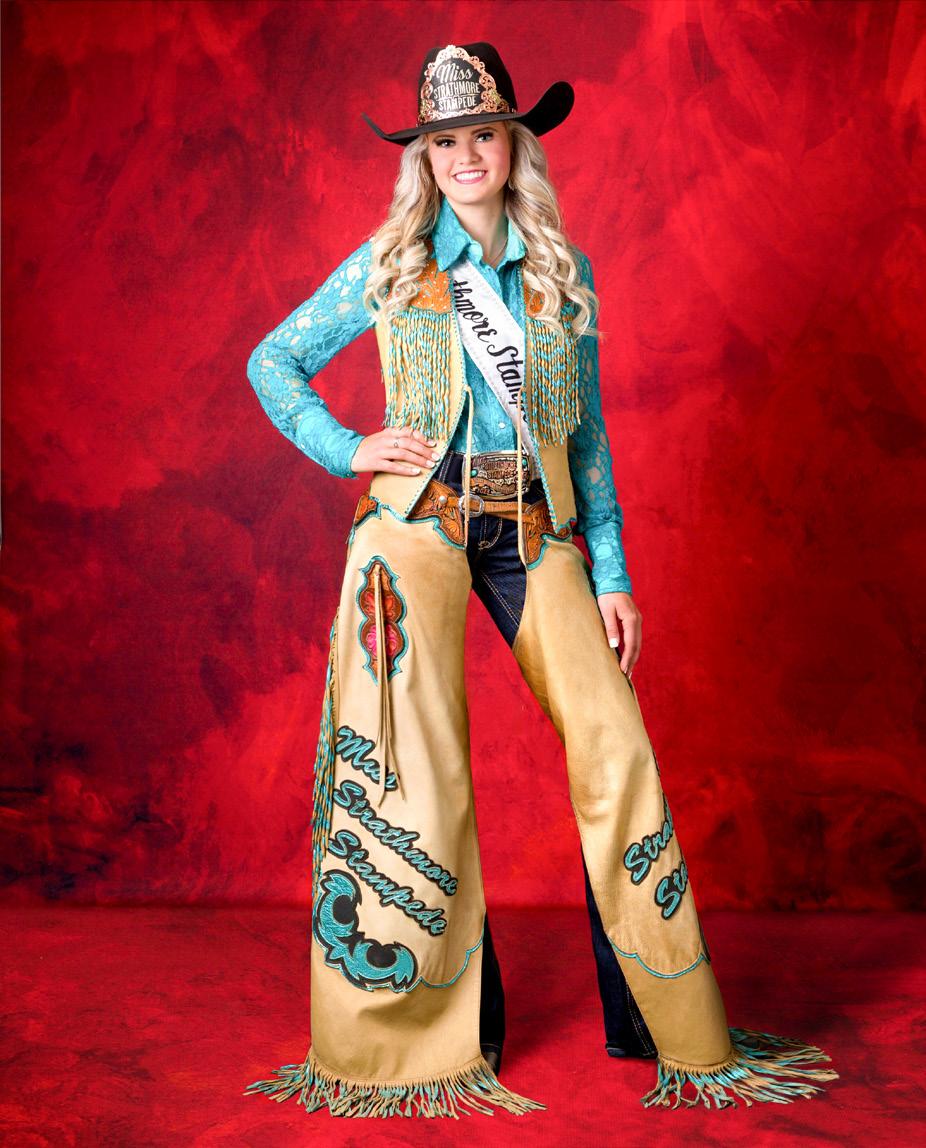
Ellen Van Noordenburg Miss Strathmore Stampede 2023
Ellen grew up on her family’s farm east of Didsbury, Alberta, where she developed a strong connection to agriculture and the Western way of life. She is a passionate advocate for the industry and its future. Ellen graduated from Olds College of Agriculture & Technology with a Bachelor of Applied Science Degree in Agriculture Business—she works as a Technical Project Coordinator with Verified Beef Production Plus.
Q. How has the year-long experience shaped your future professionally?
A. My year as Miss Strathmore Stampede was incredibly rewarding and played a significant role in both my personal and professional growth. It strengthened my confidence, enhanced my public speaking skills, and further developed my ability to represent an organization in a professional manner. Through my involvement with the Strathmore Stampede and participation in various events, I was able to expand my network within the agriculture and Western communities. On a personal level, the experience encouraged me to step outside of my comfort zone and gave me a deeper appreciation for the important role the Strathmore Stampede and the Strathmore & District Agriculture Society play in bringing people together within the community.
Q. Do you find ways to continue supporting rodeo and Western heritage?
A. I have remained committed to supporting rodeo and Western heritage. I currently serve on the Miss Strathmore Stampede Queen Committee, where I help to promote the industry, support the Strathmore Stampede, and mentor future ambassadors. This role helps me stay connected and give back to an organization that has had a meaningful impact on my personal and professional growth. Looking ahead, I’m excited to grow my involvement in the industry, including stepping into the arena and pursuing breakaway roping. No matter where my life takes me, I plan to stay actively involved in the rodeo and Western community and continue supporting the values and traditions it represents.
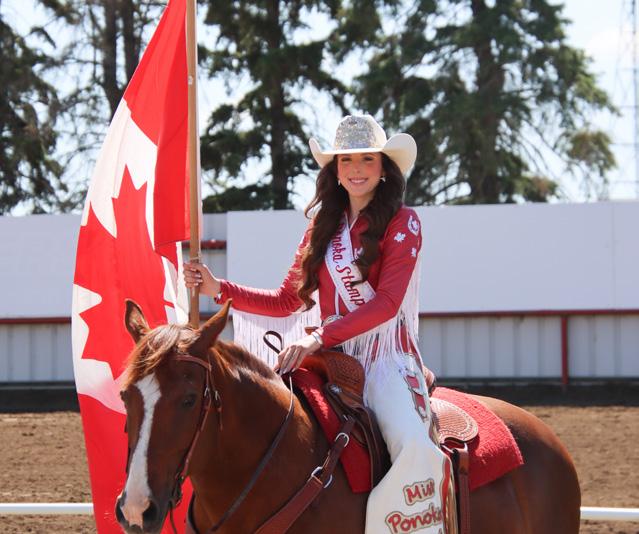
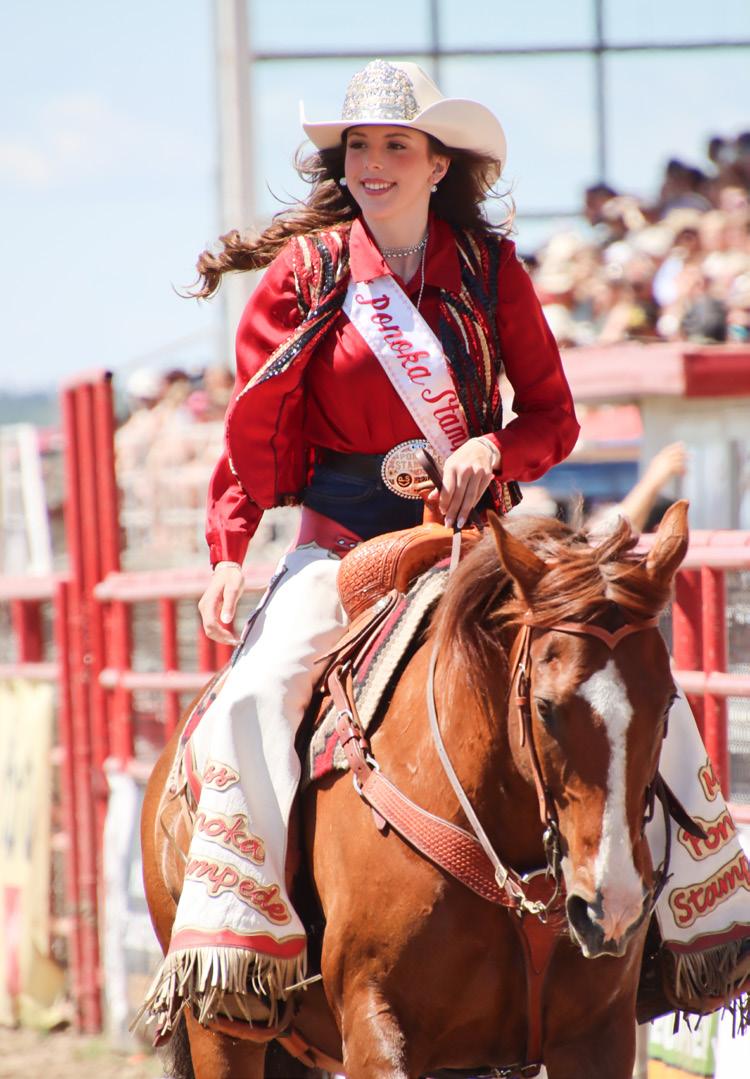
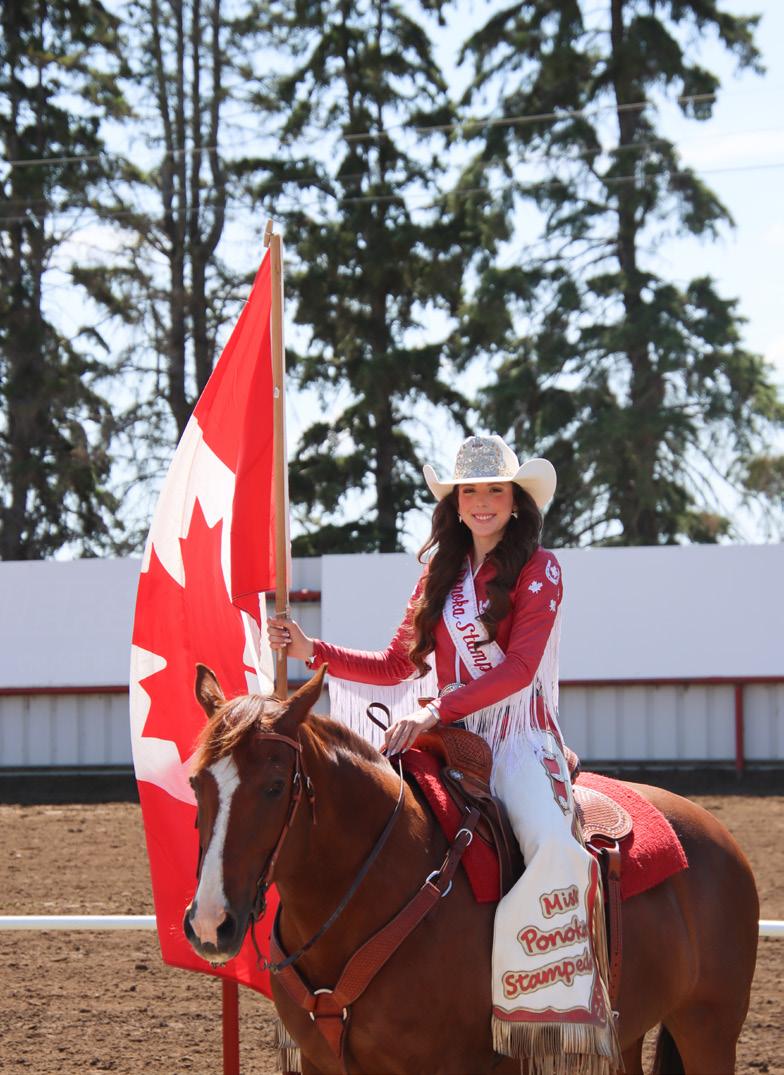
Kyla Lightfoot—Miss Ponoka Stampede 2025
Kayla has spent sixteen years in Wild Rose Country. She has ridden since she was two years old and has grown immersed in Alberta’s vibrant equine and rodeo communities. Her competitive background is 4-H Alberta, Extreme Cowboy Racing, Gymkhana, and Reining. She is currently active in the AQHA Show Circuit, where she holds numerous national championships.
Q. What is one of the coolest moments you experienced as rodeo royalty?
A. One of the most memorable parts of my journey was the people I met along the way. I had the opportunity to connect with individuals not just across Canada but also down in the United States, something I never expected when I first started. What made it even more meaningful was getting to represent such an iconic Canadian rodeo, the Ponoka Stampede, and share our story, our values, and our way of life with people from all over the world. It showed me that the Western community isn’t just local; it’s global, and it’s deeply connected, and that’s something I’ll carry with me long after the crow.
Q. How will your rodeo royalty experience help you in your future career as a journalist?
A. My time as rodeo royalty has given me more than just a platform; it has given me purpose. I’ve learned how to communicate with confidence, listen with intention, and represent a community with authenticity. I’ve had conversations with people from all walks of life, and those moments have shaped how I understand and tell stories. As a journalist, I won’t just be reporting from outside; I’ll be telling stories from within, with genuine understanding of the people and lifestyle I’m representing.
These women have used their rodeo royalty experience to help shape their futures—futures that include public service and a commitment to their communities. They will continue to support rodeo and western heritage as alumni queens, passing on their knowledge to the next generations of rodeo queens.
Article by Laureen James BCom, Journalist, EC/NCCP Coach Certification
Photos: Abbey Harty - Photo1 by Abbey Harty’s mom, photo 2 by Martin Photography, and photo 3 by Humphrey Tam Photography. Nikki Peltzer - Photo courtesy of Nikki Peltzer. Aliera Chernoff - Photo1 by Samantha Rose Photography and photo 2 by Wildwood Imagery. Ellen Van noordenburg - Photo1 Ian Neill Photography and photo 2 taken by Anya Johnson. Kayla lightfoot - Photo1 & 2 by Karen Skeels.
Life AfterThe Crown Crown Crown
“For every volunteer giving back, there is a community moving forward.” Calgary Stampede
Calgary Queens’ Alumni Committee A Sisterhood Spanning Decades
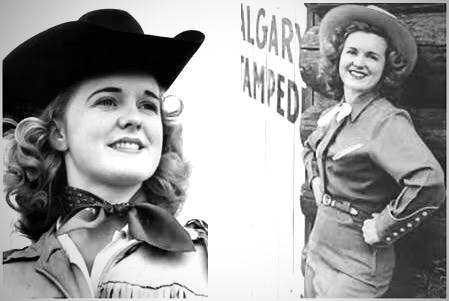
In 1946 Patsy Rodgers was crowned the first Calgary Stampede Queen, and nearly thirty years later, former Calgary Stampede royalty came together to establish the Queens’ Alumni Association, rooted in a shared commitment to community and western heritage.
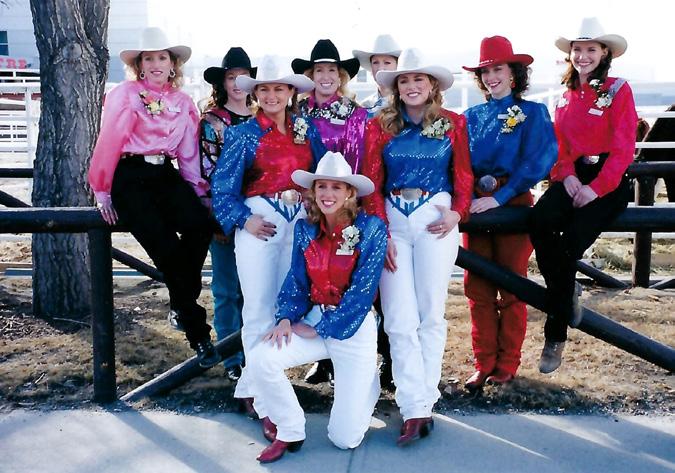
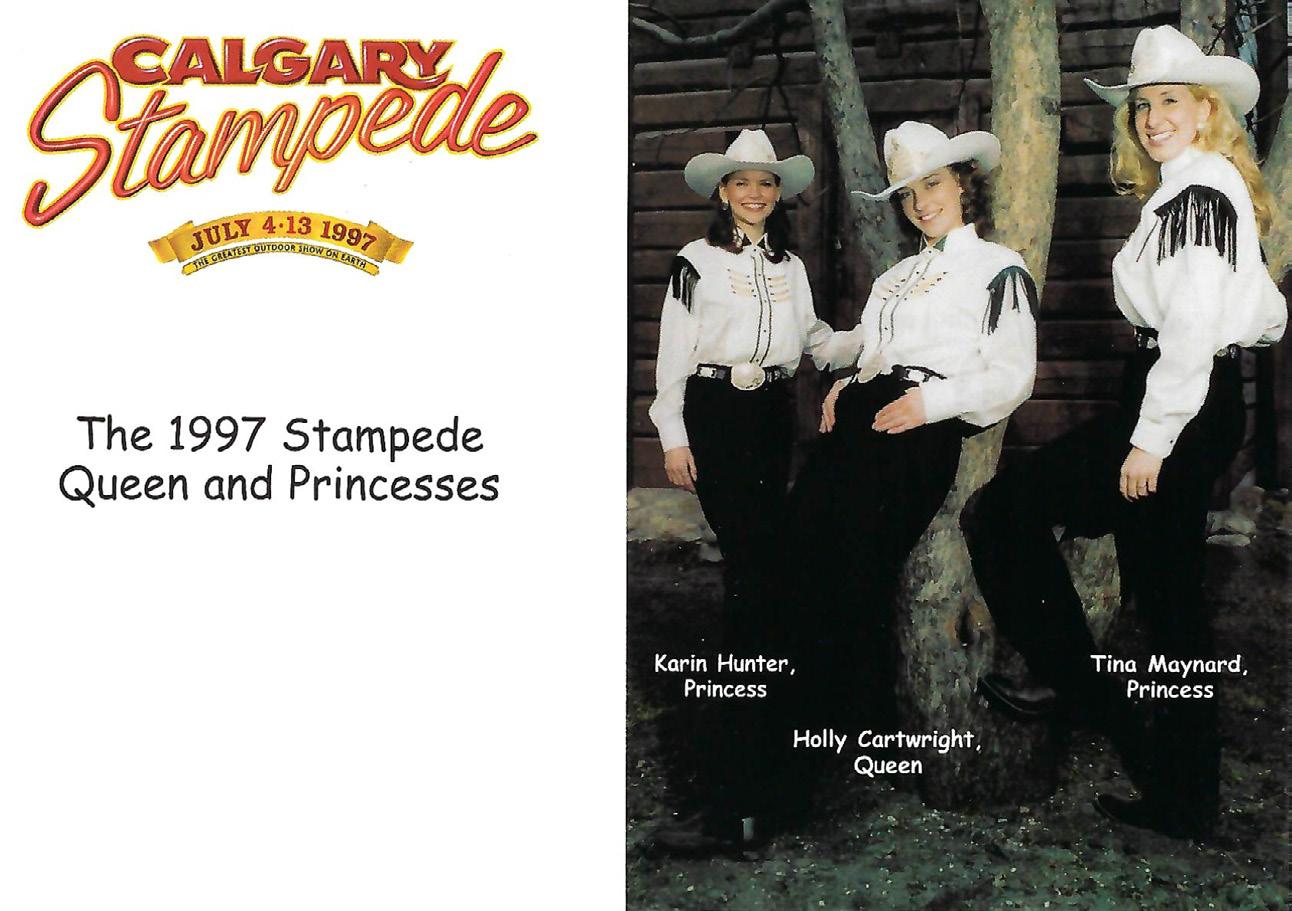
Kari Beerman, Chair of the Queens’ Alumni Committee, and Holly Cartwright, Second Vice-Chair, have a unique connection within the group. Kari was crowned Miss Calgary Stampede in 1996 and placed the crown on Holly in 1997. This has created a lasting bond between the two.
Q. Why is the Queens’ alumni important to you?
Holly: I am an ambassador for the Calgary Stampede. When you are the current queen, the year is so busy with events, but after the year is finished, there is time to learn more about the Calgary Stampede, and all past royalty are automatically inducted into the Queens’ Alumni. It’s then when you really have the time to learn about the Calgary Stampede and all that the committee does yearround. I’m proud to be able to continue to be involved.
Our committee works to put on four events per year for youth with disabilities. These kids might not get a chance to experience the Stampede without the work and dedication from the women in the committee. It’s a sisterhood of like-minded yet individualistic people with shared and unique wisdom and experiences. We continue to learn and grow together. We have developed lifelong friendships. Younger women and older women relating to one another like
there is no age gap. Even us older Queens learn a lot from the younger ones.
Kari: It represents a lifelong connection to an experience that helped shape who I am. As the 1996 Calgary Stampede Queen, along with Jody Moore and Shilo Shannon, the experience didn’t end when we passed on our crowns. The Queens’ Alumni created a sense of connection that goes beyond the Stampede. It brings together tradition, community, and shared purpose. Being part of it allows me to contribute, give back, and help create experiences that others will remember. It’s a space where we continue to support one another, give back to the community, and preserve the traditions of the Calgary Stampede. What makes it especially meaningful are the Giddy Up events. There’s something very special about sharing Western hospitality with children. For me, the alumni isn’t just about looking back; it’s about continuing to be part of something that celebrates Western heritage and the connection long after the crown is passed on.
1995-1997 Royalty
Q. How did the Queens’ Alumni get started?
Kari: In 1979 we hosted the first Giddy Up event, welcoming youth in our community with developmental disabilities to experience the Calgary Stampede in an inclusive and supportive environment. The Queens’ Alumni became an official Calgary Stampede volunteer committee in 1980, and this year marks the 80th anniversary of the Calgary Stampede Royalty, a milestone that reflects the longevity of the program. For eight decades we have remained united carrying forward our shared spirit of the Calgary Stampede.
Holly: The Calgary Stampede Royalty is unique because, unlike other organizations, the Calgary Stampede Royalty are ambassadors for the Calgary Stampede, not just the rodeo like many other rodeo royalty competitors. It’s not a beauty contest; we need to demonstrate our abilities in communications, working with the media, and public relations.
Q: What events are the Queens’ Alumni responsible for?
Kari: We host four Giddy Up events annually. Each event is free and invitation-based, designed for children and youth with a range of abilities, along with their families. Giddy Up Aggie Days offers a pancake breakfast followed by early access to Aggie Days which offers opportunities to meet farm animals, explore exhibits, and enjoy wagon rides. Giddy Up Rodeo is an interactive, modified rodeo experience with roping, hobby horses, minichuckwagon races, and horseback riding. The kids get hands-on engagement with cowboys and animals. Giddy Up Christmas is our festive holiday event with hayrides, cookie decorating, gifts, and a visit from Santa. Giddy Up Grits is our Stampede week event.
Holly: Our Giddy Up Grits event runs on the Monday morning before the Stampede officially opens for the day. That way the grounds are much quieter for the kids. We decided on this event because these kids and their families might not get a chance to visit the Stampede due to the overwhelming amount of people and activity that accompanies such a big event. The kids get a special experience riding specific midway rides, meeting mascots, and seeing animals. This experience helps the kids evolve in their confidence. All of the events we organize are important for the kids and their families to share an experience together.
Q: What advice would you give future royalty about staying in a community role post-crown?
Kari: I really like this question, because the role doesn’t have to end when the crown comes off.
My advice is…
- Stay connected after your year as Calgary Stampede Royalty; it’s easy to step back, but the relationships you’ve built over the year are special.
- Make an effort to stay involved with alumni. Attend events and keep those connections strong. Community doesn’t maintain itself—you have to choose it.
- Support the next generation, which is one of the most impactful roles we can play. Encouraging and mentoring current and future royalty. Each experience is worth sharing, and it helps others grow and keeps the tradition strong.
Holly: People should be taught to volunteer as youngsters. Sharing our experiences with others. Even years later we are still ambassadors for the Calgary Stampede. As a community ourselves of past royalty, we take the time to get together for our own events like trail riding and wine and cheese gatherings. Our sisterhood is very important.
The volunteer work these women do is heartwarming and inspiring. They are proud of their heritage and the western way of life. It’s a rich history for sure, and it’s good to know that this group of ladies are dedicated to preserving it.
Article by Laureen James BCom, Journalist, EC/NCCP Coach Certification IOB. Laureen is an equine journalist who
She
writes for the pet industry and is a columnist for Unison 50+ News. She has covered rodeos and related events
Photos are courtesy of the Calgary Stampede.
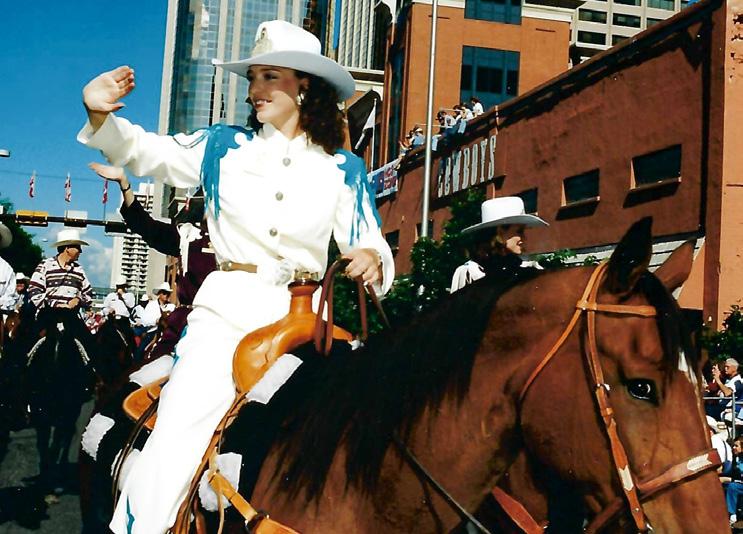
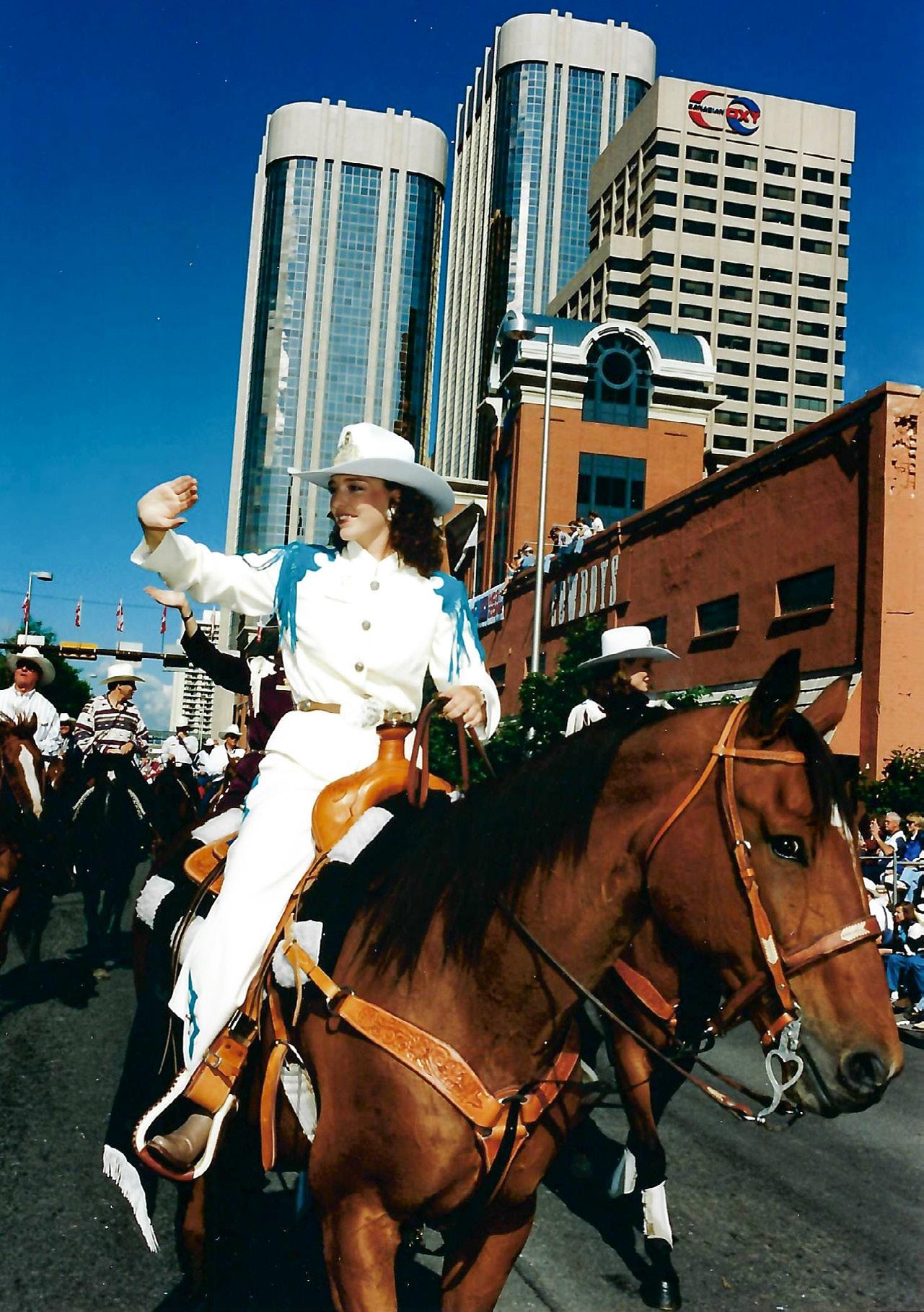
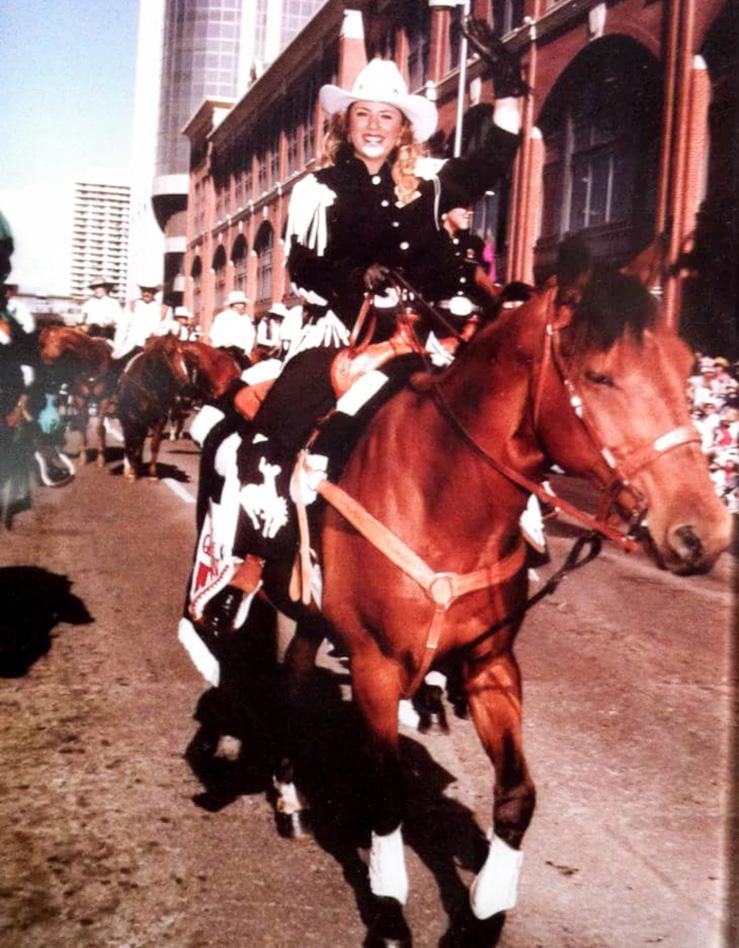
Kari riding in the 1996 Calgary Stampede Parade as Stampede Queen
1996 Royalty Right to left: Princess Shilo Johanson, Queen Kari Beerman, Princess Jody (Hooker) Moore
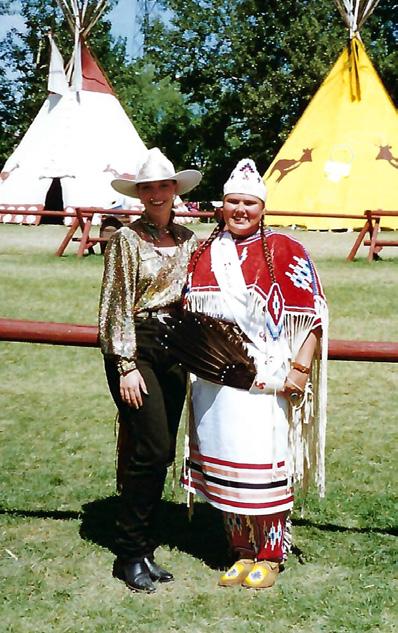
1997 Queen Holly & First Nations Princess Gaylene Weaslechild
ClUb Hub ClUb Hub
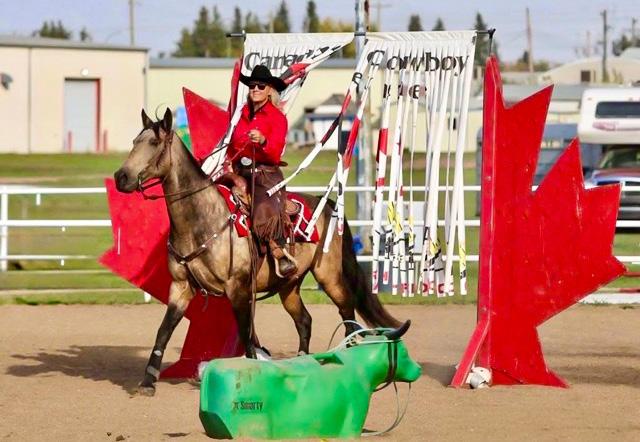
Canadian Cowboy Challenge
This month we would like to feature 3 female riders with the CCC.
To learn more about CCC, visit canadiancowboychallenge.com
Rolanda rides in the Rookie and Non-pro divisions in the CCC and writes that “Horsemanship is a journey, not a destination. For years, my equine journey was defined by Alberta’s mountaintop views and rides through our river pasture. But a few years ago, my goals shifted... . My entry into the Canadian Cowboy Challenge (CCC) wasn’t a “sunset ride” success. My first attempt at an obstacle play day left me humble and embarrassed; my mare was wired, we missed three obstacles, and I left feeling defeated. After realizing that partnership wasn’t the right fit… Through obstacle work, Jed [a gelding] and I began to speak the same language.... Suddenly, I wasn’t just steering; I was communicating. ... If you are looking to deepen your connection with your horse, I encourage you to check out the Canadian Cowboy Challenge website. ... “
Alana rides in the Non-pro and Older Than Dirt divisions and had not owned a horse for 30 years. When she bought George, a quarter horse gelding, she “... was looking for a fun, affordable way to dive back into the saddle. Fate led us to a Pine Rock Ventures payday at Lakedale Arena, and it was love at first sight—for both of us! George tackled every obstacle I pointed him at with total trust. Beyond the obstacles. Our first payday turned into our first competition, where we walked away with a red ribbon in the Novice class! Since then, we’ve been hooked. I joined the board to help grow the sport that gave me so much. Every summer season has been defined by the CCC. It has given us a road map of goals to chase and a community of friends to cheer us on.”
April is an Open and Buckin’ Crazies division rider who said, “I have been riding since I was a little girl, with experience in both English and Western disciplines. I currently ride with the CCC as well as at home on the ranch, where my love for horses continues to grow. The CCC has been a wonderful place for me to spend time with my horses while building a strong connection and solid foundation in my riding; there is a true sense of teamwork that makes the club special. I enjoy helping and cheering on my fellow competitors, and I look forward to many more years with the CCC and welcoming new competitors along the way. Some of my favourite moments are the potluck suppers and evenings spent with friends around the fire.”
Vintage Riders Equestrian Club
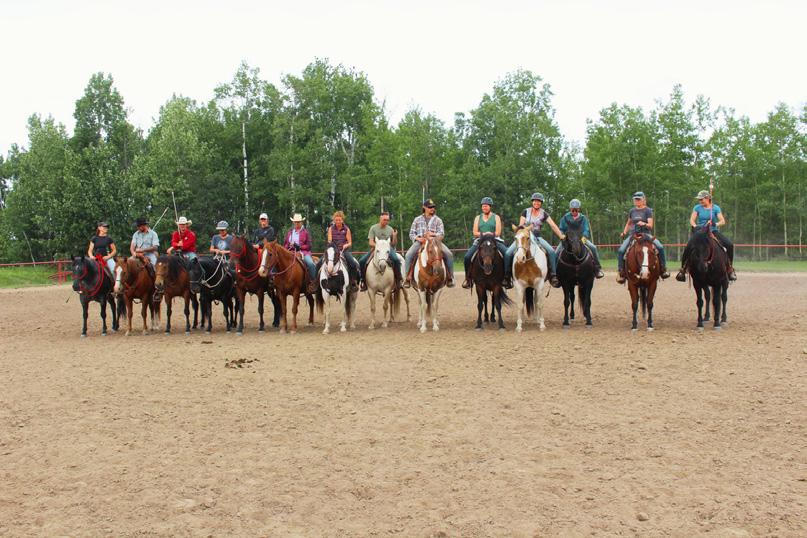
Exercising our emotions, both horses and riders. We are underway for our 2026 summer season. Already there have been a few clinics and speakers at the monthly meetings. There are more lined up. Let’s look out for each other. Cheer for and support club members. As always, a big thank you to our executive who set up these adventures.
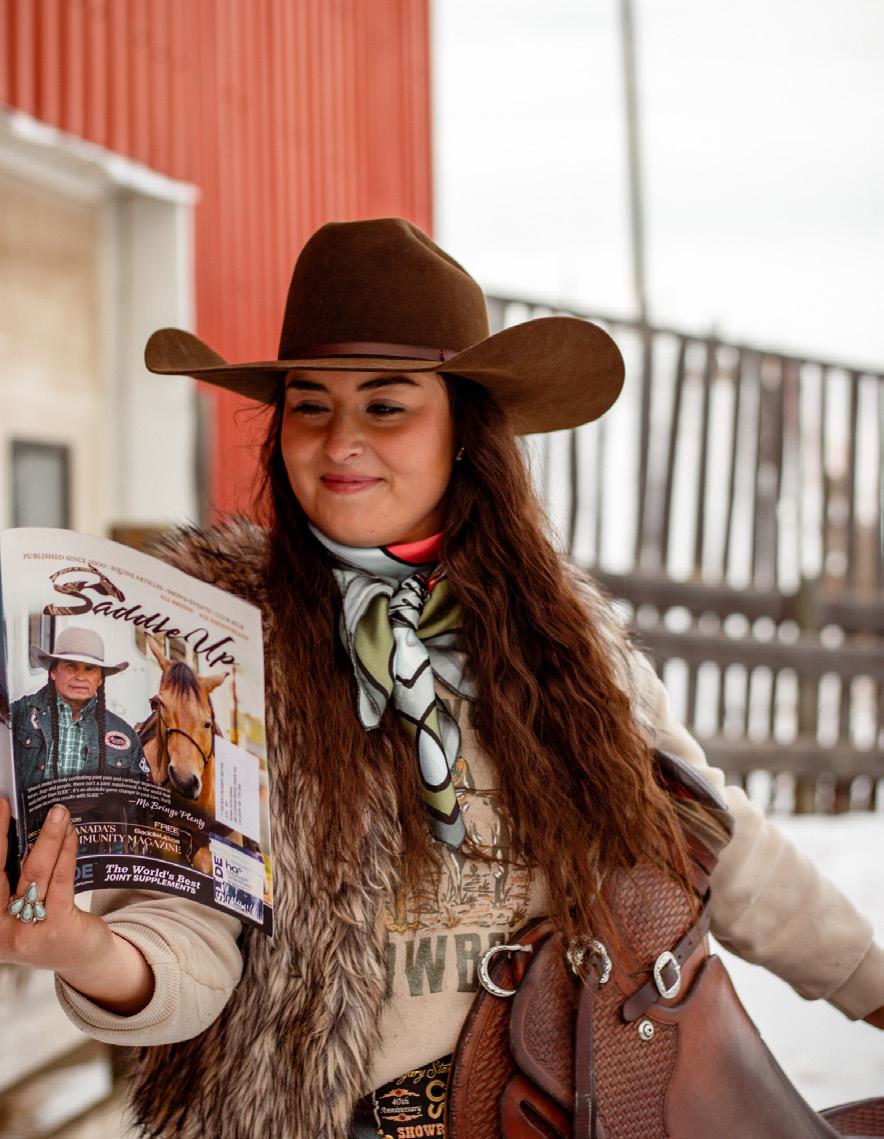
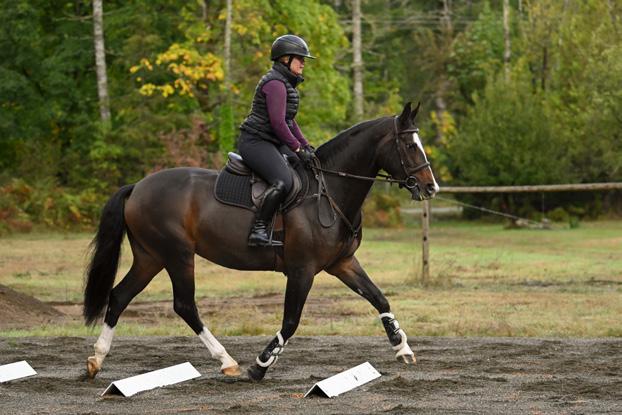
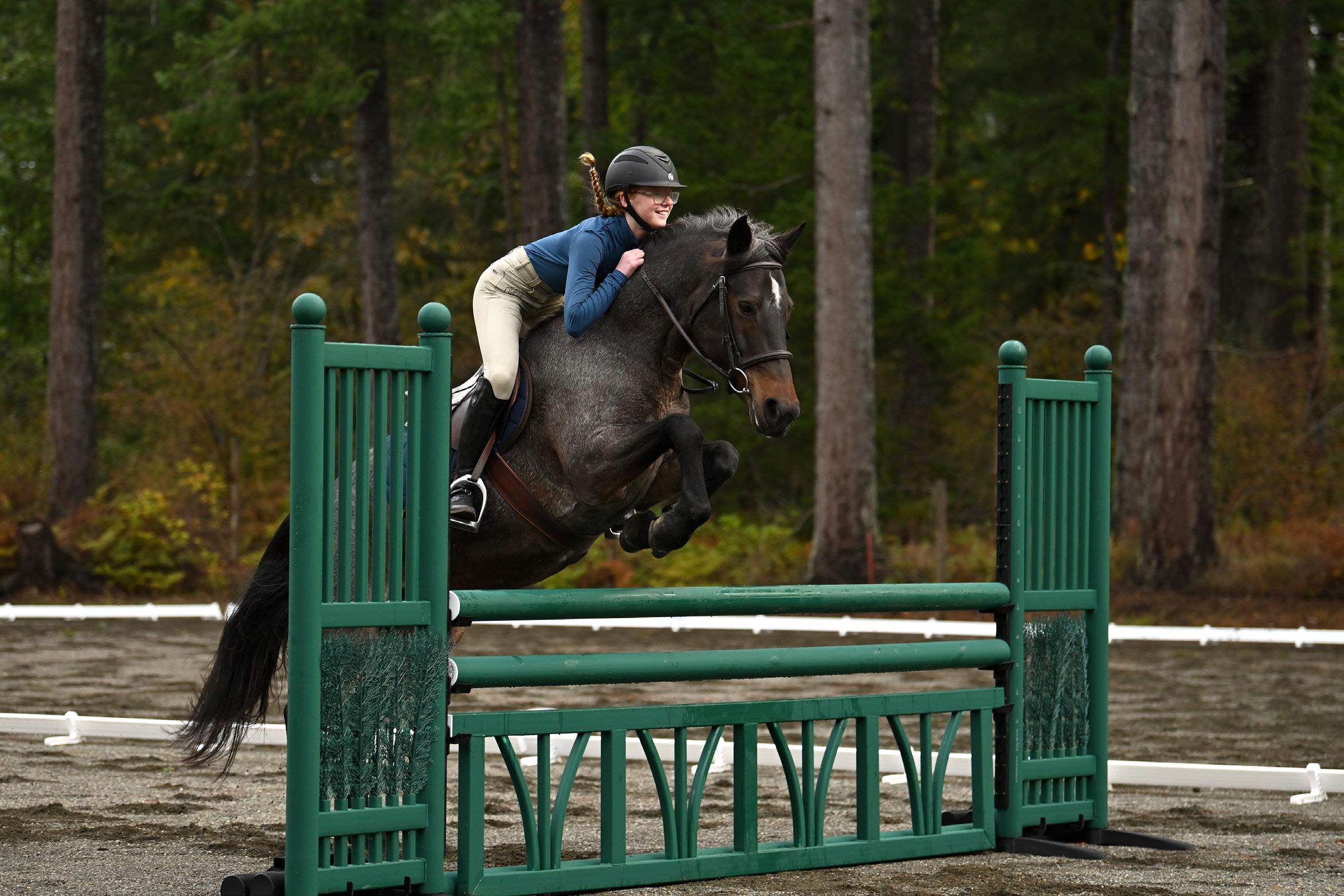
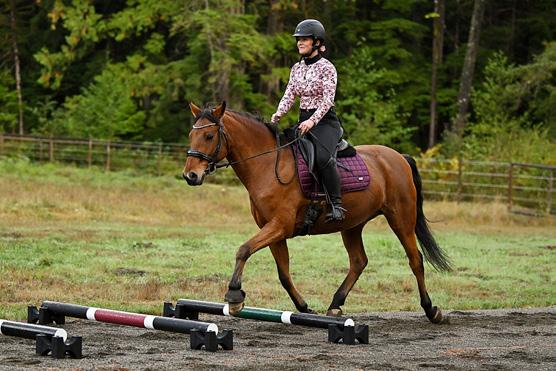
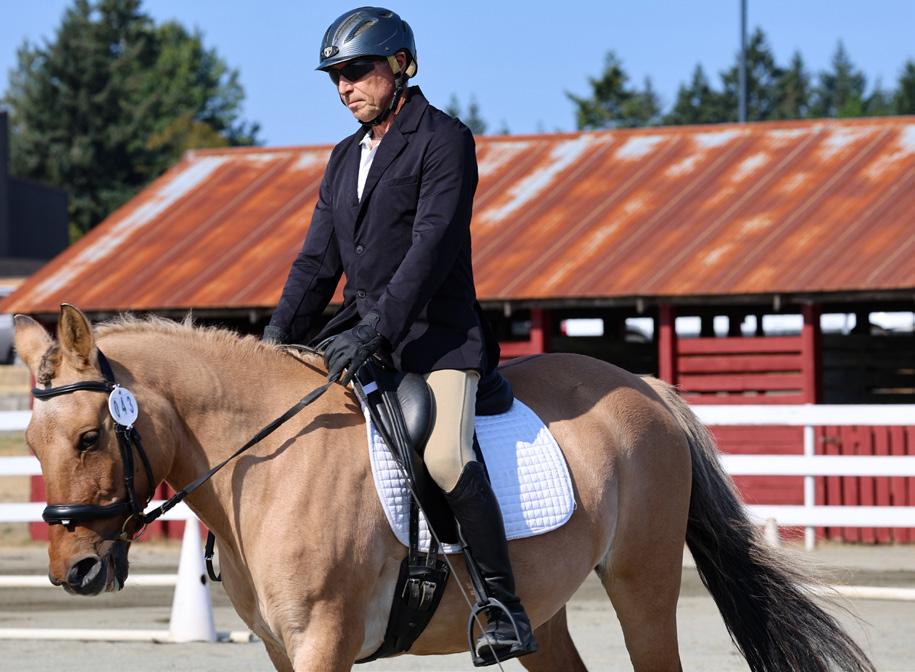
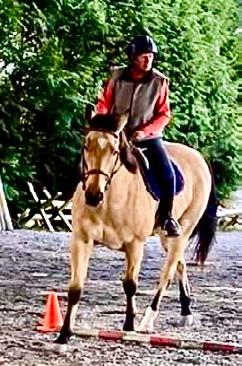
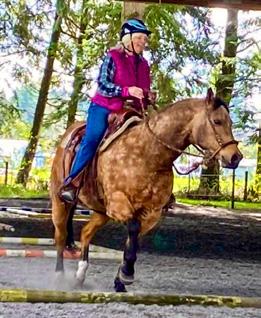
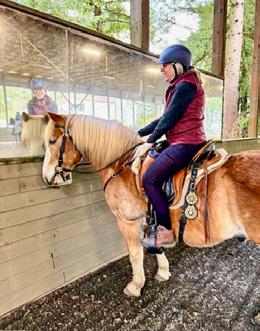
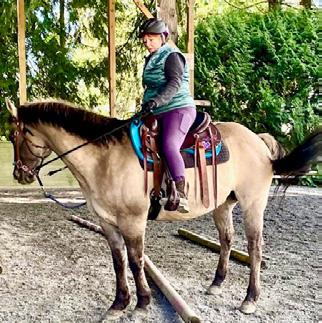
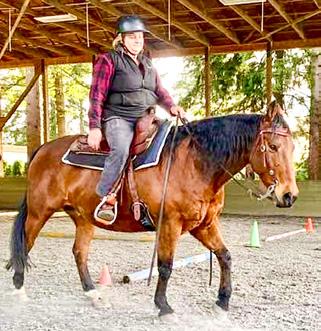
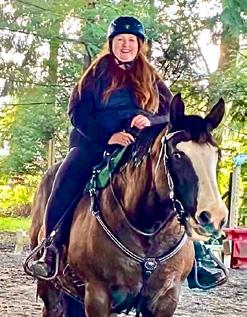
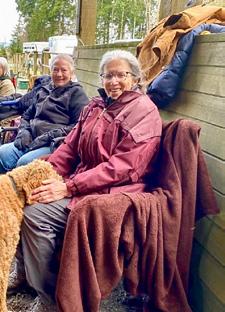
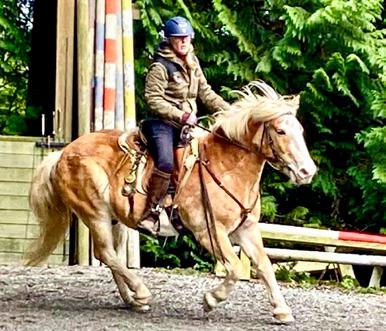
May is the ladies’ issue of Saddle Up magazine. Look at all these women doing the ranch horse practice with Jodie M. It was a chilly March weekend. Yet we still had members, wrapped in blankets, ready to lend a hand. Horse ladies have grit!
Age and experience have taught us the value of accepting each clinic, each schooling ride and each forest ride, as just what each moment brings. Sometimes wonderful, sometimes a struggle. Always unpredictable, always building our skills. What we imagine we want isn’t always what we get. But we learn to adjust and adapt. Grow and glow! Sit the trot...or slow it down until you can. By Kendra Kowalski - Photos by various club members.
Want to come and play and learn with us? Need more info? vintageriders@mail.com
Rolanda and April’s photos are by Sanna Kaiser Mateyk. Alana’s photo is with permission.
BC CARRIAGE DRIVING SOCIETY
Pleasure, Combined, Recreation from Minis to Drafts, bccarriagedriving.com
BC PAINT HORSE CLUB
bcphc.com, Open Show & Competition Program, award sponsorships for local clubs, youth scholarship. maddy.shannon33@gmail.com
250-963-9779 Real Appaloosas for Today and the Future!
VETERINARIANS
CONNECT VETERINARY SERVICES (Okanagan)
250-863-5996 Mobile Equine, Dr. Savannah Beavers, connectvetservices.com
INTERIOR VETERINARY HEALTH SERVICES (Okanagan)
250-769-4217, Mobile Equine, Brytann Youngberg DVM, VSMT, College of Animal Chiropractors
PET SUPPLIES & BOARDING
EVERYTHING PETS
Princeton, BC 250-295-7381
Quality Foods & Supplies for all your pets! See us on FB
HARMONY FARM KENNEL AND LAMB
Monte Lake, BC 250-375-2528
“Custom Care” boarding welcomes ALL dogs! Harmonyfarmkennelandlamb.com
Trust is Everything
When they run to greet you at the gate every morning or ready themselves for you to saddle up and give a world champion performance, their trust in you is everything.
Give them the best so they can give you the best with champion level care.
Crafted on Vancouver Island using human-grade ingredients and world class GMP we bring you both foundational daily support and advanced recovery formulas, so you can trust that you and yours are taken care of.