$29.00 CDN plus tax per year or $47 US per year. (11 issues)
Reproduction of any materials without written permission from the editor is prohibited. Opinions and statements expressed in this publication are not necessarily those of the editor.
LE E R TT
TO THE EDITORS
Dear Editors,
With the growing trend of the application of industrial byproducts to hay and farmland, it becomes imperative to pose questions regarding the stewardship and management practices of who you purchase hay and/or products from. The state of Maine has outright banned the application of sludge ("bio-solids," or "composted human waste").
The lurking of PFAS, the forever chemicals, is a growing problem, where they work their way up the food chain. As the presence of the antibiotic monensin in chicken feed posed a deadly danger to horses, so do
Editors’ Note
Find info about biosolids use in your area:
Check Provincial Regulations: For example, in British Columbia, the land application of biosolids is regulated under the Organic Matter Recycling Regulation (OMRR), which sets requirements for how biosolids are treated, transported, and applied to land.
Contact Local Government: Municipalities or regional districts often oversee wastewater and biosolids programs. Their websites may include information on biosolids management, land application programs, and the contractors involved.
Sincerely, Angelica Herlihy - Grand Forks, BC
Land Application Plans: Where biosolids are applied, a qualified professional must prepare a Land Application Plan outlining where, how much, and when materials can be spread.
Review Land Agreements: If farmland is rented or leased, lease agreements may contain clauses about permitted fertilizers or soil amendments. Operators may also be required to keep records of applications.
Watch for On-site Indicators: Biosolids may appear as dark pellets or a thick, dark material and are typically spread using specialized equipment. In some cases, application areas may also be posted with signage.
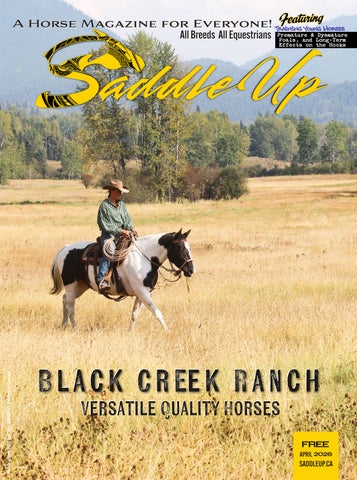
ON THE COVER
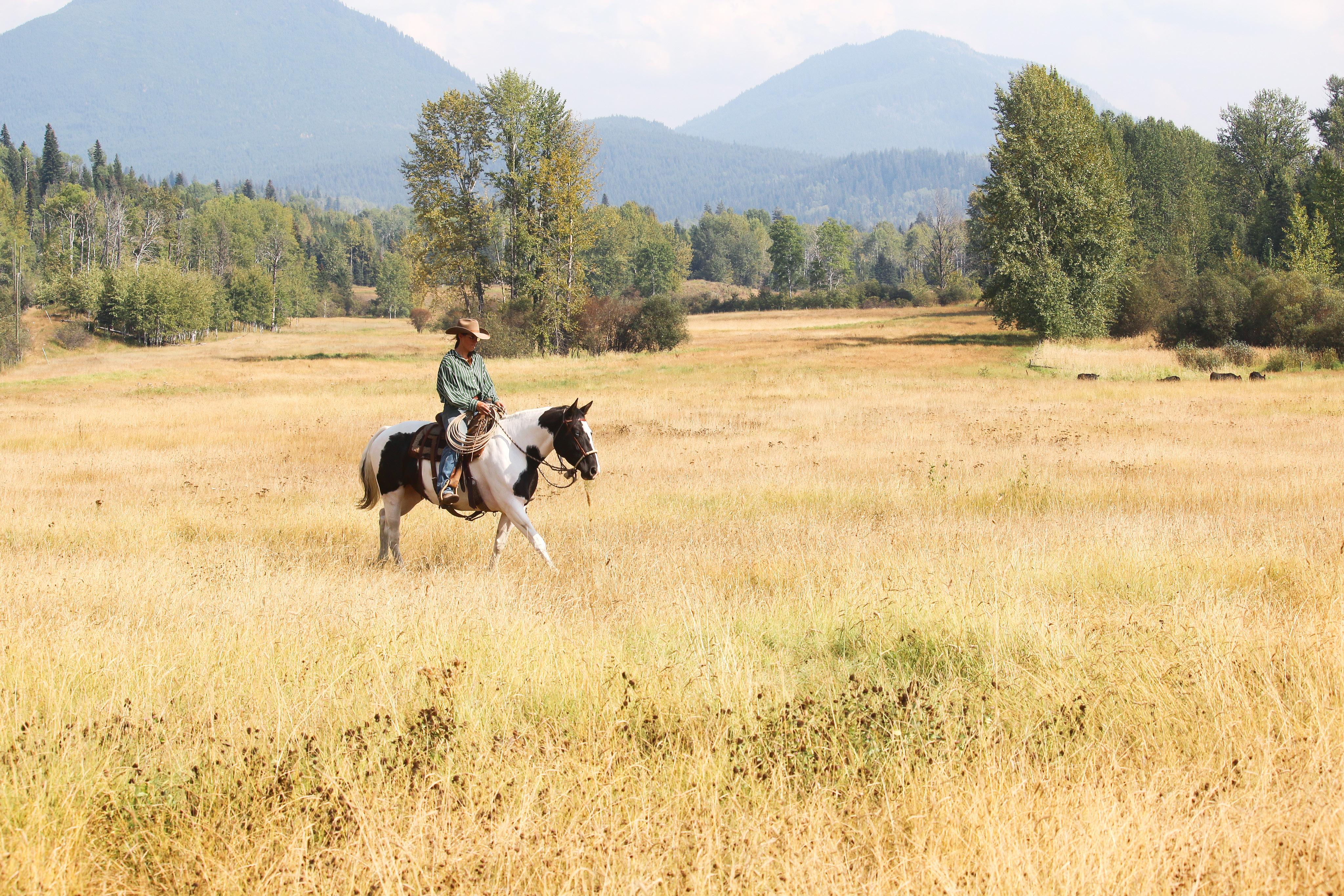
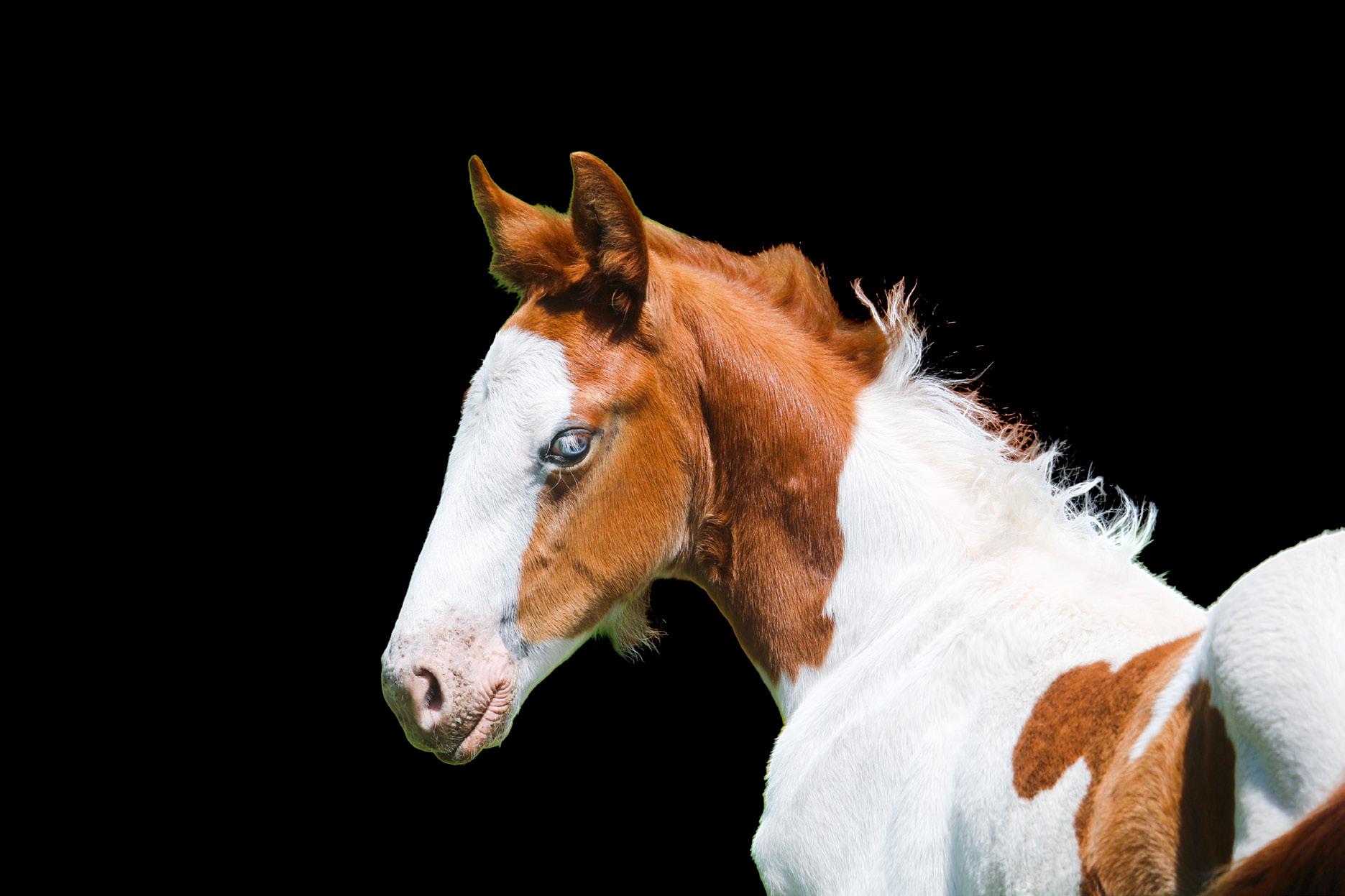
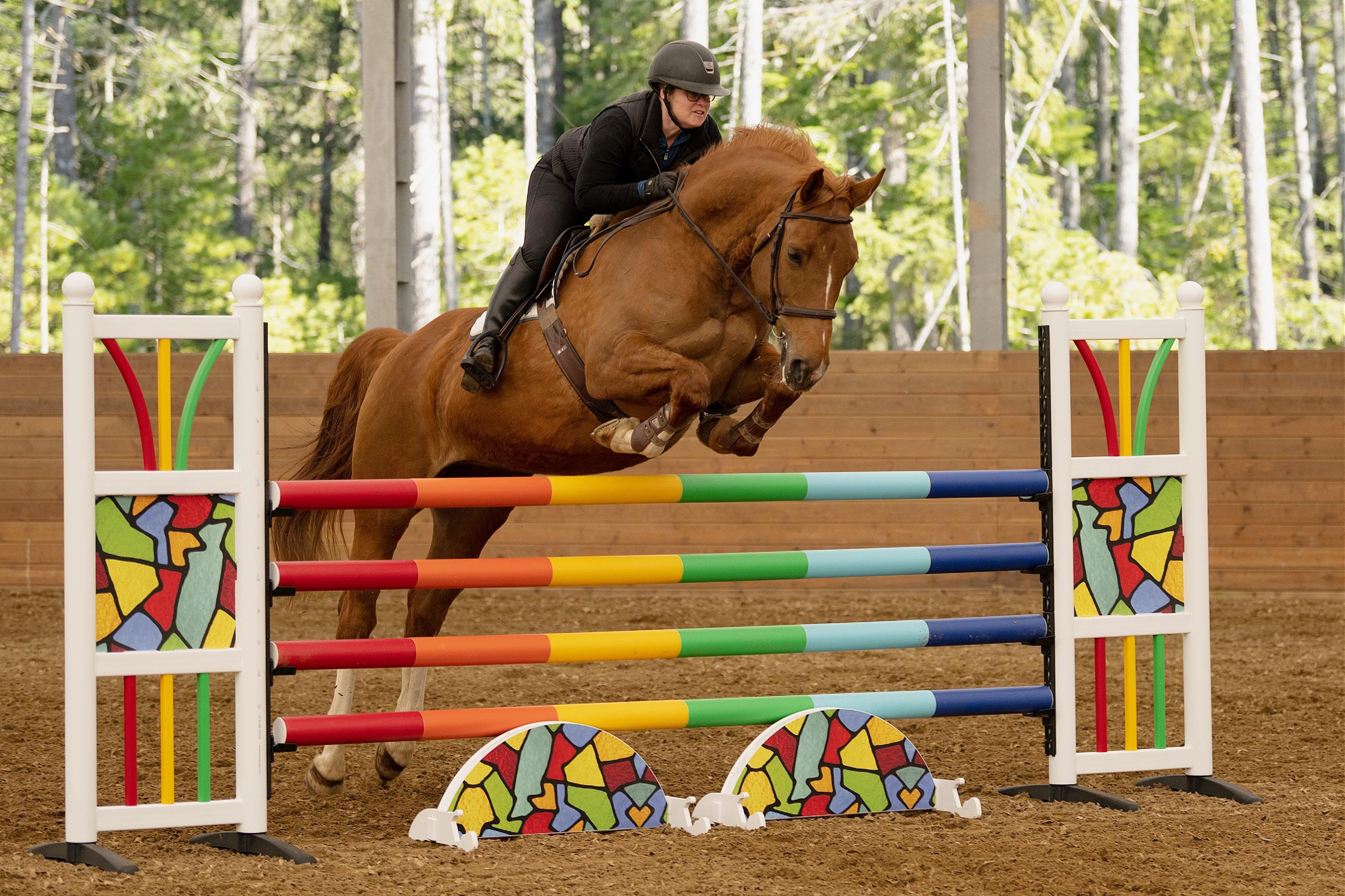
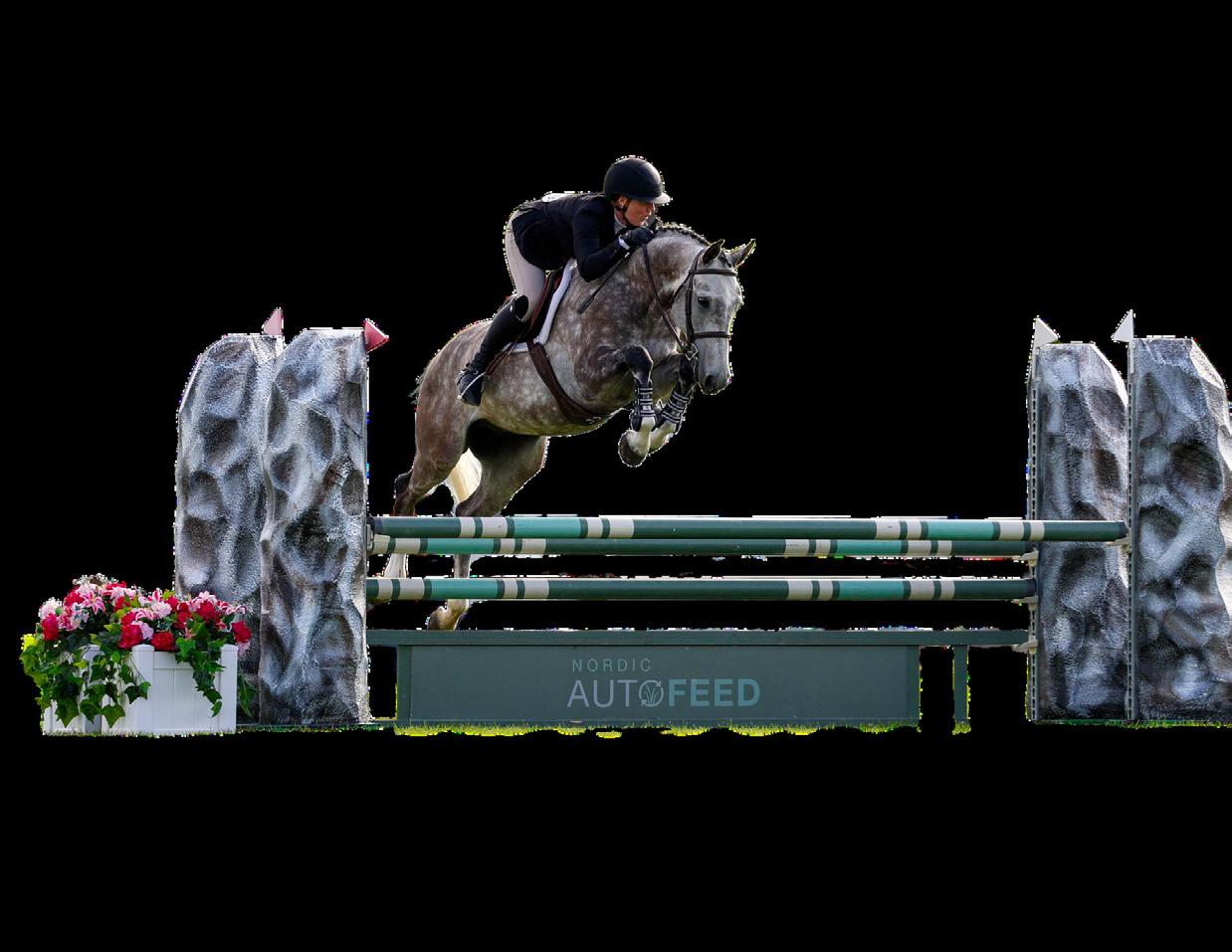
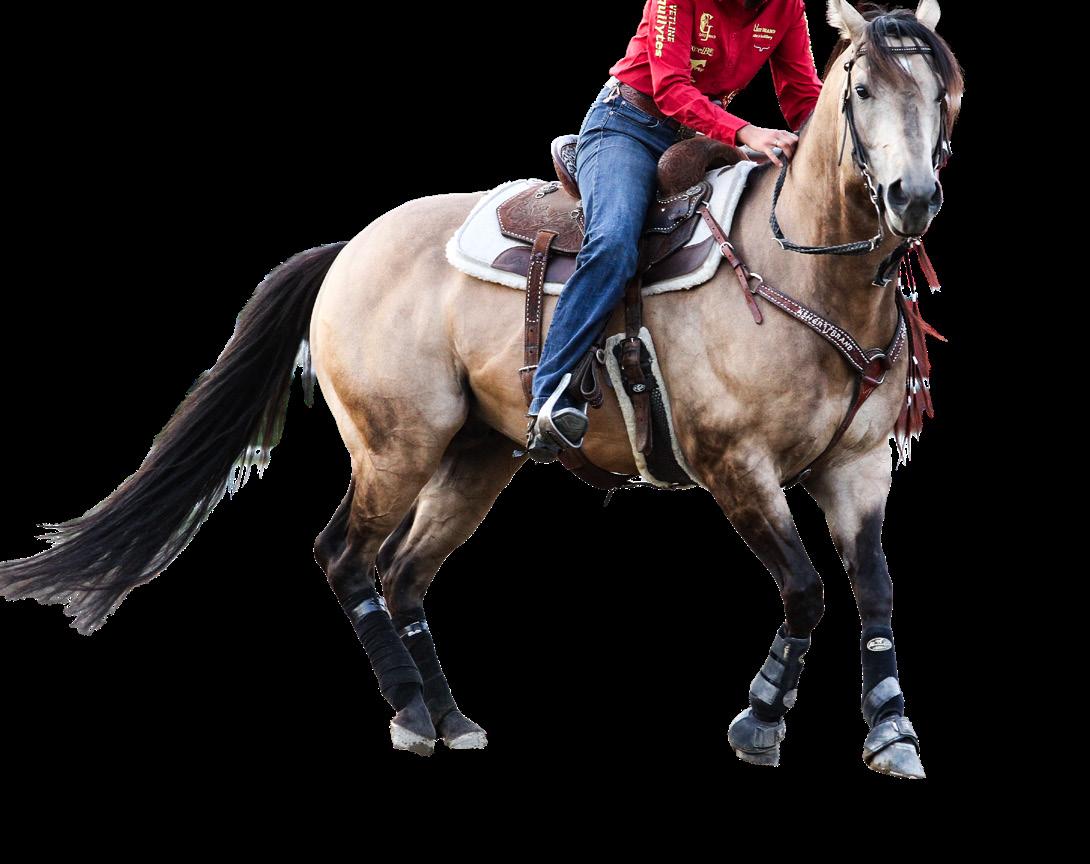
Major Crown Royal from Black Creek Ranch
See page 5 for more info or visit blackcreekranchbc.com
COVER
PHOTO
Danika McGuiness
ISSUE GRAPHICS
Designed by Saddle Up
CONTRIBUTORS
Saddle Up & Speak! Got something on your mind? Drop us a line! Share your concerns, resources, upcoming events—or a little barn gossip. Your voice helps keep our horse community connected.
Alexander Grayton, Laureen James, Danika McGuiness, Mad Barn Canada, Dr. Shelby Krywonos DVM, Patricia Skinner-Porter, Britain Mills-Dawes, BCHBC, and HCBC
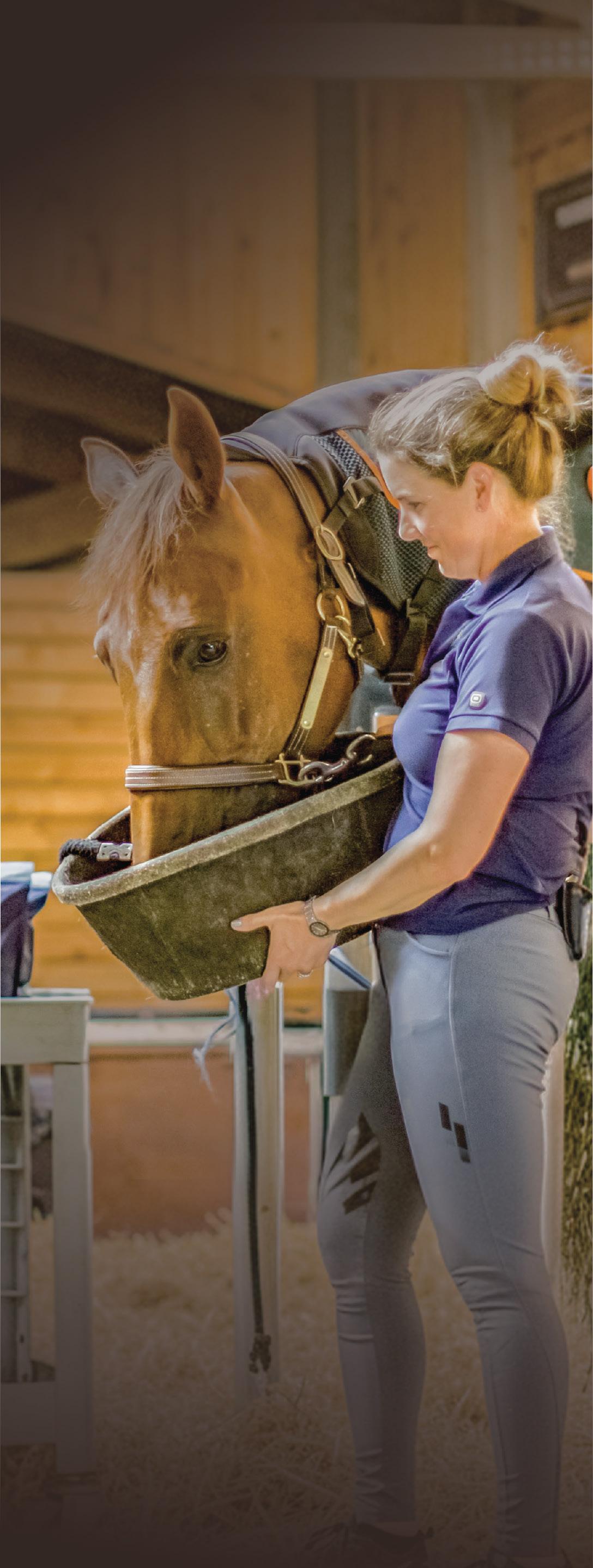
When they run to greet you at the gate every morning or ready themselves for you to saddle up and give a world champion performance, their trust in you is everything.
Give them the best so they can give you the best with champion level care.
Young Horse Training
Everything in this world seems to get more expensive all the time, but it feels like the horse world is overachieving in this space. Competition fees, memberships, trucks and trailers, board and/or farm costs, hay, grain, supplements, insurance, farriers, and vets—every one of these expenses keeps on ticking up as the years pass, so horse owners and sports enthusiasts have to evolve as well.
For us, this meant buying horses younger and younger, even breeding a bit. To be clear, top-quality promising young horses are not inexpensive, but they can be less expensive than more proven horses. Starting young horses has always been part of my wife’s skill set—she had a job early in her career working for a breeding operation, getting plenty of experience in all manner of (very) young horse tasks like foal handling, leading, and halter breaking. Essentially, she learned to do everything from day one through her first rides under saddle.
I had the great fortune of getting to ride young horses early in my career for Frank Selinger and his father, who was a very influential force in the show jumping breeding world in North America, bringing some of the first European jumpers to the continent and helping to establish Spruce Meadows’ horse program. I didn’t get the same exposure to foal handling and the very early stages, but I was often the first one on the horse and got to develop several of these young horses into competition horses in the young horse divisions locally.
When my wife, Holly, and I got together, we collectively had quite a lot of young
By Alexander Grayton
horse experience and have only continued to grow that as a significant part of our business over the last 20 years. It is often said, and never more true than with young horses, that we learn more every single time. About horses, about our processes, about ourselves and our own emotions, reactions, and abilities.
One of the most important lessons is that every situation is unique. No horse is born having read the “How to be a horse” manual. They aren’t totally blank slates either—their parents’ genetic influences are real and often so fun to see come out when you know their pedigrees well. What this really means is that having a good system to fall back on when training young horses is important, but it is only any good if your system doesn’t only allow for flexibility and adaptation but rather counts on them.
Holly is uniquely excellent in this area. Not just her intuition about what the horses are feeling (this is important, and I think most good horse people share this skill to varying degrees), but her patience and understanding that it doesn’t all need to get done today are likely a large reason for her outstanding success rate producing horses from unbroken to the competition ring as well-balanced, thoughtful, and trusting partners who go on to have long careers in sport.
Here is a bit of w H at we have learned
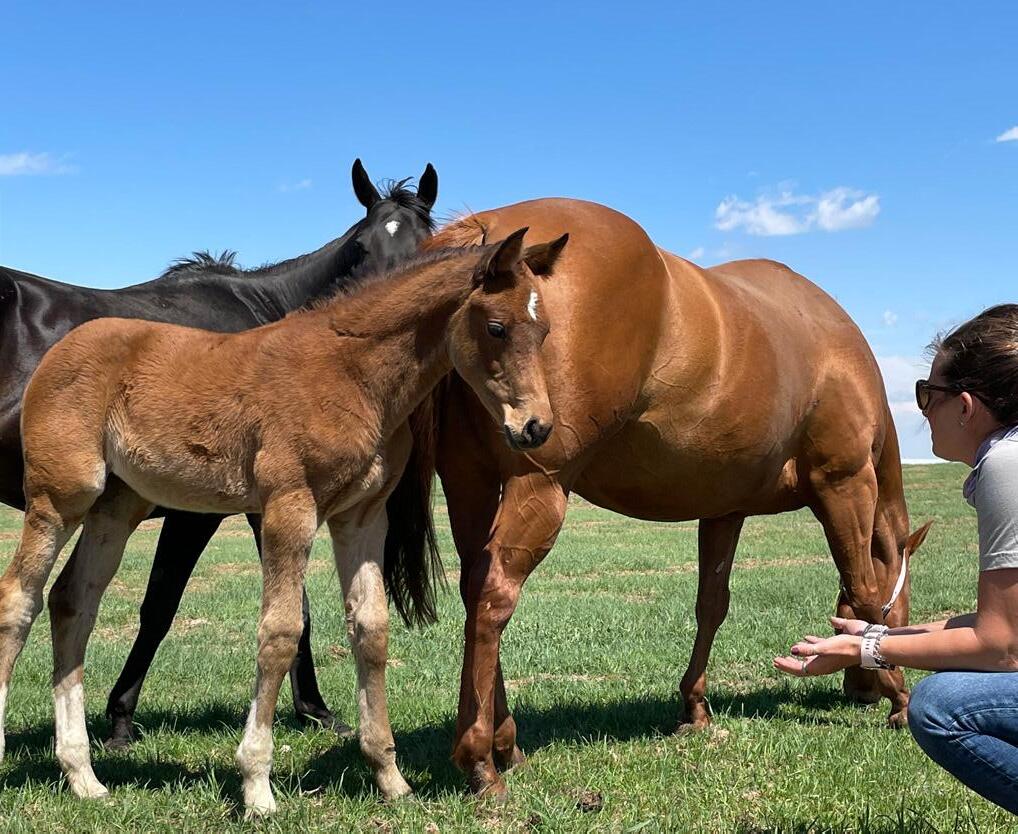
Handling your foal is important, and so is leaving them alone to learn from their mom. There is such a thing as overhandling, and while it is required in some situations (if the mom died, for example), what we really want the foals to learn
at this early stage is that people are ok and will be around, touching them as needed, and that their horse mom is the best teacher for how a large majority of their lives will go.
There are reasonable things that foals, weanlings, and yearlings need to learn how to do. Simple handling so that if something happens and they need medicating or first aid, that isn’t the first time you are trying to wrangle them when anxiety is at a high level. Being able to safely move pastures, separate groups, and so on are good skill developments. Then leave them alone. They need to learn how to stay in a stall—again, before they are forced into it, it’s better to teach them gradually, maybe with a friend to start and not for too long. Then one day when they have to stay overnight for some reason, they aren’t an anxious mess, risking further injury to themselves, you, or your stable.
We like to get our farrier involved early. Every couple times when he comes out, we commit a few minutes to just practice out in the field. No real objective other than starting the process. Maybe one day we just hang out with the baby horses, handle them on the lead in the field, pat them all over, possibly pick up a foot or two, and then again leave them alone. In our experience, that has made simple work in the future, with no stress. There is no virtue in tying up a leg and “getting it done” as a plan because you didn’t spend the time earlier. There are lots of situations that will arise that require something like that, but it’s a horrible plan.
The same logic applies for loading in the
trailer. Better to have the young horses comfortable loading and being driven around before you need to load them in the middle of the night to get to the clinic or something.
Scope, approach, and timing are again the keys. Start the process early, have no expectations or requirements about how much you do today, and think more about the concepts you need to teach them. Can they lead well? Do they follow a friend? Are treats a good motivator? Do you have the tools to keep their focus on you and follow you as a responsible leader? If none of these apply, steer clear of the horse trailer. There are masterclasses in how not to load the trailer readily available at any show you go to.
Fast forwarding a bit to the riding phase, there are several handy checkpoints along the way. These are really important. Generally speaking for the kinds of horses we like for jumping, they don’t physically mature until much later than people think. I suppose an analogy for life itself applies here—the balance between all things is where we strive to be. Getting a horse saddle broken in one day or one weekend is simply unnecessary, likely very harmful, and will absolutely skip several steps you will have to fix later.
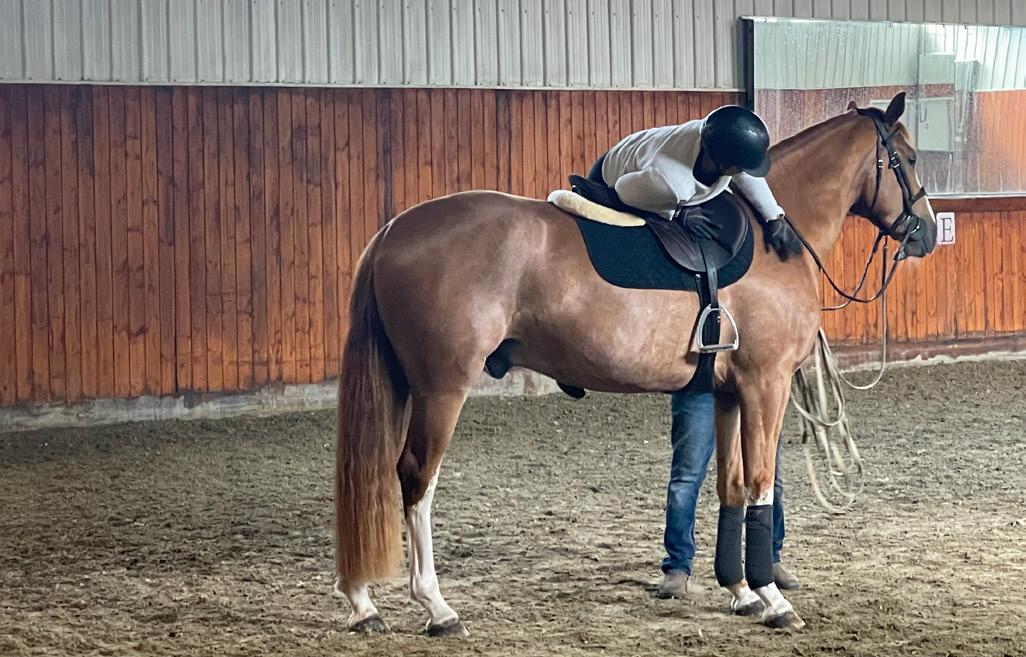
Think of the steps and skills that horses should have before you try to get on them. All of these just take as long as they take – no rush.
Familiarize them with the equipment (saddle, girth, bridle). Familiarize them with the arena you will work in by leading them around, jogging beside them, and hanging out in the arena when other horses are working and alone; consider letting them free if the space is safe, free jump, and so on.
Teach them how to work on the lunge line, moving around you; understanding body position; understanding control of the circle’s size; and understanding the lunge whip—this includes desensitizing so they aren’t terrified of it and also sensitizing so the whip acts as a useful aid. Again, that balance between all things, again.
We introduce side reins as well before we get on. This is really such an important opportunity to teach them about contact and connection. There is no desire to force a shape or “make them round” or anything ludicrous like that. Simply for understanding connection, how to move forward to contact, understanding boundaries on each side. If it takes several weeks to get both side reins connected, who cares? Don’t force it quickly; don’t force any of this quickly. Stay on topic, understand where they are at in their learning progression, and do the next right thing.
We like to teach the horses to ground-drive and double-lunge before riding too. It’s a more refined way to talk to them about contact and connection. The ability to change contact from one side to the next at our discretion is a precursor to steering. Also, having the horses feel a lunge line behind their tails and not worry is helpful too, so they grow their own understanding of where their body is and that when funny things touch them, it’s no cause for alarm (or at least not as much as they might think!).
Essentially, once the horses understand their bodies; trust and understand our interactions with them, our body position and presence, contact and connection, and forward thinking; and have some coping skills from all of the various experiences they will have lived through to this point, then they are ready for the next logical step—getting on.
Having a second person on the ground participating in some (or all) of these experiences is helpful so that the horse knows and trusts them too, and the person is aware of the horse’s reactions. When your assistant is leading you around when you are on the horse’s back, you will all be grateful you took the time to get to know one another.
In terms of a general timeline, if we can have a person up on their back by the end of their two-year-old year (literally just on their back, maybe walking a few steps), we feel on track. If we can ride them around the arena at the walk, trot, and canter by the end of their three-year-old year, we feel on track. If we can jump a few consecutive jumps and can ride off-property at a friend’s place in the arena or on a trail ride and feel like we could go to a show by the end of their four-year-old year, we feel on track.
The timelines are never the priority; they are just interesting reference points to observe. Building a meaningful, trusting partnership with your horse will always supersede getting anything done halfway earlier. Just because you can do it faster doesn’t mean you should!
Alexander Grayton is an accomplished international show jumper, coach, trainer and clinician. He has amassed a significant resume of Grand Prix wins and championships while staying true to his values and ethics of training, integrity and advocacy for the horse. His approach to training is rooted in precision, patience, adaptability and a fundamental understanding of the horse, all with a focus on high-performance competition. Visit www.graytonfarms.ca or follow @grayton_farms on Instagram for more information! Photos by Grayt Designs
Dysmature Premature and
Foals and the Long-Term Effects on the Hocks
I’m just not sure what’s up with my horse. She’s pleasant, has loads of training, but does odd things. All horses have their quirks, but her behaviour at times just can’t be explained. When she’s on the trailer, she always travels well going to an event. Standing still, quietly munching on her hay. Like clockwork, on the way home she rears in the trailer, which has a tugging effect on the hitch. It’s not a new behaviour; there was no sudden change in trailering habits.
Isearched the trailer high and low for any good reason she’d act badly but came up empty-handed every time. I even bought Easy Boots for her to travel in, in case she was experiencing road vibration. Nothing worked! Oddity number two has been her reluctance, at times, to canter. She has a wonderful balanced forward canter, but more days than not she just gets upset about it. Cow kicking, bucking, and sudden stops (on the forehand) have made me feel nervous. Oddity number three is an on-again, off-again slight lameness that seemed to be in the right shoulder but sometimes near the loins. The lameness would swap ends. She has no trouble with lateral movement and is very happy to do leg yields, haunches-in, turns on the forehand, and turns on the haunches, or even side-passing a pole.
All of the oddness became clear after a set of hock x-rays. My horse, according to the vet, was born a bit prematurely, and her lower hock bones (sesamoids) were not yet hardened. She said it is actually fairly common, especially in areas where magnesium is higher in the soil.
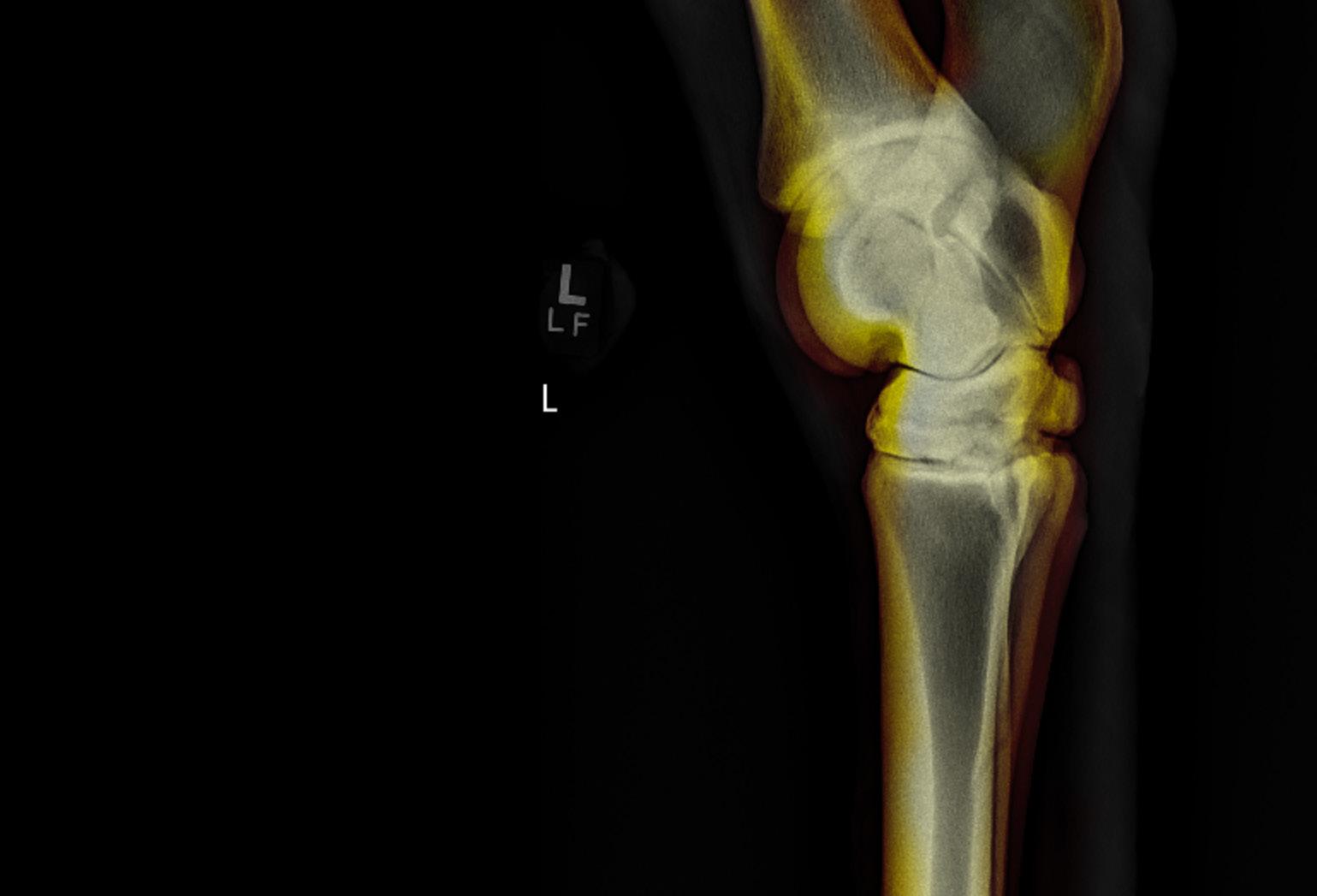
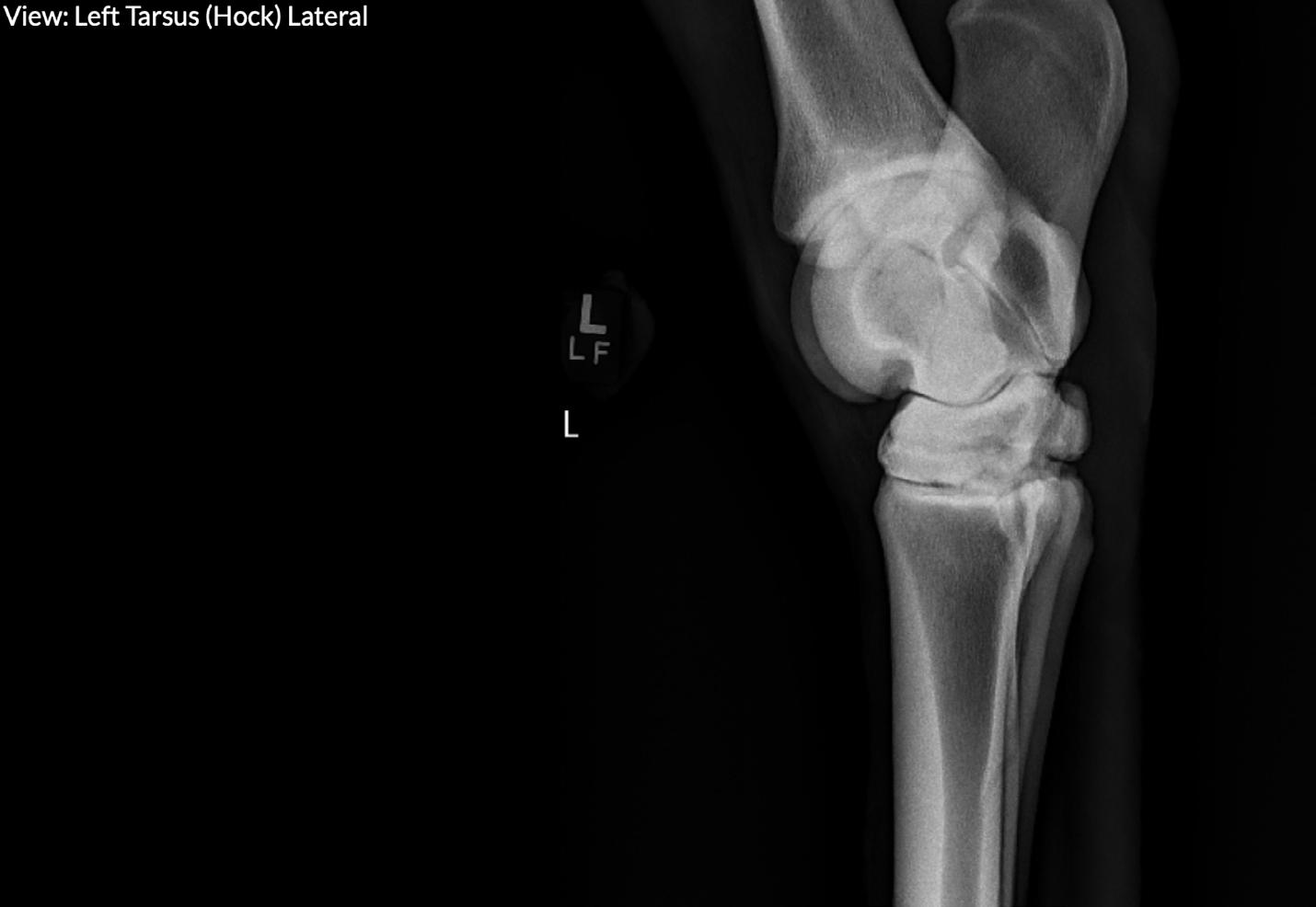
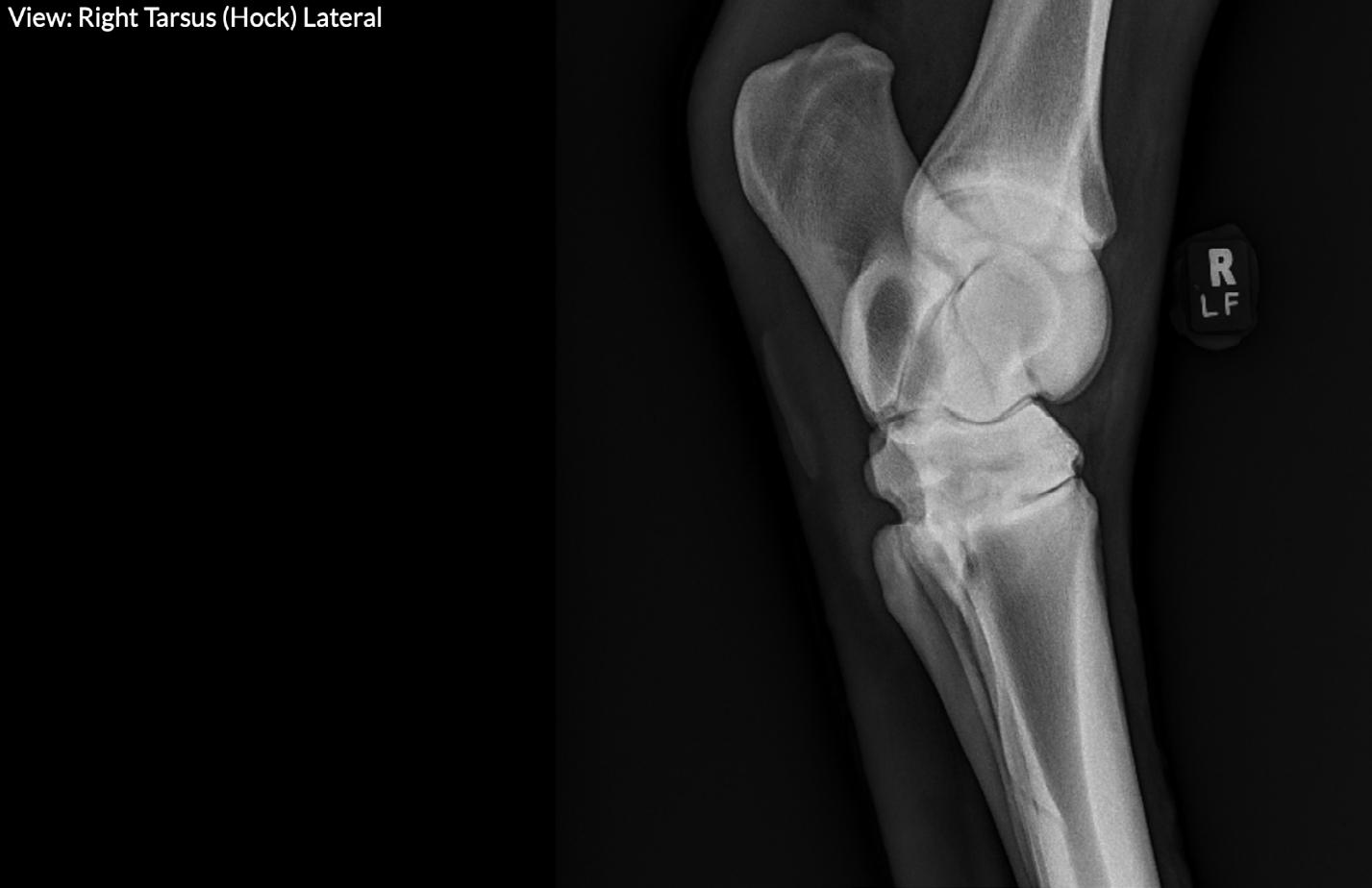
Here are my horse’s x-rays taken at the beginning of December of 2025. This horse is only 7 years old, and the damage is extensive. Because the damage is pretty equal in both hocks, that rules out traumatic injury. I’ve asked a few vets and done some research about premature foals and the relationship to hock arthritis (fusing hocks) to have a better understanding of premature foals and when it would be a good idea to have a veterinarian check a foal for prematurity and what constitutes prematurity.
Dr. Burwash, DVM - Laureen James has asked me for some information on foals that are born with immature bones in their legs, how breeders might predict the problem, and if presented, how to deal with it. There are two situations that most commonly result in foals being born with immature or poorly developed bones in their limbs. The two conditions, termed prematurity and dysmaturity, are differentiated based on the term of pregnancy. If the foal is born prior to their calculated due date, often a term less than 320 days, they are called premature. Premature foals are most often small and weak with severe joint and tendon laxity, a dome-shaped head, and droopy ears. An average normal term of pregnancy for mares is most often considered 340-342 days, but it can vary depending on the breed and the individual mare.
Dr. Wayne Burwash, DVM
Dr. Burwash, DVM, is a graduate of the College of Veterinary Medicine in Saskatoon. He was the founder of Burwash Equine Services—a private full-service equine practice with a state-of-the-art clinic and surgical facility west of Calgary. Wayne has practiced for over 50 years and has a special interest in reproduction. In addition to the practice, he had been breeding and showing registered Quarter Horses since the 1970s, producing many AQHA and Canadian champions.
If the foals are born on or after their estimated due date but are smaller than normal and exhibit the signs of prematurity, they are termed dysmature. Thus, the two terms are “prematurity” and “dysmaturity.” Both conditions are presented with the same common clinical signs of being small and weak individuals with fine, silky hair and extensive laxity in the joints. The joint laxity is a result of the bones being poorly formed and not mineralized properly and therefore being soft and fragile. This is most obvious in the small bones of the knees and hocks and results in these bones being easily damaged, even with the pressure of normal movement. The long-term result is the foal being predisposed to arthritis and unsoundness.
Even though the two conditions appear clinically similar, the underlying cause is quite different. With prematurity, the foal is not properly developed due to the shortened gestation time that may be due to any number of medical conditions in the mare, such as systemic disease, colic, hormonal imbalance, and abnormalities of the uterus and placenta. Dysmaturity is most commonly thought to be a result of placental insufficiency, where the placenta does not supply all the oxygen and nutrients the foal requires.
In many cases premature birth can be a grave concern if the mare is severely stressed with a pre-existing medical condition. However, with cases of both prematurity and dysmaturity, there is no reliable way to predict the problem by examining the fetus by ultrasound. In cases where marked separation of the placenta from the uterus is diagnosed by ultrasound in the latter stages of pregnancy, dysmaturity becomes a concern.
The treatment and management of these foals require a similarly high level of care and attention to ensure their survival and healthy development. Besides the problems with the legs, these foals often have compromised internal organs; therefore, the prognosis is dependent on the severity of their immaturity. There are many problems and conditions of concern during pregnancy, at birth, and during the time immediately after birth, and I have only touched on a couple of them.
1. The foal should stand within 1 hour
2. Nurse within 2 hours.
Pass the first manure, called meconium, within 3 hours.
Dr. Rachel Haner, DVM
Dr. Haner is a graduate from the Western College of Veterinary Medicine (WCVM) at the University of Saskatchewan, Class of 2025. She is currently completing a one-year internship at Burwash Equine Services and has a special interest in emergency medicine and critical care.
Q. What is ossification?
A. Ossification is a normal process involving the gradual transformation of cartilage into bone. This process normally occurs as the bones of a foal develop in the mare, and ossification should be largely complete when the foal is born. In foals born earlier than a normal gestation length, ossification can be incomplete at birth. The small cuboidal bones within the hocks and carpi (knees) may still be partially cartilage rather than fully mineralized bone. Because cartilage is softer and more compressible, these bones are vulnerable to crushing, collapse, or permanent deformation if the foal bears weight too early. If injury occurs before ossification is complete, the bones may ultimately form in an abnormal shape. This can have lifelong consequences for soundness, athletic potential, and comfort.
Q. What bones are usually involved in premature foals?
A. The cuboidal bones of the hock and the carpi (knees) are the most commonly affected bones in premature foals. These bones are among the last in the skeleton to fully ossify during gestation, which makes them particularly vulnerable if the foal is born early. Because these joints bear weight almost immediately after birth, incomplete ossification in these areas requires careful monitoring and management.
Q. What can cause a foal to be born prematurely?
Q. Are there different classifications of underdeveloped bones in the hocks of premature foals, and what are those classifications?
A. Yes. Equine veterinarians commonly use a standardized grading system known as the Skeletal Ossification Index (SOI) to assess cuboidal bone development. This system helps guide treatment decisions and prognosis.
The SOI includes 4 grades:
Grade 1: Some cuboidal bones show no evidence of ossification.
Grade 2: All cuboidal bones show some ossification.
Grade 3: All cuboidal bones are ossified, but they are small with rounded edges.
Grade 4: All cuboid bones are fully ossified and shaped similarly to those of a normal adult horse. Radiographic (x-ray) evaluation is essential for accurate grading.
Q. How would owners/breeders suspect that a foal might be premature?
A. The most reliable indicator is gestation length. A foal born before 320 days is considered premature and requires veterinary attention. When breeding dates are uncertain, physical characteristics may provide clues. Premature foals may exhibit: smaller body size, floppy ears, a silky or very fine hair coat, weak tendons (often seen as “dropped” fetlocks), a domed forehead, parrot mouth (the lower jaw is shorter than the upper jaw), and difficulty standing due to incomplete ossification.
However, it is important to note that some premature foals may appear normal. When in doubt, veterinarian evaluation is strongly recommended. It is also of note that dysmature foals are those that have a normal gestation length but show signs of prematurity (as explained above). Dysmature foals also require prompt veterinary attention.
Q. Can vets intervene to help premature foals?
* Also, within three hours, the mare should pass the placenta. My best advice is to have the foal examined by your equine veterinarian soon after birth; the sooner the better if you have any concerns.
A. Premature birth often occurs when fetal stress triggers early parturition. In response to stress within the uterus, hormonal signals may initiate foaling before the foal is fully prepared for life outside the mare. Common causes of premature foaling include: twin pregnancies, placentitis or other placental disease, maternal illness (colic, systemic infection, or laminitis), and drug-induced parturition (intentional—veterinariandirected or accidental administration of a medication contraindicated in pregnant mares).
A. Yes—and early intervention is critical. The type and intensity of treatment depend on the individual foal and the severity of the prematurity. Many premature foals require intensive neonatal care, and the potential interventions include: Nutritional & Immune Support. Foals that are weak or unwilling to nurse may require assisted feeding. Adequate colostrum intake within the first few hours of life is essential for immunity. If incomplete passive transfer is diagnosed (via IgG testing), treatment may include: plasma transfusions, antibiotics, and exercise restriction.
If incomplete ossification is identified, strict exercise restriction is often necessary. Limiting movement helps prevent crushing injury to the soft
cuboidal bones. Monitoring for Secondary Complications: premature foals often spend more time recumbent (lying down), increasing the risk of infection, pressure sores, and other complications. Close monitoring and treatment is essential.
Q. What diagnostic tests can be done if a breeder suspects a foal is premature?
A. Diagnostic tests: Radiographs (x-rays) of the hocks and/or carpi (knees) are among the most important diagnostics, they allow veterinarians to assess the degree of ossification. Each case is approached individually based on clinical findings.
Additional tests may include:
IgG testing to assess passive transfer of immunity
Complete bloodwork and organ function testing
Blood gas analysis to evaluate lung function
Bacterial cultures if infection is suspected Ultrasound or other imaging as indicated
What can breeders do before their vet arrives? Before the veterinarian arrives, breeders should ensure the foal and mare meet the critical neonatal milestones using the 1-2-3 rule. If the foal cannot stand independently, gentle assistance may be provided. Colostrum Intake, whether nursing or bottle-fed is vital in the first hours of life. If prematurity is suspected, restrict movement immediately until veterinary evaluation. Soft, incompletely ossified cuboidal bones are highly susceptible to crushing injury, and excessive, unrestrained movement can result in permanent damage.
References: 1. Adams, R., &; Poulos, P. (1988). A skeletal ossification index for neonatal foals. Veterinary Radiology, 29(5), 217-222 https://doi. org/10.1111/j.1740-8261.1988.tb01503.x
Dr. Gillian Haanen, DVM, MS
Q. Can you explain what osteoarthritis is and how it can be treated in the lower hocks?
A. The hock is divided into five joints. The tarsocrural, proximal intertarsal, distal intertarsal, tarsometatarsal, and talocalcaneal joints. Most of the movement in the hock is achieved by the tarsocrural joint. However, weight bearing and micromovements involve all of the joints.
The “lower hock joints” consist of the distal intertarsal (DIT) and tarsometatarsal (TMT). These are often injected with specific joint medication due to osteoarthritis (OA) caused by galloping or other strenuous activity but can also be caused by another reason. If a foal is born premature or dysmature, the cuboidal bones have not ossified properly when they are born. With the growing and aging of the foal, crushing of the central and/or third tarsal bones can occur, which predisposes them to early-onset osteoarthritis (OA), which in turn will lead to lameness.
Osteoarthritis of the distal tarsal joints is one of the most common causes of hindlimb lameness in the horse. Depending on the severity of changes that have already occurred in the hocks, lameness will be noted as the first sign. This can range from subtle lameness to severe lameness. Diagnosis: lameness examination, palpation of the limbs (during the lameness exam, regional anesthesia can be used if trying to “block out” the lameness. Radiographs (x-rays) of the hocks will show the changes to the bones consistent with OA.
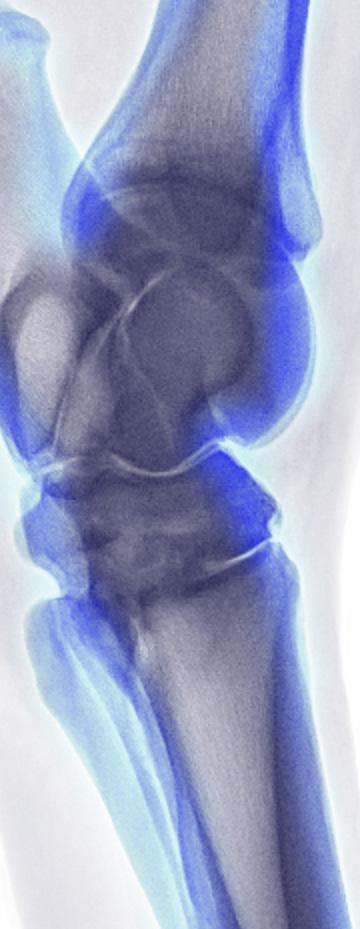
These 2 x-rays, left and right of Punch, showing the changes in the bones of the lower hocks.
X-rays courtesy of Moore Equine and owner Laureen James
Note:
radiographs of the hocks and carpi would also be recommended when a foal is born if there are any concerns about prematurity or dysmaturity. At that time, the ossification of the cuboidal bones can be assessed (grade 1-4), with grade 4 being normal.
Dr. Haanen is from the Netherlands and graduated from Utrecht University. Following graduation, she worked as an intern at Sportpaardenkliniek Wolvega in the Netherlands, Moore Equine in Canada, and Purdue University in the United States. Dr. Haanen completed her residency training in 2019. She works as an associate veterinarian at Moore Equine.
Treatment Options Include
Corrective shoeing
Systemic and intraarticular anti-inflammatory medications
Shock wave therapy
Chemical and surgical arthrodesis (fusing of the joint)
Intraarticular medications are most frequently used. These can be steroids with/without additional joint support medications like hyaluronic acid. Others given by IV are polysulfated glycosaminoglycans (PSGAG, Adequan).
If using chemical fusion of DIT/TMT, it’s a timeconsuming, slow process, but the cost is lower.
Surgical fusion by “drilling of the hocks.” The recovery includes 1 month of stall rest, then short hand walks, followed by 2 months in a small paddock. Some horses, after reassessment, might need more time off. Most horses will be free of lameness after 4-5 months following the procedure. There is some potential for persistent lameness. If fusion of the lower hock joint is complete and there is no pain or lameness, the horse can be used as per normal. But, if there is residual lameness, the horse might need to receive firocoxib long-term. Every horse is different.
I learned so much with this experience! Every weird thing my horse was displaying, from on-again, off-again lameness to rearing in the trailer and sometimes being reluctant to canter, was all explained in the x-rays of her hocks. I would need to have her knees x-rayed to confirm if she was a premature foal. Maybe I will in the future if she shows any continued lameness. For now, I see great improvements. She’s never been so active.
I had to decide if knowing was better than guessing. I spent years guessing and hoping all the weirdness would suddenly disappear with training. It didn’t! Eventually I found myself frustrated due to just enough lameness for my horse to look like she was fighting the bit to the judges. Such a slight head bob, here and there in the arena. It really did seem like she didn’t like certain corners and would stop suddenly, swish her tail, or buck. This whole time, since I bought her at two, it was hock pain holding her back in training. I wish I would have gotten my vet out earlier.
Laureen James BCom, Journalist, EC/NCCP Coach Certification IOB.
has covered rodeos and related events over the past few years as a journalist and photographer.
Laureen is an equine journalist who writes for many publications. She also writes for the pet industry and is a columnist for Unison 50+ News. She
Dr. Chelsey Wood, DVM
Dr. Friedl, DVM
AByDanikaMcGuinness
TheLusitano Lusitano
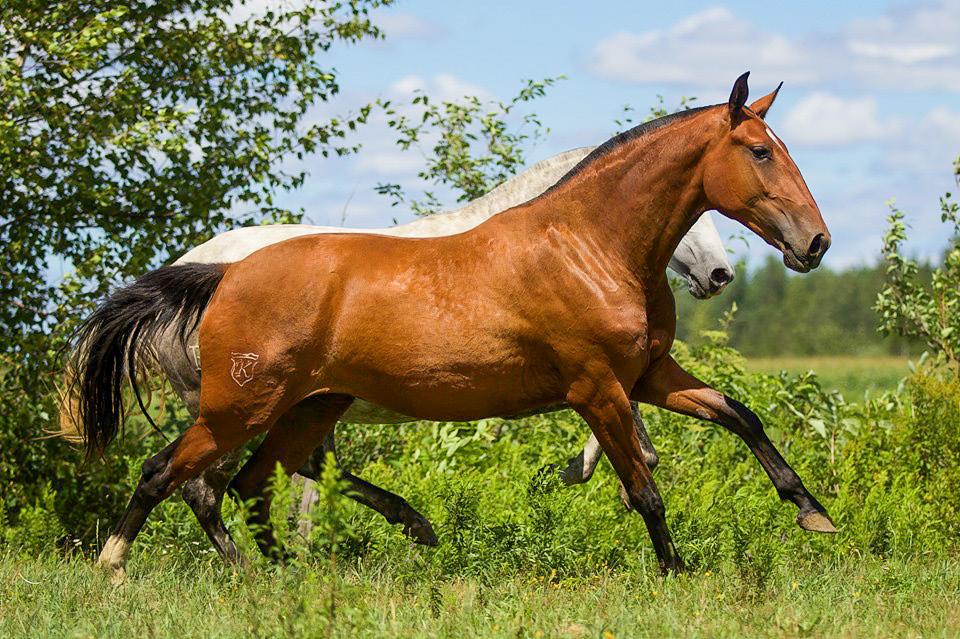
n Iberian breed originating from Portugal, known for its intelligence, willingness, athletic ability, and natural beauty, the Lusitano is now making its way into Canada as a prominent breed. People are wanting to float on the backs of these beautiful dream horses for a variety of disciplines, from dressage and working equitation to even roping and ranch work. They can scale mountains with their strong compact build, good bones, feet, and functional conformation; they are cowy and thrive in challenging conditions with their cool, calm temperament.
Keberica is a Lusitano breeding farm located on the south shore of the St. Lawrence River in Quebec, Canada. Renowned for their rigorous selection of its breeding stock.
Q. Why the Lusitano breed?
A. At Keberica Lusitanos, we are passionate about the Lusitano because of their extraordinary combination of athleticism, intelligence, and heart. The Lusitano is one of the oldest performance breeds in the world, refined over centuries for partnership with the rider. They possess natural balance, collection, and agility. Making advanced work feel fluid and harmonious. Beyond talent, it is their character that truly sets them apart. Lusitanos are deeply people-oriented, sensitive yet brave, and incredibly willing. They thrive on connection and partnership. For us, they represent the perfect blend of beauty, functionality, and temperament.
Q. What bloodlines do you breed for?
A. We focus on traditional, performance-proven Portuguese bloodlines registered with the Associação Portuguesa de Criadores do Cavalo Puro Sangue Lusitano (APSL). We carefully select bloodlines known for: Strong functionality, correct conformation, natural collection, expressive movement, rideability, trainable temperaments, sound minds, and longterm durability.
Not to be mistaken for the Spanish Andalusian PREs, although they did share a stud book until the 1960s when they separated registries. The Lusitano’s history is rich and as captivating as the horse itself. Its origins date back nearly 2000 years. There are four leading Lusitano stud farms in Portugal: Alter Real (being the oldest), Andrade, Coudelaria Nacional, and Veiga. These historic farms have established the lineage for all Lusitano descendants, defining the breed characteristics recognized by the Portuguese Stud Book (APSL). I had the chance to interview three reputable breeders in Canada to get their shared passion and professional opinion on why they love the Lusitano.
Our program values classical foundation lines that have consistently proven themselves in sport, working equitation, and traditional Portuguese disciplines. Every breeding decision is made with the long-term development of the horse in mind — mentally, physically, and athletically.
Q. What disciplines do you do with your Lusitanos?
A. Our Lusitanos are versatile and excel across multiple disciplines. We focus on classical and competitive dressage and working equitation. The breed’s natural ability to collect, sit, and respond to subtle aids makes them particularly well suited for upper-level dressage and working equitation. However, their steady minds and willing attitudes also make them wonderful partners for amateur riders seeking a deeply connected riding experience.
Q. Advice for those interested/looking at getting into the breed?
A. Take your time and educate yourself on the breed’s history and purpose. The Lusitanos are incredibly rewarding, but they are intelligent and sensitive horses who thrive with thoughtful, consistent handling.
Q. When looking for a Lusitano, what do you look for?
A. Prioritize temperament and rideability over flash or colour. Study bloodlines and understand what traits they tend to produce; use the tools that APSL has at our disposal and their online Studbook, such as the genetics value that they will update at the end of each year. Work with reputable breeders who prioritize soundness and character. Spend time around the breed if possible. Their personality is what truly wins people over. Most importantly, be clear about your goals and always stay on track with what you believe. Lusitanos can excel in high-level sports, but they are equally valuable as lifelong partners. Finding the right match is key!
Wintertime Lusitanos & Aztecas is owned by Renee Marshall and Dale Danilkewich along with their children, Reata and Dallas. Based in Meadow Lake, Saskatchewan, the Wintertime story started in 2012 with the purchase of one mare.
Q. Why the Lusitano breed?
A. It may be cliché, but watching videos of Lusitanos bullfighting in Portugal really sparked our interest. Their bravery and athleticism are amazing. Dale and I were both working at government-run community pastures at that time, and we thought that Lusitanos would make fantastic pasture horses. Unfortunately, the Canadian community pastures were dissolved shortly after we bought our first Lusitano in 2012, so we did not get to implement that particular plan; however, working equitation became popular in Canada around then, which, of course highlighted the Lusitano and was good timing for our horses.
Q. What bloodlines do you breed for?
A. Wintertime’s first Lusitanos were predominantly bullfightingbred Veiga lines, but as our program evolved, we transitioned towards dressage-influenced lines. Our main goal is simply to create good horses, no matter what their future humans choose to do with them. Our little breeding herd has progressed into a group of horses we are quite proud of, credit mostly due to Waystation Farms Lusitanos near Seattle, WA. Their topquality mares were bred to Olympic-level dressage stallions, and we were fortunate enough to be able to purchase some of the resulting offspring. In 2021 we partnered with our neighbour, Shelley, on a weanling stallion prospect; Romaneiro WS is sired by Rubi AR. Then in 2022, We acquired Pelagia WS, sired by Equador MVL, and in 2024, Umbra WS, sired by Escorial Campline, followed her big sister from Washington to Saskatchewan. Romaneiro is proving to be an intelligent and laid-back young stallion, typical of his Alter Real heritage, and his first foal crop seems to be following suit.
Q. What disciplines do you do with your Lusitanos?
A. We do some cattle work on our place, attend the odd open show, and appreciate and enjoy the sport of working equitation. Wintertime horses are doing various disciplines, from ranch work to classical dressage to working equitation in Western Canada, and a handful have migrated south to the United States.
Sarah Southwell of Canadian Equestrian Arts Academy in Claresholm, Alberta. Sarah is dedicated to breeding to preserve the heart and the spirit of the Lusitano breed while creating access to the top bloodlines the breed has to offer.
Q. Why the Lusitano breed?
A. There is a lot to love about the breed: the movement is a big one for a lot of people, their origins, and the expressiveness; all of it makes the Lusitano an exciting choice for a riding partner. What blew me away was their mind. Lots of breeds are intelligent and quite lovely to communicate with, but I have never found any that can connect and communicate on the level the Lusitano can. They can be in your head and respond to a thought; they operate on another plane. Many of them also possess an absolutely magical back; again, many breeds can have a nice back to ride. Some Lusitanos possess an exquisite back to ride.
Q. What bloodlines do you breed for?
A. When we imported Xihao AR, we were excited to have an Alter Real and knew he was probably a once-in-a-lifetime horse. When we went to the Alter Real Farm in Portugal, we realized what a gift it was to have Xihao as an AR stallion. He would be the choice even if we had all the choices available to us. I want to breed the bloodlines today that will shape the horses I ride for the rest of my life.
Q. Advice for those interested / looking at getting into the breed?
A. Familiarize yourself with the Lusitano breed and its unique qualities. They are extremely smart and possess a natural athleticism that is nearly magical, and there is a vast difference in personalities within the breed. Lusitanos are generally charming and personable, yet not every rider will be suited to them. Try not to take advice, well-meaning or not, from people that do not have the type of horse that you aspire to have for yourself. Realistically, not many riders need a high-powered bullfighting horse no matter how cool that sounds, so make sure that you are choosing from breeders and bloodlines that correlate with your goals and riding abilities. Perform your due diligence, then listen to your gut, before signing that cheque. It doesn’t cost any more to feed the horse that you can’t live without than the one that you can’t live with.
Q. What disciplines do you do with your Lusitanos?
A. I study French Classical Dressage; the Lusitanos help me out a lot. I show in Western Dressage; they have enjoyed it. The youngsters are really enjoying learning in a hackamore. They are excellent teachers and enjoyable to train. Mostly, I feel like they educate me.
Q. Advice for those interested/looking at getting into the breed?
A. Go out and meet some. If you can, go to Portugal and meet them in their environment and see the passion and pride that the Portuguese people have for their horses. The Lusitano makes more sense when you understand where they originate from. If that is not an option, meet them in Canada. Ride them. They are expressive and highly intelligent. They are not for everyone but perfect for riders looking for what the Lusitano offers.
For more info & questions about the breed, you can connect with: Keberica Lusitano Breeding Farm - keberica.com Wintertime Lusitanos & Aztecas - FB wintertimelusitanosandaztecas Canadian Equestrian Arts Academy - FB @canadianequestrianartsacademy
Photos courtesy of Keberica Lusitano Breeding Farm, Wintertime Lusitanos & Aztecas, Canadian Equestrian Arts Academy
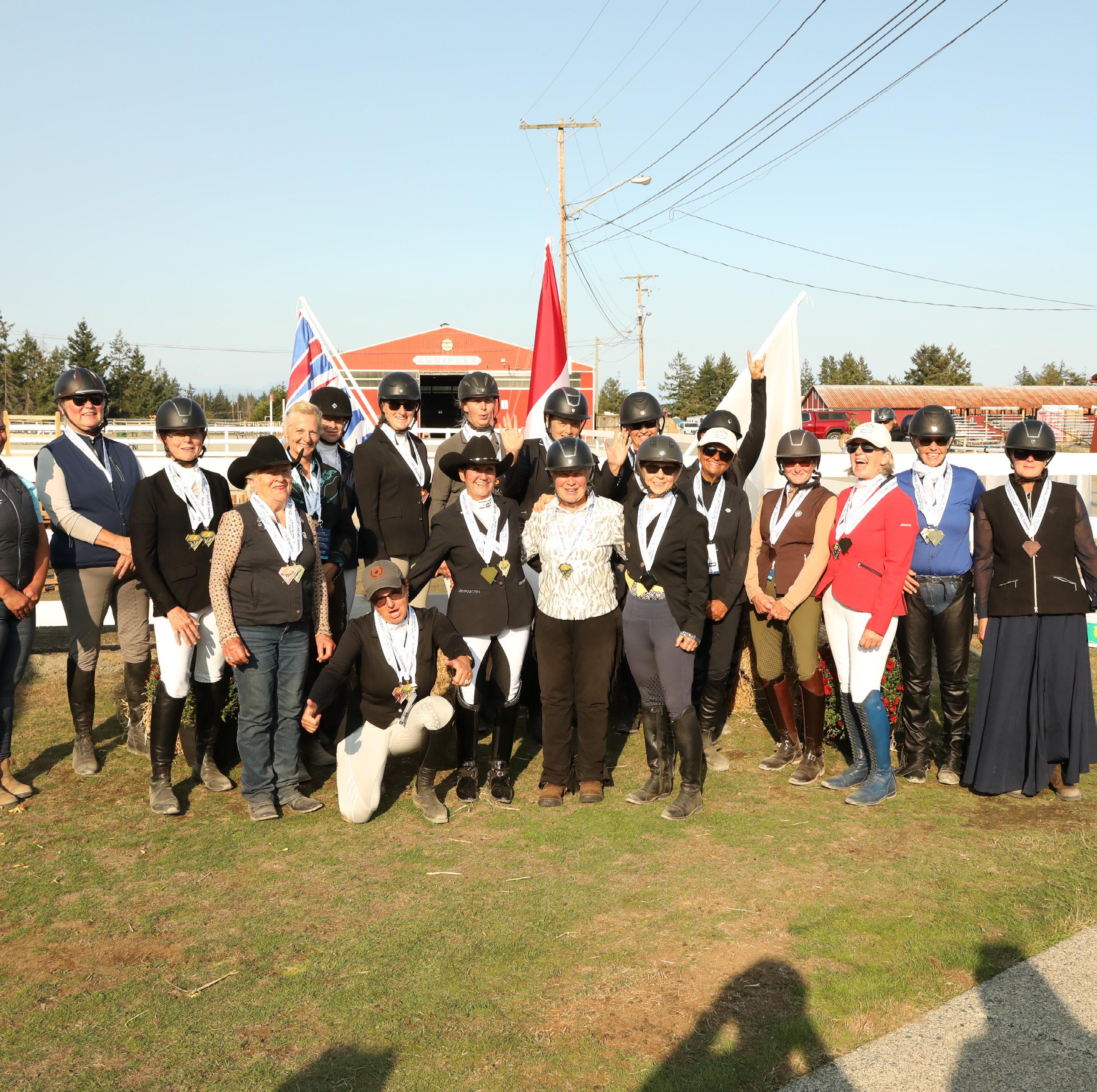
More information: https://hcbc.ca/sport/competition/bc-55-games/ Email: Competition@hcbc.ca
Dressage. Western Dressage. Driving Trials. Ranch Horse. Mountain Trail.
Venue: North Thompson Fair Grounds
By Jaime Thomas, BSc
Expert Tips for Broodmare Care During Pregnancy
Top5 Top 5 Expert Tips for Broodmare Care During Pregnancy
regnancy is a demanding time, and day-to-day management can impact a mare’s comfort, health, and the success of the pregnancy. While most mares carry foals without complications, and small choices such as minimizing stress, planning transport well ahead of the due date and reducing exposure to disease help support both mare and foal as the months progress. Here are some expert tips for managing pregnant mares, including reducing stress, avoiding late-gestation travel, and limiting the risk of disease and injury. Proactive broodmare management is essential for a healthy pregnancy and successful foaling.
1
4
Provide Preventive Health Care
Pregnant mares should be current on their vaccines and deworming. Consult your veterinarian for recommendations regarding specific vaccinations and deworming protocols during pregnancy.
Vaccinations
Avoid Exposure to Stress
Avoid Exposure to Stress
Like all horses, it’s best to avoid exposing your mare to stressful situations, especially during pregnancy. Maintaining a low-stress environment is associated with reduced pregnancy loss and improved reproductive function in horses. Many factors can contribute to equine stress, including social grouping, trailering, lack of access to forage or water, environmental conditions, boredom, and punishment-based training methods.
2
Mares may receive a booster vaccine four to six weeks before foaling. This increases the level of antibodies in the first milk (colostrum) to help protect the newborn foal from disease. Your veterinarian may recommend that your mare be vaccinated for equine rhinopneumonitis (commonly called “rhino” or “virus” abortion) during the gestation period (at five, seven, and nine months). Other vaccines for rabies, rotavirus and botulism may also be recommended.
Deworming
Transport to Foaling Site Early
Transport to Foaling Site Early
Mares in late pregnancy should be transported at least 30 days before the foal is due to allow her to adapt to the new environment. Elevated stress levels in mares during late pregnancy may increase the risk of triggering premature foaling, which is why minimizing transport close to the due date is recommended.
3
Follow your veterinarian’s recommendations regarding a deworming protocol for your pregnant mare. Although deworming (anthelmintic) medications, including Praziquantel and Ivermectin is safe to use in pregnant mares, following your veterinarian’s guidance helps reduce the risk of dewormer resistance for the whole herd. Deworming medications should not be administered during the first two months of pregnancy and during the last few weeks before foaling. It is important to deworm mares at the appropriate time prior to foaling, as the mare is the main source of parasites that could infect the foal.
Medications
Do not administer hormones, herbal remedies, or other drugs to a pregnant mare without consulting your veterinarian.
Reduce the Risk of Disease and Injury
Reduce the Risk of Disease and Injury
Be cautious when exposing your mare to other horses to avoid the risk of injury or disease transmission. Broodmares should be housed separately from transient horse populations. Ensure your mare is at her foaling site four to six weeks before her due date. Mares need time to settle into a new environment and to develop immunity to local organisms.
5
Adjust Exercise Routines
Adjust Exercise Routines
During the first seven months of pregnancy, your mare can engage in moderate exercise. In the last four months of the mare’s pregnancy, exercise should be light to moderate. Vigorous exercise should be avoided, and many veterinarians recommend not riding at all during pregnancy.
Photo credit: Danika McGuinness
Navigating the World of Equine Joint Products
By Dr. Shelby Krywonos, DVM
Joint health is a common concern for horse owners. From oral supplements to injectable medications and advanced regenerative therapies, the options can feel endless. Understanding how these treatments work—and when they are appropriate—can help you make informed decisions alongside your veterinarian.
Oral Joint Supplements
Oral joint supplements are extremely popular in the horse world. They are easy to administer and widely available, but they also come with an important caveat. Unlike medications, nutraceuticals are not regulated by agencies such as the U.S. Food and Drug Administration (FDA) or Health Canada. This means companies can produce and sell supplements without proving that the product is effective or even contains the amount of active ingredient listed on the label. The range of outcomes with supplements can vary from effective to a non-effective waste of money and, worst of all, a supplement that is harmful and toxic to the horse.
Before purchasing a joint supplement, consider the following:
Is the manufacturer an established and reputable company?
Has the product been evaluated in published, peerreviewed research studies?
Are all ingredients (including fillers) clearly listed on the label?
Are the claims supported by research rather than testimonials?
Are the dosing instructions clear and realistic?
Is there a lot number or batch tracking on the product? Is customer support available for questions or concerns?
Corticosteroid Joint Injections
Systemic Injectable Joint Therapies
When oral supplements are not enough, veterinarians may recommend systemic injectable joint therapies. These medications circulate through the body and support joint health from within.
Two of the most used prescription products are Adequan® and Legend®. Adequan contains polysulfated glycosaminoglycan (PSGAG), a compound that helps support cartilage within the joint. Adequan is typically administered as an intramuscular injection every four days for seven doses and is often repeated twice per year.
Adequan - How it Works
Integrating into the cartilage matrix
Supporting the production of hyaluronic acid in joints
Improving cartilage’s ability to handle compression
Decreasing inflammation
Legend contains pure hyaluronic acid. Rather than acting directly on cartilage, it works primarily on the synovial cells that line the joint capsule. These cells produce the fluid that lubricates and nourishes the joint. Legend is most often given intravenously weekly for three weeks and then monthly for maintenance. It can also be injected directly into a specific joint, often in combination with corticosteroids.
Steroid injections are one of the most cost-effective and common treatments for joint inflammation in horses and have been used for many years. The word “treatment” is used with caution, as steroids cannot reverse degenerative joint disease or promote healing. Instead, they work by reducing inflammation inside of the joint, which thereby decreases associated pain. Typically, effects are appreciated two weeks after injections are performed, and relief may last up to four-six months, depending on the severity of joint disease. There are several other considerations when choosing corticosteroids. Corticosteroids are often not appropriate for horses with Equine Metabolic Syndrome (EMS) or Cushing’s disease, as they can increase the risk of laminitis in these susceptible horses. Additionally, repeated steroid injections over a horse’s lifetime can be toxic to cartilage, and steroids are often not ideal for certain injuries, such as meniscal tears.
Legend - How it Works
Improving the quality of joint fluid
Reducing inflammatory molecules within the joint Legend is most often given intravenously weekly for three weeks and then monthly formaintenance. It can also be injected directly into a specific joint, often in combination with corticosteroids.
Some horses benefit from using both Adequan and Legend together, depending on their condition.
Intra-Articular (Joint) Therapies
For horses with specific joint problems, veterinarians may recommend direct injection into the joint itself. These treatments target the affected joint more precisely than systemic medications.
Polyacrylamide Gel (PAAG)
Polyacrylamide gel (PAAG) is a synthetic gel injected directly into joints to improve lubrication and joint function. Two concentrations exist, 2.5% and 4%; however, these products vary in more ways than just their concentration. 2.5% PAAG – integrates into the synovium and may persist for up to two years. 4% PAAG – designed to mimic hyaluronic acid and remains on cartilage surfaces for several months. PAAG is most often used for moderate to severe arthritis or for joints that have failed to be maintained on steroids or ortho-biologic therapies alone. It is important to consider that PAAG can be very difficult to remove if a joint becomes infected. More research is needed to compare the two concentrations in horses and their use for osteoarthritis prevention.
Selecting the best treatment for a horse is rarely a one-size-fits-all decision. Veterinarians consider many factors, including:
Degree of lameness
Type and severity of joint disease
Performance level and athletic demands
Competition drug regulations
Previous treatment responses
Presence of Equine Metabolic Syndrome or Cushing’s disease
Risk of laminitis
Budget and treatment timeline
PRP - Autologous Conditioned Plasma
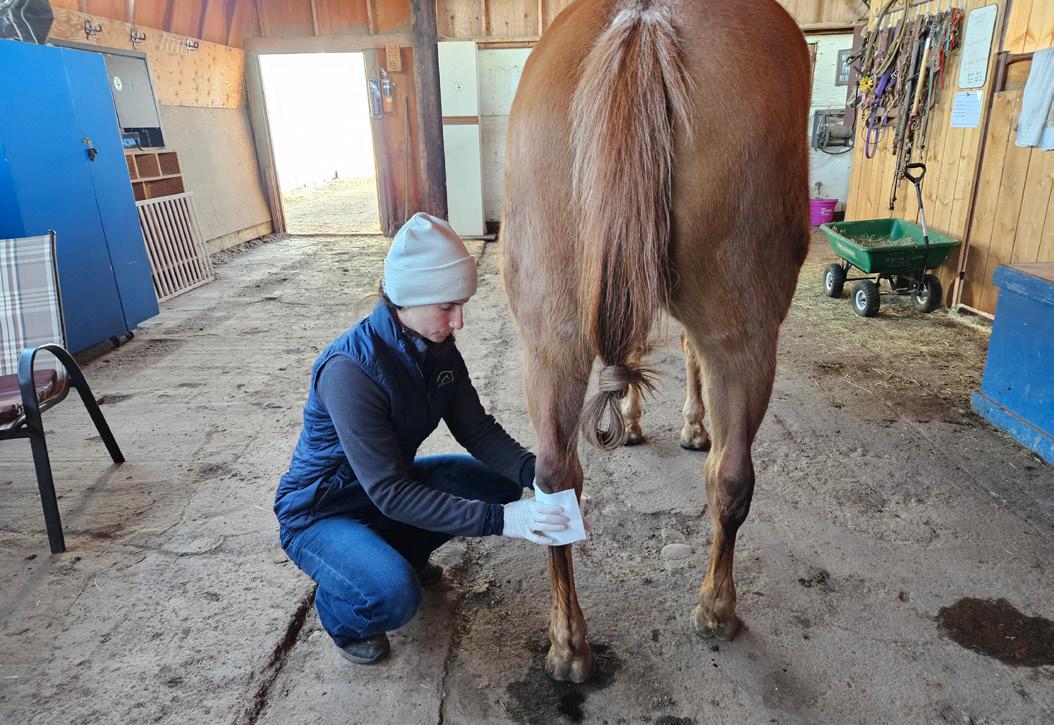
Platelet-Rich Plasma (PRP) is made from the horse’s own blood, stall-side, allowing same-day treatment. The blood is processed in a centrifuge to concentrate platelets, which contain growth factors that stimulate healing. PRP helps by increasing blood vessel formation, stimulating connective tissue repair, and recruiting healthy inflammatory cells to injured tissue. PRP is most commonly used for tendon and ligament injuries, but it can also help to reduce inflammation within joints in certain cases.
Ortho-Biologic Therapies
Ortho-biologics are advanced treatments that use a horse’s own biological material to stimulate natural antiinflammatory and healing effects. These therapies are becoming increasingly common in equine sports medicine. Unlike steroids, they do not carry a risk of inducing laminitis. When discussing “healing,” we must understand that osteoarthritis is not a reversible condition. When we use intra-articular medications, we are hoping to reduce inflammation, support joint health, and prevent further progression of the disease as much as possible. For some conditions such as synovitis and meniscal or ligament injuries, healing is possible.
Stem Cell Therapy
Stem cells are parent cells capable of transforming into other cell types, such as bone, cartilage, or tendon. In equine sports medicine, veterinarians can culture stem cells from a horse’s own bone marrow or use readymade products derived from amnion—a component of equine birth tissue. Stem cells appear to work mainly by releasing growth factors and anti-inflammatory signals that stimulate natural tissue repair. Stem cells are most used for tendon and ligament injuries, but there is also emerging evidence supporting their use in joint disease.
Pro-Stride - Autologous Protein Solution
Pro-Stride is a hybrid therapy combining properties of PRP and IRAP. Blood is drawn and processed at stall-side, allowing sameday treatment. Pro-Stride can be used for joint disease and soft-tissue injuries. Processing creates enough product for one dose only.
IRAP - Autologous Conditioned Serum
IRAP stands for Interleukin-1 Receptor Antagonist Protein. This protein counteracts one of the major inflammatory mediators involved in arthritis. To create IRAP, blood is collected from the horse and then incubated for 24 hours to stimulate the production of anti-inflammatory proteins. The resulting product can be frozen for future treatments. Most often, a series of three to four injections one week apart is given. It is primarily used for joint disease, though some evidence supports its use in soft-tissue injuries.
The benefits of intra-articular orthobiologics often take longer to become noticeable, and they may not be as effective for providing relief from very advanced osteoarthritis.
References Boorman, S., McMaster, M. A., Groover, E., & Caldwell, F. (2022). Review of glucocorticoid therapy in horses: Intra -articular corticosteroids. Equine Veterinary Education, 35(6), 327–336. https://doi.org/10.1111/eve.13719. GAUSTAD, G., & LARSEN, S. (1995). Comparison of polysulfated glycosaminoglycan and sodium hyaluronate with placebo in treatment of traumatic arthritis in horses. Equine Veterinary Journal, 27(5), 356–362. https:// doi.org/10.1111 j.2042-3306.1995.tb04070.x. Nedergaard, A., Carlsson, L. E., & Lindegaard, C. (2024). Evidence of the clinical effect of commonly used intra - articular treatments of equine osteoarthritis. Equine Veterinary Education, 36(12), 646–658. https://doi.org/10.1111/ eve.13984. Mayet, A., Zablotski, Y., Roth, S. P., Brehm, W., & Troillet, A. (2023). Systematic review and meta-analysis of positive long-term effects after intra-articular administration of orthobiologic therapeutics in horses with naturally occurring osteoarthritis. Frontiers in Veterinary Science, 10. https://doi.org/10.3389/fvets.2023.1125695. Tnibar, A. (2024). Review of intraarticular 2.5% polyacrylamide hydrogel, a new concept in the management of osteoarthritis. Equine Veterinary Education, 37(3), 161–168. https://doi.org/10.1111/eve.14087 Young, A. (2019, August 9). Supplementing for joint health: What the science says. Horse Report. https:// cehhorsereport.vetmed.ucdavis.edu/news/supplementing-joint-health- what-science-says. The Horse: Polyacrylamide gel for managing osteoarthritis in horses. The Horse. (2023, July 7). https://thehorse.com/1117837/polyacrylamide-gel-for-managing-osteoarthritis-in-horses/
Dr. Shelby Krywonos & Dr. Janine Veronneau of Larch Veterinary Services offer ambulatory equine services for the North Okanagan in British Columbia. They are both passionate about providing comprehensive, compassionate & evidence-base medicine for horses. To find out more information or contact them, visit: larchvetservices.com
Photos and graphics by Saddle Up
My Journey of the Cowgirl A rt
here are some events that you simply attend, and then there are others you actually experience… and The Art of the Cowgirl is one of those that you experience. I had the privilege of being asked to be one of their presenters, offering demonstrations on the equine skeletal system and stretching techniques.
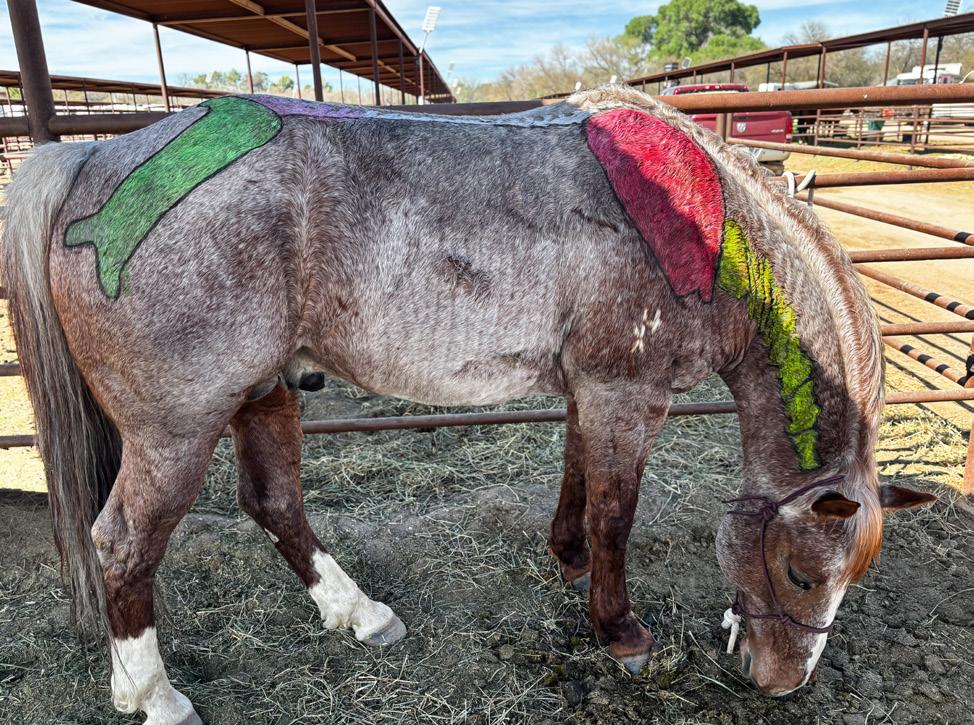
My goal was simple: provide people with tangible, actionable information to better understand their horse’s body, improve performance, and support long-term care. Each day at Art of the Cowgirl, I painted a few key skeletal structures directly onto a horse, breaking down their function and importance. In my stretching sessions, I guided attendees through exercises they could confidently perform themselves, with an emphasis not only on helping the horses but also on protecting their bodies in the process.
While I have done many similar demonstrations in the past, I was presented with the unique challenge of working with different horses unfamiliar to me each day. Normally I would have my right-hand man, Rumour, with me, but due to quarantine restrictions, I chose not to bring him. This decision required a level of adaptability and fluidity on my part that pushed me to be more aware and flexible about the information I was able to deliver to my audience based on each horse’s unique strengths, weaknesses, and temperament. Every demonstration became a conversation between me and the horse, with an audience that was constantly evolving.
During the event, what stood out to me was how different it felt compared to other expos at which I have presented. There was a sense of connection that was difficult to put into words; everything there moved with intention. Something that I loved as a presenter was the fact that I didn’t feel rushed from one thing to the next or disconnected from the audience I was serving. I was able to connect and have genuine conversations with attendees, which I truly appreciated. I found people engaged, curious, and attentive, which created an environment where meaningful connection with my audience could take place organically.
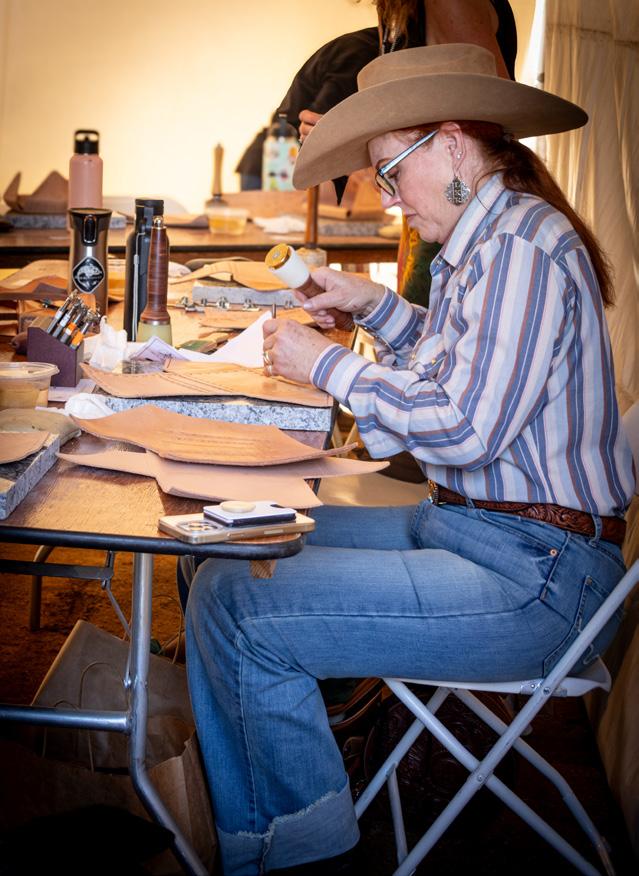
As I explored the grounds, I was in awe at the level of artistry woven throughout the event. The vendors and fellowship artisans brought not only incredible skills but also a deep respect for preserving their craft. Conversations with master makers like renowned hat maker Lavonna ‘Shorty’ Koger and ‘The Queen of Chaps’ leather worker Julie Baugher left lasting impressions. Their dedication to both mastery and mentorship reflects something so much bigger than individual success, instead it reflects a commitment to the legacy of the craft itself.
Whenever I had a moment to eat and sit down, I found myself drawn to the beautiful melodies and lyricism of the rotating musicians. Musicians of all different ages and experiences sang their ballads of love, loss, and resilience, transporting me into their stories. Another aspect of the event that stayed with me was the branding board. At first glance, it’s simply a collection of brands; however, when you take a step back, it becomes something much more. Each mark represents a person, a family, a story, and a commitment to the preservation of the western industry. Seeing them all together was a powerful visual of how community itself supports and sustains this industry. It was a reminder that no one builds something like this alone. Although I didn’t have much time to watch the competitions, what I did see showcased incredible talent and dedication. Those women and their horses were so powerful, focused, and undeniably inspiring. It was so contagious!
I went there to teach, and came back inspired. Learning, connecting, and much more; I left deeply grateful—for the horses, the artisans, and the many people dedicated to uplifting women. It was truly a unique space where women support one another while honouring the traditions that brought us together. Art of the Cowgirl isn’t just about showcasing female talent; it creates opportunities for growth, learning, and community, embodying the idea that collaboration over competition is what strengthens an industry.
Britain Mills-Dawes, owner of Stable Instincts—an equine wellness business specializing in bodywork and nutrition. She’s a practitioner, clinician, and speaker who’s presented at some of the largest Canadian equine events, such as the Calgary Stampede and Horse Expo. Britain also co-hosts her equine podcast Uncinched. Connect with her at stableinstincts.ca Photos by Britain Mills-Dawes, Art by Kay Boyer
As an animal lover and farmer, I surround myself with the sages of all types of animals. Offering a ‘custom care’ dog boarding kennel (at Monte Lake) I have the privilege of meeting and interacting with all sorts of dog breeds and doganalities. I pay special attention to all their messages and body language as I care for them. I exercise each dog individually several times every day and have the incredible opportunity to observe and learn what they have to ‘say.’ I believe dogs, horses,
ClUb Hub ClUb Hub Canadian Cowboy Challenge
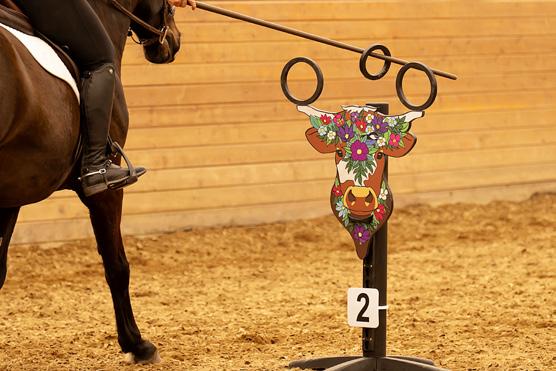
We are into spring, and the Canadian Cowboy Challenge Board (CCC) is currently reviewing our rules and regulations and making the necessary revisions/additions as required. The Explorer Division will be continued for another year for newcomers to the CCC. The obstacles that are owned by the CCC were inspected and have been painted and repaired as needed. A few more obstacles have been added to the CCC list. As well, a new CCC poster will be added to complement the original poster.
In preparation for the upcoming CCC Challenge season, a judges’ conference was held on March 08, 2026, via Zoom. This conference is mandatory for a CCC judge to attend to maintain their judge’s status. The conference is an effective way for judges to prepare for the upcoming season. Judging criteria is discussed as well as any issues that were identified from the previous year. The conference provides an opportunity for judges to share information and experiences with each other. Also discussed was the upcoming Judges’ Certification Clinic in May, and the prospective judges were prepared to fill their scribing and Jr. judging requirements at the first few challenges.
The CCC is tentatively booking a Judges’ Certification Clinic on May 23-24. The location is to be determined and will go forward if six or more participants are signed up. This clinic will be the classroom portion of the certification process. The scribing and Jr. judging will begin at the June 06-07 Moon Lake Challenge, Alberta. For more information regarding the clinic, contact the CCC at canadiancowboychallenge@gmail.com The CCC website is in the process of being updated. Listed already are the challenges confirmed for June, July, and August. The Finals Challenge and Banquet date and location will be determined in the early spring. Enjoy your ride and have fun! Hans Kollewyn. For more details, you can check out our website at canadiancowboychallenge.com
Vintage Riders Equestrian Club
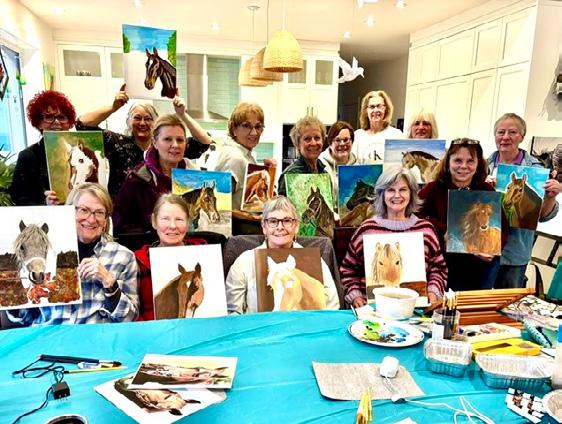
In the interest of leading a productive life, Vintage Riders Equestrian Club more than fulfills that brief. Early in the year, when the horses were not amused to have their cozy blankets pulled and be put to work, it seemed a better prospect to get together to share and learn skills.
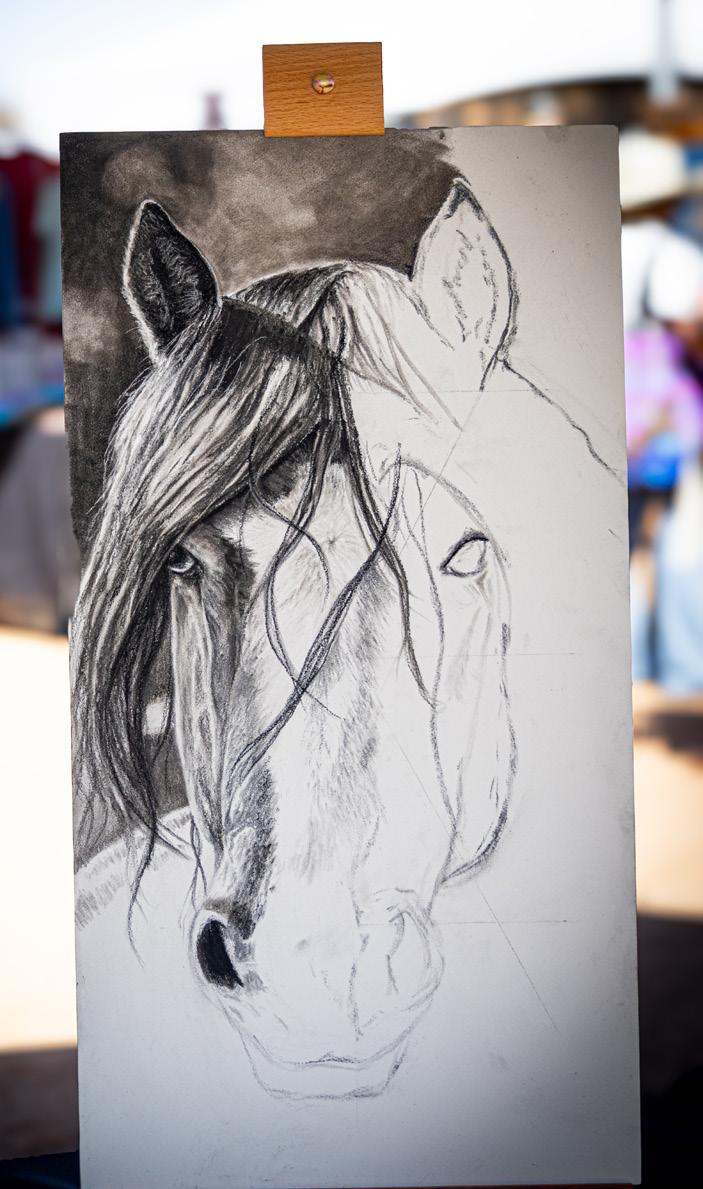
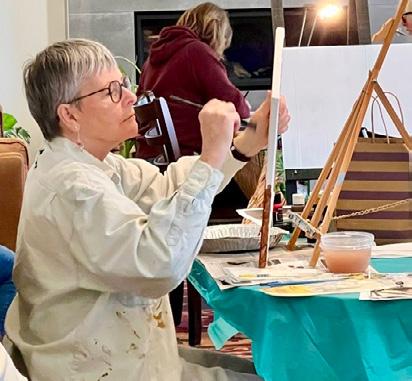
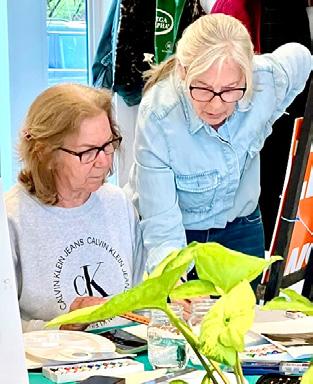
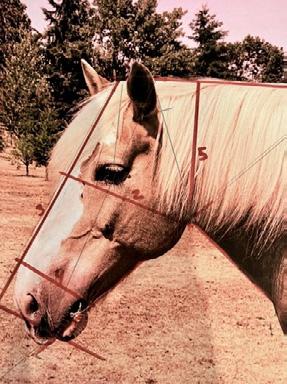
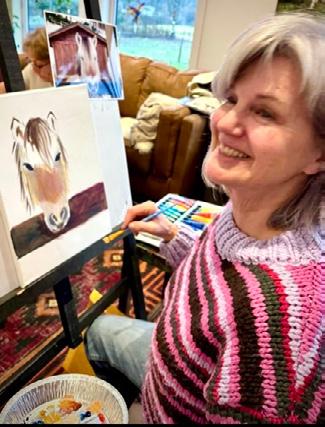
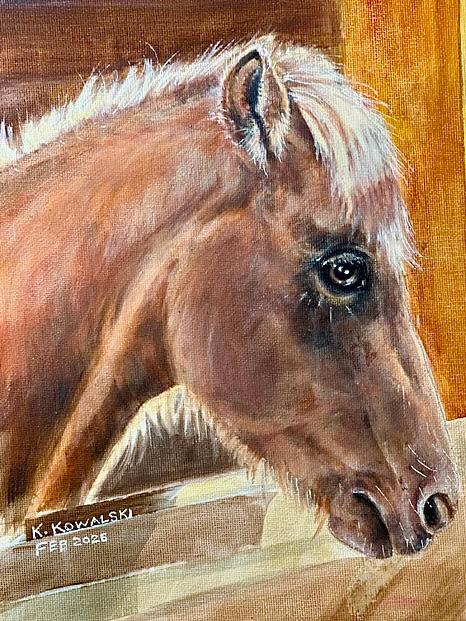
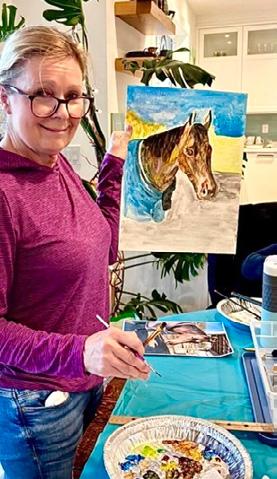
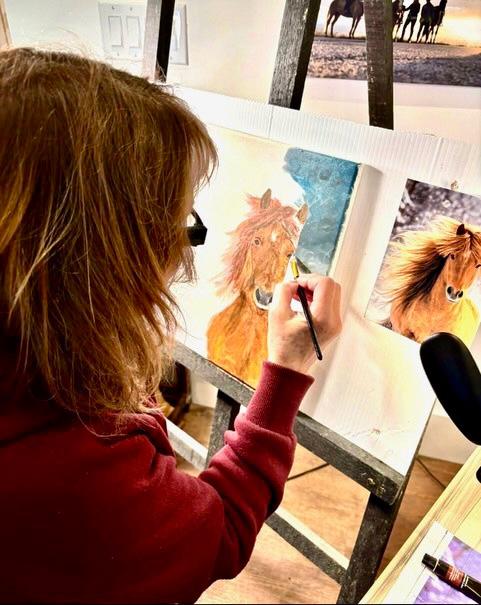
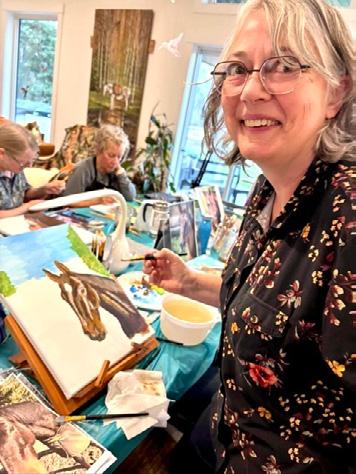
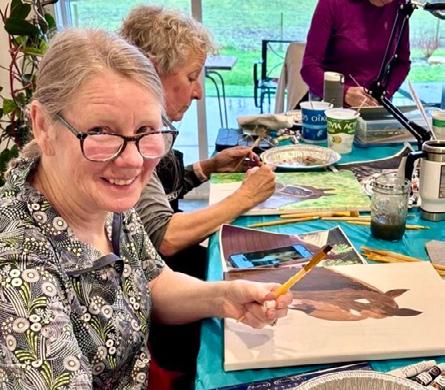
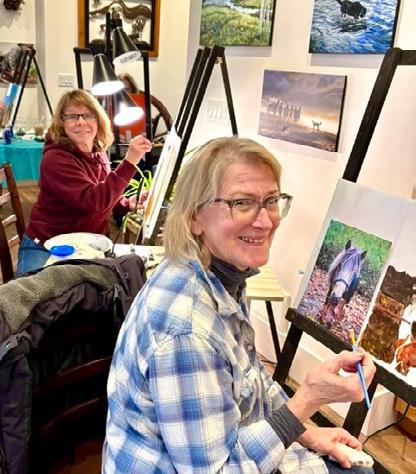
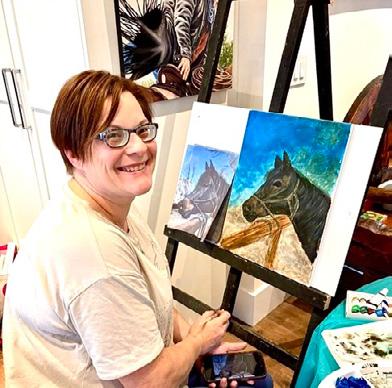
Still horse-related. Vivian Harder, as many will know, is a respected and talented equine artist. She set up her studio for us to paint the horses of our choice. After a quick but thorough tutelage on the process of structure, perspective, and use of colour, we each turned our focus to the purpose of producing a painting. Four hours and the same number of pizzas later, we were well on our way to creations that reflected our love for all things equine. I hope you enjoy the included photos showing our journey and joy.
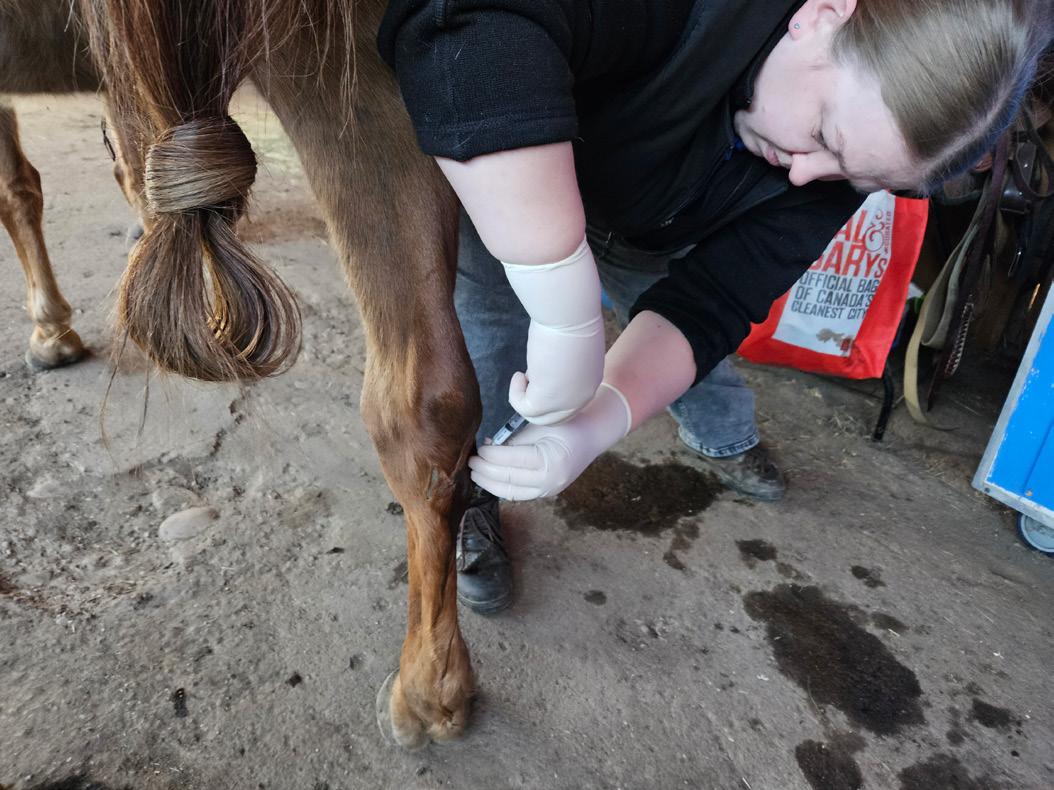
My quote of the day, author unknown: “If you can overthink the worst, why can’t you overthink the best.” By Kendra Kowalski
Want to come and play and learn with us? It is a whole $42 a year for the pleasure of your company. Need more info? vintageriders@mail.com
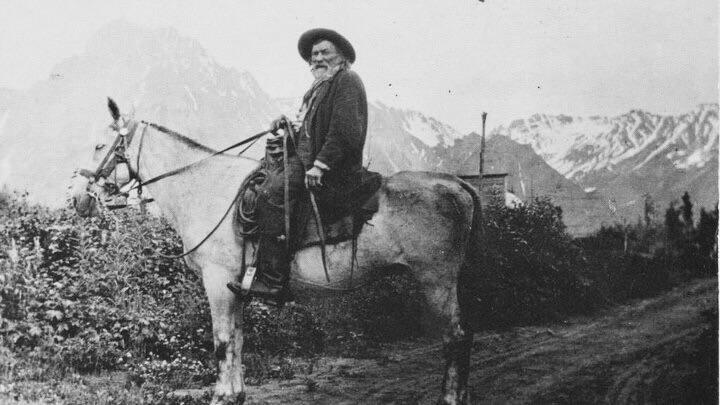
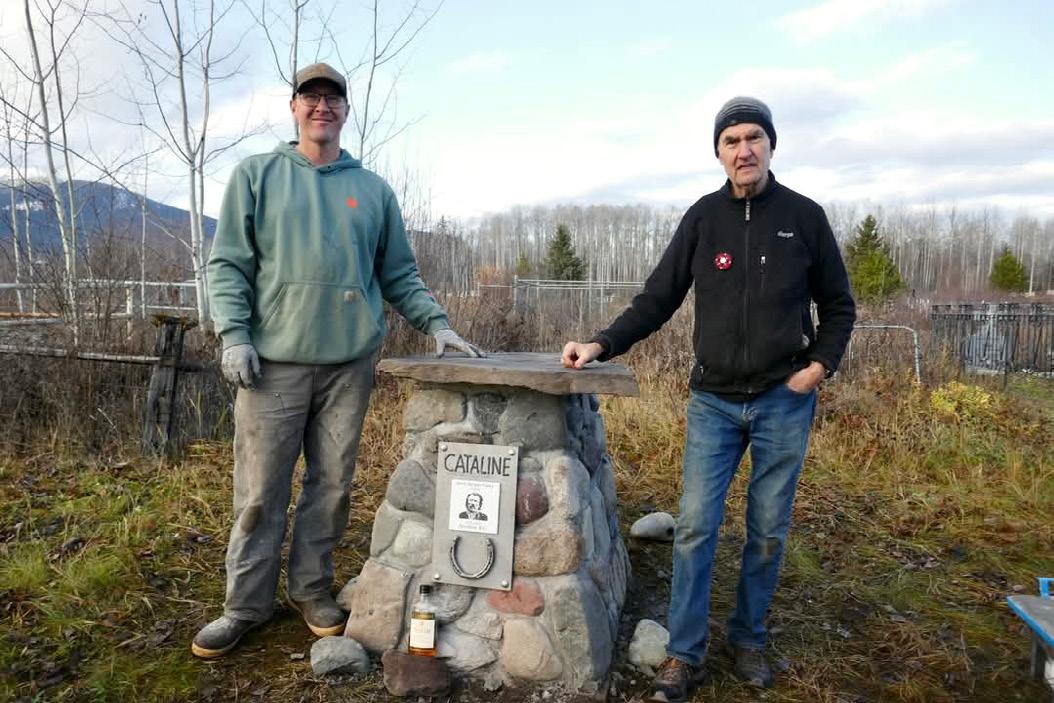
Refusing to let the rich history of legendary packer Jean Caux “Cataline” deteriorate, two former BCHBC Northwest Chapter chairmen made it their personal project to reconstruct his cairn in Hazelton, BC. If you’re not familiar with Cataline, think of a backcountry freight company from the 1800s, using upwards of 60 mules to deliver his customer’s goods over rough terrain. A packer had to know how to read the landscape and weather and get the best from their animals.
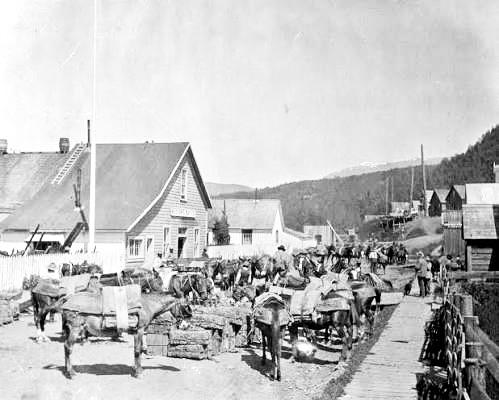
Born in France in 1835, Cataline arrived in America in his twenties, a bit late for the California gold rush, but realized there might be more guaranteed income moving freight rather than struggling for a successful claim. Coming north with a Mexican packing outfit, Cataline started working out of Yale, BC, in 1858, moving fur bundles, supplies, tools, and even the occasional piano by mule. He used the Spanish-influenced “aparejo saddles” on his pack animals—straw-stuffed leather sacks with attached wide britchen of sorts. With the eventual building of the Caribou Wagon Road, Cataline’s outfit moved further north, where pack strings were still essential, packing out of Quesnel and Hazelton, taking freight as far as Telegraph Creek and up to the Yukon.
He was known as an honest, reliable man who kept track of all his freight and handshake deals in his head. A man of folklore, there are tales of him rubbing rum in his hair to prevent baldness, never wearing socks, buying a new white shirt at the end of each long trip, and being a heck of a knife handler. Only once in his career were goods not delivered: when an employee of Cataline’s mistakenly thought some expensive (and smelly) cheese had gone bad and tossed it into a river. For anyone who’s packed animals and seen a wreck, we know that is an impressive track record!
Tom and Floyd have now extended the vision. They’d like to see a pack horse/mule parade from the paddle wheeler in Old Hazelton, up an original pack trail to the gravesite, to celebrate and respect this grand figure in BC’s history. The ride is in the planning stages, with sights set for it to be part of Hazelton’s “Pioneer Days” in August 2026. Spectators and riders will be welcome to join in on the festivities as we tip our hats in respect to the legendary packer, Cataline.
Cataline packed for 54 years, steady into old age, retiring in 1912, and spent his last years in Hazelton, passing away in 1922. History buff and former NW Chapter chairman, Tom Roper, went looking for Cataline’s gravesite a couple of years ago, and once he found it, was disappointed to find the plaque and horseshoe missing and the rock cairn crumbling. He took it upon himself to discuss the idea of fixing up another plaque with the Gitanmaax Band, in whose cemetery the grave lies.
After receiving approval, Tom brought the plan to make a new plaque to Floyd Kennedy, another former BCHBC NW chairman, who’s a hand at welding. Floyd, never one to do anything halfway, contacted a former stone mason, Trevor Doerksen, who found a day in his schedule when he could lend his skills to the project.
On November 6, 2025, with concrete generously donated from Smithers Lumber Yard, the small but mighty crew rebuilt the cairn, finishing up the day with a shot of rum each and a splash for their hair—Cataline style. They returned on November 11 to attach the capstone and plaque, which was made by Floyd and also engraved with Cataline’s portrait by two NW Chapter members, Blair Andrews and Jana Harmati. The project was a wrap!
Cataline pack train Hazelton circa 1911
Trevor and Tom with the remade cairn.
Jean Caux “Cataline”
NOW ACCEPTING 2026 HCBC GRANT APPLICATIONS
Horse Council BC (HCBC) is currently accepting applications for several funding opportunities designed to support and strengthen the equestrian community across British Columbia. Full details and application forms are available on the HCBC website, with several deadlines approaching on April 30.
The Infrastructure and Equipment Grant helps clubs, branches, and affiliates improve their facilities or purchase equipment that supports growth and participation. Funding covers up to 75% of project costs to a maximum of $5,000, with applicants contributing at least 25%. Eligible projects include items such as jump equipment and arena improvements. Applicants must be HCBC members in good standing for at least two years.
The Education Grant supports affiliates, clubs, and branches in delivering equine educational opportunities within their communities. Funding covers up to 50% of expenses, to a maximum of $500, and programs must be open to the broader community—not just HCBC members.
The BC Equestrian Trails Fund (BCETF)
provides seed funding for the construction and maintenance of public equestrian trails, trailheads, and horse camping facilities throughout the province. Grants cover up to 75% of costs, to a maximum of $5,000, and may be used for projects such as trail construction, rehabilitation, signage, bridges, and horse camp infrastructure.
FEBRUARY FIELD KNOWLEDGE WEBINAR SERIES – NOW AVAILABLE ON DEMAND
Thank you to everyone who participated in this year’s February Field Knowledge webinar series. We’re pleased to share that all sessions are now available to watch on demand through our NEW online learning platform for members. Whether you attended and would like to revisit a session or were unable to join us live, you can now access the full series at your convenience.
Steps To Get Started
Watch our short two-minute instructional video here: https:// youtu.be/rumVvWAfQ38
While you are there, check out last year’s March Madness sessions as well as a growing selection of online courses. We hope you take advantage of this valuable educational resource and enjoy the opportunity to learn at your own pace.
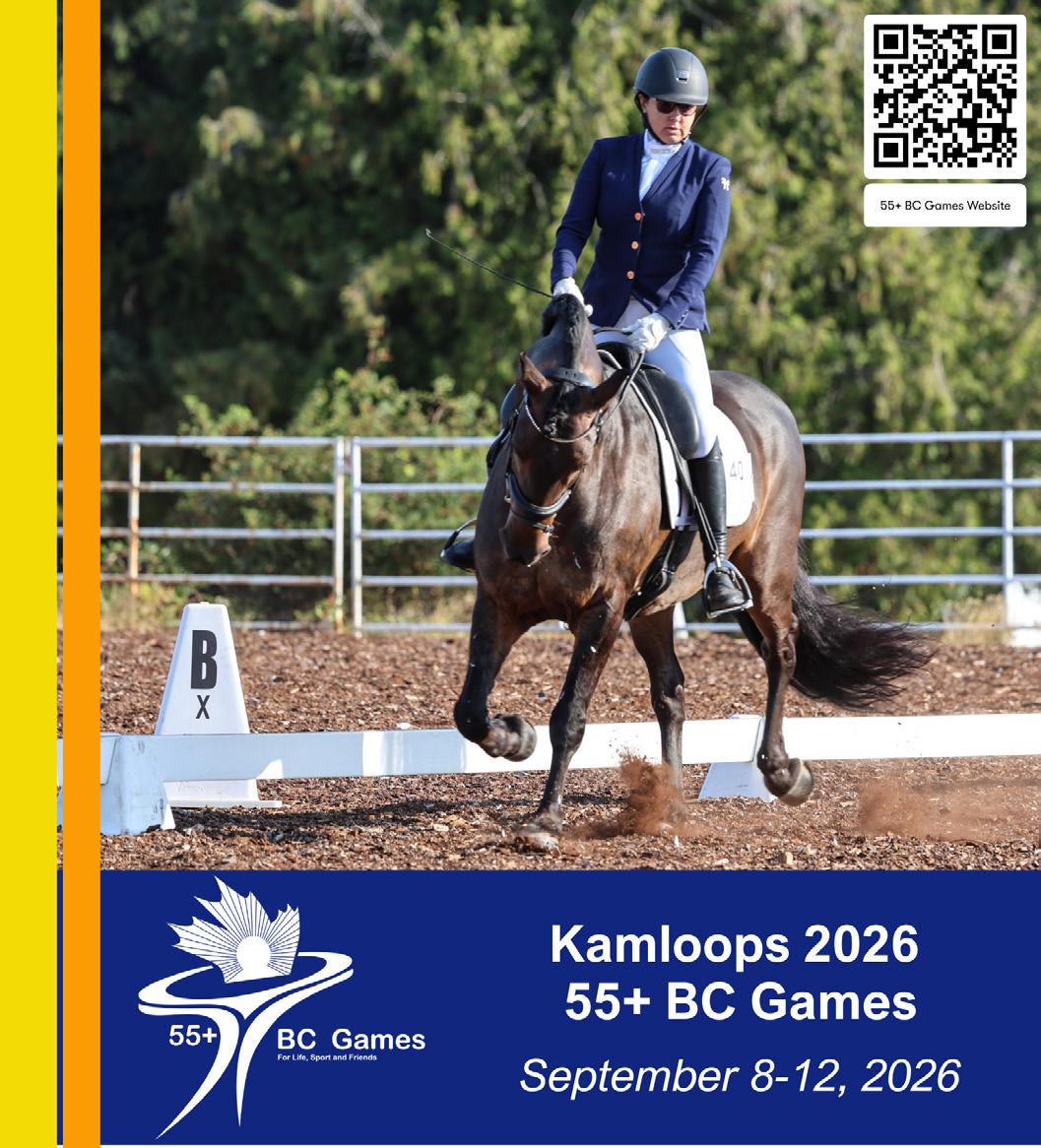
EQUESTRIAN CONFIRMED FOR KAMLOOPS 2026 55+ BC GAMES
Horse Council BC (HCBC) is pleased to announce that equestrian sport has been confirmed for the 2026 55+ BC Games. The equestrian events will take place September 8–11, 2026, at the North Thompson Fair Grounds (Barrière Fall Fair Grounds) in Barrière, BC. Following extensive efforts to secure a suitable venue, HCBC is proud to partner with the Kamloops 2026 Host Society to bring equestrian athletes together on a provincial stage.
The 2026 Games will feature Dressage, Western Dressage, Driving Trials, Ranch Horse, and Mountain Trail. This exciting inclusion highlights the strength and diversity of BC’s equestrian community and provides 55+ athletes the opportunity to compete, connect, and represent their zones. Additional details on registration and scheduling will be announced through HCBC and official 55+ BC Games channels.
Executive Director administration@hcbc.ca
Agriculture & Industry industry@hcbc.ca
Membership membership@hcbc.ca
Coaching and Education coaching@hcbc.ca
Marketing and Communications communication@hcbc.ca
ADVENTURES
Recreation and Trails recreation@hcbc.ca
Competition competition@hcbc.ca
Community Development development@hcbc.ca
HCBC Bookstore bookstore@hcbc.ca
Finance and Grant Funding finance@hcbc.ca
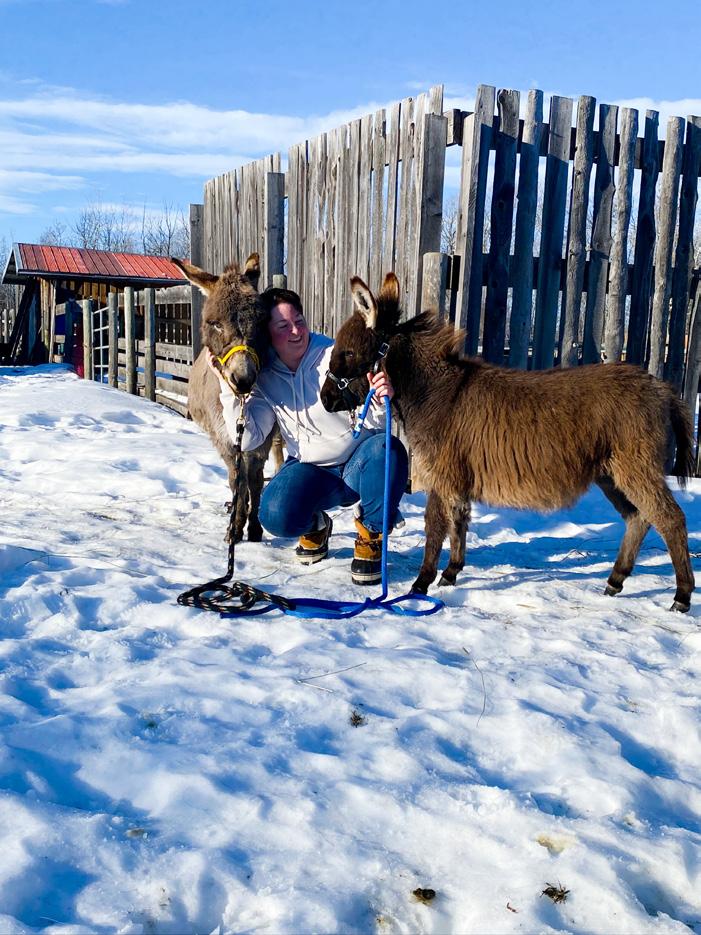
"I'm super excited that I get to go back to the Horse Expo in Red Deer to be part of the Alberta Donkey and Mule Club demo team! Unfortunately, my little sister is probably coming with us. Not quite sure why mom thinks she needs another donkey, but she says we can't send her back. Well, I guess Charo had better learn how to be a superstar like me. "
BC CARRIAGE
Pleasure, Combined, Recreation from Minis to Drafts, bccarriagedriving.com
BC PAINT HORSE CLUB
bcphc.com, Open Show & Competition Program, award sponsorships for local clubs, youth scholarship. maddy.shannon33@gmail.com
250-863-5996 Mobile Equine, Dr. Savannah Beavers, connectvetservices.com
INTERIOR VETERINARY HEALTH SERVICES (Okanagan) 250-769-4217, Mobile Equine, Brytann Youngberg DVM, VSMT, College of Animal Chiropractors
All-in on Adaptability.
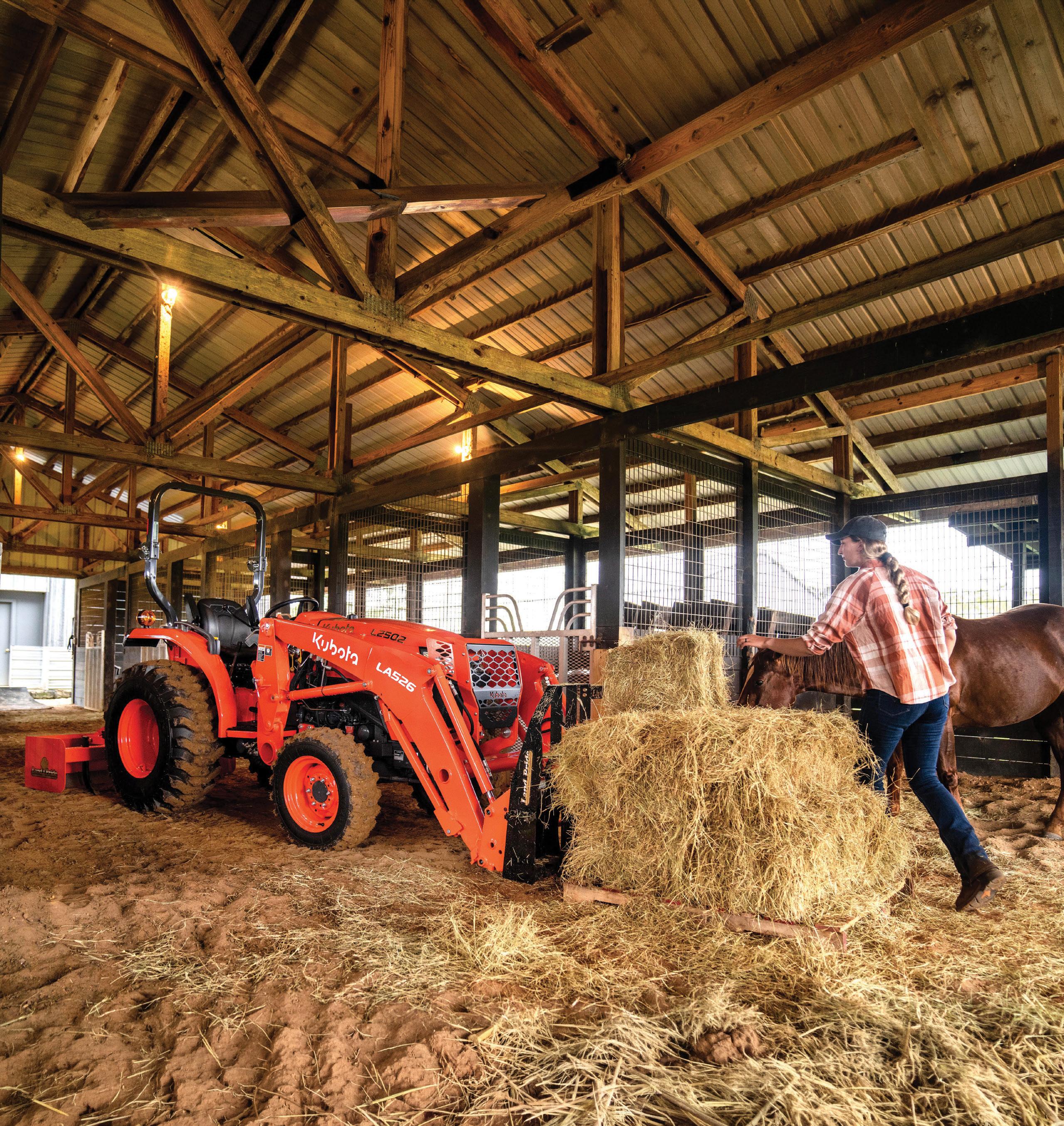
The Kubota L Series sets new standards of performance, comfort, versatility and affordability. This compact tractor offers four engine options ranging from 23.3 to 48.4 HP to suit varied demands. Best of all, it works well with implements and attachments to handle different applications. Package this all up with signature Kubota quality and you have a hard-working tractor that gets it done and then some.