Hello! I am Sabal Shrestha, a fourth year student studying in Kathmandu University who is constantly seeking for new learning experiences in the field of architecture. To me, architecture is about creating a sense of place that shapes how you feel within the spaces it forms.
As an intern, I am eager to join a team where I can contribute my unique perspective and further develop my abilities under the guidance of professionals who can help me grow as an architect.
Naya Thimi, Bhaktapur, Nepal +977 9860187619 sabalshrestha2015@gmail.com
EDUCATION
Kathmandu University School of Engineering B.Arch, Batch 2019 A.D., Dhulikhel, Kavre, Nepal
Himalayan WhiteHouse International College +2 studies, Tinkune, Kathmandu, Nepal
Sainik Awasiya Mahavidyalaya Schooling, Sallaghari, Bhaktapur, Nepal
EXPERIENCES
Prarambha ‘24 : Annual Architectural Exhibition Sub-events Head
Prarambha ‘23 : Annual Architectural Exhibition Sponsor Personnel
Documentation Works for HKU Measured Drawings in Patan
COMPETITIONS
ArcVisuals ‘23 : Redesigning KU Parking Area
Participant
Prarambha ‘23 : Tunnel Design Competition
Participant
SOFTWARES
Drafting / 3D AutoCAD SkertchUp Rhino
Post Production
Photoshop Indesign Illustrator
Rendering Enscape Lumion
Microsoft Office Word Powerpoint Excel
LANGUAGES
Nepali (Native)
Newari (Native) English (Fluent) Hindi (Fluent)
(6-9)
Oasis Valley (Mixed Used Design)
(12-19)
Ramkot Journey (Mountain Architecture)
CURRICULUM
(20-29)
Cosy Homes (Housing and Apartment)
(30-33)
Measured Drawing - Patan
(34-39)
(Making of Khat)
DOCUMENTATION
HANDS-ON WORK
OASIS VALLEY, A break from urban lifestyle
Location : Tripureshwor, Kathmandu
Category : Mixed Used Design
Year : III Year / I Semester, 2022
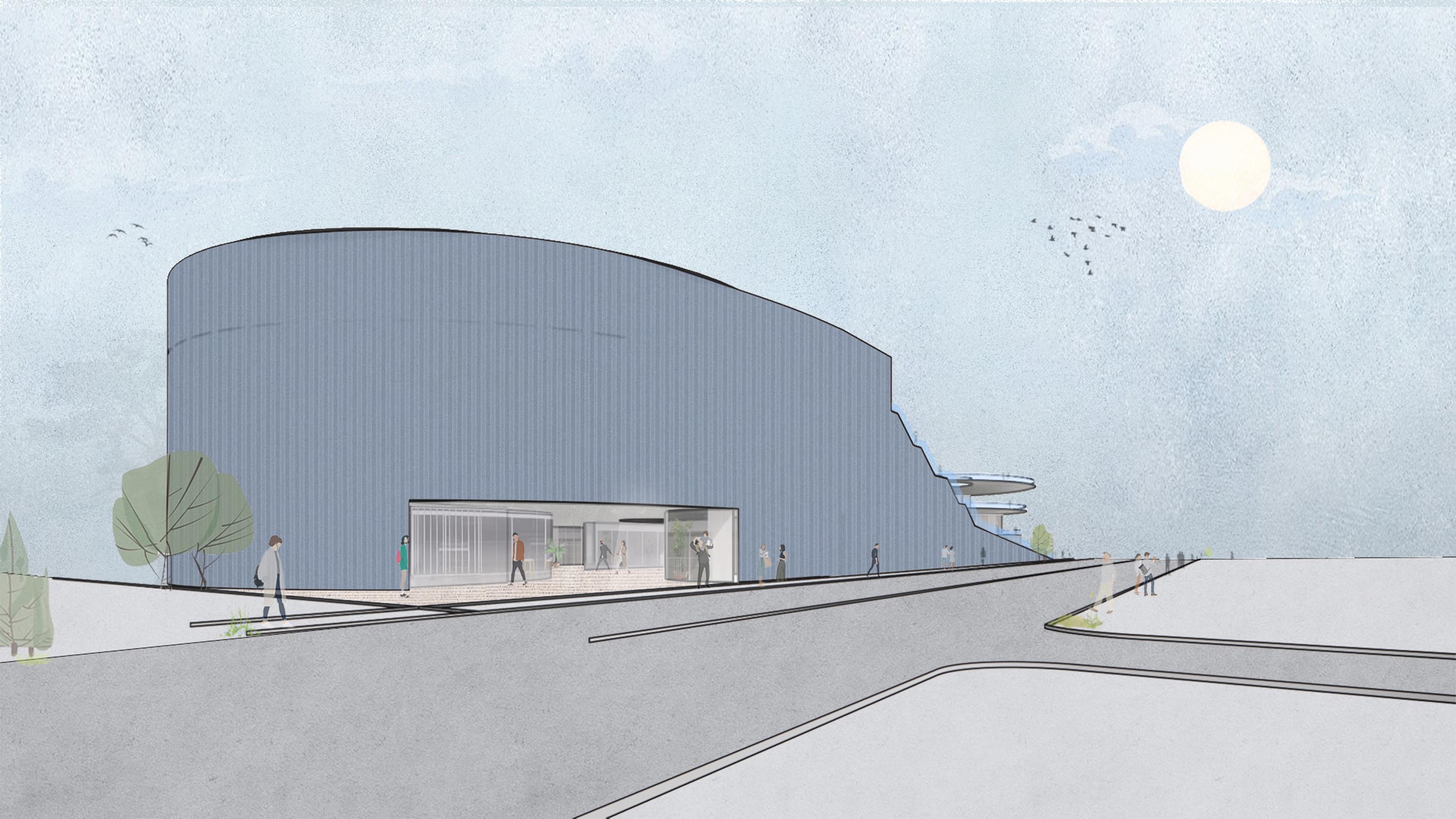
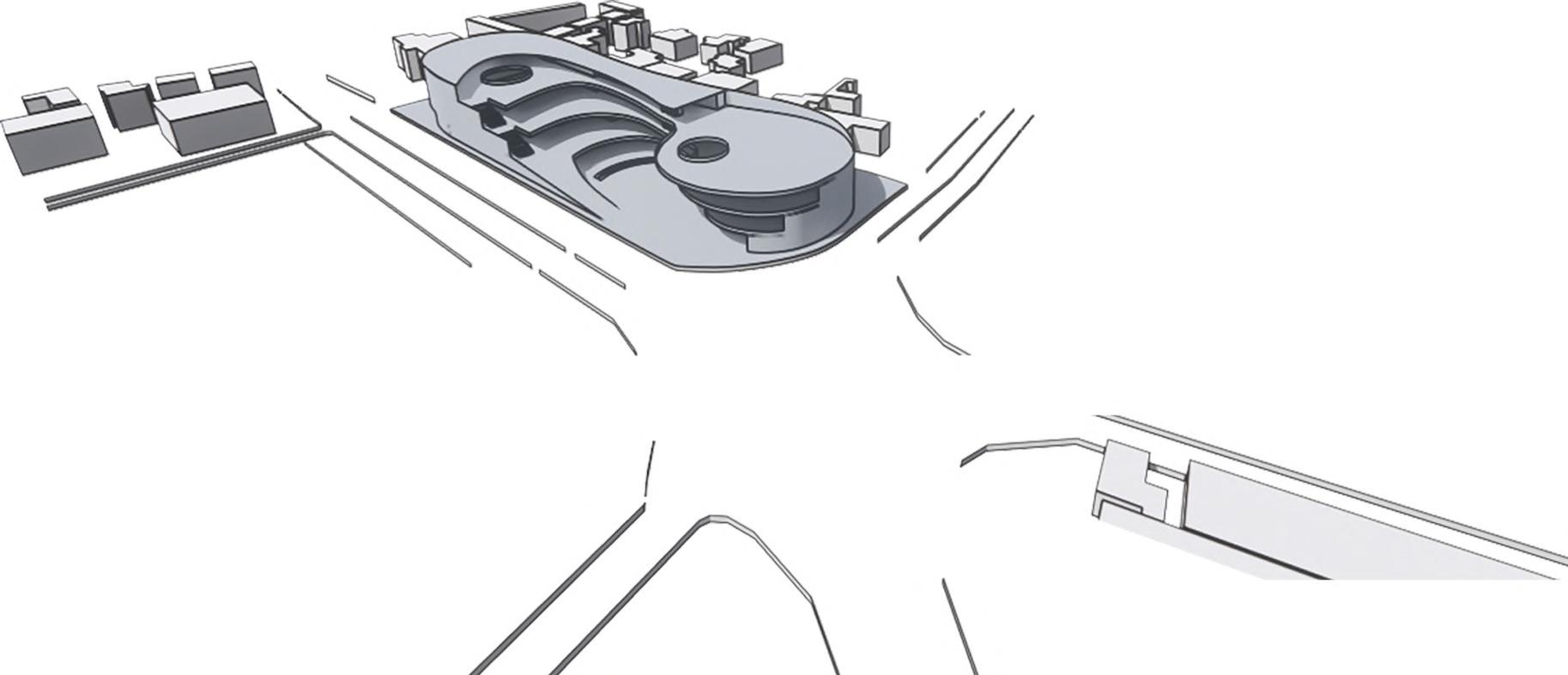
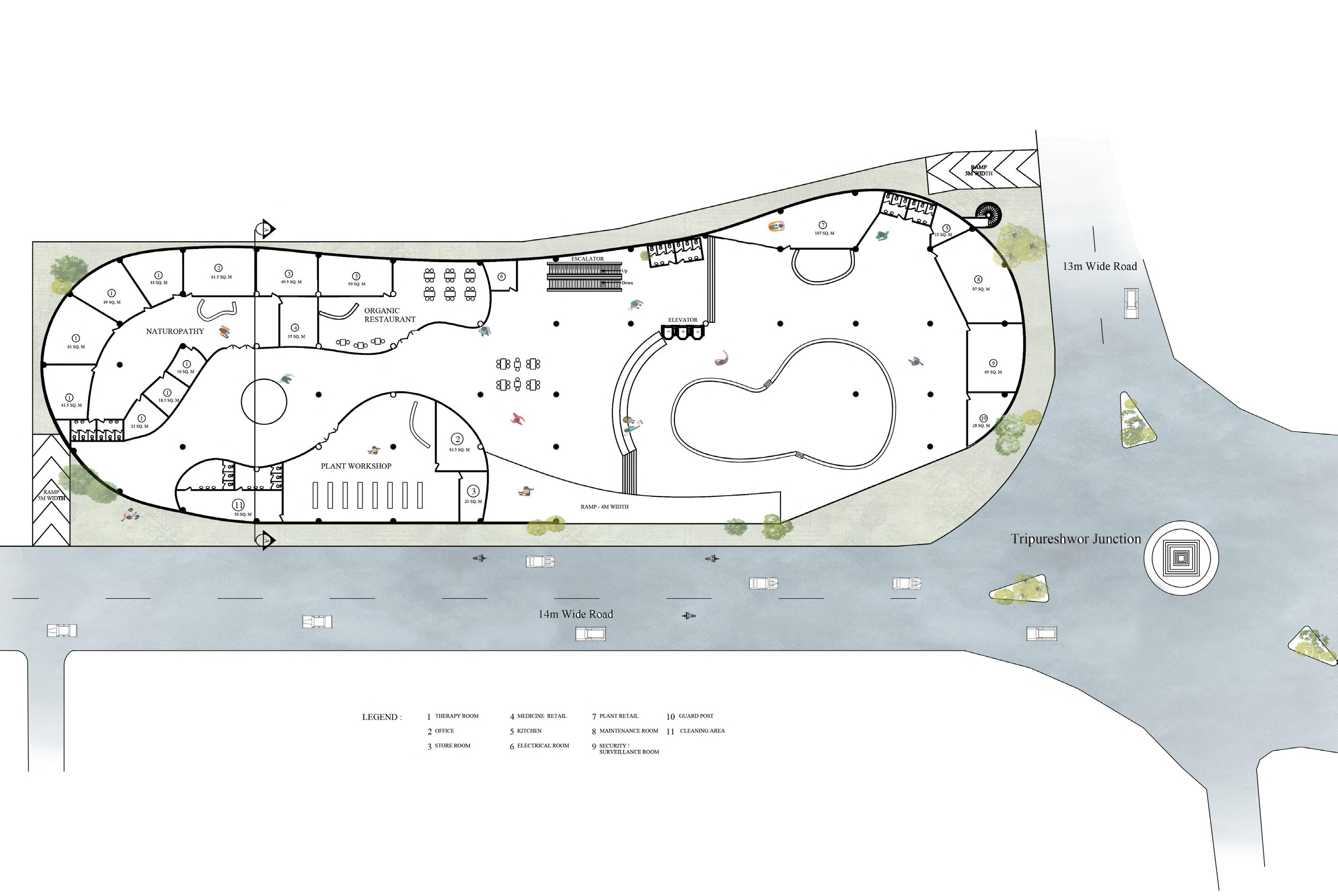
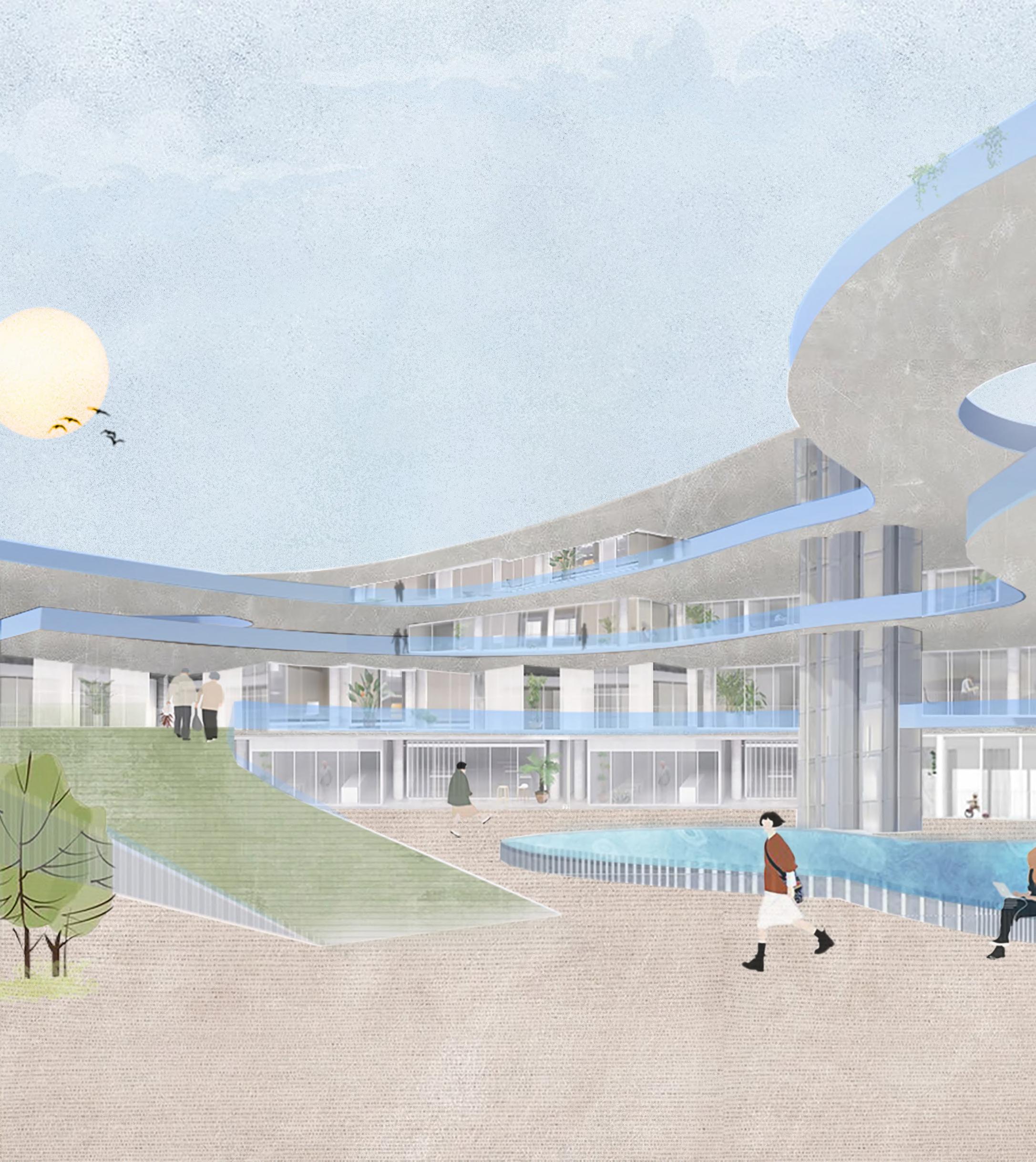
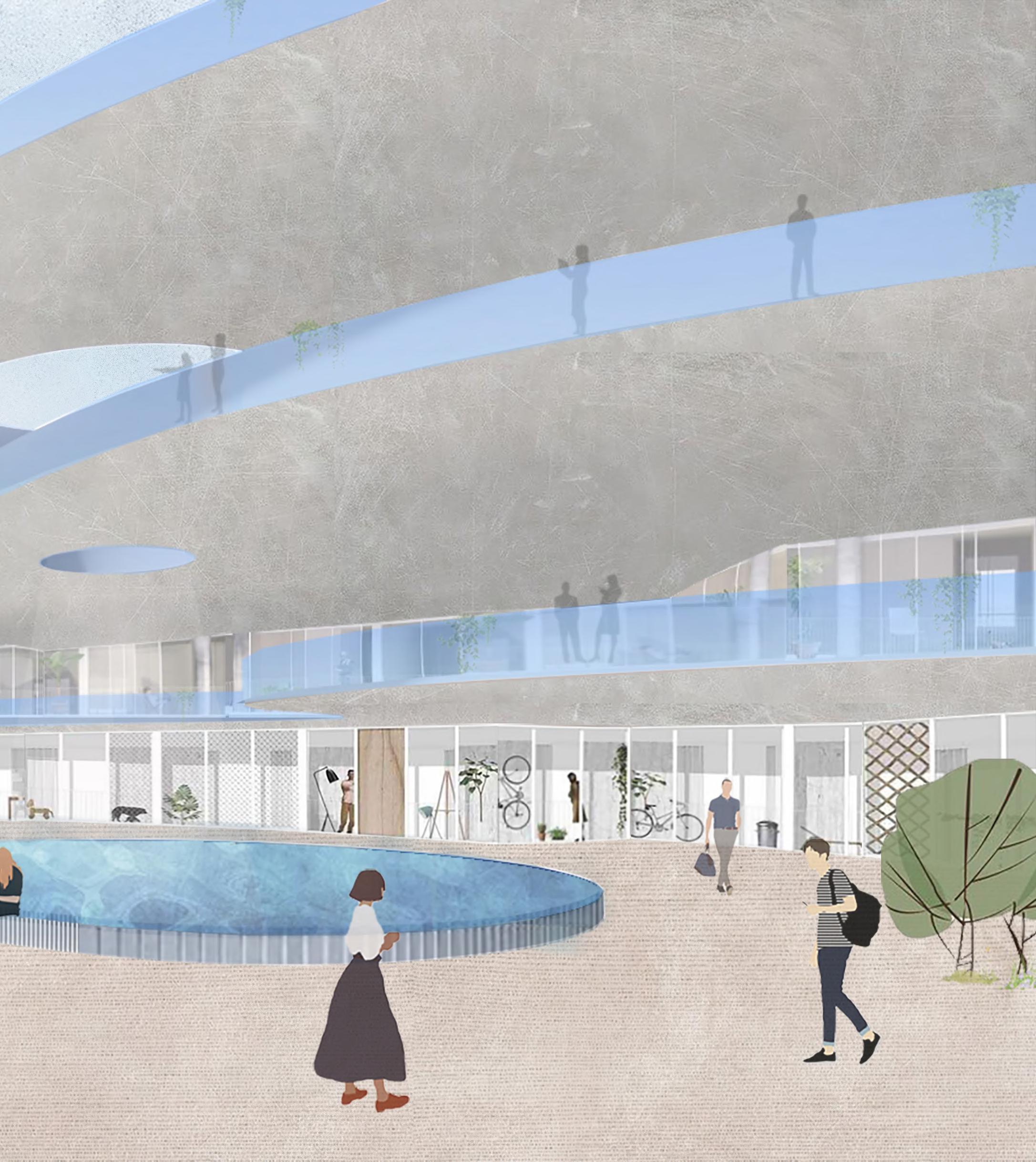
The site is located in Tripureshwor, nestled between the bustling core of Kathmandu’s urban settlement. The design aims to provide sensory experiences that promote the wellness of both body and mind, offering a stark contrast to the users’ busy lifestyles. The spaces strive to create a refreshing and calming environment.
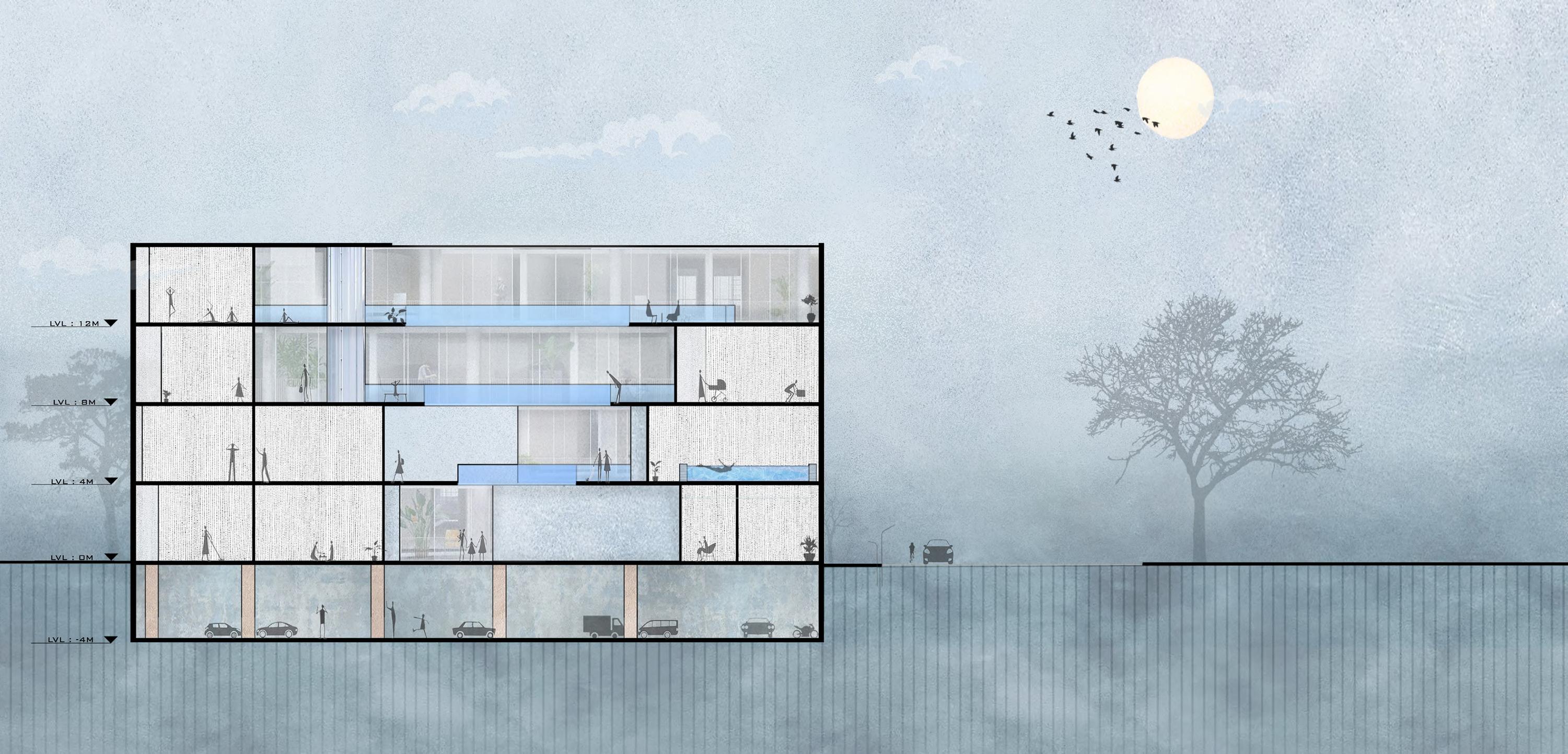
To achieve this, the structure includes three key programs: a botanical garden, a wellness center, and a food court.
BACK ELEVATION, The rear view of the complex offers a glimpse that piques interest and sparks curiosity.
SITE INTERACTION
MASTER PLAN
SECTION AT A-A
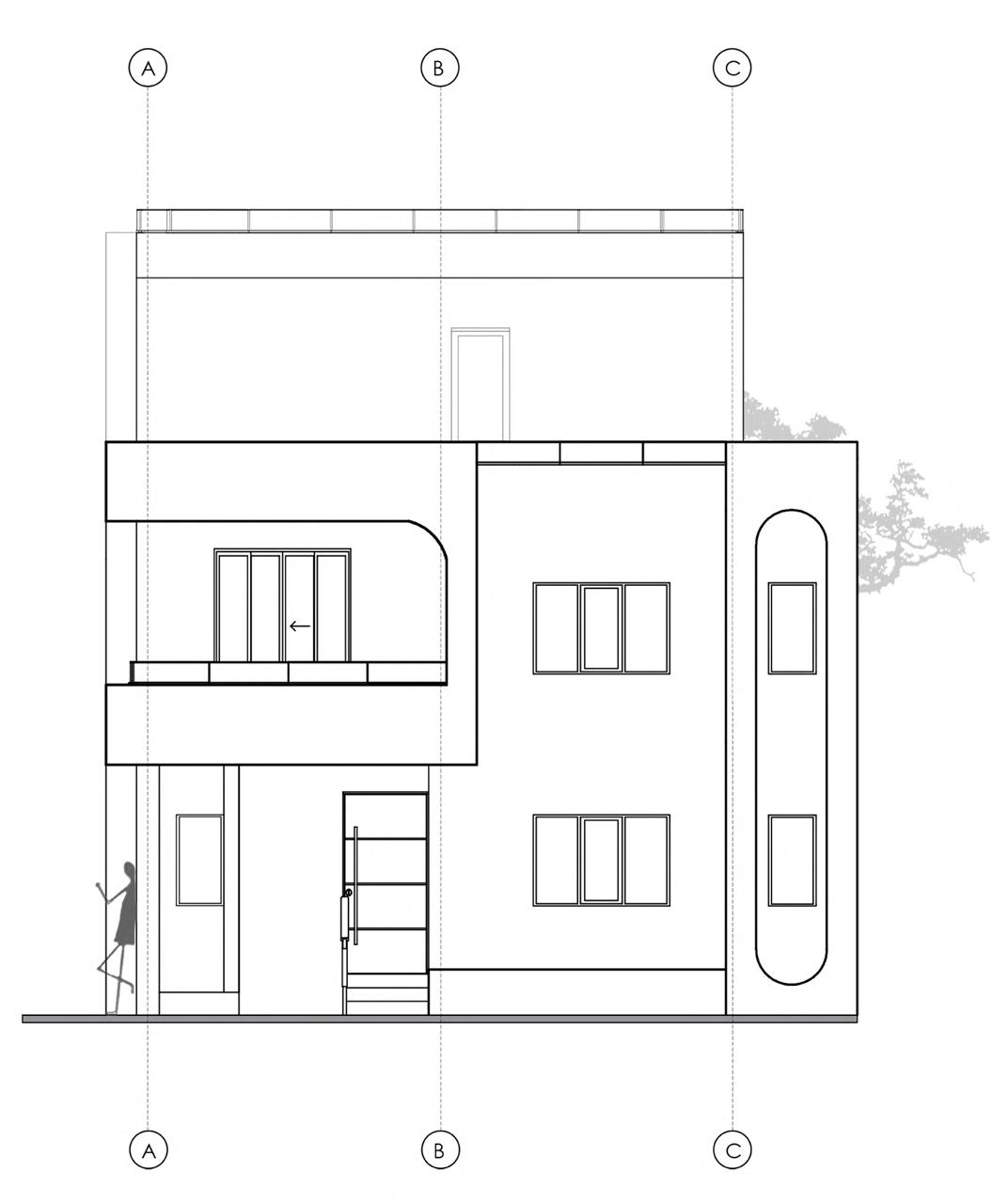
FRONT ELEVATION, seen from the Tripureshwor junction, it offers a clear view of the entire site, providing visual access to all ongoing activities.
RAMKOT JOURNEY, A study in vernacular settlement of Ramkot village
Location : Ramkot, Tanahun
Category : Mountain Architecture
Year : III Year / II Semester, 2023
This studio focused on studying Mountain Architecture in the hilly settlement of Ramkot. Students stayed in local homestays, immersing themselves in the village lifestyle to understand the architecture of Village.
The Ramkot Journey includes three main components: documentation of Magar houses, analysis on social and architectural context, and design proposals to uplift the community and to improve the lifestyle of people
DOCUMENTATION
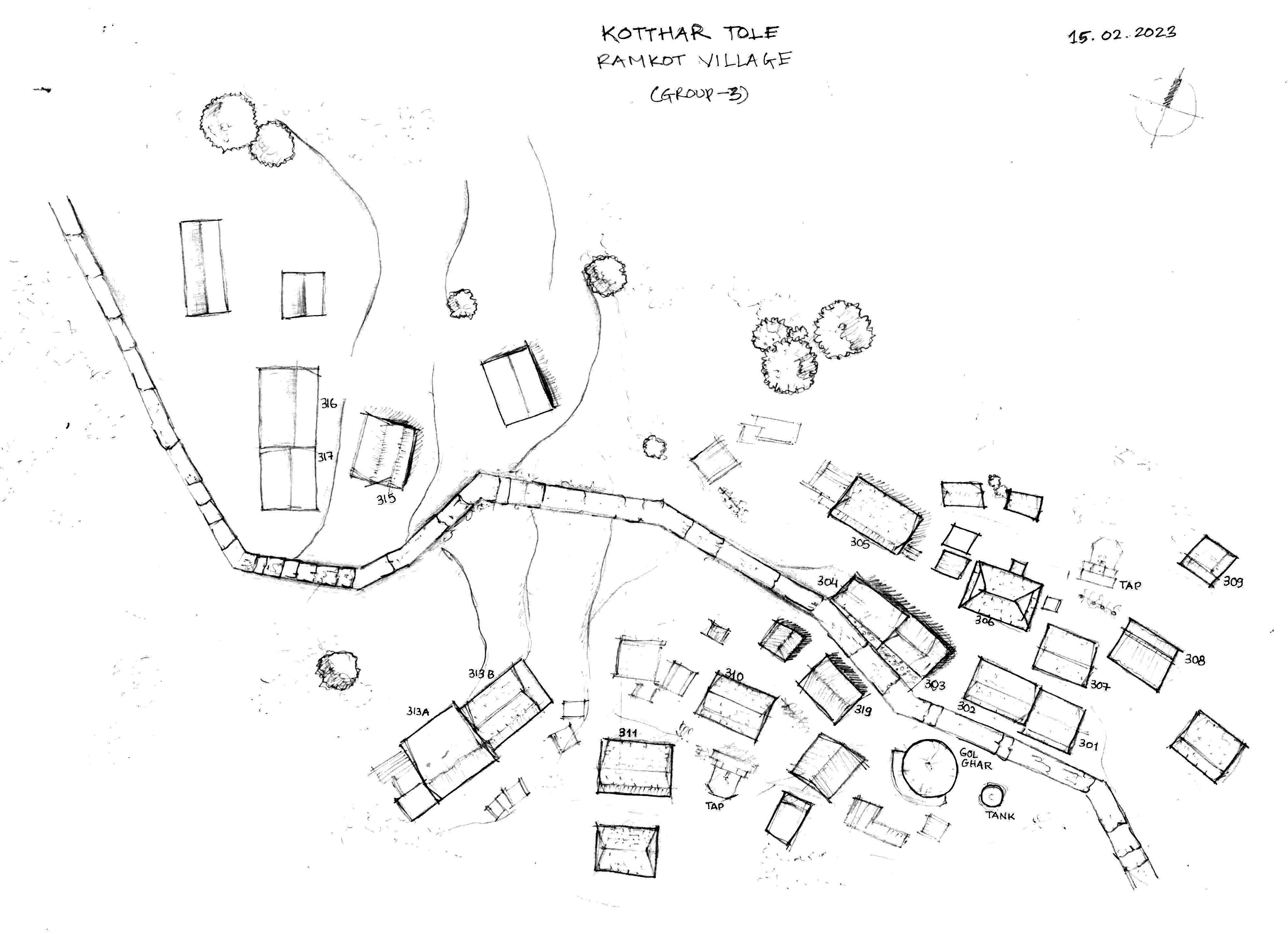
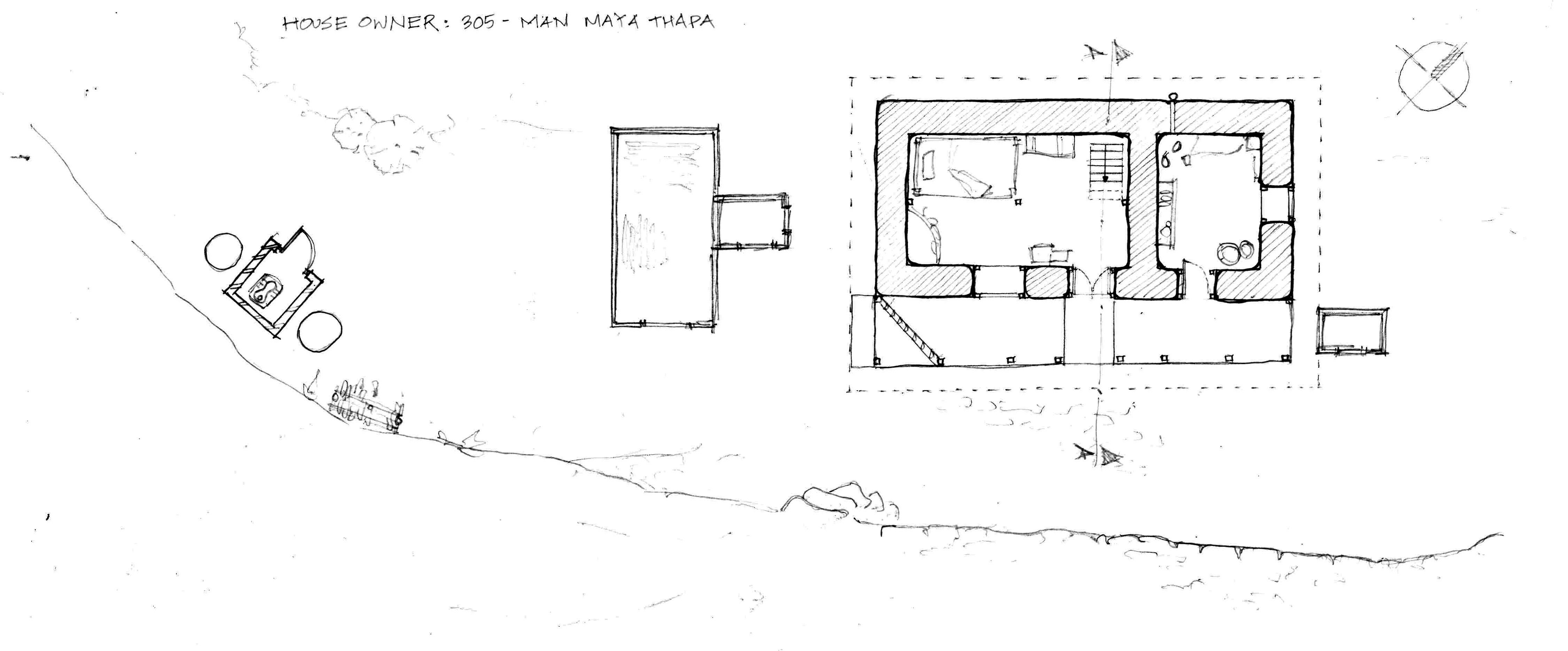
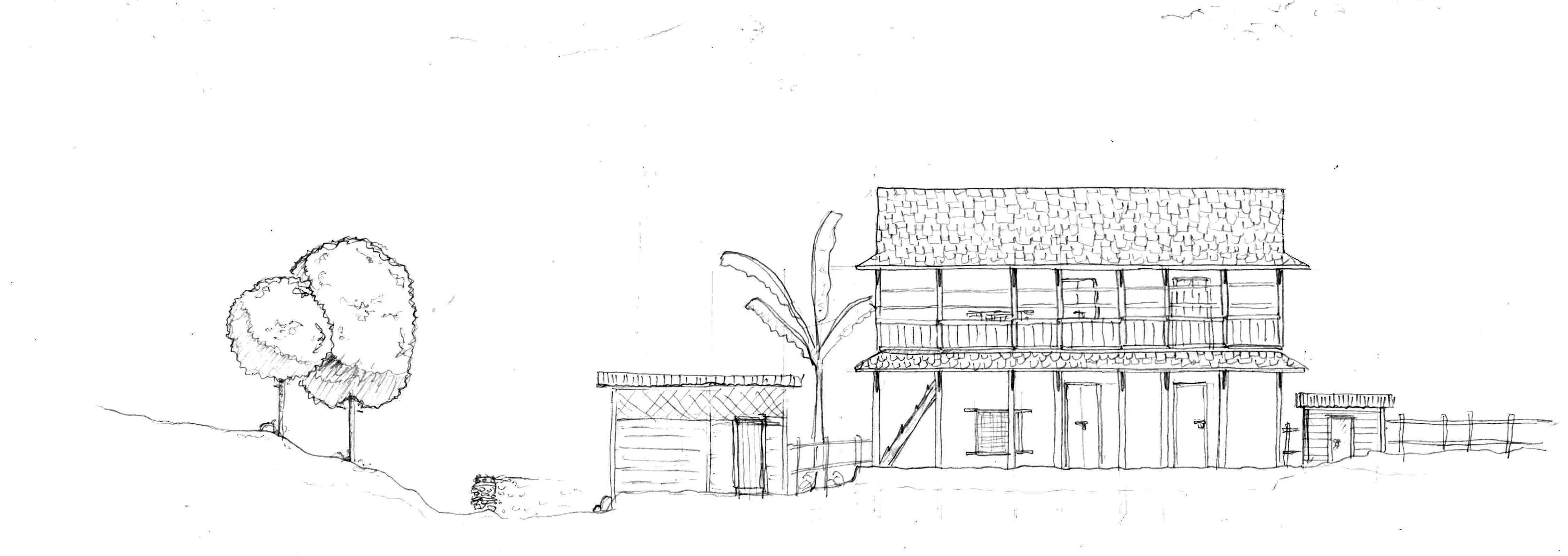
During the work divisions, the scattered settlement was divided into six parts, with Group 3 assigned to study the architecture of Kotthar Tole, located in the upper terrains of the hill. The locality comprised 16 houses, all of which the group measured and conducted social surveys on. These measurements were later used to produce digital architectural drawings for accurate documentation.
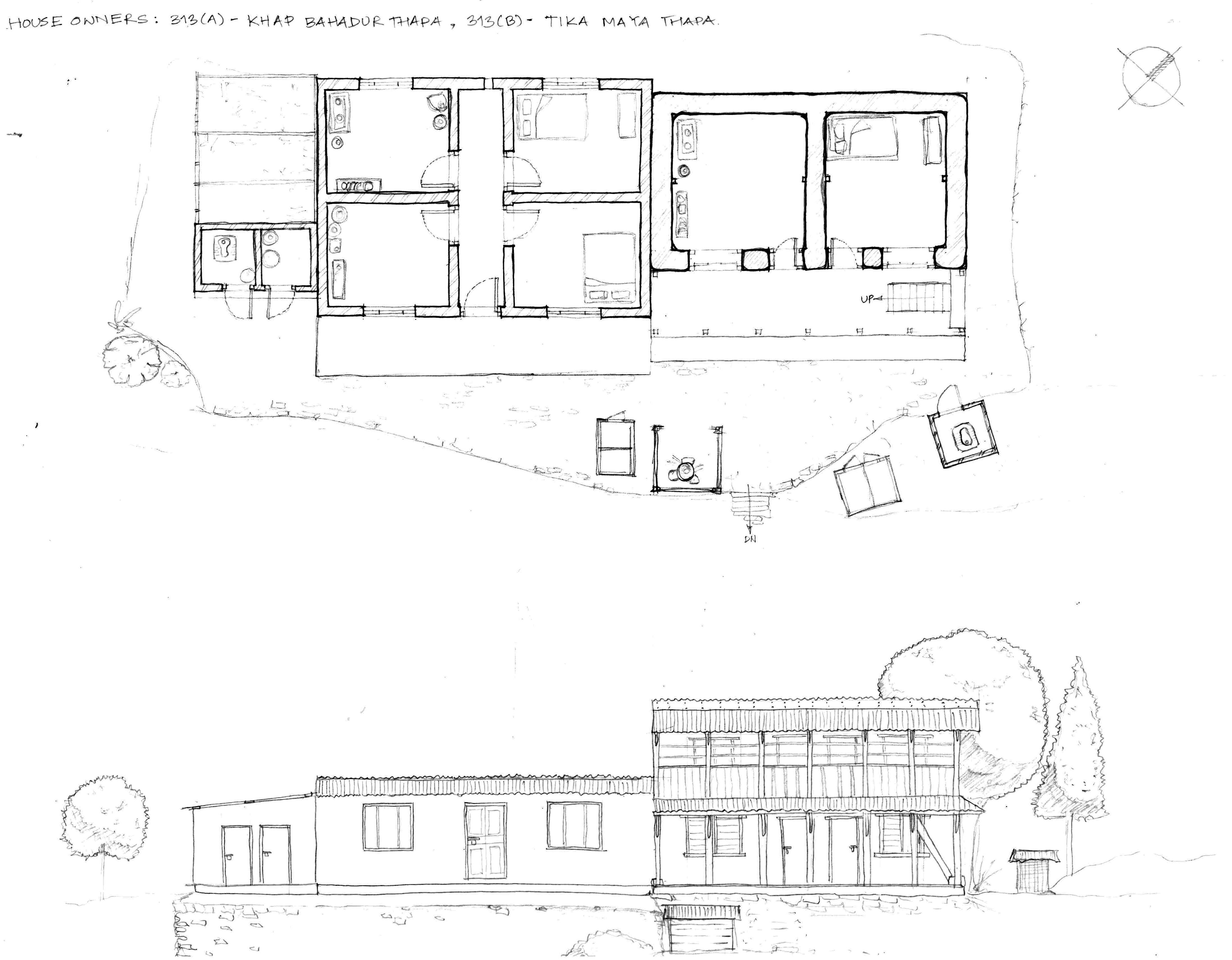
On-site Drawings
Proportionate drawings were created on-site and exhibited to local villagers on the last day of our stay. The surrounding features, such as stone pathways, animal sheds, chicken coops, courtyards (aagan), and maize racks (makai suli), were also taken into consideration during the drawings, highlighting the common architectural elements in the area.
On-site
Drawings
PROPOSAL 1 : PUBLIC BATH AND LAUNDRY
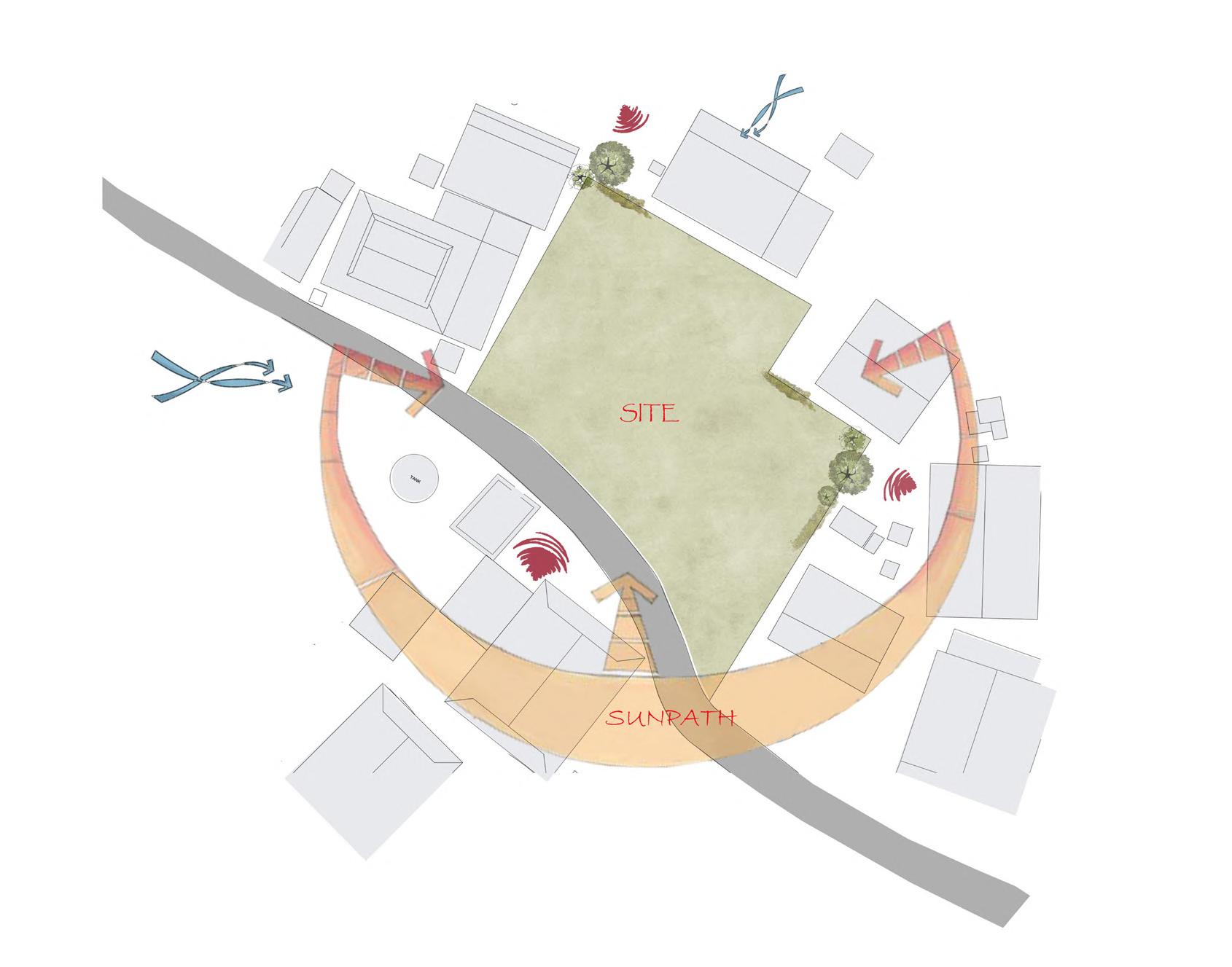
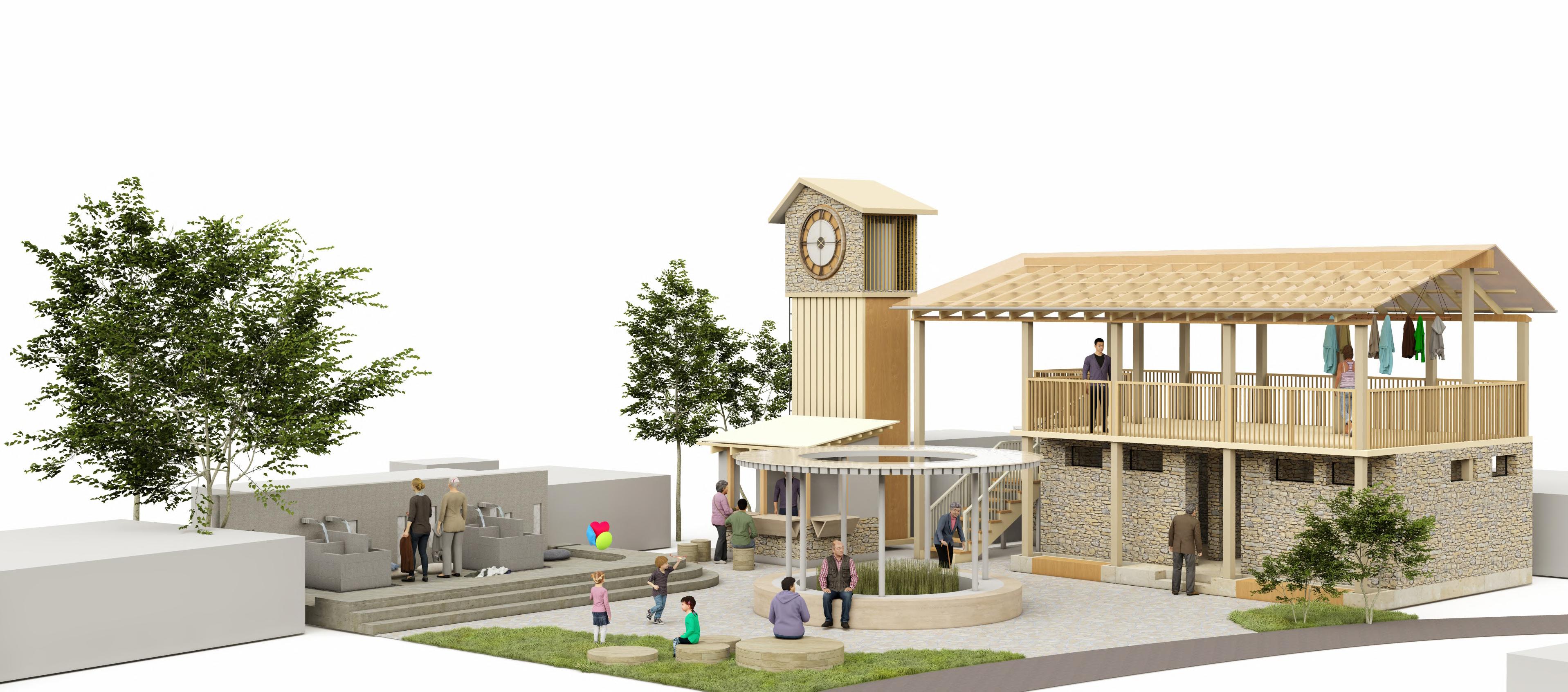
Ramkot village is a popular short hiking route for tourists visiting Bandipur, a renowned tourist destination. However, there is a lack of public toilets, and the villagers’ household toilets have poor sanitation for visitors. This proposal addresses the issue by designing a public toilet and bathroom with proper sanitation facilities. It also includes well-managed laundry spaces for the villagers.
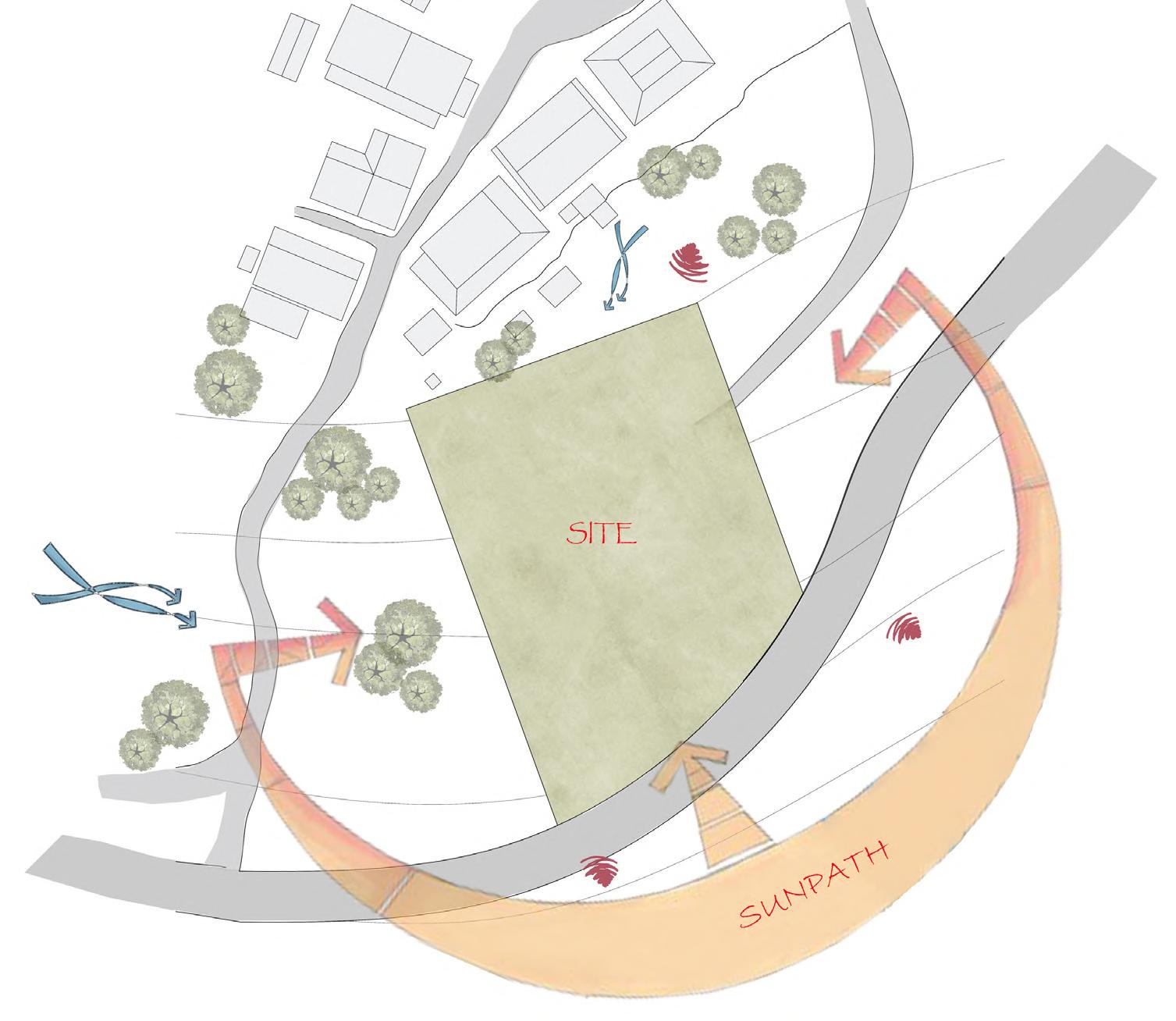
SITE ANALYSIS
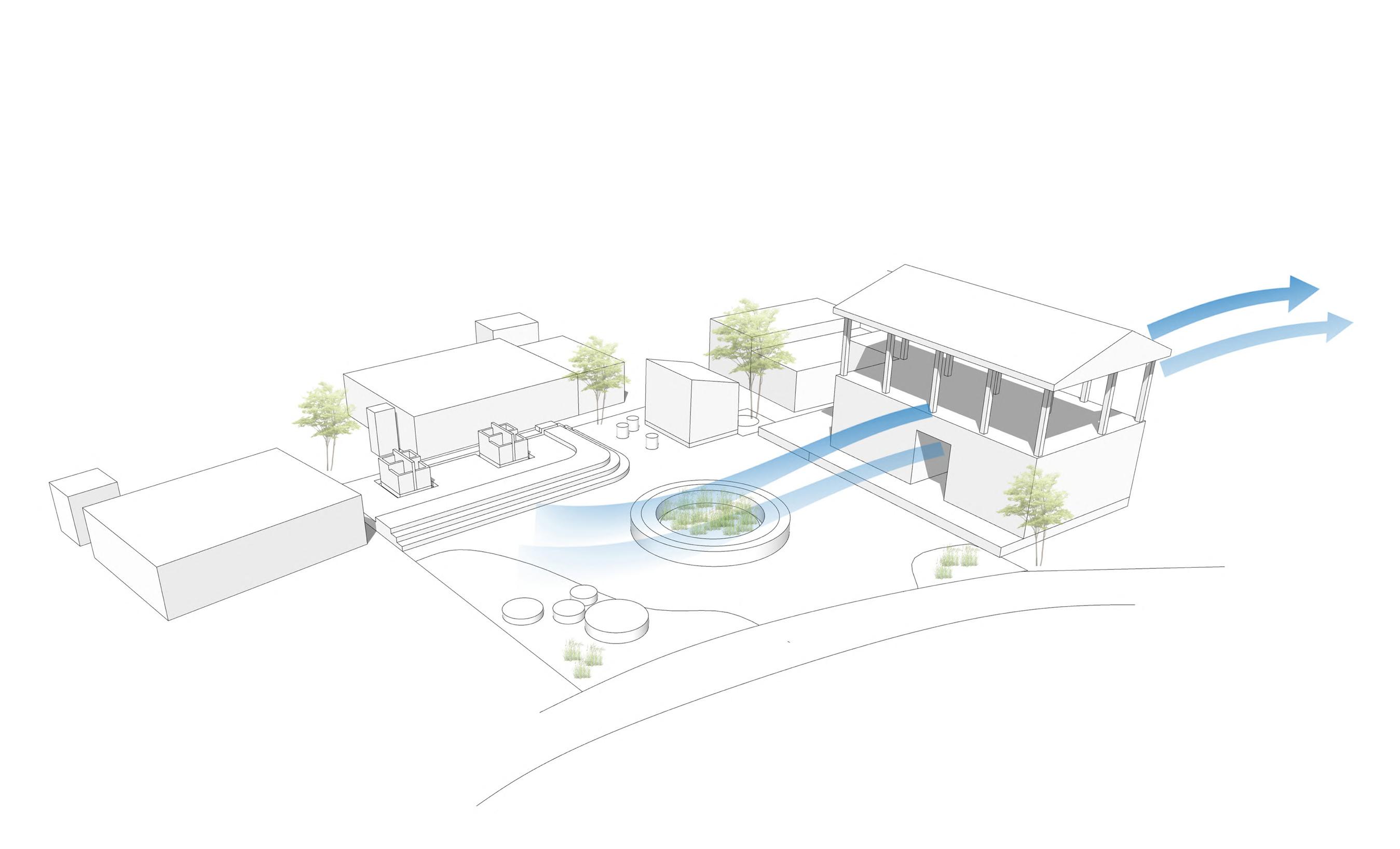
AERIAL PERSPECTIVE, cold breezes from west passing through cross ventilation
INNOVATIVE APPROACHES
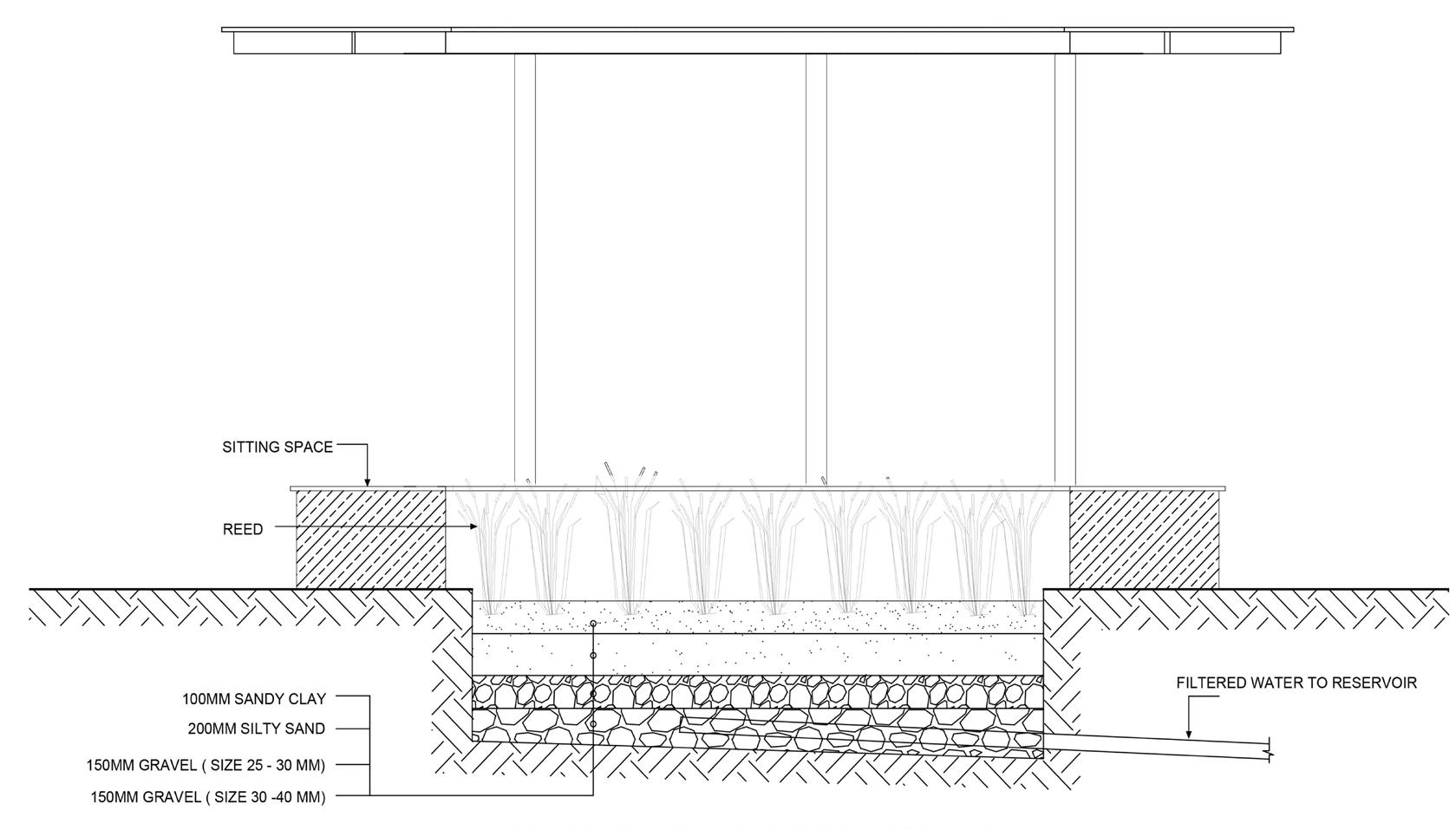
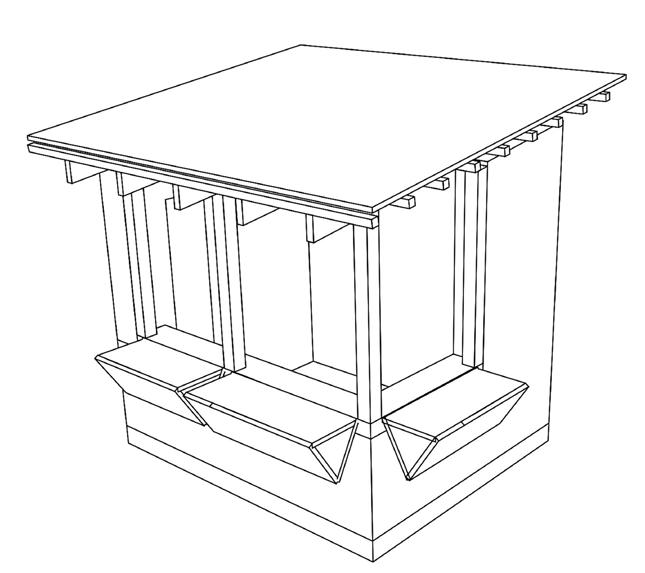
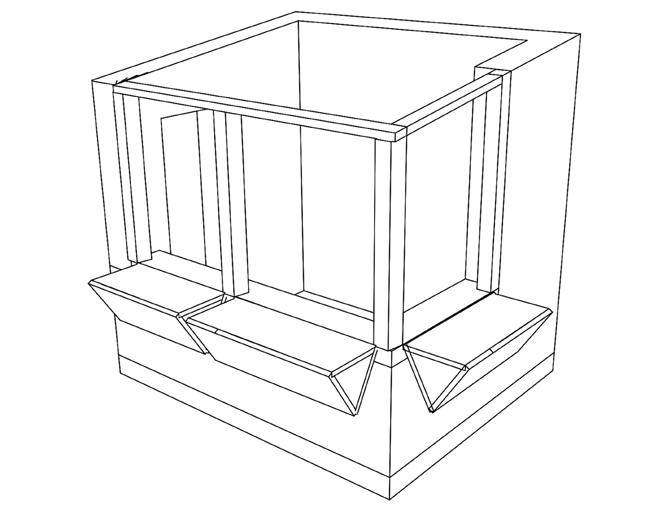
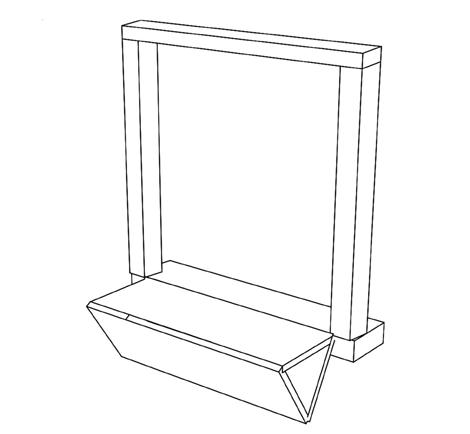
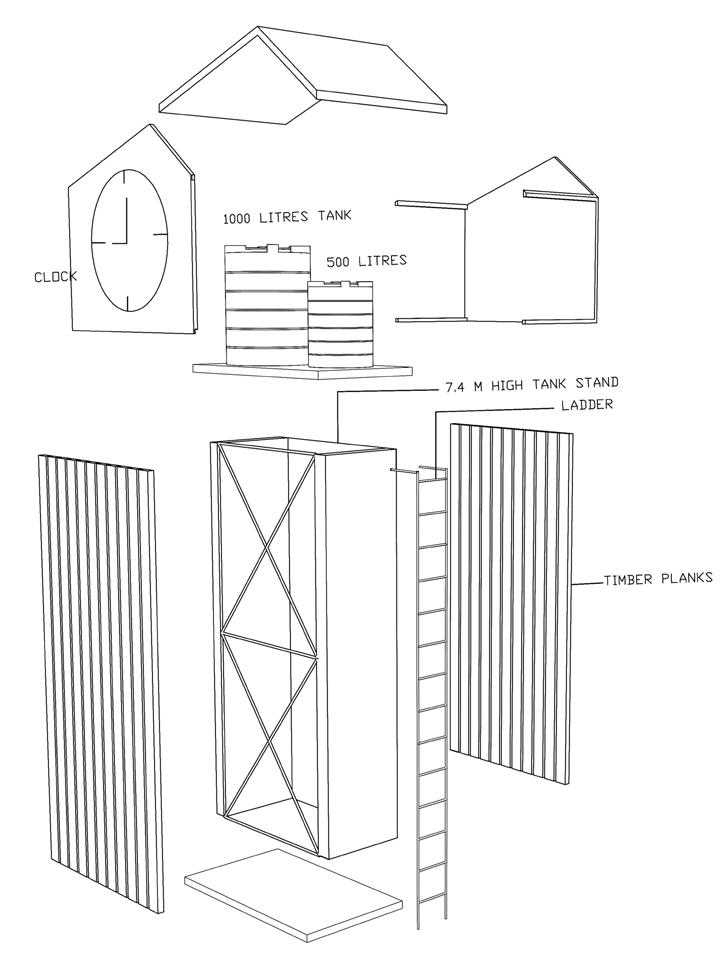
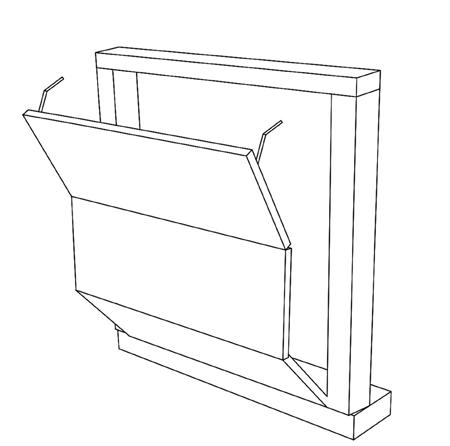
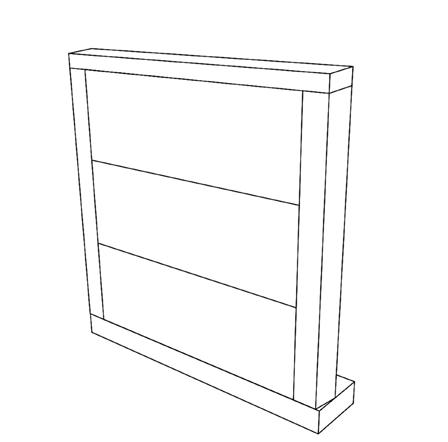
Innovative features in the design include reed bed treatment for greywater filtration, an operable café, and a clock tower that covers the overhead tank and displays the time for villagers from an elevated platform.
REED BED TREATMENT DETAILS
OPERABLE CAFE
OVERHEAD TANK
VIEW
PROPOSAL 2 : VETERINARY CENTER
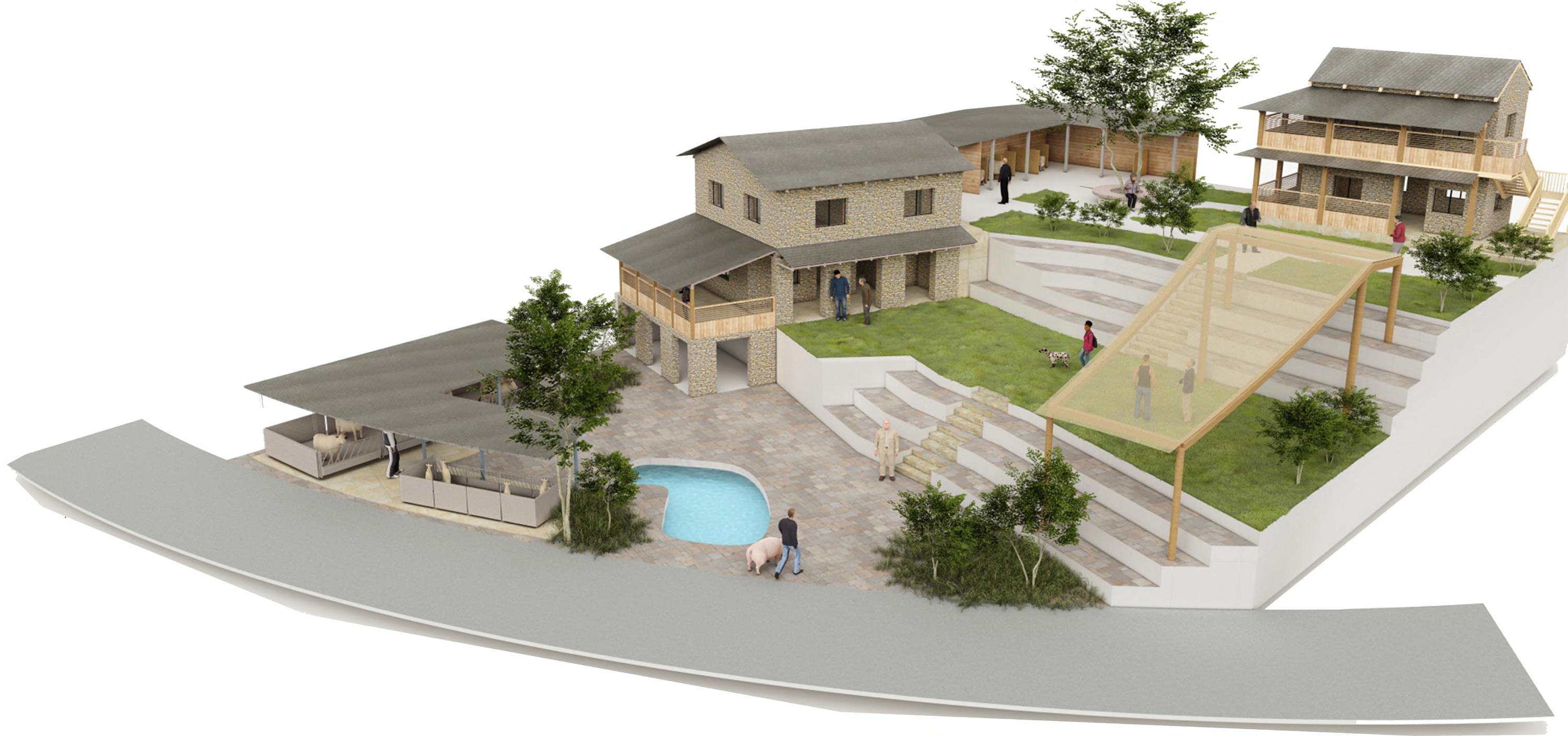
The household survey revealed that many families rely on cattle farming for their livelihood. Consequently, the design includes a health treatment facility for animals, a dedicated training center for cattle rearing, and a biogas treatment system for animal waste utilization.
SITE ANALYSIS
AERIAL PERSPECTIVE
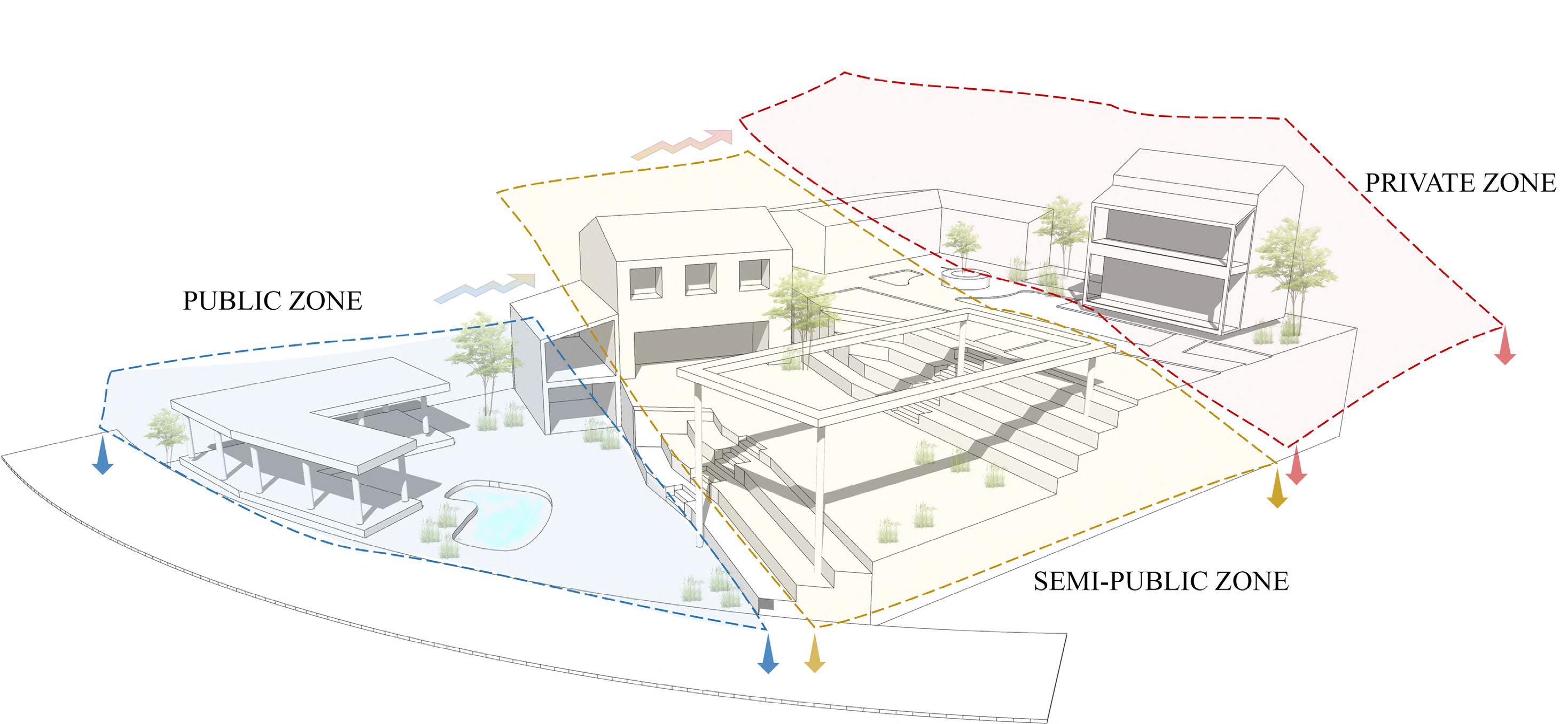
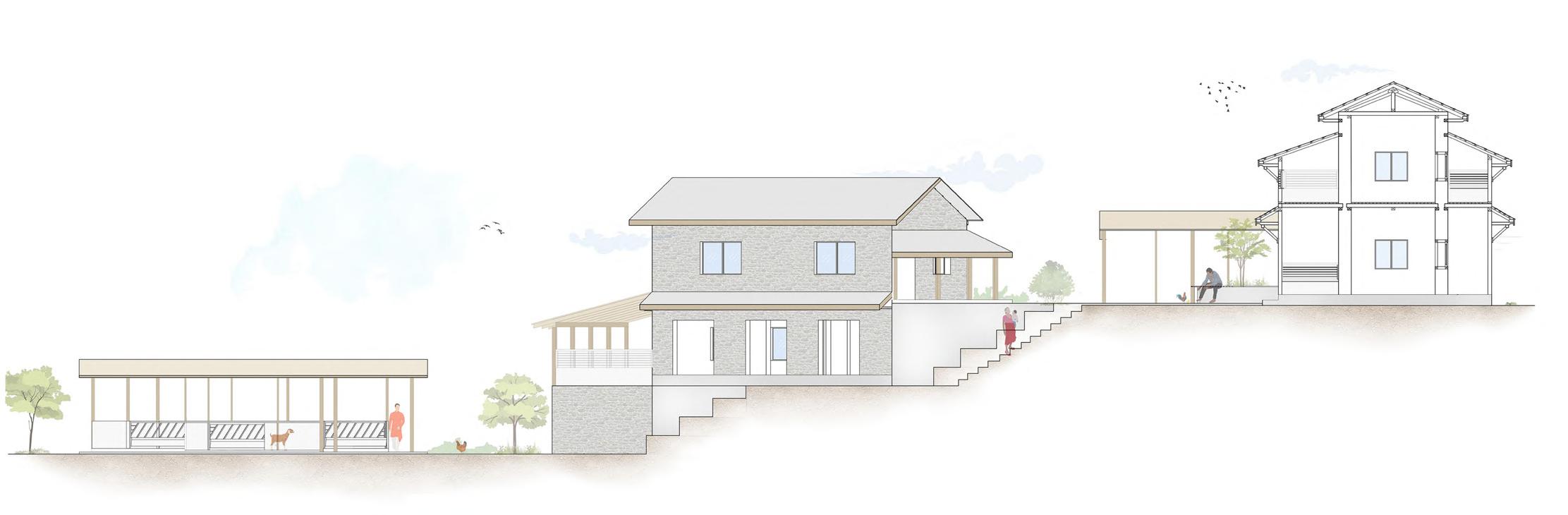
The site was divided into three zones following the contour: the private zone features a health care facility for animals, the semi-public zone serves as a training space for villagers, and the public zone includes an animal park with their shelters.
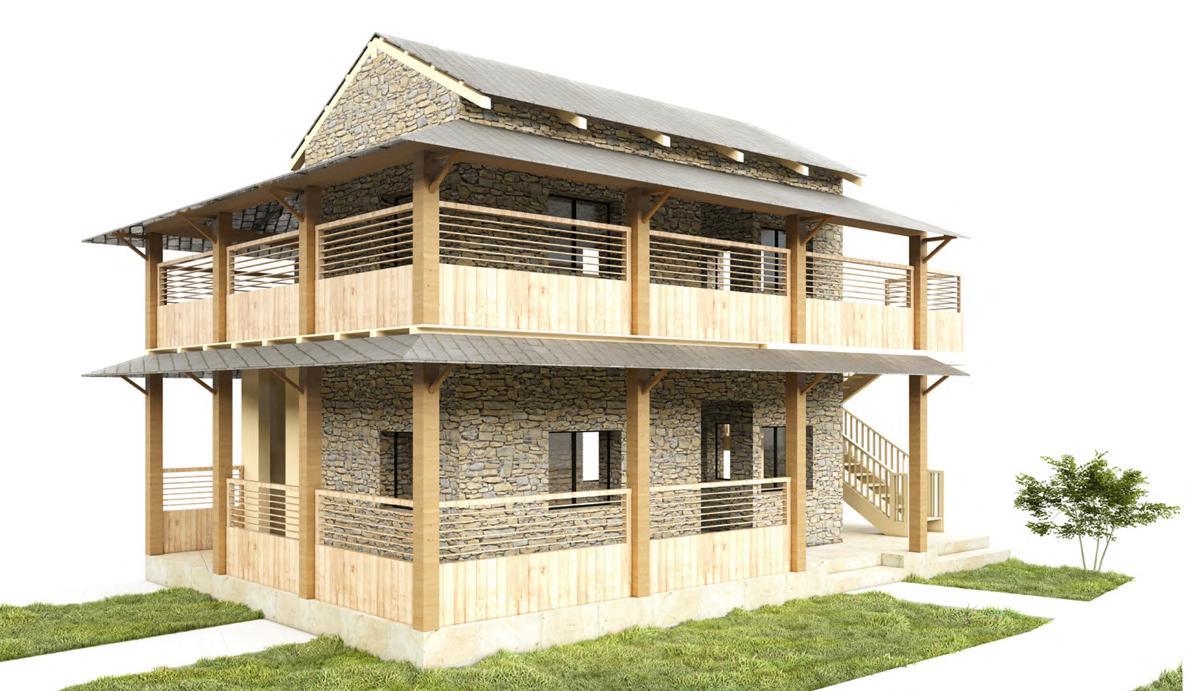
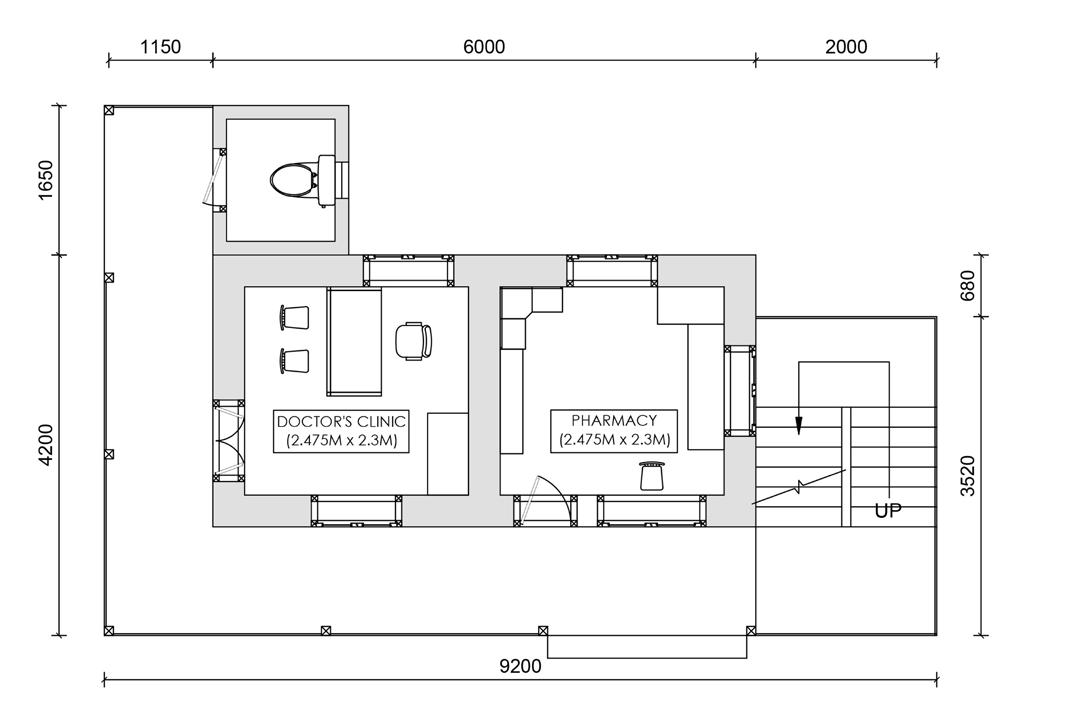
The site comprises two main building blocks: Block 1 includes a checkup clinic, pharmacy, and staff room, while Block 2 houses a laboratory, surgery space, and a kitchen for animal food. Furthermore, the design incorporates two animal sheds and an open pavilion.
SITE SECTION
3D VIEW
BLOCK 1
GROUND FLOOR PLAN
COSY HOMES, Embracing comfort and community
Location : Dhulikhel, Kavre
Category : Housing and Apartment
Year : IV Year / I Semester, 2023
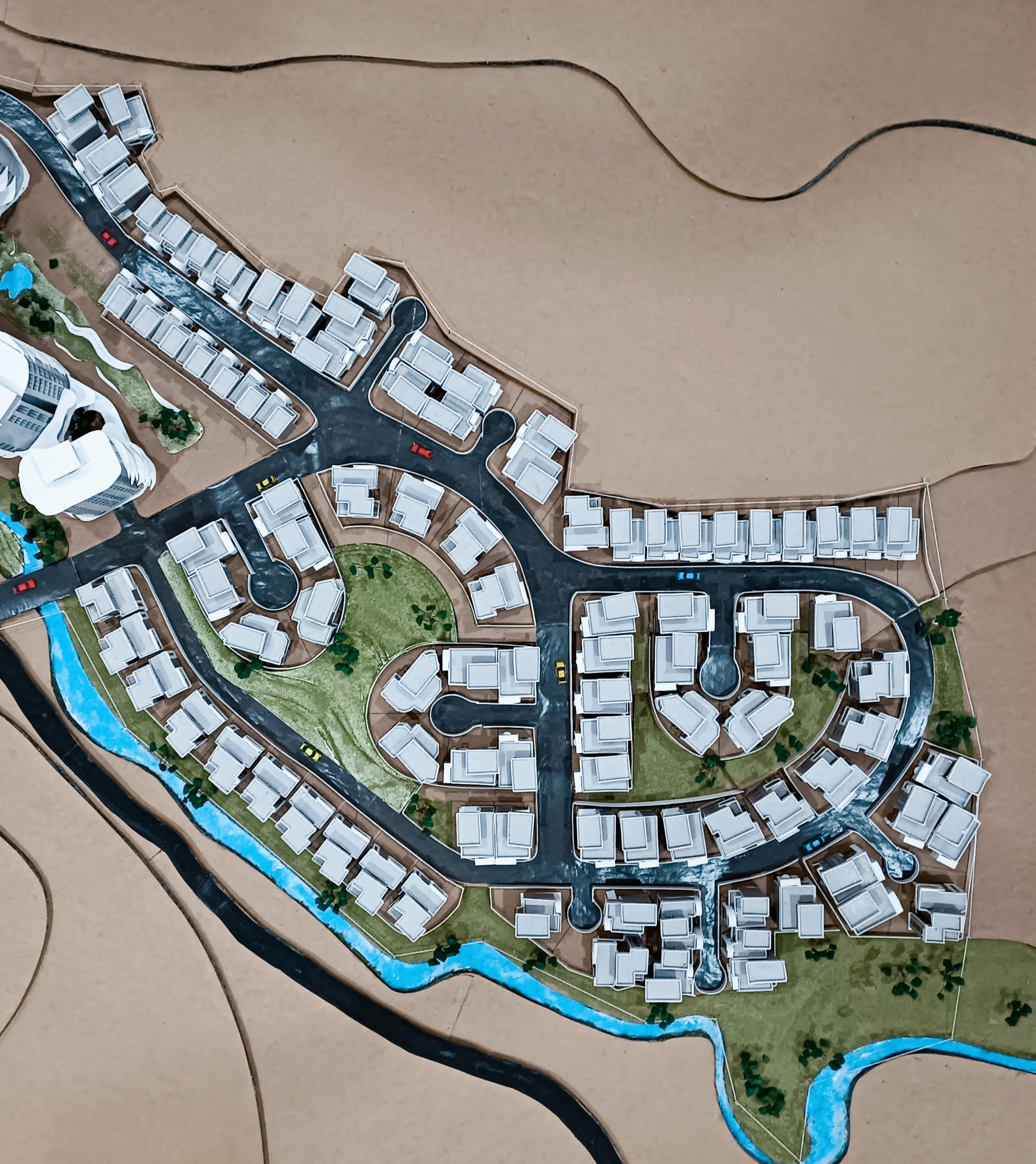
This residential development project encompasses diverse housing types, including apartments, and features communal and open spaces. Situated in Dhulikhel near the KU premises, the project targets both teaching and non-teaching staff, as well as other nearby residents.
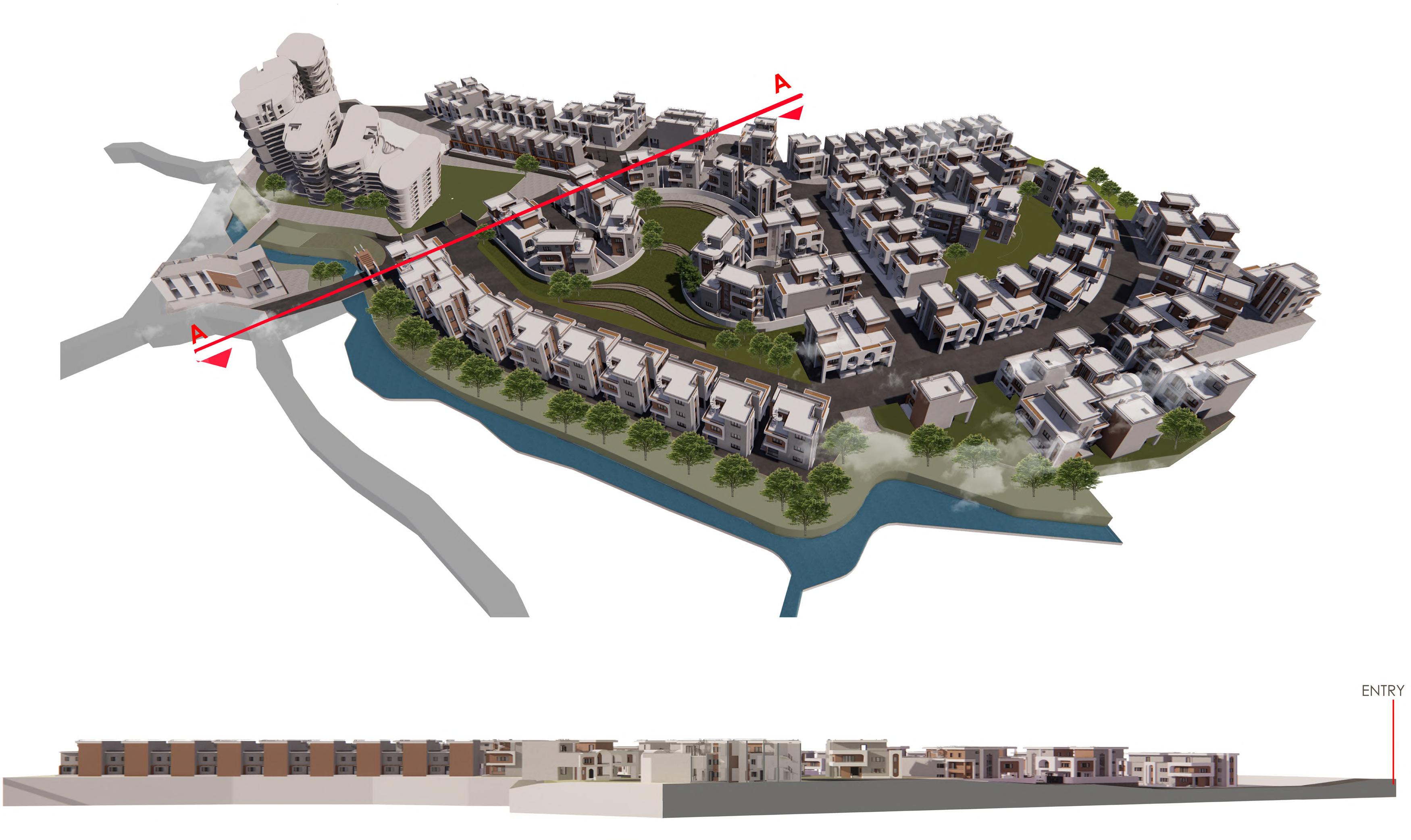
The site features a riverfront on its western side and a major road running along the northern edge. Due to the site’s shape, high-rise apartments are positioned on the northern side to maximize sunlight throughout the area.
VIEW
AERIAL
SECTION AT A-A
CONCEPT
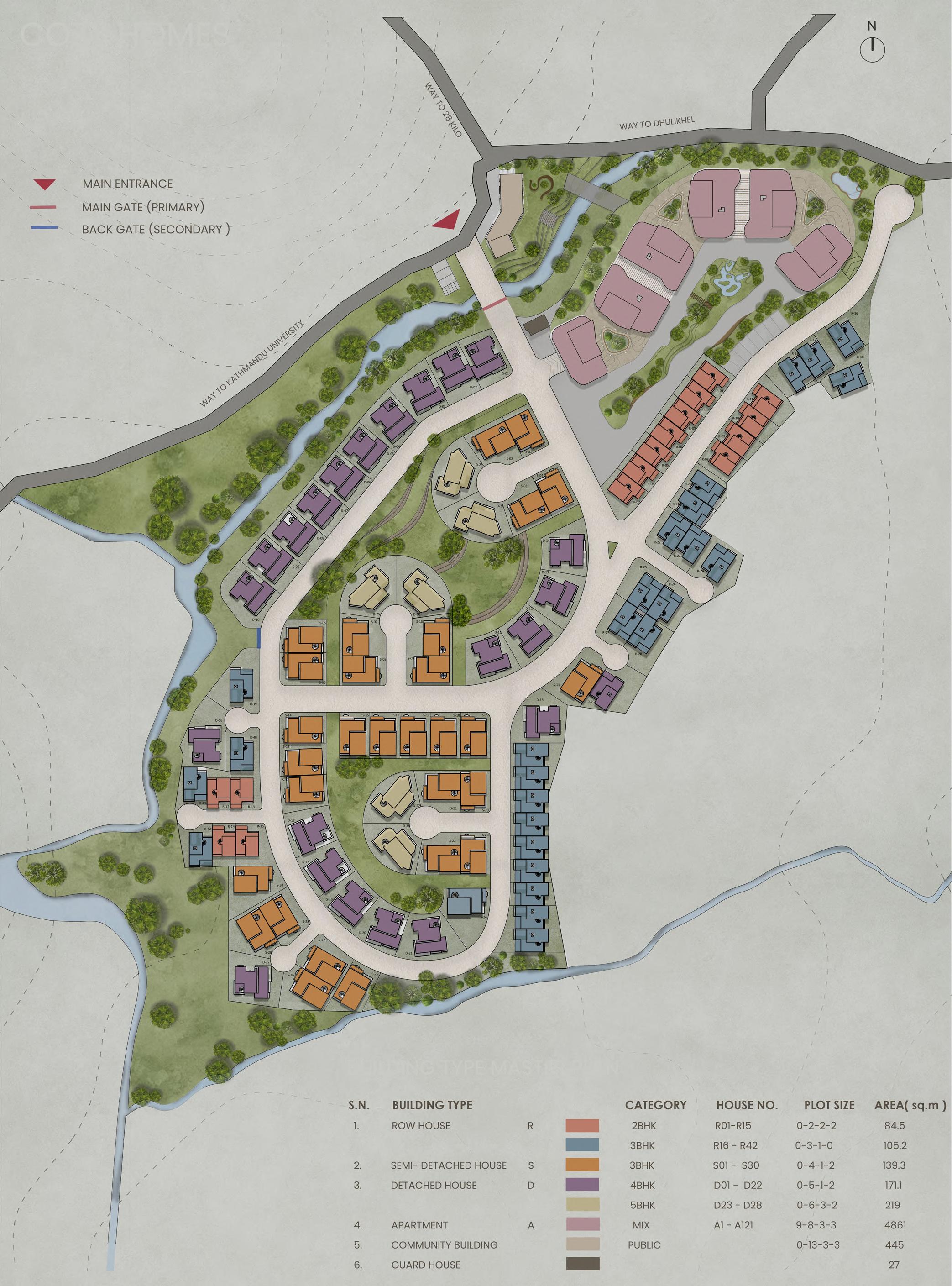
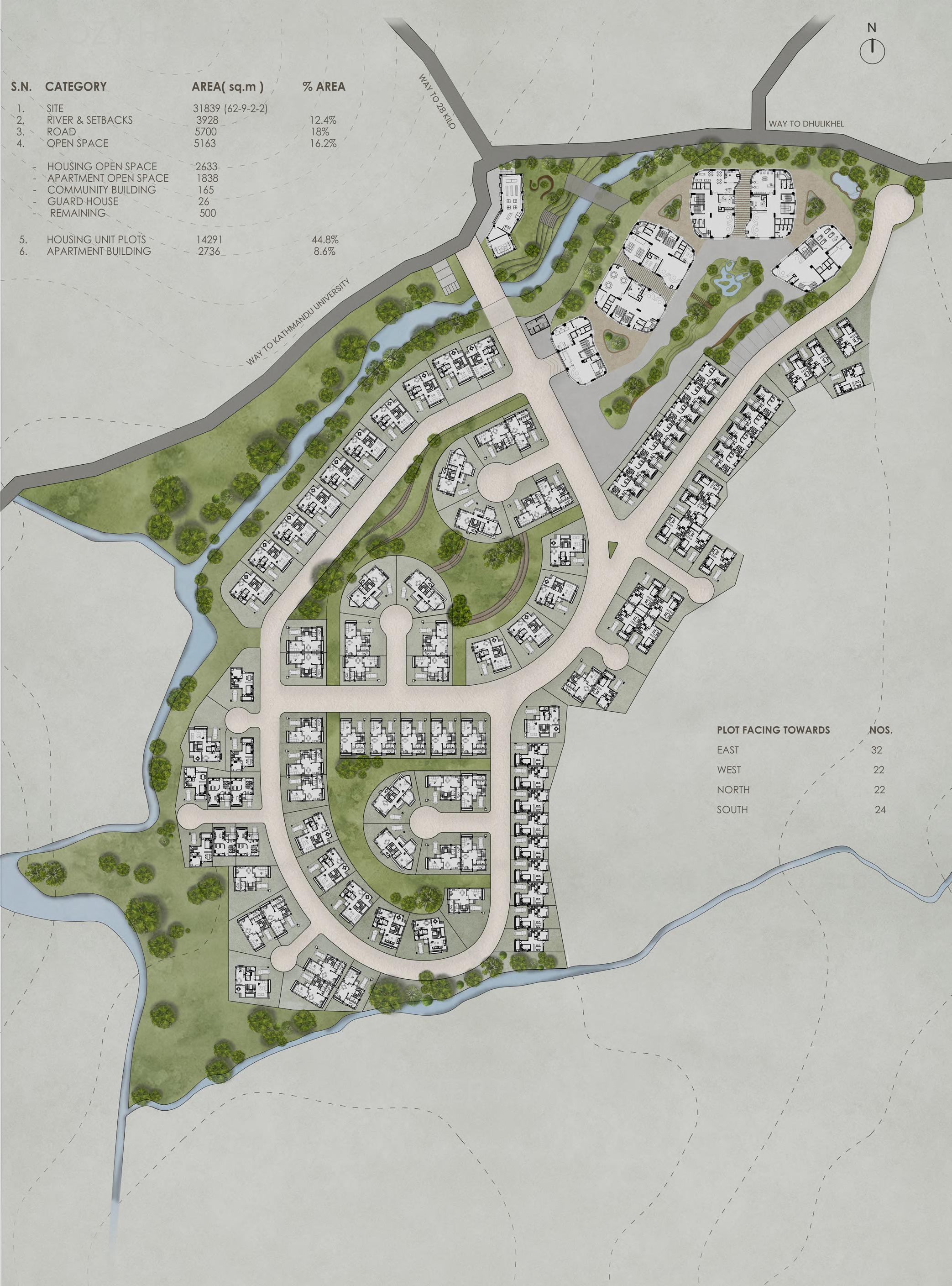
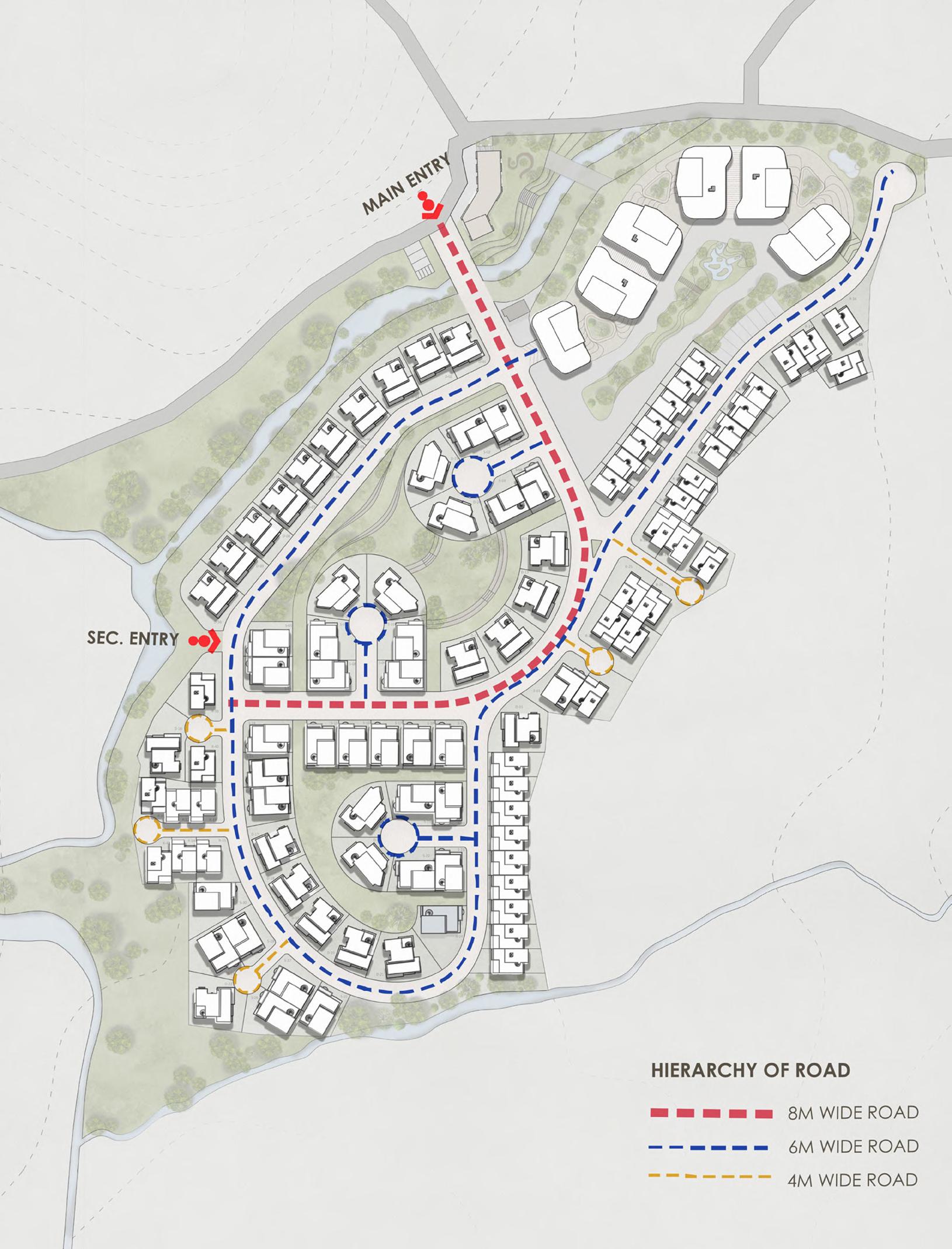
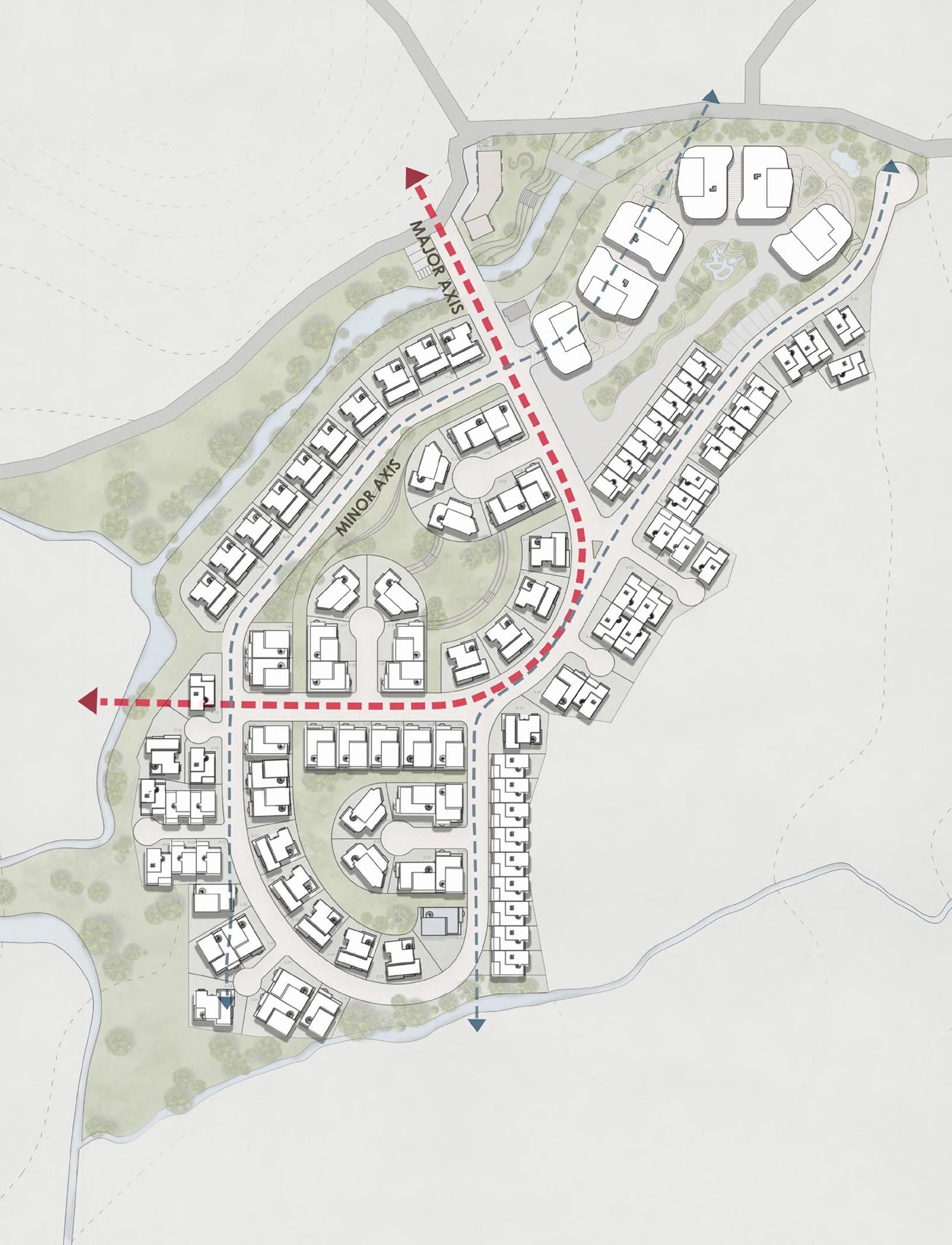
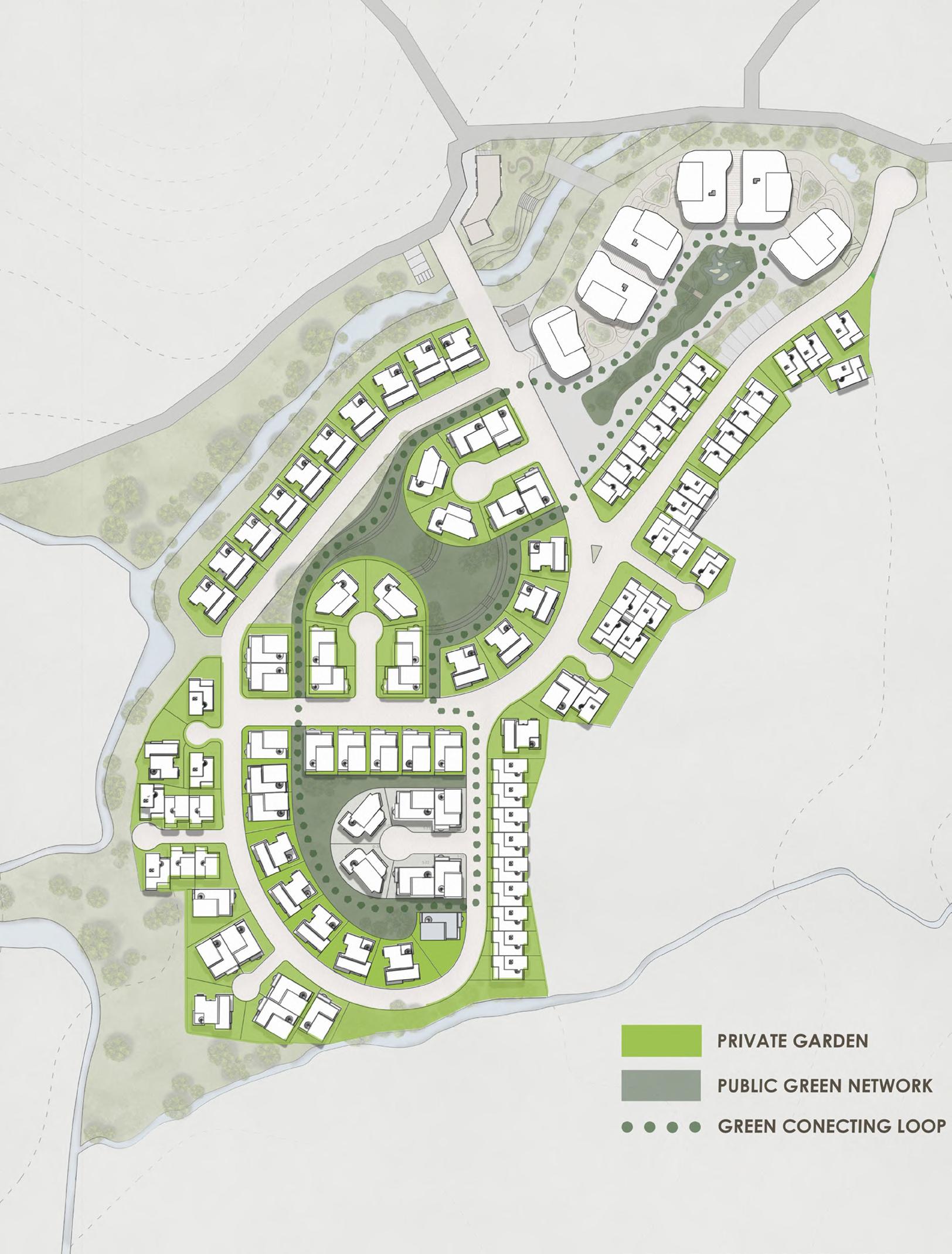
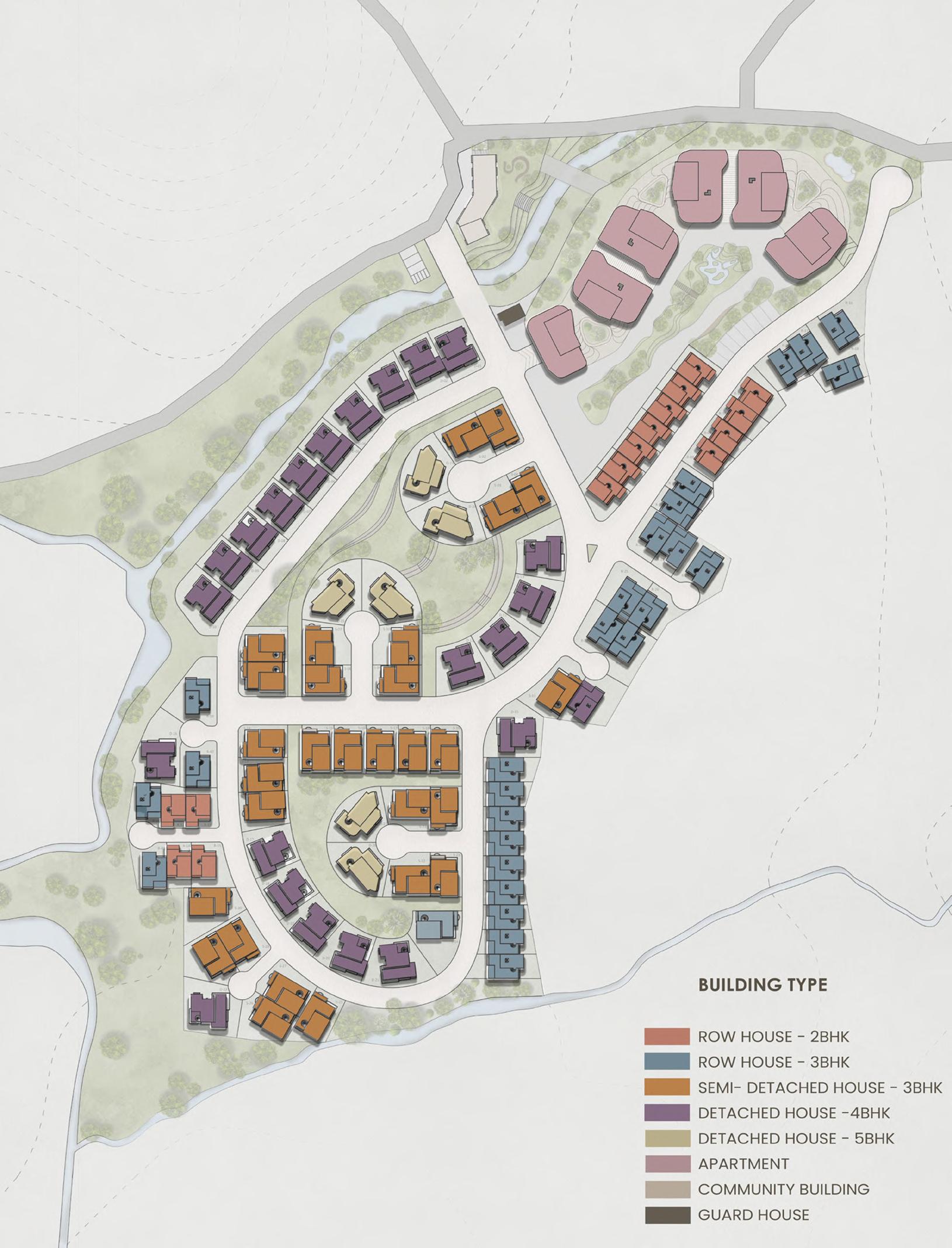
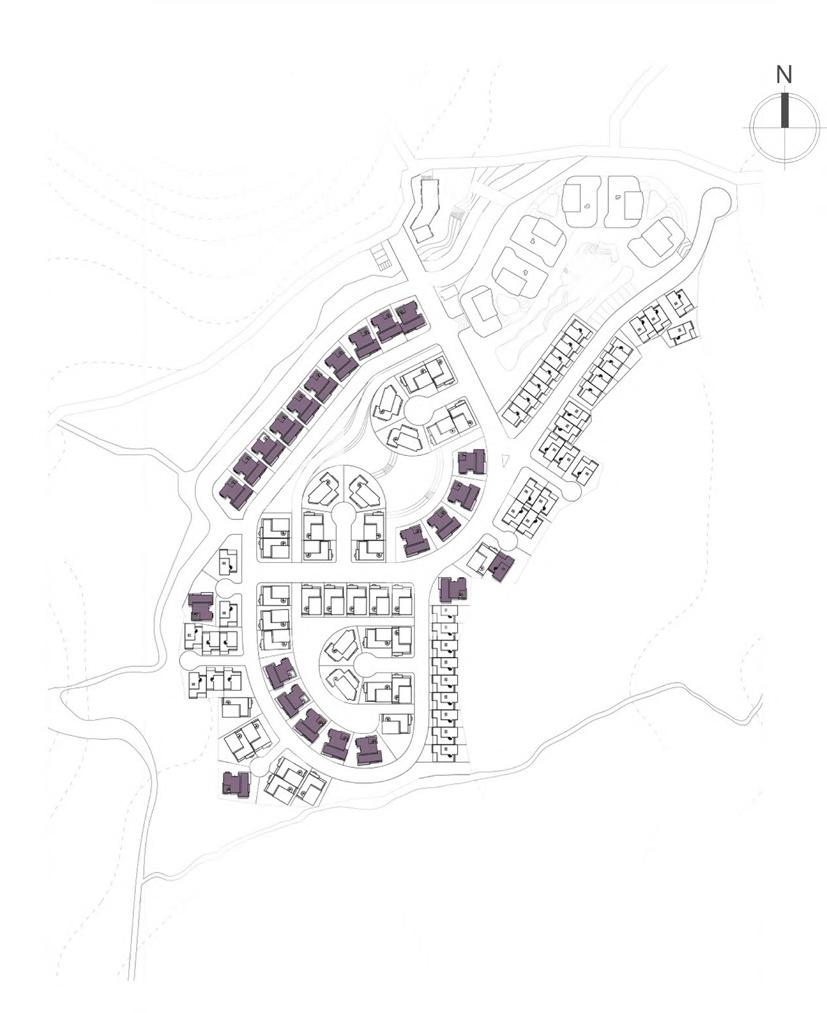
The masterplan is developed around the concept of forming a loop of road networks to create a sense of community. High-end houses, such as 4BHK and 5BHK types, are centrally placed to provide easy access to open spaces, while row houses are aligned along the sides of the masterplan.
MASTERPLAN, Building Types
The road networks branch into various cul-de-sacs, each leading to different housing communities. High-end houses have access to open spaces through their back entrances.
MASTERPLAN, Ground floor plan with surroundings
MASTERPLAN DEVELOPMENT
04 DENSITY DISTRUBUTION
03 OPEN SPACES
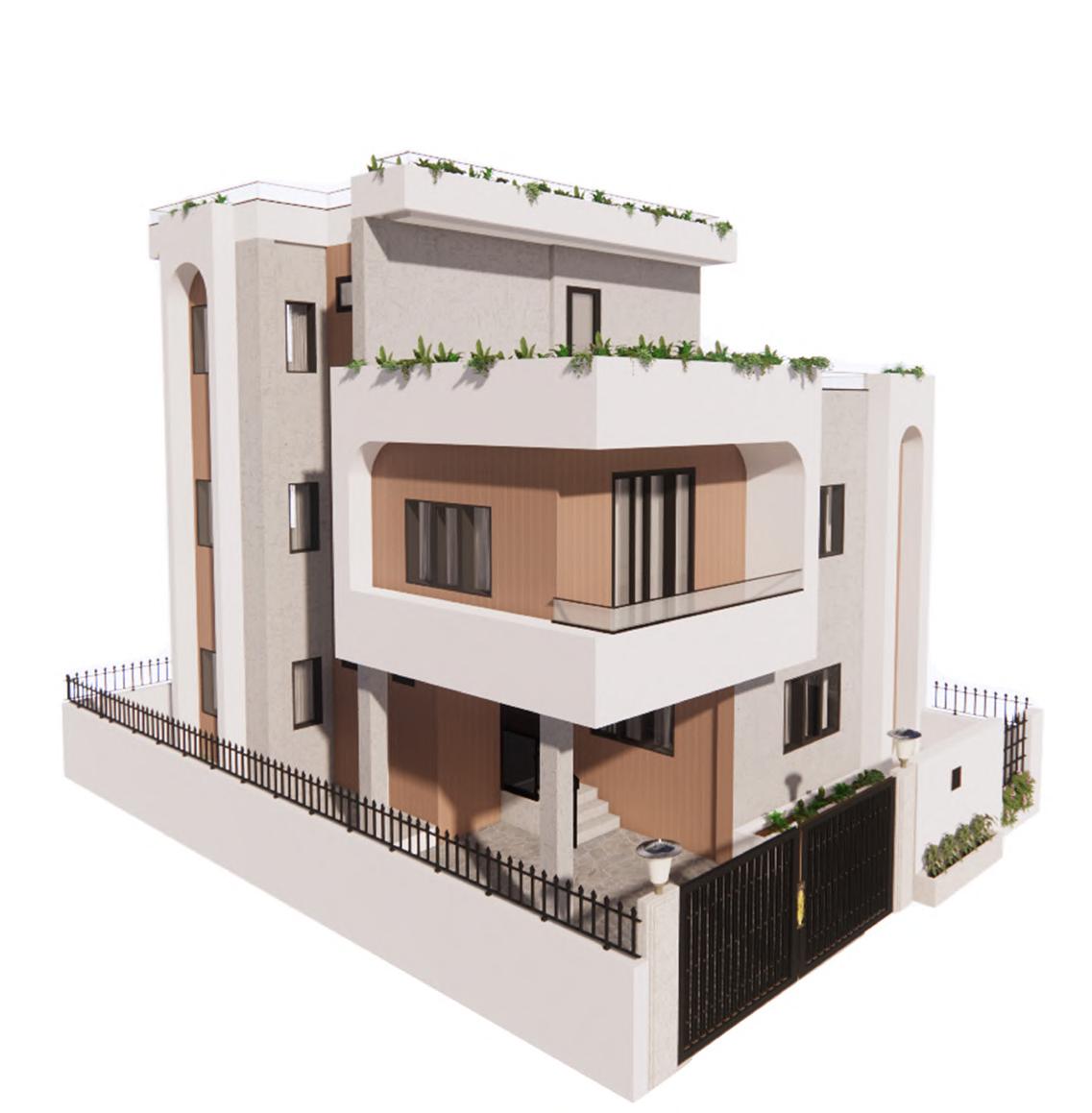
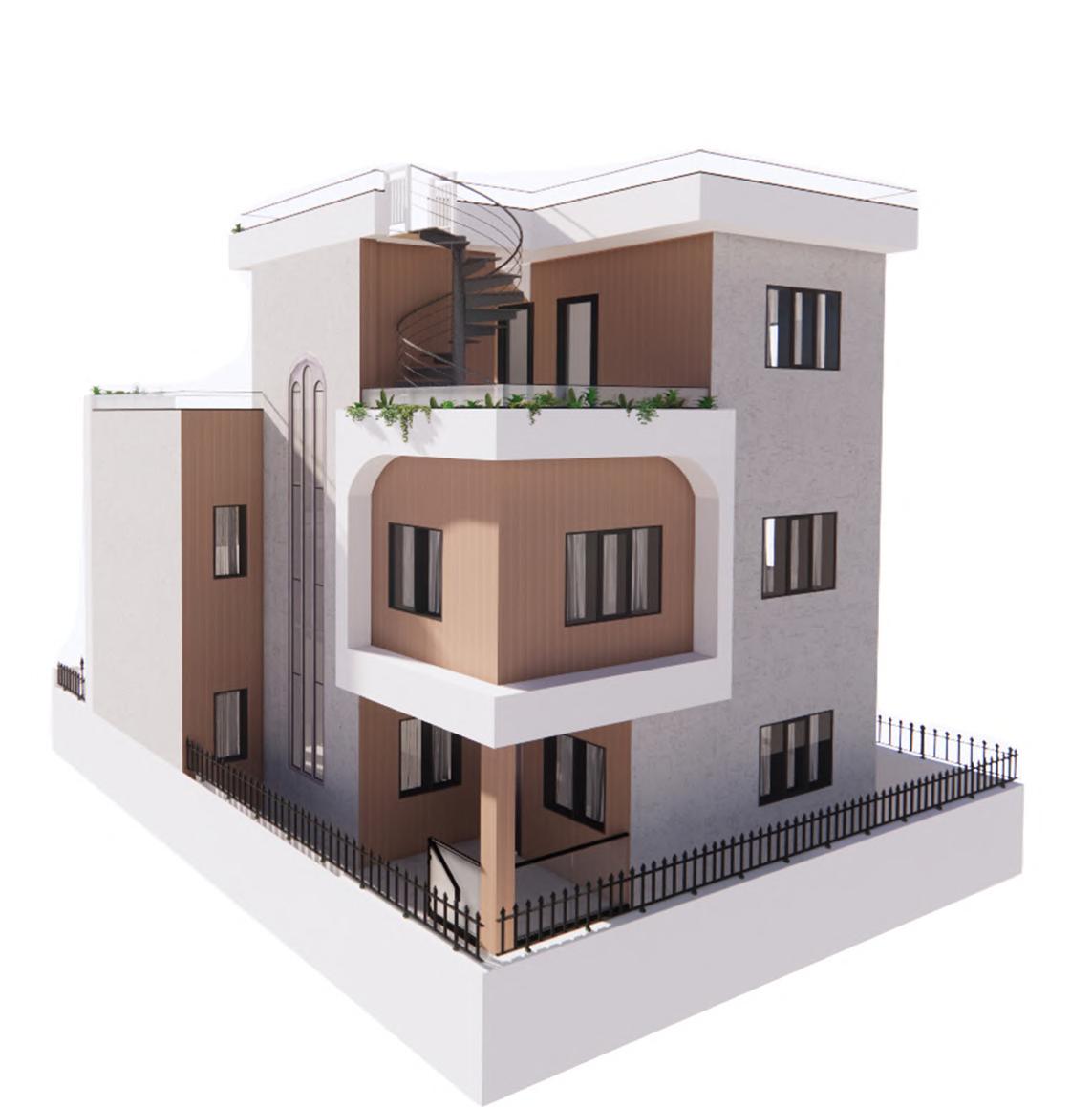
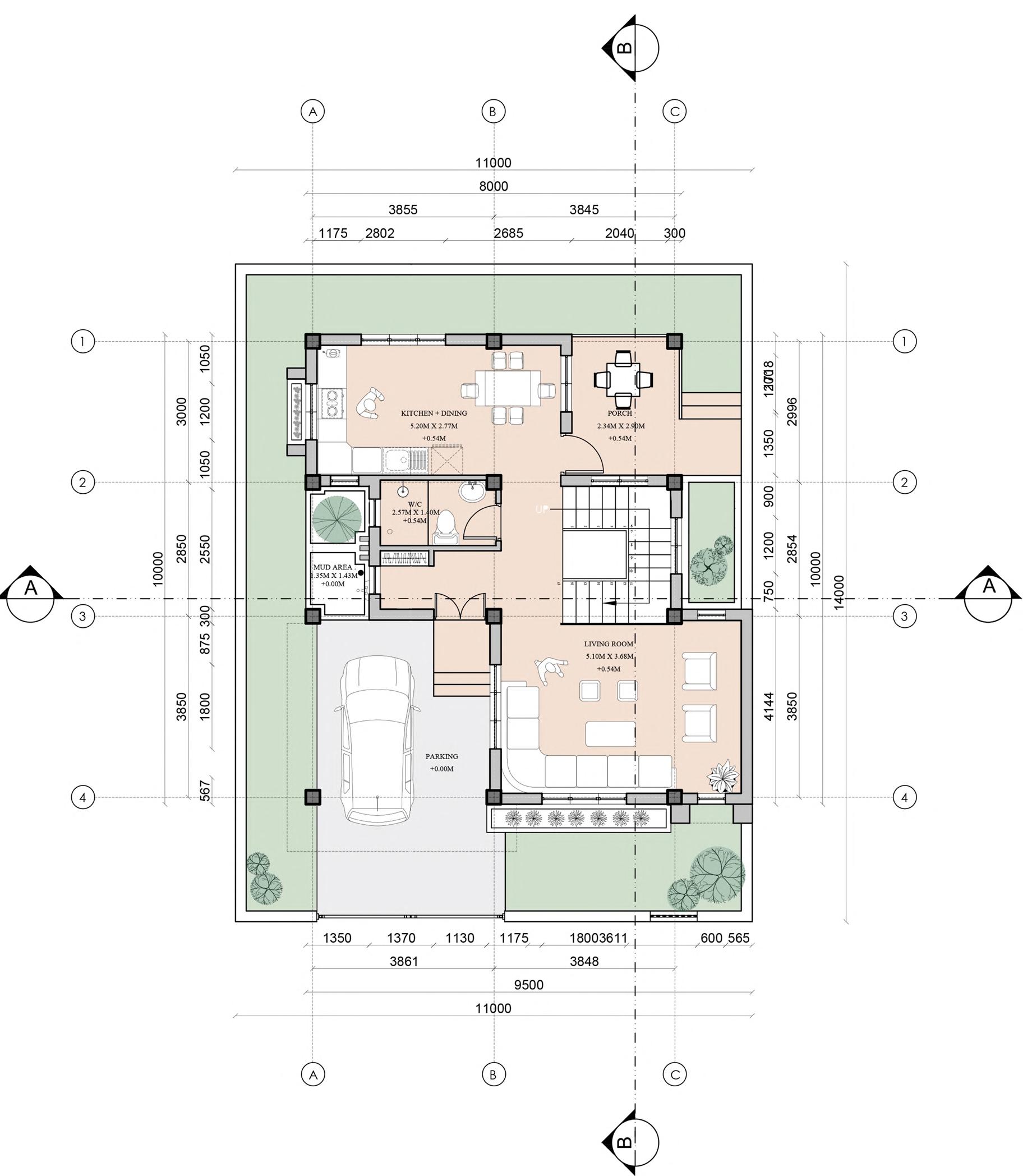
4BHK HOUSING UNIT
3D VIEWS
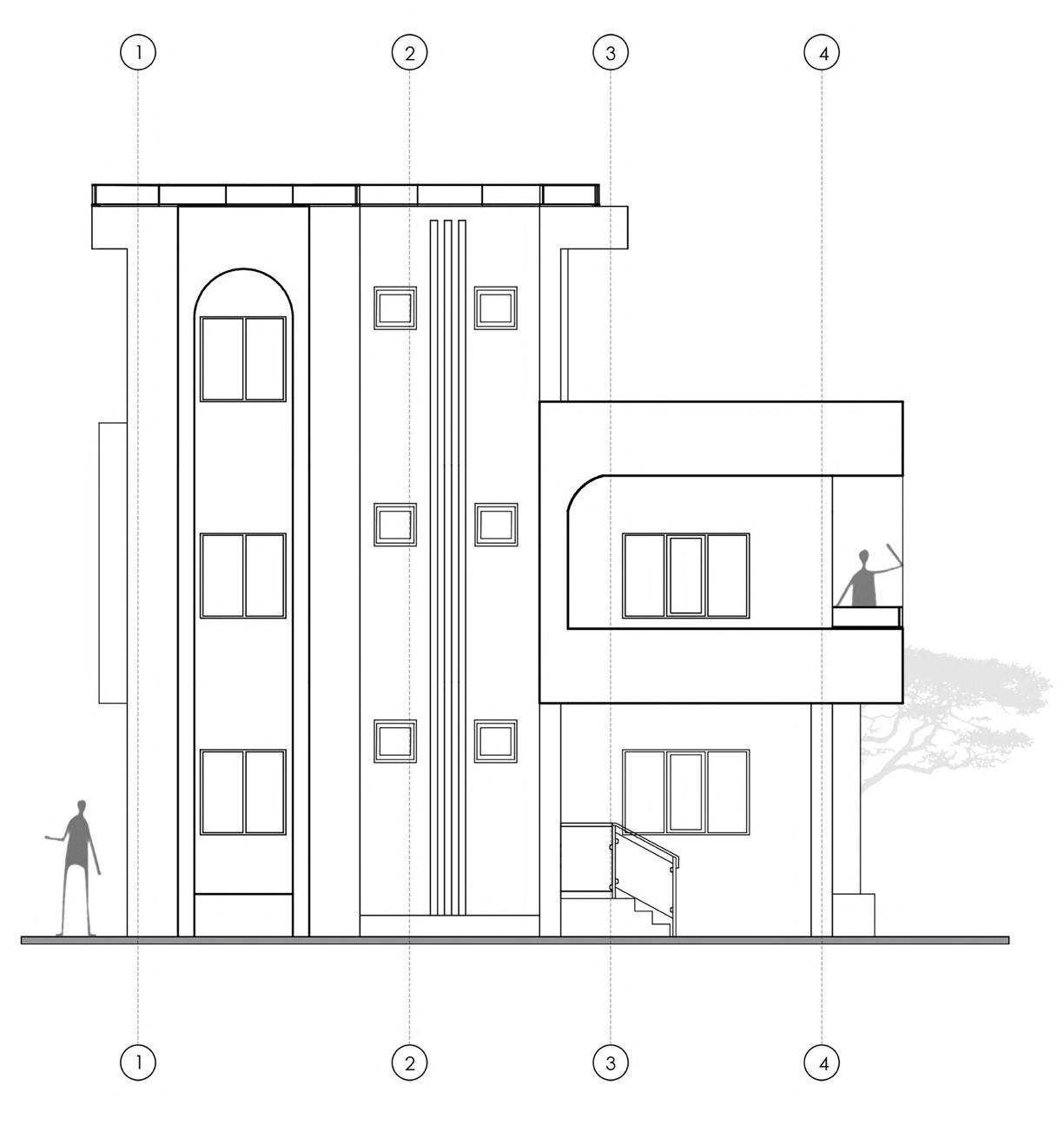
FRONT ELEVATION
BACK ELEVATION
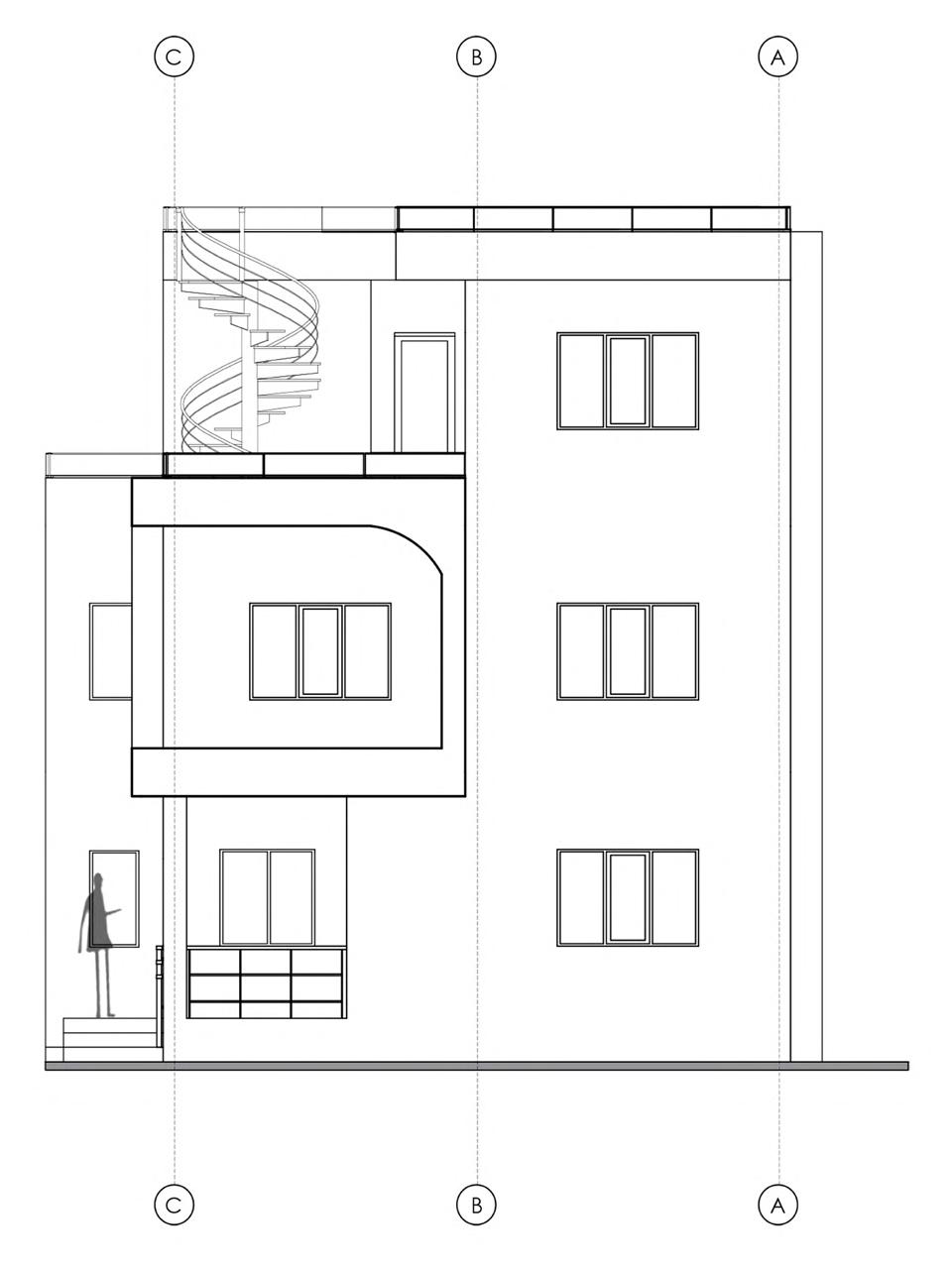
LEFT ELEVATION
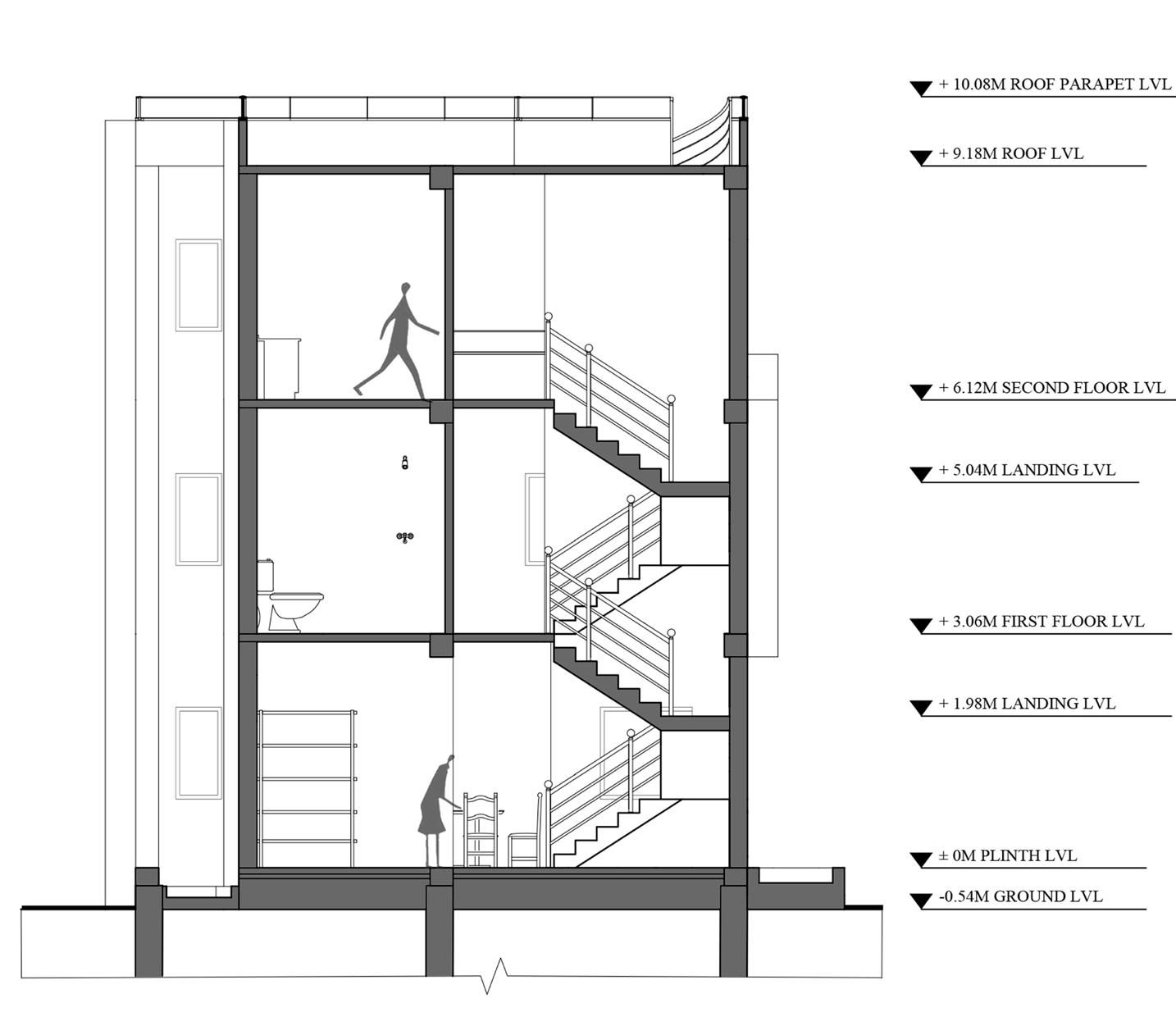
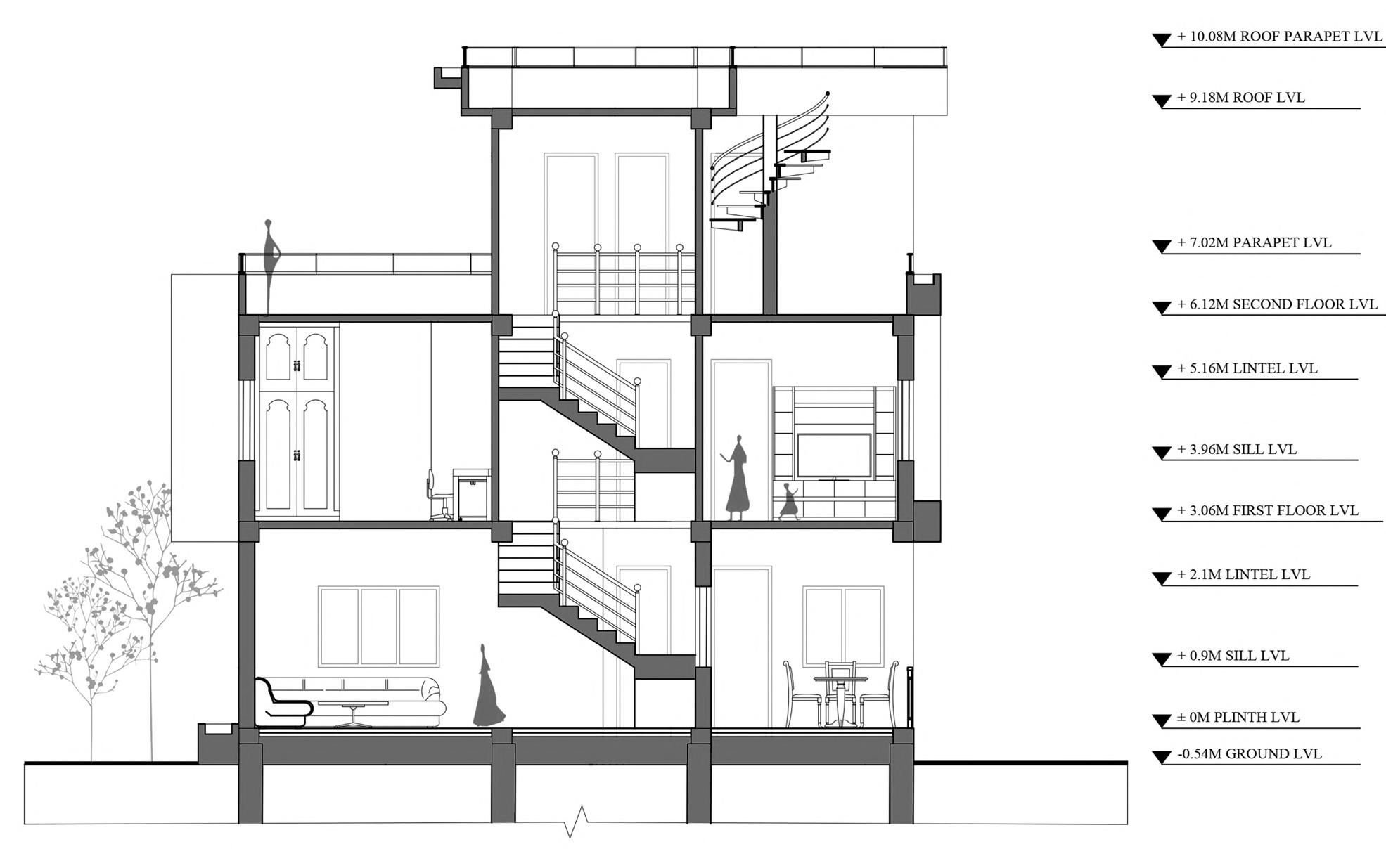
SECTION AT A-A
SECTION AT B-B
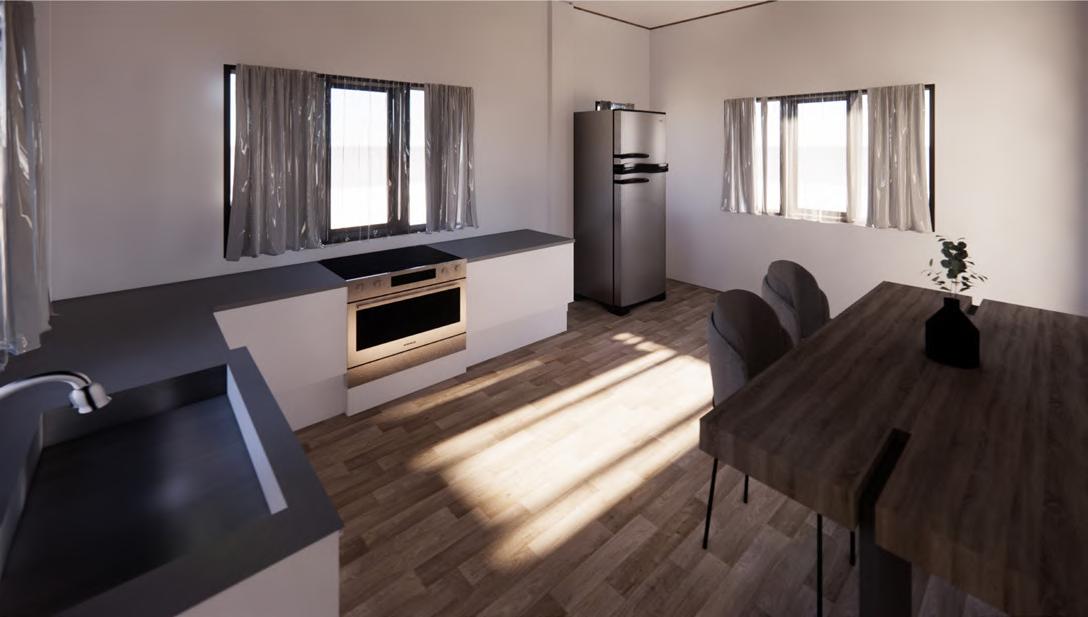
KITCHEN AND DINING
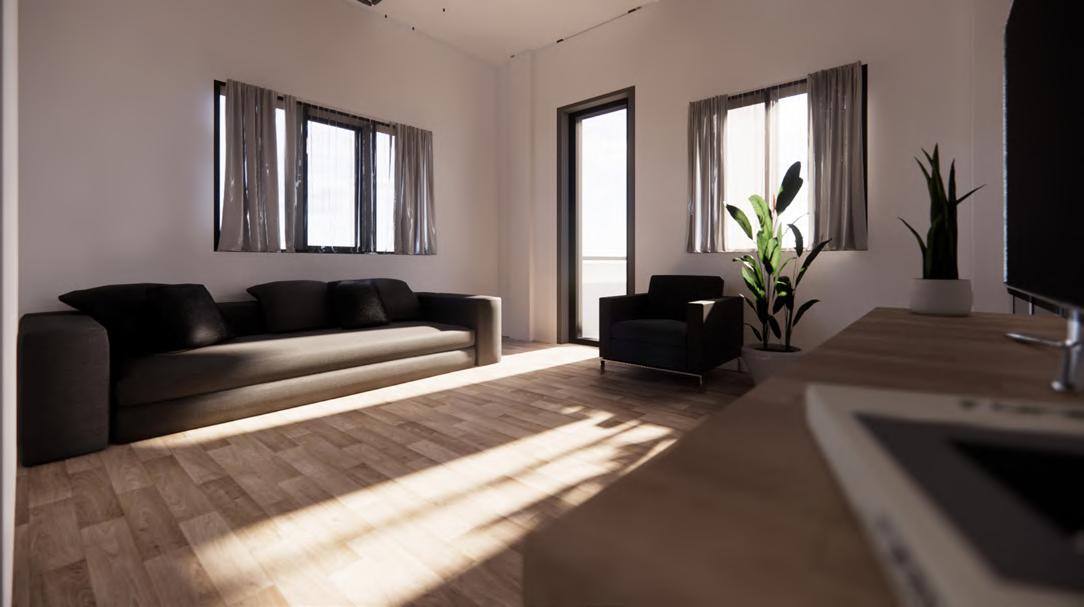
LIVING ROOM
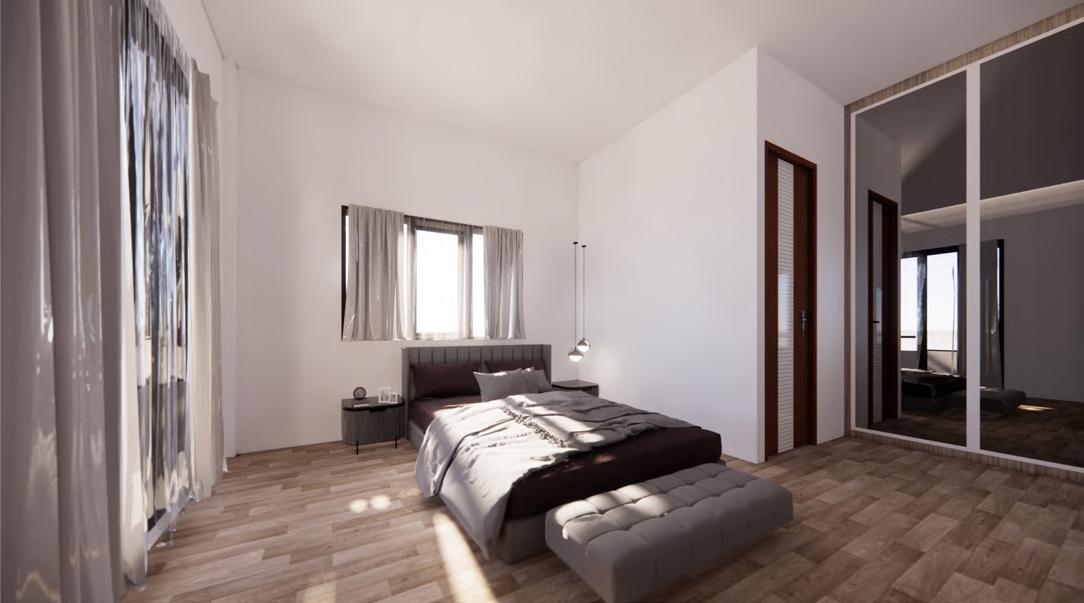
MASTER BEDROOM
APARTMENT
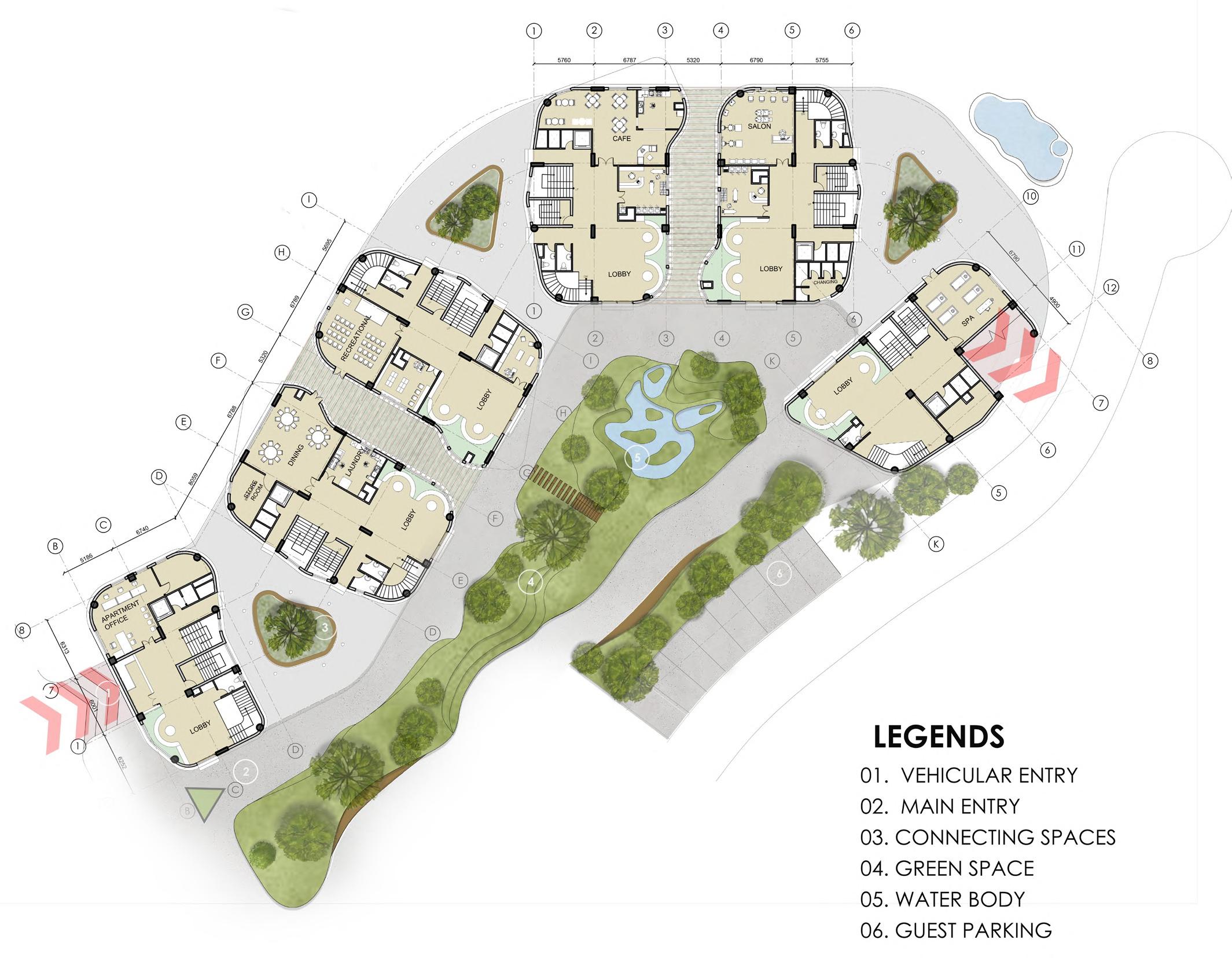
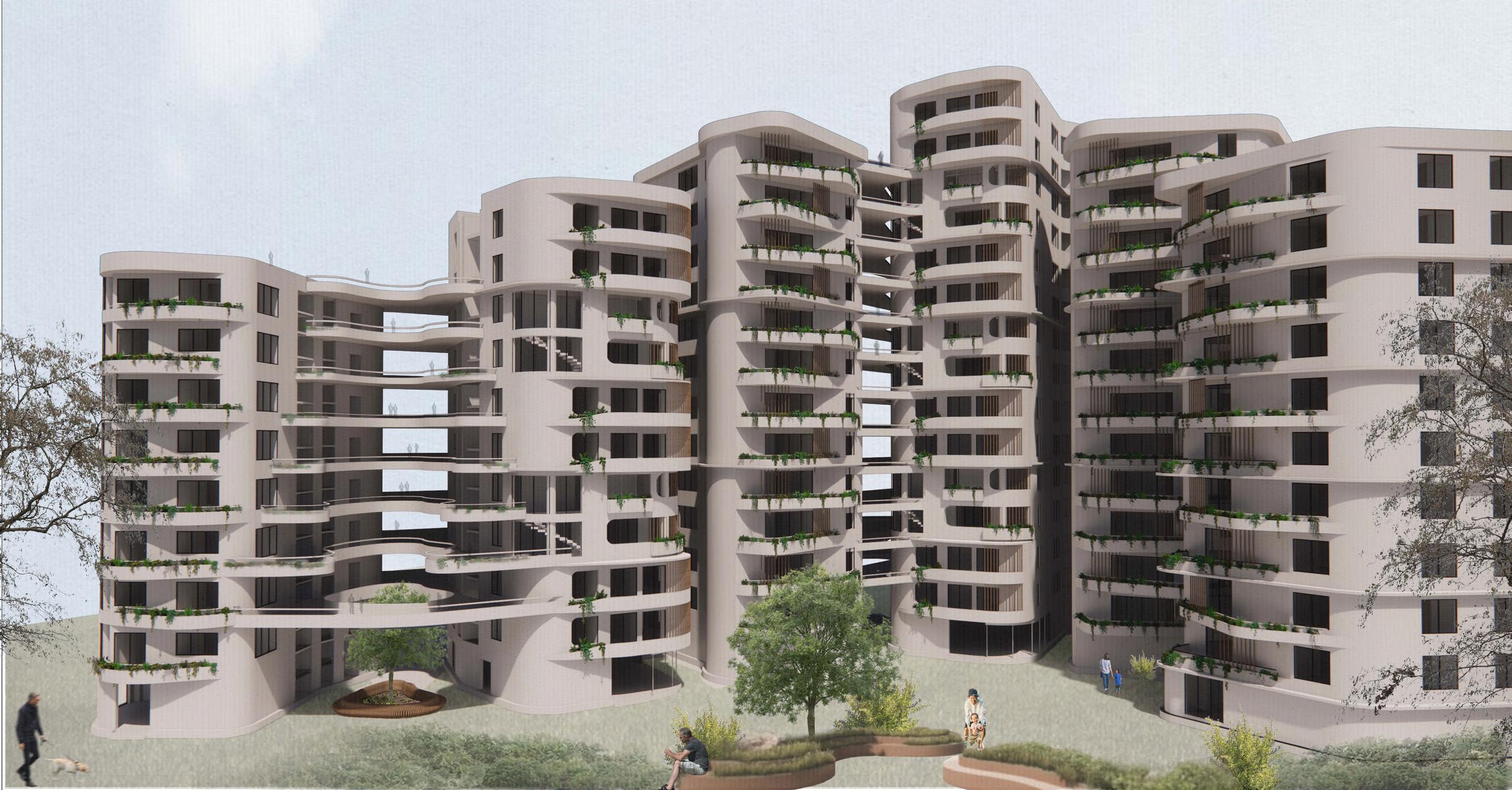
The apartments are divided into six distinct blocks to ensure ample lighting and ventilation. These blocks are interconnected, embracing shared green spaces.
MASTER PLAN
3D VIEW
MEASURED DRAWING - PATAN, Documentation
Location : Patan, Lalitpur
Category : Measured
Drawing Year : 2024
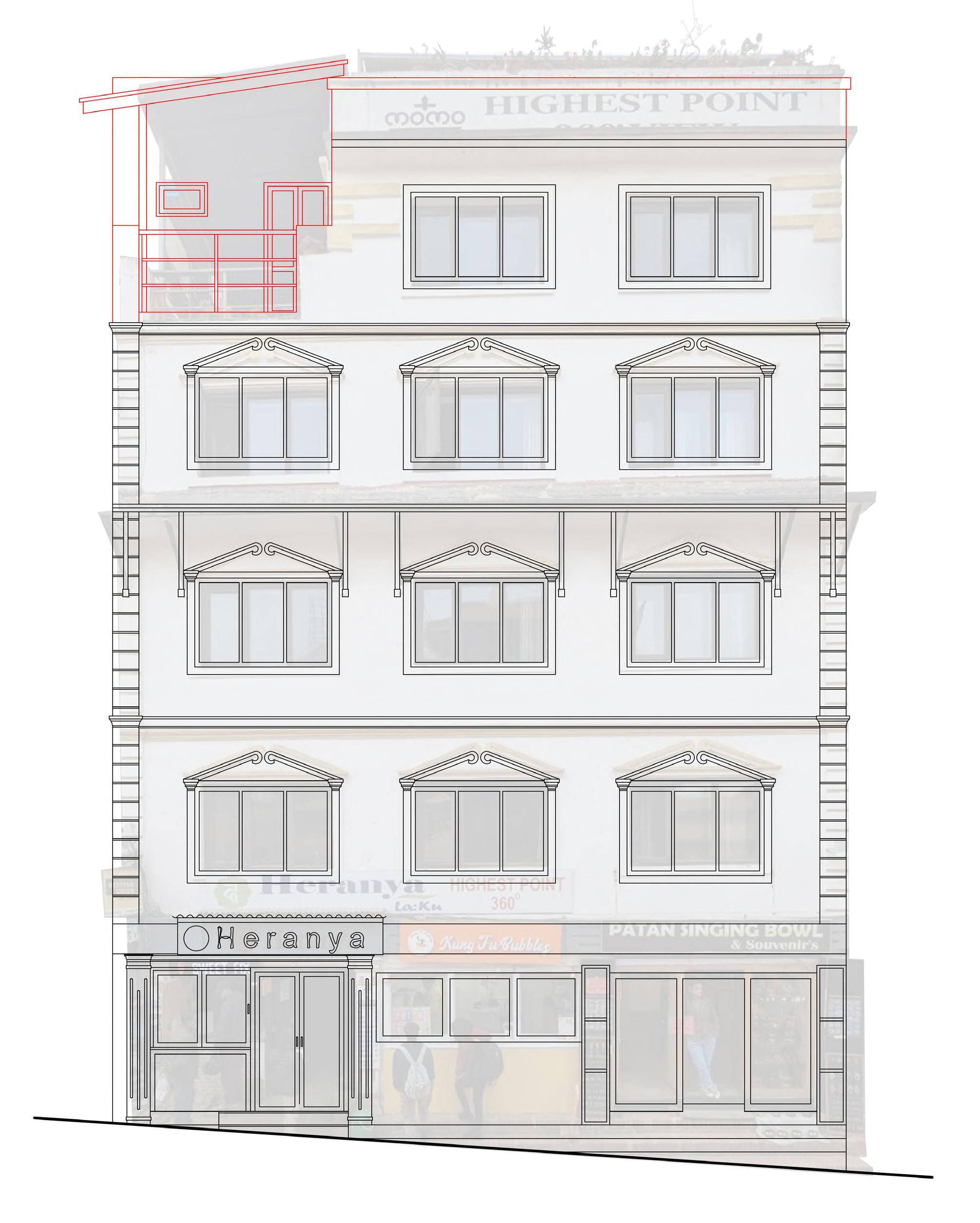
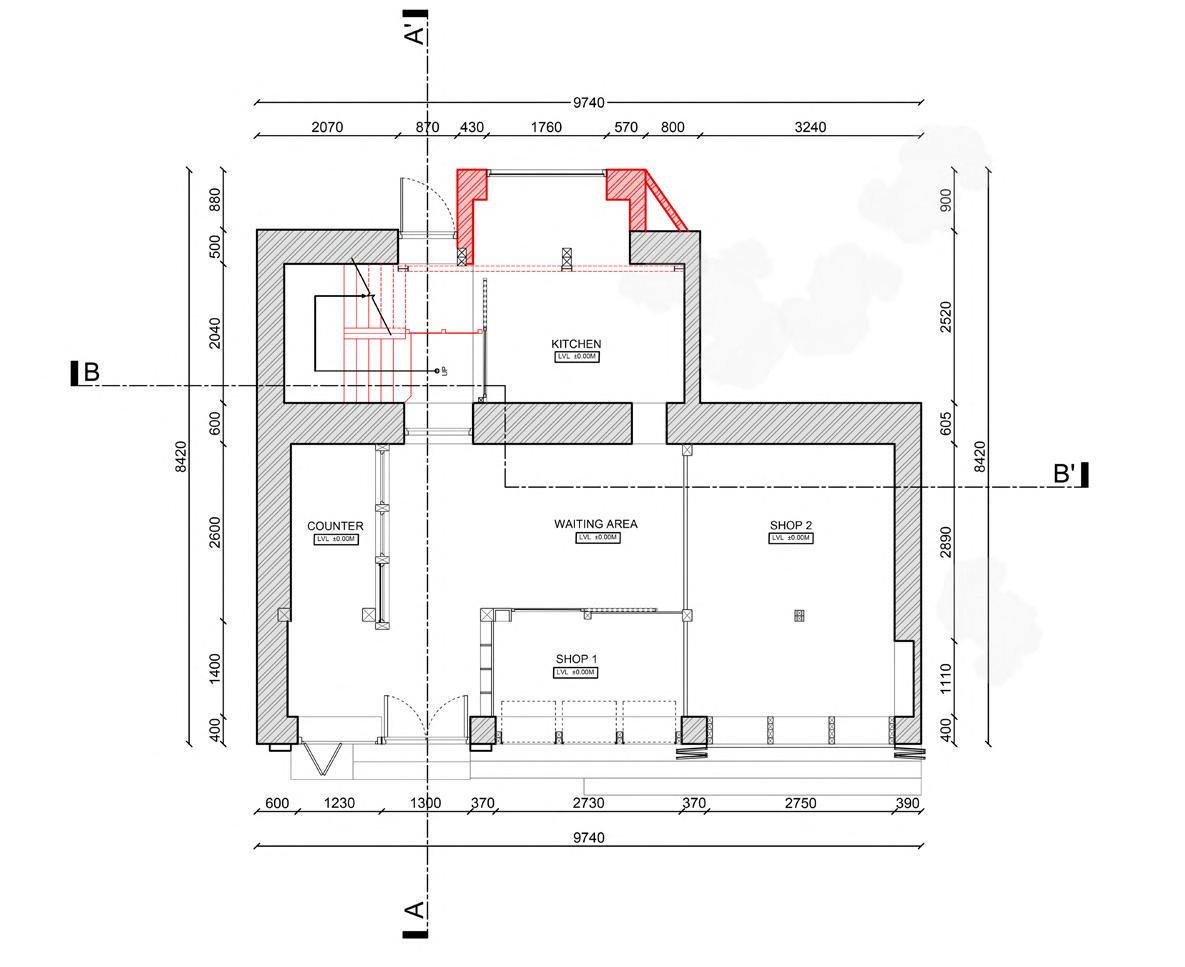
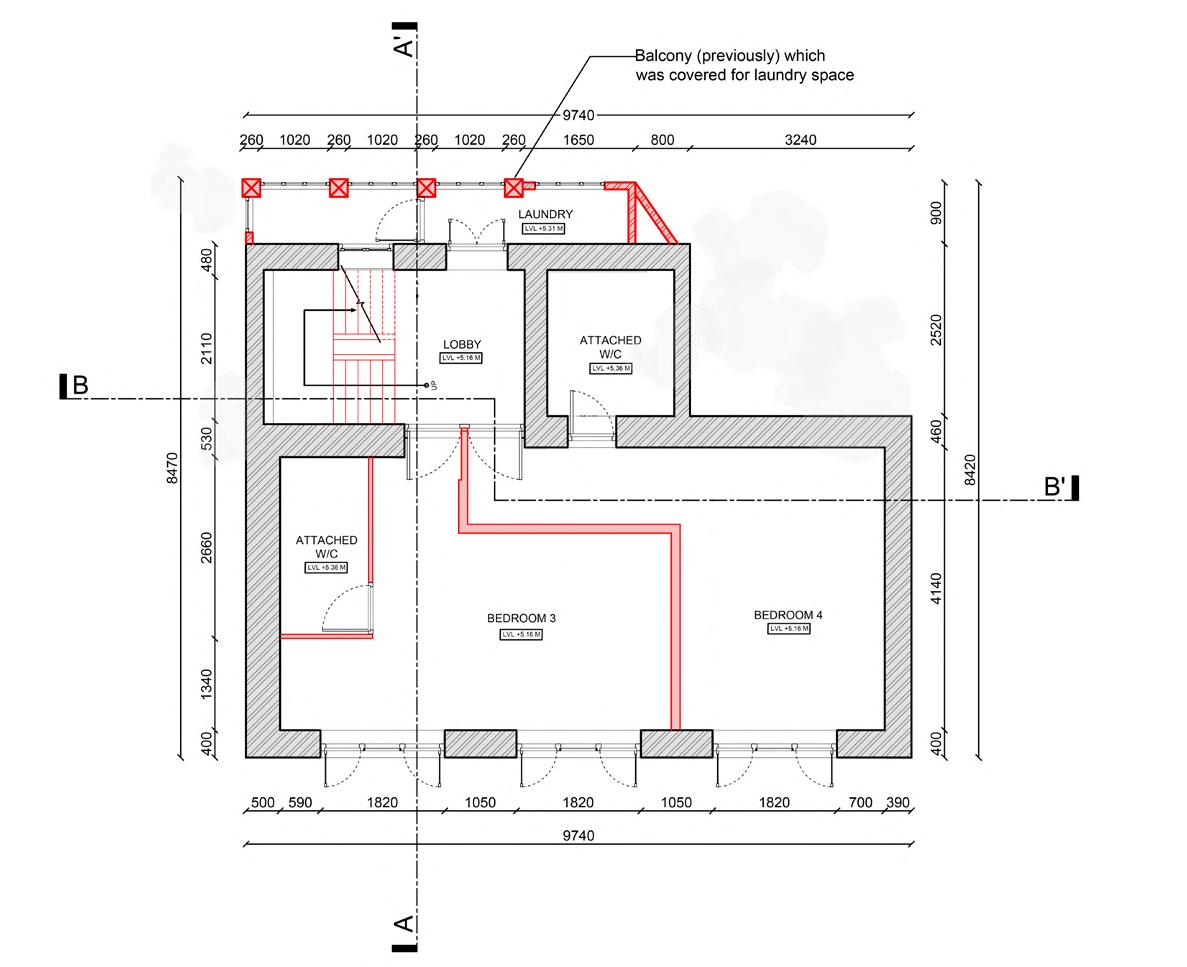
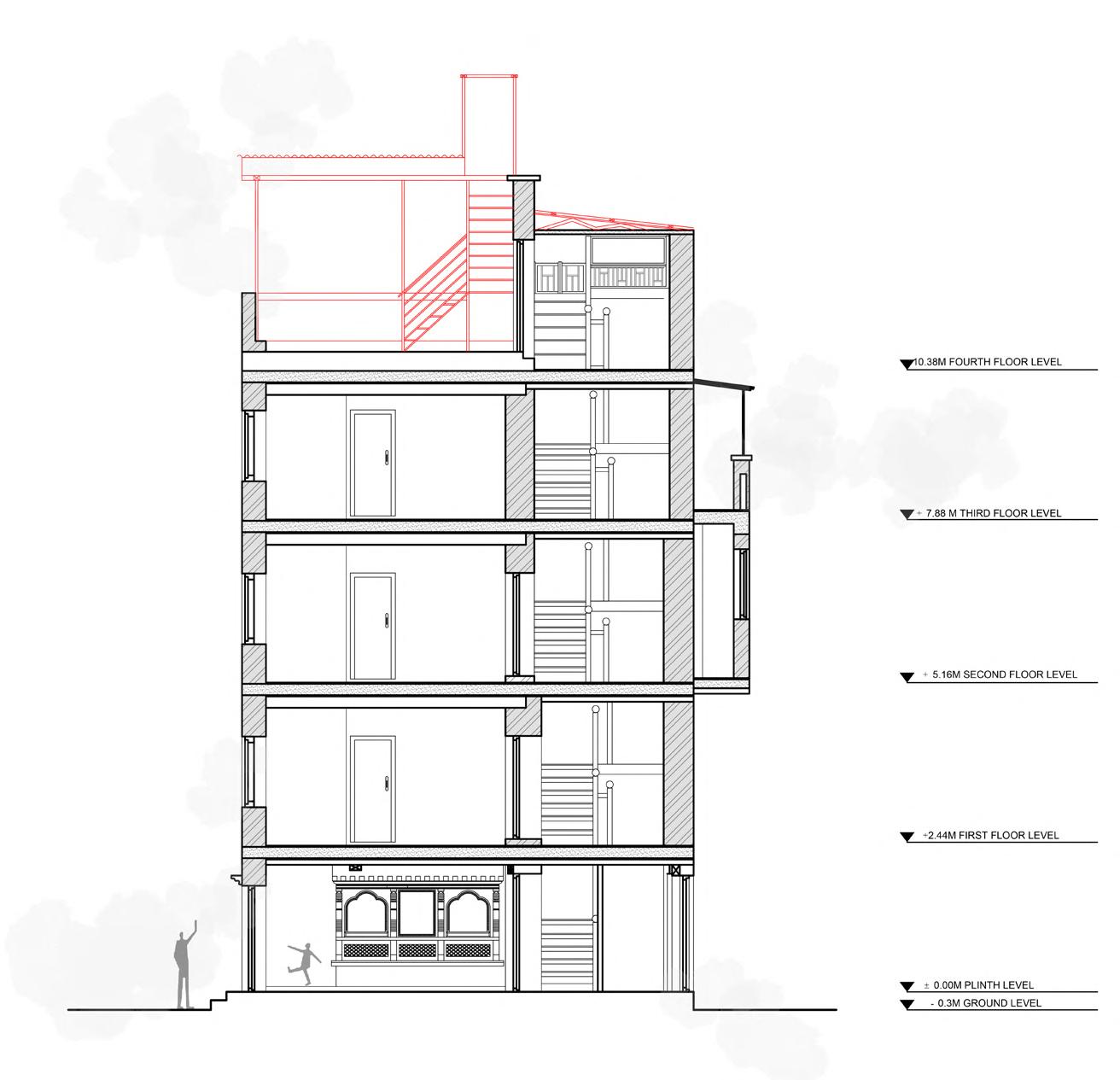
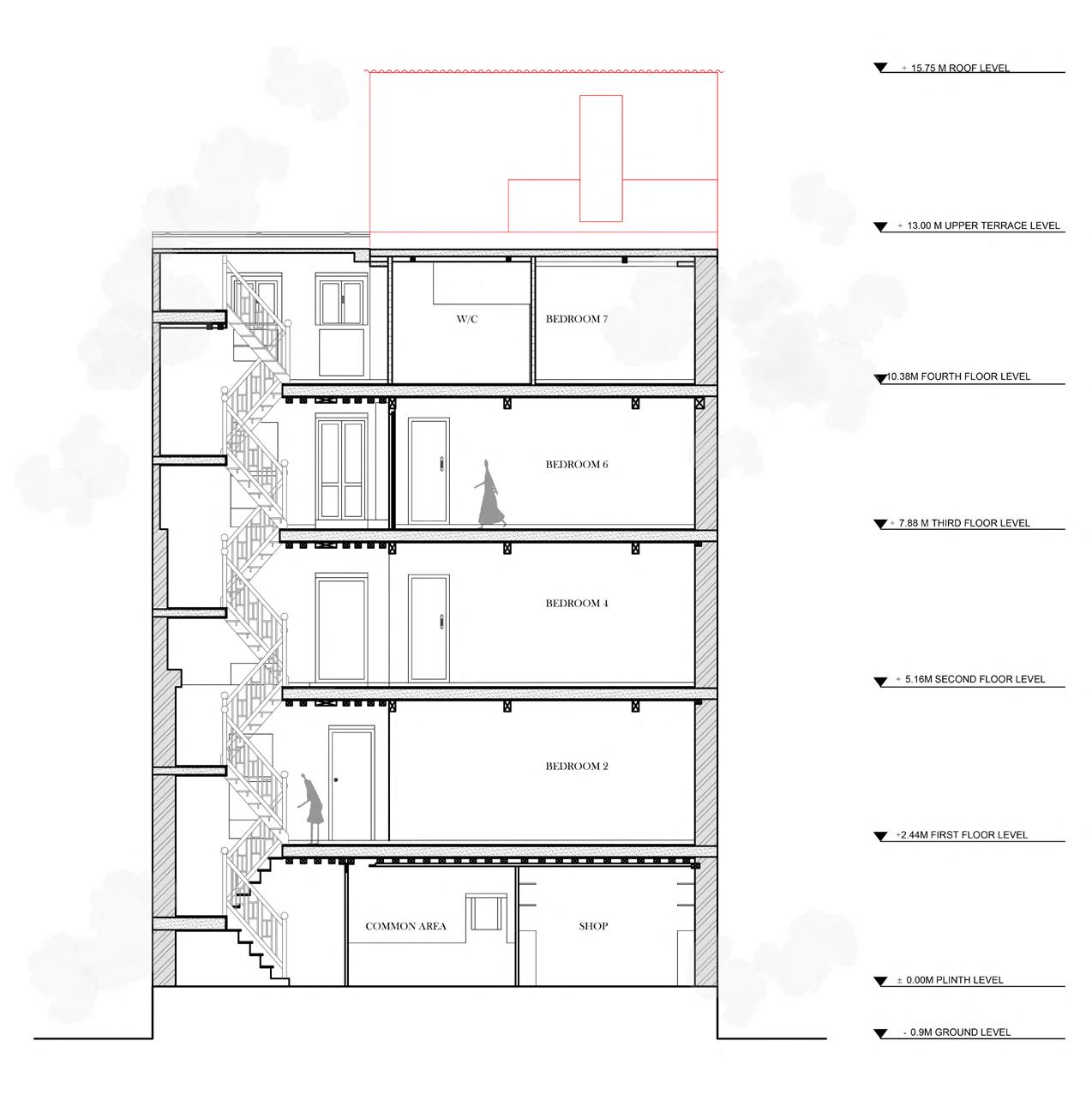
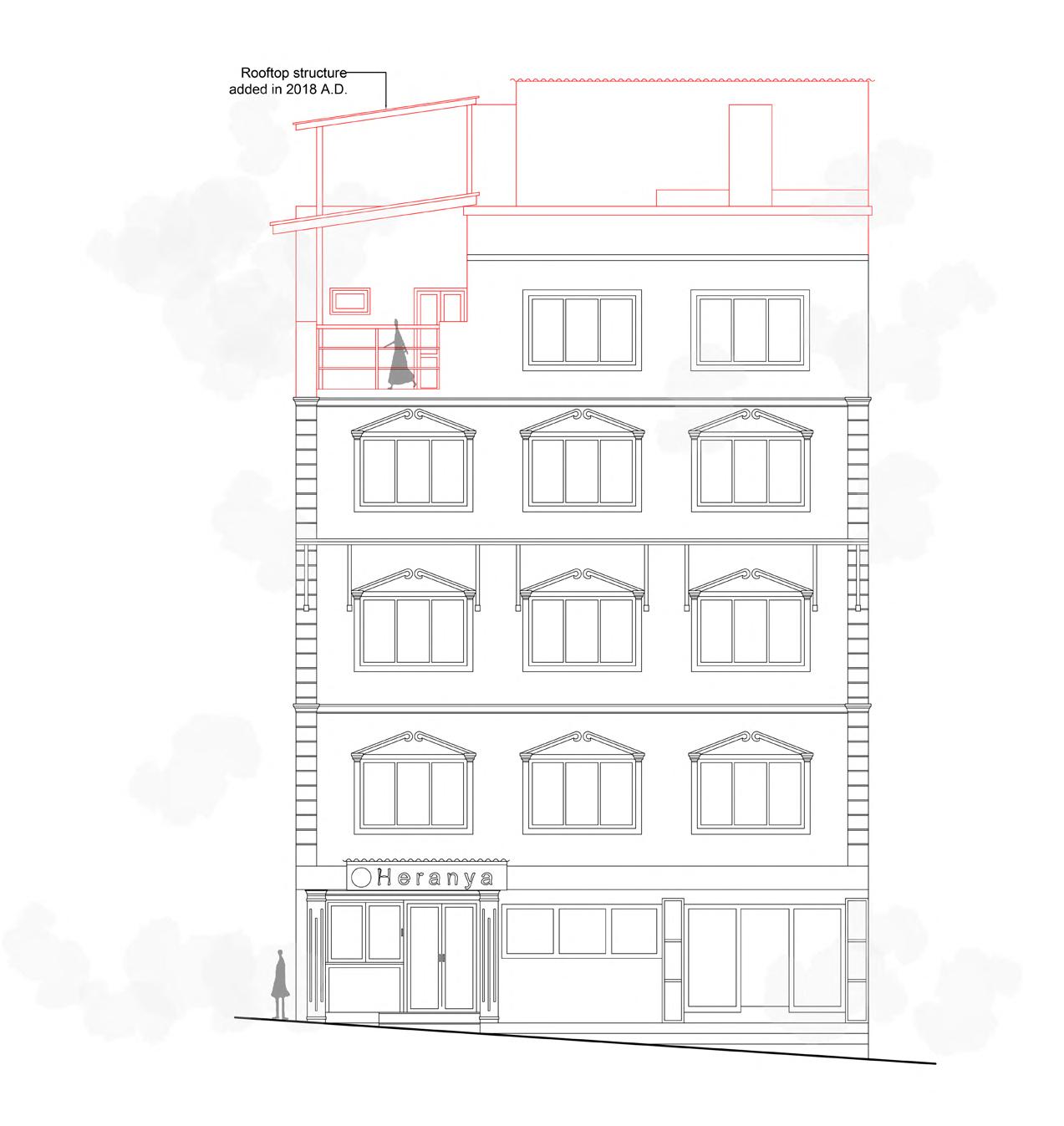
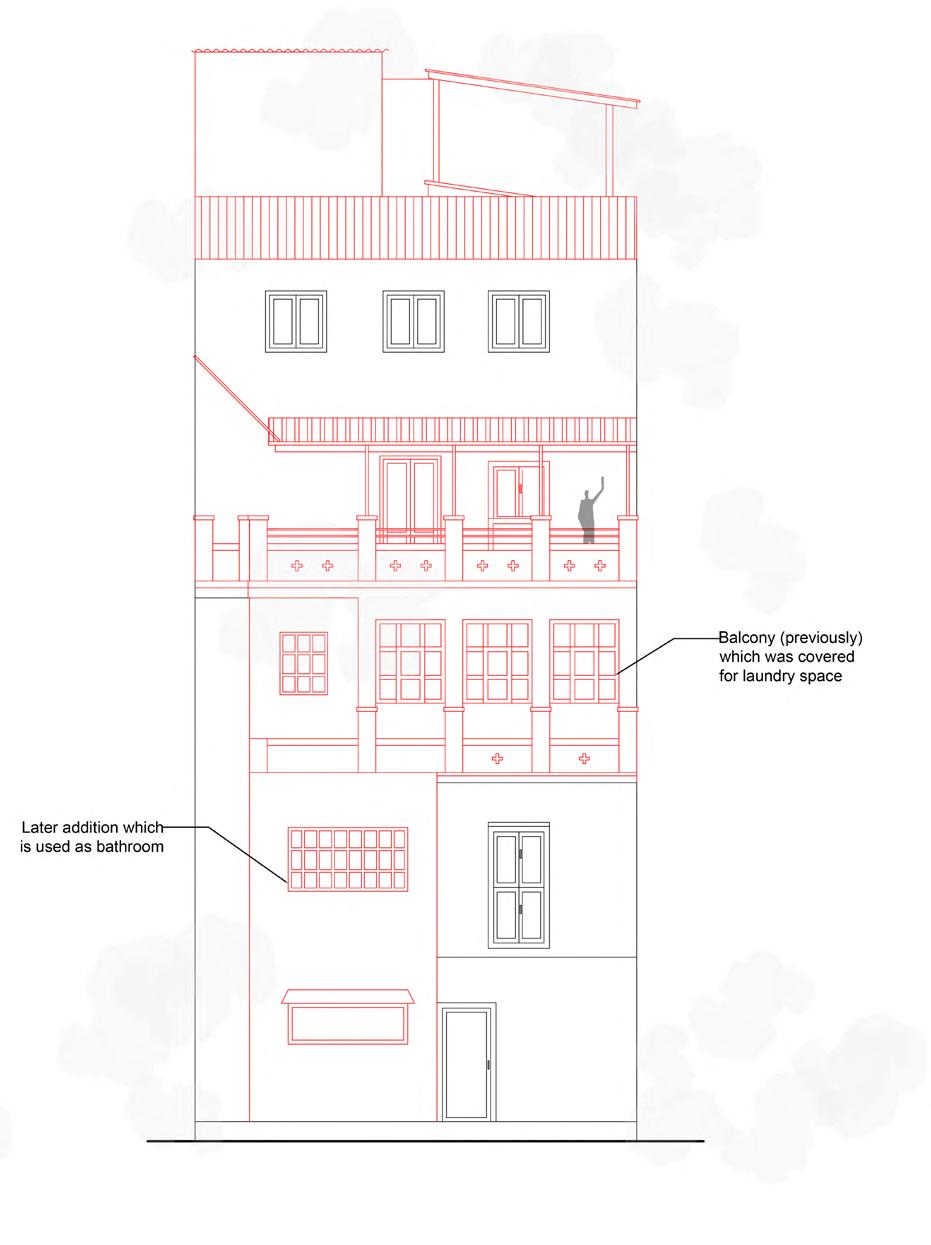
This project, conducted for the study purposes of HongKong University, involved documenting 15 different types of houses in an old traditional settlement of Patan. The selection included five traditional, five modern, and five hybrid houses from various locations. Each of the three groups measured five houses and created digital drawings.
Throughout this process, the analysis focused on studying the modifications and additions made to these urban settlement houses over time, along with the use and function of each space.
FRONT ELEVATION
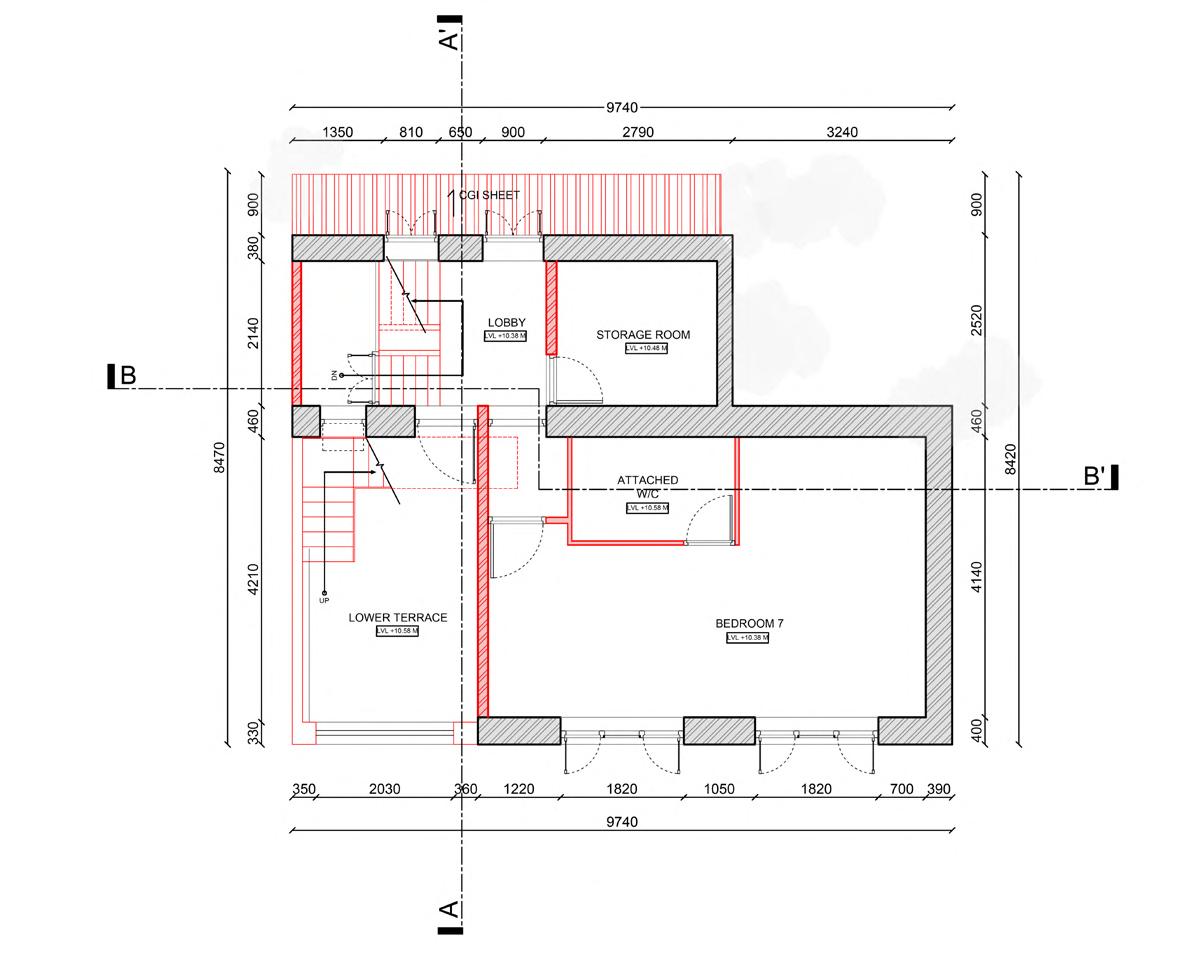
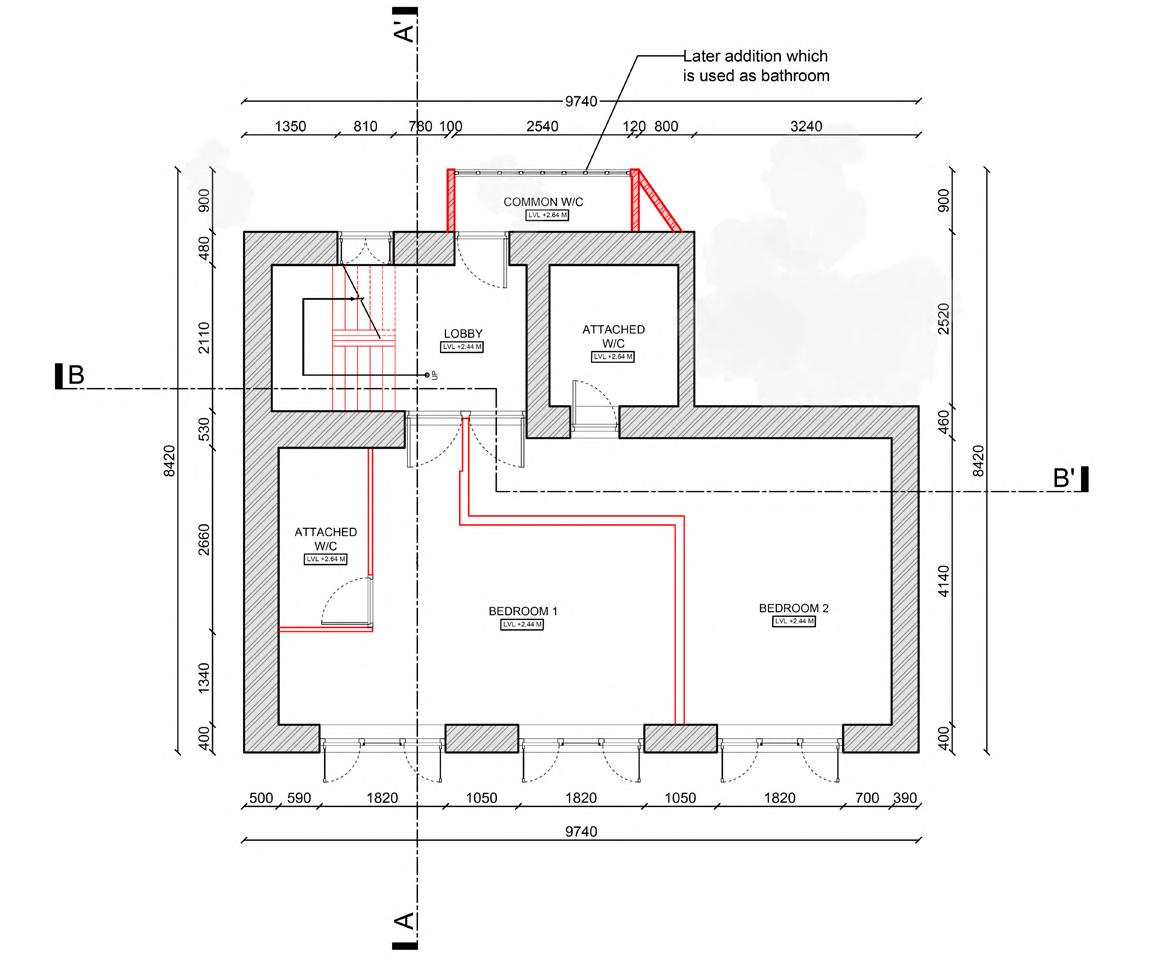
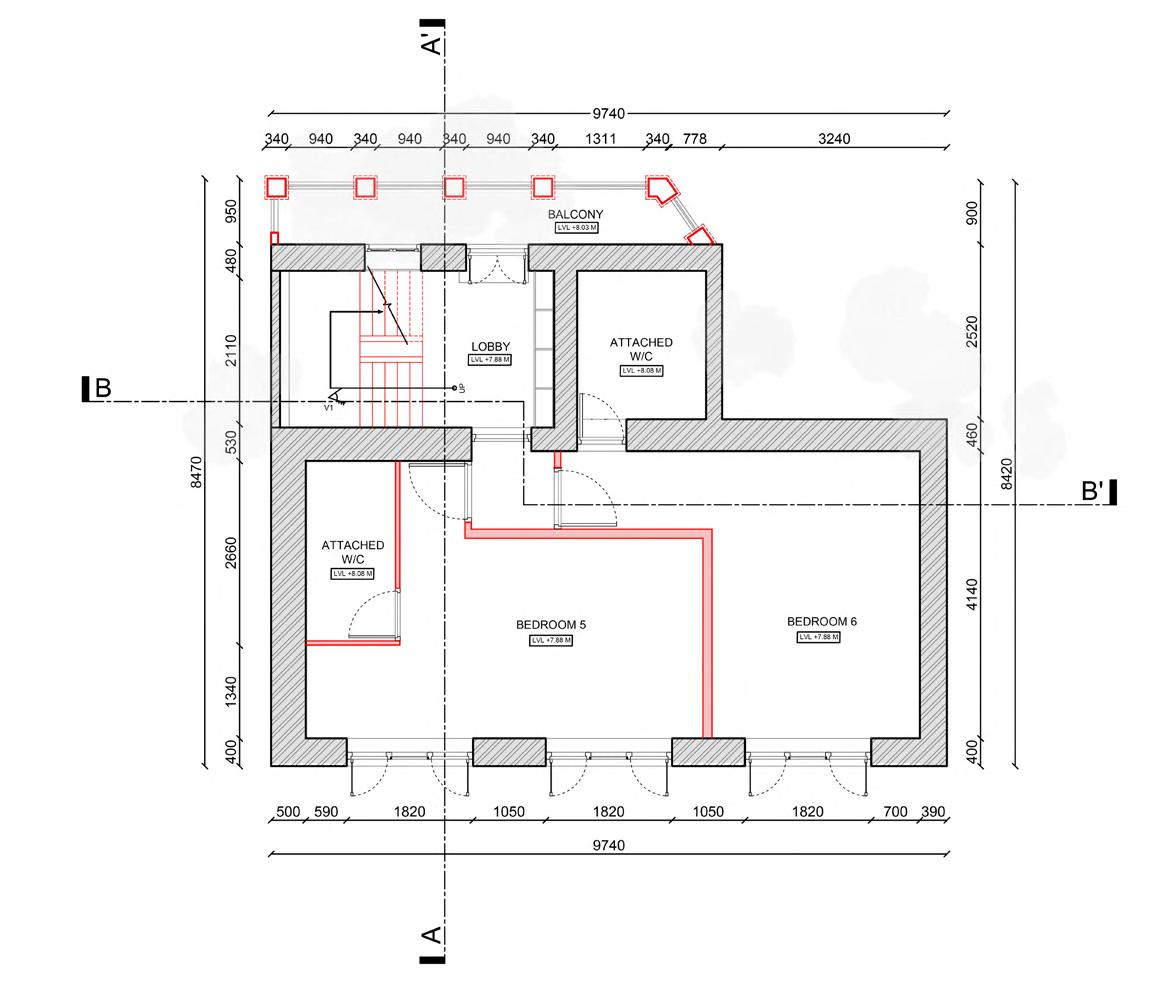
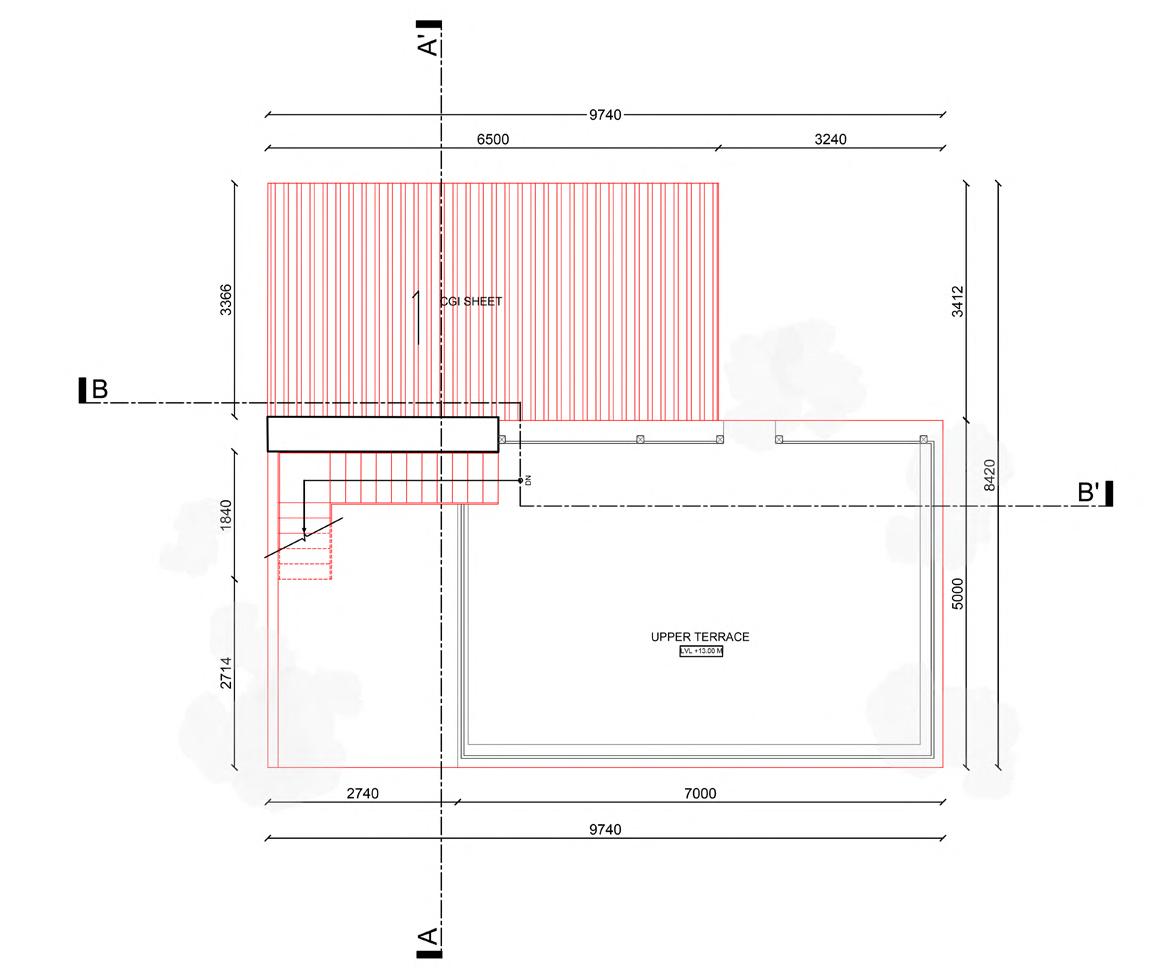
The drawings of a house situated in Mangalbazaar, Patan, are displayed. The house falls under hybrid category which was originally a traditional structure. It has undergone numerous modifications over time due to its commercial significance.
GROUND FLOOR PLAN
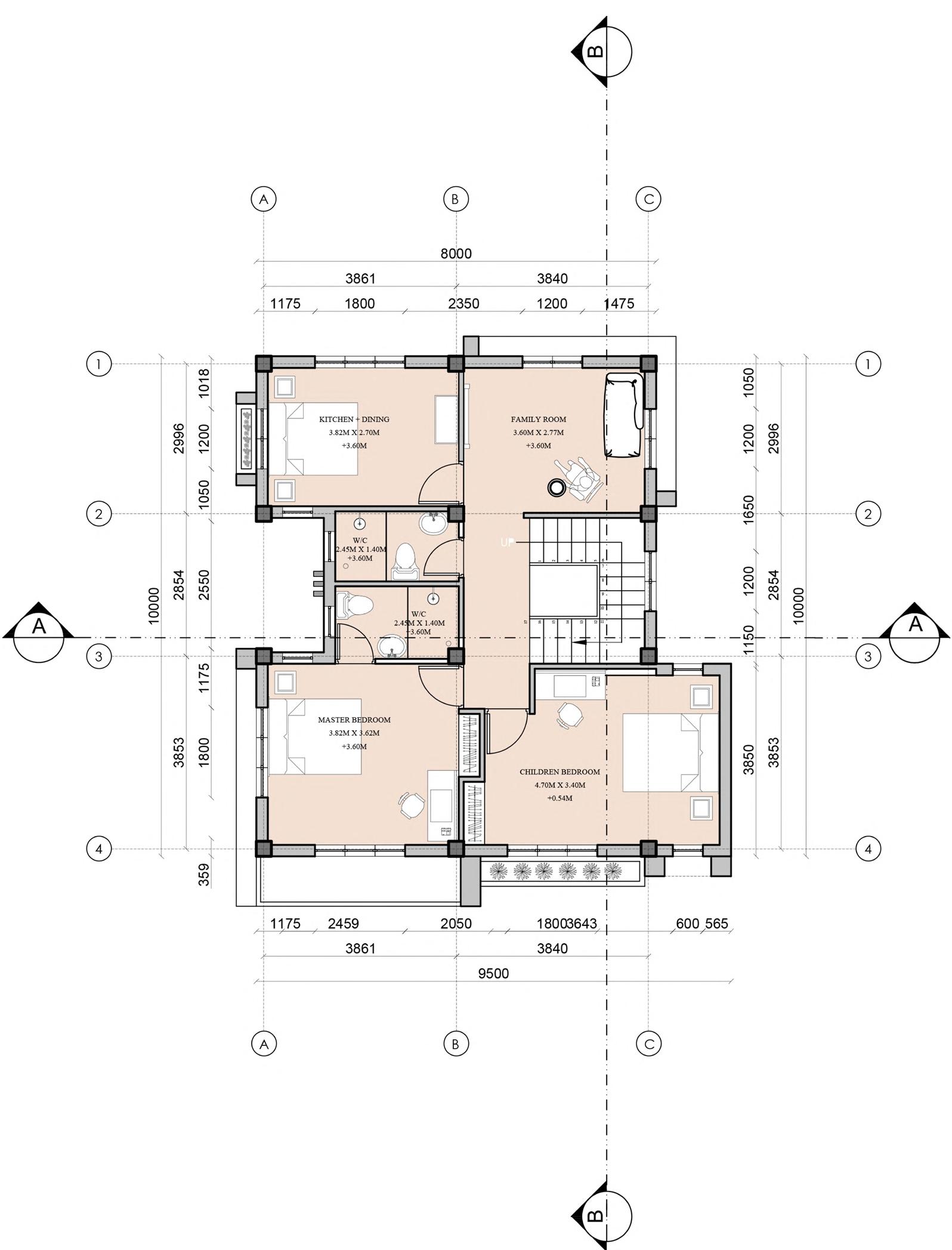
SECOND FLOOR PLAN
FOURTH FLOOR PLAN
FIRST FLOOR PLAN
THIRD FLOOR PLAN
FIFTH FLOOR PLAN
The house is currently rented by Heranya La:Ku guest house and restaurant. It has undergone several modifications, including inner wall partitions for rooms, attached bathrooms, and shops. Additionally, there are a few extensions at the back and an added storey for a rooftop restaurant.
SECTION AT A-A
SECTION AT B-B
FRONT ELEVATION
BACK ELEVATION
(YALA KHA:) , The Making of Khat
Location : Kathmandu University
Category : Conservation Studio
Year : IV Year / I Semester, 2023
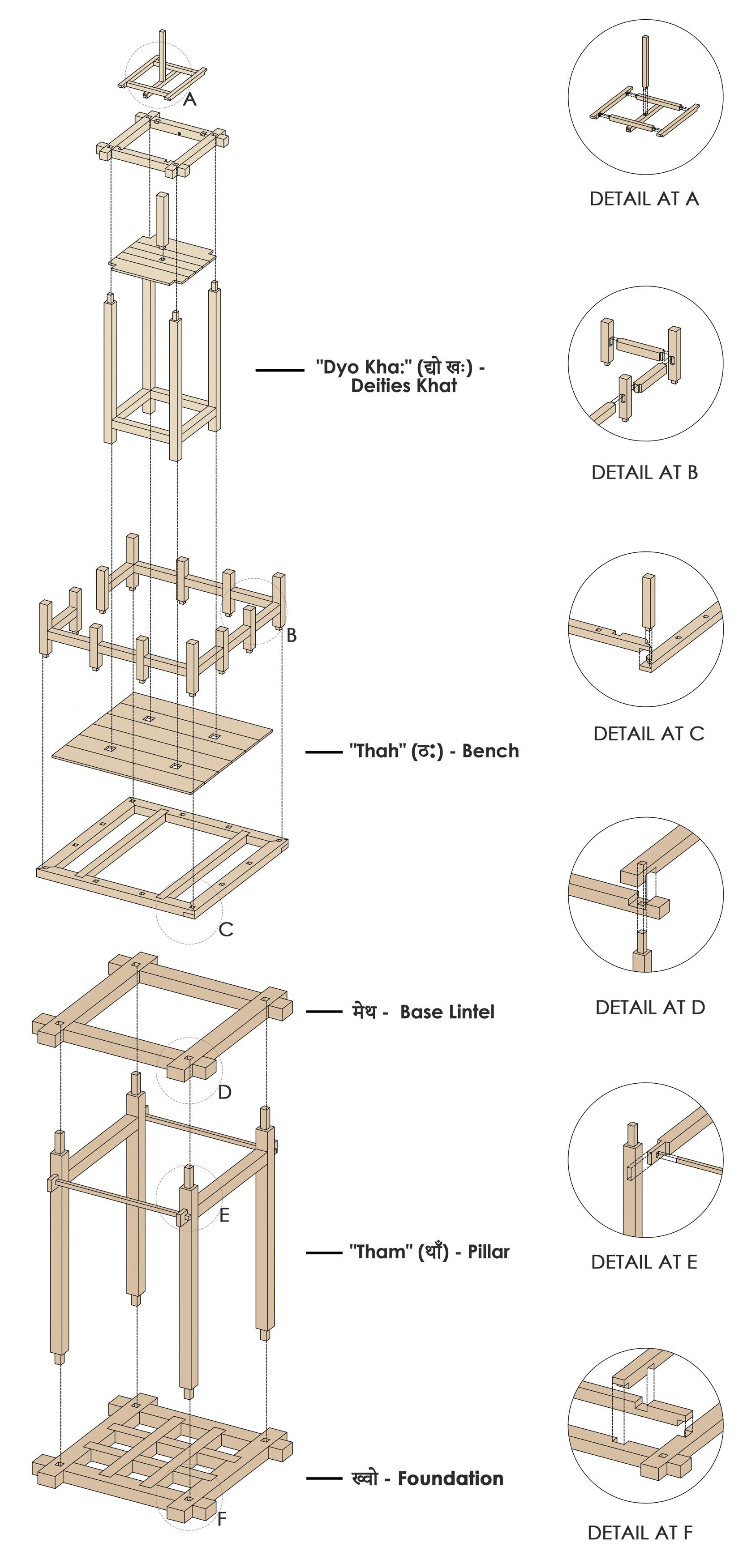
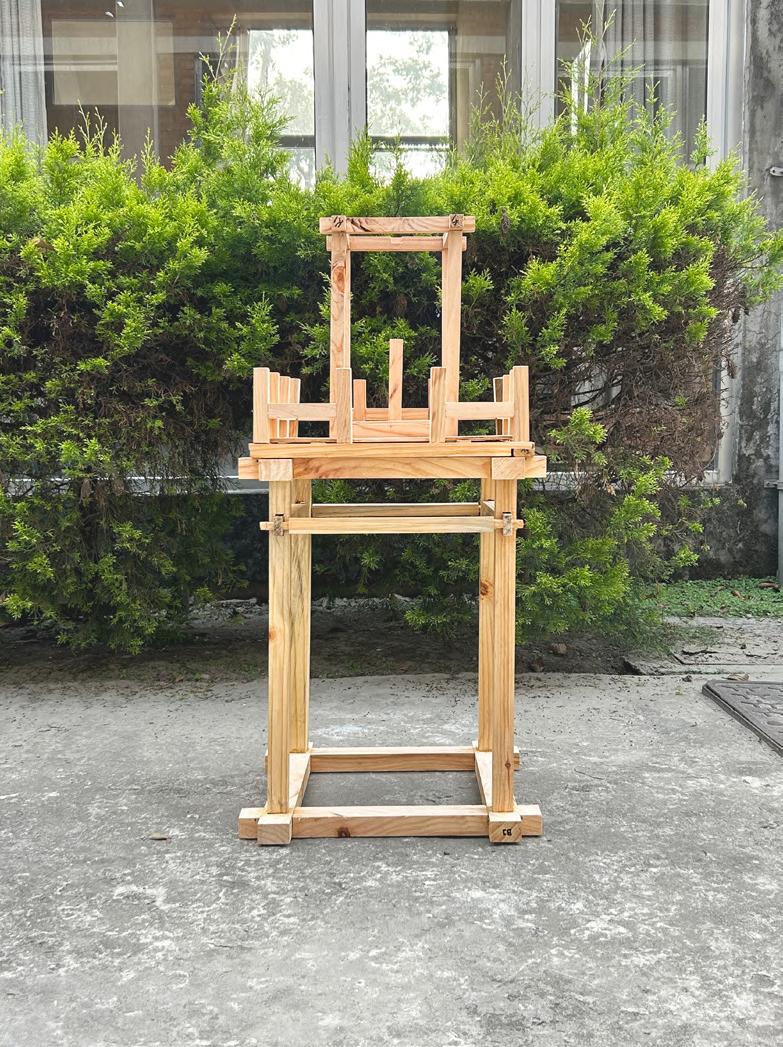
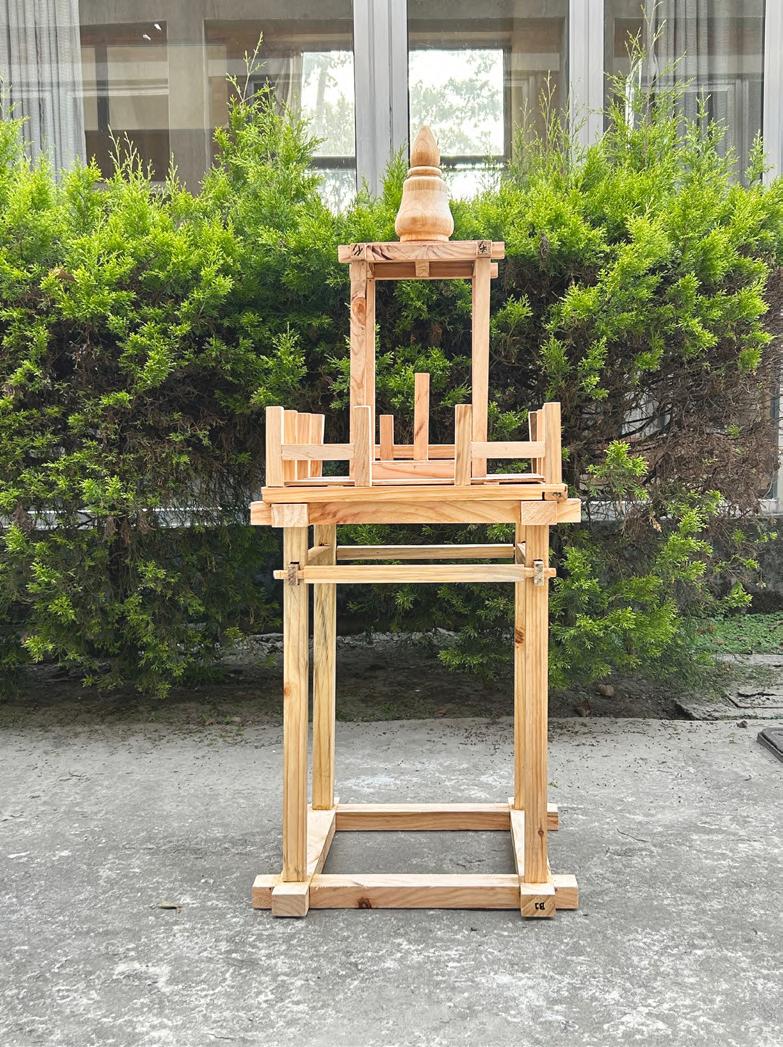
(Patan’s Khat) is an initiative to preserve and promote the Khat in the Kumbheshwor Temple Complex, Patan. The Khat is used in the procession of deity during the annual Janai Purnima festival at Konti Pokhari inside the complex.
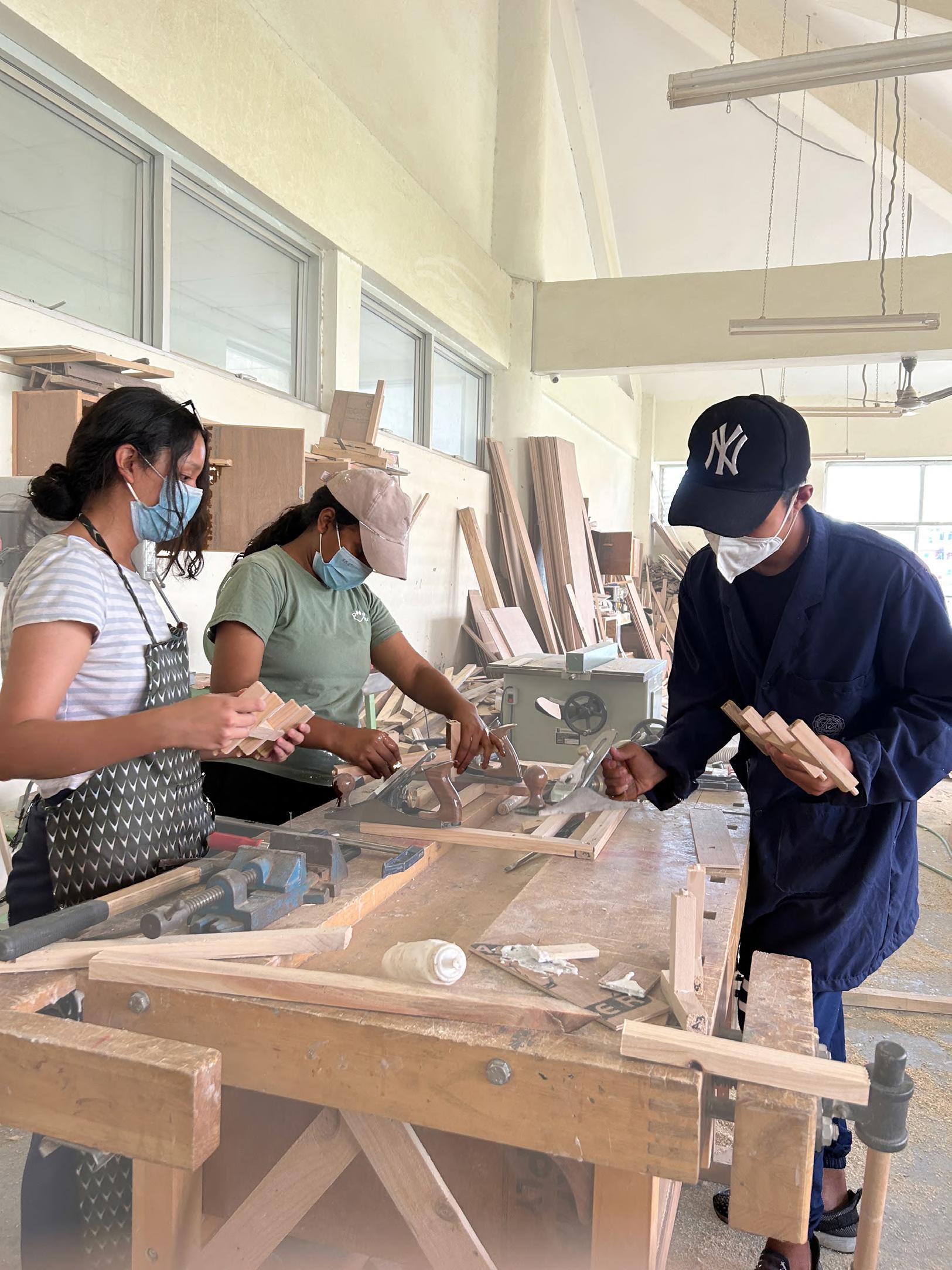
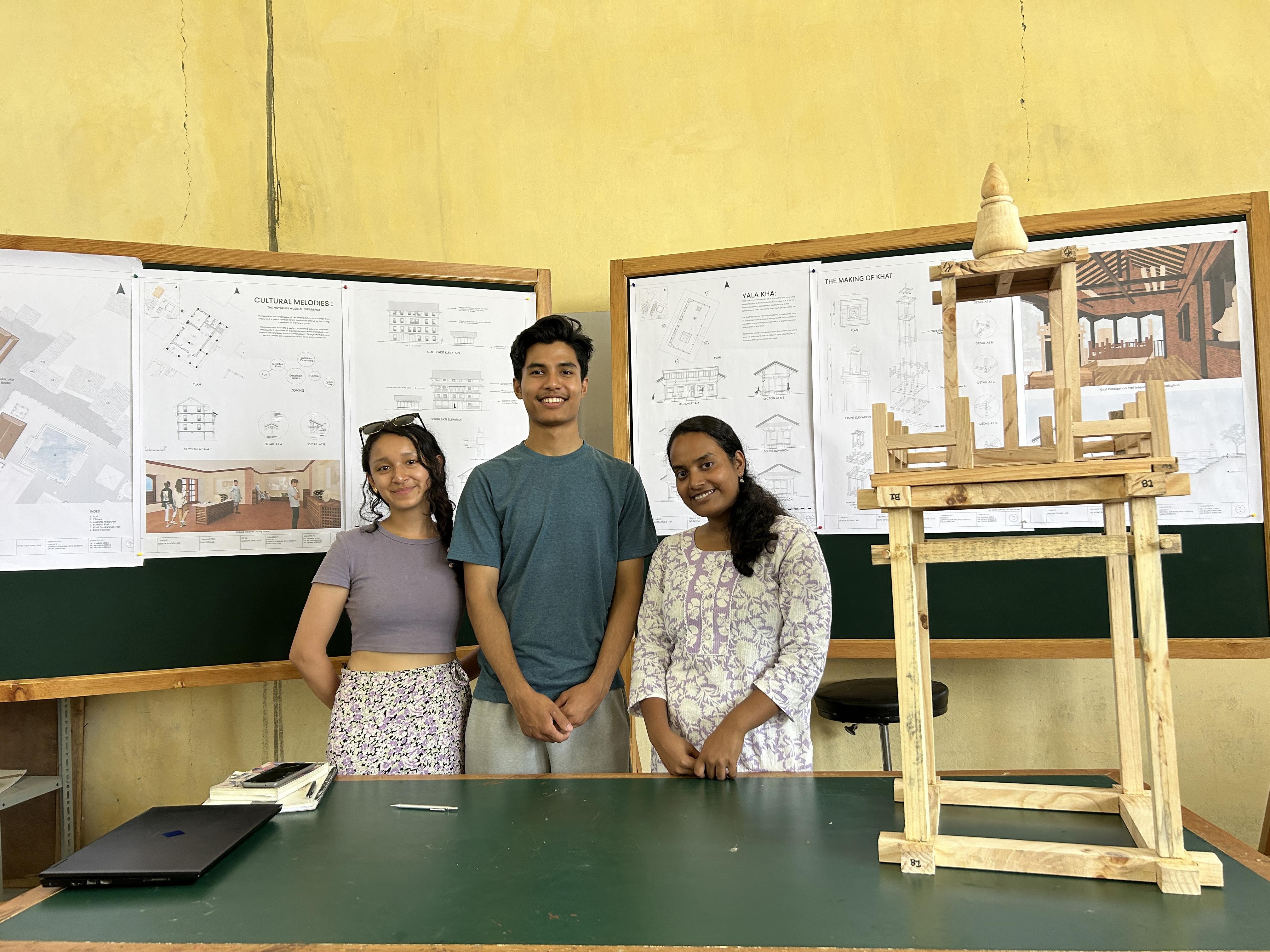
The hands-on workshop aims to study the installation process of the Khat and the different joints used in its construction. A miniature model was built in the KU wood workshop by three group members.
EXPLODED VIEW, the wooden sections of the Khat were measured onsite, and new joints were proposed based on preferences.
THE PROCESS
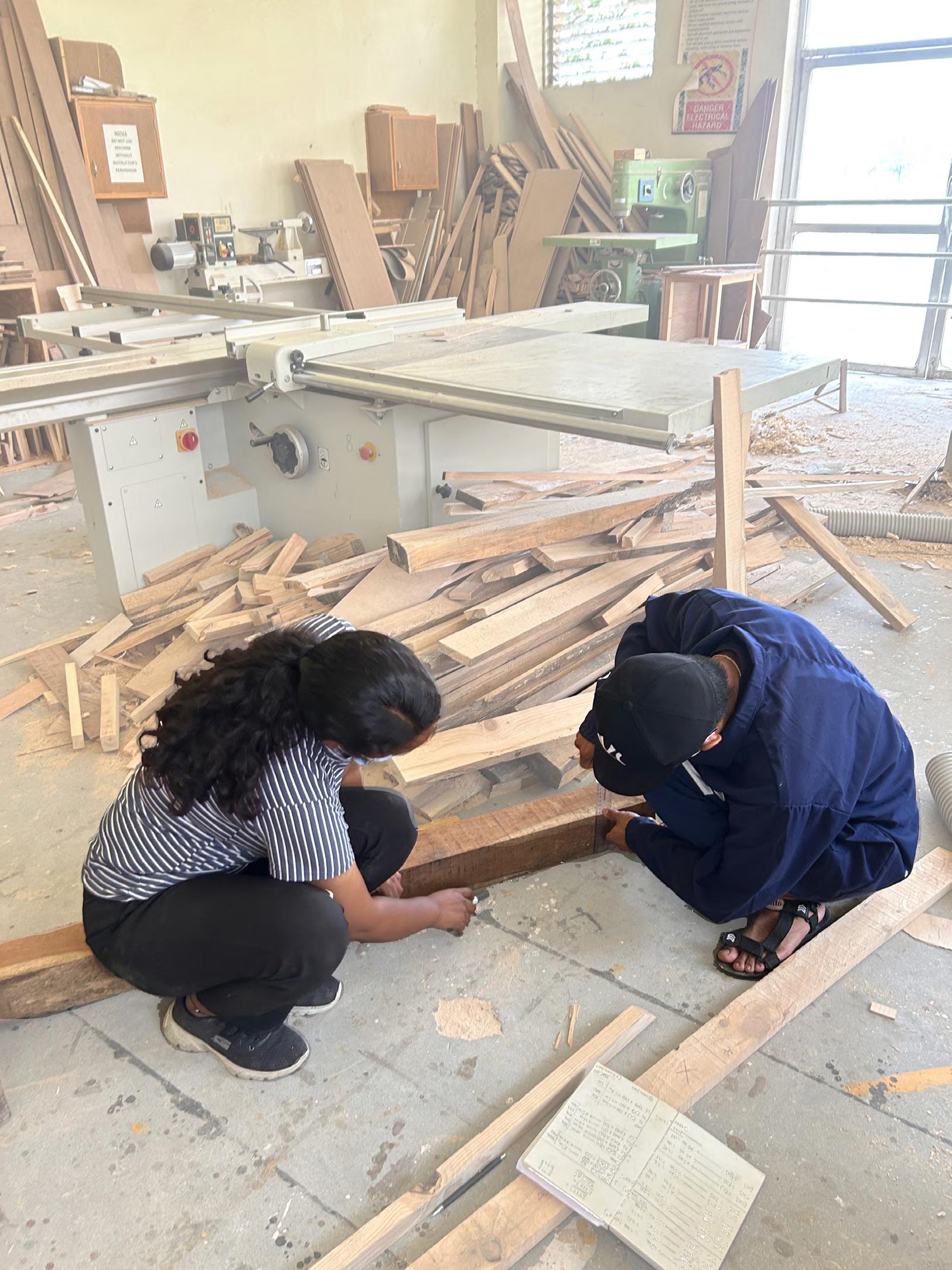
COLLECTING, A list of required wooden sections with their respective sizes was prepared, and suitable wooden pieces were selected. The sections were then marked for cutting.
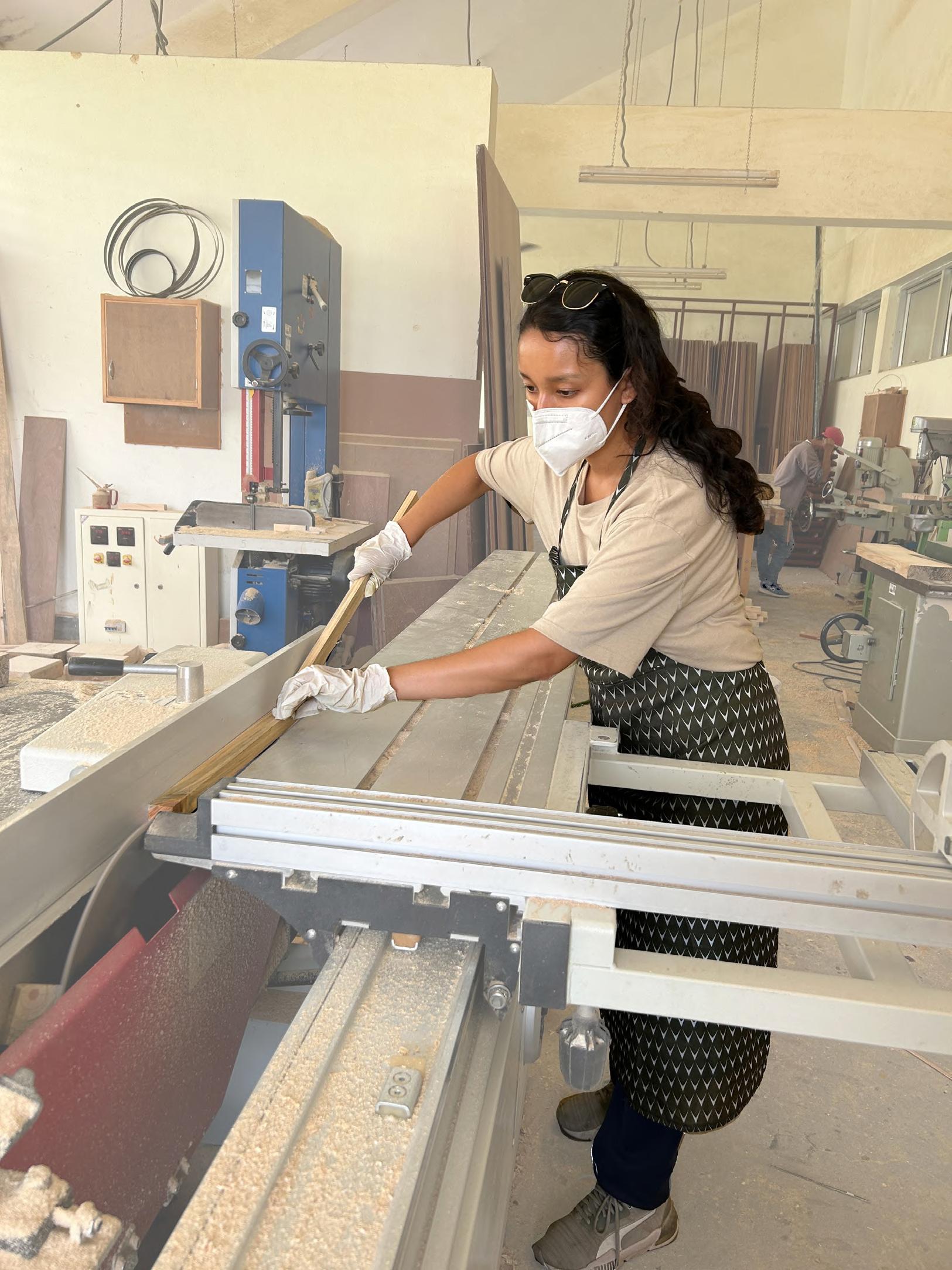
CUTTING, The necessary measurements were set on the machine, and the wooden sections were cut with precision. Various types of machines were used according to the types of cuts and joints.
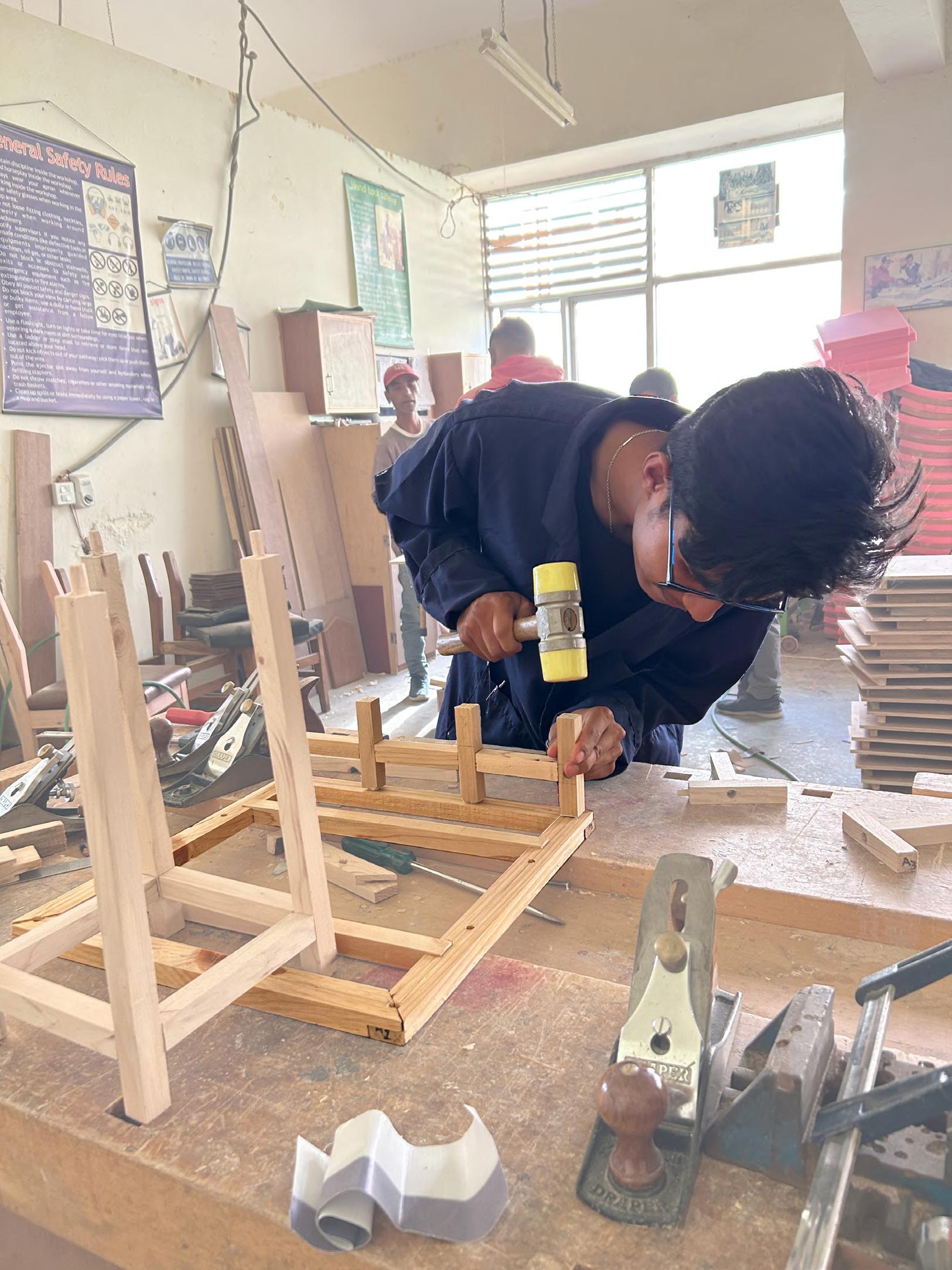
FITTING, After cutting, the joints were shaped. The mortise and tenon joints were tested by hammering one section onto another to ensure a proper fit.
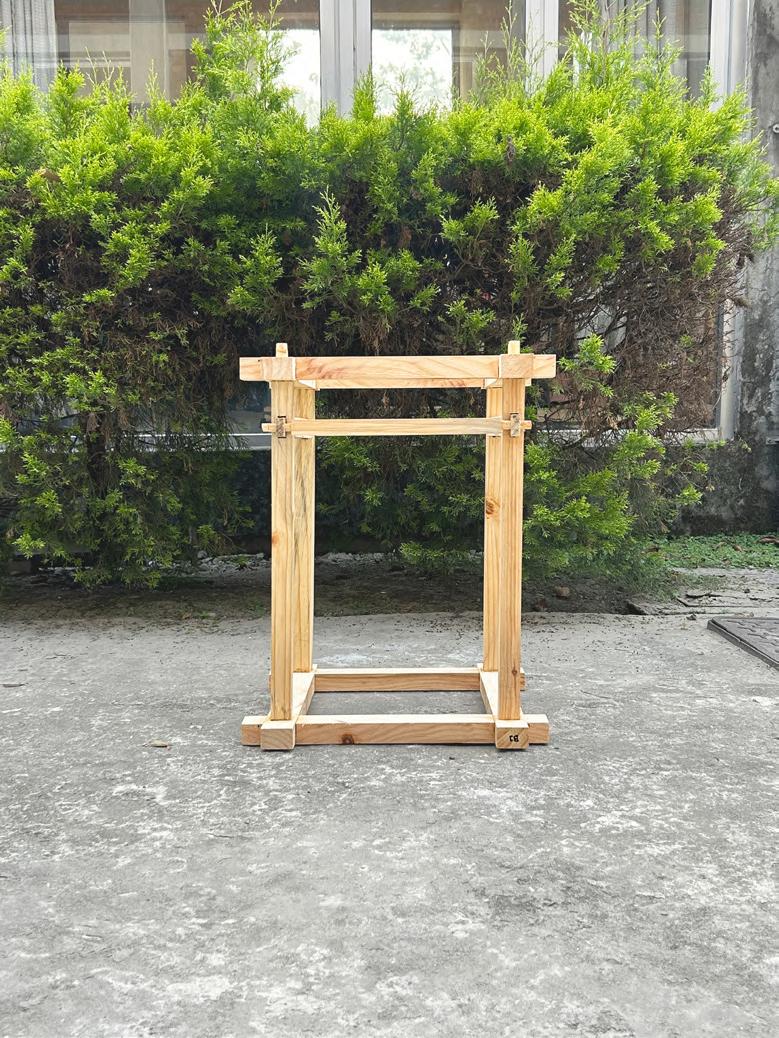
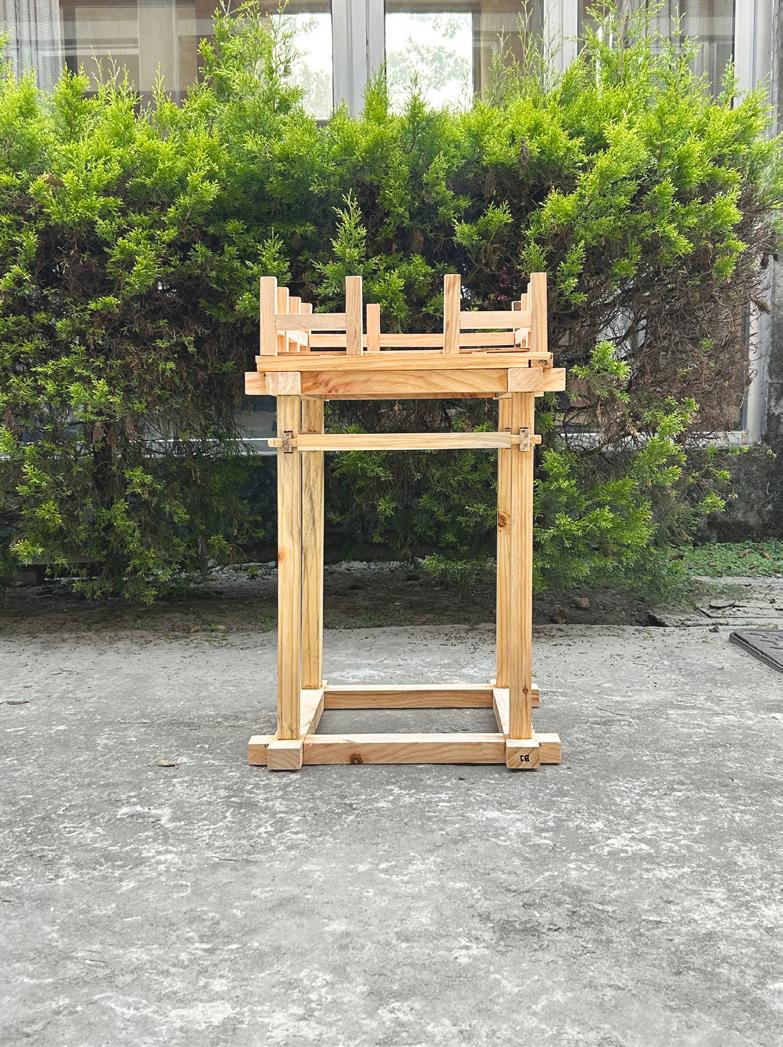
ASSEMBLING, Once all sections and joints were ready, the wooden pieces were assembled. Necessary joints were glued wherever required.
THE PRESENTATION, on the day of the final presentation, the making process of the Khat was described and demonstrated by assembling it piece by piece in real-time. Additionally, a Pati was designed for the proper storage and display of both the full-scale Khat and the miniature model.
LAYERING, The images depict a step-by-step process where wooden sections are stacked on top of each other using various suitable joints to create the final product.
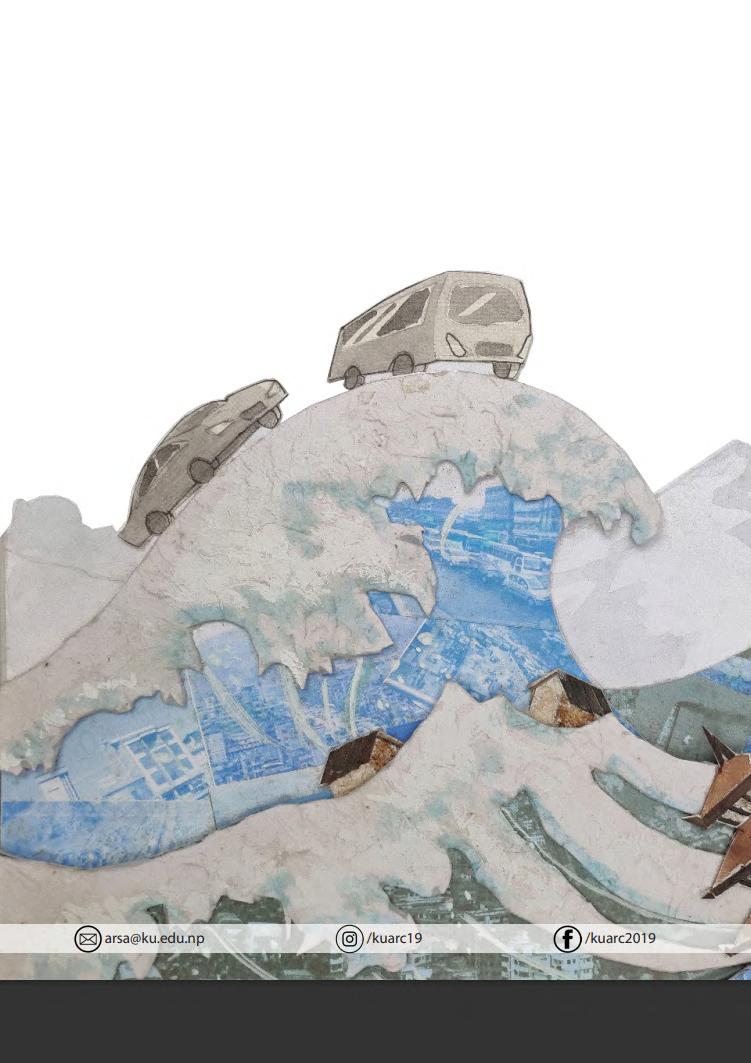
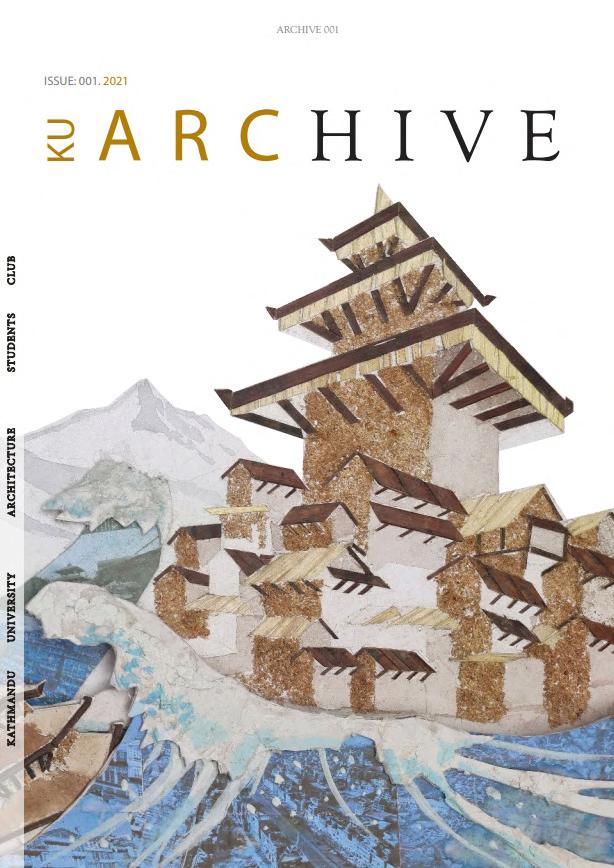
COLLAGE
Featured on Cover Page,ARCHIVE 001, 2021
PHOTOGRAPHY
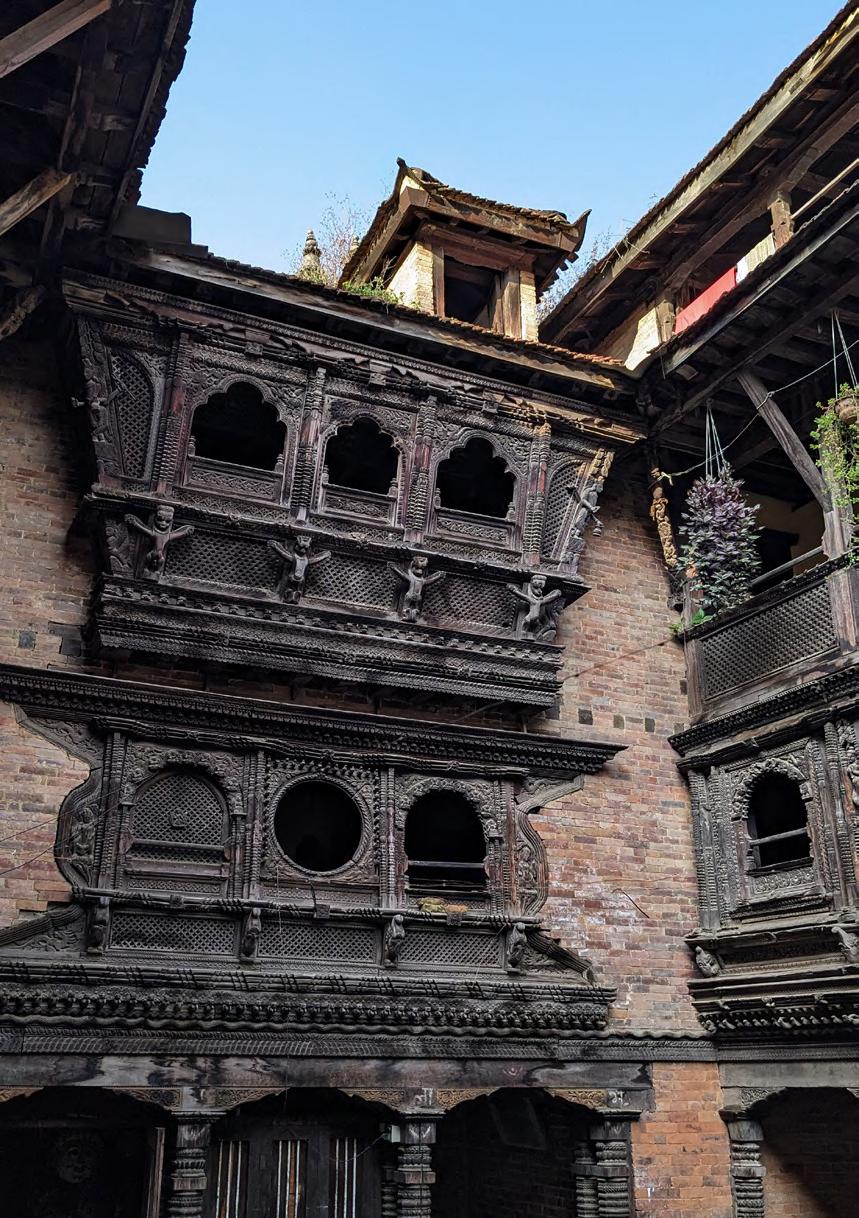
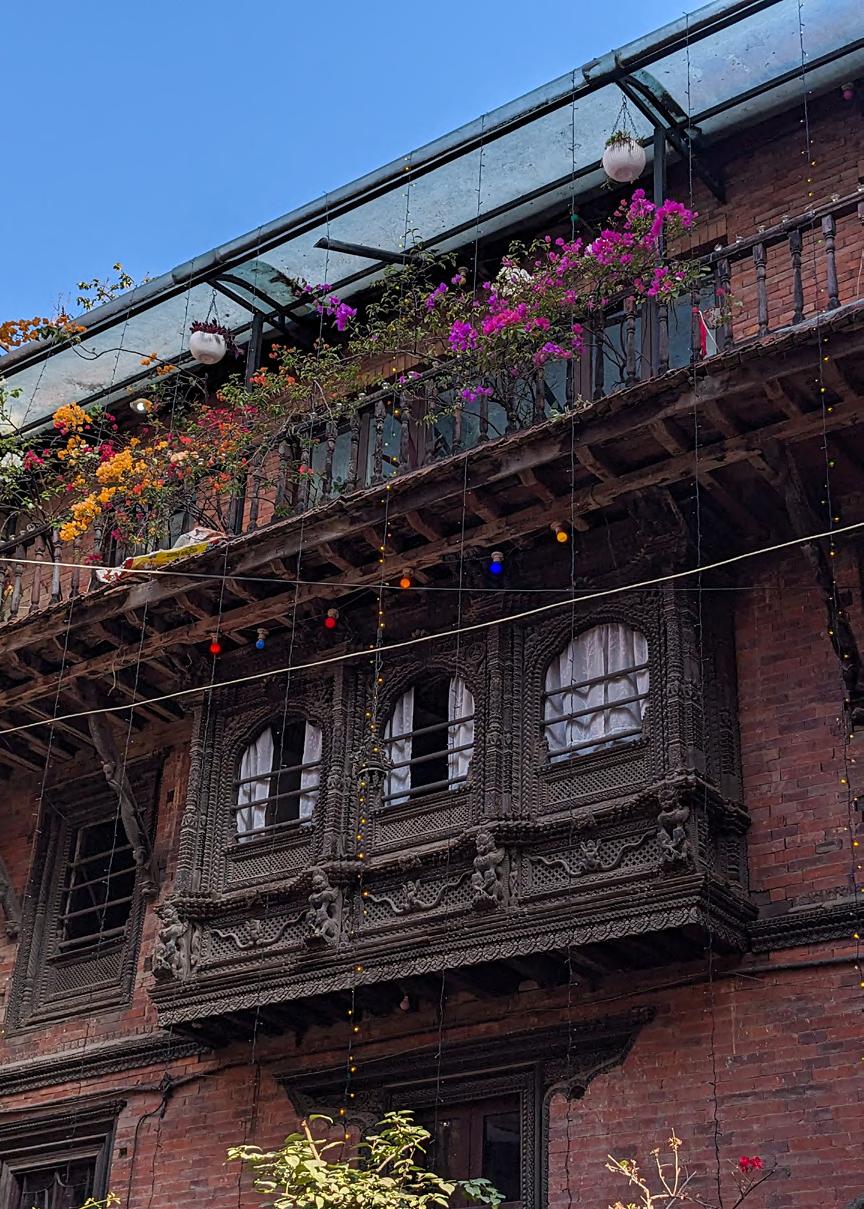
An archive of Traditional Architecture in Kathmandu Valley : kunakapcha_
MODEL MAKING
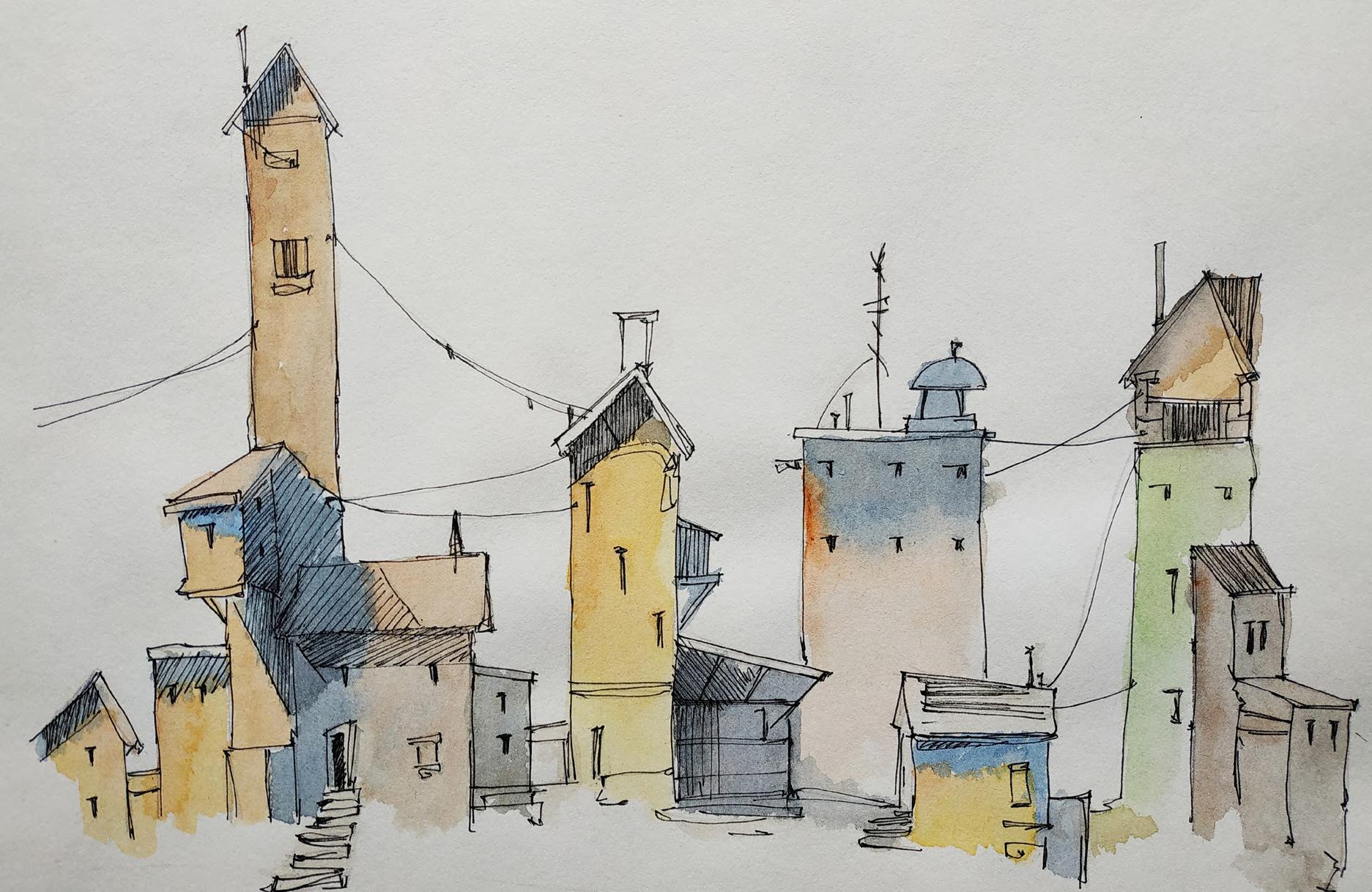
A watercolor art originally by Peter Sheeler, Art class, 2020
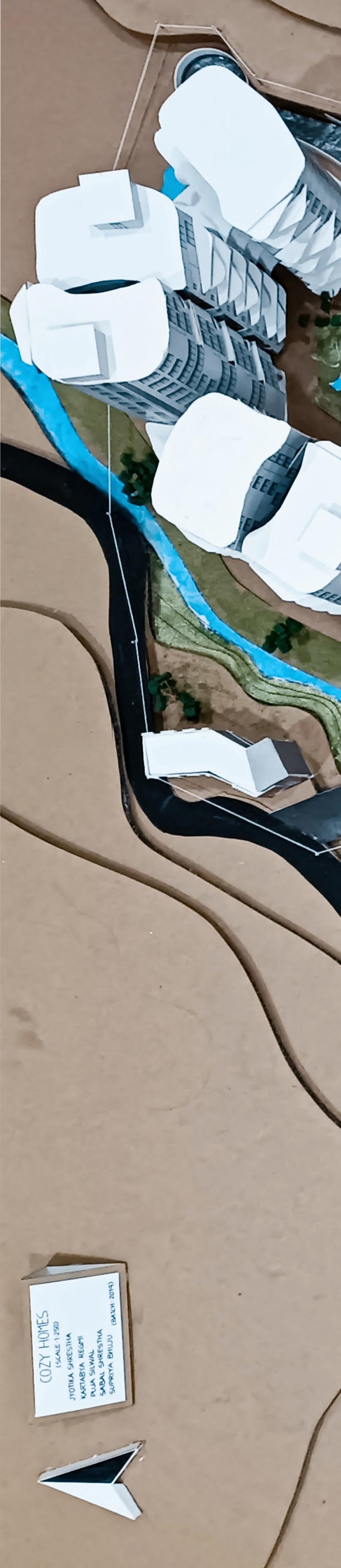
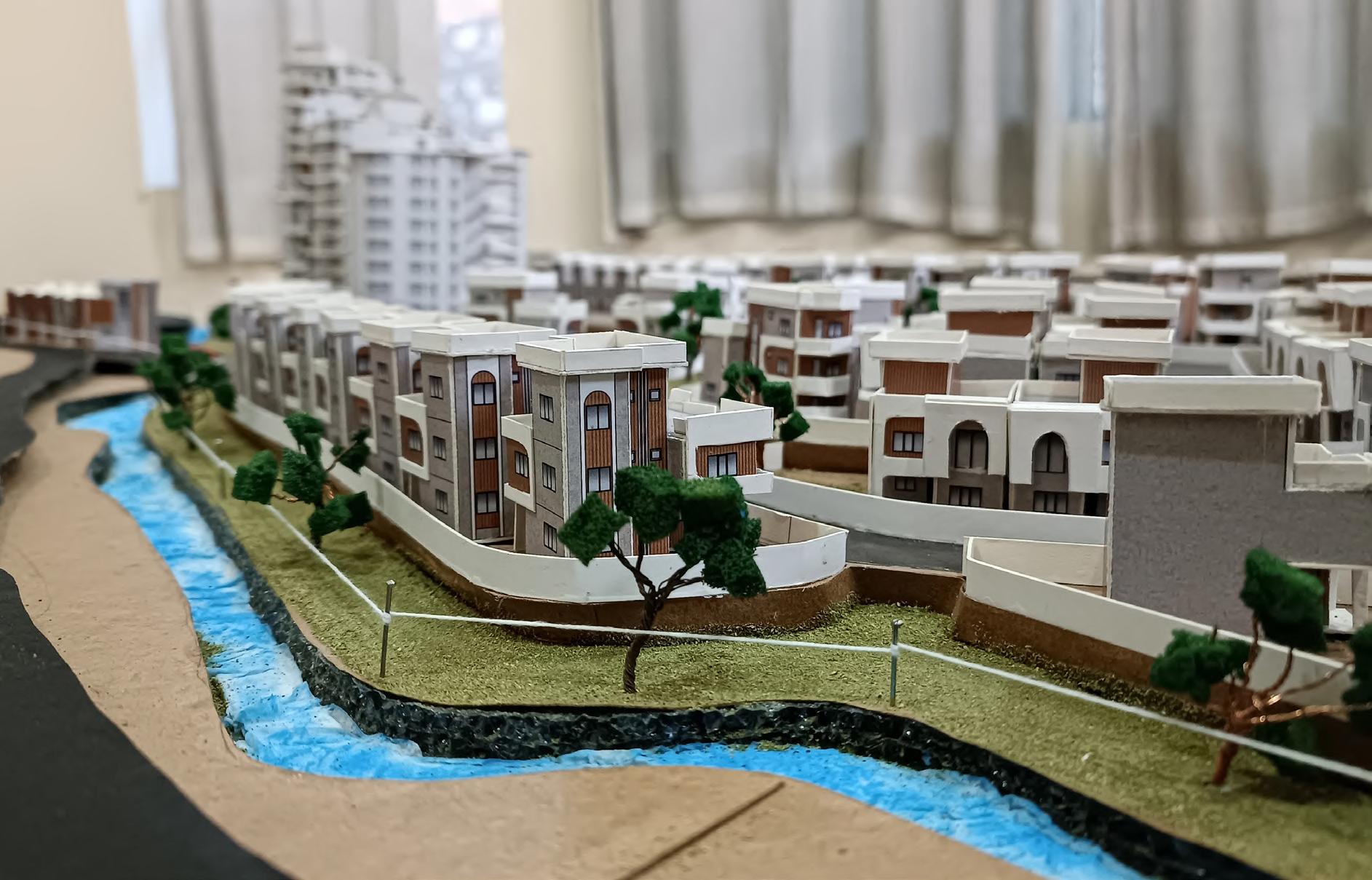
Model making of Housing and Apartment Project