
Why Parents Trust Junior Golf Schools for Real Results in 2026
Parents today want more than casual sports sessions for their children. They want real progress. They want safe environments. And they want training that builds character as much as it builds skill. This is exactly why many families now trust golf schools for structured development, long-term confidence, and steady growth.
One programme leading this shift is St Andrew's Golf Summer Camp, known for consistency, discipline, and results. But the deeper truth is this: the right golf school doesn’t just teach swings. It shapes a young player’s mindset. That is what parents value most in 2026.

A Training System Built for Real-World Play
The biggest problem young golfers face is inconsistency. They practise one way at home. Another way at the range. And something completely different during competition. A structured environment solves this.
Golf schools rely on routines that:
● Strengthen decision-making
● Build mental discipline
● Stabilise core technique
● Improve course management
These are skills that shape a complete golfer, not just a talented one.
Children learn better when they know what to expect. When the routine is clear, progress becomes predictable. Parents see these results quickly, which builds trust.
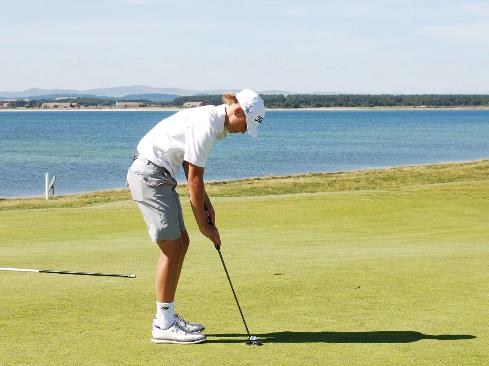
Professional Coaching Designed for Young Minds
Children learn differently than adults. They need repetition. Clear instructions. Positive feedback. And simple concepts broken into small steps.
Modern golf schools use a teaching structure that young players understand:
1. Step-by-Step Swings - Simplified swing mechanics remove confusion.
2. Visual Learning - Slow-motion videos show exactly where corrections are needed.
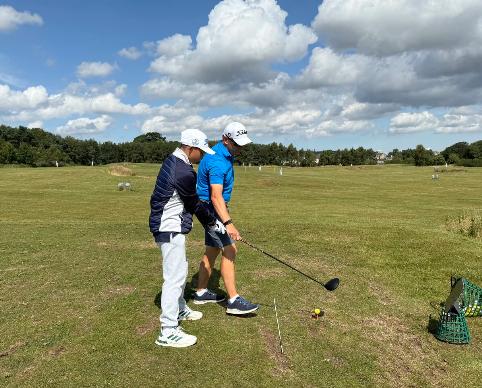
3. Hands-On Guidance - Trainers help young players feel the right movement, not just hear it.
4. Short, High-Focus Drills - Kids stay engaged. No long boring sessions. This approach keeps children excited about learning without overwhelming them.
Real Courses Create Real Confidence
Driving range practice isn’t enough. Real skills appear when children play on real courses. That’s where pressure, terrain, and decision-making come into play.
Golf schools take students outdoors early. They learn to:
● Read greens quickly
● Understand slope and weather
● Manage risk
● Choose safer shots
● Play smarter, not harder
These lessons in junior golf schools matter more than perfect practice swings. Kids who learn on the course become confident under real-world pressure. Parents see this shift when their child begins to make calm, smart decisions in every game.
Correcting Small Habits Before They Become Big Problems
Bad habits develop quickly. They also become harder to fix as children grow older. Golf schools watch for early signs of:
● Over-rotation
● Grip tension
● Balance issues
● Shoulder misalignment
● Rushed tempo
Coaches step in early. Corrections are made gently. And kids learn to recognise mistakes themselves. This self-awareness is a powerful tool on and off the course.
A Safe and Supportive Community
Parents aren’t only choosing golf schools for skill. They choose them for the environment.
A healthy training environment:
● Encourages teamwork
● Builds friendships
● Offers emotional support
● Teaches respect
● Creates positive competition
Golf schools allow children of all levels to feel included. No child feels left behind. Confidence grows naturally when they feel supported.
Mental Strength: The Hidden Advantage
Golf is a mental sport. Children who learn focus early develop an advantage that lasts years.
Golf training includes skills like:
1. Breathing Control - Helps calm nerves before a shot.
2. Pre-Shot Routine - Teaches consistency and mental reset.
3. Emotional Regulation - Reduces frustration after a bad shot.
4. Strategic Thinking - Makes kids smarter players, not just stronger ones.
Parents notice this mental growth in everyday life too. Kids become more patient. More disciplined. More aware of their decisions.
Fitness That Is Age-Appropriate and Safe
A strong body supports a strong swing. But children don't need heavy training. They need proper fitness designed for their age and growth stage.
Golf schools include:
● Light flexibility training
● Core stability exercises
● Balance drills
● Footwork patterns
● Gentle strength work
Everything is safe, supervised, and built for growing bodies. This protects the child from injury and improves their performance.
Why Parents Trust the Process More in 2026
Training quality has improved. Technology has improved. Coaching systems have improved. Parents see faster results, safer environments, and more balanced development.
They trust golf schools because they offer:
● Modern coaching tools
● Highly trained instructors
● Real-course experience
● Mental discipline training
● A supportive community
● A path from beginner to advanced
The process works. And the results are visible.
The Long-Term Advantage for Young Golfers
Children who train early build a foundation that lasts for life. Their posture. Their rhythm. Their confidence. Their strategic thinking. All of it becomes part of who they are.
Parents choose golf schools because they know one simple truth:
Golf is more than a sport. It is a life skill. And the right school helps their child grow with balance, discipline, and genuine joy.